A 12th-grade gymnastics unit focusing on the transition from individual skill mastery to artistic routine composition. Students learn to choreograph, refine, and perform a floor routine that emphasizes flow, spatial awareness, and aesthetic control.
A series of health and wellness lessons for high school students focused on developing psychological resilience, critical media literacy, and a functional approach to self-perception.
A comprehensive unit focused on debunking mental health myths and establishing a scientific understanding of mental illness through the Bio-Psycho-Social model.
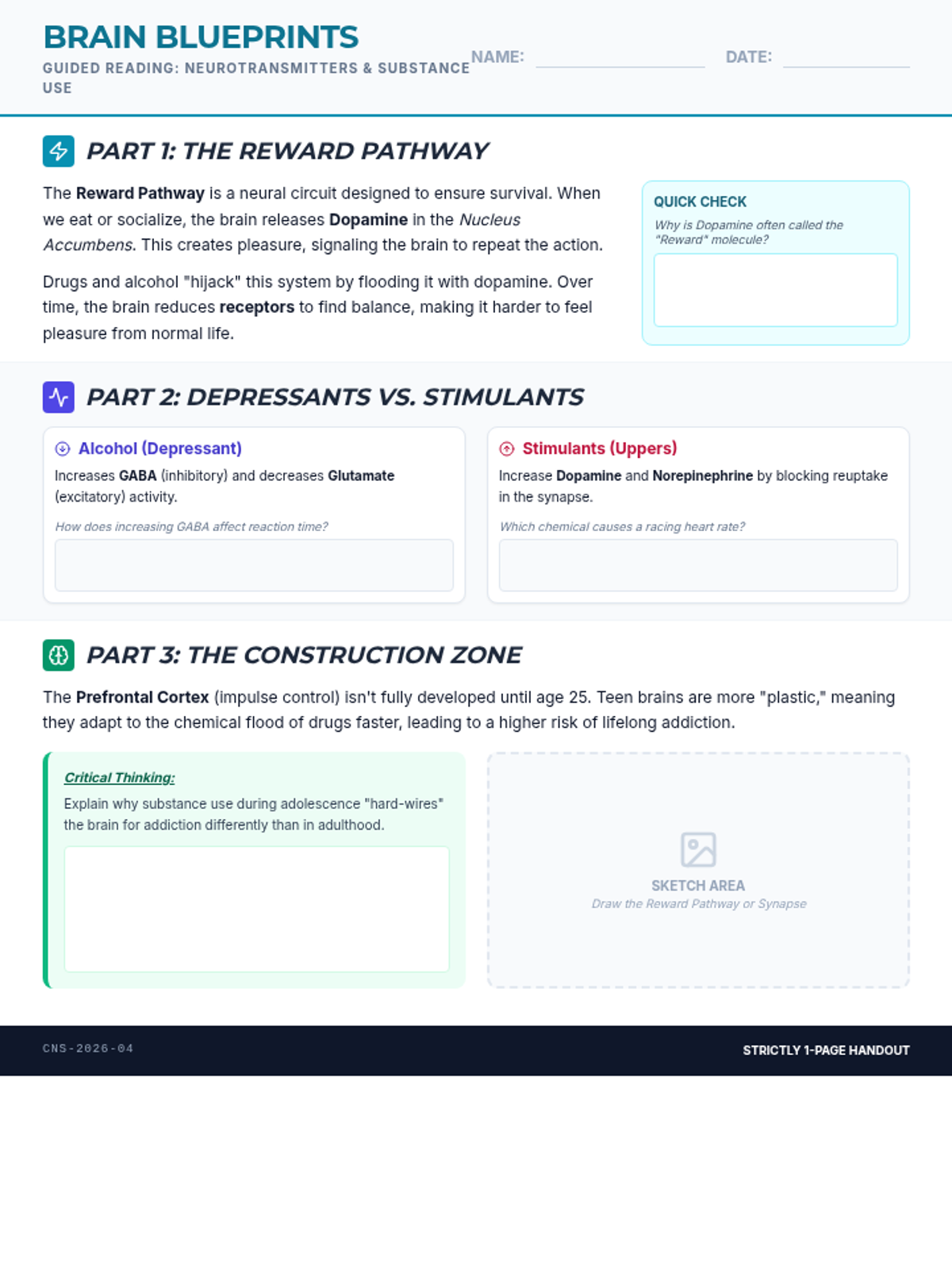
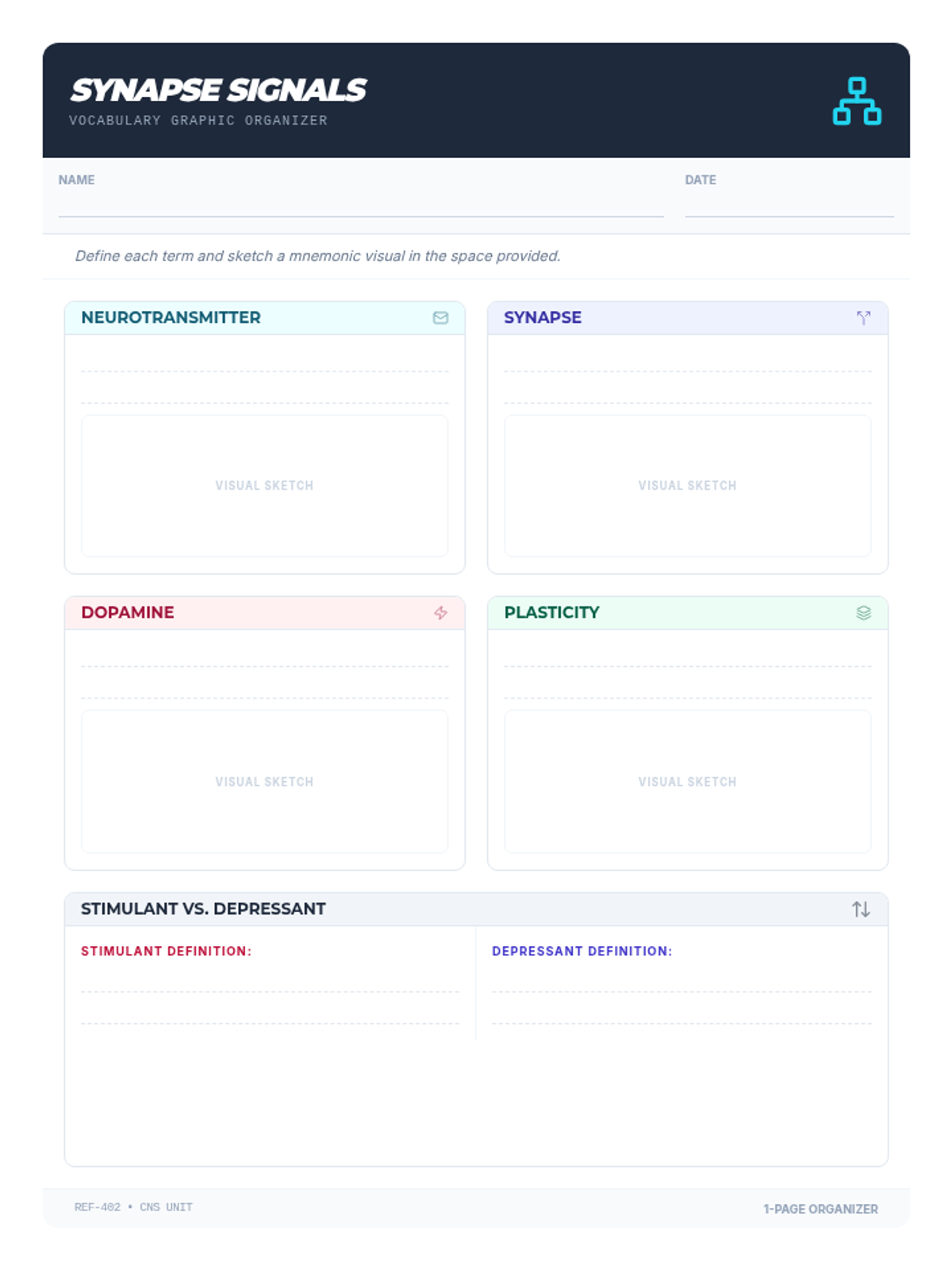
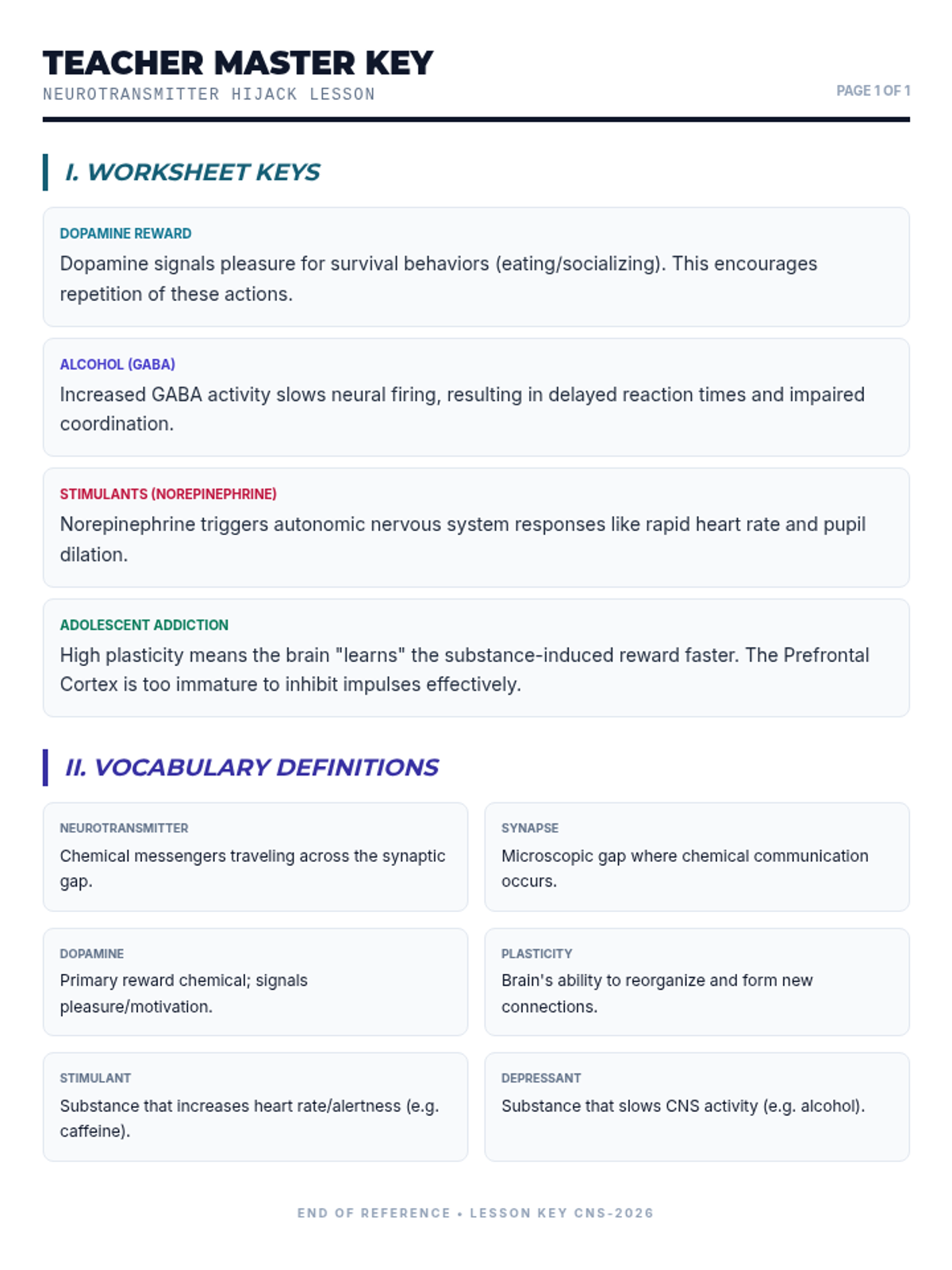
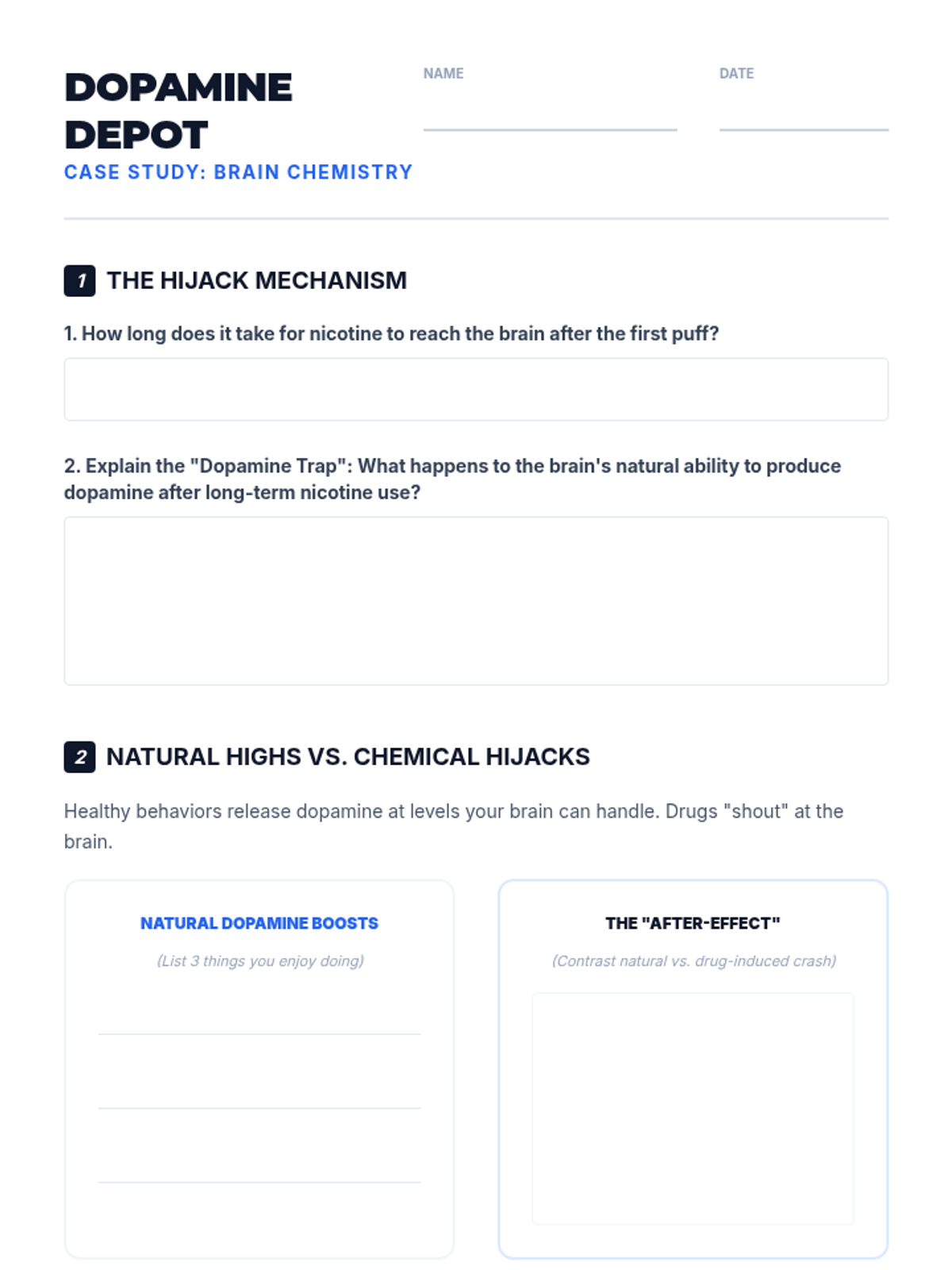
A high school health lesson analyzing the physiological effects of stimulants and depressants on the nervous system and the 'rebound effect' of using substances to cope with stress.
A high school health and psychology unit exploring neurodiversity, focusing on the diagnostic criteria, support needs, and lived experiences of individuals on the autism spectrum.
A high school health lesson focused on debunking common myths about psychosis, understanding its clinical definition and symptoms, and exploring the impact of social stigma on recovery.
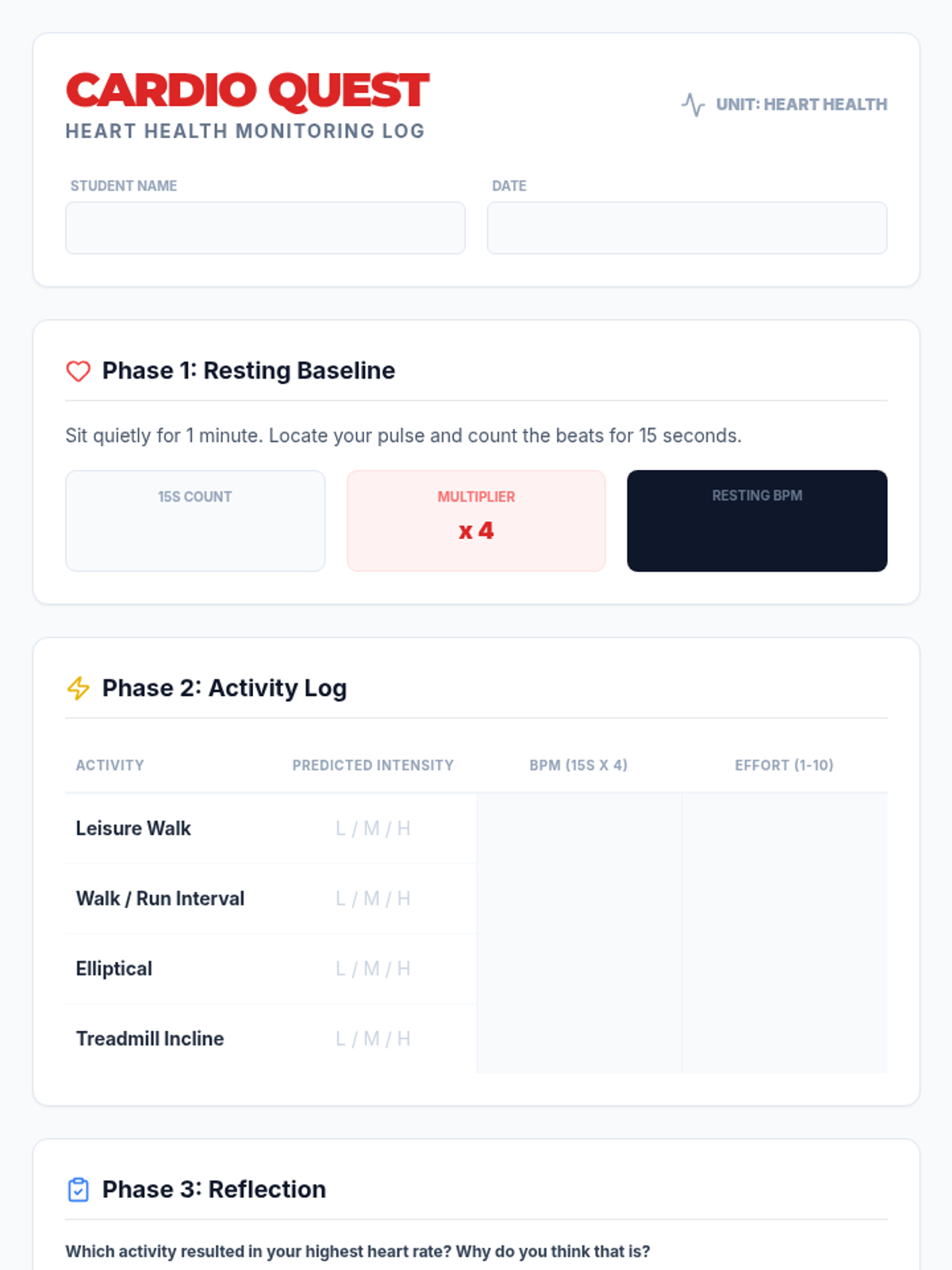
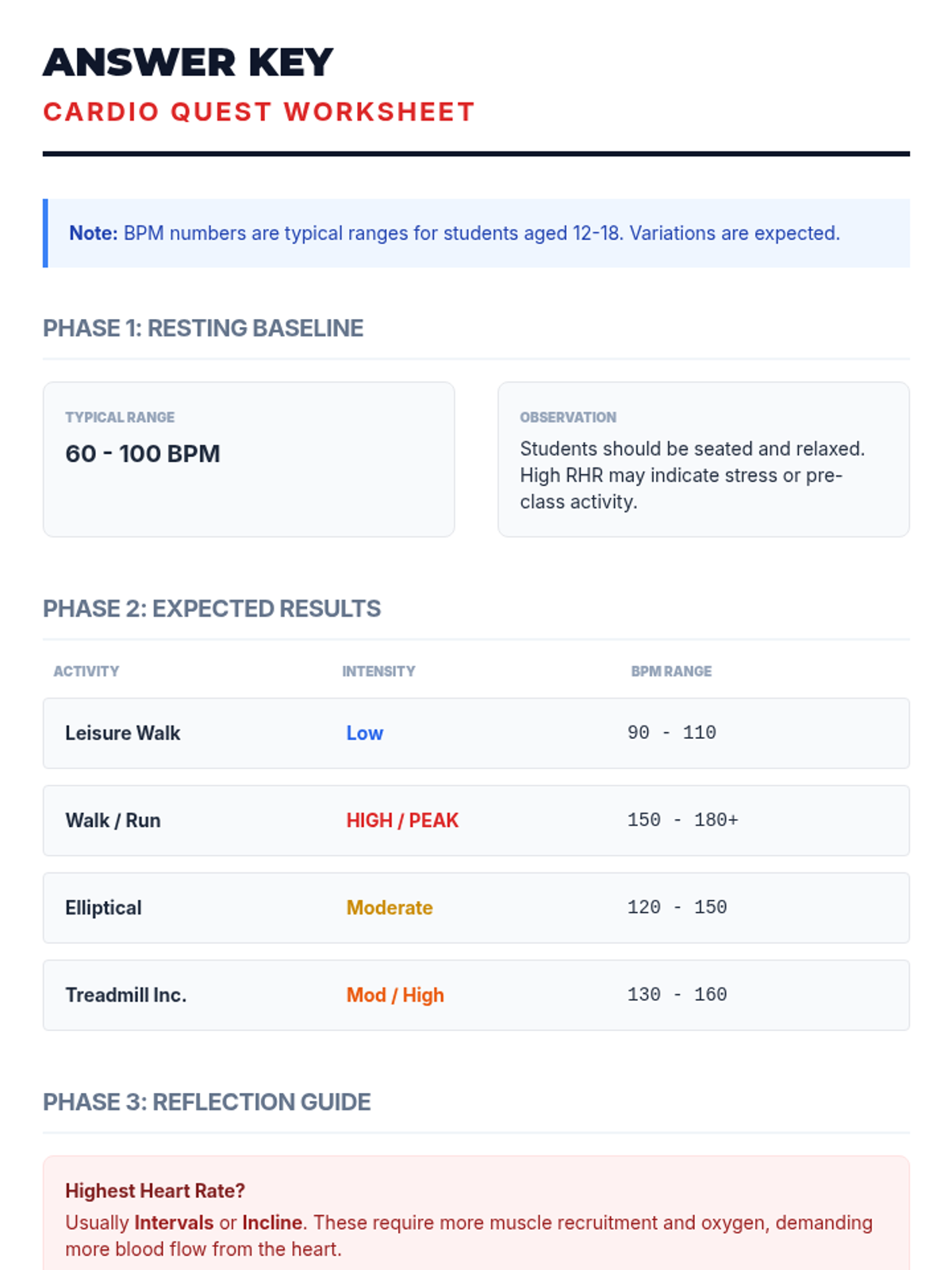
A high school health lesson focused on the physiological effects of stress, specifically cortisol's impact on the brain, and practical laboratory testing of stress-reduction techniques. Students explore eustress versus distress and measure their own heart rate and stress levels during guided interventions.
A comprehensive 16-week weight training curriculum divided into two parts: 'Part 1: The Human Engine' (Weeks 1-8) focusing on movement patterns, bodyweight mastery, and anatomy; and 'Part 2: The Iron Forge' (Weeks 9-16) focusing on advanced compound lifts, training science, and independent program design. Includes nutrition for performance and comprehensive classroom activities.
A comprehensive lesson sequence for High School Health/Psychology focused on understanding clinical depression, the biological basis of mental health, and strategies to overcome societal stigma.
A restorative learning program designed for high school students to reflect on the impact of substance use and prepare for a positive return to their school community. The program balances scientific facts with deep personal reflection.
A research-focused sequence for 9th-grade students to map, evaluate, and access specialized crisis resources. Students learn to distinguish between general and specialized support, evaluate the credibility of services, and develop a personalized safety resource plan.
This sequence demystifies the process of accessing crisis support by breaking down the mechanics of hotlines and text lines. Students learn to distinguish between emergency services (911) and crisis hotlines (988), understand the experience of reaching out, and create personal resource tools for future use.
A comprehensive 9th-grade sequence on track and field events, focusing on the mechanics of horizontal jumps and throwing disciplines. Students explore the physics of force, momentum, and release angles through technical practice and a final simulated competition.
This 12th-grade sequence explores the technical mechanics of field events and the logistical complexities of track meet administration, preparing students for roles as athletes, coaches, and officials.
A high-performance track and field unit for 12th-grade students that integrates biomechanics and physiology. Students analyze acceleration physics, stride efficiency, energy systems, and relay coordination to optimize their athletic performance through data-driven training.
An intensive exploration of the physics and biomechanics behind field events, focusing on shot put, discus, long jump, and triple jump. Students apply scientific principles to athletic performance through peer coaching, video analysis, and technical drills.