Essential safety protocols, map reading, and compass navigation for wilderness environments. Strengthens group dynamics and problem-solving through structured outdoor team-building challenges.
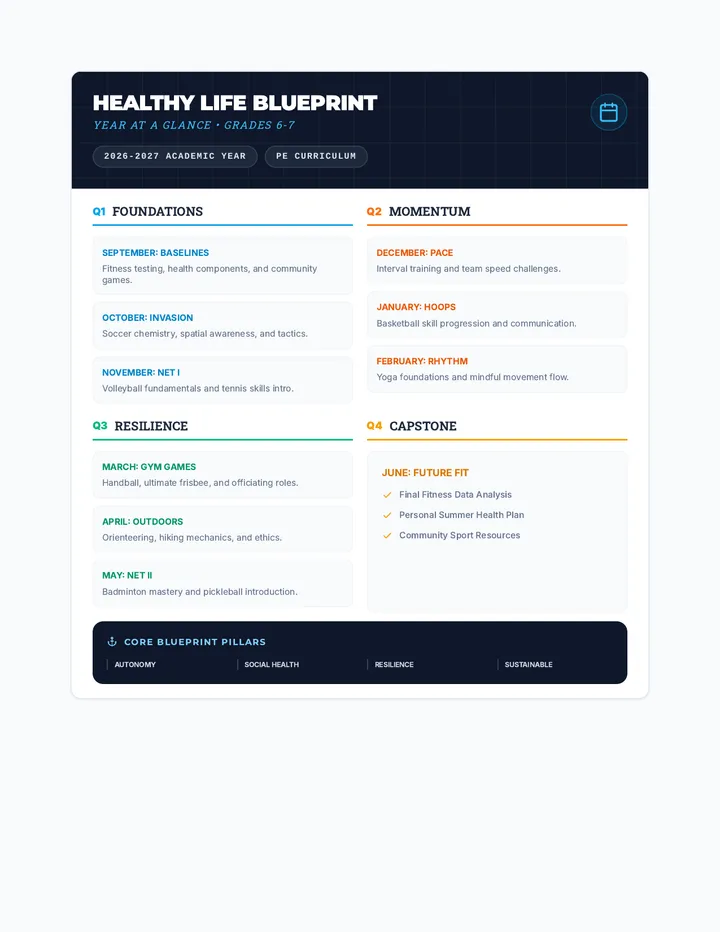
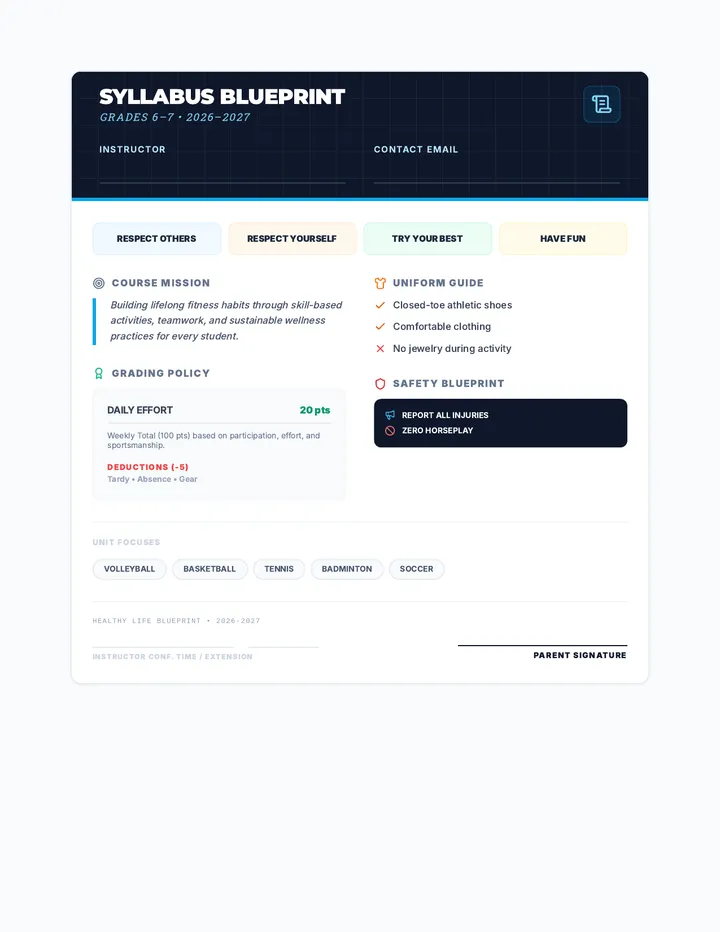
A comprehensive middle school PE curriculum for mixed 6th and 7th grade classes, focusing on developing sustainable physical health habits through varied movement, teamwork, and personal goal-setting. This year-long program balances traditional sports with modern wellness practices to ensure every student finds their path to lifelong fitness.
A comprehensive 4th Grade outdoor education unit focused on the preparation, safety, and environmental stewardship required for hiking. Students learn about essential gear, trail navigation, Leave No Trace ethics, weather hazards, and collaborative trip planning.
This 5-lesson unit introduces 3rd-grade students to the essentials of outdoor safety. Students will learn how to pack effectively, identify environmental hazards, read basic trail maps, dress for varying weather conditions, and follow emergency protocols if lost in the wilderness.
A comprehensive 3rd Grade orienteering unit that takes students from basic spatial awareness to navigating a schoolyard course using maps, symbols, and pacing techniques.
A 5-lesson unit for 3rd graders on navigating using cardinal directions and compasses, progressing from basic orientation to following complex bearings in a scavenger hunt.
An advanced sequence for undergraduate students focused on the integration of digital mapping, GPS technology, and psychological risk management in wilderness expedition leadership. Students transition from desktop planning to field leadership, mastering technical tools and human-factor analysis.
A comprehensive 4th-grade unit on map literacy, compass navigation, pacing, and wilderness safety, culminating in a schoolyard orienteering challenge.
A comprehensive 5-lesson sequence for 5th-grade students covering the essentials of map reading, compass use, distance estimation, and wilderness safety. Students progress from classroom-based map analysis to active outdoor navigation challenges.
A physical and cognitive journey for 3rd graders to master the basics of navigation, pacing, and orienteering through active, outdoor-focused challenges. Students move from measuring their own stride to completing a full-scale schoolyard expedition.
A comprehensive 5th-grade unit on wilderness navigation, covering safety preparation, topographic map reading, and magnetic compass use, culminating in a practical orienteering challenge.
An advanced sequence for undergraduate students focusing on the synthesis of technical navigation tools, terrain analysis, and risk management in wilderness environments. Students progress from topographic interpretation to digital integration and a practical field orienteering assessment.
A comprehensive 9th-grade physical education unit focused on the technical and physical skills of wilderness navigation, from topographical map reading to practical orienteering.
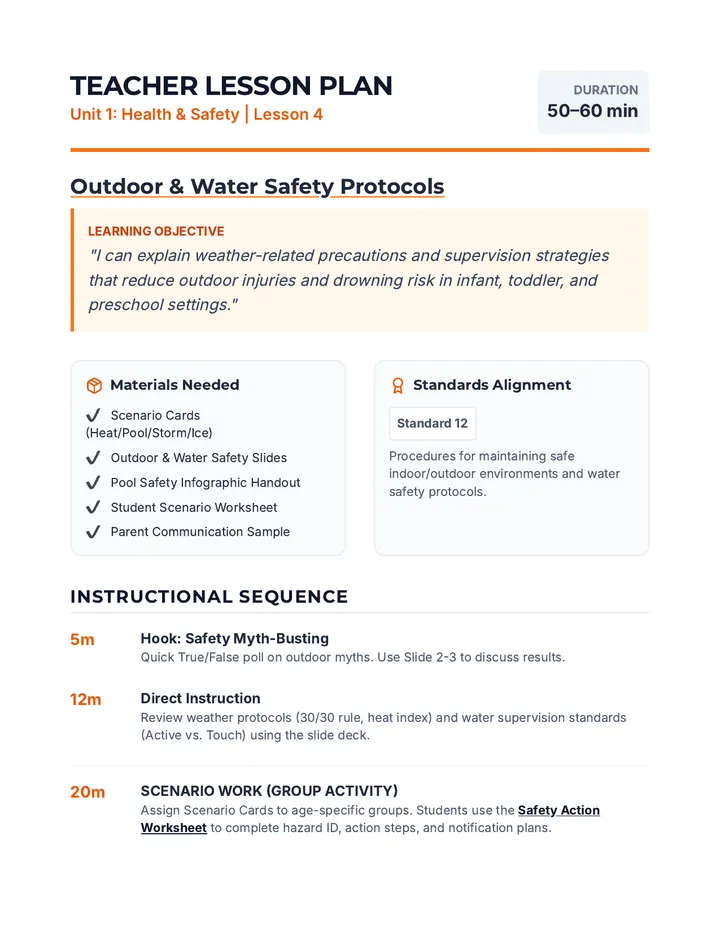
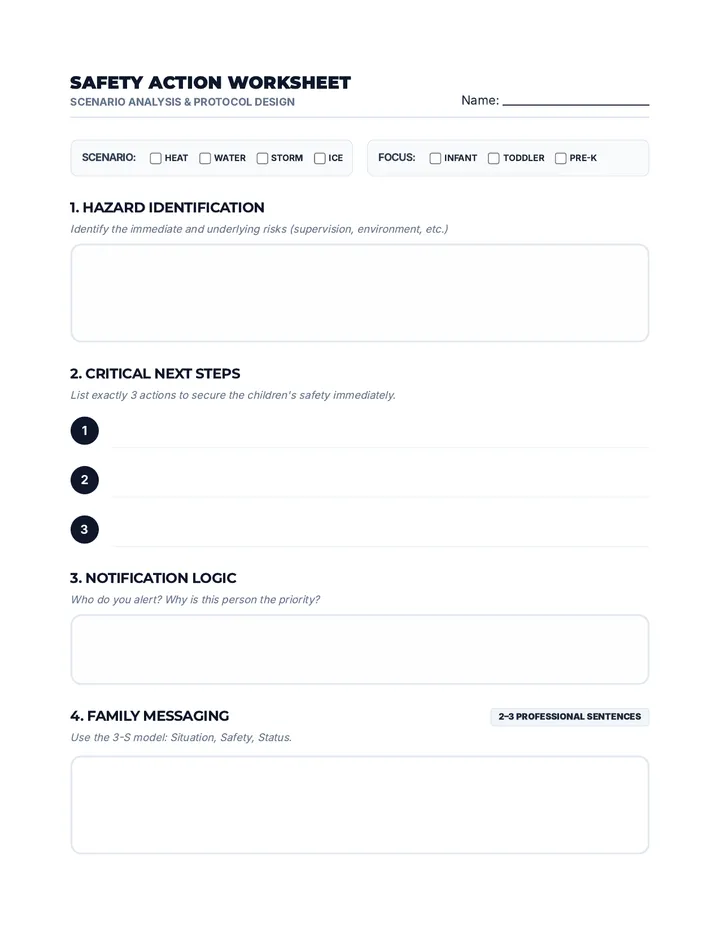
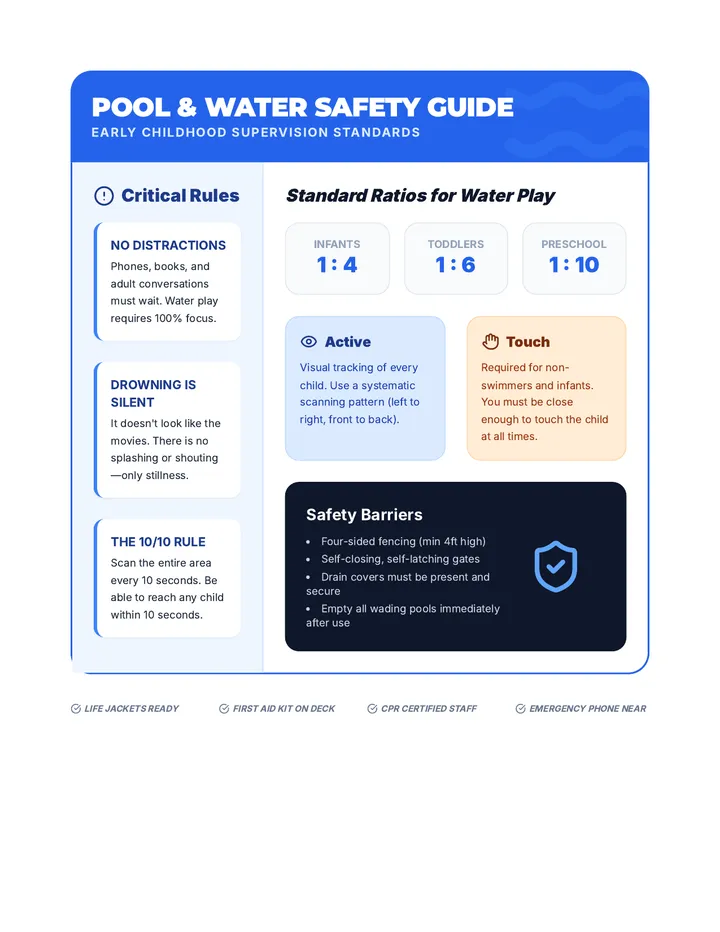
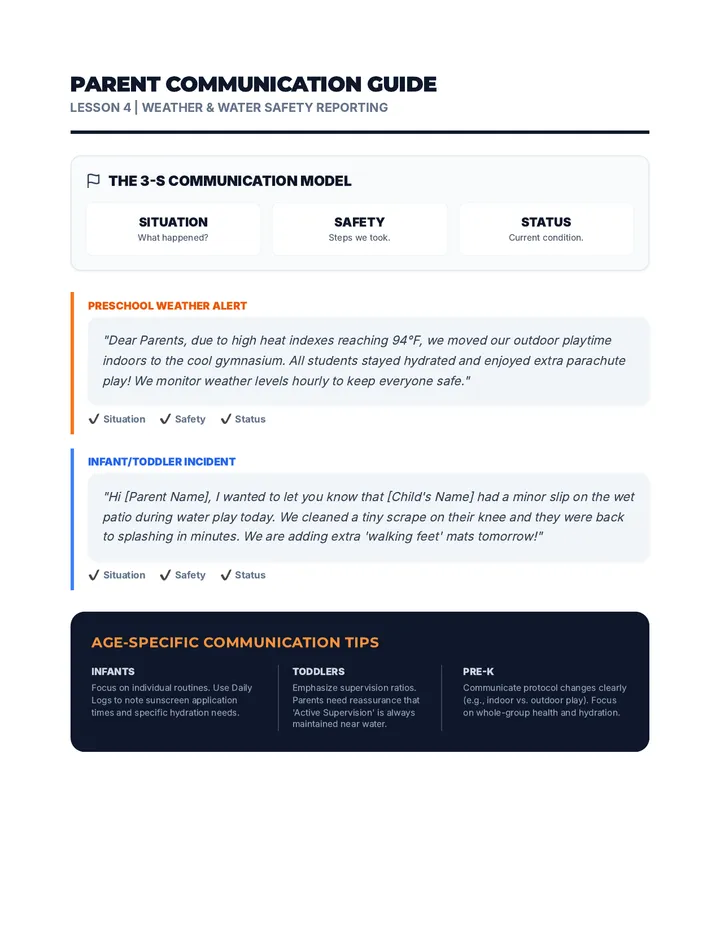
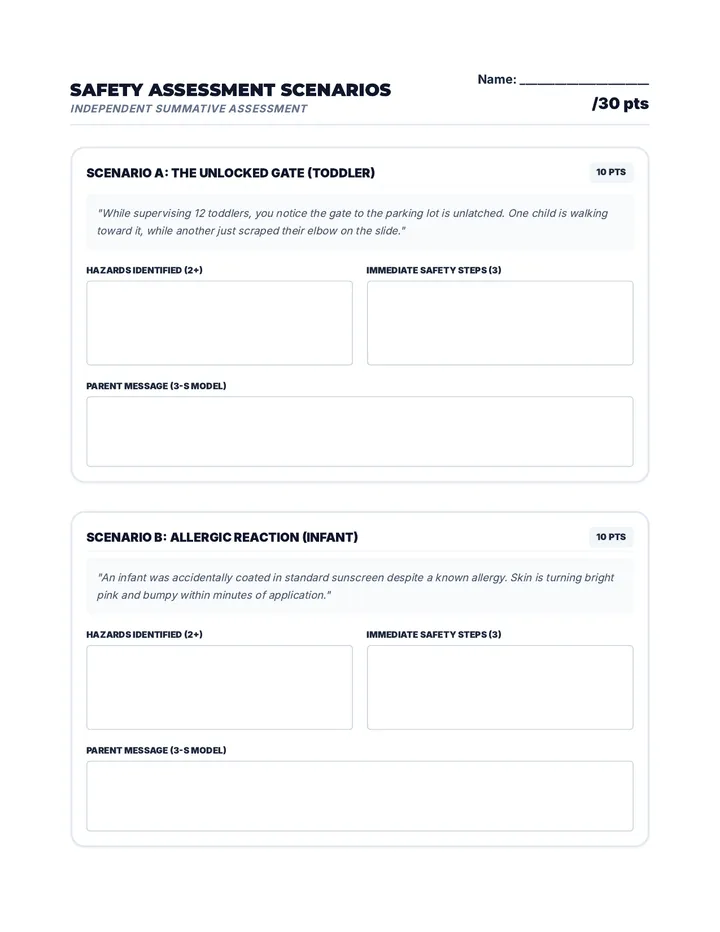
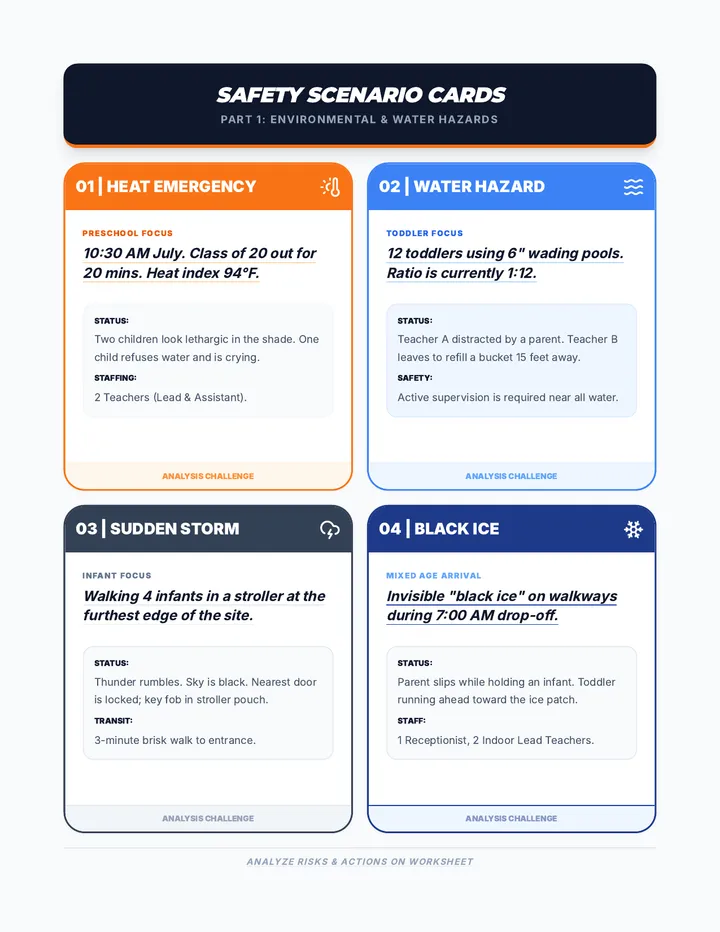
This lesson focuses on weather-related precautions and water safety strategies specifically for infant, toddler, and preschool environments, covering active supervision and emergency protocols.
A comprehensive 120-minute safety training session focused on identifying wildlife risks, recognizing safe behaviors, and responding correctly to animal encounters. This lesson equips participants with practical skills to protect both themselves and local wildlife.
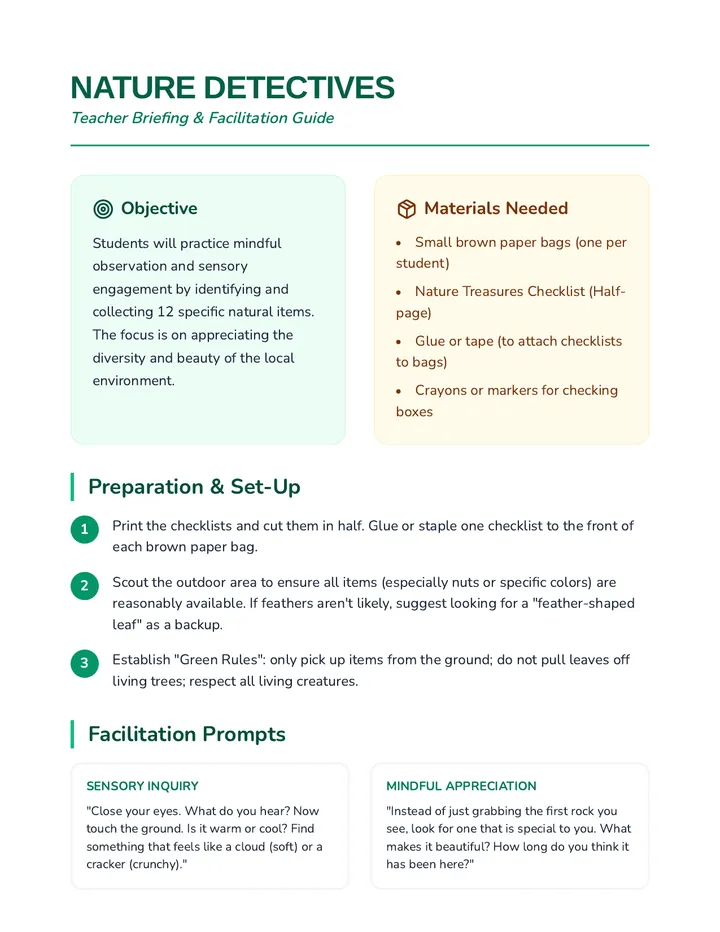
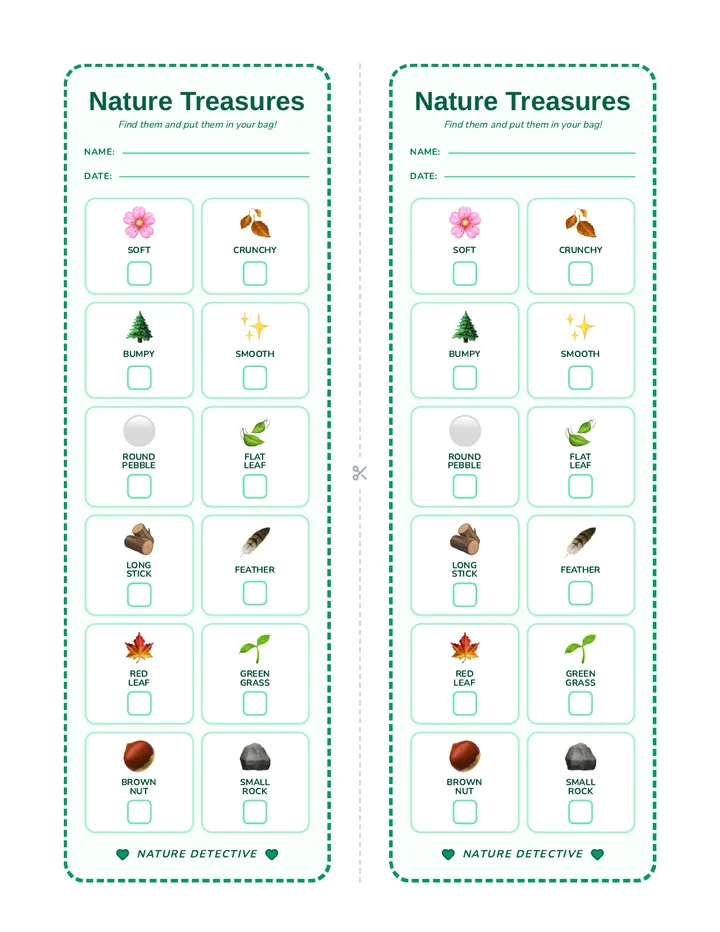
A sensory-focused outdoor activity where K-2 students practice mindfulness and observation by collecting natural treasures. Students explore textures, shapes, and colors while developing an appreciation for the environment.
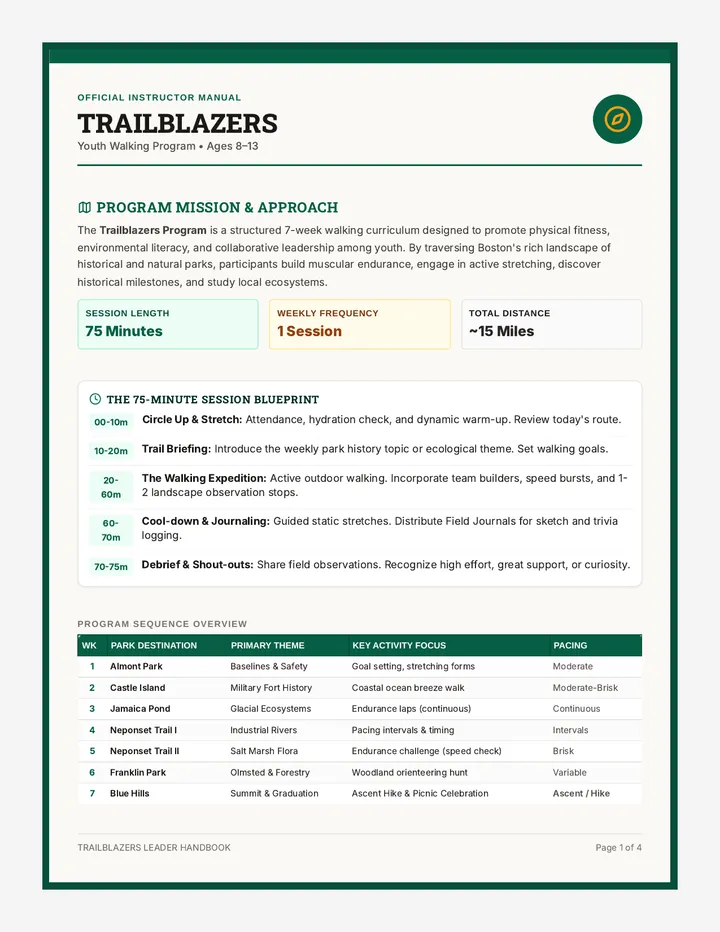
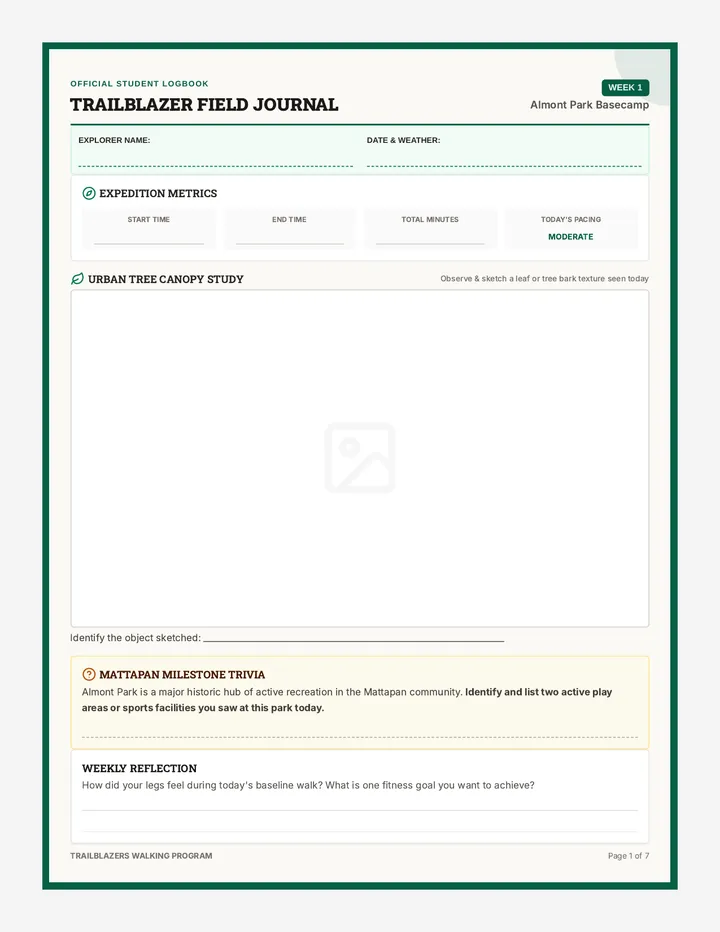
A 7-week walking program for youth ages 8-13, blending physical fitness, park history, ecosystem exploration, and team building across Boston's famous parks.
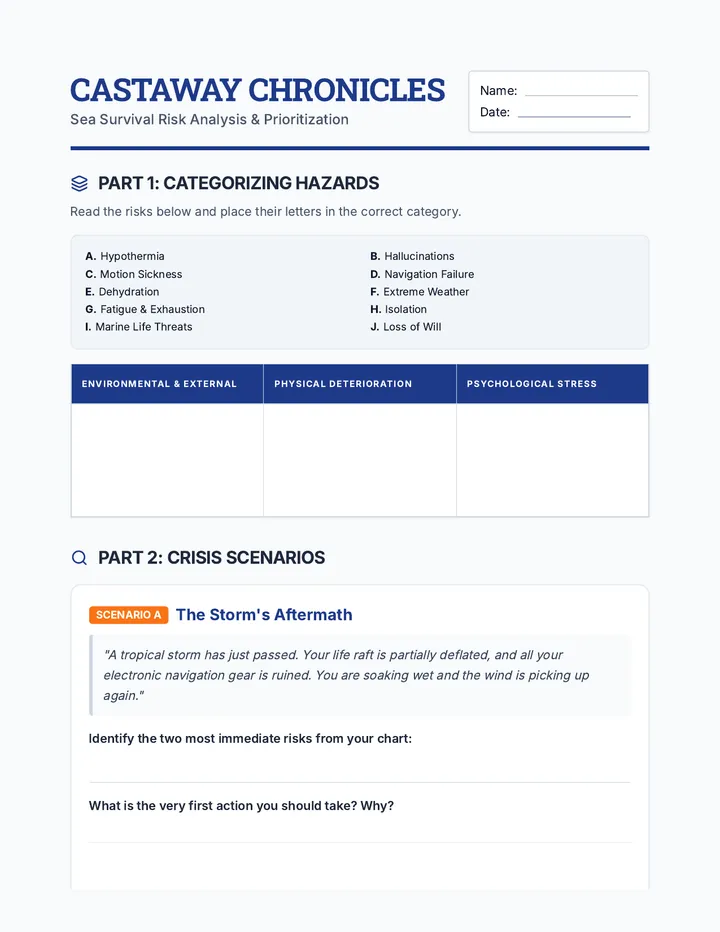
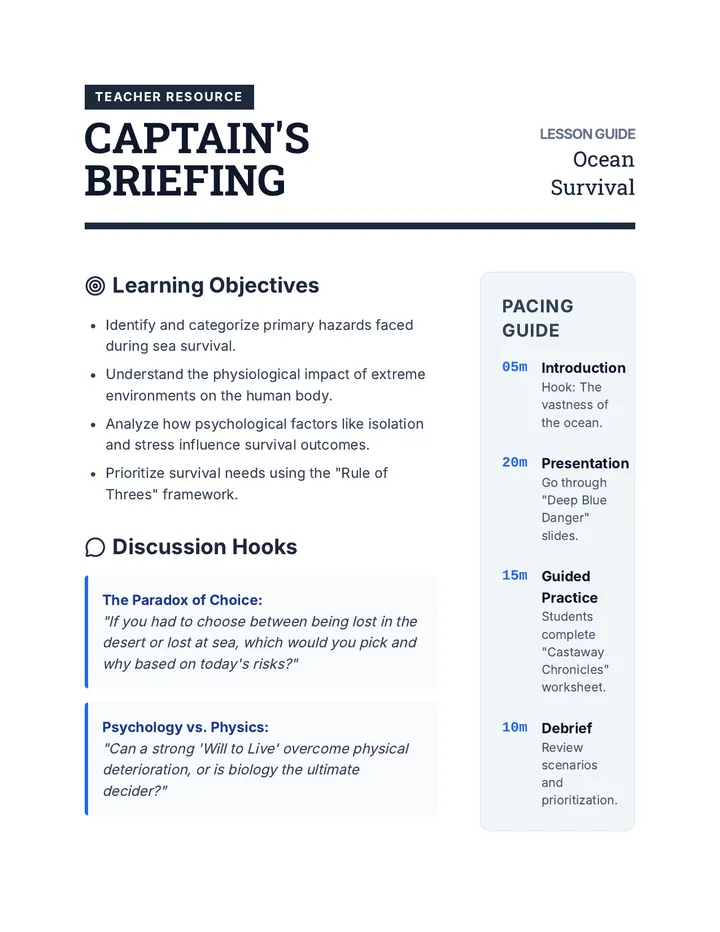
A comprehensive look at the physical, environmental, and psychological risks of being lost at sea, focusing on survival strategies and the human body's limits.
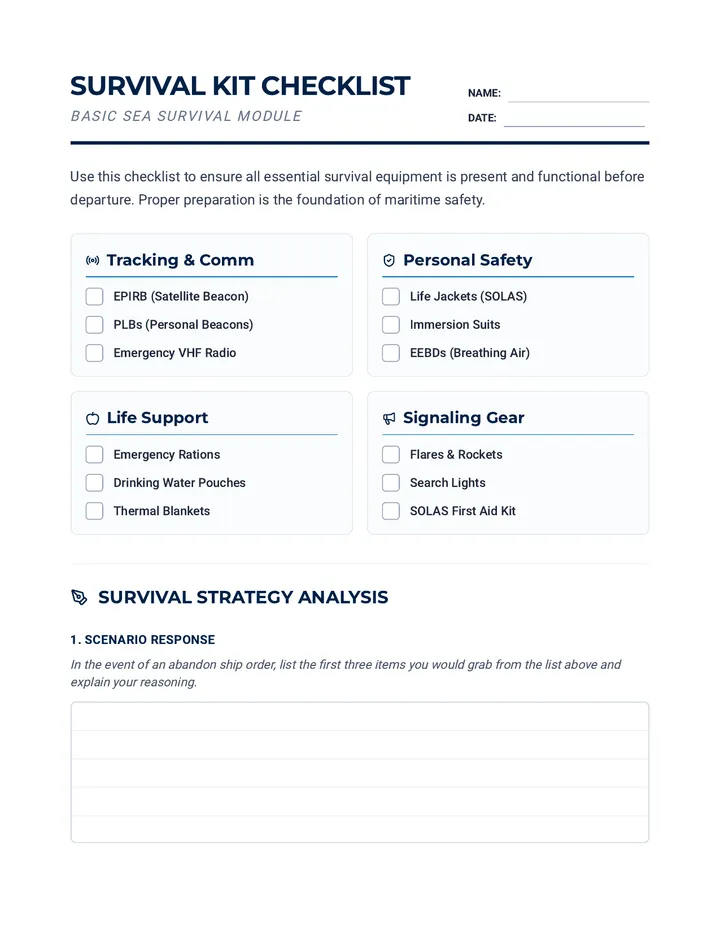
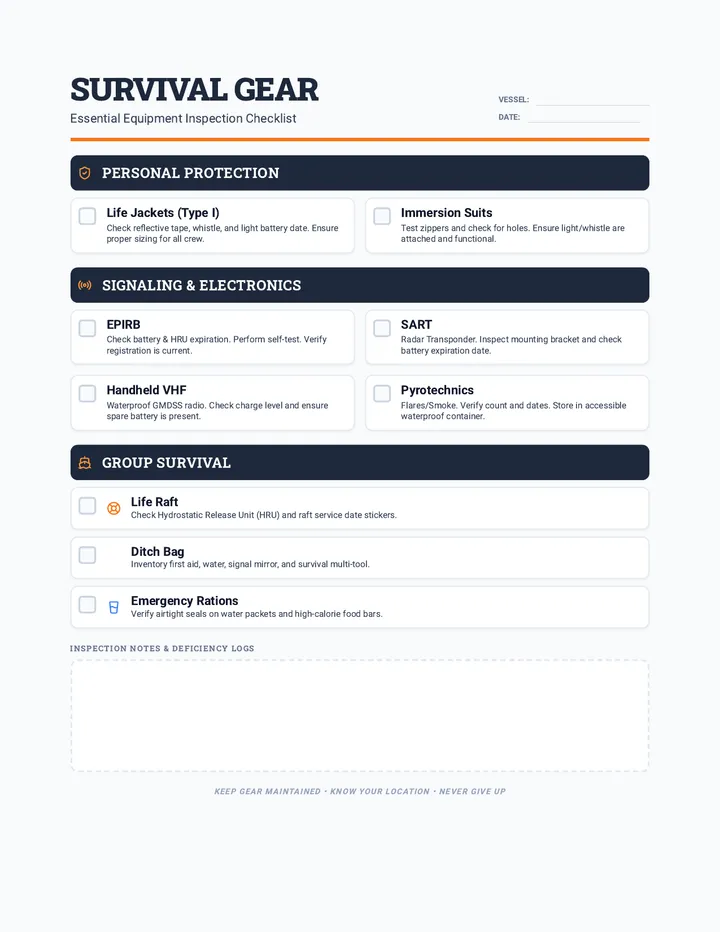
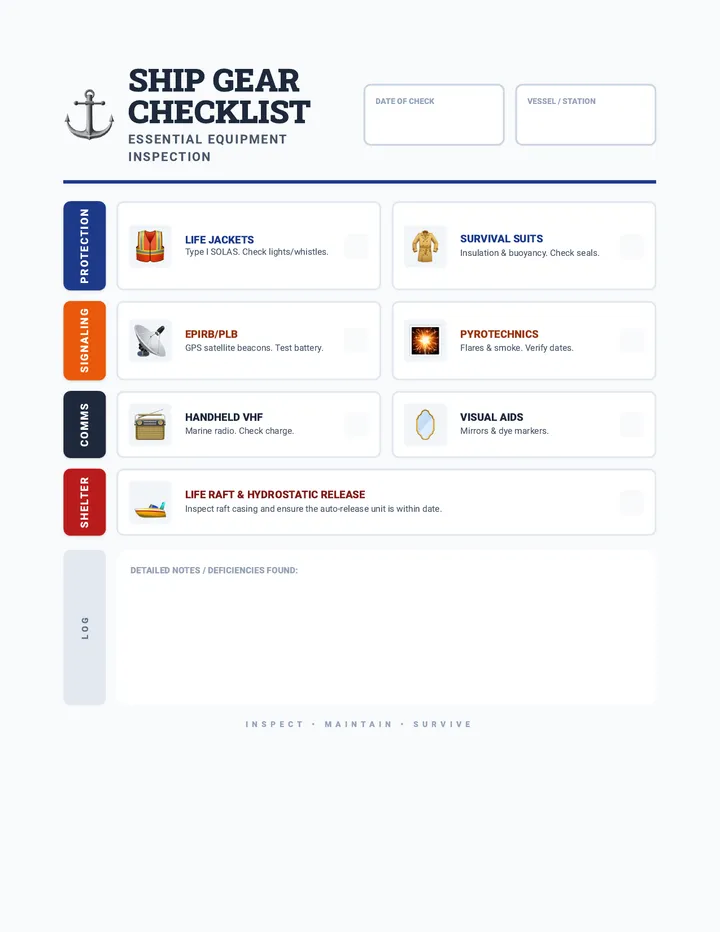
Students will learn the essential pillars of maritime survival, including risk management, technical equipment use, and survival protocols for extreme sea conditions.
A beginner's guide to maritime survival, covering immediate actions, hypothermia prevention, and signaling for rescue in a shipwreck scenario.
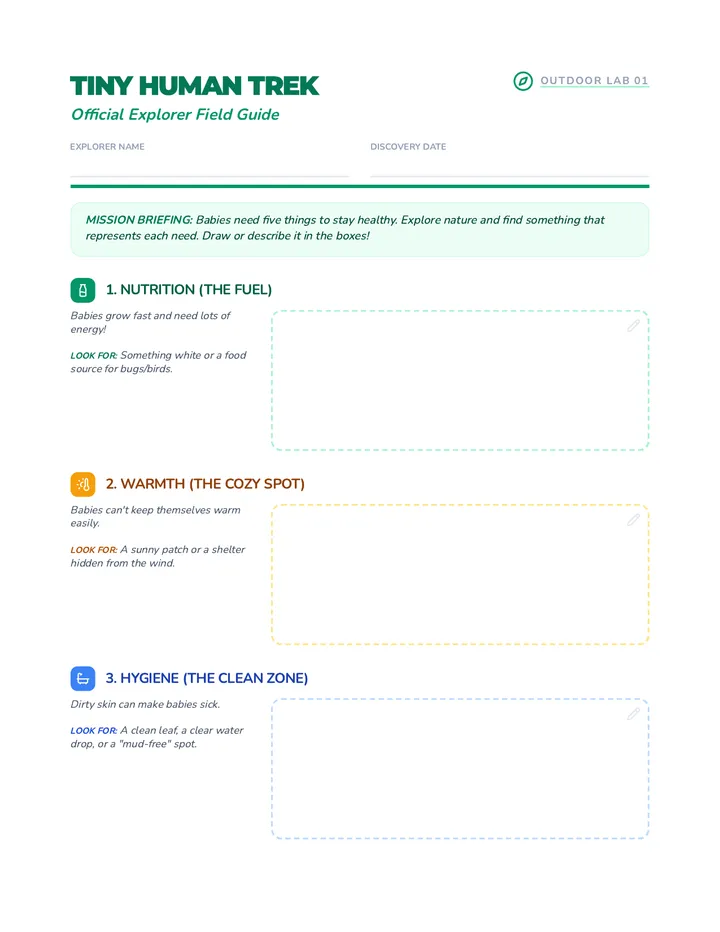
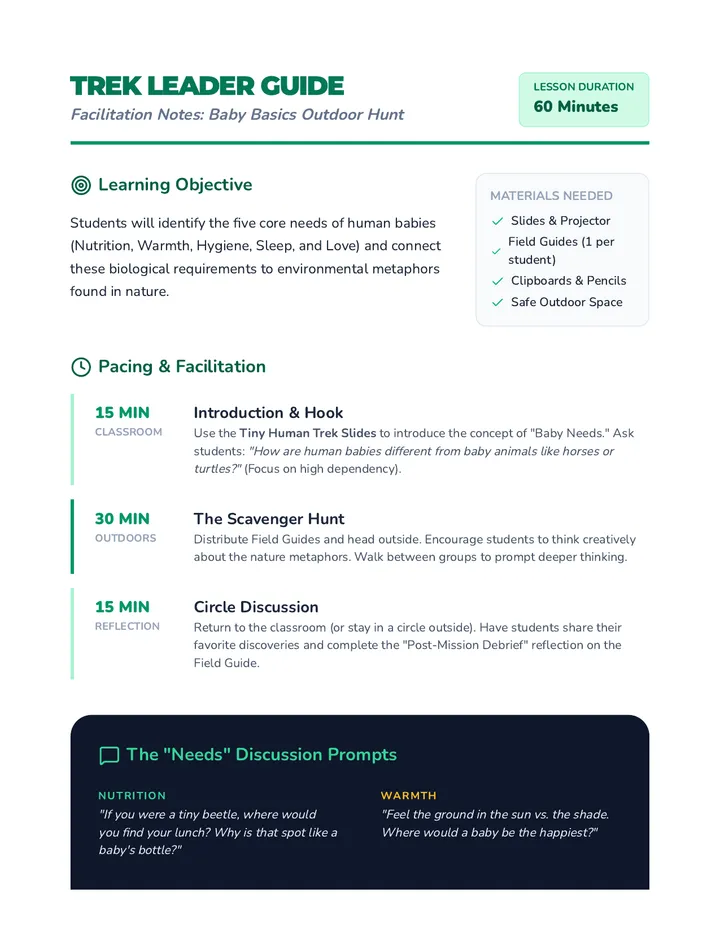
An outdoor exploration where students discover the essential needs of human babies through a nature-themed scavenger hunt, connecting biological needs to environmental metaphors.
Une séance d'EPS immersive en forêt inspirée des jeux traditionnels écossais, adaptée pour des élèves de CM1-CM2. La séance met l'accent sur la force, la précision et la cohésion d'équipe en utilisant des matériaux naturels.
A fast-paced, high-energy lesson for 4th graders focused on essential forest safety, the S.T.O.P. rule for getting lost, and basic trail first aid.
A lesson where students explore universal safety symbols and design their own tsunami evacuation signs and maps using visual communication strategies.
Students will learn to identify poison ivy in summer, fall, and winter through visual analysis, a science video, and an art-based coloring activity focused on the 'leaves of three' rule.