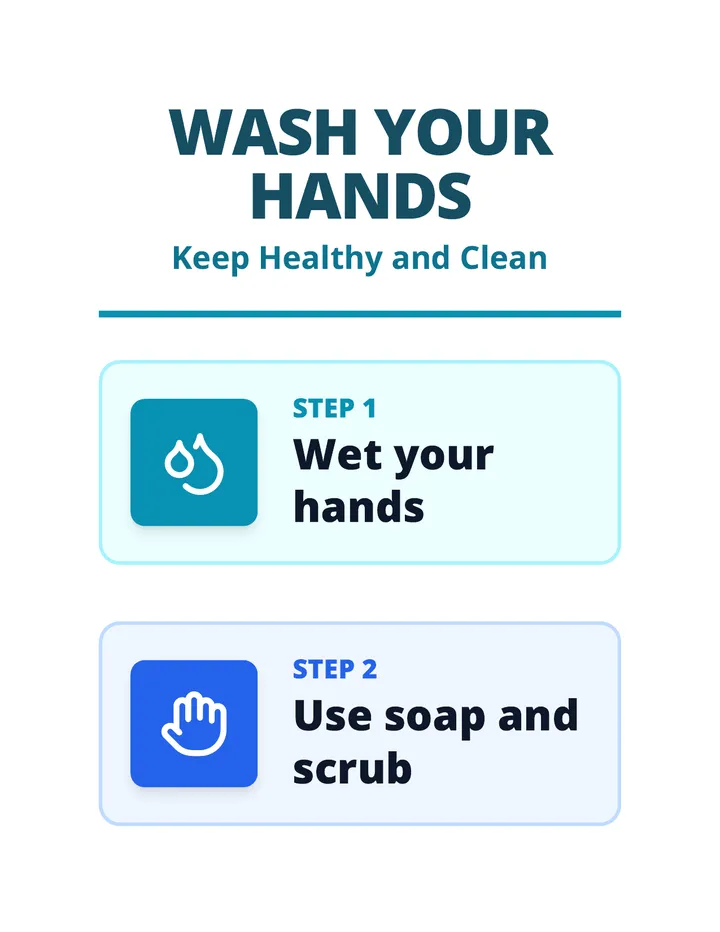
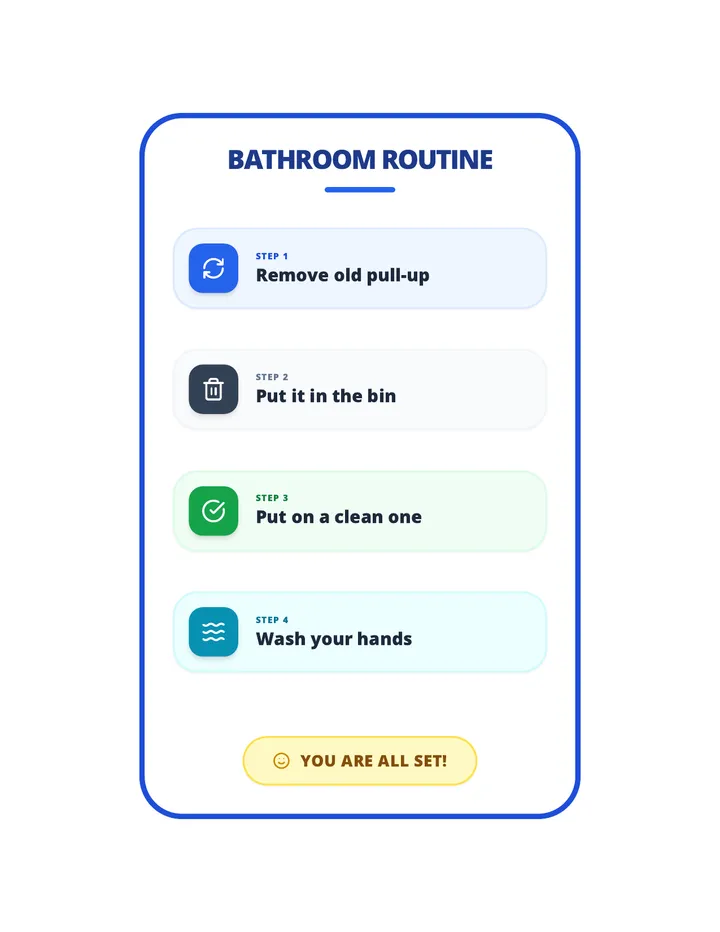
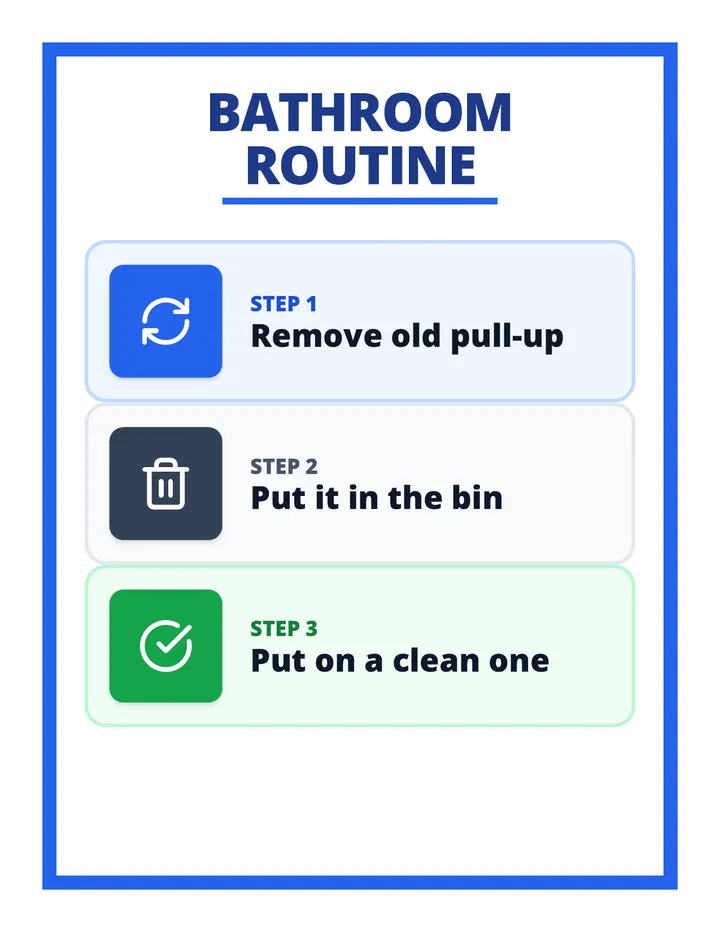
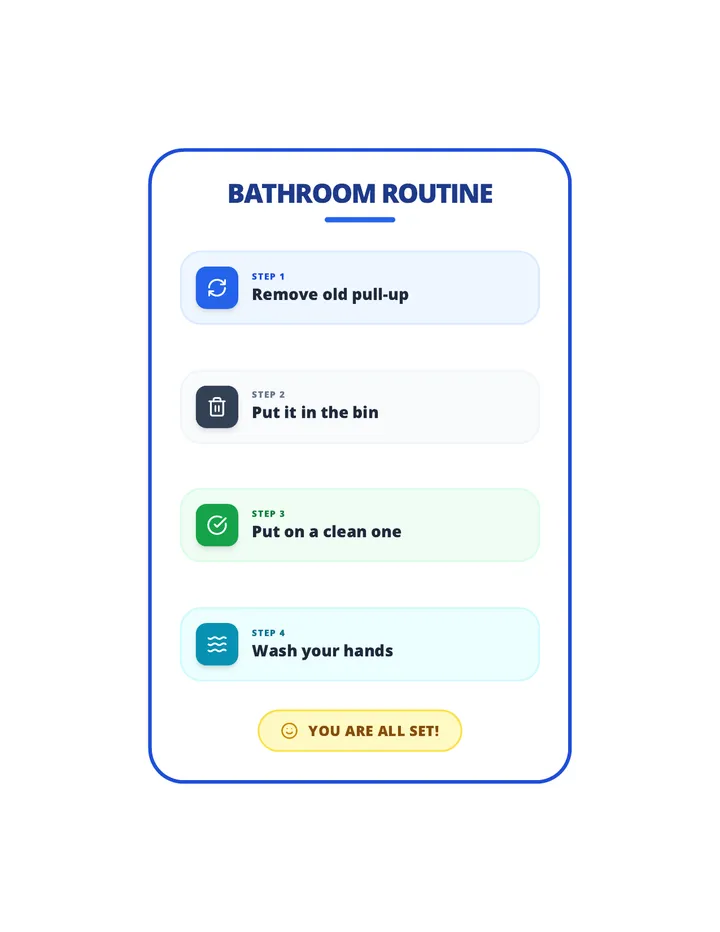
Daily hygiene, hydration, and sleep routines paired with strategies for disease and injury prevention. Builds skills in health decision-making, body awareness, and self-advocacy to support lifelong well-being.
The ultimate compact version of the Adulting Celebration Chart with ultra-reduced line spacing and minimal vertical gaps. It utilizes tiny icons, condensed font sizes, and tight leading to provide a high-density workplace tracking experience that fits multiple players and comprehensive metrics in a single printable view. It moves metric descriptions inline to save vertical space.
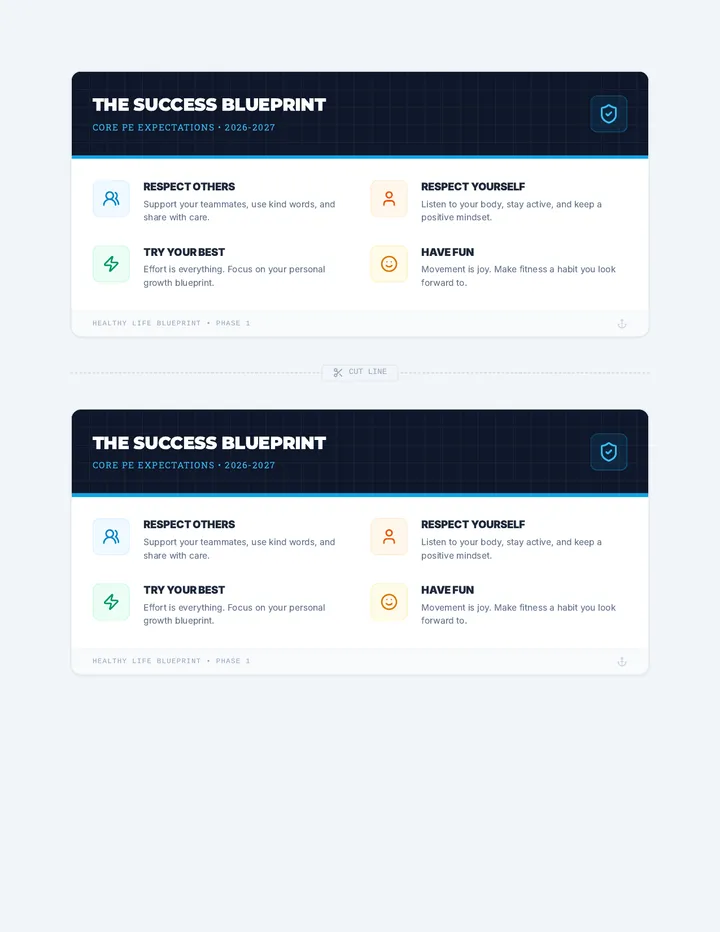
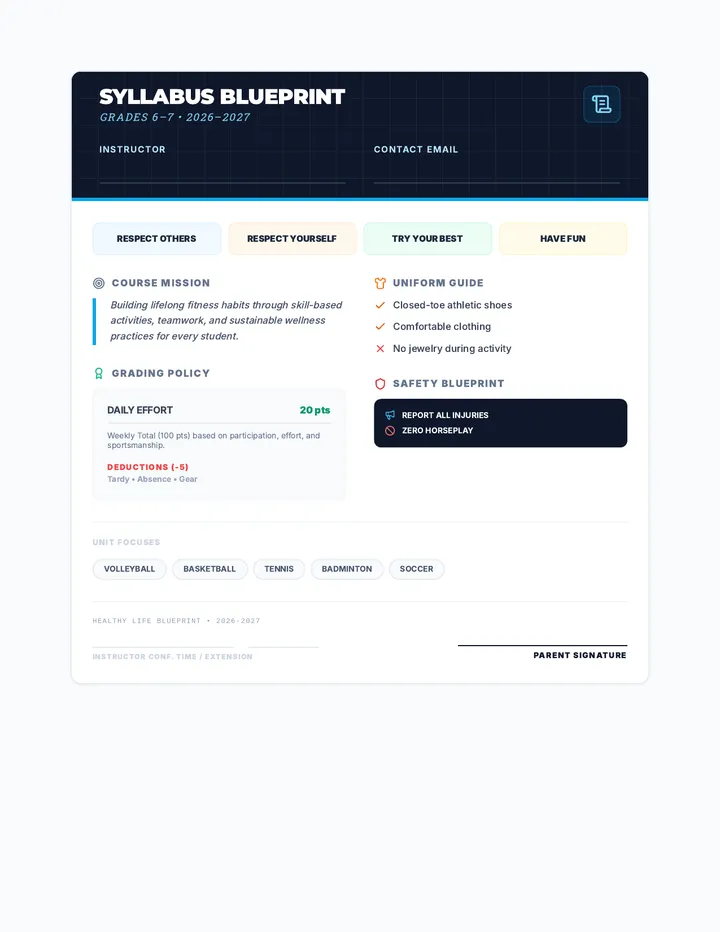
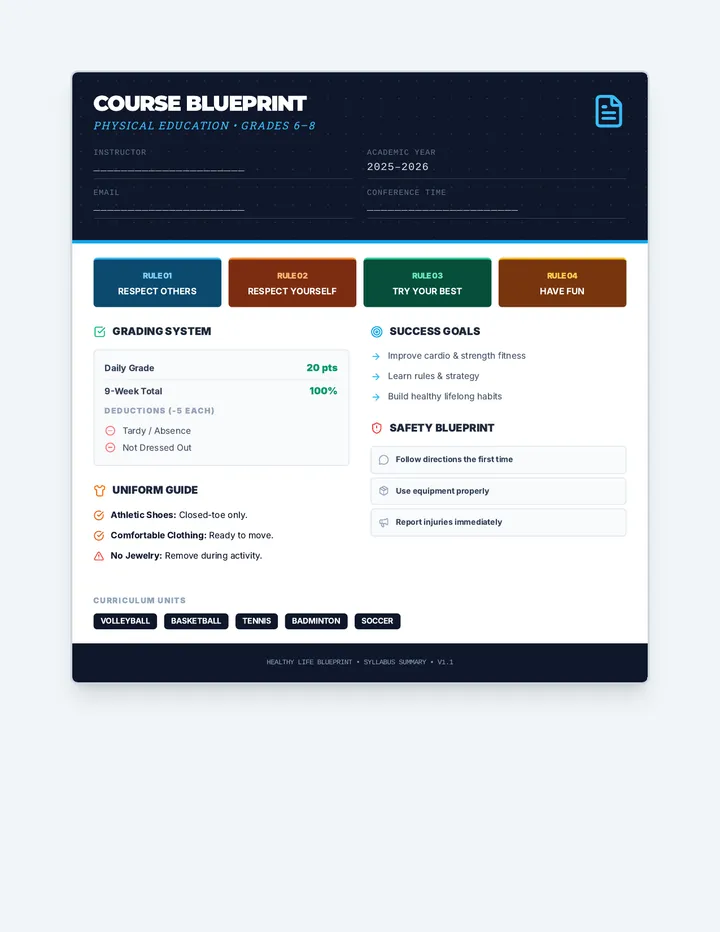
A professional, clean, and modern physical education syllabus for middle school students, featuring a bold 'Active Athlete' theme, clear grading sections, and a formal acknowledgement area with the teacher's email and a motivational quote. Updated for the 2026-2027 school year and optimized for full-page printing.
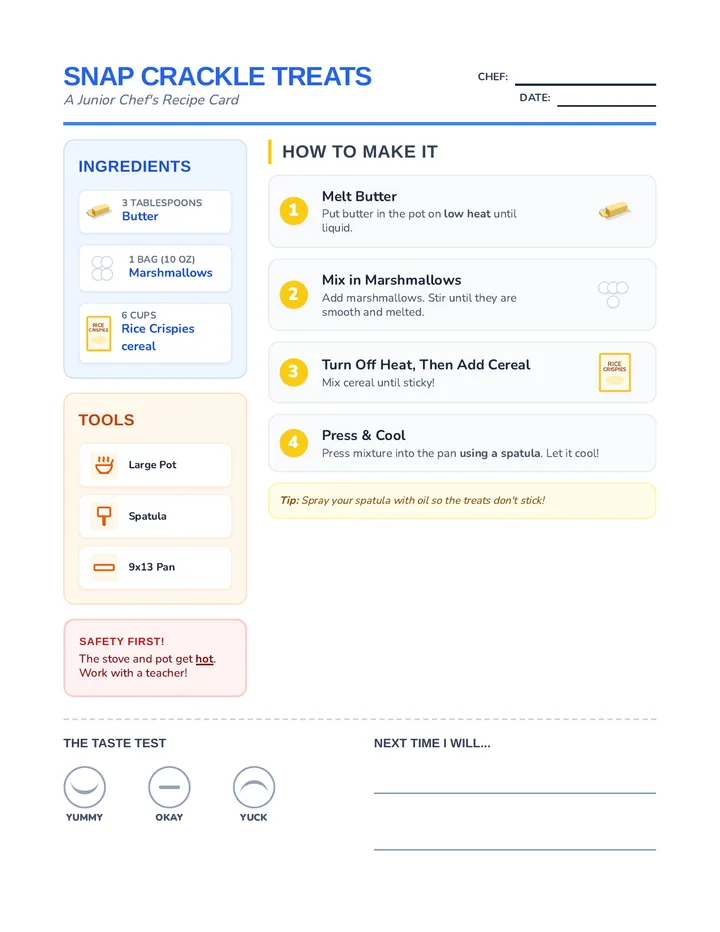
A simplified, single-page picture recipe for Rice Krispie treats. It features illustrations for the three core ingredients (including a labeled Rice Crispies box) and the three kitchen tools, with clear stovetop instructions and an expanded student reflection area. Safety instructions have been updated for a classroom setting. Step 3 heading explicitly includes turning off the heat. Cereal is labeled as "Rice Crispies cereal" in the ingredients list.
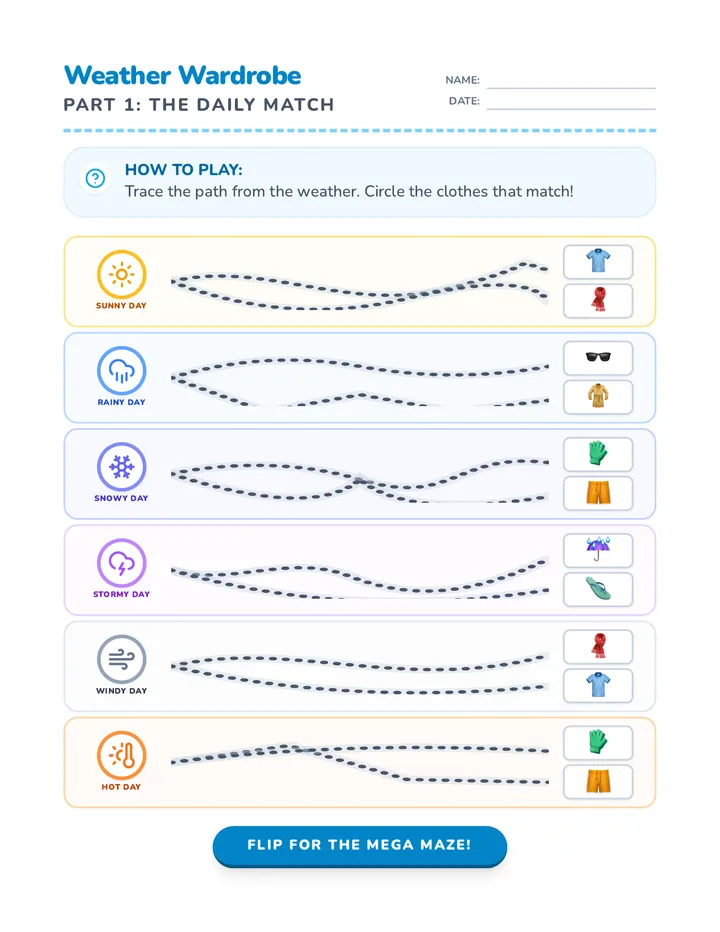
An expanded weather wardrobe activity worksheet for kindergarteners. Page 1 features matching exercises for six weather types (sunny, rainy, snowy, stormy, windy, hot) with two choices each. Page 2 contains a "Mega Maze" where students navigate complex, high-contrast paths from all six weather stations to their respective clothing items in a central closet.
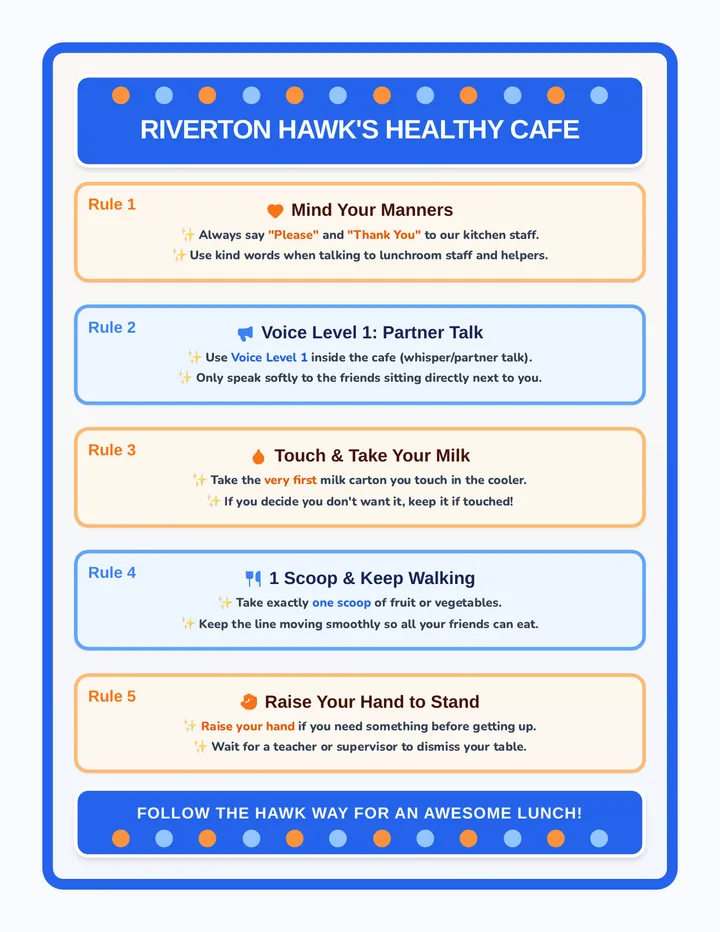
A comprehensive 6-page cafeteria rules poster pack in an orange-and-blue theme, including a master overview poster and 5 individual printable sheets (one for each rule) with large centered text and playful polka dot headers and footers.
A concise 3-slide morning announcement presentation for K-4 students about staying cool. Covers hydration, shade, identifying 'Heat Grumpiness,' and using coping tools like breathing and asking for help. Designed for informational delivery without interactive prompts.
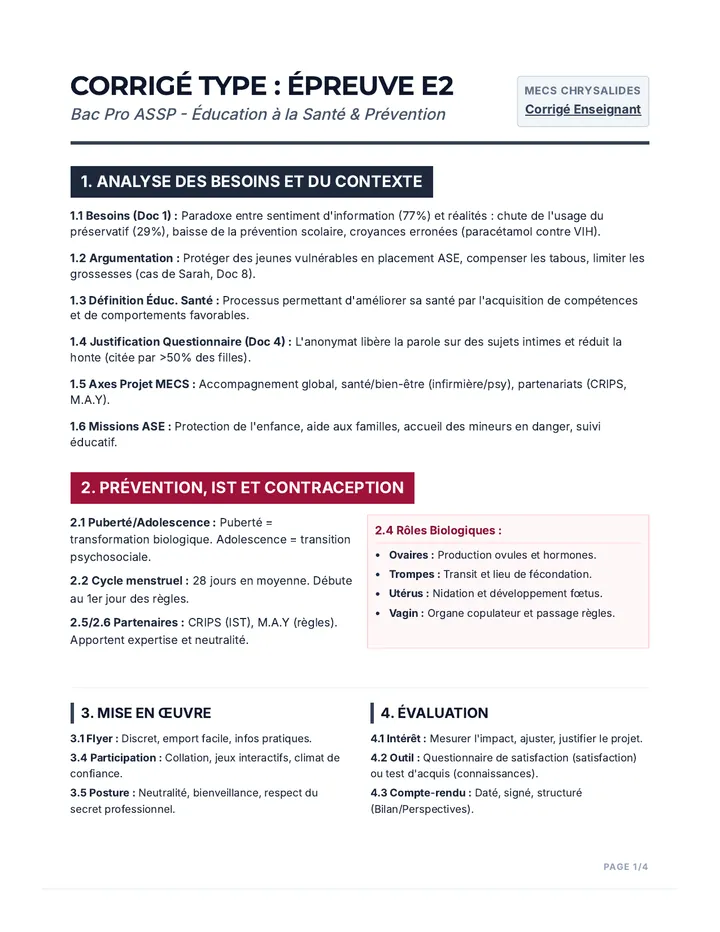
A complete teacher-facing answer key for a Bac Pro ASSP exam (E2 type) covering health education, prevention, and anatomy. Includes a detailed correction guide, a labeled anatomical diagram, a health education action sheet, and a visual poster mock-up for STI prevention.
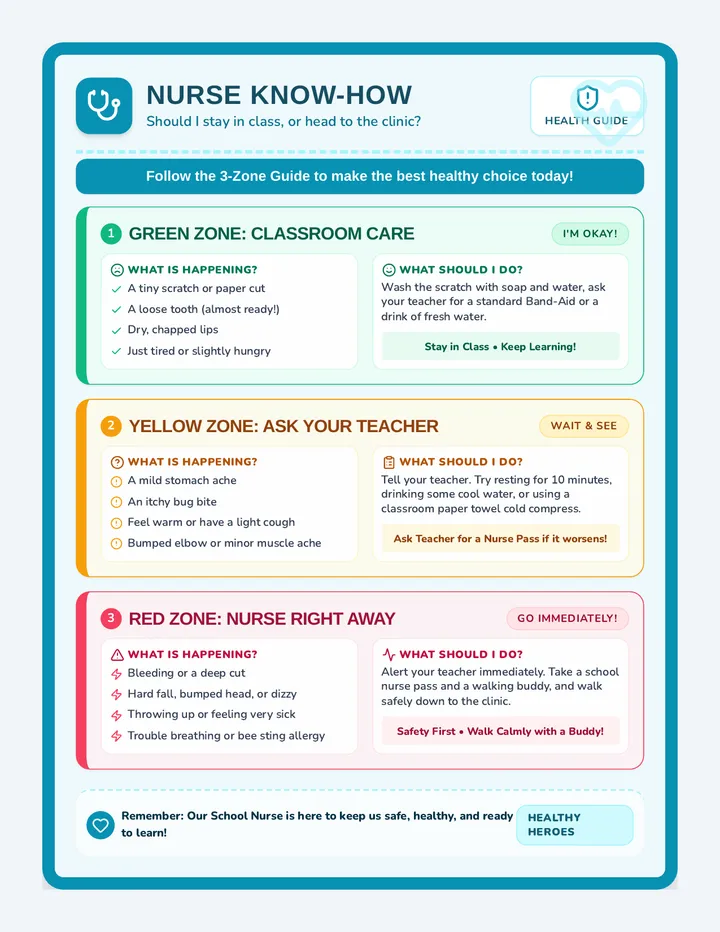
A visually engaging school nurse anchor chart designed for 3rd-grade students. It uses a clear, color-coded traffic light system (Green, Yellow, Red) to help students distinguish between minor bugs they can treat in class and actual medical emergencies requiring the school nurse.
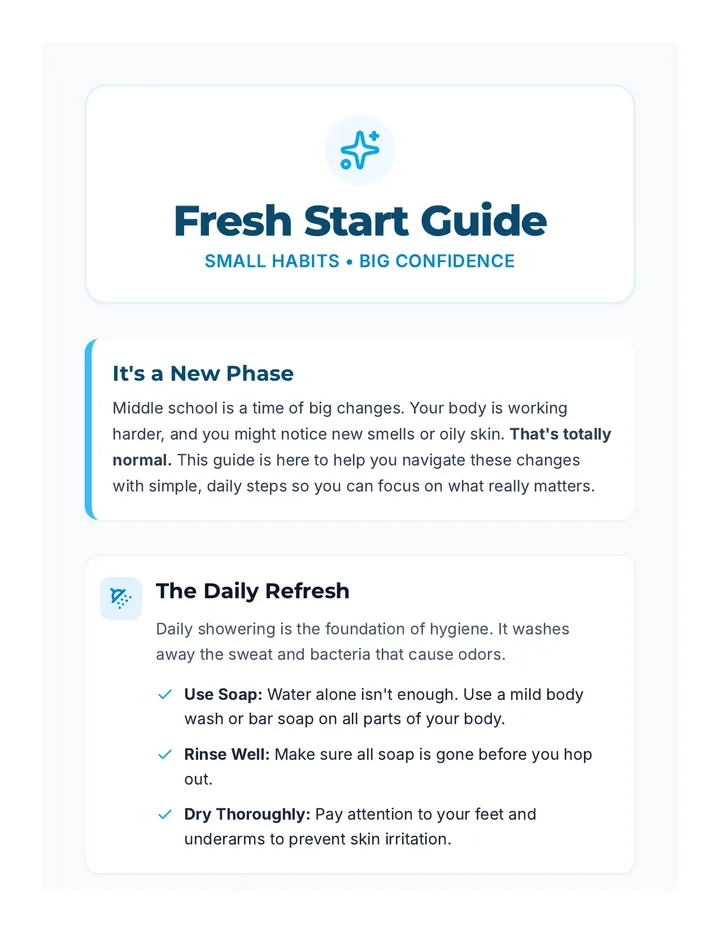
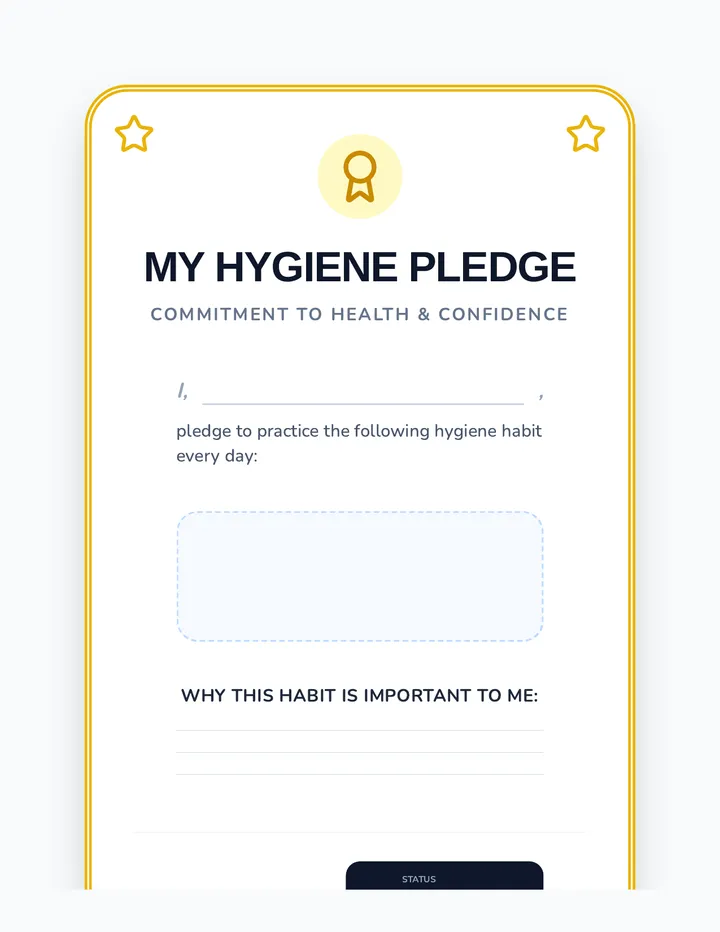
A 2-page informational pamphlet for middle school students focusing on personal hygiene. It covers showering, body odor, hair and skin care, dental hygiene, and clean clothing in an empathetic and practical tone.
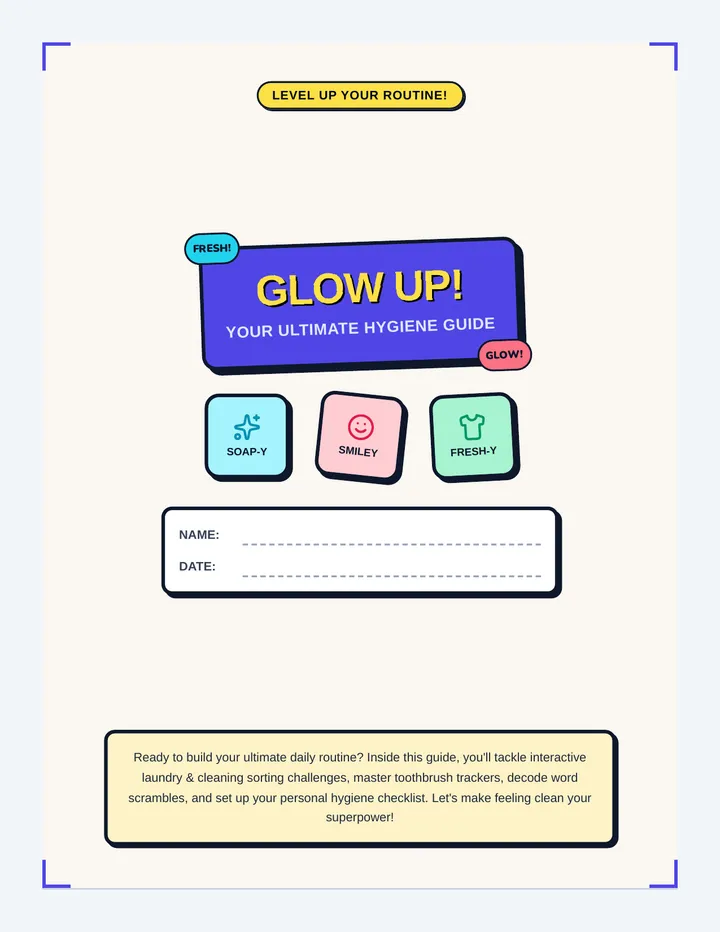
An 8-page printable personal hygiene activity workbook for pre-teens (10-13) with a fun retro-modern comic book aesthetic. Includes step-by-step shower guides, a 7-day toothbrushing tracker, a laundry sorting cut-and-paste game, a bedroom organization game, hygiene word puzzles, a daily habit checklist, and a dedicated cut-out page.
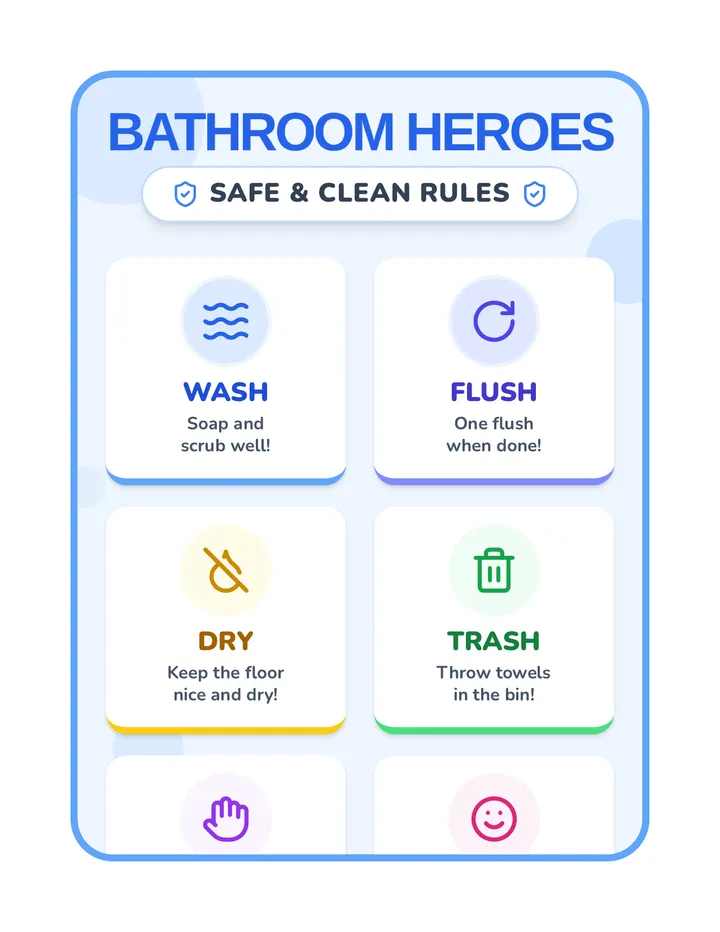
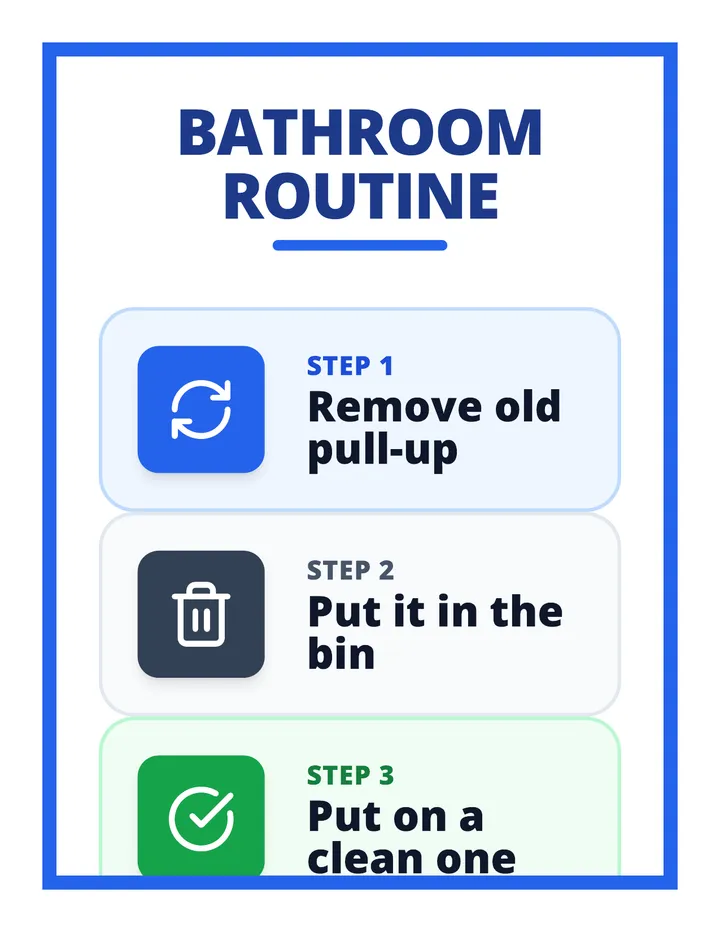
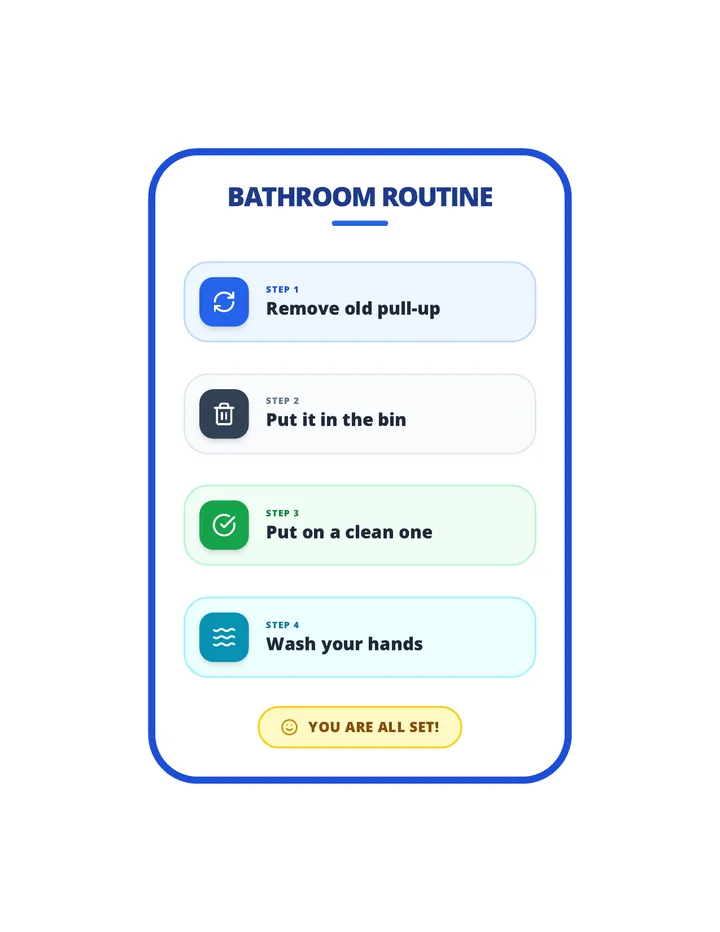
A vibrant, visual bathroom safety poster designed specifically for Pre-K students. It features 6 key rules (Wash, Flush, Dry, Trash, Ask, Wait) with large icons and simple bold text to encourage safe and clean bathroom habits.
A two-week wellness unit for middle schoolers focused on analyzing influences (media, tech, values) and mastering health-enhancing decision-making models. Students culminate their learning by creating a collaborative research poster on a chosen wellness topic.
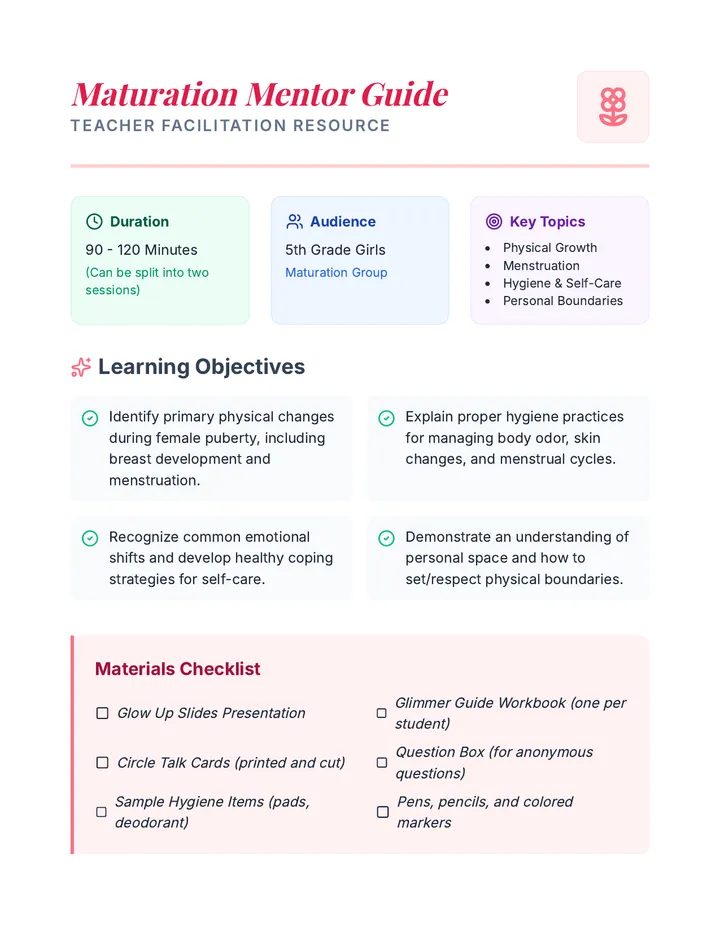
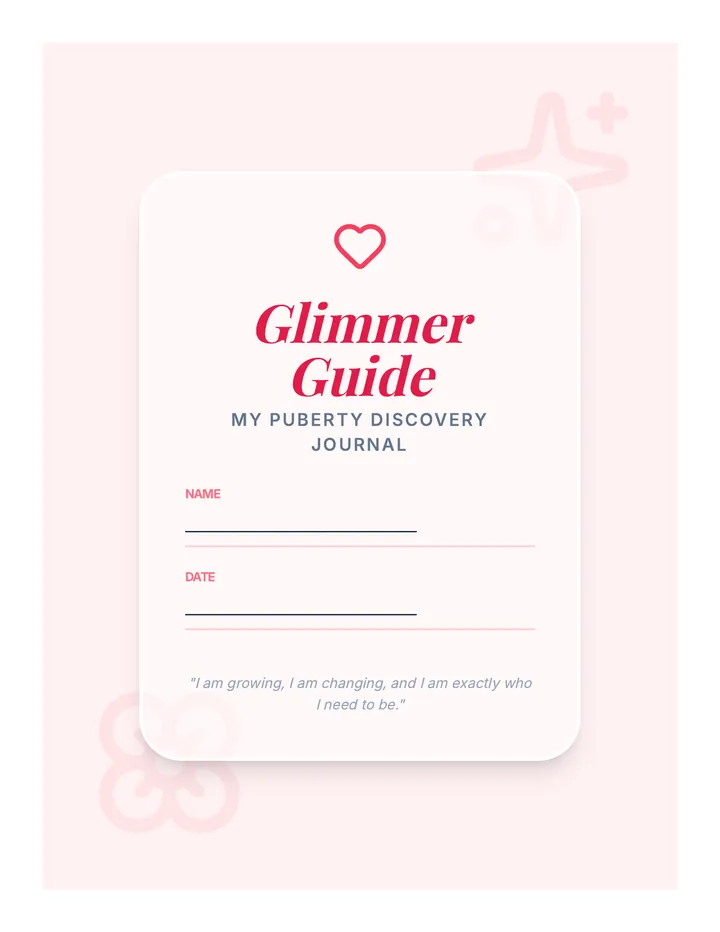
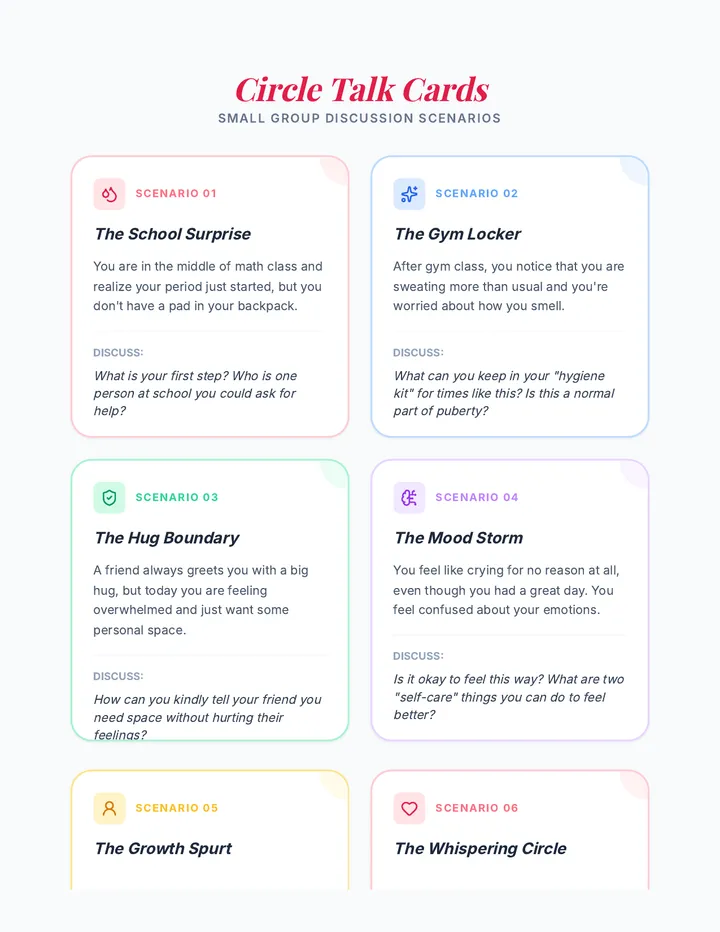
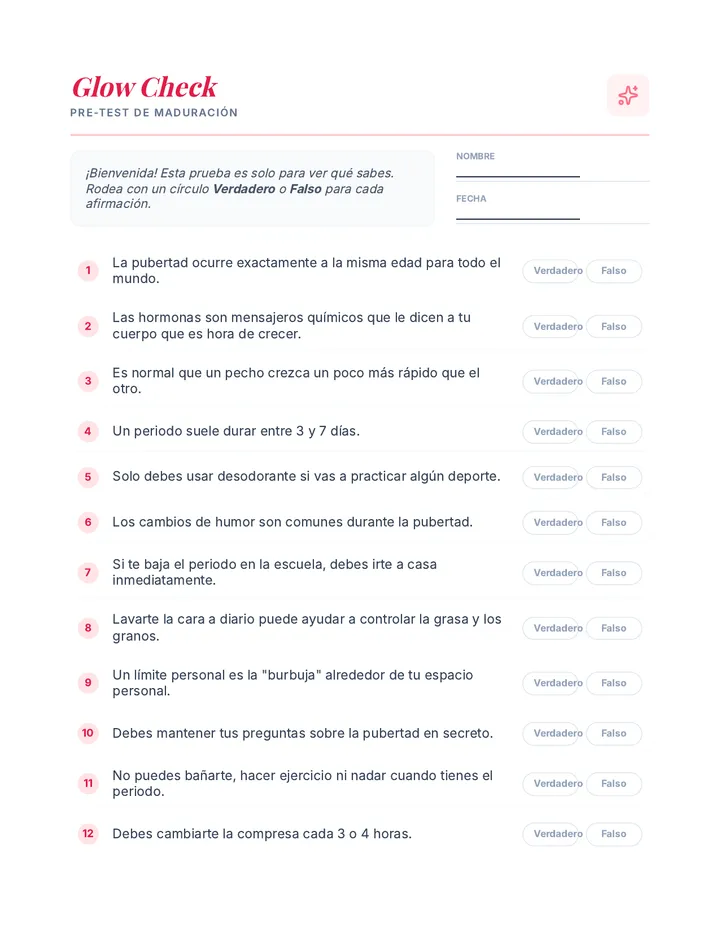
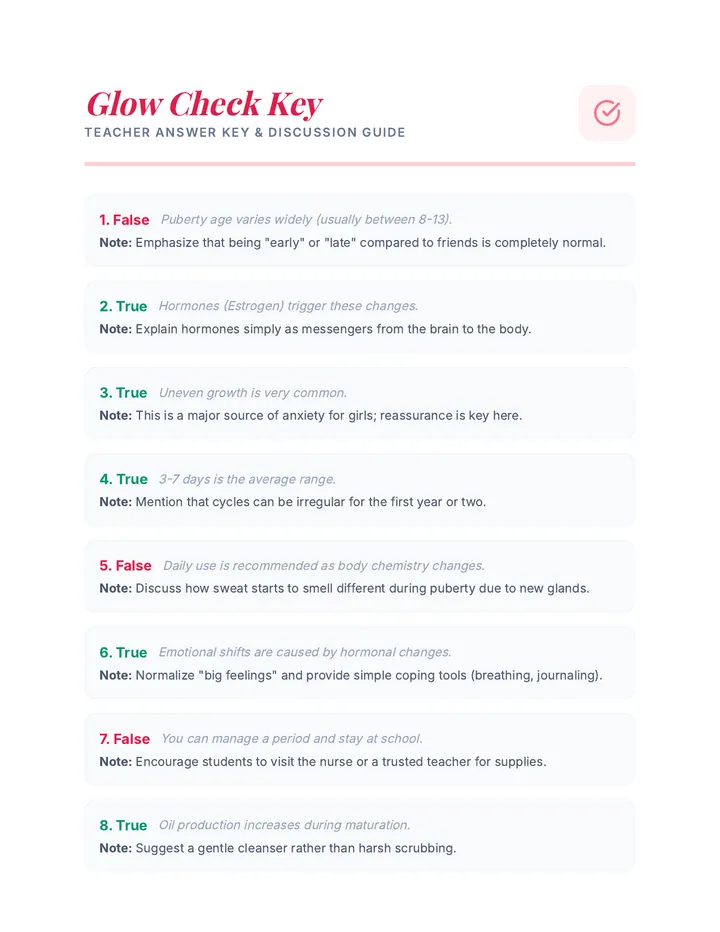
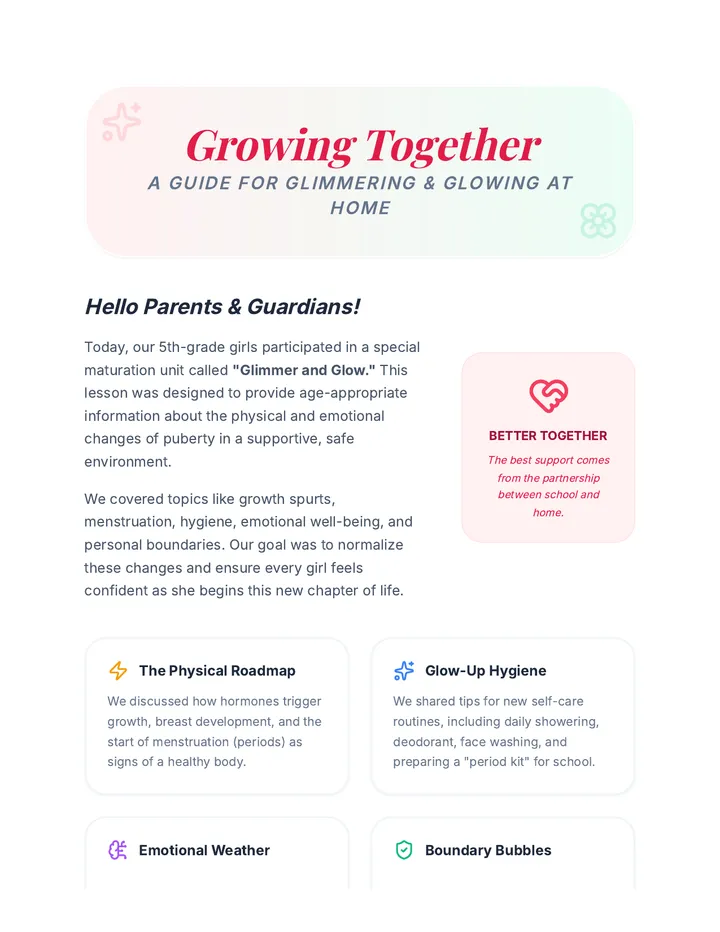
A comprehensive maturation unit for 5th-grade girls covering physical, emotional, and social changes during puberty. Includes a detailed teacher guide, interactive slides, a student workbook, and discussion cards to foster a supportive and informative environment.
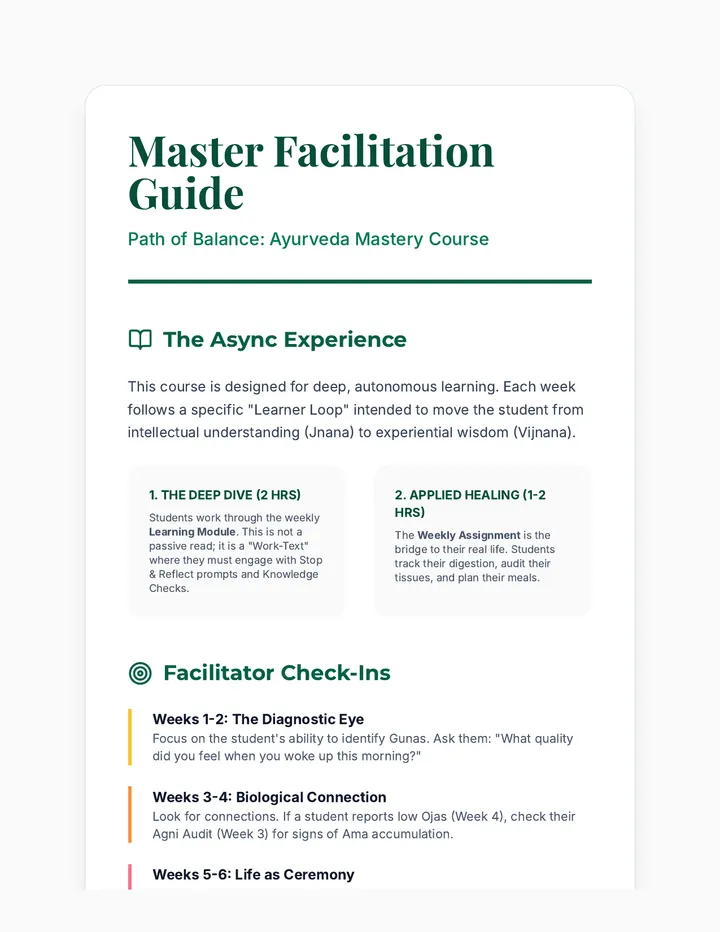
A professional 6-week certification-style journey into Ayurveda. Each week features a comprehensive 2-hour 'Deep Dive Module' combining academic reading, interactive reflections, and knowledge checks, supported by practical 'Applied Healing' assignments (1-2 hours) for real-world integration.
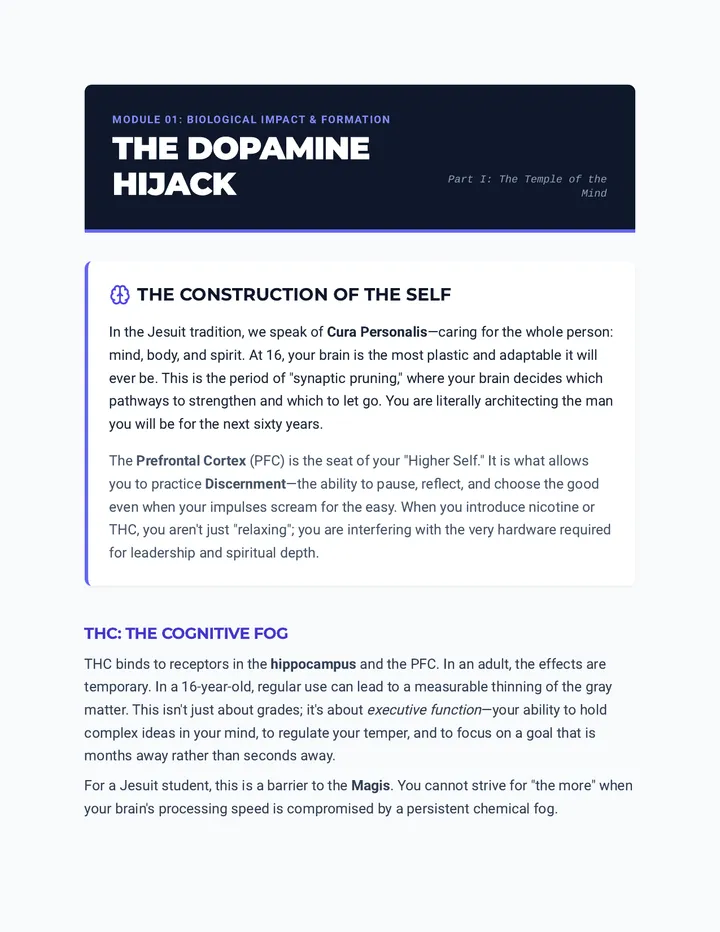
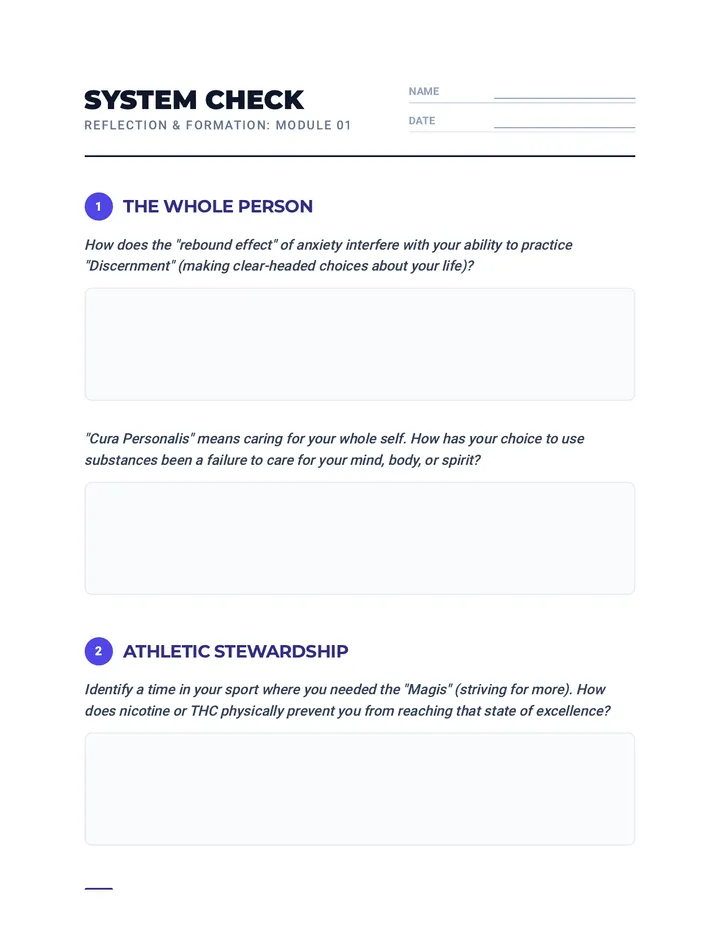
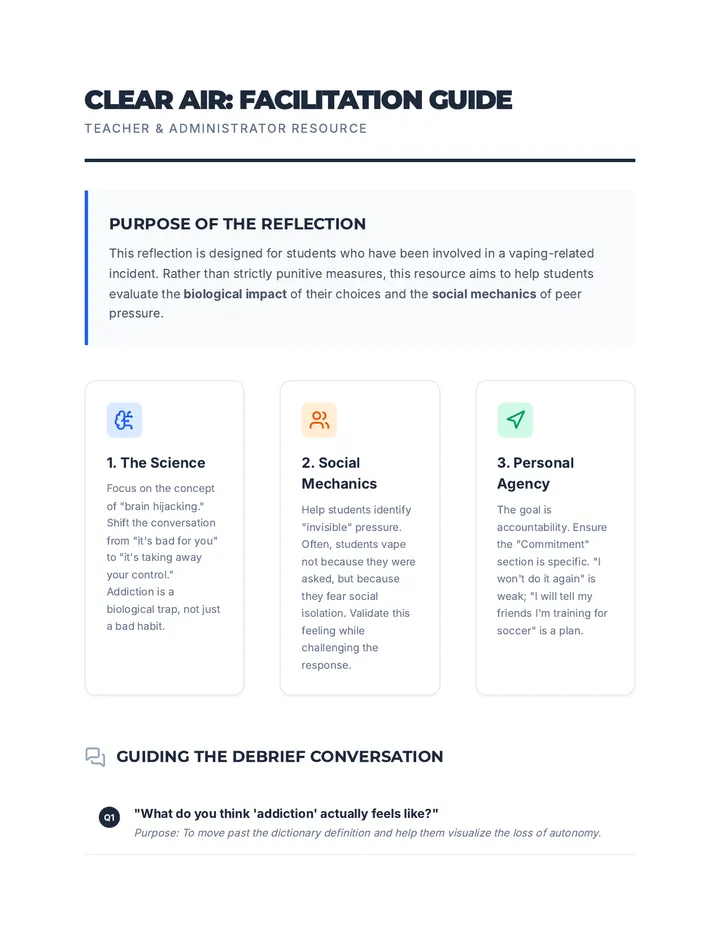
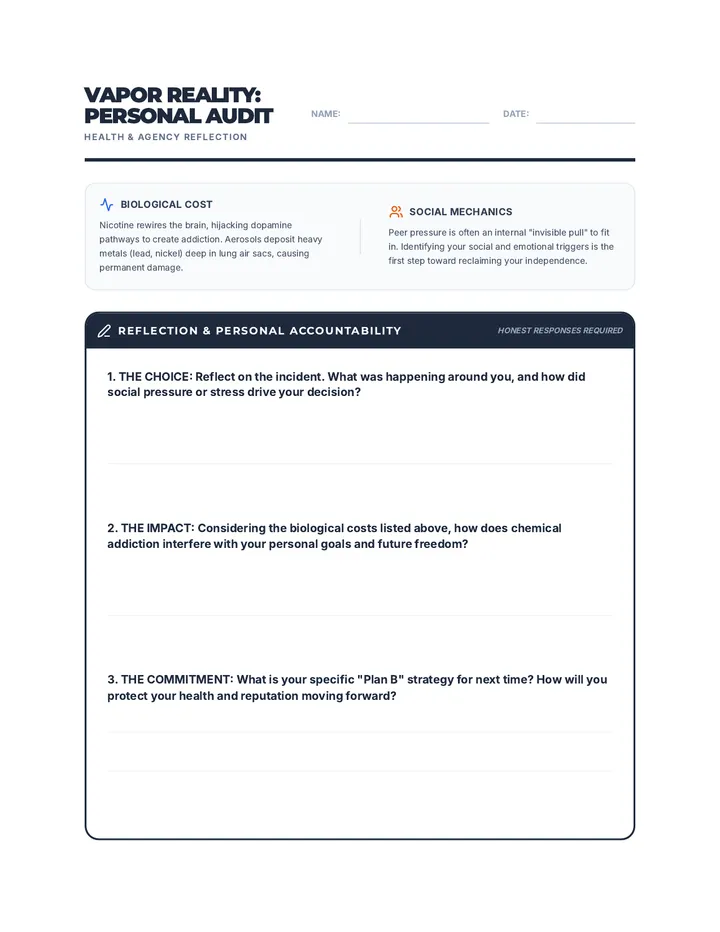
A restorative learning program designed for high school students to reflect on the impact of substance use and prepare for a positive return to their school community. The program balances scientific facts with deep personal reflection.
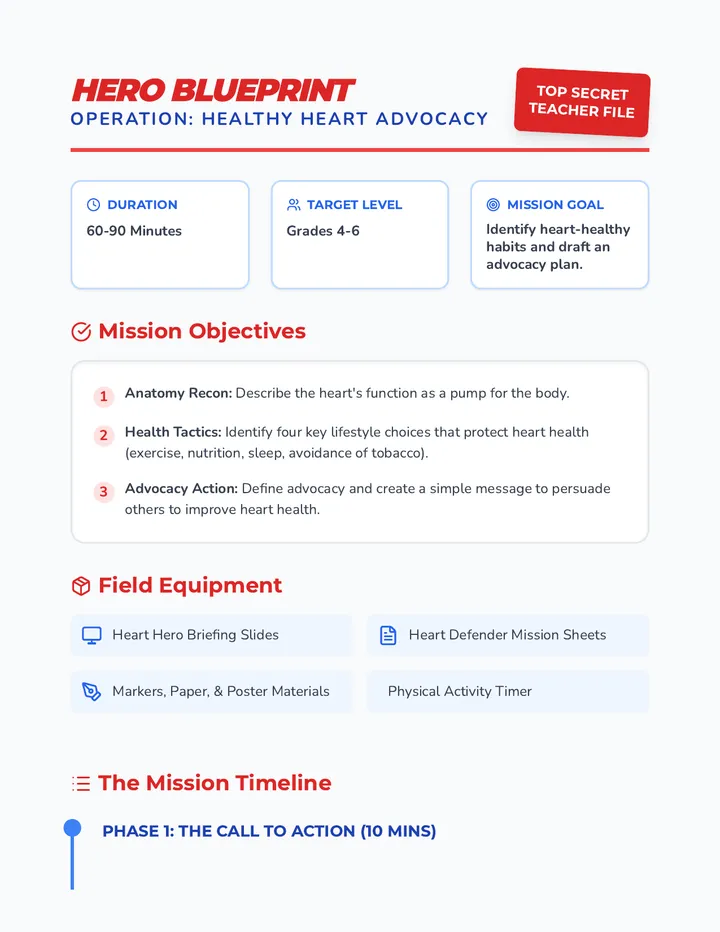
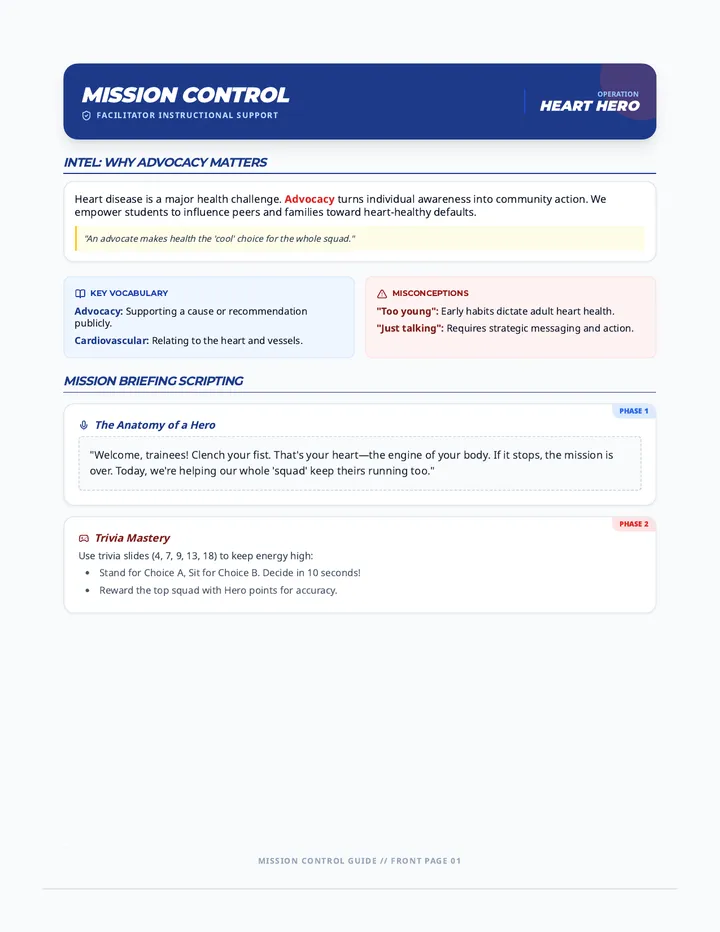
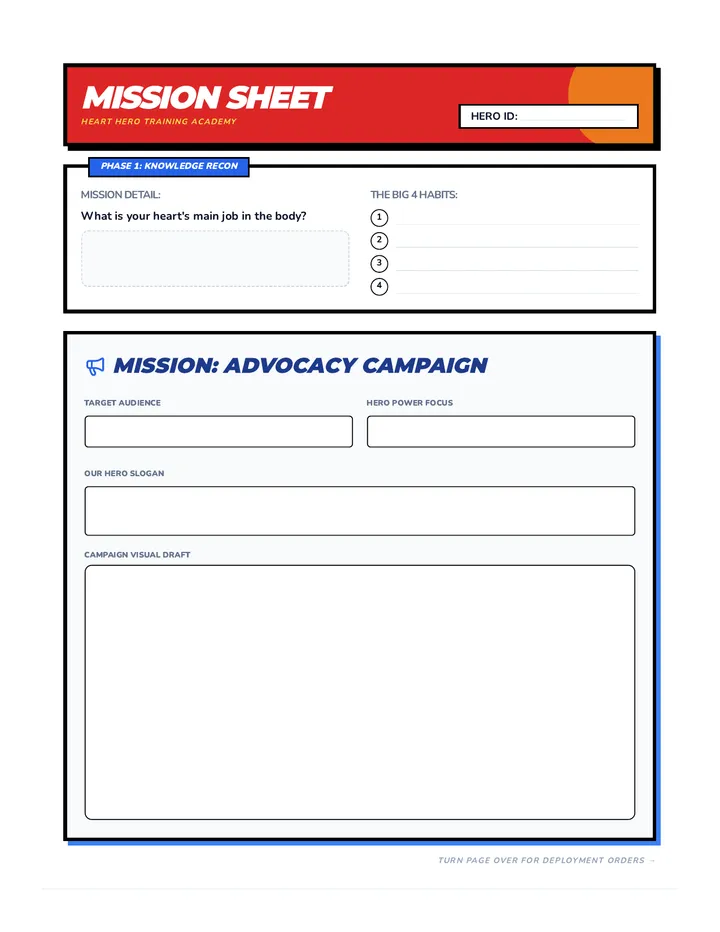
A comprehensive lesson sequence designed to empower students to become 'Heart Heroes' through education and advocacy for cardiovascular health.
A unit focusing on injury prevention, safety equipment maintenance, and foundational emergency response principles for caregivers and students.
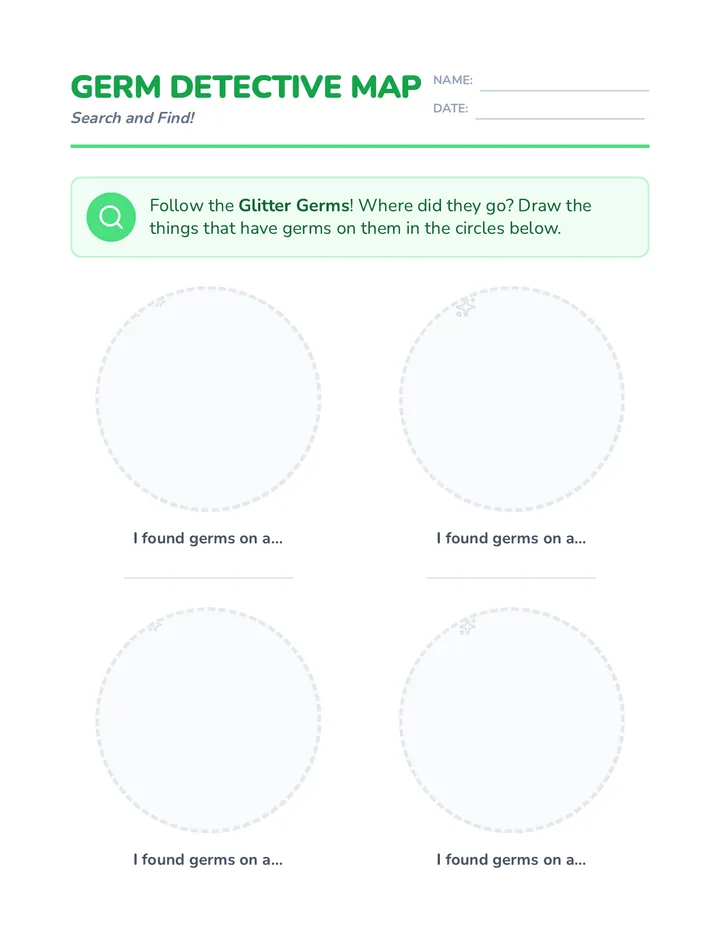
A comprehensive Kindergarten sequence introducing germ theory and hygiene through hands-on simulations, skill-building workshops, and community responsibility. Students explore how germs spread, master handwashing and respiratory etiquette, and learn how healthy habits build a strong immune system.
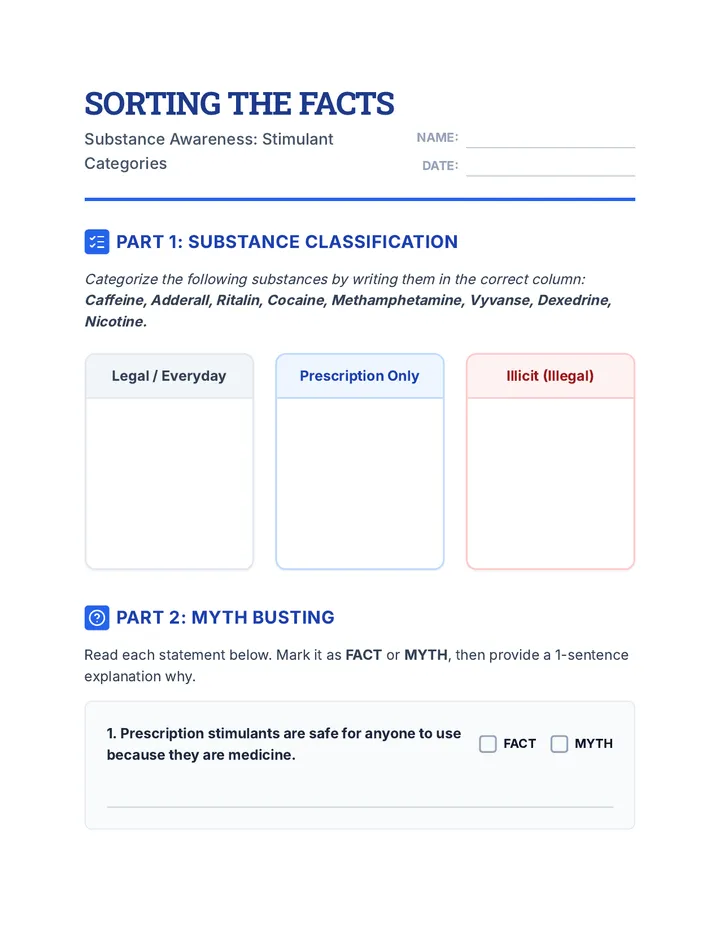
This sequence explores the critical distinction between therapeutic use and illicit misuse of prescription stimulants. Students analyze case studies, legal ramifications, and ethical implications while developing healthy alternatives for academic focus and stress management.
A 5-lesson series for 2nd graders to learn Progressive Muscle Relaxation (PMR) techniques specifically for bedtime routines, helping them prepare their bodies and minds for restful sleep.
A 5-lesson sequence for 6th-grade students focusing on the biological and behavioral foundations of emotional regulation through daily routines, culminating in a personalized Wellness Blueprint.
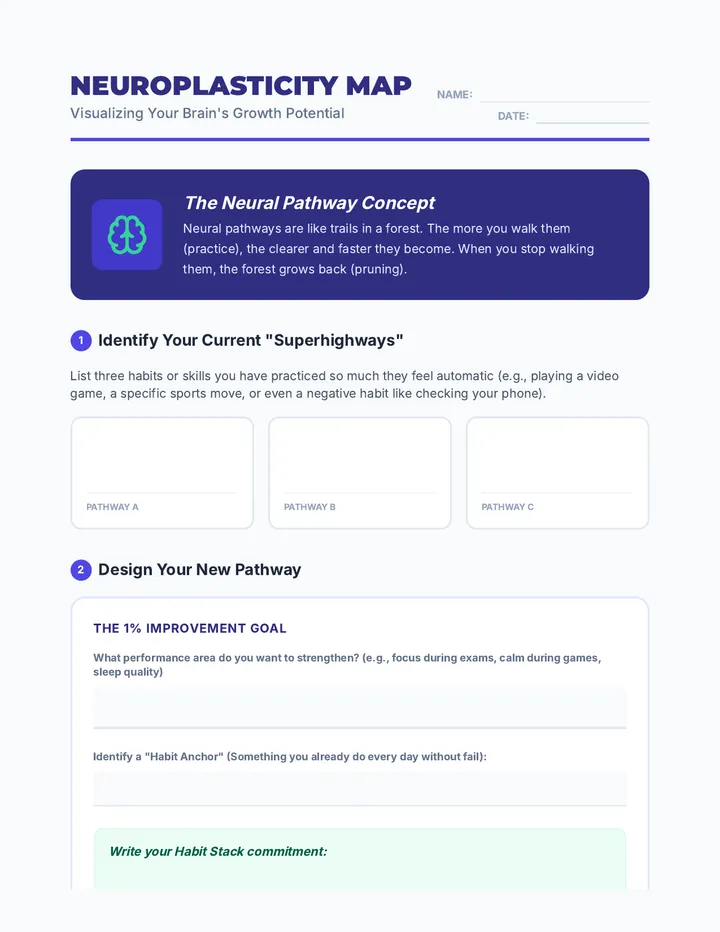
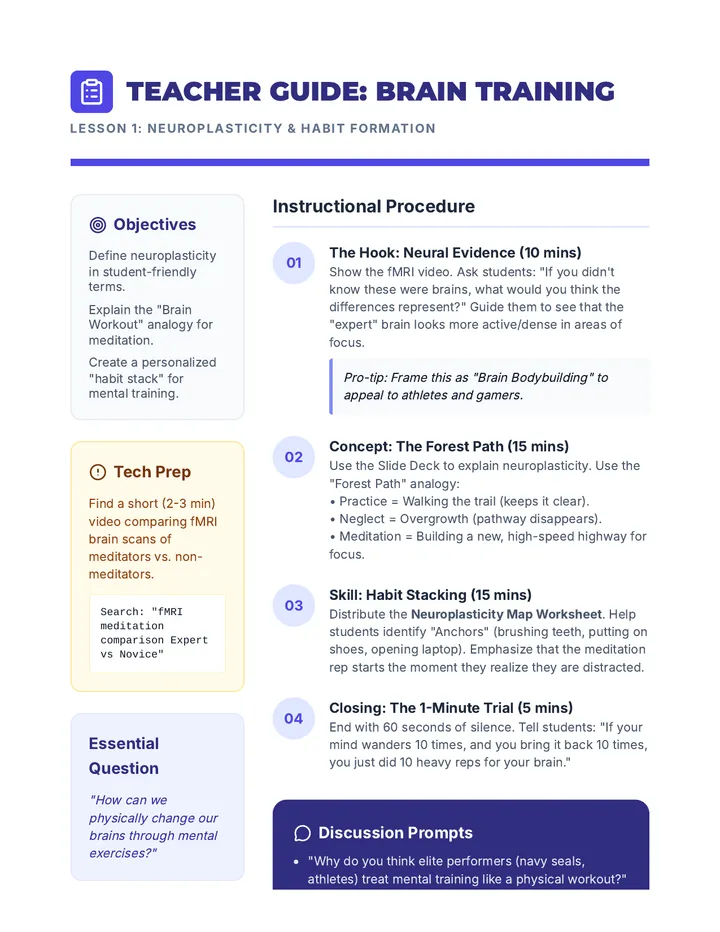
This 8th-grade health sequence explores meditation through the lens of performance and neuroscience. Students learn how mental training rewires the brain (neuroplasticity), practice visualization techniques used by elite athletes, and develop their own 5-minute pre-performance routines for sports, academics, or sleep.
This 8th-grade sequence explores the biological connection between the nervous system and stress. Students learn the science of the 'fight or flight' response and practice evidence-based breathing and relaxation techniques like diaphragmatic breathing, box breathing, and progressive muscle relaxation to consciously regulate their physiological state.
A multi-grade social-emotional learning unit focused on 'Summer Safety Heroes'. Lessons are tailored for different developmental levels, from 1st-grade foundations to 3rd-grade scientific mastery and risk management.
A 12-week introductory cooking curriculum for elementary students focusing on safety, nutrition, and the emotional connection to food.
A comprehensive unit on childcare safety, injury prevention, and emergency preparedness. Students develop practical skills for babysitting and early childhood environments, culminating in a professional safety portfolio.
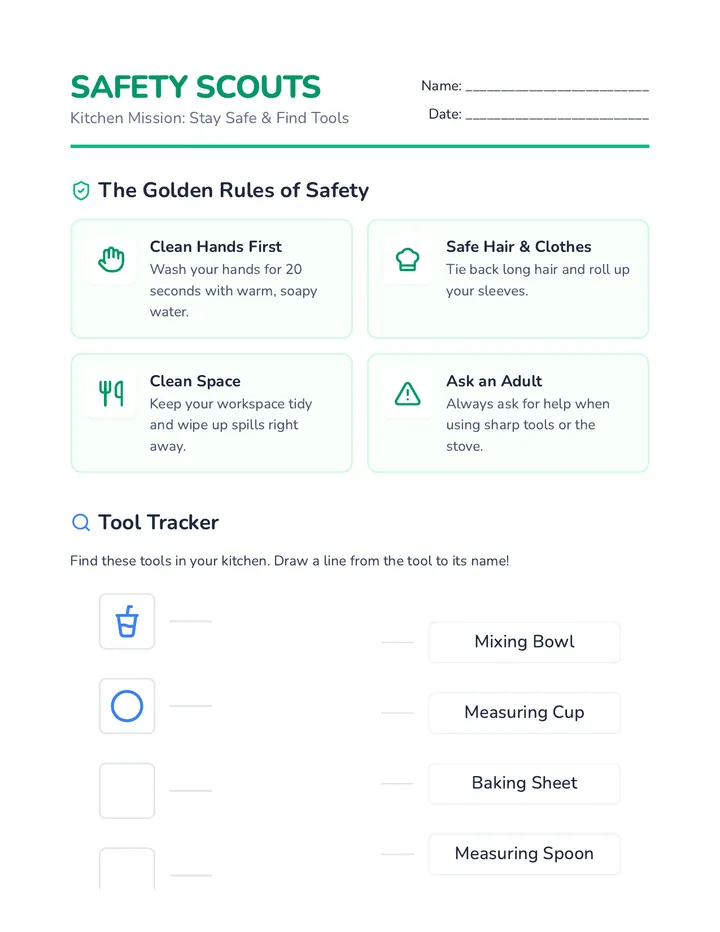
A 2-lesson unit designed to introduce elementary students to kitchen safety, tool identification, and visual recipe following through the creation of no-bake energy bites.
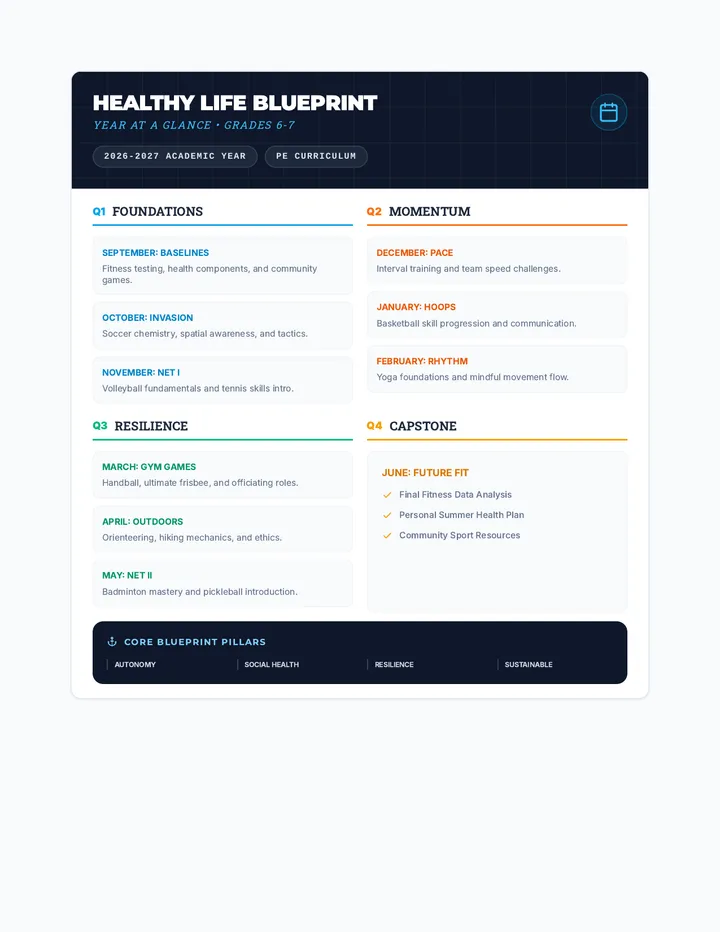
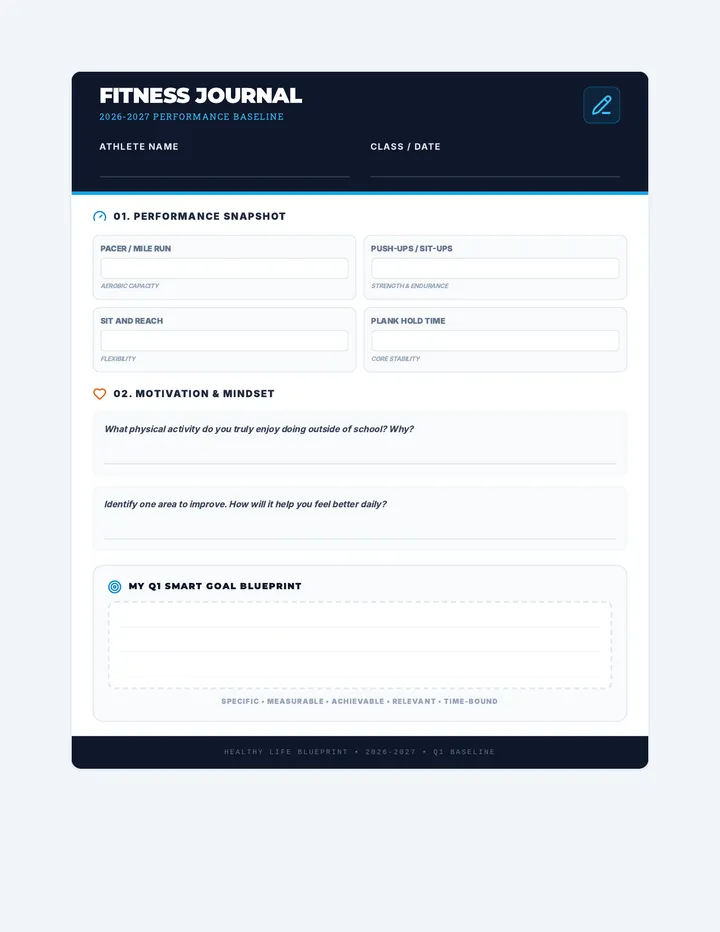
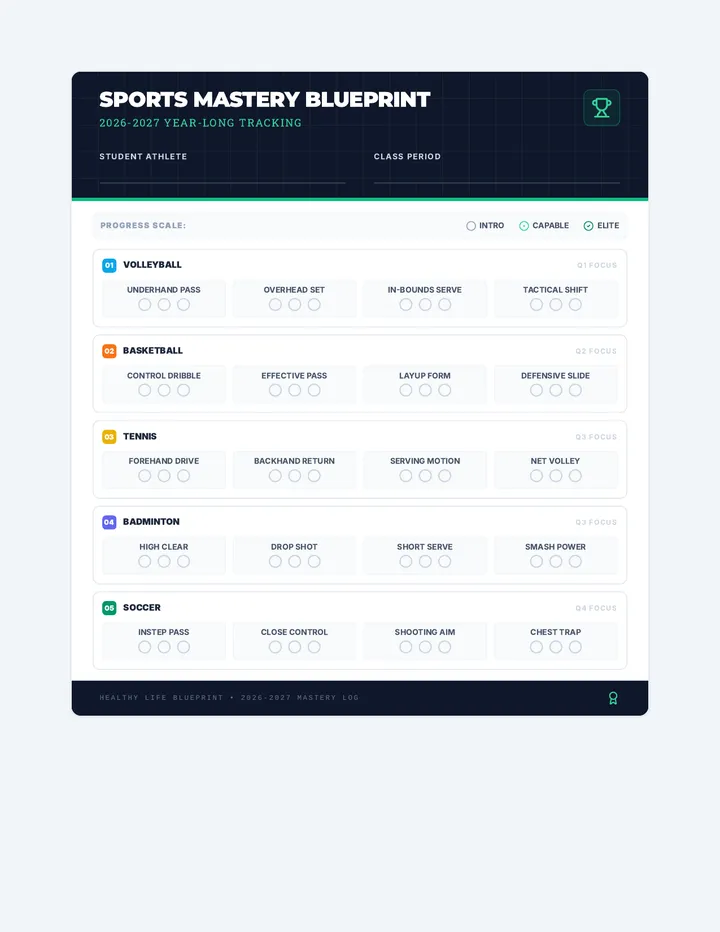
A comprehensive middle school PE curriculum for mixed 6th and 7th grade classes, focusing on developing sustainable physical health habits through varied movement, teamwork, and personal goal-setting. This year-long program balances traditional sports with modern wellness practices to ensure every student finds their path to lifelong fitness.
A comprehensive 7th-grade child development course focused on safety, basic caregiving, developmental milestones, and professional babysitting business skills. The curriculum is designed for 45-minute class periods and aligns with Urbandale CSD standards and proficiency scales.
A comprehensive training sequence designed for high school graduates to master the life-saving skills of CPR, AED use, and choking relief for adults, children, and infants.
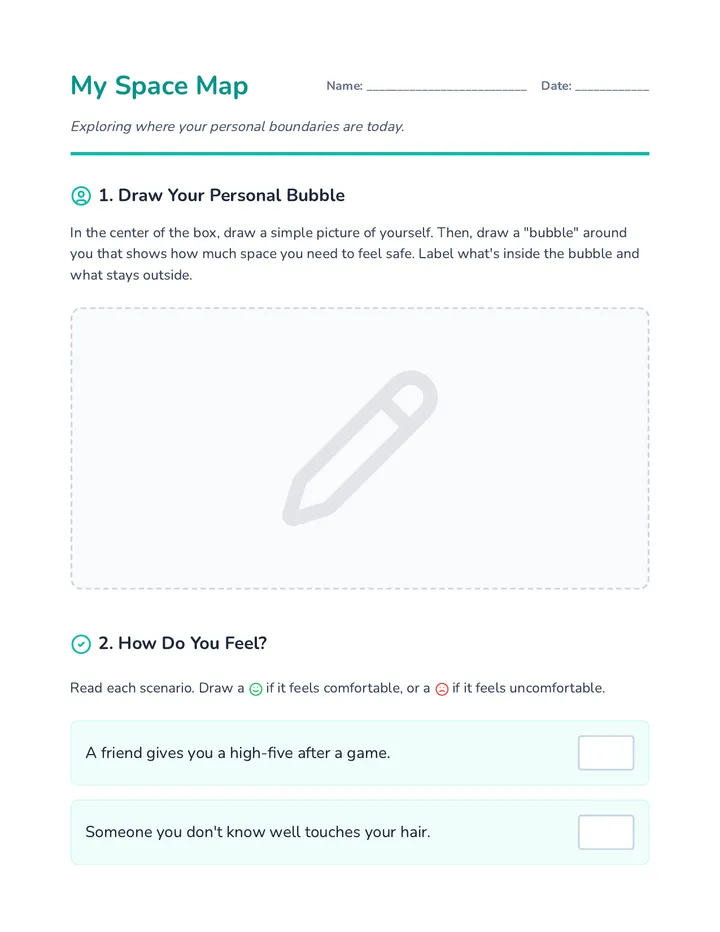
This sequence guides third-grade students through the foundational concepts of personal safety, boundary setting, and effective communication within relationships. It covers personal space, identifying trusted adults, distinguishing healthy interactions, practicing refusal, and executing safety protocols.
A comprehensive sequence for 3rd grade students focusing on identifying emergencies, communicating with emergency services, and understanding community mental health resources. Students will develop situational awareness and learn the practical steps for seeking help in various crises.
A comprehensive 4th Grade outdoor education unit focused on the preparation, safety, and environmental stewardship required for hiking. Students learn about essential gear, trail navigation, Leave No Trace ethics, weather hazards, and collaborative trip planning.
This sequence explores the structural necessity of rules, integrity, and respect for officials in organized sports. Students learn through experiential games, role-playing, and self-officiating to understand why fair play is essential for safety and enjoyment.
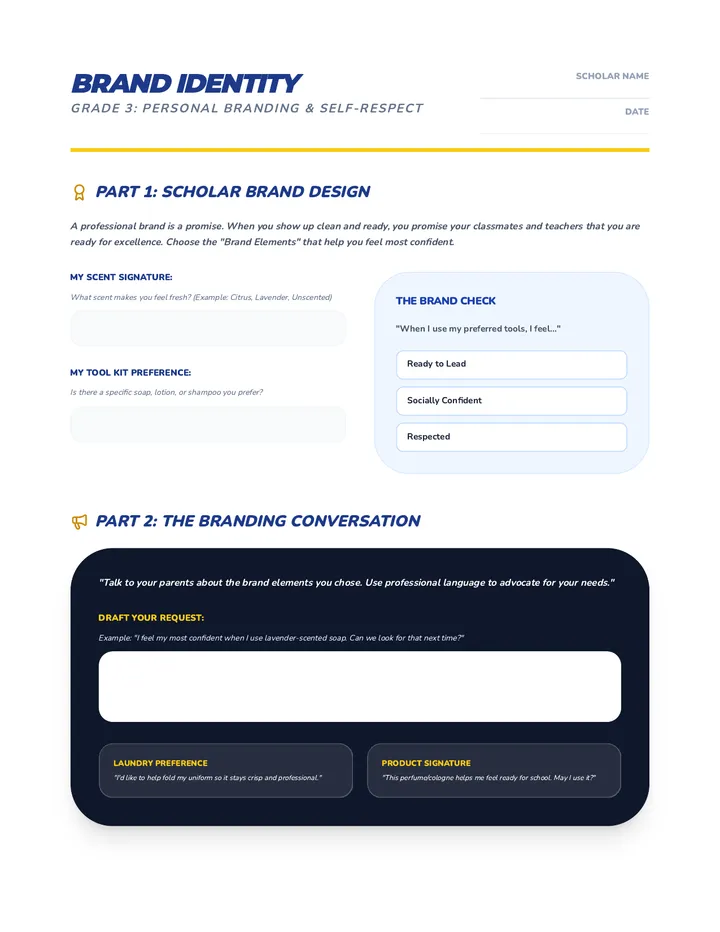
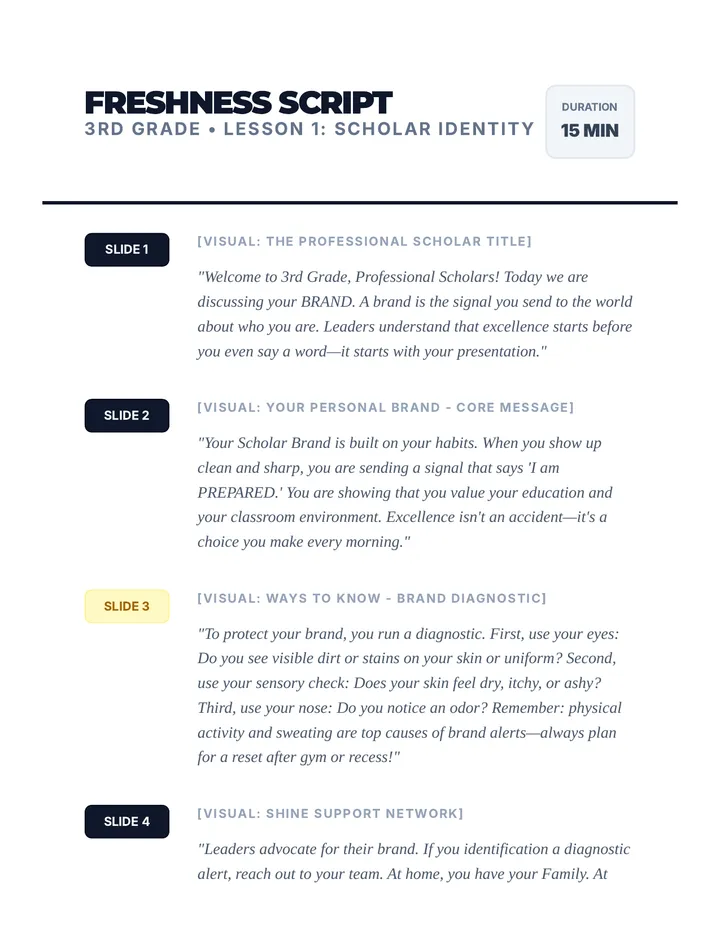
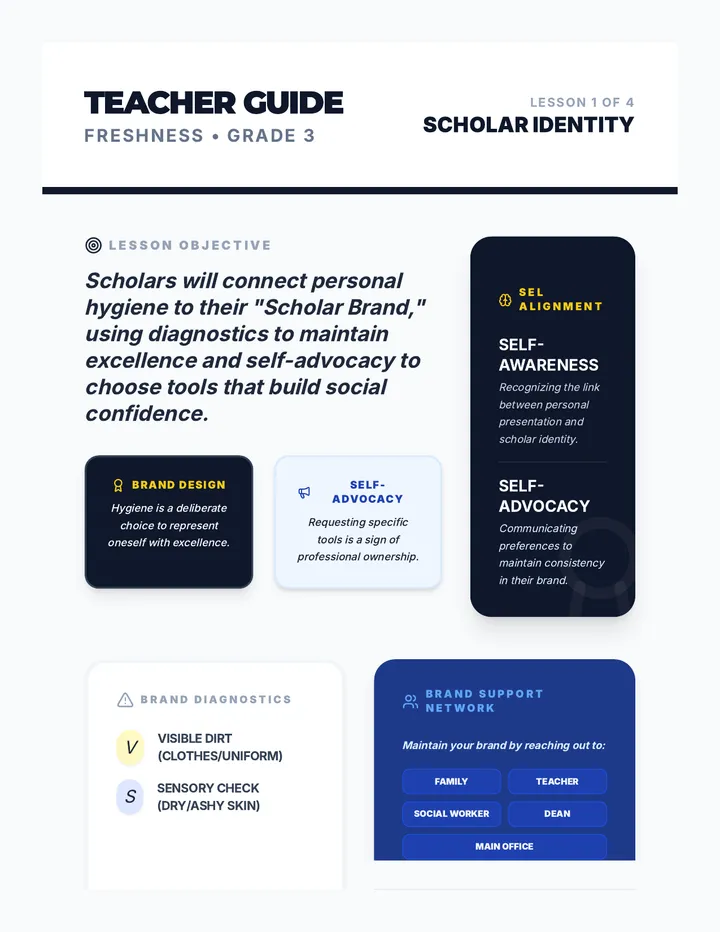
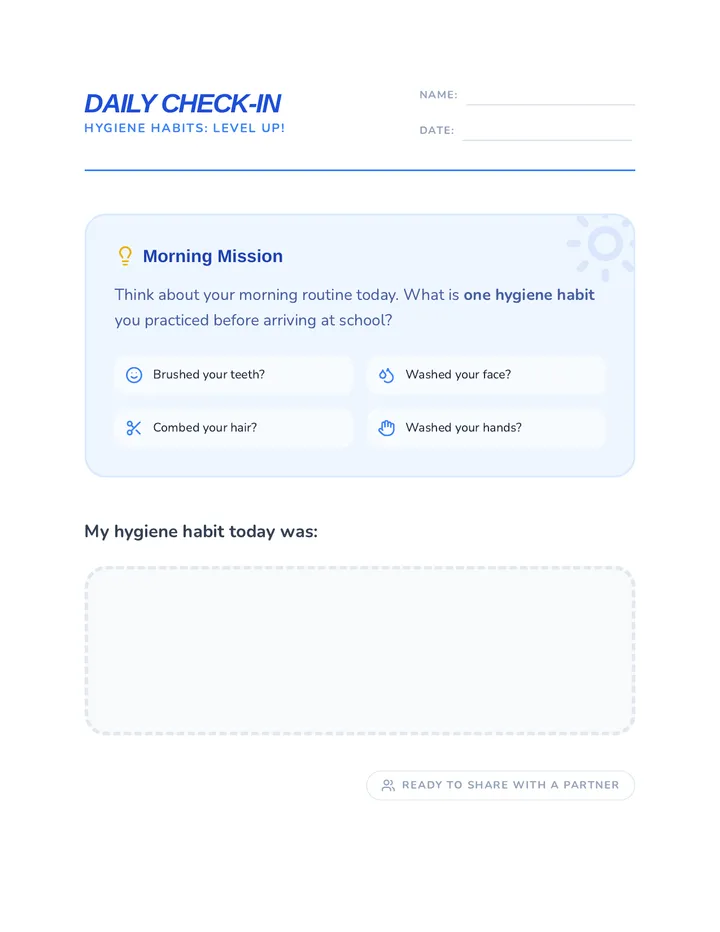
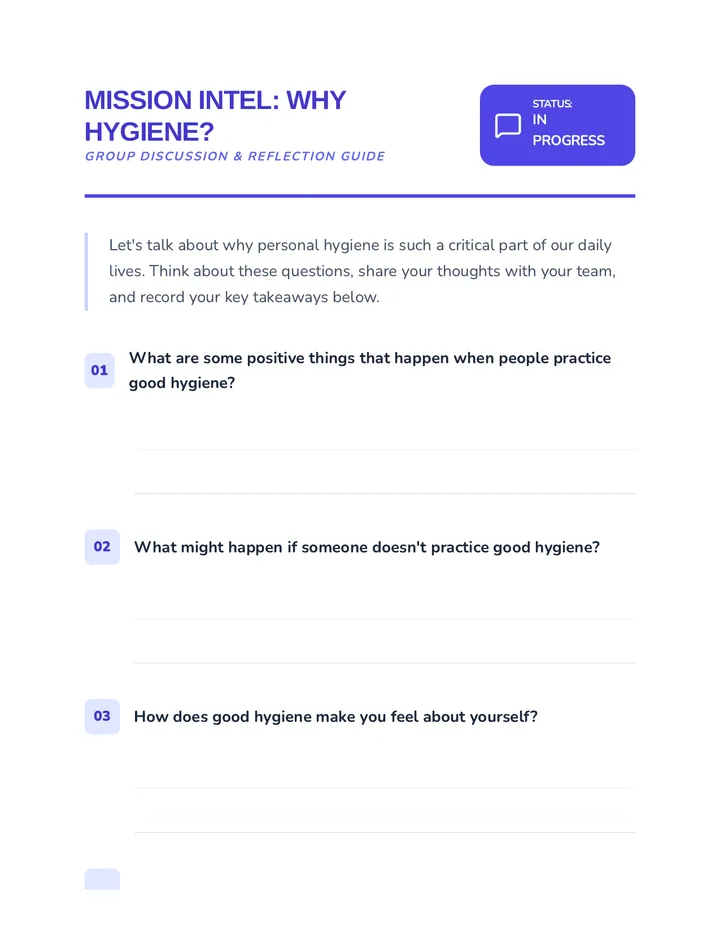
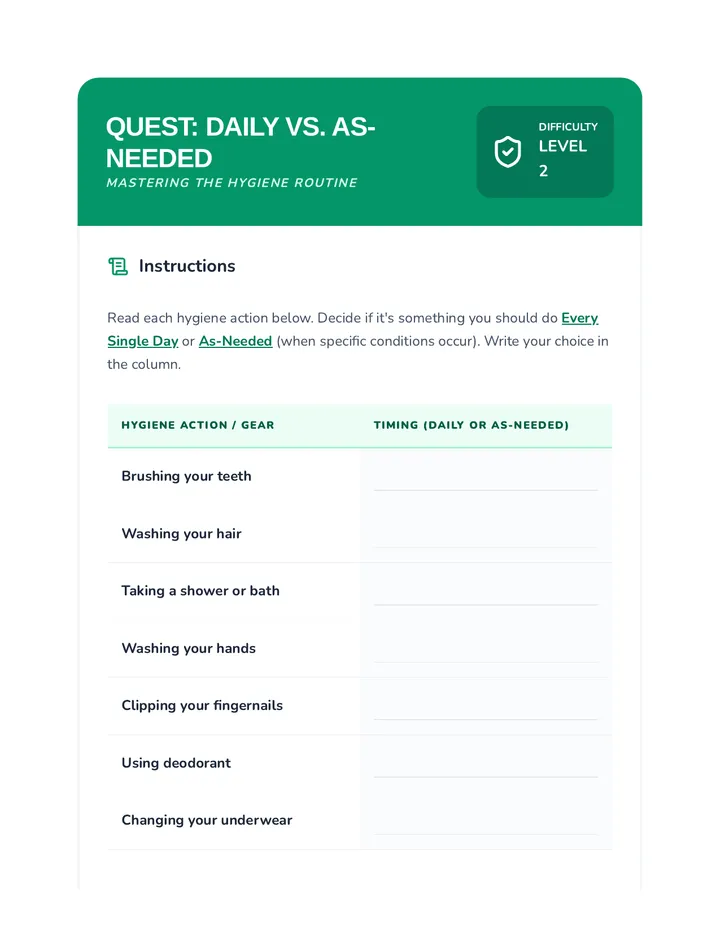
A comprehensive SEL-integrated hygiene curriculum for elementary scholars (K-4), focusing on self-awareness, social impact, and personal responsibility through the lens of a 'Glow Up'.
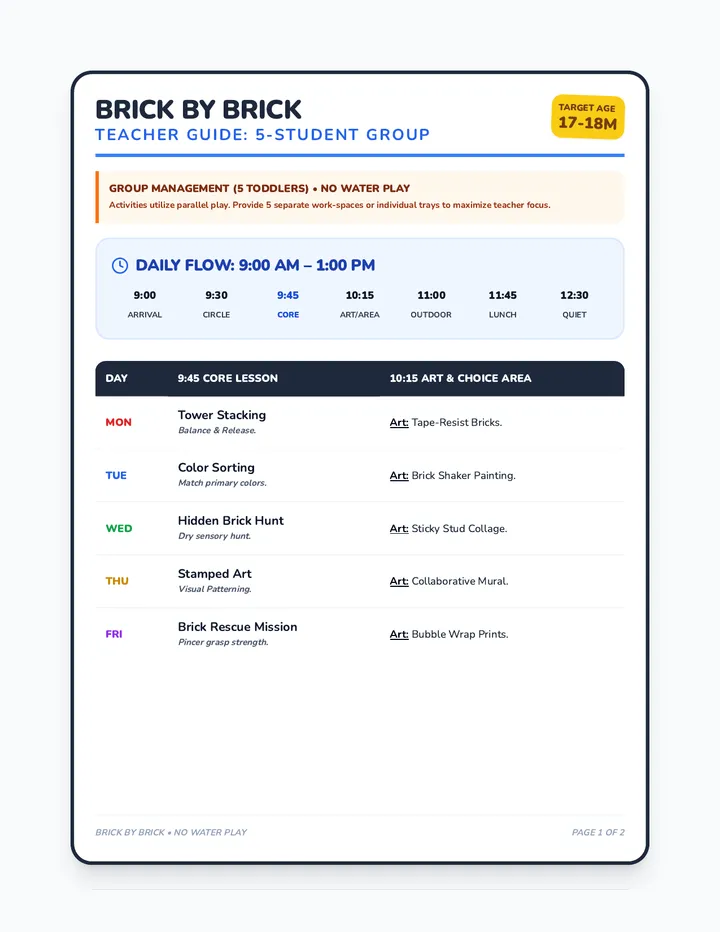
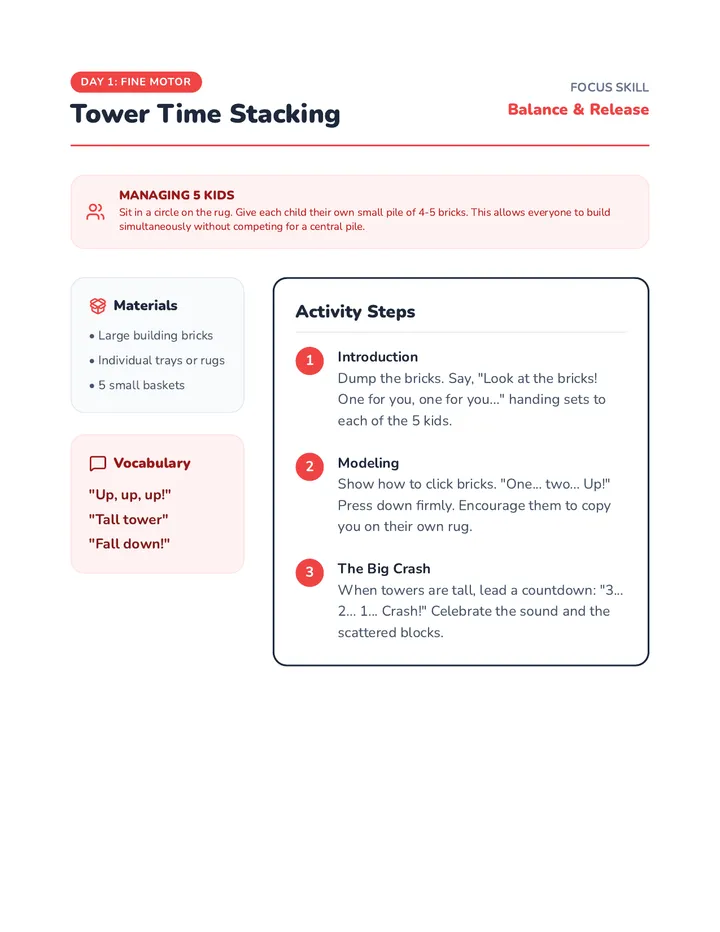
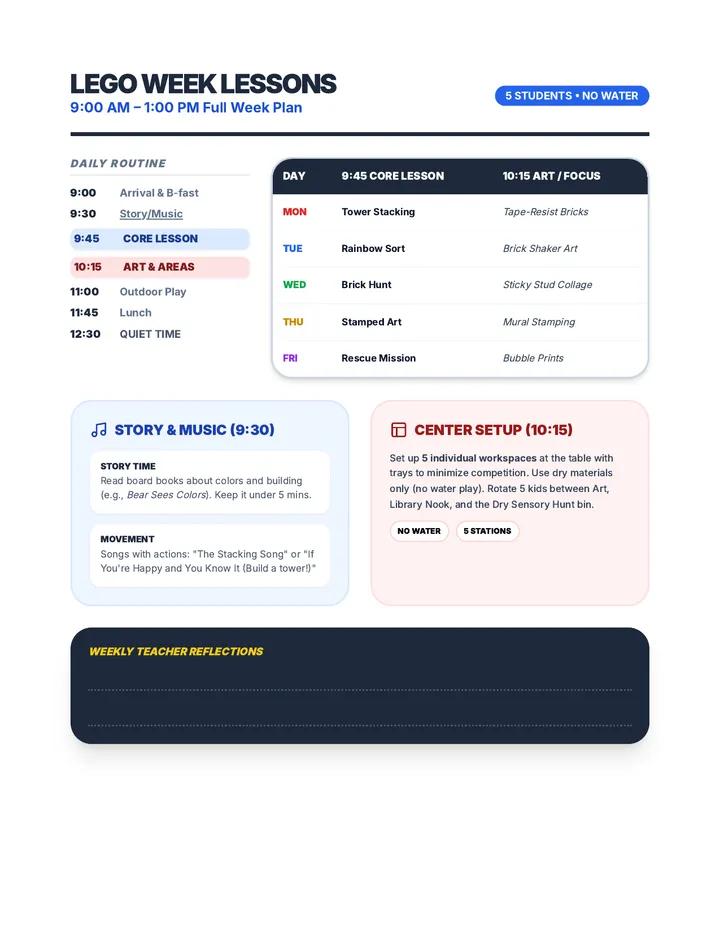
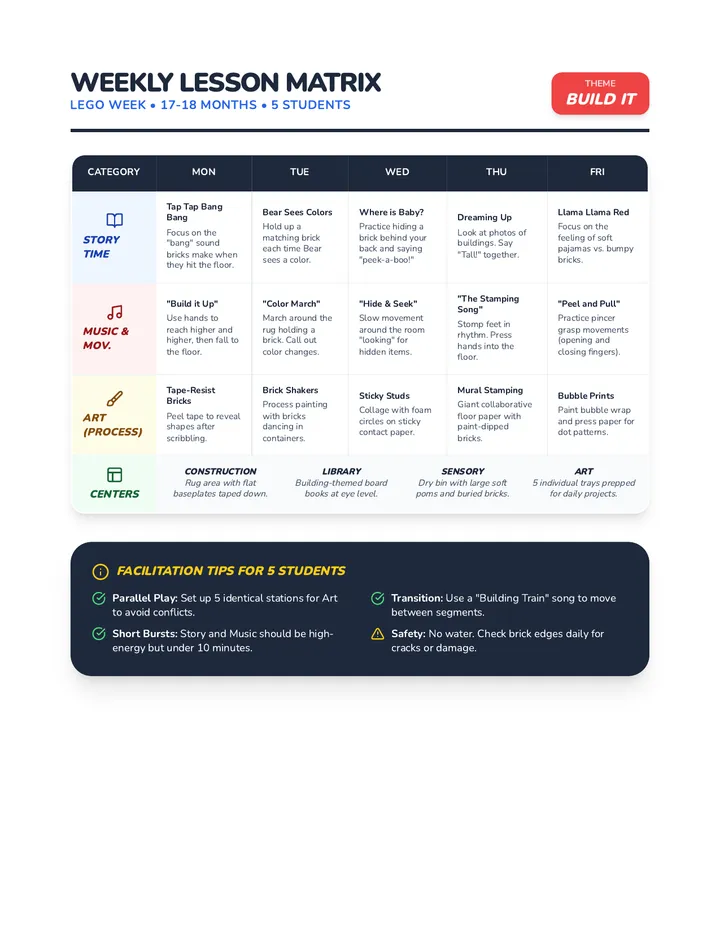
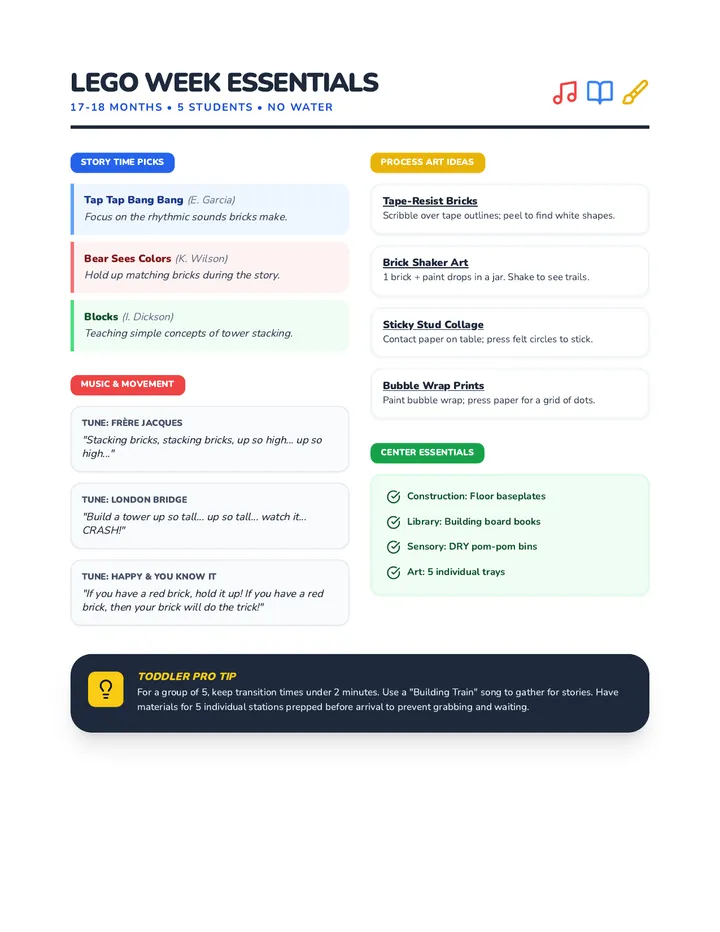
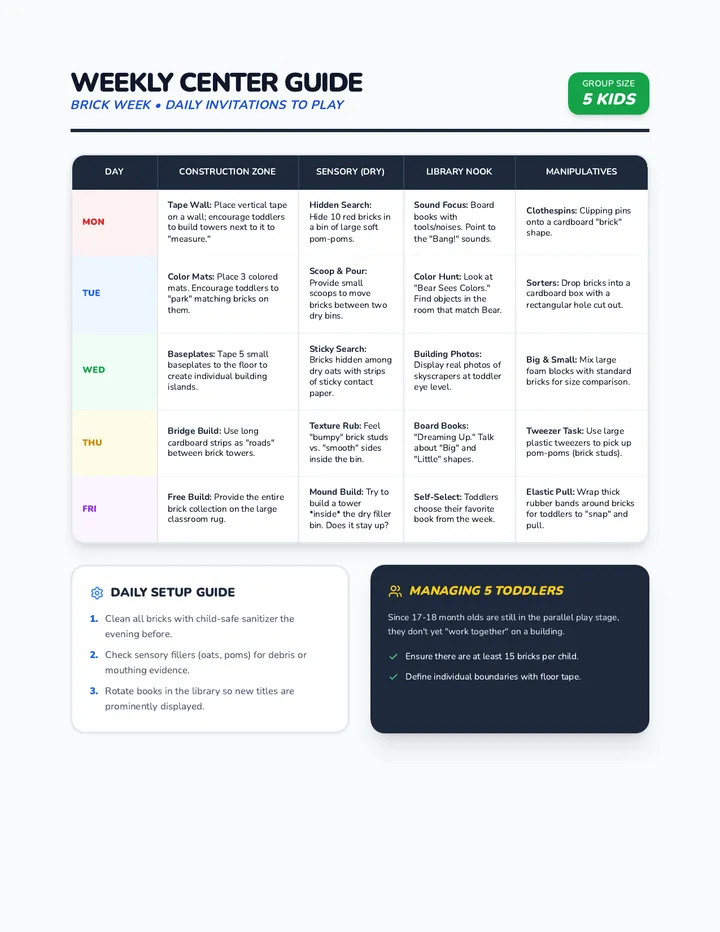
A collection of comprehensive week-long curricula for toddlers aged 17-18 months. Each themed week focuses on developmental play, sensory exploration, and fine motor skills for a group of 5 students with zero water play.
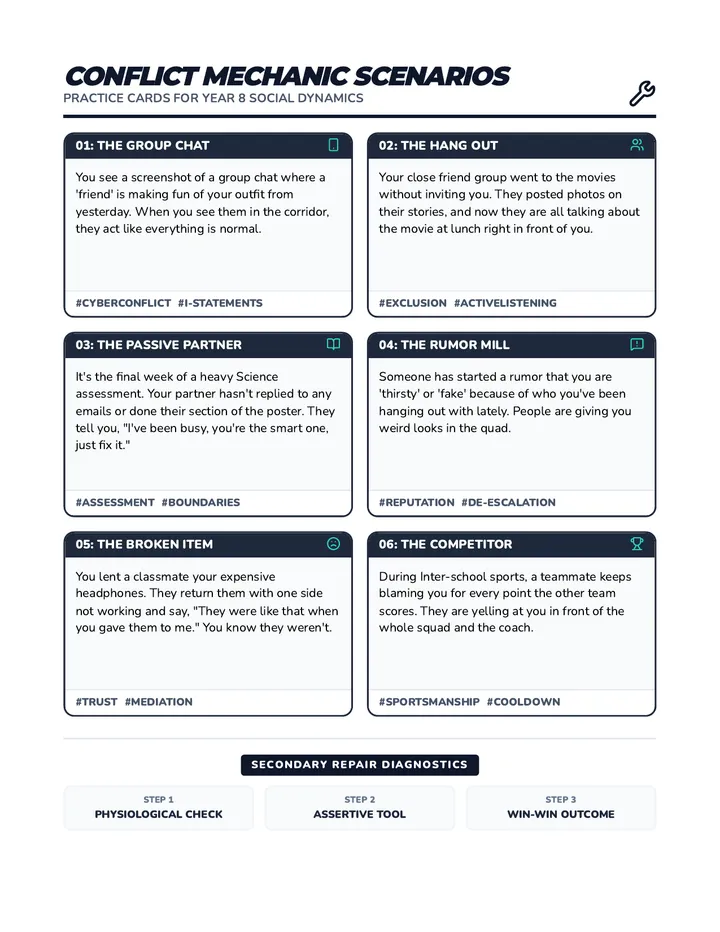
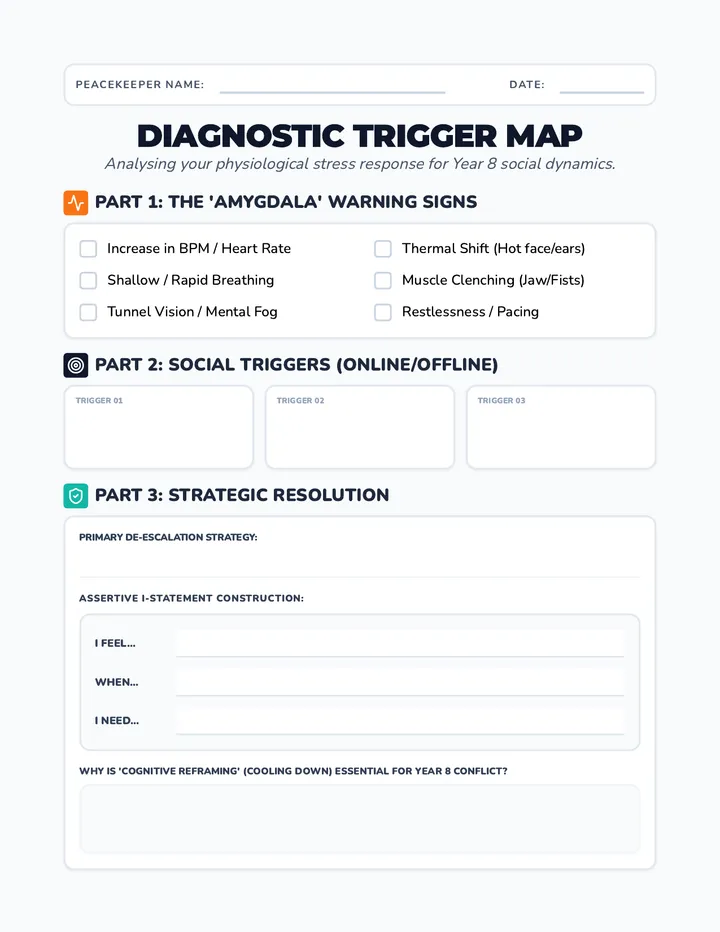
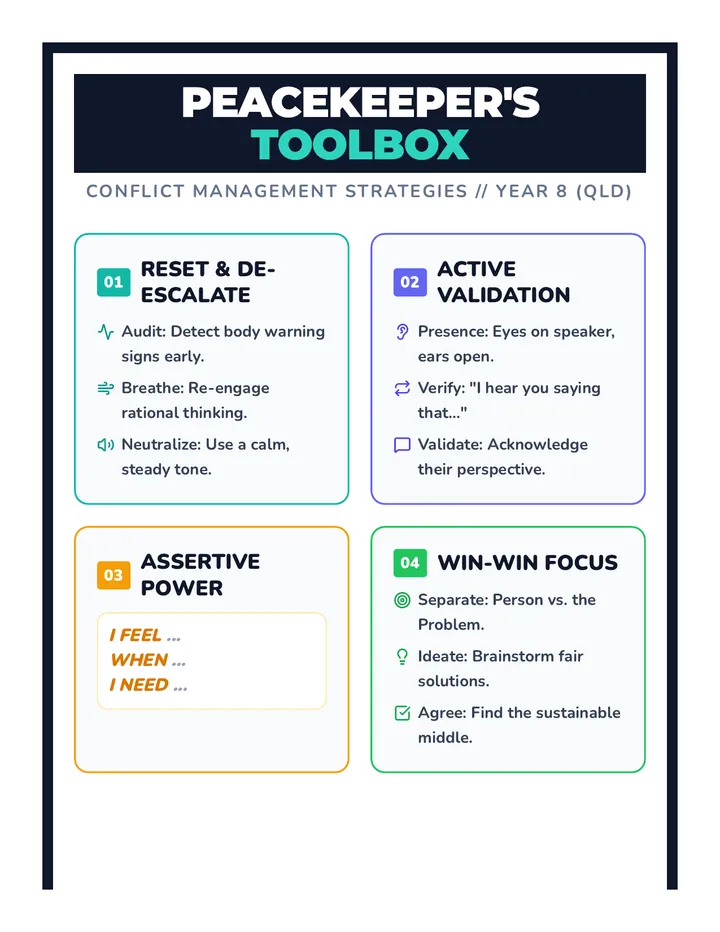
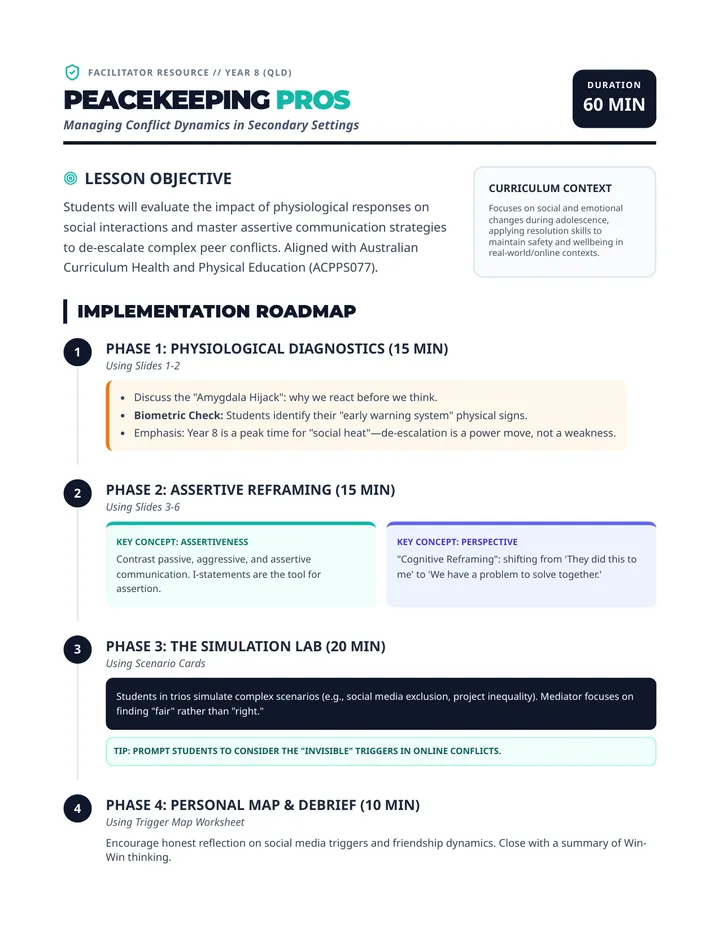
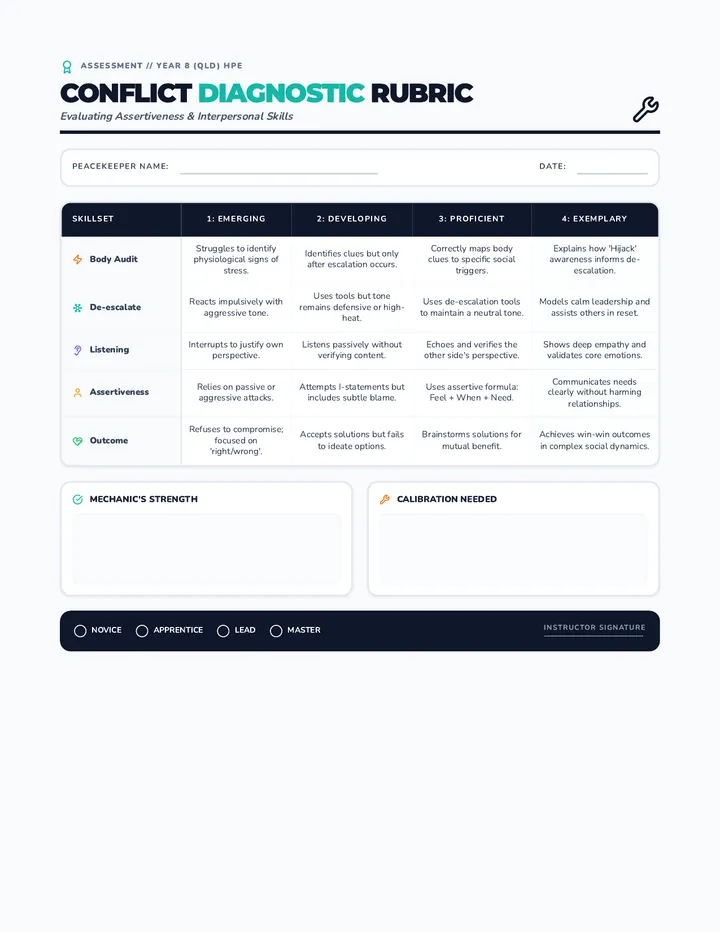
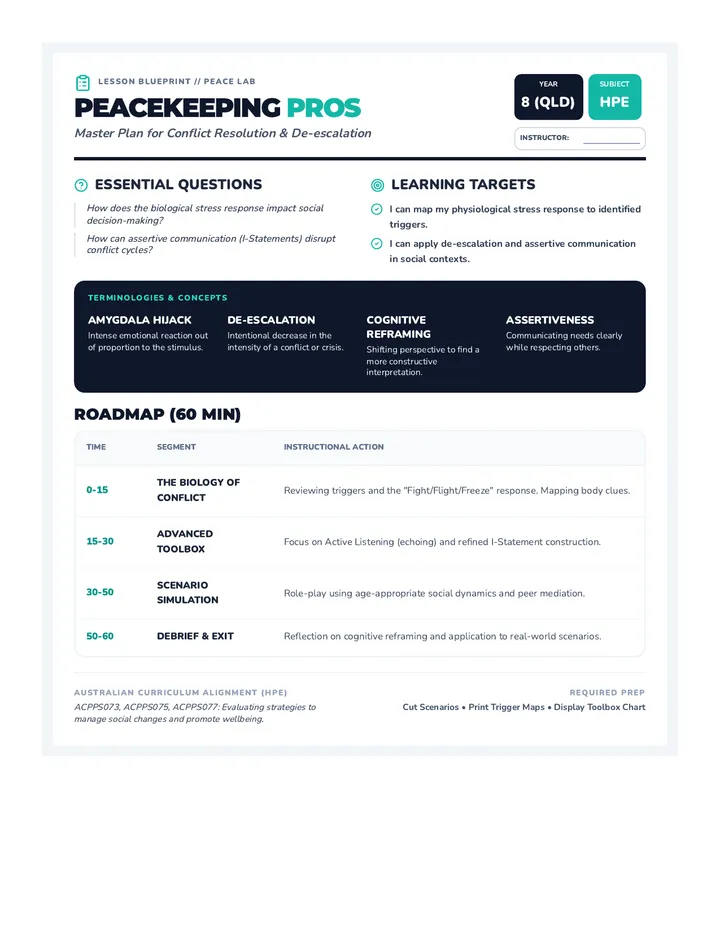
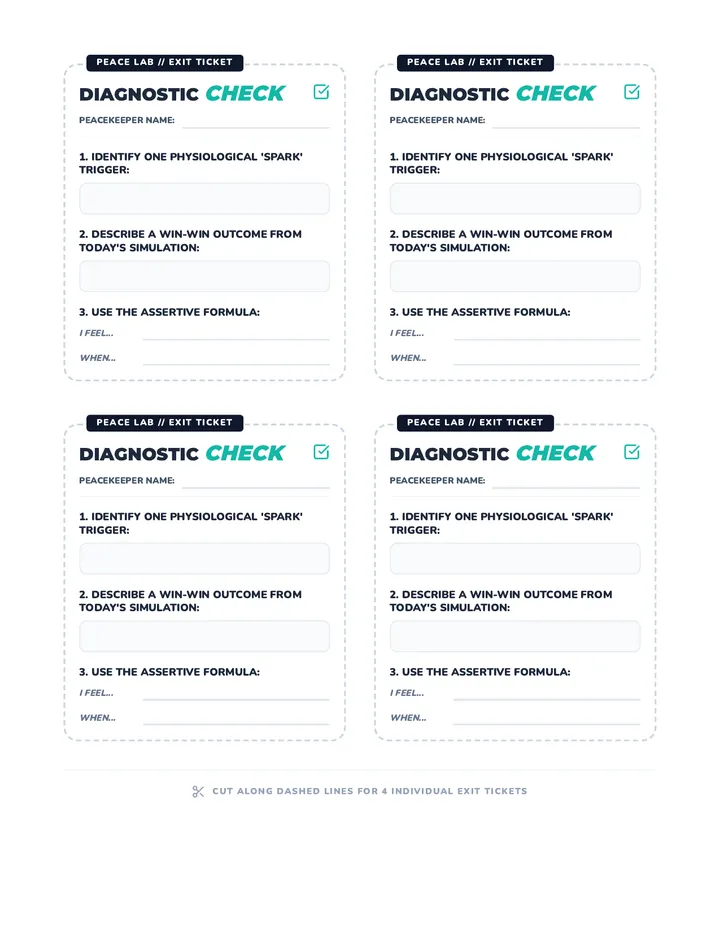
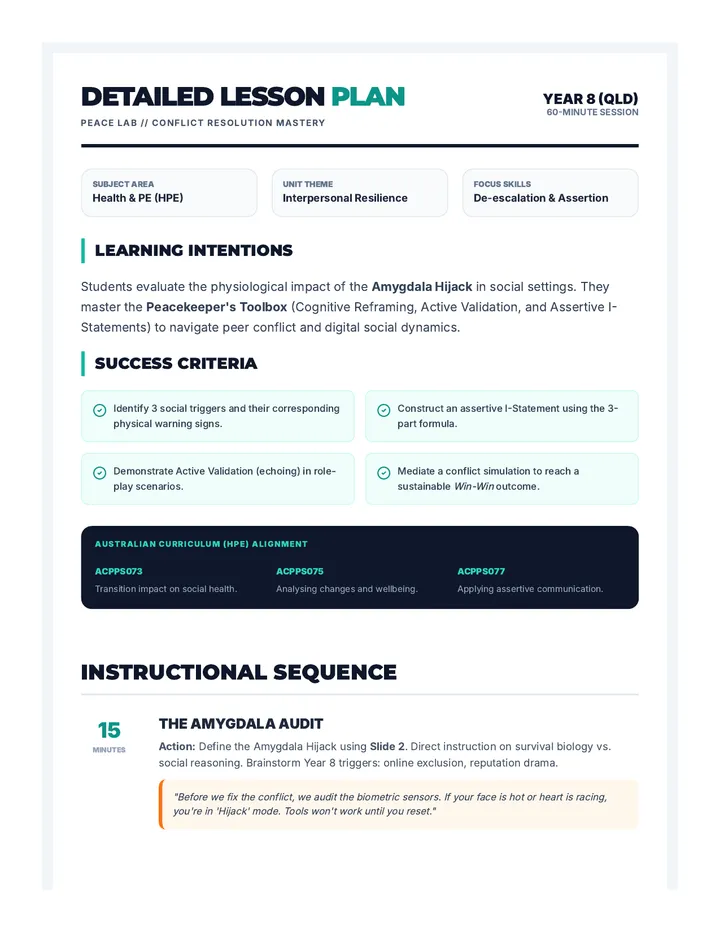
A comprehensive sequence of lessons for secondary students (Yr 7-8) focused on conflict resolution, social media responsibility, and assertive communication in both physical and digital spaces.
A comprehensive tobacco and vaping cessation program focused on the science of addiction, long-term health impacts, and practical refusal and quitting strategies for students.
A comprehensive vaping prevention unit that covers health risks, the science of nicotine addiction, and social refusal strategies for middle and high school students.
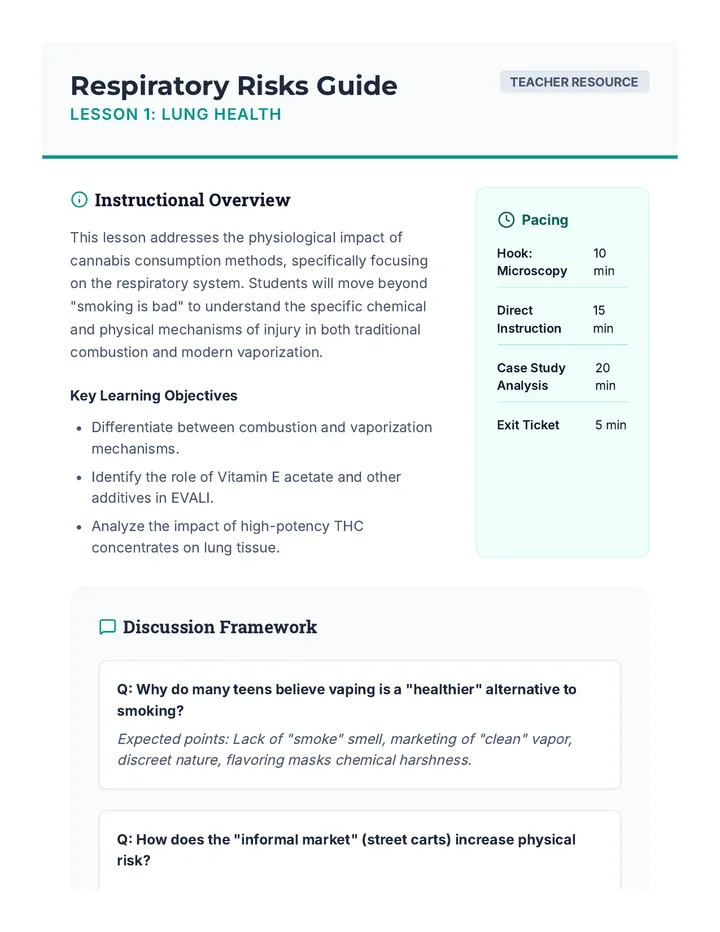
A comprehensive 10th-grade health sequence exploring the physical and mental health risks of cannabis use, focusing on respiratory health, mental health correlations, dependency criteria, and medical syndromes like CHS.
A 5th-grade health sequence that reframes substance awareness through the lens of emotional wellness. Students learn to identify stress triggers, understand the brain's natural reward system, and build a personal 'toolkit' of healthy coping mechanisms as alternatives to substances like cannabis.
This sequence uses a case study approach to teach 7th-grade students how to recognize suicide warning signs, navigate digital cries for help, map out support networks, and take ethical action as supportive bystanders. Students move from identifying clues to committing to a personal safety protocol.
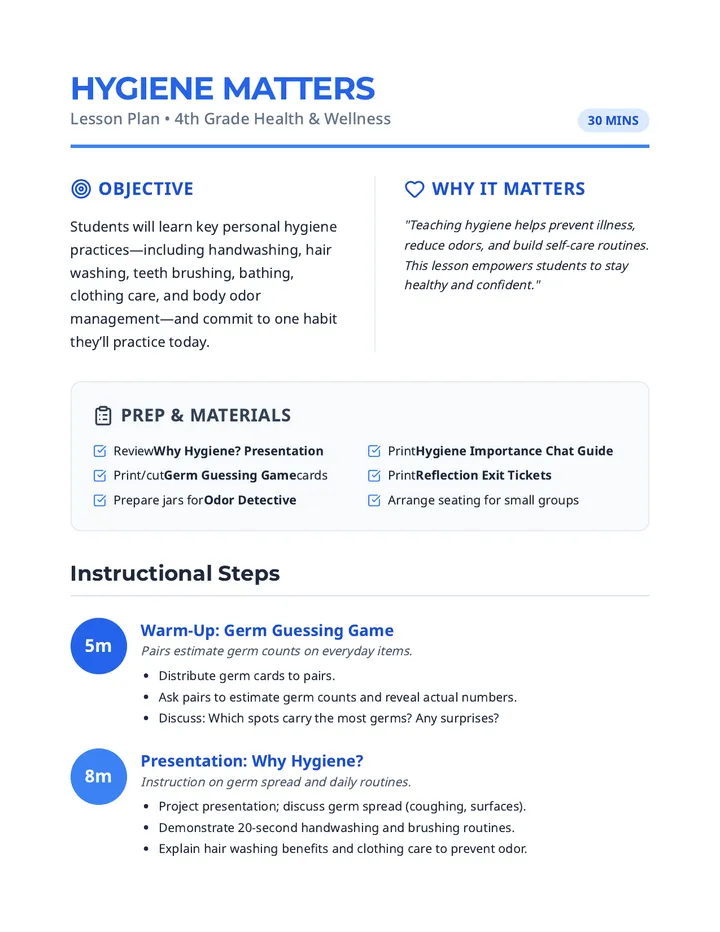
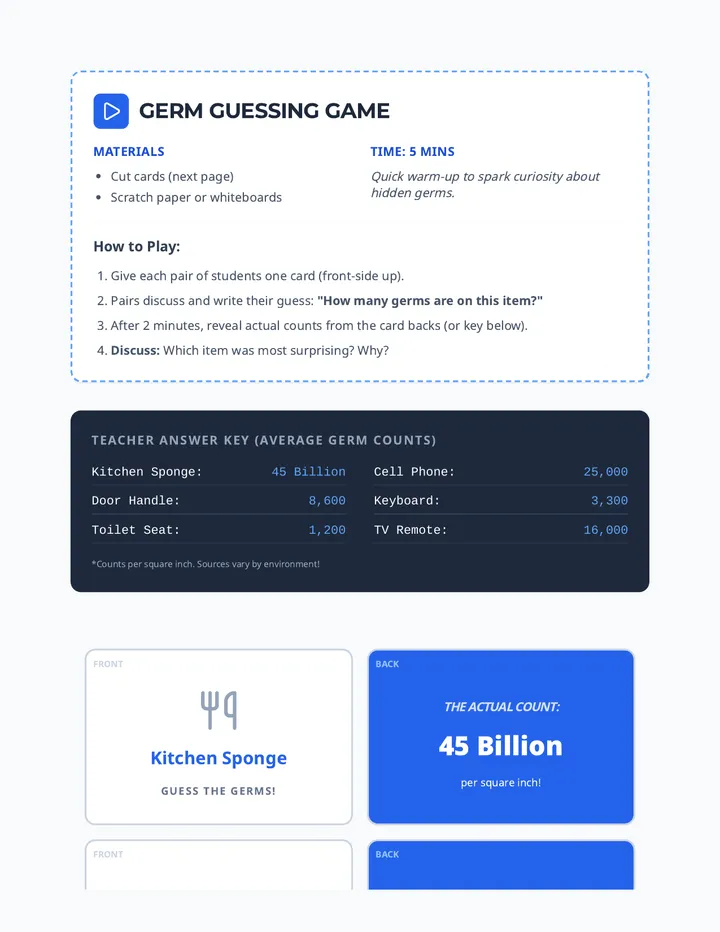
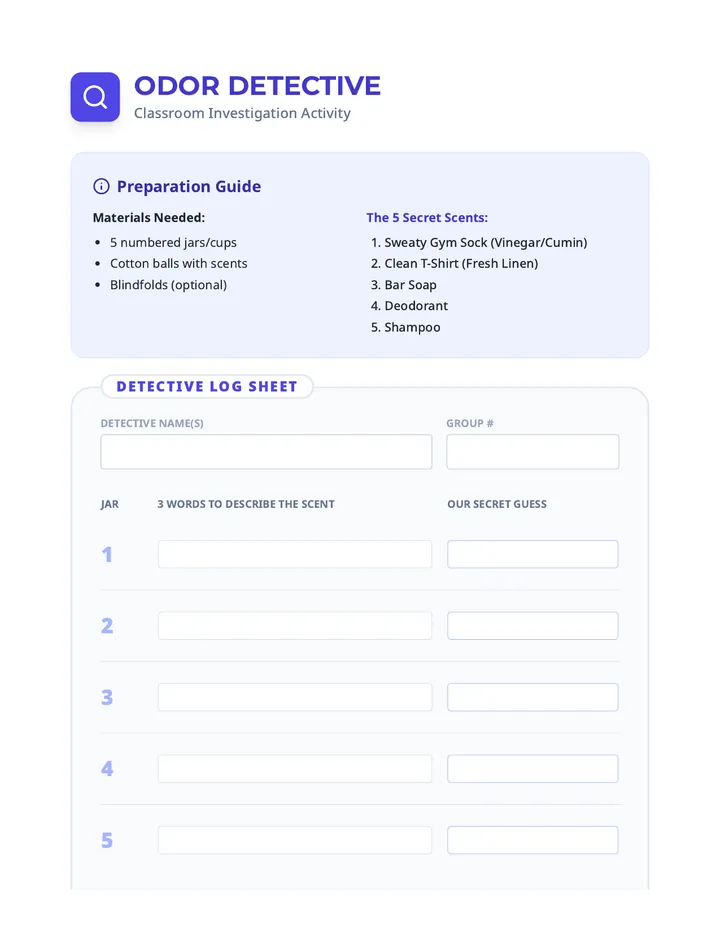
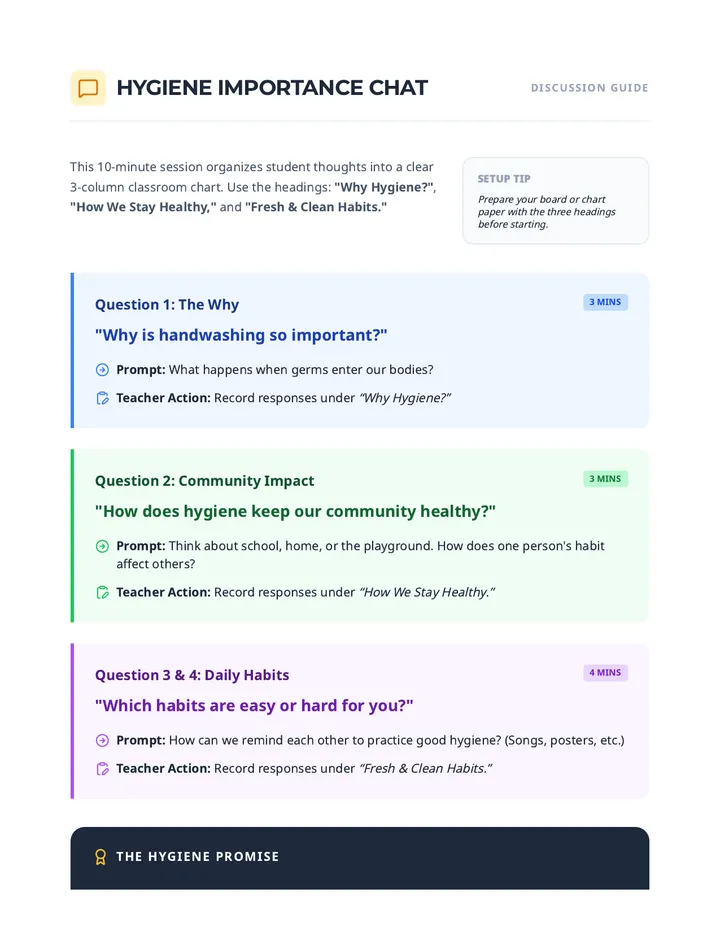
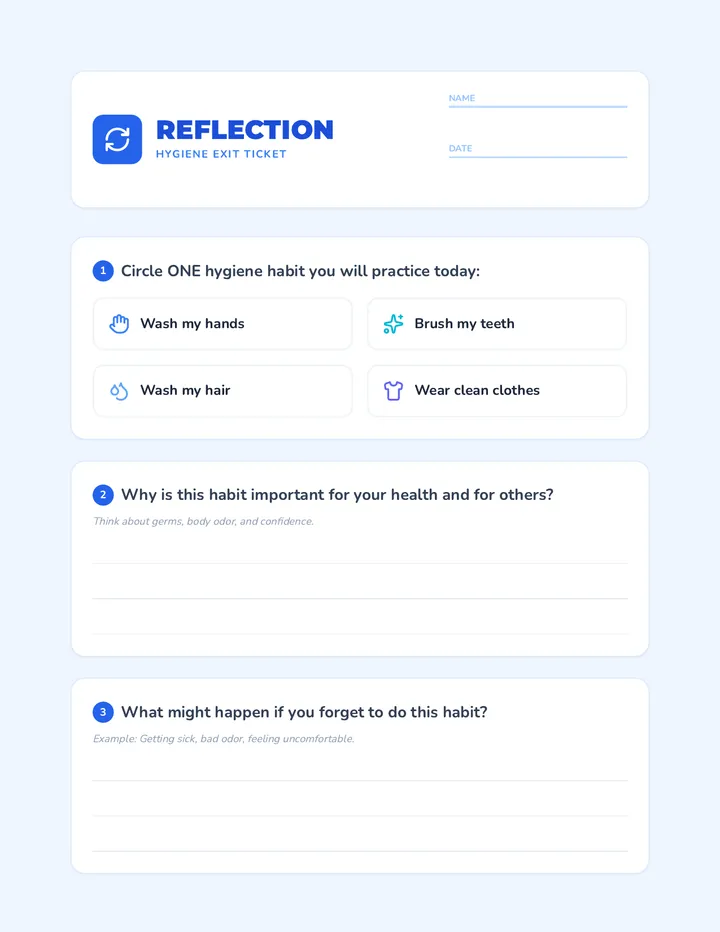
This 30-minute Tier 1 lesson for 4th grade sparks discussion on the importance of personal health and hygiene. Through interactive activities like the Germ Guessing Game and Odor Detective, students explore how germs spread and how habits like handwashing, bathing, and clothing care keep them healthy and confident.
A comprehensive study guide covering nutrition, body systems, mental health, and disease prevention based on the Health Final Exam.
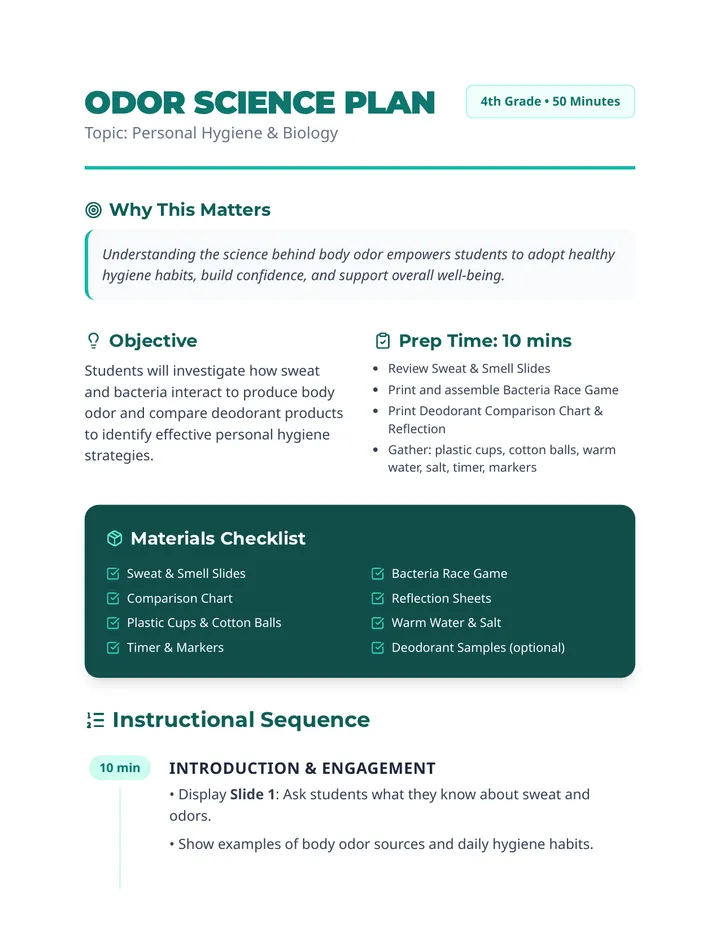
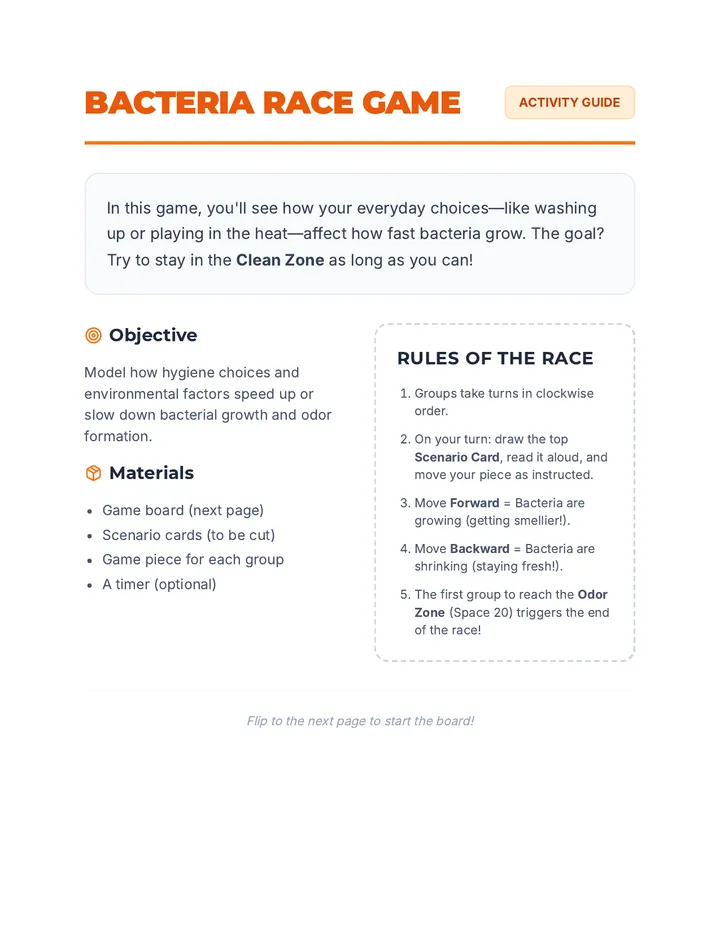
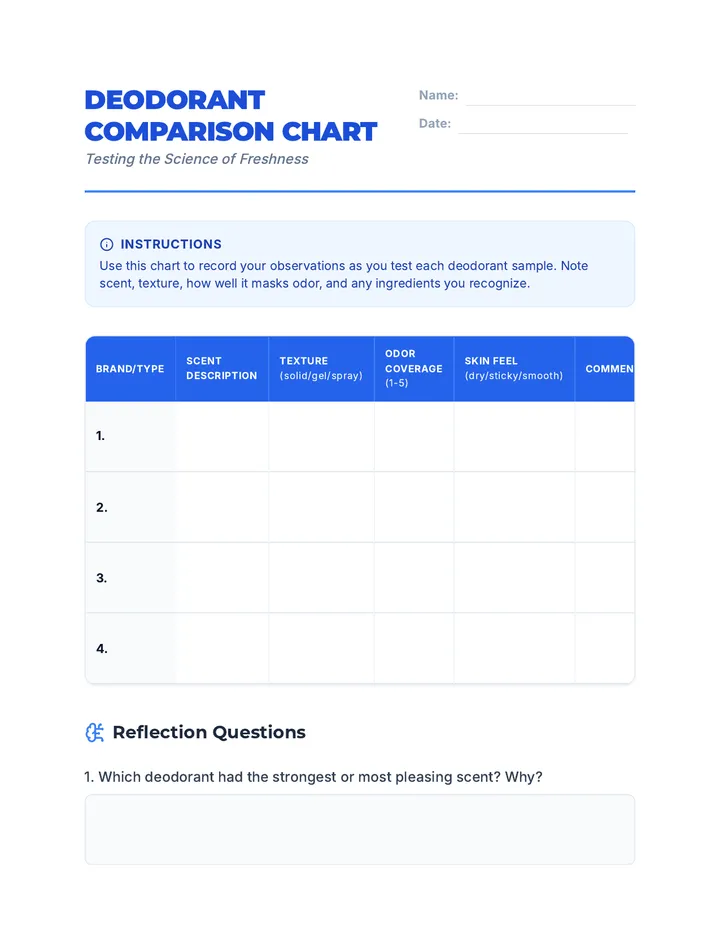
In this 50-minute Tier 1 lesson for 4th graders, students explore the science of sweat, bacteria, and deodorant through hands-on activities that make personal hygiene fun and memorable. This lesson builds understanding of body odor causes and empowers students with practical strategies for daily hygiene.
A comprehensive introduction to the essential culinary practice of mise en place, focusing on organization, efficiency, and professional kitchen standards for high school students.
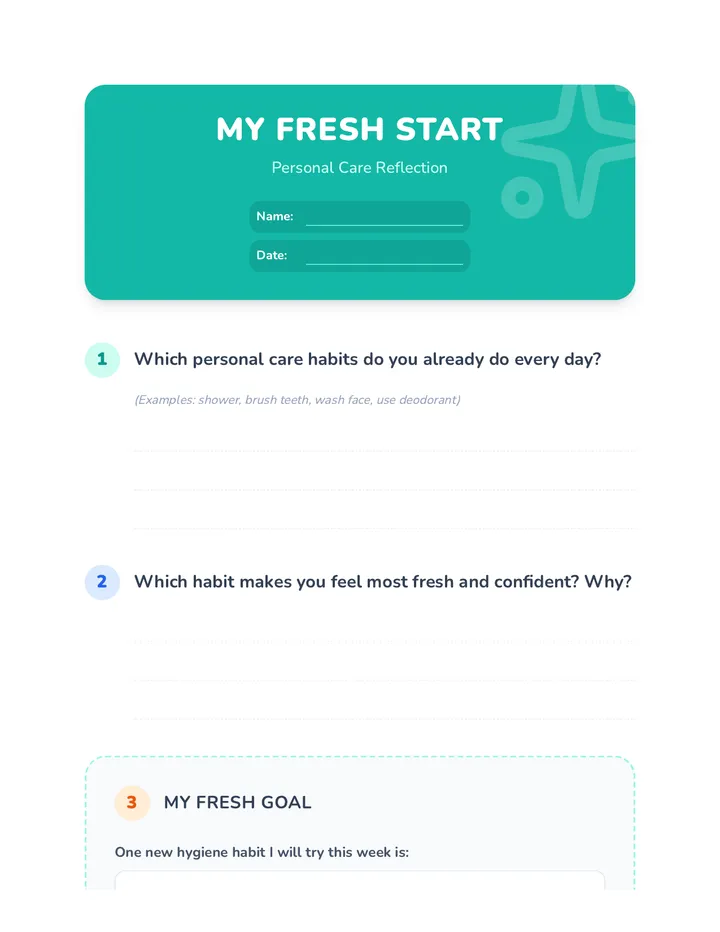
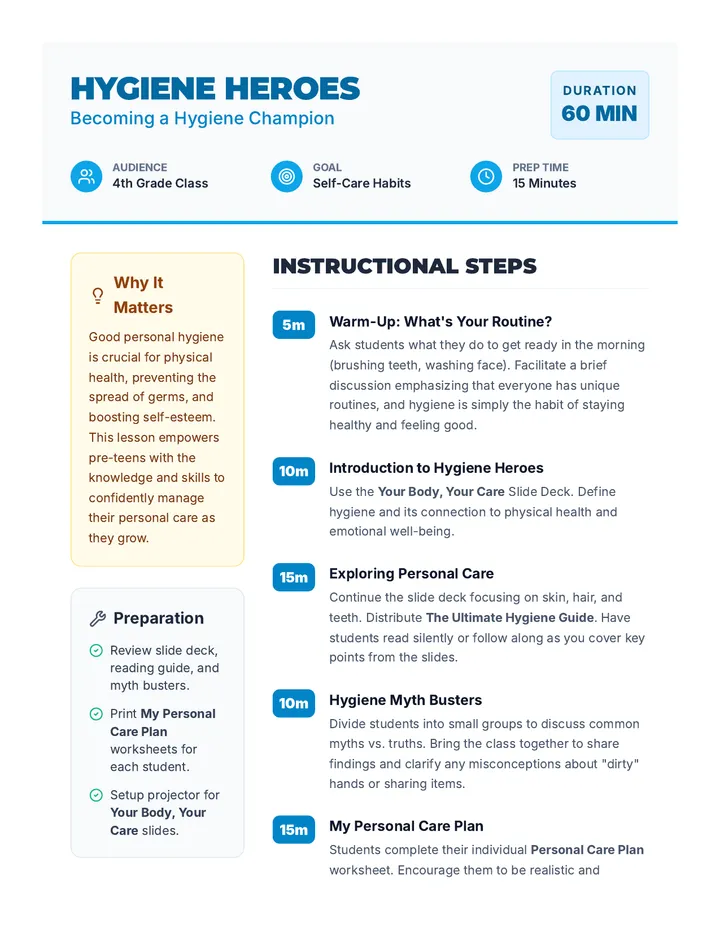
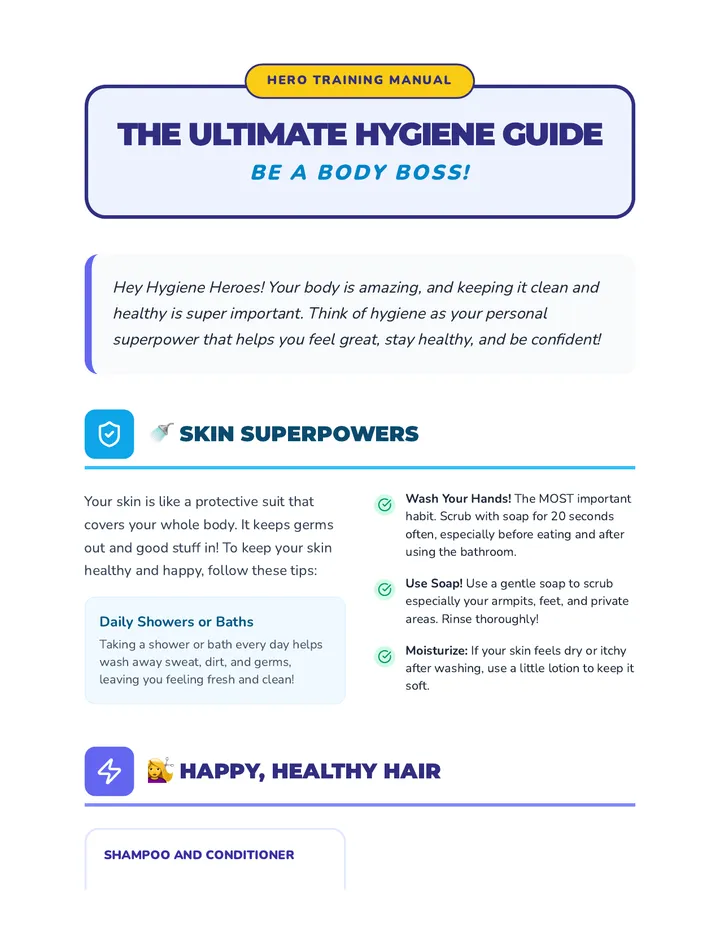
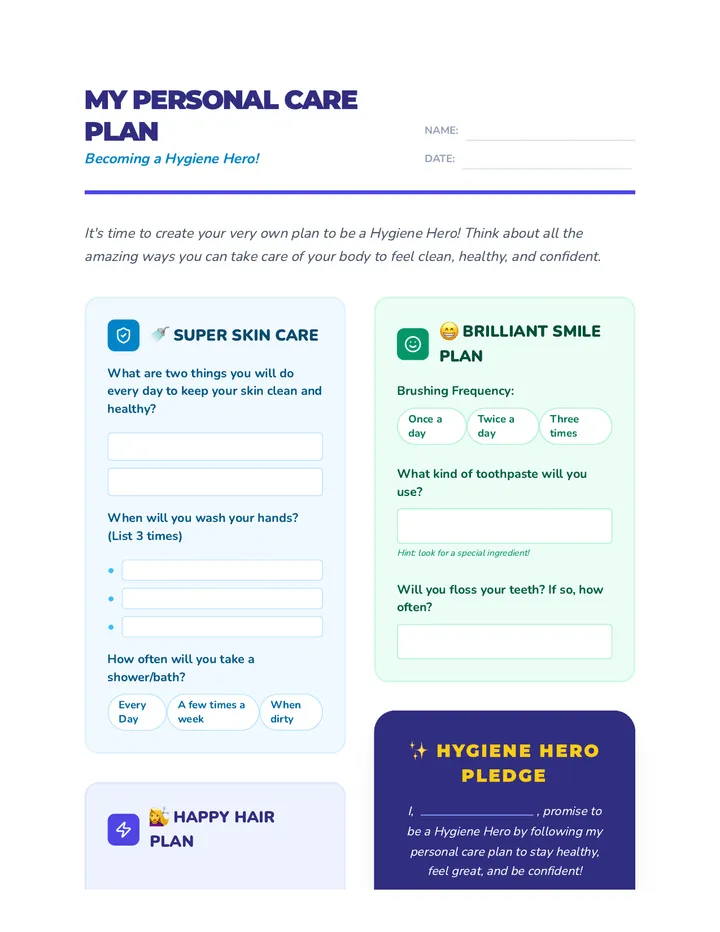
A comprehensive lesson on personal hygiene for pre-teens, covering skin, hair, and dental care through interactive activities and a personal planning worksheet. Students learn to become 'Hygiene Heroes' to boost health and confidence during puberty.
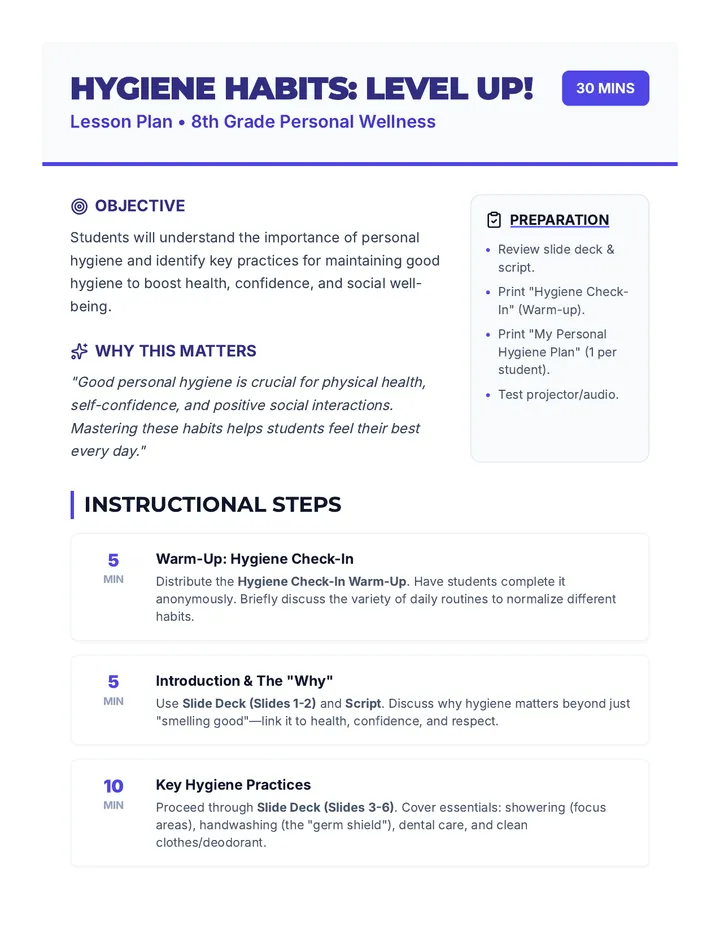
This lesson empowers 8th-grade students with practical knowledge and positive attitudes towards personal hygiene, linking it to self-respect, social comfort, and overall well-being.
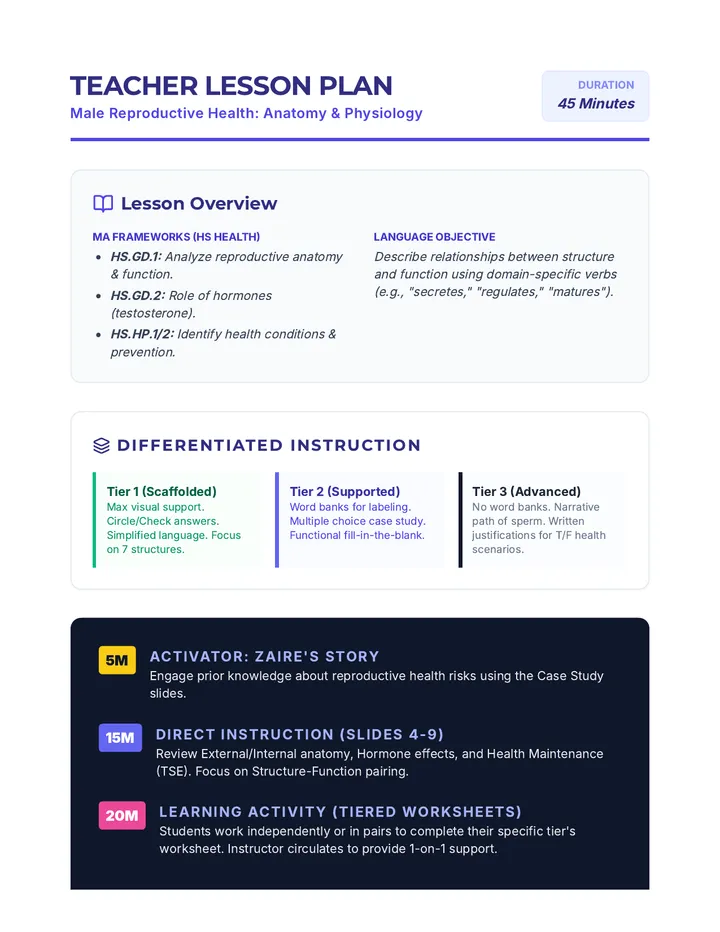
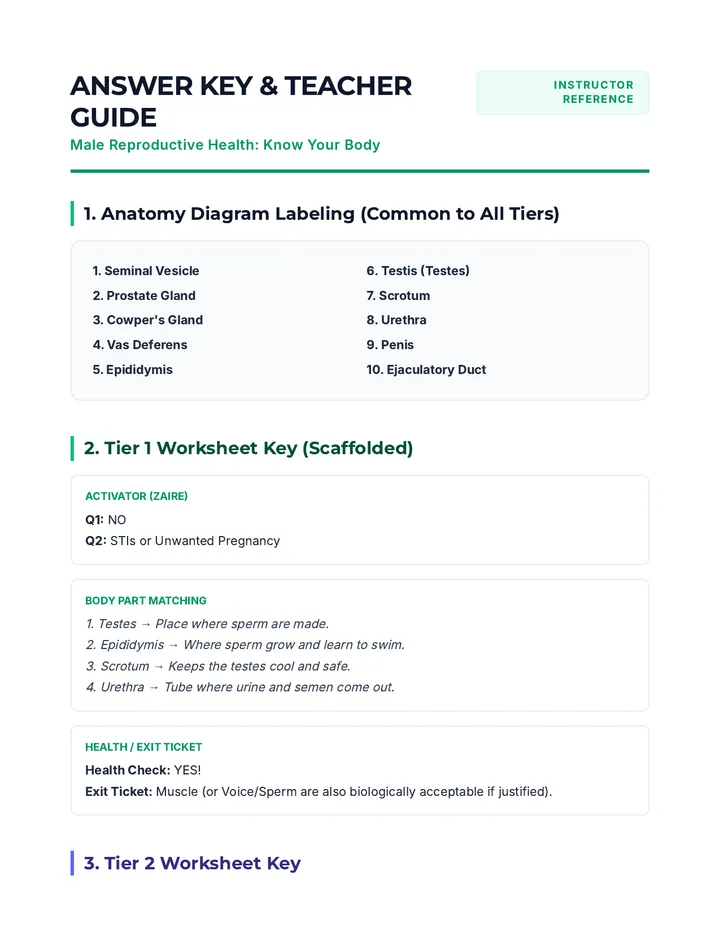
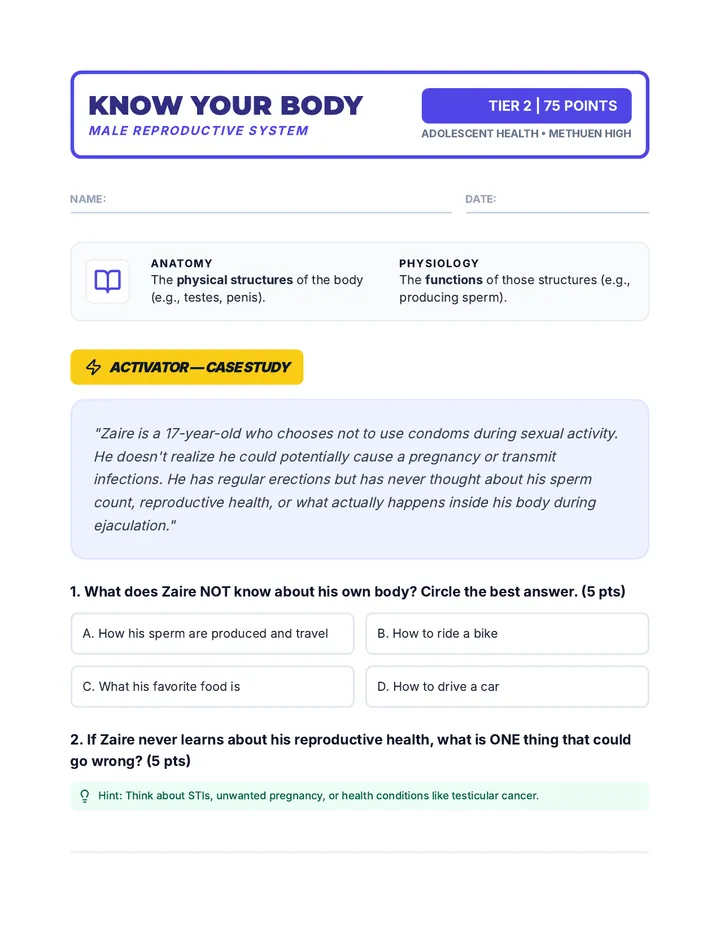
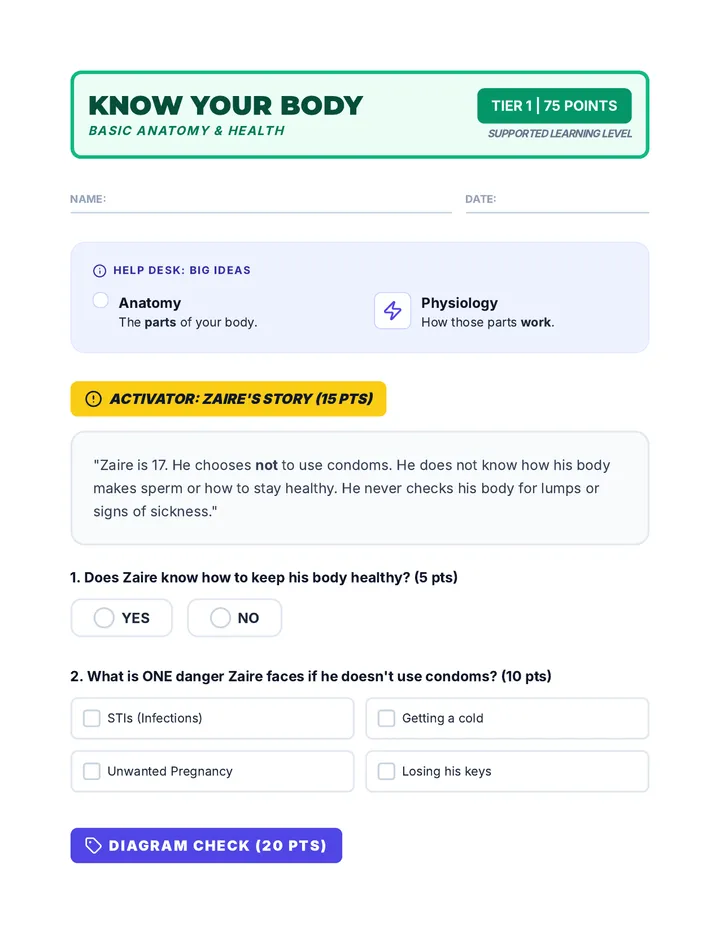
A comprehensive lesson on the male reproductive system focusing on anatomy, physiology, and health maintenance for high school students, featuring tiered instruction and clear learning objectives aligned with Massachusetts standards.
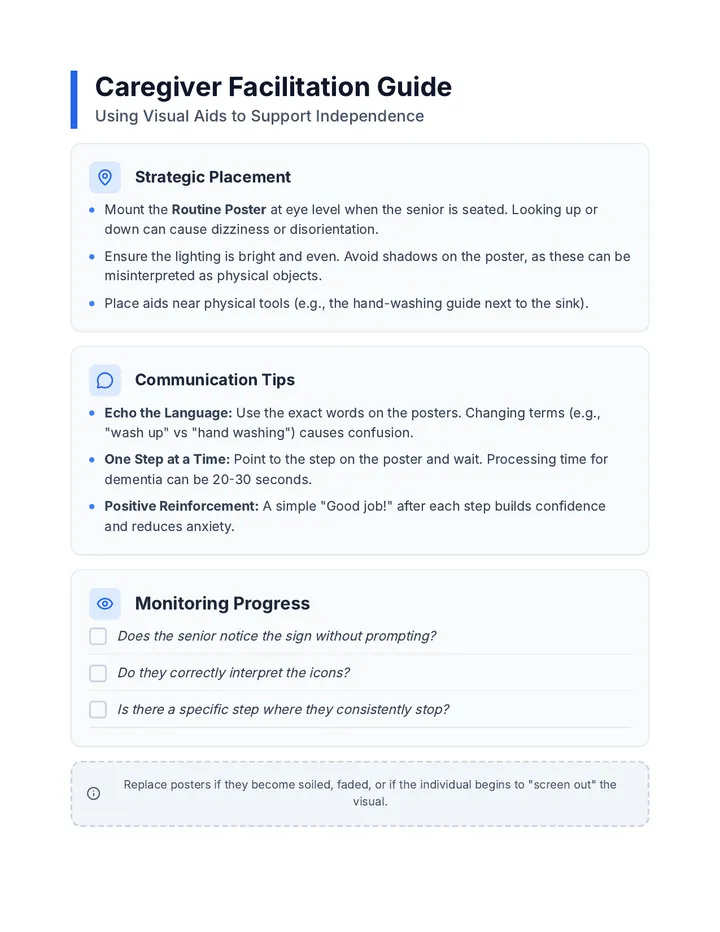
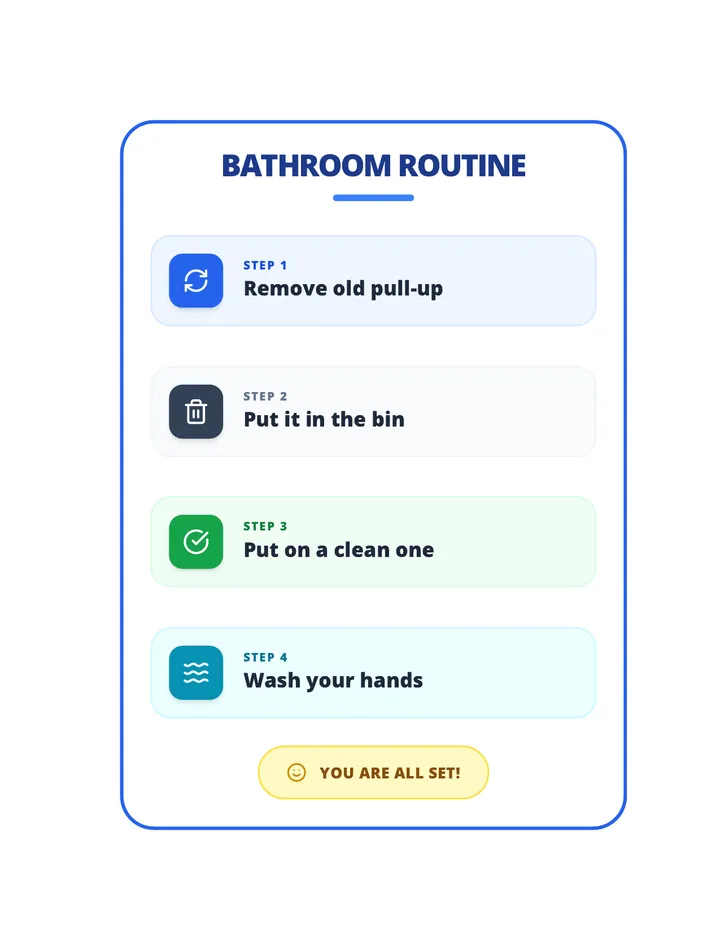
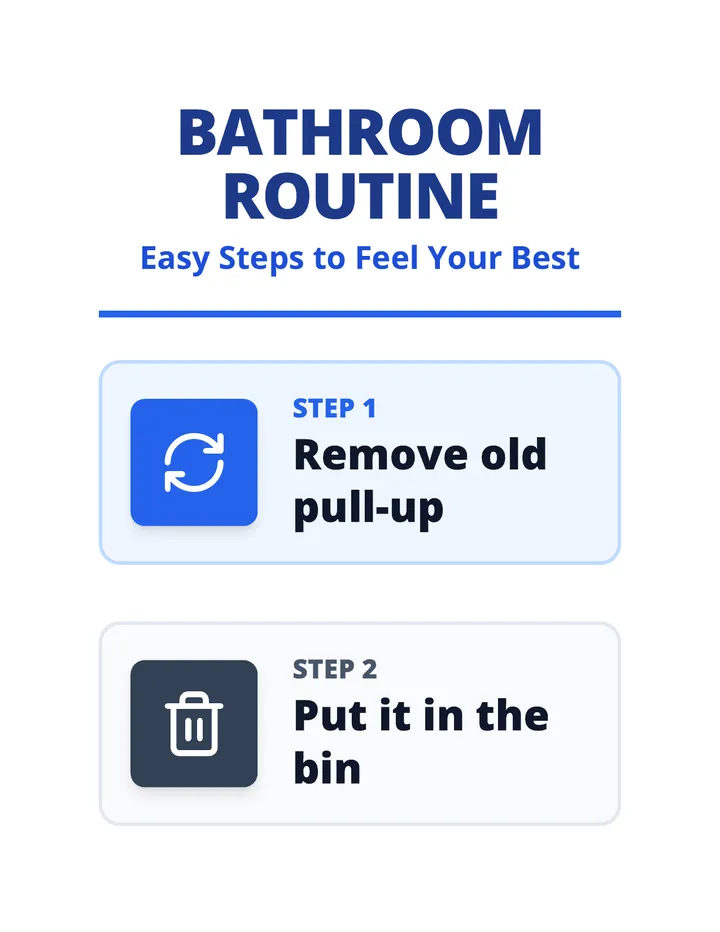
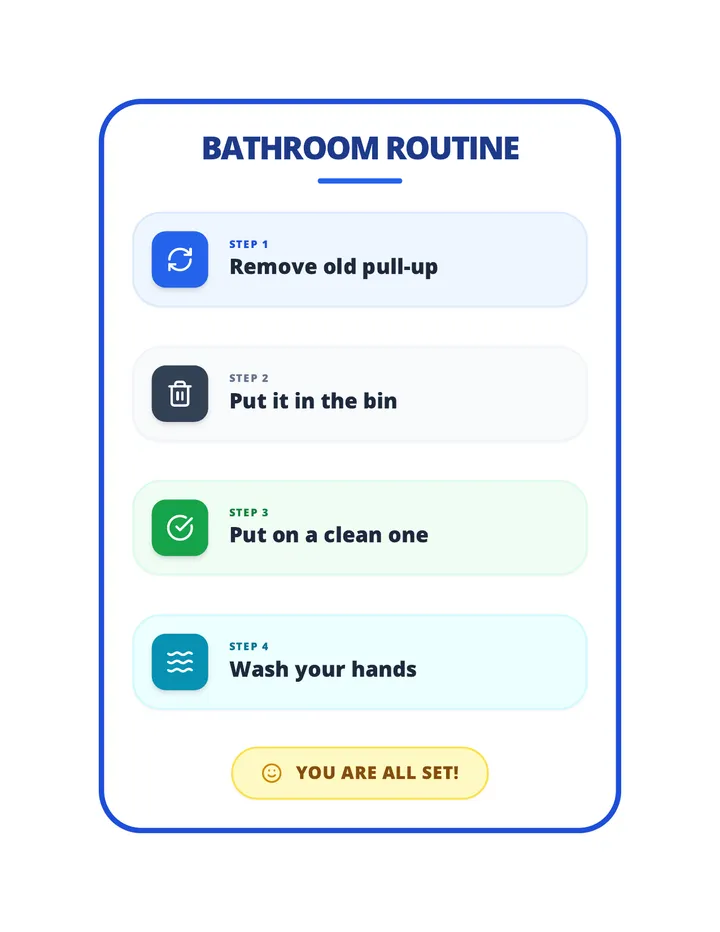
A collection of visual aids and reminders designed to support seniors with dementia in maintaining their daily routines and independence with dignity.
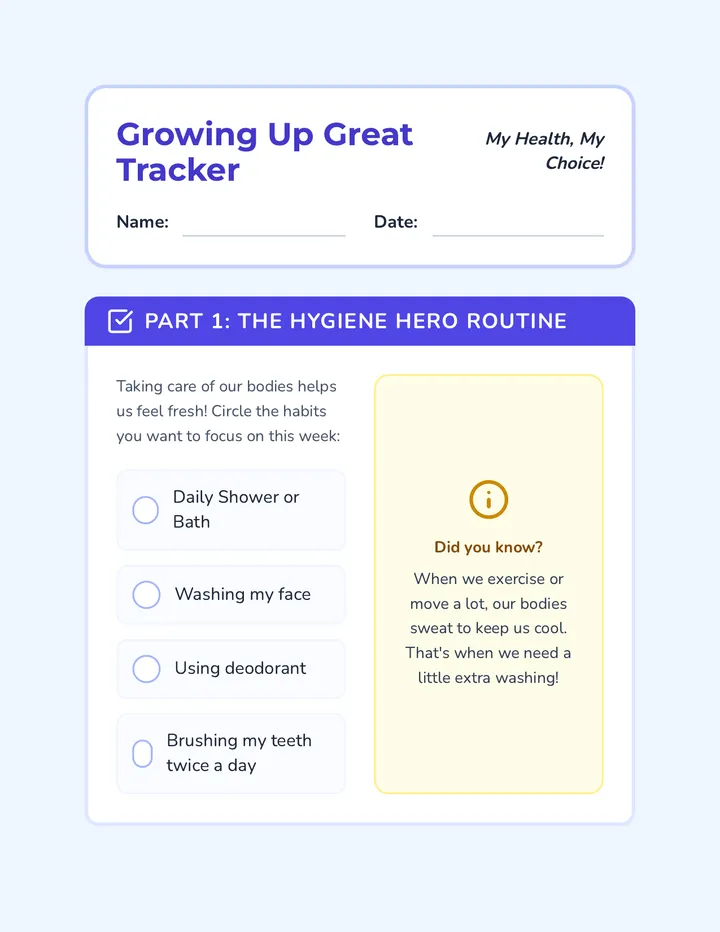
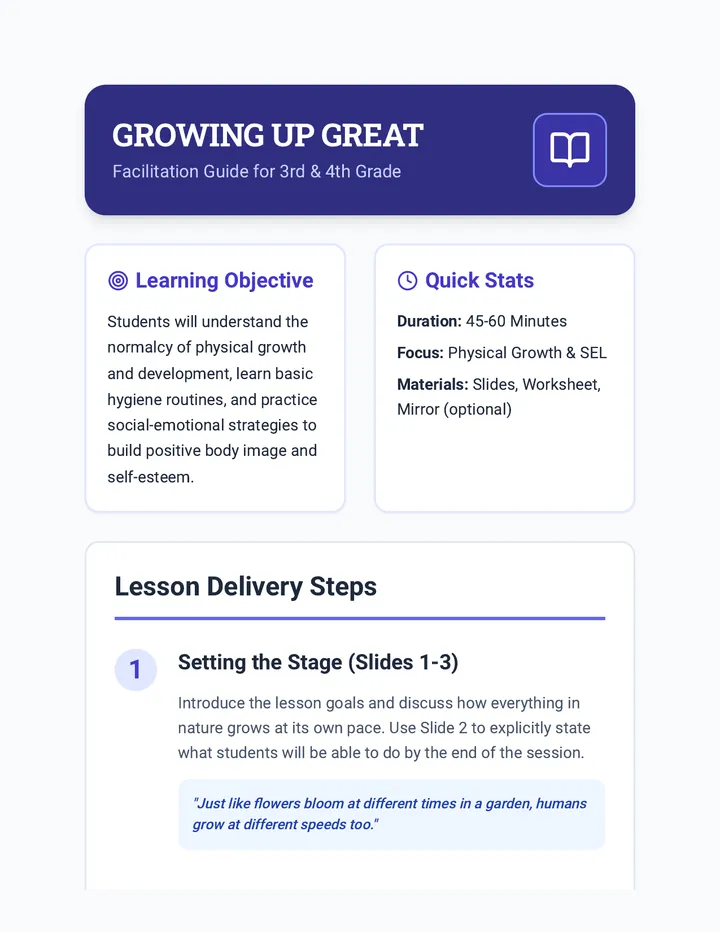
This lesson introduces 3rd and 4th-grade students to the concept of physical growth and hygiene, while fostering a positive body image through social-emotional learning and self-esteem building.
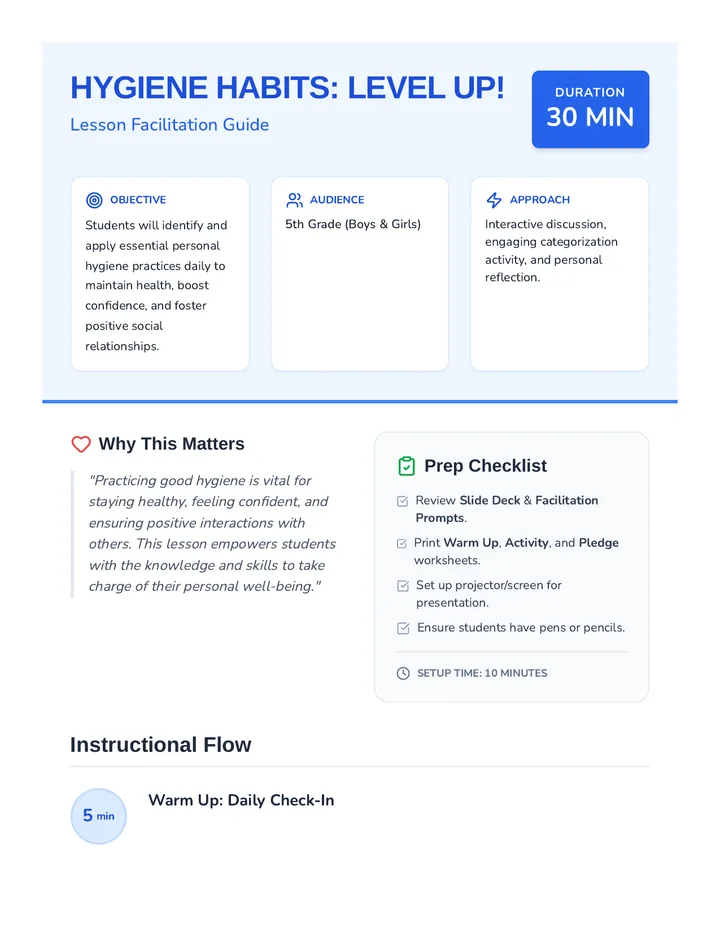
A 30-minute lesson for 5th-grade students focusing on essential daily hygiene practices like body washing, handwashing, dental care, and hair care to promote health, confidence, and social well-being.
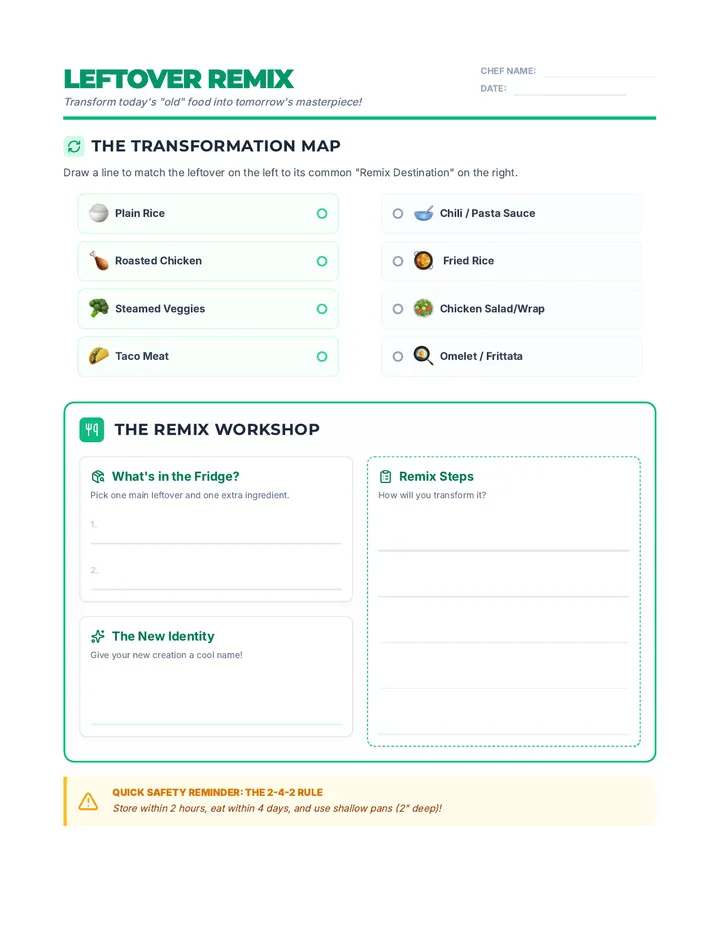
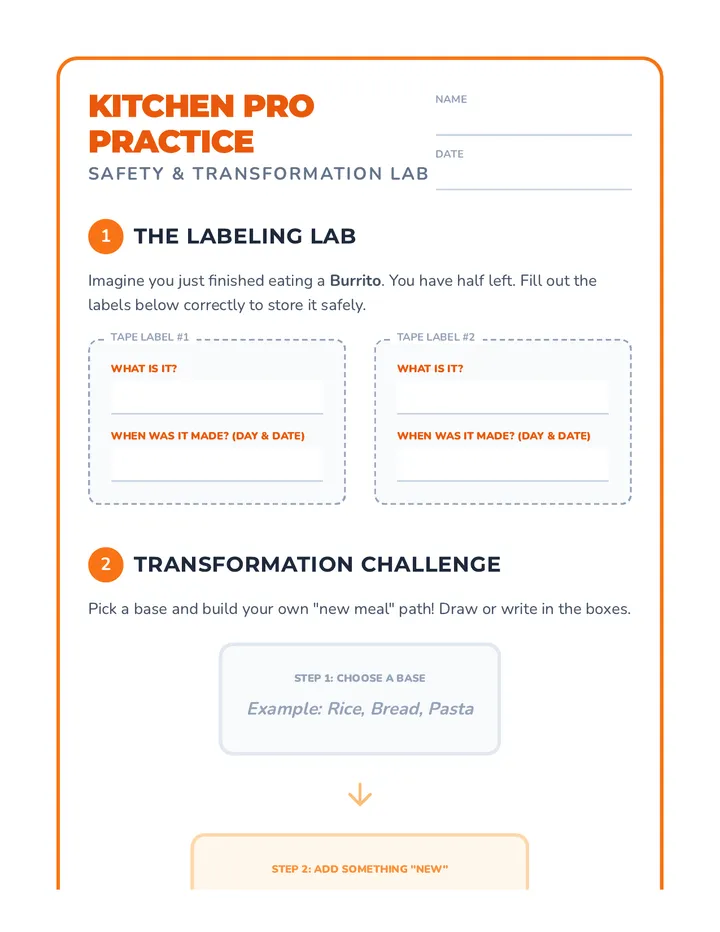
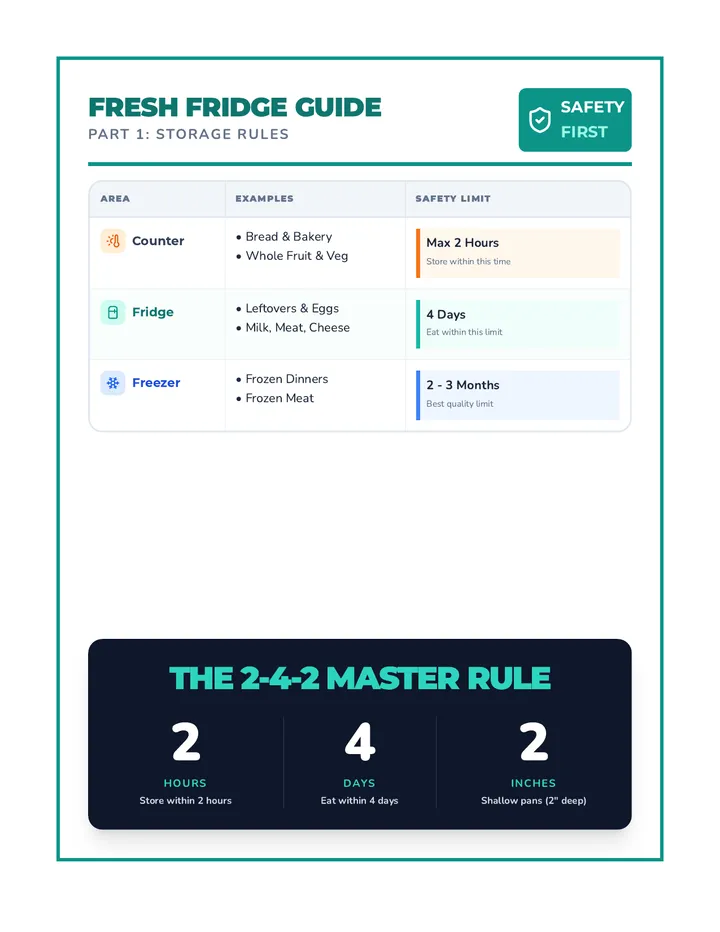
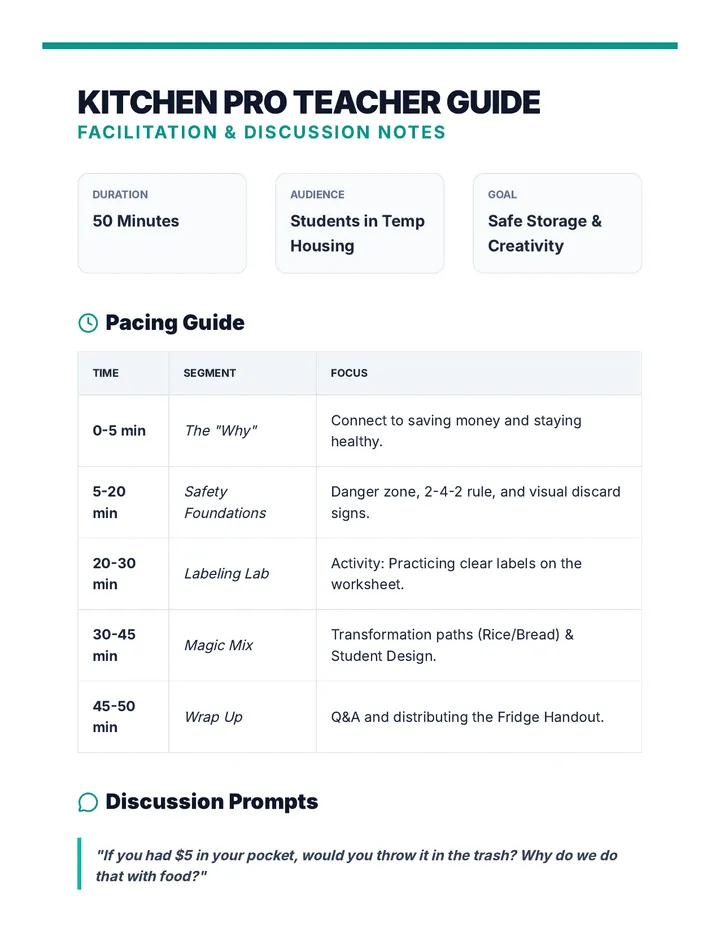
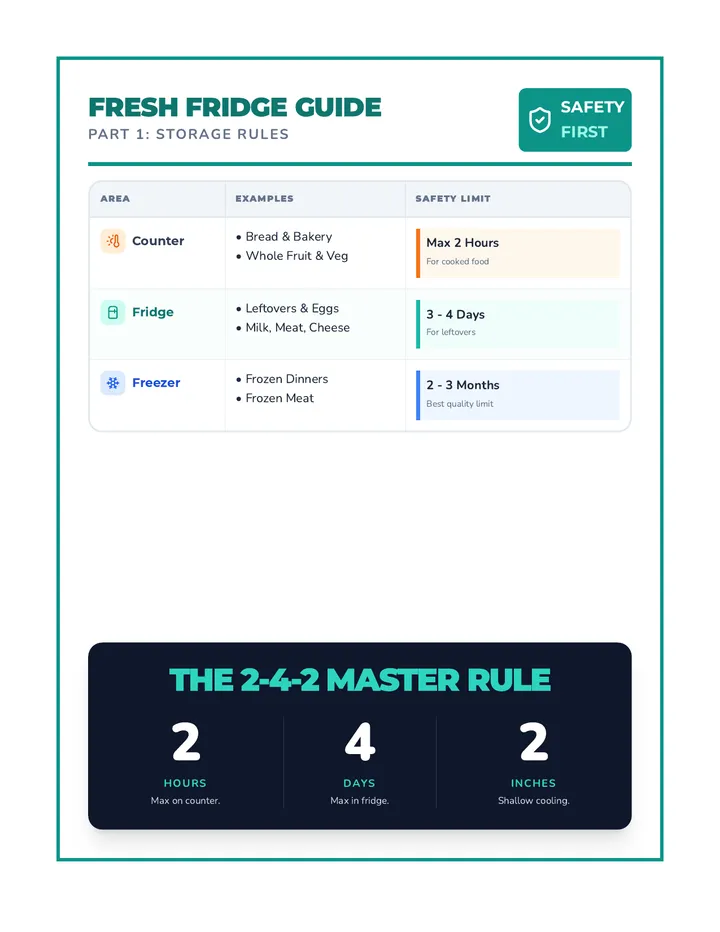
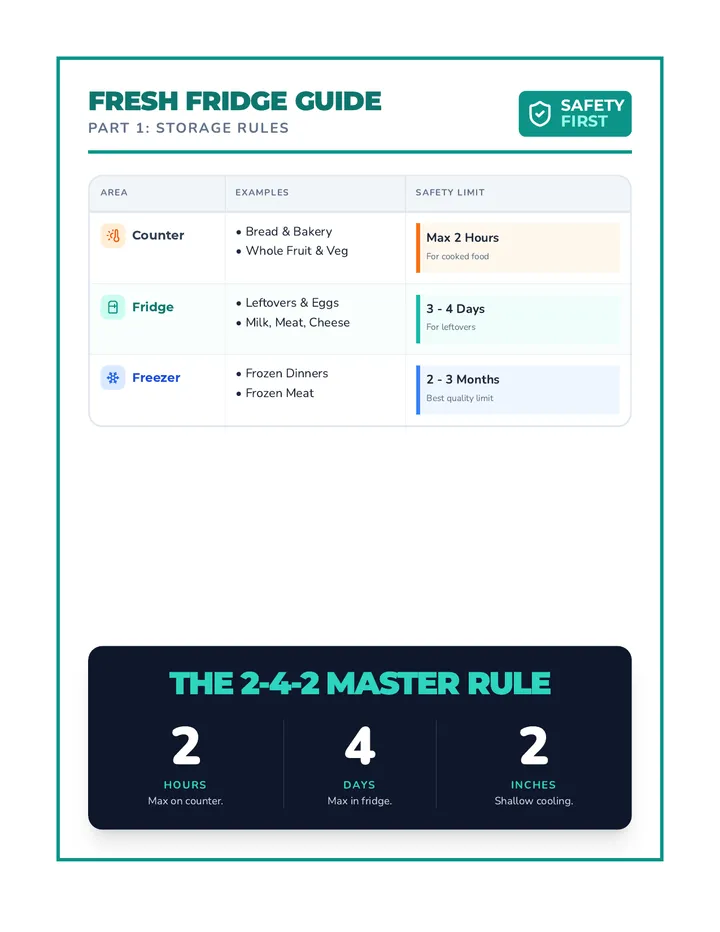
A 50-minute instructional session for students in temporary housing, focusing on safe food storage and creative leftover use through visual guides and sequence flowcharts.
An elevated, modern presentation for school district substitutes covering essential health protocols, emergency procedures, and safety compliance.
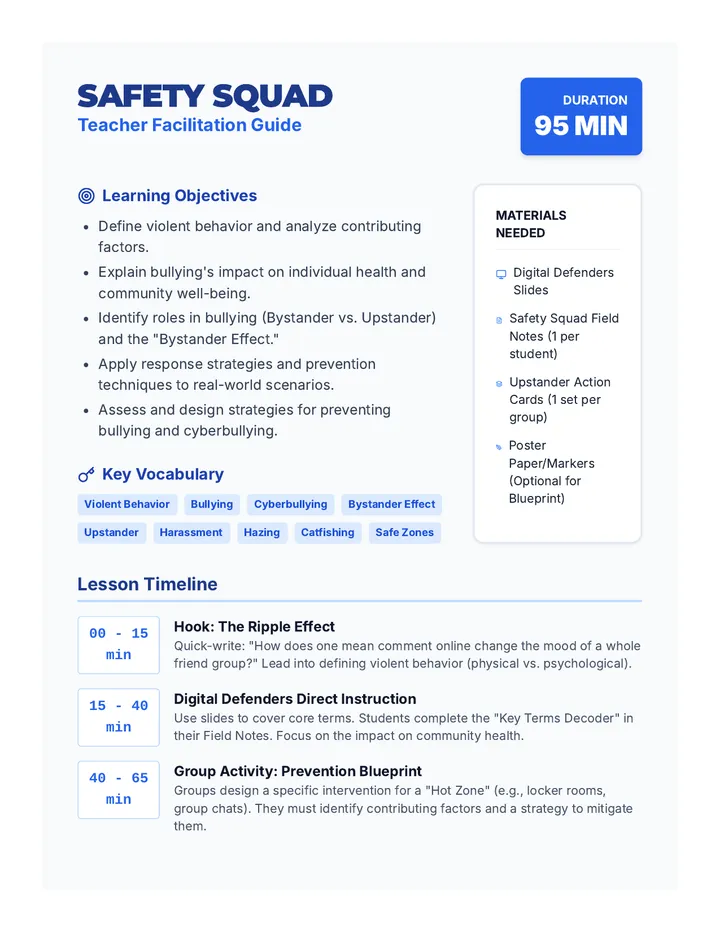
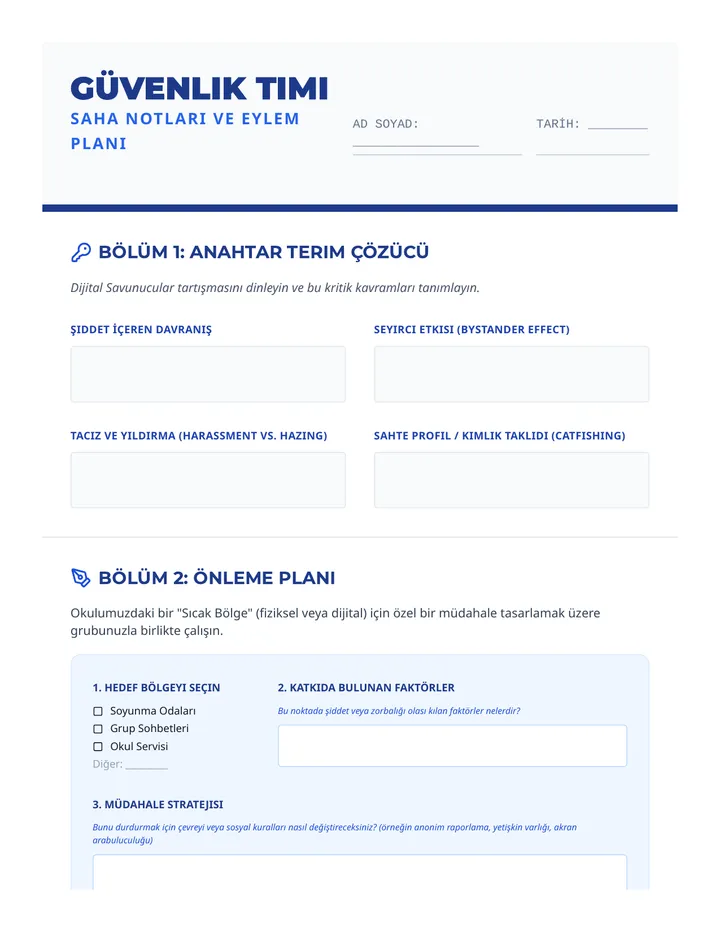
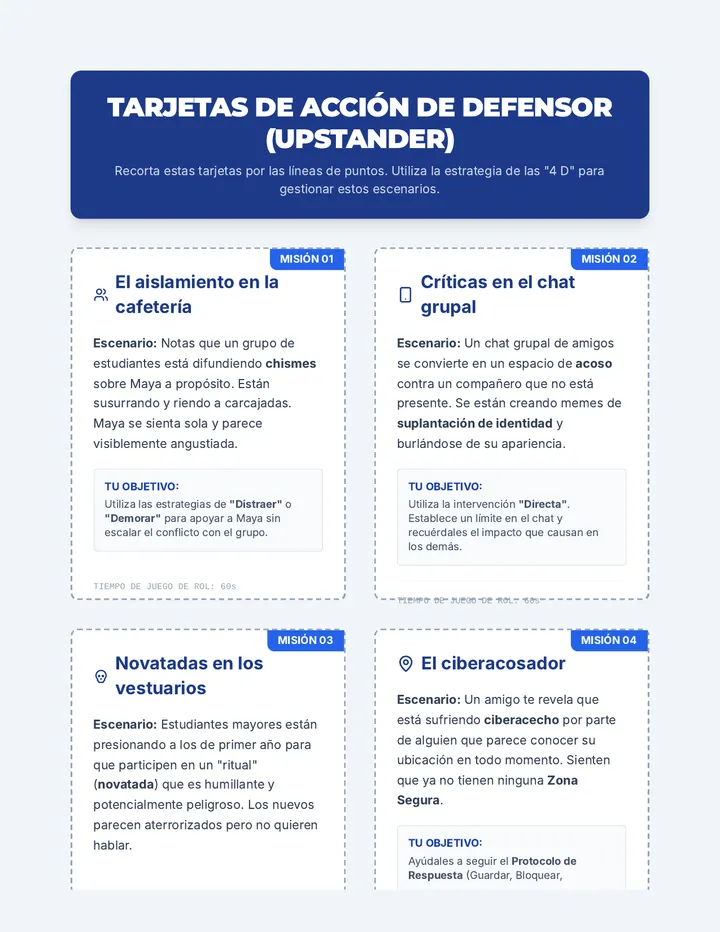
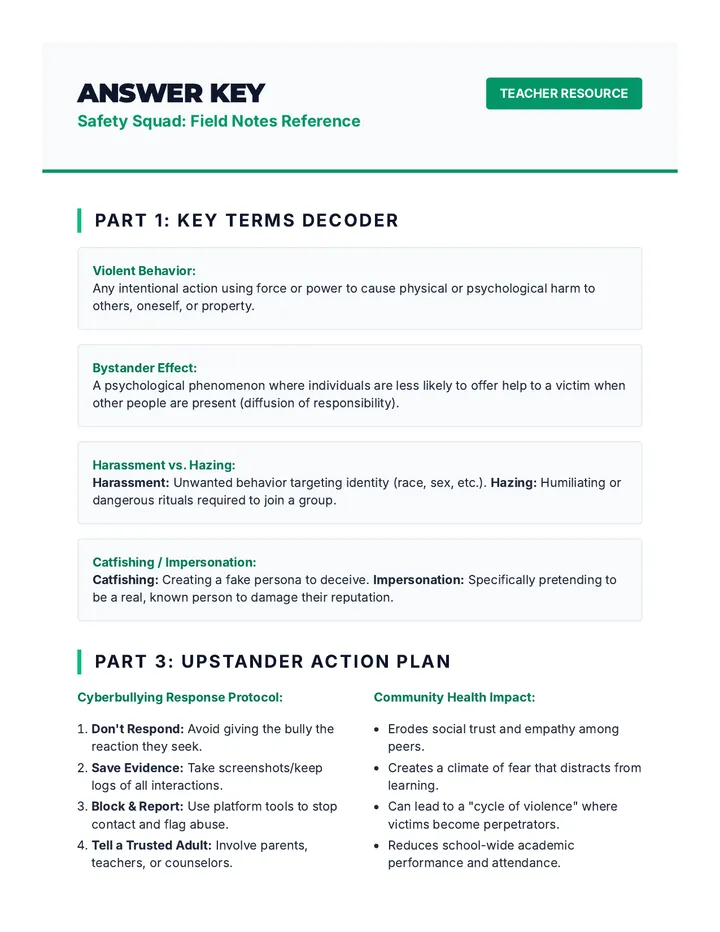
A comprehensive 95-minute lesson for 9th graders focusing on defining violent behavior, understanding the impacts of bullying and cyberbullying, and developing upstander skills through case studies and role-playing.
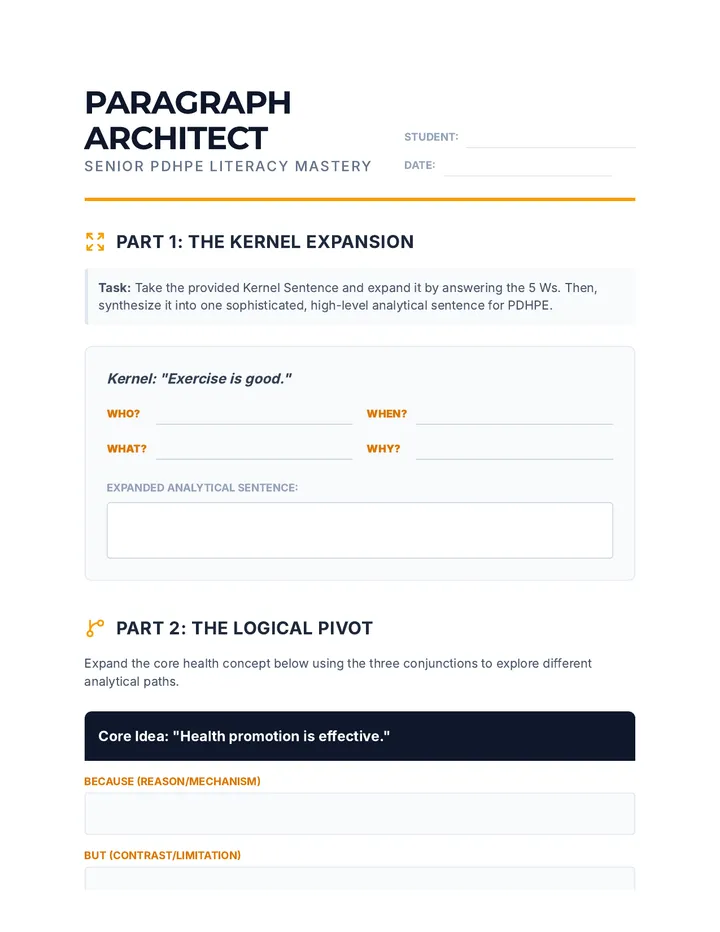
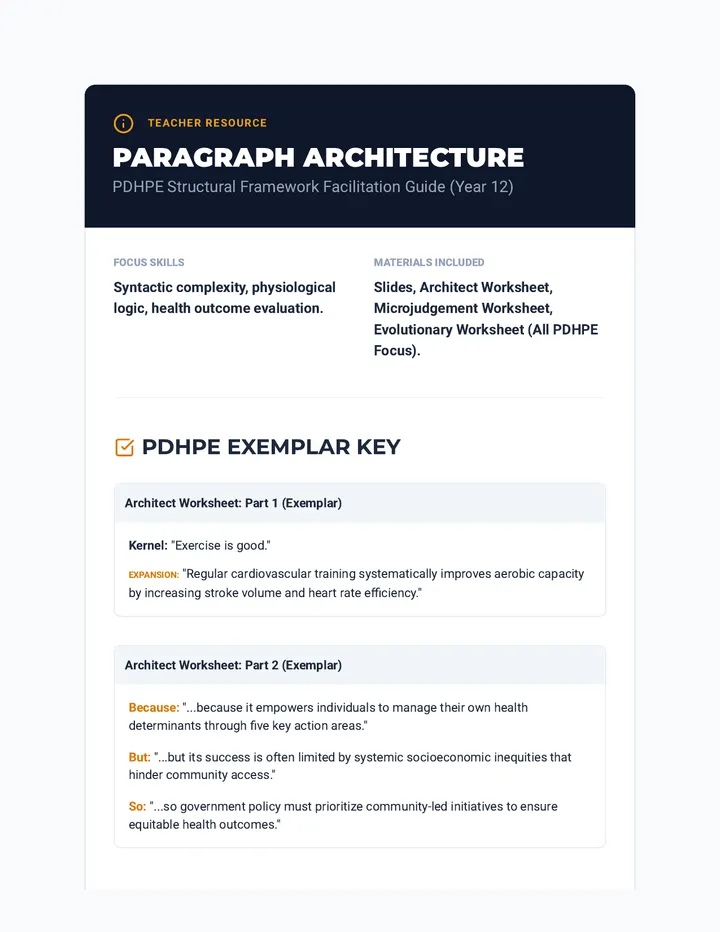
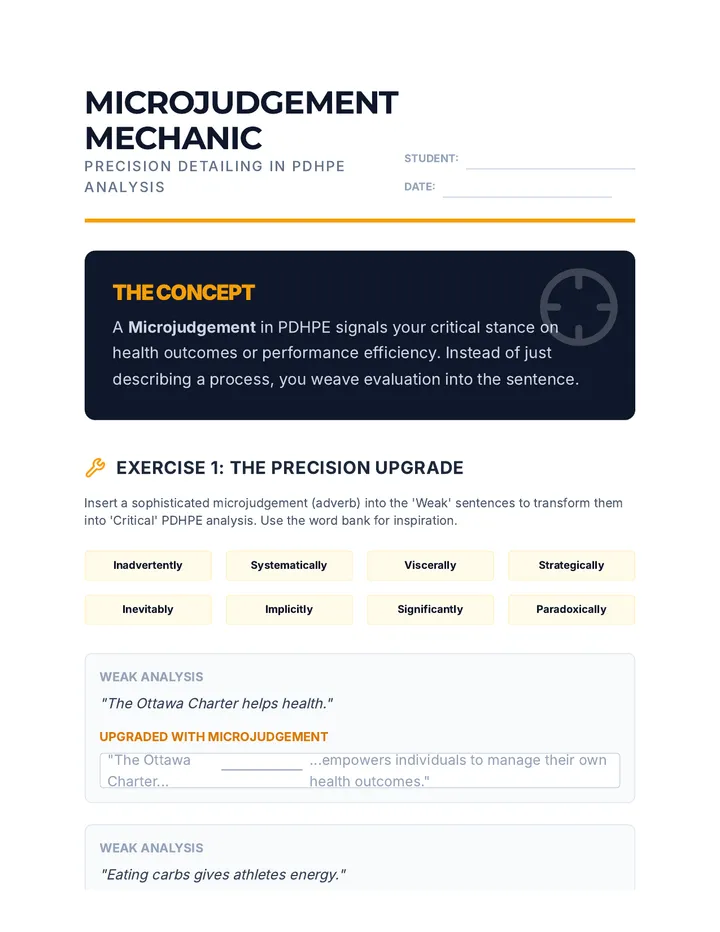
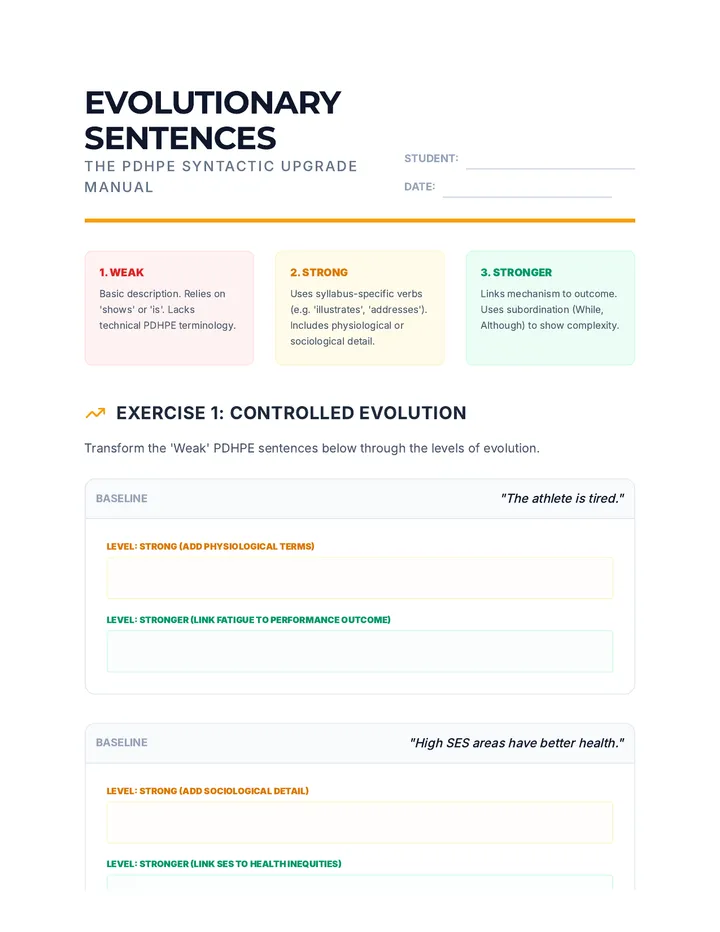
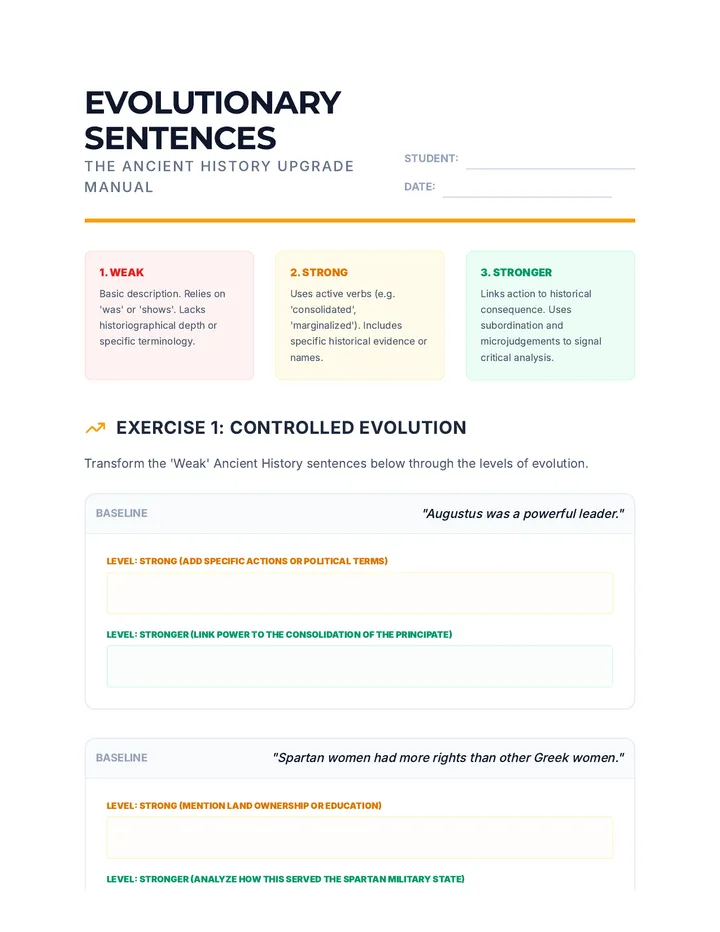
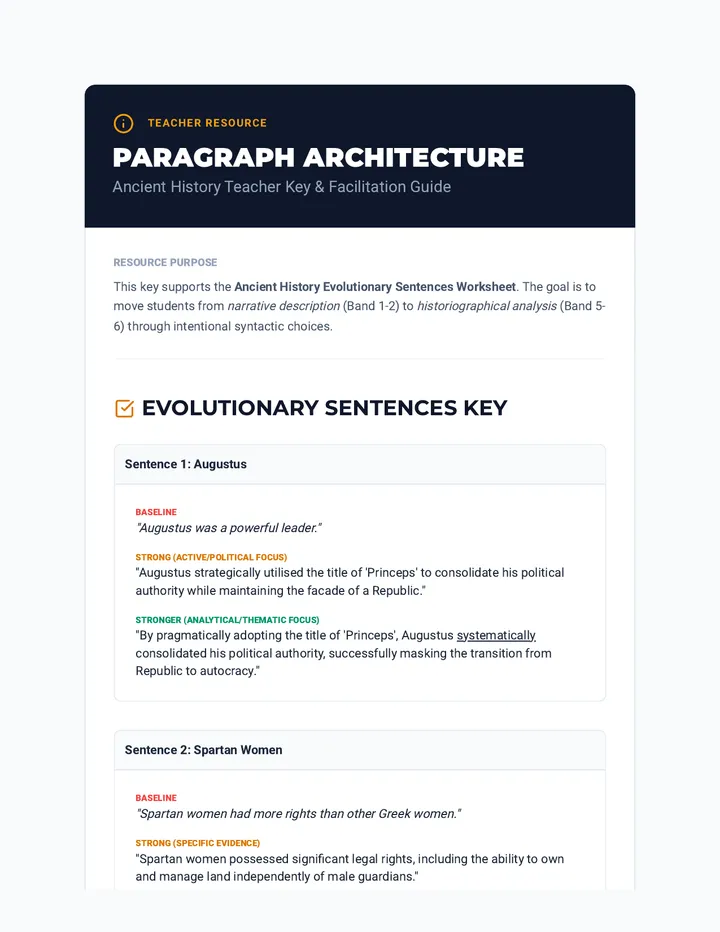
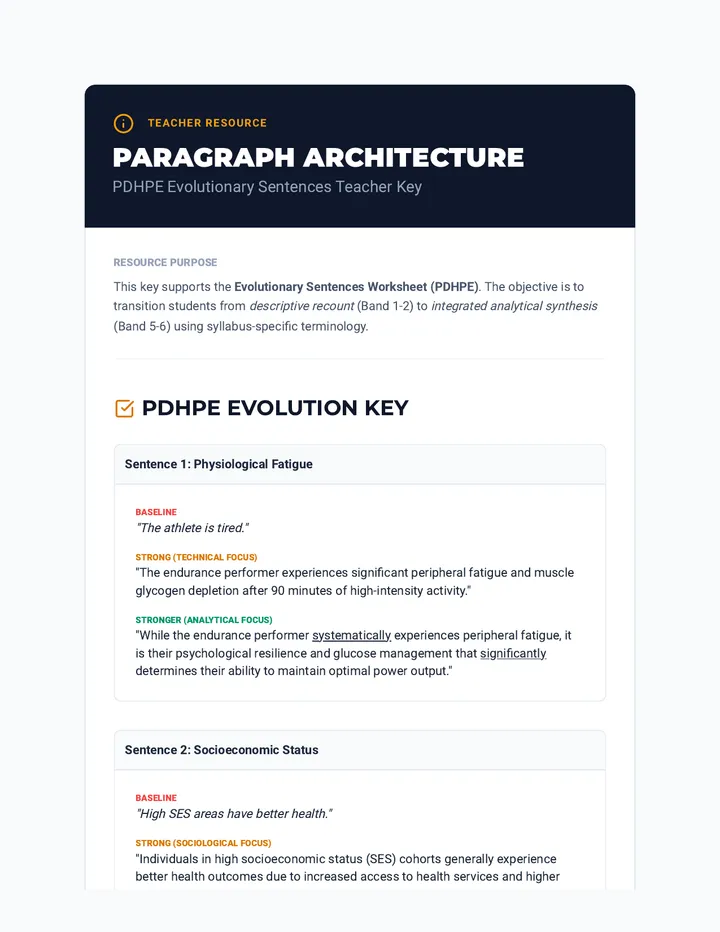
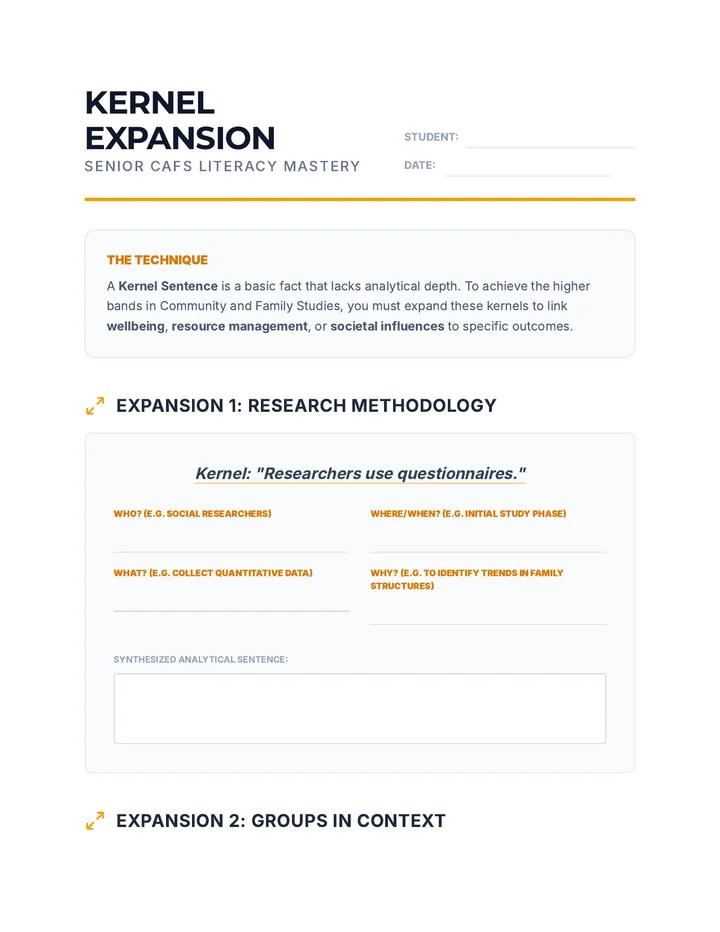
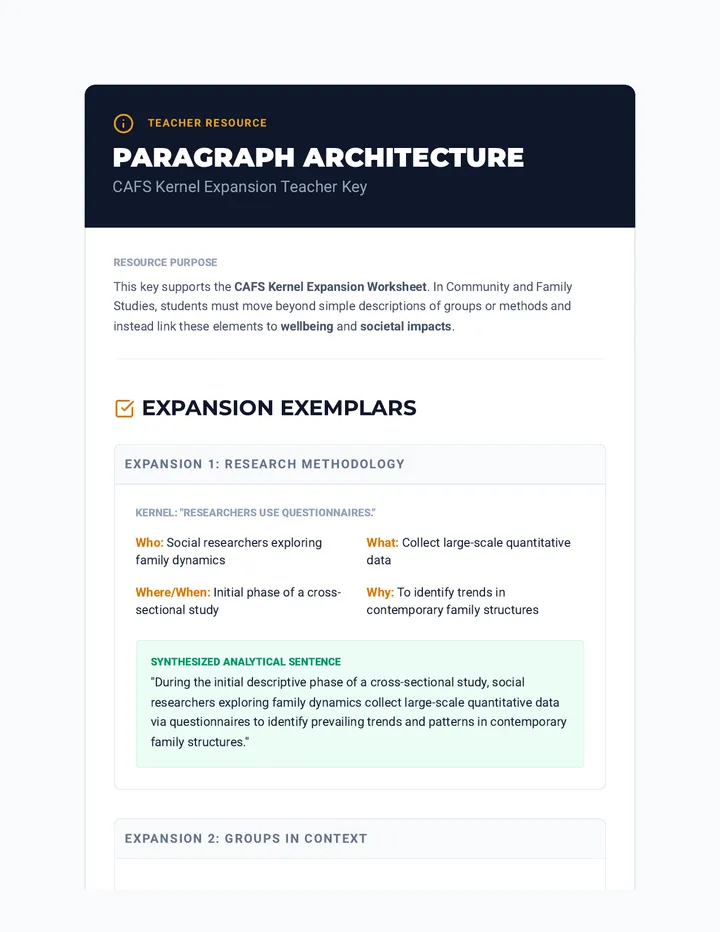
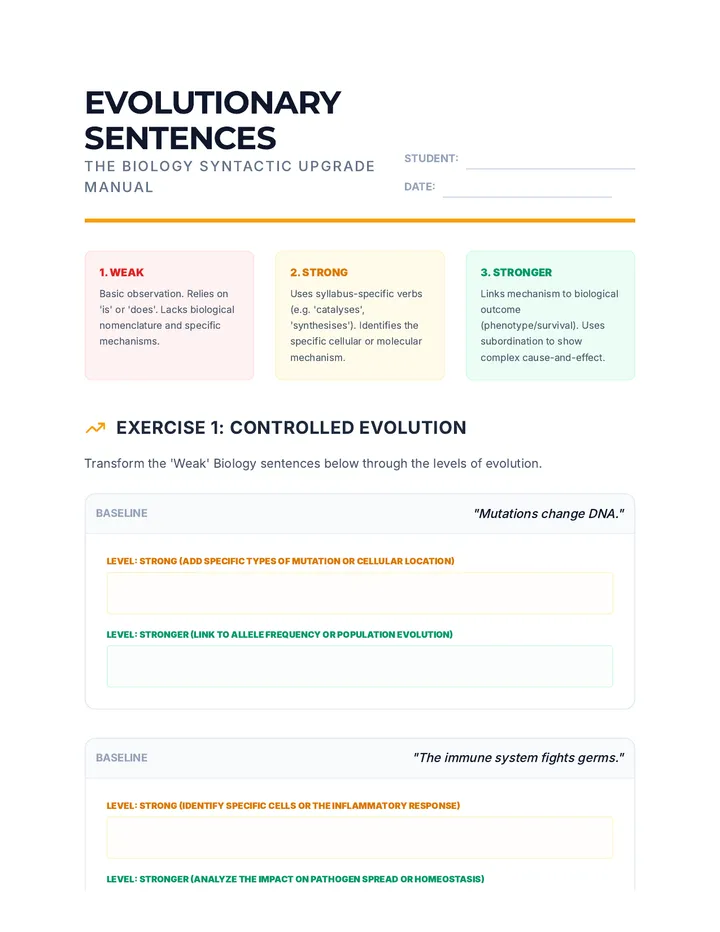
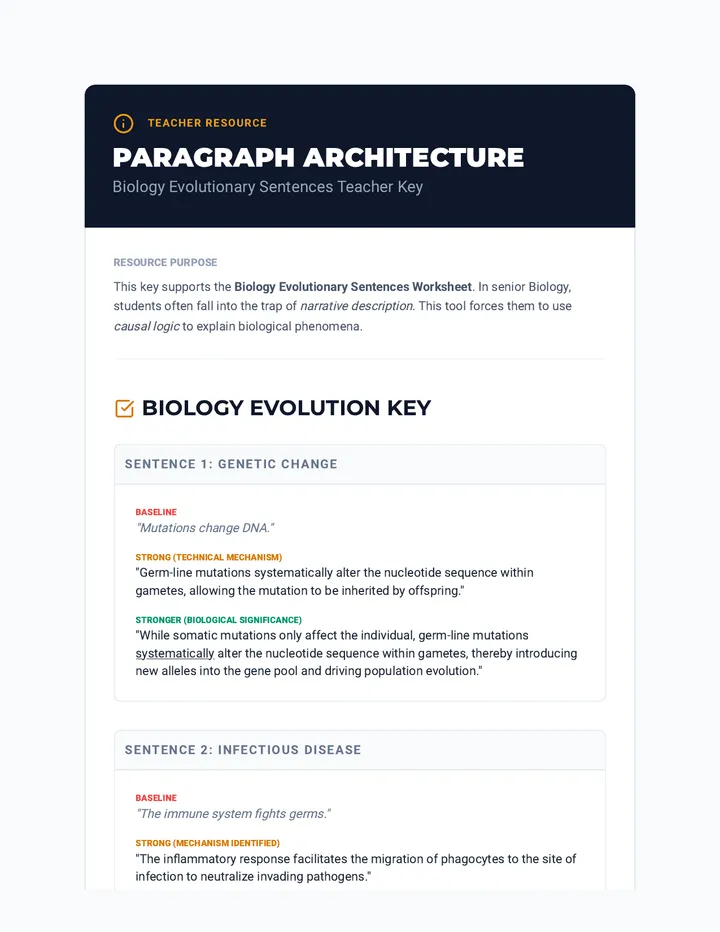
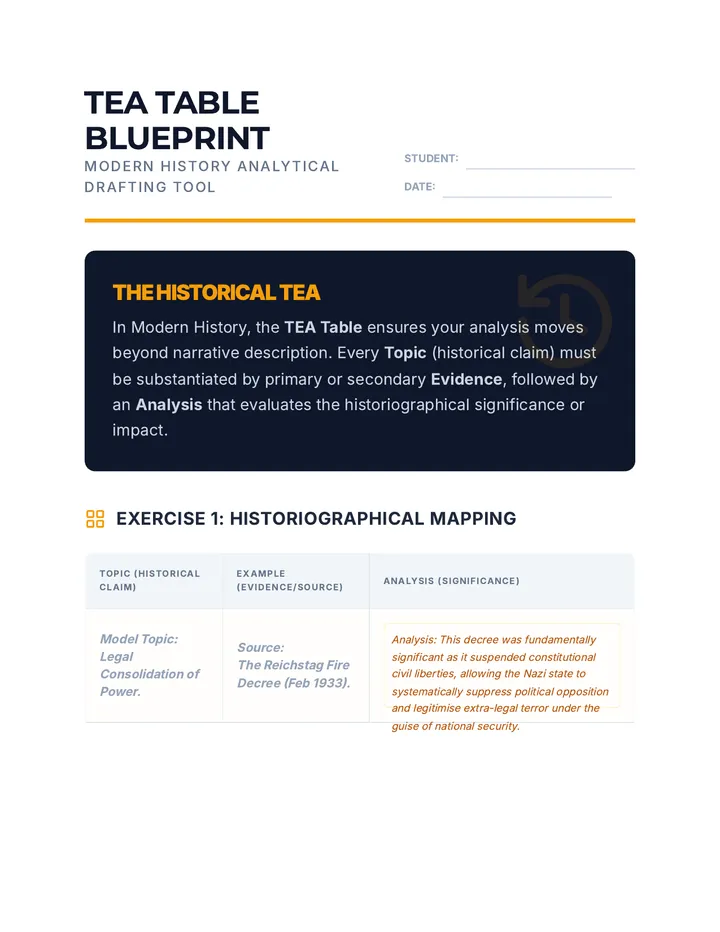
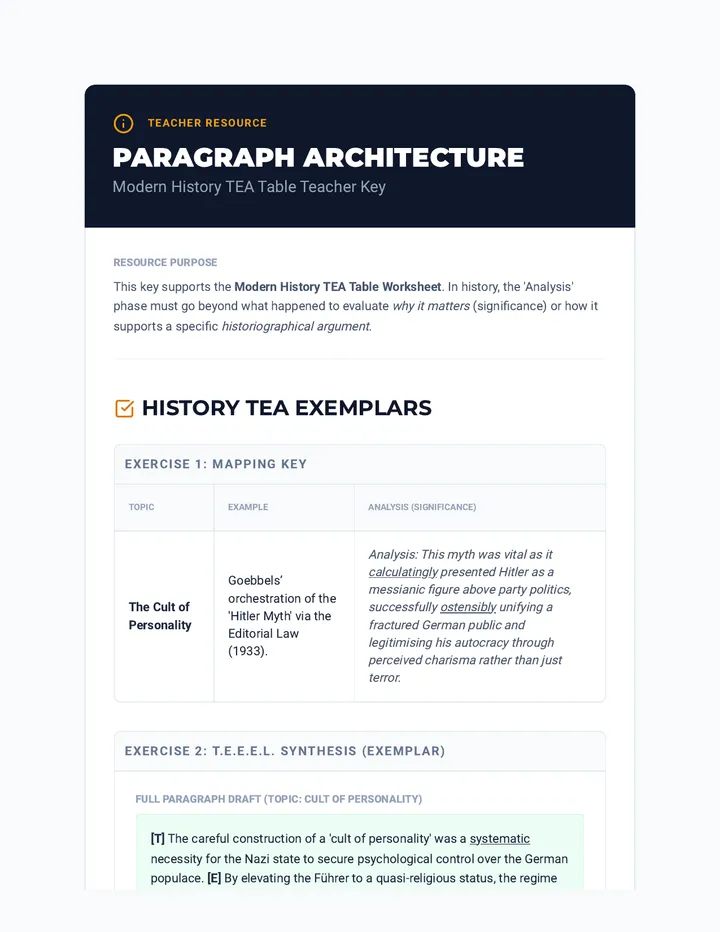
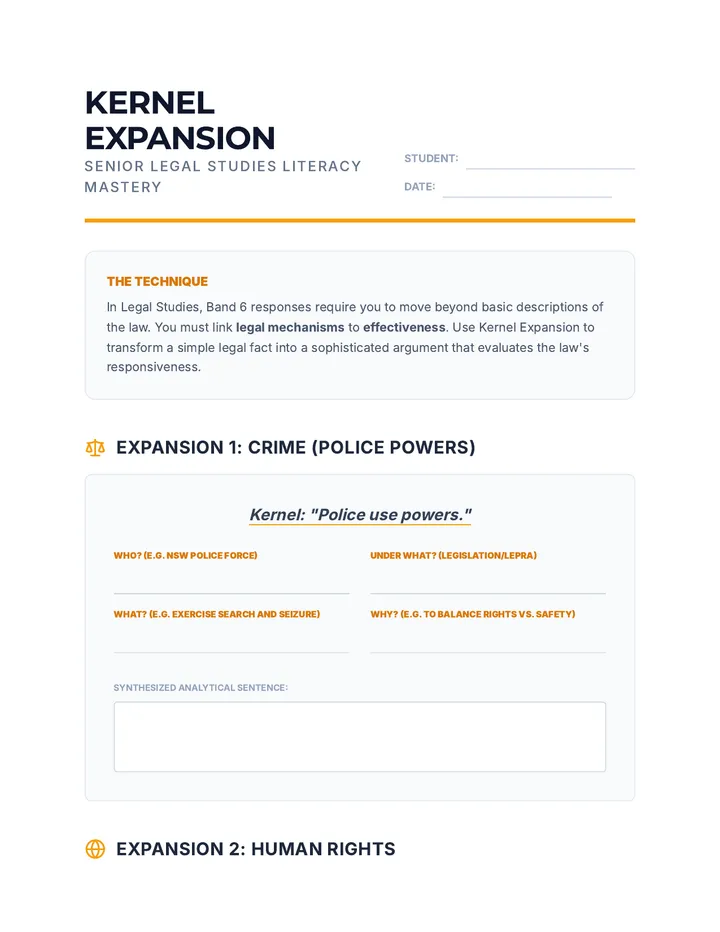
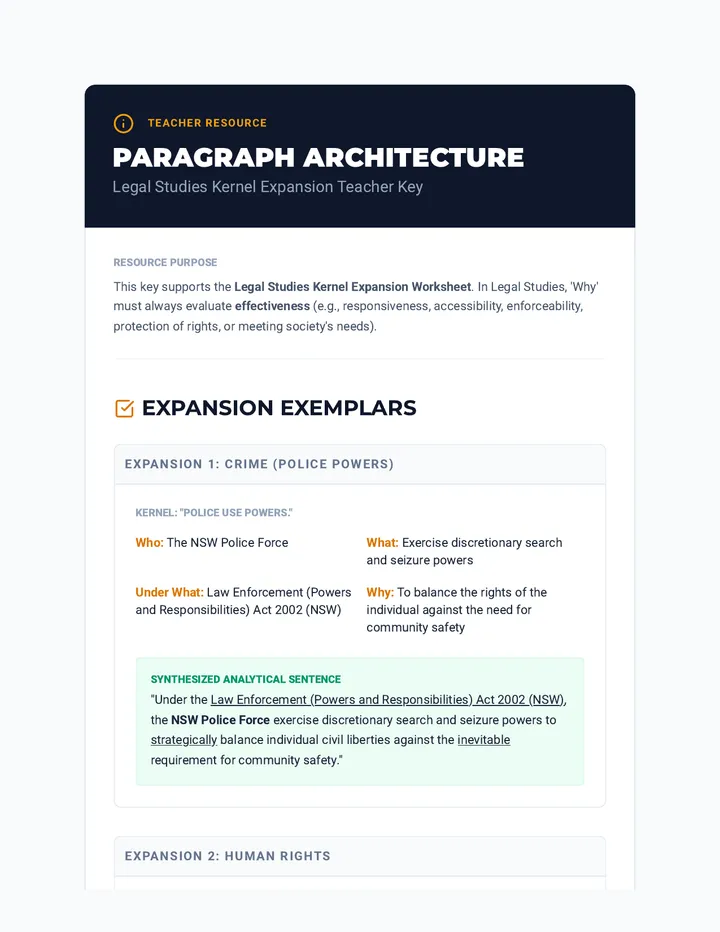
A senior secondary literacy lesson focused on advanced paragraph construction techniques including Kernel Sentences, the Seldon Method, and sentence upgrading for high-level analysis.
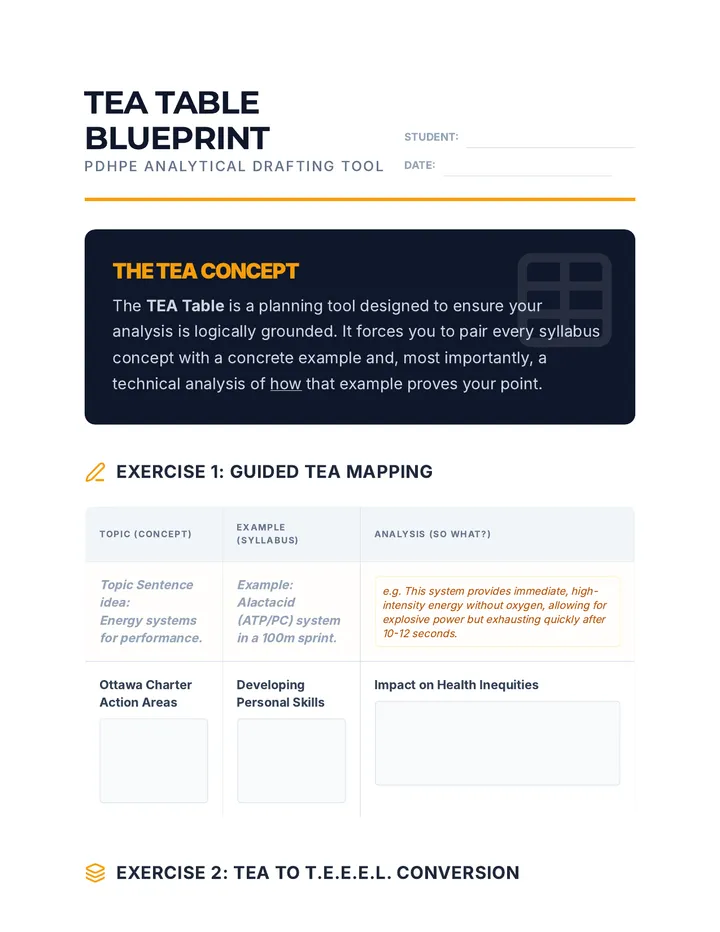
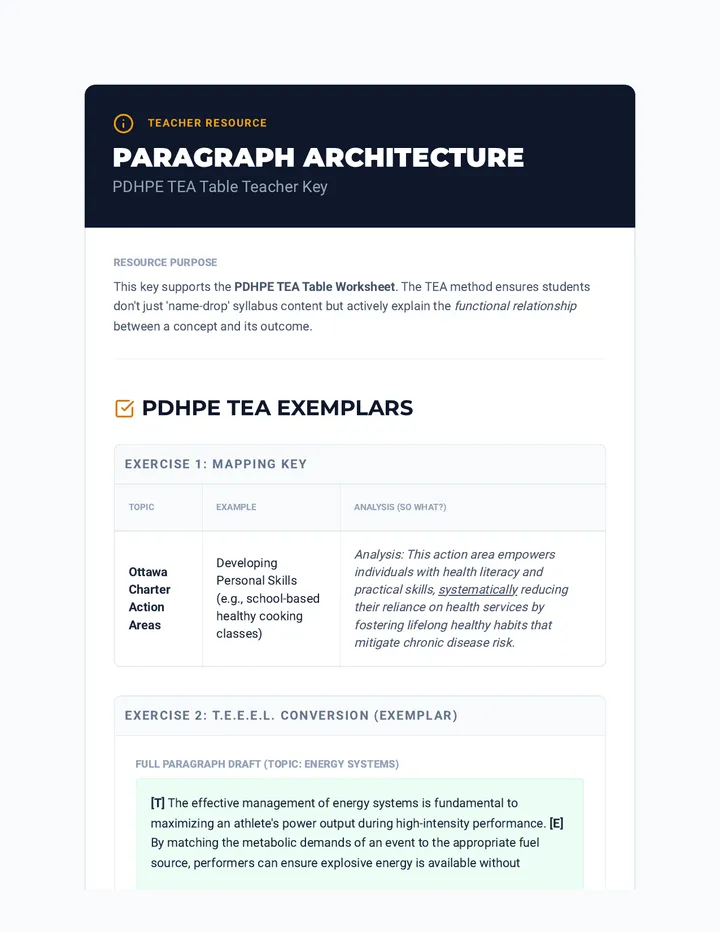
A lesson focused on the lifelong benefits of physical activity and the decision-making skills required to promote health for individuals, families, and communities.
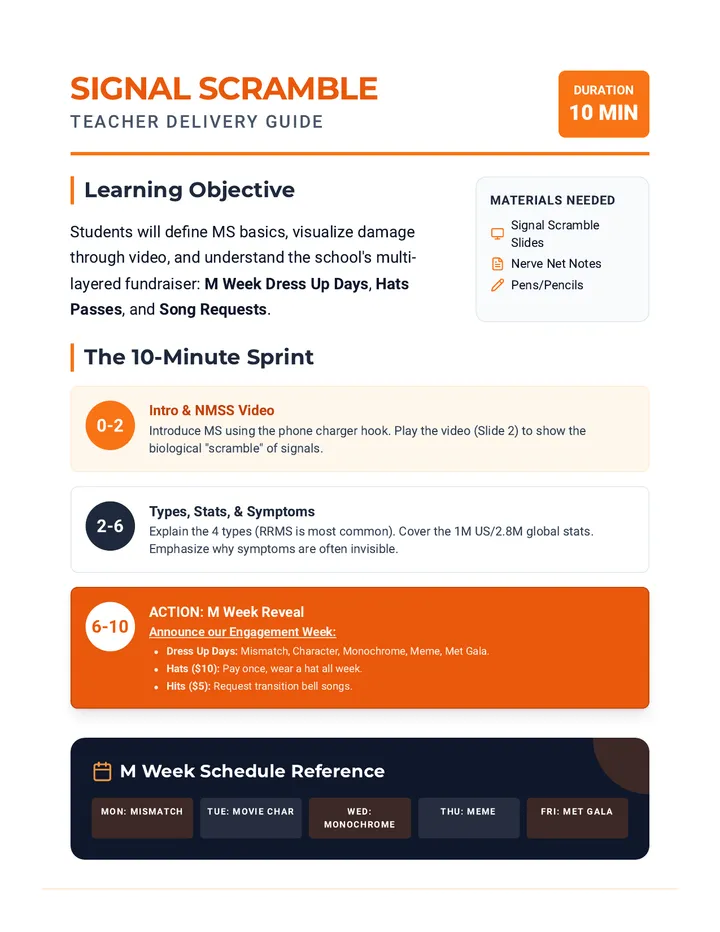
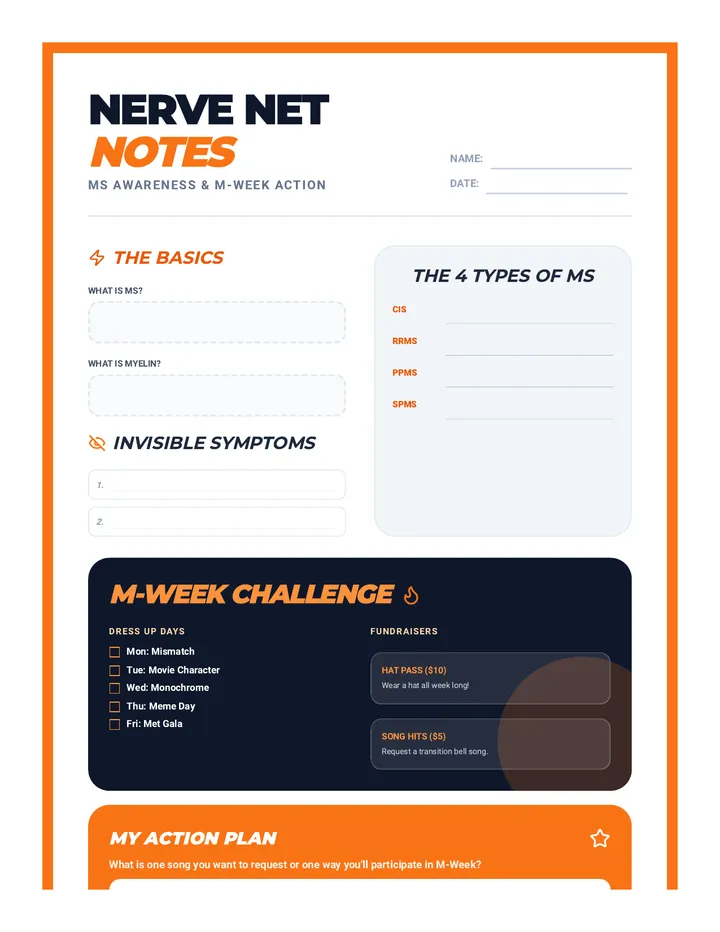
A quick, high-impact lesson designed to teach middle schoolers about Multiple Sclerosis through the lens of a 'signal scramble' in the nervous system. Students learn about myelin, global statistics, and the invisible nature of the disease.
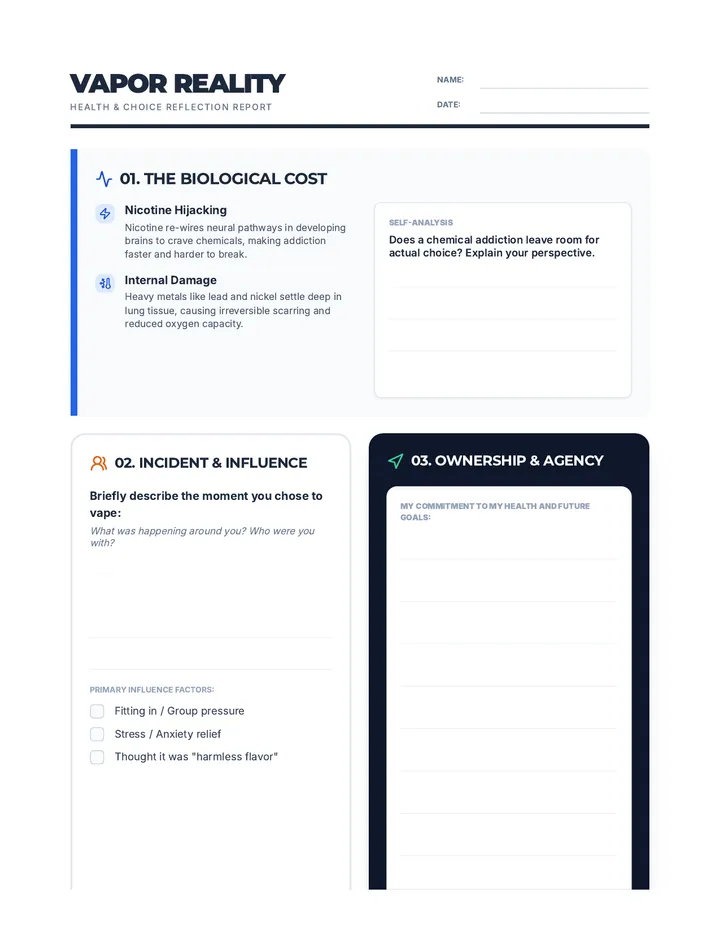
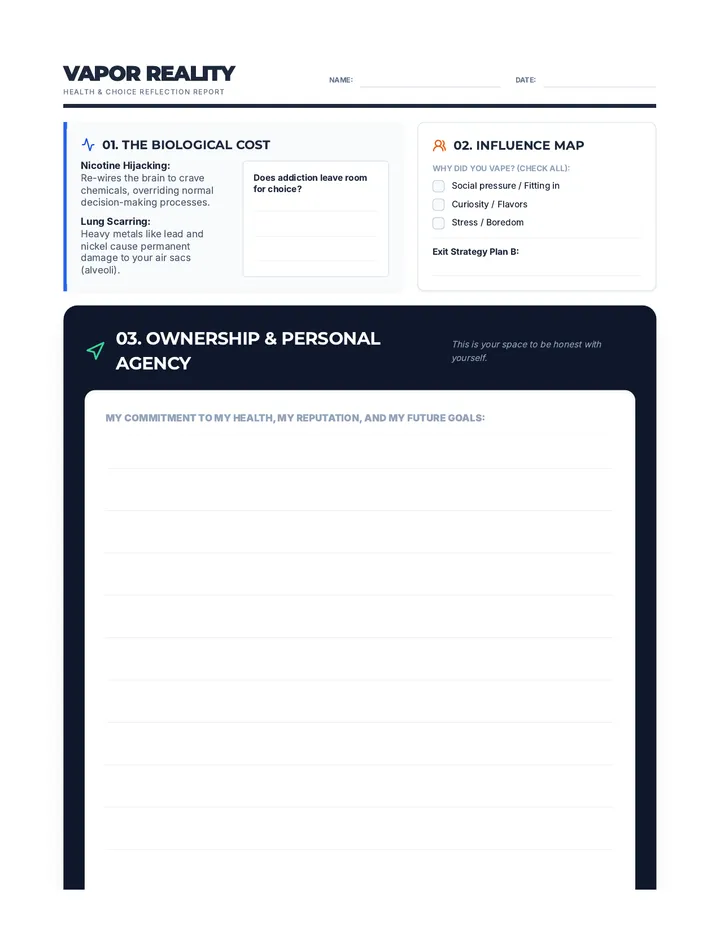
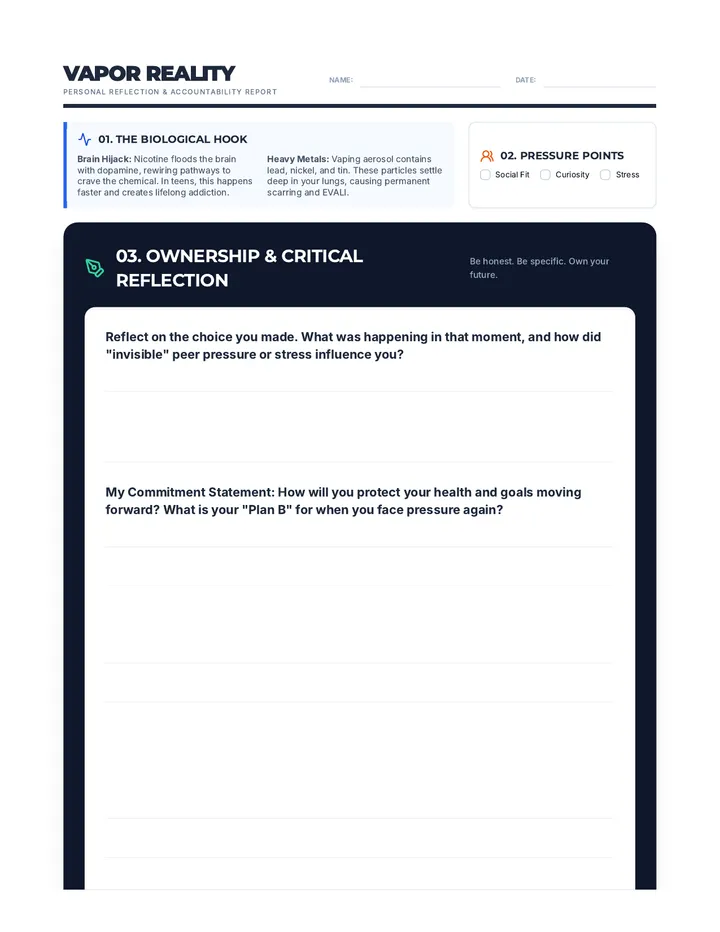
A reflective lesson designed for students to evaluate the health risks of vaping and the social pressures that lead to it, focusing on long-term consequences and personal agency.
A comprehensive high school lesson covering the biology, social impact, and logistical process of blood donation, including the processing of blood components and the life-saving statistics behind donations.
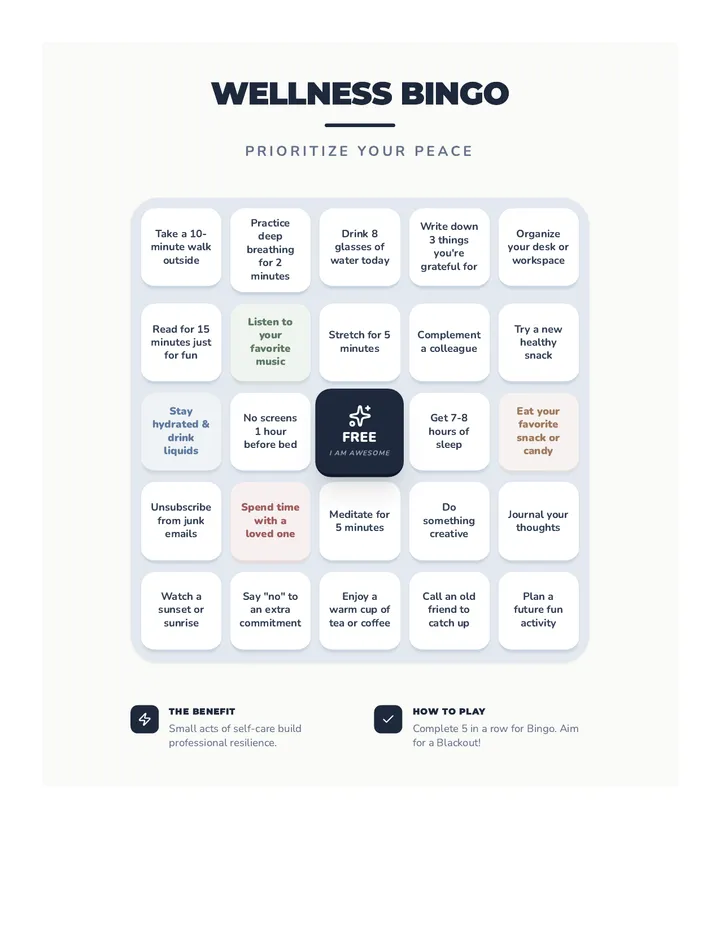
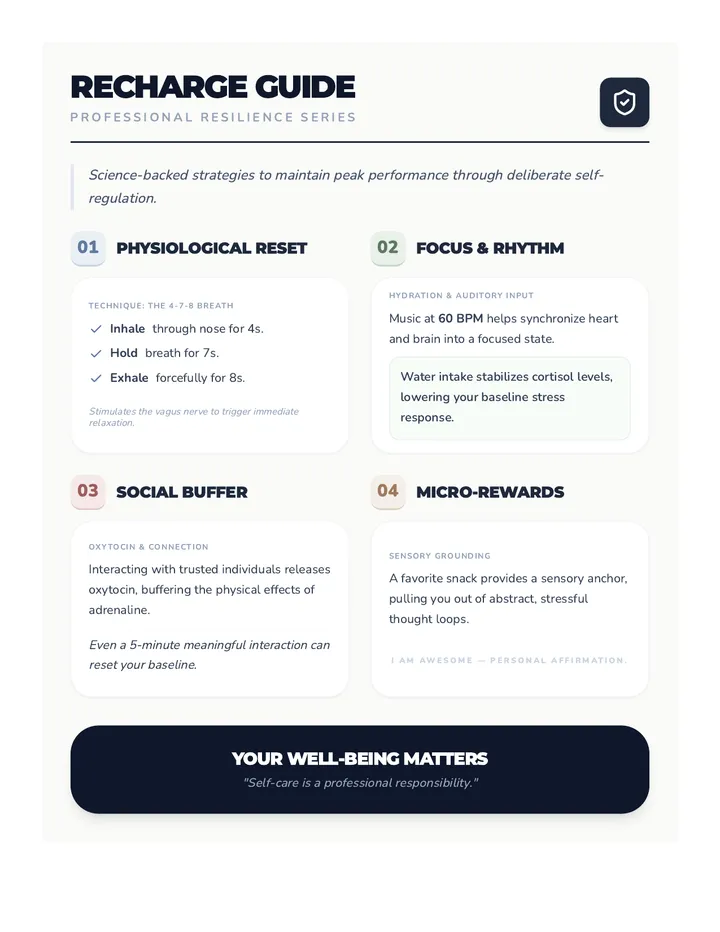
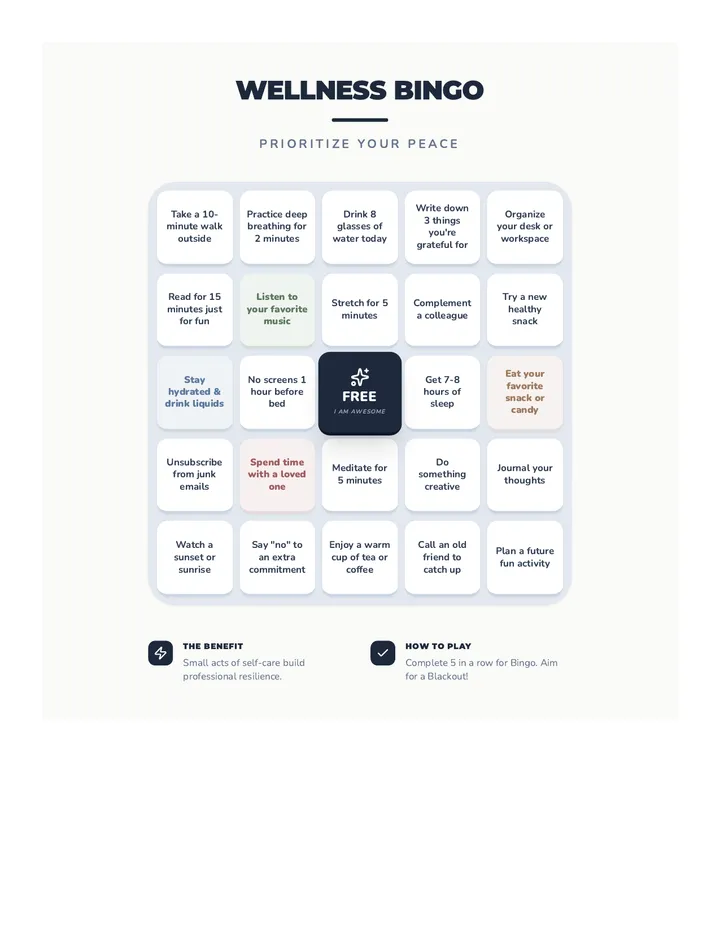
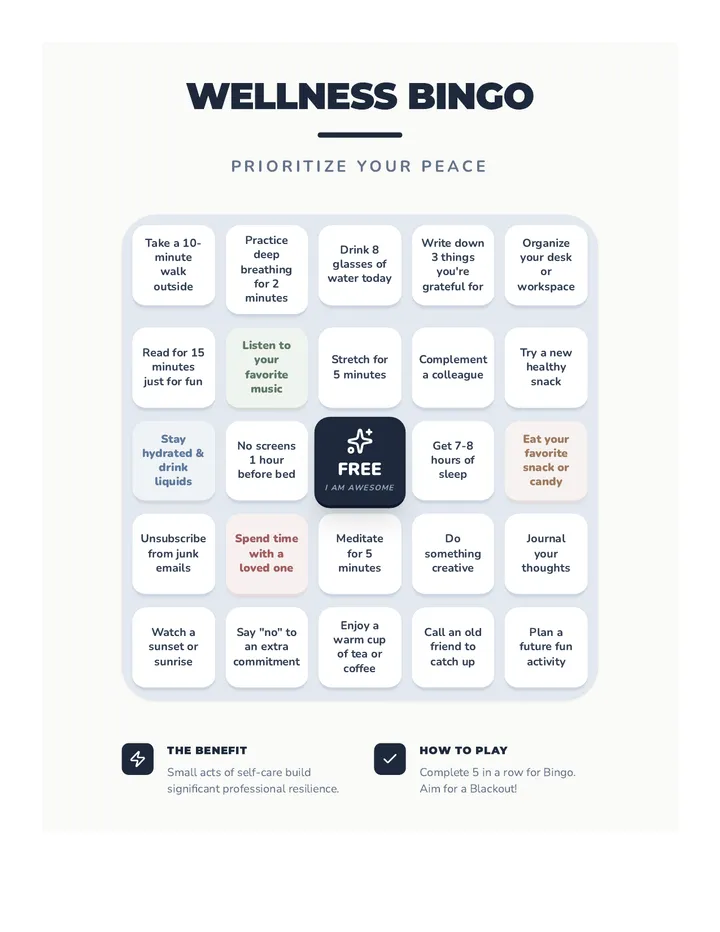
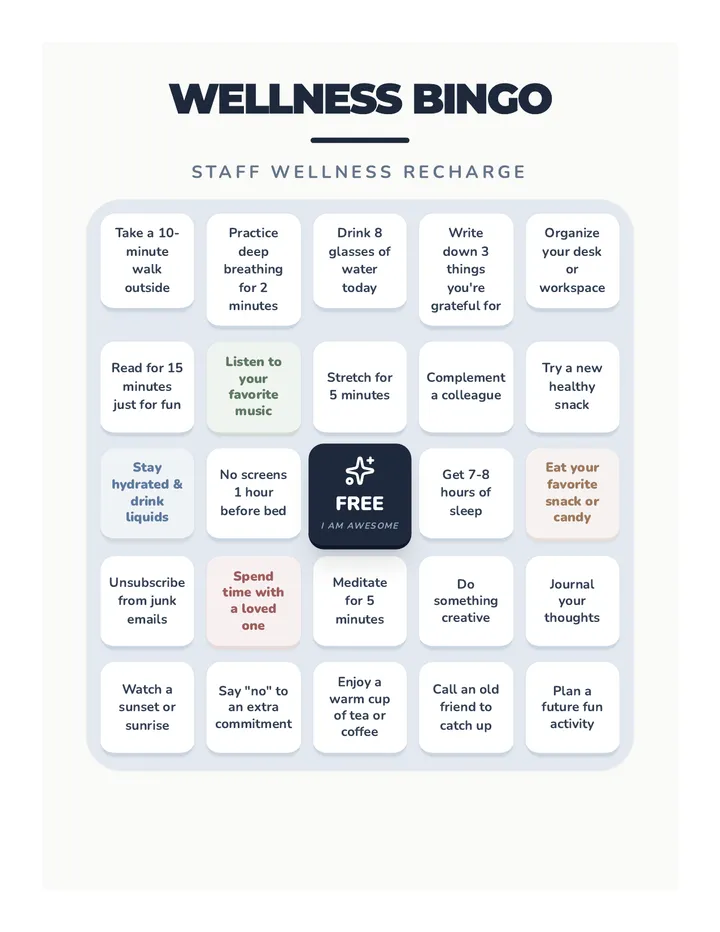
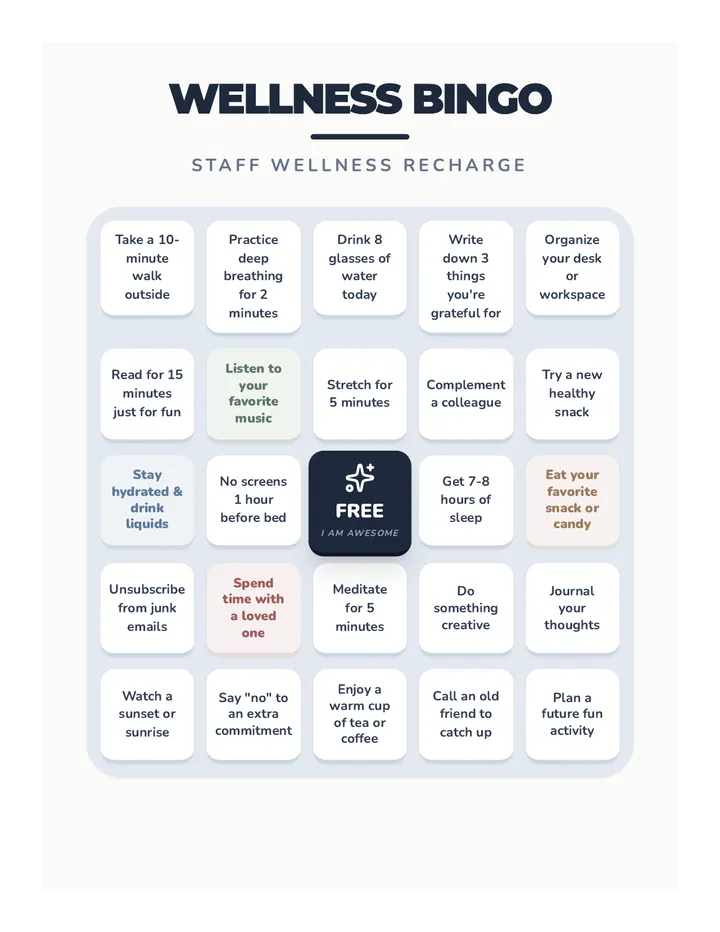
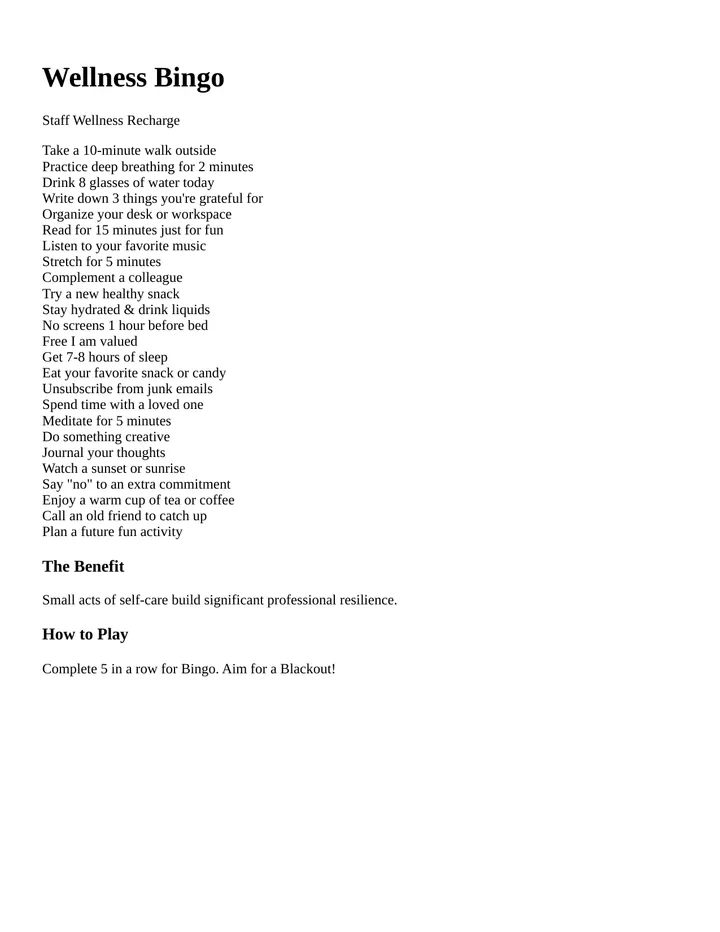
A collection of resources designed to help staff members prioritize their mental health, manage stress, and build a culture of wellness in the workplace.
A comprehensive 2-hour lesson for 9th graders on identifying and responding to dangerous situations at home, school, and in the community, including emergency and disaster preparedness.
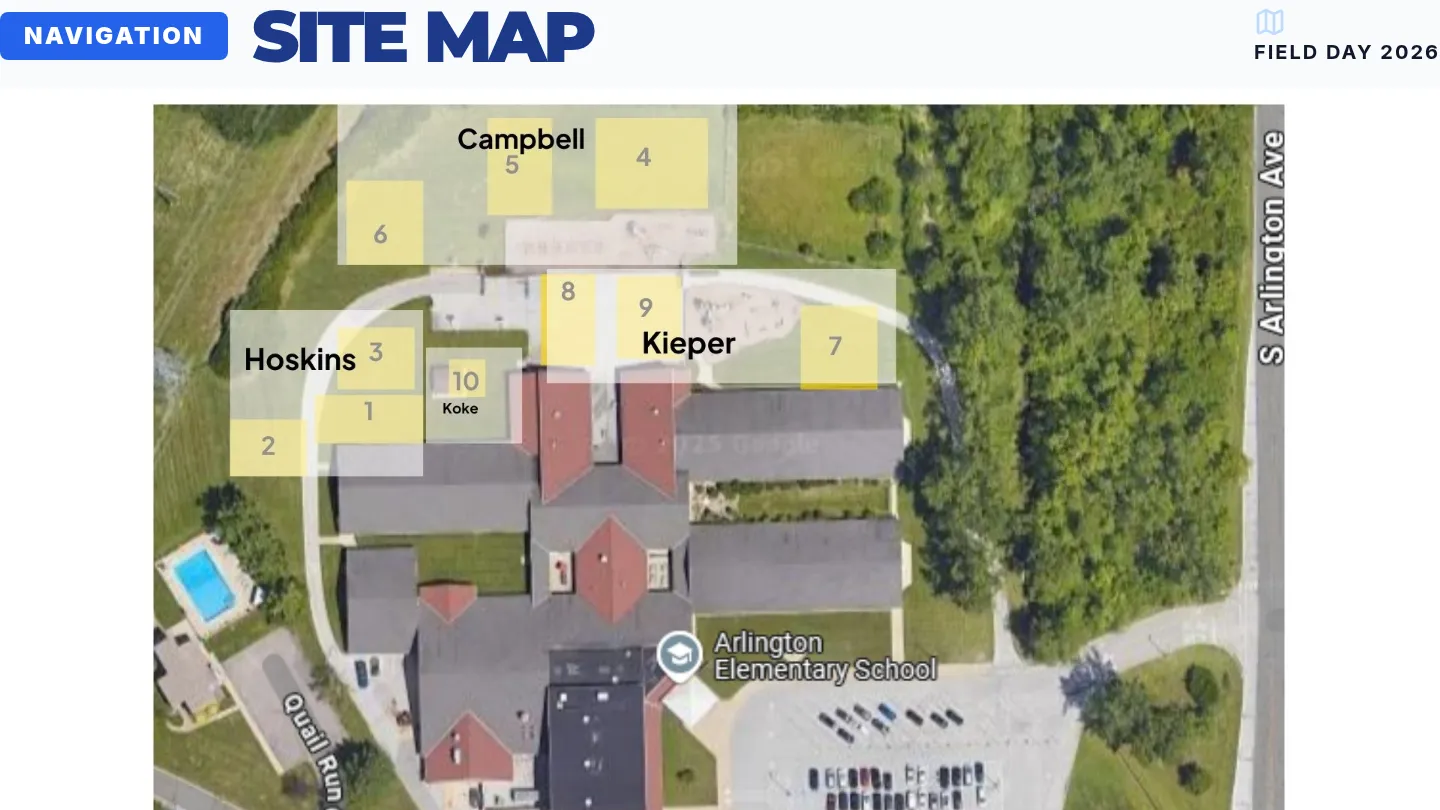
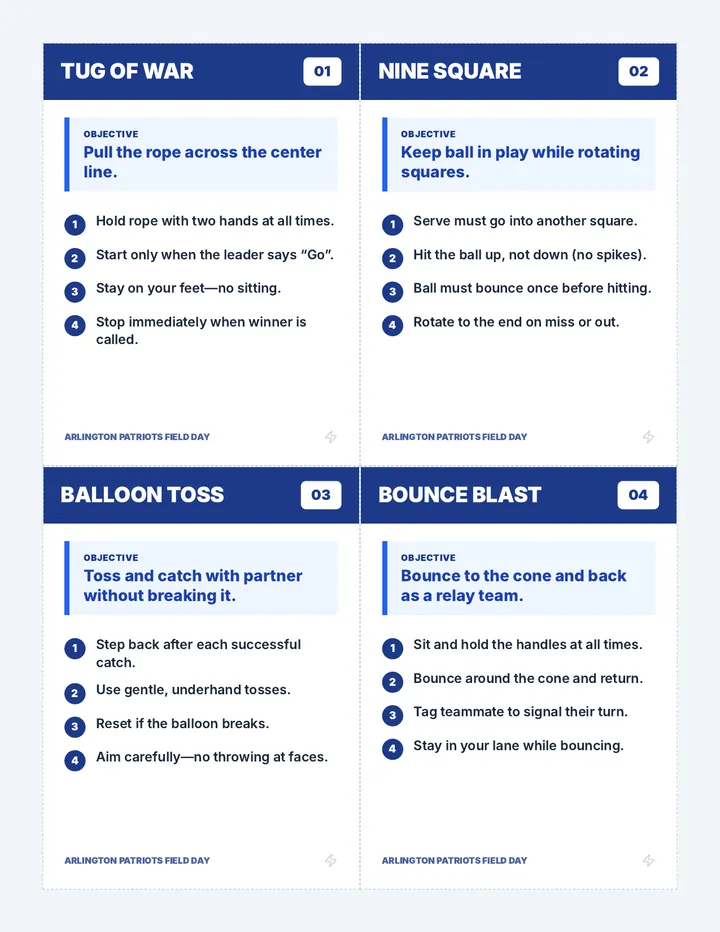
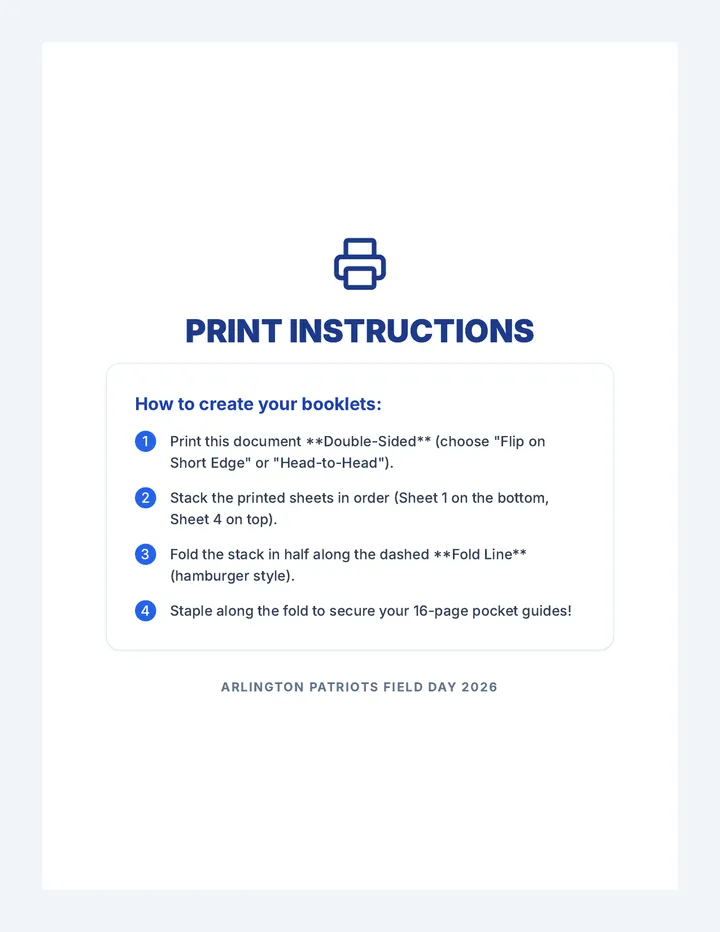
A comprehensive set of resources for the Arlington Patriots Field Day event, including presentation slides for instruction and printable station cards for volunteers.
A dynamic lesson where 7th graders explore the link between physical habits and mental performance, designing their own 'hero' routines for success.
A comprehensive lesson on the USDA MyPlate guidelines, focusing on the five food groups, nutrient density, and planning balanced meals for a healthy lifestyle.
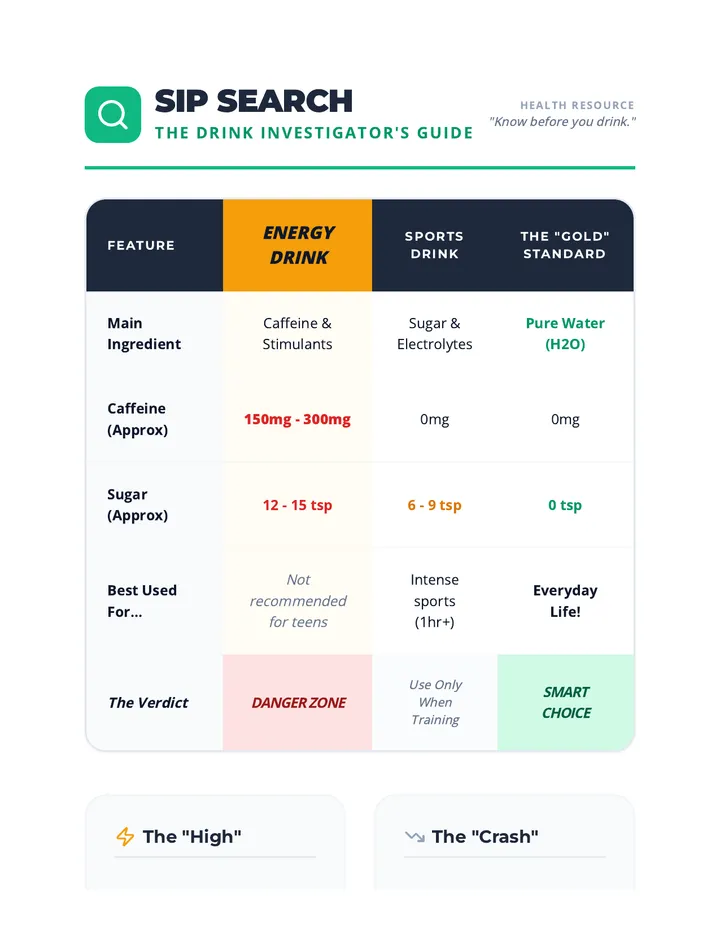
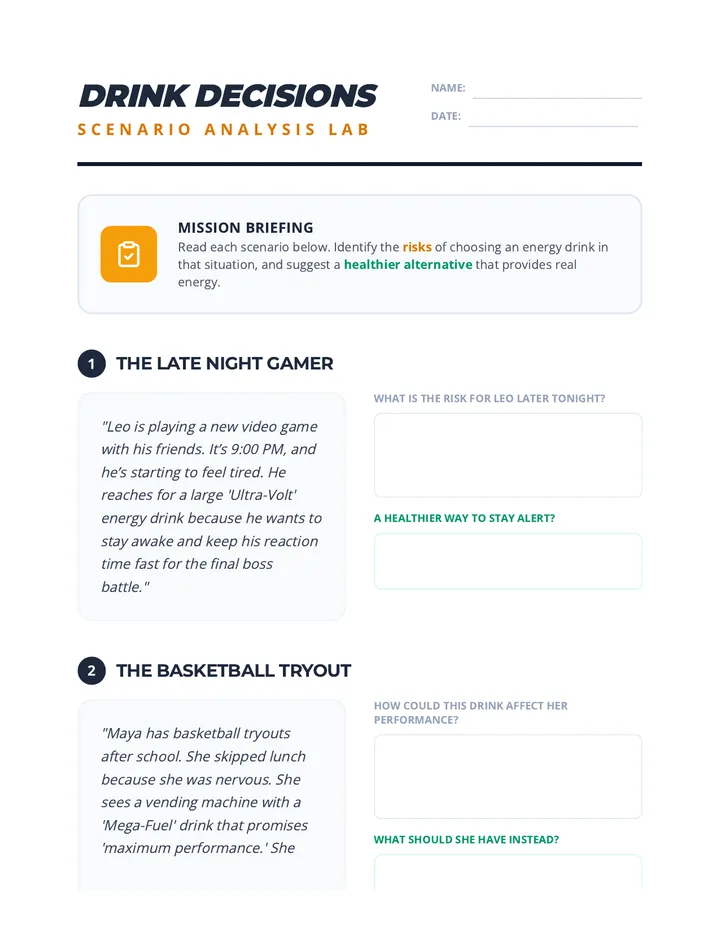
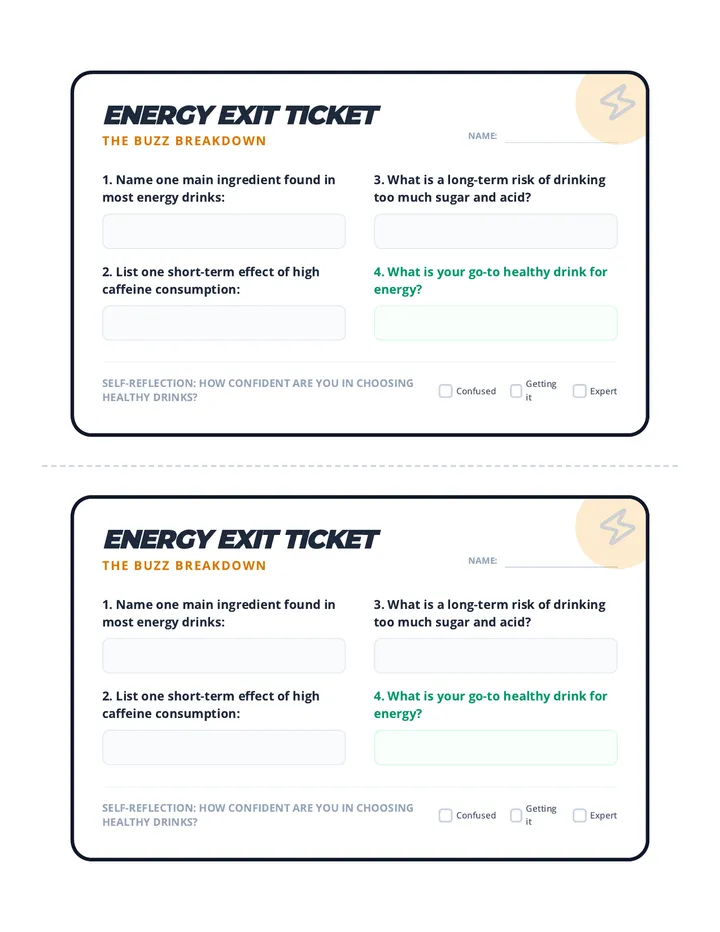
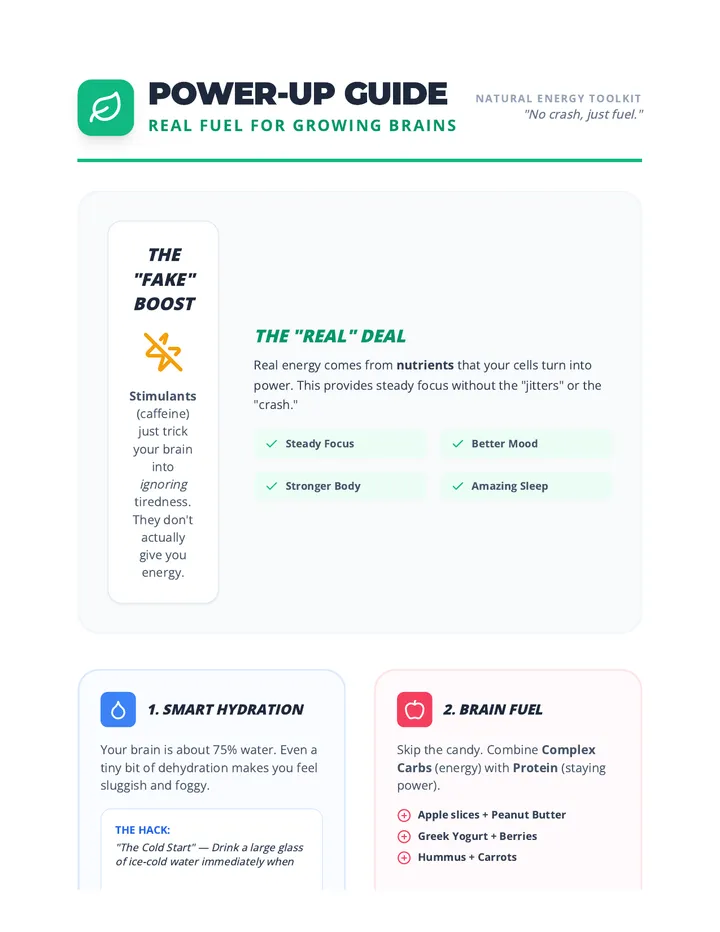
A comprehensive lesson exploring the science of energy drinks, their health impacts, and how to make better beverage choices through scenario analysis and data comparison.
This lesson covers the physiological effects of caffeine on the body and provides clear, evidence-based guidelines for safe consumption across different age groups based on FDA and NIH standards.
An introductory health lesson for 6th graders exploring the three pillars of health: physical, mental, and social. Students will understand how these three areas are interconnected and form the 'Health Triangle'.
A kindergarten lesson focused on self-care, safety, and productivity during the summer break. Students will learn about sun safety, hydration, and balancing activity with rest.
This lesson empowers middle school students to become 'Health Heroes' by mastering nutrition, activity, sleep, and stress management through interactive missions and self-reflection.