Daily hygiene, hydration, and sleep routines paired with strategies for disease and injury prevention. Builds skills in health decision-making, body awareness, and self-advocacy to support lifelong well-being.
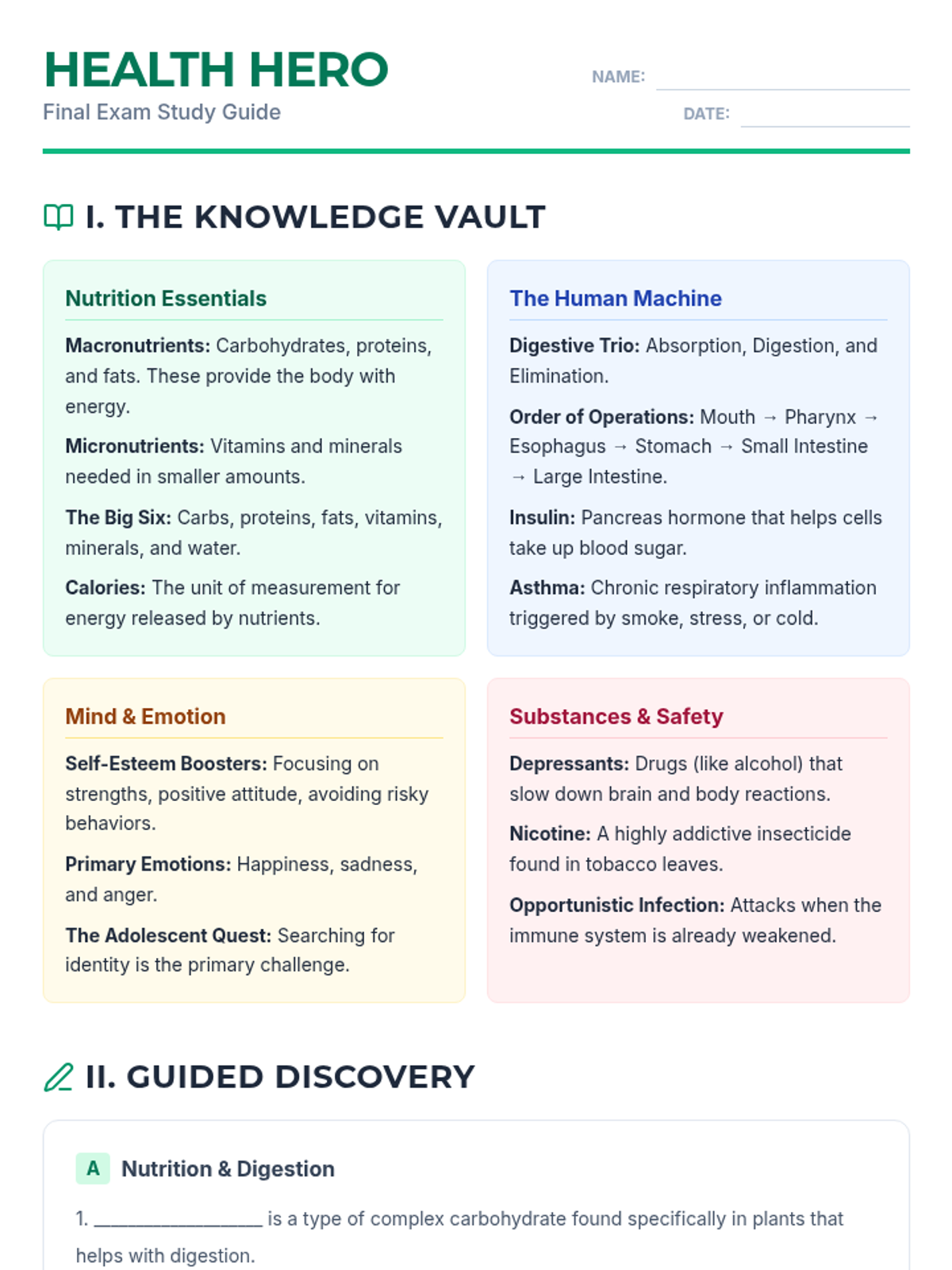
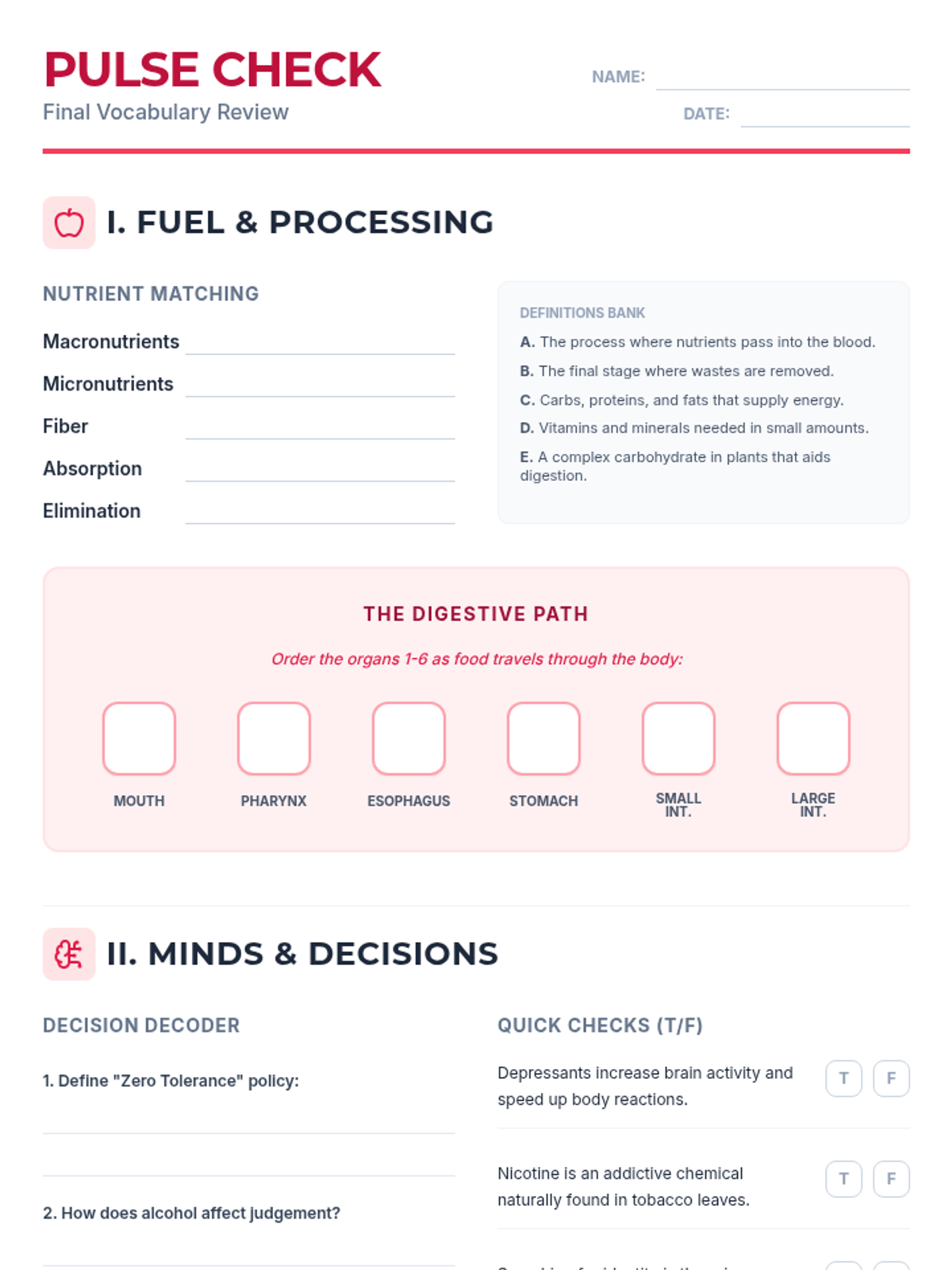
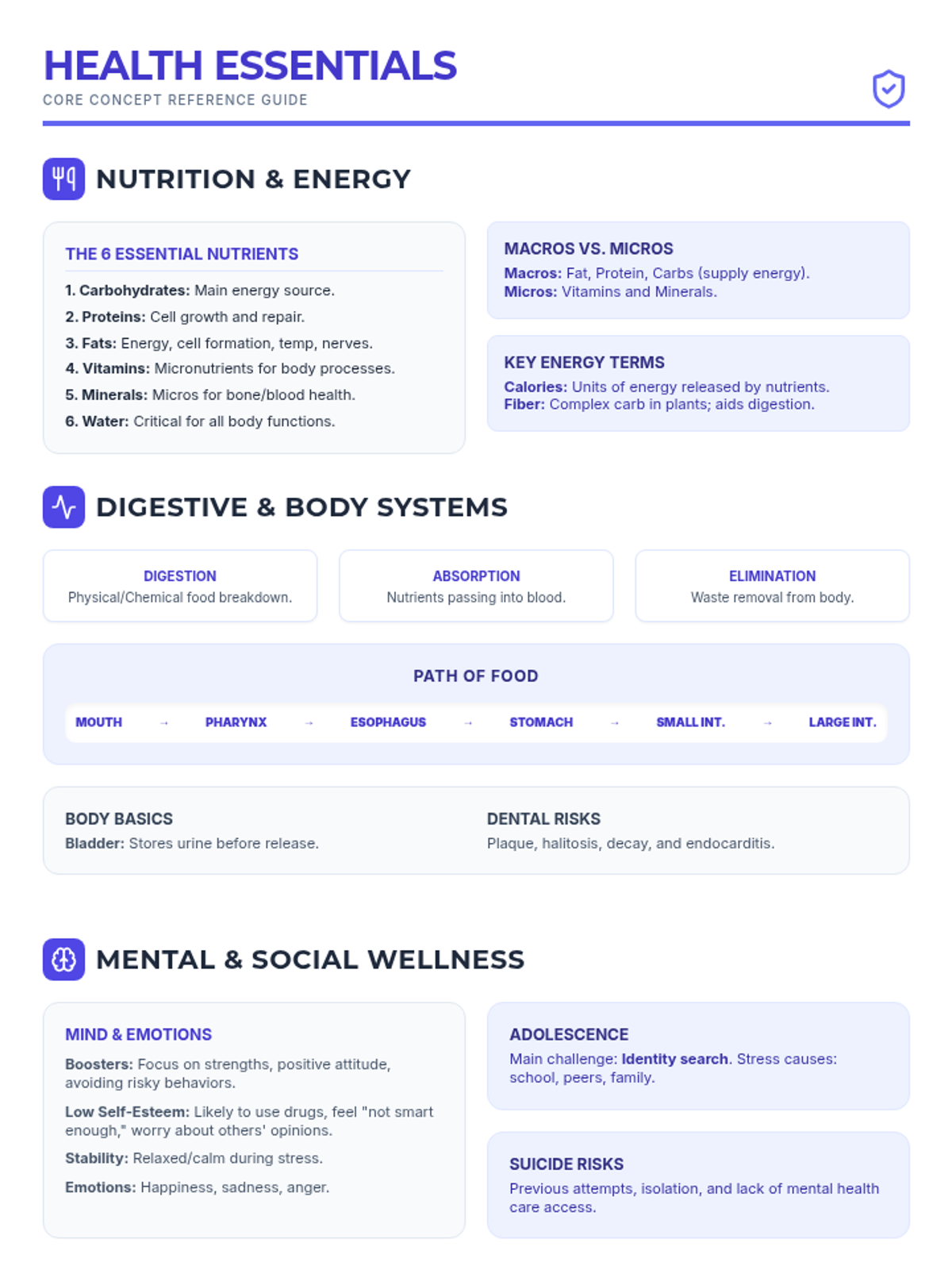
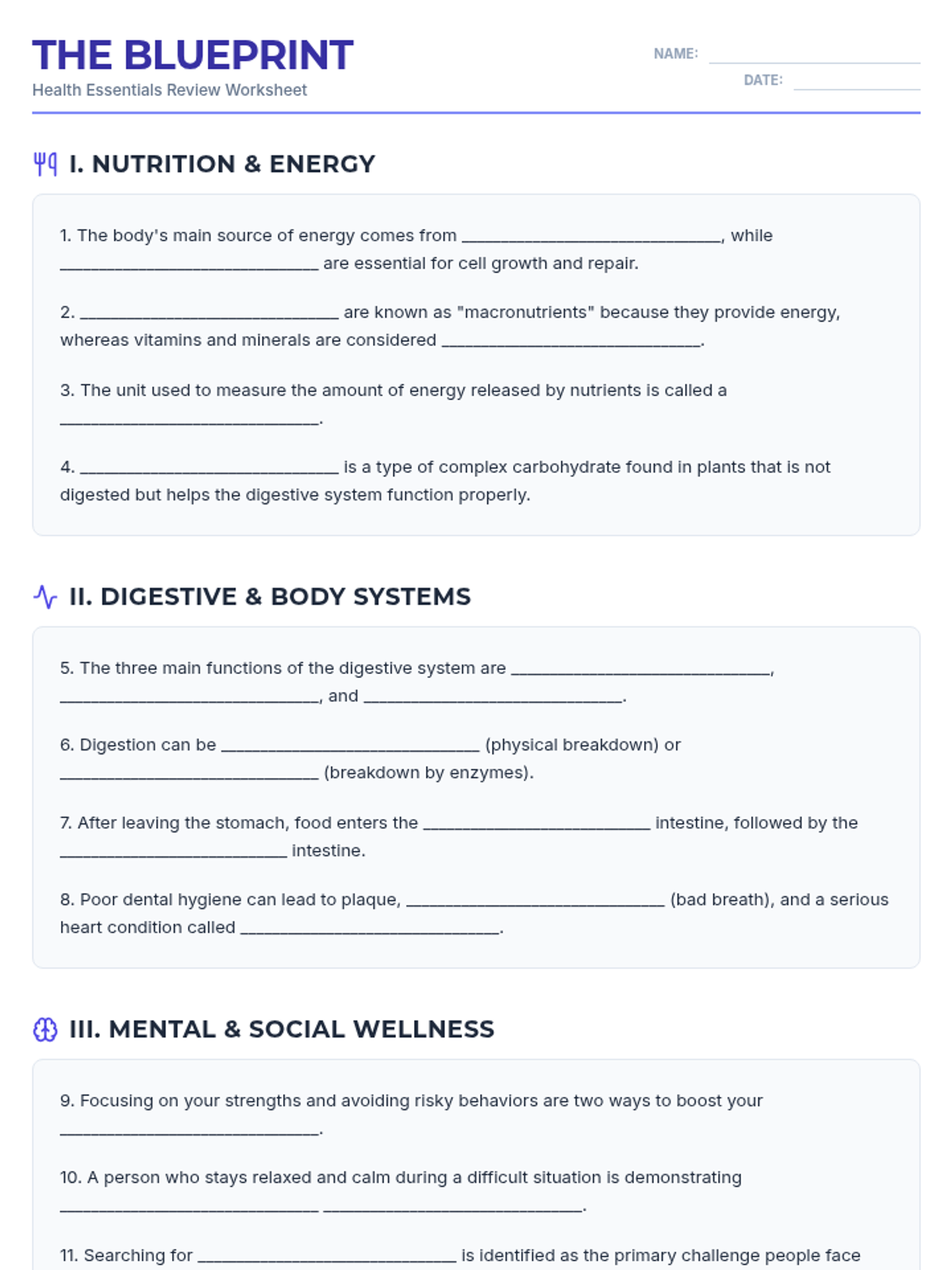
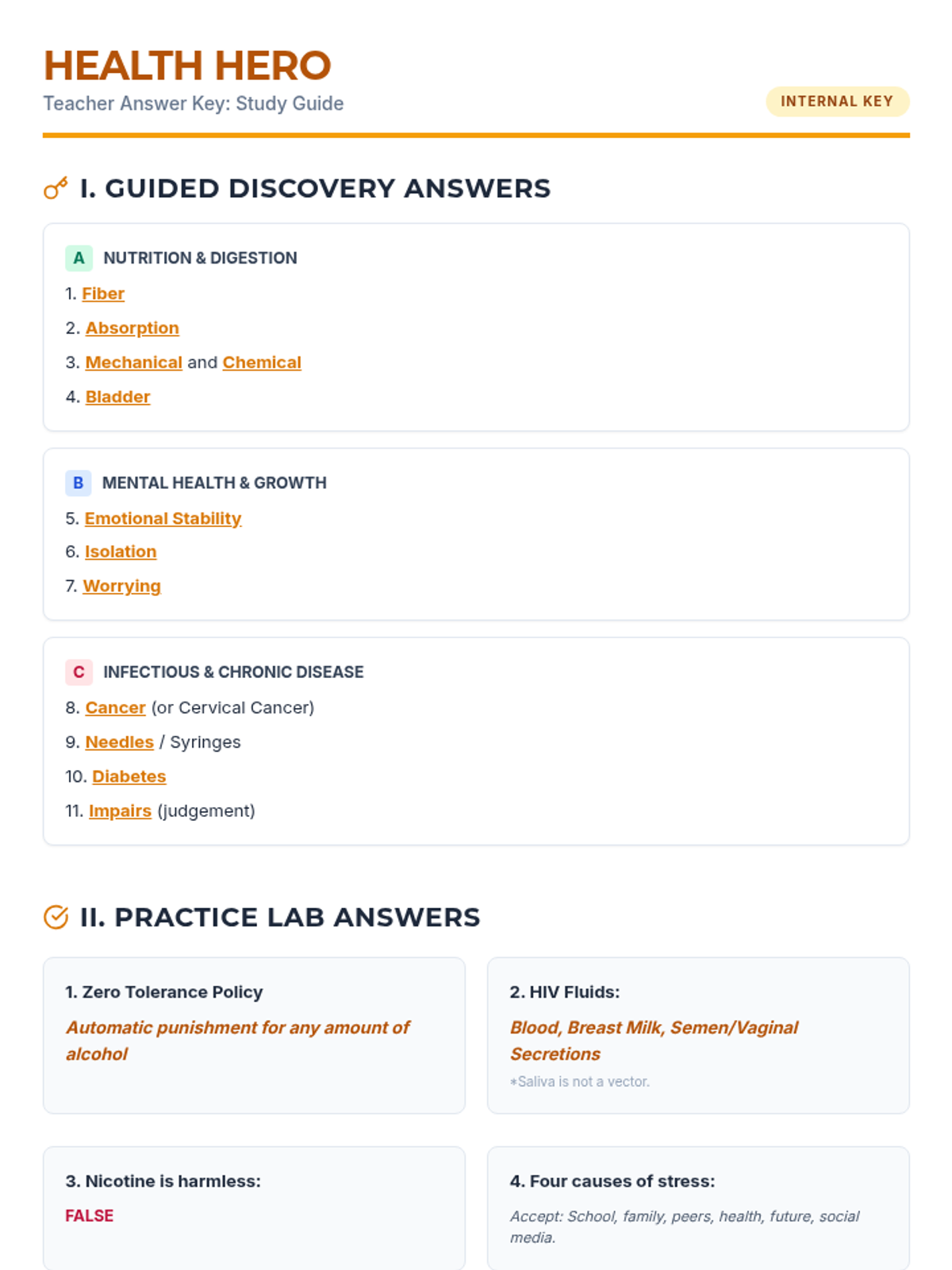
A comprehensive study guide covering nutrition, body systems, mental health, and disease prevention based on the Health Final Exam.
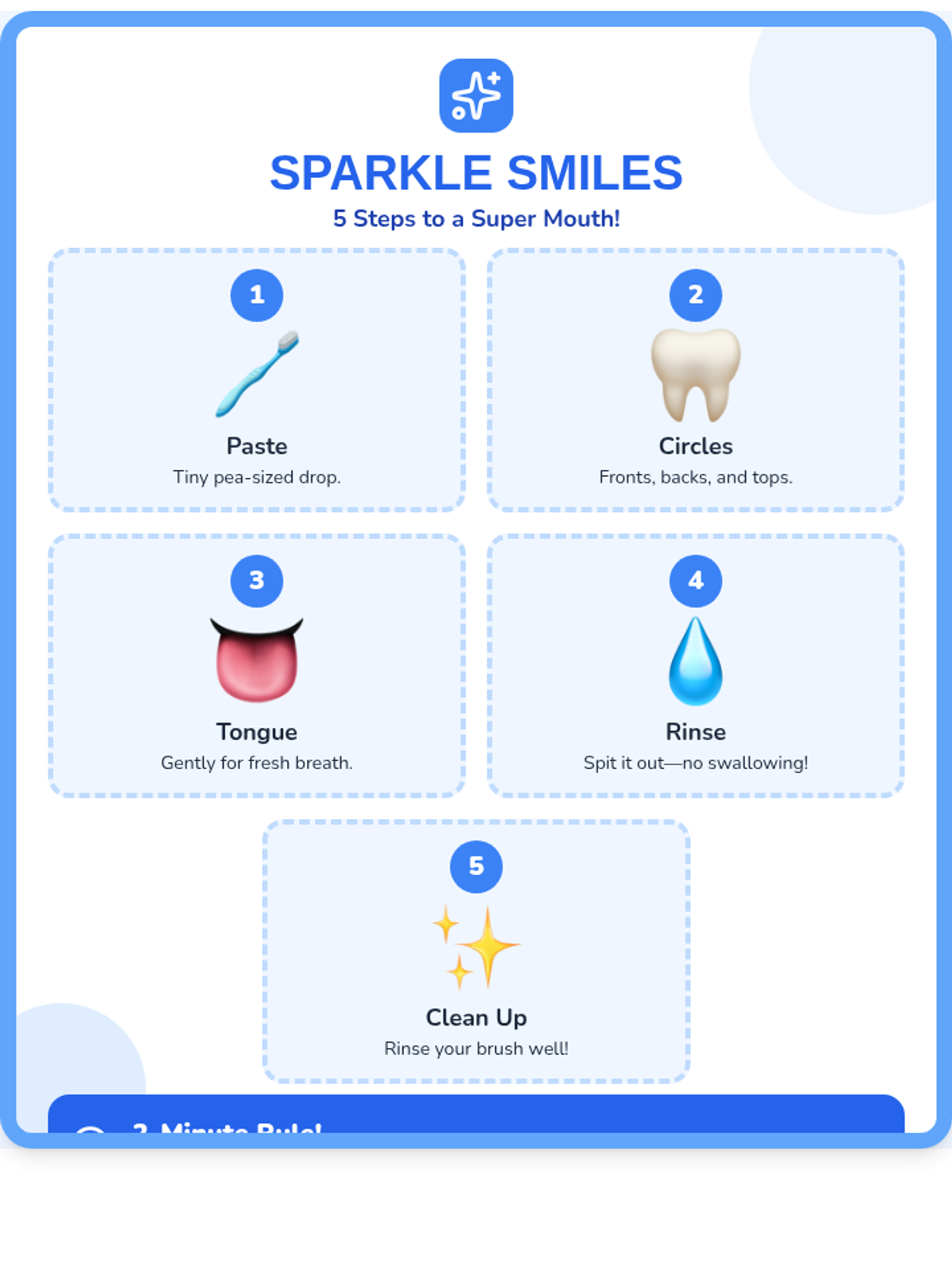
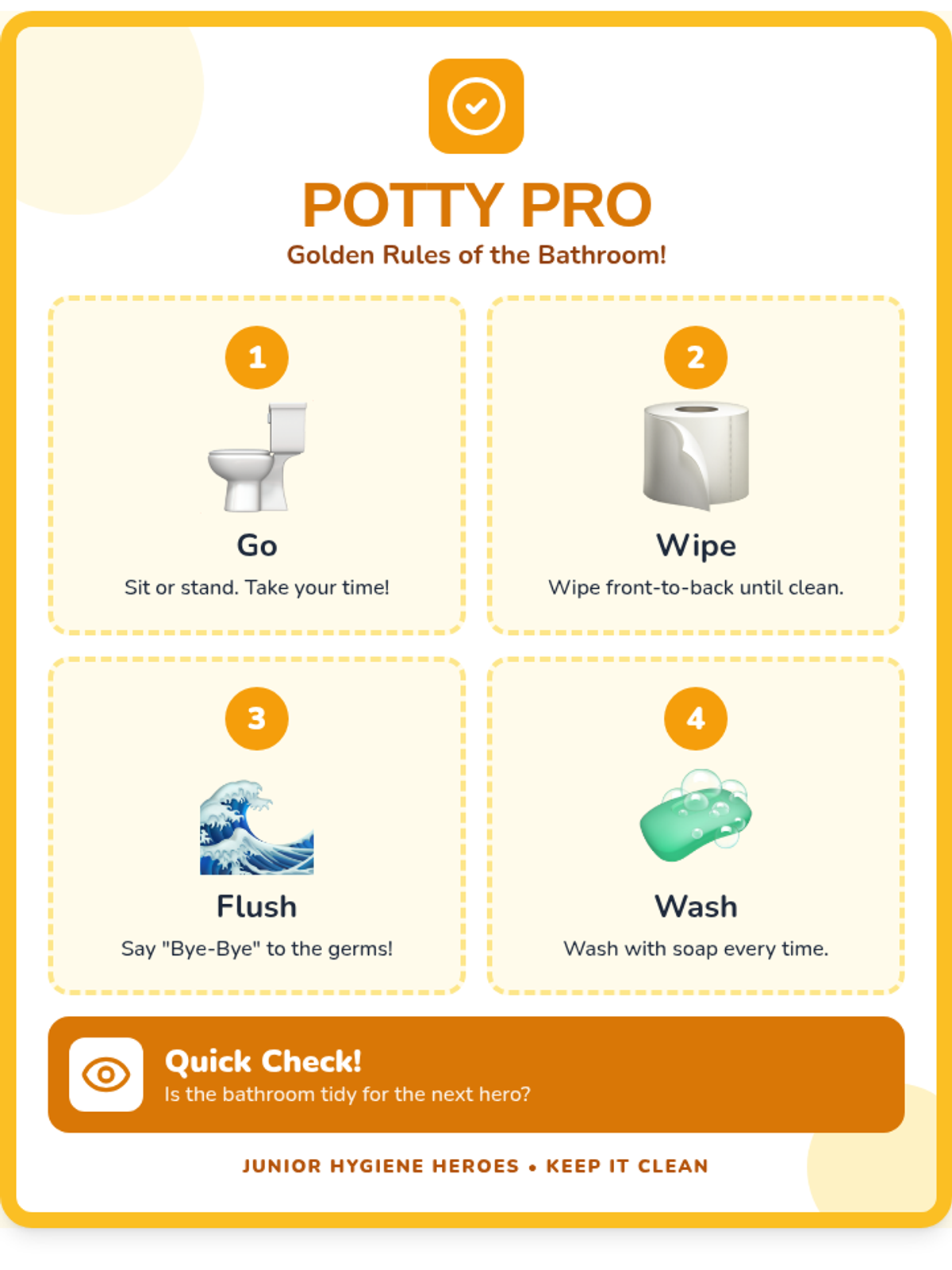
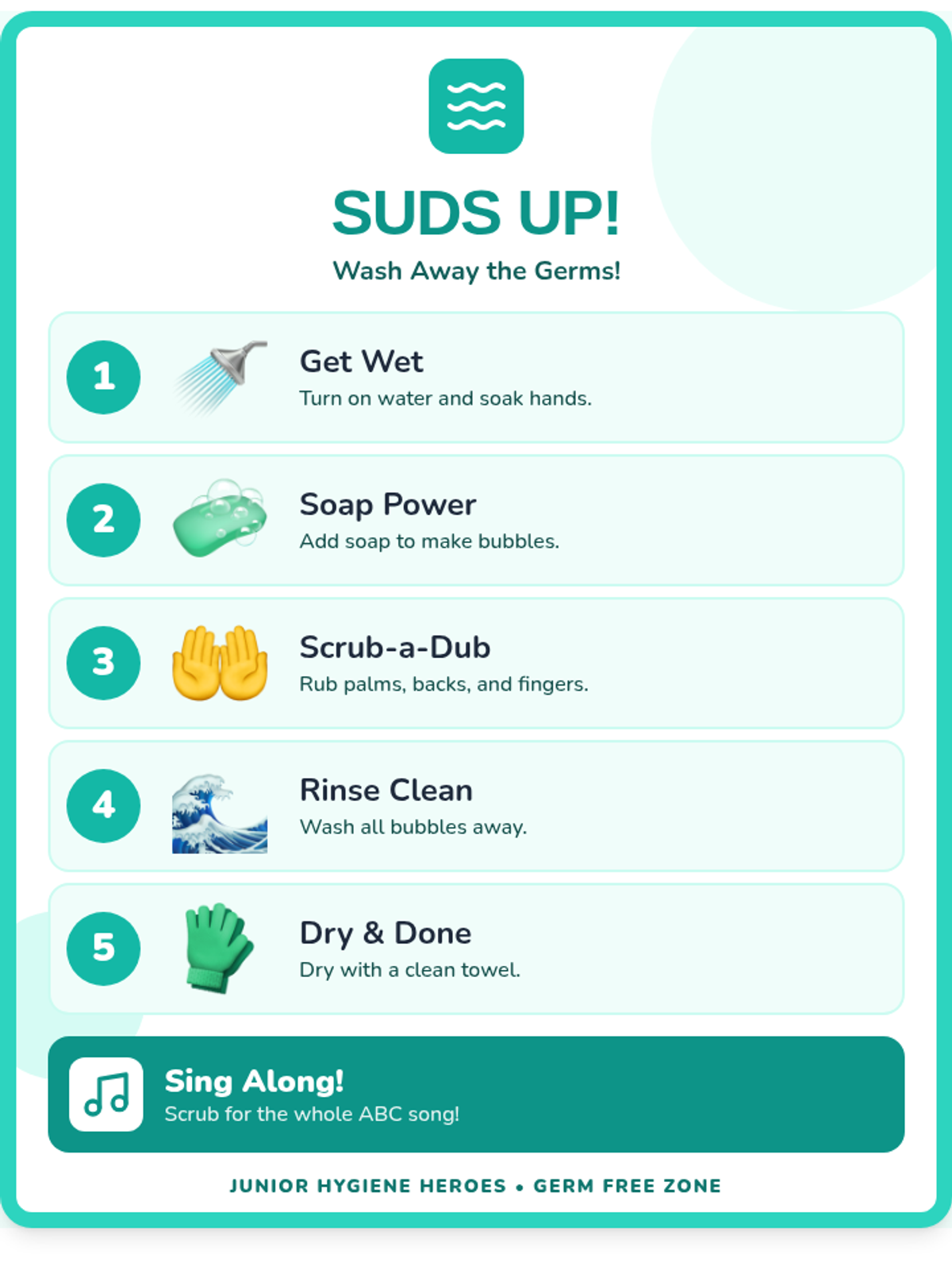
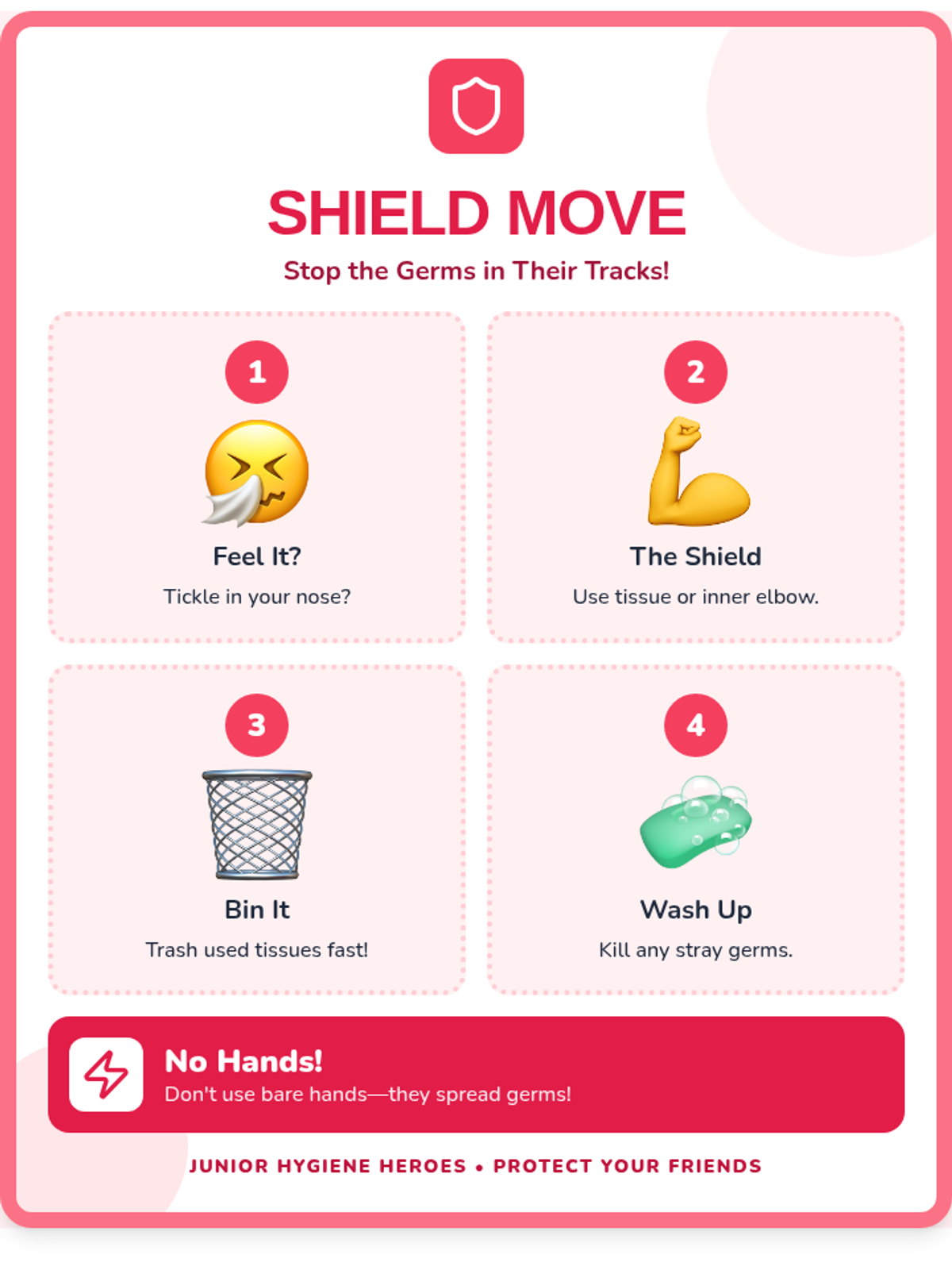
A series of visual, step-by-step guides for young children to master essential hygiene habits including teeth brushing, bathroom etiquette, hand washing, and respiratory hygiene.
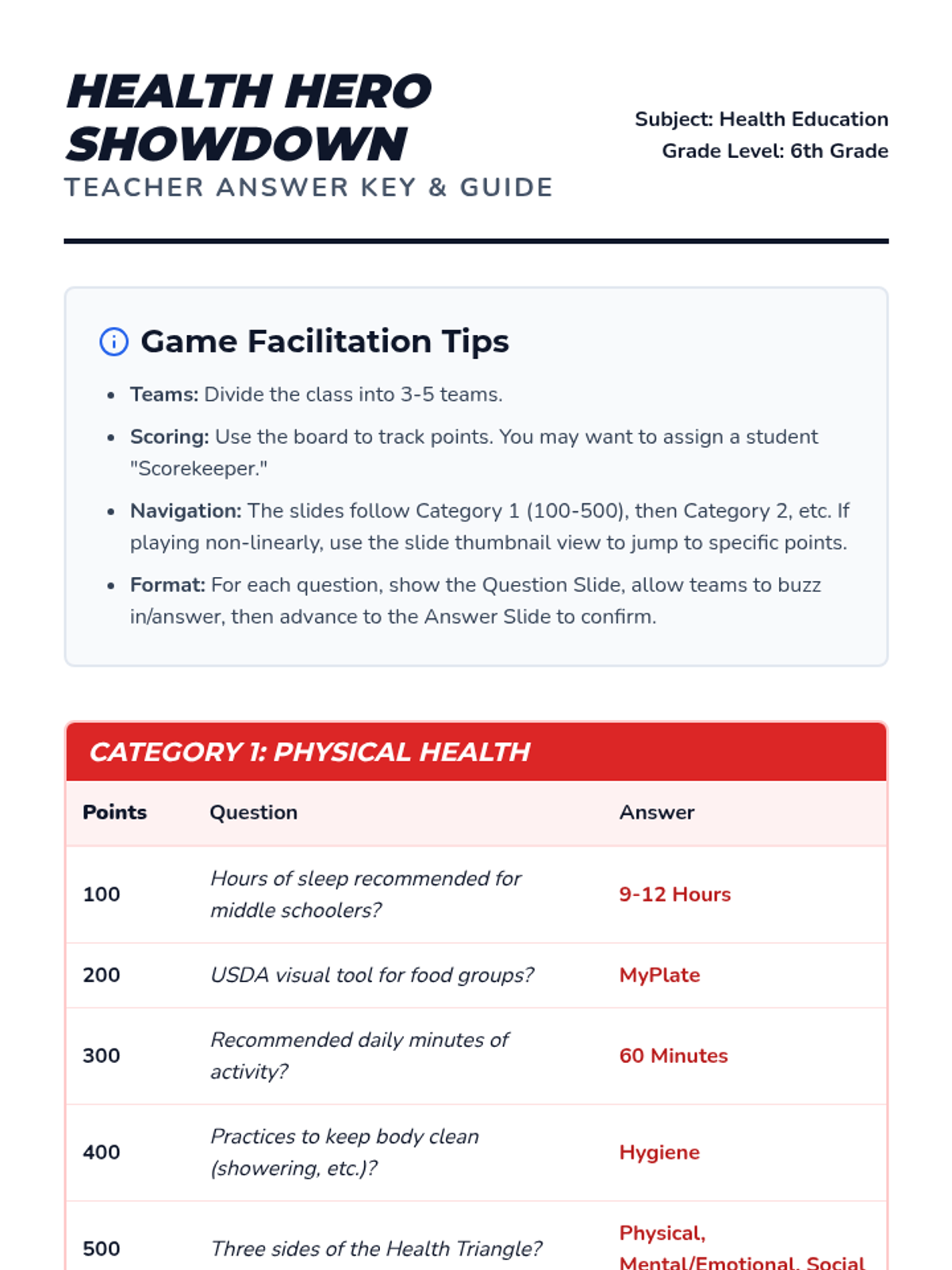
An engaging Jeopardy-style review game designed for 6th-grade students to assess their knowledge of physical, mental, social health, tobacco risks, and decision-making skills.
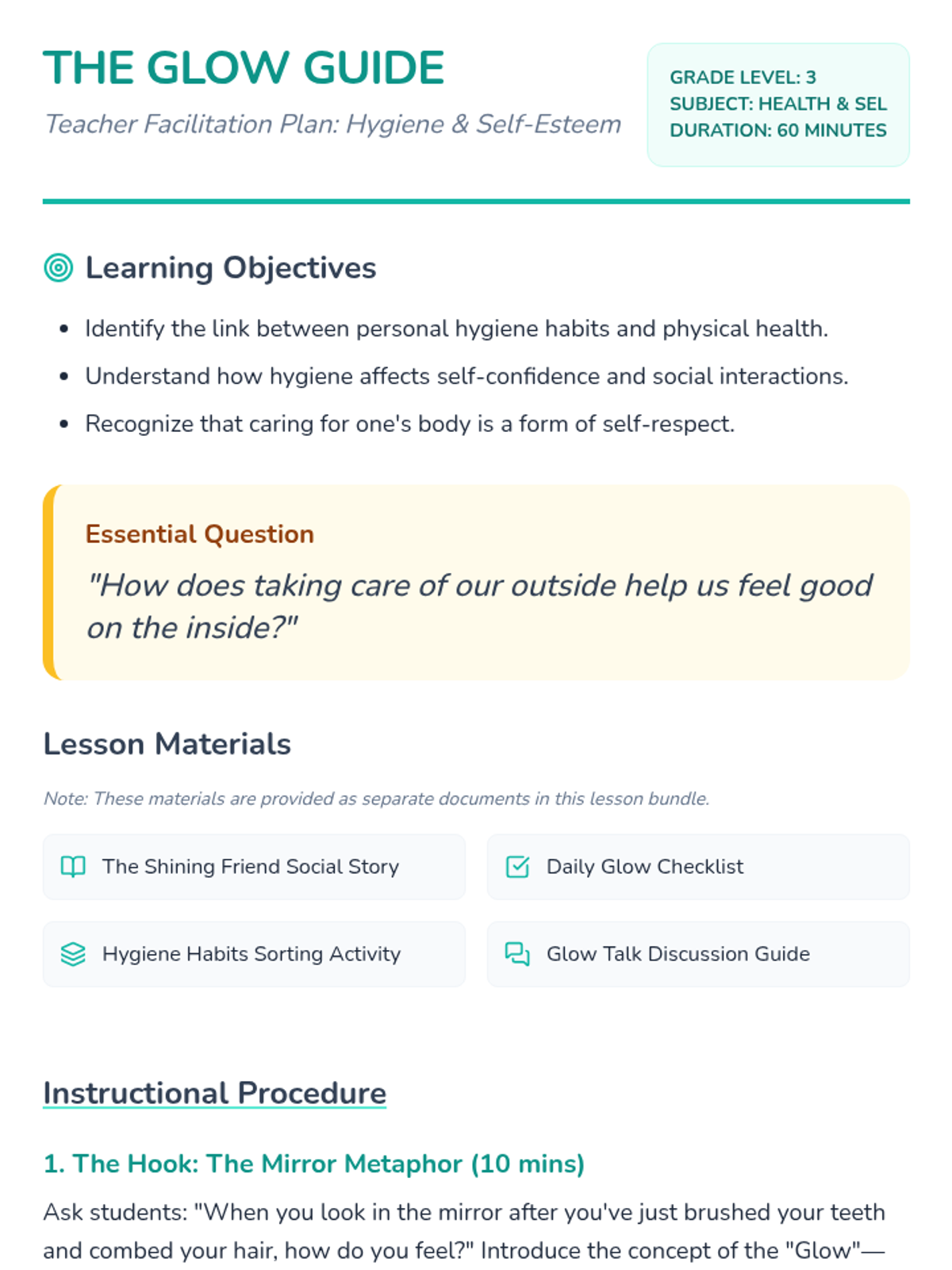
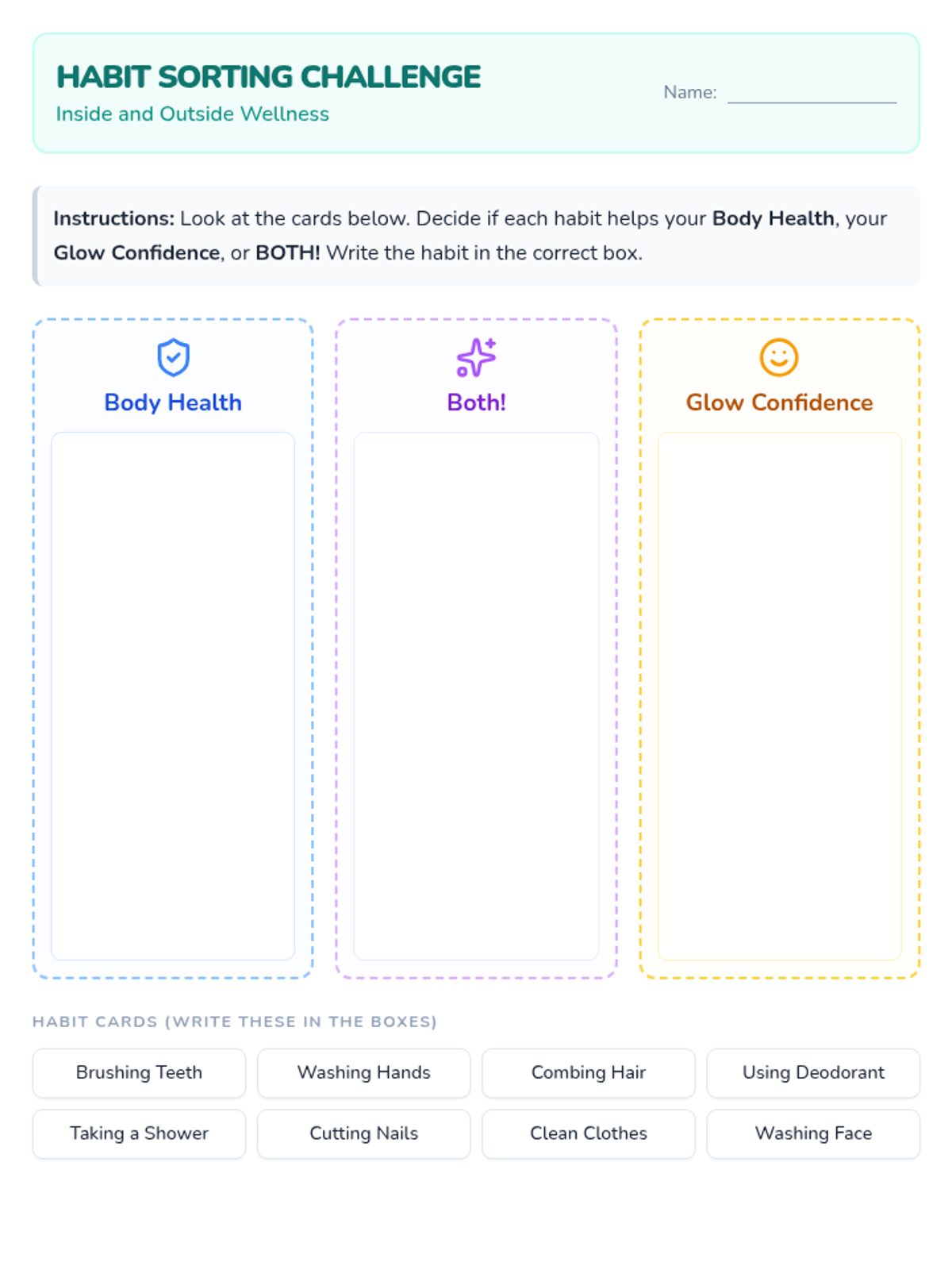
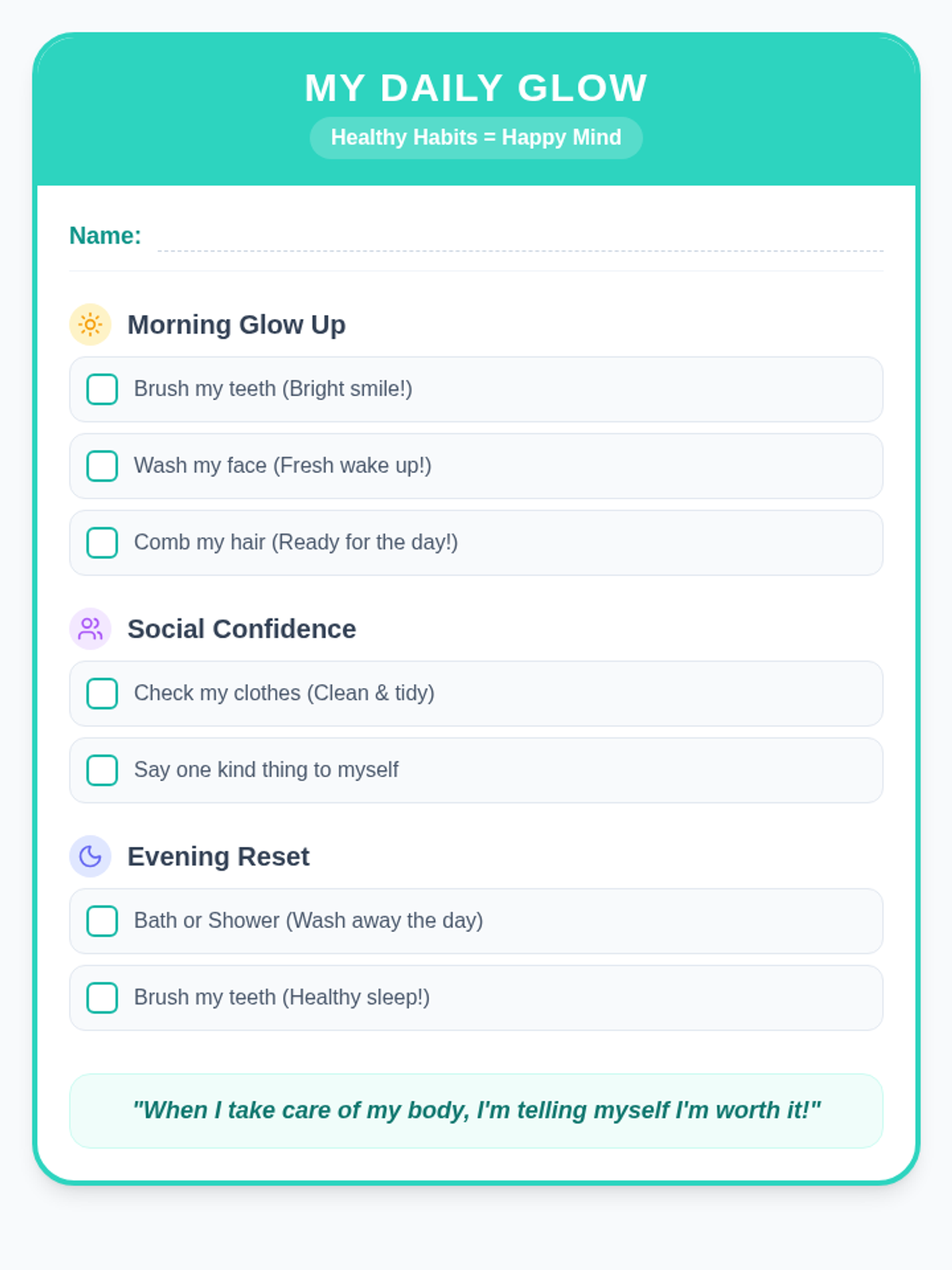
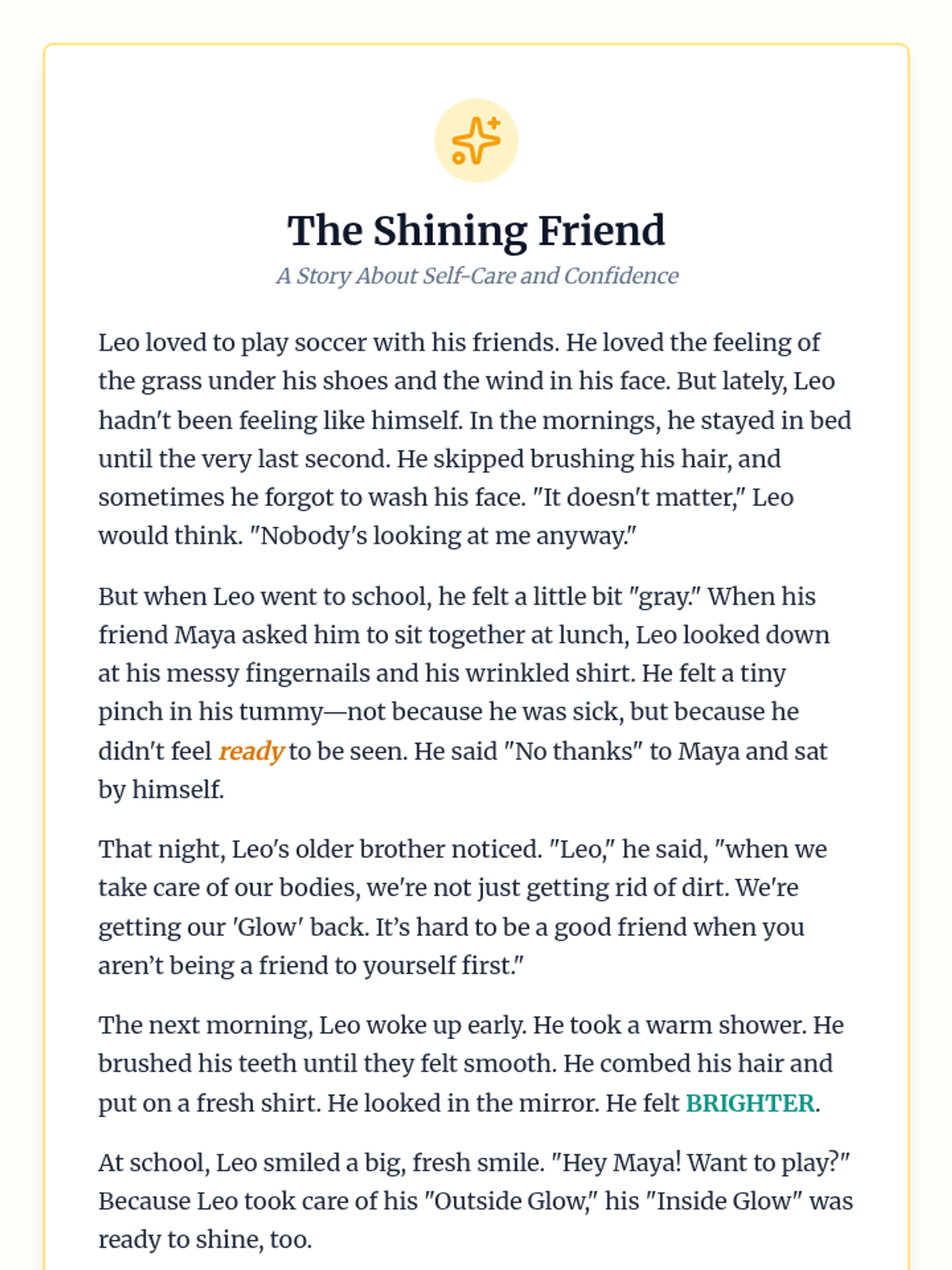
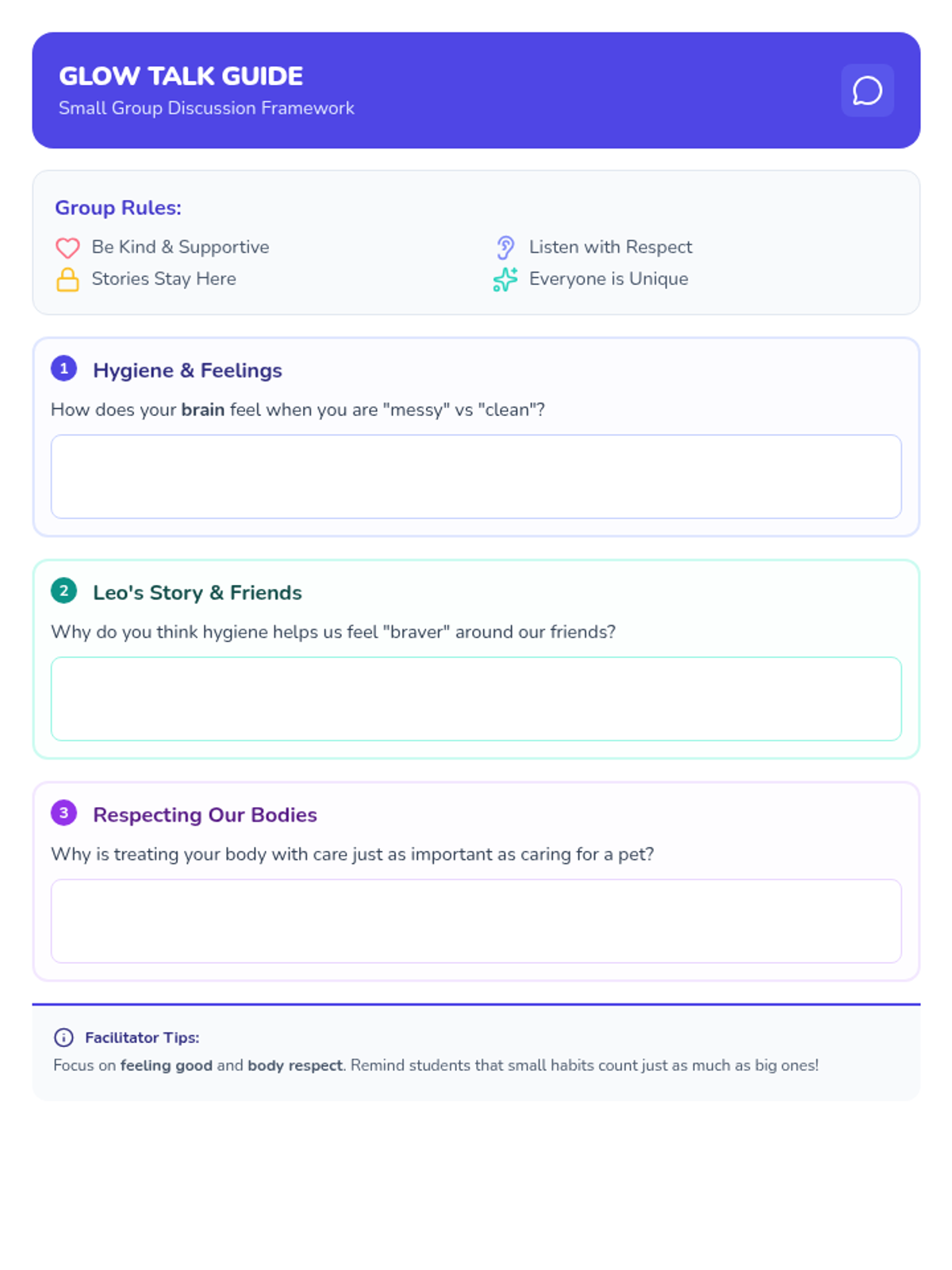
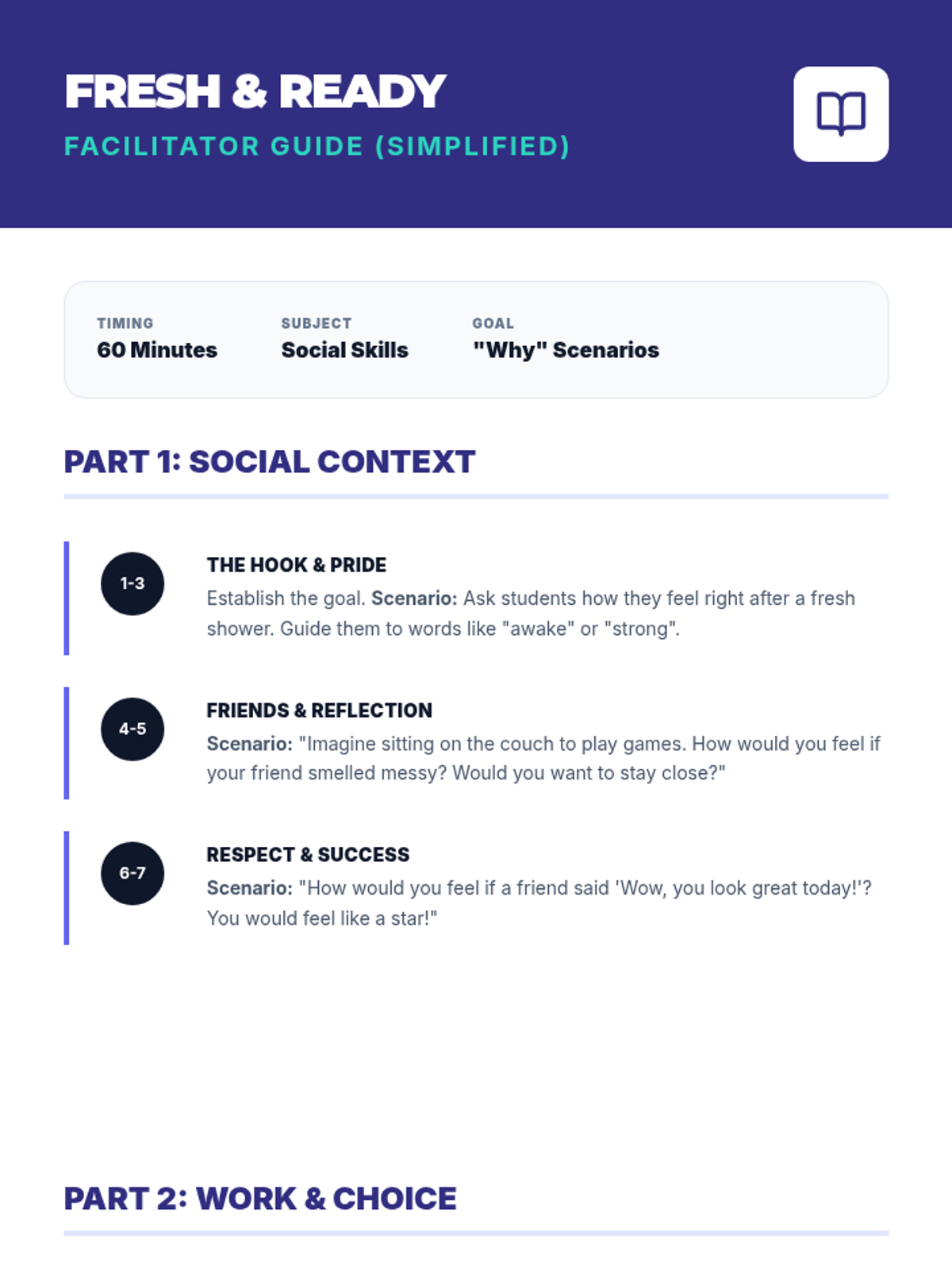
A holistic health lesson for 3rd graders exploring the connection between personal hygiene habits and their social-emotional well-being, focusing on friendship and self-esteem.
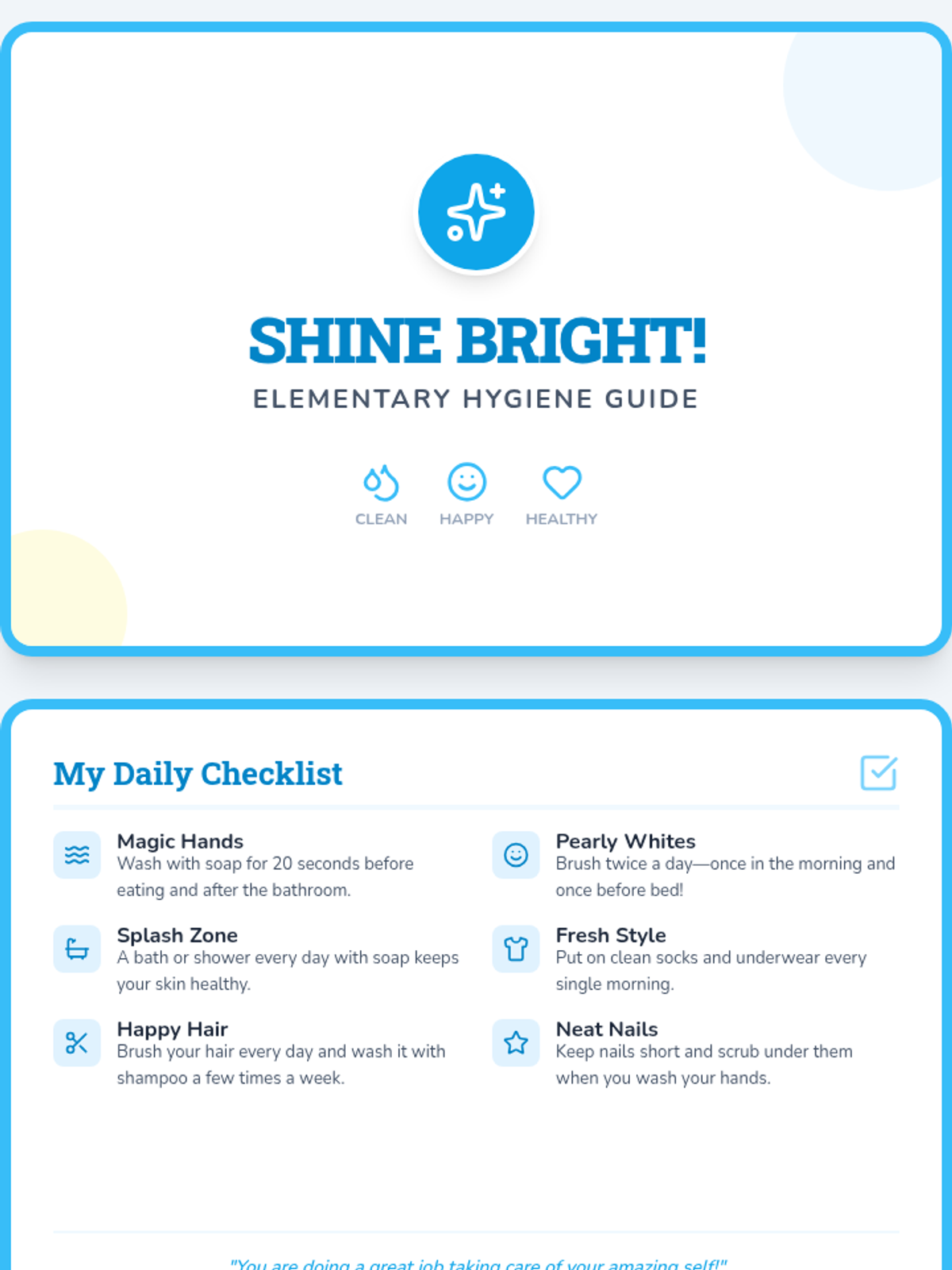
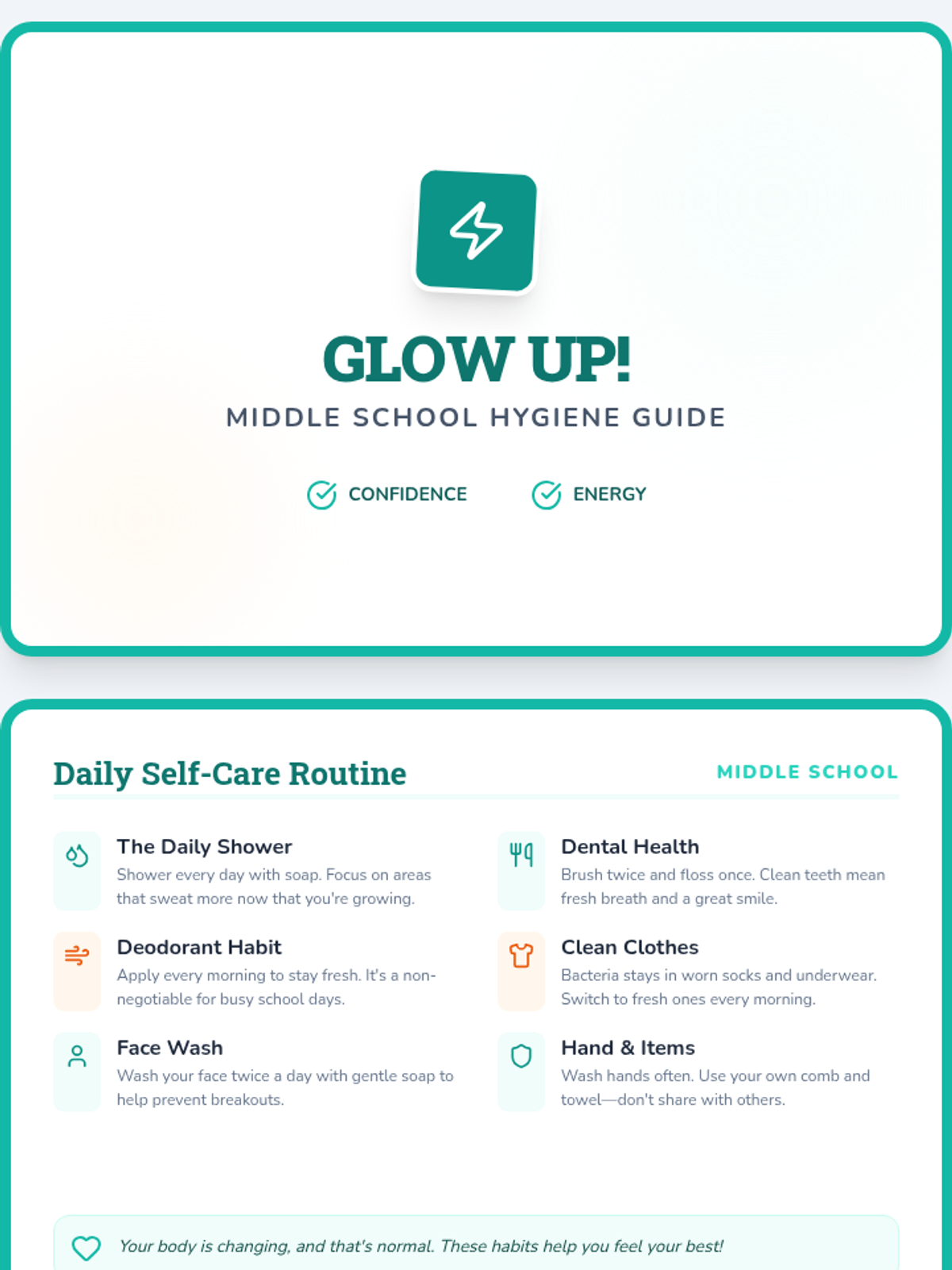
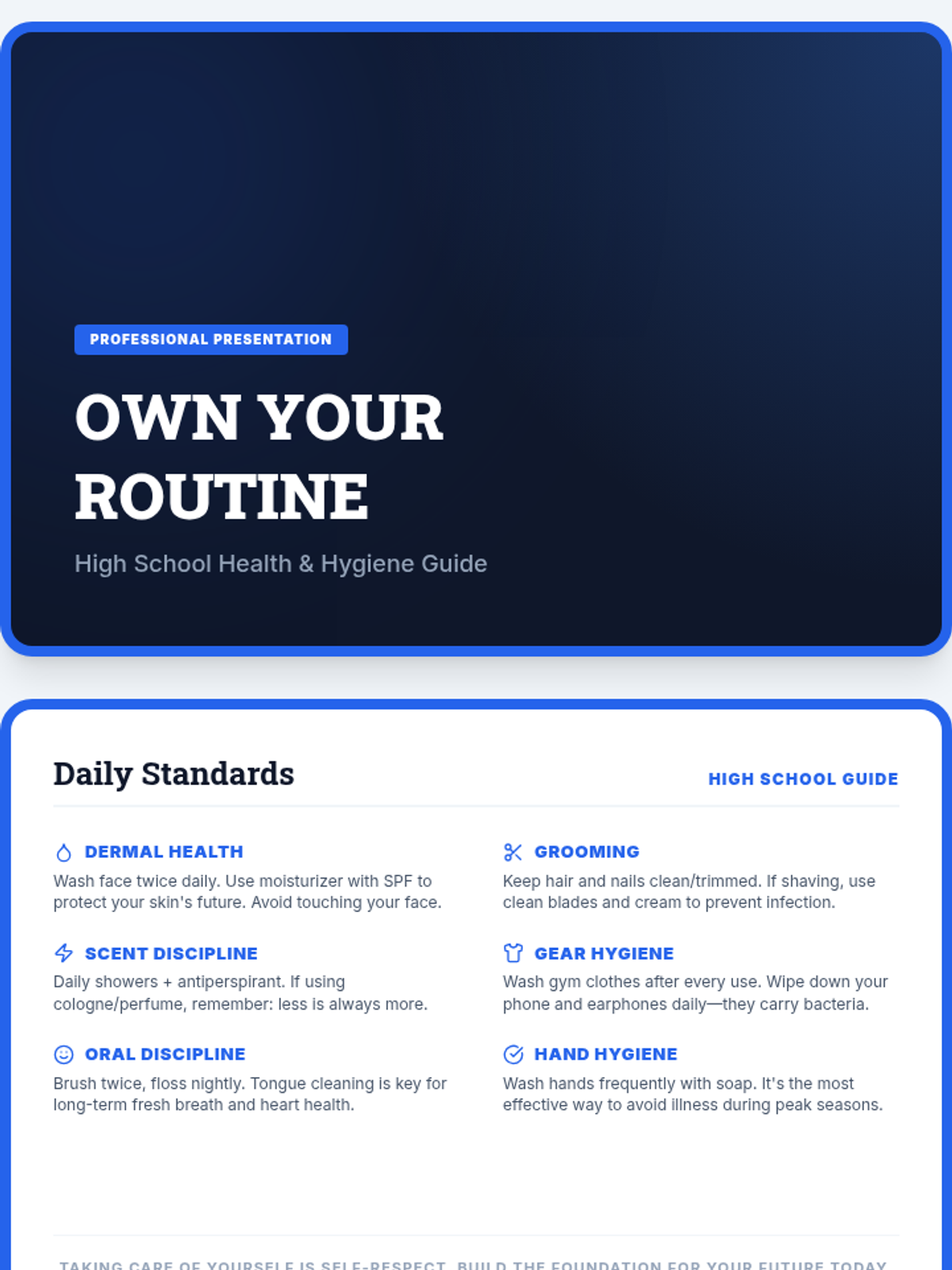
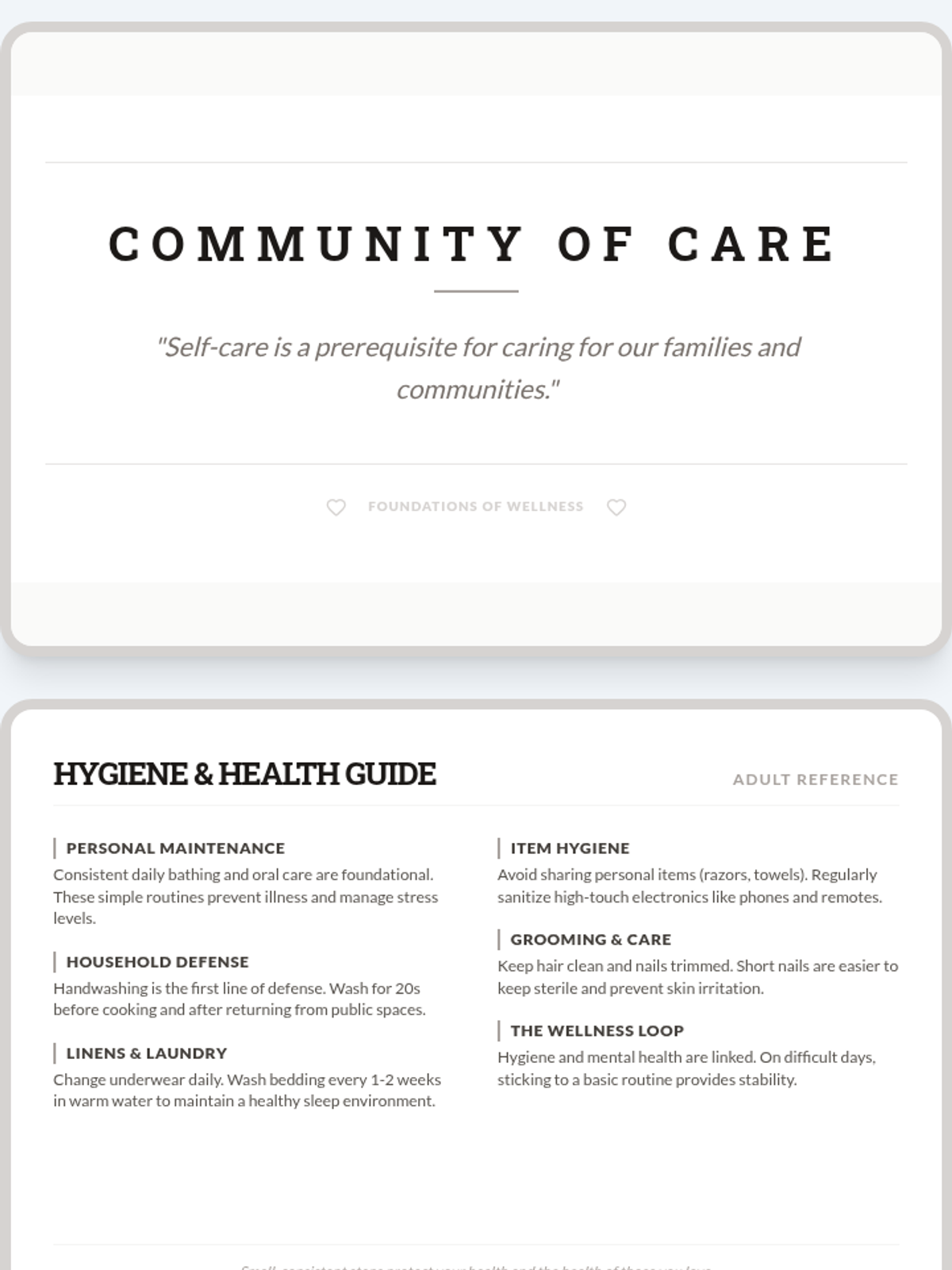
A collection of hygiene reference postcards tailored for elementary, middle school, high school, and adults. Each double-sided card provides empathetic, age-appropriate guidance on essential daily routines to support health and confidence.
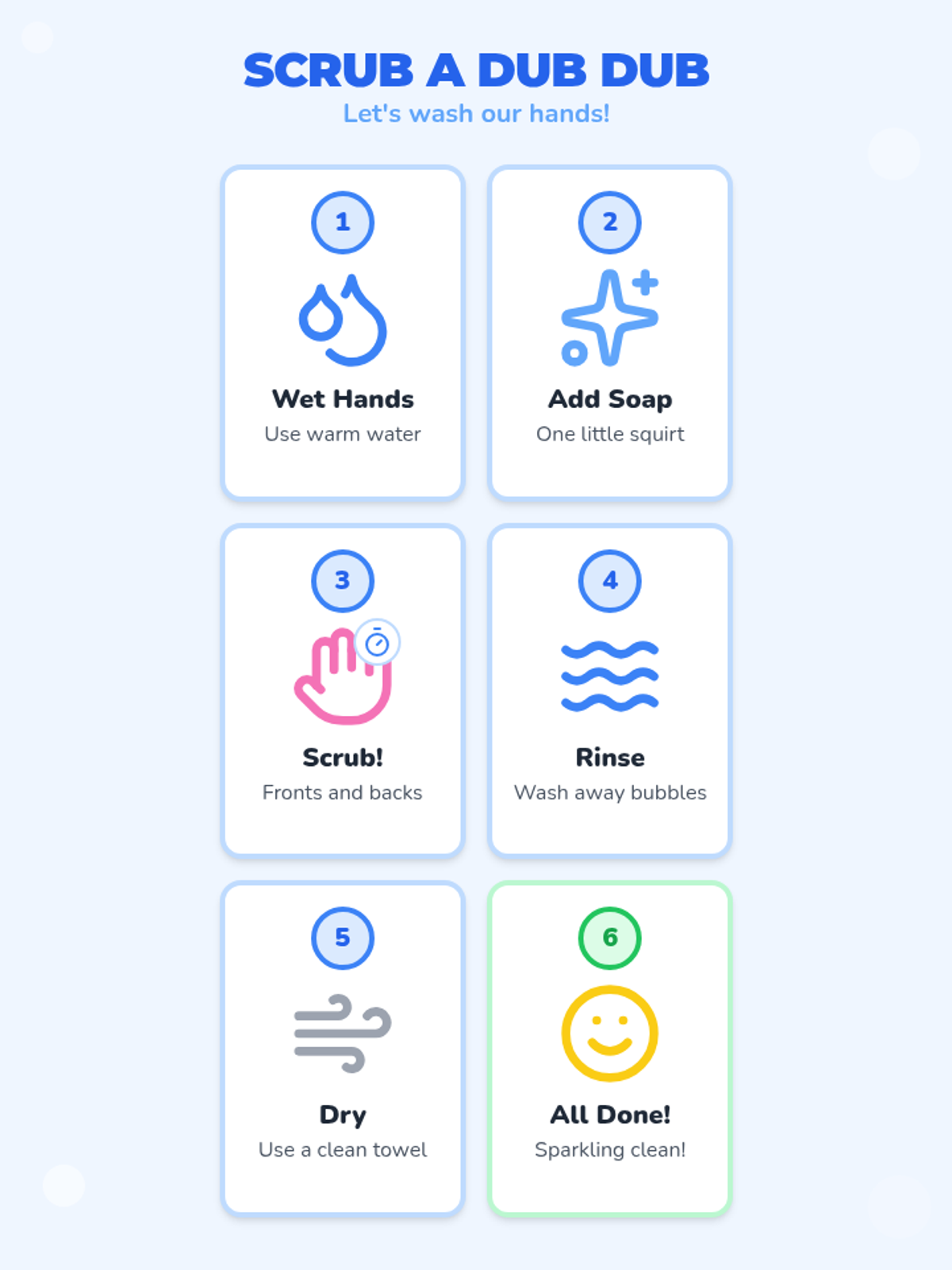
A simple, visual guide to teaching preschool children the essential steps of hand washing for health and hygiene.
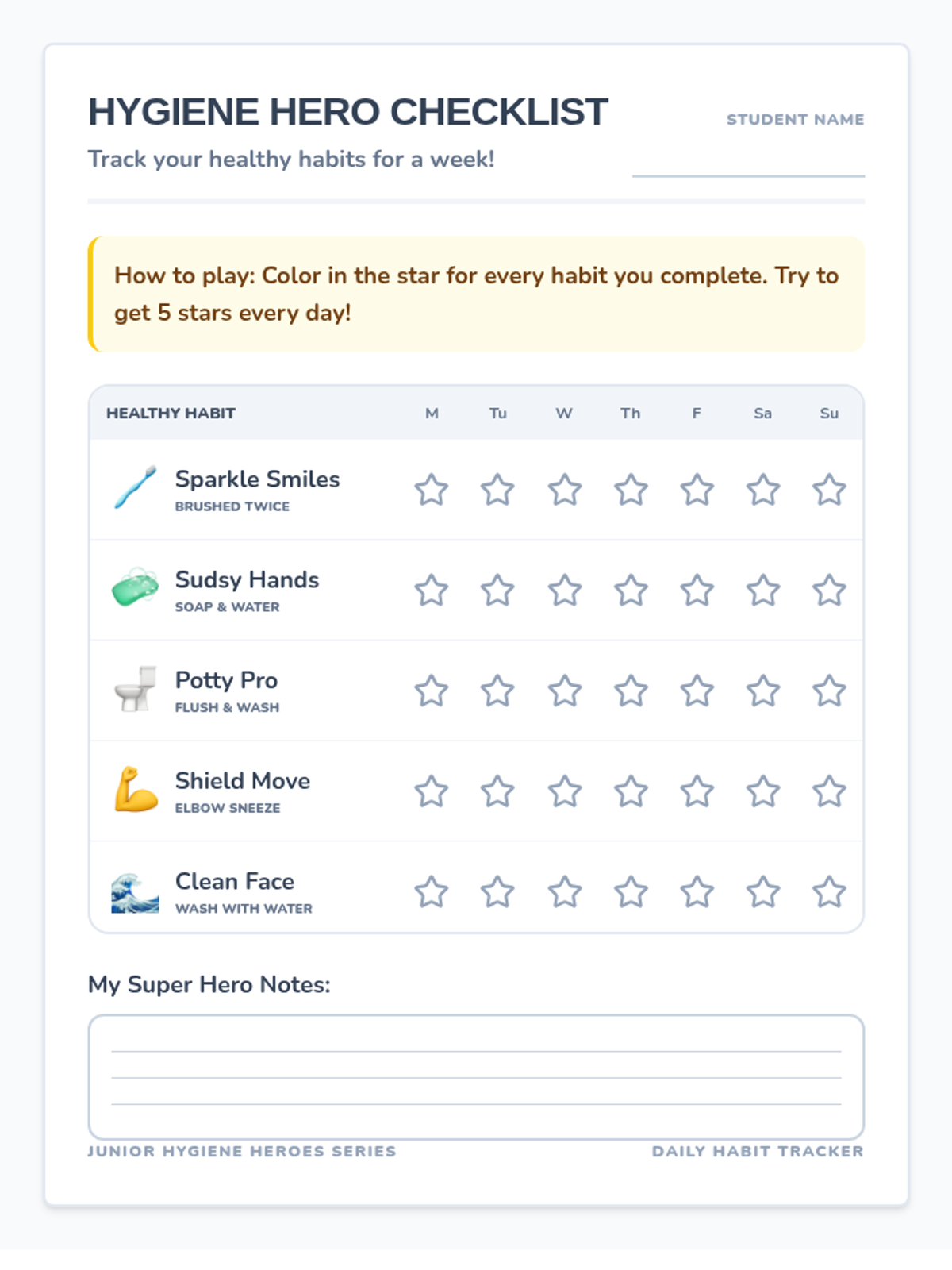
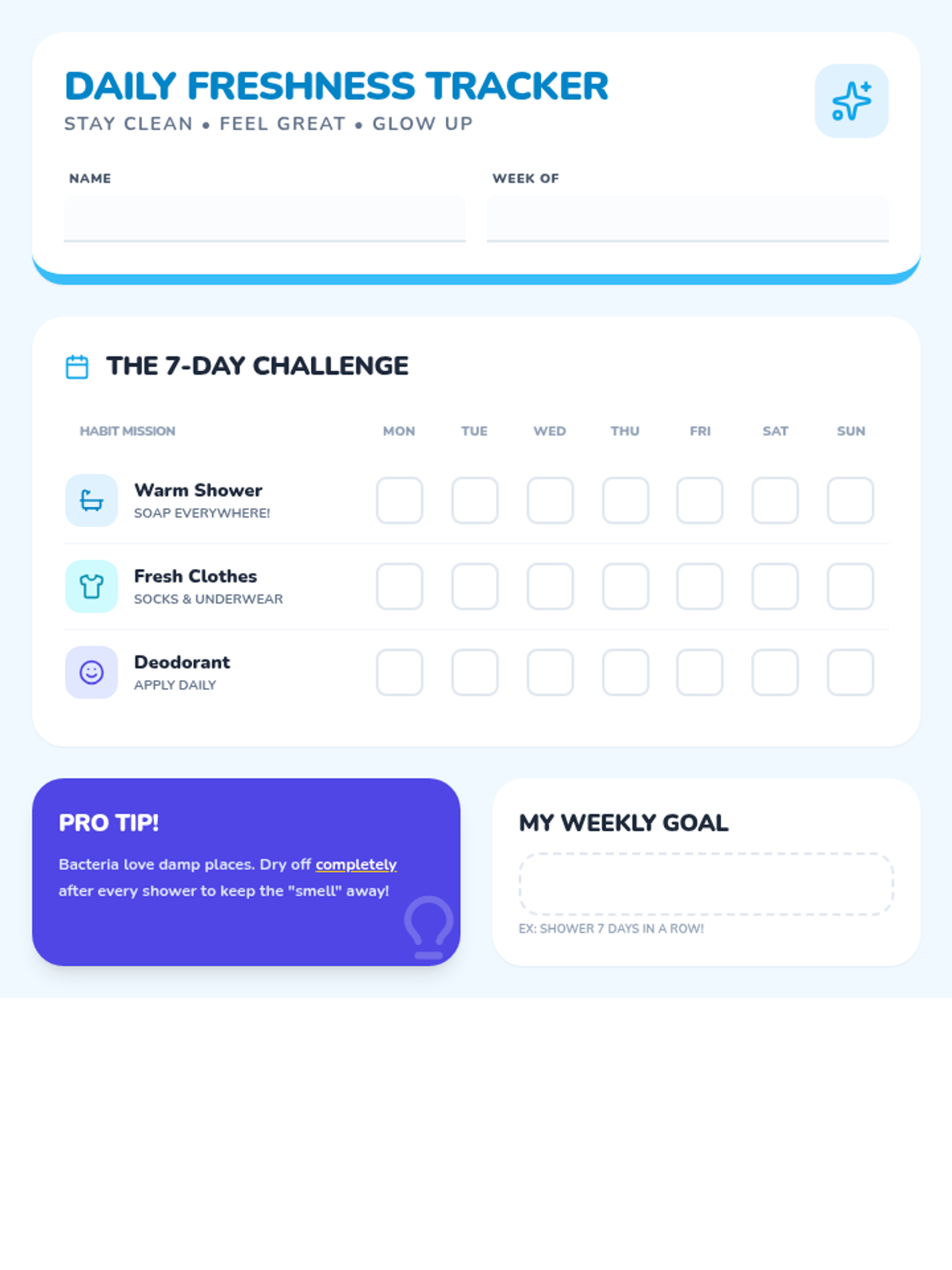
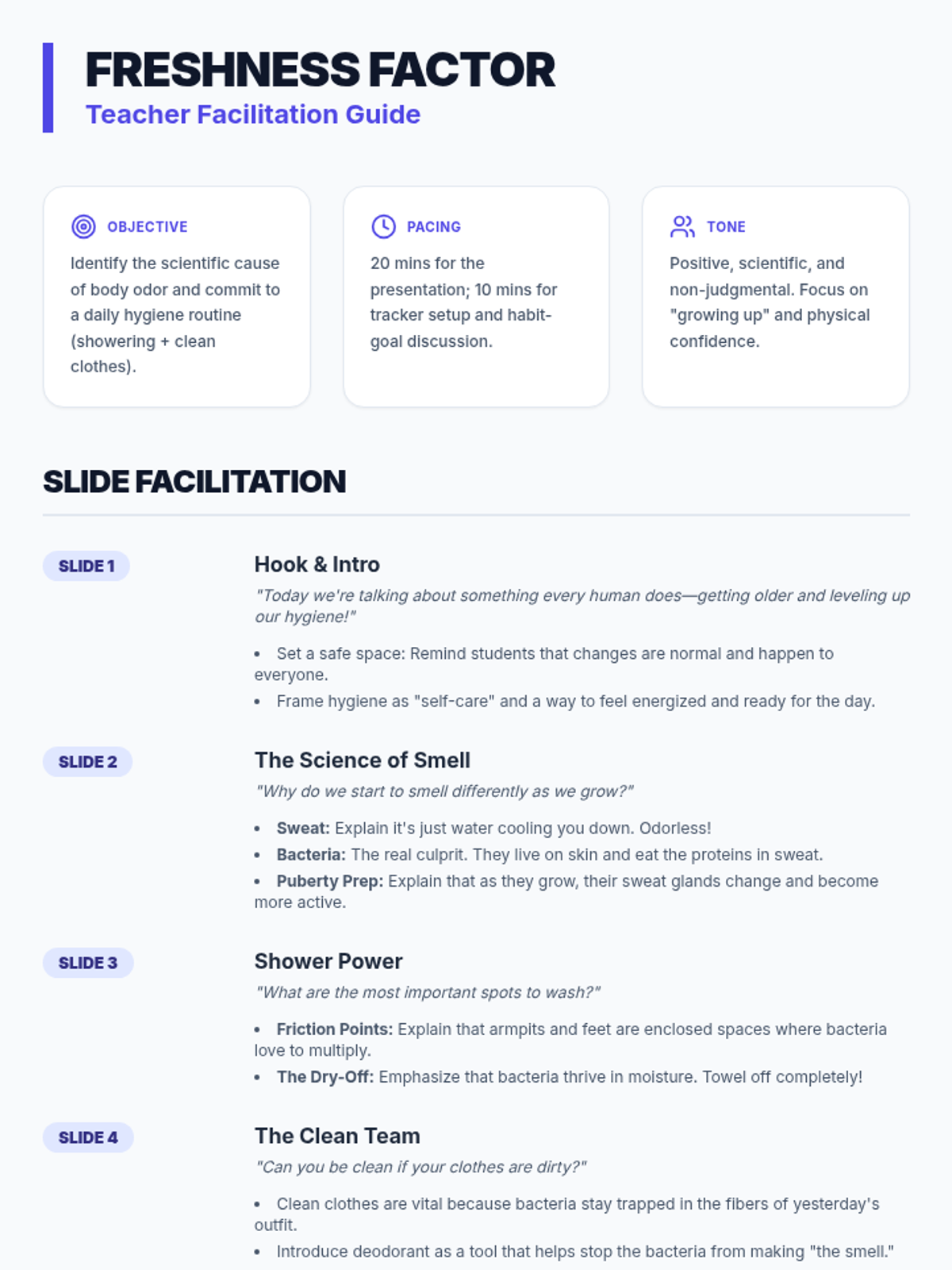
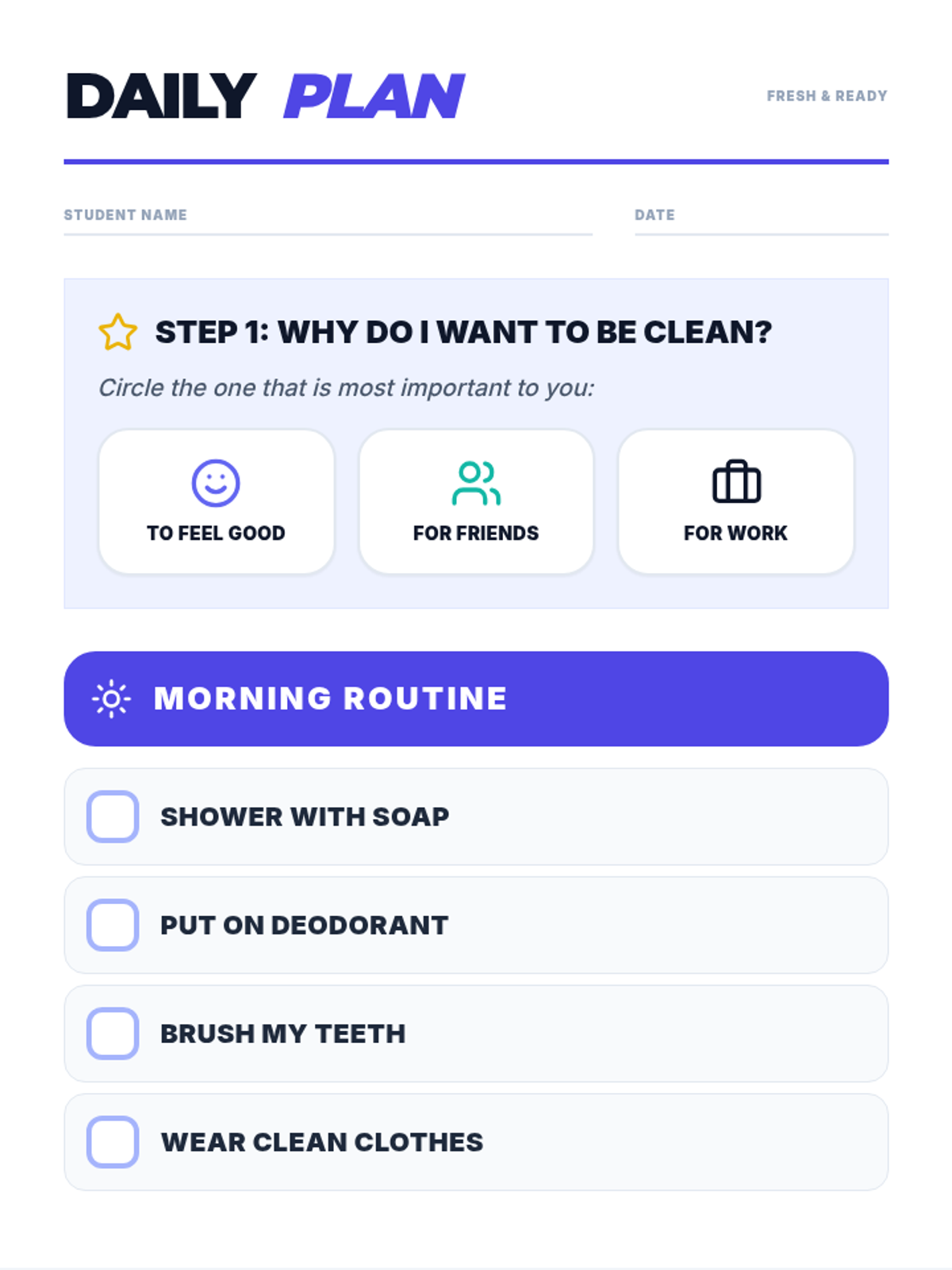
A high-energy, visual lesson for 4th graders about the science of body odor and the importance of daily showering habits. Includes a visual presentation, a student habit tracker, and a teacher discussion guide.
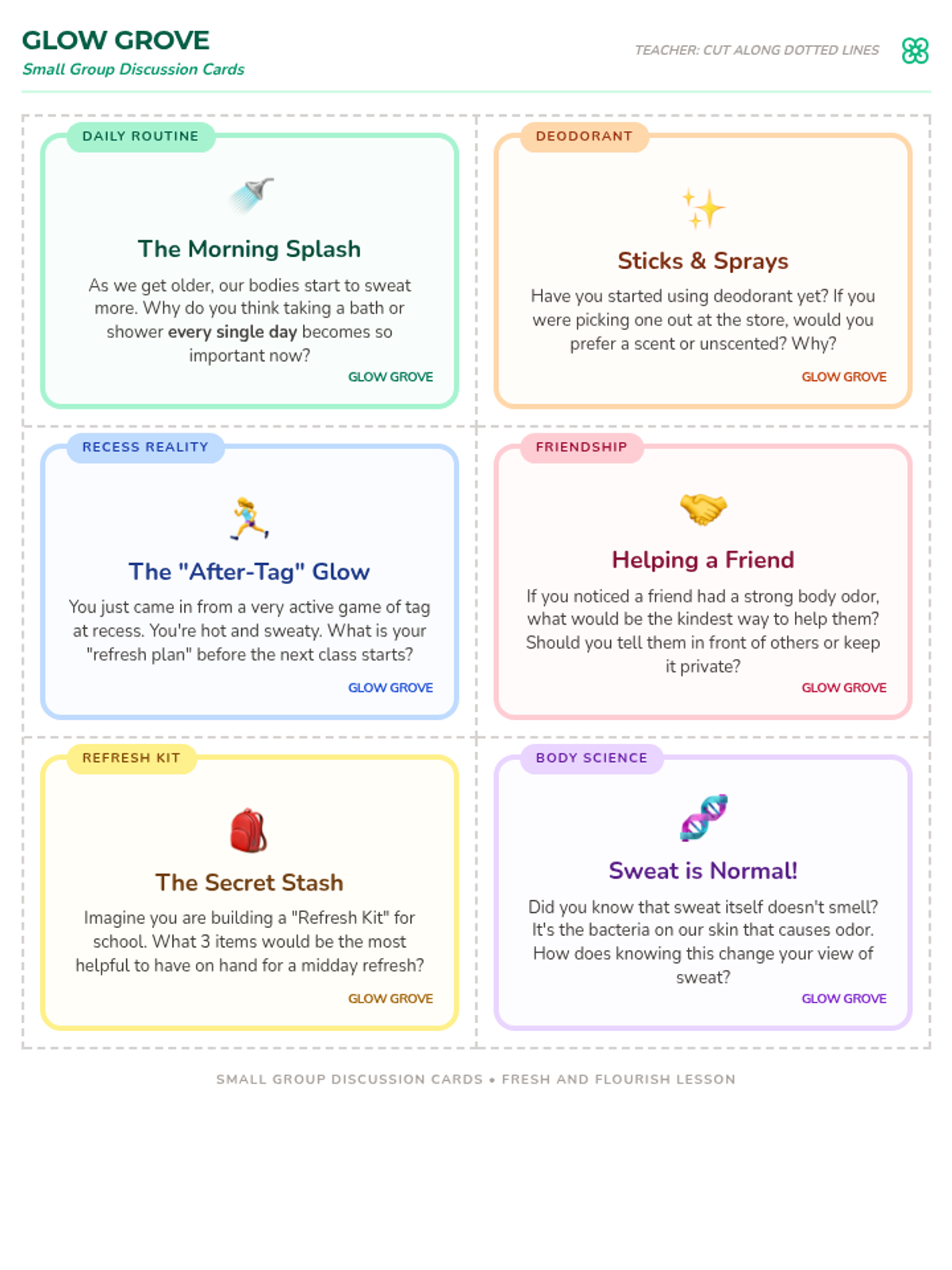
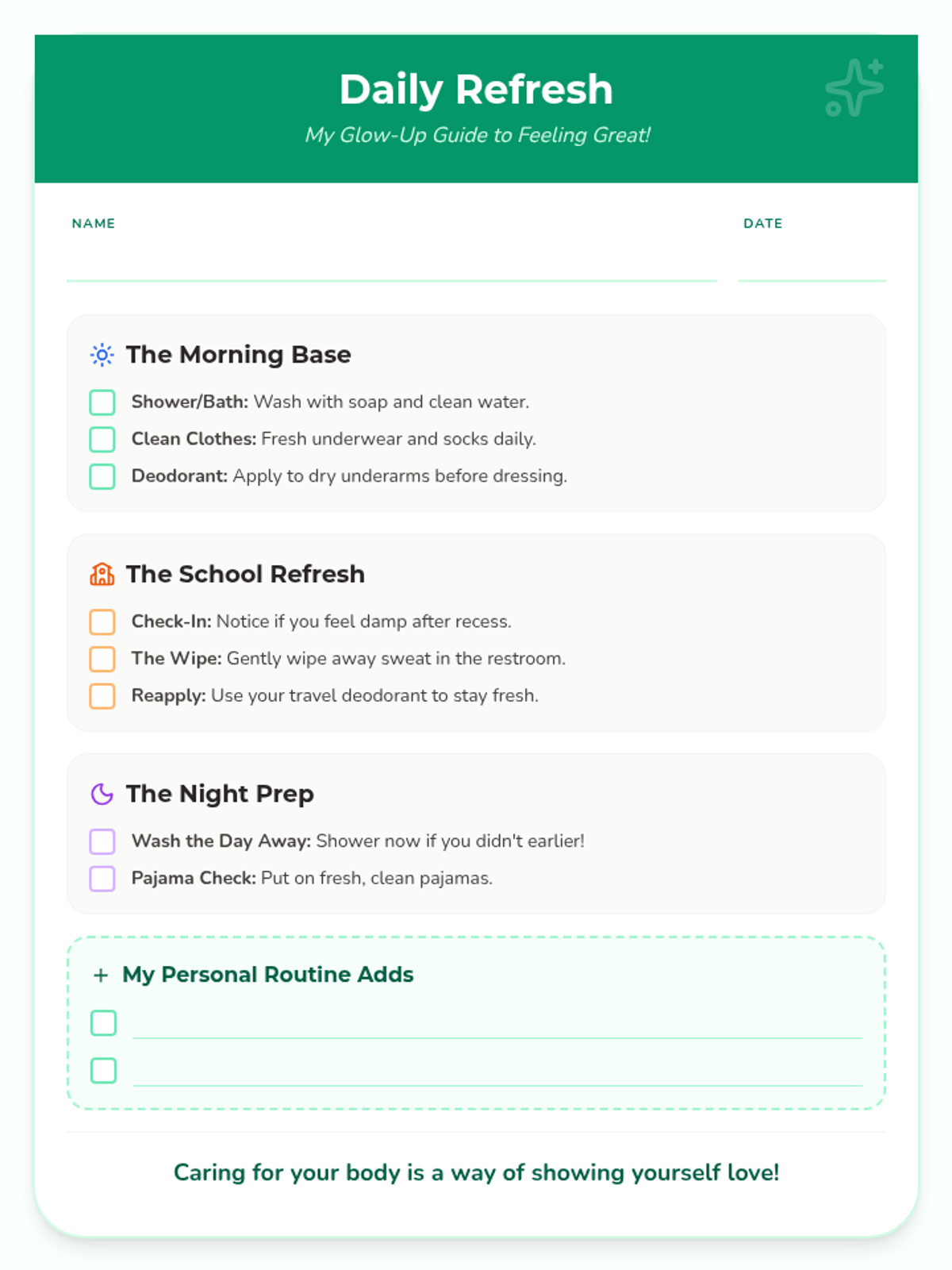
A gentle and empowering lesson for 4th-grade girls about personal hygiene, focusing on the science of sweat, daily routines, and managing body odor with kindness and confidence.
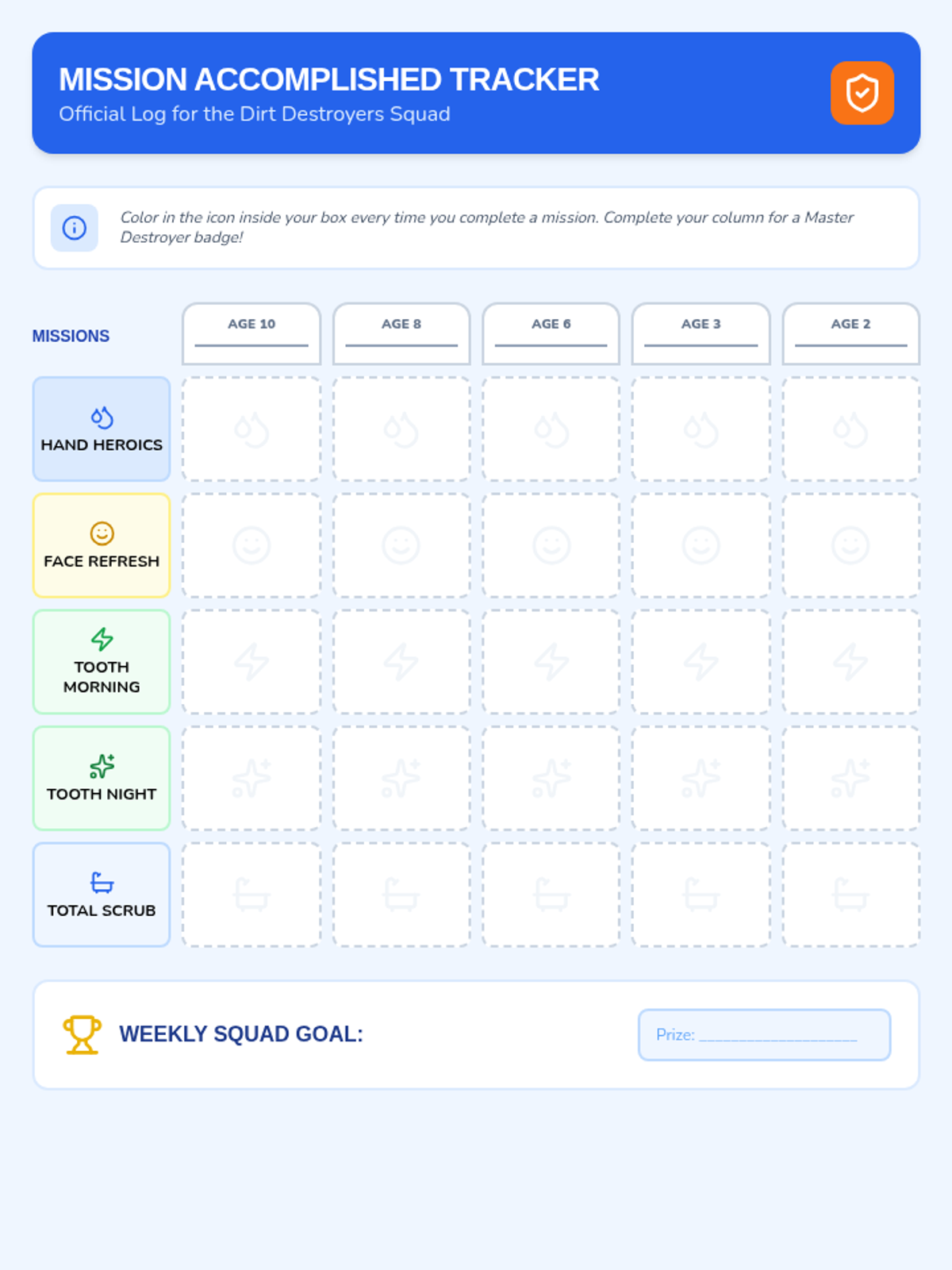
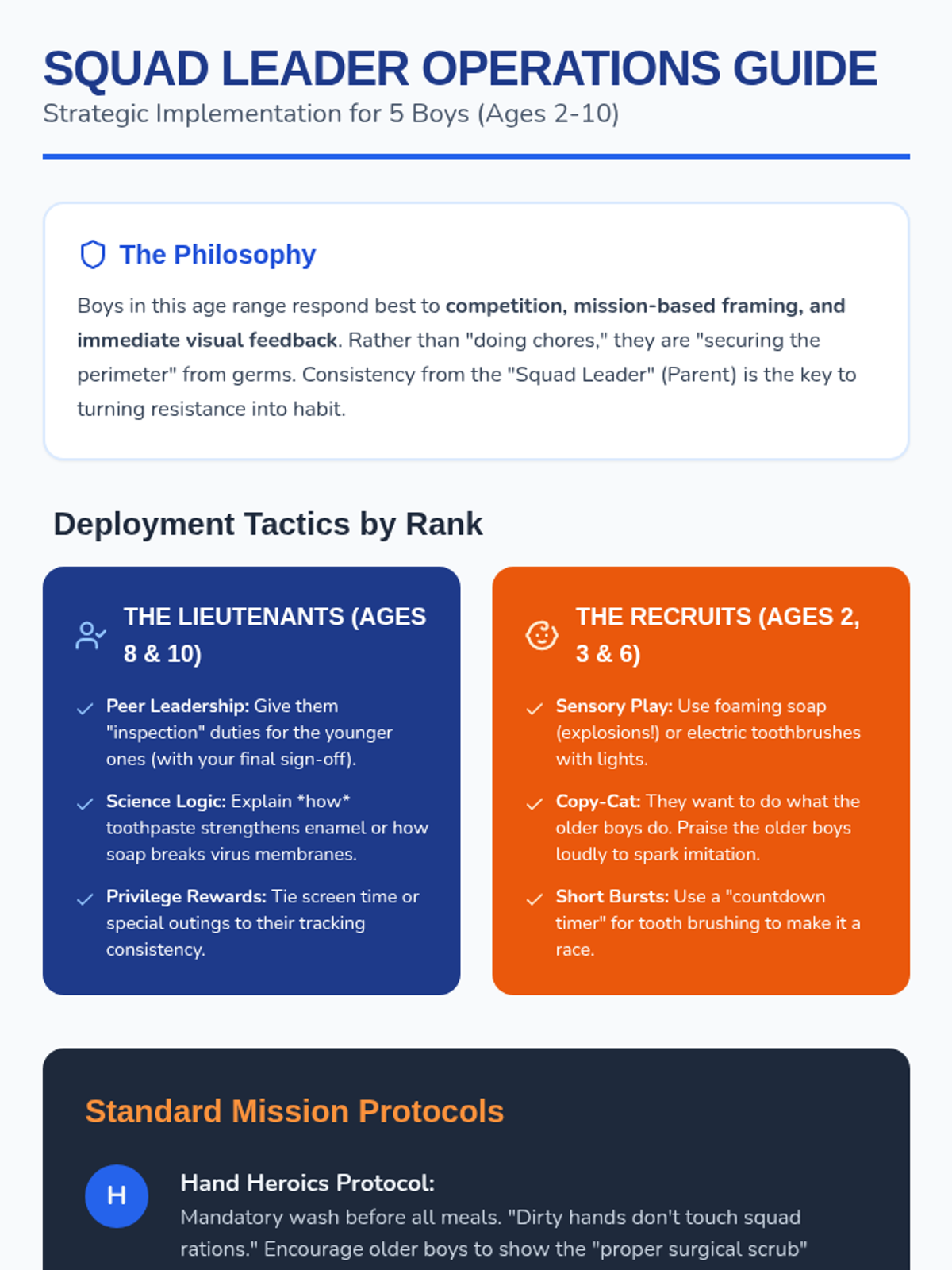
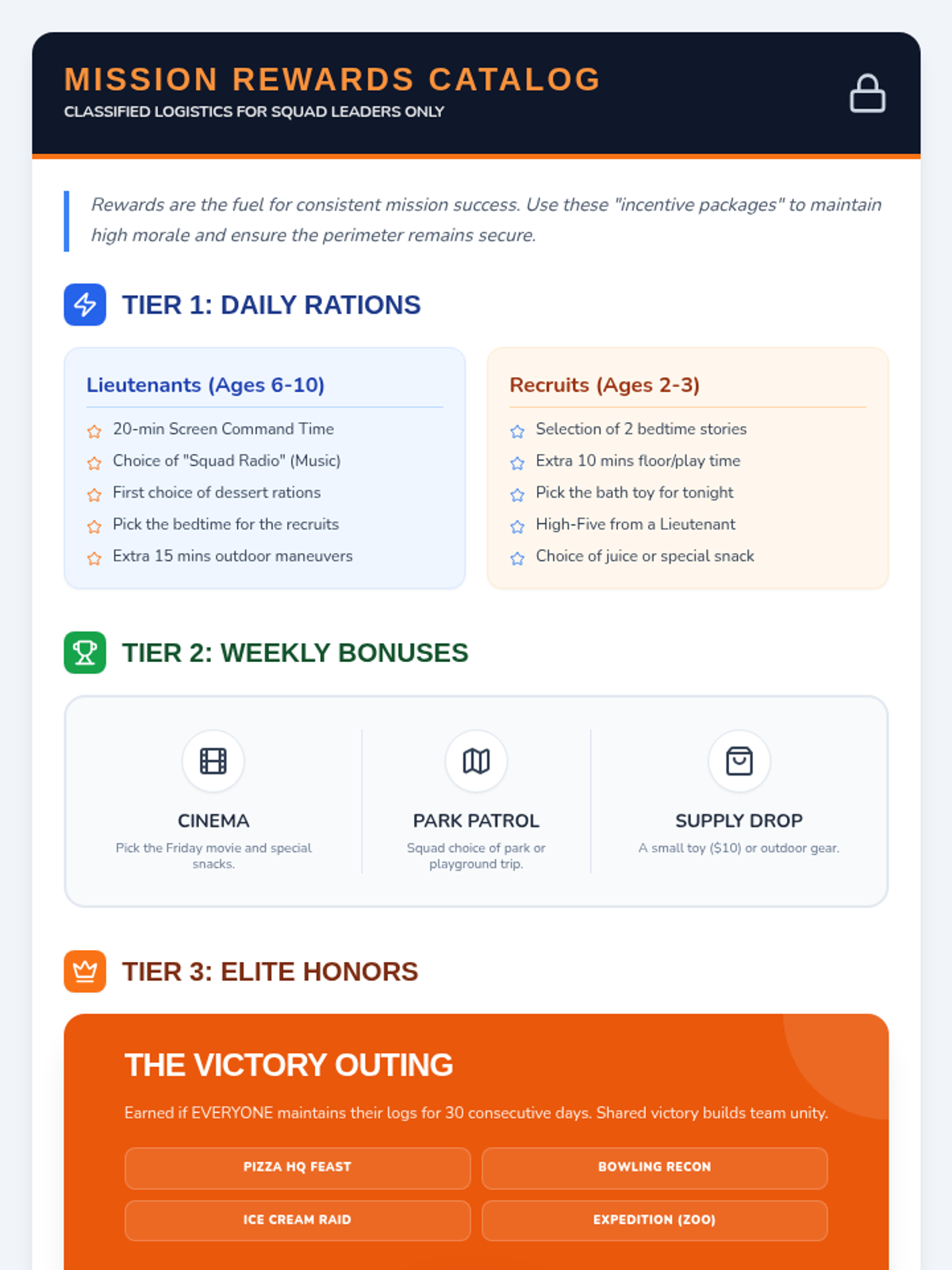
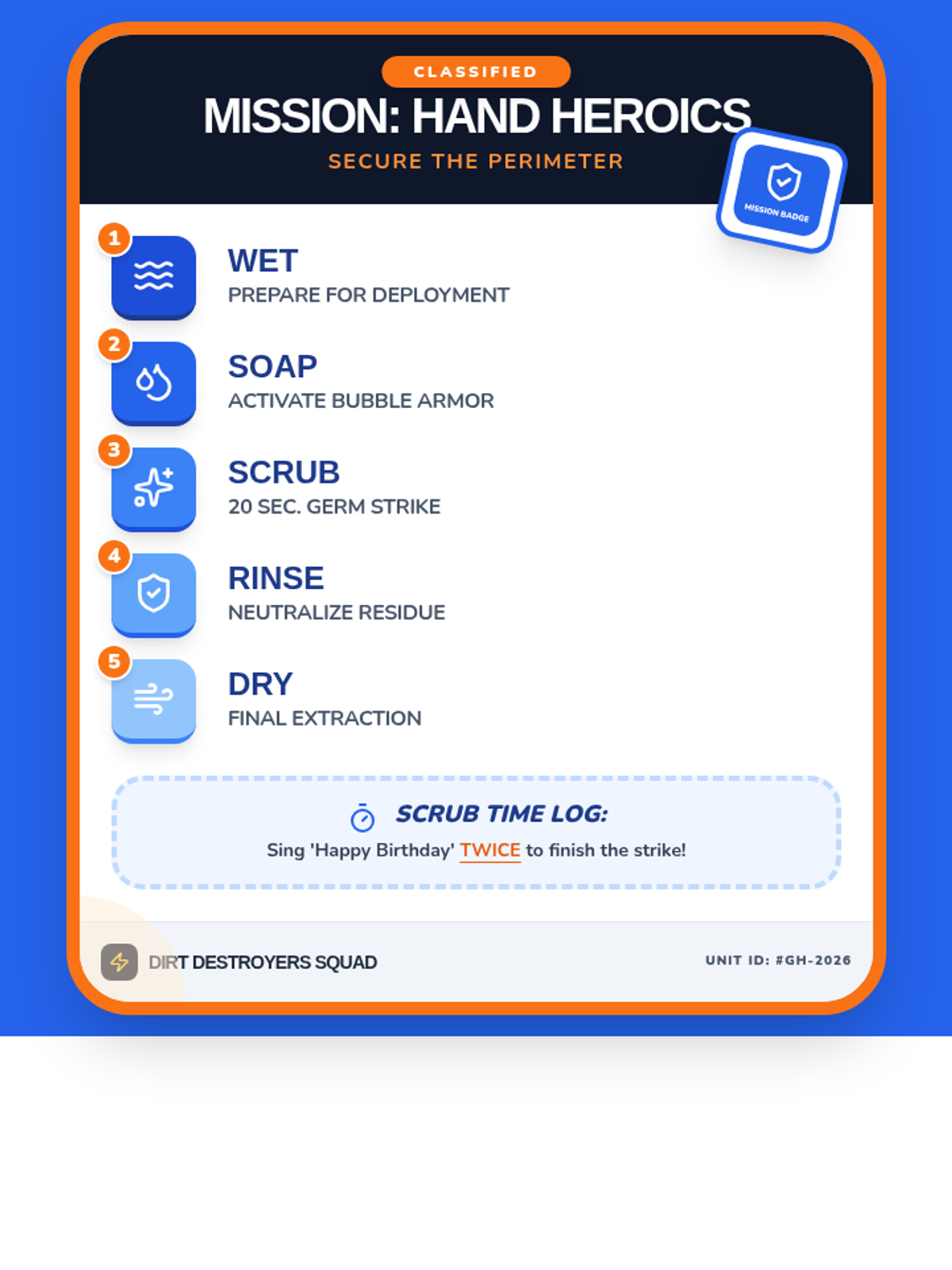
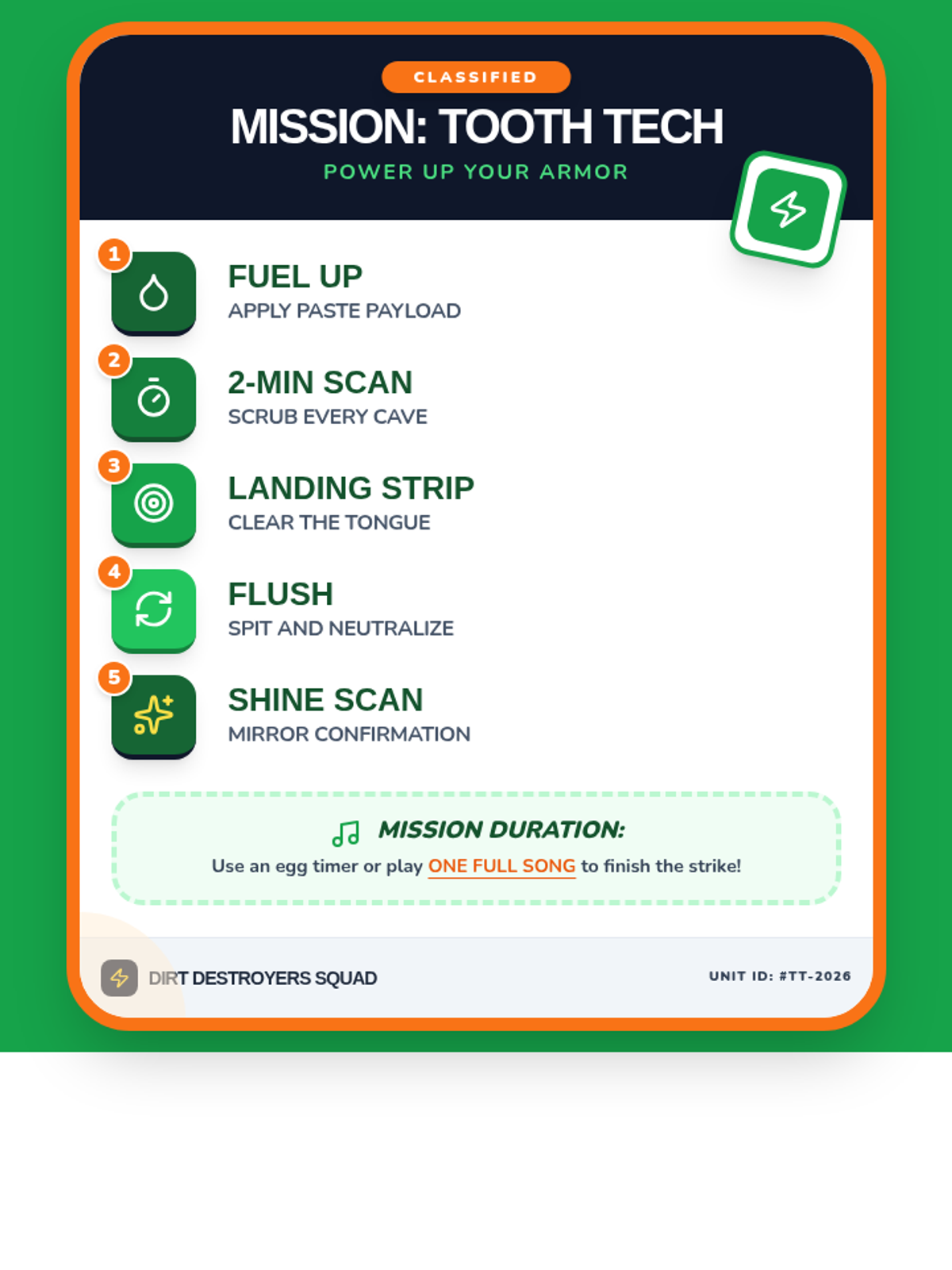
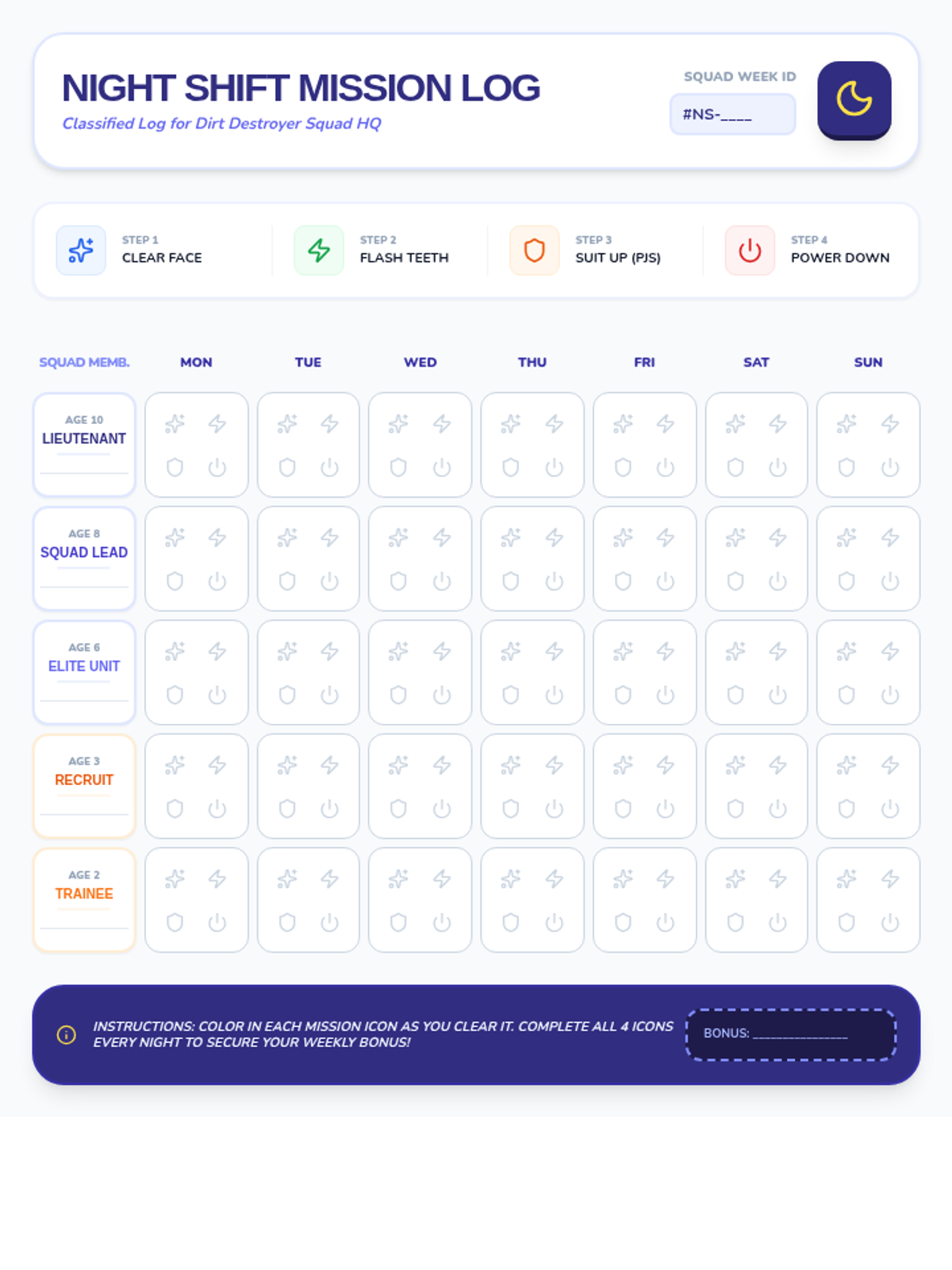
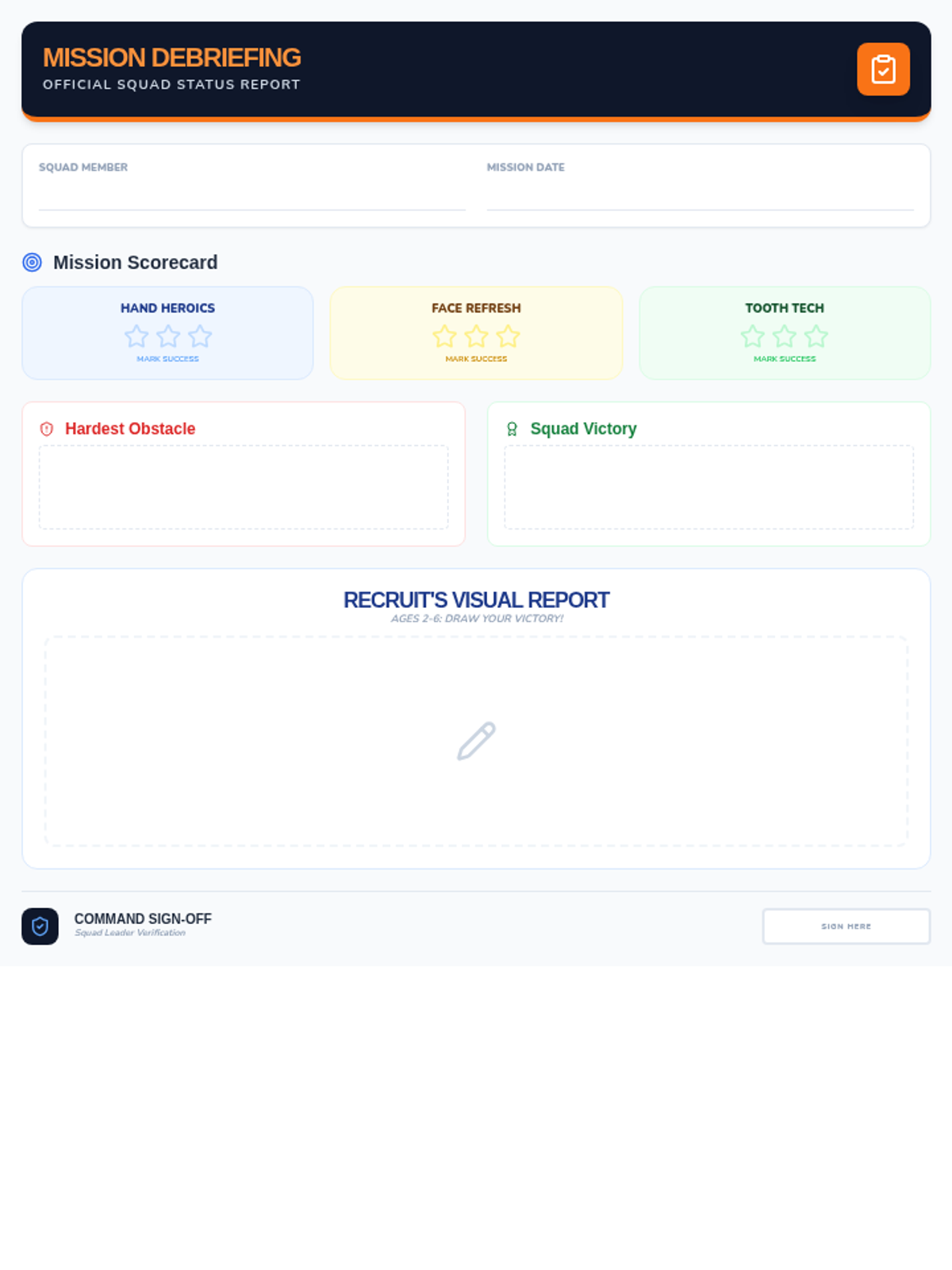
The introductory lesson for the Dirt Destroyers Squad, covering the 'why' of hygiene and the 'how' of daily missions. It includes visual presentations and tools for tracking success across the whole family.
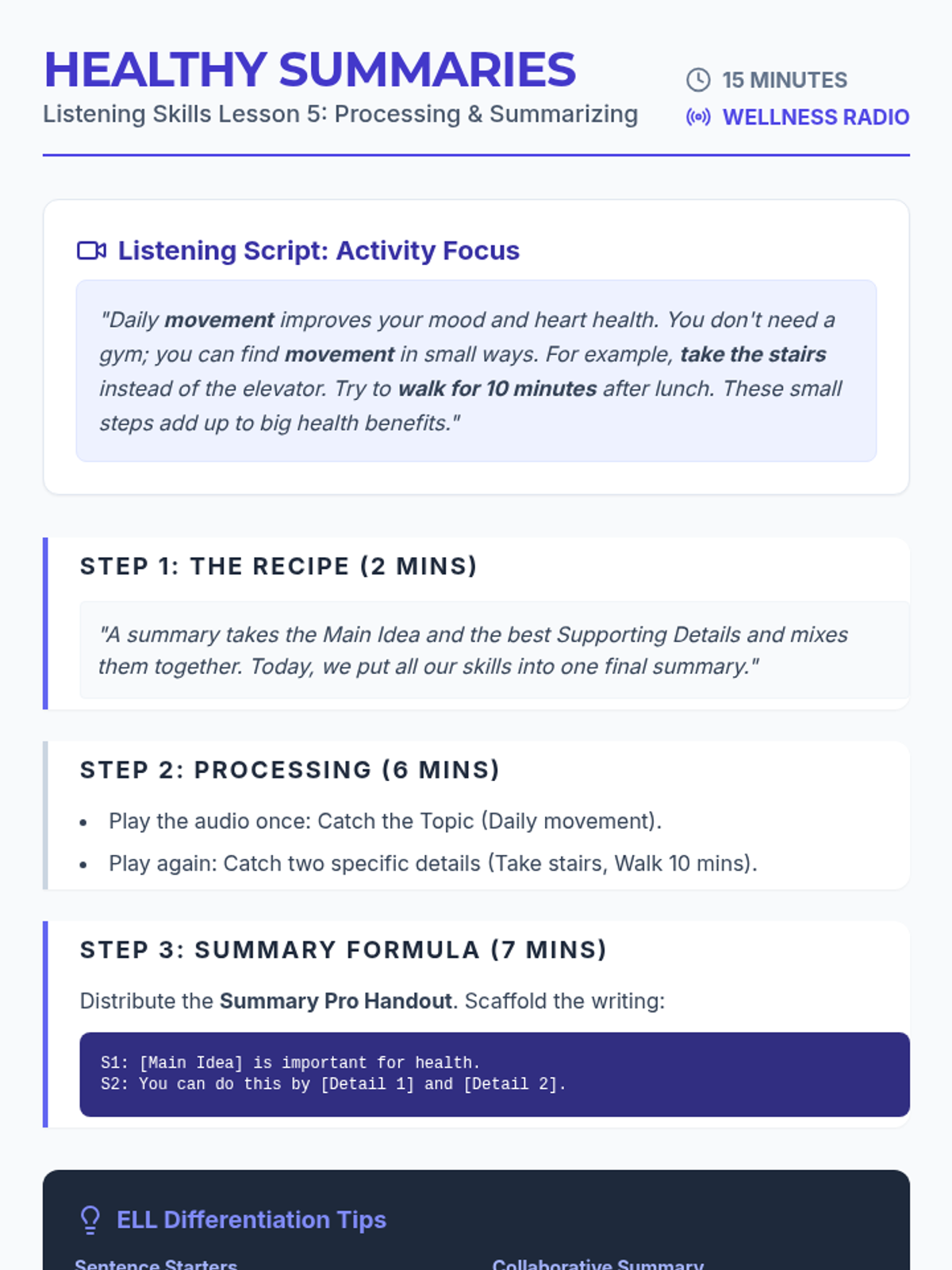
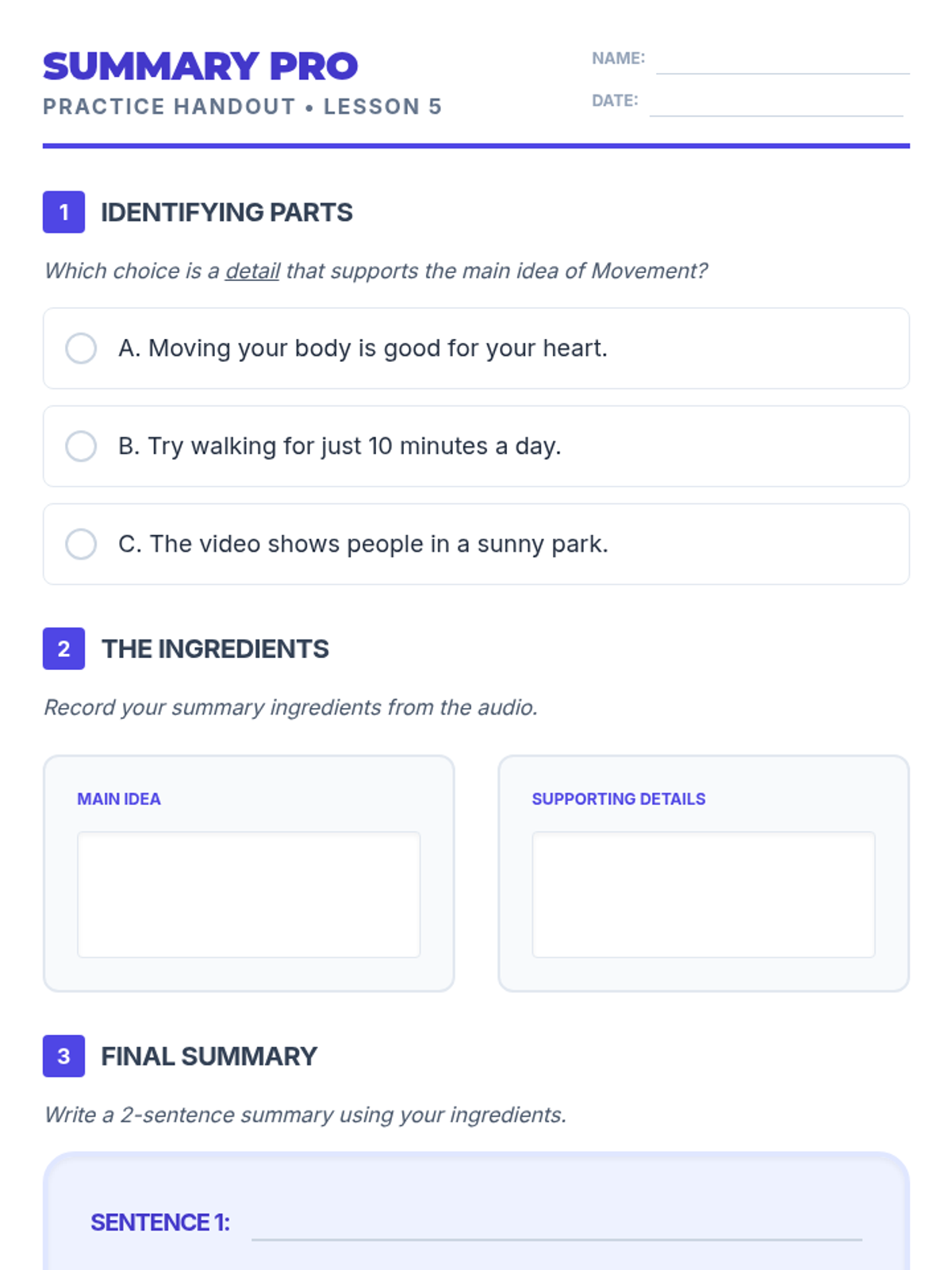
Students synthesize their listening skills to create a concise oral or written summary of a wellness tip about physical activity.
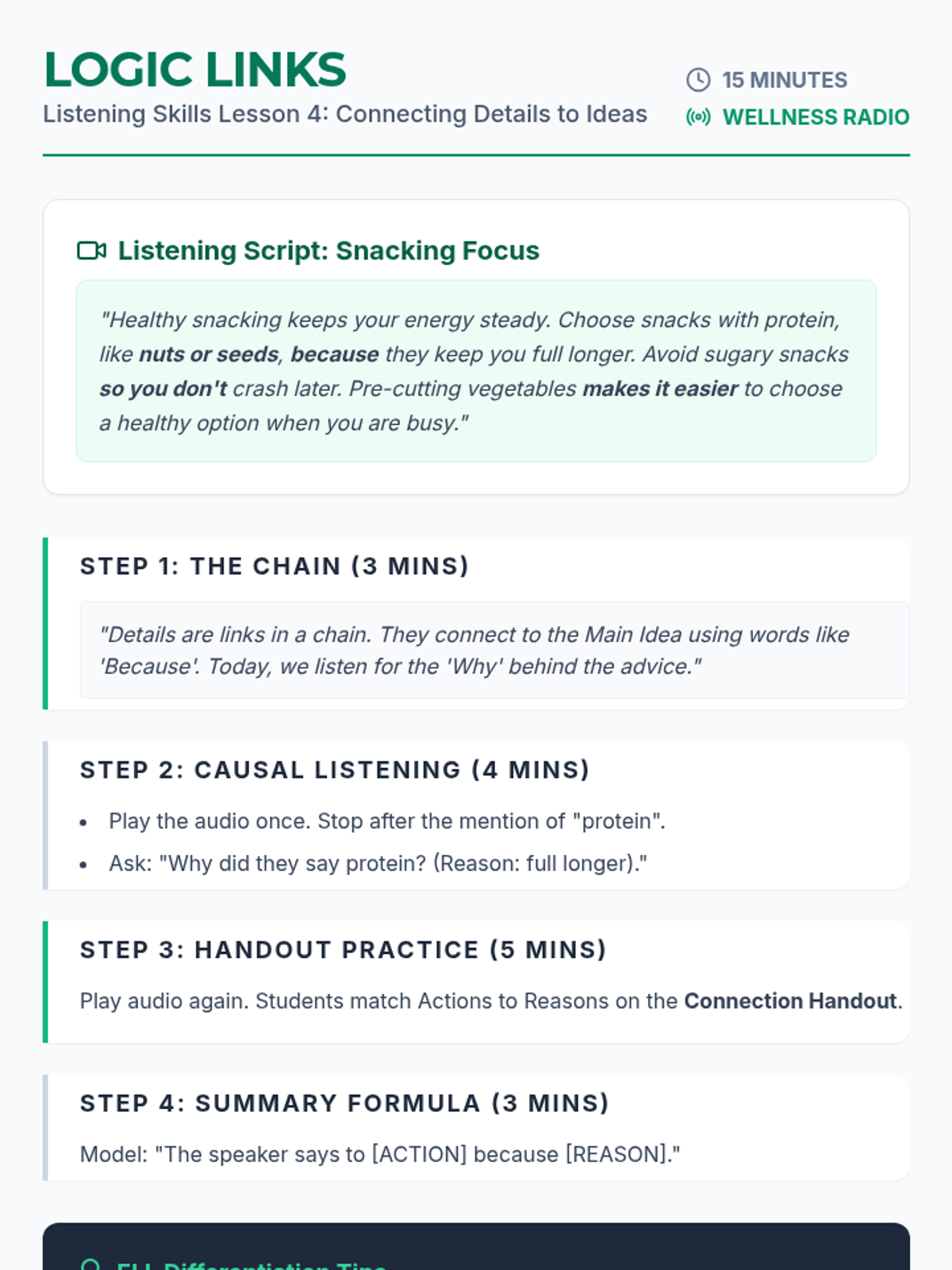
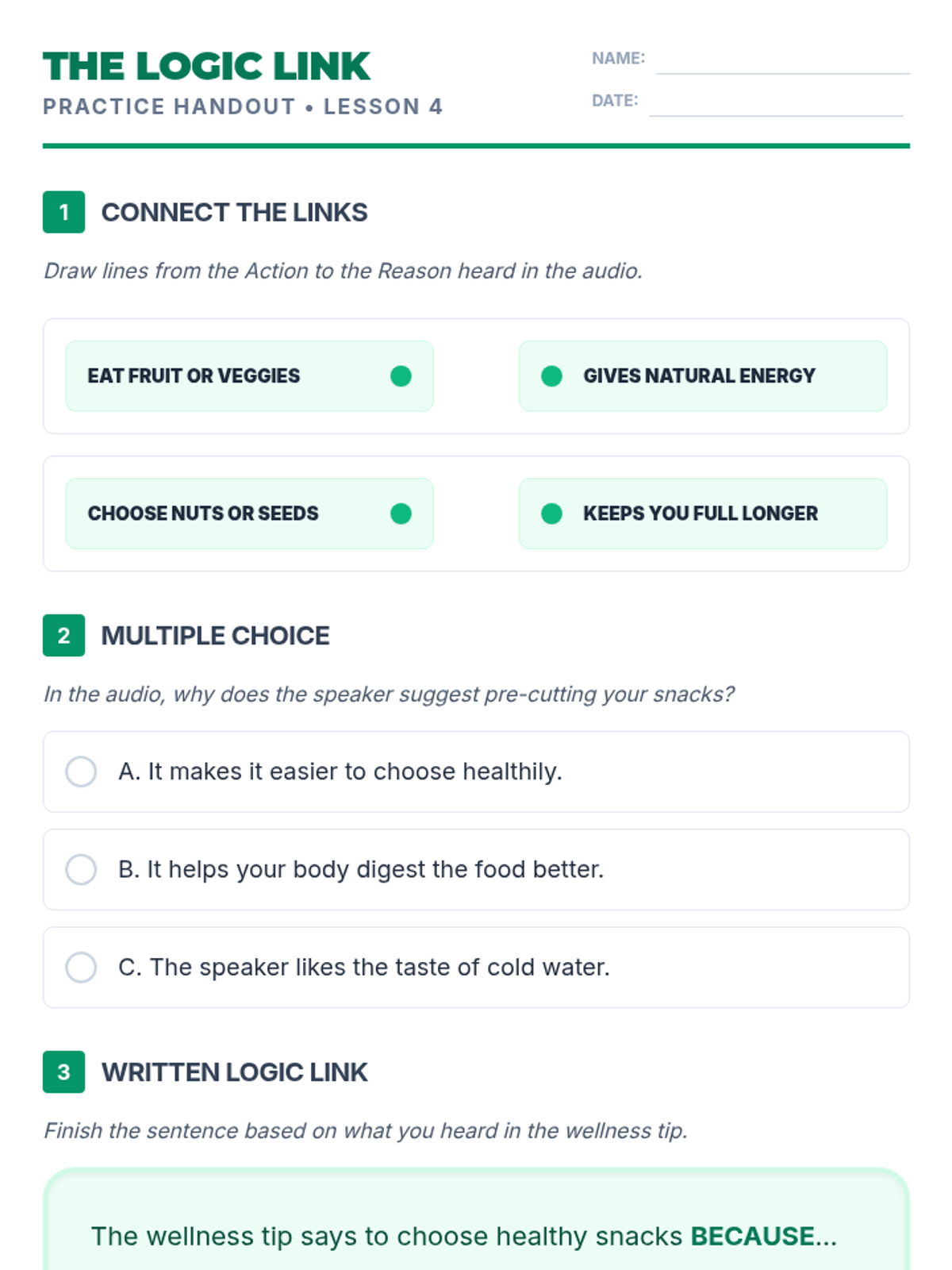
Students explore the logical connections between a health recommendation and its supporting evidence in a tip about healthy snacking.
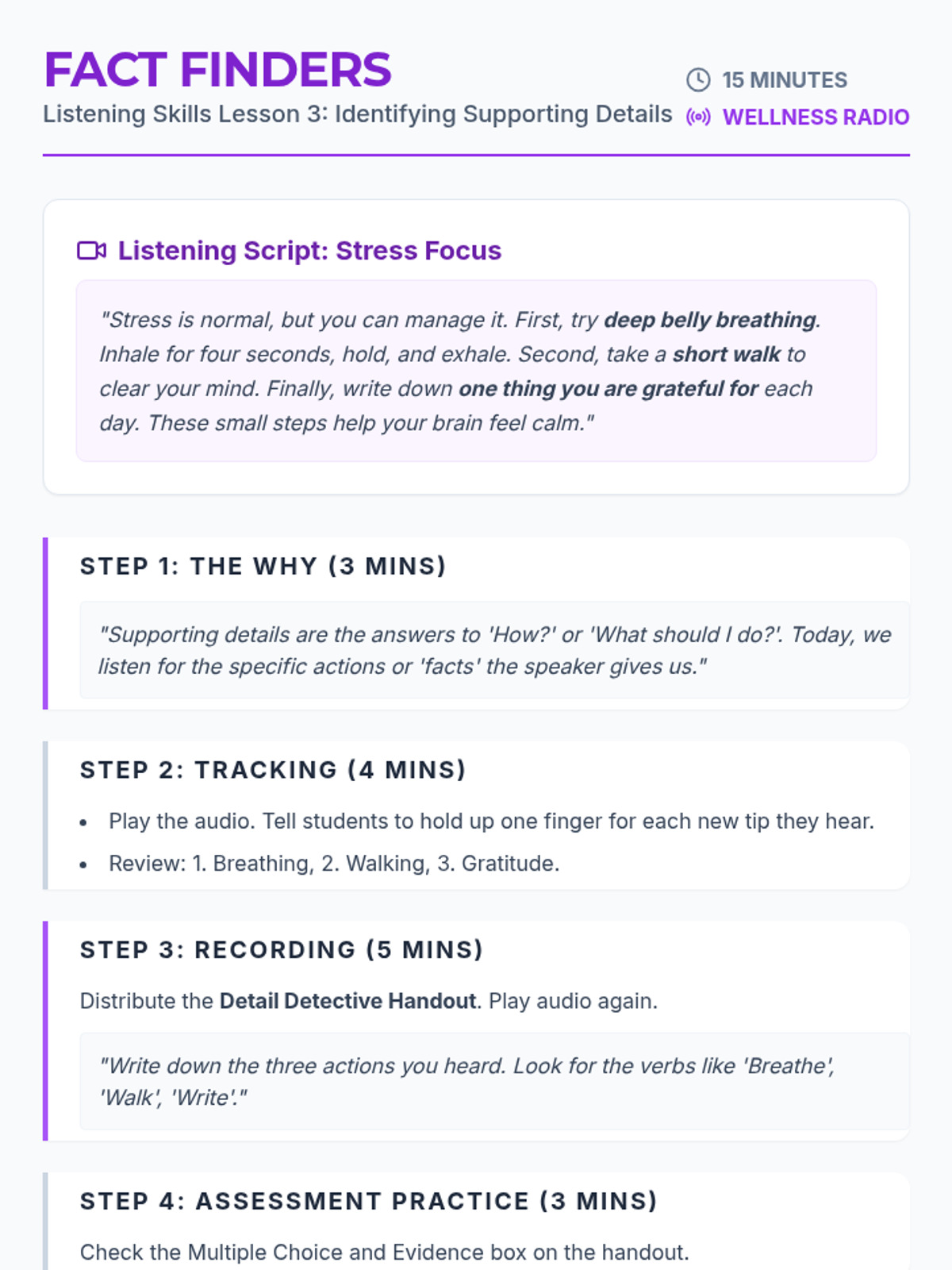
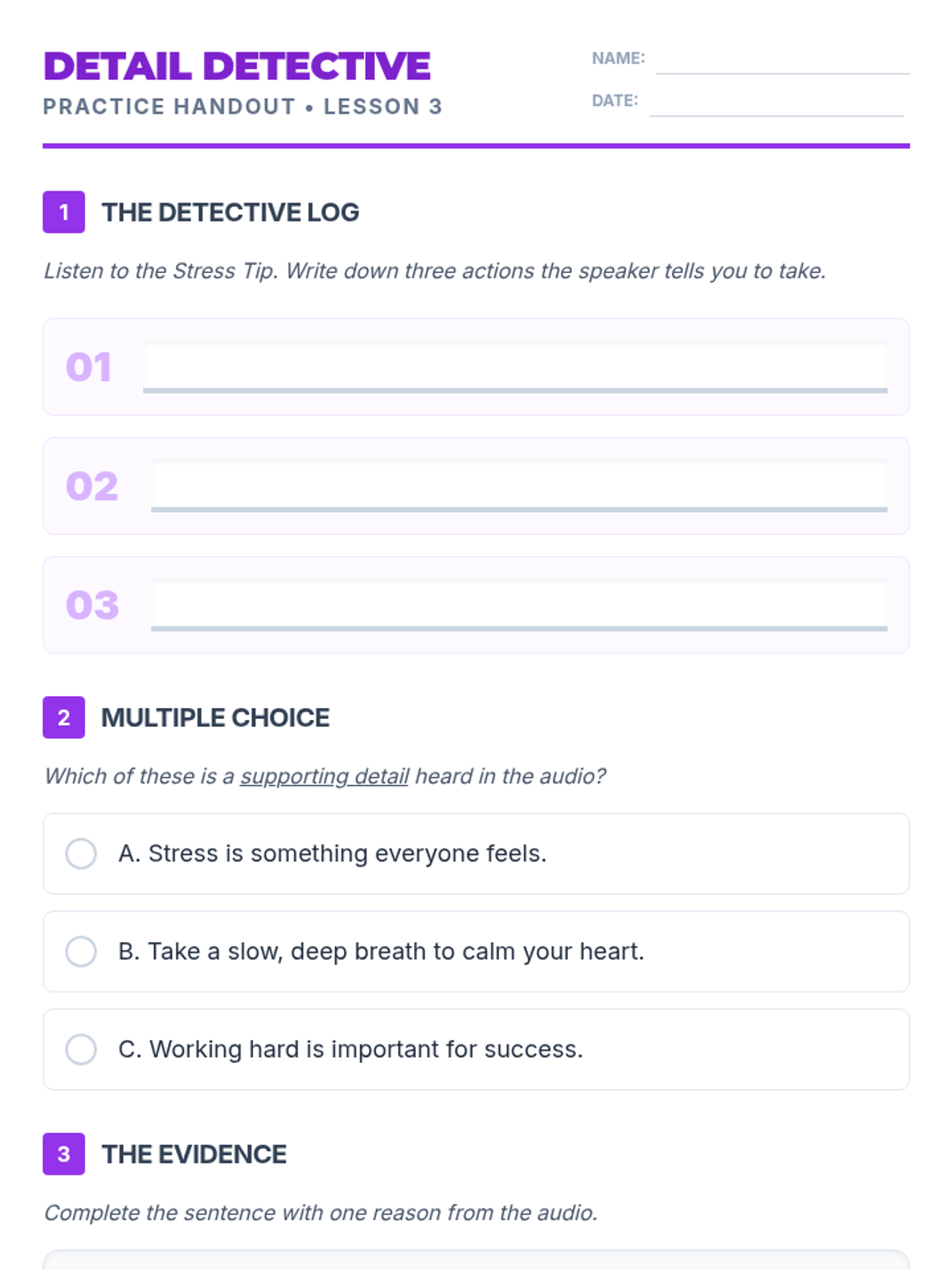
Students practice identifying multiple supporting details that answer 'how' or 'why' regarding stress management techniques.
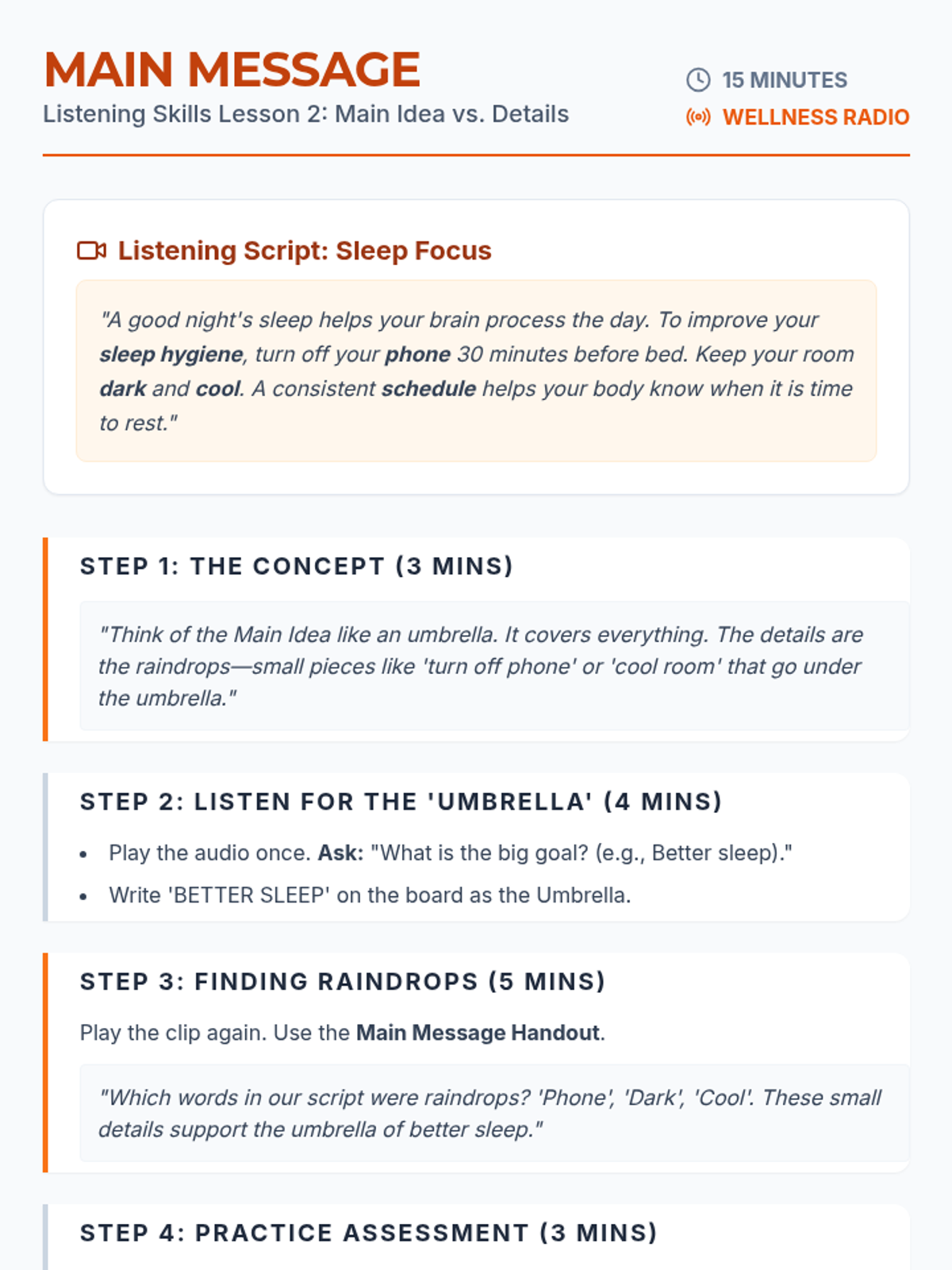
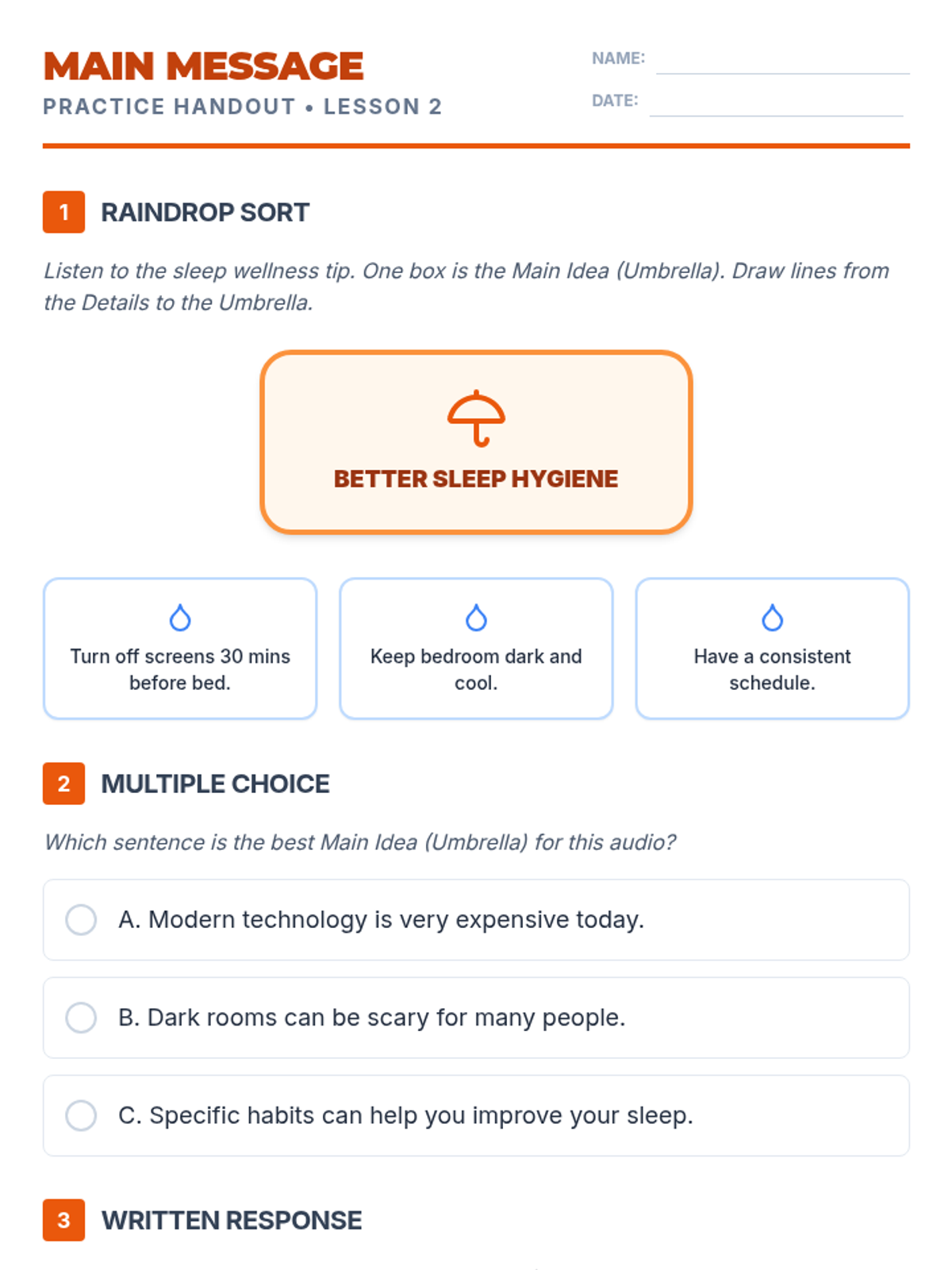
Students learn to differentiate between the overarching topic (Main Idea) and the specific examples (Details) in a tip about sleep hygiene.
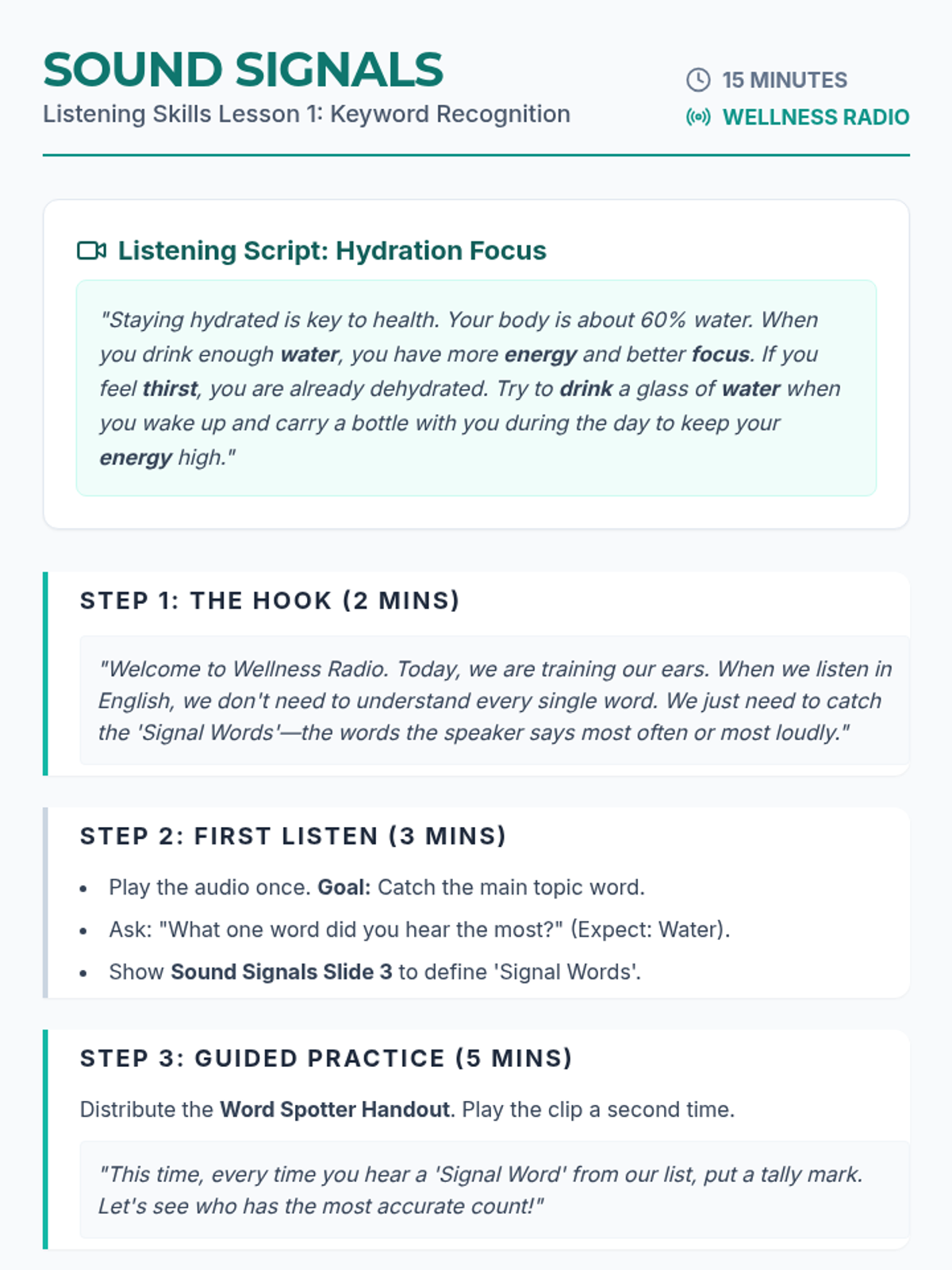
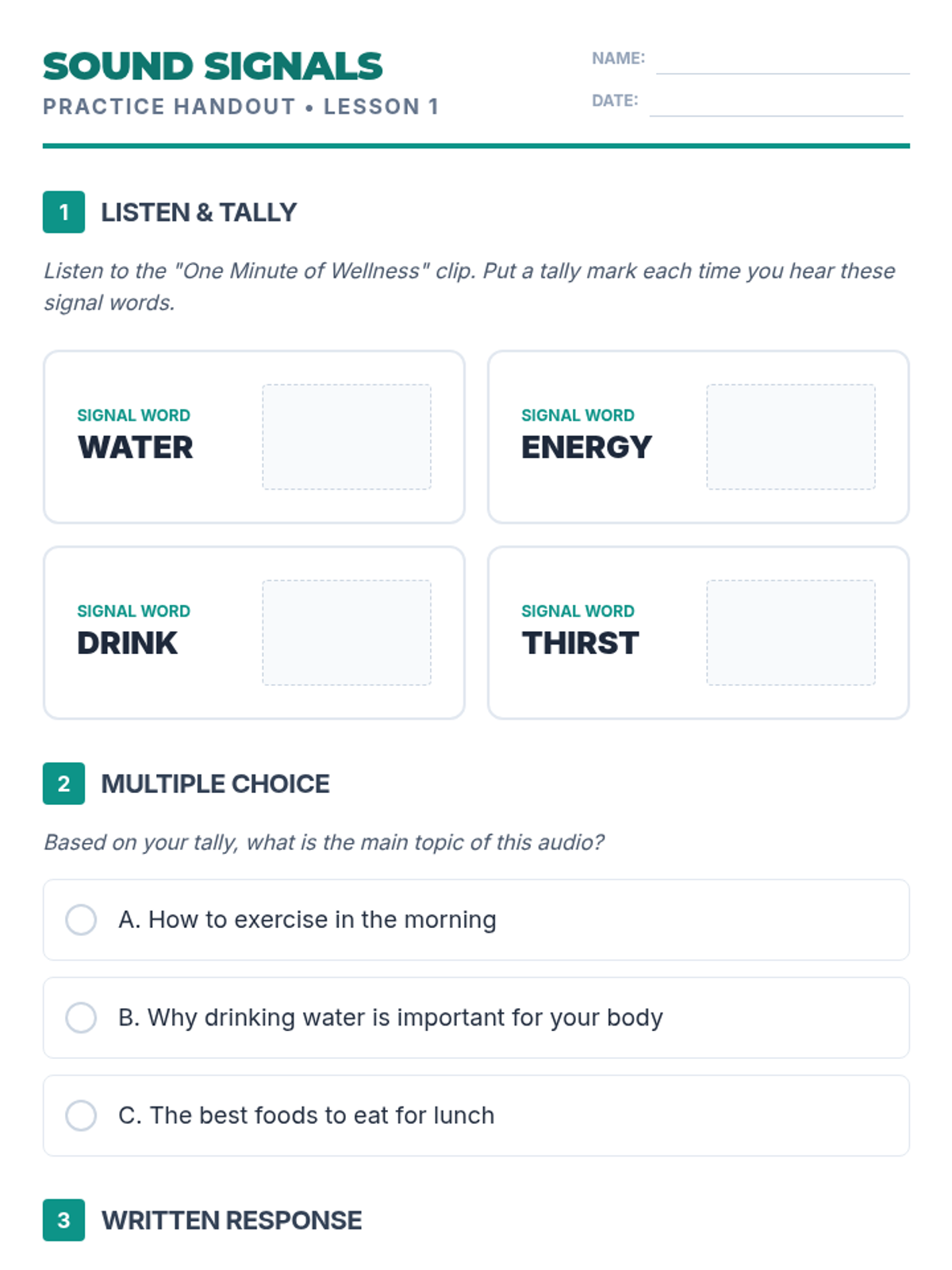
Students focus on 'listening for signals'—identifying specific keywords and vocabulary words in a 60-second wellness tip about hydration.
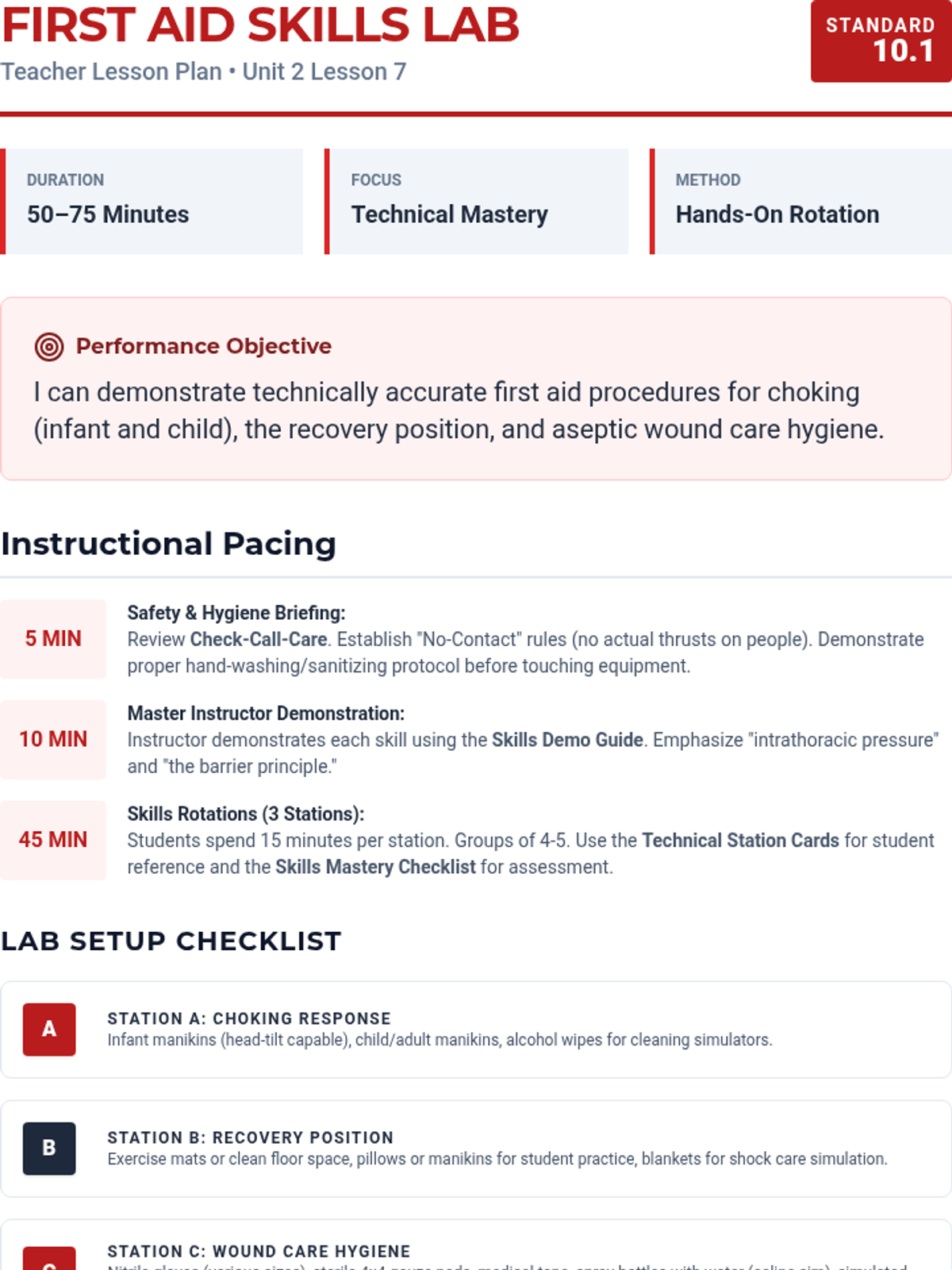
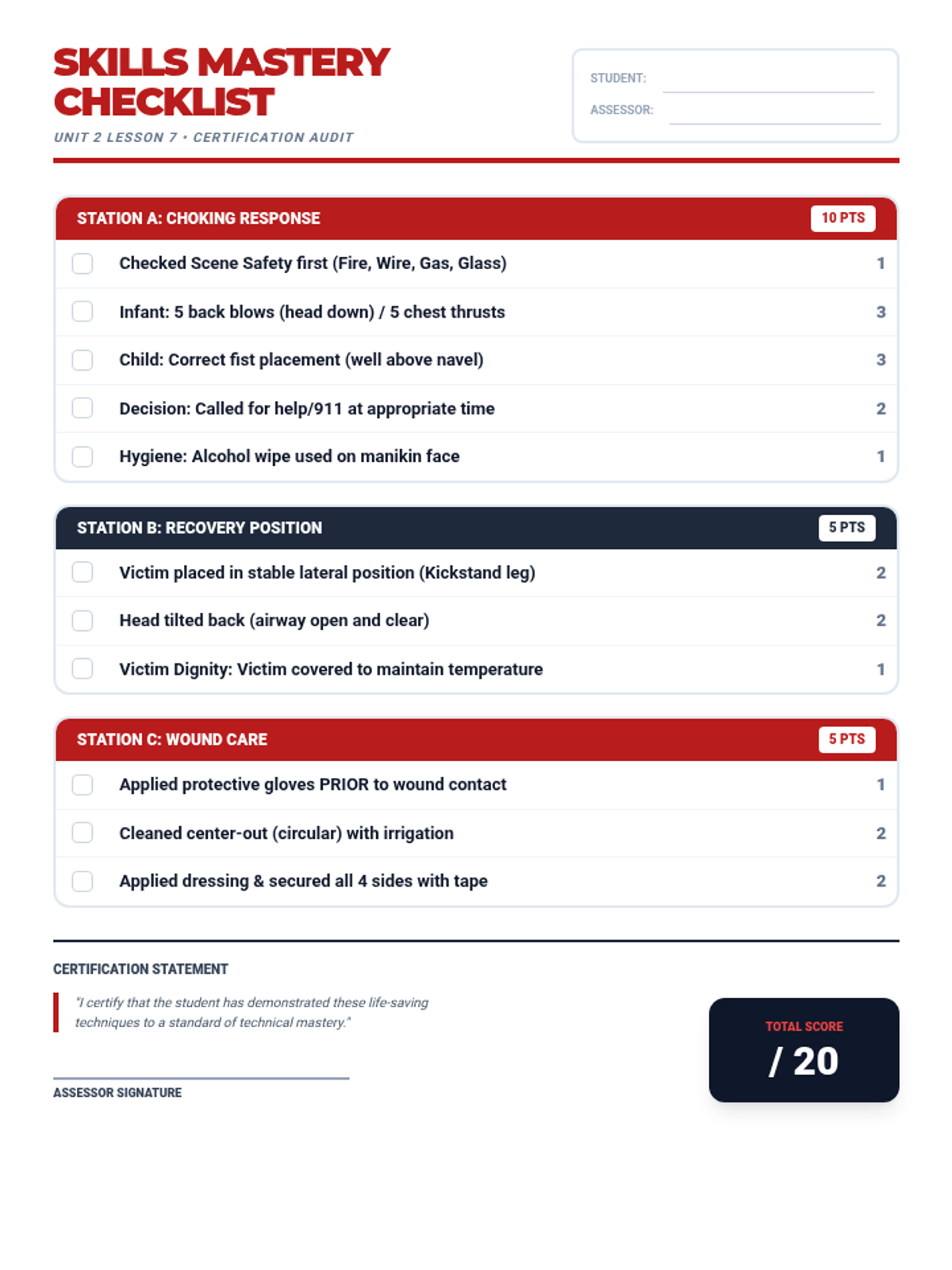
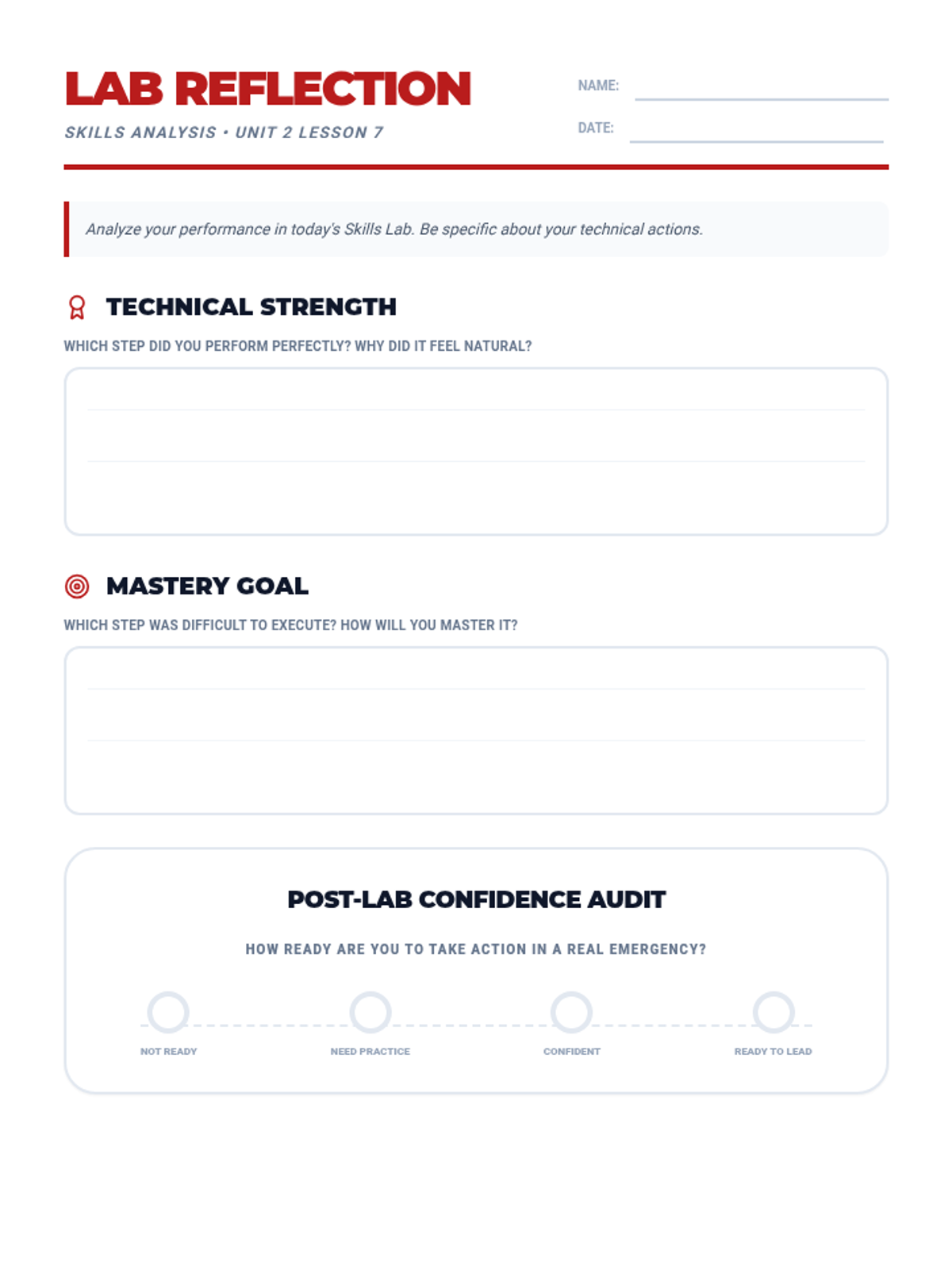
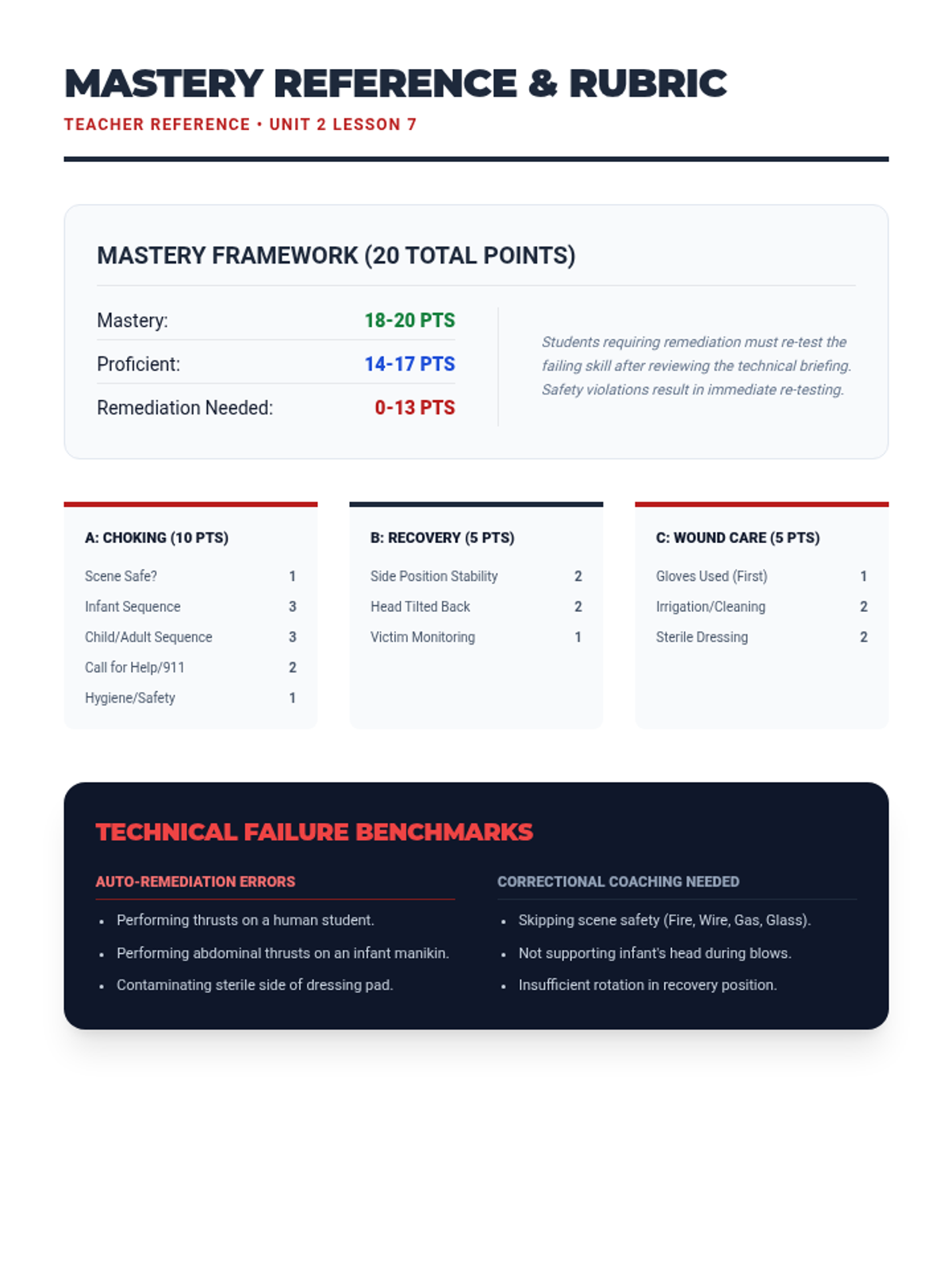
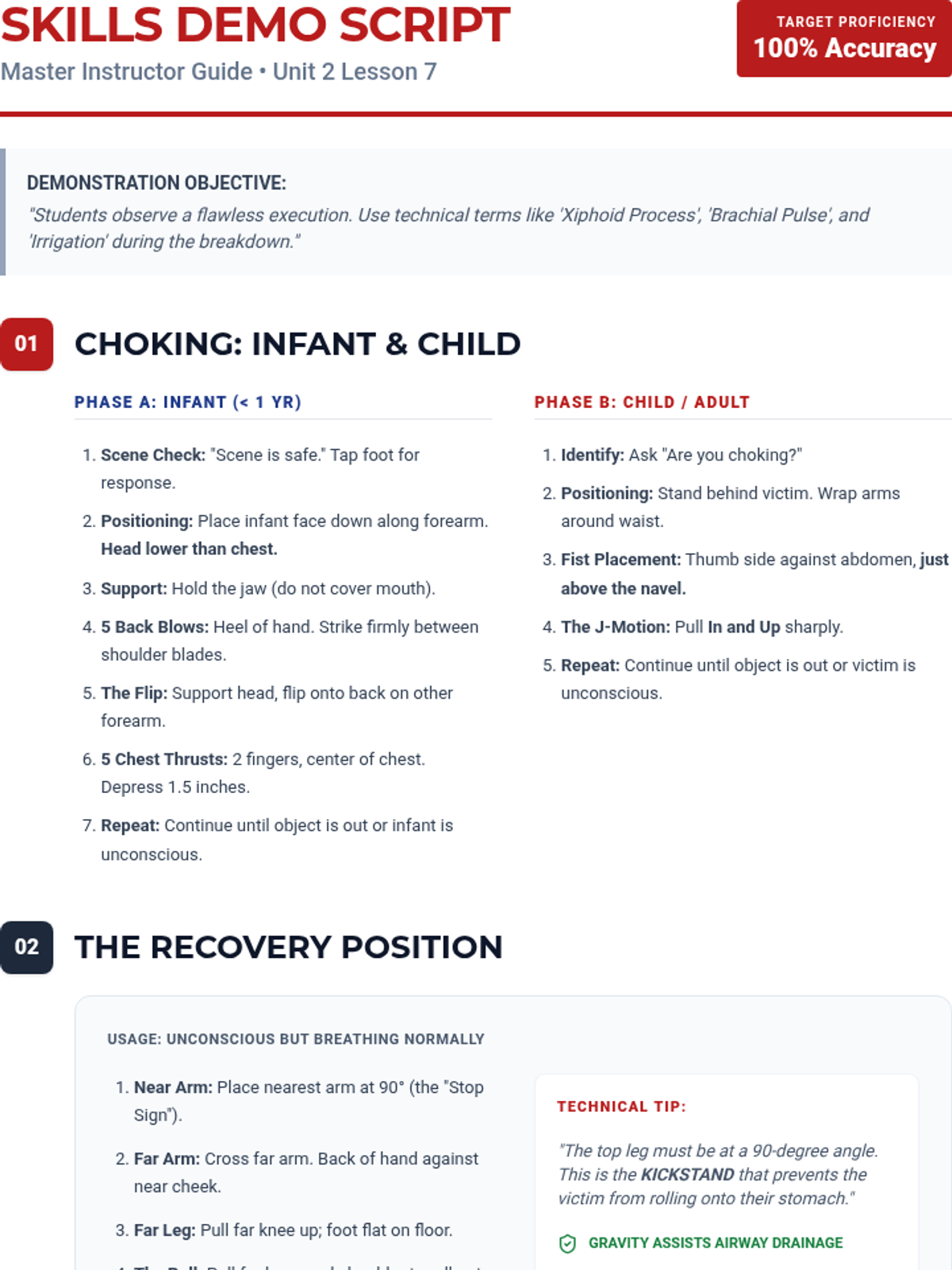
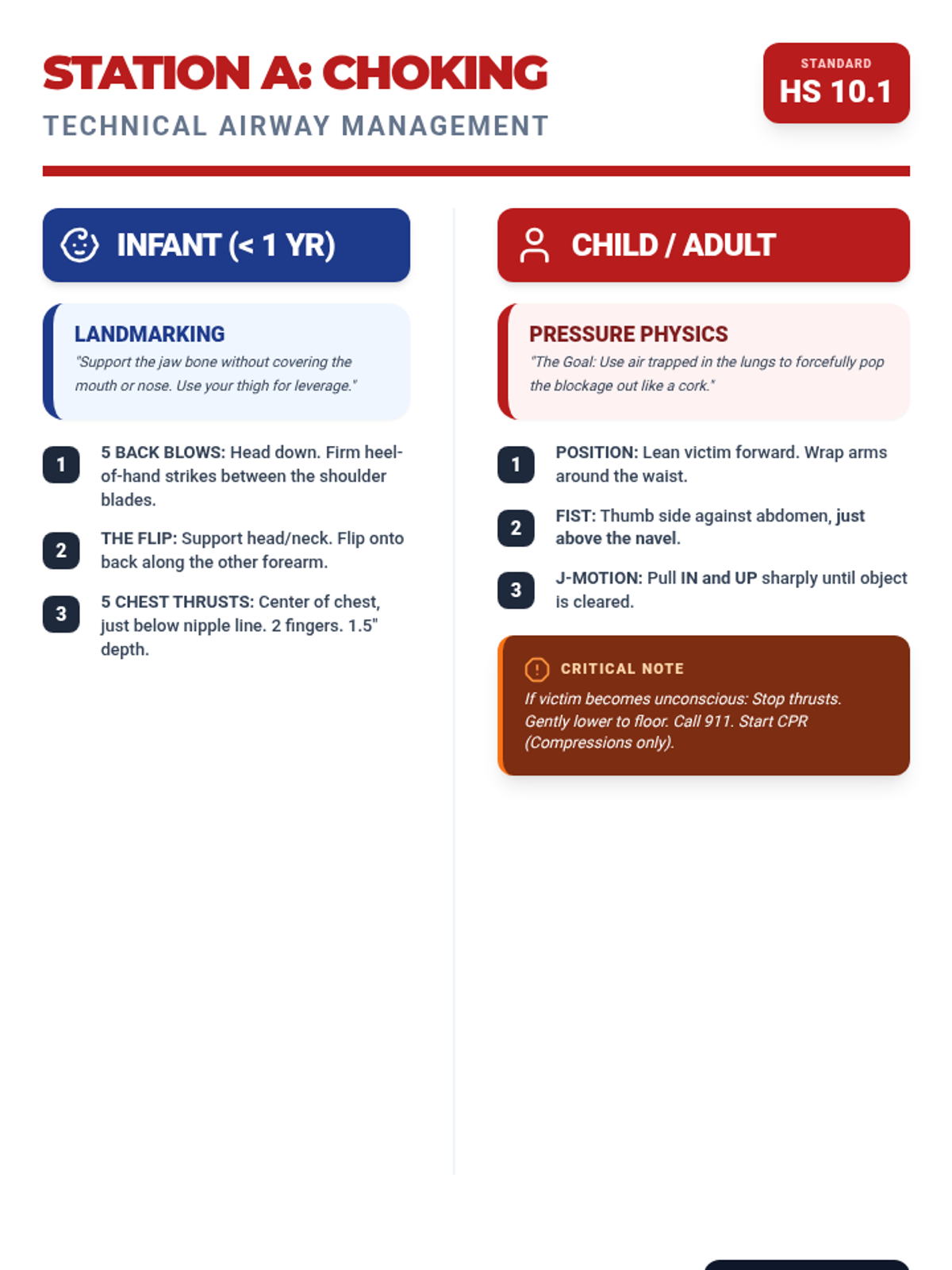
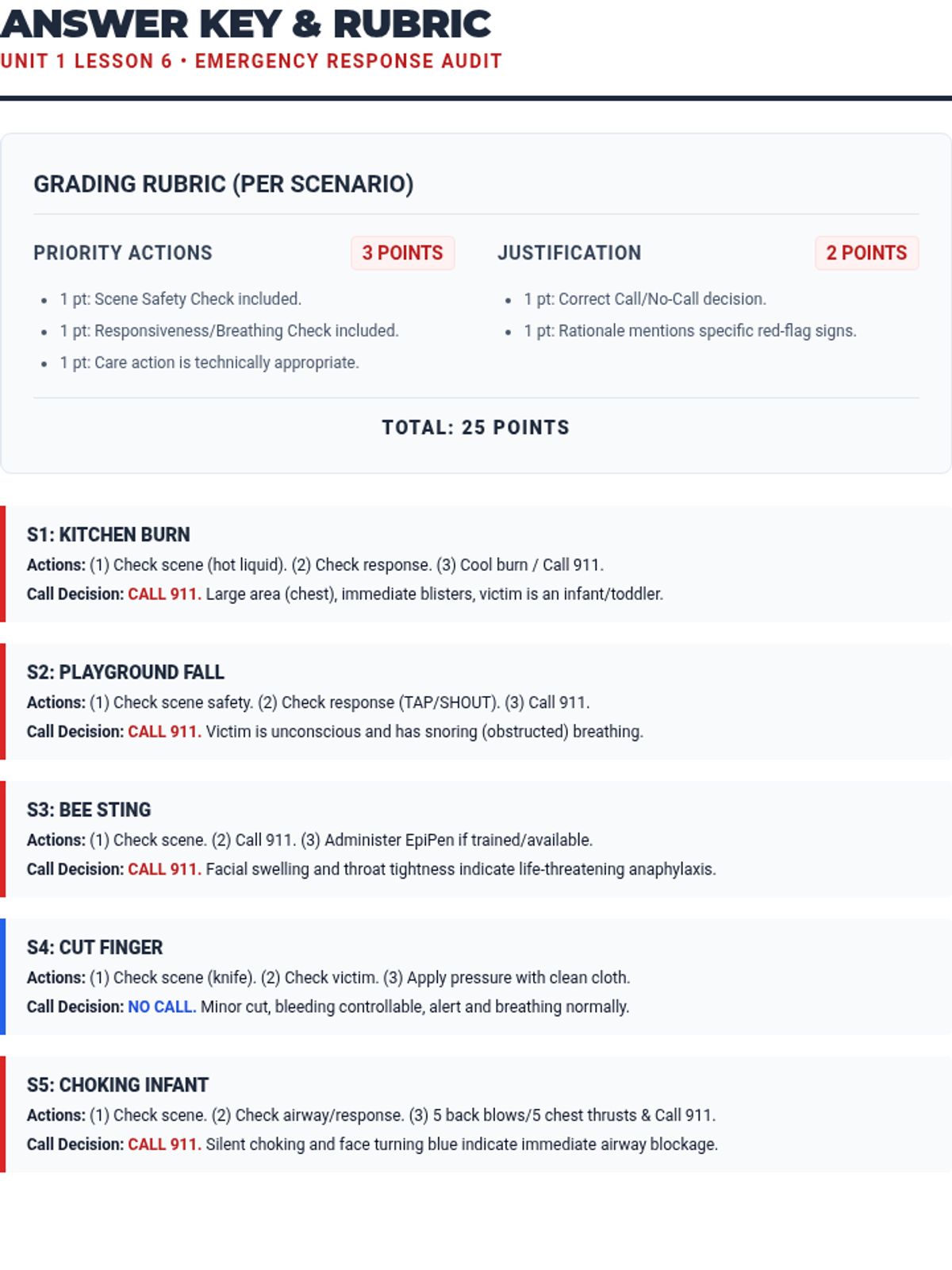
A hands-on skills lab where students demonstrate life-saving first aid techniques, including choking response for infants and children, the recovery position, and technical wound care hygiene.
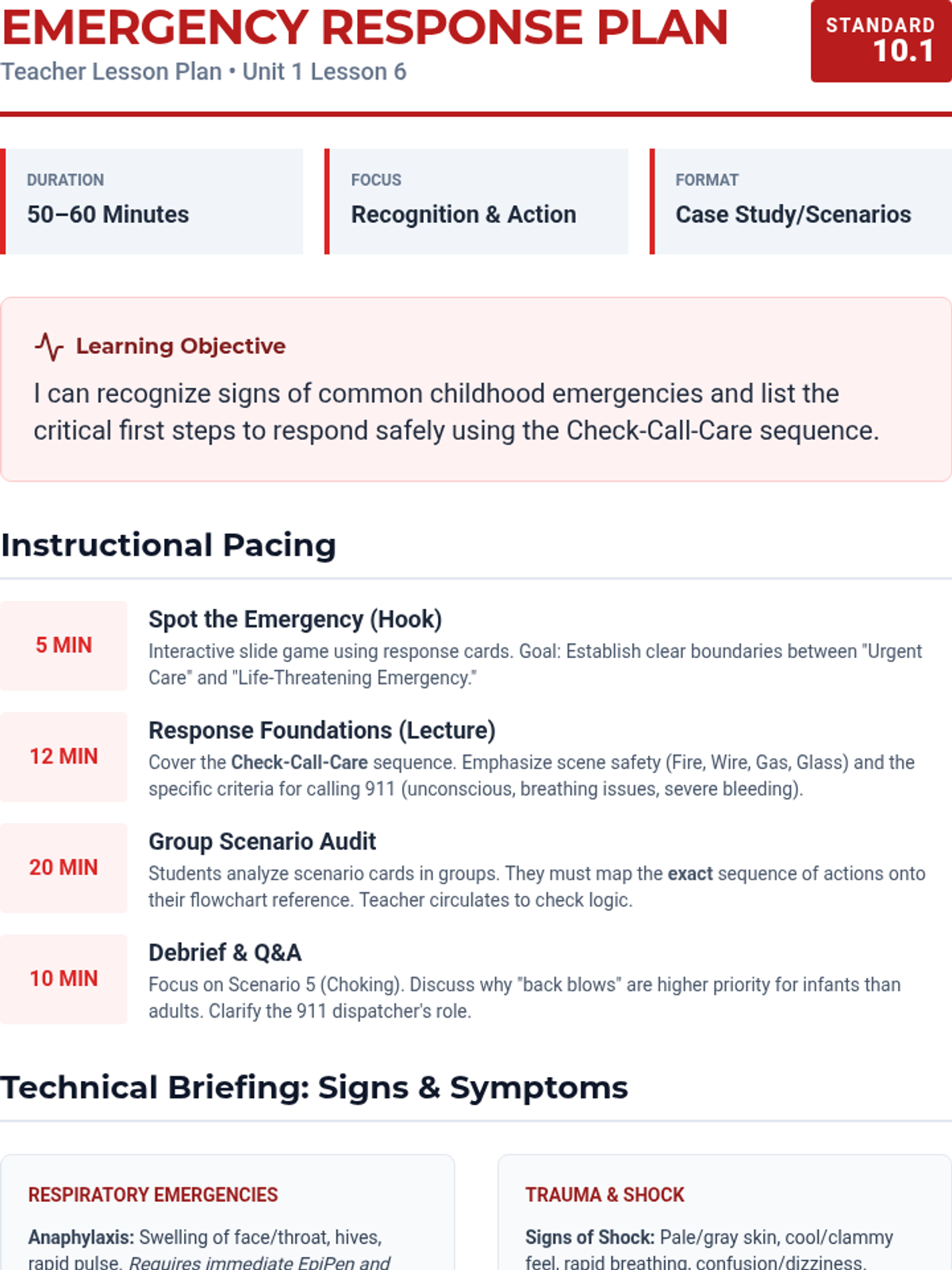
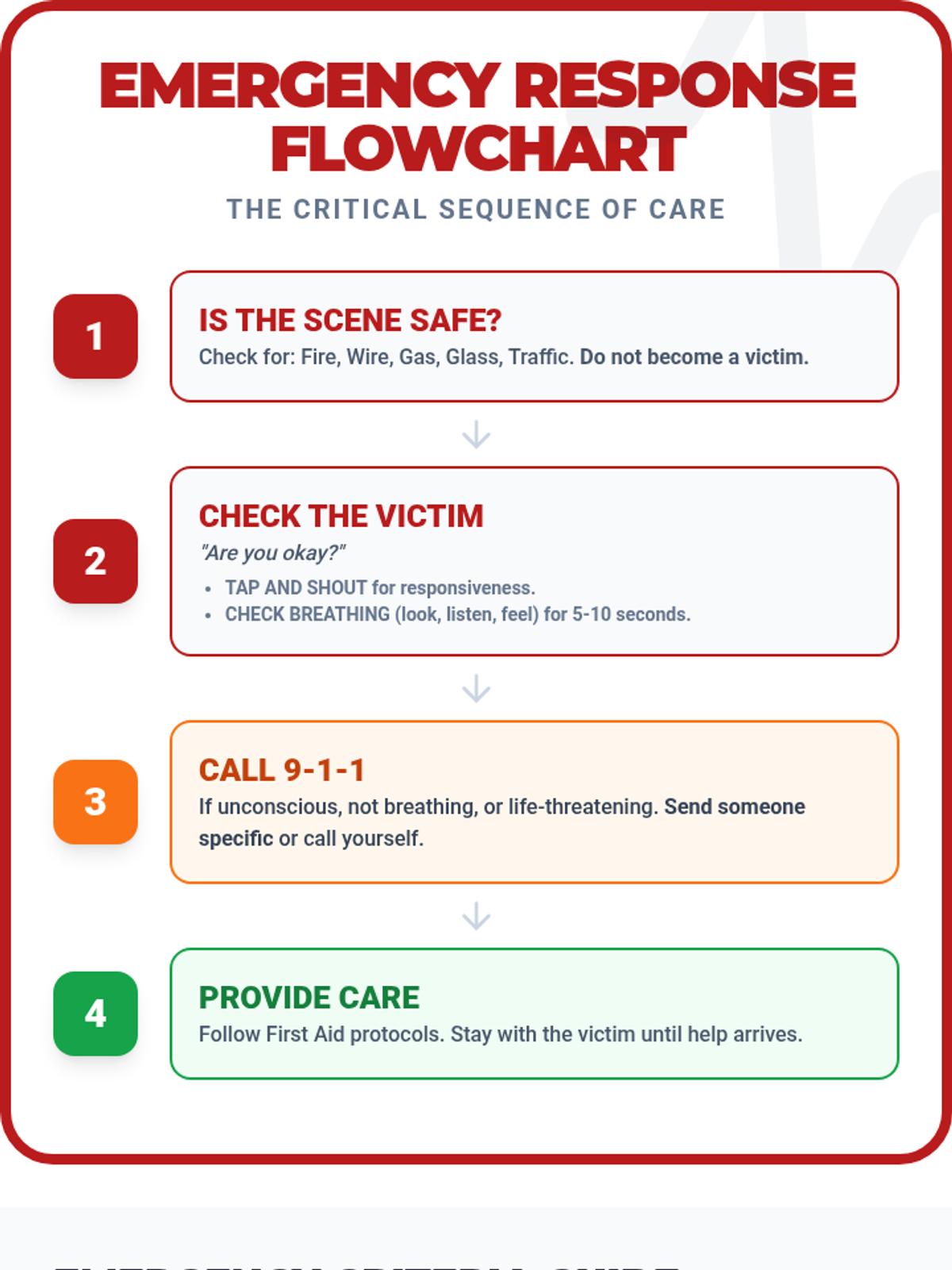
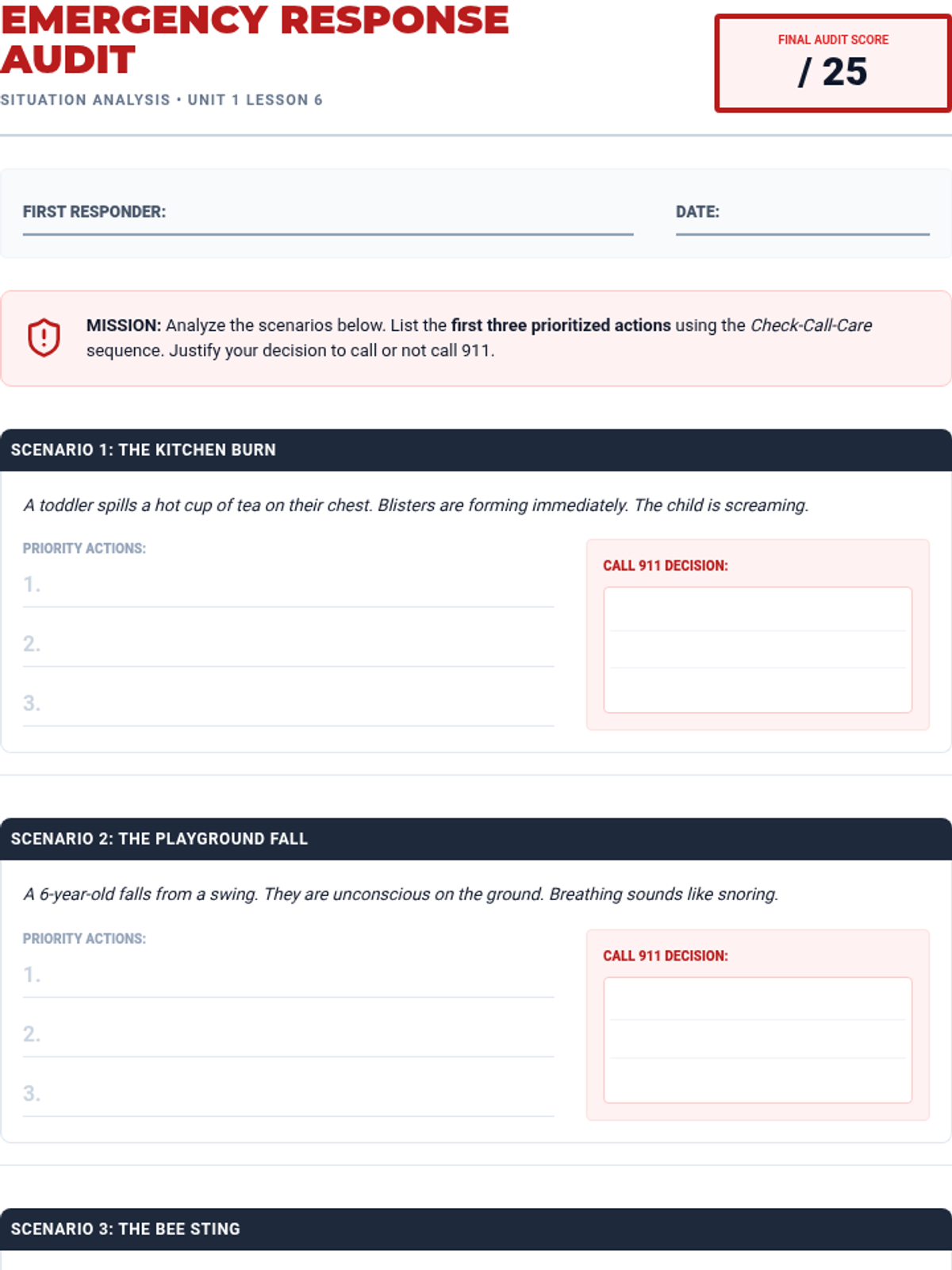
Students learn the foundational principles of emergency recognition and response, focusing on the assessment sequence (Scene Safety, Check-Call-Care) and identifying specific childhood emergencies.
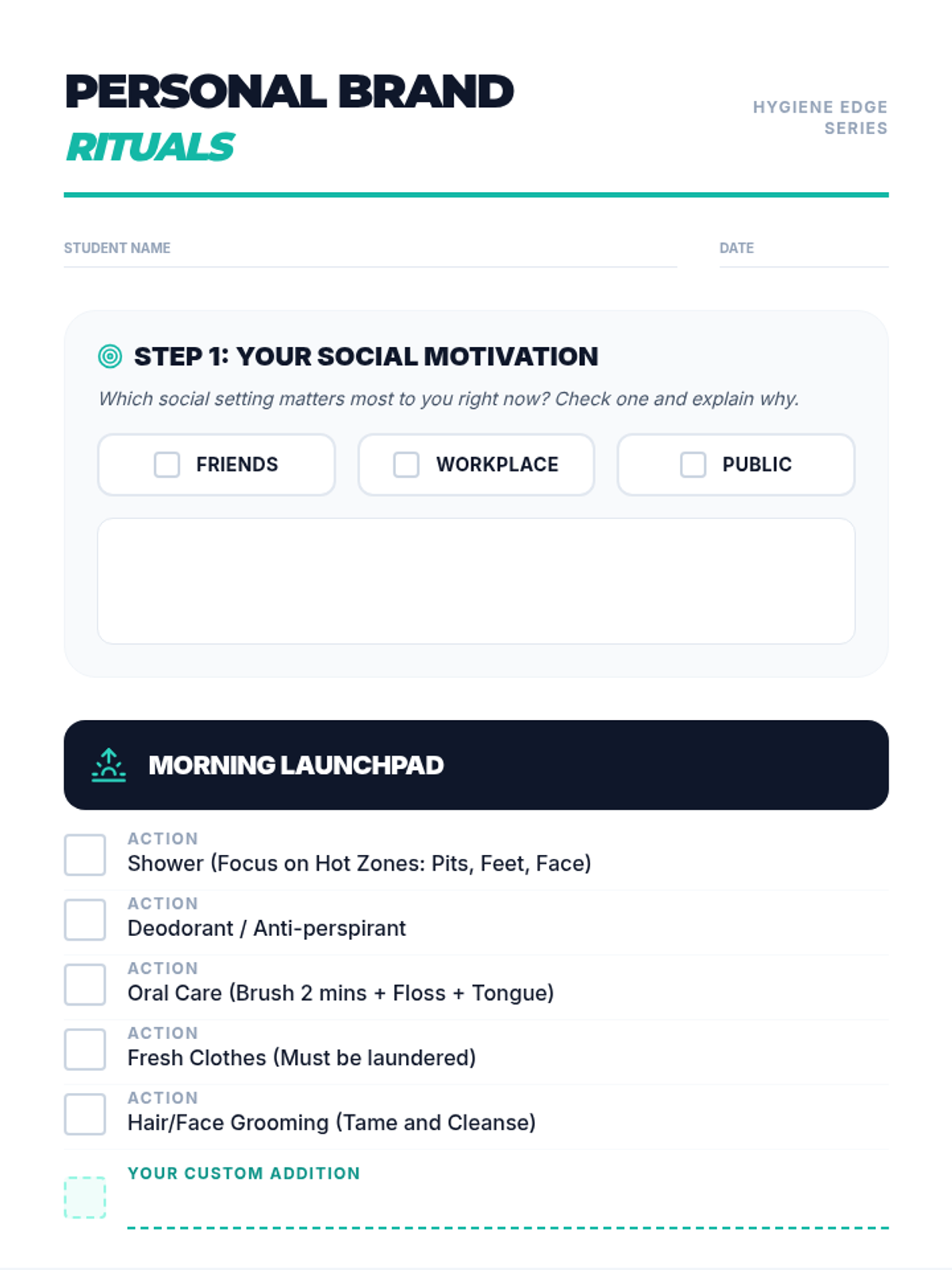
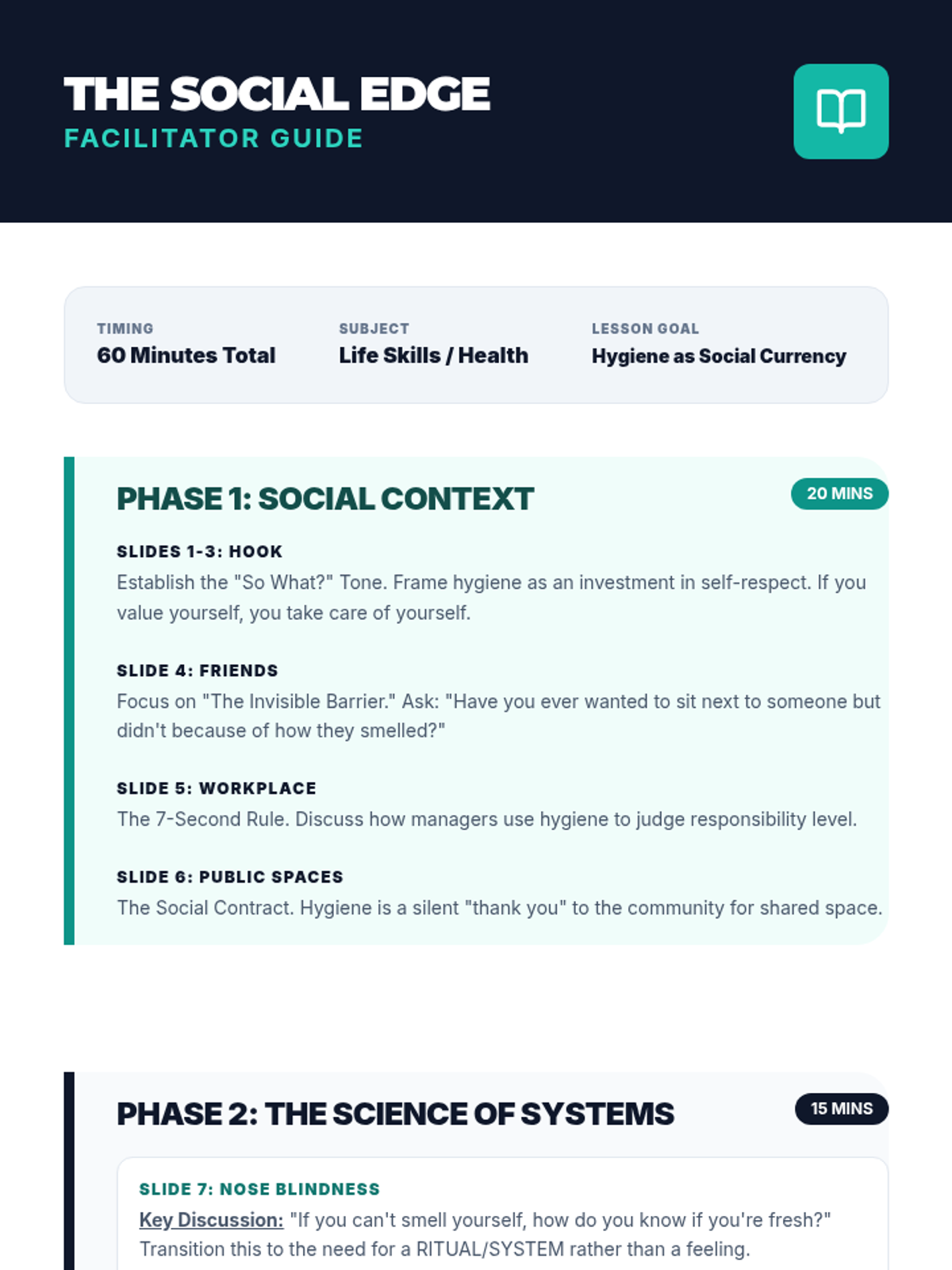
This lesson explores the 'why' behind hygiene, focusing on social confidence, professional success, and community respect for high school students. It transitions from knowing the 'how' to implementing consistent daily routines.
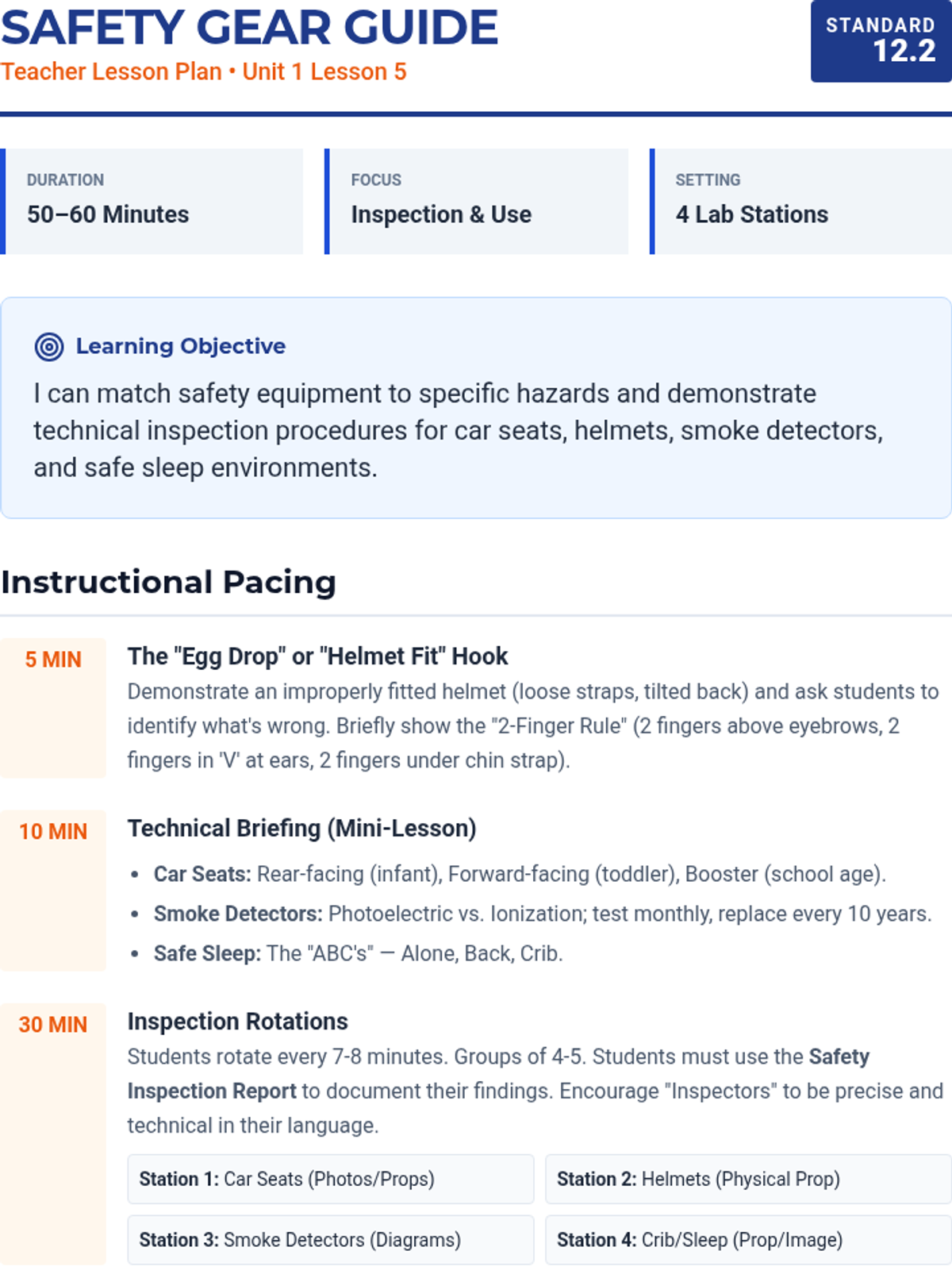
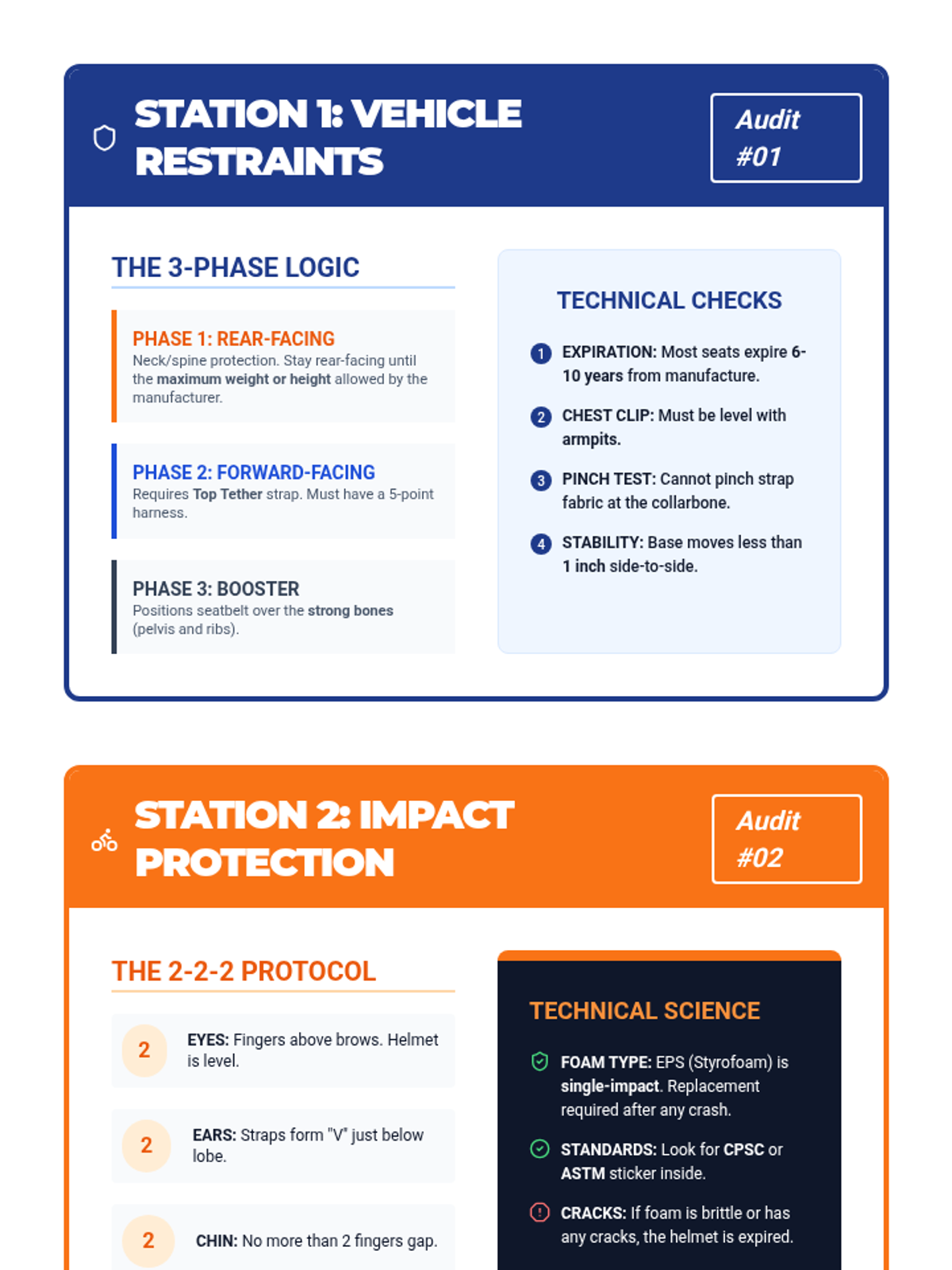
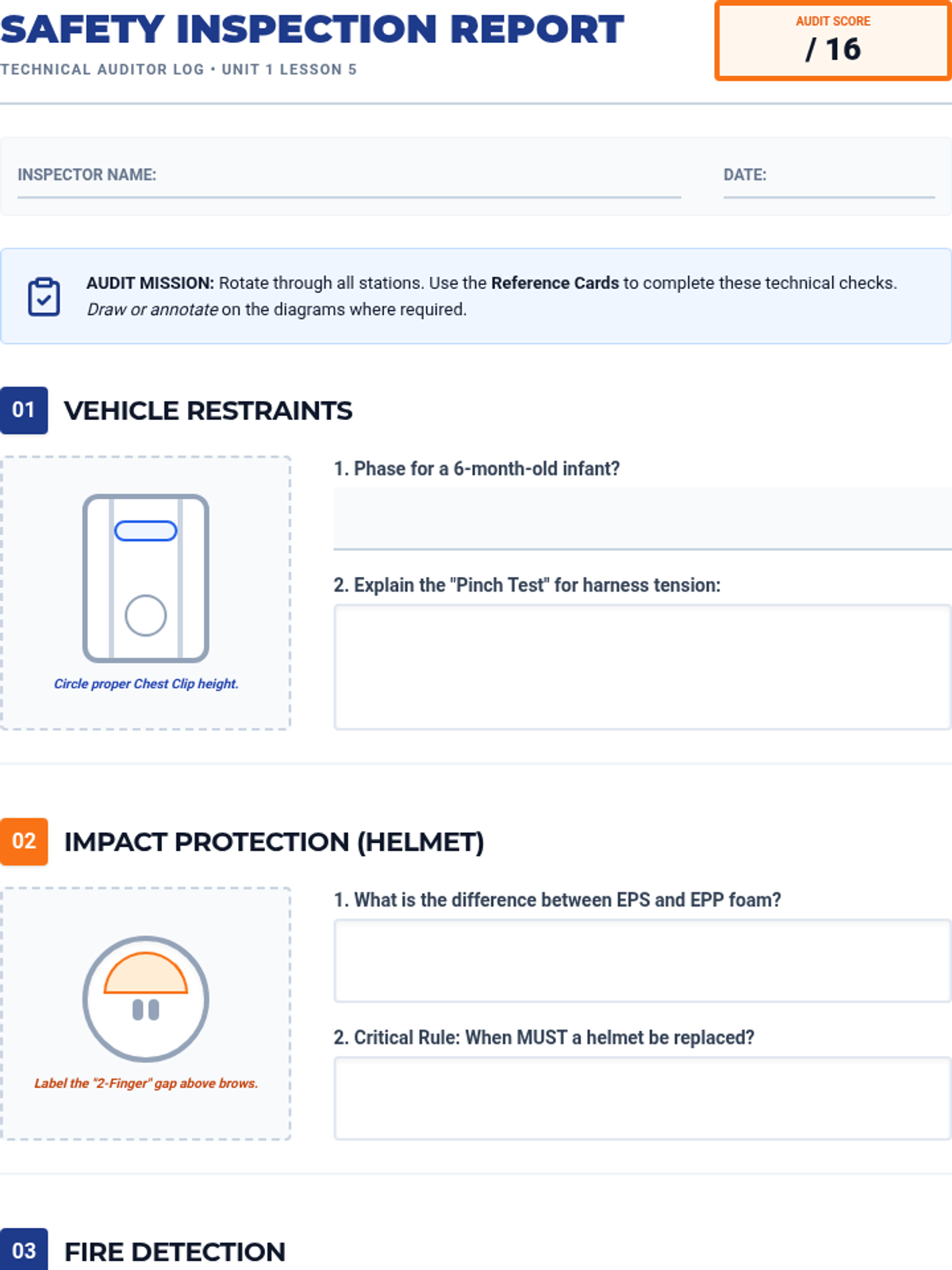
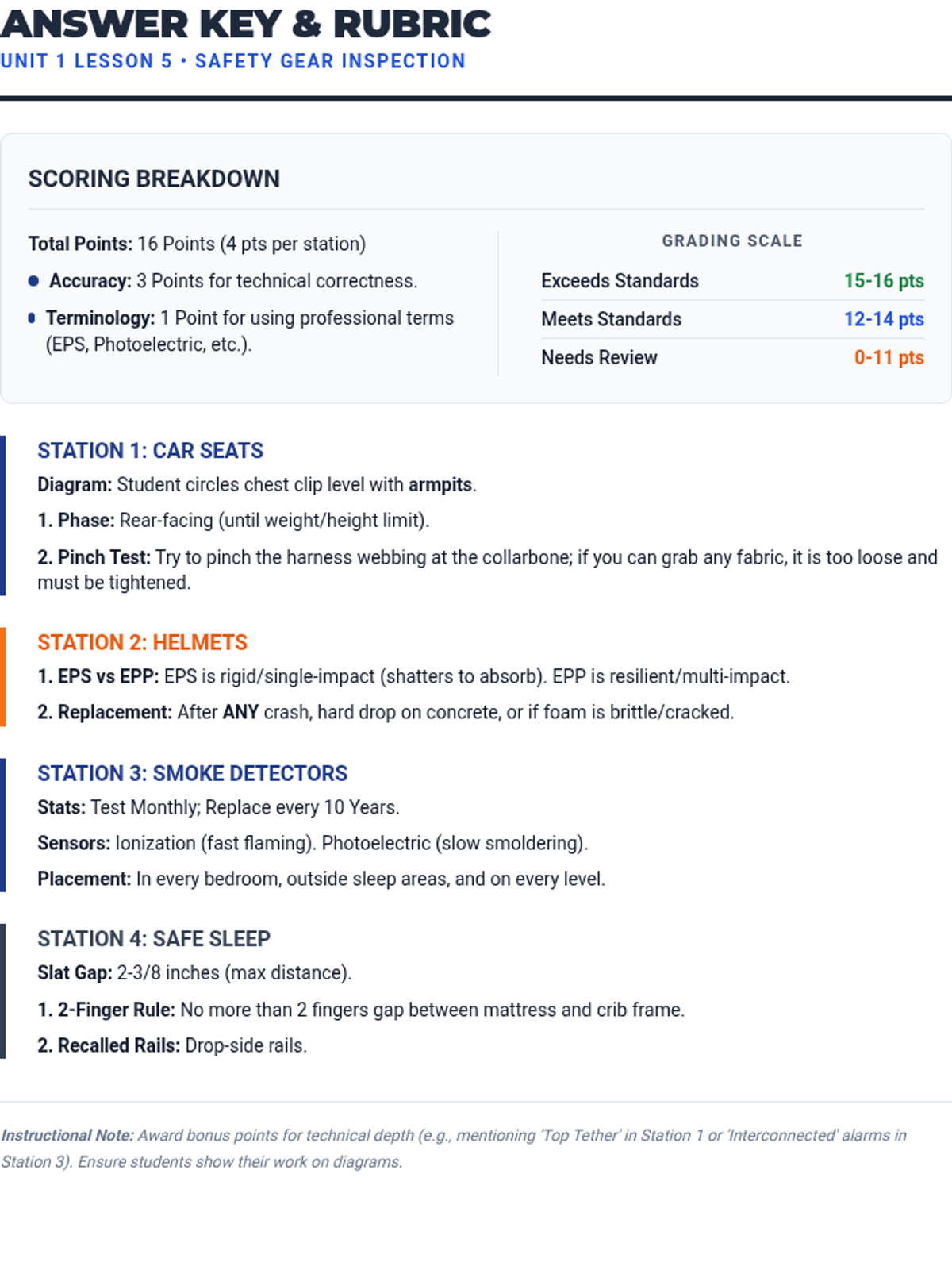
A hands-on station-based lesson where students learn to inspect and properly use life-saving safety equipment including helmets, car seats, smoke detectors, and sleep environments.
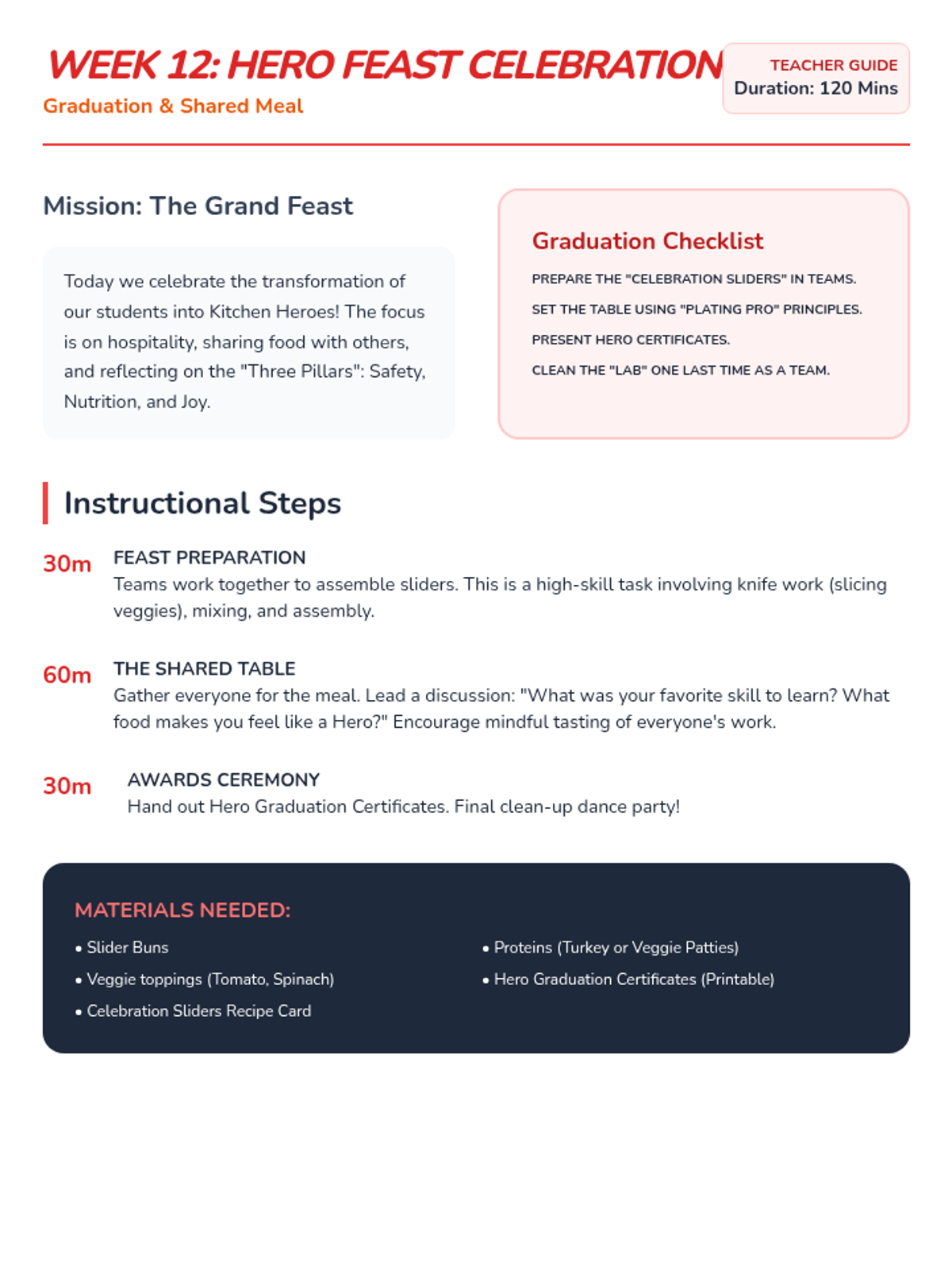
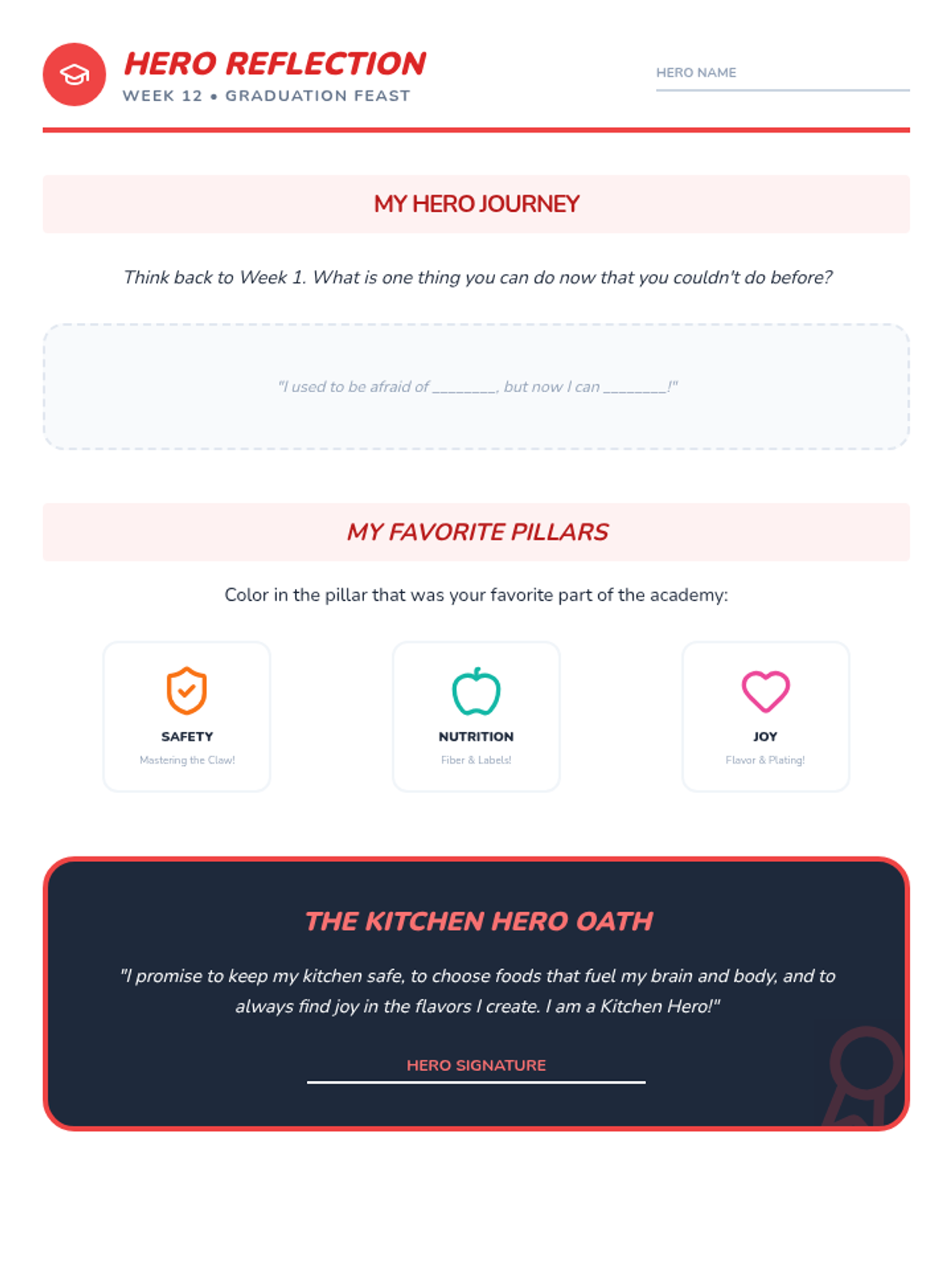
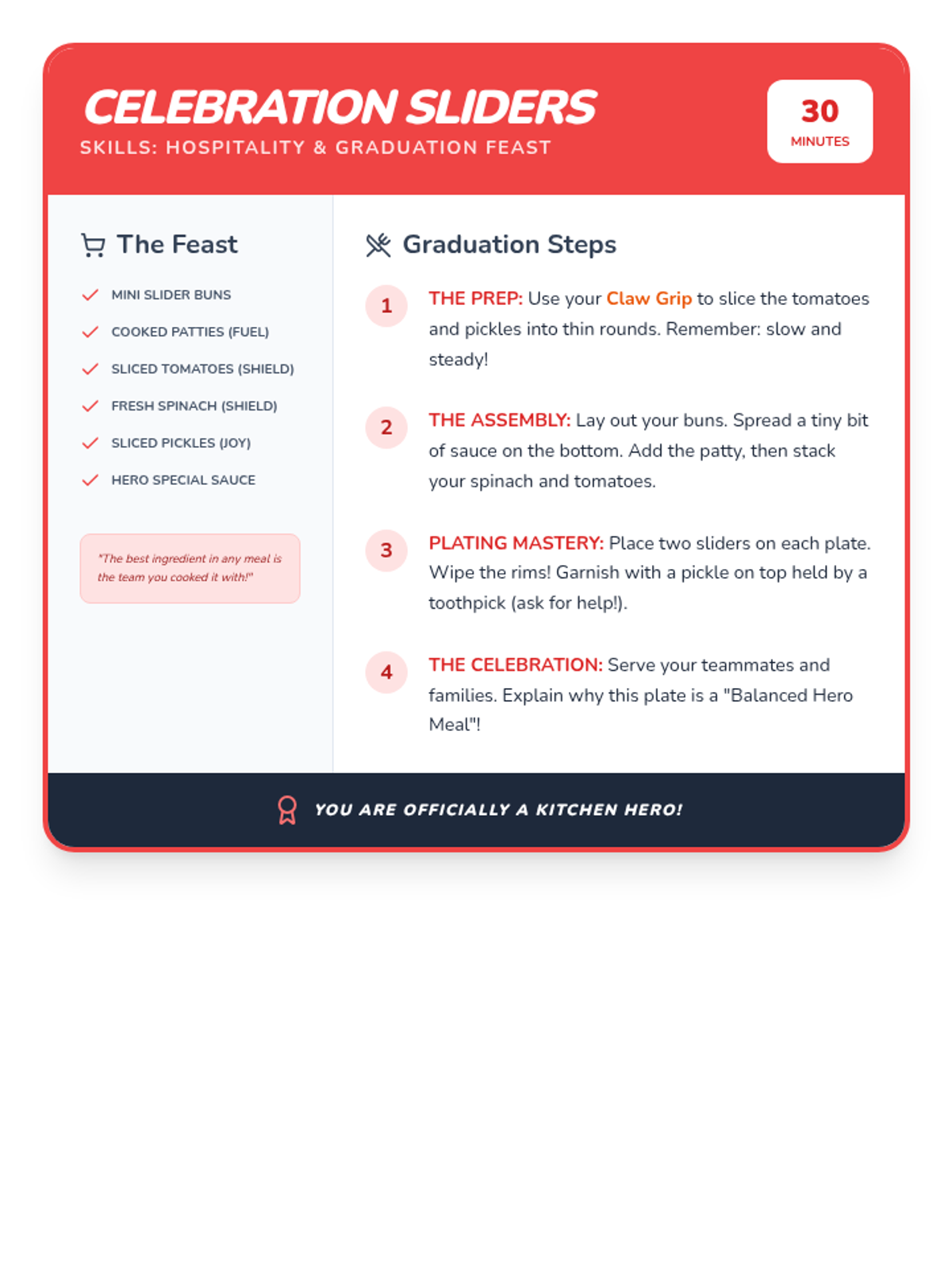
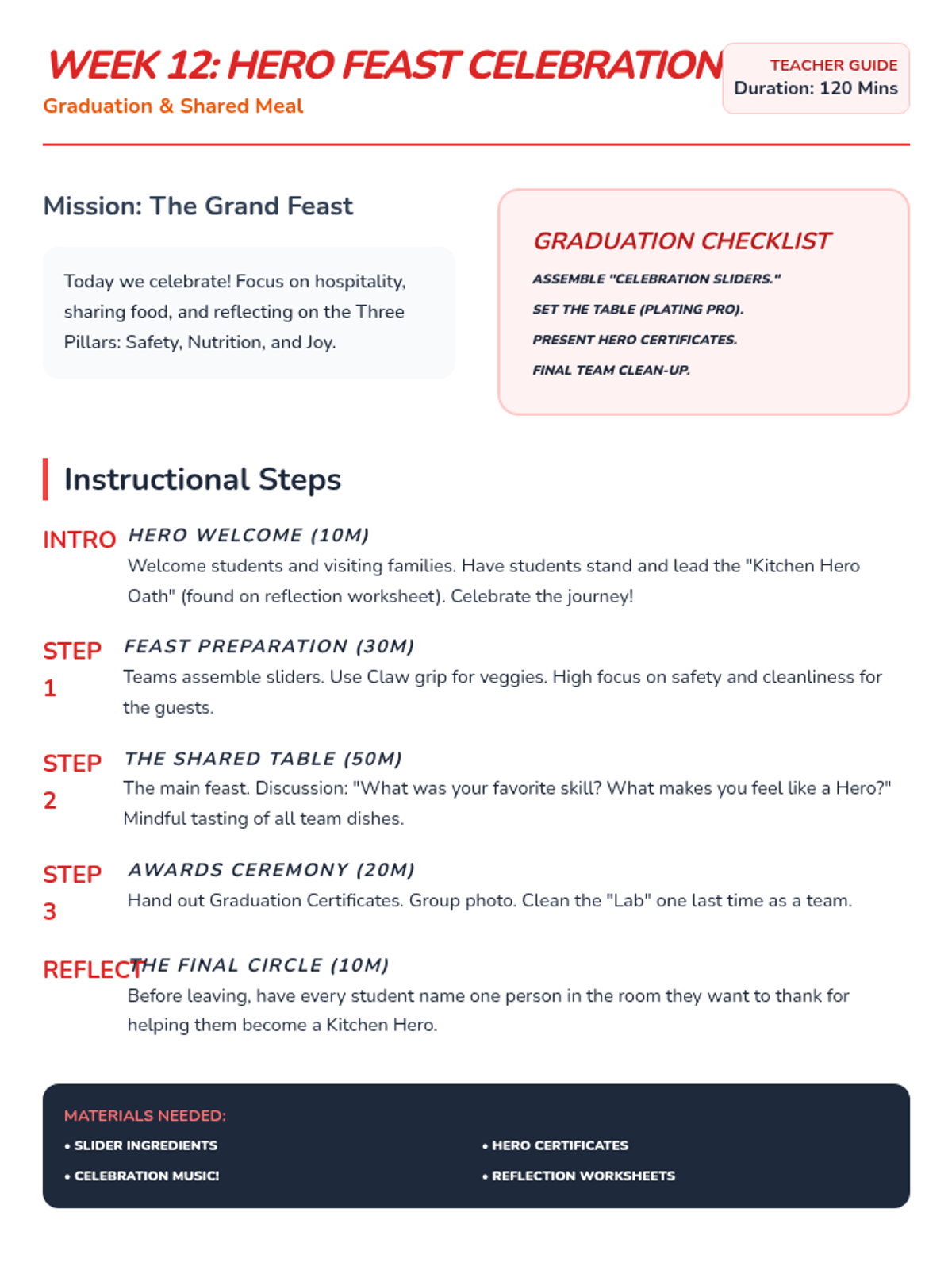
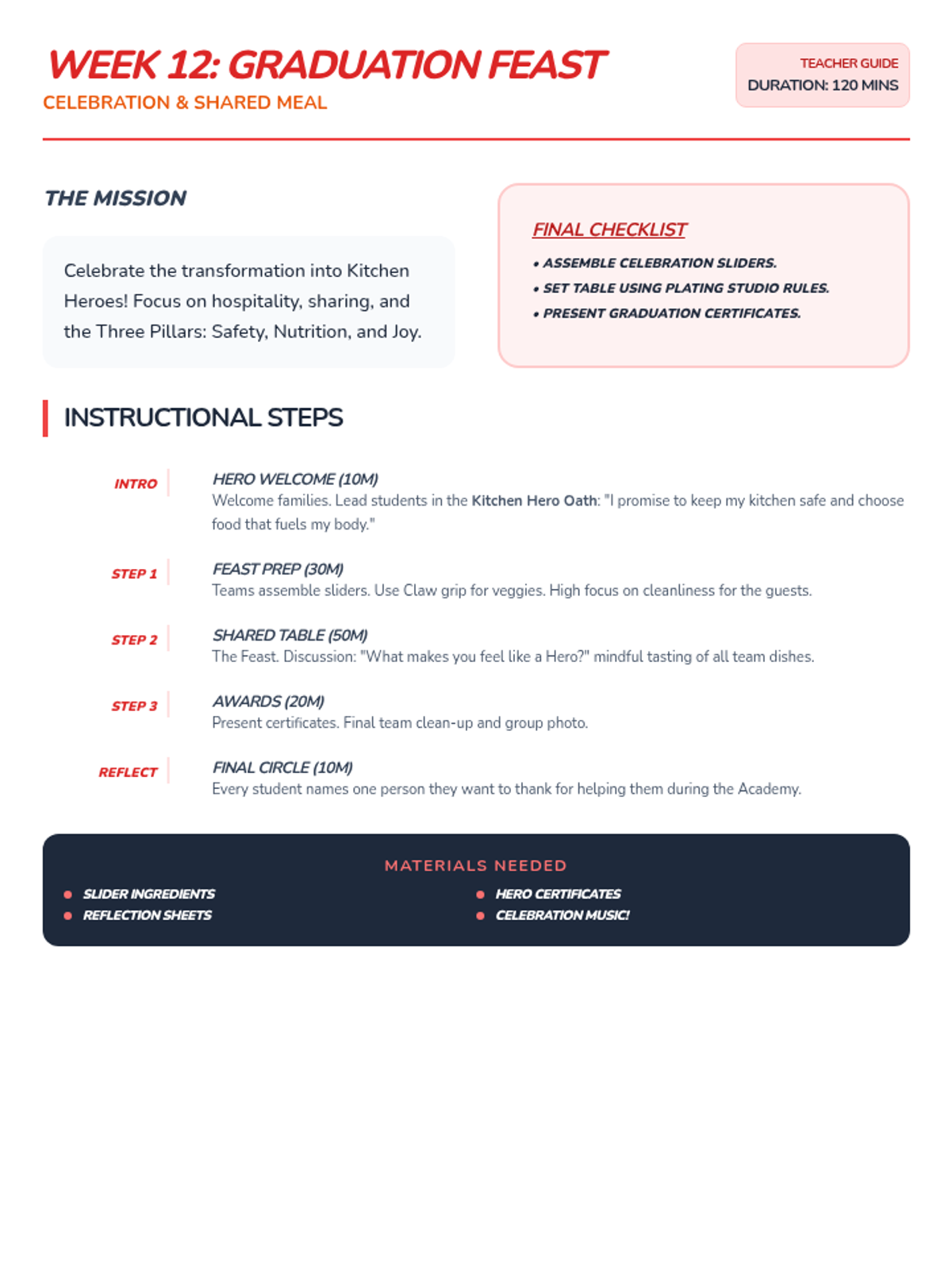
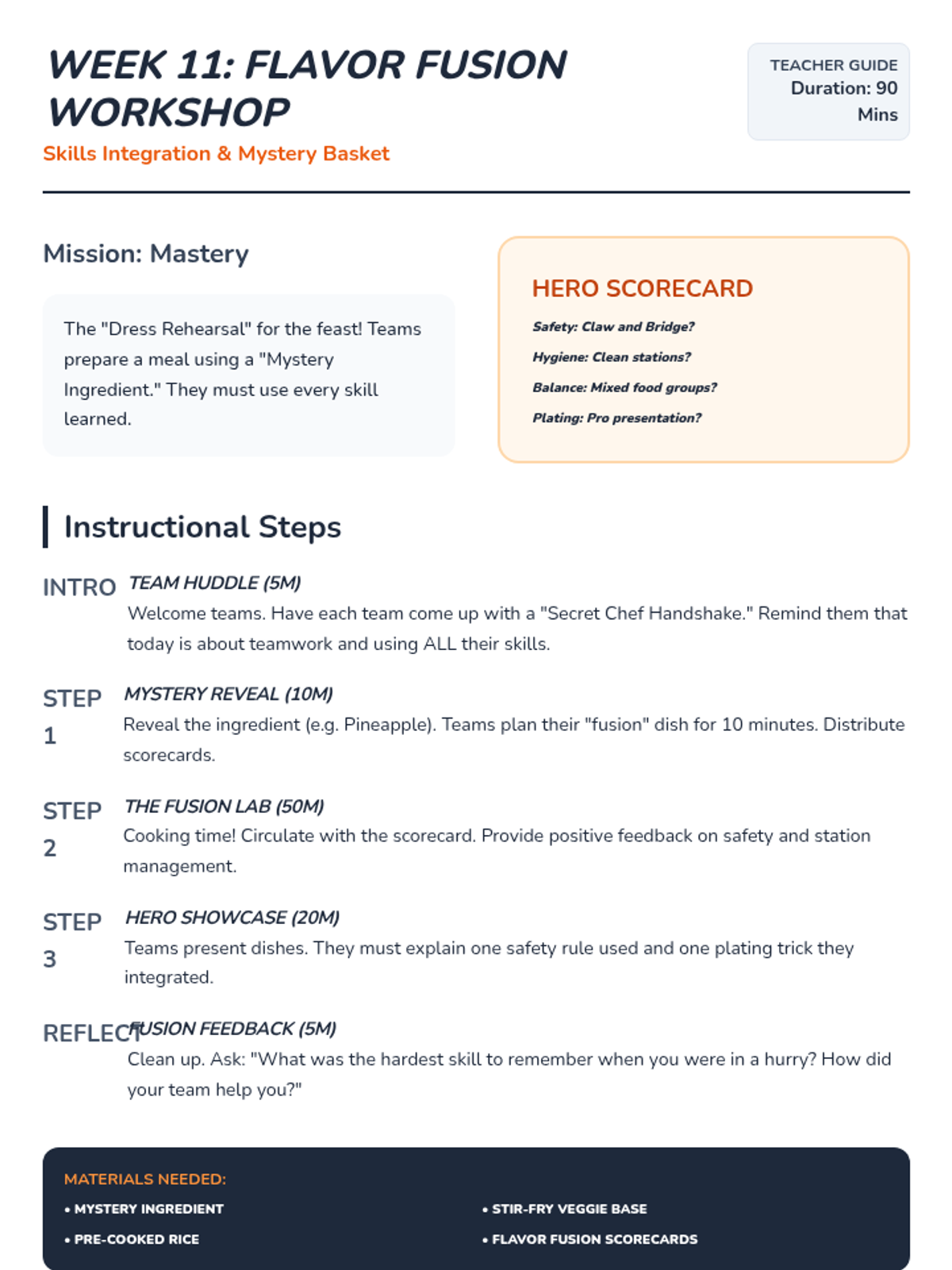
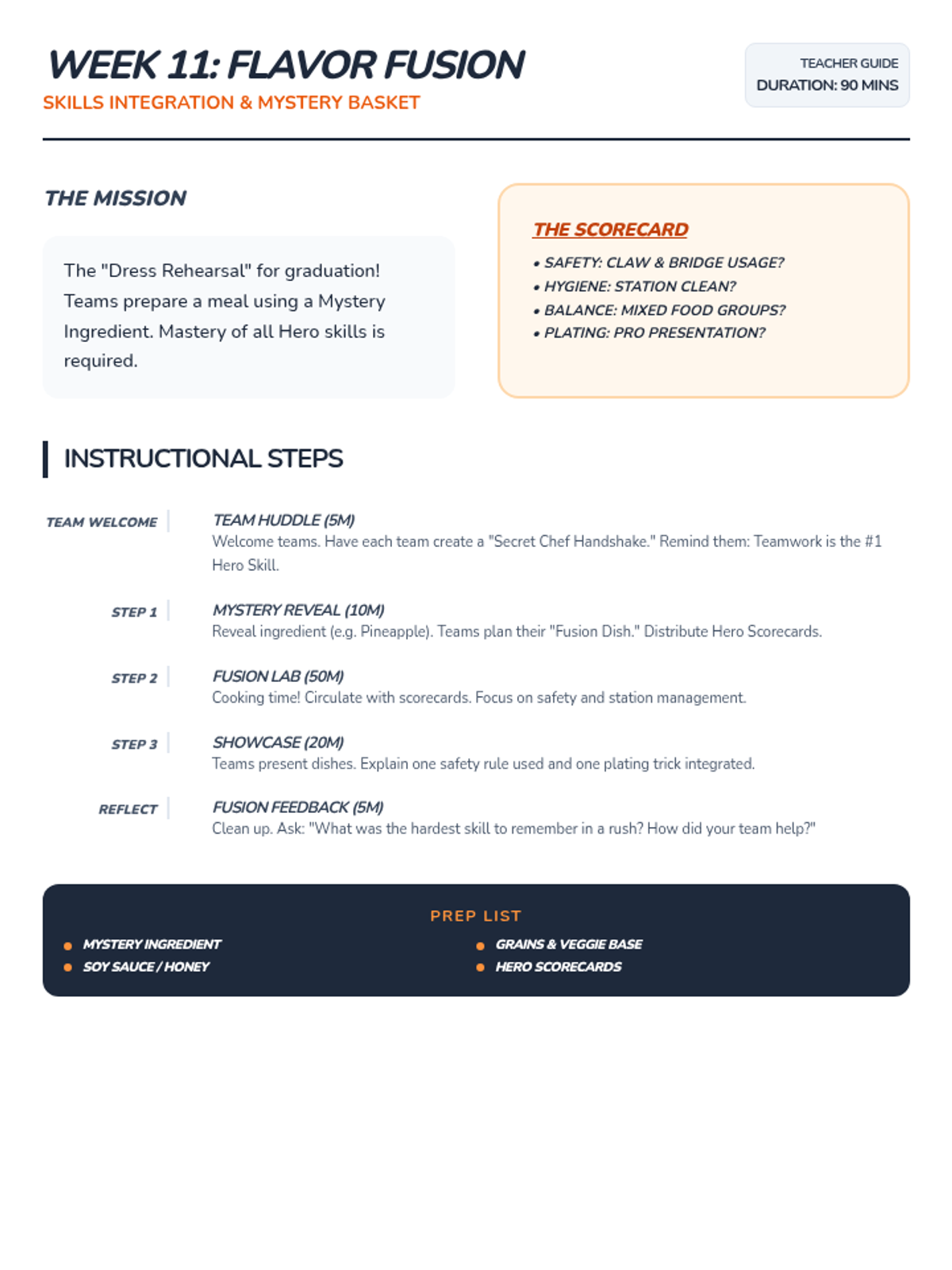
A final celebration showcase of skills learned throughout the course.
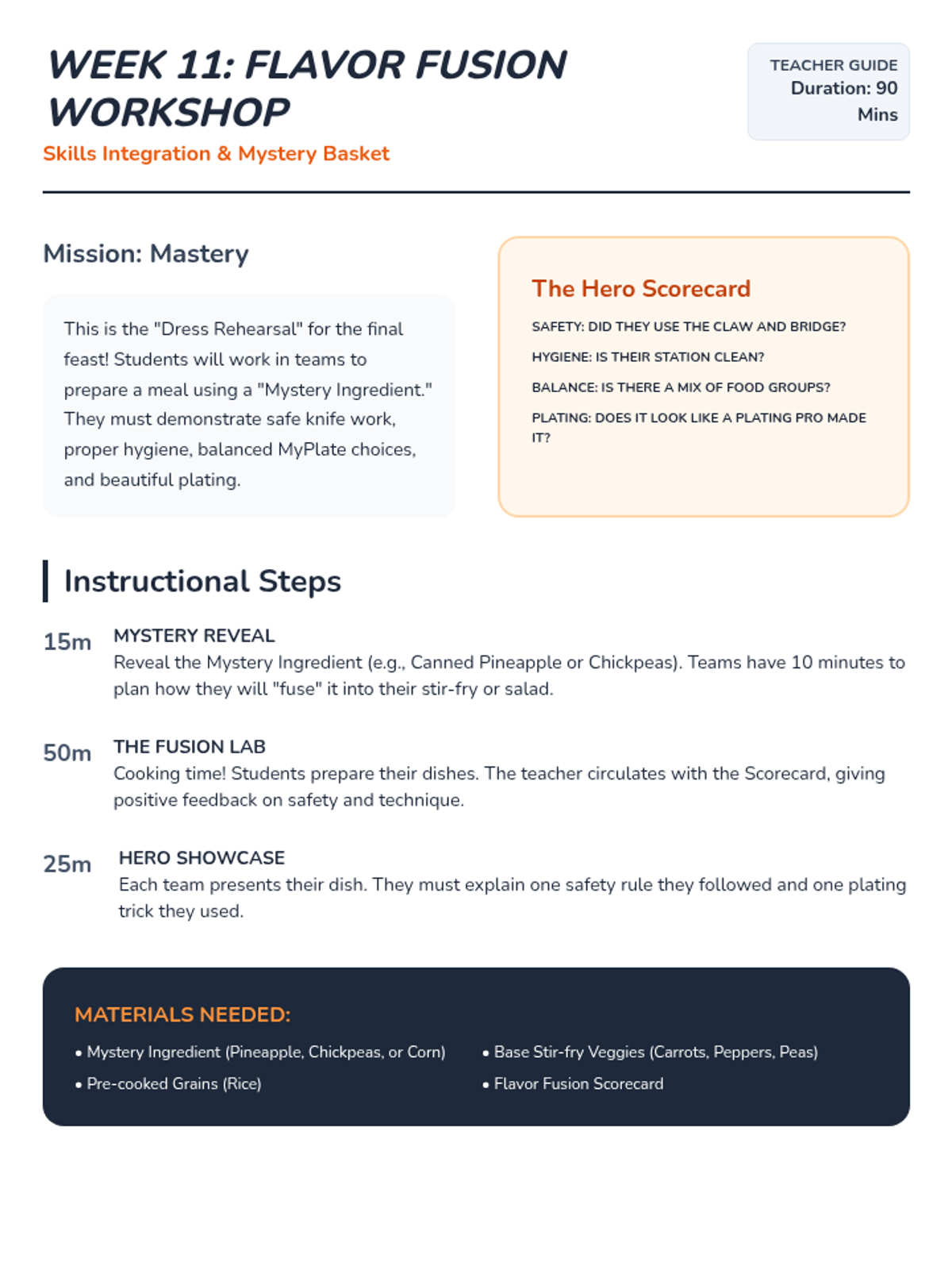
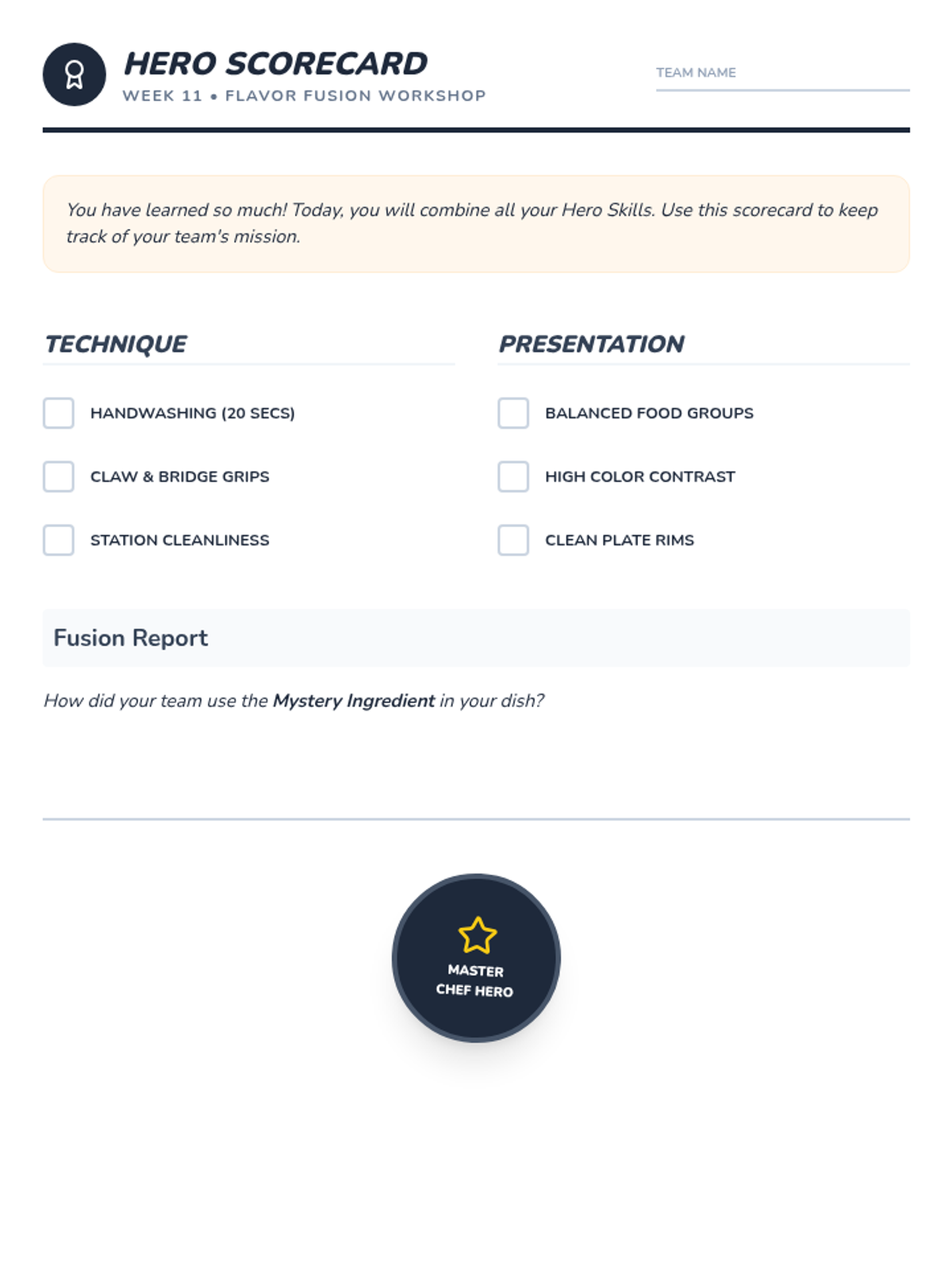
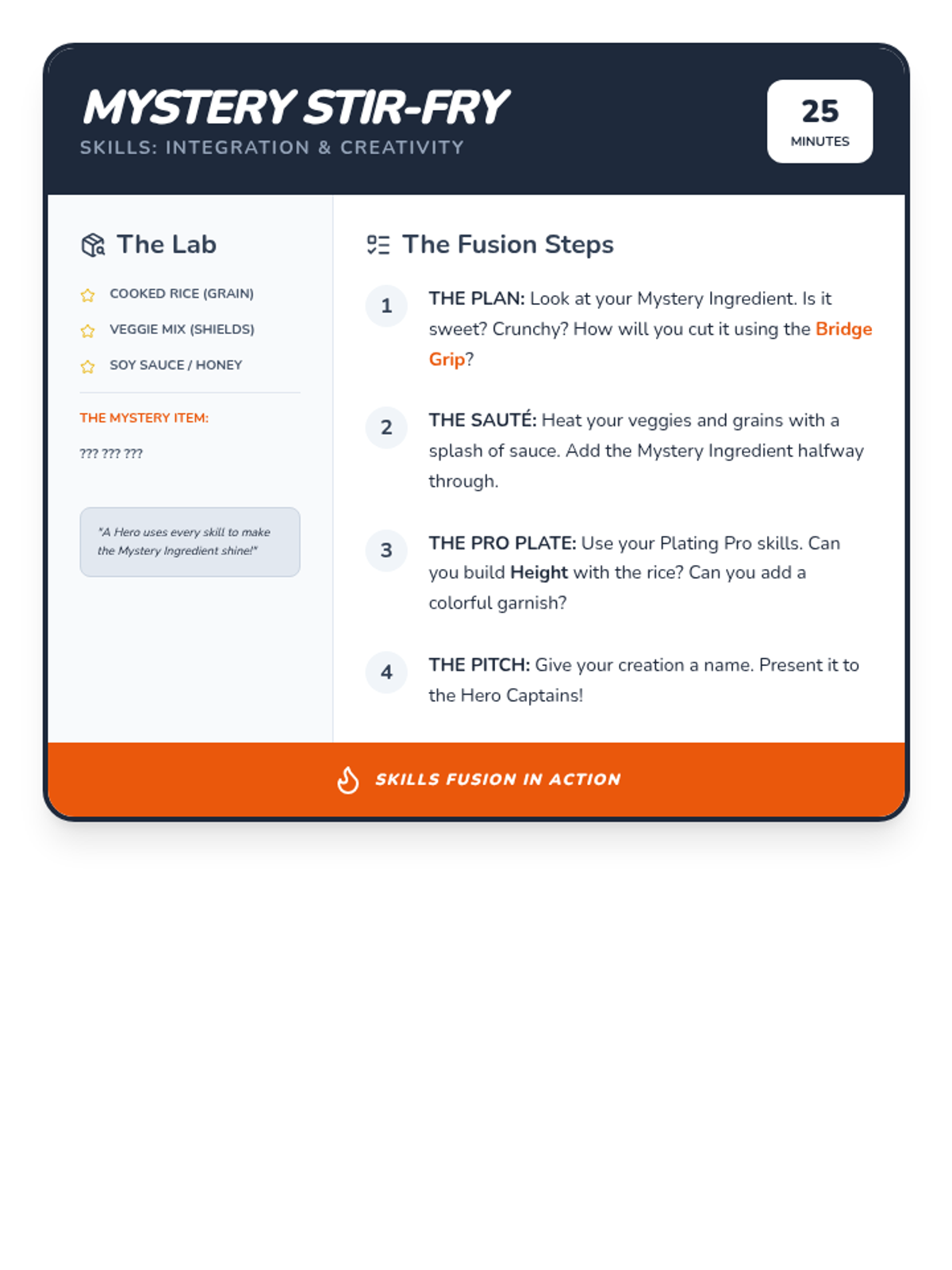
Applying skills to create a cohesive meal with limited ingredients.
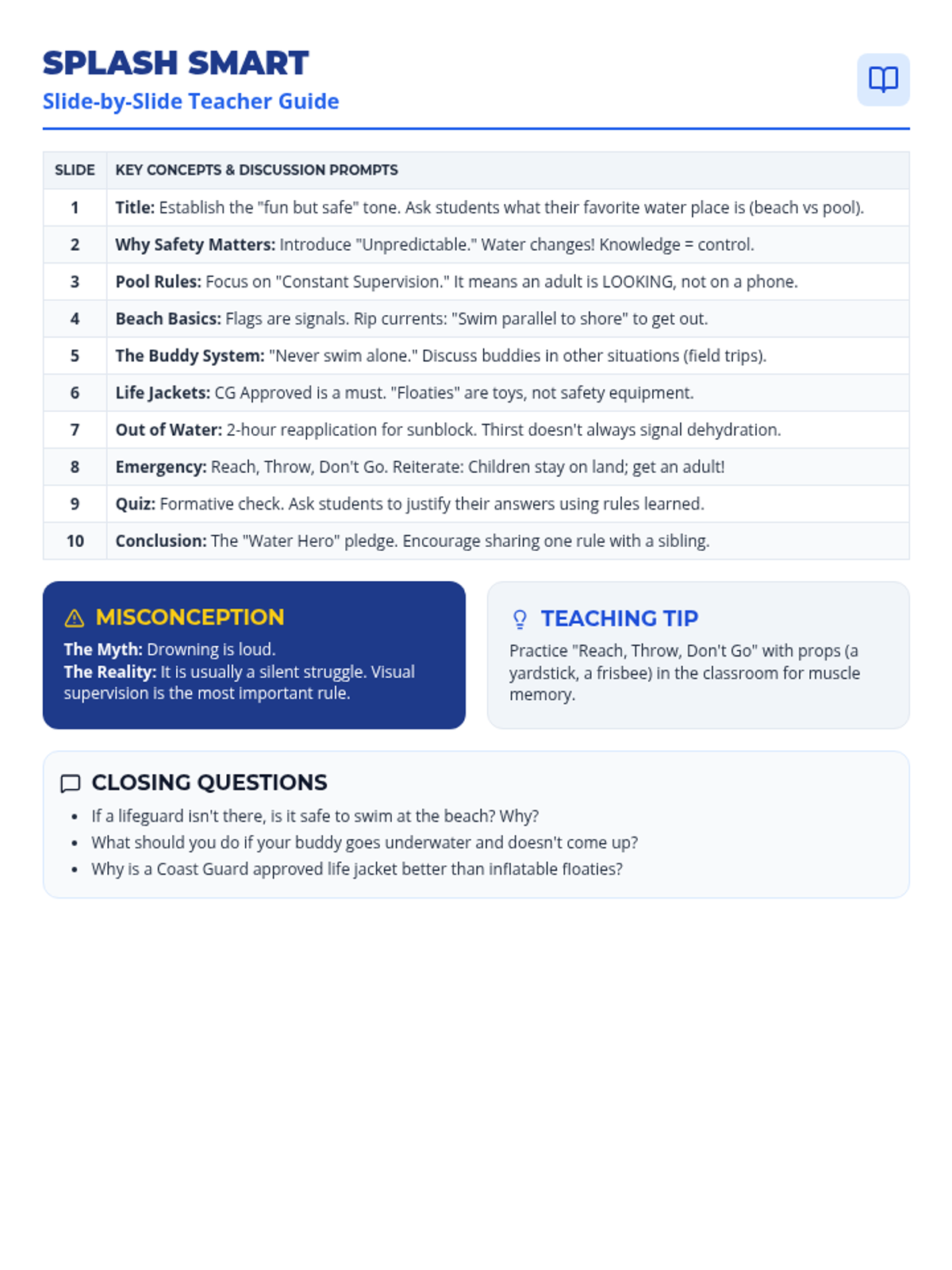
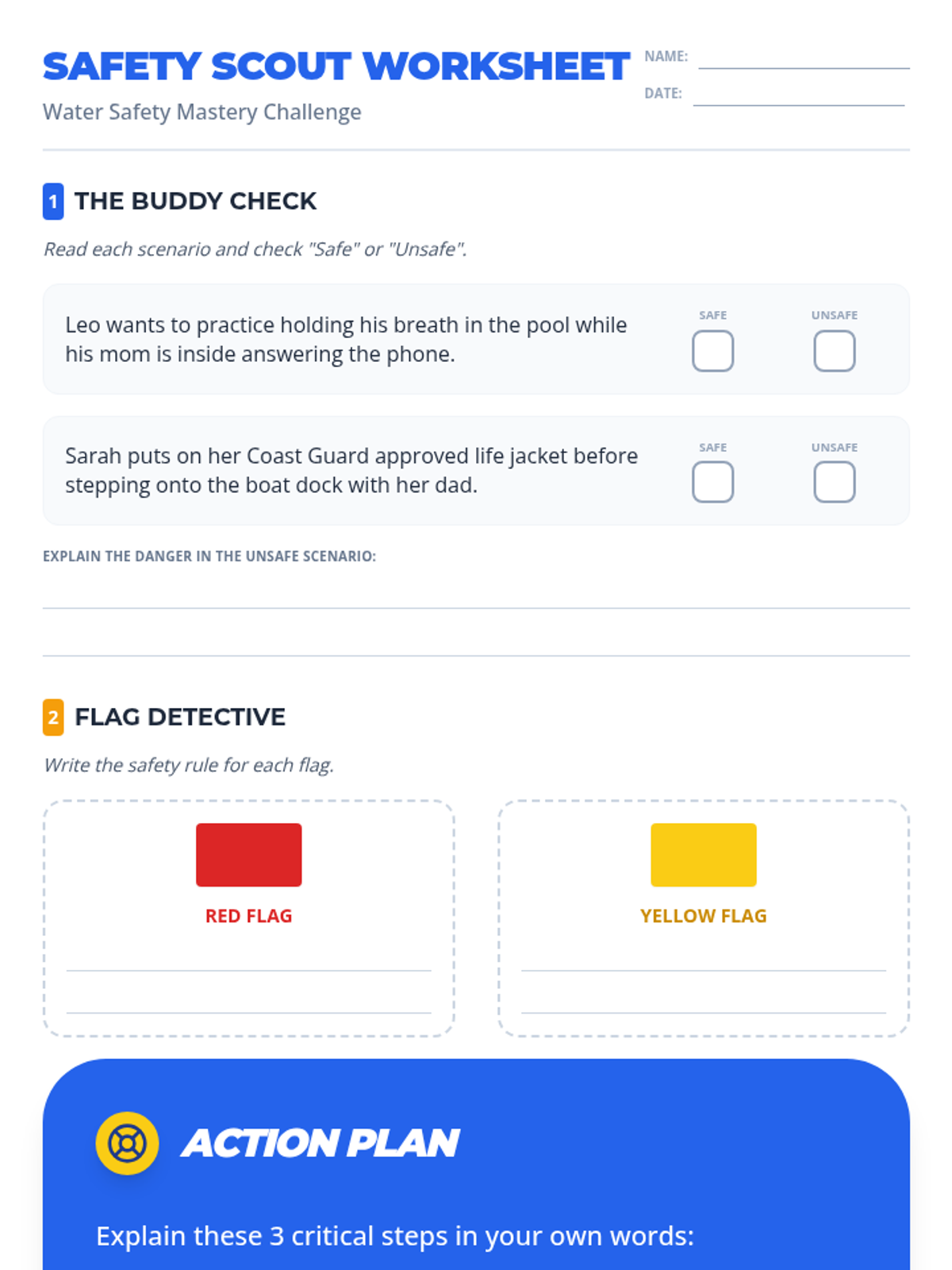
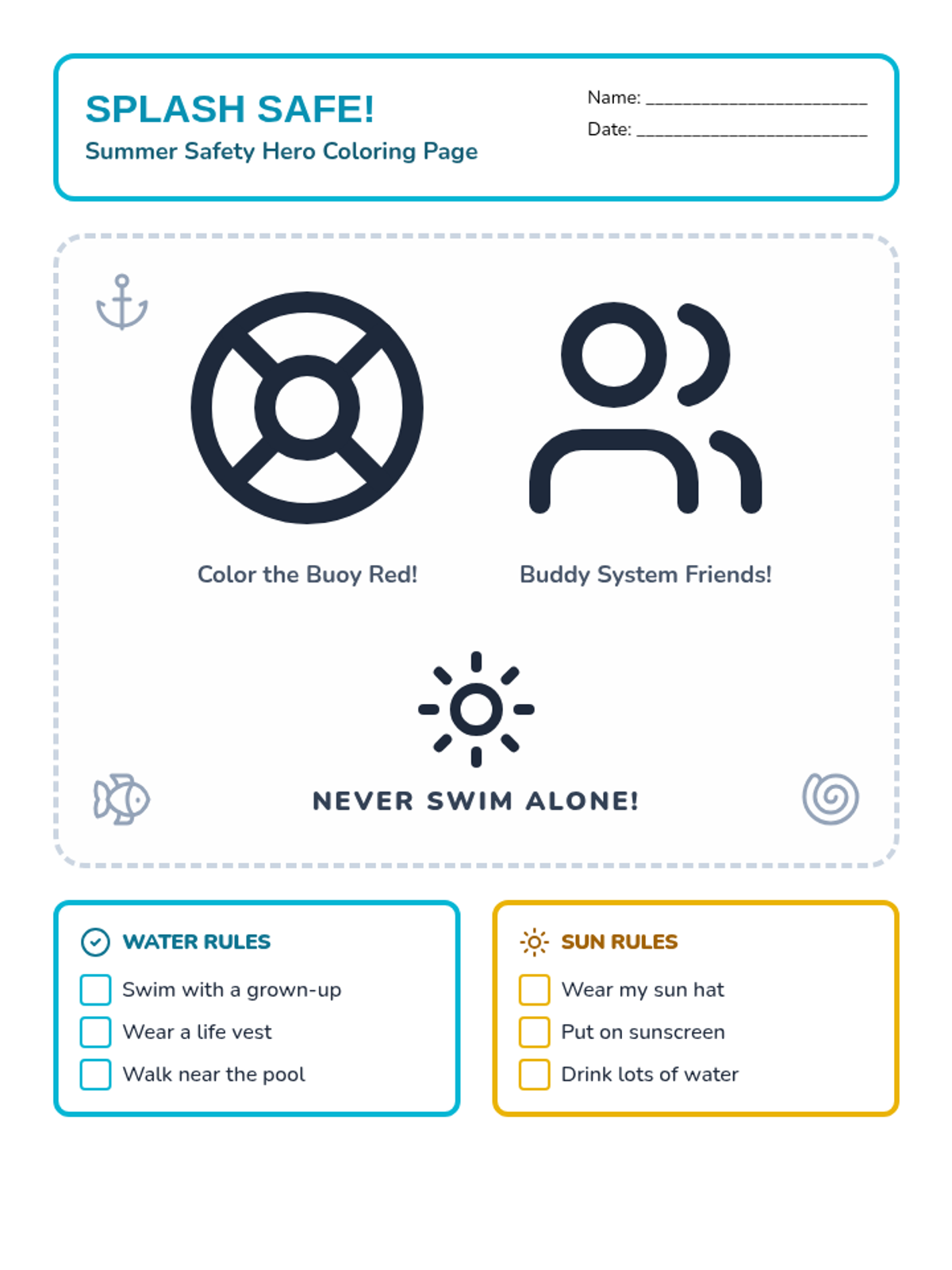
A comprehensive lesson on water safety covering pool, beach, and open water environments, emphasizing the buddy system and emergency procedures.
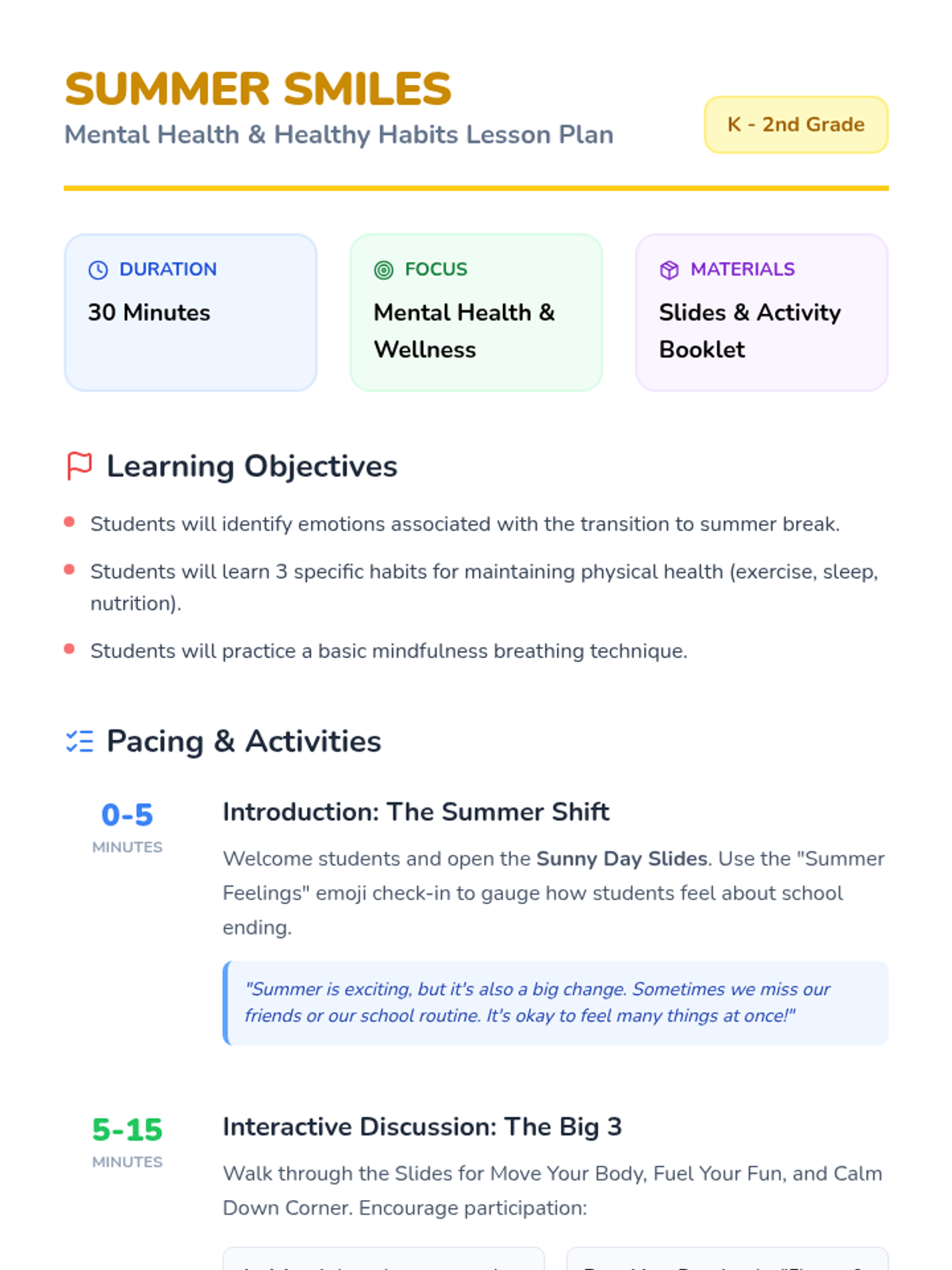
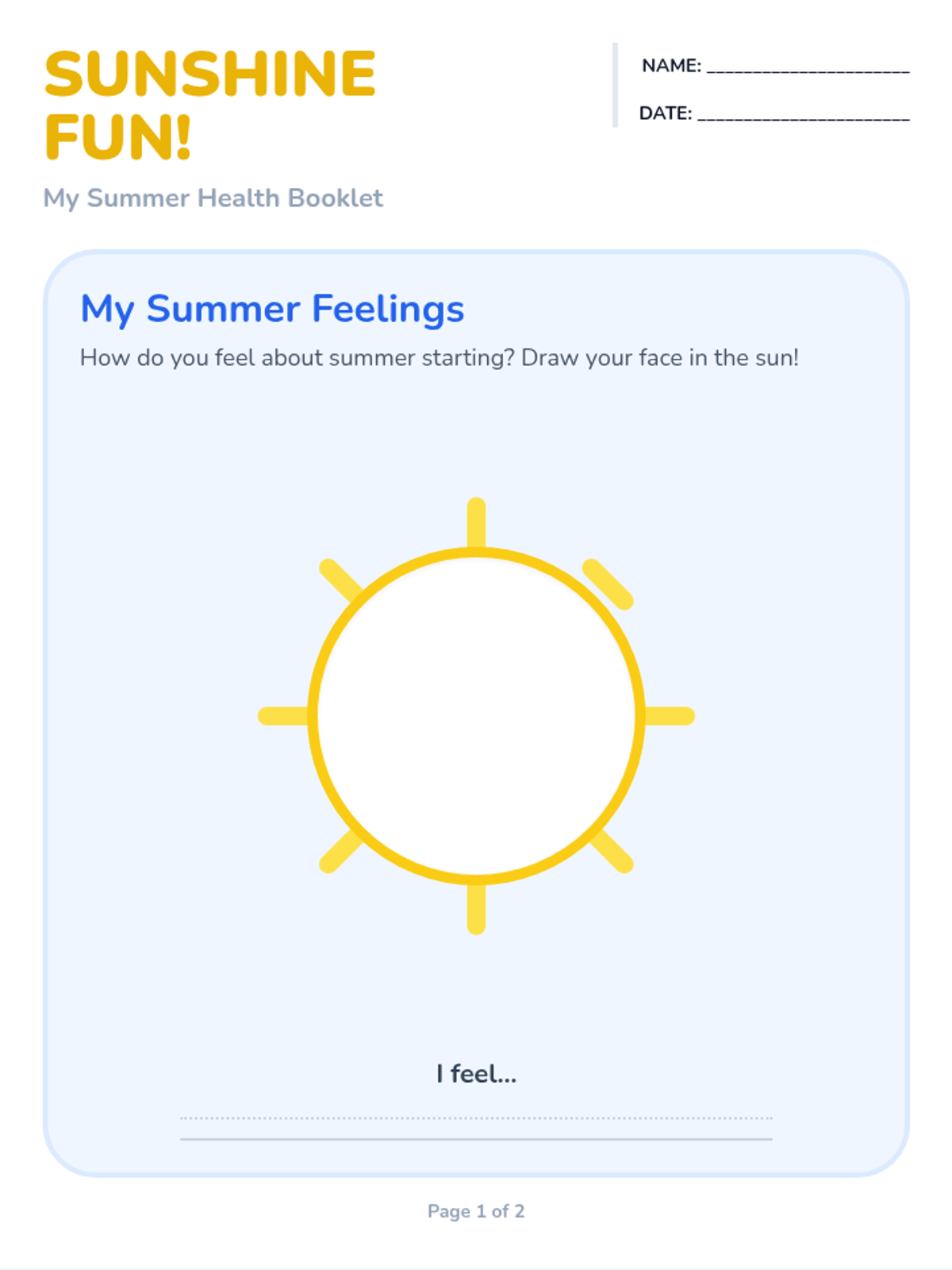
A vibrant lesson for K-2 students focused on maintaining mental and physical health during summer break through mindfulness, healthy habits, and emotional awareness.
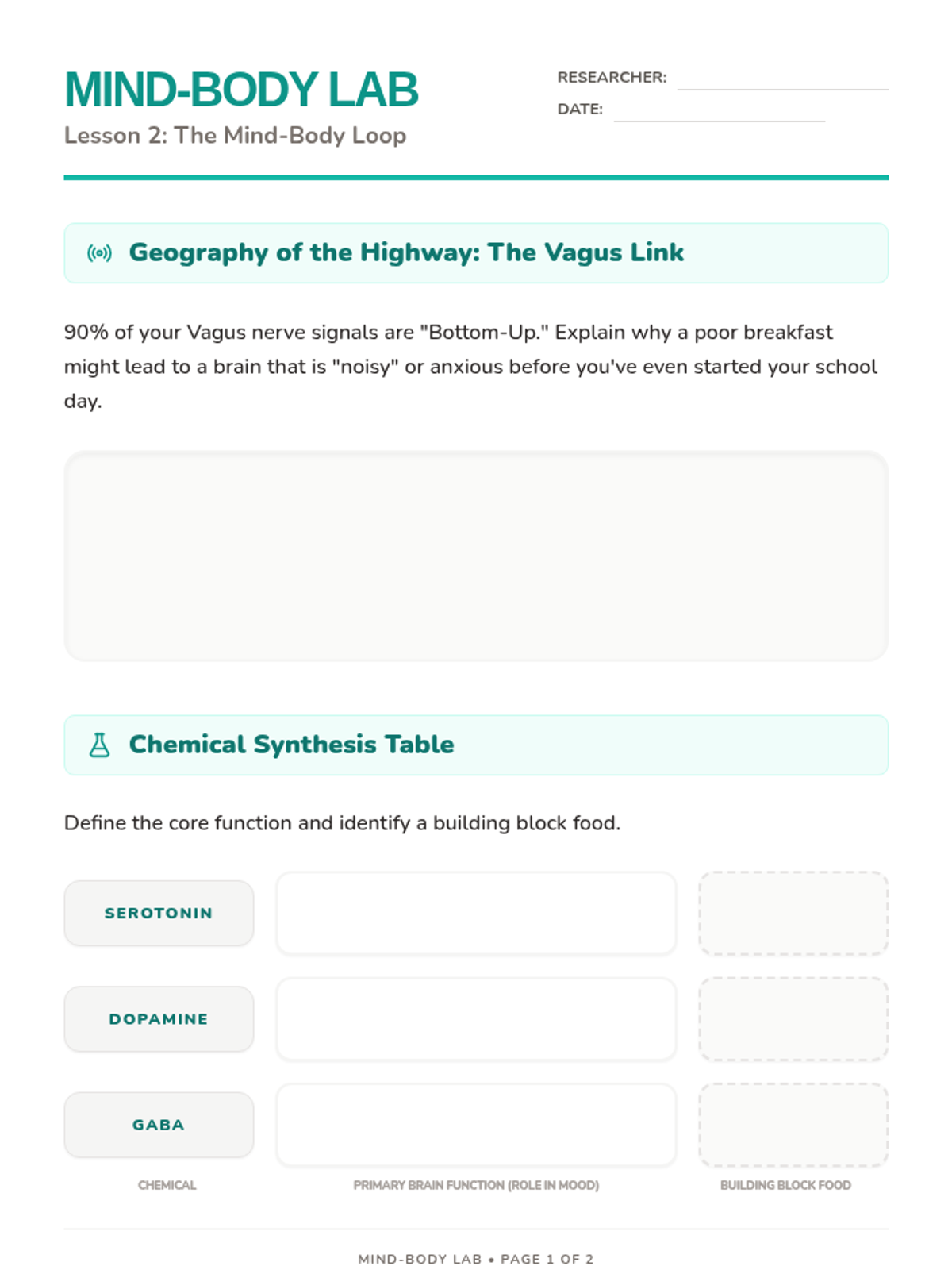
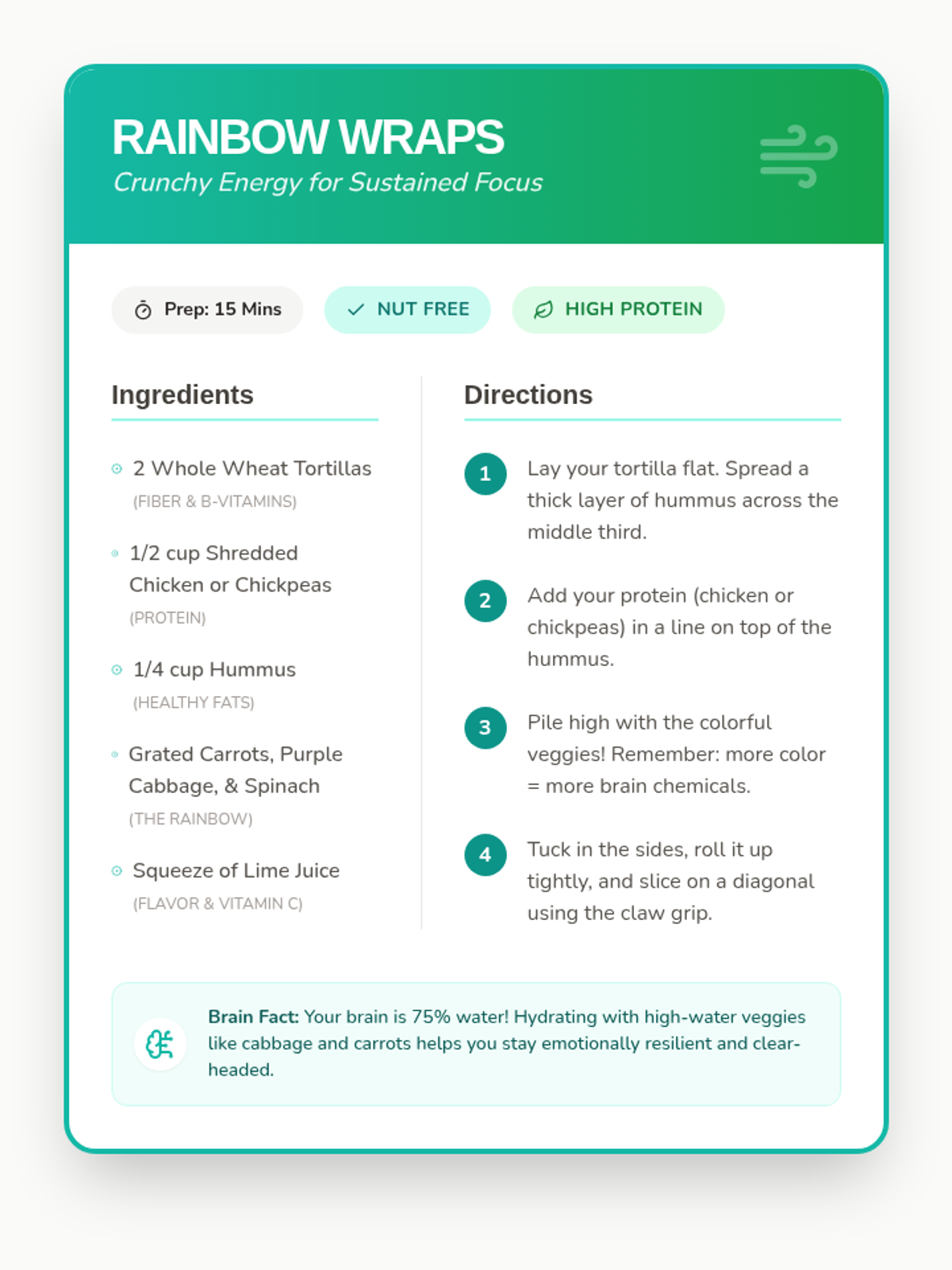
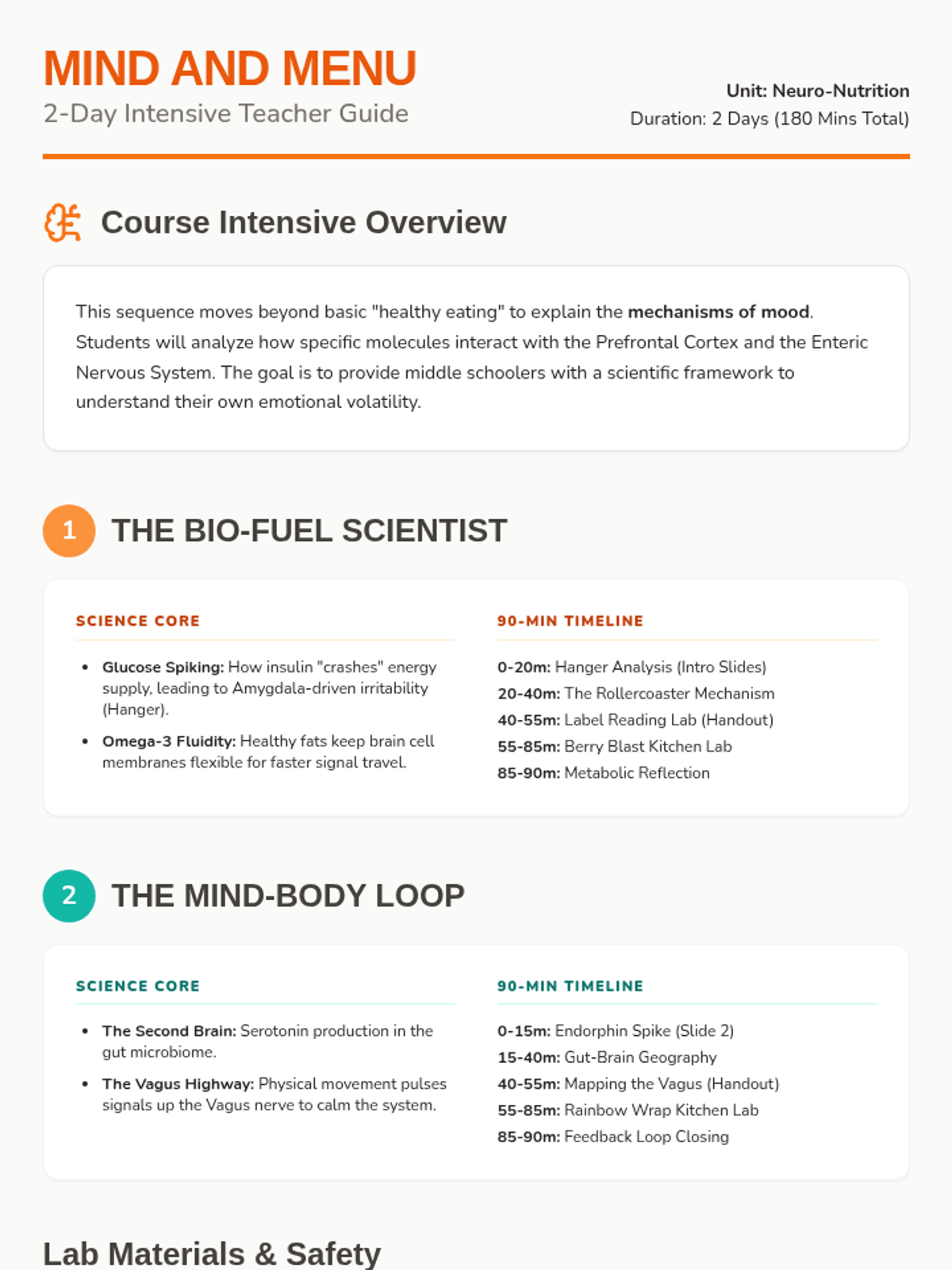
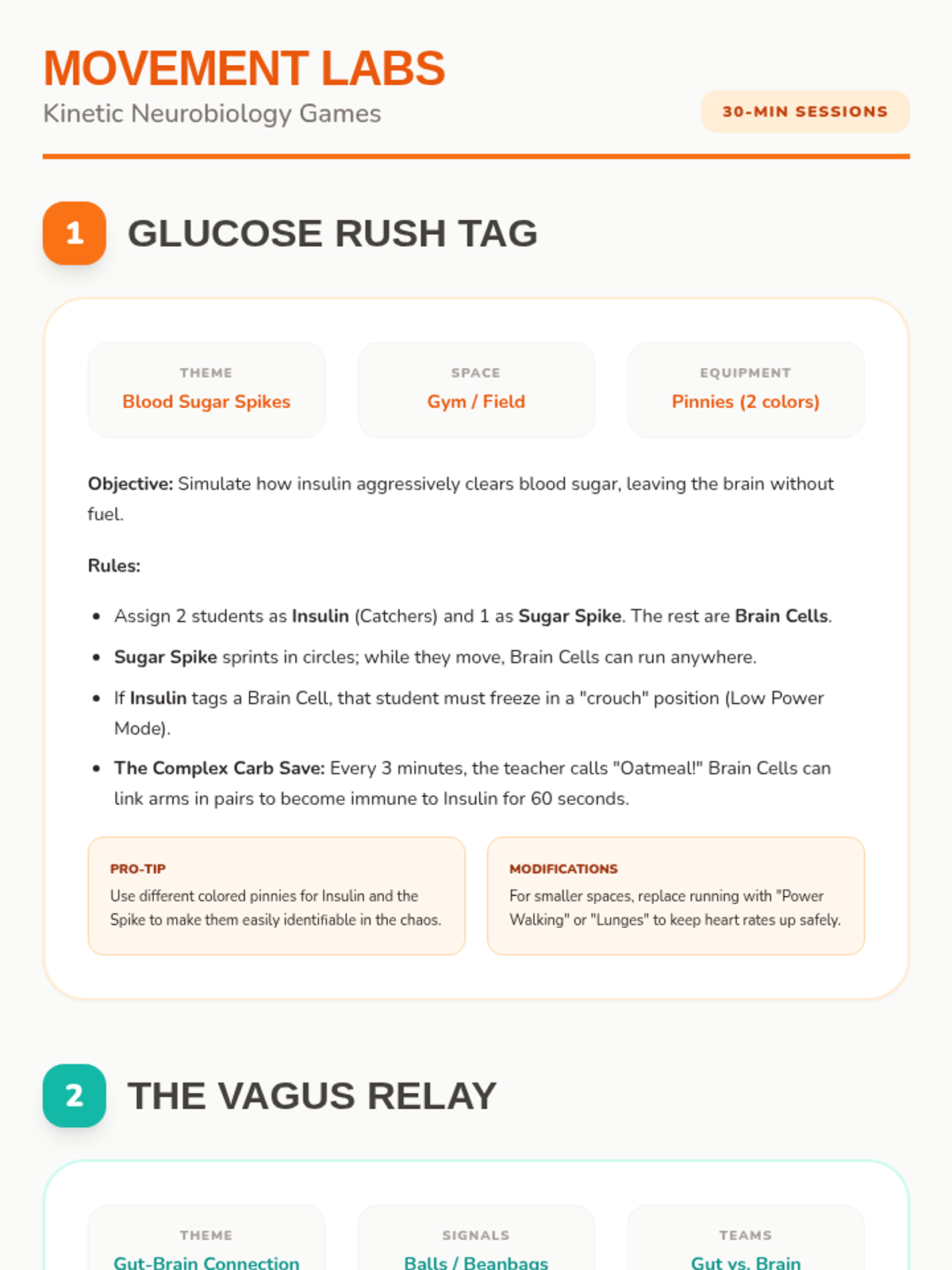
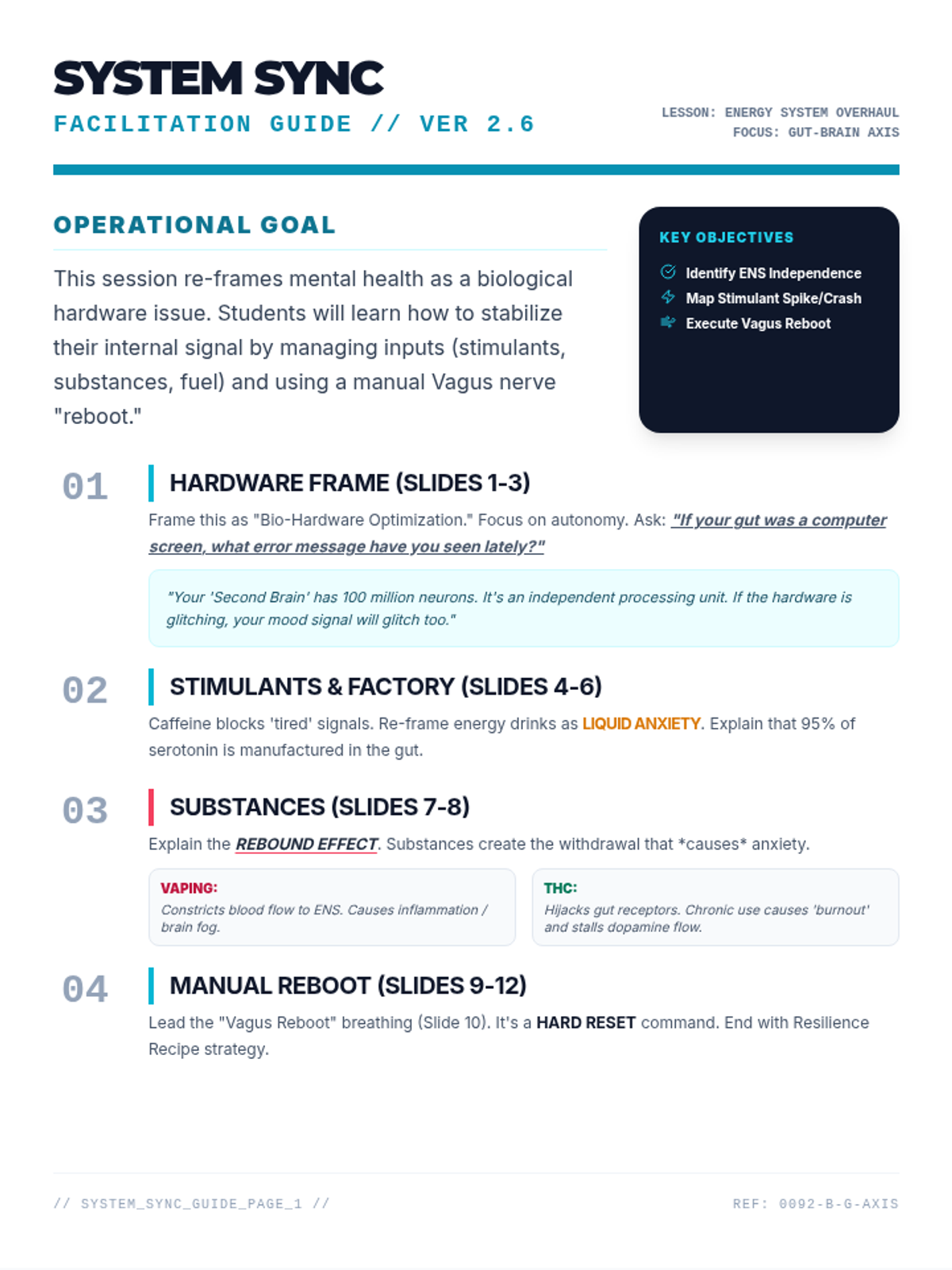
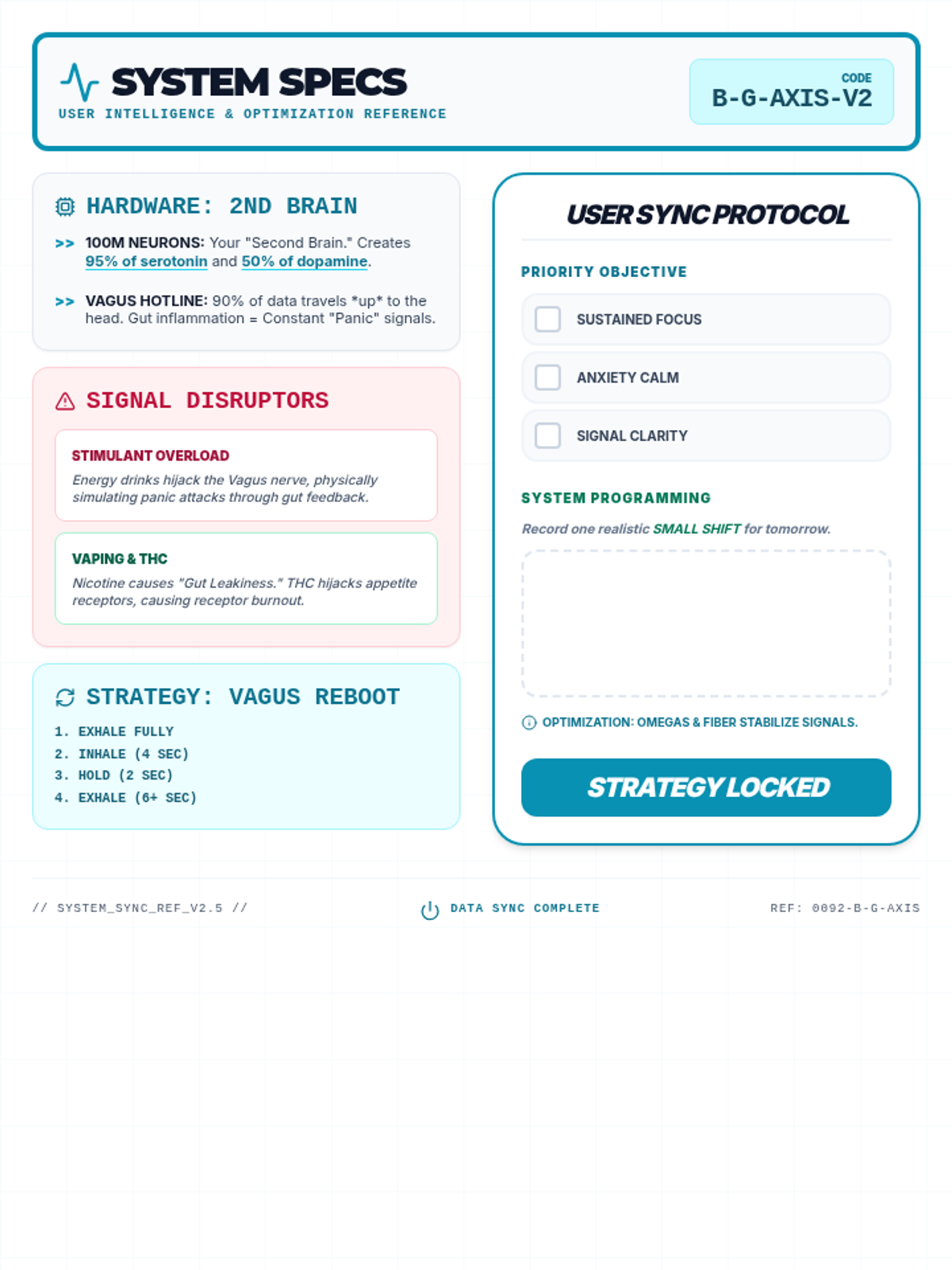
An intensive look at the 'Second Brain' in the gut, the role of the Vagus nerve, and how movement synthesizes neurotransmitters for emotional stability.
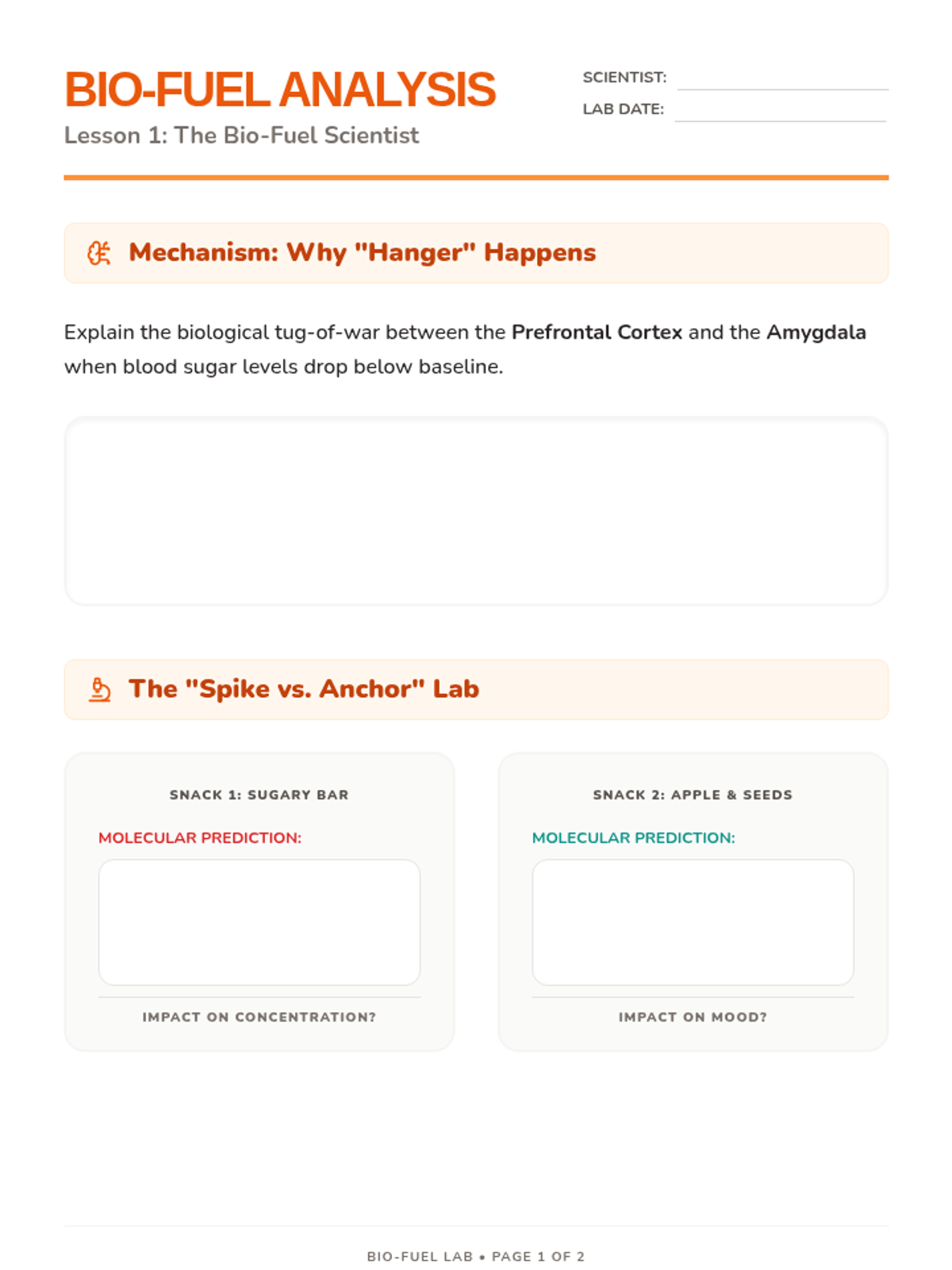
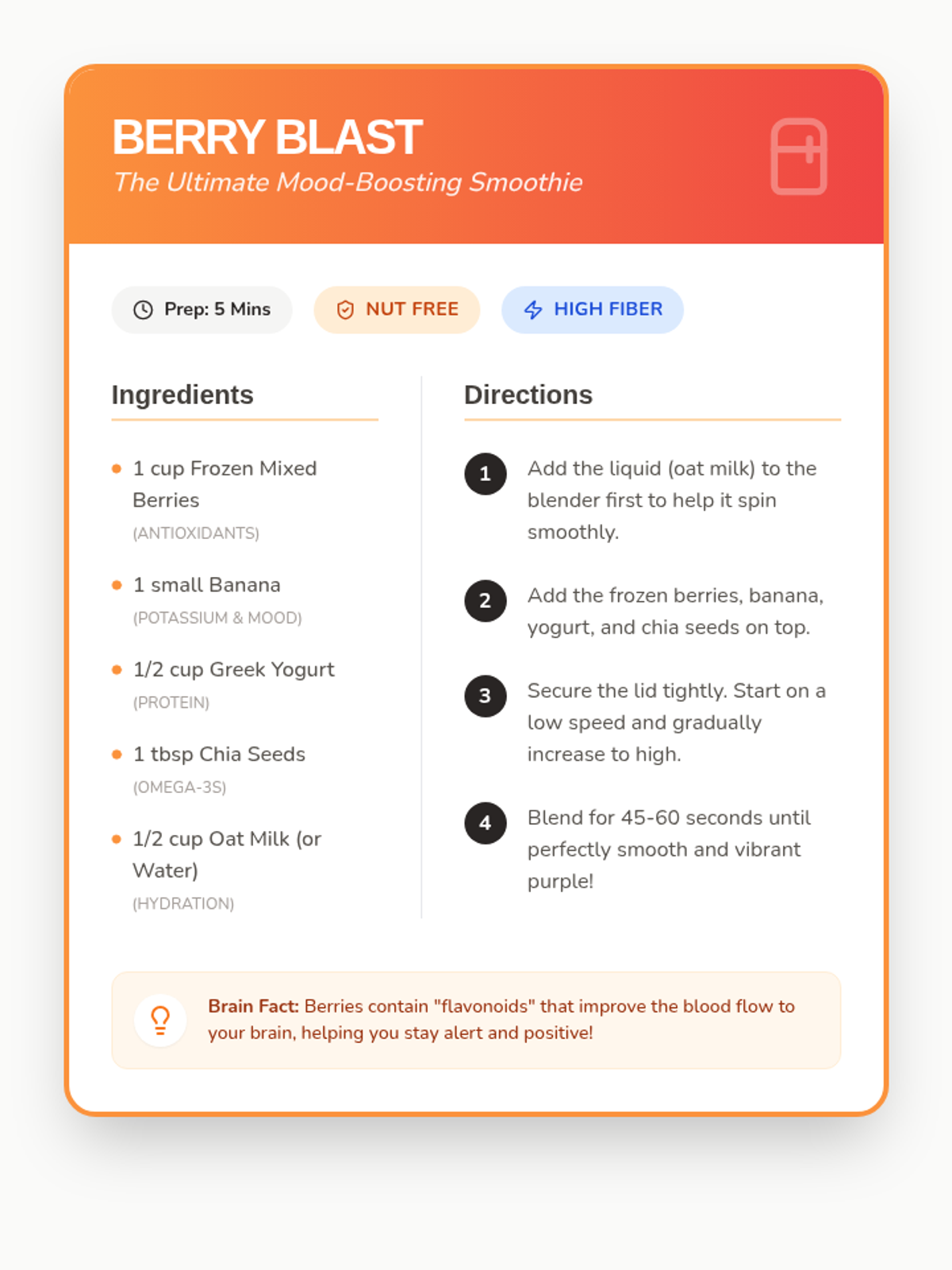
A deep dive into the glucose-insulin response, the chemistry of 'hanger,' and how micronutrients like Omega-3s build the physical architecture of the brain.
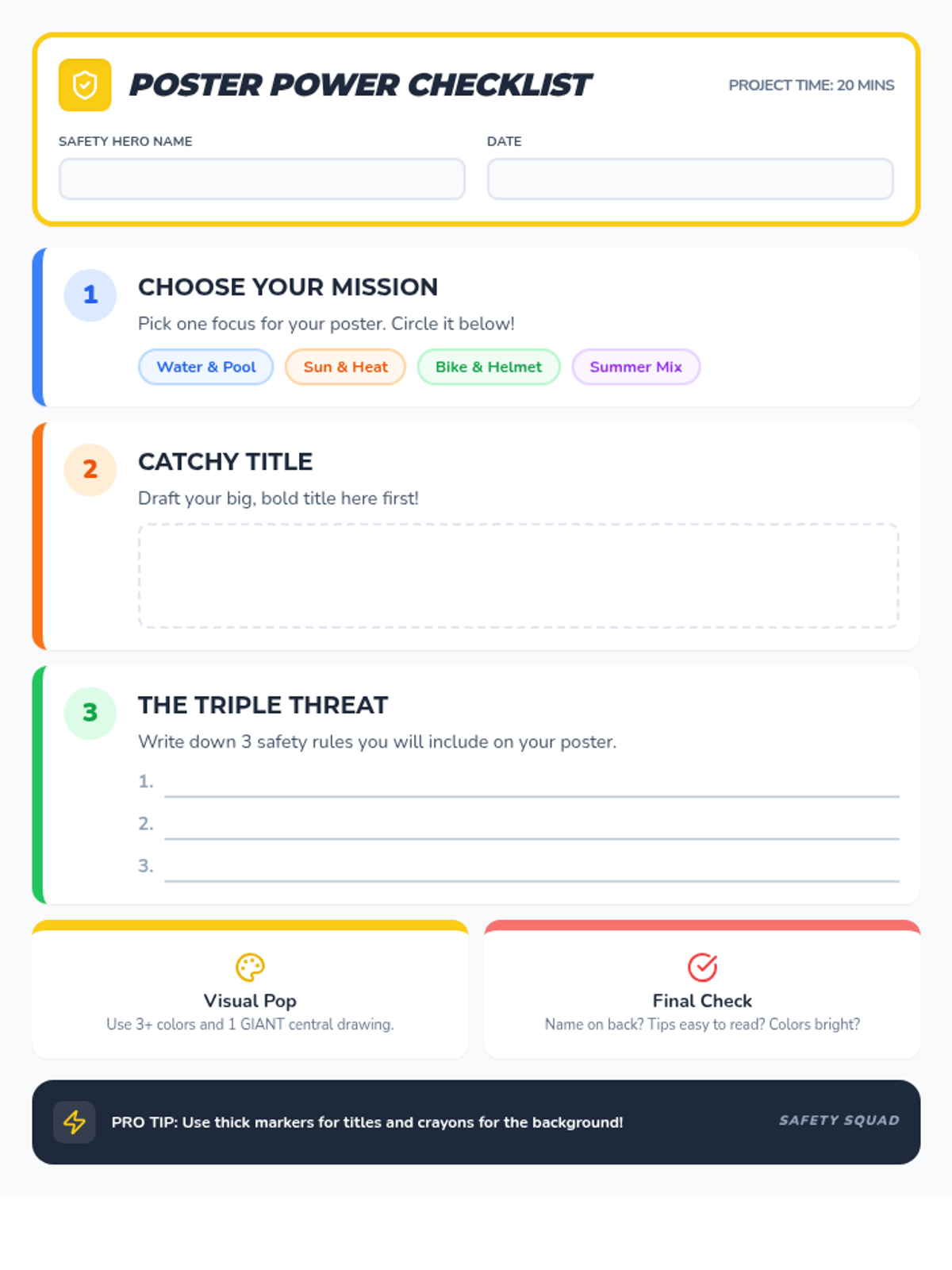
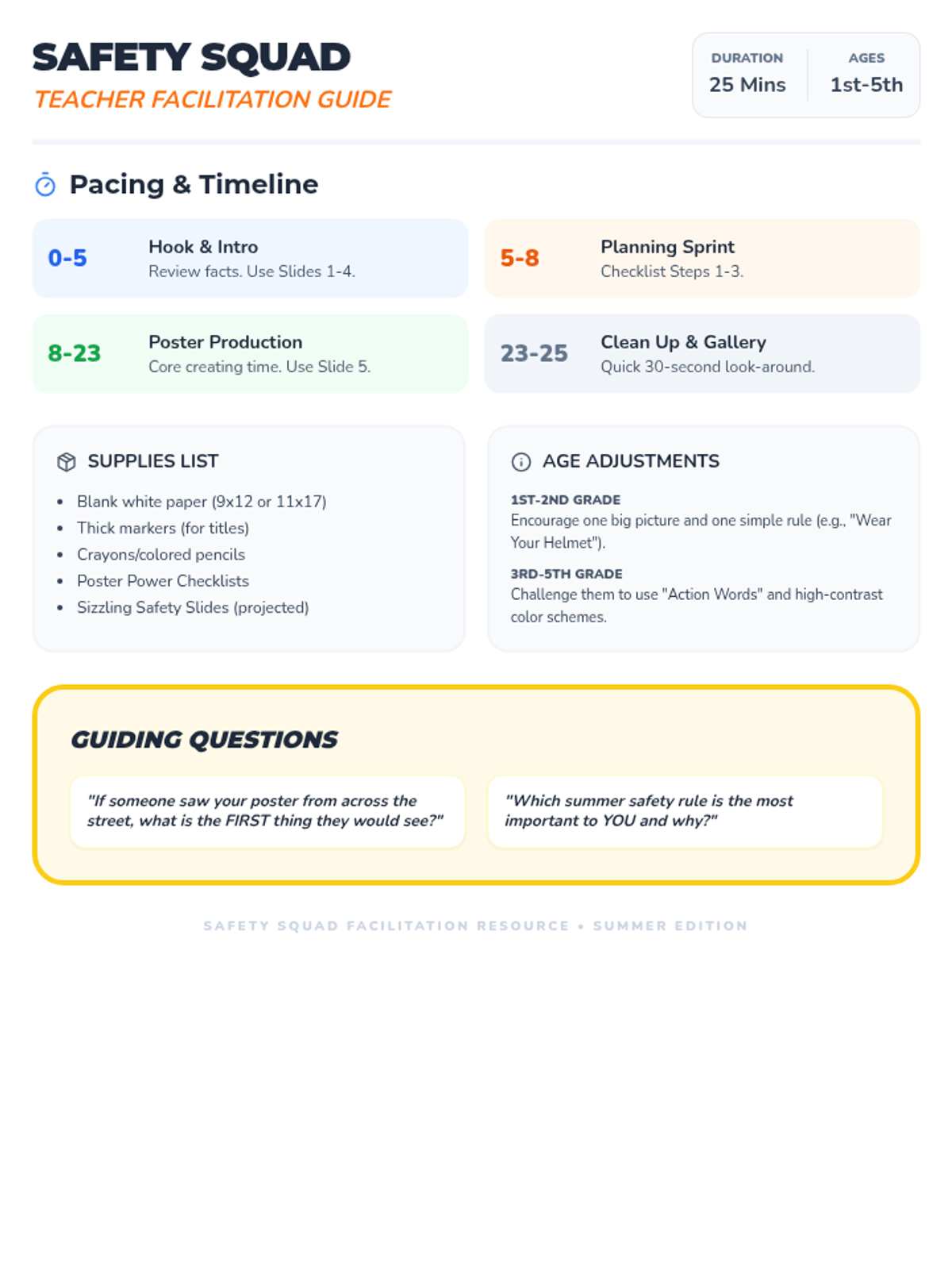
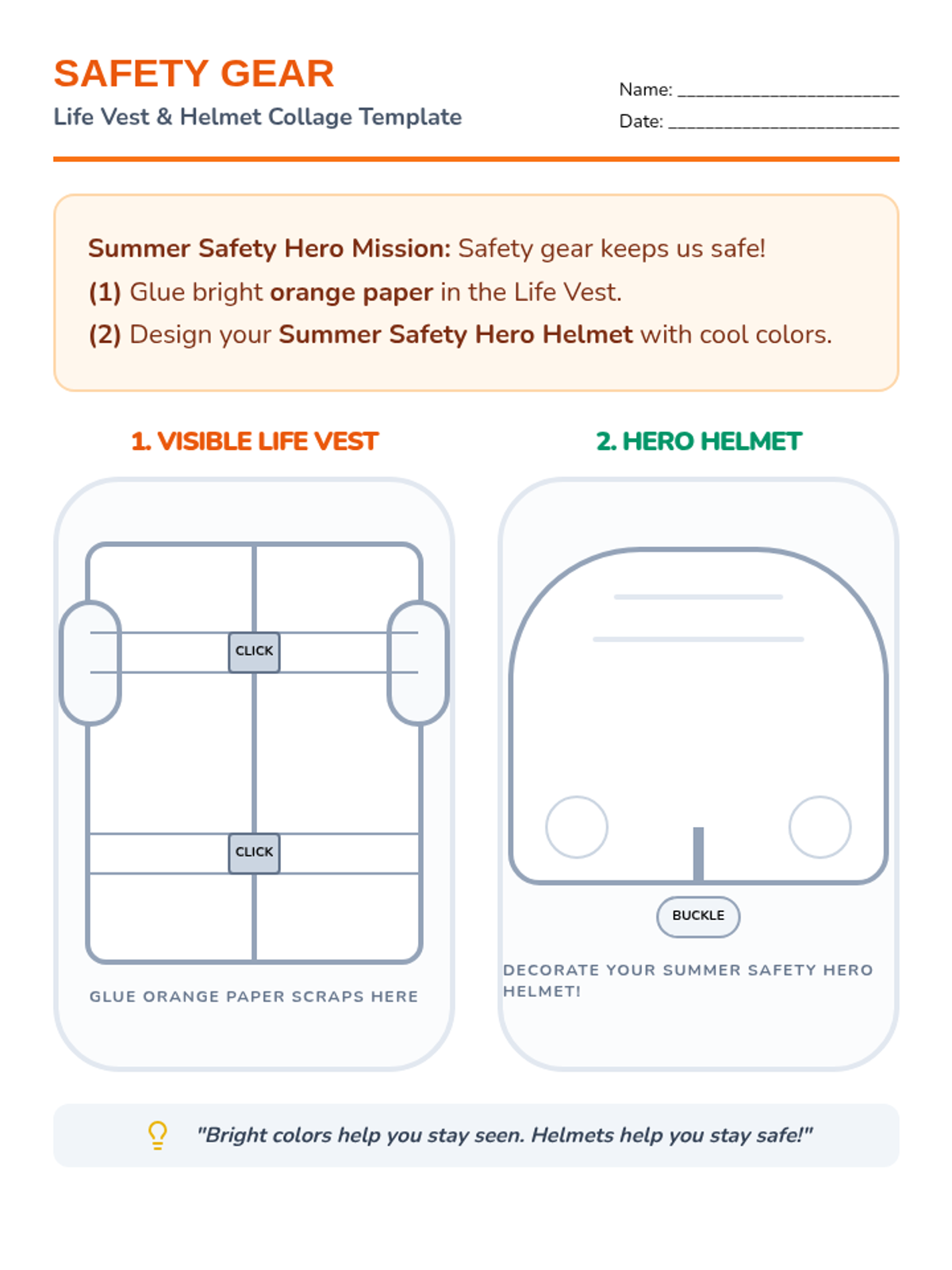
A fast-paced, creative project where students design safety posters covering water, sun, bike, and general summer safety tips in a 25-minute sprint.
A comprehensive lesson exploring the bi-directional relationship between gut health and mental well-being, specifically tailored for high schoolers in therapeutic settings. The lesson covers the enteric nervous system, the impact of nutrition, hydration, and substances on mood, energy, and cognitive function.
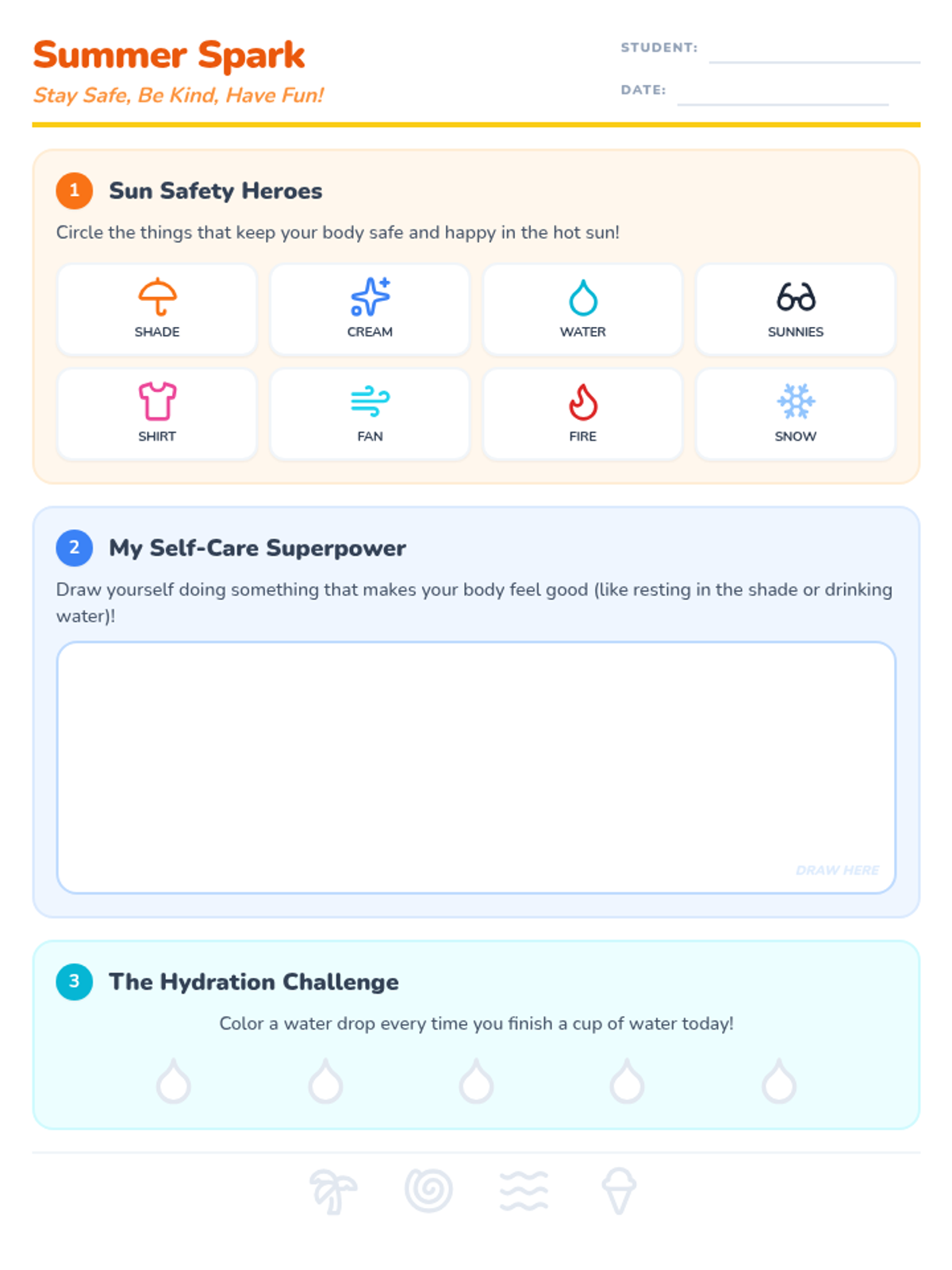
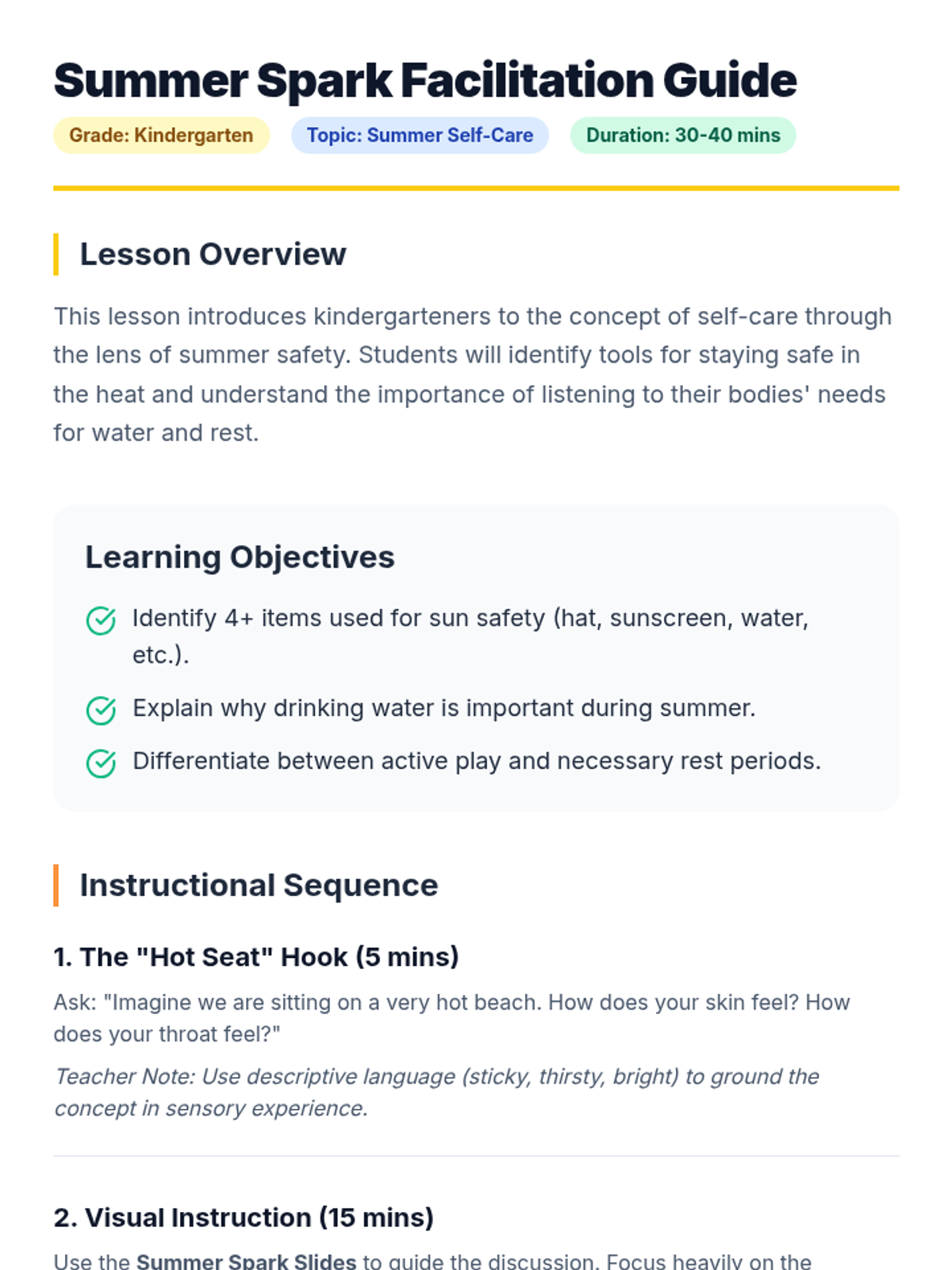
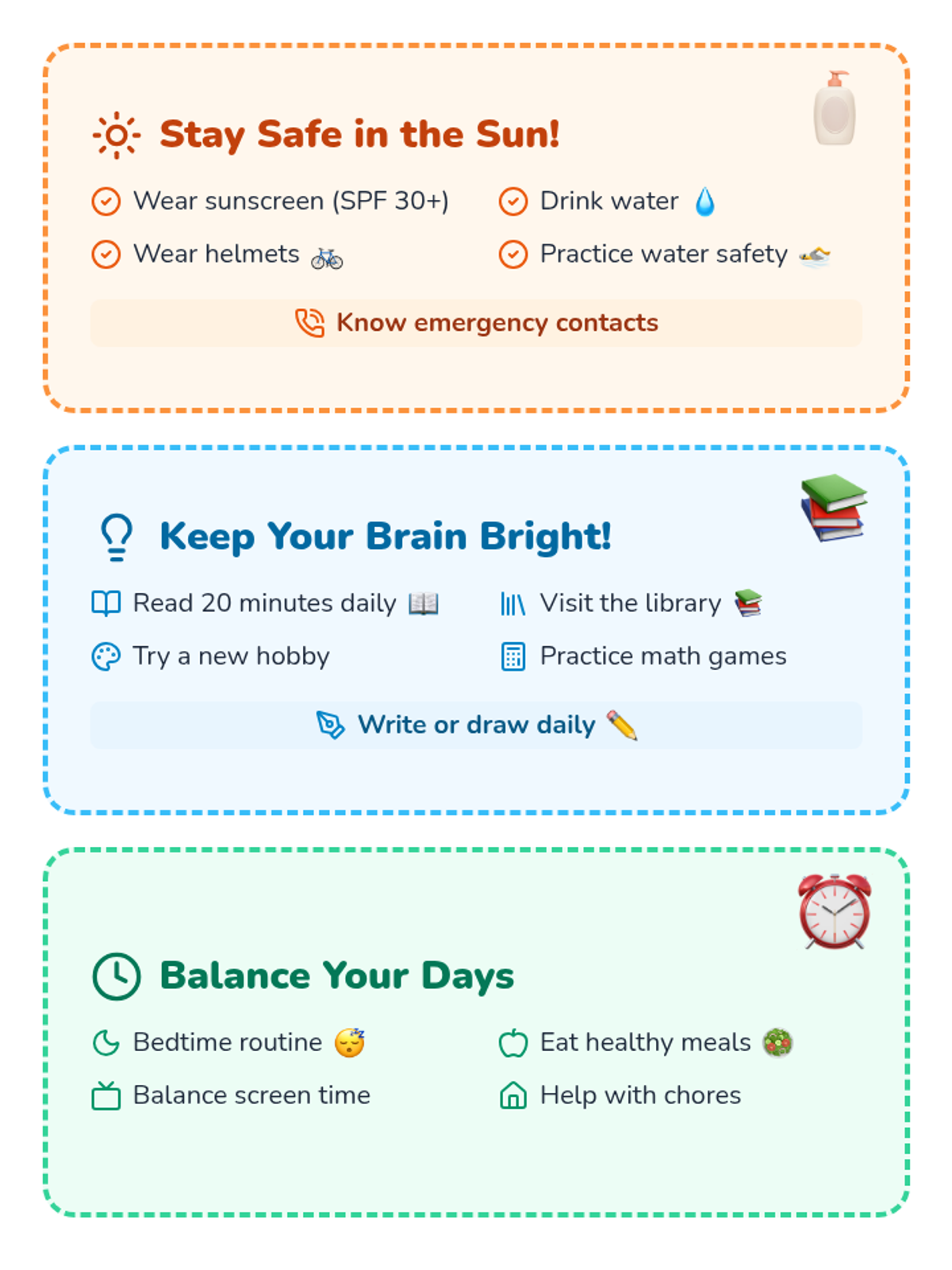
A kindergarten lesson focused on self-care, safety, and productivity during the summer break. Students will learn about sun safety, hydration, and balancing activity with rest.
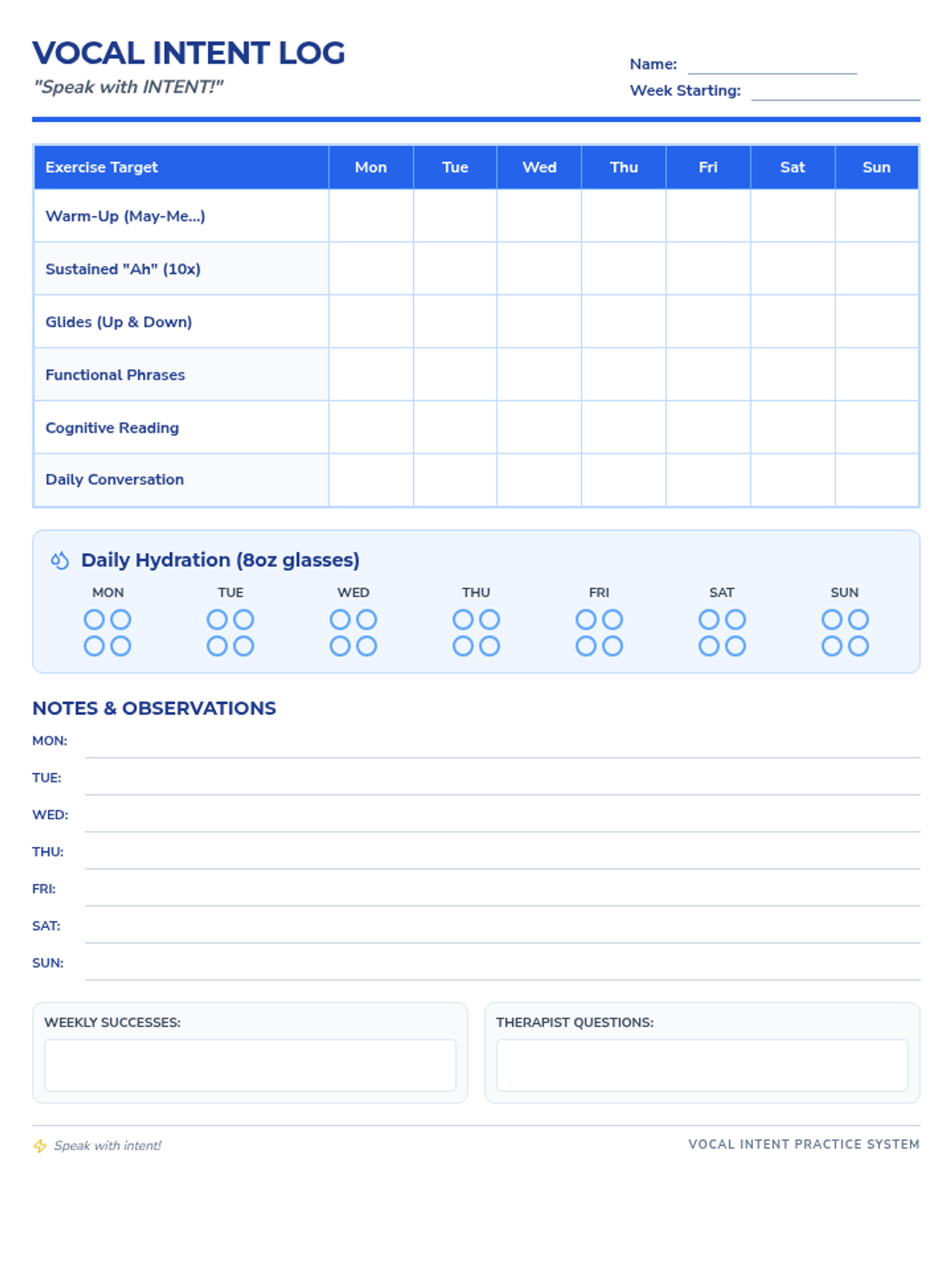
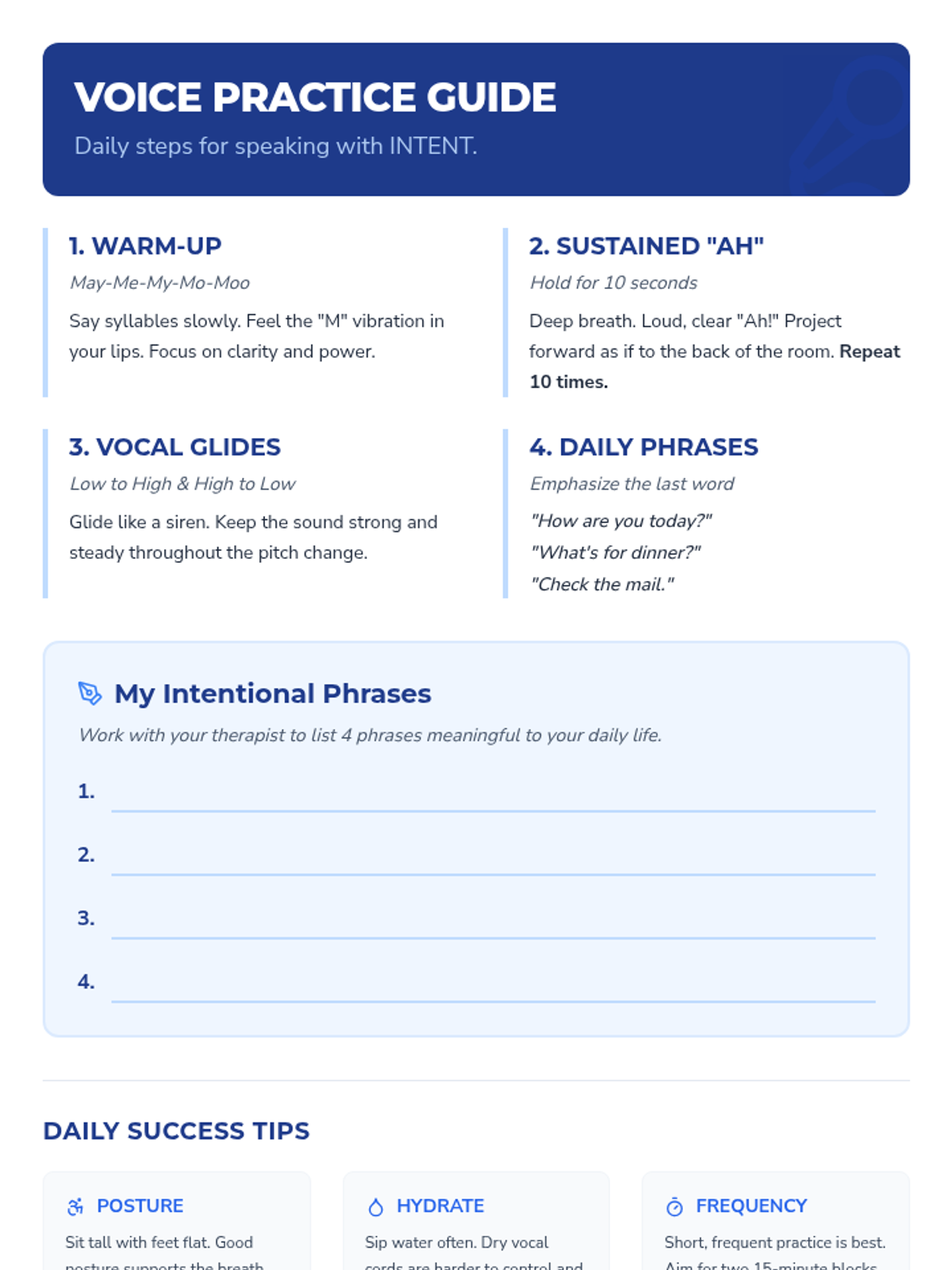
A comprehensive home practice system for Parkinson's patients focusing on vocal intent and speech clarity. Includes a weekly tracking log and a reference guide for daily exercises.
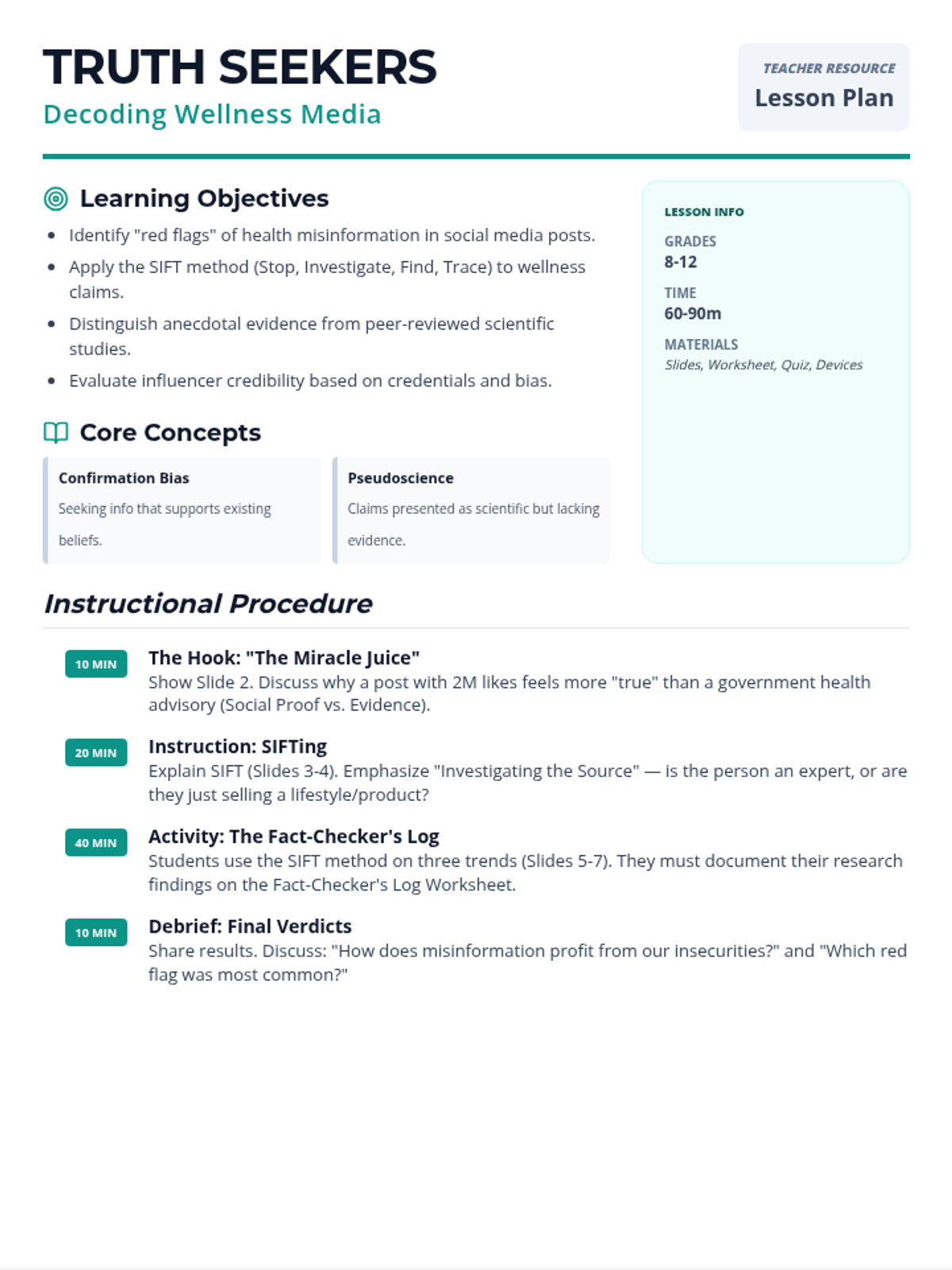
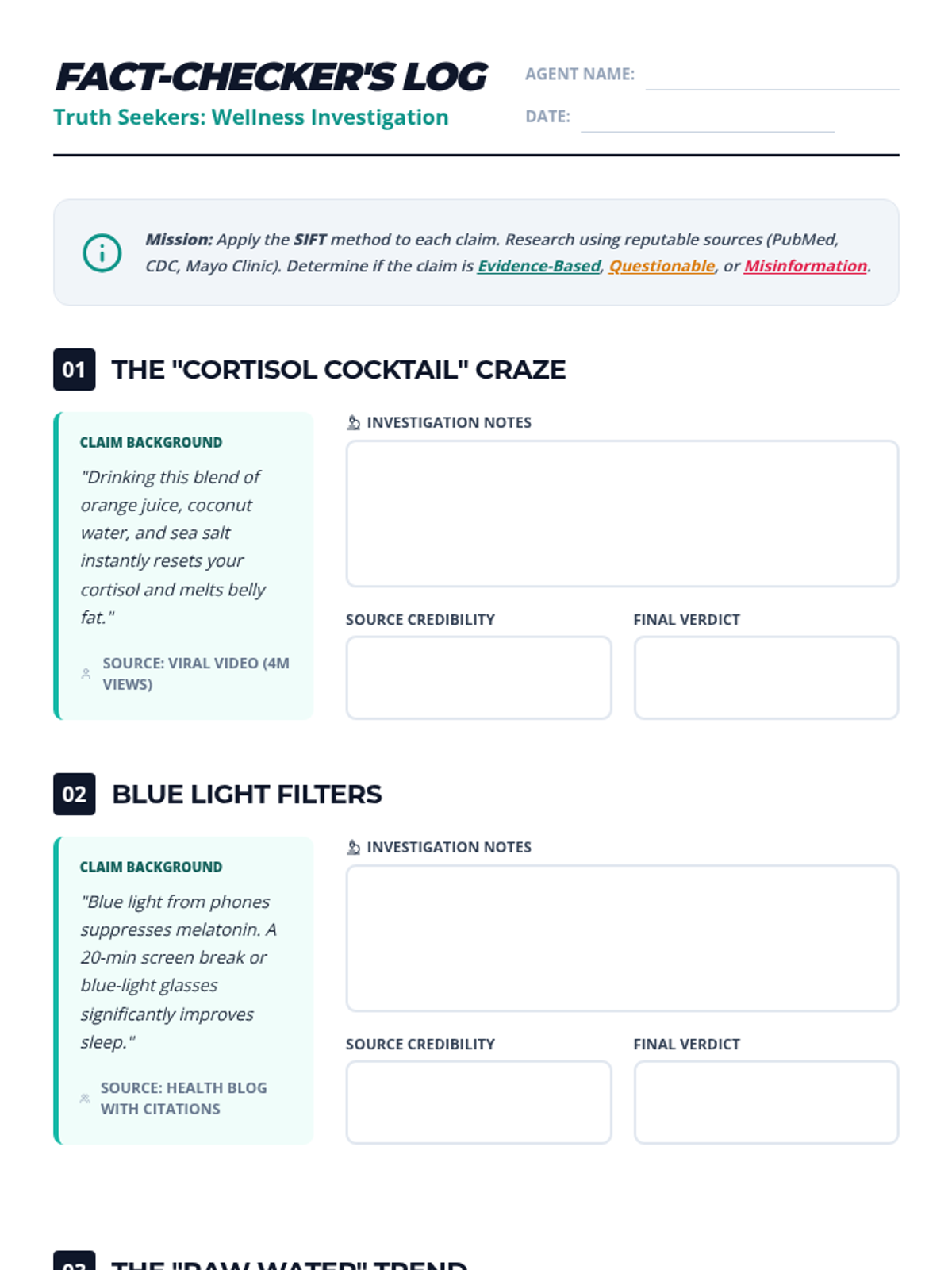
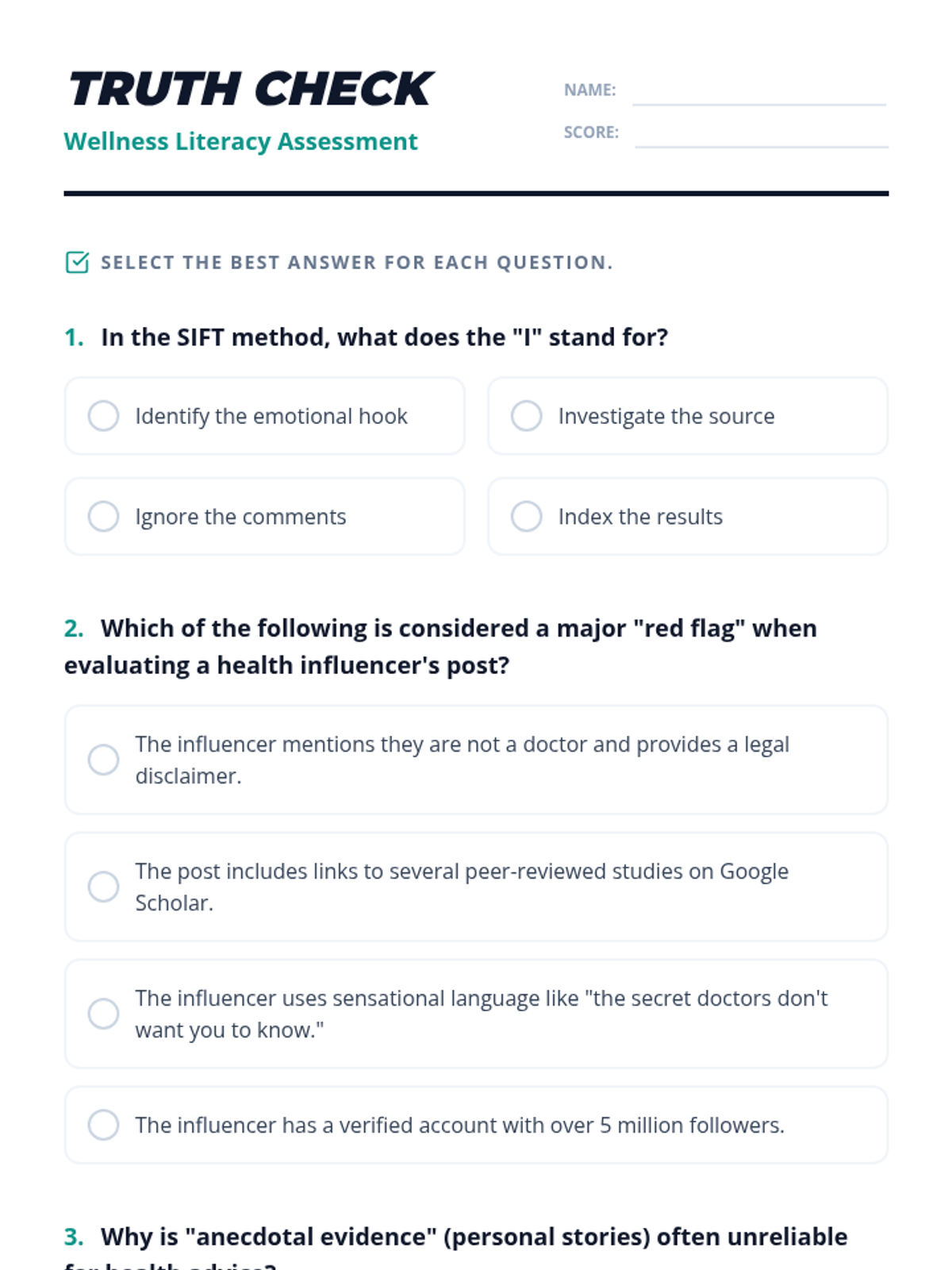
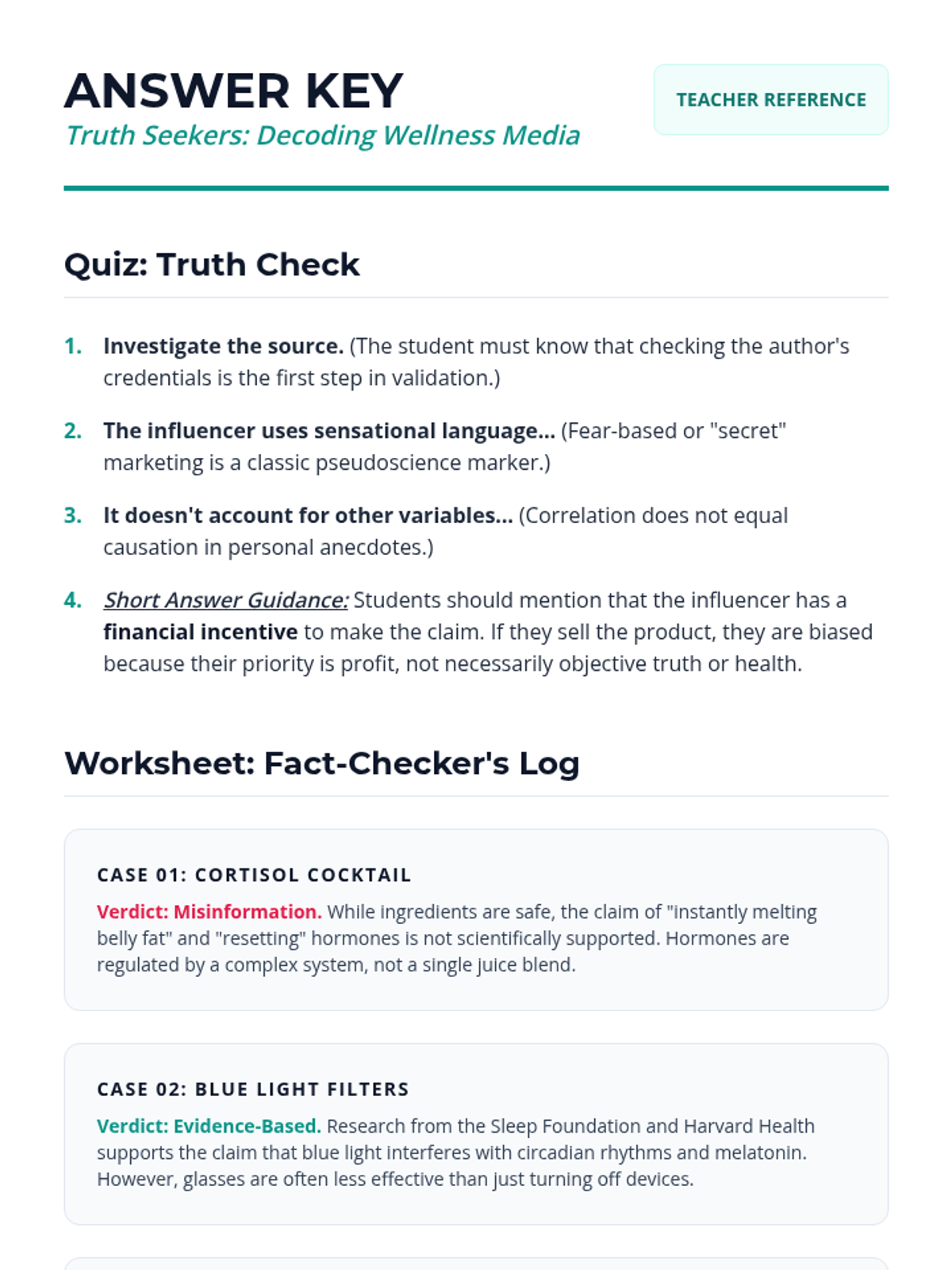
A high school media literacy lesson focused on evaluating health and wellness claims on social media. Students learn to apply the SIFT method to distinguish between scientific evidence and viral misinformation.
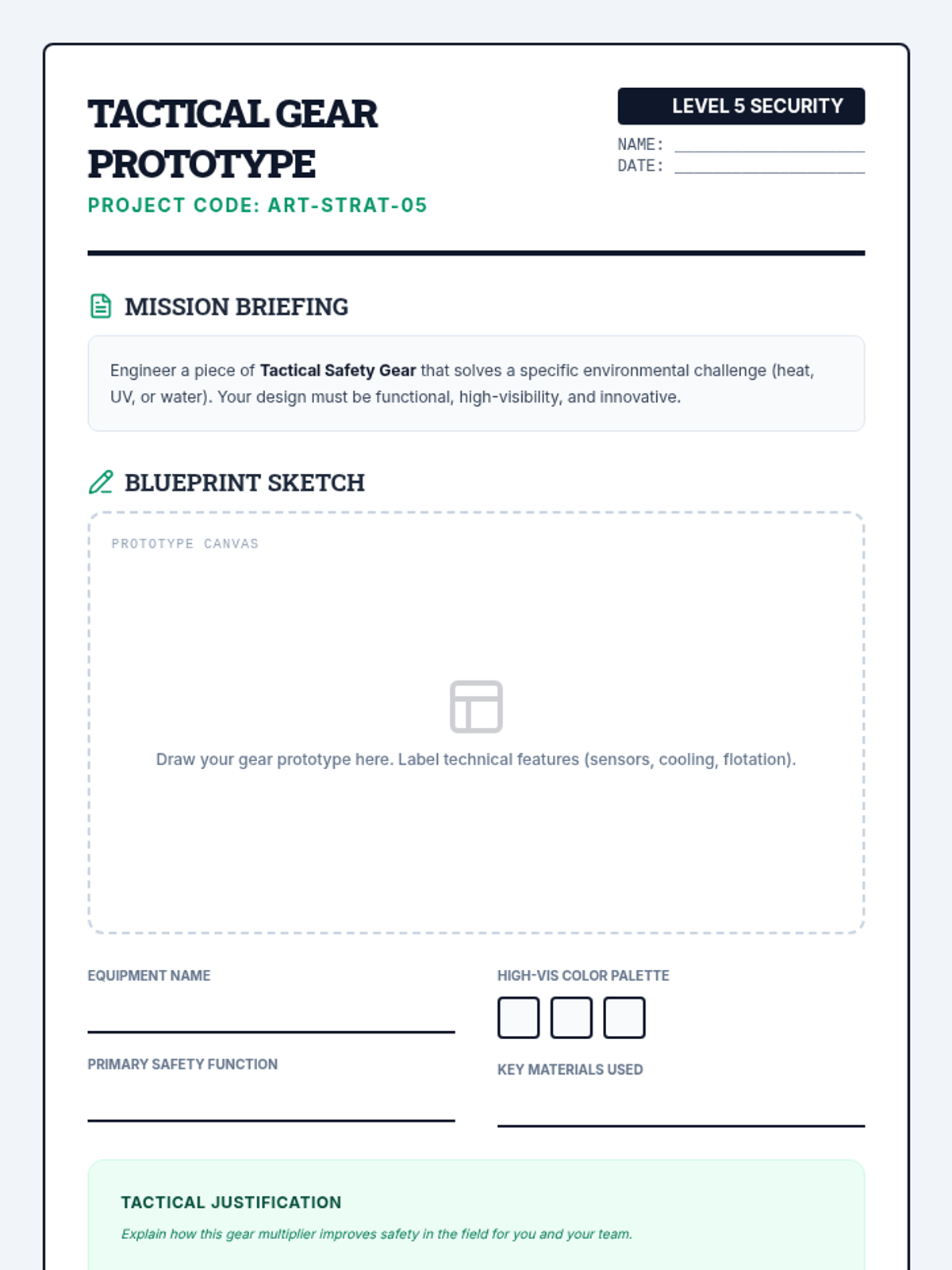
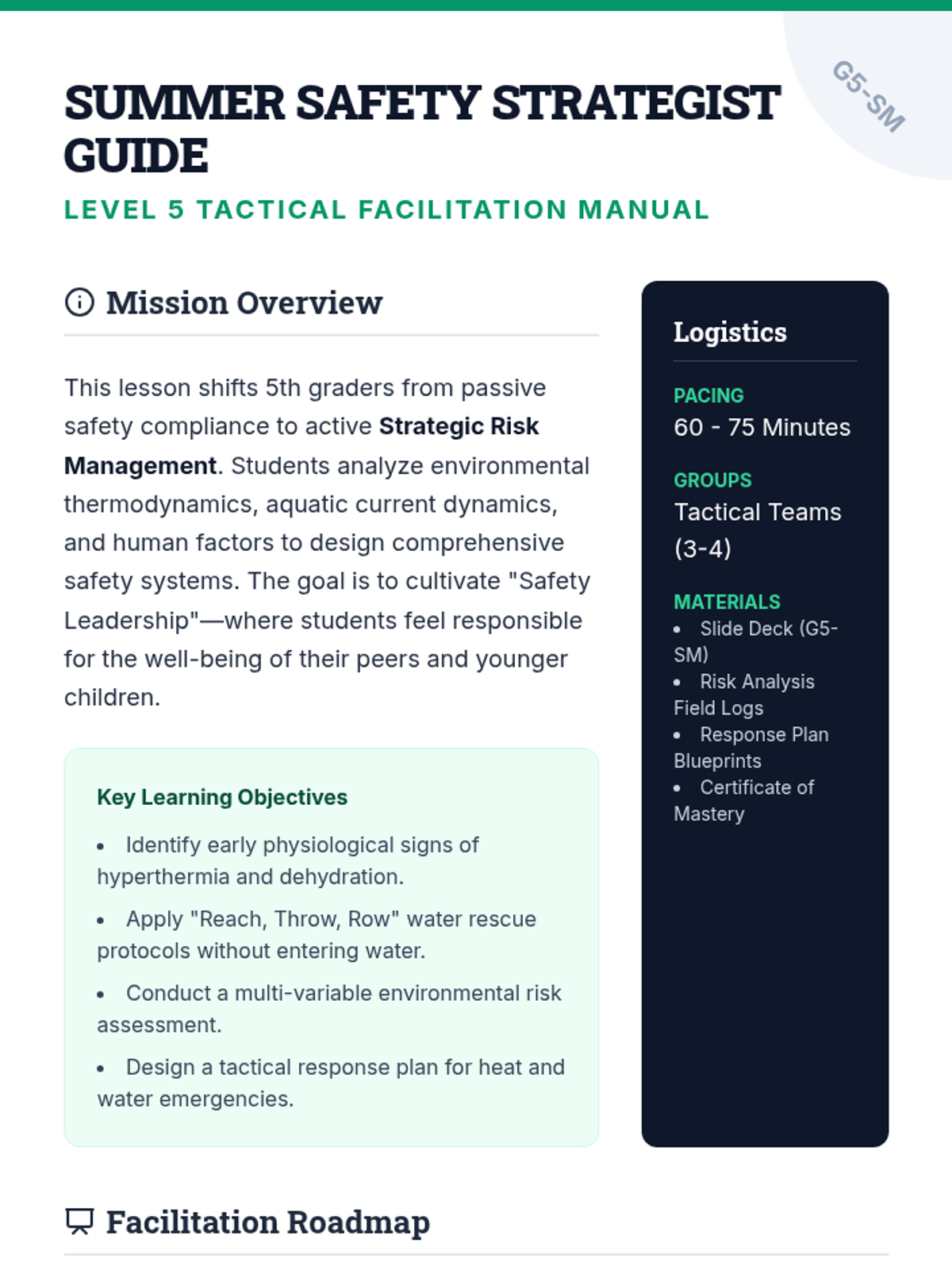
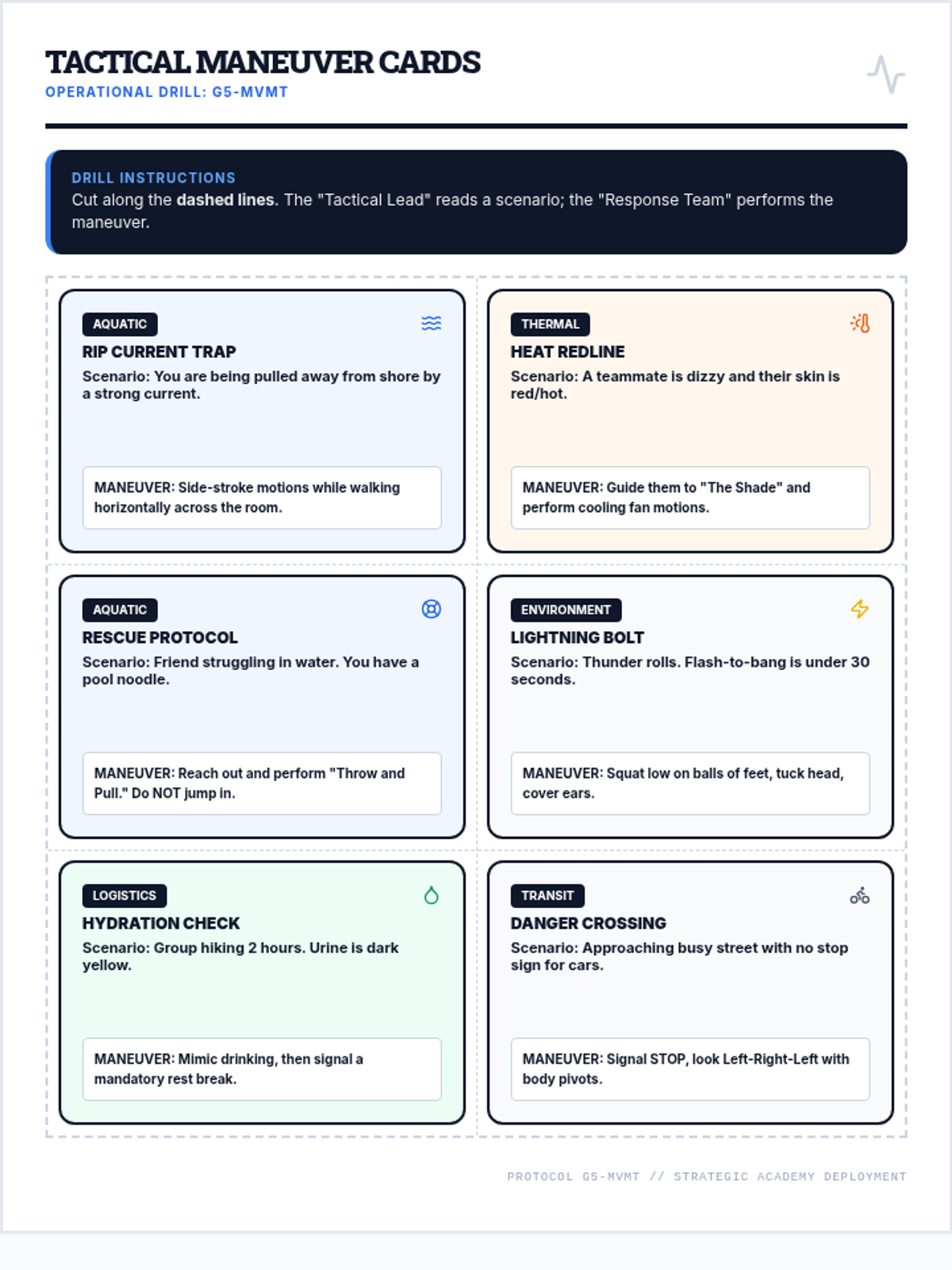
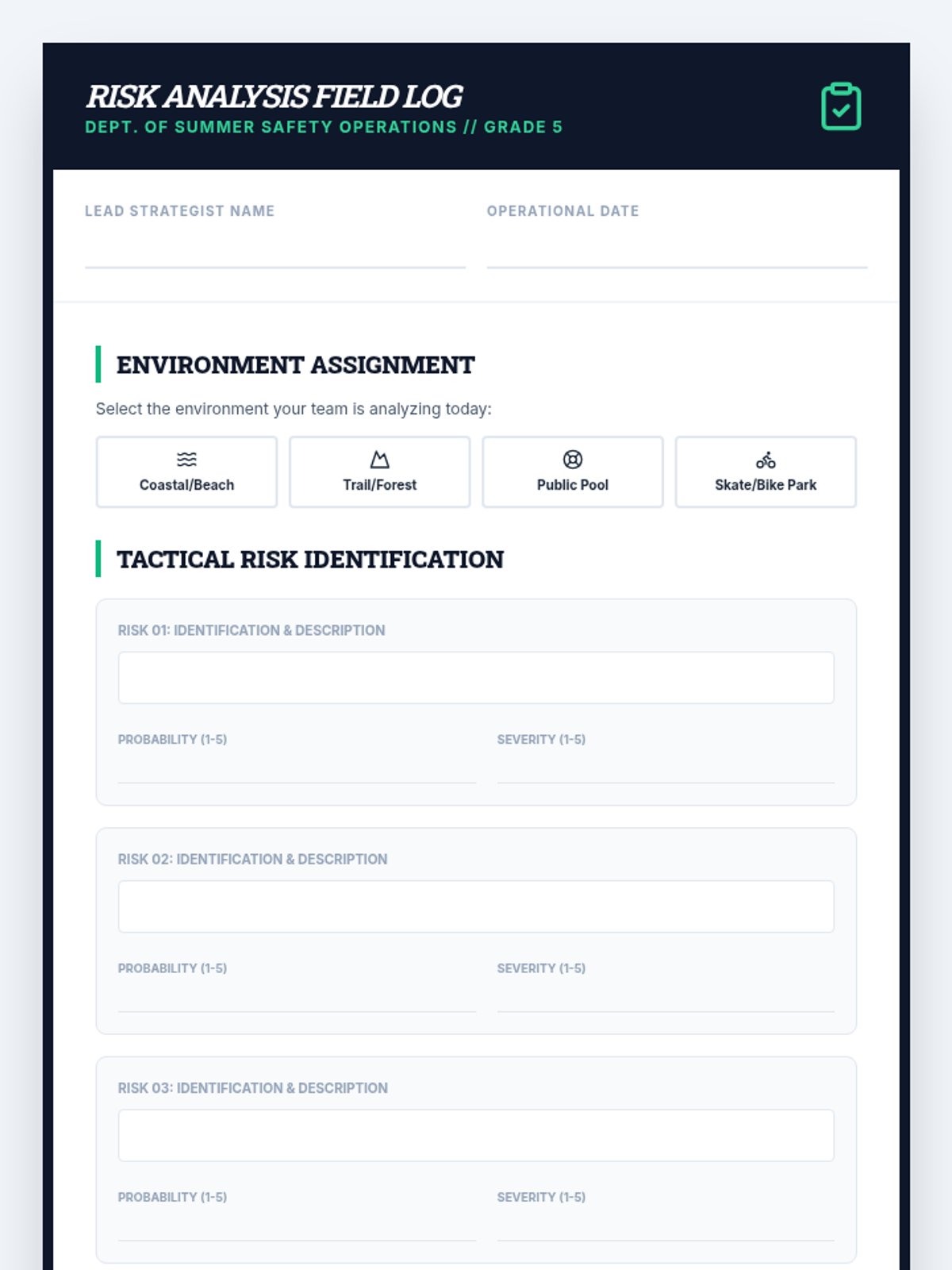
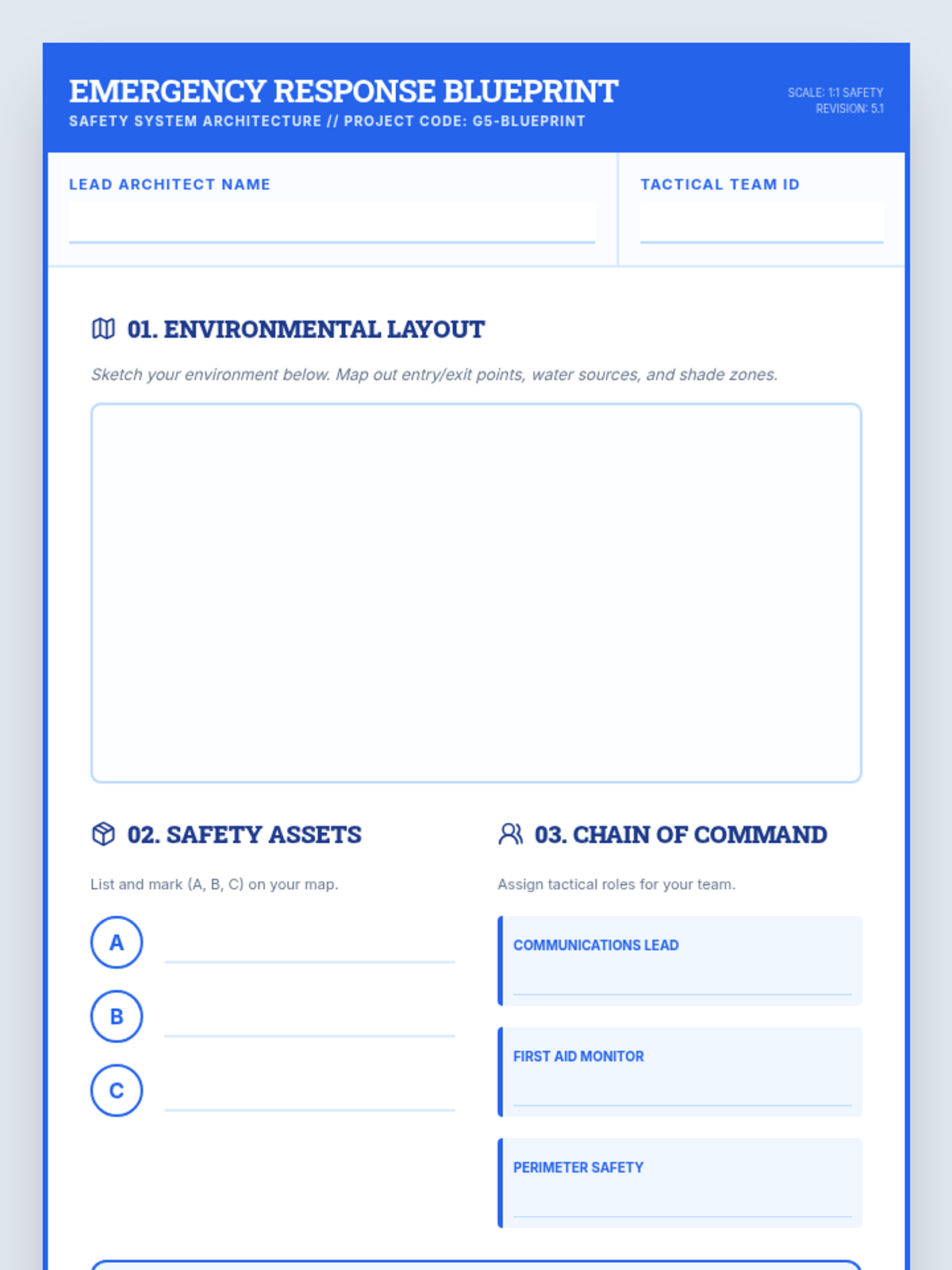
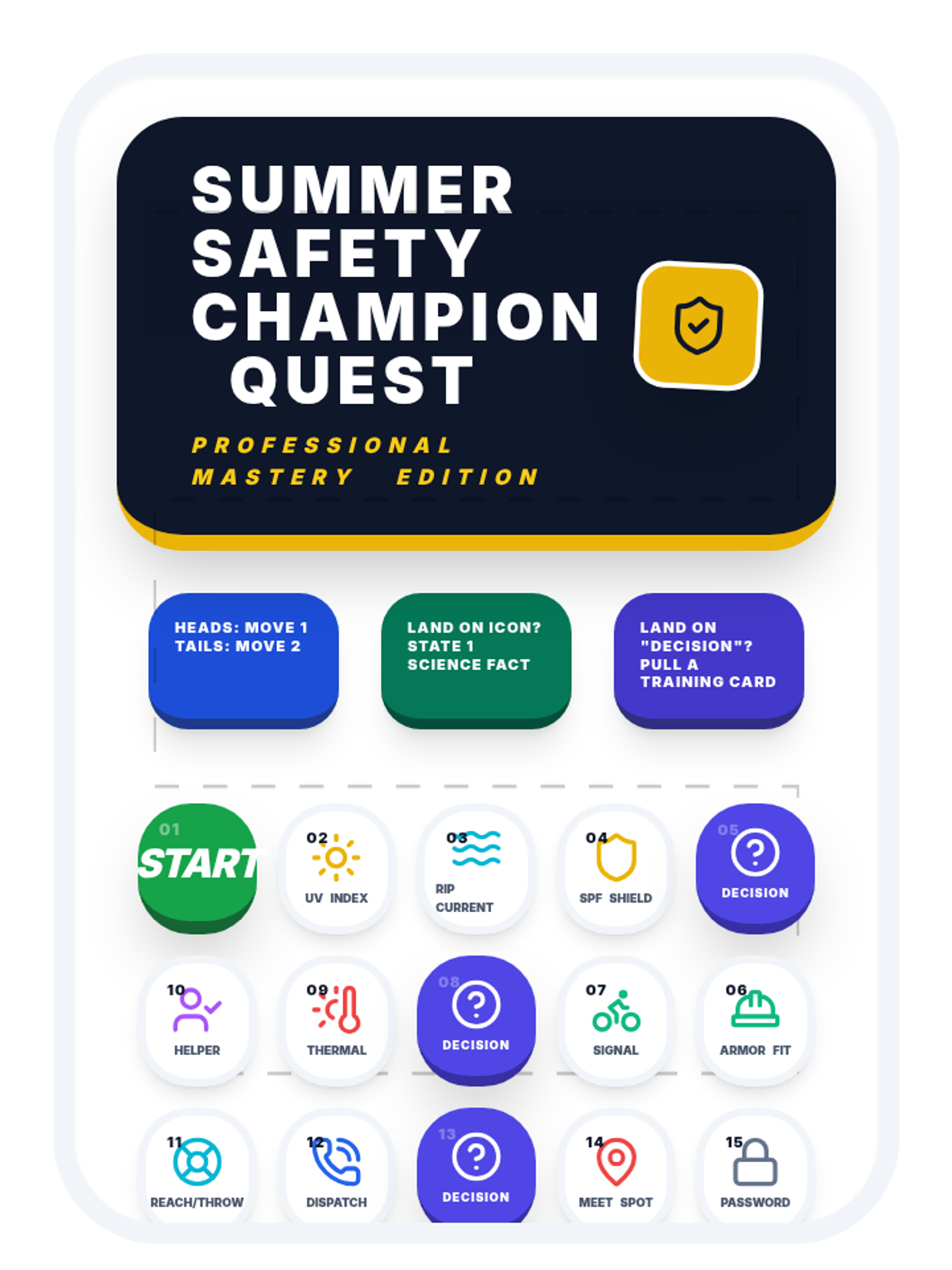
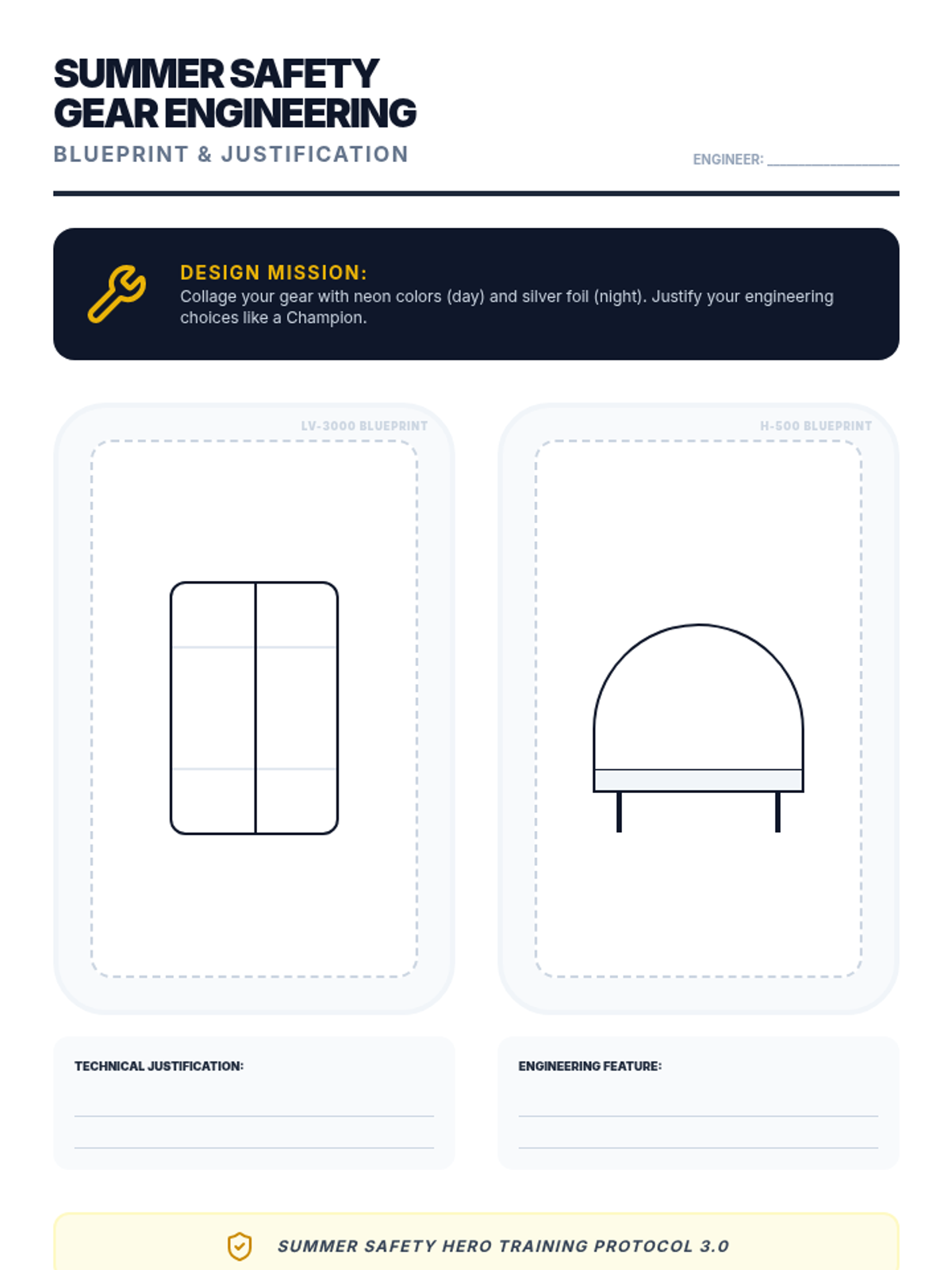
An advanced summer safety lesson for 5th graders focused on leadership, environmental health, and complex risk management strategies. Students analyze scenarios and design comprehensive safety systems.
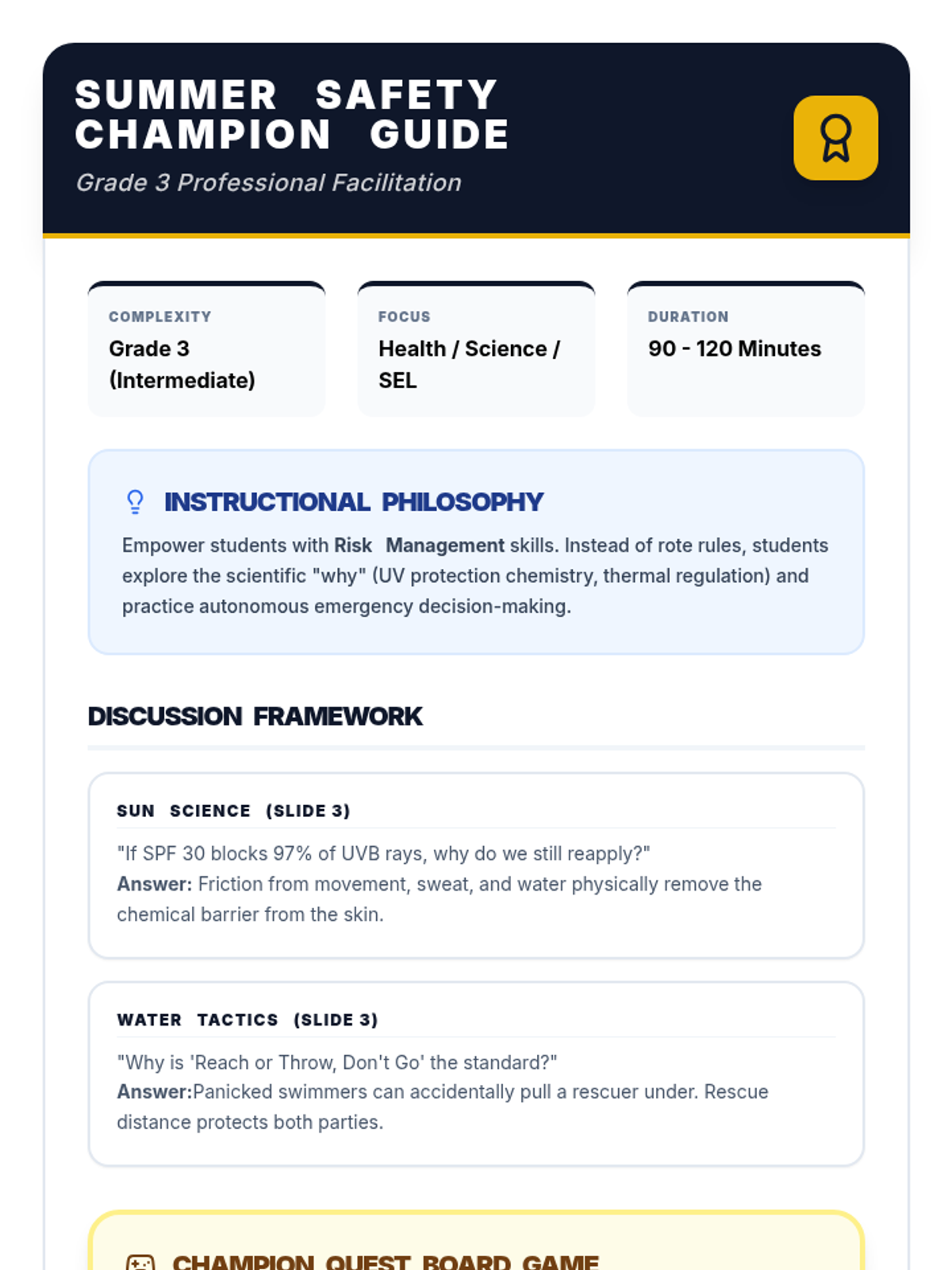
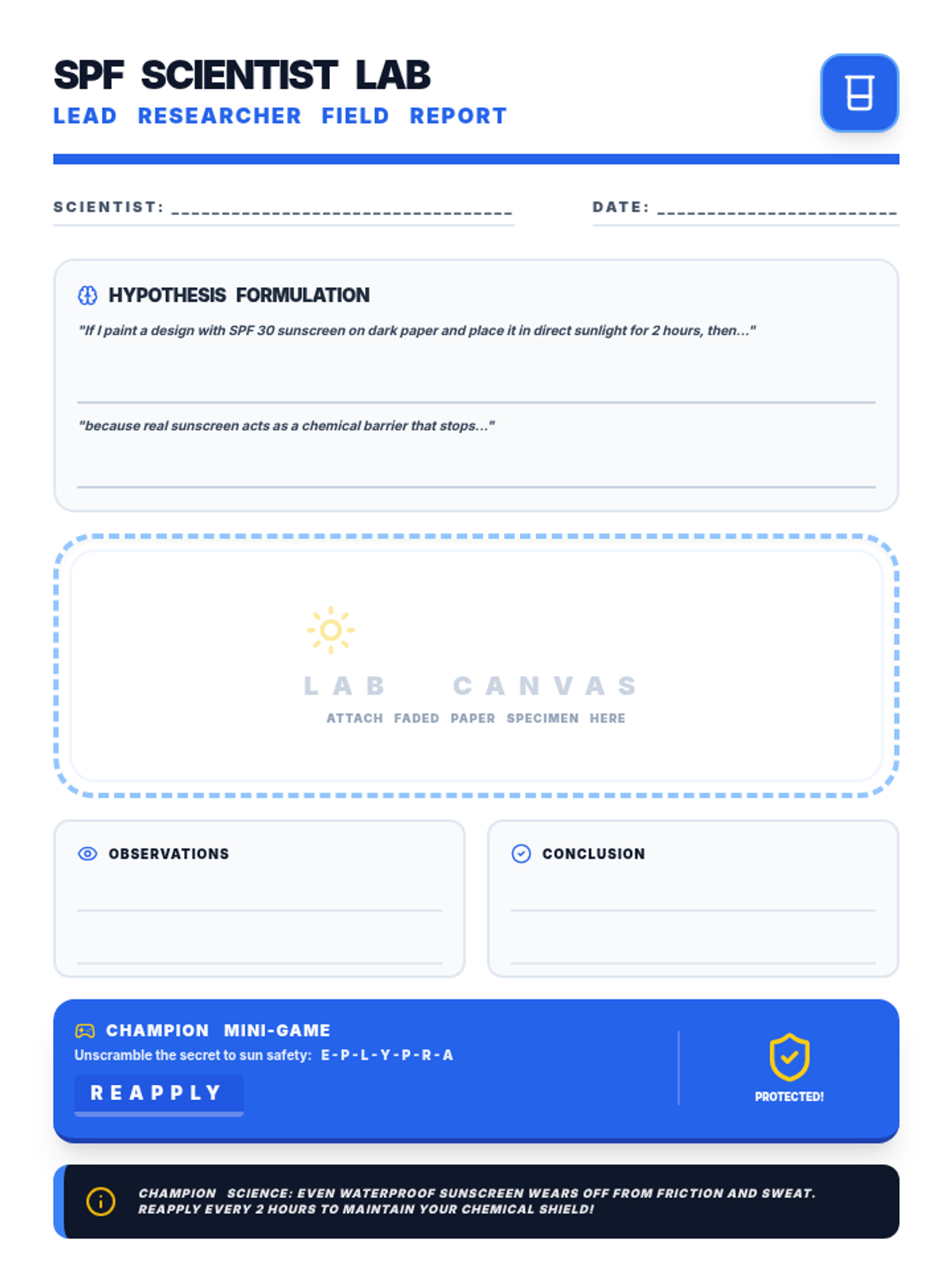
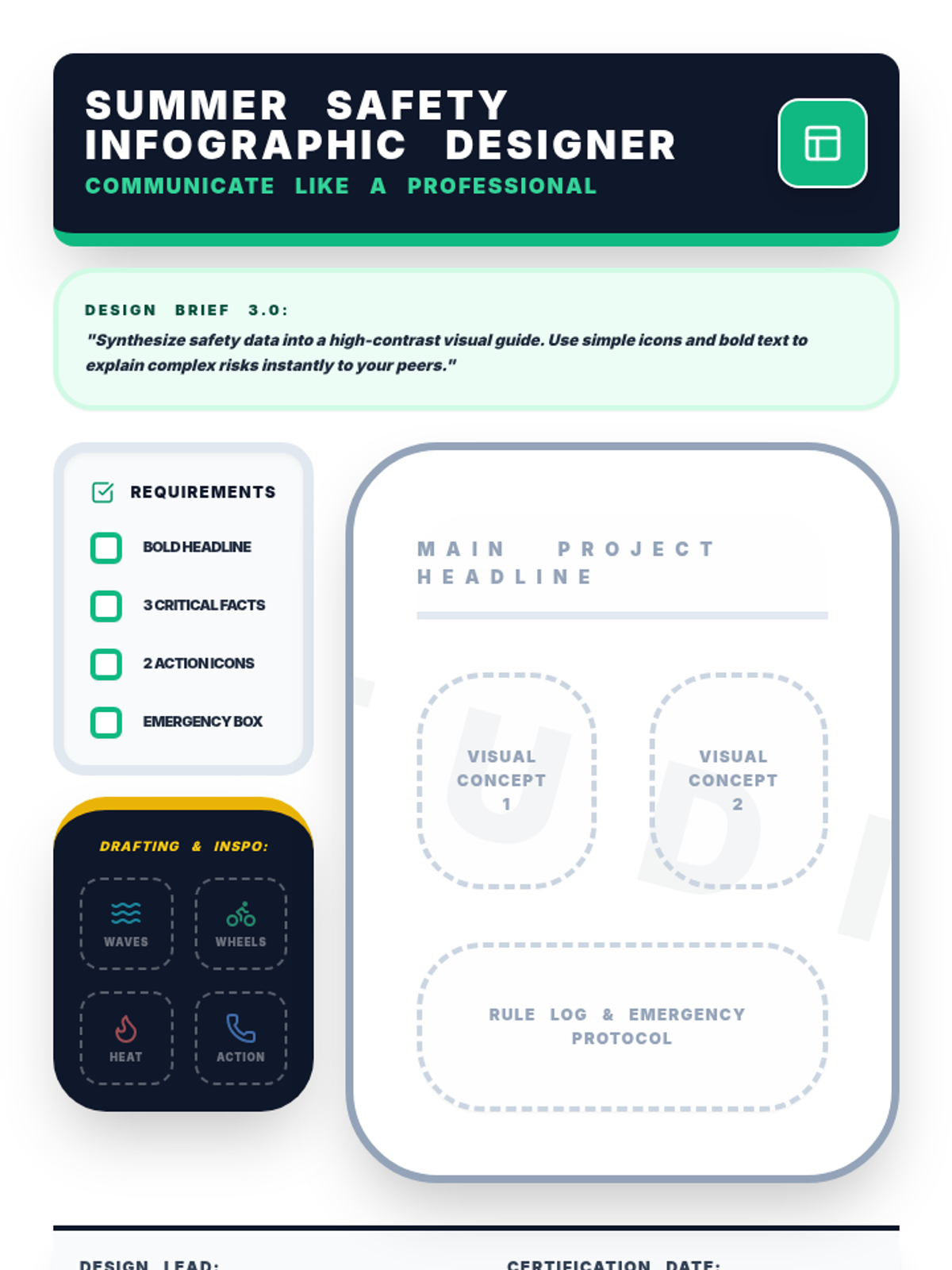
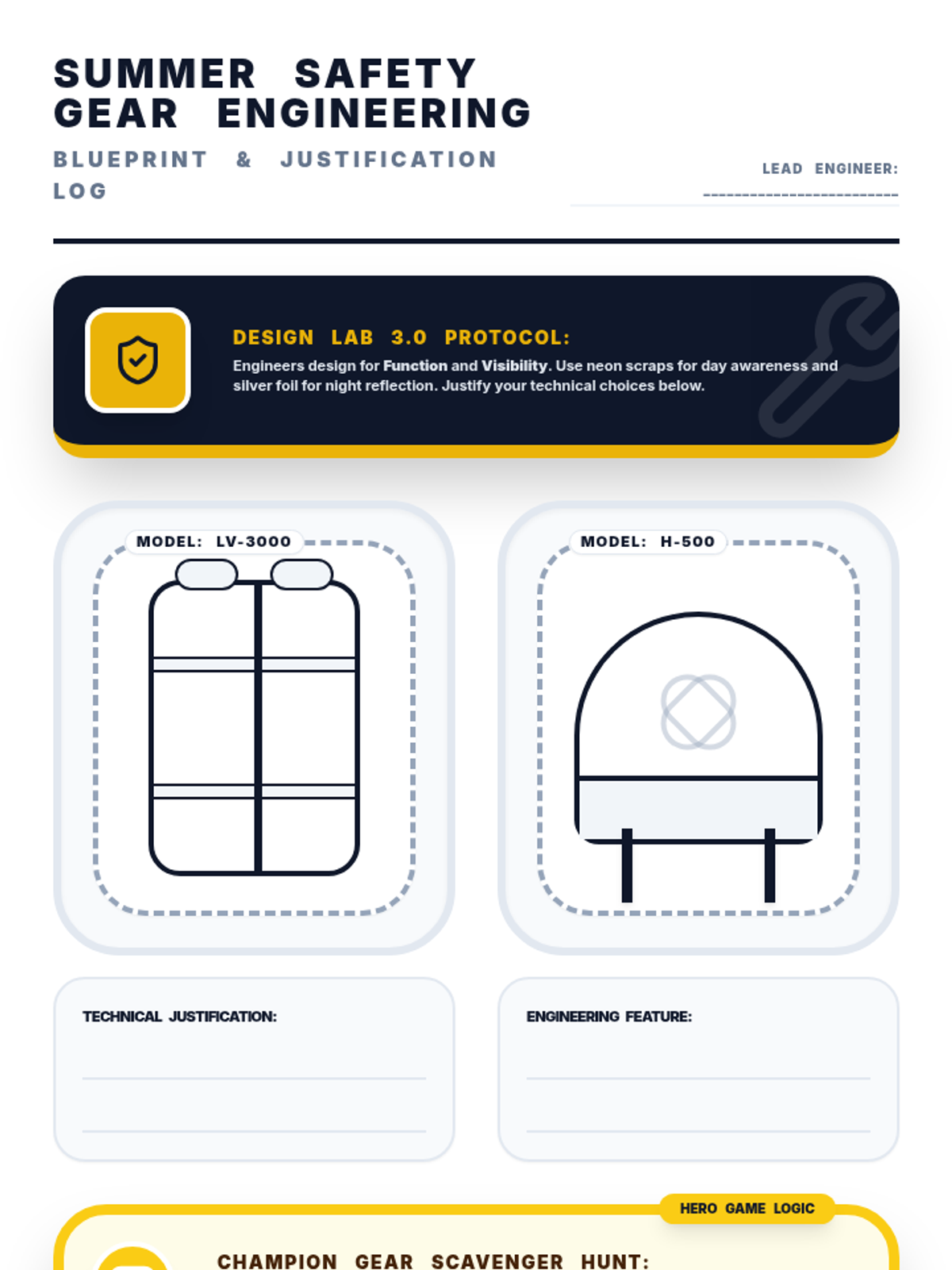
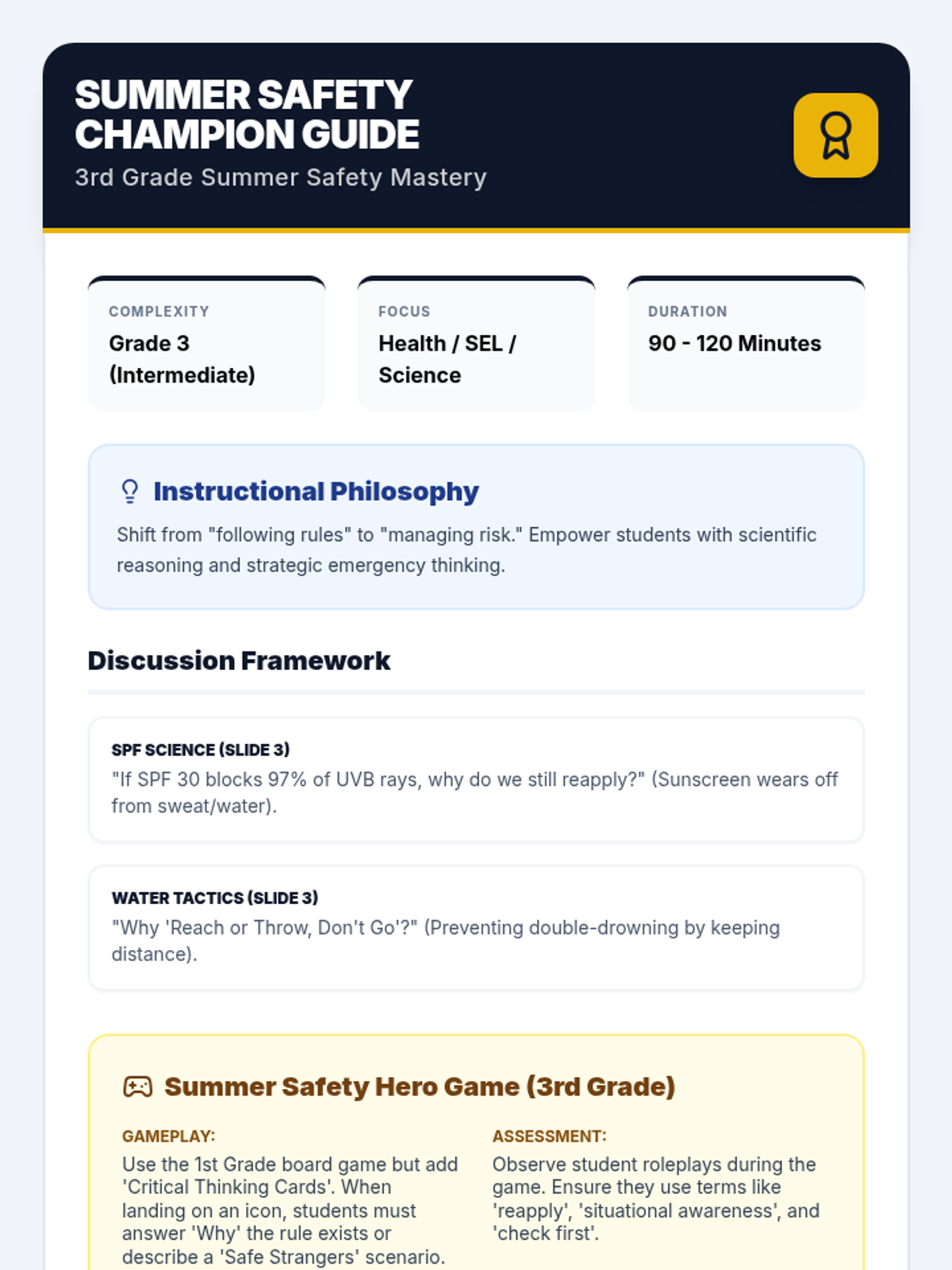
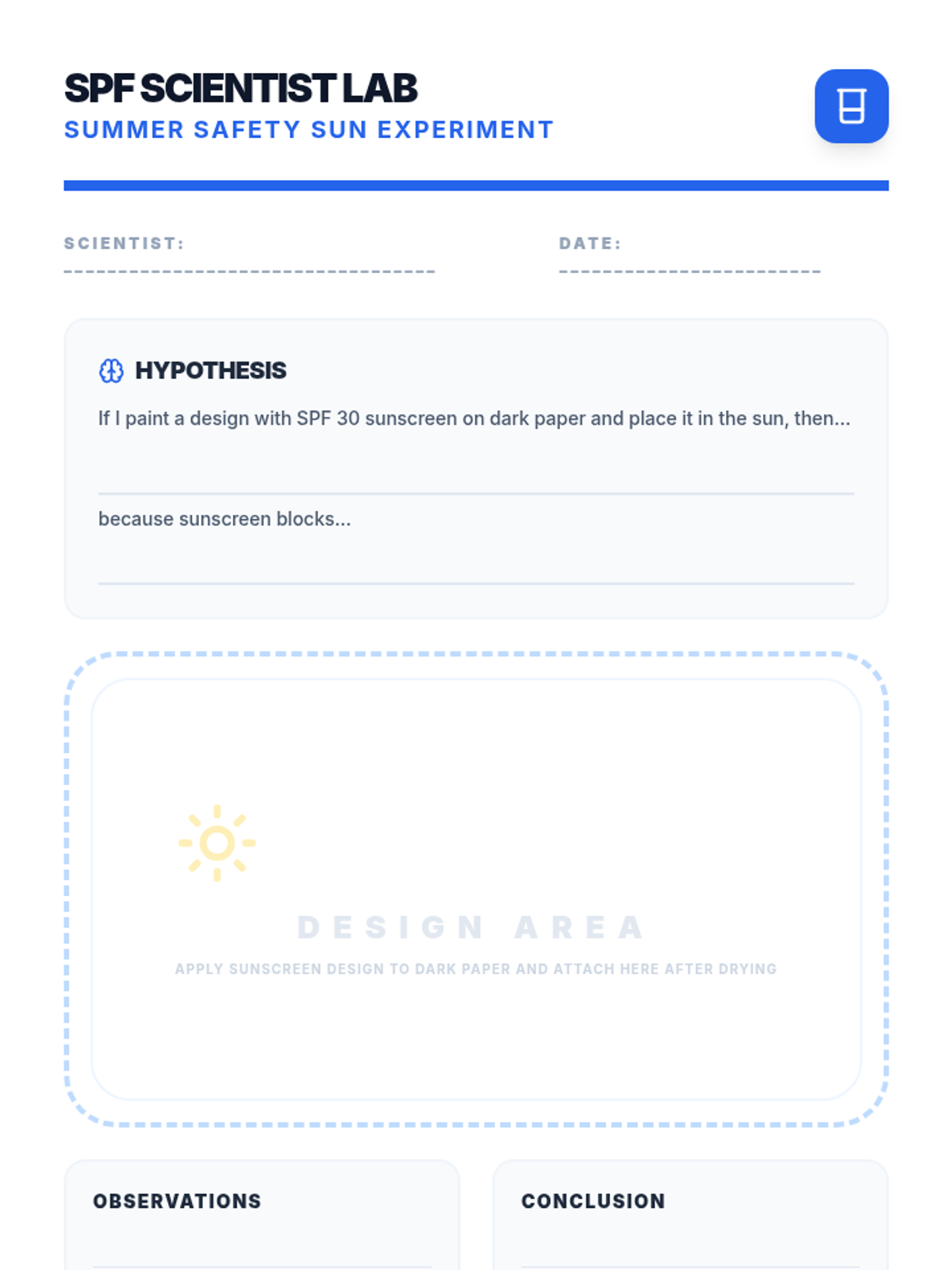
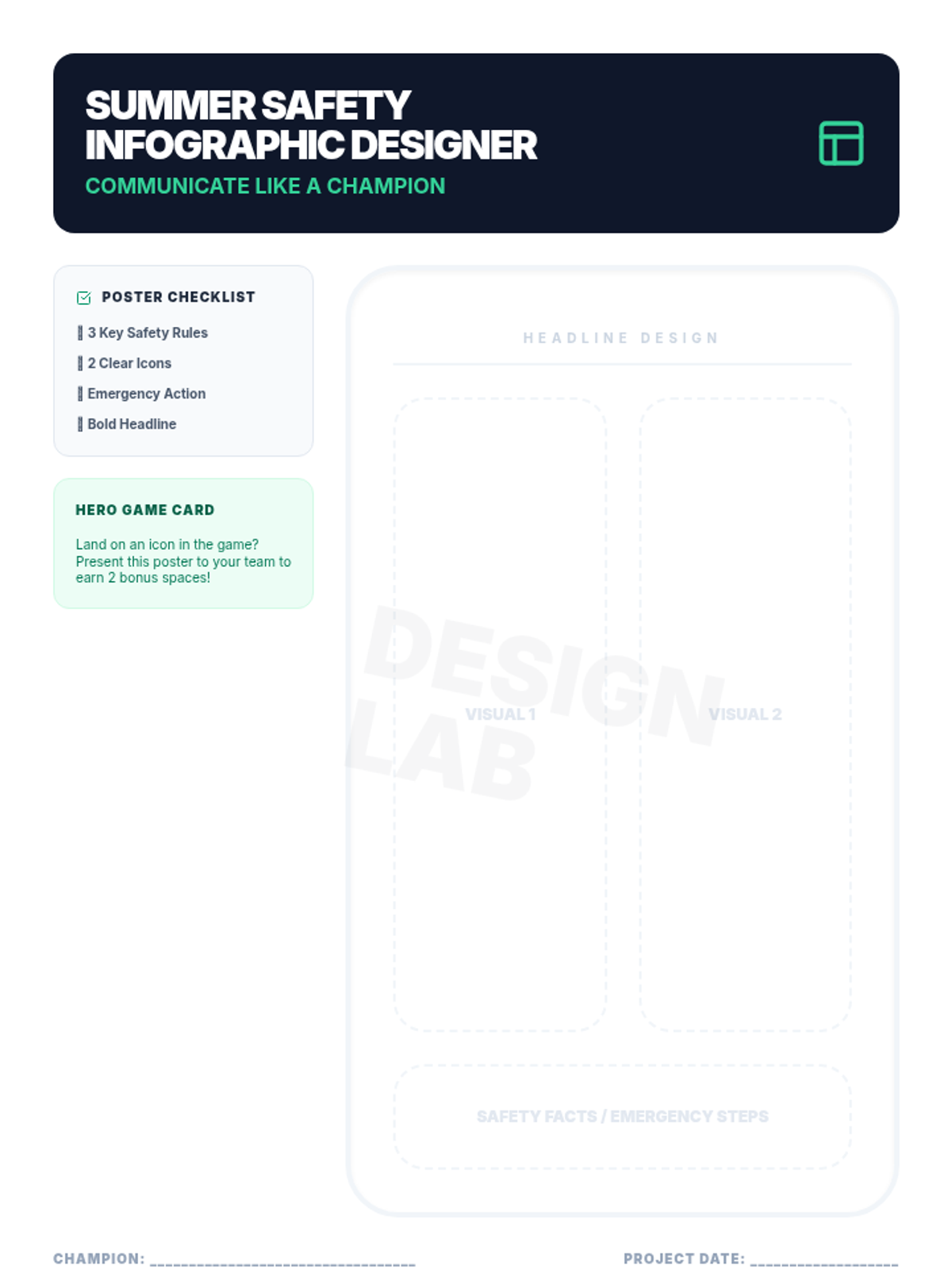
An advanced summer safety lesson for 3rd graders focused on scientific principles of protection, risk management strategies, and professional safety design.
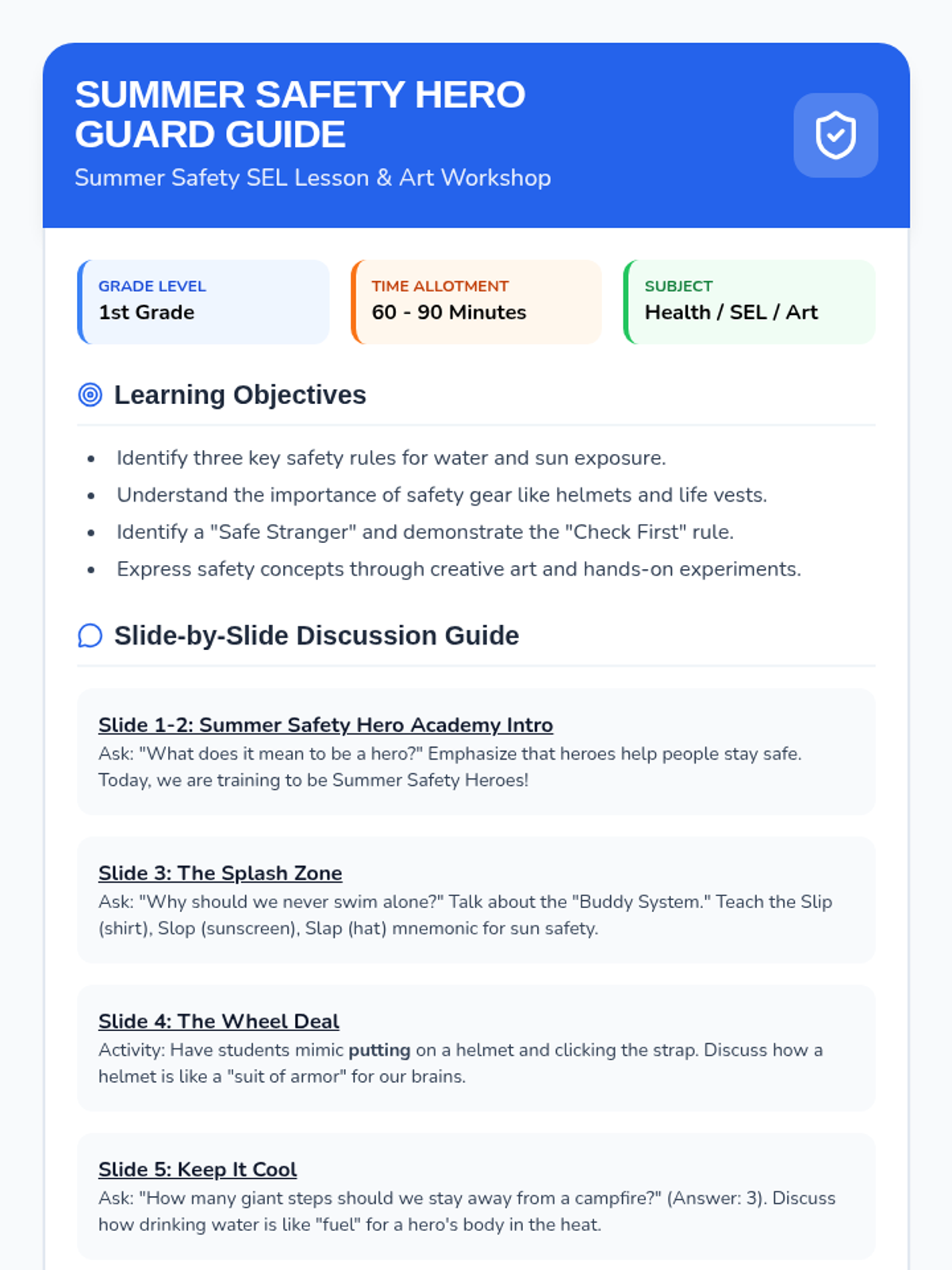
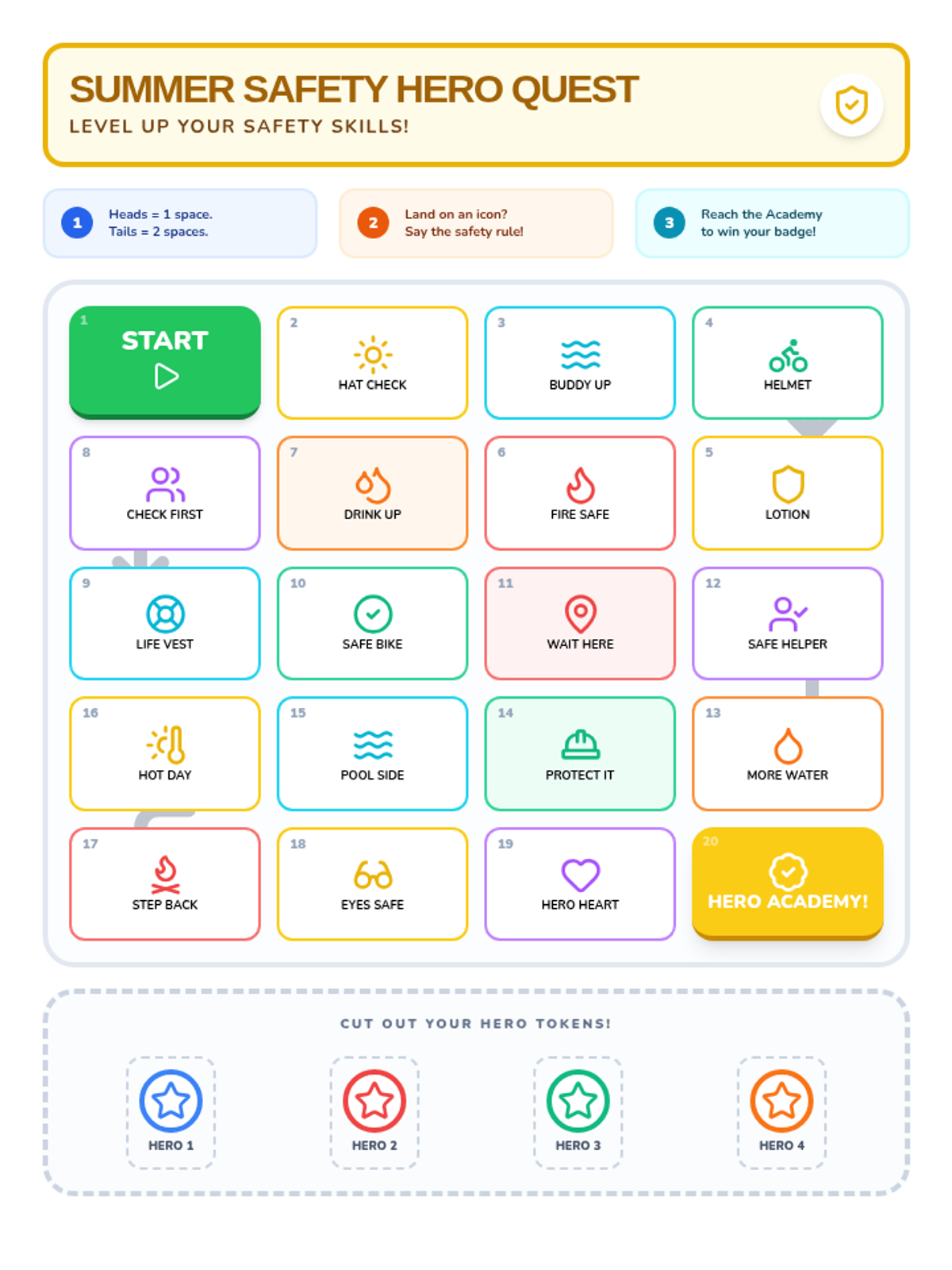
A comprehensive social-emotional learning lesson for 1st graders focused on staying safe during summer activities. Students will learn about sun, water, bike, fire safety, and personal safety through interactive slides and creative art projects.
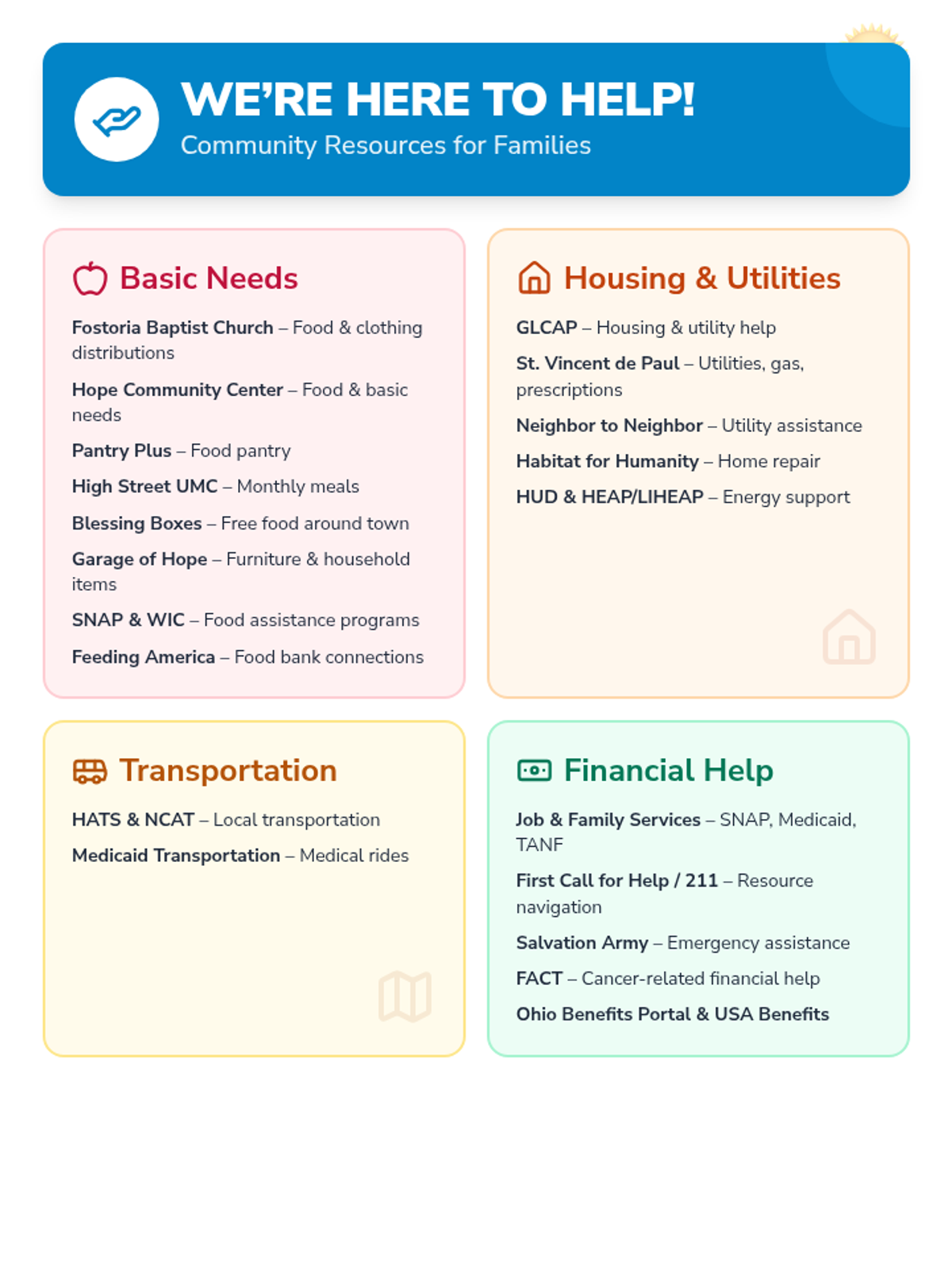
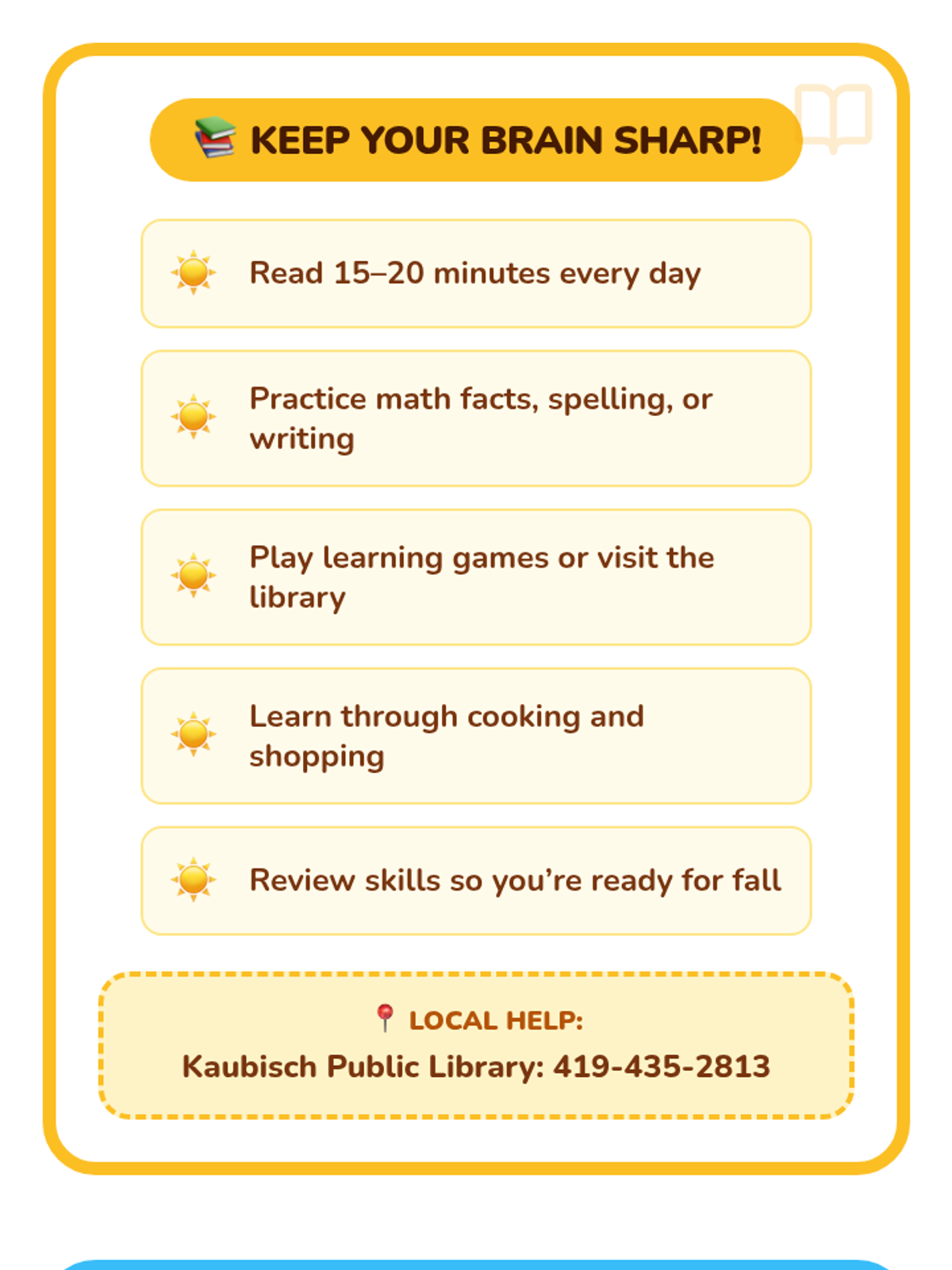
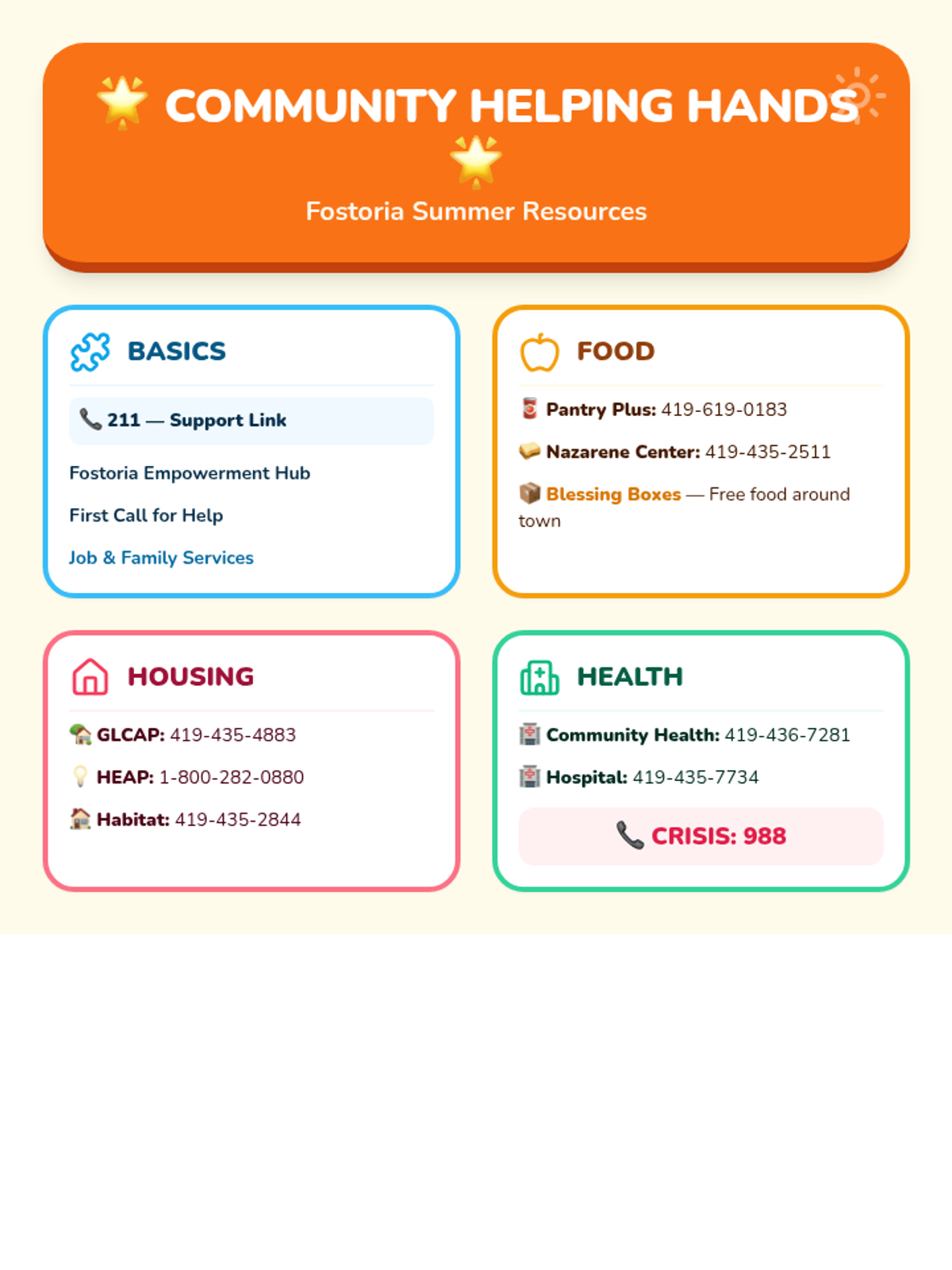
A comprehensive set of bulletin board materials for elementary school hallways, featuring summer safety tips, educational advice, and local community resources.
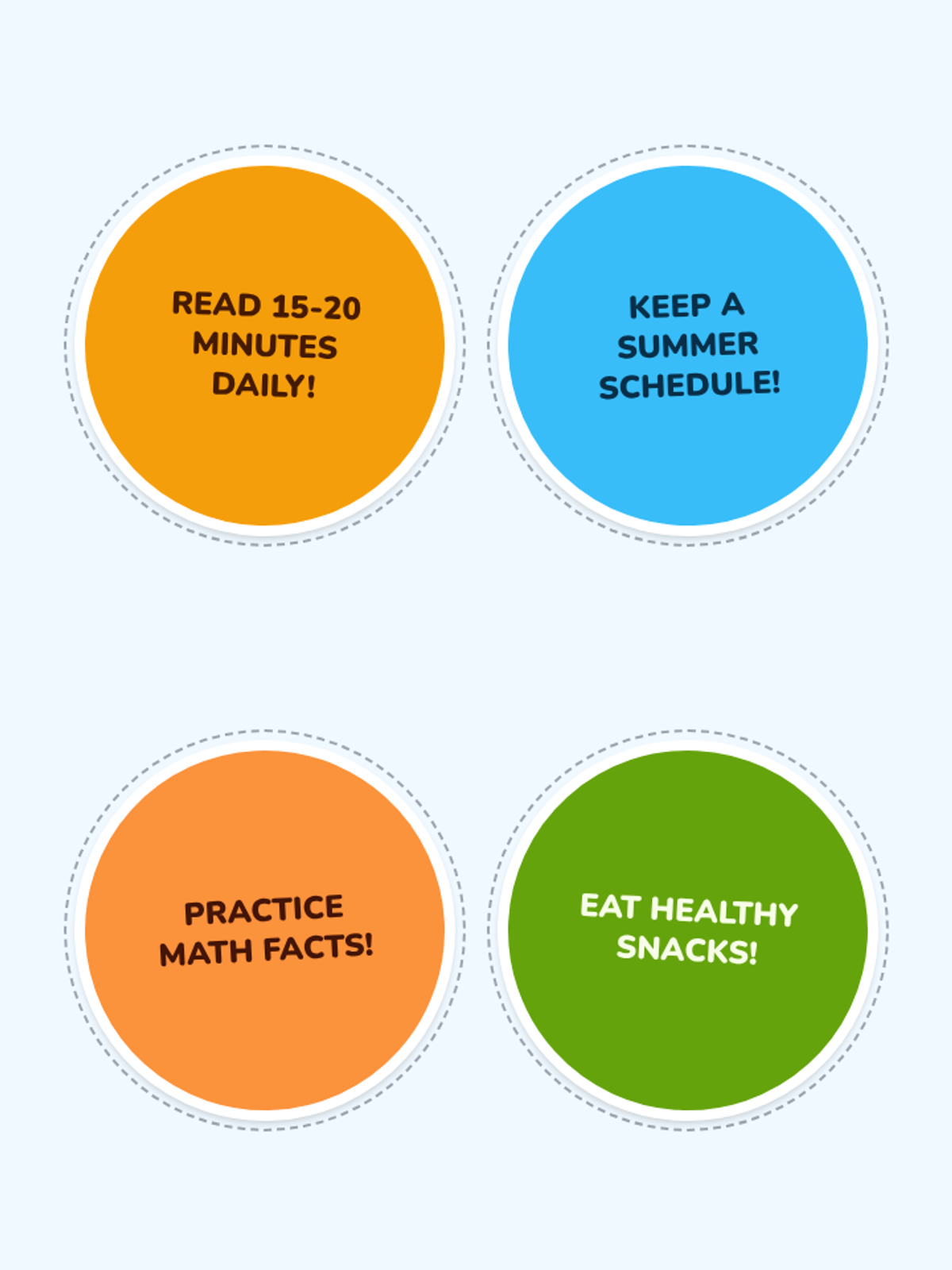
A complete set of vibrant, summer-themed bulletin board materials designed to provide students and families with healthy habits, learning tips, and community resources.
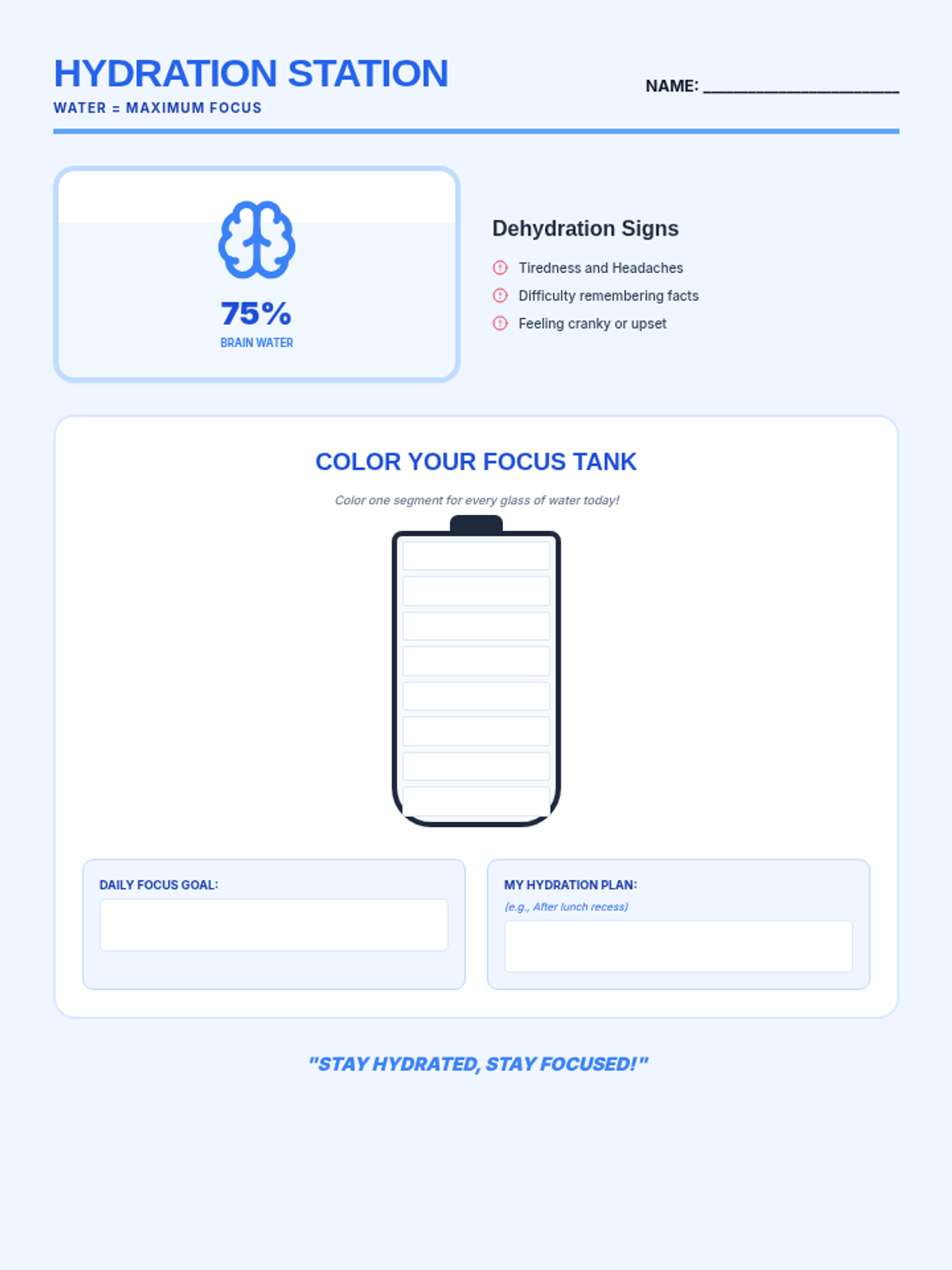
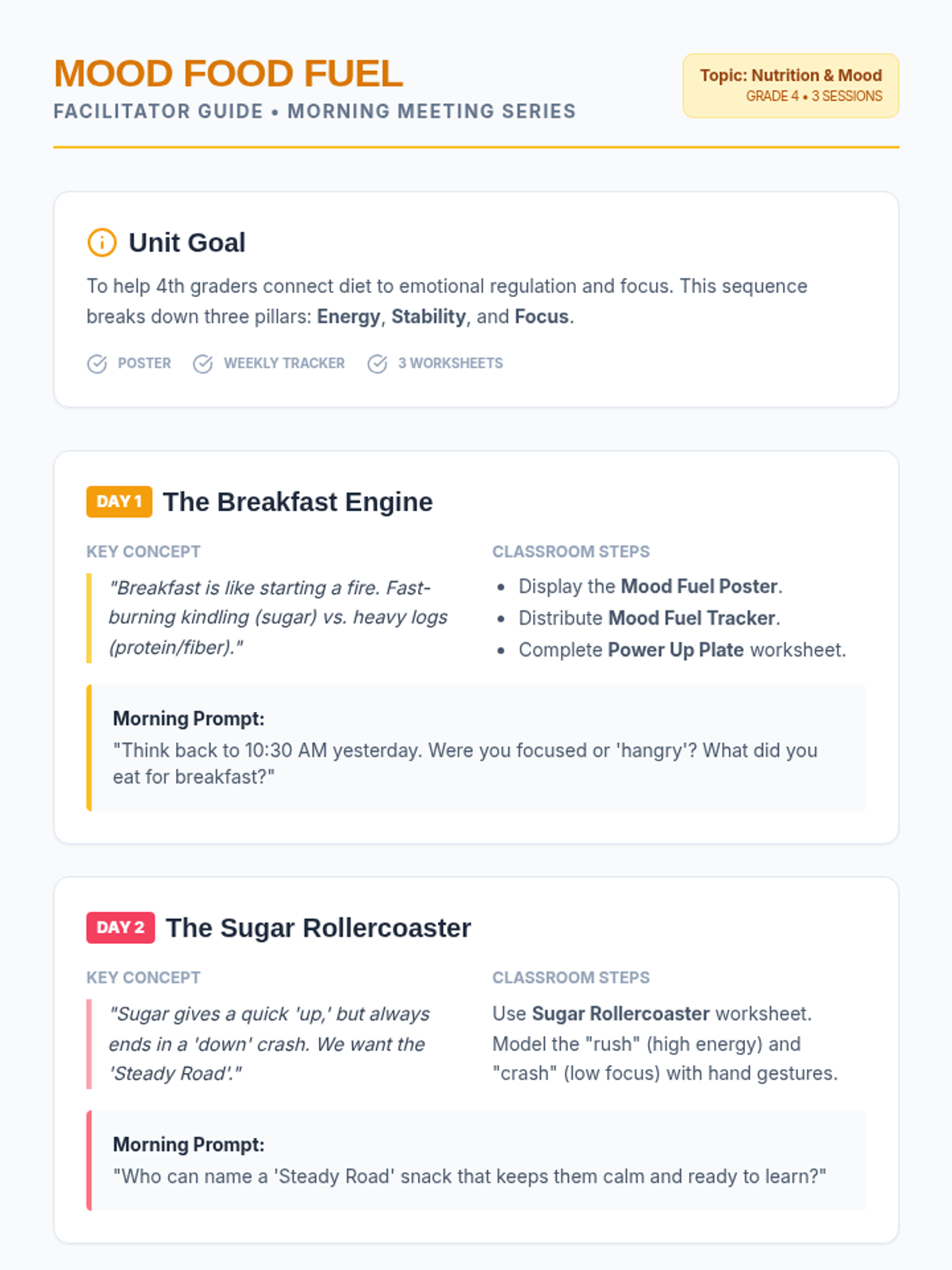
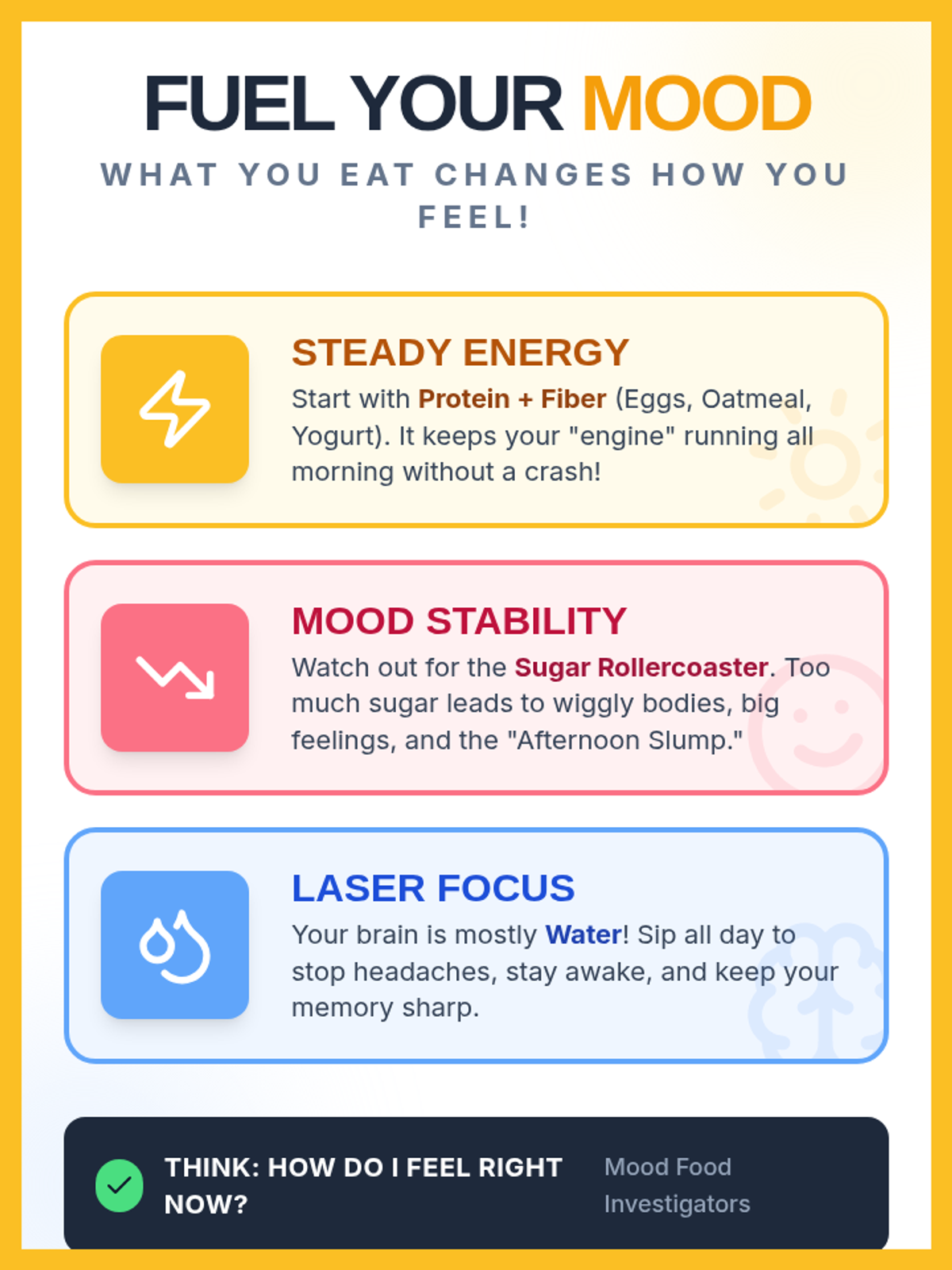
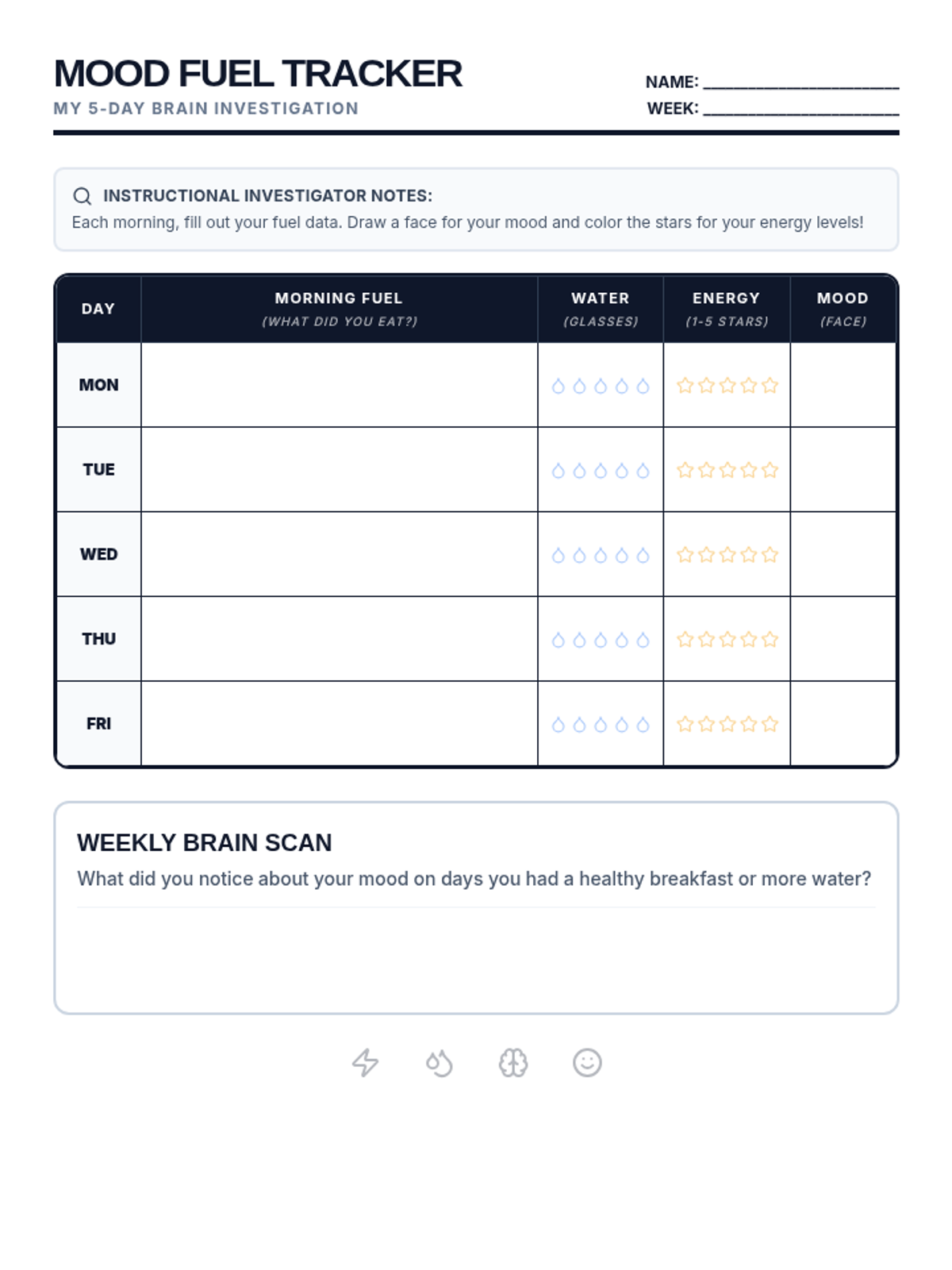
A 15-20 minute morning meeting session on how hydration levels affect brain focus and mental clarity.
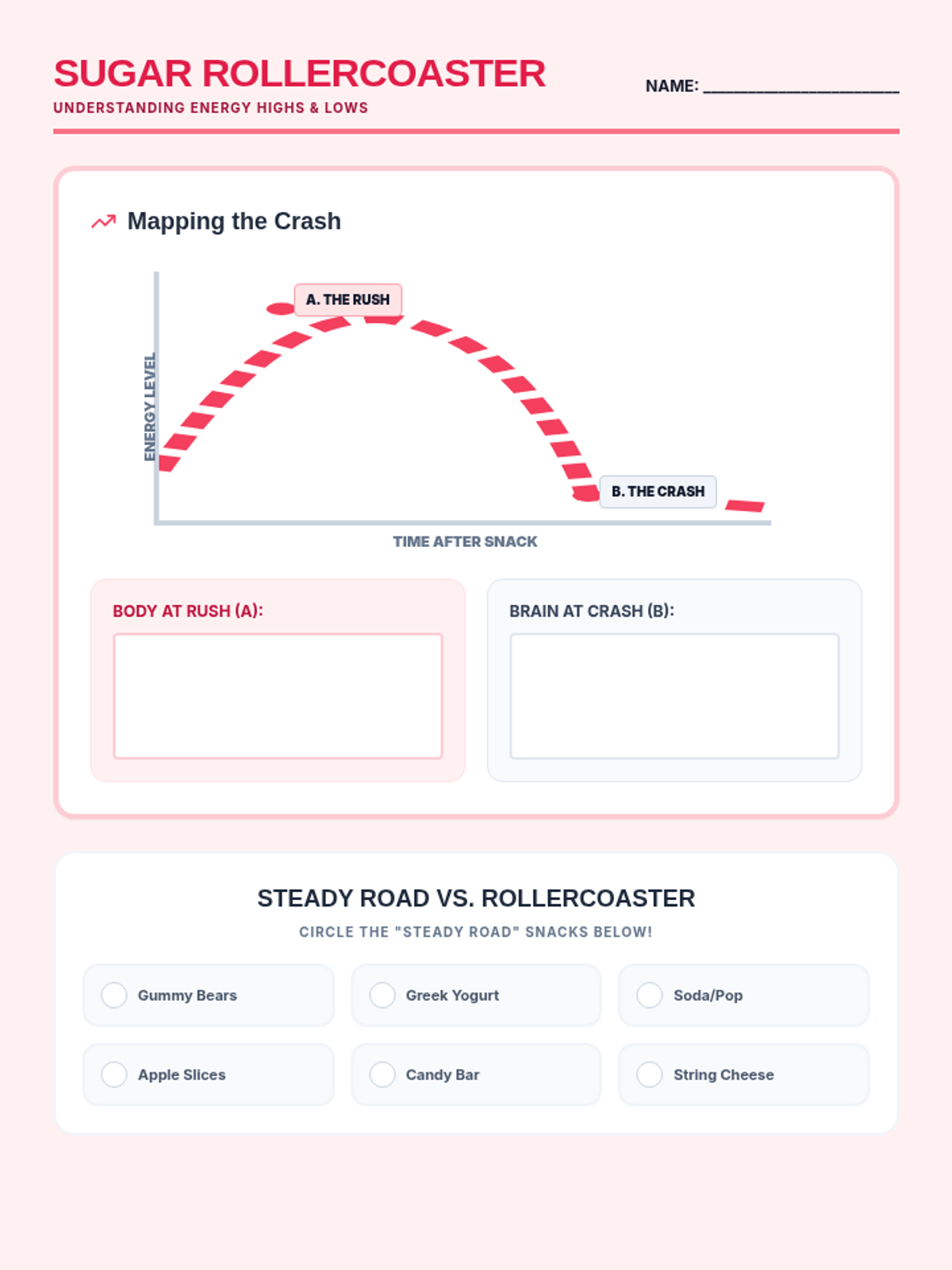
A 15-20 minute morning meeting session exploring the "sugar rollercoaster" and how high-sugar snacks lead to mood swings and energy crashes.
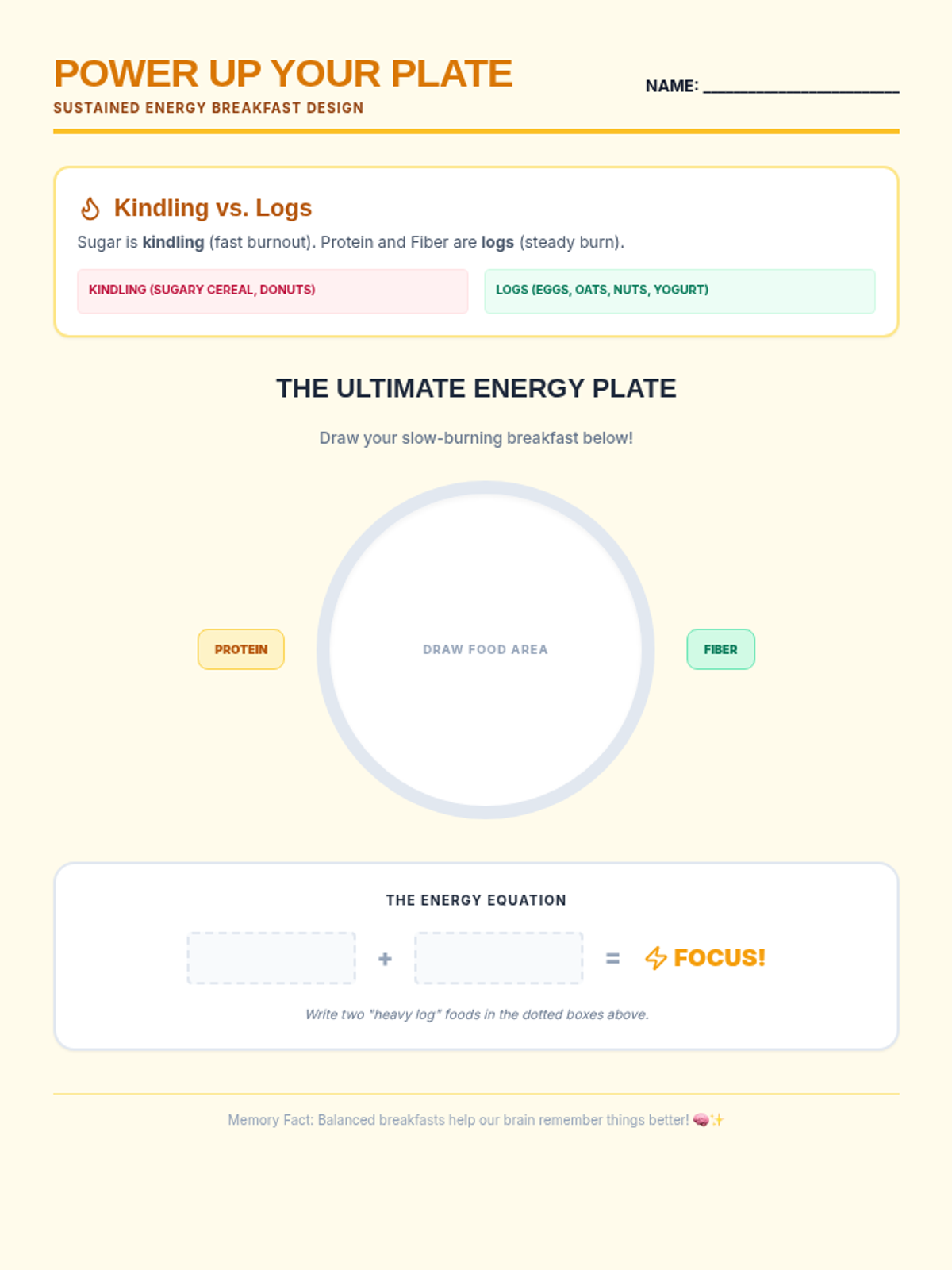
A 15-20 minute morning meeting session focused on the importance of a protein-and-fiber-rich breakfast for sustained morning energy.
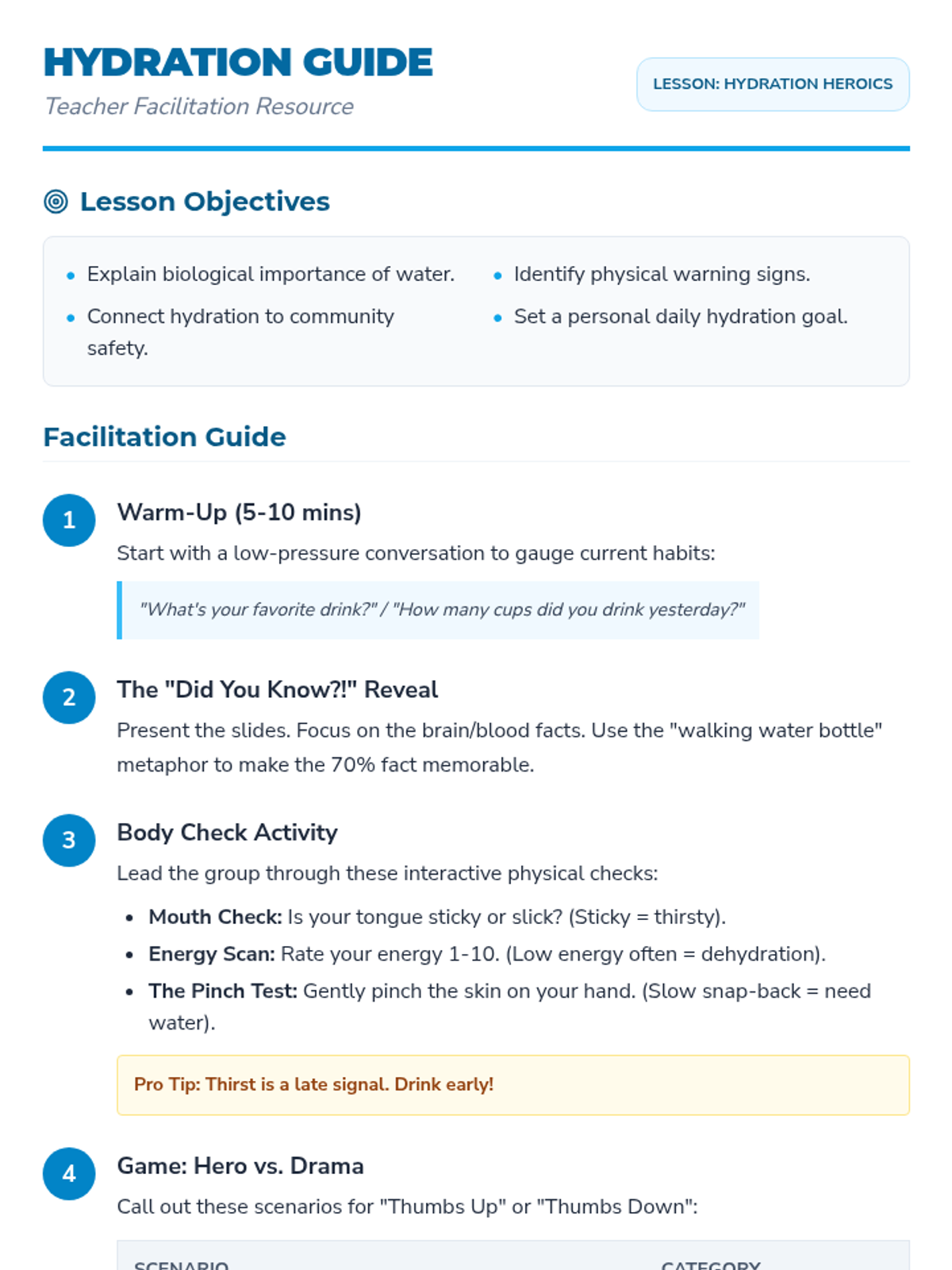
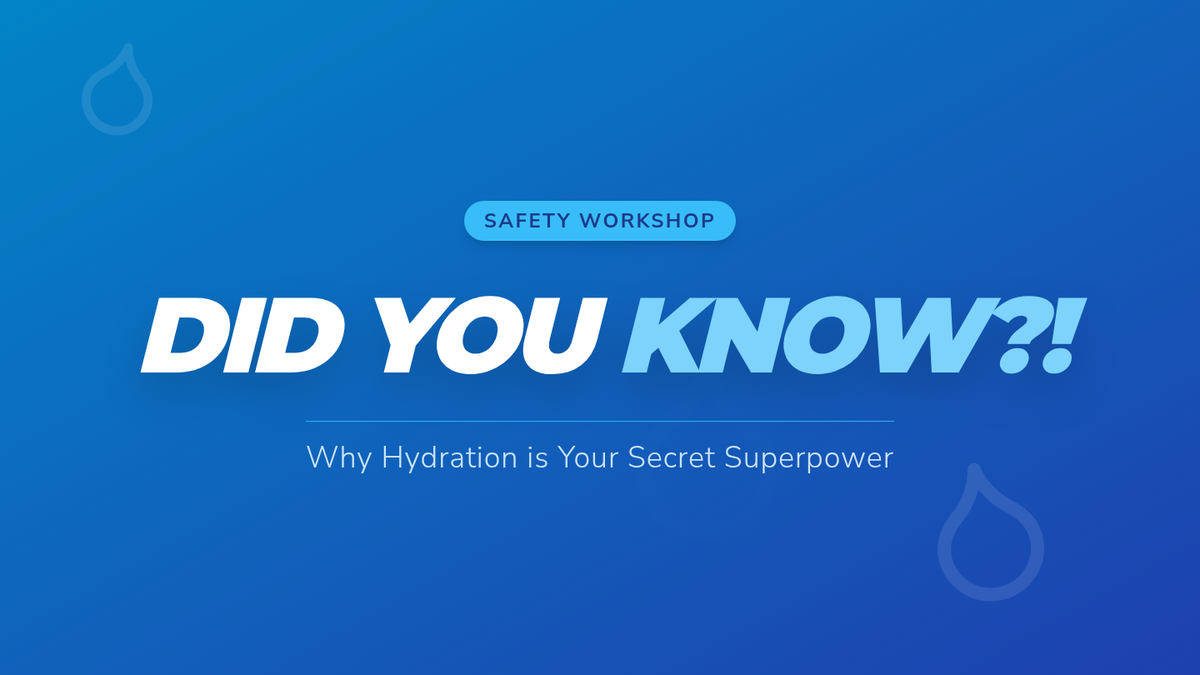
A comprehensive lesson on hydration safety and awareness, featuring fun facts, body awareness activities, and practical tips for staying hydrated in daily life.
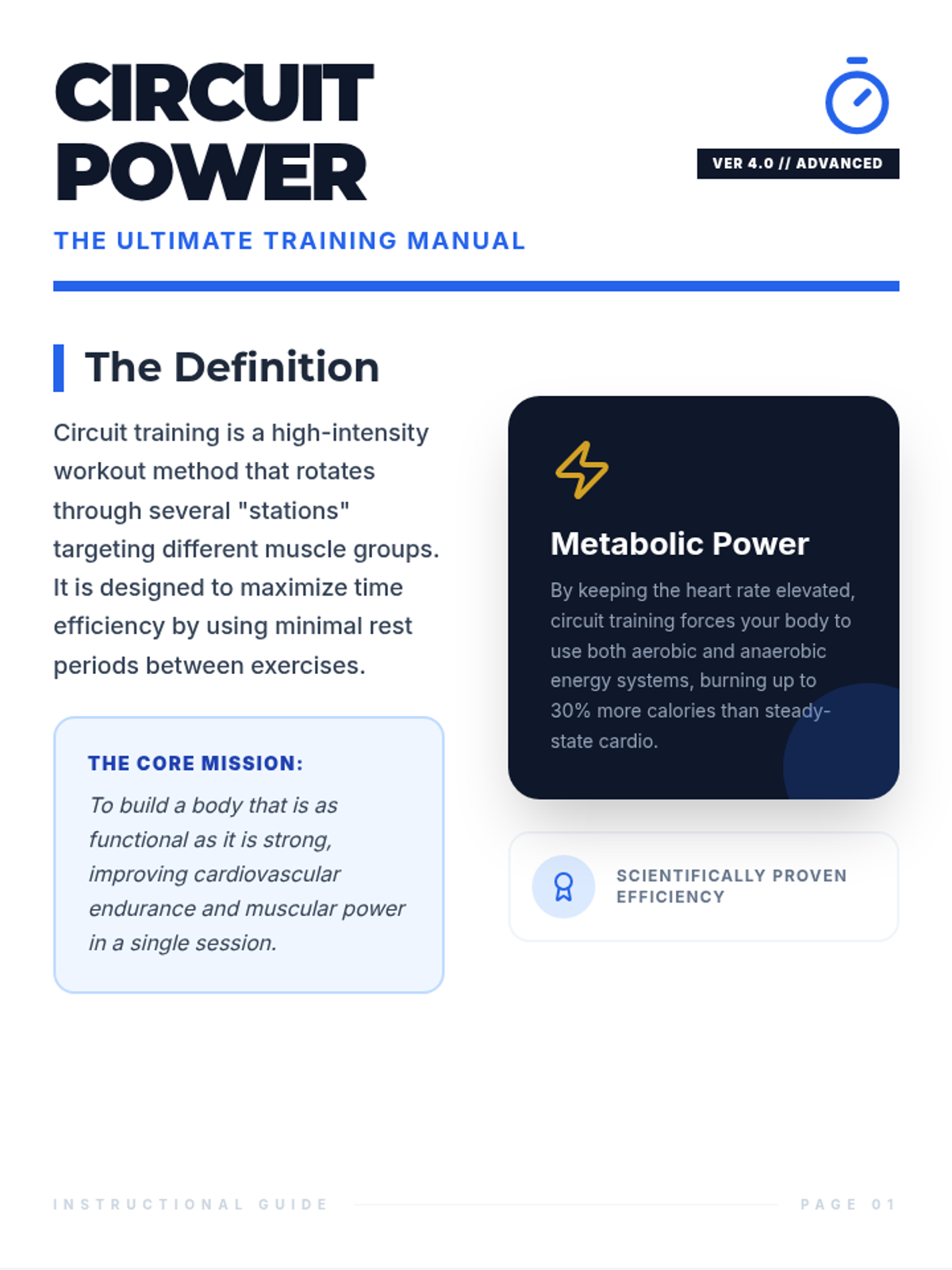
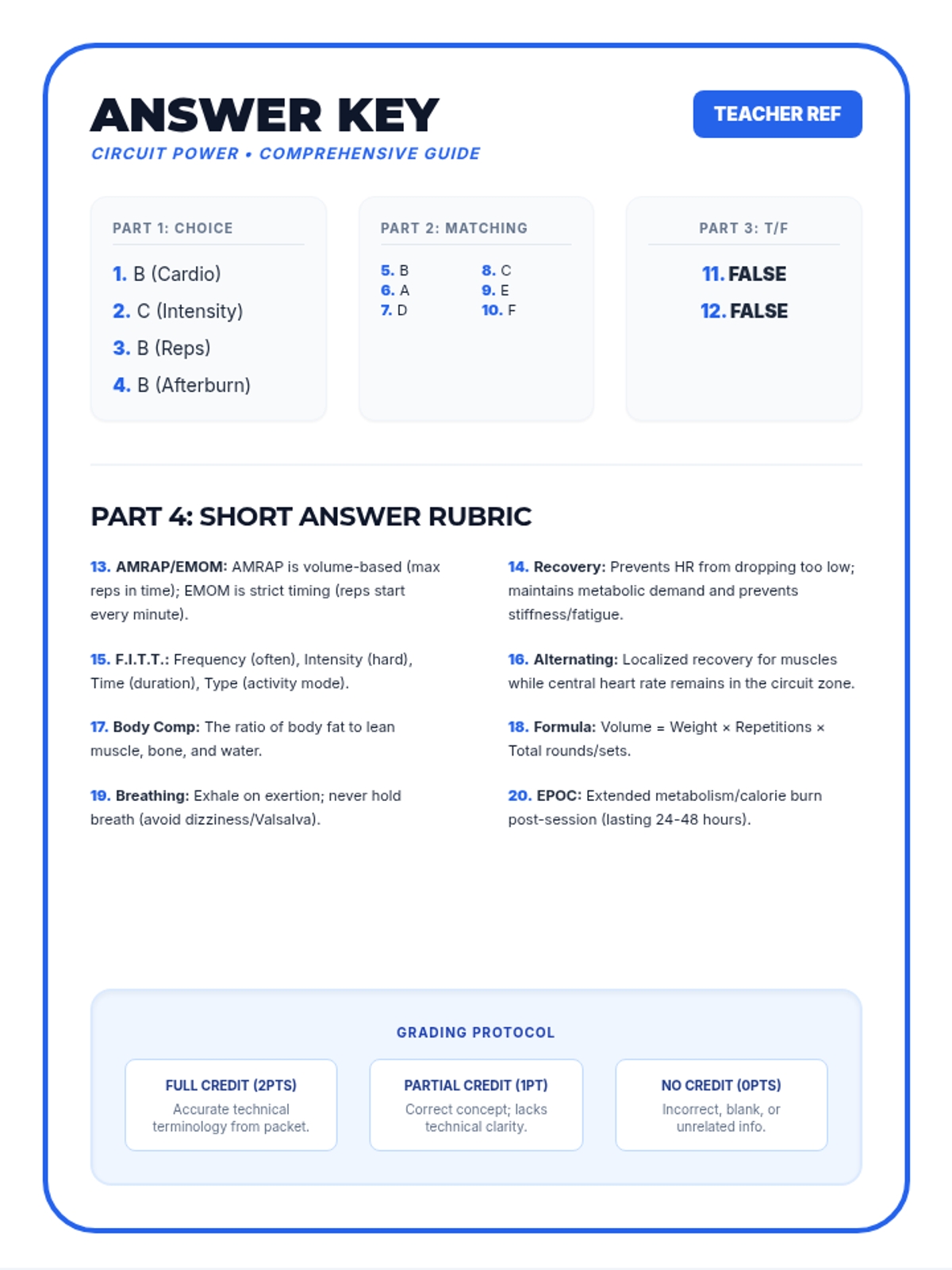
A comprehensive guide to circuit training, covering the five components of fitness, key terminology, and practical application. Includes an instructional handout, a comprehension worksheet, and an answer key.
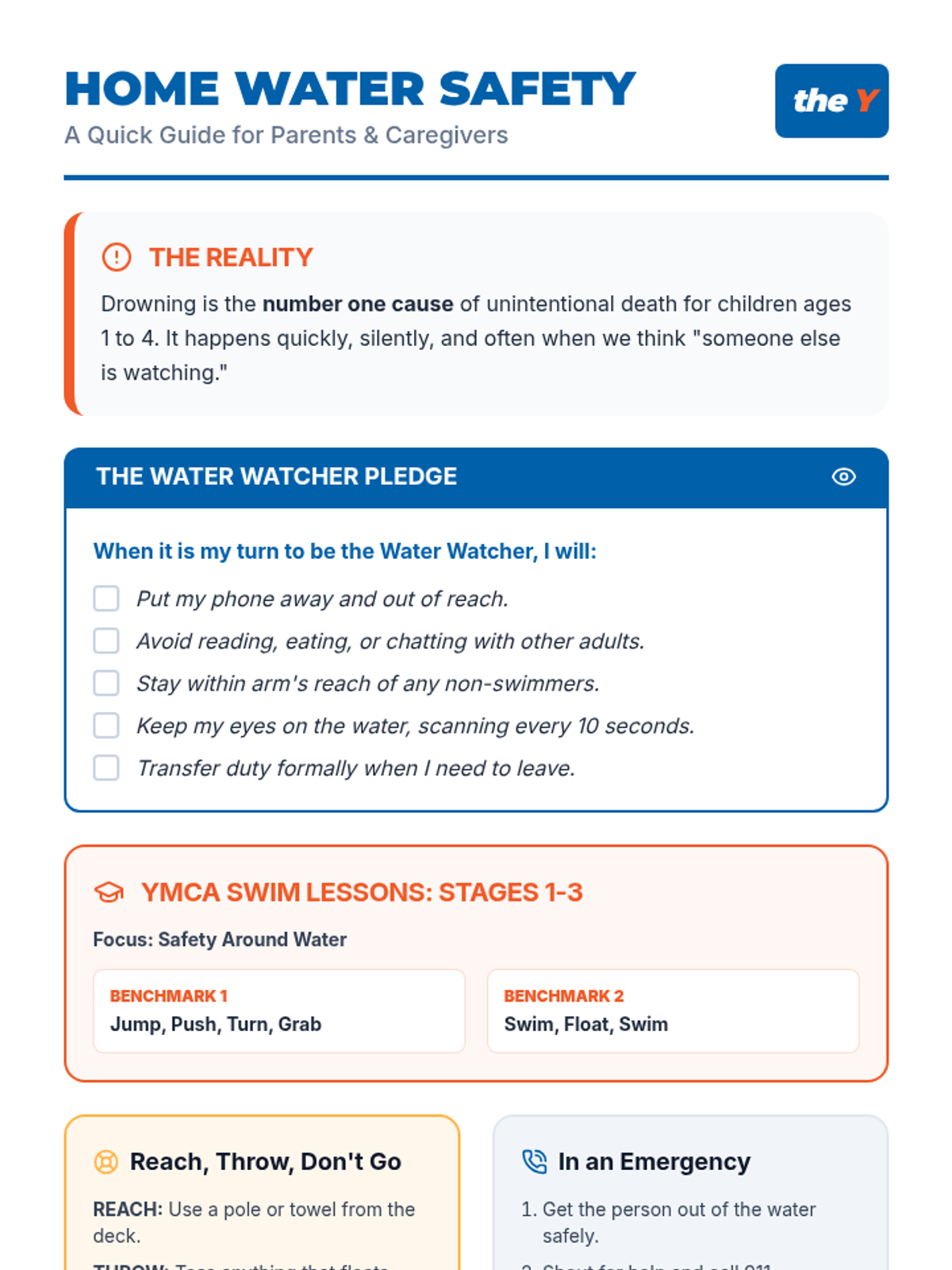
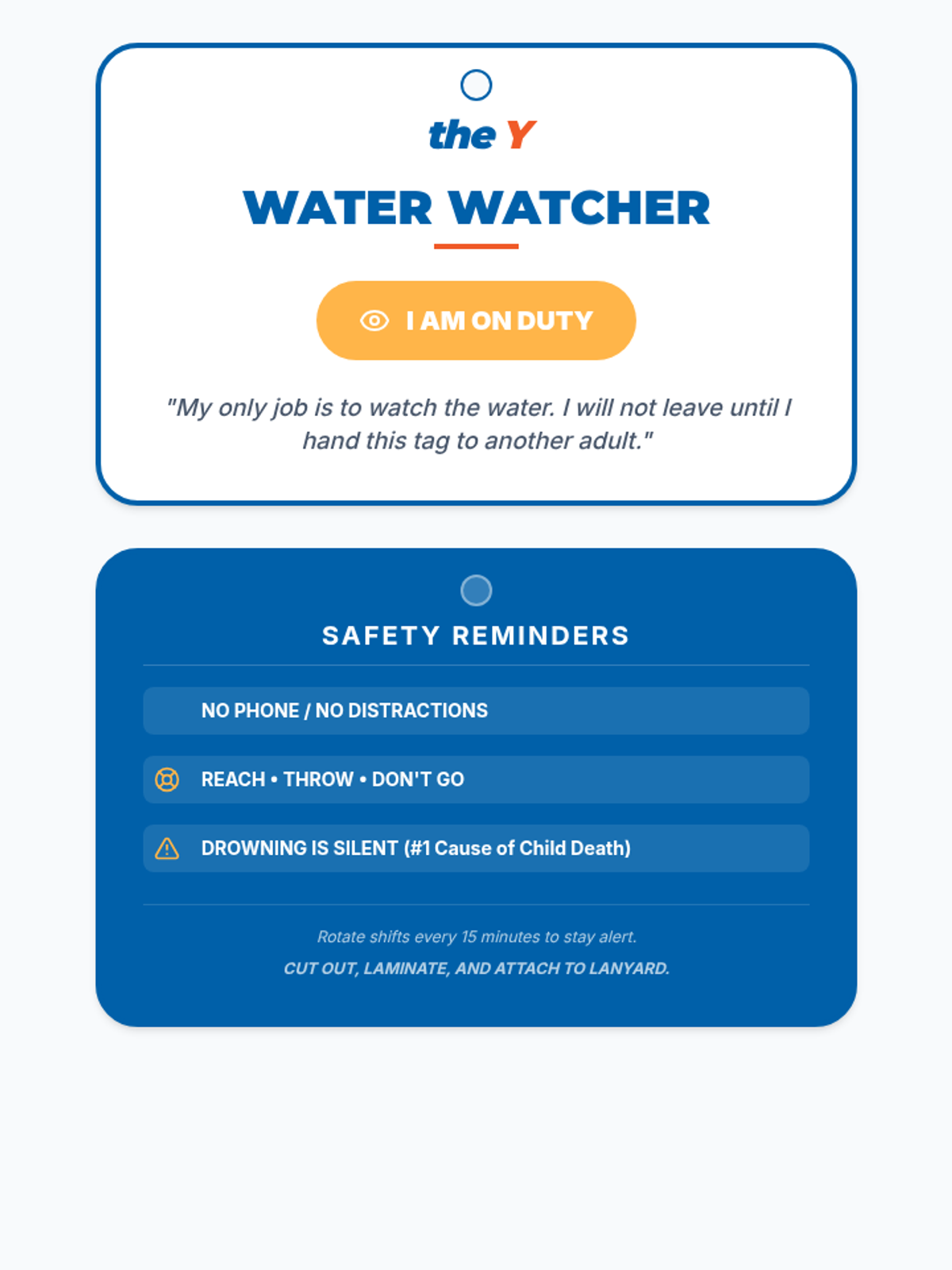
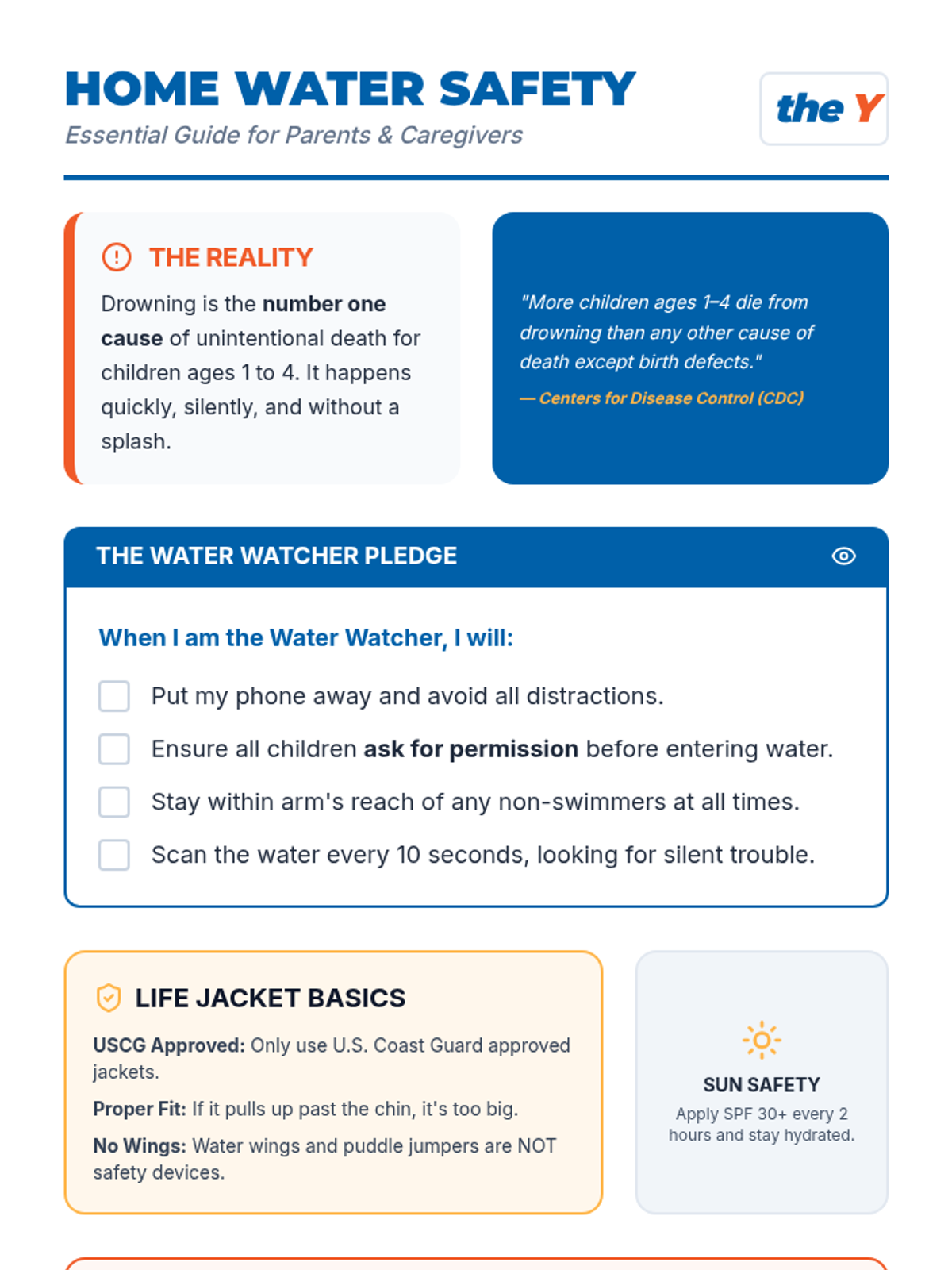
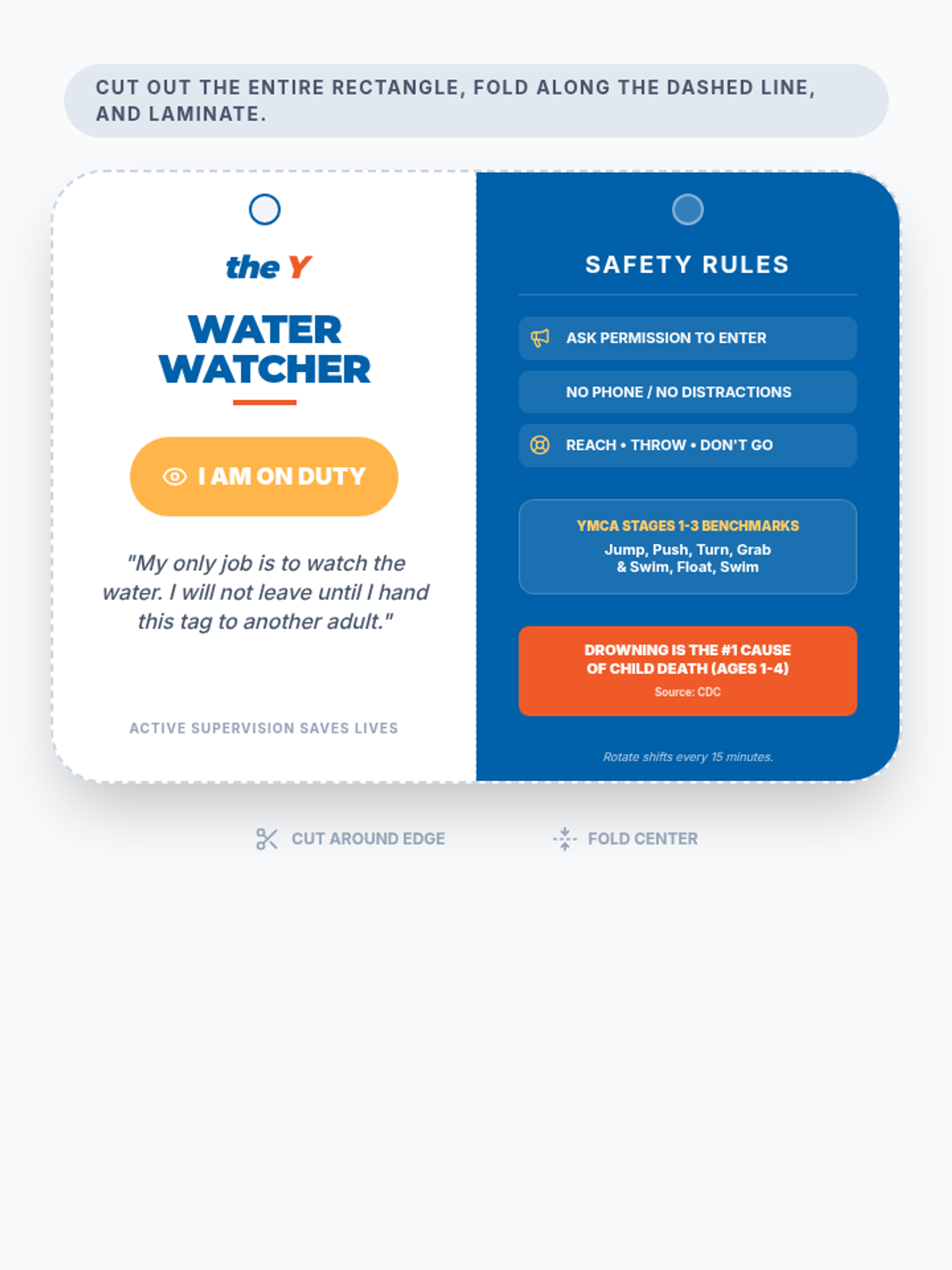
An essential water safety training for parents, covering drowning prevention statistics, active supervision strategies, and emergency response basics using YMCA safety standards.
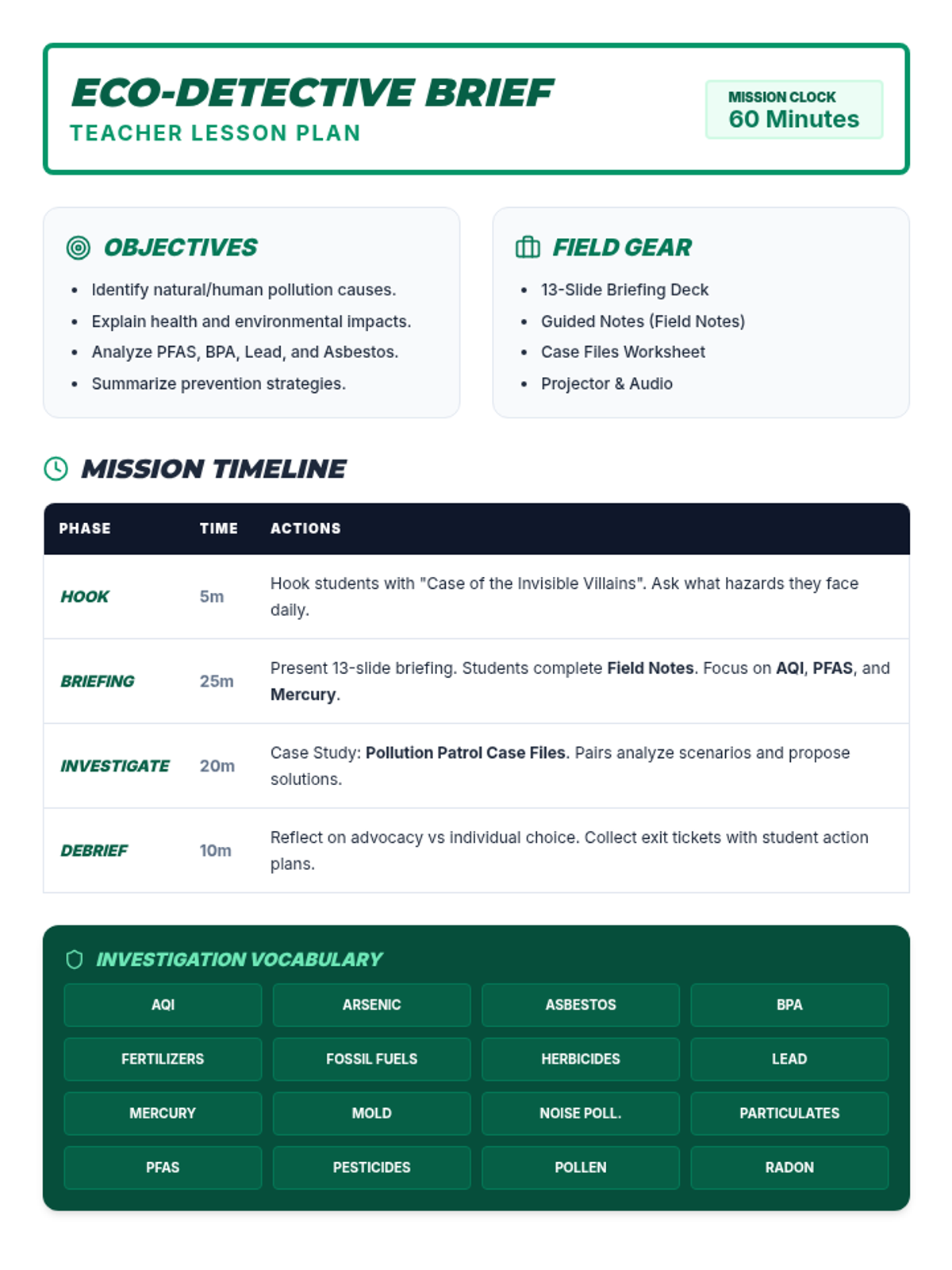
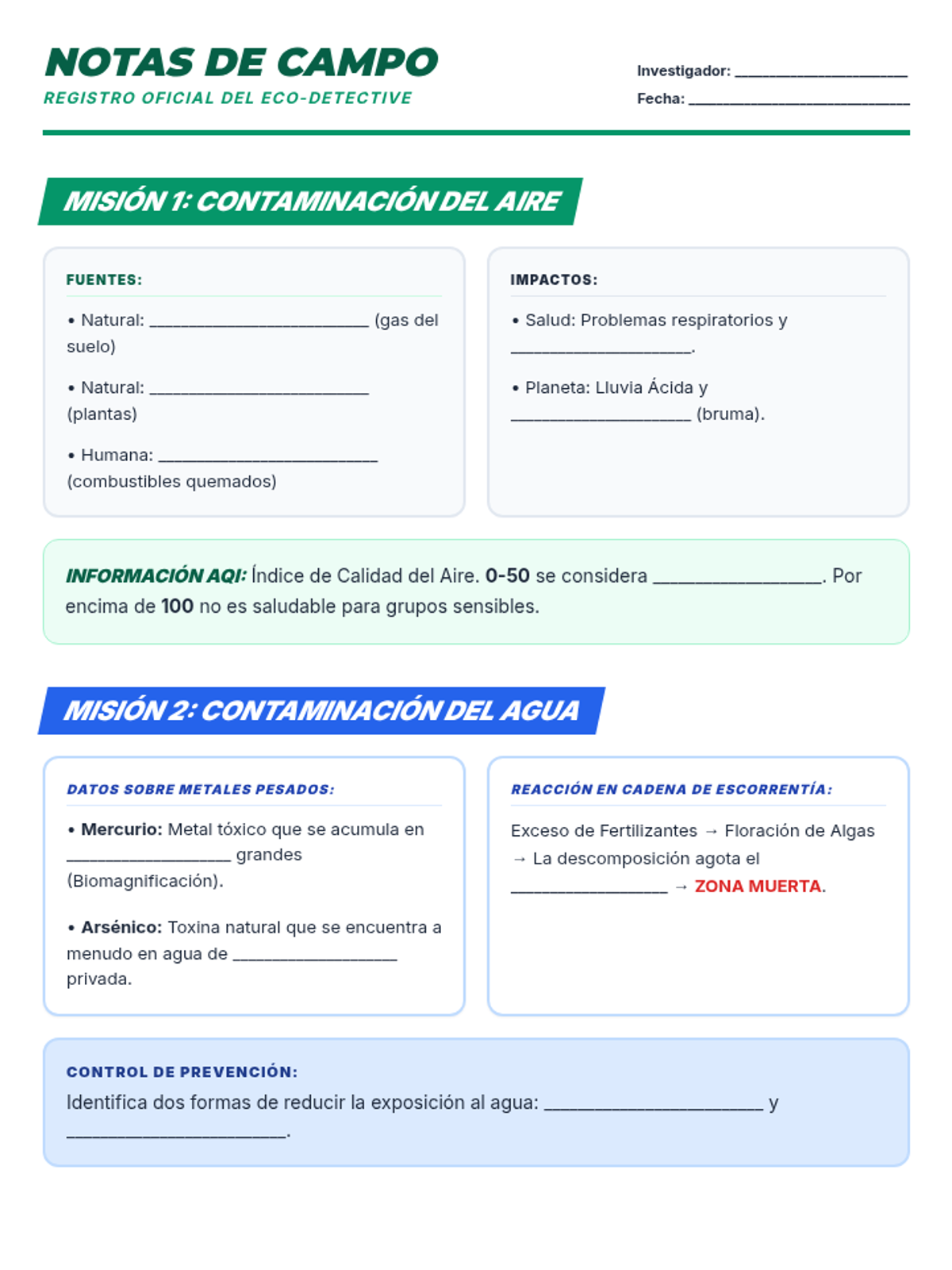
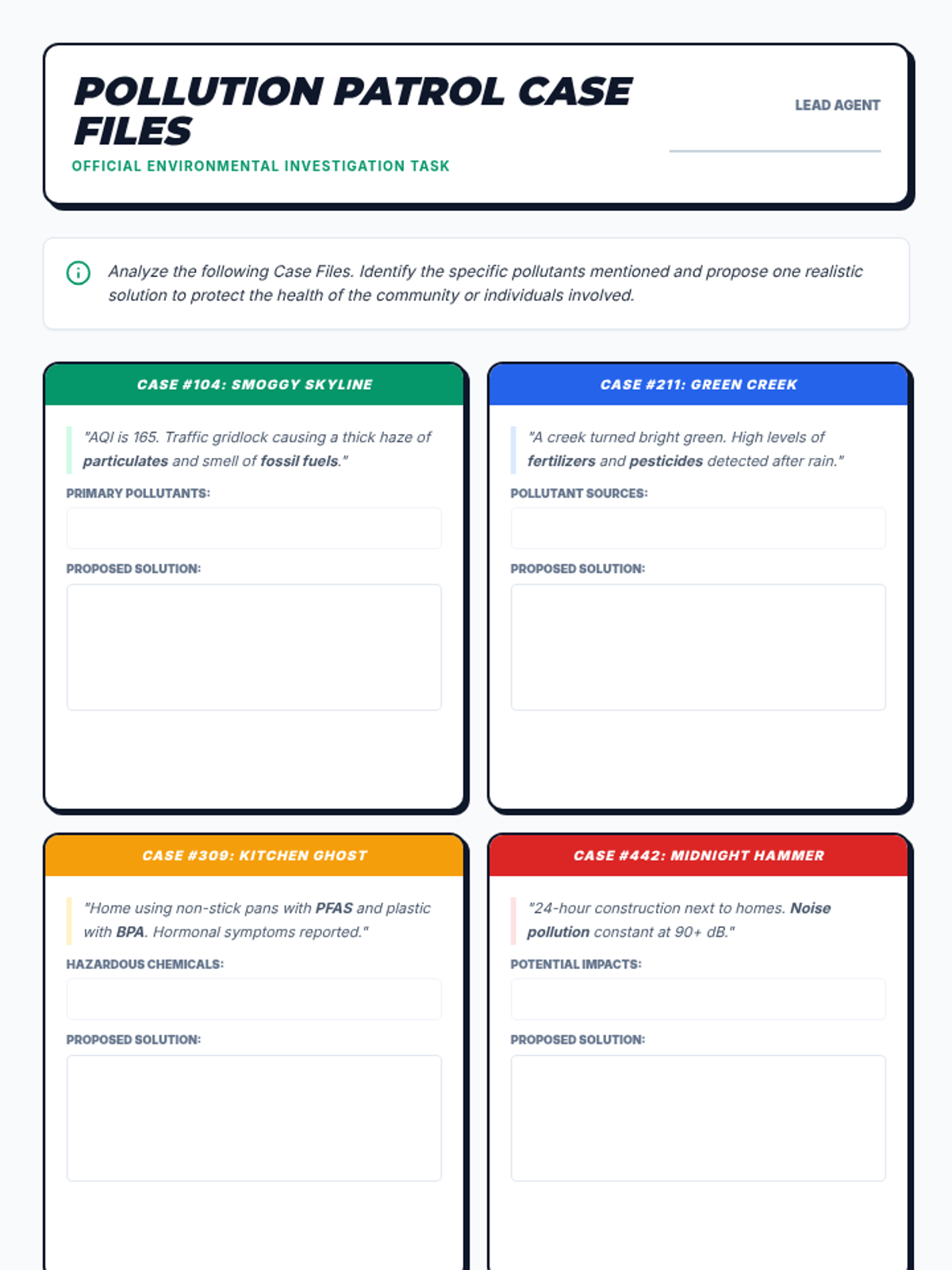
An investigative overview of environmental health hazards including air, water, chemical, and noise pollution. Students act as environmental detectives to identify causes, impacts, and solutions for various pollutants.
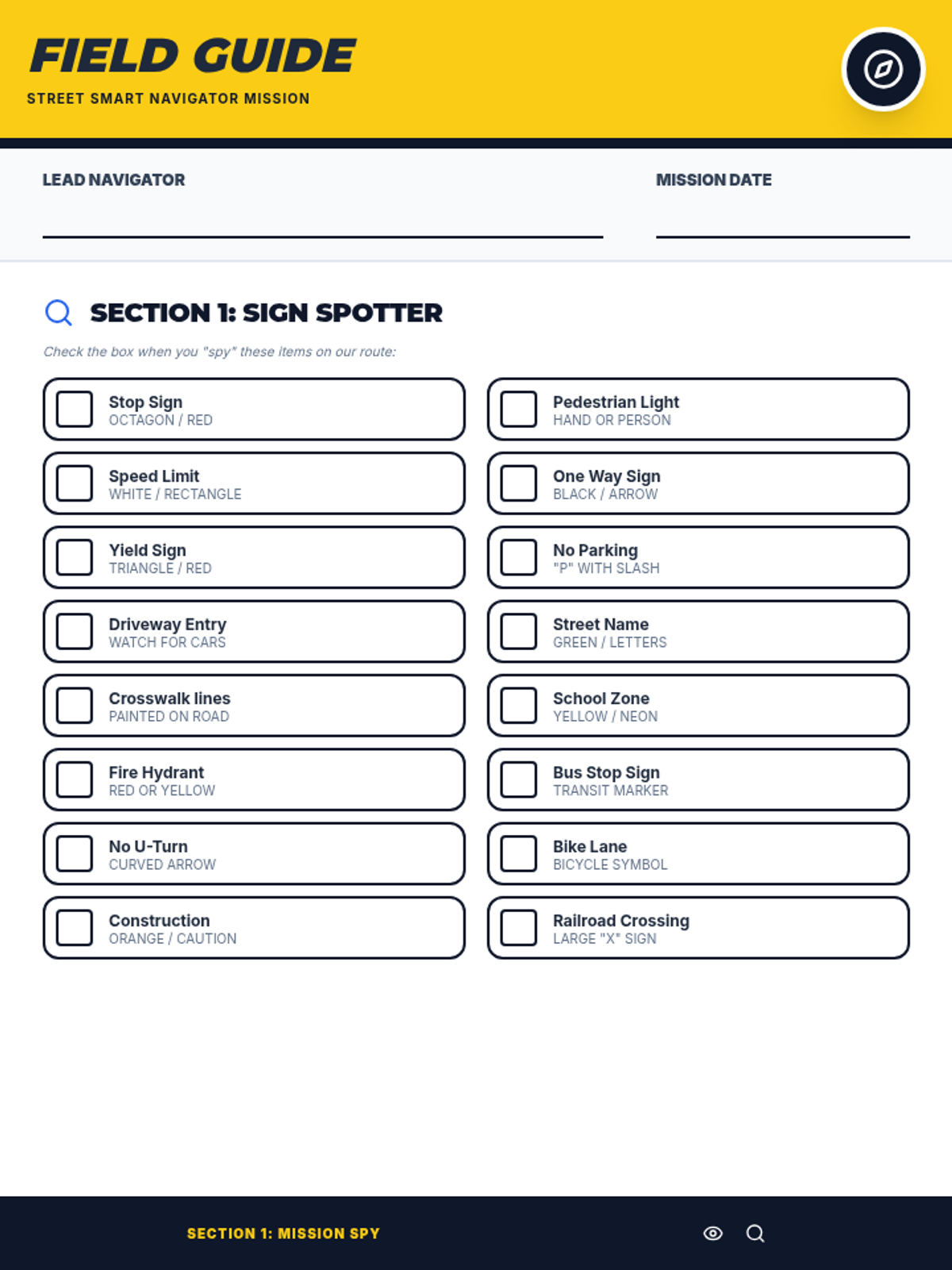
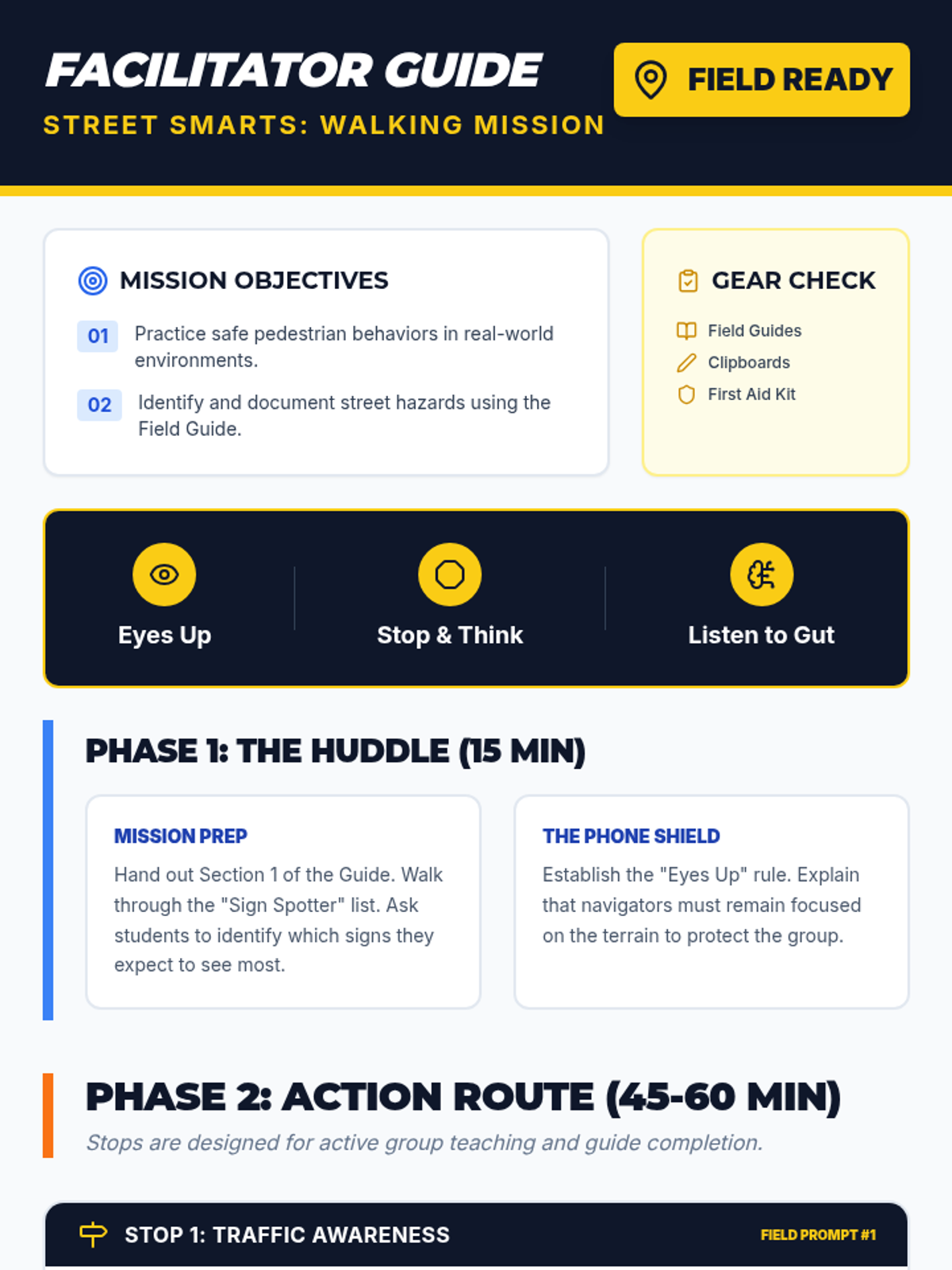
A comprehensive community-based instruction lesson focused on developing pedestrian safety, situational awareness, and real-world decision-making skills during a guided walking tour.
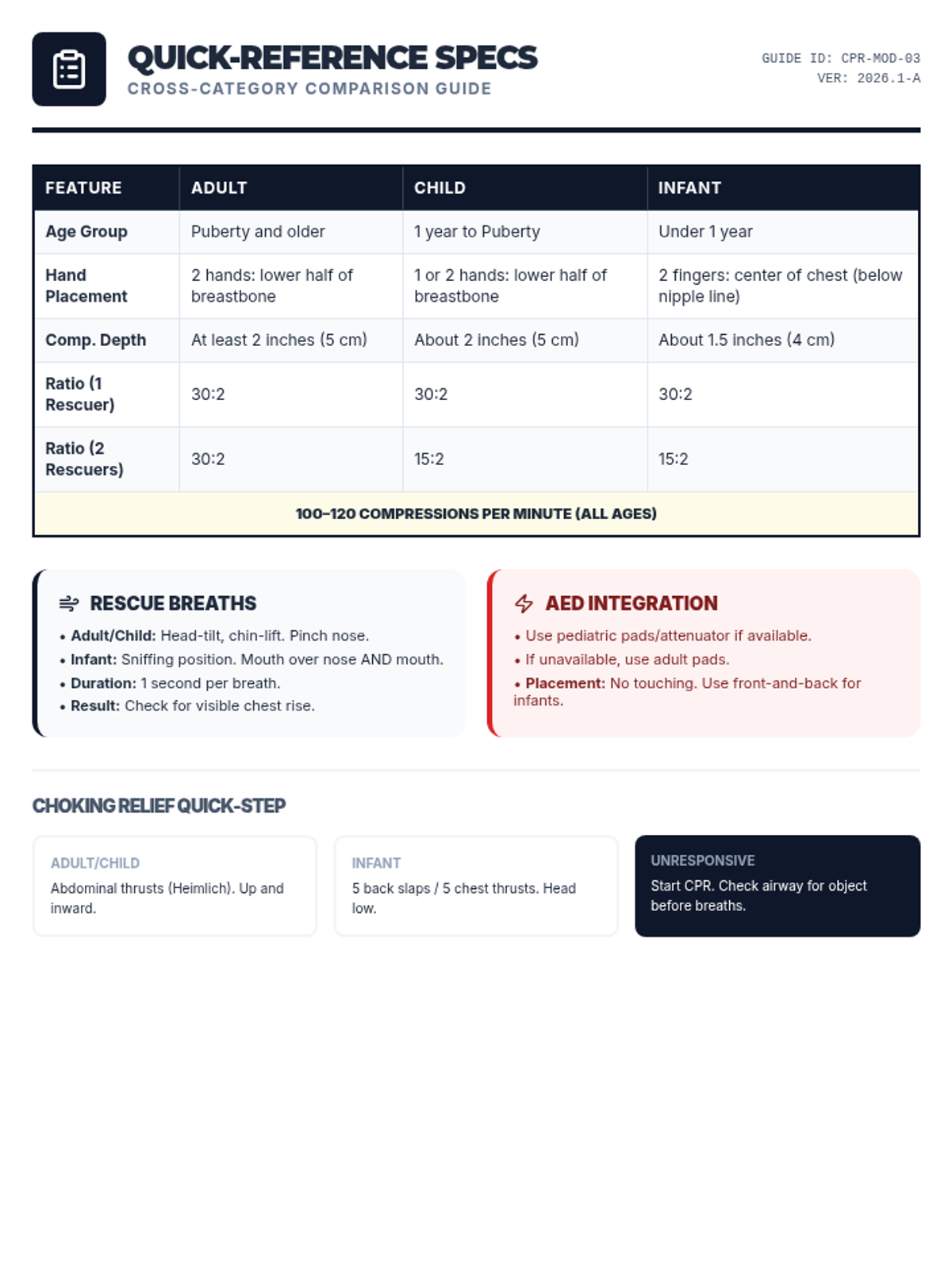
Adapts CPR and choking relief techniques for the unique physiological needs of infants and children.
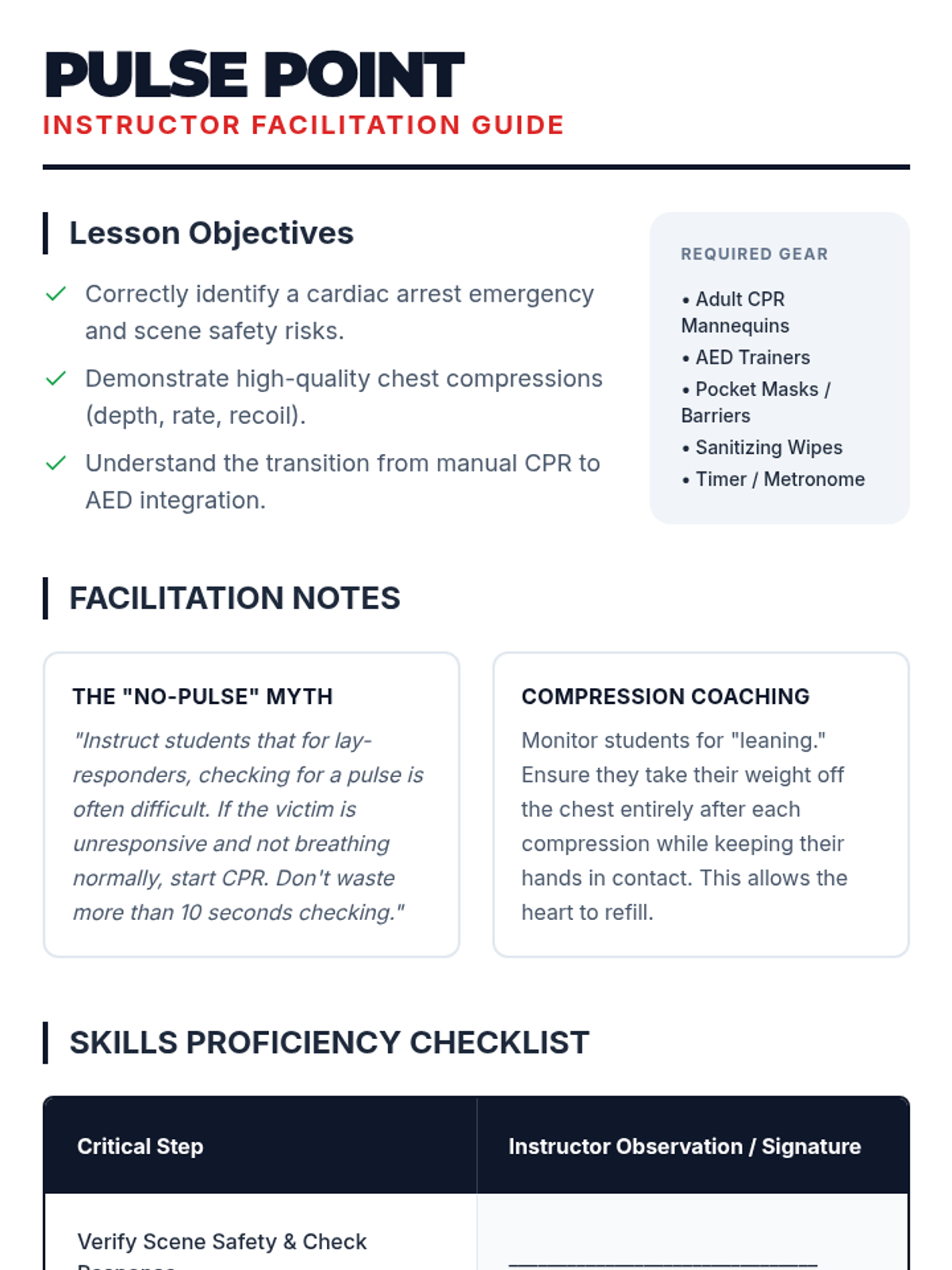
Focuses on the critical integration of Automated External Defibrillators (AEDs) and managing foreign body airway obstructions in adults.
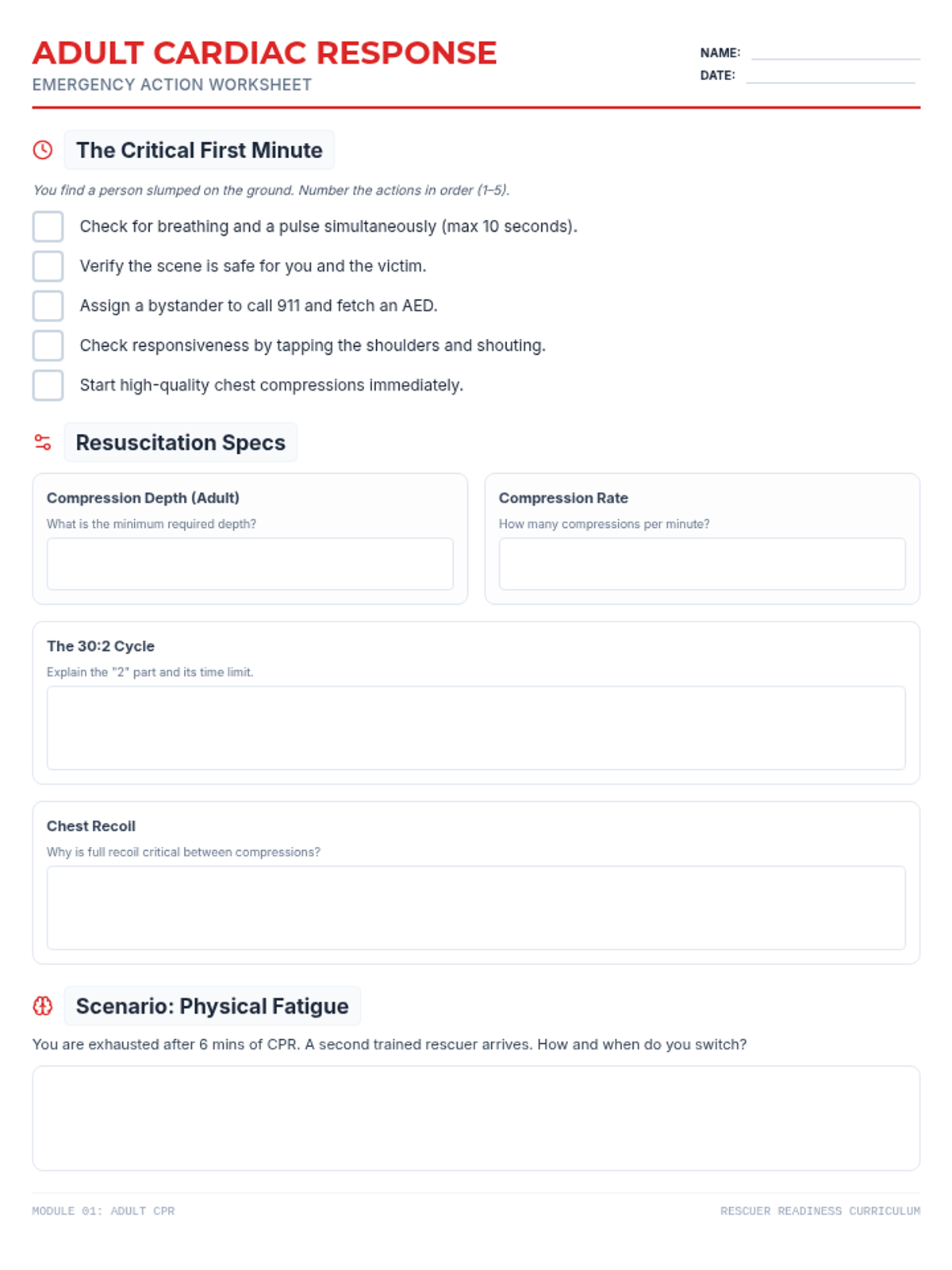
Covers the initial steps of emergency response, scene safety, and the technical execution of high-quality compressions and breaths for adults.
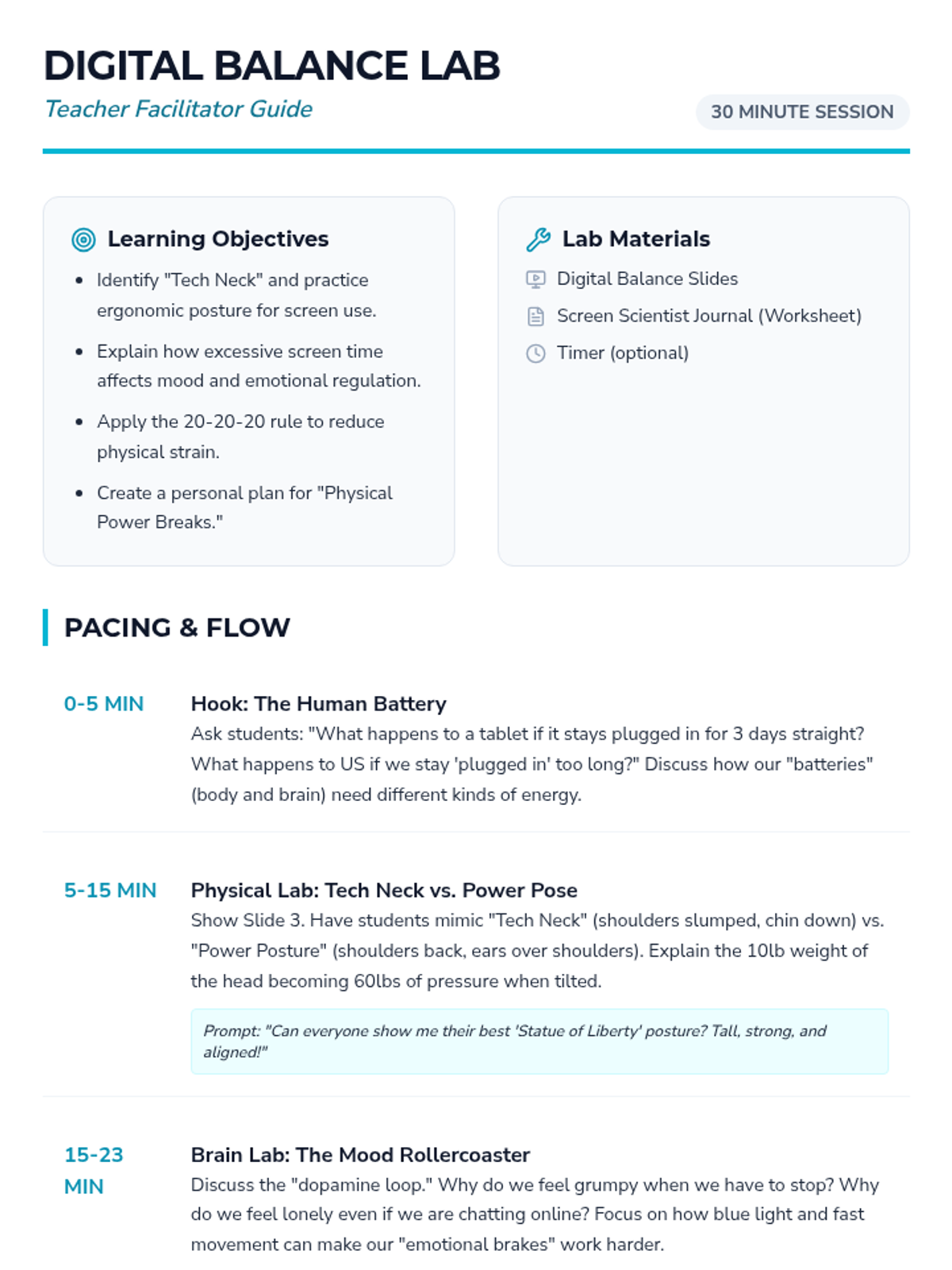
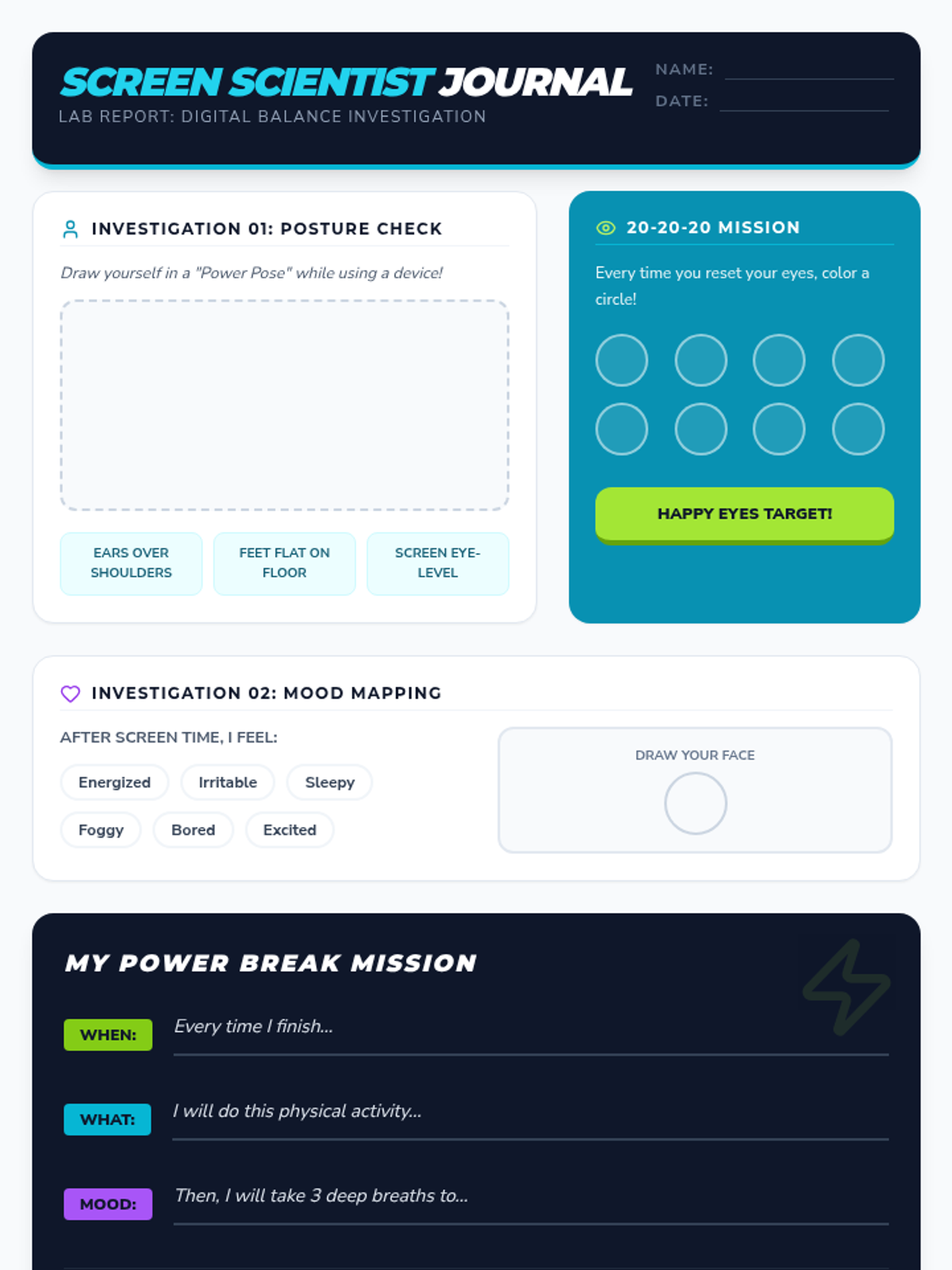
A 30-minute lesson for 3rd-5th graders focusing on the physical and emotional impacts of screen time, featuring posture tips and mood regulation strategies.
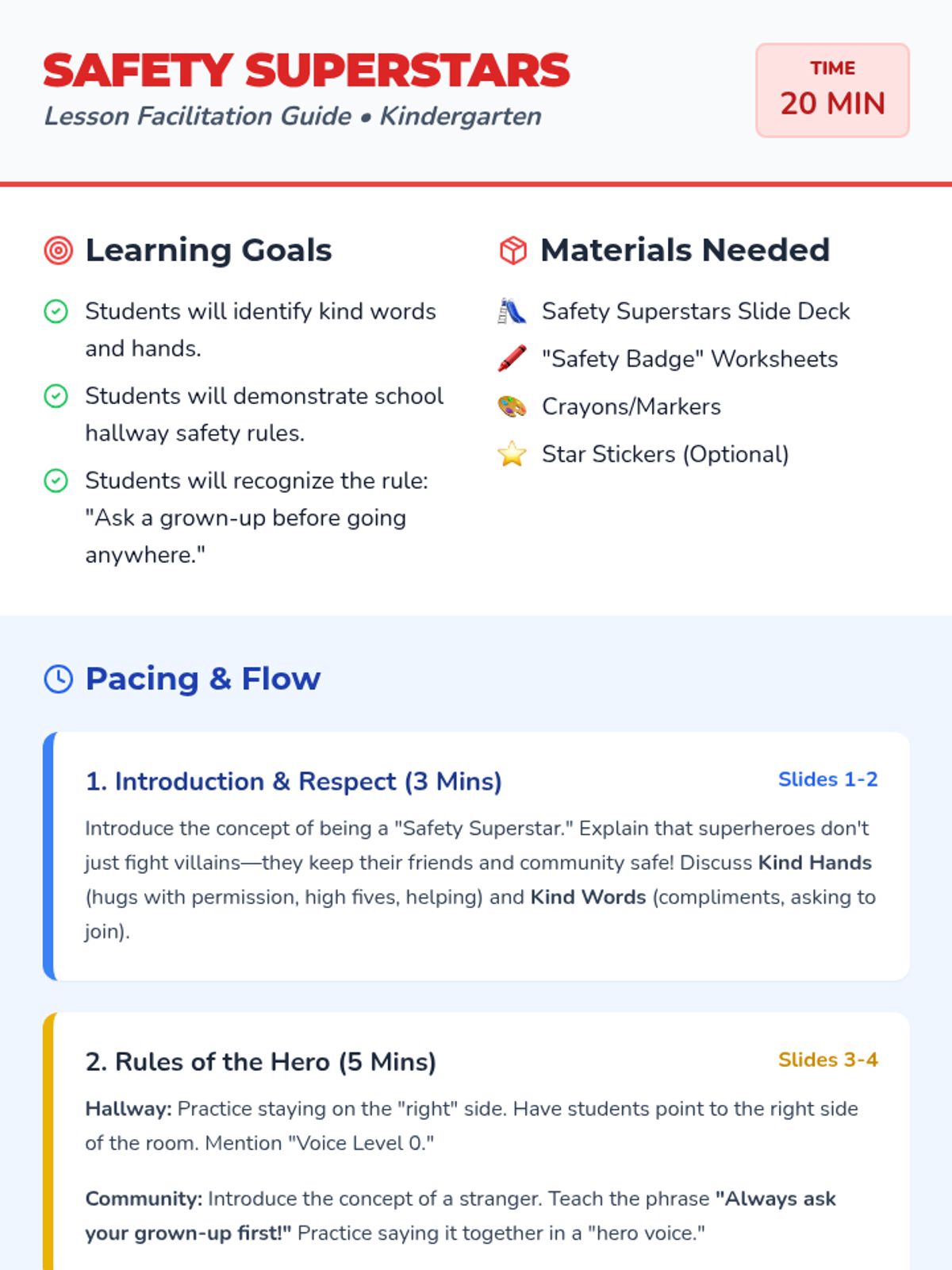
A 20-minute kindergarten lesson focusing on respect (kind words and hands), school hallway safety, and community stranger safety through an interactive movement activity.
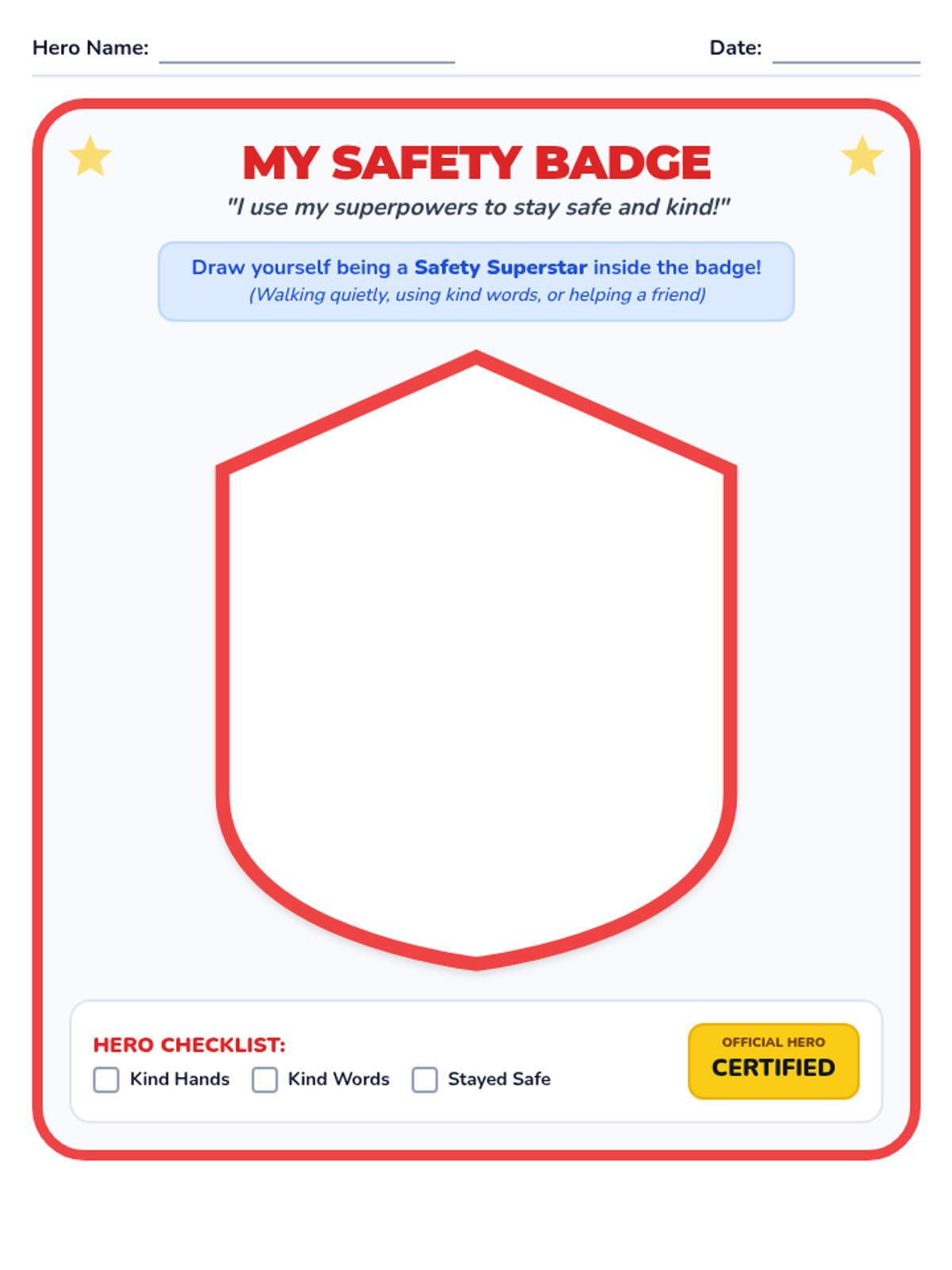
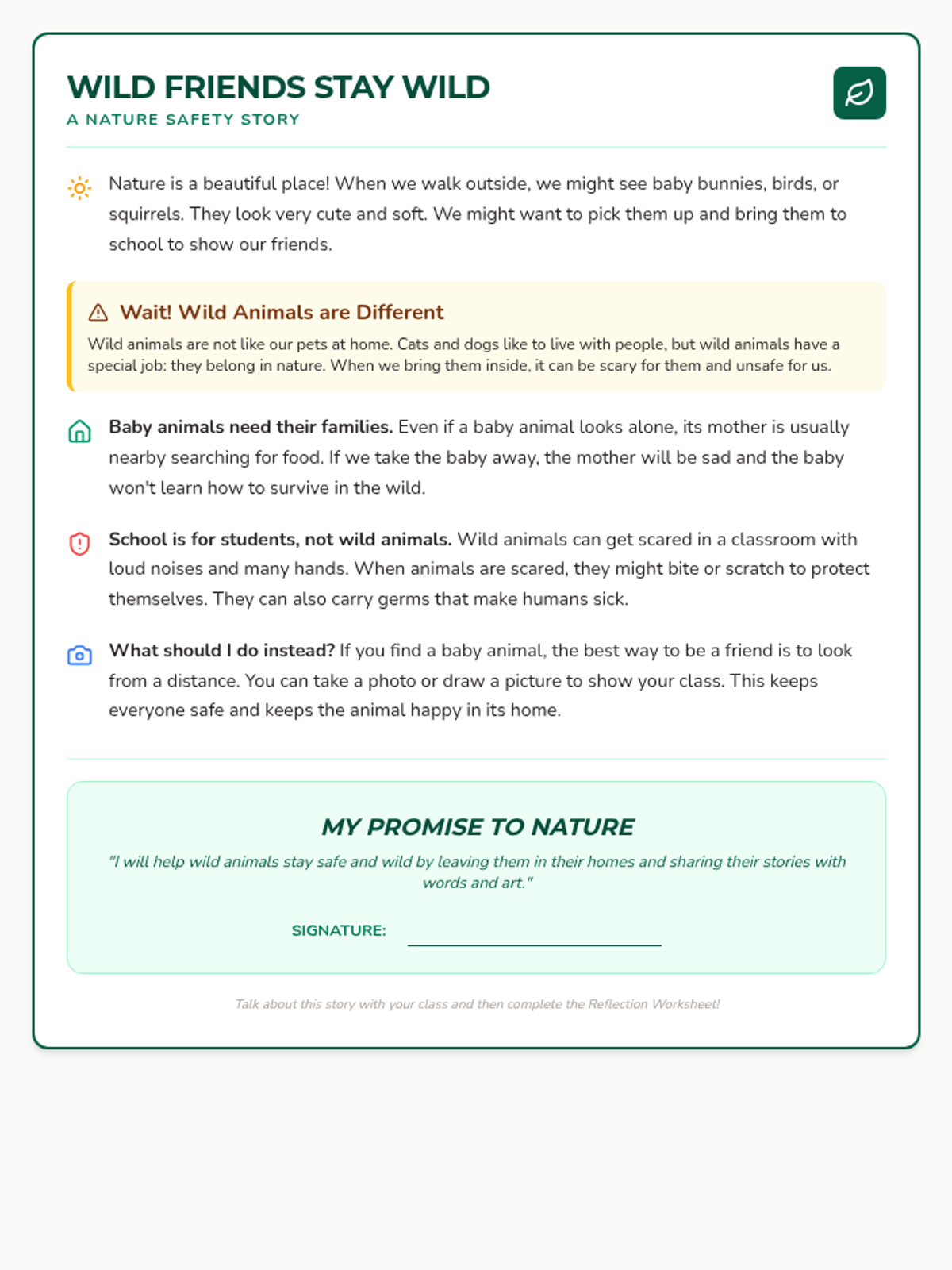
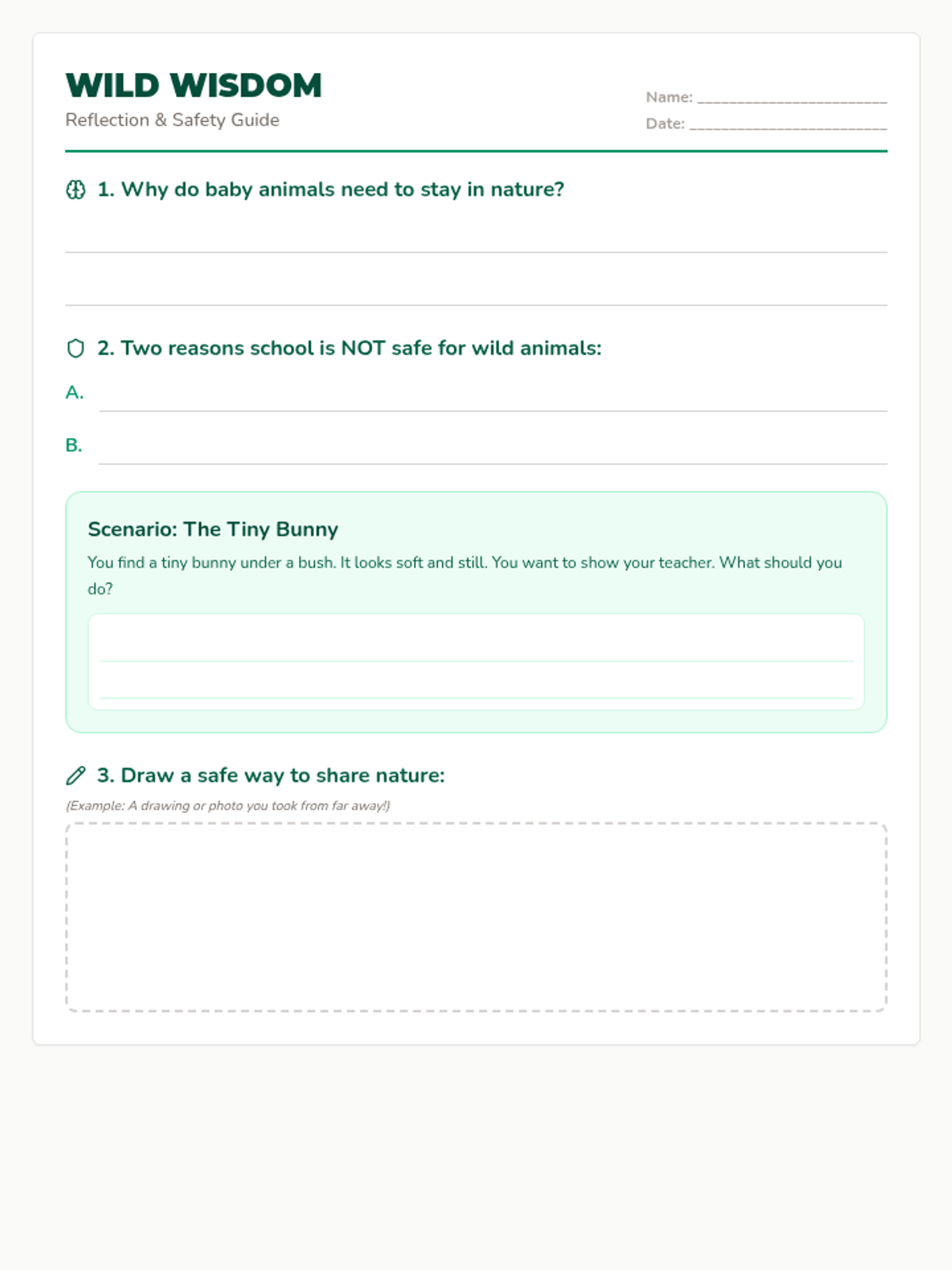
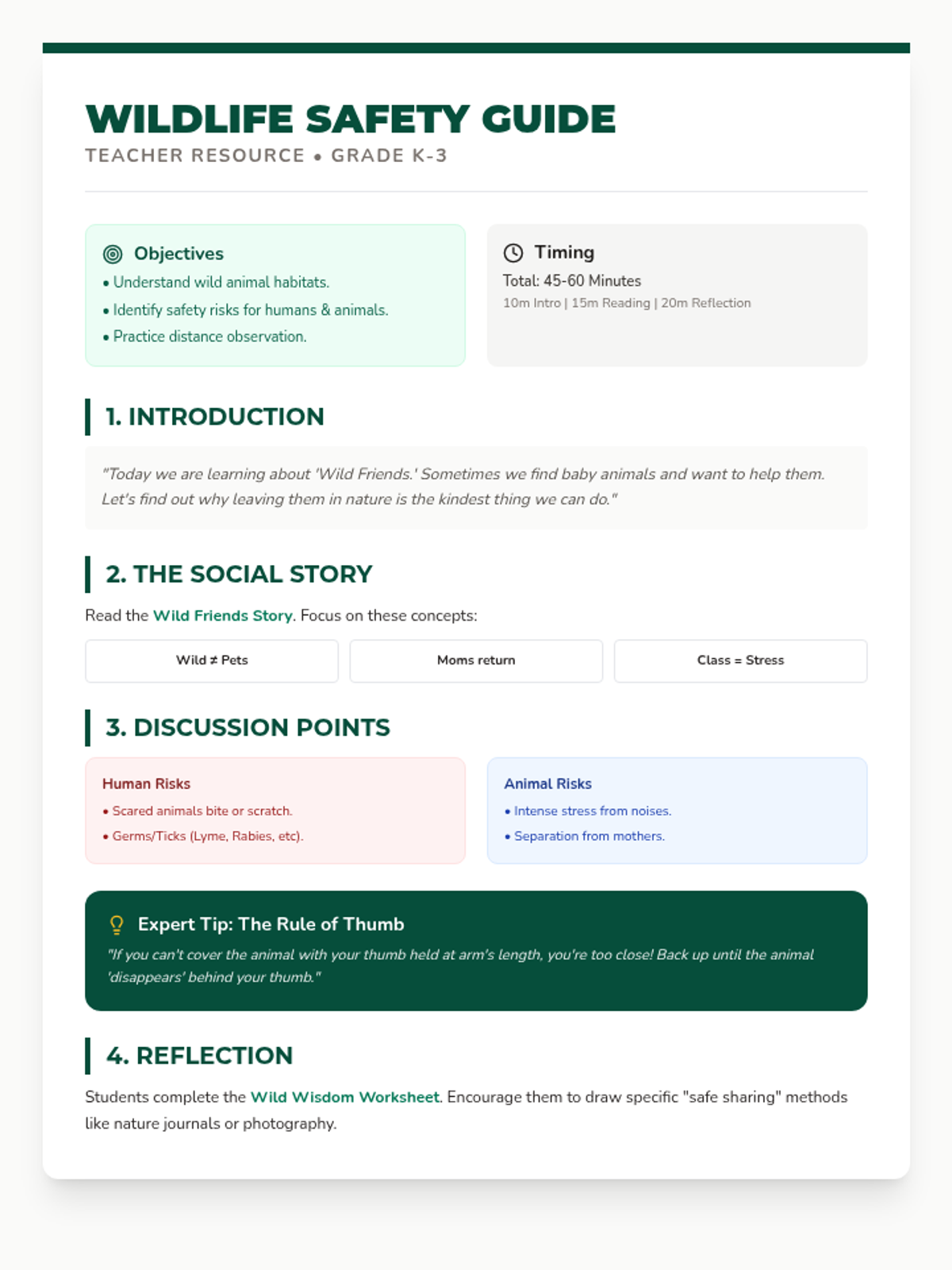
This lesson teaches students why wild animals, especially babies, should remain in their natural habitats rather than being brought to school, focusing on the safety of the animal and the classroom community.
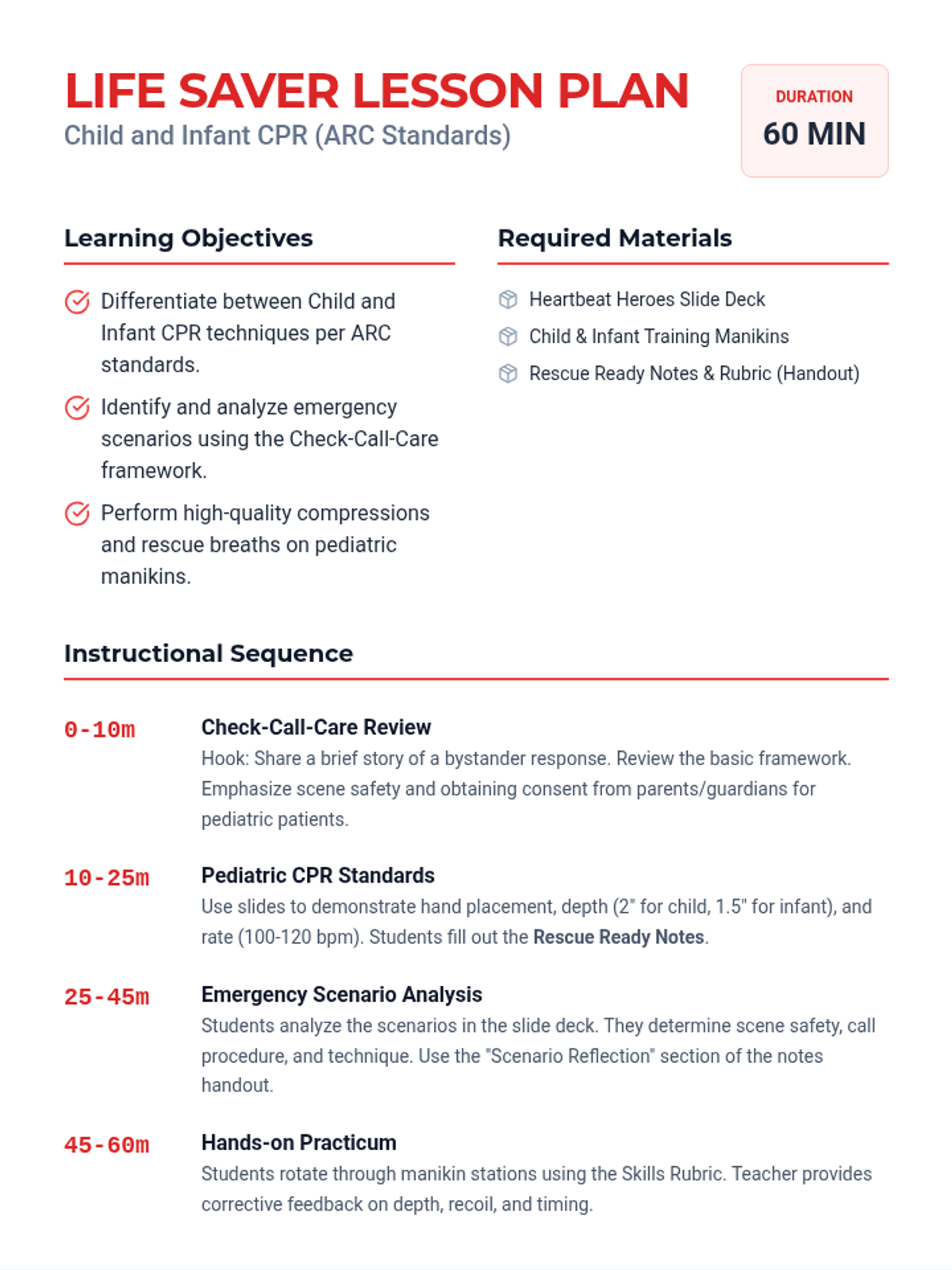
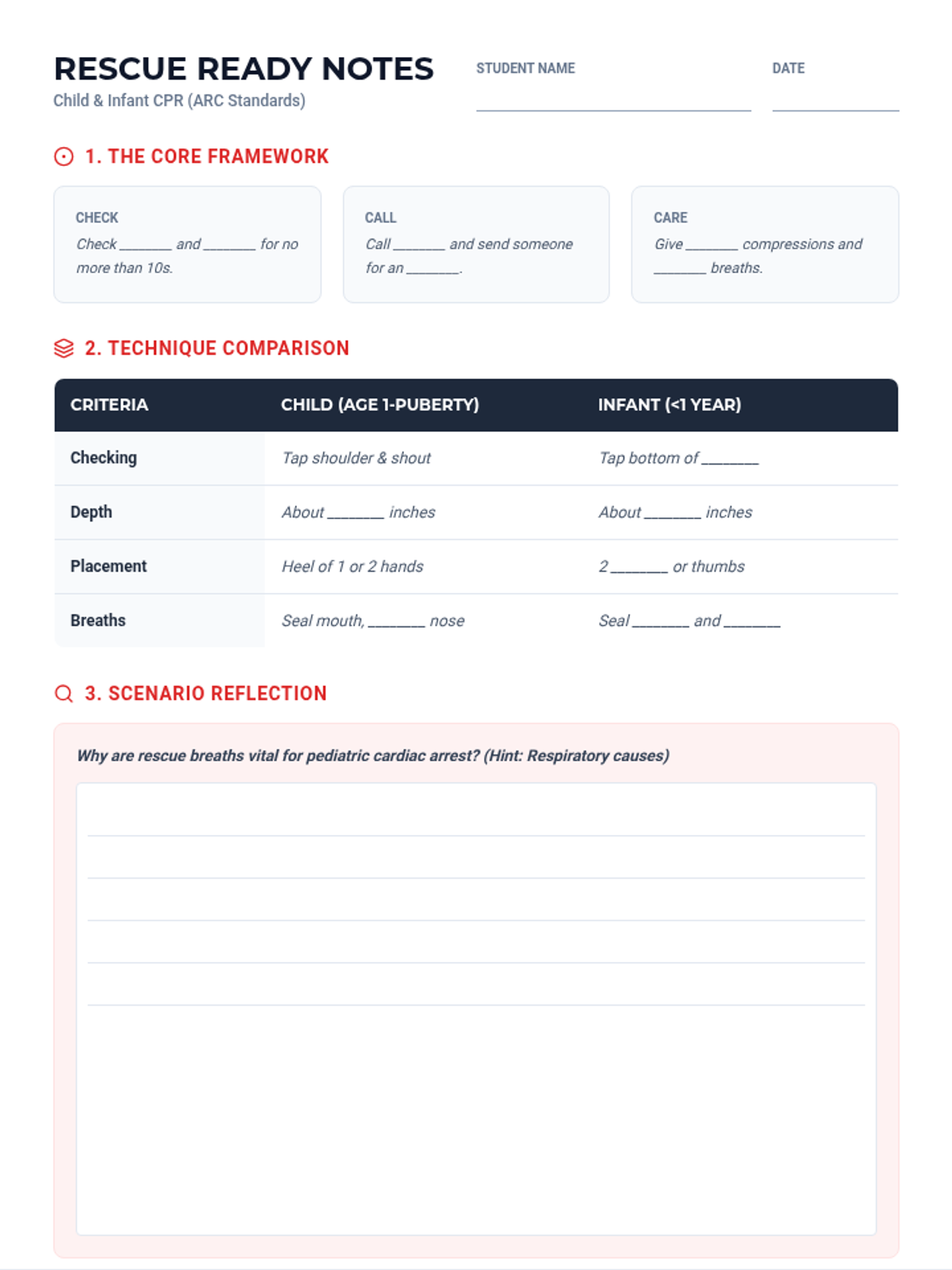
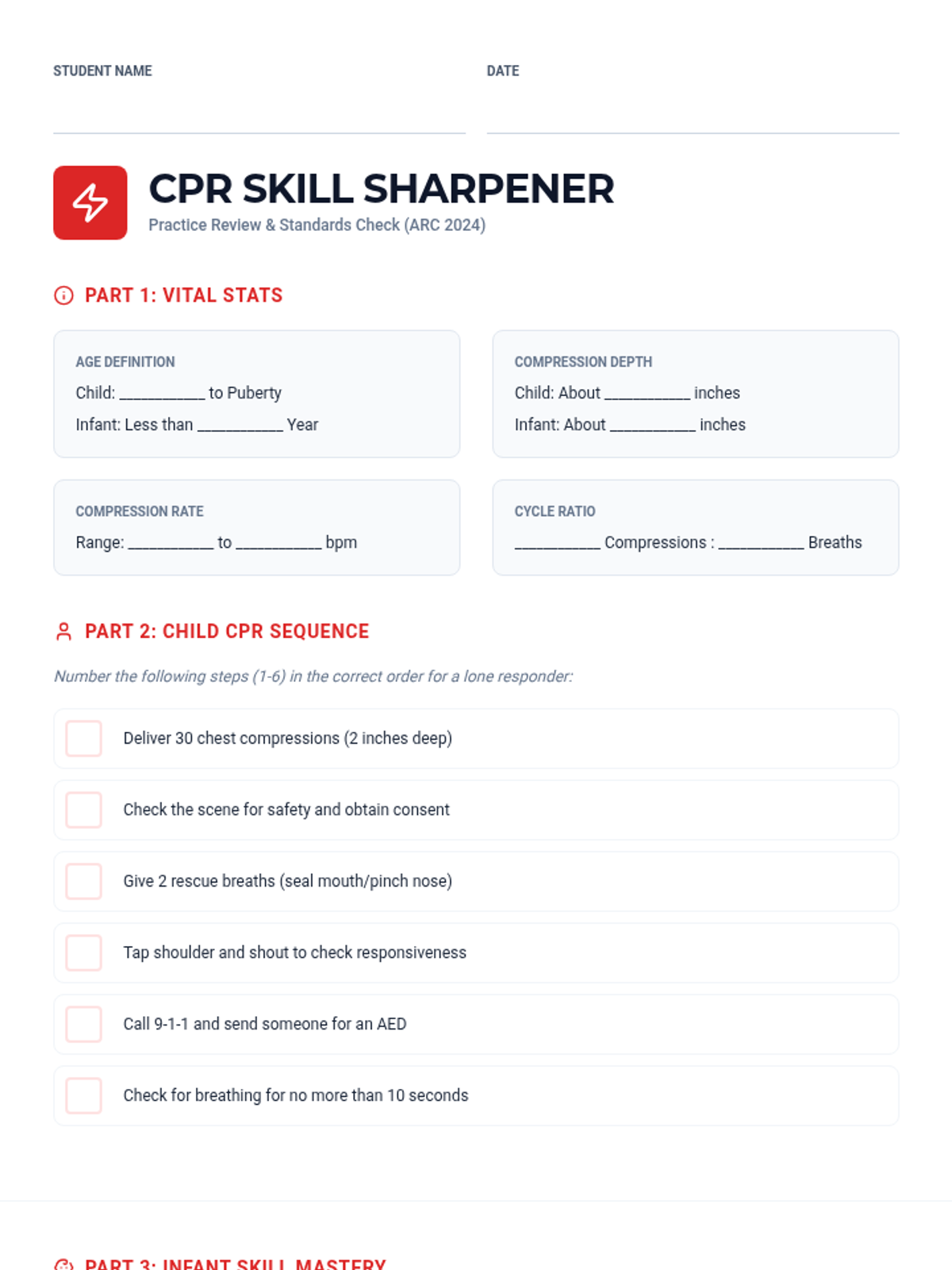
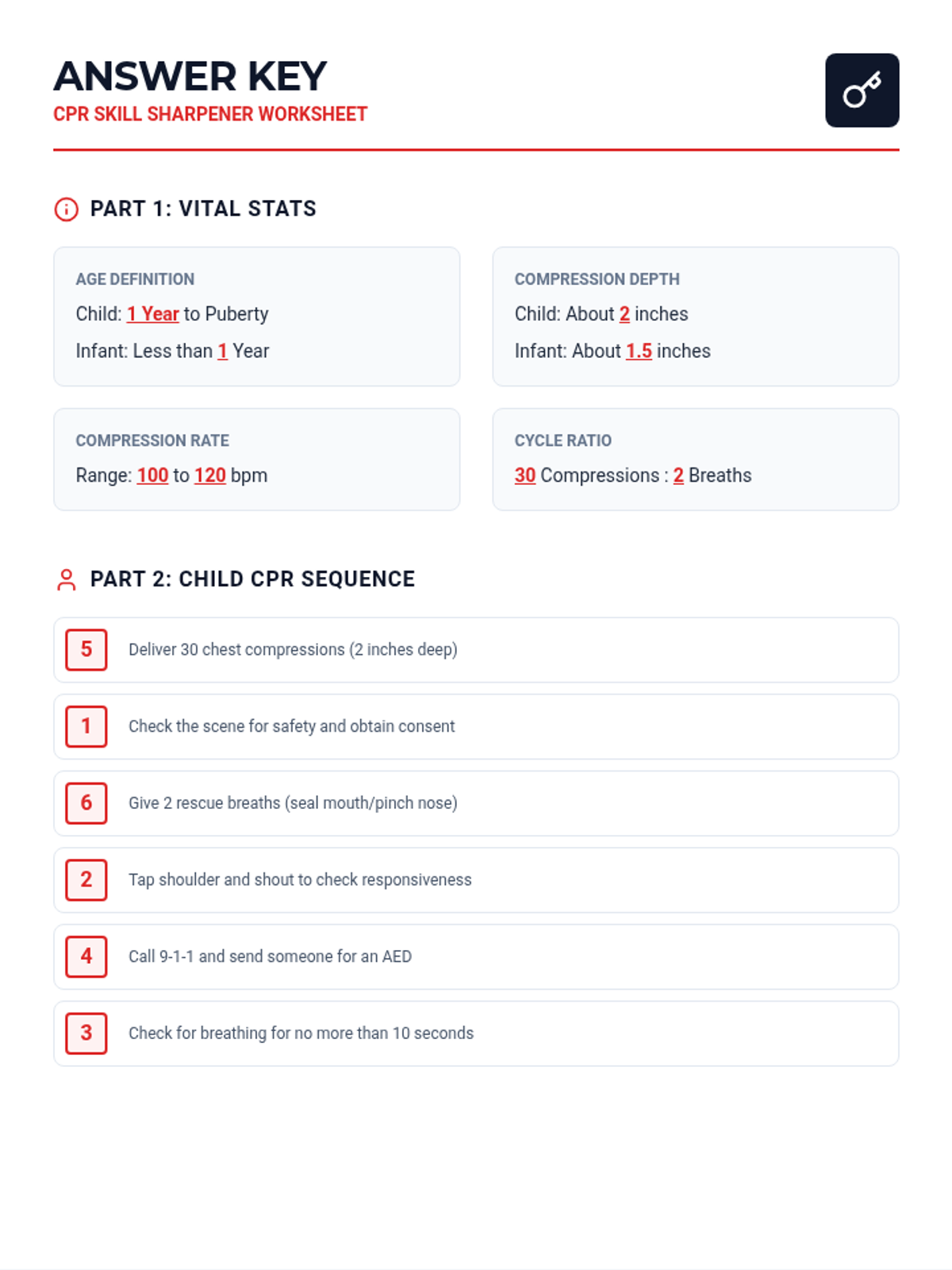
A comprehensive 60-minute lesson on Child and Infant CPR following American Red Cross standards, featuring scenario-based analysis and hands-on skill assessment.
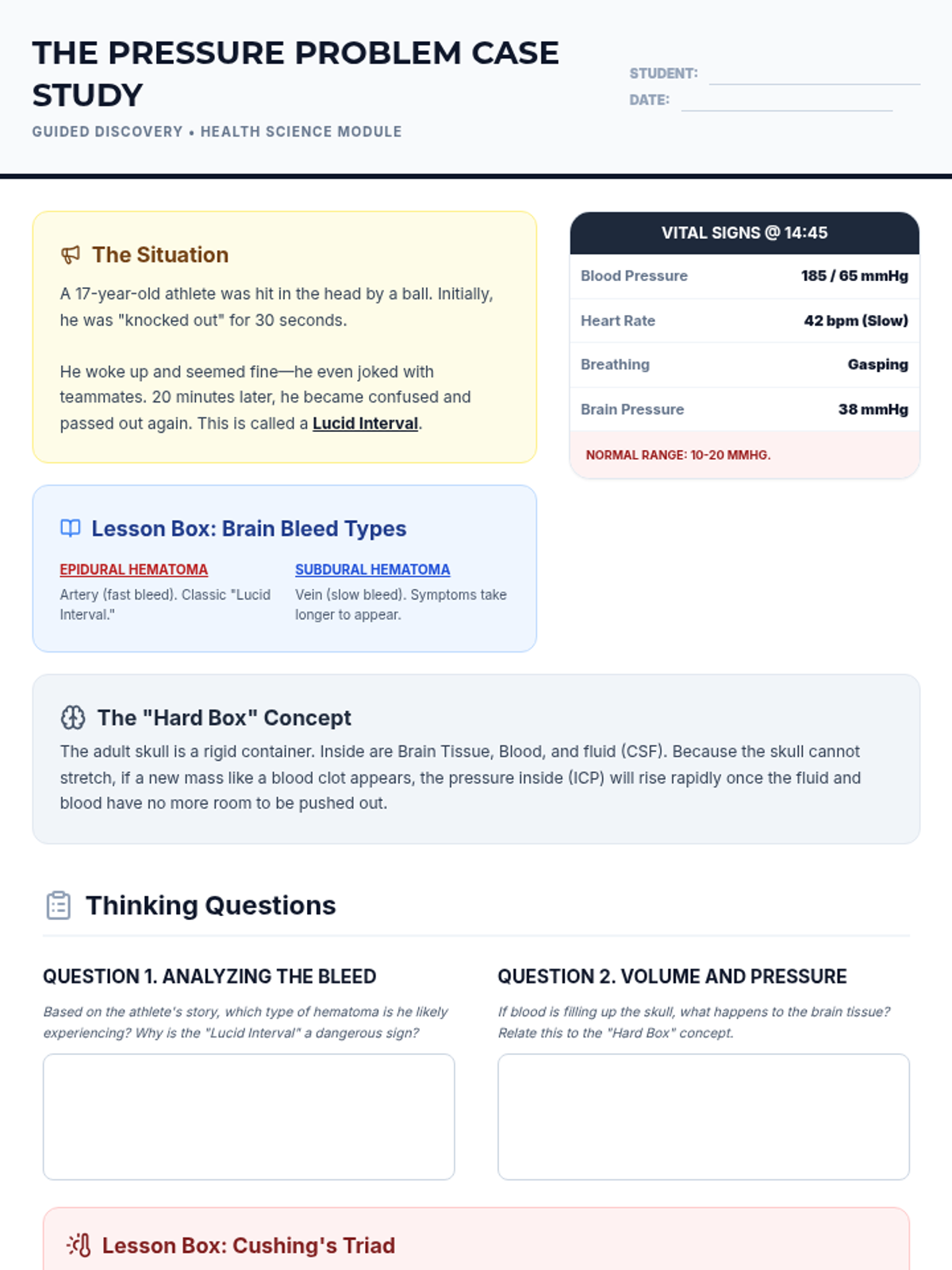
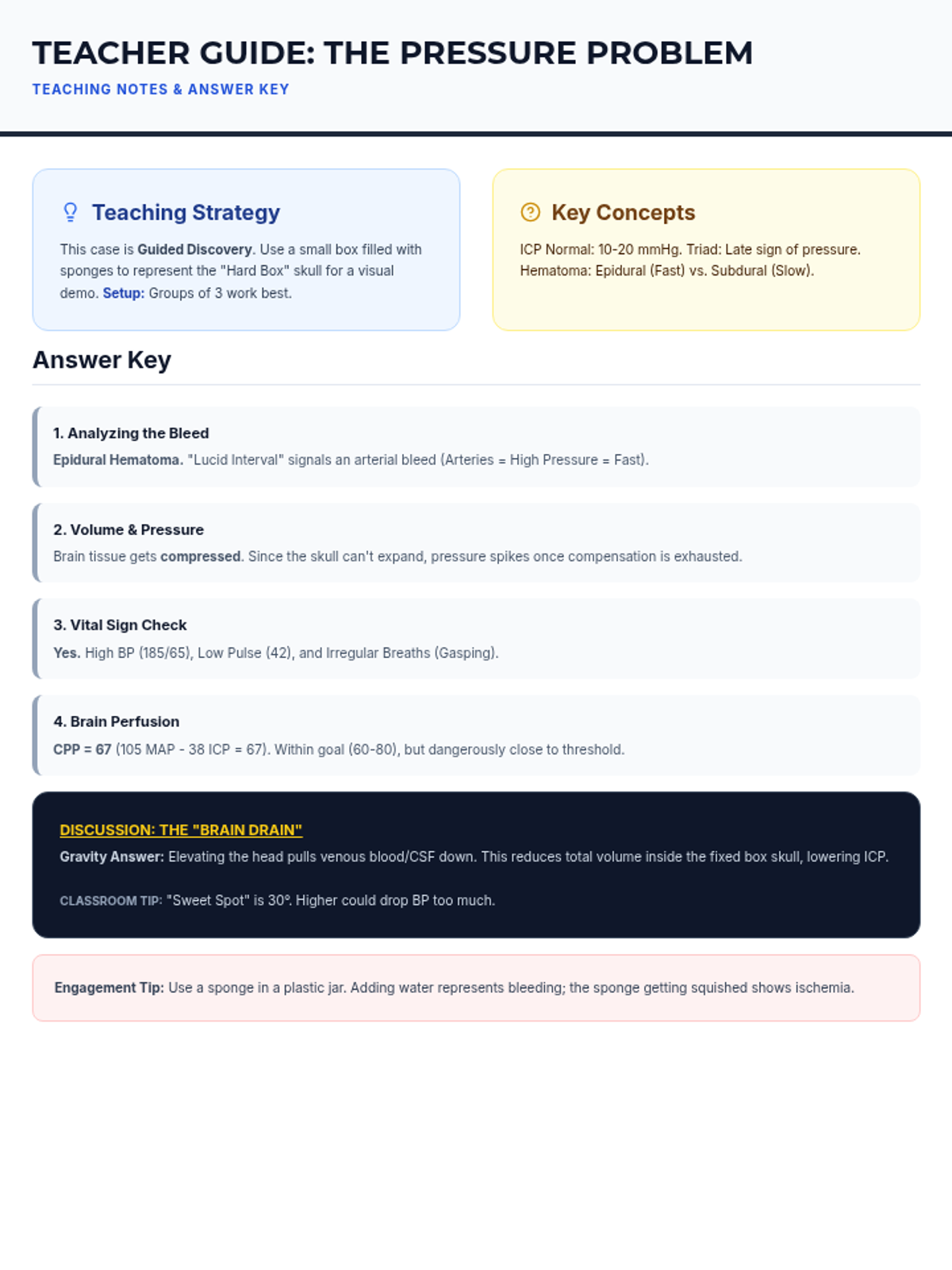
A health-science focused lesson on the anatomy, physiology, and clinical implications of increased intracranial pressure, featuring the Monro-Kellie doctrine and Cushing's Triad.
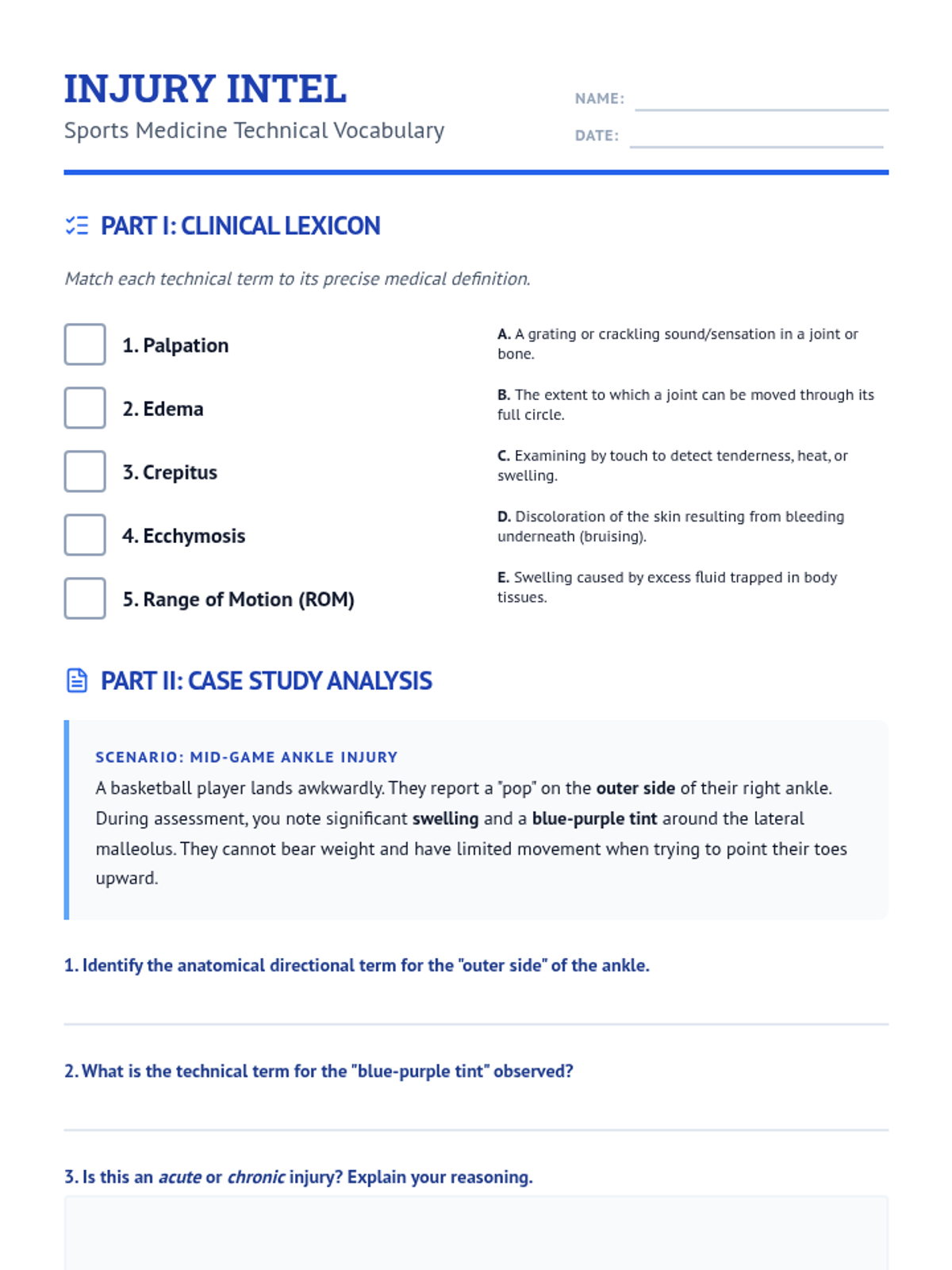
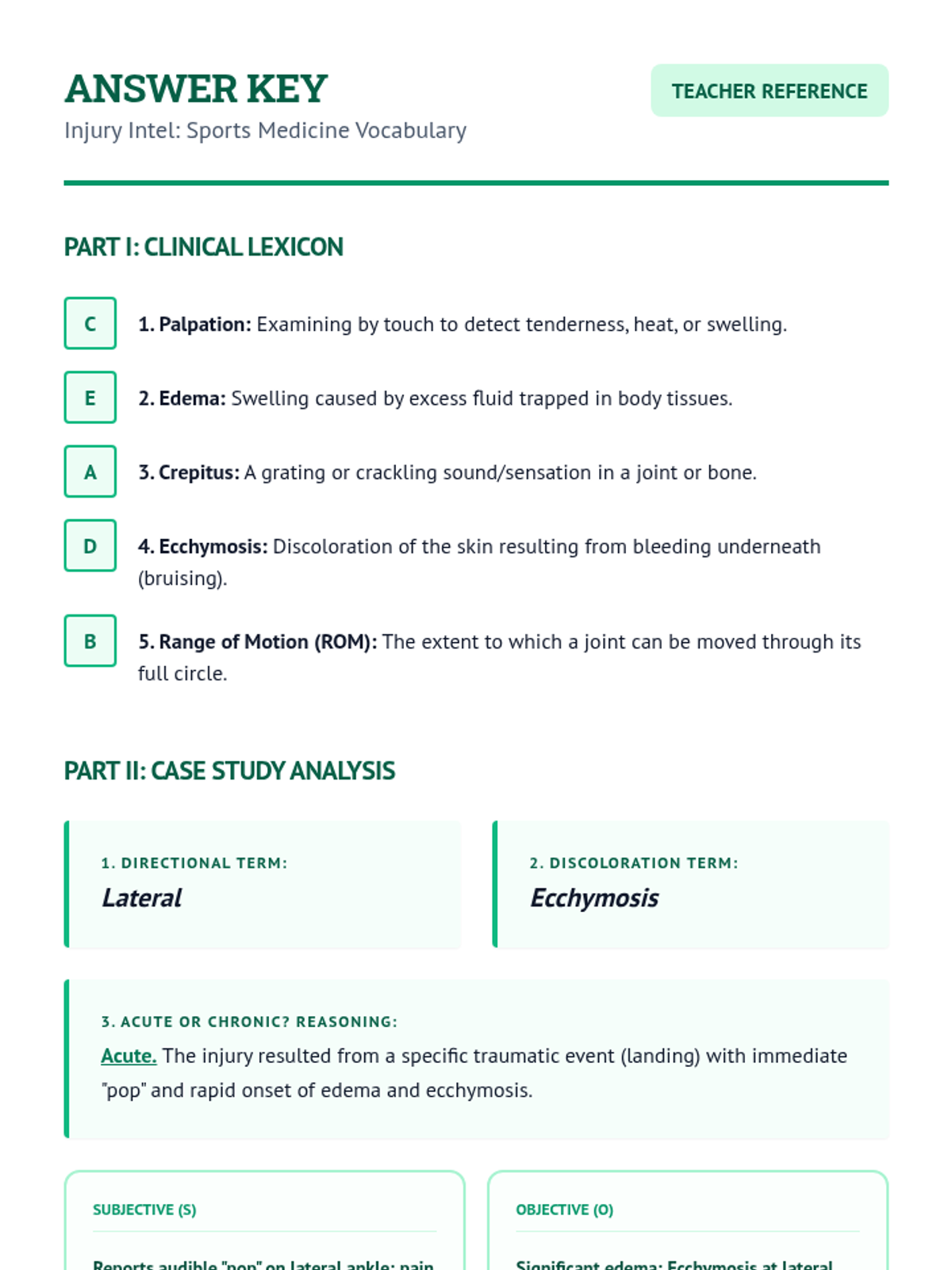
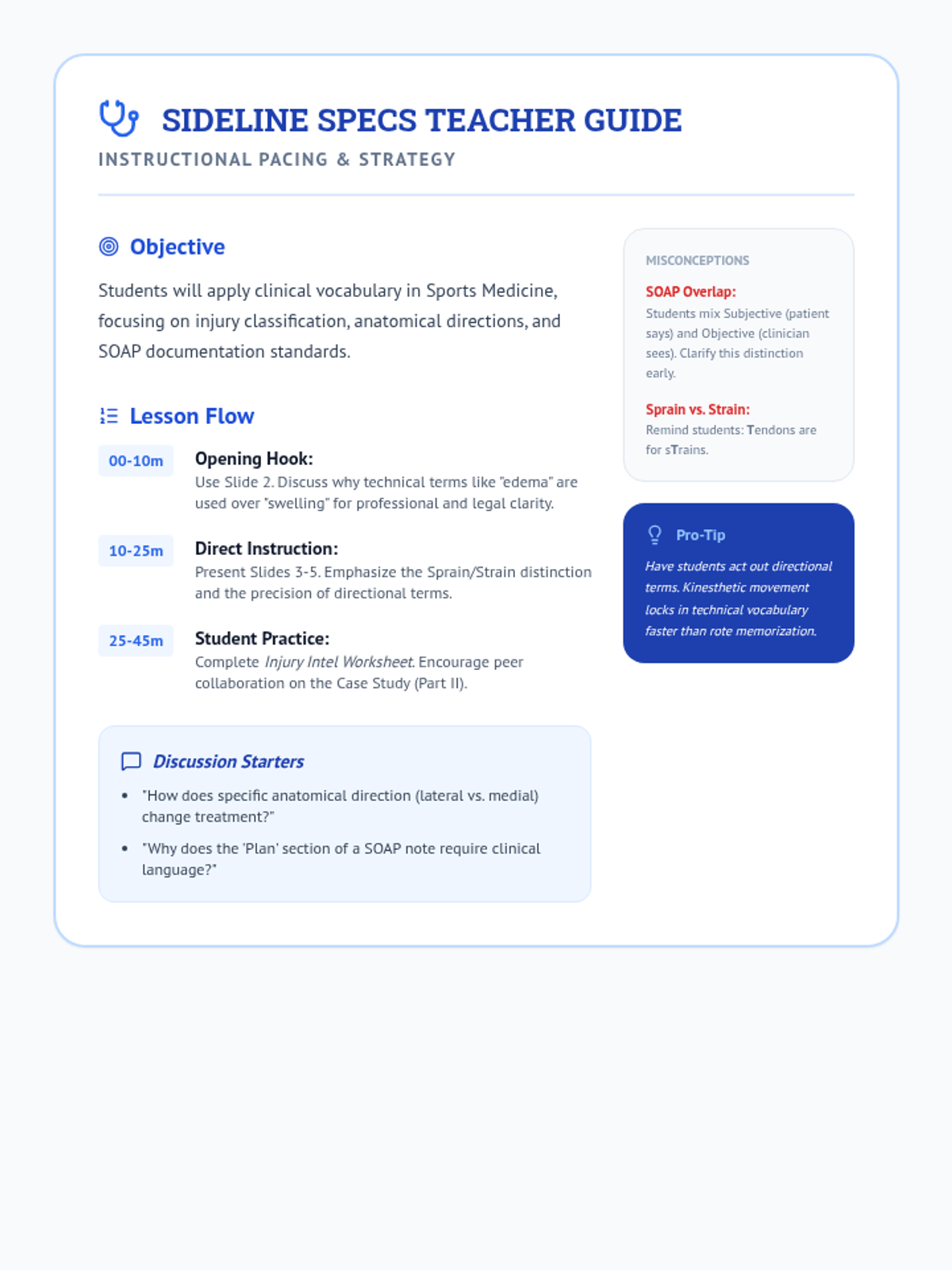
A career-focused lesson on Sports Medicine terminology, focusing on technical vocabulary used in clinical assessments and injury reporting. Students will master terms related to anatomy, injury types, and the SOAP note format.
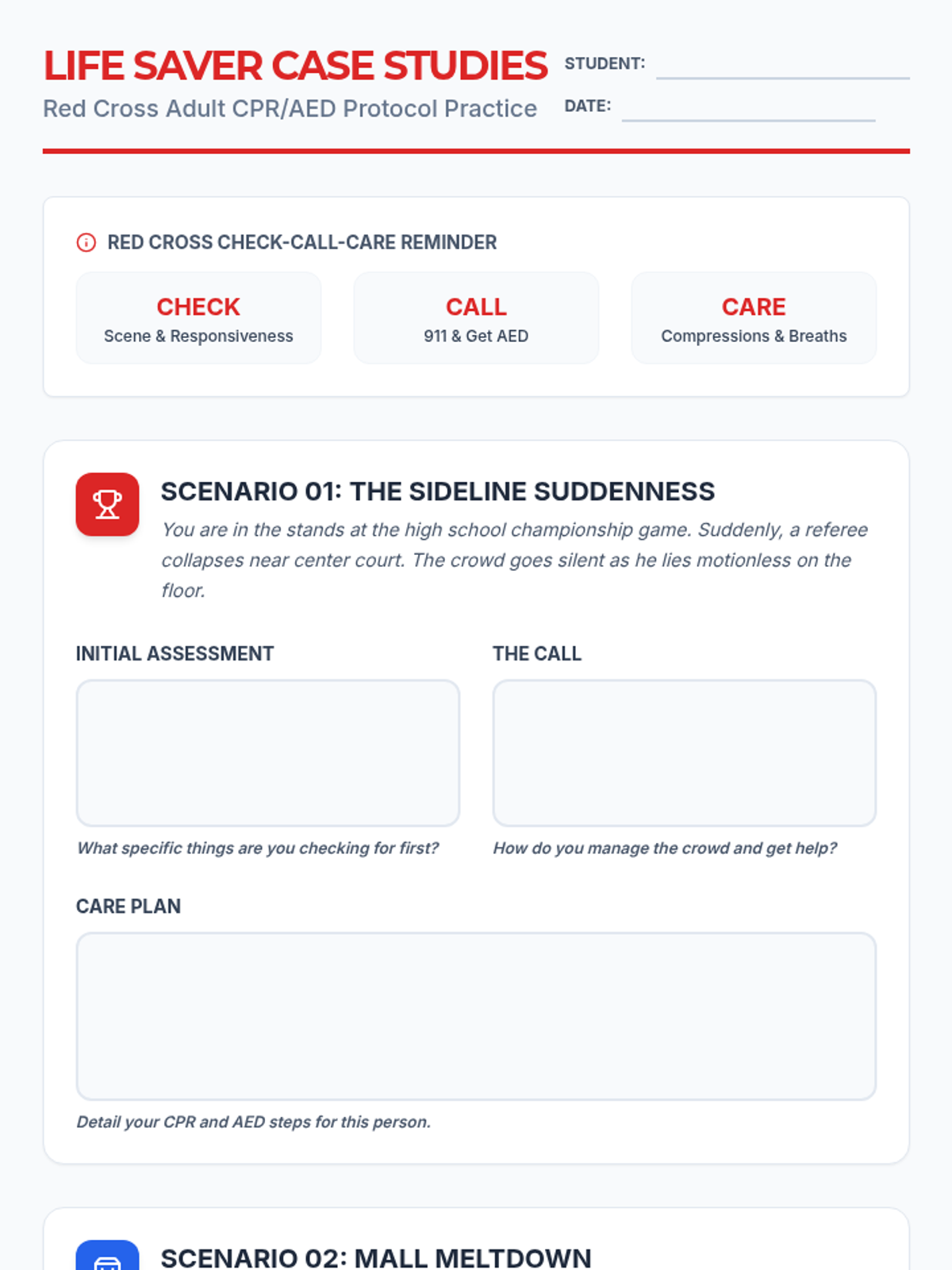
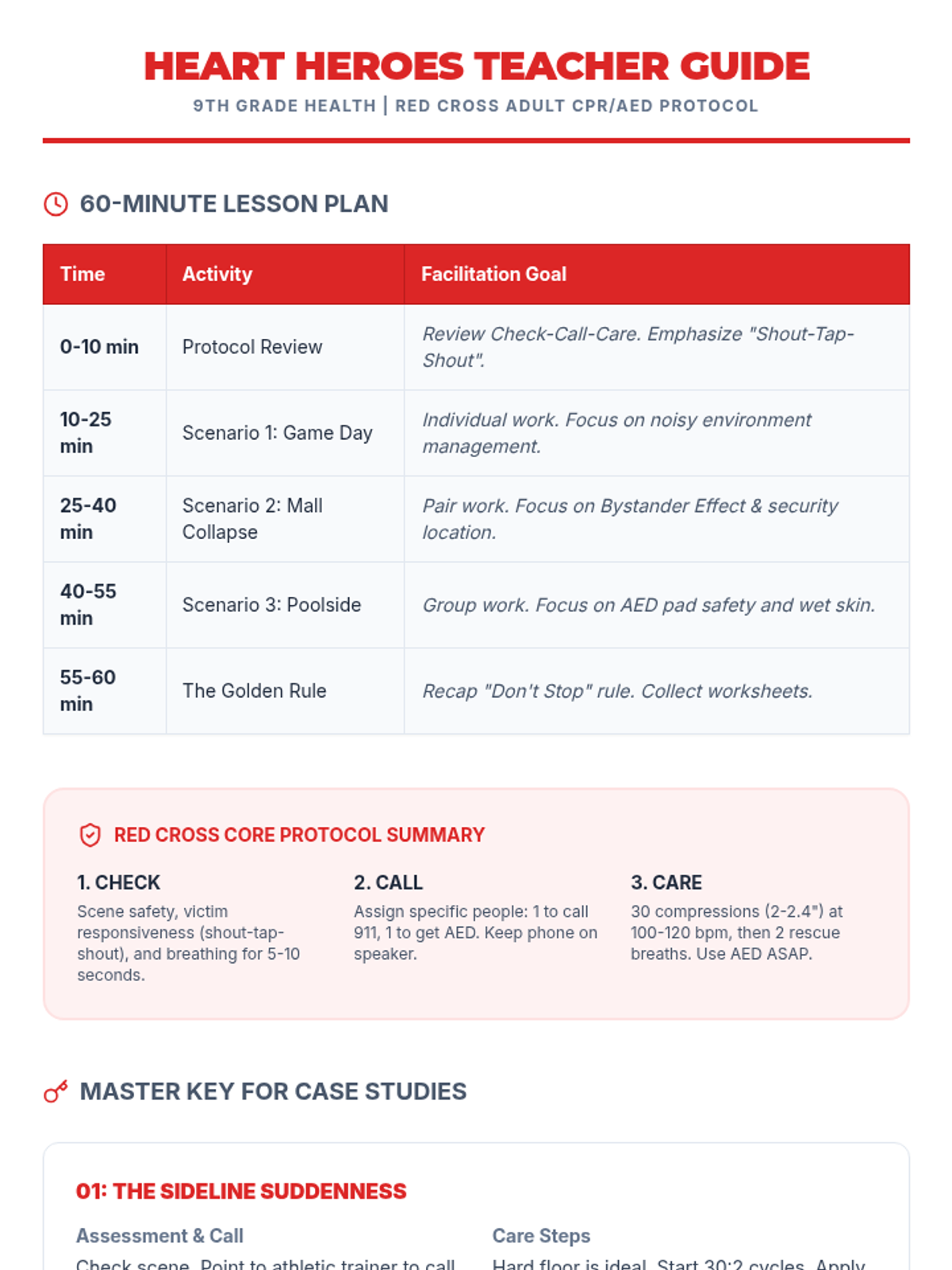
An interactive lesson for 9th graders focusing on real-world application of Red Cross Adult CPR/AED protocols through three distinct scenarios: a school basketball game, a shopping mall, and a community pool.
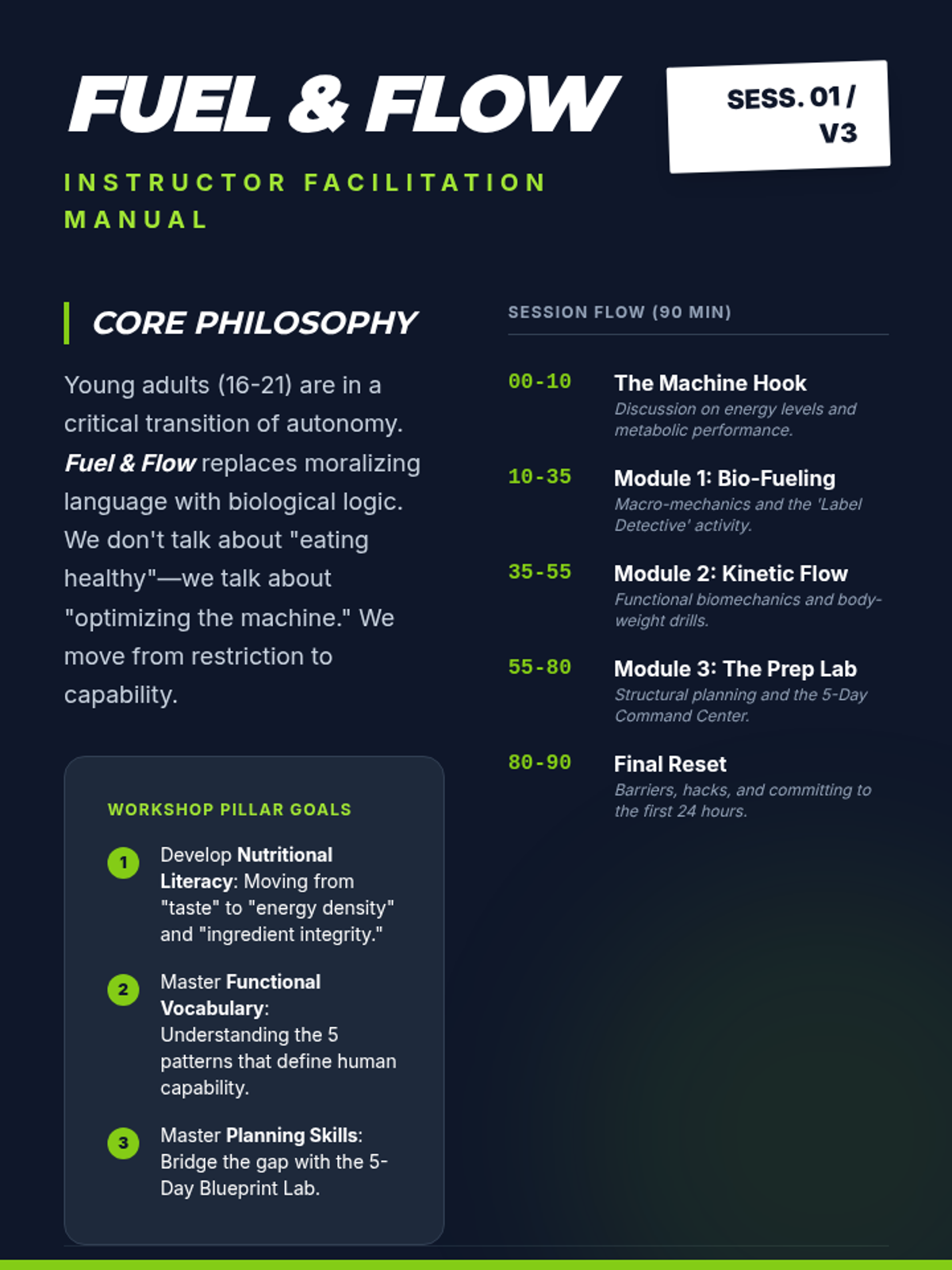
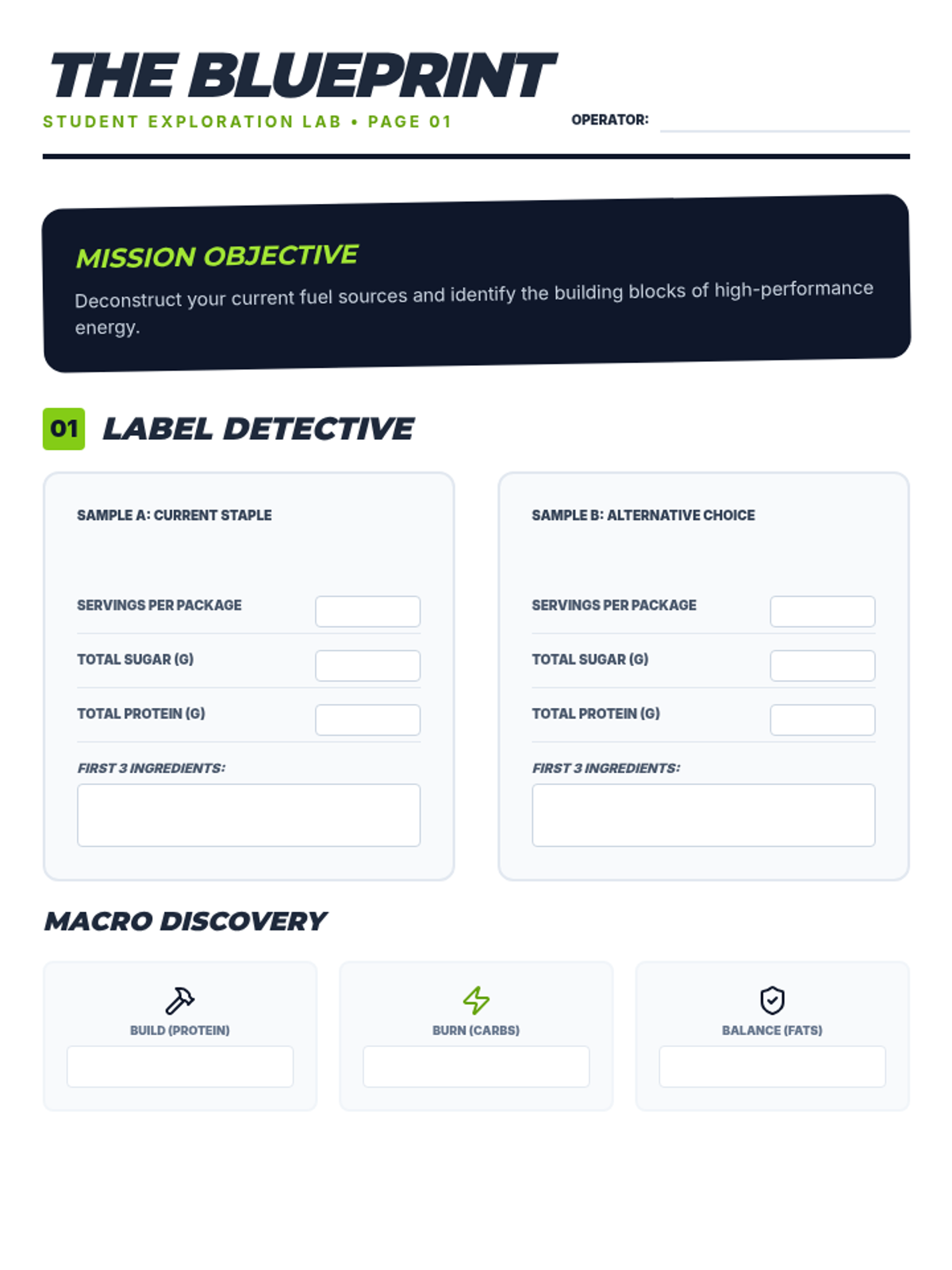
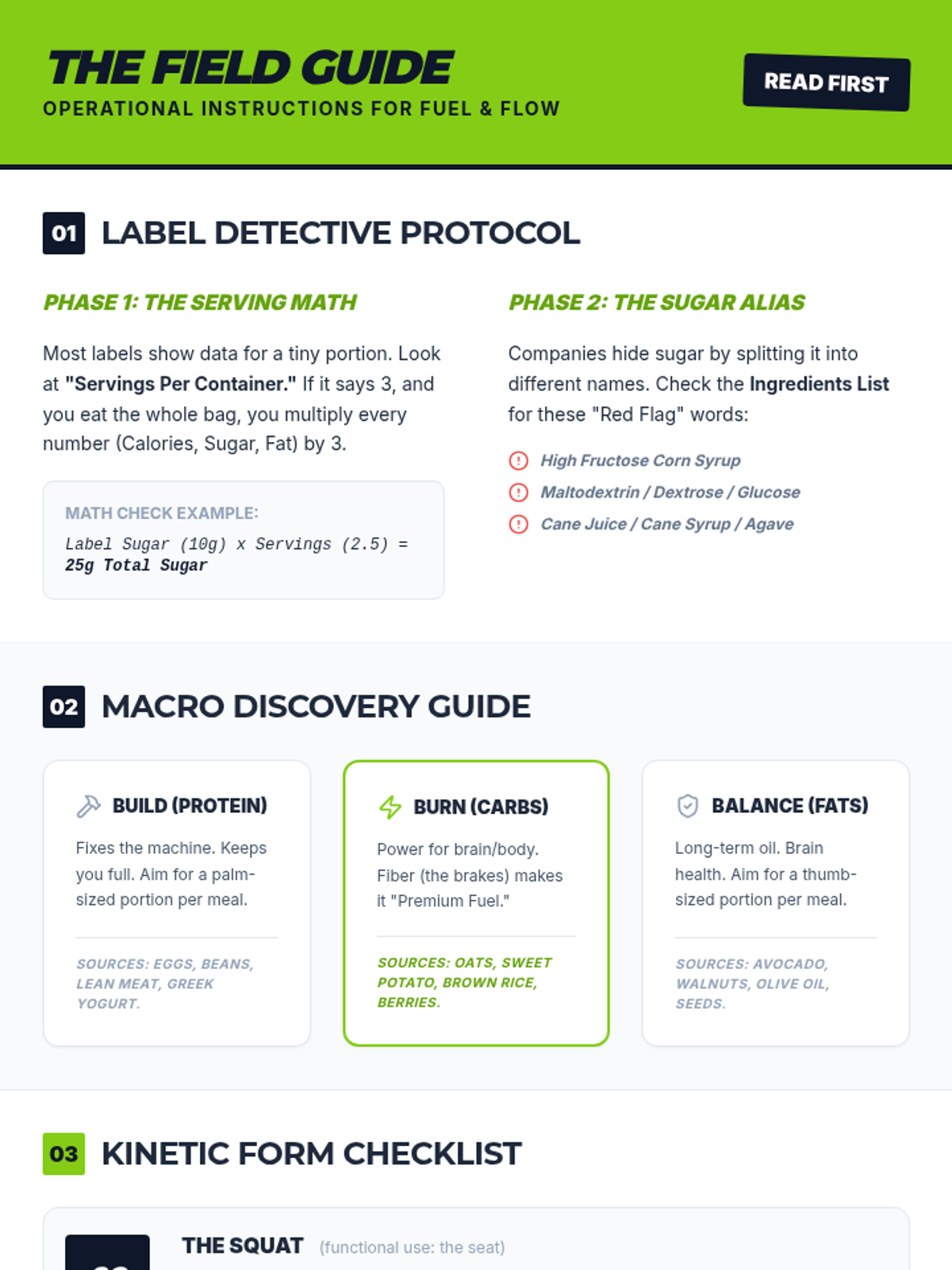
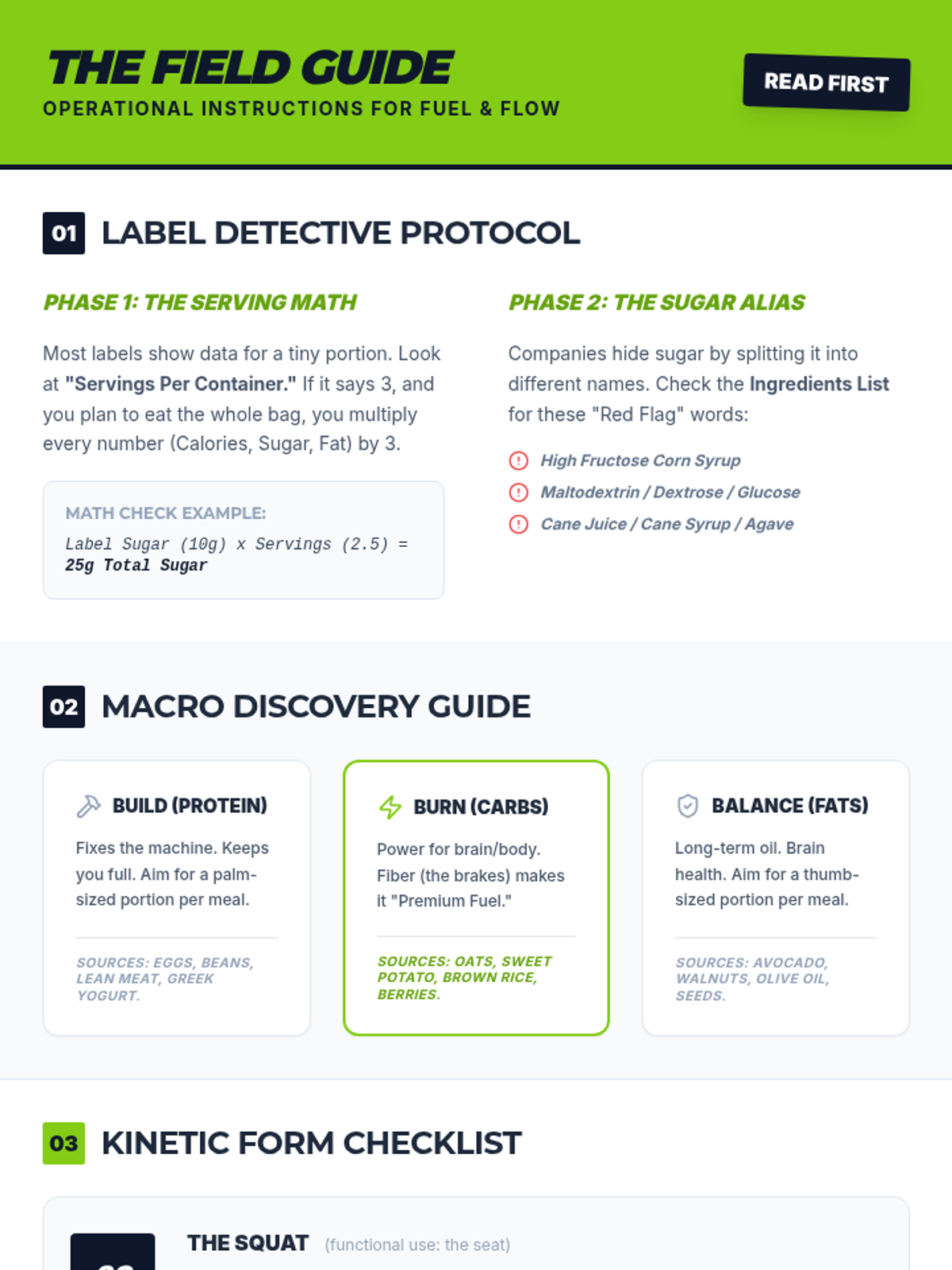
A 90-minute intensive session for young adults (16-21) focused on the intersection of nutrition and functional movement. Students learn to read labels, plan balanced meals, and understand the foundational movement patterns needed for a healthy, active life.
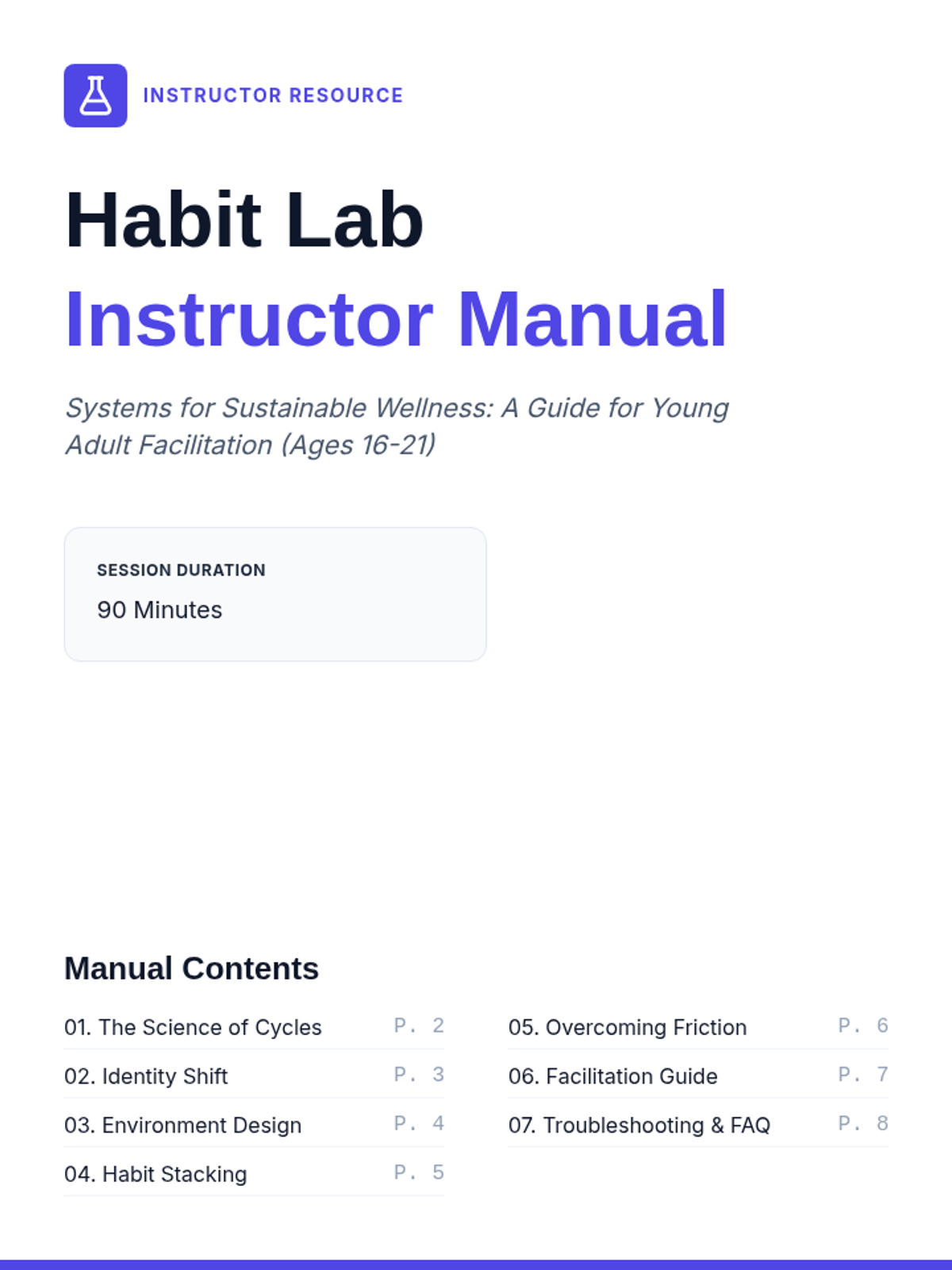
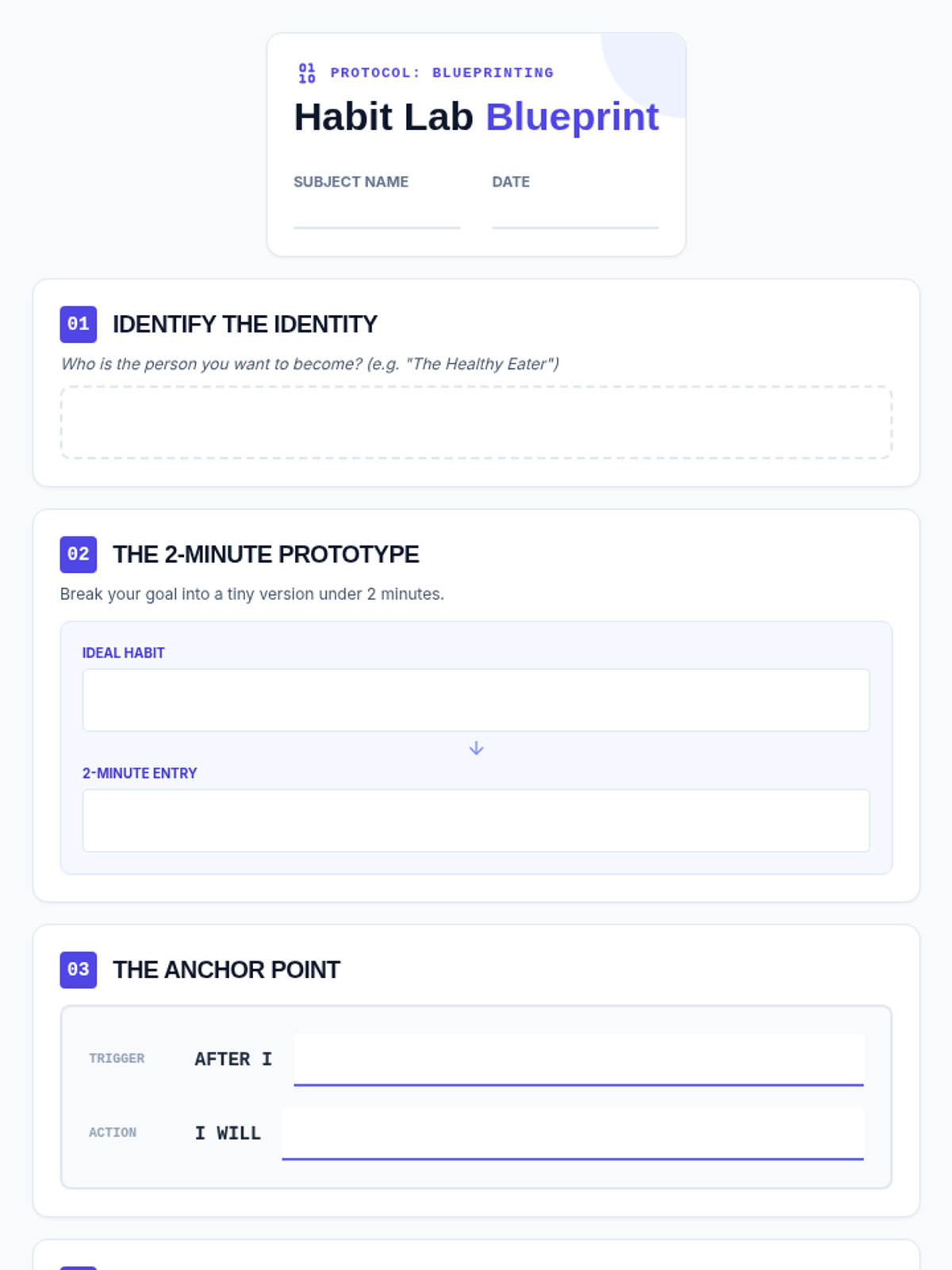
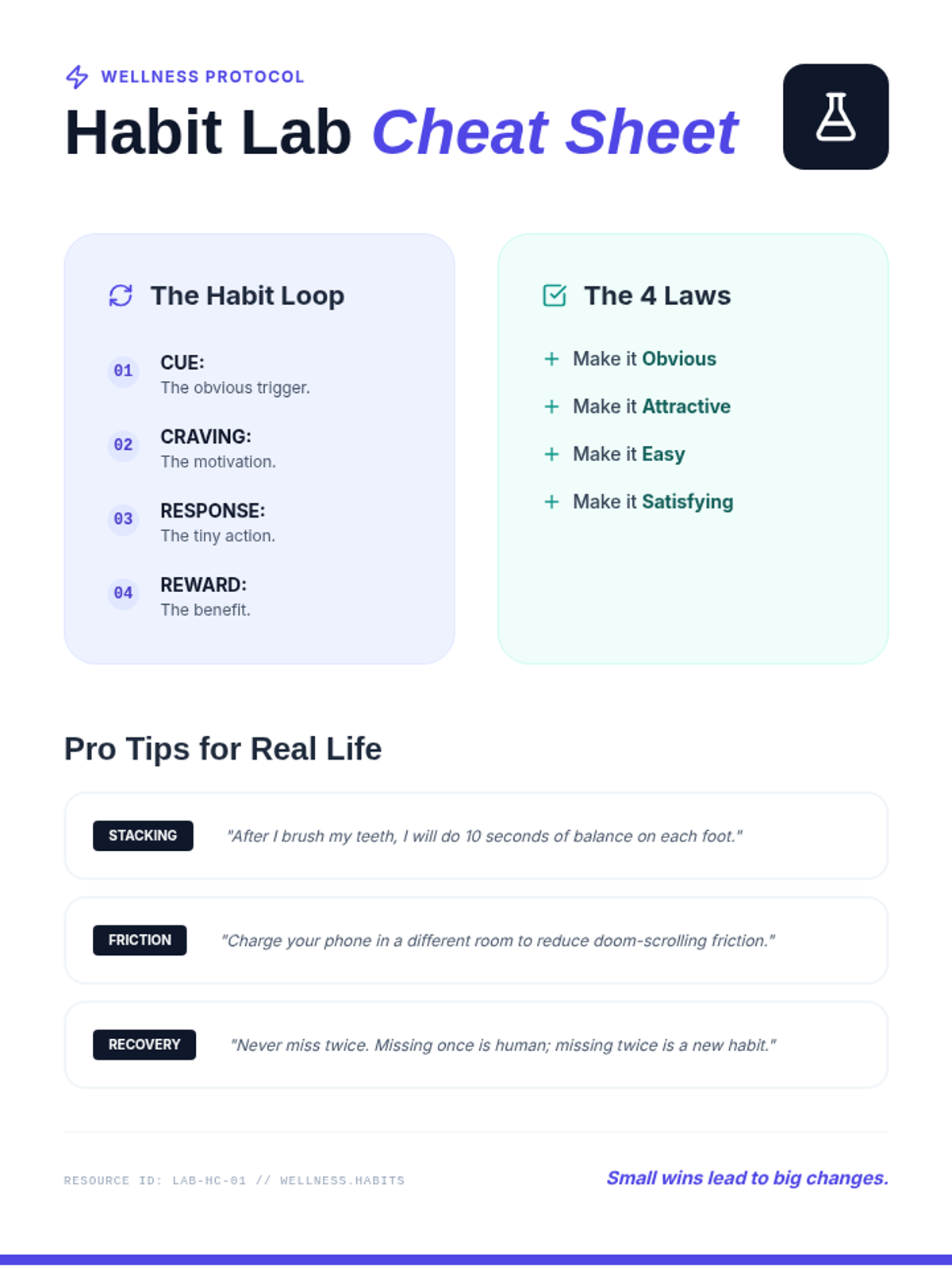
A comprehensive session for young adults on the science and practice of habit formation for long-term wellness. This lesson equips participants with practical tools to design systems that support their health, mental clarity, and productivity.
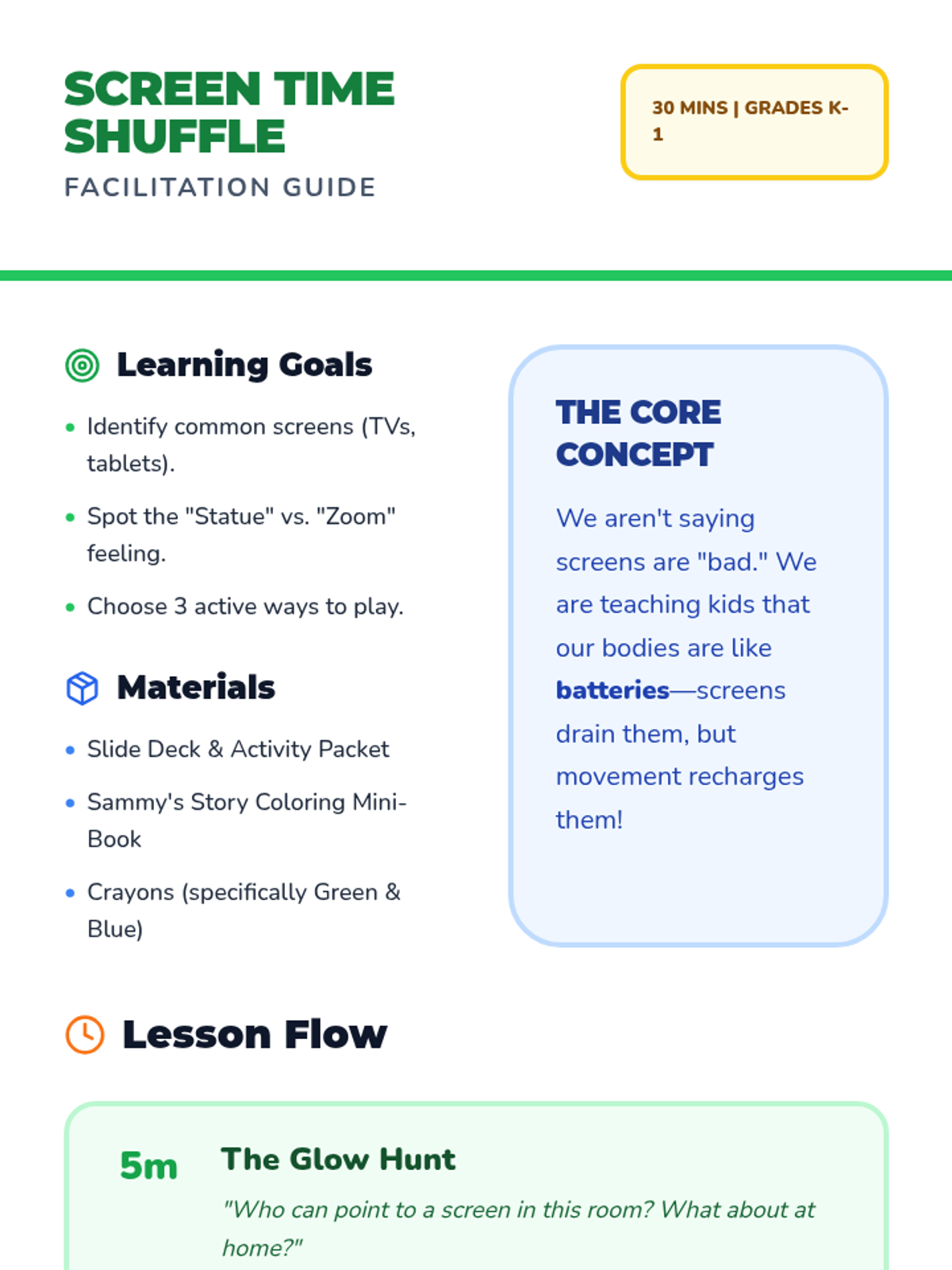
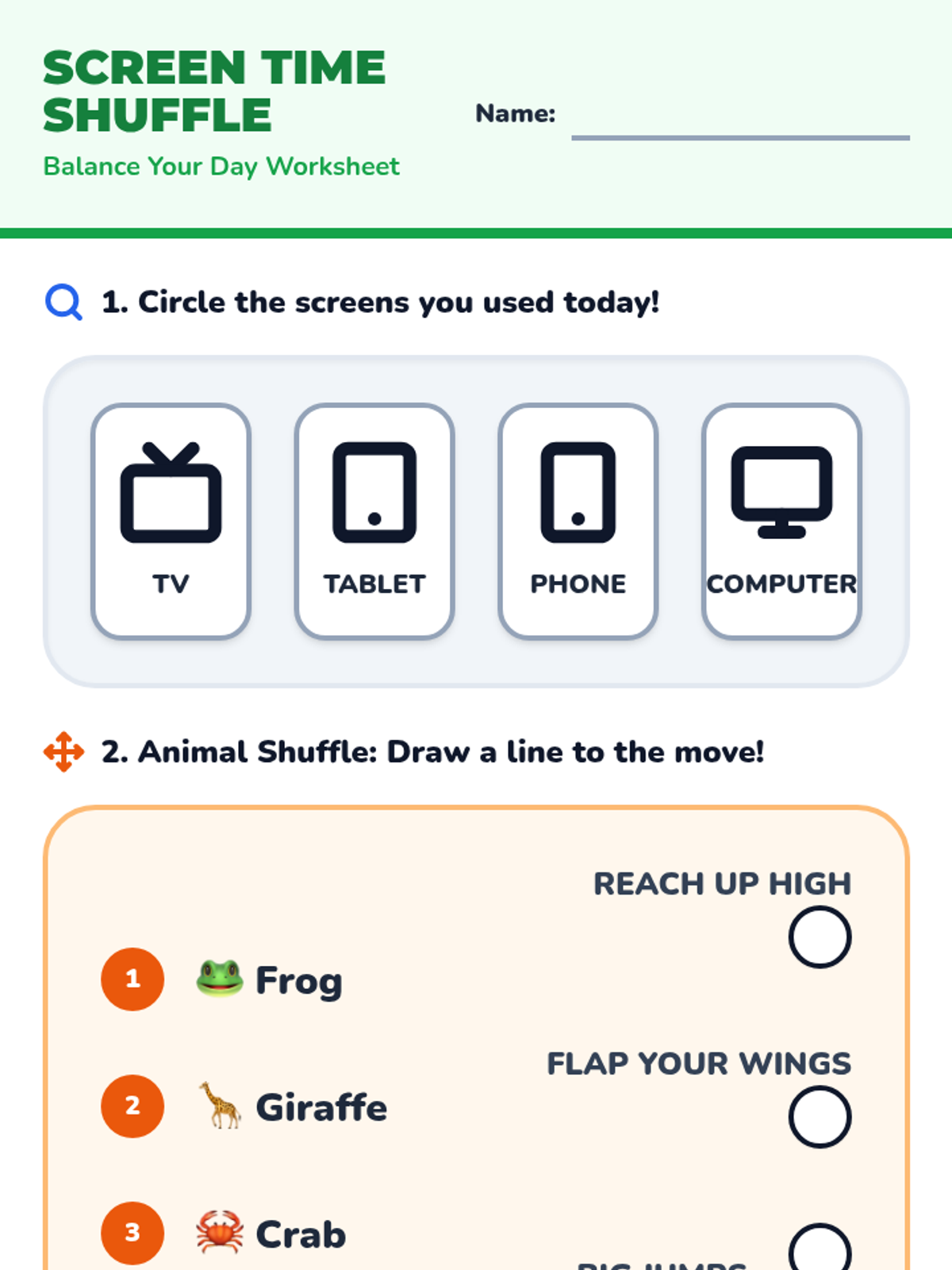
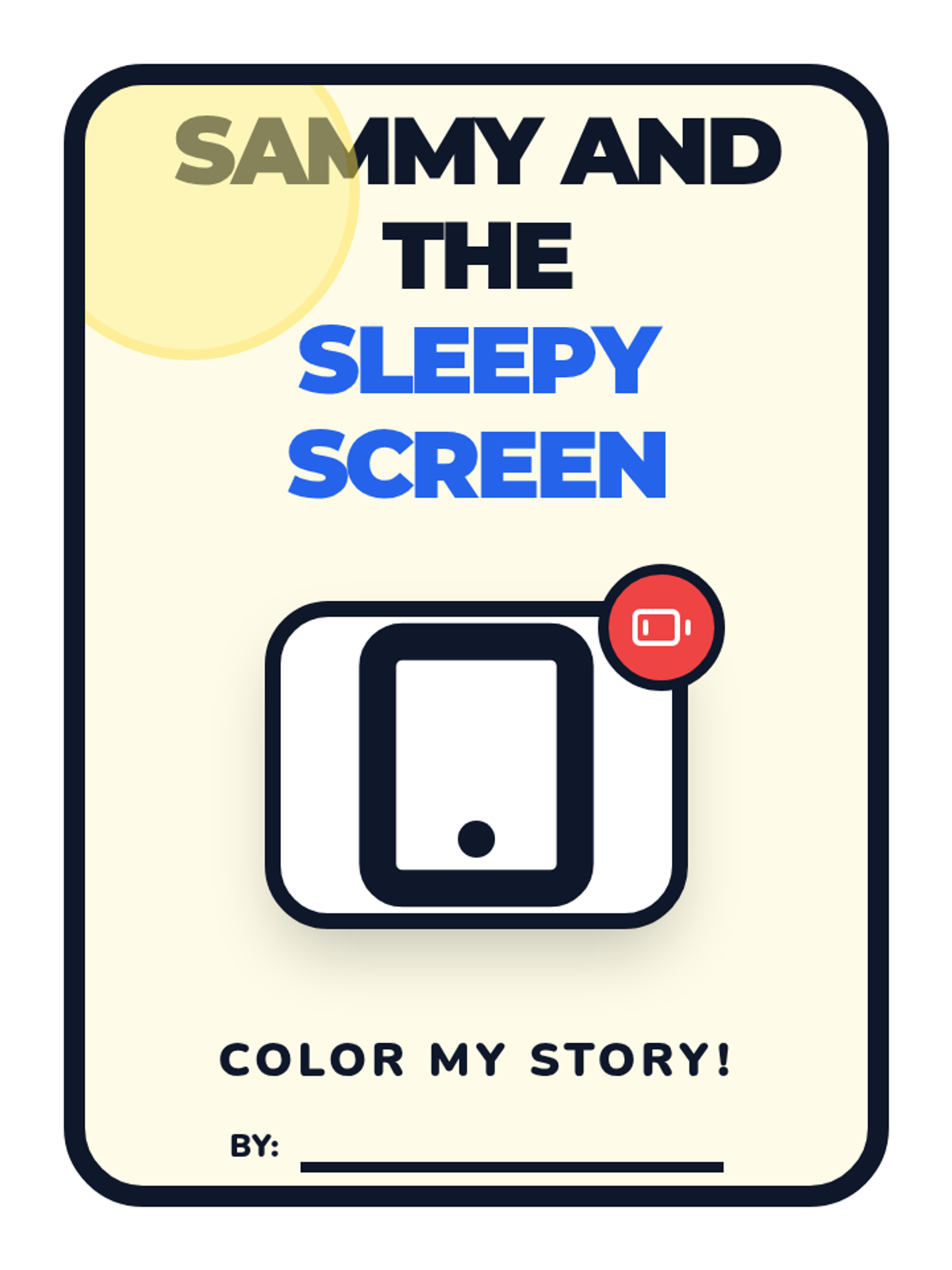
A high-energy lesson for K-1 students focusing on the balance between screen use and physical movement, featuring a narrative story and interactive movement breaks.
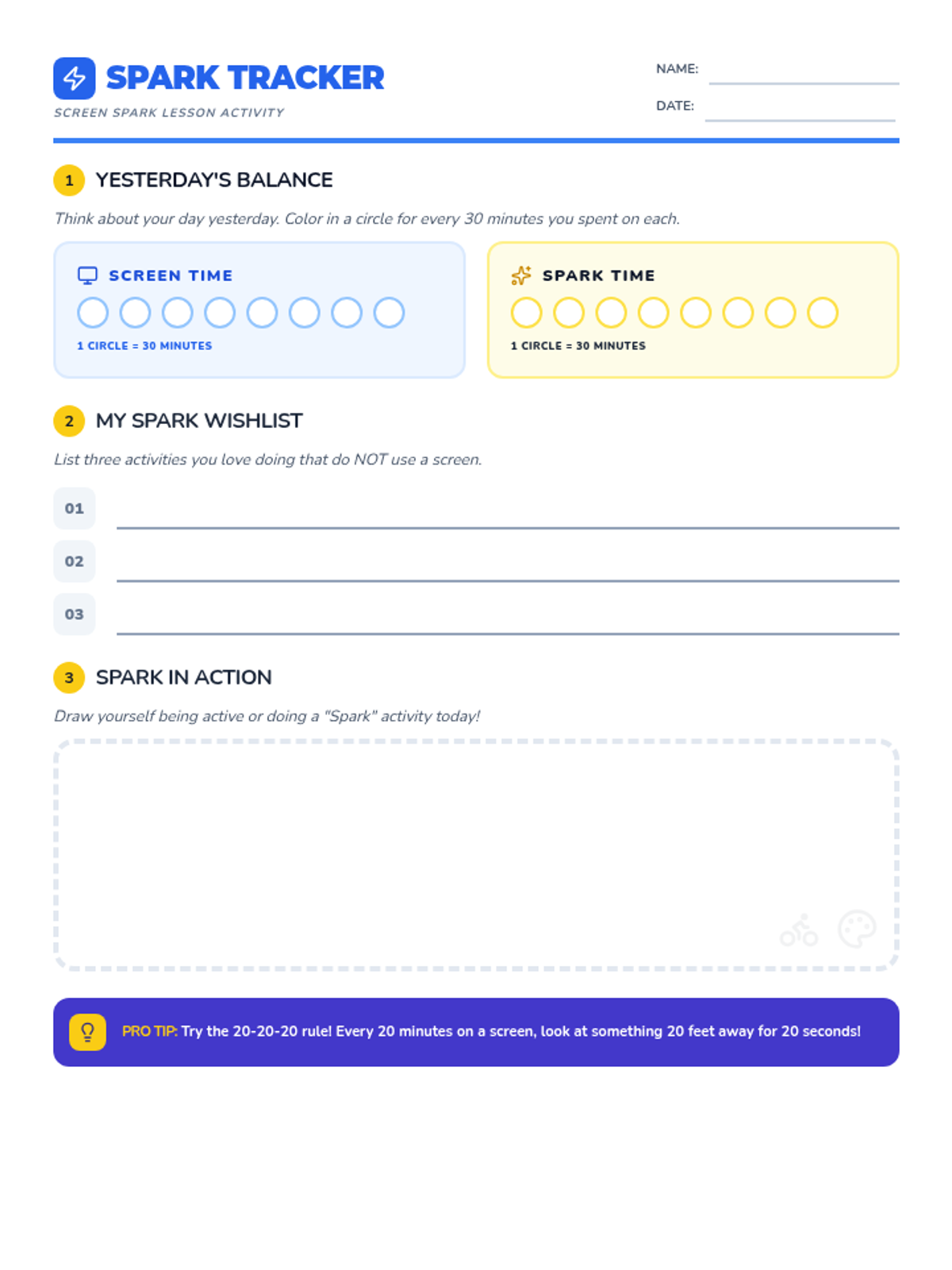
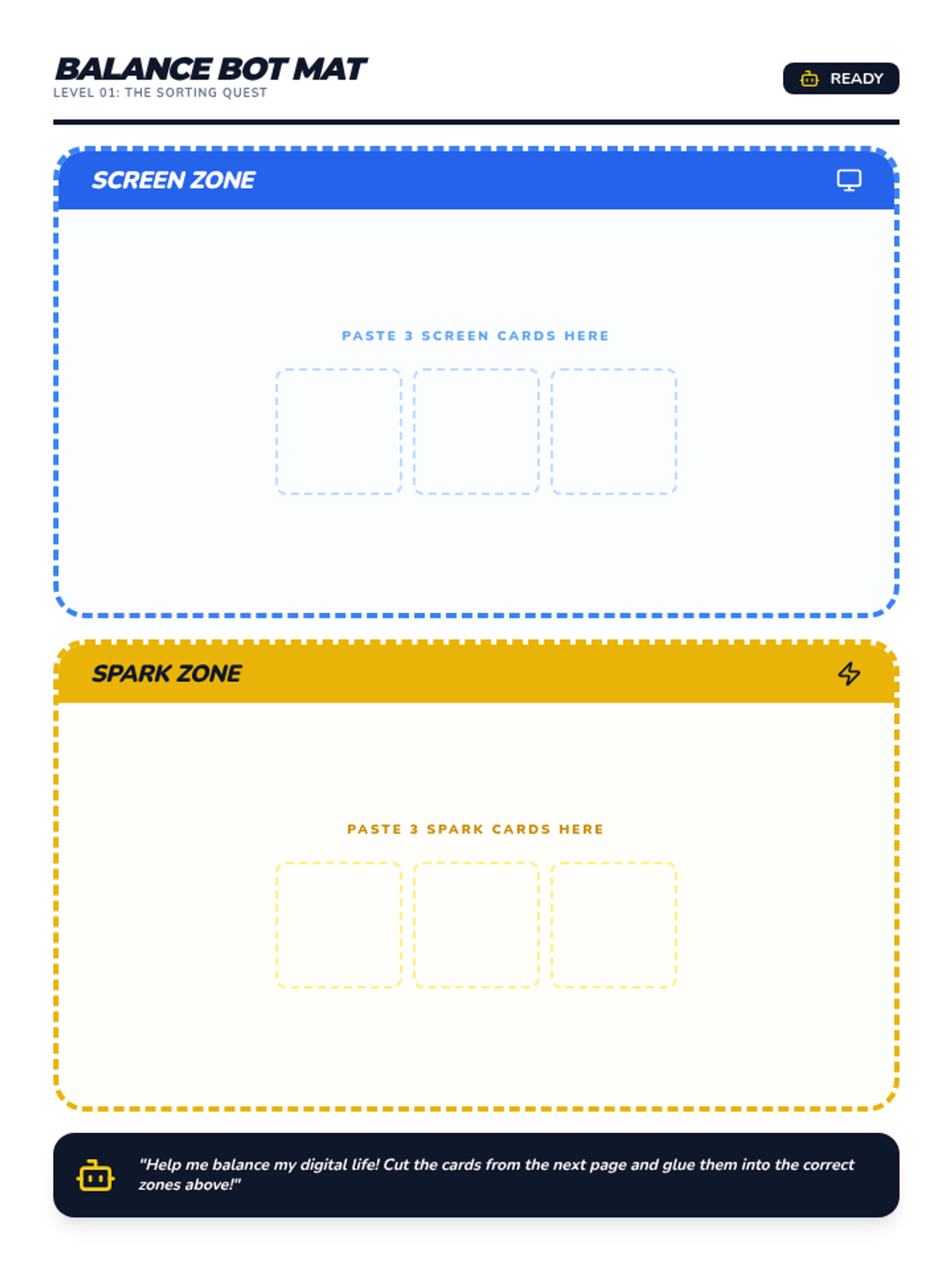
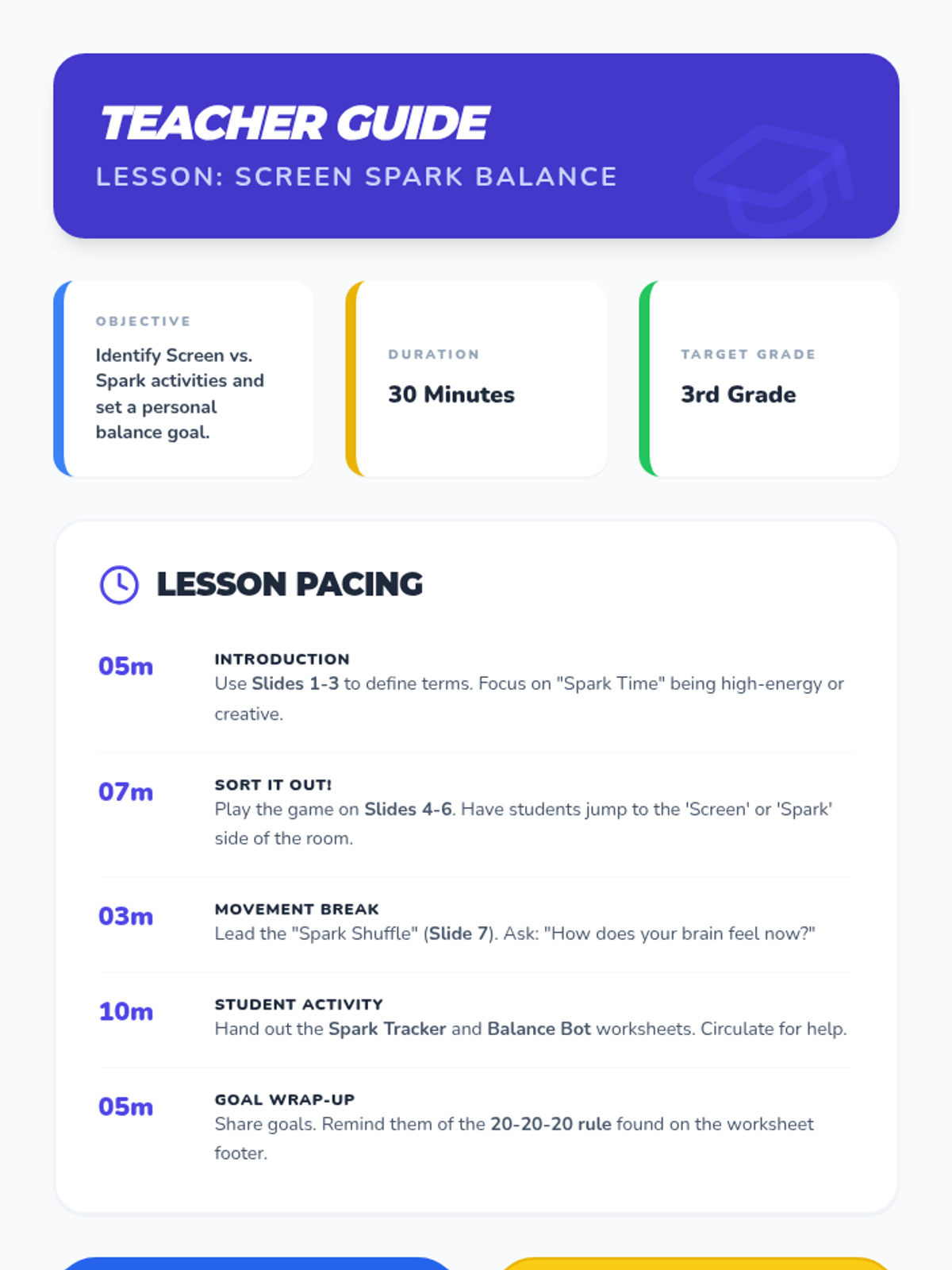
A 30-minute lesson for 3rd graders on balancing digital device use with physical activity, featuring a 'Screen Spark' theme to encourage healthy habits.
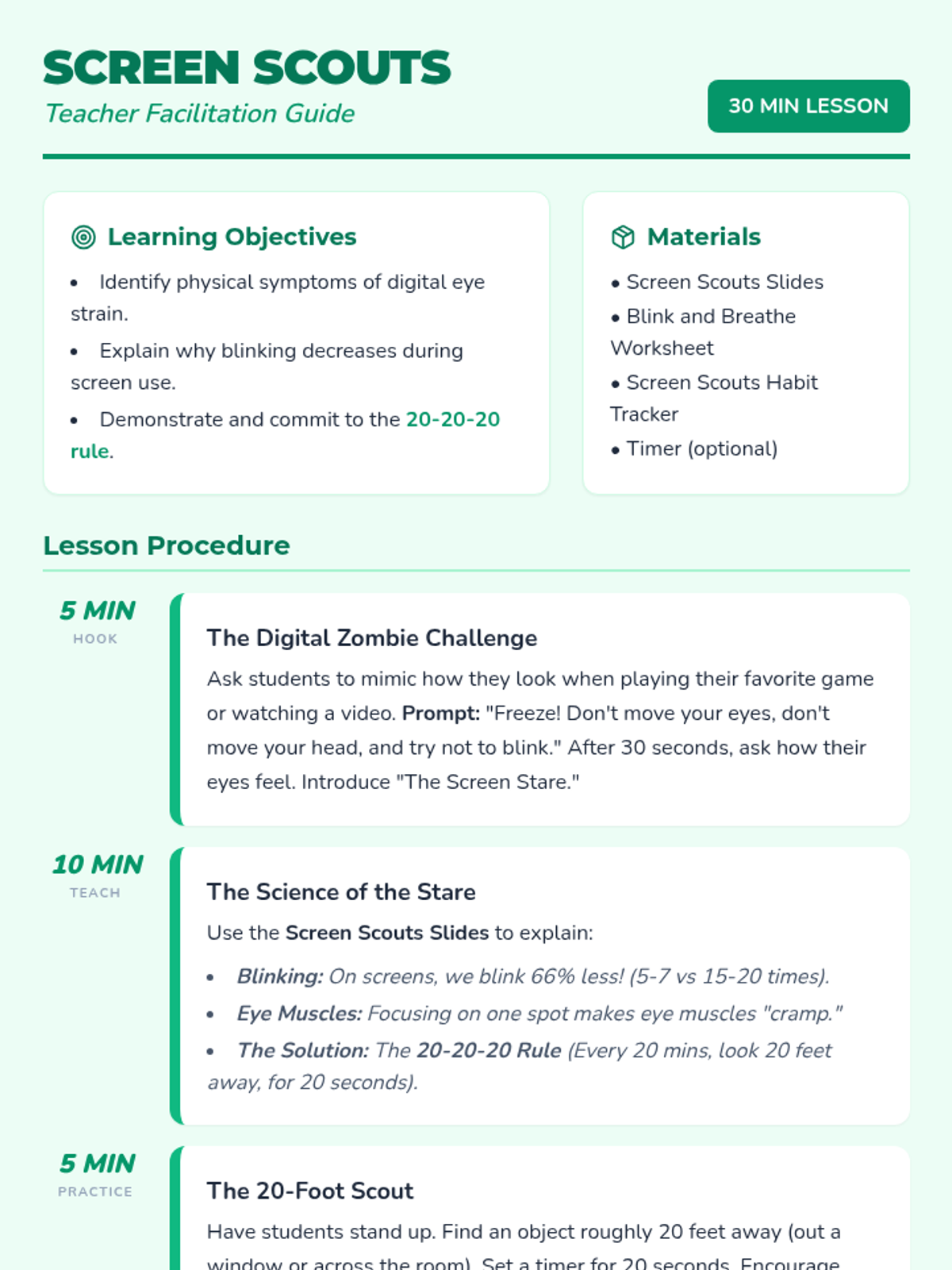
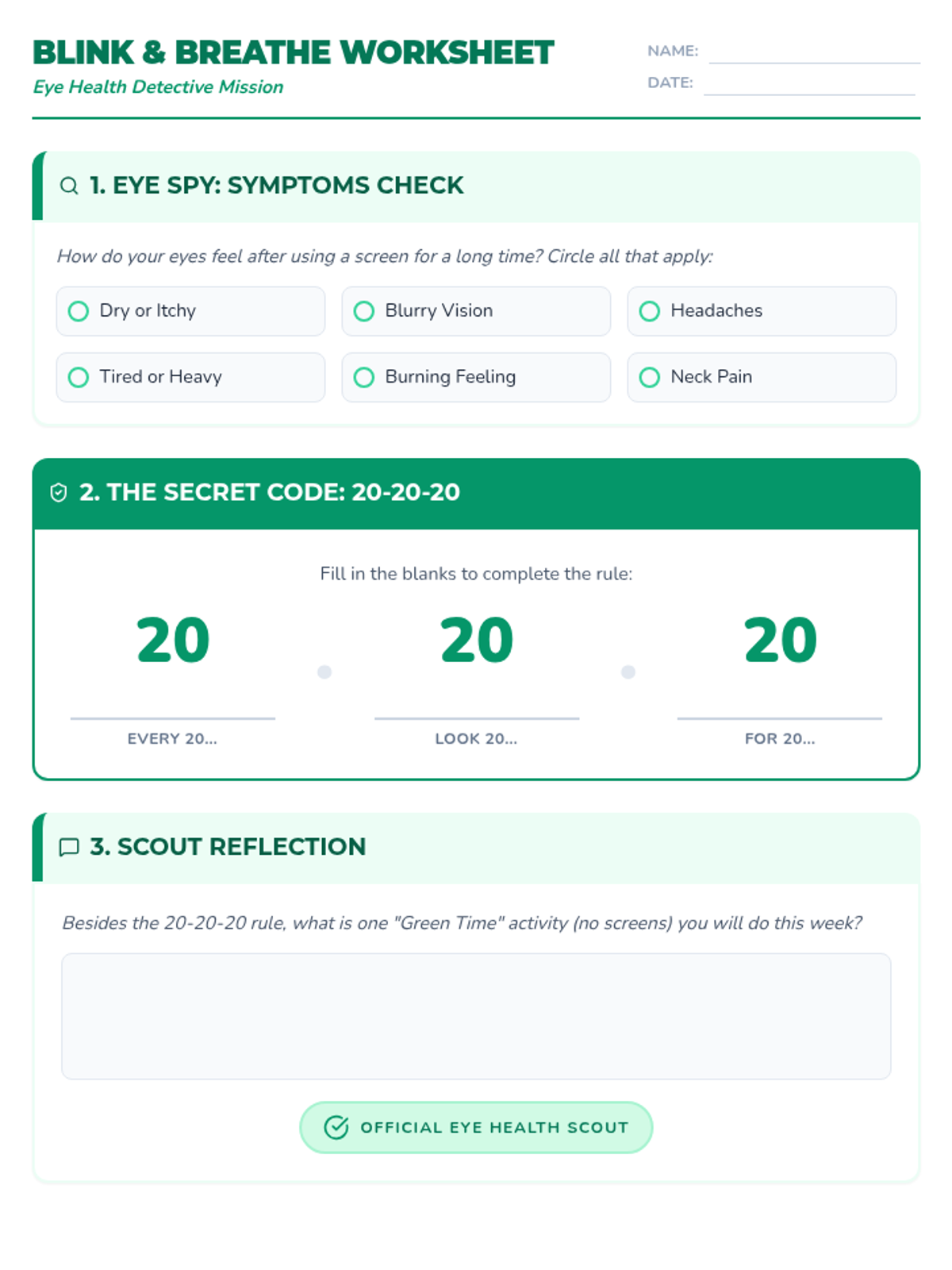
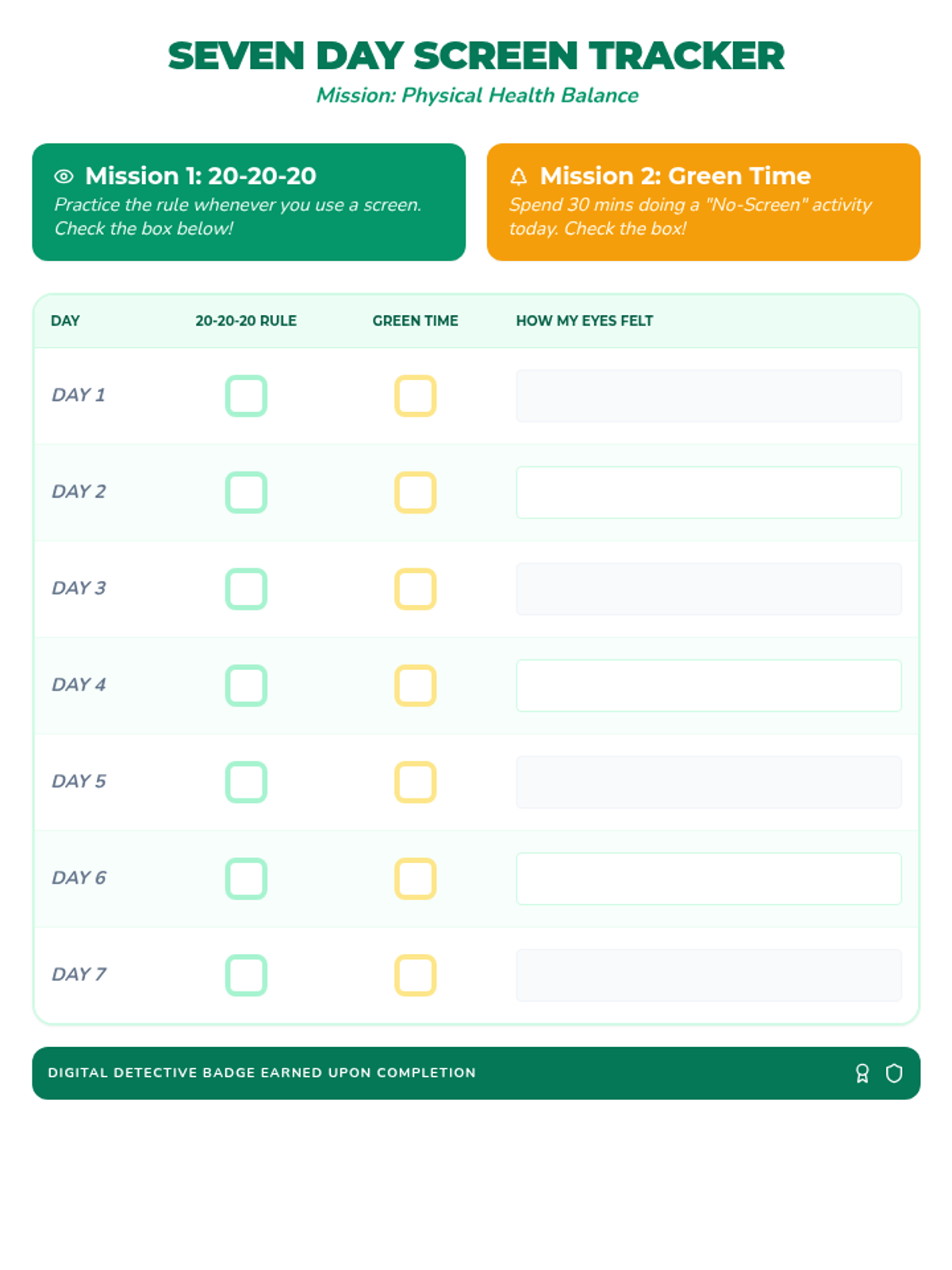
A 30-minute lesson designed for 3rd-5th graders to understand the impact of excessive screen time on physical health, specifically focusing on eye strain, and introducing the 20-20-20 rule.
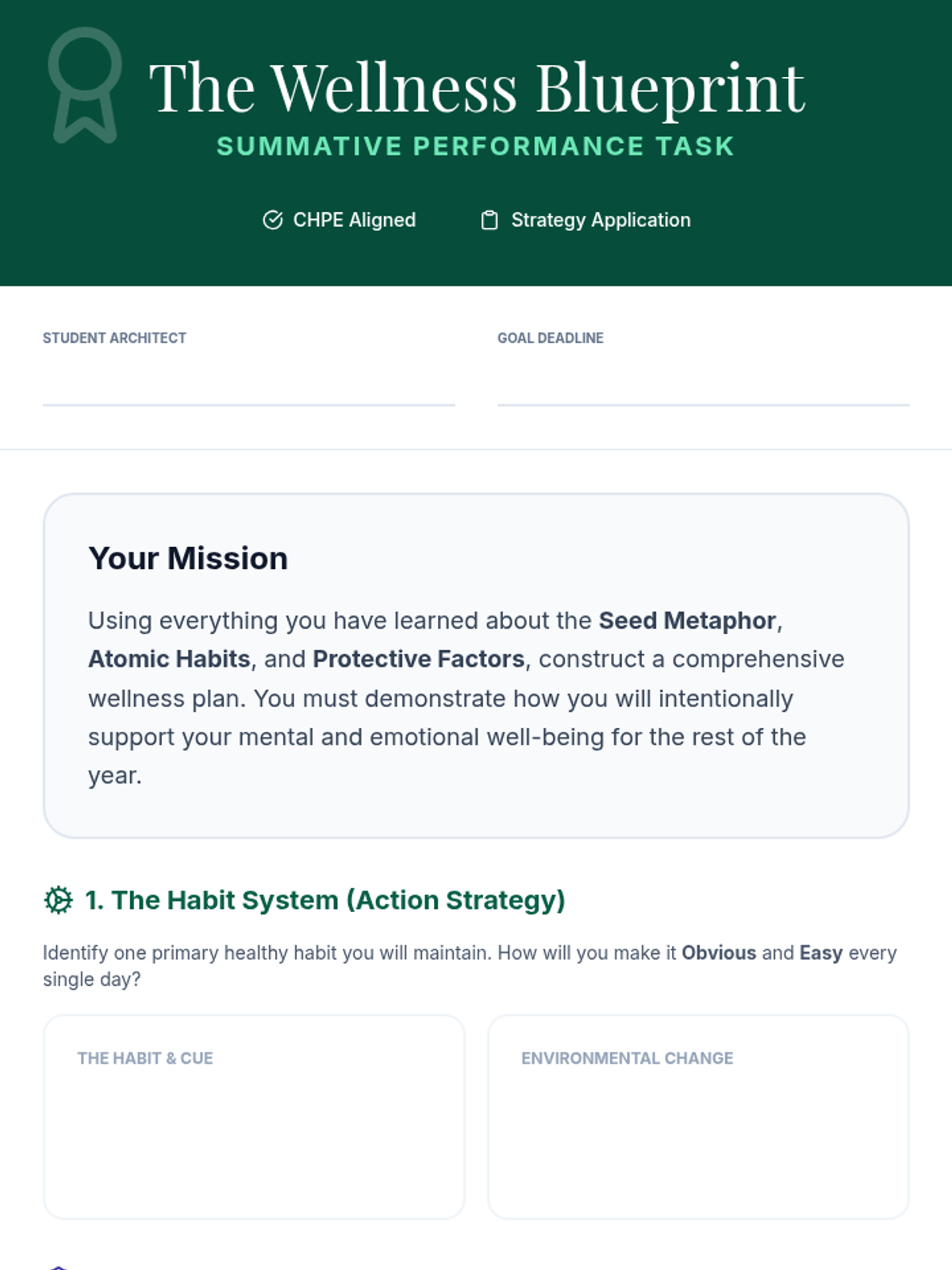
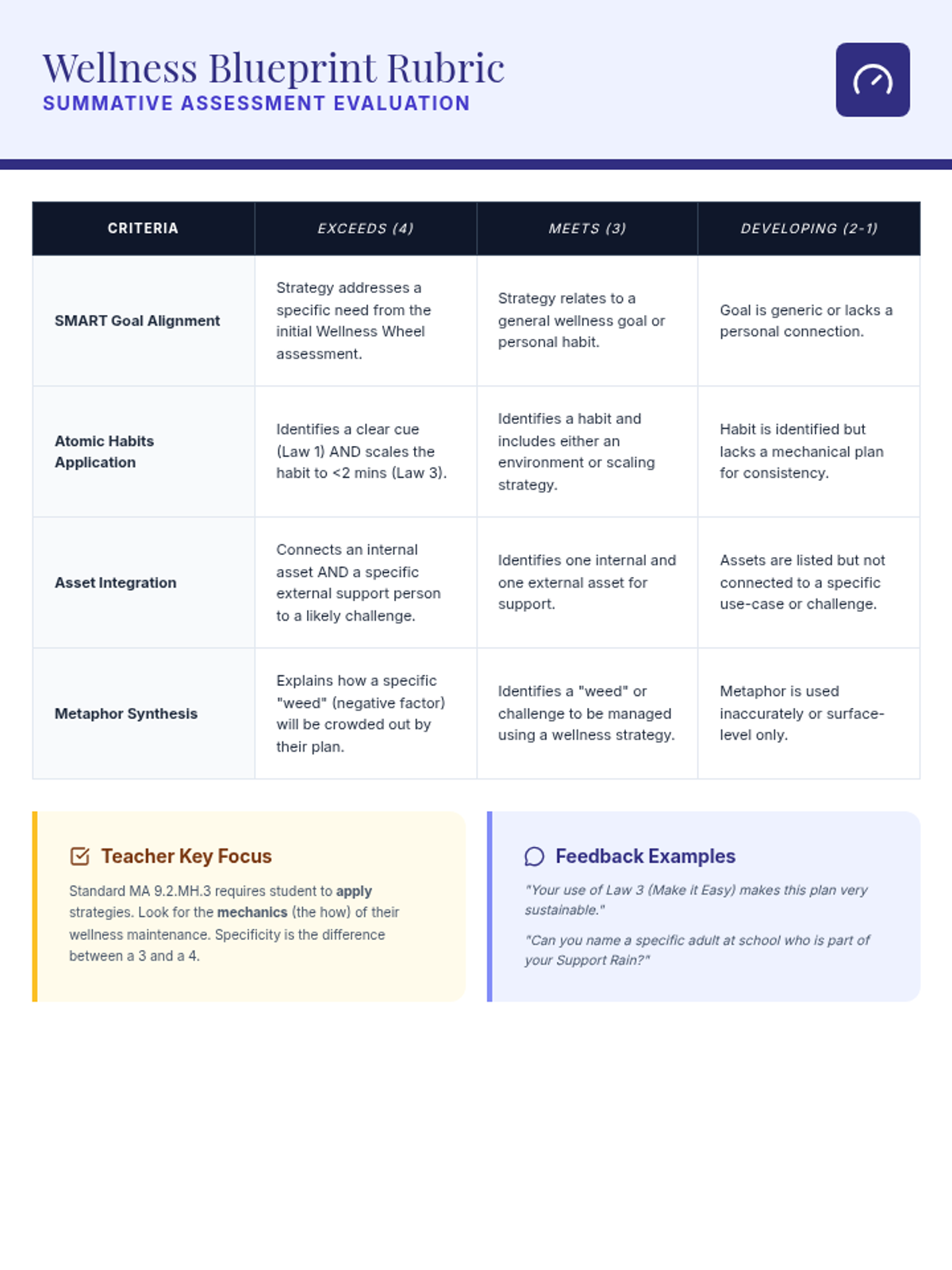
A summative assessment where students apply strategies and protective factors to create a comprehensive plan for positive mental and emotional well-being.
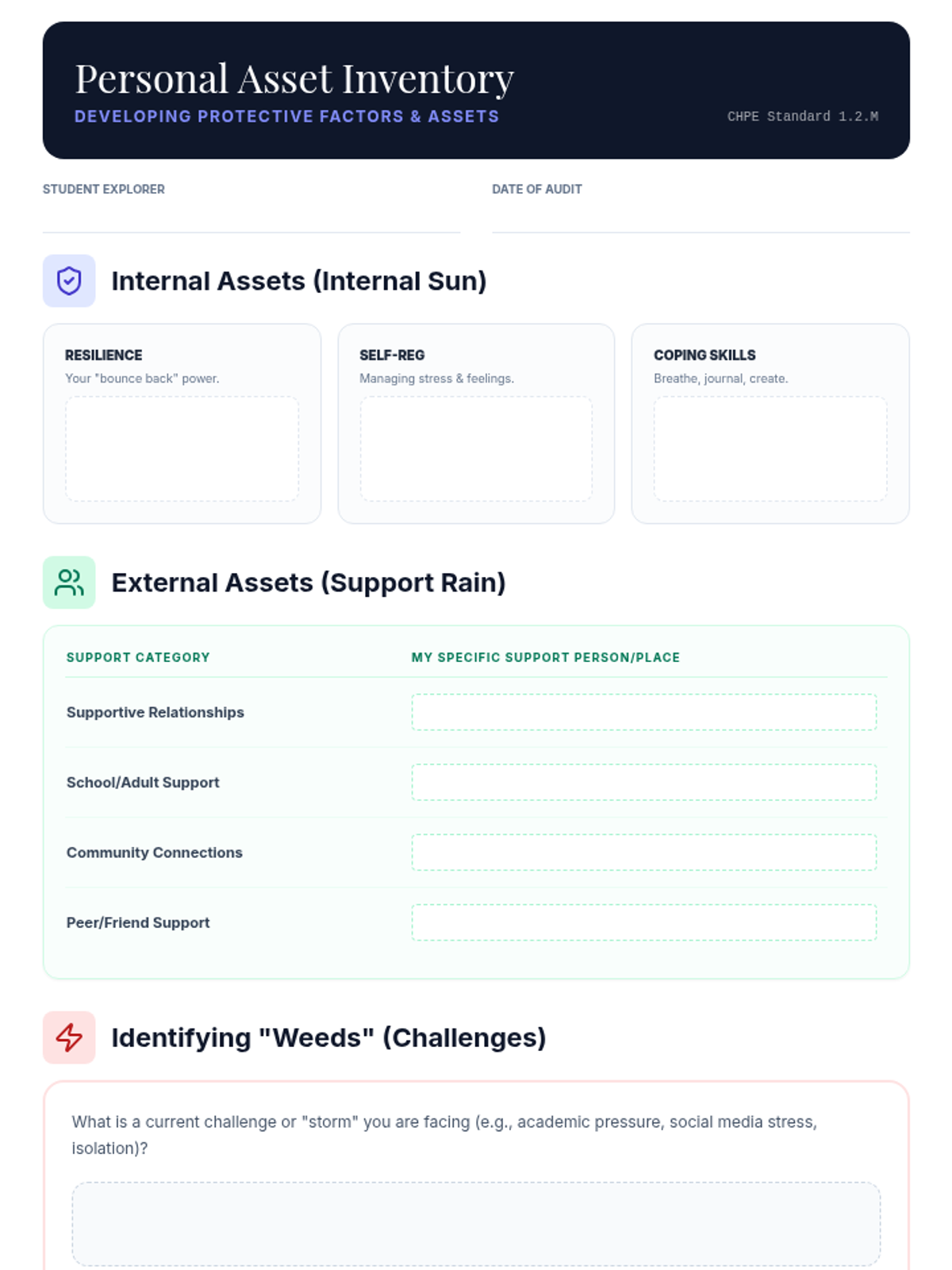
Identifying internal and external protective factors and personal assets that support mental well-being and resilience.
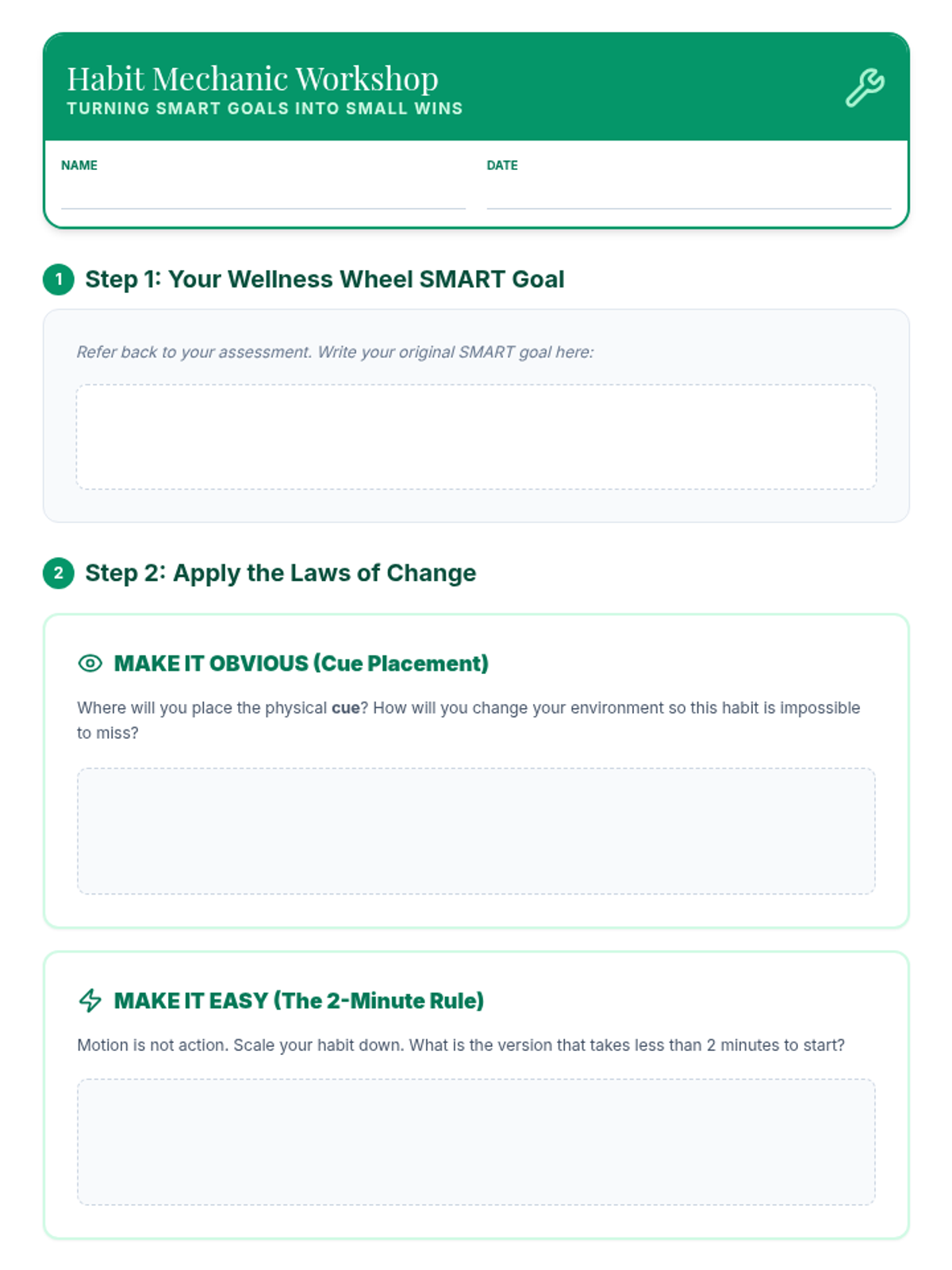
Applying the Laws of Habit Change from Atomic Habits to mental health goals, focusing on making healthy choices obvious and easy while crowding out negative behaviors.
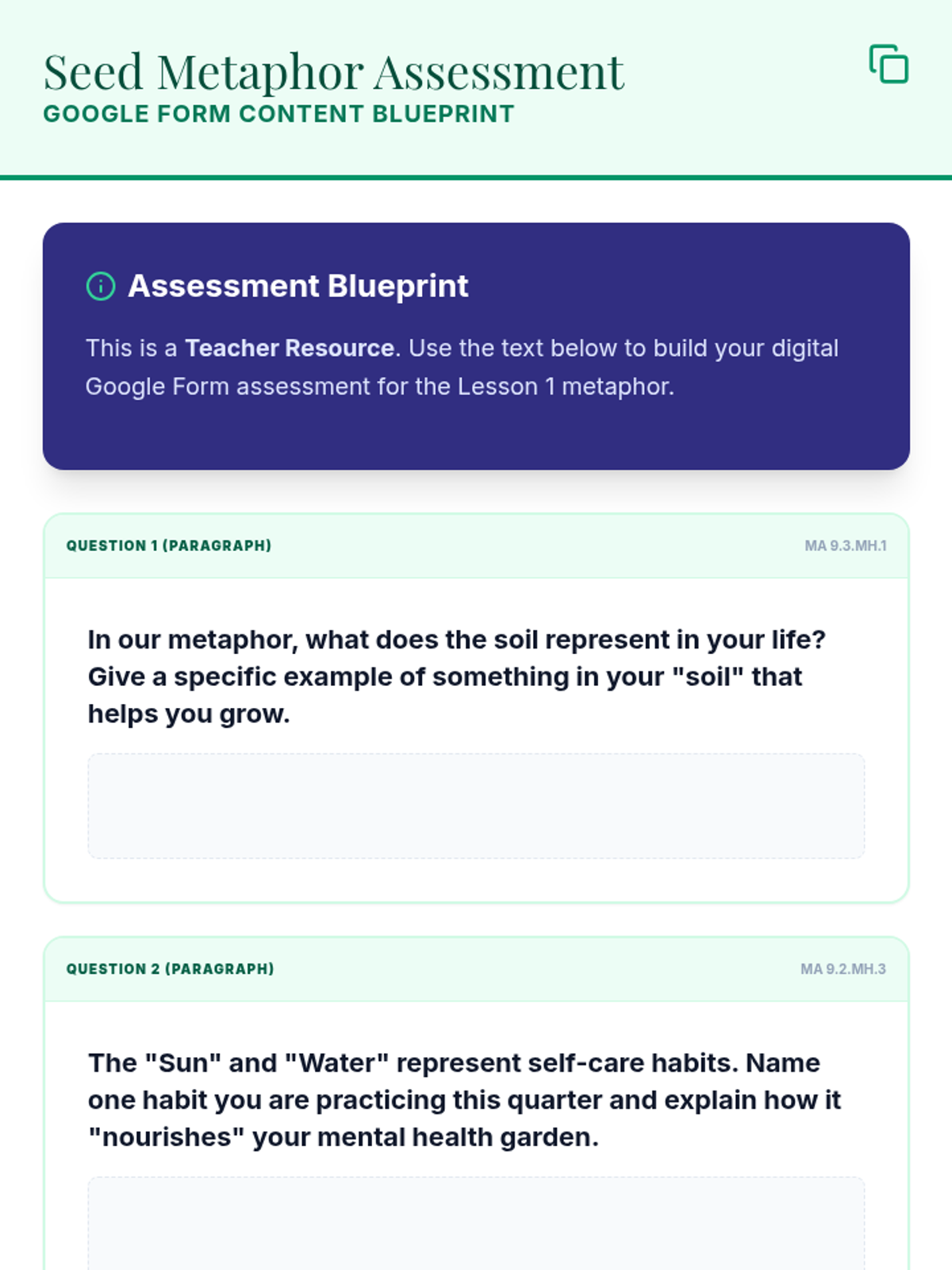
Students explore the seed metaphor for mental health by planting a physical seed and identifying how environmental factors and self-care mirror the needs of a growing plant.
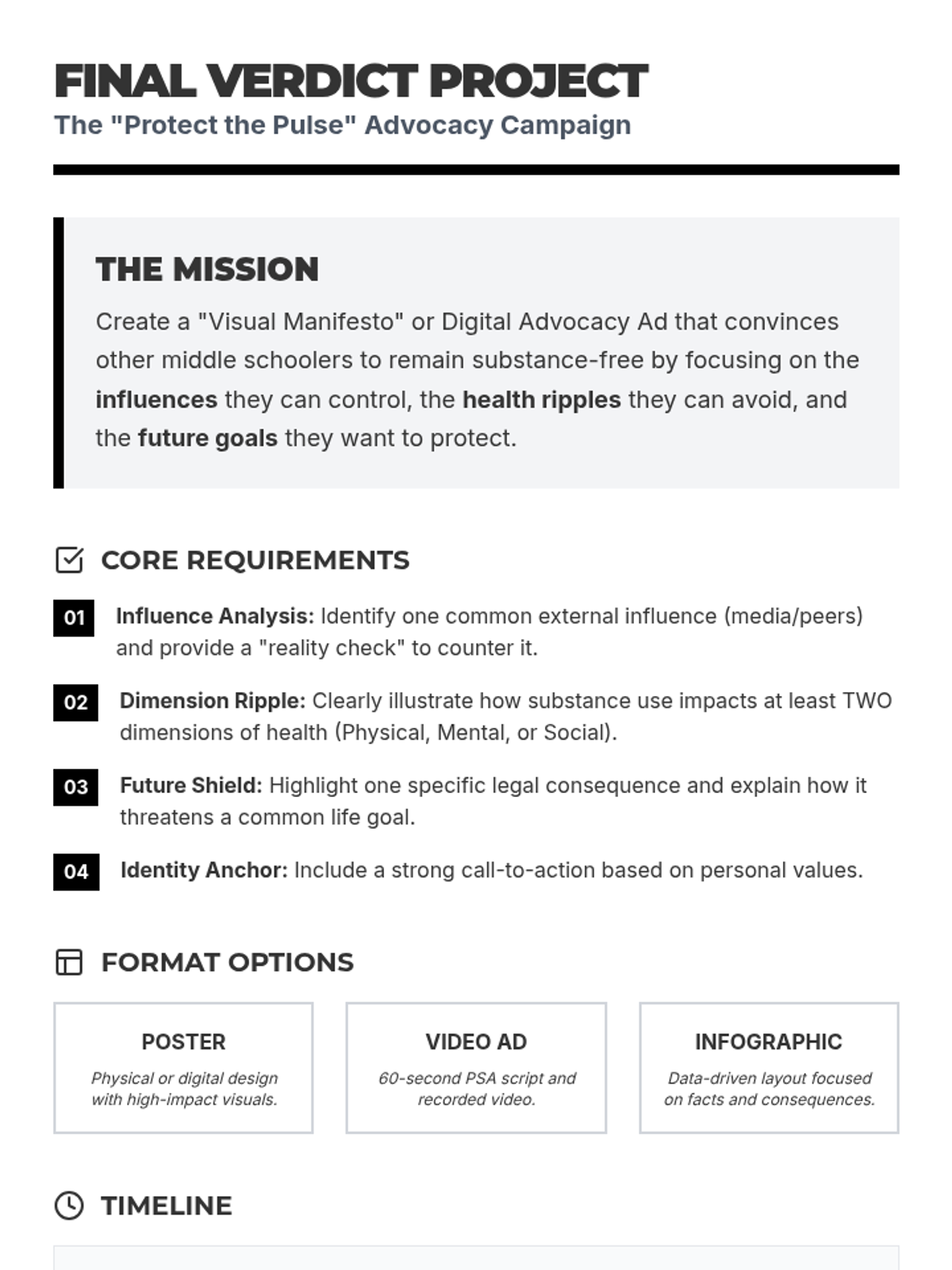
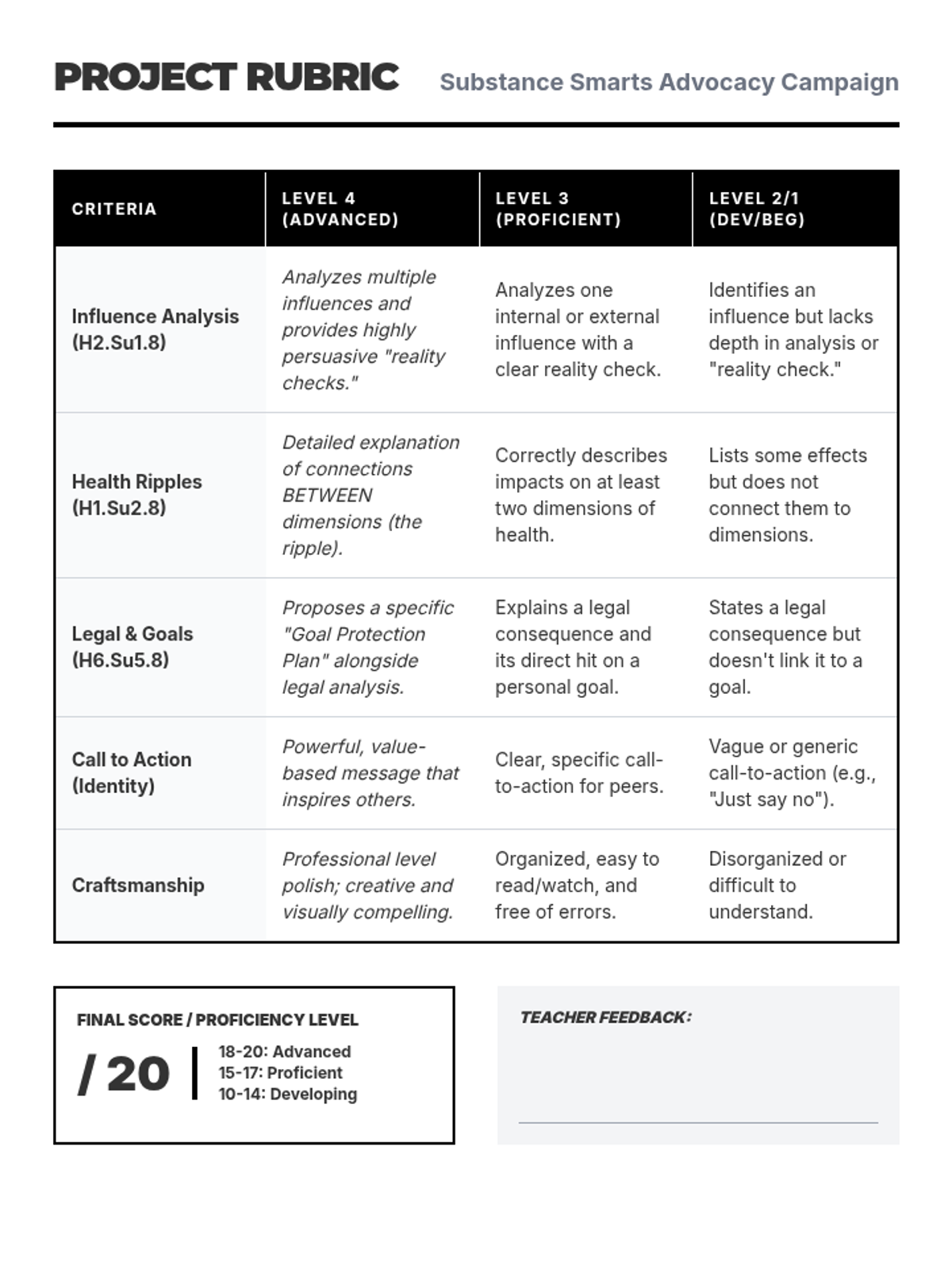
A culminating creative project where students advocate for substance-free living by synthesizing their learning.
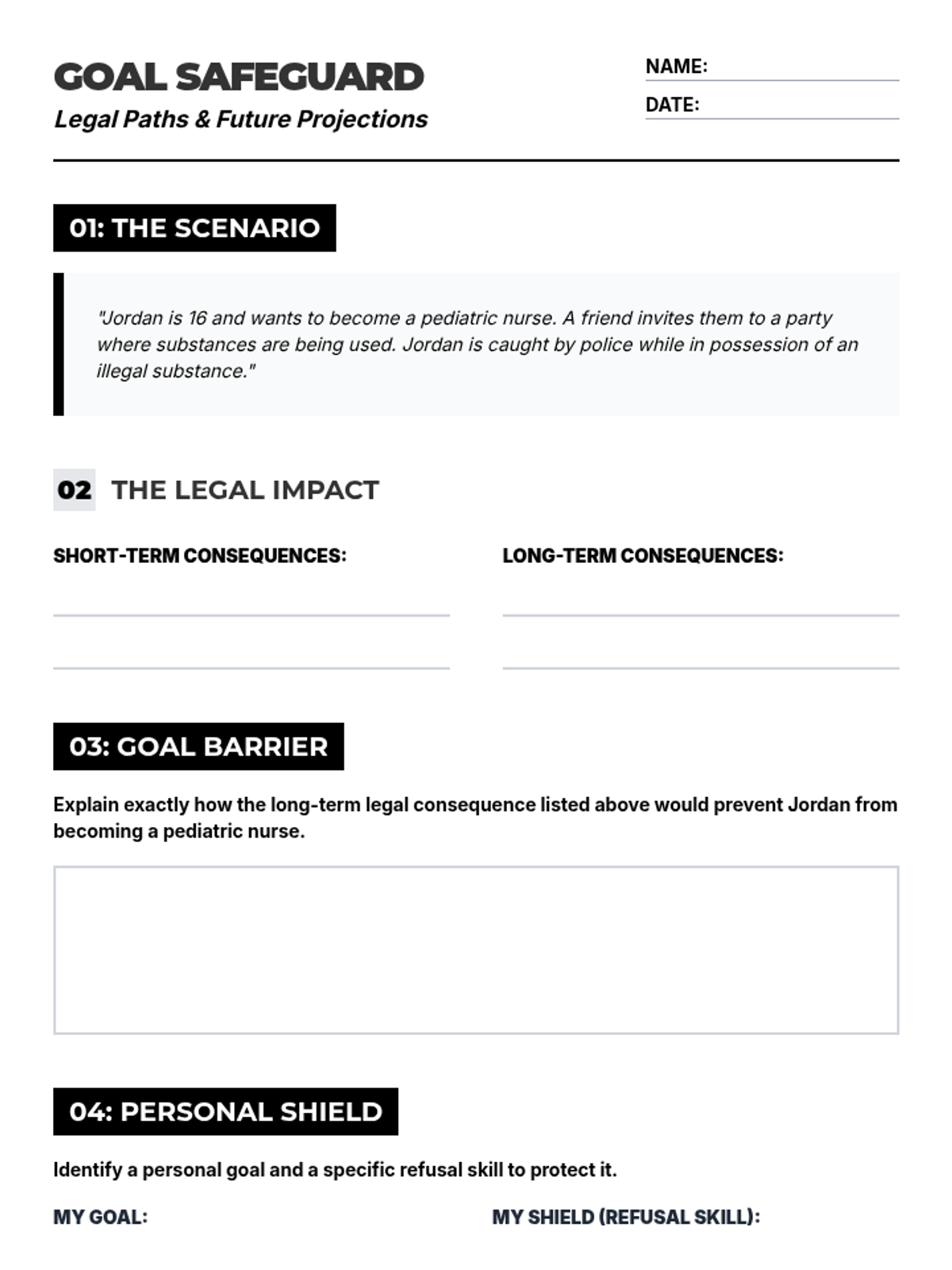
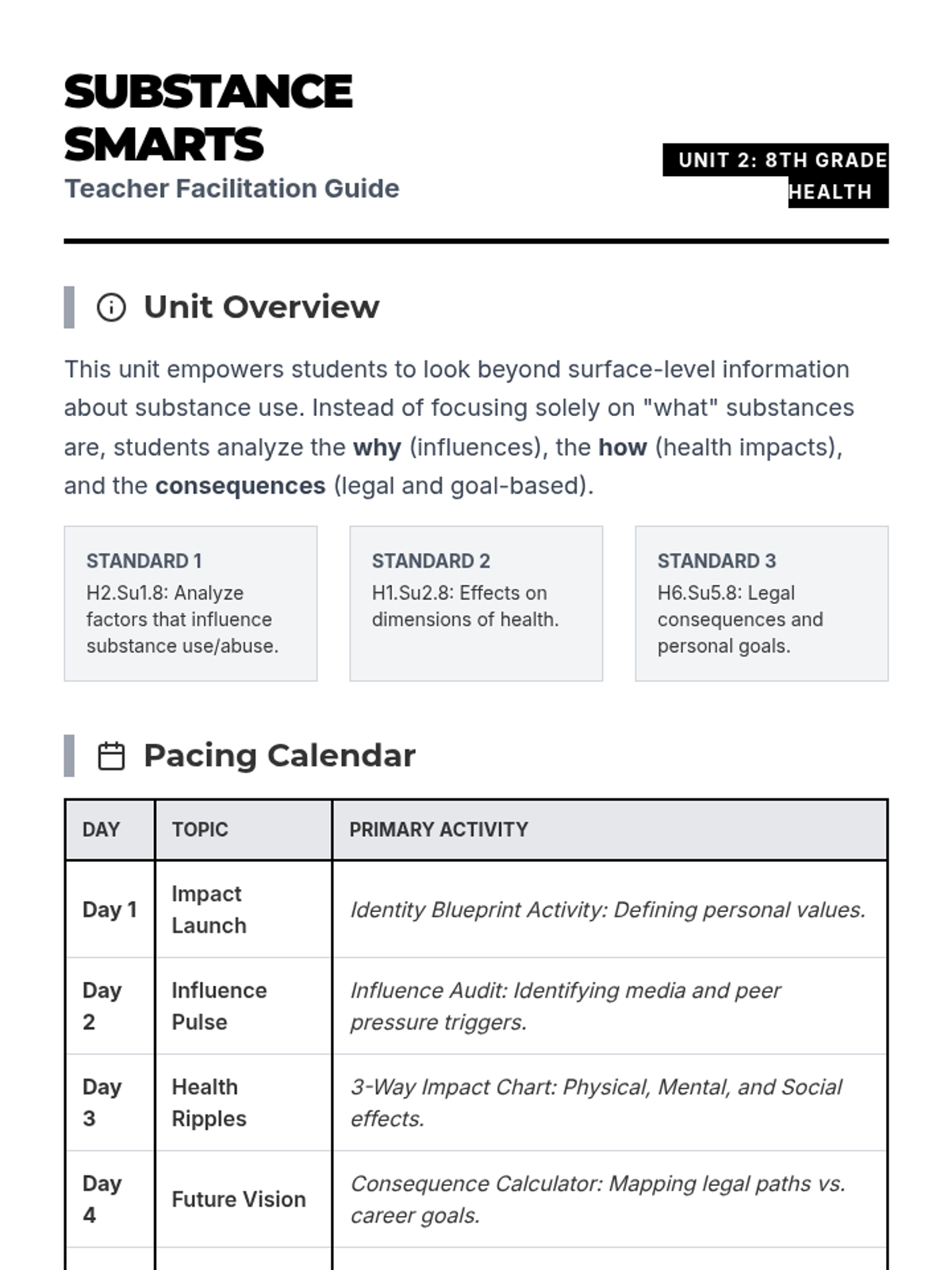
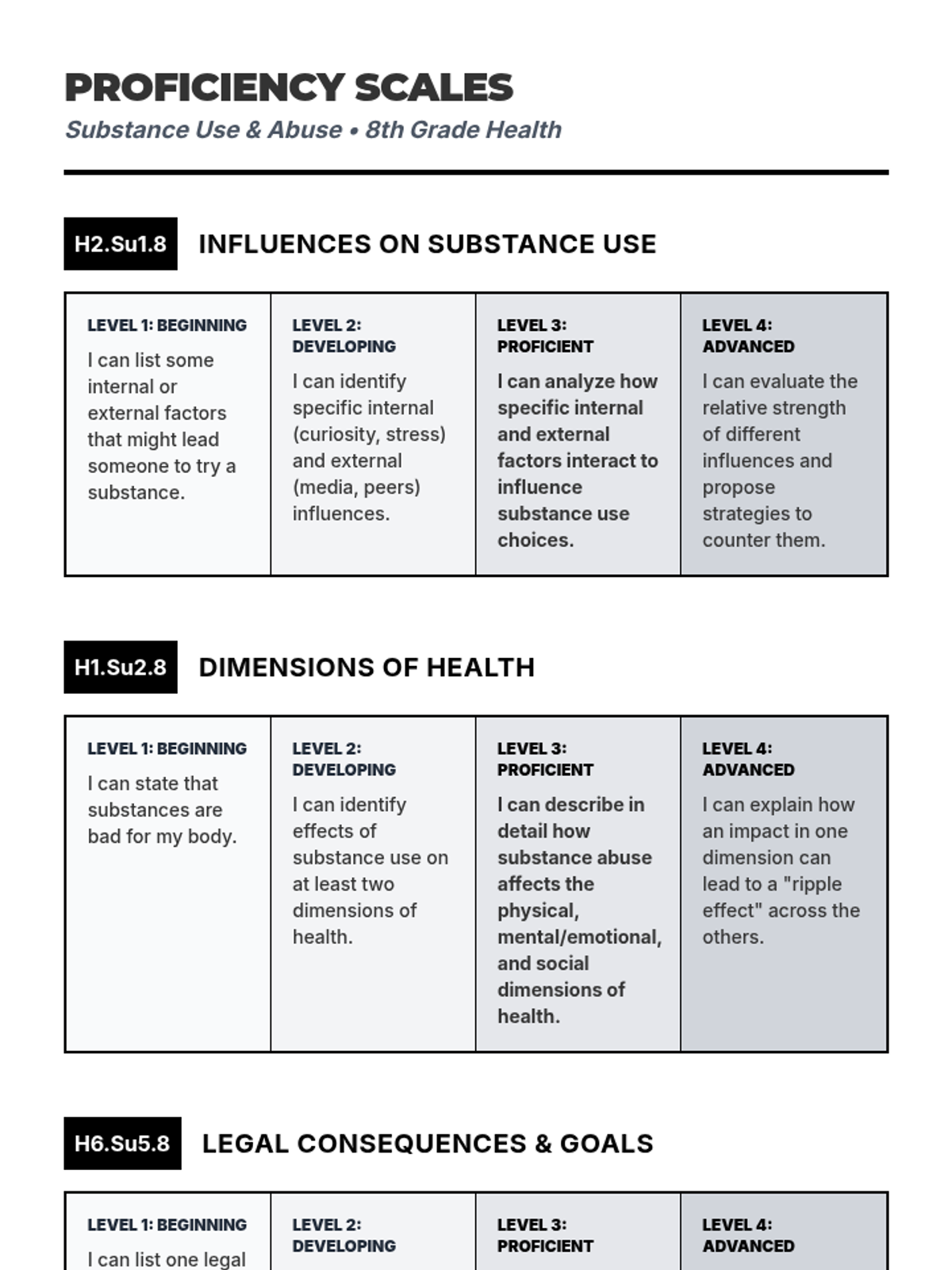
Examining the legal consequences of substance use and how these choices can impact long-term personal goals and career paths.
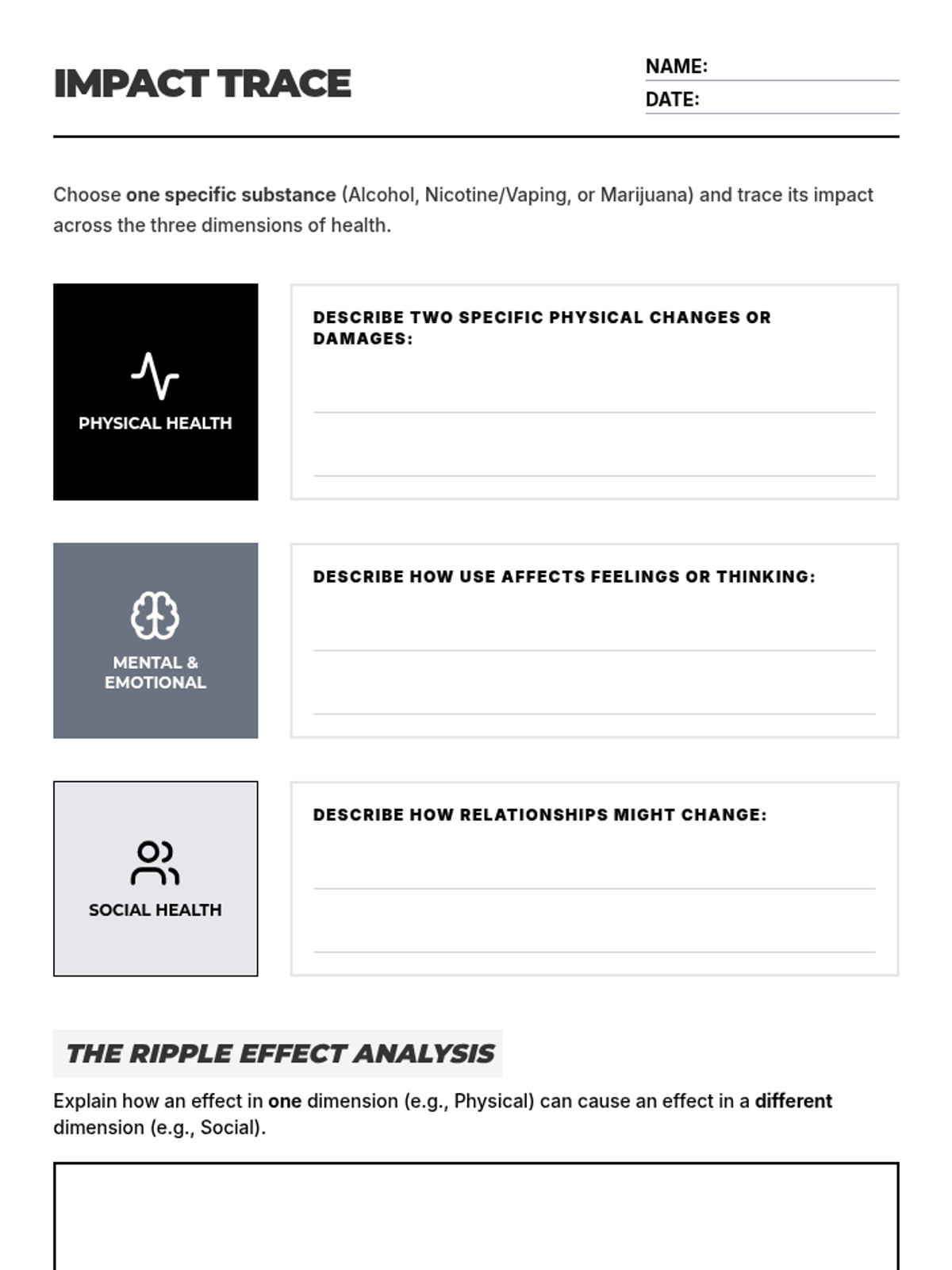
Investigating how substance use impacts the physical, mental/emotional, and social dimensions of health.
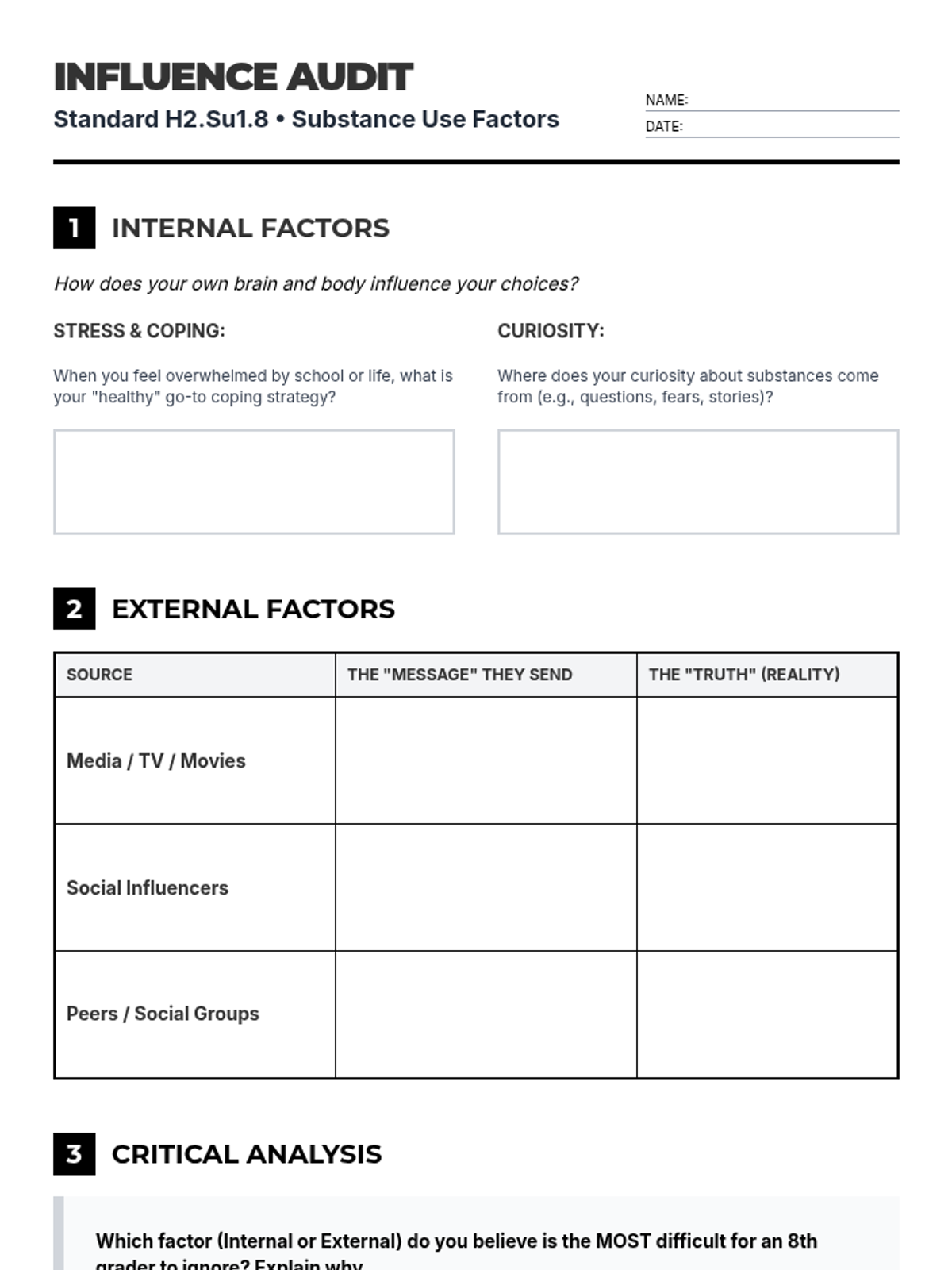
Analyzing the internal and external factors that influence choices around substance use, including media, peers, and stress.
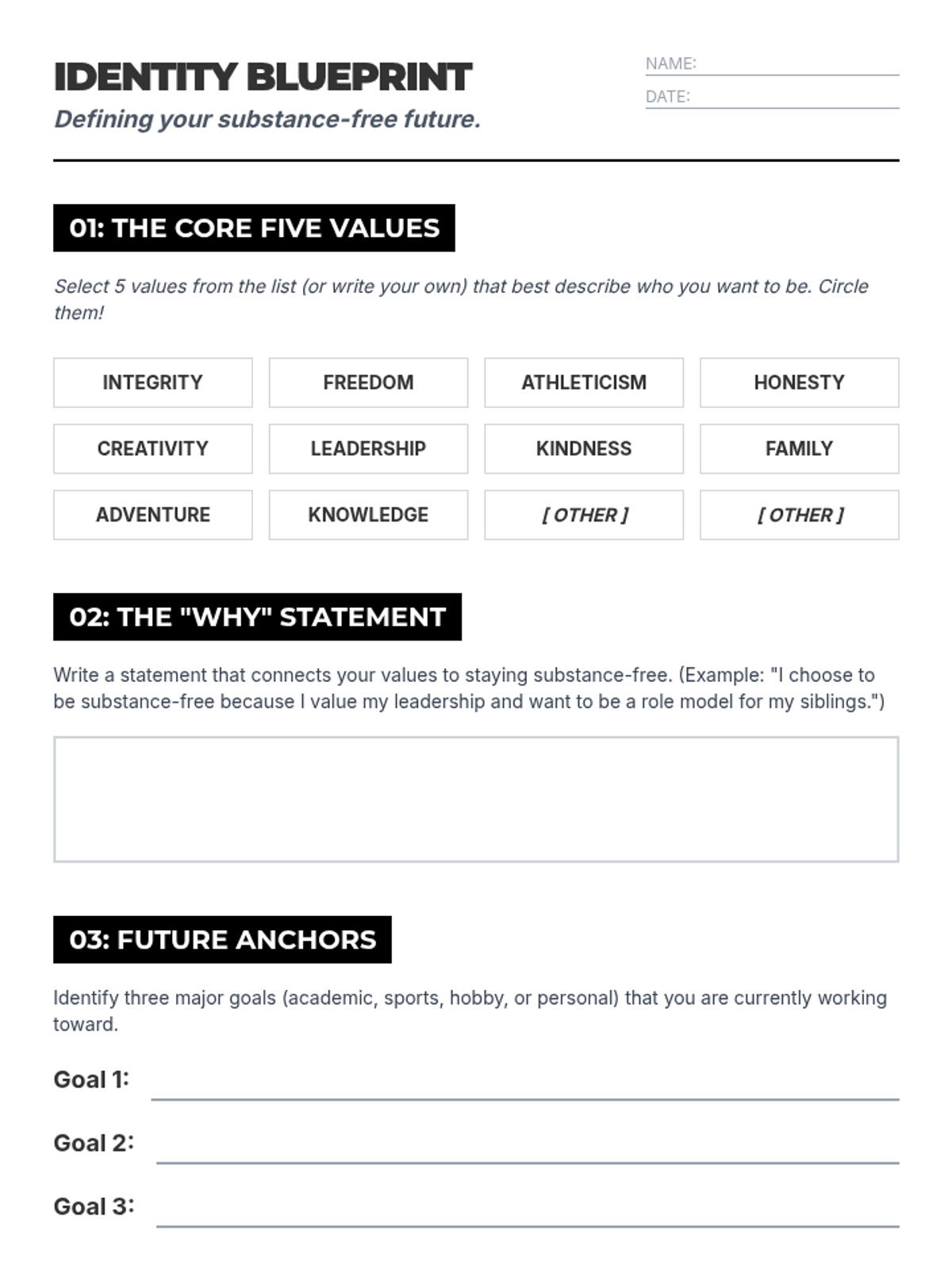
An introductory session where students explore their personal values and "Why" for staying substance-free.
Administrative and planning resources for the Substance Smarts unit.
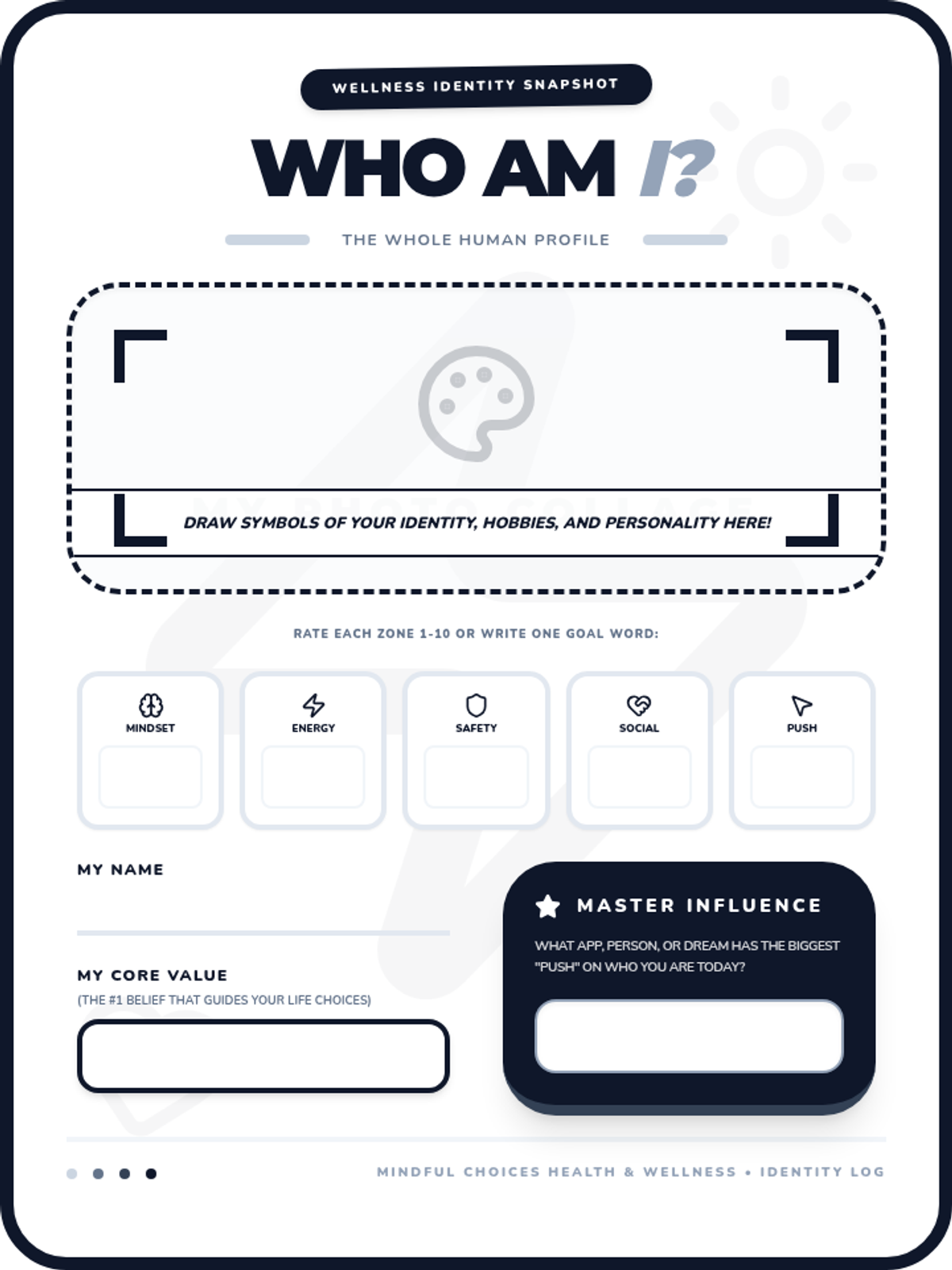
A first-day introductory activity where students design a personal binder cover that explores their personal brand and health perspective across five key wellness zones.
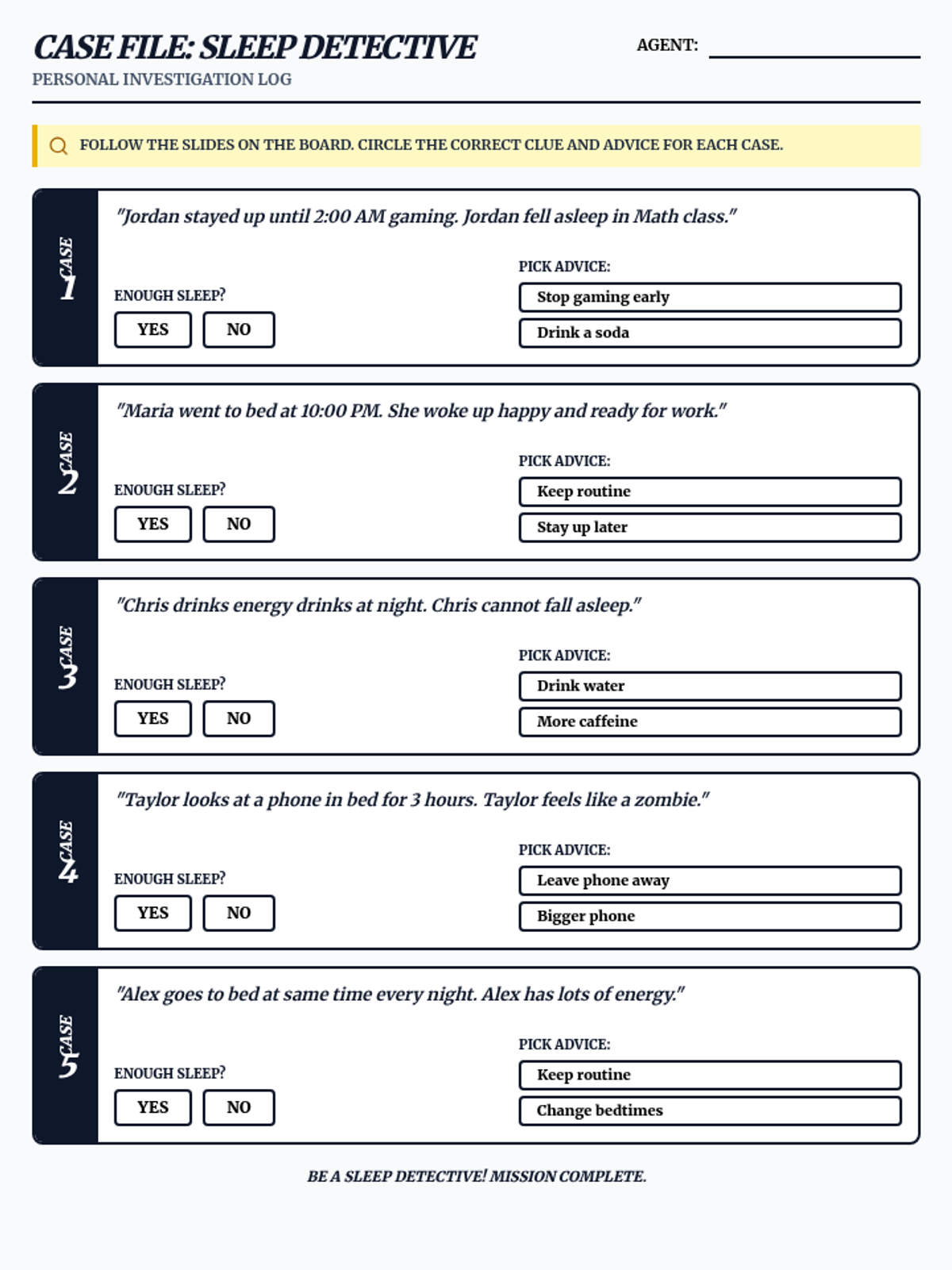
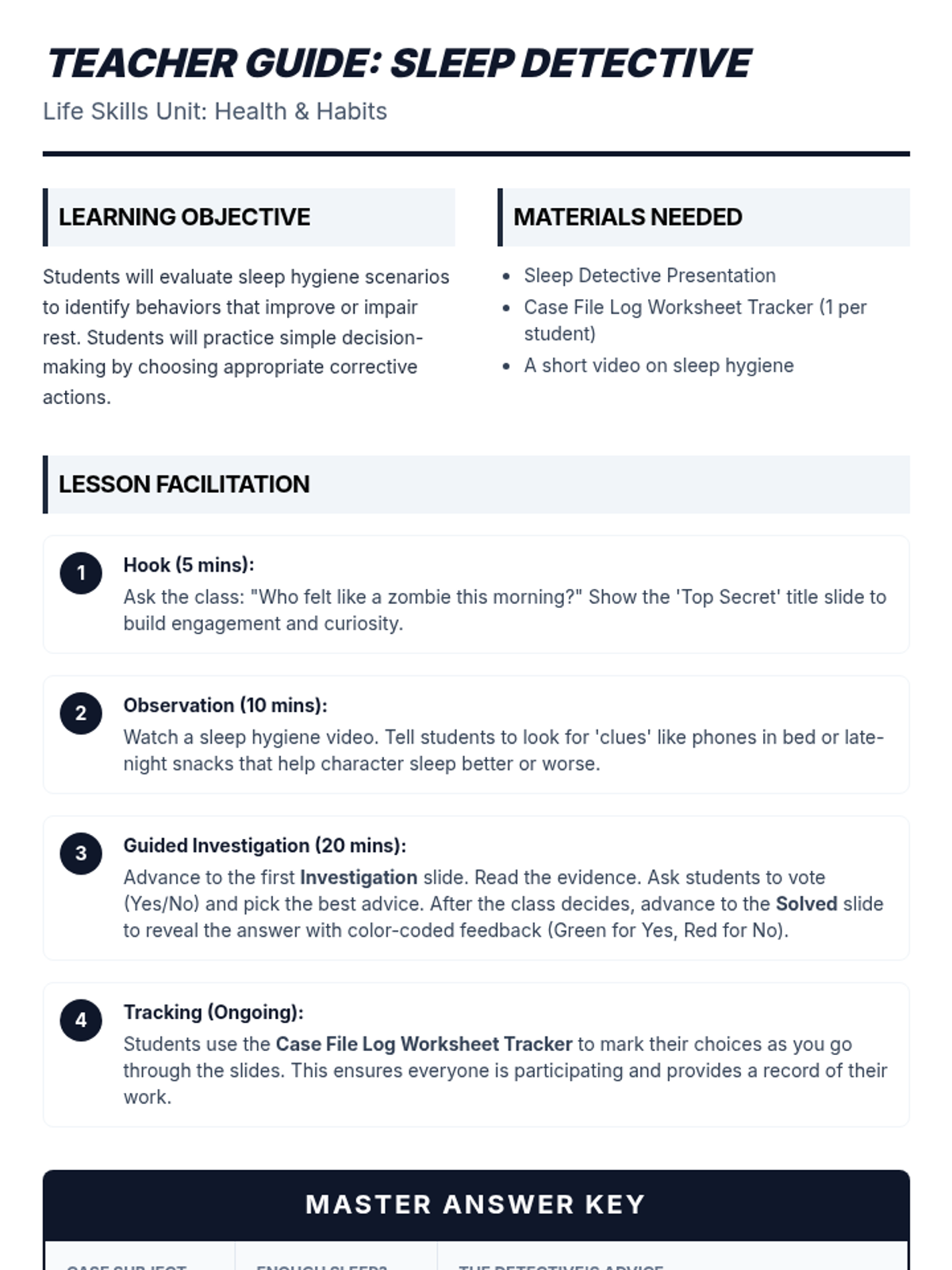
A life skills lesson where students become 'Sleep Detectives' to analyze habits and identify healthy sleep patterns using visual scenarios and simple decision-making.
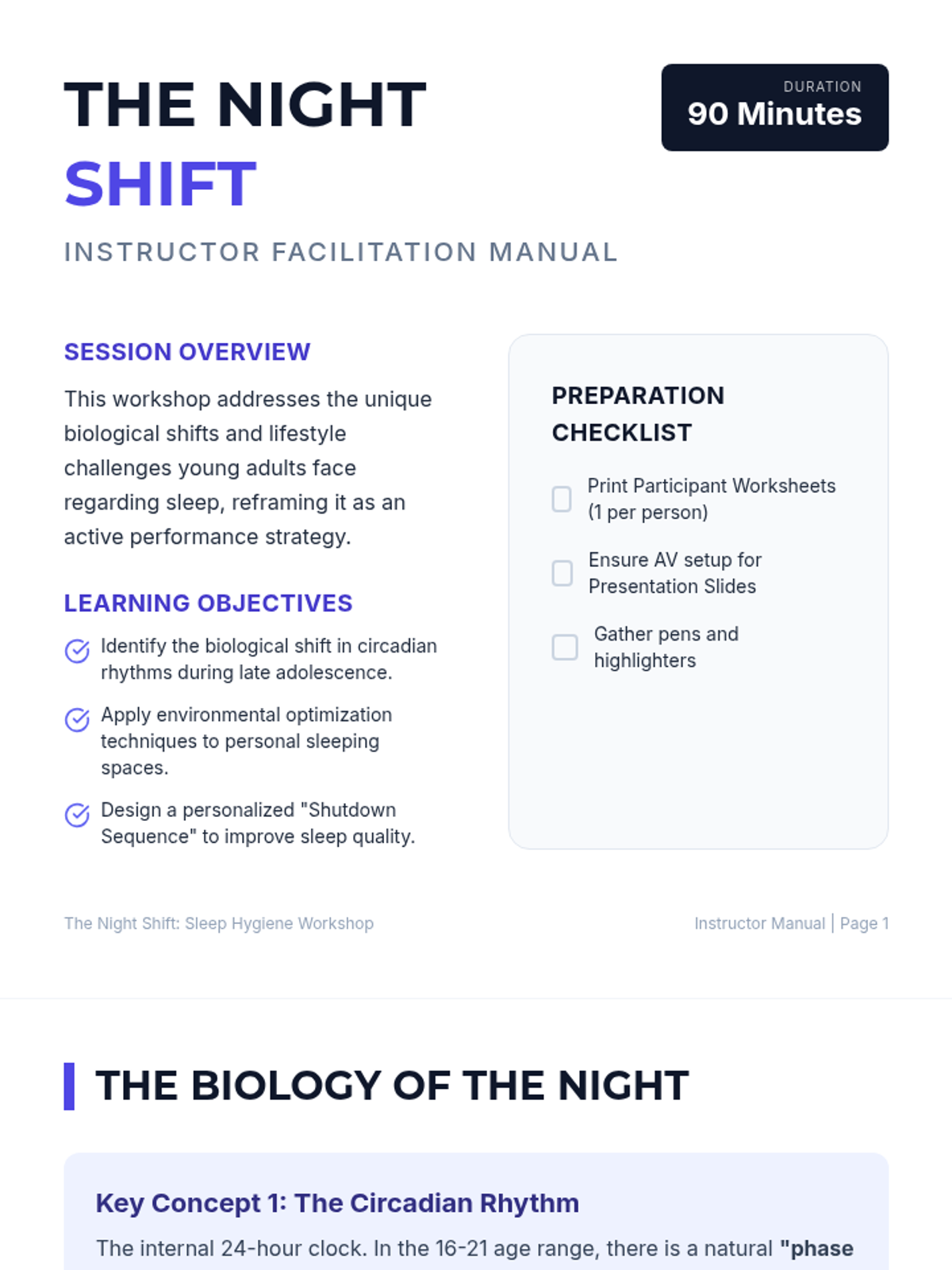
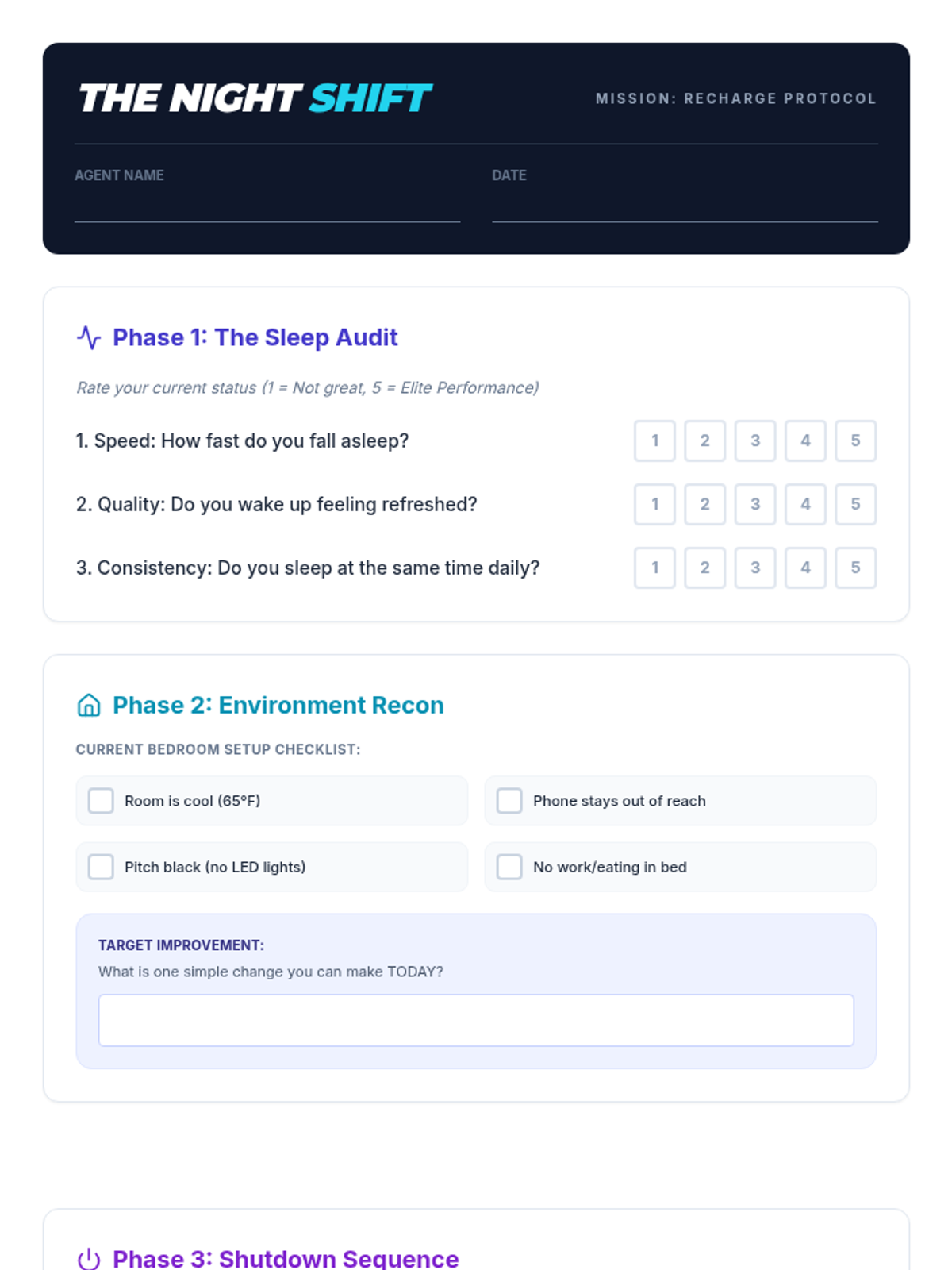
A comprehensive 90-minute workshop for young adults aged 16-21, focusing on the biological and behavioral aspects of sleep hygiene, environmental optimization, and mental relaxation strategies.
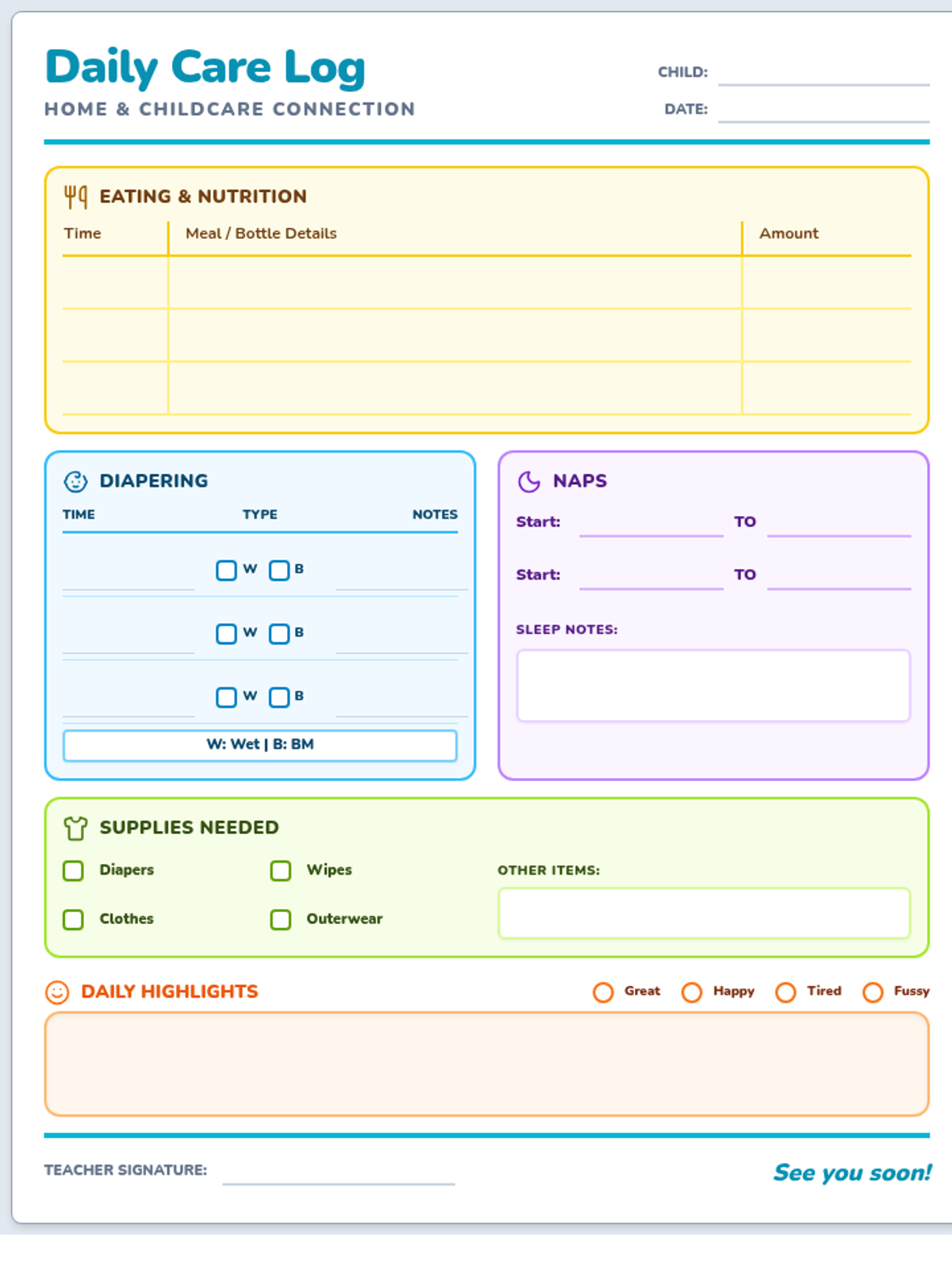
A collection of resources to bridge the gap between home and childcare, ensuring consistent communication about a child's daily needs and routines.
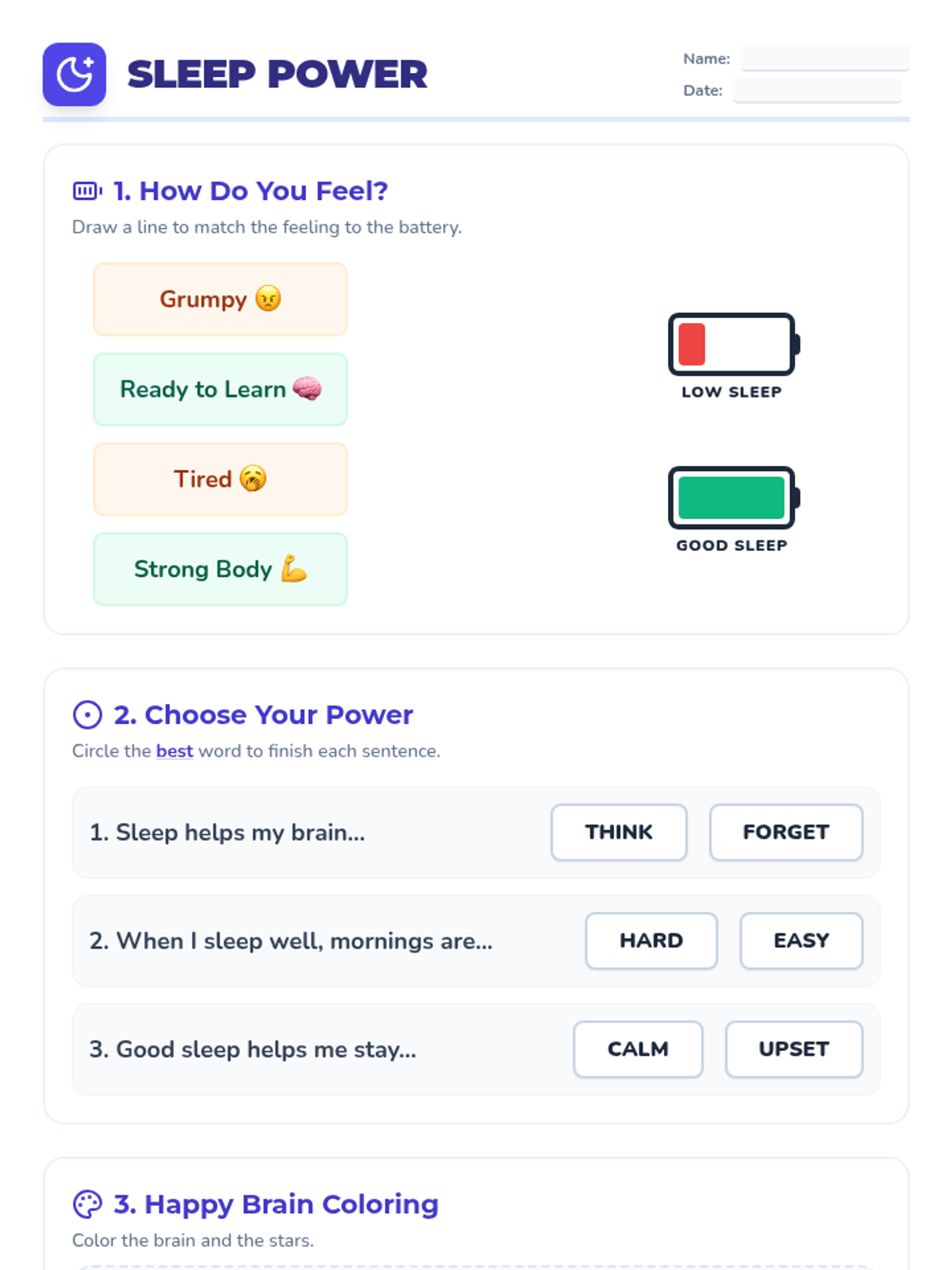
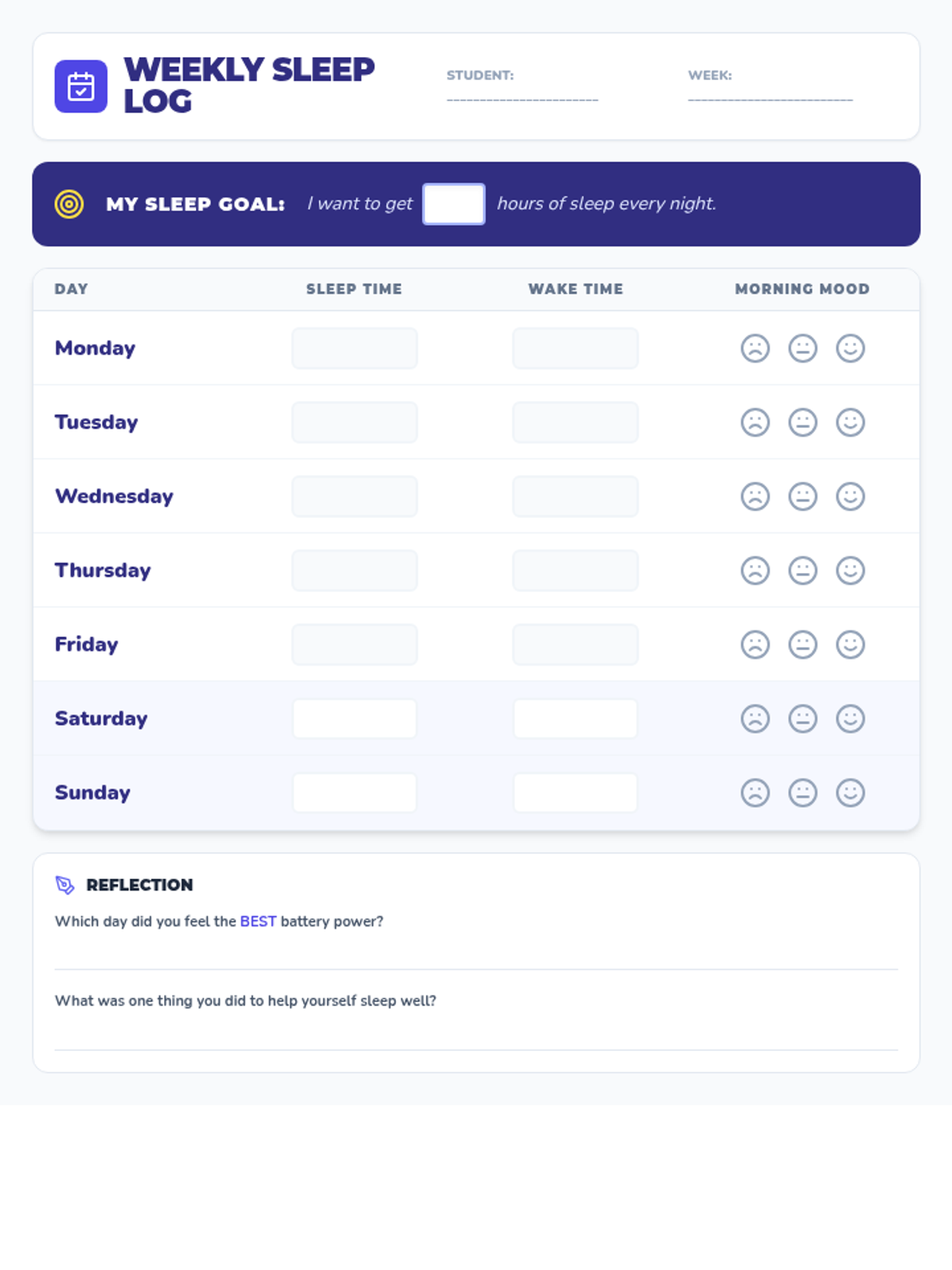
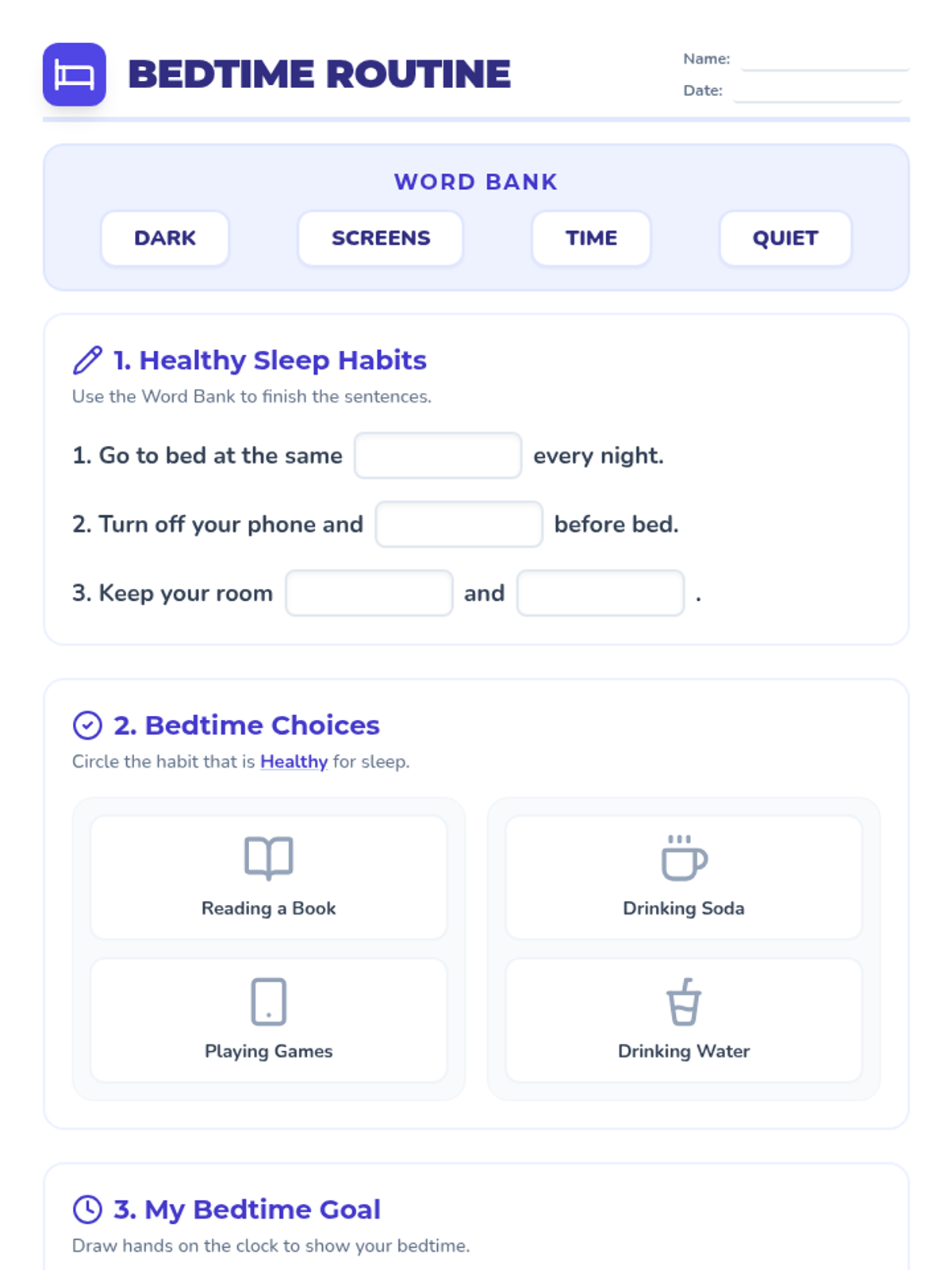
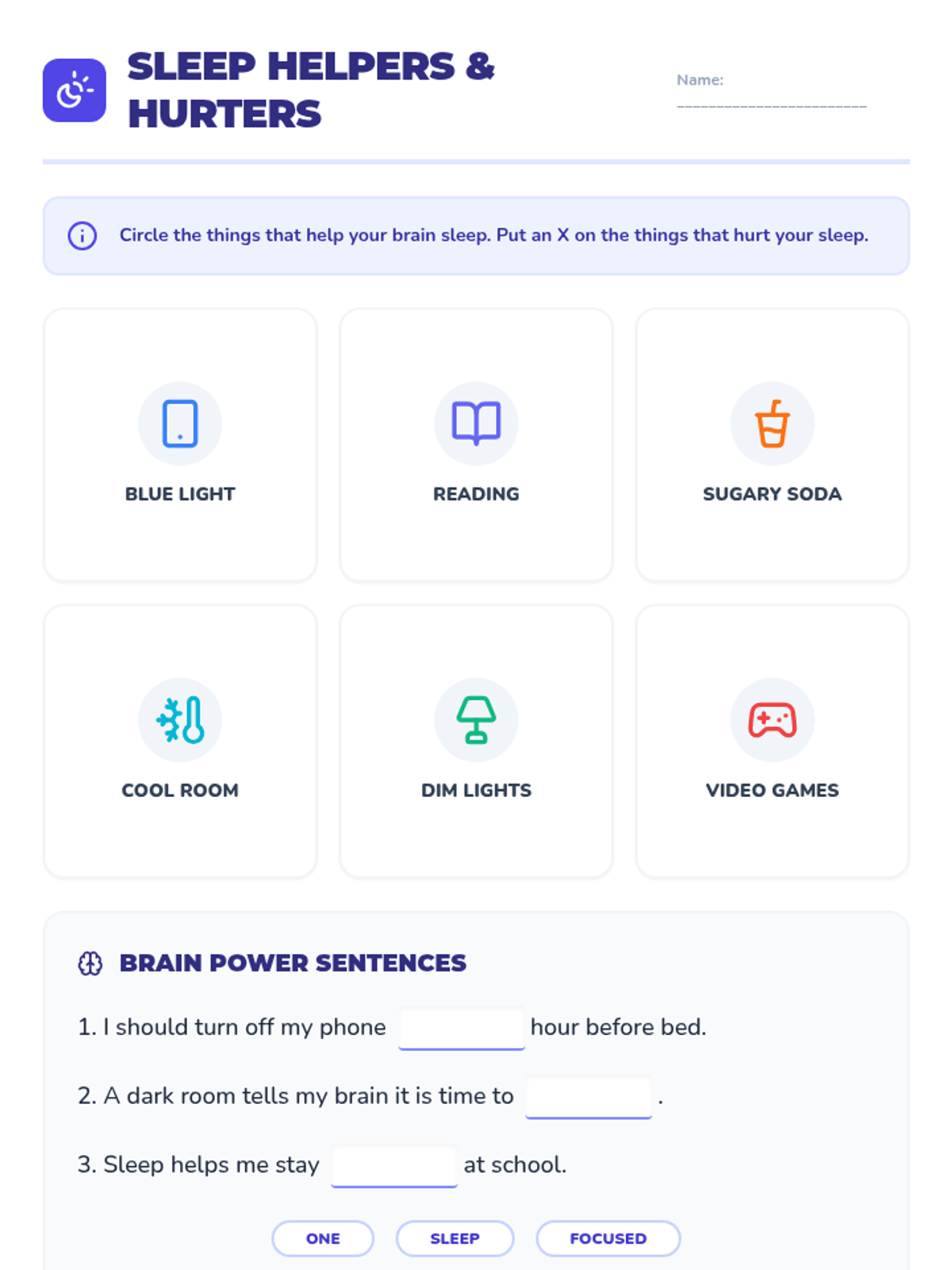
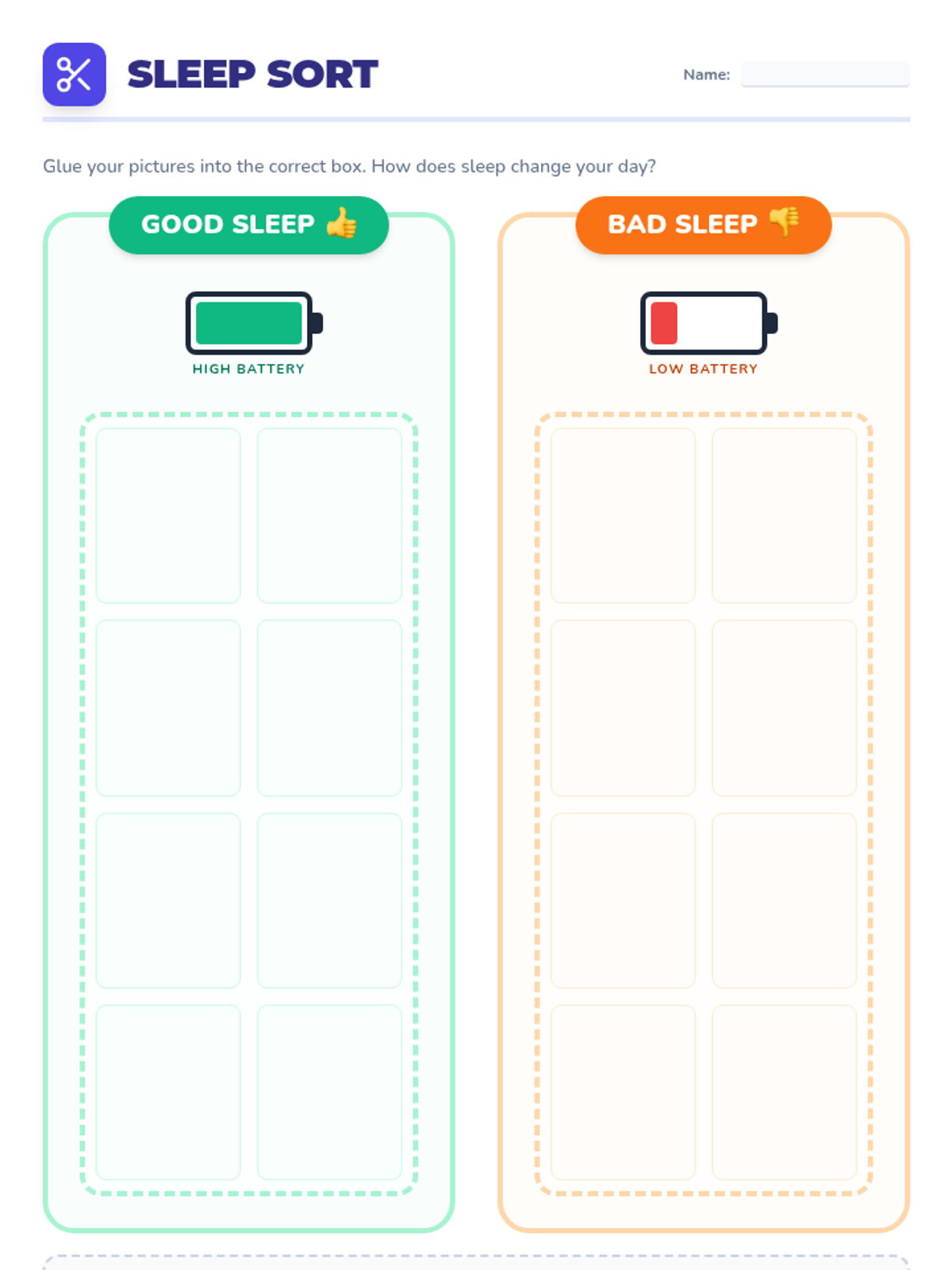
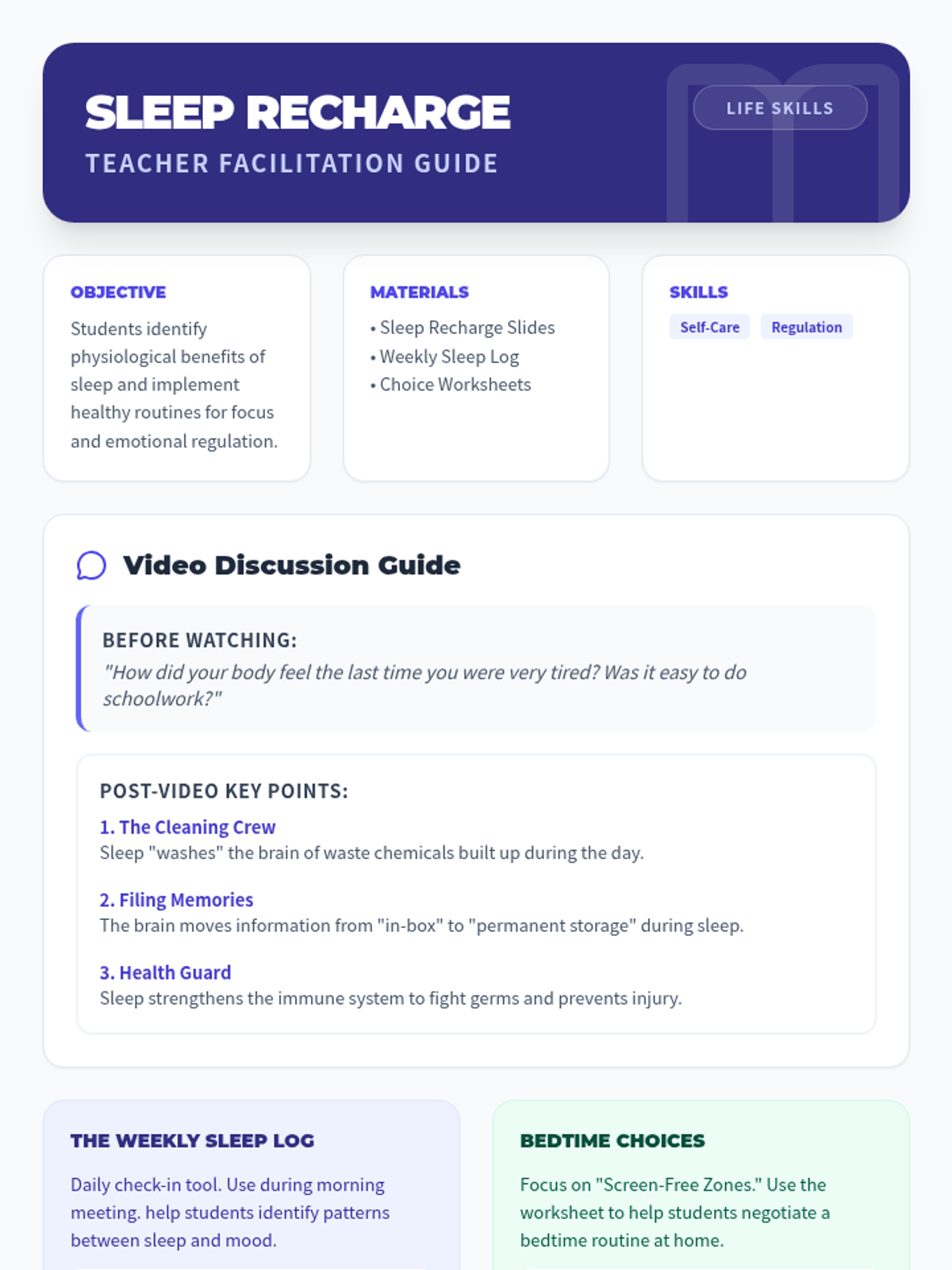
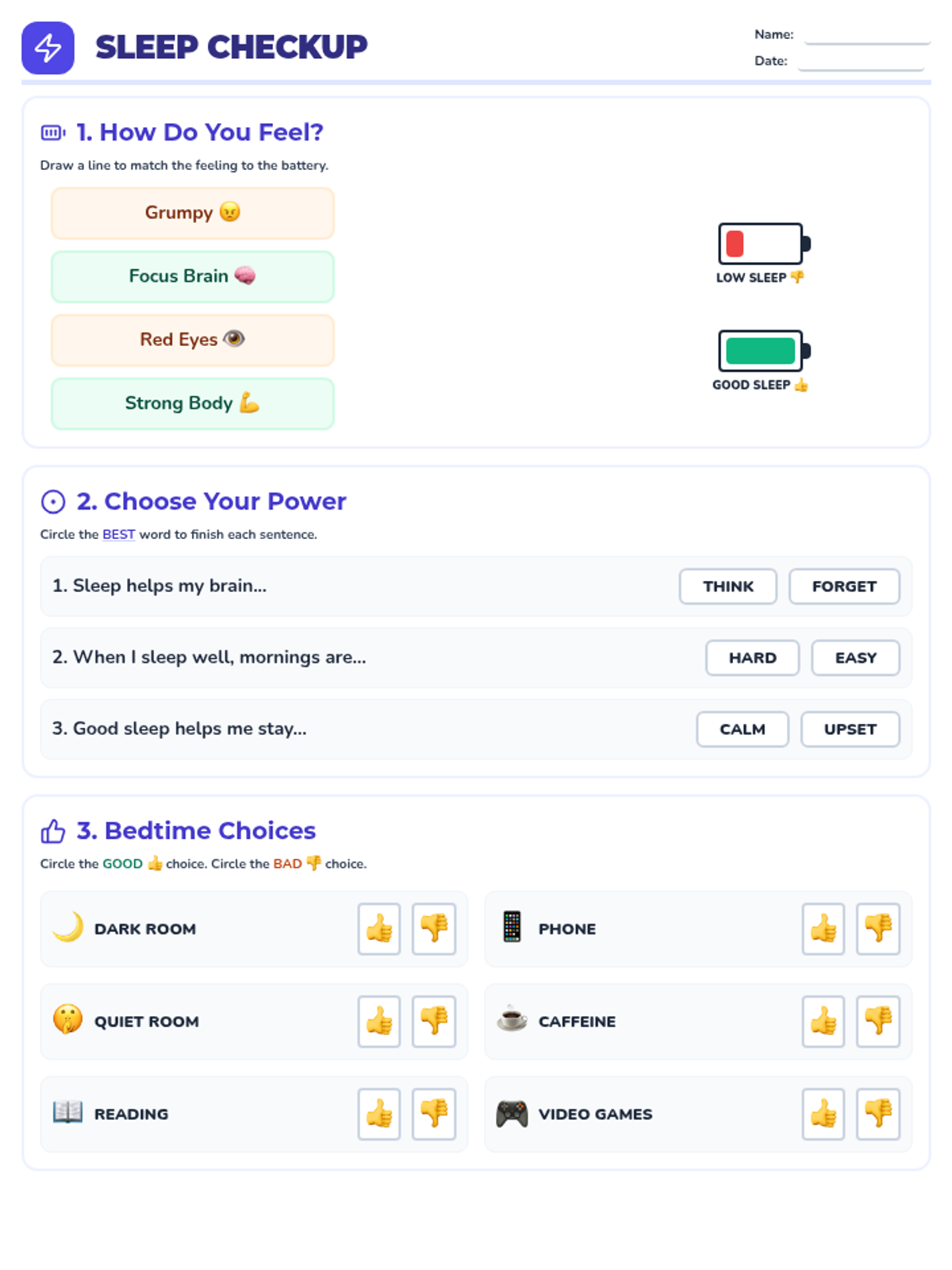
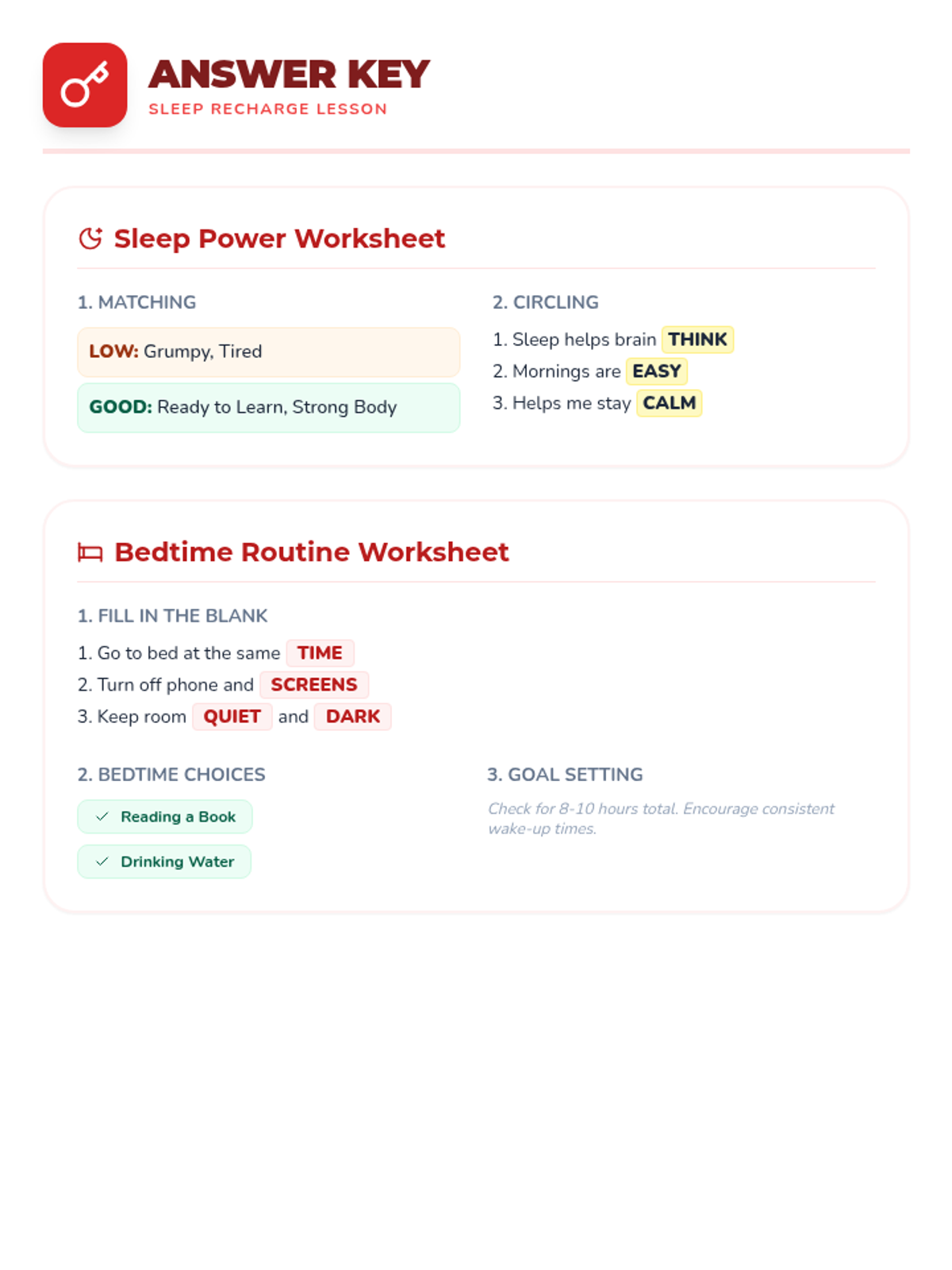
A collection of interactive worksheets focused on the importance of sleep, healthy bedtime routines, and the physical and emotional benefits of rest for life skills students.
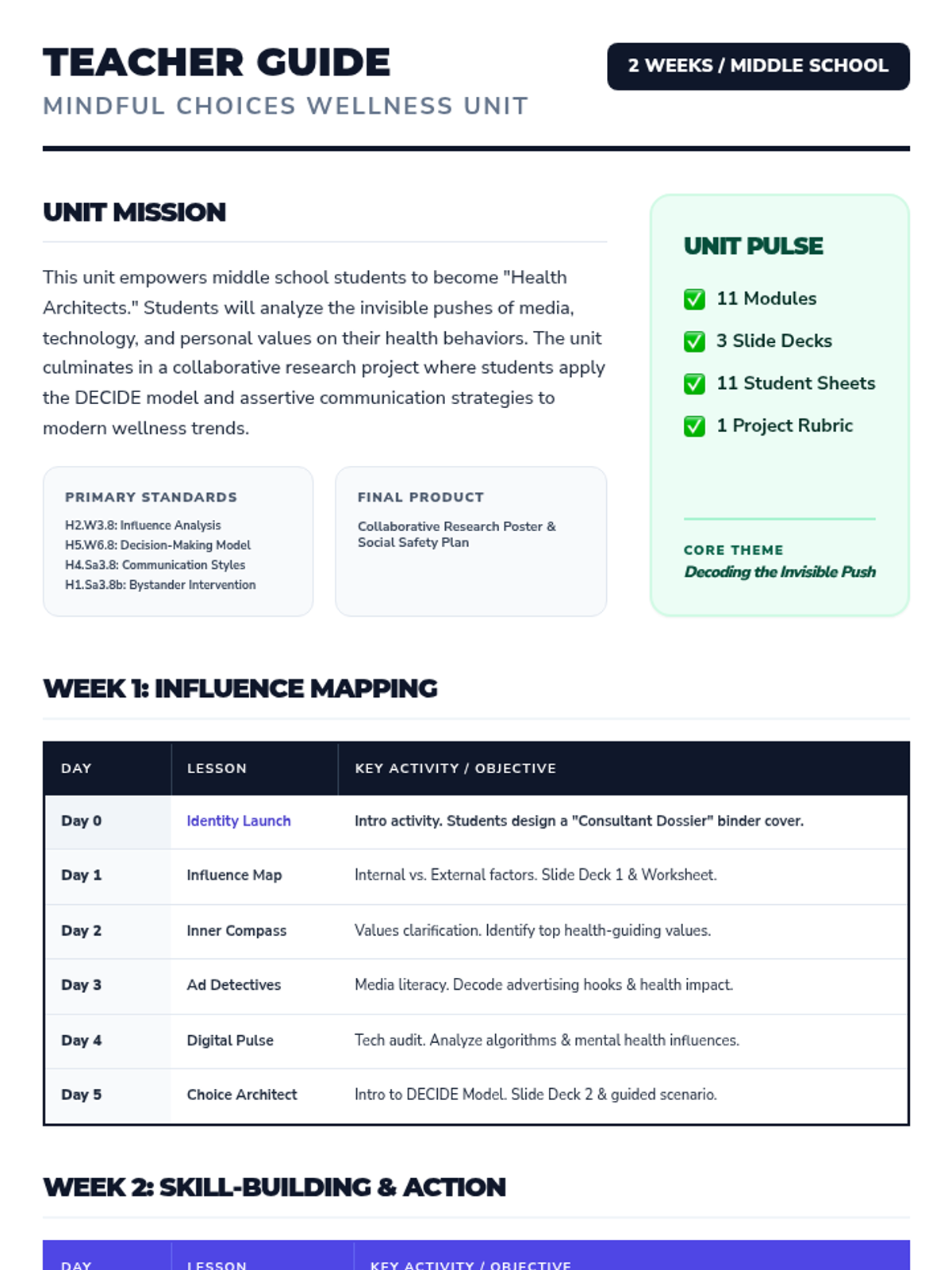
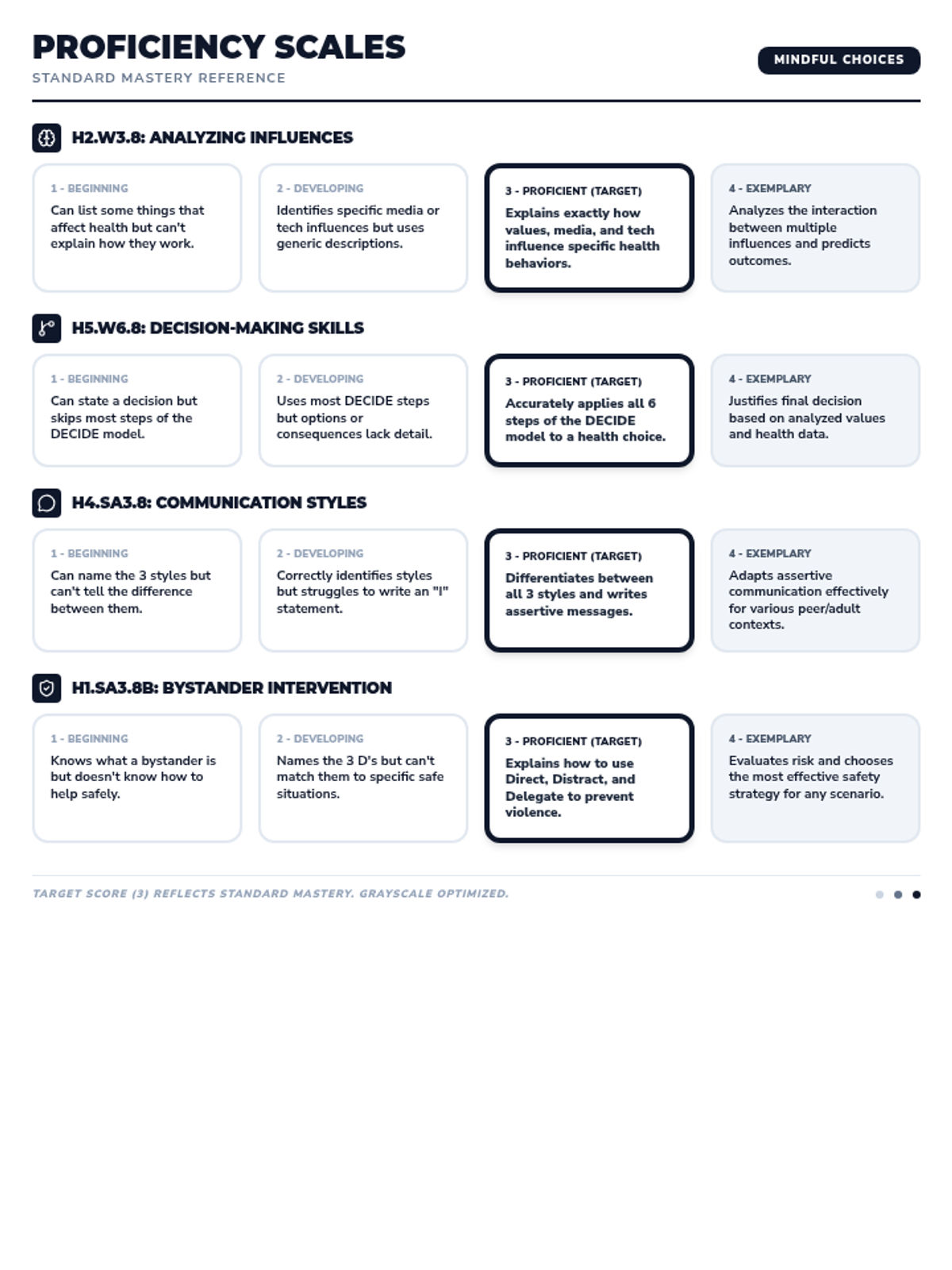
Administrative and planning resources for the Mindful Choices unit.
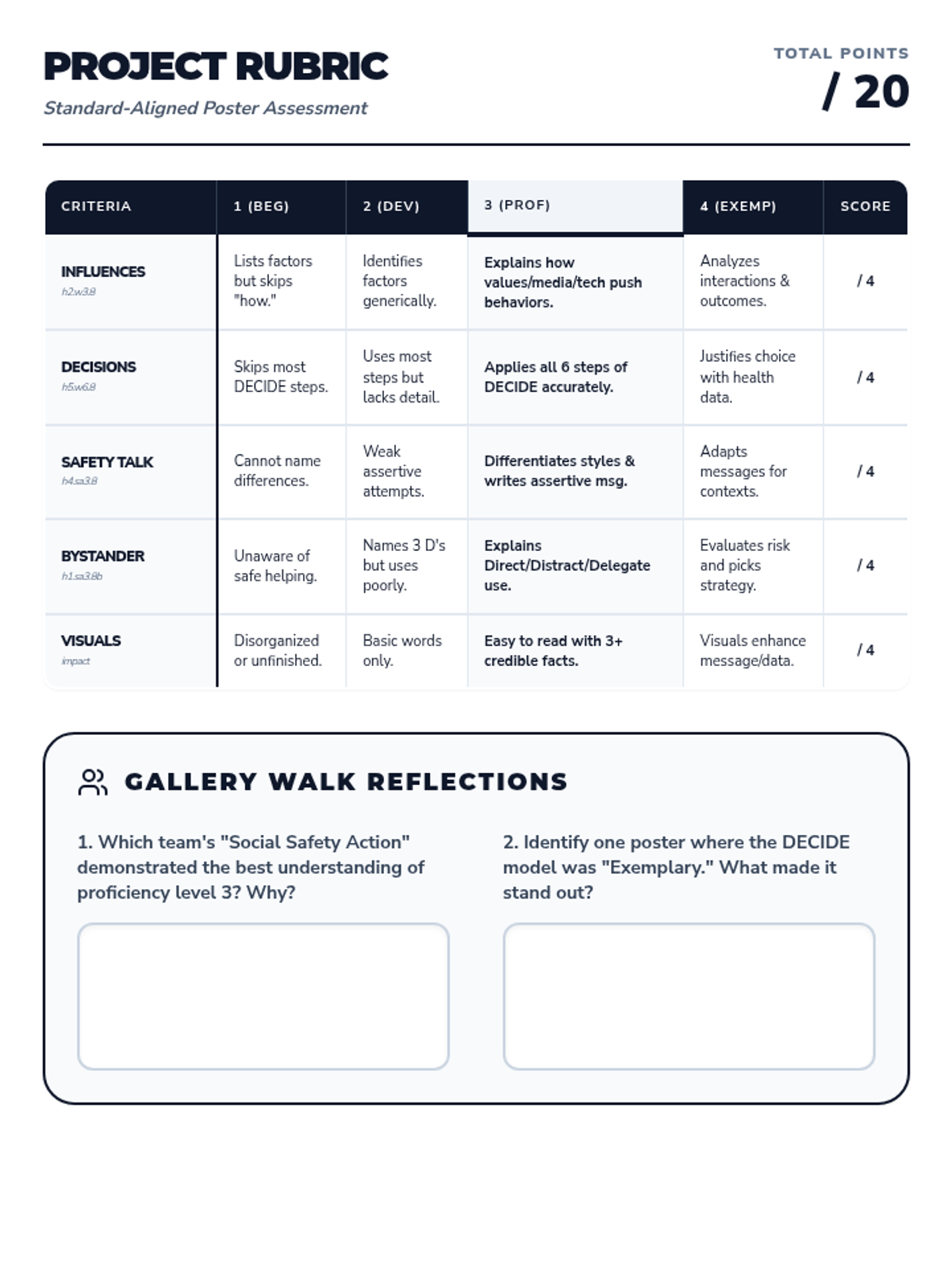
Final presentation of research posters and a peer-review gallery walk.
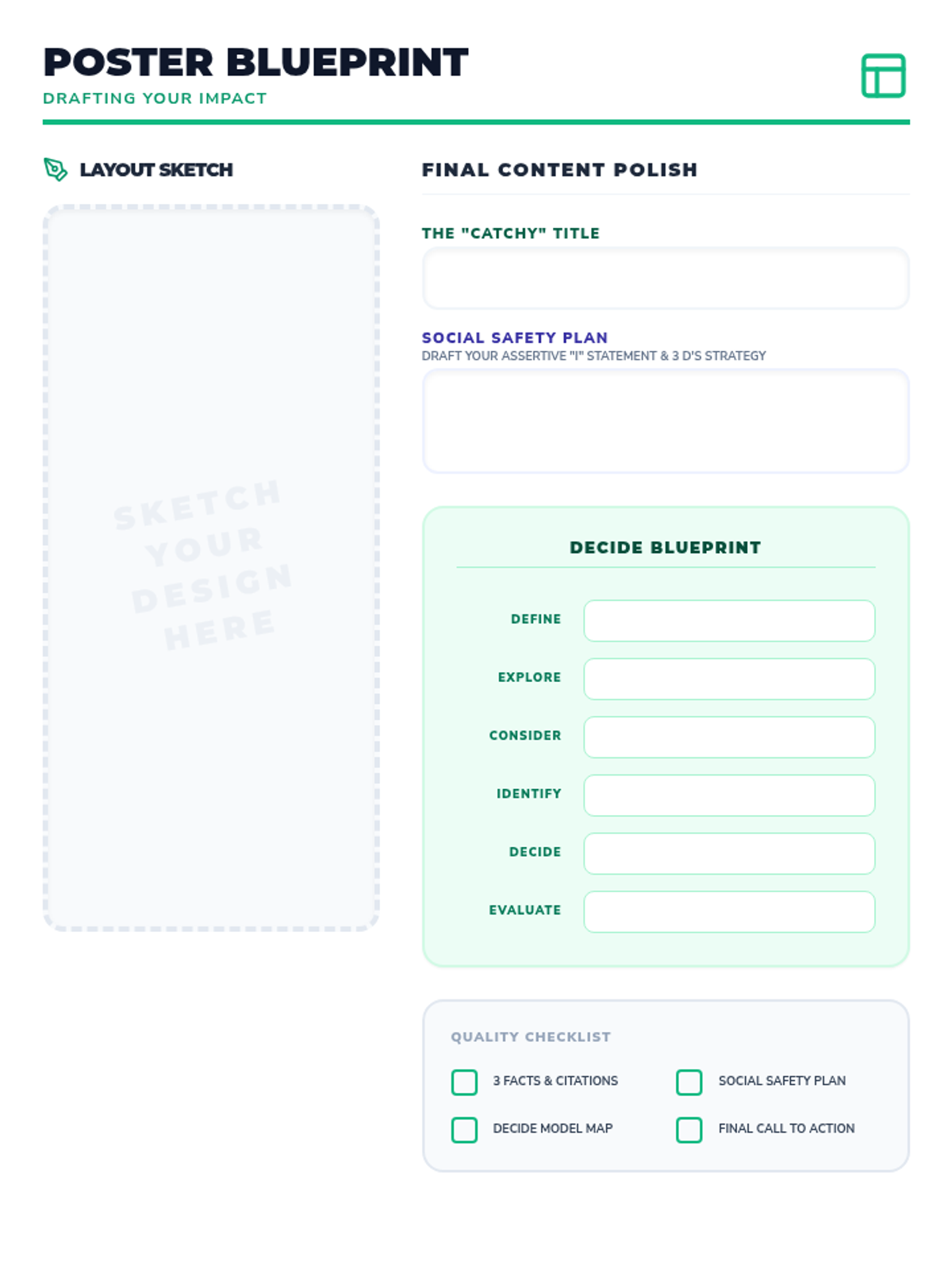
Synthesizing research into a visual poster format with a focus on clear communication and design.
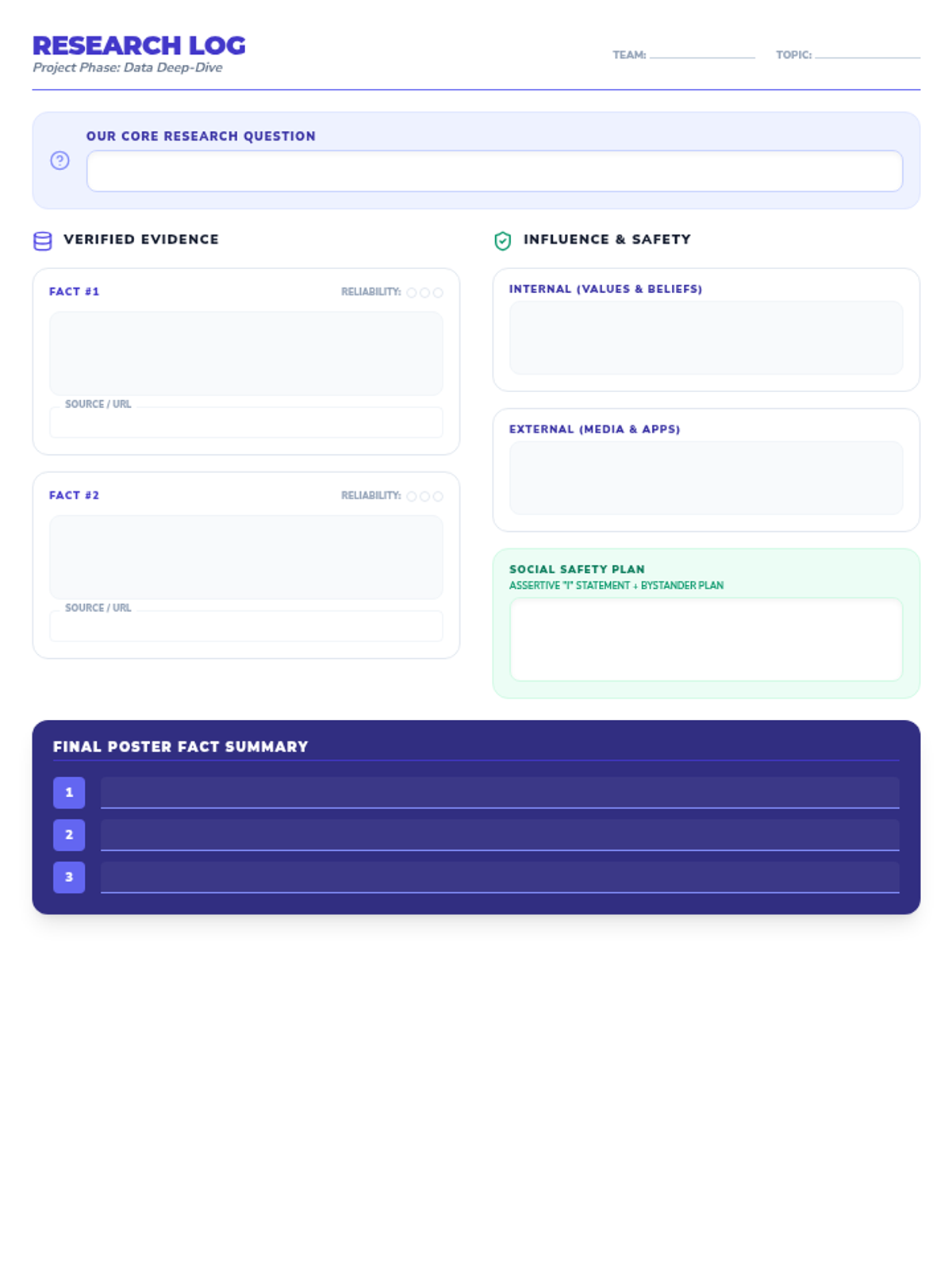
Collaborative research and data gathering for the health-focused poster project.
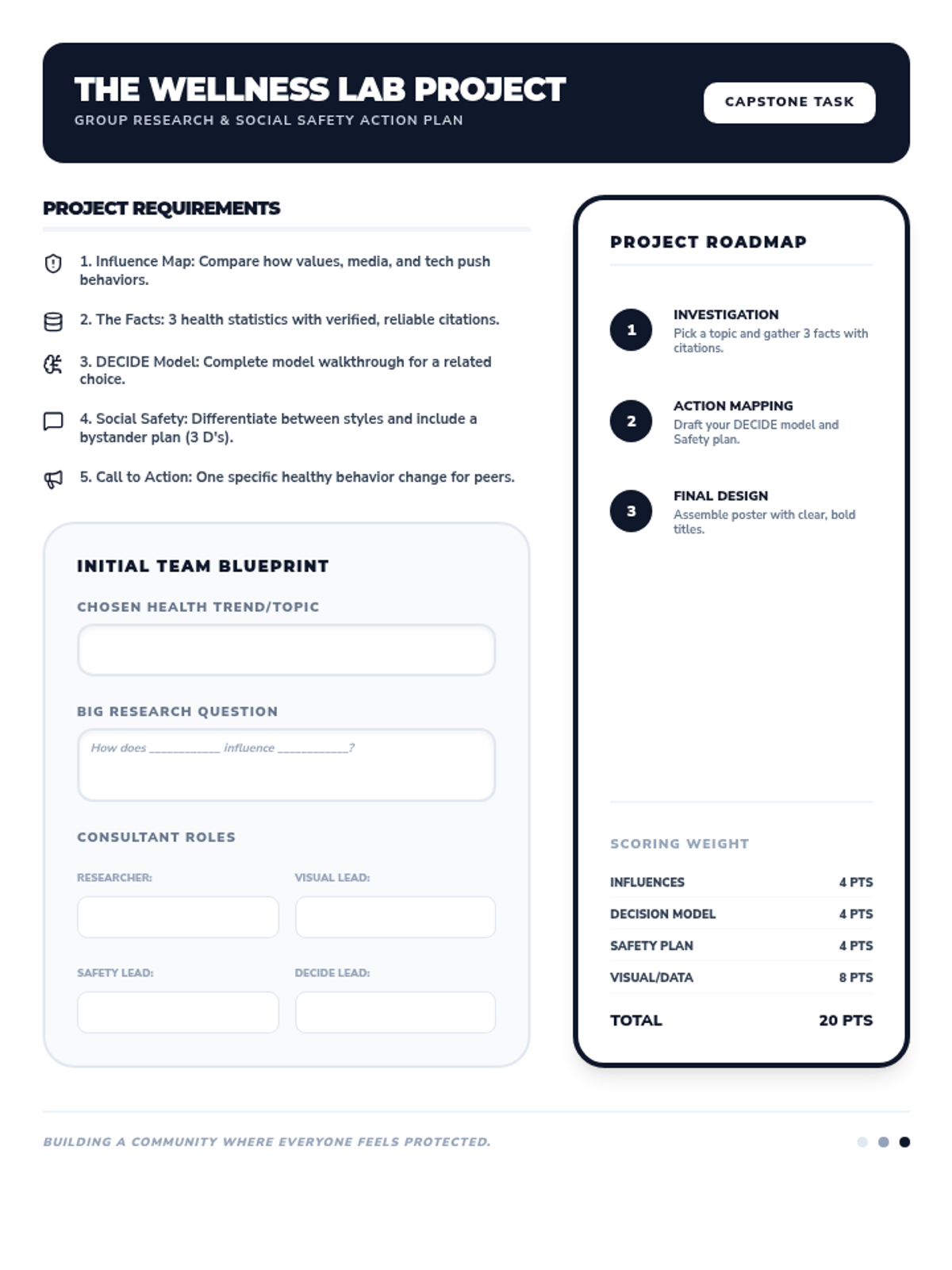
Introduction to the final group research poster project and initial topic brainstorming.
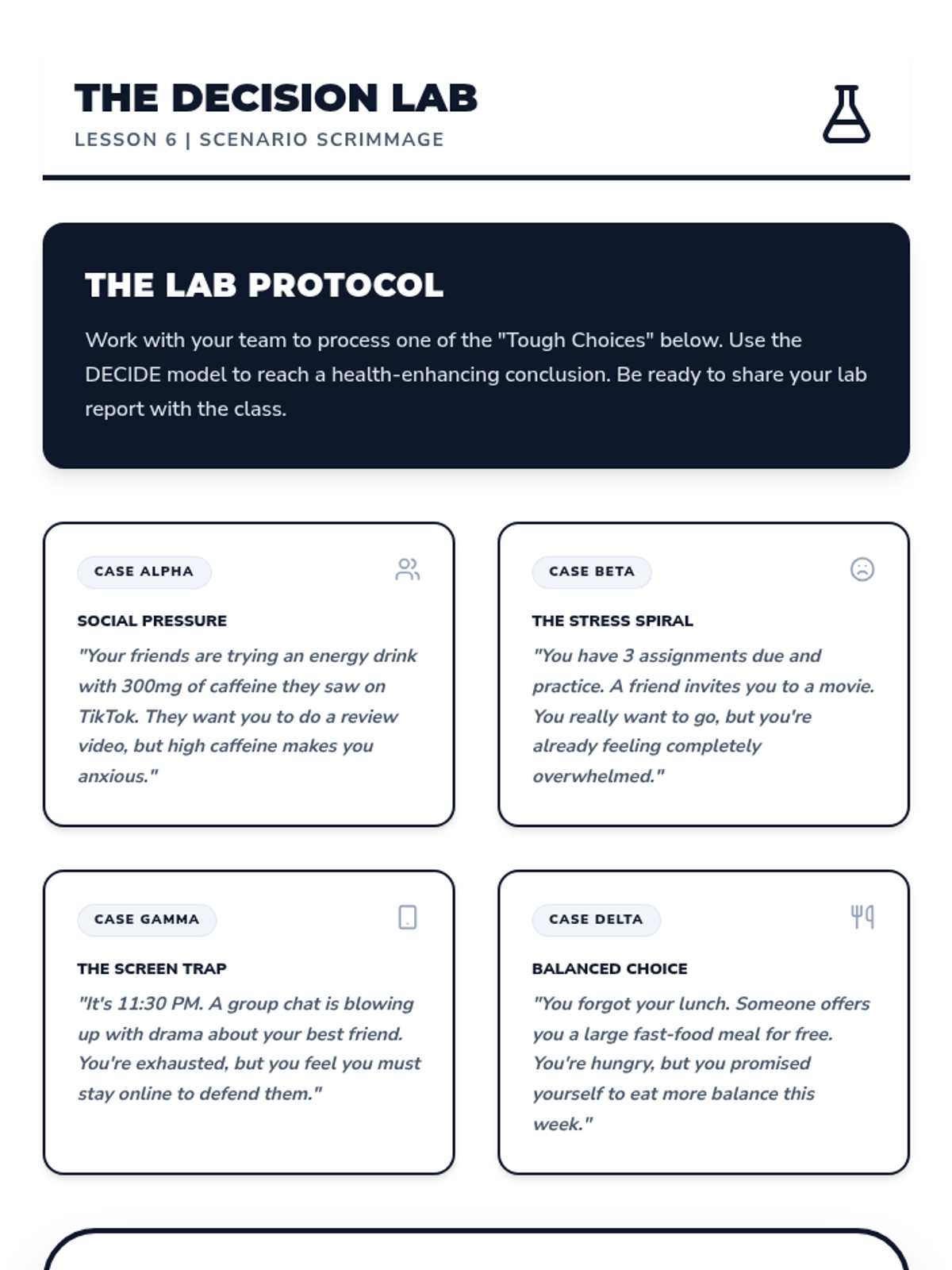
Guided practice applying the decision-making model to common adolescent health scenarios.
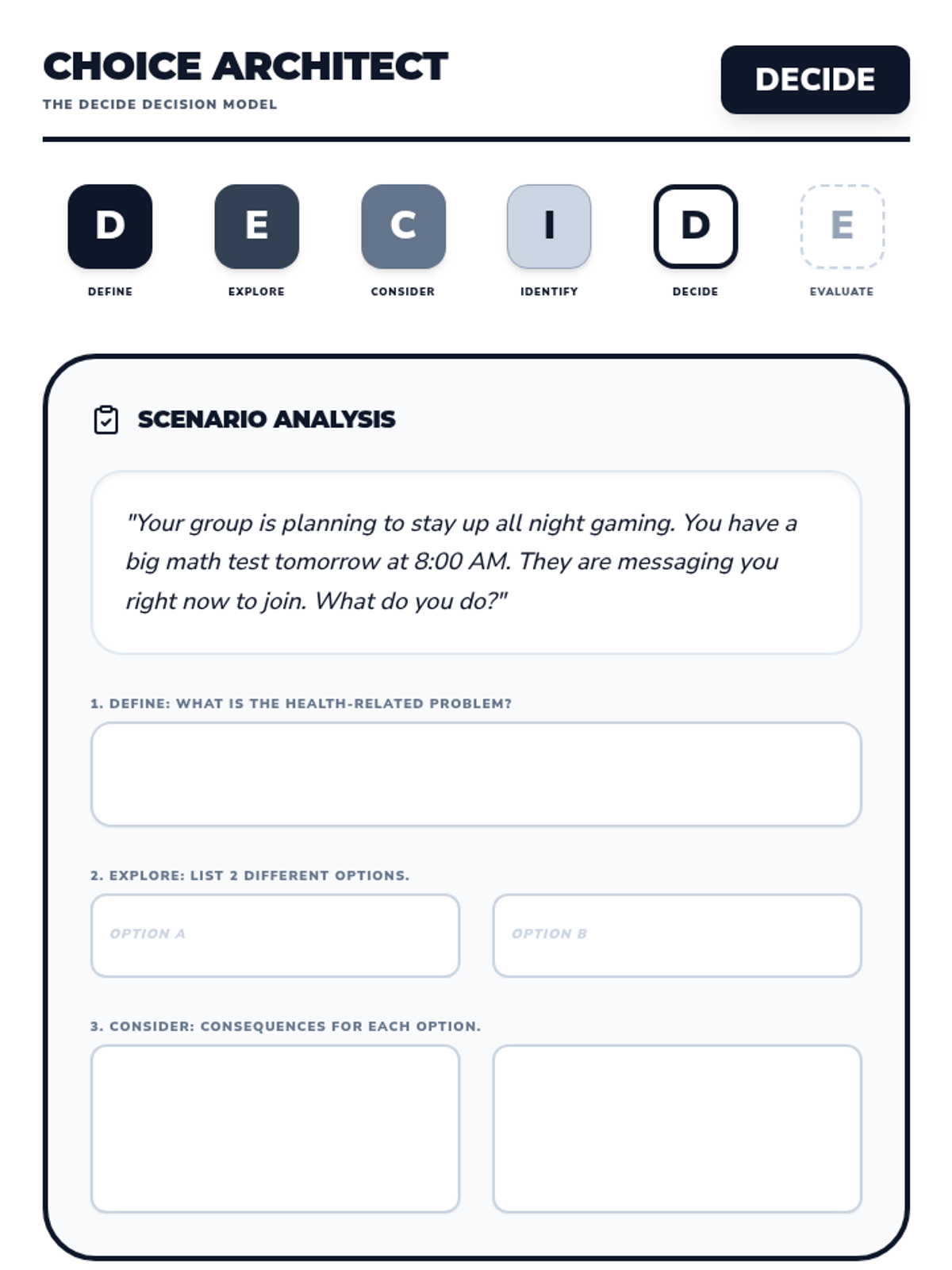
Introduction to the DECIDE model for making structured, health-enhancing personal choices.
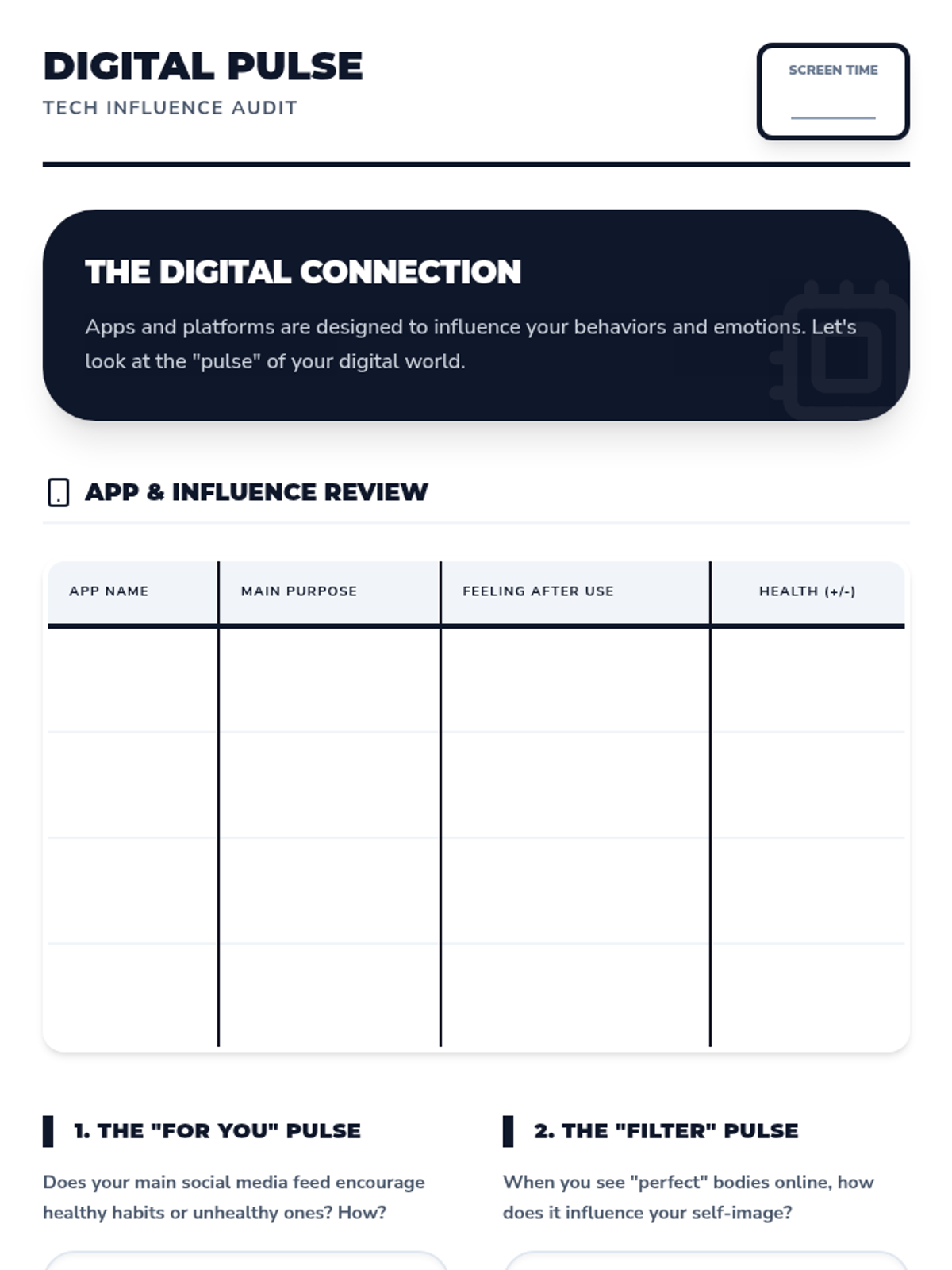
Investigating how technology and social media algorithms shape health perceptions and daily habits.
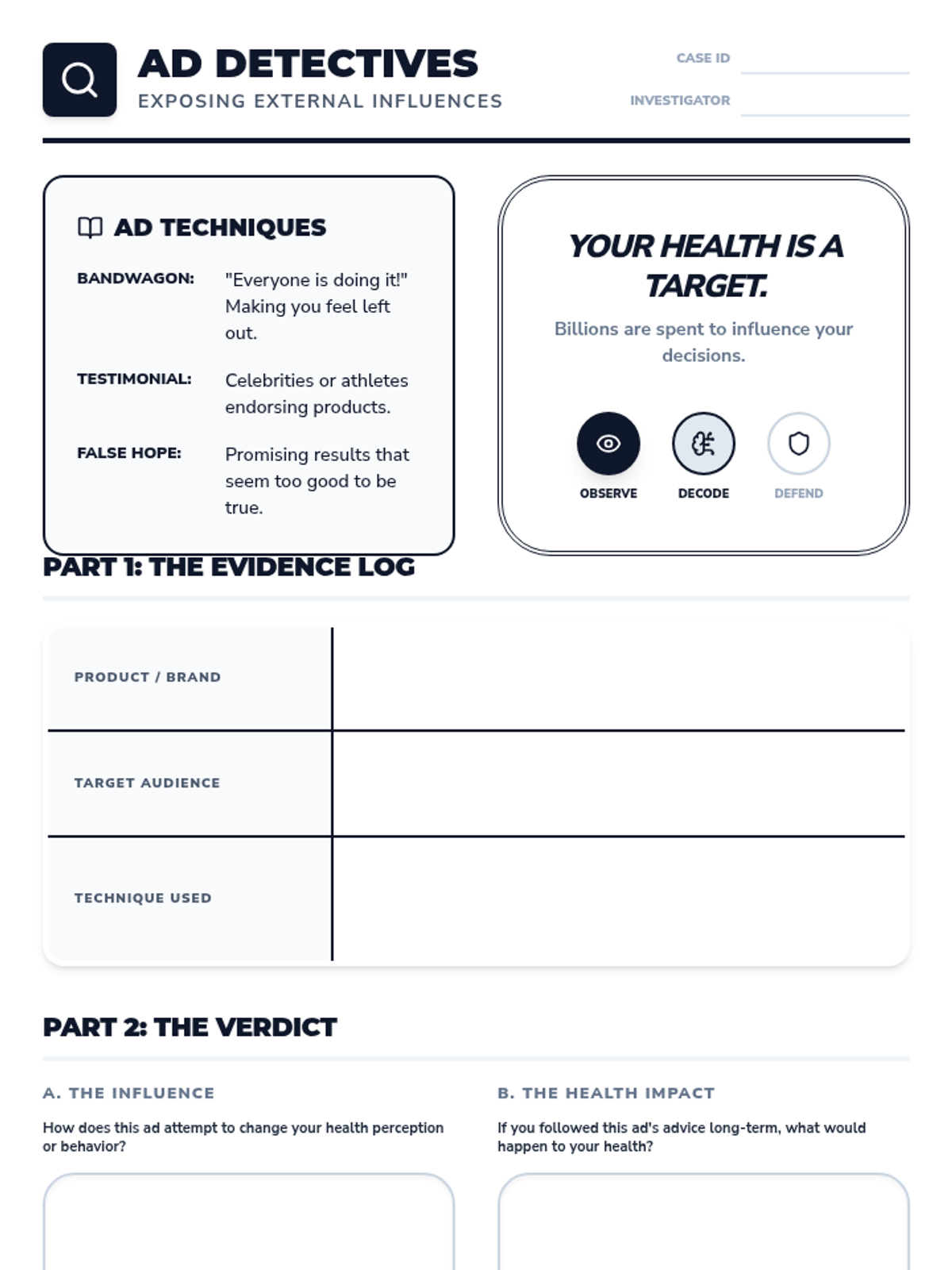
Analyzing media messages and advertising techniques to understand their impact on health behaviors.
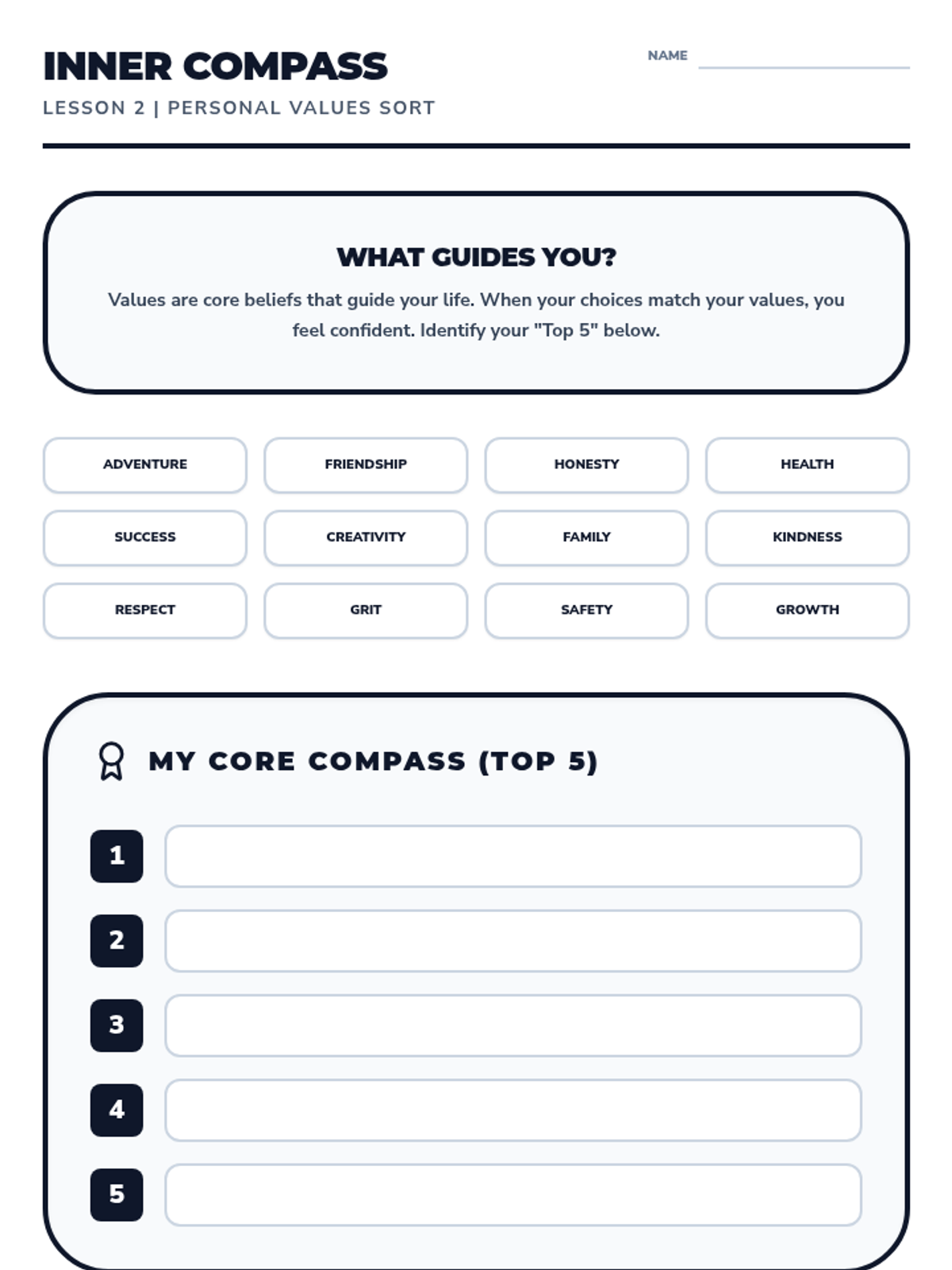
Exploration of personal values and how they serve as an internal compass for health-related choices.
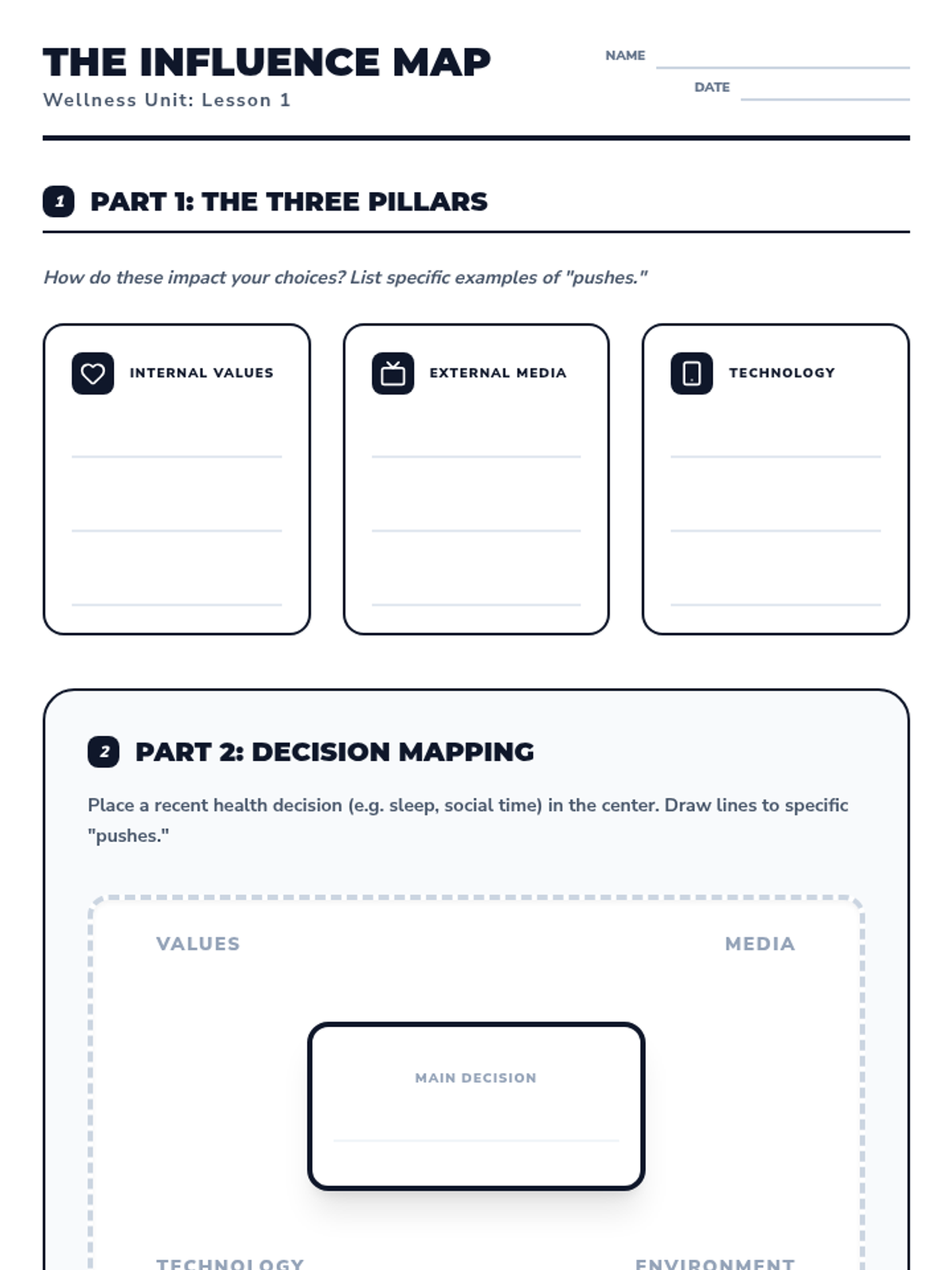
Students identify personal values and external factors (media, tech) that influence their health decisions.
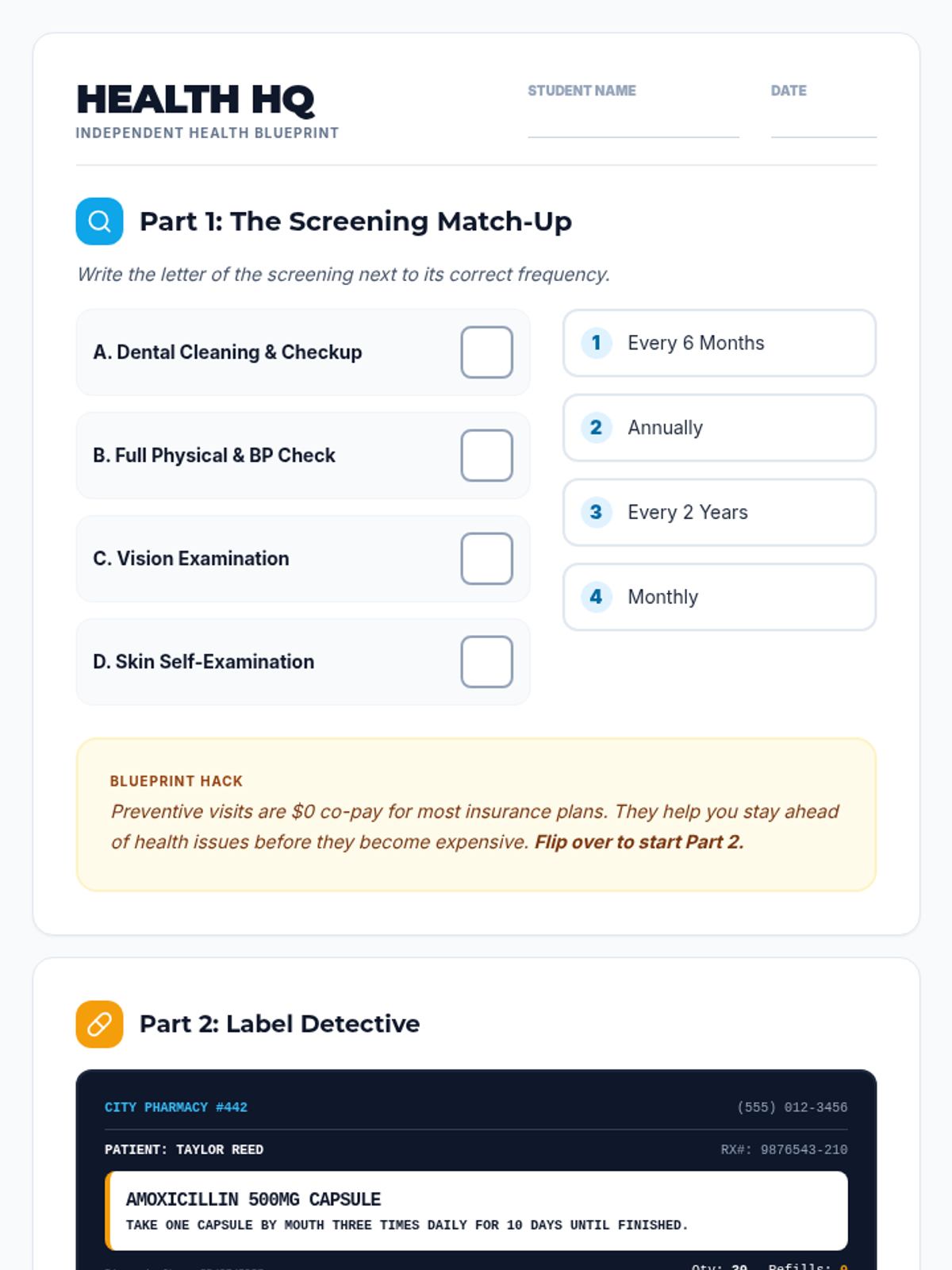
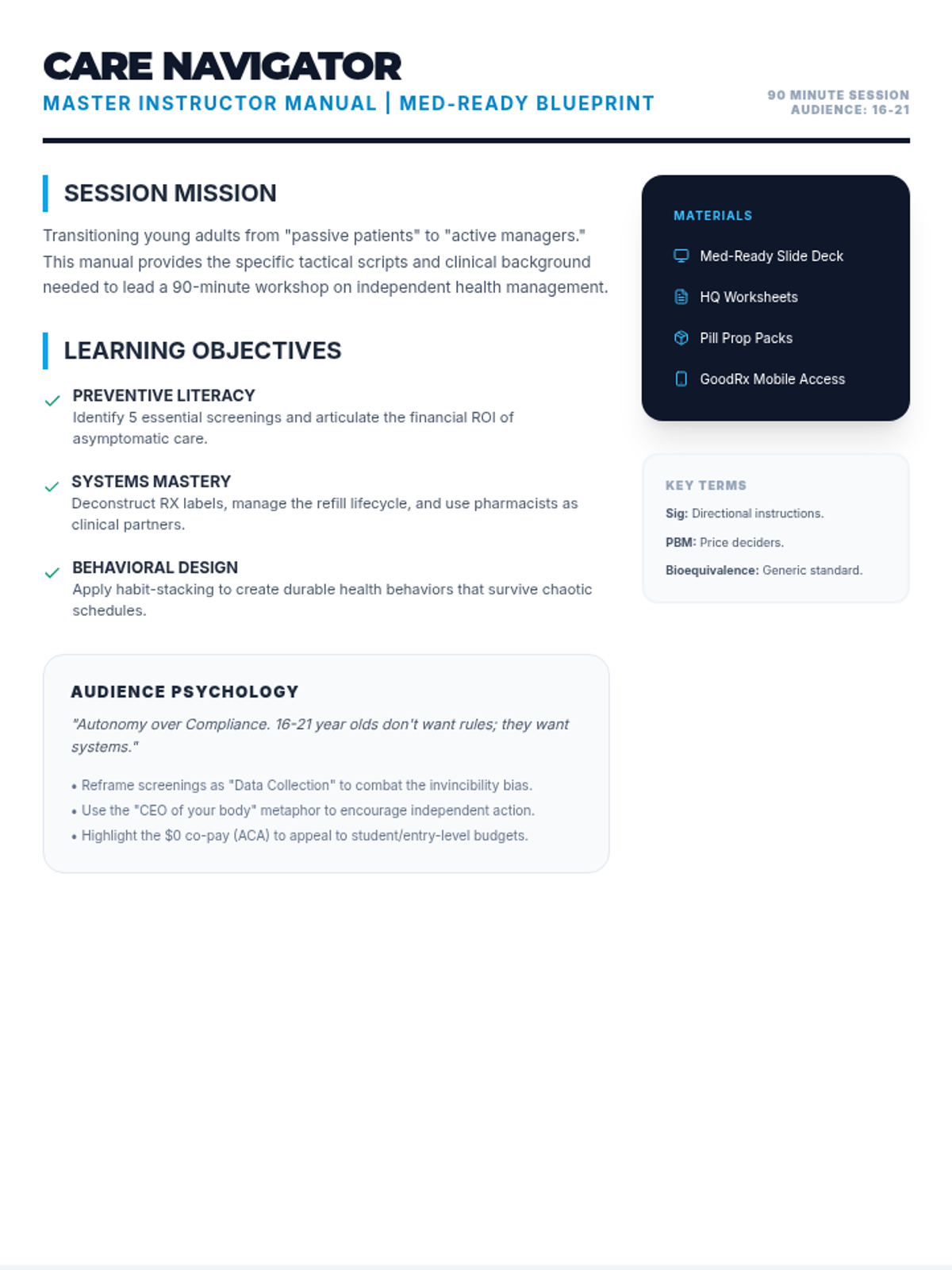
A comprehensive 90-minute session designed for young adults transitioning to independent health management, covering preventive screenings, vaccinations, pharmacy navigation, and medication adherence.
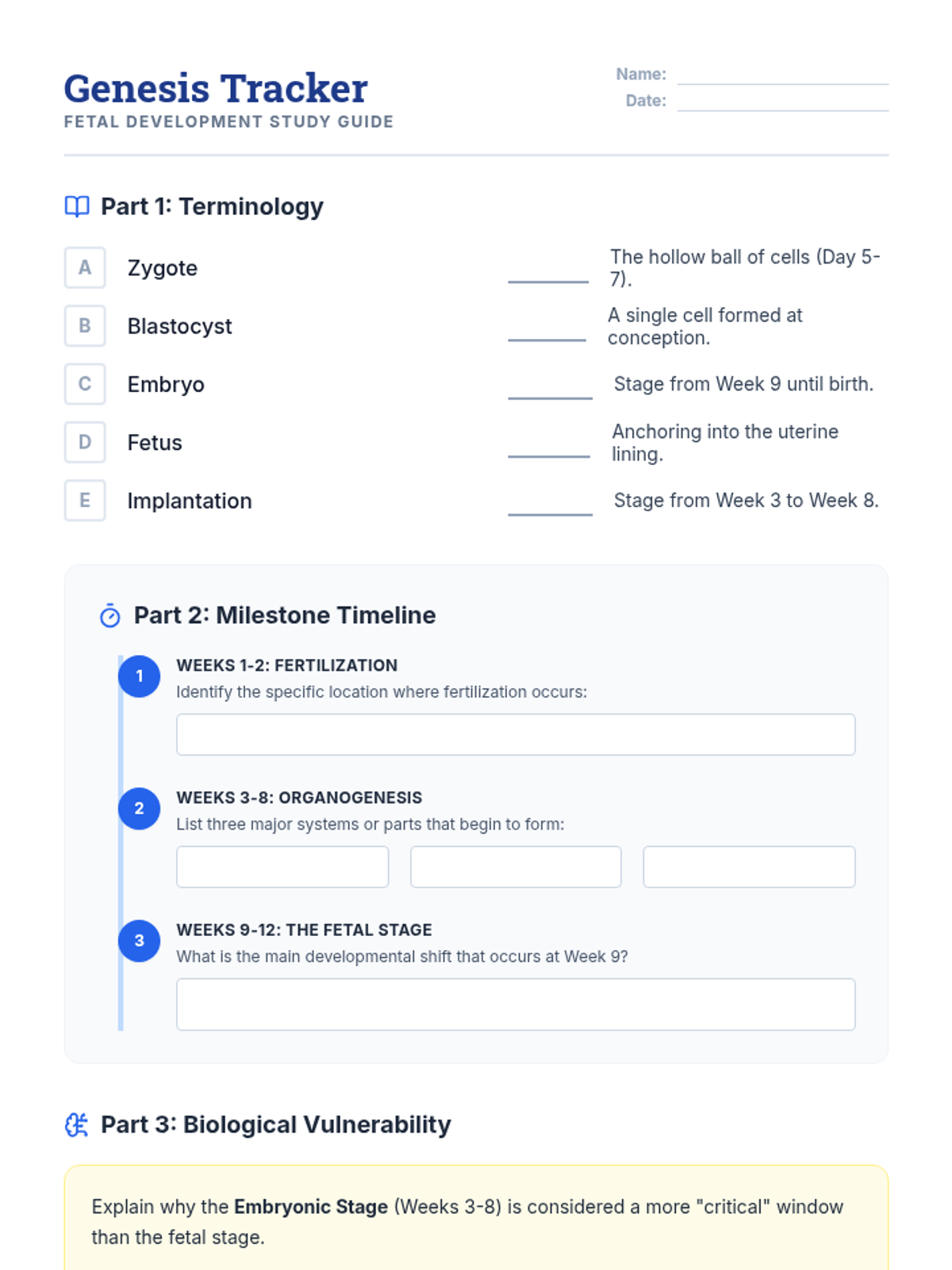
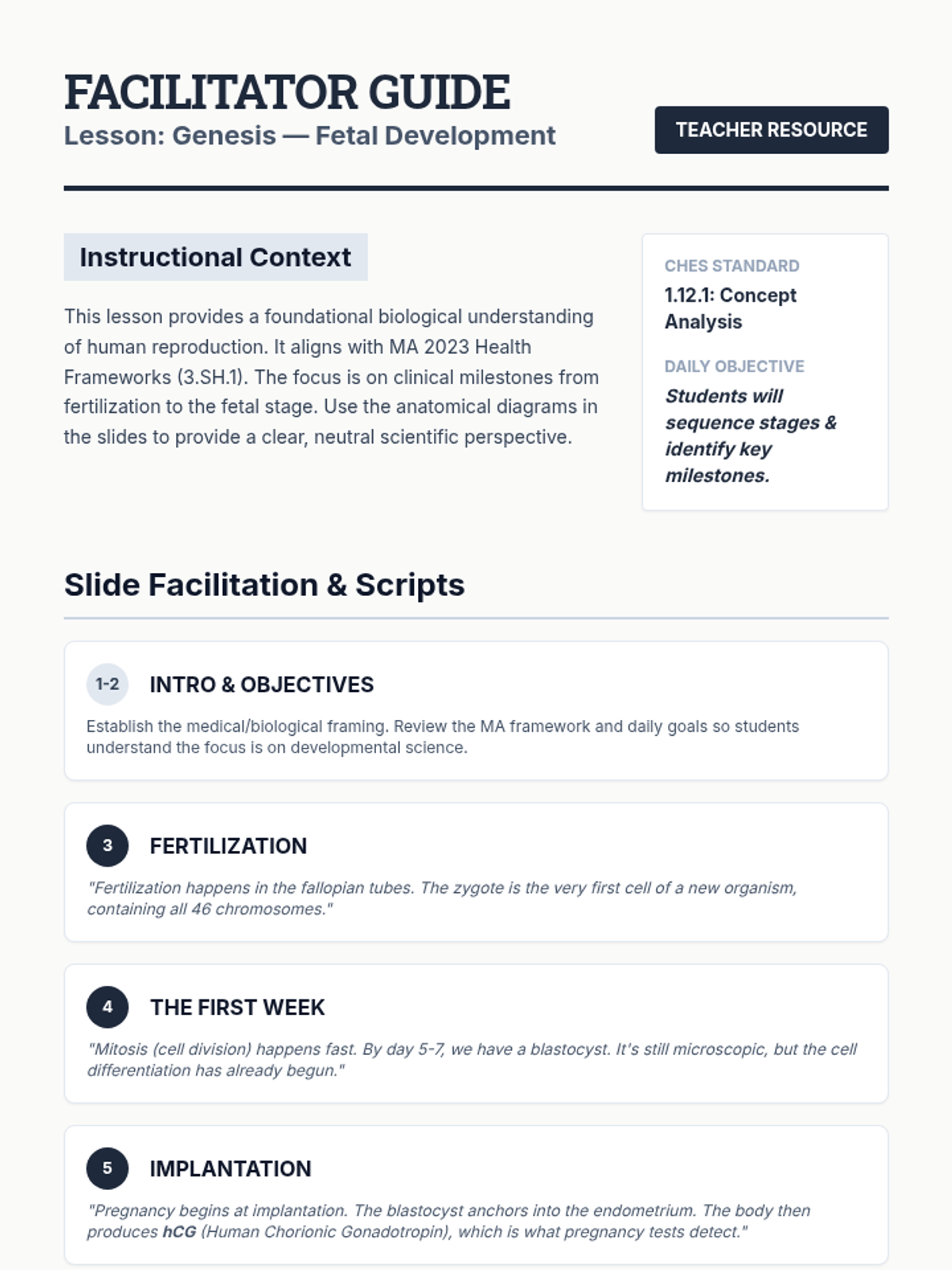
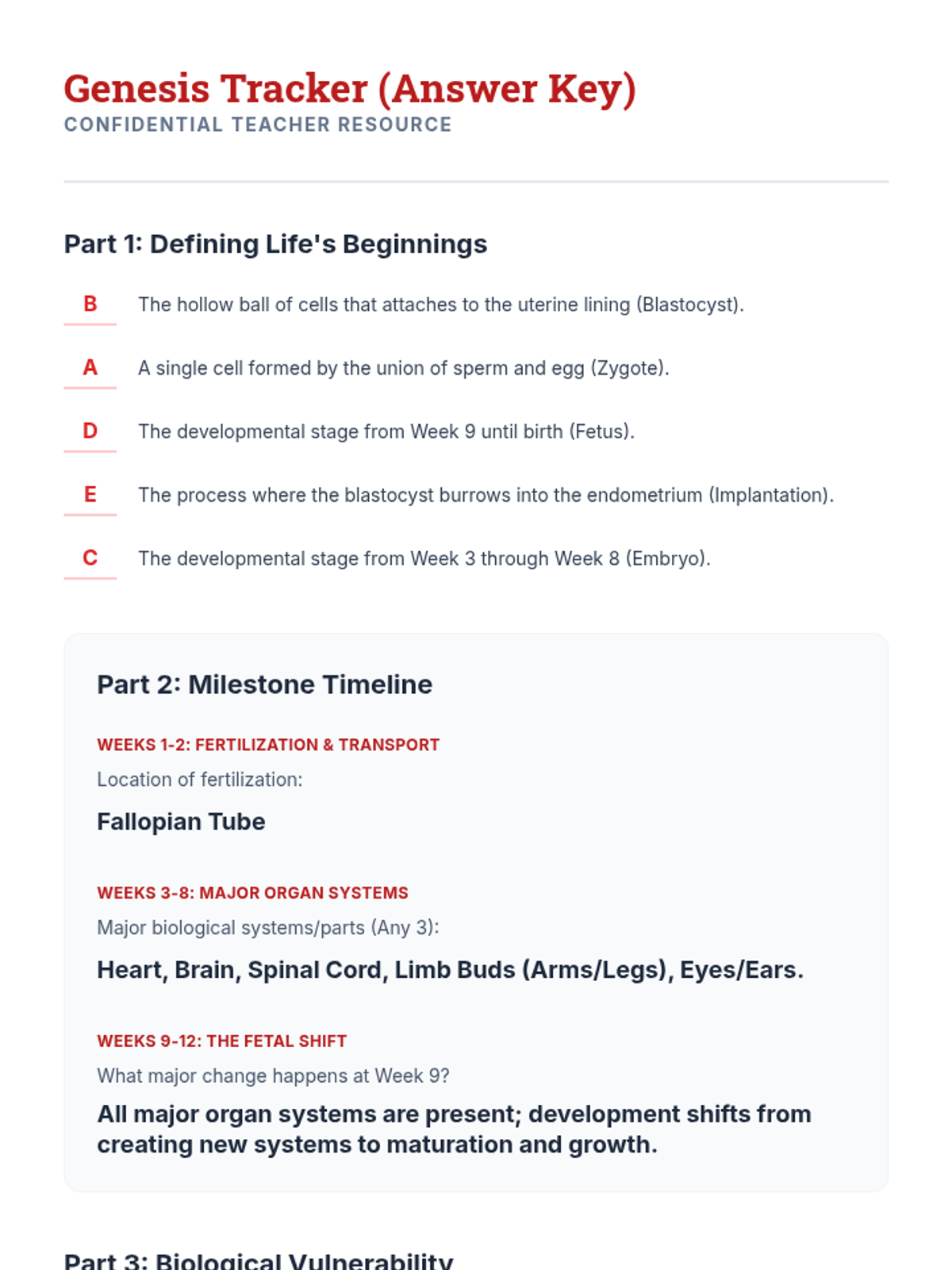
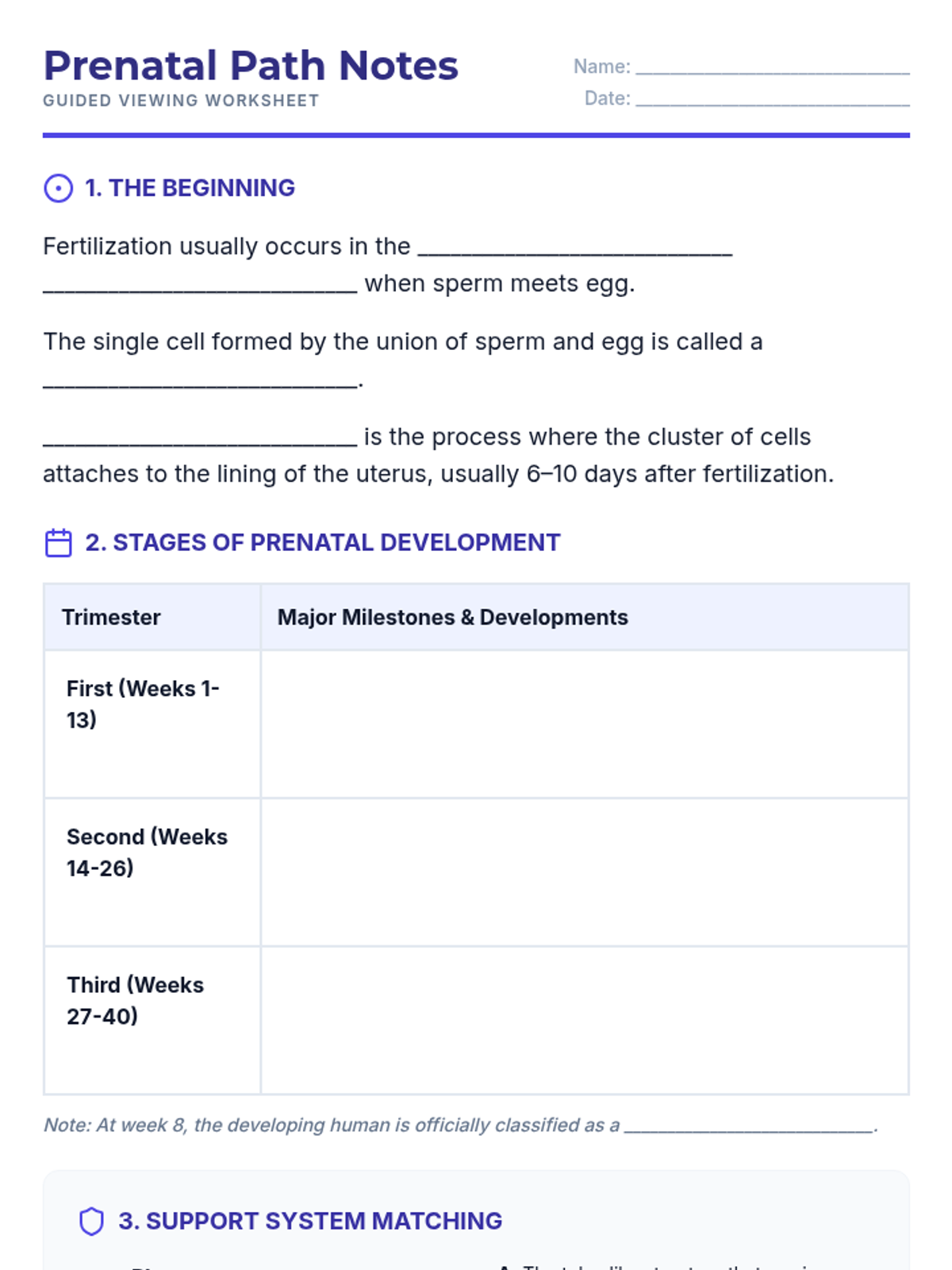
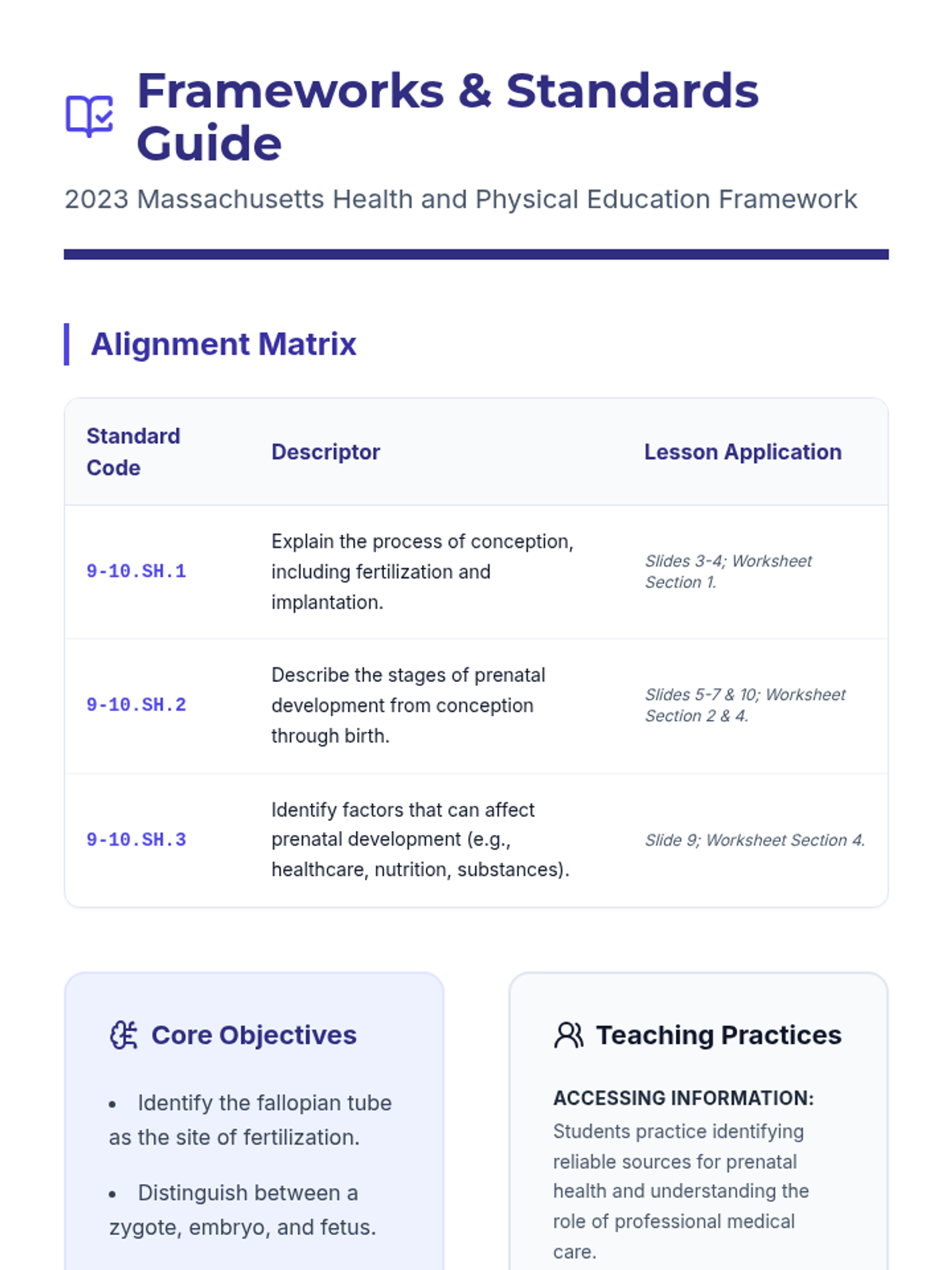
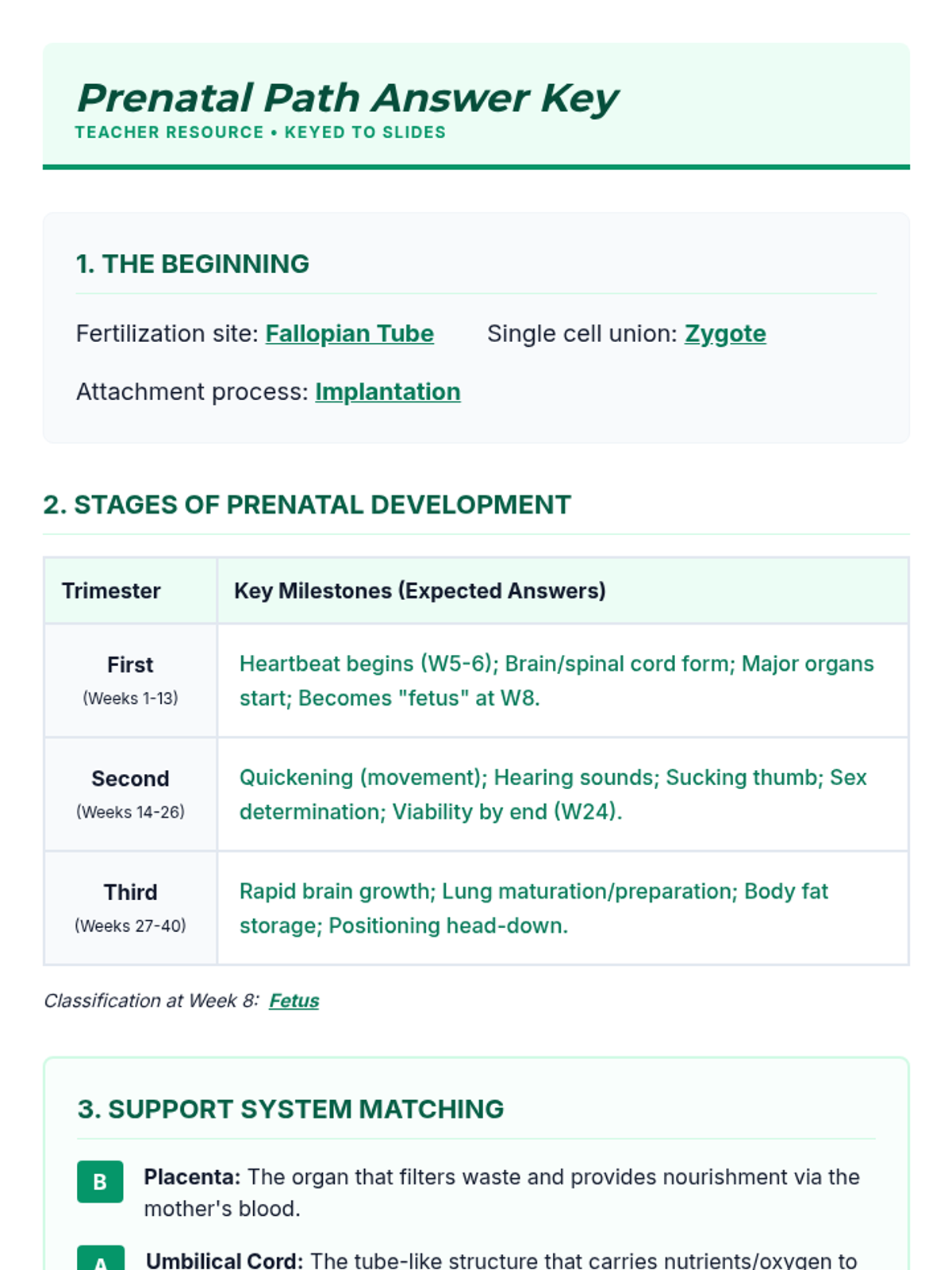
A comprehensive look at the biological journey from fertilization to the fetal stage, aligned with MA 2023 Health Frameworks and CHES standards for grade 9.
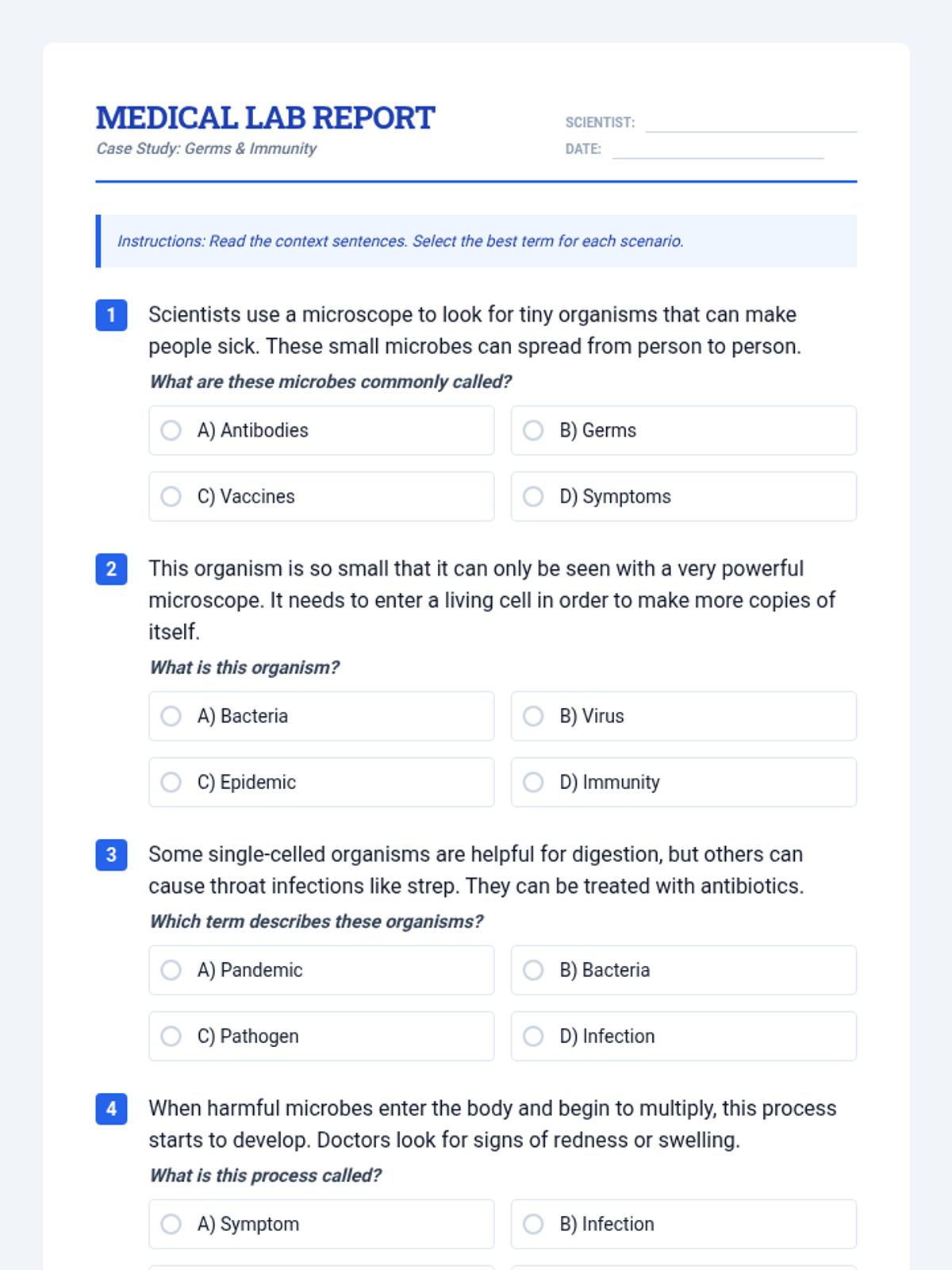
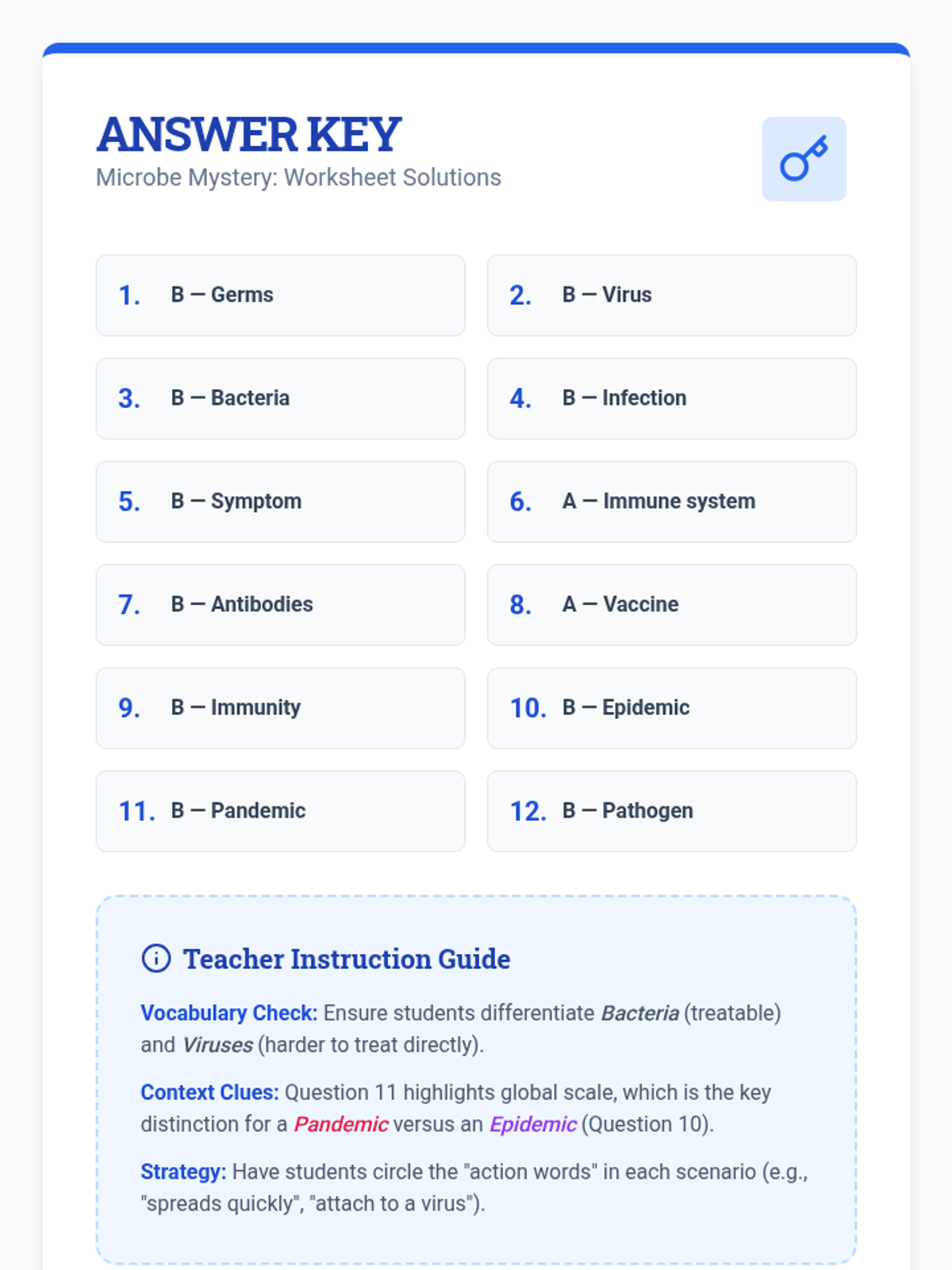
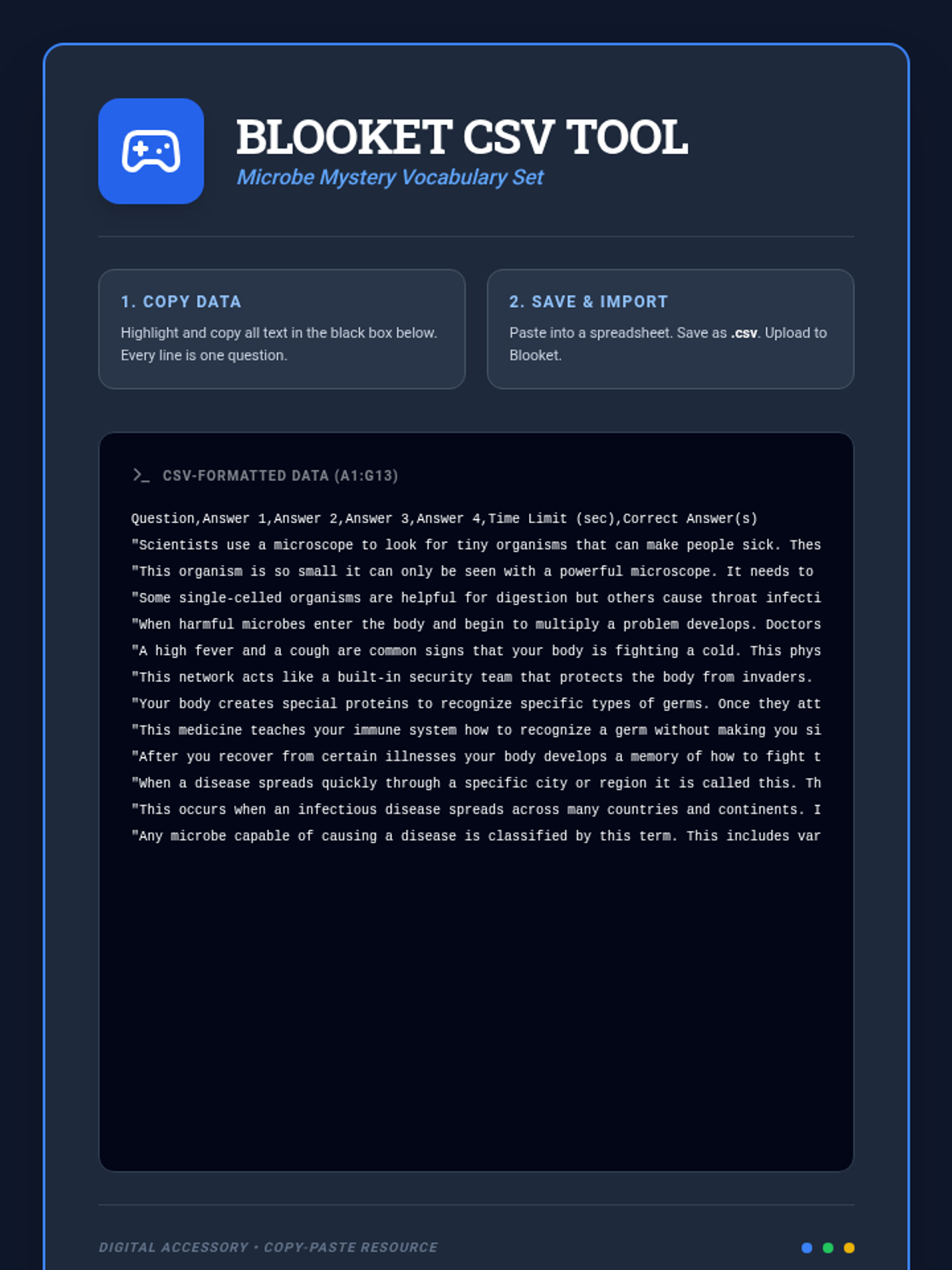
A comprehensive lesson on medical vocabulary related to germs and the immune system, designed for WIDA level 4 students. Includes visual aids and comprehension-based assessments.
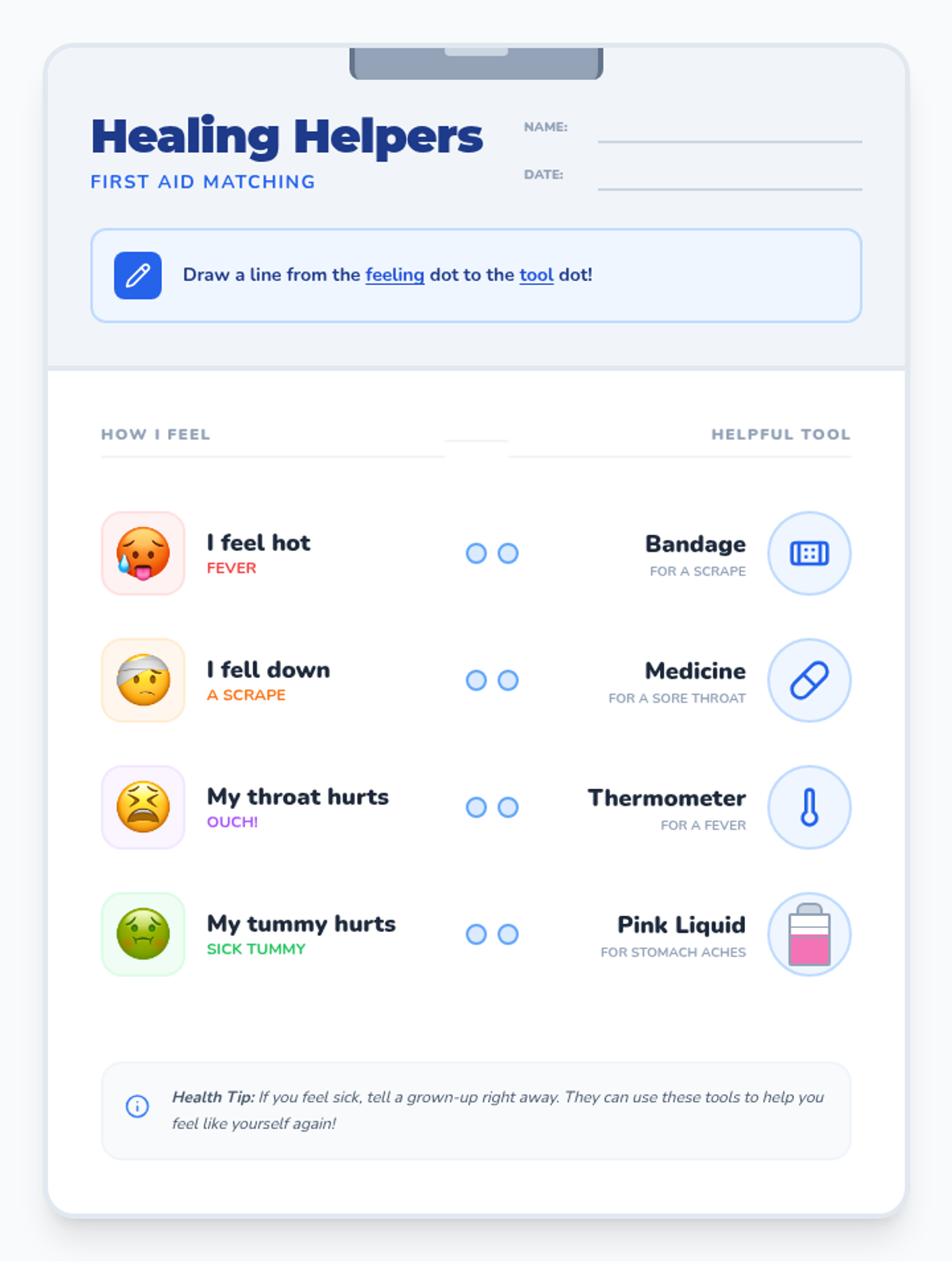
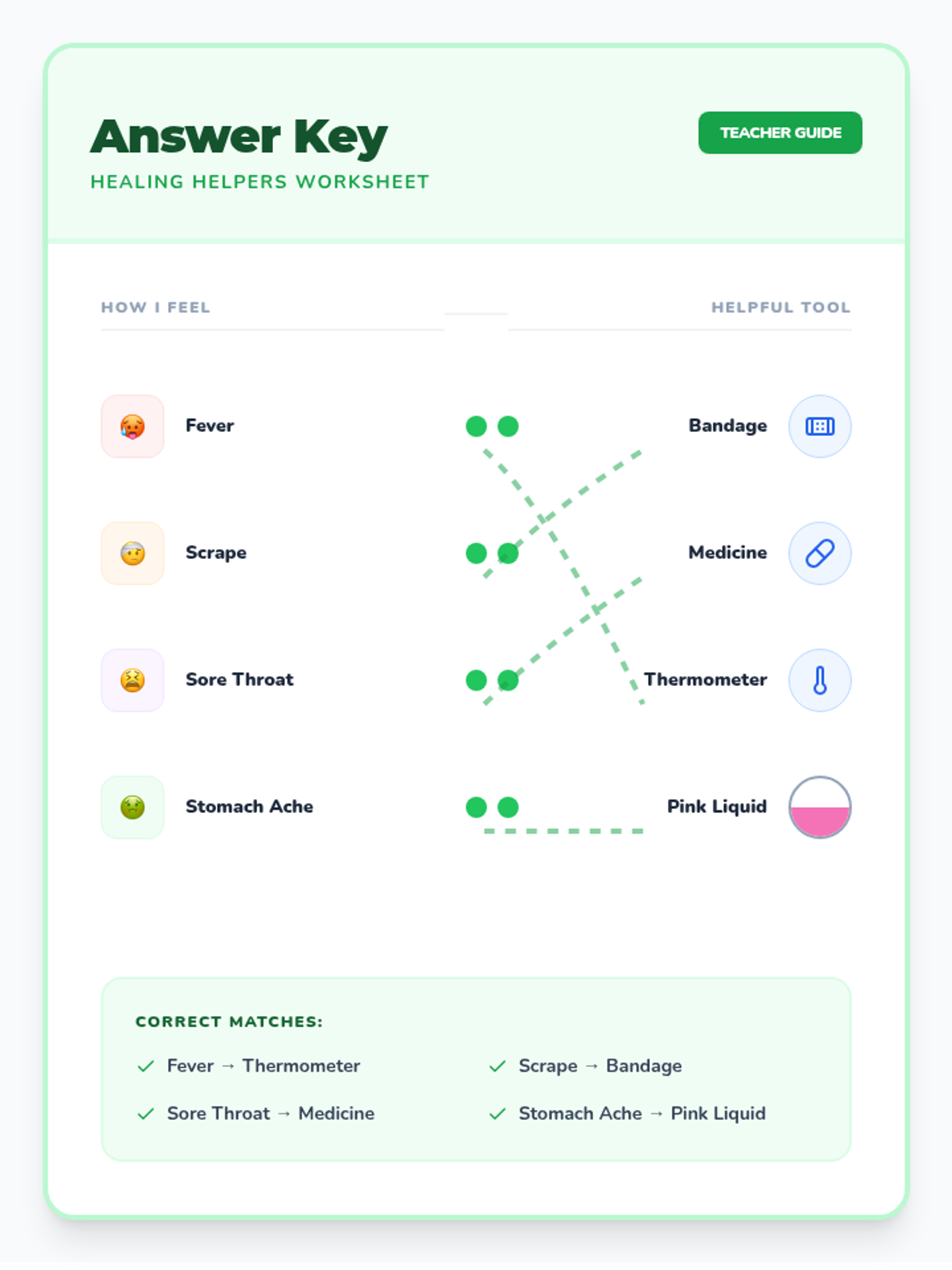
A lesson focused on identifying the correct tools and treatments for common health issues like fevers, sore throats, and minor cuts. Students practice matching symptoms to solutions using simple visual cues.
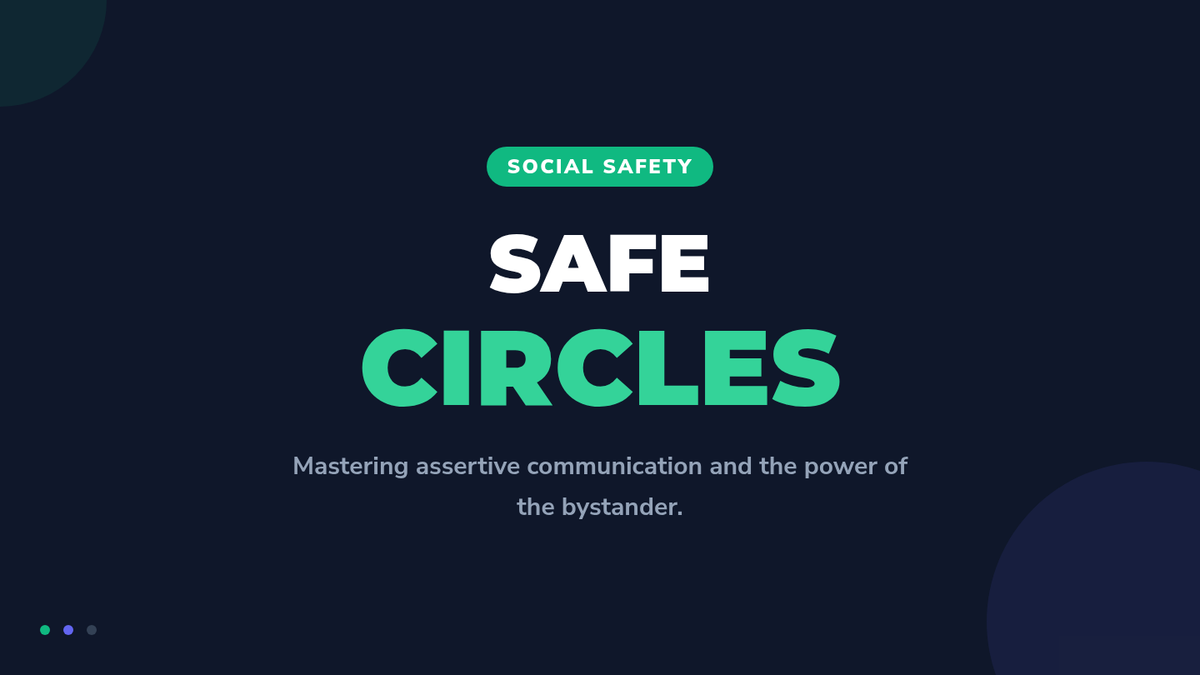
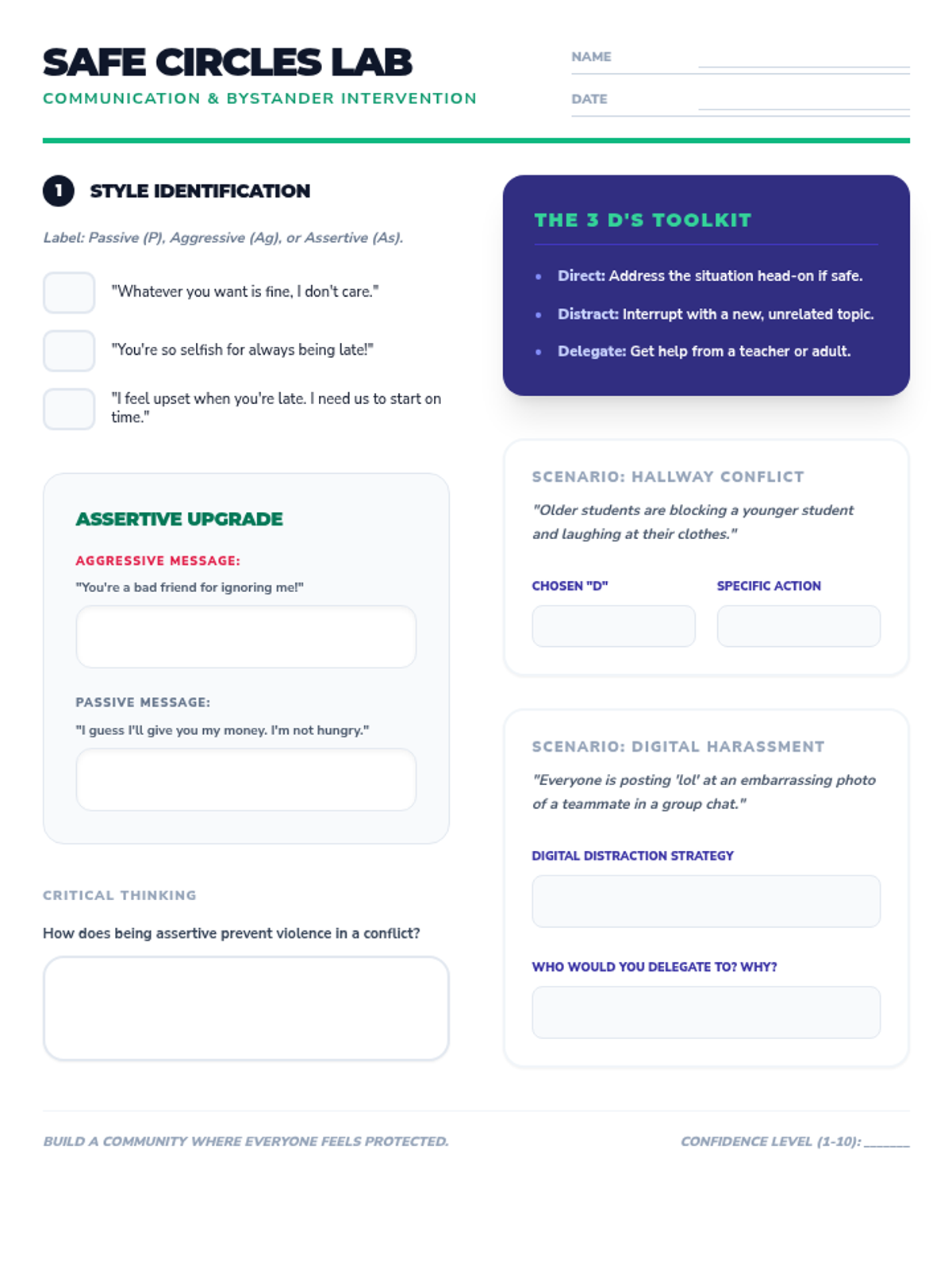
Developing assertive communication skills and understanding the role of bystanders in preventing violence and promoting safety.
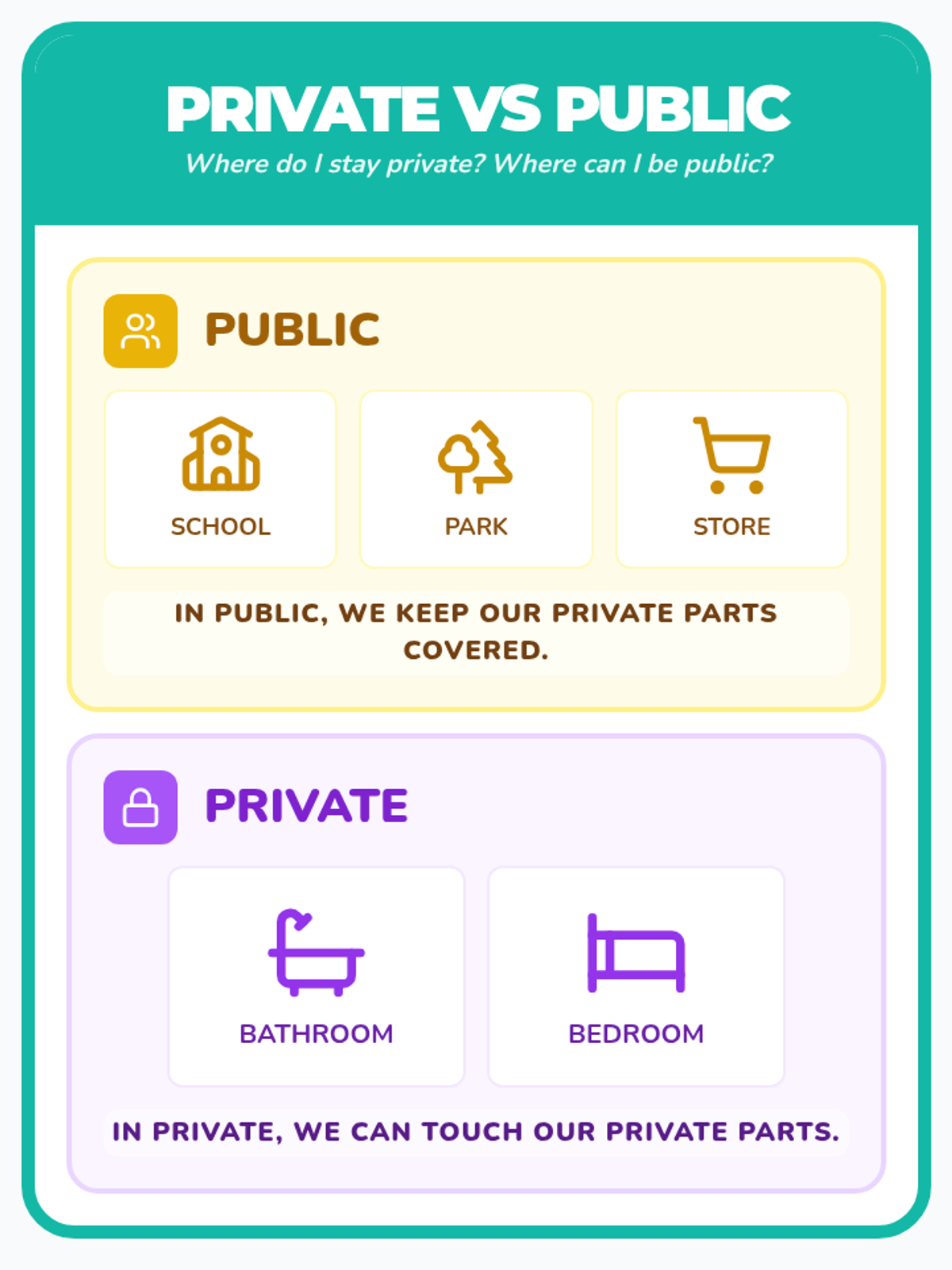
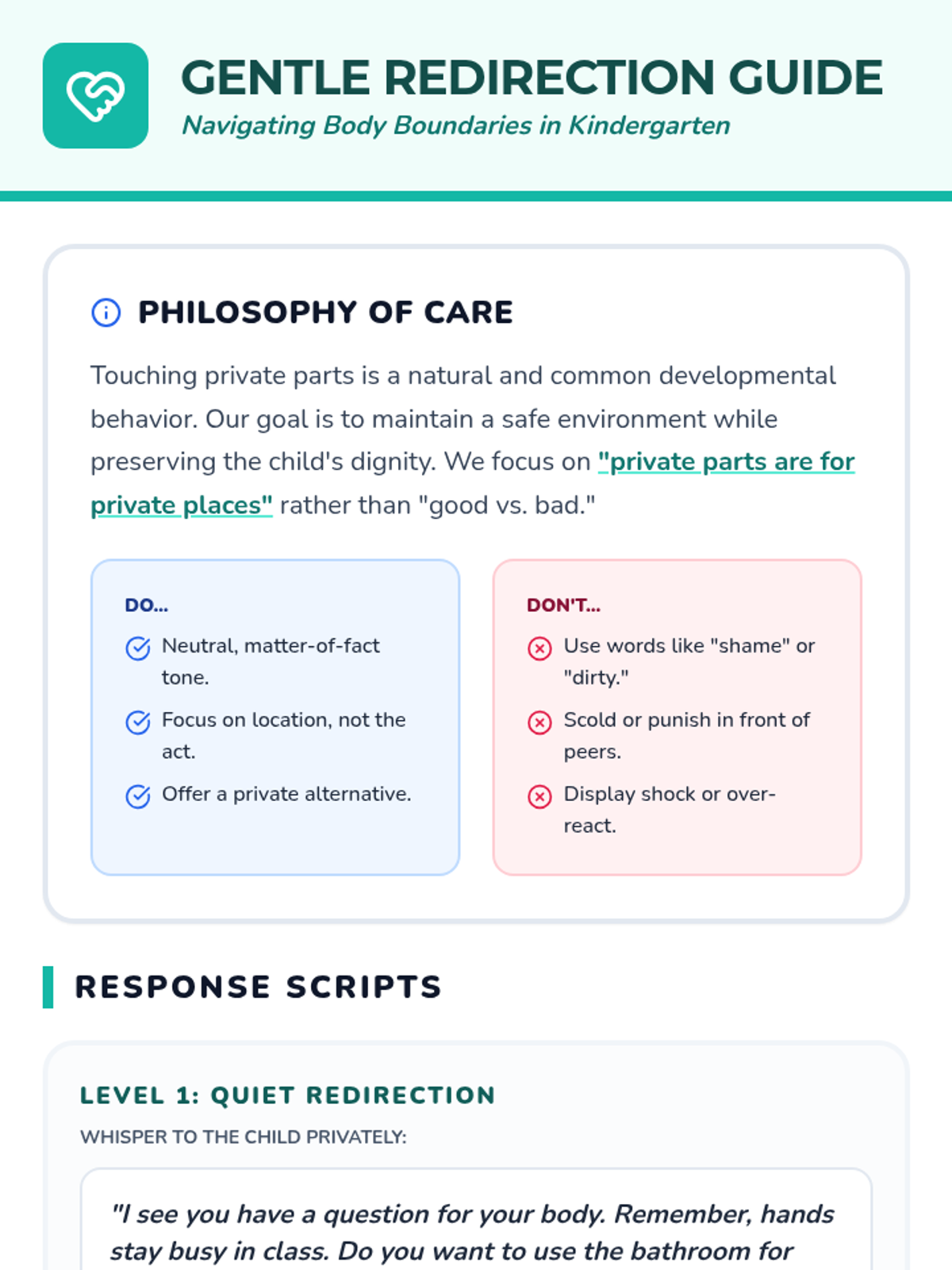
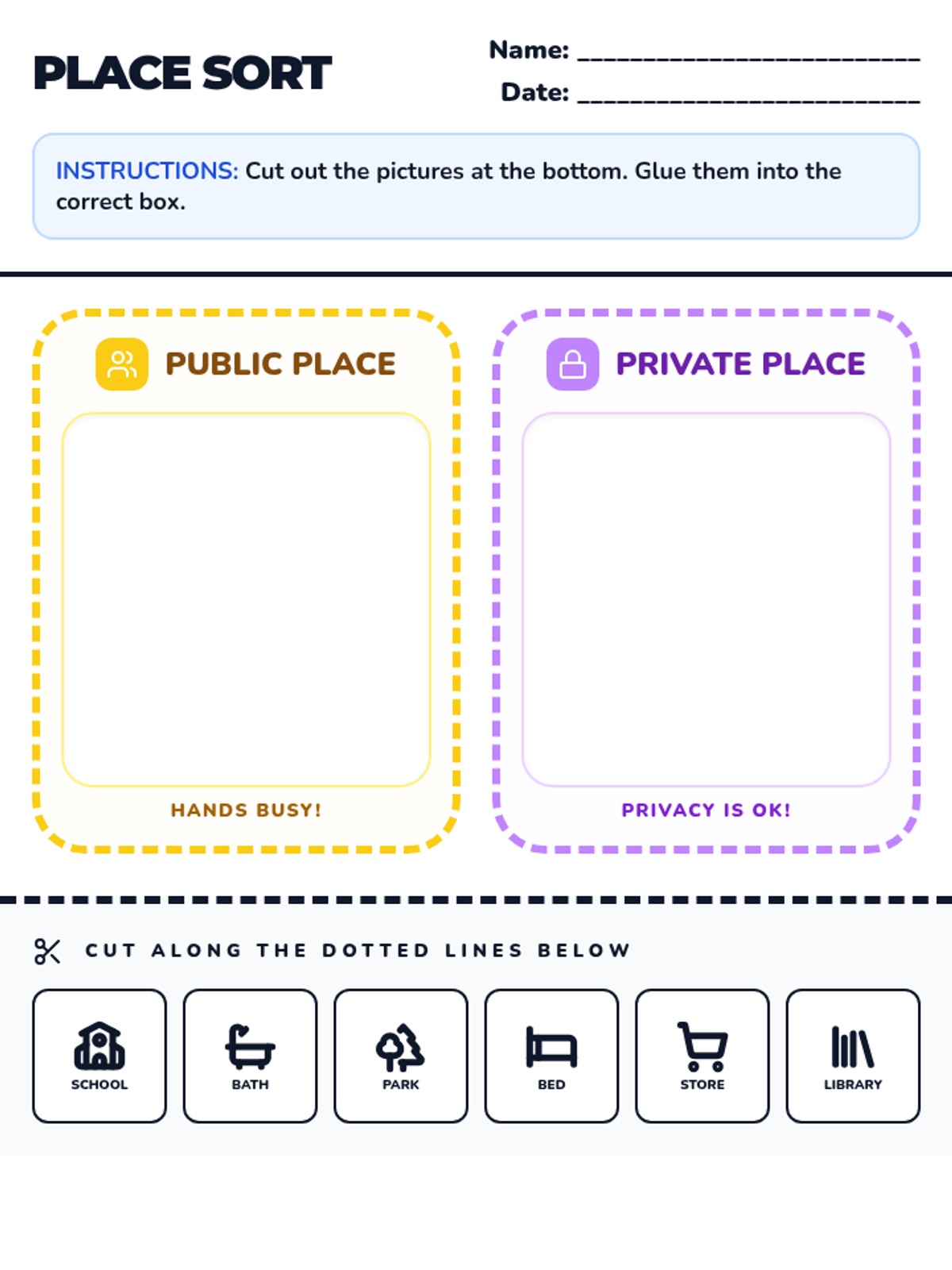
This lesson introduces the concept of private parts and private places through a social story and interactive sorting activity.
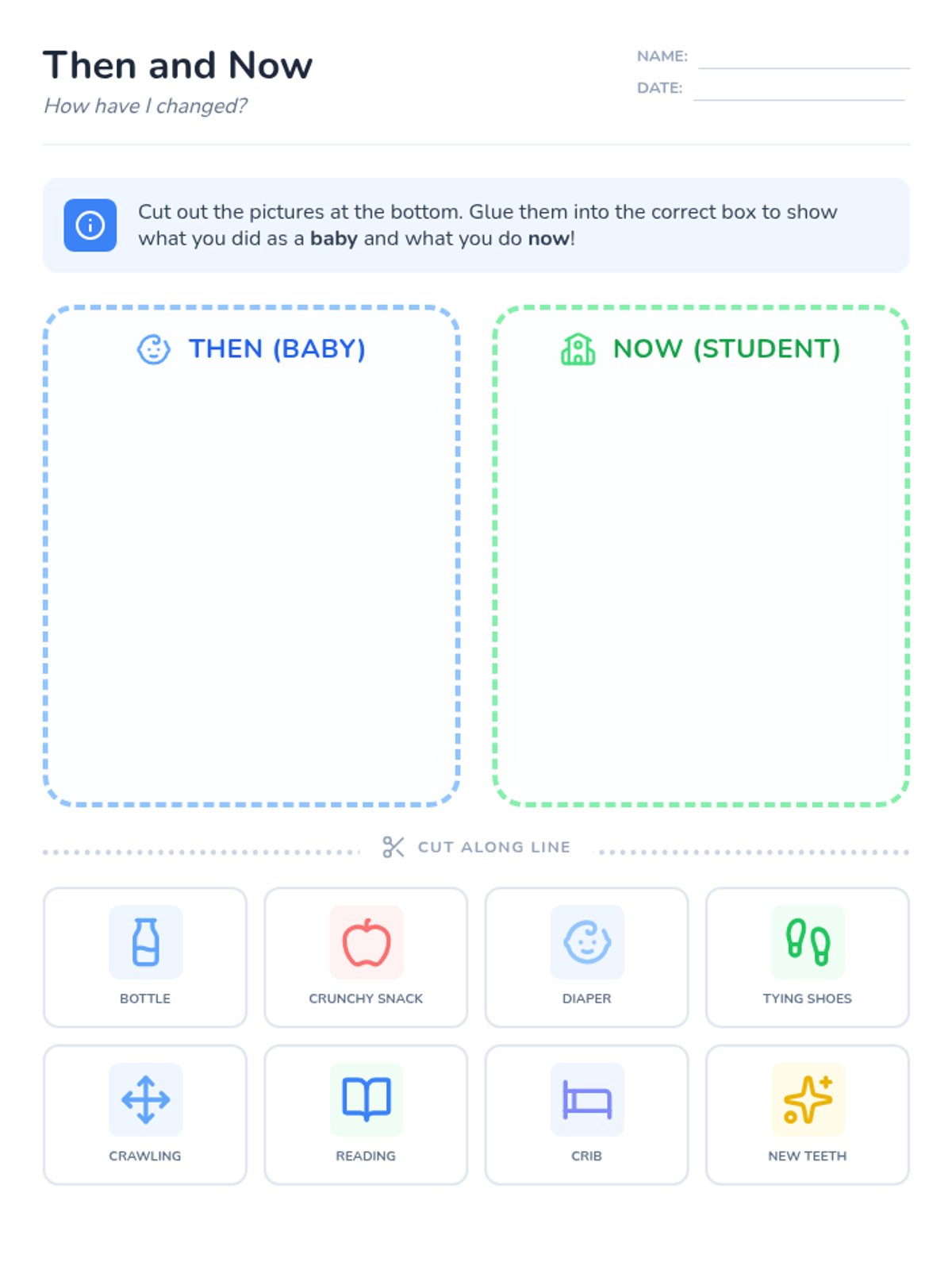
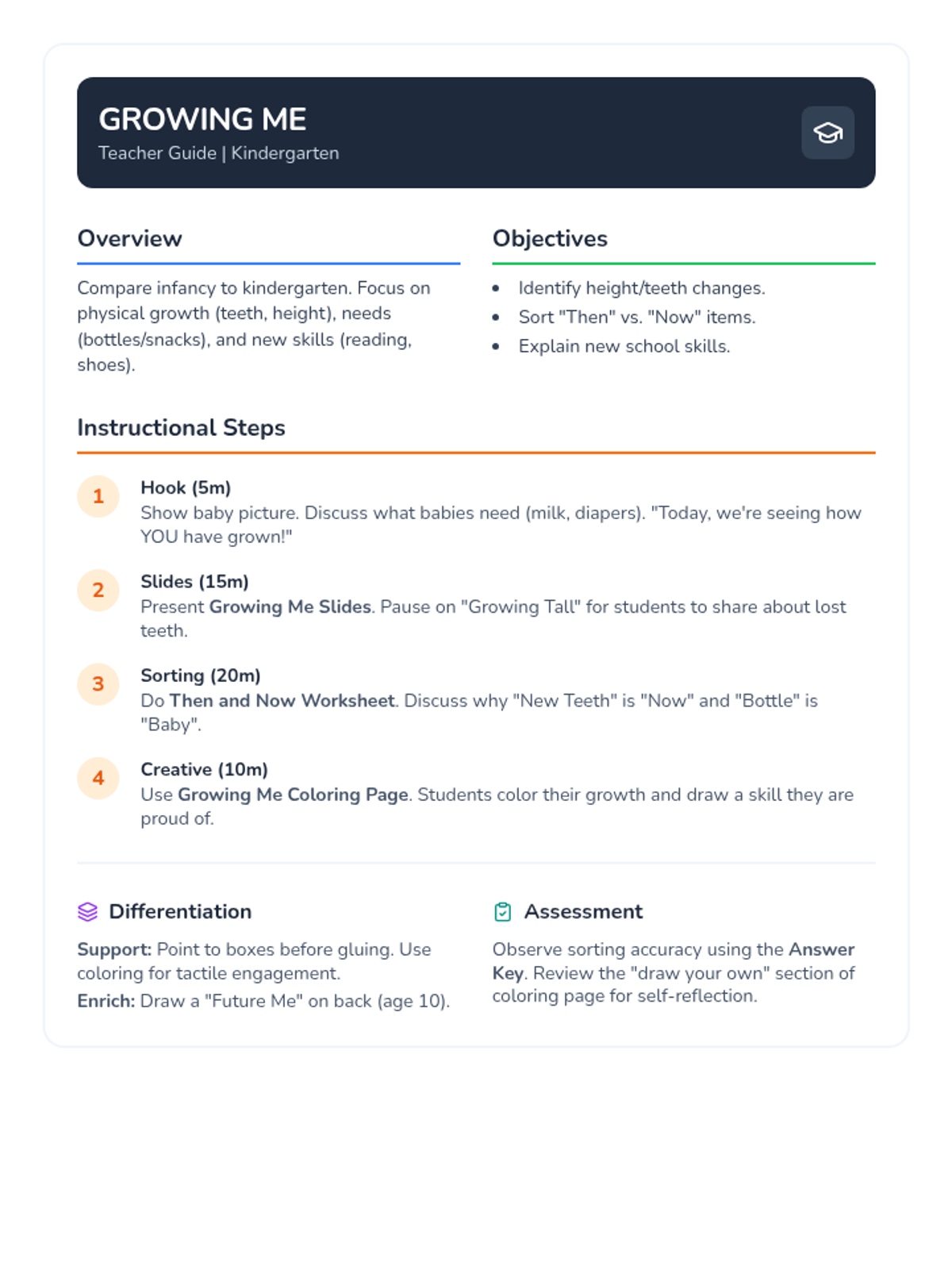
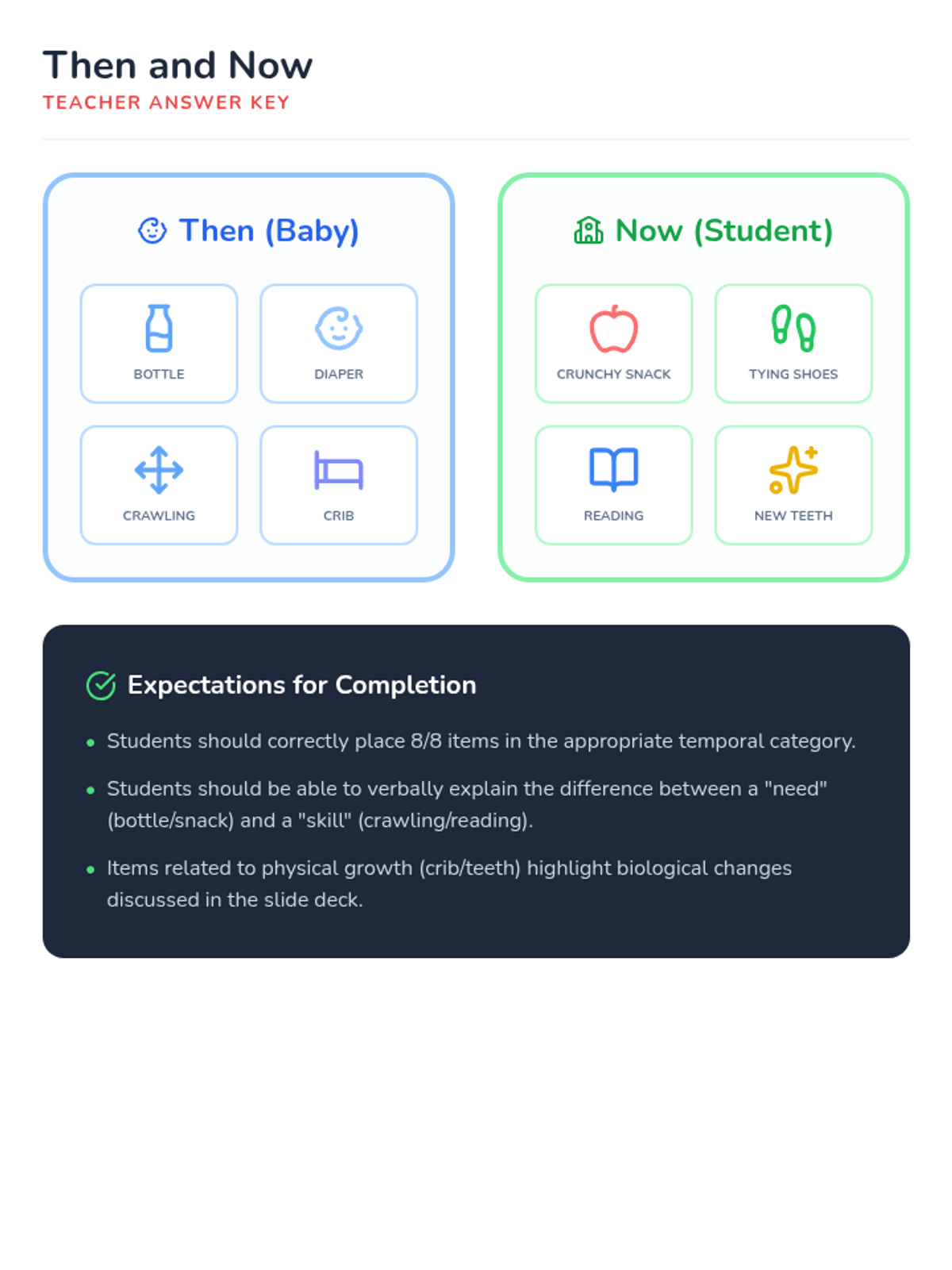
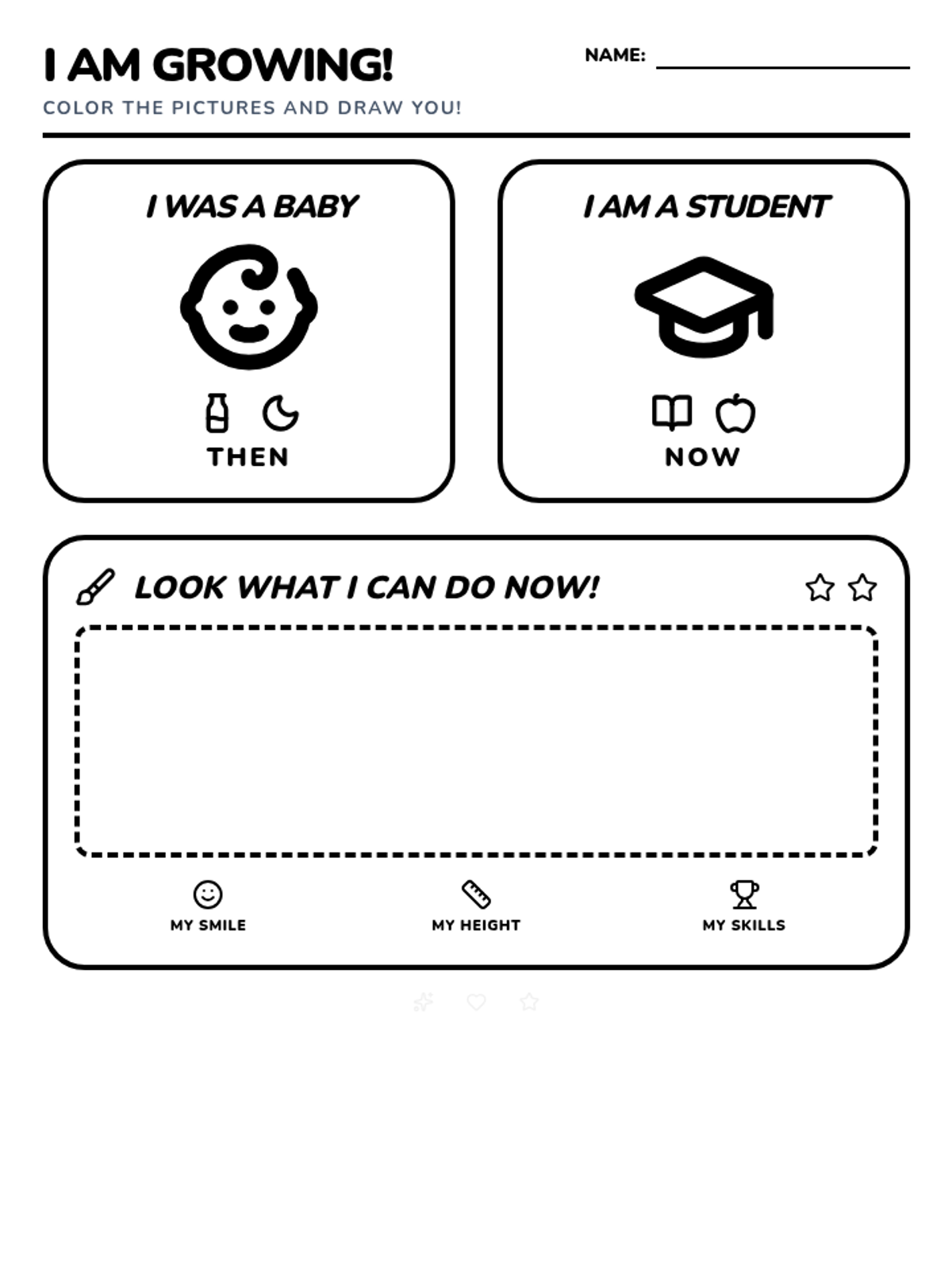
A lesson for kindergarteners to explore and identify how they have grown and changed from infancy to school age, focusing on needs, physical changes, and new skills.
A comprehensive lesson on the biological journey from conception to birth, aligned with the 2023 Massachusetts Health and PE Frameworks. Students will explore fertilization, the three trimesters of prenatal development, and the stages of childbirth.