An outdoor exploration where students discover the essential needs of human babies through a nature-themed scavenger hunt, connecting biological needs to environmental metaphors.
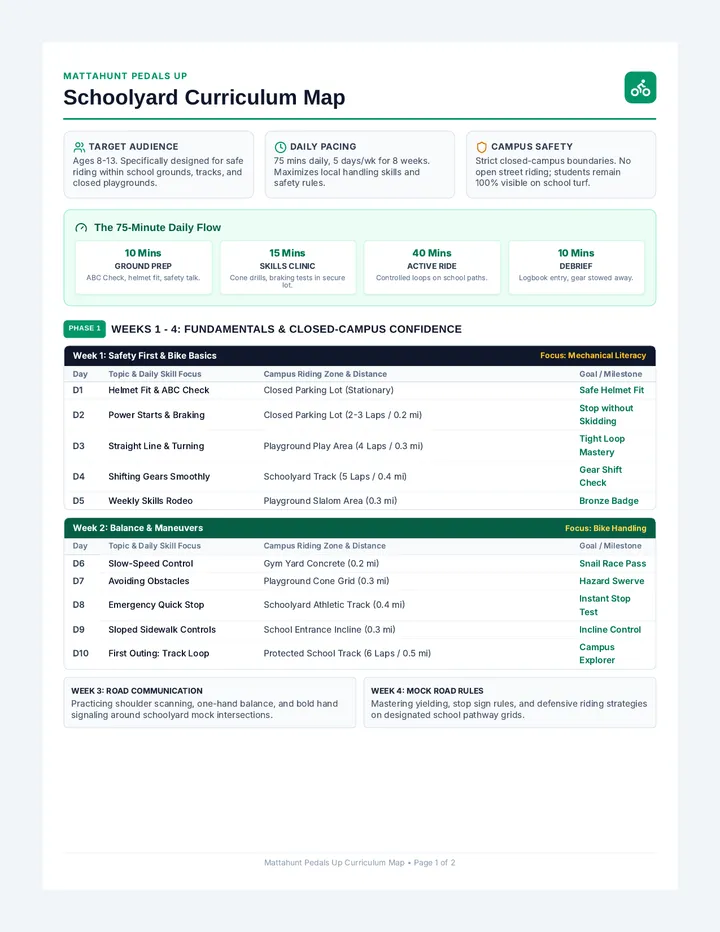
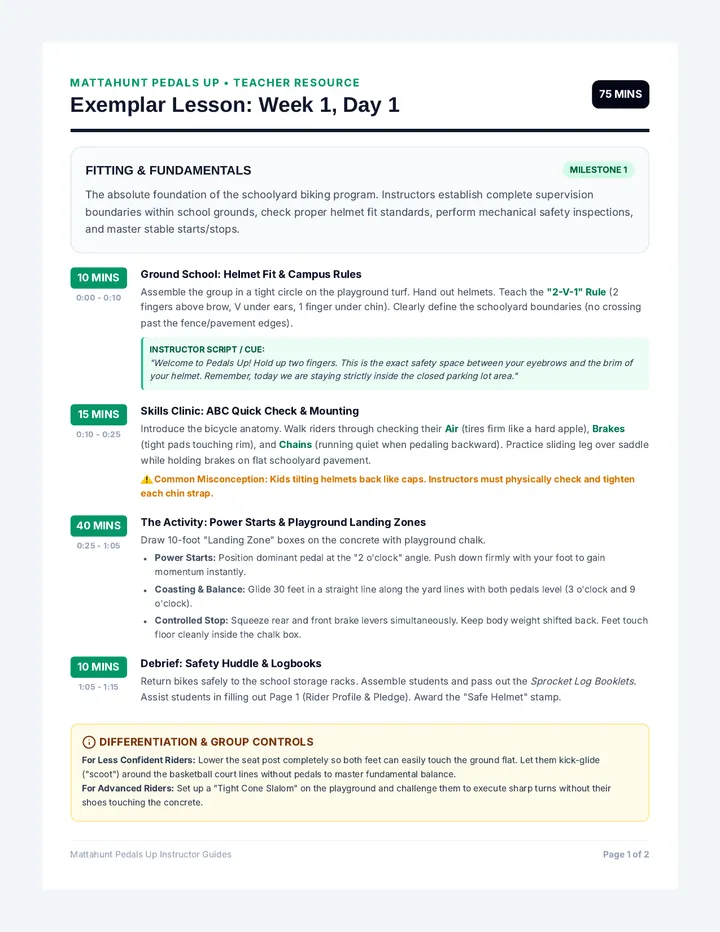
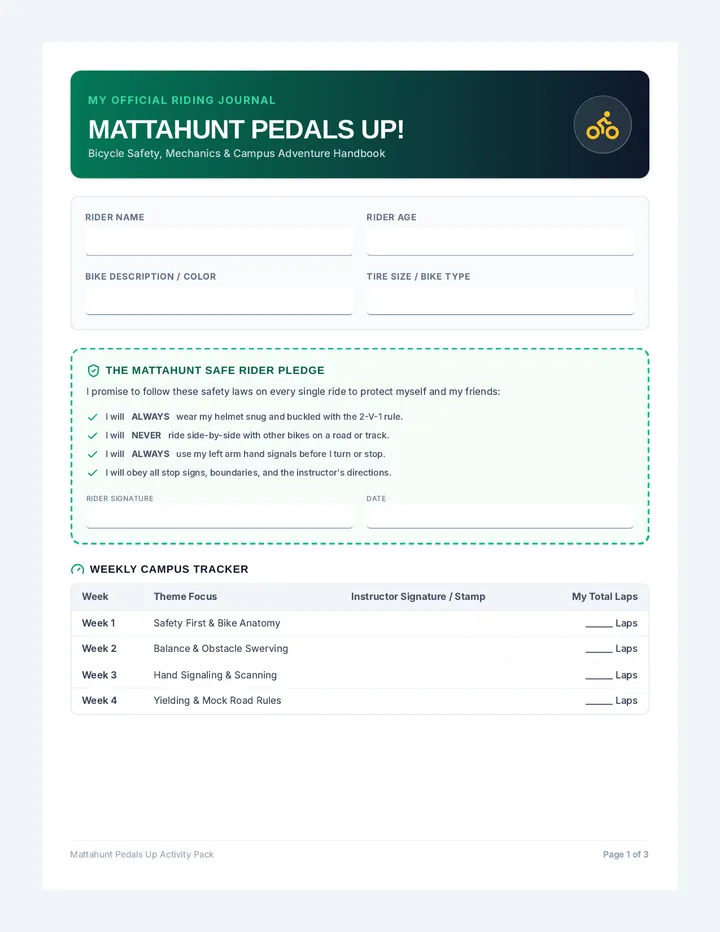
A comprehensive 8-week youth biking curriculum for ages 8-13, designed for 75-minute daily sessions. It includes an 8-week scope and sequence, instructor slide decks, a student ride log with checklists, and detailed exemplar lesson plans.
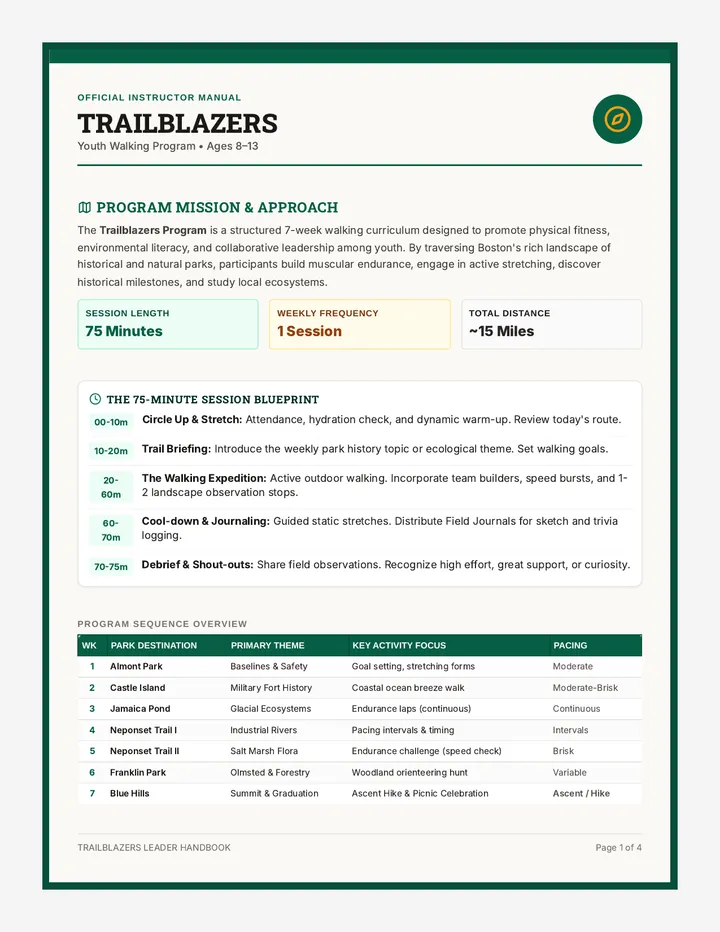
A 7-week walking program for youth ages 8-13, blending physical fitness, park history, ecosystem exploration, and team building across Boston's famous parks.
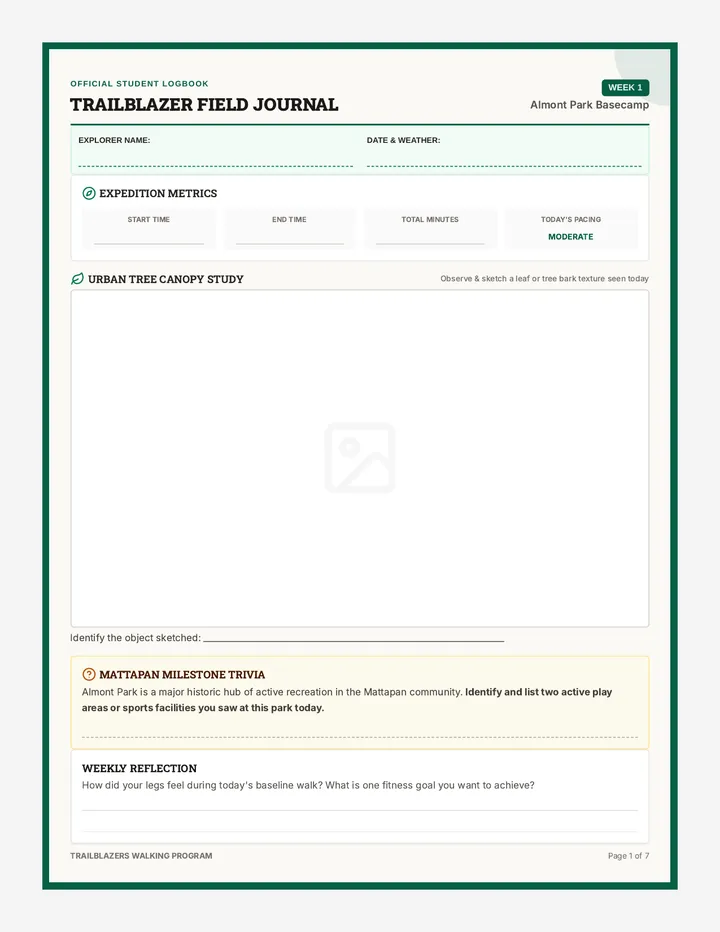
A 7-page printable student workbook. Contains structured weekly logs for recording metrics (start/end times, distance, mood), spacious blank sketchpads for ecological discoveries, and contextual history trivia for each of the 7 Boston park sites.
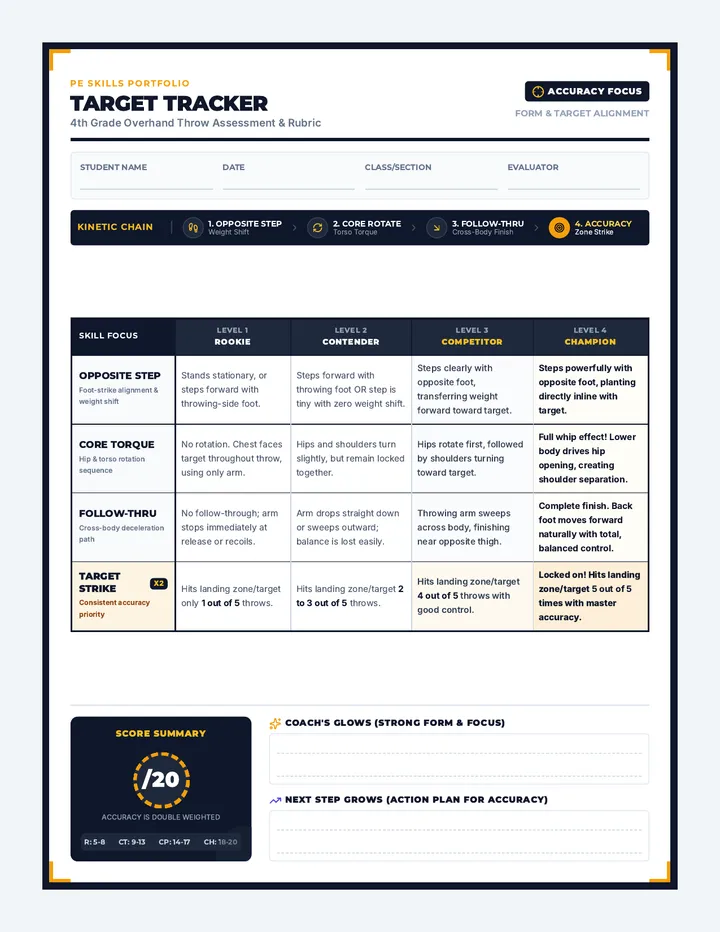
A comprehensive 4th-grade physical education unit focusing on fundamental motor skills, hand-eye coordination, and strategic athletic controls across multiple sports, aligned with the Massachusetts Comprehensive Health and Physical Education Framework.
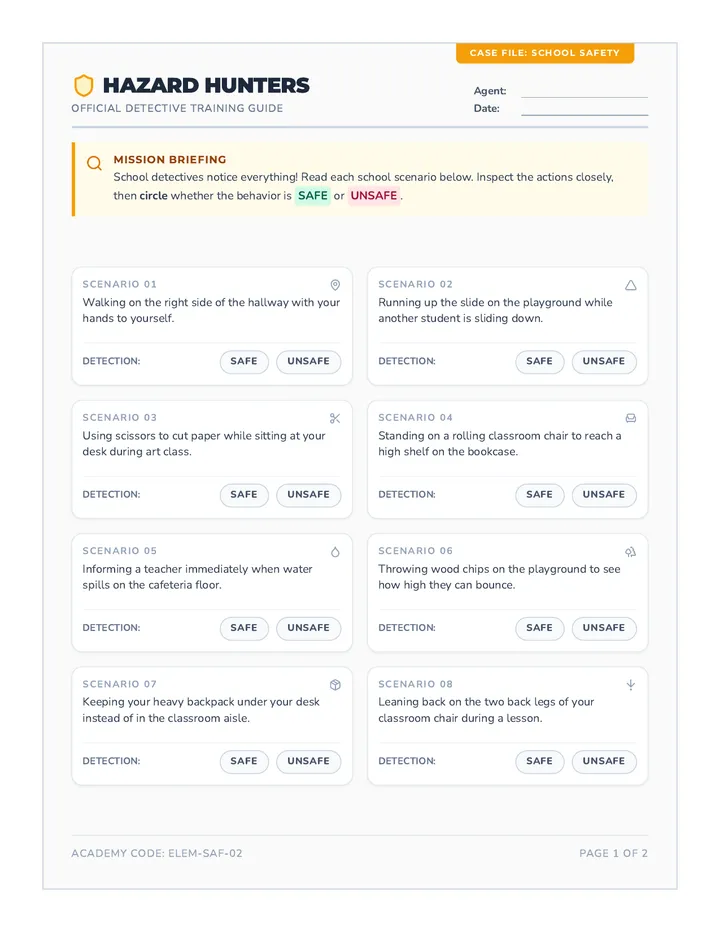
A lesson designed for grades 2-5 to identify, analyze, and practice safe vs. unsafe behaviors in various school environments such as classrooms, hallways, playgrounds, and cafeterias.
A comprehensive guide for instructors and leaders running the Trailblazers 7-week walking program. Includes weekly schedules, pacing guides, safety protocols, park logistics, and historical/ecological backgrounds for all 7 Boston locations.
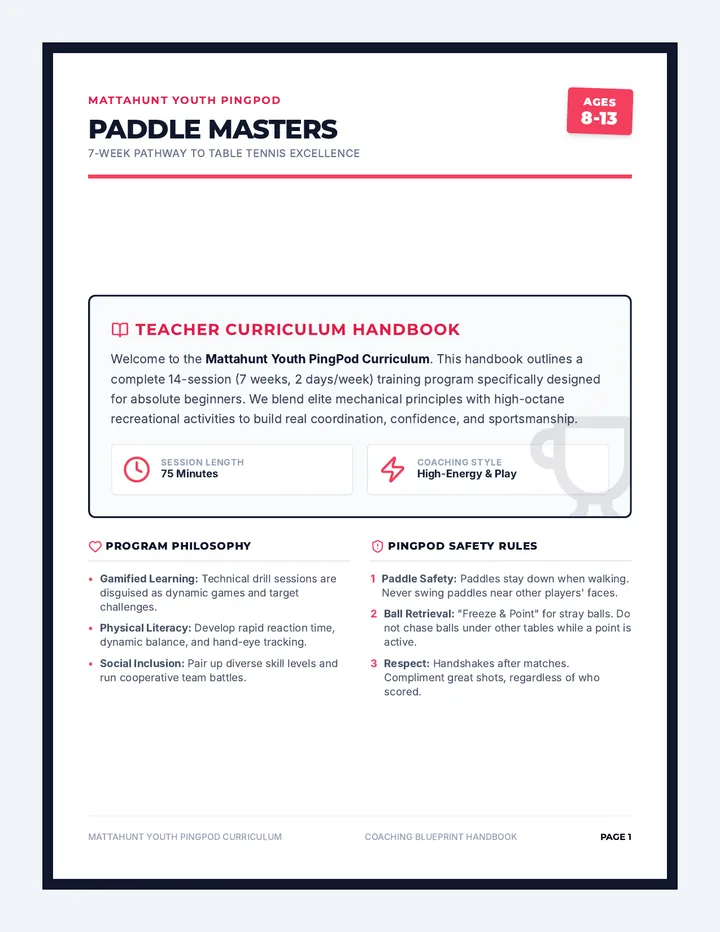
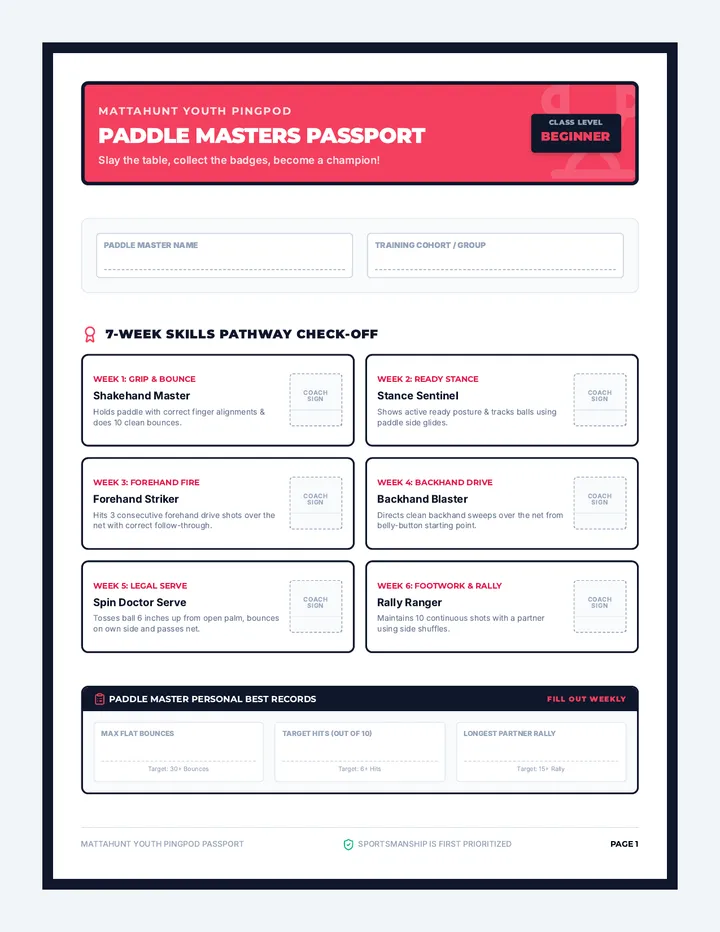
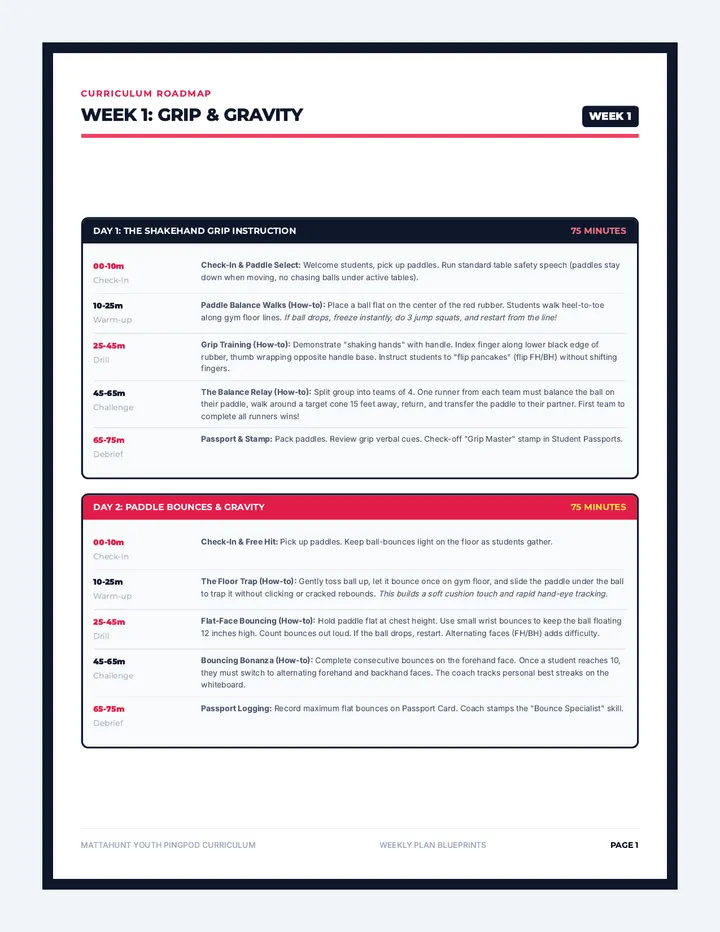
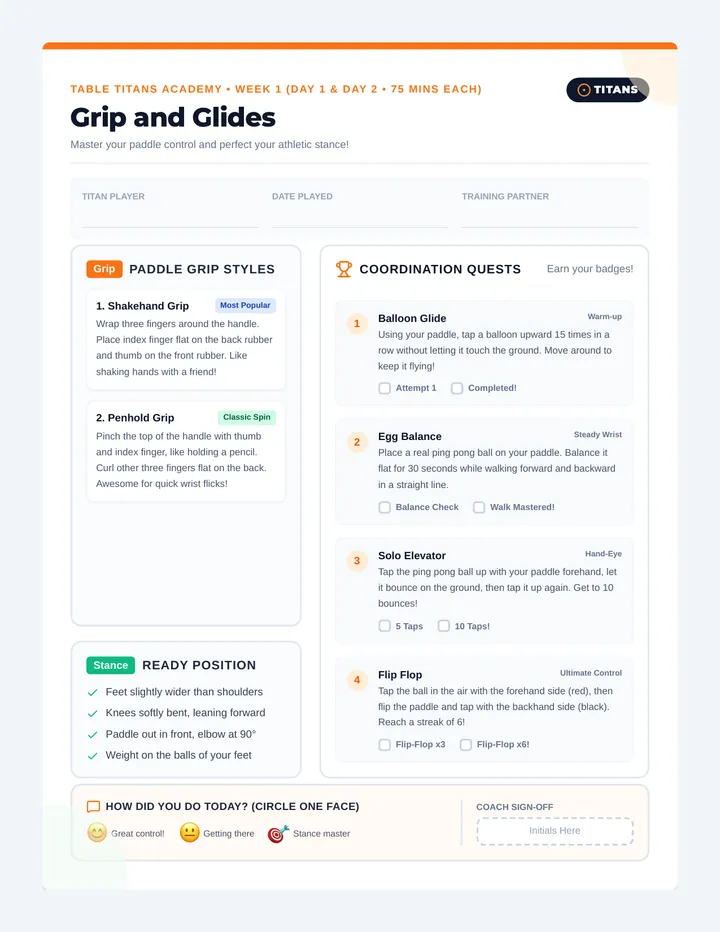
A comprehensive 7-week, 2-day-a-week youth table tennis curriculum designed for absolute beginners ages 8-13 at Mattahunt Youth PingPod. Focuses on physical literacy, hand-eye coordination, basic strokes, and highly gamified, social challenges.
Detailed, step-by-step 75-minute session guides for key milestone lessons representing the core developmental phases of the program.
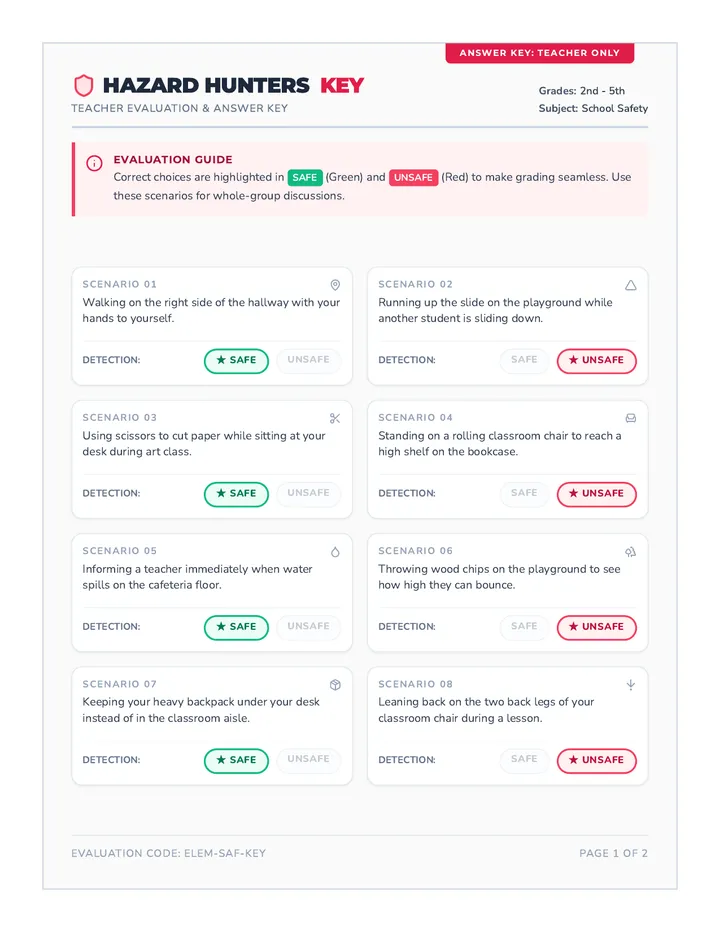
A 2-page teacher answer key matching the student worksheet, with highlighted correct answers and teacher discussion prompts.
A 7-week beginner ping pong curriculum designed for youth aged 8-13, meeting 2 days a week for 1 hour and 15 minutes per session. The sequence emphasizes hand-eye coordination, core strokes, spin mechanics, active team games, and cooperative play.
The student-facing handbook containing ride logs, daily skill challenges, mechanics worksheets, and safety checklists.
A highly engaging 2-page student worksheet for grades 2-5 featuring 15 school safety scenarios where students must analyze and circle whether each behavior is safe or unsafe, concluding with a reflective writing section.