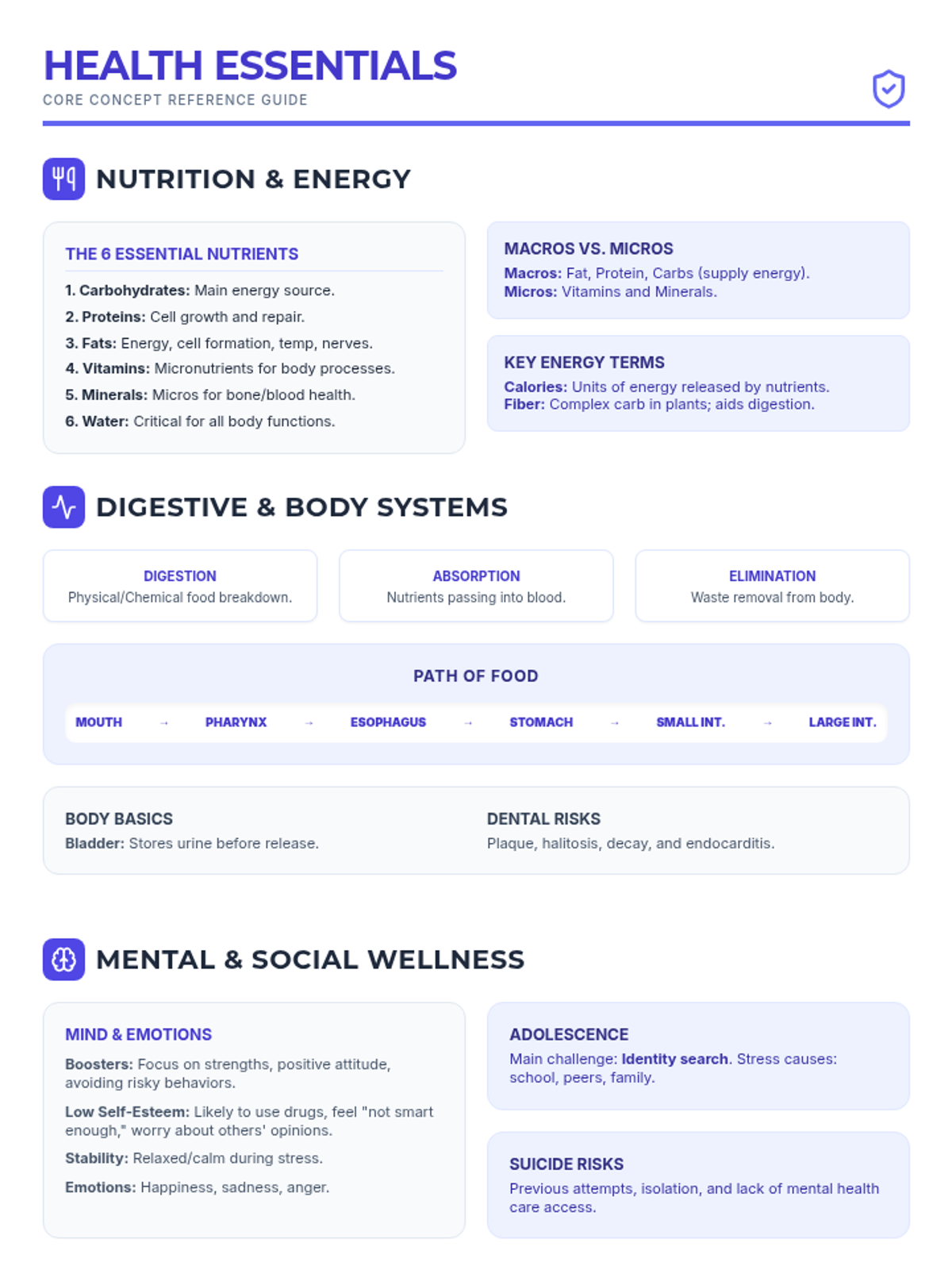
Fundamental concepts of emotional intelligence, stress reduction, and relaxation exercises. Develops skills for healthy relationships, digital balance, and resilience while establishing pathways for help-seeking and support systems.
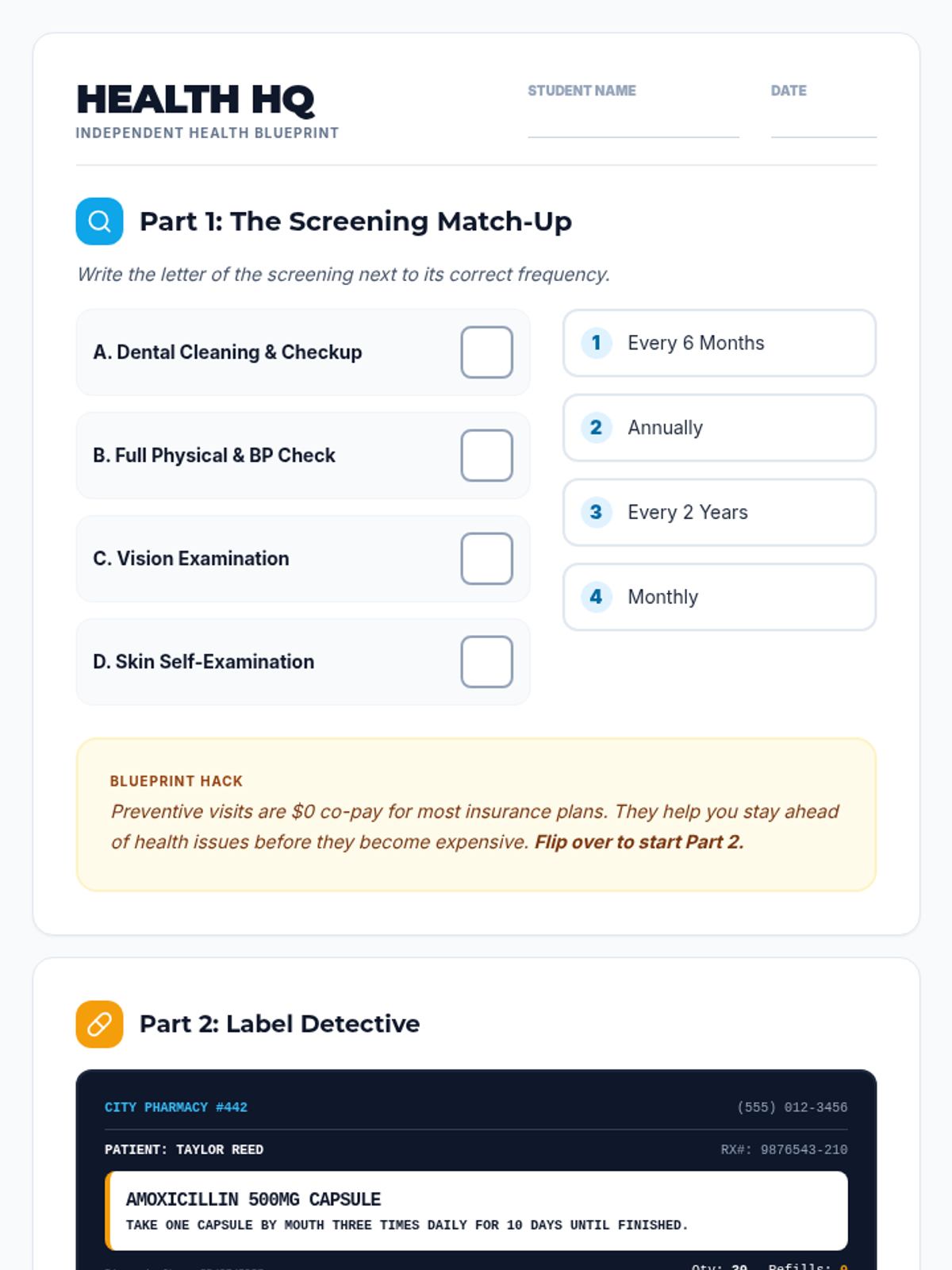
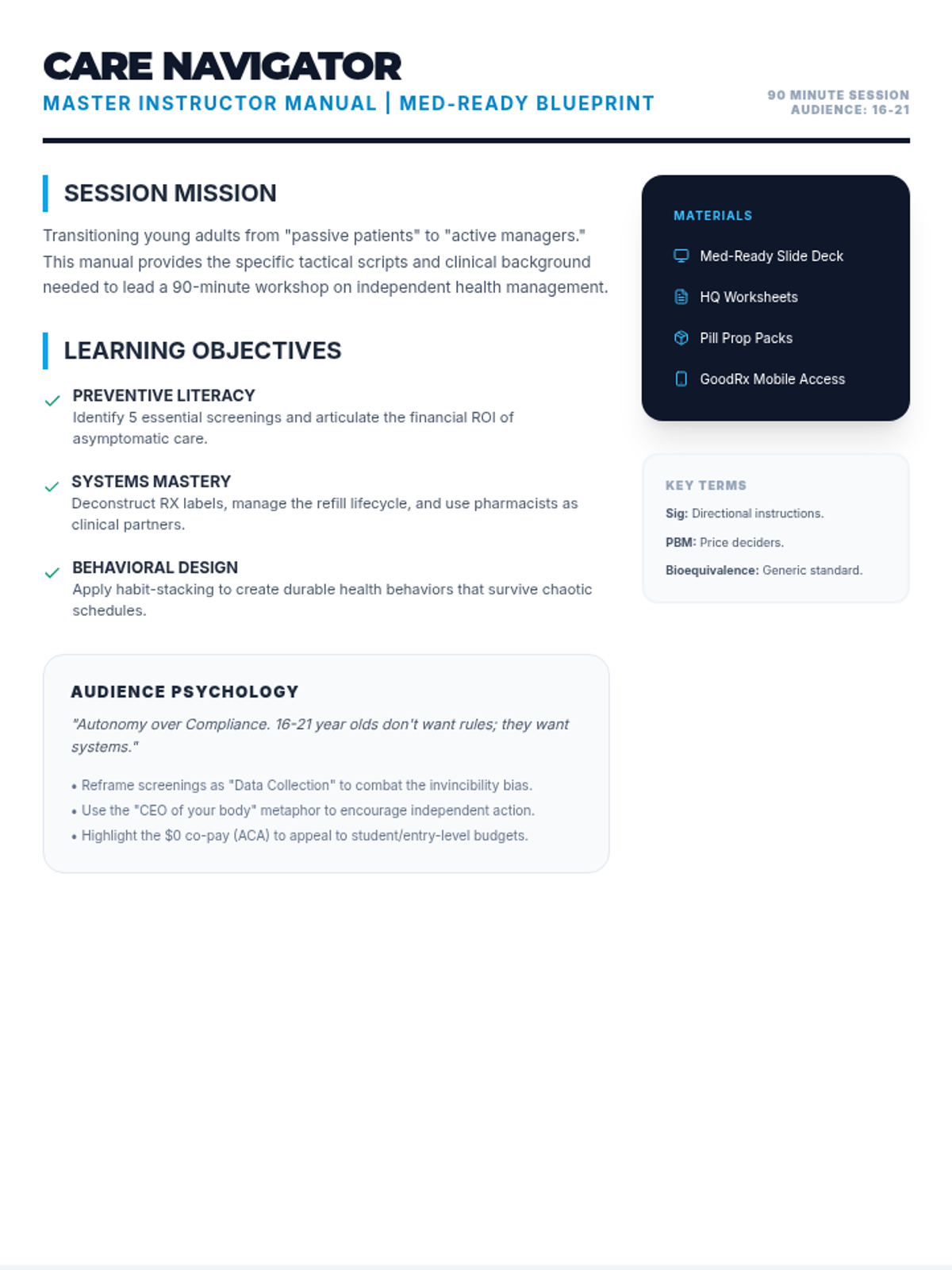
A comprehensive 90-minute session designed for young adults transitioning to independent health management, covering preventive screenings, vaccinations, pharmacy navigation, and medication adherence.
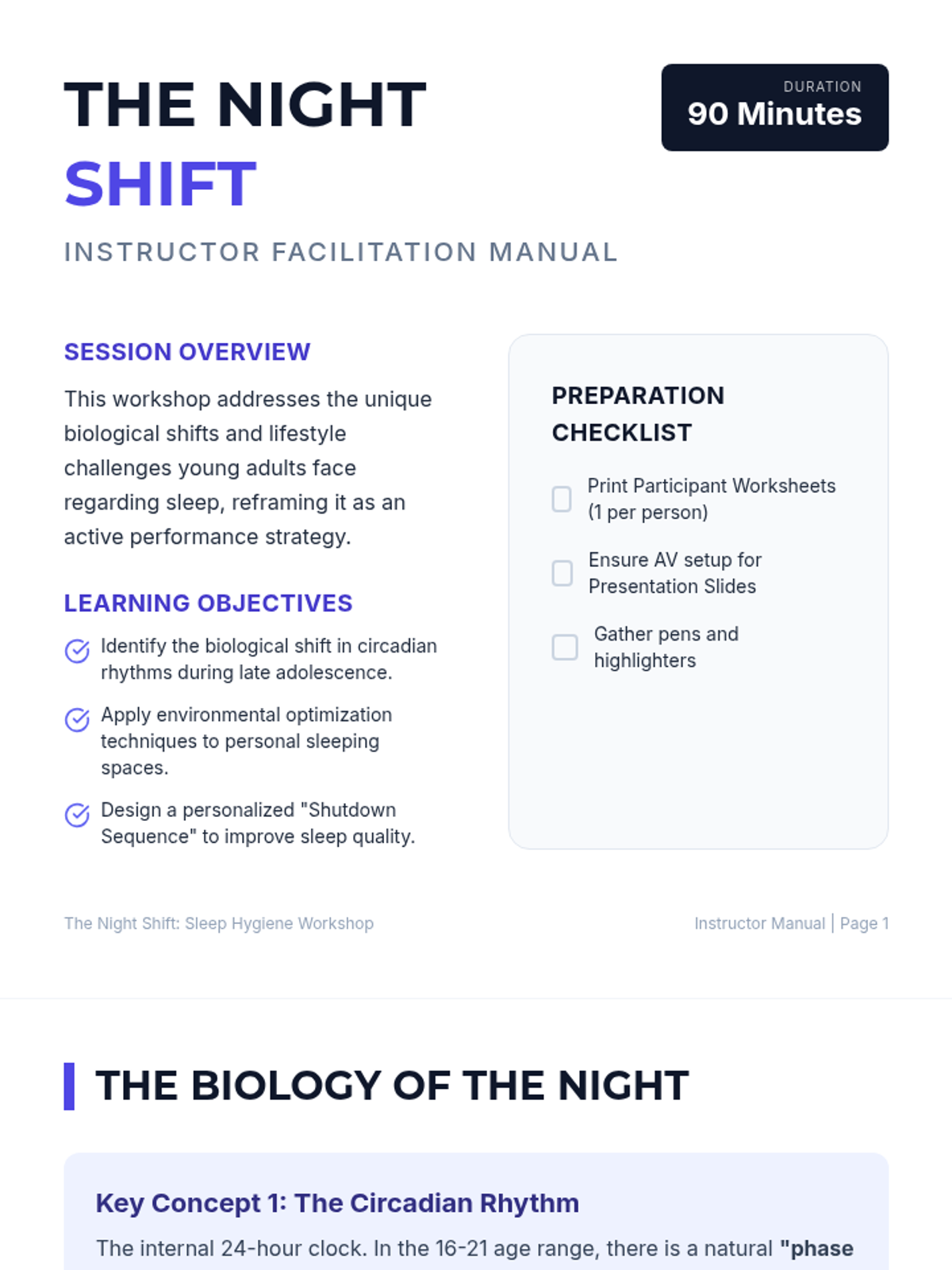
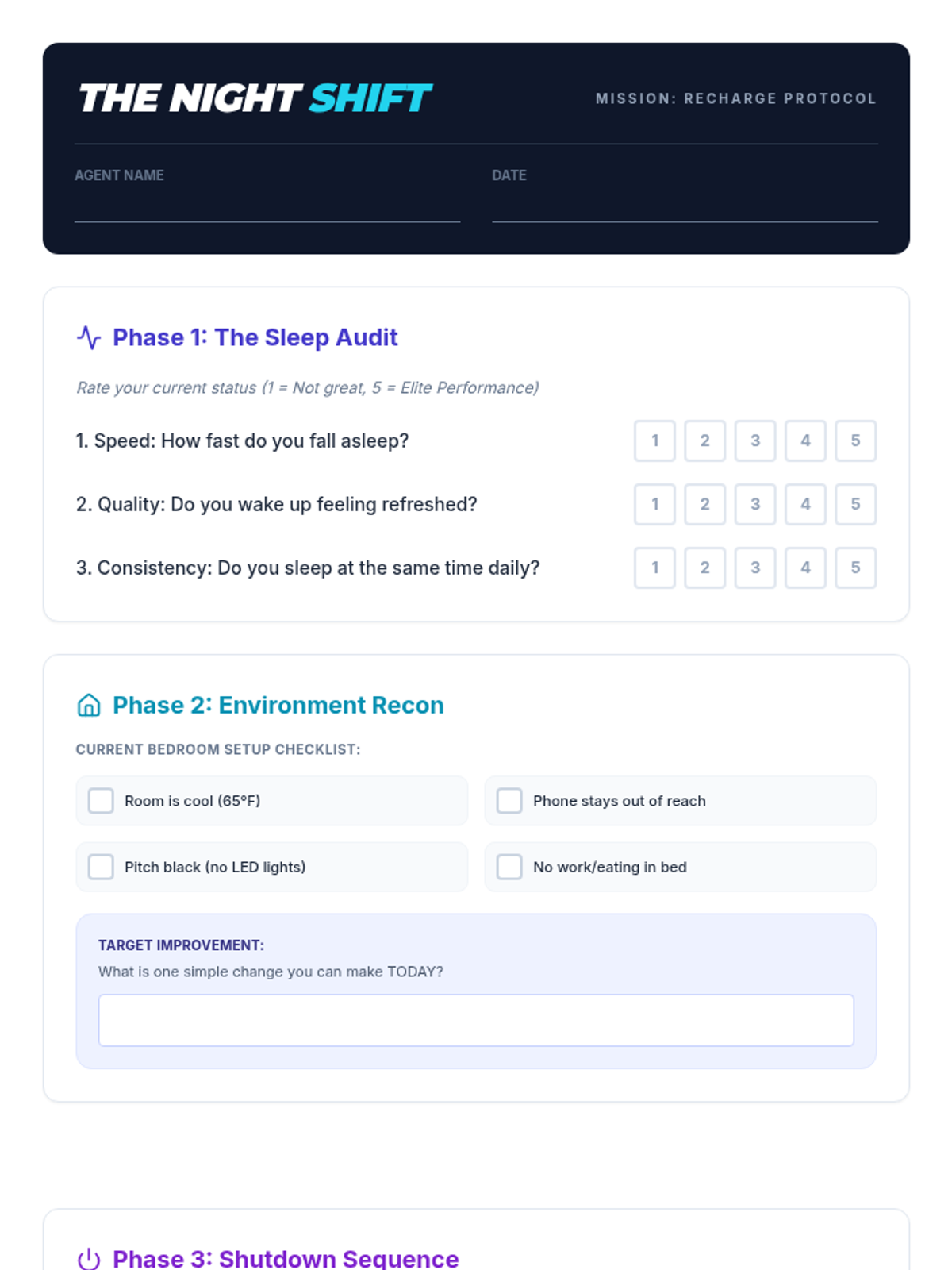
A comprehensive 90-minute workshop for young adults aged 16-21, focusing on the biological and behavioral aspects of sleep hygiene, environmental optimization, and mental relaxation strategies.
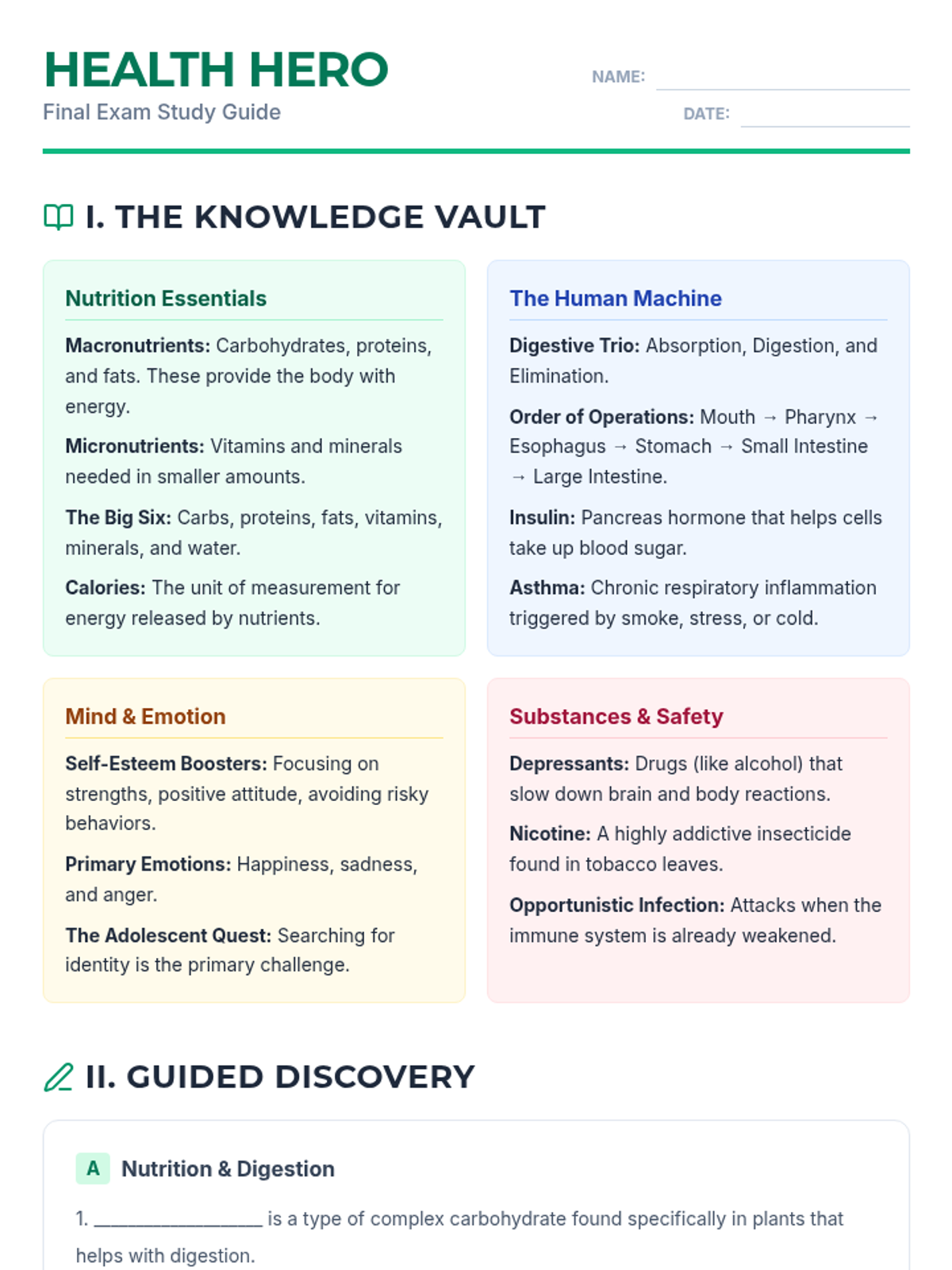
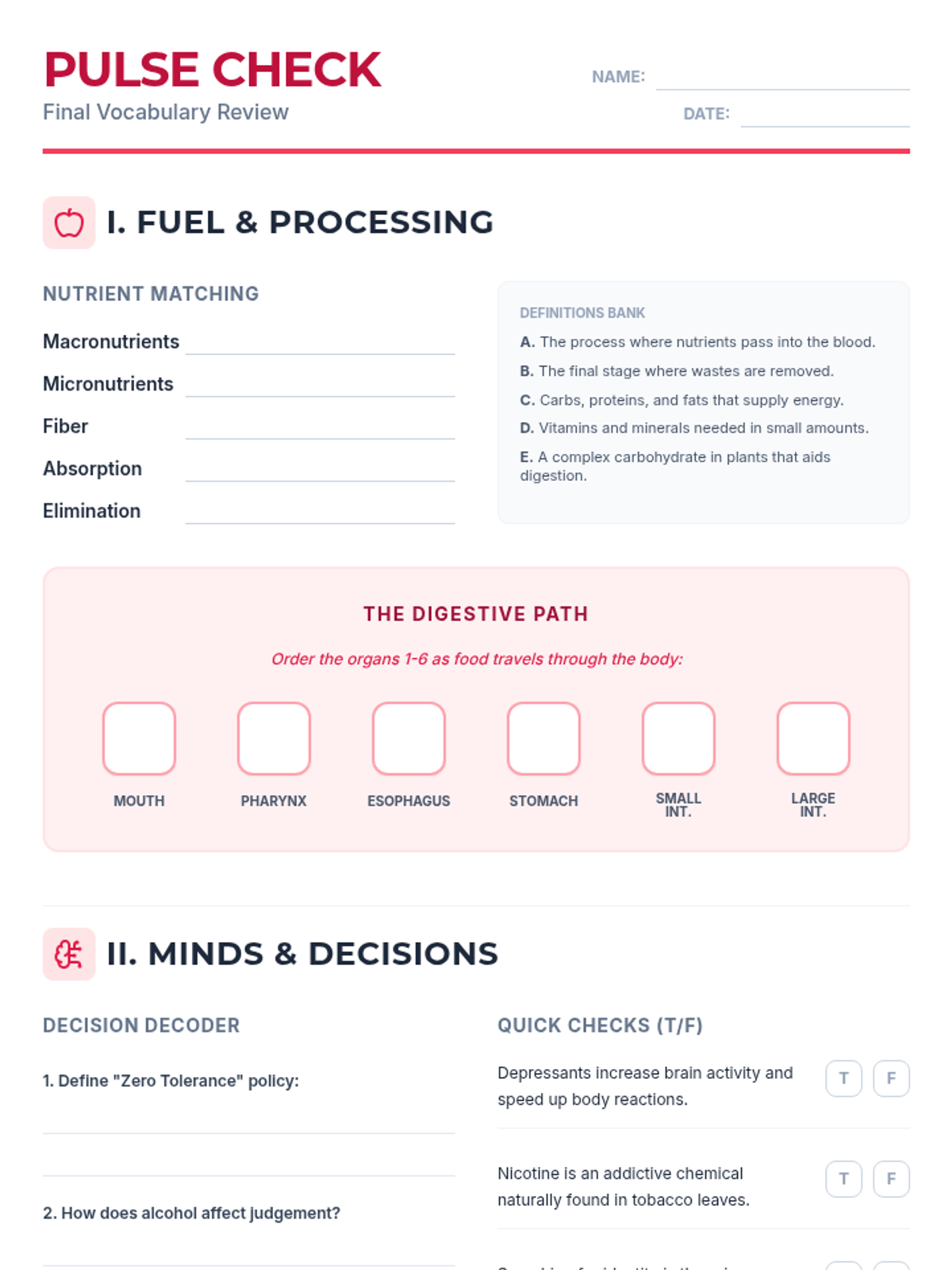
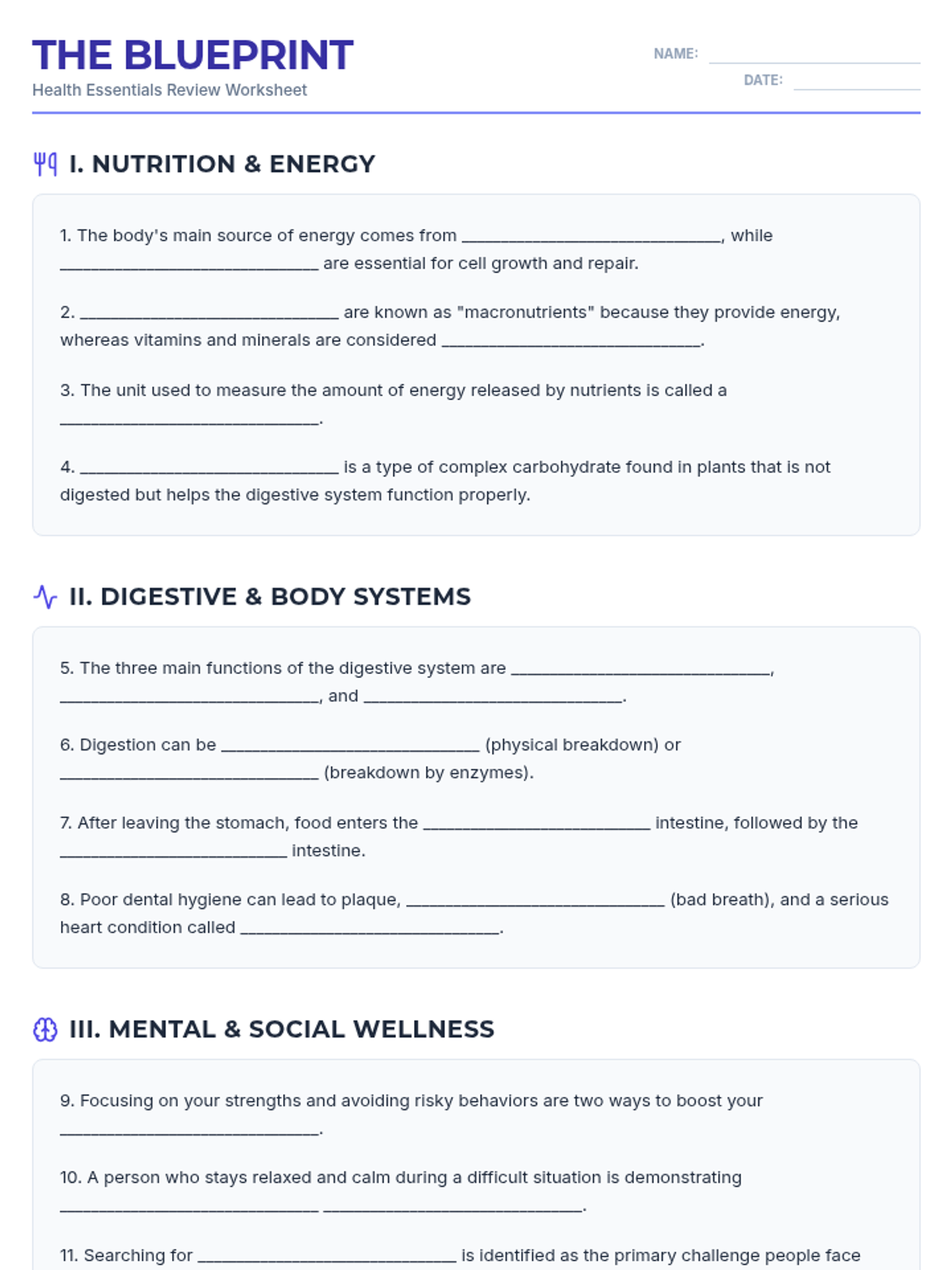
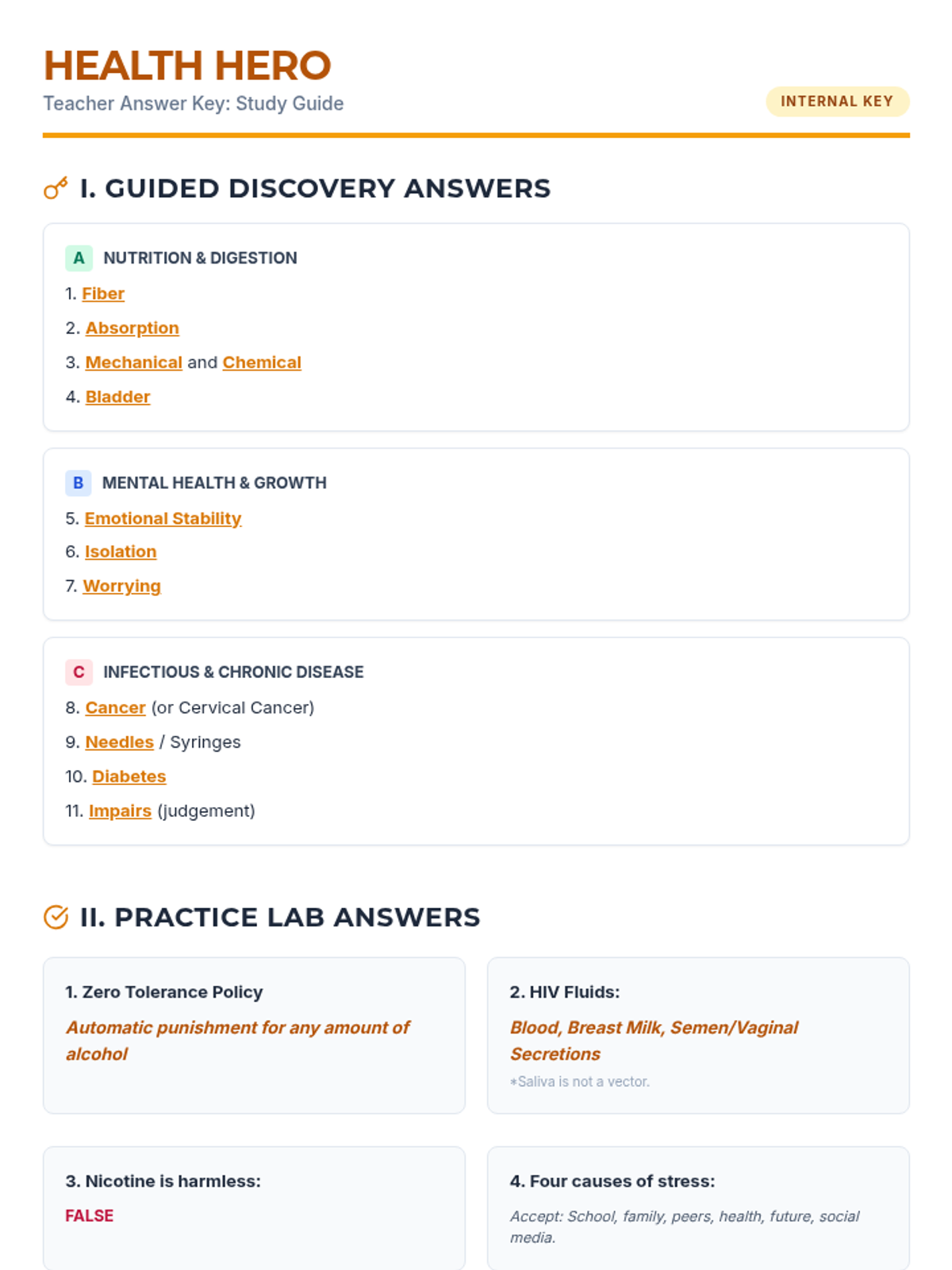
A comprehensive study guide covering nutrition, body systems, mental health, and disease prevention based on the Health Final Exam.
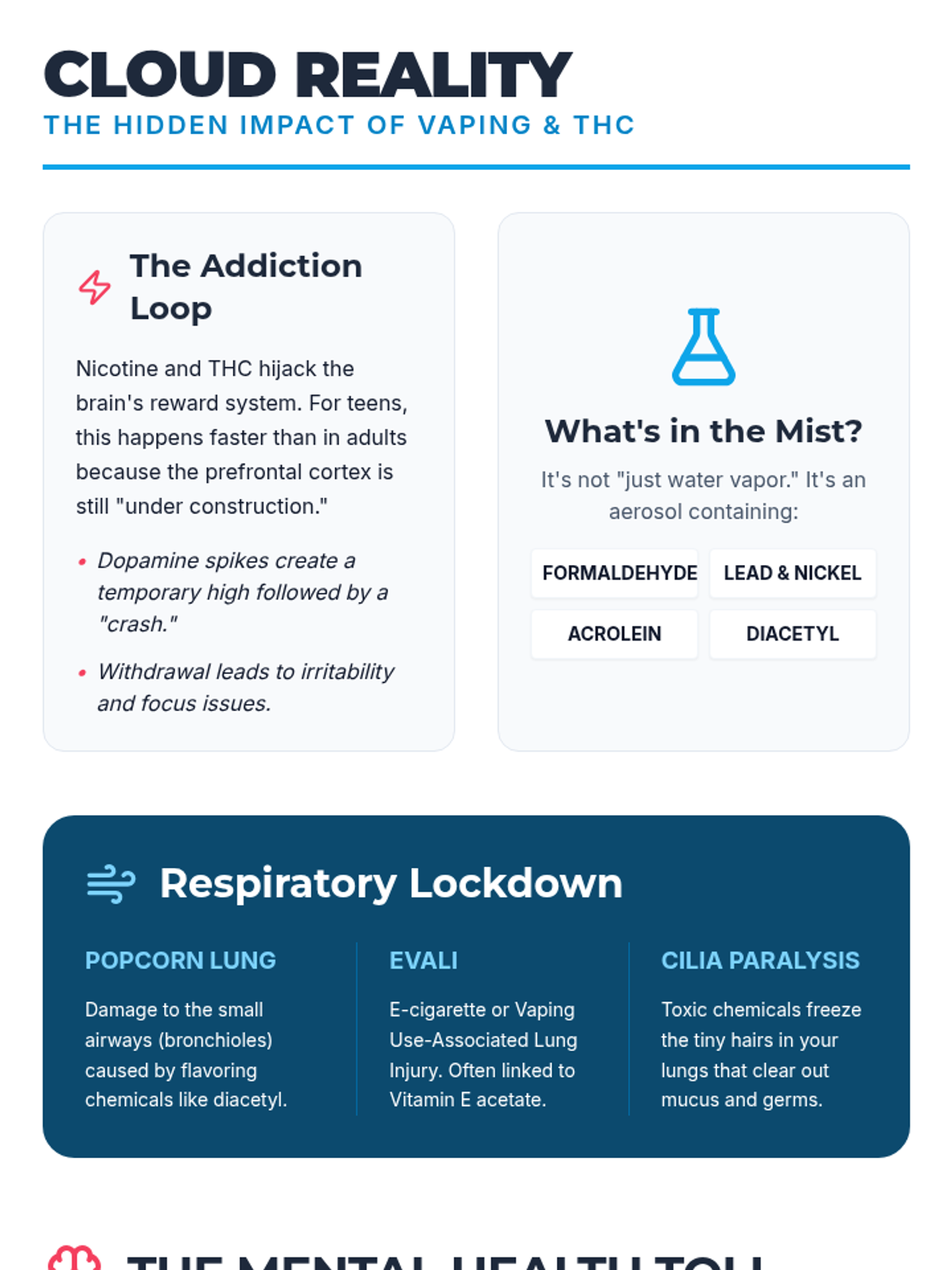
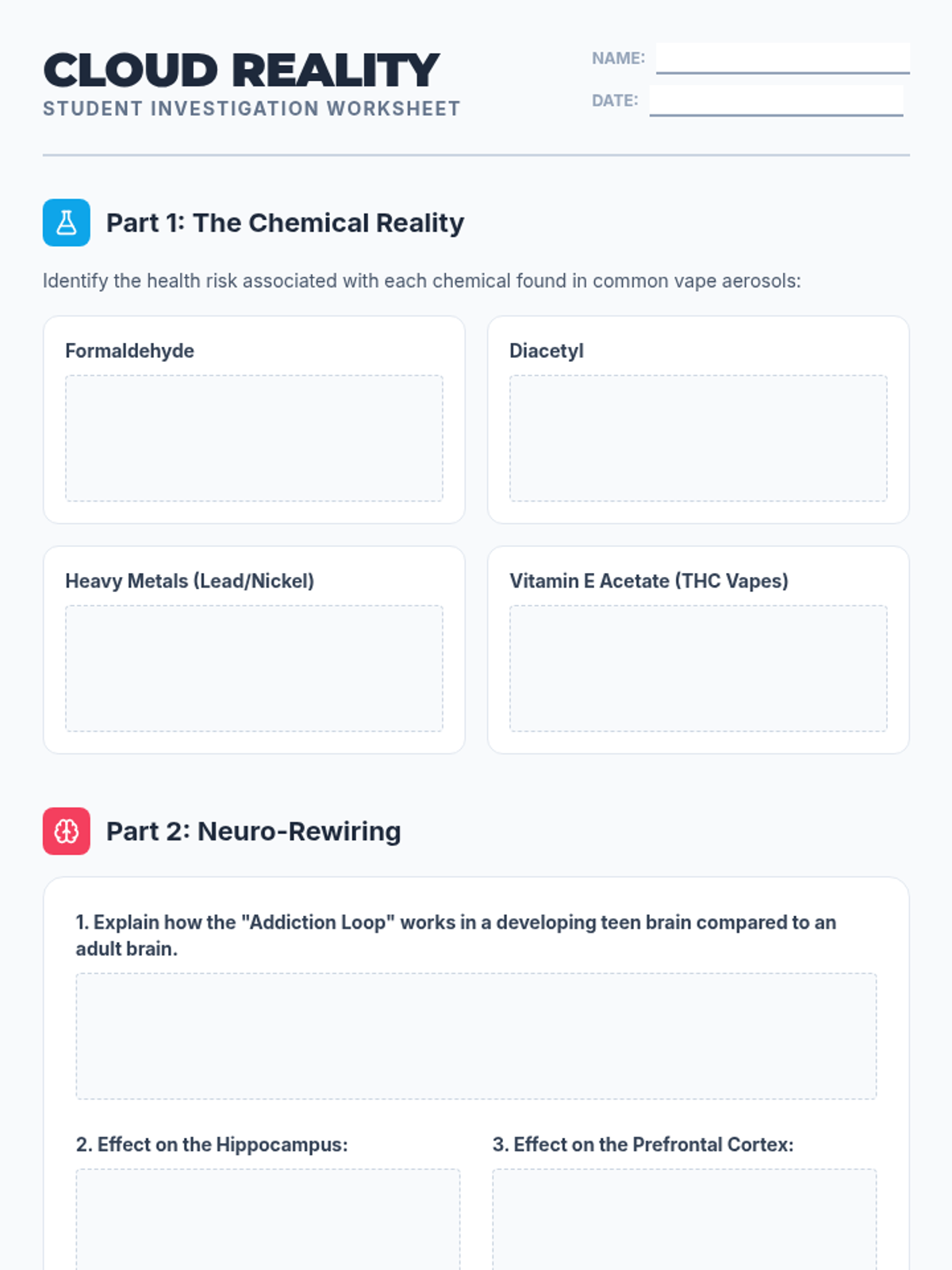
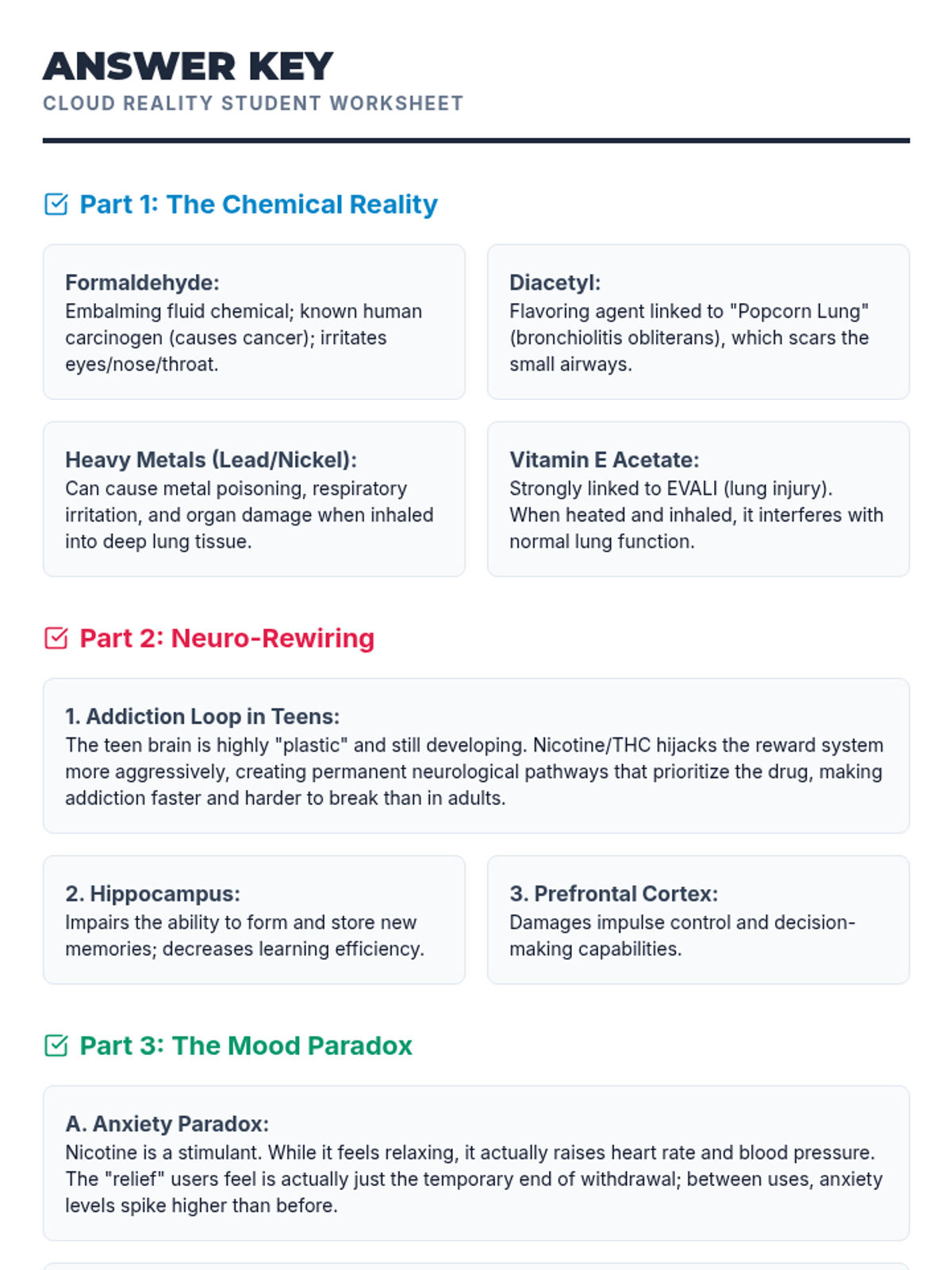
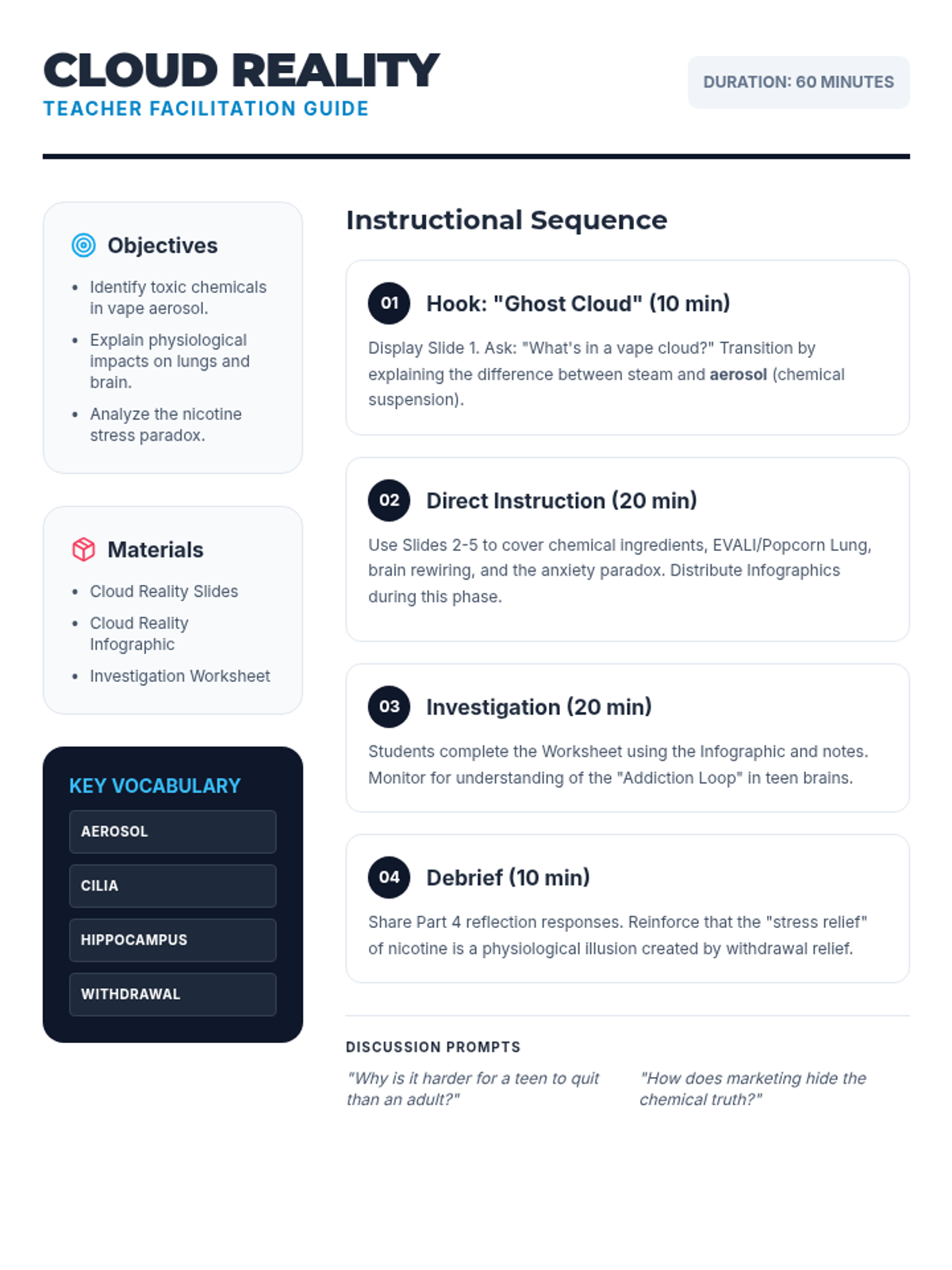
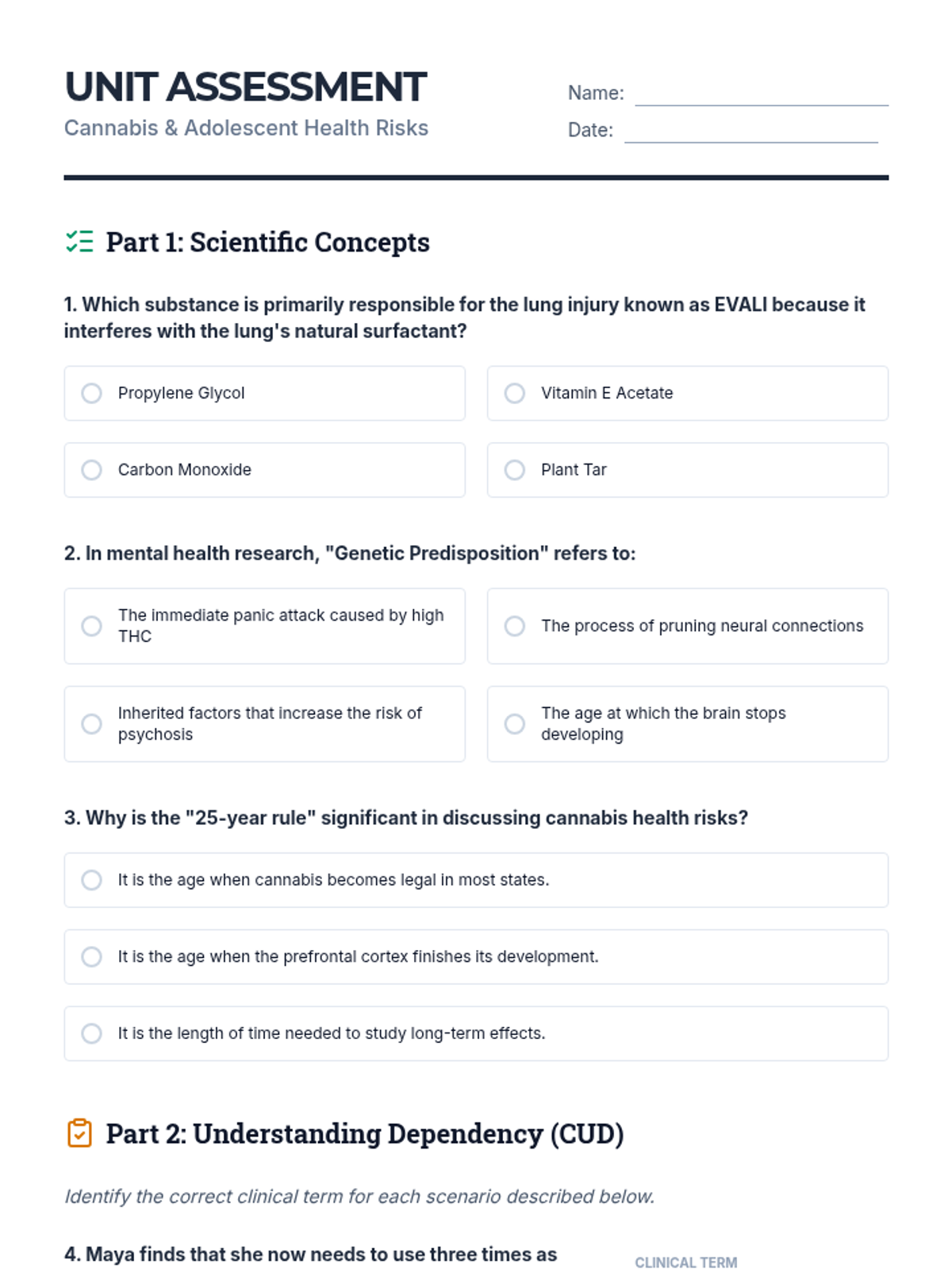
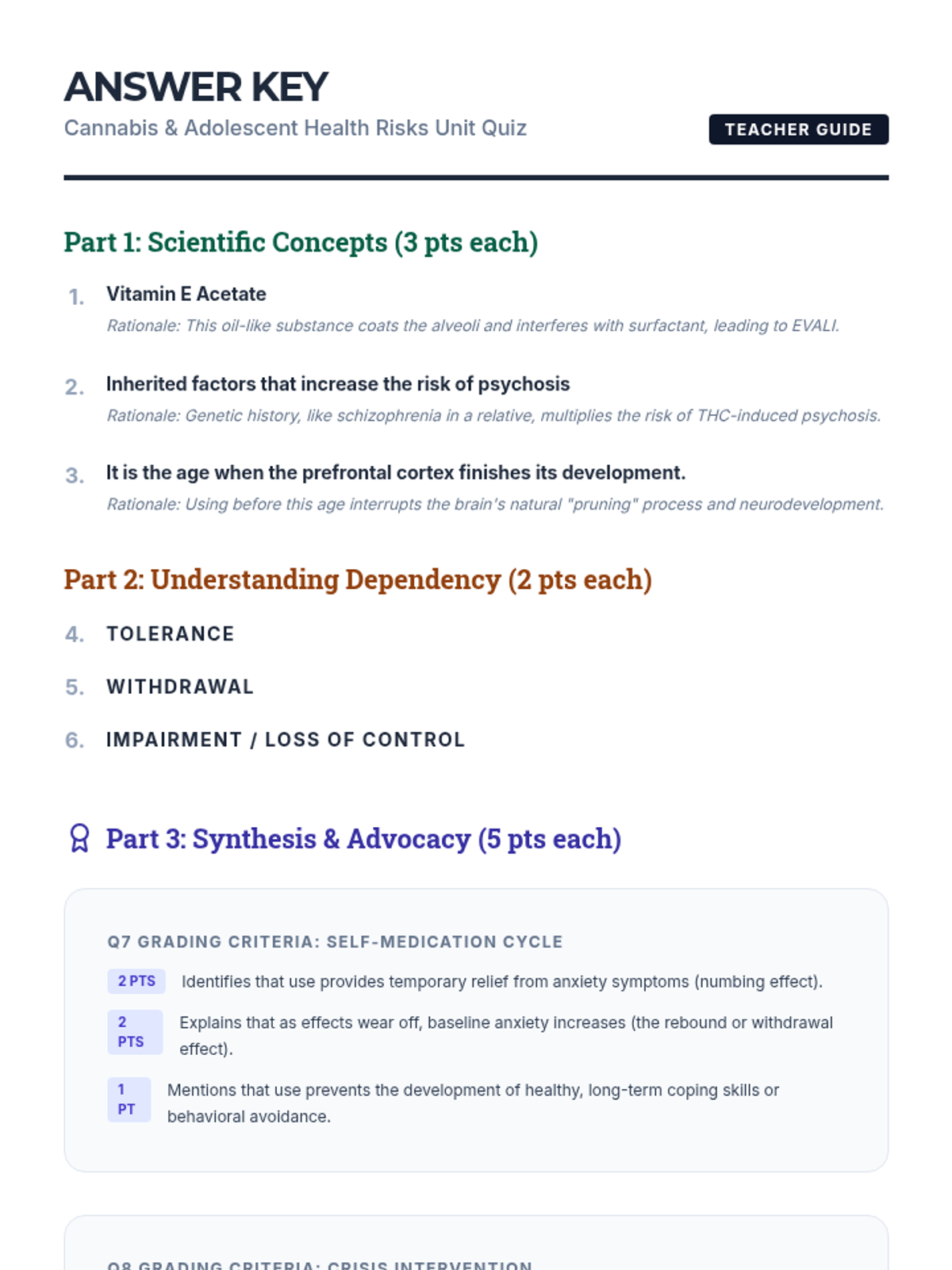
An exploration of the physical and mental health impacts of vaping and THC, focusing on respiratory health, brain development, and the cycle of addiction.
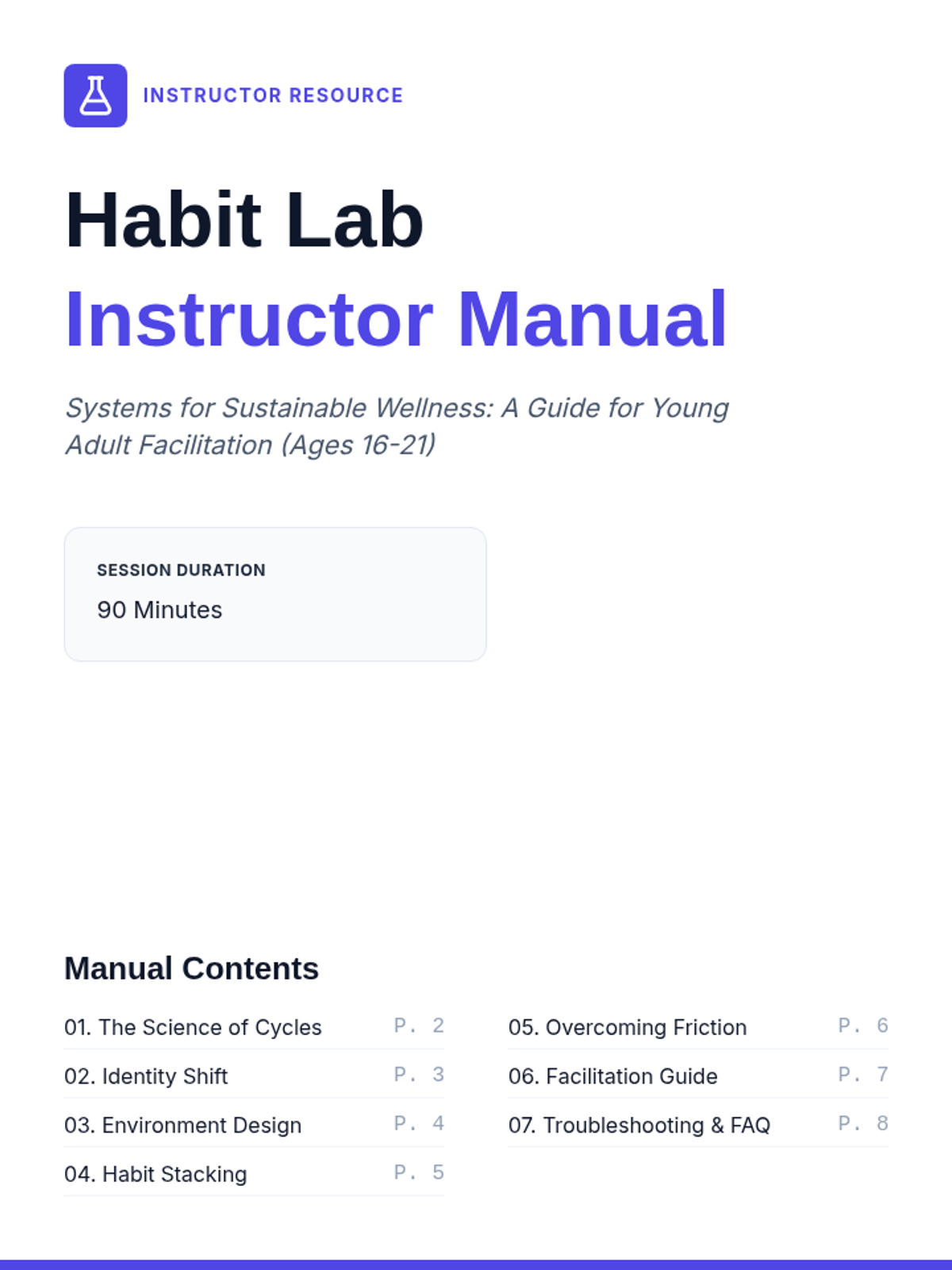
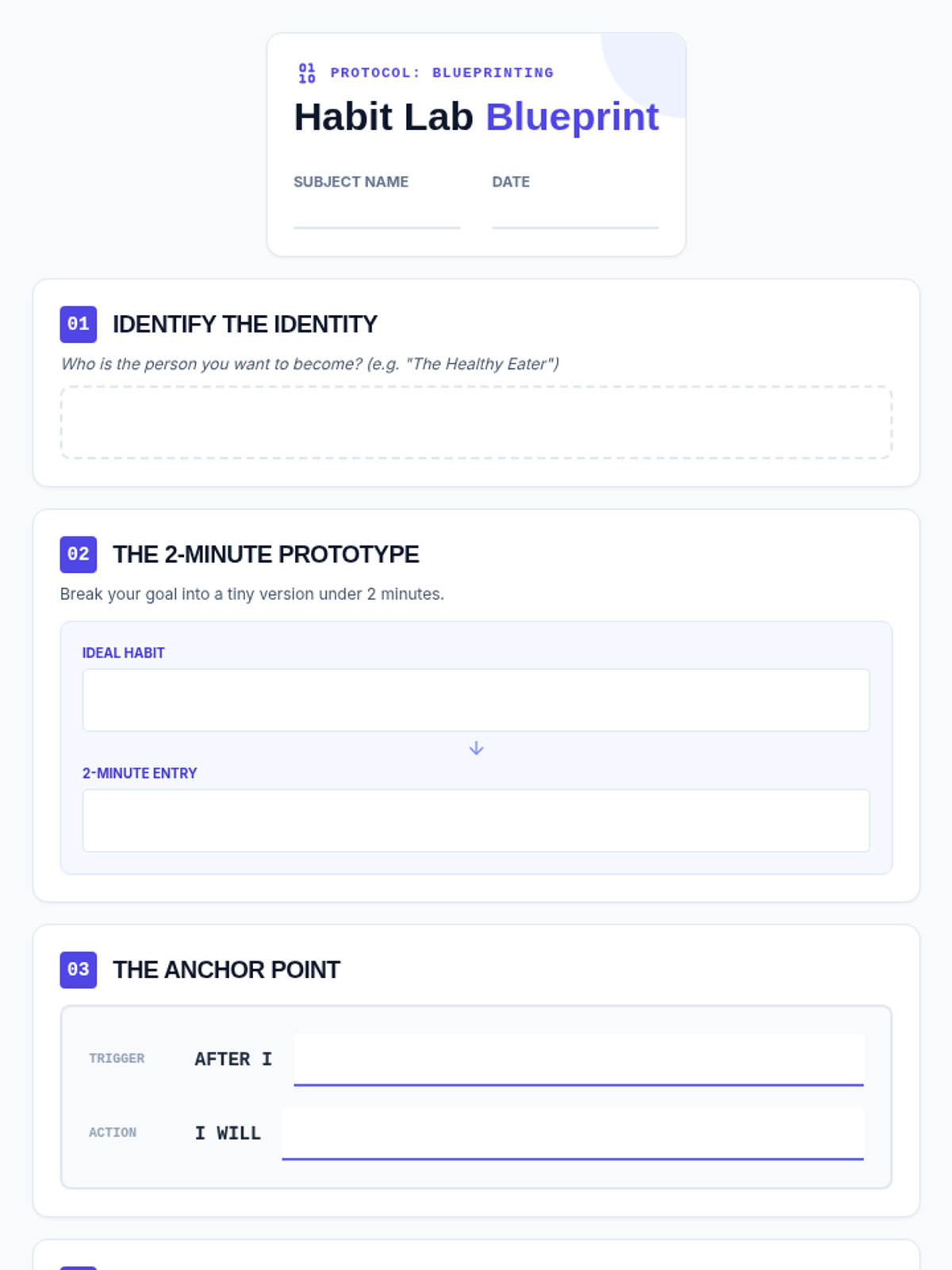
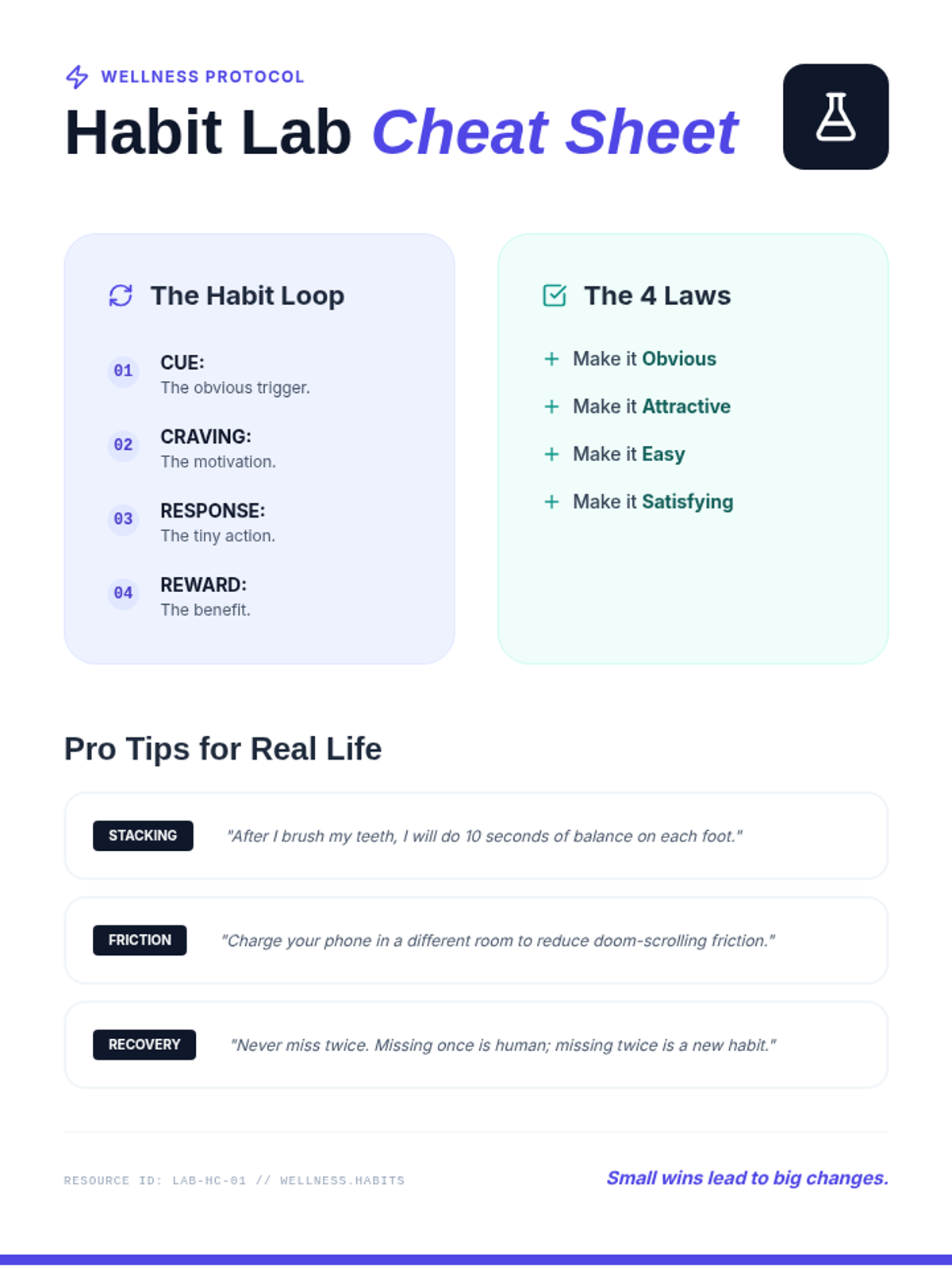
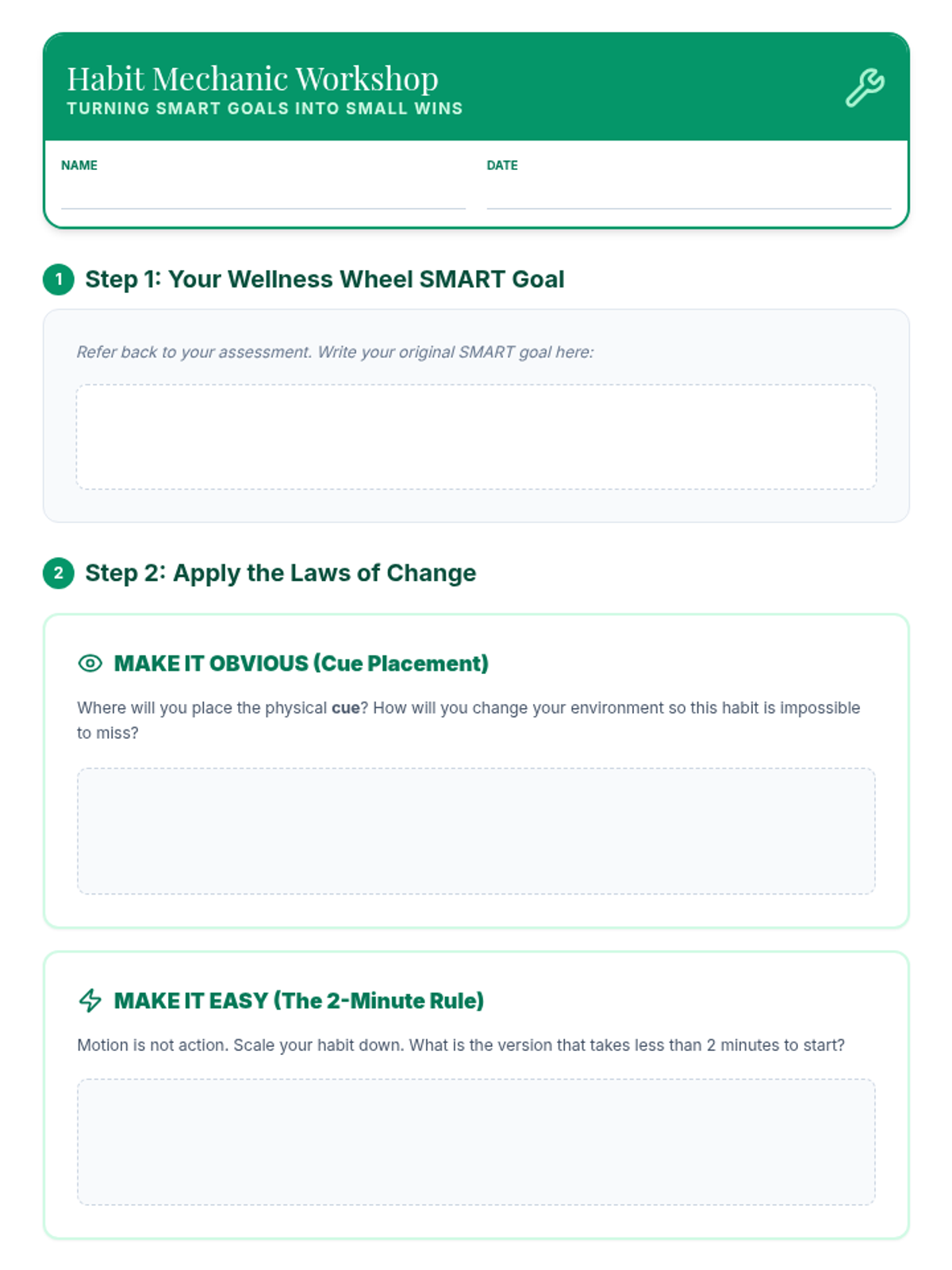
A comprehensive session for young adults on the science and practice of habit formation for long-term wellness. This lesson equips participants with practical tools to design systems that support their health, mental clarity, and productivity.
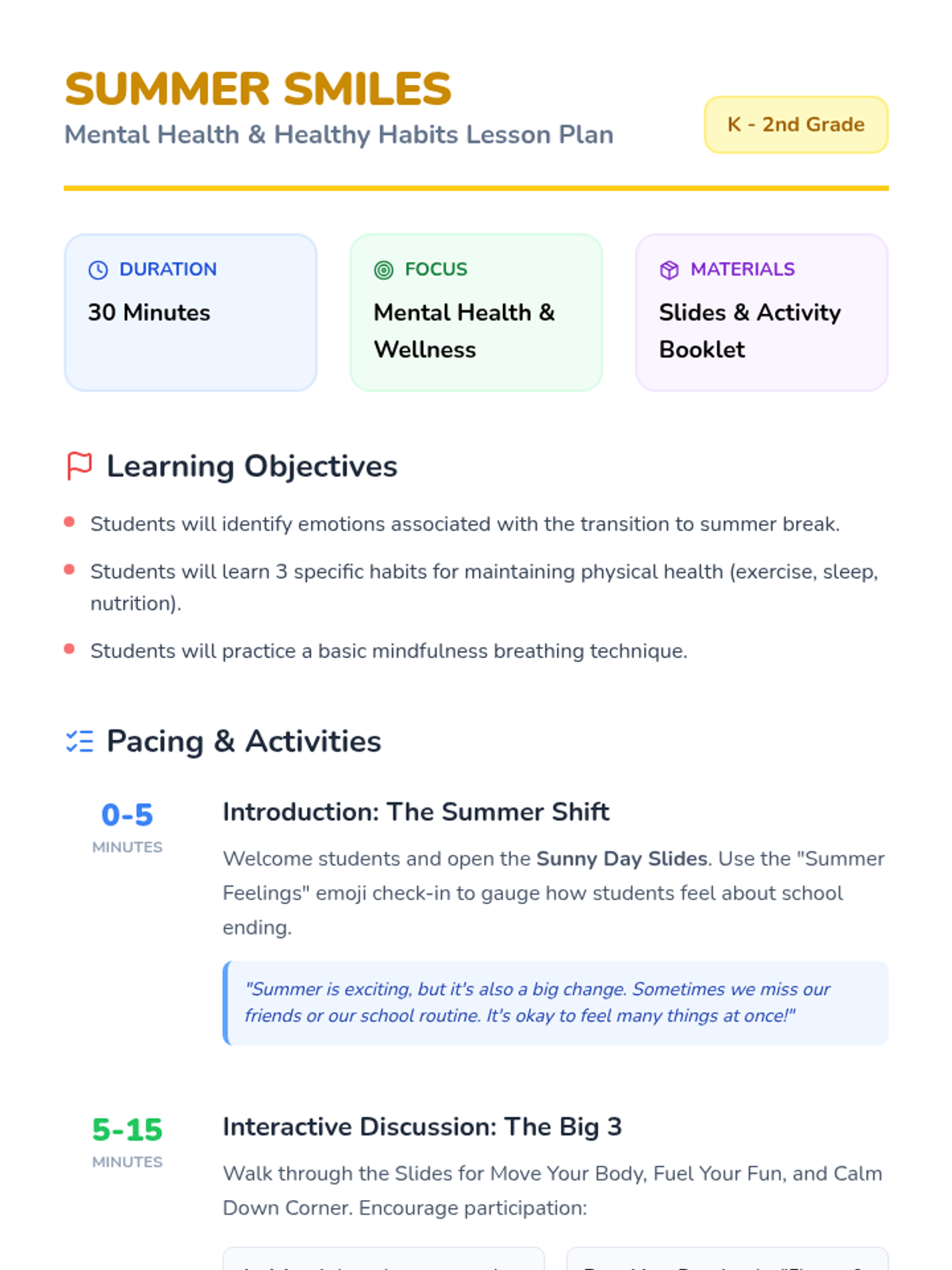
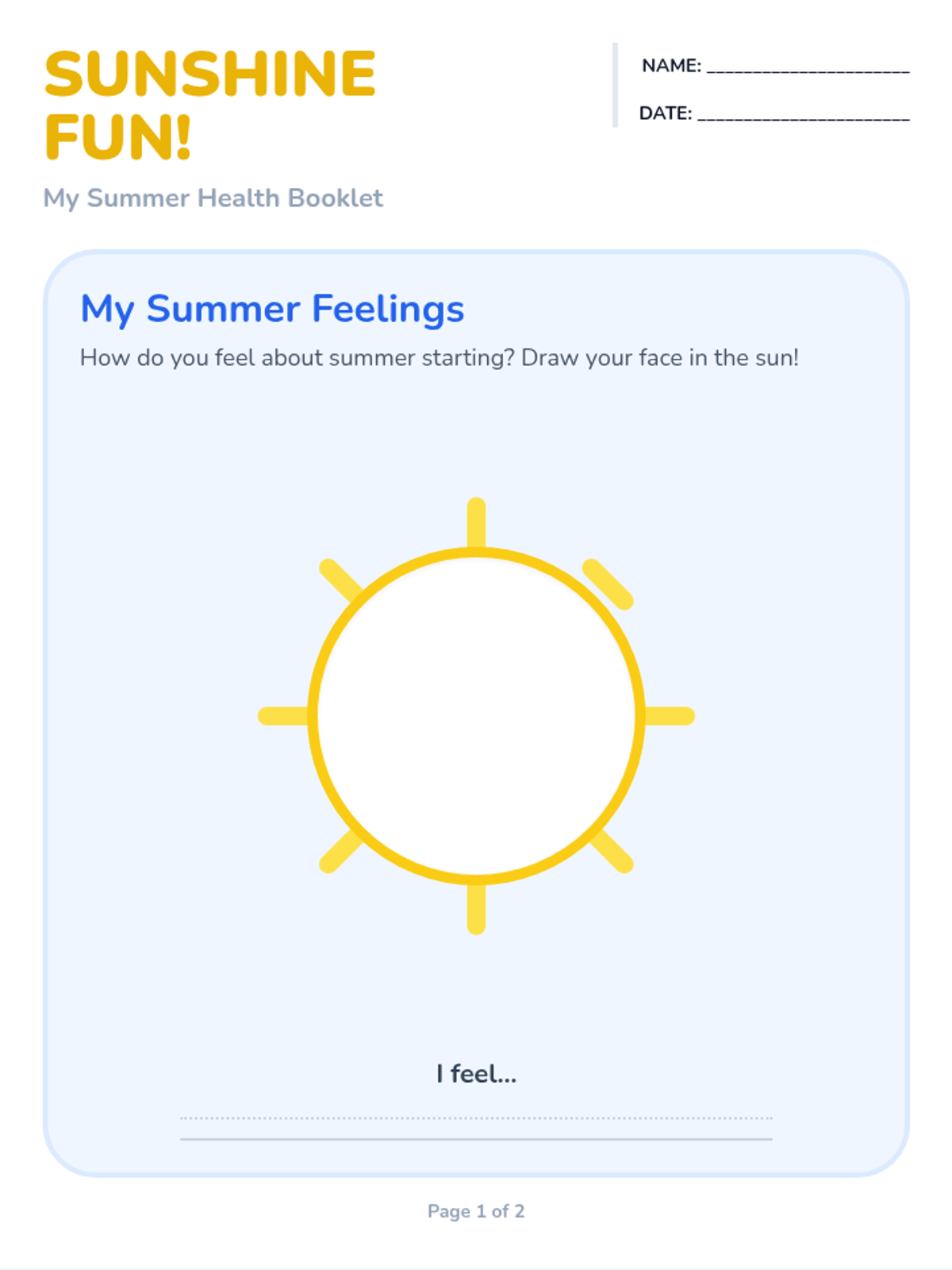
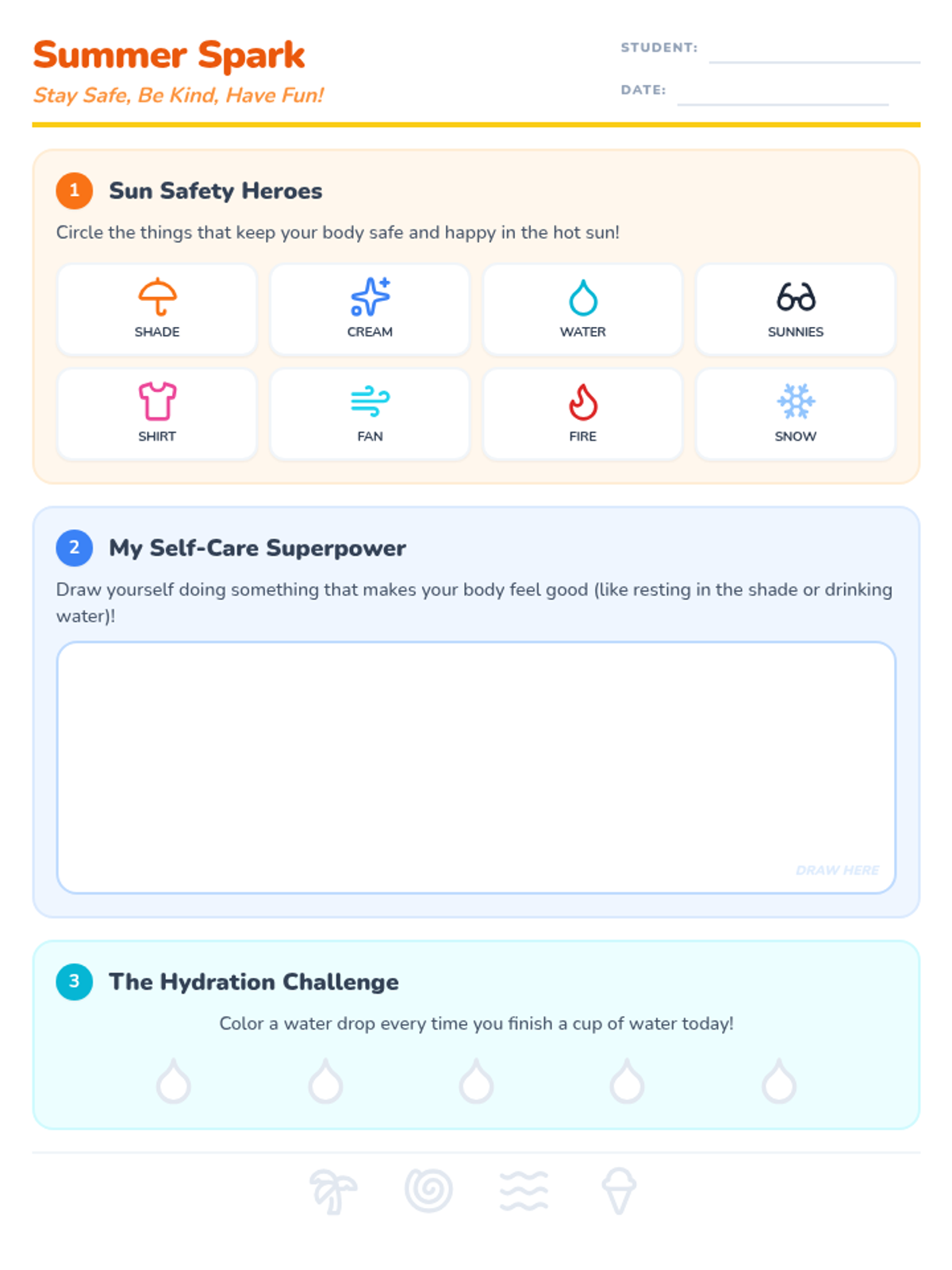
A vibrant lesson for K-2 students focused on maintaining mental and physical health during summer break through mindfulness, healthy habits, and emotional awareness.
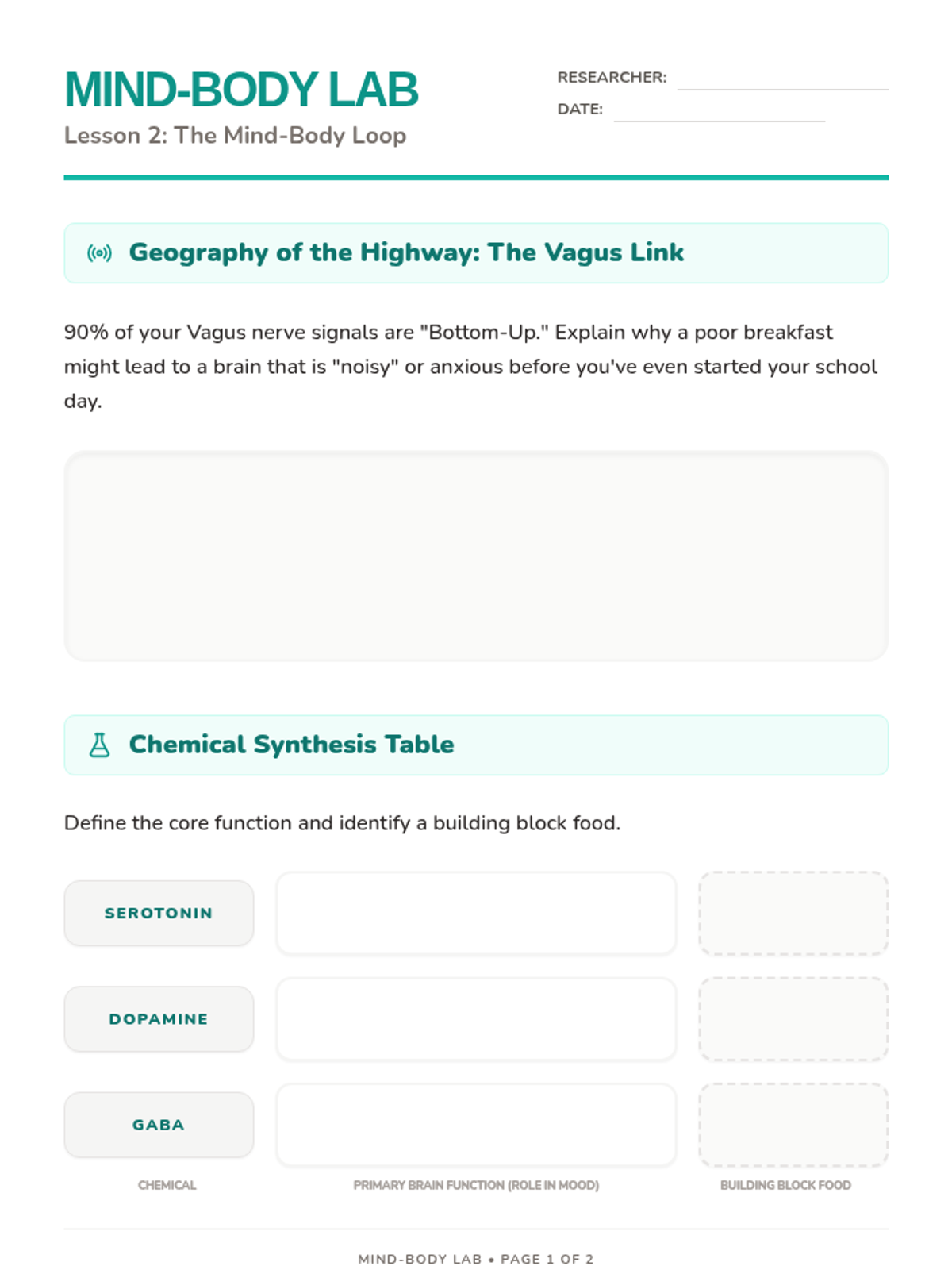
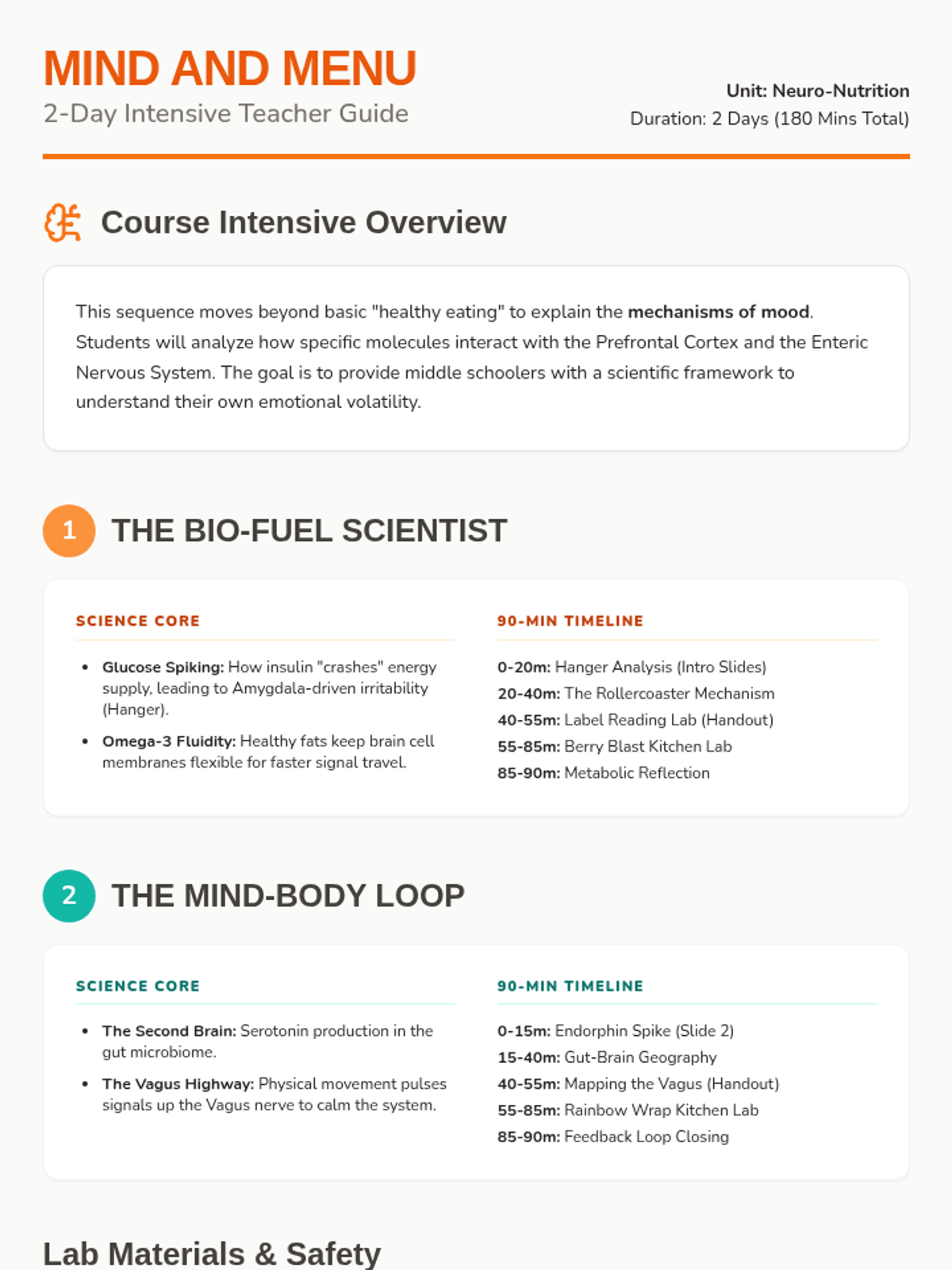
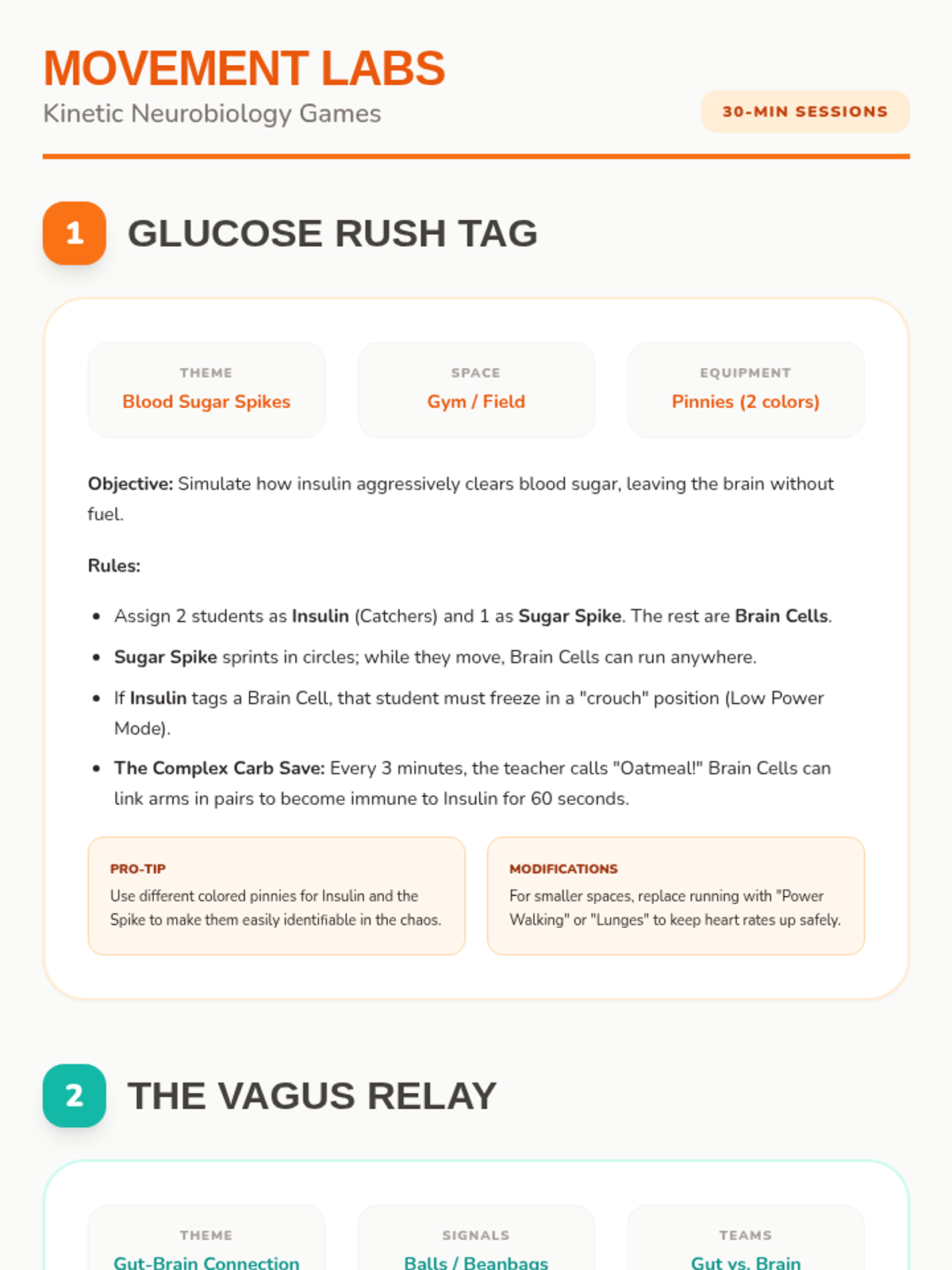
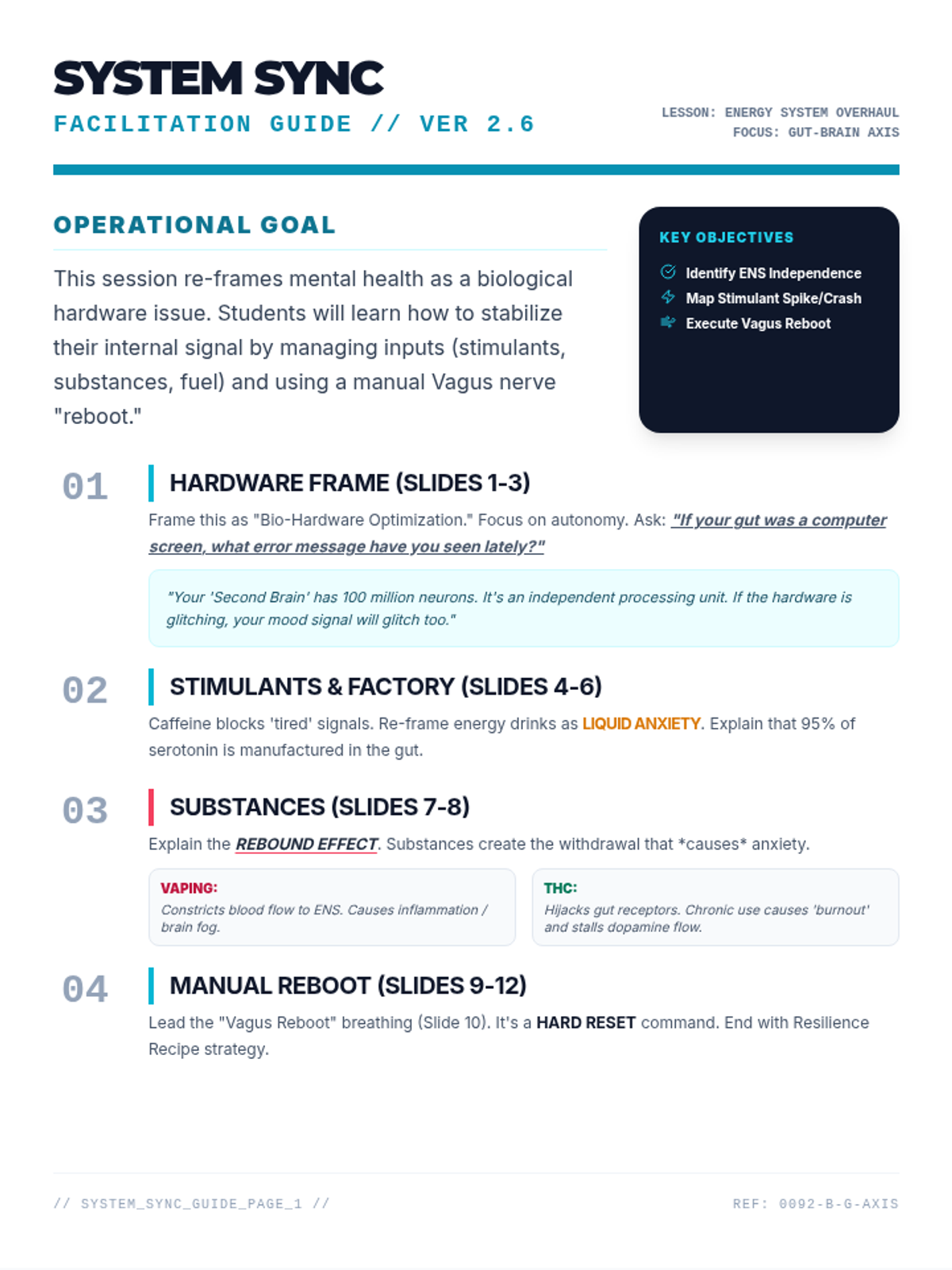
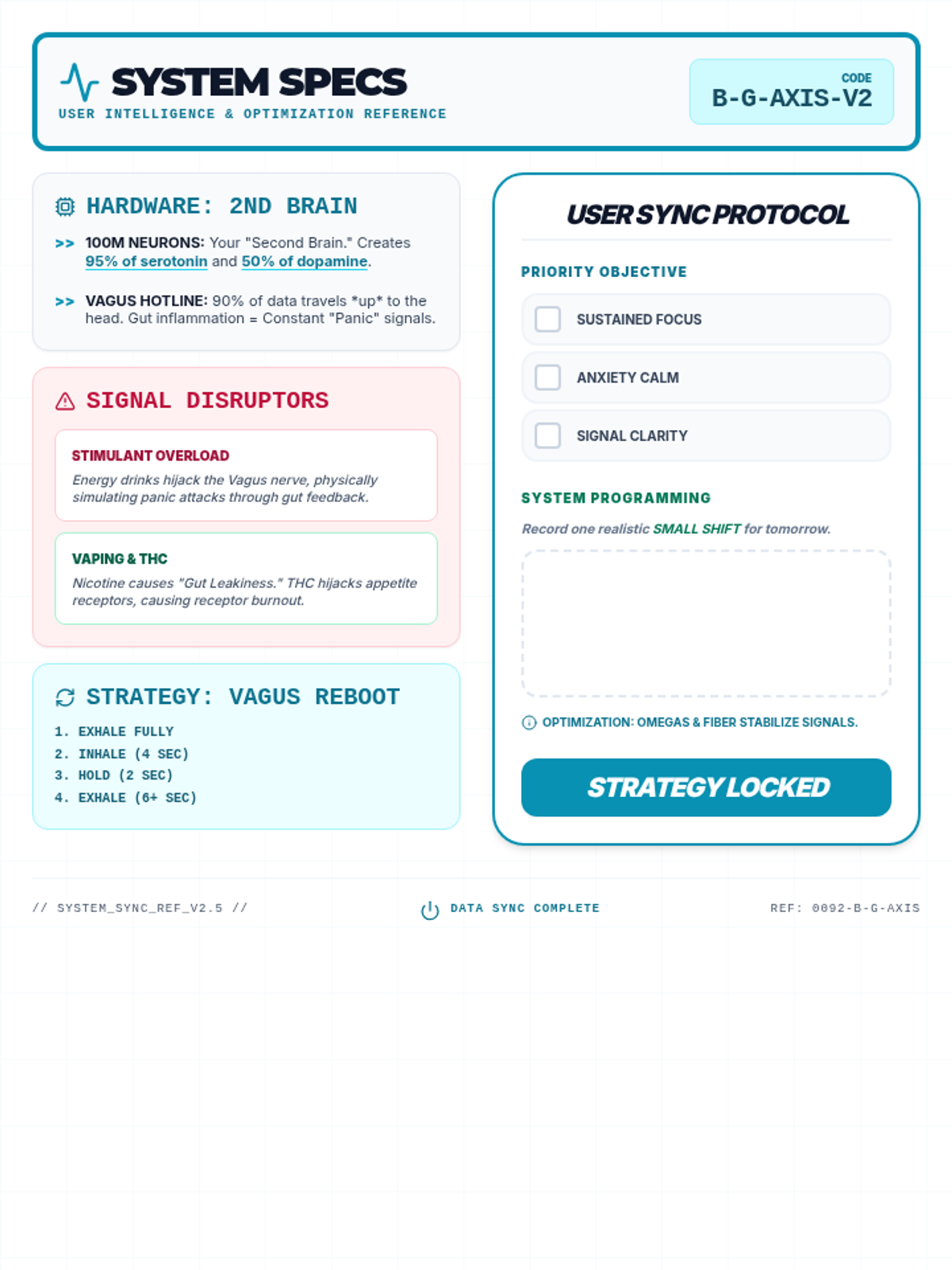
An intensive look at the 'Second Brain' in the gut, the role of the Vagus nerve, and how movement synthesizes neurotransmitters for emotional stability.
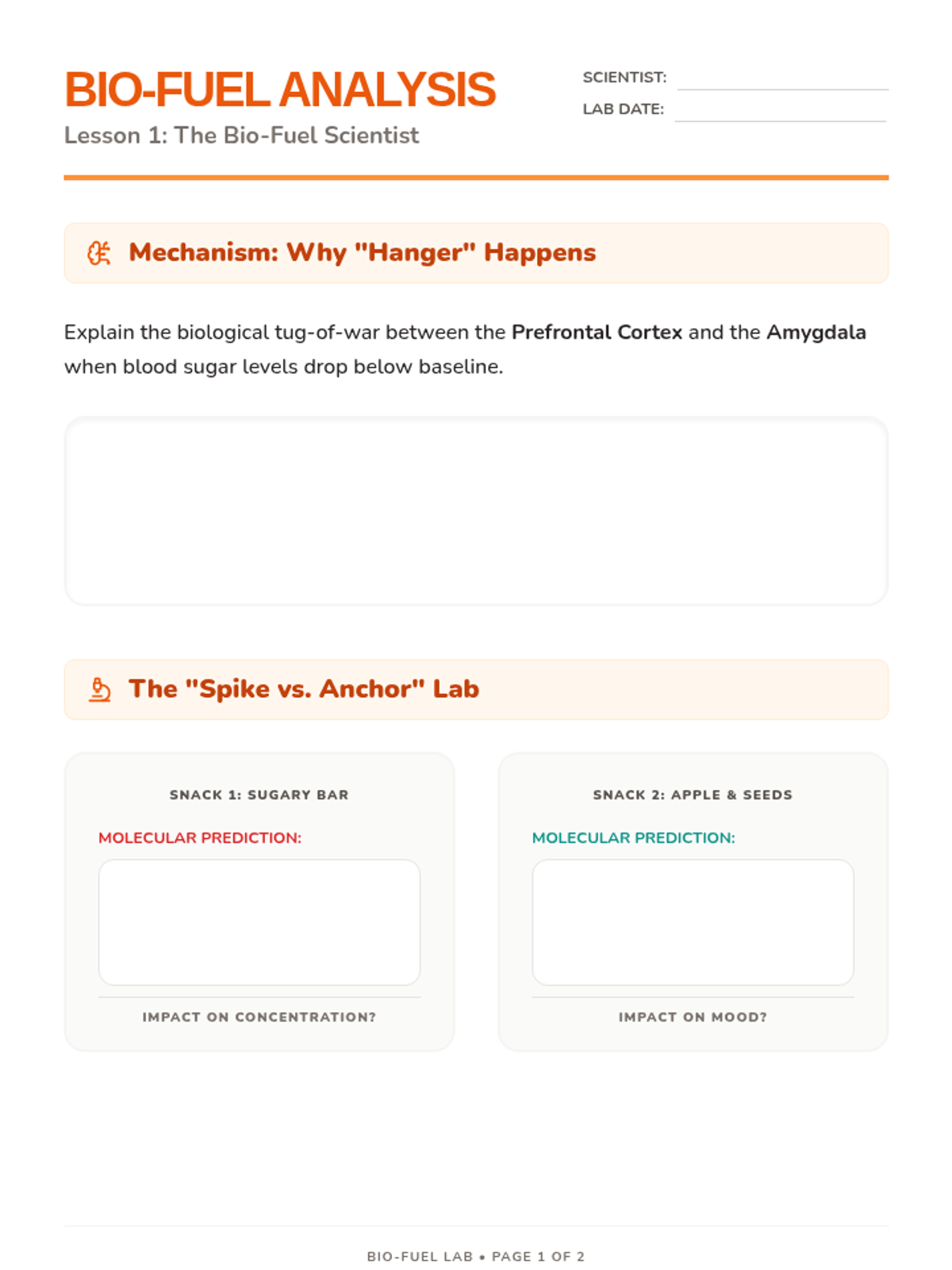
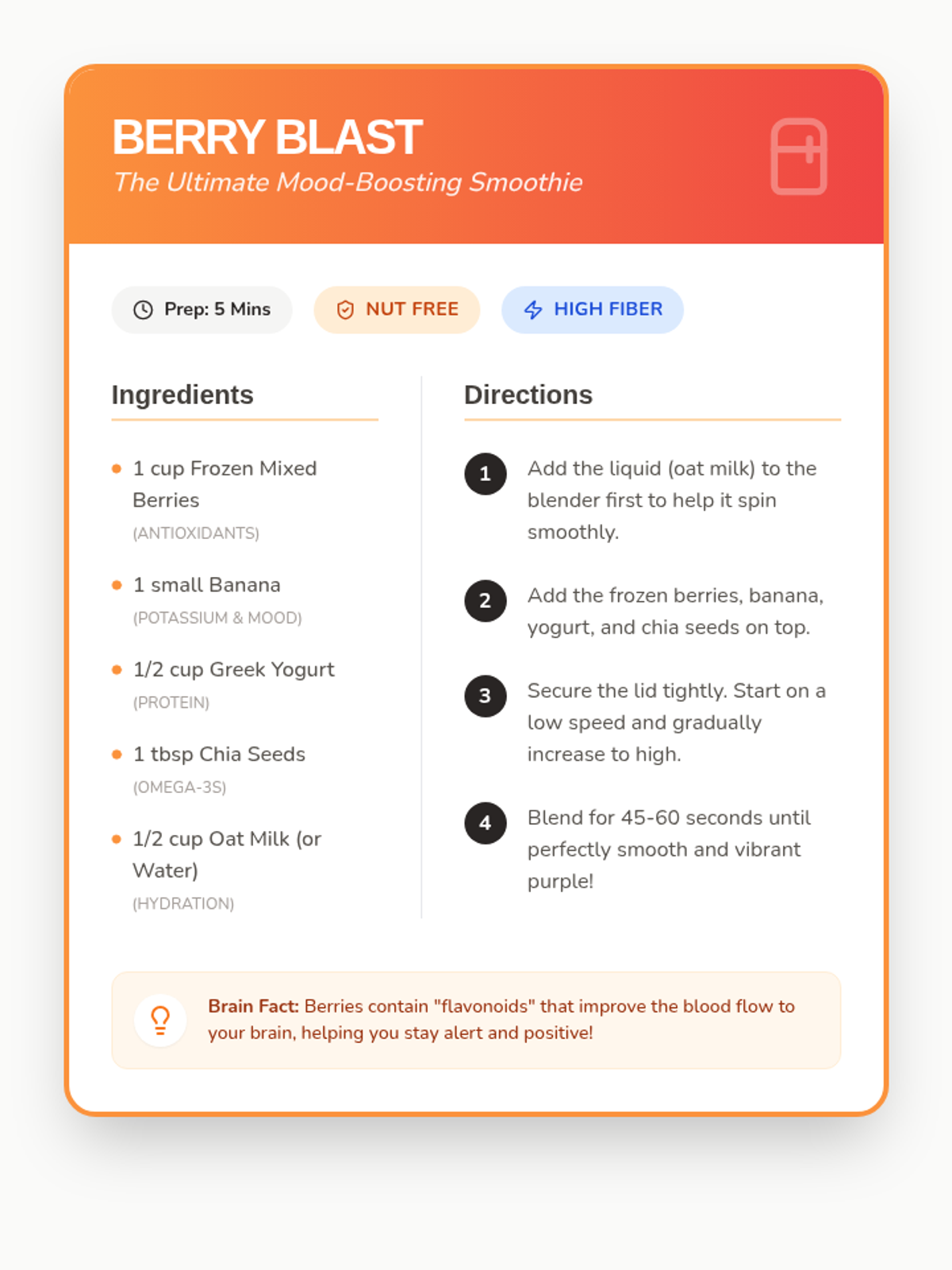
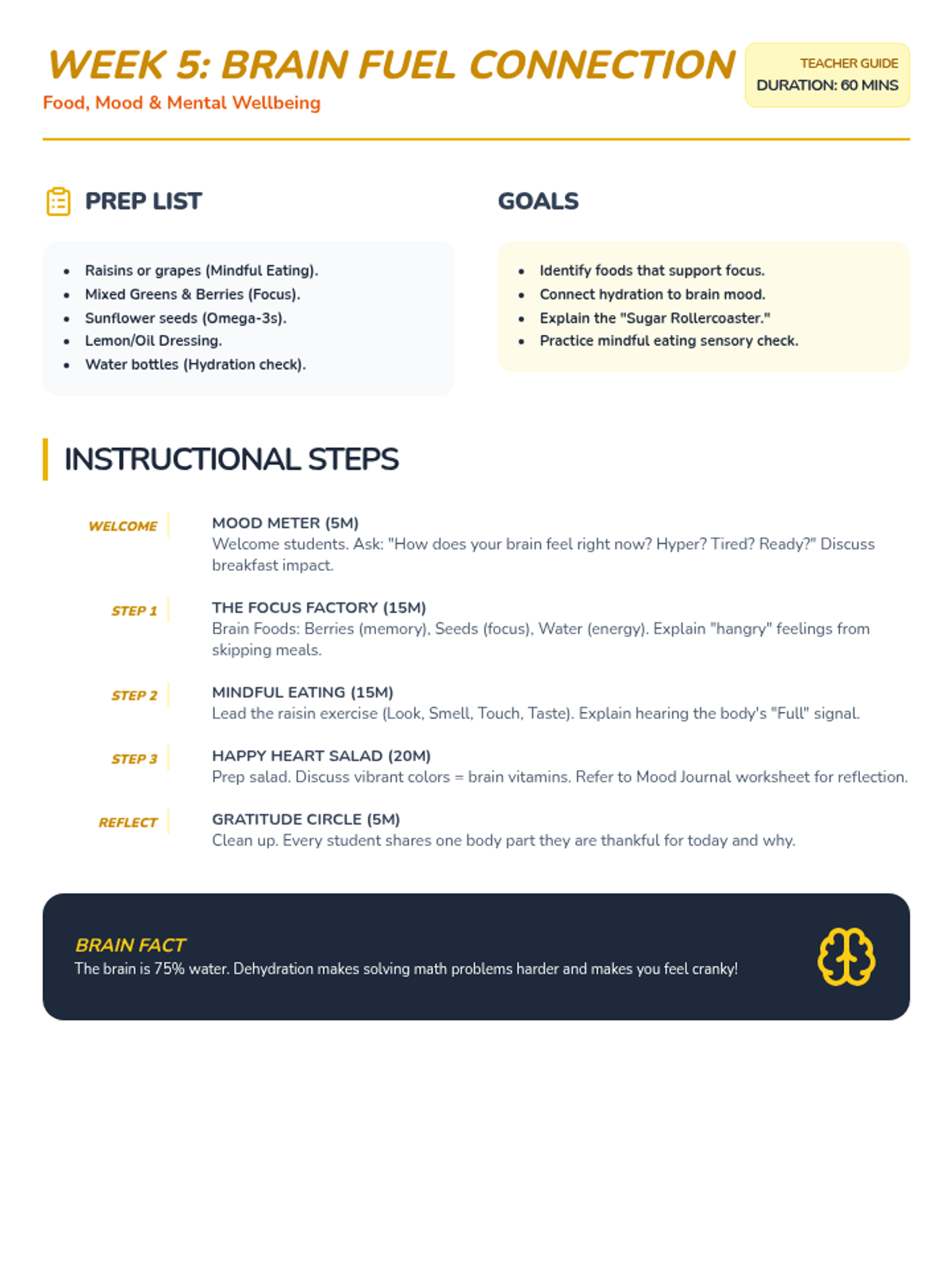
A deep dive into the glucose-insulin response, the chemistry of 'hanger,' and how micronutrients like Omega-3s build the physical architecture of the brain.
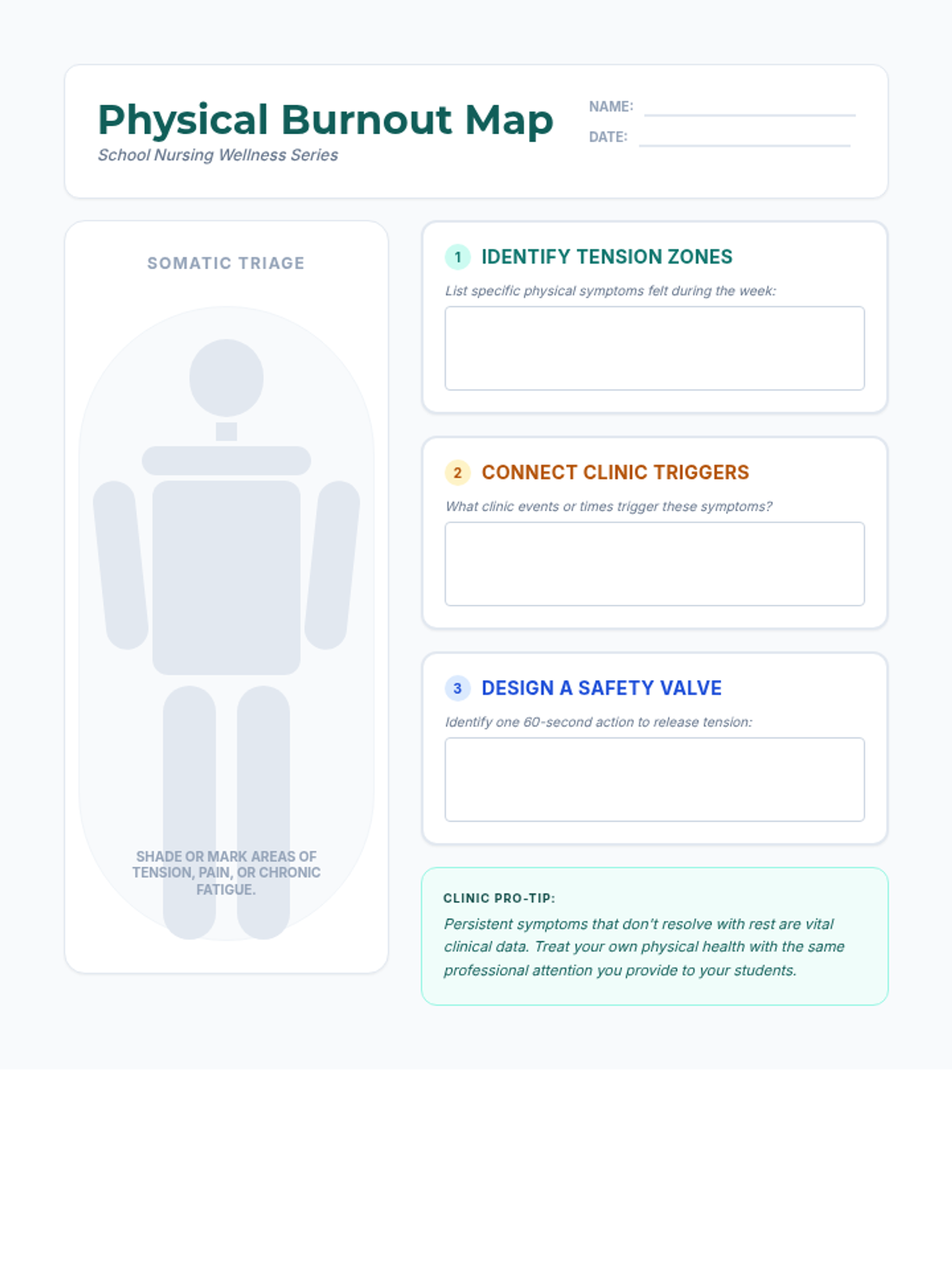
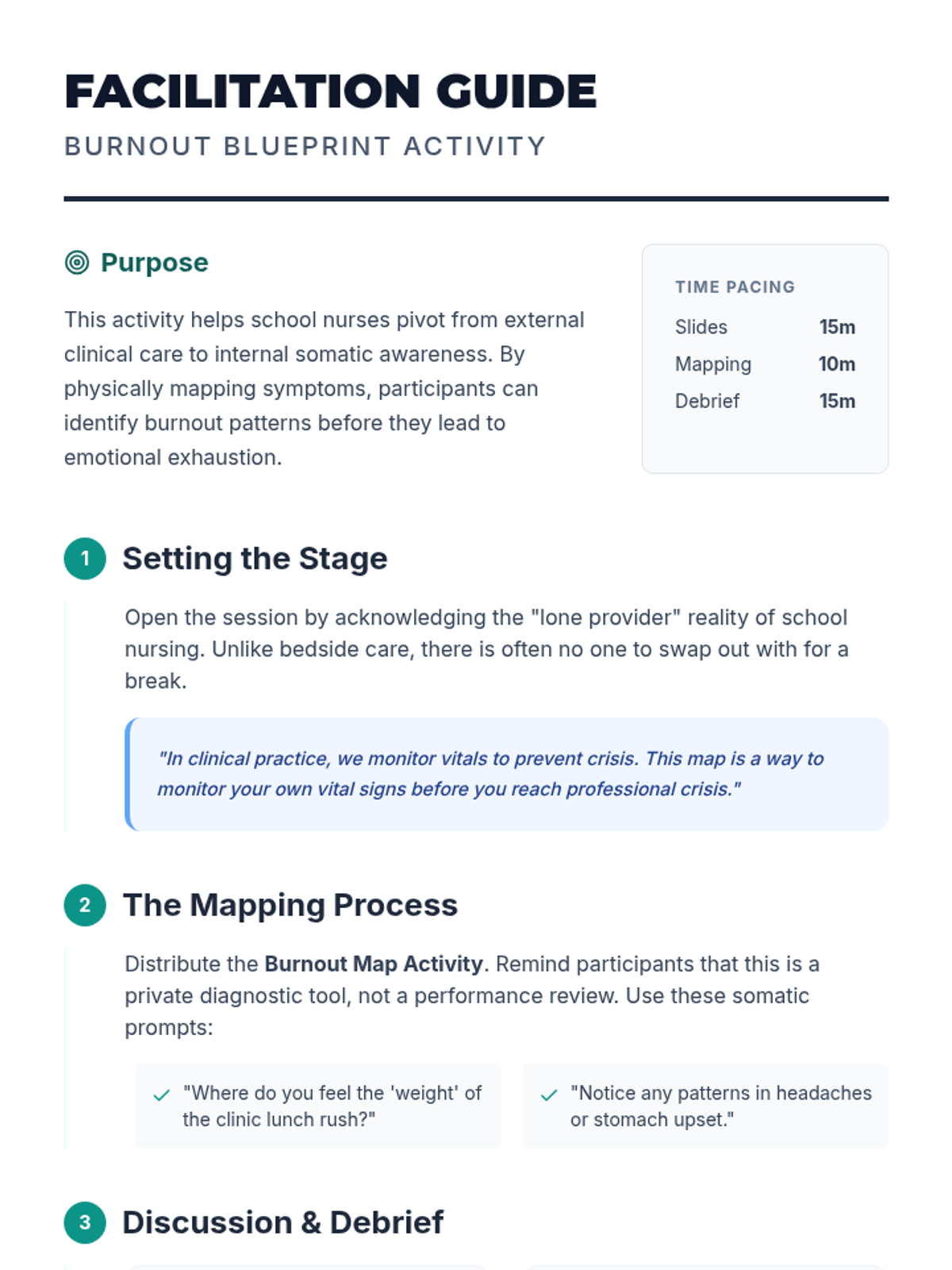
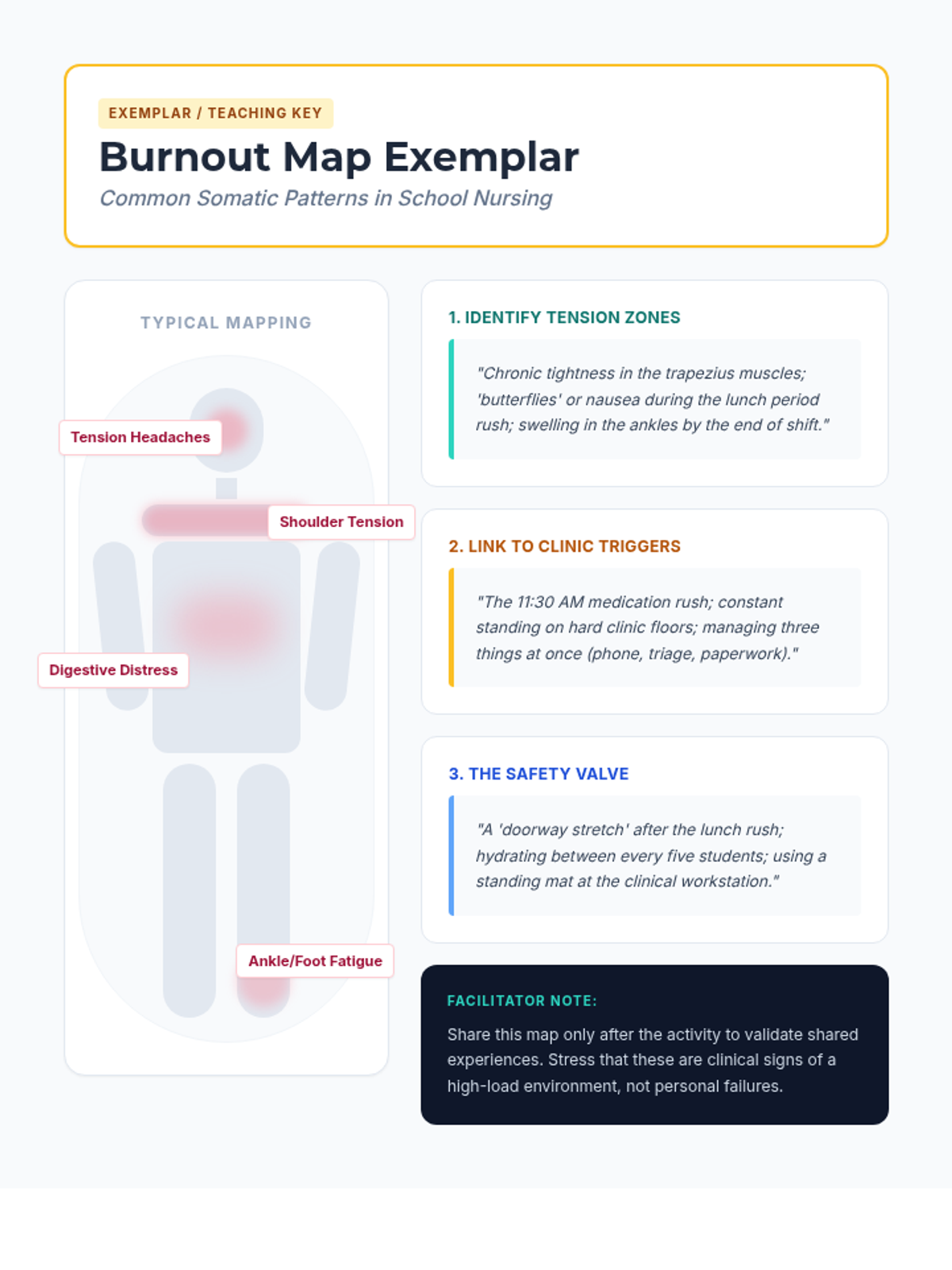
A focused lesson for school nursing staff or students to identify, map, and address the physical manifestations of burnout within the unique environment of a school clinic.
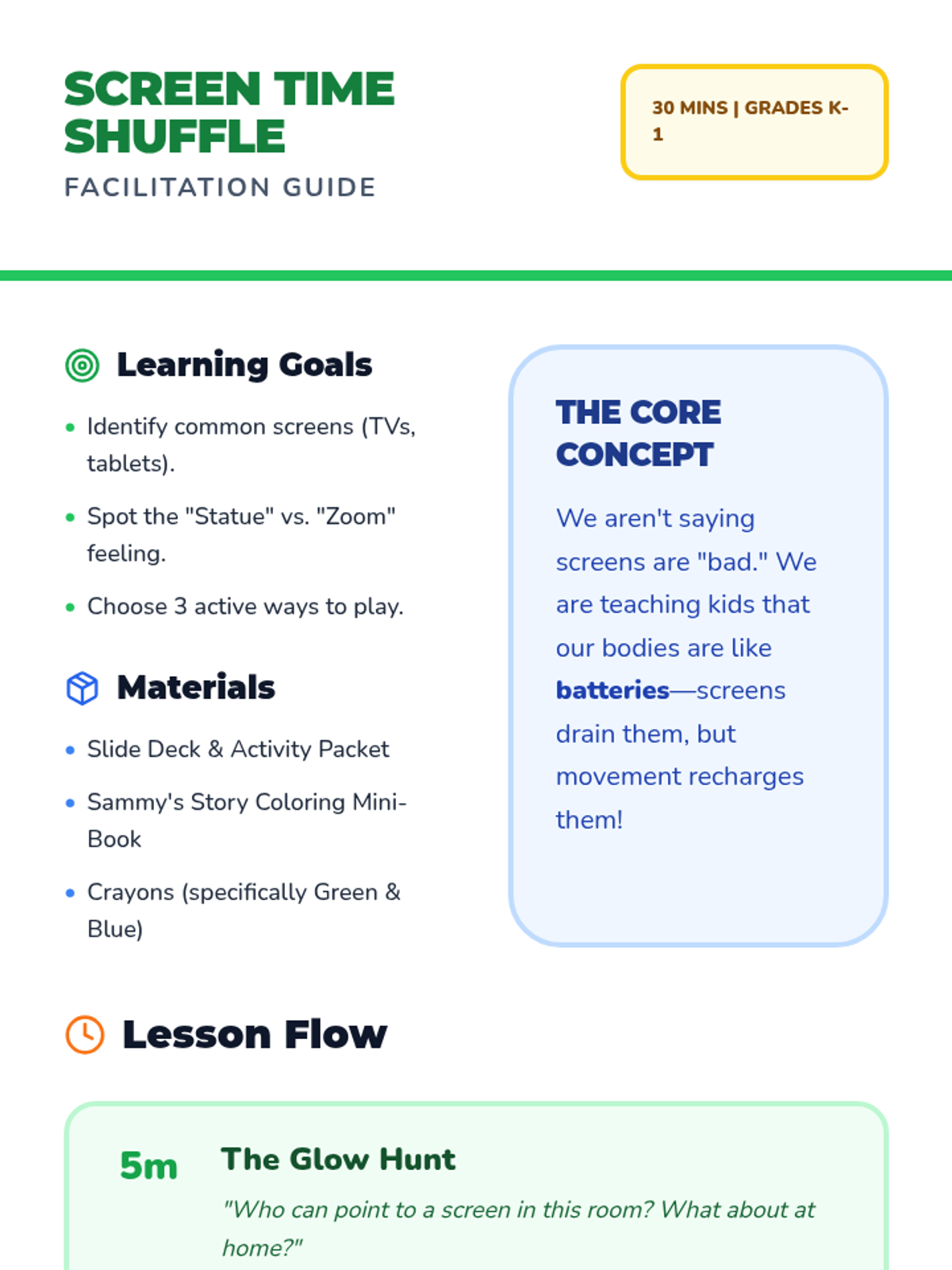
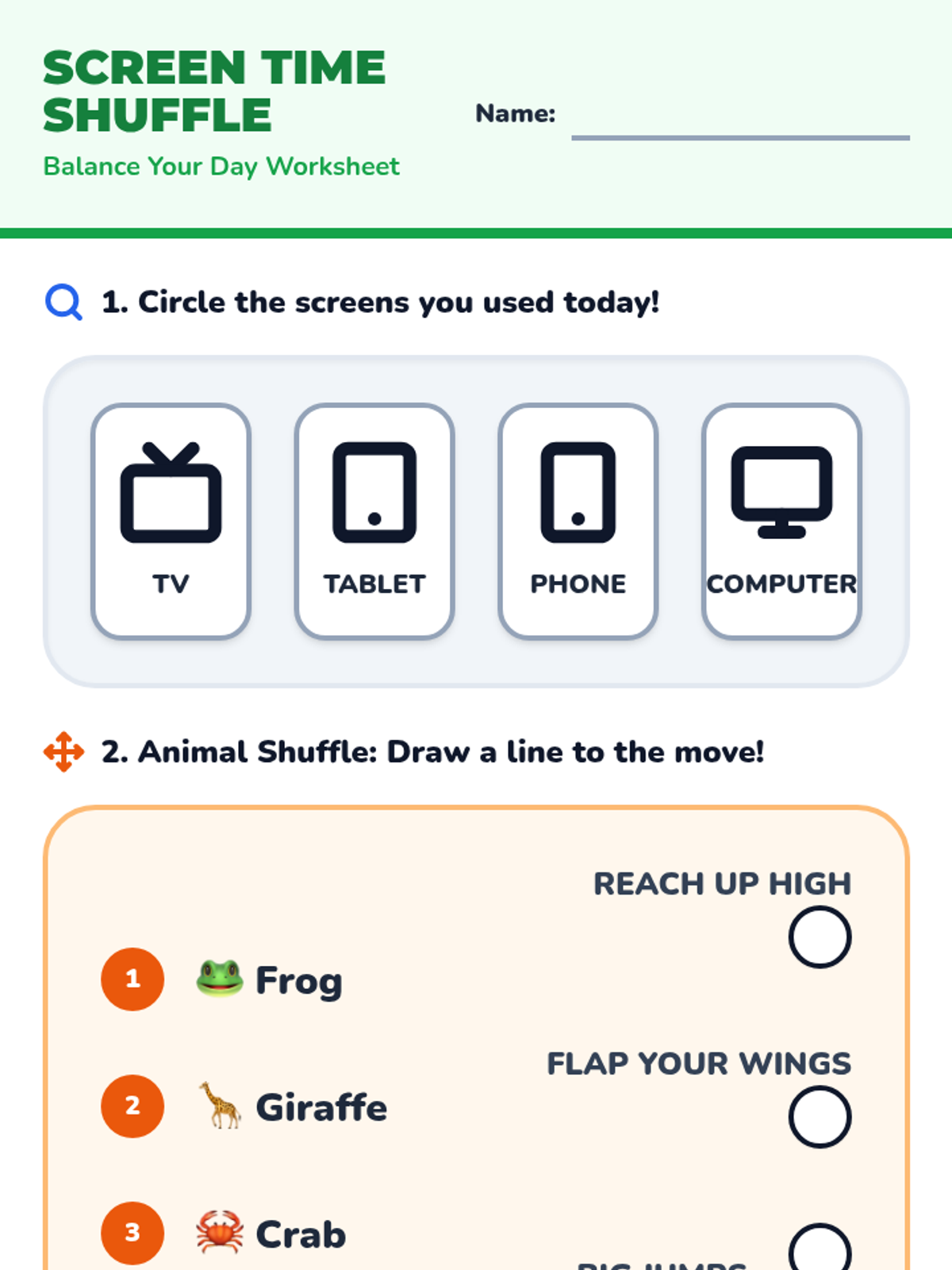
A high-energy lesson for K-1 students focusing on the balance between screen use and physical movement, featuring a narrative story and interactive movement breaks.
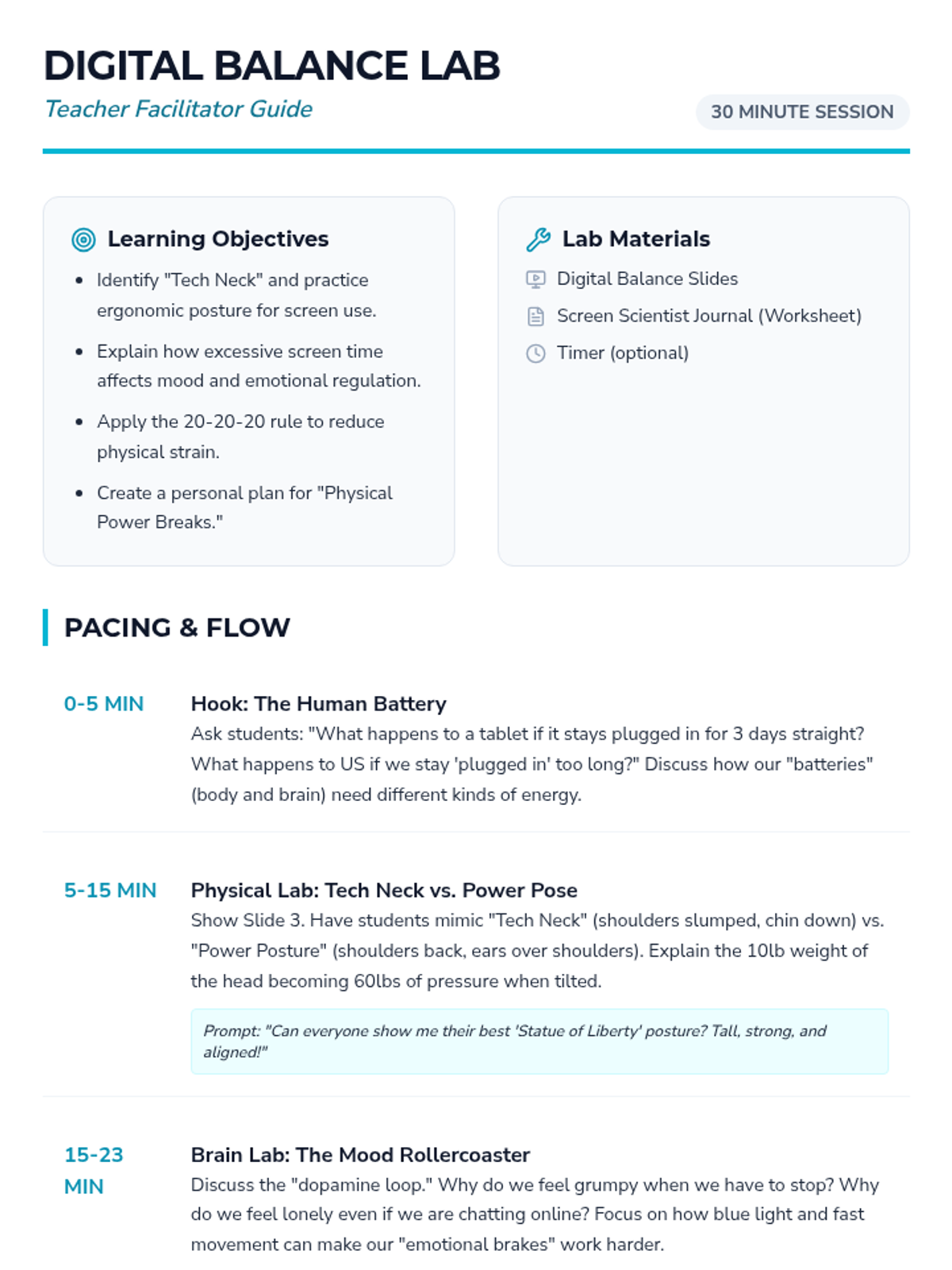
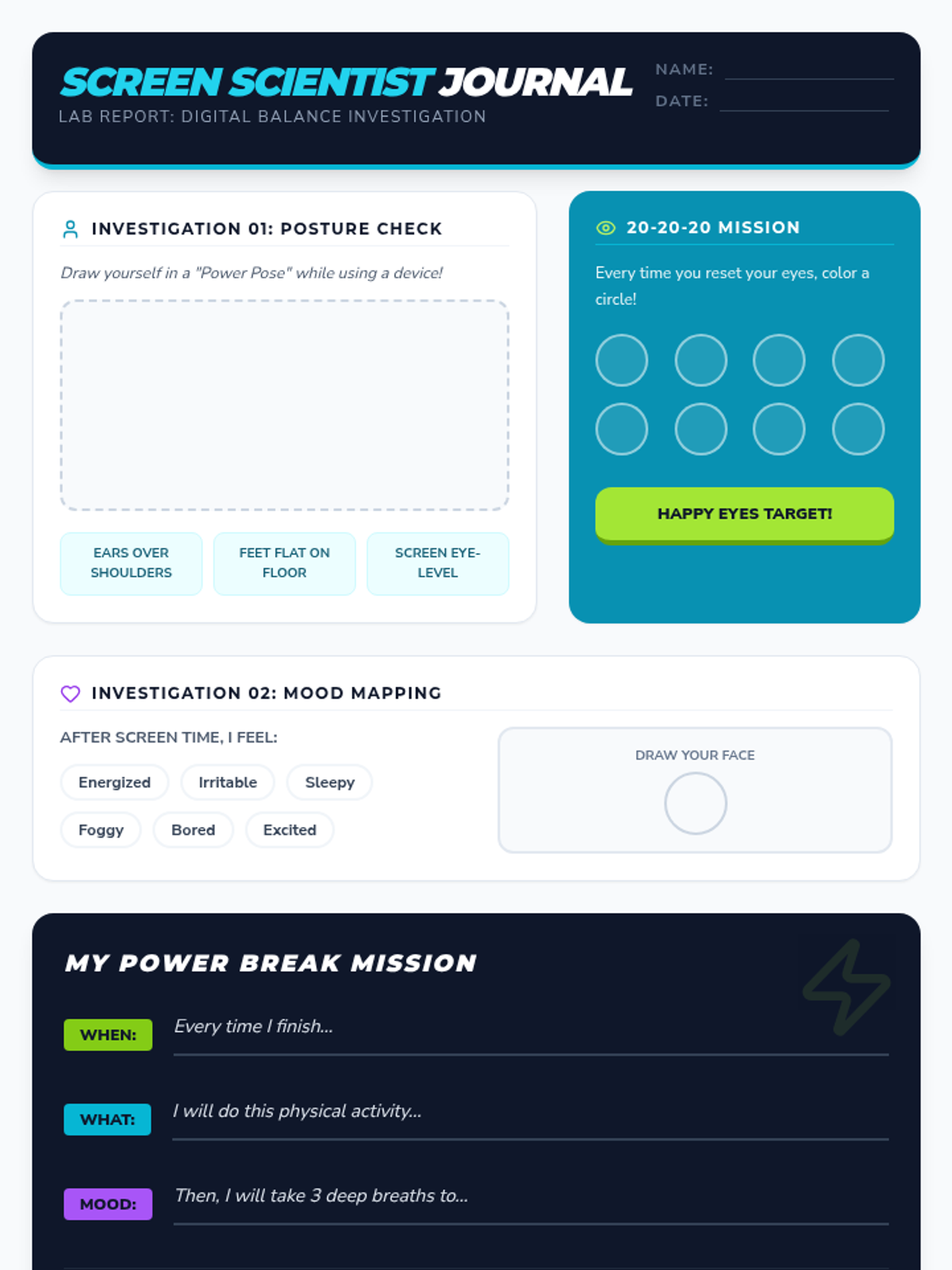
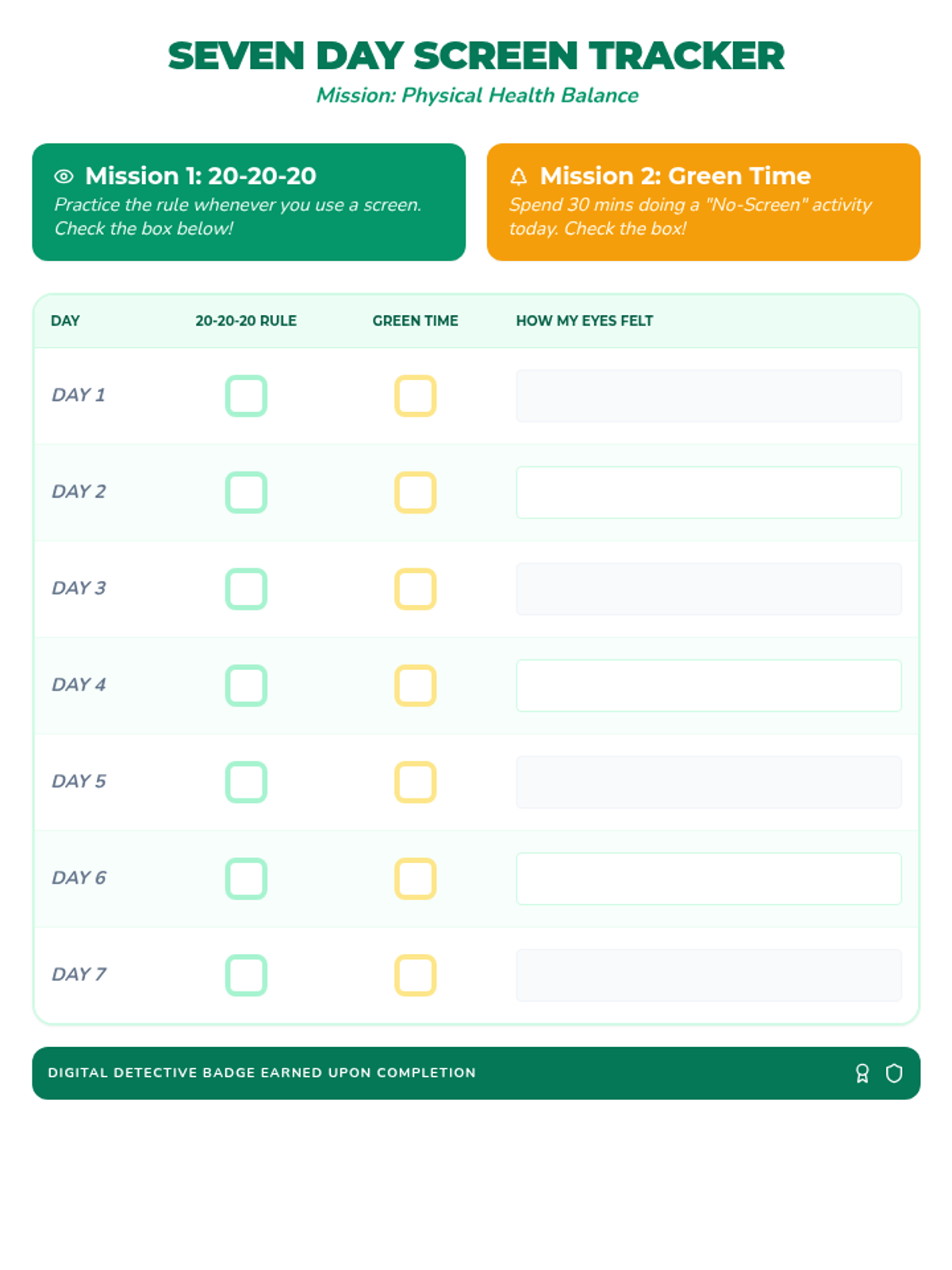
A 30-minute lesson for 3rd-5th graders focusing on the physical and emotional impacts of screen time, featuring posture tips and mood regulation strategies.
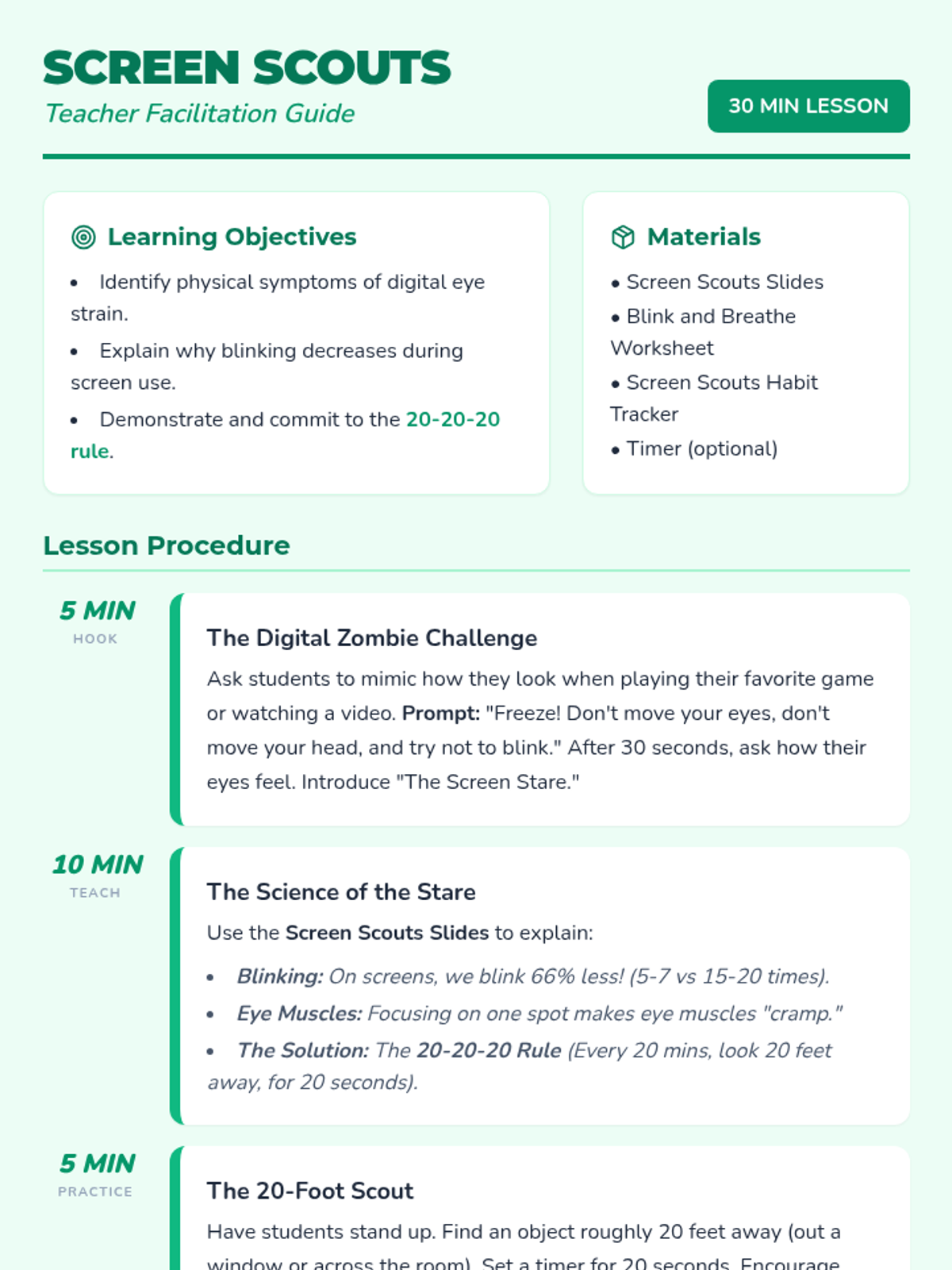
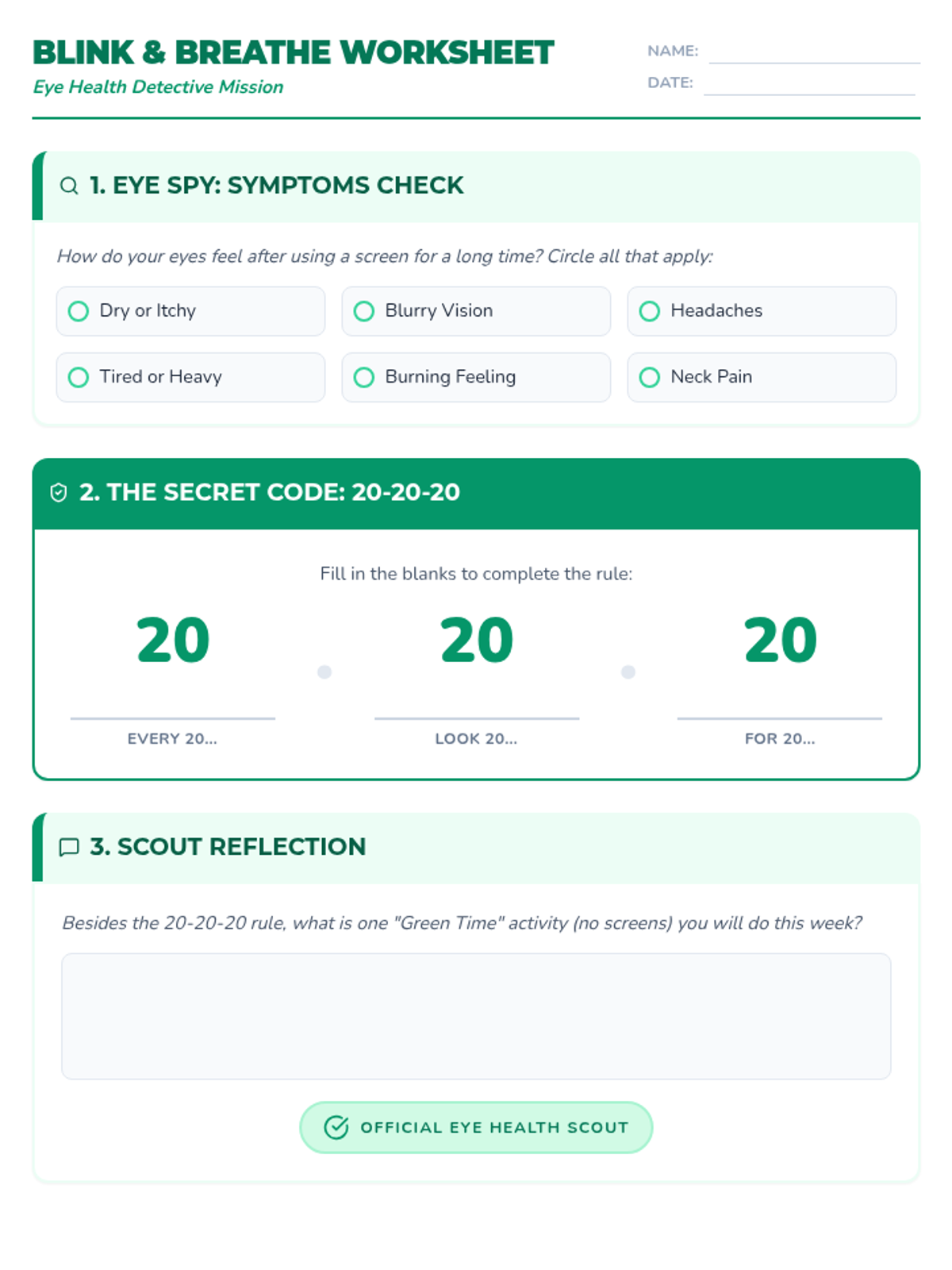
A 30-minute lesson designed for 3rd-5th graders to understand the impact of excessive screen time on physical health, specifically focusing on eye strain, and introducing the 20-20-20 rule.
A comprehensive lesson exploring the bi-directional relationship between gut health and mental well-being, specifically tailored for high schoolers in therapeutic settings. The lesson covers the enteric nervous system, the impact of nutrition, hydration, and substances on mood, energy, and cognitive function.
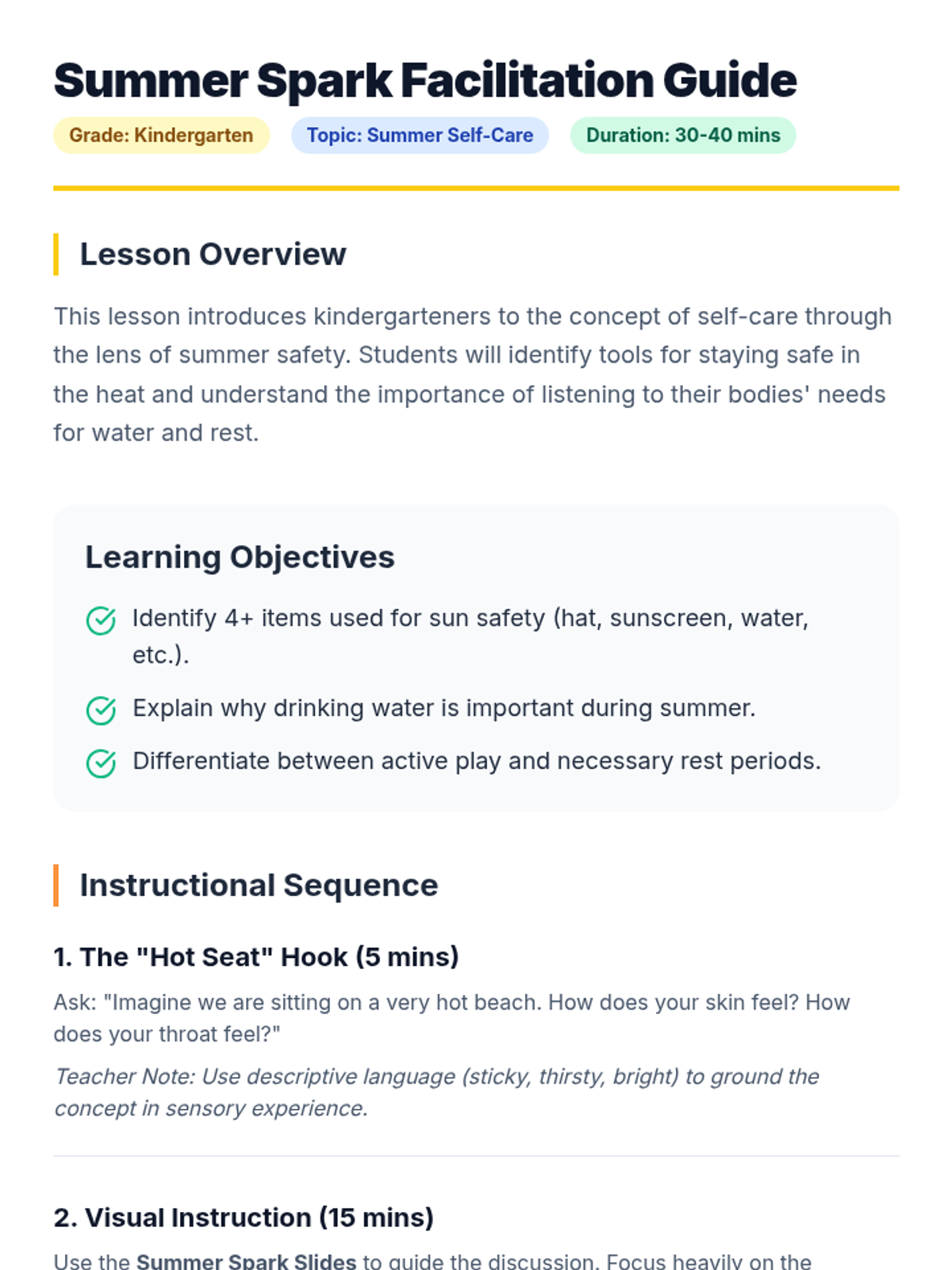
A kindergarten lesson focused on self-care, safety, and productivity during the summer break. Students will learn about sun safety, hydration, and balancing activity with rest.
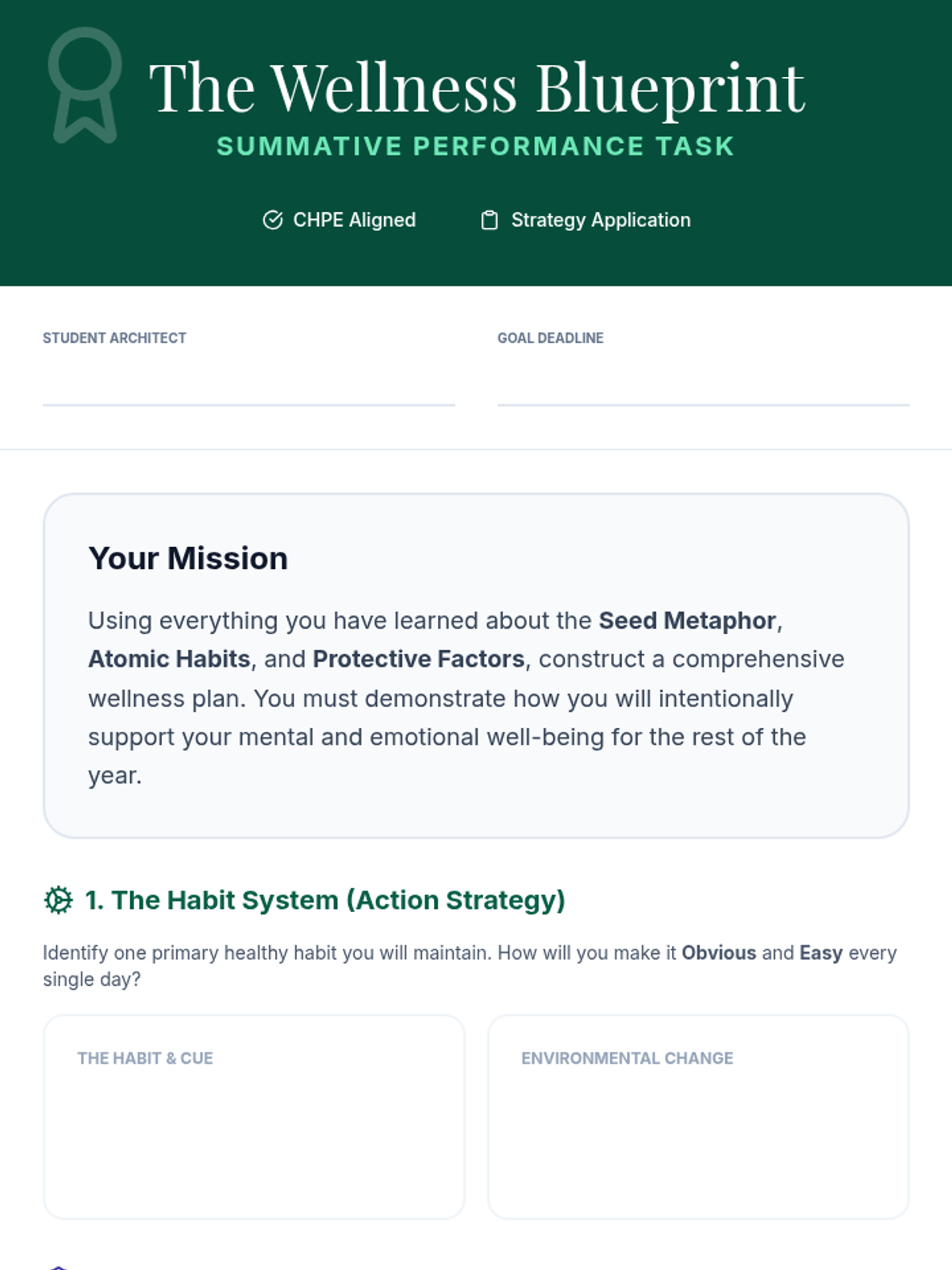
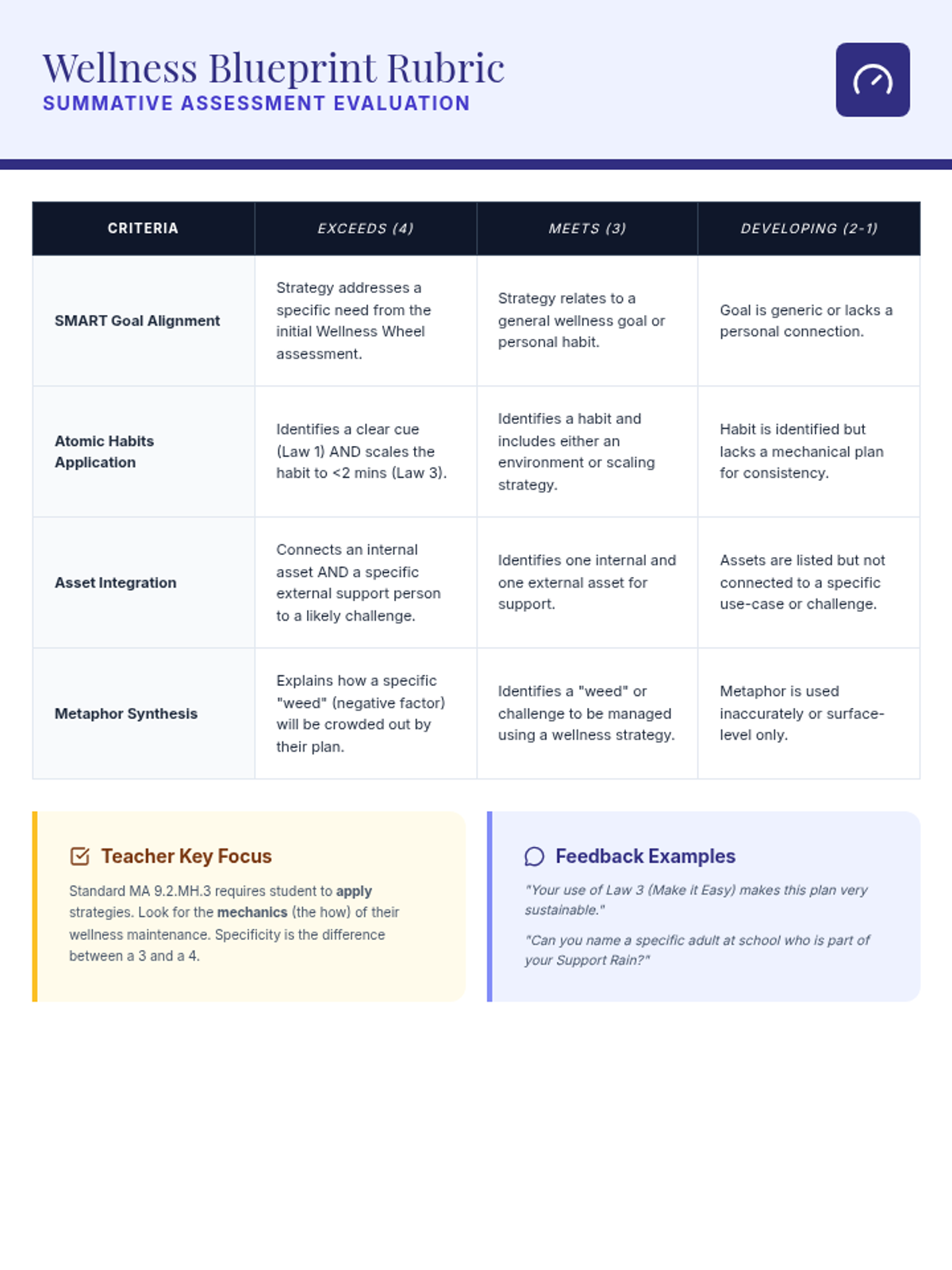
A summative assessment where students apply strategies and protective factors to create a comprehensive plan for positive mental and emotional well-being.
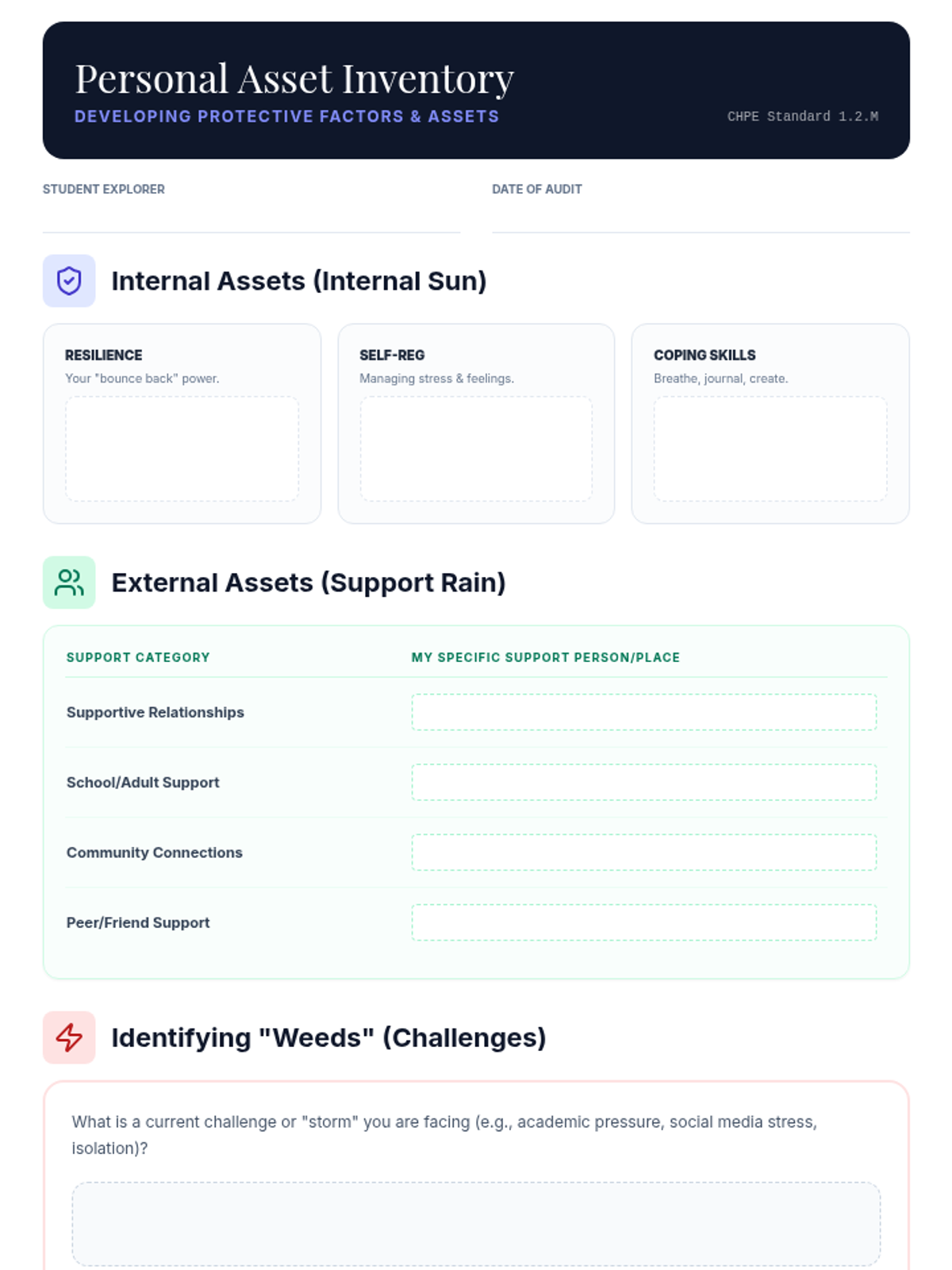
Identifying internal and external protective factors and personal assets that support mental well-being and resilience.
Applying the Laws of Habit Change from Atomic Habits to mental health goals, focusing on making healthy choices obvious and easy while crowding out negative behaviors.
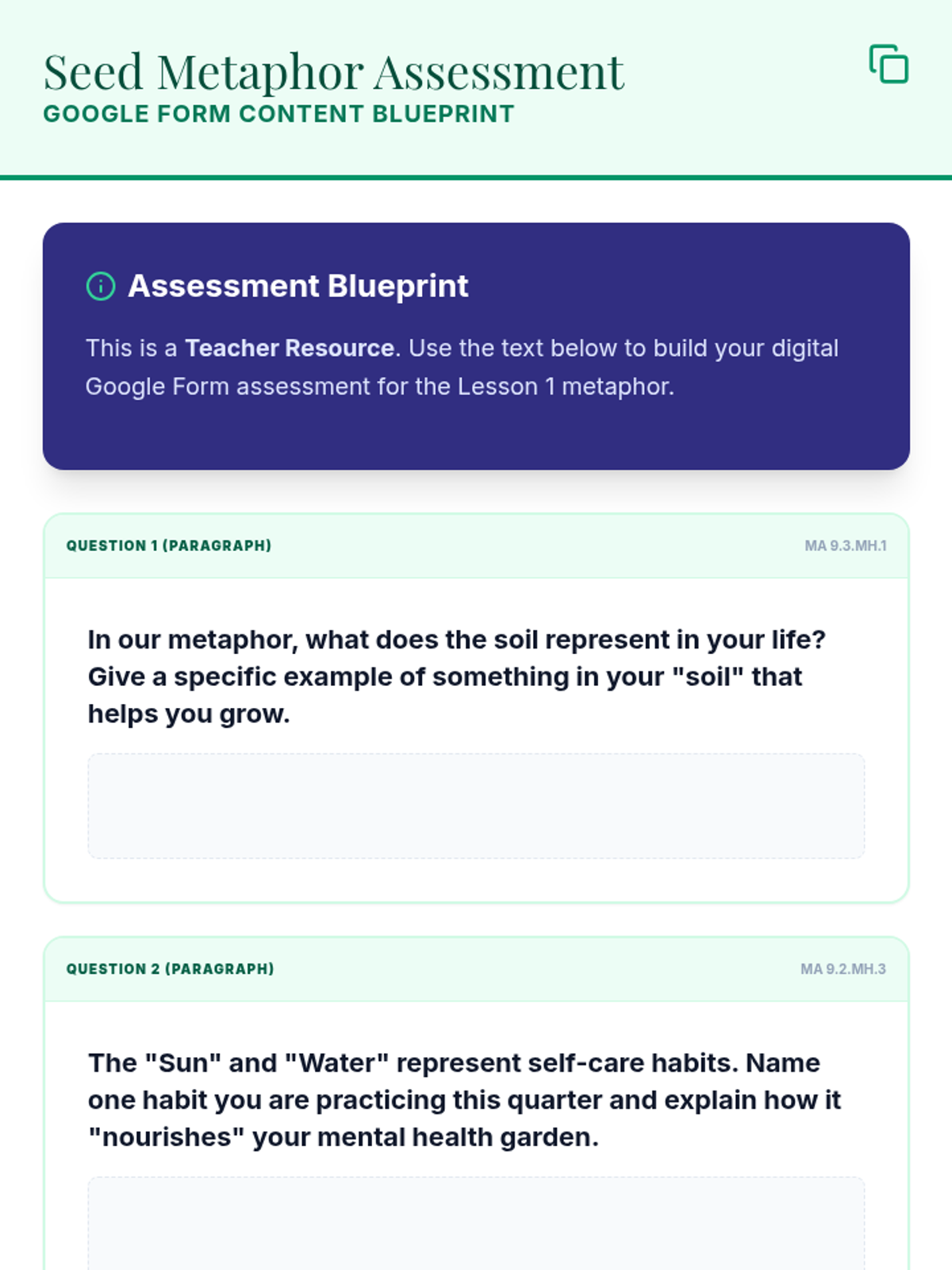
Students explore the seed metaphor for mental health by planting a physical seed and identifying how environmental factors and self-care mirror the needs of a growing plant.
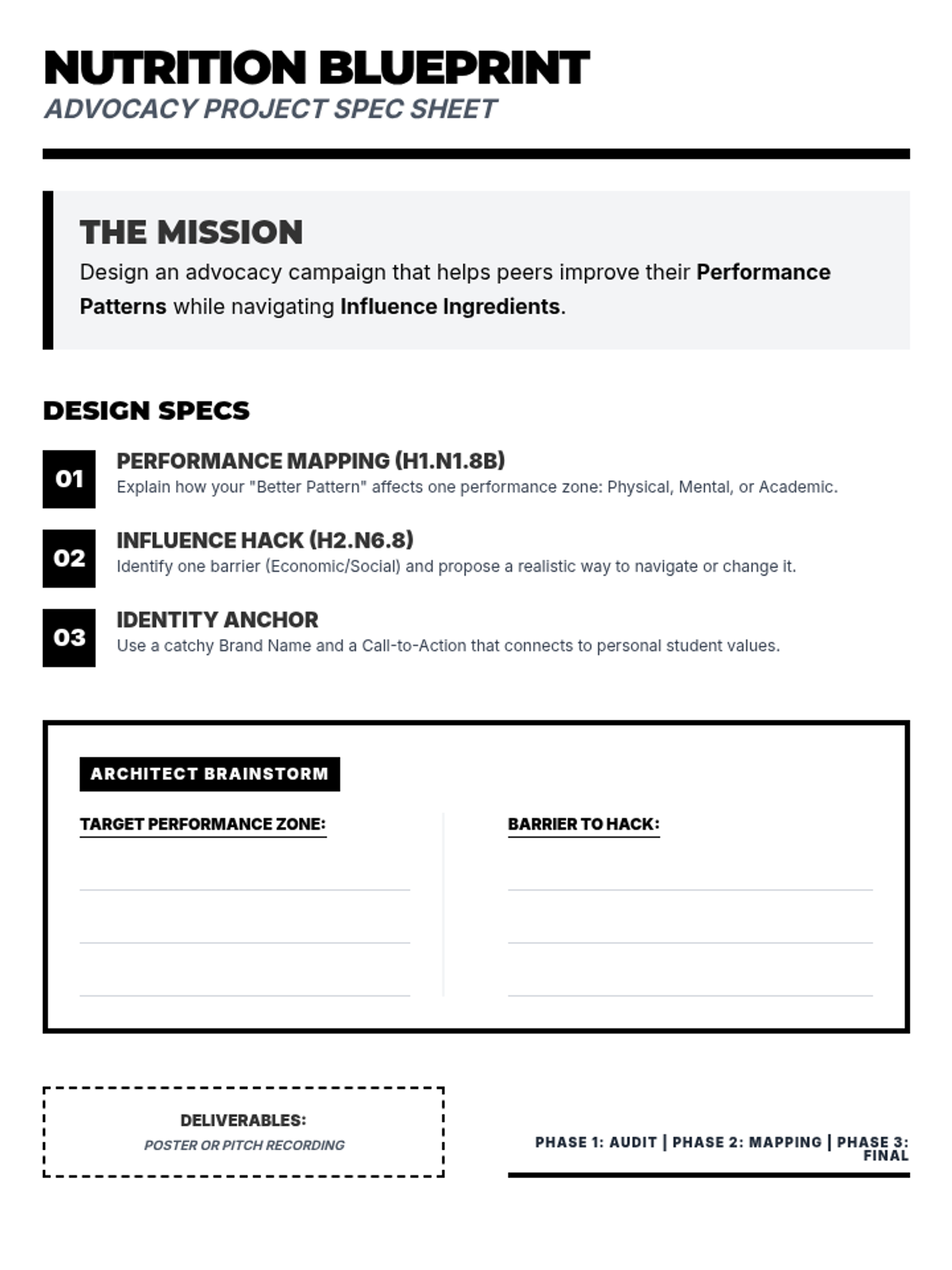
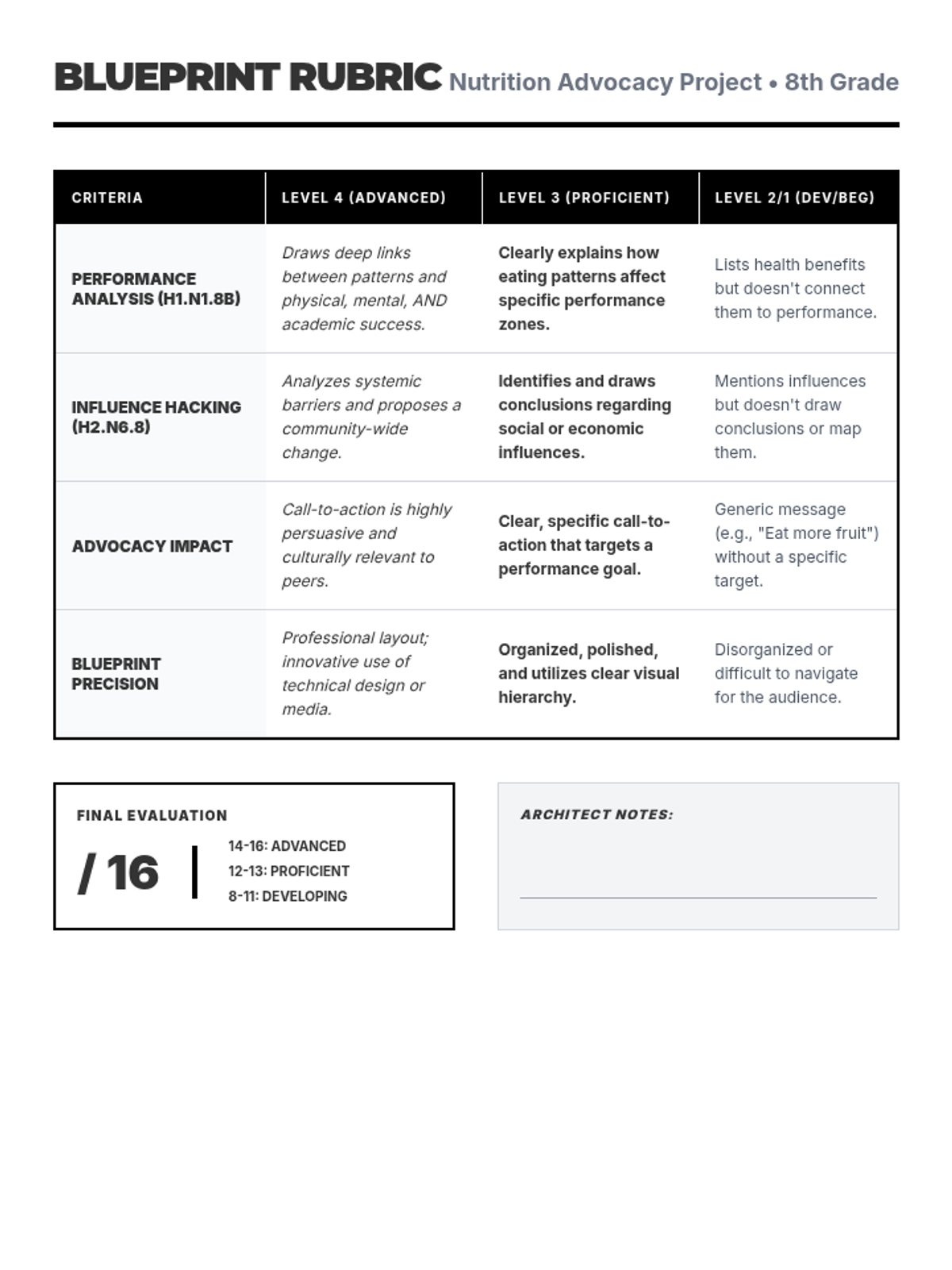
Culminating advocacy project where students design a nutrition intervention or awareness campaign.
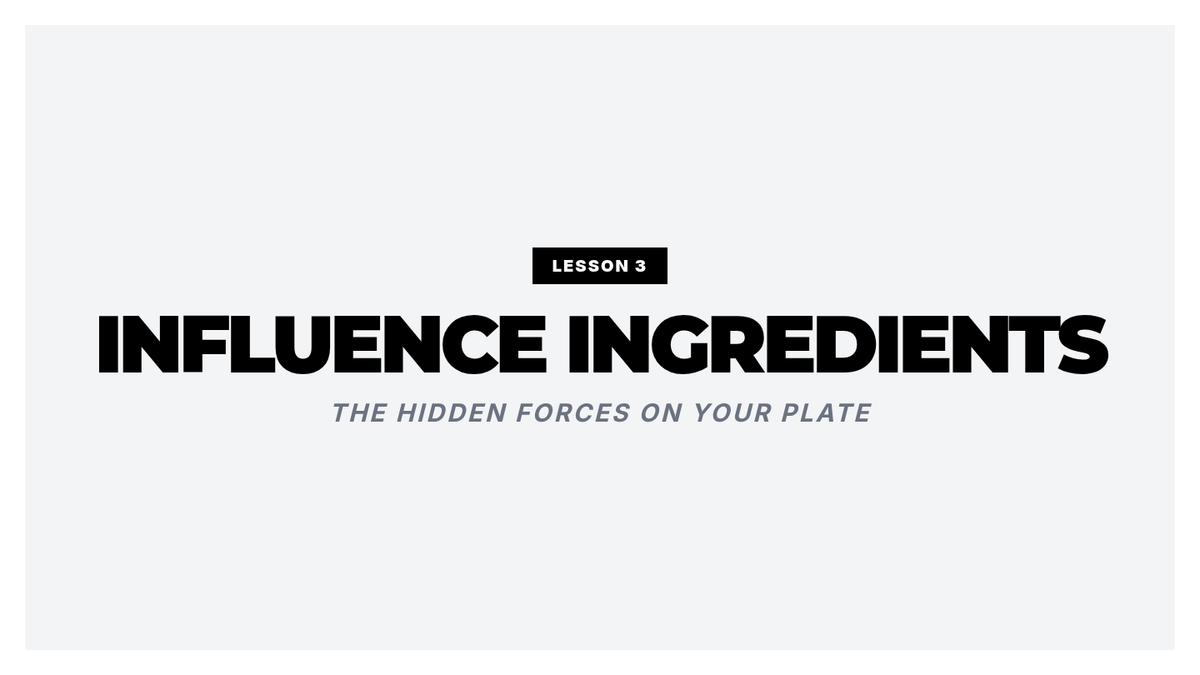
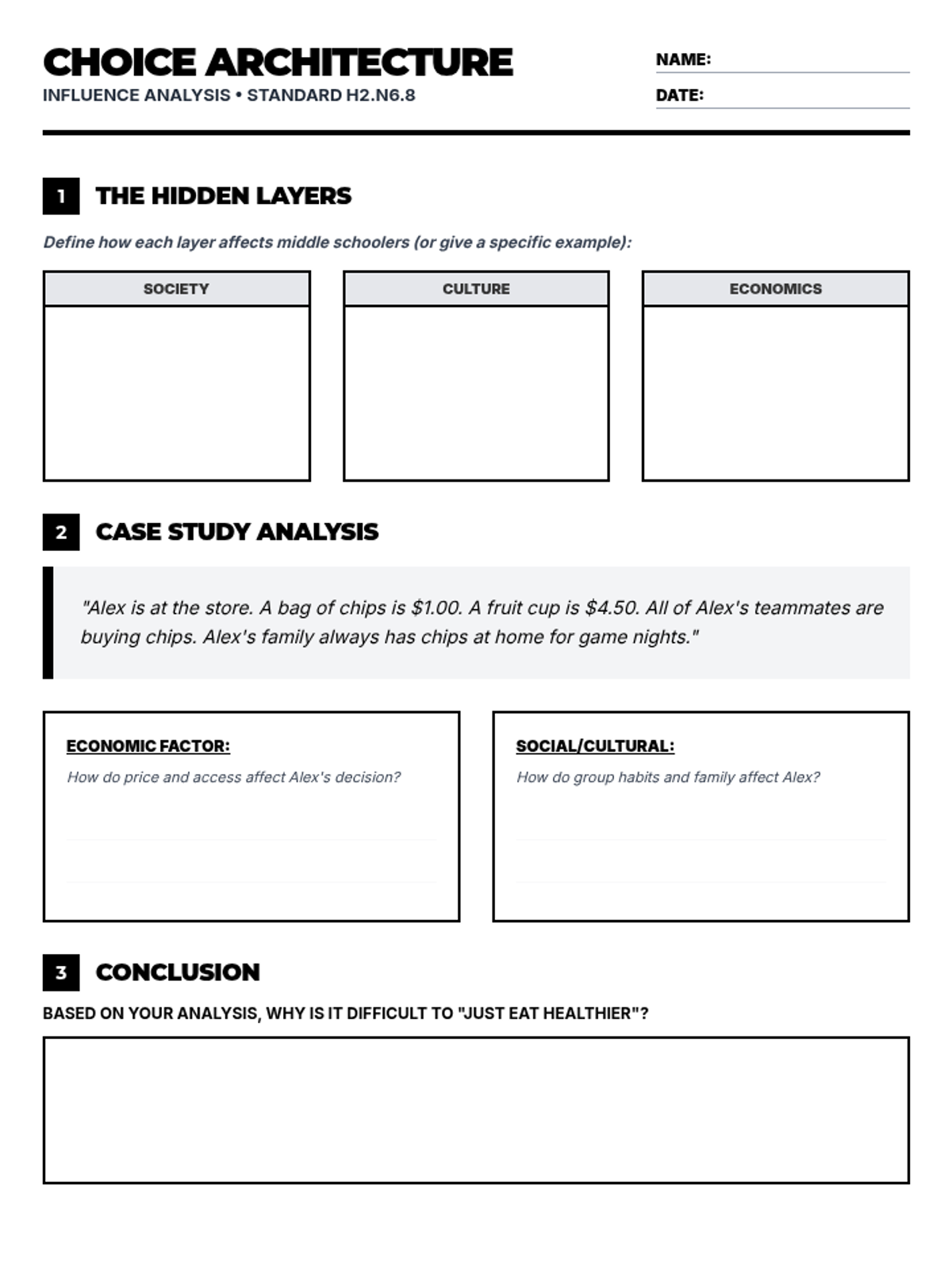
Analyzing the social, cultural, and economic factors that shape our nutritional choices and food access.
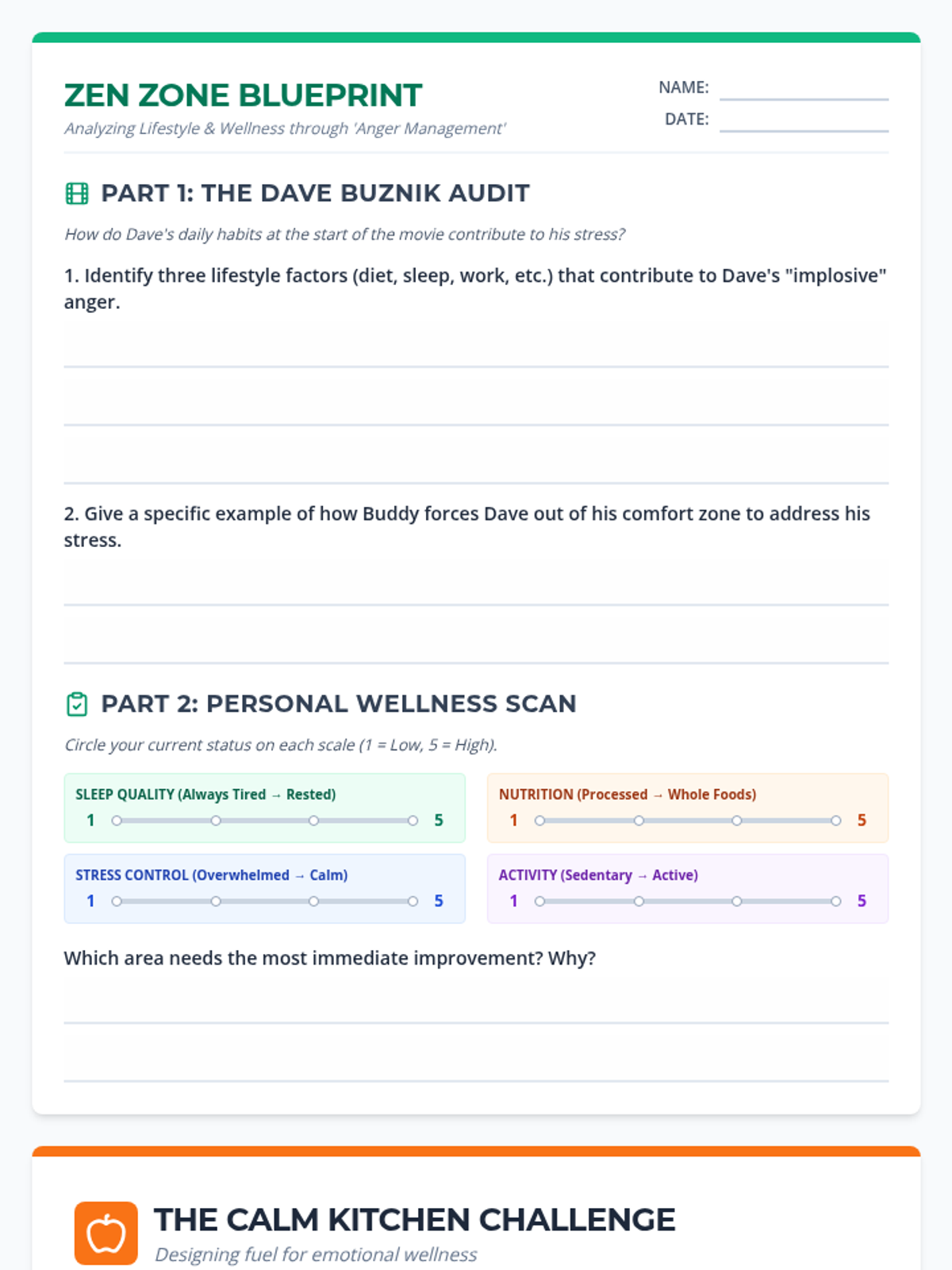
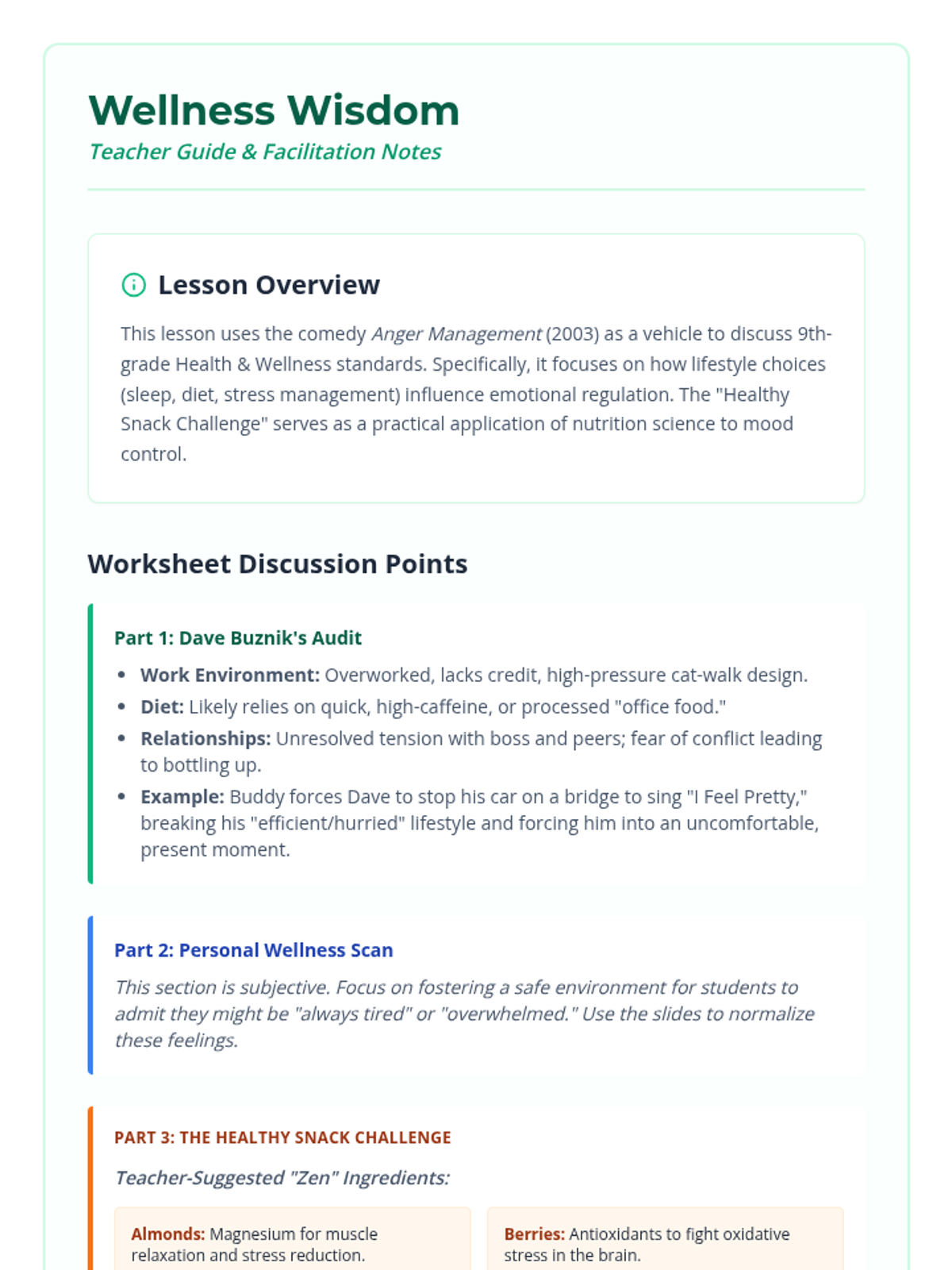
A lesson connecting the film Anger Management to personal health and wellness. Students analyze lifestyle factors that contribute to stress and design a healthy snack to support mood regulation.
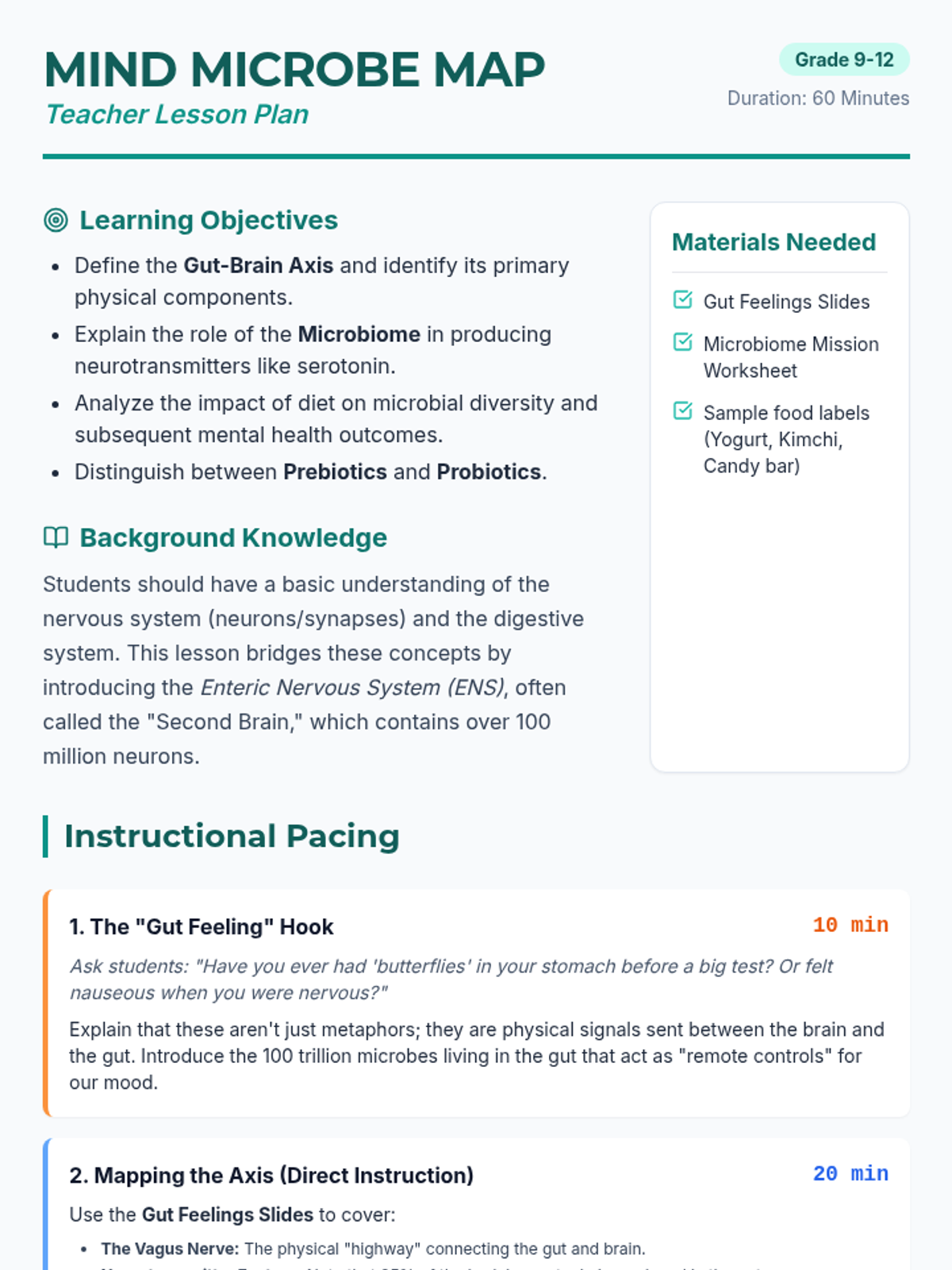
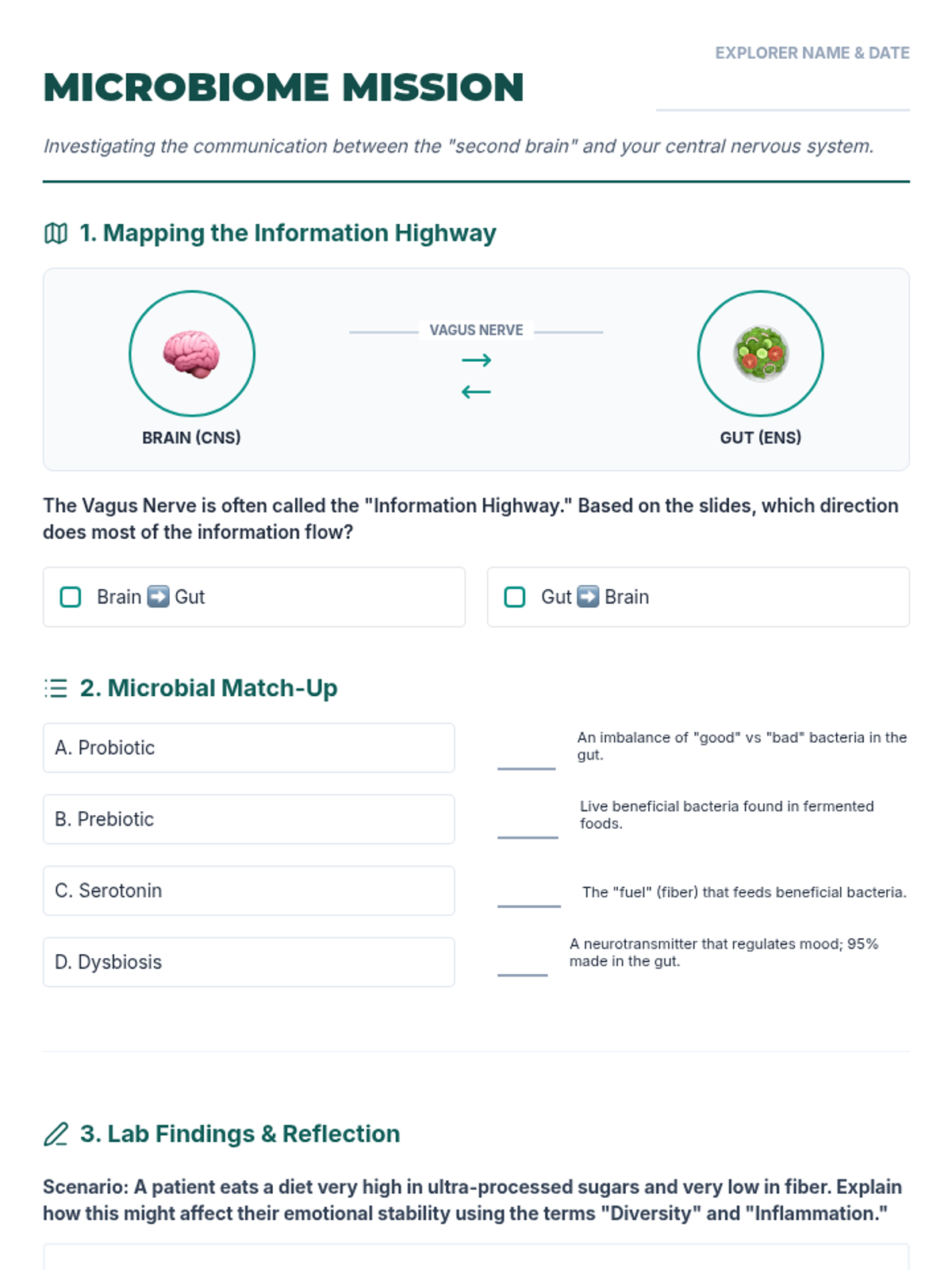
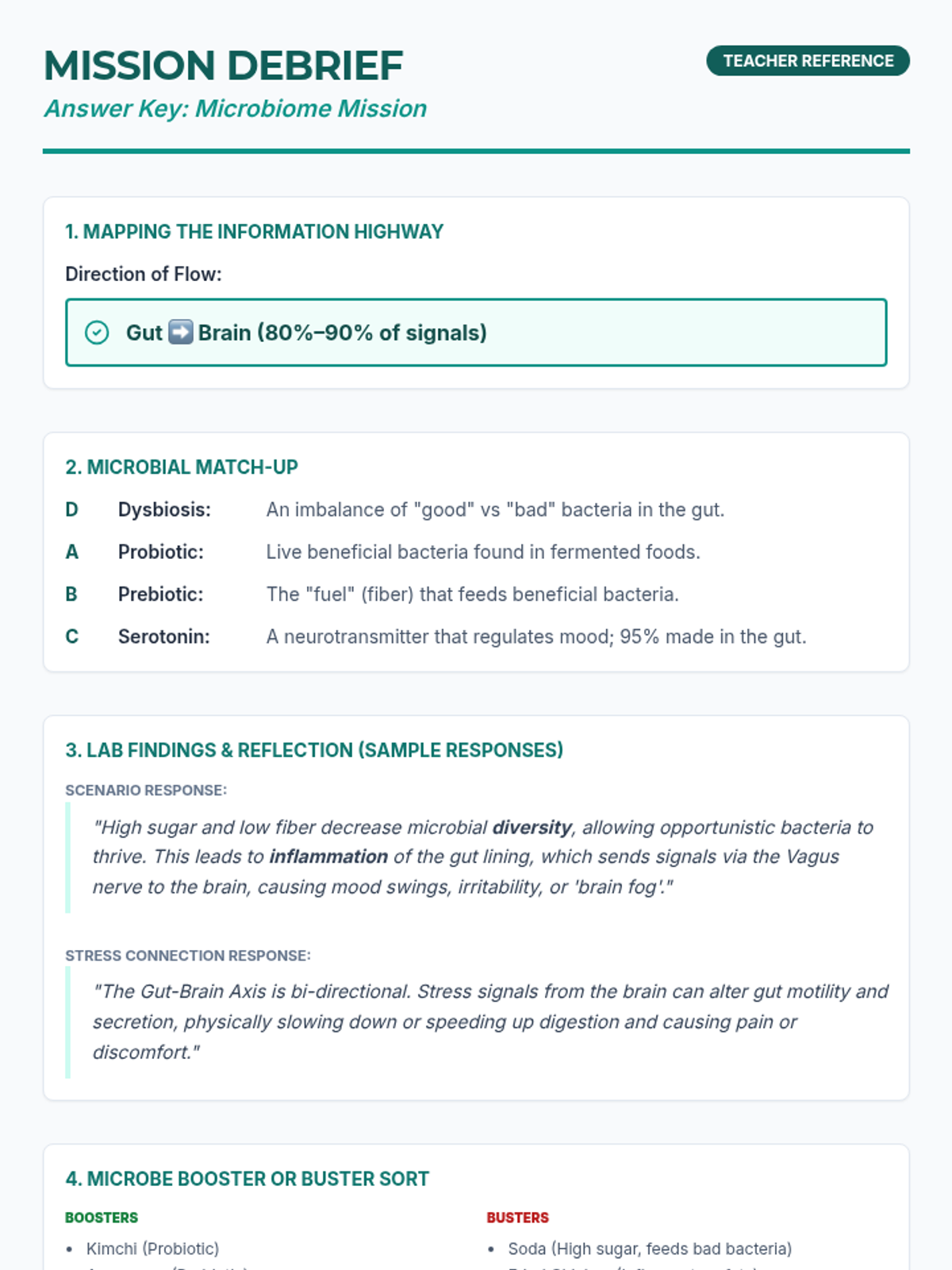
A comprehensive lesson exploring the gut-brain axis and how the microbiome influences mental health, neurotransmitter production, and emotional well-being.
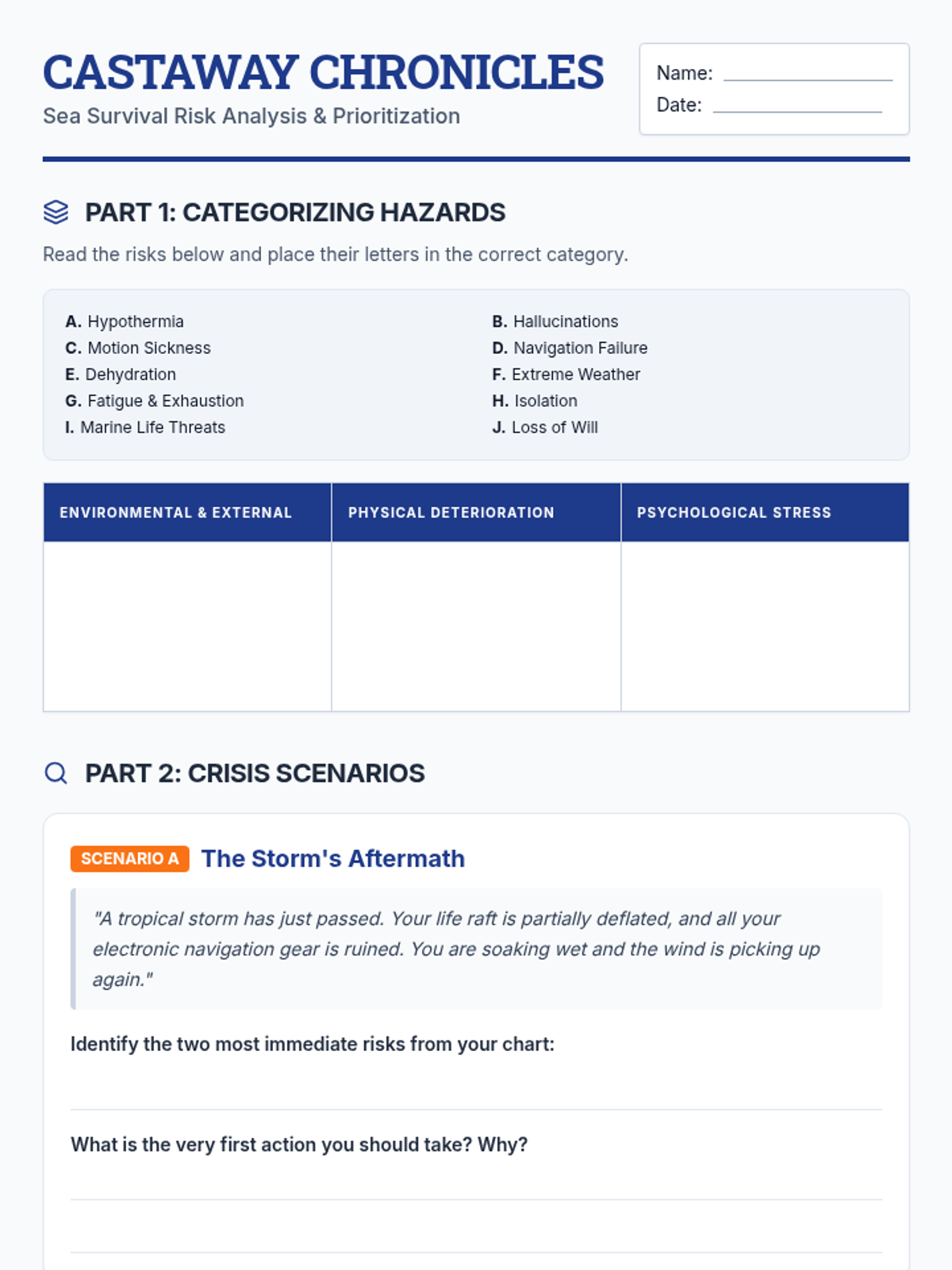
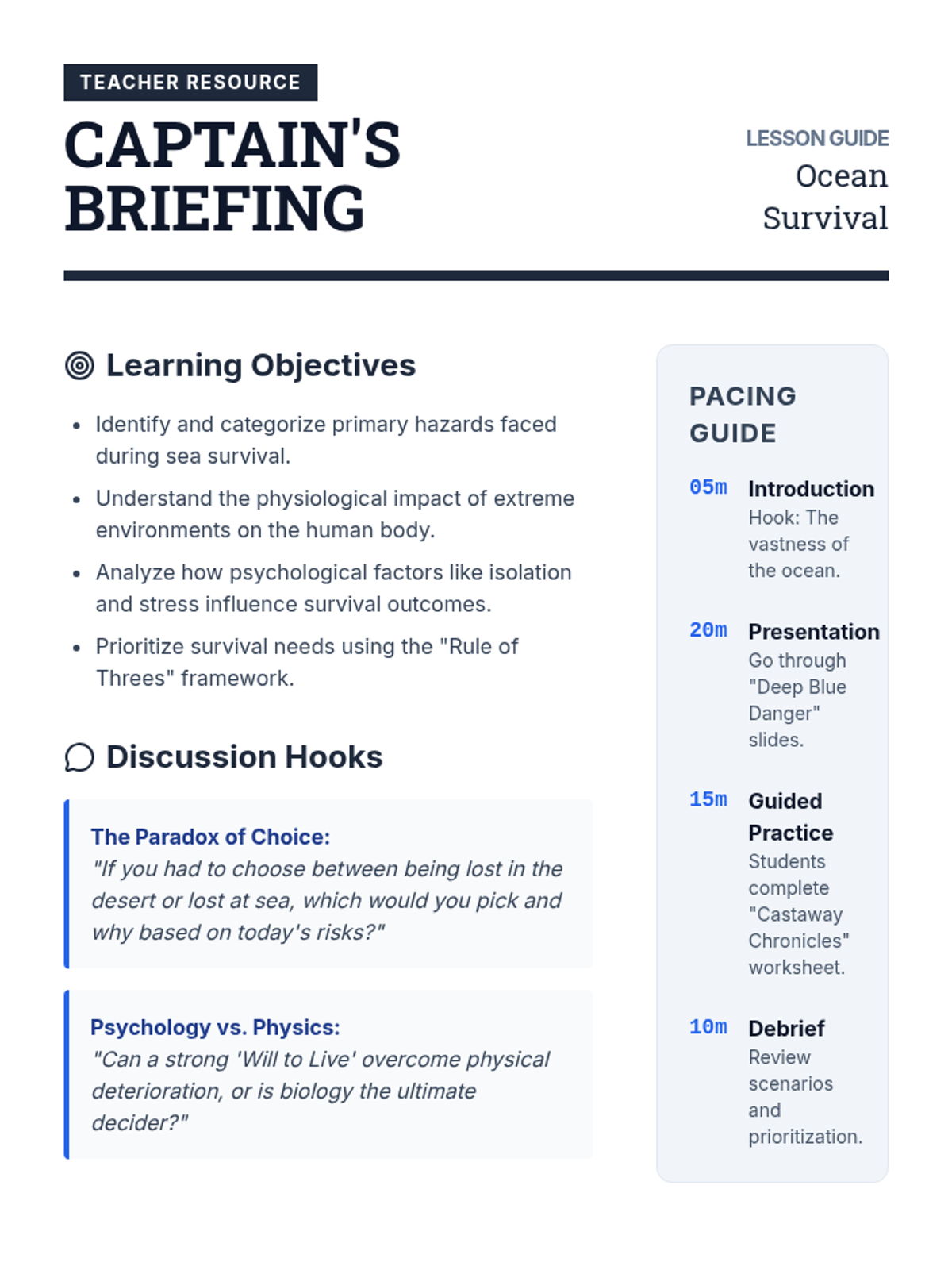
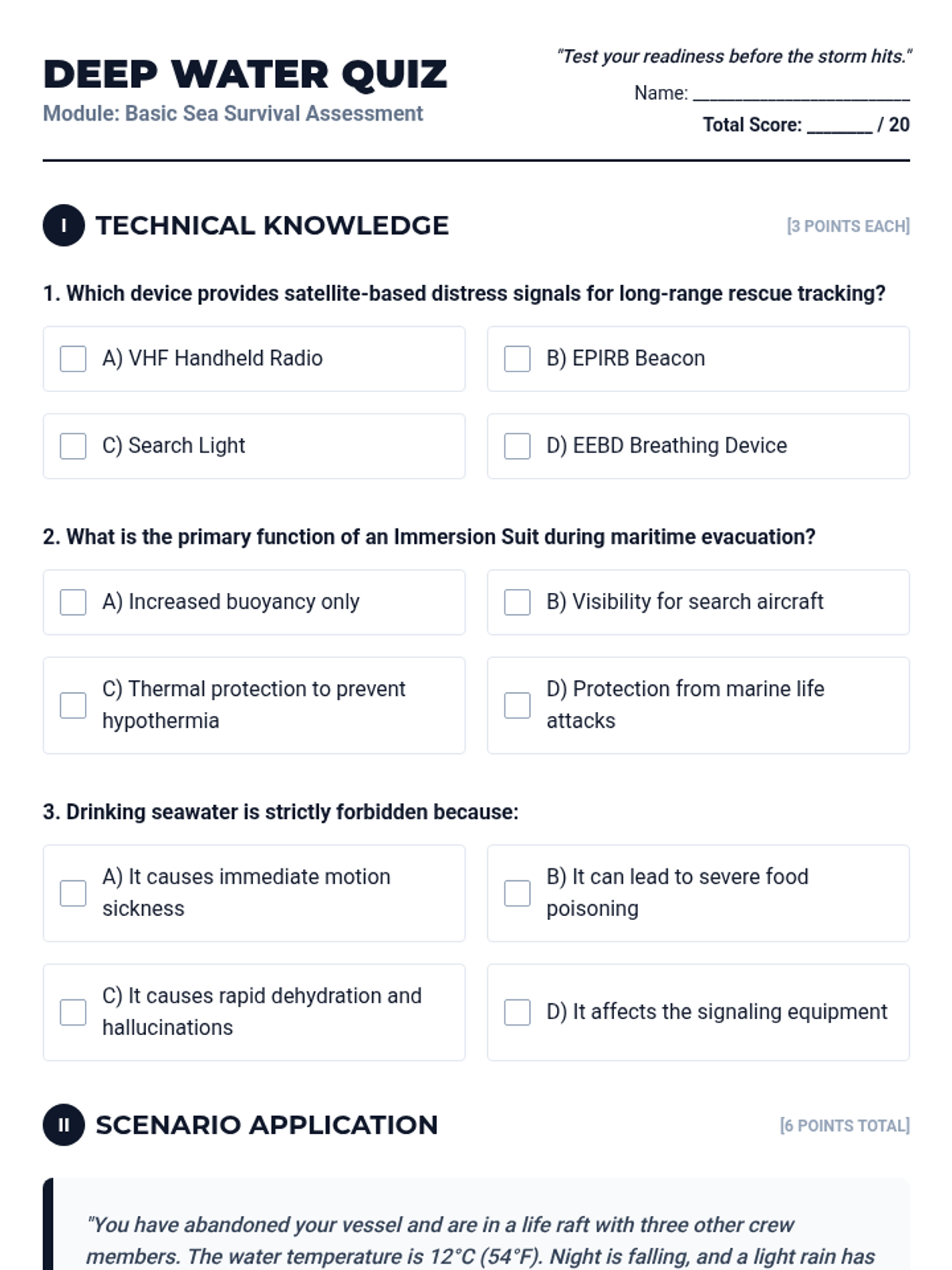
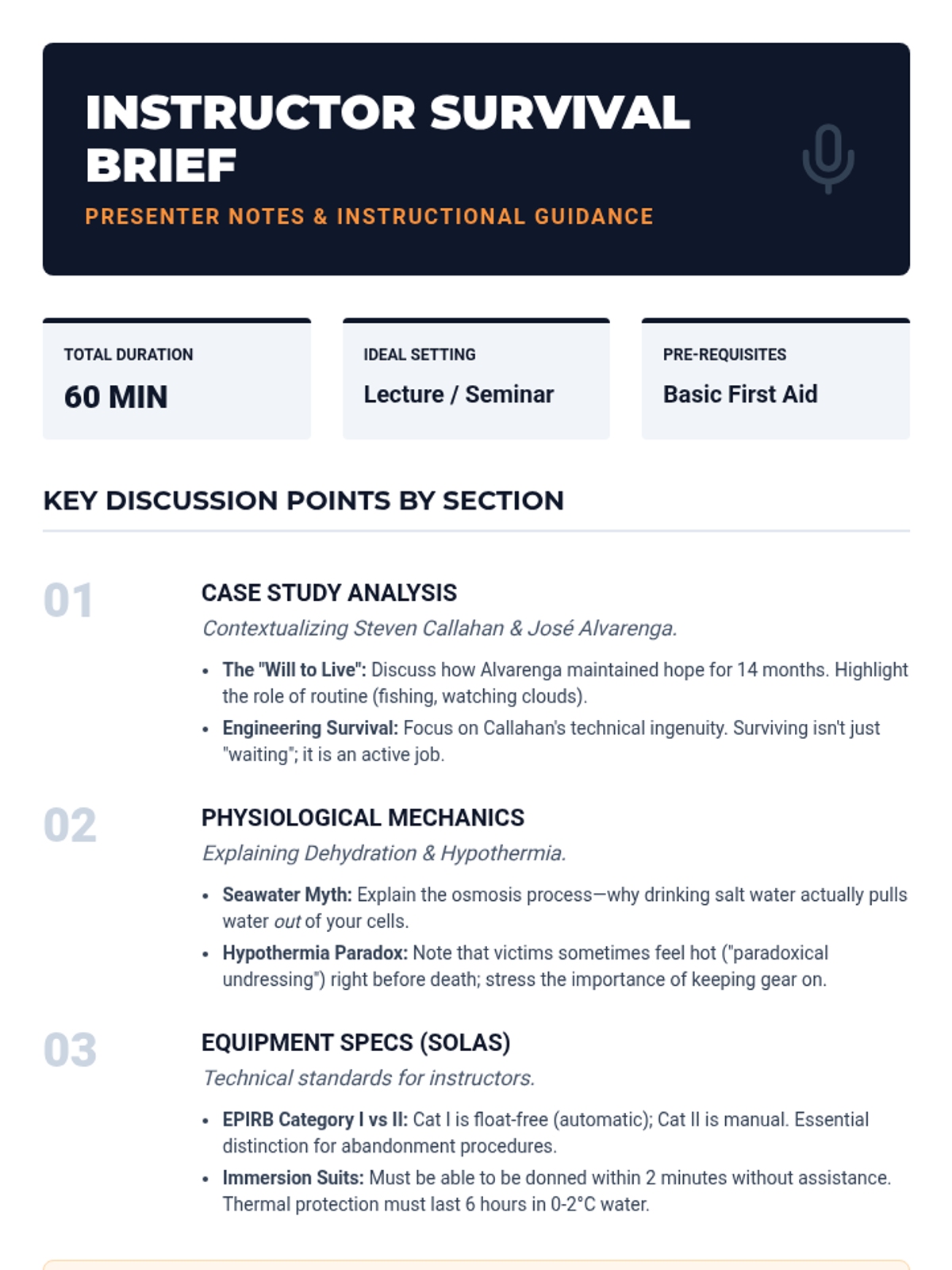
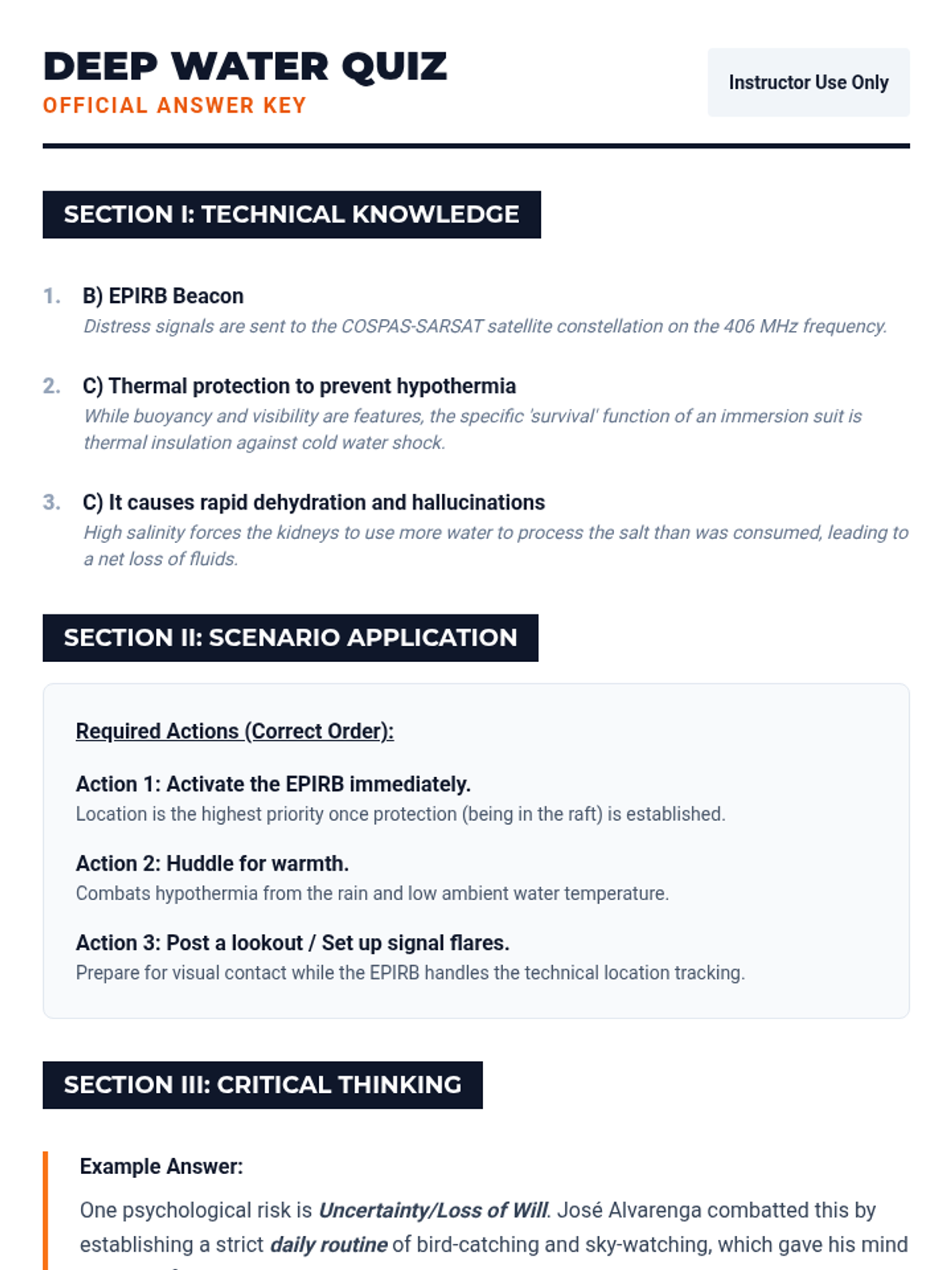
A comprehensive look at the physical, environmental, and psychological risks of being lost at sea, focusing on survival strategies and the human body's limits.
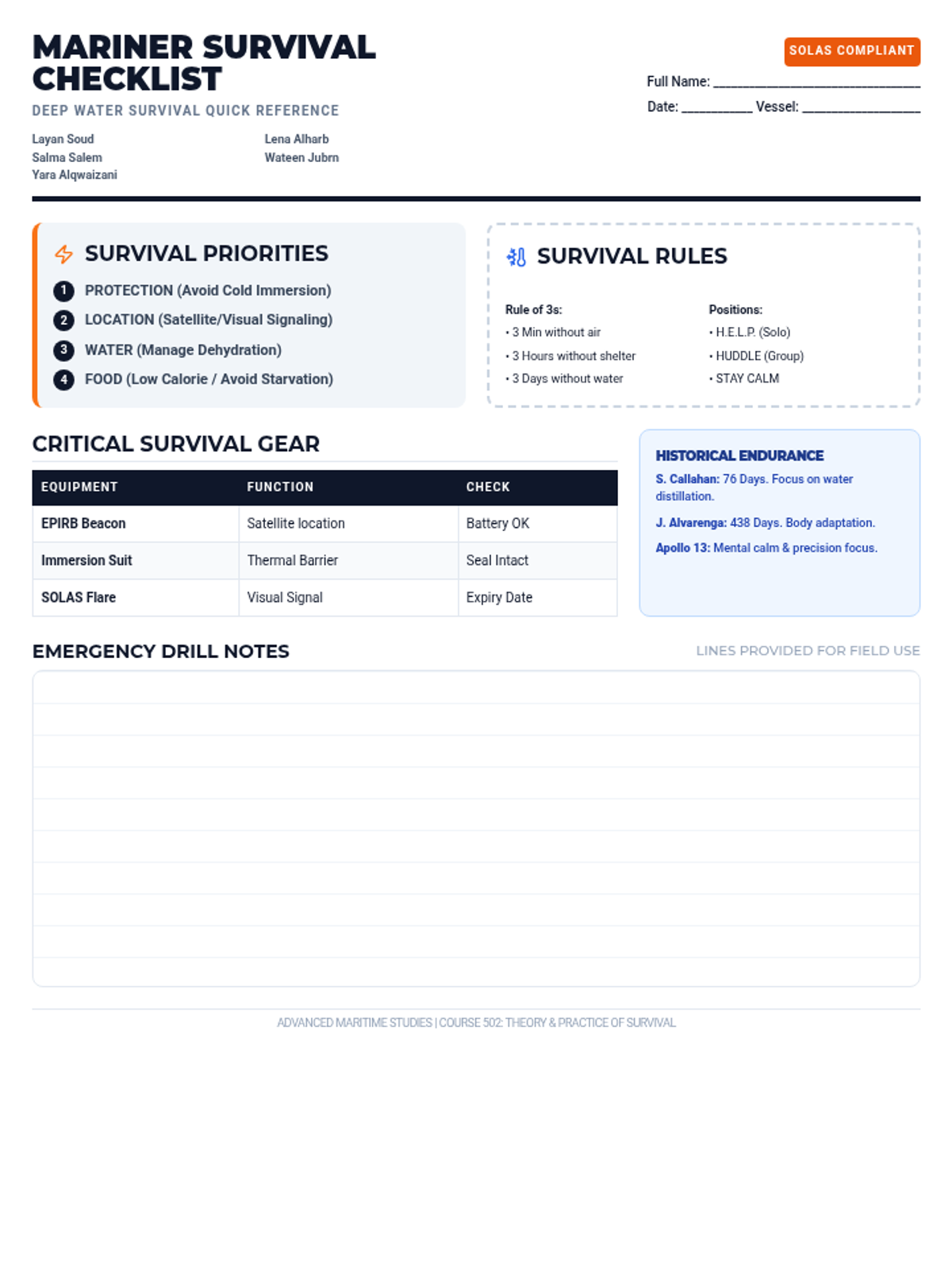
A comprehensive university-level training session on sea survival techniques, equipment, and psychological resilience. Students will analyze real-world case studies and master the technical specifications of life-saving maritime gear.
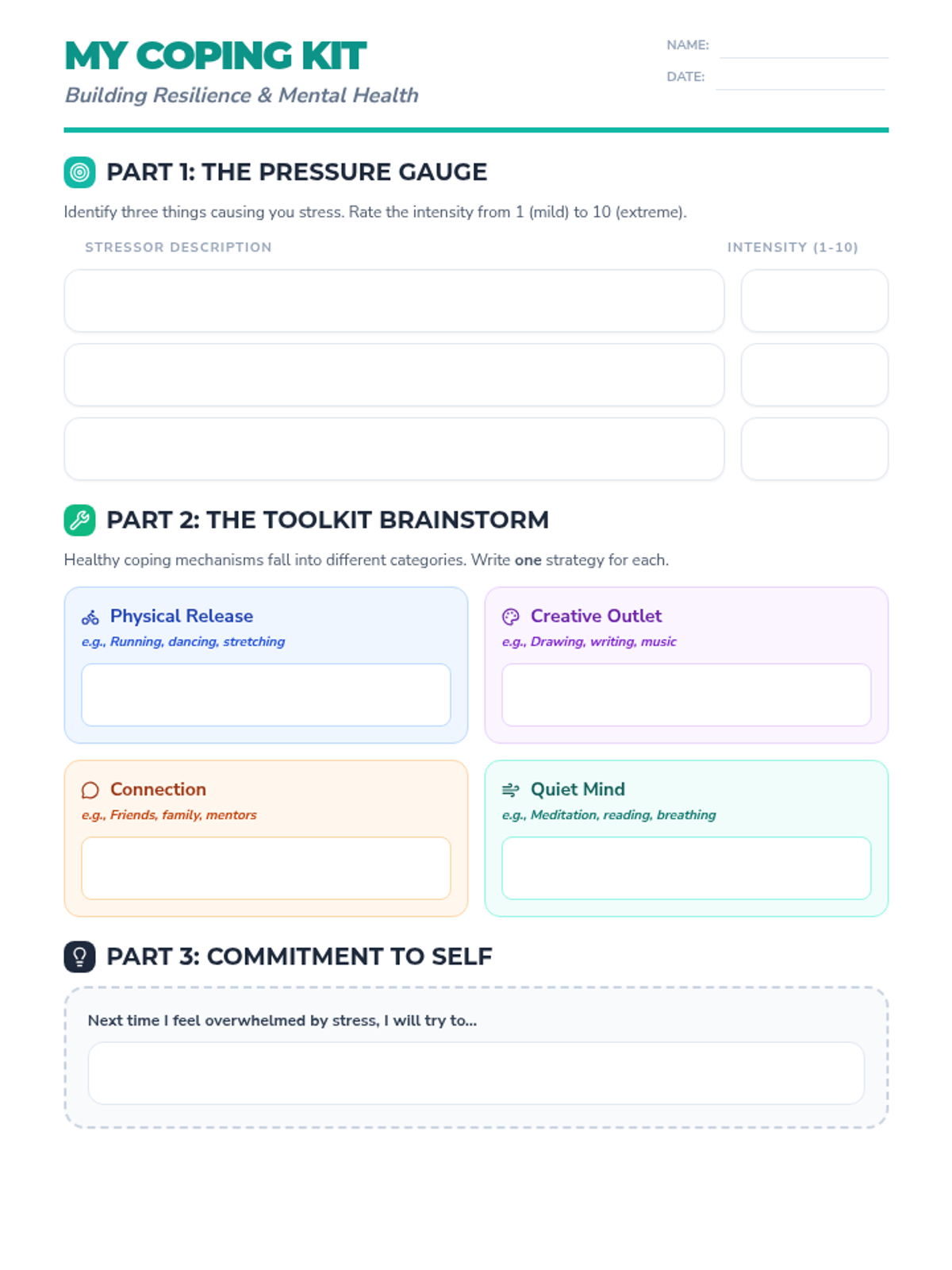
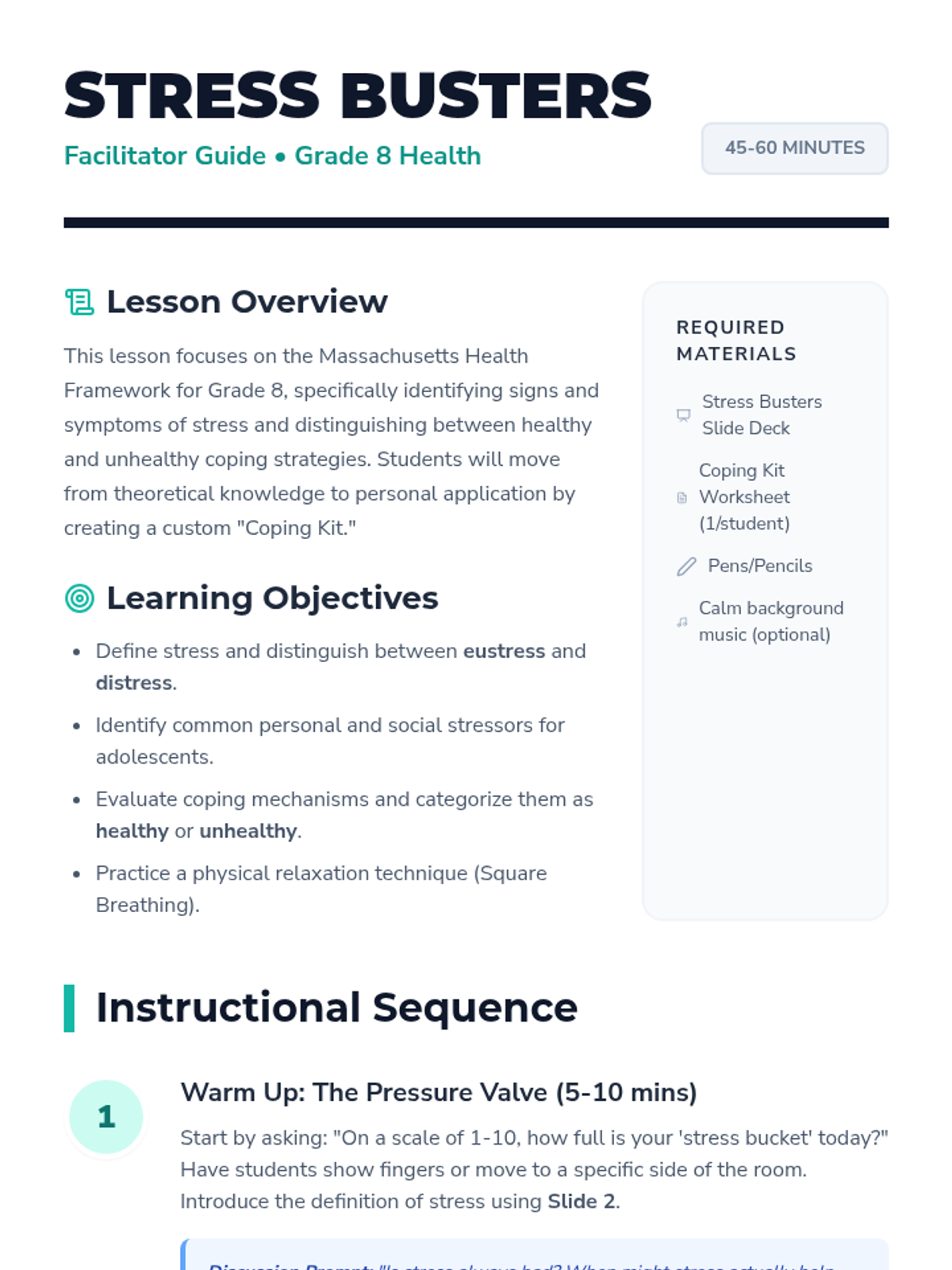
A comprehensive lesson on identifying stressors and developing healthy coping strategies, aligned with Massachusetts Grade 8 Health standards. Students will learn to distinguish between healthy and unhealthy stress management and build a personal 'coping kit'.
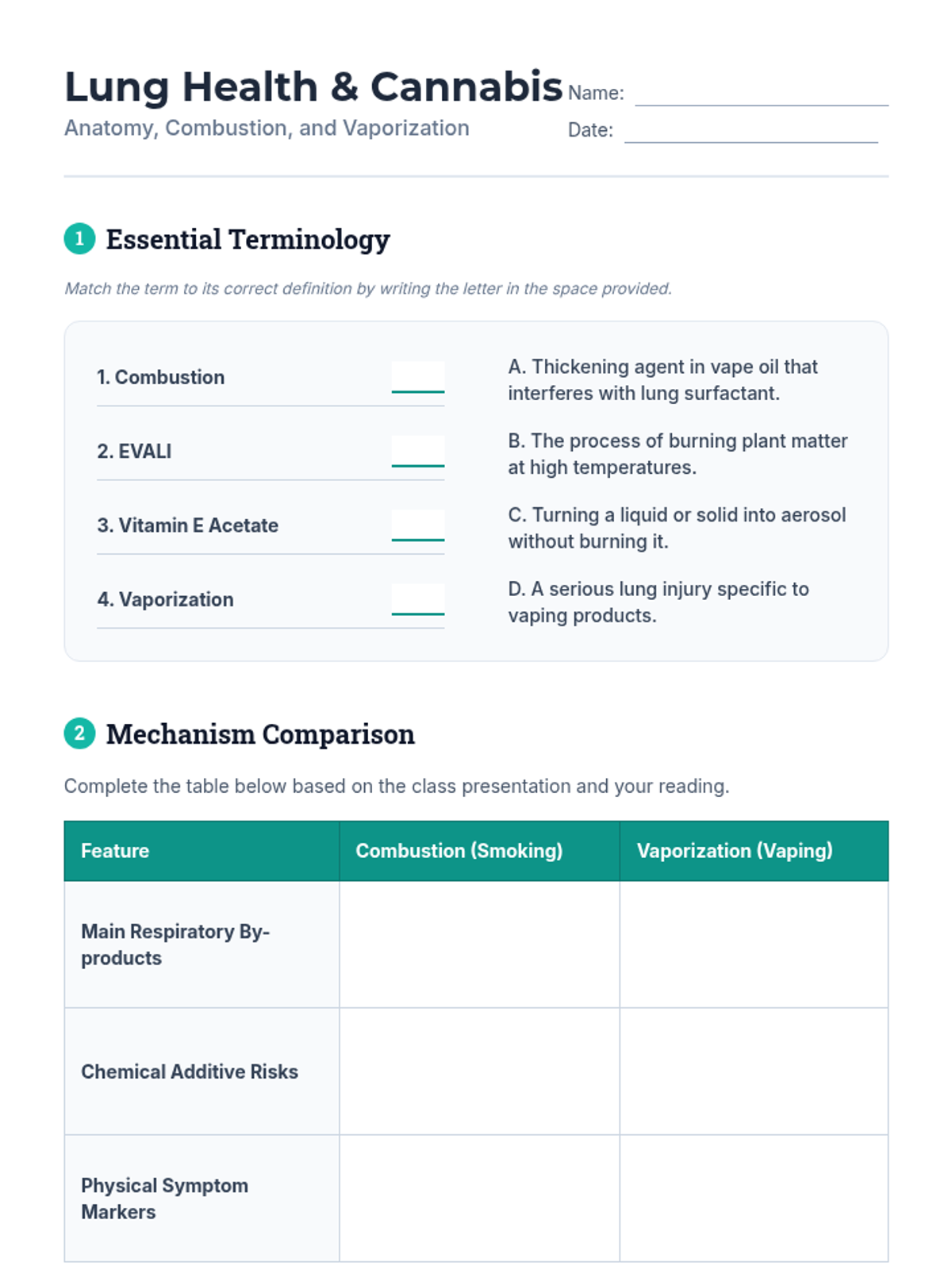
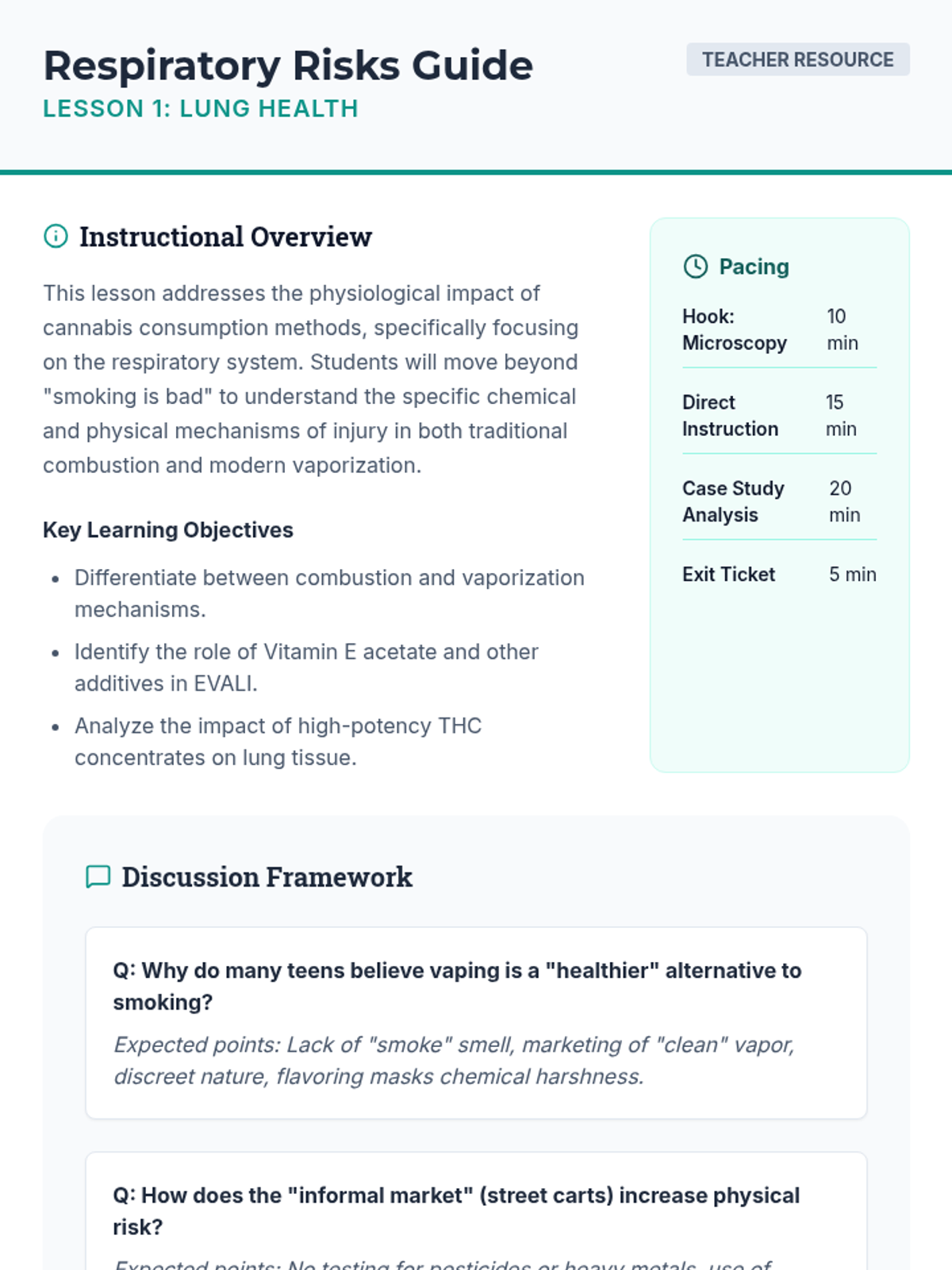
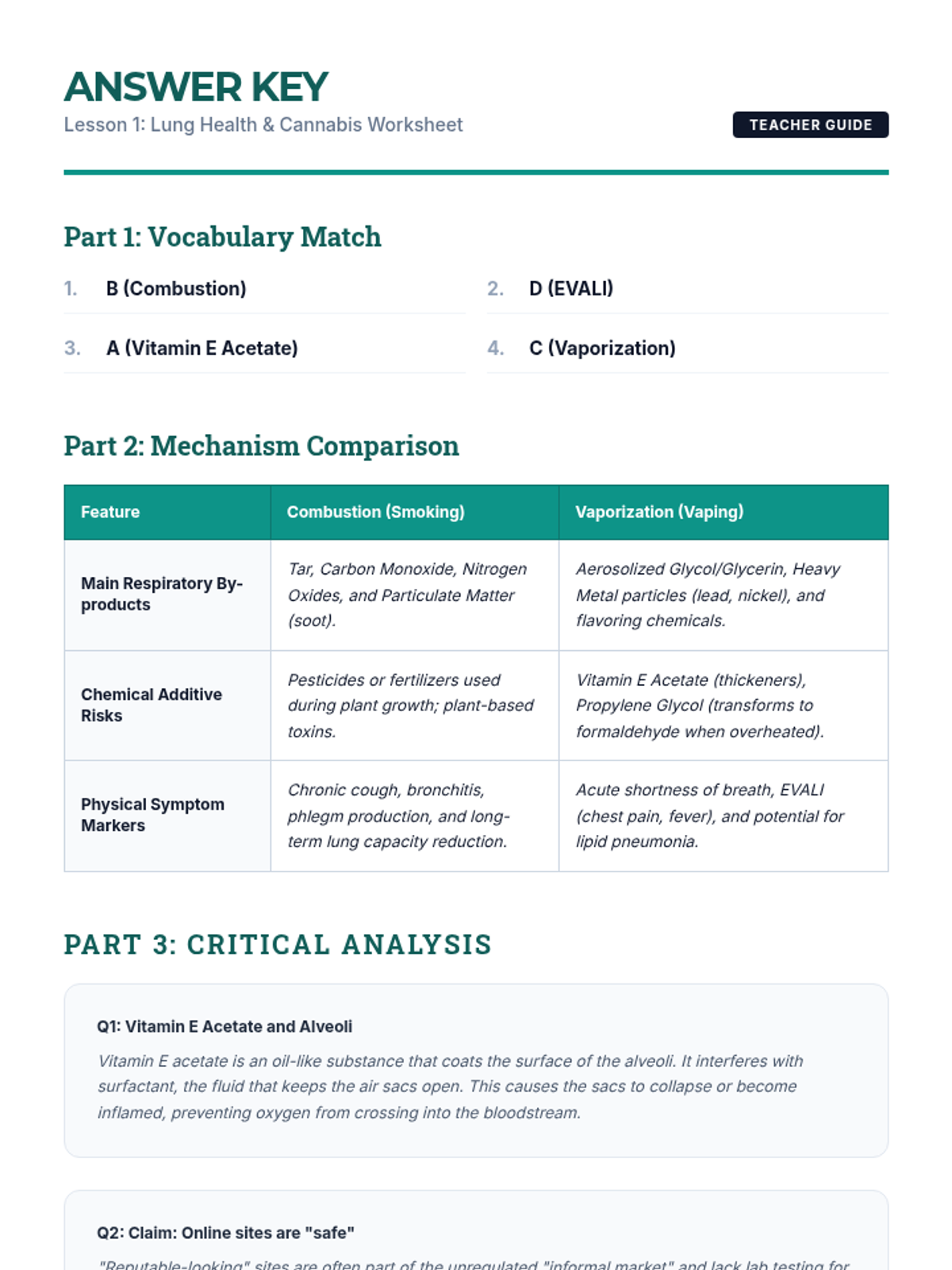
Students investigate the physical impact of inhaling combusted plant matter versus vaporized oil concentrates, focusing on EVALI and respiratory anatomy.
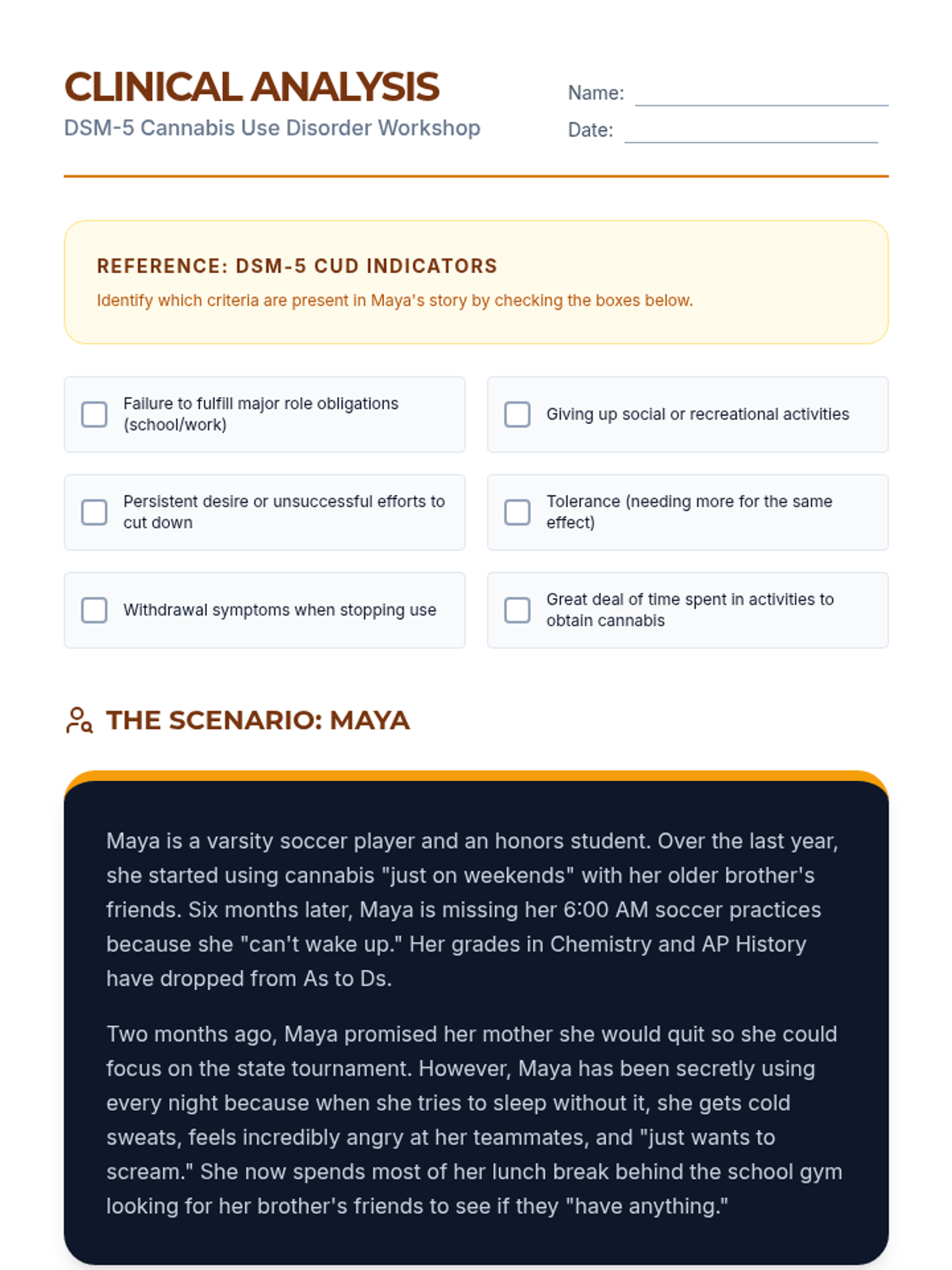
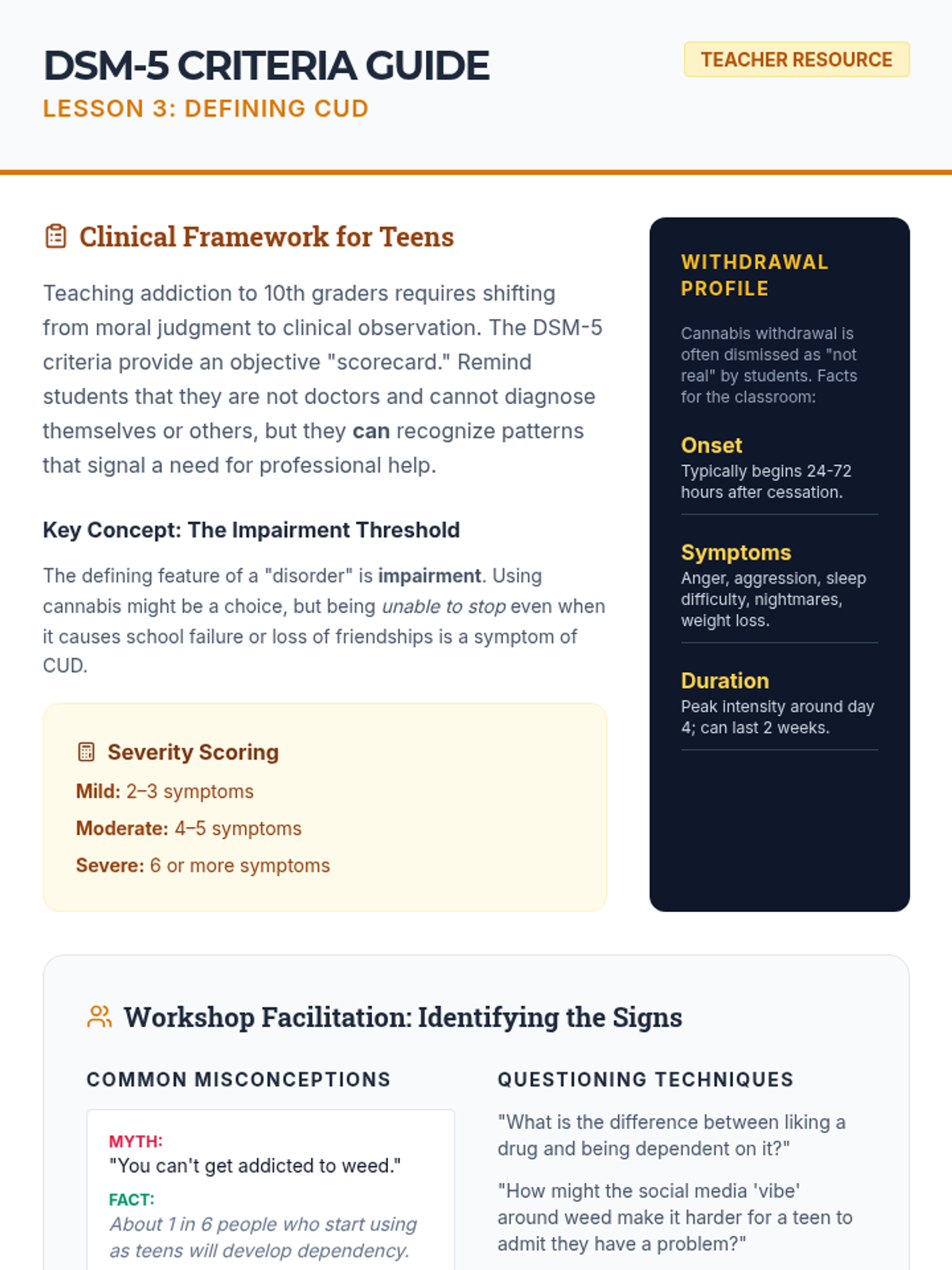
Students review the DSM-5 diagnostic criteria for Cannabis Use Disorder (CUD) to distinguish between recreational use, tolerance, and addiction.
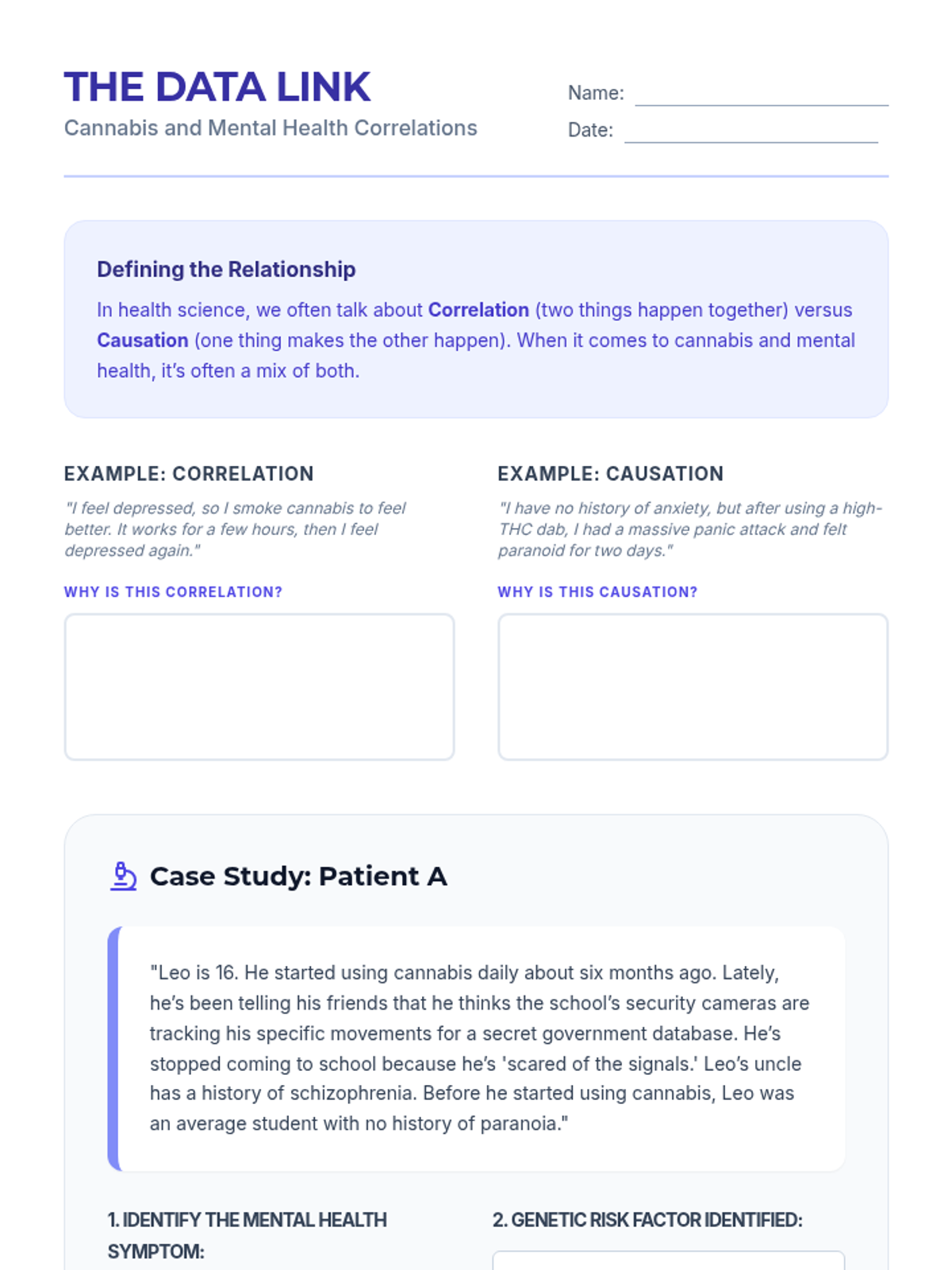
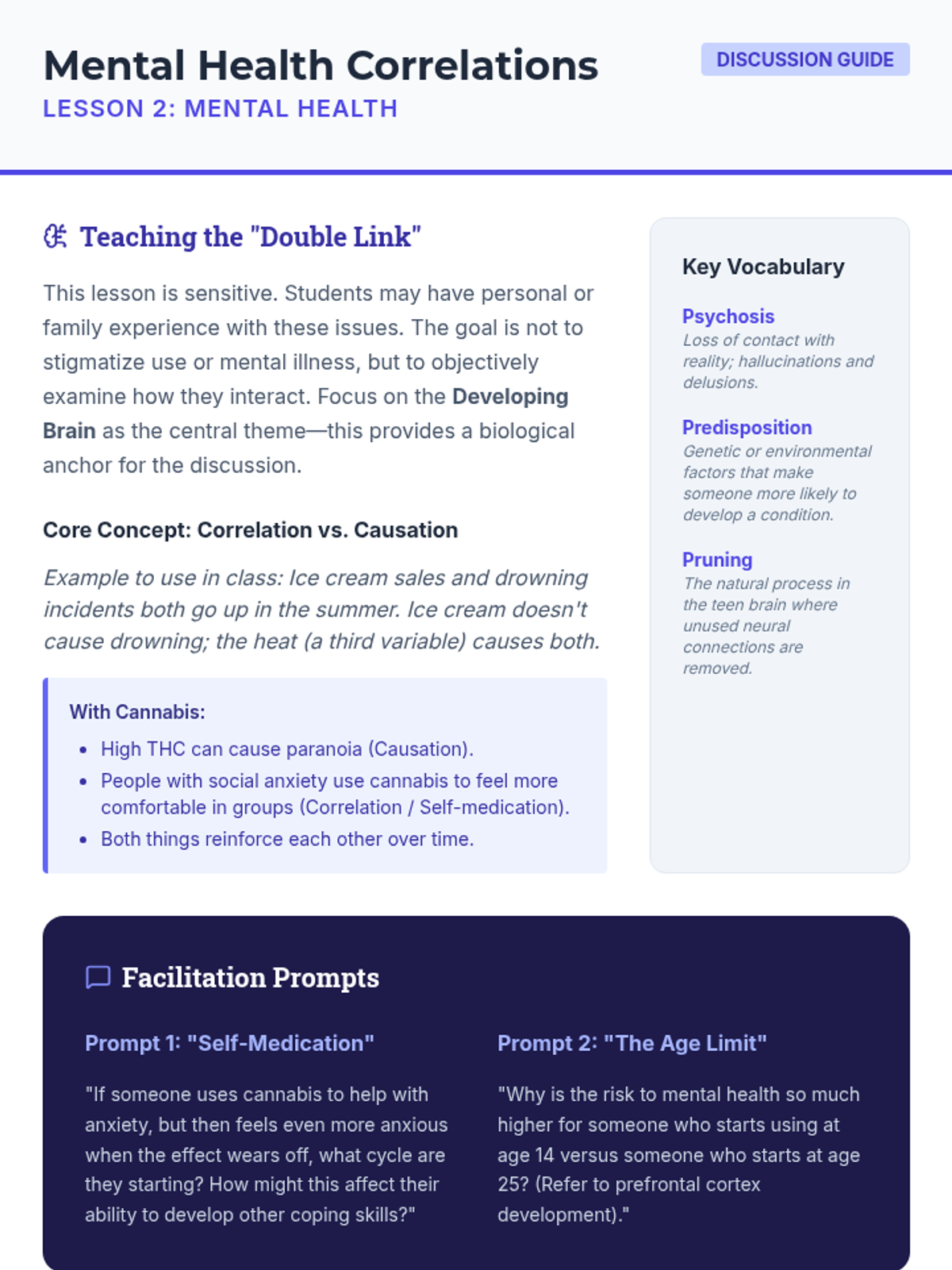
This lesson explores the bi-directional relationship between cannabis and mental health issues like anxiety and psychosis, emphasizing the difference between correlation and causation.
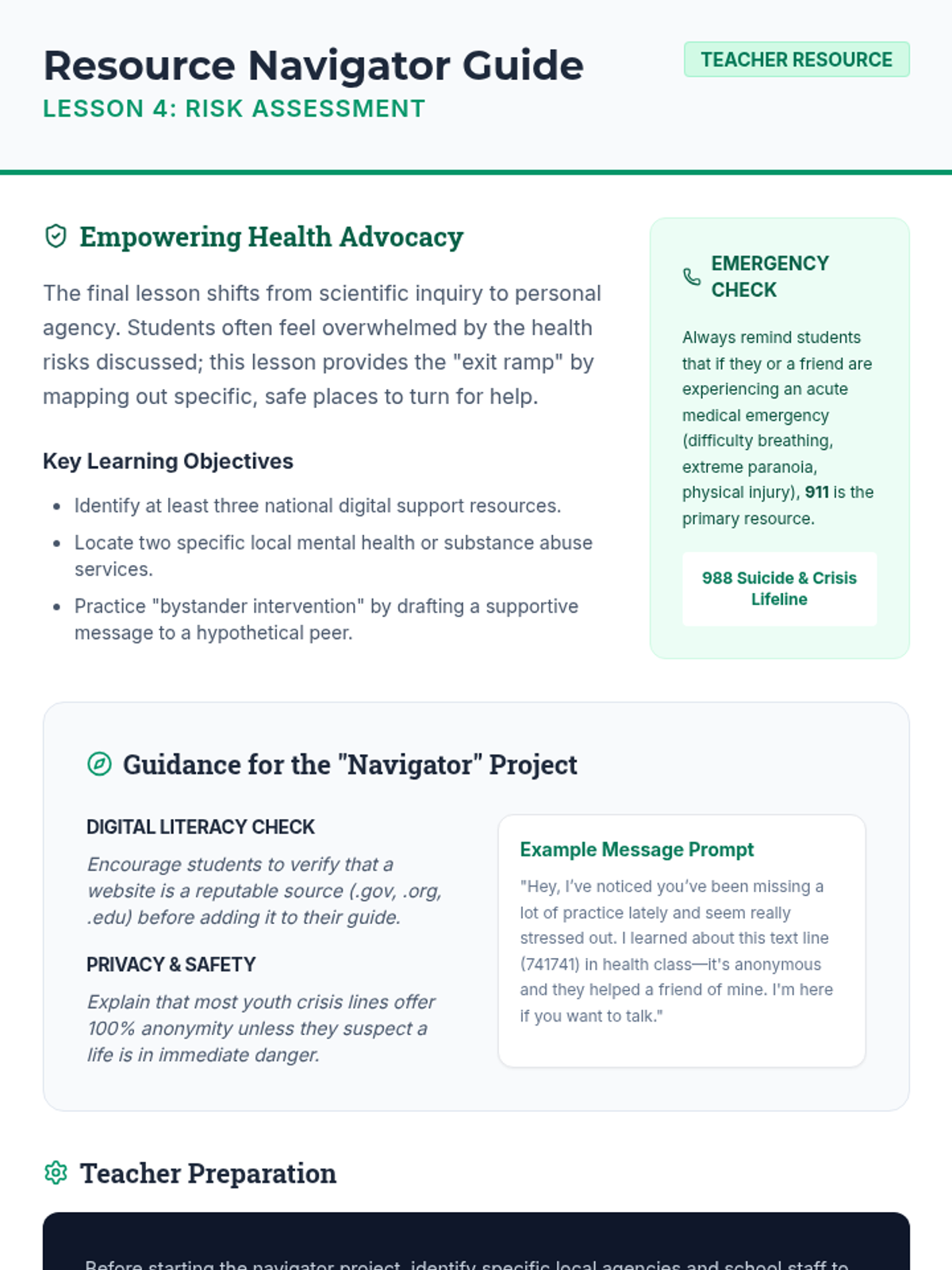
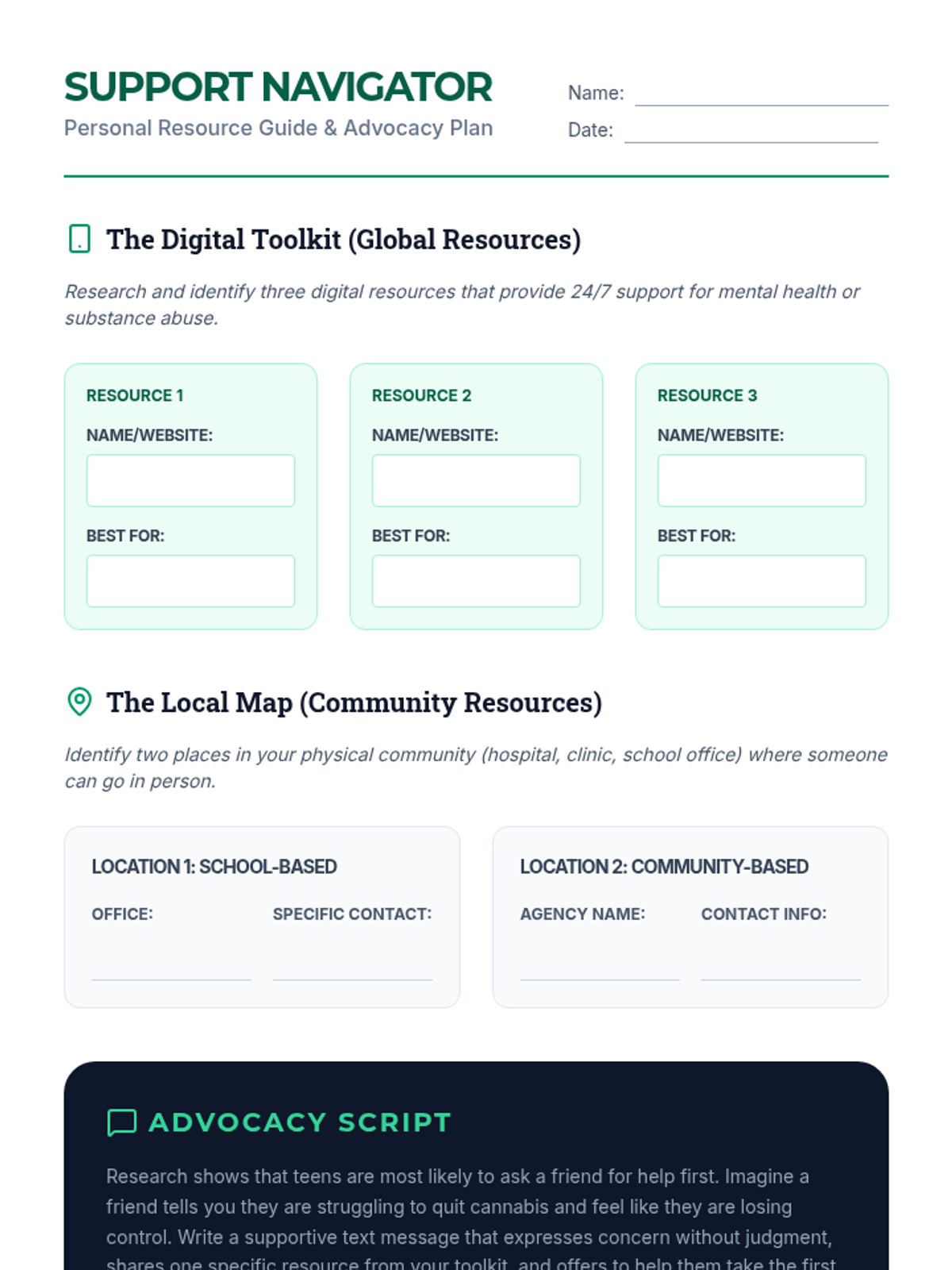
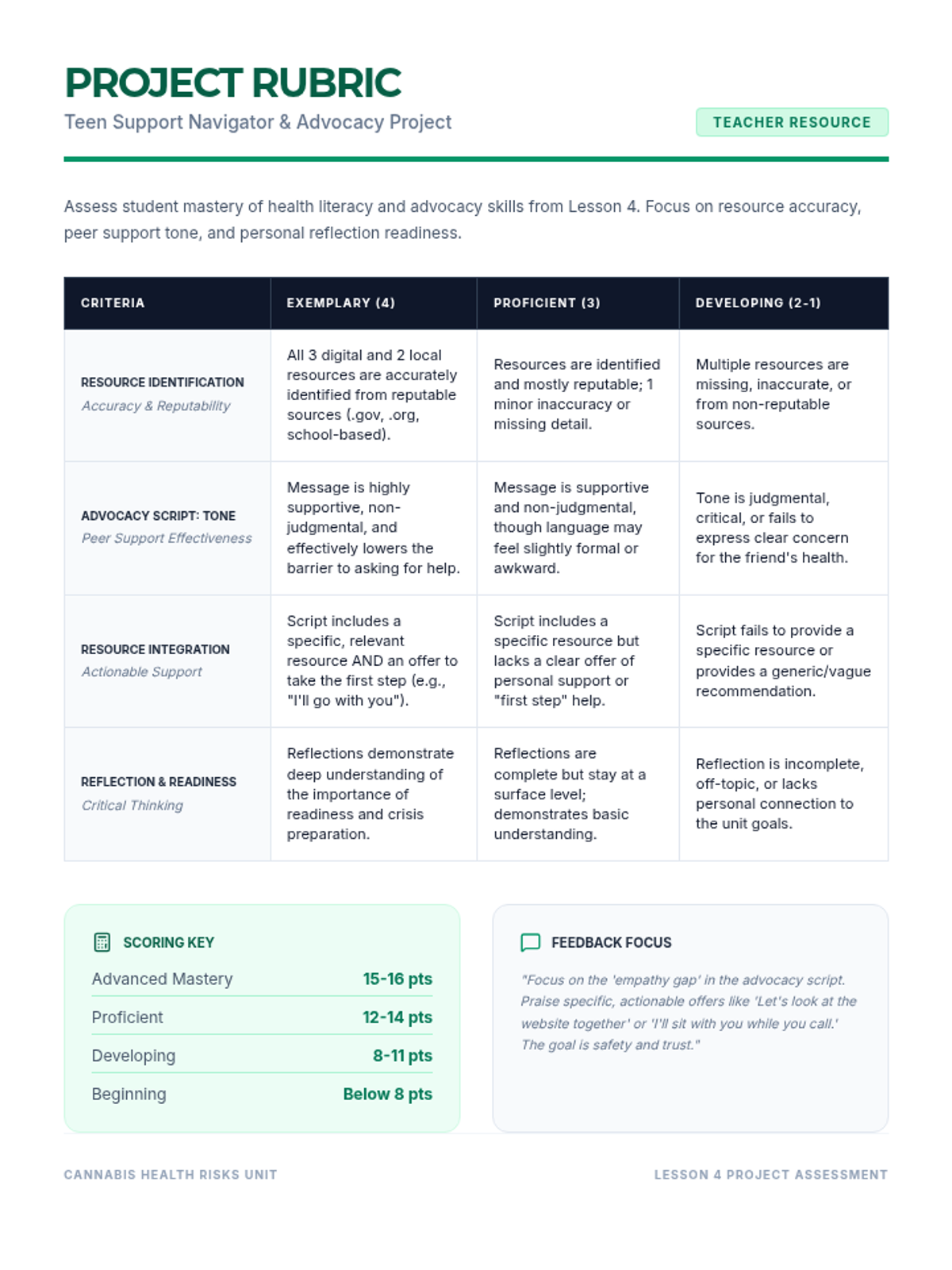
Students identify risk factors and compile a localized resource guide for mental health and substance abuse support.
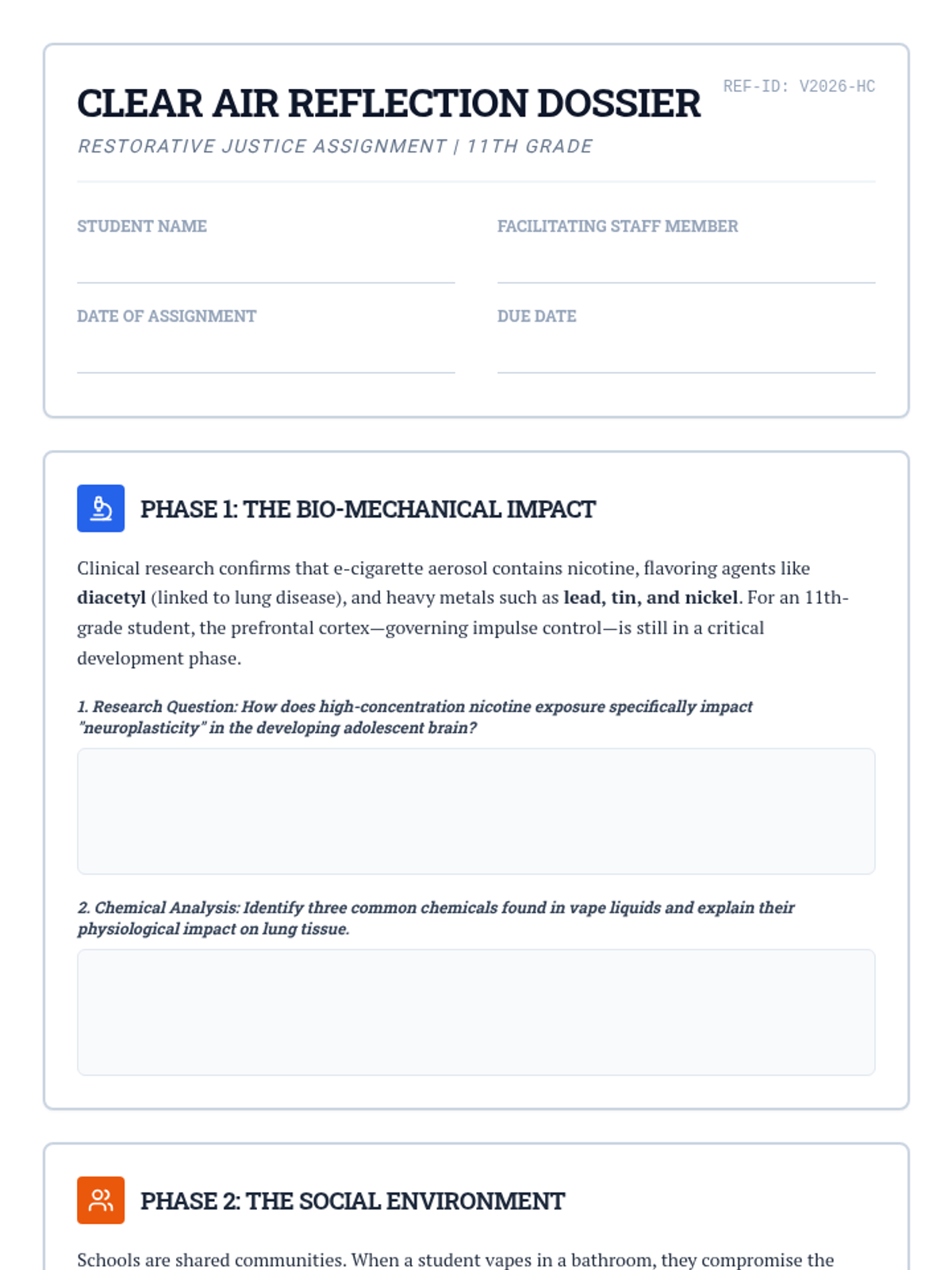
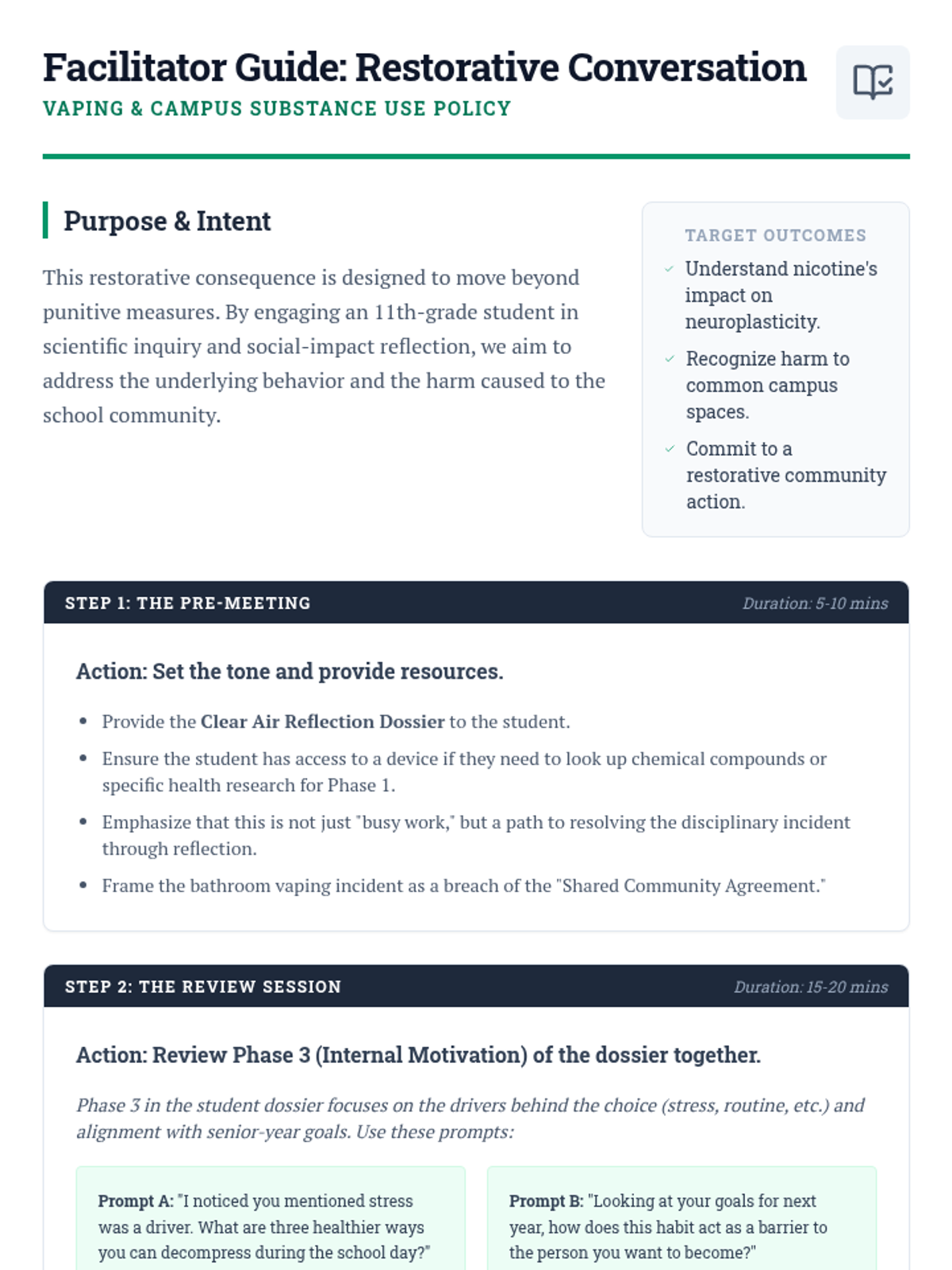
A restorative justice lesson designed for a high school student to reflect on the health impacts of vaping and the social consequences of using prohibited substances on campus.
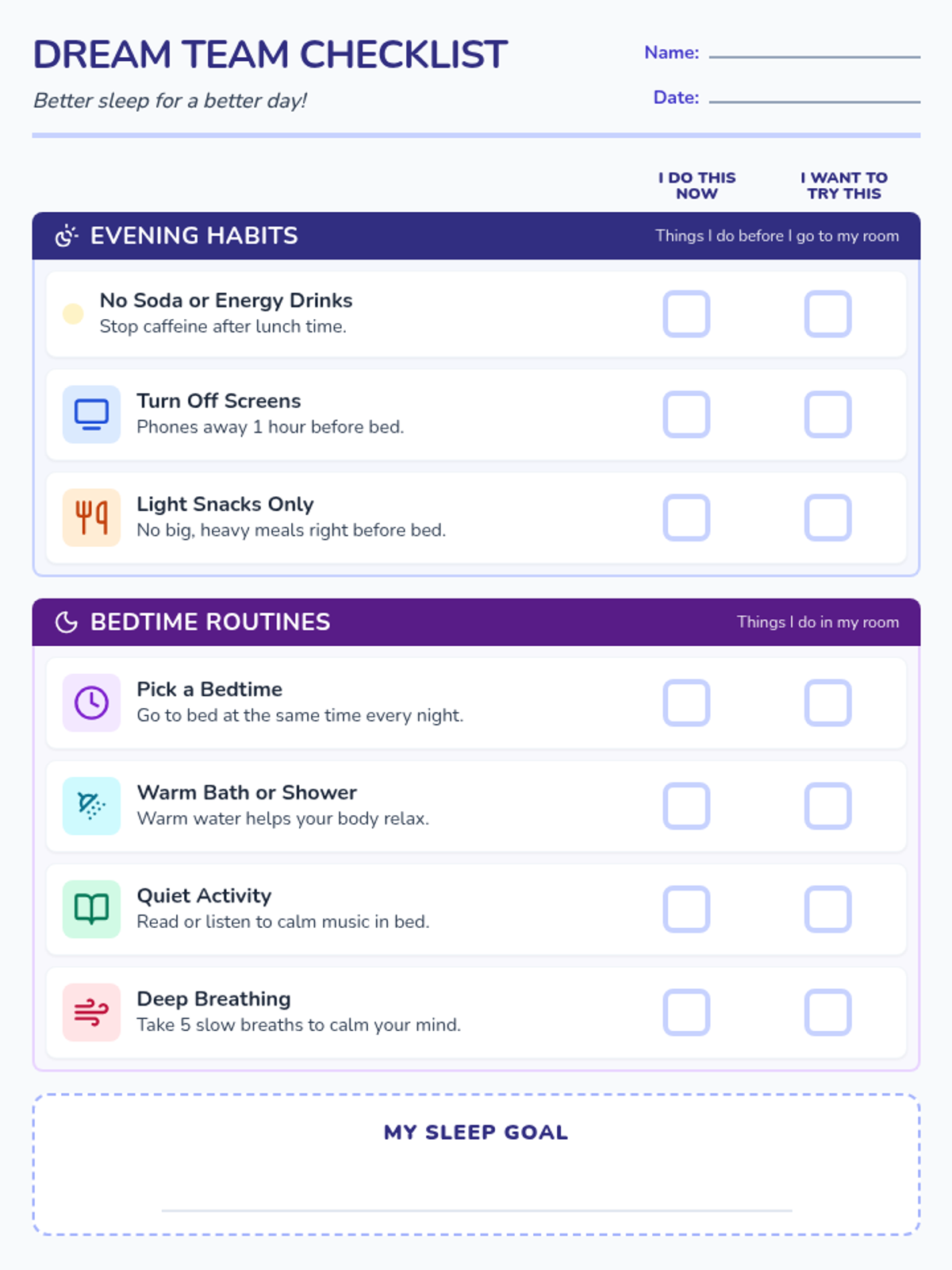
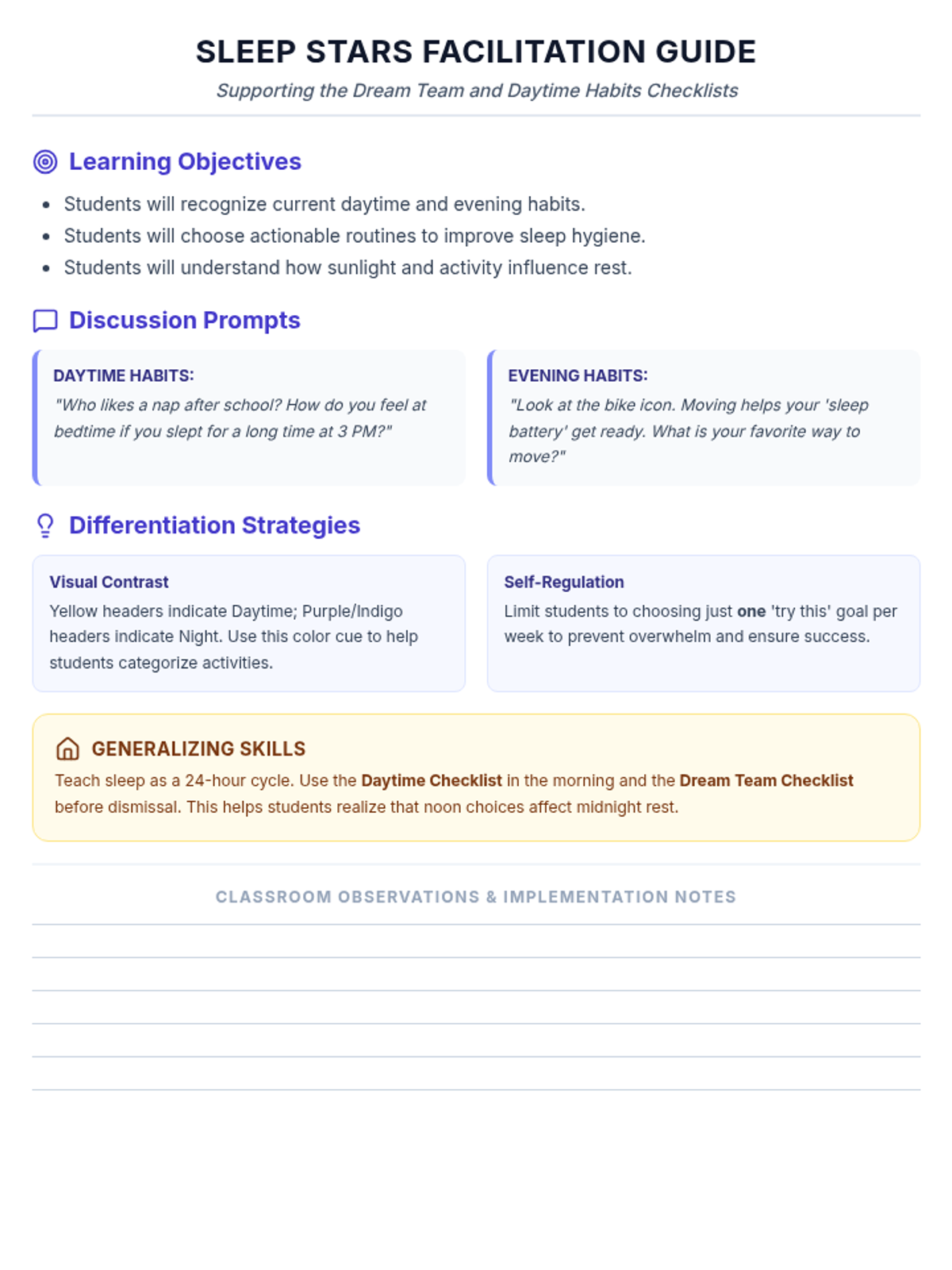
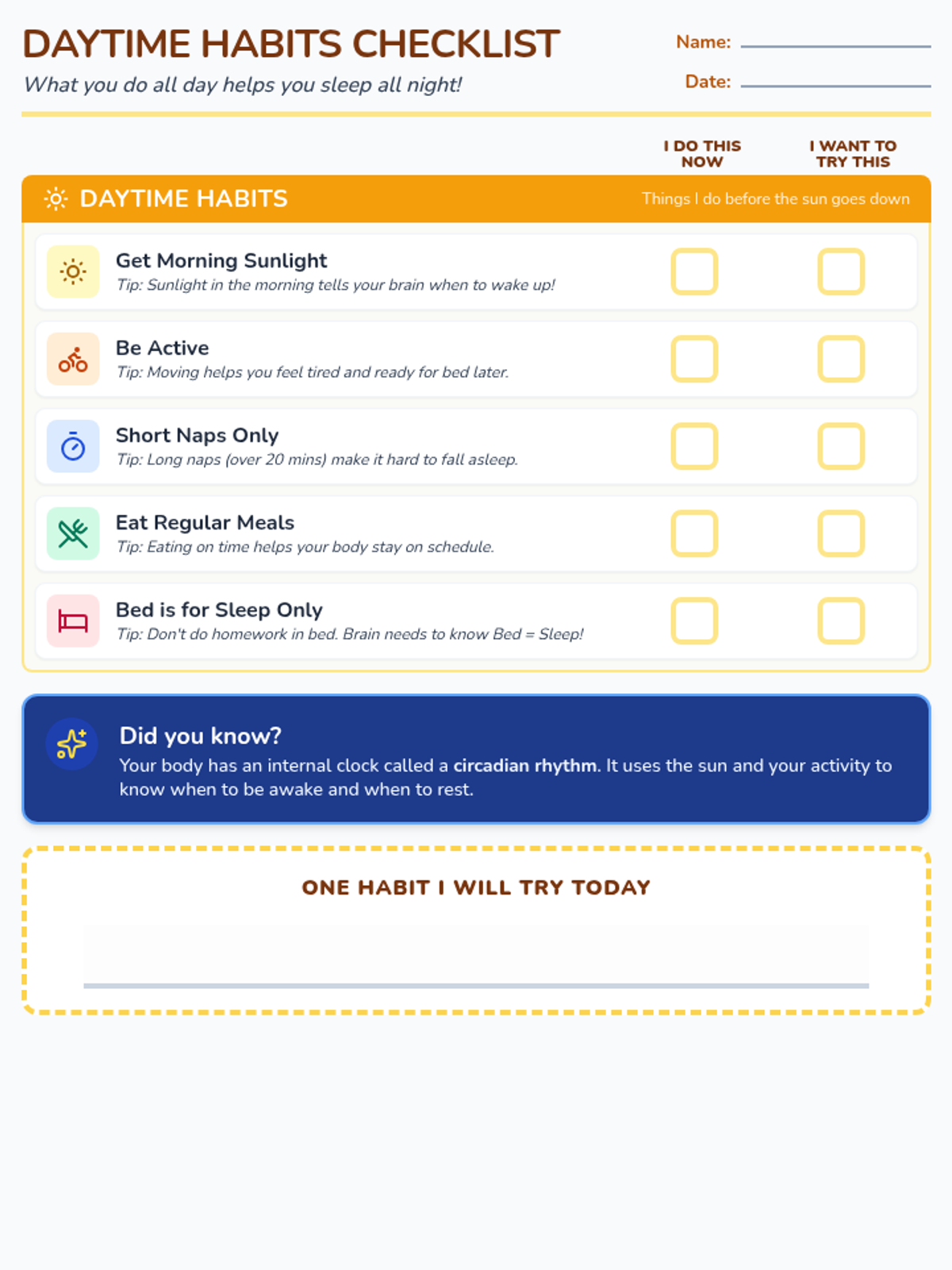
This lesson introduces students to healthy sleep hygiene habits through a personalized self-assessment checklist and teacher-led discussion. It focuses on concrete, actionable steps for improving evening and bedtime routines.
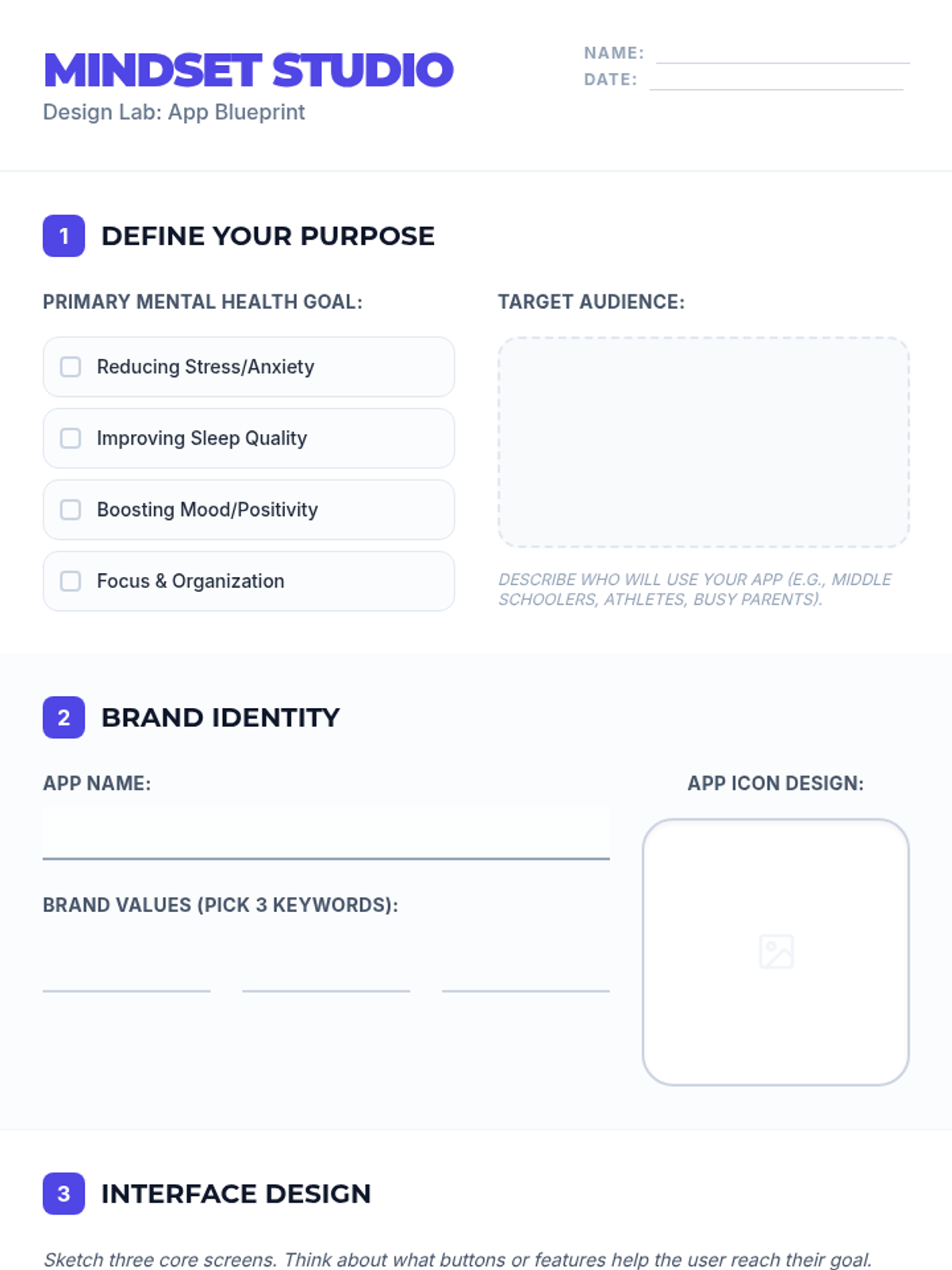
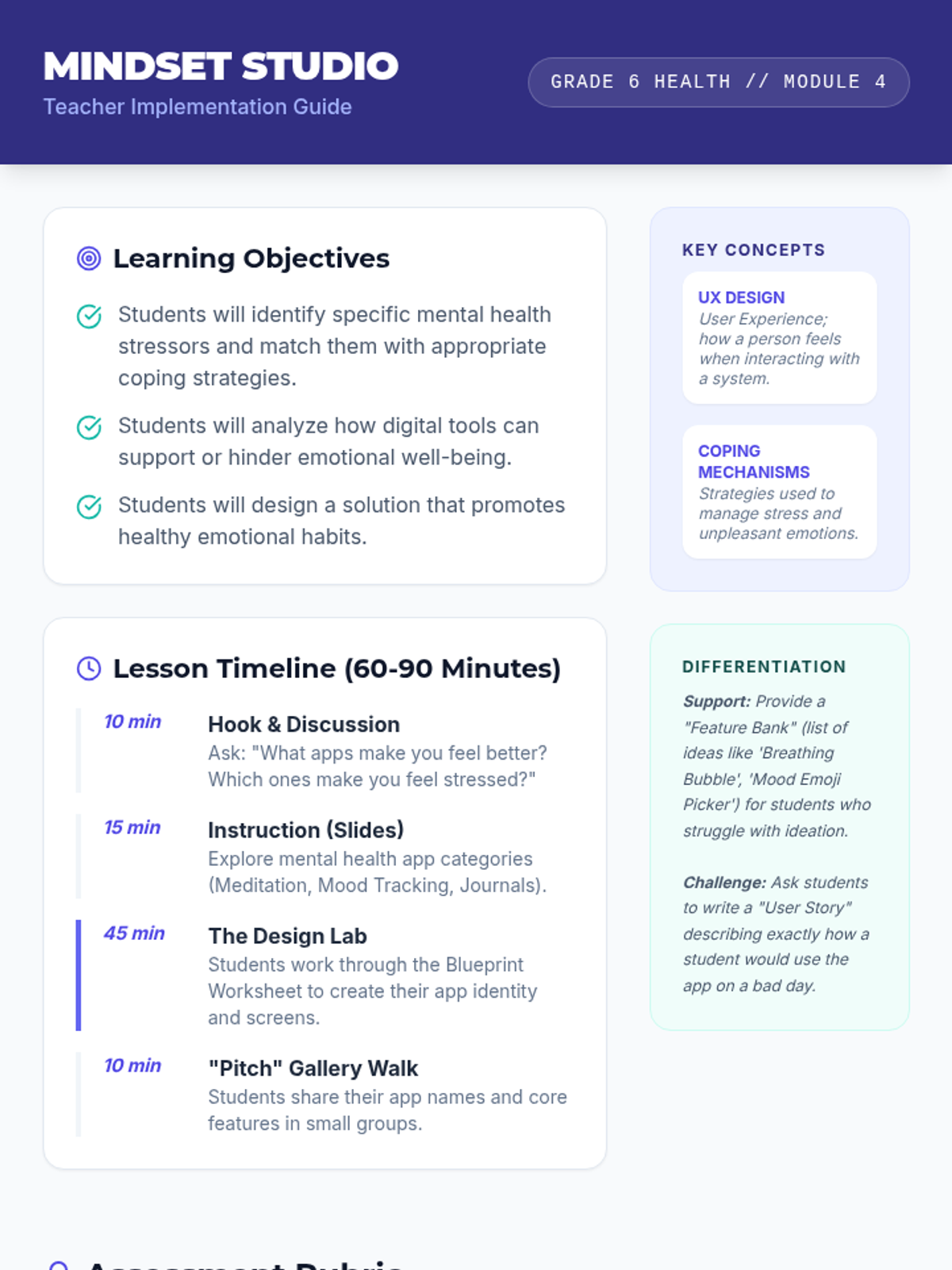
Students step into the role of app developers to design a digital tool that supports mental health. They will identify a specific mental health challenge (stress, sleep, focus, or gratitude) and create a functional blueprint for their unique solution.
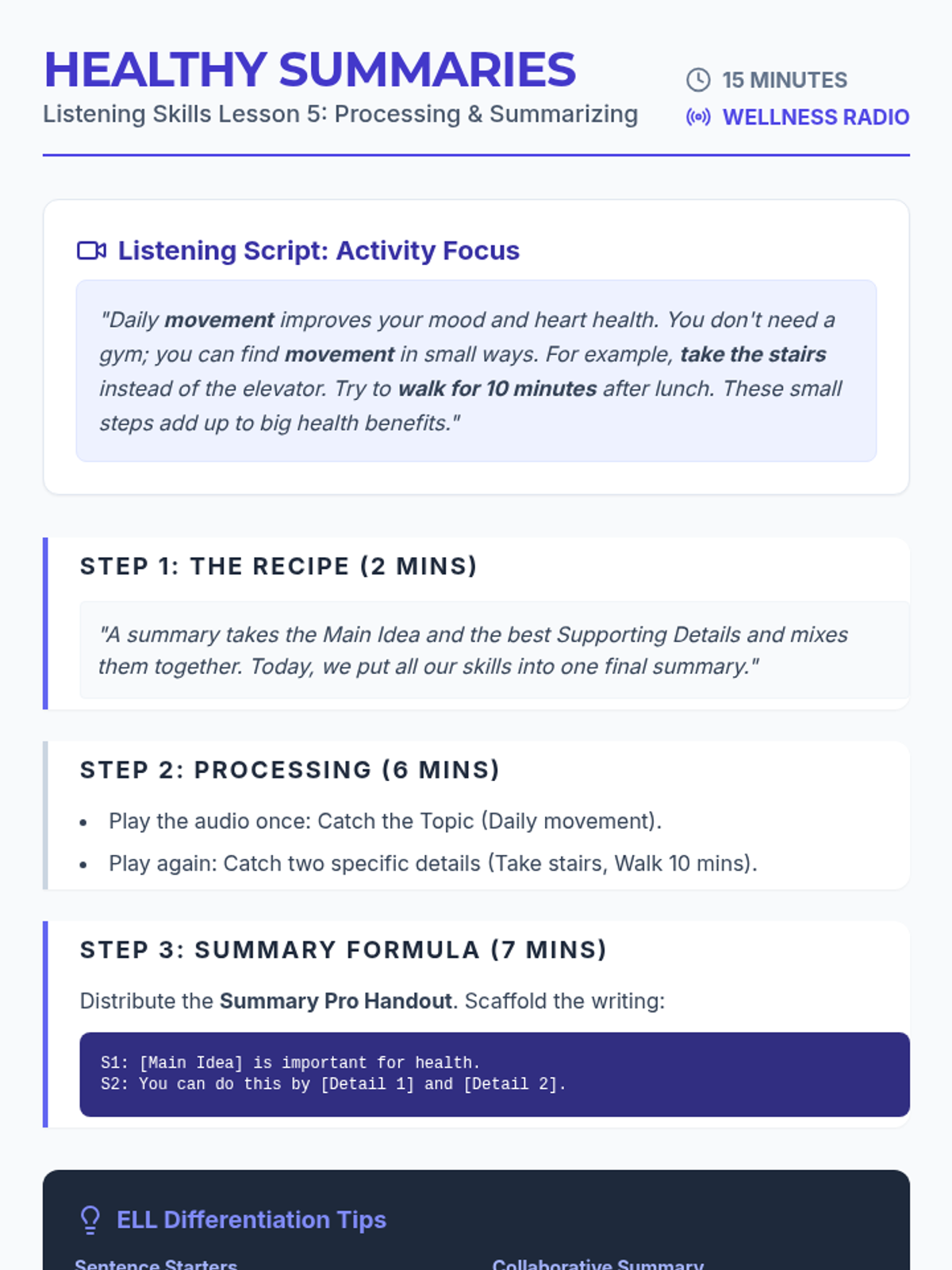
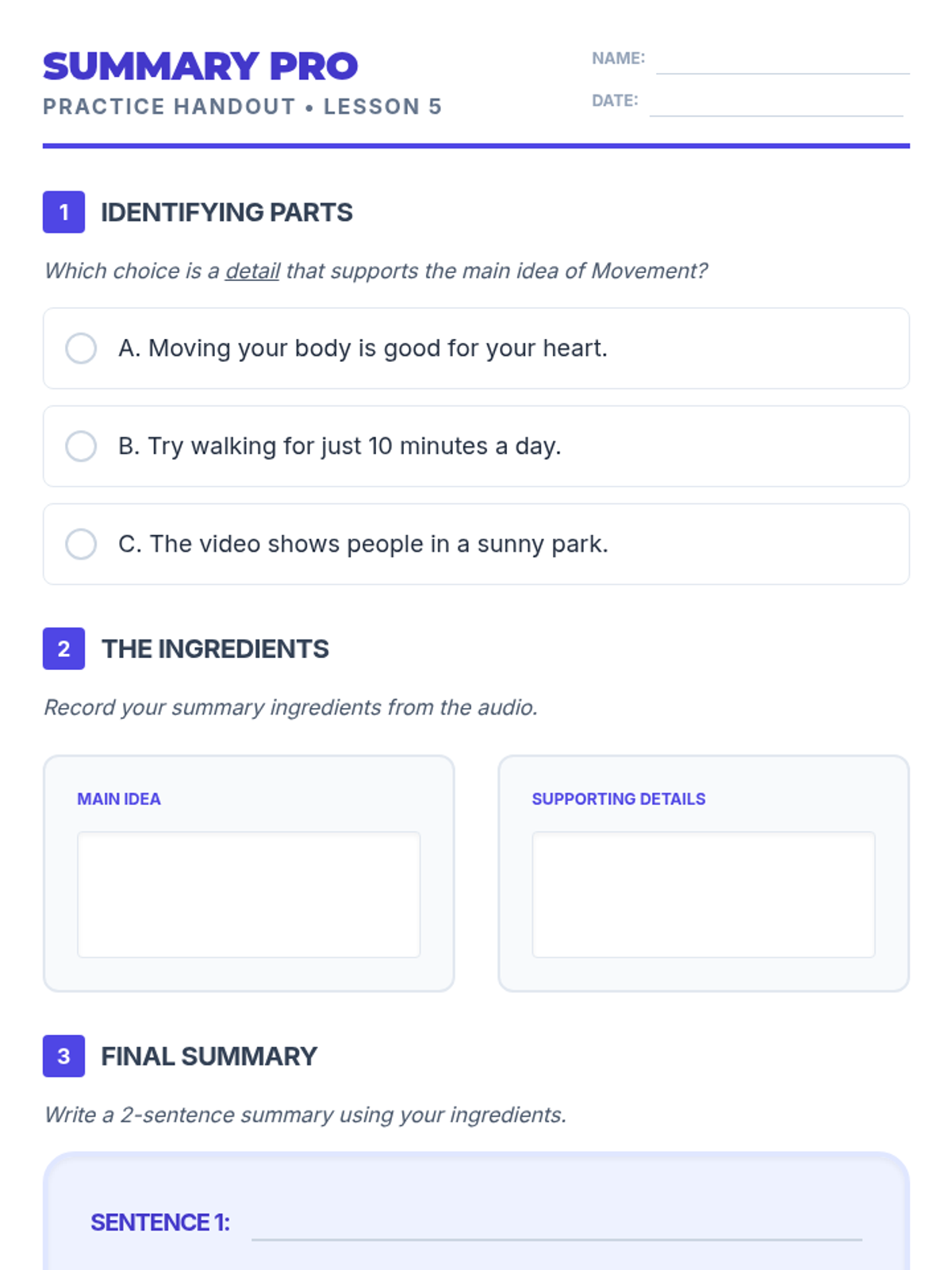
Students synthesize their listening skills to create a concise oral or written summary of a wellness tip about physical activity.
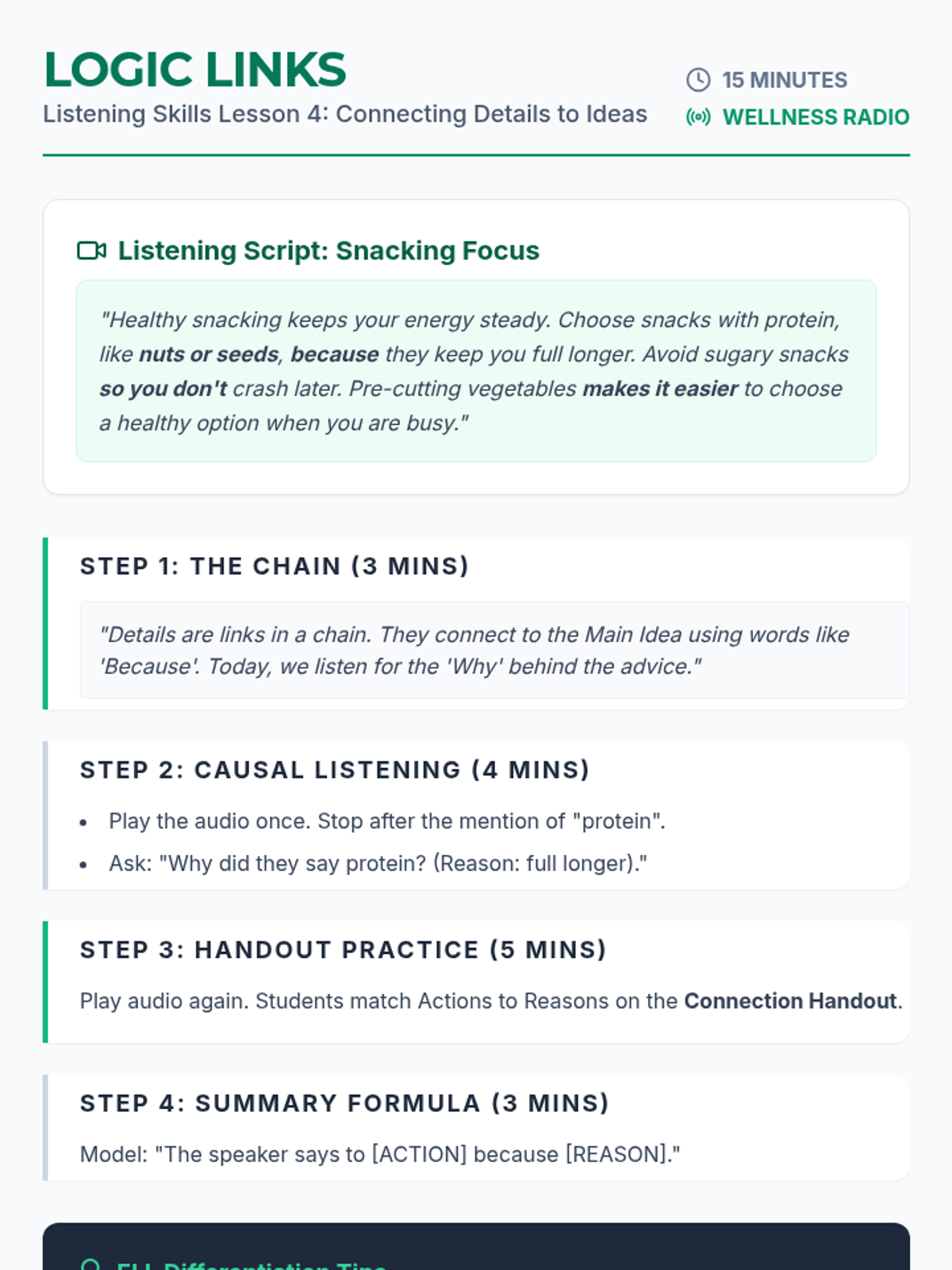
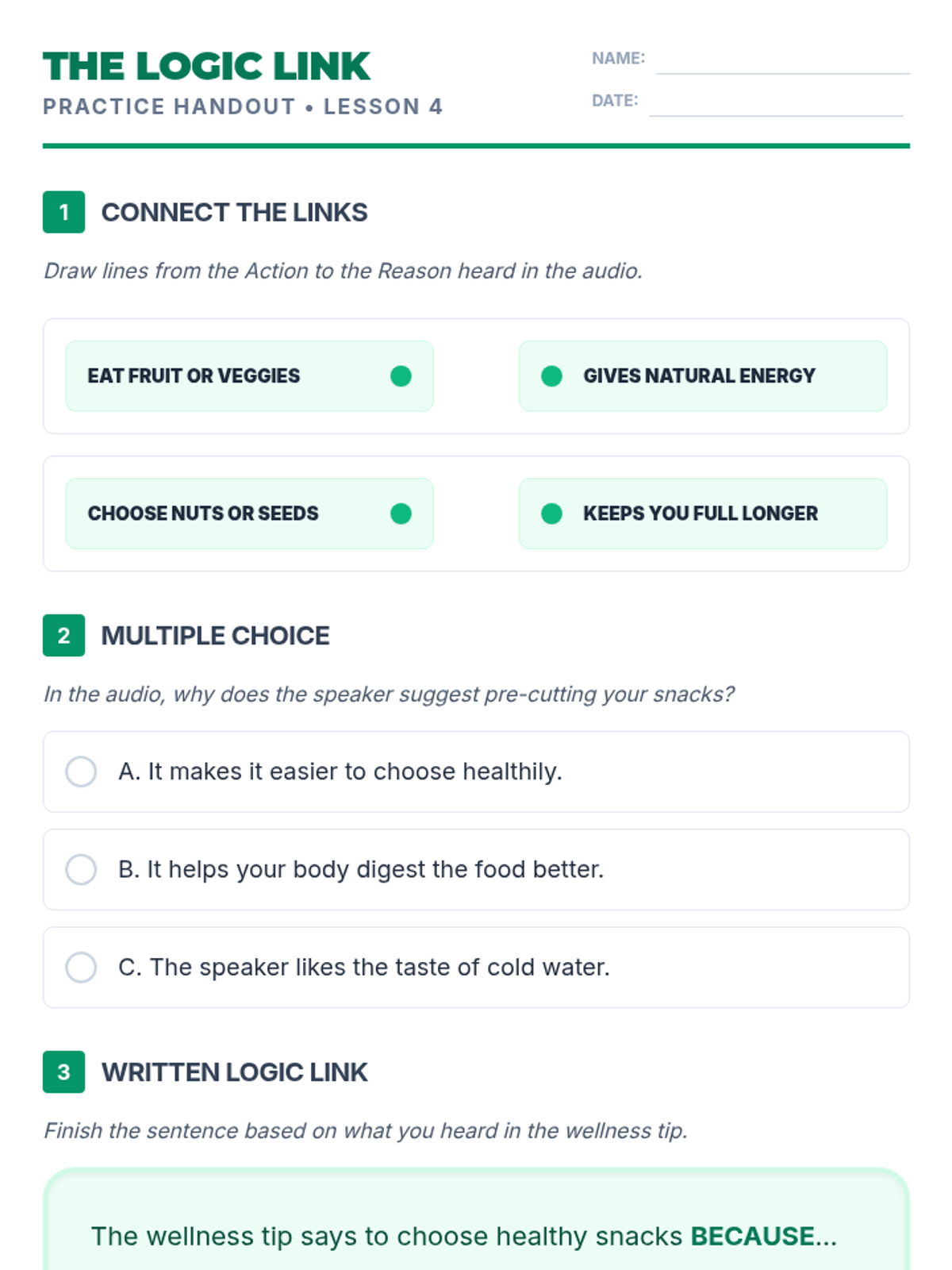
Students explore the logical connections between a health recommendation and its supporting evidence in a tip about healthy snacking.
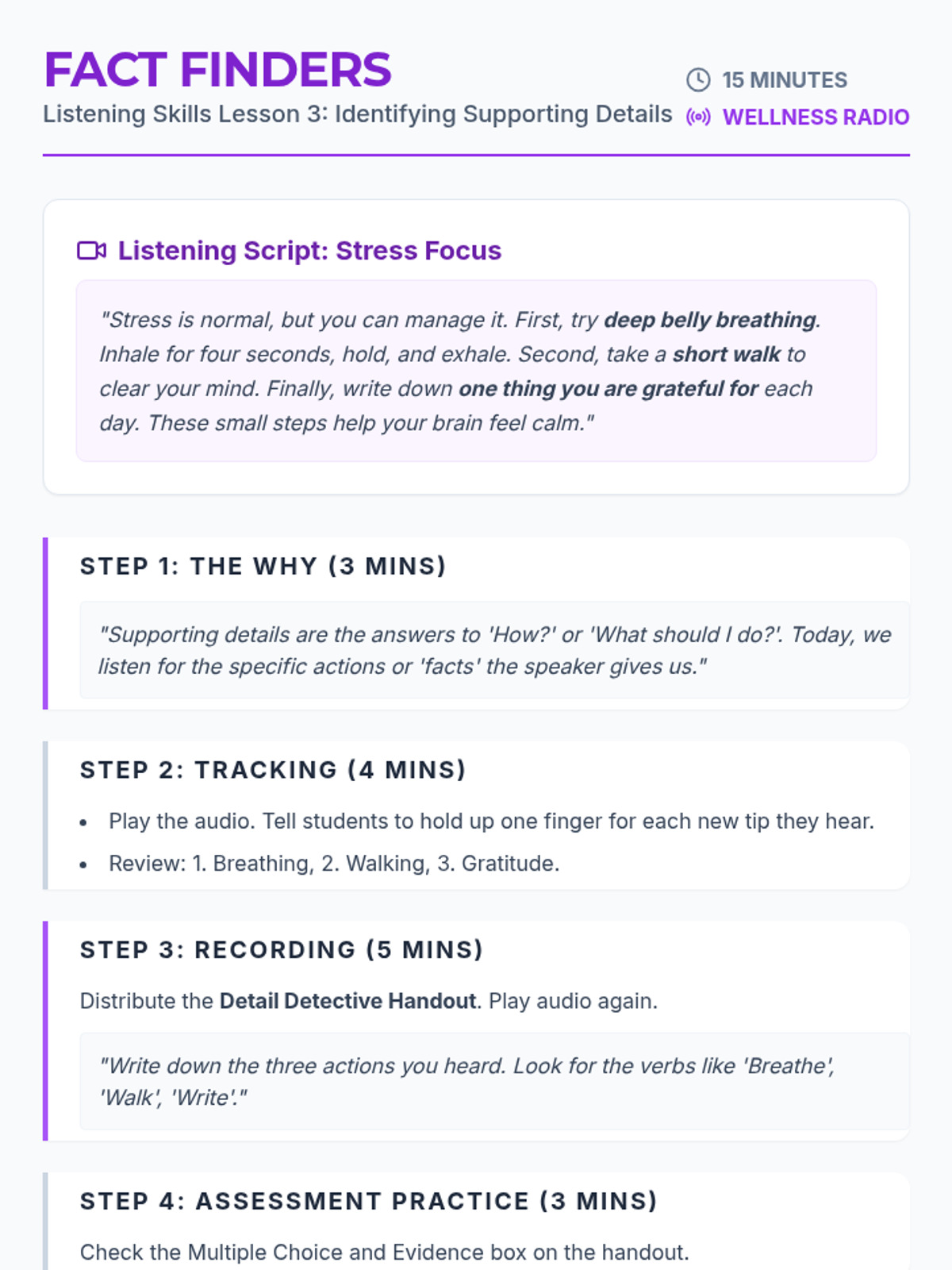
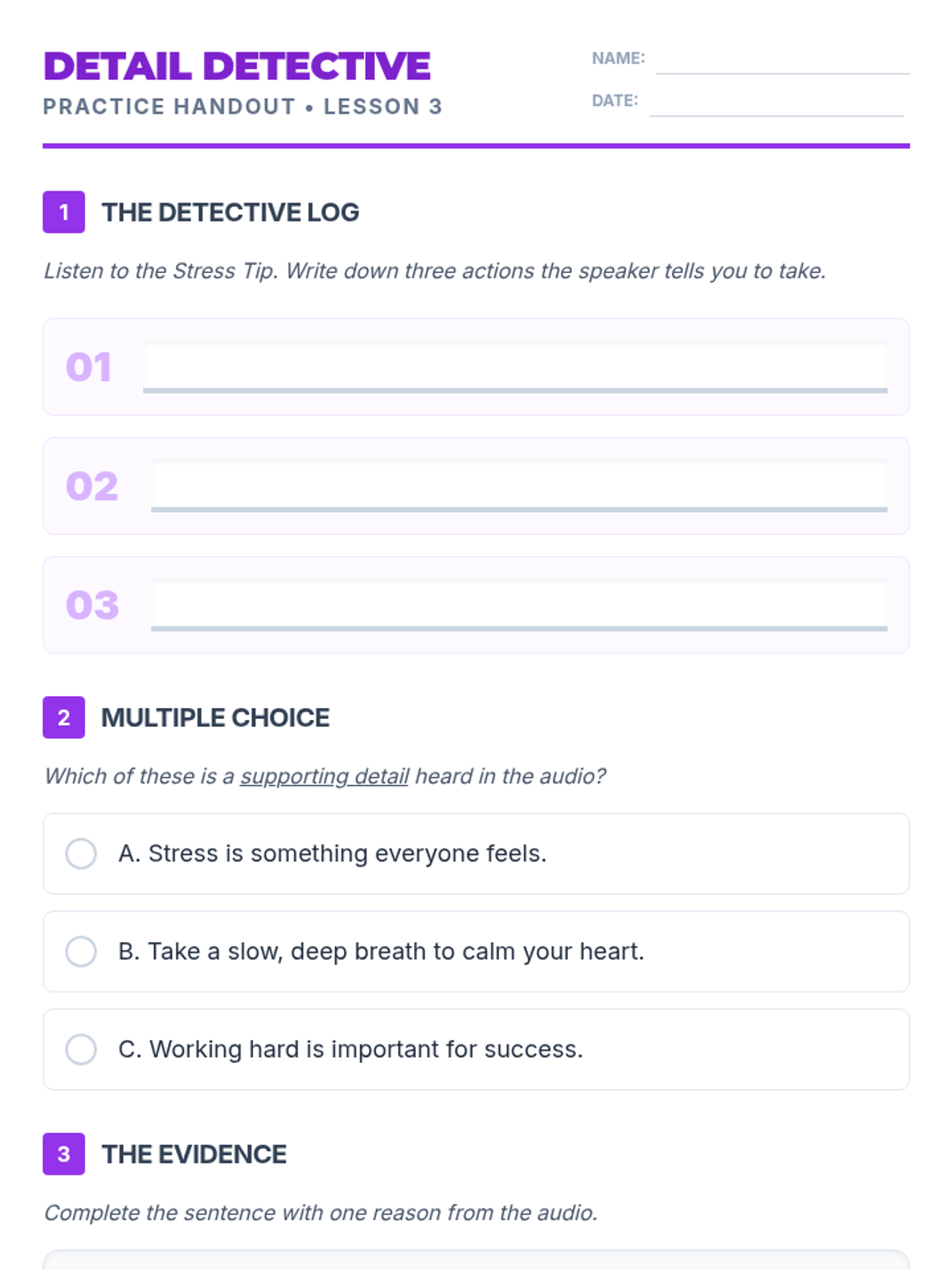
Students practice identifying multiple supporting details that answer 'how' or 'why' regarding stress management techniques.
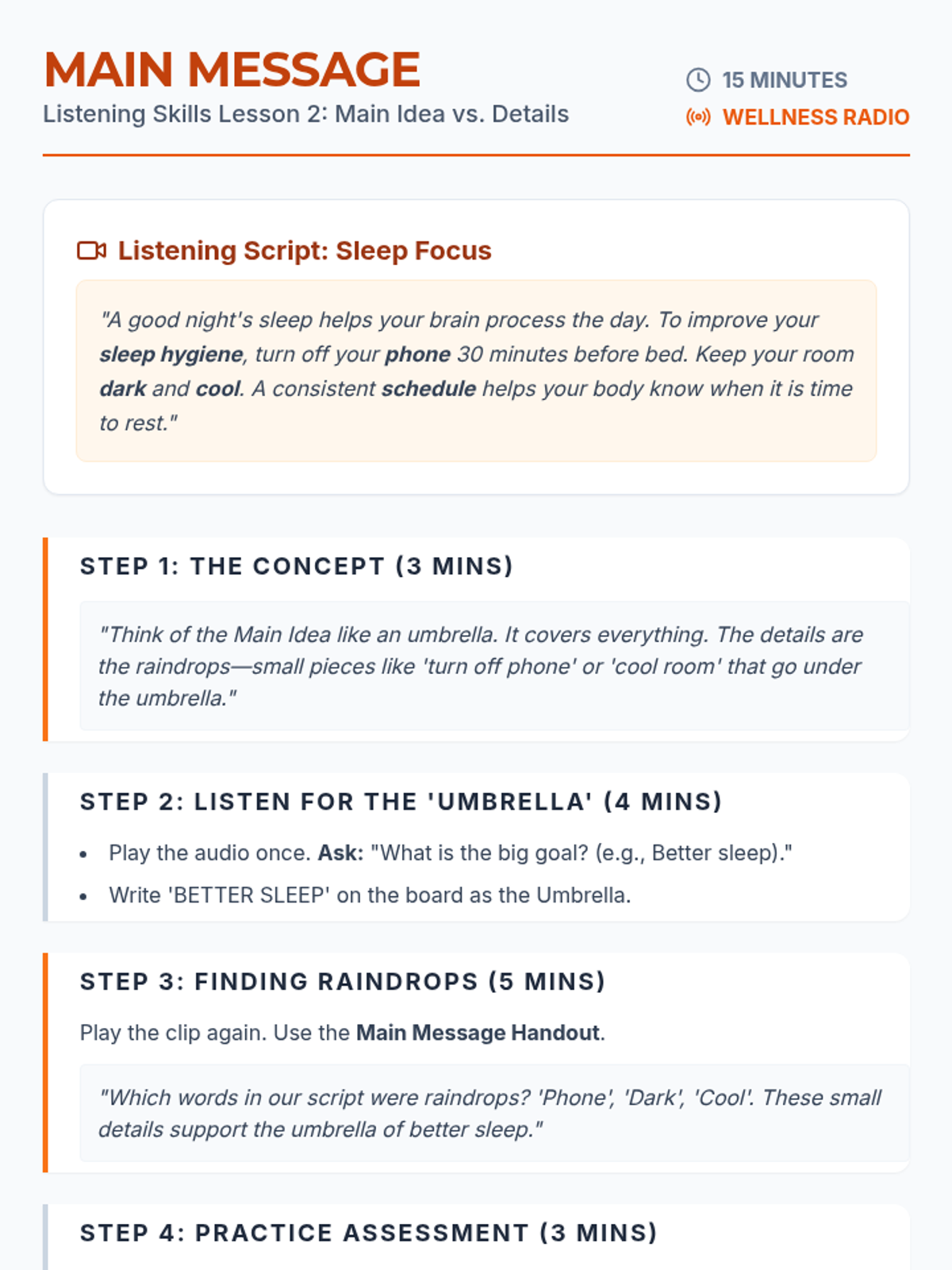
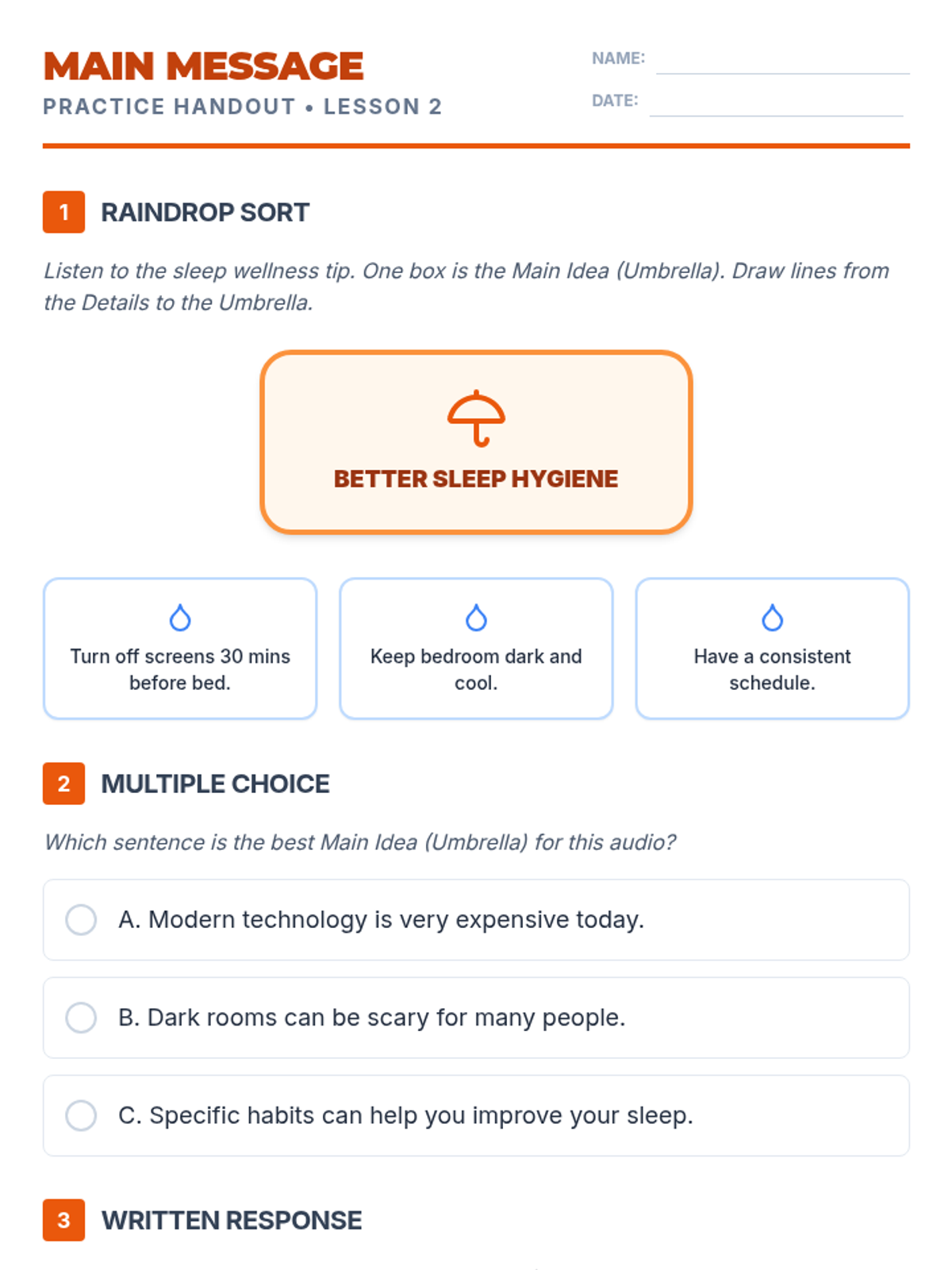
Students learn to differentiate between the overarching topic (Main Idea) and the specific examples (Details) in a tip about sleep hygiene.
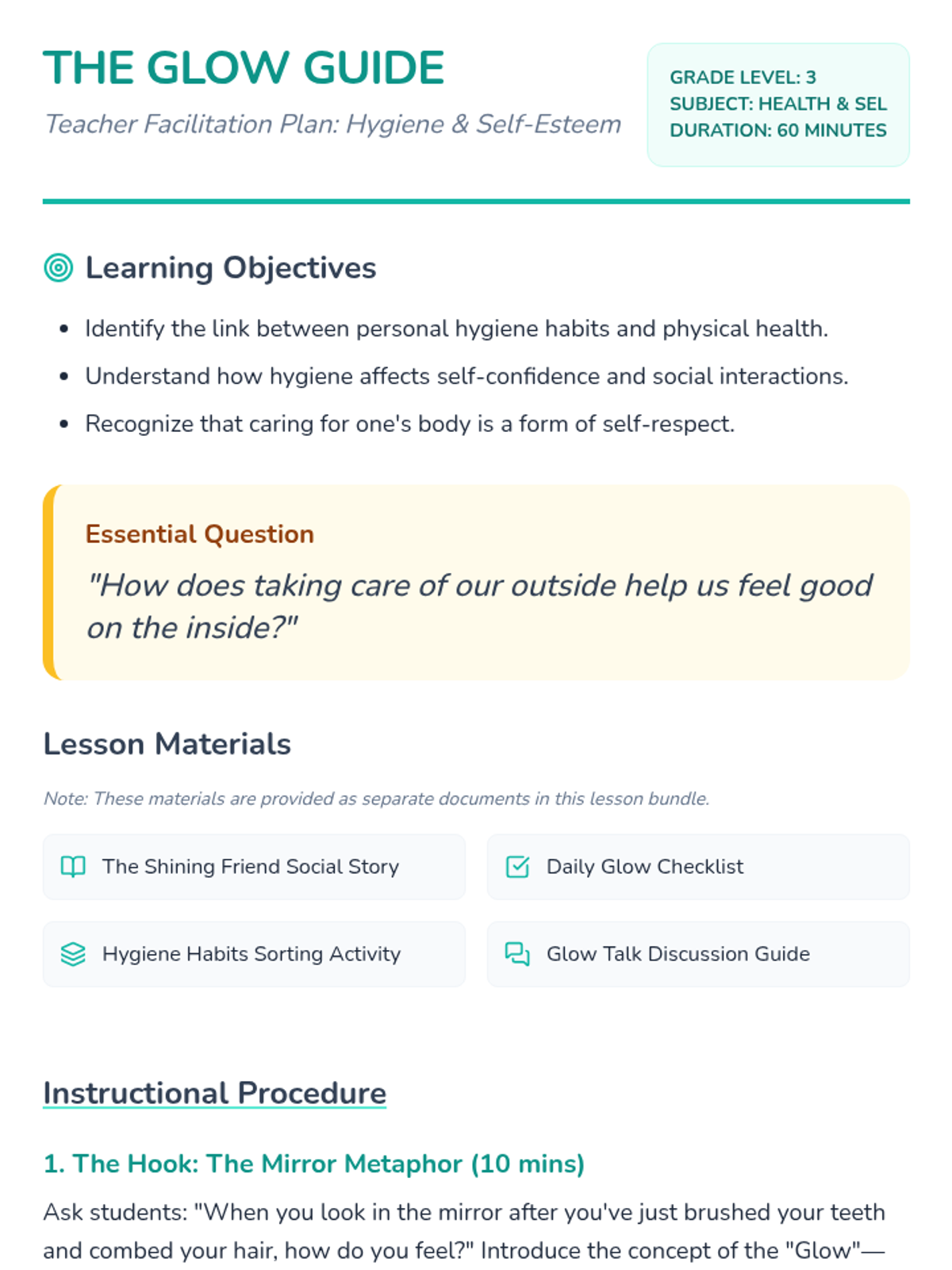
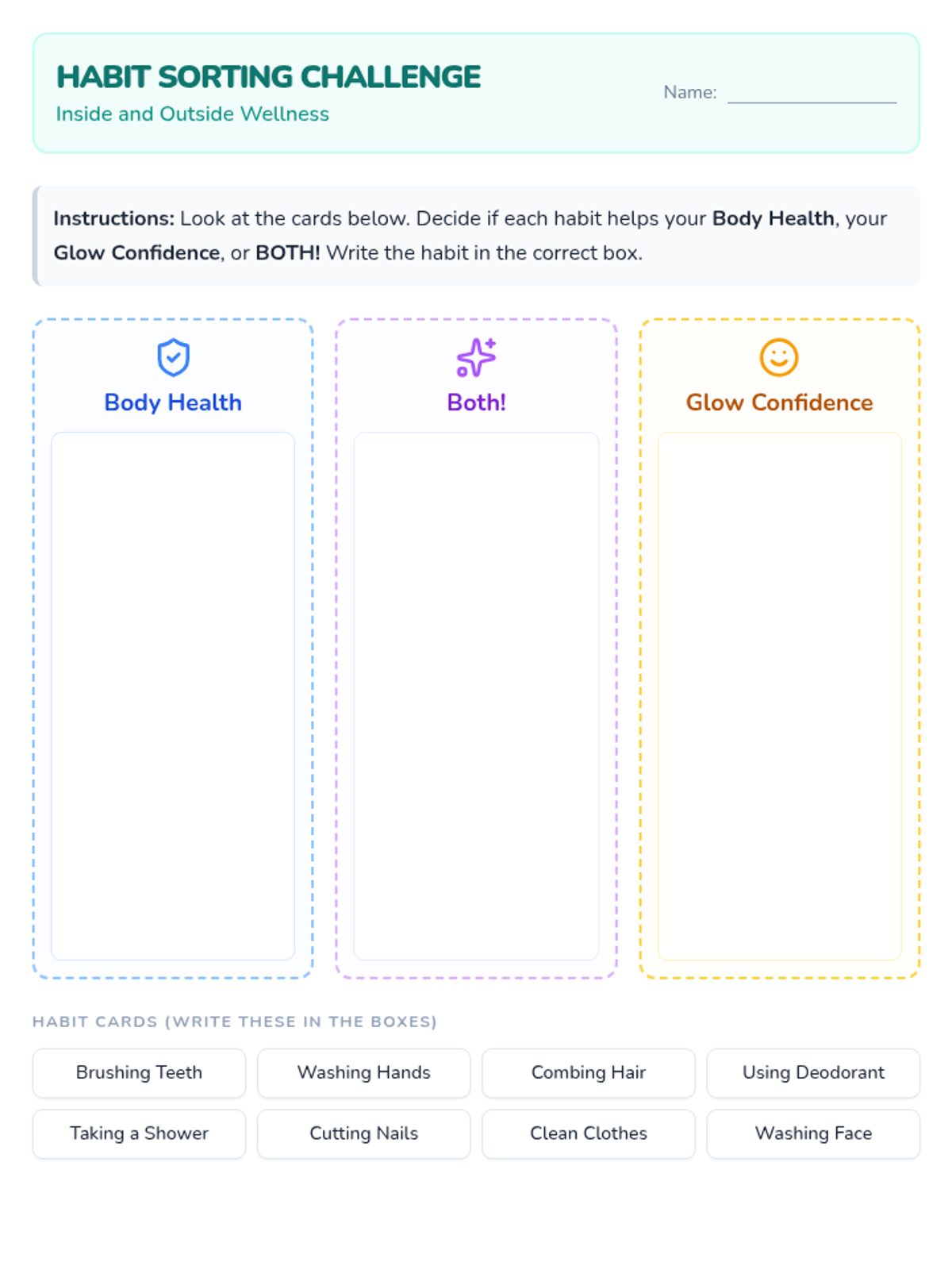
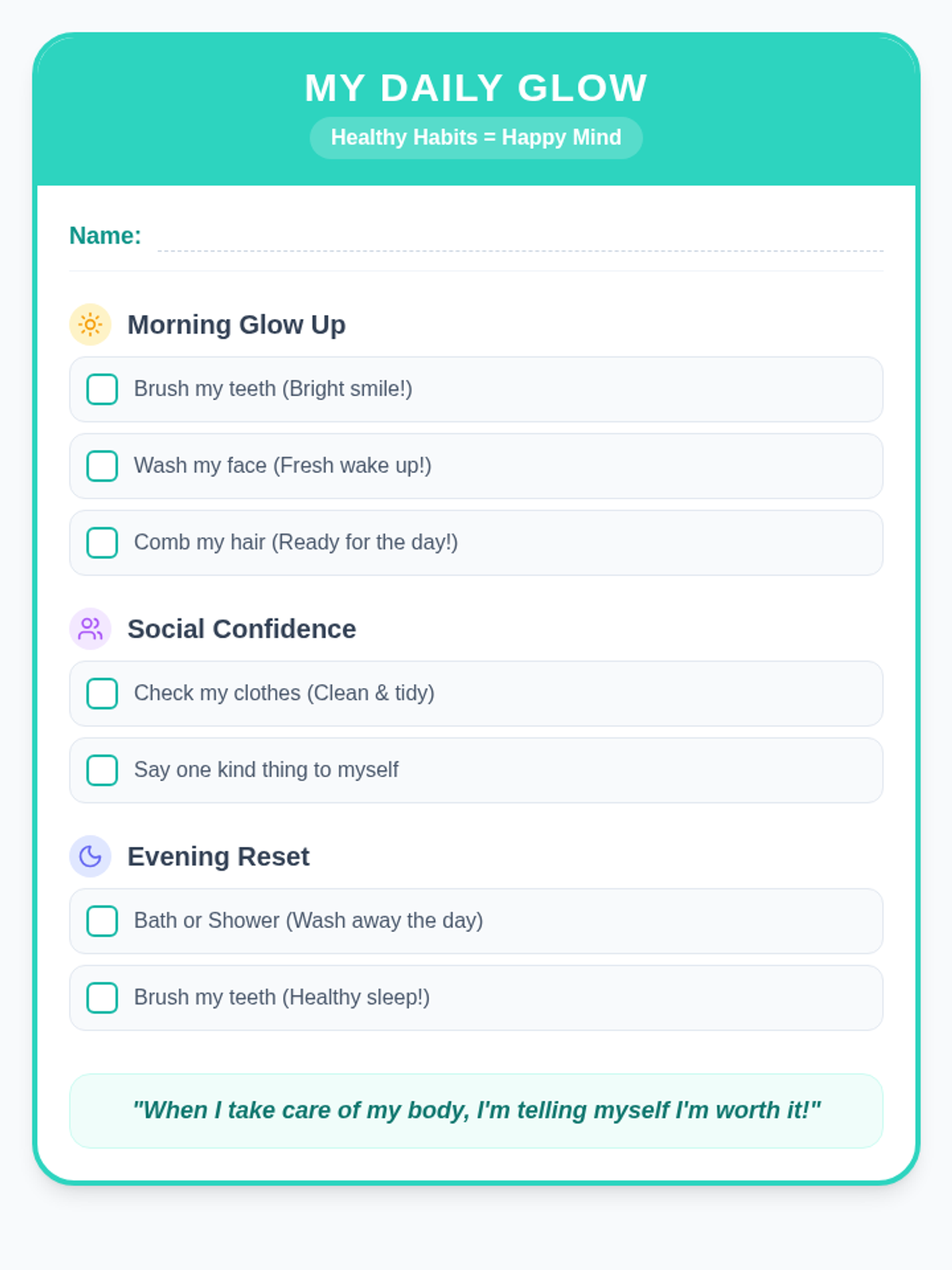
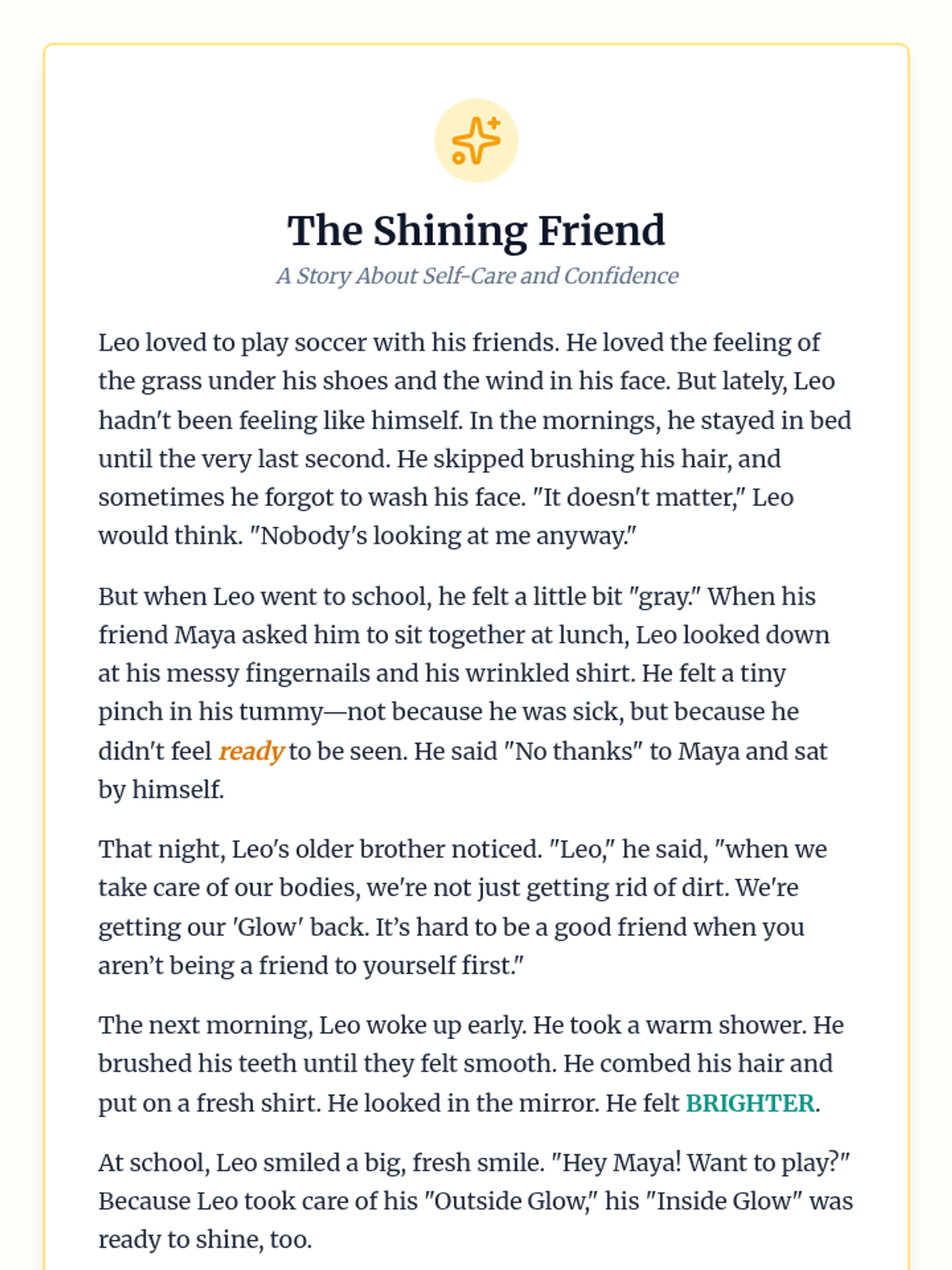
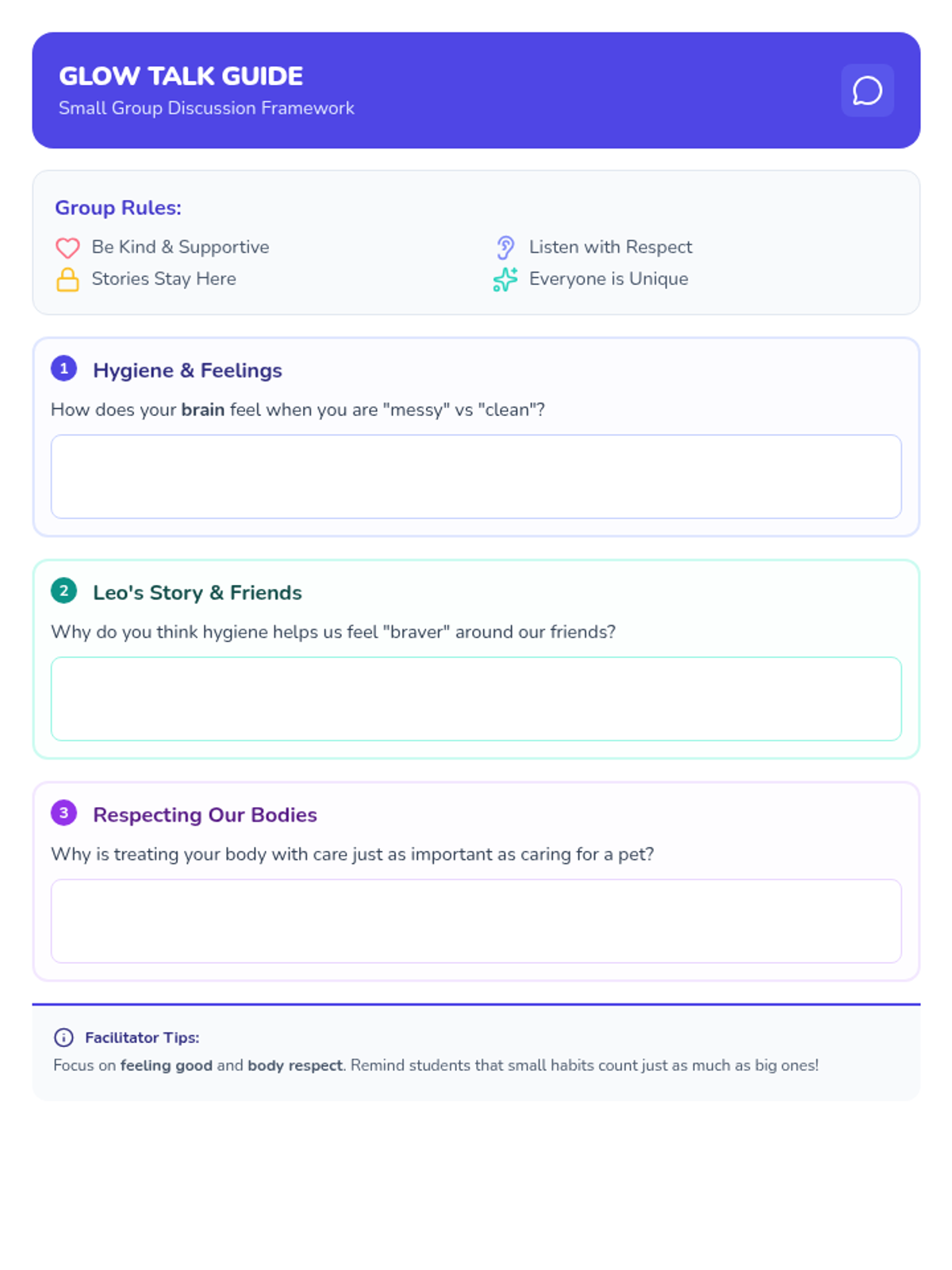
A holistic health lesson for 3rd graders exploring the connection between personal hygiene habits and their social-emotional well-being, focusing on friendship and self-esteem.
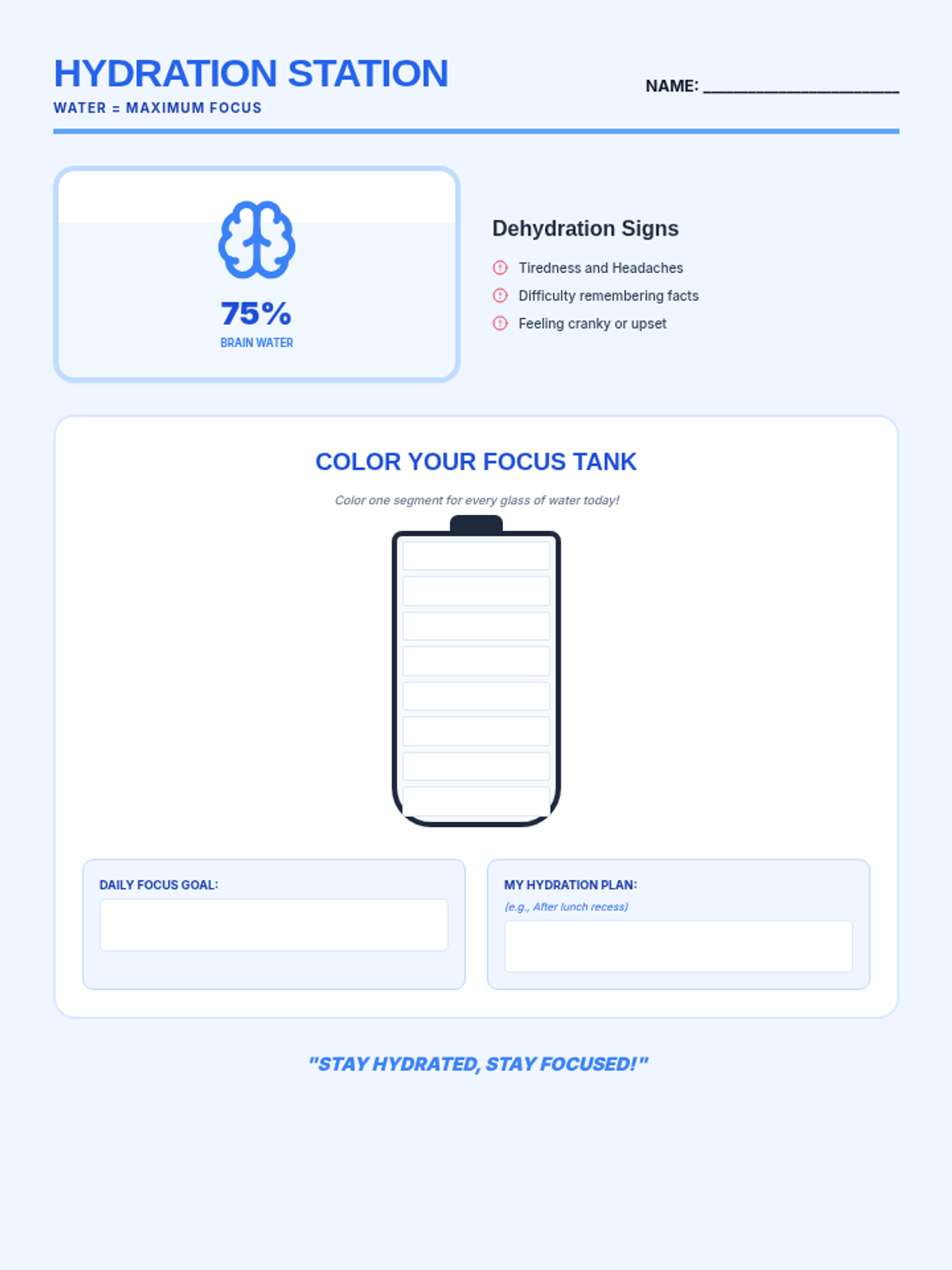
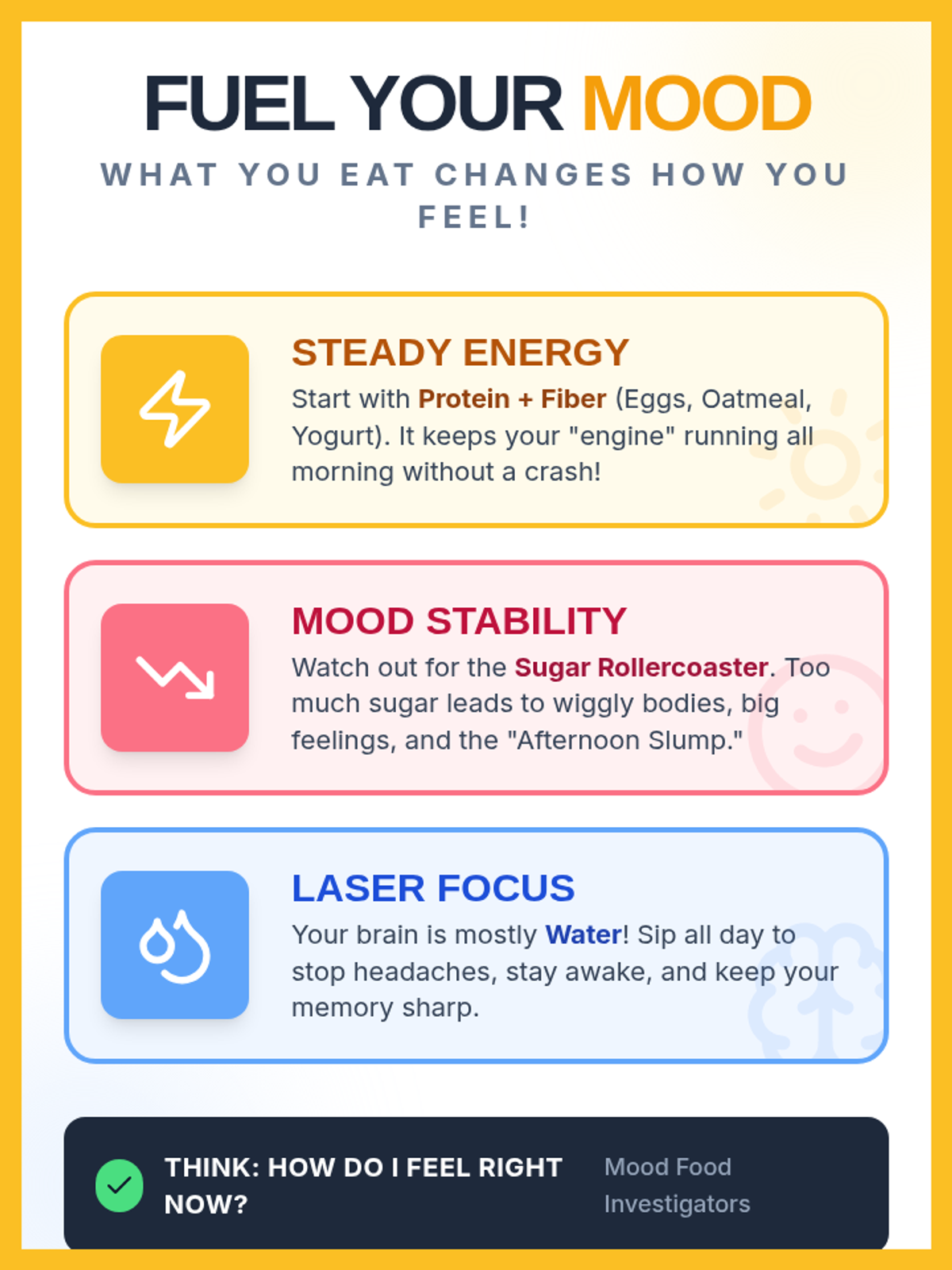
A 15-20 minute morning meeting session on how hydration levels affect brain focus and mental clarity.
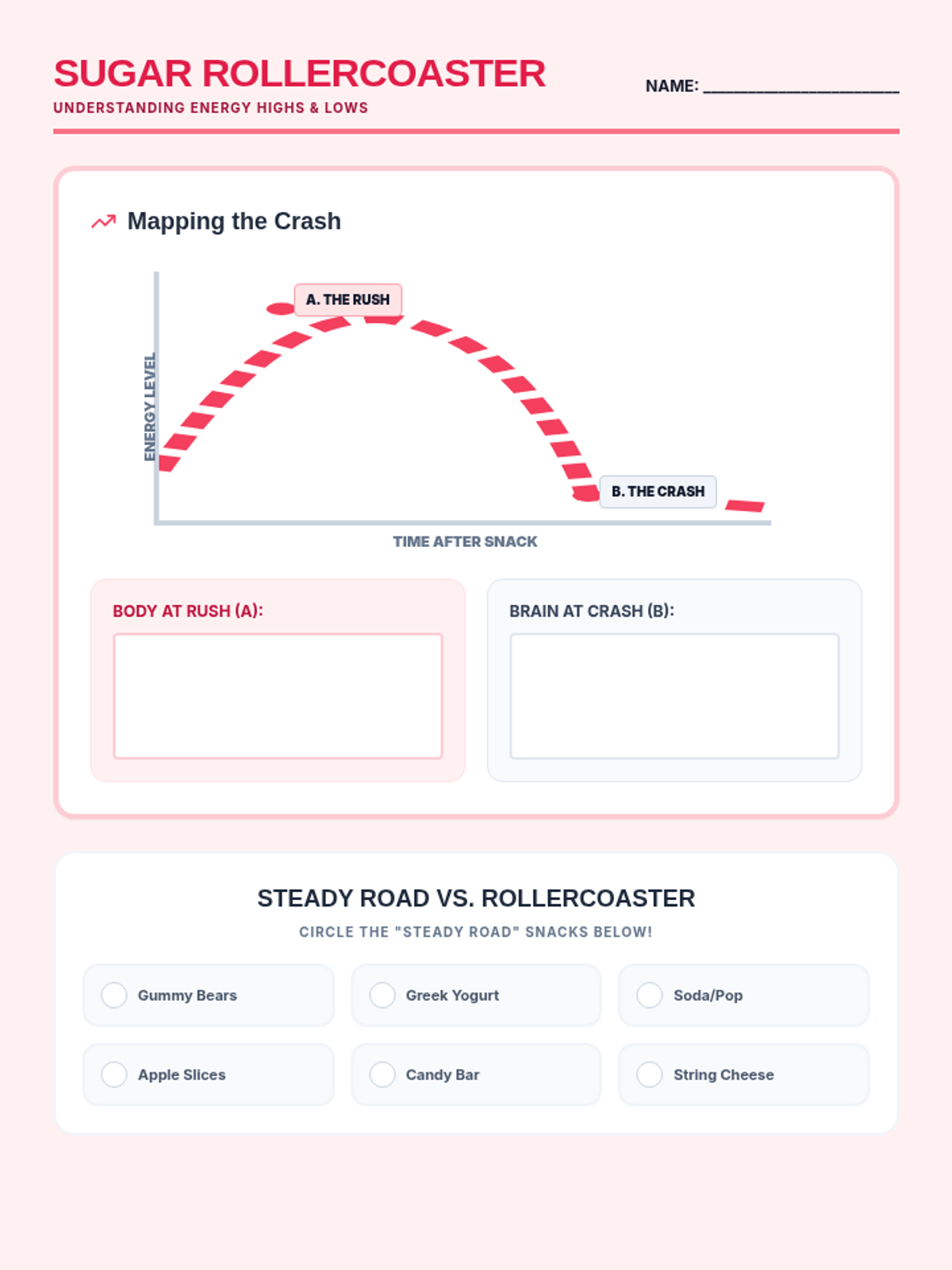
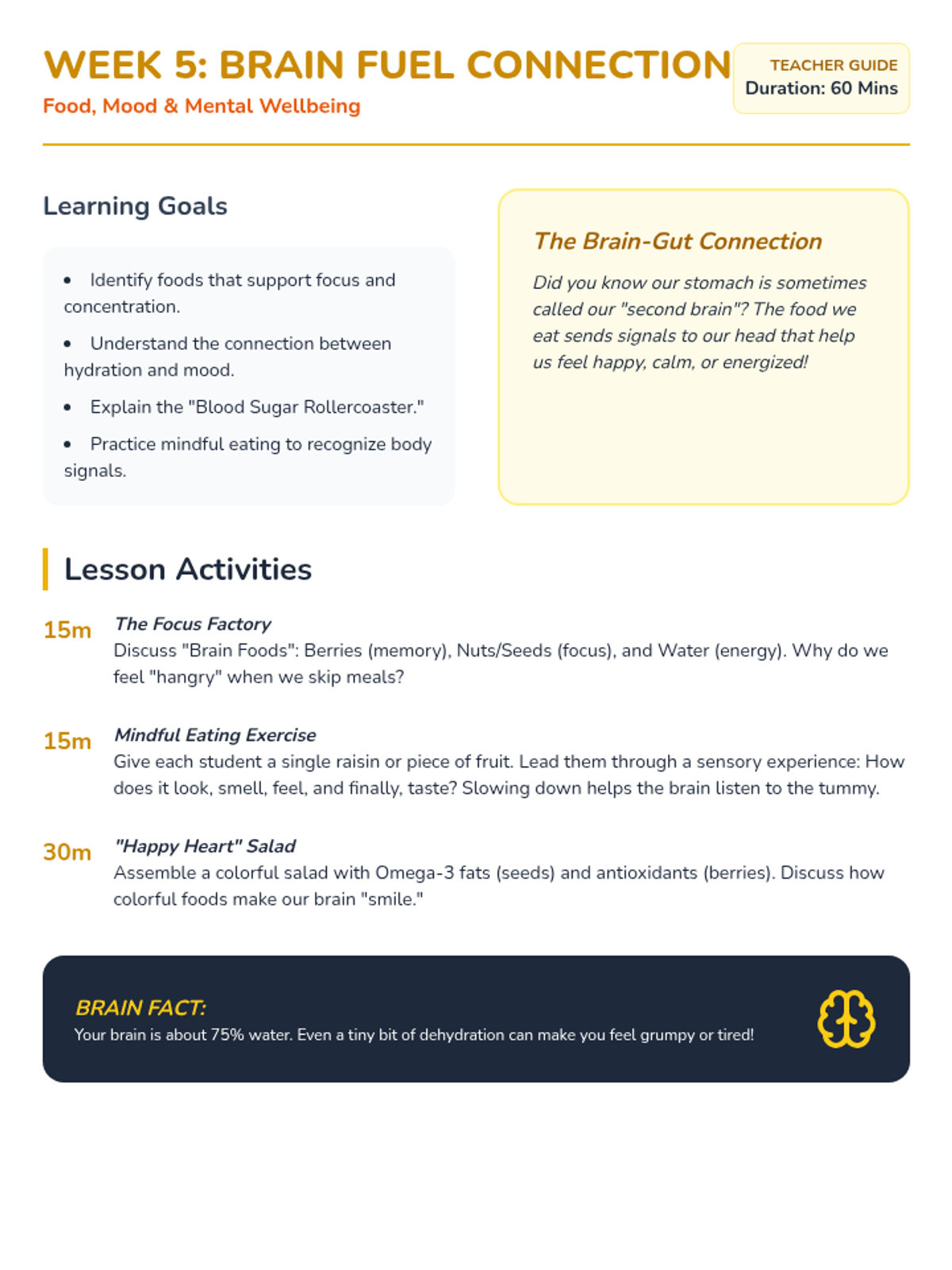
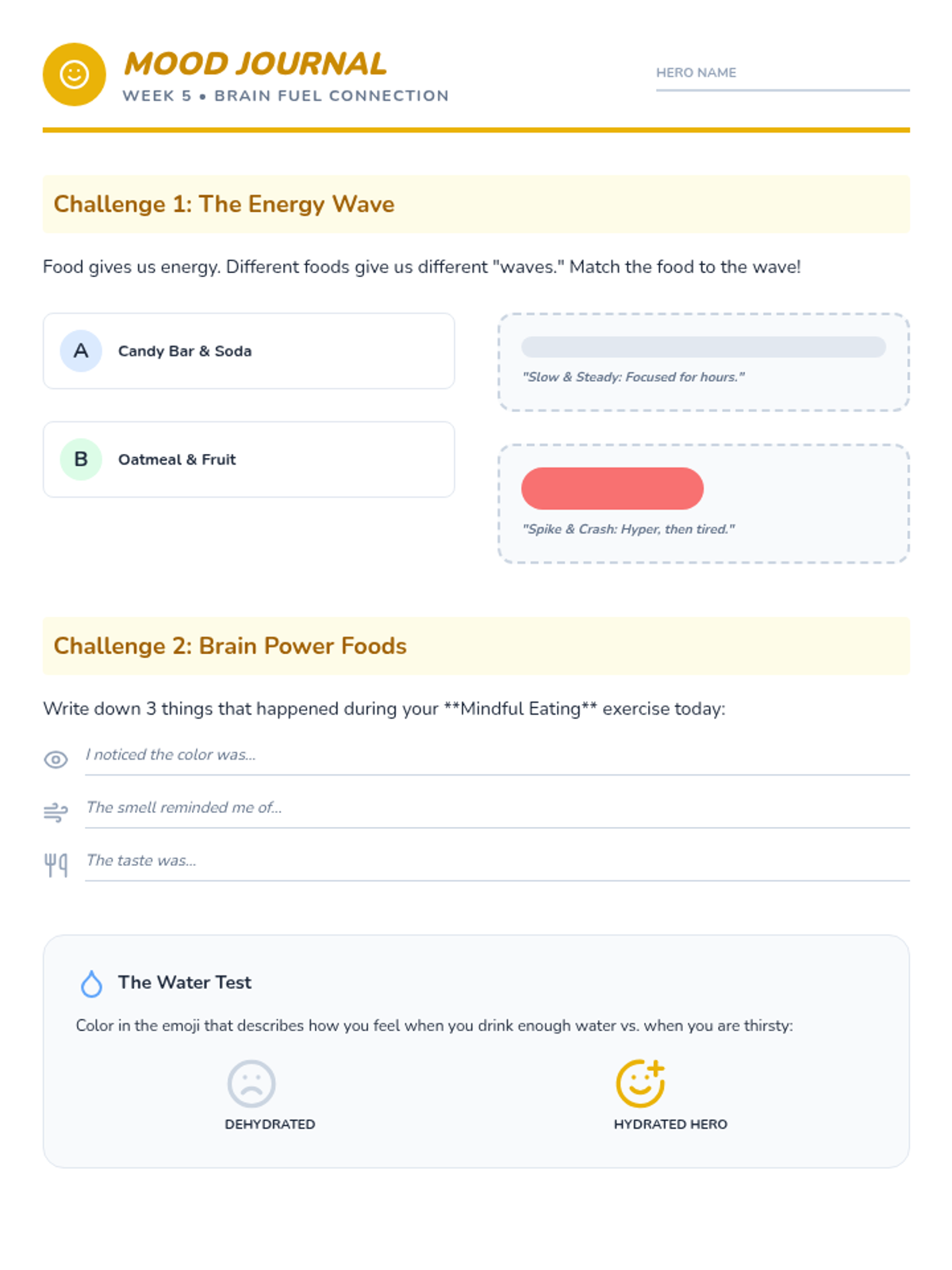
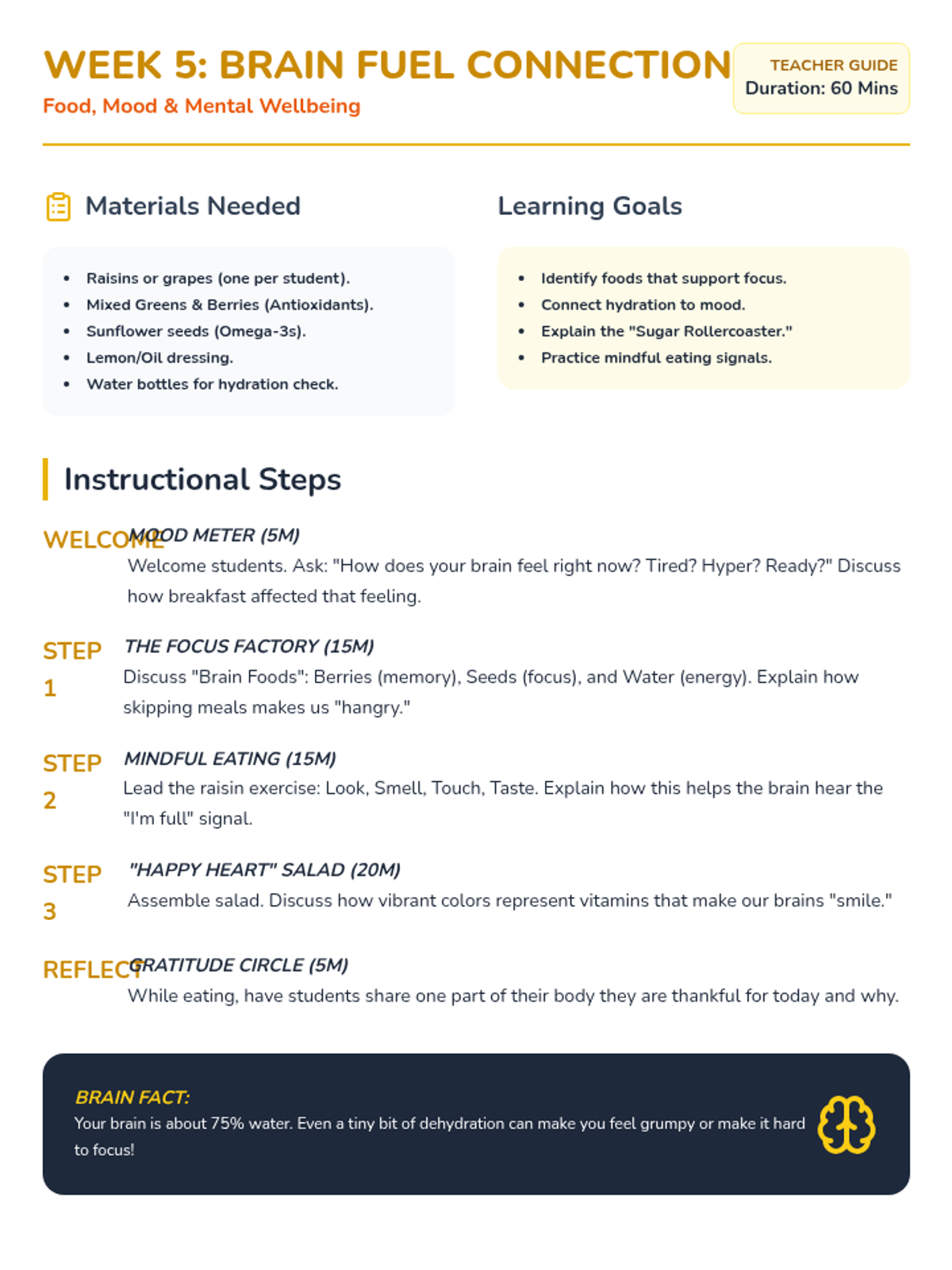
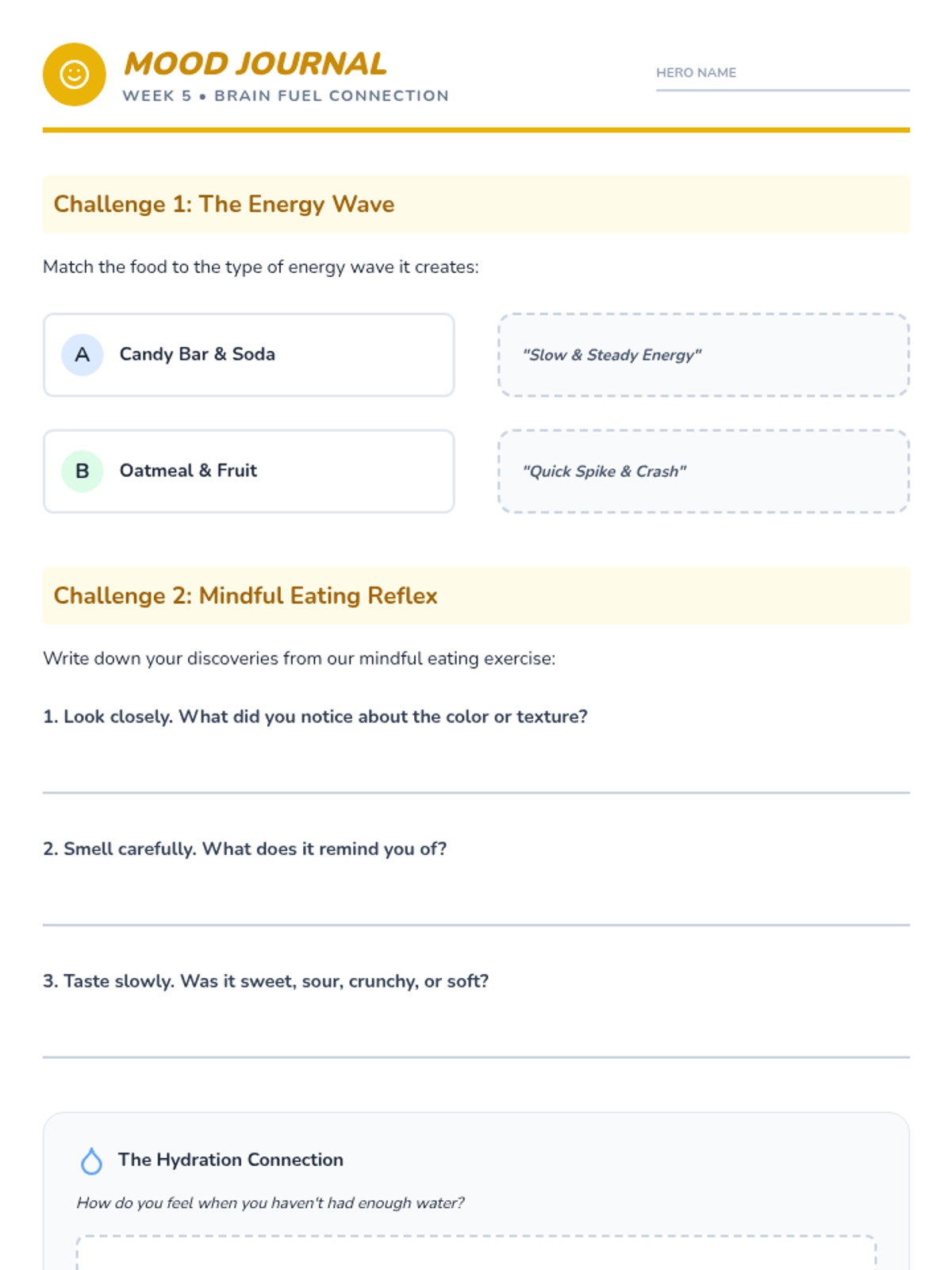
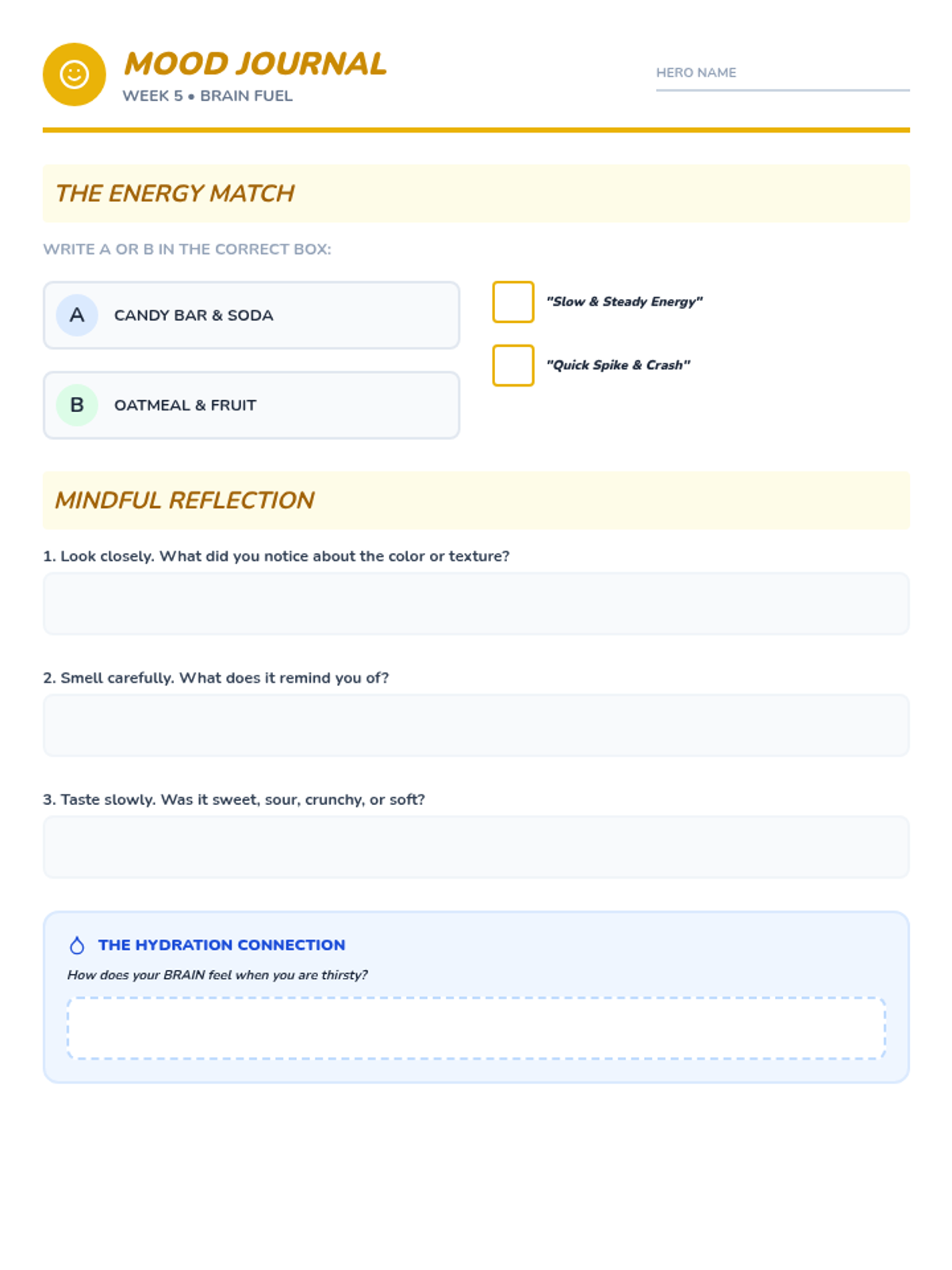
A 15-20 minute morning meeting session exploring the "sugar rollercoaster" and how high-sugar snacks lead to mood swings and energy crashes.
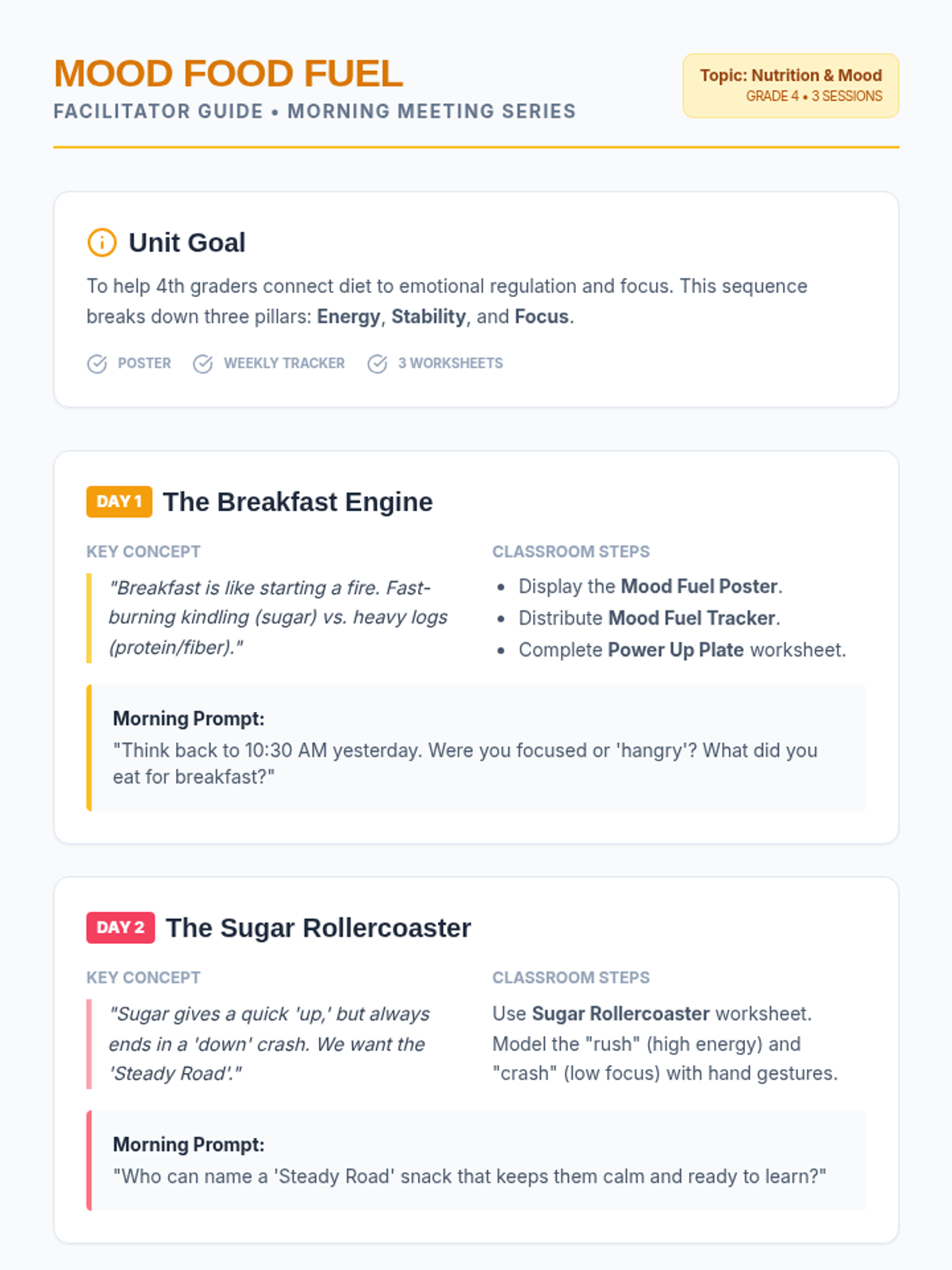
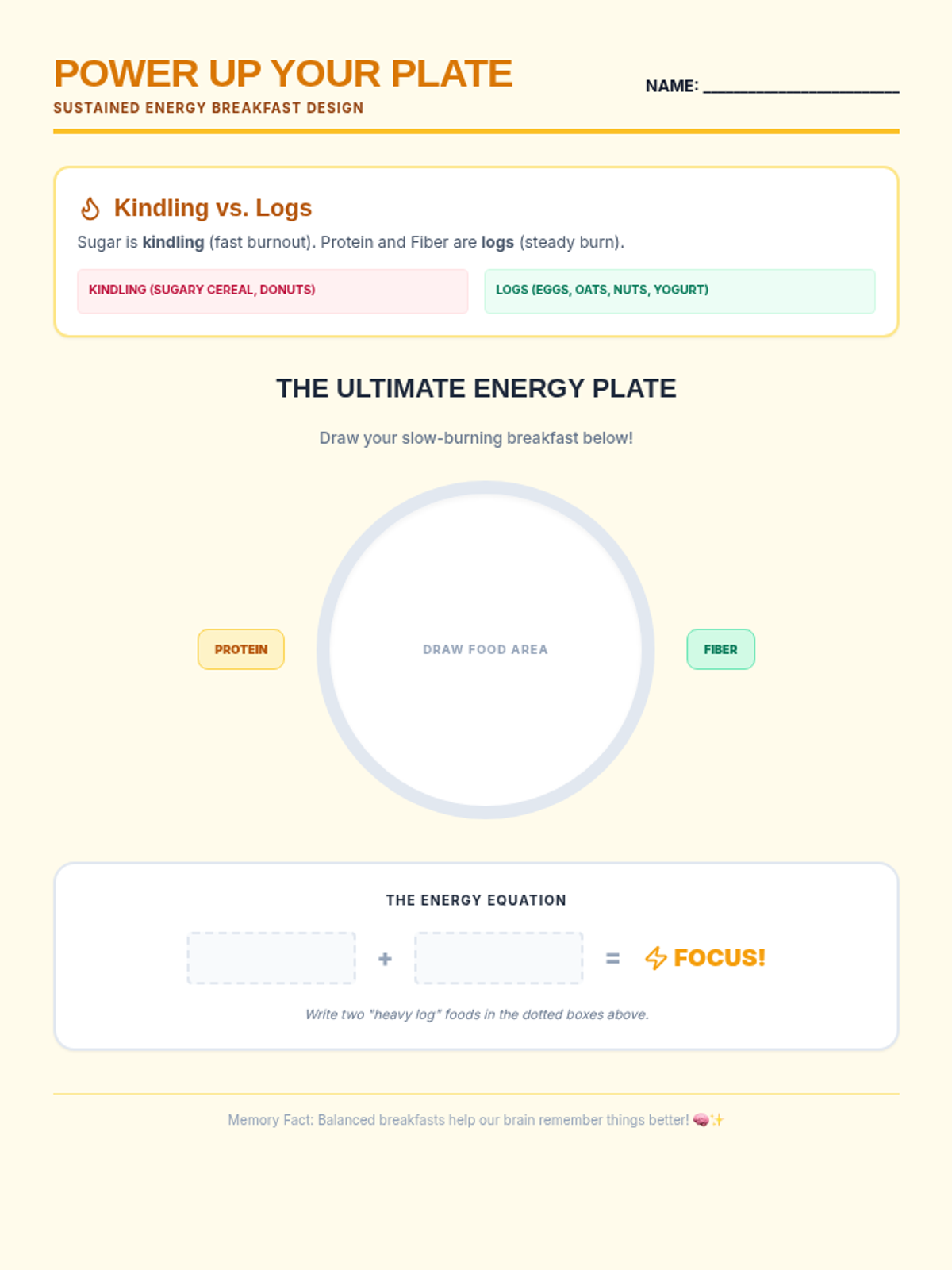
A 15-20 minute morning meeting session focused on the importance of a protein-and-fiber-rich breakfast for sustained morning energy.
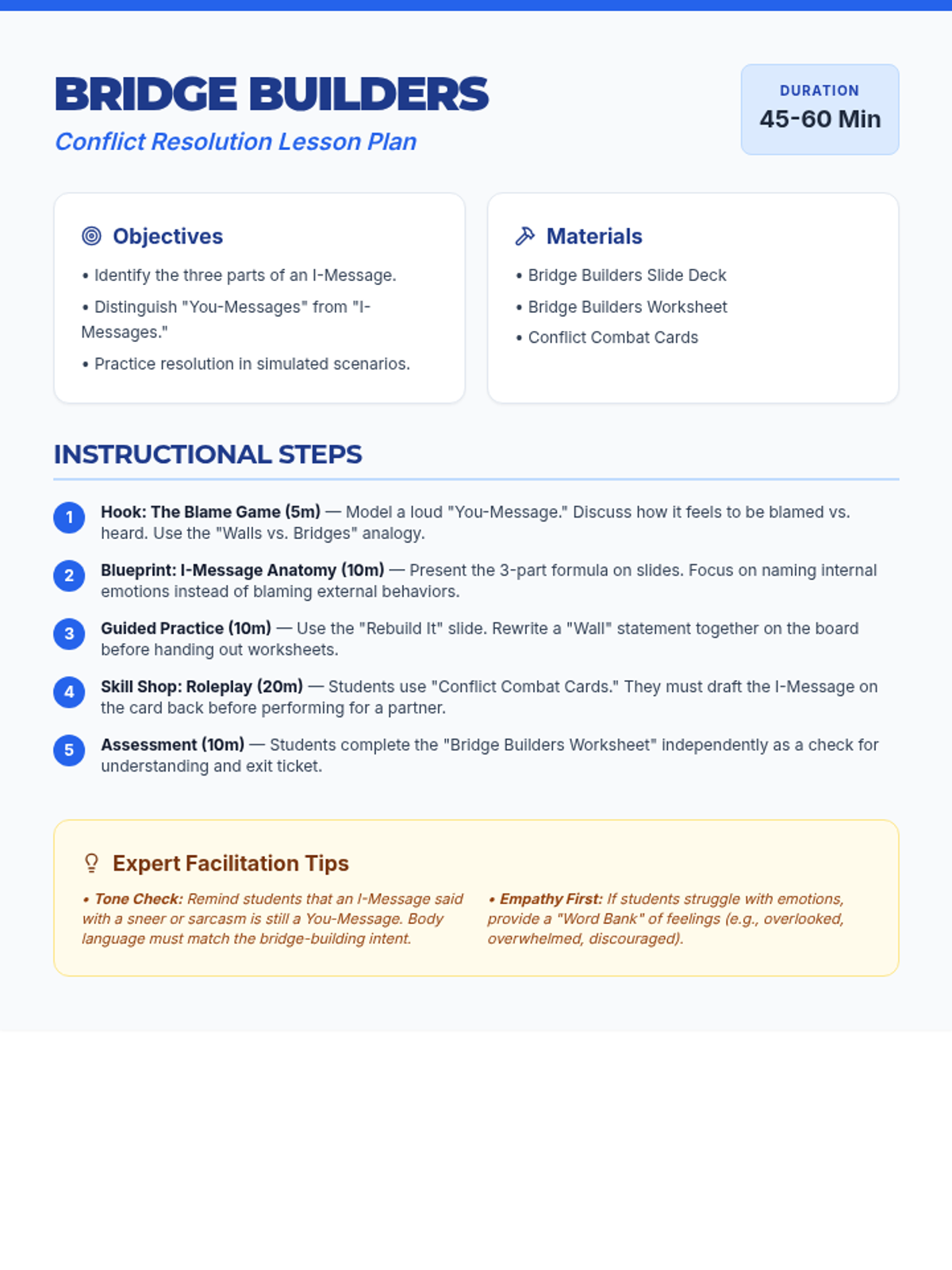
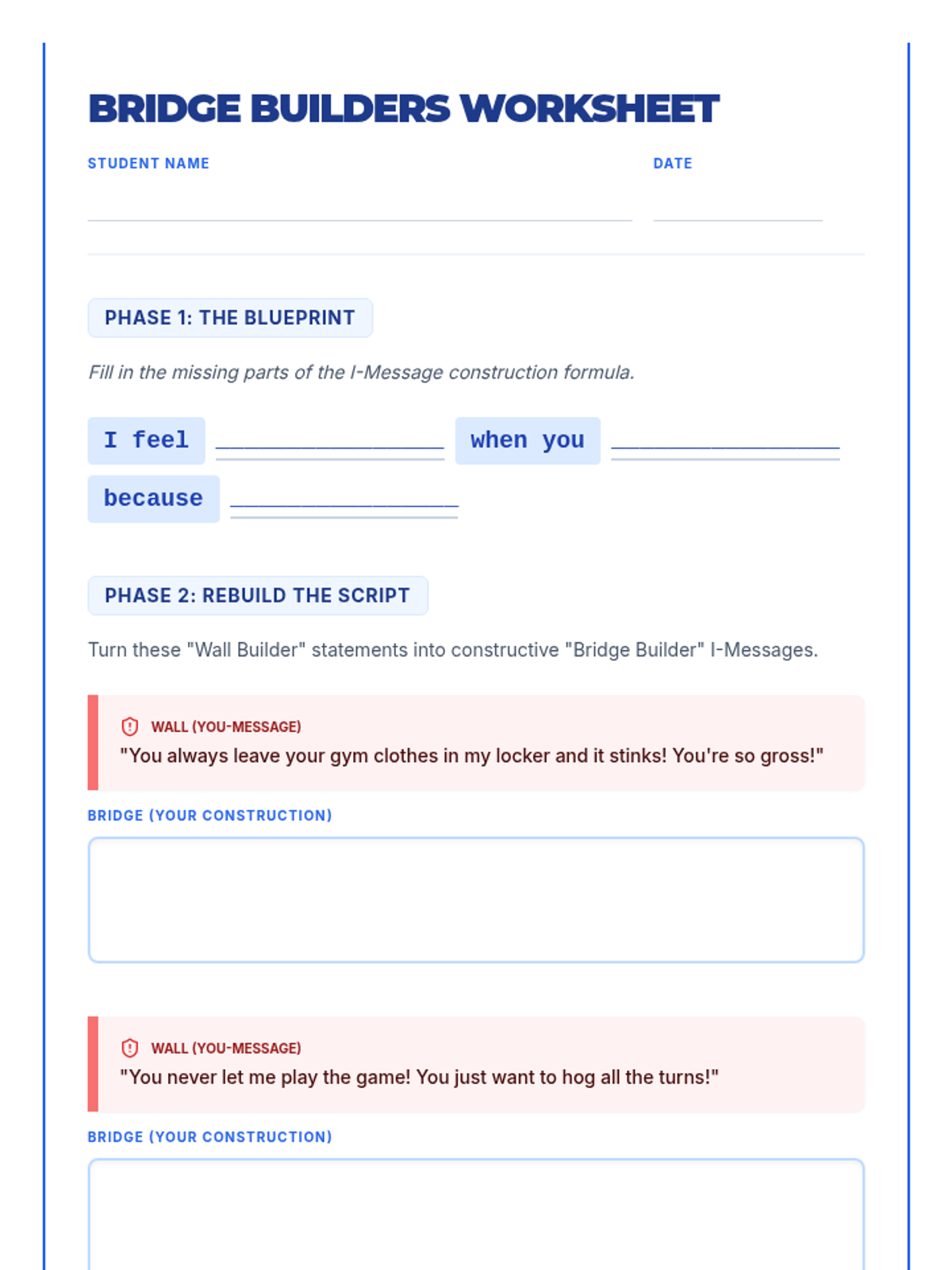
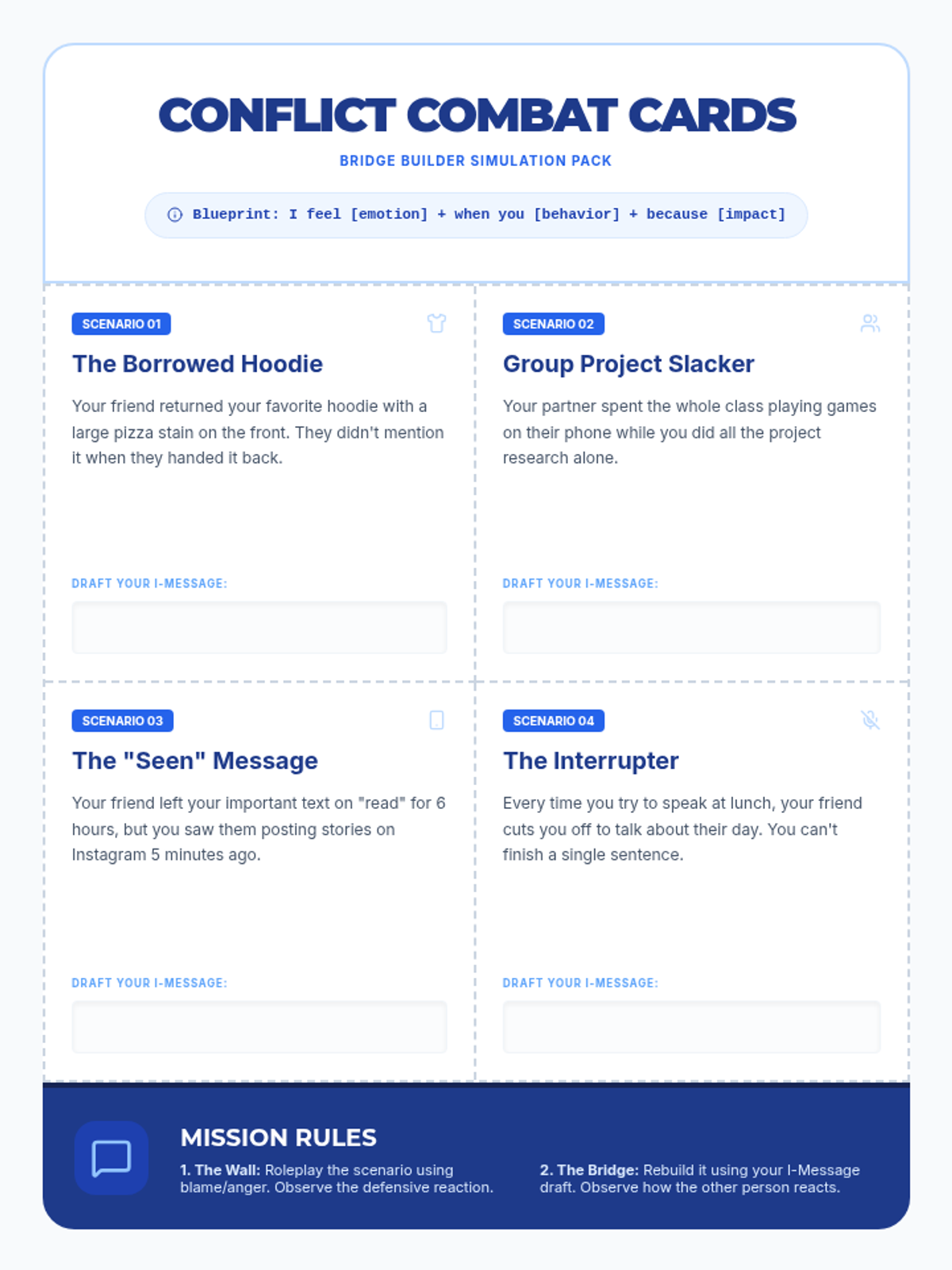
A social health lesson for 7th graders focused on mastering 'I-Messages' to resolve interpersonal conflicts effectively. Students will analyze the anatomy of communication and practice converting accusatory 'You-Messages' into constructive 'I-Messages' through guided practice and roleplay scenarios.
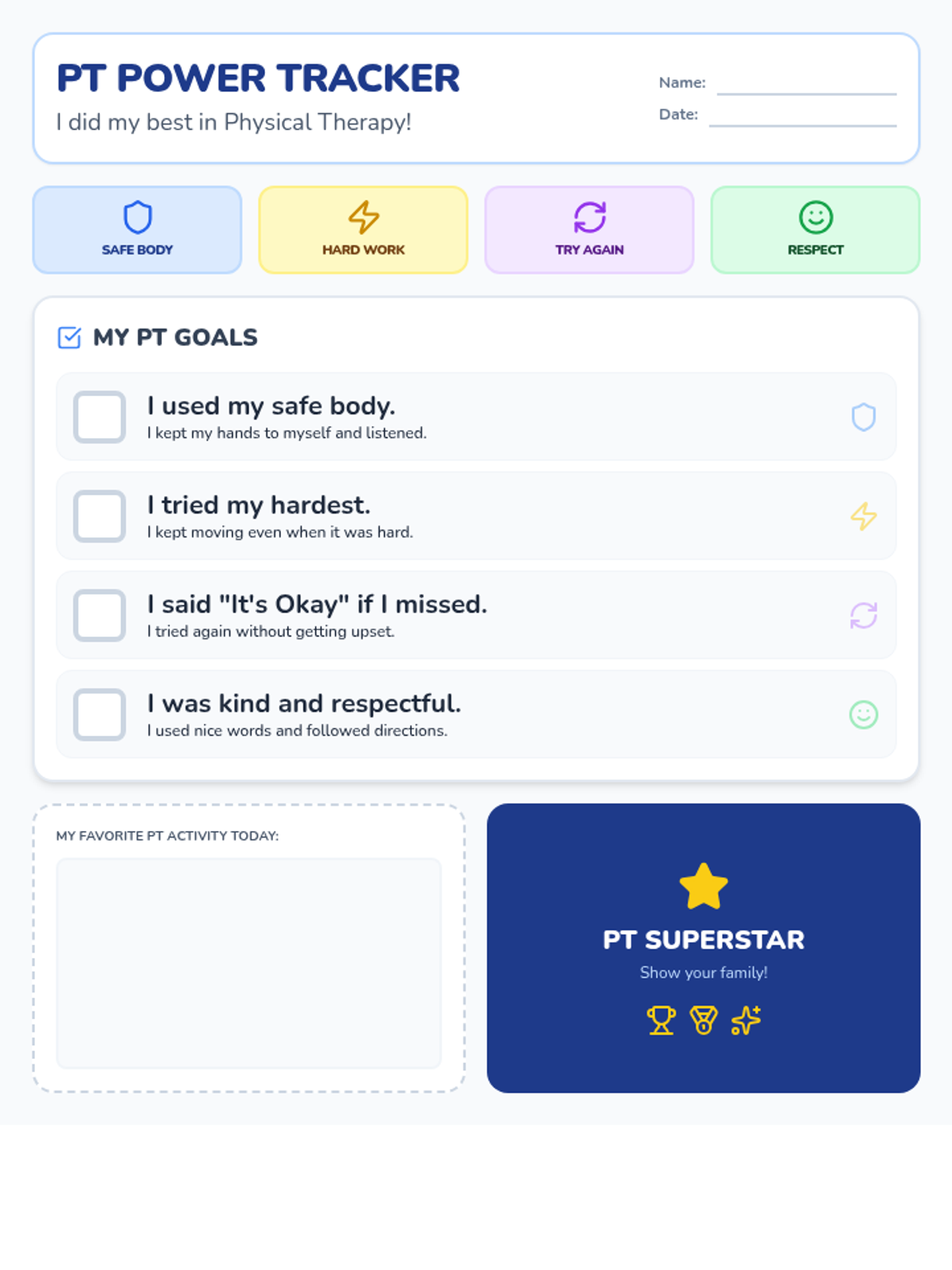
A series of visual-heavy slides and a supporting visual guide to help students understand and practice positive behaviors during physical therapy sessions.
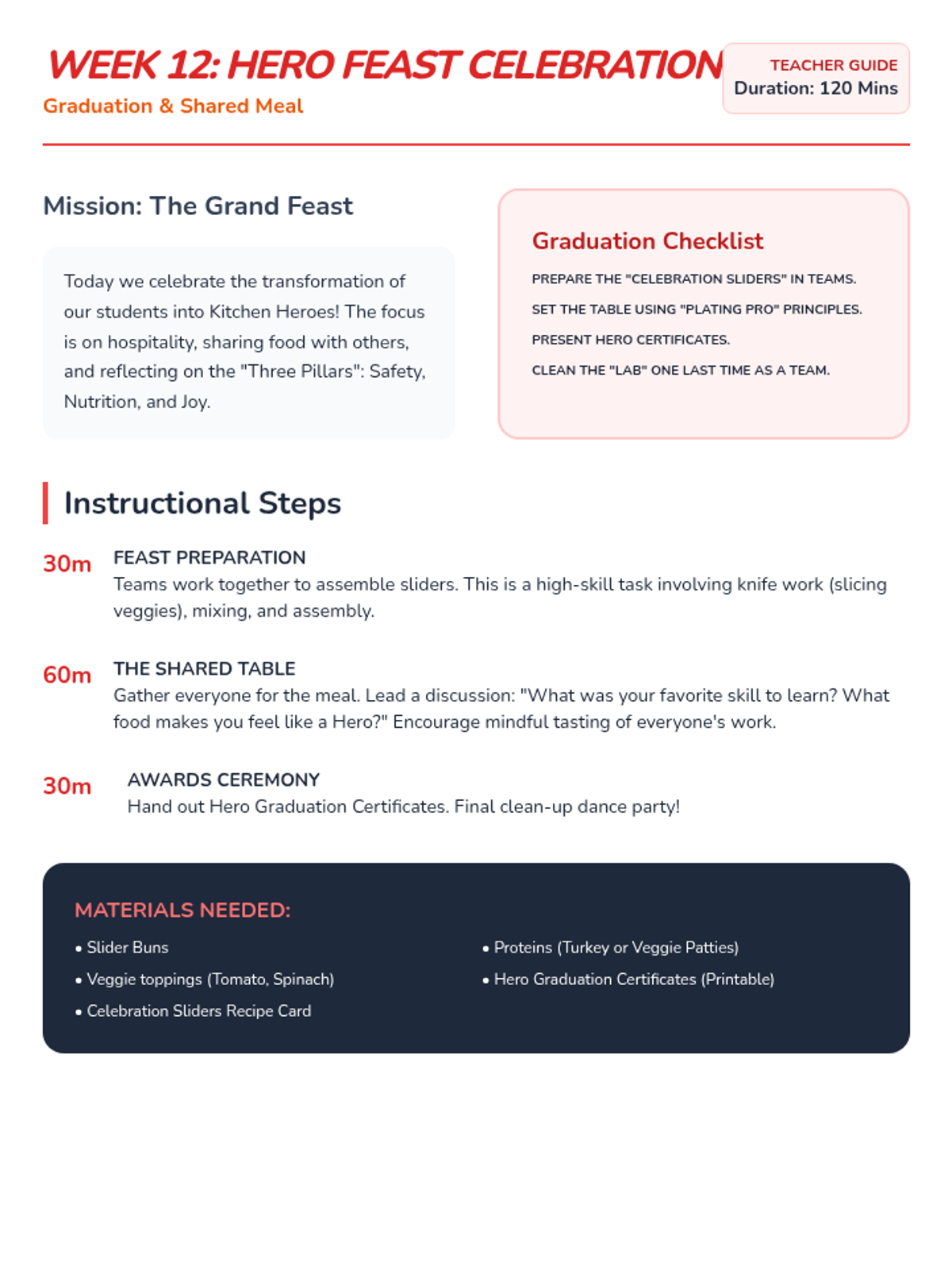
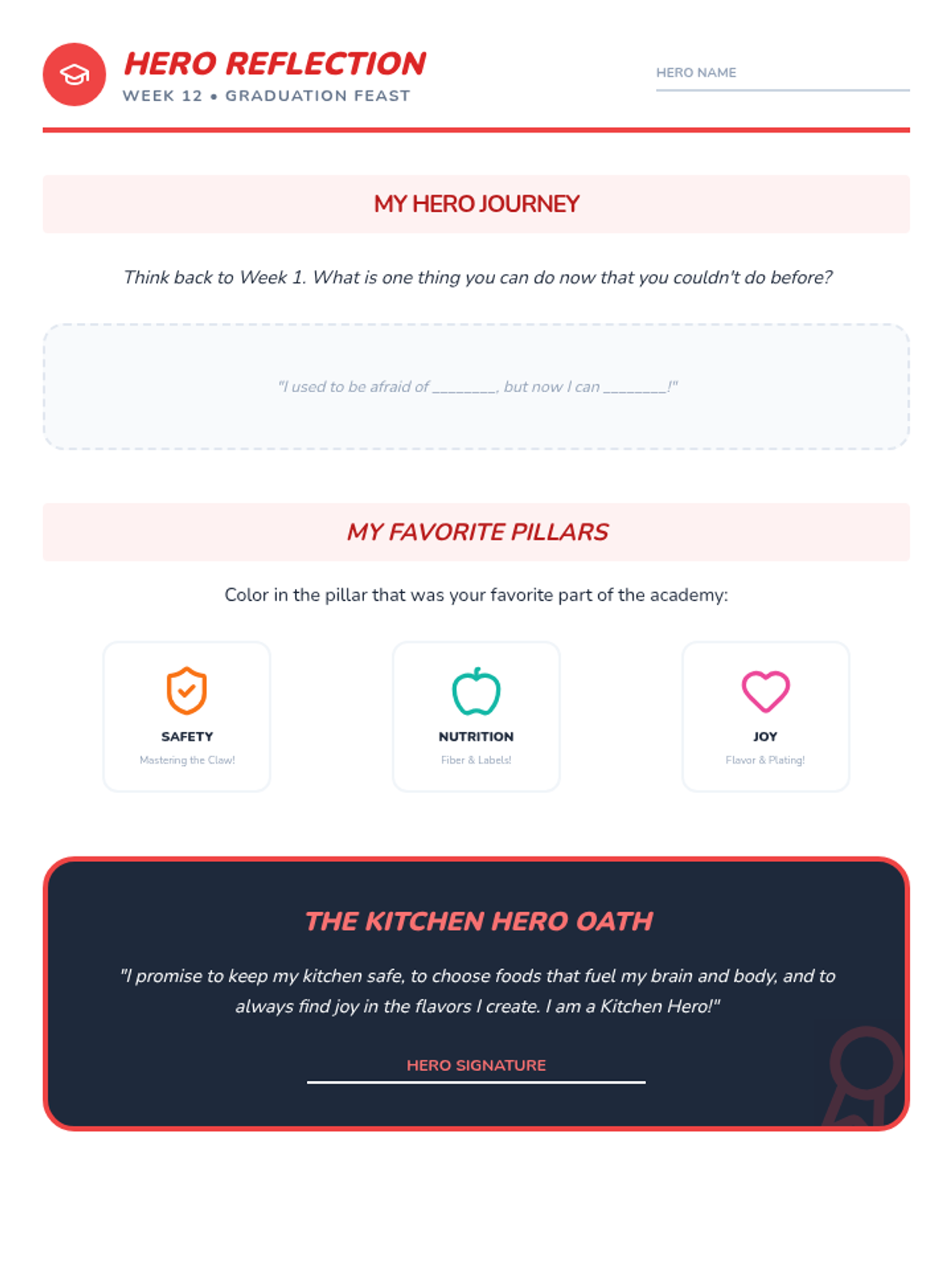
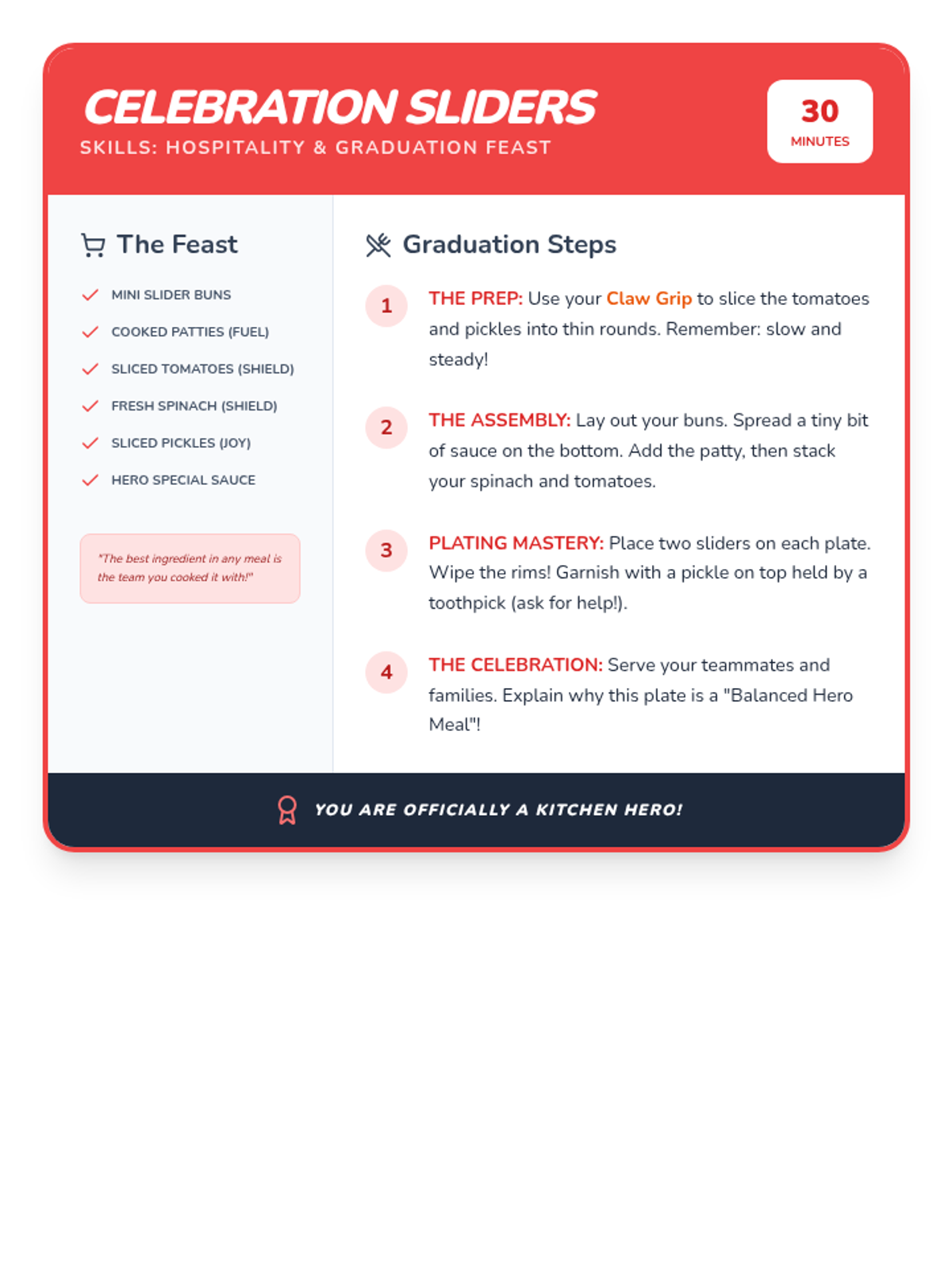
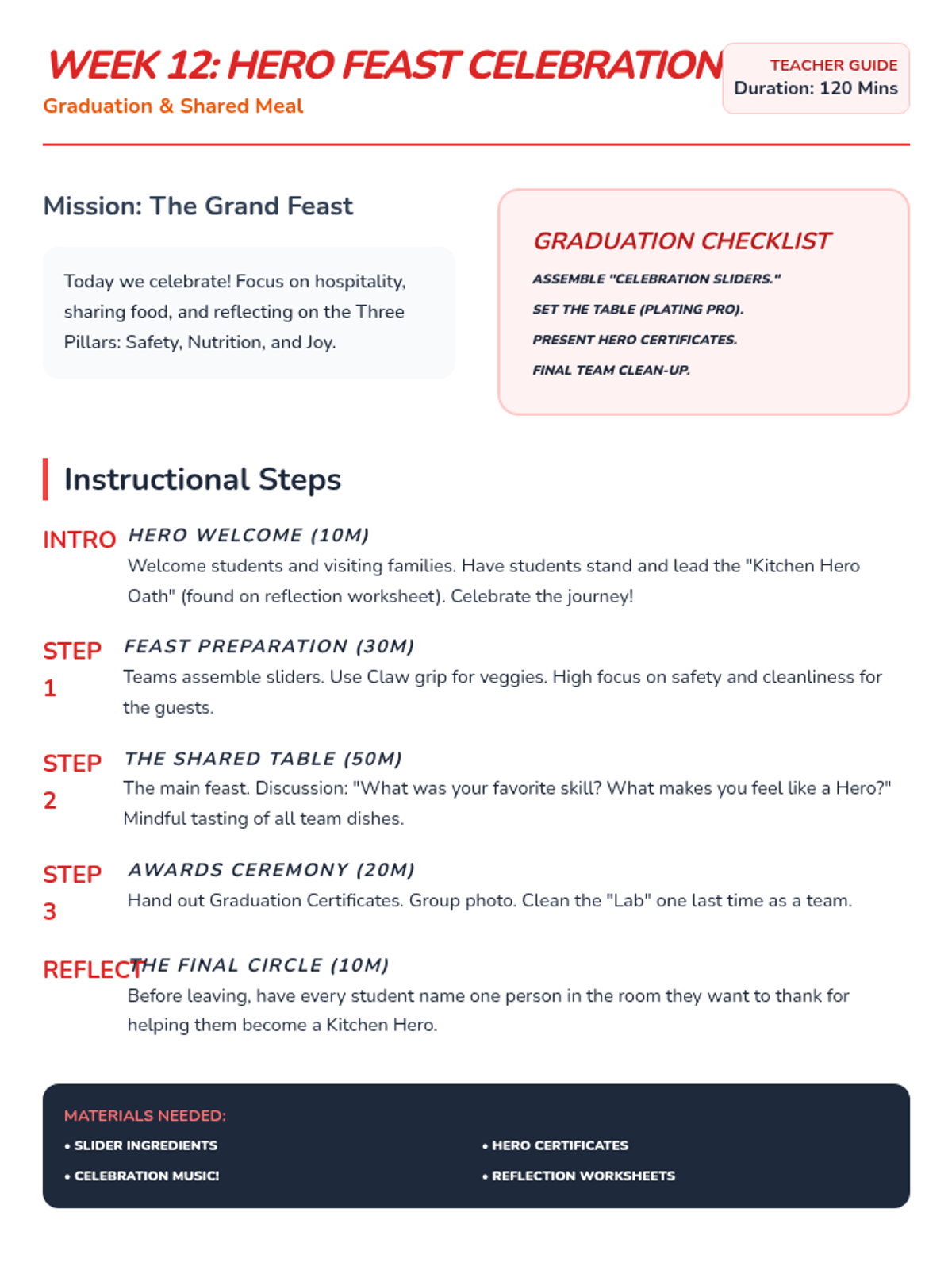
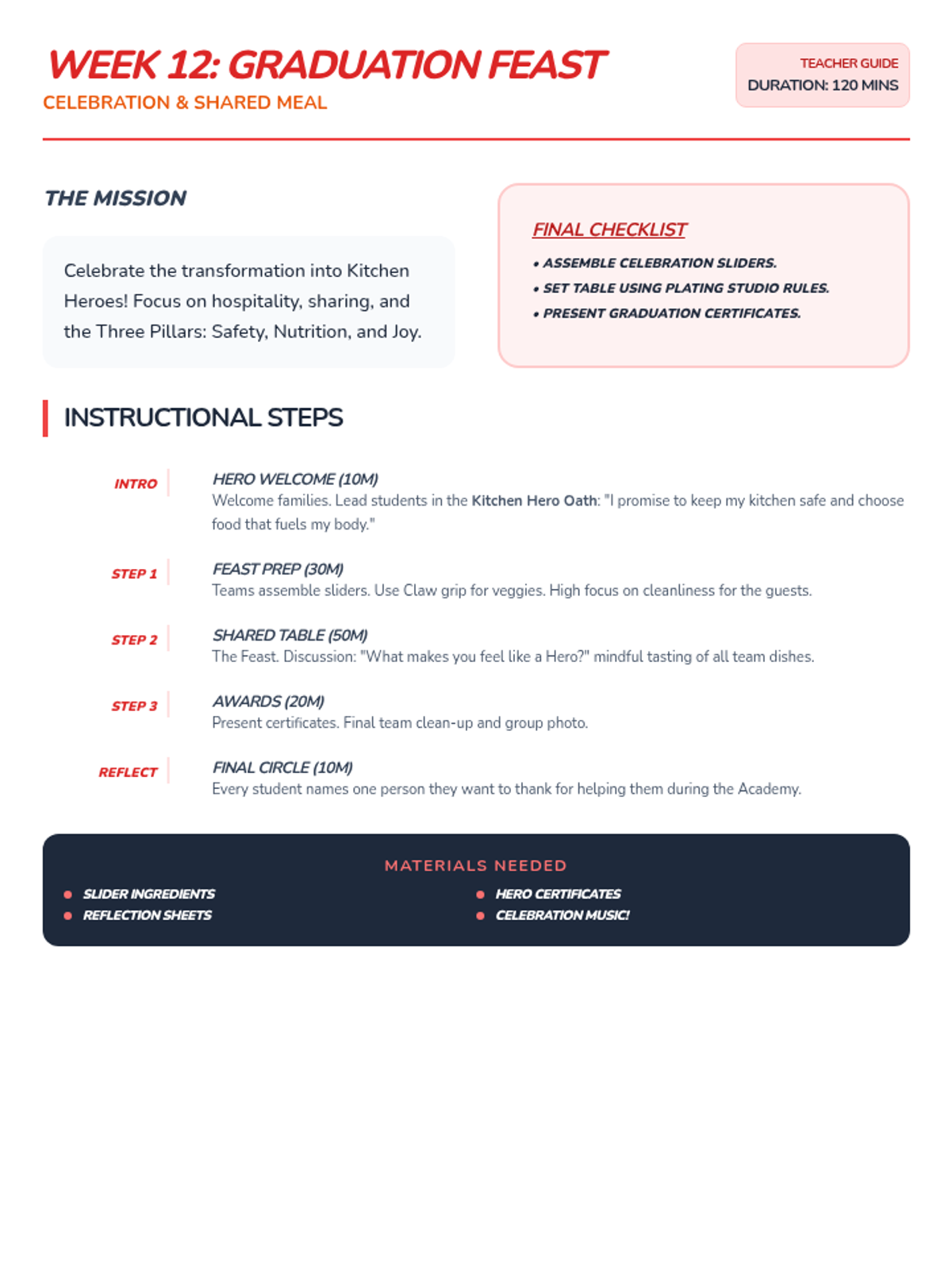
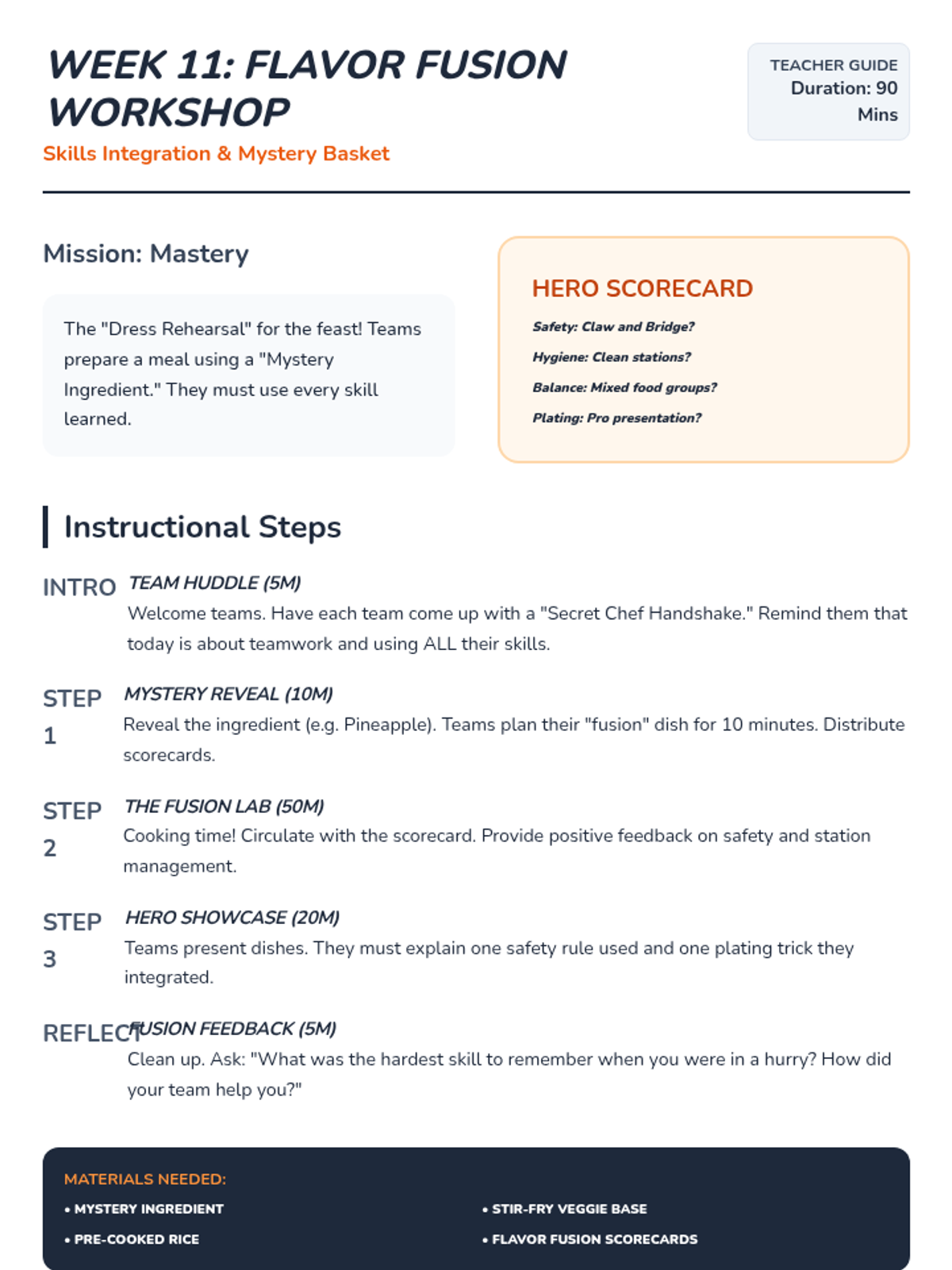
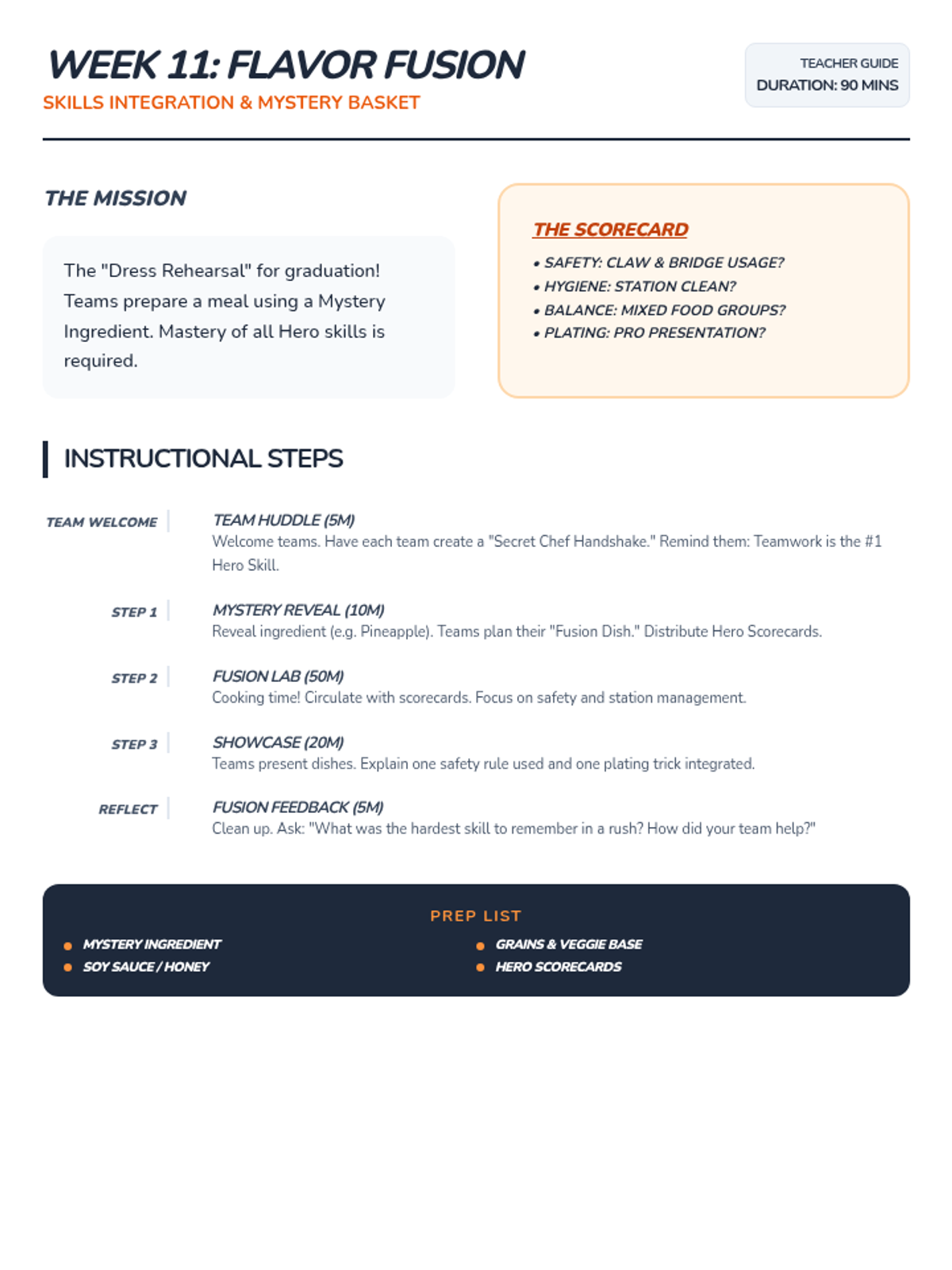
A final celebration showcase of skills learned throughout the course.
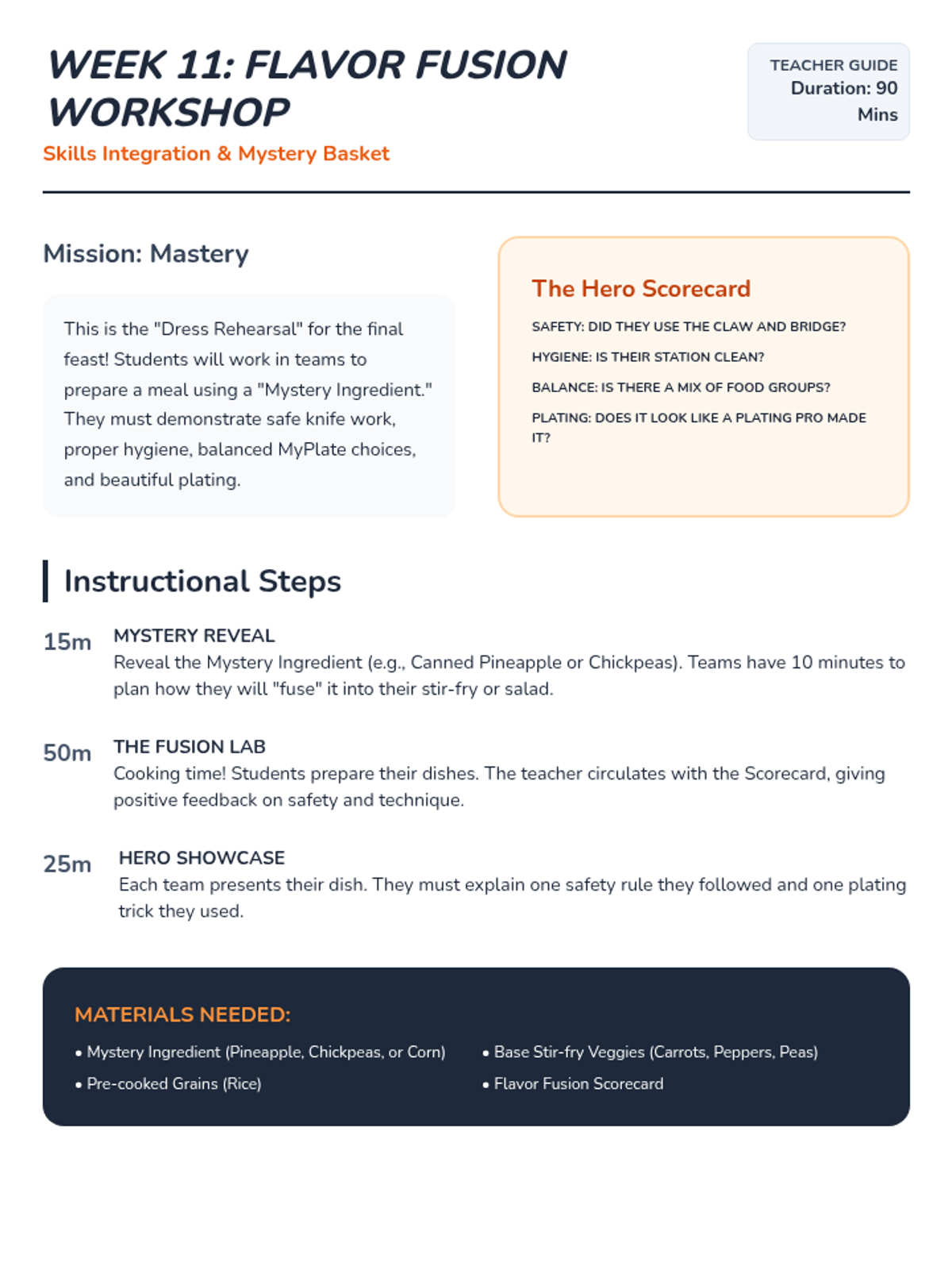
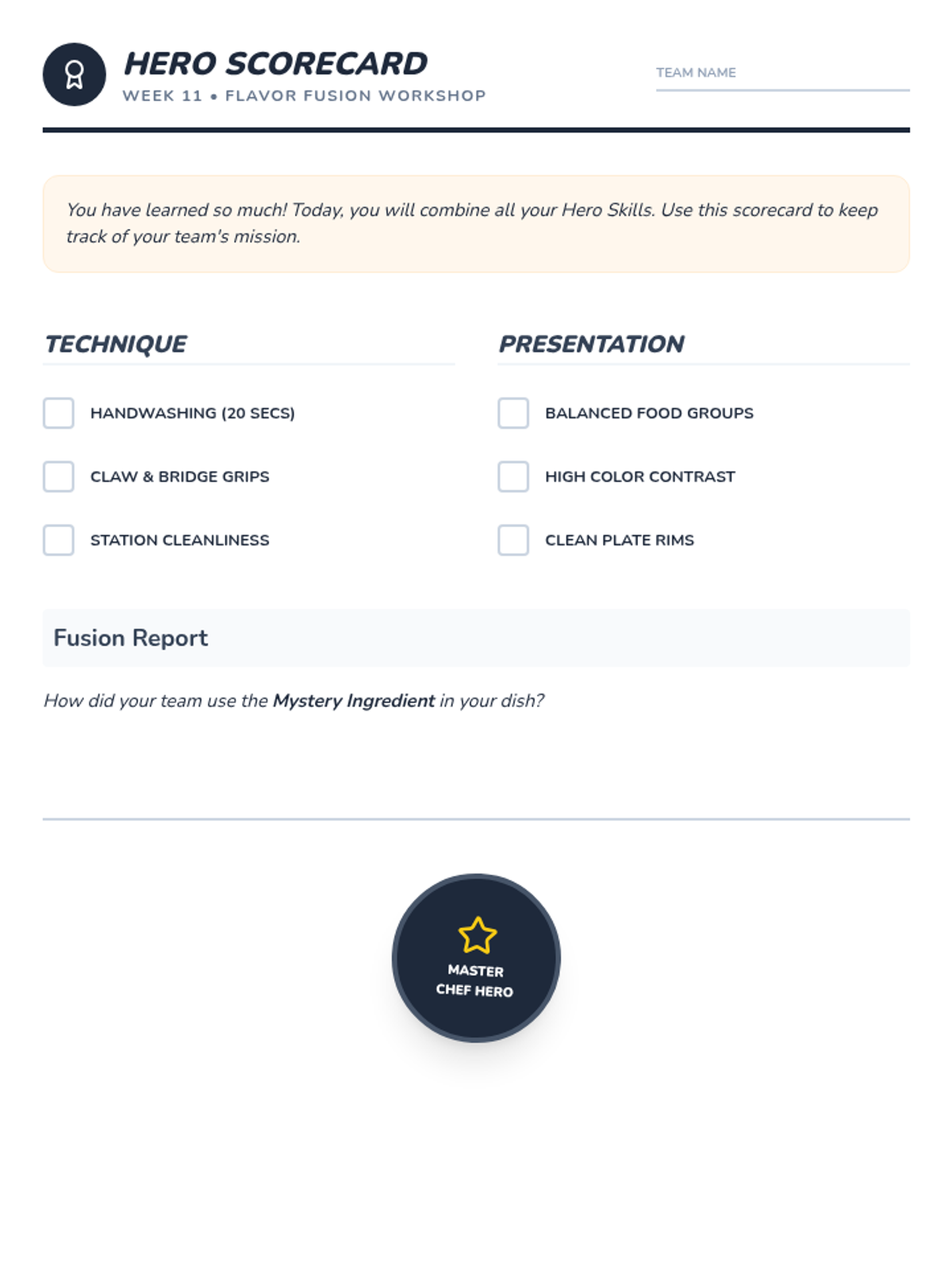
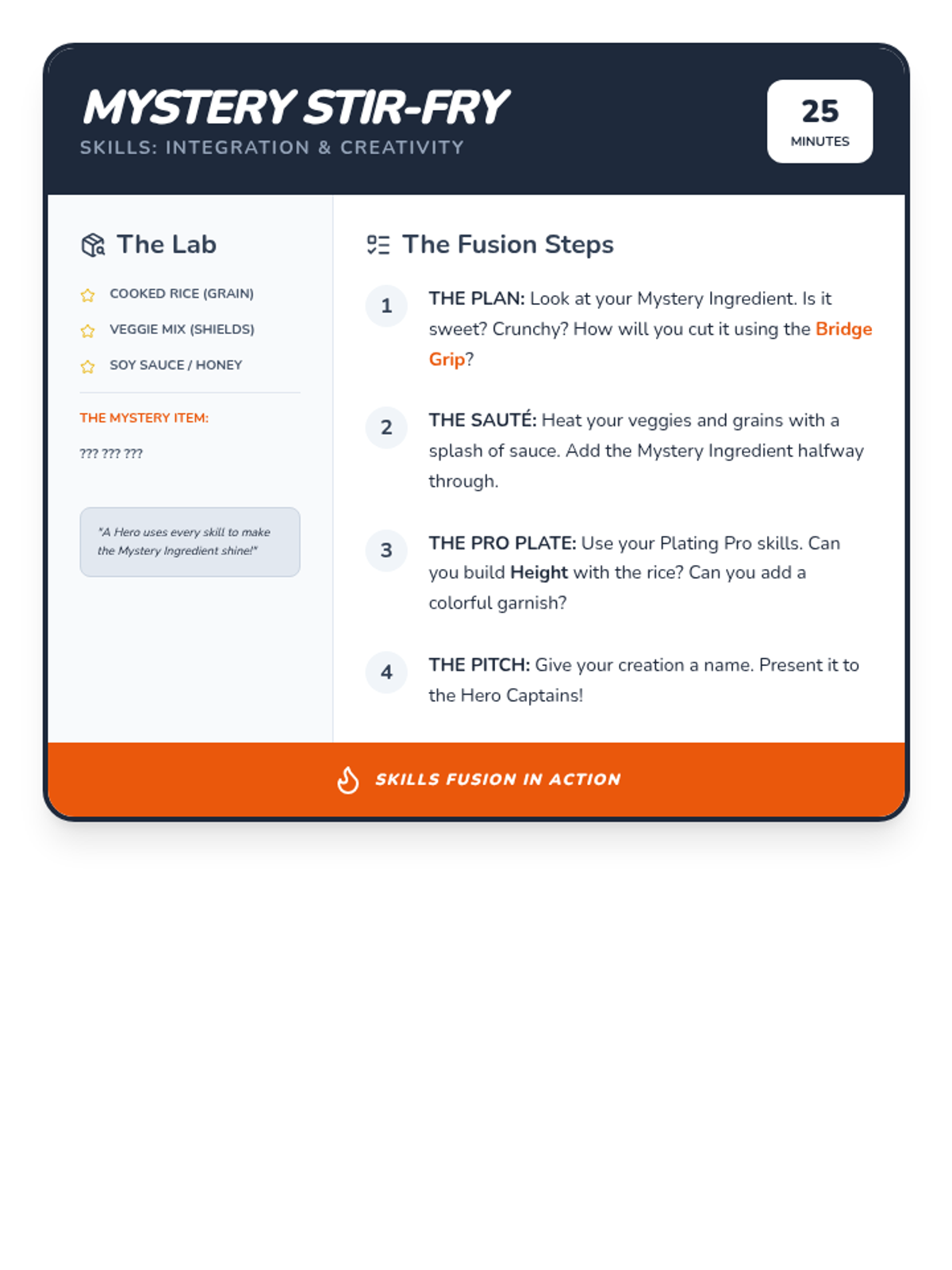
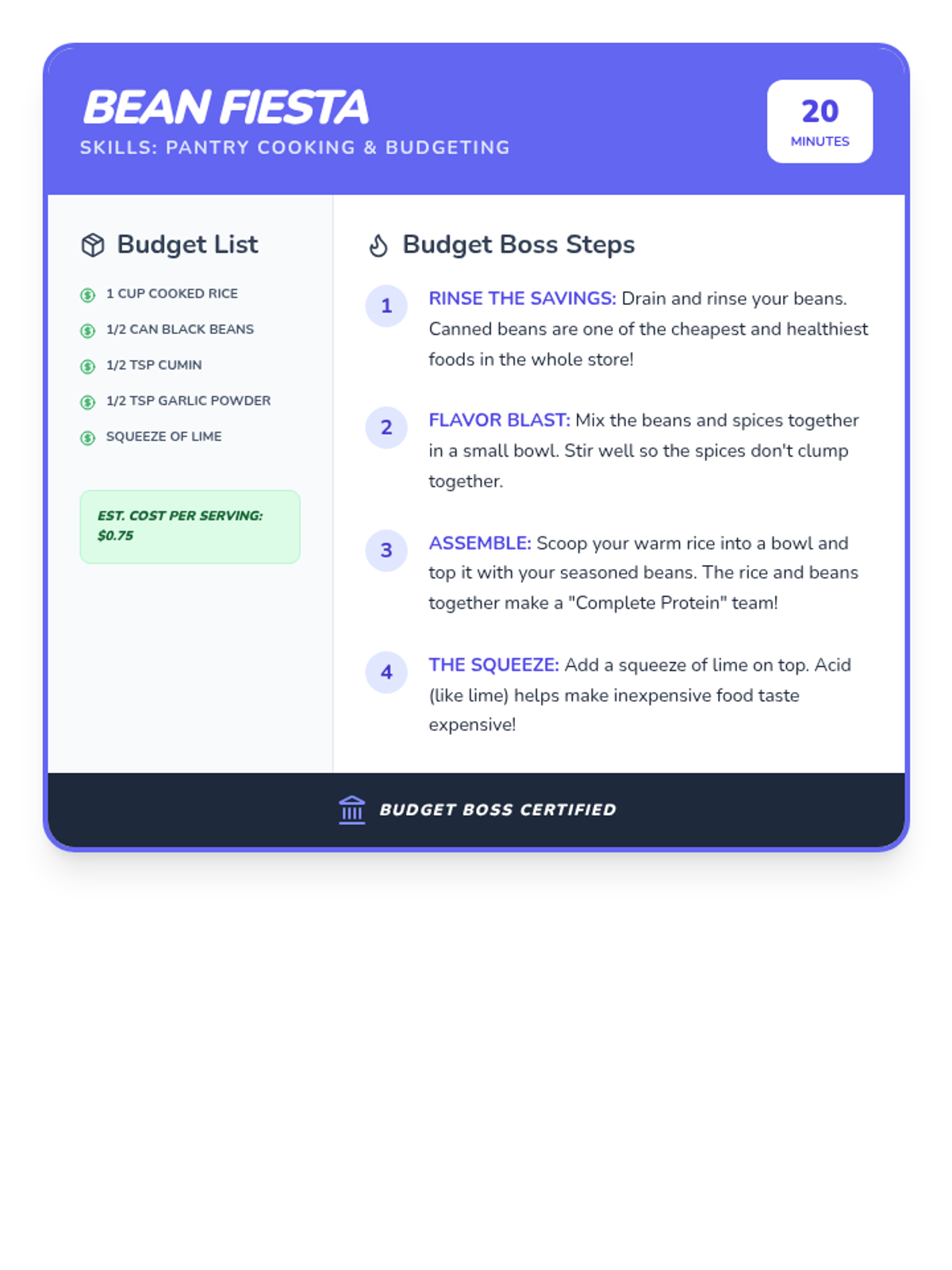
Applying skills to create a cohesive meal with limited ingredients.
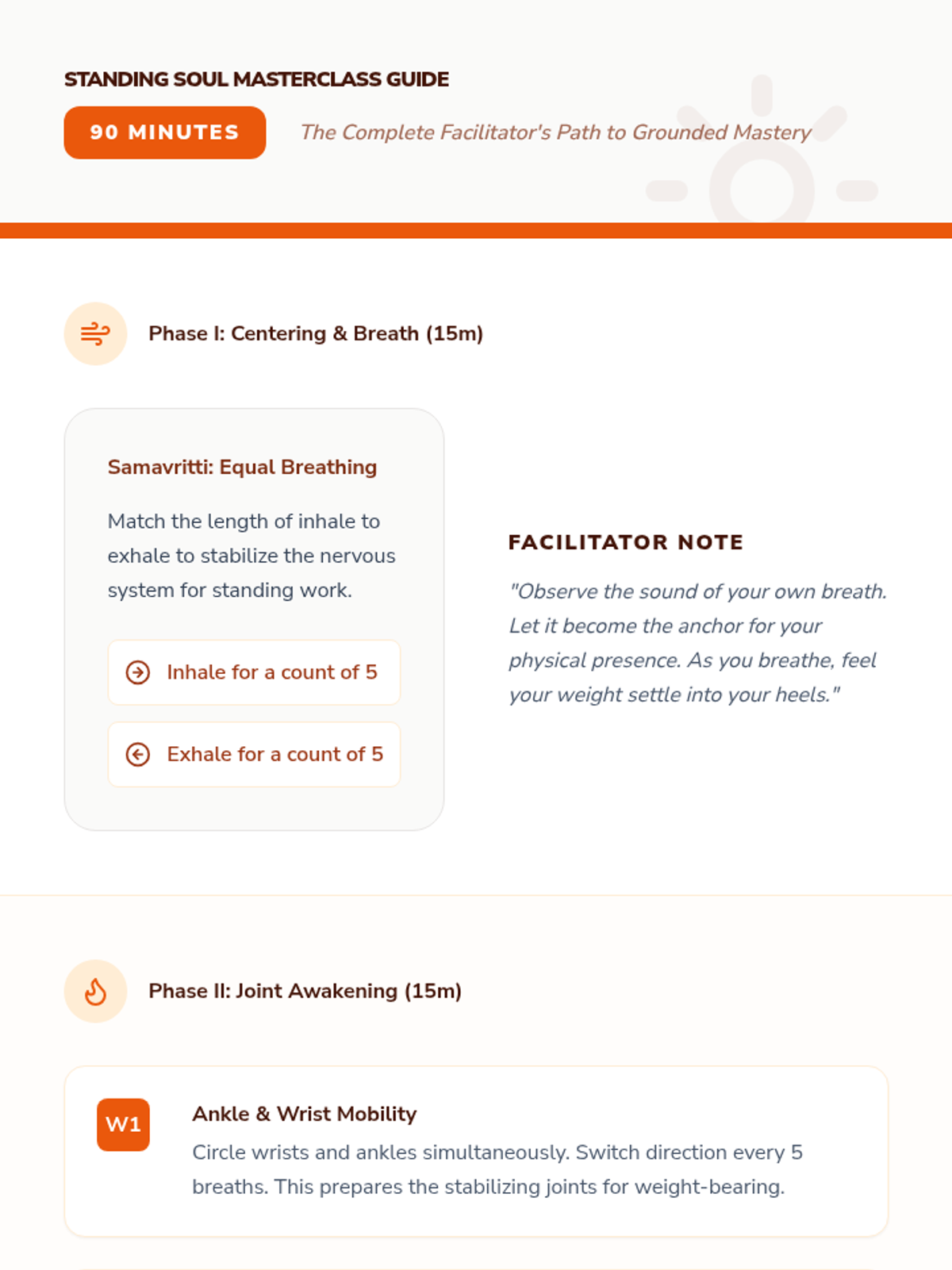
A beginner-friendly 90-minute standing yoga session focused on grounding, balance, and fundamental postures to transition from seated to standing practice.
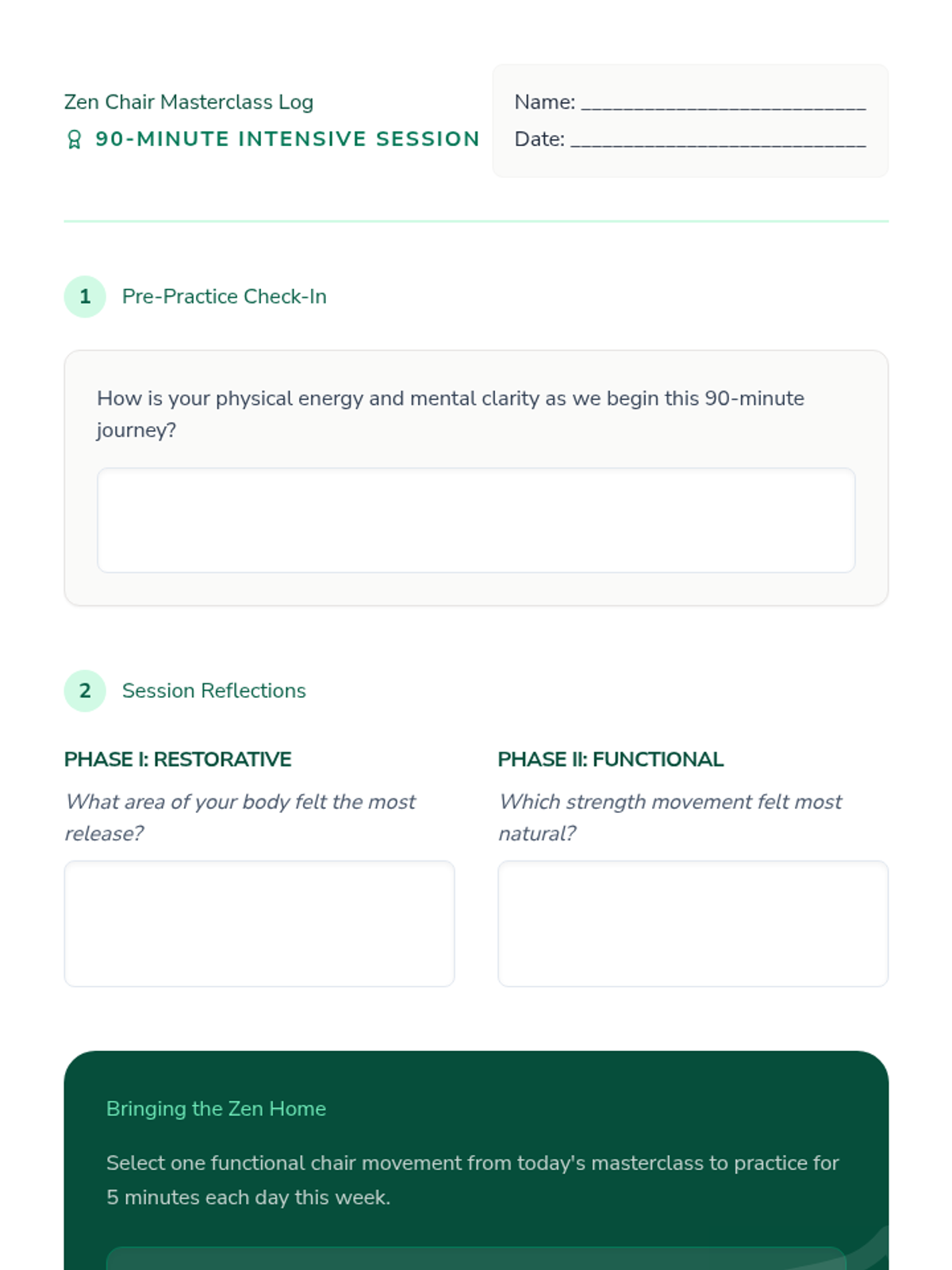
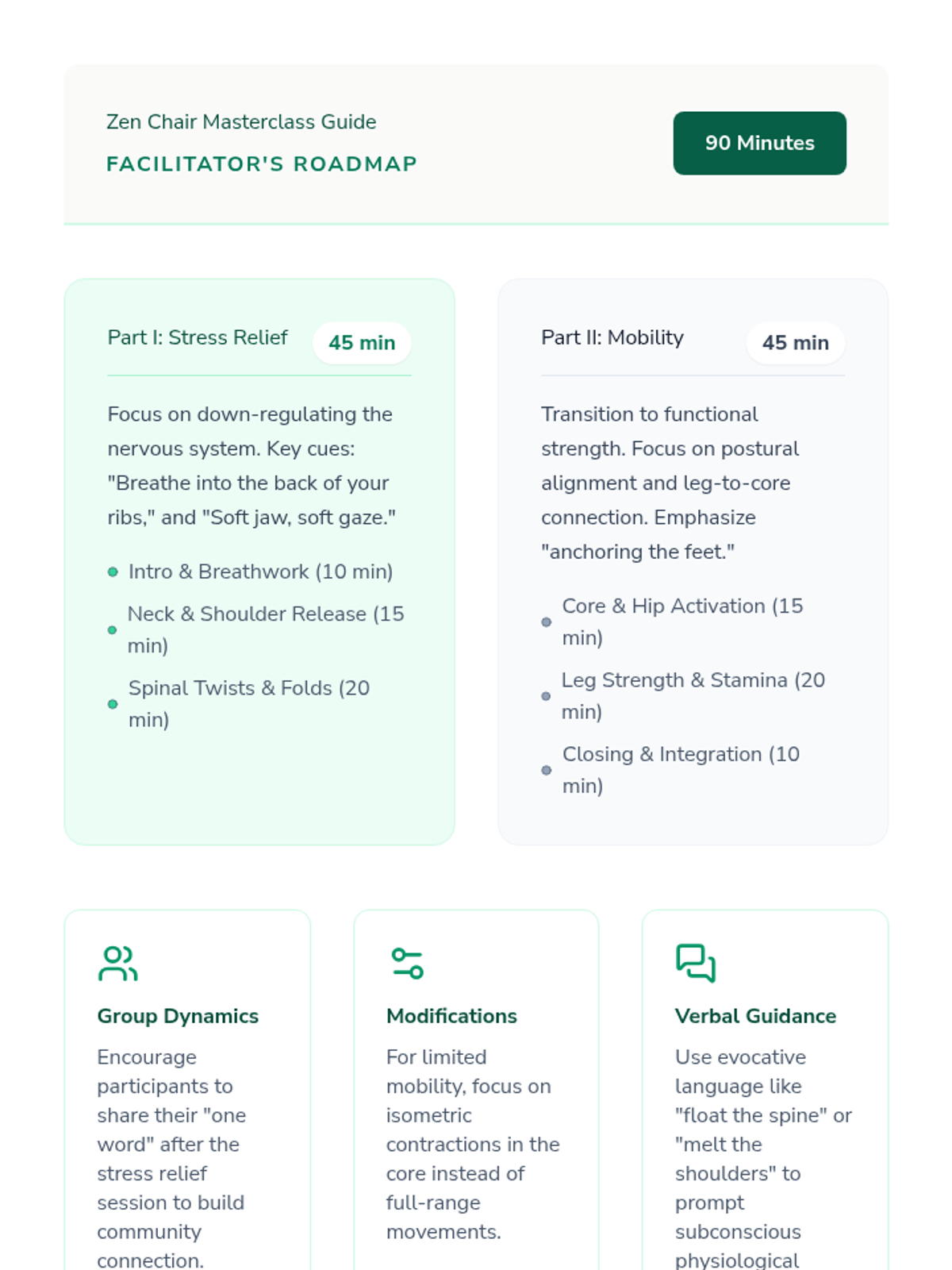
A deep-dive chair yoga experience combining stress relief and functional mobility, featuring two full-length guided practice videos. This 90-minute masterclass is designed to build both mental calm and physical strength.
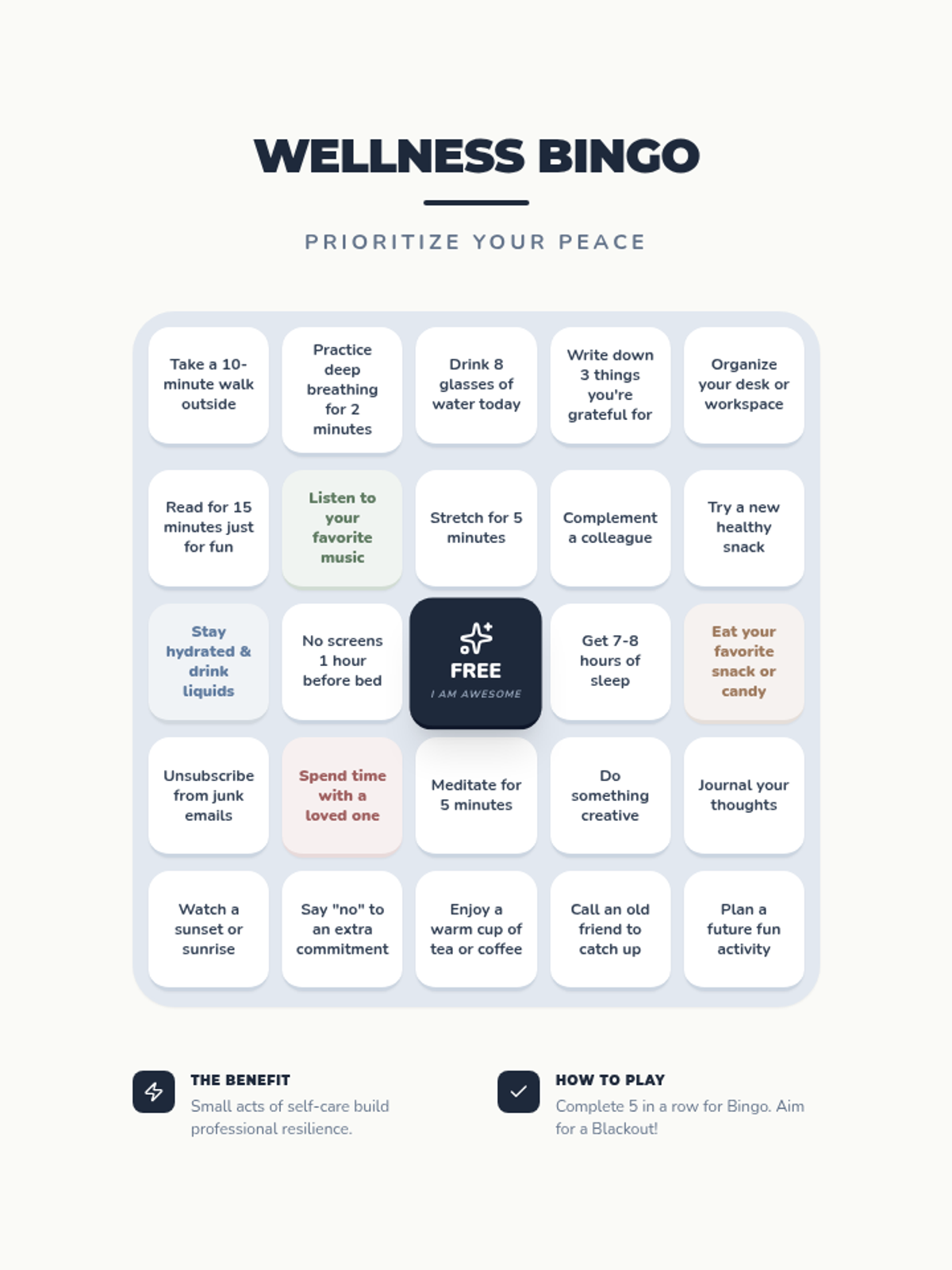
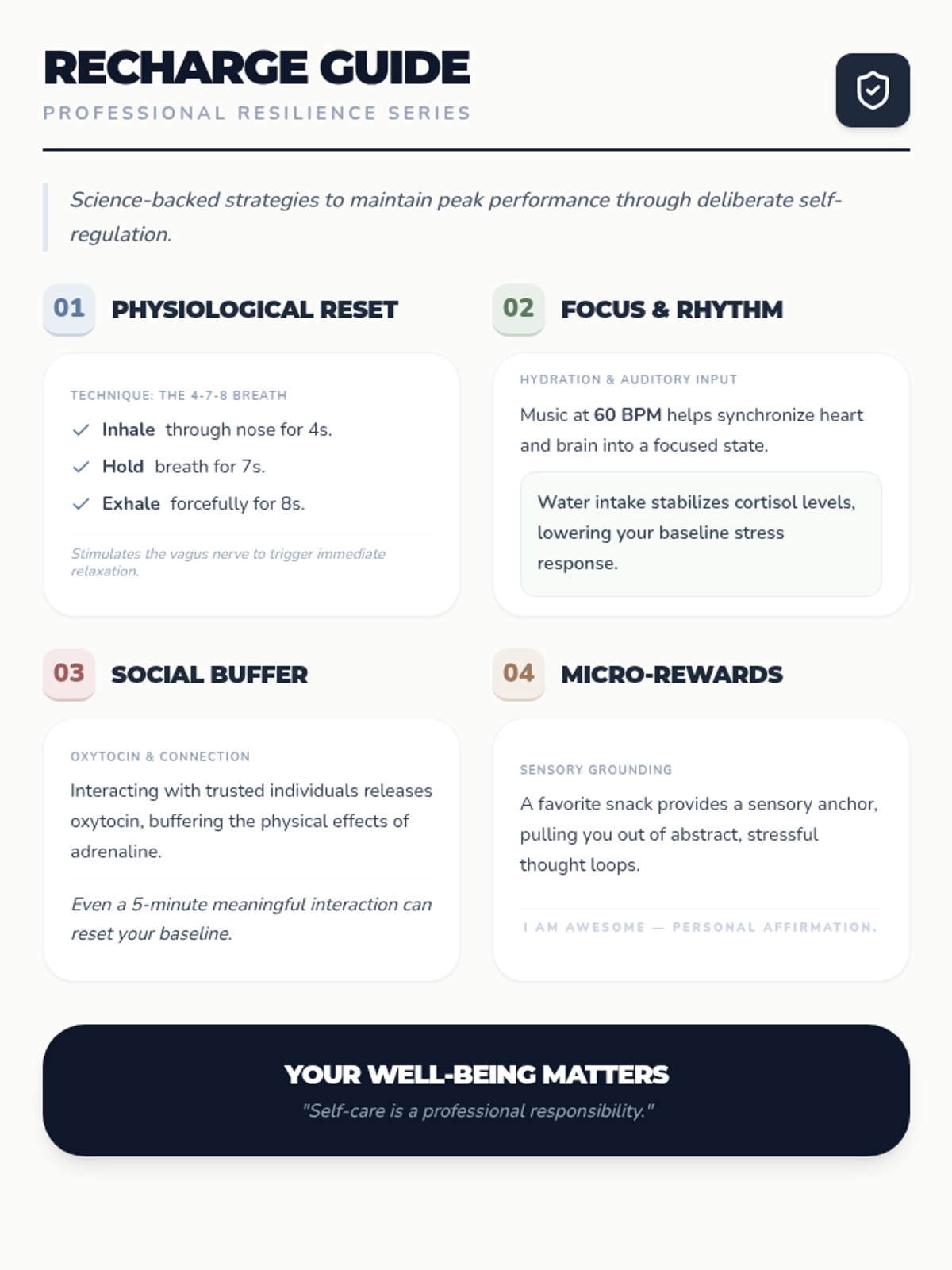
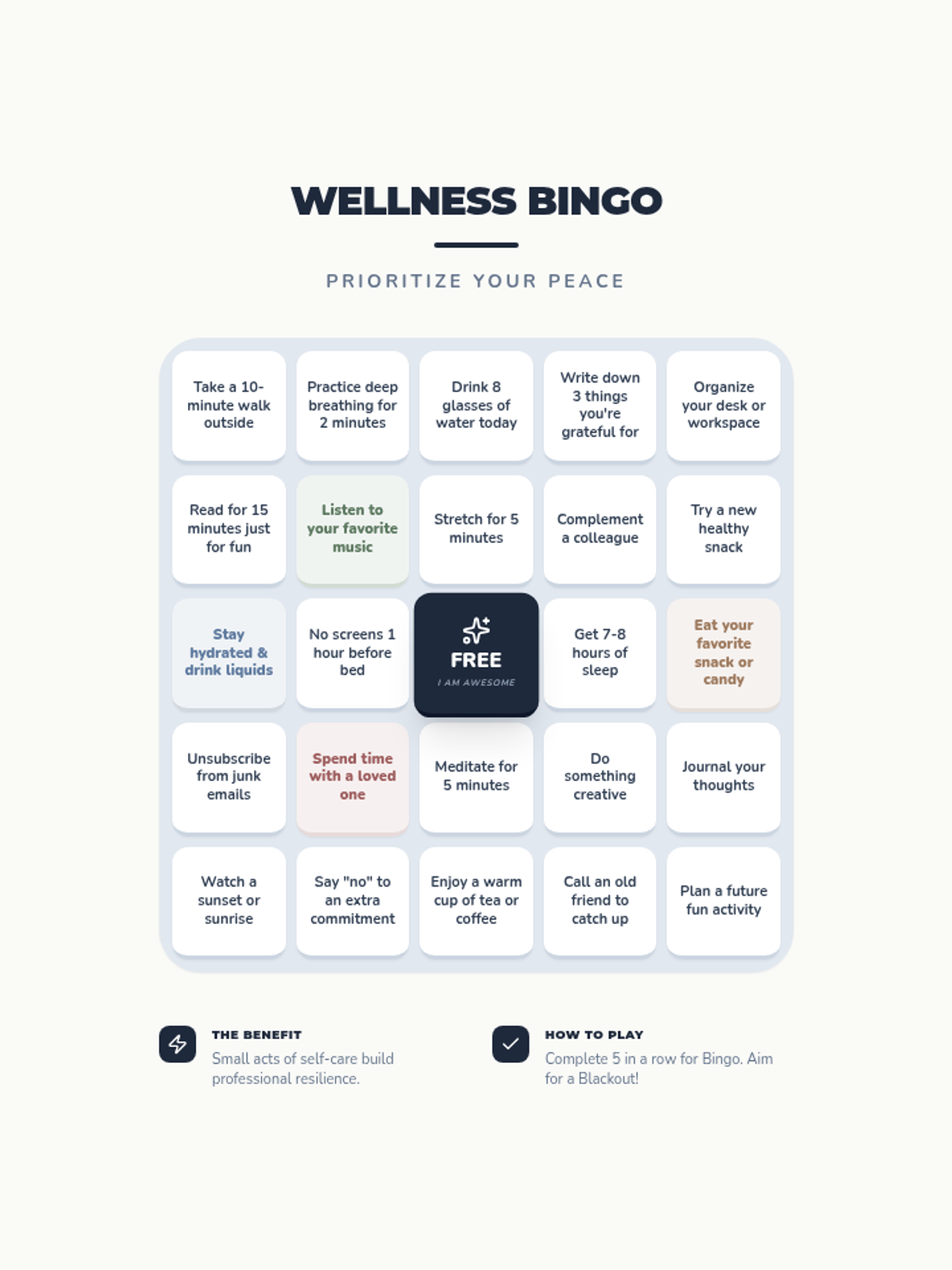
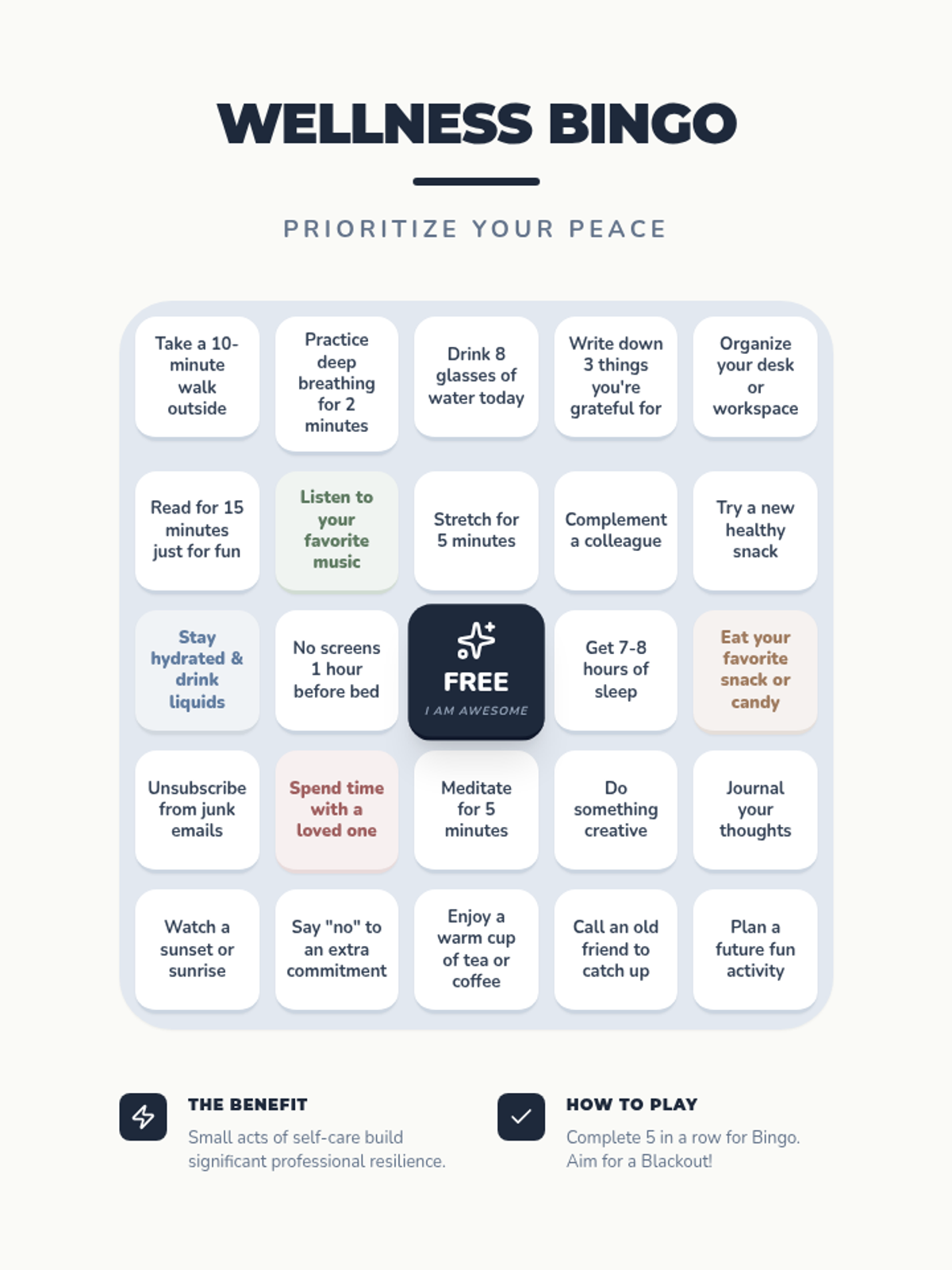
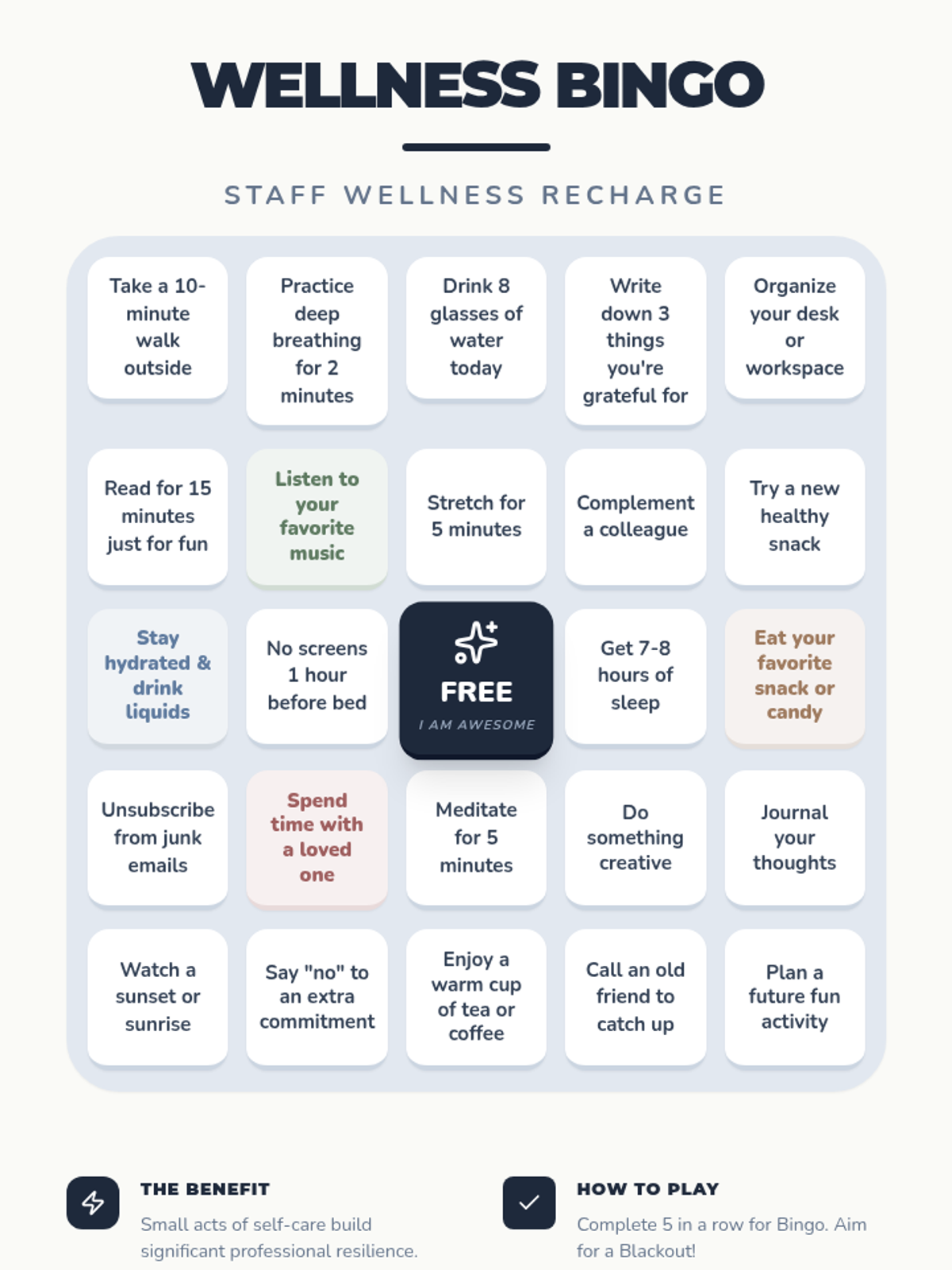
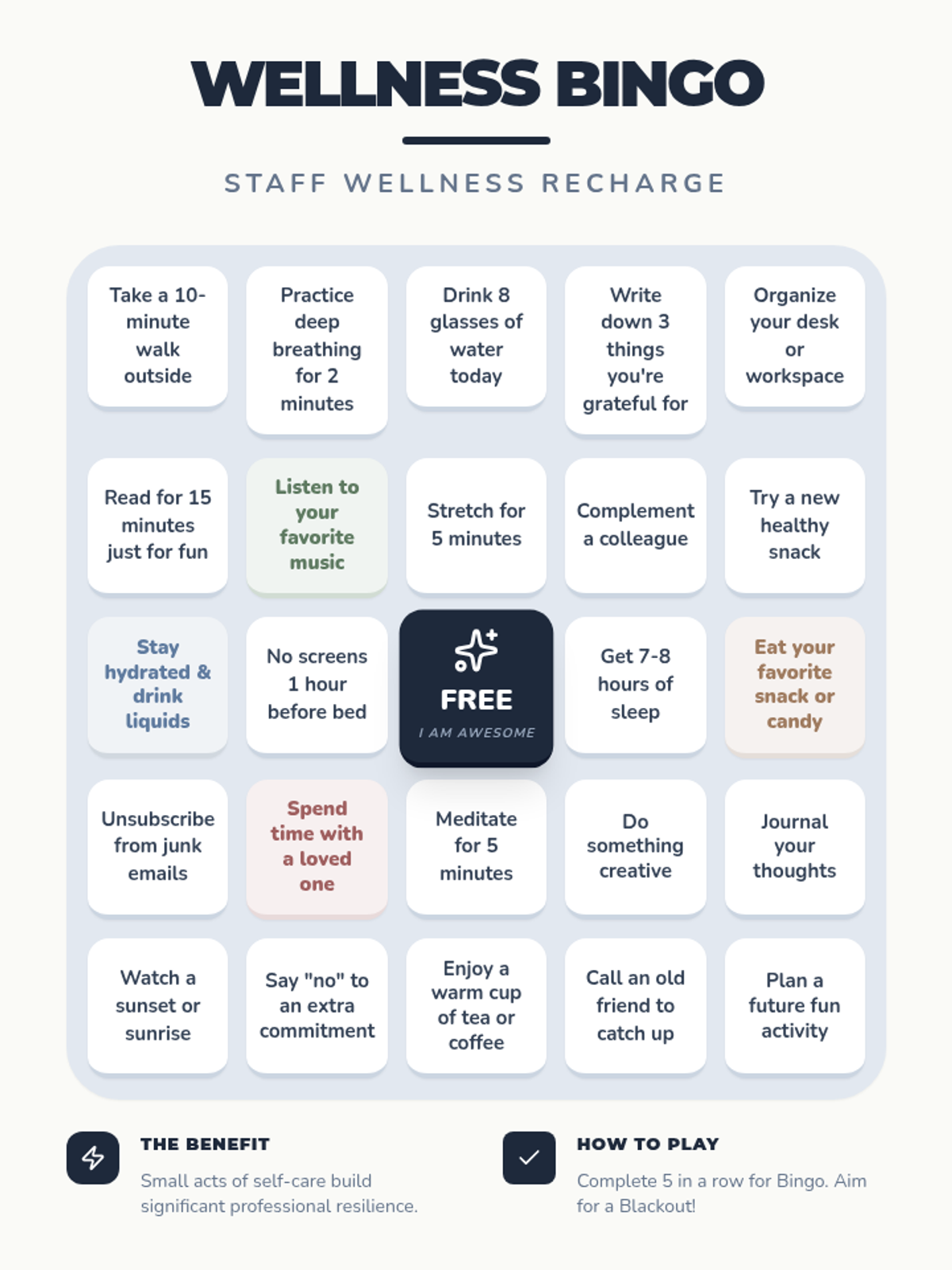
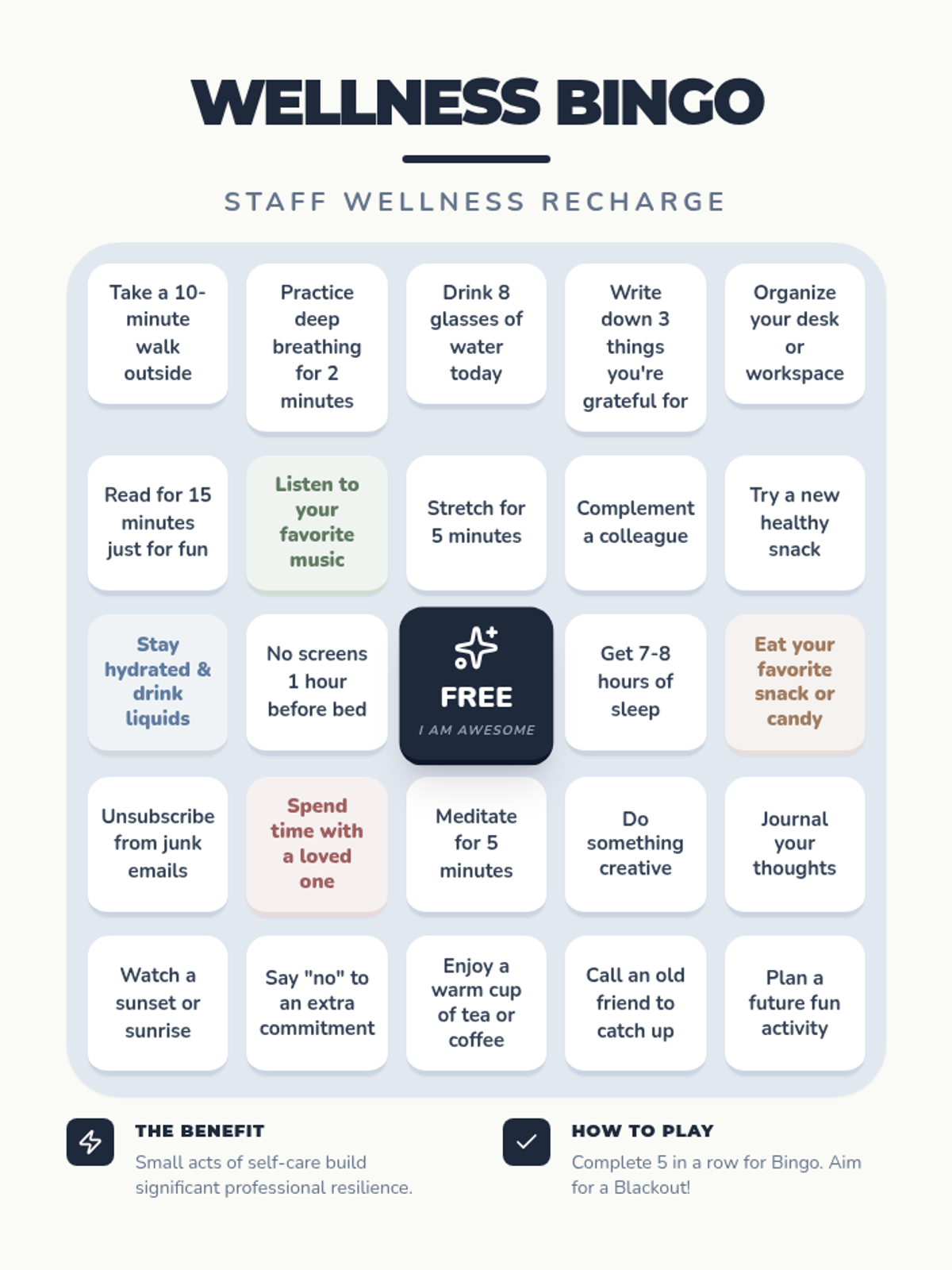
A collection of resources designed to help staff members prioritize their mental health, manage stress, and build a culture of wellness in the workplace.
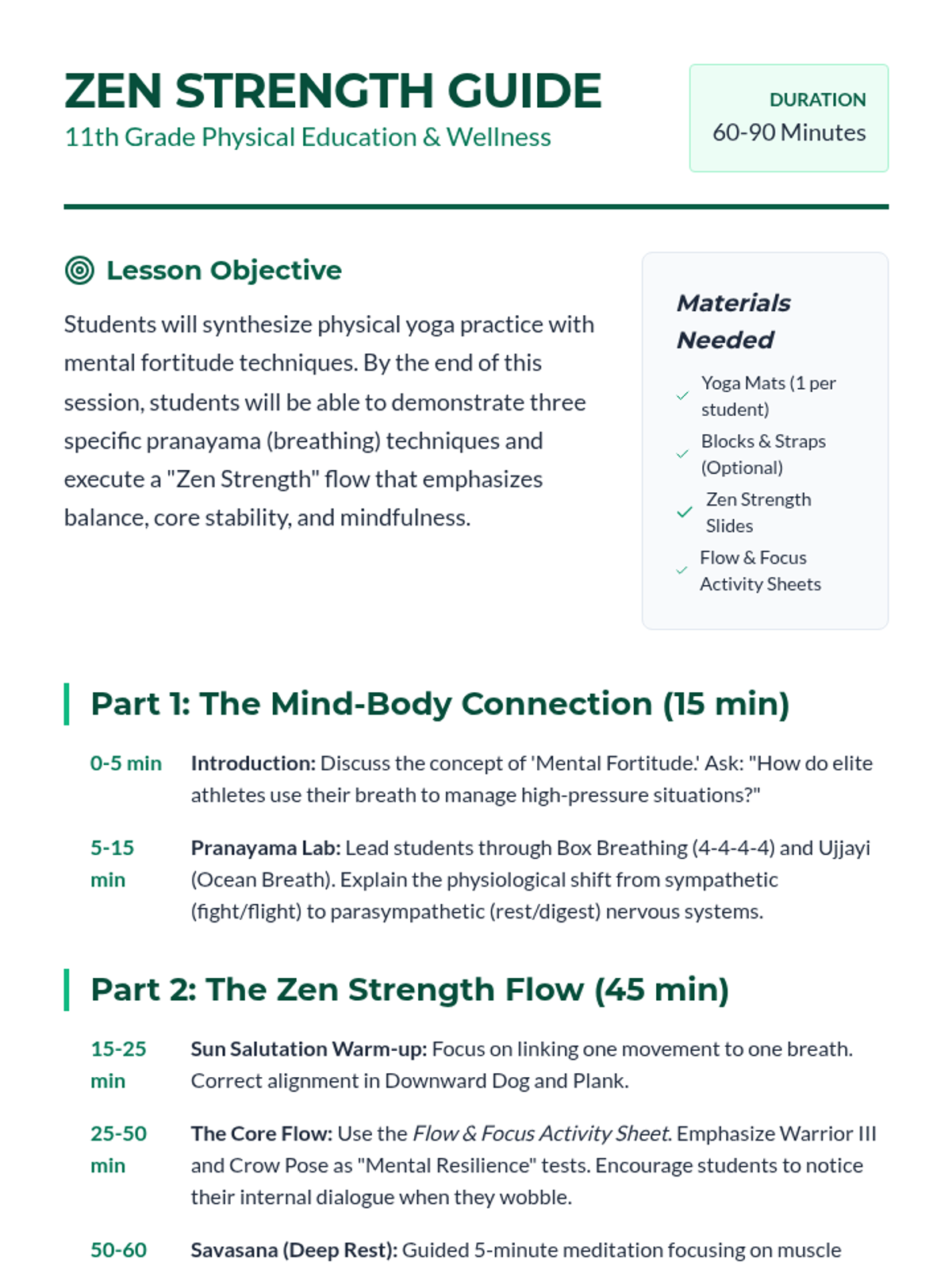
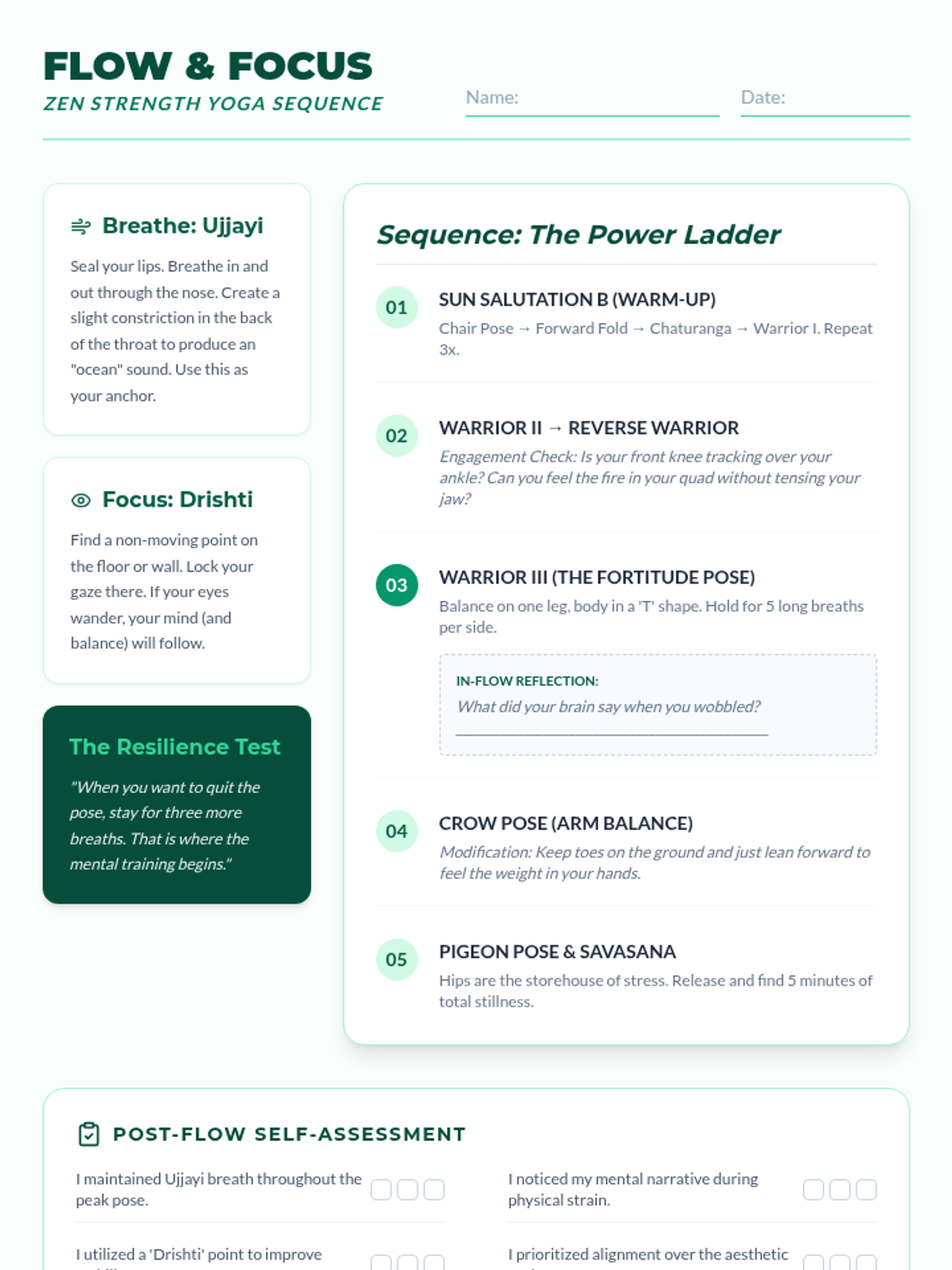
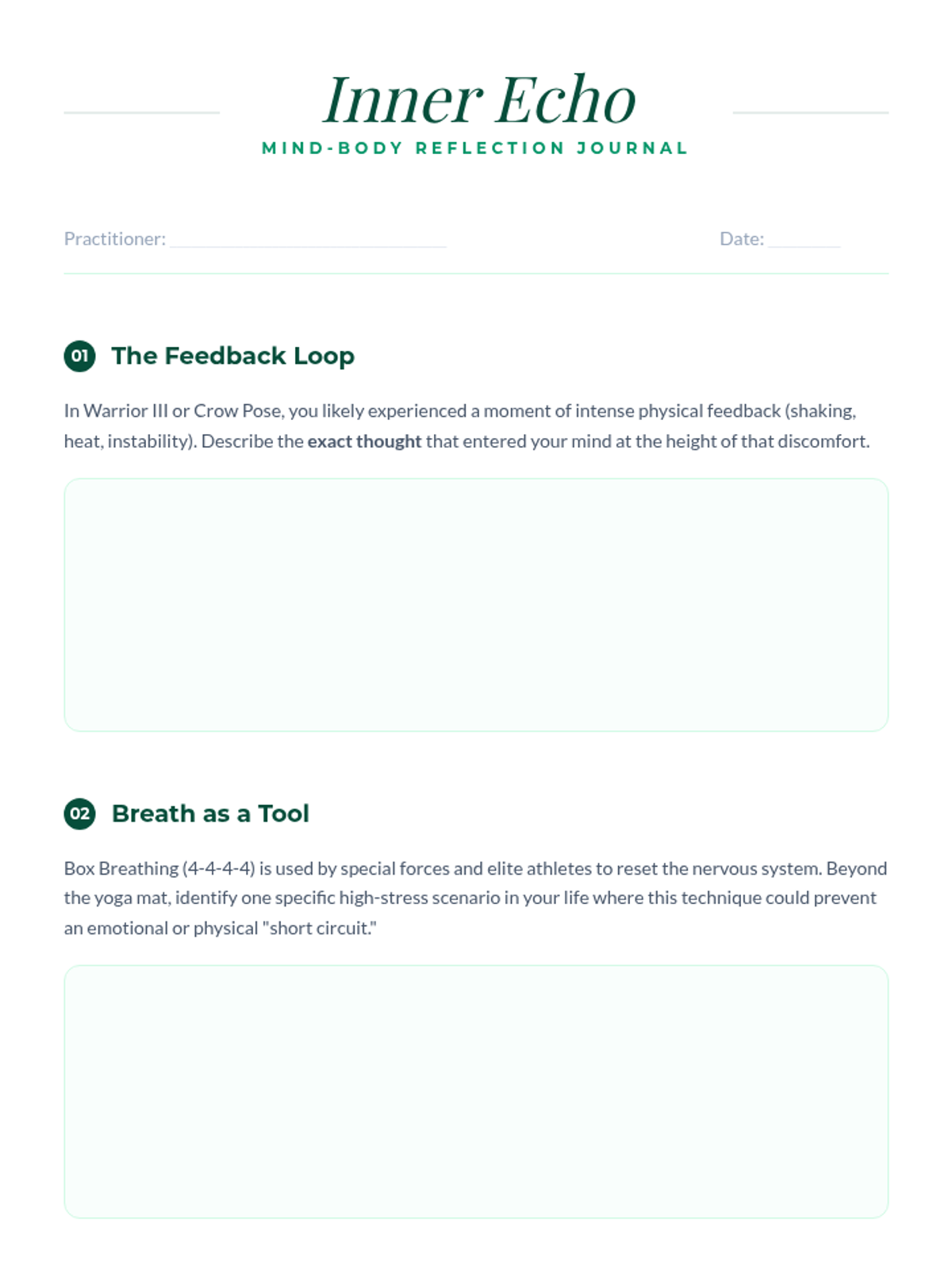
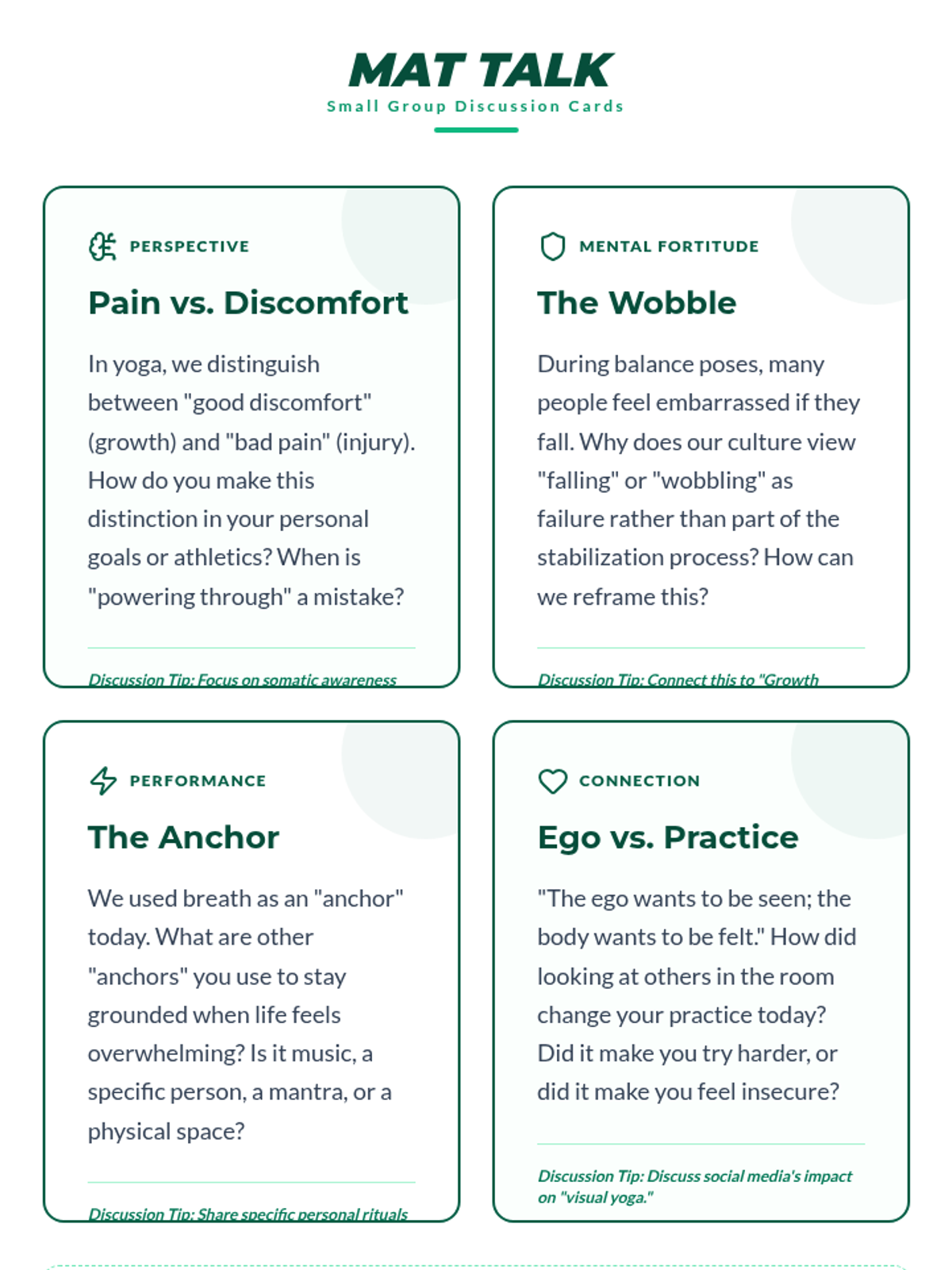
An advanced yoga lesson for 11th graders focusing on the intersection of physical posture and mental resilience. Students explore breathing techniques and a 'Zen Strength' flow designed to enhance athletic performance and stress management.
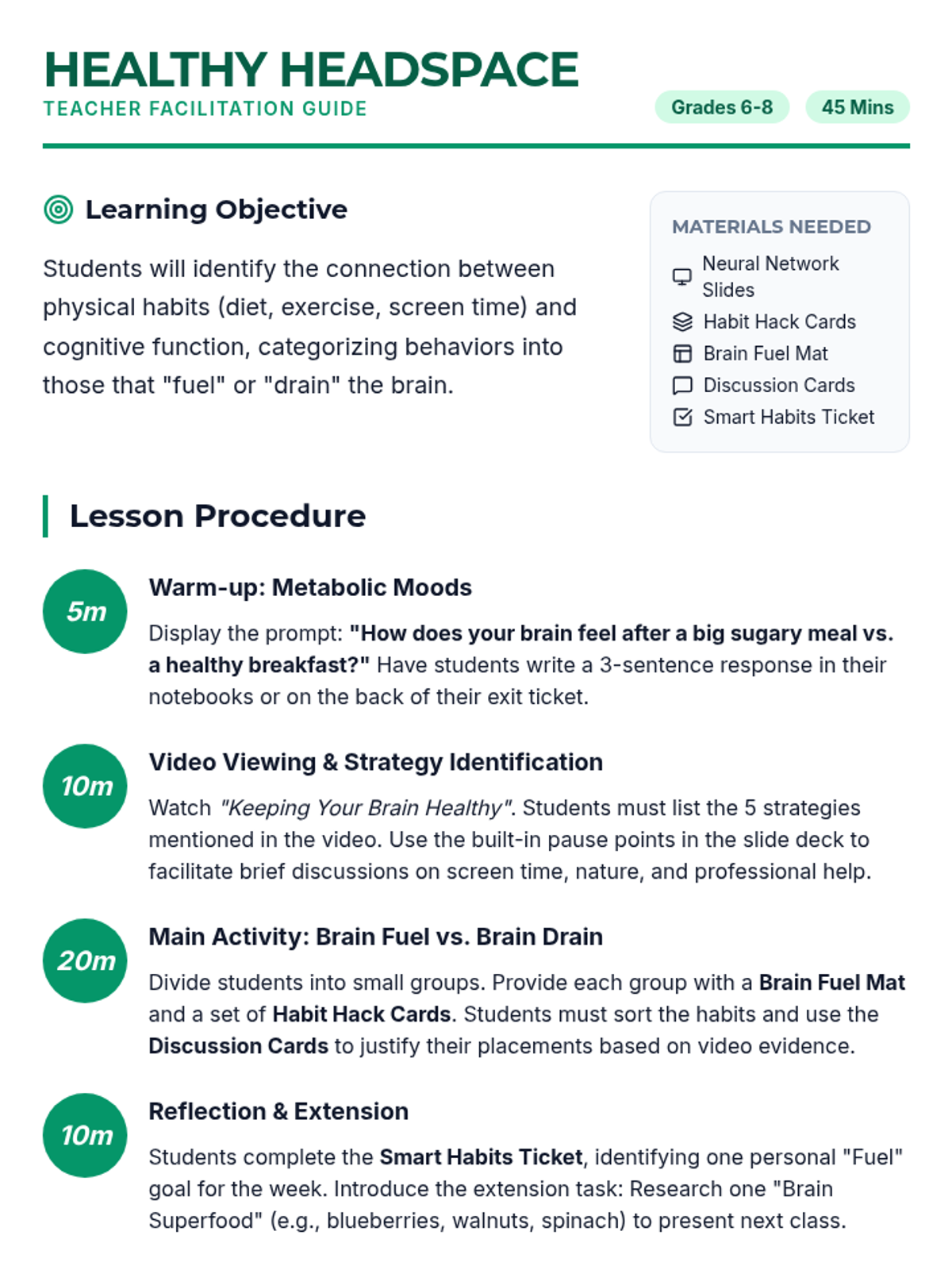
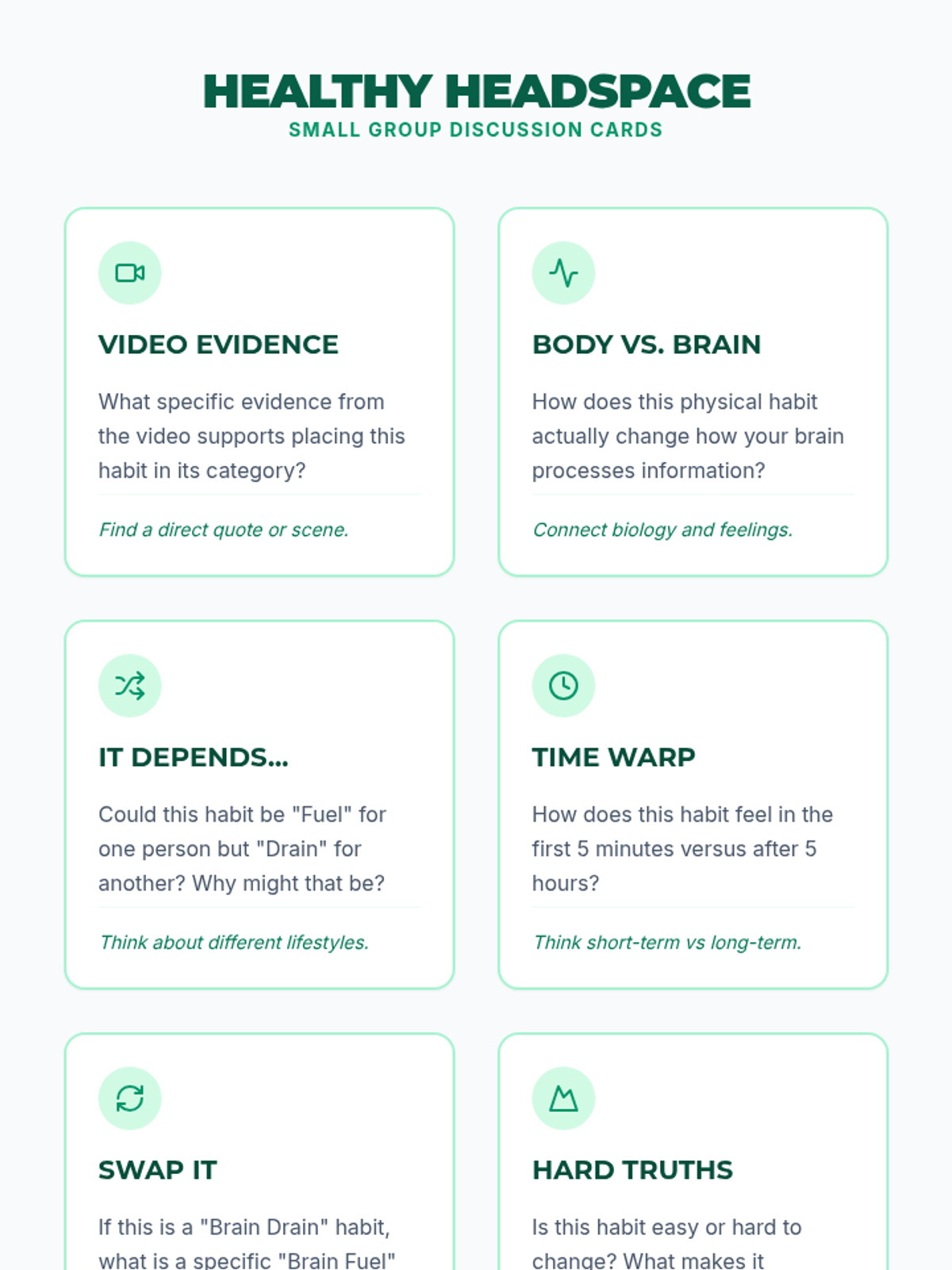
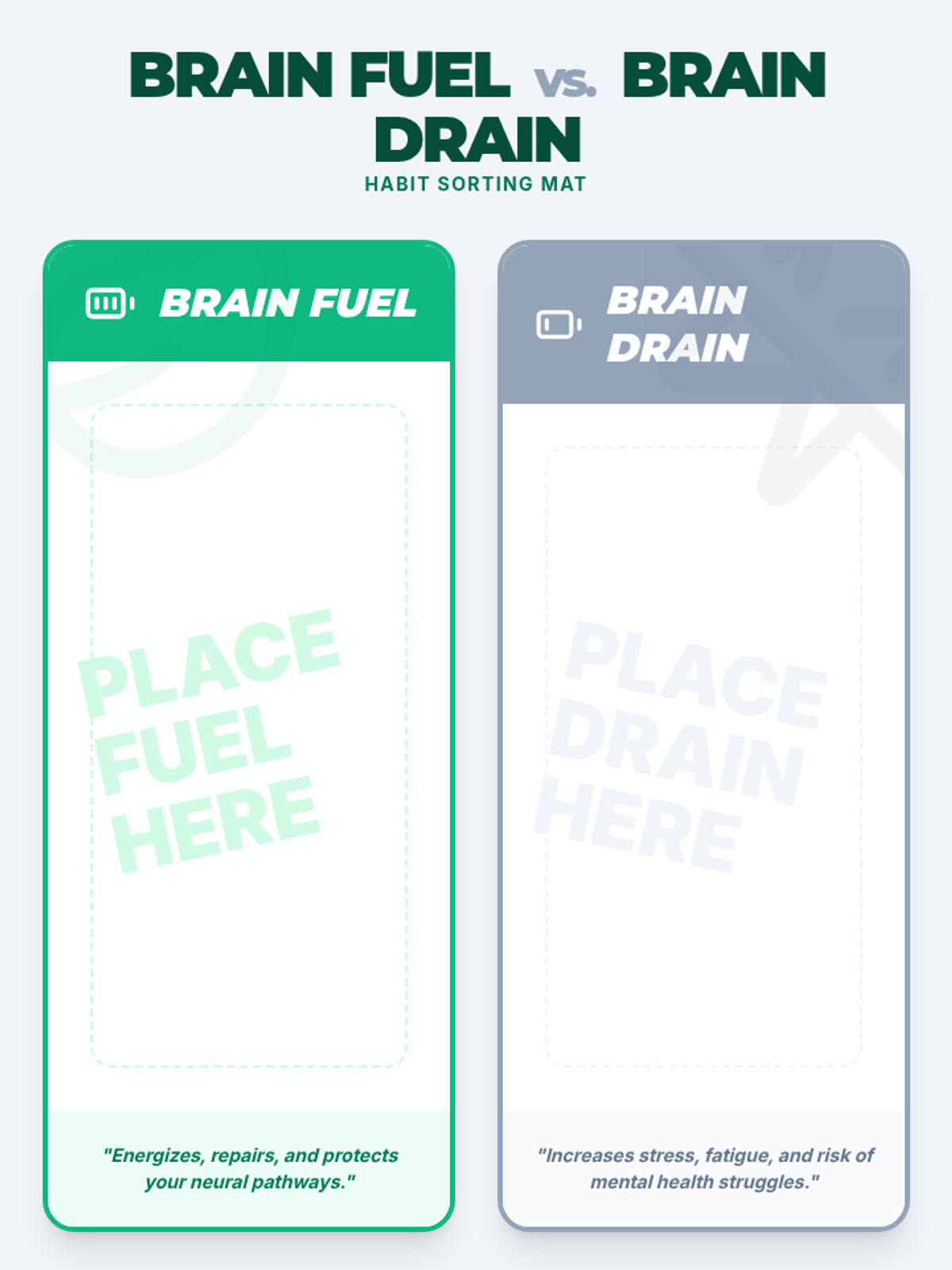
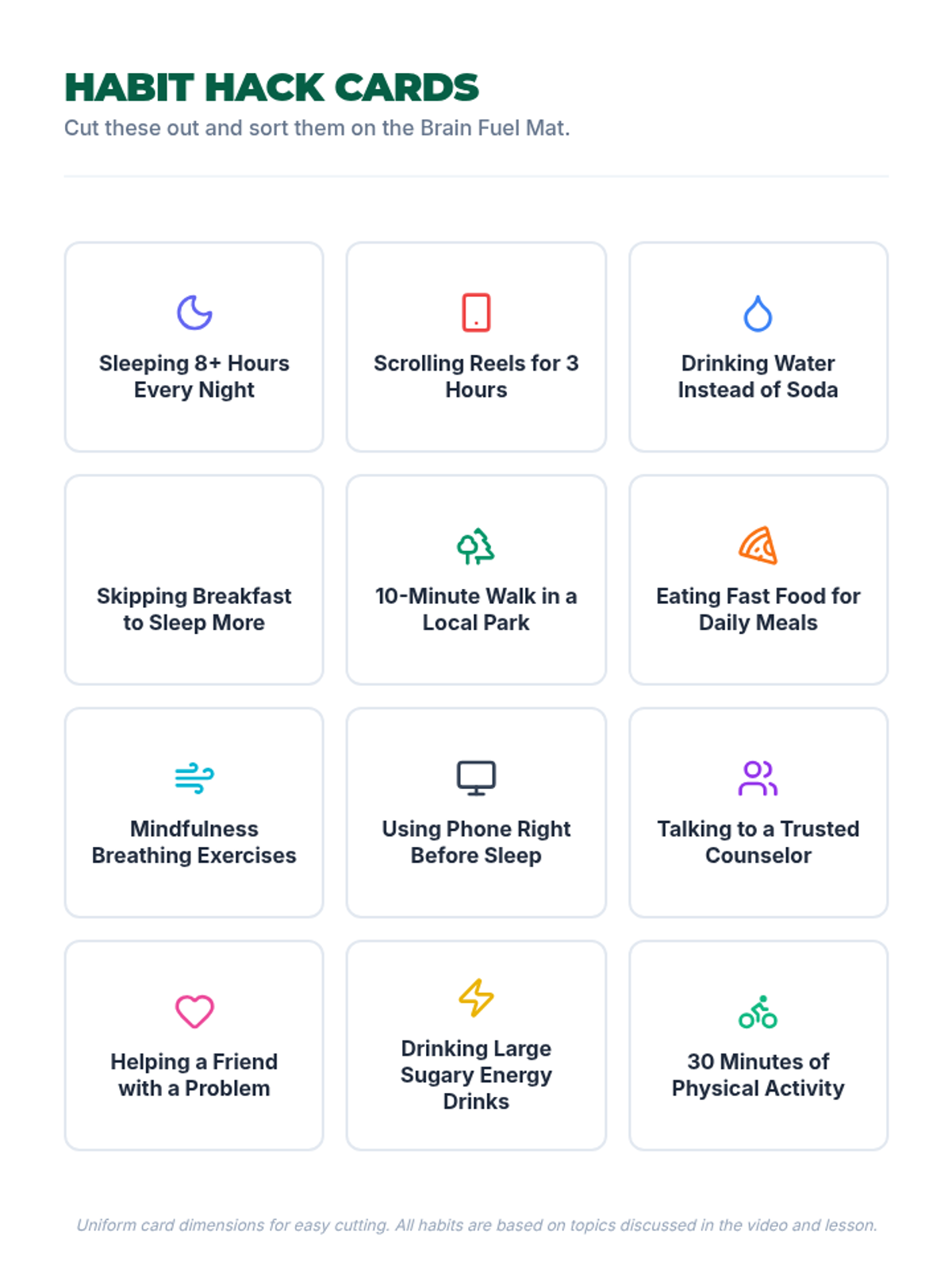
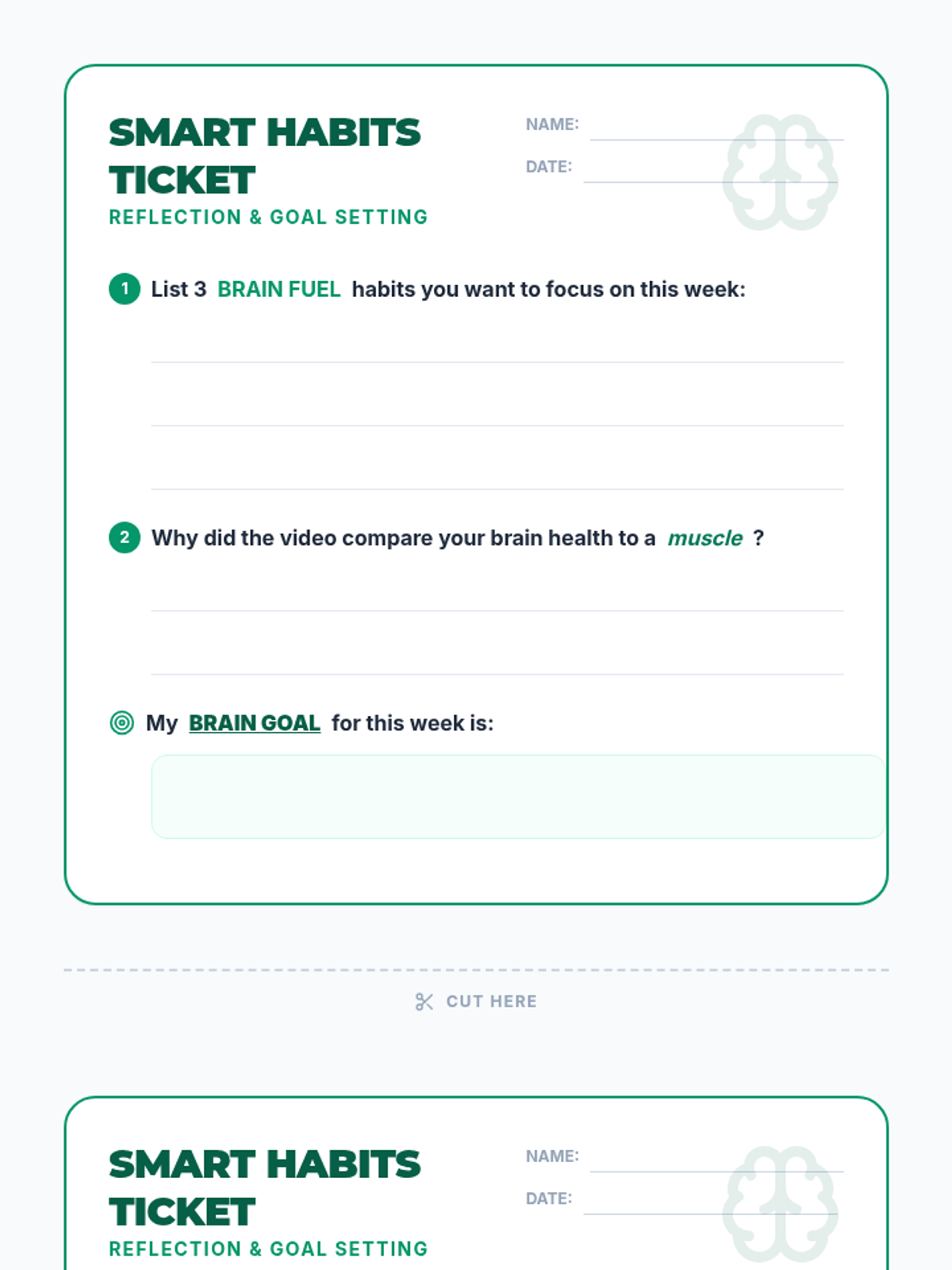
This lesson explores the biological and psychological links between daily habits—such as diet, exercise, and screen time—and brain function. Students will watch a video on brain health, categorize habits into 'Brain Fuel' or 'Brain Drain,' and set a personal goal for the week.
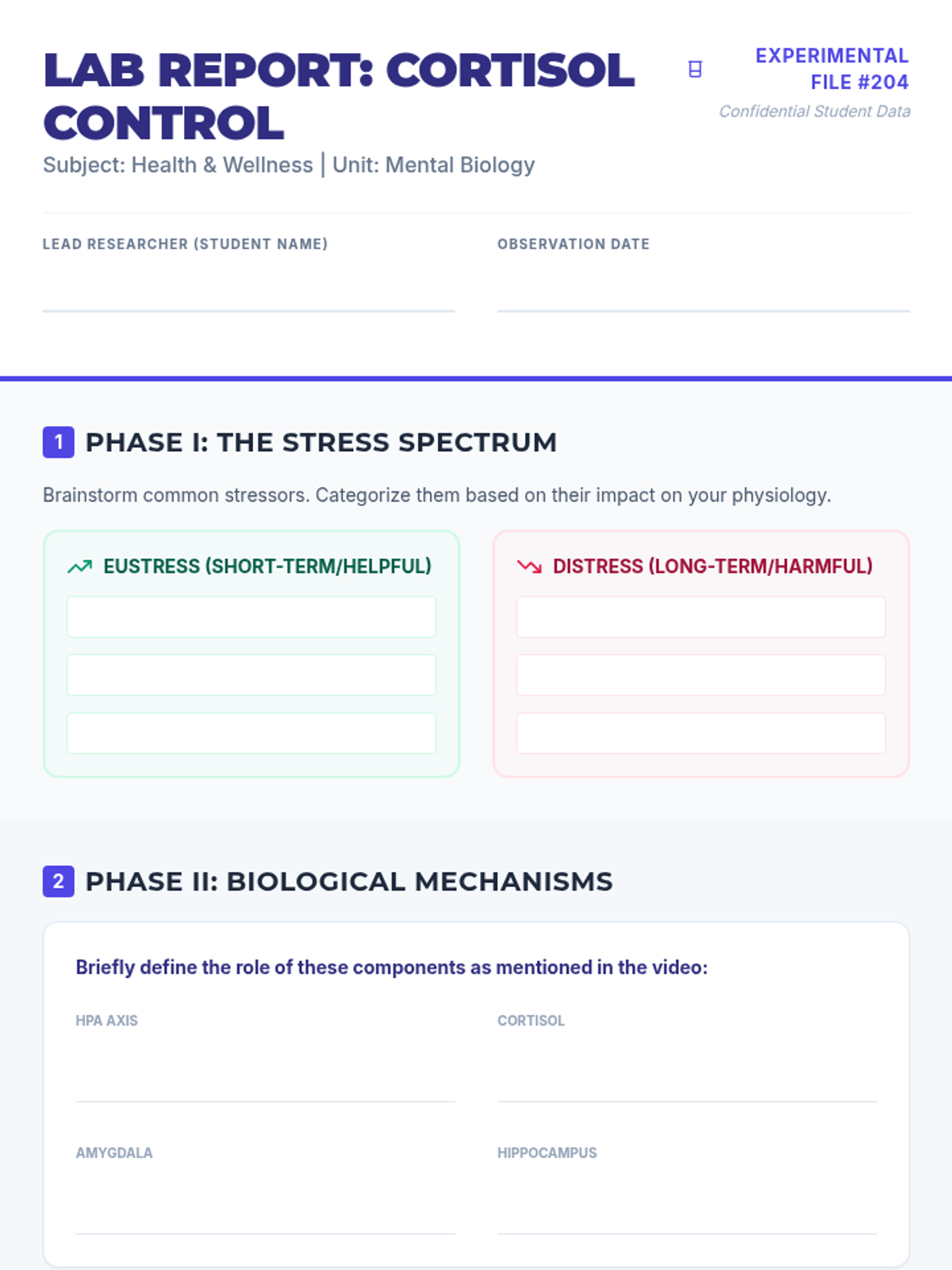
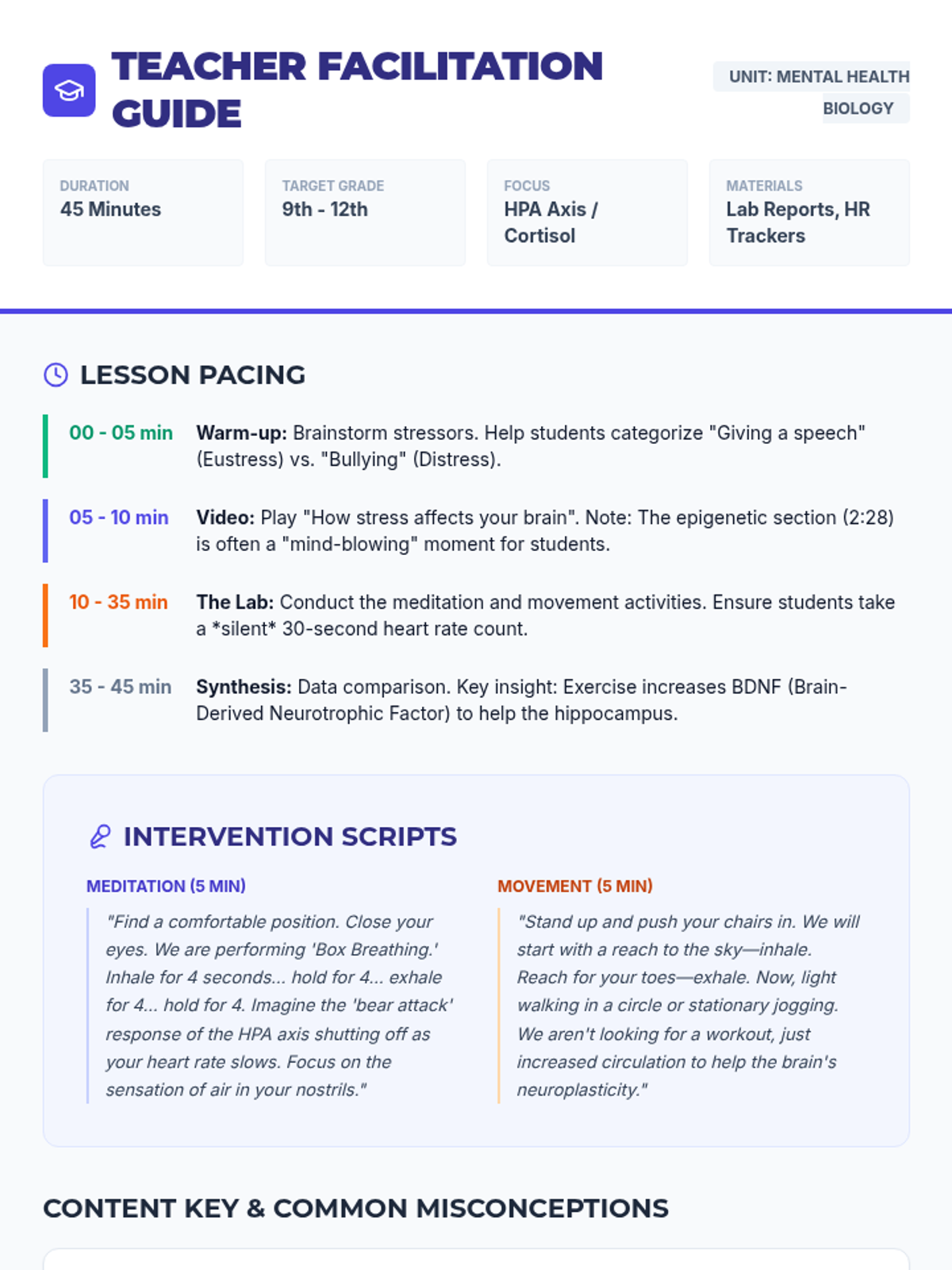
Students differentiate between eustress and distress, analyze the biological mechanism of the HPA axis through a video, and conduct a self-experiment ('Cortisol Control Lab') to test meditation and movement as stress-reduction strategies.
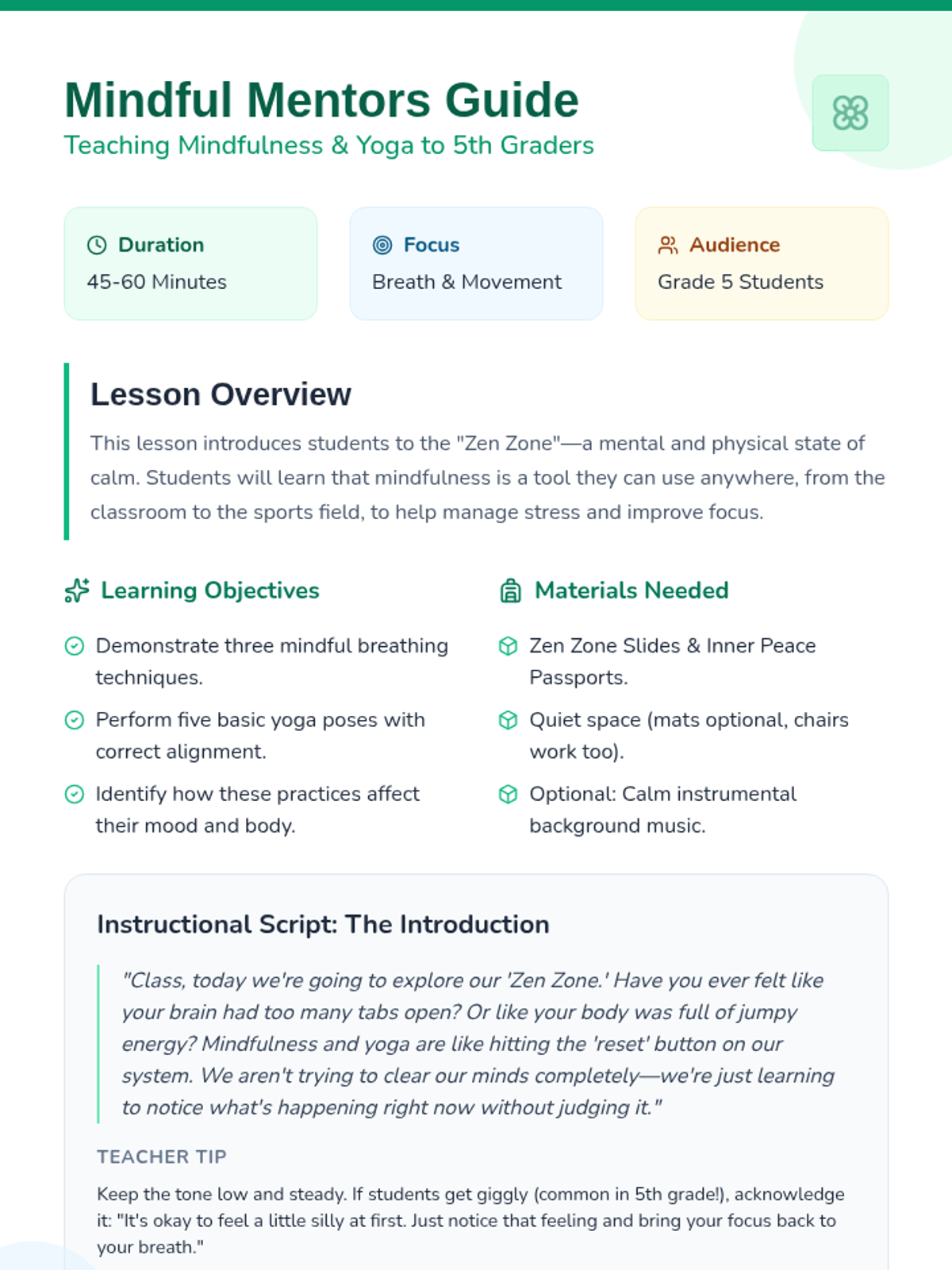
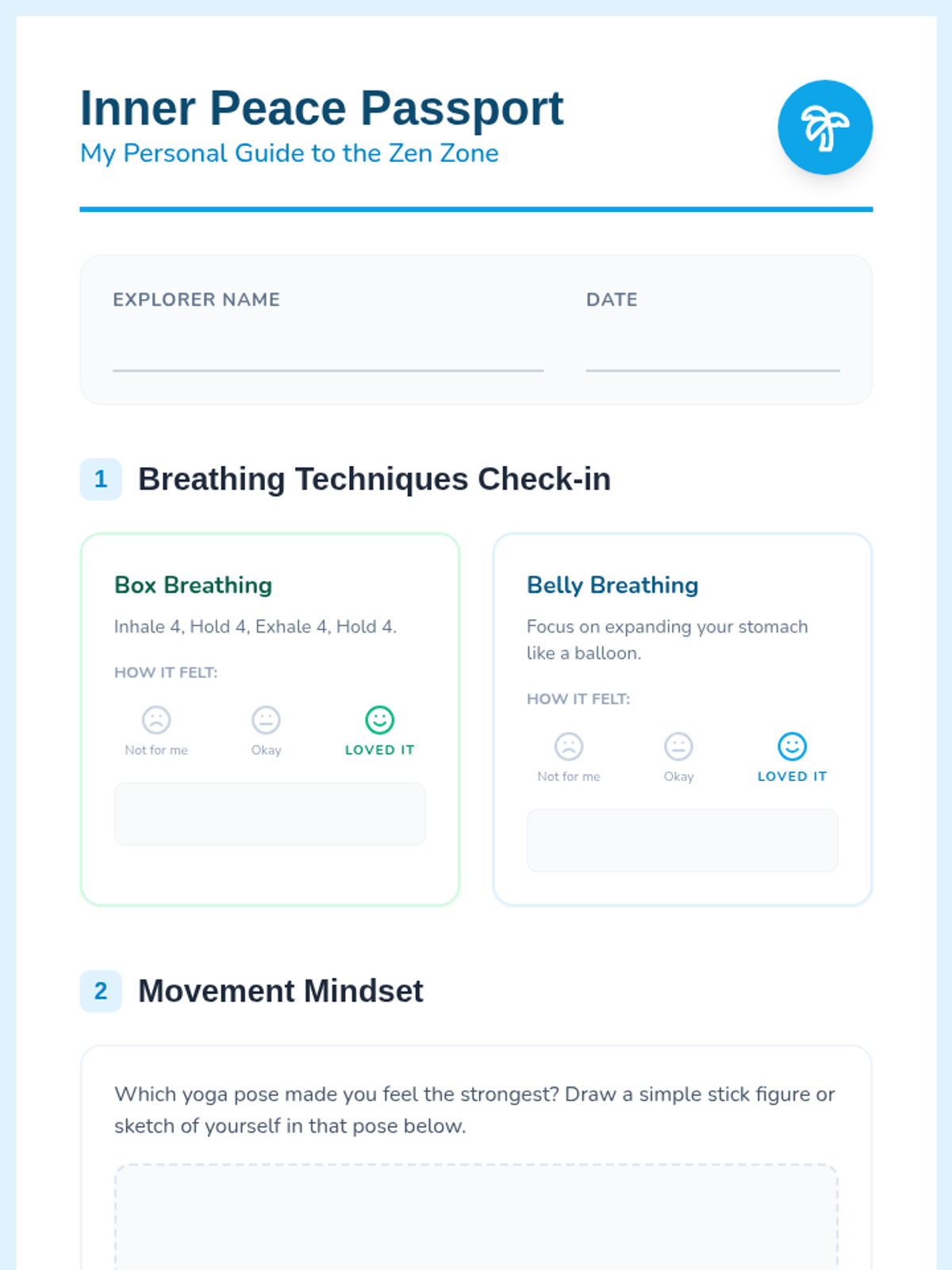
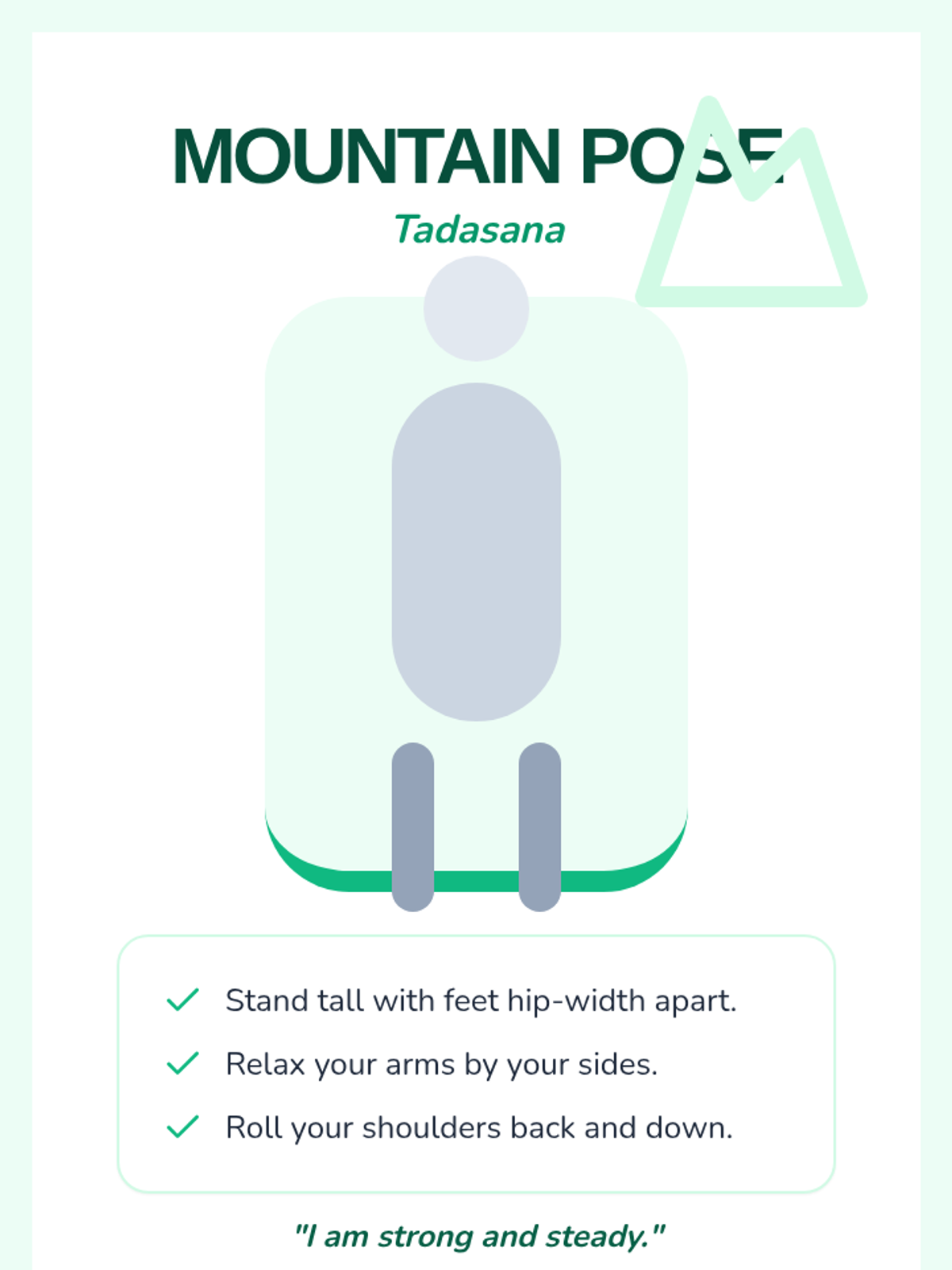
An introductory lesson on mindfulness and yoga, teaching students how to regulate their emotions and relax their bodies through focused breathing and gentle movement.
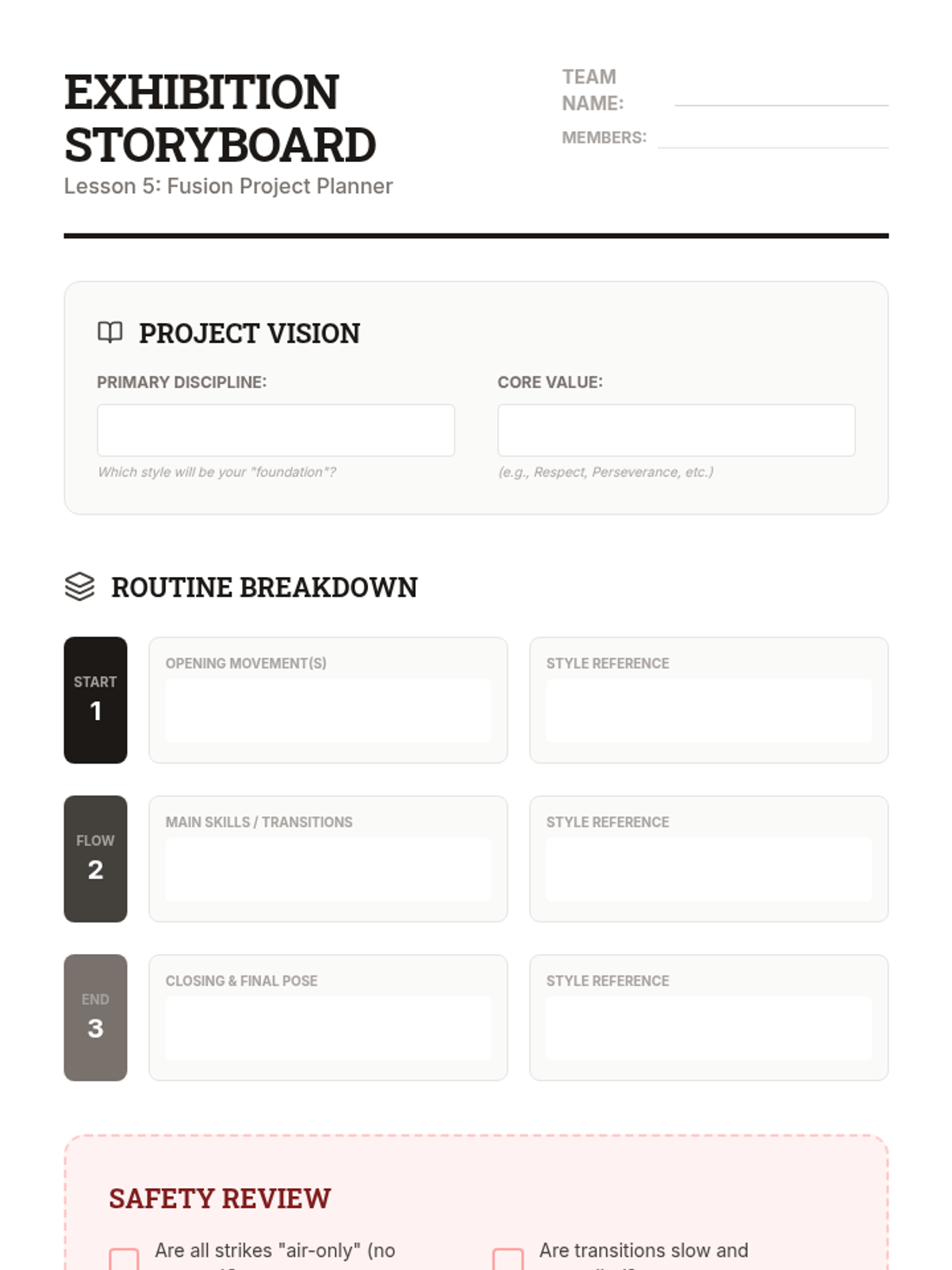
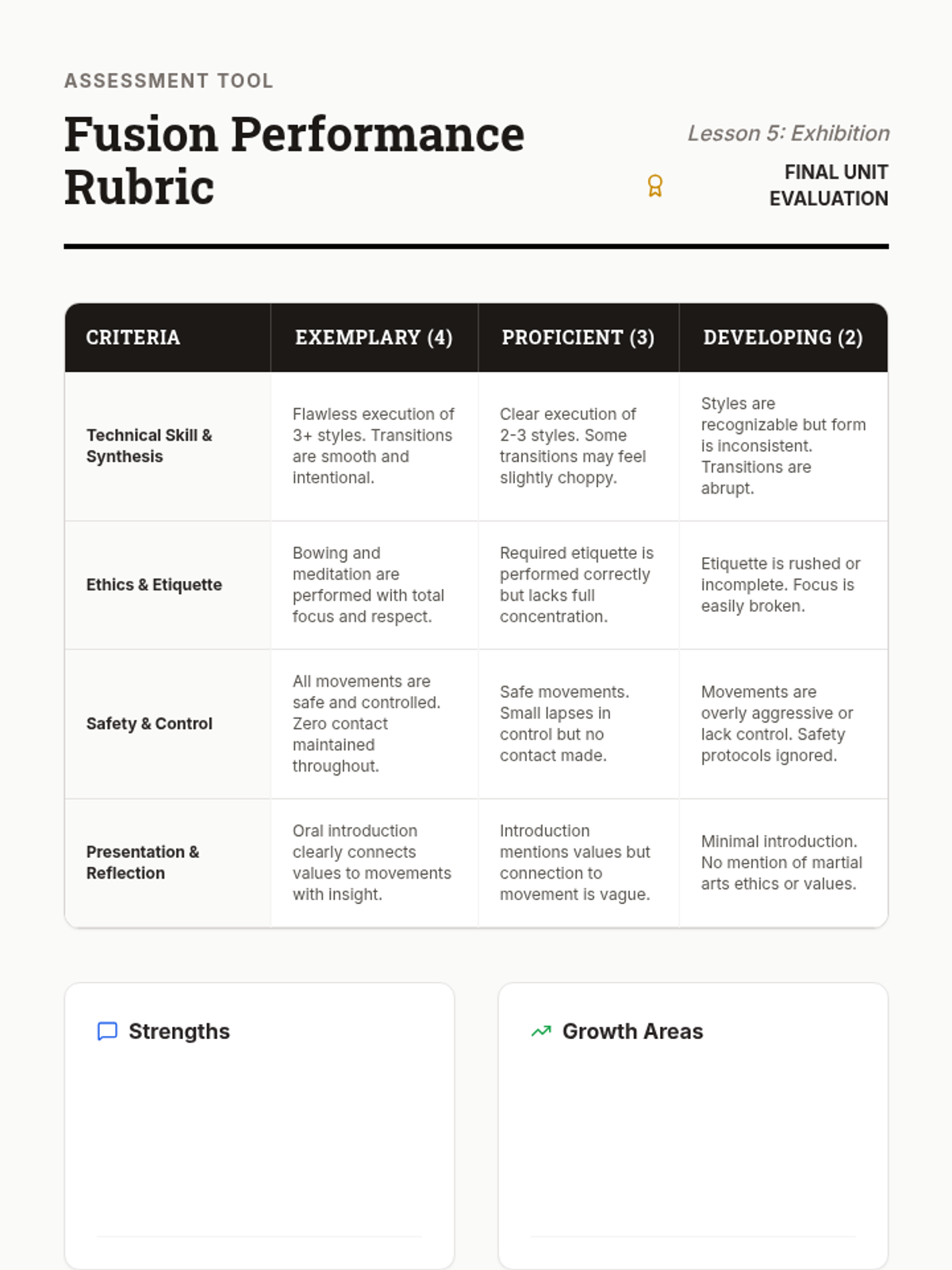
Students collaborate to create and present a fusion demonstration that synthesizes techniques and values from across the unit.
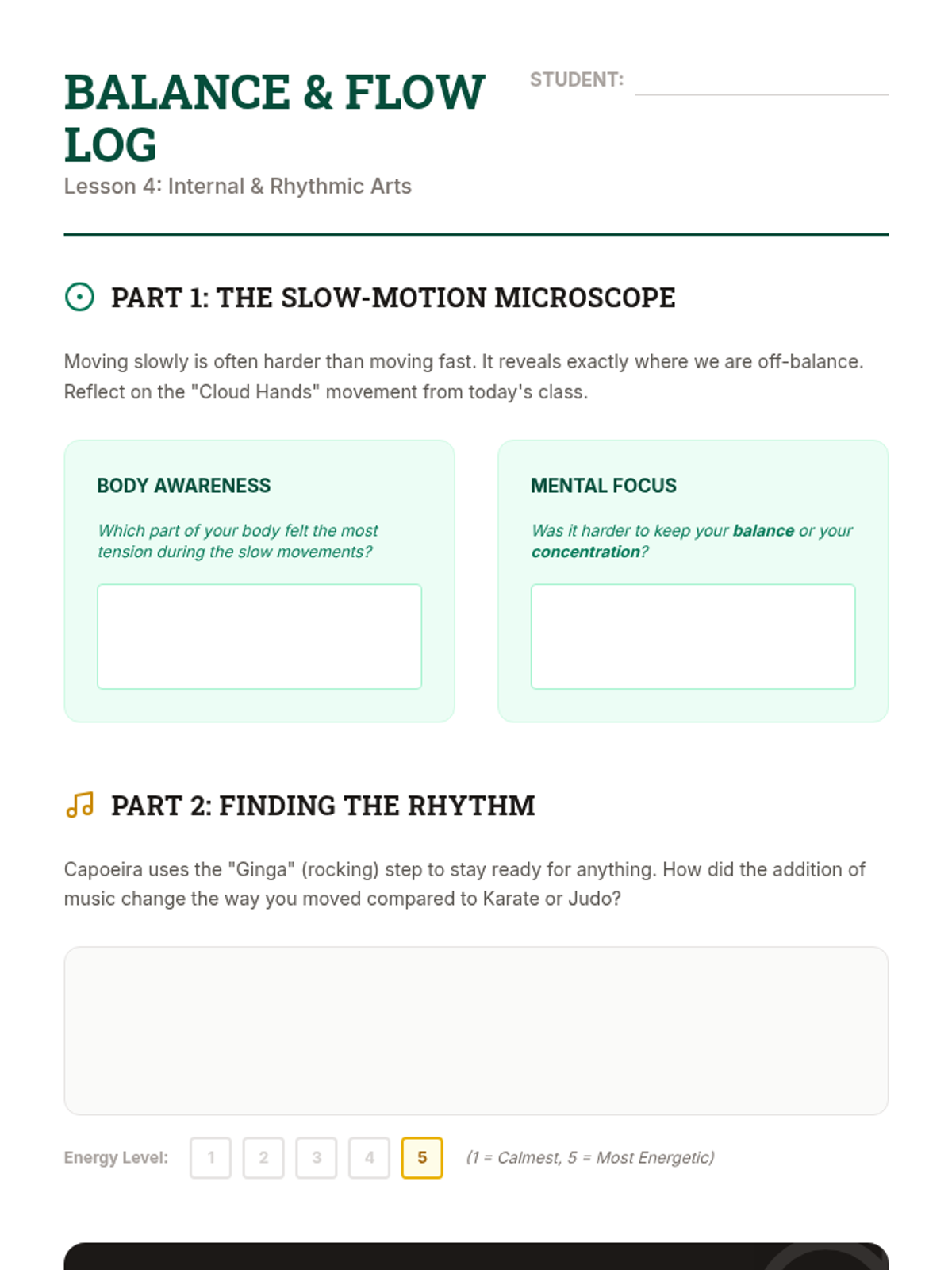
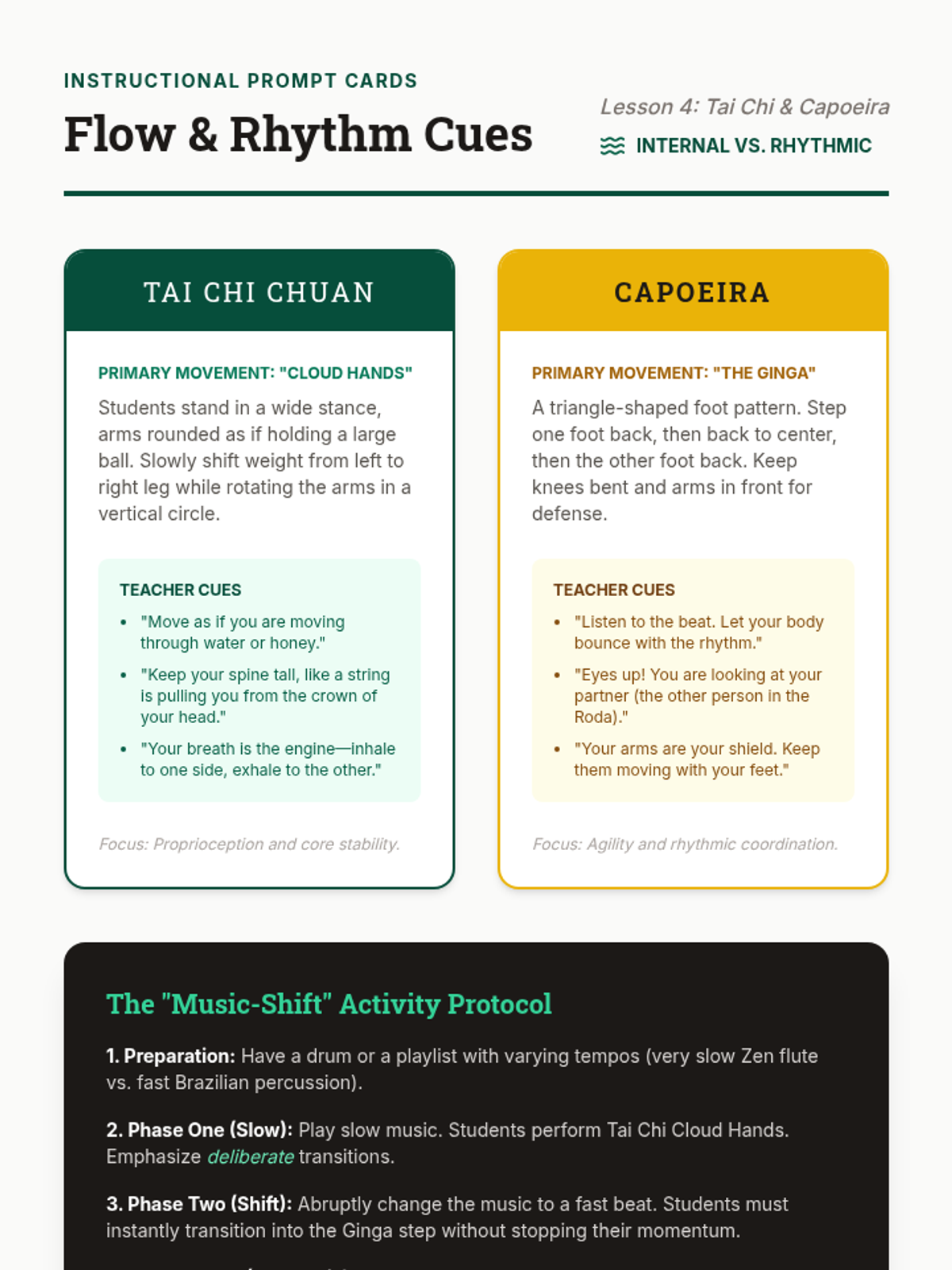
Introduction to 'internal' and rhythmic arts, exploring the slow control of Tai Chi and the dance-like defense of Capoeira.
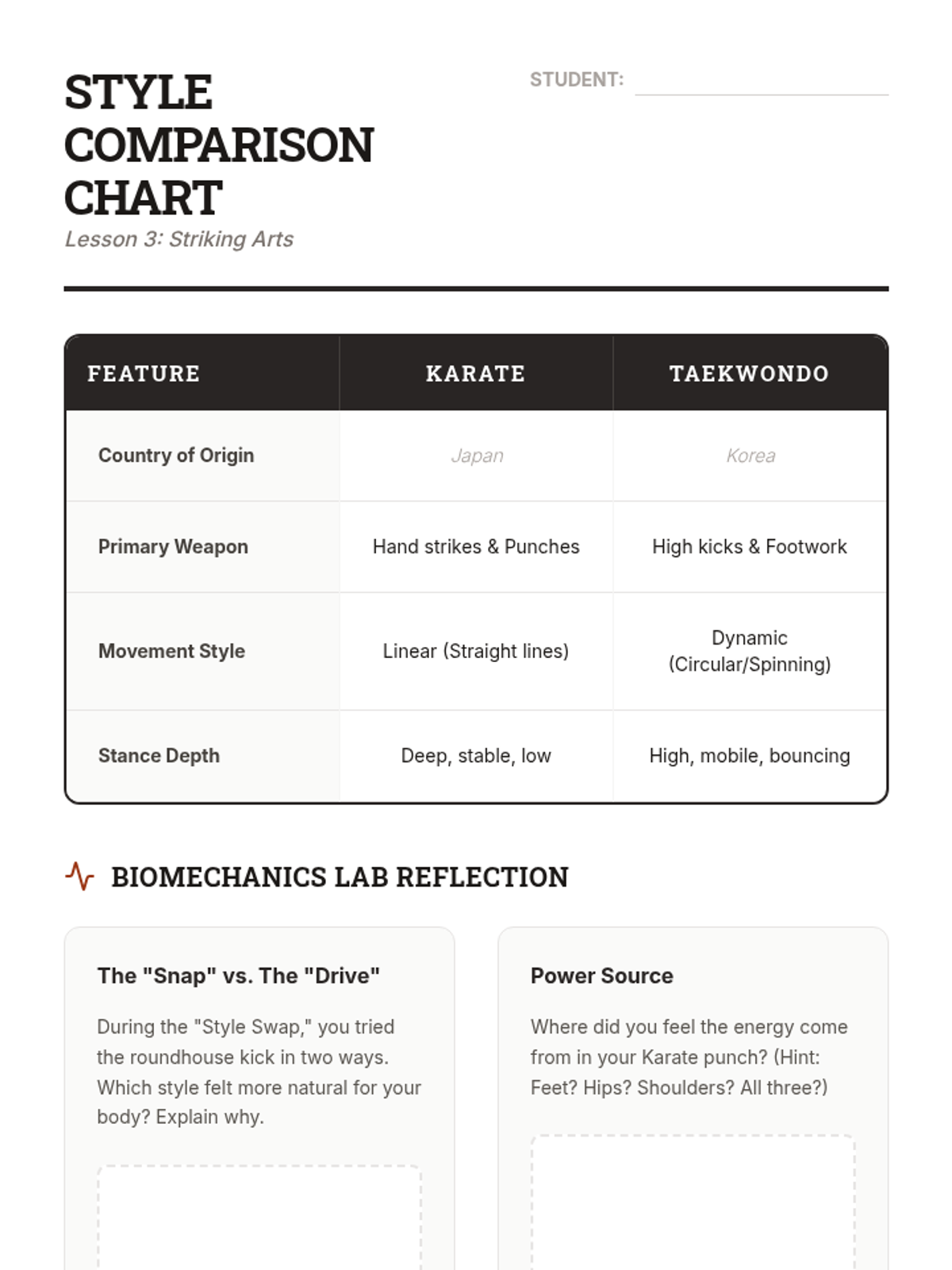
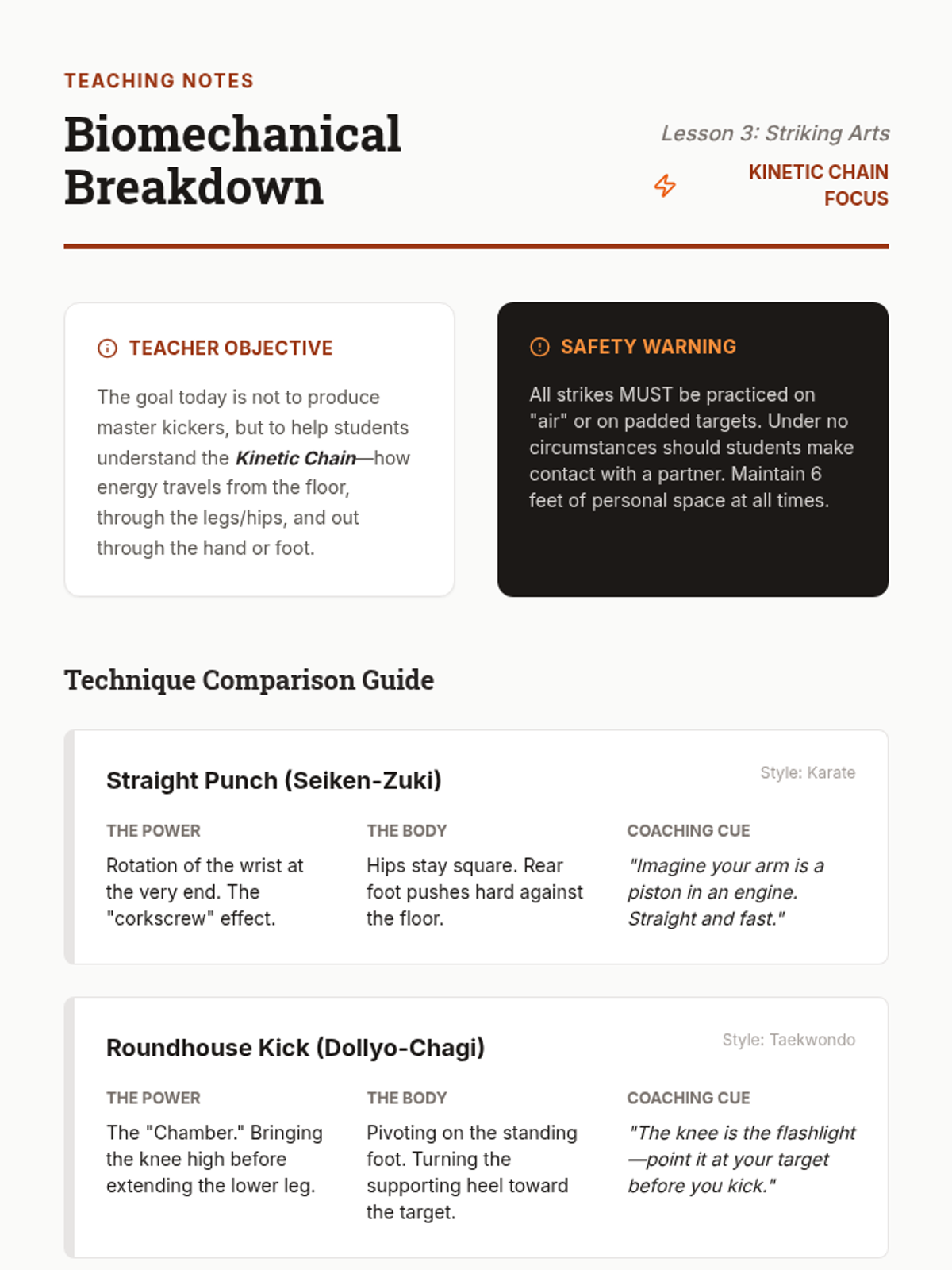
A comparative study of Karate and Taekwondo, focusing on linear power versus rhythmic kicking and biomechanics.
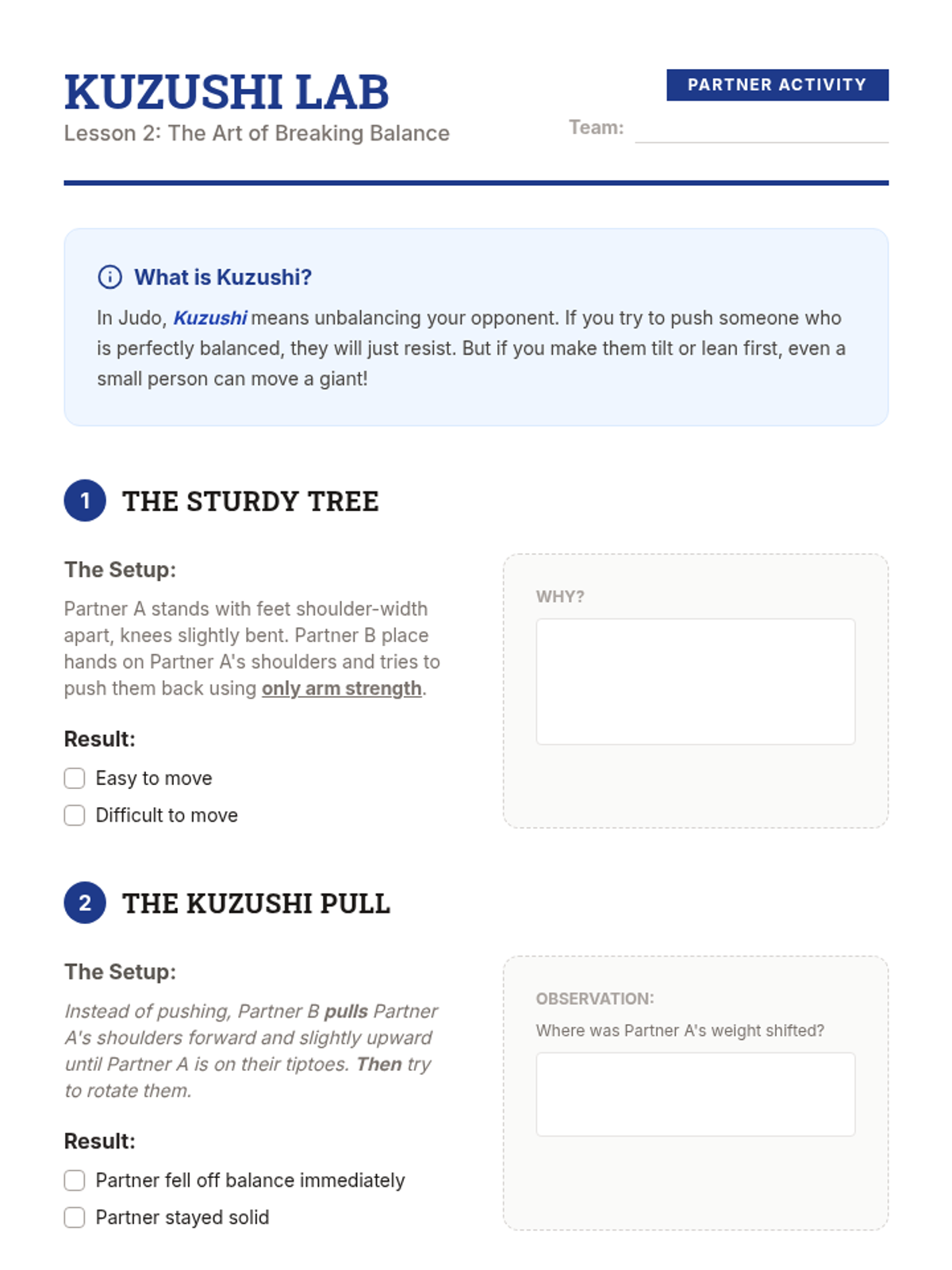
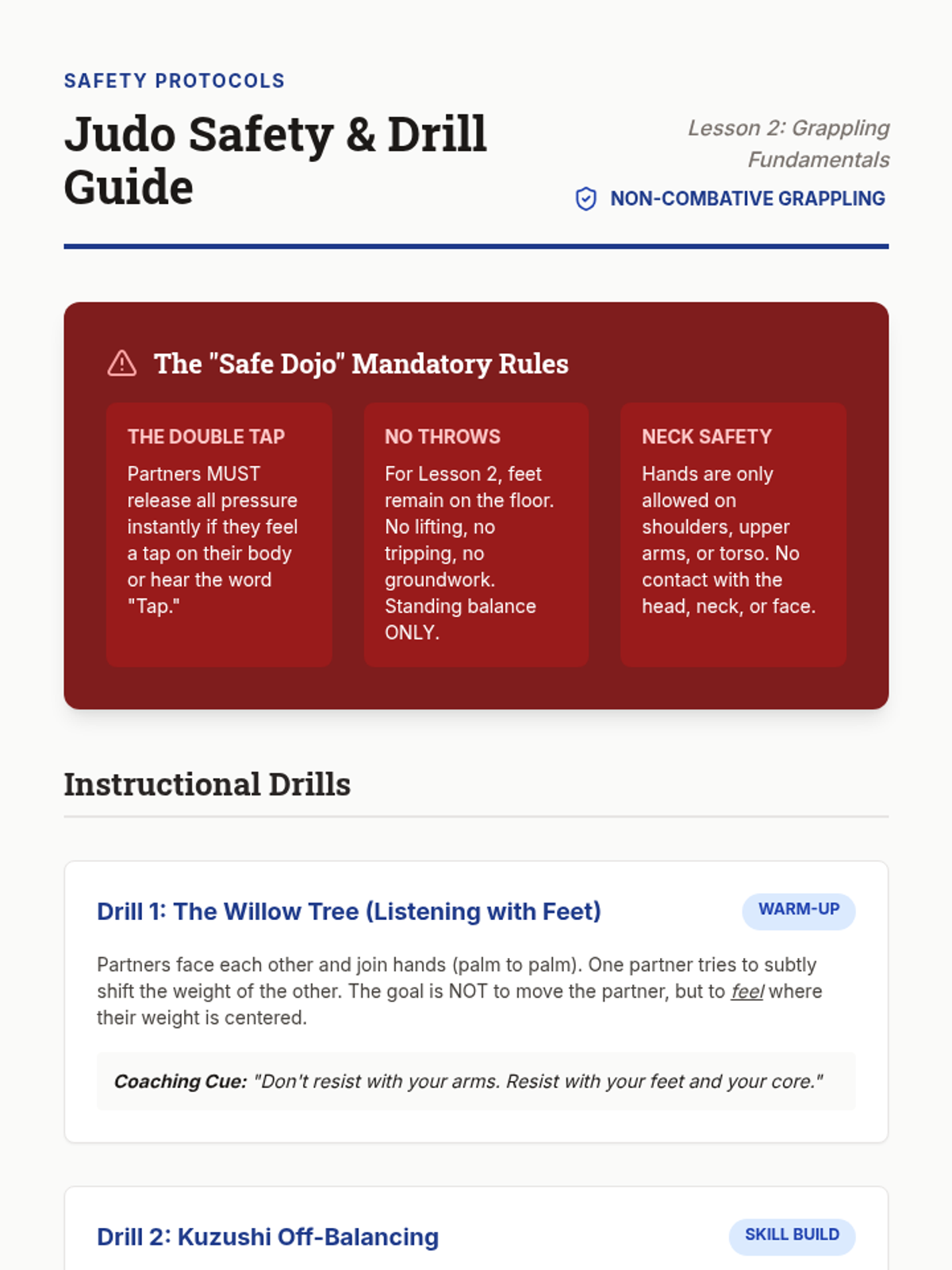
Exploration of Judo principles focusing on balance, leverage, and momentum through safe, standing partner drills.
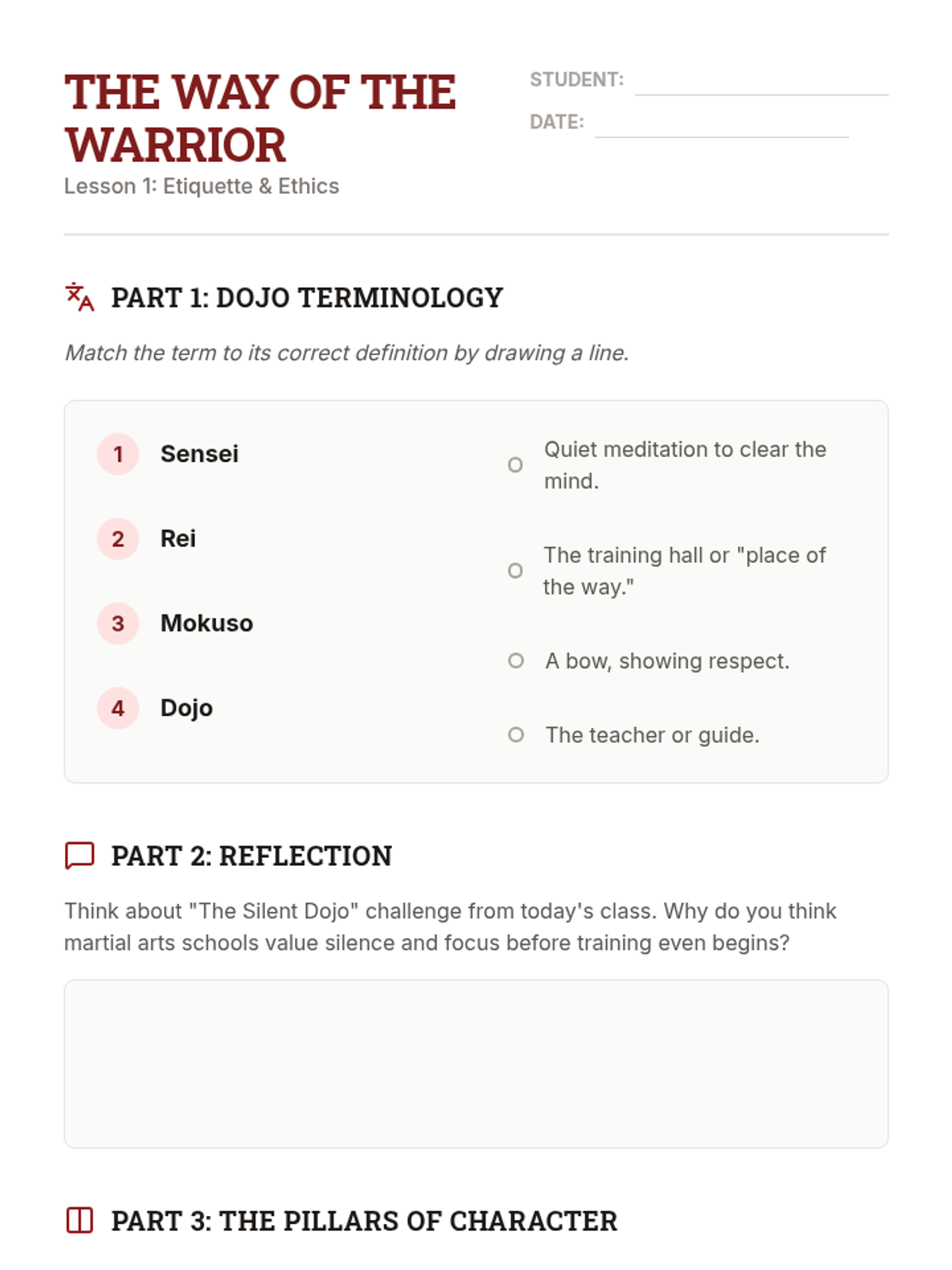
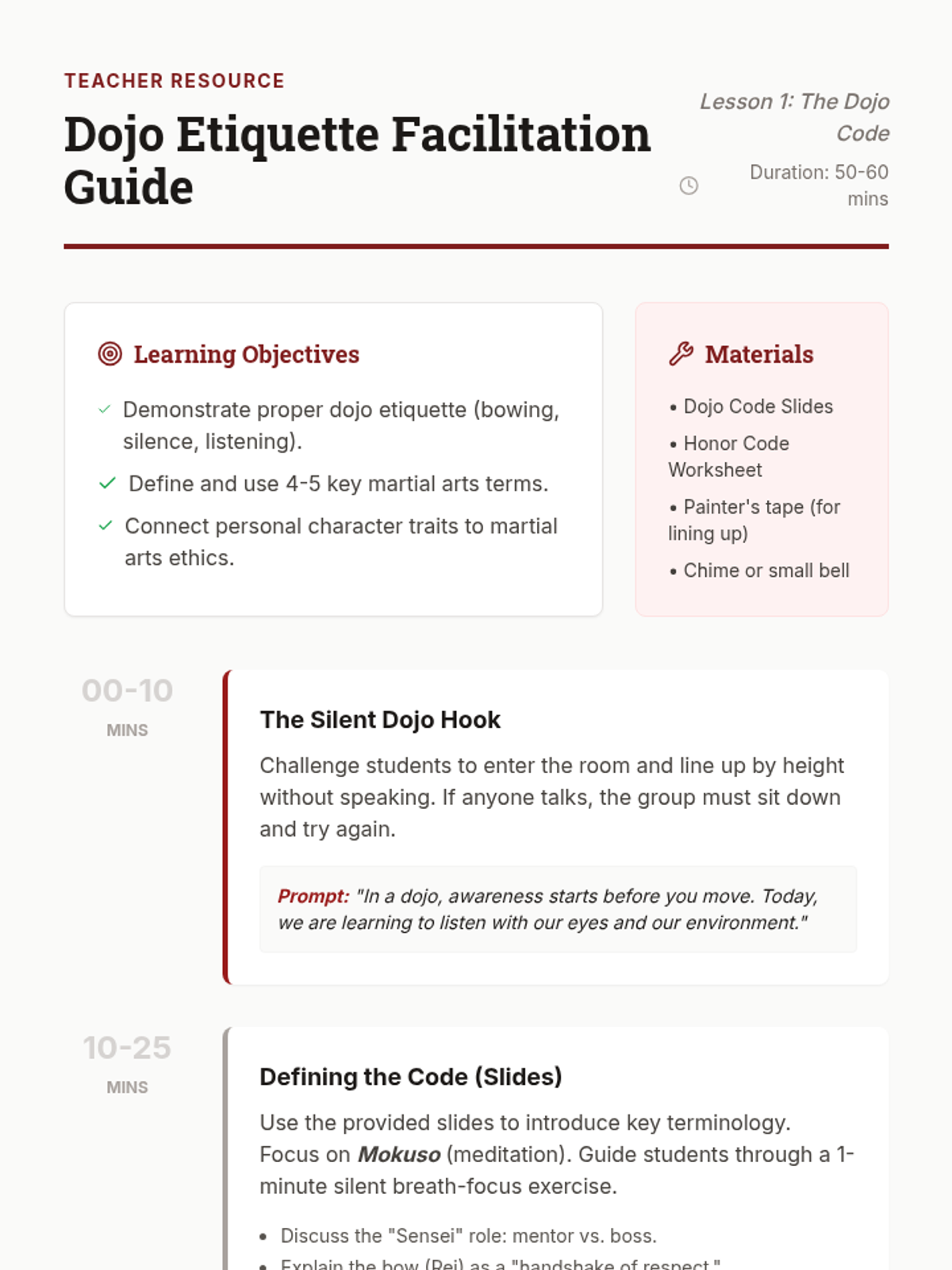
Introduction to dojo etiquette, universal martial arts ethics, and the importance of respect and discipline in training.
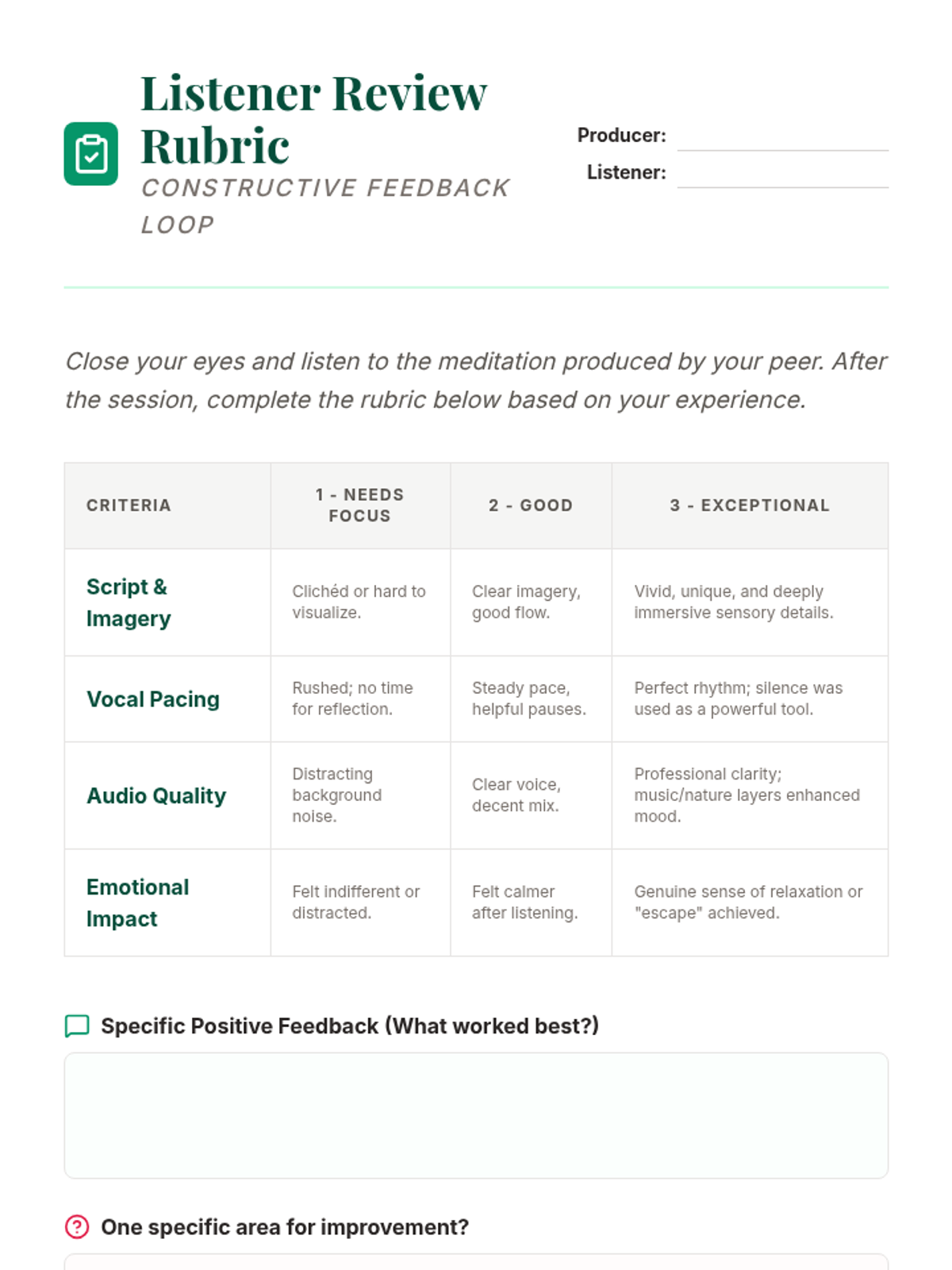
Students share their finished meditations for peer feedback and reflect on the experience of leading wellness sessions.
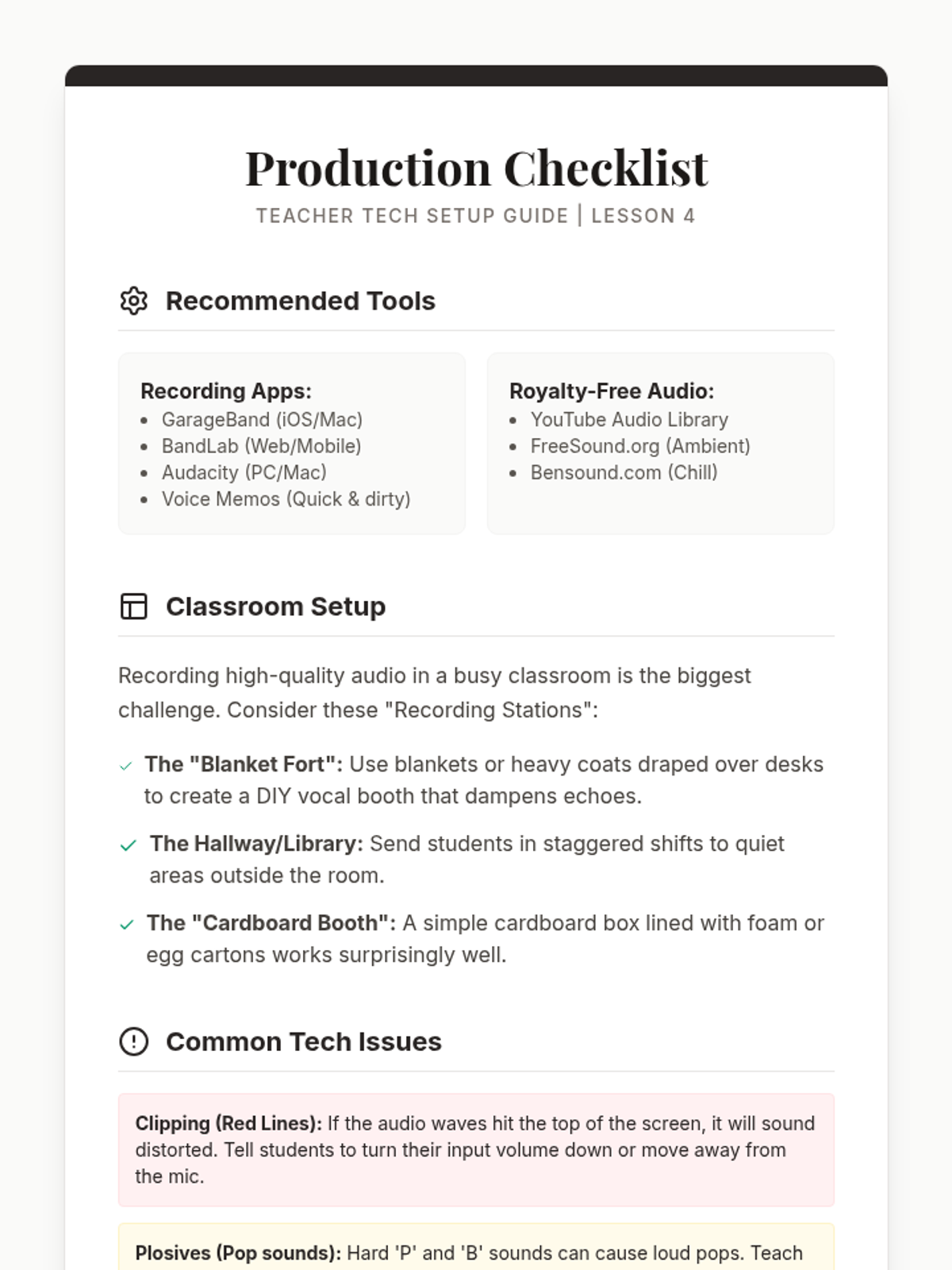
Students record their scripts and layer them with ambient background music or nature sounds, learning basic audio production skills.
A vocal workshop where students experiment with volume, speed, and pauses to effectively deliver meditation scripts.
Students learn to draft guided imagery scripts, focusing on sensory details and pacing notations to create a mental 'safe place' for listeners.
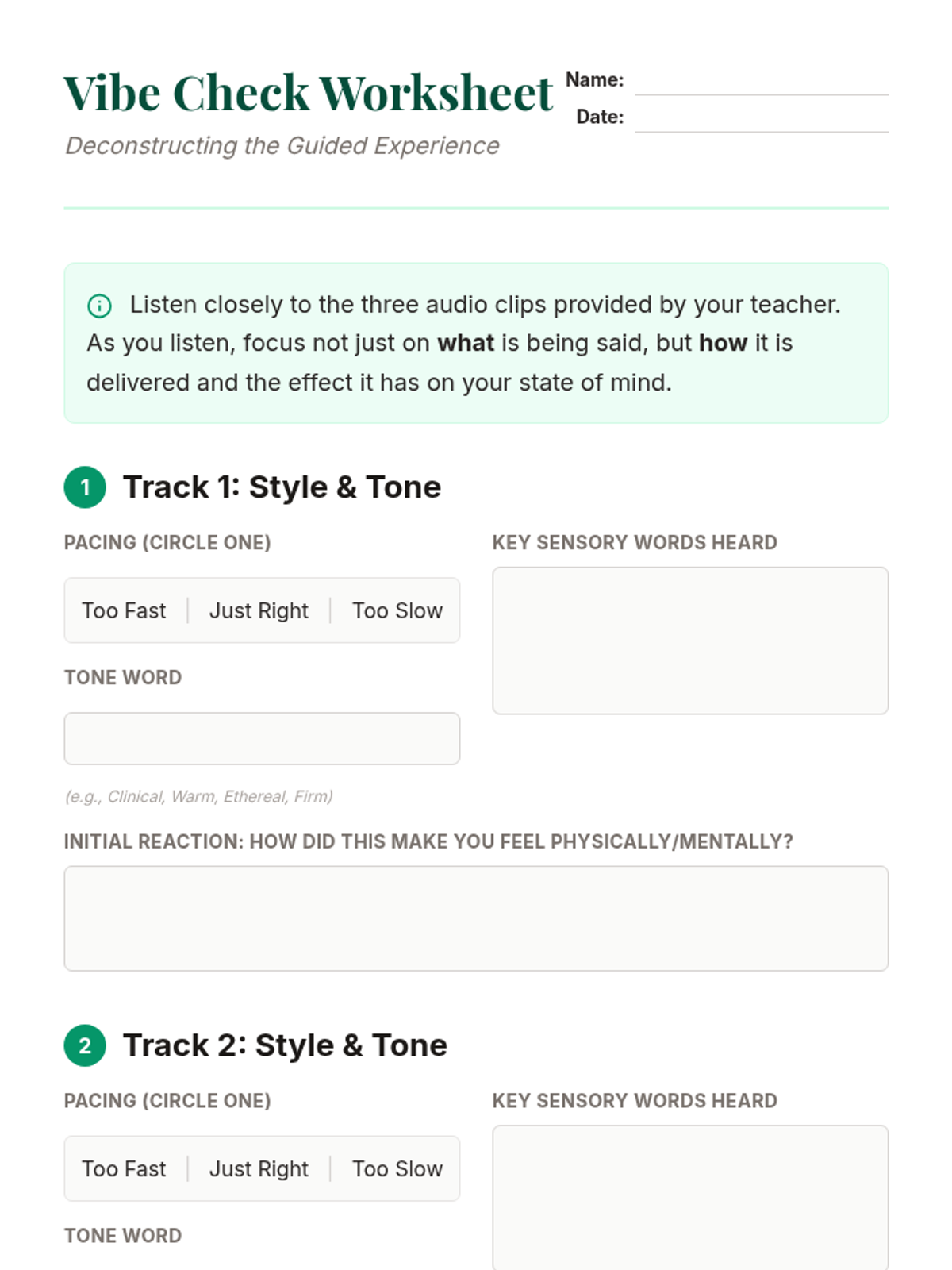
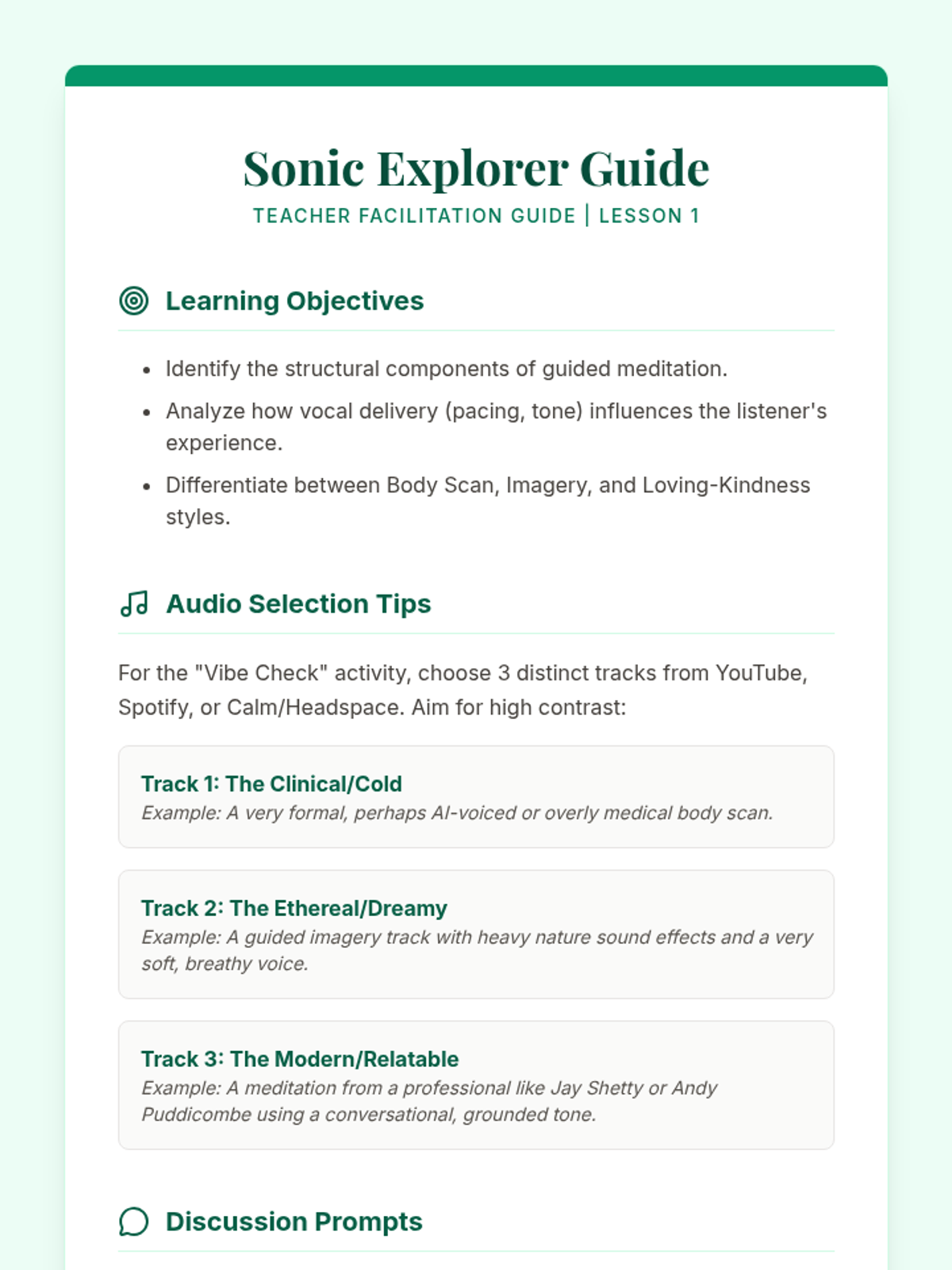
Students listen to and analyze various meditation styles (imagery, body scan, loving-kindness) to identify key components like silence, tone, and vocabulary.
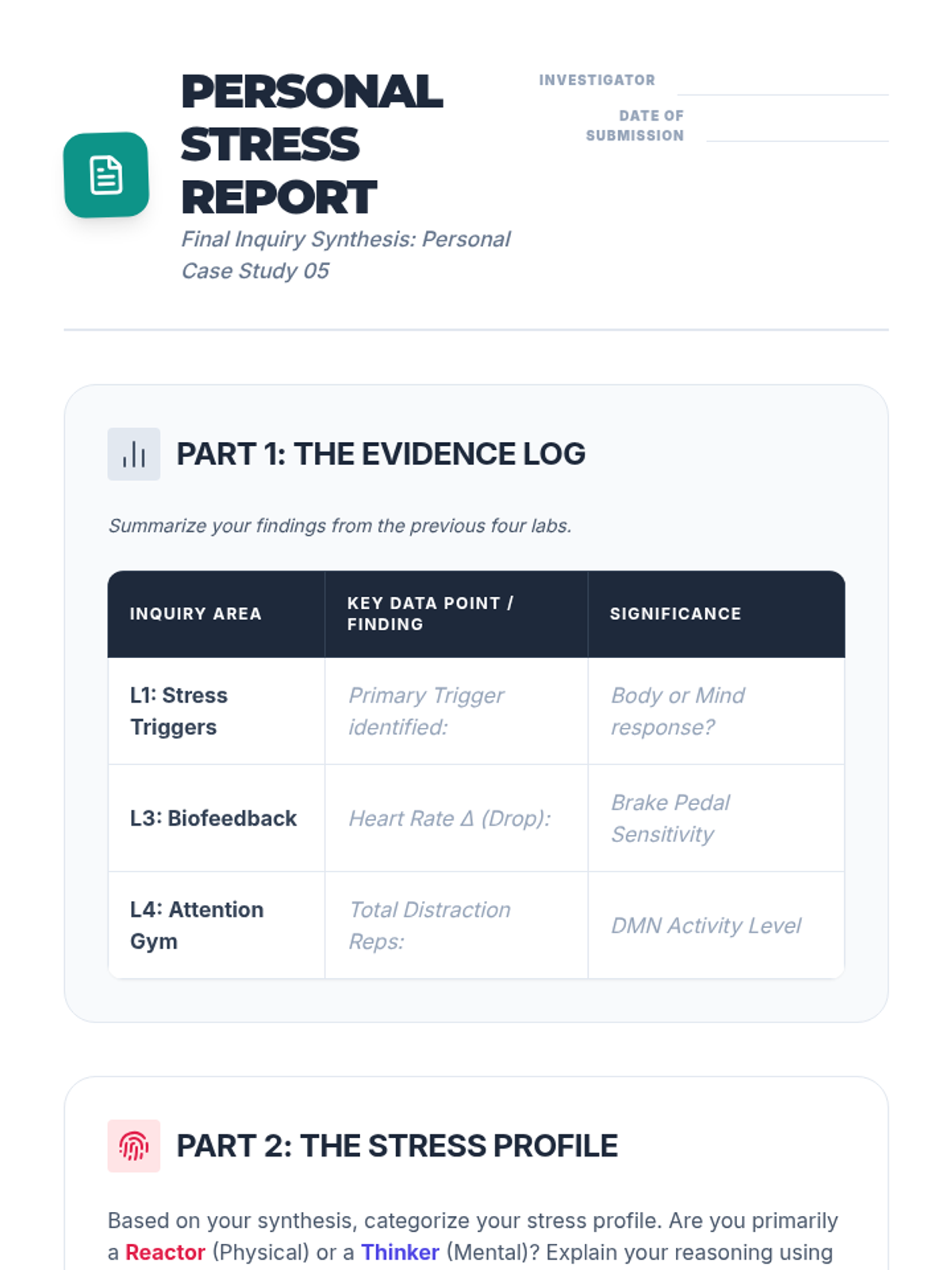
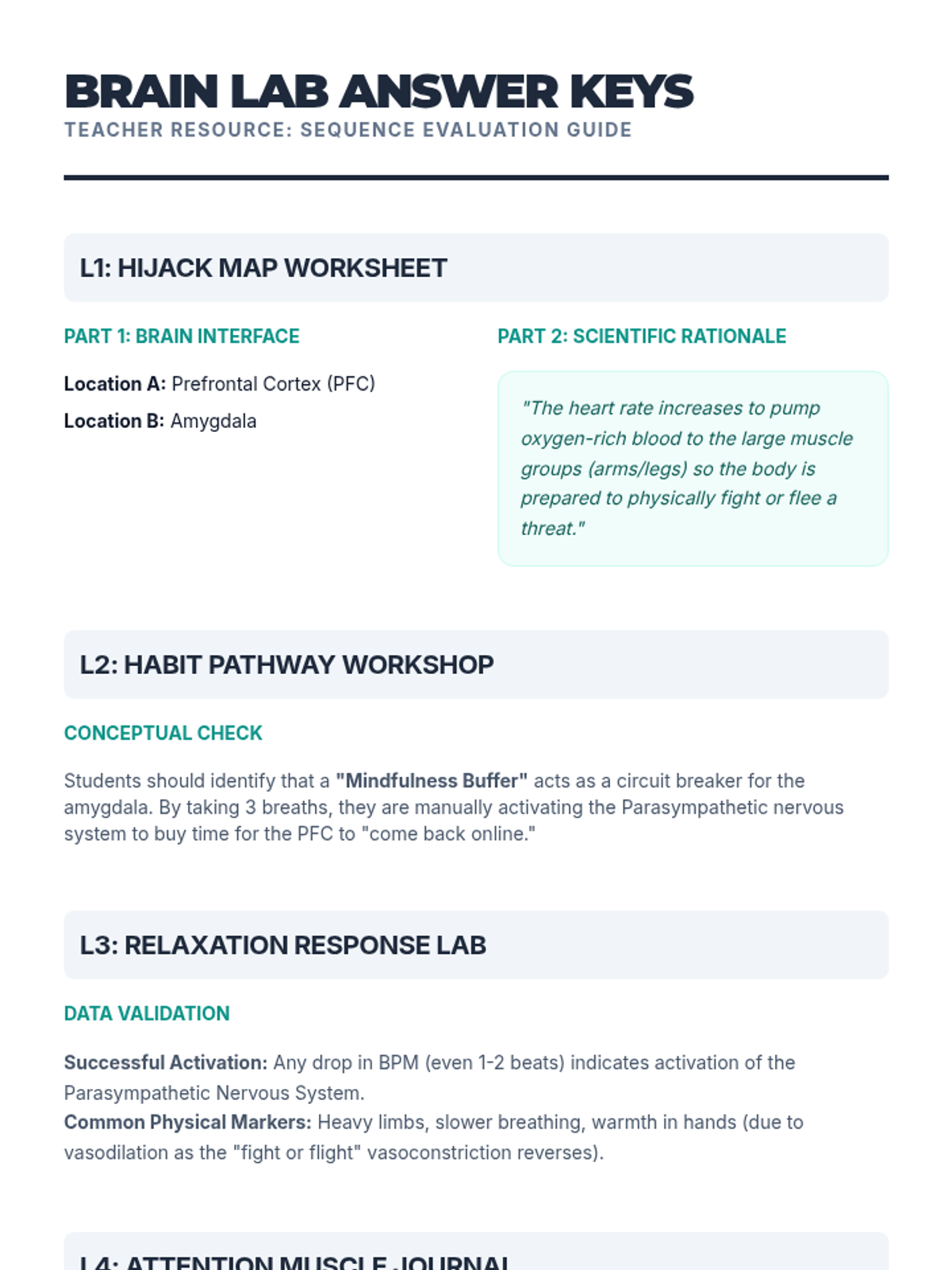
Students analyze their own data and stress profiles to determine the most effective mindfulness techniques for their physiology.
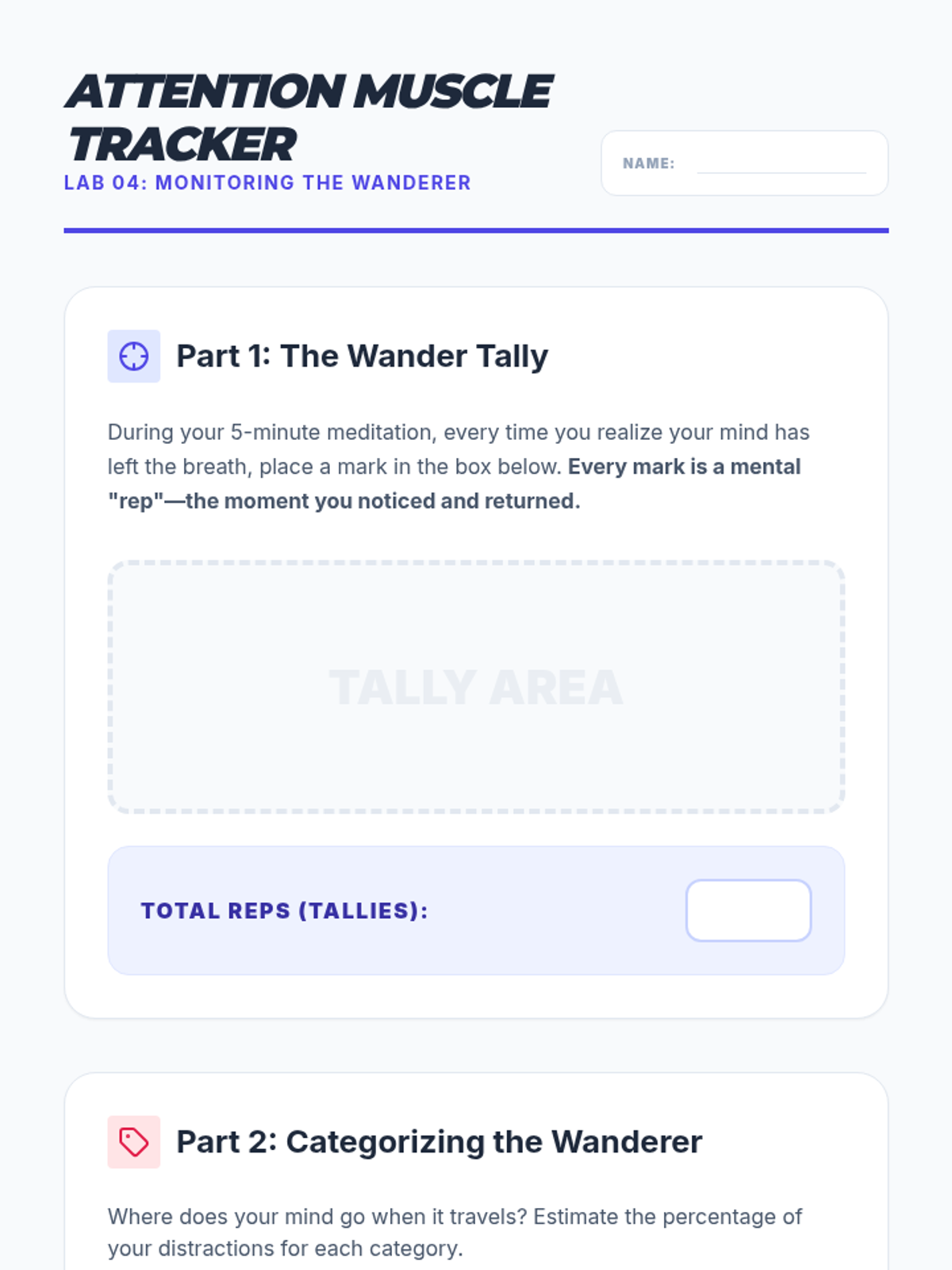
Exercises highlighting mind-wandering and the practice of non-judgmental returning of focus.
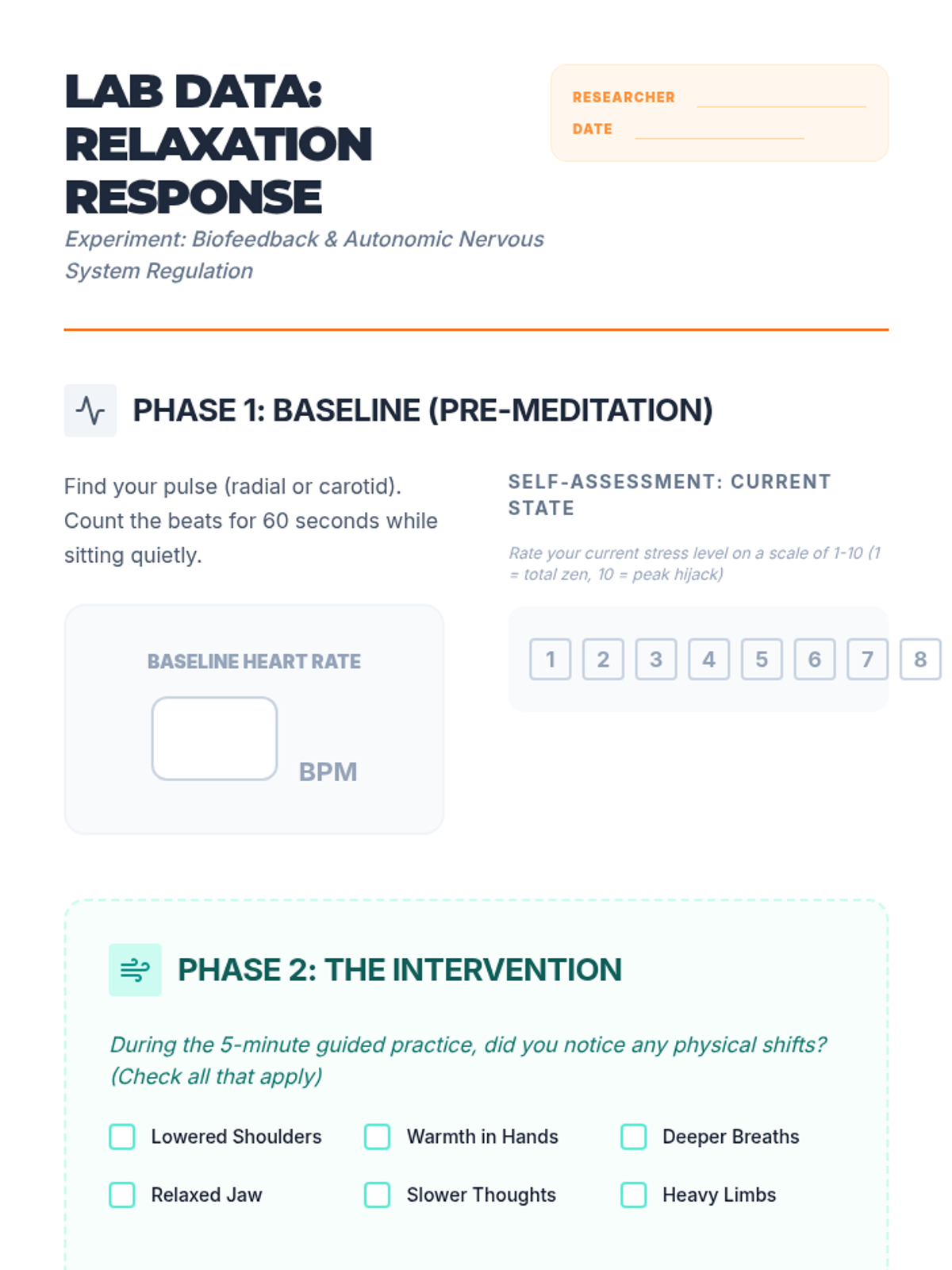
A biofeedback experiment where students measure heart rate changes before and after mindfulness practice.
A Star Wars themed Physical Education lesson deck featuring training protocols, expectations, and galactic activities for May the 4th.
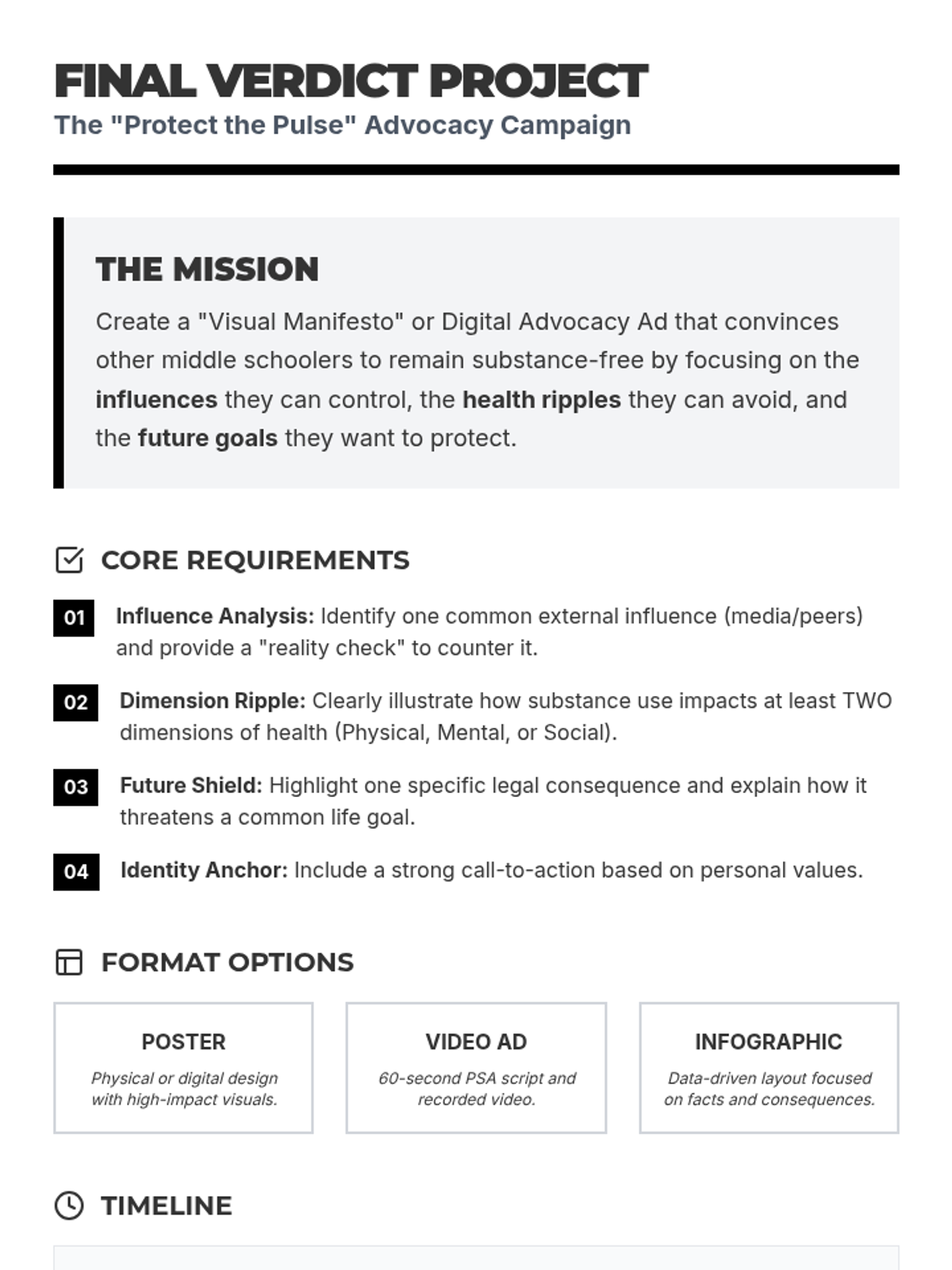
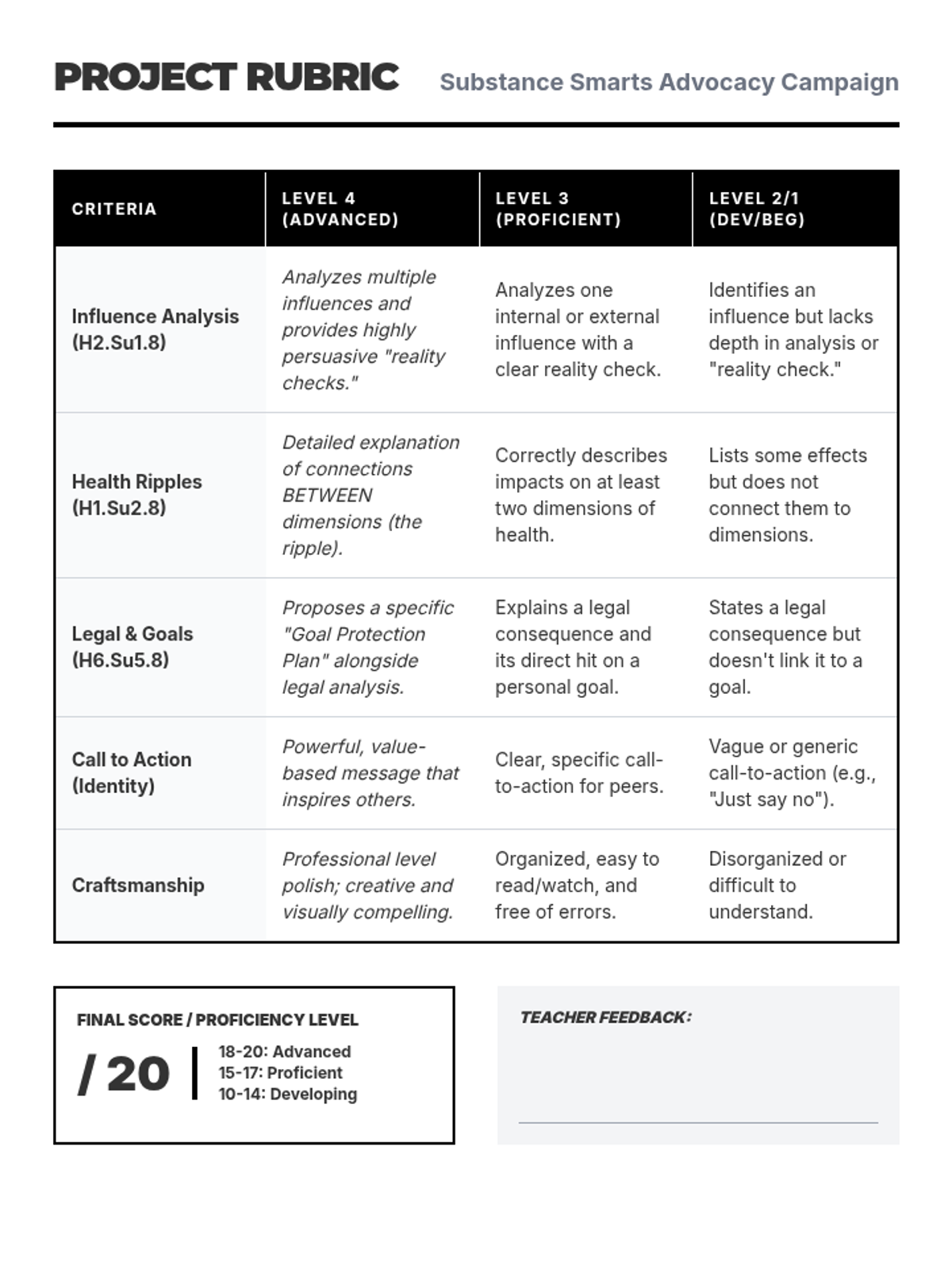
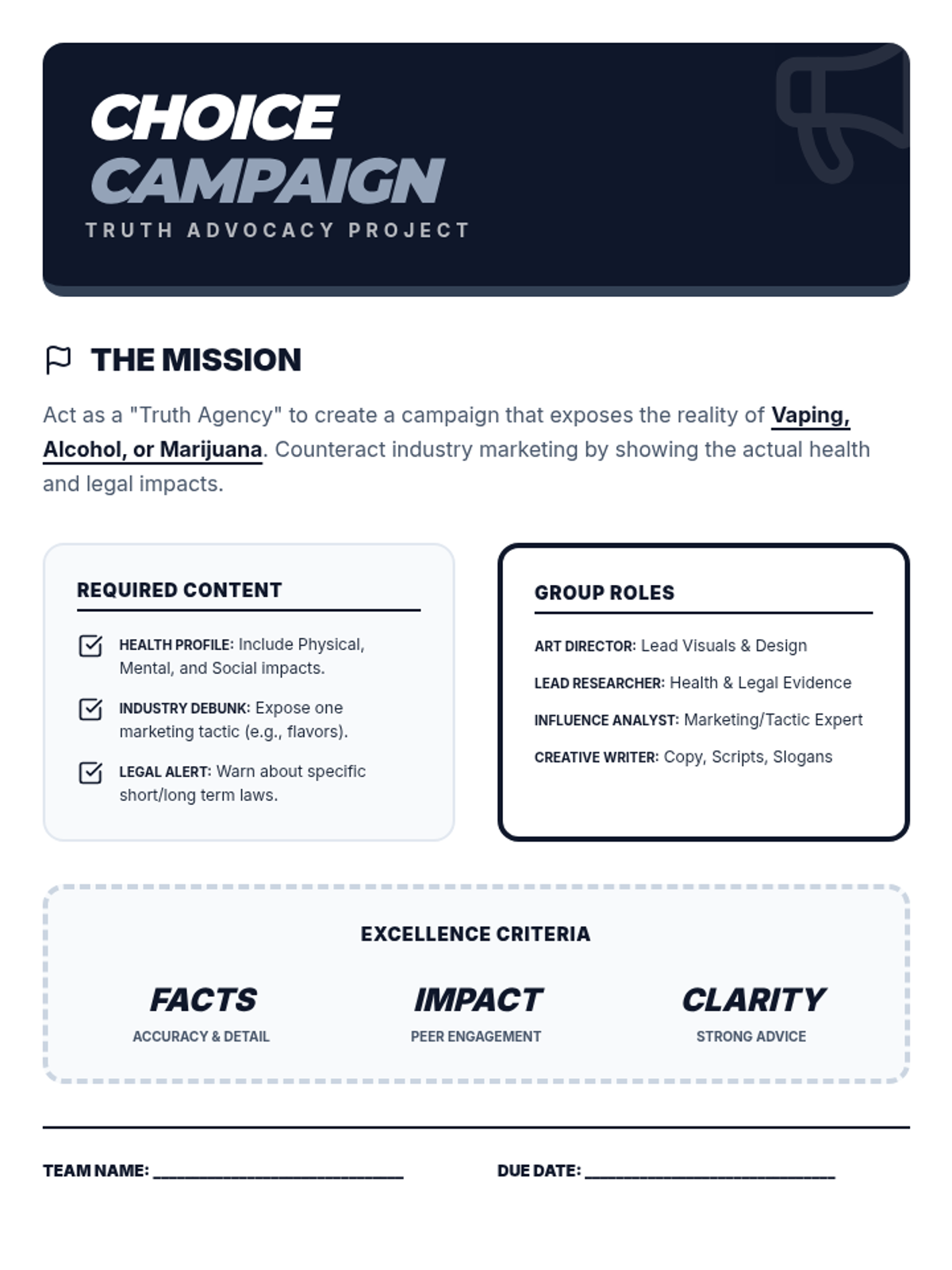
A culminating creative project where students advocate for substance-free living by synthesizing their learning.
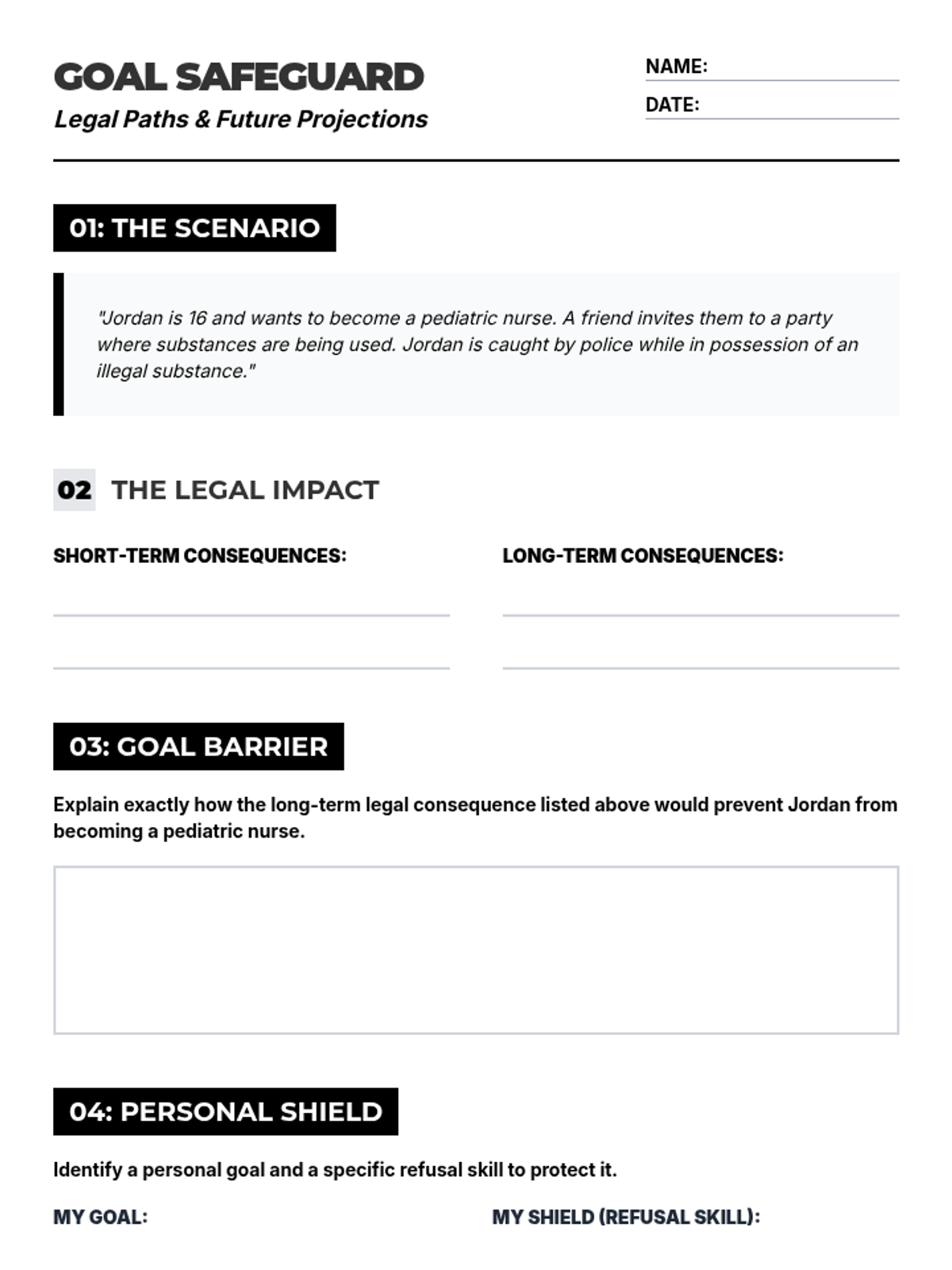
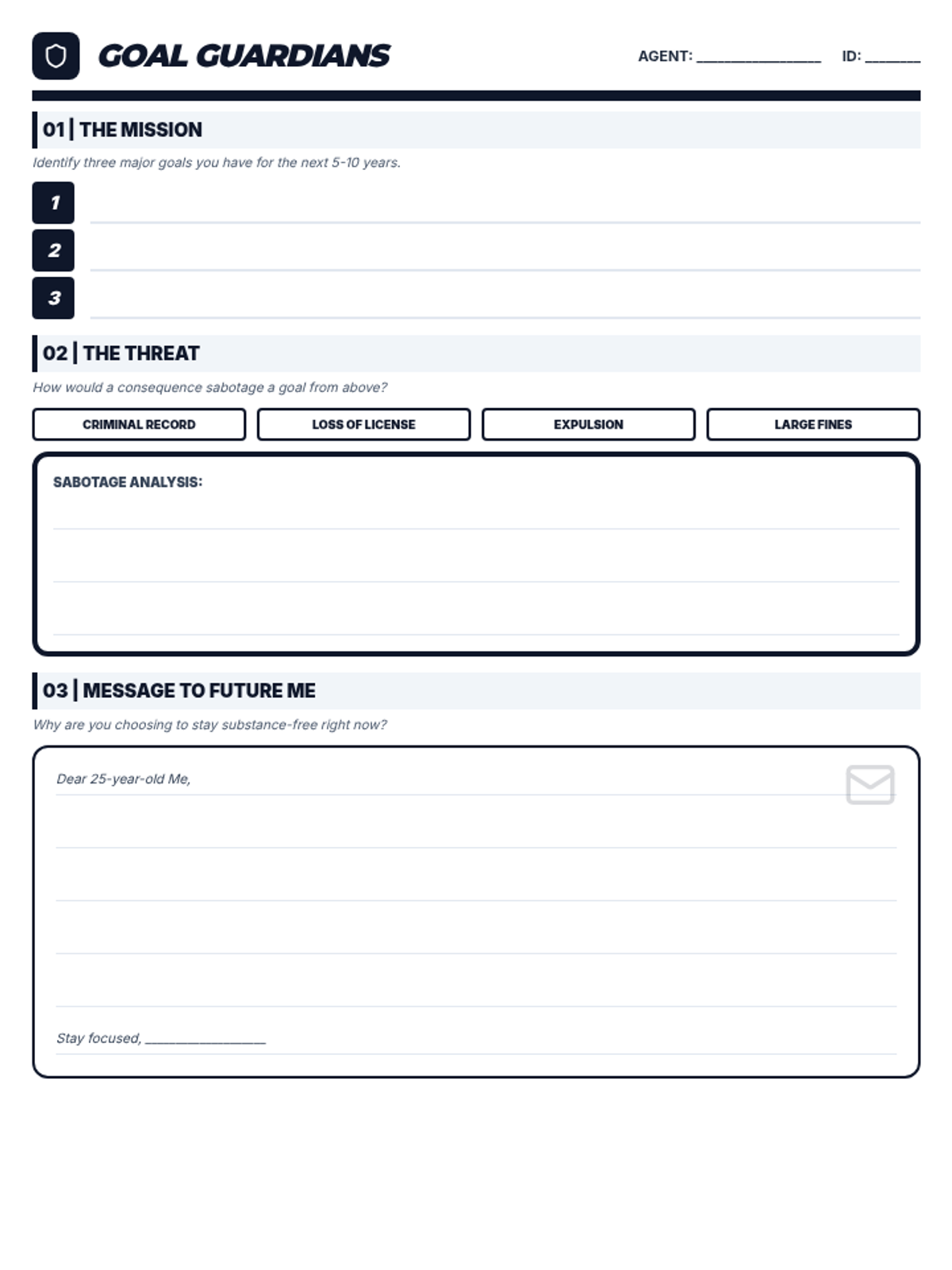
Examining the legal consequences of substance use and how these choices can impact long-term personal goals and career paths.
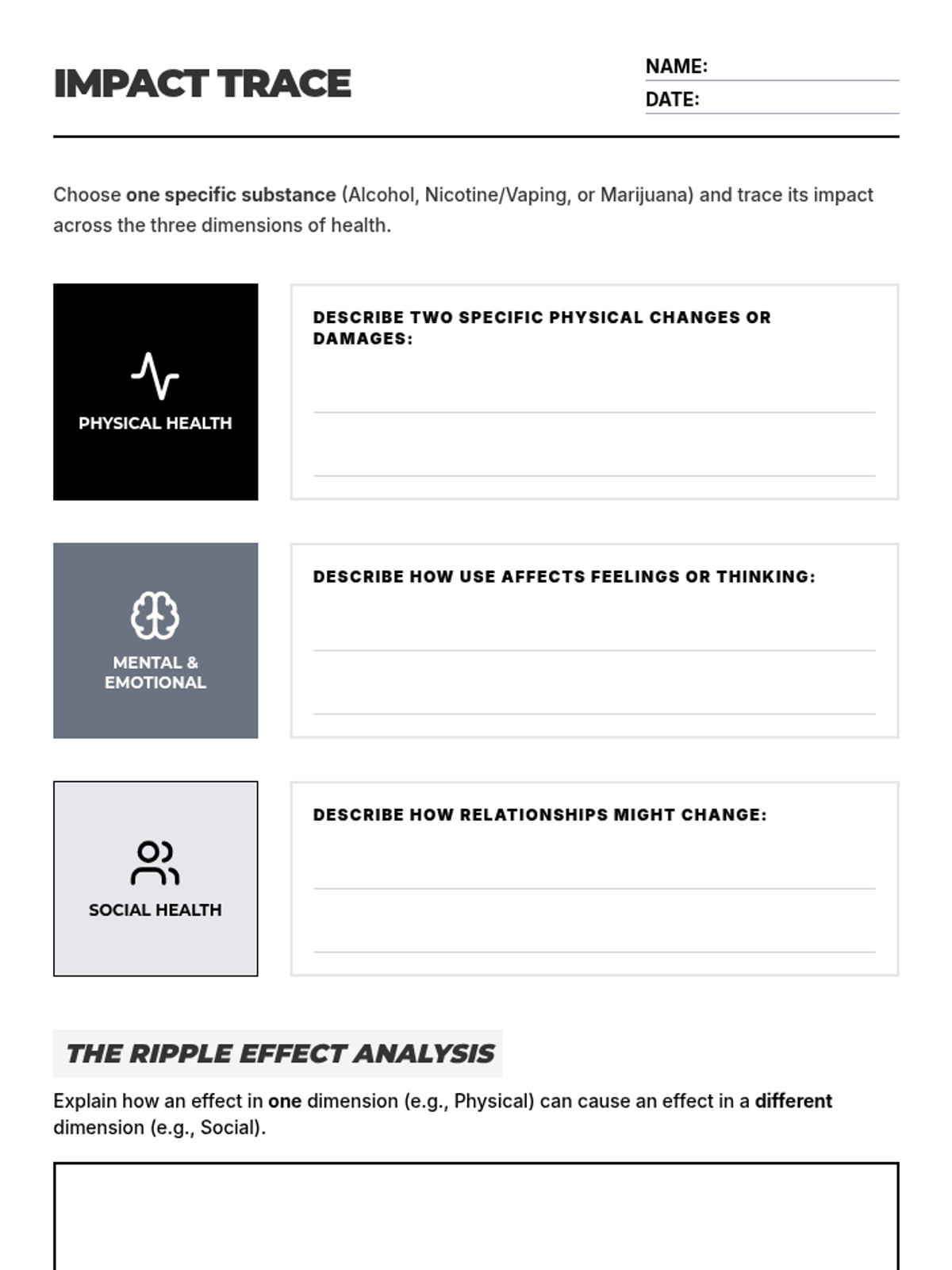
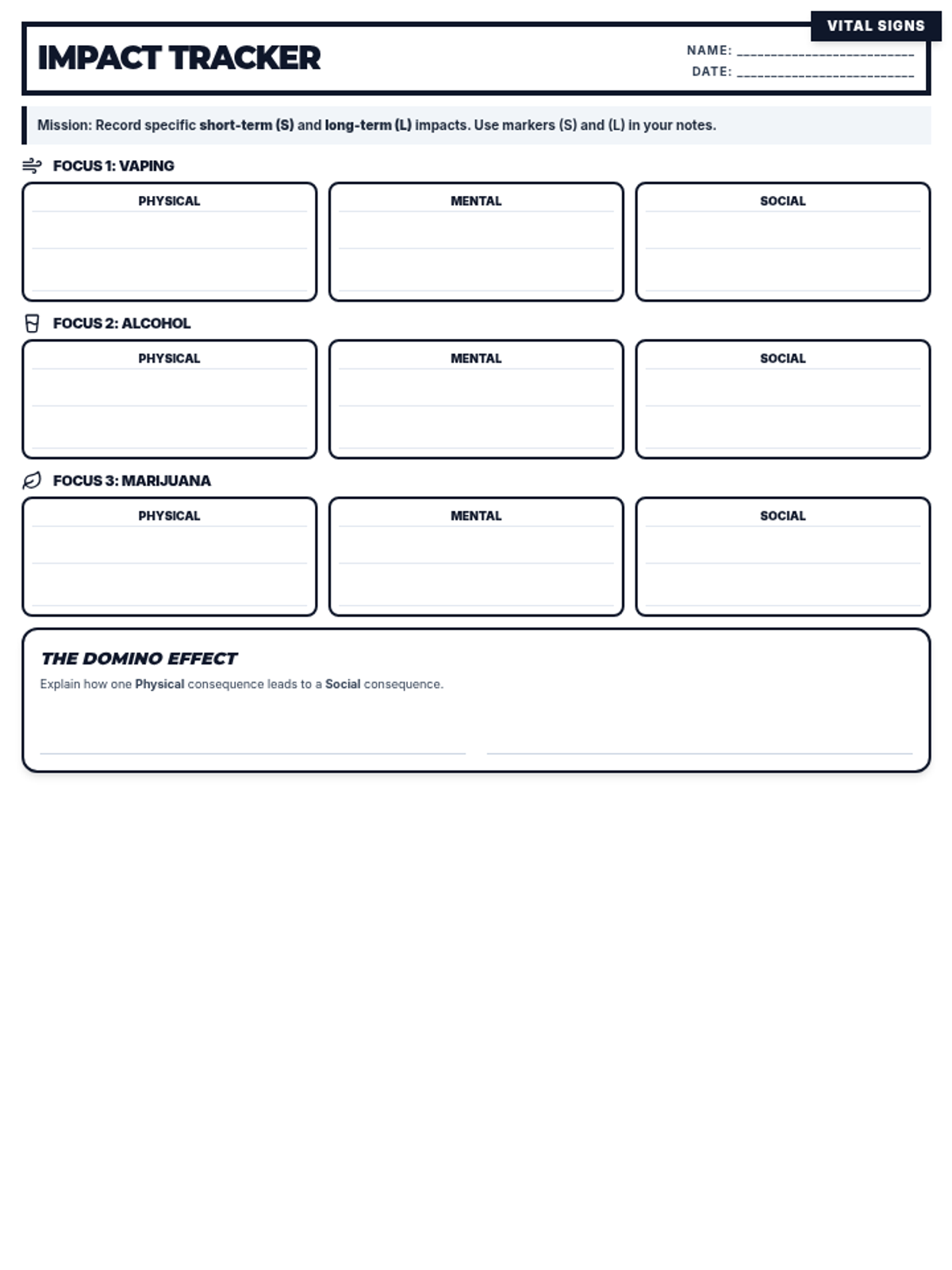
Investigating how substance use impacts the physical, mental/emotional, and social dimensions of health.
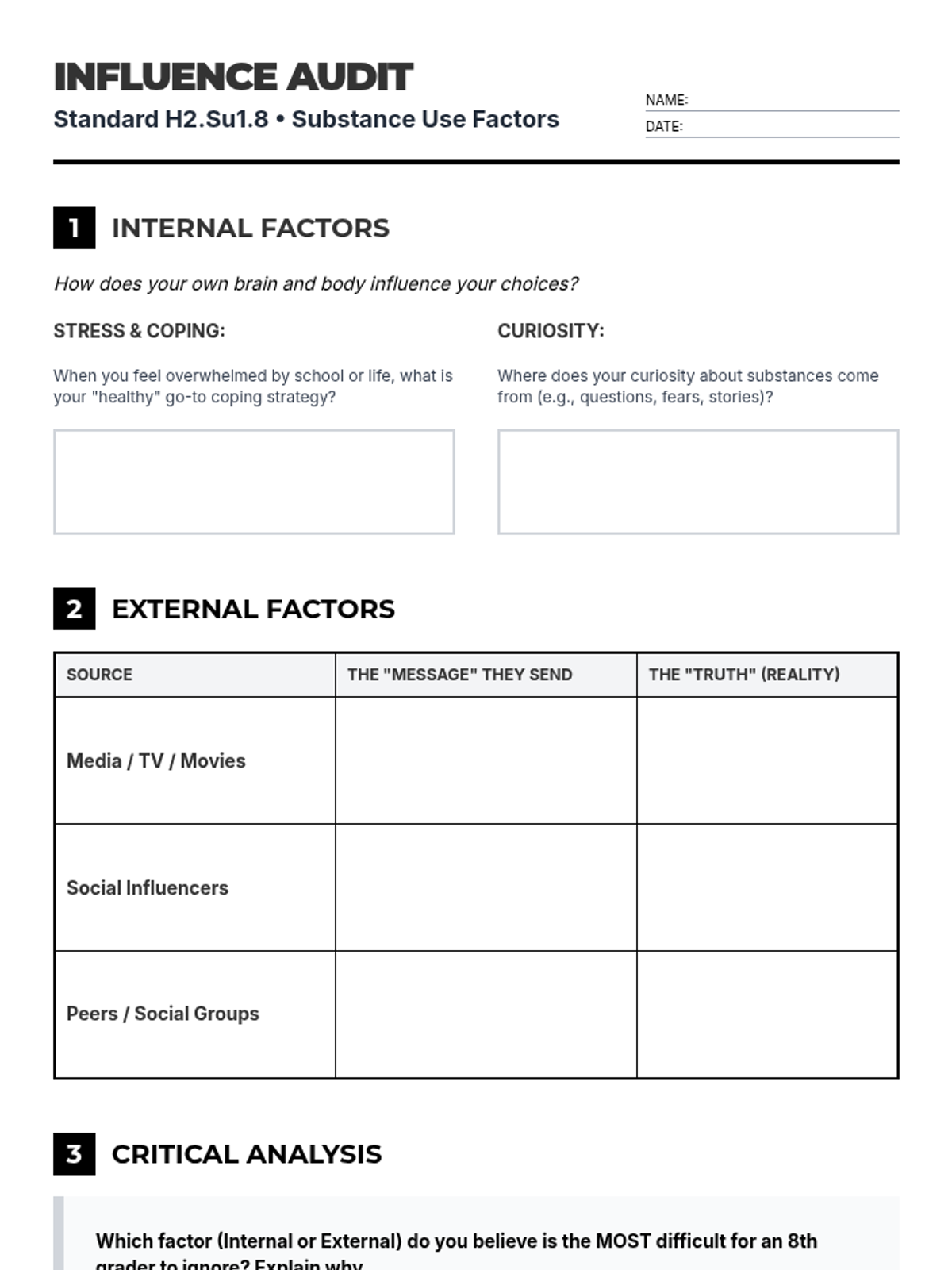
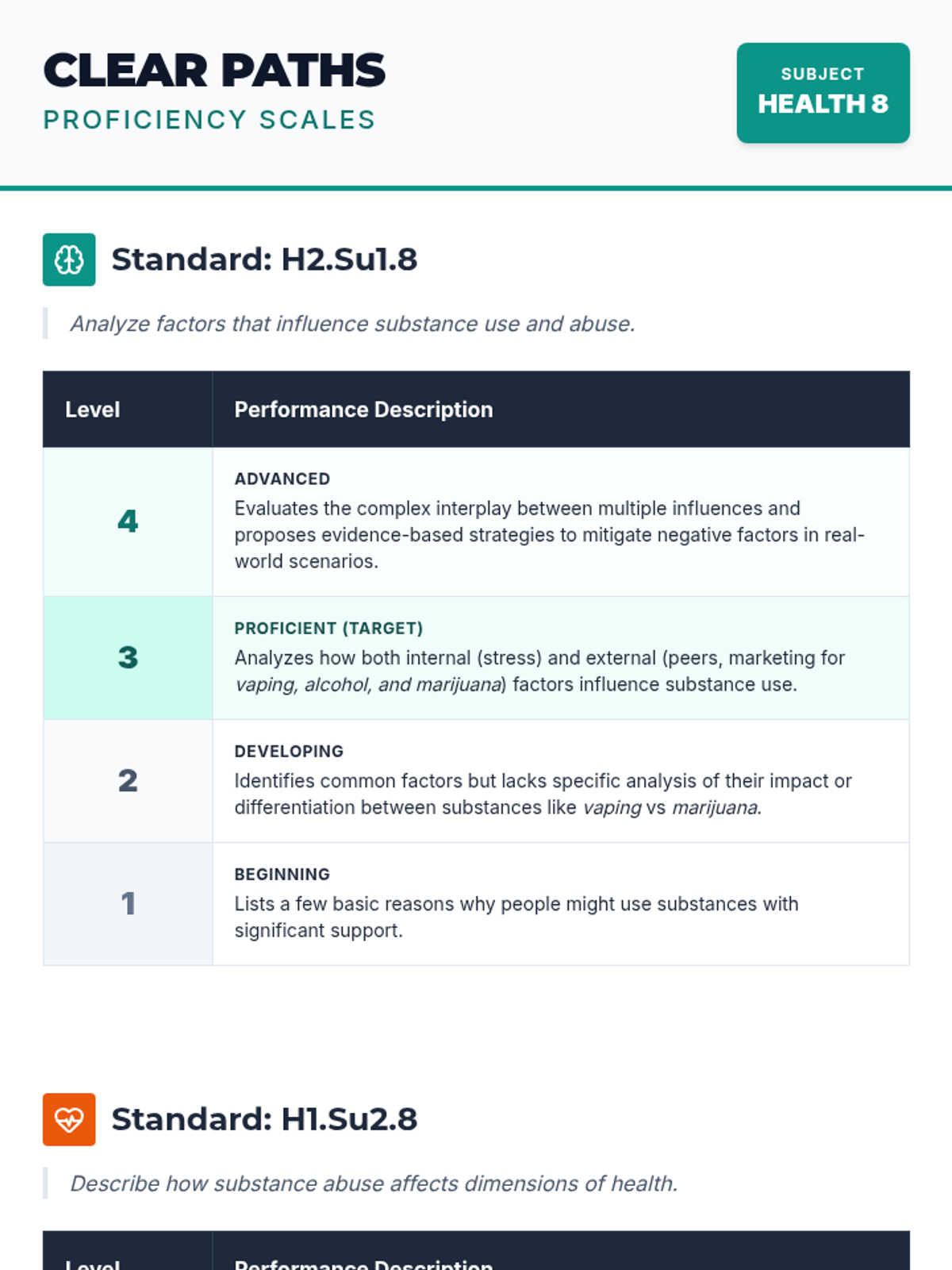
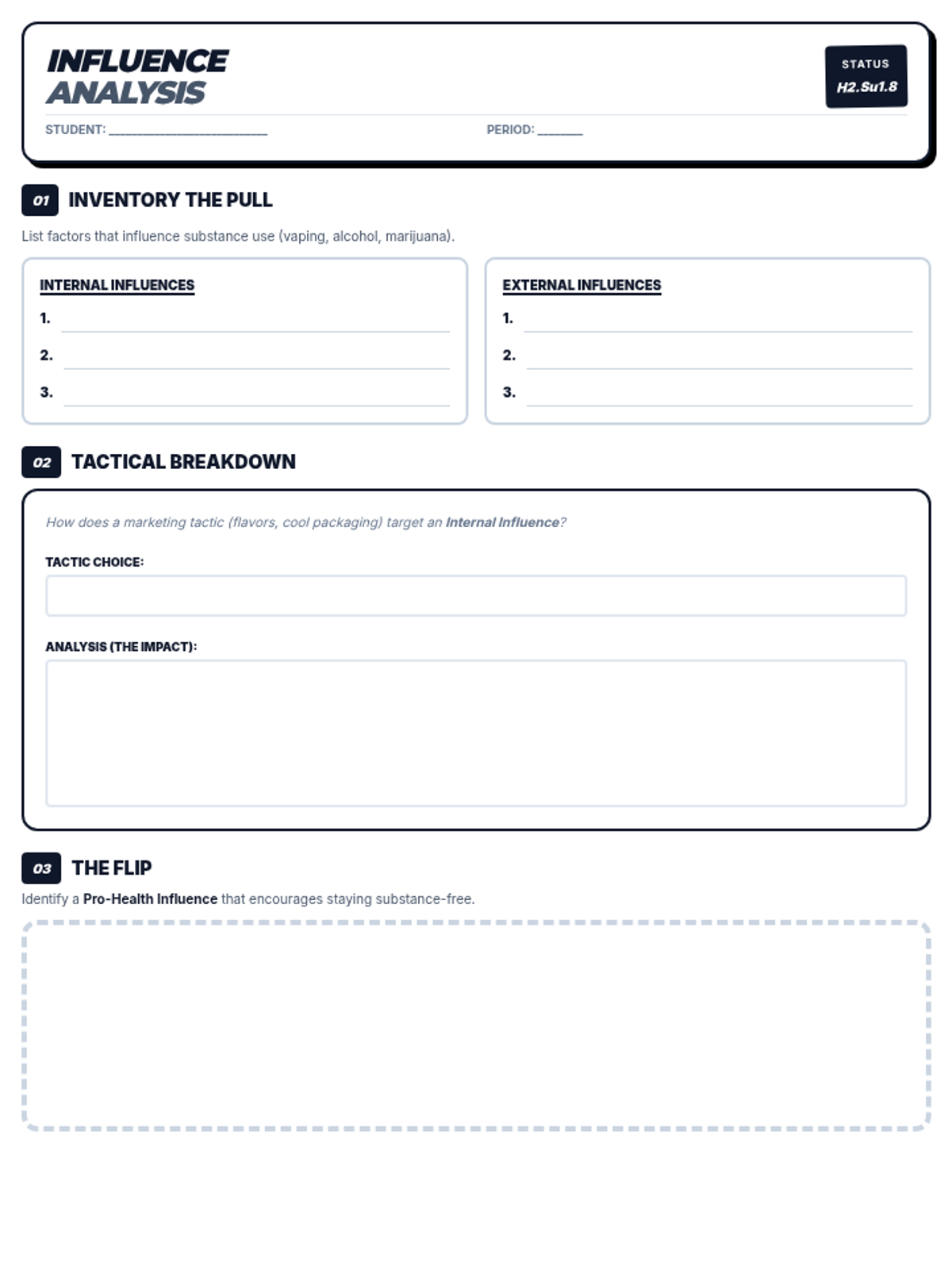
Analyzing the internal and external factors that influence choices around substance use, including media, peers, and stress.
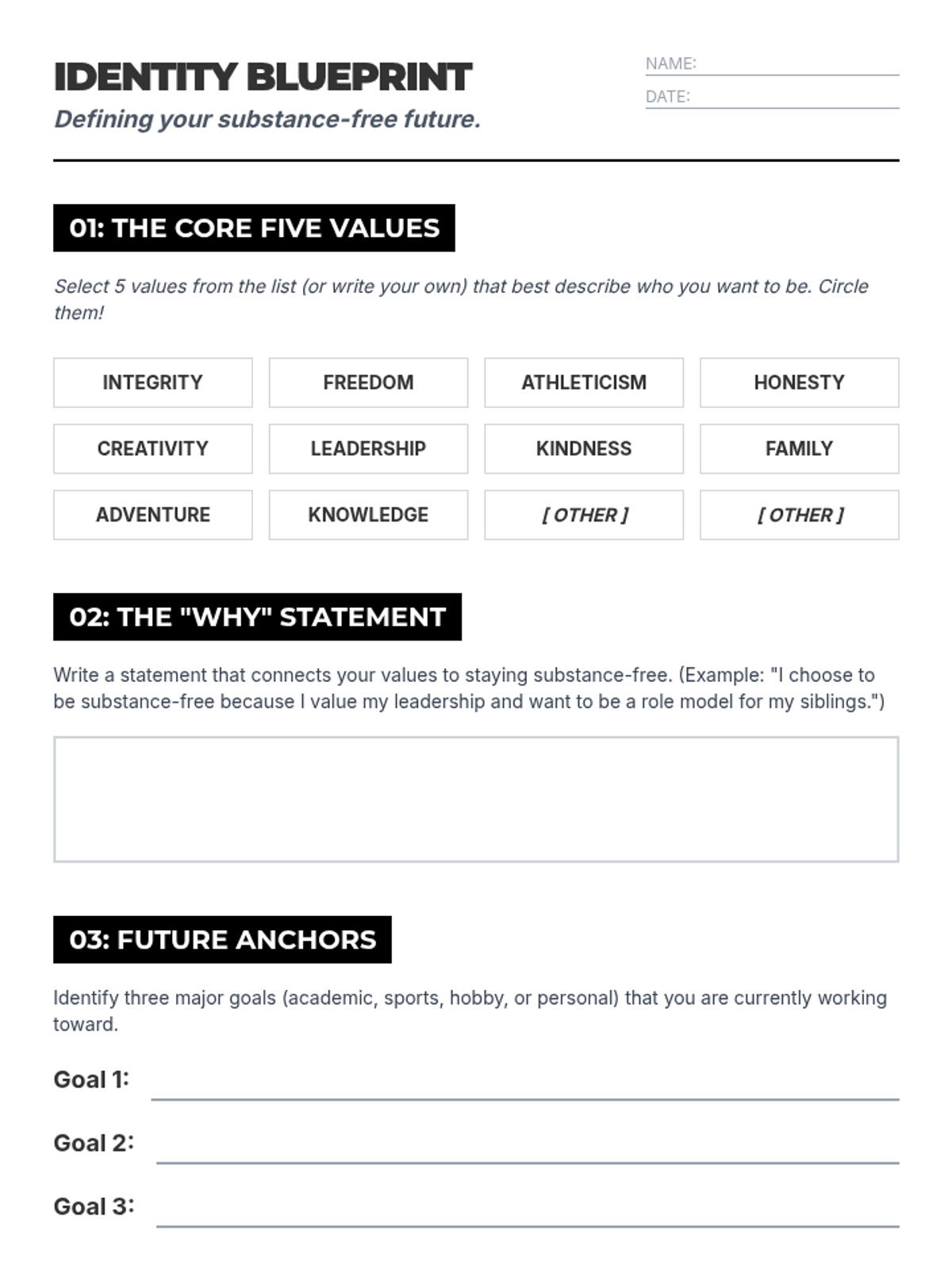
An introductory session where students explore their personal values and "Why" for staying substance-free.
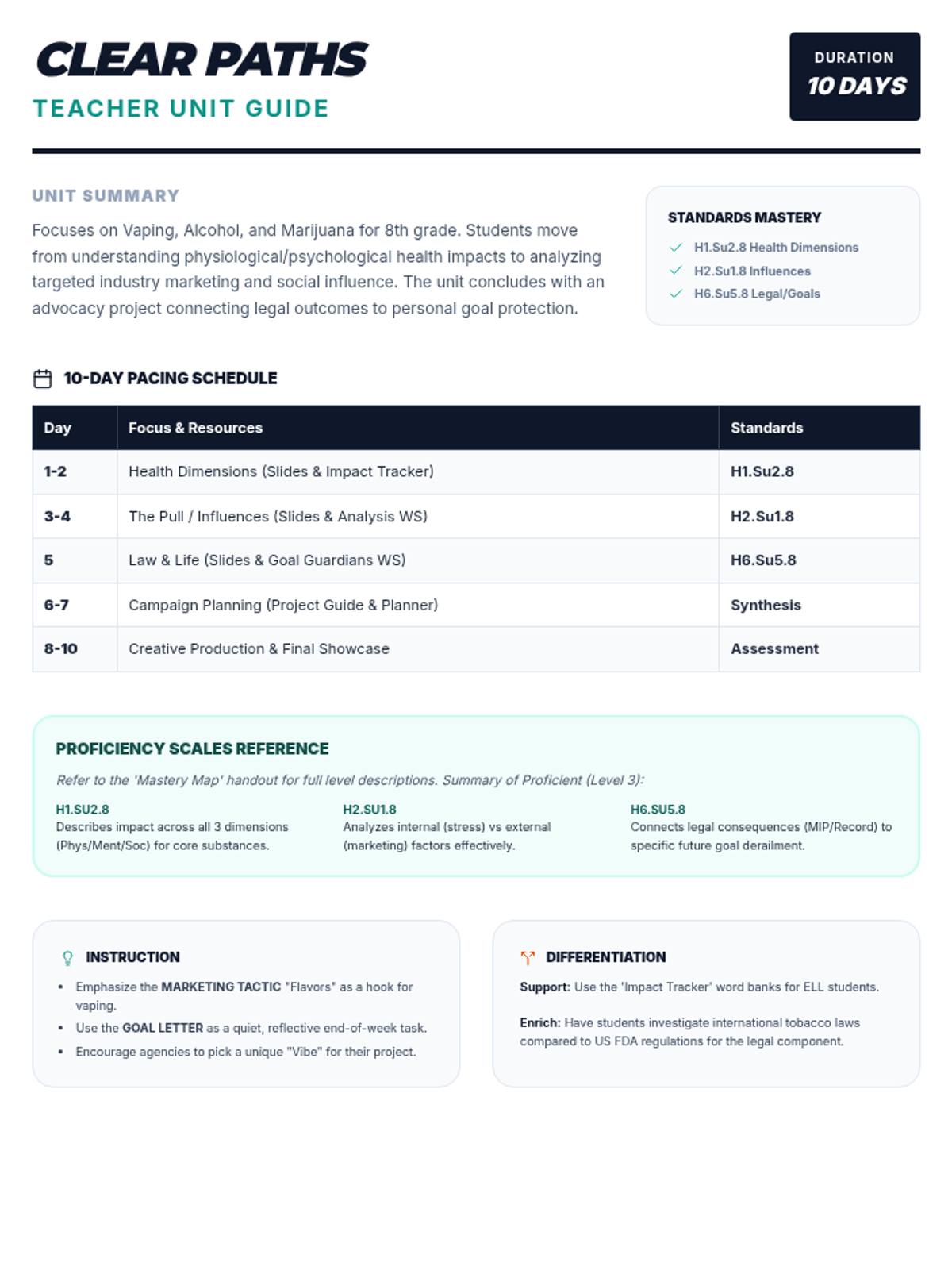
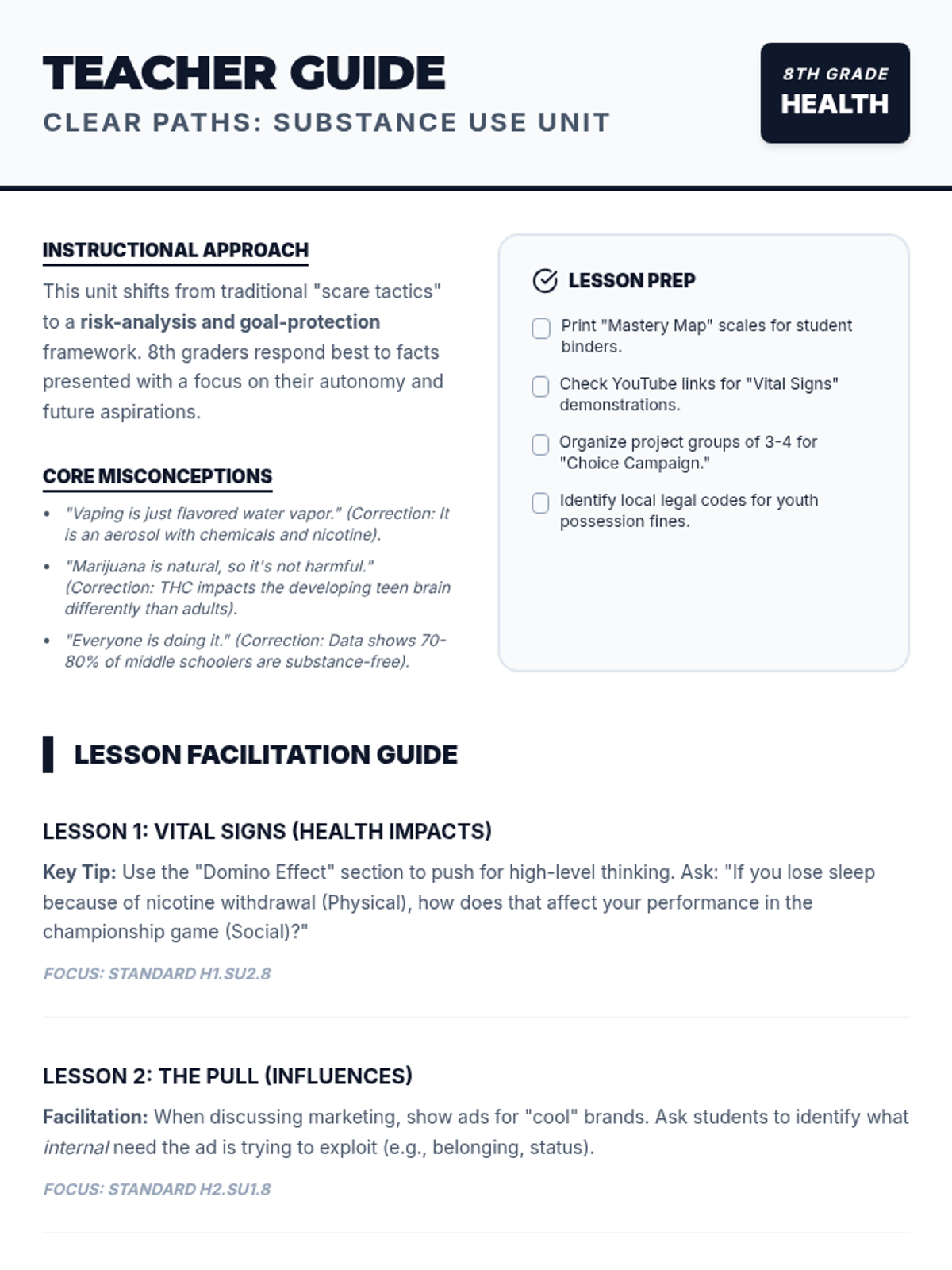
Administrative and planning resources for the Substance Smarts unit.
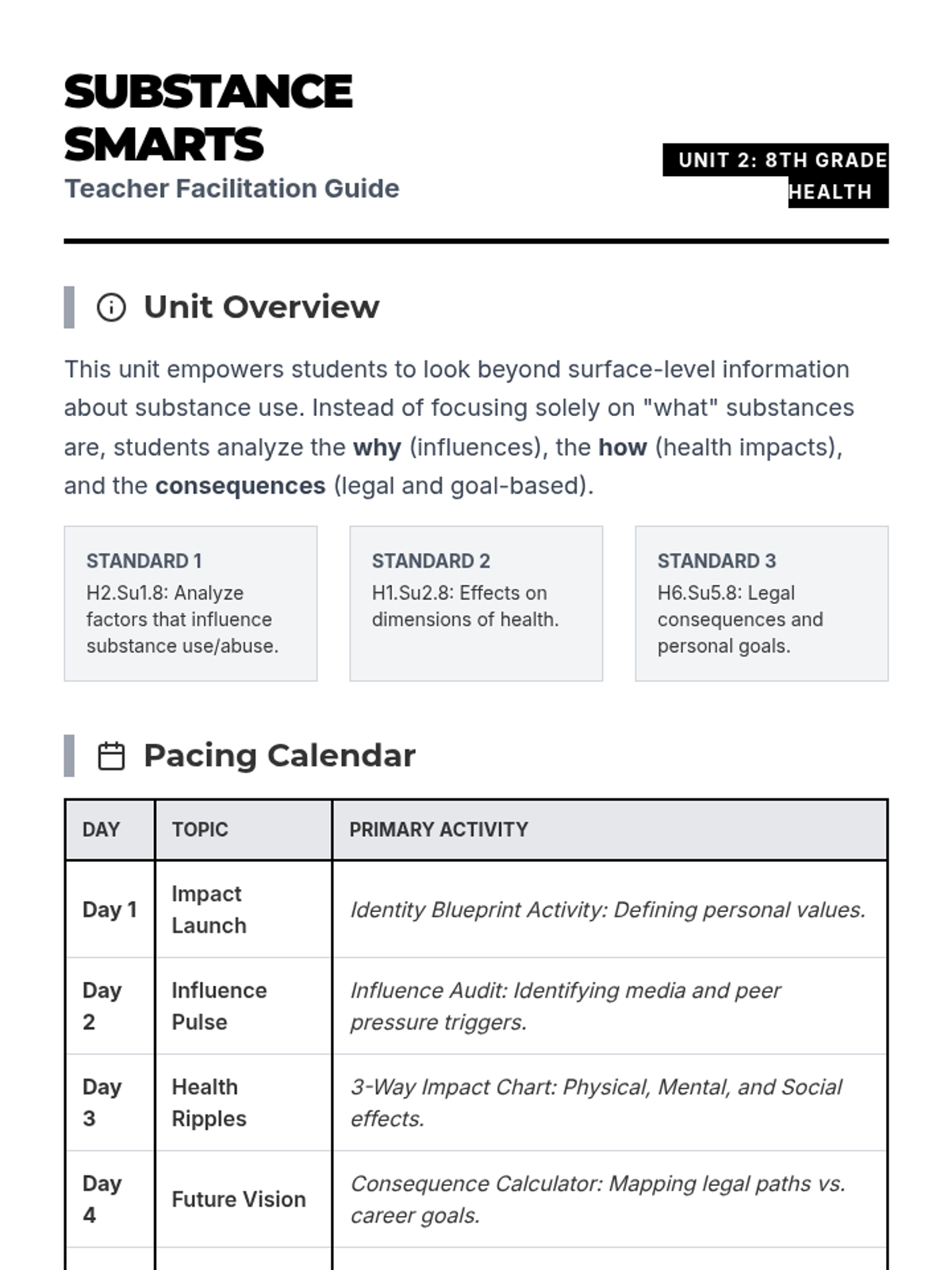
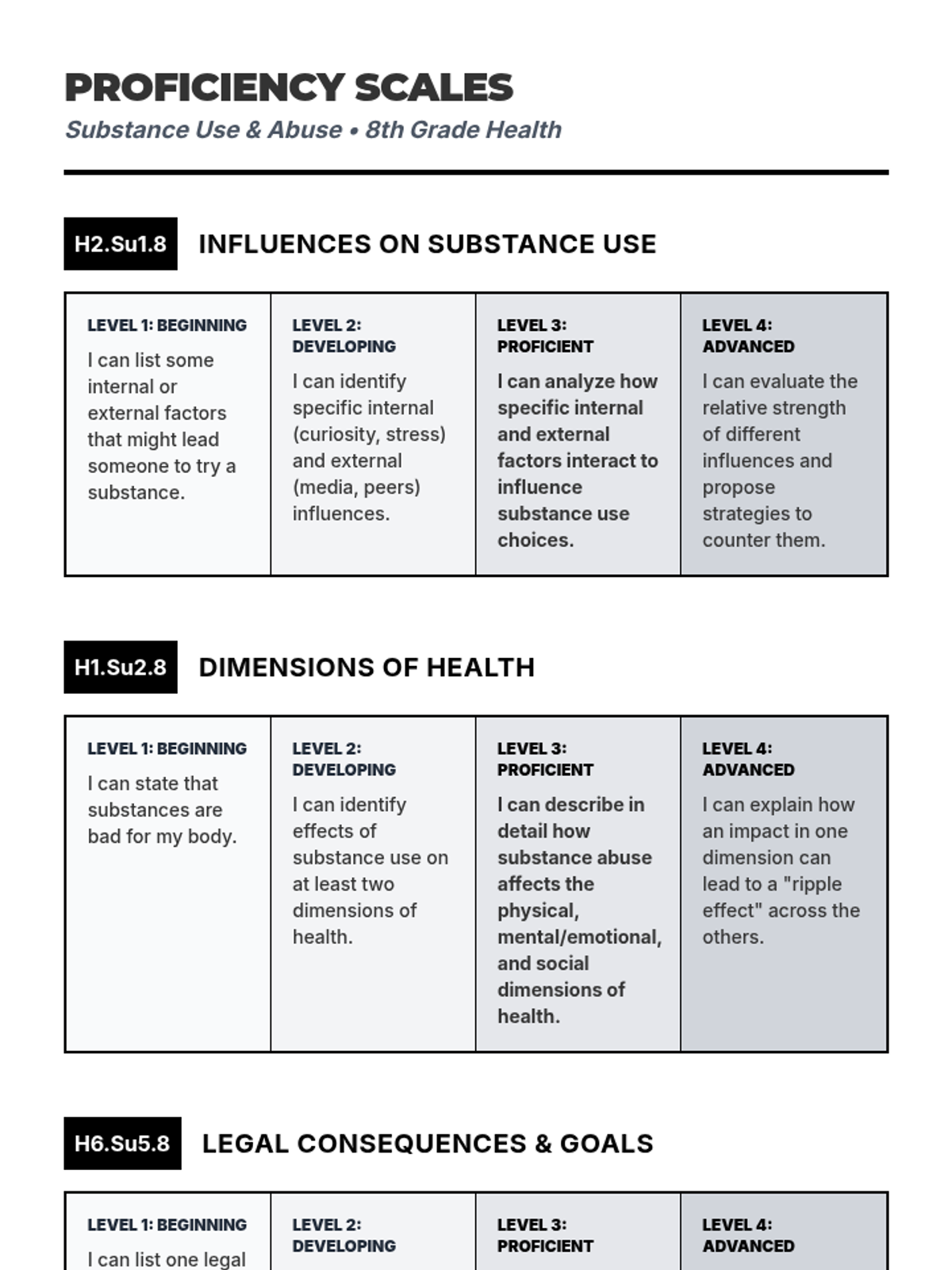
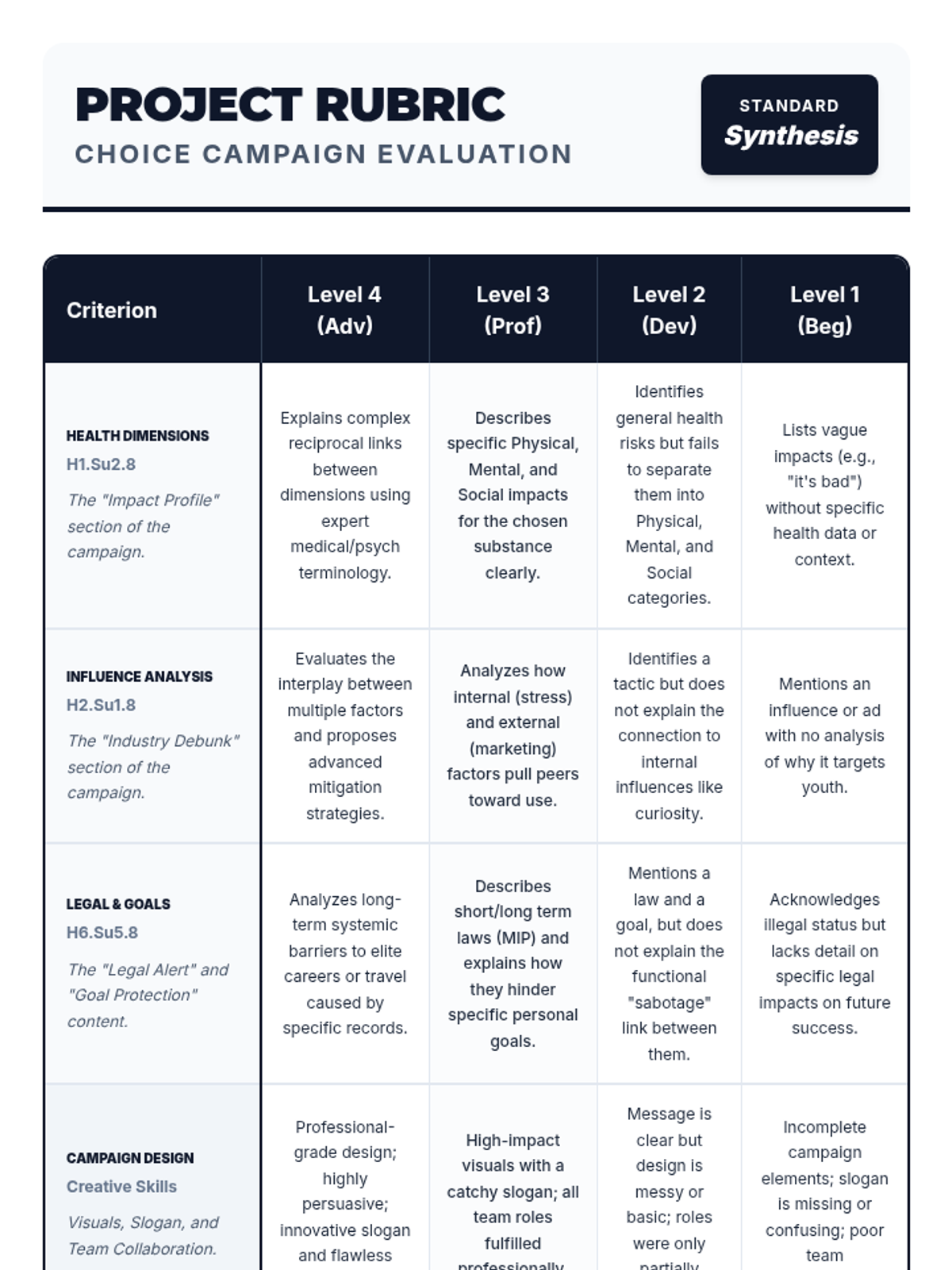
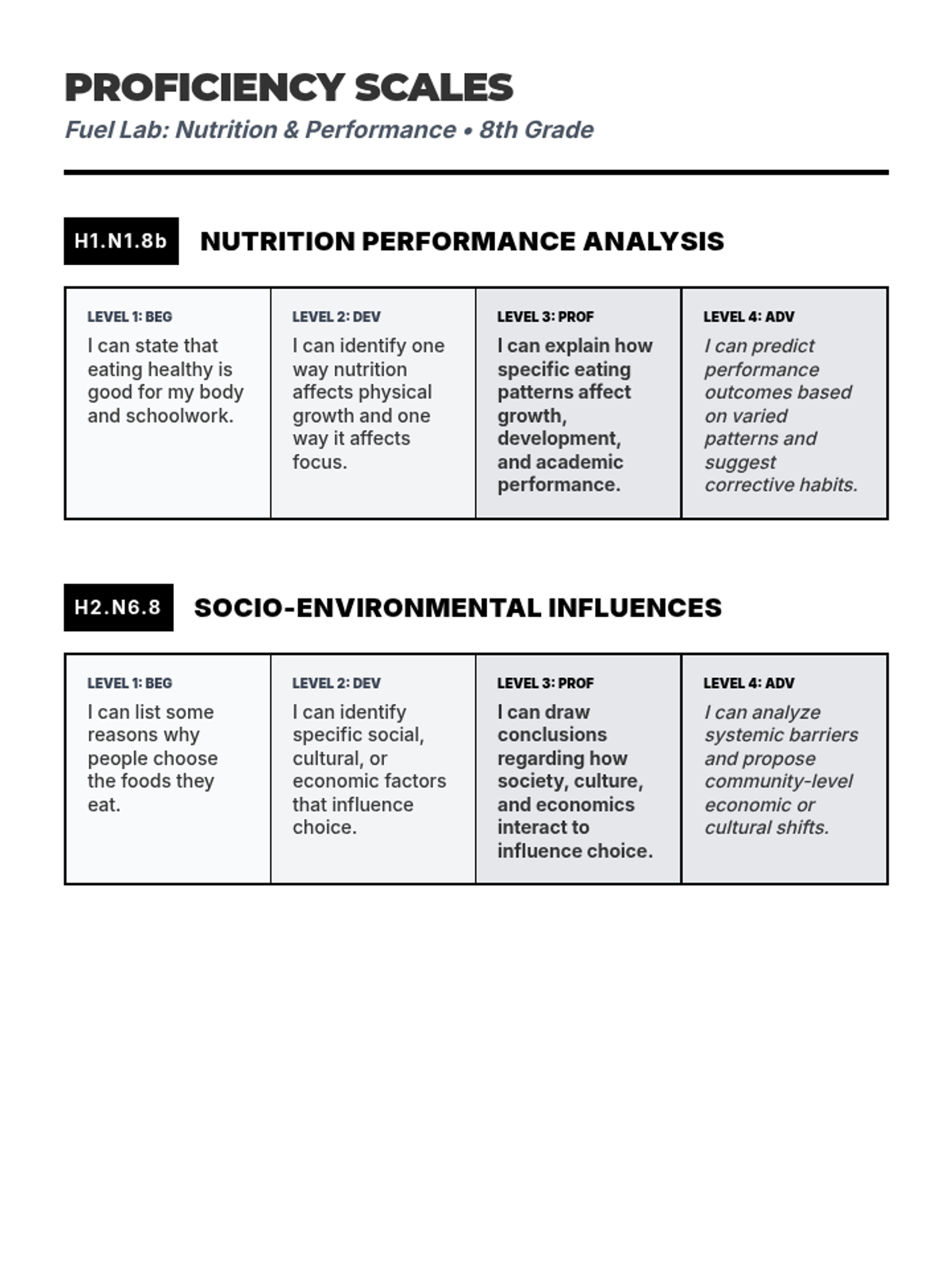
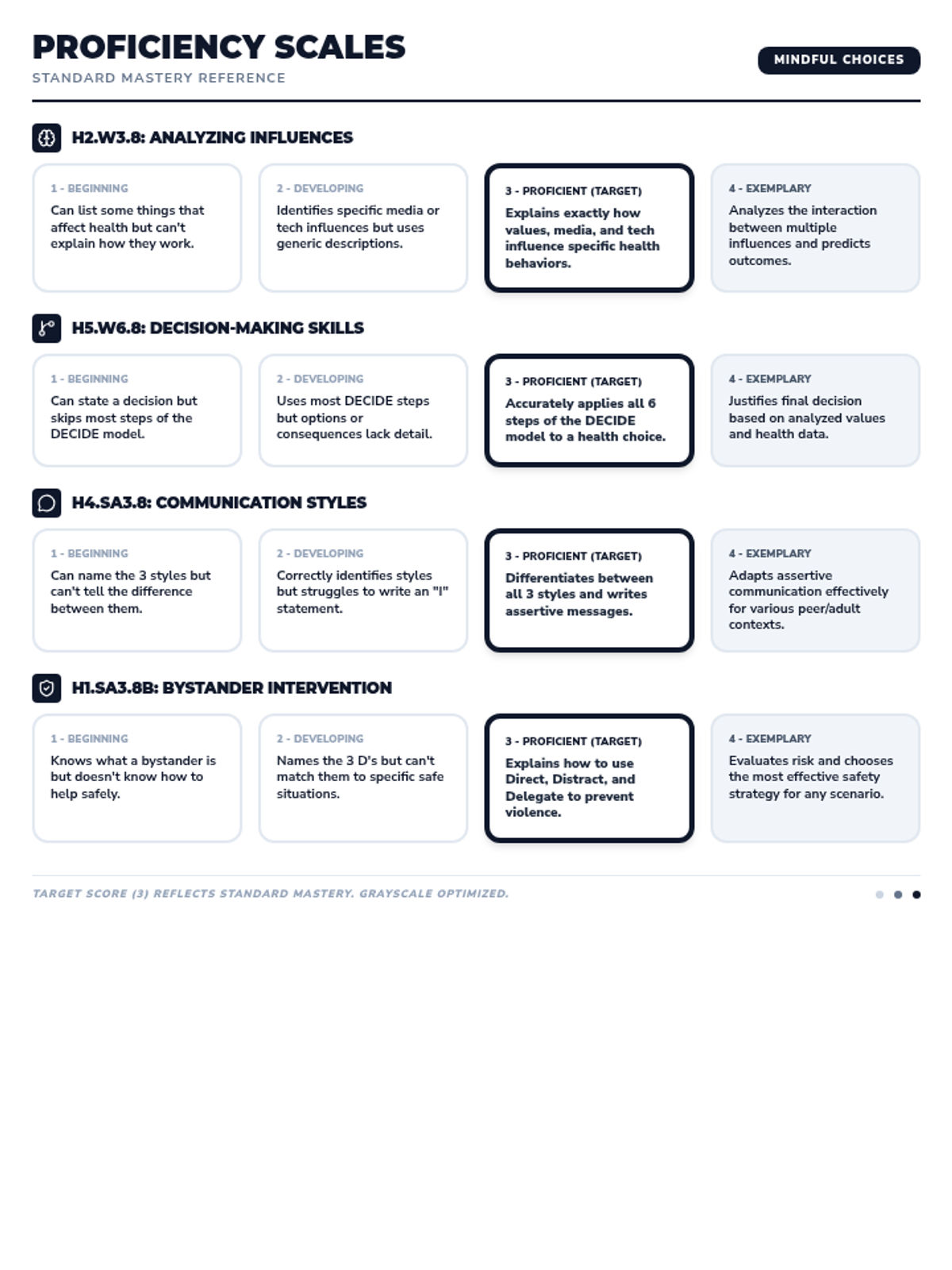
Essential assessment and planning tools for the unit, including proficiency scales for all standards and a comprehensive teacher pacing guide.
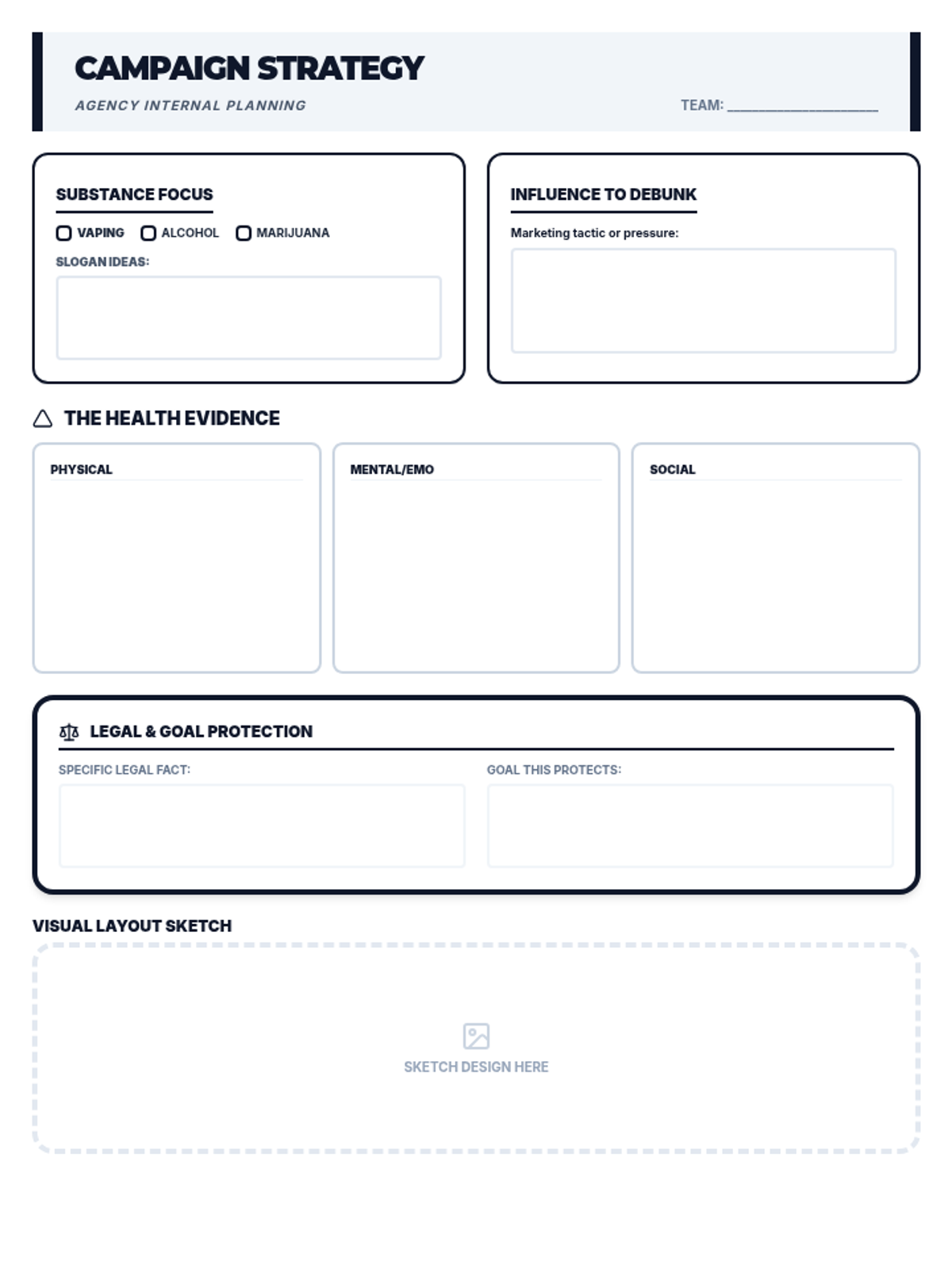
A collaborative group project where students design a 'Choice Campaign' to educate peers about the realities of substance use, incorporating health, legal, and personal goal data.
Focuses on the short- and long-term legal consequences of substance use and how these outcomes can derail personal, academic, and career goals.
An analysis of internal and external factors that influence substance use decisions, including peer pressure, media, family, and personal curiosity. Students map out the 'why' behind substance use.
Students explore how vaping, alcohol, and marijuana affect physical, mental/emotional, and social dimensions of health. Includes a deep dive into the physiological and psychological impacts of these specific substances.
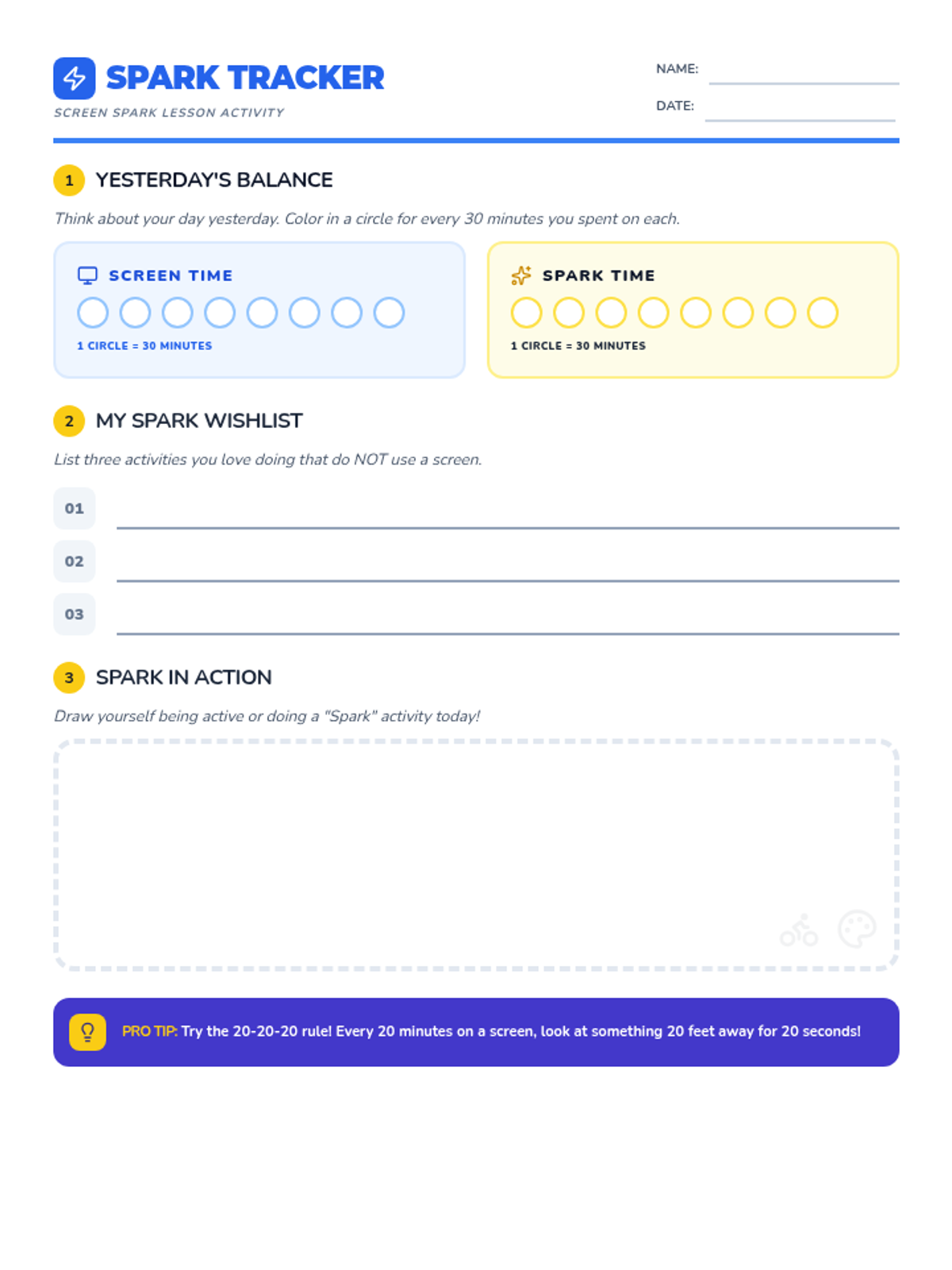
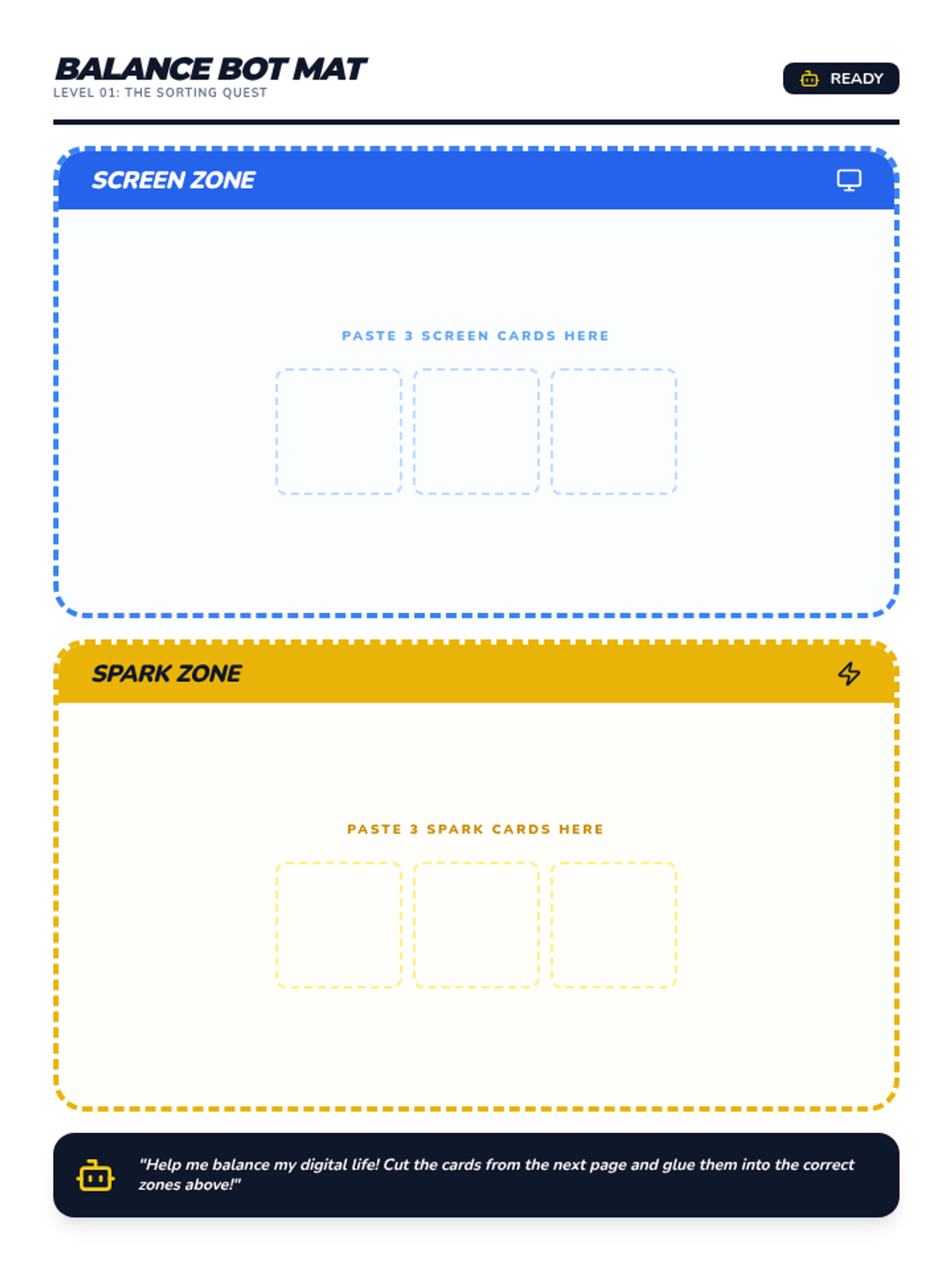
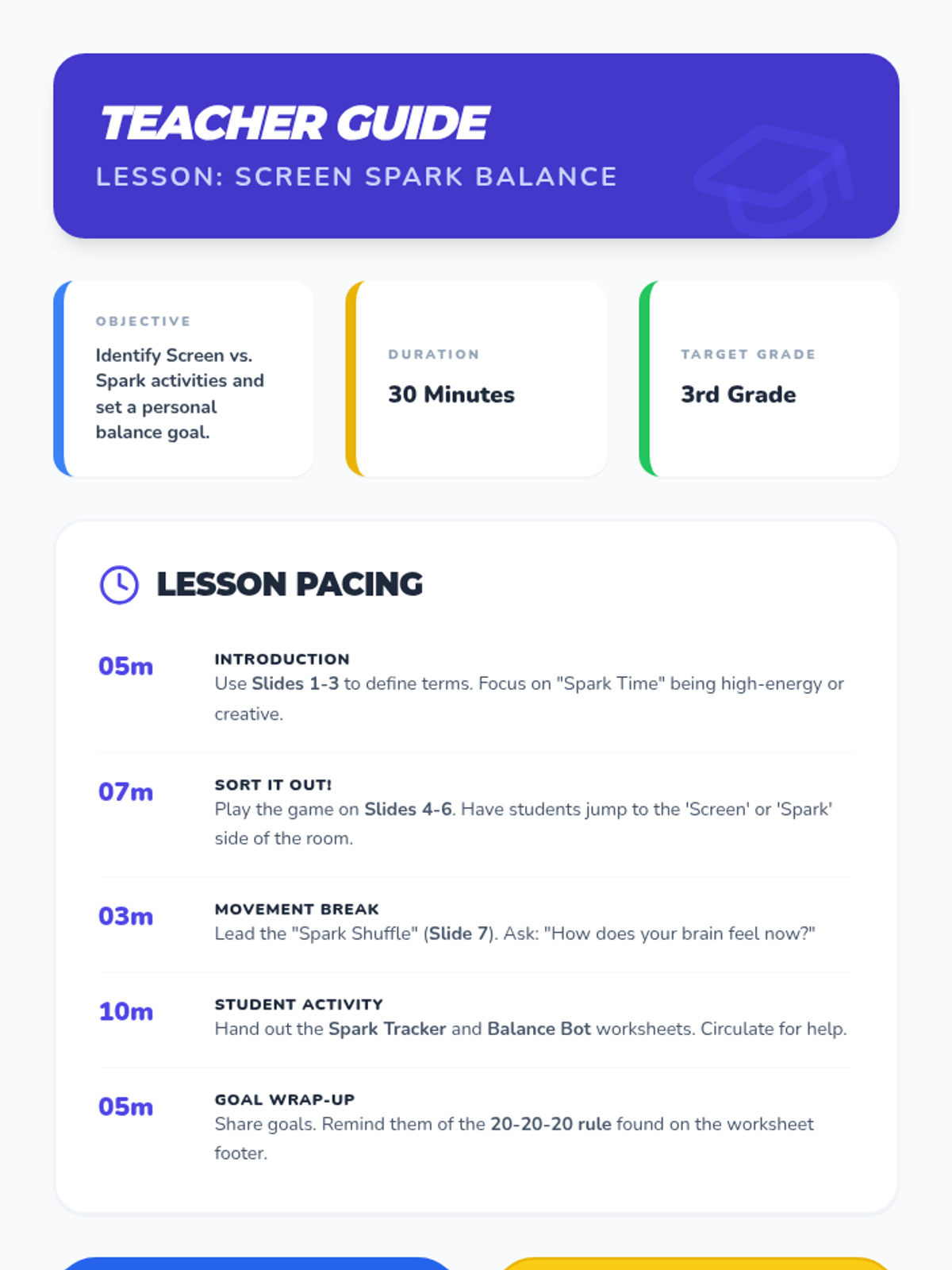
A 30-minute lesson for 3rd graders on balancing digital device use with physical activity, featuring a 'Screen Spark' theme to encourage healthy habits.
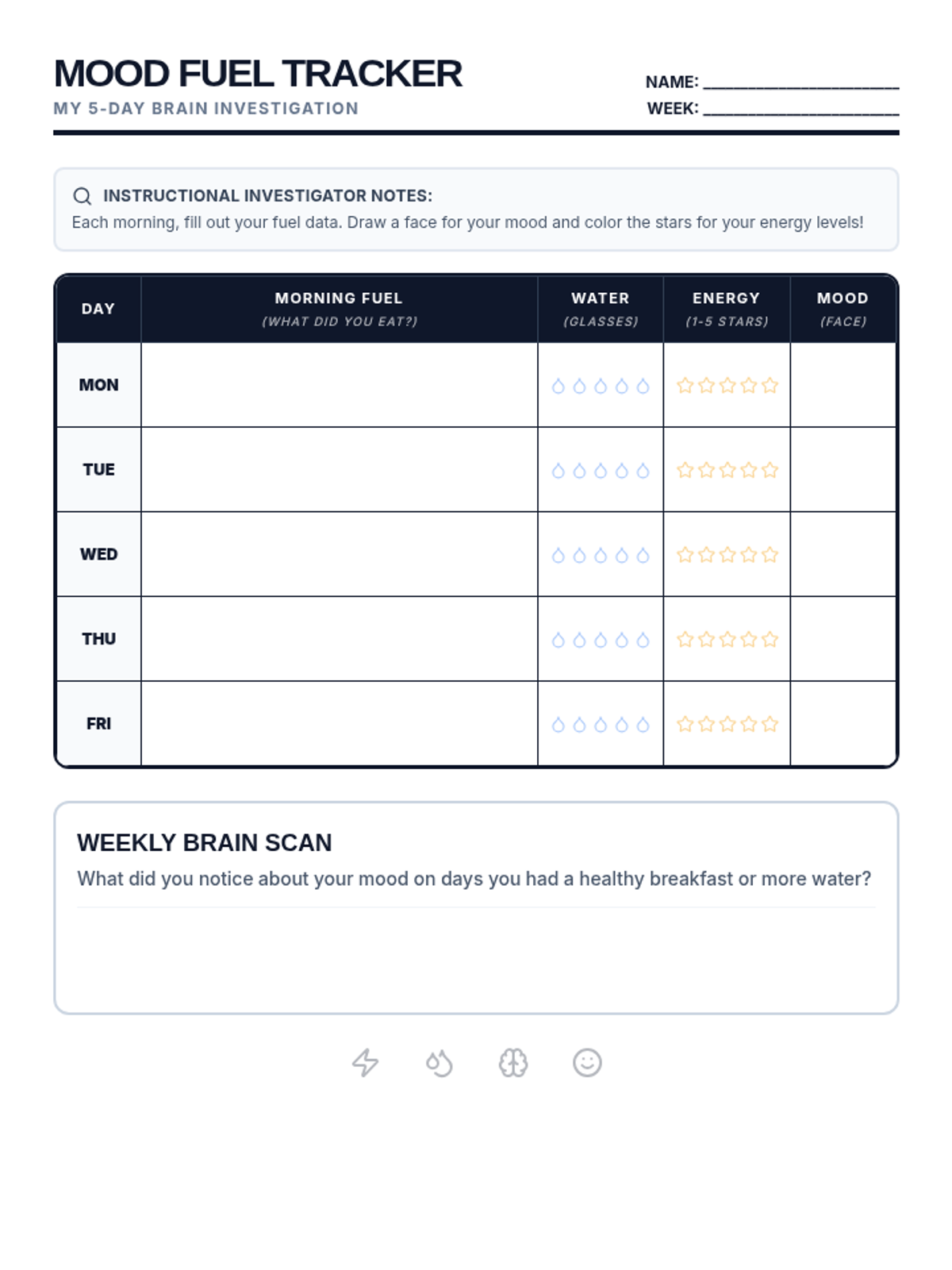
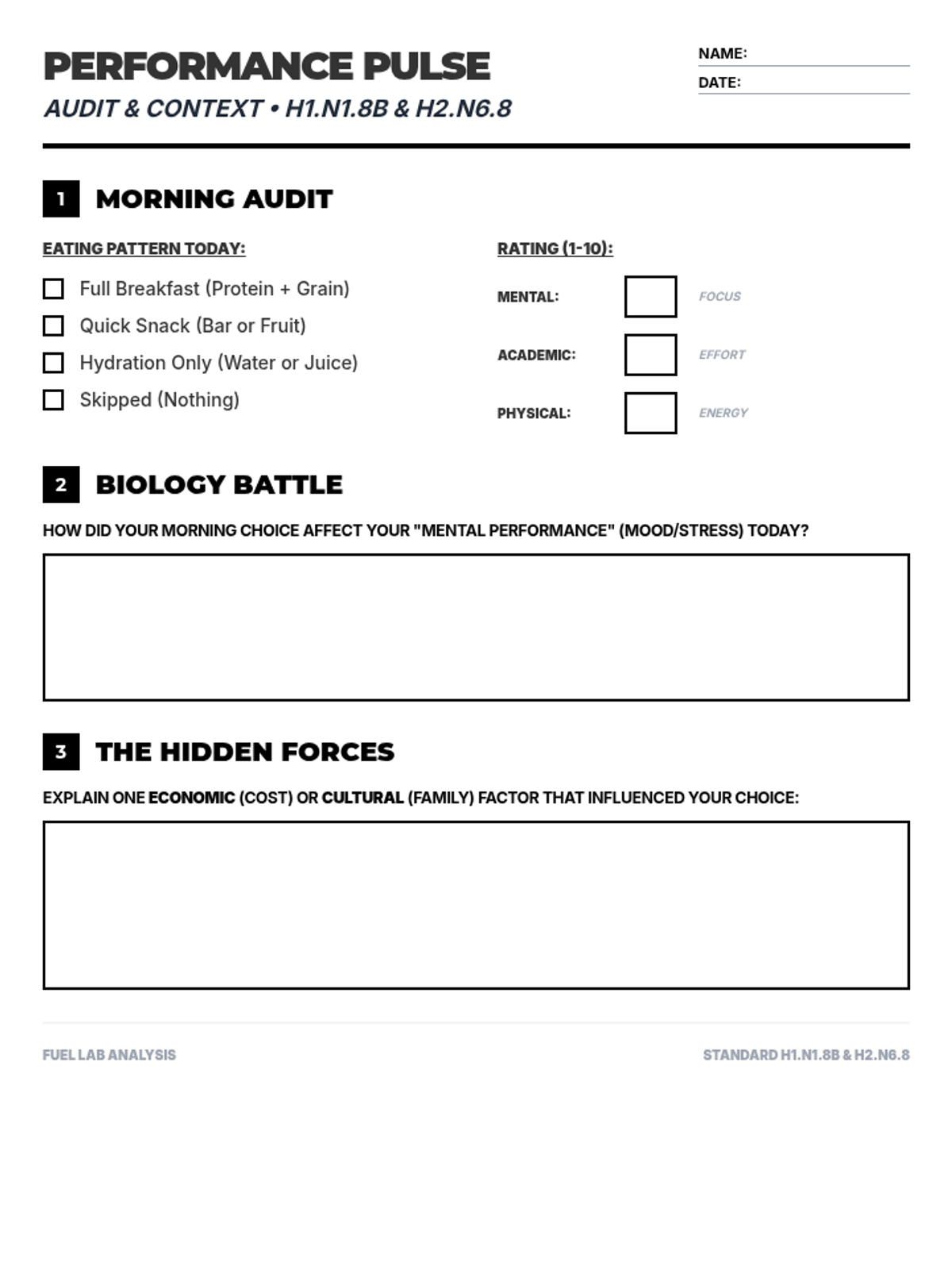
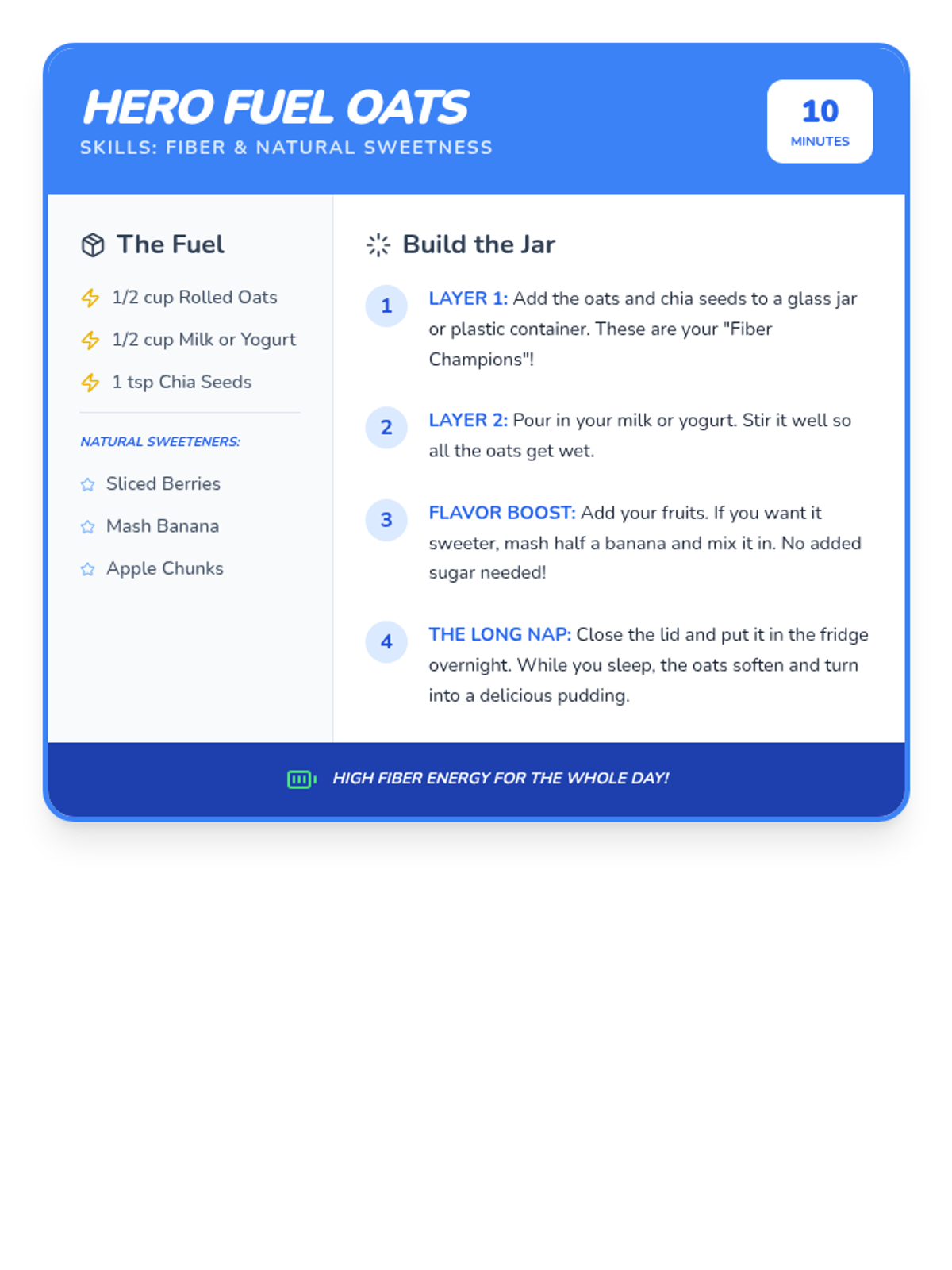
Exploring how eating patterns affect growth, development, and daily performance in sports, school, and mood.
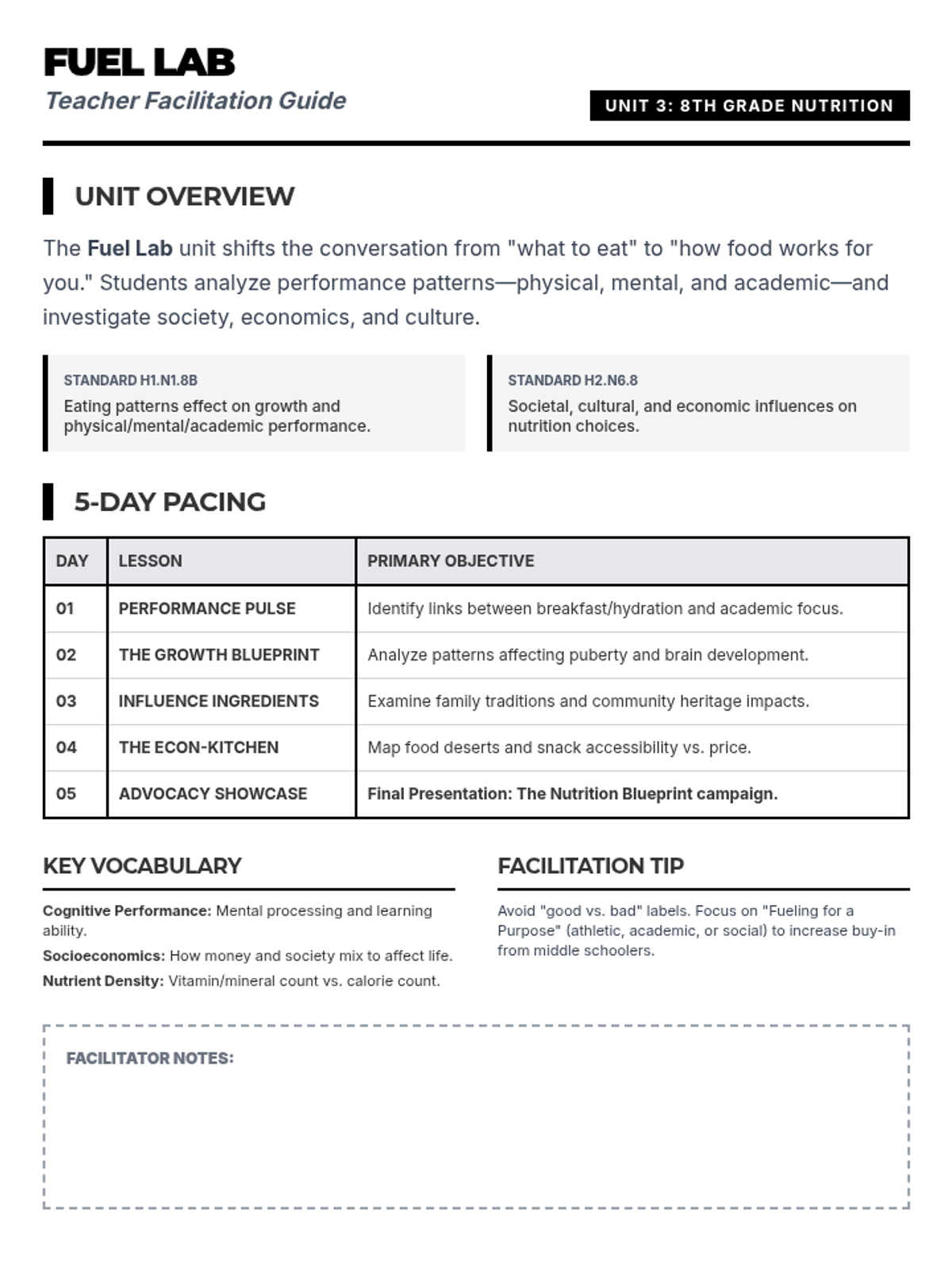
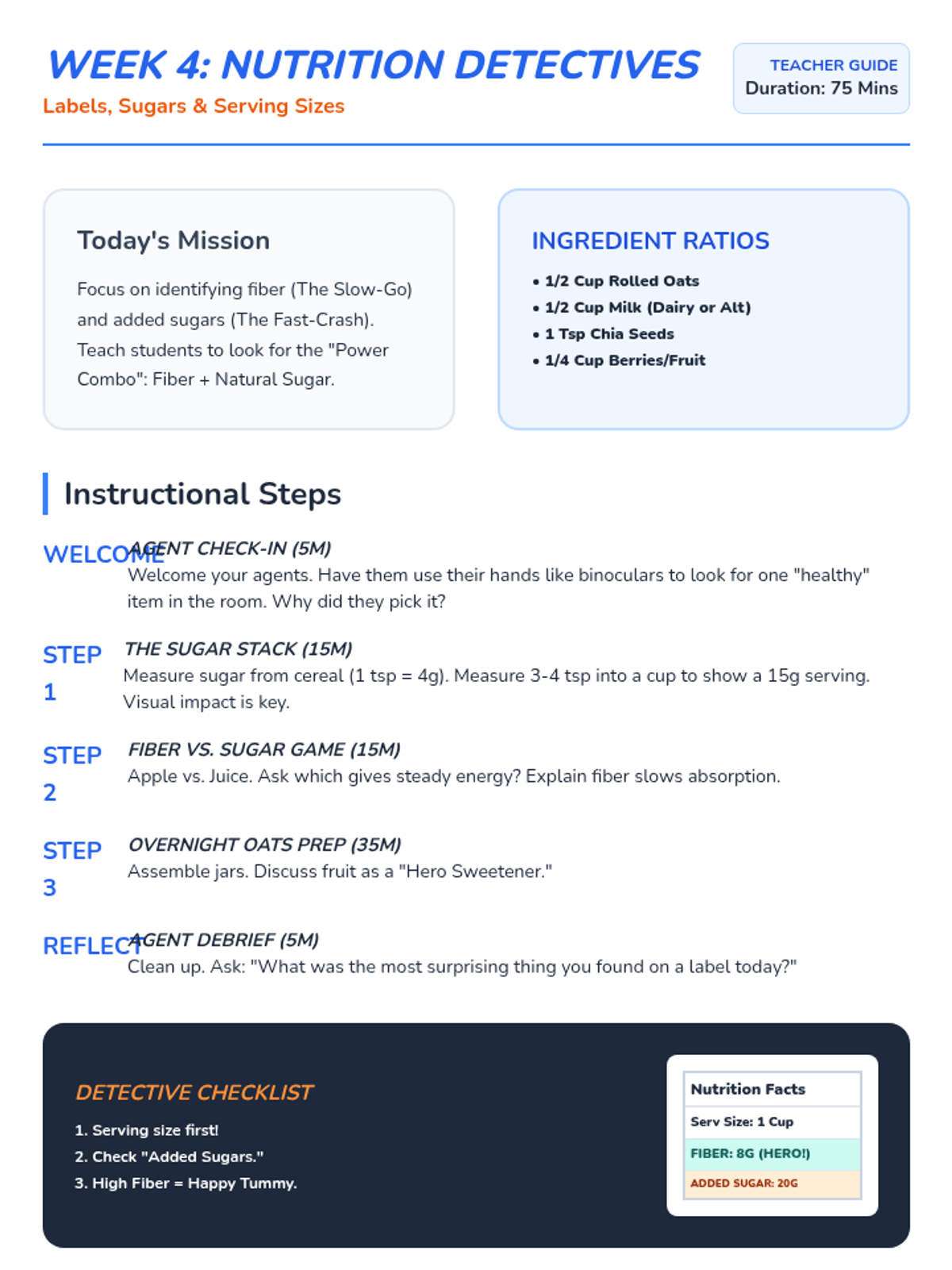
Administrative and planning resources for the Fuel Lab nutrition unit.
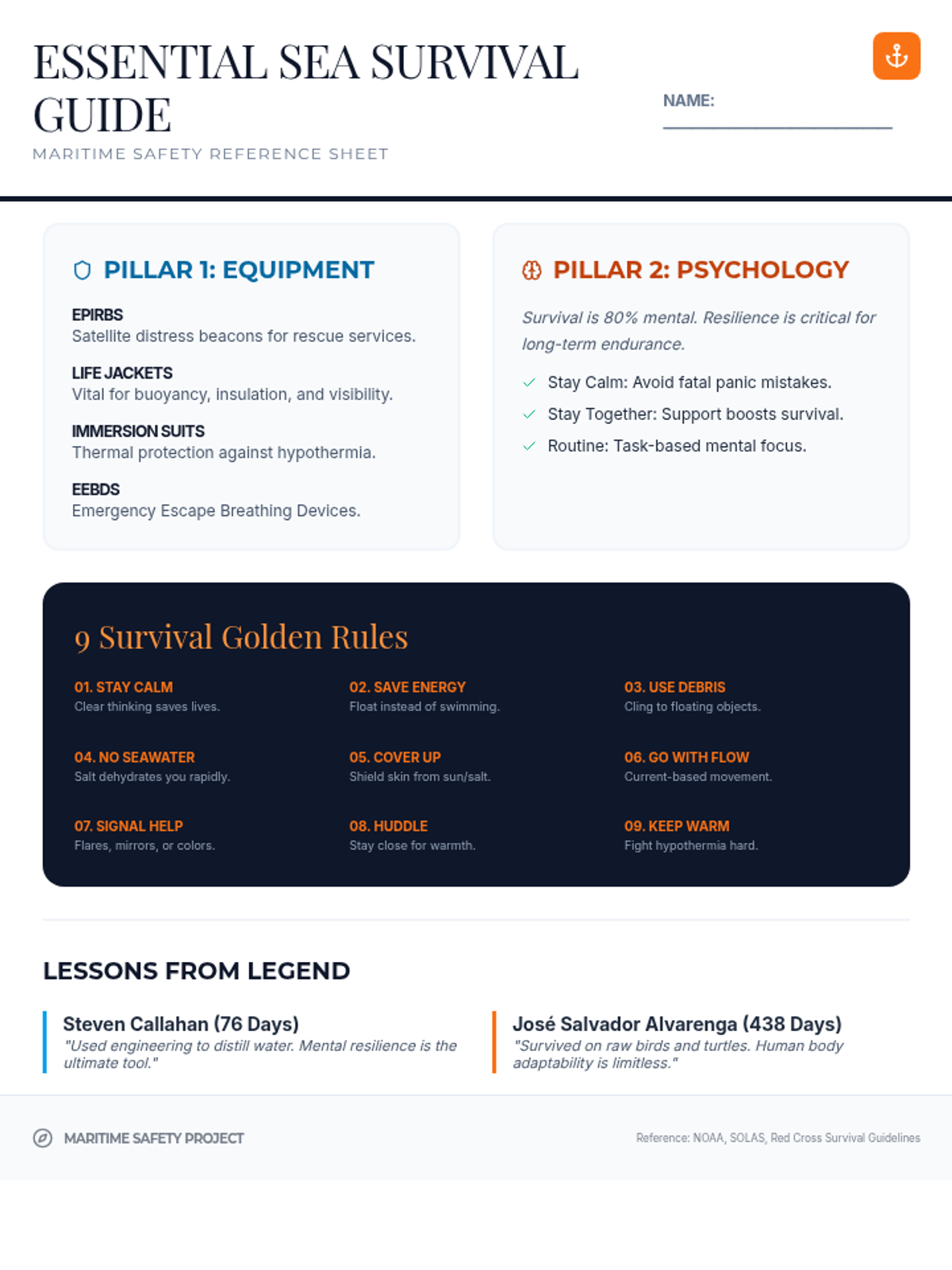
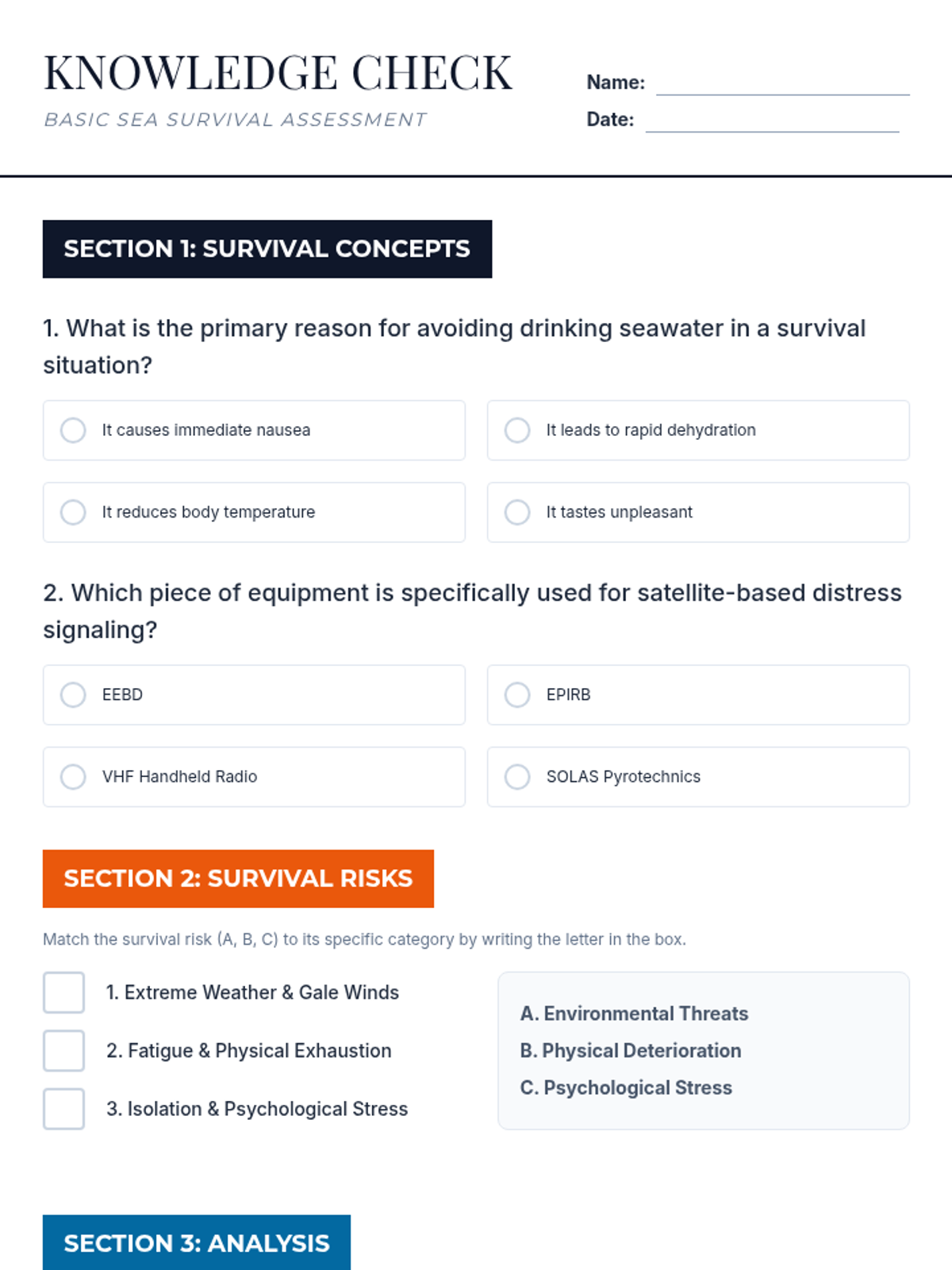
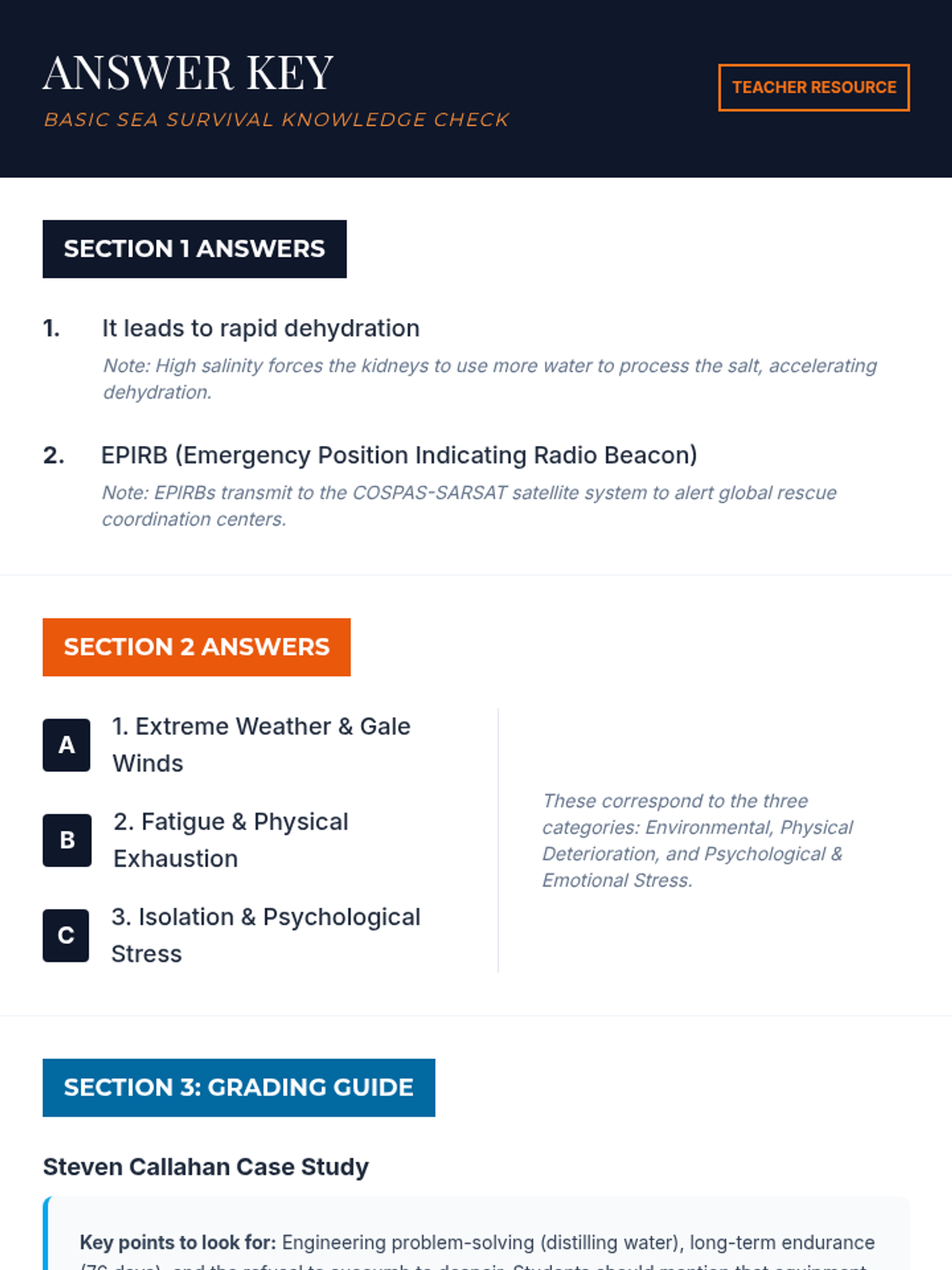
An introductory lesson on the fundamentals of sea survival, covering risks, life-saving equipment, and critical survival procedures.
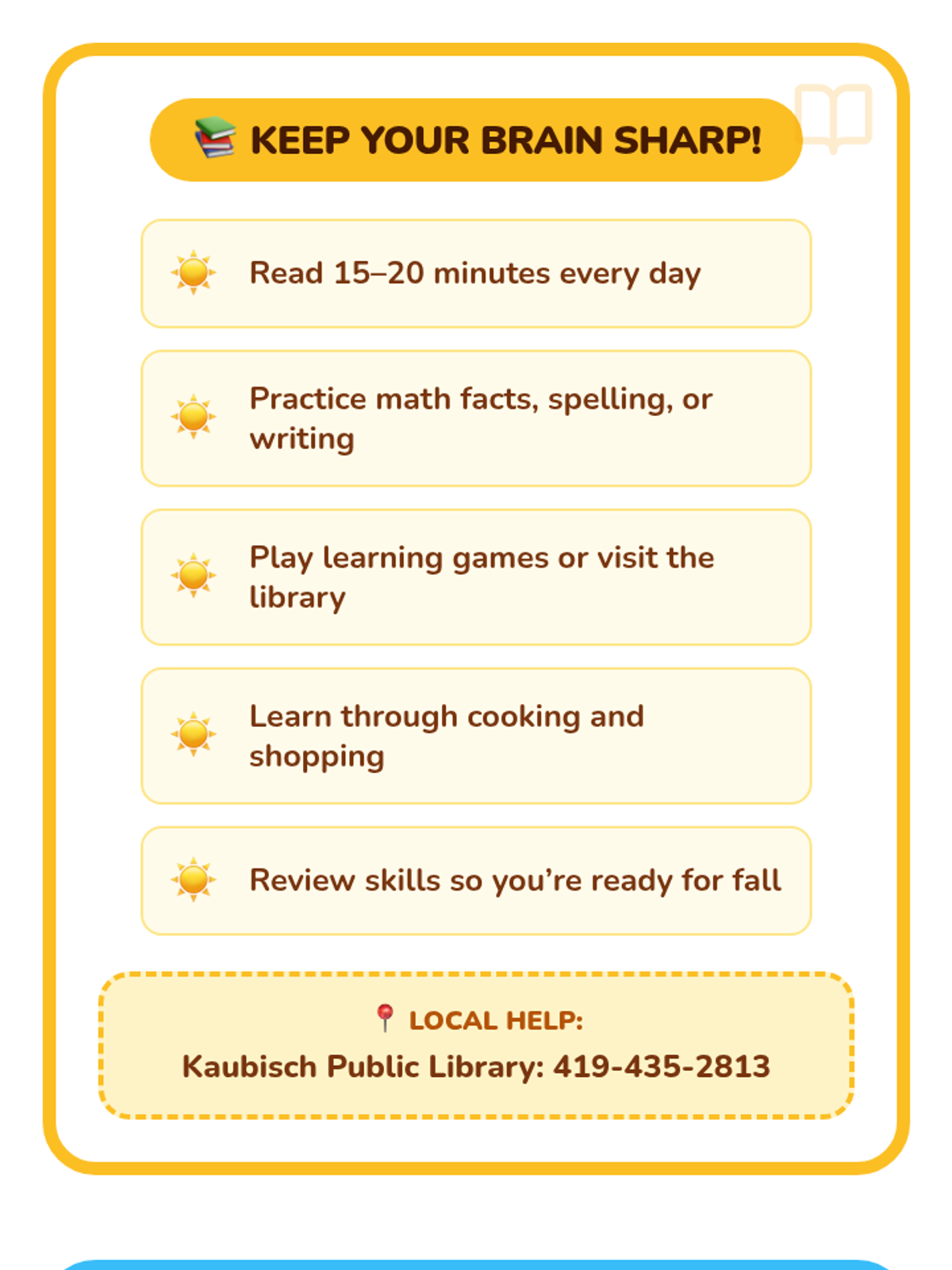
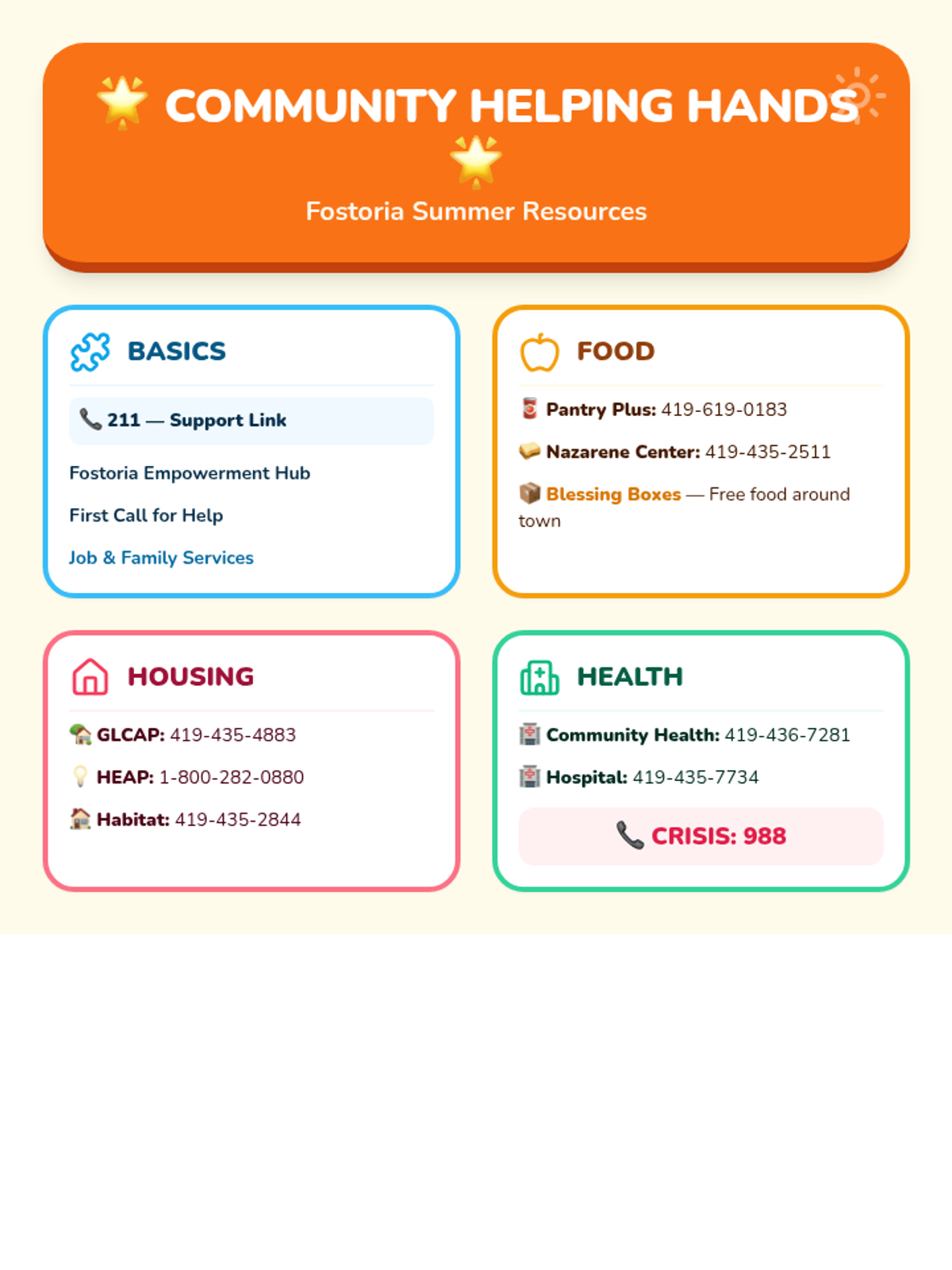
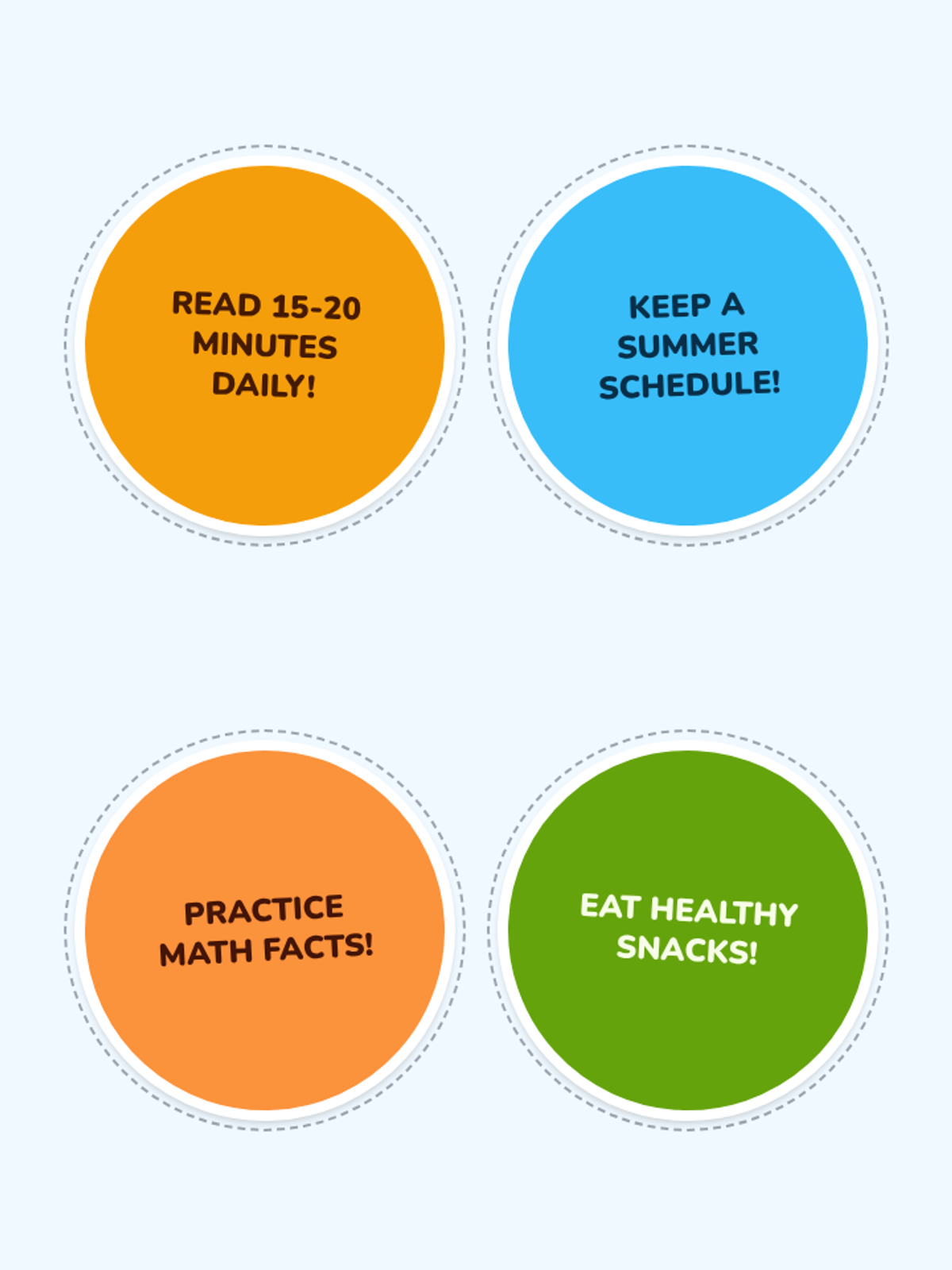
A complete set of vibrant, summer-themed bulletin board materials designed to provide students and families with healthy habits, learning tips, and community resources.
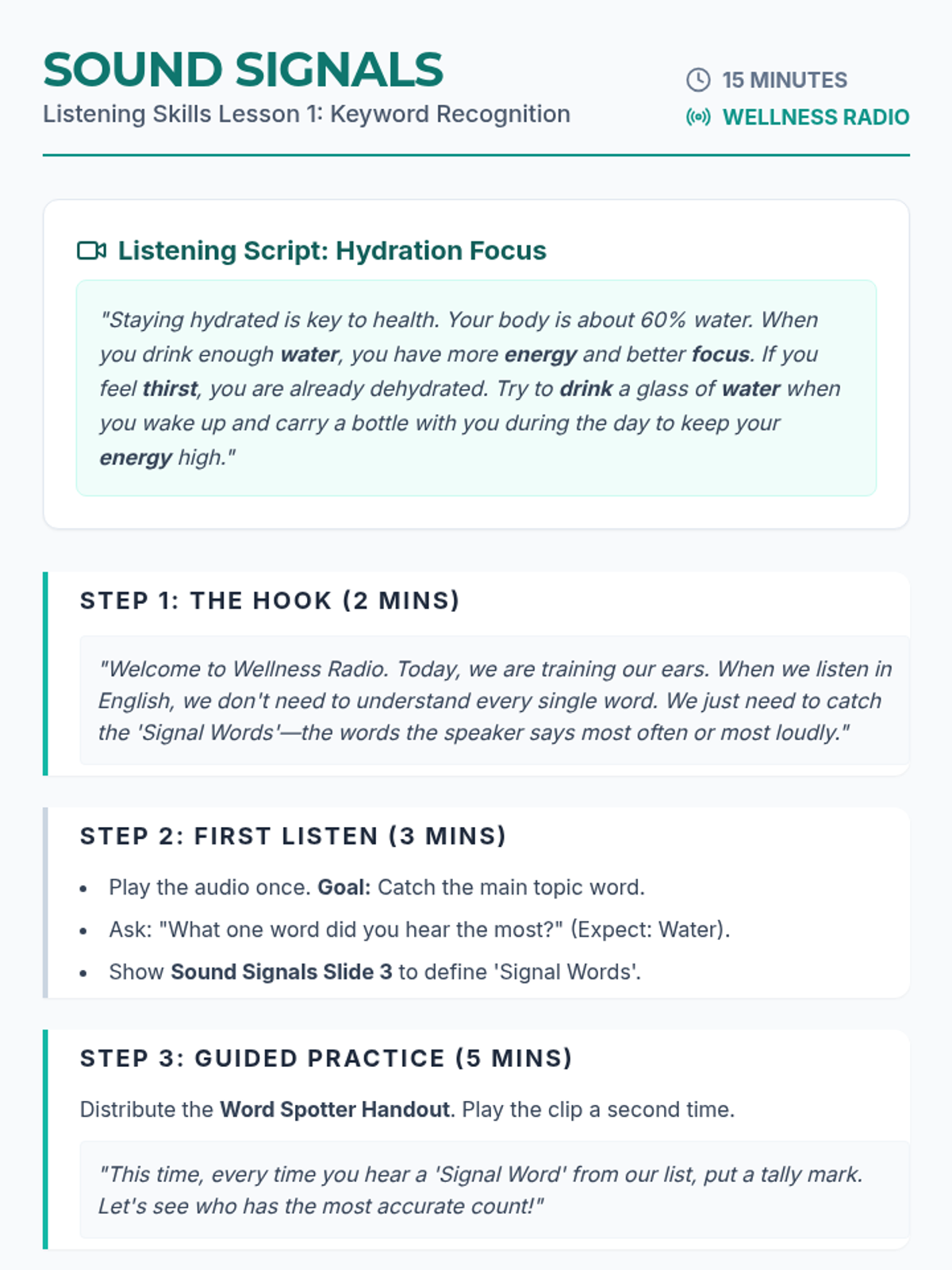
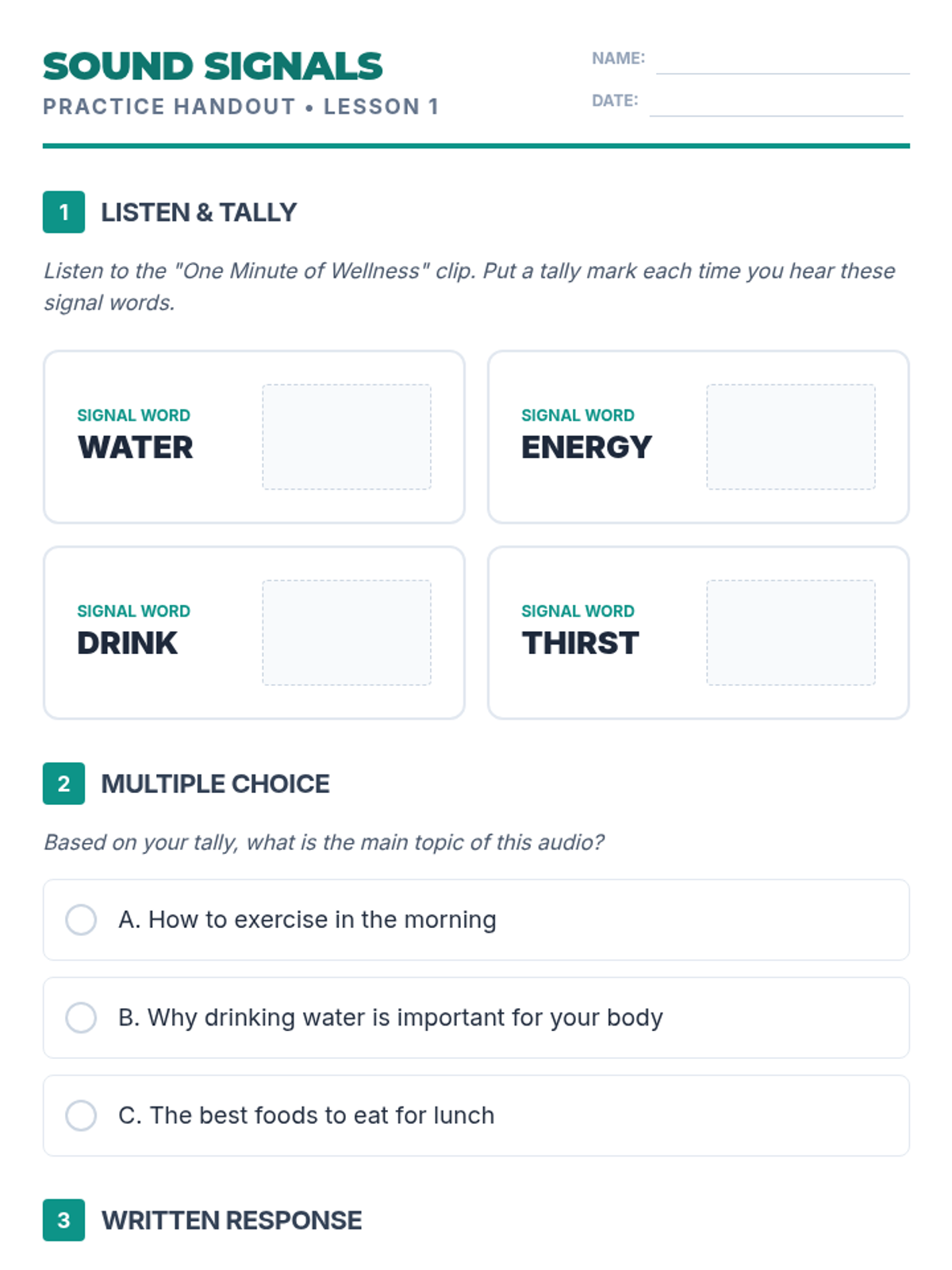
Students focus on 'listening for signals'—identifying specific keywords and vocabulary words in a 60-second wellness tip about hydration.
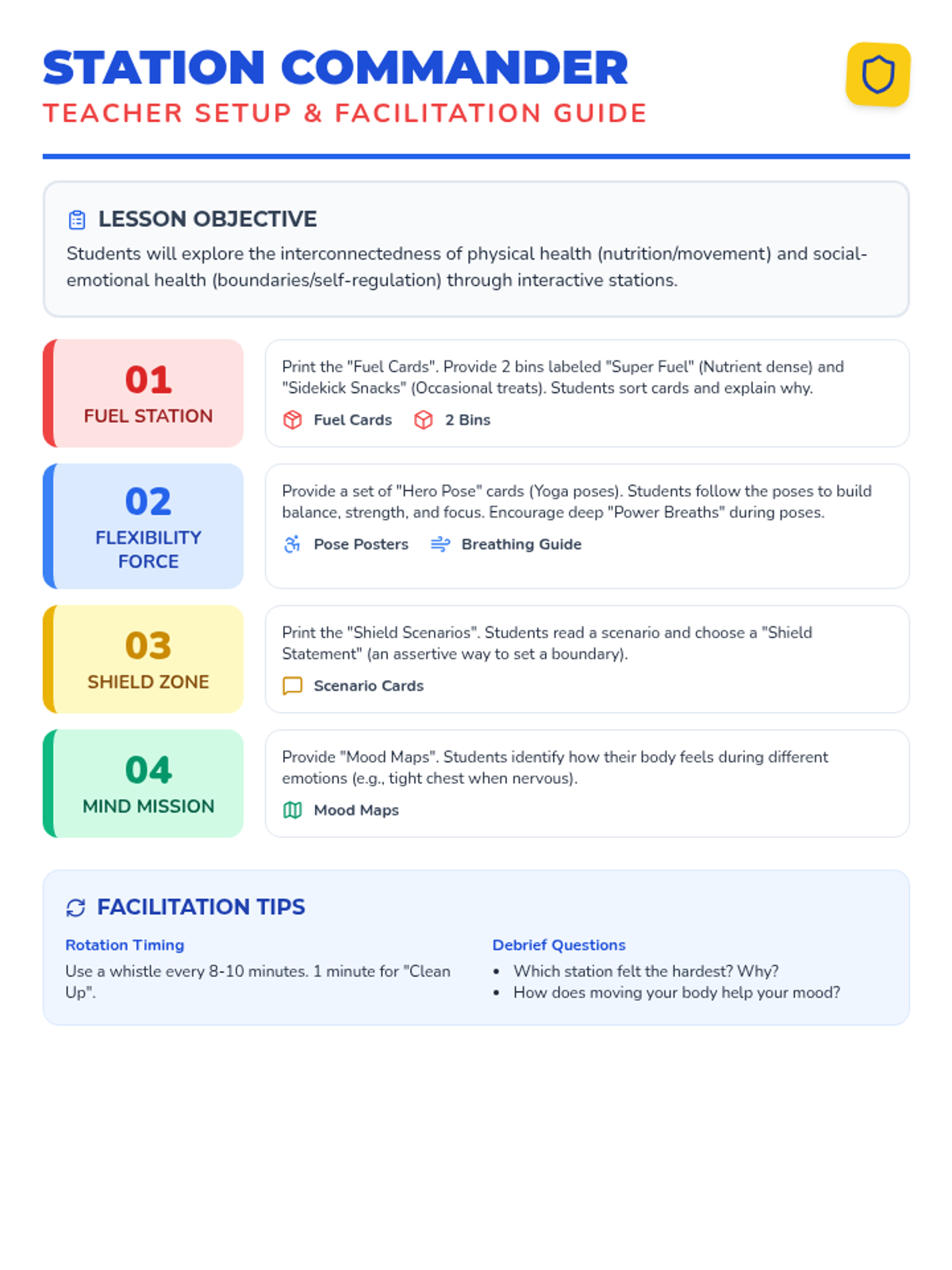
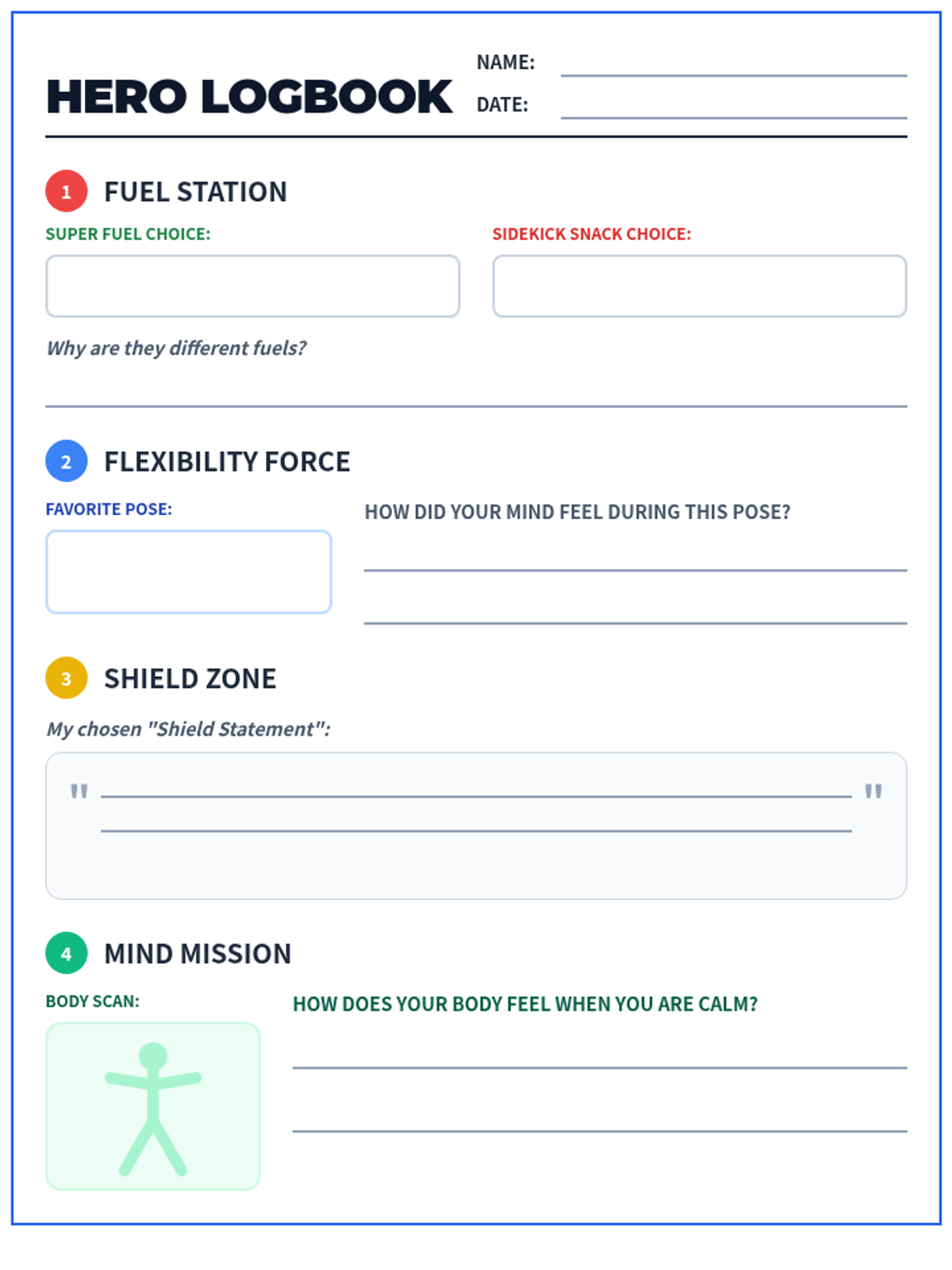
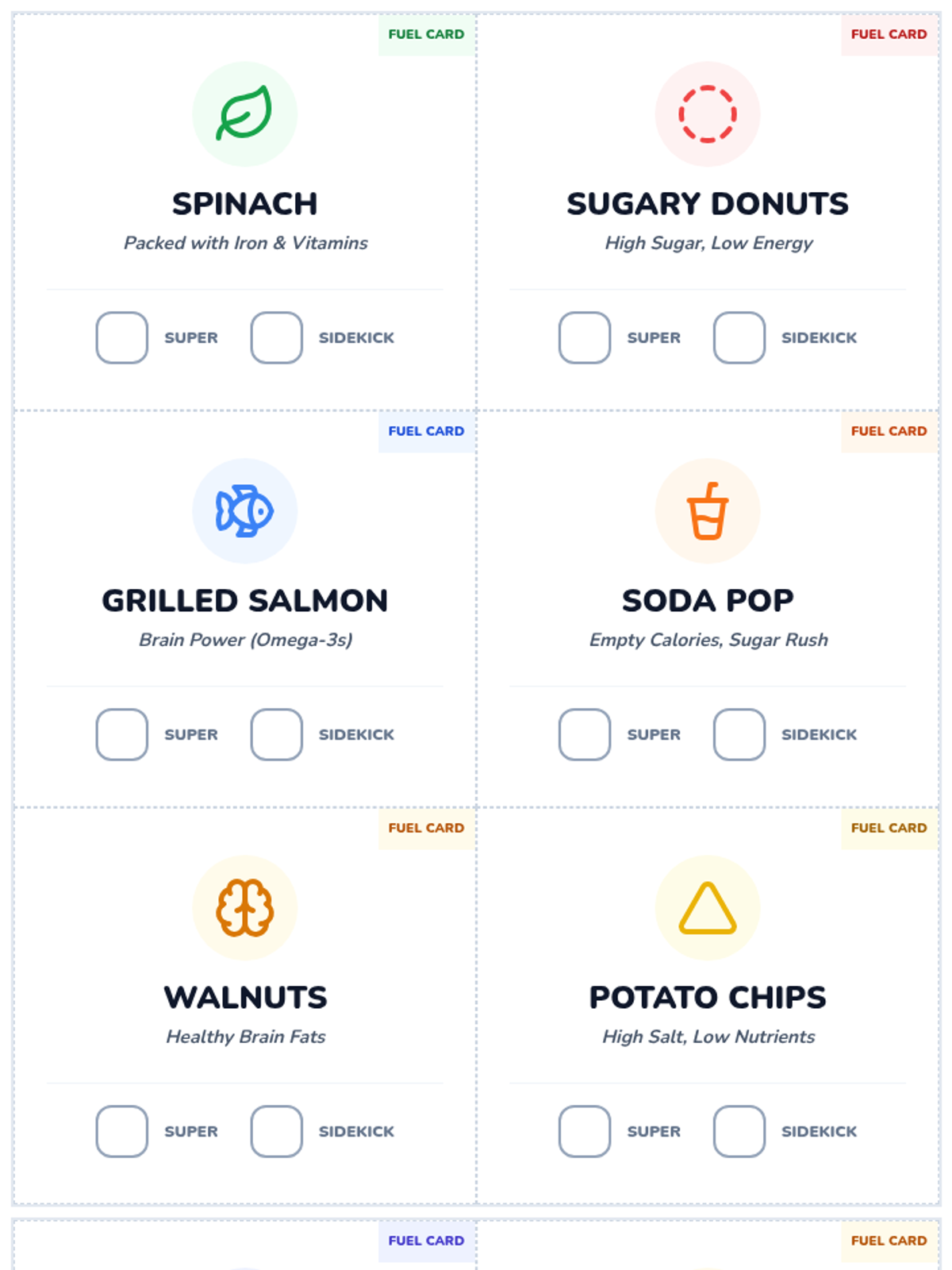
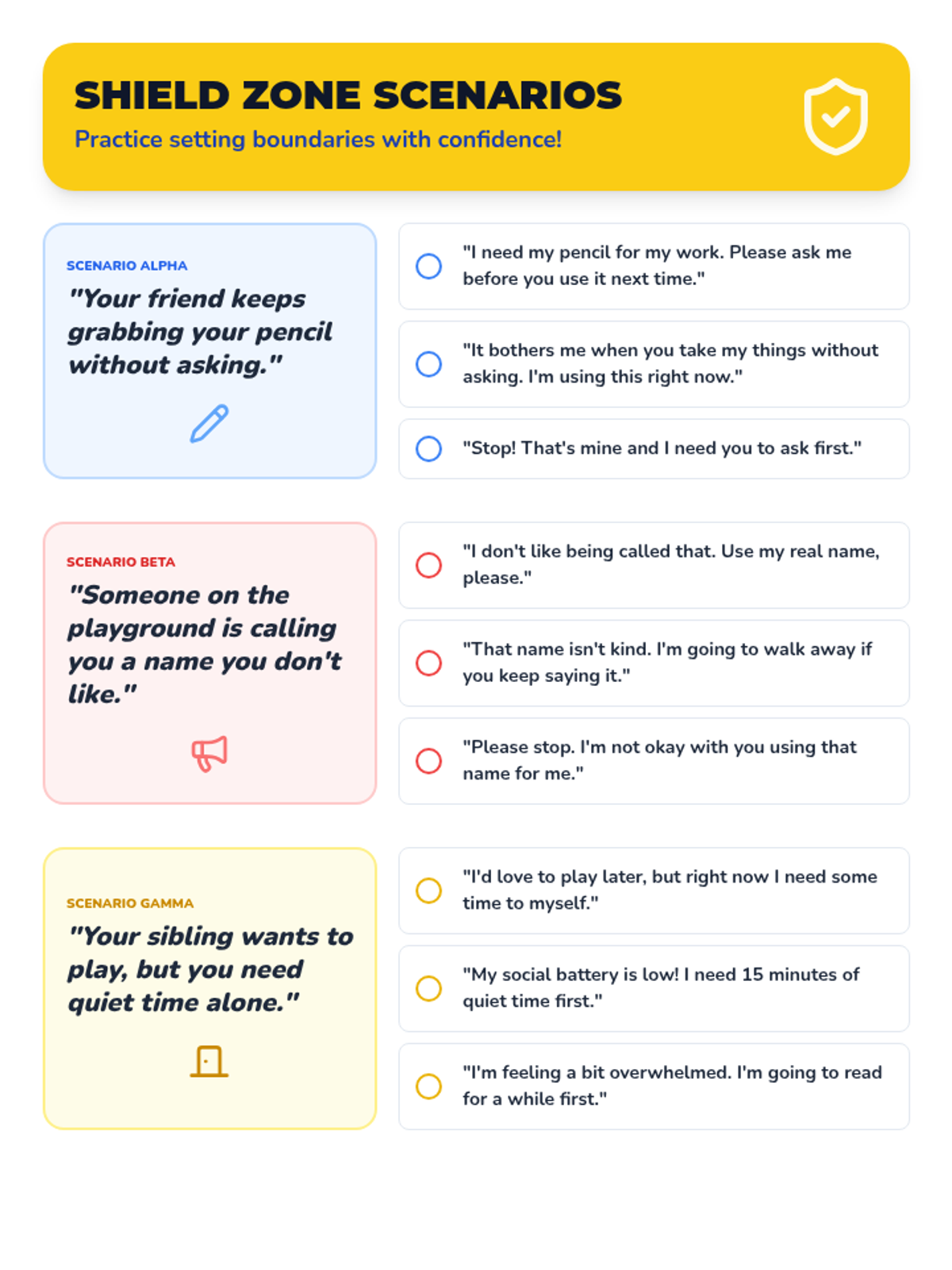
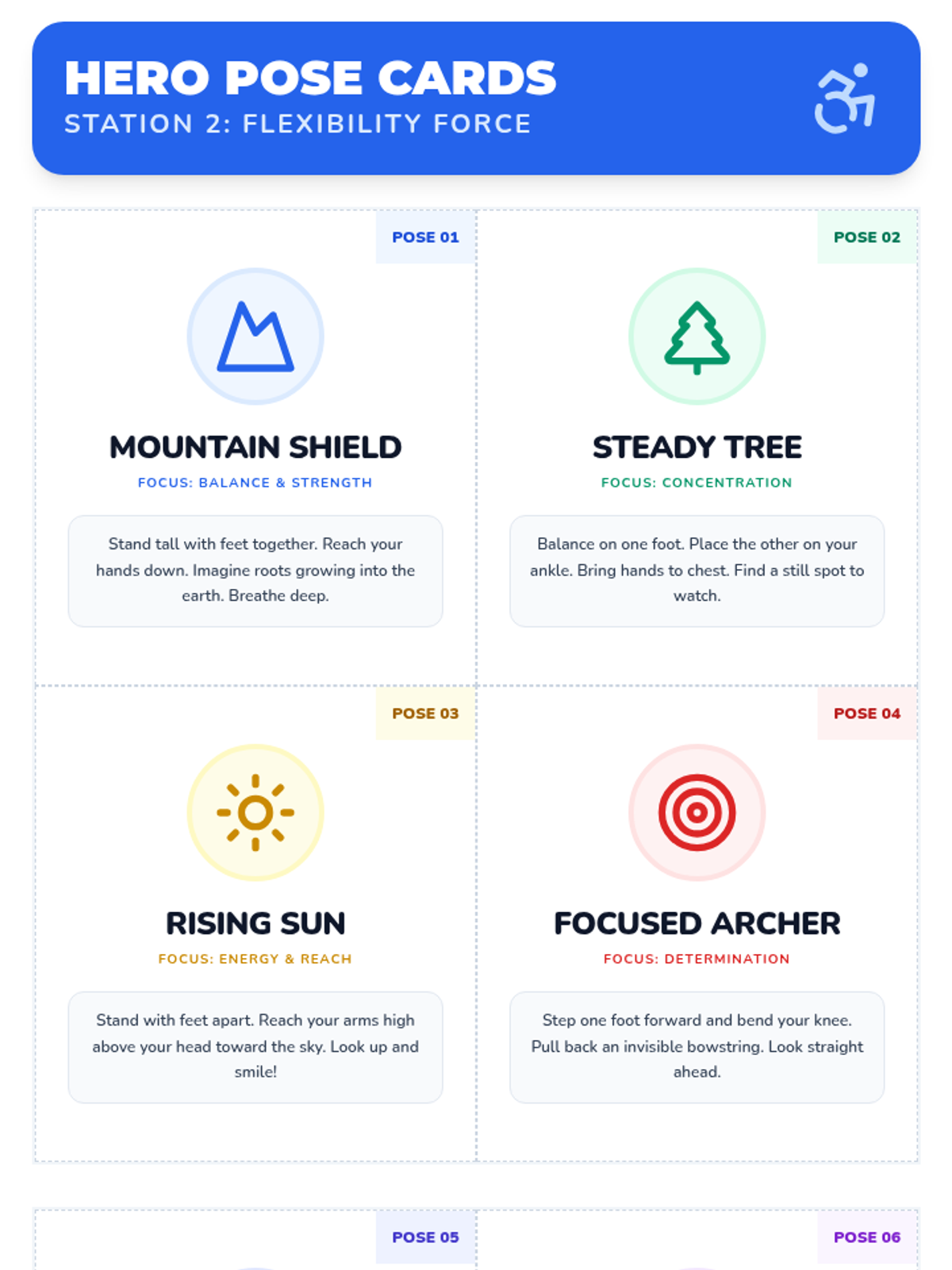
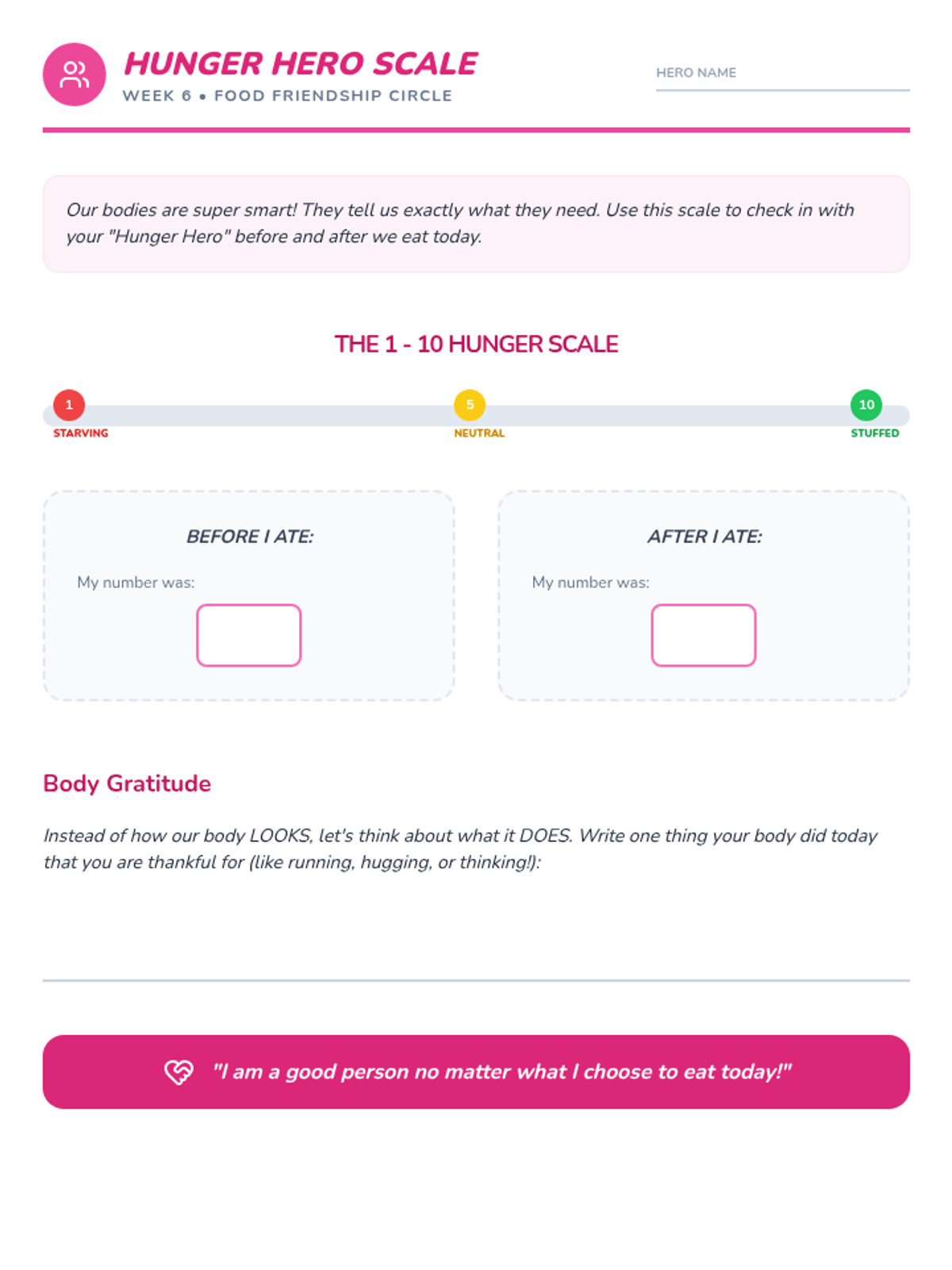
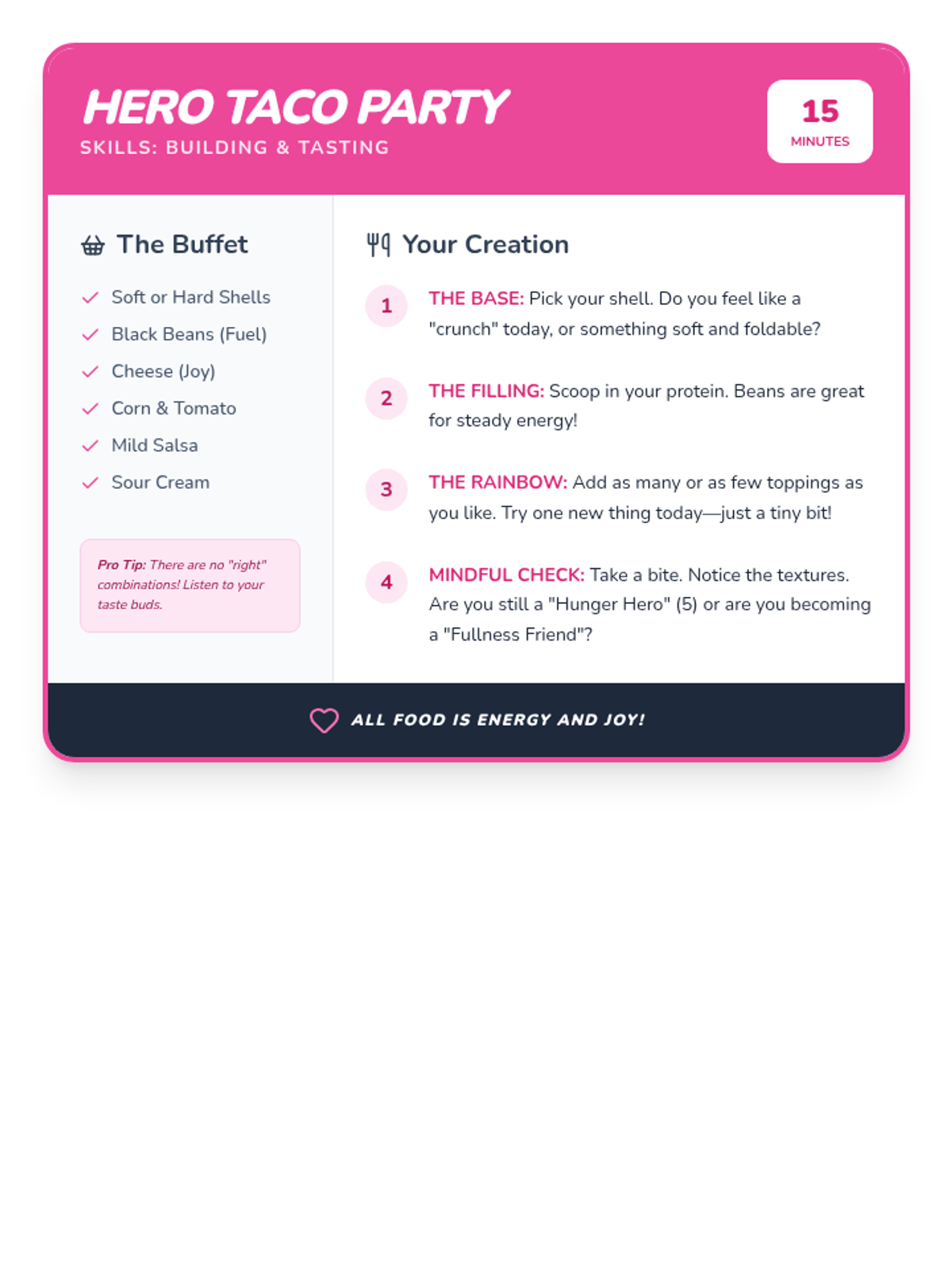
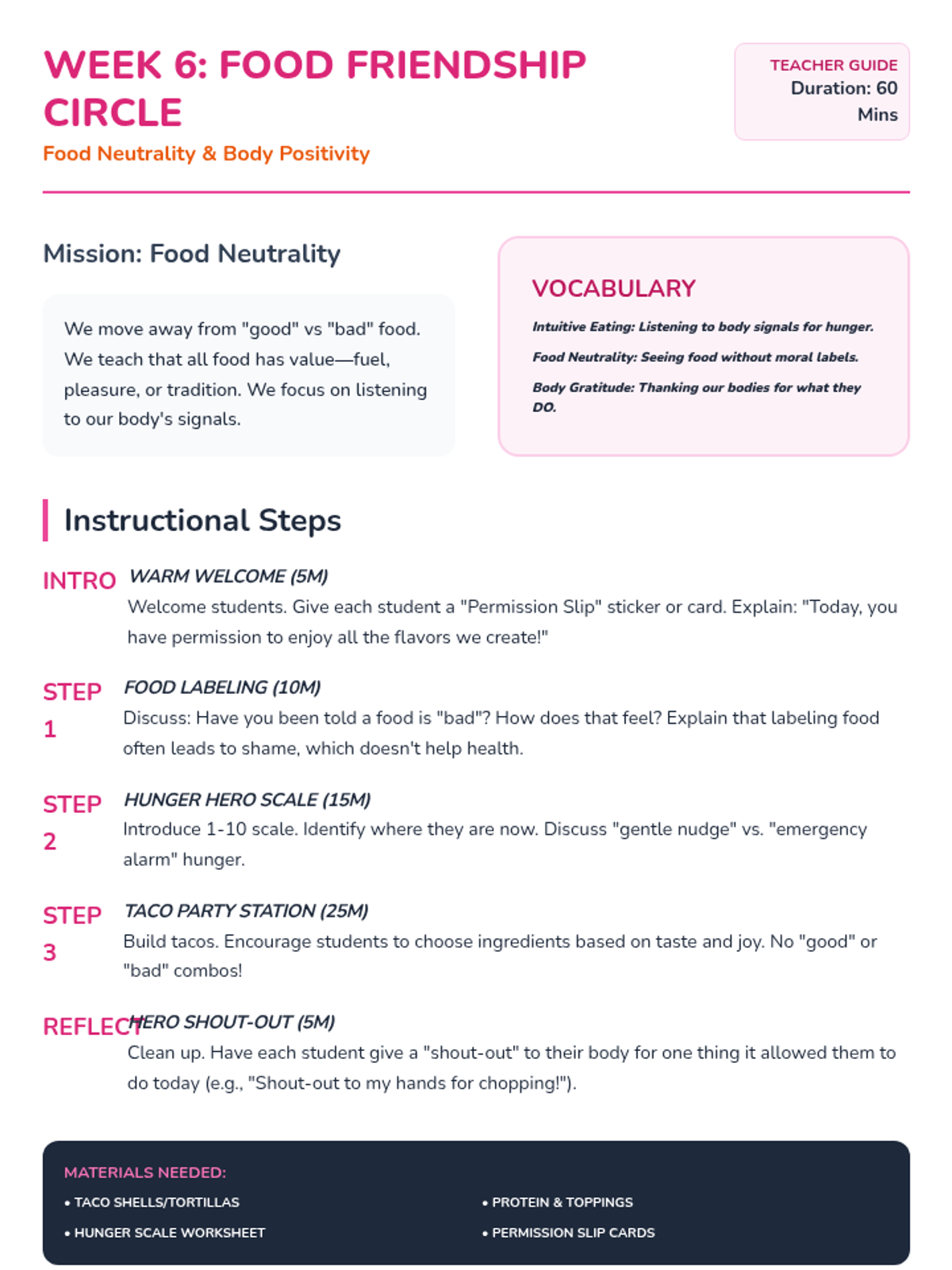
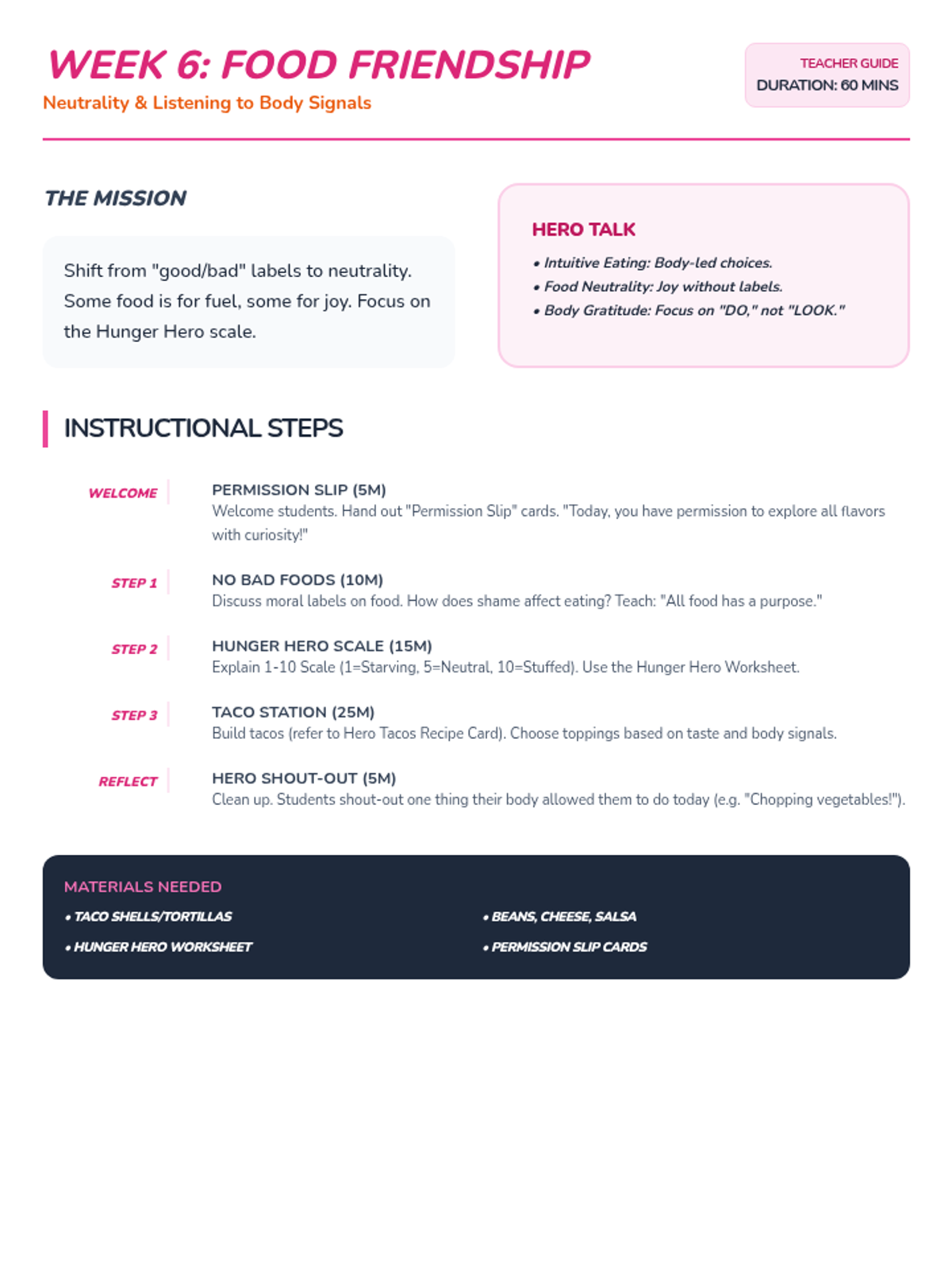
An interactive, station-based lesson that teaches 4th graders how to balance physical health (nutrition and exercise) with social-emotional well-being (boundaries). Students rotate through "Hero Training" stations to build their healthy habit toolkit.
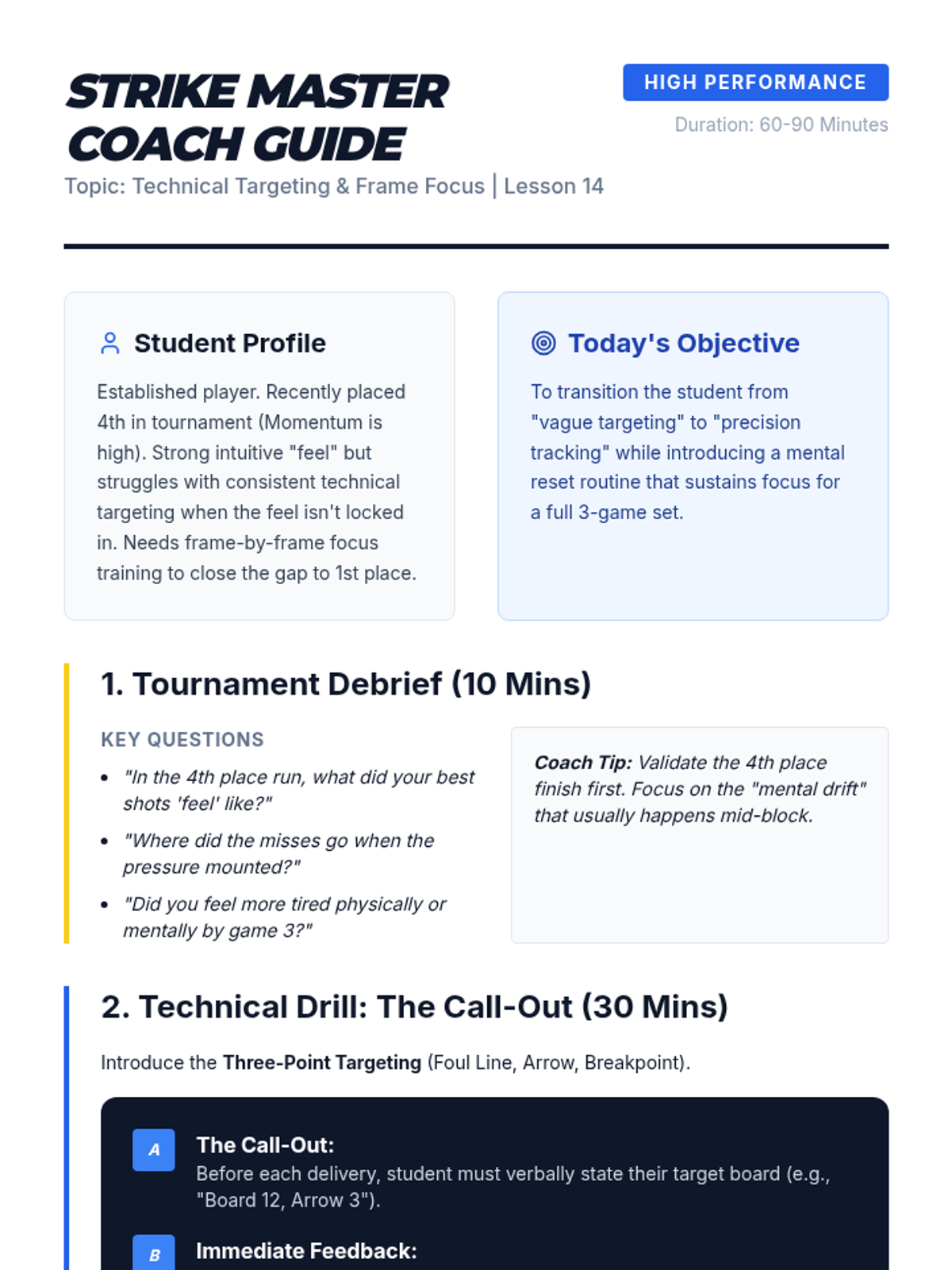
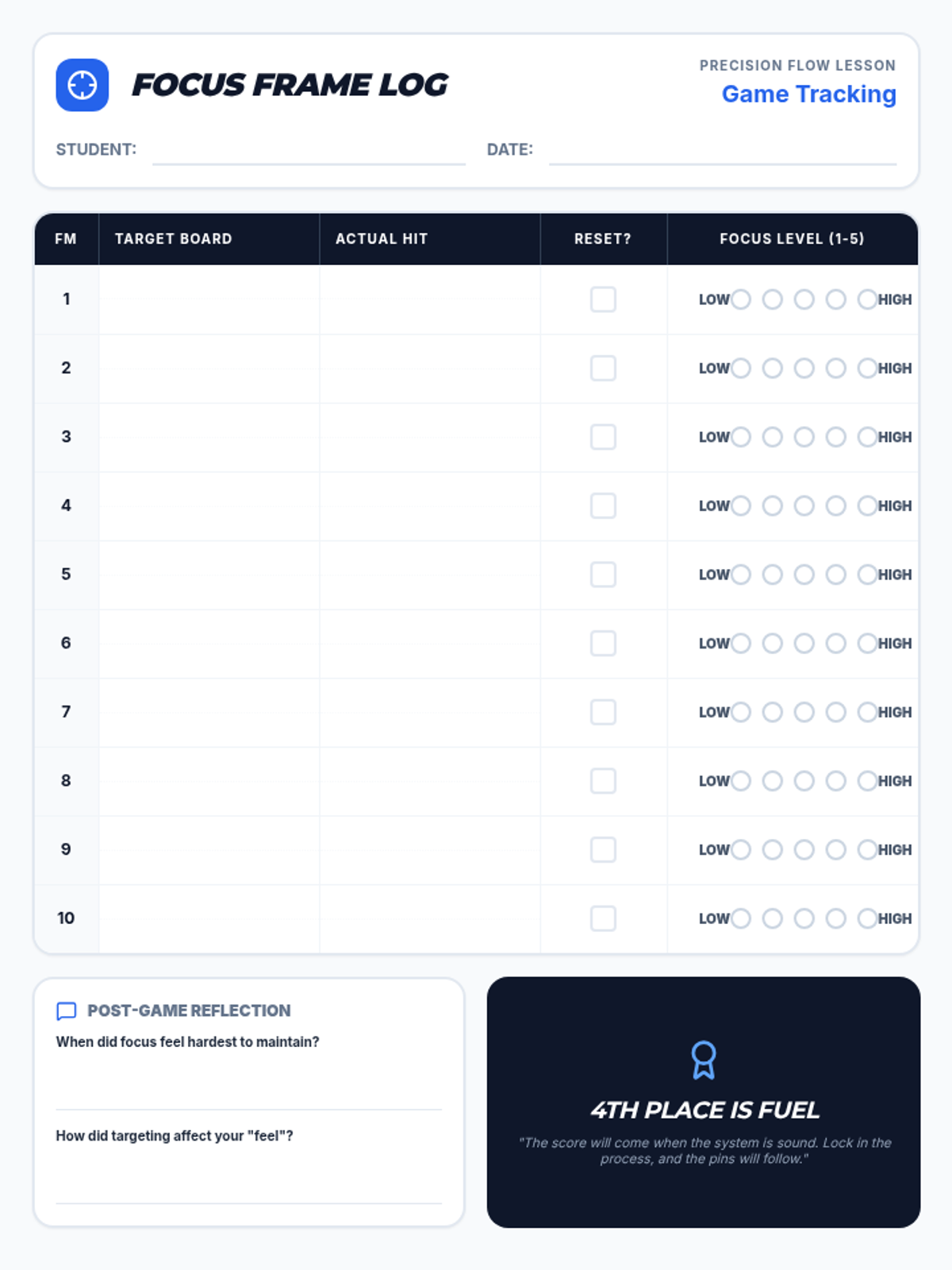
A high-performance bowling lesson designed to bridge the gap between intuitive 'feel' and technical precision targeting. Focused on maintaining mental stamina and frame-by-frame consistency for competitive athletes.
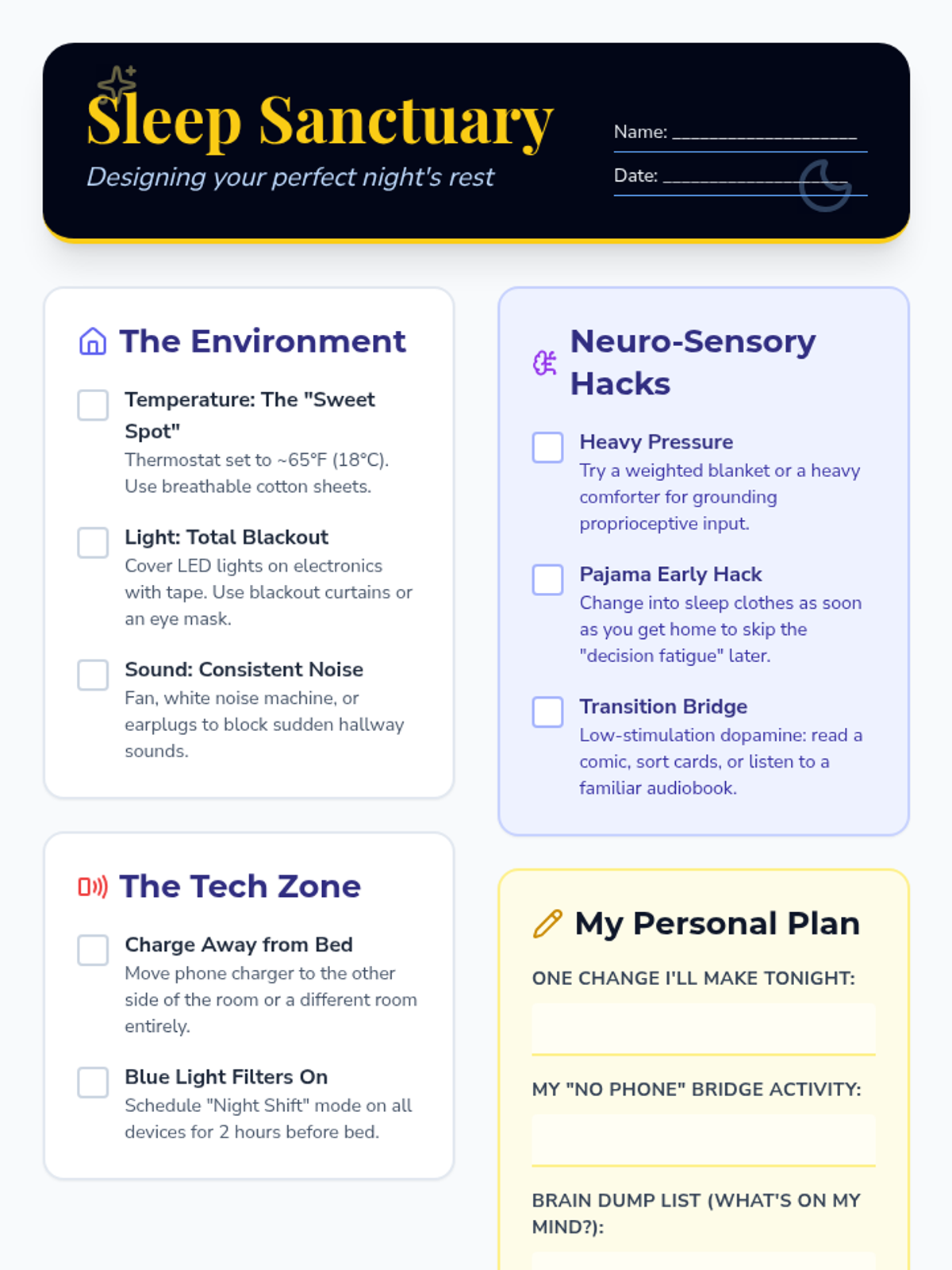
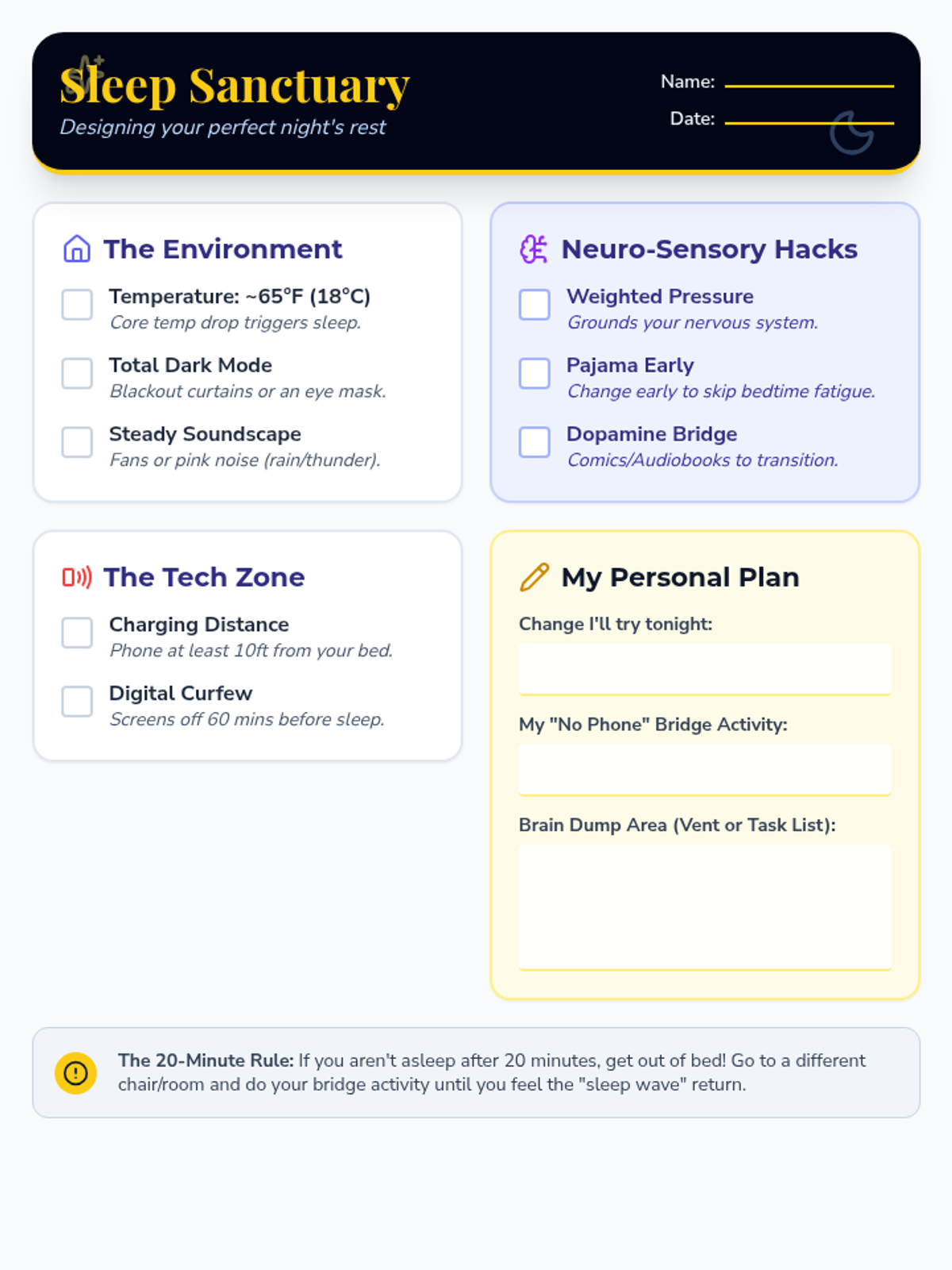
A lesson designed for high schoolers to understand the physiological and cognitive importance of sleep, along with practical sleep hygiene strategies.
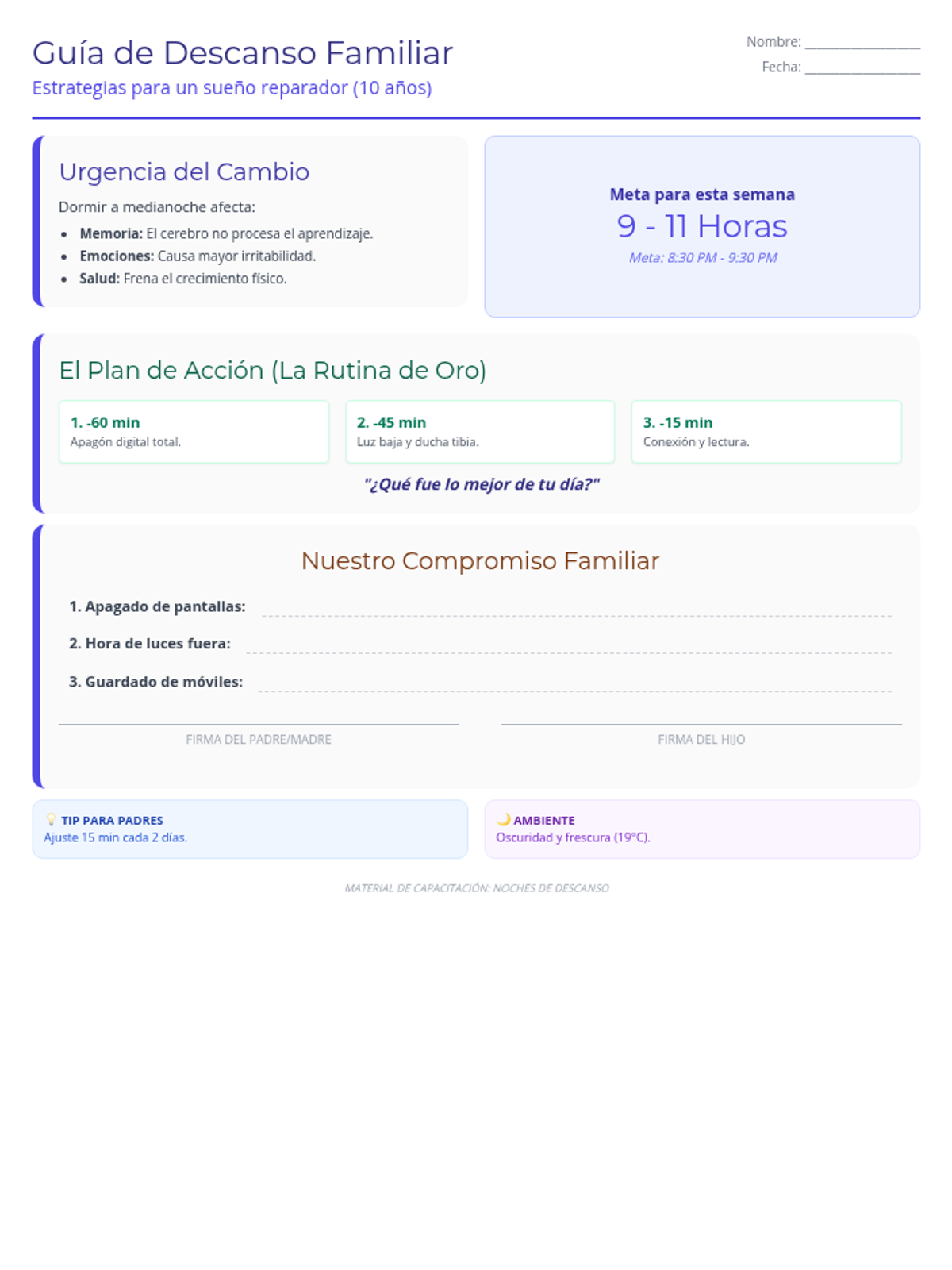
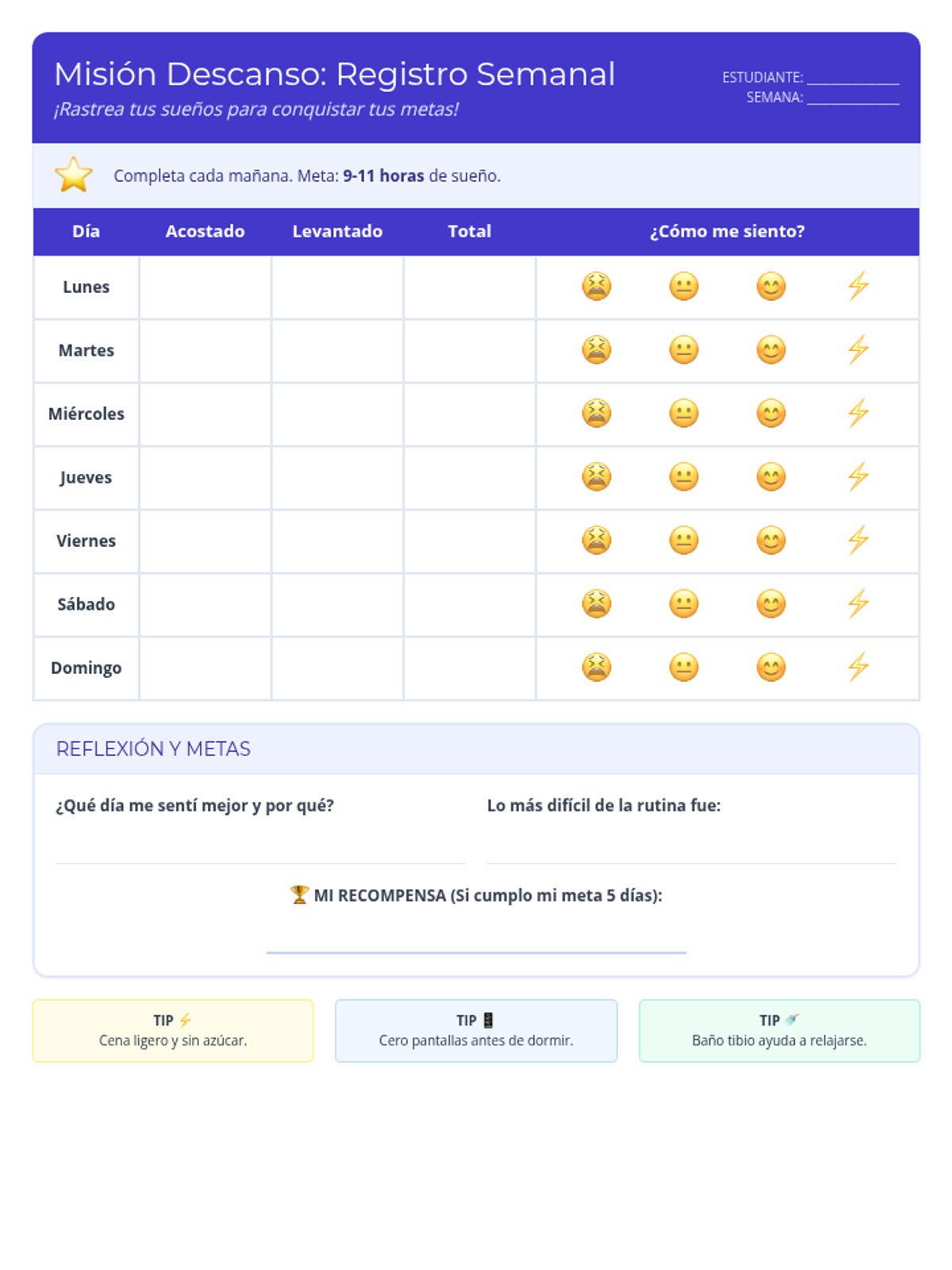
Una lección diseñada para padres sobre la importancia del sueño en niños de 10 años, enfocándose en el desarrollo cerebral, el rendimiento escolar y la creación de rutinas saludables.
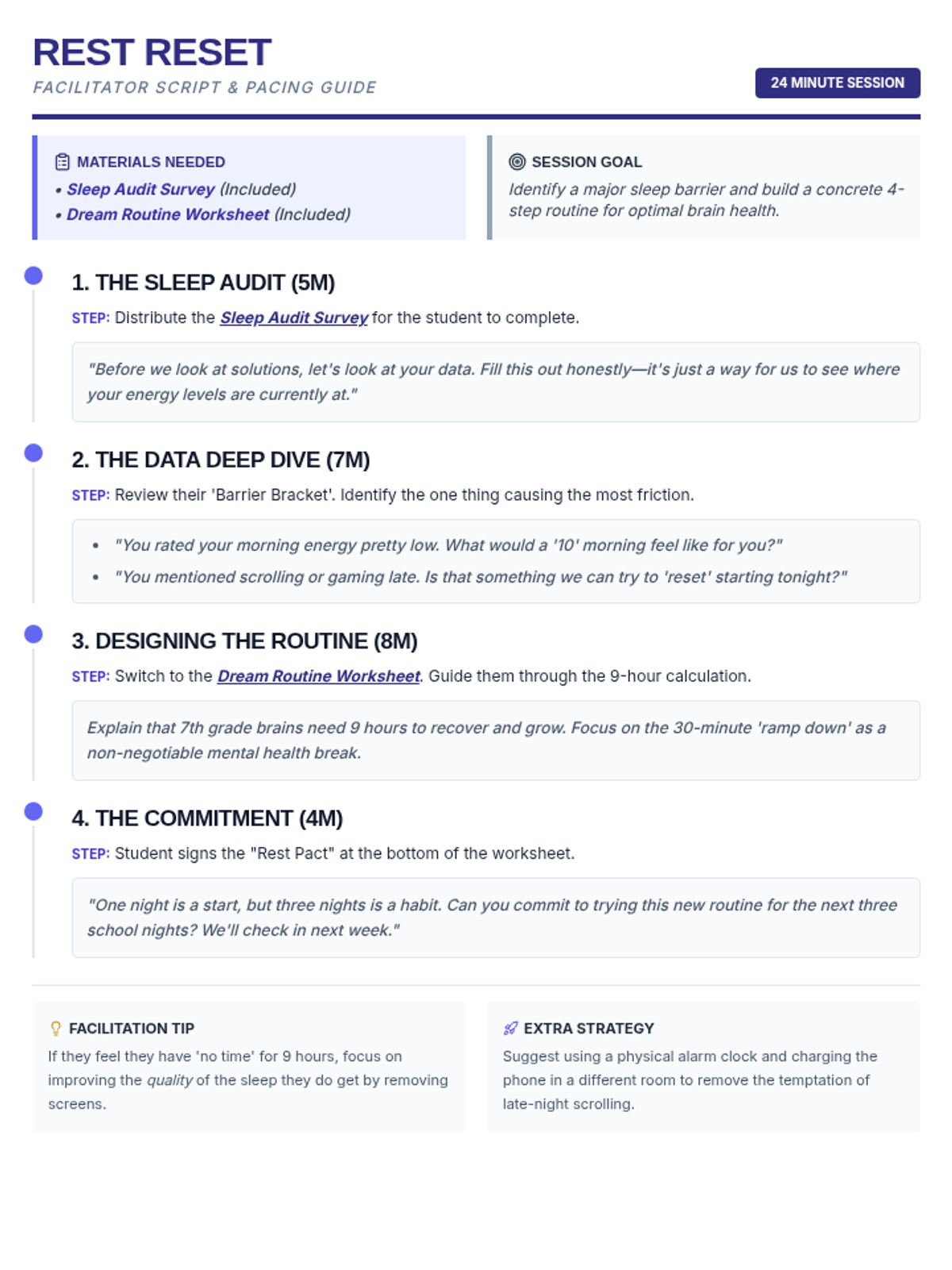
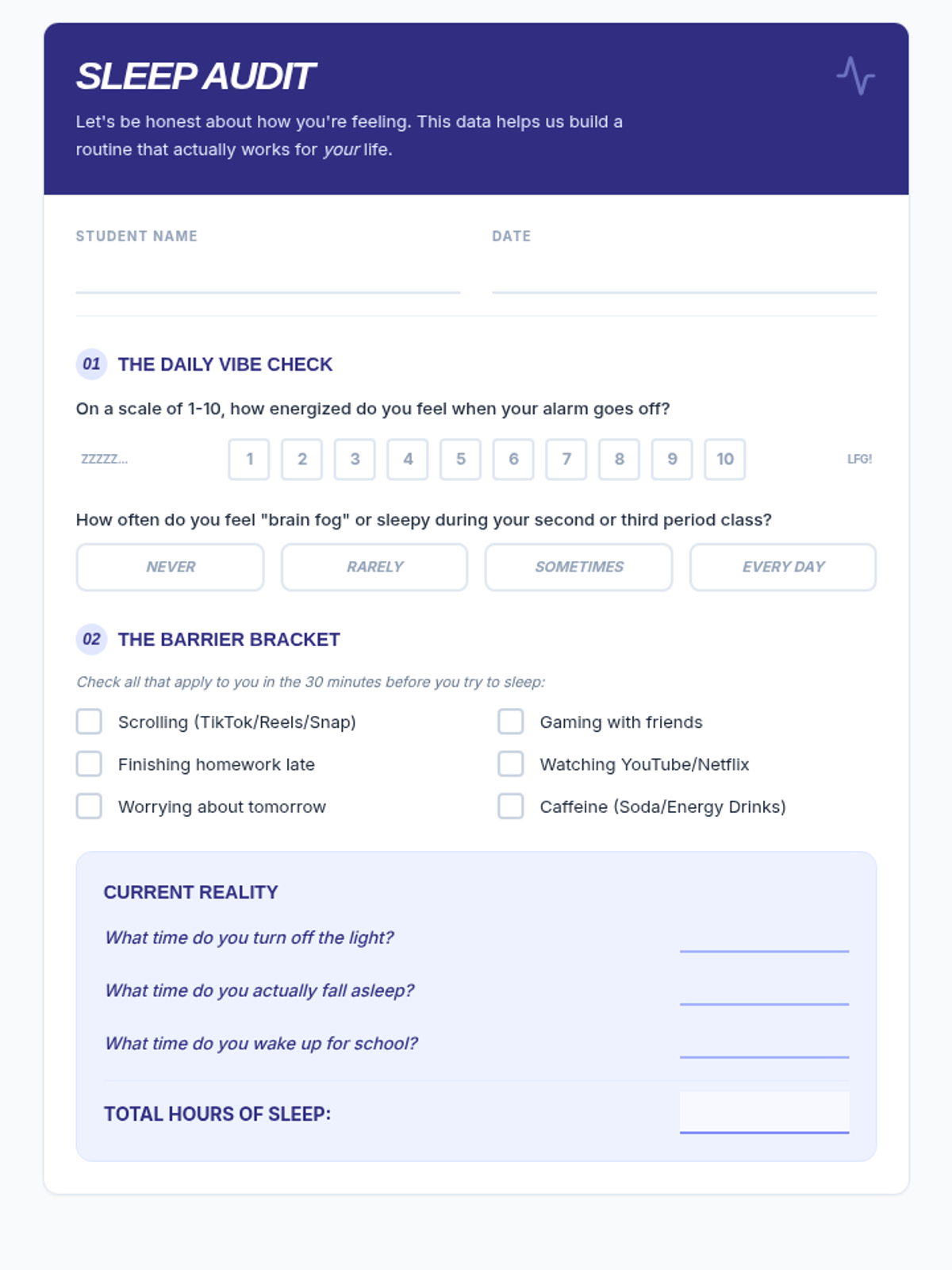
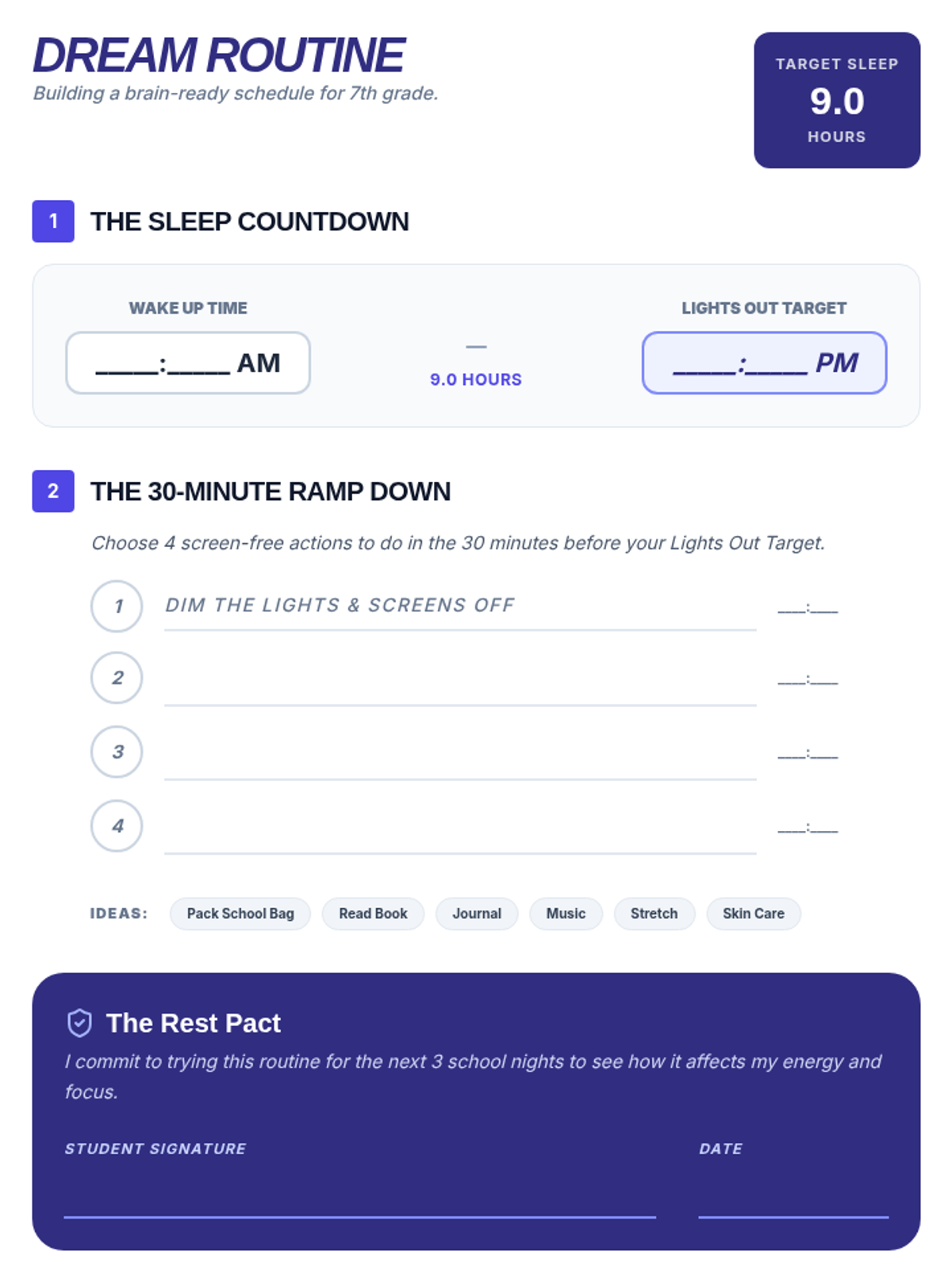
A focused 24-minute session designed to help middle schoolers audit their current sleep habits and design a sustainable bedtime routine for optimal brain health.
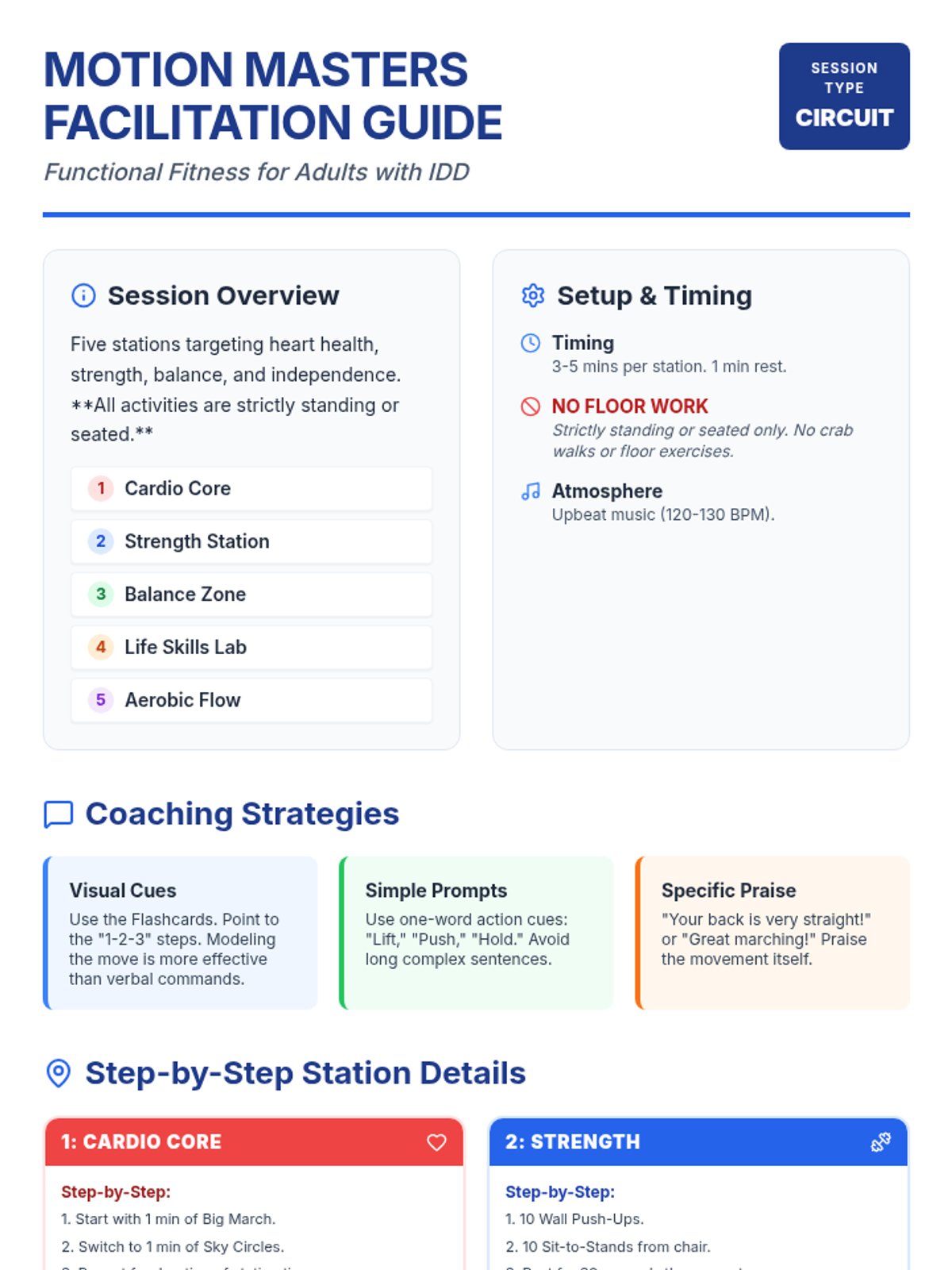
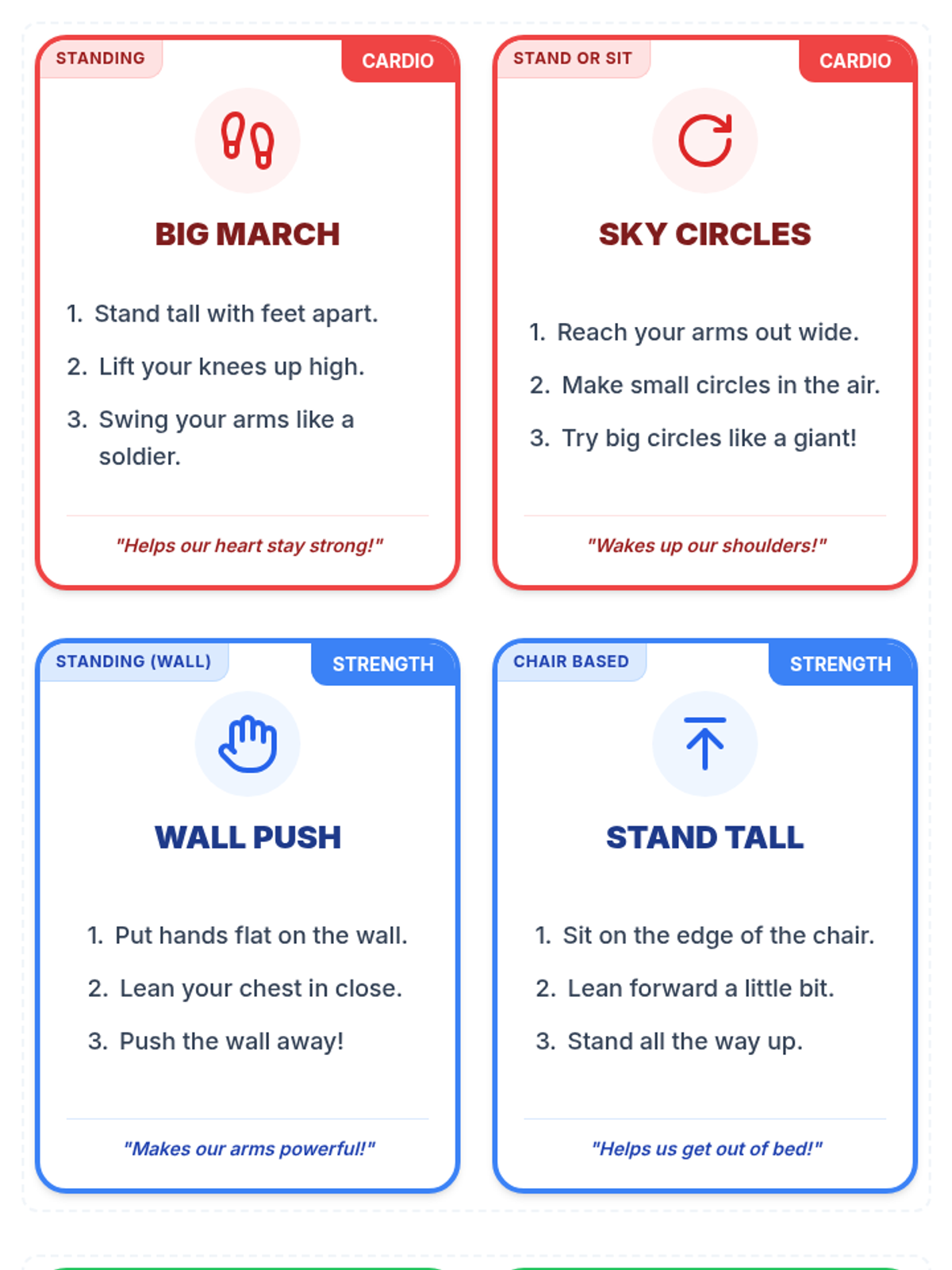
A comprehensive fitness program designed for adults with IDD, focusing on functional movement, strength, and daily living skills through circuit-based stations.
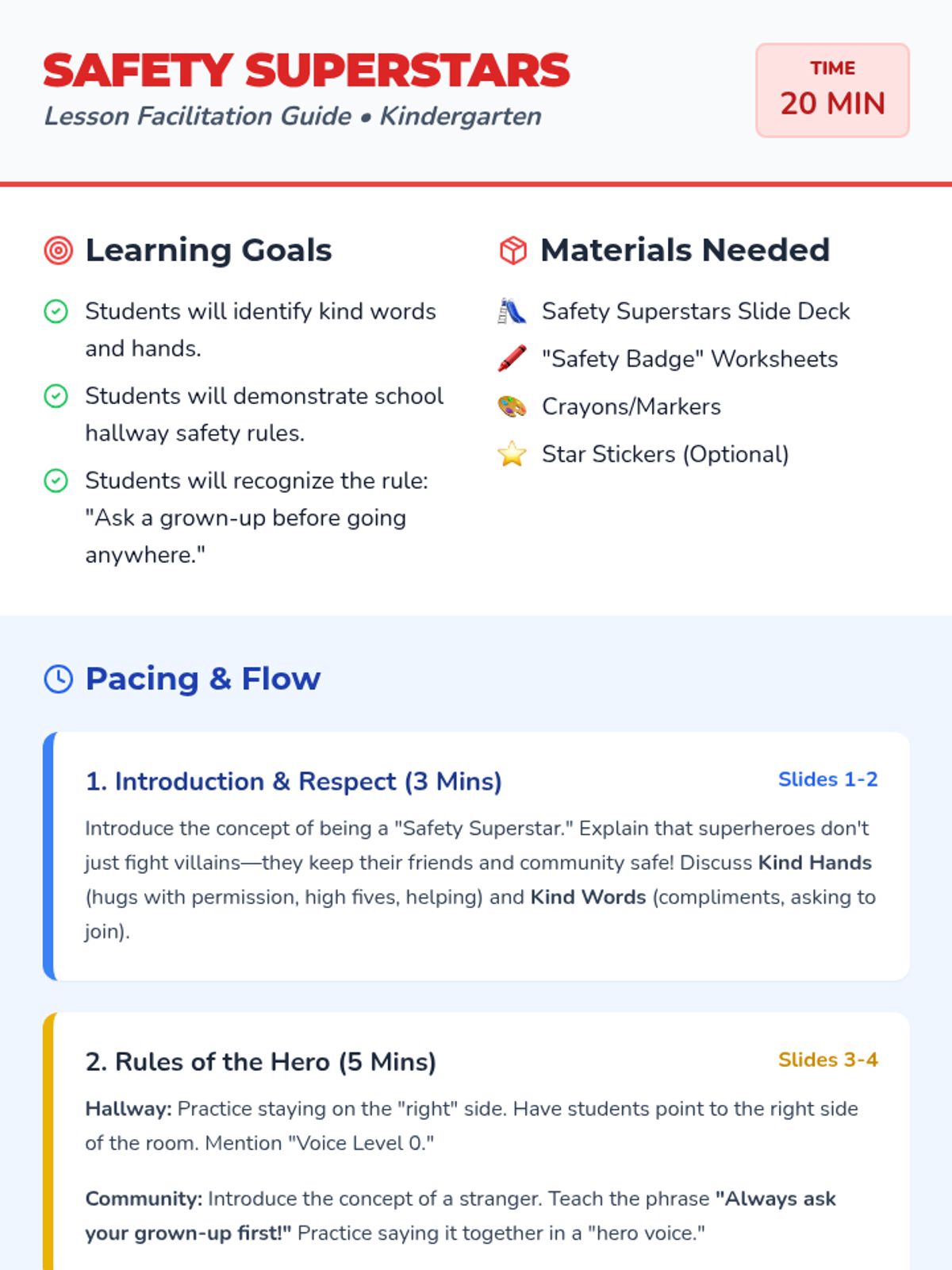
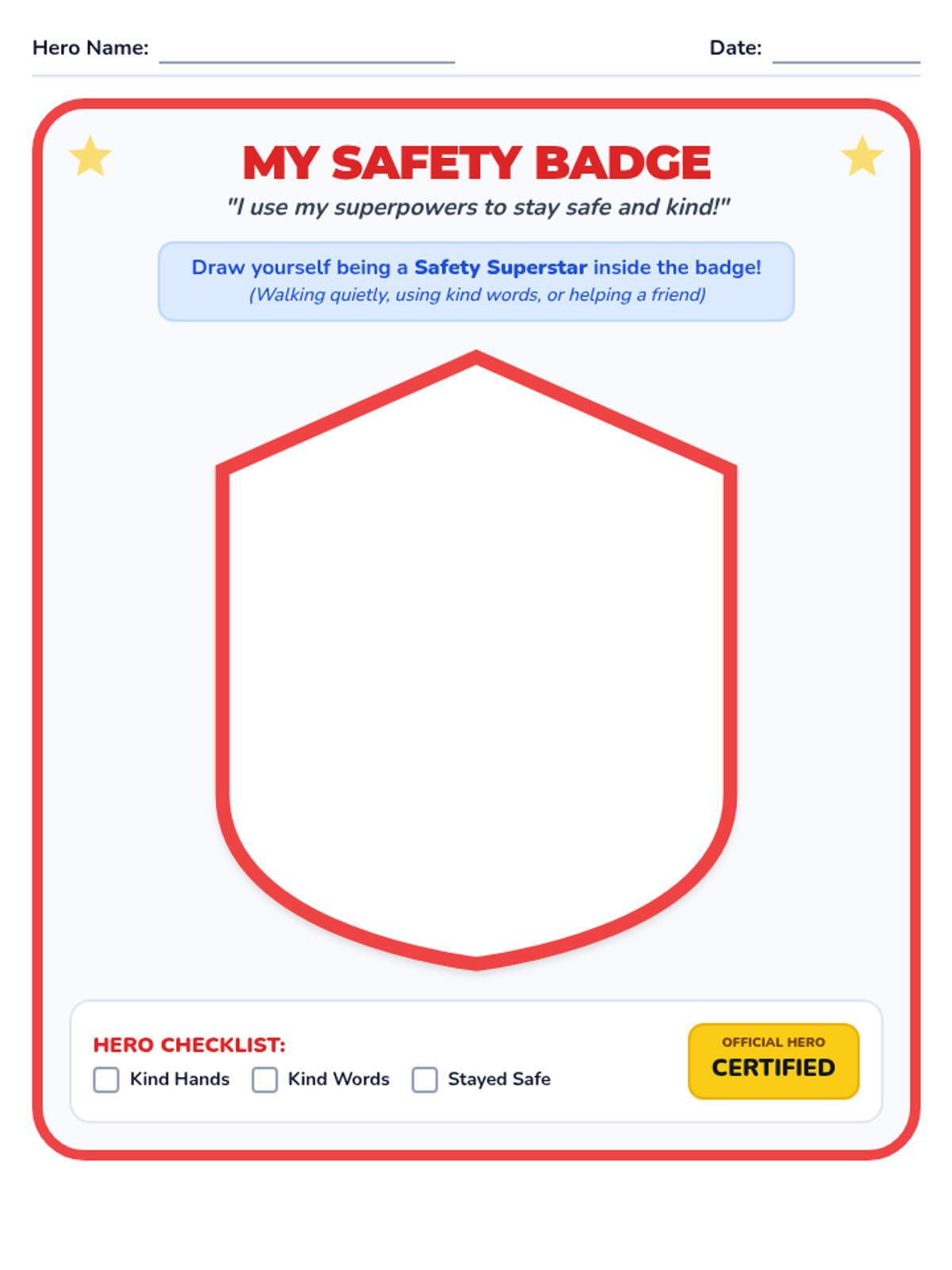
A 20-minute kindergarten lesson focusing on respect (kind words and hands), school hallway safety, and community stranger safety through an interactive movement activity.
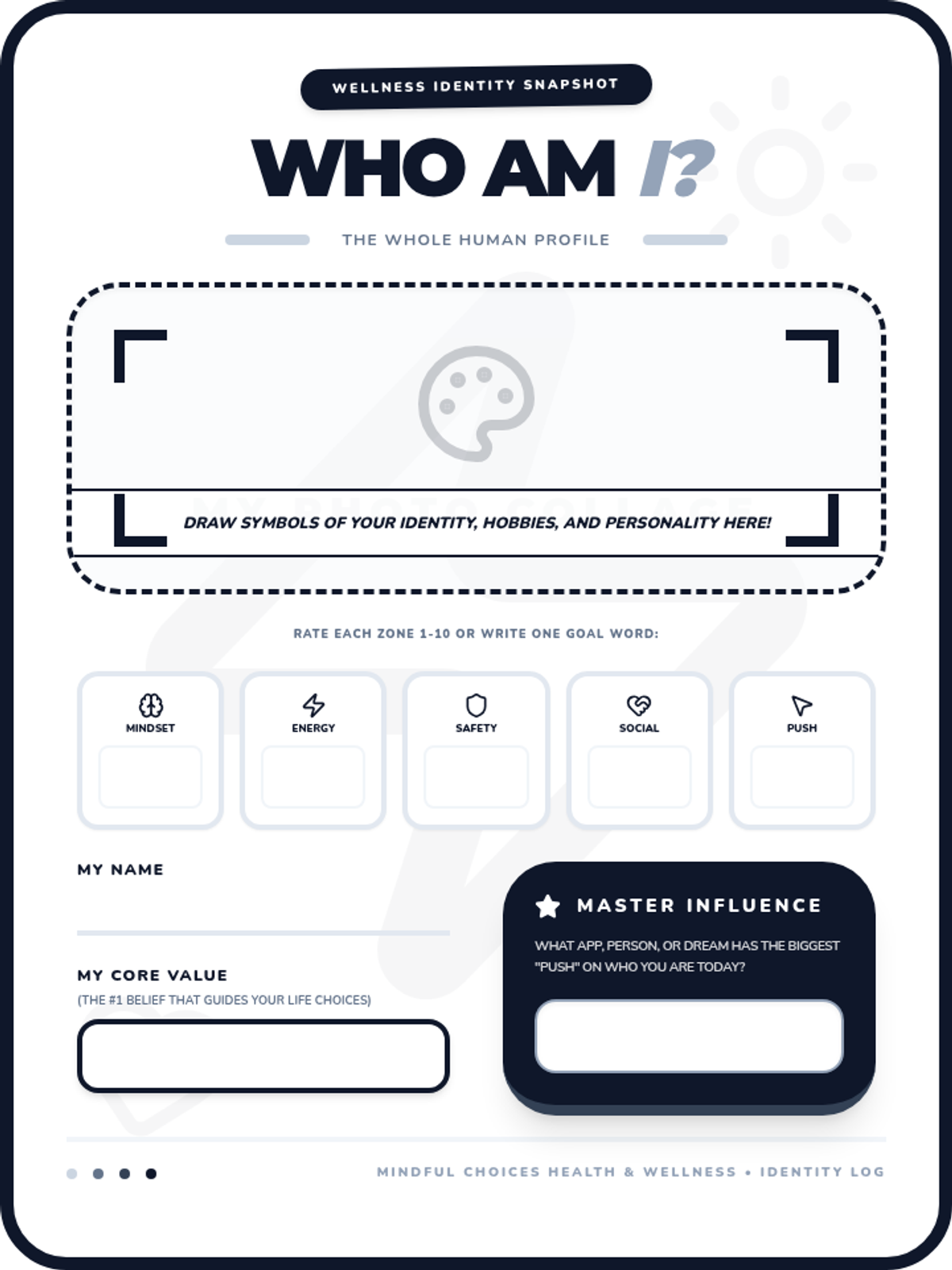
A first-day introductory activity where students design a personal binder cover that explores their personal brand and health perspective across five key wellness zones.
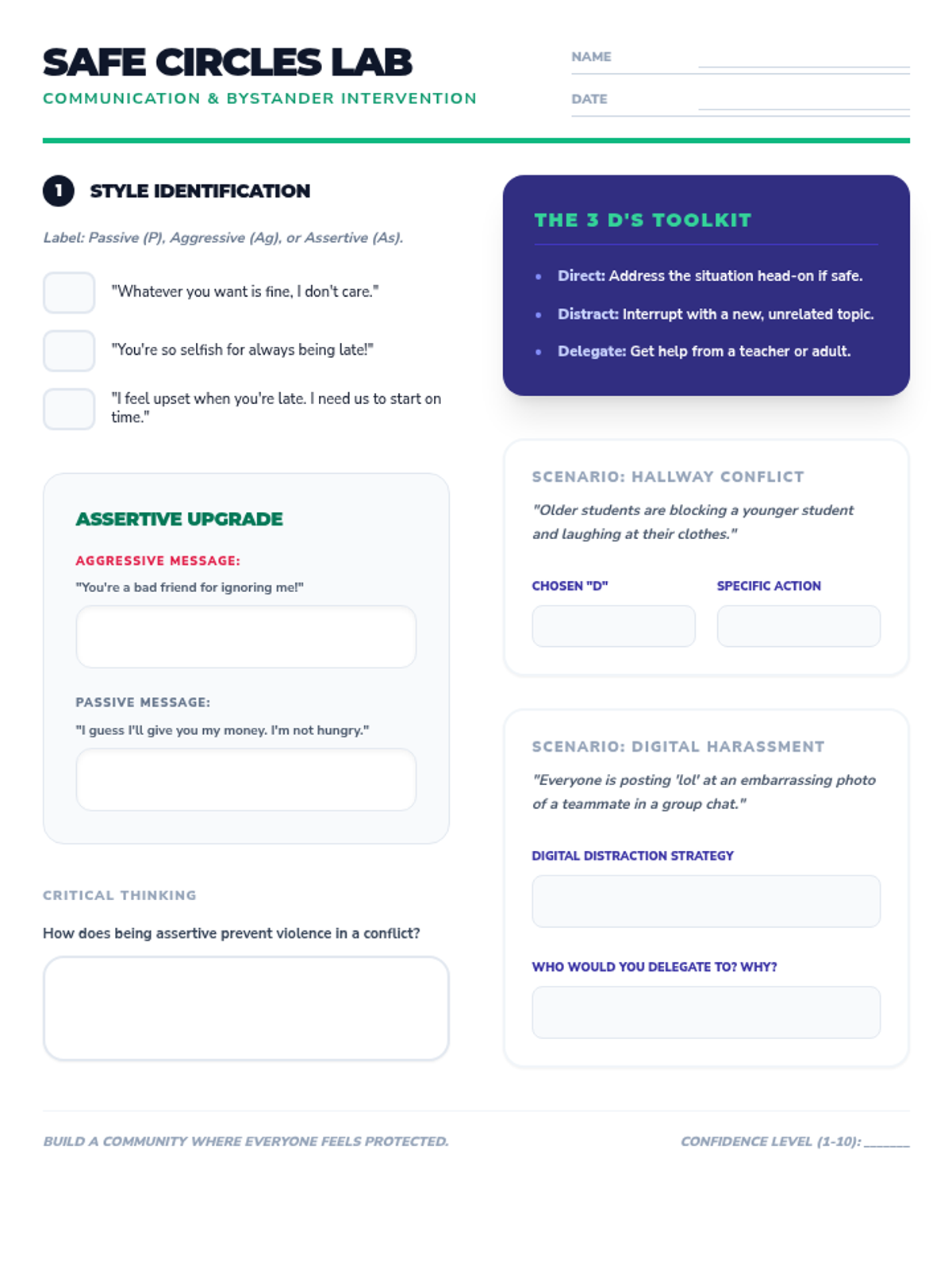
Developing assertive communication skills and understanding the role of bystanders in preventing violence and promoting safety.
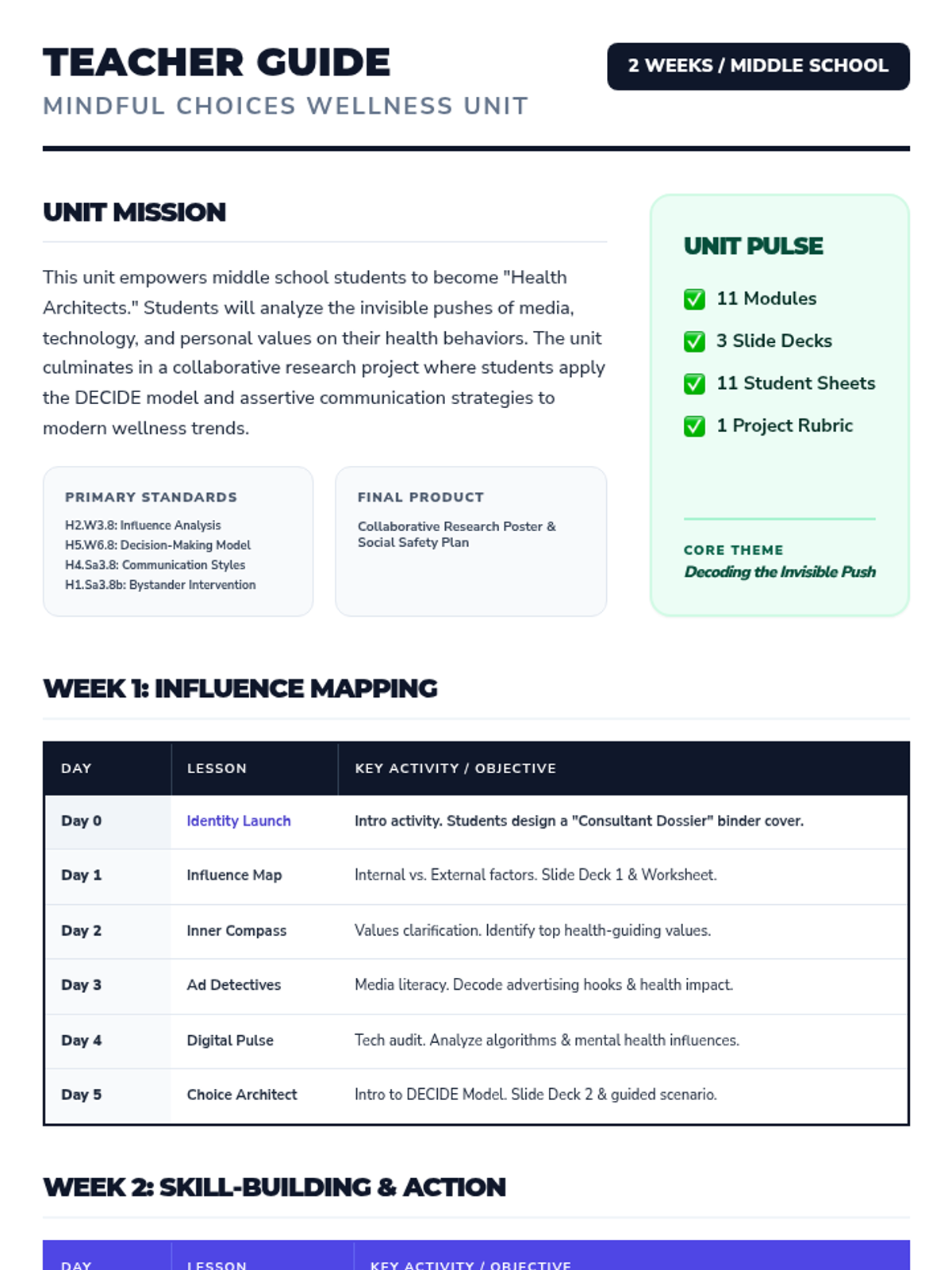
Administrative and planning resources for the Mindful Choices unit.
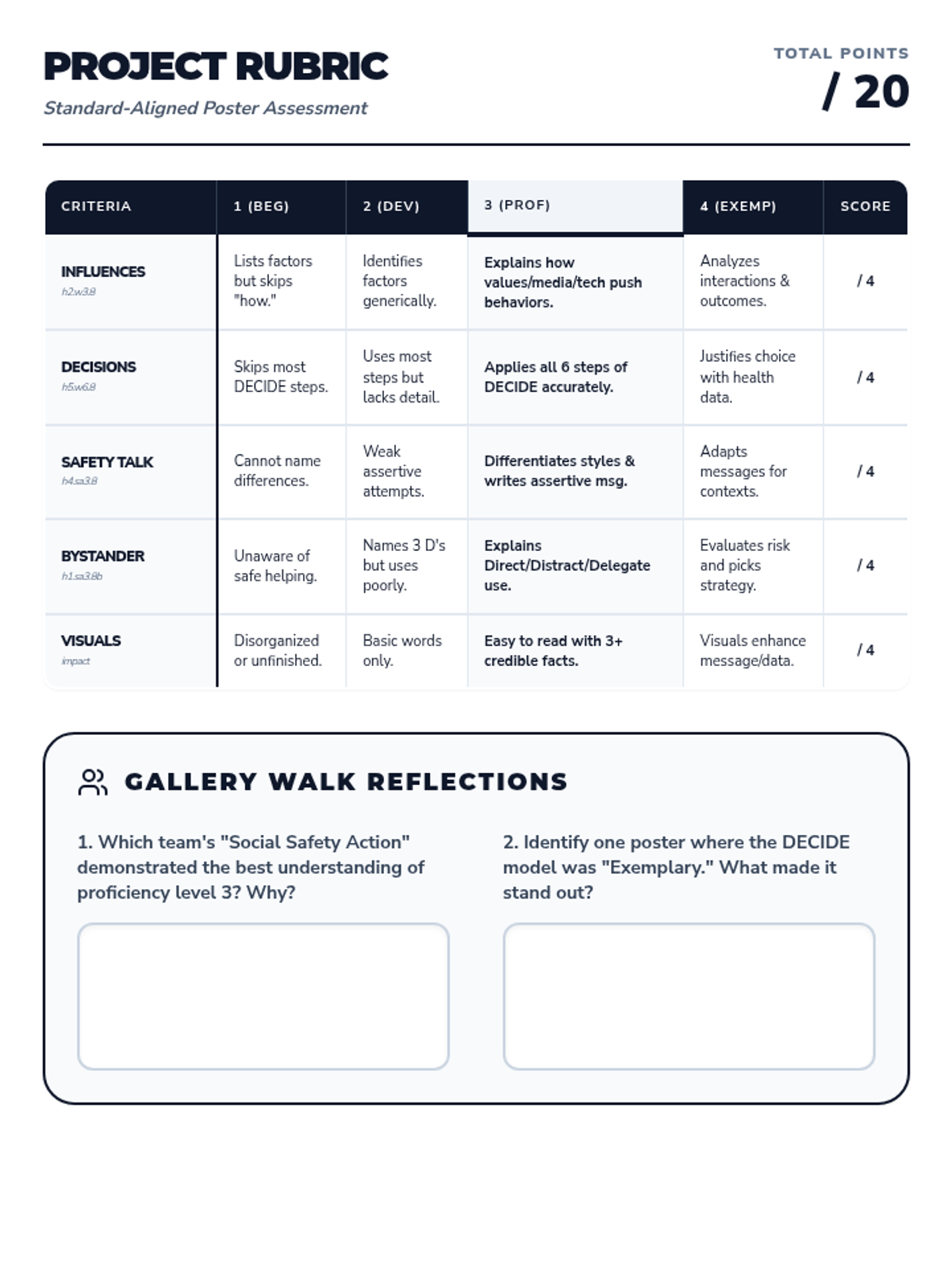
Final presentation of research posters and a peer-review gallery walk.
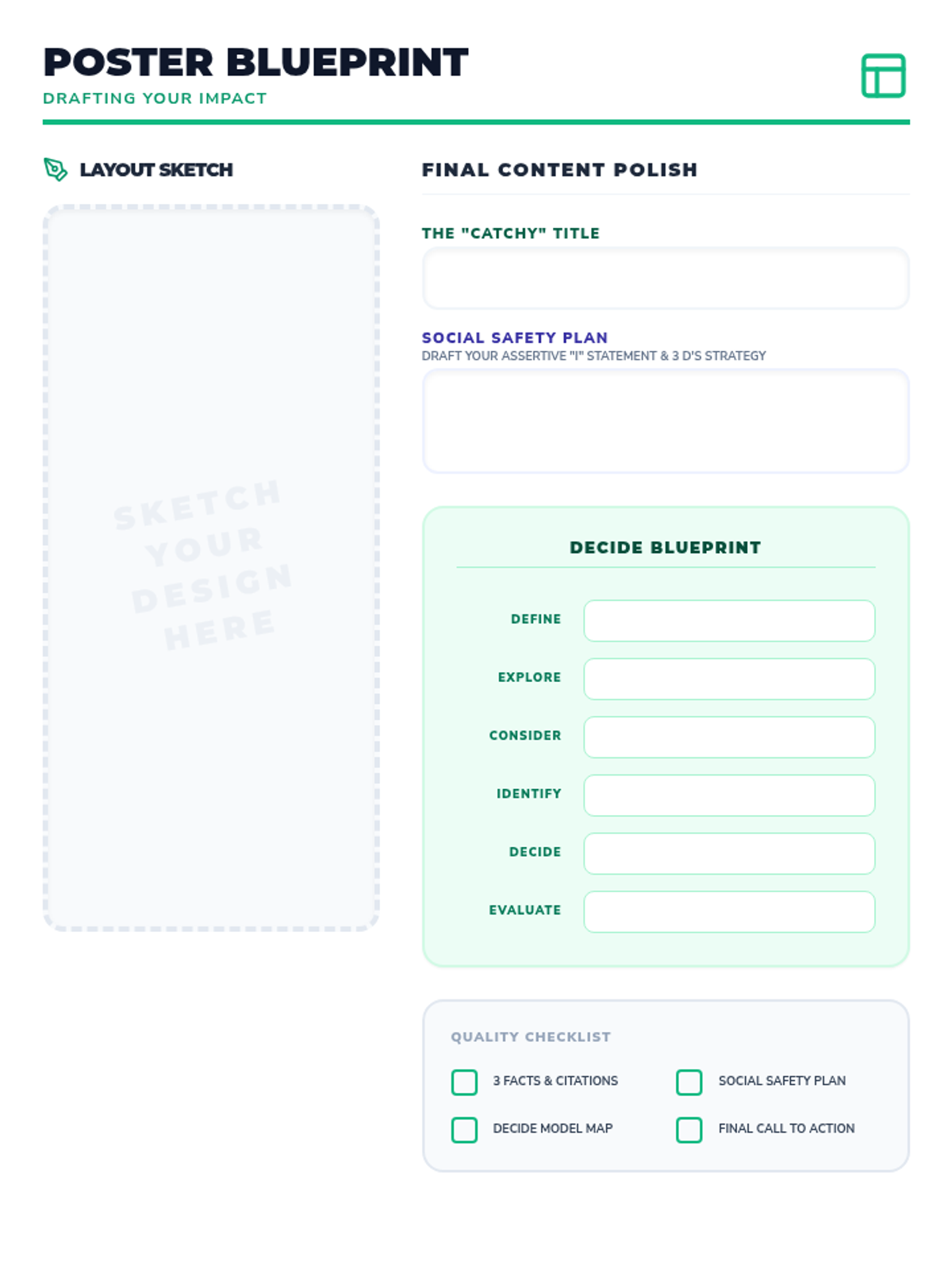
Synthesizing research into a visual poster format with a focus on clear communication and design.
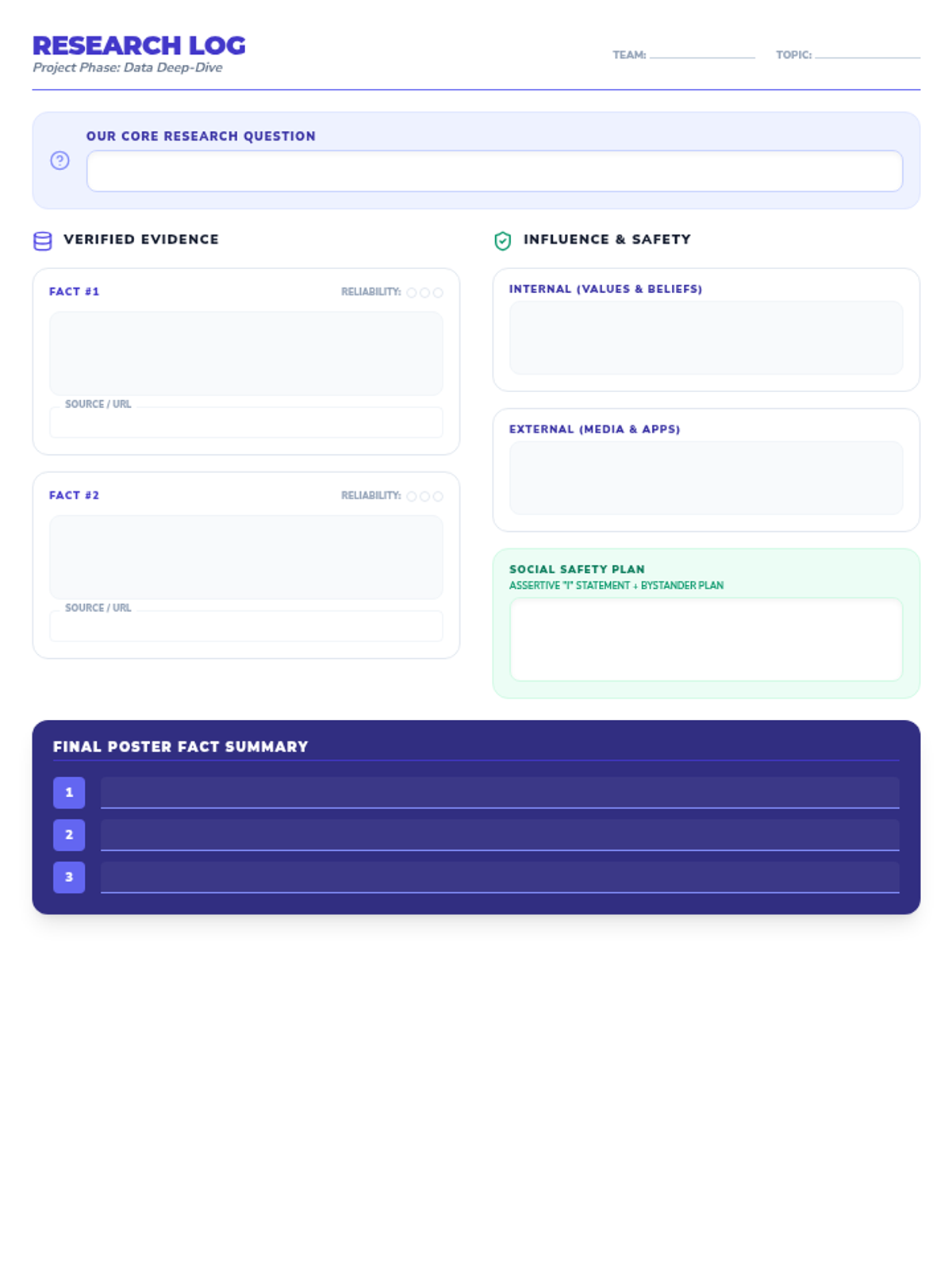
Collaborative research and data gathering for the health-focused poster project.
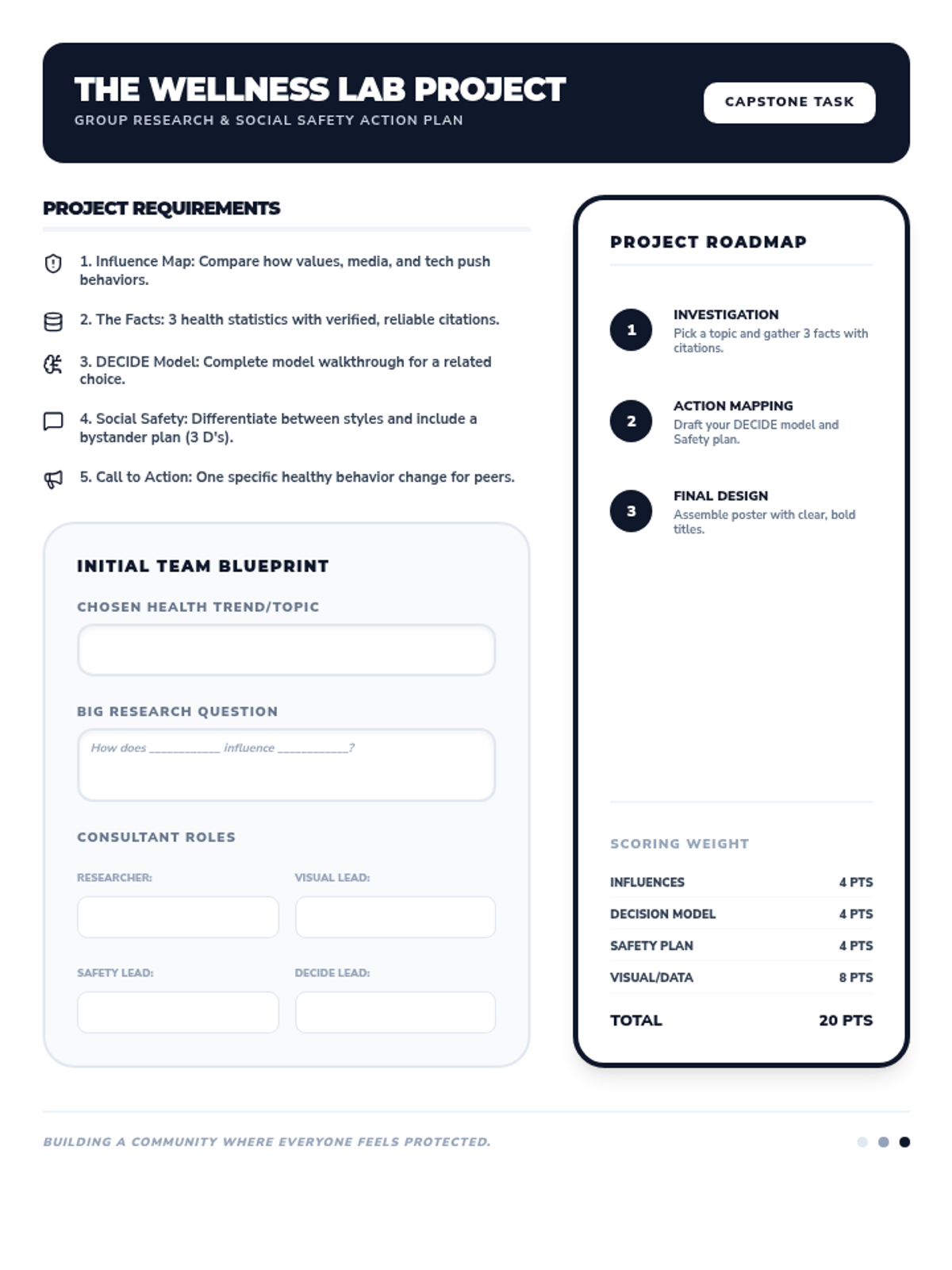
Introduction to the final group research poster project and initial topic brainstorming.
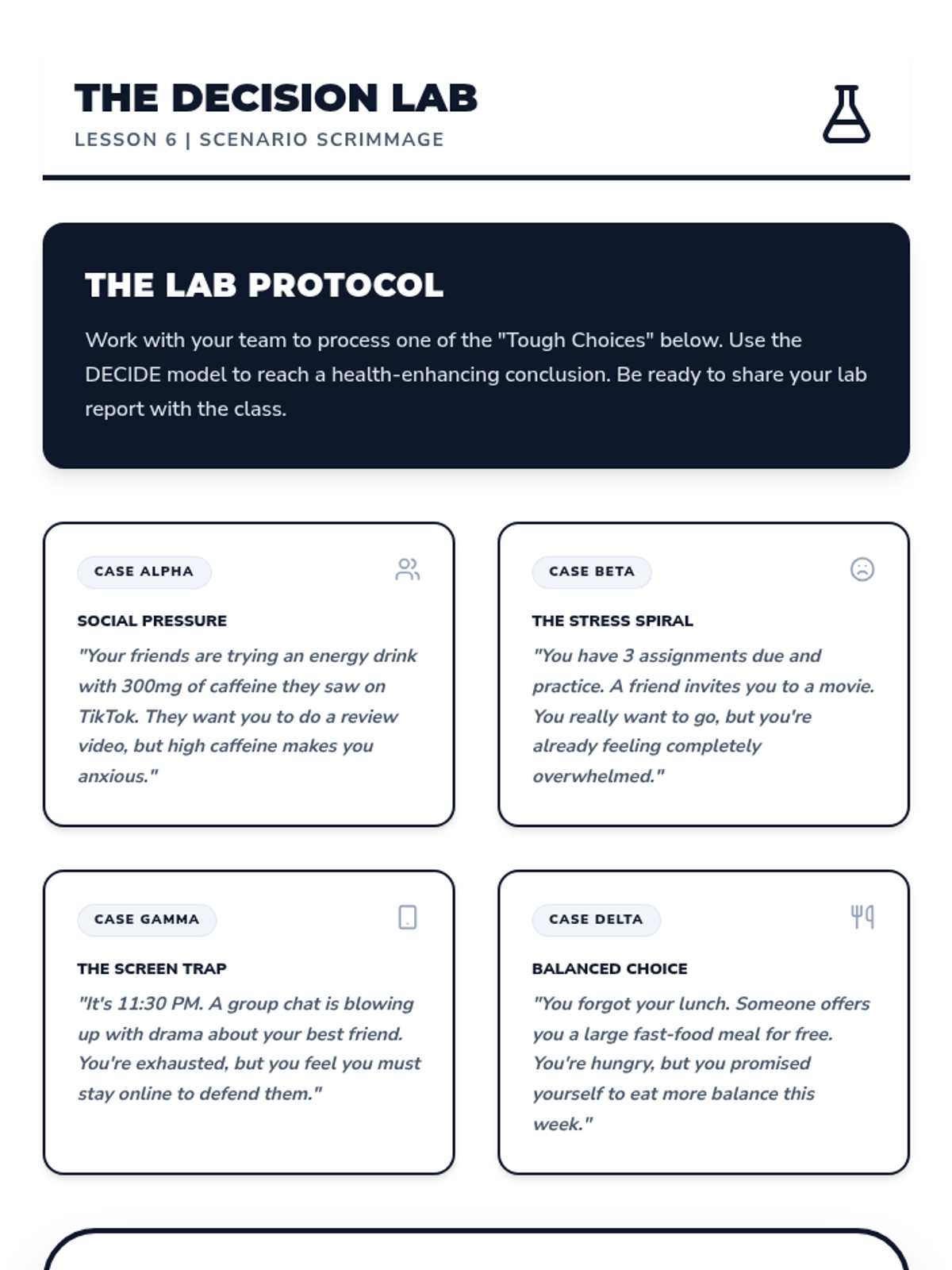
Guided practice applying the decision-making model to common adolescent health scenarios.
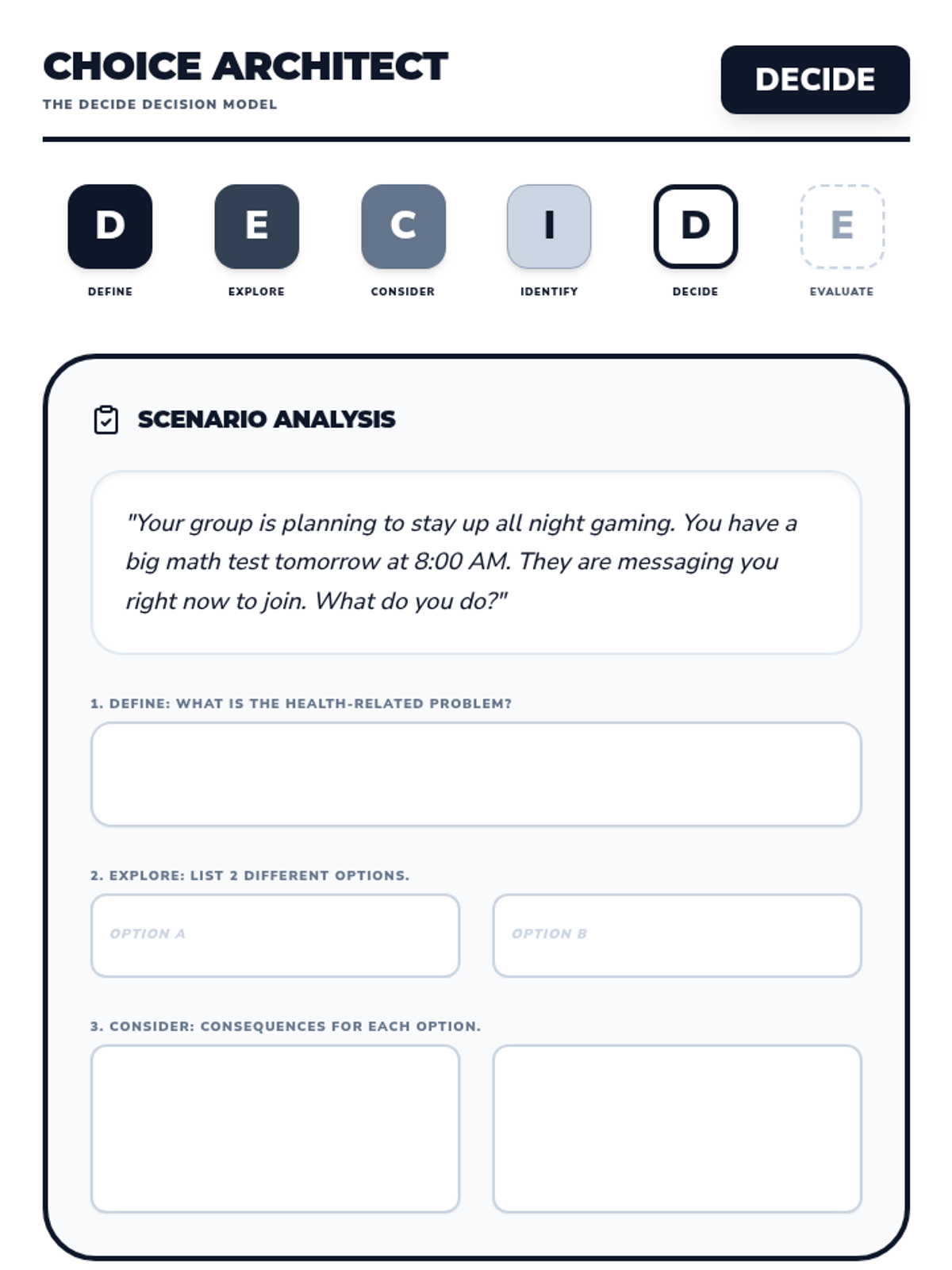
Introduction to the DECIDE model for making structured, health-enhancing personal choices.
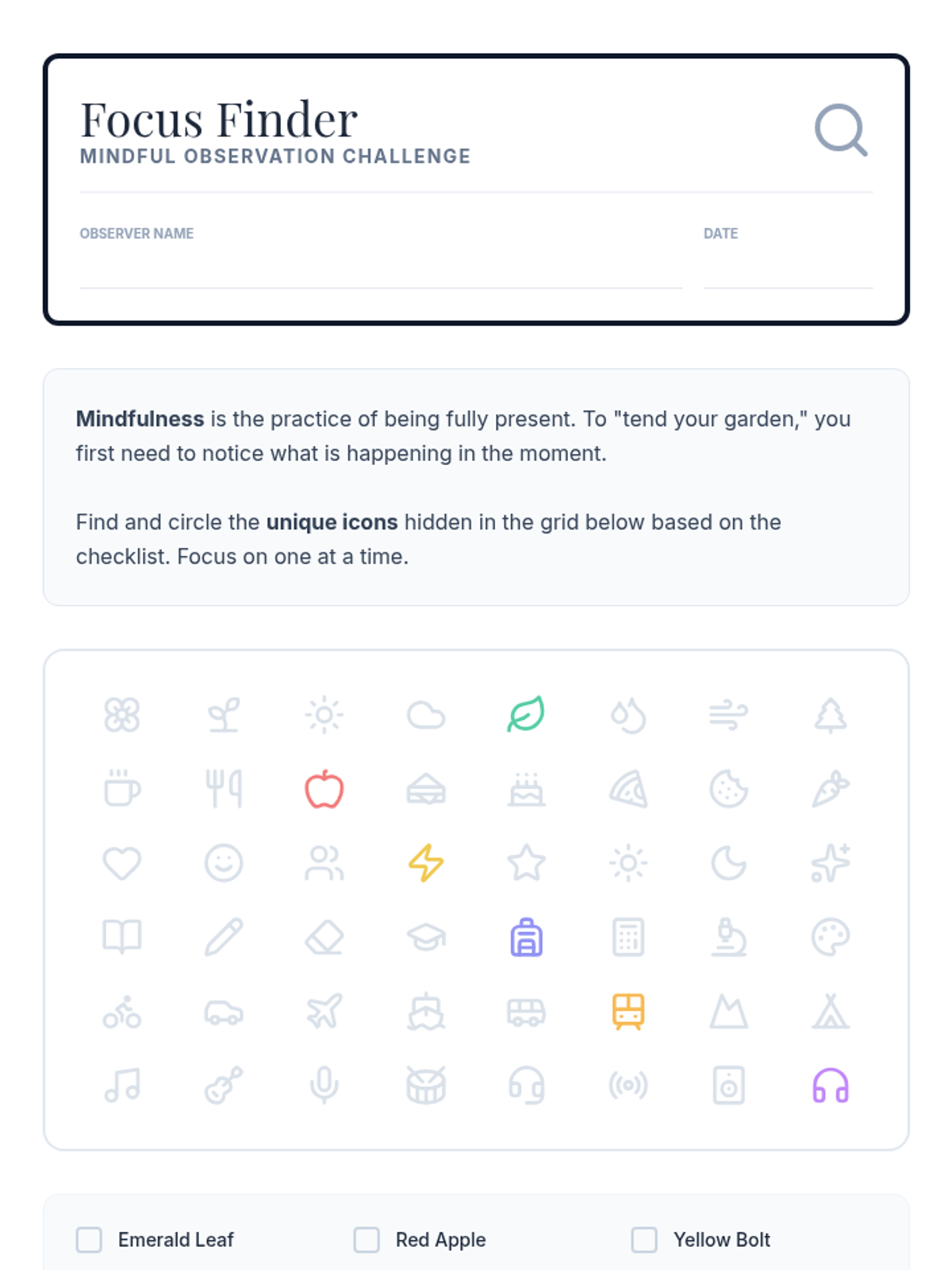
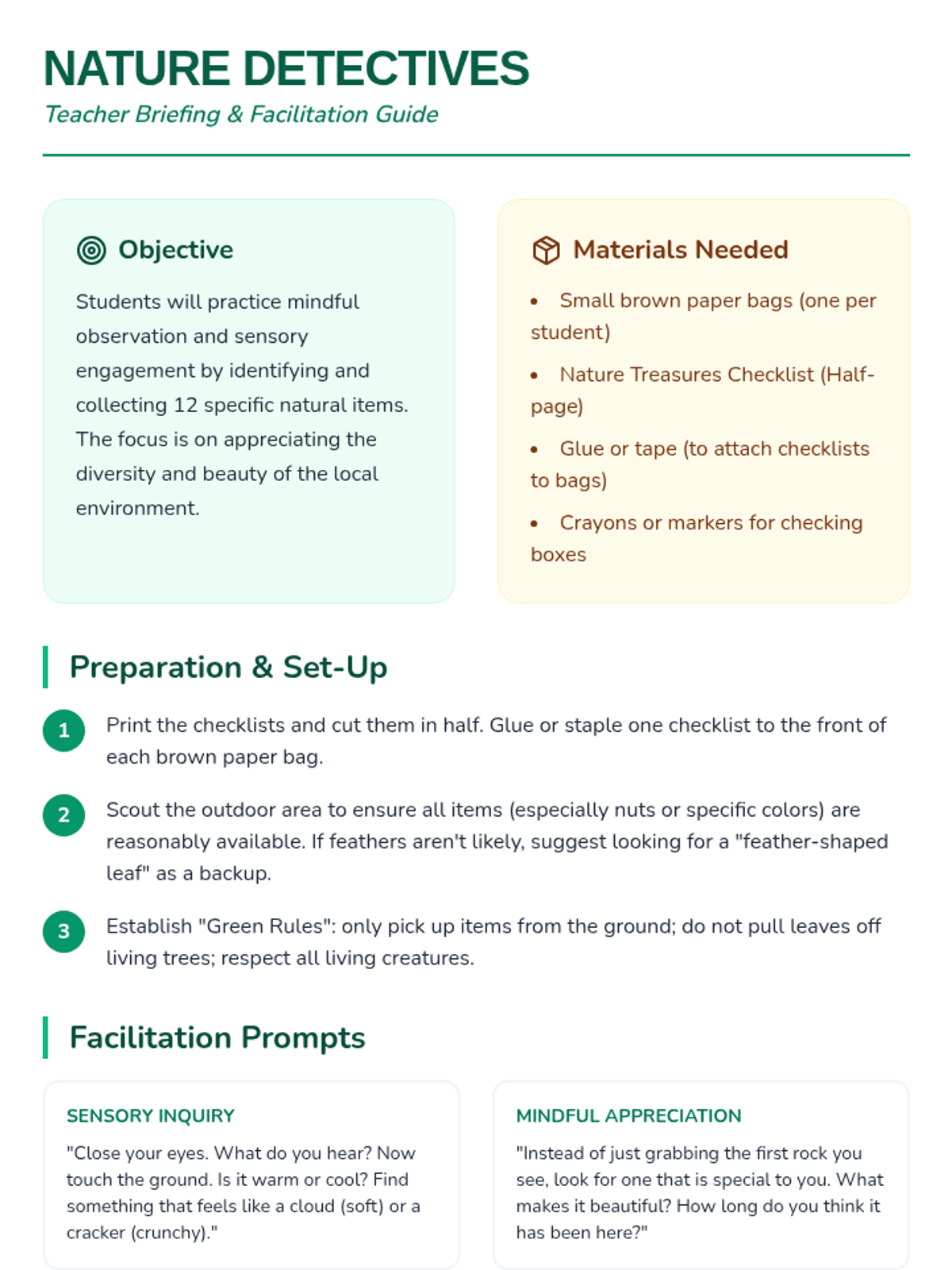
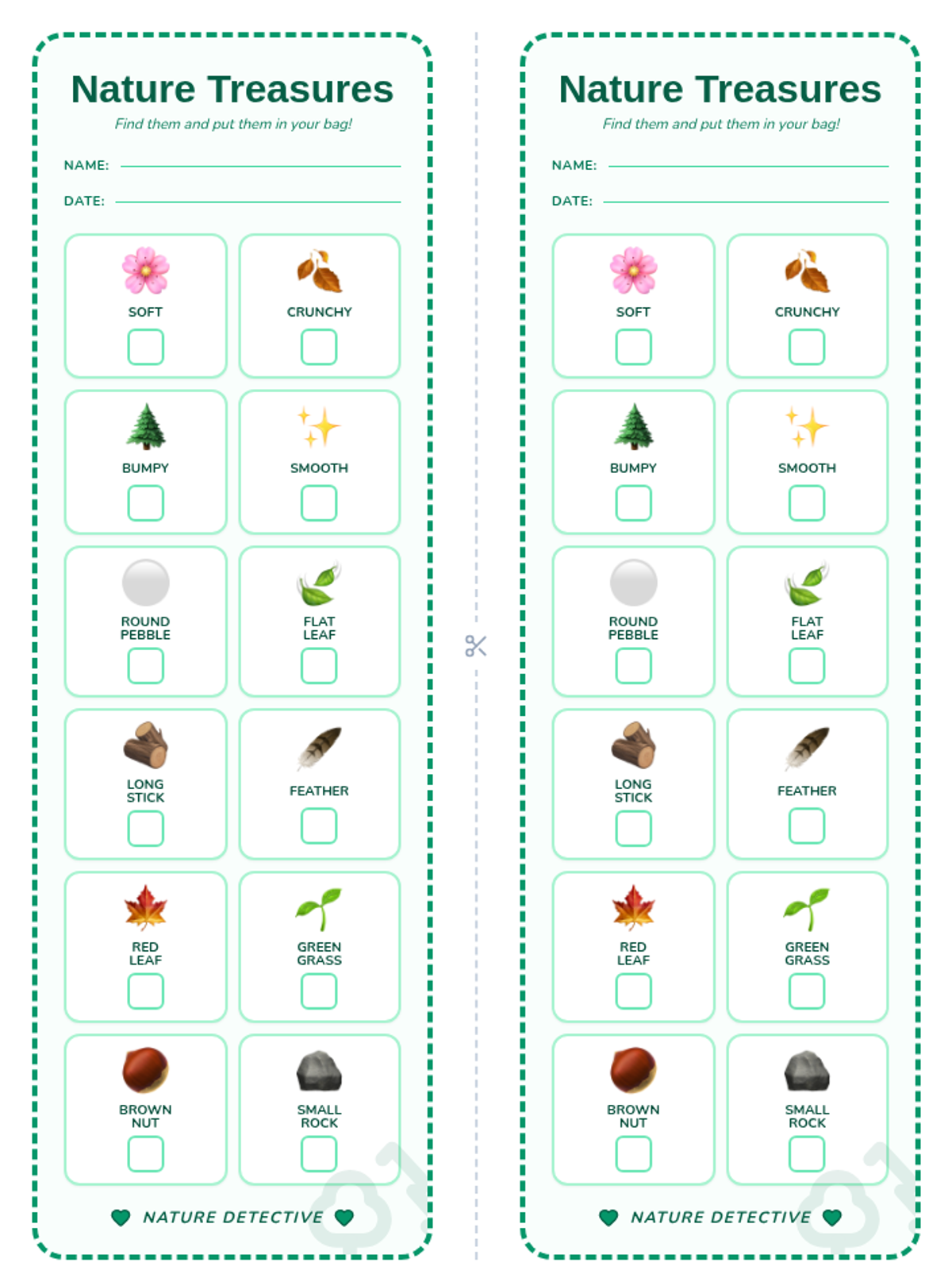
A sensory-focused outdoor activity where K-2 students practice mindfulness and observation by collecting natural treasures. Students explore textures, shapes, and colors while developing an appreciation for the environment.
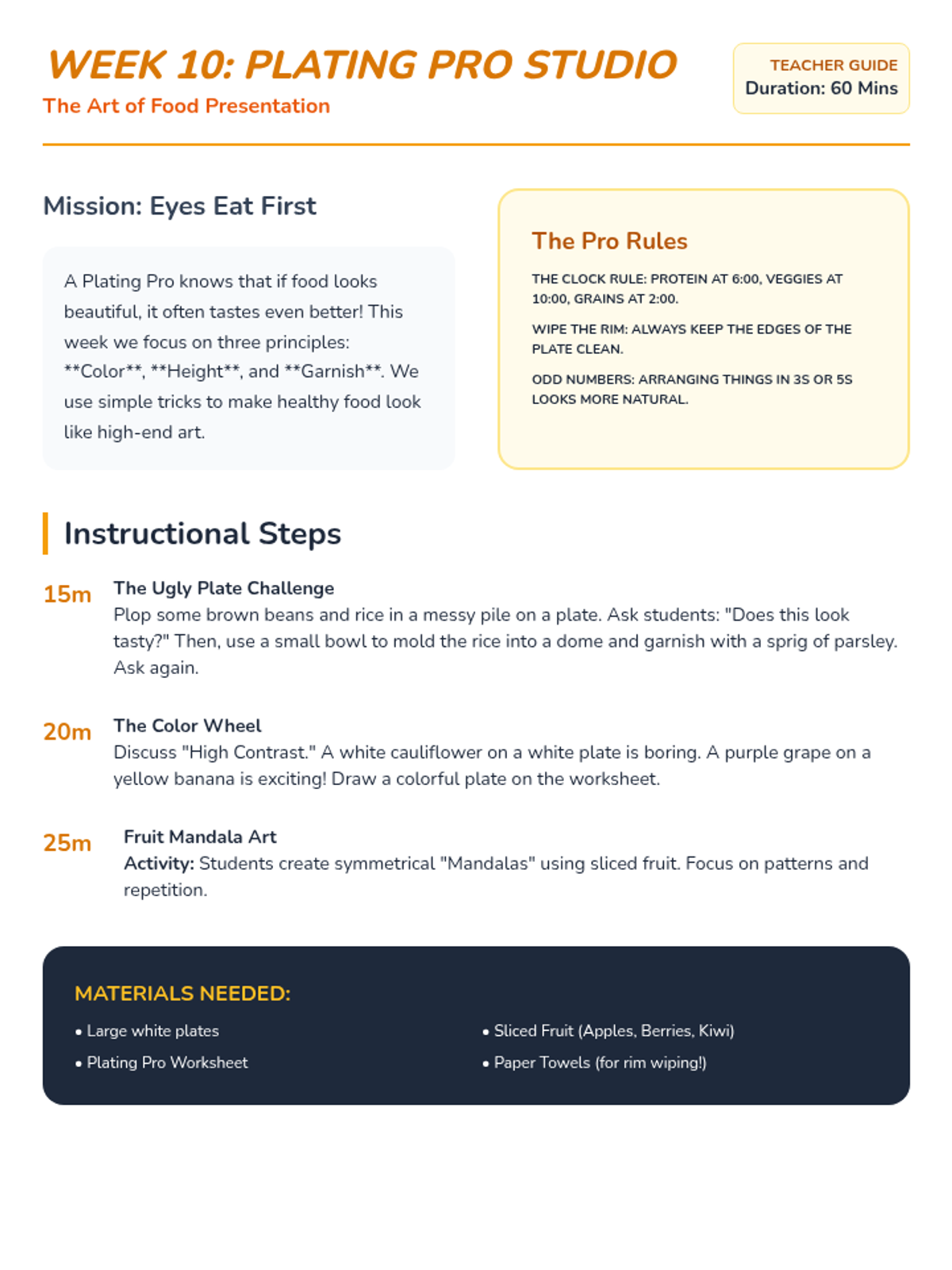
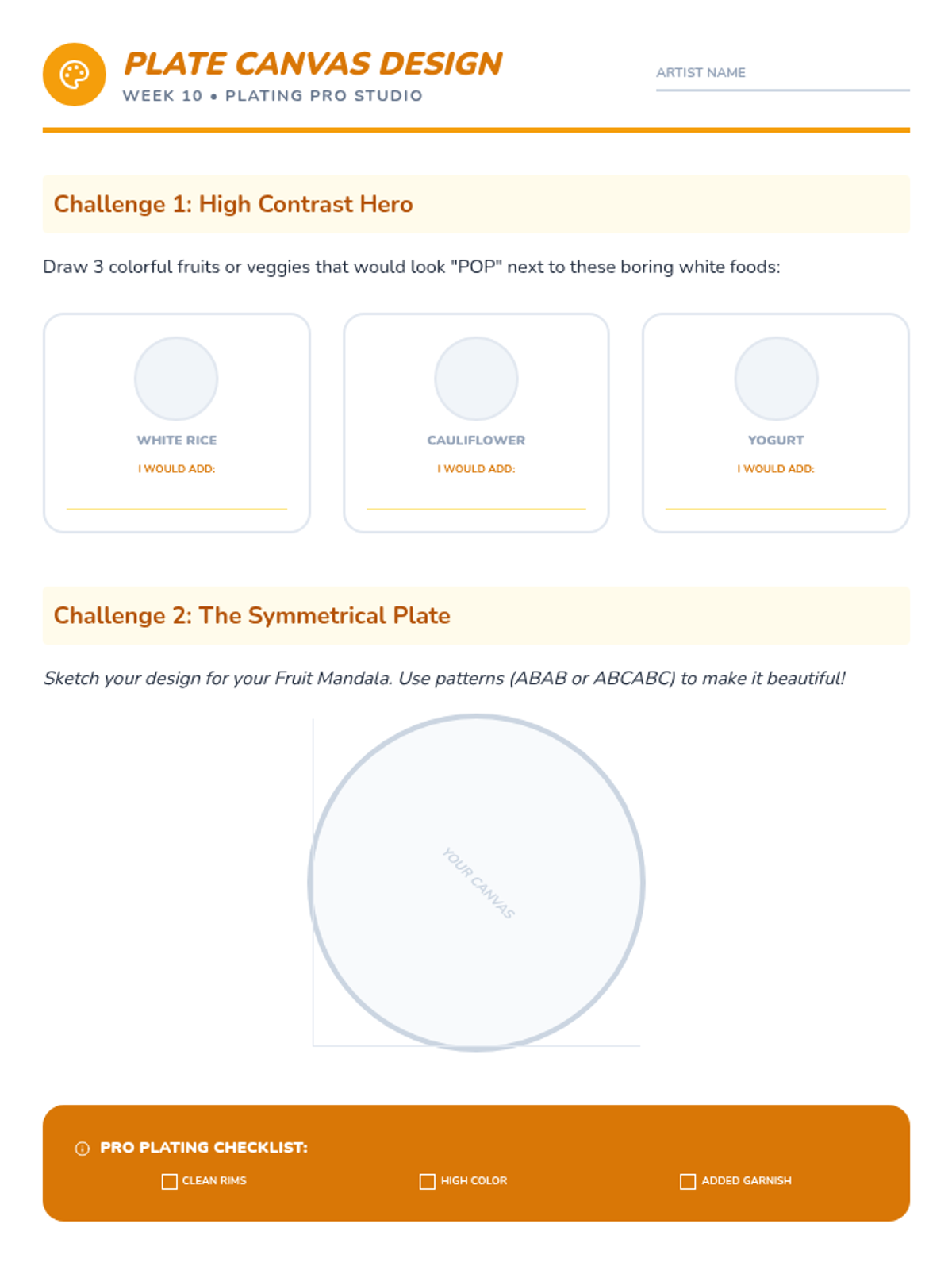
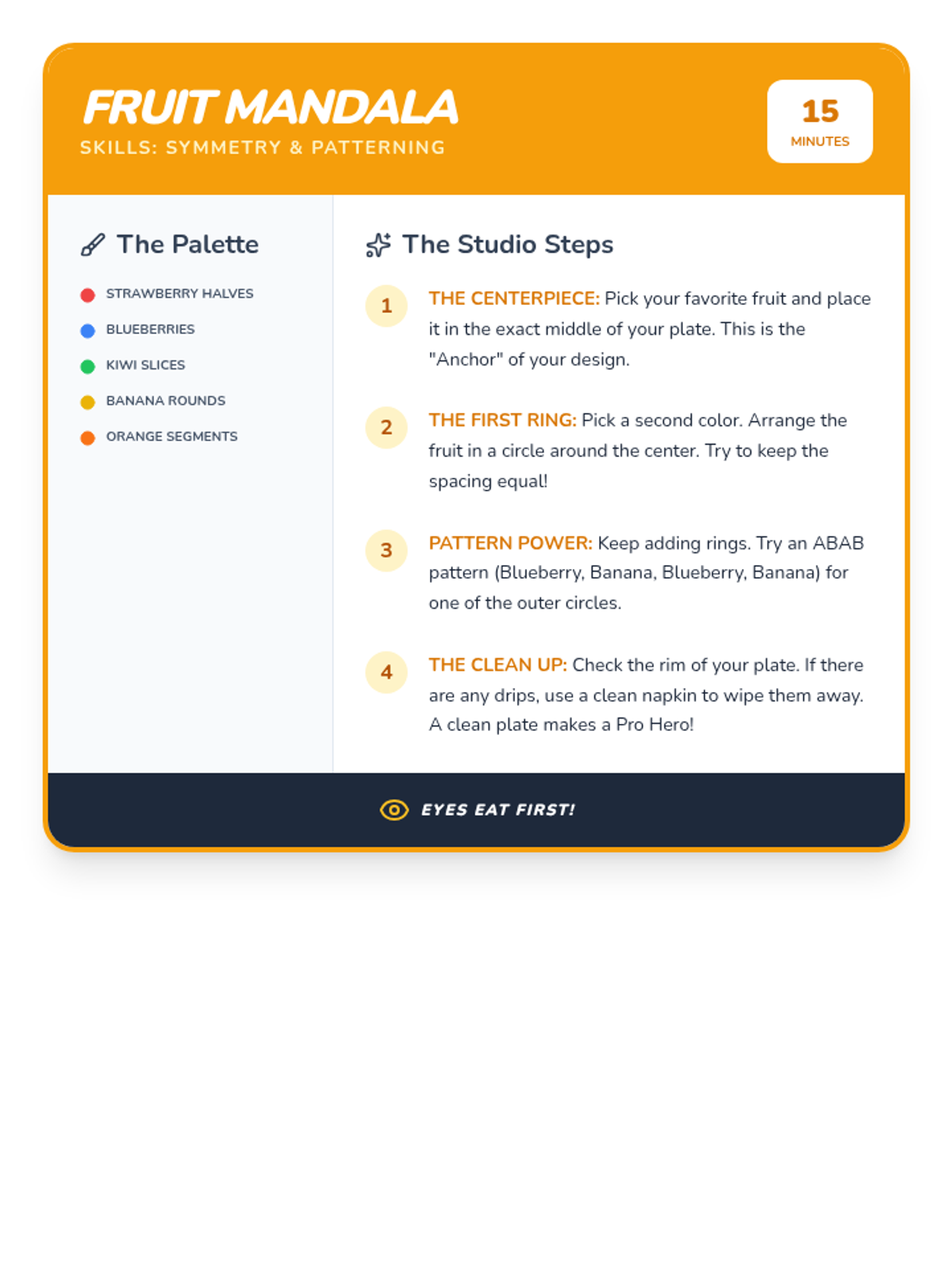
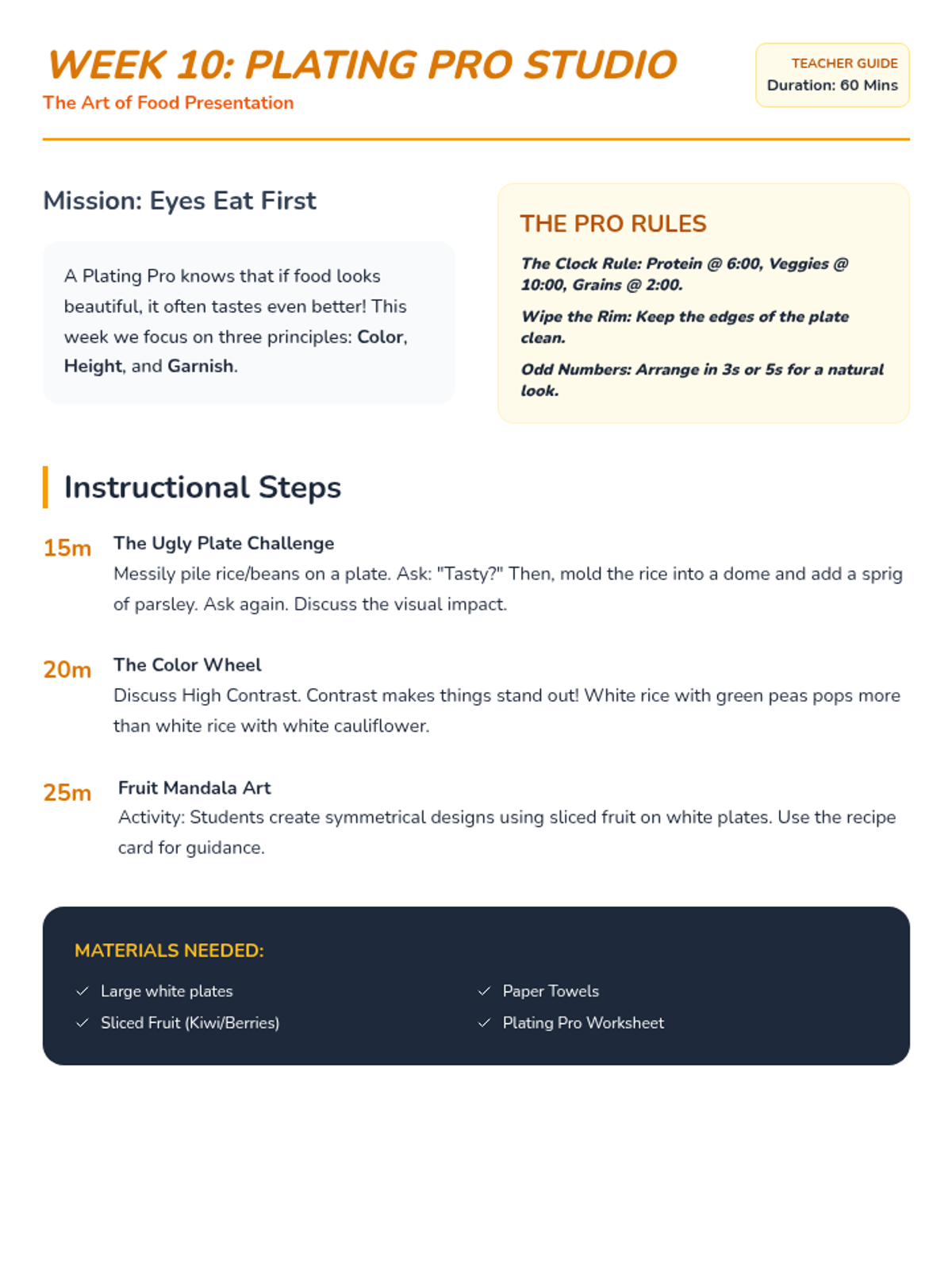
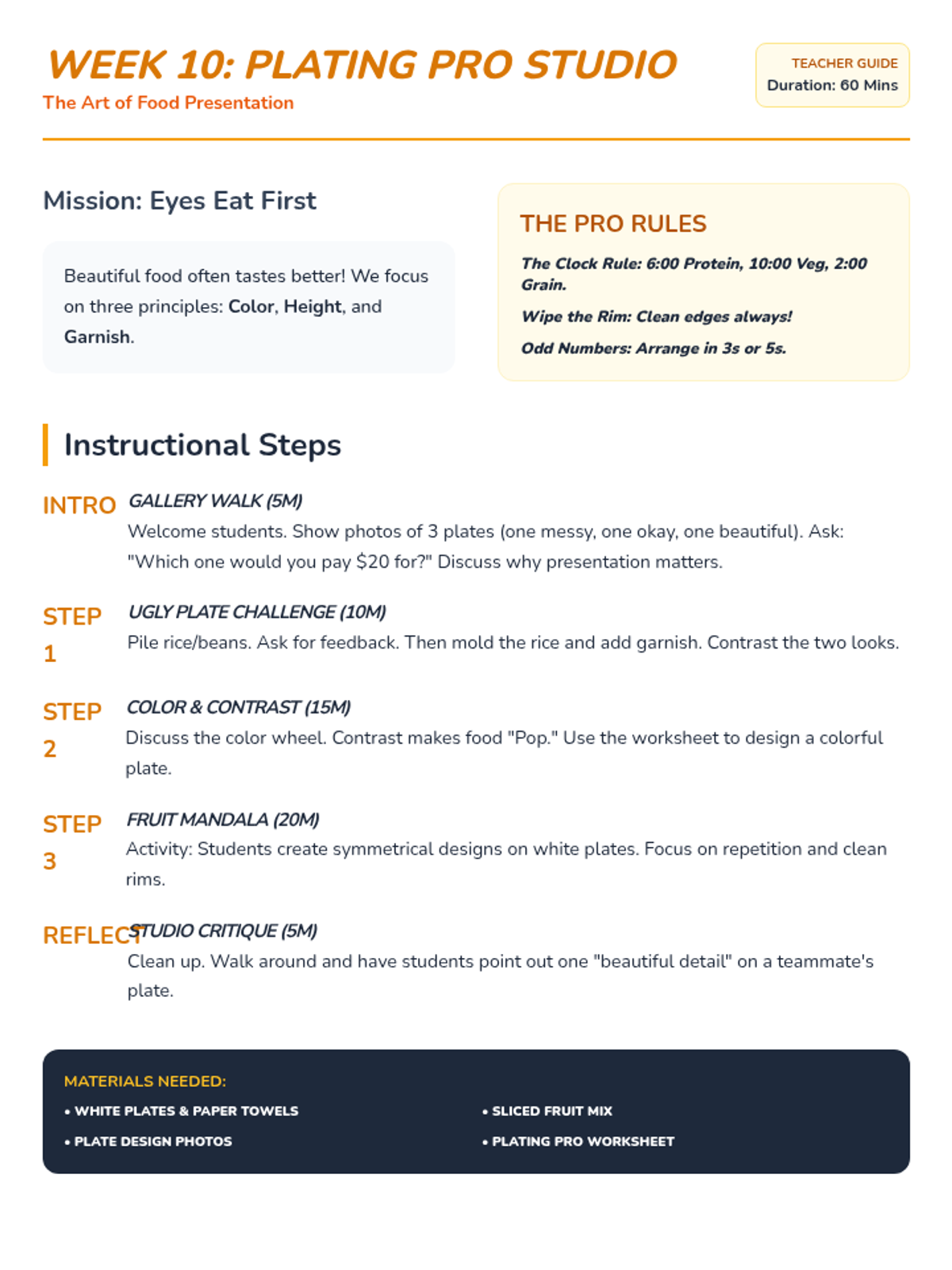
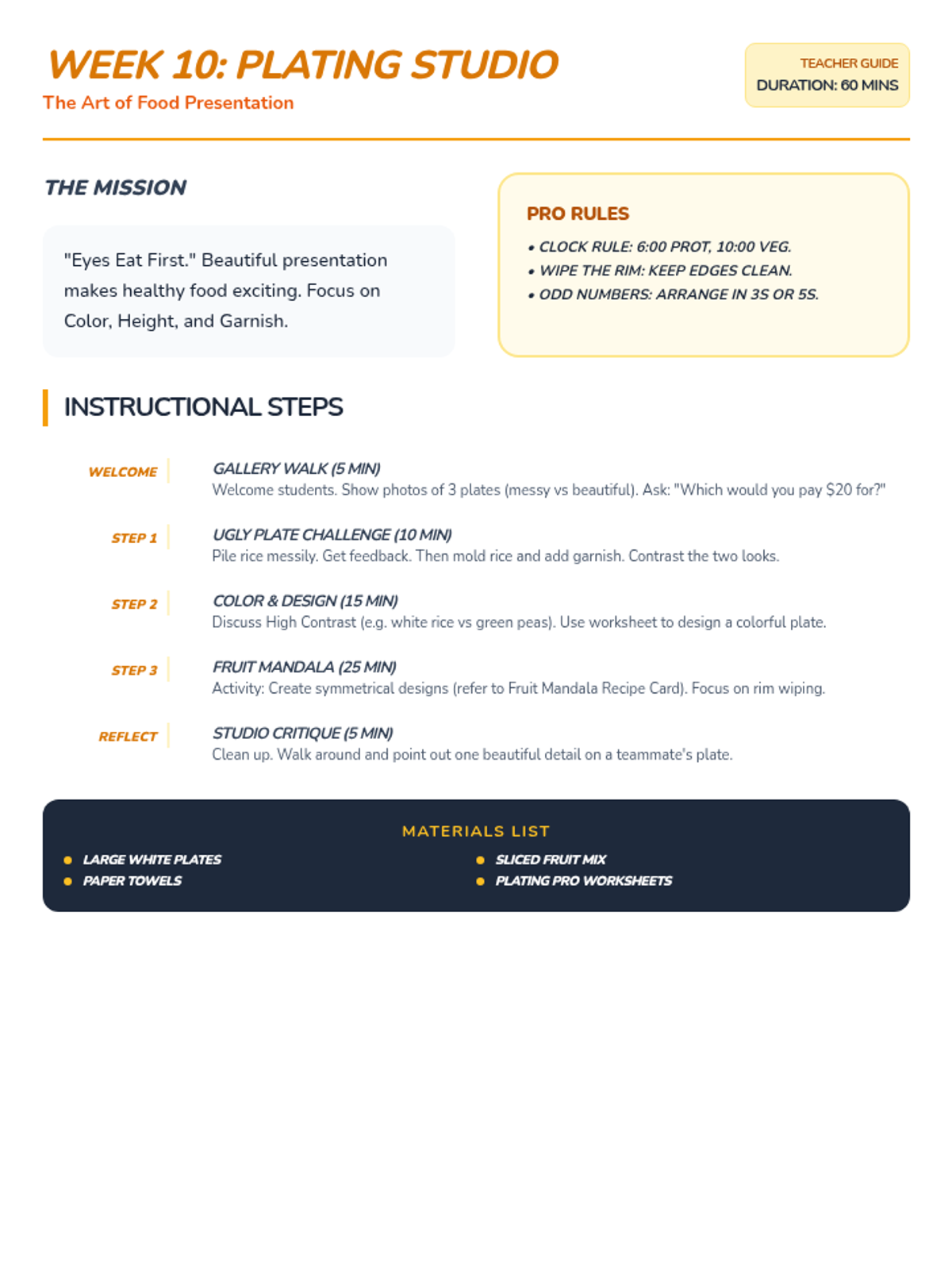
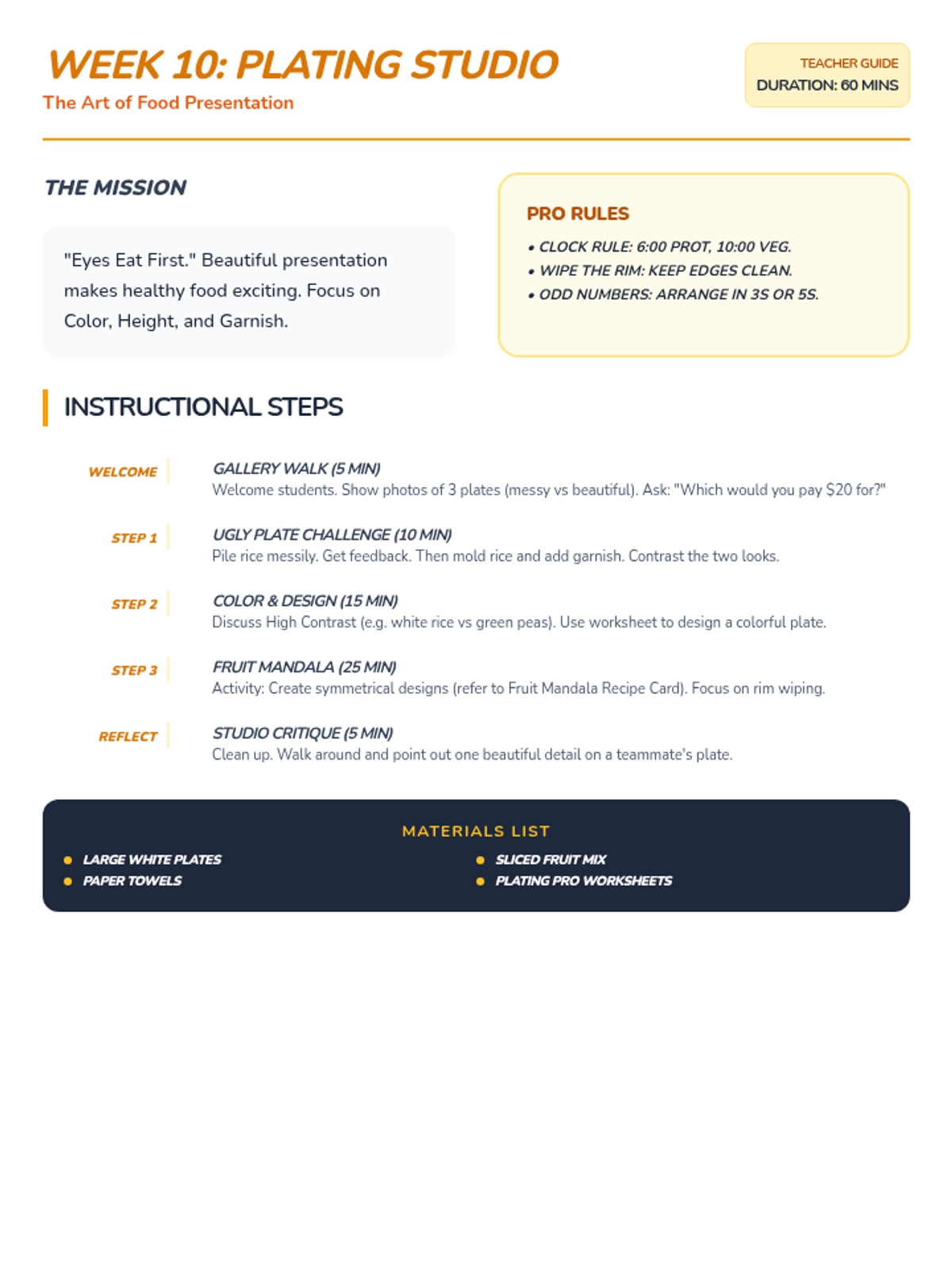
Elevating simple dishes through creative arrangement and garnishes.
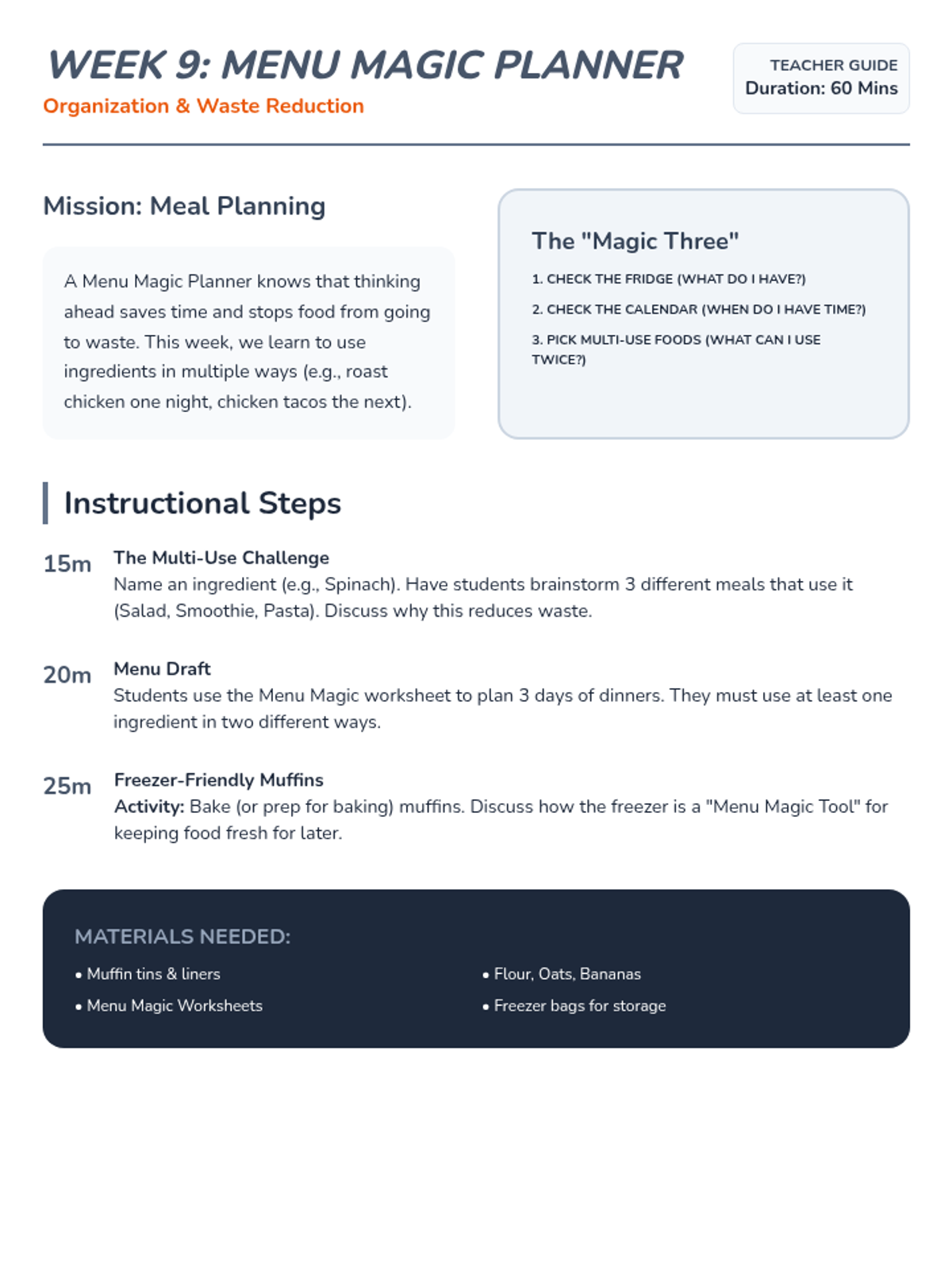
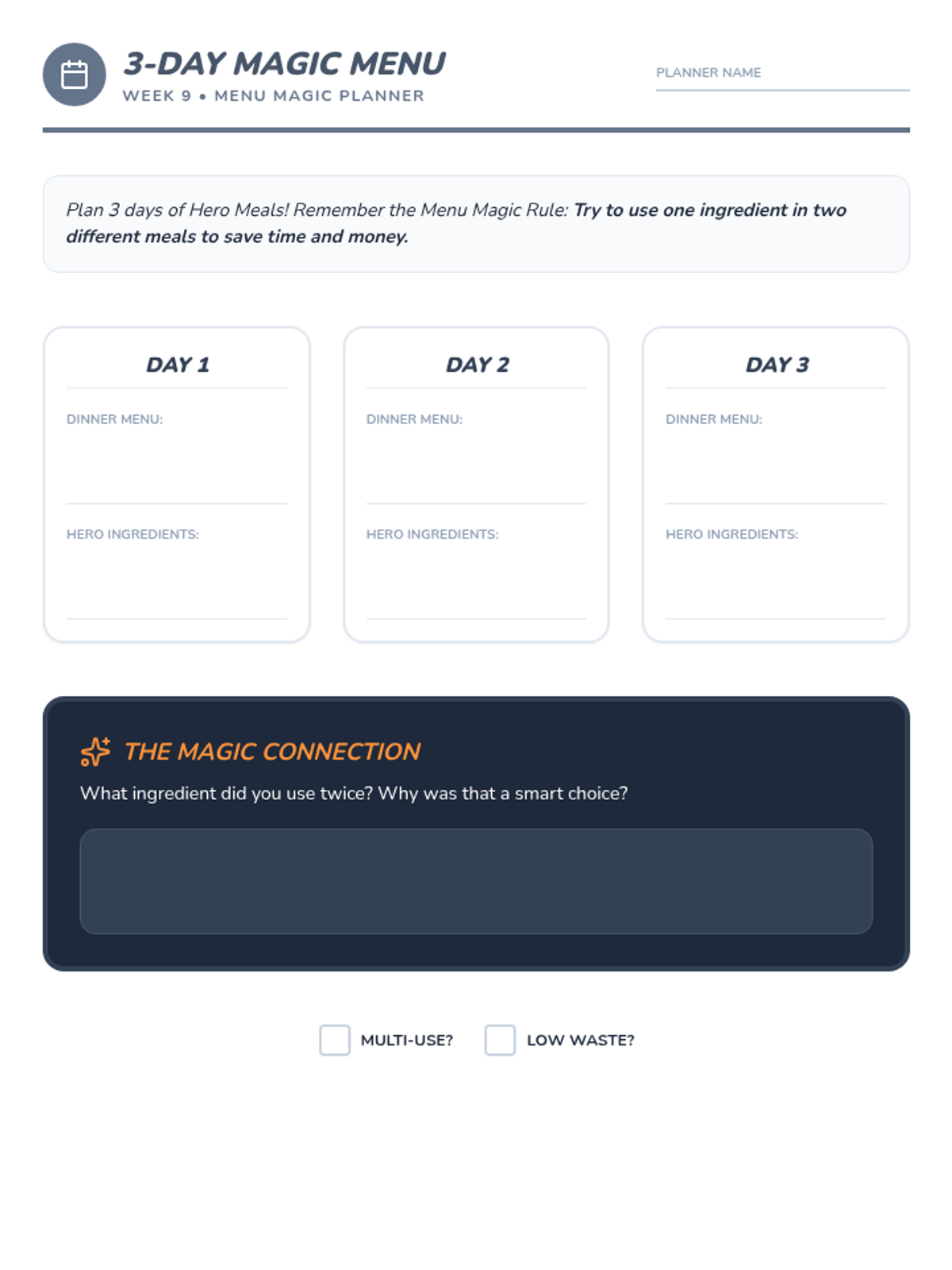
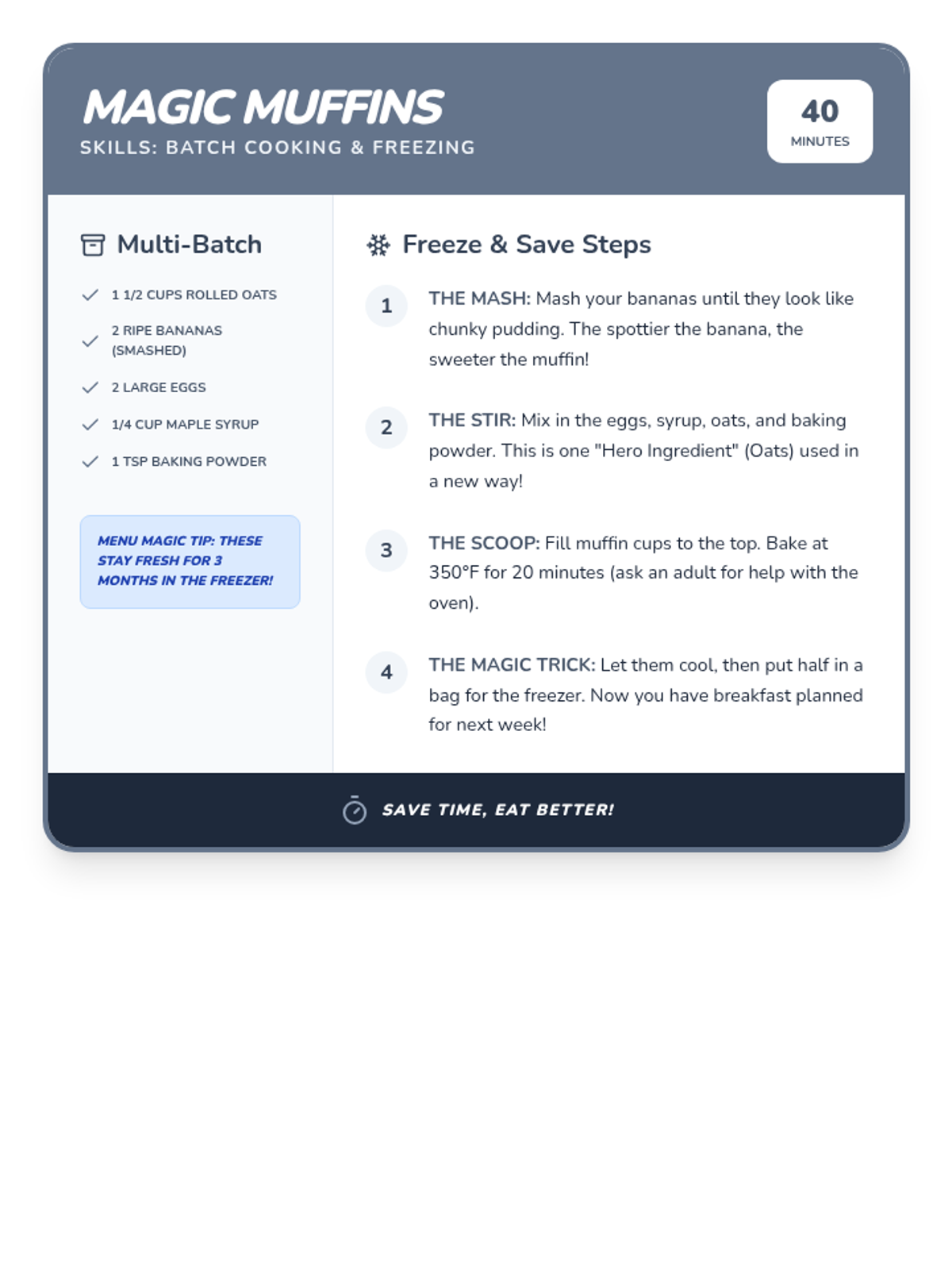
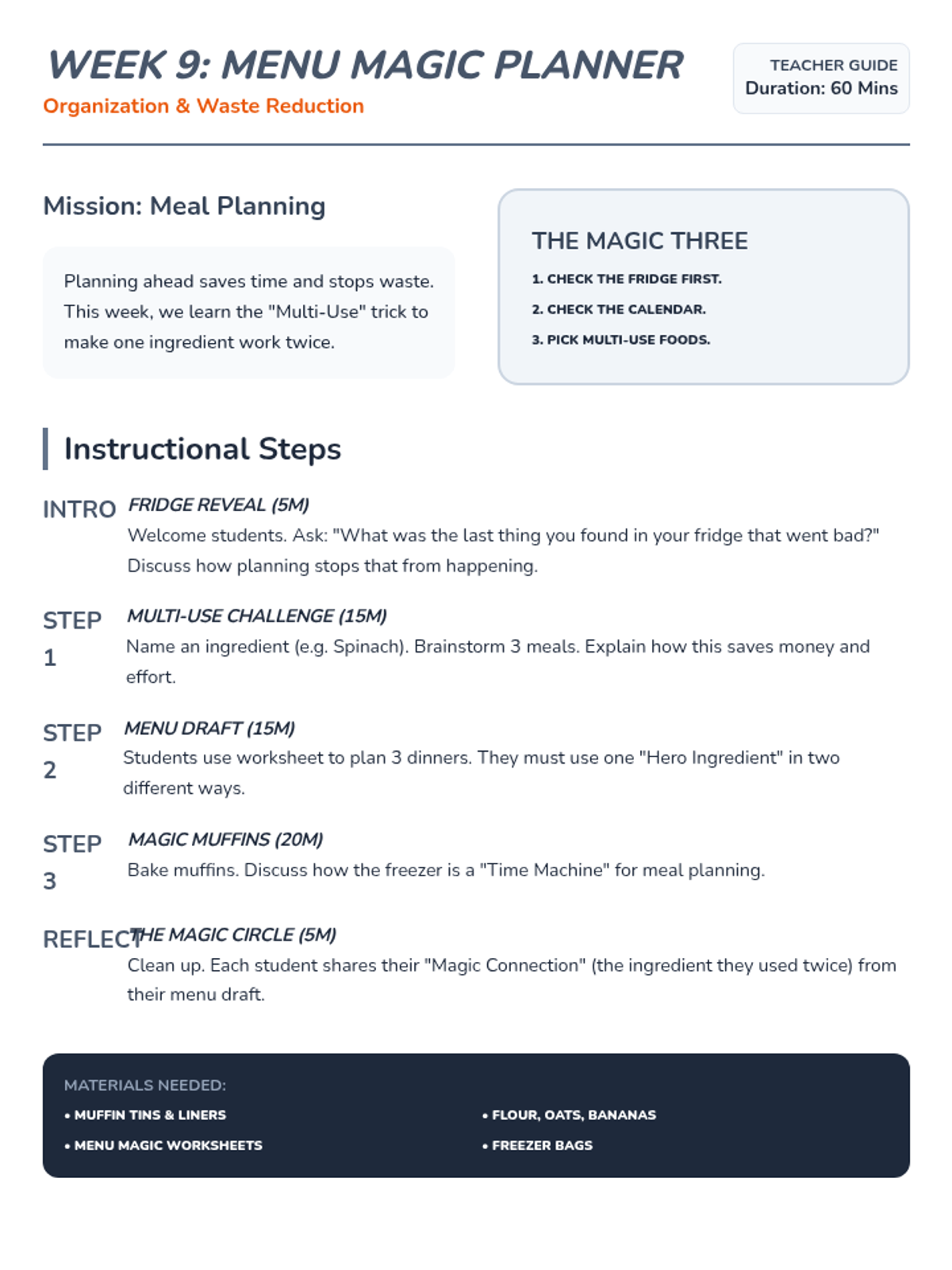
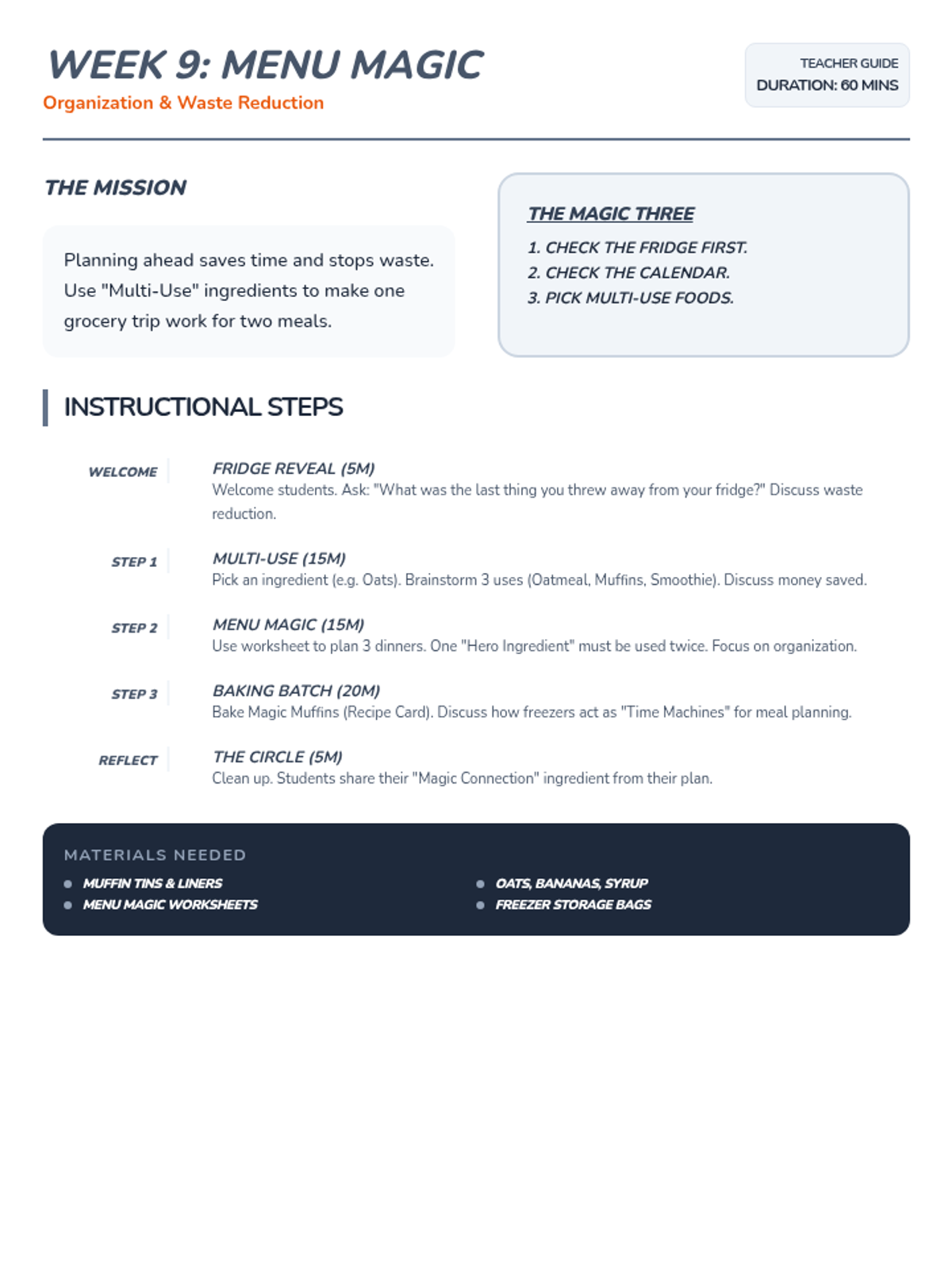
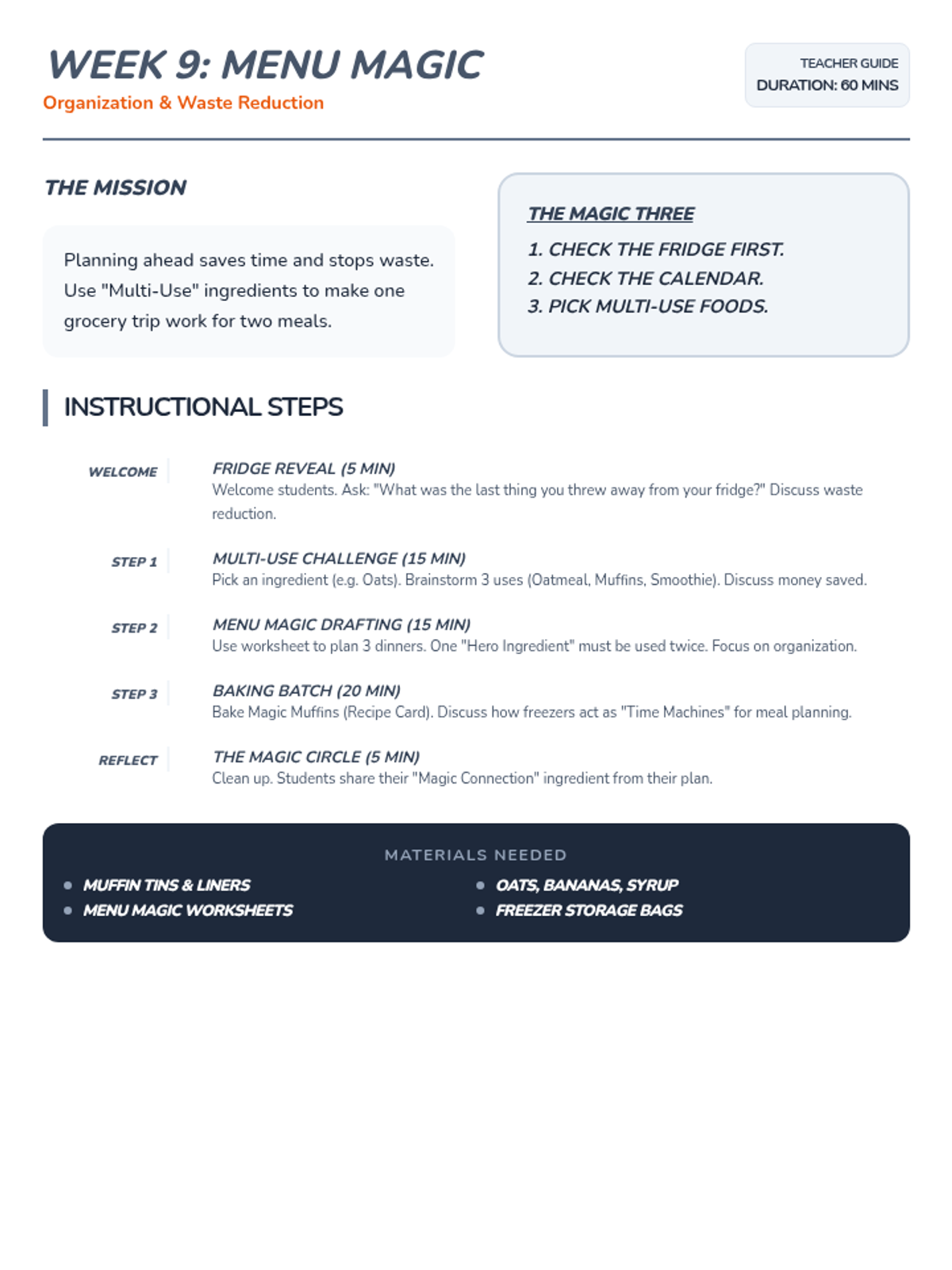
Strategies for organizing weekly meals to reduce waste and stress.
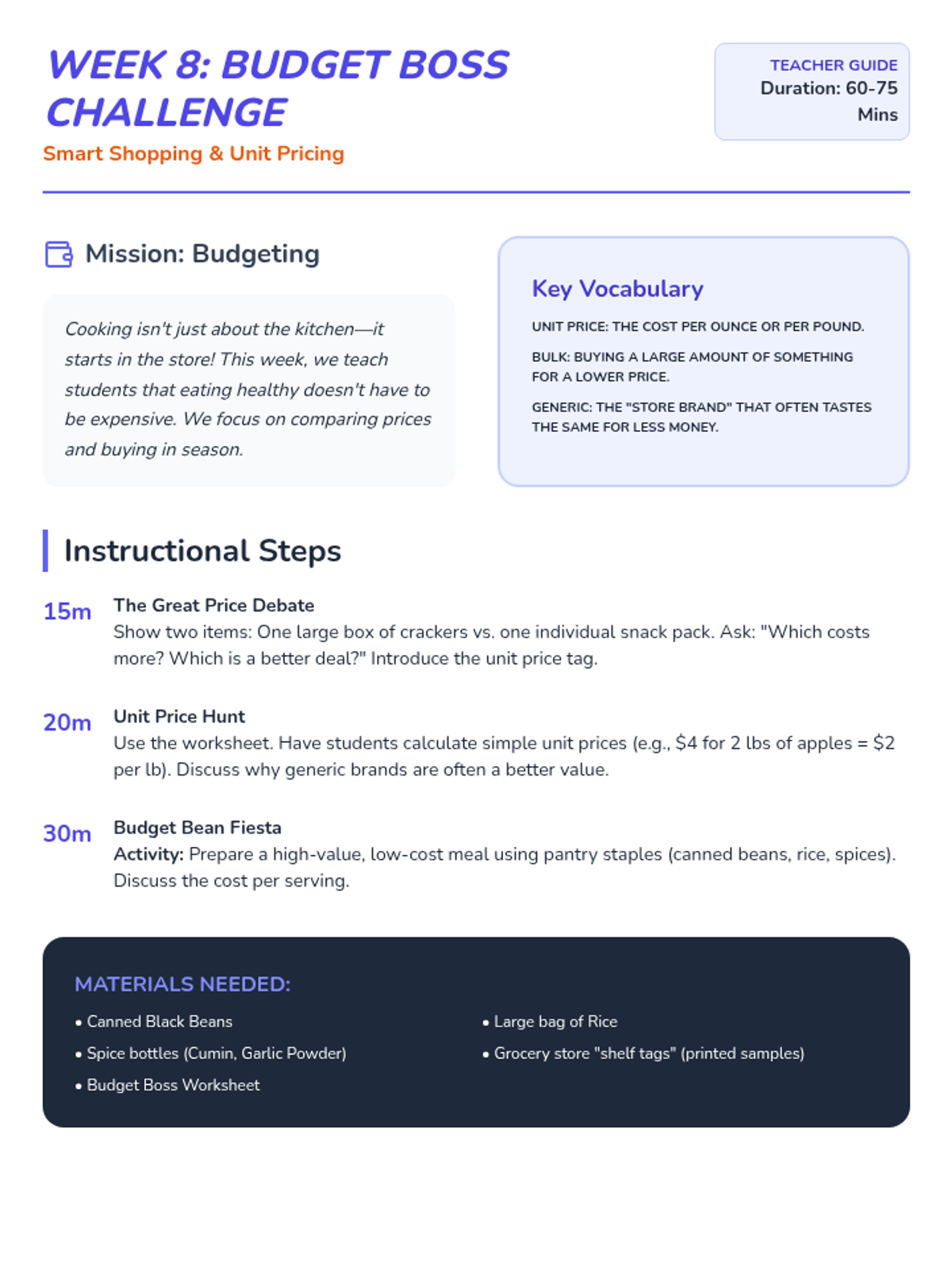
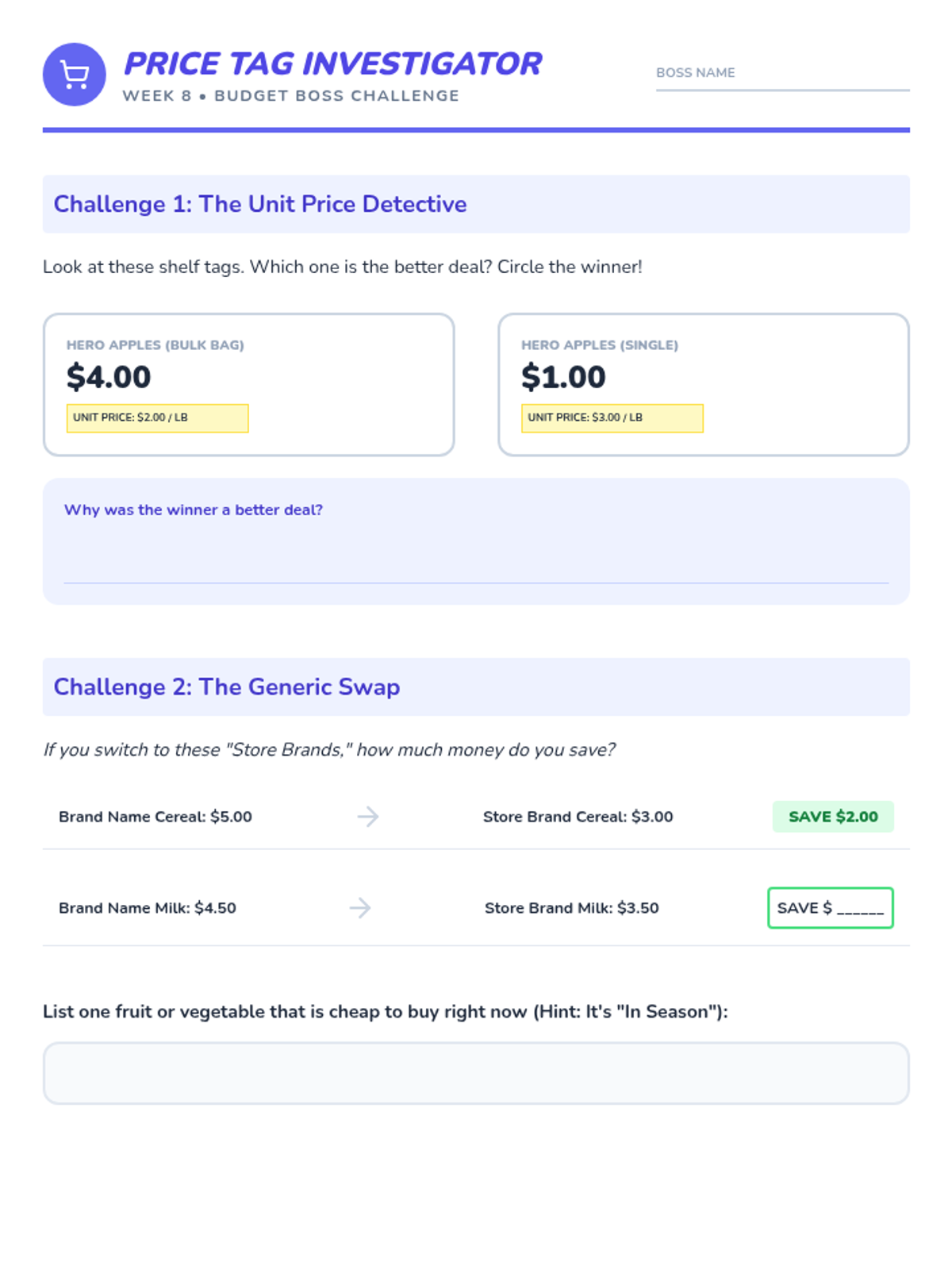
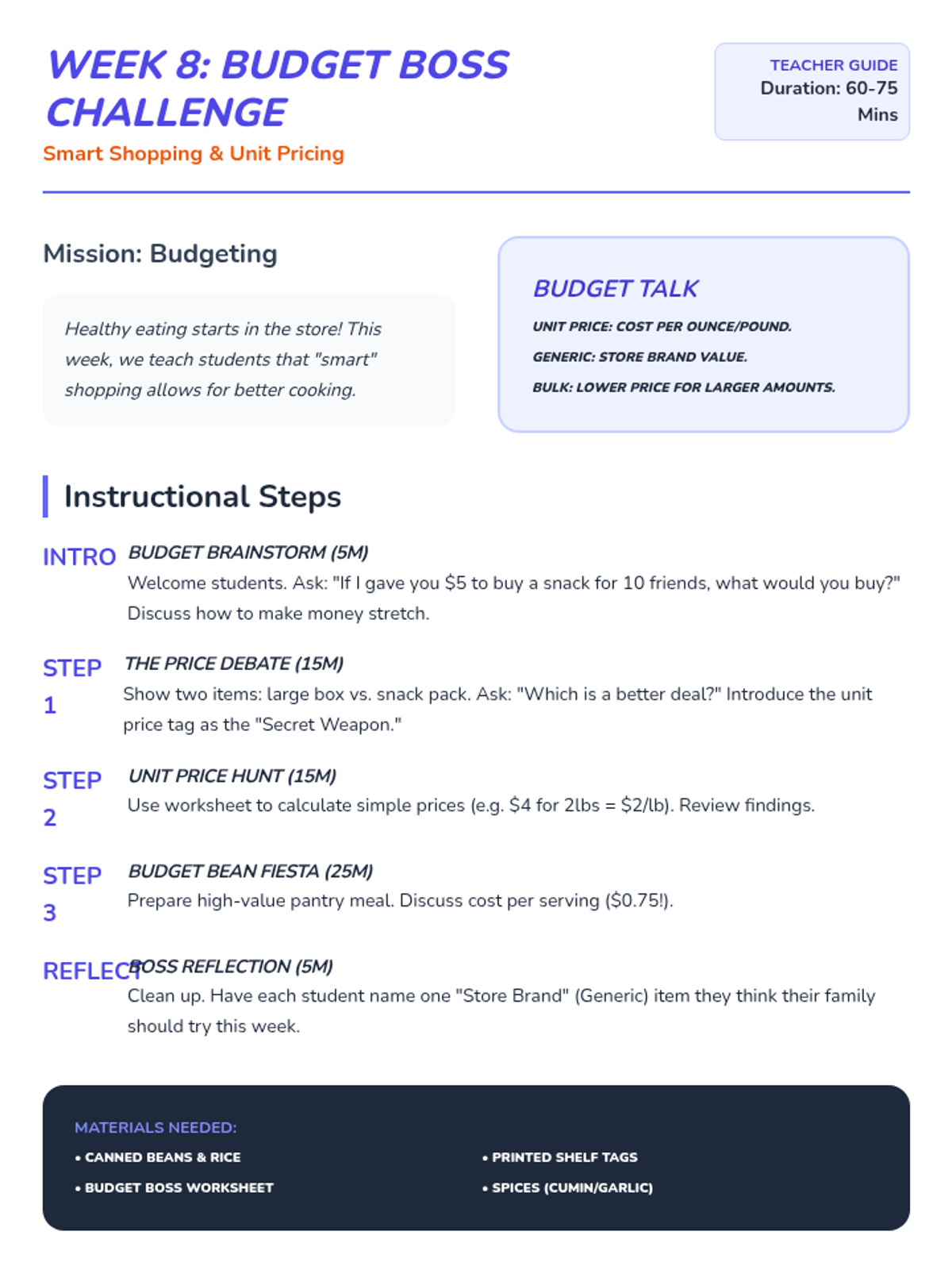
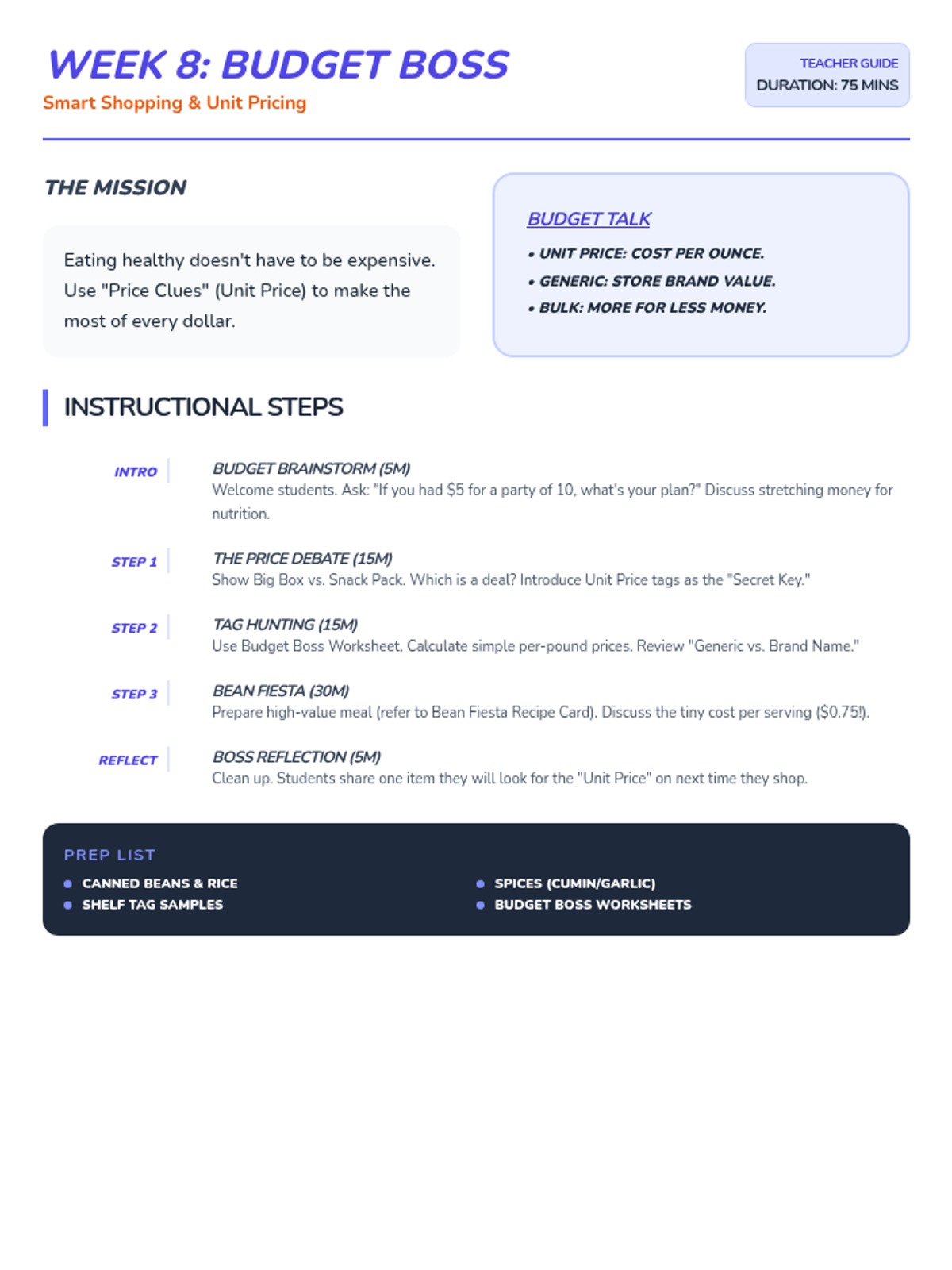
Learning to shop smart and make the most of every dollar.
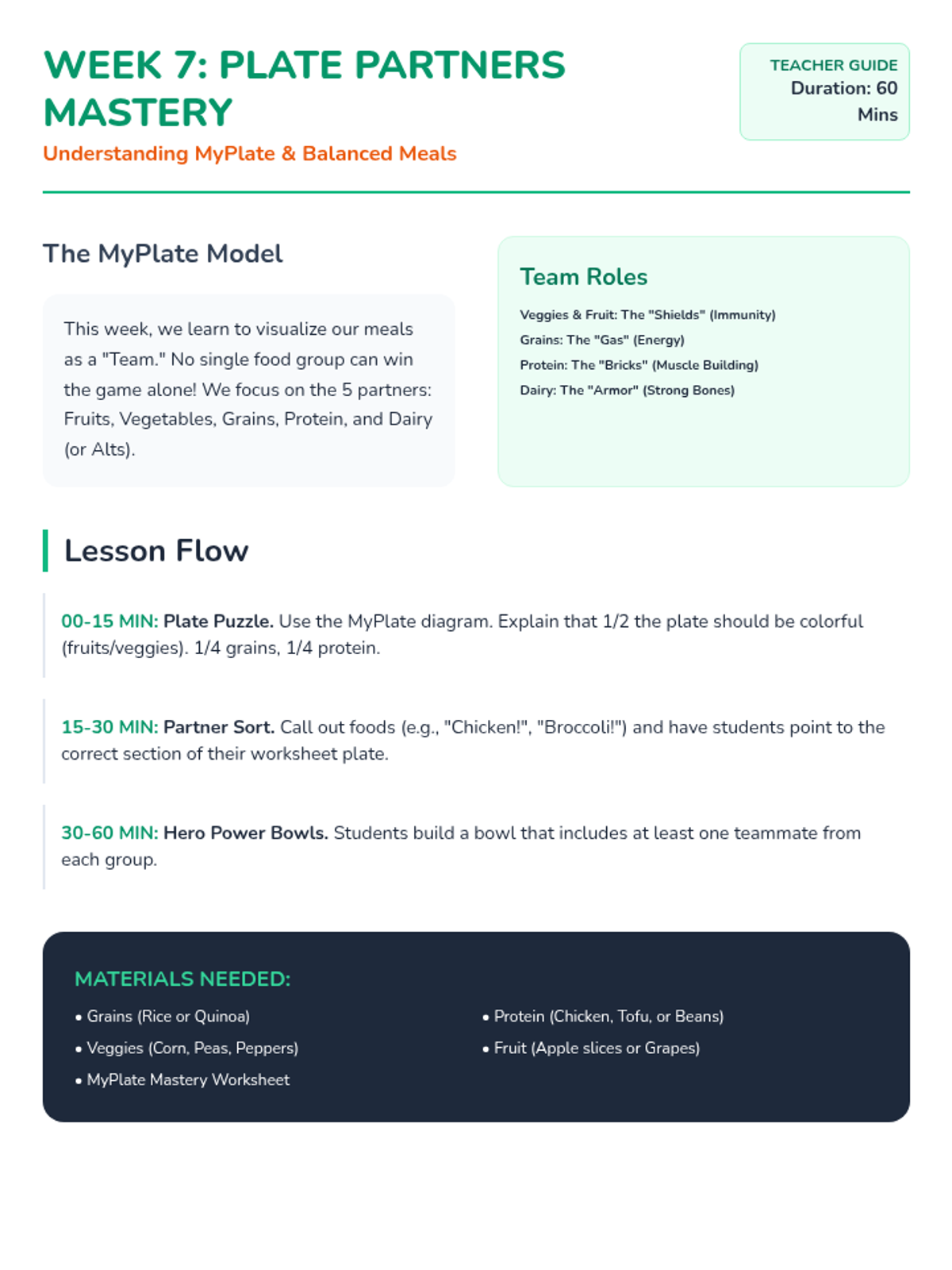
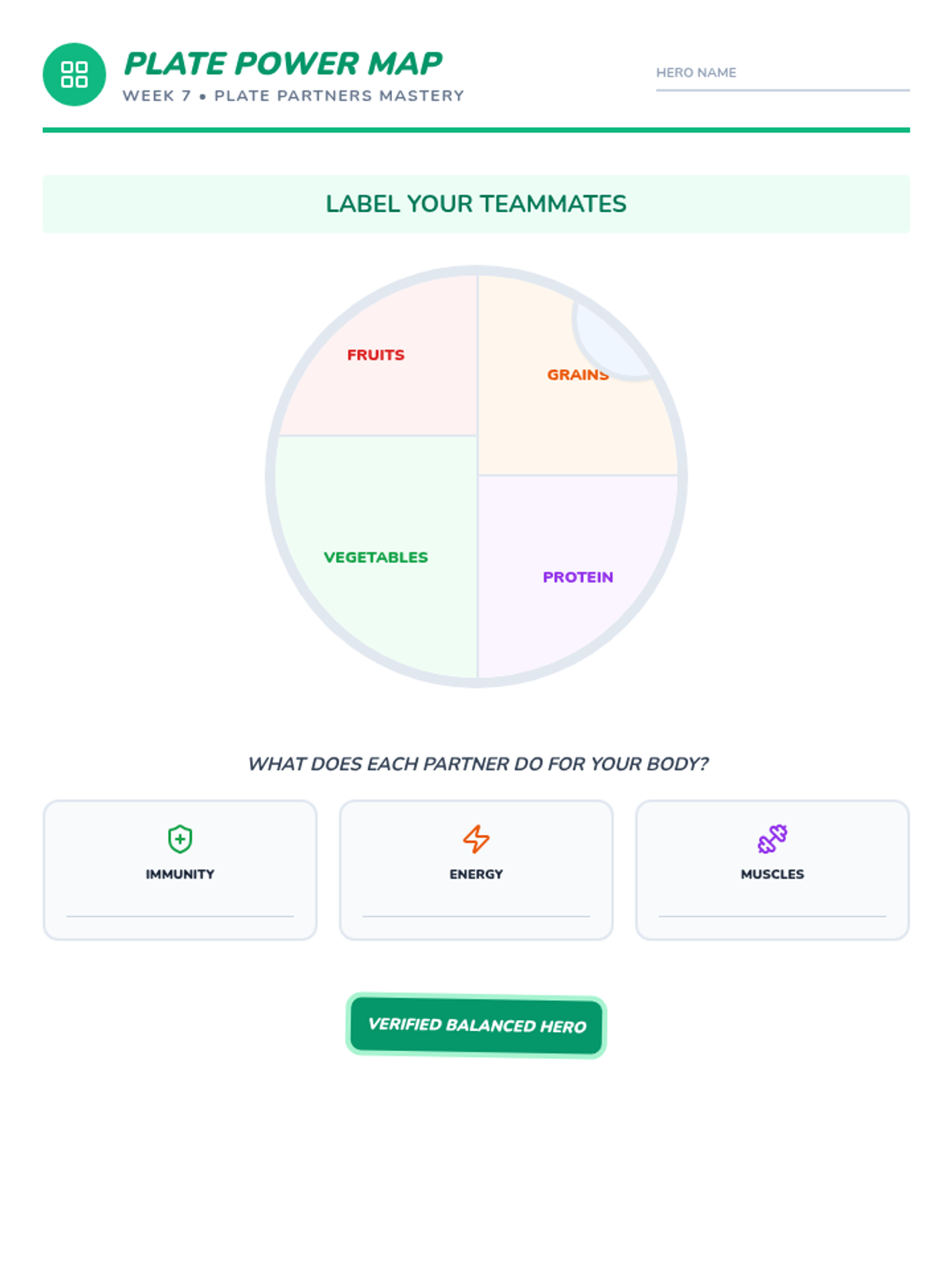
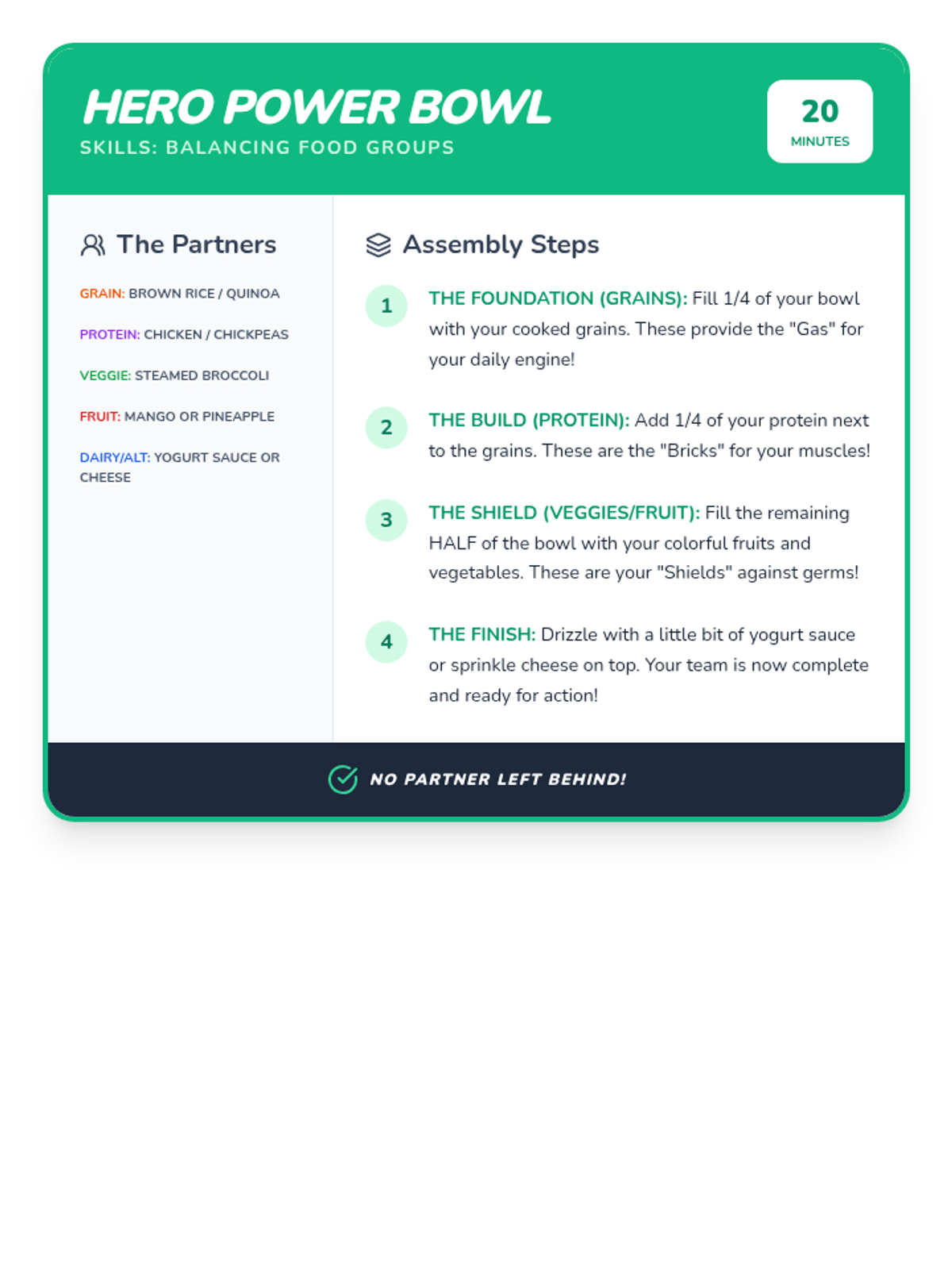
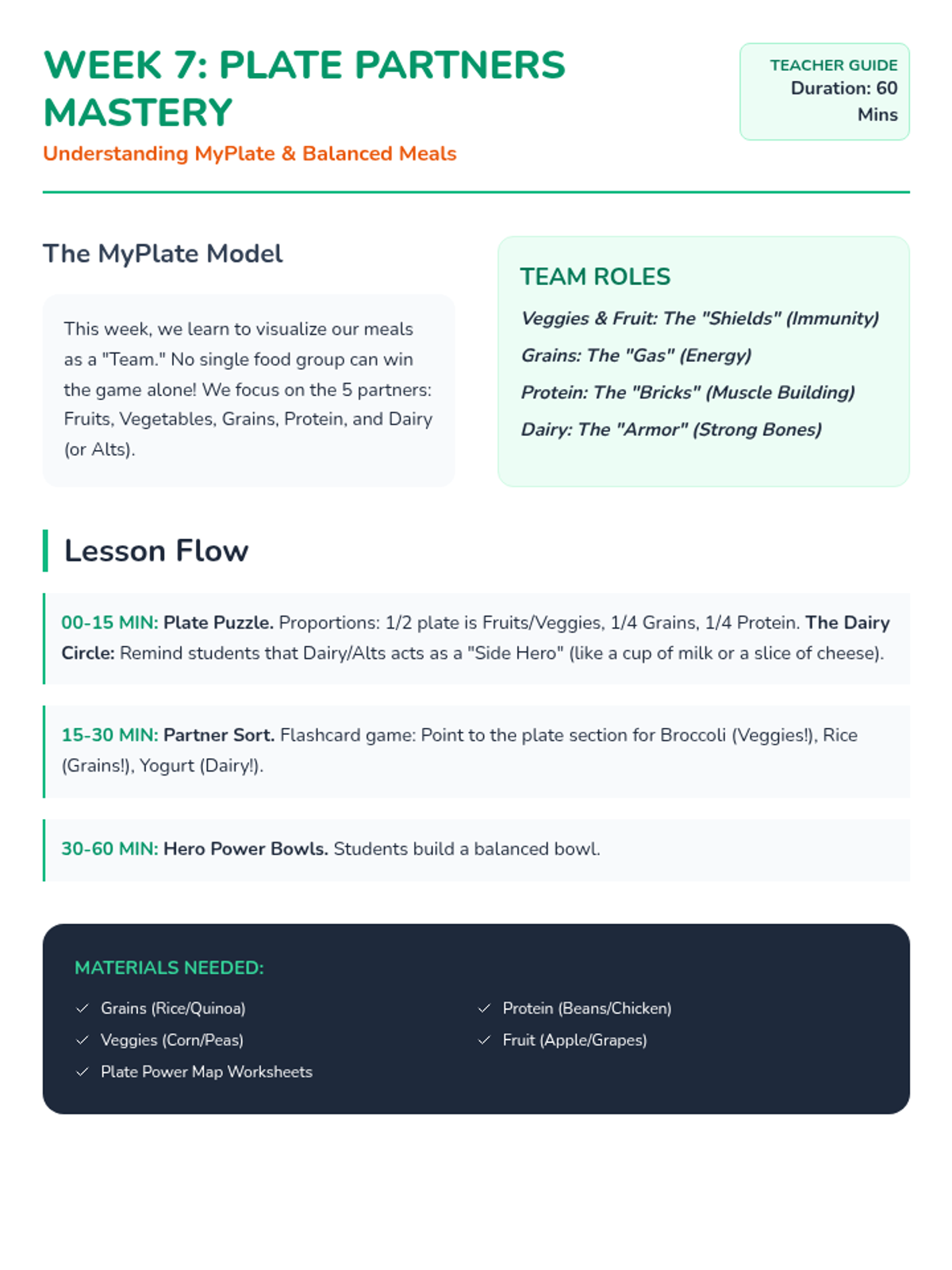
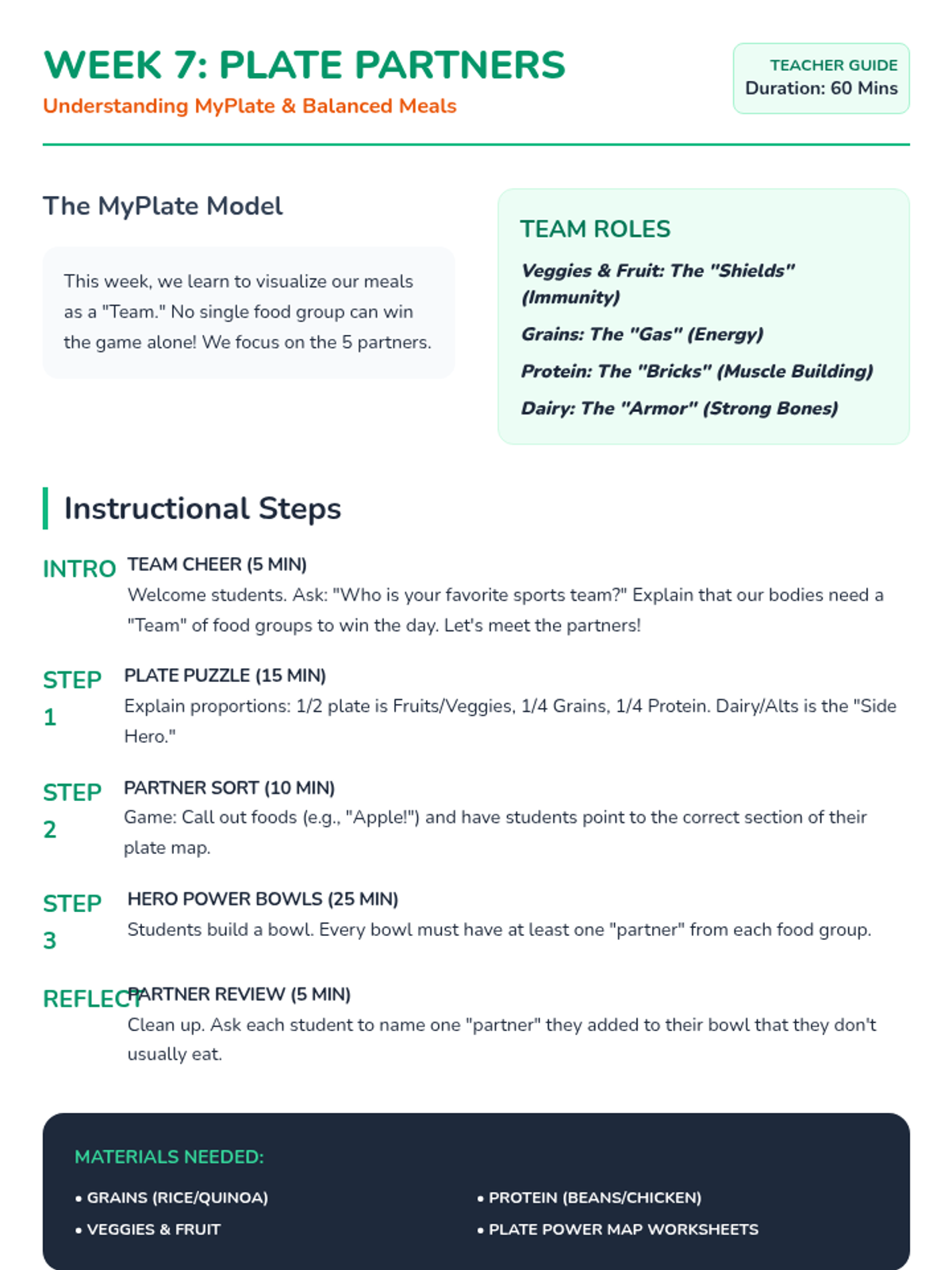
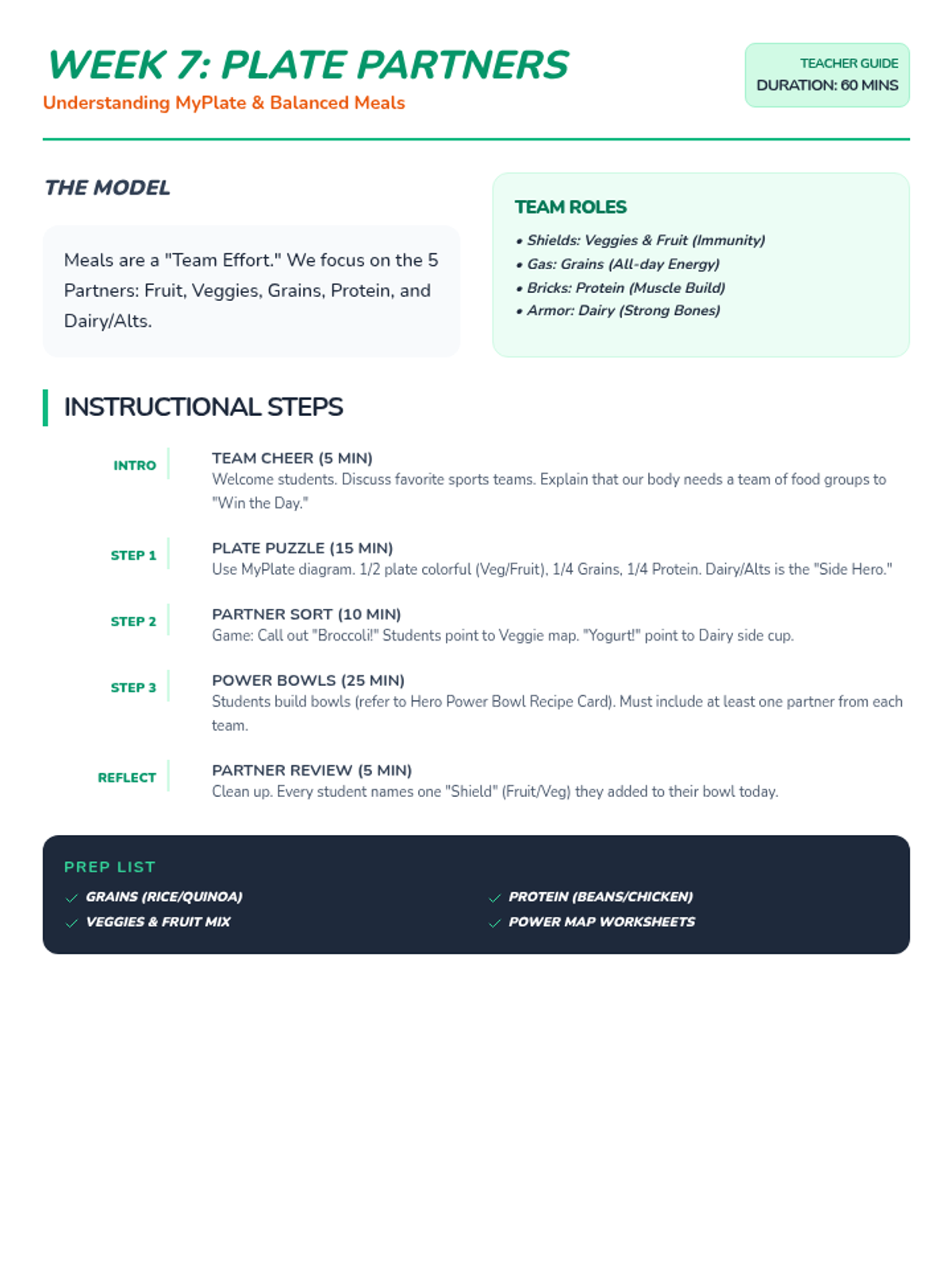
Visualizing food groups and balanced meals using the MyPlate model.
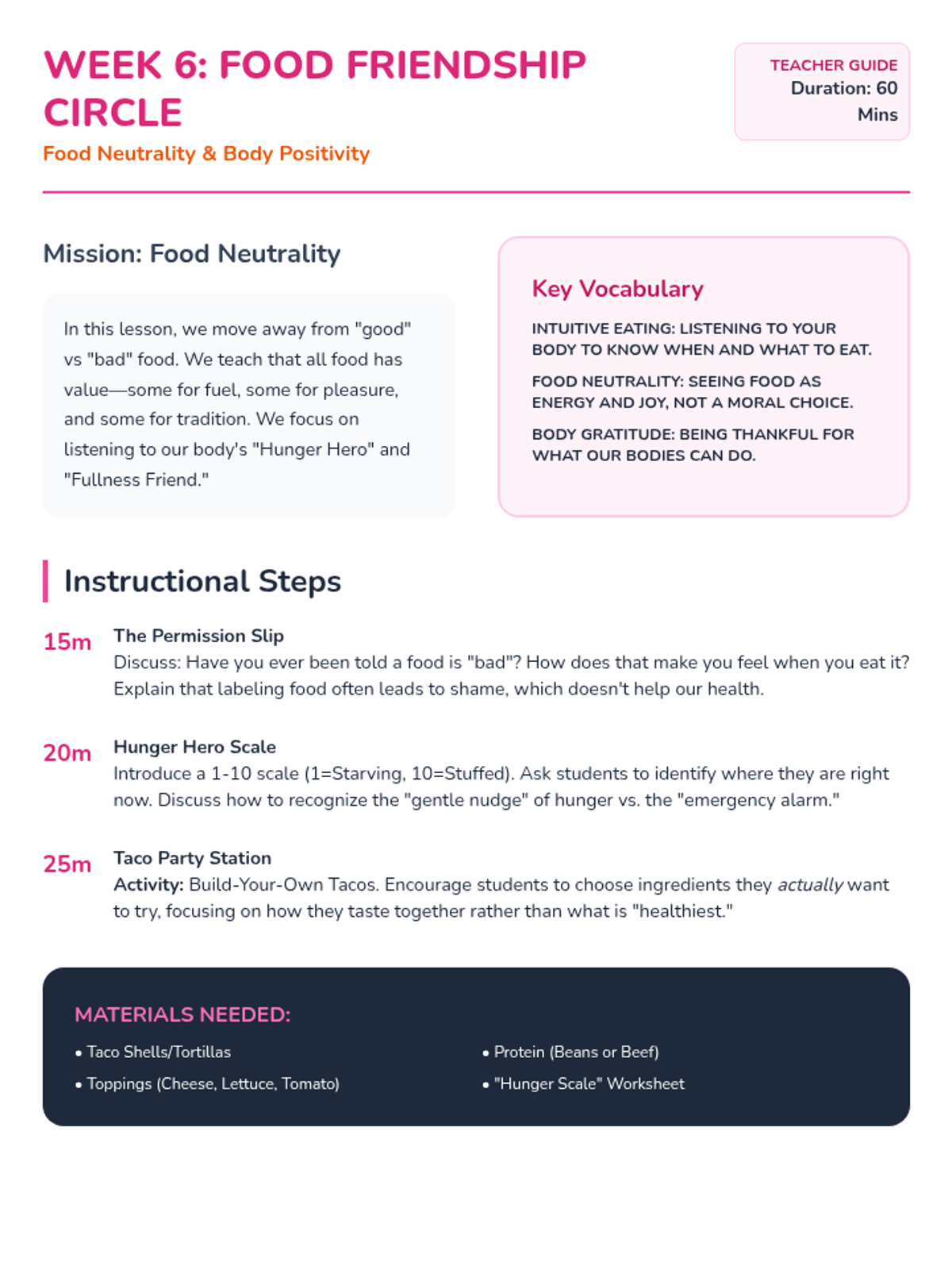
Building a positive relationship with all types of food.
Exploring the link between what we eat and how we feel.
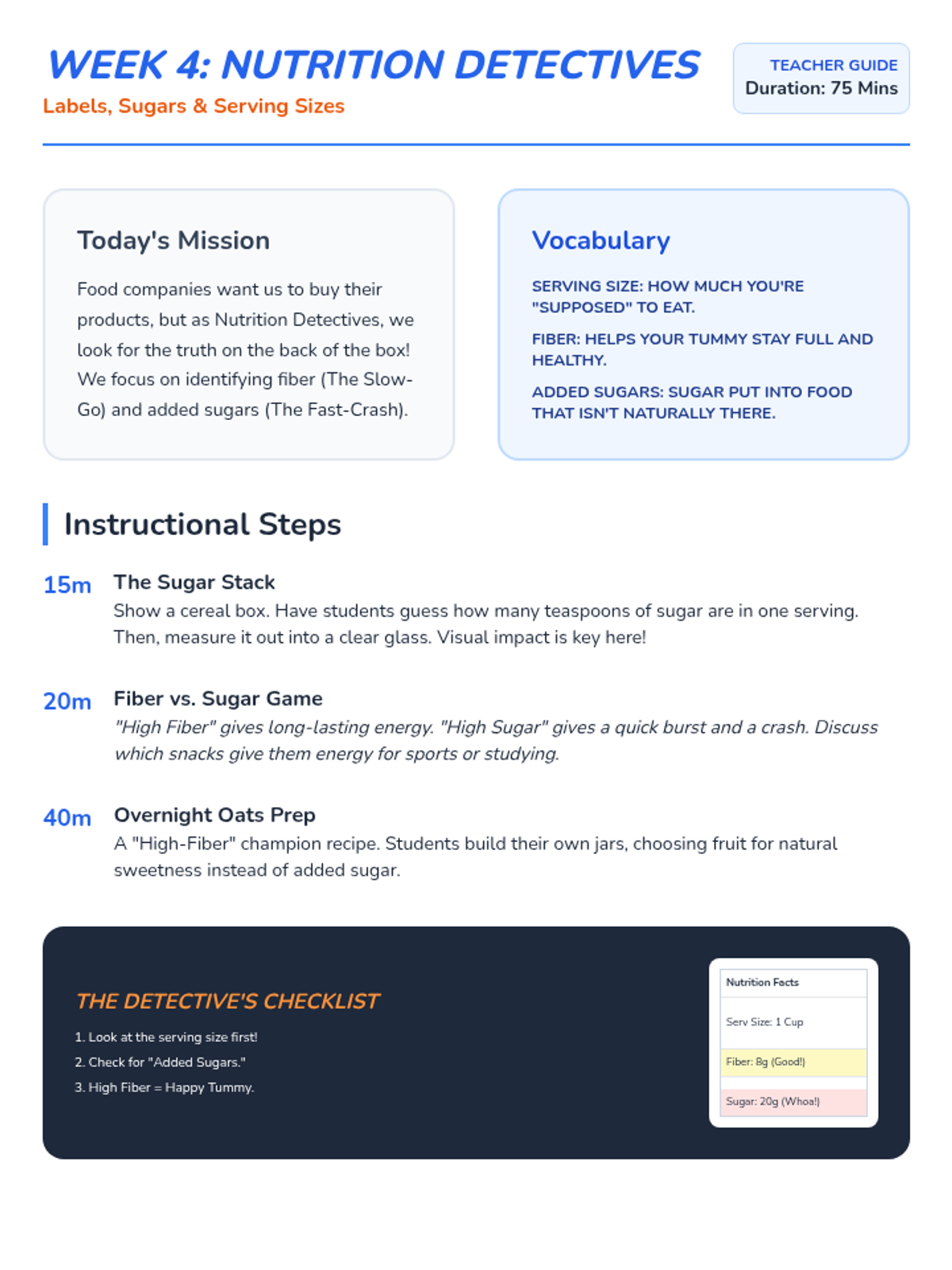
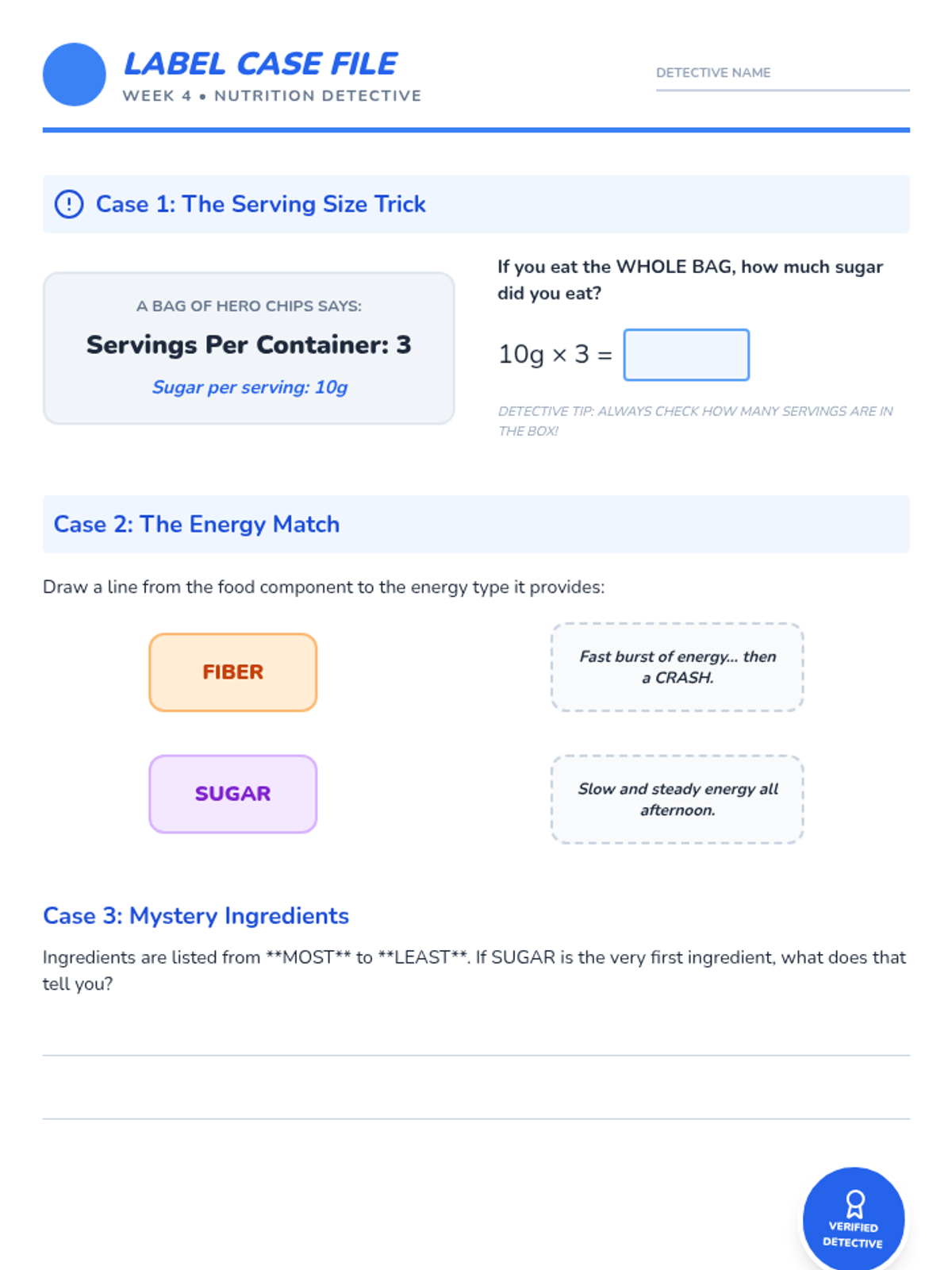
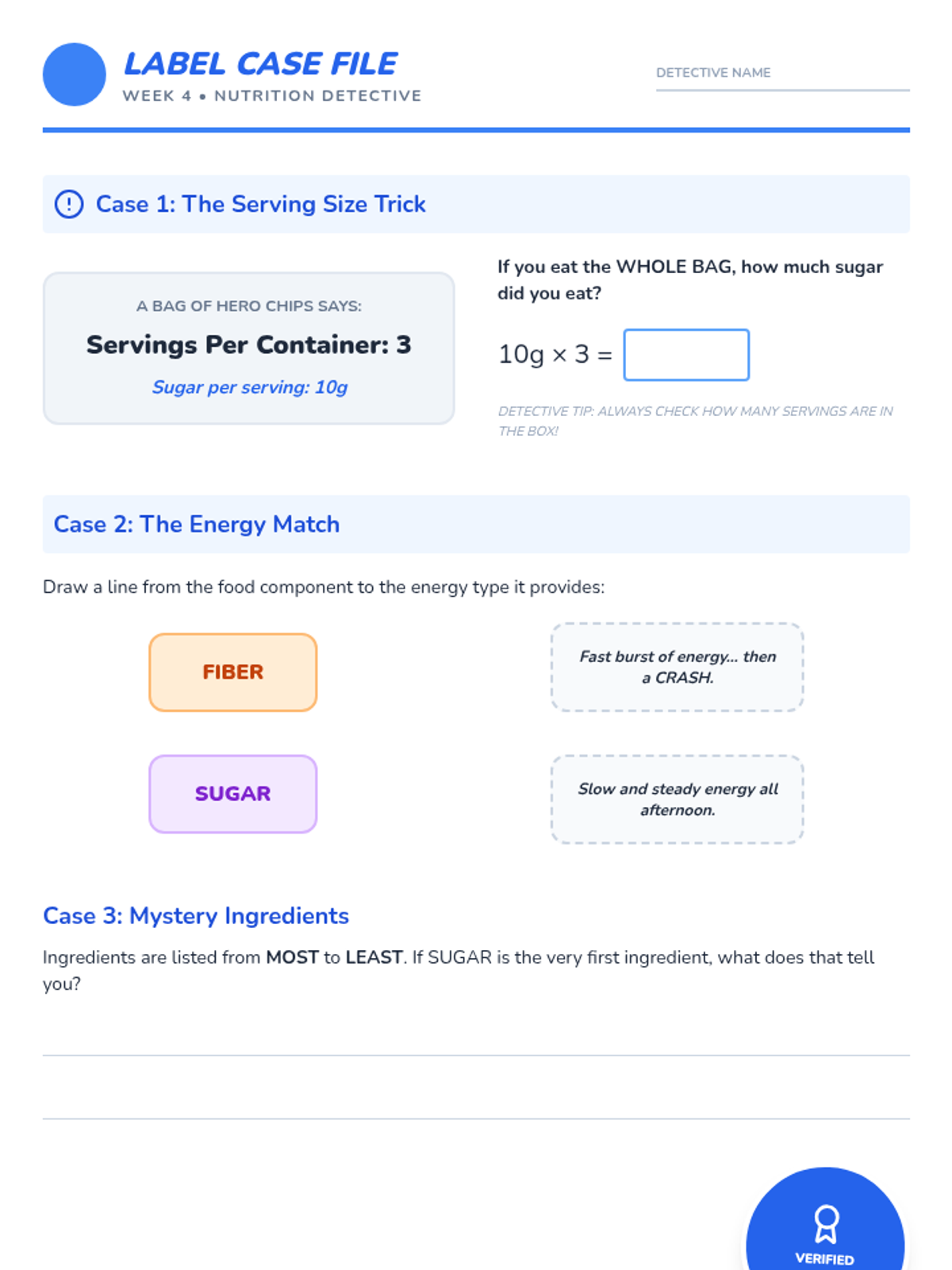
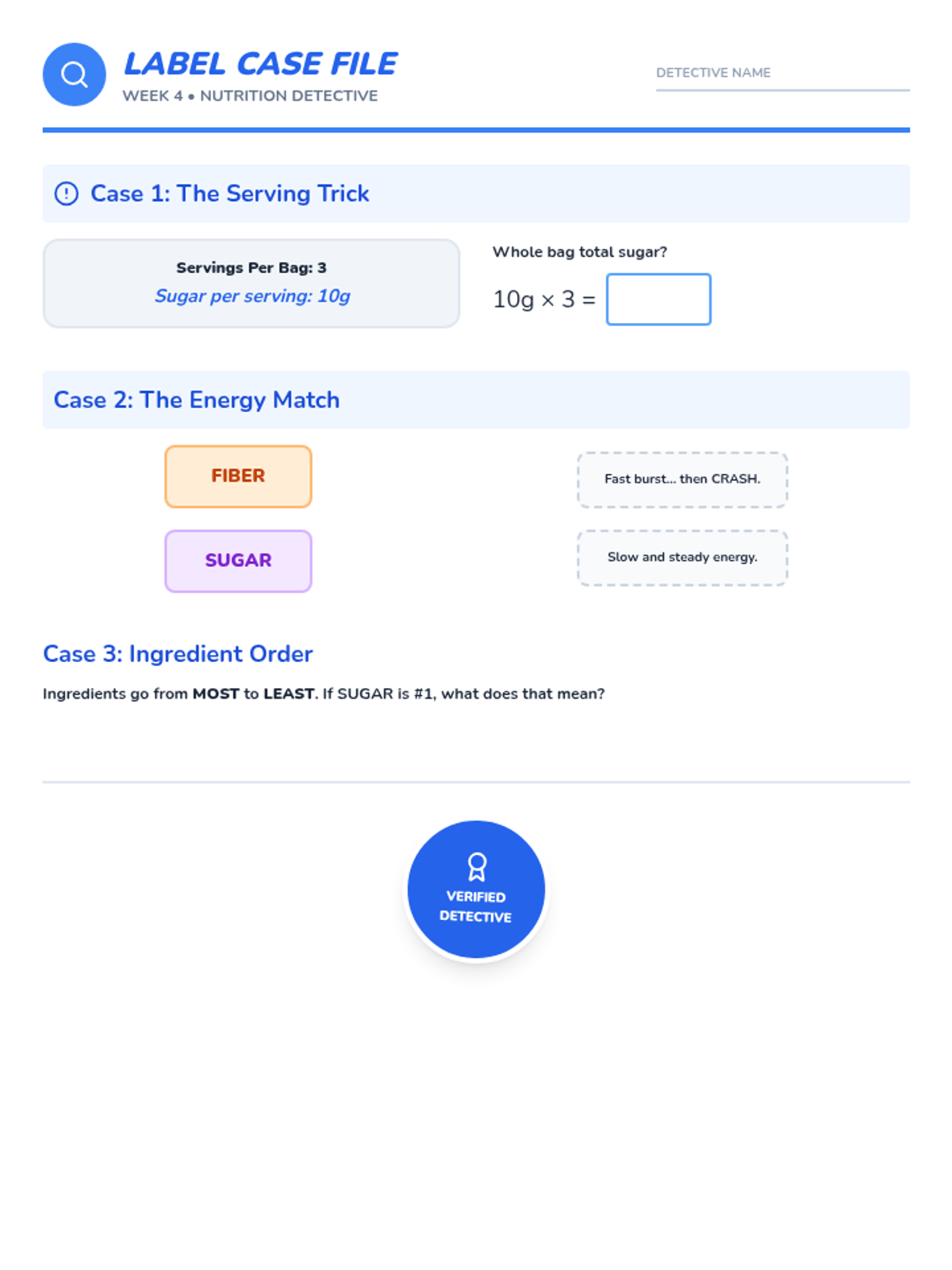
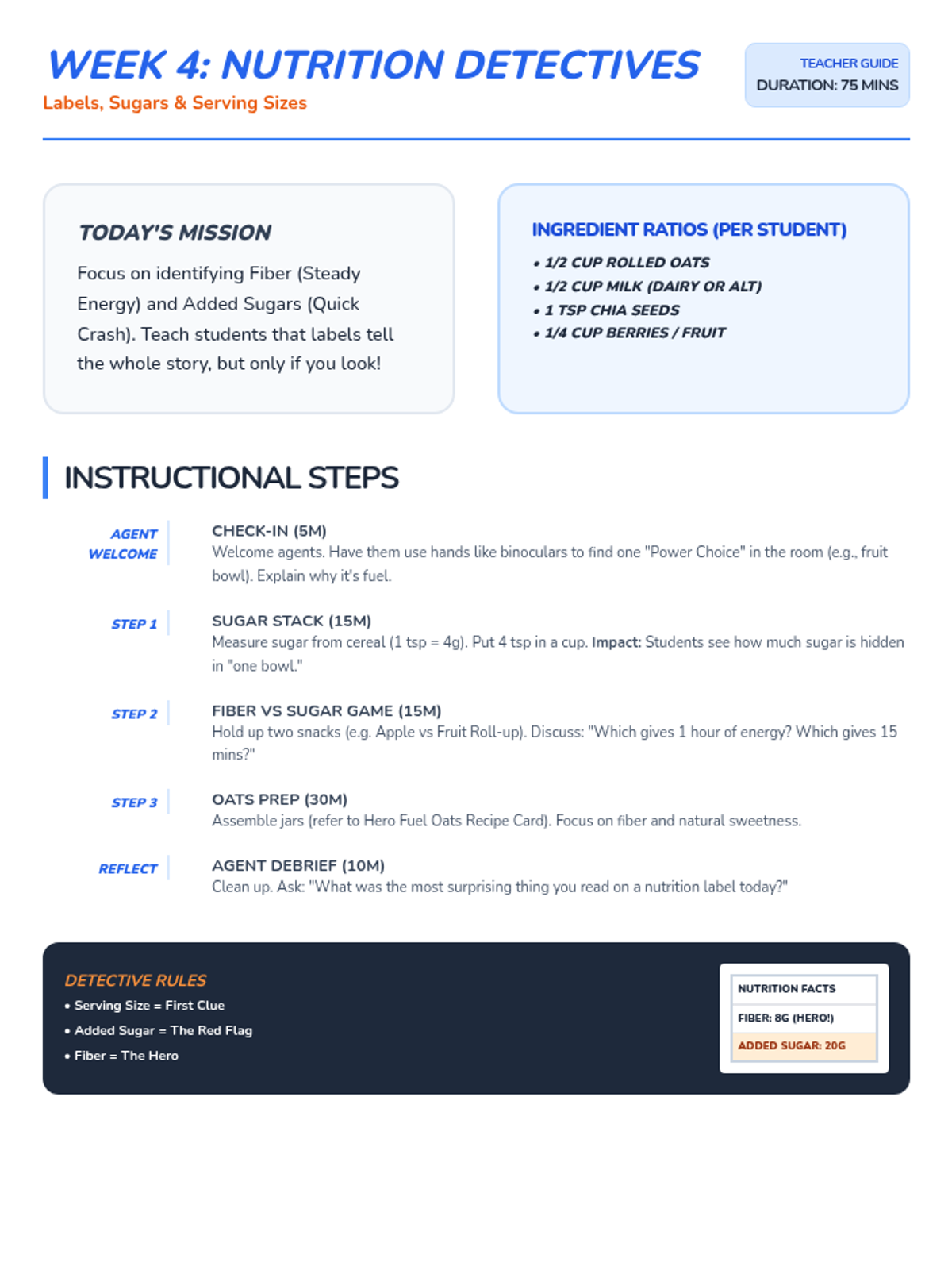
Decoding nutrition labels and making empowered choices for the body.
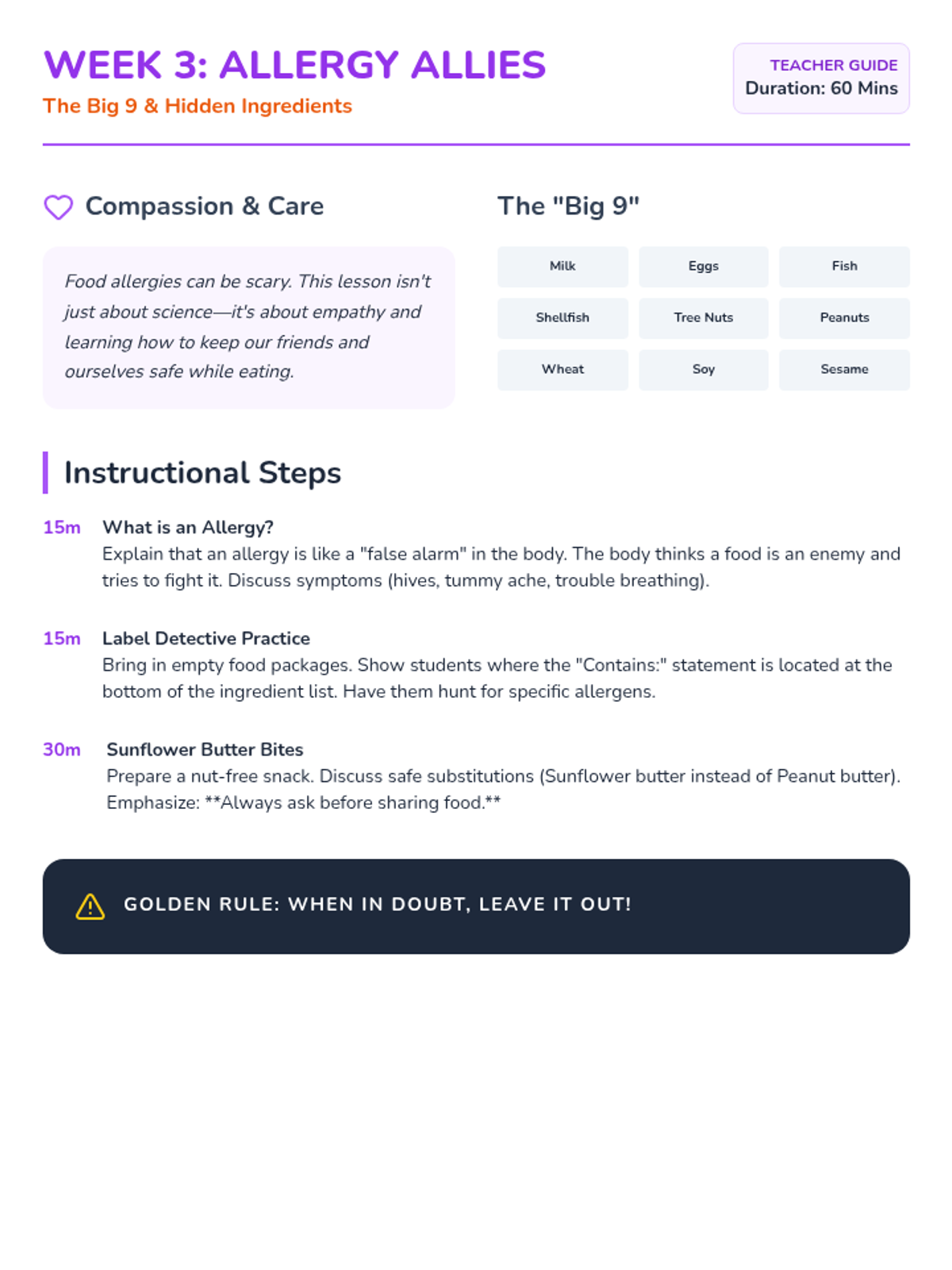
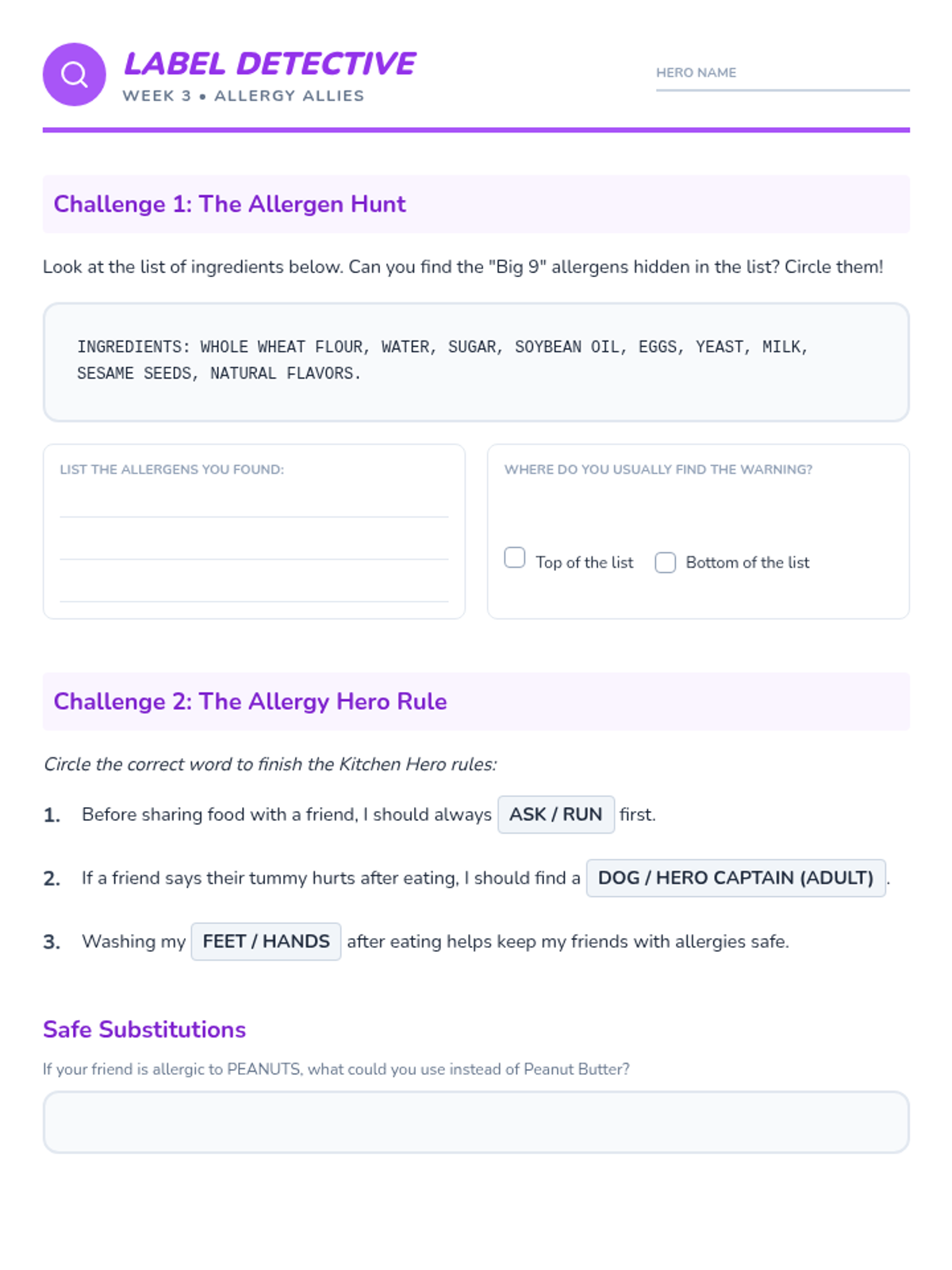
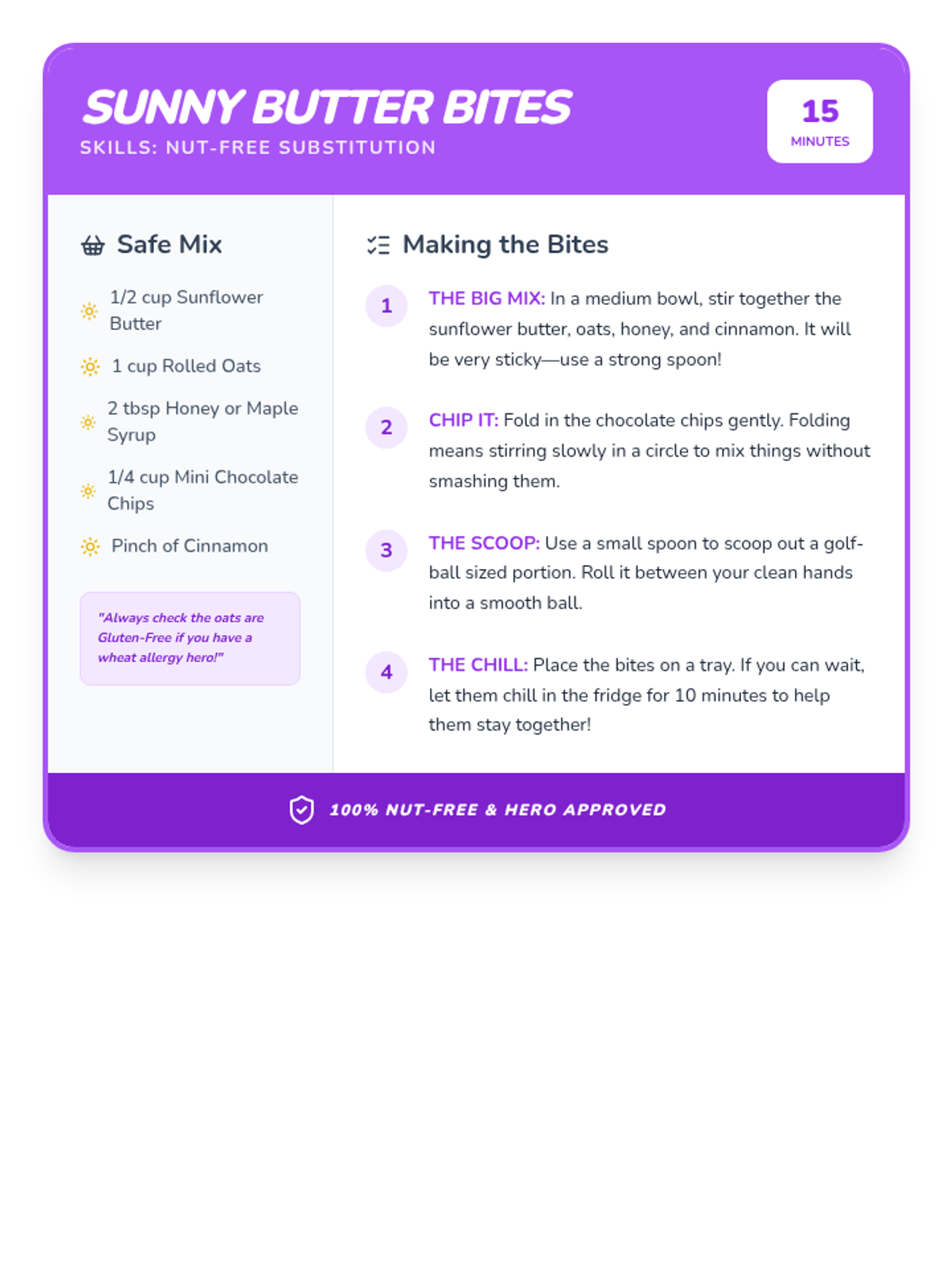
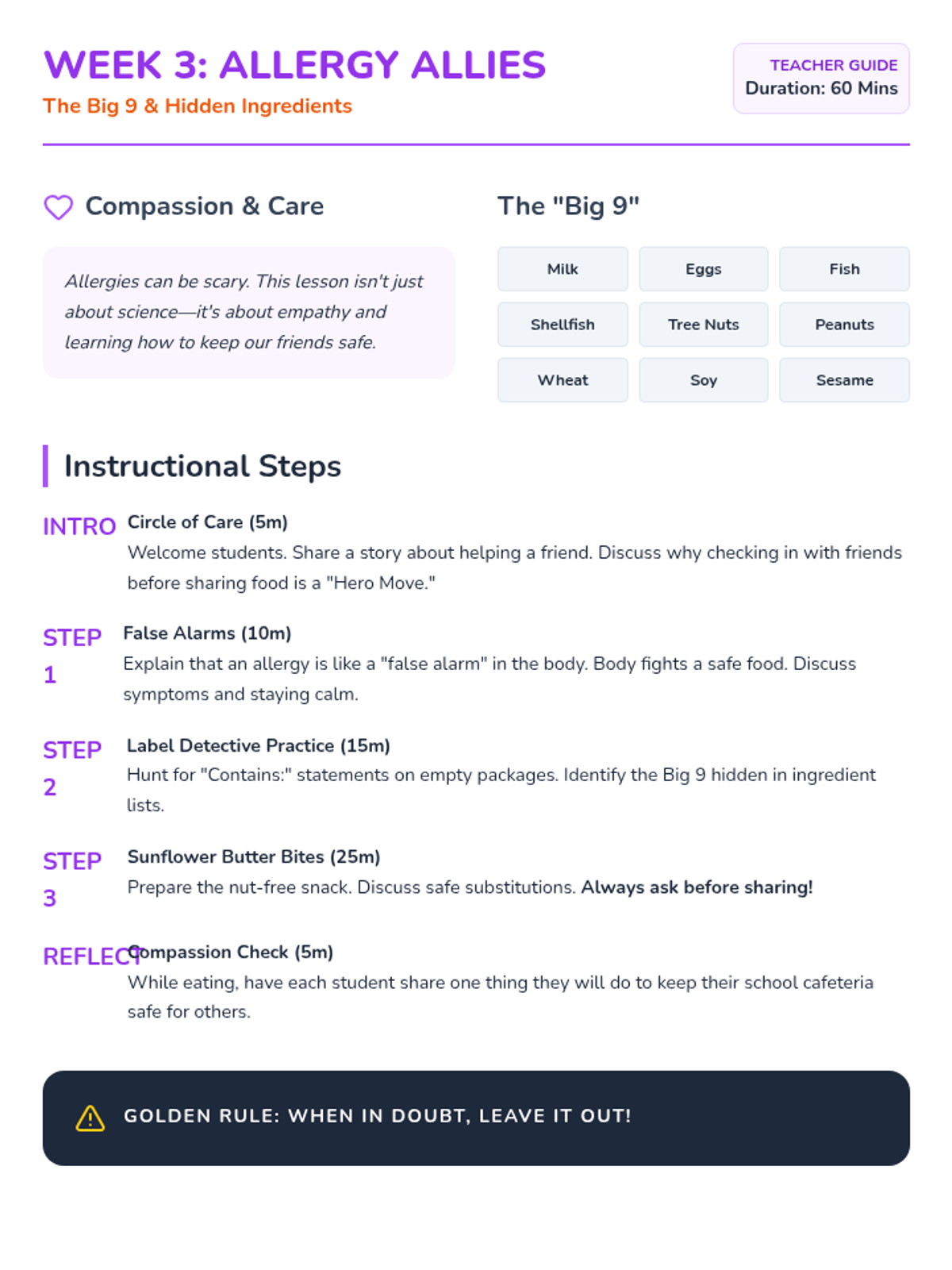
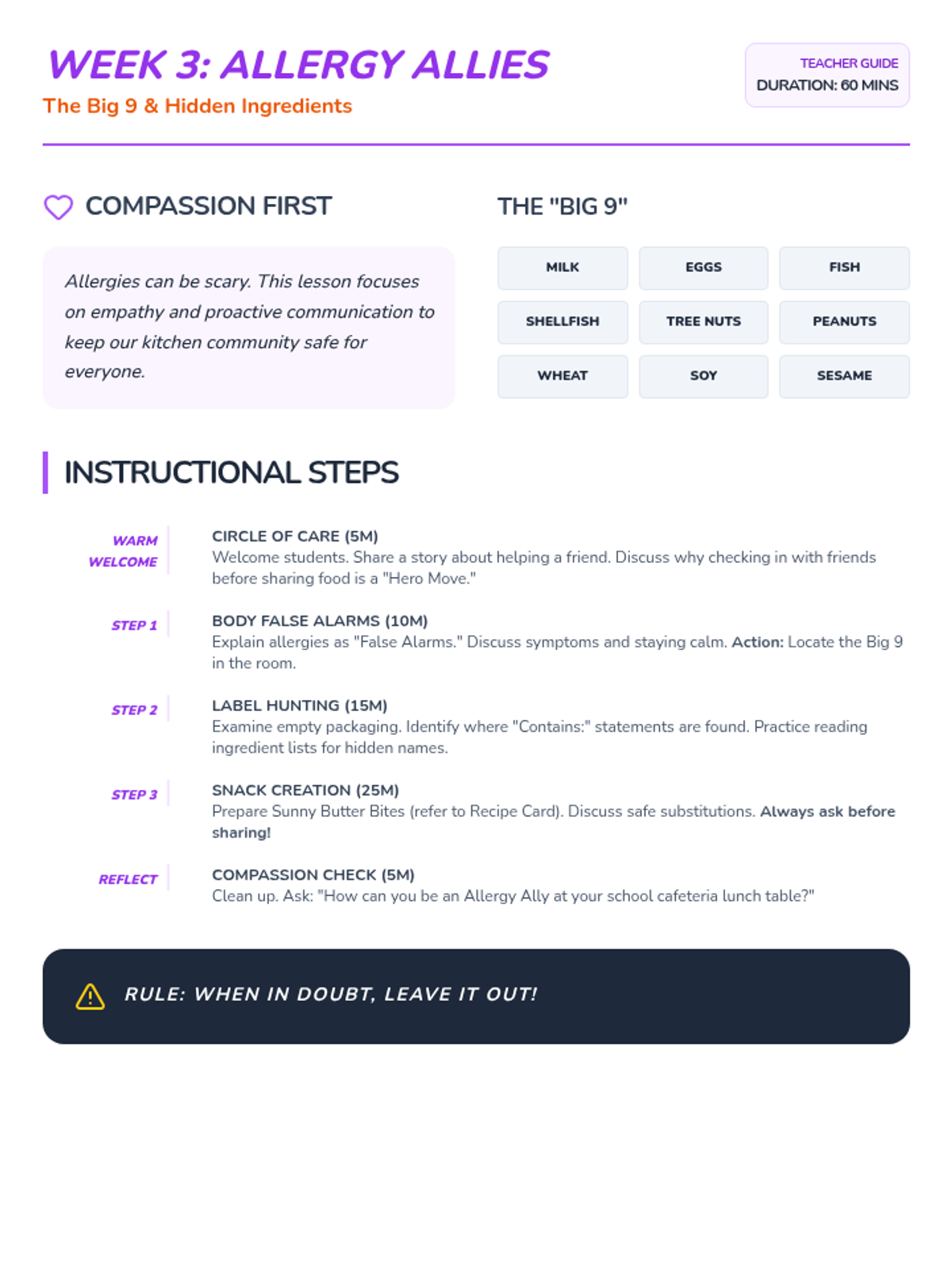
Learning about common food allergies and how to keep everyone safe at the table.
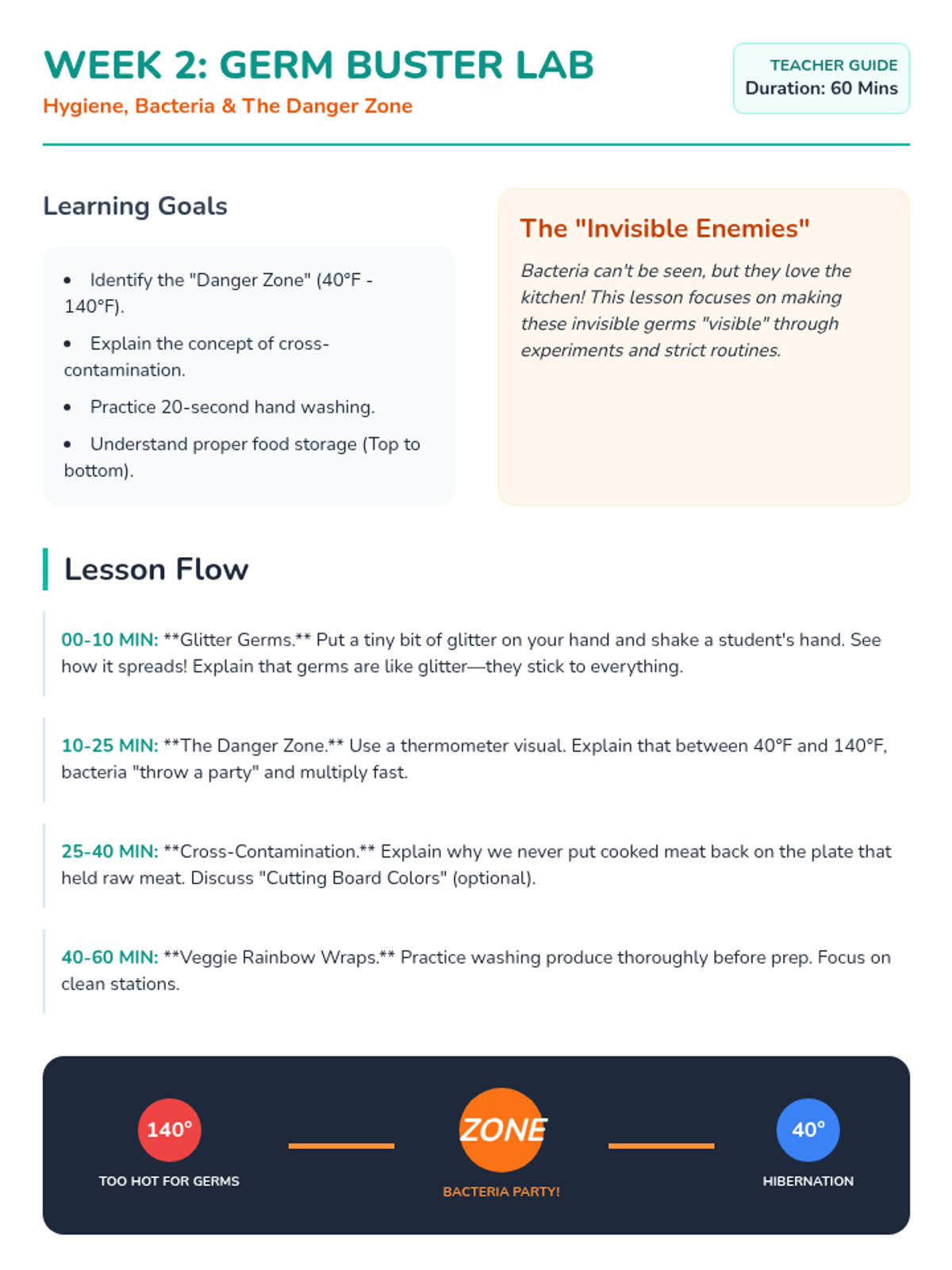
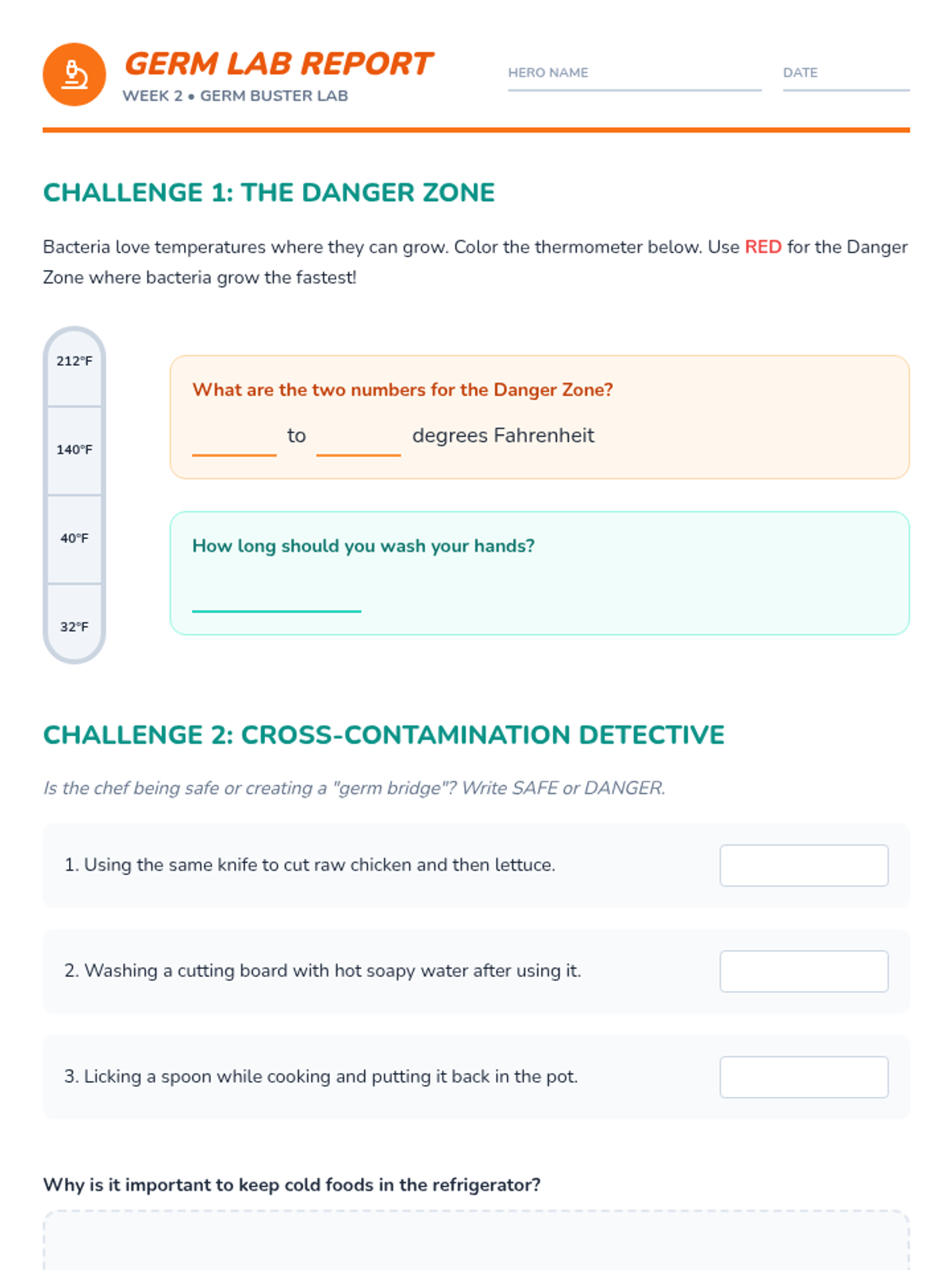
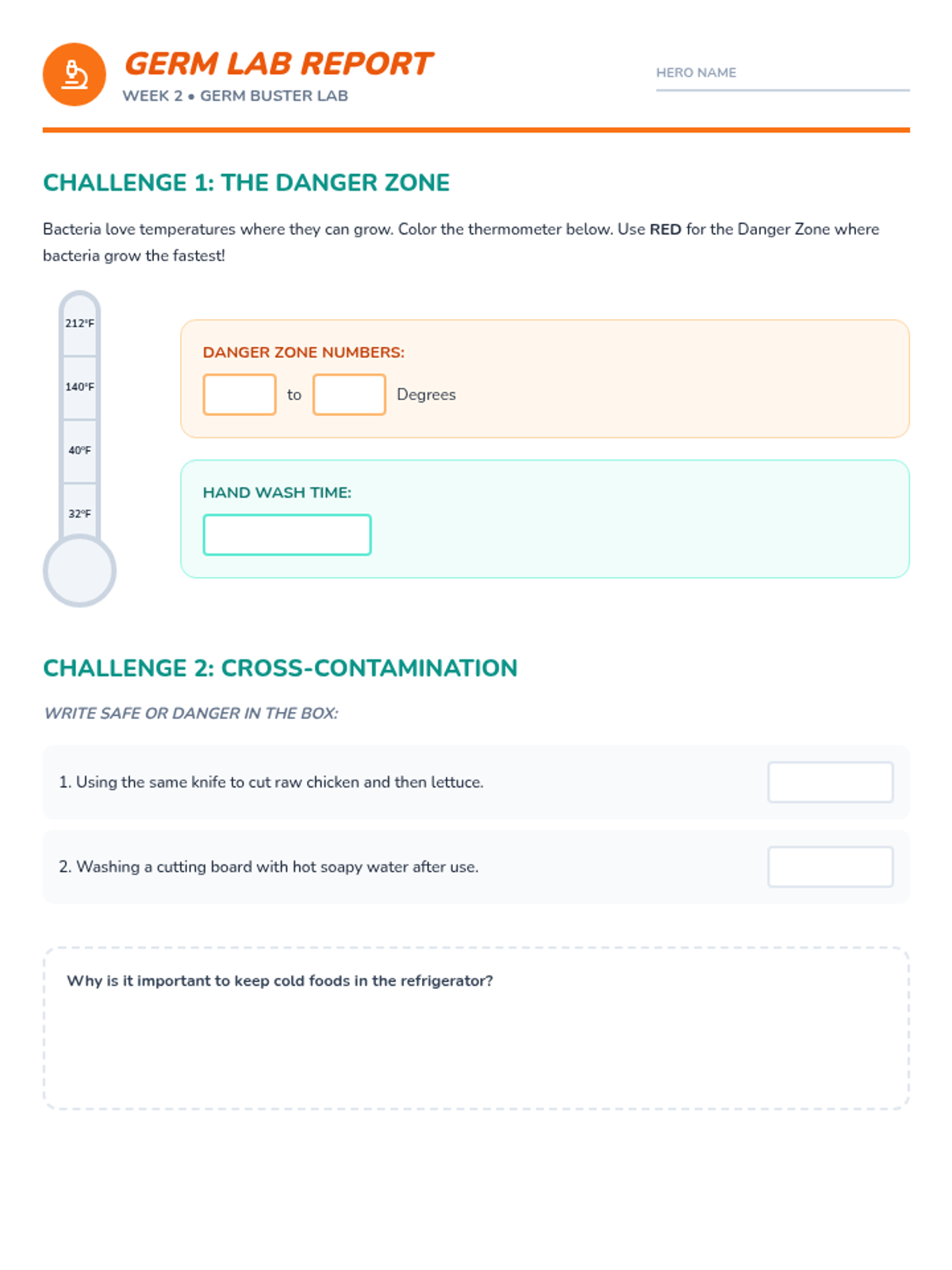
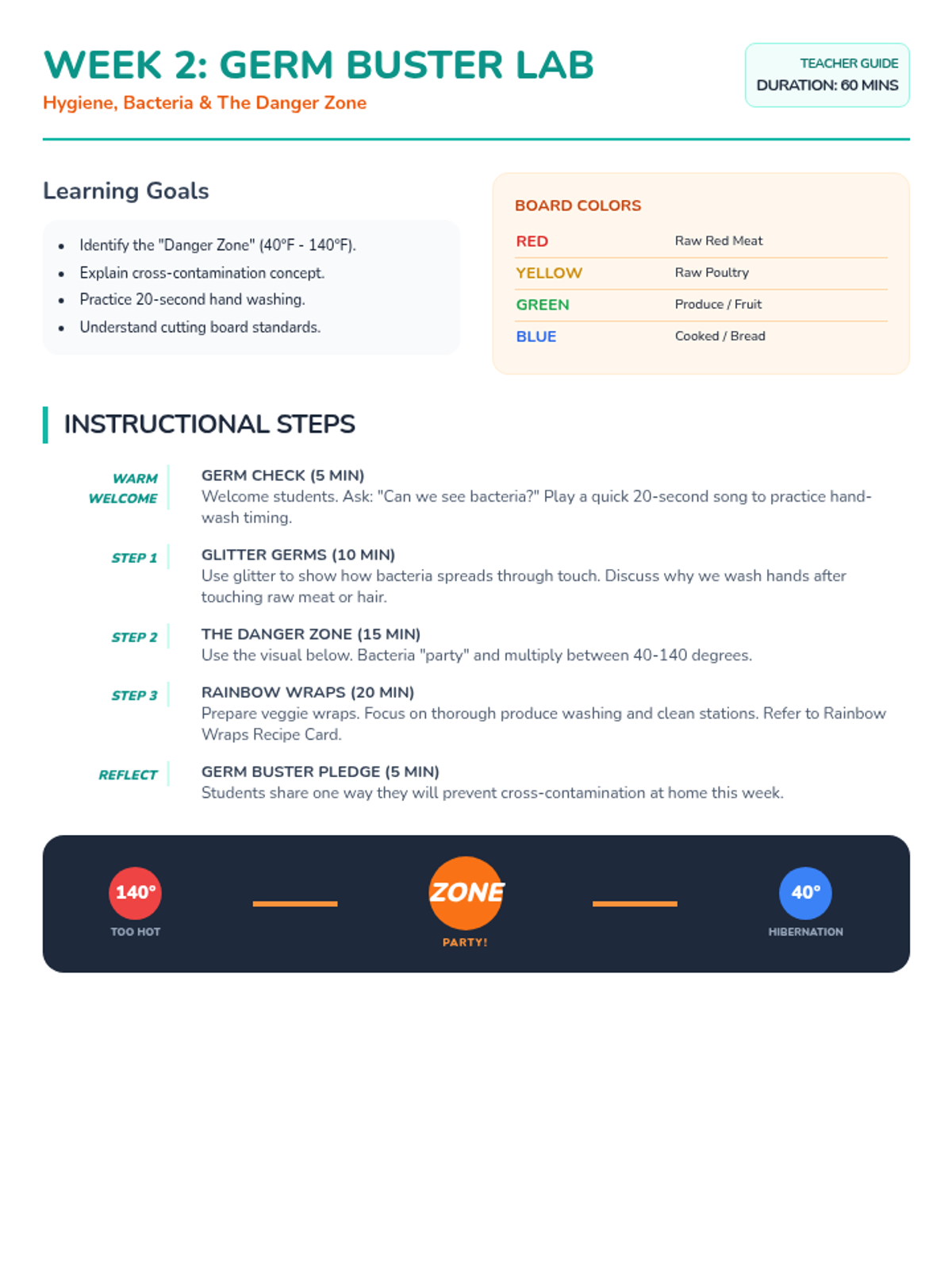
Understanding food-borne illnesses and the importance of a clean workspace.
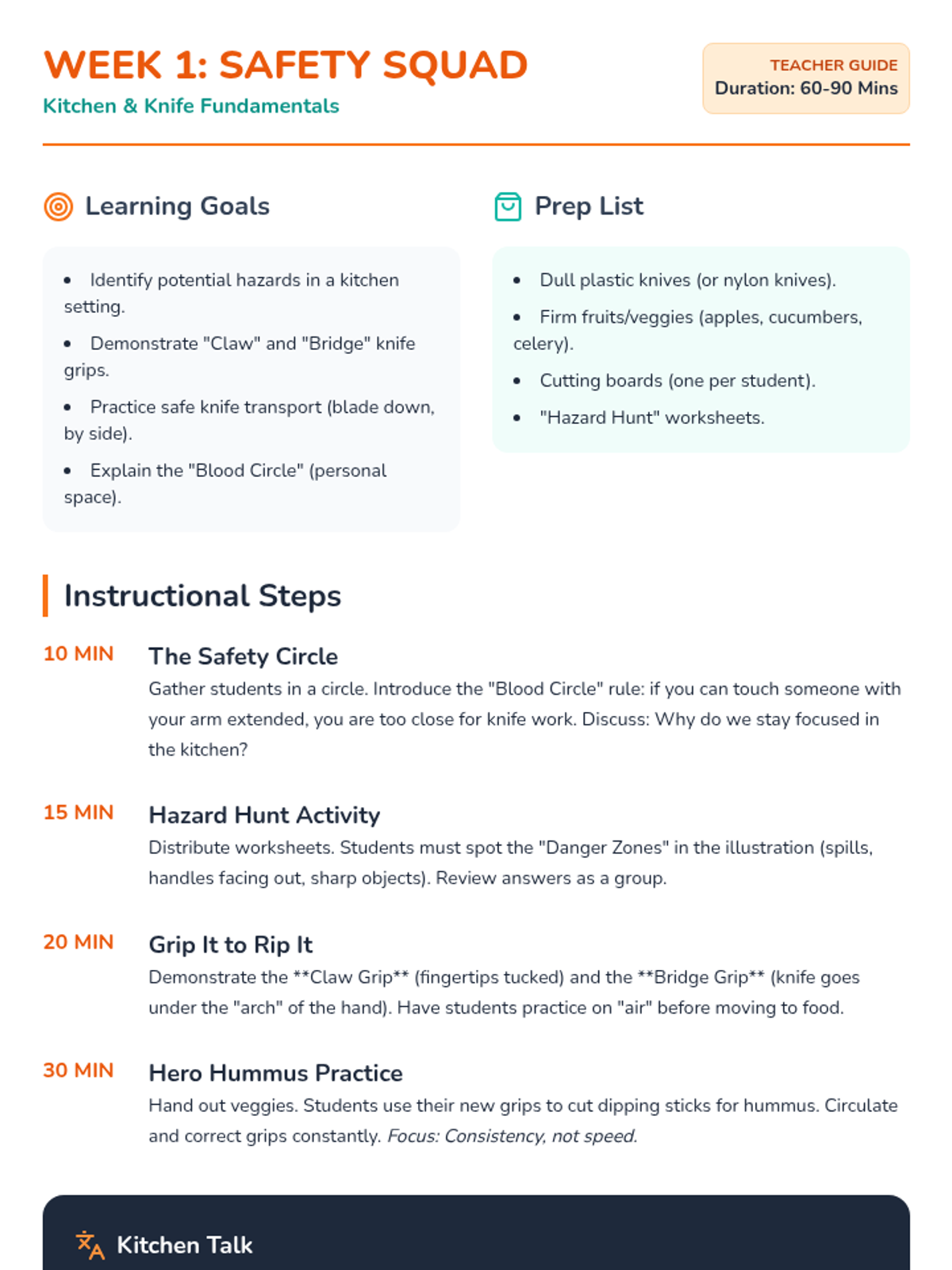
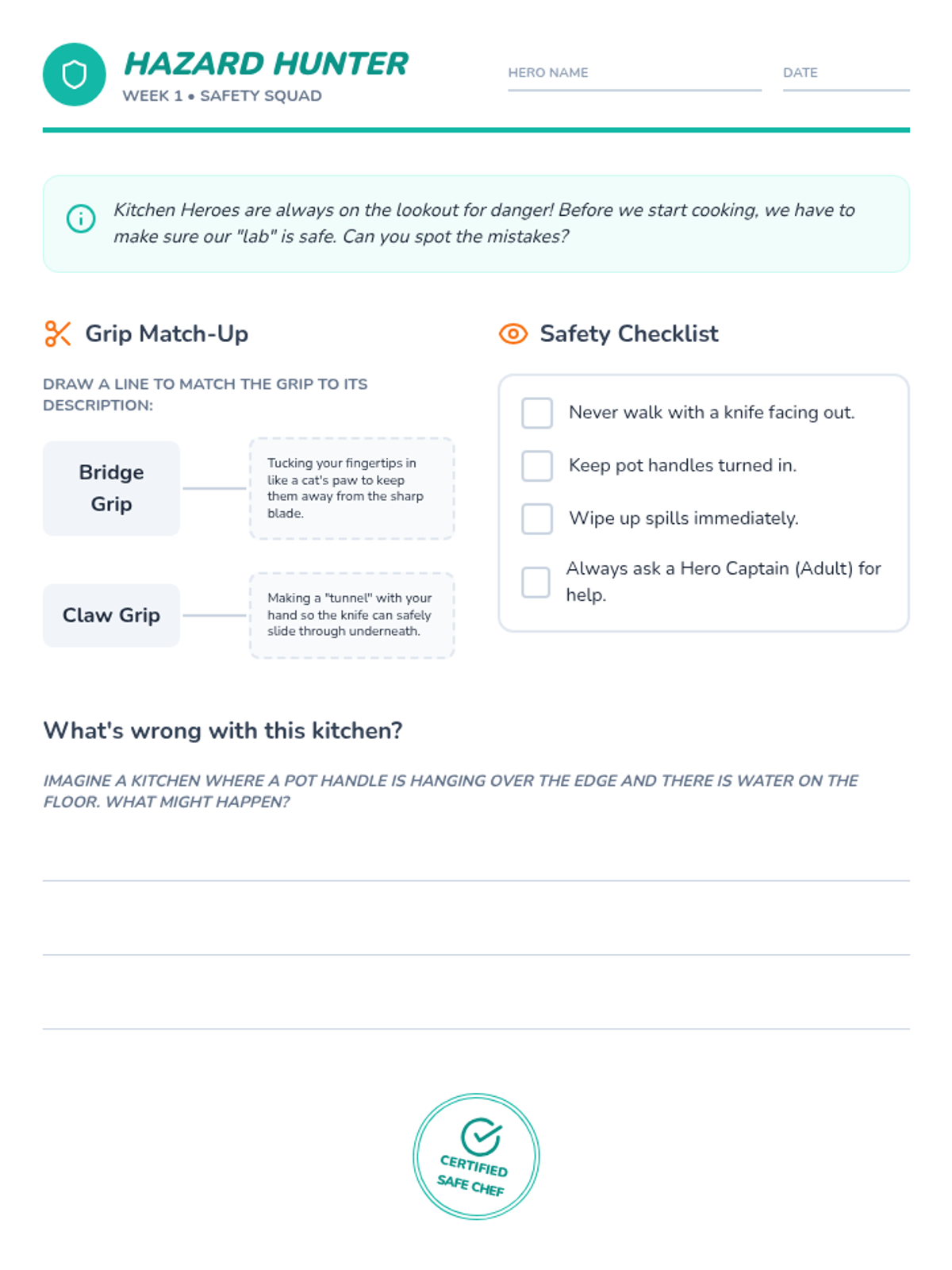
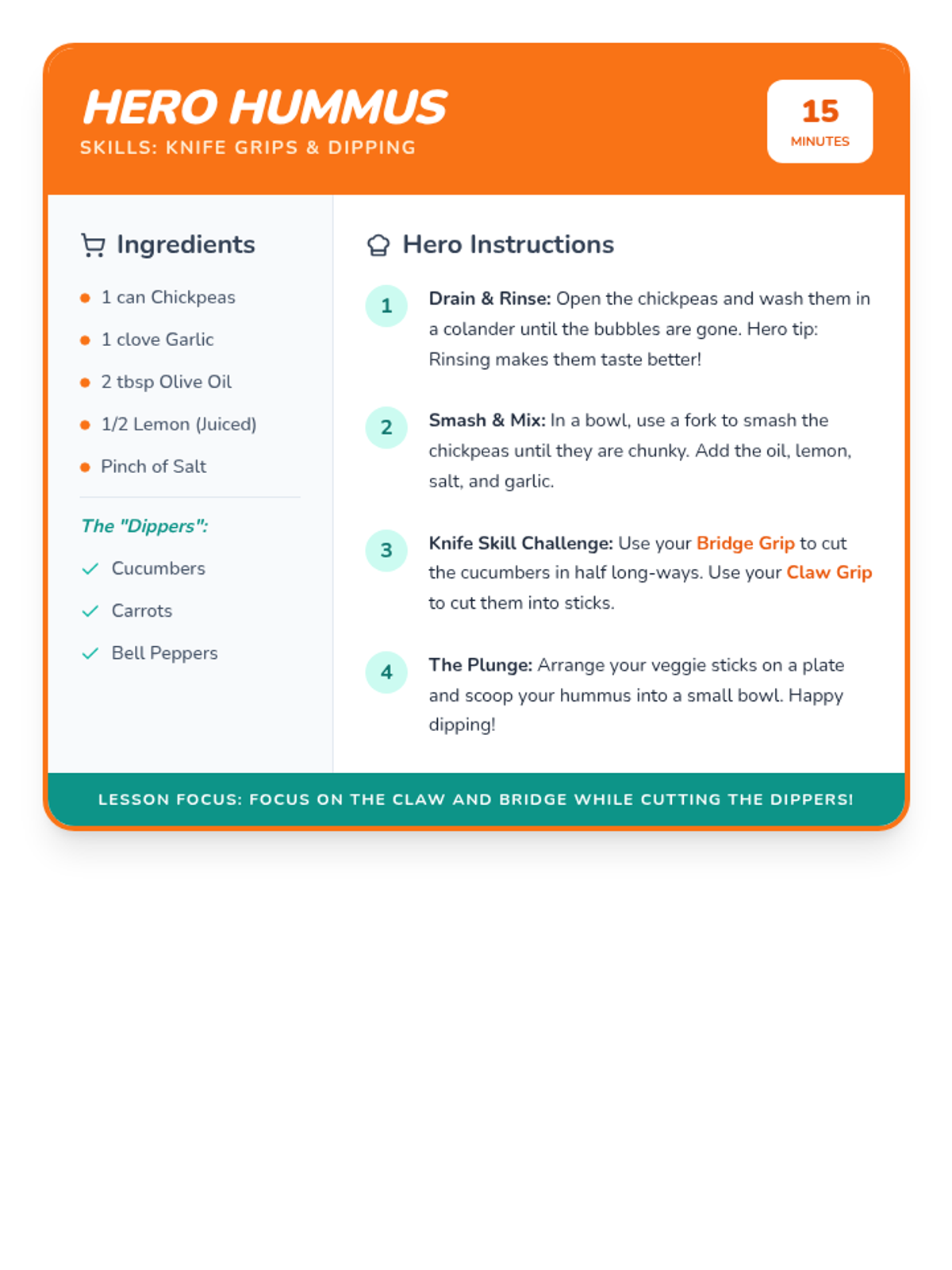
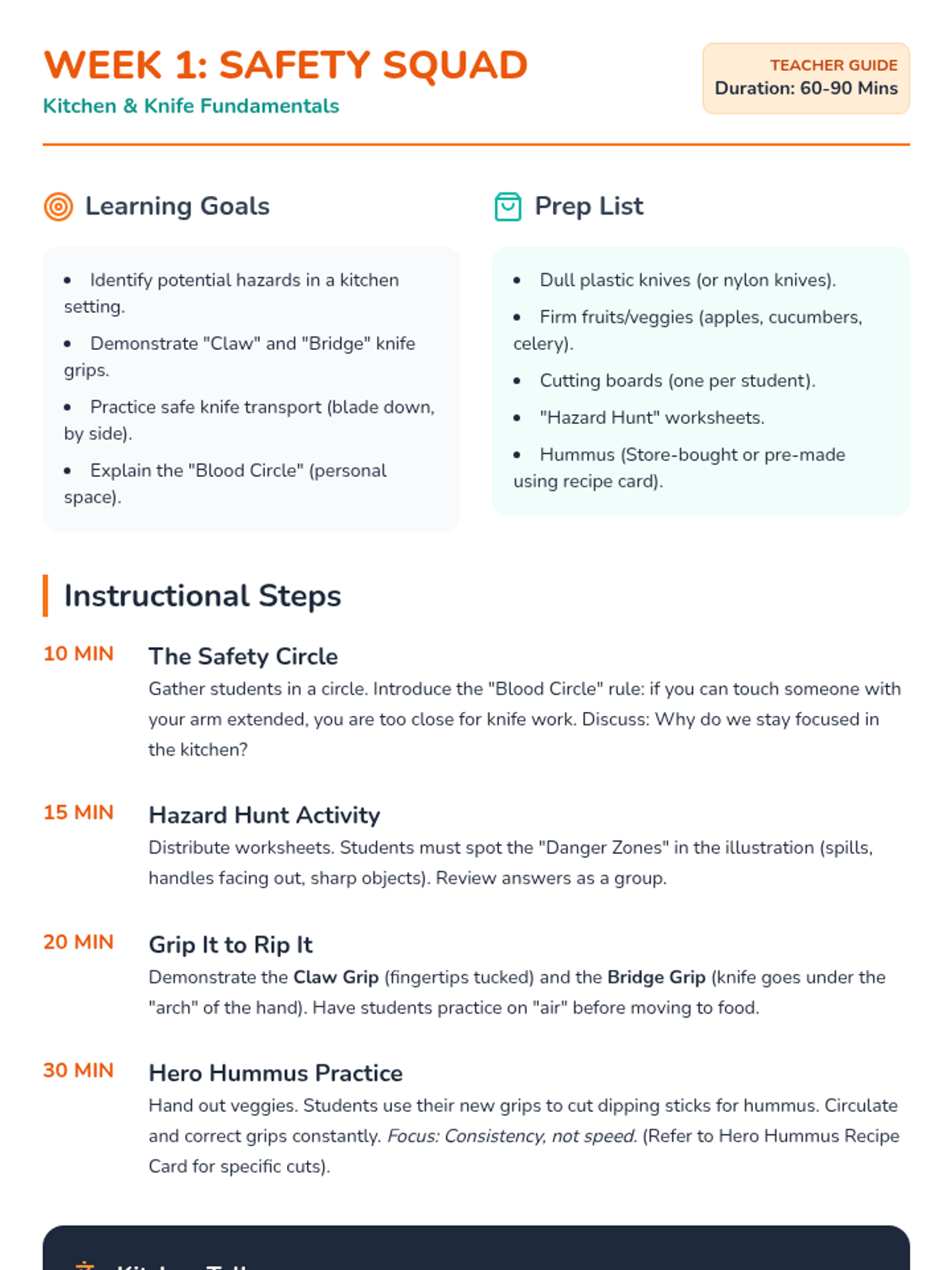
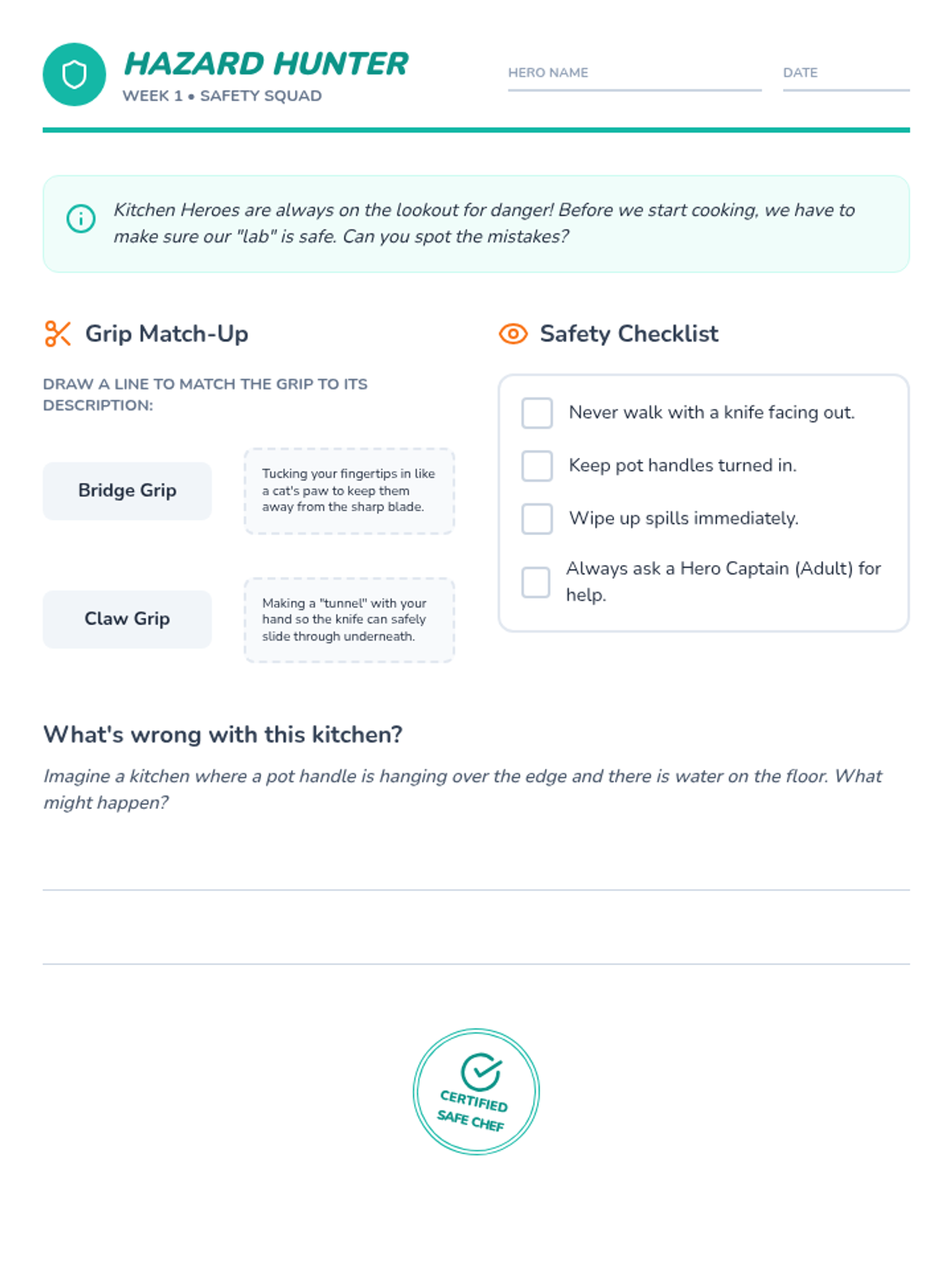
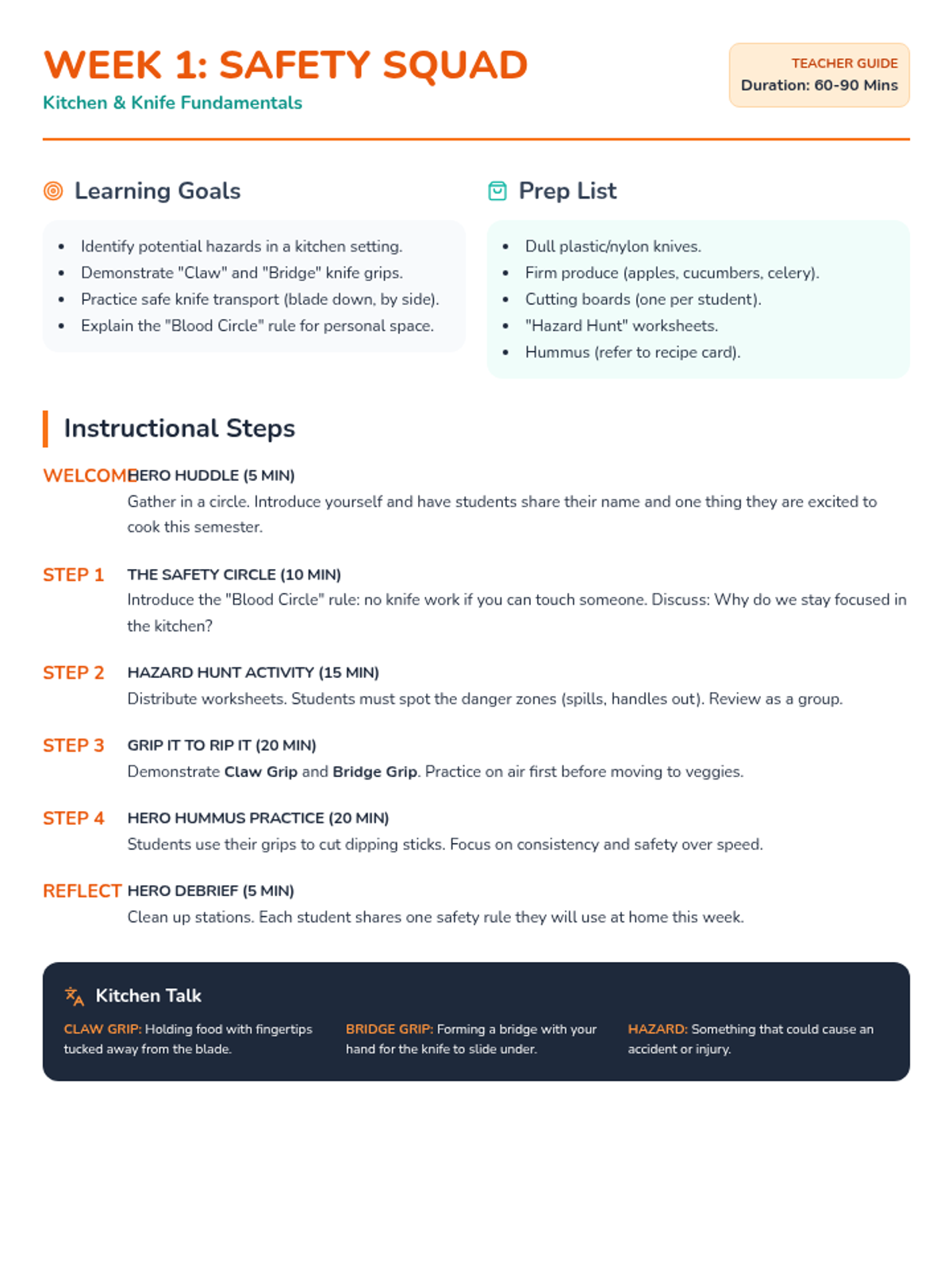
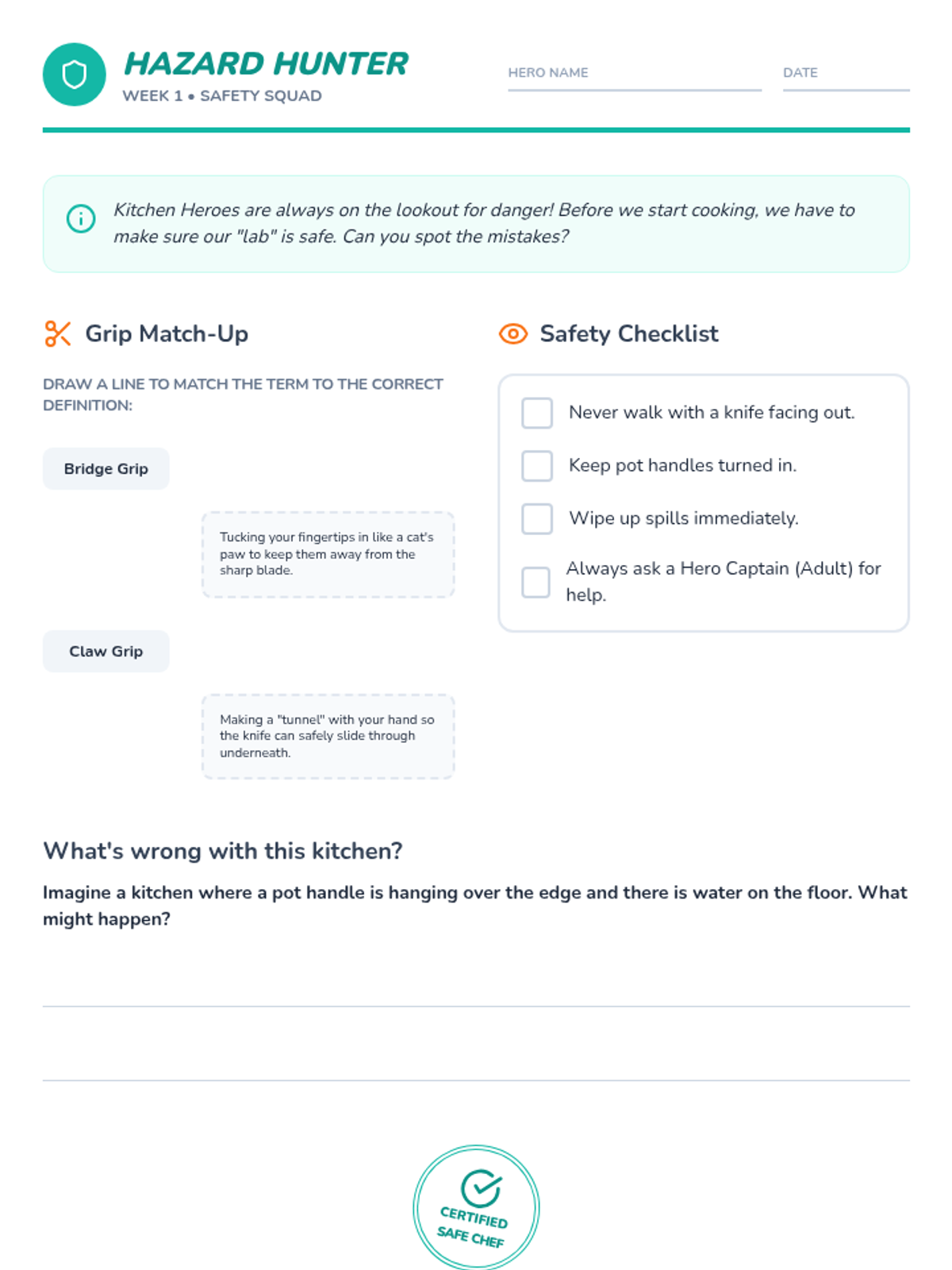
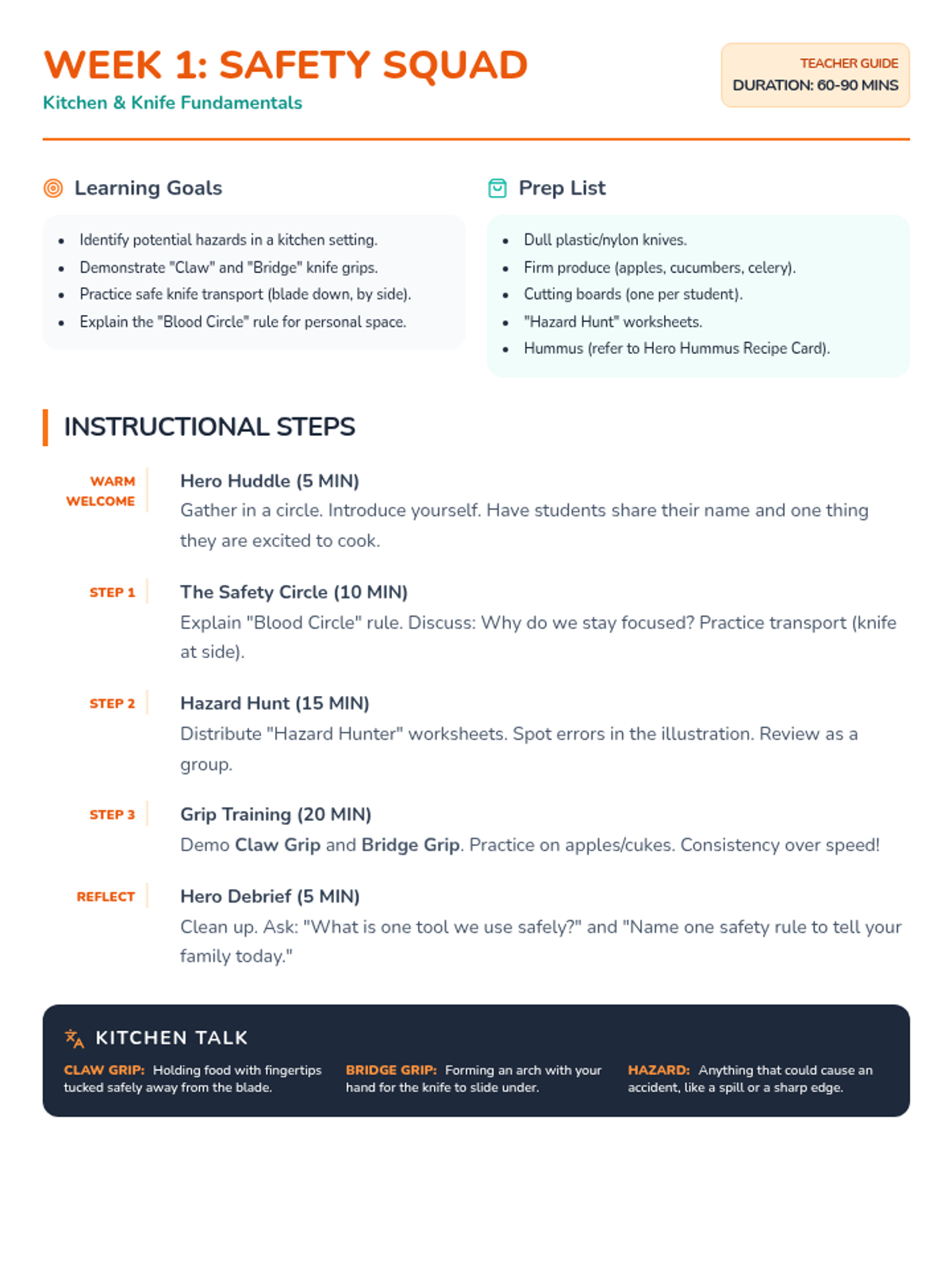
Mastering the basics of kitchen safety and proper knife handling techniques.
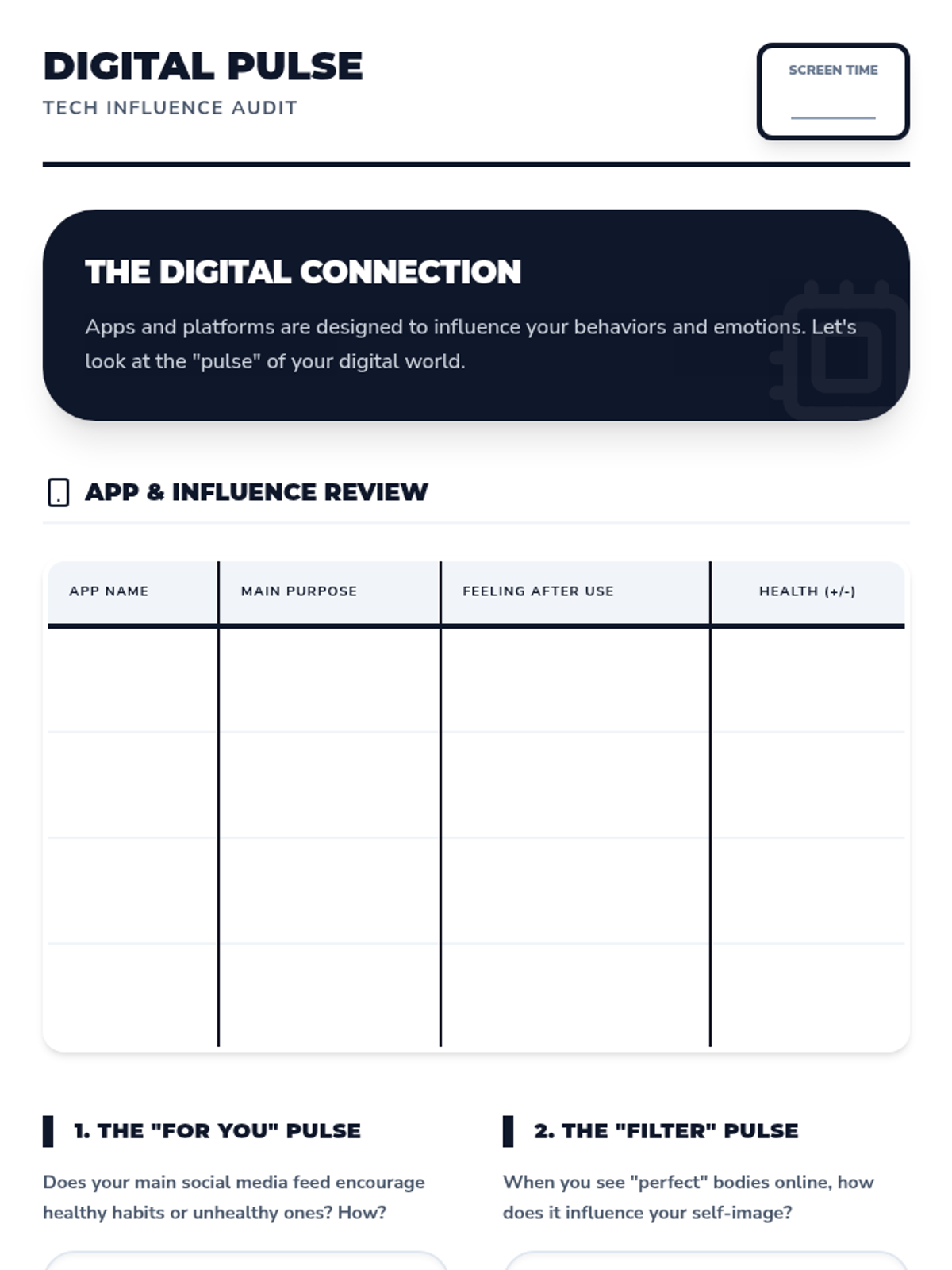
Investigating how technology and social media algorithms shape health perceptions and daily habits.
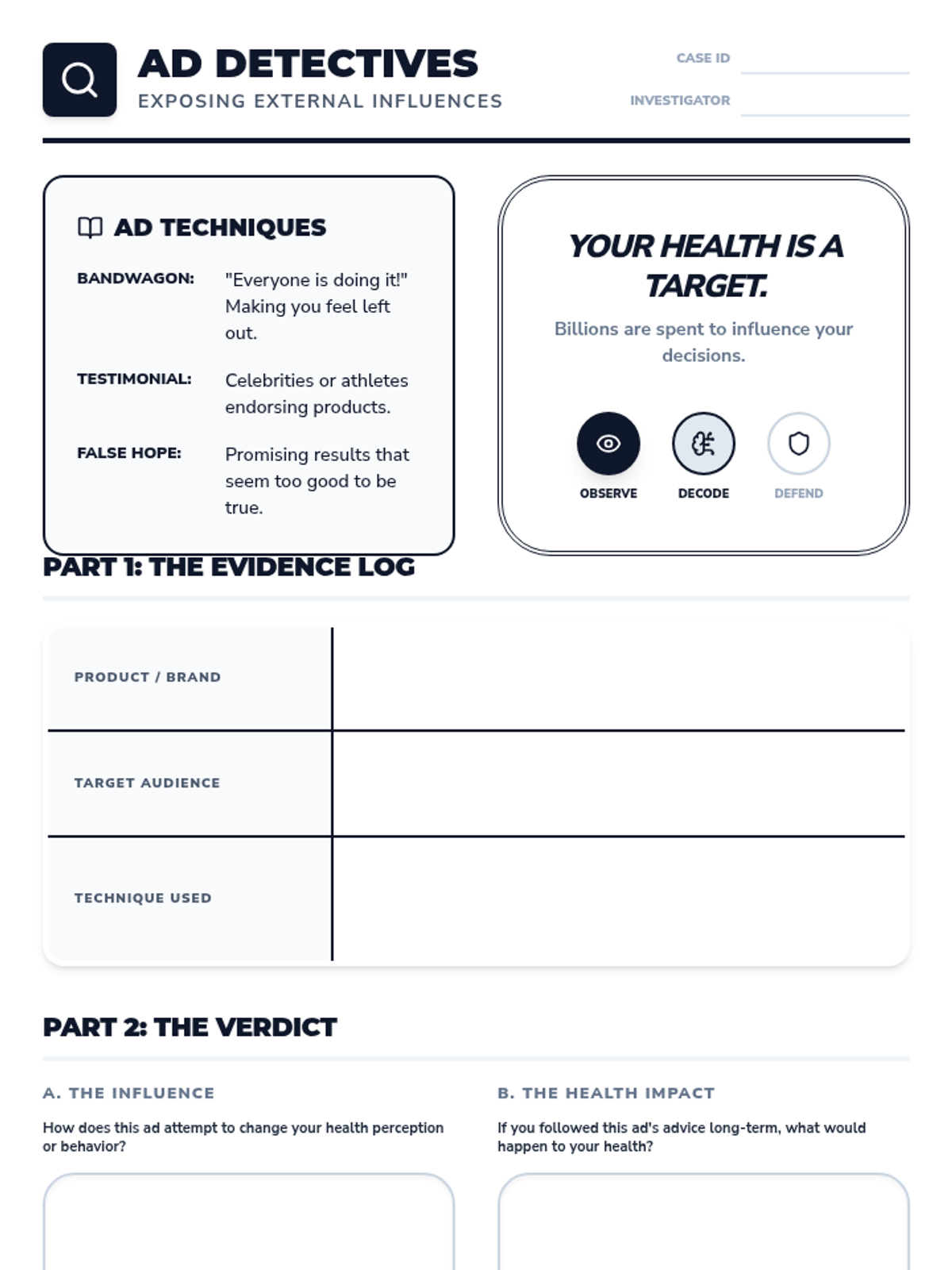
Analyzing media messages and advertising techniques to understand their impact on health behaviors.
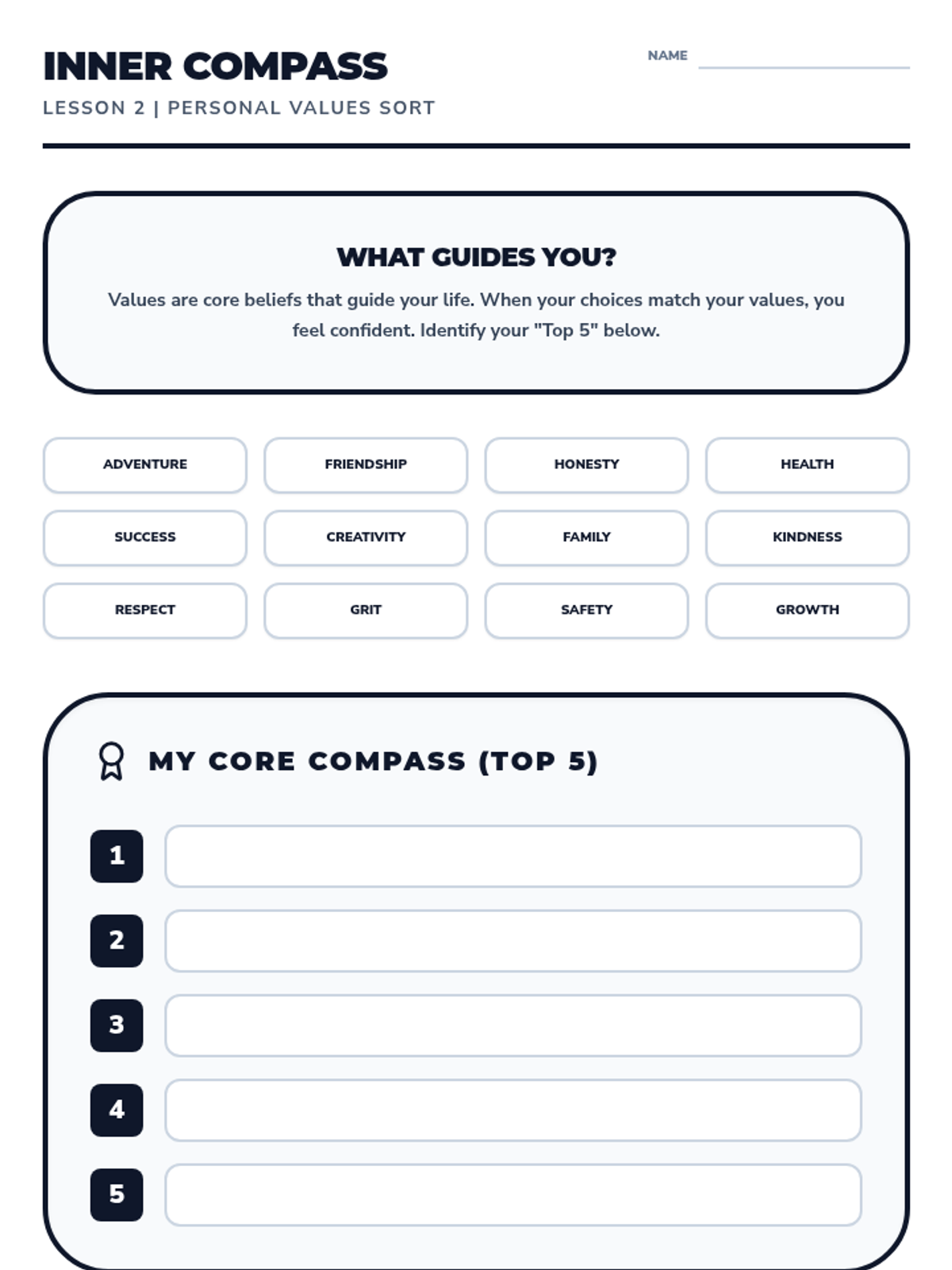
Exploration of personal values and how they serve as an internal compass for health-related choices.
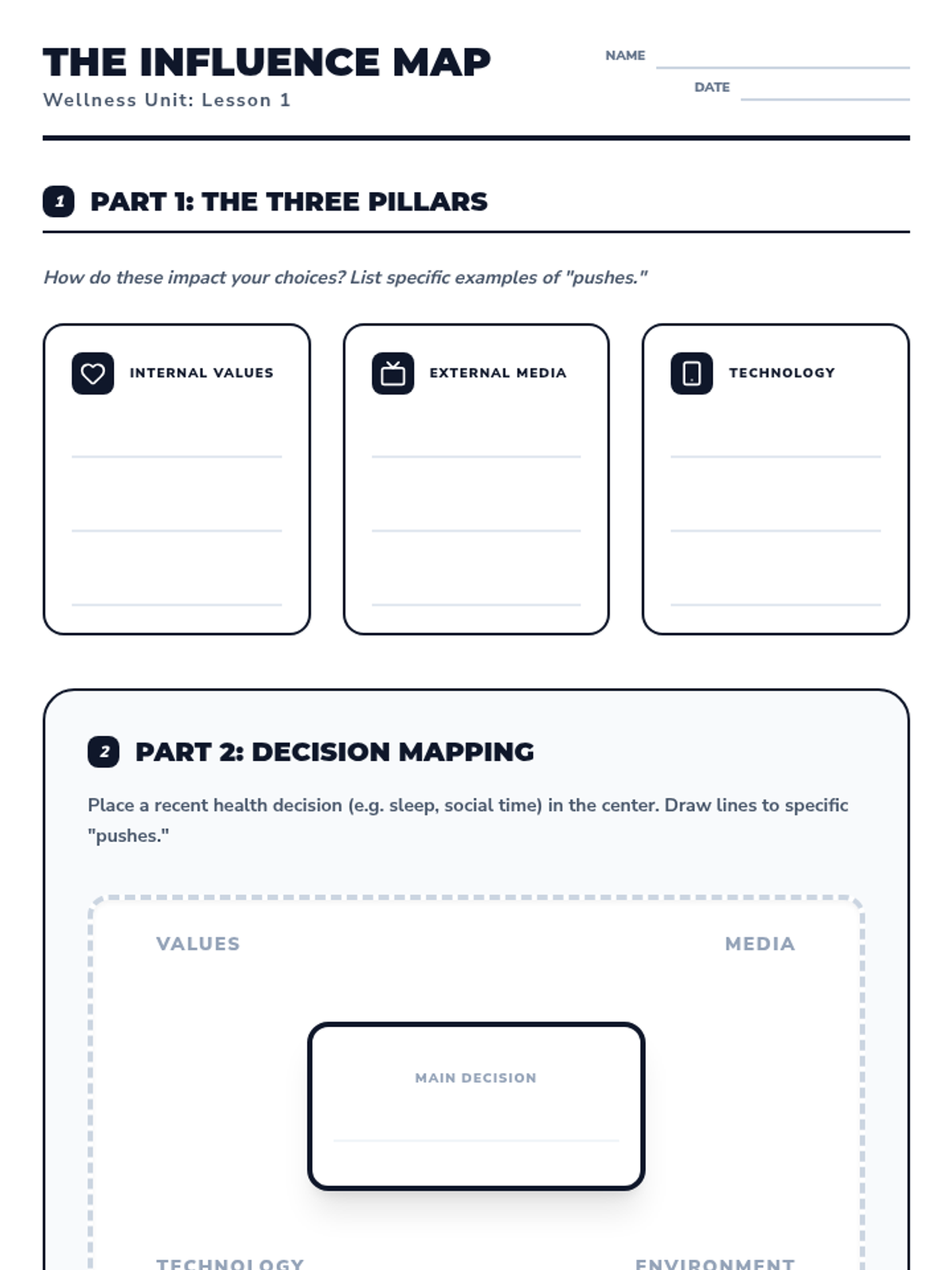
Students identify personal values and external factors (media, tech) that influence their health decisions.
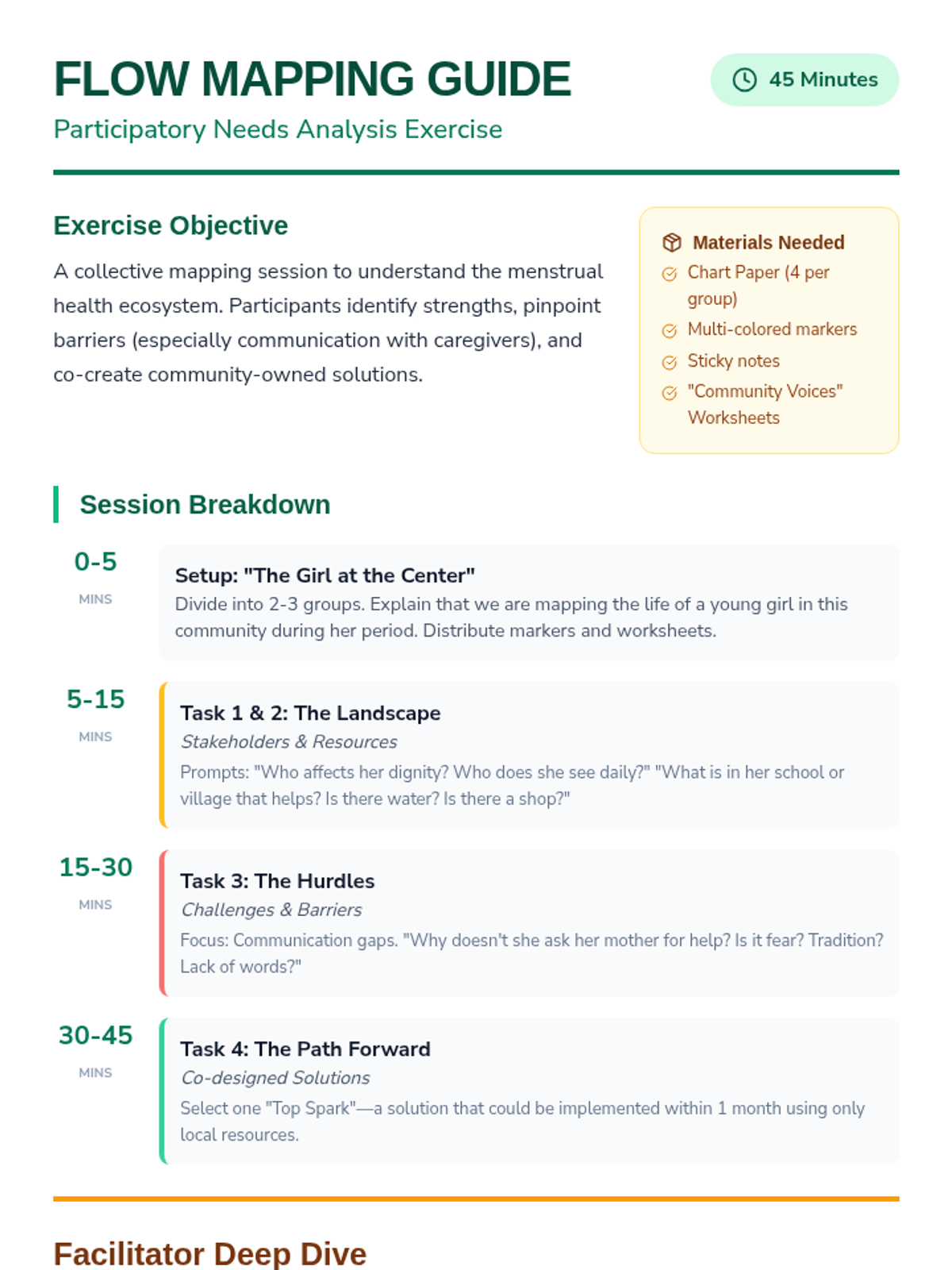
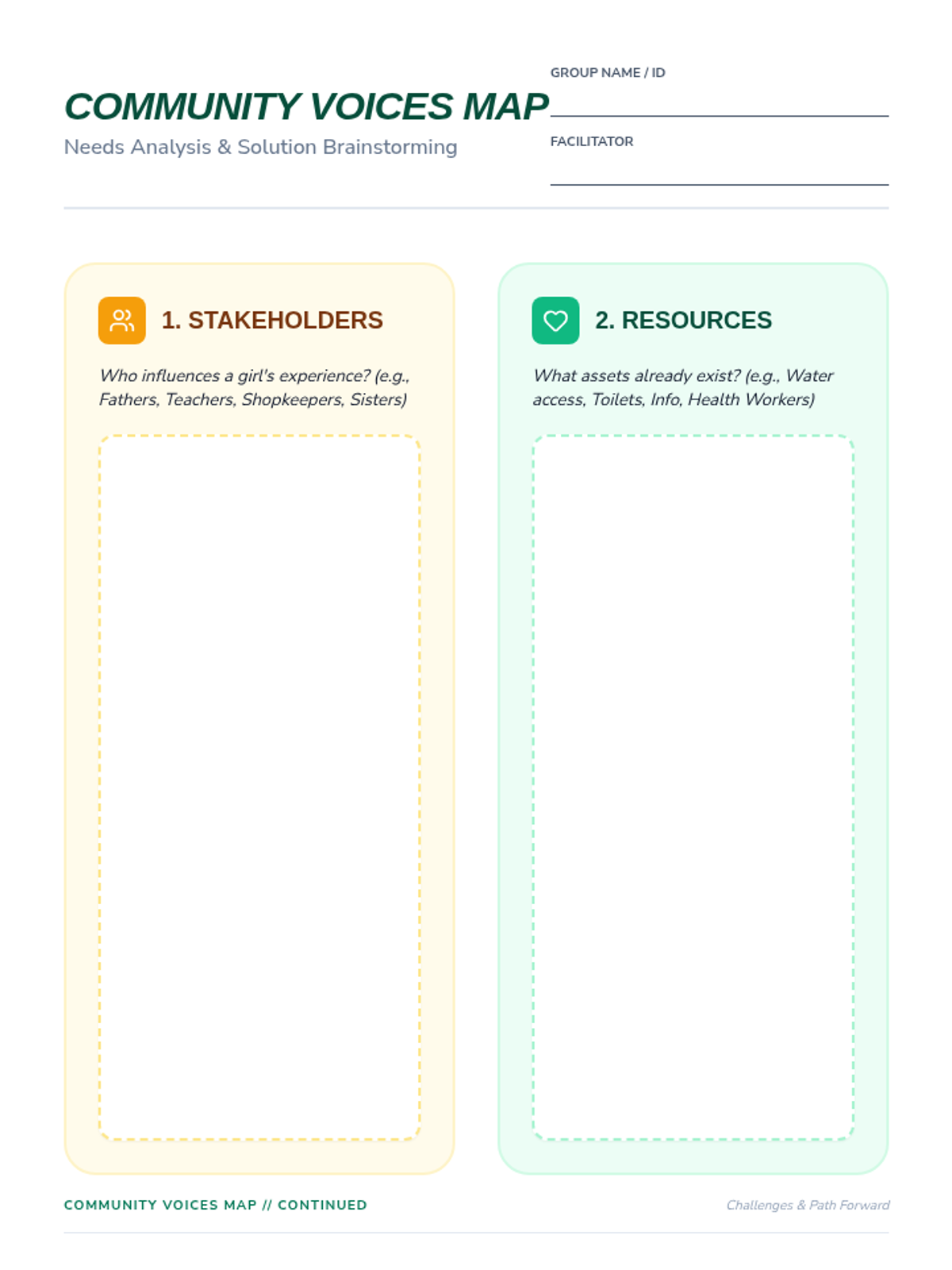
A 45-minute participatory needs analysis session focused on identifying stakeholders, resources, and barriers to menstrual health for young girls, culminating in community-led solutions.