Essential food groups, nutrient functions, and balanced meal planning. Develops skills for interpreting nutrition labels and adopting lifelong healthy eating patterns.
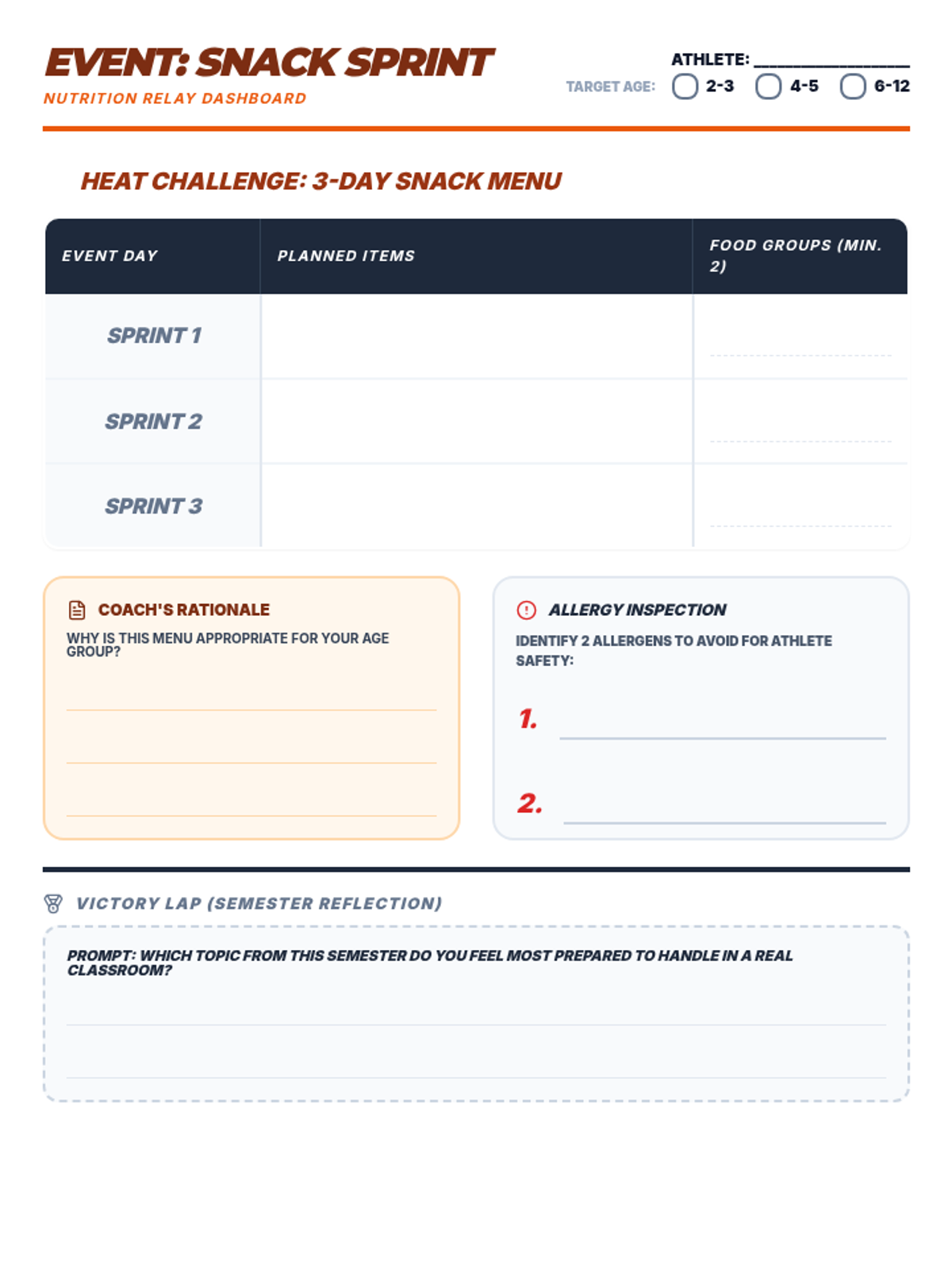
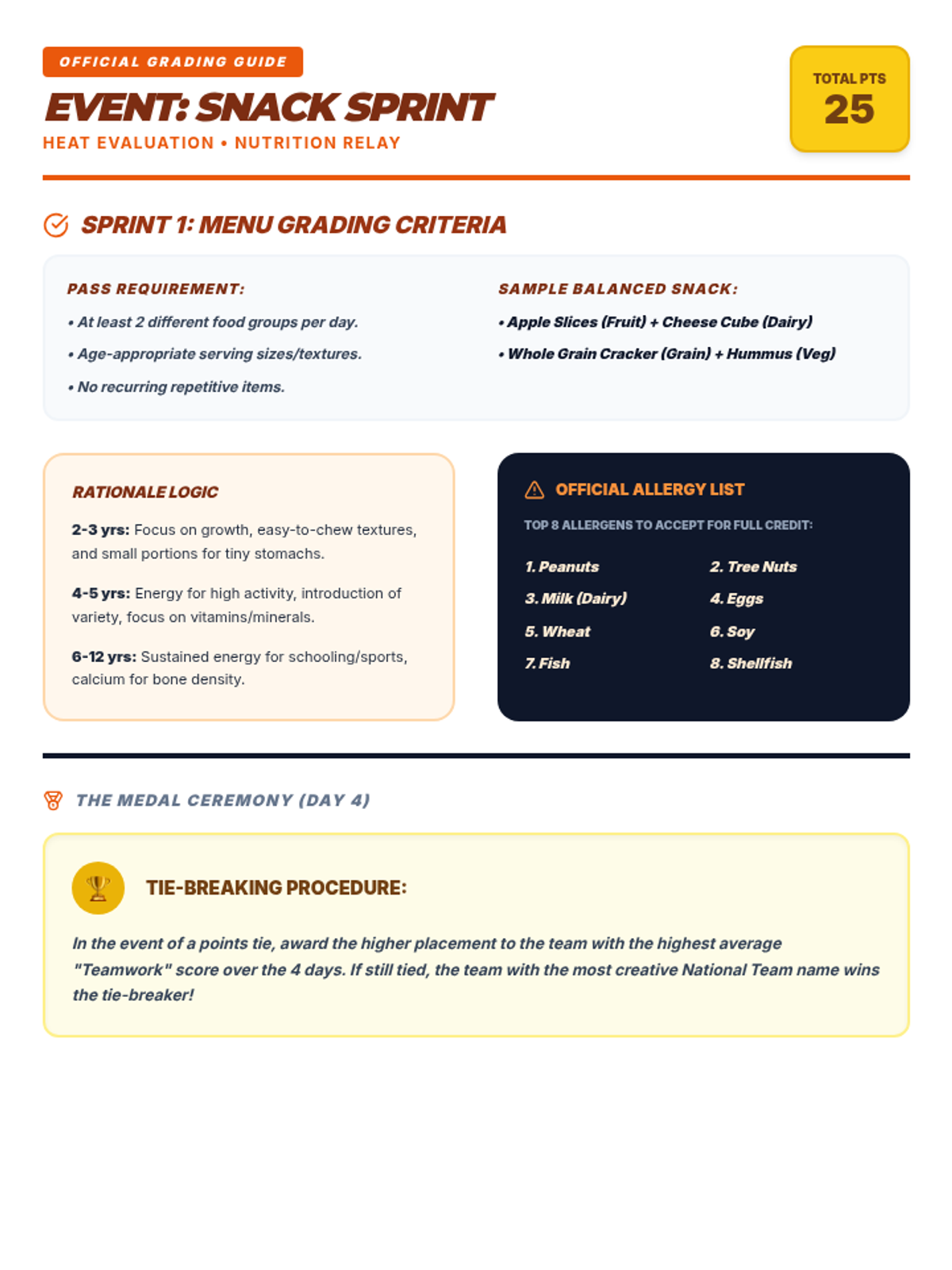
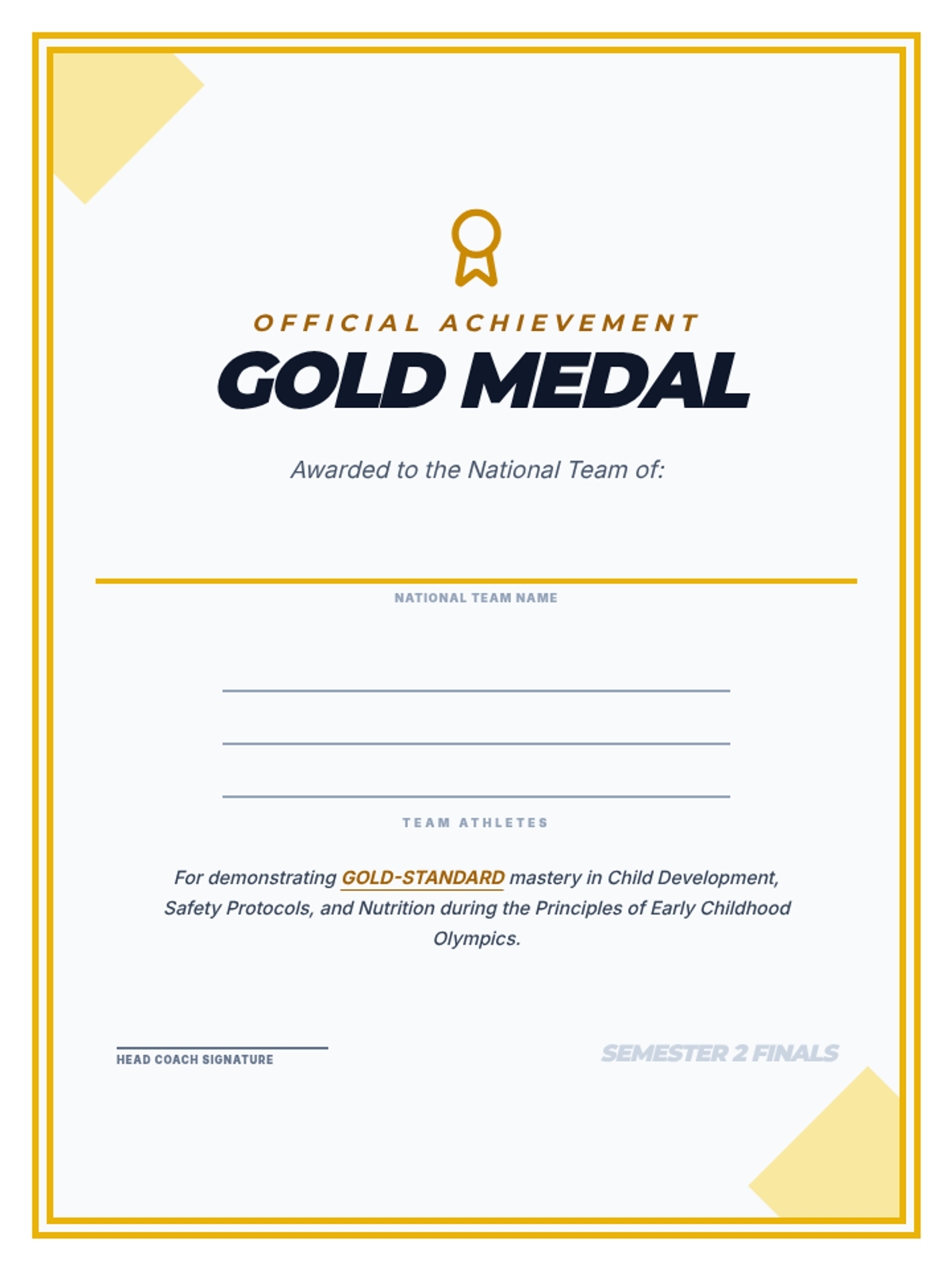
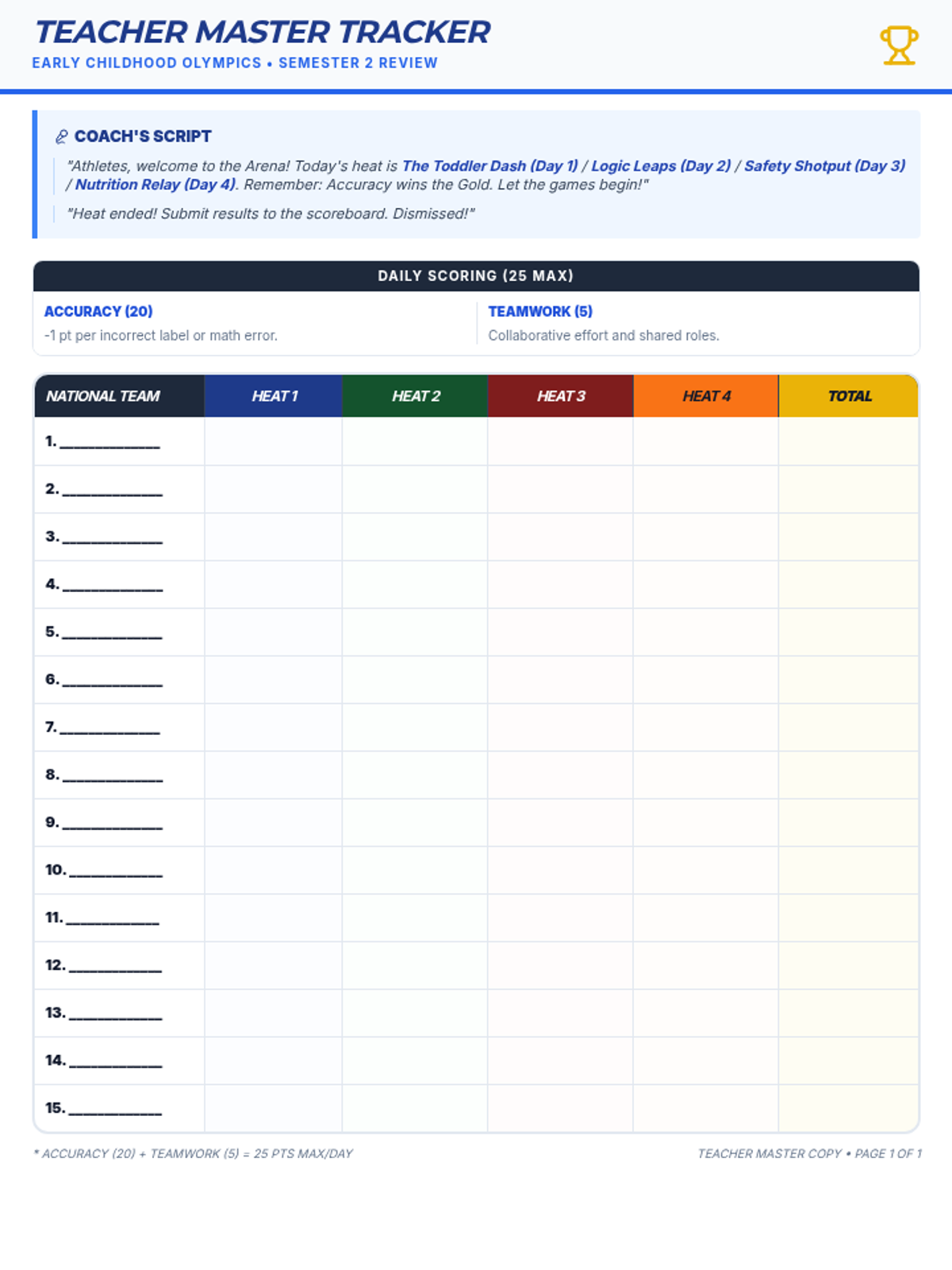
The final day covers nutrition and meal planning, followed by the grand tallying of points and the medal ceremony to conclude the semester.
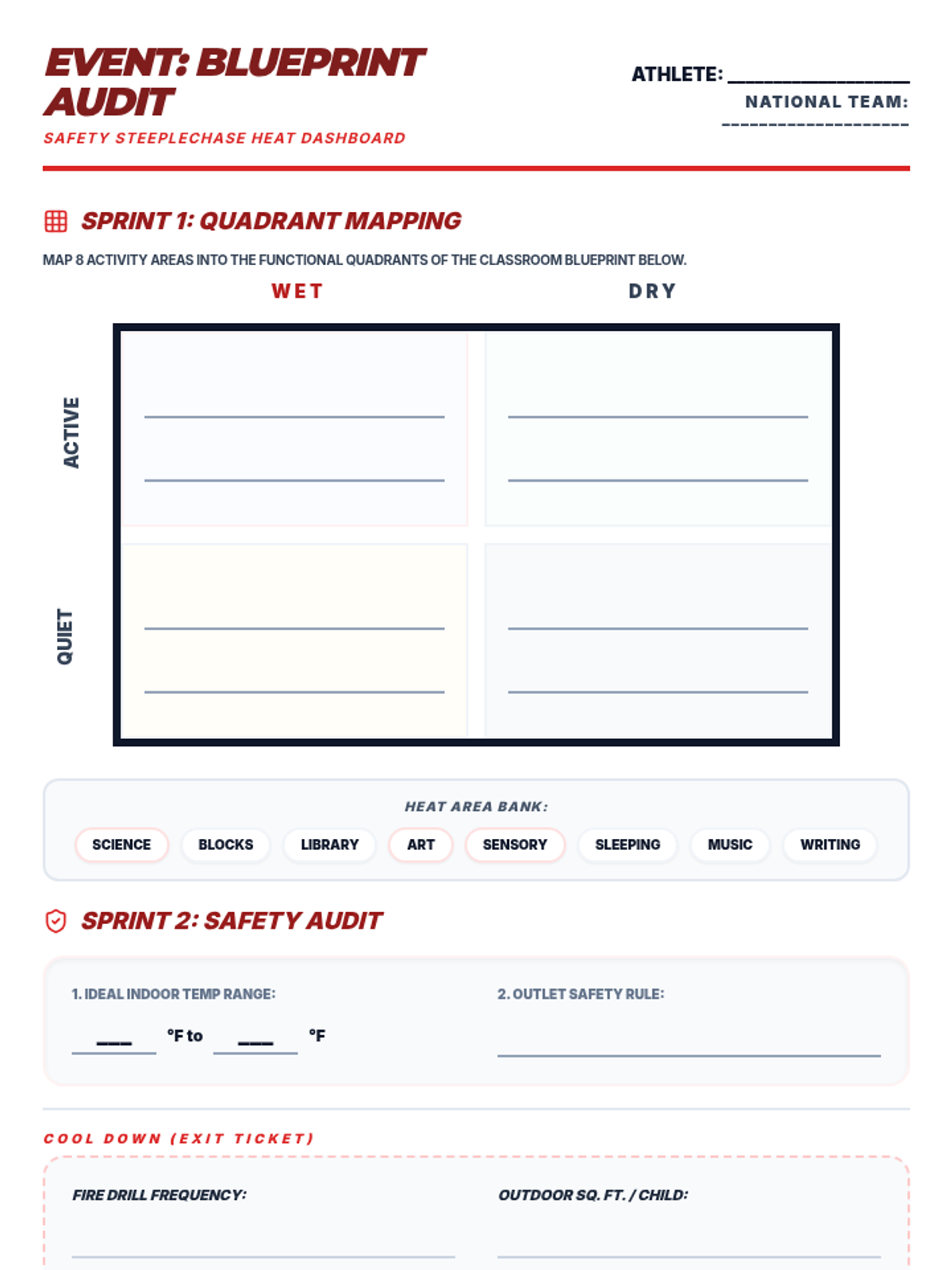
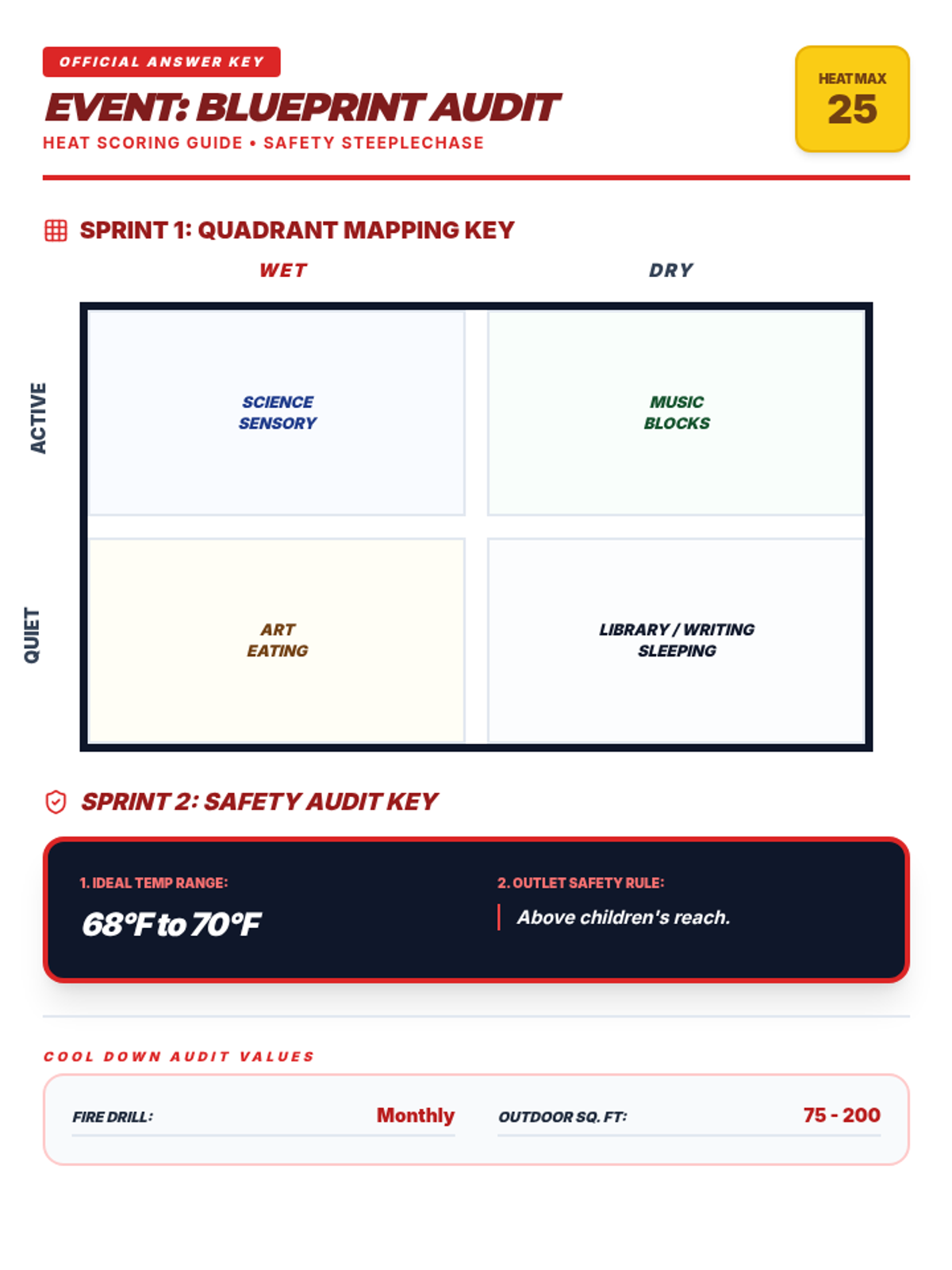
Day 3 focuses on environmental preparation and safety promotion, requiring students to apply knowledge of classroom layout and safety regulations to score points.
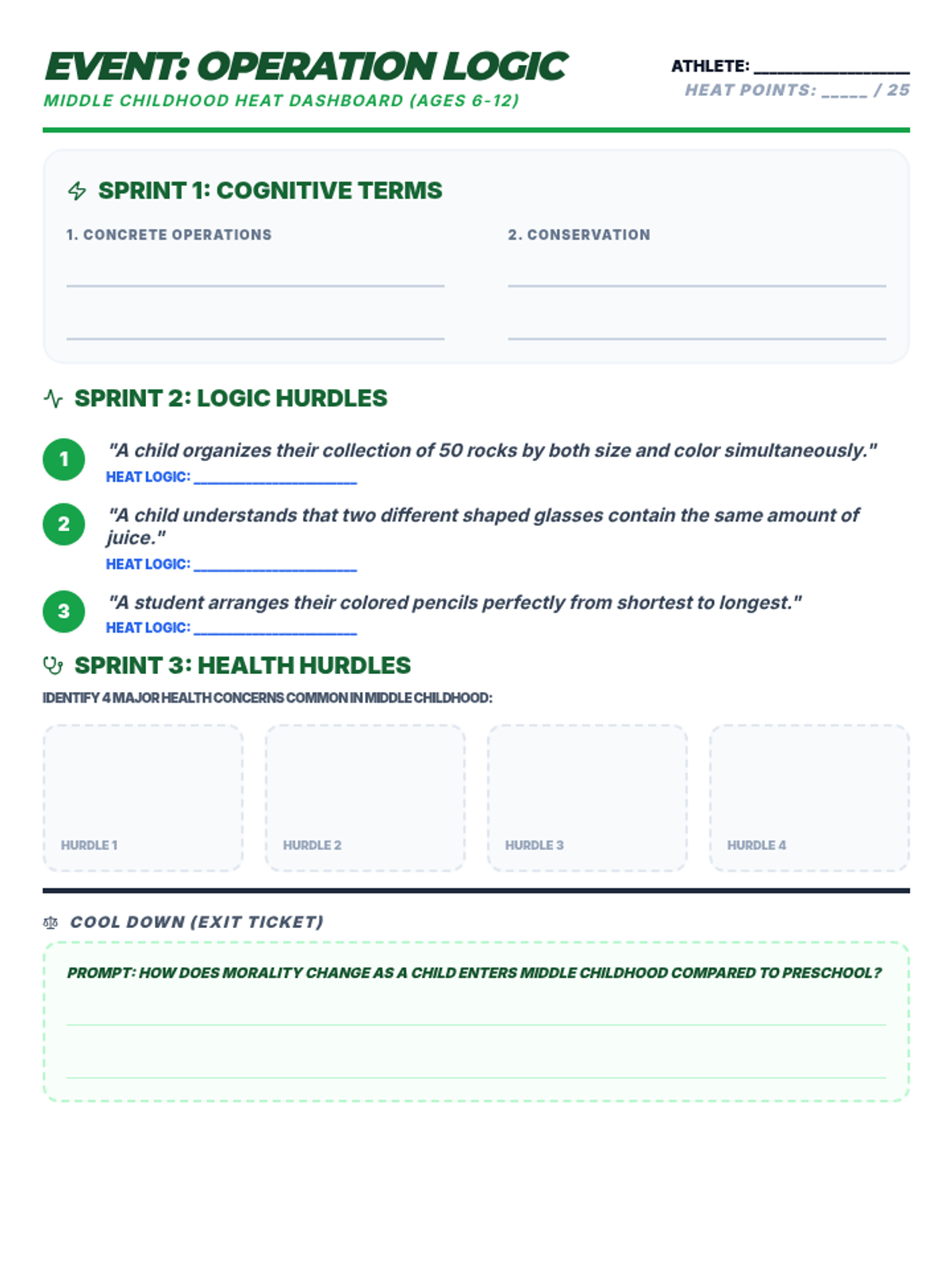
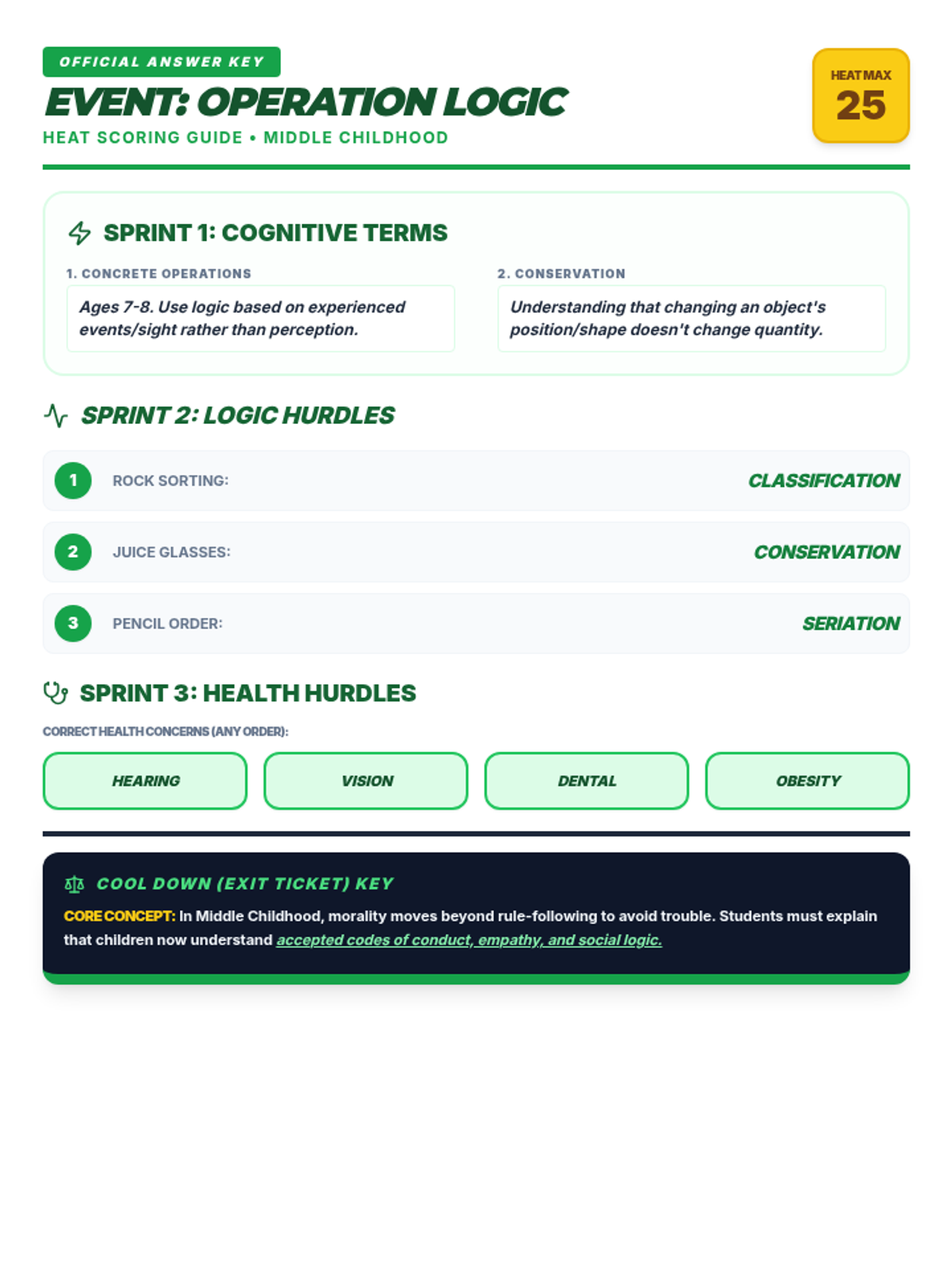
Day 2 explores middle childhood (ages 6-12), focusing on logical thinking, moral development, and the complexities of school-age social relationships.
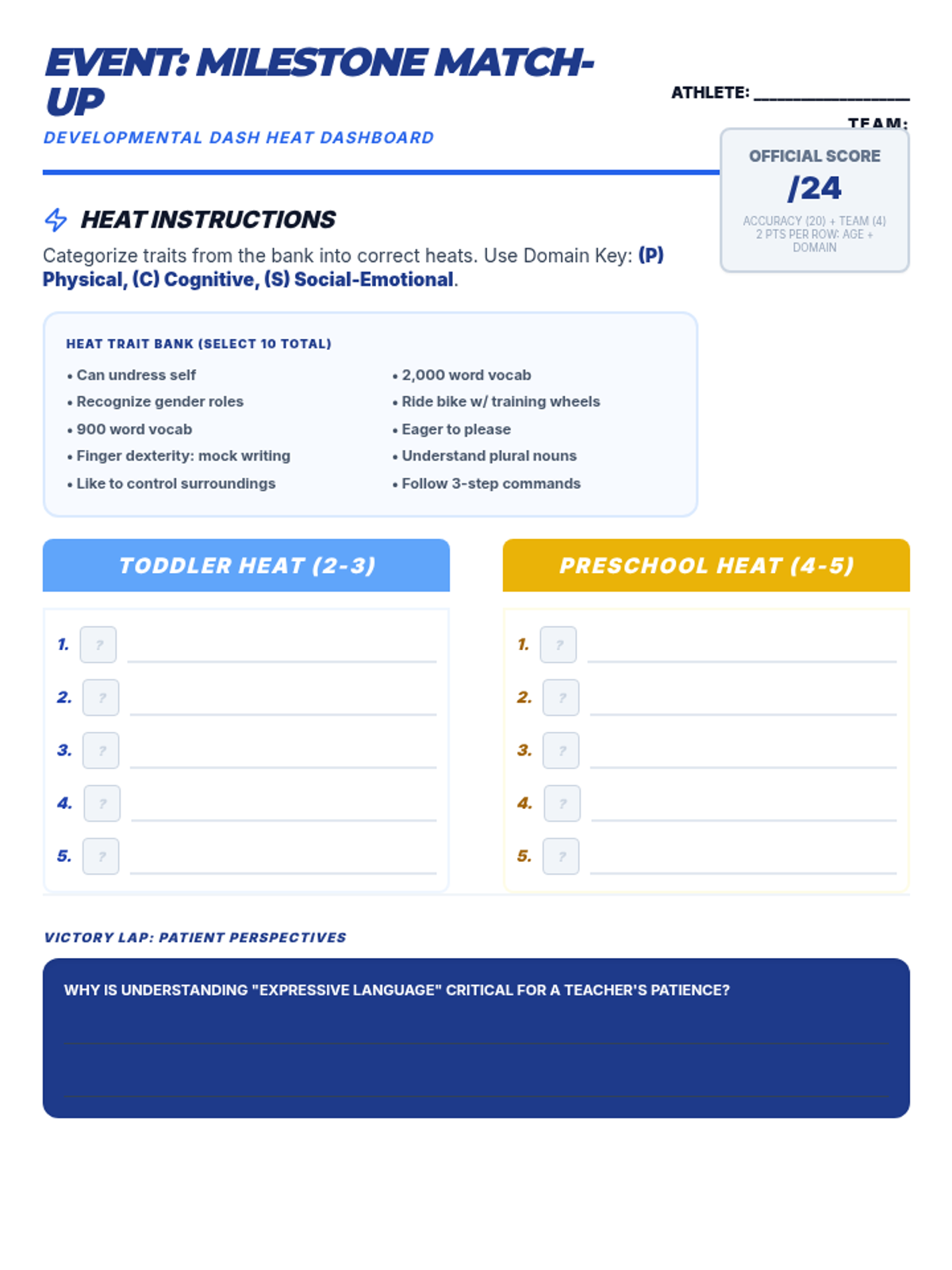
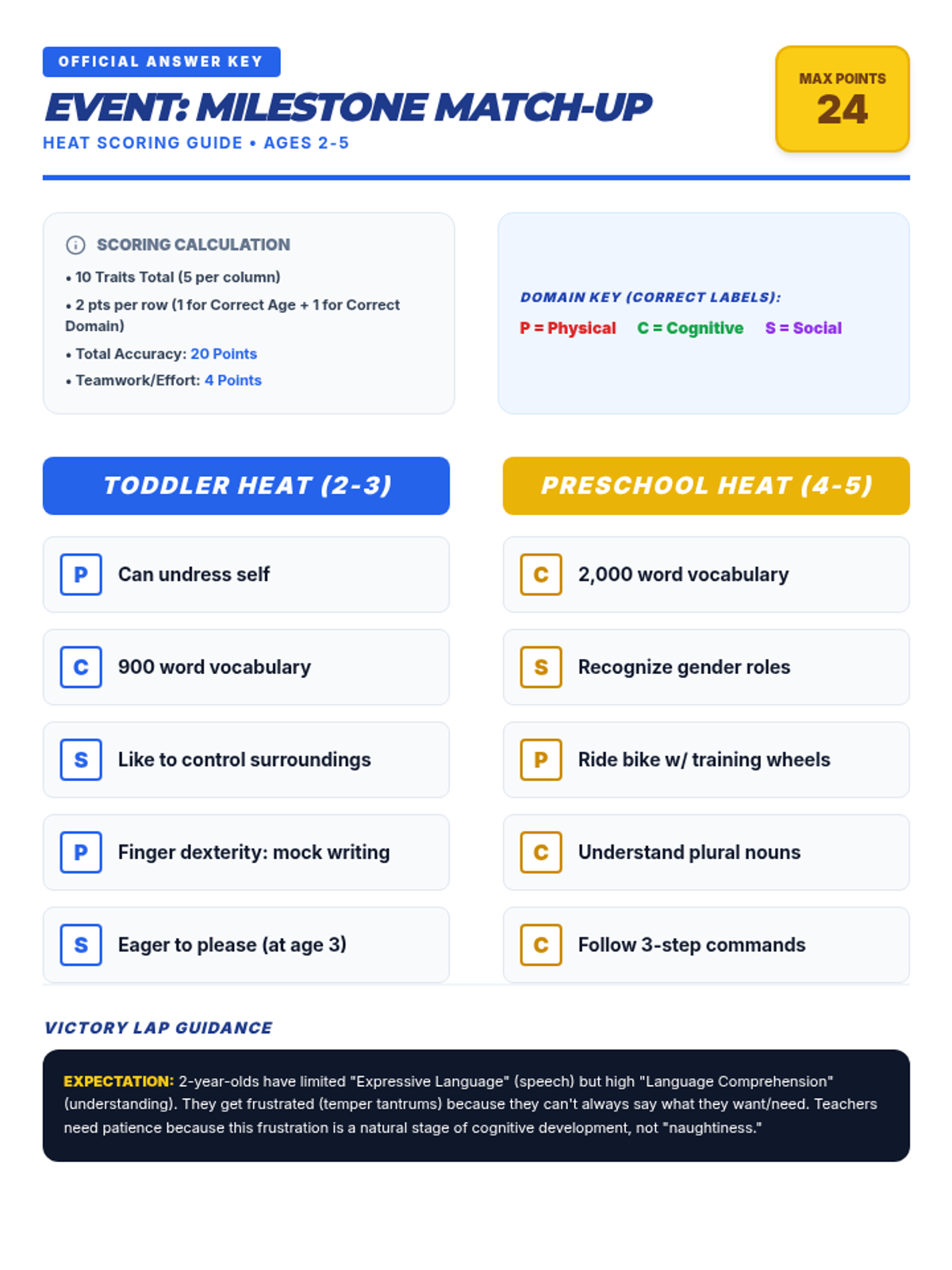
Day 1 of the Olympics focuses on the rapid development of children aged two through five, challenging students to accurately categorize physical, cognitive, and social milestones.
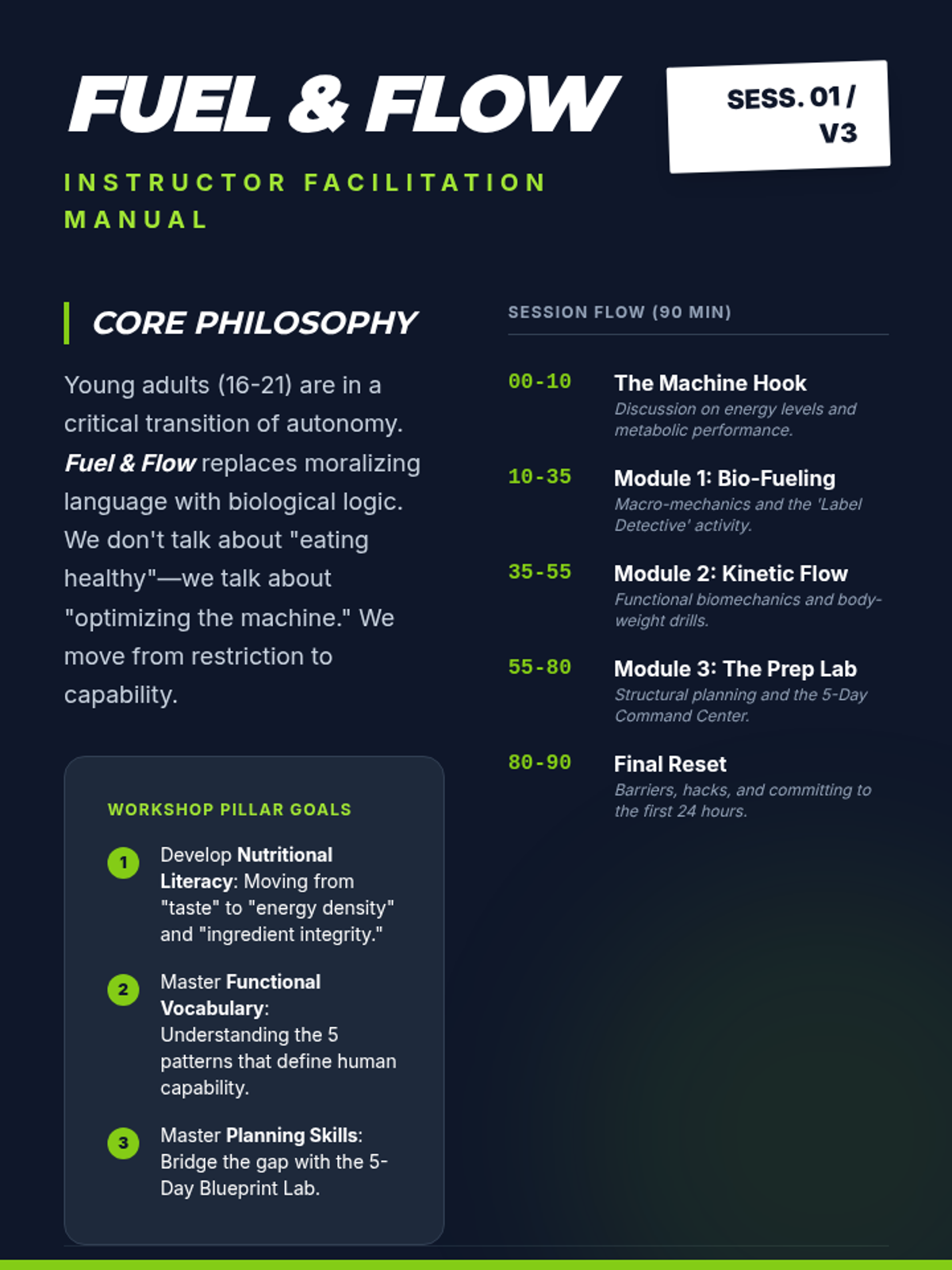
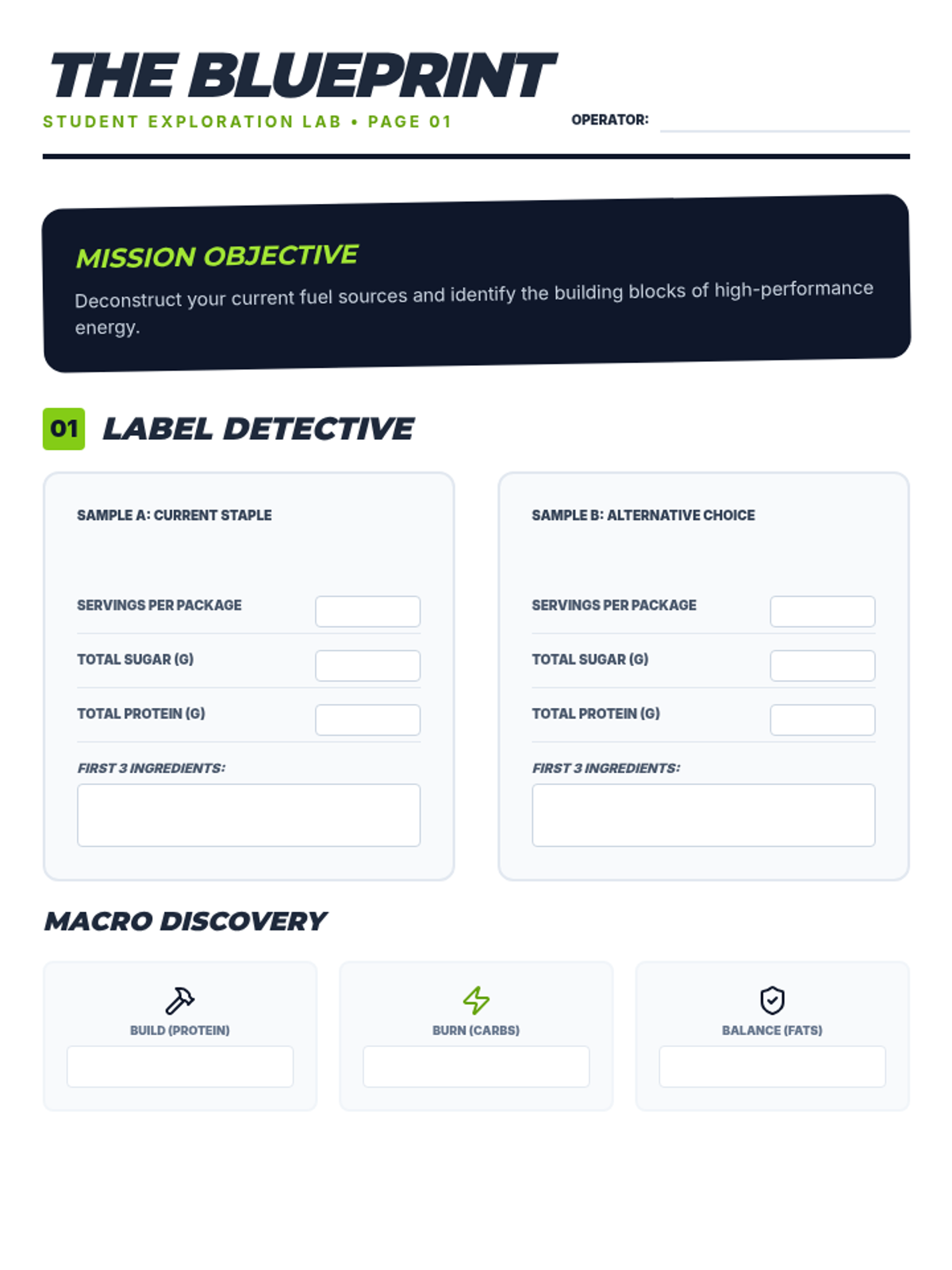
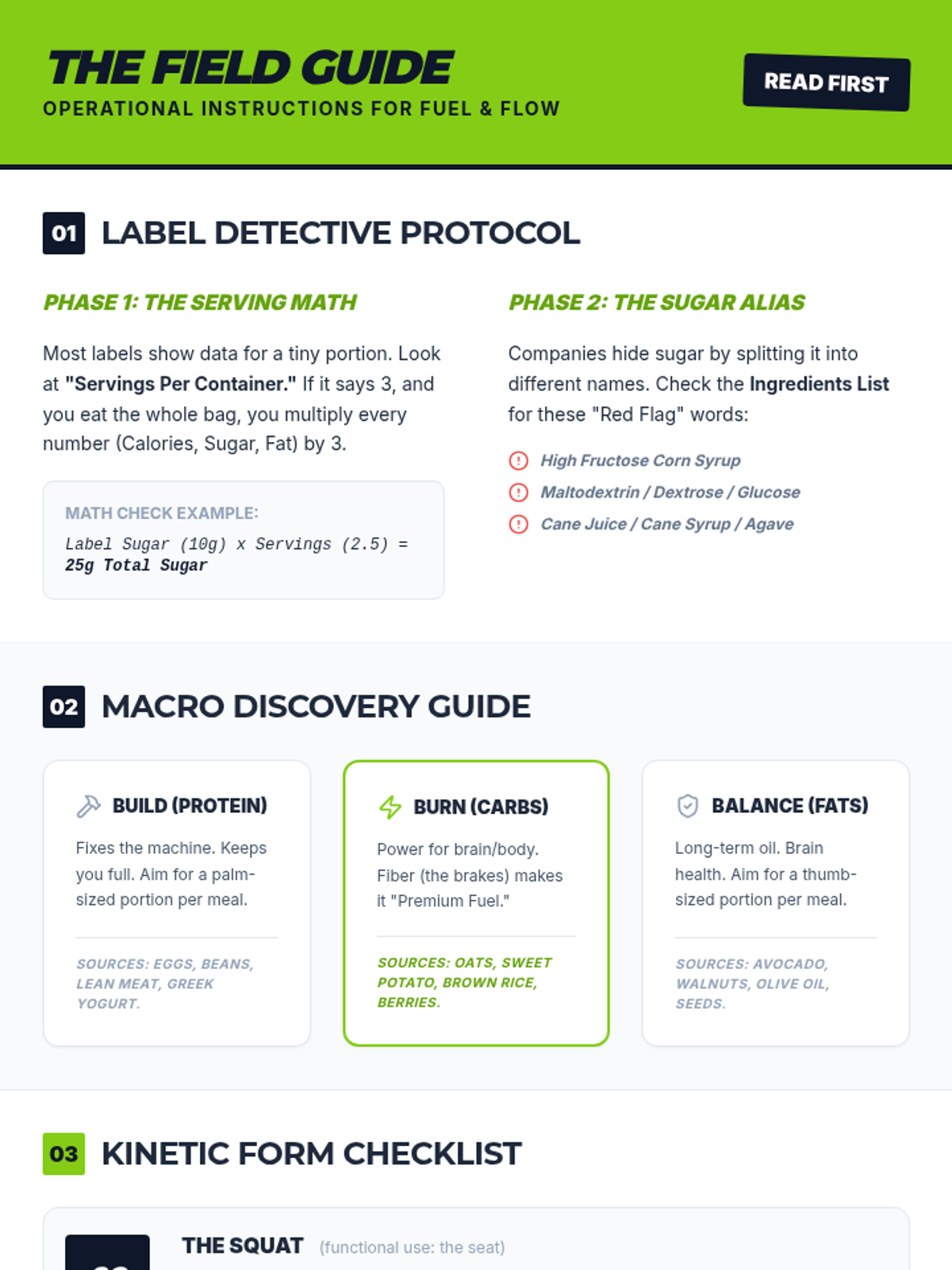
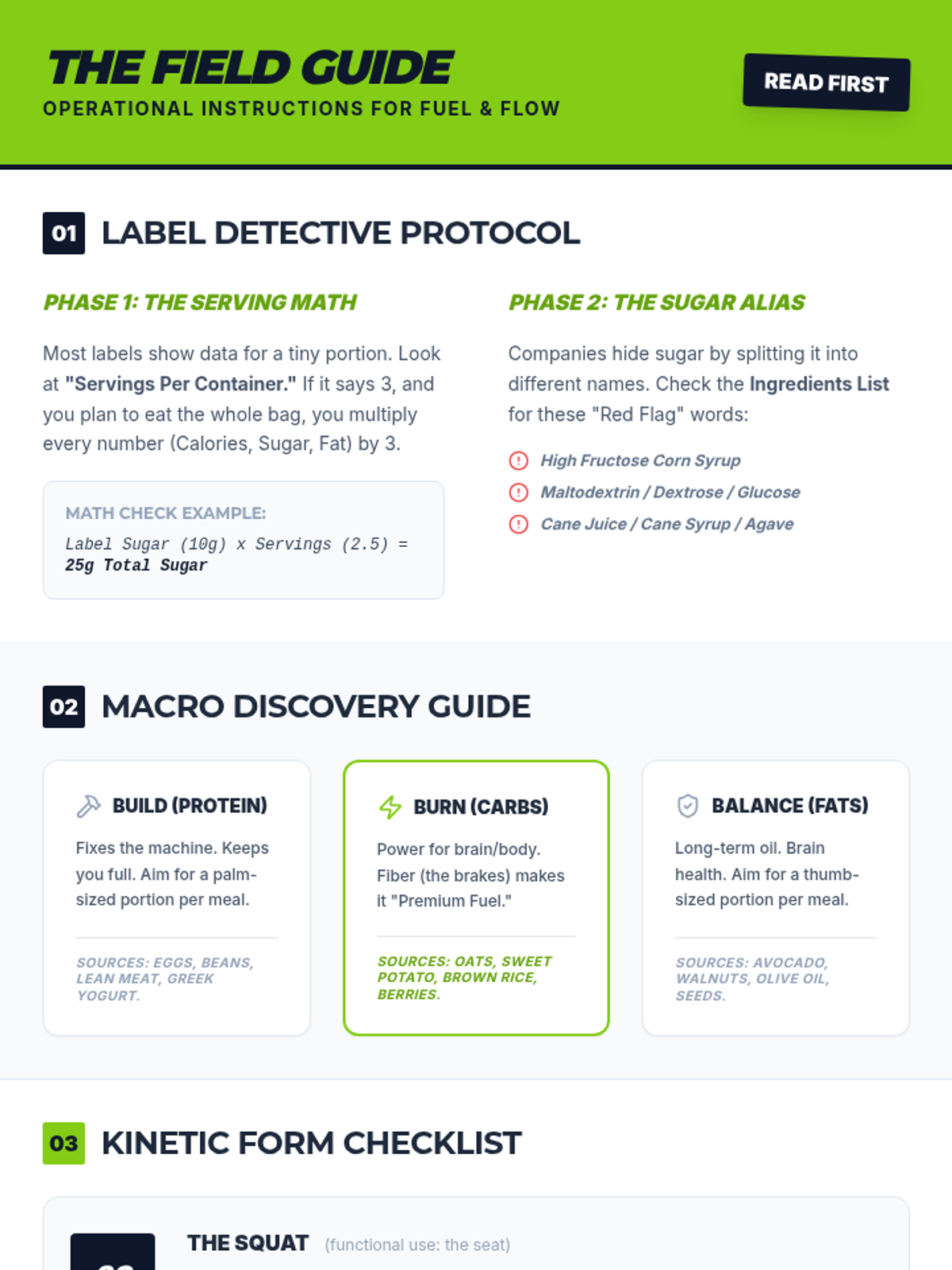
A 90-minute intensive session for young adults (16-21) focused on the intersection of nutrition and functional movement. Students learn to read labels, plan balanced meals, and understand the foundational movement patterns needed for a healthy, active life.
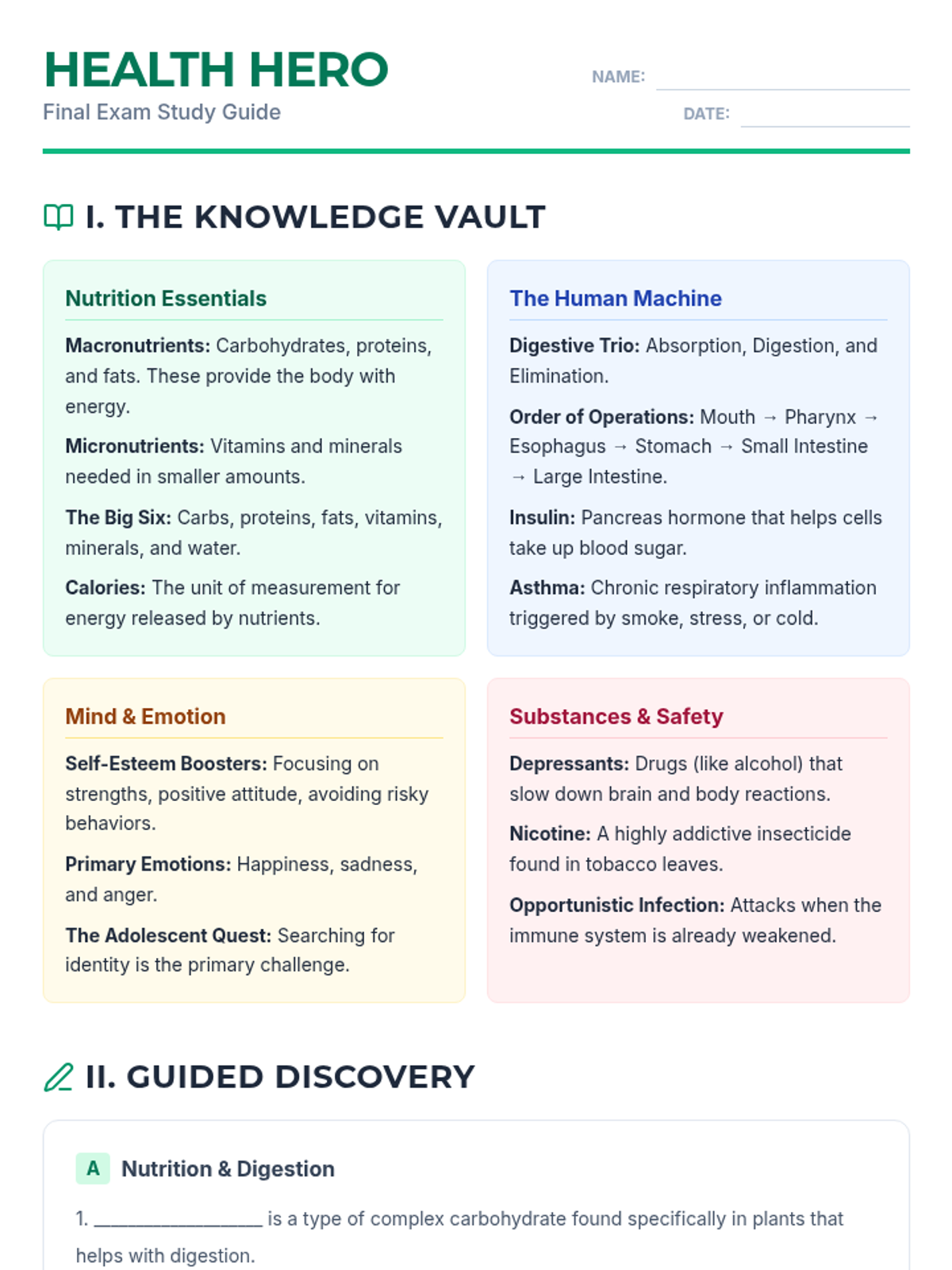
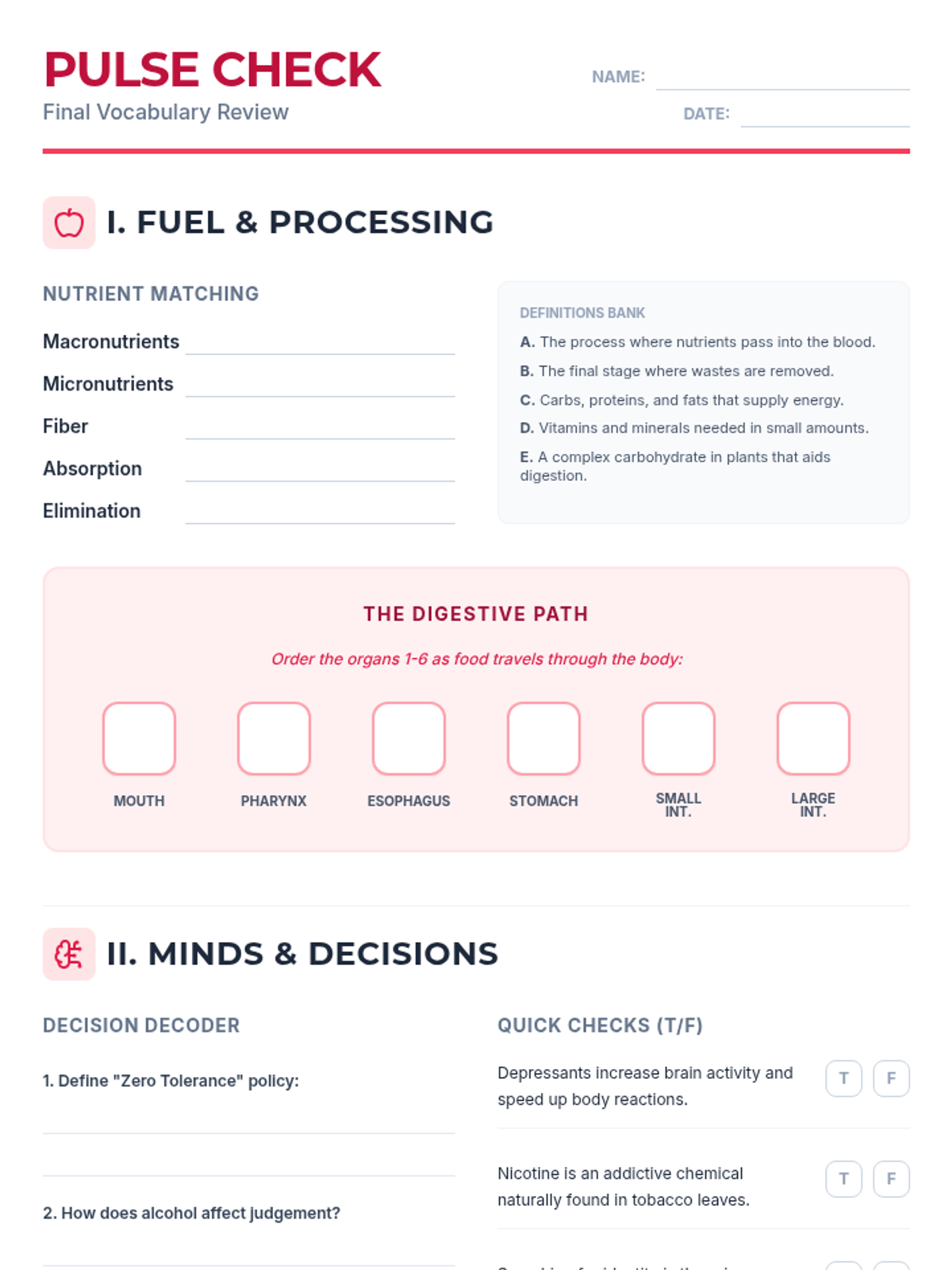
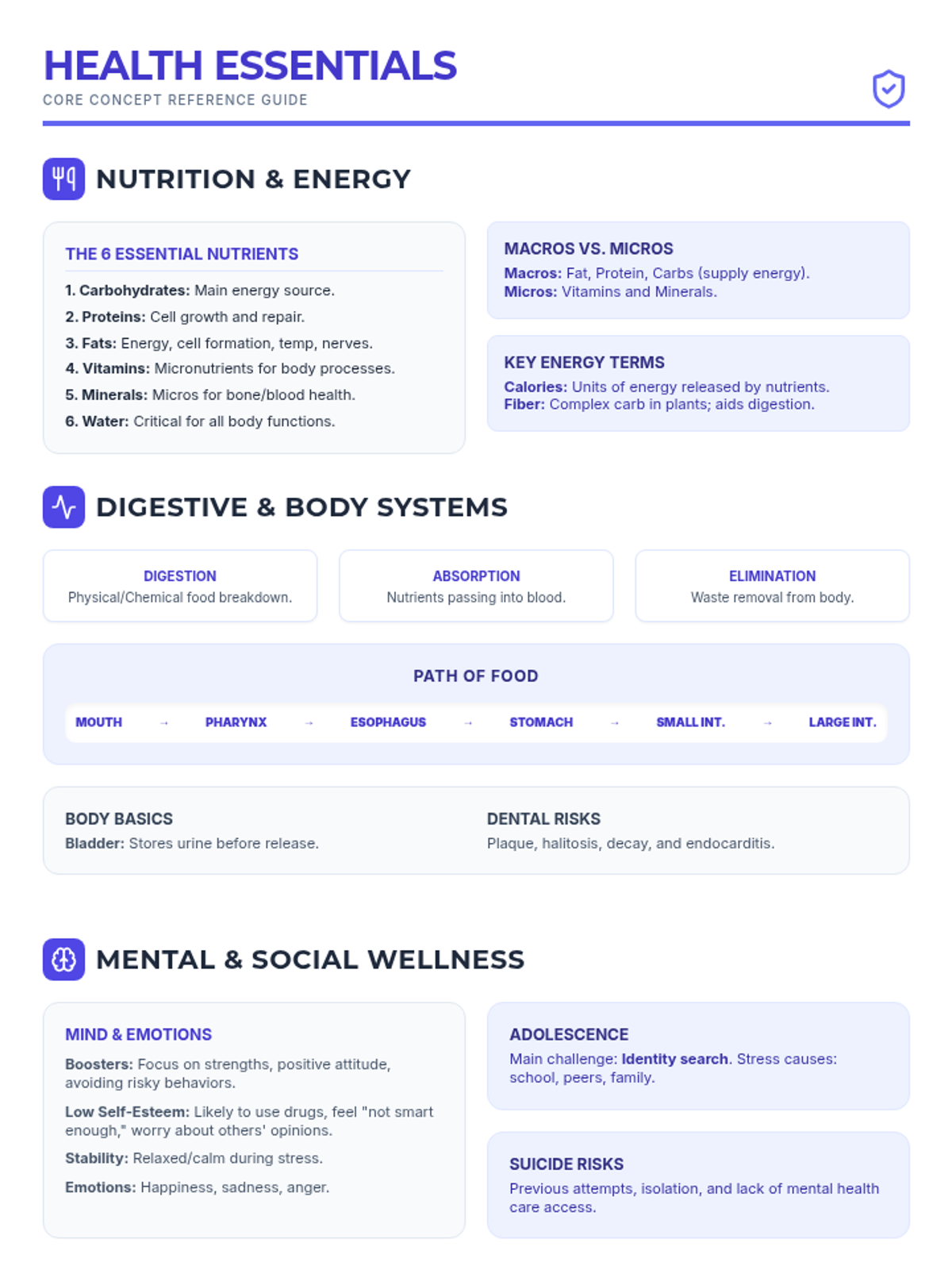
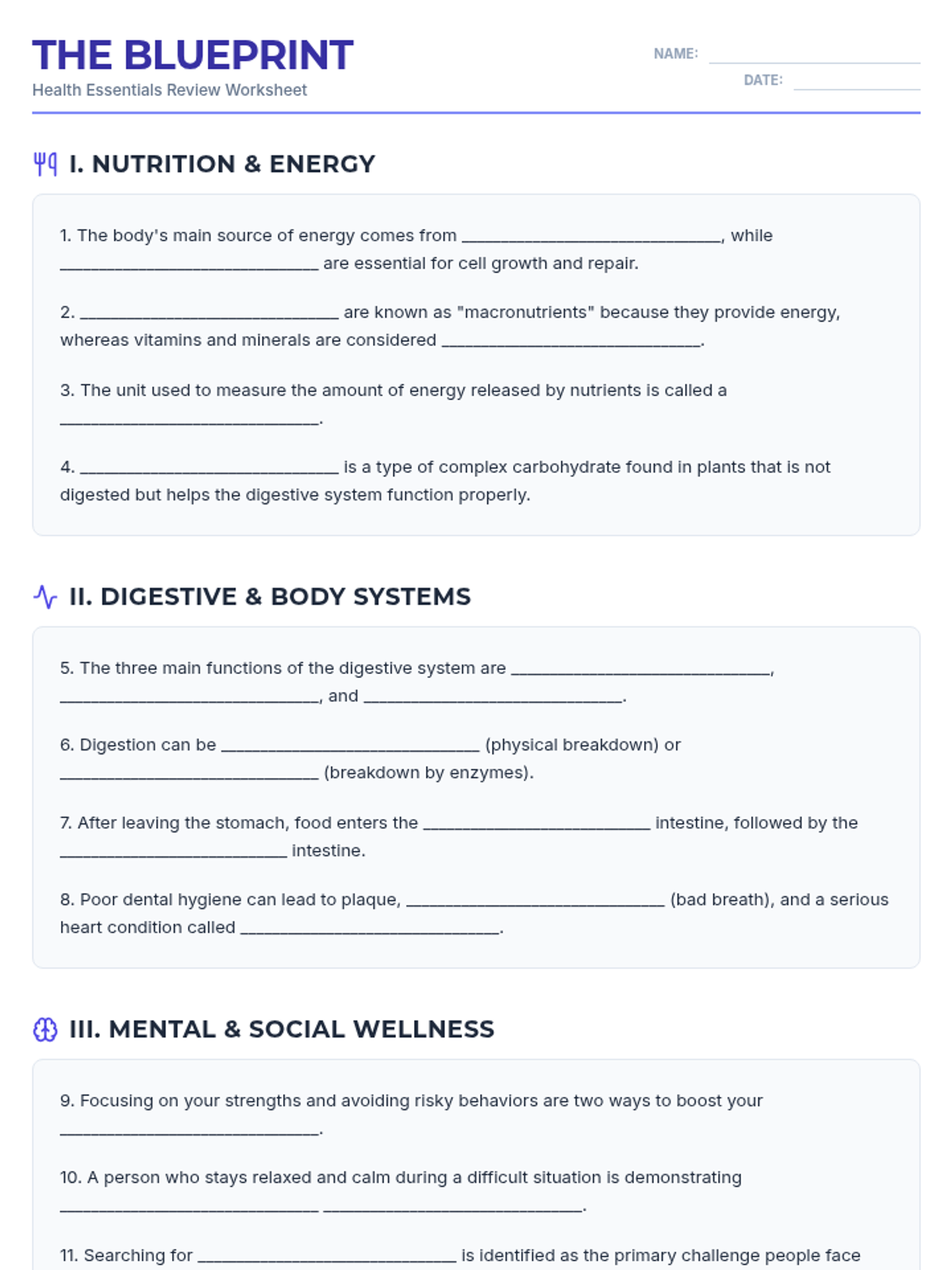
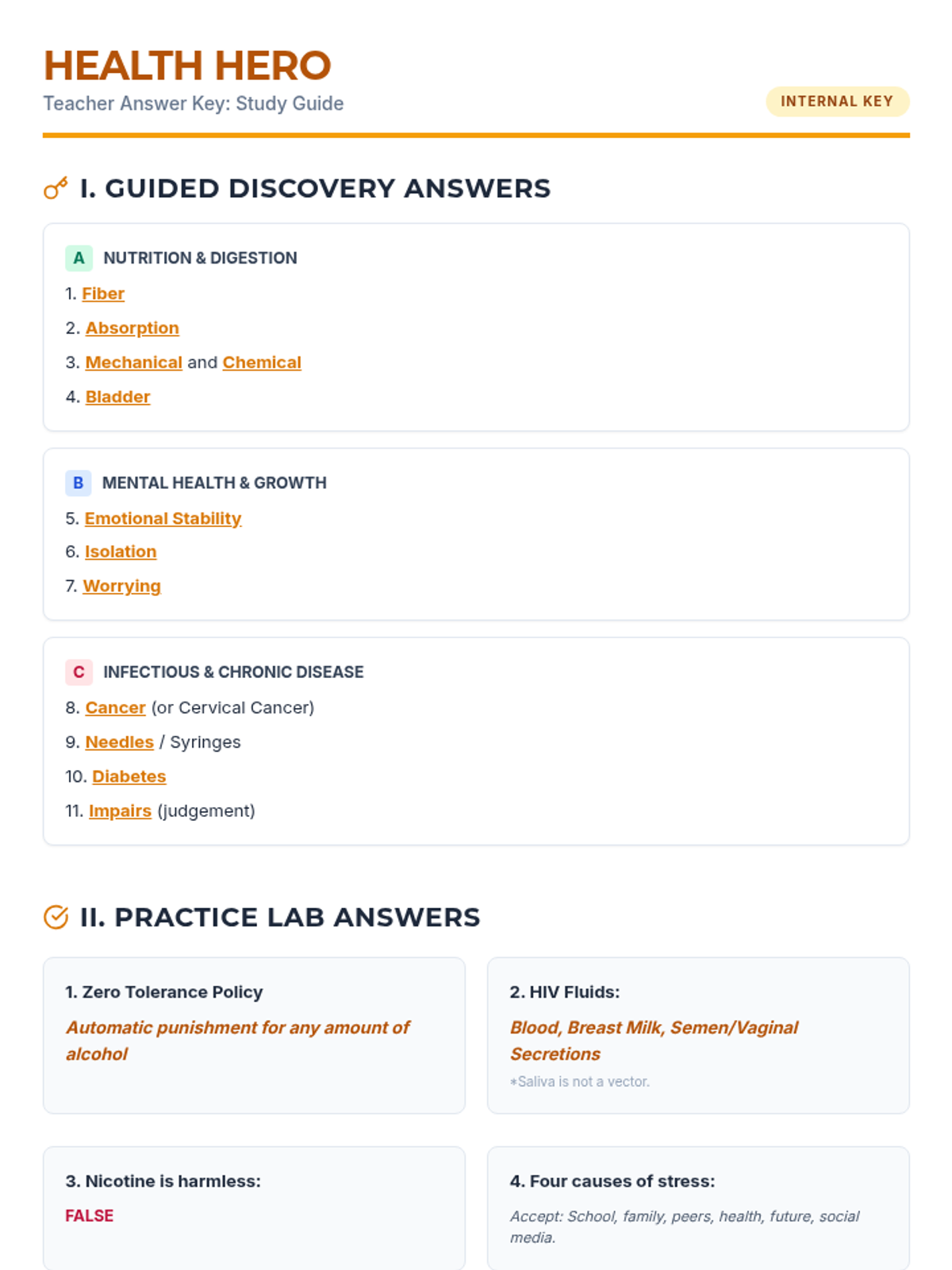
A comprehensive study guide covering nutrition, body systems, mental health, and disease prevention based on the Health Final Exam.
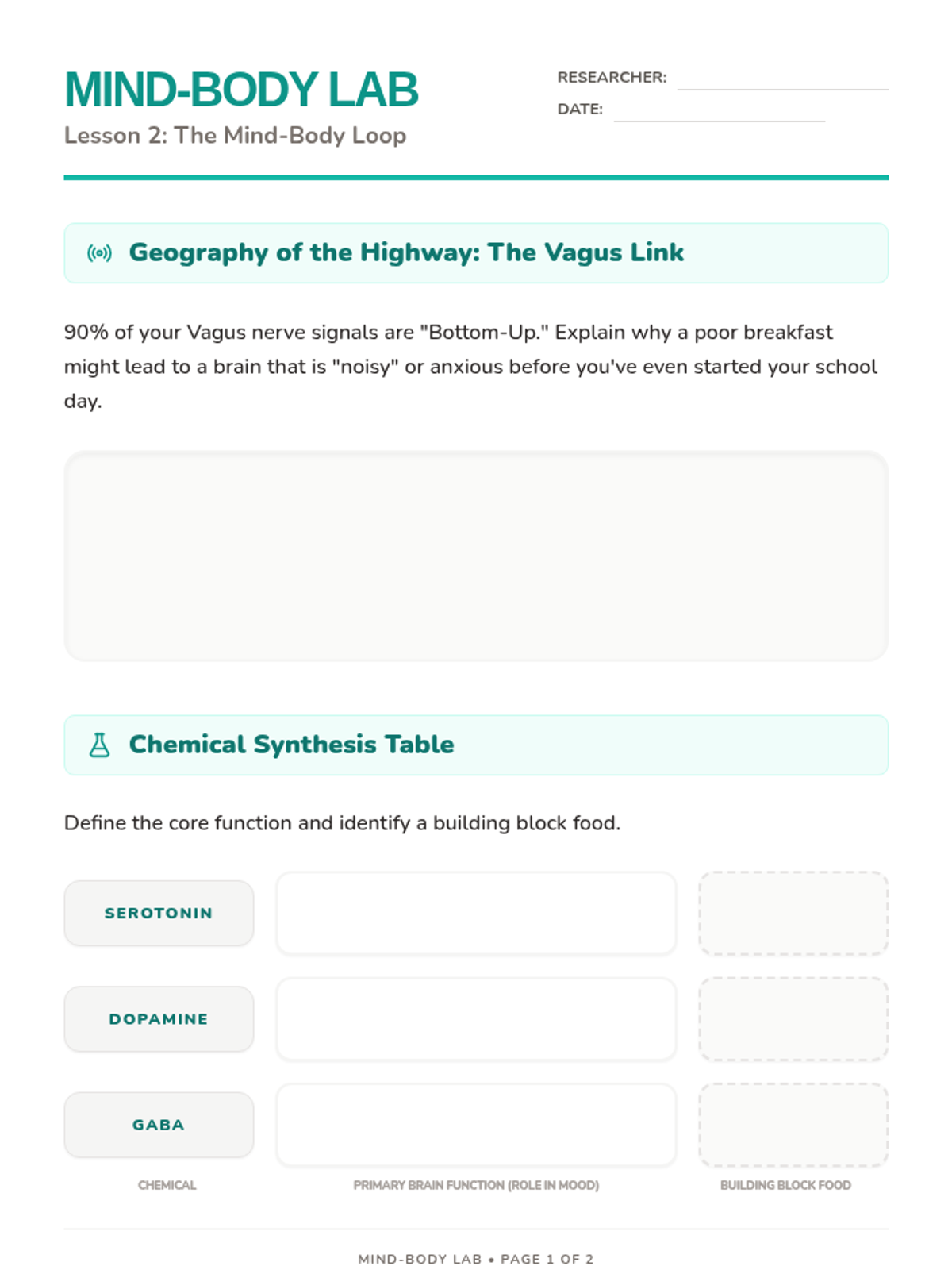
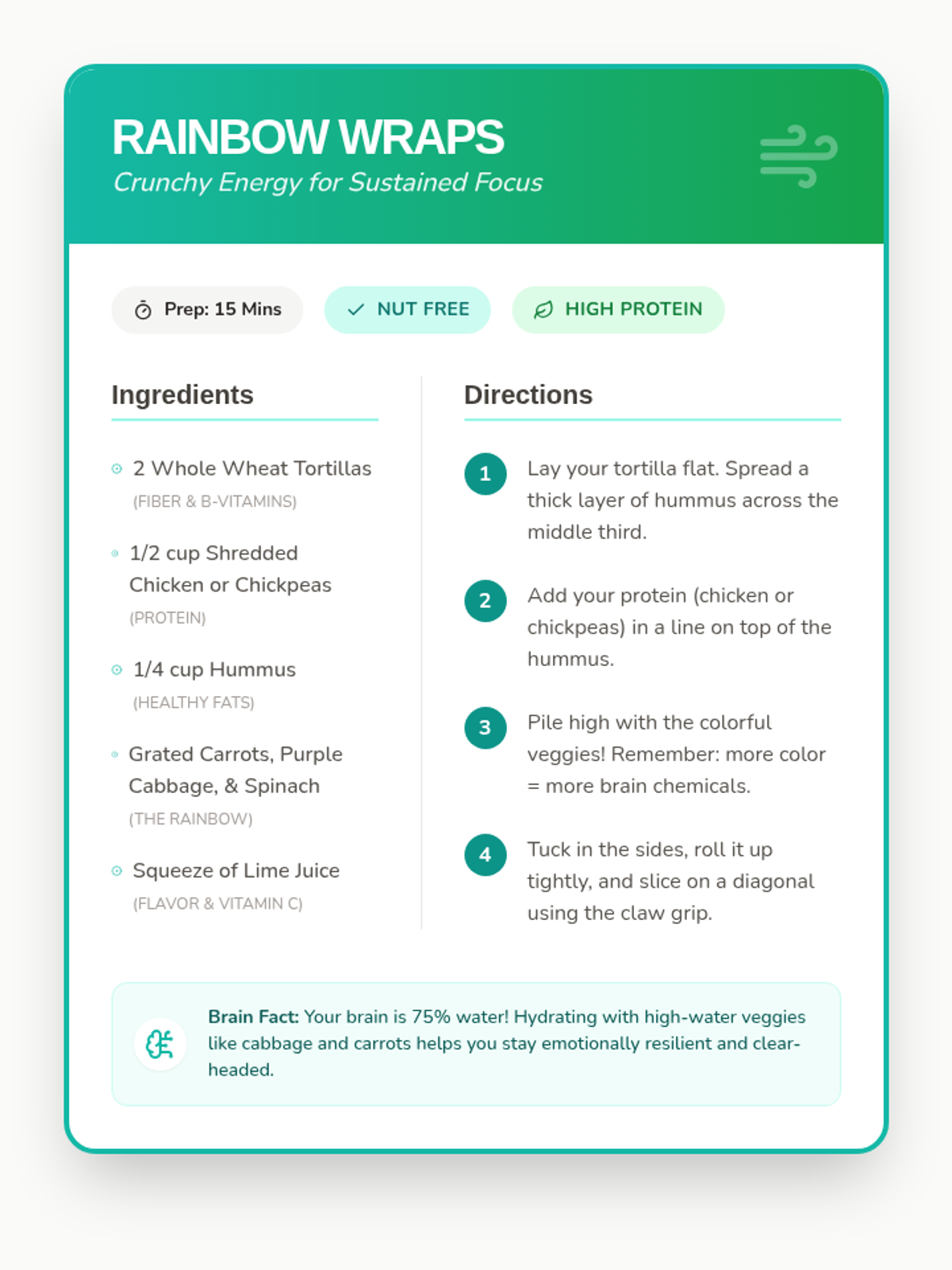
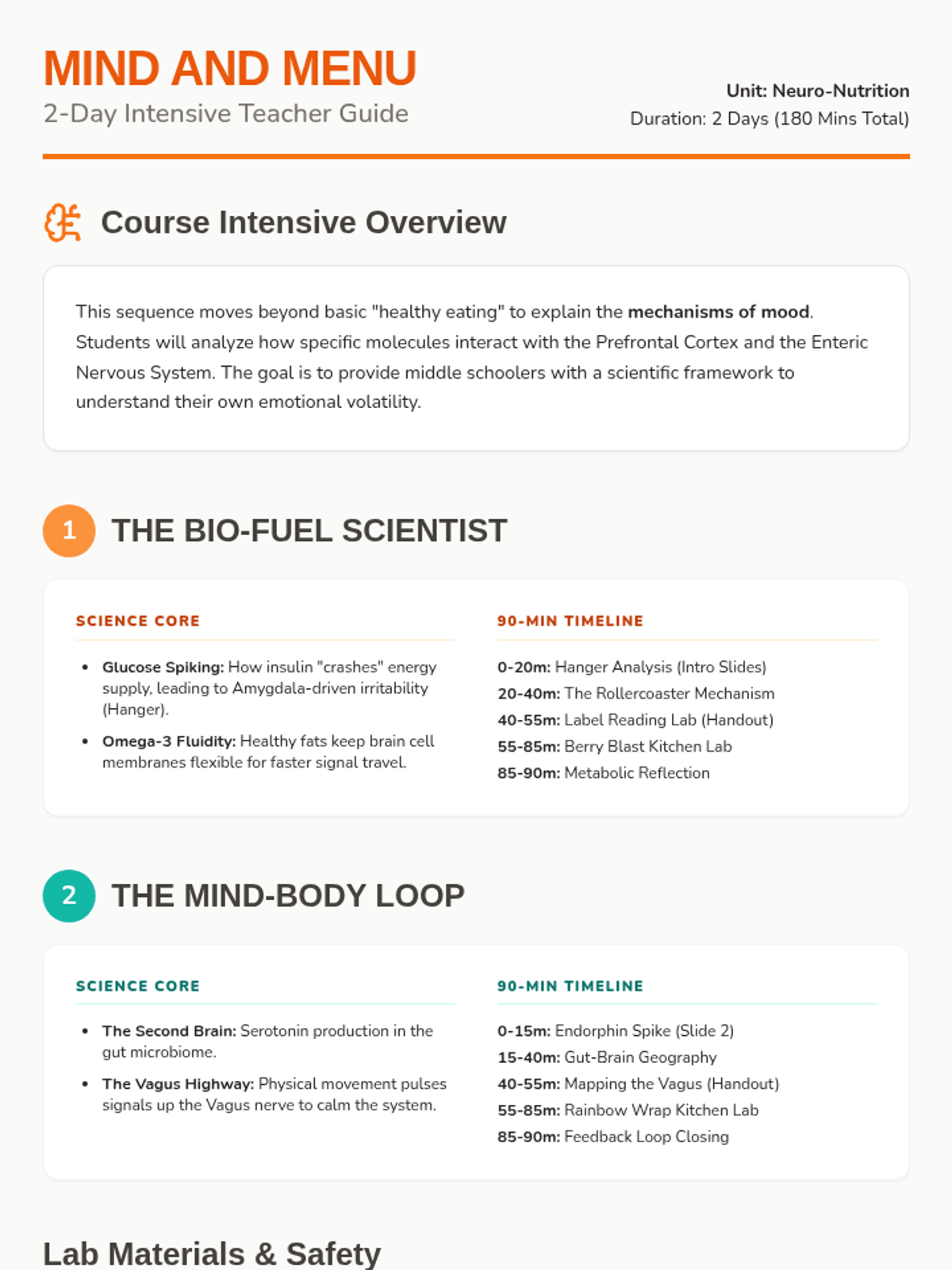
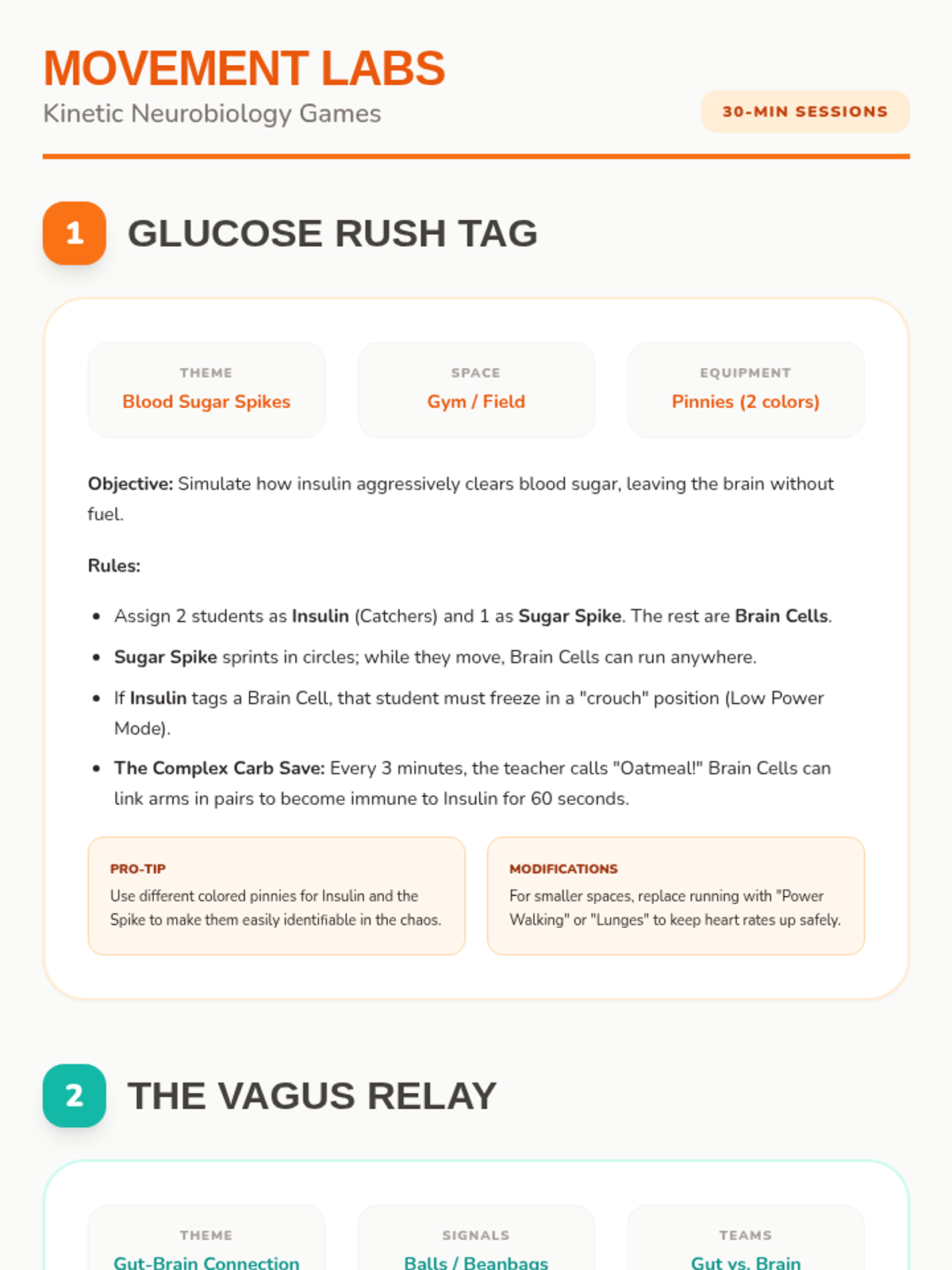
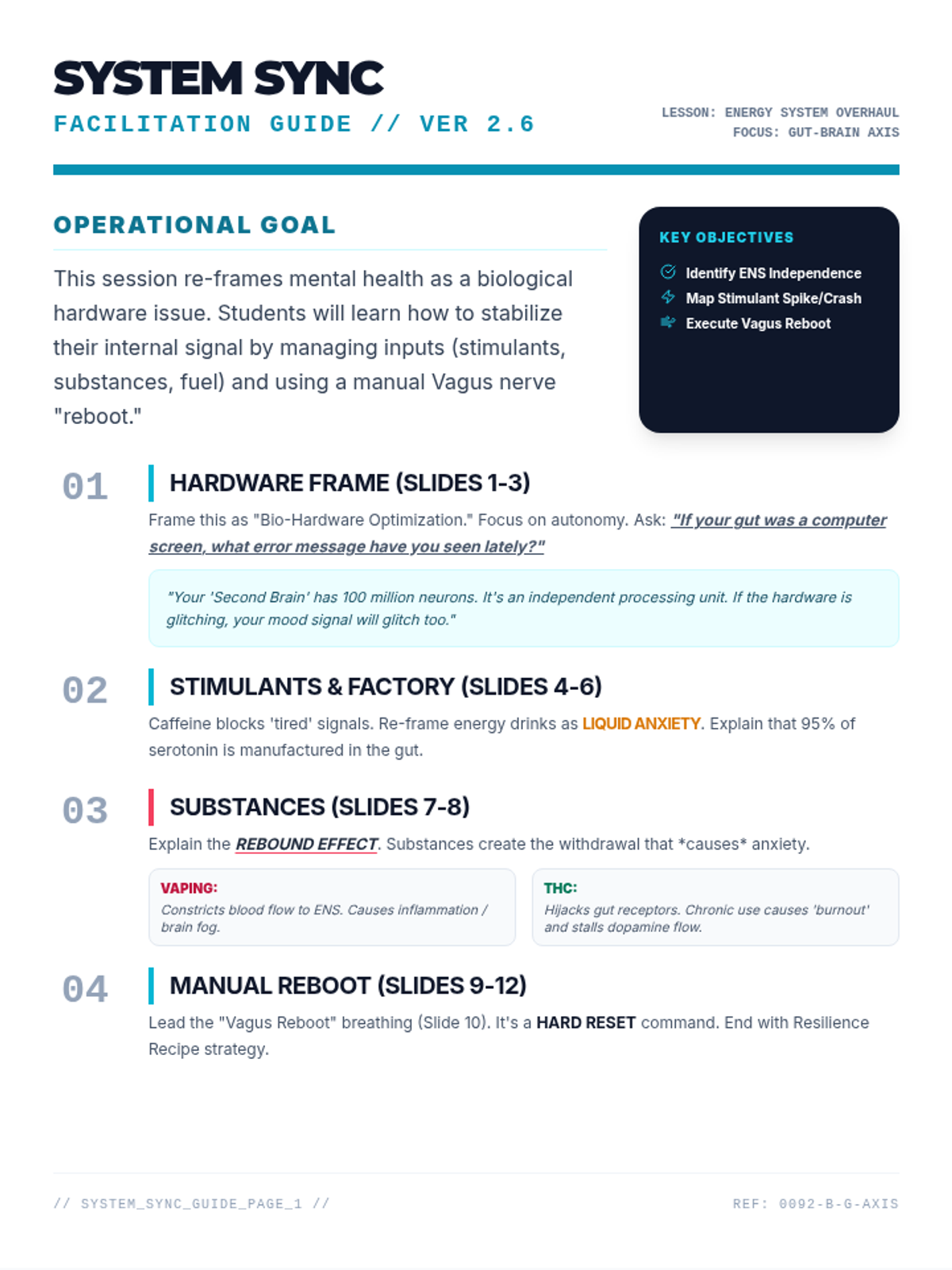
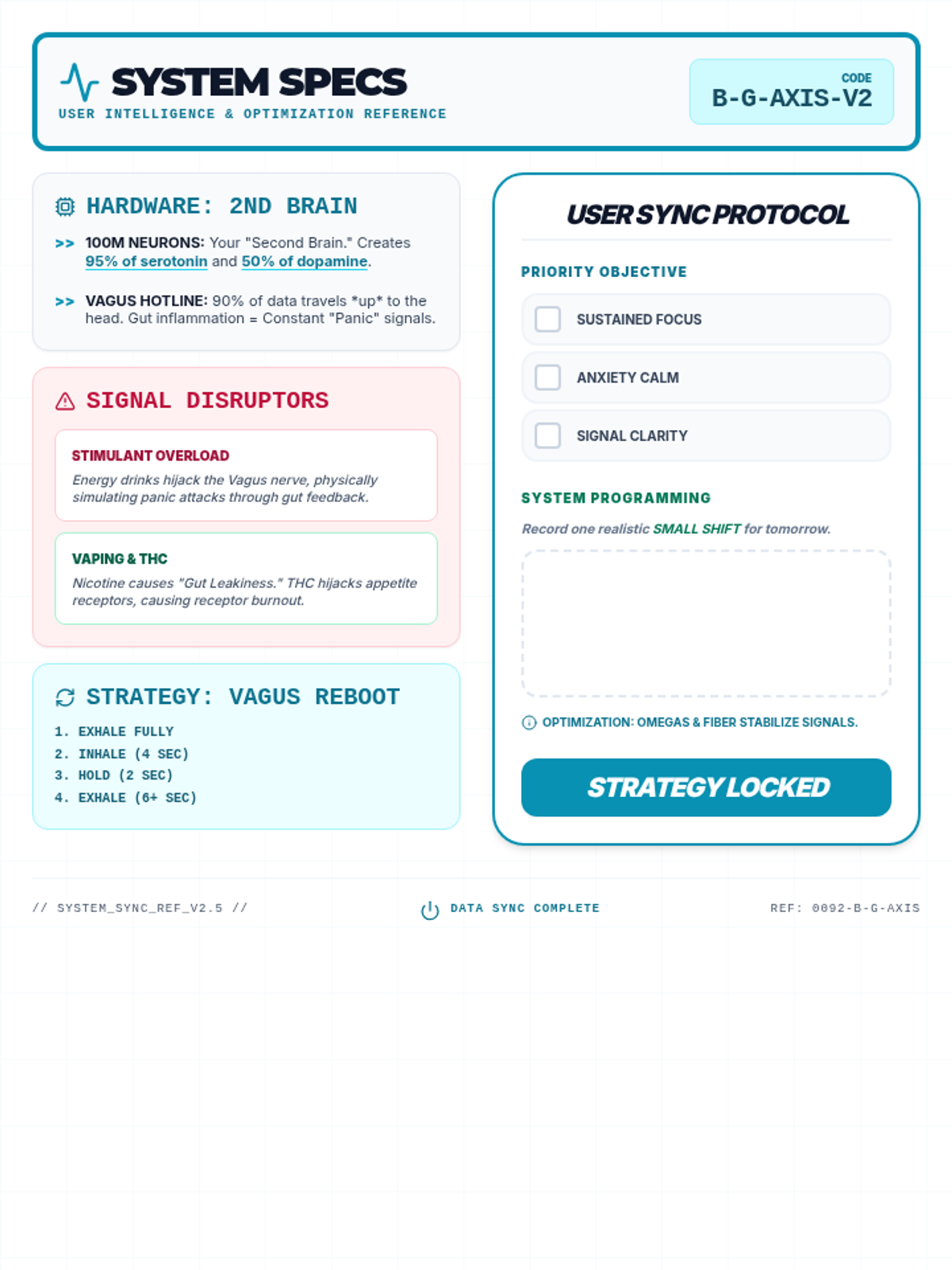
An intensive look at the 'Second Brain' in the gut, the role of the Vagus nerve, and how movement synthesizes neurotransmitters for emotional stability.
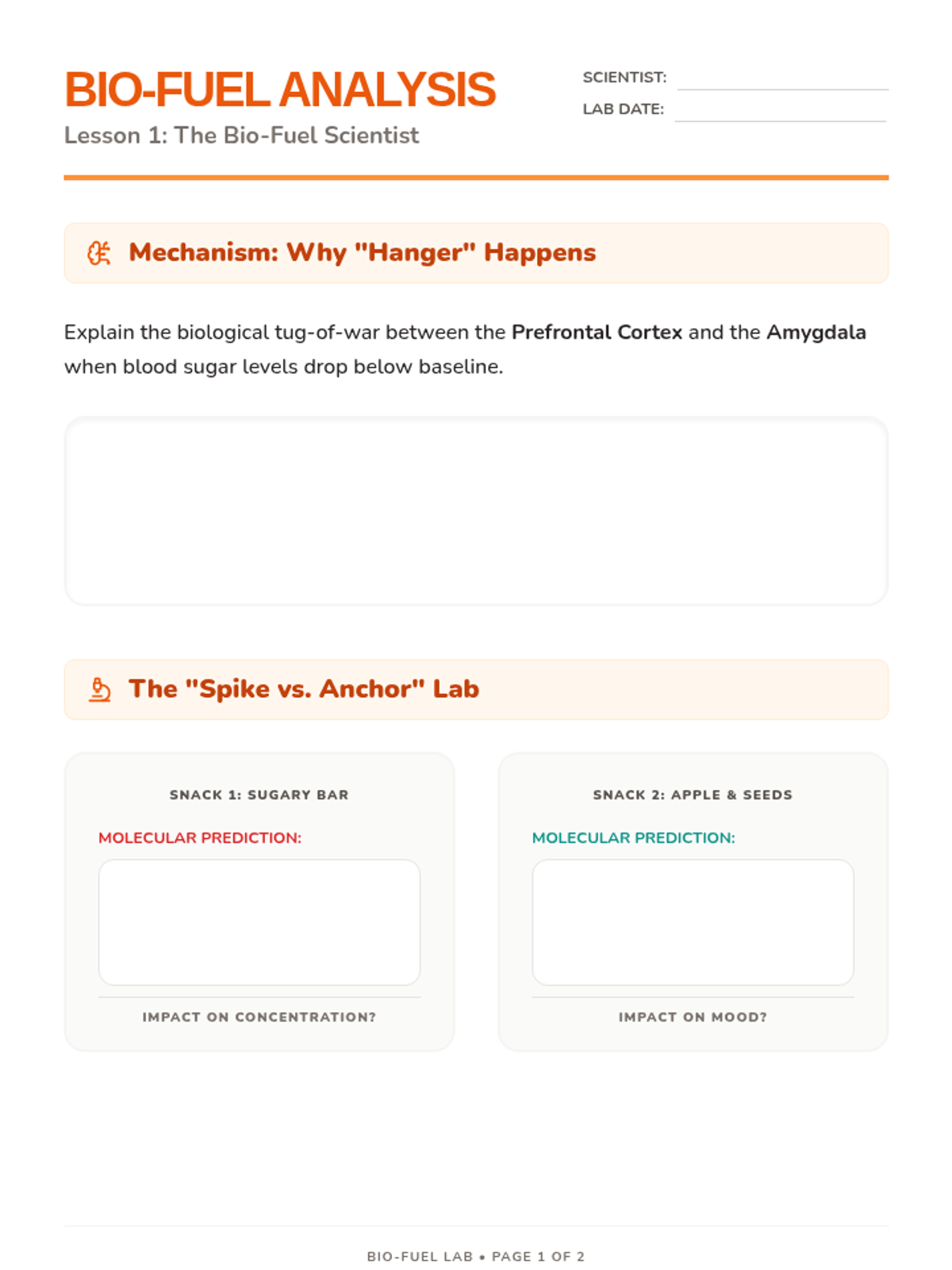
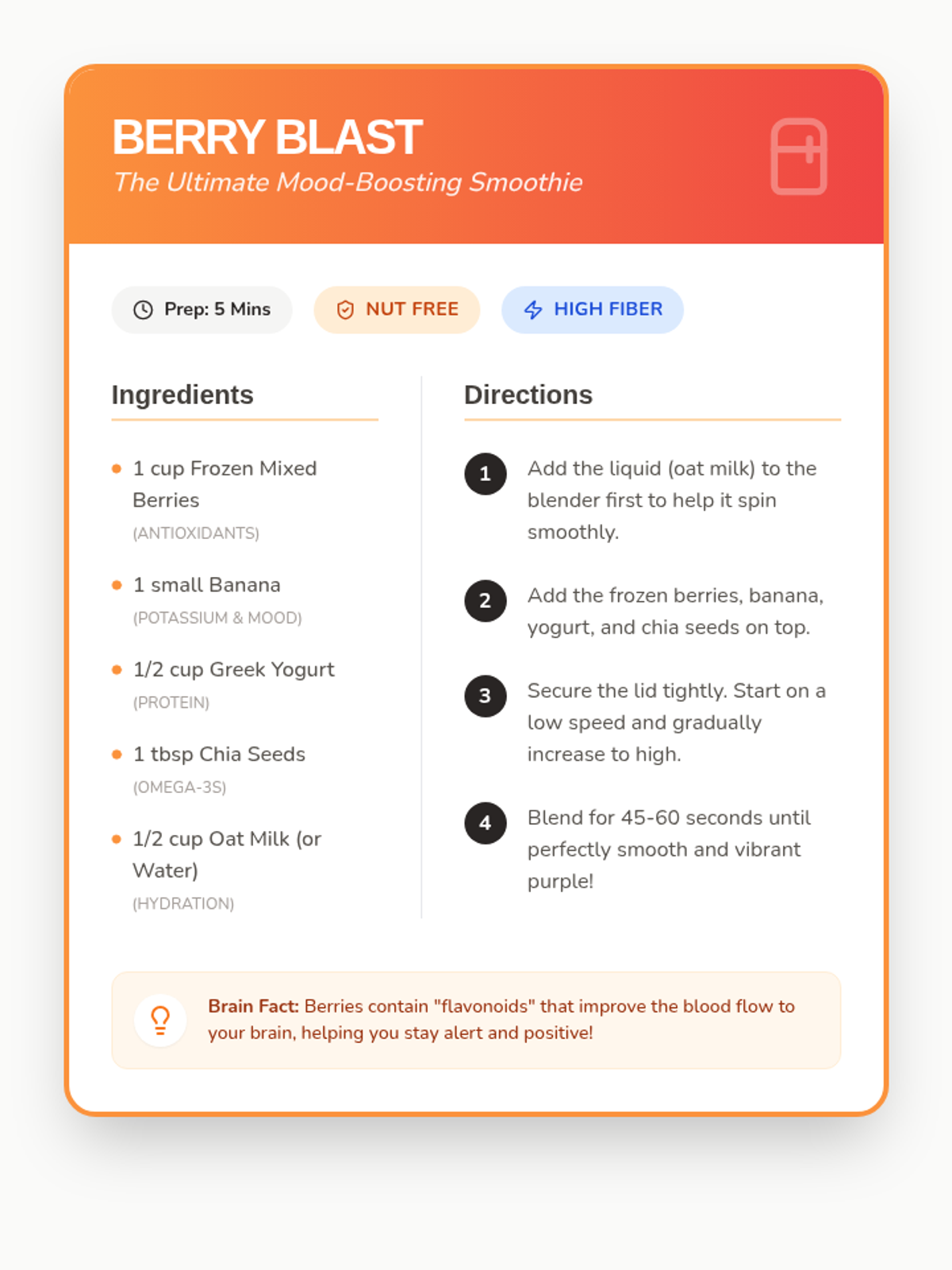
A deep dive into the glucose-insulin response, the chemistry of 'hanger,' and how micronutrients like Omega-3s build the physical architecture of the brain.
A comprehensive lesson exploring the bi-directional relationship between gut health and mental well-being, specifically tailored for high schoolers in therapeutic settings. The lesson covers the enteric nervous system, the impact of nutrition, hydration, and substances on mood, energy, and cognitive function.
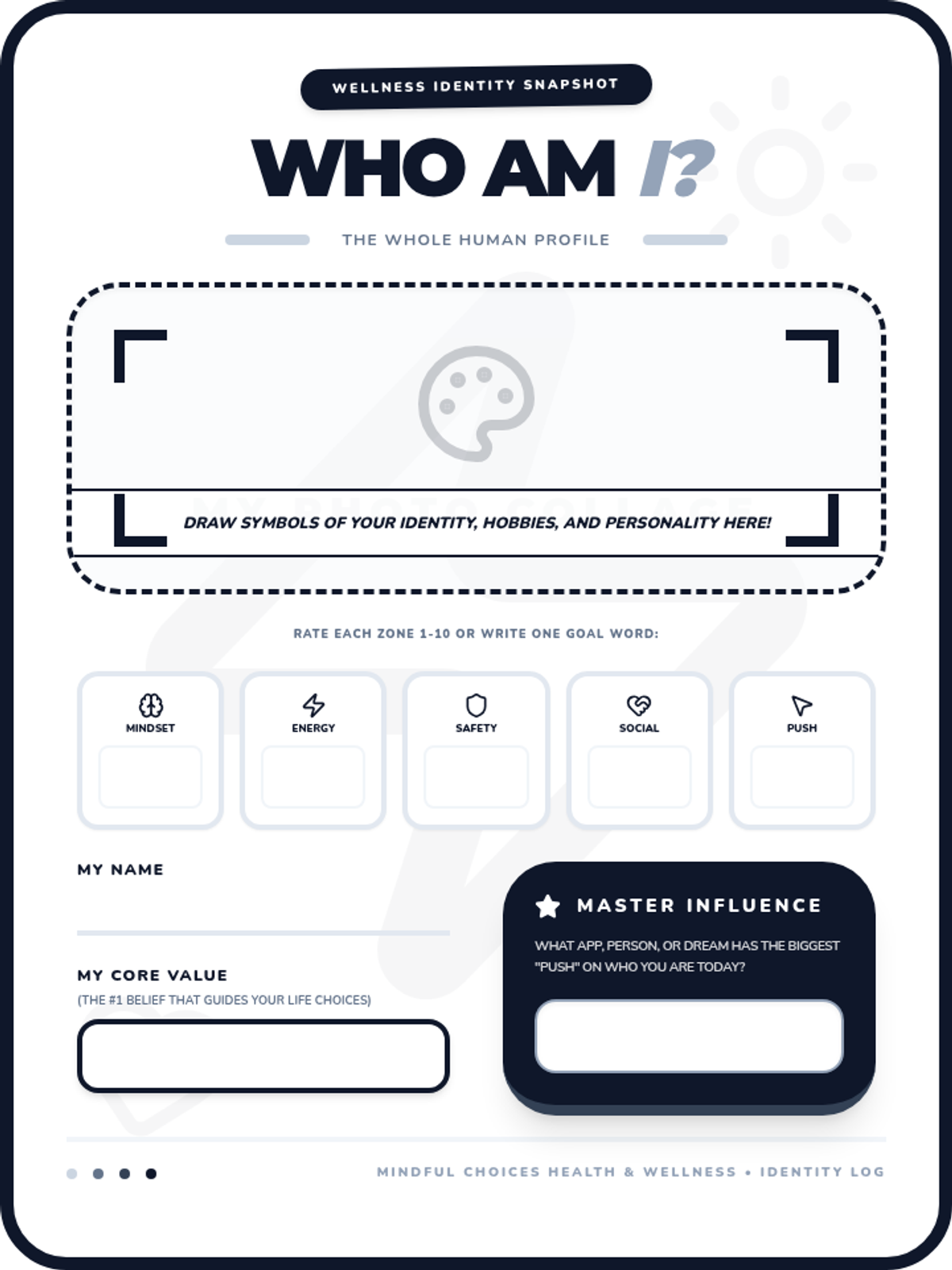
A first-day introductory activity where students design a personal binder cover that explores their personal brand and health perspective across five key wellness zones.
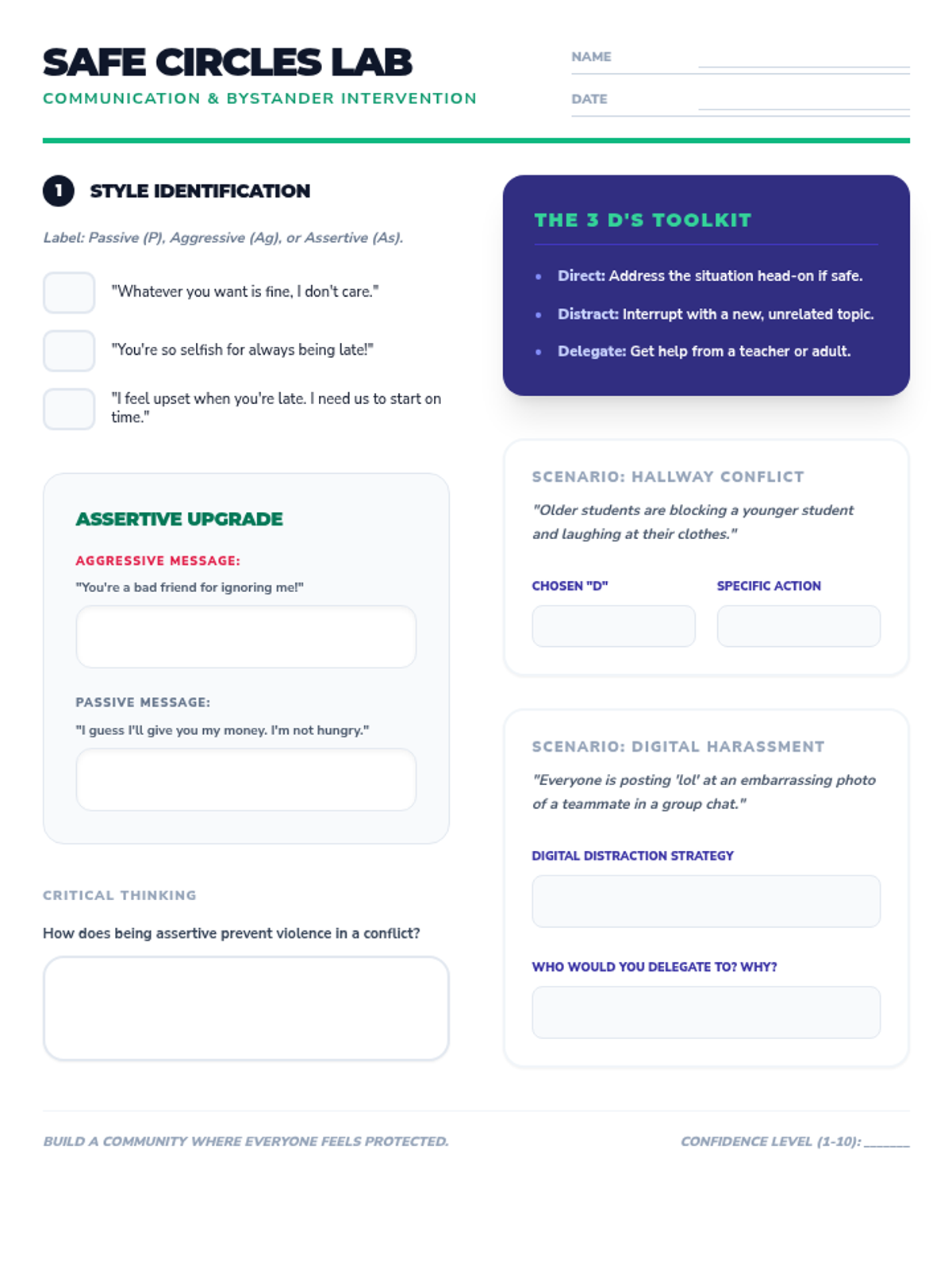
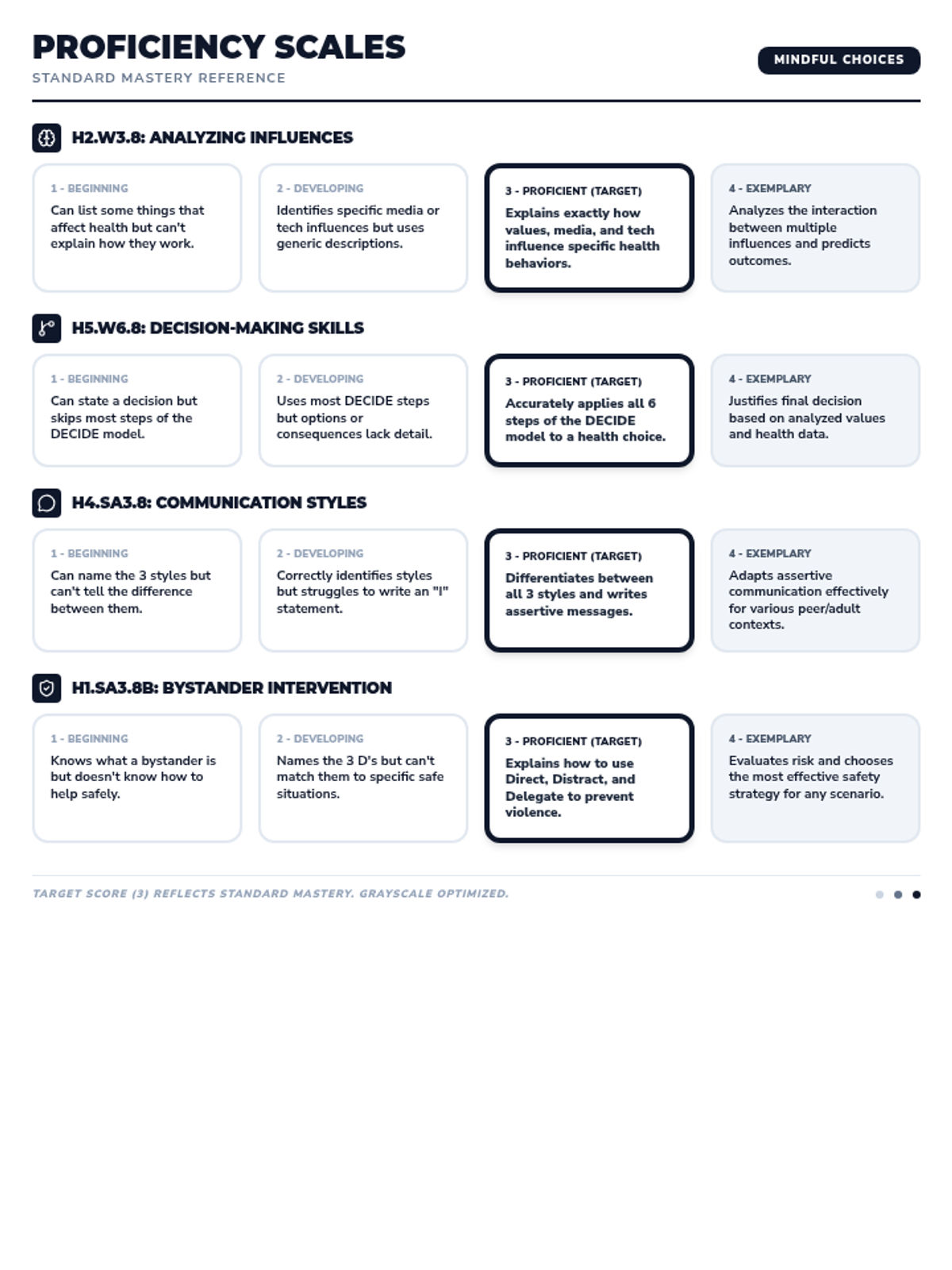
Developing assertive communication skills and understanding the role of bystanders in preventing violence and promoting safety.
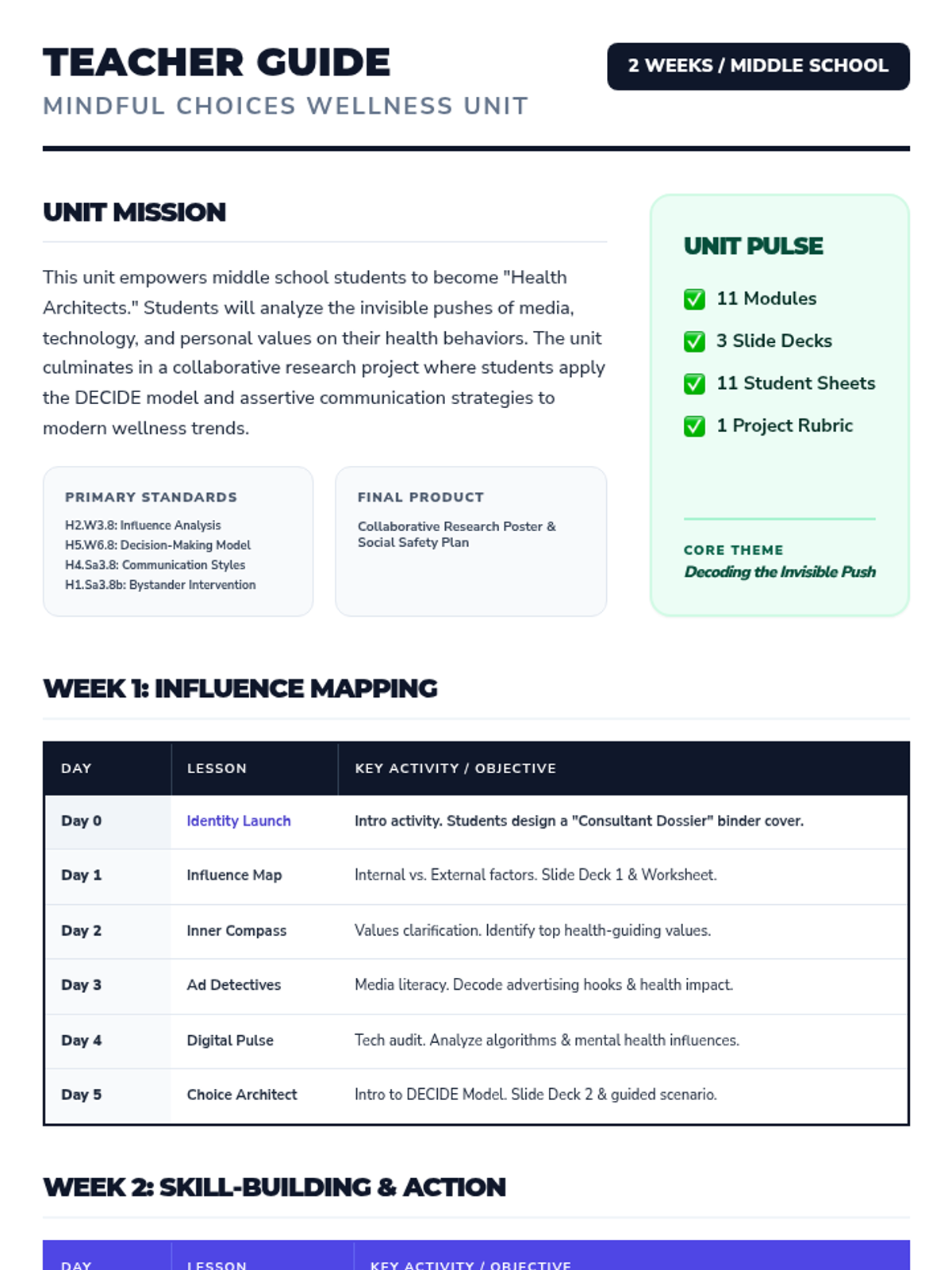
Administrative and planning resources for the Mindful Choices unit.
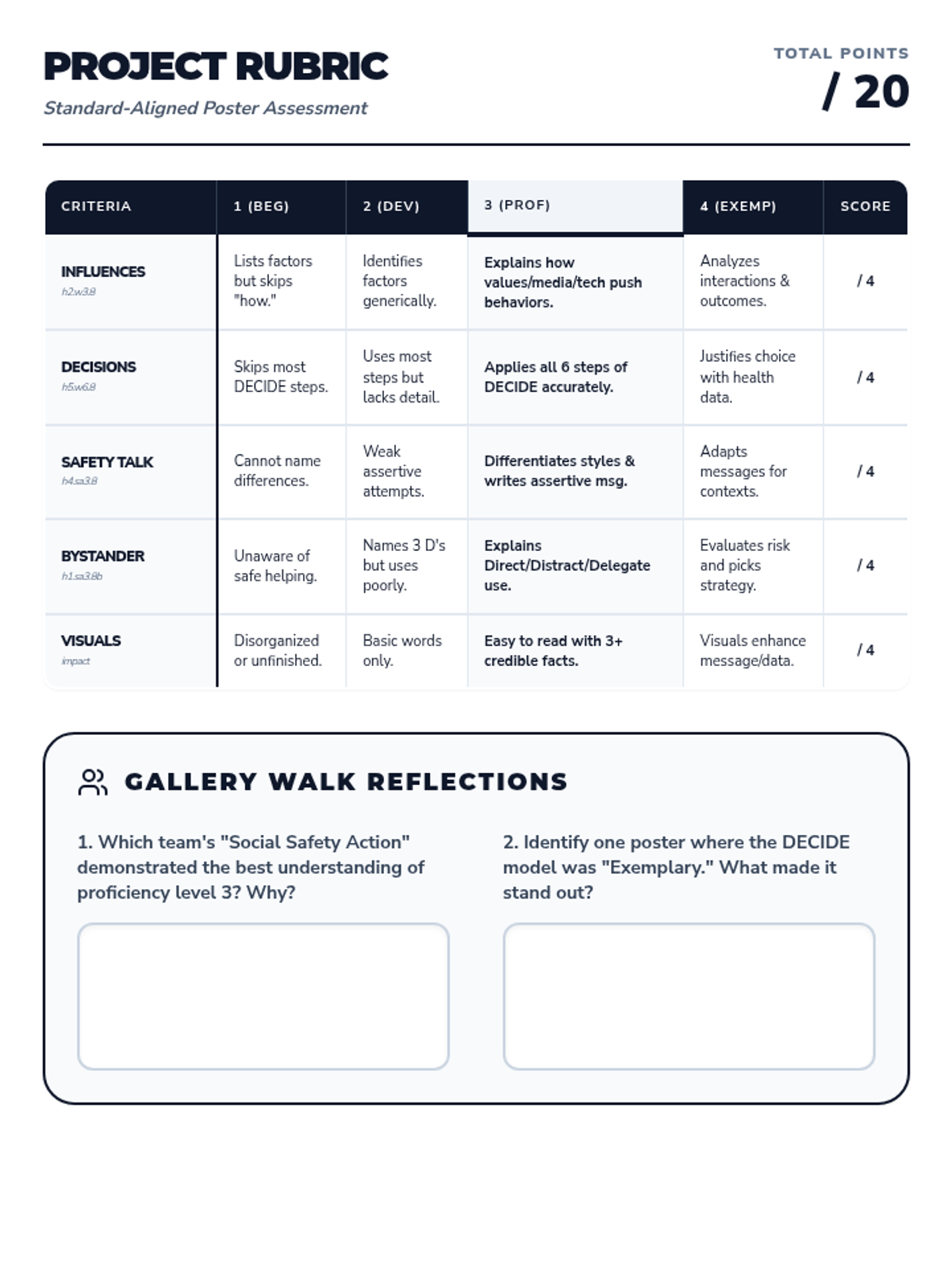
Final presentation of research posters and a peer-review gallery walk.
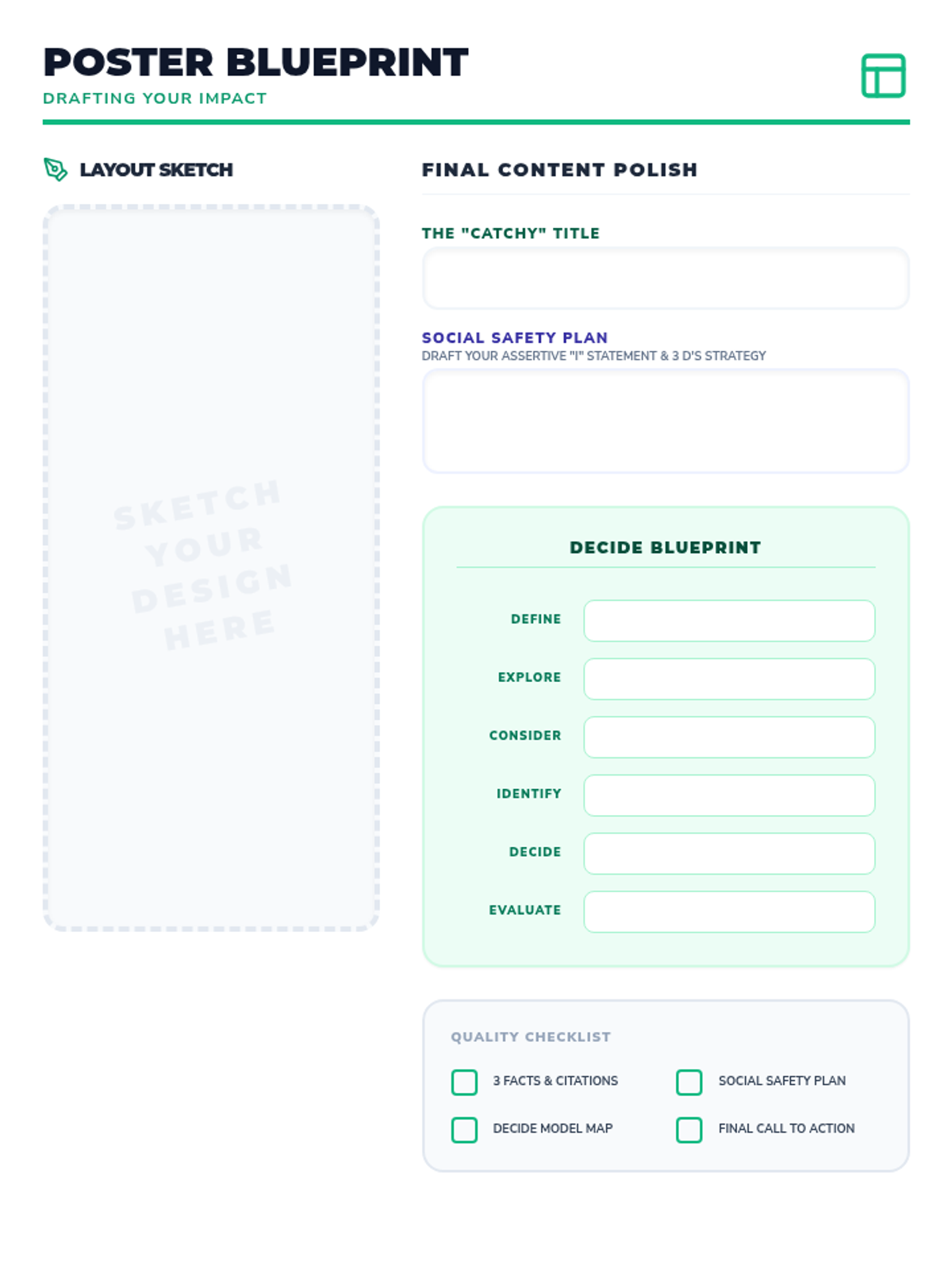
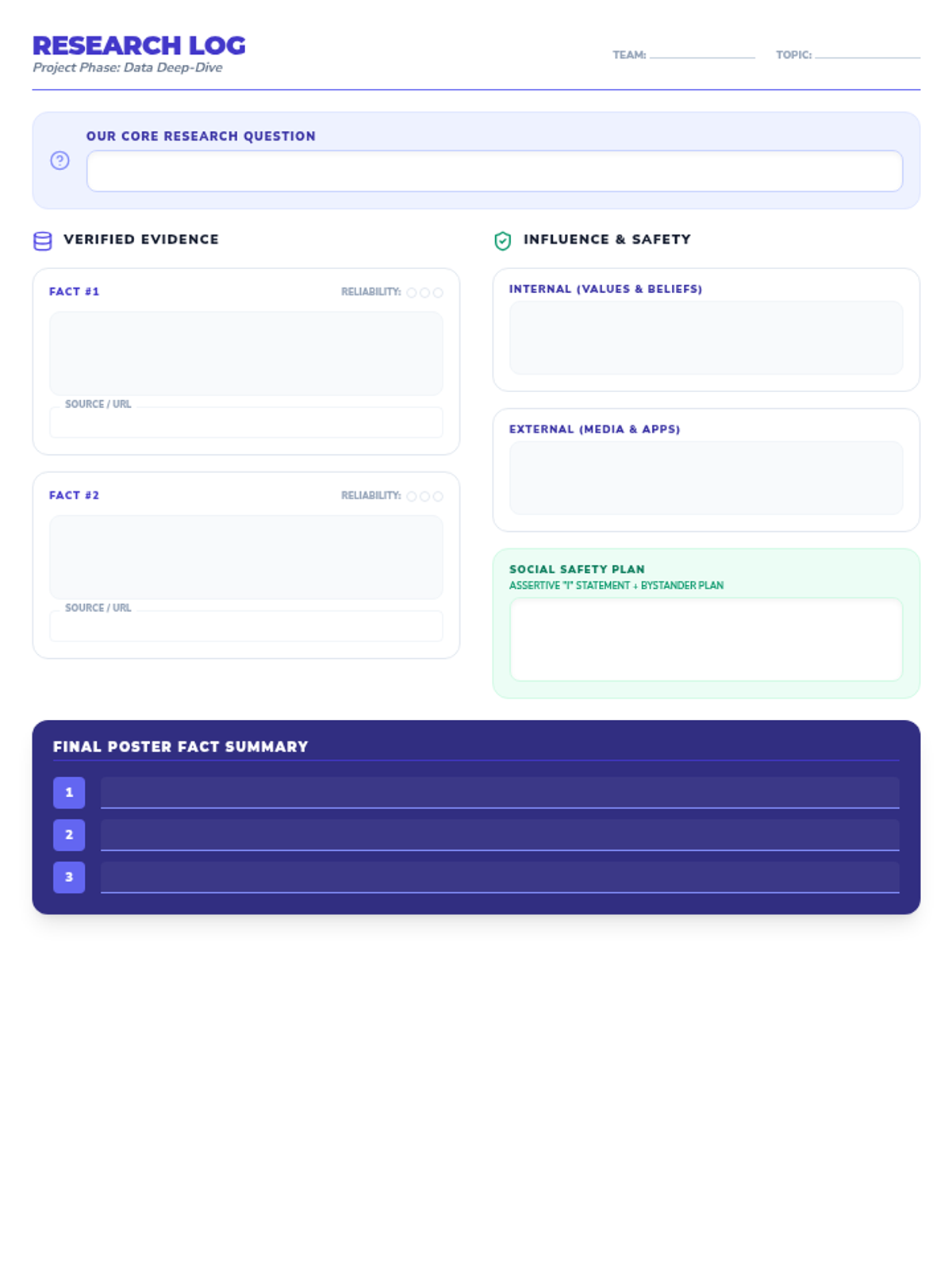
Synthesizing research into a visual poster format with a focus on clear communication and design.
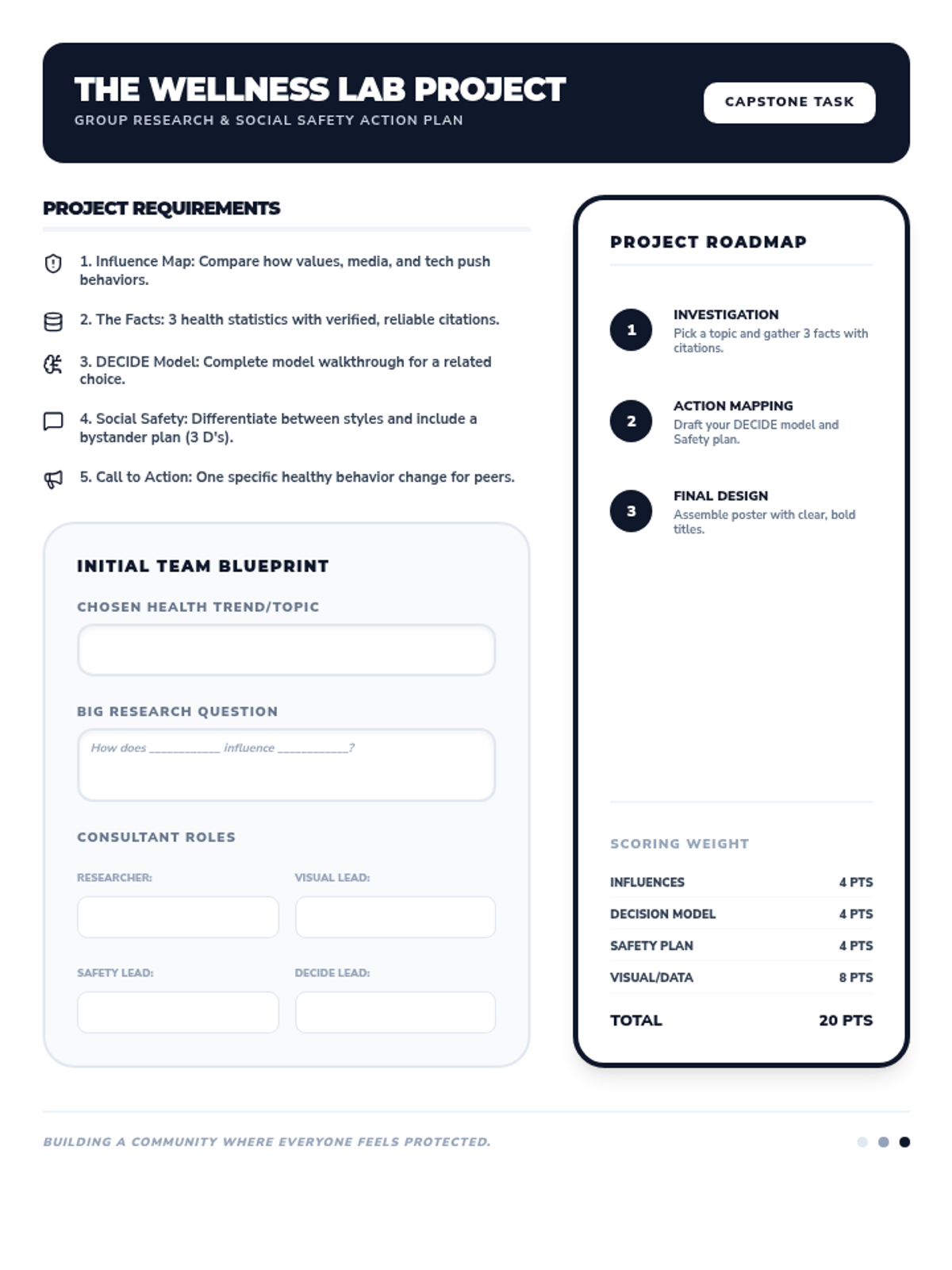
Collaborative research and data gathering for the health-focused poster project.
Introduction to the final group research poster project and initial topic brainstorming.
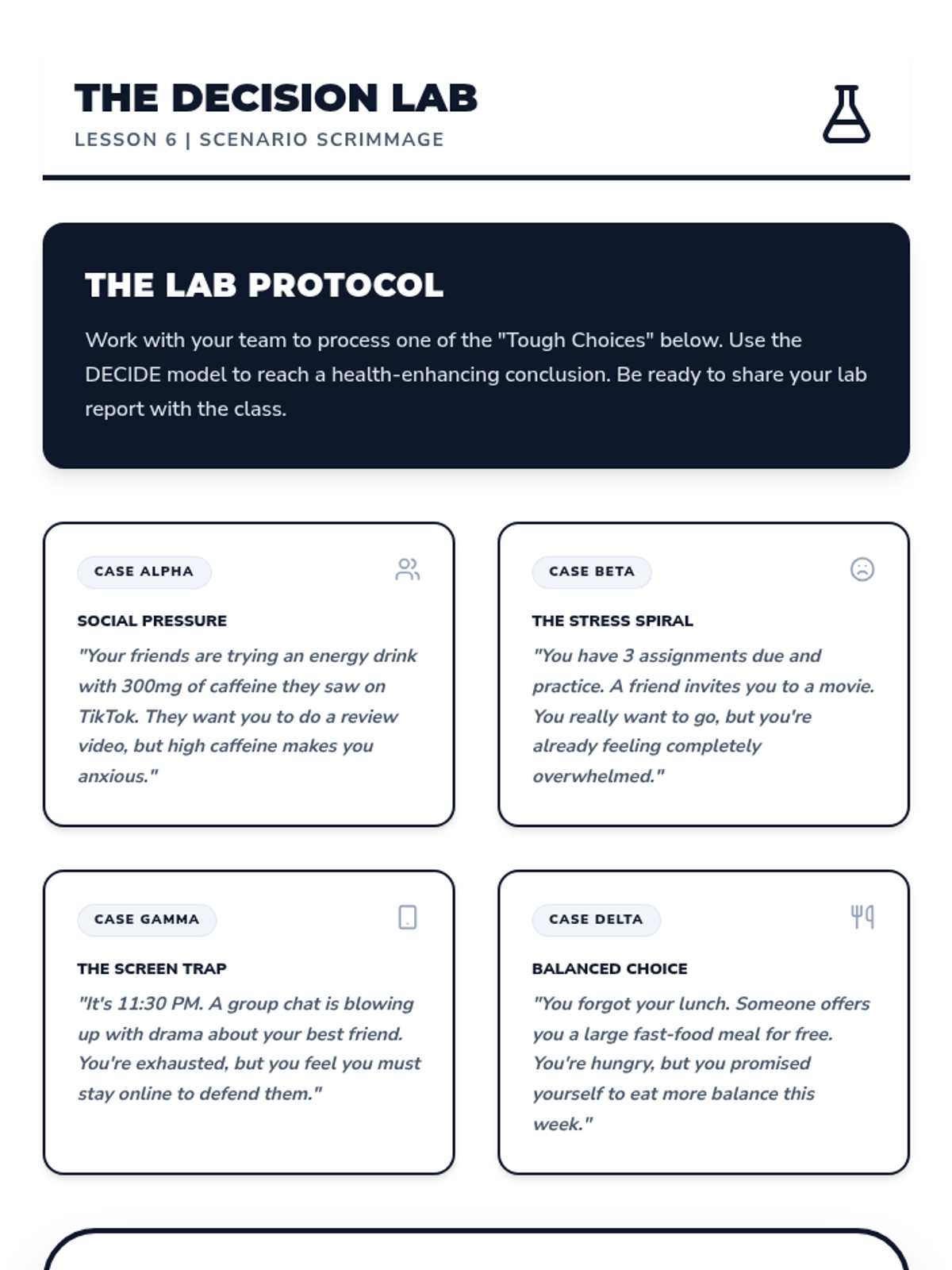
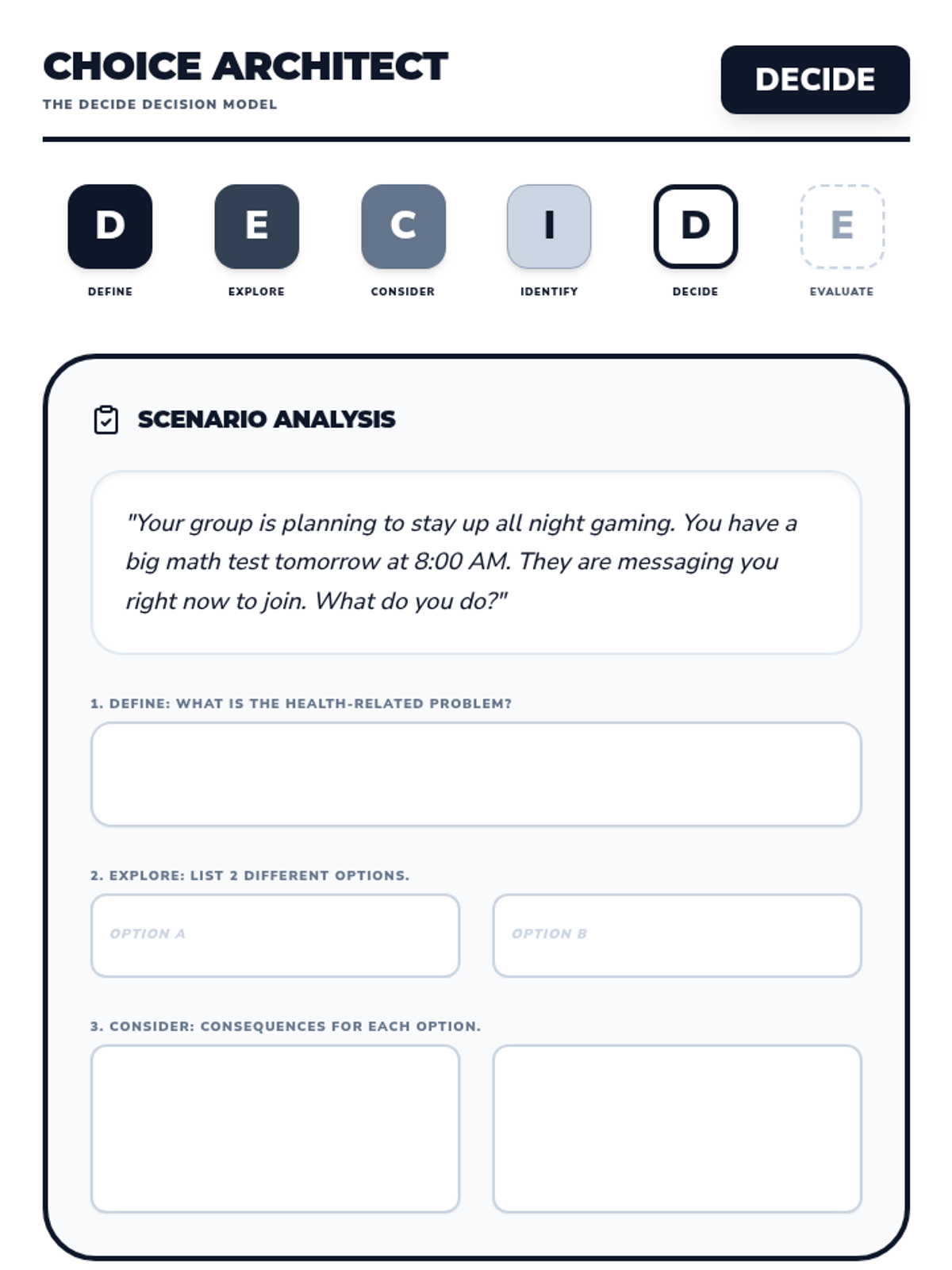
Guided practice applying the decision-making model to common adolescent health scenarios.
Introduction to the DECIDE model for making structured, health-enhancing personal choices.
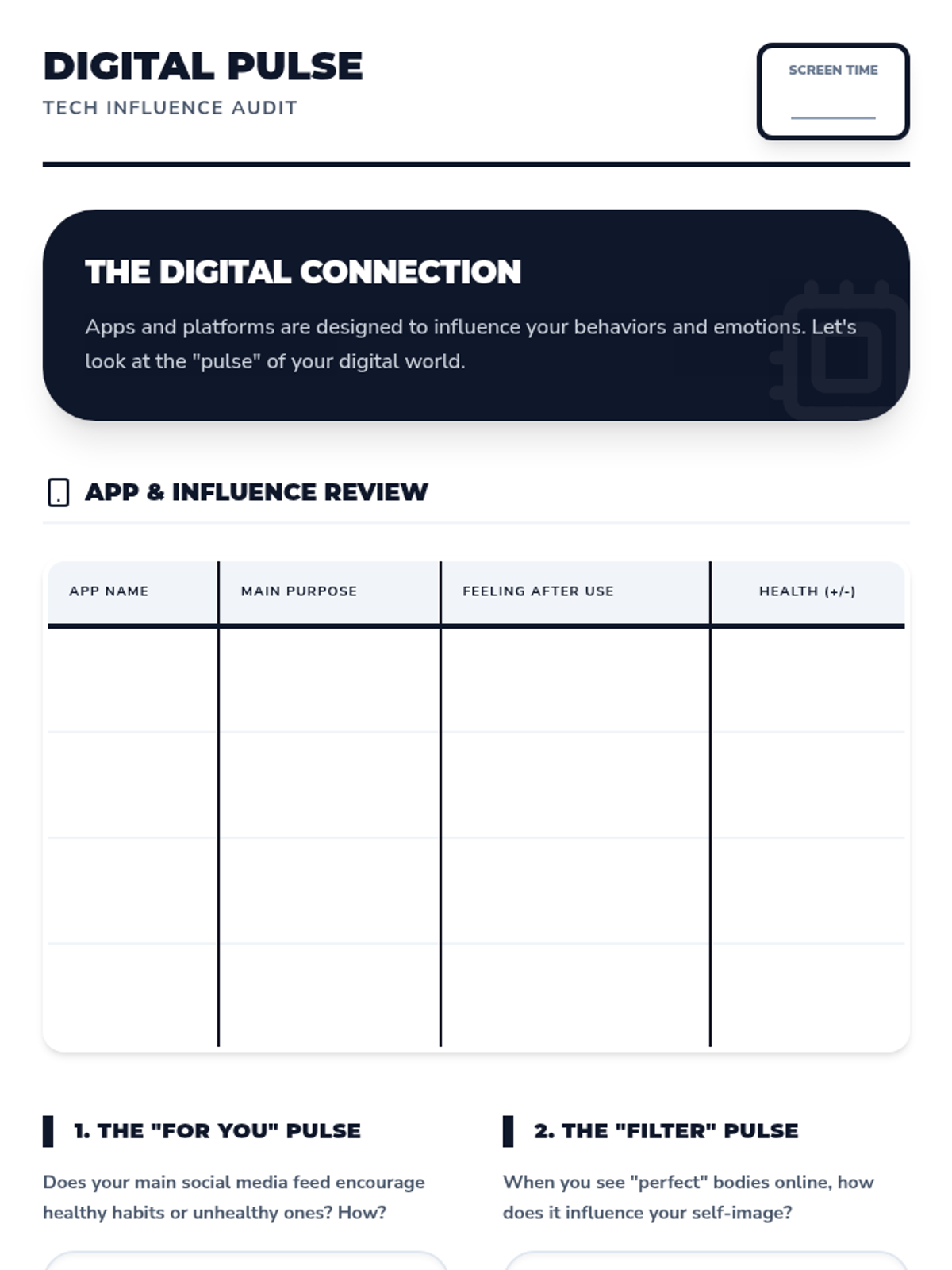
Investigating how technology and social media algorithms shape health perceptions and daily habits.
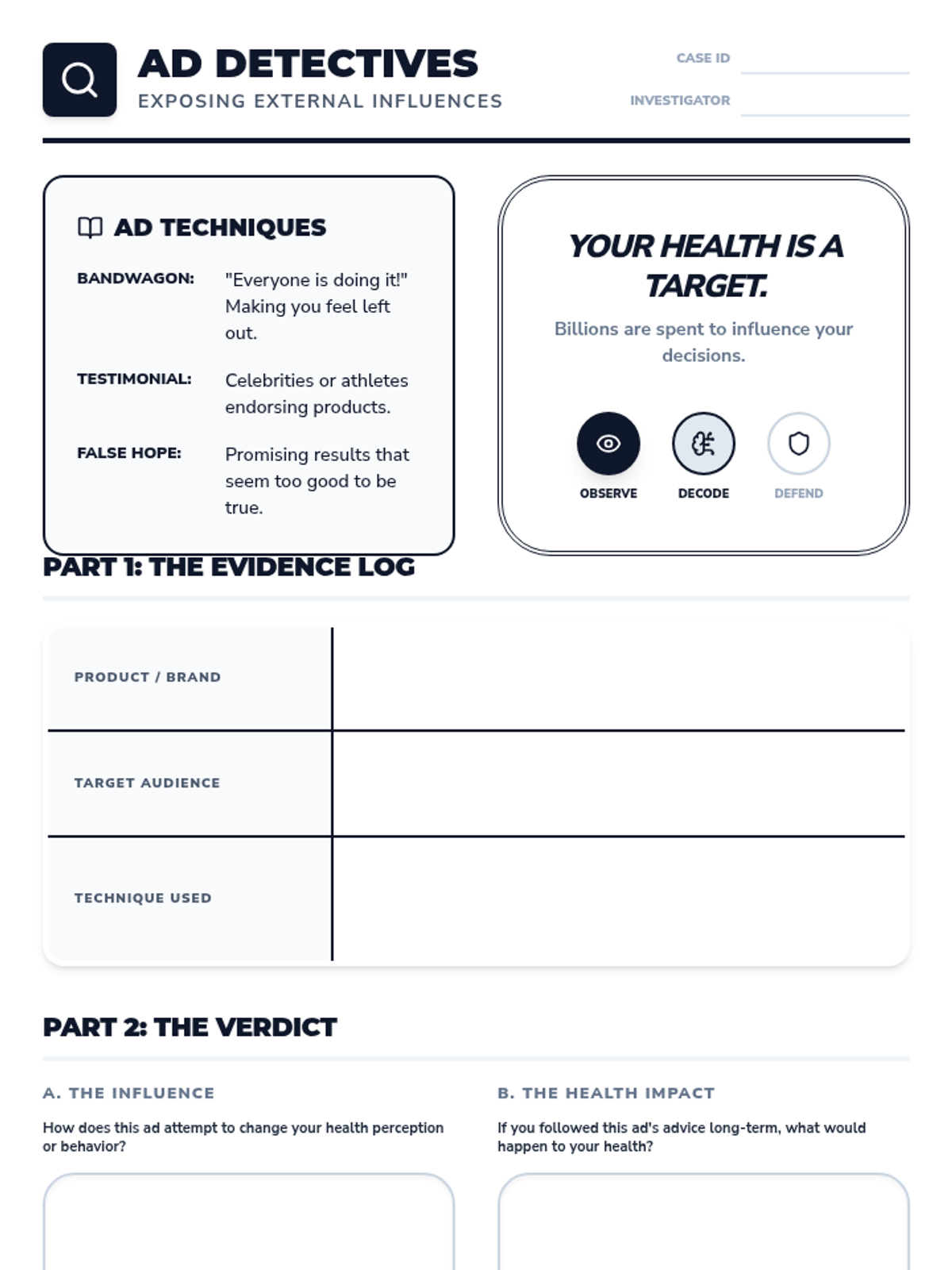
Analyzing media messages and advertising techniques to understand their impact on health behaviors.
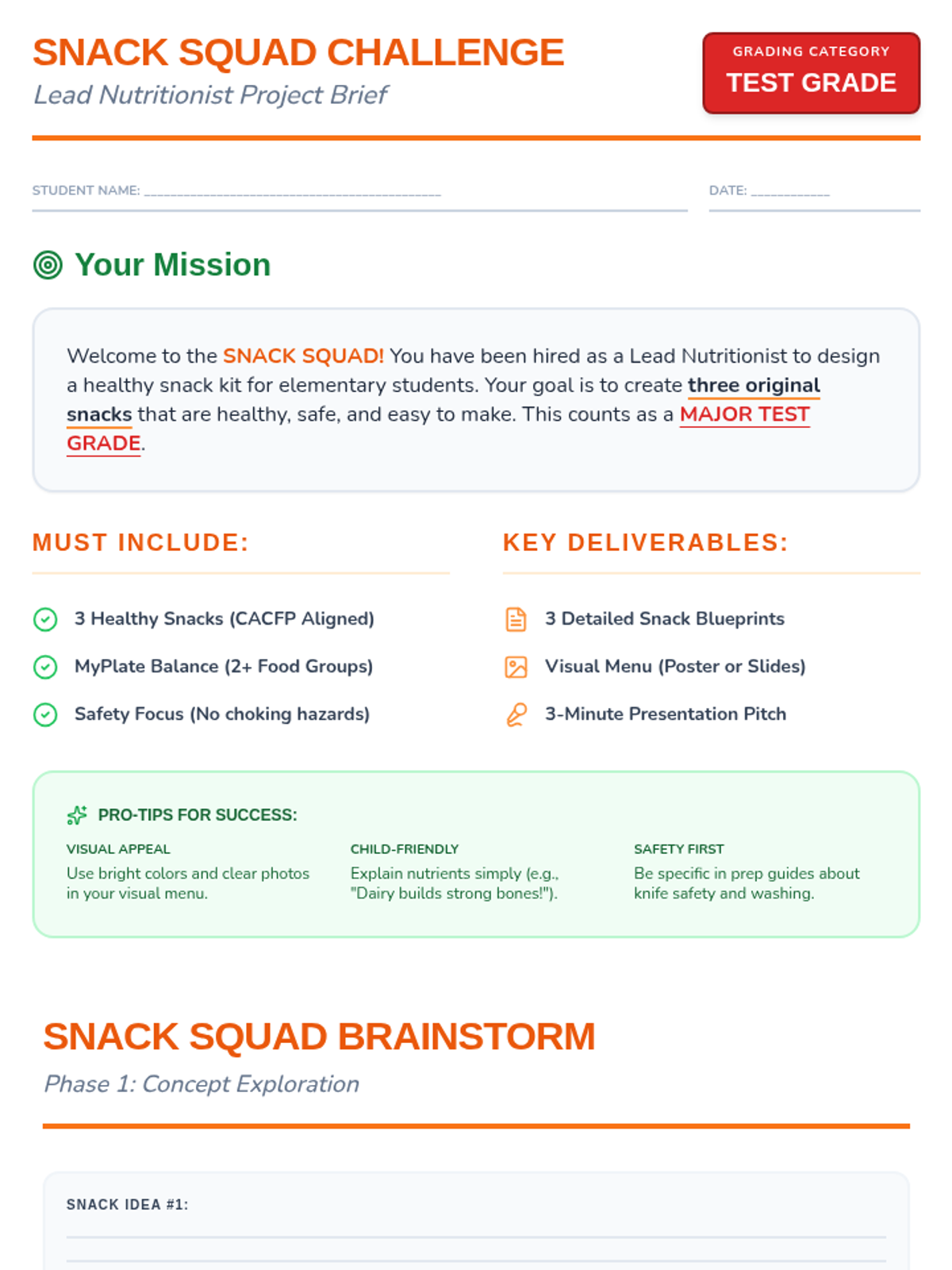
In this project, students take on the role of culinary nutritionists to design a three-snack menu for elementary students, focusing on MyPlate balance, safety, and detailed preparation steps.
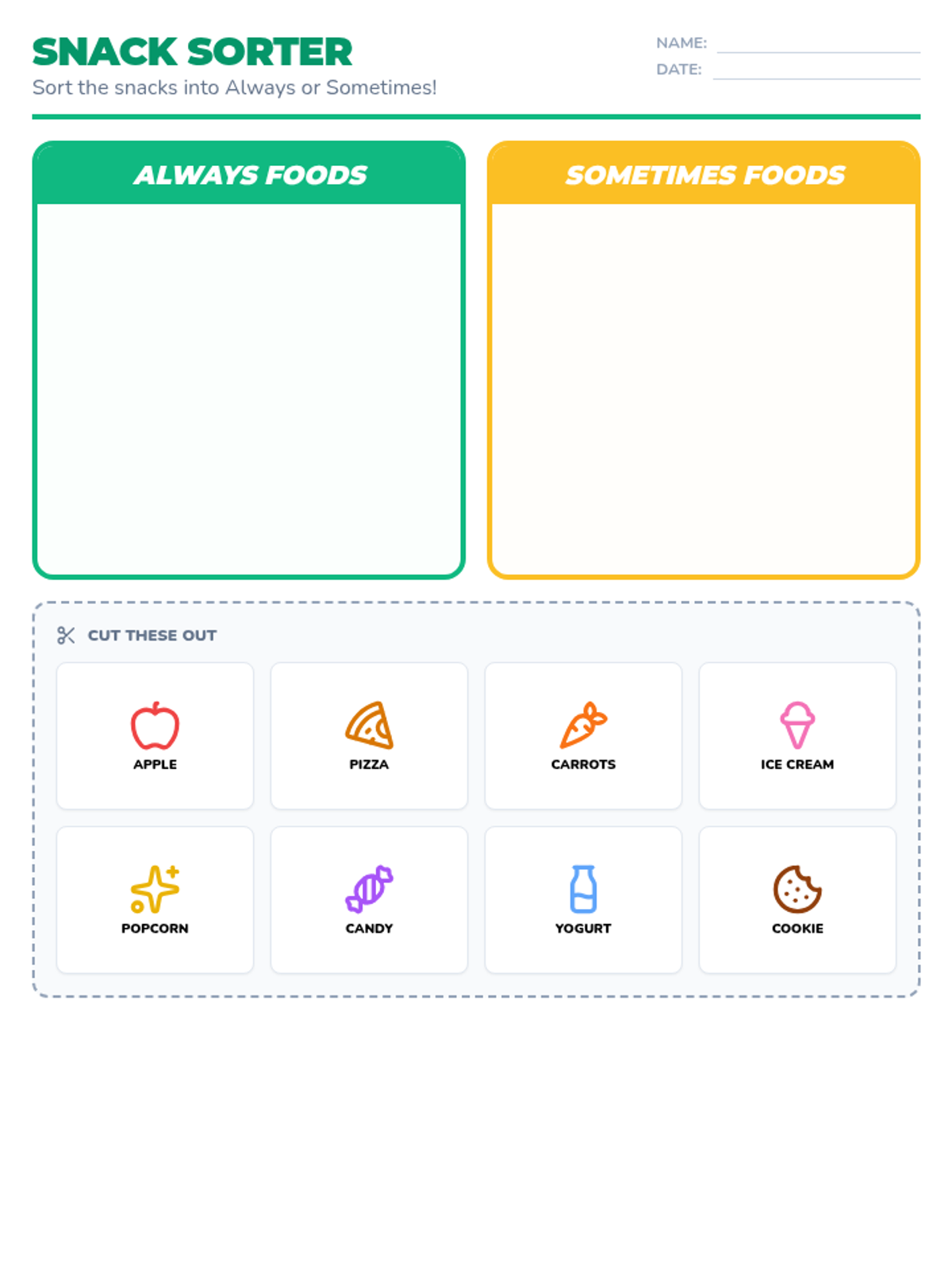
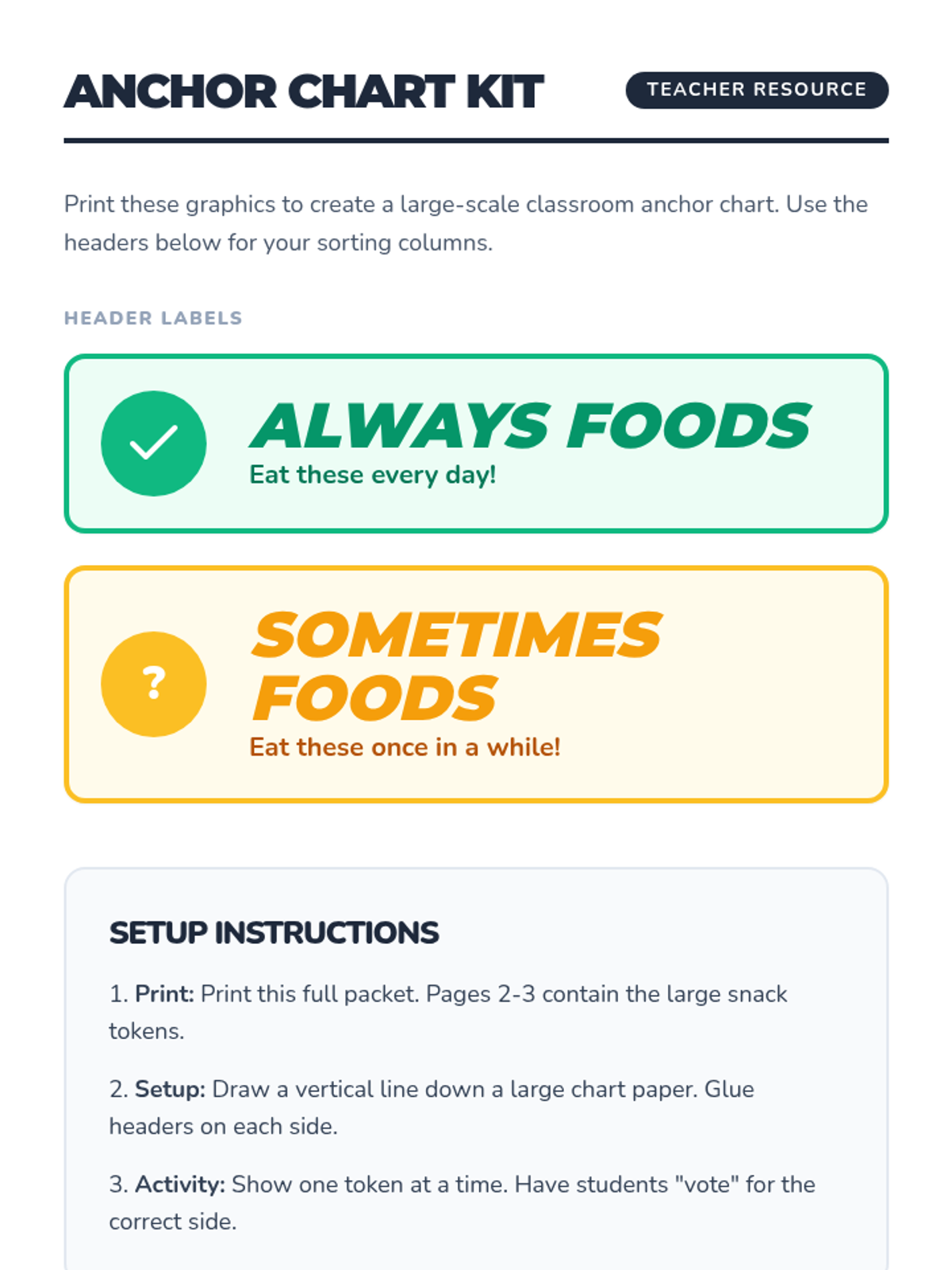
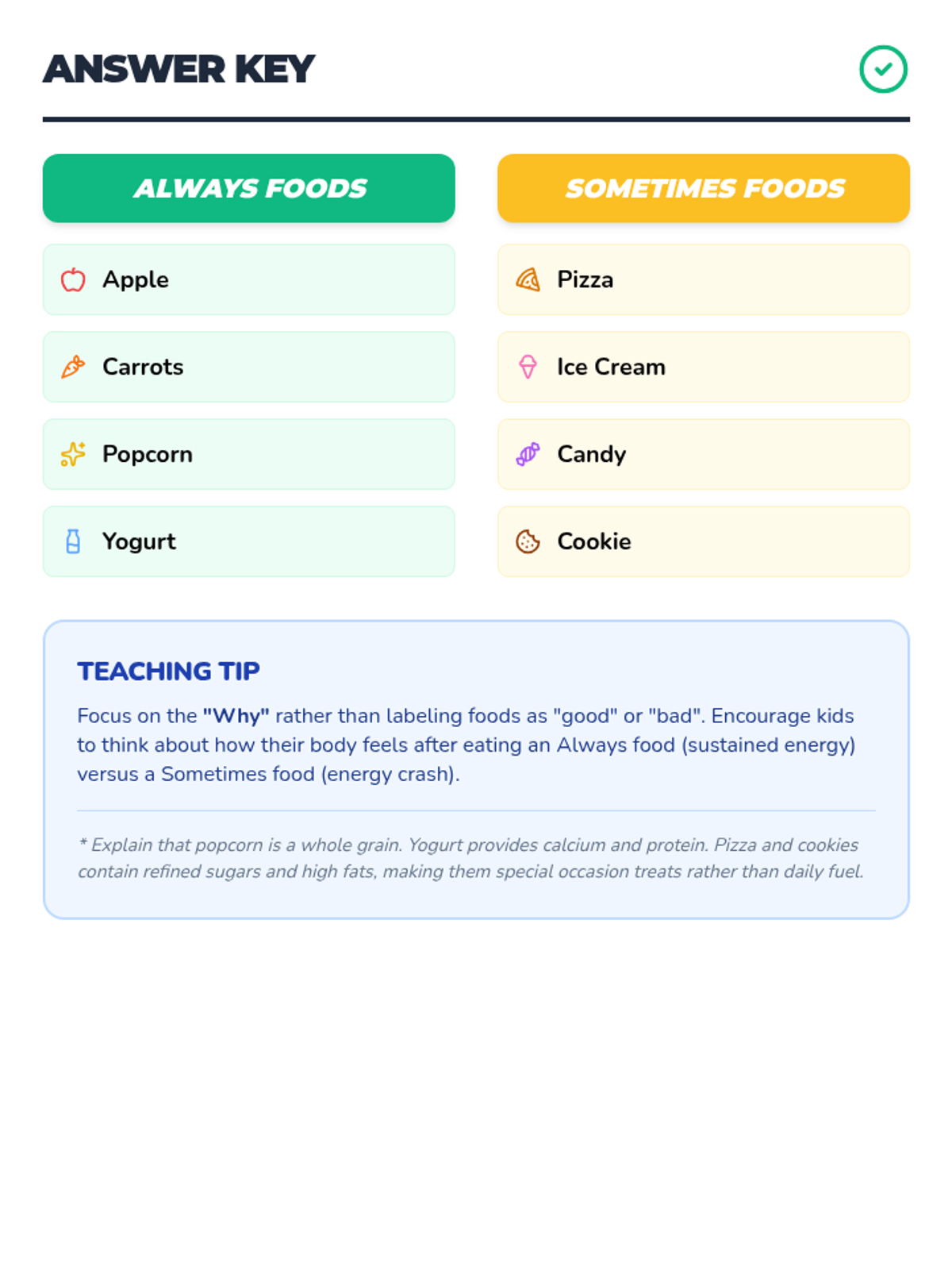
A fun, interactive lesson teaching students to distinguish between 'Always' snacks (nutrient-dense) and 'Sometimes' snacks (processed/sugary) through sorting activities.
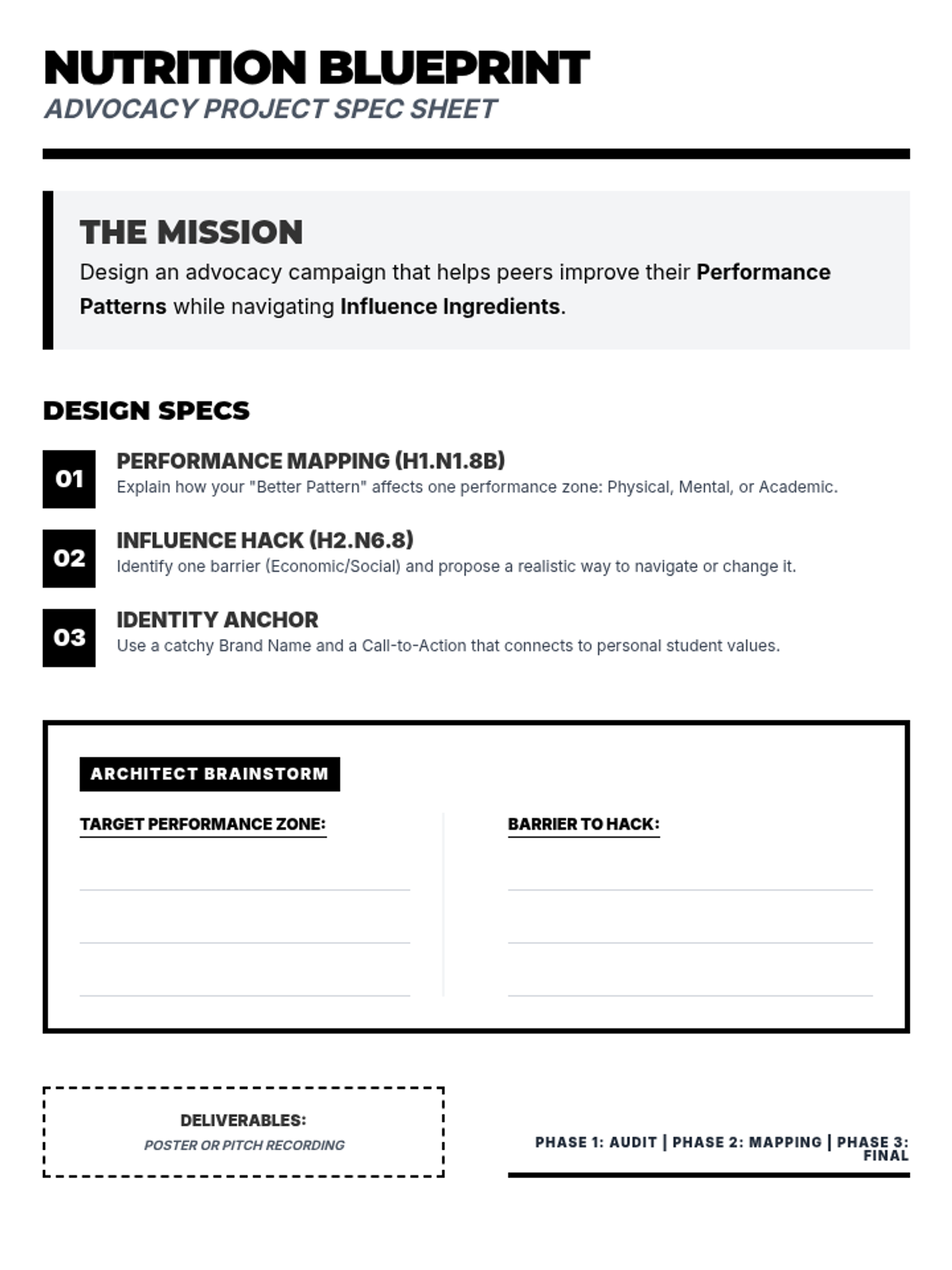
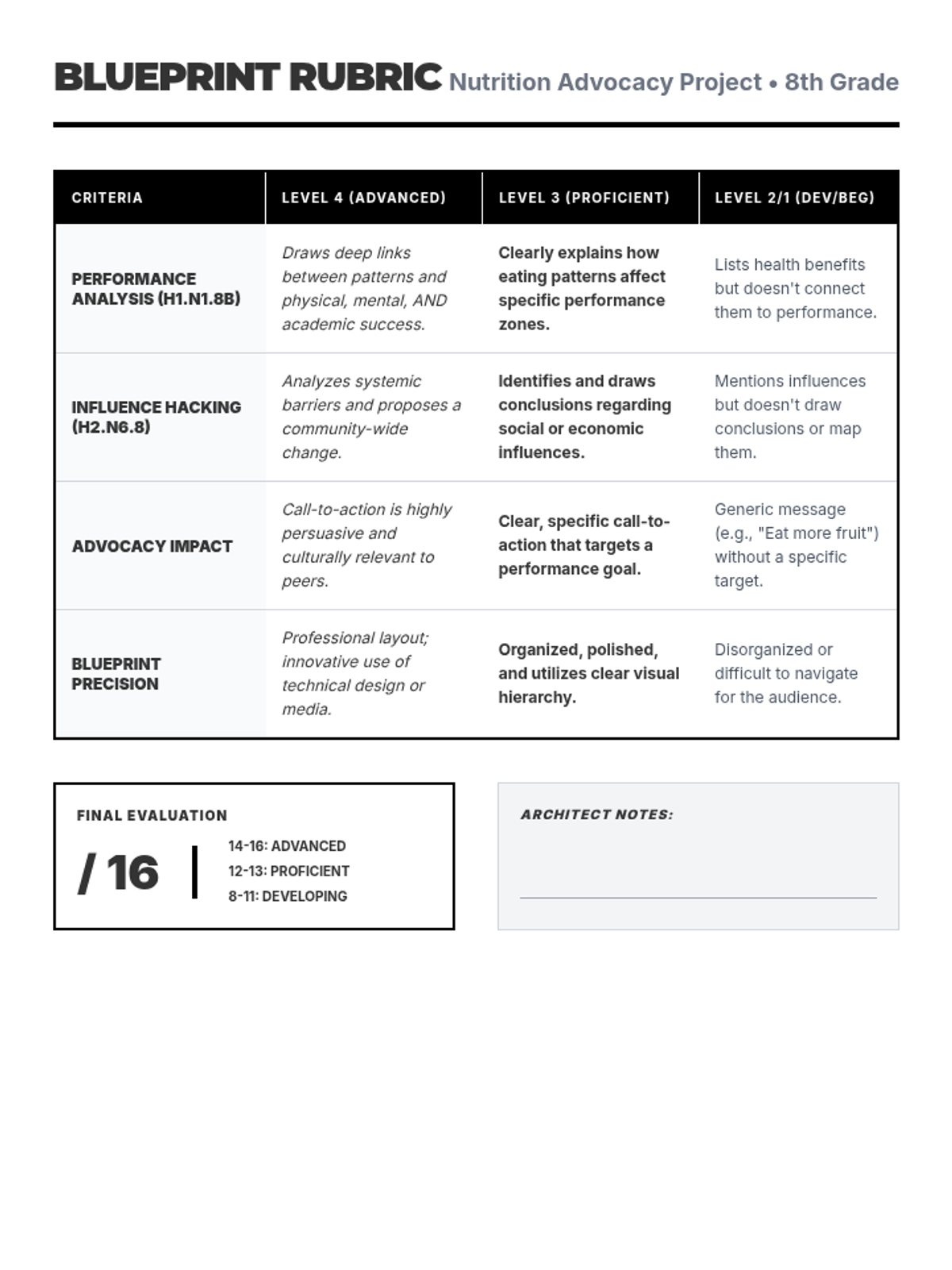
Culminating advocacy project where students design a nutrition intervention or awareness campaign.
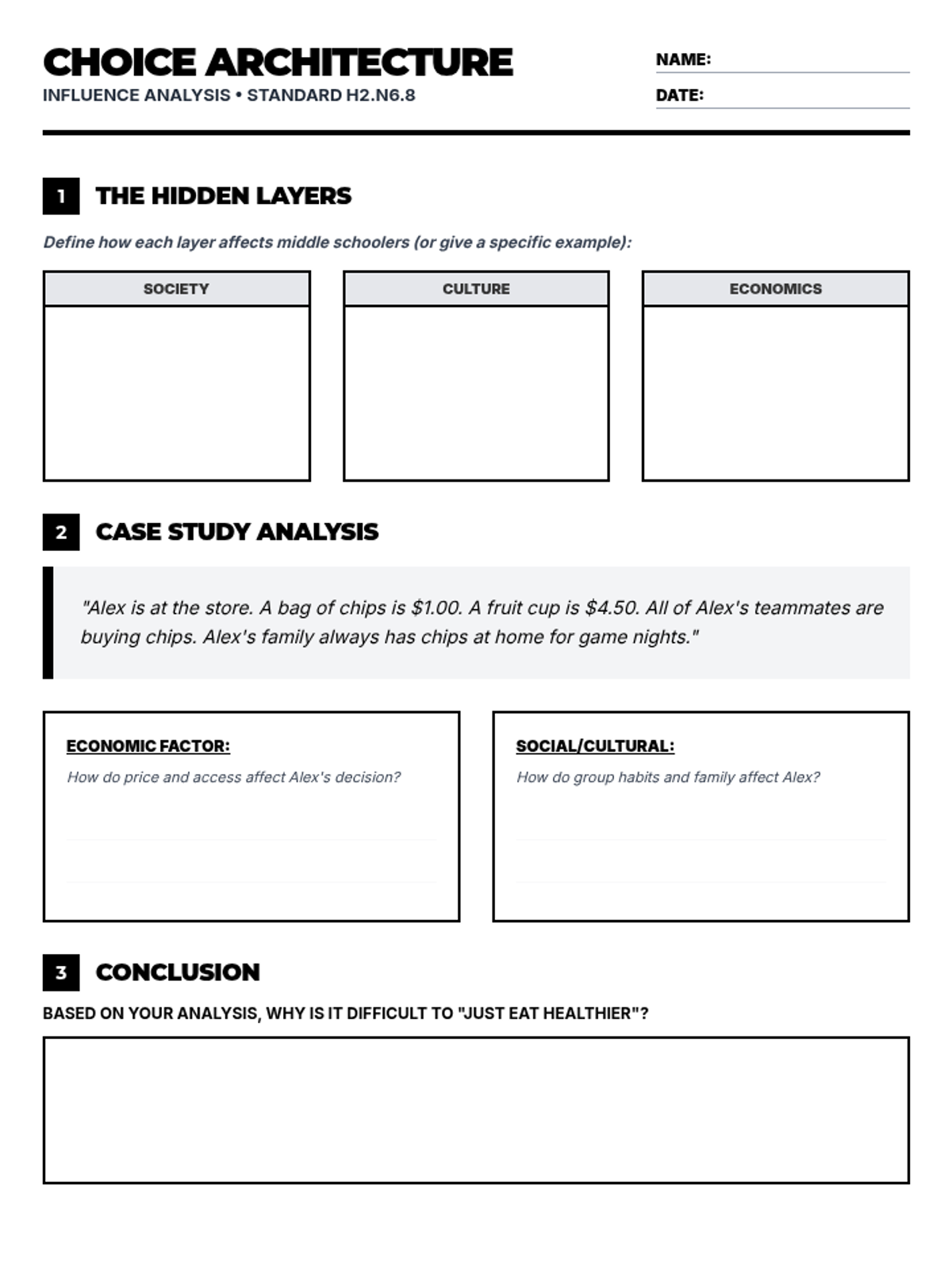
Analyzing the social, cultural, and economic factors that shape our nutritional choices and food access.
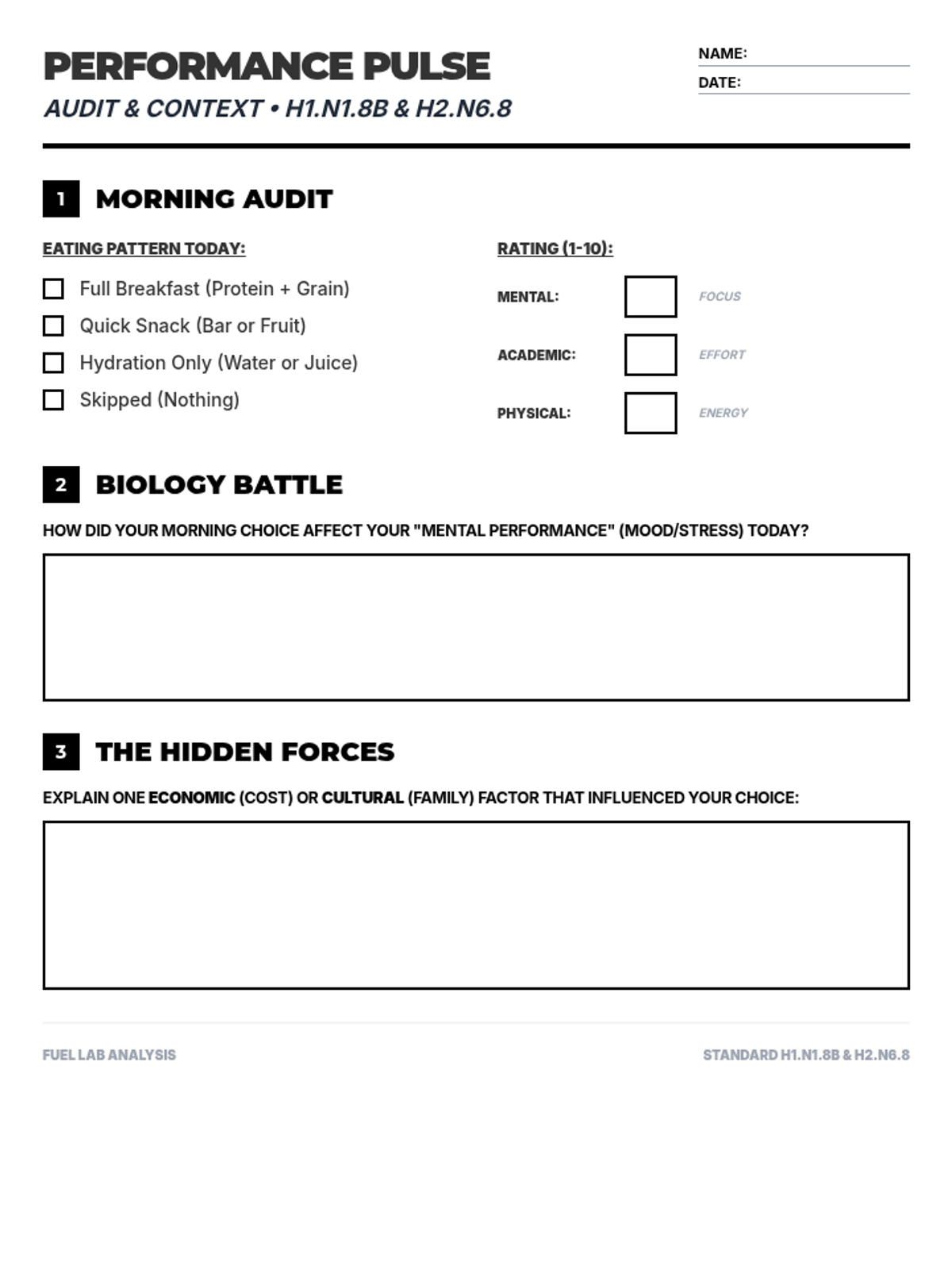
Exploring how eating patterns affect growth, development, and daily performance in sports, school, and mood.
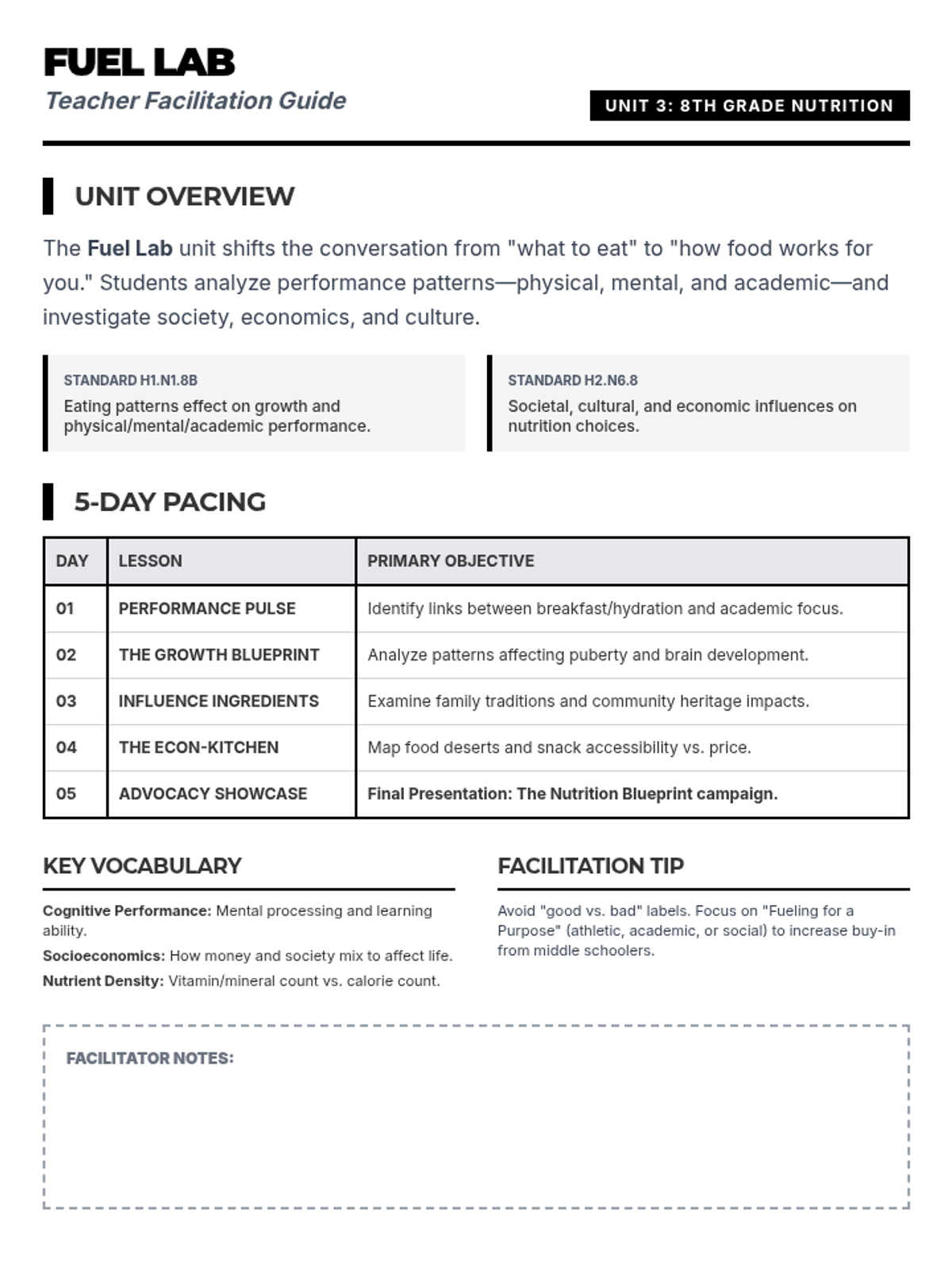
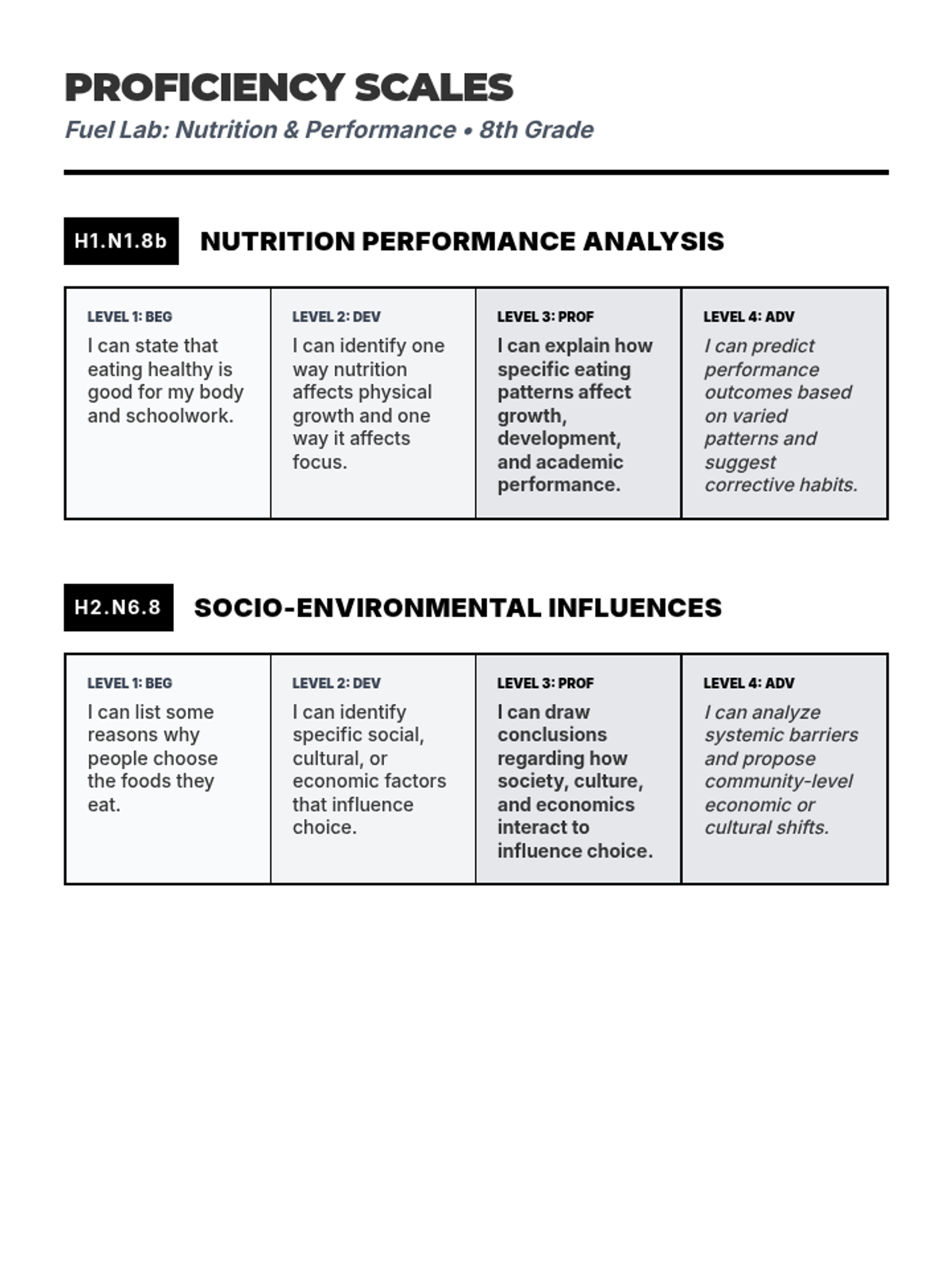
Administrative and planning resources for the Fuel Lab nutrition unit.
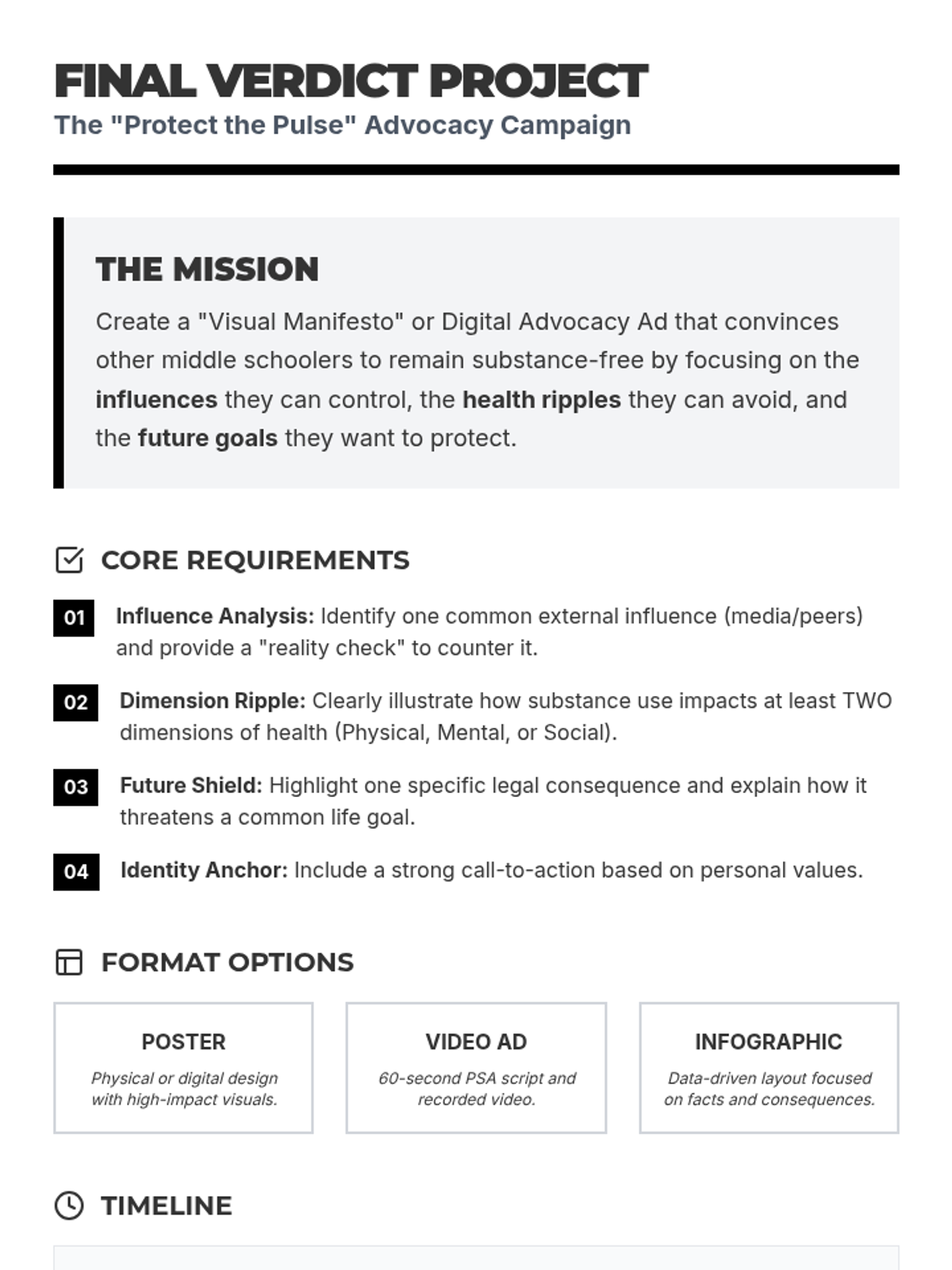
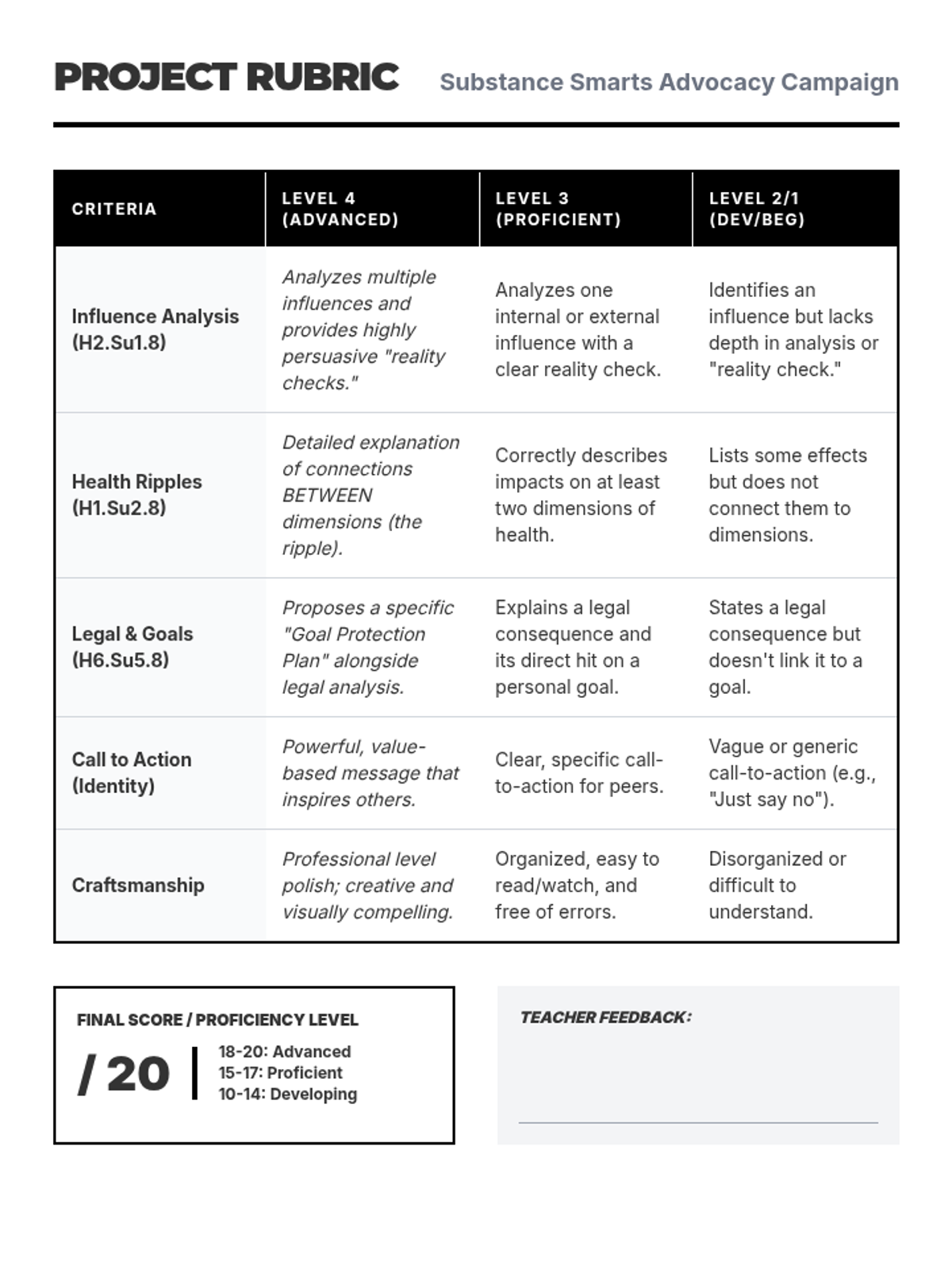
A culminating creative project where students advocate for substance-free living by synthesizing their learning.
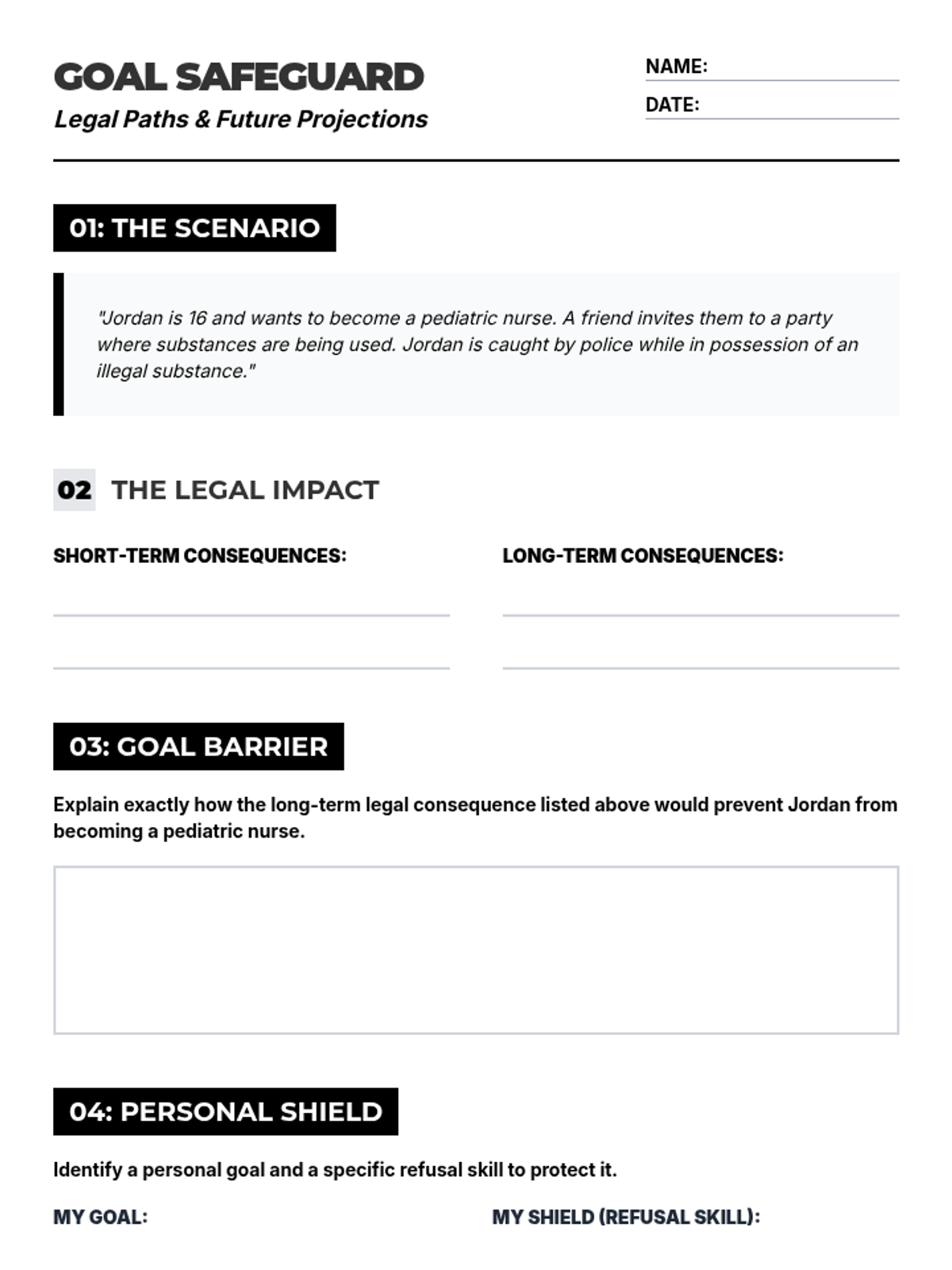
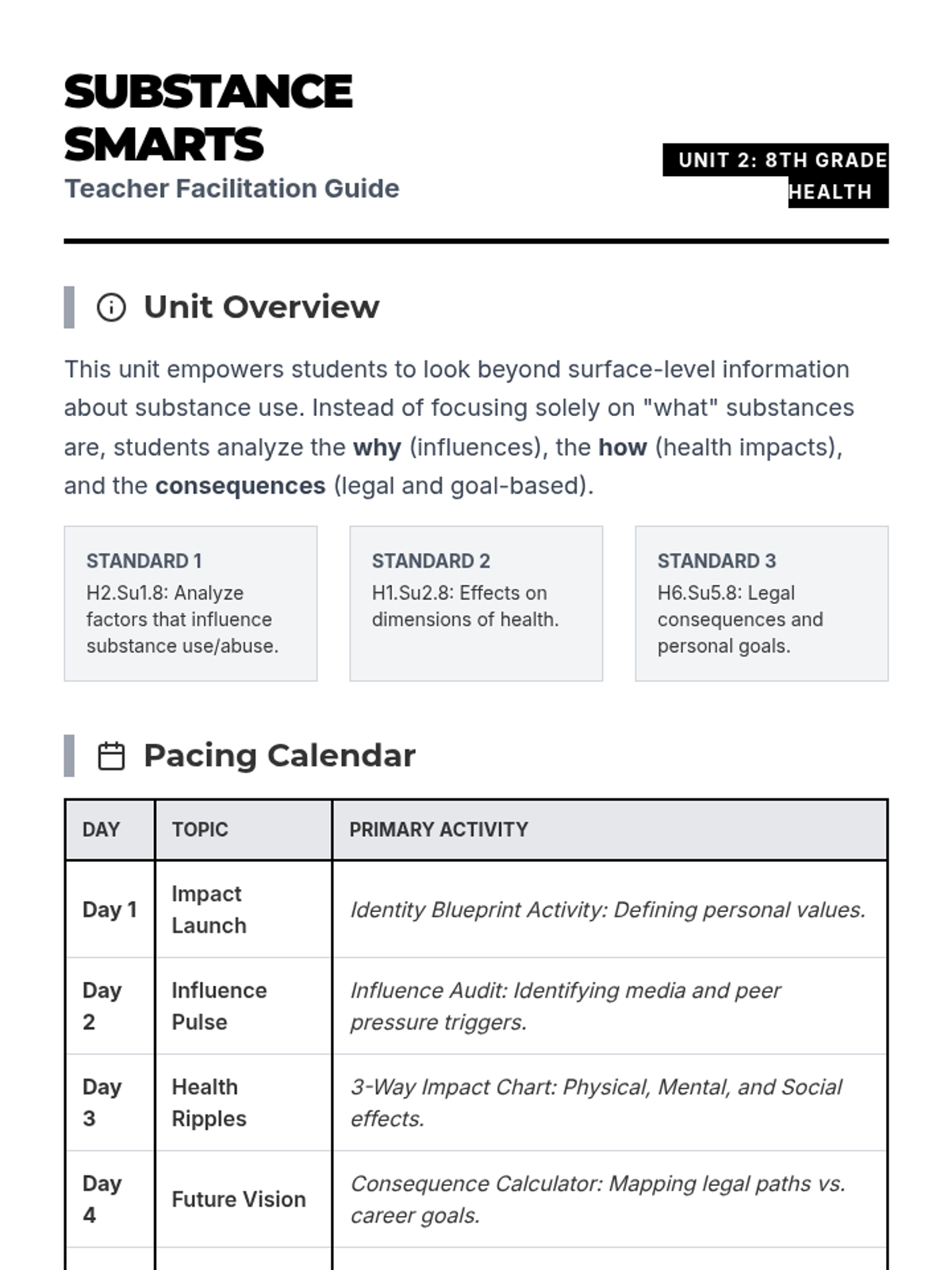
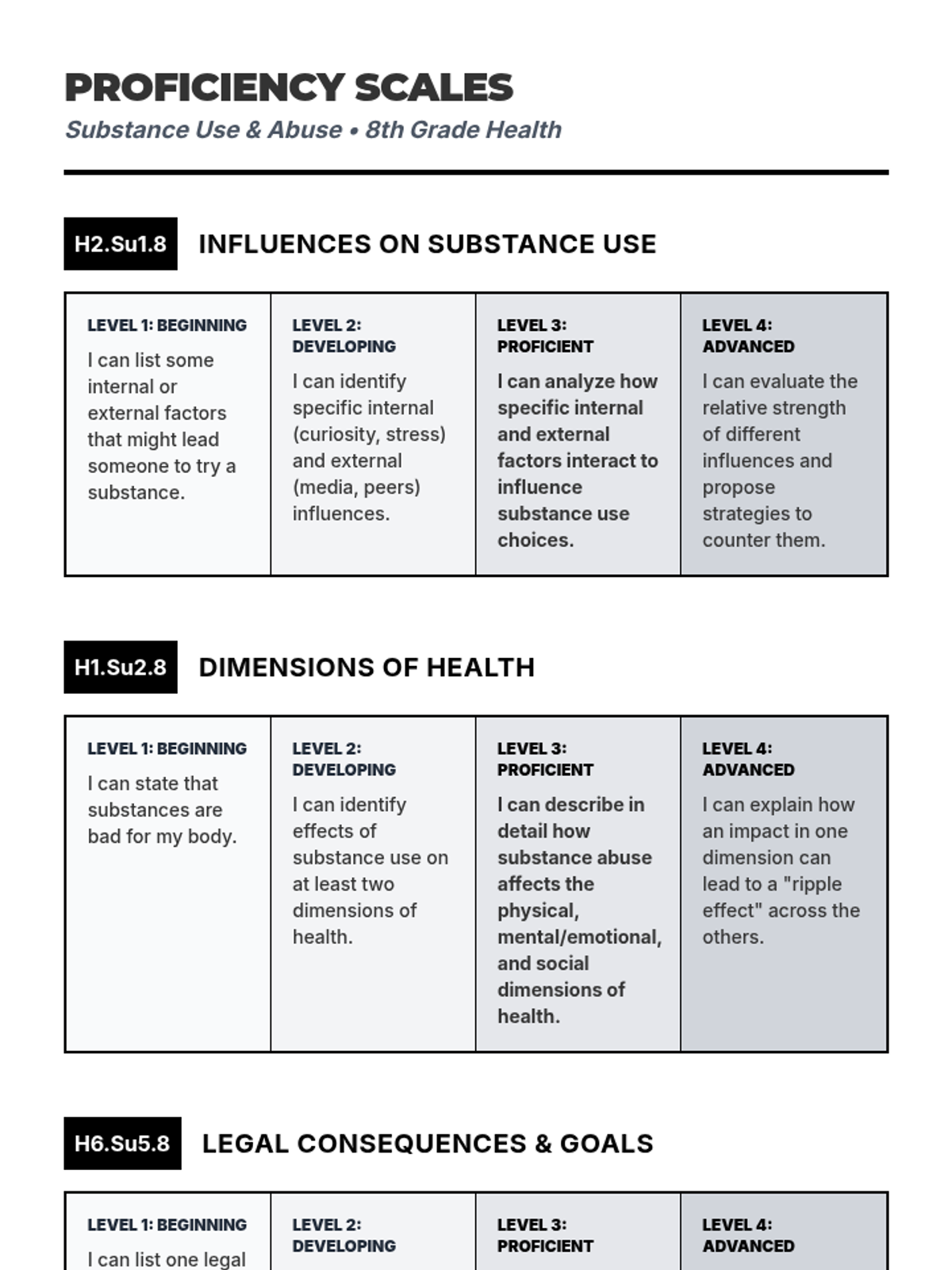
Examining the legal consequences of substance use and how these choices can impact long-term personal goals and career paths.
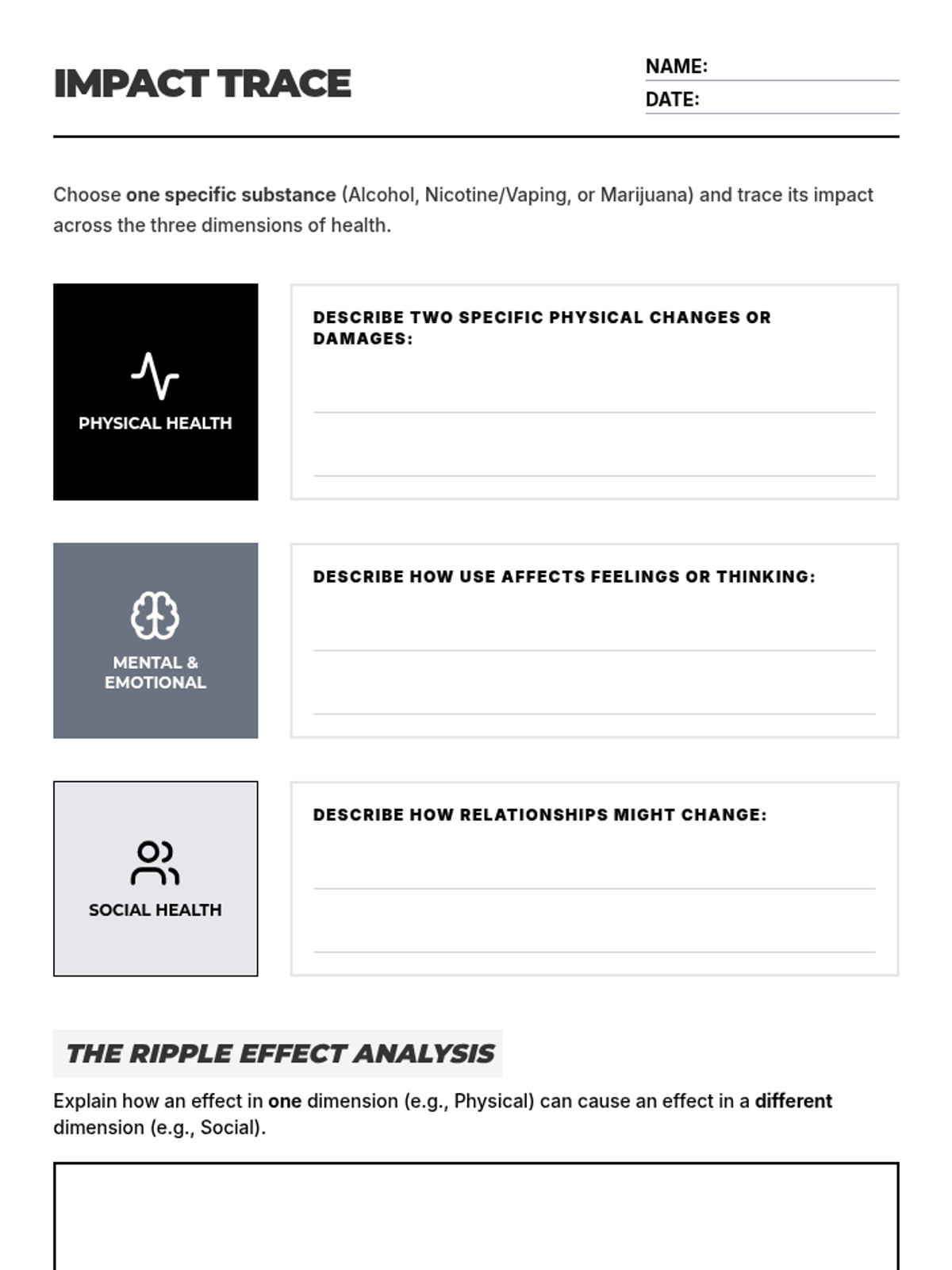
Investigating how substance use impacts the physical, mental/emotional, and social dimensions of health.
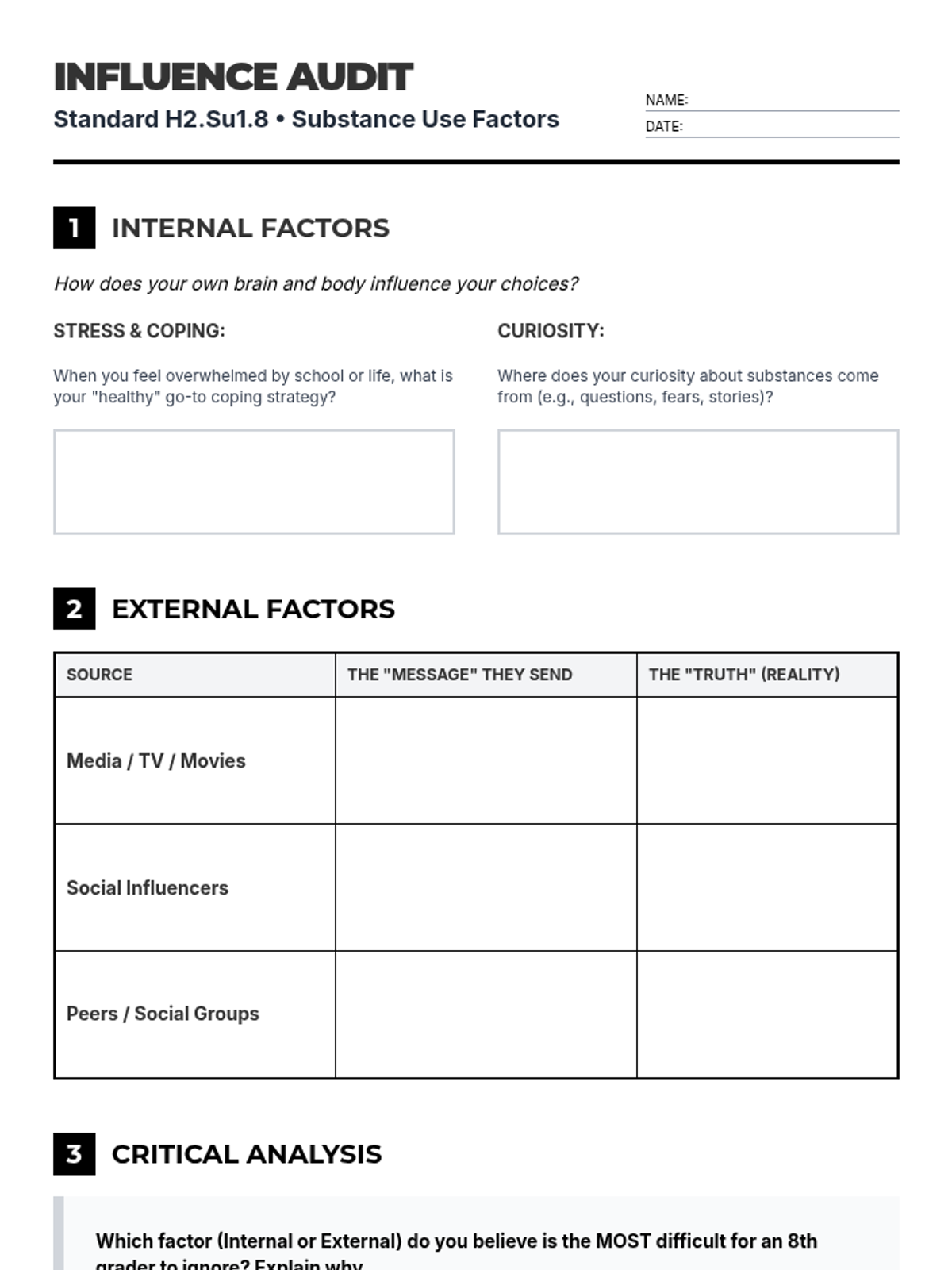
Analyzing the internal and external factors that influence choices around substance use, including media, peers, and stress.
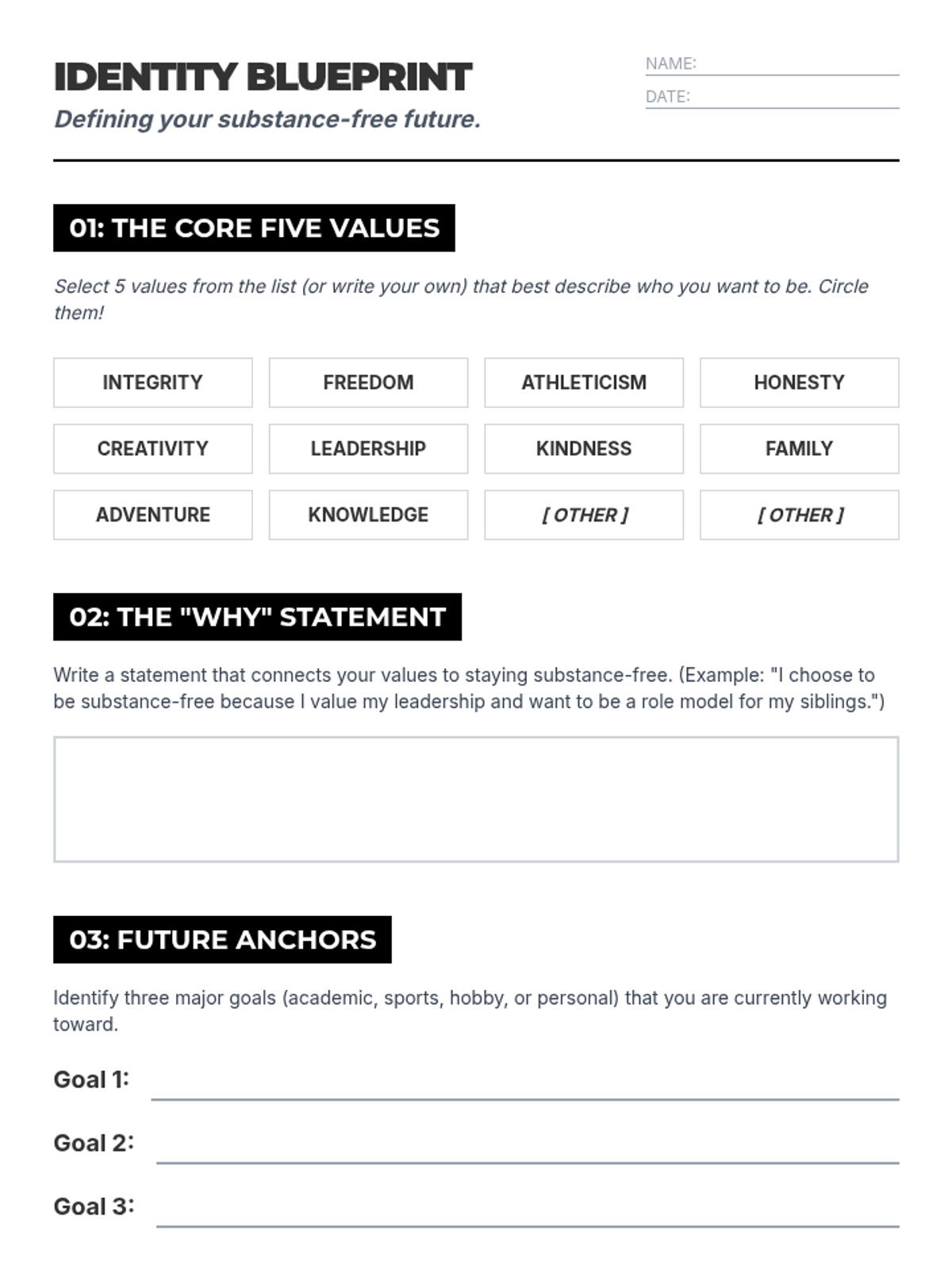
An introductory session where students explore their personal values and "Why" for staying substance-free.
Administrative and planning resources for the Substance Smarts unit.
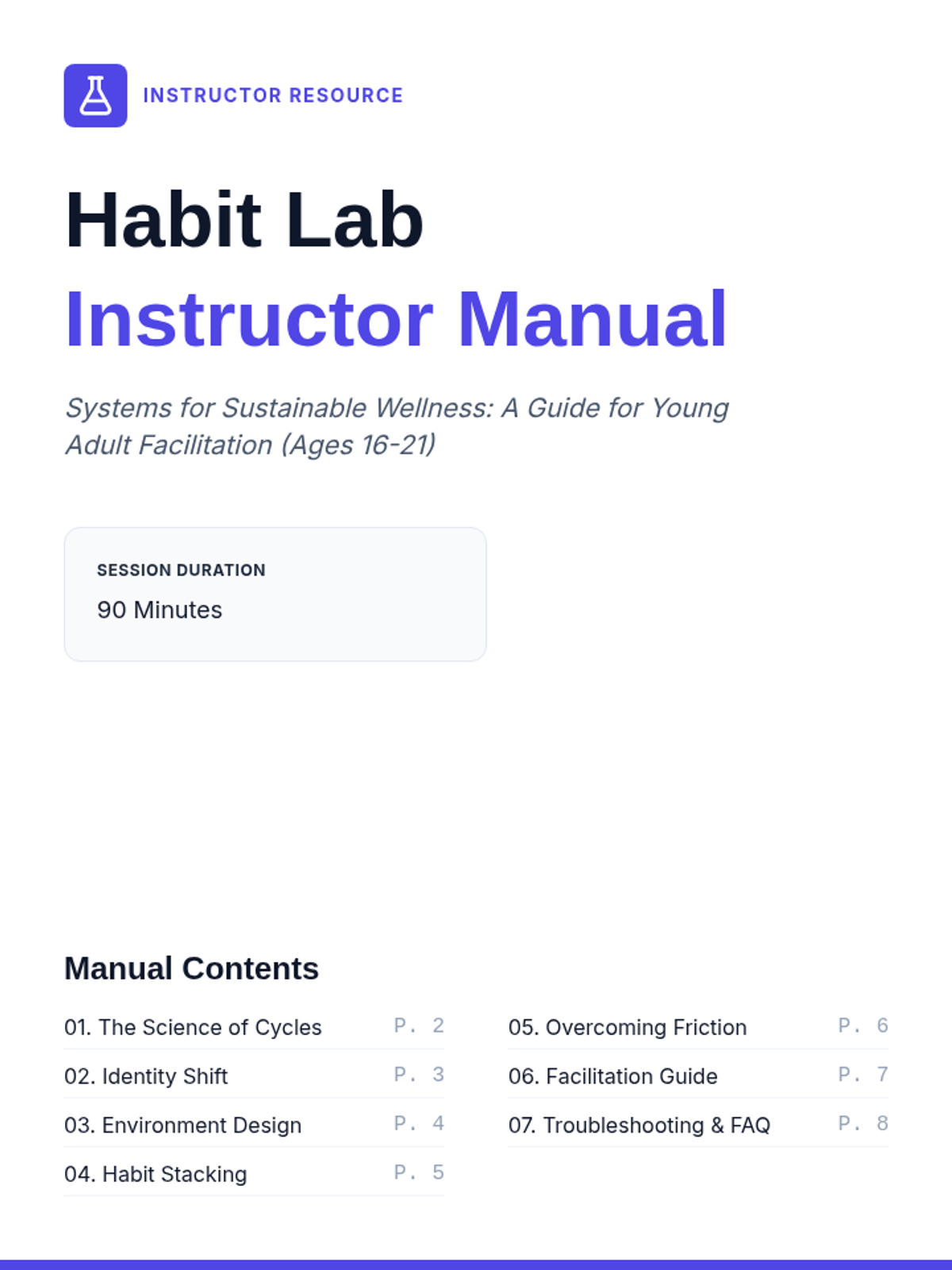
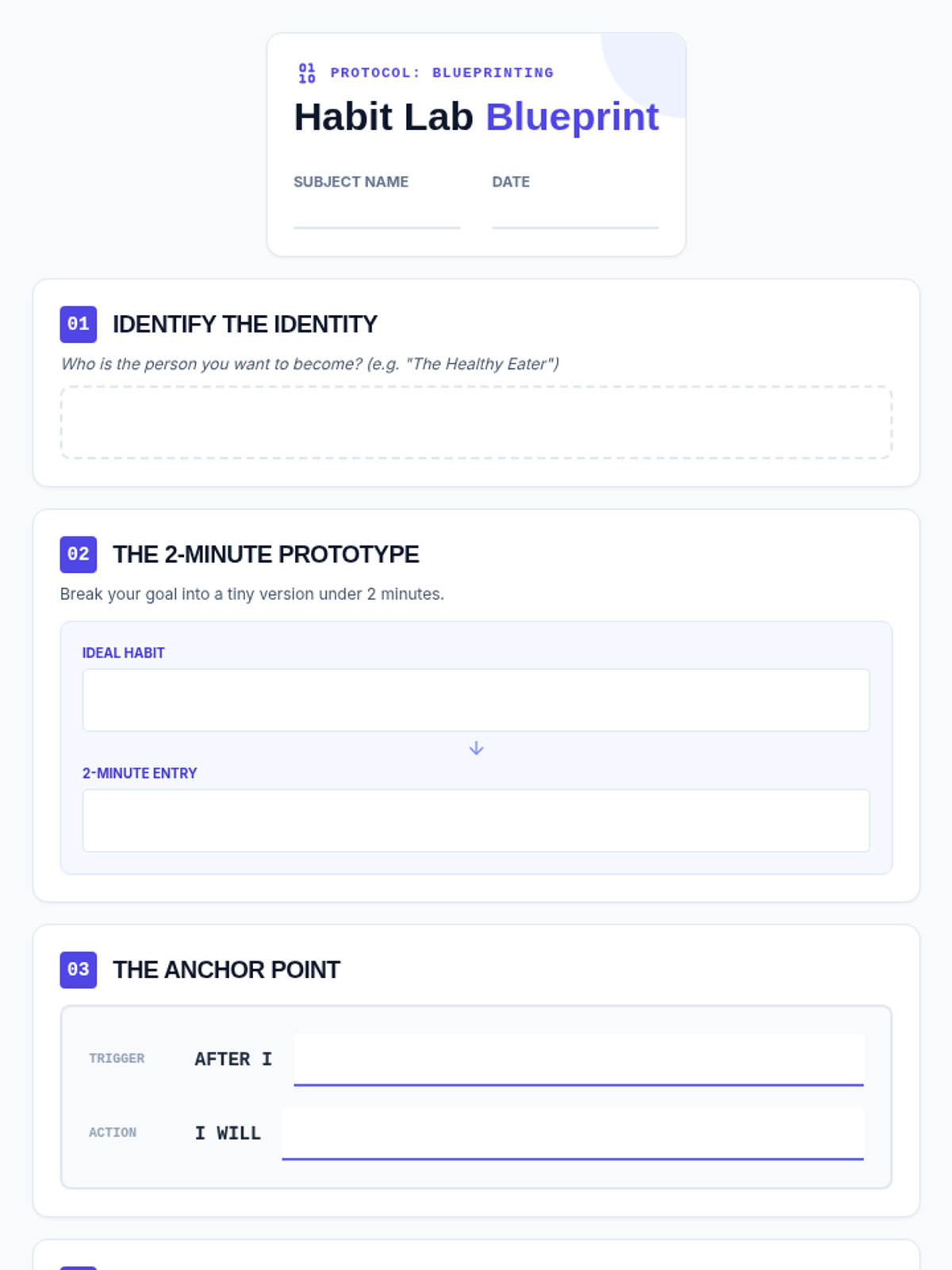
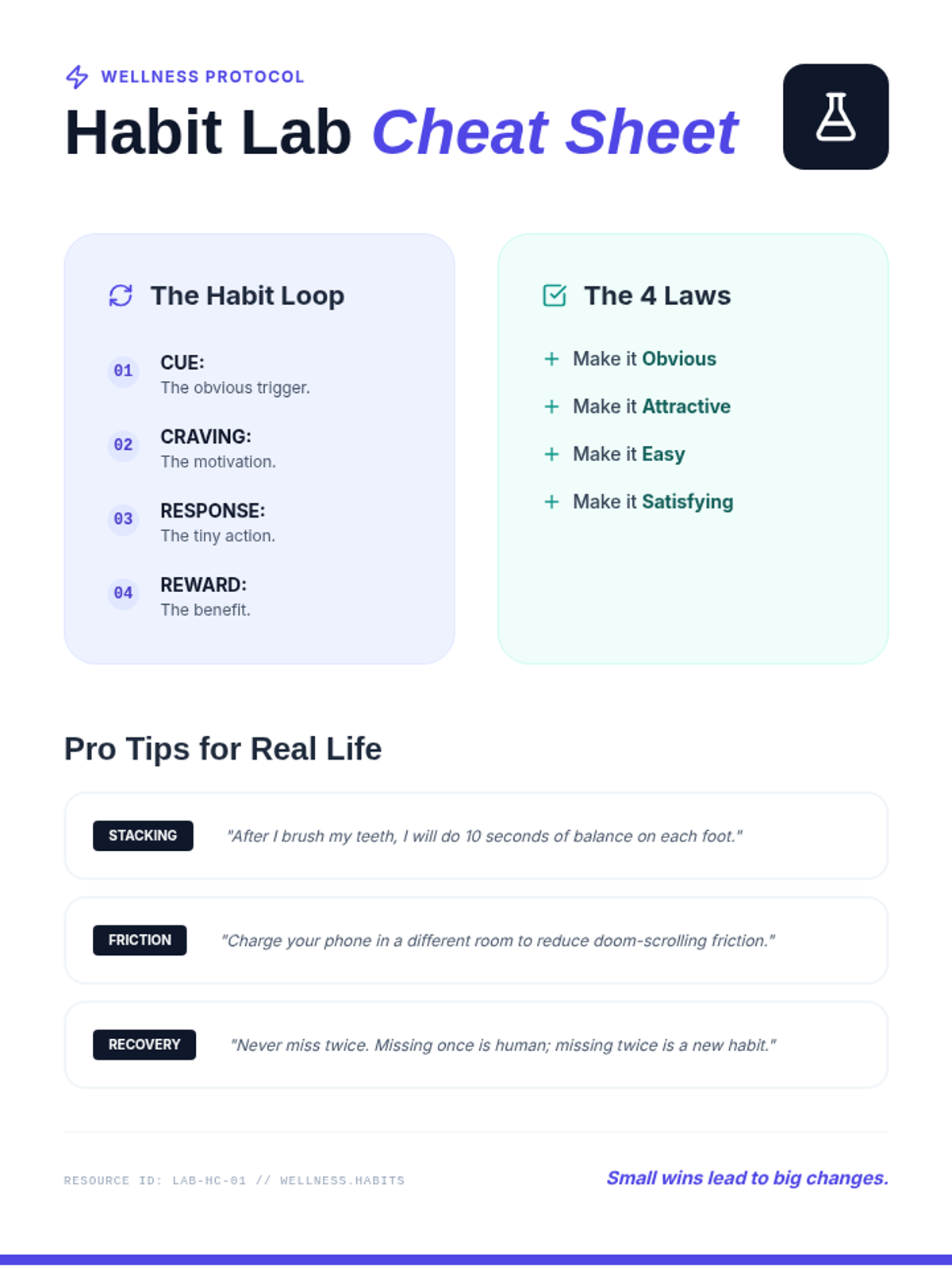
A comprehensive session for young adults on the science and practice of habit formation for long-term wellness. This lesson equips participants with practical tools to design systems that support their health, mental clarity, and productivity.
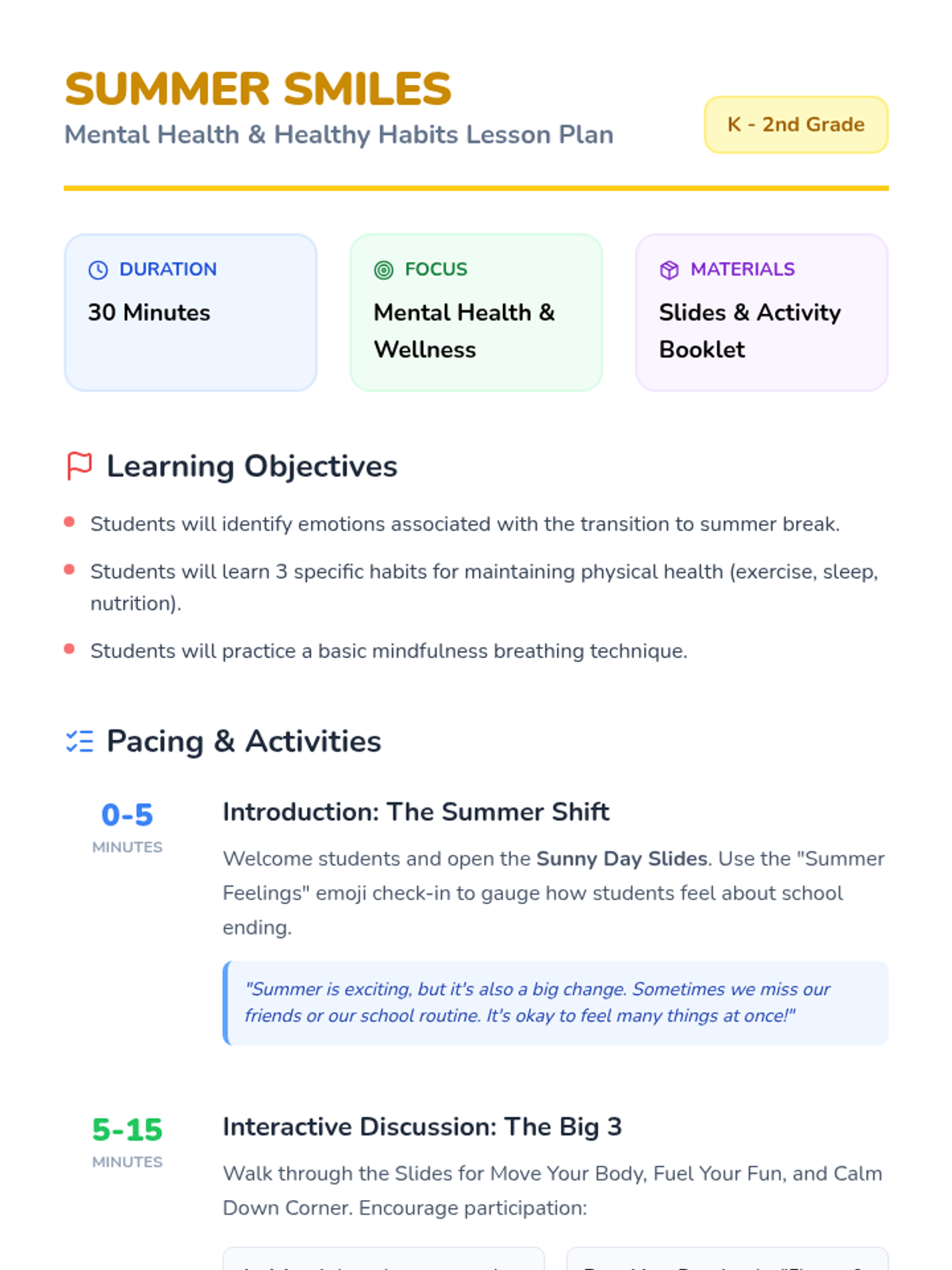
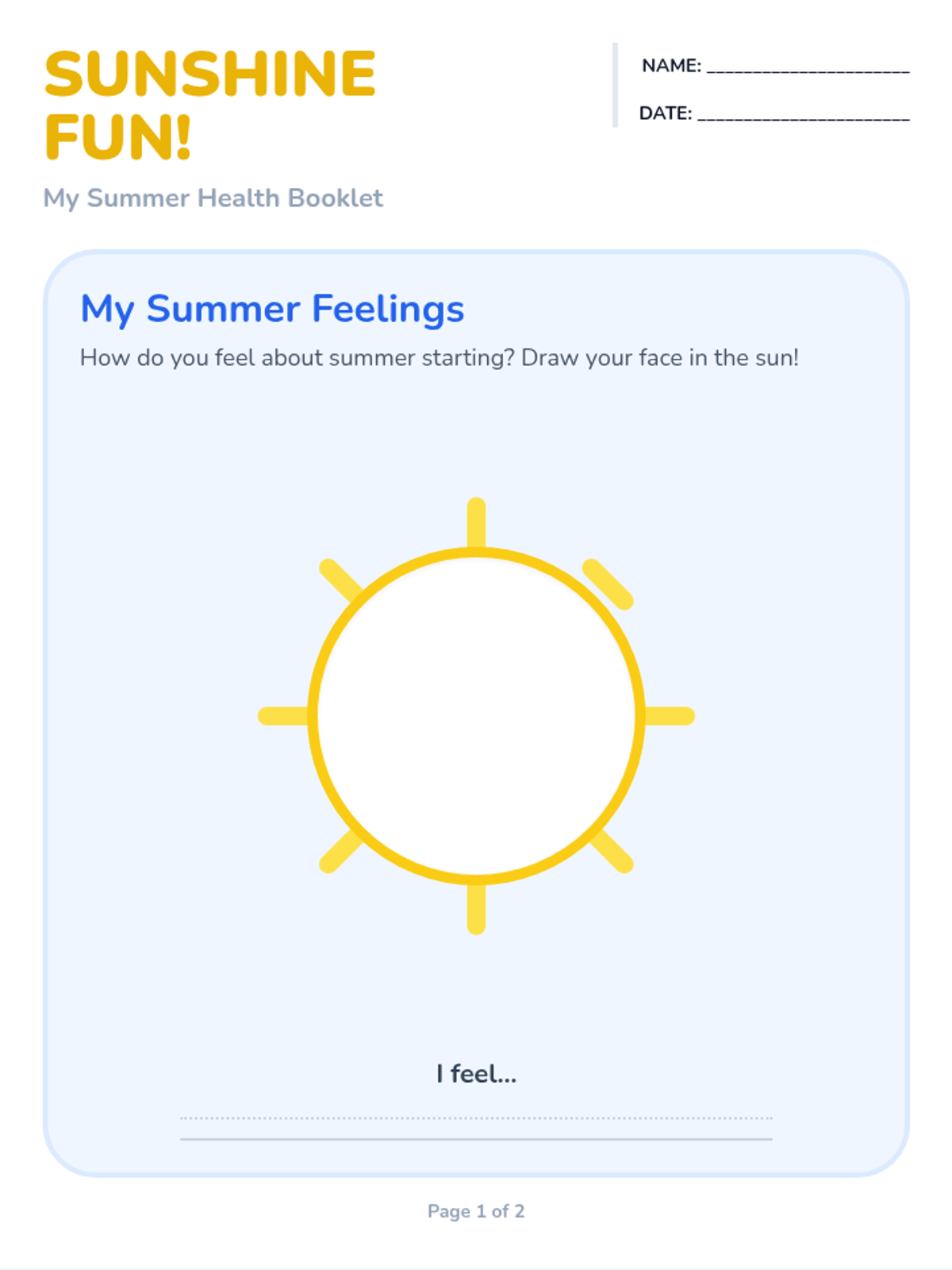
A vibrant lesson for K-2 students focused on maintaining mental and physical health during summer break through mindfulness, healthy habits, and emotional awareness.
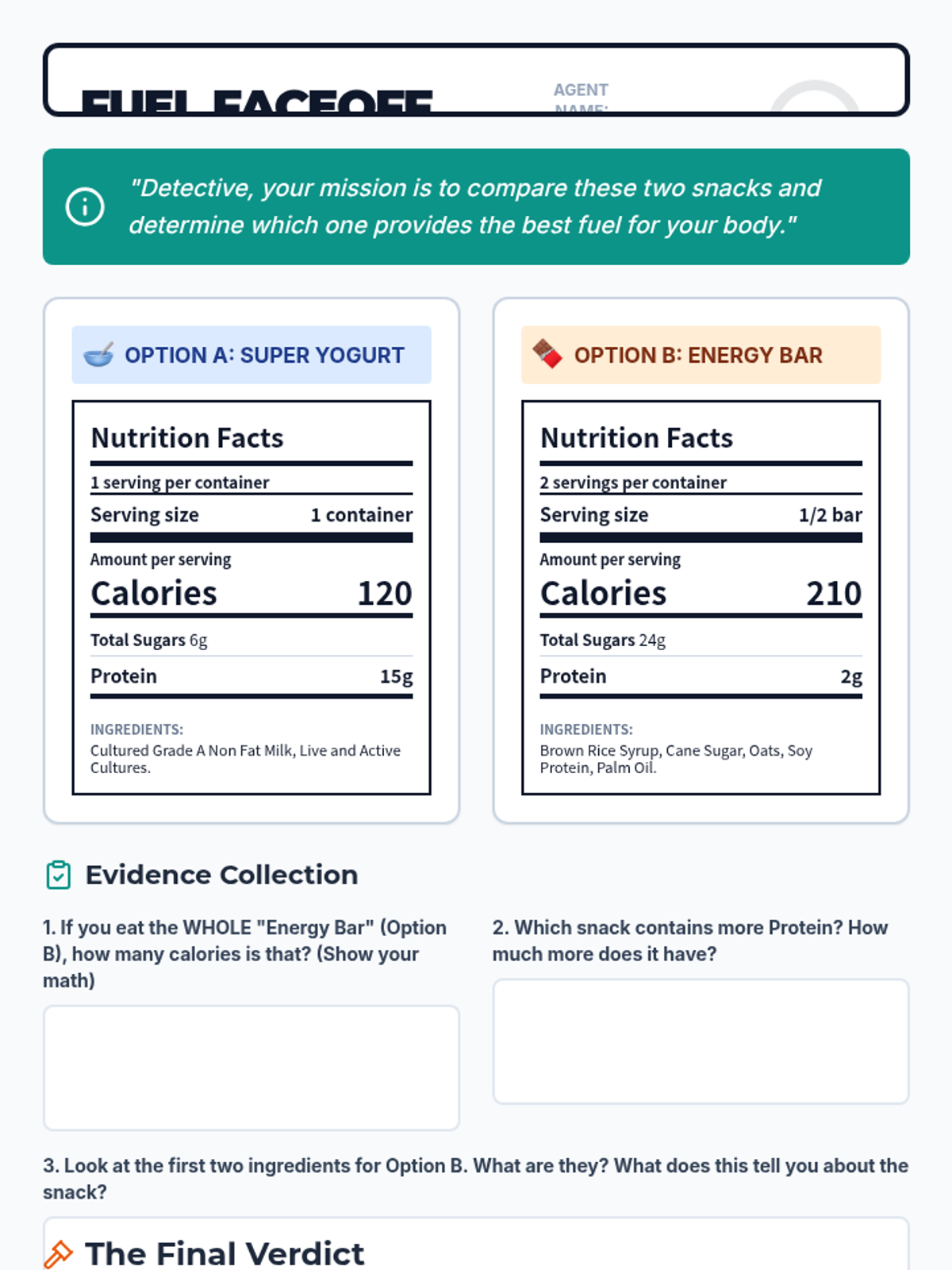
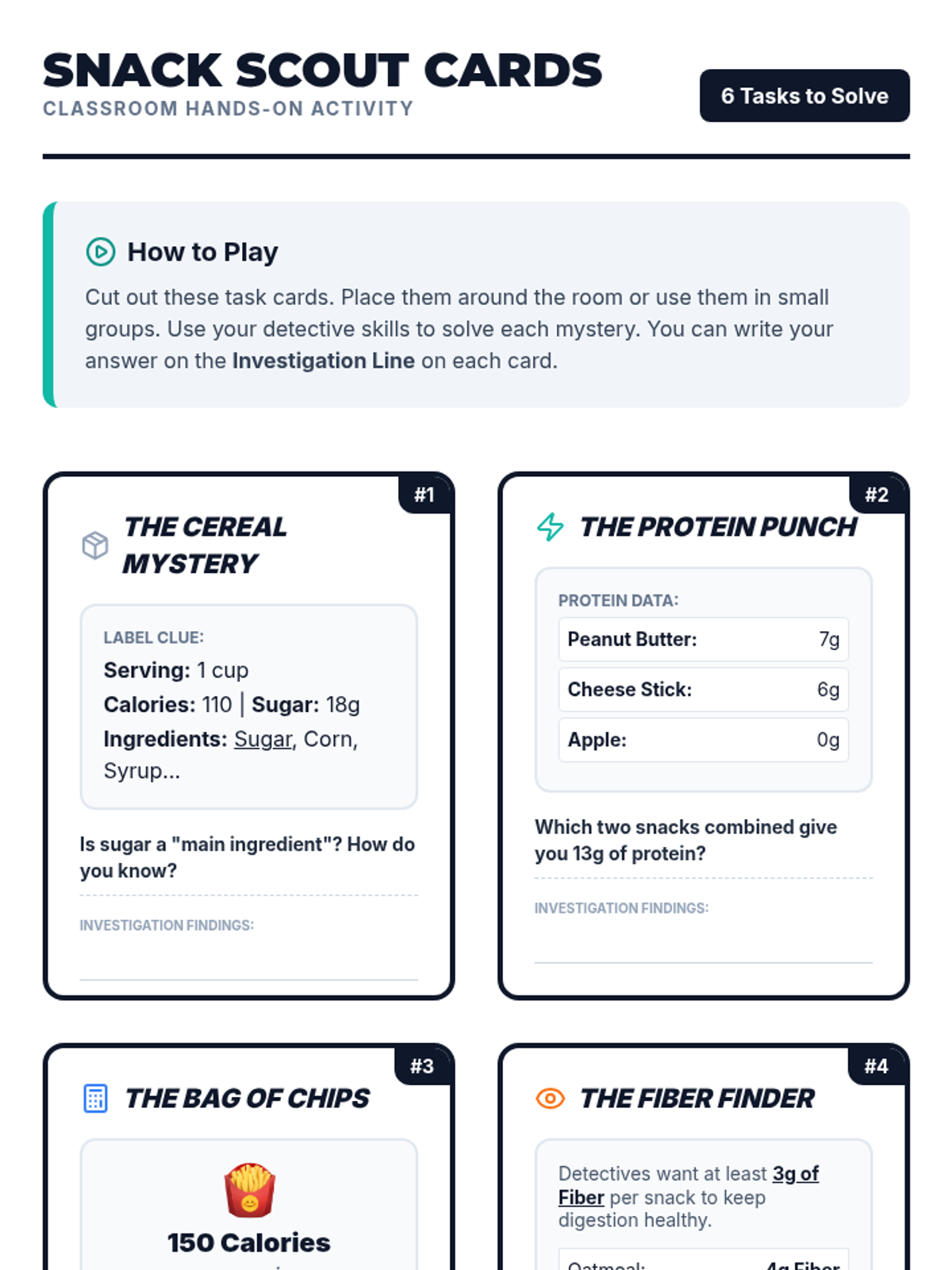
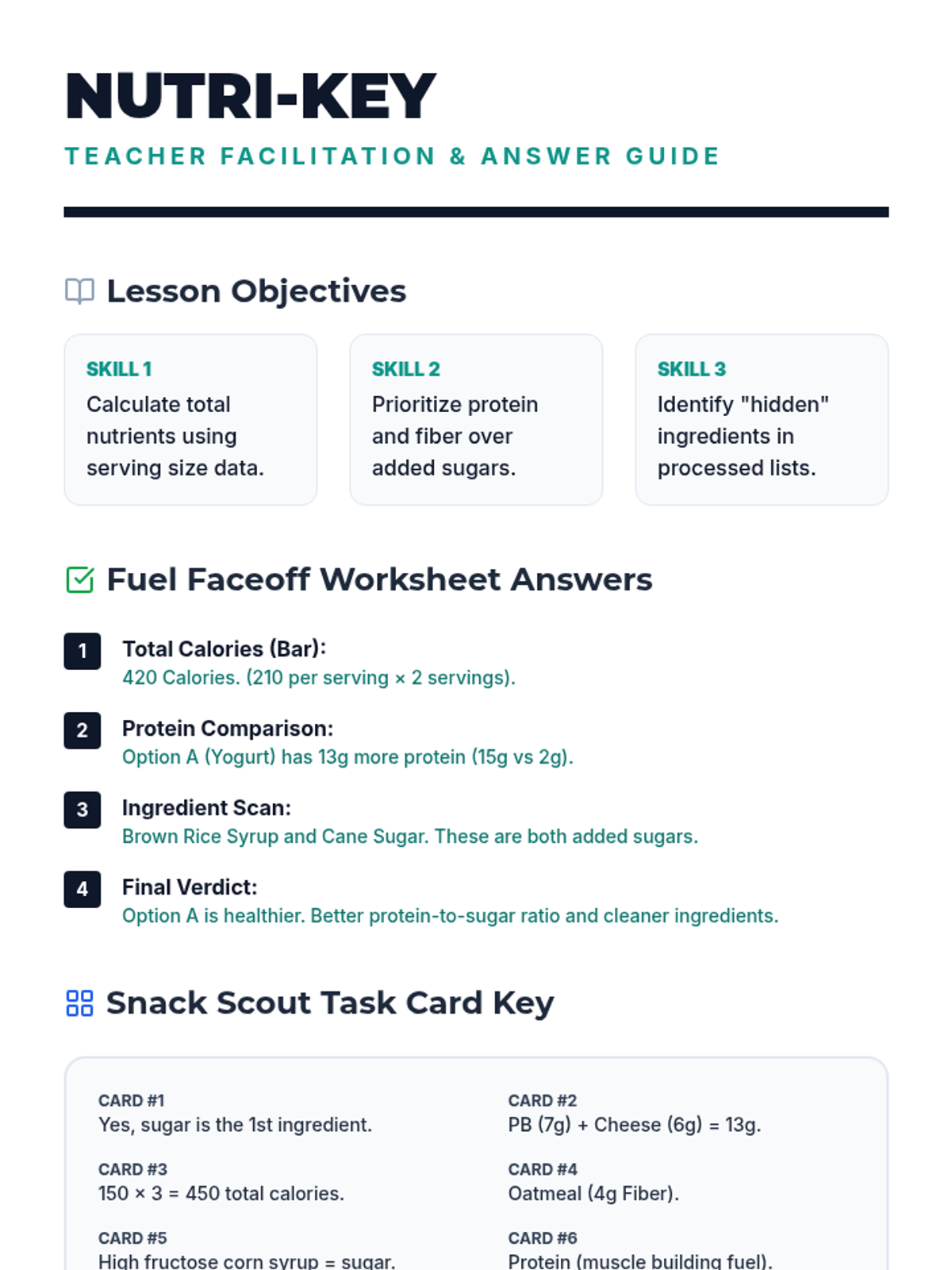
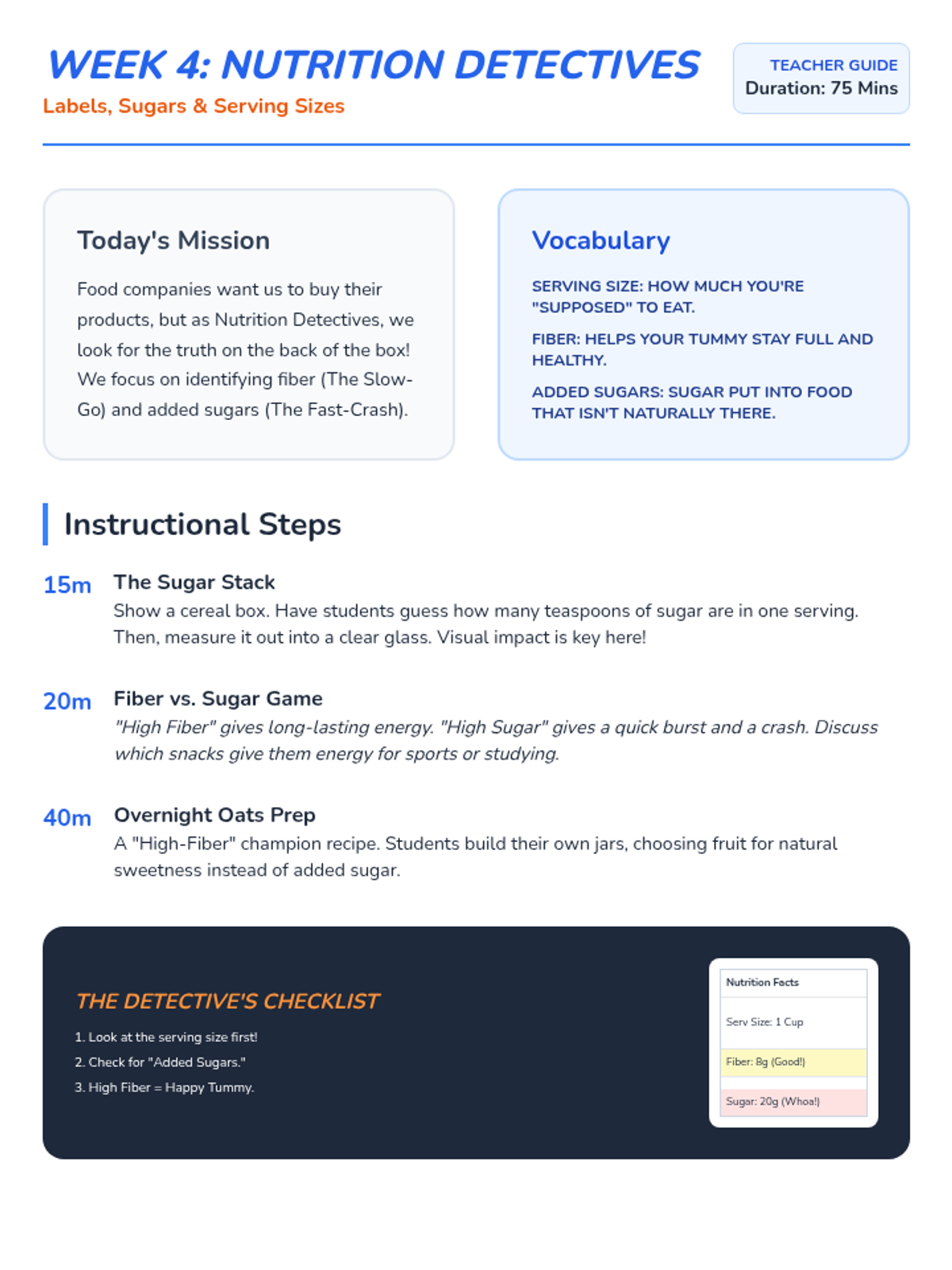
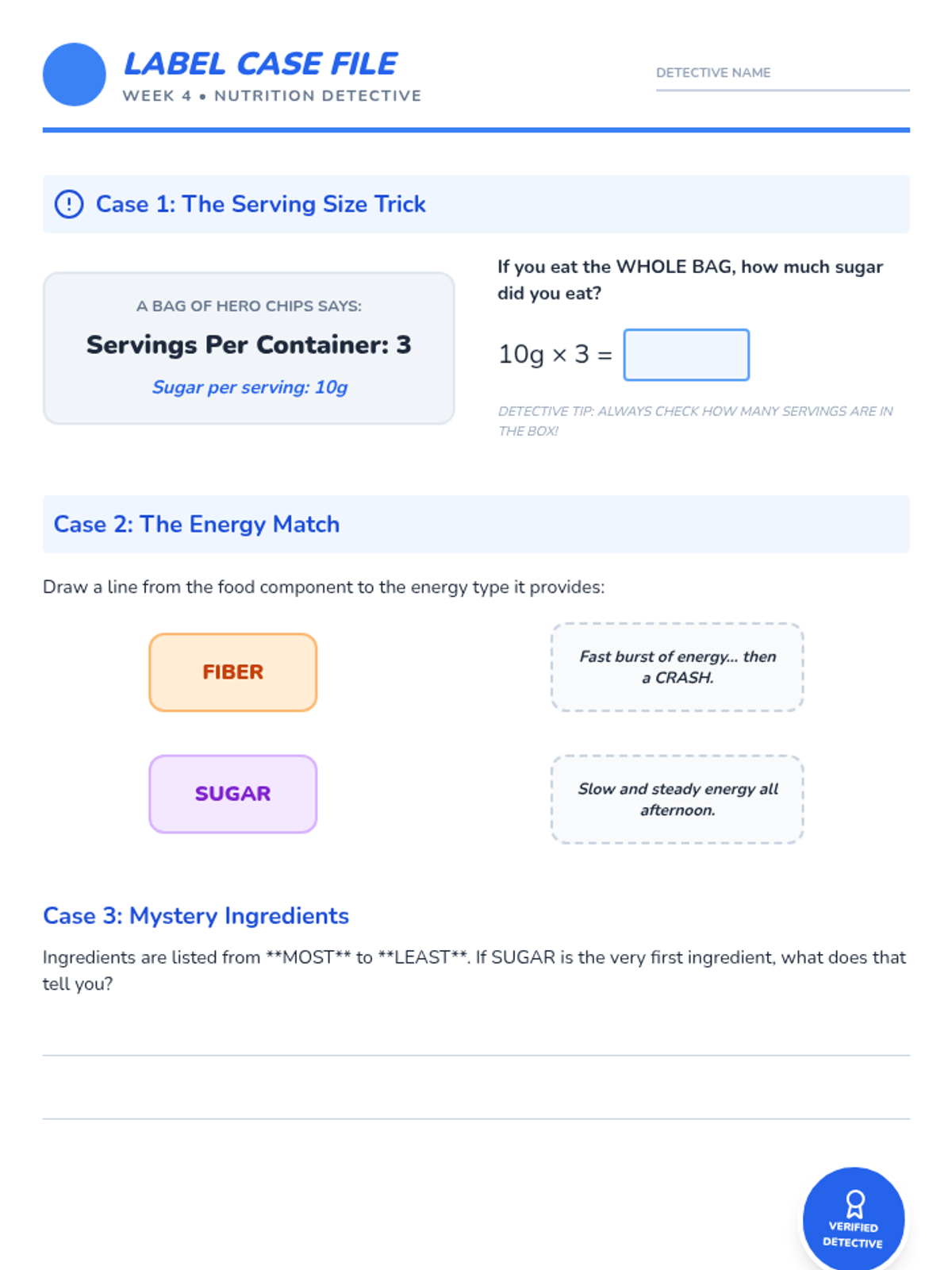
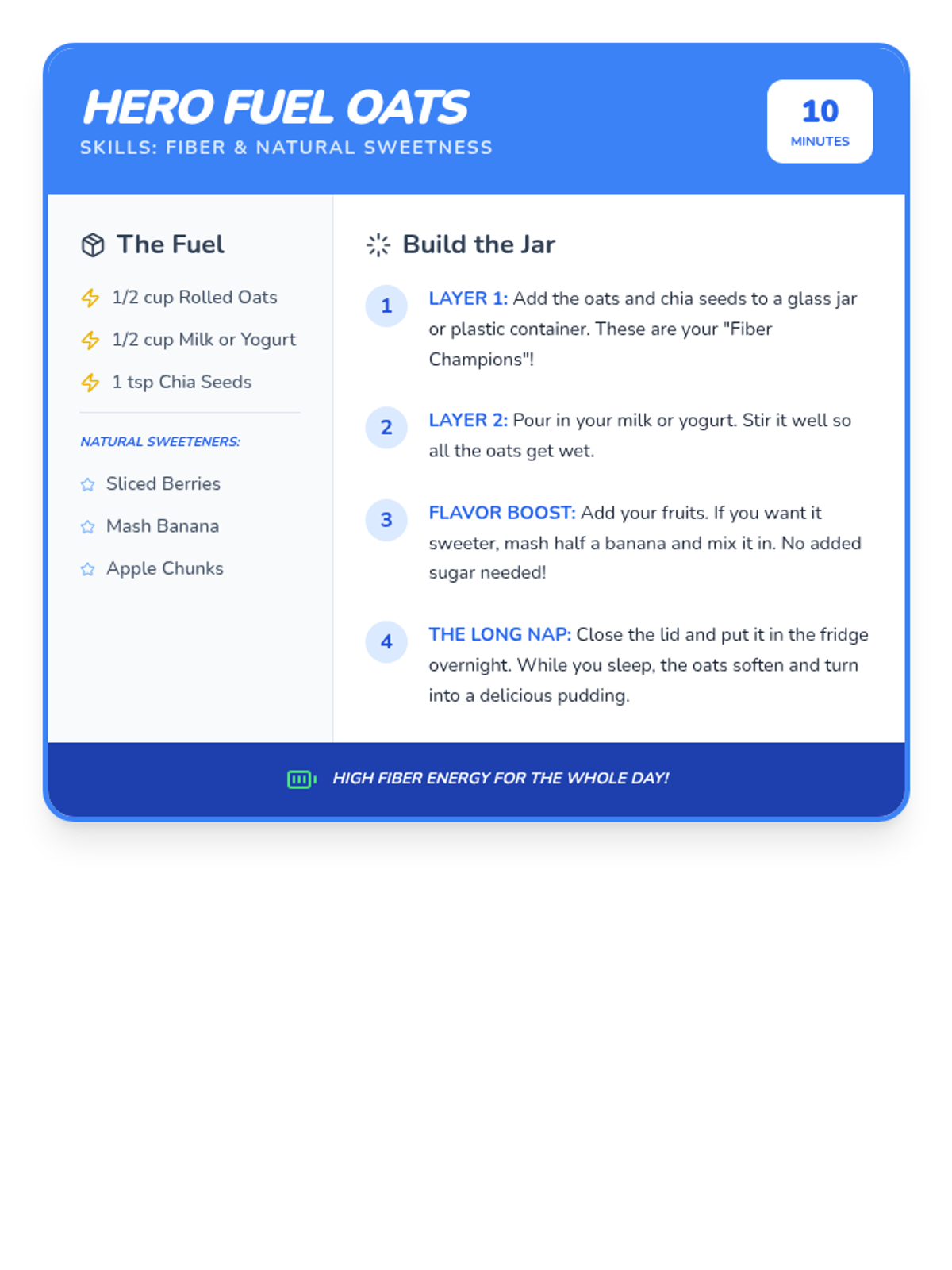
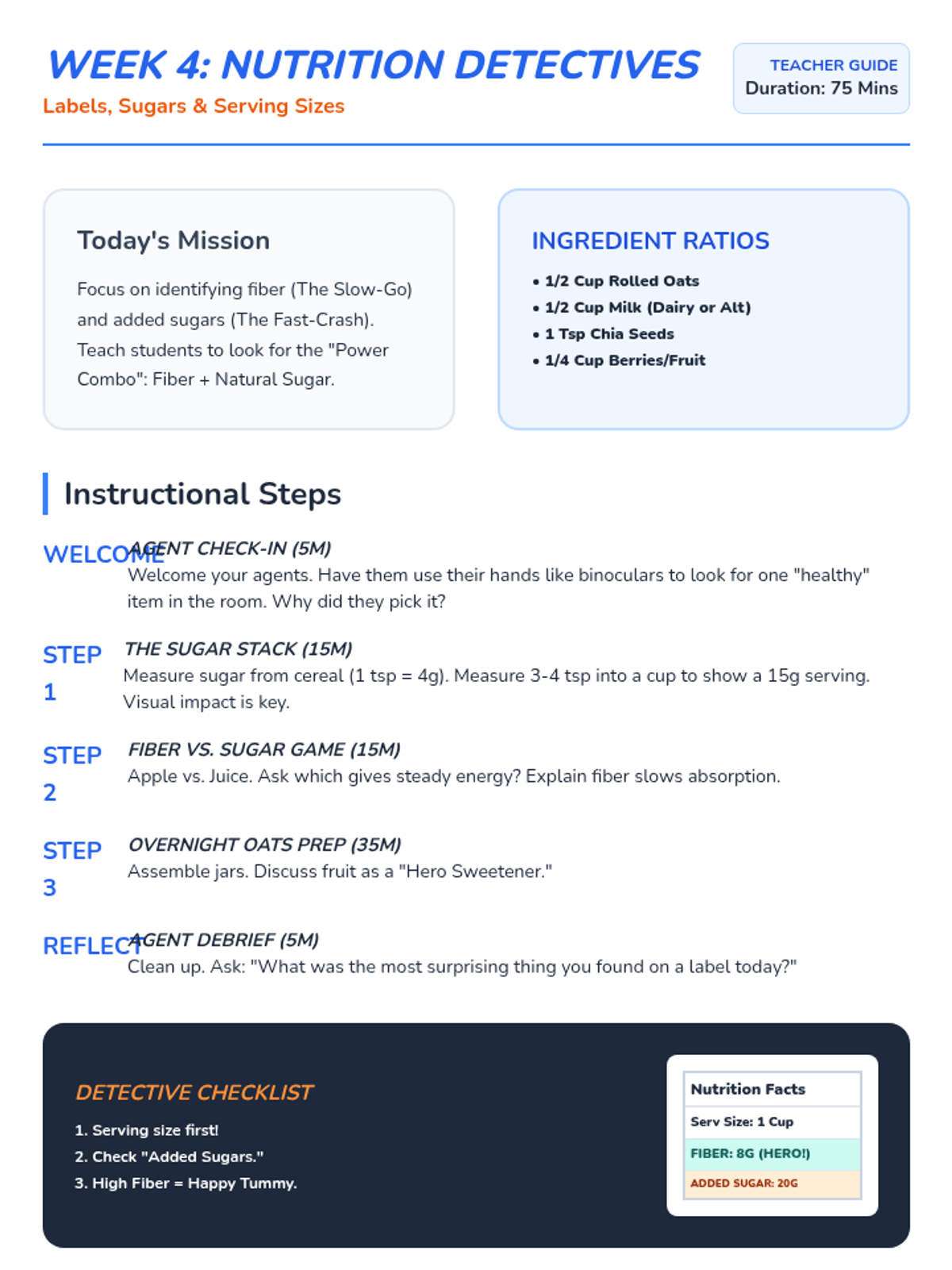
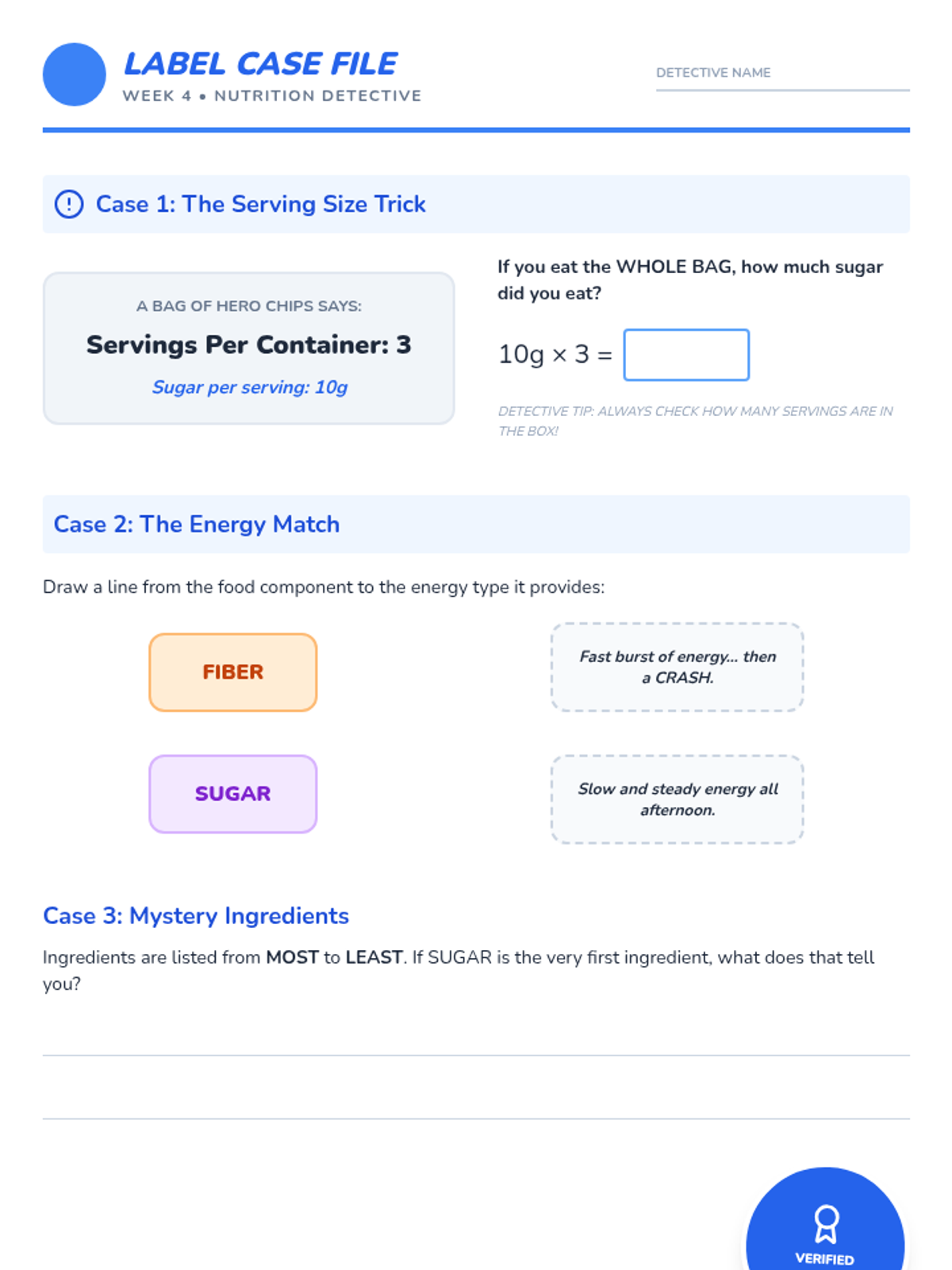
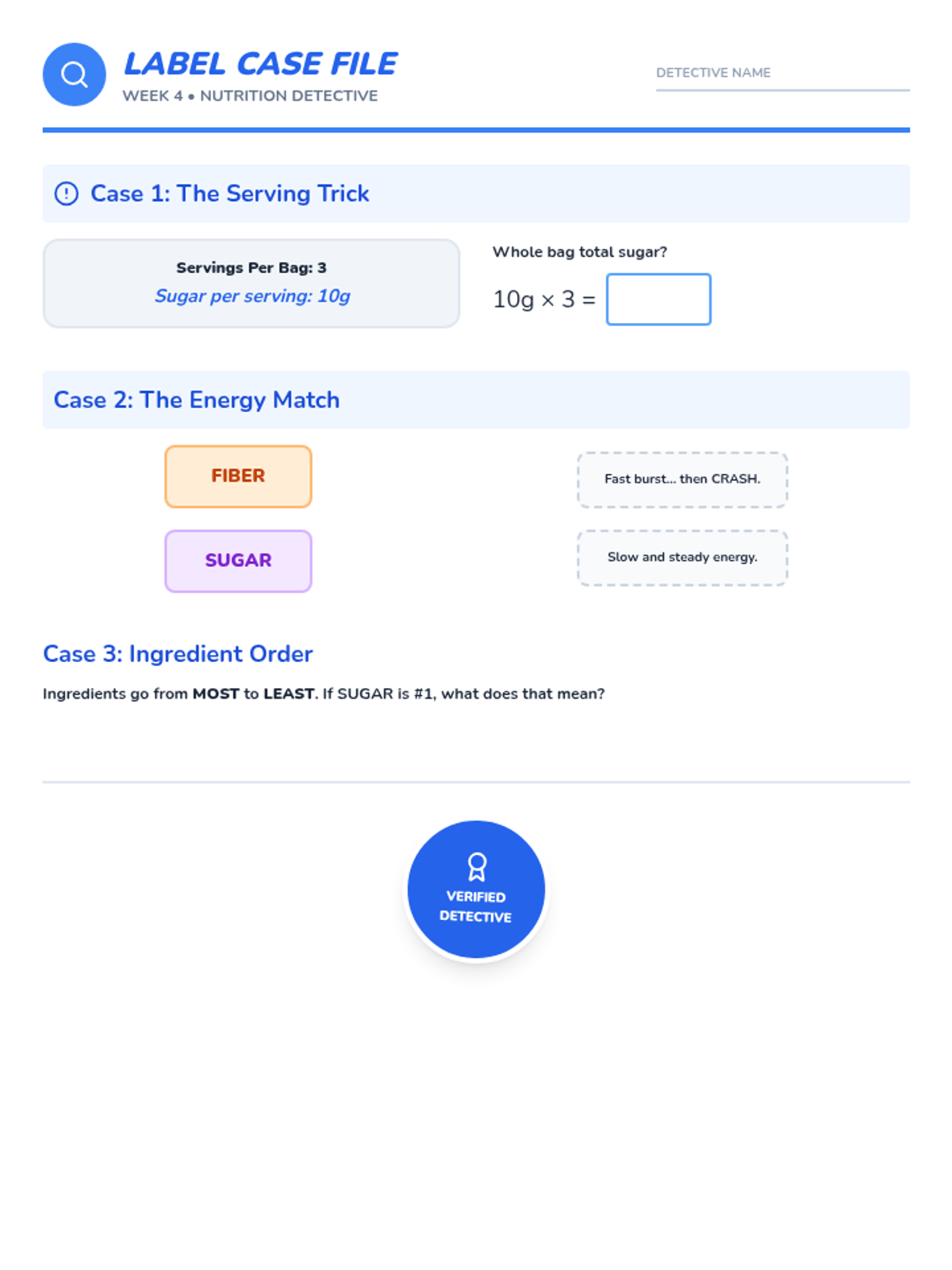
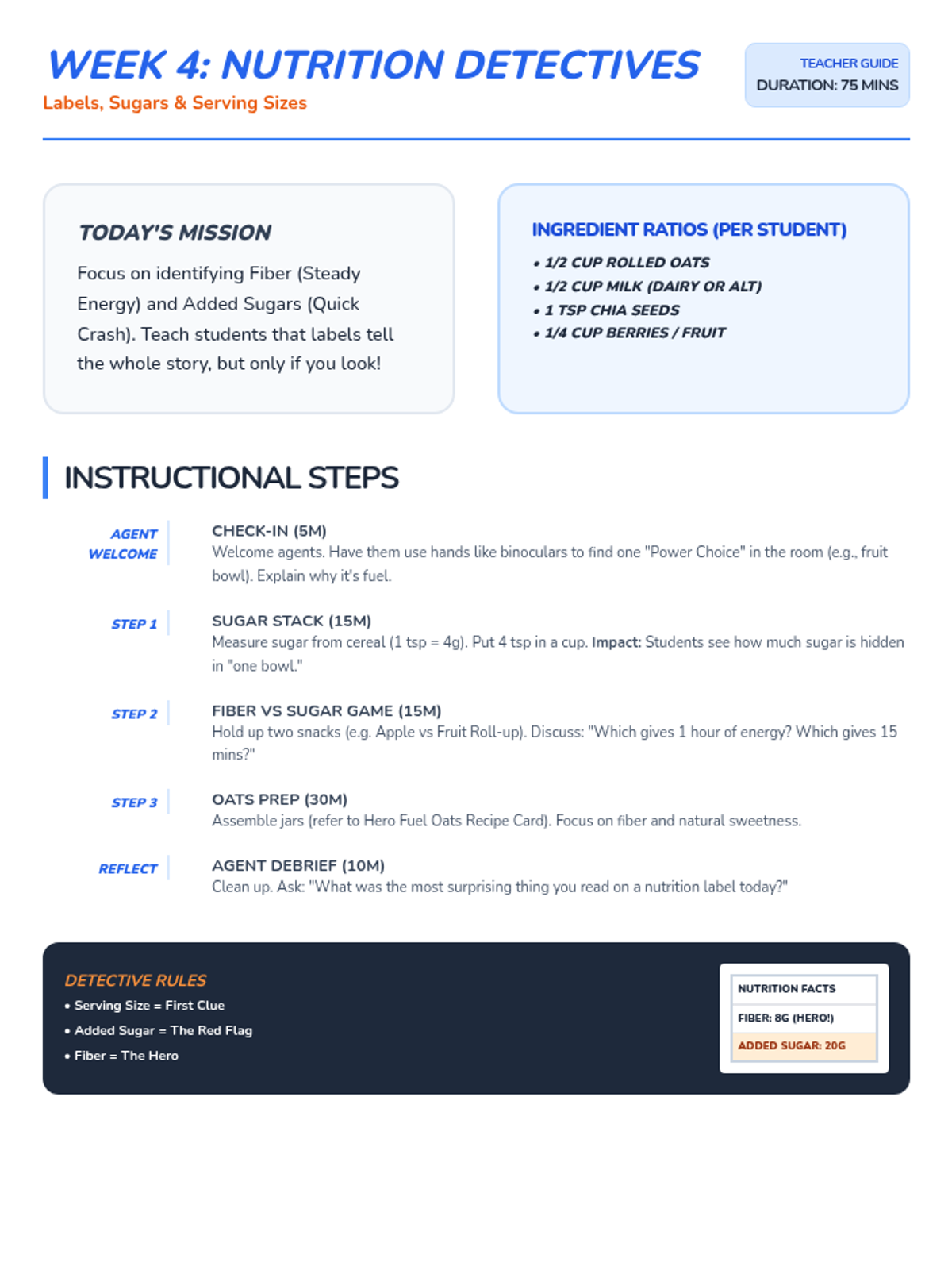
A hands-on lesson where students become 'Label Detectives' to decode nutrition facts, compare products, and make informed healthy eating choices.
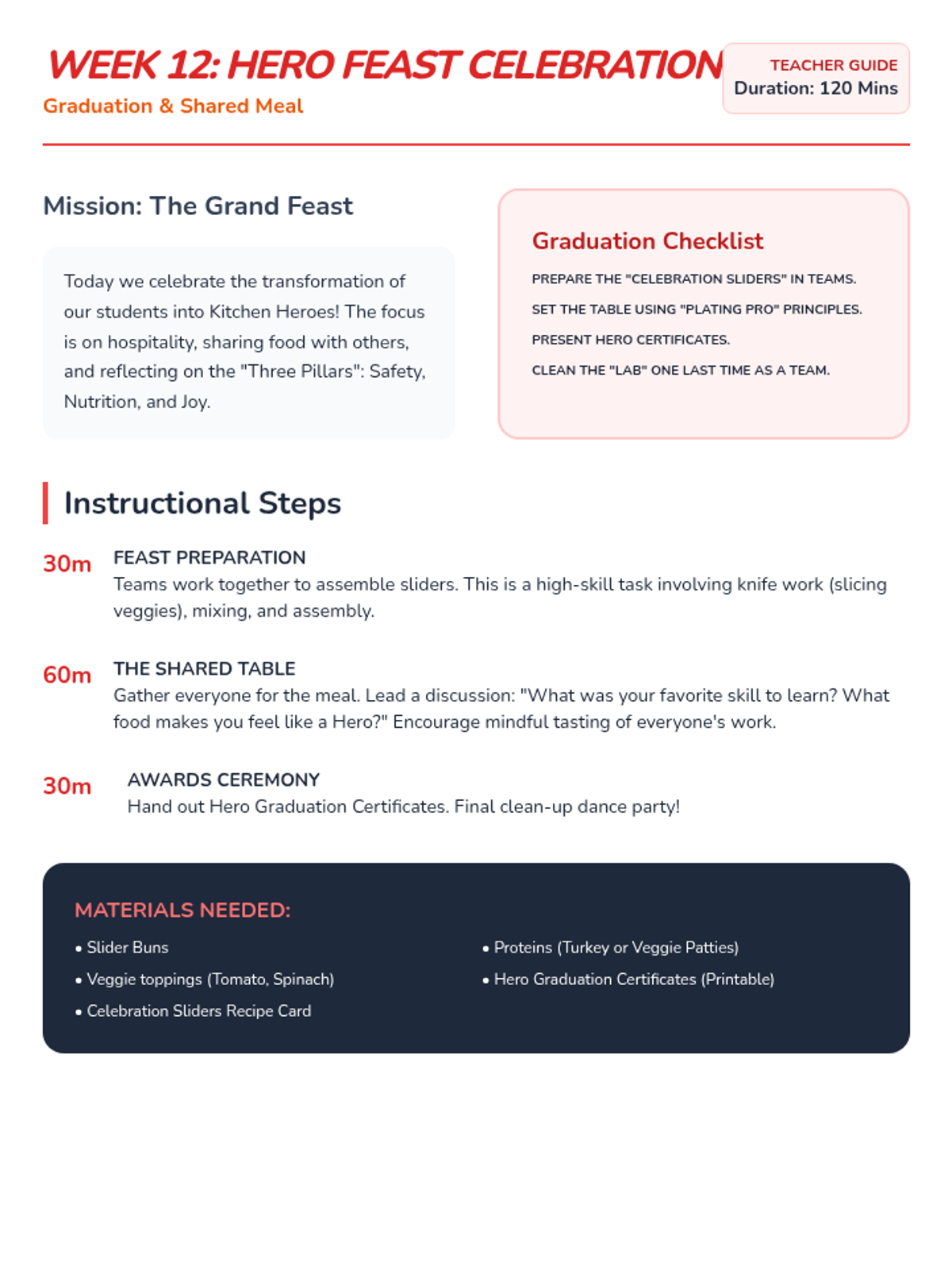
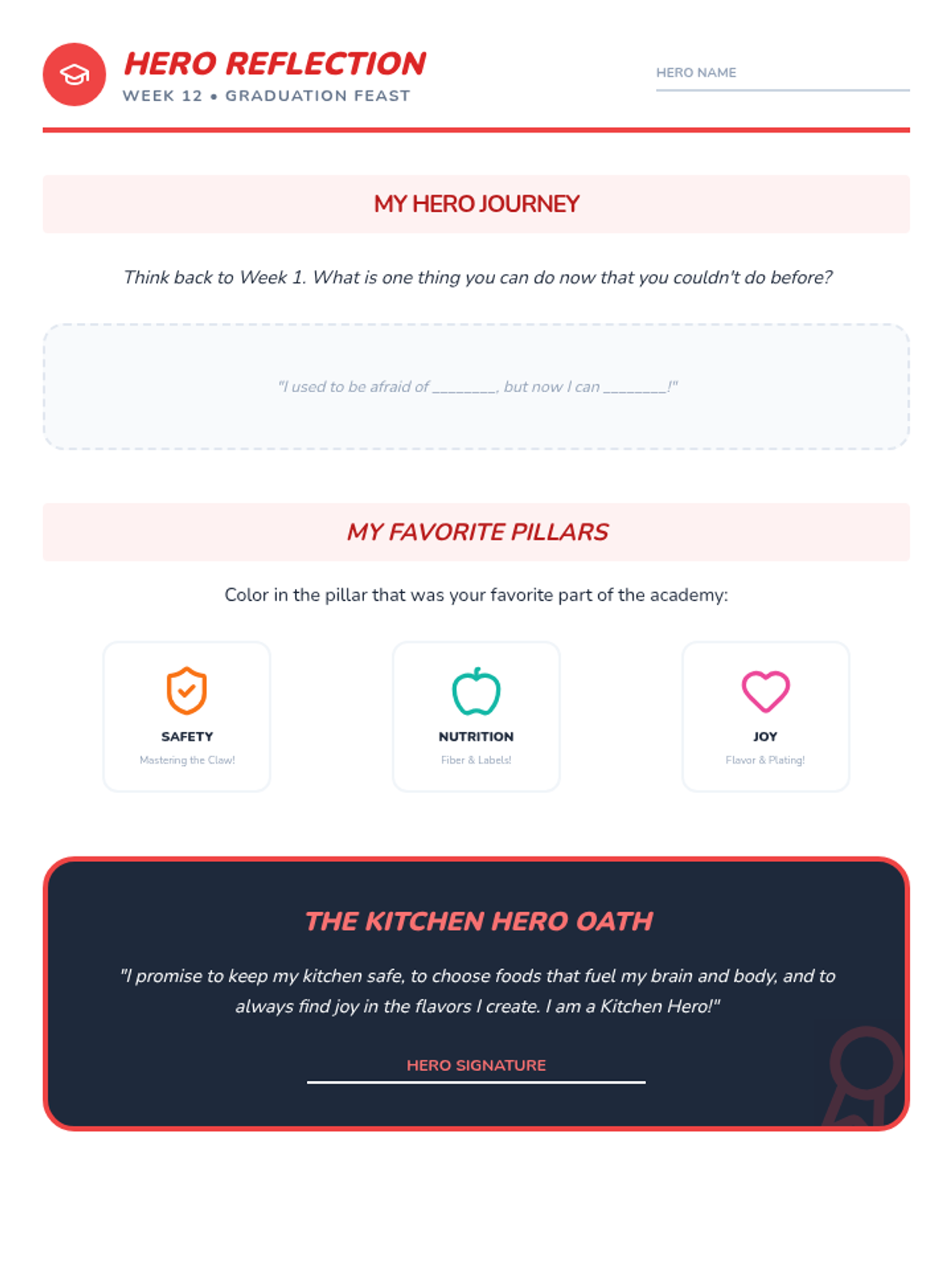
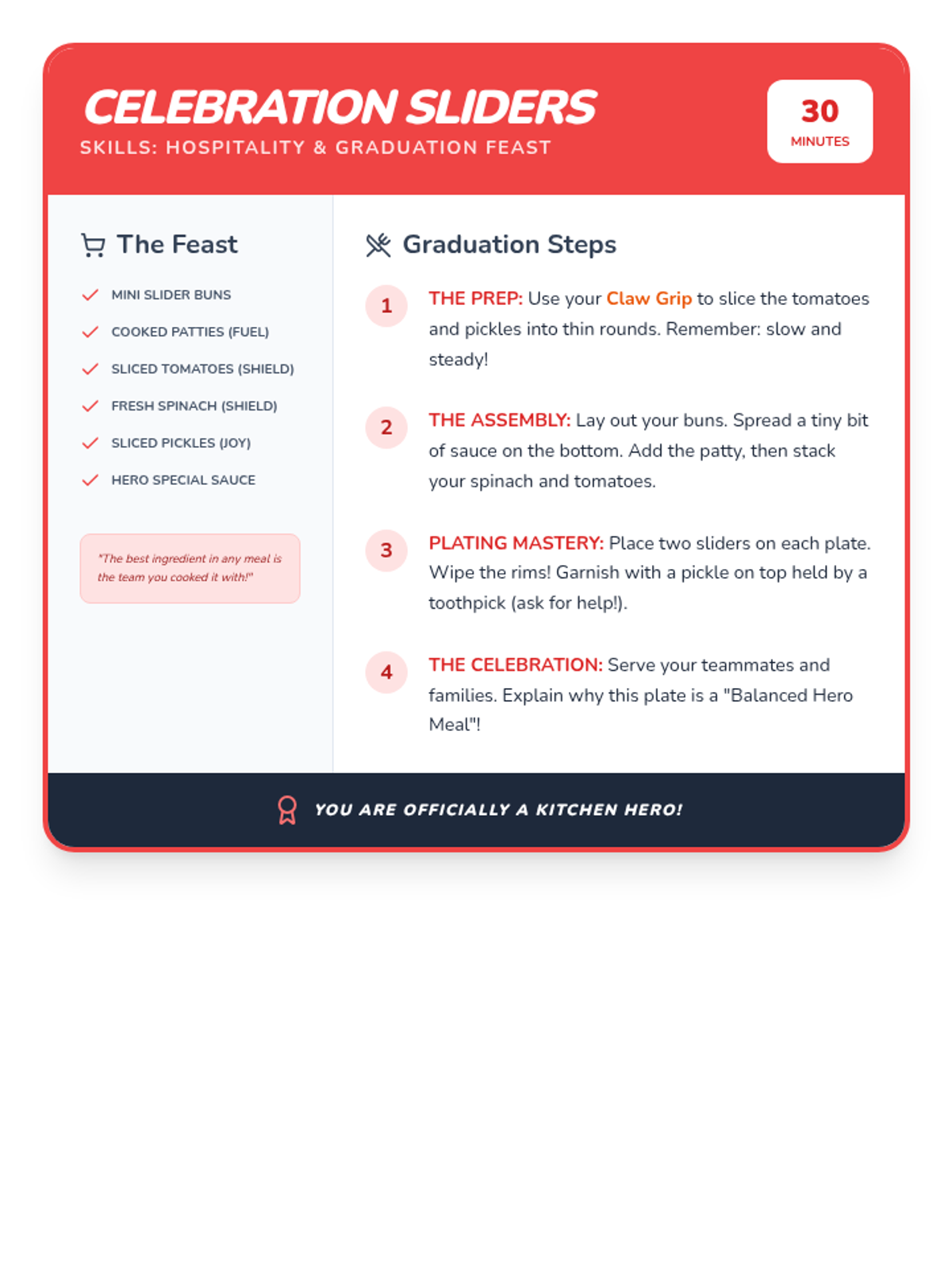
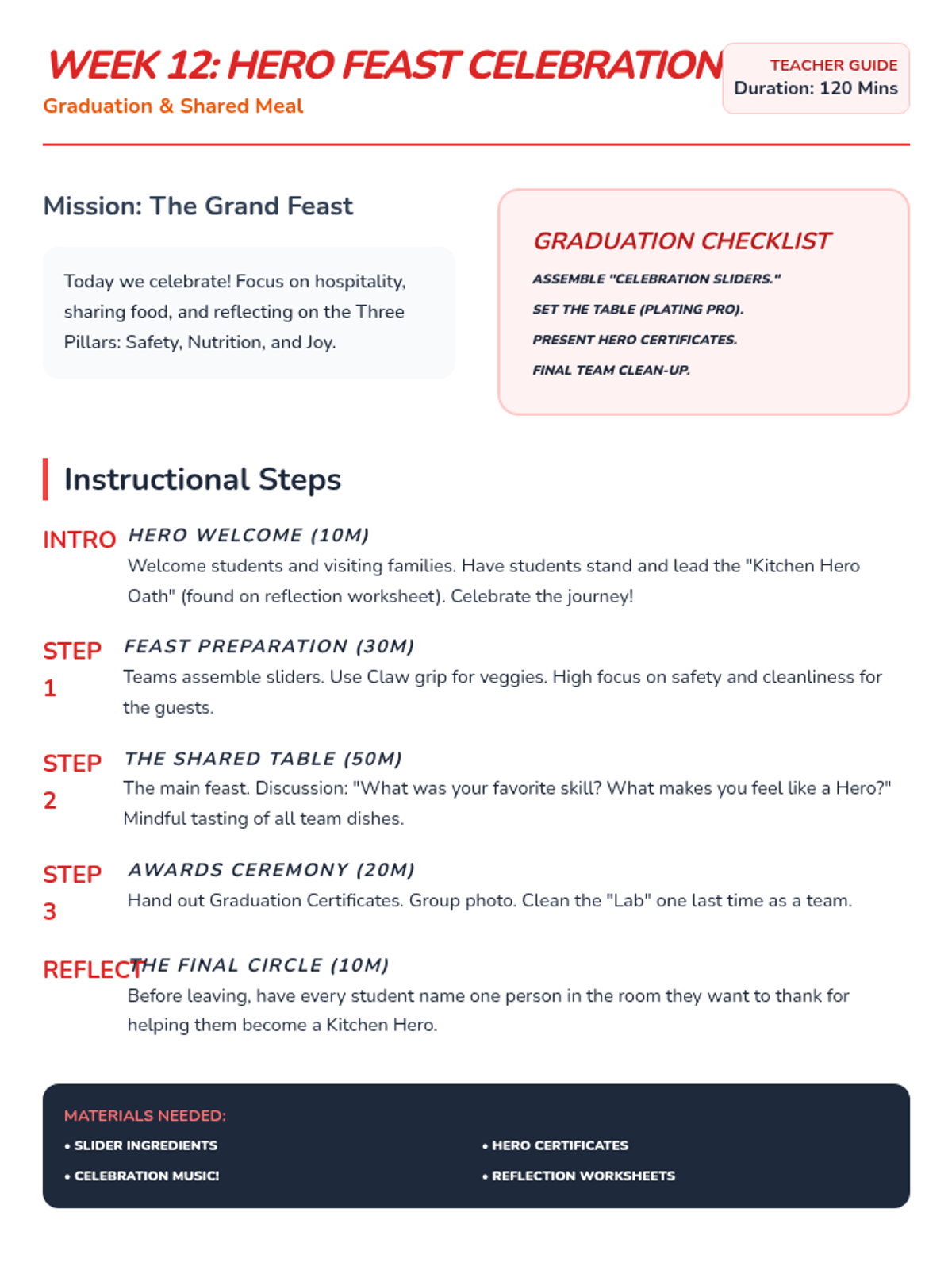
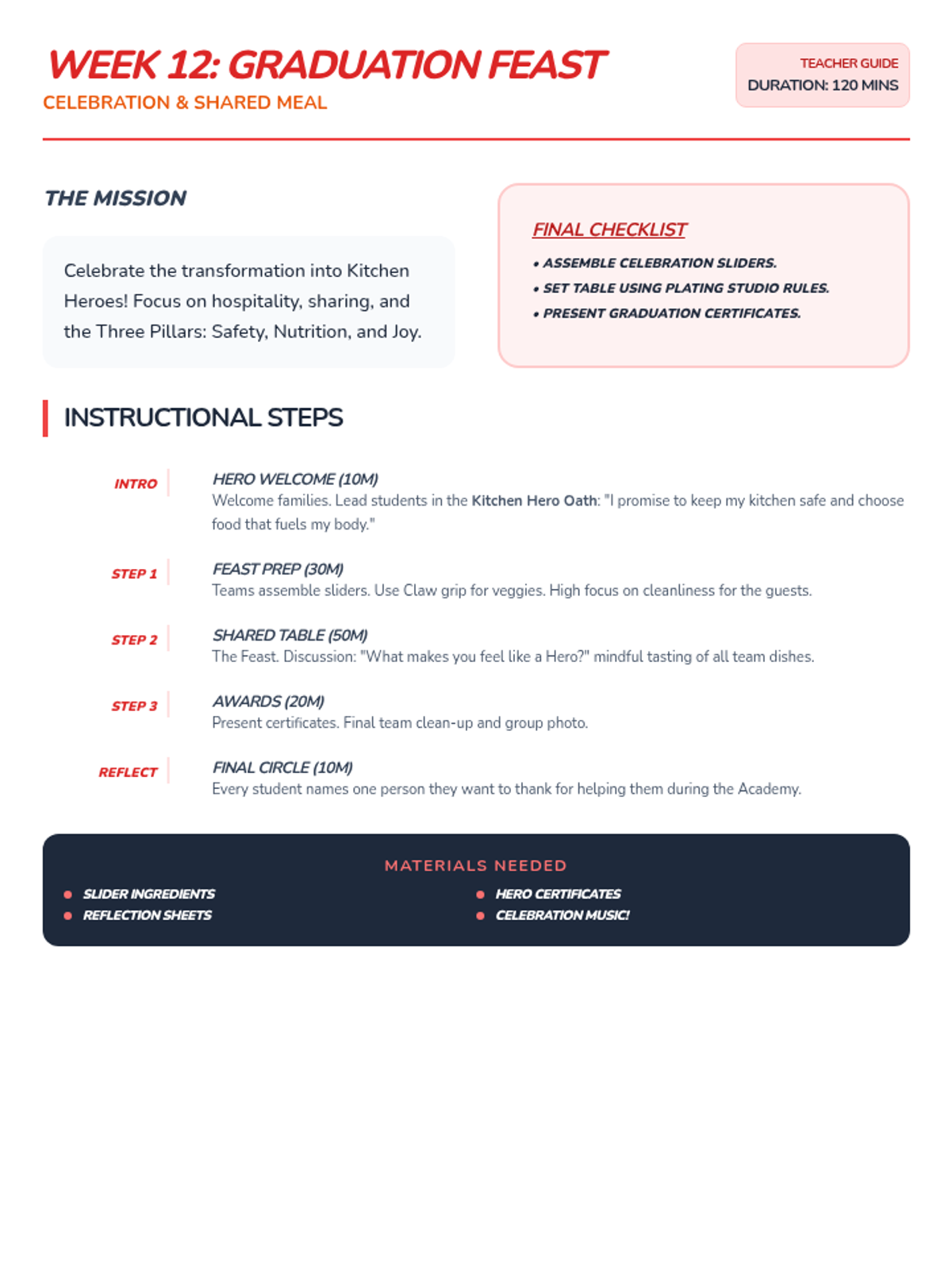
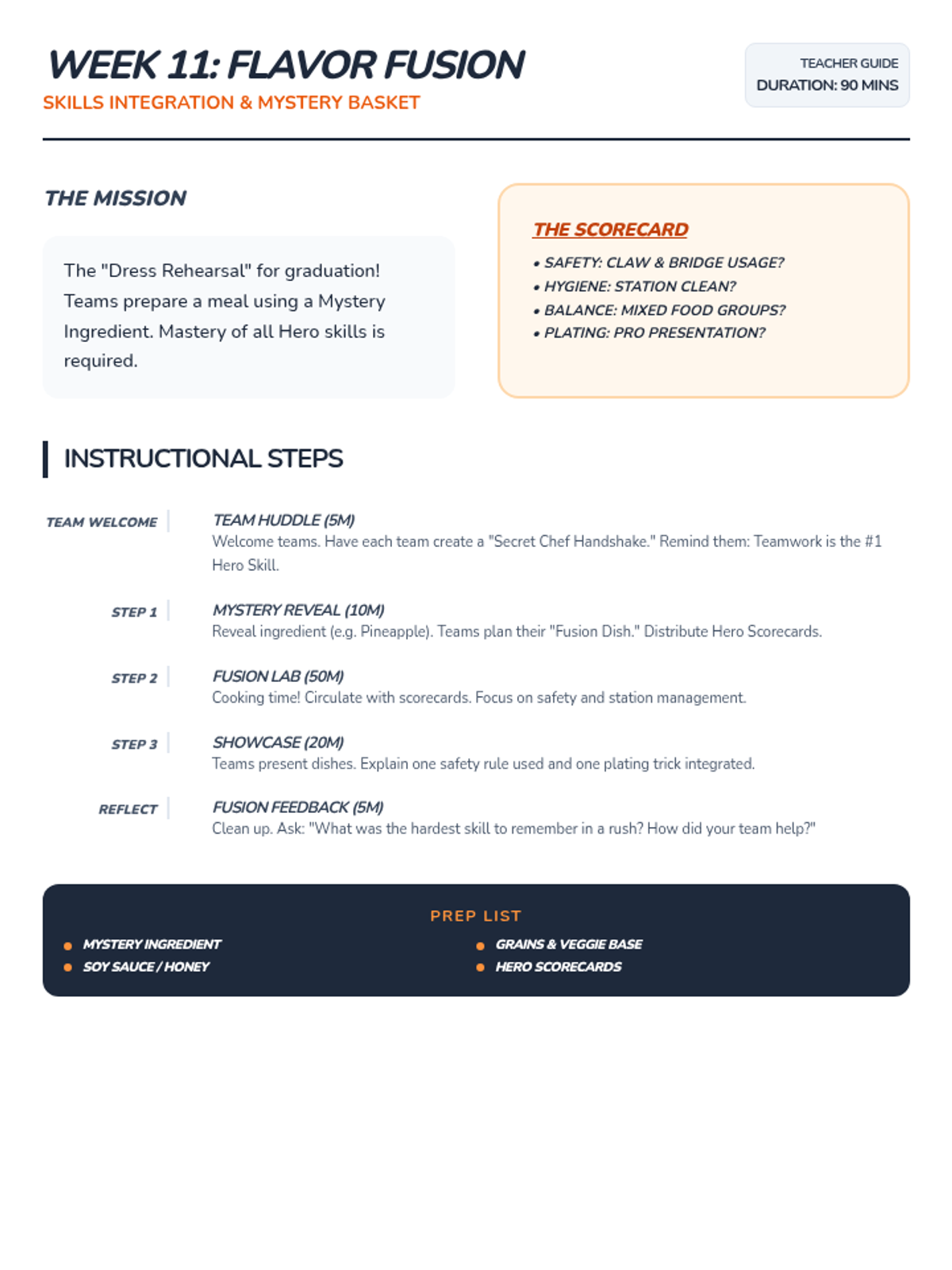
A final celebration showcase of skills learned throughout the course.
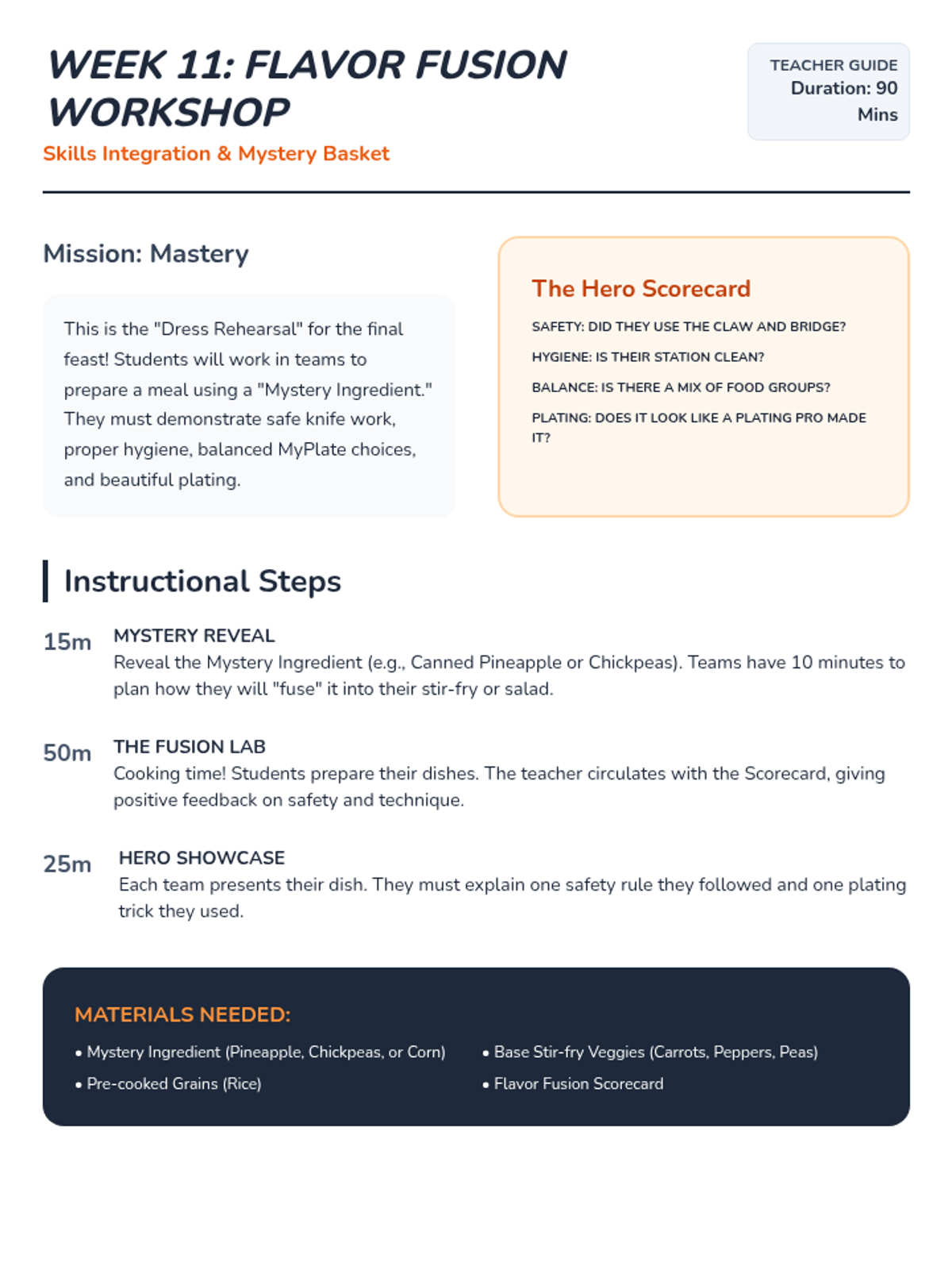
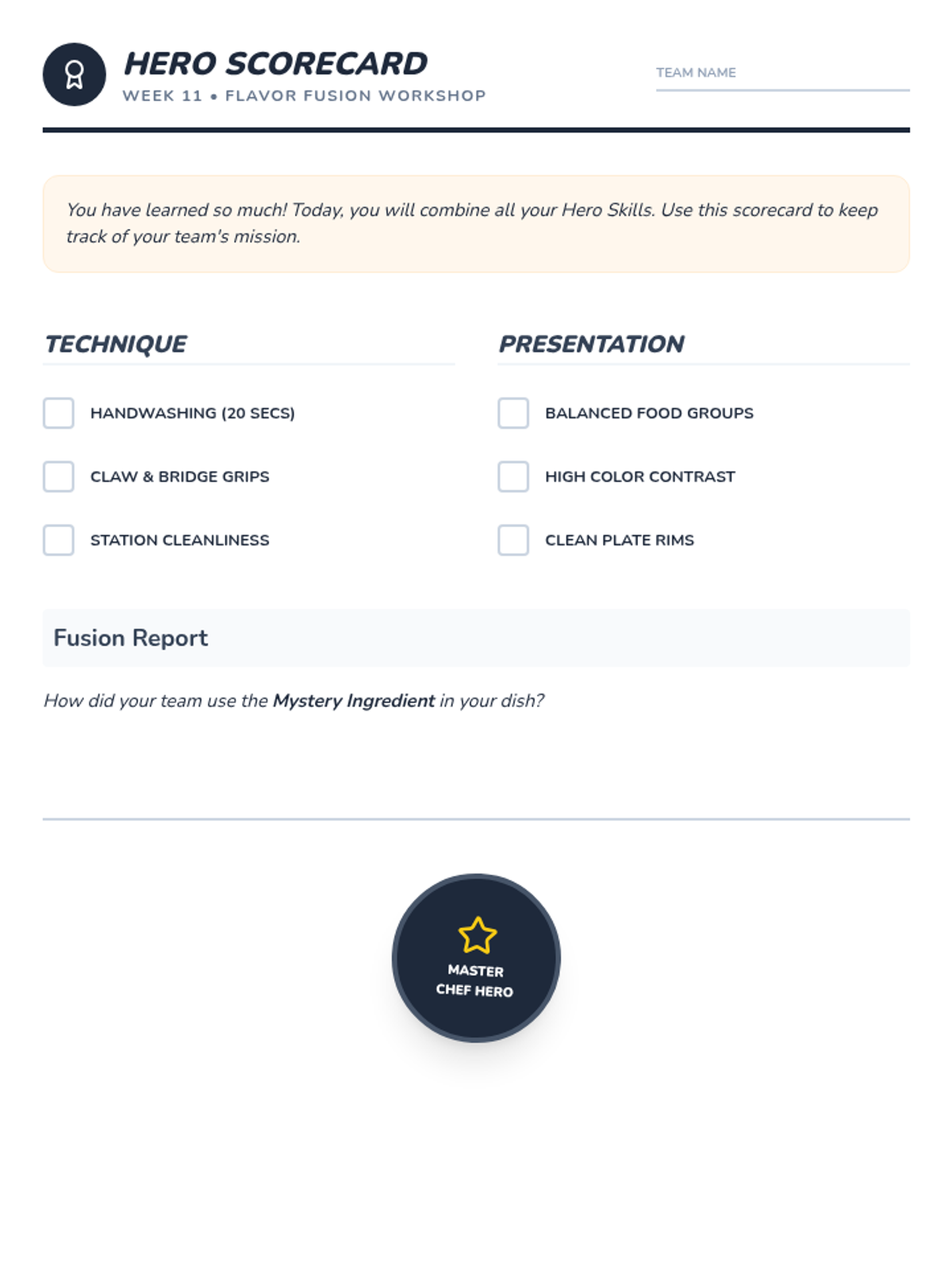
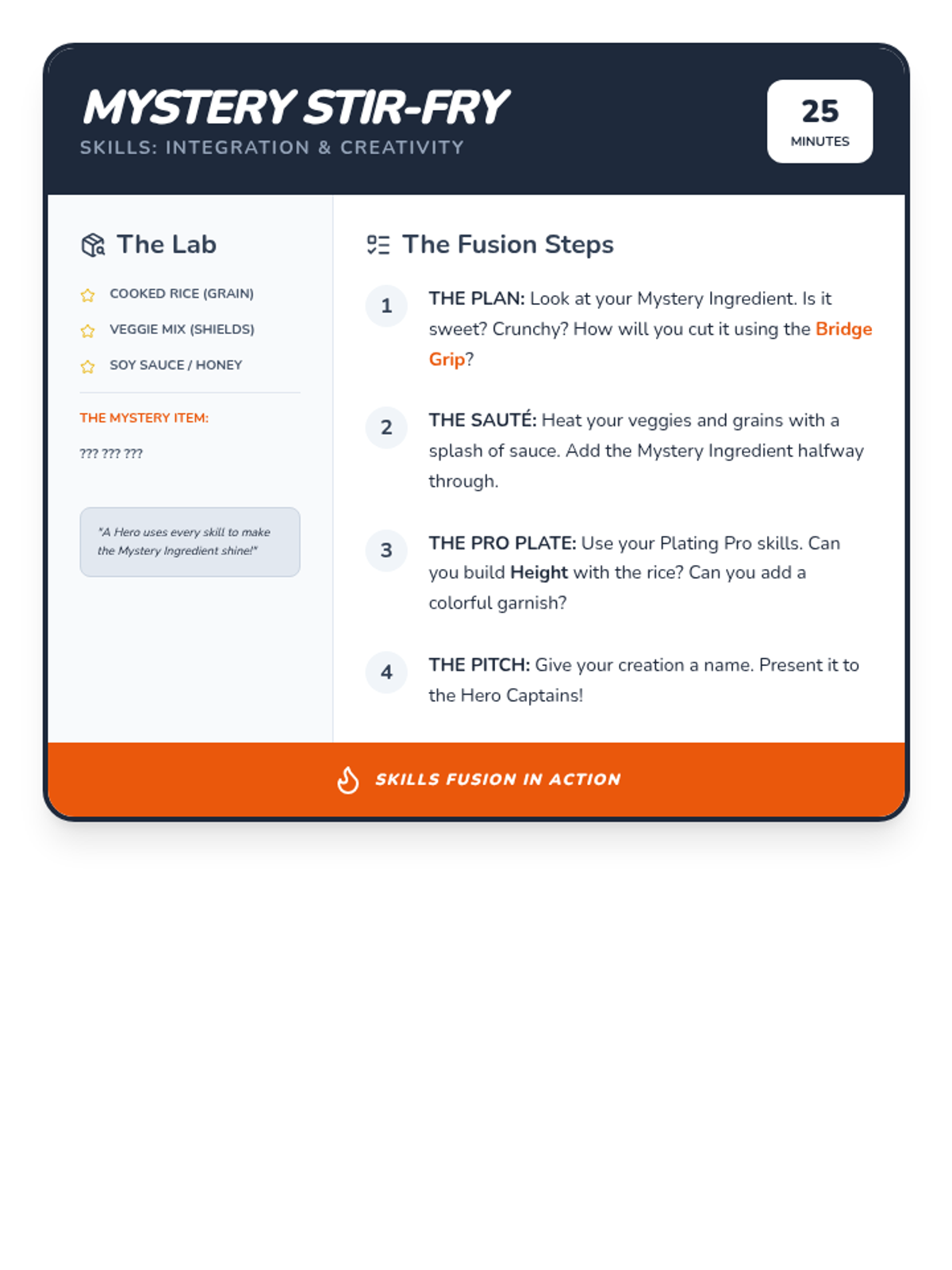
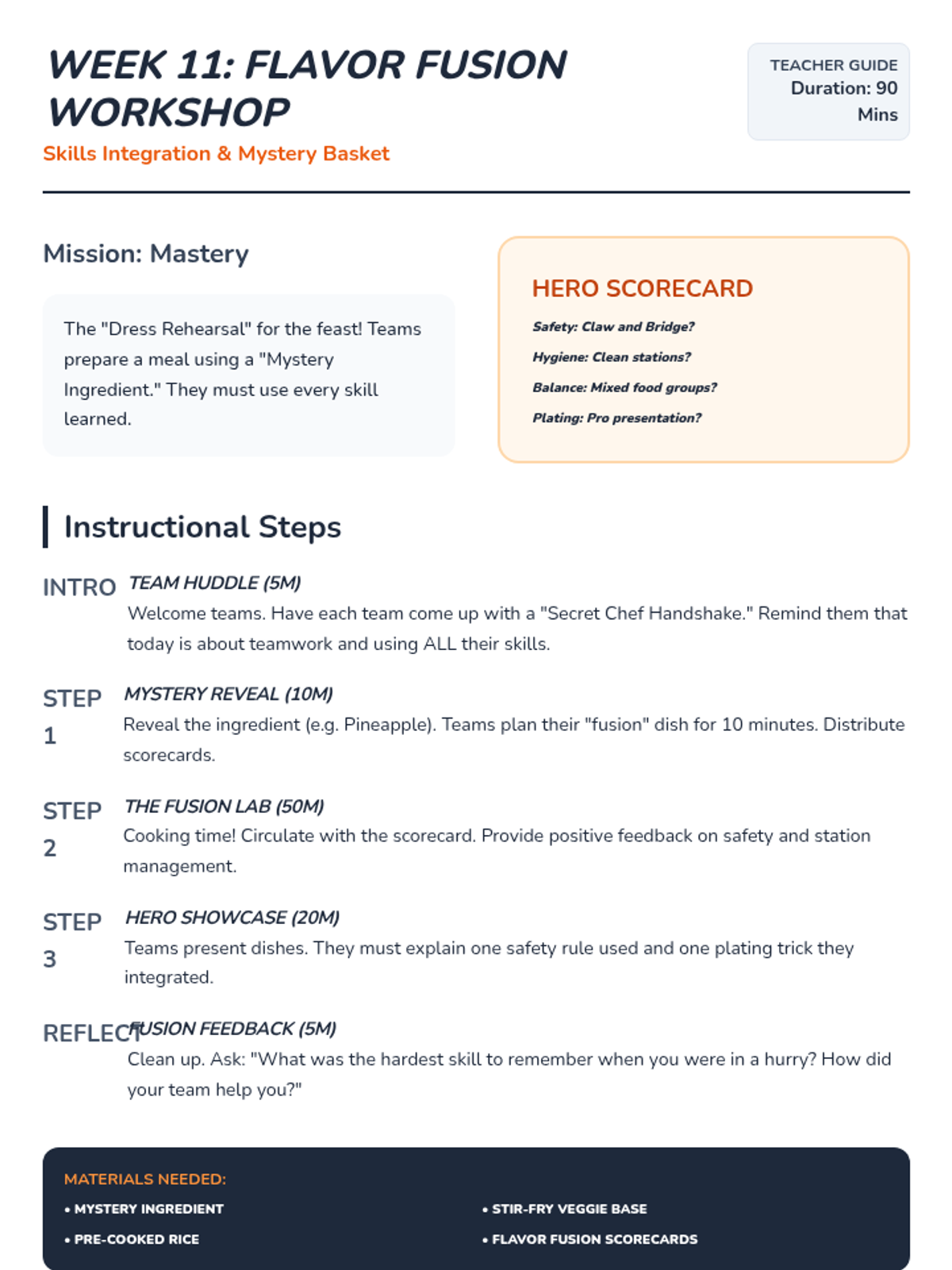
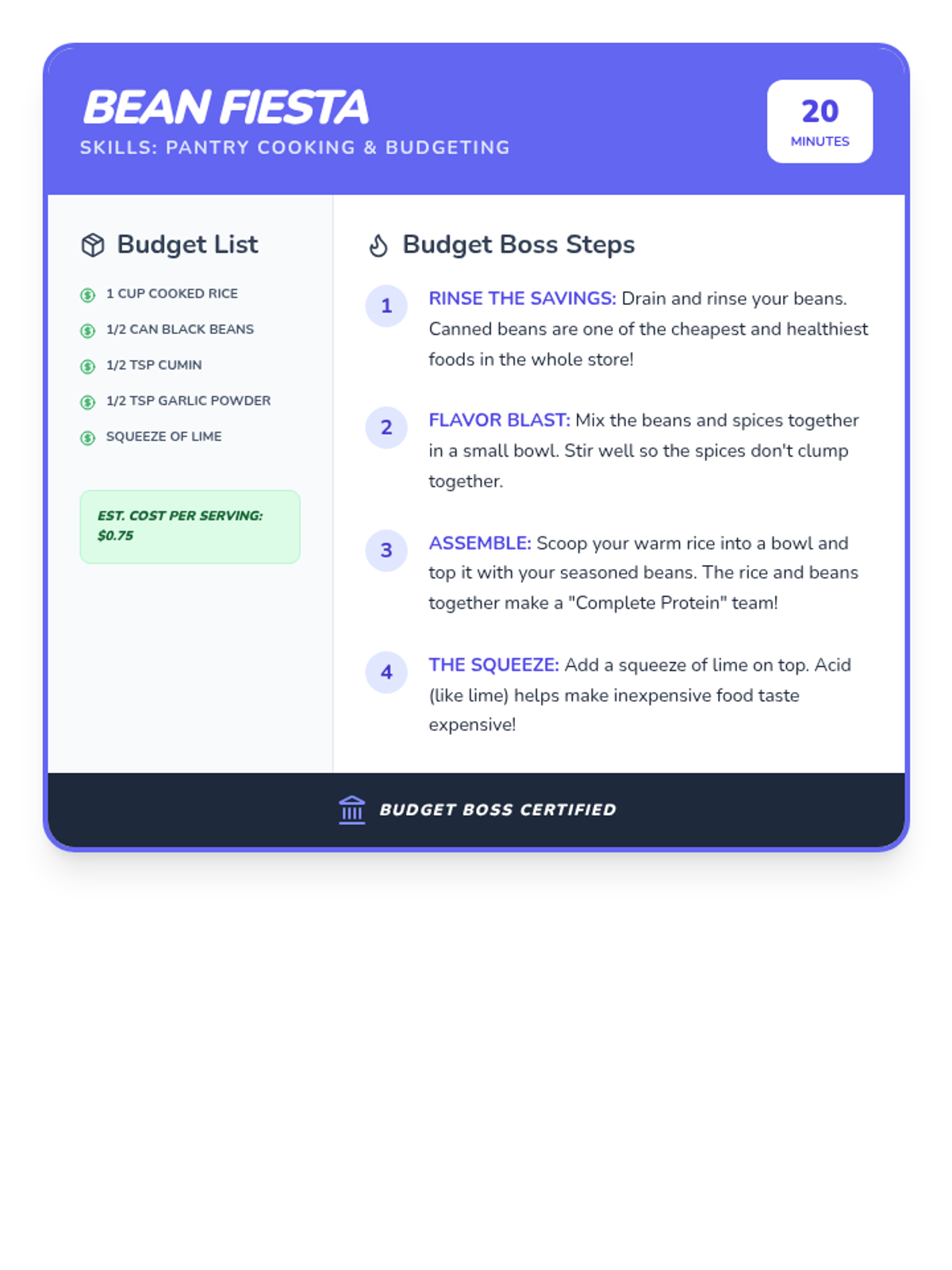
Applying skills to create a cohesive meal with limited ingredients.
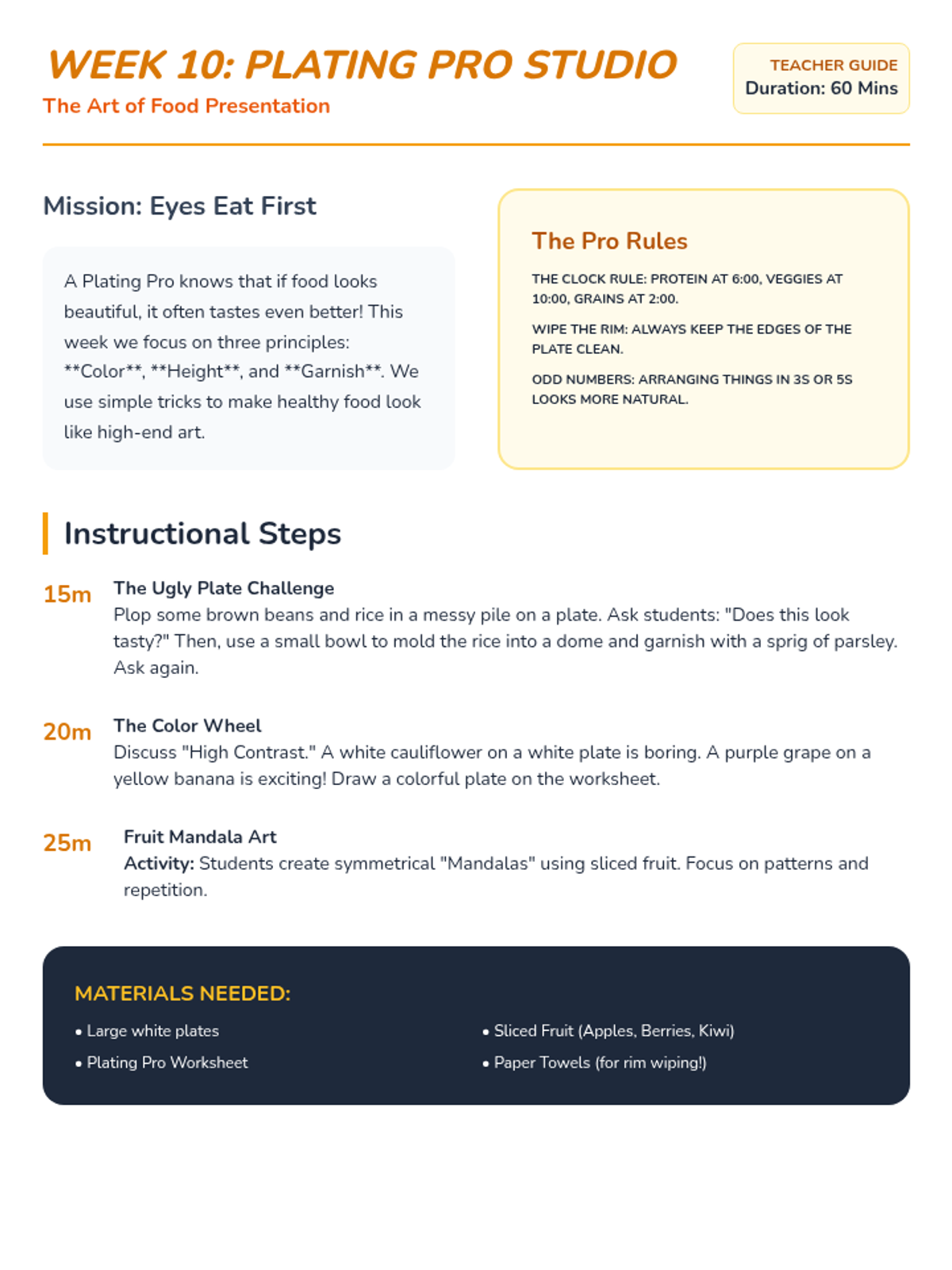
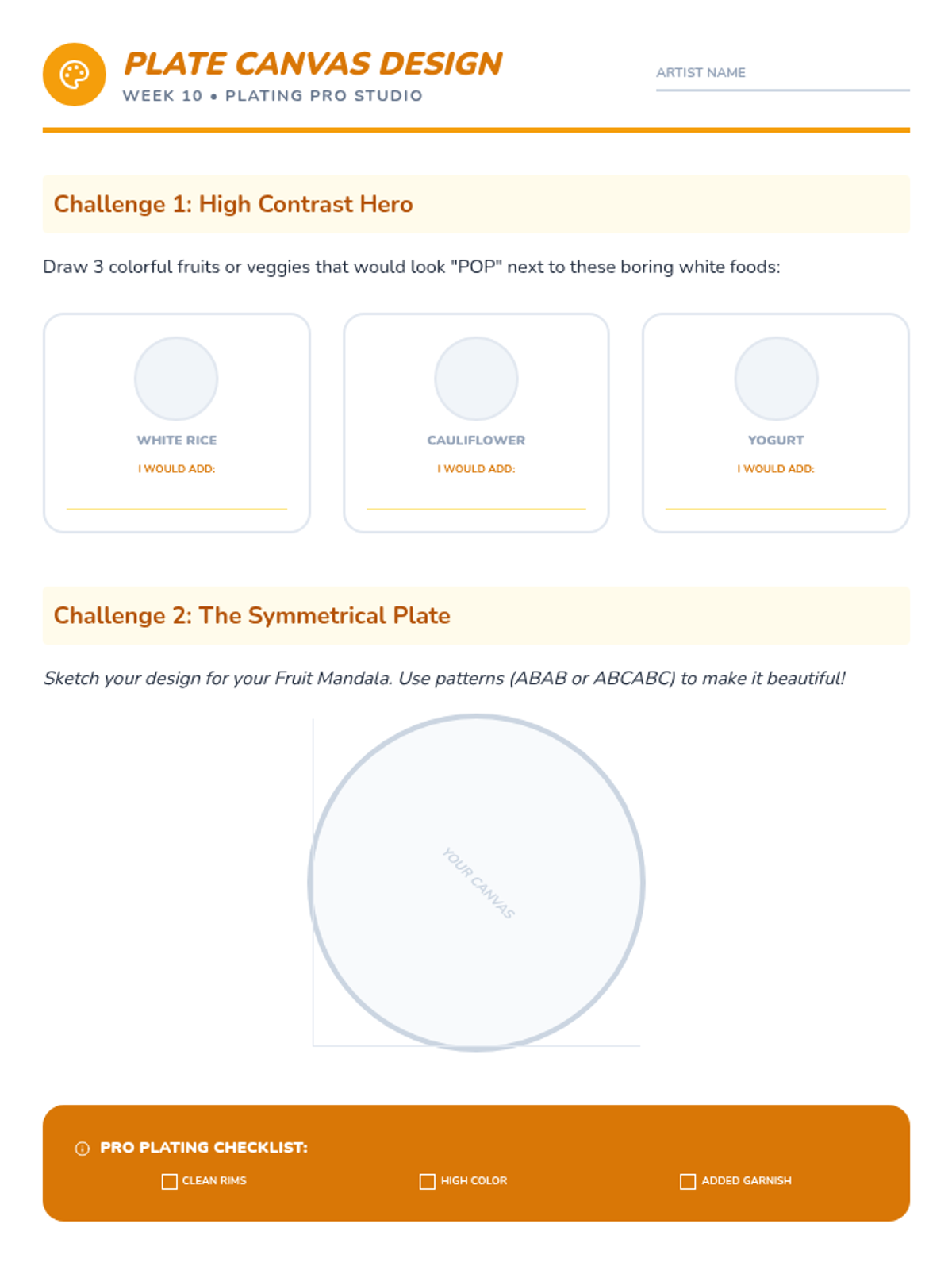
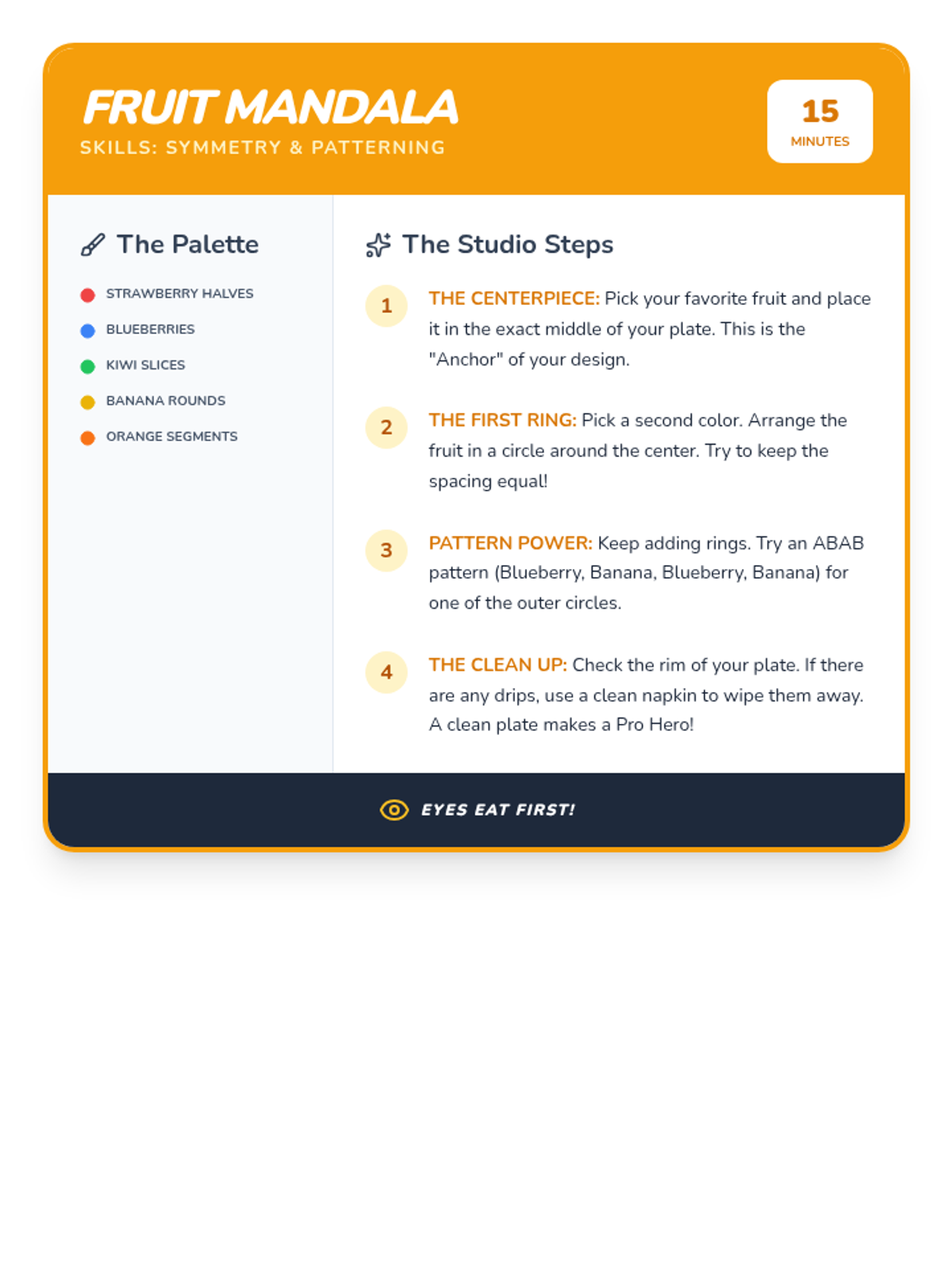
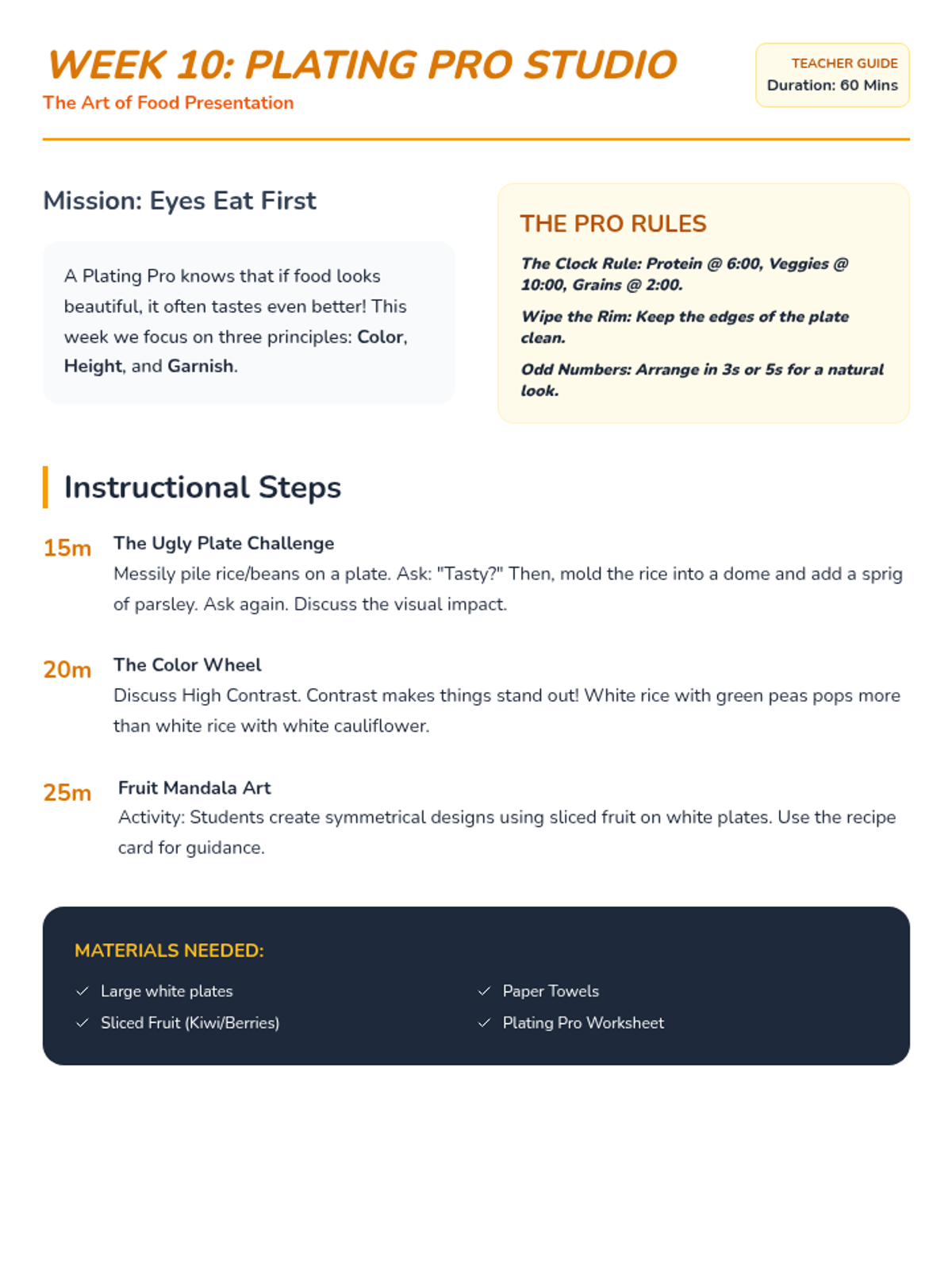
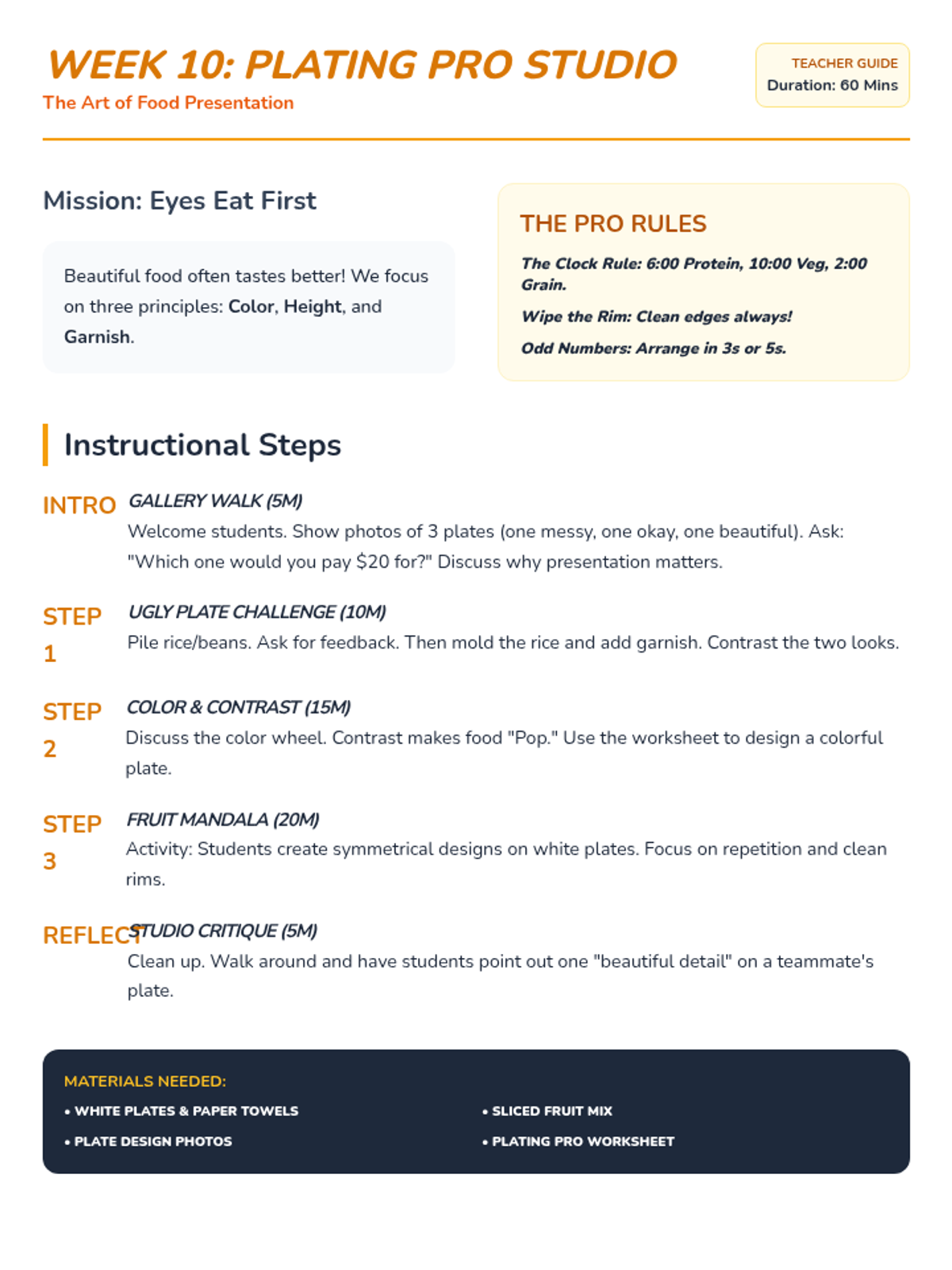
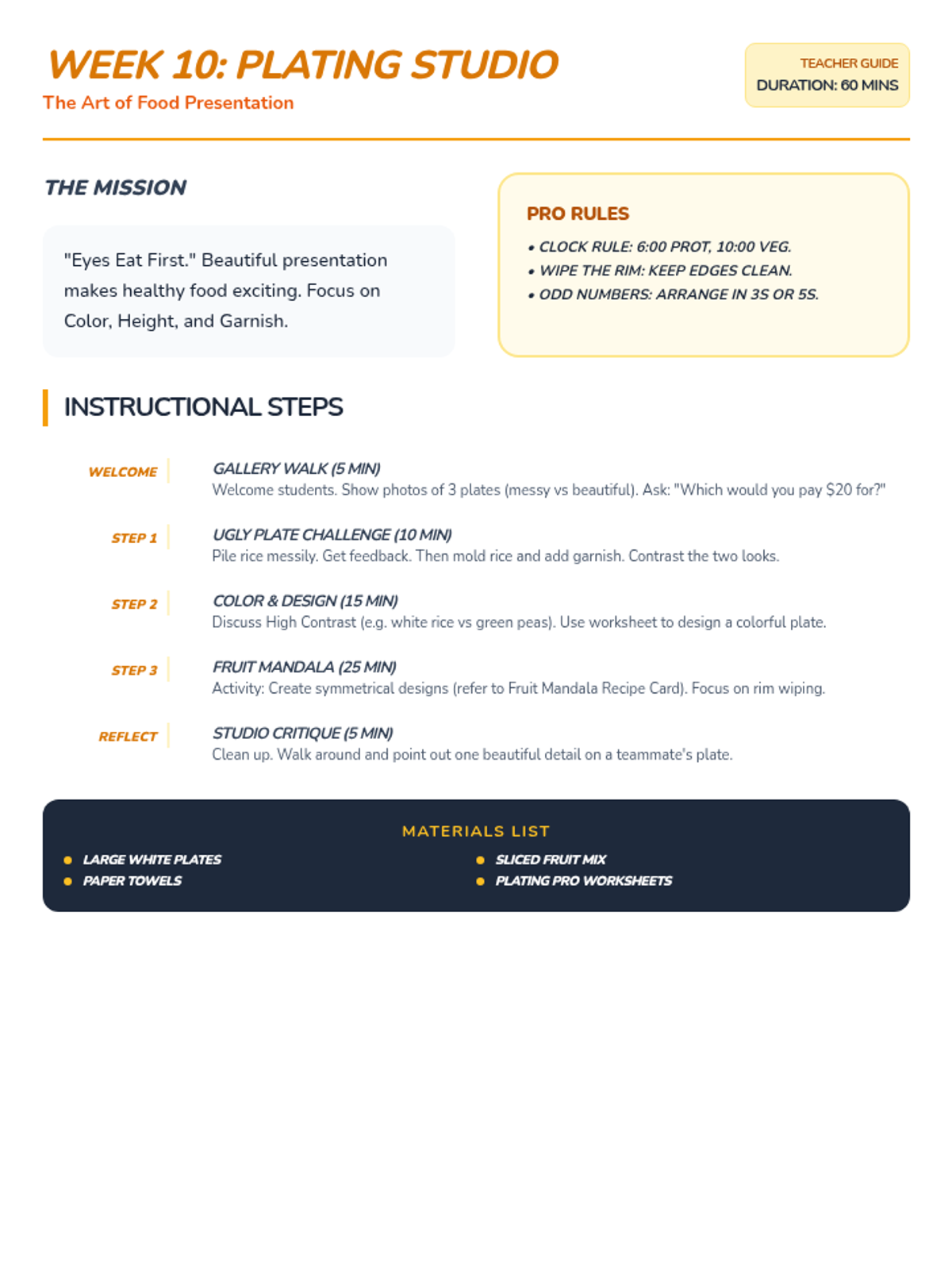
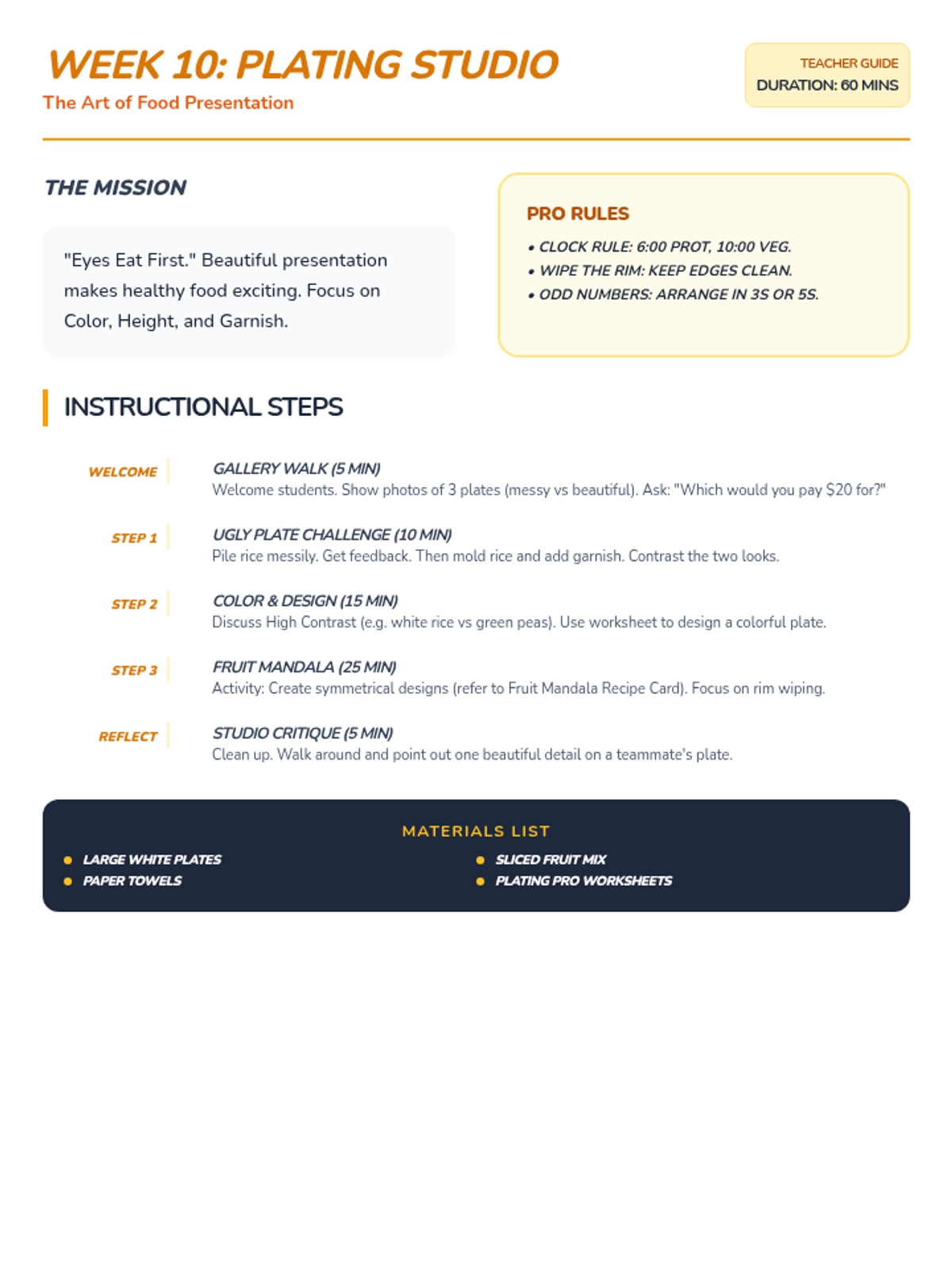
Elevating simple dishes through creative arrangement and garnishes.
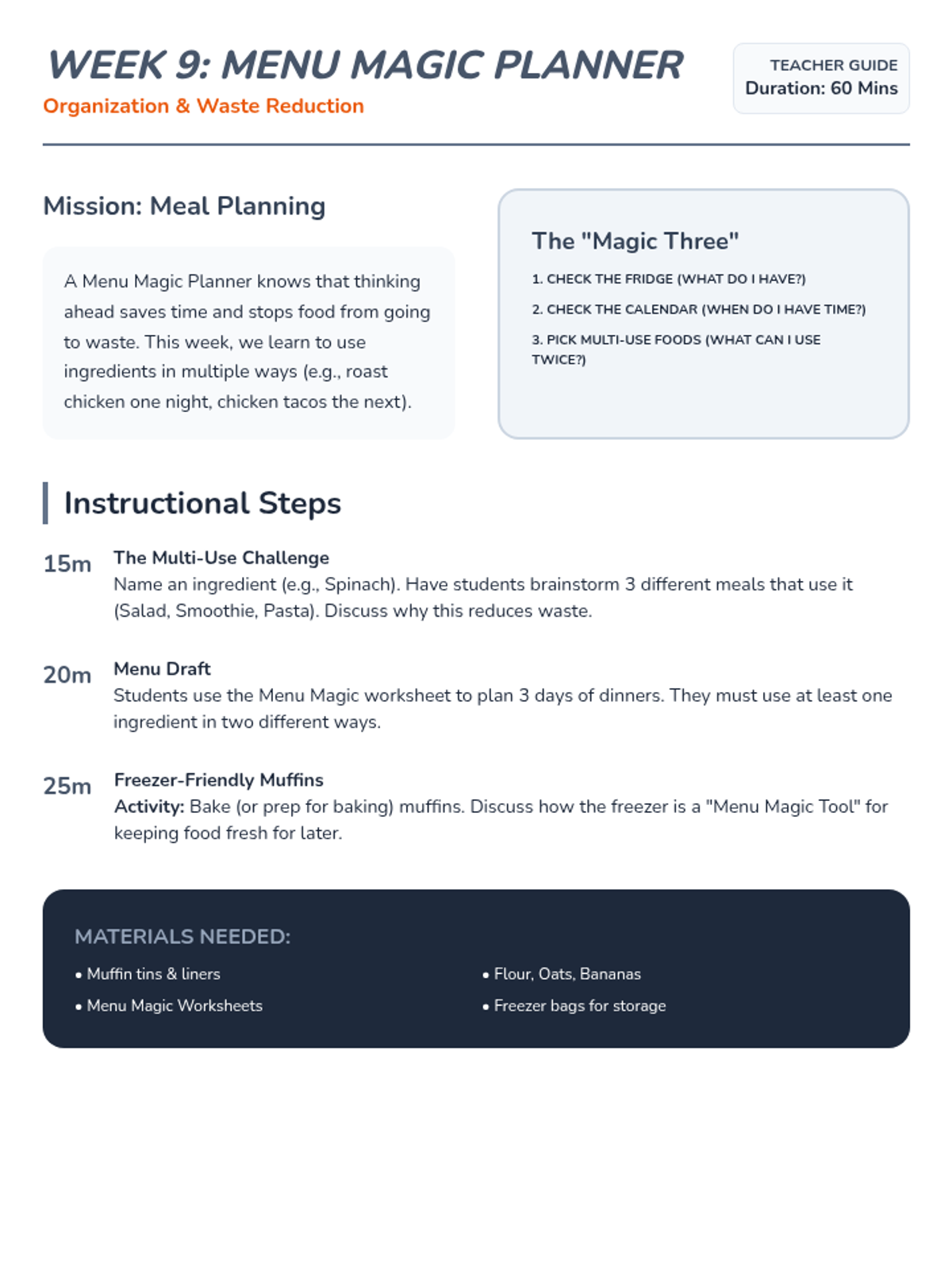
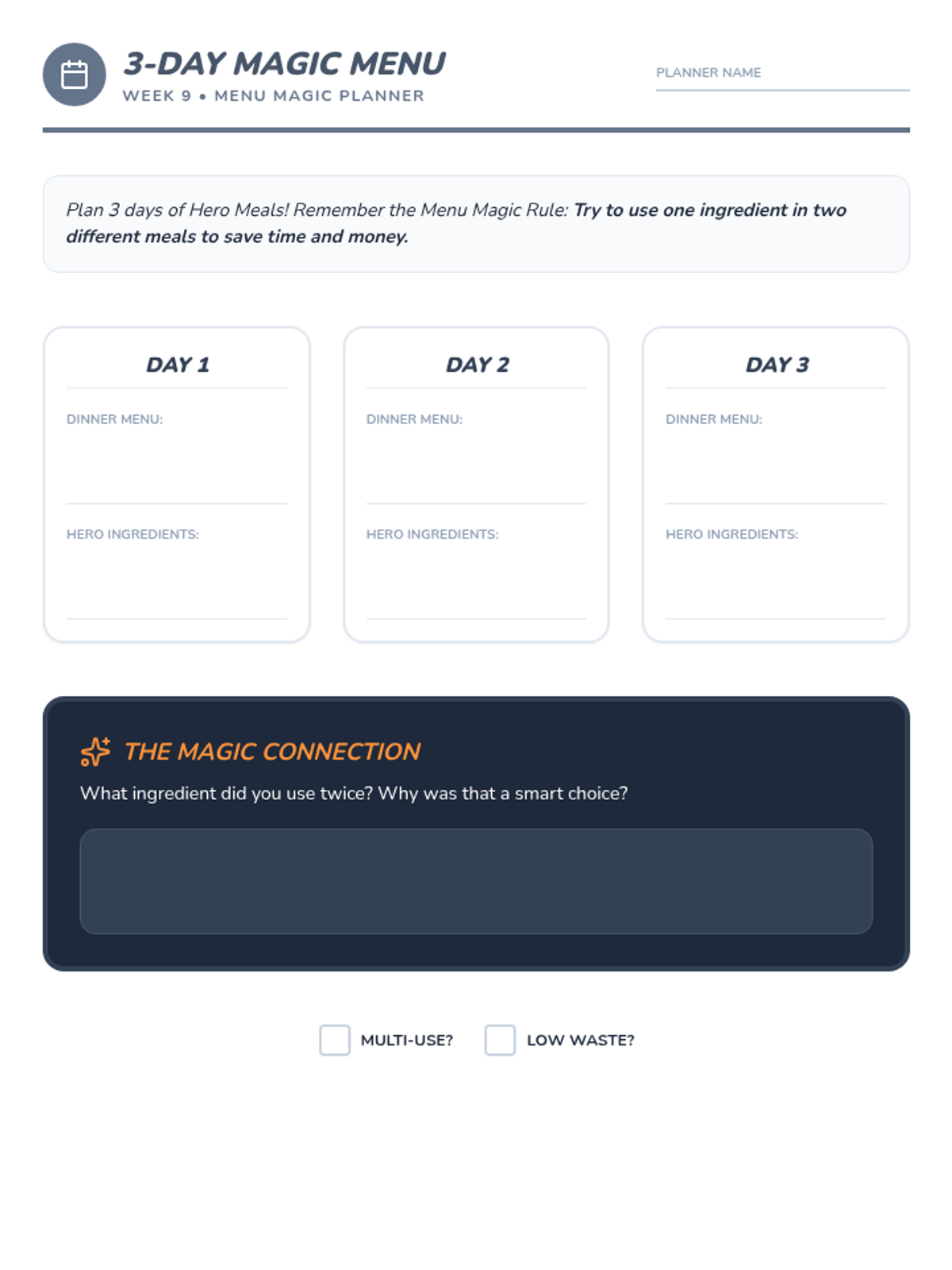
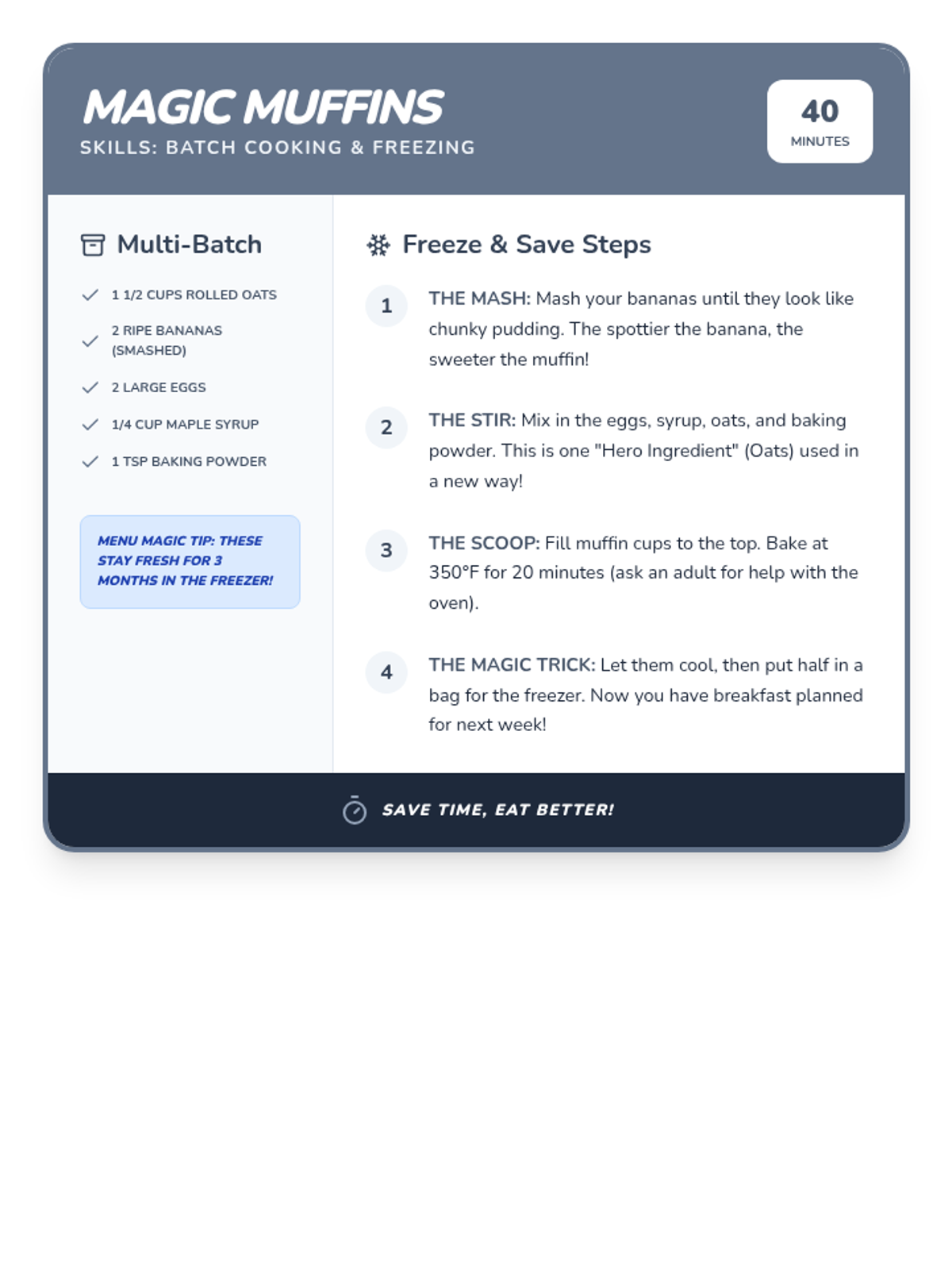
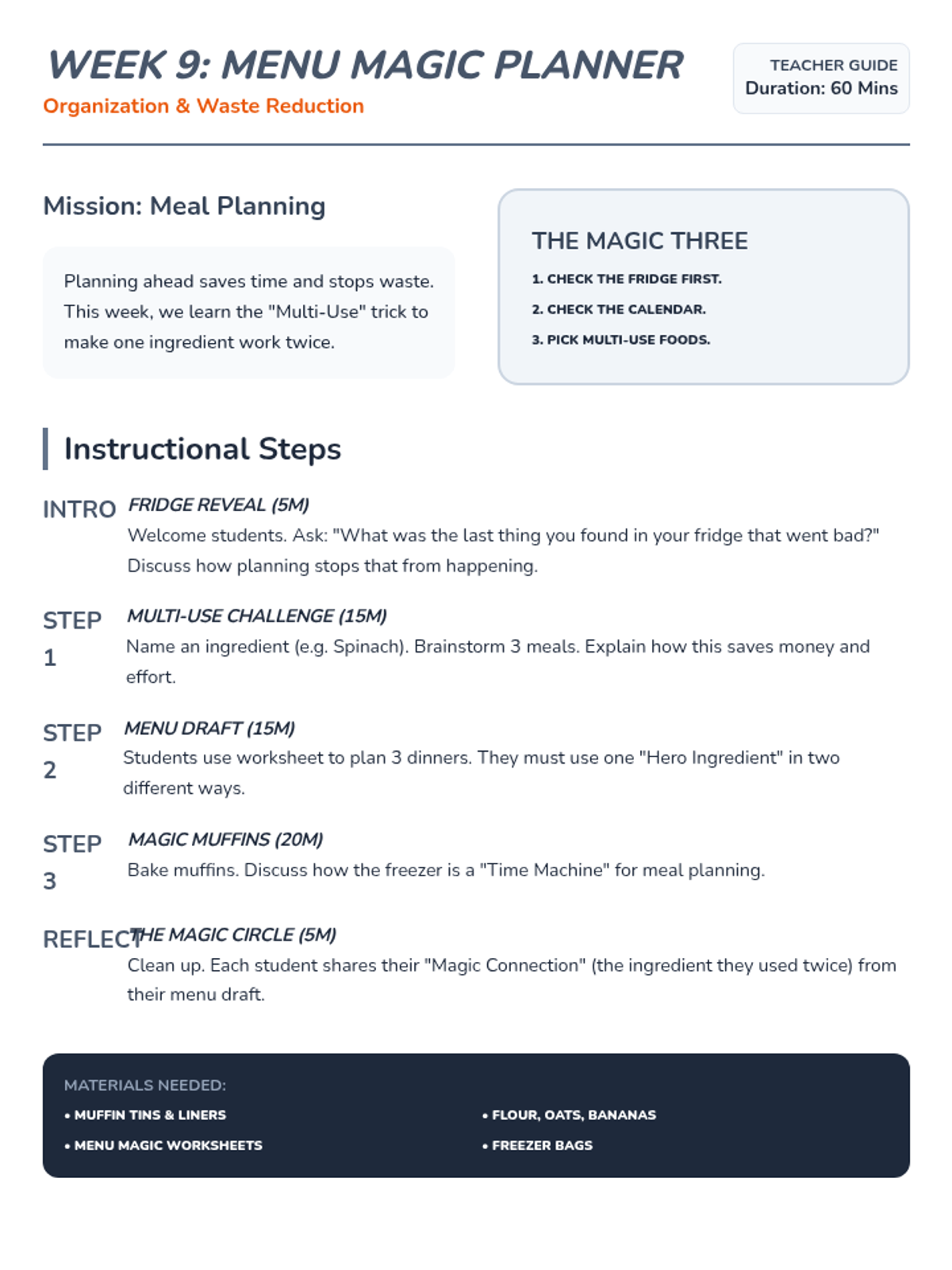
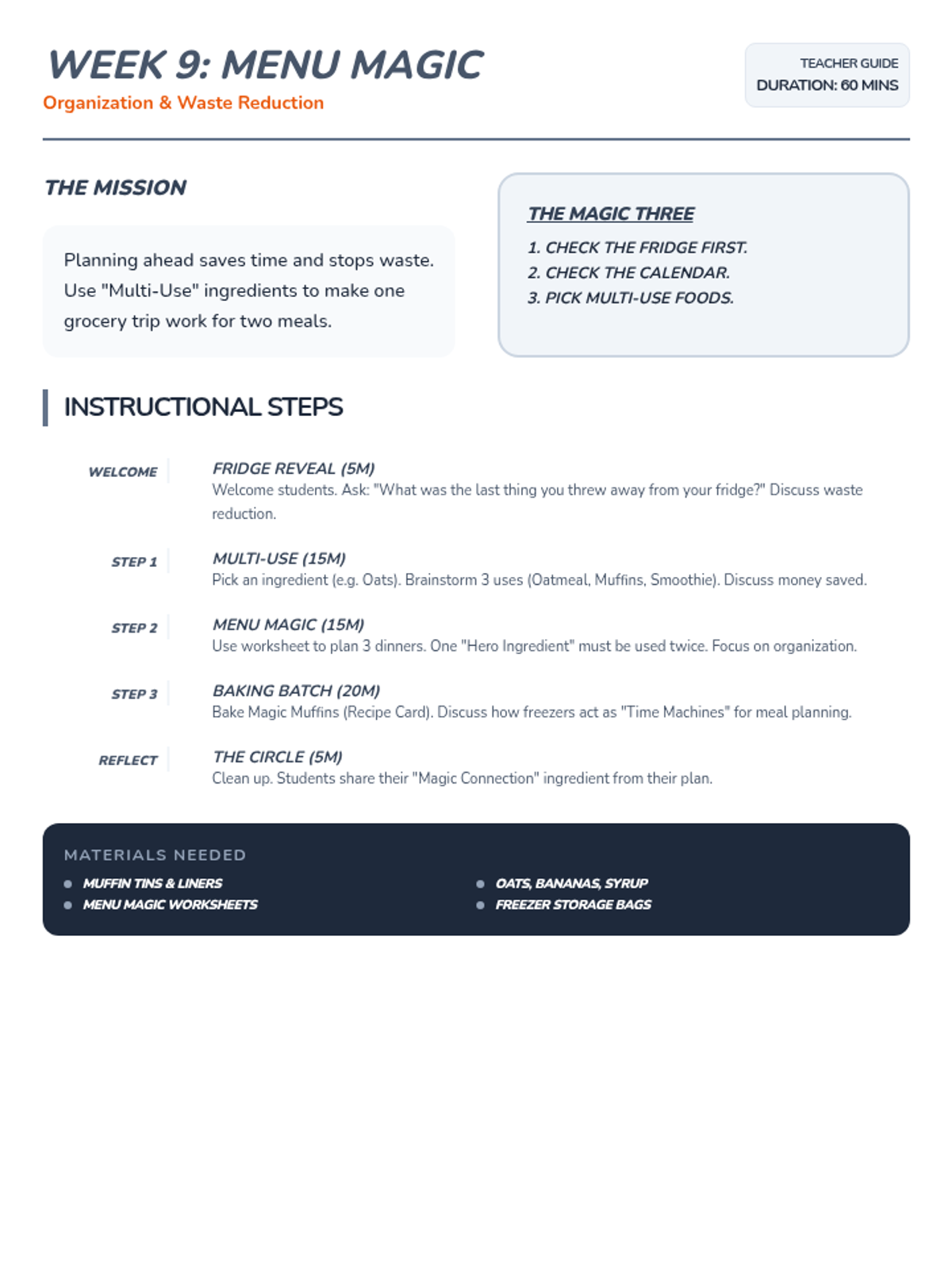
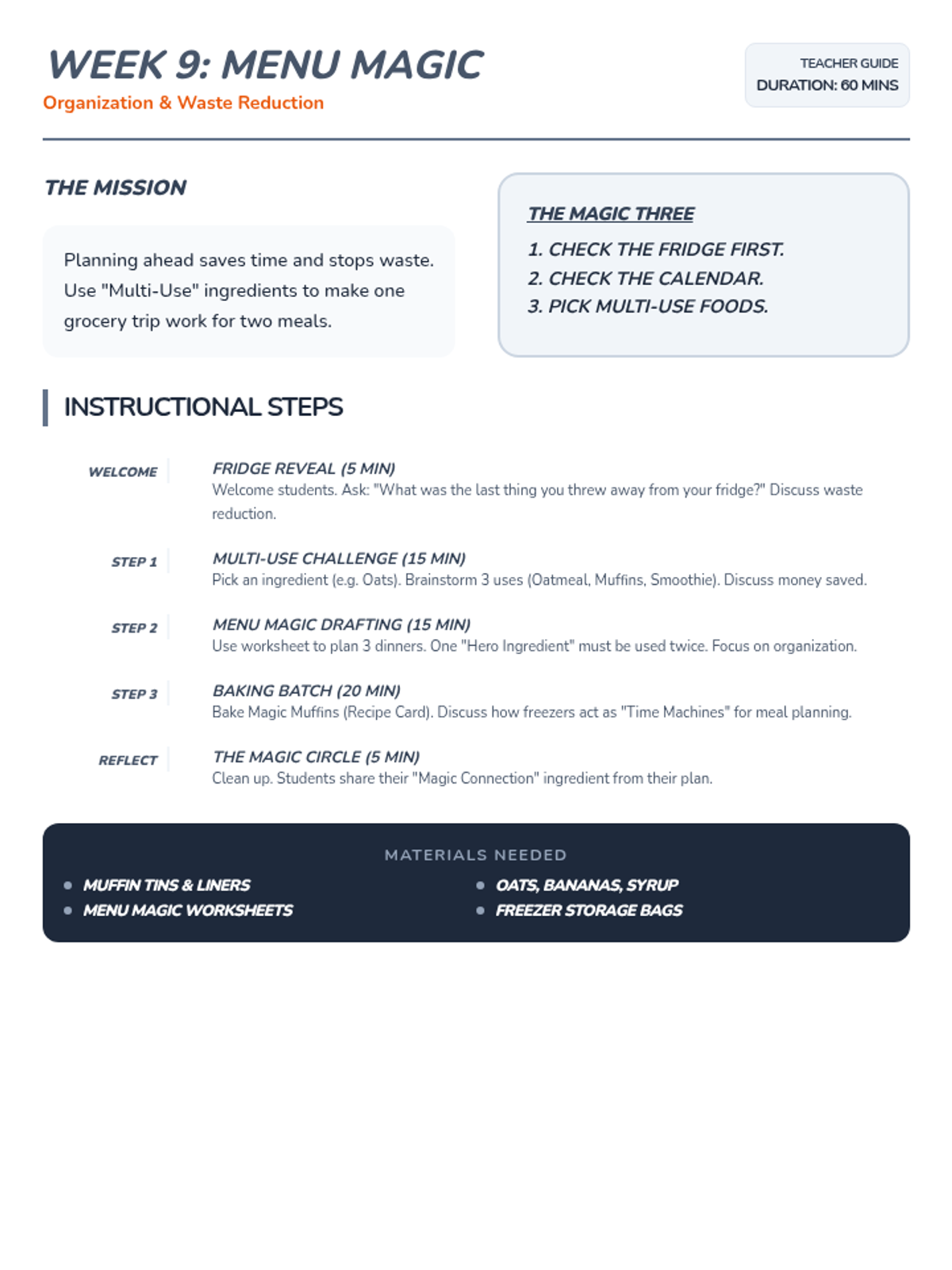
Strategies for organizing weekly meals to reduce waste and stress.
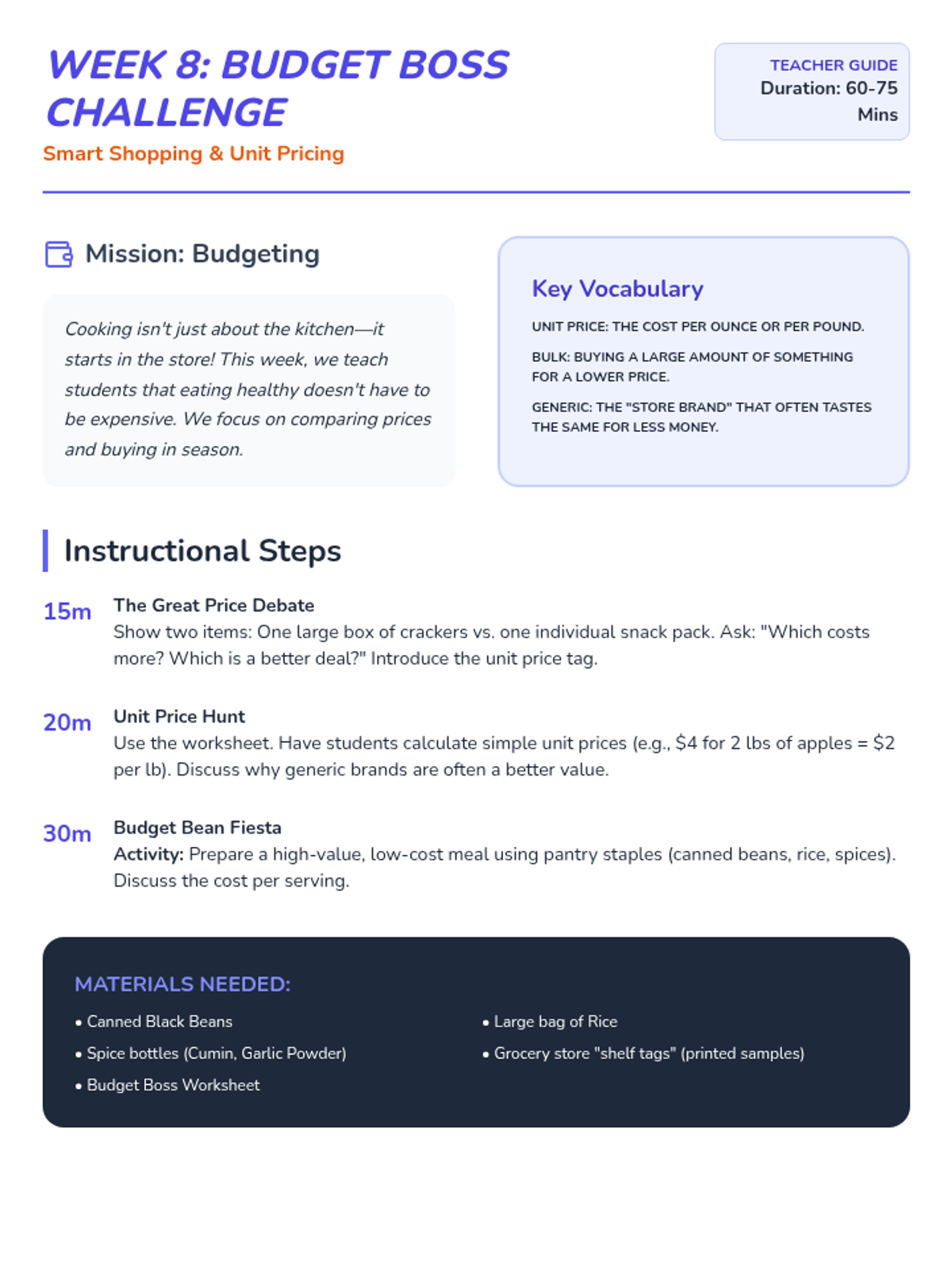
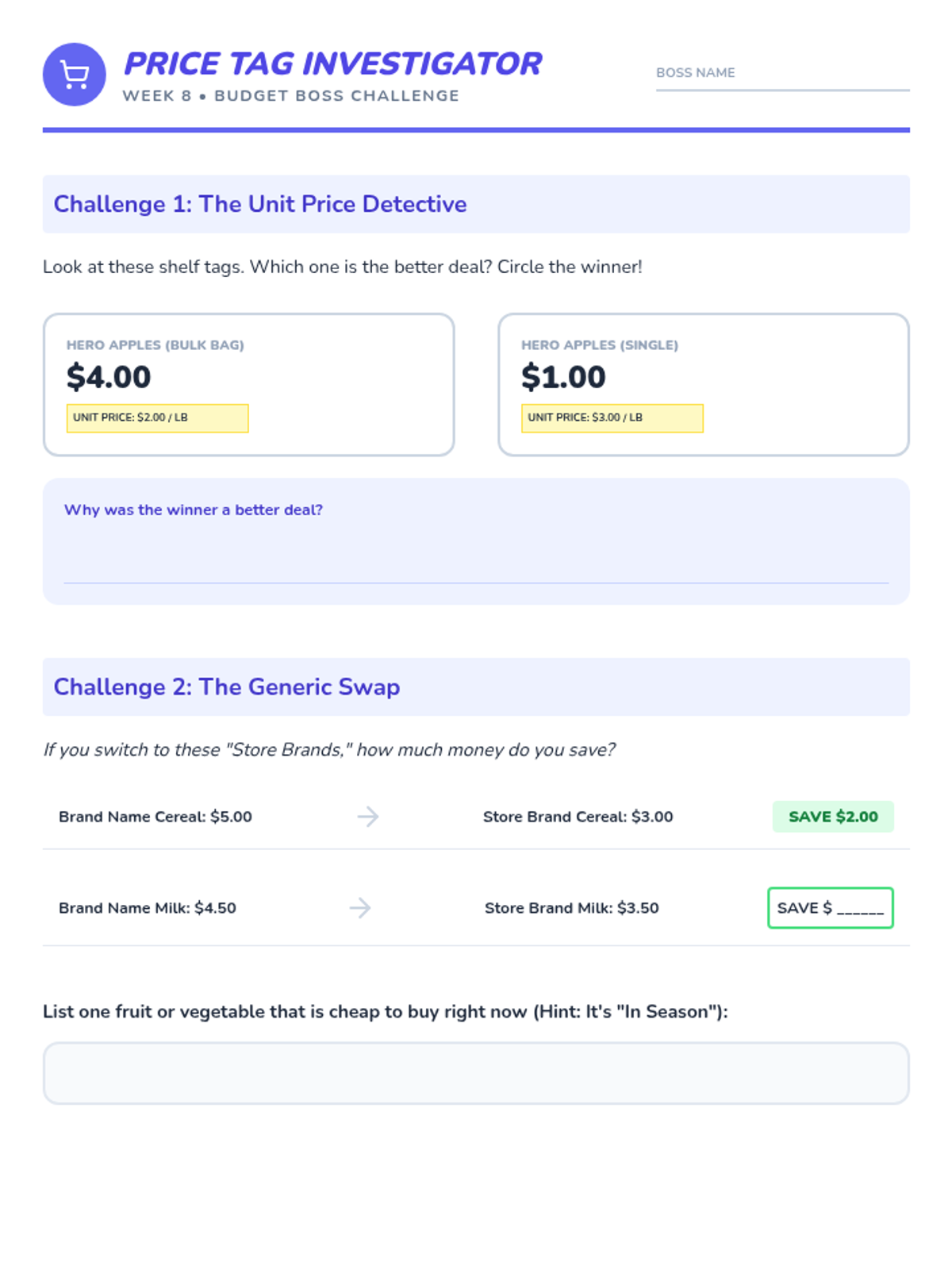
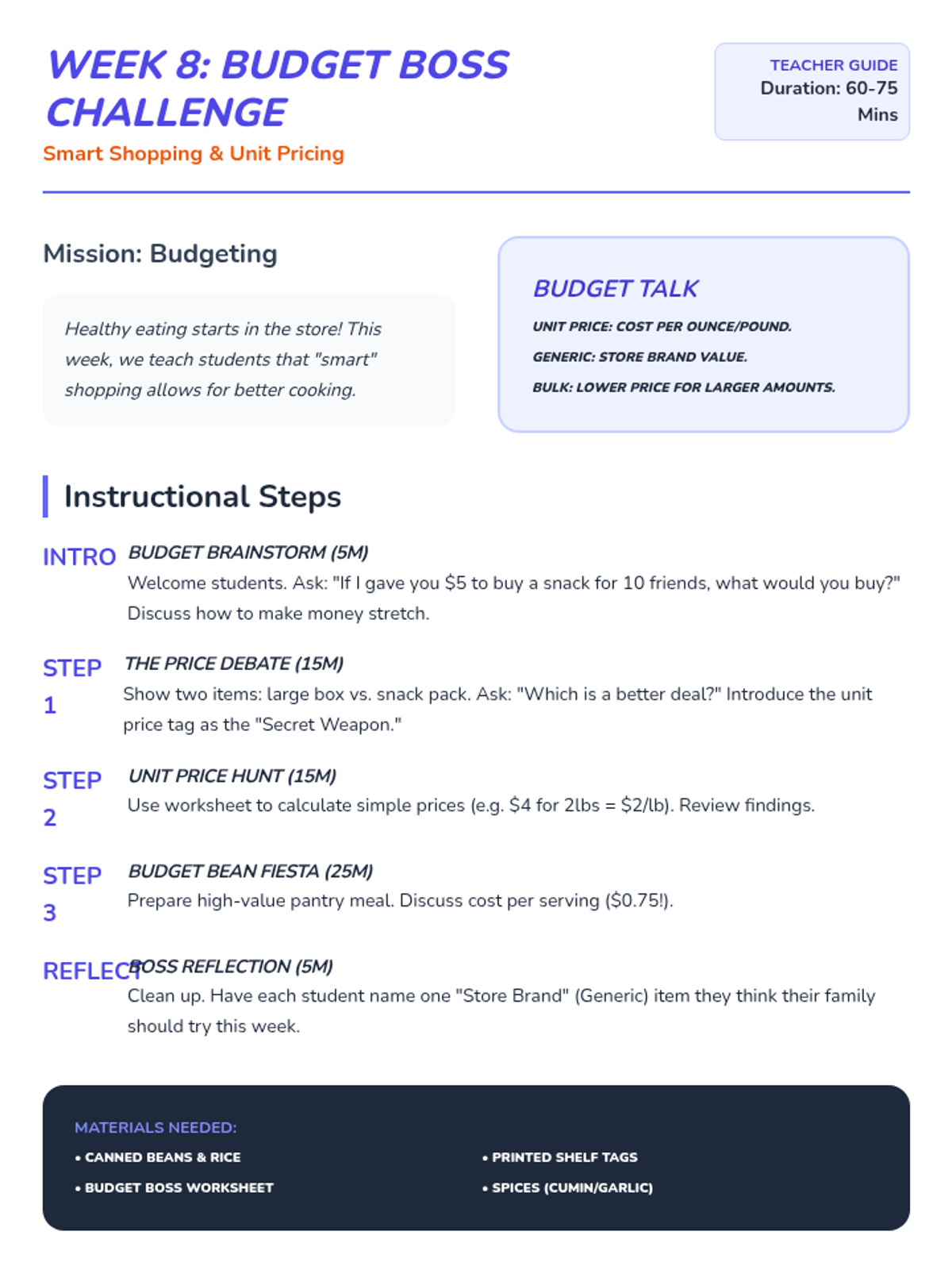
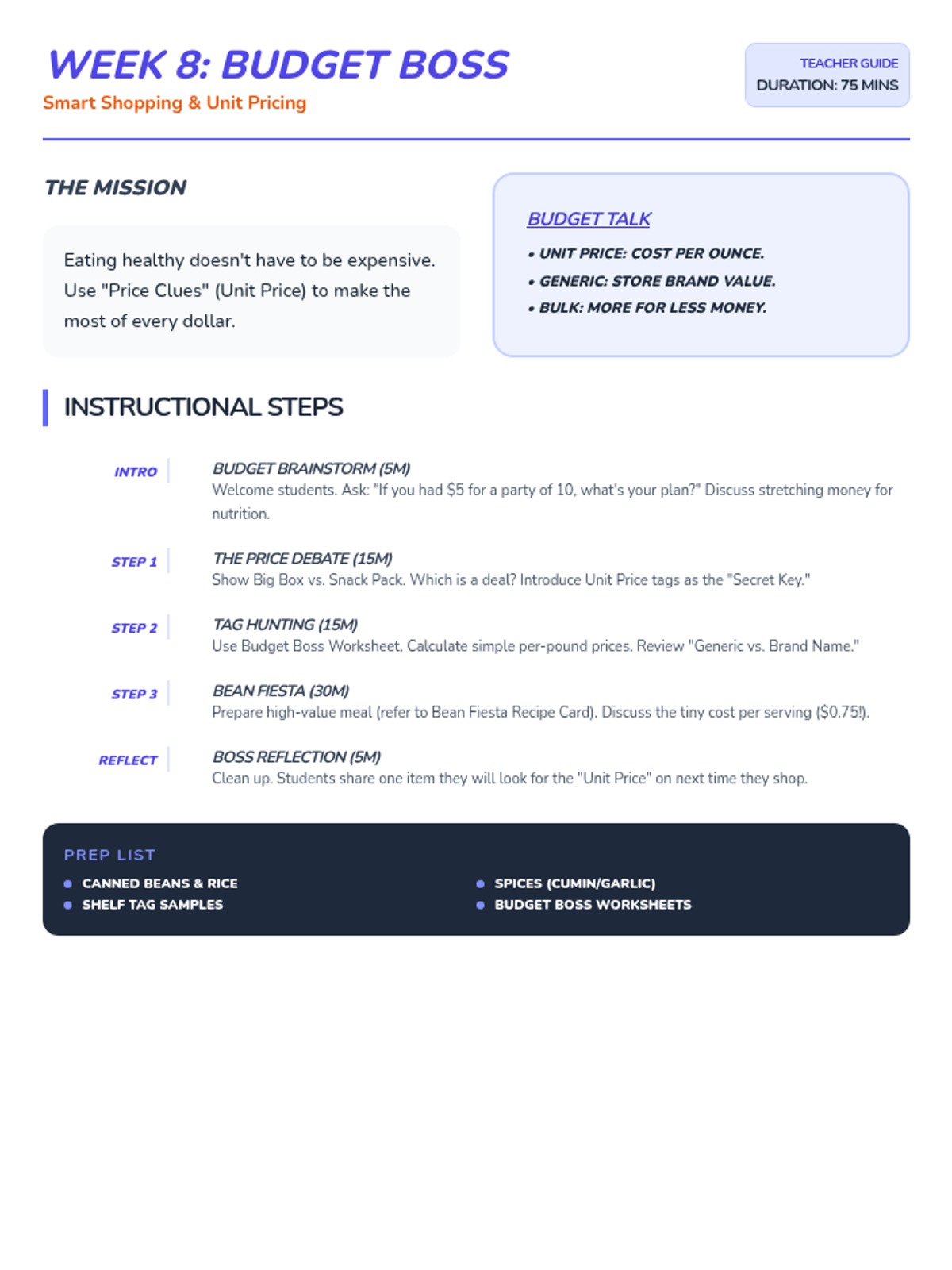
Learning to shop smart and make the most of every dollar.
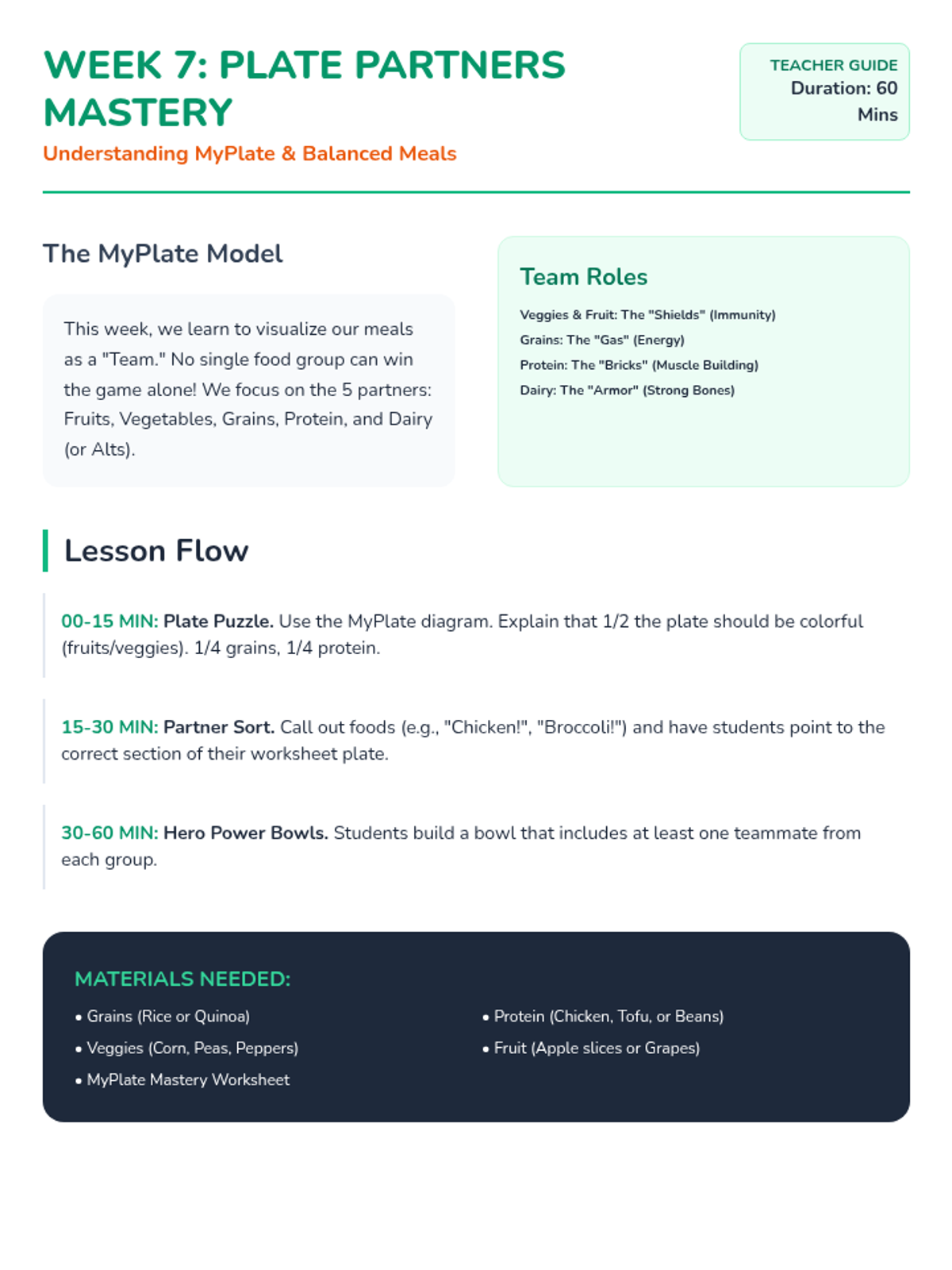
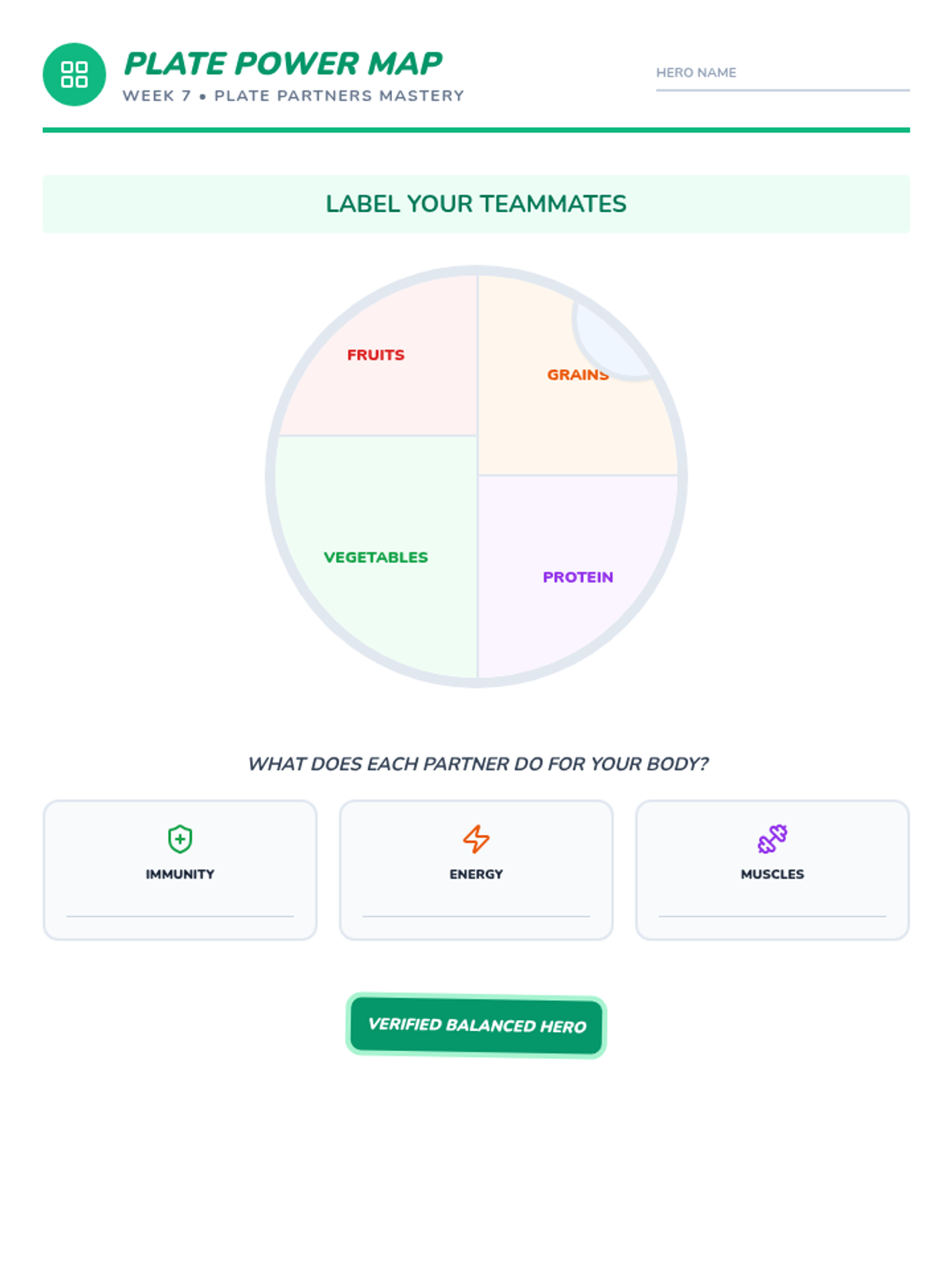
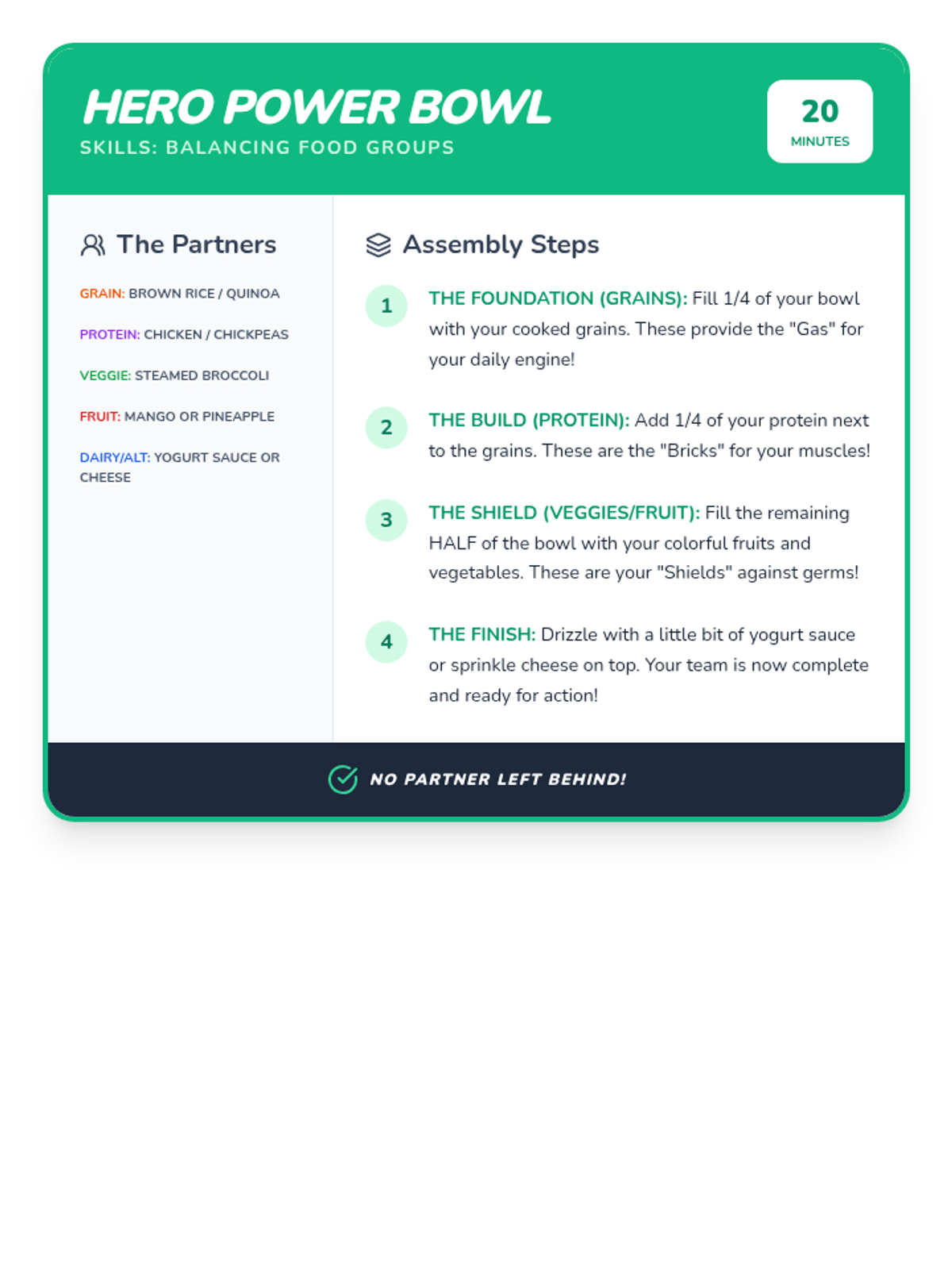
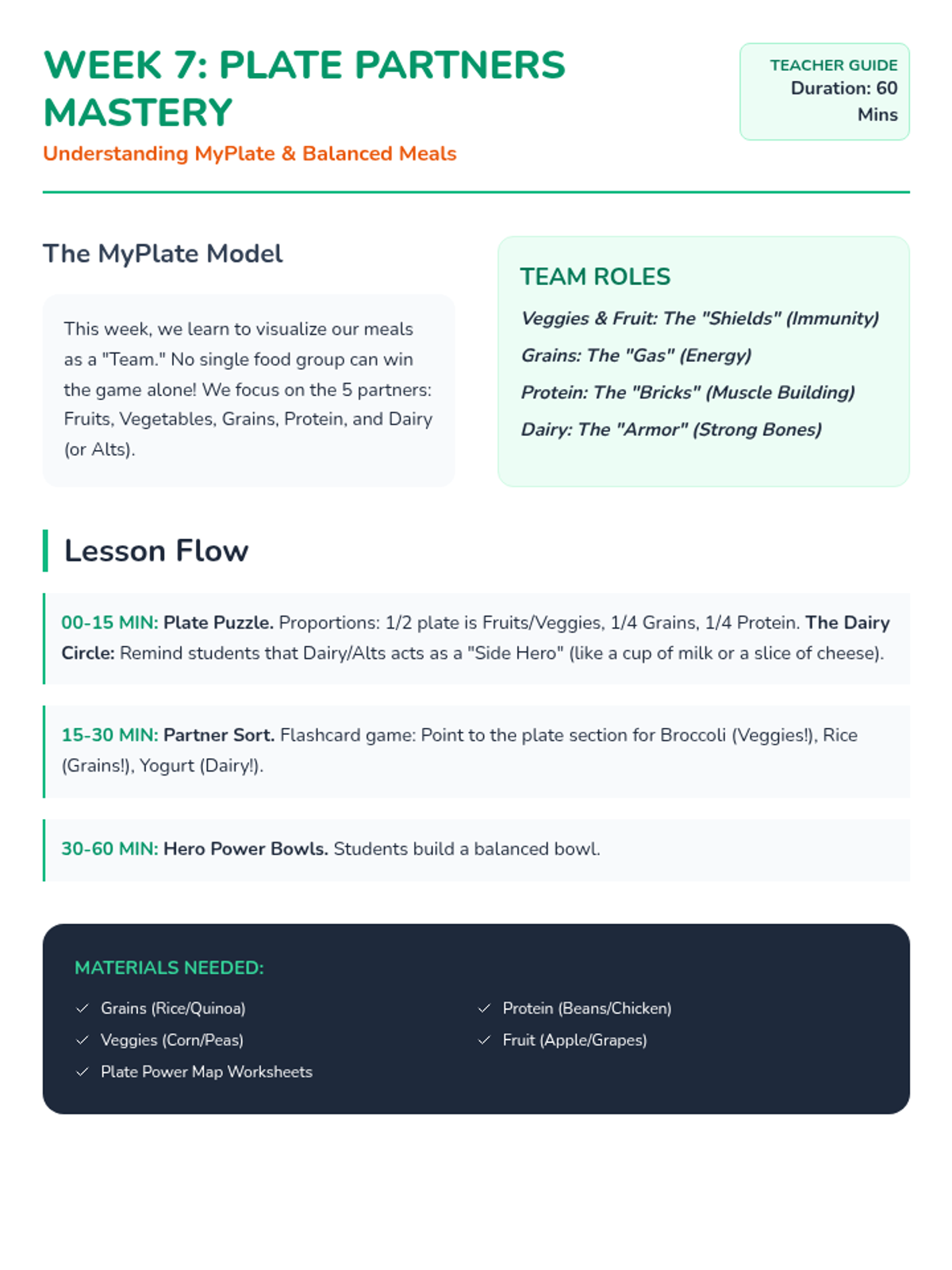
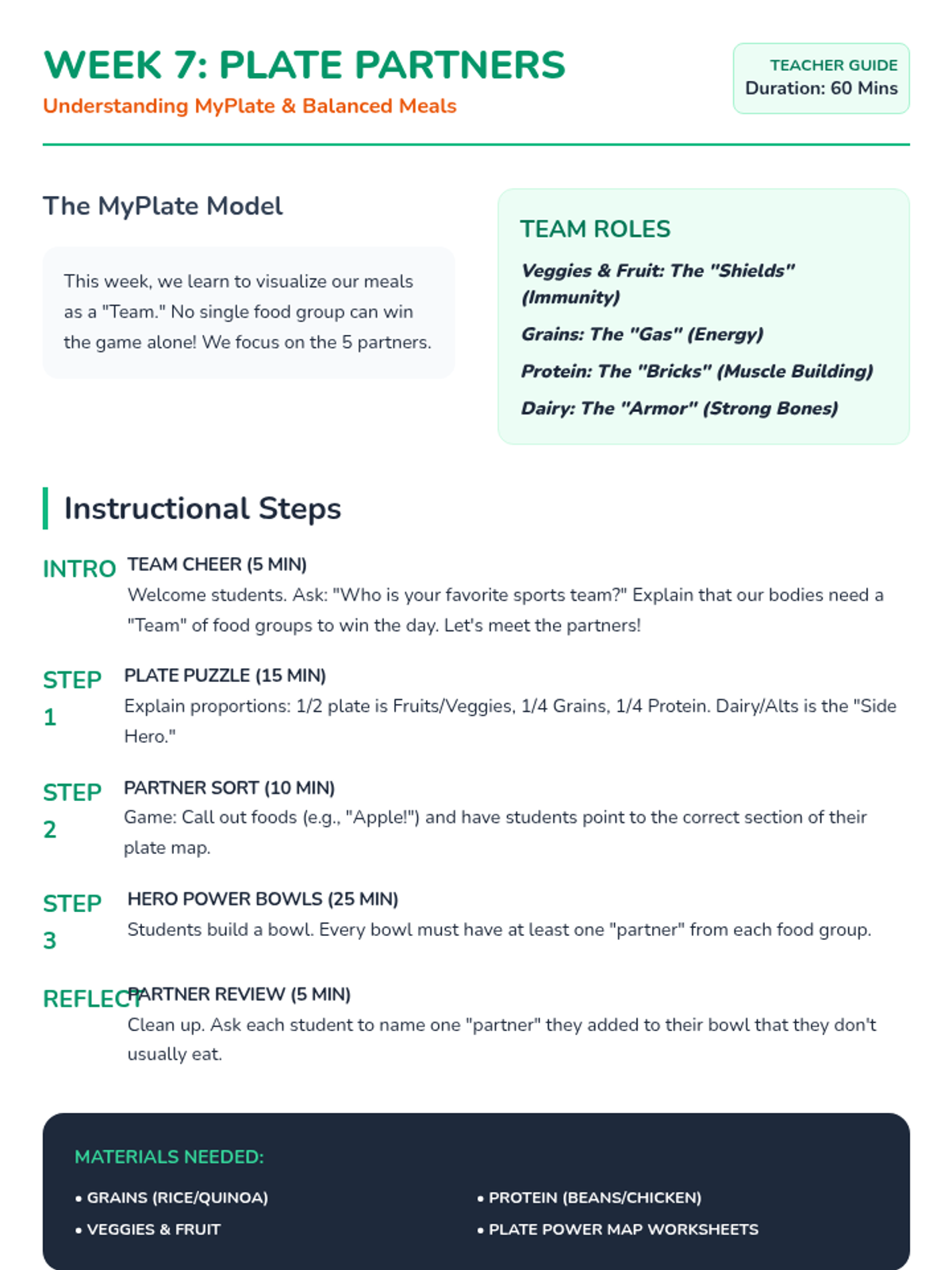
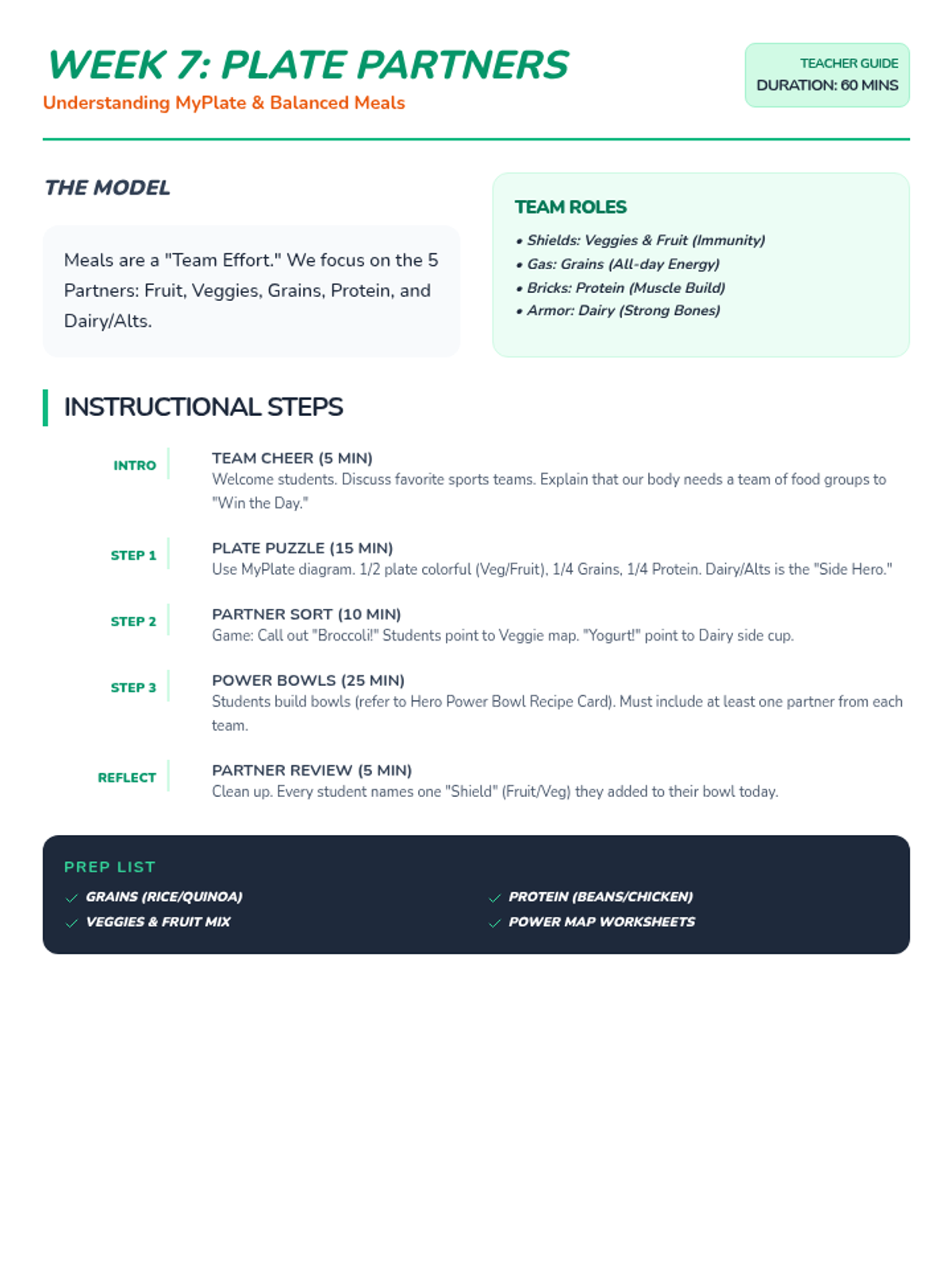
Visualizing food groups and balanced meals using the MyPlate model.
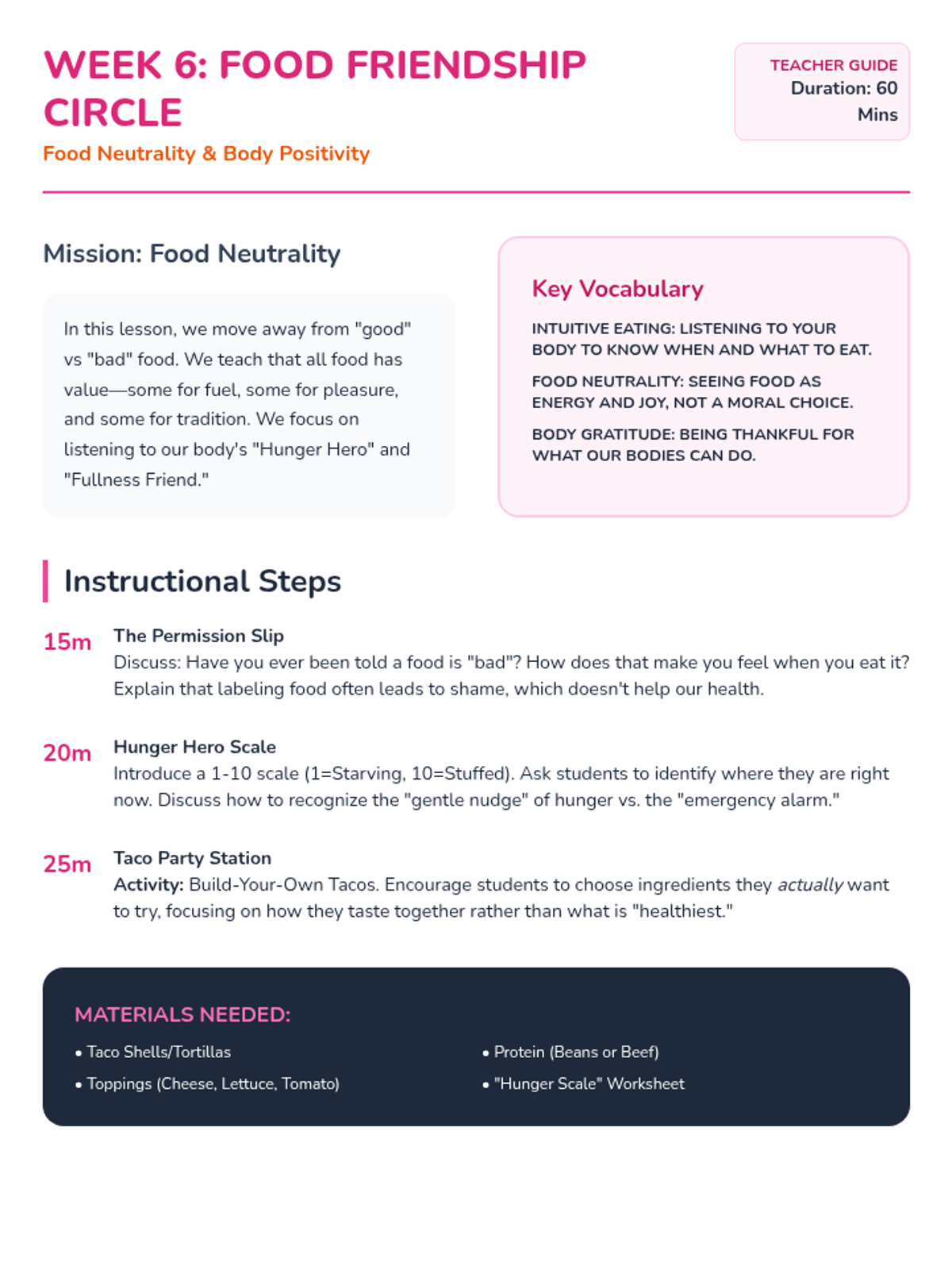
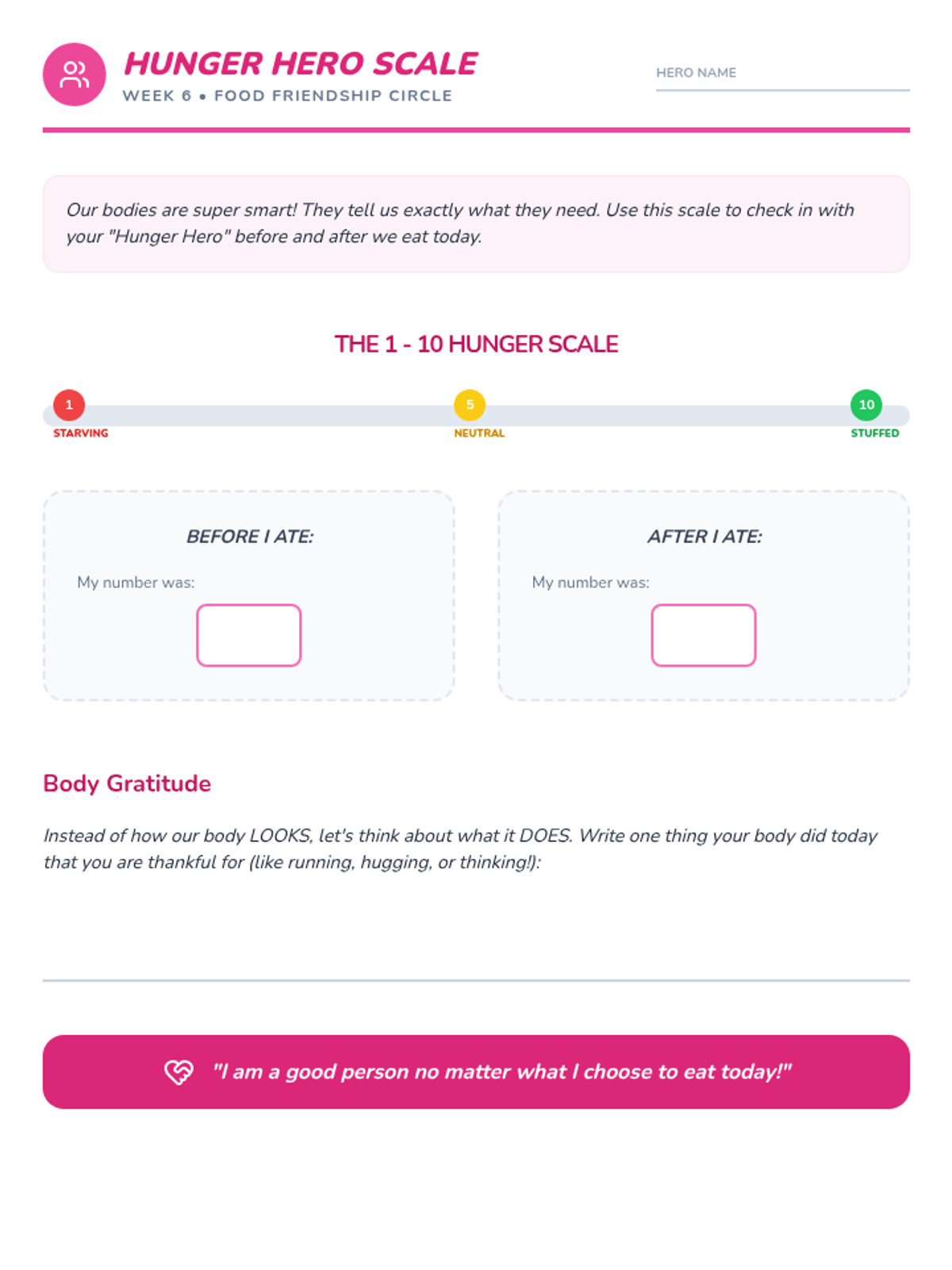
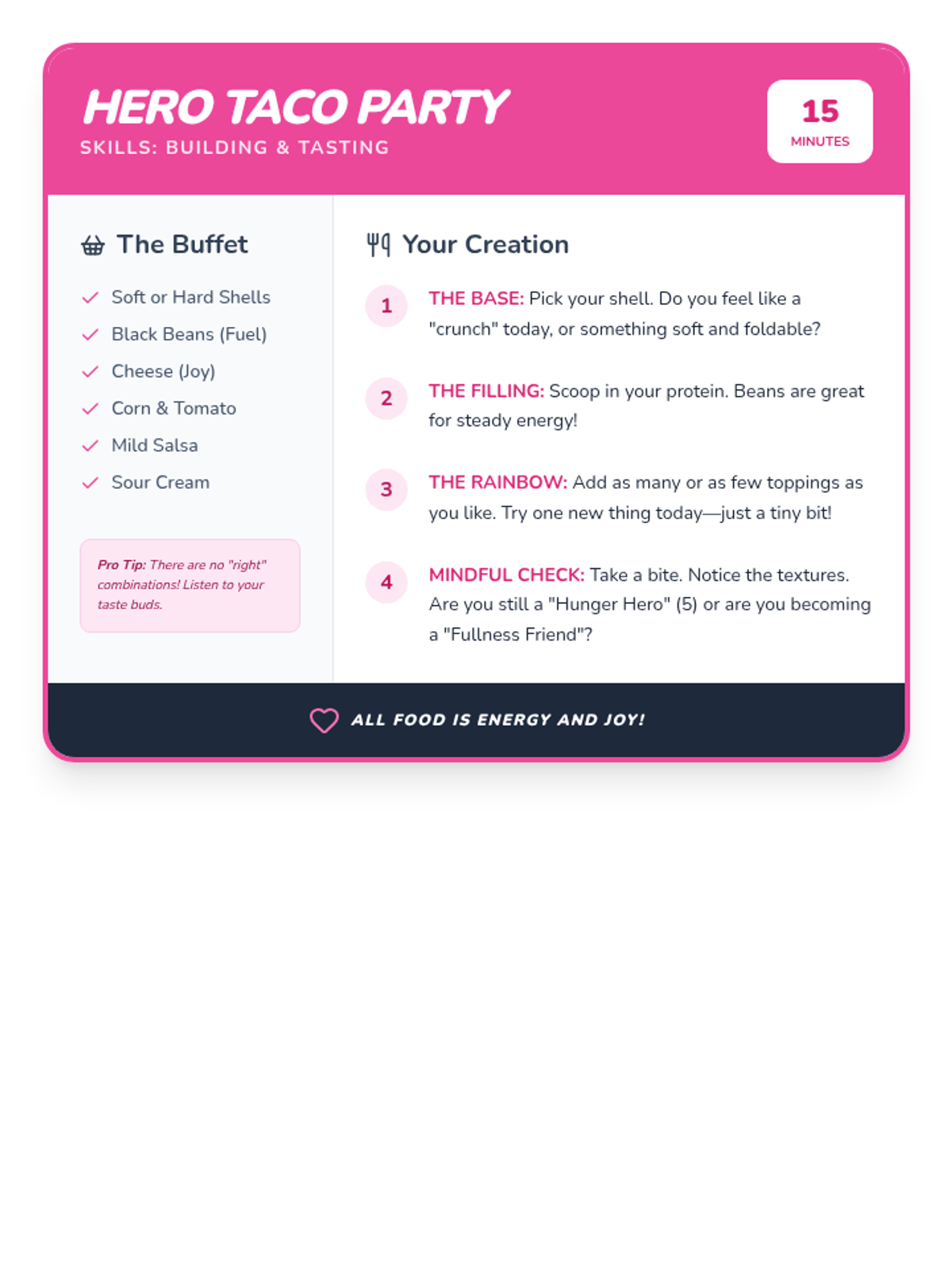
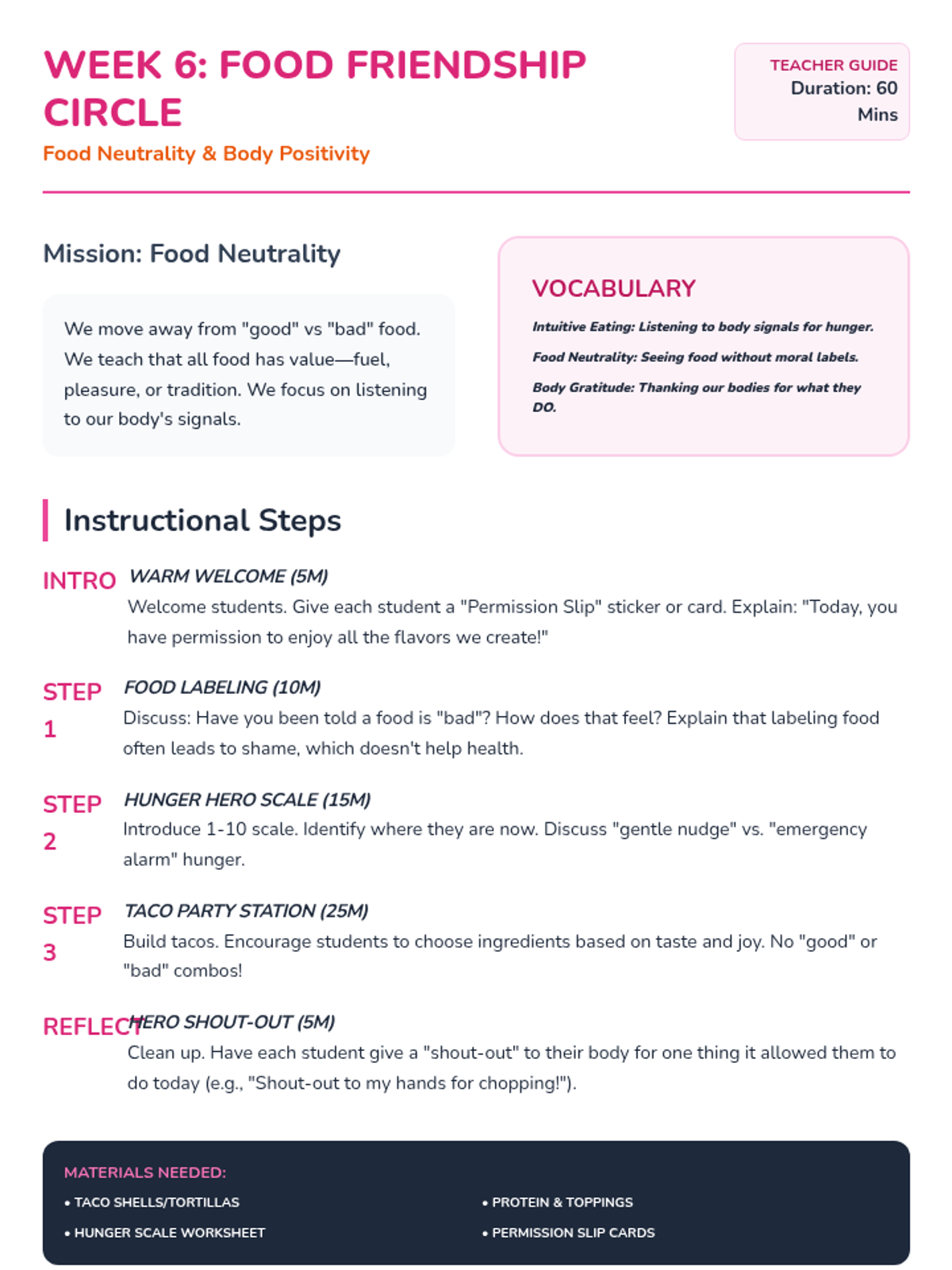
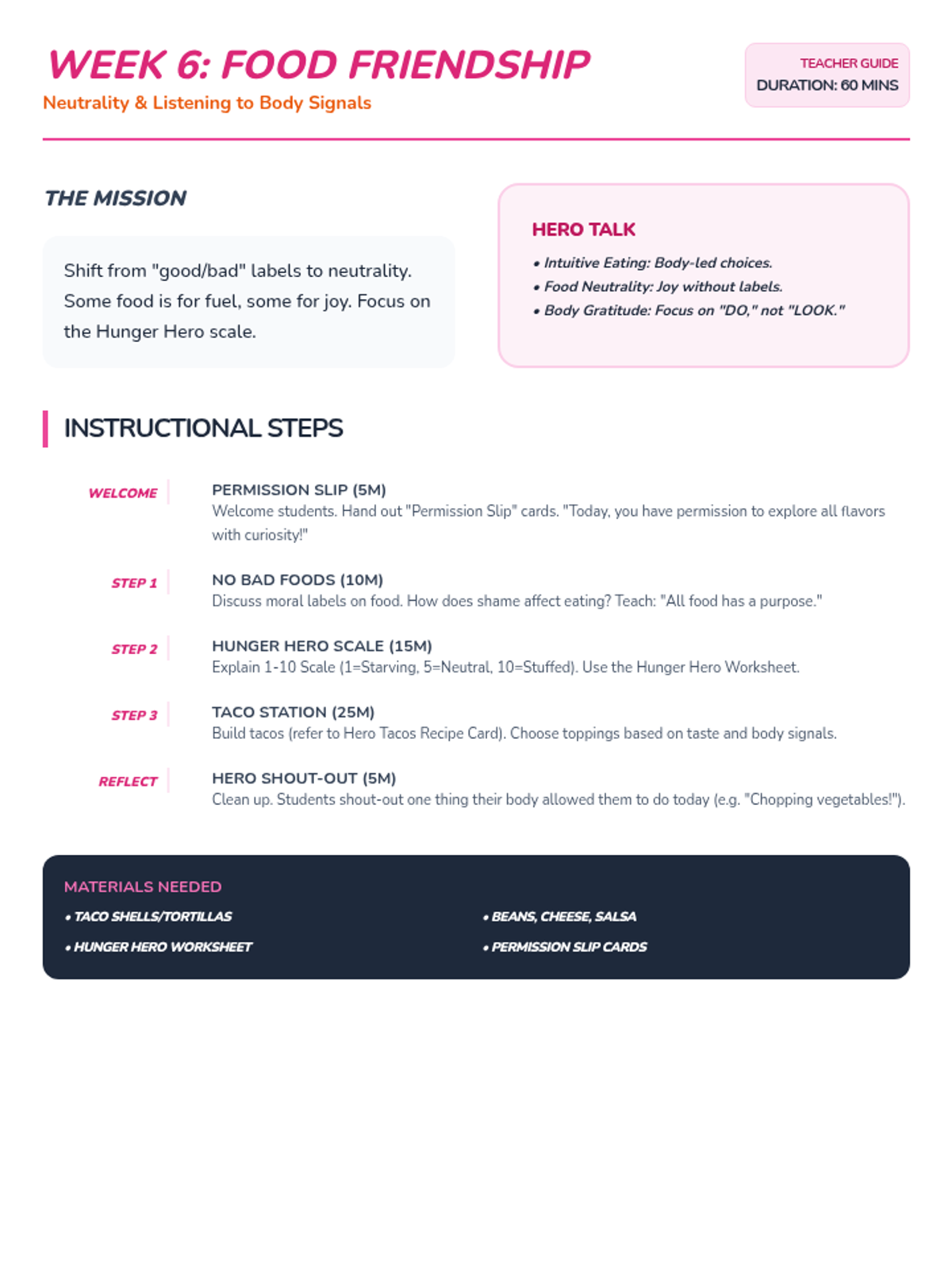
Building a positive relationship with all types of food.
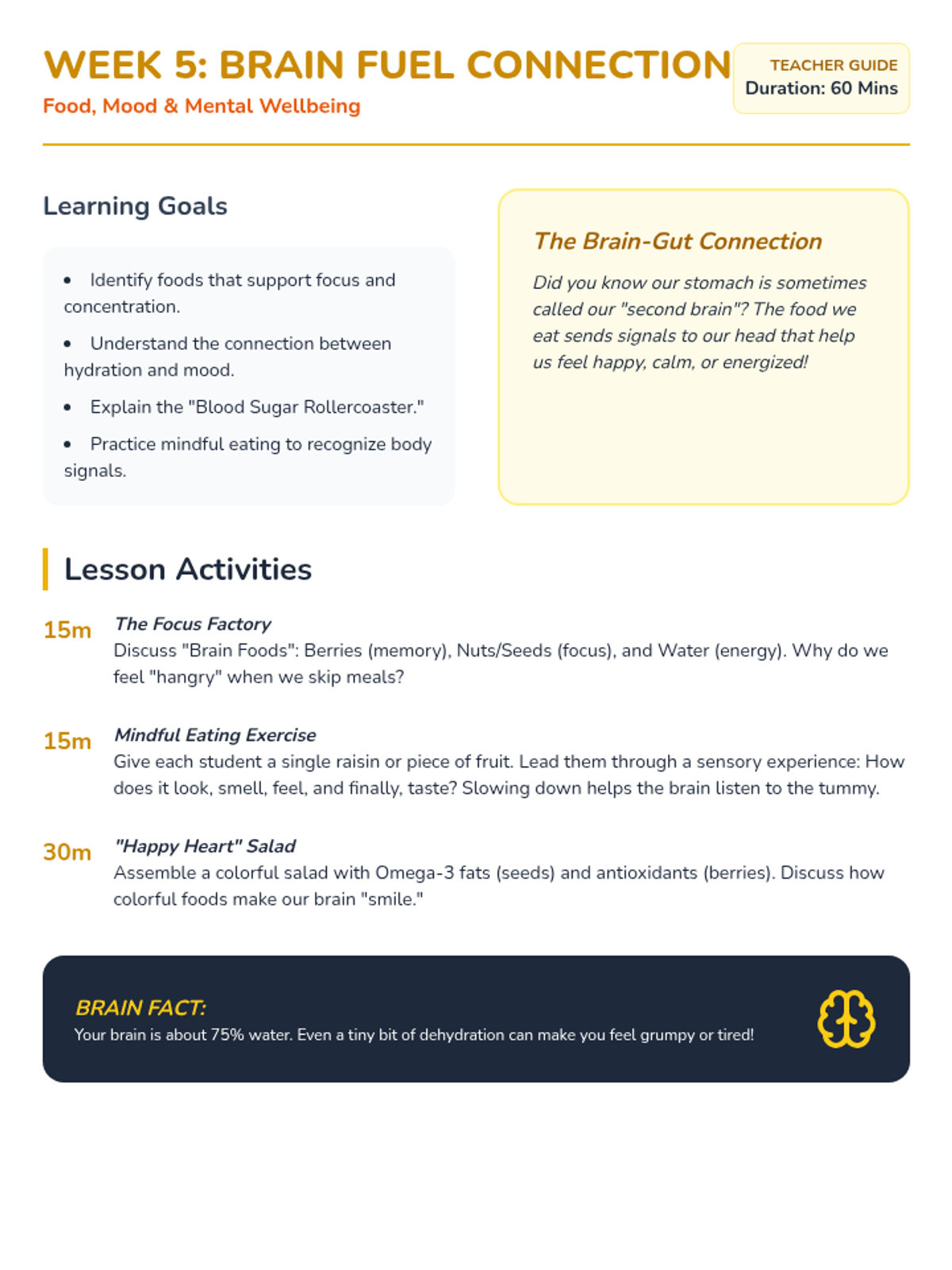
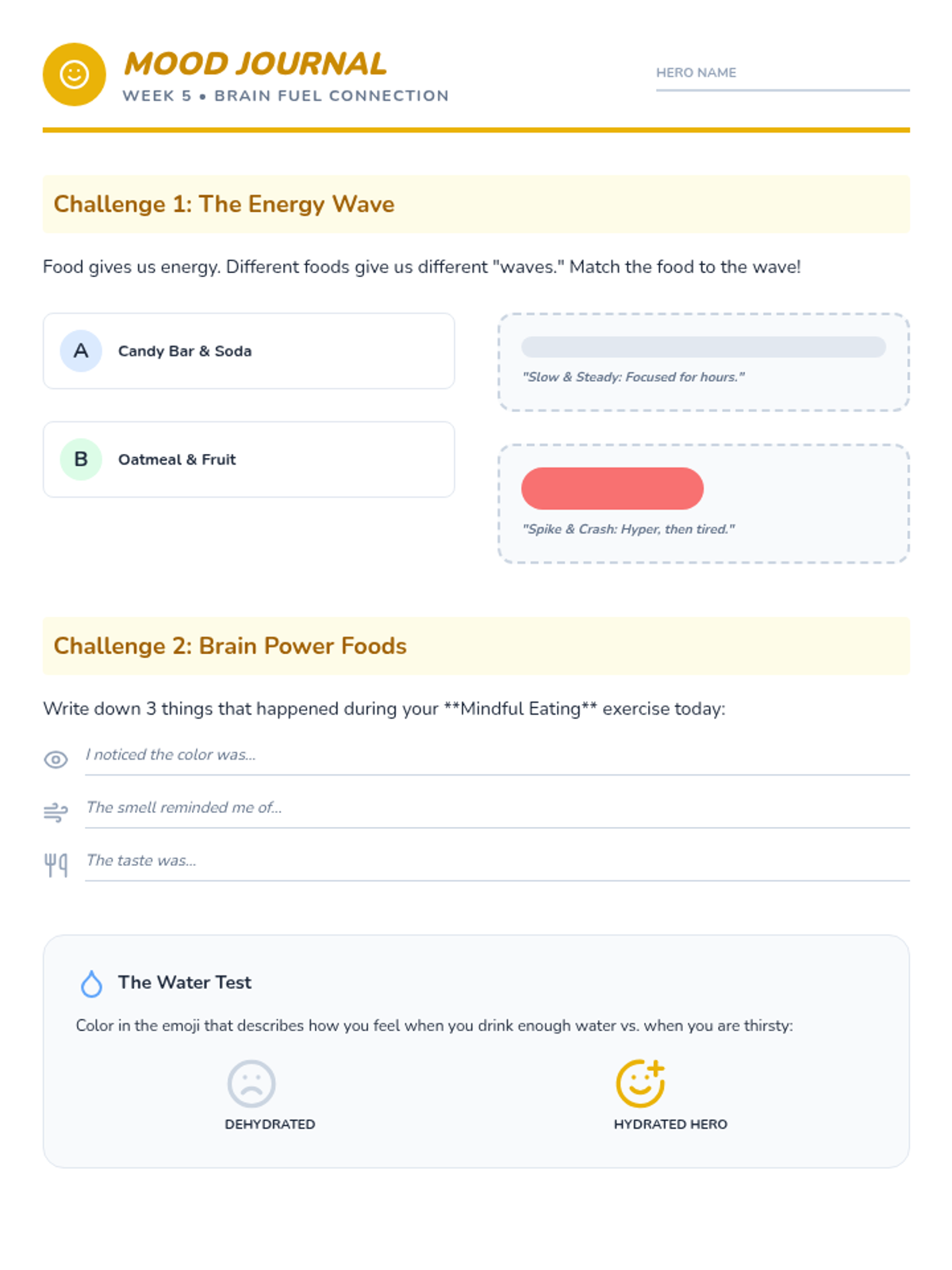
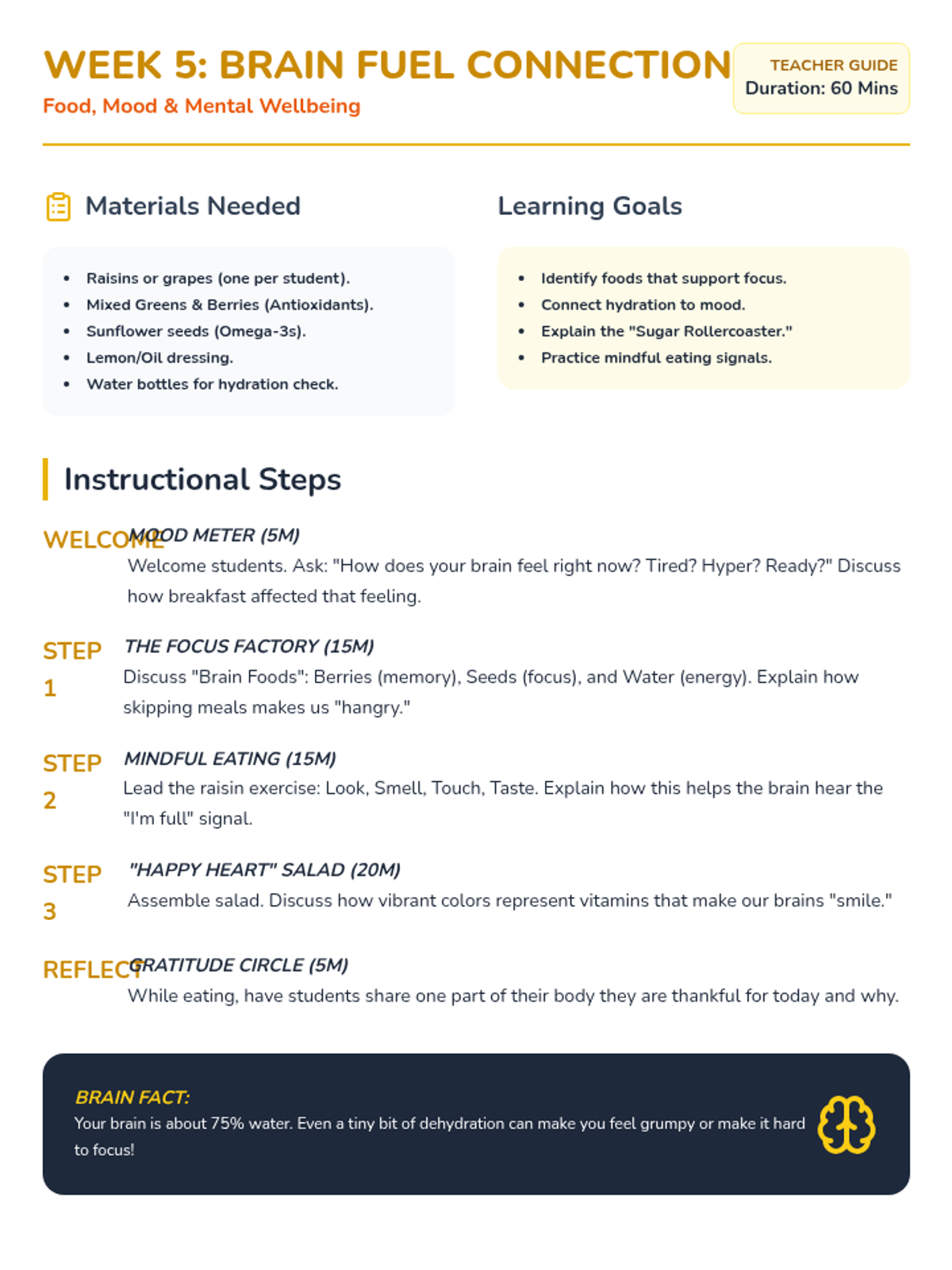
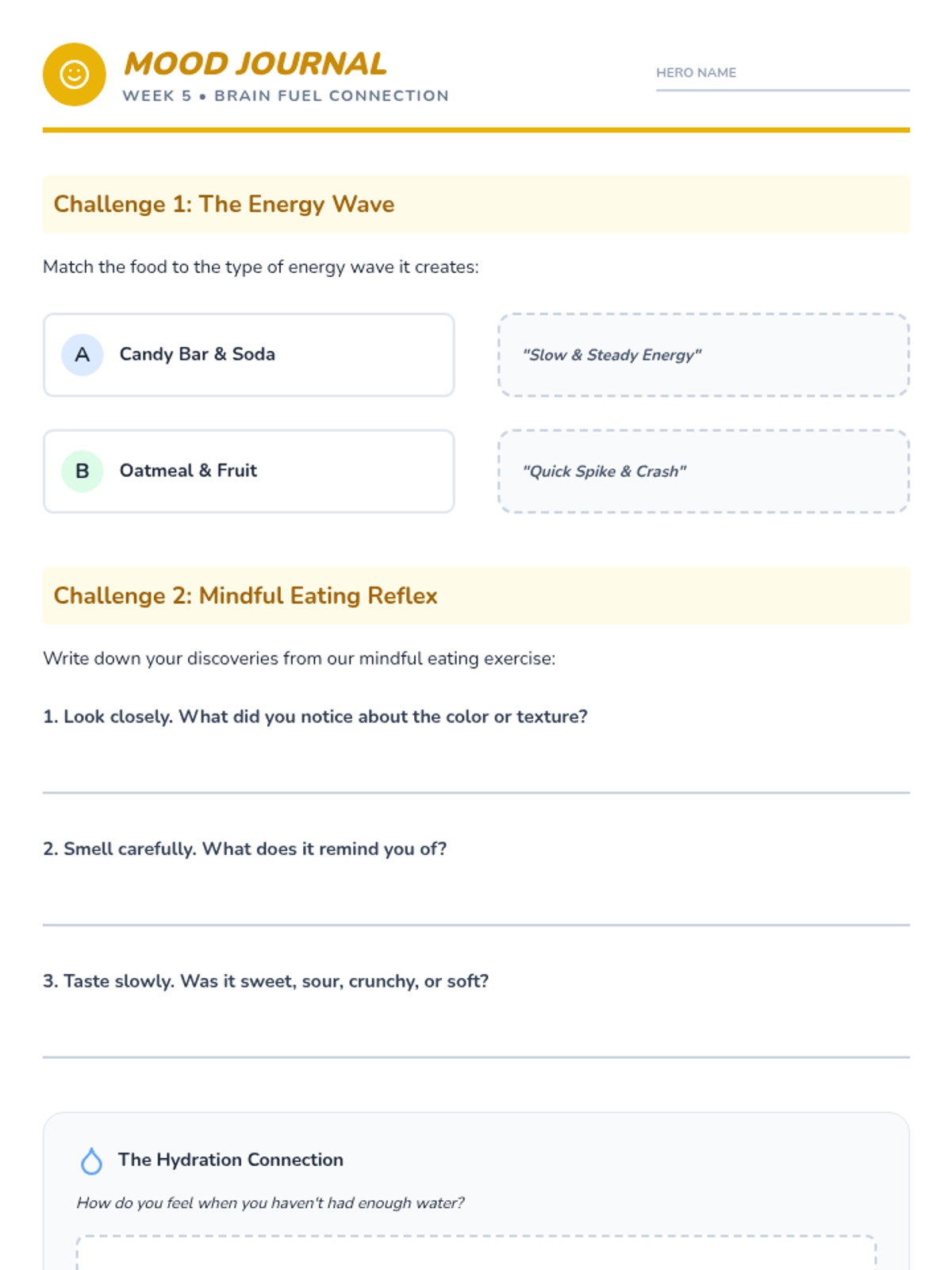
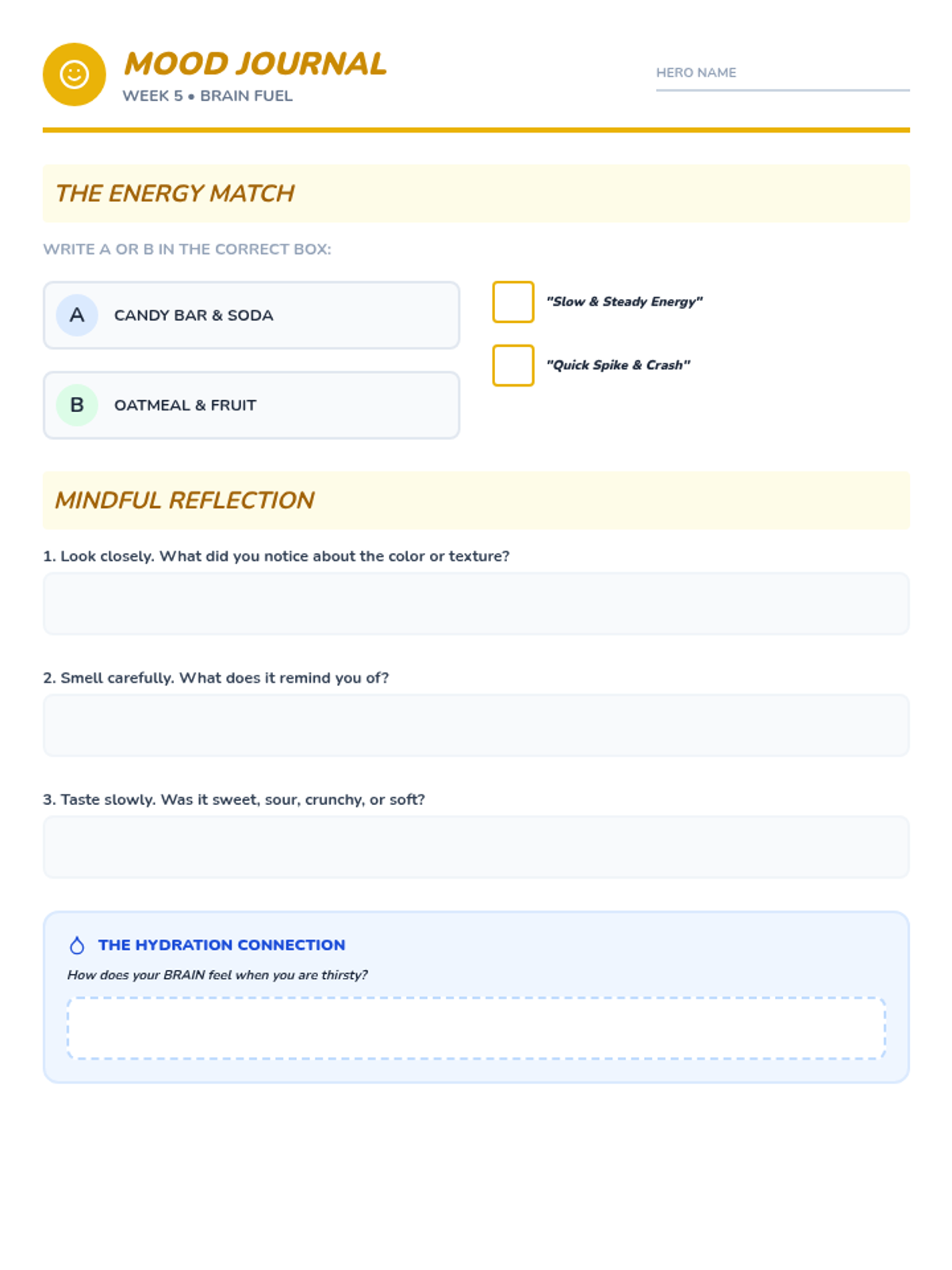
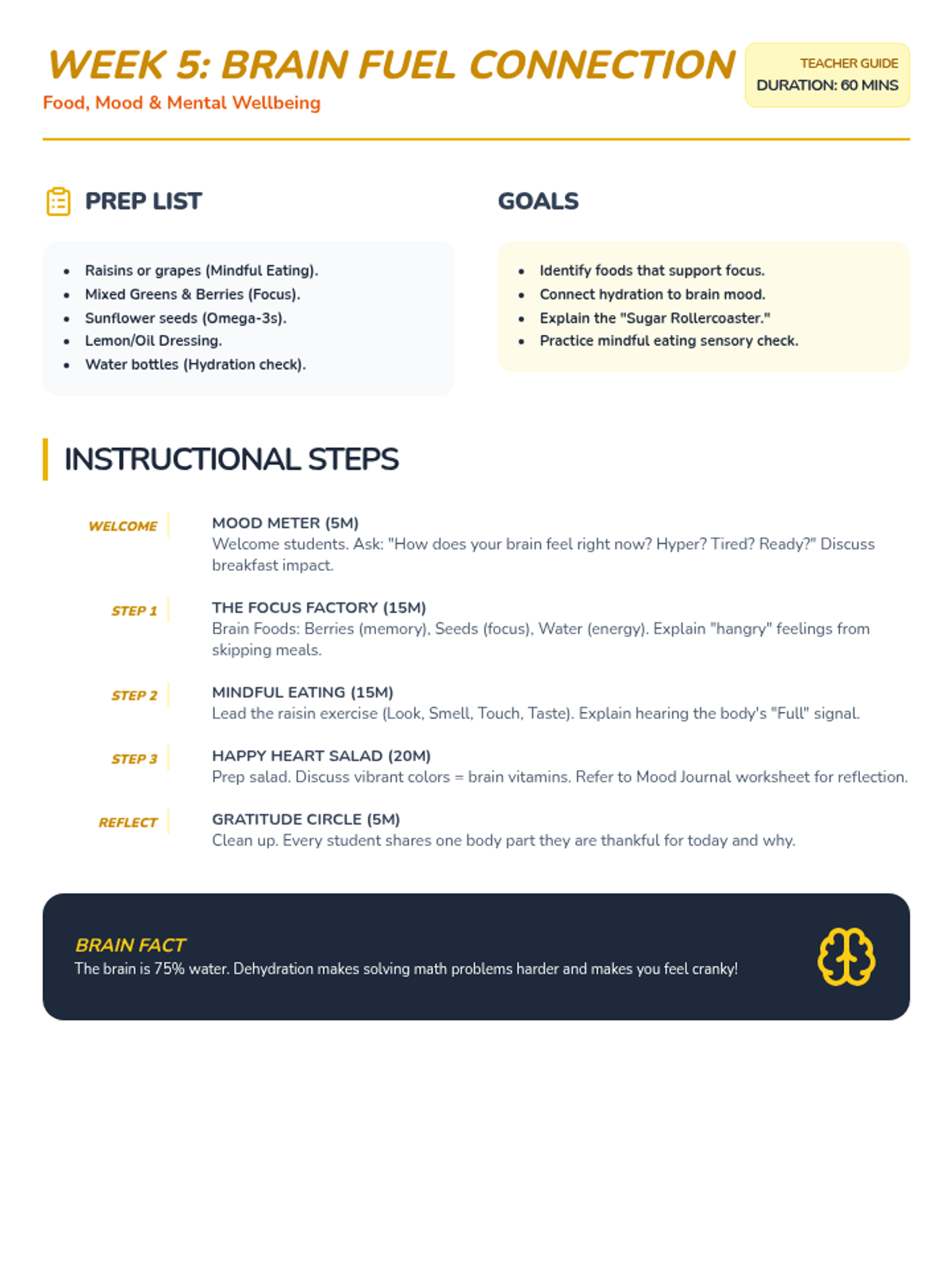
Exploring the link between what we eat and how we feel.
Decoding nutrition labels and making empowered choices for the body.
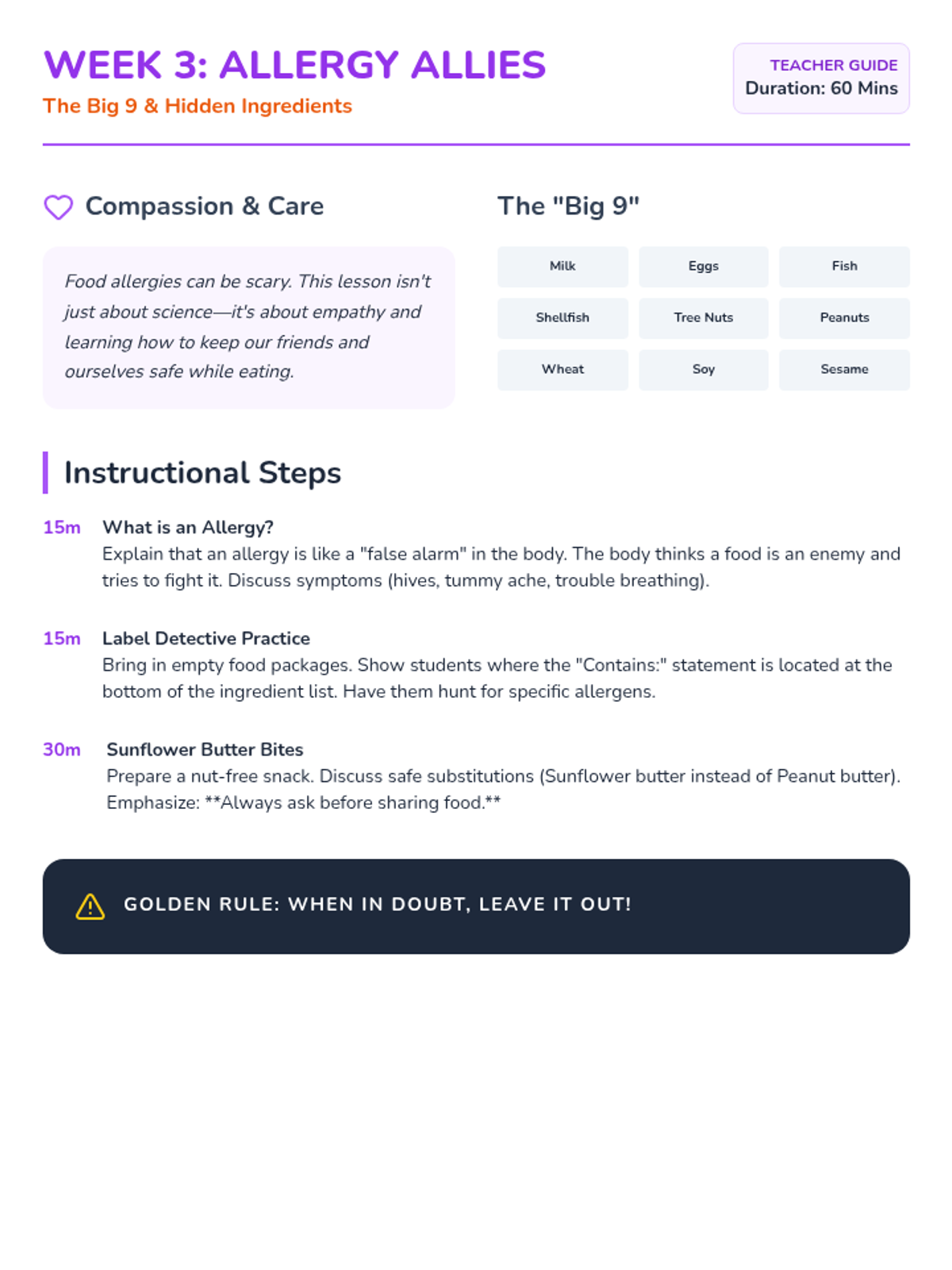
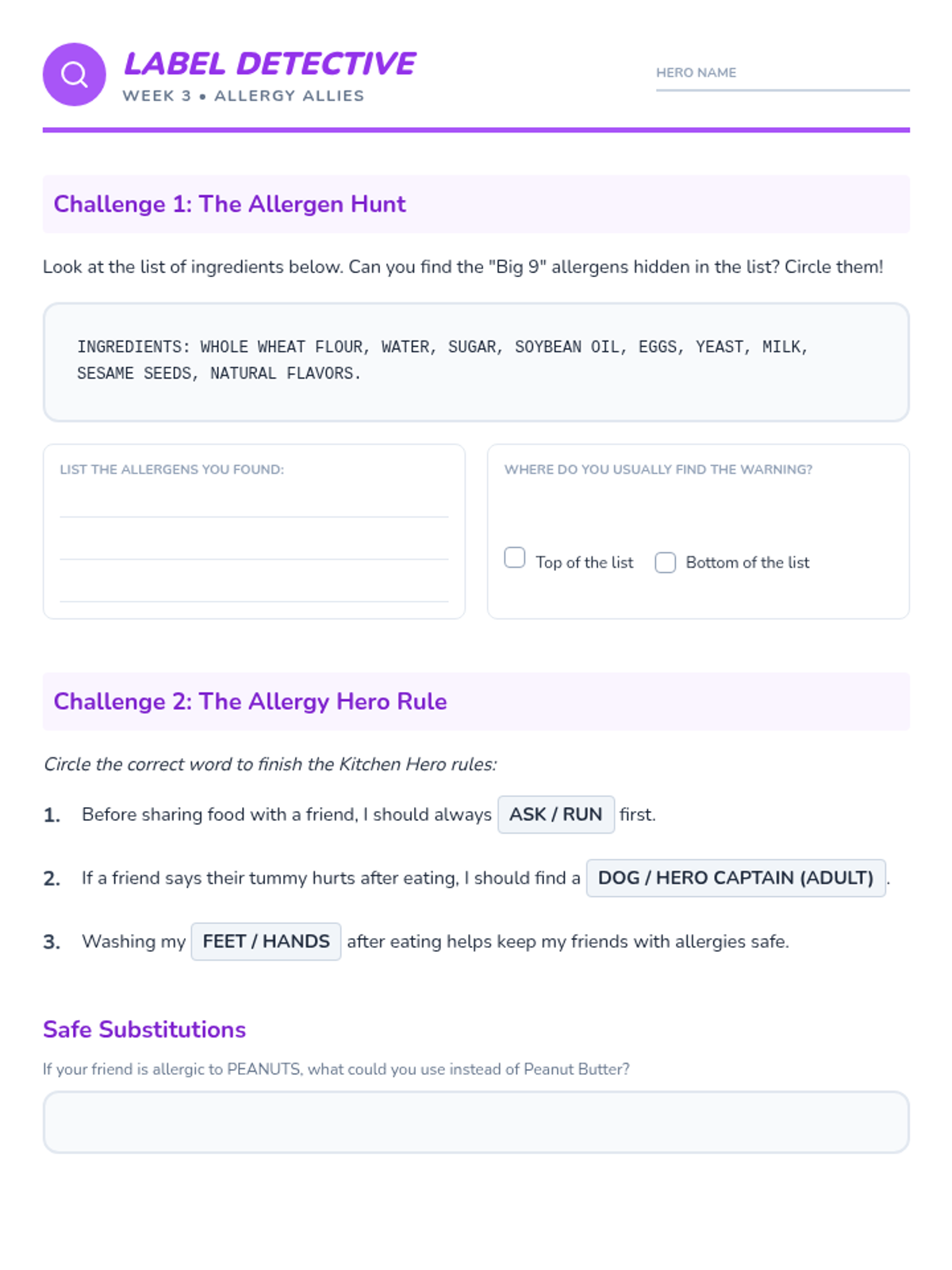
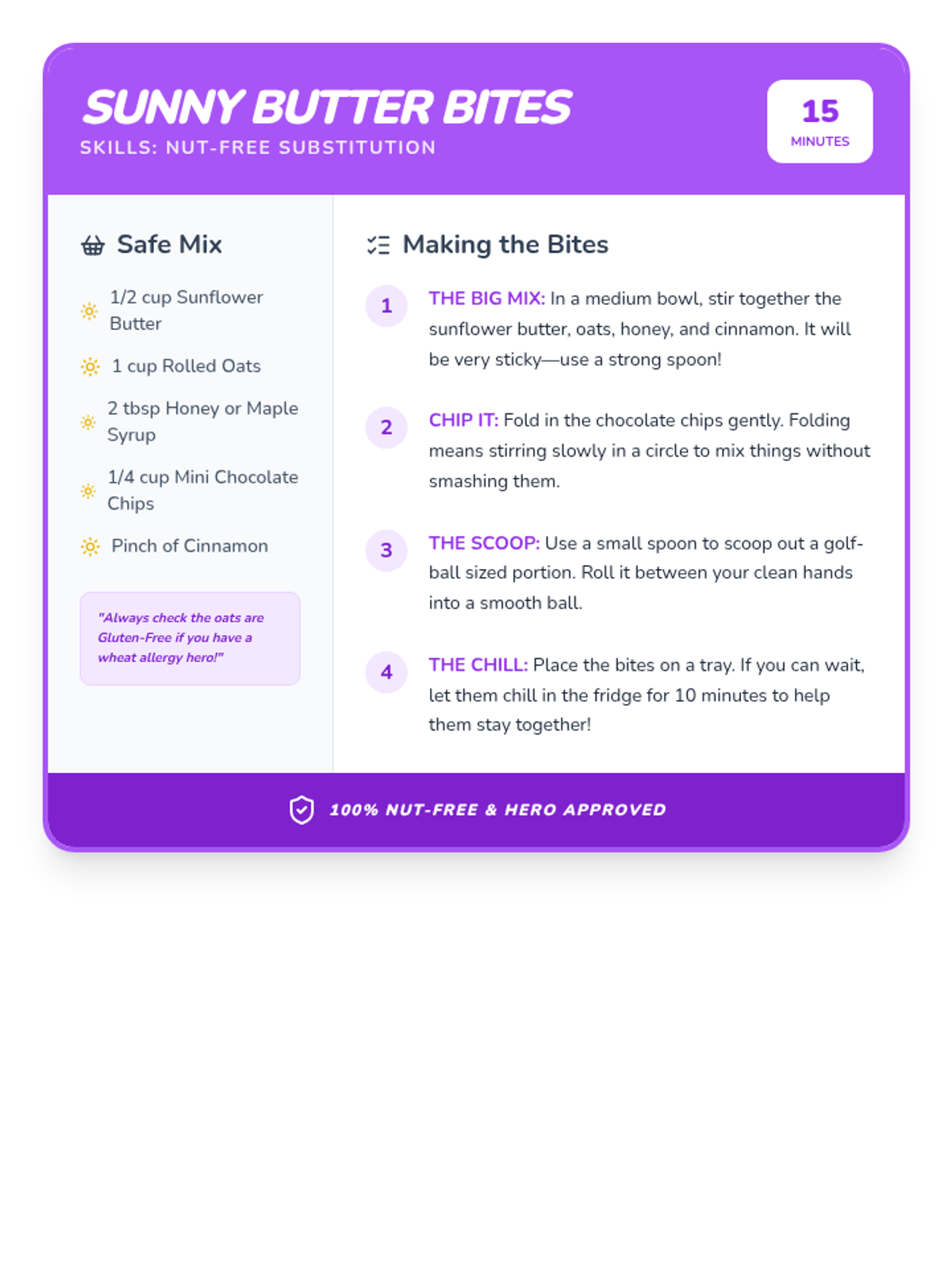
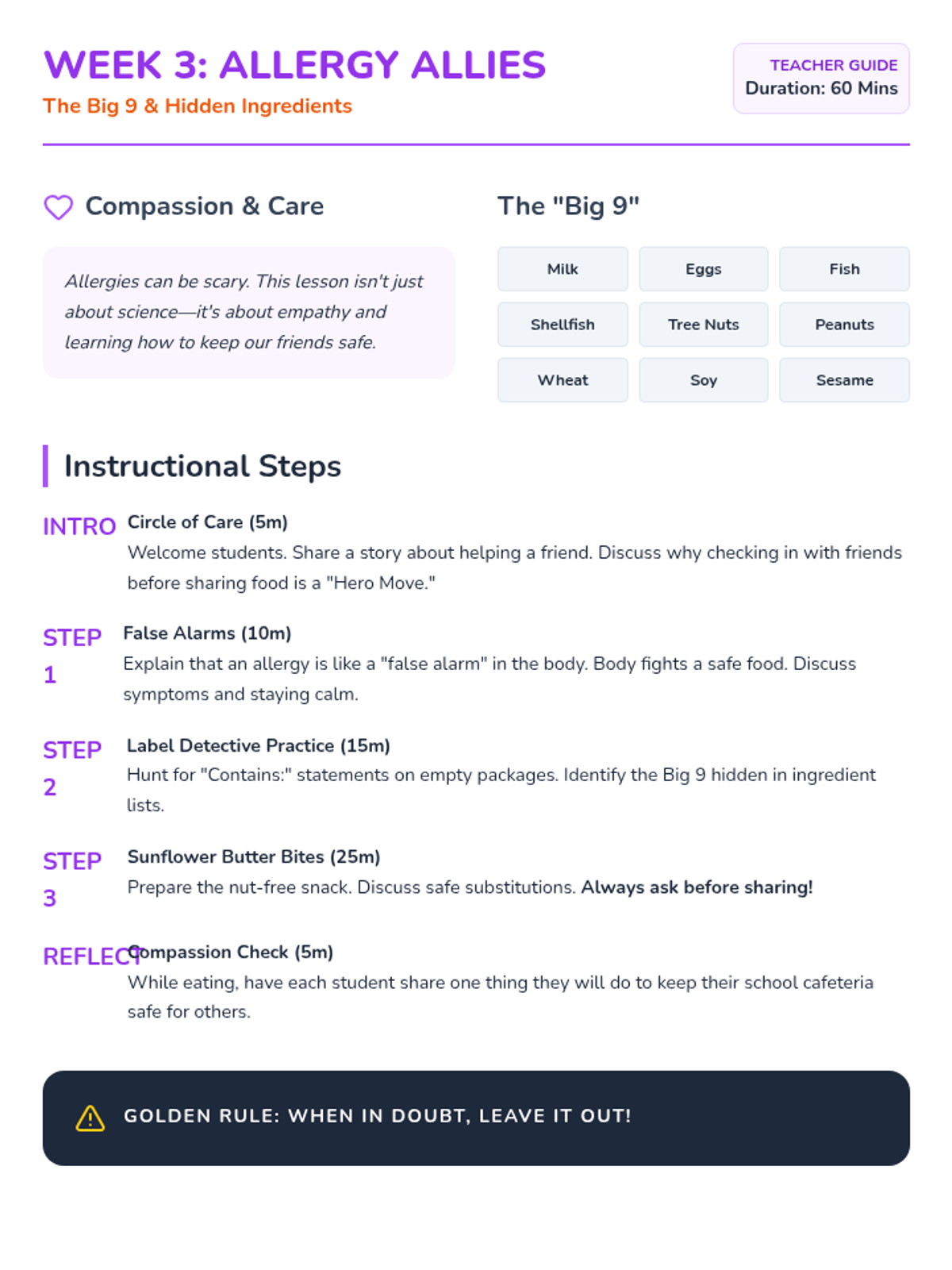
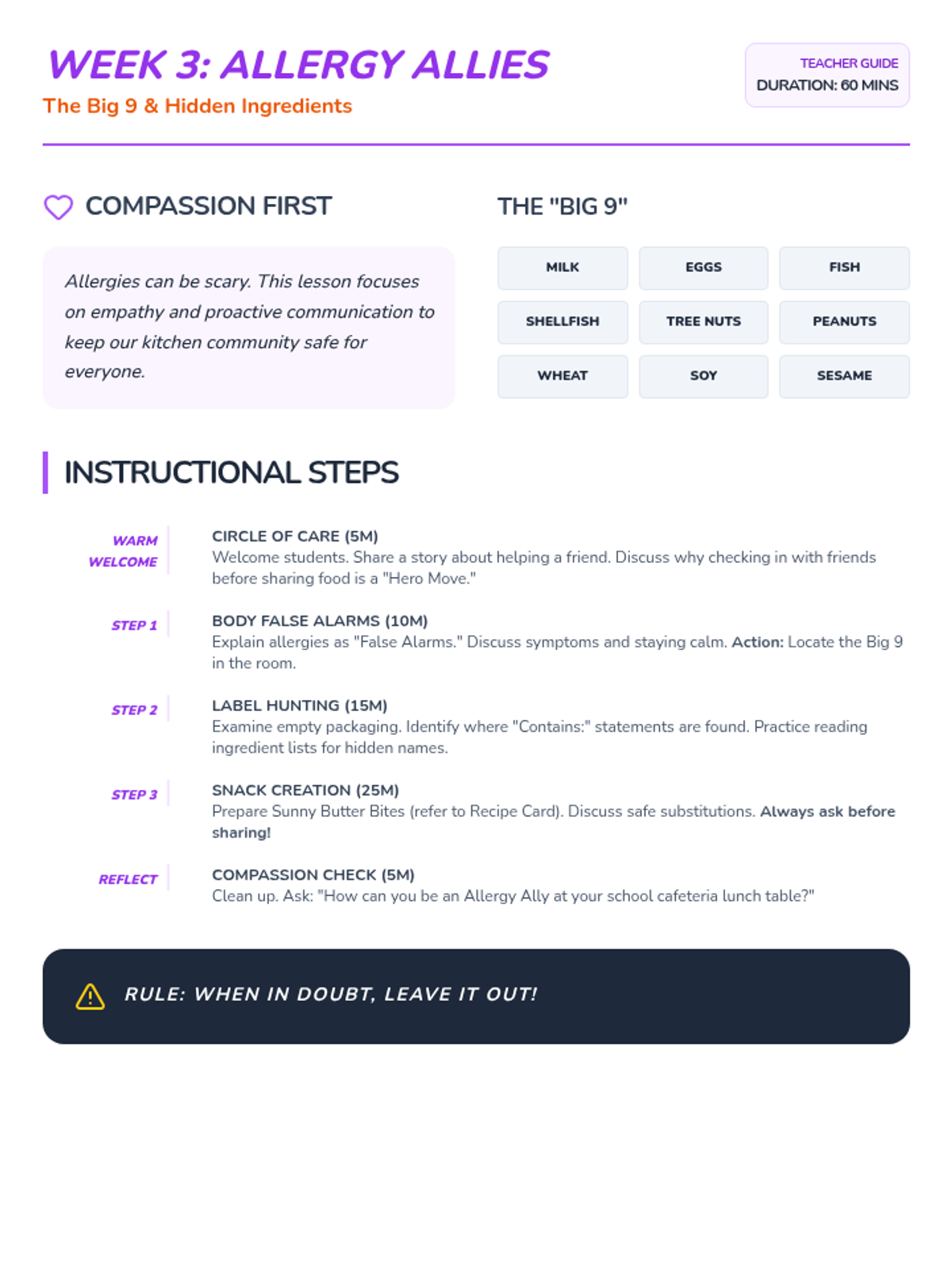
Learning about common food allergies and how to keep everyone safe at the table.
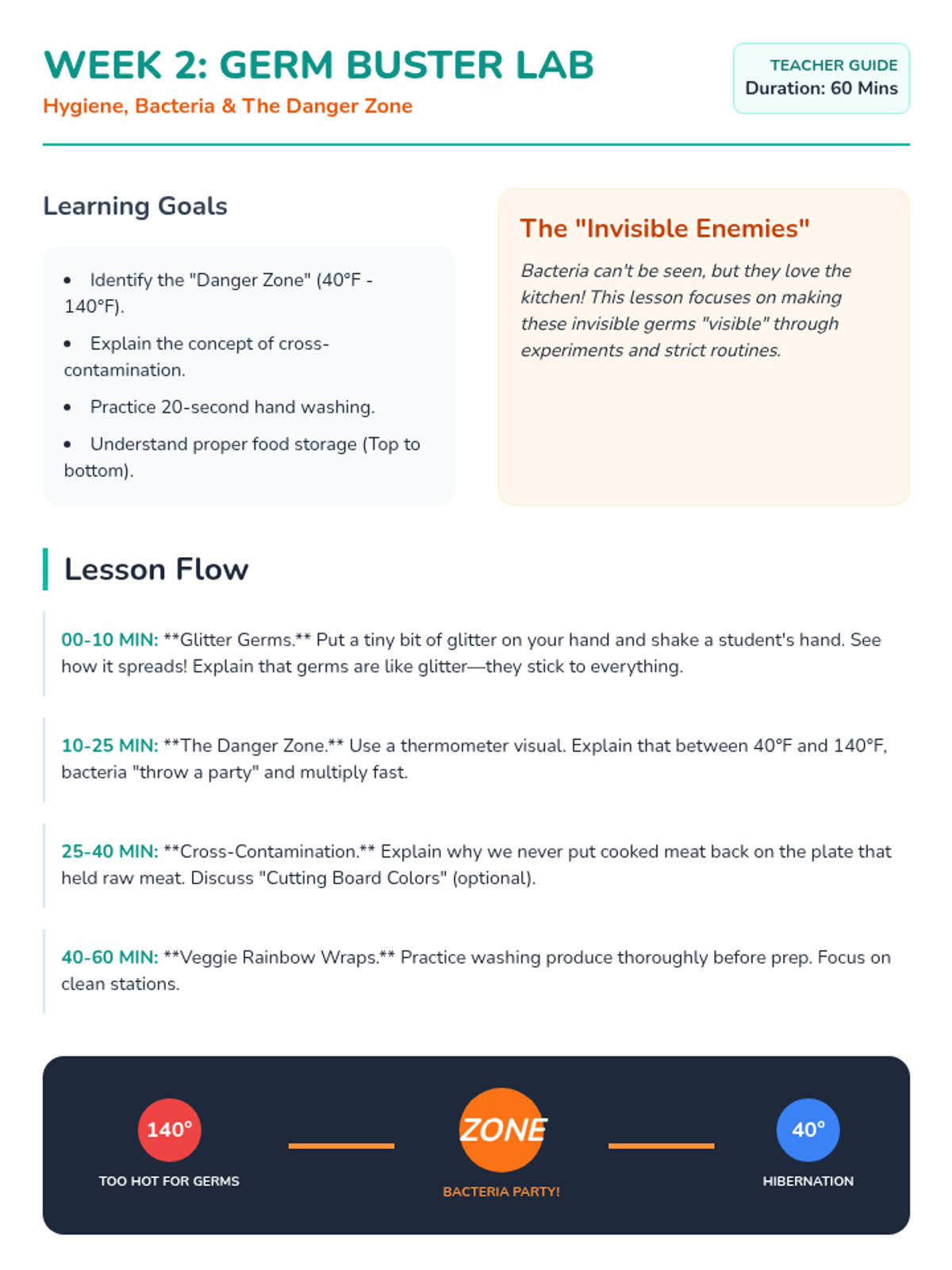
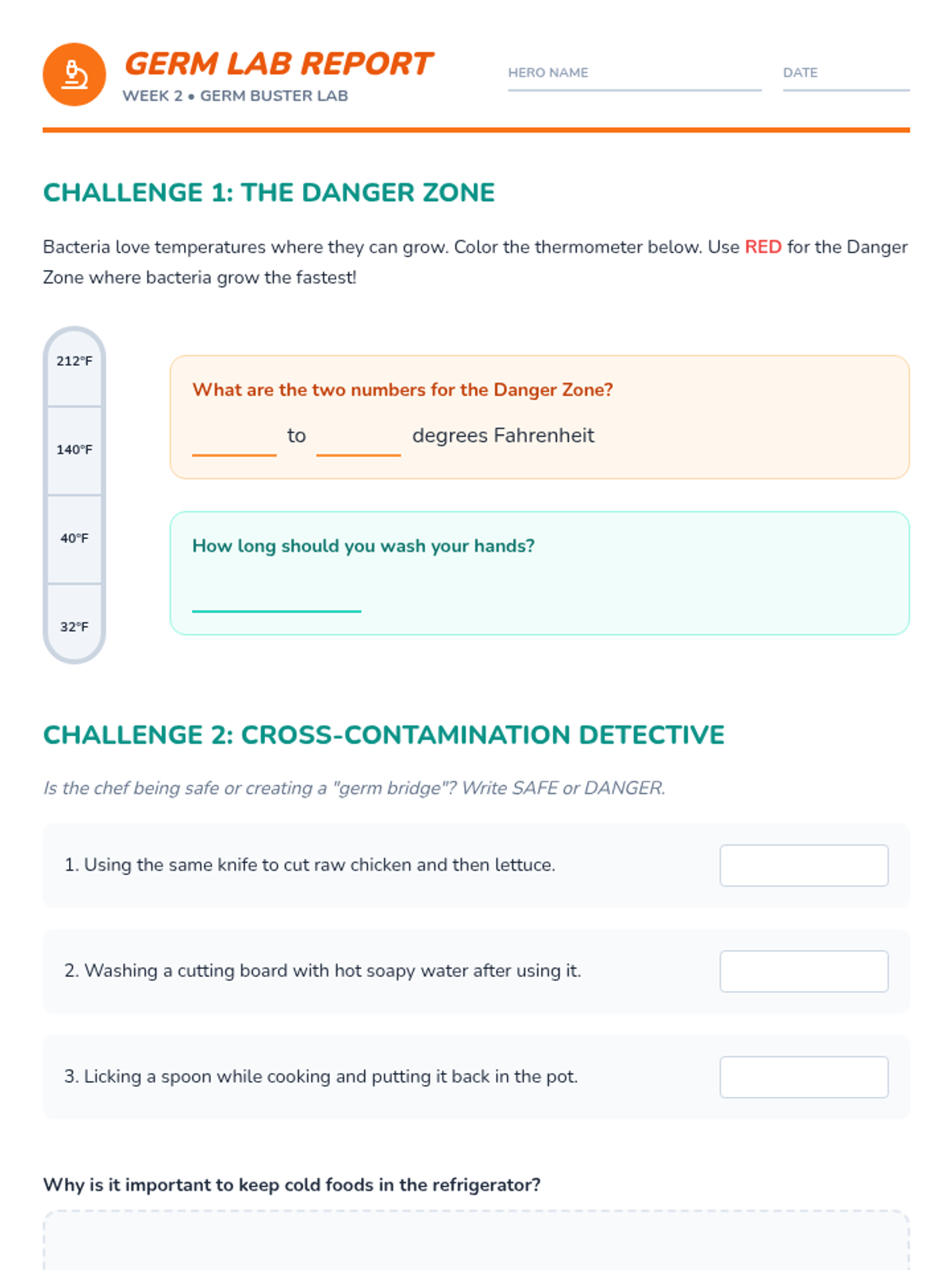
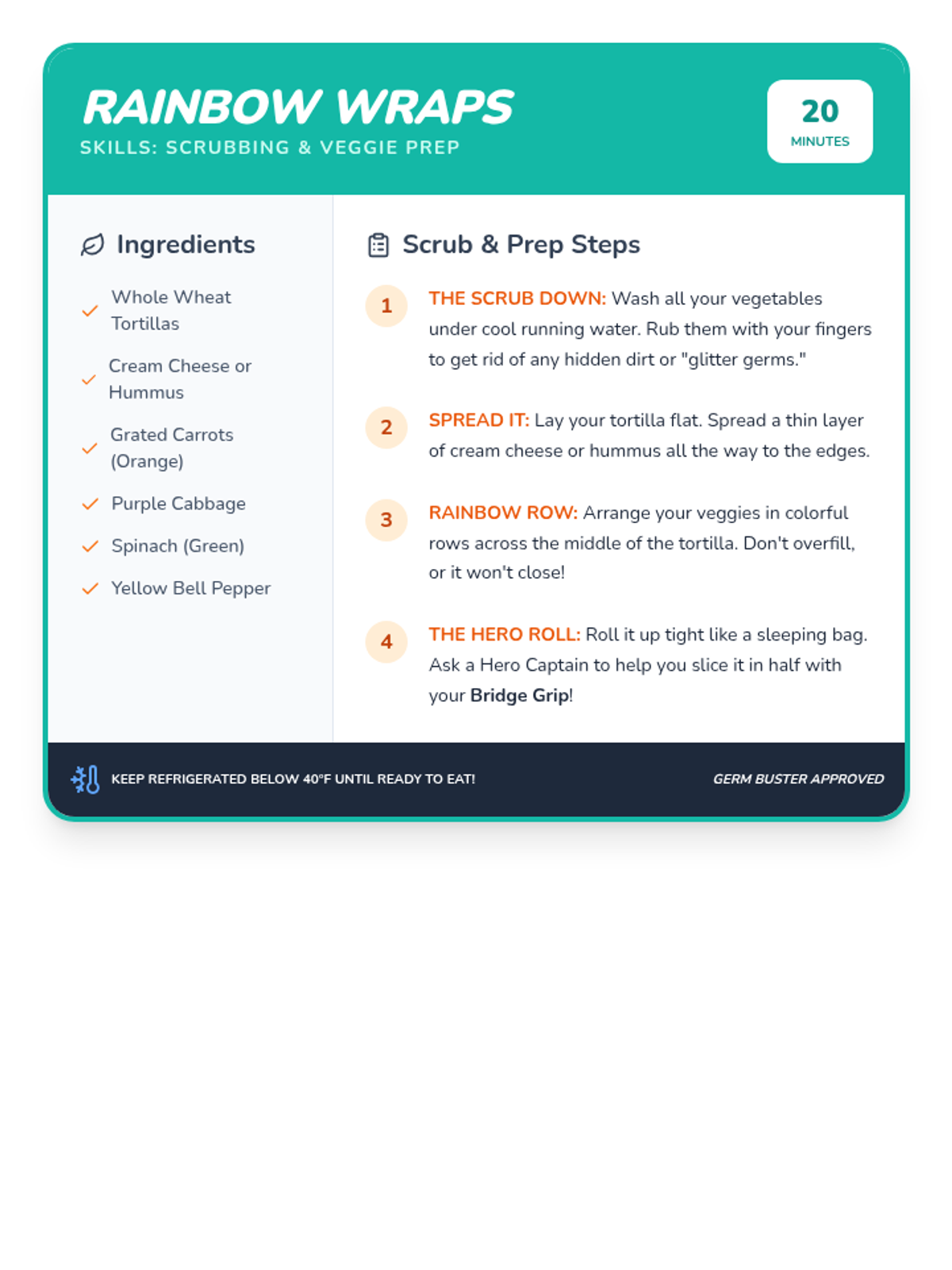
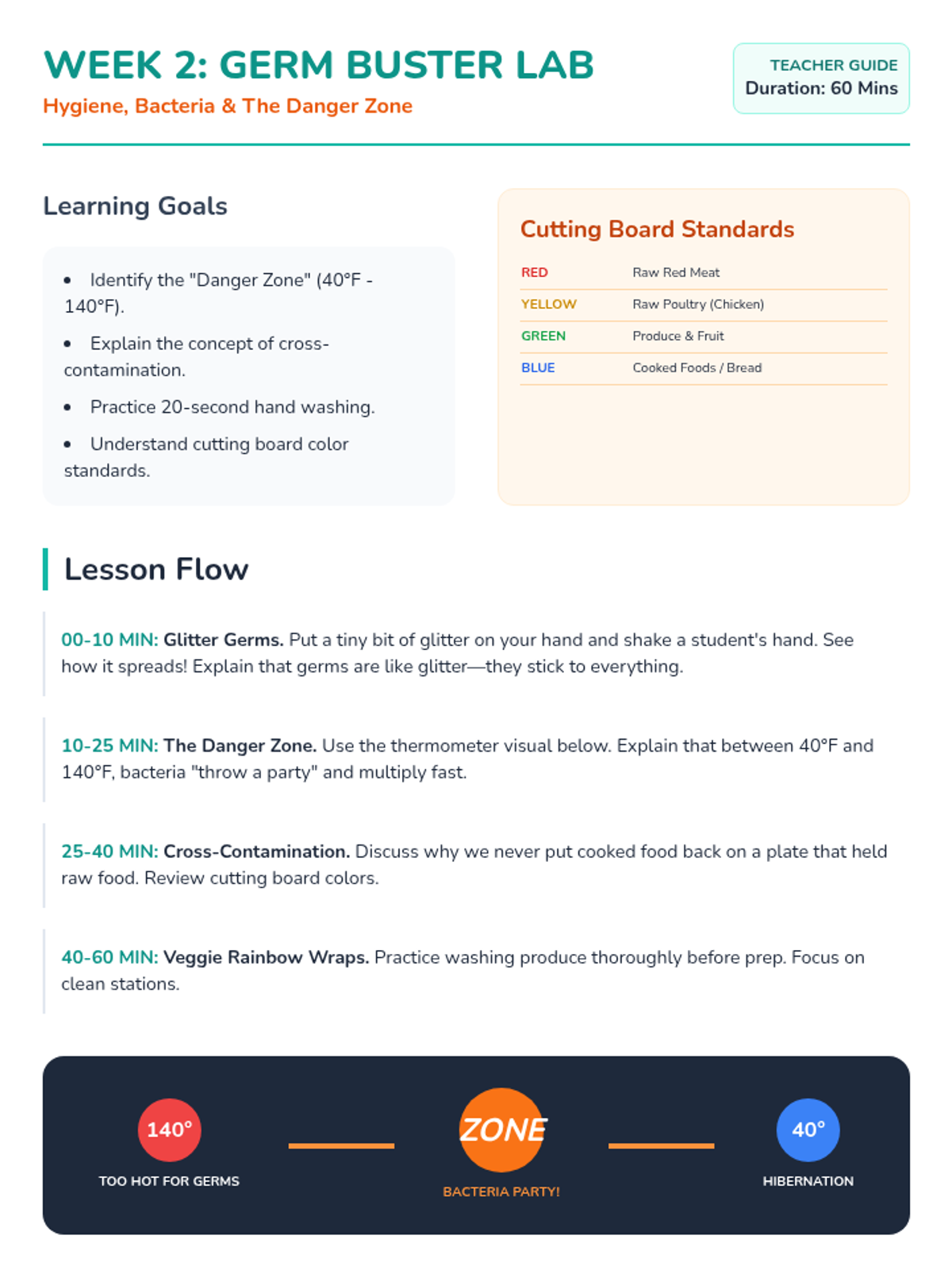
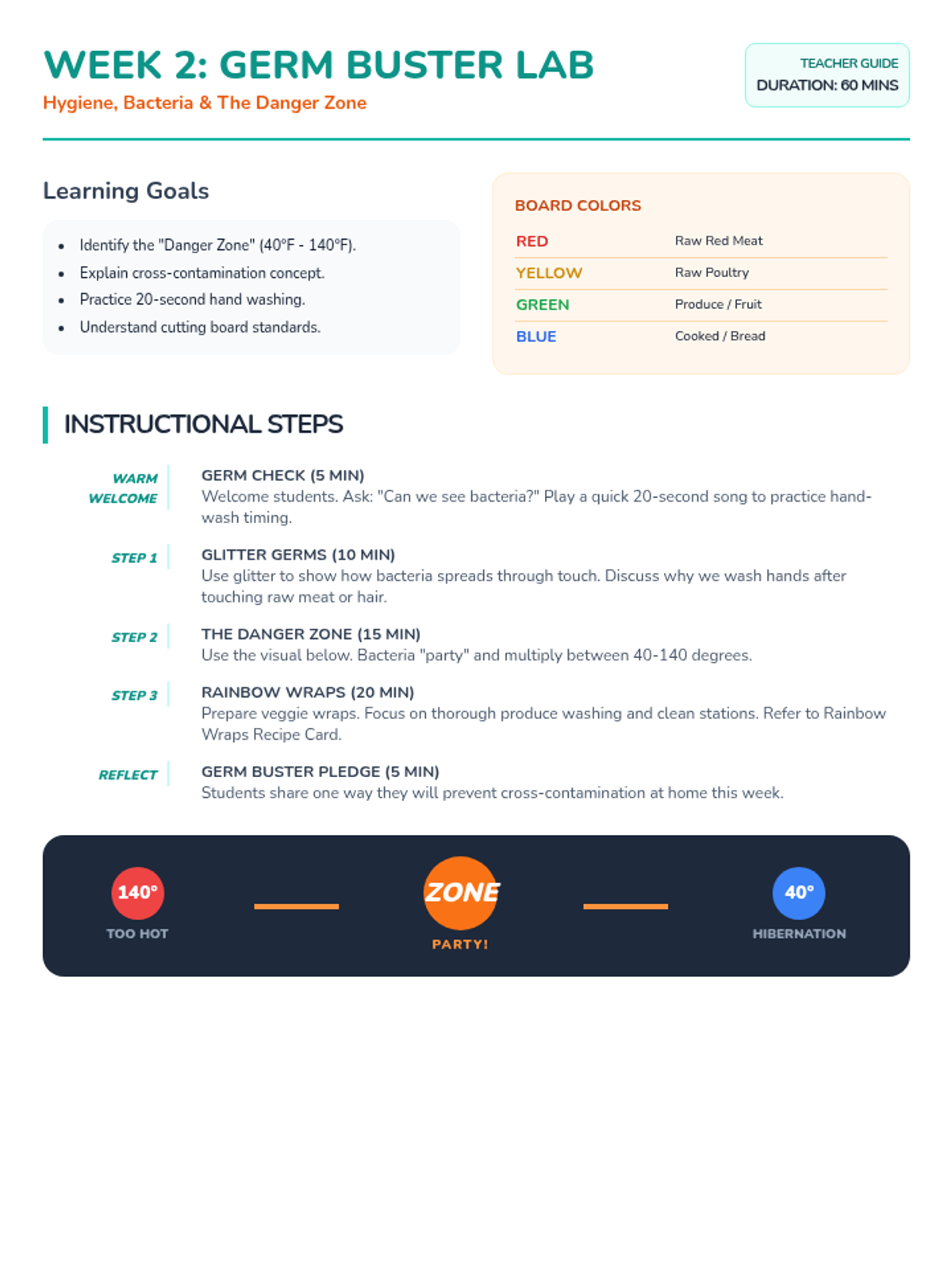
Understanding food-borne illnesses and the importance of a clean workspace.
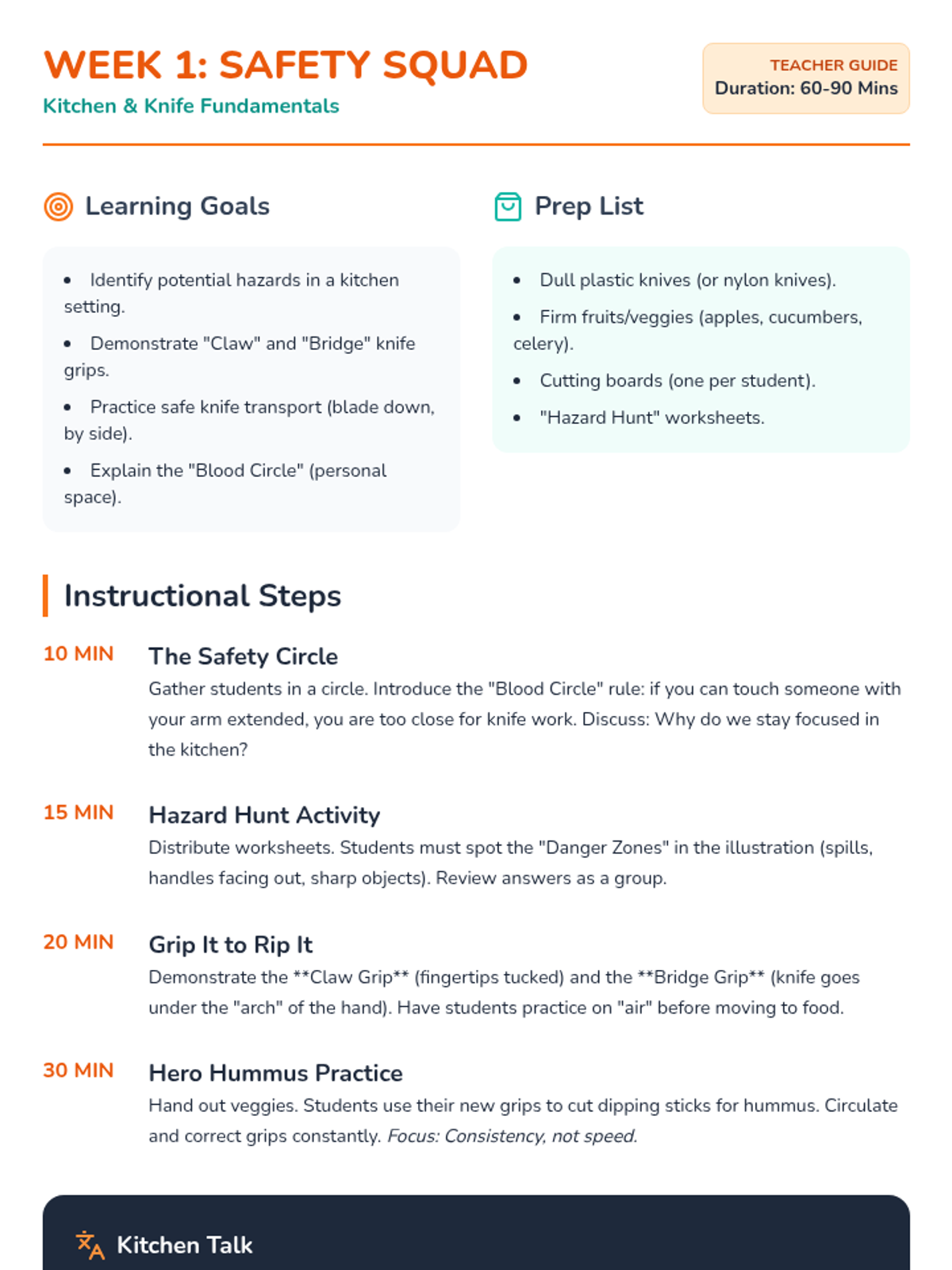
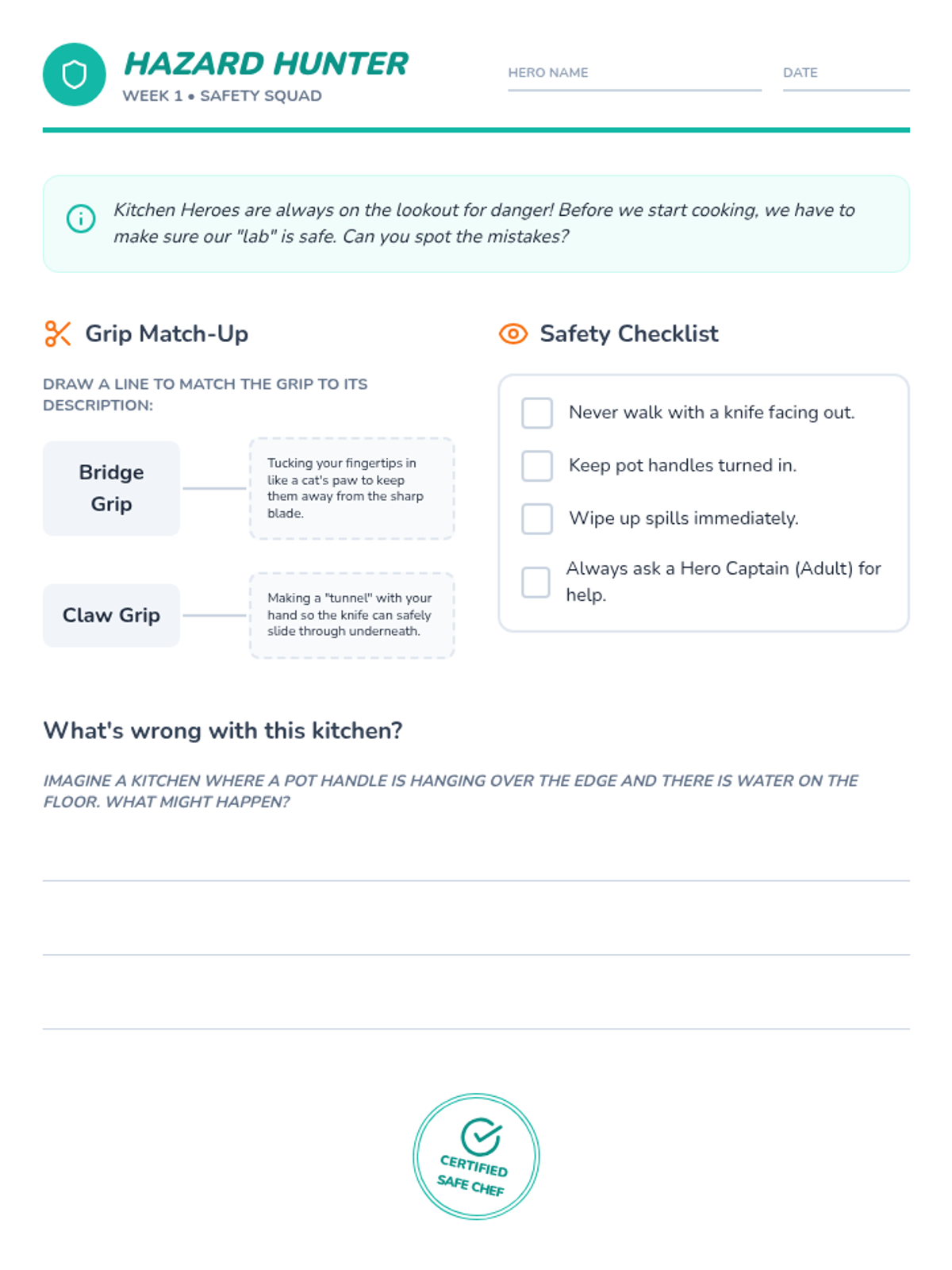
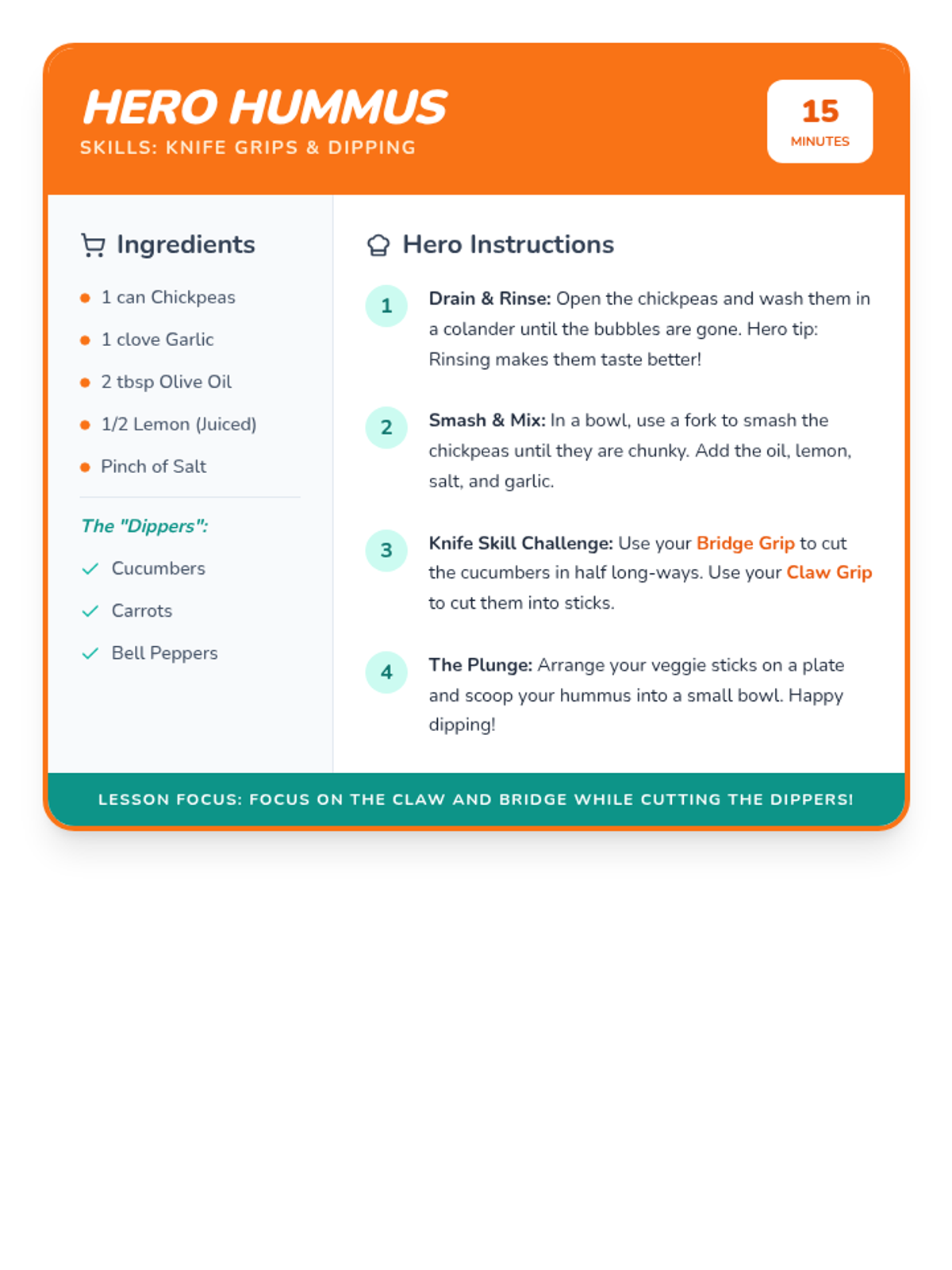
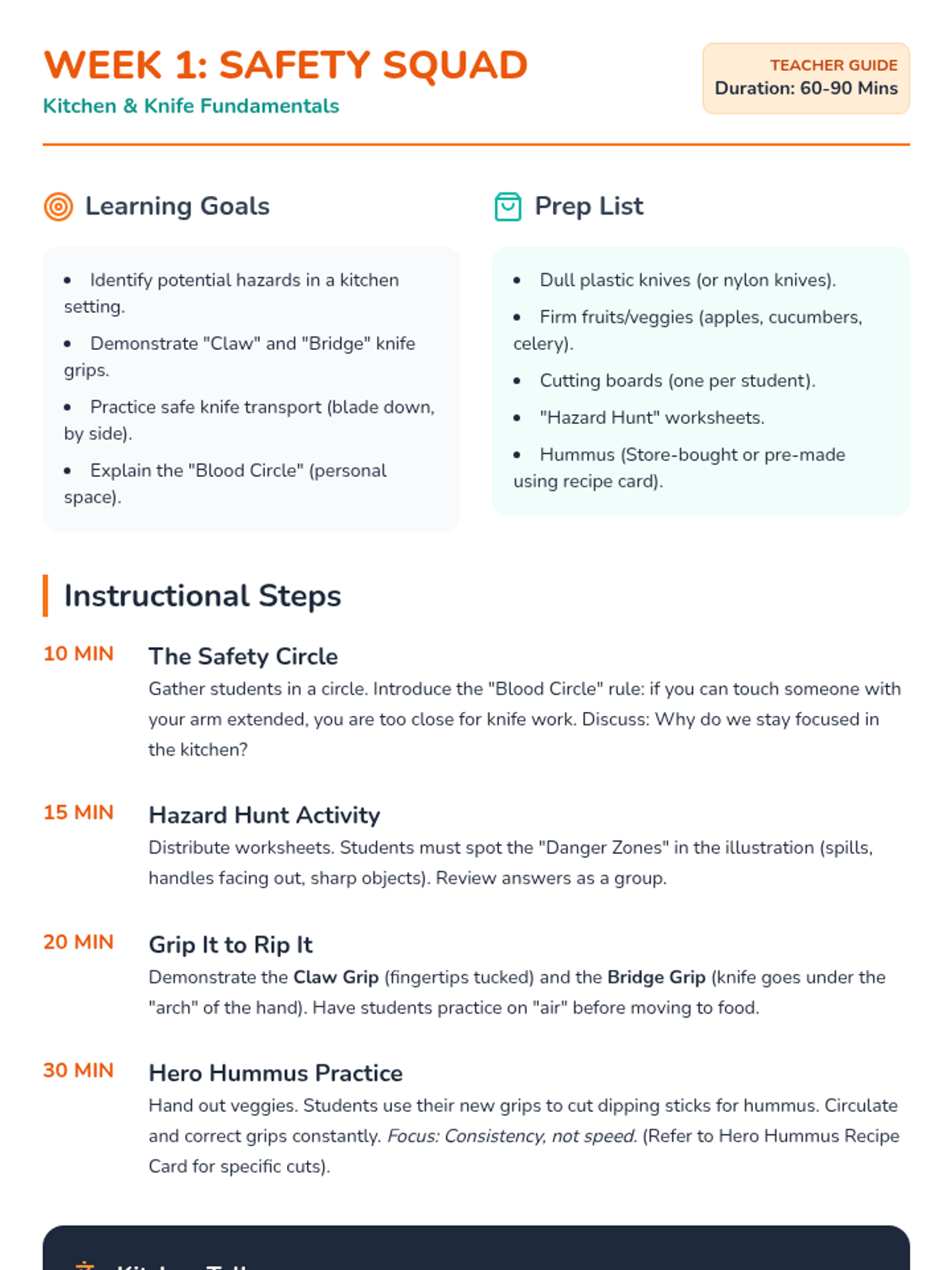
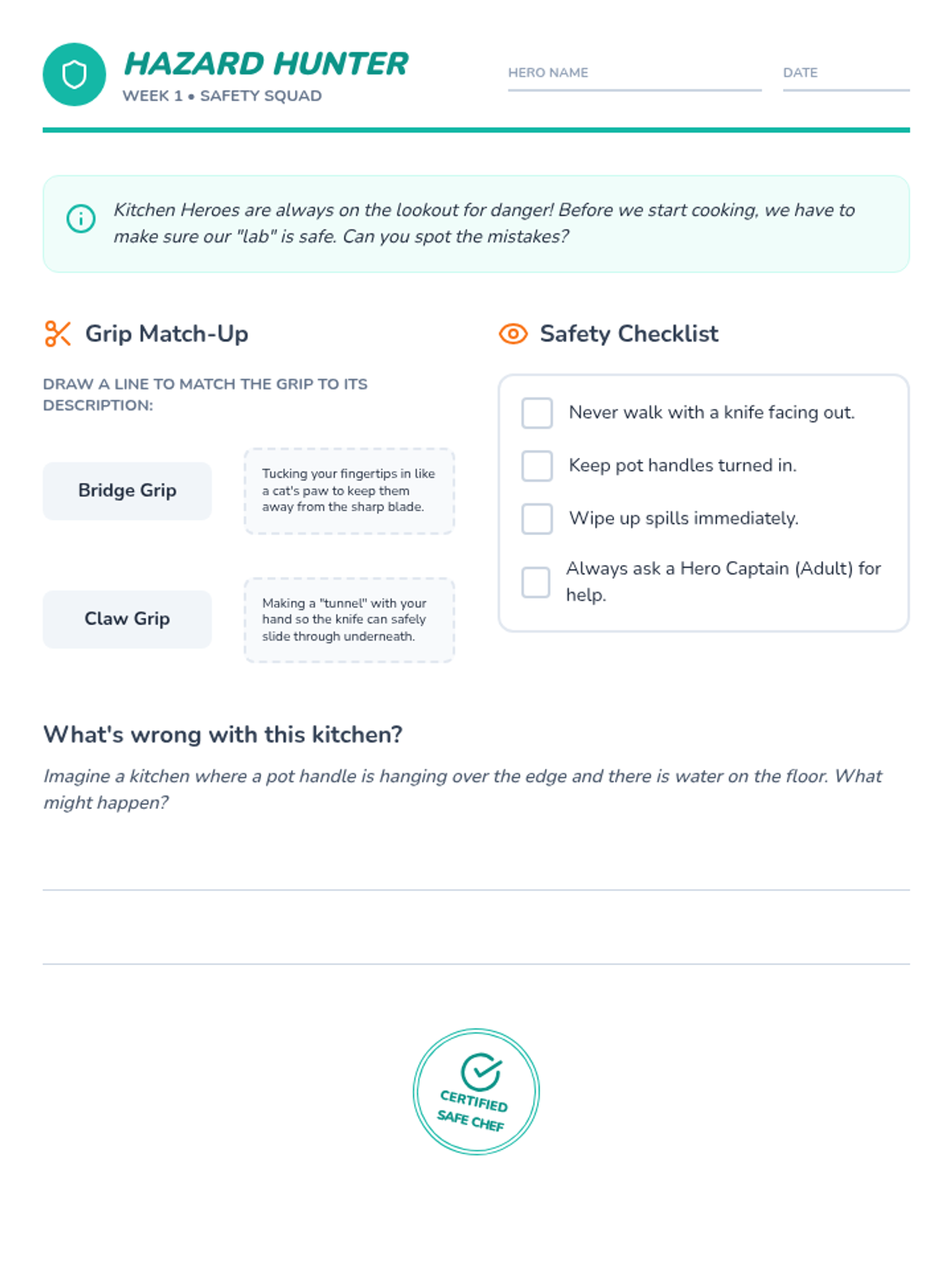
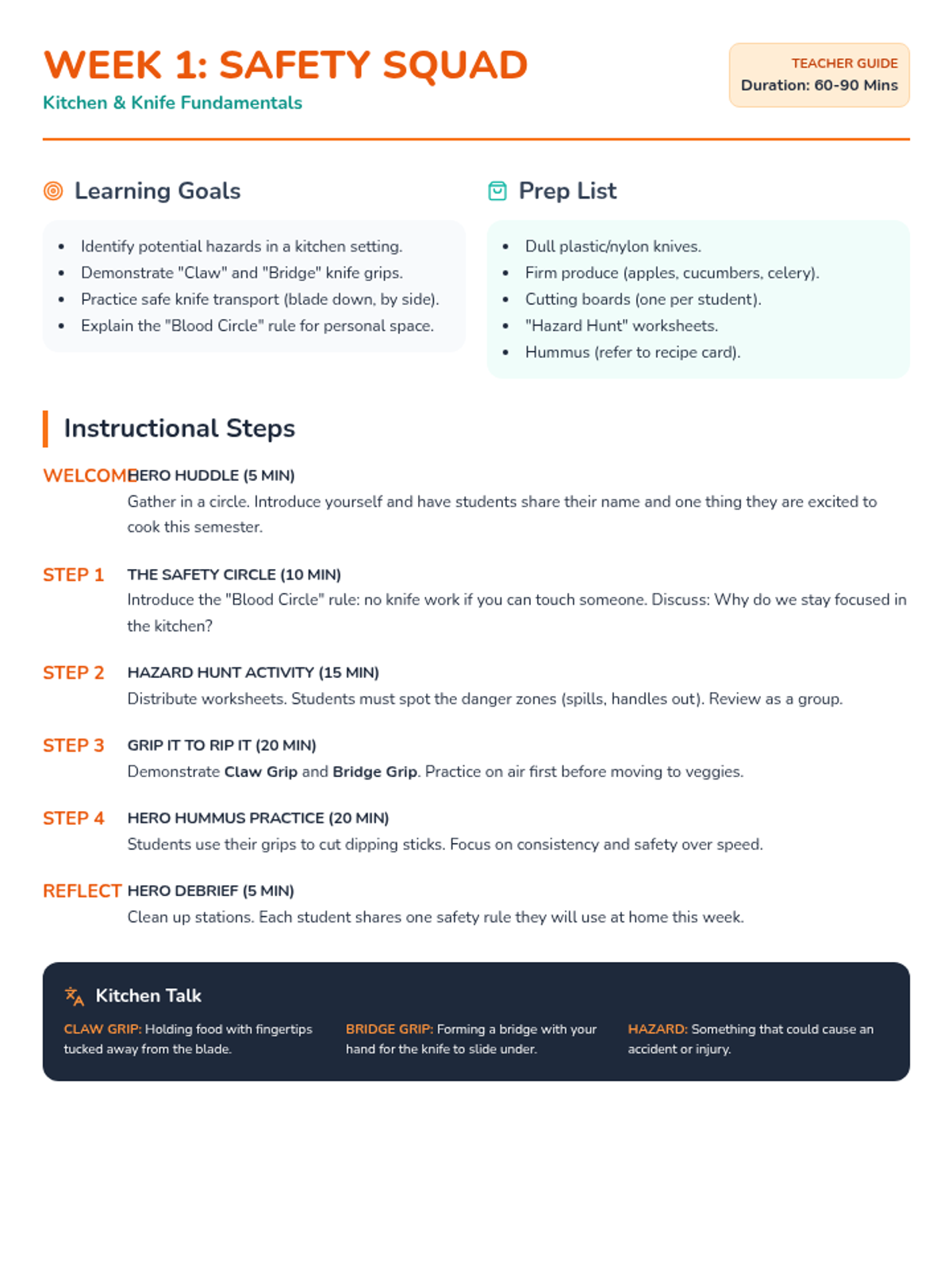
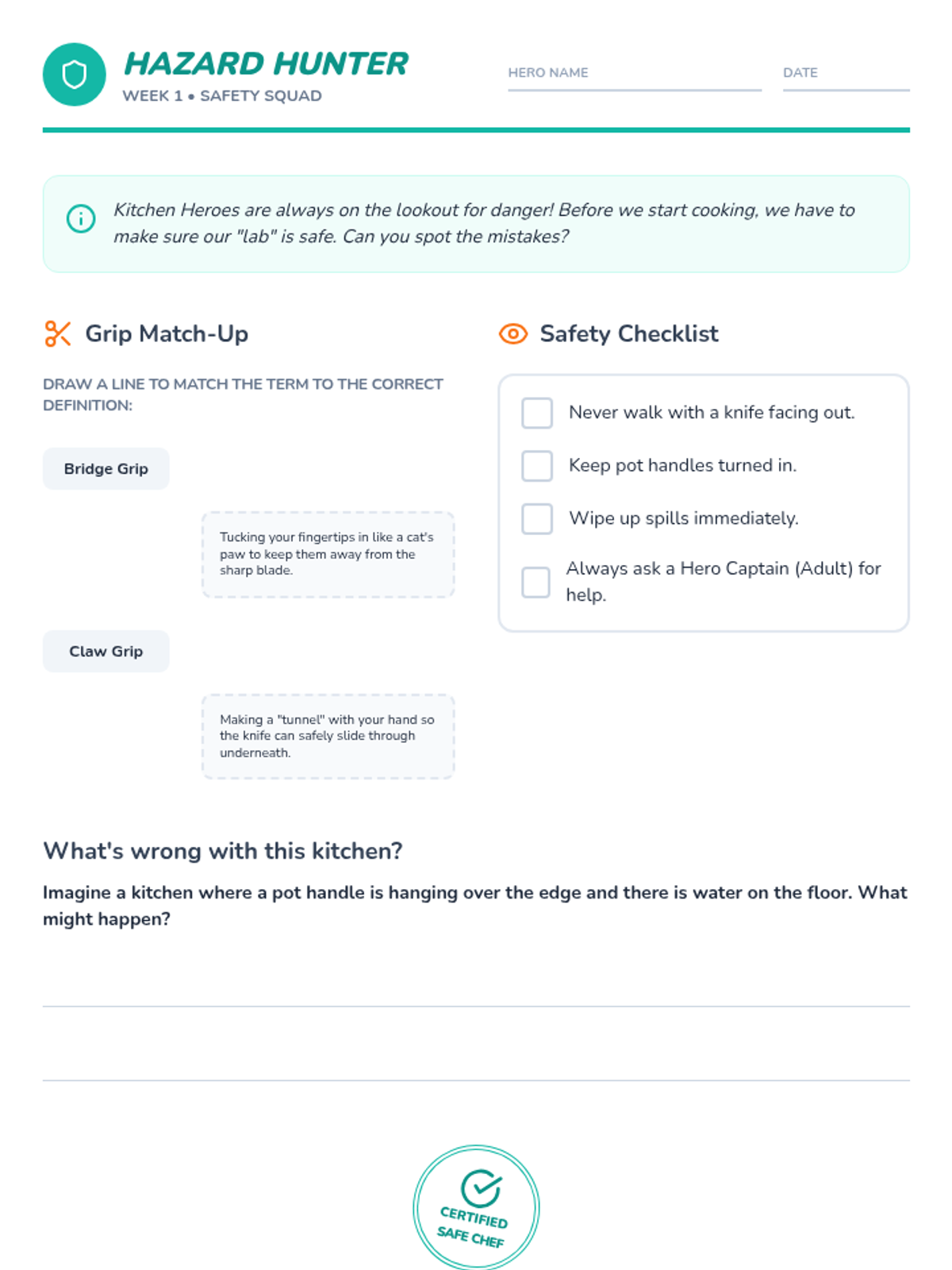
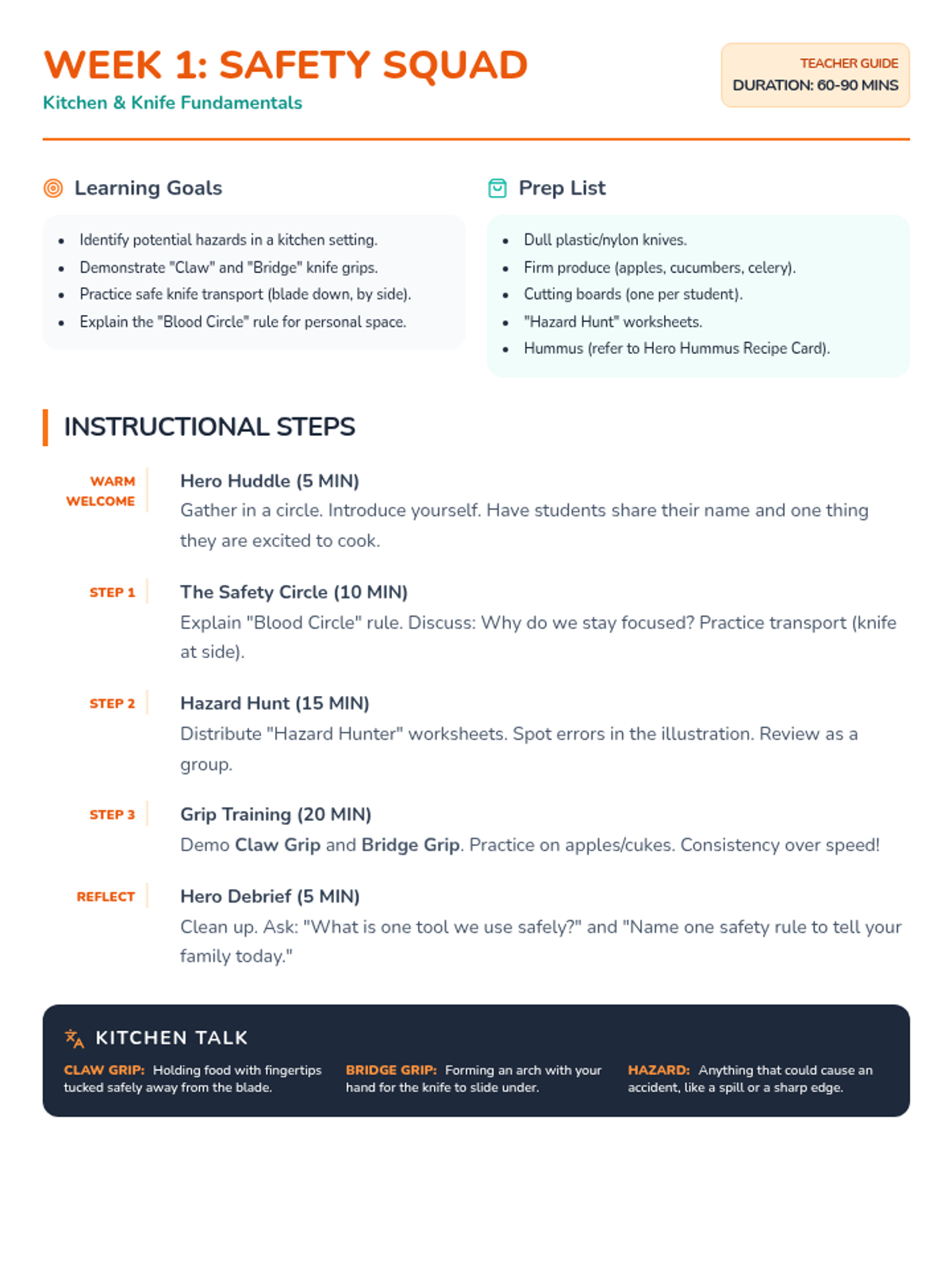
Mastering the basics of kitchen safety and proper knife handling techniques.
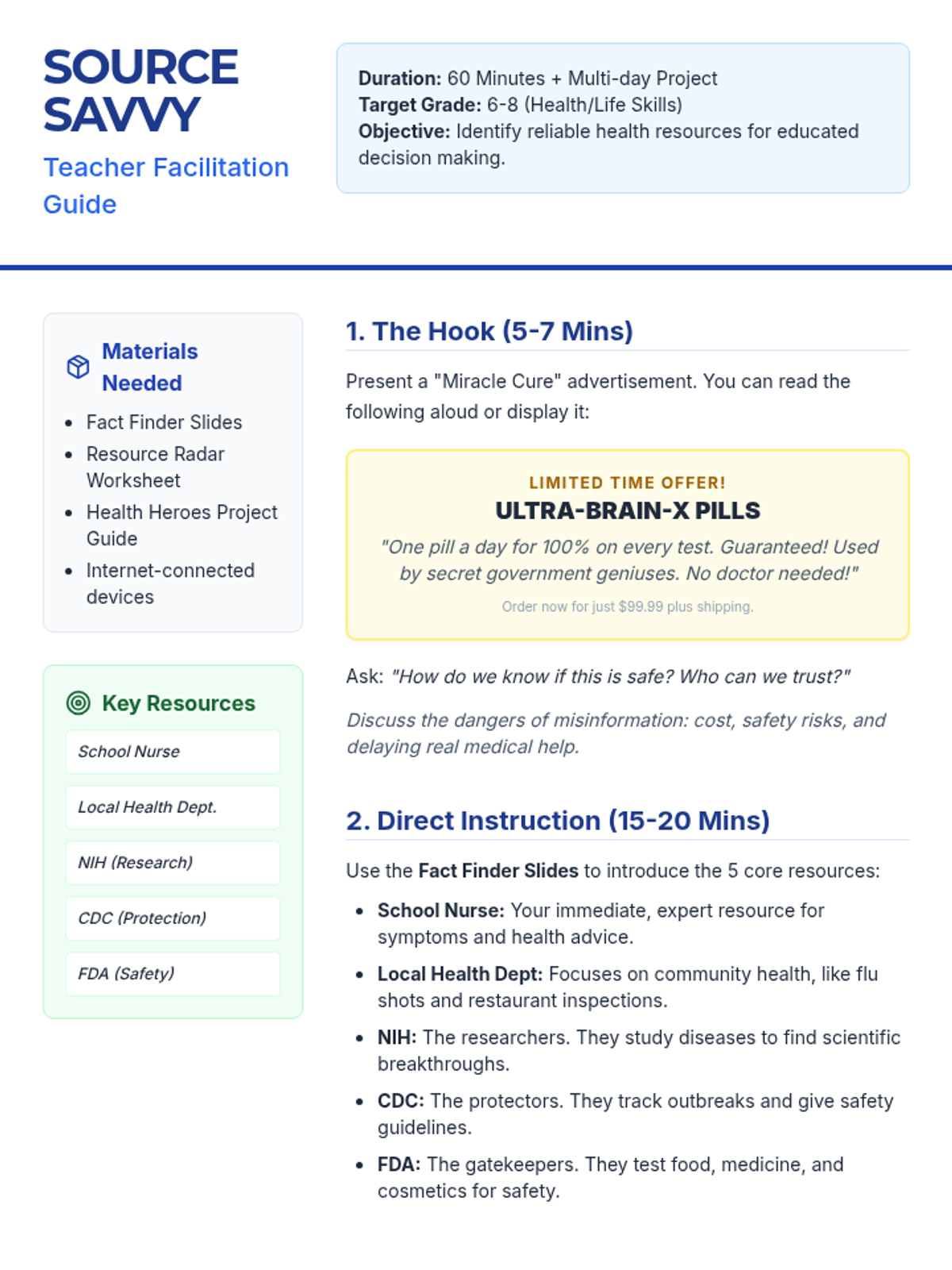
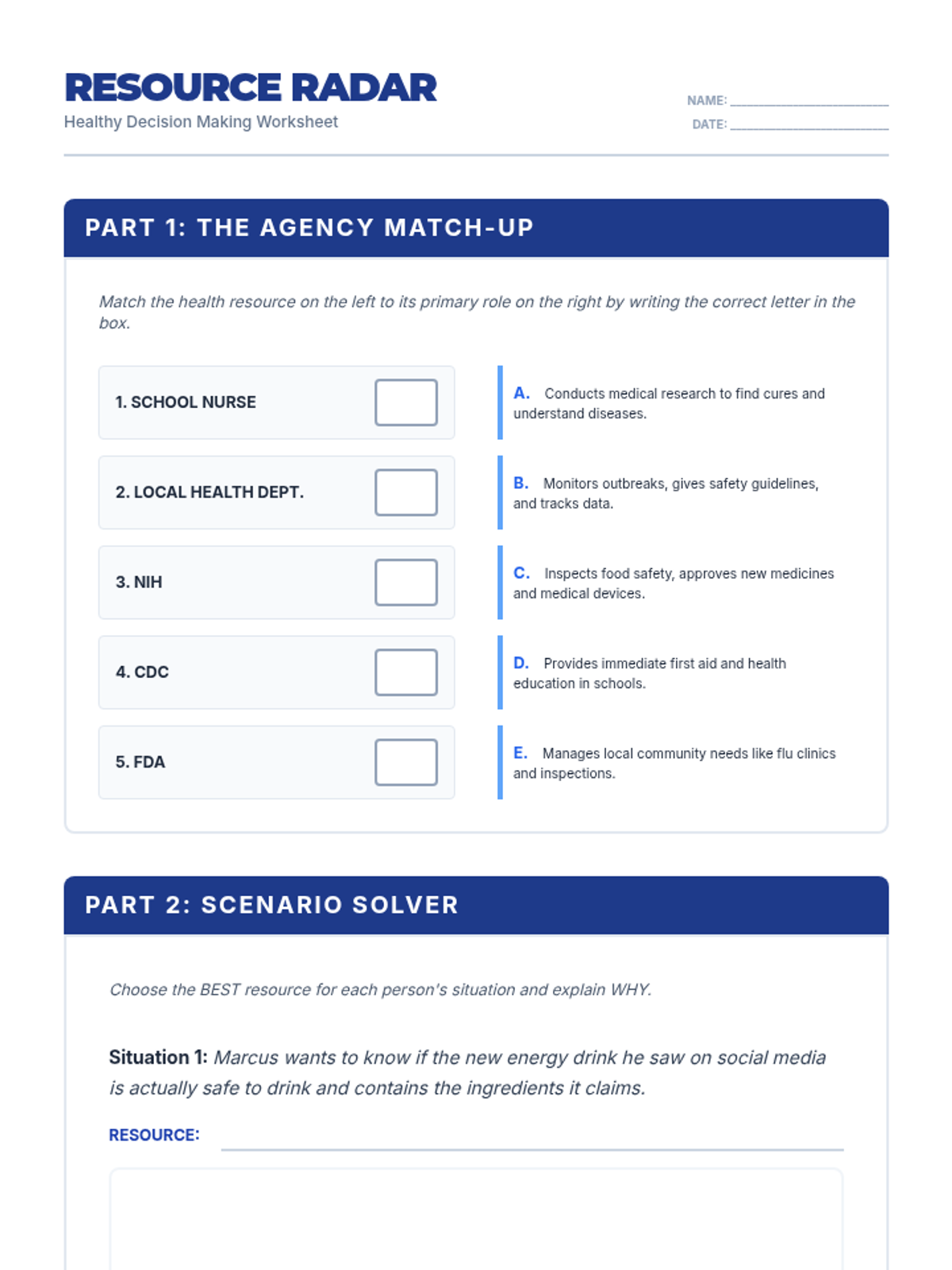
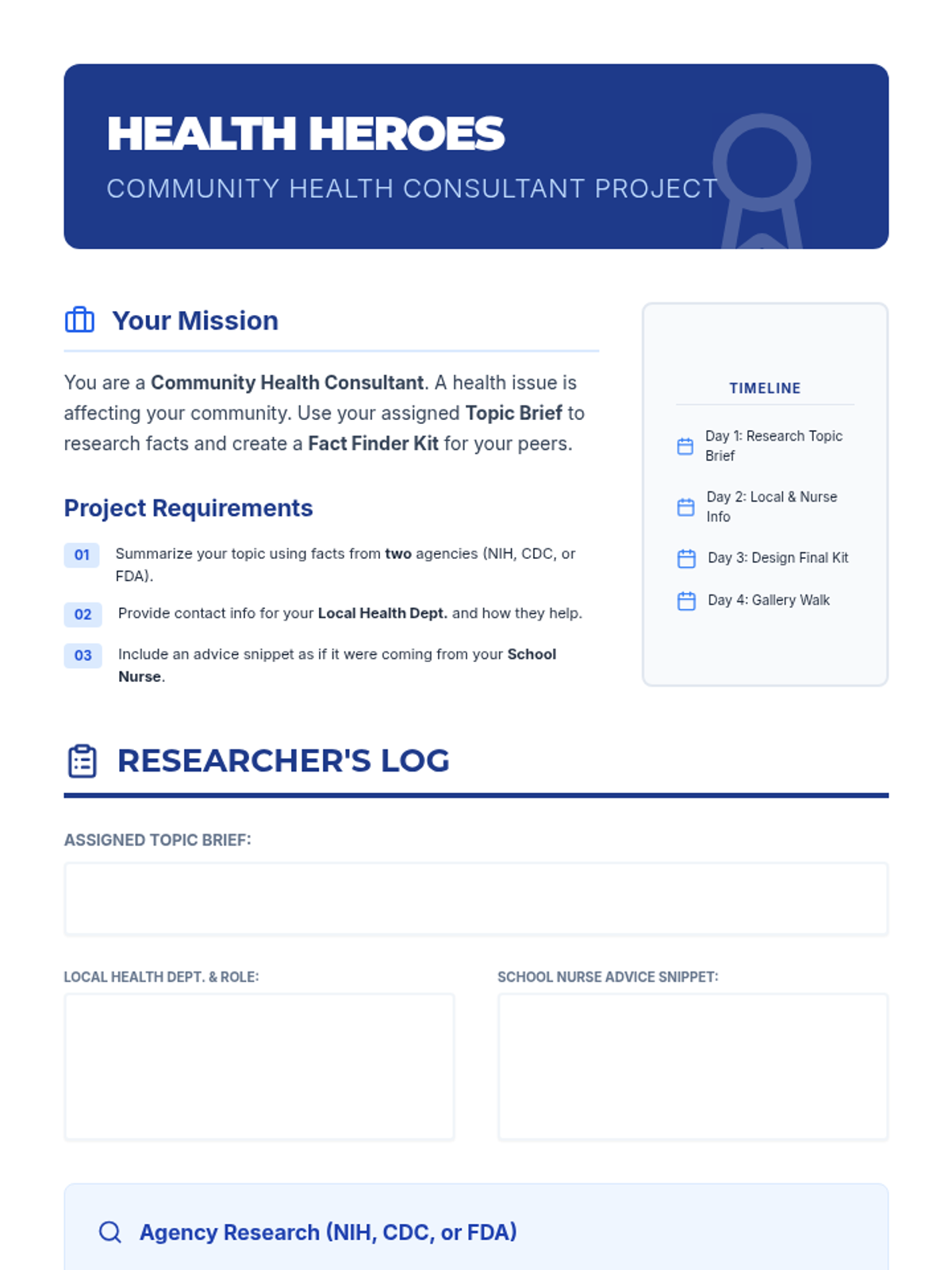
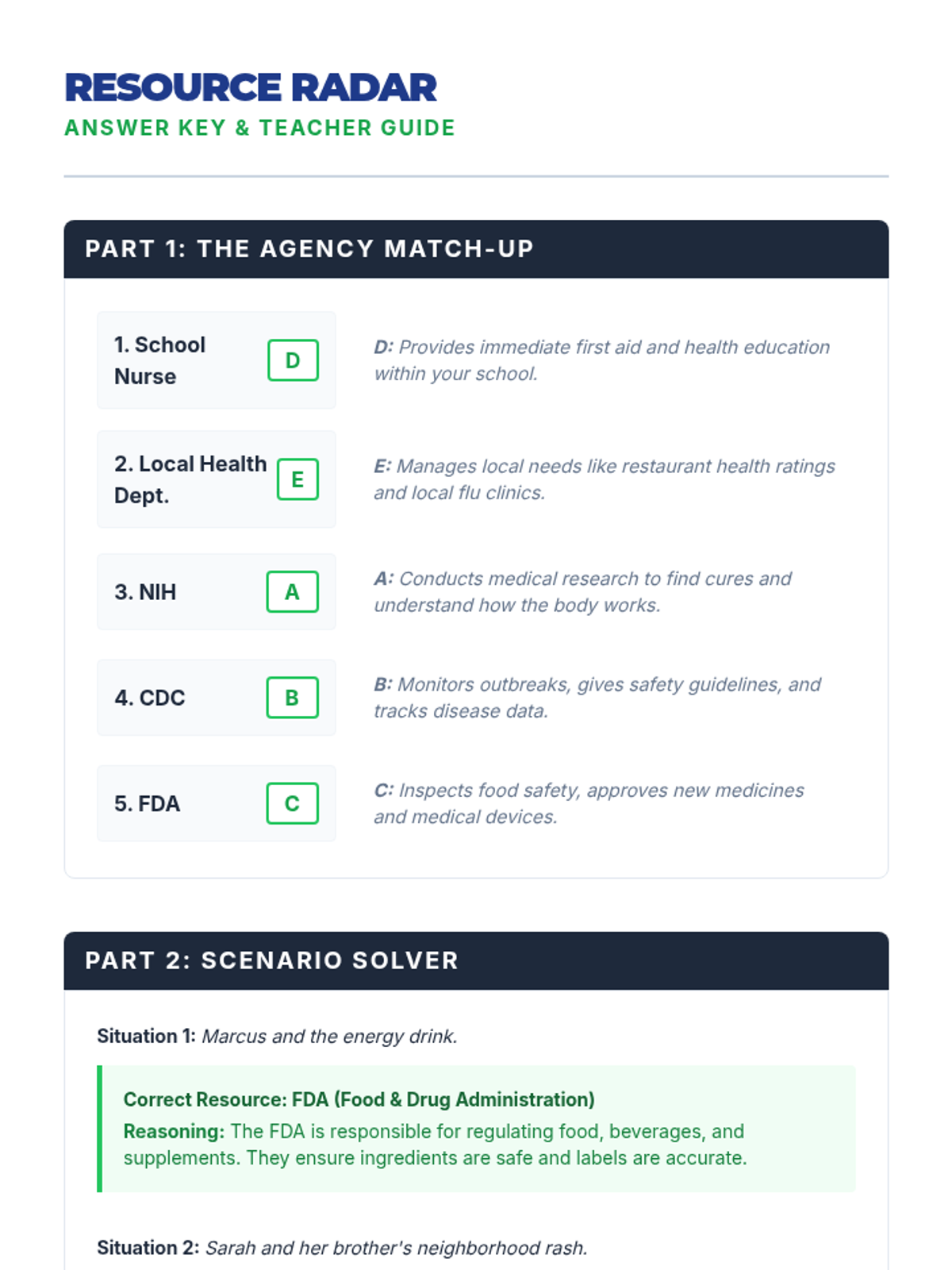
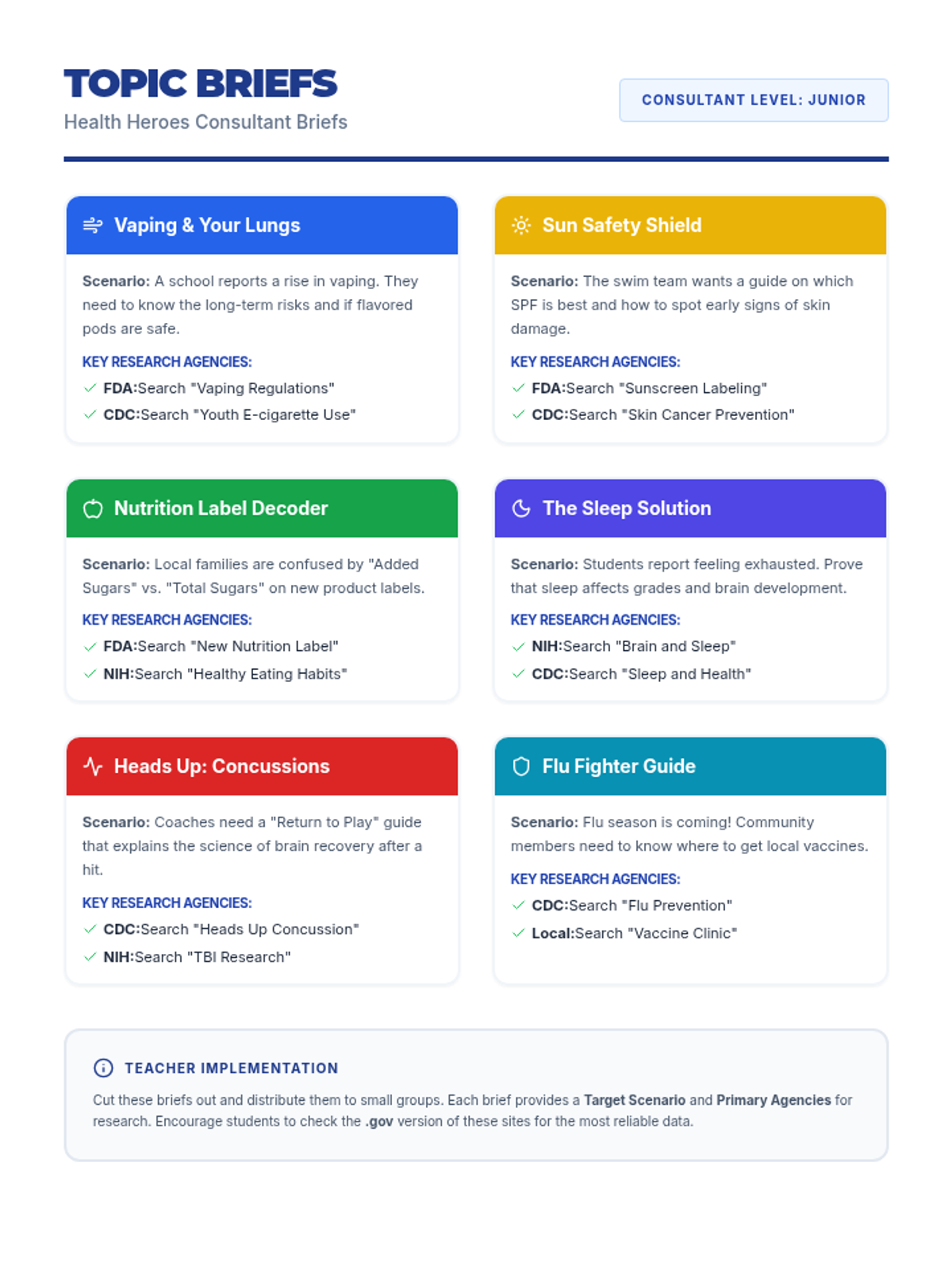
A comprehensive lesson teaching students how to identify and utilize reliable health resources like the CDC, FDA, and school health professionals to make informed health decisions. Includes a multi-day community health project.
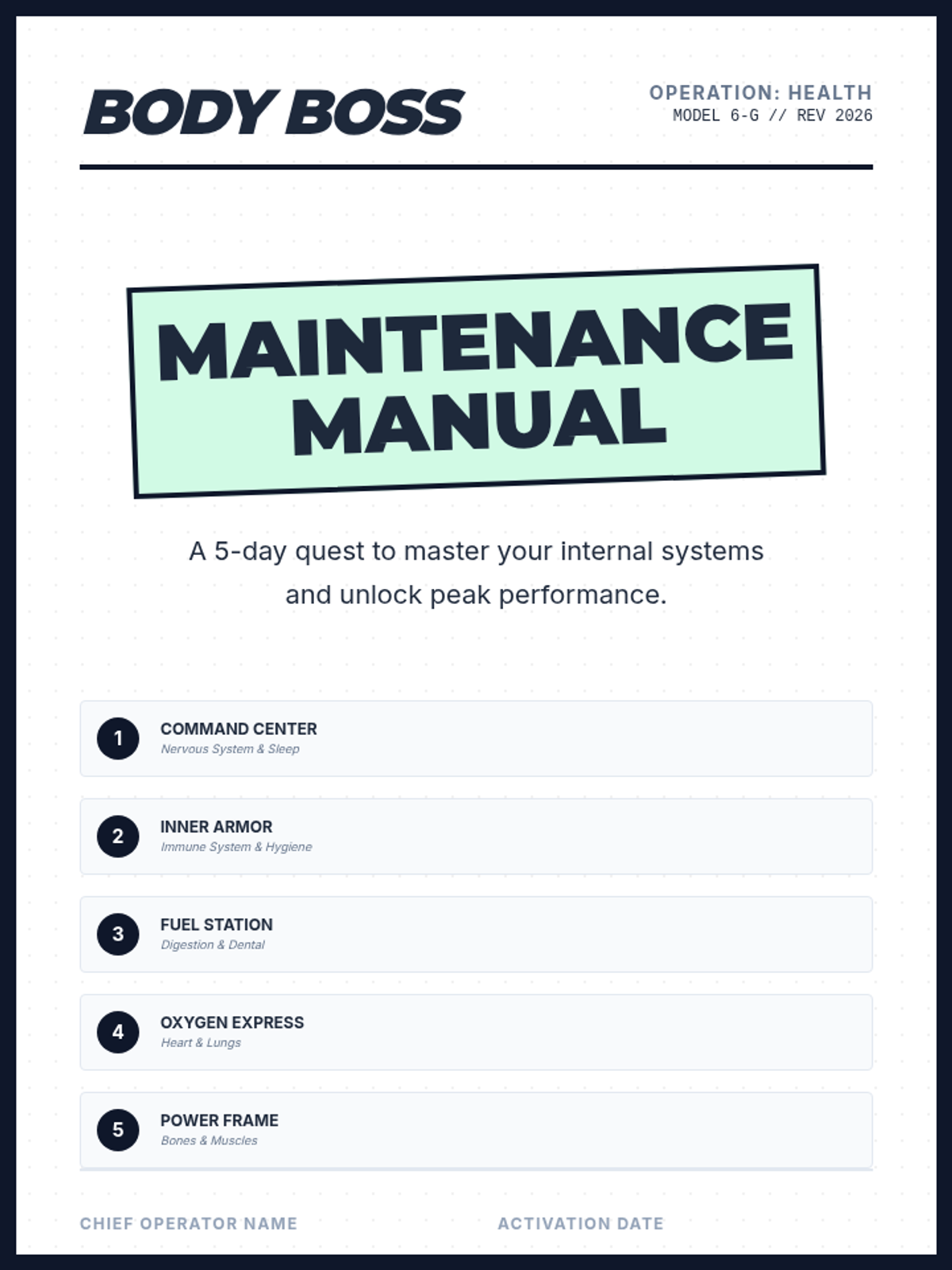
An introduction to the brain and nervous system, focusing on how sleep and rest act as 'system reboots' for the body's command center.