Lenny LearningLenny
Create
Explore
Workspace
LoginSign up
MathEnglish Language ArtsScience & EngineeringSocial StudiesGlobal LanguagesHealth & Physical EducationSpecial EducationCounseling & Life SkillsArts & CreativityESL
Lenny LearningLenny
Lenny Learning
About
Training
Pricing
Support
Contact
© 2026 Lenny Learning Inc.
Health & Physical EducationMovement Skills and ConceptsBody ControlLocomotor SkillsNon-Locomotor SkillsFine Motor SkillsManipulative SkillsBalance and CoordinationSpatial AwarenessMovement PatternsRhythmic Activities and DanceRhythm and TimingDance BasicsIndividual and Dual SportsGymnastics and TumblingTrack and FieldRacket SportsSelf-Defense and Martial ArtsTeam SportsCooperative GamesSportsmanshipTeam CommunicationBasketball SkillsSoccer SkillsVolleyball SkillsFootball SkillsGame StrategiesFitness and Physical ActivityCardio FitnessFlexibility and StretchingMuscular Strength and EnduranceSetting Fitness GoalsHealthy HabitsHygiene PracticesSleep and RestPhysical Activity HabitsHydrationInjury PreventionBody Awareness and Self-CareDisease PreventionHealth Decision-MakingHelp-Seeking and Self-AdvocacyMental HealthMental Health BasicsEmotional AwarenessStress ManagementCoping StrategiesMindfulness PracticesBreathing and Relaxation TechniquesMeditation BasicsResilience and PerseveranceHealthy RelationshipsSocial and Emotional SkillsHelp-Seeking and Support SystemsDigital WellbeingNutritionNutrition BasicsFood GroupsBalanced MealsHealthy Eating HabitsReading Food LabelsPersonal SafetyRecognizing Unsafe SituationsHuman and Child TraffickingStranger DangerPersonal BoundariesFire and Water SafetyEmergency ResponseConflict Resolution BasicsInternet and Social Media SafetySafe Personal RelationshipsSubstance AwarenessTobacco AwarenessAlcohol AwarenessCannabis AwarenessOpioid AwarenessStimulant AwarenessPrescription Drug AwarenessRefusing Peer PressureOutdoor and Adventure ActivitiesOutdoor Recreation SafetyHiking and OrienteeringTeam Building Activities

Nutrition

SequencesLessonsMaterialsVideos
  1. Health & Physical Education

Nutrition

SequencesLessonsMaterialsVideos

Essential food groups, nutrient functions, and balanced meal planning. Develops skills for interpreting nutrition labels and adopting lifelong healthy eating patterns.

Nutrition BasicsEssential macronutrients, vitamins, and minerals necessary for growth, energy, and disease prevention. Examines food groups, hydration, and the interpretation of nutrition labels.
Food GroupsClassification of the five major food groups and their specific contributions to physical growth and energy levels. Examines portion sizes and balanced meal planning using current dietary guidelines.
Balanced MealsEssential food groups, macronutrient distribution, and portion sizing for optimal physiological function. Guides students in constructing nutritionally complete plates using established dietary frameworks.
Healthy Eating HabitsNutrient density, food group identification, and the long-term impact of hydration on physical health. Equips learners with portion control techniques and label-reading skills for informed dietary decision-making.
Reading Food LabelsIdentification of serving sizes, percent daily values, and macronutrient content on standardized nutrition facts panels. Equips students to analyze ingredient lists for hidden sugars, allergens, and artificial additives.
Video
Why Eating a Healthy Breakfast Matters

Why Eating a Healthy Breakfast Matters

This concise educational video explains the physiological and behavioral importance of eating a nutritious breakfast. It breaks down how the first meal of the day provides essential fuel for the body and brain, highlighting specific benefits such as improved concentration in school, a boosted metabolism, and better appetite control throughout the rest of the day. The narration is clear and accessible, making complex concepts like metabolism easy for younger students to understand. The video visually demonstrates a variety of healthy breakfast options, moving beyond sugary cereals to showcase balanced meals like oatmeal with fruit, whole grain avocado toast with eggs, and greek yogurt parfaits. It introduces the nutritional triad of carbohydrates, proteins, and healthy fats, explaining why this combination is crucial for sustained energy and satiety. Visuals alternate between students engaging in academic and physical activities and high-quality close-ups of appetizing, healthy food preparations. For educators, this resource serves as an excellent hook for units on nutrition, health, and human biology. It connects biological needs (nutrients) with practical daily choices, empowering students to take ownership of their morning routine. The video is particularly useful for initiating discussions about healthy habits, analyzing food groups, and planning balanced menus in Health or Science classes.

Next Generation ScienceNext Generation Science

1min 19s

Video
Exploring the Five Food Groups and Healthy Eating

Exploring the Five Food Groups and Healthy Eating

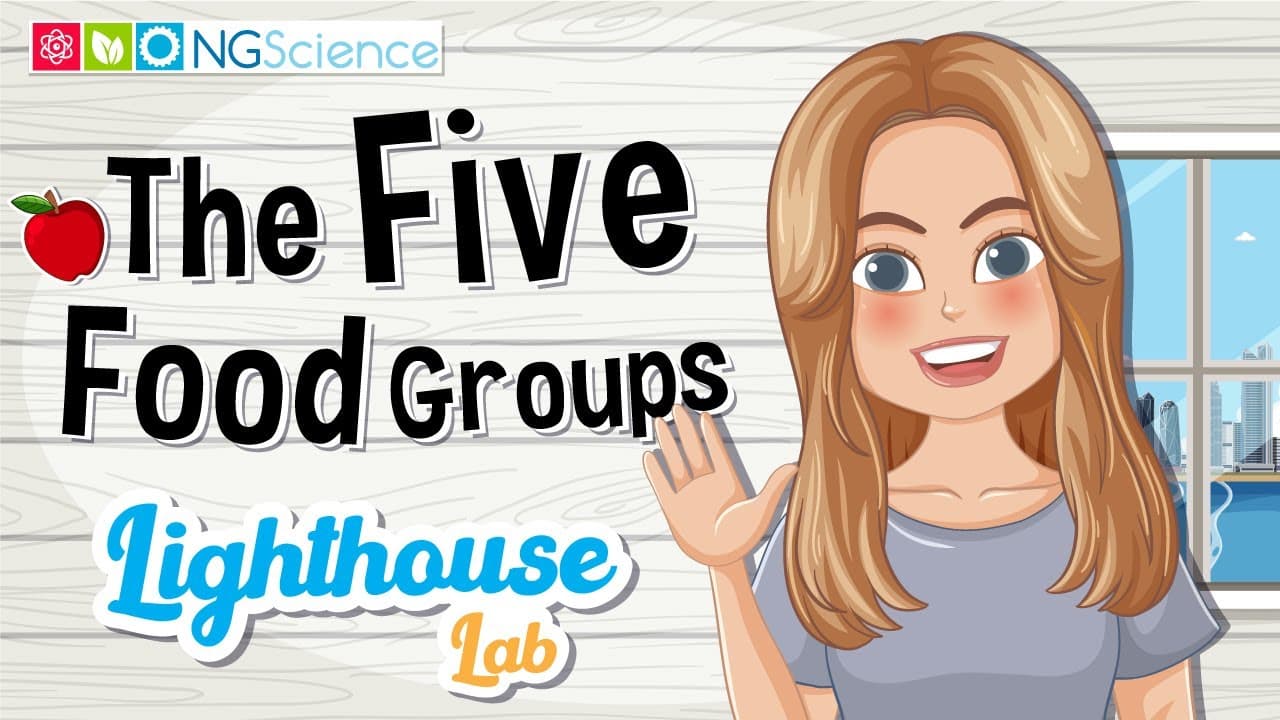
This educational video from the Lighthouse Lab introduces young students to the five major food groups and the basics of nutrition. Through clear narration and vibrant visuals, the host explains how different foods provide specific benefits to the human body, such as energy from grains, vitamins from fruits and vegetables, muscle-building power from proteins, and bone-strengthening calcium from dairy. The video explores key themes of healthy eating, biological functions of nutrients, and food categorization. It breaks down complex nutritional concepts into digestible segments, explicitly categorizing common foods like apples, carrots, bread, chicken, and milk. It also addresses "sometimes foods" like candy and ice cream, explaining why they don't fit into the main nutritional groups due to high sugar, fat, or salt content. For educators, this video serves as an excellent foundational tool for health and science curriculums. It provides a structured framework for discussing diet and biology, offering clear visual examples that help students recognize and classify the foods they eat every day. The content naturally leads into activities about meal planning, identifying plant parts, and making healthy lifestyle choices.

Next Generation ScienceNext Generation Science

4mins 28s

Video
Powering Up With a Healthy Lunch

Powering Up With a Healthy Lunch

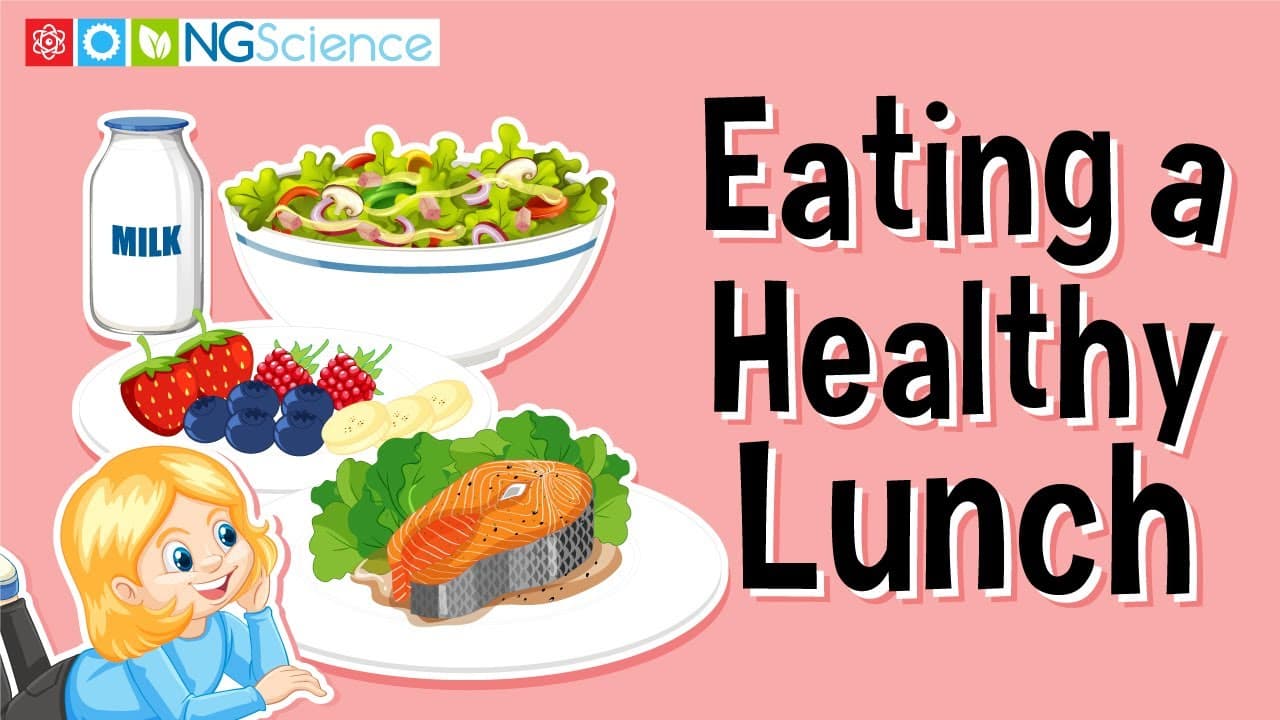
This engaging educational video explores the critical connection between lunchtime nutrition and daily energy levels. It begins by addressing the common feeling of afternoon sluggishness and introduces healthy lunches as the solution to maintaining focus and productivity. The video breaks down the science of why our bodies need midday fuel, explaining how a well-balanced meal supports metabolism and overall health.

Next Generation ScienceNext Generation Science

2mins 4s

Video
How Food Fuels Your Body and Why Nutrition Matters

How Food Fuels Your Body and Why Nutrition Matters

This comprehensive educational video guides students through the fundamentals of healthy eating, using relatable analogies to explain why nutrition is essential for the body. The host, Kylie, breaks down the complex topic of diet into manageable concepts, starting with the idea that food is fuel for the body just like gas is for a car. She emphasizes the importance of eating regular meals to maintain energy levels and introduces the concept of balanced nutrition through the five main food groups.

Miacademy & MiaPrep Learning ChannelMiacademy & MiaPrep Learning Channel

6mins 23s

Video
How to Build a Healthy Balanced Diet Plate

How to Build a Healthy Balanced Diet Plate

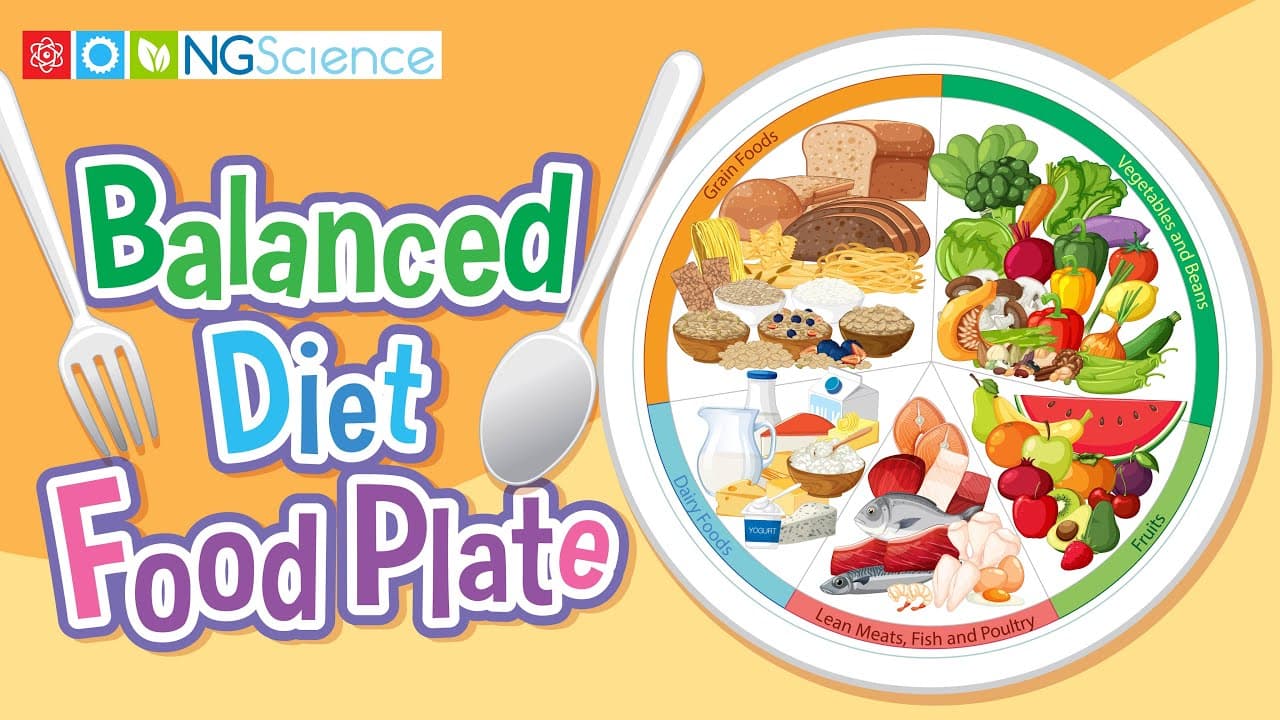
This educational video provides a clear and practical guide to understanding nutrition through the concept of the Balanced Diet Food Plate. It breaks down the abstract idea of a "balanced diet" into concrete visual representations, explaining that healthy eating means consuming the right types of food in the right amounts. The video uses a segmented plate diagram to visually demonstrate the proportions of different food groups—grains, vegetables and beans, fruits, proteins (meats/fish), and dairy—needed for optimal health. The content systematically explores each section of the food plate, offering specific examples of foods within each category (like whole wheat bread for grains or salmon for proteins) and their nutritional benefits (carbohydrates for energy, calcium for bones). It also provides tangible serving size guidelines, often using easy-to-understand comparisons like "the size of your palm" or specific measurements like "half a cup." Crucially, the video addresses hydration and the role of healthy oils, ensuring a holistic view of nutrition. For educators, this video serves as an excellent foundational tool for health and science units. It simplifies complex nutritional guidelines into an actionable model that students can apply to their daily lives. Teachers can use it to spark discussions about personal eating habits, menu planning, and the biological functions of different nutrients. Its visual approach makes it particularly effective for helping students visualize portion control and variety without needing complex calorie counting.

Next Generation ScienceNext Generation Science

4mins 3s

Video
5 Steps to a Healthy and Active Lifestyle

5 Steps to a Healthy and Active Lifestyle

This educational video provides a comprehensive guide to maintaining a healthy and active lifestyle, breaking down complex health concepts into five actionable steps suitable for young audiences. It explains the biological benefits of exercise—such as strengthening muscles, improving flexibility, and releasing mood-boosting hormones—while emphasizing that physical activity can be enjoyable rather than just a chore. The content covers a holistic view of health, exploring key themes beyond just movement. It integrates the importance of adequate sleep for cognitive function and muscle recovery, the necessity of limiting sedentary screen time, and the role of a balanced diet in fueling the body. A specific segment visualizes proper nutrition through a pie-chart breakdown of food groups, helping students understand portioning for optimal energy. For educators, this video serves as an excellent anchor for health and physical education units. It connects abstract health advice to concrete actions students can take immediately, like finding a sport they love or taking stretch breaks during gaming sessions. The clear structure allows teachers to focus on specific pillars of health—sleep, diet, or exercise—making it versatile for science lessons on the human body or guidance lessons on self-care and routine building.

Next Generation ScienceNext Generation Science

3mins 15s

Video
Exploring the Five Food Groups

Exploring the Five Food Groups

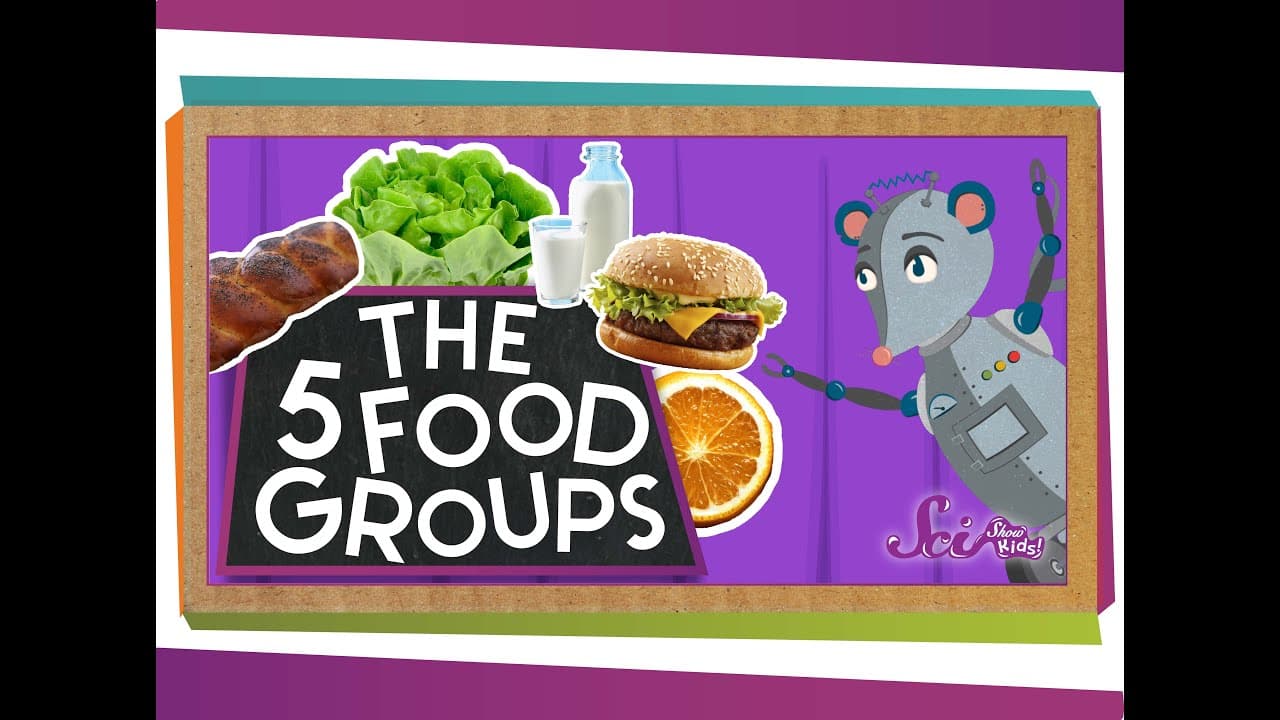
This engaging educational video introduces young learners to the concept of nutrition through the five major food groups. Hosted by Jessi and her robot friend Squeaks, the video explains that our bodies need energy to function and that we get this energy from food. It breaks down the vast variety of foods we eat into manageable categories: Fruit, Grain, Vegetables, Protein, and Dairy, providing clear examples and visual aids for each.

SciShow KidsSciShow Kids

4mins 32s

Video
Four Fun Ways to Stay Healthy and Strong

Four Fun Ways to Stay Healthy and Strong

This engaging educational video introduces children to four fundamental pillars of a healthy lifestyle: exercise, nutrition, sleep, and hygiene. Through clear narration and relatable stock footage of diverse children, it breaks down complex health concepts into simple, actionable habits. The video explains not just *what* to do, but *why* these habits matter, connecting physical actions to benefits like brain function, body repair, and disease prevention. The content is structured around four distinct segments. First, it explores exercise, highlighting how movement benefits both the body and the brain by releasing happy chemicals. Second, it covers nutrition, emphasizing a balanced diet of fruits, vegetables, and proteins while dispelling the myth that healthy food is boring. Third, it discusses the restorative power of sleep and the importance of bedtime routines. Finally, it addresses personal hygiene practices like hand washing and teeth brushing to keep germs away. For educators, this video serves as an excellent anchor for a health and wellness unit. It provides a comprehensive overview that can be paused to dive deeper into each specific topic. The friendly tone and clear visual examples make it perfect for sparking classroom discussions about daily routines, encouraging students to reflect on their own habits, and inspiring them to make healthy choices both at school and at home.
Next Generation ScienceNext Generation Science

3mins 4s

Video
How to spot a fad diet - Mia Nacamulli

How to spot a fad diet - Mia Nacamulli

This educational video investigates the complex and often misleading world of diet culture, specifically focusing on how to distinguish scientifically sound nutrition advice from marketing-driven "fad diets." The narrator explores the history of dieting, revealing that our obsession with quick fixes dates back centuries, from Victorian vinegar regimens to dangerous tapeworm consumption. It explains the biological mechanisms behind why these diets often yield temporary results (water weight loss, metabolic slowdown) but ultimately fail in the long term, leaving dieters caught in a harmful cycle of weight fluctuation. The content critically examines modern dietary trends like low-carb plans, juice cleanses, and the "superfood" craze. It breaks down the physiological responses the body has to severe calorie restriction, such as a lowered metabolic rate, which makes regaining weight almost inevitable once normal eating resumes. The video also highlights how marketing tactics exploit consumer desires for quick transformation by using exoticism and pseudo-science to sell products that offer little nutritional advantage over standard whole foods. For educators, this video serves as an excellent tool for media literacy, health education, and critical thinking. It empowers students to analyze health claims with skepticism, looking for red flags like demonizing entire food groups or promising miraculous results. By shifting the focus from aesthetic goals to long-term health and sustainable habits, teachers can use this resource to spark important discussions about body image, scientific literacy, and the importance of personalized nutrition advice over one-size-fits-all solutions.

TED-EdTED-Ed

4mins 34s

Video
How Food Allergies and the Immune System Work

How Food Allergies and the Immune System Work

This educational video from SciShow Kids explores the science behind food allergies, using peanut allergies as a primary example to explain complex biological concepts in an age-appropriate way. Hosted by Jessi and her robot friend Squeaks, the video distinguishes between simply disliking a food and having a physical allergy to it. It introduces the concept of the immune system, explaining how this body system normally fights germs but sometimes makes a mistake by attacking safe foods like peanuts. The video breaks down the biological process of an allergic reaction, describing how the body releases chemicals to fight an imaginary attacker. It details common symptoms of allergic reactions, ranging from runny noses and itchy skin to more serious breathing difficulties. Crucially, it touches on the importance of medicine for severe reactions and emphasizes safety, teaching children why even a tiny amount of an allergen can be dangerous. For educators, this video is an excellent tool for teaching health, human biology, and social-emotional learning. It helps demystify why some students have strict dietary restrictions, fostering empathy and understanding in the classroom. It provides a clear, non-scary explanation of the immune system that serves as a foundation for understanding human biology, while also offering practical safety advice about respecting food allergies and recognizing when a friend might need help.

SciShow KidsSciShow Kids

3mins 25s

Video
Why We Need Sleep and How to Rest Better

Why We Need Sleep and How to Rest Better

This educational video explains the vital role sleep plays in maintaining physical and mental health. It begins by establishing why sleep is necessary, describing it as a recharge period for the body and mind, and contrasts this with the negative effects of sleep deprivation, such as irritability and difficulty concentrating. The gentle narration is supported by clear visuals of people sleeping, waking up, and going about their daily lives. The video outlines practical, actionable strategies for improving sleep hygiene known as "tips." Key themes include the importance of maintaining a consistent sleep schedule, optimizing the bedroom environment (lighting and temperature), limiting daytime naps, engaging in regular physical activity, and making dietary choices that support rest. It specifically advises against consuming sugar or caffeine close to bedtime and encourages relaxing pre-sleep rituals like reading. For educators, this resource is an excellent tool for Health, PE, and Wellness curriculums. It provides a straightforward framework for discussing self-care and biological needs with younger students. Teachers can use the specific tips provided in the video to help students evaluate their own routines and create personal goals for better health, fostering early awareness of how lifestyle choices impact daily performance and mood.

Next Generation ScienceNext Generation Science

1min 38s

Video
Why Eating a Healthy Breakfast Matters

Why Eating a Healthy Breakfast Matters

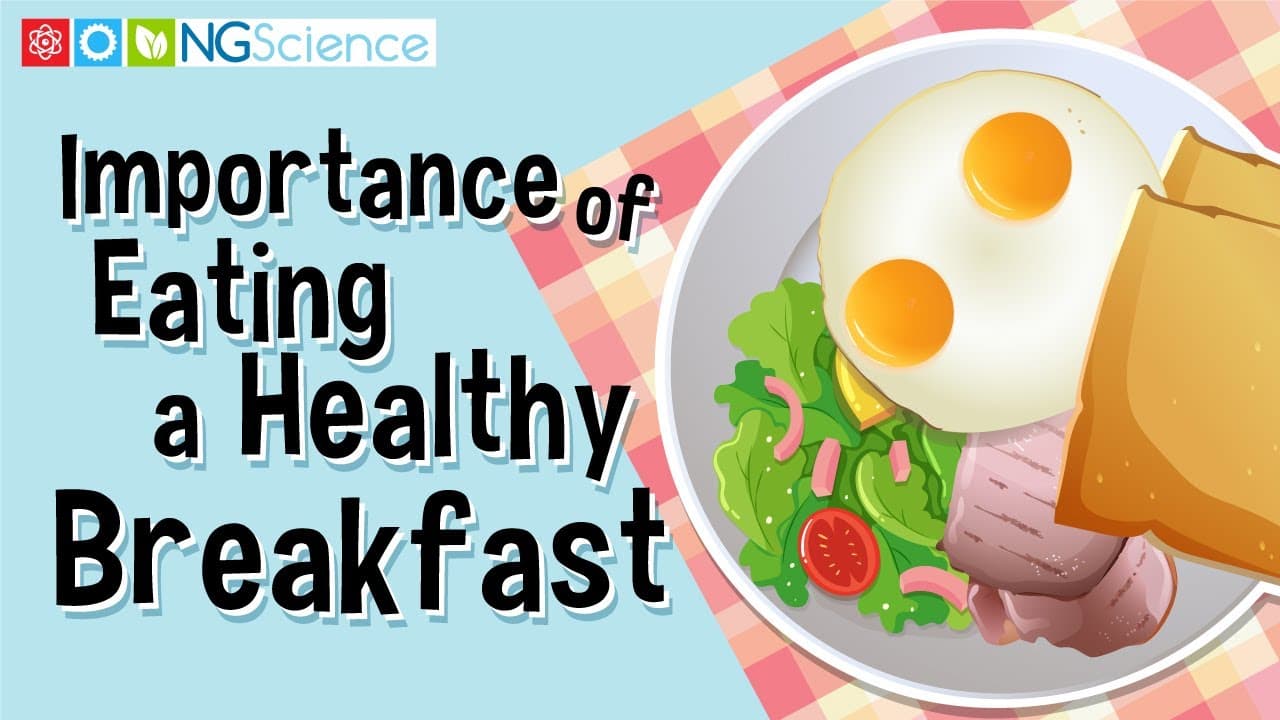
This concise educational video explains the physiological and behavioral importance of eating a nutritious breakfast. It breaks down how the first meal of the day provides essential fuel for the body and brain, highlighting specific benefits such as improved concentration in school, a boosted metabolism, and better appetite control throughout the rest of the day. The narration is clear and accessible, making complex concepts like metabolism easy for younger students to understand. The video visually demonstrates a variety of healthy breakfast options, moving beyond sugary cereals to showcase balanced meals like oatmeal with fruit, whole grain avocado toast with eggs, and greek yogurt parfaits. It introduces the nutritional triad of carbohydrates, proteins, and healthy fats, explaining why this combination is crucial for sustained energy and satiety. Visuals alternate between students engaging in academic and physical activities and high-quality close-ups of appetizing, healthy food preparations. For educators, this resource serves as an excellent hook for units on nutrition, health, and human biology. It connects biological needs (nutrients) with practical daily choices, empowering students to take ownership of their morning routine. The video is particularly useful for initiating discussions about healthy habits, analyzing food groups, and planning balanced menus in Health or Science classes.

Next Generation ScienceNext Generation Science

1min 19s

Video
Powering Up With a Healthy Lunch

Powering Up With a Healthy Lunch

This engaging educational video explores the critical connection between lunchtime nutrition and daily energy levels. It begins by addressing the common feeling of afternoon sluggishness and introduces healthy lunches as the solution to maintaining focus and productivity. The video breaks down the science of why our bodies need midday fuel, explaining how a well-balanced meal supports metabolism and overall health.

Next Generation ScienceNext Generation Science

2mins 4s

Video
How to Take Care of Your Amazing Body

How to Take Care of Your Amazing Body

This engaging educational video introduces young learners to the fundamental habits required to maintain a healthy body. Through vibrant footage of diverse children in action, the narrator explains that our bodies are amazing machines capable of incredible feats, but they require regular maintenance to function optimally. The video breaks down health into four accessible categories: personal hygiene, physical activity, nutrition, and rest, providing concrete examples for each that children can easily relate to their daily lives. Key themes explored include the importance of cleanliness (washing hands, brushing teeth), the joy of movement (dancing, sports, outdoor play), and the balance of nutrition (prioritizing fruits and vegetables while treating sweets as occasional snacks). It specifically addresses the concept of "sometimes foods" versus "always foods," helping children navigate dietary choices without shame. The video concludes by adding a critical fourth pillar often overlooked in children's health discussions: the necessity of a good night's sleep. For educators, this resource serves as an excellent anchor for a "Healthy Living" unit in early elementary classrooms. Its clear structure allows teachers to pause and focus on one specific health aspect at a time. The relatable visuals of children engaging in everyday activities help students see themselves in the content, fostering a personal connection to healthy habits. It is particularly useful for sparking discussions about daily routines, categorizing foods, and understanding the 'why' behind rules like bedtime and handwashing.

Next Generation ScienceNext Generation Science

1min 56s

Video
Exploring the Five Food Groups and Healthy Eating

Exploring the Five Food Groups and Healthy Eating

This educational video from the Lighthouse Lab introduces young students to the five major food groups and the basics of nutrition. Through clear narration and vibrant visuals, the host explains how different foods provide specific benefits to the human body, such as energy from grains, vitamins from fruits and vegetables, muscle-building power from proteins, and bone-strengthening calcium from dairy. The video explores key themes of healthy eating, biological functions of nutrients, and food categorization. It breaks down complex nutritional concepts into digestible segments, explicitly categorizing common foods like apples, carrots, bread, chicken, and milk. It also addresses "sometimes foods" like candy and ice cream, explaining why they don't fit into the main nutritional groups due to high sugar, fat, or salt content. For educators, this video serves as an excellent foundational tool for health and science curriculums. It provides a structured framework for discussing diet and biology, offering clear visual examples that help students recognize and classify the foods they eat every day. The content naturally leads into activities about meal planning, identifying plant parts, and making healthy lifestyle choices.

Next Generation ScienceNext Generation Science

4mins 28s

Video
Four Fun Ways to Stay Healthy and Strong

Four Fun Ways to Stay Healthy and Strong

This engaging educational video introduces children to four fundamental pillars of a healthy lifestyle: exercise, nutrition, sleep, and hygiene. Through clear narration and relatable stock footage of diverse children, it breaks down complex health concepts into simple, actionable habits. The video explains not just *what* to do, but *why* these habits matter, connecting physical actions to benefits like brain function, body repair, and disease prevention. The content is structured around four distinct segments. First, it explores exercise, highlighting how movement benefits both the body and the brain by releasing happy chemicals. Second, it covers nutrition, emphasizing a balanced diet of fruits, vegetables, and proteins while dispelling the myth that healthy food is boring. Third, it discusses the restorative power of sleep and the importance of bedtime routines. Finally, it addresses personal hygiene practices like hand washing and teeth brushing to keep germs away. For educators, this video serves as an excellent anchor for a health and wellness unit. It provides a comprehensive overview that can be paused to dive deeper into each specific topic. The friendly tone and clear visual examples make it perfect for sparking classroom discussions about daily routines, encouraging students to reflect on their own habits, and inspiring them to make healthy choices both at school and at home.
Next Generation ScienceNext Generation Science

3mins 4s

Video
How Food Fuels Your Body and Why Nutrition Matters

How Food Fuels Your Body and Why Nutrition Matters

This comprehensive educational video guides students through the fundamentals of healthy eating, using relatable analogies to explain why nutrition is essential for the body. The host, Kylie, breaks down the complex topic of diet into manageable concepts, starting with the idea that food is fuel for the body just like gas is for a car. She emphasizes the importance of eating regular meals to maintain energy levels and introduces the concept of balanced nutrition through the five main food groups.

Miacademy & MiaPrep Learning ChannelMiacademy & MiaPrep Learning Channel

6mins 23s

Video
Understanding Balanced Diets and Fast Food Nutrition

Understanding Balanced Diets and Fast Food Nutrition

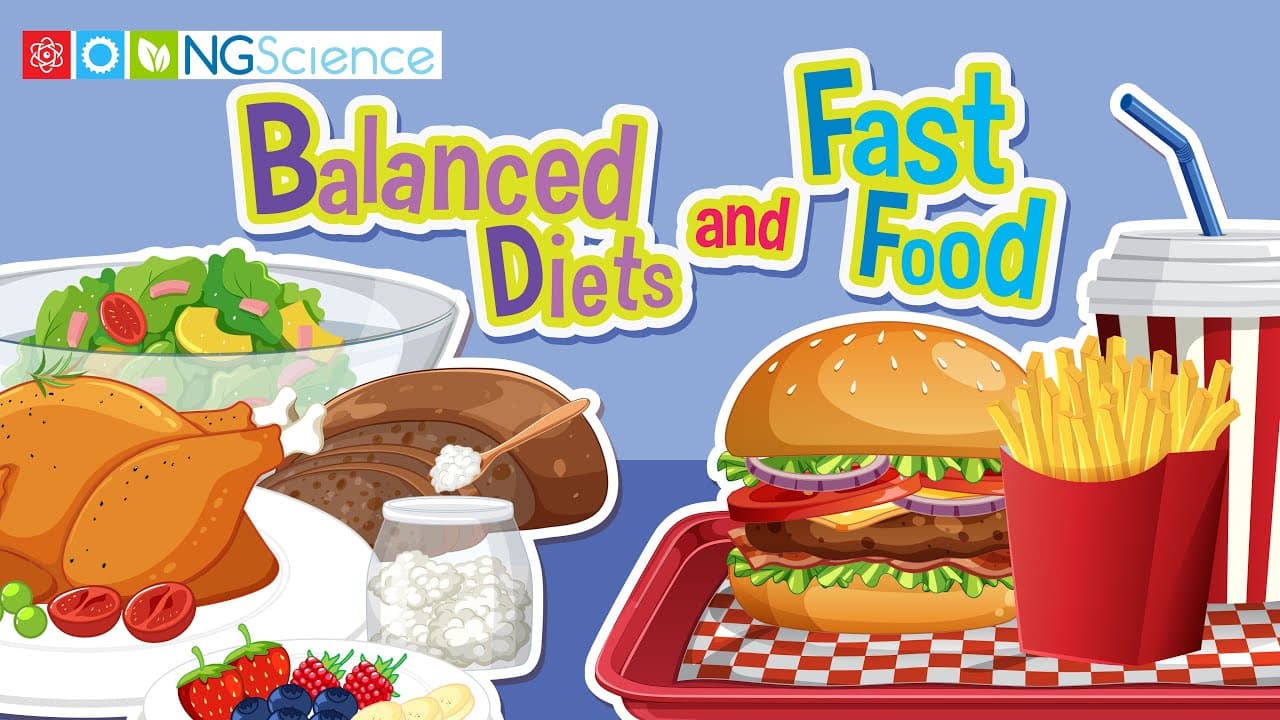
This educational video provides a comprehensive overview of maintaining a healthy lifestyle, with a specific focus on the nutritional impact of fast food versus a balanced diet. The narrative begins by establishing the pillars of health: regular exercise, personal hygiene, adequate sleep, and nutrition. It transitions into a data-driven analysis of a typical fast food meal—a double bacon cheeseburger, large fries, and soda—breaking down exactly how these items contribute to daily nutritional limits.

Next Generation ScienceNext Generation Science

3mins 50s

Video
5 Steps to a Healthy and Active Lifestyle

5 Steps to a Healthy and Active Lifestyle

This educational video provides a comprehensive guide to maintaining a healthy and active lifestyle, breaking down complex health concepts into five actionable steps suitable for young audiences. It explains the biological benefits of exercise—such as strengthening muscles, improving flexibility, and releasing mood-boosting hormones—while emphasizing that physical activity can be enjoyable rather than just a chore. The content covers a holistic view of health, exploring key themes beyond just movement. It integrates the importance of adequate sleep for cognitive function and muscle recovery, the necessity of limiting sedentary screen time, and the role of a balanced diet in fueling the body. A specific segment visualizes proper nutrition through a pie-chart breakdown of food groups, helping students understand portioning for optimal energy. For educators, this video serves as an excellent anchor for health and physical education units. It connects abstract health advice to concrete actions students can take immediately, like finding a sport they love or taking stretch breaks during gaming sessions. The clear structure allows teachers to focus on specific pillars of health—sleep, diet, or exercise—making it versatile for science lessons on the human body or guidance lessons on self-care and routine building.

Next Generation ScienceNext Generation Science

3mins 15s

Video
Keeping Your Brain Healthy

Keeping Your Brain Healthy

This educational video outlines practical, everyday strategies for maintaining and improving mental wellness, framing brain health as an active process similar to physical fitness. It introduces viewers to actionable habits such as practicing mindfulness, minimizing screen time, spending time in nature, maintaining a balanced diet, and seeking professional support when needed. The narration emphasizes that mental health requires consistency and patience, just like exercising any other muscle in the body. Key themes explored include the mind-body connection, digital wellness, the therapeutic benefits of nature, and the destigmatization of seeking therapy. The video explicitly connects lifestyle choices—like nutrition and exercise—directly to cognitive function and emotional well-being. It also addresses the impact of substance use on brain health, providing a holistic view of what it means to stay mentally fit. For educators, this video serves as an excellent primer for Social Emotional Learning (SEL) units focused on self-care, stress management, and health education. It provides a non-threatening entry point for discussing mental health, normalizing the idea of "brain check-ups," and empowering students with tangible tools they can use immediately to manage stress and anxiety.

Brain Health BootcampBrain Health Bootcamp

1min 48s

Video
DJ And Danny Talk About Body Image [Full house]

DJ And Danny Talk About Body Image [Full house]

In this poignant clip from the sitcom "Full House," teenager DJ Tanner struggles with severe body image issues leading up to a pool party. Attempting to lose weight rapidly, she resorts to starving herself for three days, sparking concern among her family members. The situation escalates from a kitchen confrontation where her dangerous behavior is revealed, to an intimate heart-to-heart with her father, Danny, in her bedroom. The video explores critical themes of self-worth, the toxic influence of media standards on beauty, and the dangers of eating disorders. It highlights the disparity between how we view ourselves versus how others view us, and the importance of valuing internal character over external appearance. Danny Tanner's gentle parenting approach provides a model for discussing sensitive topics without judgment. For educators, this video serves as an excellent prompt for Social Emotional Learning (SEL) and Health classes. It provides a safe, fictional entry point to discuss real-world pressures regarding appearance, the unrealistic nature of magazine models, and the difference between "crash dieting" and healthy living. It allows students to critique societal beauty standards and practice positive self-talk.

KitanaaKitanaa

4mins 20s

Video
Nutrition and brain health

Nutrition and brain health

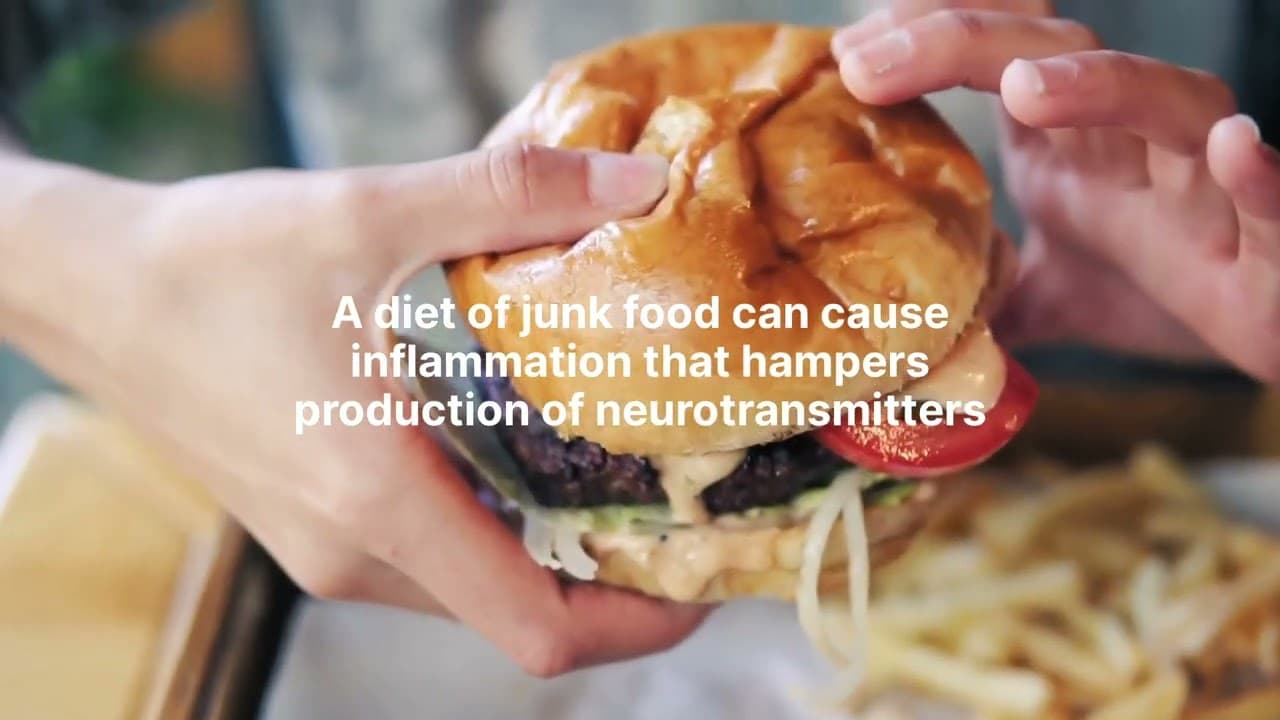
This educational video explores the powerful physiological connection between dietary choices and cognitive function, specifically focusing on the relationship between the gastrointestinal tract and the brain. It introduces the concept of the "second brain"—the gut—and explains the biological mechanism by which gut bacteria influence the production of neurotransmitters like dopamine and serotonin. The video contrasts the effects of healthy foods versus junk food on this system, highlighting how inflammation can disrupt chemical signaling. Key themes include the gut-brain axis, the role of neurotransmitters in regulating mood, the impact of inflammation caused by poor diet, and specific nutritional recommendations for optimal brain health. The content breaks down complex biological processes into understandable concepts, emphasizing that food is not just energy for movement but critical fuel for mental and emotional stability. For educators, this resource provides a scientific basis for health education beyond simple calorie counting or weight management. It serves as an excellent tool for biology, health, or life skills classes to teach students why nutrition matters for their mental well-being. By linking food directly to mood and brain function, it offers a compelling, immediate motivation for students to make healthier dietary choices.

Brain Health BootcampBrain Health Bootcamp

1min 46s

Video
Healthy Lifestyle

Healthy Lifestyle

This educational video explores the profound connection between physical habits and mental health. It clearly illustrates how lifestyle choices—such as physical activity, diet, and substance use—directly impact our psychological wellbeing. The narrative emphasizes that caring for the body is an essential strategy for caring for the mind, debunking the idea that physical and mental health are separate entities. The video covers key themes including the biochemical benefits of exercise (endorphins), the accessibility of physical activity without expensive gyms, the importance of a balanced diet, and the negative spiral caused by alcohol, drugs, and smoking. It offers practical, manageable advice for making small changes, such as brisk walking, gardening, or using free apps to track progress. For educators, this resource is a powerful tool to introduce holistic health concepts. It shifts the conversation from "exercise for weight loss" to "exercise for mood regulation," which is often more motivating for students. It can spark discussions in health, physical education, and psychology classes about self-care strategies, the science of stress, and building sustainable healthy habits.

Every Mind MattersEvery Mind Matters

3mins 12s

Video
How to Build a Healthy Balanced Diet Plate

How to Build a Healthy Balanced Diet Plate

This educational video provides a clear and practical guide to understanding nutrition through the concept of the Balanced Diet Food Plate. It breaks down the abstract idea of a "balanced diet" into concrete visual representations, explaining that healthy eating means consuming the right types of food in the right amounts. The video uses a segmented plate diagram to visually demonstrate the proportions of different food groups—grains, vegetables and beans, fruits, proteins (meats/fish), and dairy—needed for optimal health. The content systematically explores each section of the food plate, offering specific examples of foods within each category (like whole wheat bread for grains or salmon for proteins) and their nutritional benefits (carbohydrates for energy, calcium for bones). It also provides tangible serving size guidelines, often using easy-to-understand comparisons like "the size of your palm" or specific measurements like "half a cup." Crucially, the video addresses hydration and the role of healthy oils, ensuring a holistic view of nutrition. For educators, this video serves as an excellent foundational tool for health and science units. It simplifies complex nutritional guidelines into an actionable model that students can apply to their daily lives. Teachers can use it to spark discussions about personal eating habits, menu planning, and the biological functions of different nutrients. Its visual approach makes it particularly effective for helping students visualize portion control and variety without needing complex calorie counting.

Next Generation ScienceNext Generation Science

4mins 3s

Video
How to spot a fad diet - Mia Nacamulli

How to spot a fad diet - Mia Nacamulli

This educational video investigates the complex and often misleading world of diet culture, specifically focusing on how to distinguish scientifically sound nutrition advice from marketing-driven "fad diets." The narrator explores the history of dieting, revealing that our obsession with quick fixes dates back centuries, from Victorian vinegar regimens to dangerous tapeworm consumption. It explains the biological mechanisms behind why these diets often yield temporary results (water weight loss, metabolic slowdown) but ultimately fail in the long term, leaving dieters caught in a harmful cycle of weight fluctuation. The content critically examines modern dietary trends like low-carb plans, juice cleanses, and the "superfood" craze. It breaks down the physiological responses the body has to severe calorie restriction, such as a lowered metabolic rate, which makes regaining weight almost inevitable once normal eating resumes. The video also highlights how marketing tactics exploit consumer desires for quick transformation by using exoticism and pseudo-science to sell products that offer little nutritional advantage over standard whole foods. For educators, this video serves as an excellent tool for media literacy, health education, and critical thinking. It empowers students to analyze health claims with skepticism, looking for red flags like demonizing entire food groups or promising miraculous results. By shifting the focus from aesthetic goals to long-term health and sustainable habits, teachers can use this resource to spark important discussions about body image, scientific literacy, and the importance of personalized nutrition advice over one-size-fits-all solutions.

TED-EdTED-Ed

4mins 34s

Video
Why Eating a Healthy Breakfast Matters

Why Eating a Healthy Breakfast Matters

This concise educational video explains the physiological and behavioral importance of eating a nutritious breakfast. It breaks down how the first meal of the day provides essential fuel for the body and brain, highlighting specific benefits such as improved concentration in school, a boosted metabolism, and better appetite control throughout the rest of the day. The narration is clear and accessible, making complex concepts like metabolism easy for younger students to understand. The video visually demonstrates a variety of healthy breakfast options, moving beyond sugary cereals to showcase balanced meals like oatmeal with fruit, whole grain avocado toast with eggs, and greek yogurt parfaits. It introduces the nutritional triad of carbohydrates, proteins, and healthy fats, explaining why this combination is crucial for sustained energy and satiety. Visuals alternate between students engaging in academic and physical activities and high-quality close-ups of appetizing, healthy food preparations. For educators, this resource serves as an excellent hook for units on nutrition, health, and human biology. It connects biological needs (nutrients) with practical daily choices, empowering students to take ownership of their morning routine. The video is particularly useful for initiating discussions about healthy habits, analyzing food groups, and planning balanced menus in Health or Science classes.

Next Generation ScienceNext Generation Science

1min 19s

Video
Exploring the Five Food Groups and Healthy Eating

Exploring the Five Food Groups and Healthy Eating

This educational video from the Lighthouse Lab introduces young students to the five major food groups and the basics of nutrition. Through clear narration and vibrant visuals, the host explains how different foods provide specific benefits to the human body, such as energy from grains, vitamins from fruits and vegetables, muscle-building power from proteins, and bone-strengthening calcium from dairy. The video explores key themes of healthy eating, biological functions of nutrients, and food categorization. It breaks down complex nutritional concepts into digestible segments, explicitly categorizing common foods like apples, carrots, bread, chicken, and milk. It also addresses "sometimes foods" like candy and ice cream, explaining why they don't fit into the main nutritional groups due to high sugar, fat, or salt content. For educators, this video serves as an excellent foundational tool for health and science curriculums. It provides a structured framework for discussing diet and biology, offering clear visual examples that help students recognize and classify the foods they eat every day. The content naturally leads into activities about meal planning, identifying plant parts, and making healthy lifestyle choices.

Next Generation ScienceNext Generation Science

4mins 28s

Video
How to Take Care of Your Amazing Body

How to Take Care of Your Amazing Body

This engaging educational video introduces young learners to the fundamental habits required to maintain a healthy body. Through vibrant footage of diverse children in action, the narrator explains that our bodies are amazing machines capable of incredible feats, but they require regular maintenance to function optimally. The video breaks down health into four accessible categories: personal hygiene, physical activity, nutrition, and rest, providing concrete examples for each that children can easily relate to their daily lives. Key themes explored include the importance of cleanliness (washing hands, brushing teeth), the joy of movement (dancing, sports, outdoor play), and the balance of nutrition (prioritizing fruits and vegetables while treating sweets as occasional snacks). It specifically addresses the concept of "sometimes foods" versus "always foods," helping children navigate dietary choices without shame. The video concludes by adding a critical fourth pillar often overlooked in children's health discussions: the necessity of a good night's sleep. For educators, this resource serves as an excellent anchor for a "Healthy Living" unit in early elementary classrooms. Its clear structure allows teachers to pause and focus on one specific health aspect at a time. The relatable visuals of children engaging in everyday activities help students see themselves in the content, fostering a personal connection to healthy habits. It is particularly useful for sparking discussions about daily routines, categorizing foods, and understanding the 'why' behind rules like bedtime and handwashing.

Next Generation ScienceNext Generation Science

1min 56s

Video
How to Build a Healthy Balanced Diet Plate

How to Build a Healthy Balanced Diet Plate

This educational video provides a clear and practical guide to understanding nutrition through the concept of the Balanced Diet Food Plate. It breaks down the abstract idea of a "balanced diet" into concrete visual representations, explaining that healthy eating means consuming the right types of food in the right amounts. The video uses a segmented plate diagram to visually demonstrate the proportions of different food groups—grains, vegetables and beans, fruits, proteins (meats/fish), and dairy—needed for optimal health. The content systematically explores each section of the food plate, offering specific examples of foods within each category (like whole wheat bread for grains or salmon for proteins) and their nutritional benefits (carbohydrates for energy, calcium for bones). It also provides tangible serving size guidelines, often using easy-to-understand comparisons like "the size of your palm" or specific measurements like "half a cup." Crucially, the video addresses hydration and the role of healthy oils, ensuring a holistic view of nutrition. For educators, this video serves as an excellent foundational tool for health and science units. It simplifies complex nutritional guidelines into an actionable model that students can apply to their daily lives. Teachers can use it to spark discussions about personal eating habits, menu planning, and the biological functions of different nutrients. Its visual approach makes it particularly effective for helping students visualize portion control and variety without needing complex calorie counting.

Next Generation ScienceNext Generation Science

4mins 3s

Video
Exploring the Five Food Groups

Exploring the Five Food Groups

This engaging educational video introduces young learners to the concept of nutrition through the five major food groups. Hosted by Jessi and her robot friend Squeaks, the video explains that our bodies need energy to function and that we get this energy from food. It breaks down the vast variety of foods we eat into manageable categories: Fruit, Grain, Vegetables, Protein, and Dairy, providing clear examples and visual aids for each.

SciShow KidsSciShow Kids

4mins 32s

Video
How Food Fuels Your Body and Why Nutrition Matters

How Food Fuels Your Body and Why Nutrition Matters

This comprehensive educational video guides students through the fundamentals of healthy eating, using relatable analogies to explain why nutrition is essential for the body. The host, Kylie, breaks down the complex topic of diet into manageable concepts, starting with the idea that food is fuel for the body just like gas is for a car. She emphasizes the importance of eating regular meals to maintain energy levels and introduces the concept of balanced nutrition through the five main food groups.

Miacademy & MiaPrep Learning ChannelMiacademy & MiaPrep Learning Channel

6mins 23s

Video
Understanding Balanced Diets and Fast Food Nutrition

Understanding Balanced Diets and Fast Food Nutrition

This educational video provides a comprehensive overview of maintaining a healthy lifestyle, with a specific focus on the nutritional impact of fast food versus a balanced diet. The narrative begins by establishing the pillars of health: regular exercise, personal hygiene, adequate sleep, and nutrition. It transitions into a data-driven analysis of a typical fast food meal—a double bacon cheeseburger, large fries, and soda—breaking down exactly how these items contribute to daily nutritional limits.

Next Generation ScienceNext Generation Science

3mins 50s

Video
Nutrition and brain health

Nutrition and brain health

This educational video explores the powerful physiological connection between dietary choices and cognitive function, specifically focusing on the relationship between the gastrointestinal tract and the brain. It introduces the concept of the "second brain"—the gut—and explains the biological mechanism by which gut bacteria influence the production of neurotransmitters like dopamine and serotonin. The video contrasts the effects of healthy foods versus junk food on this system, highlighting how inflammation can disrupt chemical signaling. Key themes include the gut-brain axis, the role of neurotransmitters in regulating mood, the impact of inflammation caused by poor diet, and specific nutritional recommendations for optimal brain health. The content breaks down complex biological processes into understandable concepts, emphasizing that food is not just energy for movement but critical fuel for mental and emotional stability. For educators, this resource provides a scientific basis for health education beyond simple calorie counting or weight management. It serves as an excellent tool for biology, health, or life skills classes to teach students why nutrition matters for their mental well-being. By linking food directly to mood and brain function, it offers a compelling, immediate motivation for students to make healthier dietary choices.

Brain Health BootcampBrain Health Bootcamp

1min 46s

Video
Keeping Your Brain Healthy

Keeping Your Brain Healthy

This educational video outlines practical, everyday strategies for maintaining and improving mental wellness, framing brain health as an active process similar to physical fitness. It introduces viewers to actionable habits such as practicing mindfulness, minimizing screen time, spending time in nature, maintaining a balanced diet, and seeking professional support when needed. The narration emphasizes that mental health requires consistency and patience, just like exercising any other muscle in the body. Key themes explored include the mind-body connection, digital wellness, the therapeutic benefits of nature, and the destigmatization of seeking therapy. The video explicitly connects lifestyle choices—like nutrition and exercise—directly to cognitive function and emotional well-being. It also addresses the impact of substance use on brain health, providing a holistic view of what it means to stay mentally fit. For educators, this video serves as an excellent primer for Social Emotional Learning (SEL) units focused on self-care, stress management, and health education. It provides a non-threatening entry point for discussing mental health, normalizing the idea of "brain check-ups," and empowering students with tangible tools they can use immediately to manage stress and anxiety.

Brain Health BootcampBrain Health Bootcamp

1min 48s

Video
How to Take Care of Yourself When You Are Sick

How to Take Care of Yourself When You Are Sick

This educational video provides a clear, step-by-step guide for children on how to recognize when they are sick and what actions they should take to recover. It covers common symptoms like sore throats, colds, and the flu, emphasizing the importance of self-care to help the body fight off illness. The narration is gentle and reassuring, making it suitable for young viewers who might feel anxious about being unwell. The video outlines essential health behaviors including communicating with adults, getting adequate rest, hydration, nutrition, and hygiene practices like hand washing and mask-wearing. It explains the 'why' behind these actions—for instance, how sleep provides energy to fight germs and how fluids keep the body hydrated. It also addresses social responsibility by explaining how staying home and washing hands prevents spreading germs to others. For educators, this video serves as an excellent tool for Health and Science units focused on the human body, hygiene, and personal responsibility. It helps build functional health literacy by giving students a concrete checklist of actions to take when they feel unwell, empowering them to advocate for their own health needs and understand the role of doctors and rest in recovery.

Next Generation ScienceNext Generation Science

2mins 14s

Video
Why Eating a Healthy Breakfast Matters

Why Eating a Healthy Breakfast Matters

This concise educational video explains the physiological and behavioral importance of eating a nutritious breakfast. It breaks down how the first meal of the day provides essential fuel for the body and brain, highlighting specific benefits such as improved concentration in school, a boosted metabolism, and better appetite control throughout the rest of the day. The narration is clear and accessible, making complex concepts like metabolism easy for younger students to understand. The video visually demonstrates a variety of healthy breakfast options, moving beyond sugary cereals to showcase balanced meals like oatmeal with fruit, whole grain avocado toast with eggs, and greek yogurt parfaits. It introduces the nutritional triad of carbohydrates, proteins, and healthy fats, explaining why this combination is crucial for sustained energy and satiety. Visuals alternate between students engaging in academic and physical activities and high-quality close-ups of appetizing, healthy food preparations. For educators, this resource serves as an excellent hook for units on nutrition, health, and human biology. It connects biological needs (nutrients) with practical daily choices, empowering students to take ownership of their morning routine. The video is particularly useful for initiating discussions about healthy habits, analyzing food groups, and planning balanced menus in Health or Science classes.

Next Generation ScienceNext Generation Science

1min 19s

Video
Powering Up With a Healthy Lunch

Powering Up With a Healthy Lunch

This engaging educational video explores the critical connection between lunchtime nutrition and daily energy levels. It begins by addressing the common feeling of afternoon sluggishness and introduces healthy lunches as the solution to maintaining focus and productivity. The video breaks down the science of why our bodies need midday fuel, explaining how a well-balanced meal supports metabolism and overall health.

Next Generation ScienceNext Generation Science

2mins 4s

Video
How Food Fuels Your Body and Why Nutrition Matters

How Food Fuels Your Body and Why Nutrition Matters

This comprehensive educational video guides students through the fundamentals of healthy eating, using relatable analogies to explain why nutrition is essential for the body. The host, Kylie, breaks down the complex topic of diet into manageable concepts, starting with the idea that food is fuel for the body just like gas is for a car. She emphasizes the importance of eating regular meals to maintain energy levels and introduces the concept of balanced nutrition through the five main food groups.

Miacademy & MiaPrep Learning ChannelMiacademy & MiaPrep Learning Channel

6mins 23s

Video
How to Build a Healthy Balanced Diet Plate

How to Build a Healthy Balanced Diet Plate

This educational video provides a clear and practical guide to understanding nutrition through the concept of the Balanced Diet Food Plate. It breaks down the abstract idea of a "balanced diet" into concrete visual representations, explaining that healthy eating means consuming the right types of food in the right amounts. The video uses a segmented plate diagram to visually demonstrate the proportions of different food groups—grains, vegetables and beans, fruits, proteins (meats/fish), and dairy—needed for optimal health. The content systematically explores each section of the food plate, offering specific examples of foods within each category (like whole wheat bread for grains or salmon for proteins) and their nutritional benefits (carbohydrates for energy, calcium for bones). It also provides tangible serving size guidelines, often using easy-to-understand comparisons like "the size of your palm" or specific measurements like "half a cup." Crucially, the video addresses hydration and the role of healthy oils, ensuring a holistic view of nutrition. For educators, this video serves as an excellent foundational tool for health and science units. It simplifies complex nutritional guidelines into an actionable model that students can apply to their daily lives. Teachers can use it to spark discussions about personal eating habits, menu planning, and the biological functions of different nutrients. Its visual approach makes it particularly effective for helping students visualize portion control and variety without needing complex calorie counting.

Next Generation ScienceNext Generation Science

4mins 3s

Video
5 Steps to a Healthy and Active Lifestyle

5 Steps to a Healthy and Active Lifestyle

This educational video provides a comprehensive guide to maintaining a healthy and active lifestyle, breaking down complex health concepts into five actionable steps suitable for young audiences. It explains the biological benefits of exercise—such as strengthening muscles, improving flexibility, and releasing mood-boosting hormones—while emphasizing that physical activity can be enjoyable rather than just a chore. The content covers a holistic view of health, exploring key themes beyond just movement. It integrates the importance of adequate sleep for cognitive function and muscle recovery, the necessity of limiting sedentary screen time, and the role of a balanced diet in fueling the body. A specific segment visualizes proper nutrition through a pie-chart breakdown of food groups, helping students understand portioning for optimal energy. For educators, this video serves as an excellent anchor for health and physical education units. It connects abstract health advice to concrete actions students can take immediately, like finding a sport they love or taking stretch breaks during gaming sessions. The clear structure allows teachers to focus on specific pillars of health—sleep, diet, or exercise—making it versatile for science lessons on the human body or guidance lessons on self-care and routine building.

Next Generation ScienceNext Generation Science

3mins 15s

Video
Understanding Balanced Diets and Fast Food Nutrition

Understanding Balanced Diets and Fast Food Nutrition

This educational video provides a comprehensive overview of maintaining a healthy lifestyle, with a specific focus on the nutritional impact of fast food versus a balanced diet. The narrative begins by establishing the pillars of health: regular exercise, personal hygiene, adequate sleep, and nutrition. It transitions into a data-driven analysis of a typical fast food meal—a double bacon cheeseburger, large fries, and soda—breaking down exactly how these items contribute to daily nutritional limits.

Next Generation ScienceNext Generation Science

3mins 50s

Video
Keeping Your Brain Healthy

Keeping Your Brain Healthy

This educational video outlines practical, everyday strategies for maintaining and improving mental wellness, framing brain health as an active process similar to physical fitness. It introduces viewers to actionable habits such as practicing mindfulness, minimizing screen time, spending time in nature, maintaining a balanced diet, and seeking professional support when needed. The narration emphasizes that mental health requires consistency and patience, just like exercising any other muscle in the body. Key themes explored include the mind-body connection, digital wellness, the therapeutic benefits of nature, and the destigmatization of seeking therapy. The video explicitly connects lifestyle choices—like nutrition and exercise—directly to cognitive function and emotional well-being. It also addresses the impact of substance use on brain health, providing a holistic view of what it means to stay mentally fit. For educators, this video serves as an excellent primer for Social Emotional Learning (SEL) units focused on self-care, stress management, and health education. It provides a non-threatening entry point for discussing mental health, normalizing the idea of "brain check-ups," and empowering students with tangible tools they can use immediately to manage stress and anxiety.

Brain Health BootcampBrain Health Bootcamp

1min 48s

Video
Healthy Lifestyle

Healthy Lifestyle

This educational video explores the profound connection between physical habits and mental health. It clearly illustrates how lifestyle choices—such as physical activity, diet, and substance use—directly impact our psychological wellbeing. The narrative emphasizes that caring for the body is an essential strategy for caring for the mind, debunking the idea that physical and mental health are separate entities. The video covers key themes including the biochemical benefits of exercise (endorphins), the accessibility of physical activity without expensive gyms, the importance of a balanced diet, and the negative spiral caused by alcohol, drugs, and smoking. It offers practical, manageable advice for making small changes, such as brisk walking, gardening, or using free apps to track progress. For educators, this resource is a powerful tool to introduce holistic health concepts. It shifts the conversation from "exercise for weight loss" to "exercise for mood regulation," which is often more motivating for students. It can spark discussions in health, physical education, and psychology classes about self-care strategies, the science of stress, and building sustainable healthy habits.

Every Mind MattersEvery Mind Matters

3mins 12s

Video
How to spot a fad diet - Mia Nacamulli

How to spot a fad diet - Mia Nacamulli

This educational video investigates the complex and often misleading world of diet culture, specifically focusing on how to distinguish scientifically sound nutrition advice from marketing-driven "fad diets." The narrator explores the history of dieting, revealing that our obsession with quick fixes dates back centuries, from Victorian vinegar regimens to dangerous tapeworm consumption. It explains the biological mechanisms behind why these diets often yield temporary results (water weight loss, metabolic slowdown) but ultimately fail in the long term, leaving dieters caught in a harmful cycle of weight fluctuation. The content critically examines modern dietary trends like low-carb plans, juice cleanses, and the "superfood" craze. It breaks down the physiological responses the body has to severe calorie restriction, such as a lowered metabolic rate, which makes regaining weight almost inevitable once normal eating resumes. The video also highlights how marketing tactics exploit consumer desires for quick transformation by using exoticism and pseudo-science to sell products that offer little nutritional advantage over standard whole foods. For educators, this video serves as an excellent tool for media literacy, health education, and critical thinking. It empowers students to analyze health claims with skepticism, looking for red flags like demonizing entire food groups or promising miraculous results. By shifting the focus from aesthetic goals to long-term health and sustainable habits, teachers can use this resource to spark important discussions about body image, scientific literacy, and the importance of personalized nutrition advice over one-size-fits-all solutions.

TED-EdTED-Ed

4mins 34s