Lenny LearningLenny
Create
Explore
Workspace
LoginSign up
MathEnglish Language ArtsScience & EngineeringSocial StudiesGlobal LanguagesHealth & Physical EducationSpecial EducationCounseling & Life SkillsArts & CreativityESL
Lenny LearningLenny
Lenny Learning
About
Training
Pricing
Support
Contact
© 2026 Lenny Learning Inc.

Substance Awareness

SequencesLessonsMaterialsVideos
  1. Health & Physical Education

Substance Awareness

SequencesLessonsMaterialsVideos

Physiological and social impacts of tobacco, alcohol, cannabis, and narcotics like opioids and stimulants. Equips students with specific refusal techniques to navigate peer pressure and make informed health decisions regarding prescription and illicit substances.

Health & Physical EducationMovement Skills and ConceptsBody ControlLocomotor SkillsNon-Locomotor SkillsFine Motor SkillsManipulative SkillsBalance and CoordinationSpatial AwarenessMovement PatternsRhythmic Activities and DanceRhythm and TimingDance BasicsIndividual and Dual SportsGymnastics and TumblingTrack and FieldRacket SportsSelf-Defense and Martial ArtsTeam SportsCooperative GamesSportsmanshipTeam CommunicationBasketball SkillsSoccer SkillsVolleyball SkillsFootball SkillsGame StrategiesFitness and Physical ActivityCardio FitnessFlexibility and StretchingMuscular Strength and EnduranceSetting Fitness GoalsHealthy HabitsHygiene PracticesSleep and RestPhysical Activity HabitsHydrationInjury PreventionBody Awareness and Self-CareDisease PreventionHealth Decision-MakingHelp-Seeking and Self-AdvocacyMental HealthMental Health BasicsEmotional AwarenessStress ManagementCoping StrategiesMindfulness PracticesBreathing and Relaxation TechniquesMeditation BasicsResilience and PerseveranceHealthy RelationshipsSocial and Emotional SkillsHelp-Seeking and Support SystemsDigital WellbeingNutritionNutrition BasicsFood GroupsBalanced MealsHealthy Eating HabitsReading Food LabelsPersonal SafetyRecognizing Unsafe SituationsHuman and Child TraffickingStranger DangerPersonal BoundariesFire and Water SafetyEmergency ResponseConflict Resolution BasicsInternet and Social Media SafetySafe Personal RelationshipsSubstance AwarenessTobacco AwarenessAlcohol AwarenessCannabis AwarenessOpioid AwarenessStimulant AwarenessPrescription Drug AwarenessRefusing Peer PressureOutdoor and Adventure ActivitiesOutdoor Recreation SafetyHiking and OrienteeringTeam Building Activities
Tobacco AwarenessHealth risks associated with smoking and vaping, focusing on chemical composition and respiratory impact. Equips students with refusal skills and critical analysis of tobacco industry marketing strategies.
Alcohol AwarenessPhysiological effects of alcohol consumption on the brain and body alongside legal implications and safety risks. Equips students with refusal skills and decision-making strategies to navigate peer pressure.
Cannabis AwarenessPhysiological effects of THC and CBD on the adolescent brain and the endocannabinoid system. Examines legal regulations, potential health risks, and evidence-based harm reduction strategies.
Opioid AwarenessPhysiological effects of opioids, signs of dependency, and emergency response strategies for overdose. Addresses prescription safety protocols and identifies community-based recovery resources.
Stimulant AwarenessExamines the physiological effects of prescription and illicit stimulants on the central nervous system. Addresses the risks of misuse, signs of dependency, and evidence-based strategies for harm reduction.
Prescription Drug AwarenessIdentification of common stimulants, depressants, and opioids alongside the physiological effects of misuse. Equips students with refusal skills and protocols for emergency overdose response.
Refusing Peer PressureIdentifies common peer pressure tactics and builds assertive communication skills to set healthy boundaries. Equips students with specific refusal strategies for social situations and high-risk scenarios.
No videos found
There are no videos available for this topic yet.
No videos found
There are no videos available for this topic yet.
Video
Healthy Lifestyle

Healthy Lifestyle

This educational video explores the profound connection between physical habits and mental health. It clearly illustrates how lifestyle choices—such as physical activity, diet, and substance use—directly impact our psychological wellbeing. The narrative emphasizes that caring for the body is an essential strategy for caring for the mind, debunking the idea that physical and mental health are separate entities. The video covers key themes including the biochemical benefits of exercise (endorphins), the accessibility of physical activity without expensive gyms, the importance of a balanced diet, and the negative spiral caused by alcohol, drugs, and smoking. It offers practical, manageable advice for making small changes, such as brisk walking, gardening, or using free apps to track progress. For educators, this resource is a powerful tool to introduce holistic health concepts. It shifts the conversation from "exercise for weight loss" to "exercise for mood regulation," which is often more motivating for students. It can spark discussions in health, physical education, and psychology classes about self-care strategies, the science of stress, and building sustainable healthy habits.

Every Mind MattersEvery Mind Matters

3mins 12s

Video
What causes addiction, and why is it so hard to treat? - Judy Grisel

What causes addiction, and why is it so hard to treat? - Judy Grisel

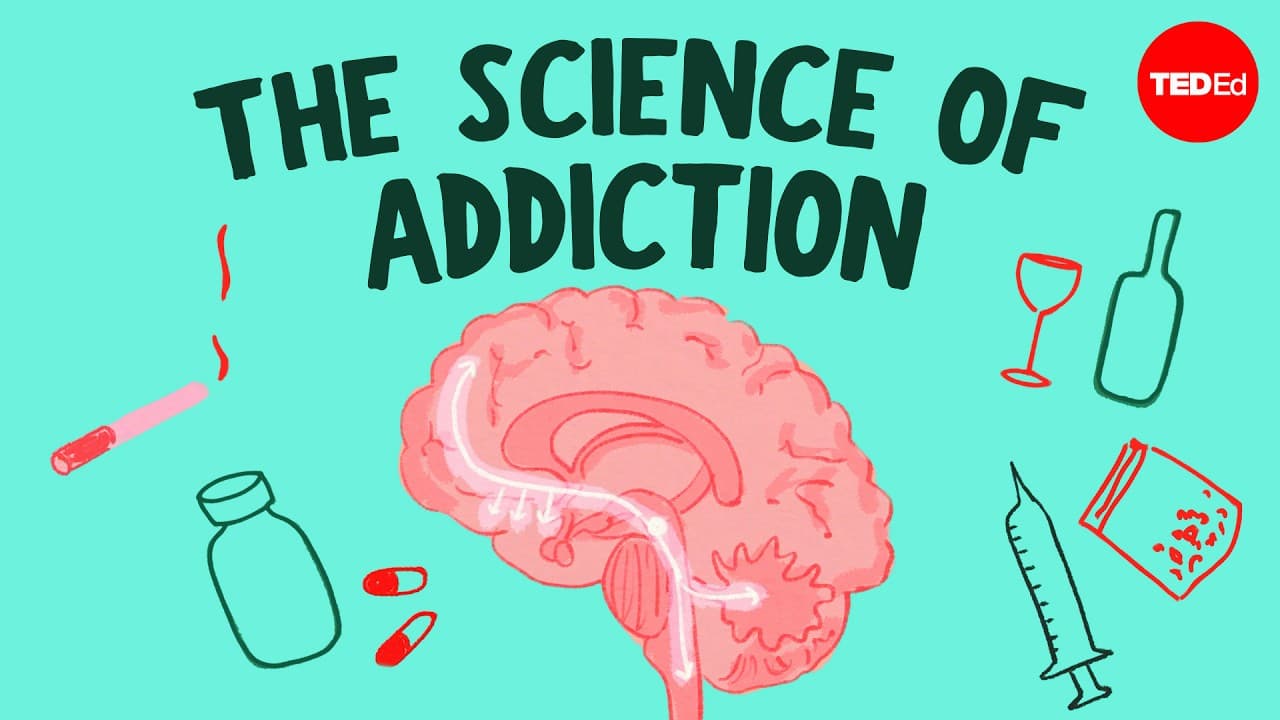
This animated educational video explores the biological and psychological mechanisms behind substance abuse disorder and addiction. It delves into neuroscience concepts such as tolerance, dependence, and the role of the brain's reward system, specifically how dopamine and the nucleus accumbens are hijacked by addictive substances. The video also explains the chemical differences between various drugs and why some methods of delivery (like smoking versus patches) are more addictive than others. Key themes include the brain's adaptability (neuroplasticity) in response to drugs, the distinction between the cortex (decision-making) and subcortex (impulse/habit), and the factors that influence susceptibility, including genetics, trauma, and age of first use. It emphasizes that addiction is not merely a choice but a complex physiological response where the brain recalibrates to function with the substance present. For educators, this video serves as a powerful tool for health and biology curriculums. It moves the conversation about drugs away from simple "just say no" rhetoric toward a scientific understanding of how chemical substances physically alter brain function and behavior. It provides a biological basis for empathy towards those struggling with addiction and offers a strong foundation for discussions about mental health, risk factors, and the science of recovery.

TED-EdTED-Ed

5mins 43s

Video
Why drugs & alcohol don't help you cope with stress

Why drugs & alcohol don't help you cope with stress

This educational video explains the biological relationship between stress and substance use, debunking the common myth that drugs and alcohol are effective coping mechanisms. It begins by defining the body's natural "stress response"—increased heart rate, faster breathing, and muscle tension—as a functional tool to face challenges. The video then systematically breaks down how different categories of substances (depressants like alcohol, stimulants like caffeine/cocaine, and opioids) actually disrupt this natural process and ultimately exacerbate stress levels, anxiety, and depression in the long term. The content highlights the physiological impact of these substances on the central nervous system. For instance, it explains how alcohol acts as a depressant that slows brain function and coordination, while stimulants increase heart rate and blood pressure, mimicking and worsening stress symptoms. The narrative emphasizes the "rebound effect" where users feel more tired, irritable, and stressed once the substances wear off, creating a cycle of dependency rather than relief. Designed for health education classrooms, this video provides a crucial pivot from problem identification to solution. It concludes by offering actionable, healthy alternatives for stress management, such as exercise to release endorphins, engaging in hobbies, talking to trusted individuals, and seeking professional help. It also provides specific resources like the 988 Suicide & Crisis Lifeline, making it a practical tool for teachers addressing mental health, substance abuse prevention, and emotional well-being.
Brain Health BootcampBrain Health Bootcamp

4mins 2s

Video
What causes addiction, and why is it so hard to treat? - Judy Grisel

What causes addiction, and why is it so hard to treat? - Judy Grisel

This animated educational video explores the biological and psychological mechanisms behind substance abuse disorder and addiction. It delves into neuroscience concepts such as tolerance, dependence, and the role of the brain's reward system, specifically how dopamine and the nucleus accumbens are hijacked by addictive substances. The video also explains the chemical differences between various drugs and why some methods of delivery (like smoking versus patches) are more addictive than others. Key themes include the brain's adaptability (neuroplasticity) in response to drugs, the distinction between the cortex (decision-making) and subcortex (impulse/habit), and the factors that influence susceptibility, including genetics, trauma, and age of first use. It emphasizes that addiction is not merely a choice but a complex physiological response where the brain recalibrates to function with the substance present. For educators, this video serves as a powerful tool for health and biology curriculums. It moves the conversation about drugs away from simple "just say no" rhetoric toward a scientific understanding of how chemical substances physically alter brain function and behavior. It provides a biological basis for empathy towards those struggling with addiction and offers a strong foundation for discussions about mental health, risk factors, and the science of recovery.

TED-EdTED-Ed

5mins 43s

Video
Why drugs & alcohol don't help you cope with stress

Why drugs & alcohol don't help you cope with stress

This educational video explains the biological relationship between stress and substance use, debunking the common myth that drugs and alcohol are effective coping mechanisms. It begins by defining the body's natural "stress response"—increased heart rate, faster breathing, and muscle tension—as a functional tool to face challenges. The video then systematically breaks down how different categories of substances (depressants like alcohol, stimulants like caffeine/cocaine, and opioids) actually disrupt this natural process and ultimately exacerbate stress levels, anxiety, and depression in the long term. The content highlights the physiological impact of these substances on the central nervous system. For instance, it explains how alcohol acts as a depressant that slows brain function and coordination, while stimulants increase heart rate and blood pressure, mimicking and worsening stress symptoms. The narrative emphasizes the "rebound effect" where users feel more tired, irritable, and stressed once the substances wear off, creating a cycle of dependency rather than relief. Designed for health education classrooms, this video provides a crucial pivot from problem identification to solution. It concludes by offering actionable, healthy alternatives for stress management, such as exercise to release endorphins, engaging in hobbies, talking to trusted individuals, and seeking professional help. It also provides specific resources like the 988 Suicide & Crisis Lifeline, making it a practical tool for teachers addressing mental health, substance abuse prevention, and emotional well-being.
Brain Health BootcampBrain Health Bootcamp

4mins 2s

Video
Healthy Lifestyle

Healthy Lifestyle

This educational video explores the profound connection between physical habits and mental health. It clearly illustrates how lifestyle choices—such as physical activity, diet, and substance use—directly impact our psychological wellbeing. The narrative emphasizes that caring for the body is an essential strategy for caring for the mind, debunking the idea that physical and mental health are separate entities. The video covers key themes including the biochemical benefits of exercise (endorphins), the accessibility of physical activity without expensive gyms, the importance of a balanced diet, and the negative spiral caused by alcohol, drugs, and smoking. It offers practical, manageable advice for making small changes, such as brisk walking, gardening, or using free apps to track progress. For educators, this resource is a powerful tool to introduce holistic health concepts. It shifts the conversation from "exercise for weight loss" to "exercise for mood regulation," which is often more motivating for students. It can spark discussions in health, physical education, and psychology classes about self-care strategies, the science of stress, and building sustainable healthy habits.

Every Mind MattersEvery Mind Matters

3mins 12s

Video
Why drugs & alcohol don't help you cope with stress

Why drugs & alcohol don't help you cope with stress

This educational video explains the biological relationship between stress and substance use, debunking the common myth that drugs and alcohol are effective coping mechanisms. It begins by defining the body's natural "stress response"—increased heart rate, faster breathing, and muscle tension—as a functional tool to face challenges. The video then systematically breaks down how different categories of substances (depressants like alcohol, stimulants like caffeine/cocaine, and opioids) actually disrupt this natural process and ultimately exacerbate stress levels, anxiety, and depression in the long term. The content highlights the physiological impact of these substances on the central nervous system. For instance, it explains how alcohol acts as a depressant that slows brain function and coordination, while stimulants increase heart rate and blood pressure, mimicking and worsening stress symptoms. The narrative emphasizes the "rebound effect" where users feel more tired, irritable, and stressed once the substances wear off, creating a cycle of dependency rather than relief. Designed for health education classrooms, this video provides a crucial pivot from problem identification to solution. It concludes by offering actionable, healthy alternatives for stress management, such as exercise to release endorphins, engaging in hobbies, talking to trusted individuals, and seeking professional help. It also provides specific resources like the 988 Suicide & Crisis Lifeline, making it a practical tool for teachers addressing mental health, substance abuse prevention, and emotional well-being.

Brain Health BootcampBrain Health Bootcamp

4mins 2s

Video
What causes addiction, and why is it so hard to treat? - Judy Grisel

What causes addiction, and why is it so hard to treat? - Judy Grisel

This animated educational video explores the biological and psychological mechanisms behind substance abuse disorder and addiction. It delves into neuroscience concepts such as tolerance, dependence, and the role of the brain's reward system, specifically how dopamine and the nucleus accumbens are hijacked by addictive substances. The video also explains the chemical differences between various drugs and why some methods of delivery (like smoking versus patches) are more addictive than others. Key themes include the brain's adaptability (neuroplasticity) in response to drugs, the distinction between the cortex (decision-making) and subcortex (impulse/habit), and the factors that influence susceptibility, including genetics, trauma, and age of first use. It emphasizes that addiction is not merely a choice but a complex physiological response where the brain recalibrates to function with the substance present. For educators, this video serves as a powerful tool for health and biology curriculums. It moves the conversation about drugs away from simple "just say no" rhetoric toward a scientific understanding of how chemical substances physically alter brain function and behavior. It provides a biological basis for empathy towards those struggling with addiction and offers a strong foundation for discussions about mental health, risk factors, and the science of recovery.

TED-EdTED-Ed

5mins 43s

Video
What causes addiction, and why is it so hard to treat? - Judy Grisel

What causes addiction, and why is it so hard to treat? - Judy Grisel

This animated educational video explores the biological and psychological mechanisms behind substance abuse disorder and addiction. It delves into neuroscience concepts such as tolerance, dependence, and the role of the brain's reward system, specifically how dopamine and the nucleus accumbens are hijacked by addictive substances. The video also explains the chemical differences between various drugs and why some methods of delivery (like smoking versus patches) are more addictive than others. Key themes include the brain's adaptability (neuroplasticity) in response to drugs, the distinction between the cortex (decision-making) and subcortex (impulse/habit), and the factors that influence susceptibility, including genetics, trauma, and age of first use. It emphasizes that addiction is not merely a choice but a complex physiological response where the brain recalibrates to function with the substance present. For educators, this video serves as a powerful tool for health and biology curriculums. It moves the conversation about drugs away from simple "just say no" rhetoric toward a scientific understanding of how chemical substances physically alter brain function and behavior. It provides a biological basis for empathy towards those struggling with addiction and offers a strong foundation for discussions about mental health, risk factors, and the science of recovery.

TED-EdTED-Ed

5mins 43s

Video
Why drugs & alcohol don't help you cope with stress

Why drugs & alcohol don't help you cope with stress

This educational video explains the biological relationship between stress and substance use, debunking the common myth that drugs and alcohol are effective coping mechanisms. It begins by defining the body's natural "stress response"—increased heart rate, faster breathing, and muscle tension—as a functional tool to face challenges. The video then systematically breaks down how different categories of substances (depressants like alcohol, stimulants like caffeine/cocaine, and opioids) actually disrupt this natural process and ultimately exacerbate stress levels, anxiety, and depression in the long term. The content highlights the physiological impact of these substances on the central nervous system. For instance, it explains how alcohol acts as a depressant that slows brain function and coordination, while stimulants increase heart rate and blood pressure, mimicking and worsening stress symptoms. The narrative emphasizes the "rebound effect" where users feel more tired, irritable, and stressed once the substances wear off, creating a cycle of dependency rather than relief. Designed for health education classrooms, this video provides a crucial pivot from problem identification to solution. It concludes by offering actionable, healthy alternatives for stress management, such as exercise to release endorphins, engaging in hobbies, talking to trusted individuals, and seeking professional help. It also provides specific resources like the 988 Suicide & Crisis Lifeline, making it a practical tool for teachers addressing mental health, substance abuse prevention, and emotional well-being.

Brain Health BootcampBrain Health Bootcamp

4mins 2s