Lenny LearningLenny
Create
Explore
Workspace
LoginSign up
MathEnglish Language ArtsScience & EngineeringSocial StudiesGlobal LanguagesHealth & Physical EducationSpecial EducationCounseling & Life SkillsArts & CreativityESL
Lenny LearningLenny
Lenny Learning
About
Training
Pricing
Support
Contact
© 2026 Lenny Learning Inc.

Healthy Habits

SequencesLessonsMaterialsVideos
  1. Health & Physical Education

Healthy Habits

SequencesLessonsMaterialsVideos

Daily hygiene, hydration, and sleep routines paired with strategies for disease and injury prevention. Builds skills in health decision-making, body awareness, and self-advocacy to support lifelong well-being.

Health & Physical EducationMovement Skills and ConceptsBody ControlLocomotor SkillsNon-Locomotor SkillsFine Motor SkillsManipulative SkillsBalance and CoordinationSpatial AwarenessMovement PatternsRhythmic Activities and DanceRhythm and TimingDance BasicsIndividual and Dual SportsGymnastics and TumblingTrack and FieldRacket SportsSelf-Defense and Martial ArtsTeam SportsCooperative GamesSportsmanshipTeam CommunicationBasketball SkillsSoccer SkillsVolleyball SkillsFootball SkillsGame StrategiesFitness and Physical ActivityCardio FitnessFlexibility and StretchingMuscular Strength and EnduranceSetting Fitness GoalsHealthy HabitsHygiene PracticesSleep and RestPhysical Activity HabitsHydrationInjury PreventionBody Awareness and Self-CareDisease PreventionHealth Decision-MakingHelp-Seeking and Self-AdvocacyMental HealthMental Health BasicsEmotional AwarenessStress ManagementCoping StrategiesMindfulness PracticesBreathing and Relaxation TechniquesMeditation BasicsResilience and PerseveranceHealthy RelationshipsSocial and Emotional SkillsHelp-Seeking and Support SystemsDigital WellbeingNutritionNutrition BasicsFood GroupsBalanced MealsHealthy Eating HabitsReading Food LabelsPersonal SafetyRecognizing Unsafe SituationsHuman and Child TraffickingStranger DangerPersonal BoundariesFire and Water SafetyEmergency ResponseConflict Resolution BasicsInternet and Social Media SafetySafe Personal RelationshipsSubstance AwarenessTobacco AwarenessAlcohol AwarenessCannabis AwarenessOpioid AwarenessStimulant AwarenessPrescription Drug AwarenessRefusing Peer PressureOutdoor and Adventure ActivitiesOutdoor Recreation SafetyHiking and OrienteeringTeam Building Activities
Hygiene PracticesHandwashing techniques, dental care routines, and germ prevention strategies for daily wellness. Connects personal grooming habits to long-term physical health and the reduction of disease transmission.
Sleep and RestCircadian rhythms, bedtime hygiene, and the restorative functions of sleep on the brain and body. Connects consistent rest patterns to improved mood, focus, and physical health.
Physical Activity HabitsDaily movement patterns, fitness goal-setting, and the physiological benefits of regular exercise. Equips students with strategies to integrate physical activity into sustainable lifestyle routines.
HydrationIdentifies the role of water in bodily functions and physical performance. Examines signs of dehydration and strategies for maintaining optimal fluid balance throughout the day.
Injury PreventionSafety protocols for physical activity, proper equipment use, and correct body mechanics. Identifies environmental hazards and promotes warm-up routines to mitigate physical risks.
Body Awareness and Self-CareFundamental hygiene practices, nutrition, and physical activity routines for daily wellness. Develops recognition of physical sensations and personal boundaries to support long-term health.
Disease PreventionEssential hygiene routines, immune system function, and strategies for stopping the spread of infectious germs. Connects healthy daily habits to the long-term prevention of chronic illnesses.
Health Decision-MakingAnalytical skills for evaluating health information and assessing personal risks. Develops strategies for peer pressure management and goal-setting to support informed wellness choices.
Help-Seeking and Self-AdvocacyIdentification of trusted adults and development of communication strategies for expressing personal needs. Strengthens confidence in setting boundaries and navigating health-related resources.
Video
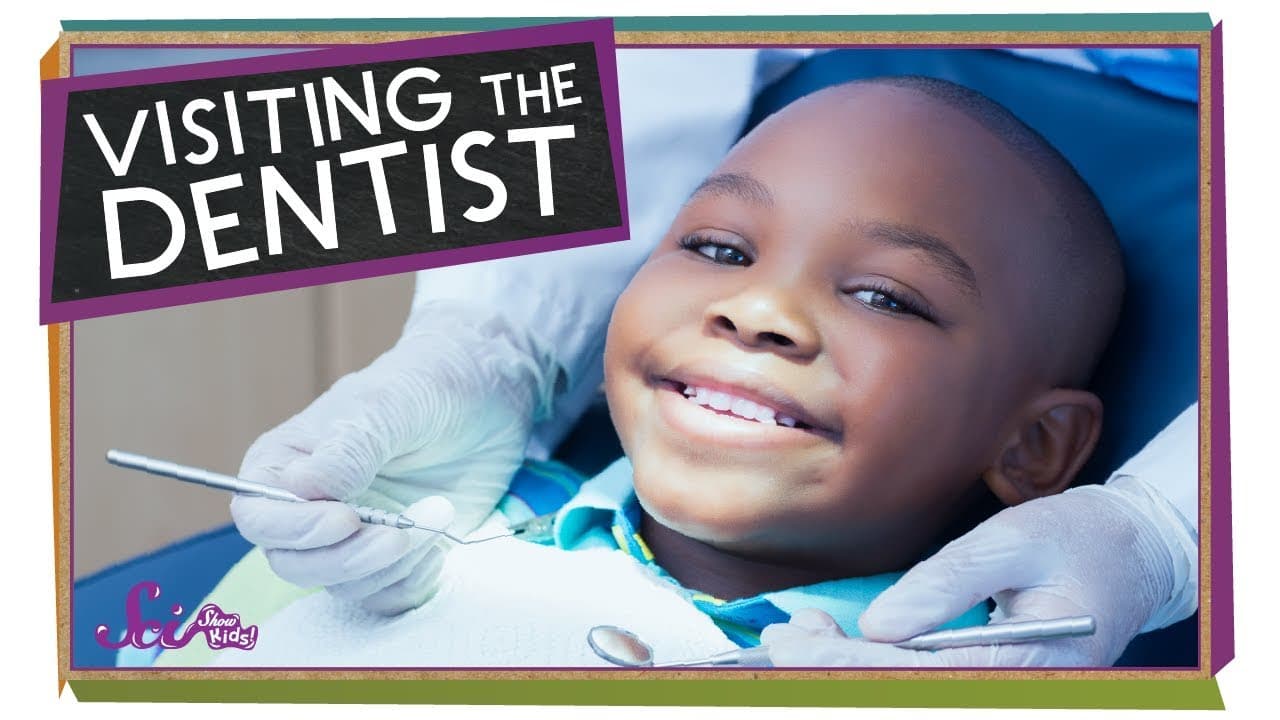
What Happens During a Dental Checkup

What Happens During a Dental Checkup

In this engaging episode of SciShow Kids, host Jessi and her robot friend Squeaks explore exactly what happens during a visit to the dentist. After returning from her own appointment with a "goody bag" of dental supplies, Jessi breaks down the step-by-step process of a professional teeth cleaning. She introduces the role of the dental hygienist and explains the specific tools used to keep teeth healthy, demystifying the strange noises and sensations children experience in the dental chair. The video covers key oral health concepts including plaque buildup, the formation of cavities, and the purpose of X-rays. It provides detailed, age-appropriate explanations for various dental instruments like the metal scaler, the electric scaler (water sprayer), the suction tube, and the polisher. Through clear animations and friendly narration, the video explains why daily brushing isn't always enough and why professional checkups are necessary to remove hardened plaque and check for cavities. This resource is an excellent tool for health education and social-emotional learning, particularly for alleviating anxiety about dental visits. By familiarizing students with the sights, sounds, and vocabulary of a dental appointment, teachers can help transform a potentially scary experience into an understandable routine. It connects well to units on community helpers, body systems, personal hygiene, and healthy habits for early elementary students.

SciShow KidsSciShow Kids

4mins 12s

Video
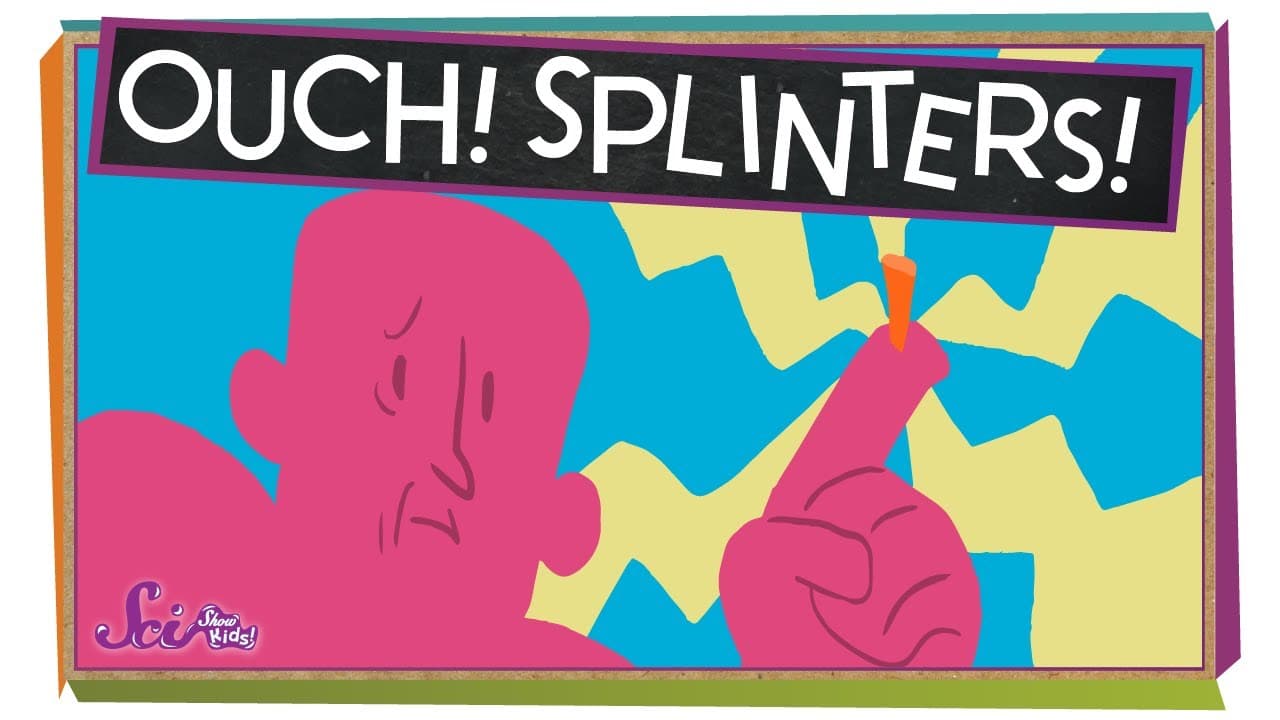
What Is a Splinter and How to Remove It Safely

What Is a Splinter and How to Remove It Safely

In this engaging episode of SciShow Kids, host Jessi explains the science behind a common childhood injury: the splinter. Using bright, geometric animations, the video breaks down exactly what a splinter is—defining it not just as wood, but potentially glass, metal, or plastic—and how these tiny objects get stuck in our skin. It explains why splinters hurt and details the body's biological response, including redness and swelling, which are signs that the body is fighting off potential germs. The video introduces key health concepts such as infection and hygiene in an age-appropriate way. It visually demonstrates how germs can hitch a ride on splinters like cactus thorns or rough wood, leading to infection if not treated. The narrative guides children through the importance of telling an adult when they get hurt and outlines the step-by-step process of safe removal: washing the area with soap and water, using tweezers, and applying a bandage. For educators, this video is an excellent resource for Health and Science lessons regarding personal safety, the human body, and first aid. It demystifies a painful experience that frightens many children, transforming it into a learning opportunity about biology and hygiene. It can be used to spark discussions about playground safety, the importance of wearing shoes, and why we wash cuts and scrapes to stay healthy.

SciShow KidsSciShow Kids

3mins 25s

Video
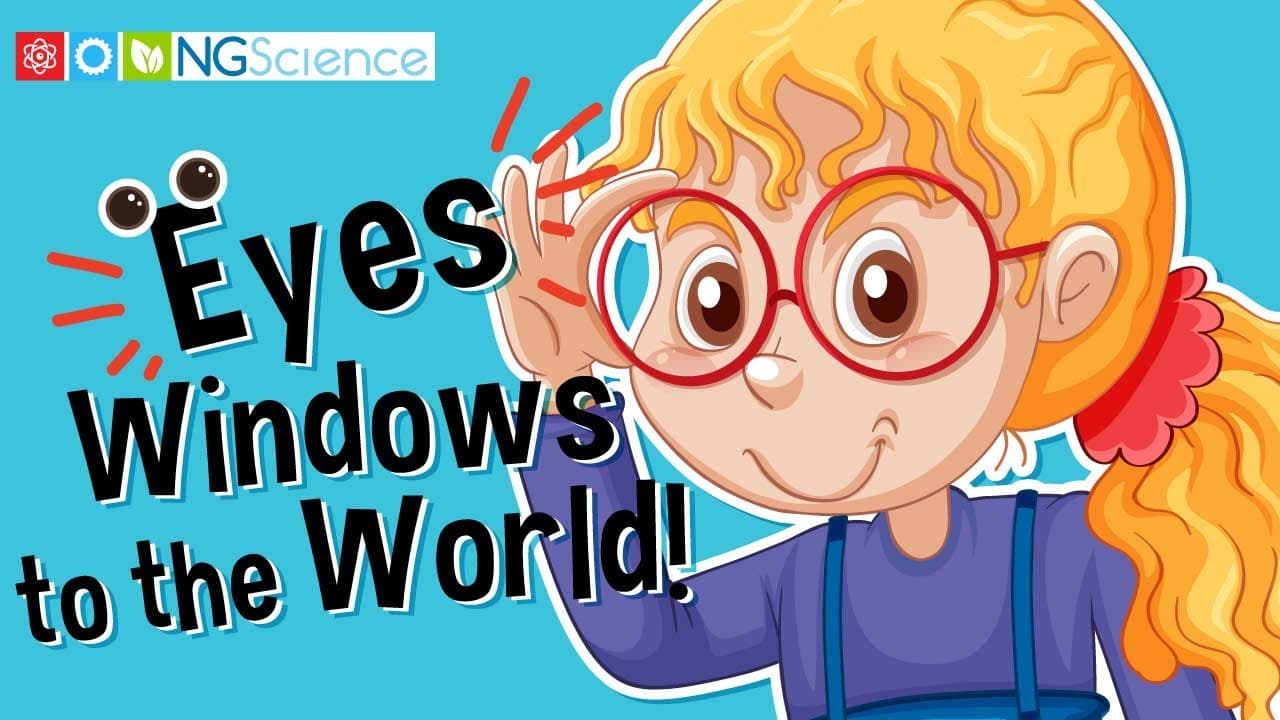
Exploring How Our Eyes Work

Exploring How Our Eyes Work

This educational video provides a comprehensive and age-appropriate introduction to the human eye, explaining its function as a sense organ and its role in daily life. It covers the biological basics of how eyes gather information, the diversity of eye colors due to genetics, and the physiological function of tears. The narrative transitions seamlessly from biology to practical health advice, emphasizing the importance of hygiene, nutrition, and protection from the sun. A significant portion of the video is dedicated to vision health, normalizing the use of glasses and the role of optometrists. It explains why some people see differently and how glasses act as "special helpers," demystifying the experience of visiting an eye doctor. This helps reduce anxiety children might feel about eye exams or wearing corrective lenses. For educators, this resource is an excellent tool for units on the human body, the five senses, or personal health and hygiene. It offers clear visual examples of healthy habits and provides a springboard for discussions about genetics (eye color), diversity (physical differences), and when to seek help from an adult regarding health concerns.

Next Generation ScienceNext Generation Science

3mins 4s

Video
How the Flu Works and How Your Body Fights It

How the Flu Works and How Your Body Fights It

This engaging science video explains the biology behind the common cold and the flu, specifically tailored for young learners. Hosted by Jessi and her robot friend Squeaks, the video breaks down what causes sickness (viruses), how these microscopic invaders enter the body, and the specific mechanisms the body uses to fight back. It demystifies scary or unpleasant symptoms like runny noses, sneezing, and fevers by reframing them as heroic efforts by the body's defense system to expel germs.

SciShow KidsSciShow Kids

4mins 16s

Video
Why We Brush Our Teeth: The Egg and Soda Experiment

Why We Brush Our Teeth: The Egg and Soda Experiment

This educational video from SciShow Kids uses a hands-on experiment to visually demonstrate why brushing teeth is essential. By comparing eggshells to human teeth, the host explains how acidic foods and drinks like soda can erode enamel and cause staining. The video guides viewers through setting up a simple experiment at home using hard-boiled eggs and soda to simulate tooth decay. The content covers key scientific concepts including the properties of acids, the role of calcium in strengthening both eggshells and teeth, and the scientific method of hypothesis and observation. It connects chemistry to daily health habits, making the abstract concept of microscopic tooth damage concrete and understandable for young learners. Teachers can use this video to launch units on dental health, personal hygiene, or basic chemistry. It effectively motivates students to brush their teeth by showing the tangible 'gross' effects of neglect, while also serving as an excellent introduction to conducting scientific experiments with controls, variables, and observations.

SciShow KidsSciShow Kids

4mins 1s

Video
Why We Brush Our Teeth: The Science of Cavities

Why We Brush Our Teeth: The Science of Cavities

This educational video from SciShow Kids explores the science behind why brushing teeth is essential for health. Hosted by Jessi and her robot mouse friend Squeaks, the video moves beyond simple hygiene rules to explain the biological reasons for oral care. It breaks down the anatomy of a tooth, introduces the concept of oral bacteria, and explains the chemical process that leads to cavities. The video covers several key scientific themes suitable for young learners, including the structure of human teeth (enamel, dentin, and pulp), the microscopic world of bacteria, and the cause-and-effect relationship between food residue, bacterial acid, and tooth decay. It simplifies complex biological processes using colorful animations, such as depicting bacteria as colorful worms and acid as a glowing green substance. For educators, this resource provides a fantastic foundation for health and science lessons. It shifts the narrative of tooth brushing from a "chore" to a scientific necessity, empowering students with the "why" behind the habit. It can be used to launch units on the human body, personal hygiene, or microbiology, offering clear visual models for abstract concepts like bacterial growth and cellular damage.

SciShow KidsSciShow Kids

4mins 19s

Video
Why Our Ears Make Wax and How It Protects Us

Why Our Ears Make Wax and How It Protects Us

This engaging episode of SciShow Kids explores the science behind earwax, scientifically known as cerumen. Host Jessi and her robot rat friend Squeaks explain what earwax is, where it comes from, and the vital role it plays in keeping our ears healthy. Through colorful animations and clear explanations, the video demystifies a bodily function that children often find "gross" but intriguing. The video breaks down the anatomy of the ear, specifically the ear canal, and uses accessible metaphors to explain how earwax acts as a self-cleaning mechanism. Key topics include the production of cerumen, how jaw movement helps move wax out of the ear, and the three main jobs of earwax: moisturizing the ear canal, removing dead skin cells, and trapping germs and dust to protect the eardrum. Ideally suited for early elementary science and health curriculums, this resource serves as excellent material for teaching body systems, hygiene, and personal safety. It directly addresses the common childhood habit of putting objects in ears, providing a scientific explanation for why ears are best left alone to clean themselves. Teachers can use this to spark discussions about how different parts of the body have specific protective functions.

SciShow KidsSciShow Kids

2mins 32s

Video
How to Take Care of Your Amazing Body

How to Take Care of Your Amazing Body

This engaging educational video introduces young learners to the fundamental habits required to maintain a healthy body. Through vibrant footage of diverse children in action, the narrator explains that our bodies are amazing machines capable of incredible feats, but they require regular maintenance to function optimally. The video breaks down health into four accessible categories: personal hygiene, physical activity, nutrition, and rest, providing concrete examples for each that children can easily relate to their daily lives. Key themes explored include the importance of cleanliness (washing hands, brushing teeth), the joy of movement (dancing, sports, outdoor play), and the balance of nutrition (prioritizing fruits and vegetables while treating sweets as occasional snacks). It specifically addresses the concept of "sometimes foods" versus "always foods," helping children navigate dietary choices without shame. The video concludes by adding a critical fourth pillar often overlooked in children's health discussions: the necessity of a good night's sleep. For educators, this resource serves as an excellent anchor for a "Healthy Living" unit in early elementary classrooms. Its clear structure allows teachers to pause and focus on one specific health aspect at a time. The relatable visuals of children engaging in everyday activities help students see themselves in the content, fostering a personal connection to healthy habits. It is particularly useful for sparking discussions about daily routines, categorizing foods, and understanding the 'why' behind rules like bedtime and handwashing.

Next Generation ScienceNext Generation Science

1min 56s

Video
How Germs Spread and How to Stay Healthy

How Germs Spread and How to Stay Healthy

This educational video provides a comprehensive introduction to germs, scientifically known as pathogens, and their impact on human health. Hosted by Kaylee, the lesson breaks down the microscopic world of disease-causing organisms, distinguishing between viruses, bacteria, parasites, and fungi. It carefully explains that while some microorganisms cause sickness, others (like bacteria in yogurt or mushrooms on pizza) can be beneficial, helping students understand the complexity of the microbial world rather than viewing all "germs" as bad. The video details the four primary modes of pathogen transmission: food and water contamination, insect bites, direct contact between humans, and indirect contact through surfaces. It introduces essential scientific vocabulary such as "contagious," "infectious disease," and "transmitting" in an accessible way. Specific examples like Salmonella, malaria, the flu, and athlete's foot are used to illustrate how different pathogens operate and spread within the human body. For educators, this resource serves as an excellent foundation for health and science units focusing on hygiene and disease prevention. It offers practical, actionable advice for students, such as the proper technique for handwashing (20 seconds with warm soapy water) and the importance of not touching one's face. The video also touches on building a strong immune system through sleep, exercise, and nutrition, making it a holistic tool for teaching students how to take ownership of their personal health and safety.

Miacademy & MiaPrep Learning ChannelMiacademy & MiaPrep Learning Channel

5mins 39s

Video
Building Your Own Emergency Kit

Building Your Own Emergency Kit

In this engaging episode of SciShow Kids, host Jessi and her robot friend Squeaks guide young viewers through the process of building an emergency kit. Using a gentle and reassuring tone, the video defines what an emergency is—comparing it to a spilled glass of juice that simply needs to be cleaned up—and explains why being prepared helps keep us safe. The narrative focuses on preparation for natural events like floods or storms that might require staying indoors for a few days, making the concept of emergency preparedness accessible and non-threatening for children. The video systematically breaks down the essential categories of items needed in a kit: medical supplies, water, hygiene, food, power/lighting, warmth, and entertainment. It covers practical details, such as the math behind how much water to store per person, the science of why canned food lasts longer, and the importance of having non-electric light sources like flashlights. Special attention is given to hygiene items like toothbrushes and soap, which are often overlooked in basic survival lists. For educators, this video is an excellent resource for Health, Safety, and Social Studies units. It provides a concrete way to discuss safety without causing anxiety, turning the abstract concept of "preparedness" into a hands-on activity. The content naturally integrates cross-curricular skills, including mathematics (calculating necessary water supplies) and science (understanding food preservation and weather-related safety), making it a versatile tool for early elementary classrooms.

SciShow KidsSciShow Kids

4mins 52s

Video
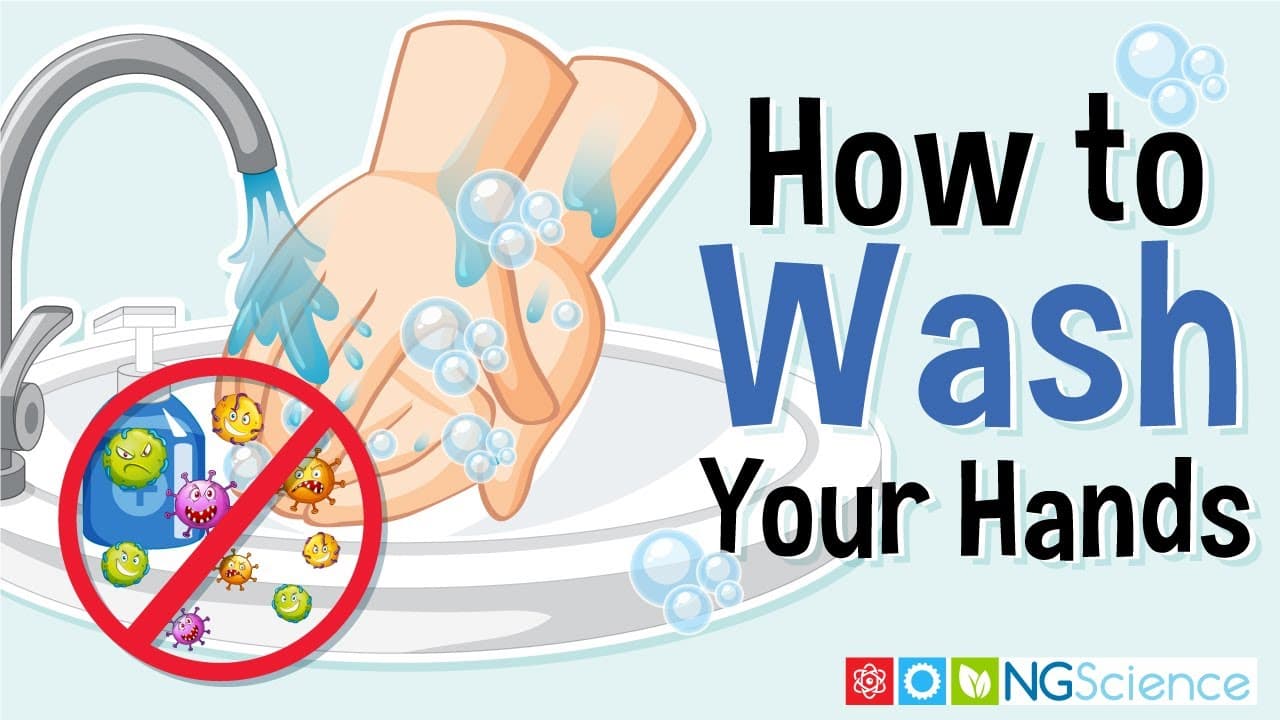
How to Wash Your Hands Properly

How to Wash Your Hands Properly

This animated video provides a clear, step-by-step visual demonstration of proper handwashing techniques designed specifically for young children. Without relying on complex narration, the video follows a young girl transitioning from outdoor play to the bathroom sink, where she models the essential stages of hygiene: wetting hands, applying soap, scrubbing thoroughly, rinsing, and drying. The animation utilizes bright, friendly colors and clear visual cues to make the process easy to follow. The content focuses on the key themes of personal hygiene, daily routines, and germ prevention. A significant moment in the video visually represents germs being eliminated, helping young learners understand the abstract concept of why handwashing is necessary. The inclusion of musical notes while the character scrubs introduces the concept of timing—washing for an adequate amount of time rather than a quick rinse—which is a critical component of effective hygiene. For educators, this video is an excellent resource for establishing classroom routines, particularly in early childhood settings like Pre-K and Kindergarten. It can be used as a visual primer at the beginning of the school year, a reminder before snack times, or a reinforcement tool during flu season. Its non-verbal nature makes it universally accessible, including for students with language processing differences or English language learners, allowing the teacher to provide their own narration or facilitate a discussion based on the visual actions.

Next Generation ScienceNext Generation Science

1min 47s

Video
Four Fun Ways to Stay Healthy and Strong

Four Fun Ways to Stay Healthy and Strong

This engaging educational video introduces children to four fundamental pillars of a healthy lifestyle: exercise, nutrition, sleep, and hygiene. Through clear narration and relatable stock footage of diverse children, it breaks down complex health concepts into simple, actionable habits. The video explains not just *what* to do, but *why* these habits matter, connecting physical actions to benefits like brain function, body repair, and disease prevention. The content is structured around four distinct segments. First, it explores exercise, highlighting how movement benefits both the body and the brain by releasing happy chemicals. Second, it covers nutrition, emphasizing a balanced diet of fruits, vegetables, and proteins while dispelling the myth that healthy food is boring. Third, it discusses the restorative power of sleep and the importance of bedtime routines. Finally, it addresses personal hygiene practices like hand washing and teeth brushing to keep germs away. For educators, this video serves as an excellent anchor for a health and wellness unit. It provides a comprehensive overview that can be paused to dive deeper into each specific topic. The friendly tone and clear visual examples make it perfect for sparking classroom discussions about daily routines, encouraging students to reflect on their own habits, and inspiring them to make healthy choices both at school and at home.

Next Generation ScienceNext Generation Science

3mins 4s

Video
Understanding Your Teeth and How to Care for Them

Understanding Your Teeth and How to Care for Them

This educational video provides a comprehensive overview of dental health, tooth anatomy, and hygiene practices tailored for elementary students. Hosted by Kylie, the lesson begins with fascinating developmental facts, such as how teeth begin forming before birth, and explains the lifecycle of human teeth from the first set of baby teeth to the permanent set of 32 adult teeth. It breaks down the specific names and functions of different teeth—incisors for biting, canines for tearing, and molars for grinding—helping students understand the mechanics of eating.

Miacademy & MiaPrep Learning ChannelMiacademy & MiaPrep Learning Channel

4mins 38s

Video
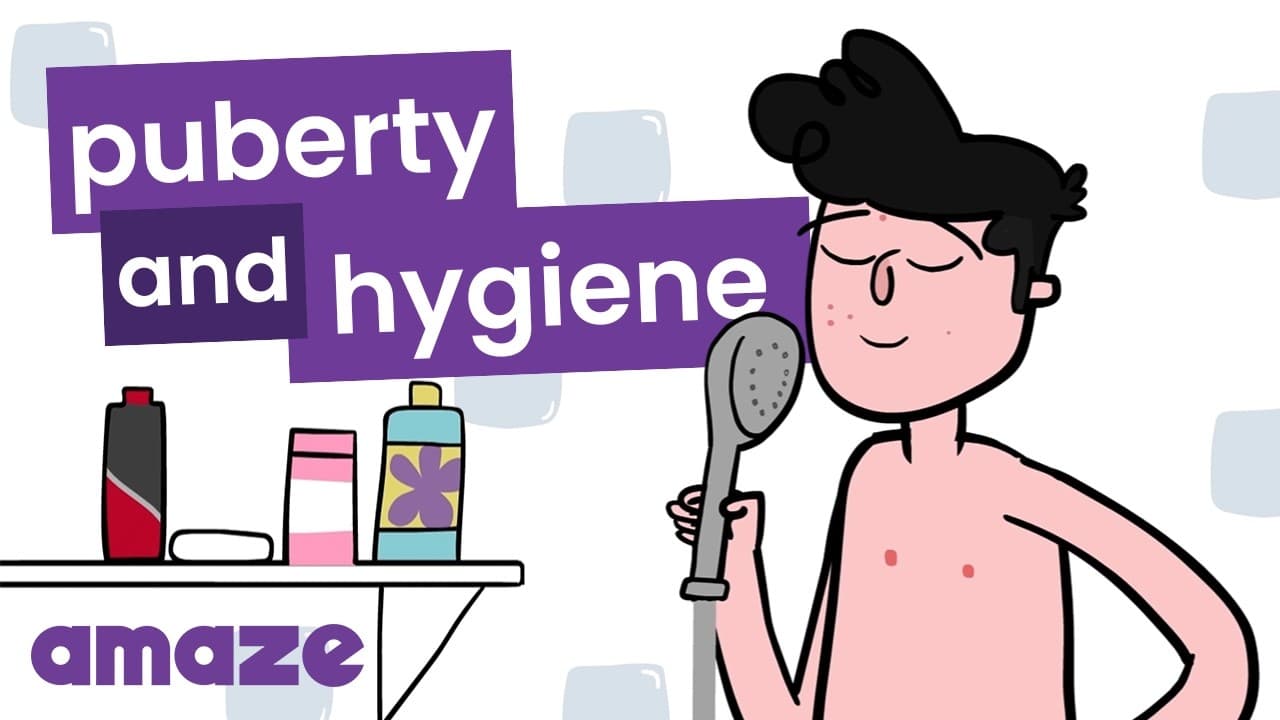
Taking Care of Your Body During Puberty

Taking Care of Your Body During Puberty

This animated health education video provides a humorous yet informative guide to the physical changes associated with puberty, specifically focusing on hygiene. Narrated by a relatable teen vlogger character named Jane, the video normalizes common experiences like body odor, acne, and hair growth. It explains the biological reasons behind these changes, such as increased hormone production and sweat gland activity, removing the stigma often associated with them. The content offers practical, actionable advice for maintaining hygiene during this developmental stage. It covers essential habits like daily showering with soap, using deodorant, wearing clean clothes, and establishing a skincare routine. The video also emphasizes that while these changes are universal, individual experiences may vary, reinforcing the importance of doing what feels right and comfortable for one's own body. Teachers and parents will find this video particularly useful as a conversation starter for sensitive topics. Its lighthearted tone and clear explanations make it an excellent resource for health classes, helping students transition from anxiety about body changes to understanding and self-care. It empowers students with the knowledge to manage their hygiene confidently and promotes a healthy lifestyle through sleep, exercise, and nutrition.

AMAZE OrgAMAZE Org

2mins 46s

Video
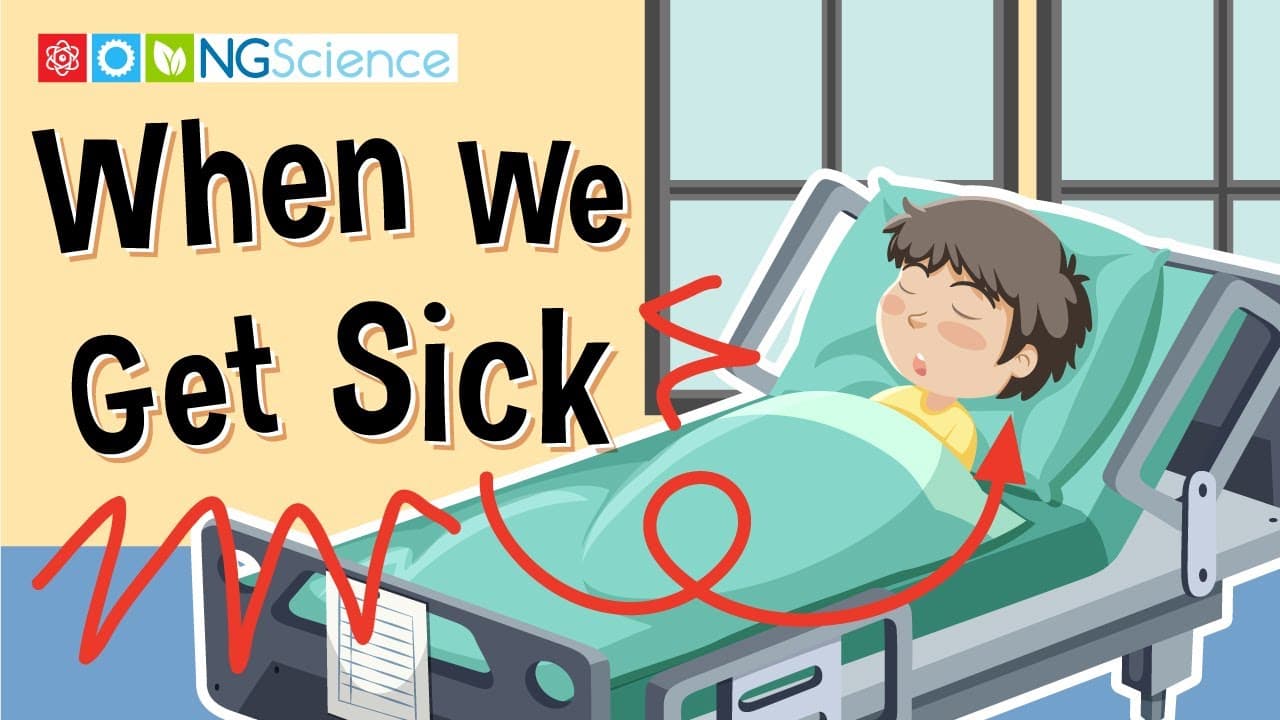
How to Take Care of Yourself When You Are Sick

How to Take Care of Yourself When You Are Sick

This educational video provides a clear, step-by-step guide for children on how to recognize when they are sick and what actions they should take to recover. It covers common symptoms like sore throats, colds, and the flu, emphasizing the importance of self-care to help the body fight off illness. The narration is gentle and reassuring, making it suitable for young viewers who might feel anxious about being unwell. The video outlines essential health behaviors including communicating with adults, getting adequate rest, hydration, nutrition, and hygiene practices like hand washing and mask-wearing. It explains the 'why' behind these actions—for instance, how sleep provides energy to fight germs and how fluids keep the body hydrated. It also addresses social responsibility by explaining how staying home and washing hands prevents spreading germs to others. For educators, this video serves as an excellent tool for Health and Science units focused on the human body, hygiene, and personal responsibility. It helps build functional health literacy by giving students a concrete checklist of actions to take when they feel unwell, empowering them to advocate for their own health needs and understand the role of doctors and rest in recovery.

Next Generation ScienceNext Generation Science

2mins 14s

Video
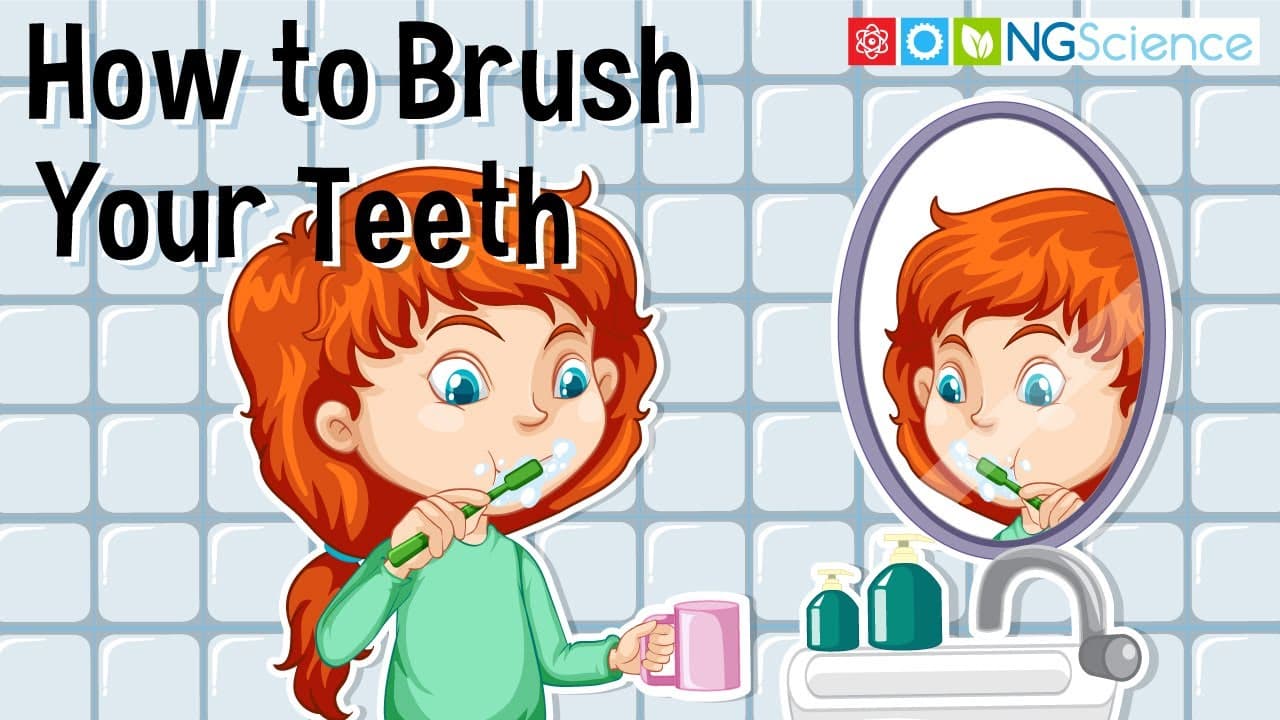
Step-by-Step Guide to Brushing Your Teeth

Step-by-Step Guide to Brushing Your Teeth

This instructional video provides a clear, step-by-step guide on proper dental hygiene for young children. Using real-world props including a toothbrush, toothpaste, a glass of water, and a large-scale anatomical dental model, the narrator demonstrates exactly how to prepare a toothbrush and the correct techniques for cleaning teeth. The video breaks down the process into manageable segments, emphasizing the importance of brushing for a full two minutes and covering all surfaces of the mouth, including the tongue.

Next Generation ScienceNext Generation Science

2mins 38s

Video
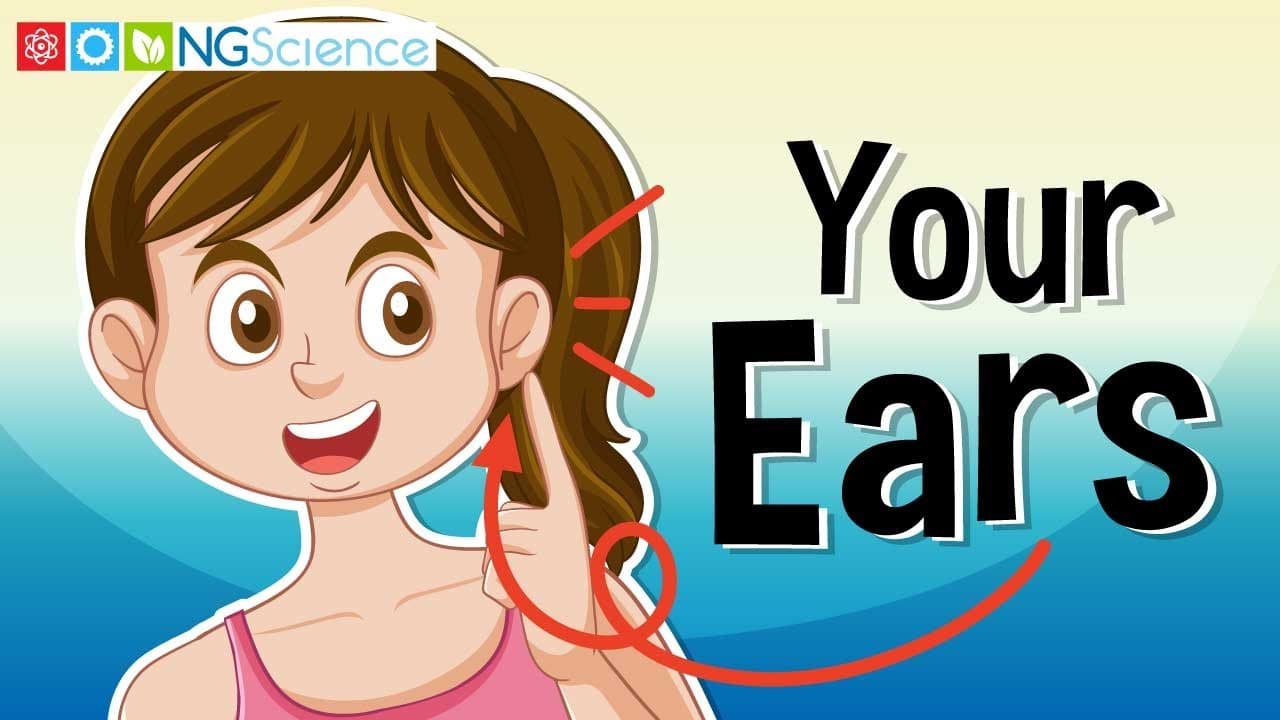
How Your Ears Work: Hearing, Balance, and Safety

How Your Ears Work: Hearing, Balance, and Safety

This educational video provides a child-friendly introduction to the human ear, explaining its dual functions as a sense organ for hearing and a critical tool for maintaining balance. Through clear narration and relatable visuals of children playing, listening to music, and visiting the doctor, the video breaks down how ears capture sound and communicate with the brain. It emphasizes that ears are always active, processing everything from the subtle chirping of birds to the loud excitement of fireworks. A significant portion of the video focuses on health and safety, offering practical advice on how to care for ears. It explicitly warns against inserting objects like cotton swabs into the ear canal, explains the importance of drying ears after swimming to prevent infection, and highlights the need for hearing protection in loud environments. The video draws a helpful analogy between how bright lights affect eyes and how loud sounds affect ears, making the concept of noise-induced damage accessible to young learners. For educators, this resource is an excellent tool for health and science curriculums centering on the five senses and personal hygiene. It provides a natural entry point for discussing body autonomy, recognizing symptoms of illness (like earaches or muffled hearing), and understanding when to seek help from a trusted adult or doctor. The content encourages students to take an active role in protecting their own health while fostering an appreciation for the complex job their ears perform every day.

Next Generation ScienceNext Generation Science

2mins 53s

Video
The Science of Head Lice: Myths, Biology, and Treatment

The Science of Head Lice: Myths, Biology, and Treatment

Hosted by Jessi and her robot rat friend Squeaks, this engaging video from SciShow Kids demystifies the common childhood experience of having head lice. The video breaks down the biology of the louse, explaining exactly what they are, how they survive by feeding on blood from the scalp, and their life cycle from nit (egg) to nymph to adult. Jessi uses friendly animations and clear analogies to make the microscopic world of these parasites understandable for young learners. The video addresses critical themes regarding health, hygiene, and social stigma. A major focus is placed on debunking the harmful myth that lice are a sign of being dirty; Jessi explains that lice actually prefer clean hair because it is easier to grip. The content covers practical prevention methods (like not sharing hats or brushes) and outlines standard treatment protocols, including special shampoos and combing techniques. For educators and parents, this video is an invaluable tool for destigmatizing a stressful event. It transforms a source of shame into a science lesson, encouraging students to report itching to adults without fear. It is applicable in health units, biology lessons on life cycles, and social-emotional learning discussions about empathy and common childhood challenges.

SciShow KidsSciShow Kids

4mins 23s

Video
How to Take Care of Your Amazing Body

How to Take Care of Your Amazing Body

This engaging educational video introduces young learners to the fundamental habits required to maintain a healthy body. Through vibrant footage of diverse children in action, the narrator explains that our bodies are amazing machines capable of incredible feats, but they require regular maintenance to function optimally. The video breaks down health into four accessible categories: personal hygiene, physical activity, nutrition, and rest, providing concrete examples for each that children can easily relate to their daily lives. Key themes explored include the importance of cleanliness (washing hands, brushing teeth), the joy of movement (dancing, sports, outdoor play), and the balance of nutrition (prioritizing fruits and vegetables while treating sweets as occasional snacks). It specifically addresses the concept of "sometimes foods" versus "always foods," helping children navigate dietary choices without shame. The video concludes by adding a critical fourth pillar often overlooked in children's health discussions: the necessity of a good night's sleep. For educators, this resource serves as an excellent anchor for a "Healthy Living" unit in early elementary classrooms. Its clear structure allows teachers to pause and focus on one specific health aspect at a time. The relatable visuals of children engaging in everyday activities help students see themselves in the content, fostering a personal connection to healthy habits. It is particularly useful for sparking discussions about daily routines, categorizing foods, and understanding the 'why' behind rules like bedtime and handwashing.

Next Generation ScienceNext Generation Science

1min 56s

Video
Four Fun Ways to Stay Healthy and Strong

Four Fun Ways to Stay Healthy and Strong

This engaging educational video introduces children to four fundamental pillars of a healthy lifestyle: exercise, nutrition, sleep, and hygiene. Through clear narration and relatable stock footage of diverse children, it breaks down complex health concepts into simple, actionable habits. The video explains not just *what* to do, but *why* these habits matter, connecting physical actions to benefits like brain function, body repair, and disease prevention. The content is structured around four distinct segments. First, it explores exercise, highlighting how movement benefits both the body and the brain by releasing happy chemicals. Second, it covers nutrition, emphasizing a balanced diet of fruits, vegetables, and proteins while dispelling the myth that healthy food is boring. Third, it discusses the restorative power of sleep and the importance of bedtime routines. Finally, it addresses personal hygiene practices like hand washing and teeth brushing to keep germs away. For educators, this video serves as an excellent anchor for a health and wellness unit. It provides a comprehensive overview that can be paused to dive deeper into each specific topic. The friendly tone and clear visual examples make it perfect for sparking classroom discussions about daily routines, encouraging students to reflect on their own habits, and inspiring them to make healthy choices both at school and at home.

Next Generation ScienceNext Generation Science

3mins 4s

Video
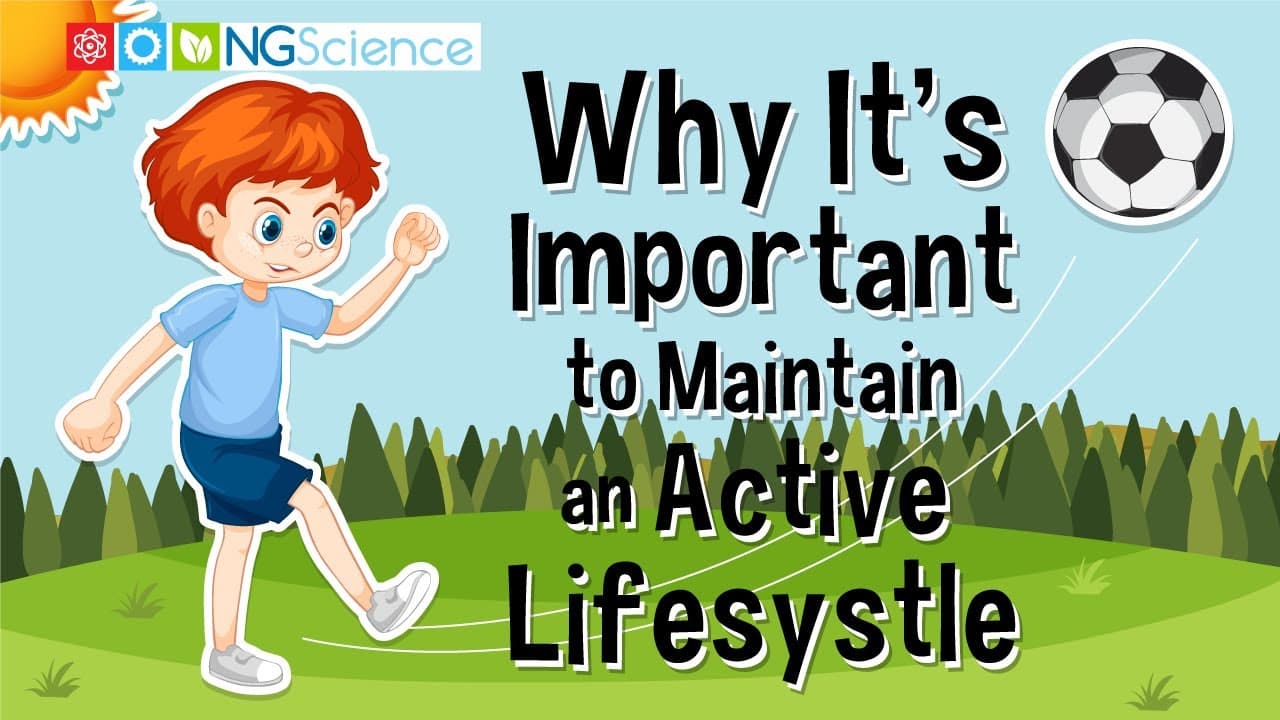
5 Steps to a Healthy and Active Lifestyle

5 Steps to a Healthy and Active Lifestyle

This educational video provides a comprehensive guide to maintaining a healthy and active lifestyle, breaking down complex health concepts into five actionable steps suitable for young audiences. It explains the biological benefits of exercise—such as strengthening muscles, improving flexibility, and releasing mood-boosting hormones—while emphasizing that physical activity can be enjoyable rather than just a chore. The content covers a holistic view of health, exploring key themes beyond just movement. It integrates the importance of adequate sleep for cognitive function and muscle recovery, the necessity of limiting sedentary screen time, and the role of a balanced diet in fueling the body. A specific segment visualizes proper nutrition through a pie-chart breakdown of food groups, helping students understand portioning for optimal energy. For educators, this video serves as an excellent anchor for health and physical education units. It connects abstract health advice to concrete actions students can take immediately, like finding a sport they love or taking stretch breaks during gaming sessions. The clear structure allows teachers to focus on specific pillars of health—sleep, diet, or exercise—making it versatile for science lessons on the human body or guidance lessons on self-care and routine building.

Next Generation ScienceNext Generation Science

3mins 15s

Video
Healthy Lifestyle

Healthy Lifestyle

This educational video explores the profound connection between physical habits and mental health. It clearly illustrates how lifestyle choices—such as physical activity, diet, and substance use—directly impact our psychological wellbeing. The narrative emphasizes that caring for the body is an essential strategy for caring for the mind, debunking the idea that physical and mental health are separate entities. The video covers key themes including the biochemical benefits of exercise (endorphins), the accessibility of physical activity without expensive gyms, the importance of a balanced diet, and the negative spiral caused by alcohol, drugs, and smoking. It offers practical, manageable advice for making small changes, such as brisk walking, gardening, or using free apps to track progress. For educators, this resource is a powerful tool to introduce holistic health concepts. It shifts the conversation from "exercise for weight loss" to "exercise for mood regulation," which is often more motivating for students. It can spark discussions in health, physical education, and psychology classes about self-care strategies, the science of stress, and building sustainable healthy habits.

Every Mind MattersEvery Mind Matters

3mins 12s

Video
Taking Care of Your Body During Puberty

Taking Care of Your Body During Puberty

This animated health education video provides a humorous yet informative guide to the physical changes associated with puberty, specifically focusing on hygiene. Narrated by a relatable teen vlogger character named Jane, the video normalizes common experiences like body odor, acne, and hair growth. It explains the biological reasons behind these changes, such as increased hormone production and sweat gland activity, removing the stigma often associated with them. The content offers practical, actionable advice for maintaining hygiene during this developmental stage. It covers essential habits like daily showering with soap, using deodorant, wearing clean clothes, and establishing a skincare routine. The video also emphasizes that while these changes are universal, individual experiences may vary, reinforcing the importance of doing what feels right and comfortable for one's own body. Teachers and parents will find this video particularly useful as a conversation starter for sensitive topics. Its lighthearted tone and clear explanations make it an excellent resource for health classes, helping students transition from anxiety about body changes to understanding and self-care. It empowers students with the knowledge to manage their hygiene confidently and promotes a healthy lifestyle through sleep, exercise, and nutrition.

AMAZE OrgAMAZE Org

2mins 46s

Video
Keeping Your Brain Healthy

Keeping Your Brain Healthy

This educational video outlines practical, everyday strategies for maintaining and improving mental wellness, framing brain health as an active process similar to physical fitness. It introduces viewers to actionable habits such as practicing mindfulness, minimizing screen time, spending time in nature, maintaining a balanced diet, and seeking professional support when needed. The narration emphasizes that mental health requires consistency and patience, just like exercising any other muscle in the body. Key themes explored include the mind-body connection, digital wellness, the therapeutic benefits of nature, and the destigmatization of seeking therapy. The video explicitly connects lifestyle choices—like nutrition and exercise—directly to cognitive function and emotional well-being. It also addresses the impact of substance use on brain health, providing a holistic view of what it means to stay mentally fit. For educators, this video serves as an excellent primer for Social Emotional Learning (SEL) units focused on self-care, stress management, and health education. It provides a non-threatening entry point for discussing mental health, normalizing the idea of "brain check-ups," and empowering students with tangible tools they can use immediately to manage stress and anxiety.

Brain Health BootcampBrain Health Bootcamp

1min 48s

Video
How the Flu Works and How Your Body Fights It

How the Flu Works and How Your Body Fights It

This engaging science video explains the biology behind the common cold and the flu, specifically tailored for young learners. Hosted by Jessi and her robot friend Squeaks, the video breaks down what causes sickness (viruses), how these microscopic invaders enter the body, and the specific mechanisms the body uses to fight back. It demystifies scary or unpleasant symptoms like runny noses, sneezing, and fevers by reframing them as heroic efforts by the body's defense system to expel germs.

SciShow KidsSciShow Kids

4mins 16s

Video
How Food Fuels Your Body and Why Nutrition Matters

How Food Fuels Your Body and Why Nutrition Matters

This comprehensive educational video guides students through the fundamentals of healthy eating, using relatable analogies to explain why nutrition is essential for the body. The host, Kylie, breaks down the complex topic of diet into manageable concepts, starting with the idea that food is fuel for the body just like gas is for a car. She emphasizes the importance of eating regular meals to maintain energy levels and introduces the concept of balanced nutrition through the five main food groups.

Miacademy & MiaPrep Learning ChannelMiacademy & MiaPrep Learning Channel

6mins 23s

Video
Building Your Own Emergency Kit

Building Your Own Emergency Kit

In this engaging episode of SciShow Kids, host Jessi and her robot friend Squeaks guide young viewers through the process of building an emergency kit. Using a gentle and reassuring tone, the video defines what an emergency is—comparing it to a spilled glass of juice that simply needs to be cleaned up—and explains why being prepared helps keep us safe. The narrative focuses on preparation for natural events like floods or storms that might require staying indoors for a few days, making the concept of emergency preparedness accessible and non-threatening for children. The video systematically breaks down the essential categories of items needed in a kit: medical supplies, water, hygiene, food, power/lighting, warmth, and entertainment. It covers practical details, such as the math behind how much water to store per person, the science of why canned food lasts longer, and the importance of having non-electric light sources like flashlights. Special attention is given to hygiene items like toothbrushes and soap, which are often overlooked in basic survival lists. For educators, this video is an excellent resource for Health, Safety, and Social Studies units. It provides a concrete way to discuss safety without causing anxiety, turning the abstract concept of "preparedness" into a hands-on activity. The content naturally integrates cross-curricular skills, including mathematics (calculating necessary water supplies) and science (understanding food preservation and weather-related safety), making it a versatile tool for early elementary classrooms.

SciShow KidsSciShow Kids

4mins 52s

Video
Taking Care of Your Body During Puberty

Taking Care of Your Body During Puberty

This animated health education video provides a humorous yet informative guide to the physical changes associated with puberty, specifically focusing on hygiene. Narrated by a relatable teen vlogger character named Jane, the video normalizes common experiences like body odor, acne, and hair growth. It explains the biological reasons behind these changes, such as increased hormone production and sweat gland activity, removing the stigma often associated with them. The content offers practical, actionable advice for maintaining hygiene during this developmental stage. It covers essential habits like daily showering with soap, using deodorant, wearing clean clothes, and establishing a skincare routine. The video also emphasizes that while these changes are universal, individual experiences may vary, reinforcing the importance of doing what feels right and comfortable for one's own body. Teachers and parents will find this video particularly useful as a conversation starter for sensitive topics. Its lighthearted tone and clear explanations make it an excellent resource for health classes, helping students transition from anxiety about body changes to understanding and self-care. It empowers students with the knowledge to manage their hygiene confidently and promotes a healthy lifestyle through sleep, exercise, and nutrition.

AMAZE OrgAMAZE Org

2mins 46s

Video
How to Take Care of Yourself When You Are Sick

How to Take Care of Yourself When You Are Sick

This educational video provides a clear, step-by-step guide for children on how to recognize when they are sick and what actions they should take to recover. It covers common symptoms like sore throats, colds, and the flu, emphasizing the importance of self-care to help the body fight off illness. The narration is gentle and reassuring, making it suitable for young viewers who might feel anxious about being unwell. The video outlines essential health behaviors including communicating with adults, getting adequate rest, hydration, nutrition, and hygiene practices like hand washing and mask-wearing. It explains the 'why' behind these actions—for instance, how sleep provides energy to fight germs and how fluids keep the body hydrated. It also addresses social responsibility by explaining how staying home and washing hands prevents spreading germs to others. For educators, this video serves as an excellent tool for Health and Science units focused on the human body, hygiene, and personal responsibility. It helps build functional health literacy by giving students a concrete checklist of actions to take when they feel unwell, empowering them to advocate for their own health needs and understand the role of doctors and rest in recovery.

Next Generation ScienceNext Generation Science

2mins 14s

Video
How to Build a Healthy Balanced Diet Plate

How to Build a Healthy Balanced Diet Plate

This educational video provides a clear and practical guide to understanding nutrition through the concept of the Balanced Diet Food Plate. It breaks down the abstract idea of a "balanced diet" into concrete visual representations, explaining that healthy eating means consuming the right types of food in the right amounts. The video uses a segmented plate diagram to visually demonstrate the proportions of different food groups—grains, vegetables and beans, fruits, proteins (meats/fish), and dairy—needed for optimal health. The content systematically explores each section of the food plate, offering specific examples of foods within each category (like whole wheat bread for grains or salmon for proteins) and their nutritional benefits (carbohydrates for energy, calcium for bones). It also provides tangible serving size guidelines, often using easy-to-understand comparisons like "the size of your palm" or specific measurements like "half a cup." Crucially, the video addresses hydration and the role of healthy oils, ensuring a holistic view of nutrition. For educators, this video serves as an excellent foundational tool for health and science units. It simplifies complex nutritional guidelines into an actionable model that students can apply to their daily lives. Teachers can use it to spark discussions about personal eating habits, menu planning, and the biological functions of different nutrients. Its visual approach makes it particularly effective for helping students visualize portion control and variety without needing complex calorie counting.

Next Generation ScienceNext Generation Science

4mins 3s

Video
How the Flu Works and How Your Body Fights It

How the Flu Works and How Your Body Fights It

This engaging science video explains the biology behind the common cold and the flu, specifically tailored for young learners. Hosted by Jessi and her robot friend Squeaks, the video breaks down what causes sickness (viruses), how these microscopic invaders enter the body, and the specific mechanisms the body uses to fight back. It demystifies scary or unpleasant symptoms like runny noses, sneezing, and fevers by reframing them as heroic efforts by the body's defense system to expel germs.

SciShow KidsSciShow Kids

4mins 16s

Video
Why Sleep Is Important for Your Brain and Body

Why Sleep Is Important for Your Brain and Body

In this engaging episode of SciShow Kids, host Jessi and her robot mouse friend Squeaks explore the biological necessity of sleep. Starting with a relatable scenario where Jessi feels tired from a lack of rest, the video breaks down exactly what happens to the human body during slumber. It explains complex biological processes in age-appropriate terms, covering how the body conserves energy, heals itself, fights off germs, and physically grows during the night. The video places a special emphasis on the brain's role during sleep, using helpful metaphors like a "filing cabinet" to explain how the brain organizes memories and emotions. It addresses the consequences of sleep deprivation—such as lack of focus and irritability—and offers practical advice for better sleep hygiene. Key strategies introduced include establishing a consistent bedtime routine and avoiding electronic screens that can trick the body into thinking it is still daytime. For educators, this resource is an excellent tool for Health and Science units focused on the human body, self-care, and social-emotional learning. It provides a scientific basis for rules like bedtimes and screen limits, helping students understand the "why" behind healthy habits. The clear visual explanations of energy conservation and memory processing make abstract concepts concrete for young learners, facilitating discussions about self-regulation and physical well-being.

SciShow KidsSciShow Kids

3mins 33s

Video
How to Take Care of Your Amazing Body

How to Take Care of Your Amazing Body

This engaging educational video introduces young learners to the fundamental habits required to maintain a healthy body. Through vibrant footage of diverse children in action, the narrator explains that our bodies are amazing machines capable of incredible feats, but they require regular maintenance to function optimally. The video breaks down health into four accessible categories: personal hygiene, physical activity, nutrition, and rest, providing concrete examples for each that children can easily relate to their daily lives. Key themes explored include the importance of cleanliness (washing hands, brushing teeth), the joy of movement (dancing, sports, outdoor play), and the balance of nutrition (prioritizing fruits and vegetables while treating sweets as occasional snacks). It specifically addresses the concept of "sometimes foods" versus "always foods," helping children navigate dietary choices without shame. The video concludes by adding a critical fourth pillar often overlooked in children's health discussions: the necessity of a good night's sleep. For educators, this resource serves as an excellent anchor for a "Healthy Living" unit in early elementary classrooms. Its clear structure allows teachers to pause and focus on one specific health aspect at a time. The relatable visuals of children engaging in everyday activities help students see themselves in the content, fostering a personal connection to healthy habits. It is particularly useful for sparking discussions about daily routines, categorizing foods, and understanding the 'why' behind rules like bedtime and handwashing.

Next Generation ScienceNext Generation Science

1min 56s

Video
Why We Need Sleep and How to Rest Better

Why We Need Sleep and How to Rest Better

This educational video explains the vital role sleep plays in maintaining physical and mental health. It begins by establishing why sleep is necessary, describing it as a recharge period for the body and mind, and contrasts this with the negative effects of sleep deprivation, such as irritability and difficulty concentrating. The gentle narration is supported by clear visuals of people sleeping, waking up, and going about their daily lives. The video outlines practical, actionable strategies for improving sleep hygiene known as "tips." Key themes include the importance of maintaining a consistent sleep schedule, optimizing the bedroom environment (lighting and temperature), limiting daytime naps, engaging in regular physical activity, and making dietary choices that support rest. It specifically advises against consuming sugar or caffeine close to bedtime and encourages relaxing pre-sleep rituals like reading. For educators, this resource is an excellent tool for Health, PE, and Wellness curriculums. It provides a straightforward framework for discussing self-care and biological needs with younger students. Teachers can use the specific tips provided in the video to help students evaluate their own routines and create personal goals for better health, fostering early awareness of how lifestyle choices impact daily performance and mood.

Next Generation ScienceNext Generation Science

1min 38s

Video
Four Fun Ways to Stay Healthy and Strong

Four Fun Ways to Stay Healthy and Strong

This engaging educational video introduces children to four fundamental pillars of a healthy lifestyle: exercise, nutrition, sleep, and hygiene. Through clear narration and relatable stock footage of diverse children, it breaks down complex health concepts into simple, actionable habits. The video explains not just *what* to do, but *why* these habits matter, connecting physical actions to benefits like brain function, body repair, and disease prevention. The content is structured around four distinct segments. First, it explores exercise, highlighting how movement benefits both the body and the brain by releasing happy chemicals. Second, it covers nutrition, emphasizing a balanced diet of fruits, vegetables, and proteins while dispelling the myth that healthy food is boring. Third, it discusses the restorative power of sleep and the importance of bedtime routines. Finally, it addresses personal hygiene practices like hand washing and teeth brushing to keep germs away. For educators, this video serves as an excellent anchor for a health and wellness unit. It provides a comprehensive overview that can be paused to dive deeper into each specific topic. The friendly tone and clear visual examples make it perfect for sparking classroom discussions about daily routines, encouraging students to reflect on their own habits, and inspiring them to make healthy choices both at school and at home.

Next Generation ScienceNext Generation Science

3mins 4s

Video
5 Steps to a Healthy and Active Lifestyle

5 Steps to a Healthy and Active Lifestyle

This educational video provides a comprehensive guide to maintaining a healthy and active lifestyle, breaking down complex health concepts into five actionable steps suitable for young audiences. It explains the biological benefits of exercise—such as strengthening muscles, improving flexibility, and releasing mood-boosting hormones—while emphasizing that physical activity can be enjoyable rather than just a chore. The content covers a holistic view of health, exploring key themes beyond just movement. It integrates the importance of adequate sleep for cognitive function and muscle recovery, the necessity of limiting sedentary screen time, and the role of a balanced diet in fueling the body. A specific segment visualizes proper nutrition through a pie-chart breakdown of food groups, helping students understand portioning for optimal energy. For educators, this video serves as an excellent anchor for health and physical education units. It connects abstract health advice to concrete actions students can take immediately, like finding a sport they love or taking stretch breaks during gaming sessions. The clear structure allows teachers to focus on specific pillars of health—sleep, diet, or exercise—making it versatile for science lessons on the human body or guidance lessons on self-care and routine building.

Next Generation ScienceNext Generation Science

3mins 15s

Video
Taking Care of Your Body During Puberty

Taking Care of Your Body During Puberty

This animated health education video provides a humorous yet informative guide to the physical changes associated with puberty, specifically focusing on hygiene. Narrated by a relatable teen vlogger character named Jane, the video normalizes common experiences like body odor, acne, and hair growth. It explains the biological reasons behind these changes, such as increased hormone production and sweat gland activity, removing the stigma often associated with them. The content offers practical, actionable advice for maintaining hygiene during this developmental stage. It covers essential habits like daily showering with soap, using deodorant, wearing clean clothes, and establishing a skincare routine. The video also emphasizes that while these changes are universal, individual experiences may vary, reinforcing the importance of doing what feels right and comfortable for one's own body. Teachers and parents will find this video particularly useful as a conversation starter for sensitive topics. Its lighthearted tone and clear explanations make it an excellent resource for health classes, helping students transition from anxiety about body changes to understanding and self-care. It empowers students with the knowledge to manage their hygiene confidently and promotes a healthy lifestyle through sleep, exercise, and nutrition.

AMAZE OrgAMAZE Org

2mins 46s

Video
Healthy Lifestyle

Healthy Lifestyle

This educational video explores the profound connection between physical habits and mental health. It clearly illustrates how lifestyle choices—such as physical activity, diet, and substance use—directly impact our psychological wellbeing. The narrative emphasizes that caring for the body is an essential strategy for caring for the mind, debunking the idea that physical and mental health are separate entities. The video covers key themes including the biochemical benefits of exercise (endorphins), the accessibility of physical activity without expensive gyms, the importance of a balanced diet, and the negative spiral caused by alcohol, drugs, and smoking. It offers practical, manageable advice for making small changes, such as brisk walking, gardening, or using free apps to track progress. For educators, this resource is a powerful tool to introduce holistic health concepts. It shifts the conversation from "exercise for weight loss" to "exercise for mood regulation," which is often more motivating for students. It can spark discussions in health, physical education, and psychology classes about self-care strategies, the science of stress, and building sustainable healthy habits.

Every Mind MattersEvery Mind Matters

3mins 12s

Video
How to Take Care of Yourself When You Are Sick

How to Take Care of Yourself When You Are Sick

This educational video provides a clear, step-by-step guide for children on how to recognize when they are sick and what actions they should take to recover. It covers common symptoms like sore throats, colds, and the flu, emphasizing the importance of self-care to help the body fight off illness. The narration is gentle and reassuring, making it suitable for young viewers who might feel anxious about being unwell. The video outlines essential health behaviors including communicating with adults, getting adequate rest, hydration, nutrition, and hygiene practices like hand washing and mask-wearing. It explains the 'why' behind these actions—for instance, how sleep provides energy to fight germs and how fluids keep the body hydrated. It also addresses social responsibility by explaining how staying home and washing hands prevents spreading germs to others. For educators, this video serves as an excellent tool for Health and Science units focused on the human body, hygiene, and personal responsibility. It helps build functional health literacy by giving students a concrete checklist of actions to take when they feel unwell, empowering them to advocate for their own health needs and understand the role of doctors and rest in recovery.

Next Generation ScienceNext Generation Science

2mins 14s

Video
Keeping Your Brain Healthy

Keeping Your Brain Healthy

This educational video outlines practical, everyday strategies for maintaining and improving mental wellness, framing brain health as an active process similar to physical fitness. It introduces viewers to actionable habits such as practicing mindfulness, minimizing screen time, spending time in nature, maintaining a balanced diet, and seeking professional support when needed. The narration emphasizes that mental health requires consistency and patience, just like exercising any other muscle in the body. Key themes explored include the mind-body connection, digital wellness, the therapeutic benefits of nature, and the destigmatization of seeking therapy. The video explicitly connects lifestyle choices—like nutrition and exercise—directly to cognitive function and emotional well-being. It also addresses the impact of substance use on brain health, providing a holistic view of what it means to stay mentally fit. For educators, this video serves as an excellent primer for Social Emotional Learning (SEL) units focused on self-care, stress management, and health education. It provides a non-threatening entry point for discussing mental health, normalizing the idea of "brain check-ups," and empowering students with tangible tools they can use immediately to manage stress and anxiety.

Brain Health BootcampBrain Health Bootcamp

1min 48s

Video
What Is a Splinter and How to Remove It Safely

What Is a Splinter and How to Remove It Safely

In this engaging episode of SciShow Kids, host Jessi explains the science behind a common childhood injury: the splinter. Using bright, geometric animations, the video breaks down exactly what a splinter is—defining it not just as wood, but potentially glass, metal, or plastic—and how these tiny objects get stuck in our skin. It explains why splinters hurt and details the body's biological response, including redness and swelling, which are signs that the body is fighting off potential germs. The video introduces key health concepts such as infection and hygiene in an age-appropriate way. It visually demonstrates how germs can hitch a ride on splinters like cactus thorns or rough wood, leading to infection if not treated. The narrative guides children through the importance of telling an adult when they get hurt and outlines the step-by-step process of safe removal: washing the area with soap and water, using tweezers, and applying a bandage. For educators, this video is an excellent resource for Health and Science lessons regarding personal safety, the human body, and first aid. It demystifies a painful experience that frightens many children, transforming it into a learning opportunity about biology and hygiene. It can be used to spark discussions about playground safety, the importance of wearing shoes, and why we wash cuts and scrapes to stay healthy.

SciShow KidsSciShow Kids

3mins 25s

Video
Why Nosebleeds Happen and How to Stop Them

Why Nosebleeds Happen and How to Stop Them

In this reassuring and educational episode of SciShow Kids, host Jessi and her robot rat friend Squeaks explore the science behind nosebleeds. Sparked by Jessi's recent experience with a nosebleed at the fort, the video demystifies this common but sometimes frightening occurrence. It explains the basic anatomy of the nose, specifically focusing on the delicate blood vessels located inside the nostrils, and investigates why they might break and bleed. The video covers several key themes regarding human biology and health. It details the causes of nosebleeds, ranging from environmental factors like dry, cold air to physical irritation from scratching or nose-picking. Crucially, it addresses the misconception that nosebleeds are dangerous, framing them as normal biological reactions similar to getting a small scrape on the skin. For educators and parents, this video is an excellent resource for teaching basic human anatomy and practical first aid skills. It provides clear, step-by-step instructions on how to stop a nosebleed correctly—emphasizing leaning forward rather than back—which is a vital life skill for elementary students. By explaining the 'why' and 'how' in a calm, friendly manner, the video helps reduce anxiety surrounding blood and bodily functions, empowering children to handle the situation confidently if it happens to them.

SciShow KidsSciShow Kids

4mins 21s

Video
Building Your Own Emergency Kit

Building Your Own Emergency Kit

In this engaging episode of SciShow Kids, host Jessi and her robot friend Squeaks guide young viewers through the process of building an emergency kit. Using a gentle and reassuring tone, the video defines what an emergency is—comparing it to a spilled glass of juice that simply needs to be cleaned up—and explains why being prepared helps keep us safe. The narrative focuses on preparation for natural events like floods or storms that might require staying indoors for a few days, making the concept of emergency preparedness accessible and non-threatening for children. The video systematically breaks down the essential categories of items needed in a kit: medical supplies, water, hygiene, food, power/lighting, warmth, and entertainment. It covers practical details, such as the math behind how much water to store per person, the science of why canned food lasts longer, and the importance of having non-electric light sources like flashlights. Special attention is given to hygiene items like toothbrushes and soap, which are often overlooked in basic survival lists. For educators, this video is an excellent resource for Health, Safety, and Social Studies units. It provides a concrete way to discuss safety without causing anxiety, turning the abstract concept of "preparedness" into a hands-on activity. The content naturally integrates cross-curricular skills, including mathematics (calculating necessary water supplies) and science (understanding food preservation and weather-related safety), making it a versatile tool for early elementary classrooms.

SciShow KidsSciShow Kids

4mins 52s

Video
What Happens When You Get Stitches?

What Happens When You Get Stitches?

In this reassuring episode of SciShow Kids, Jessi and her robot friend Squeaks explain the medical process of getting stitches after Squeaks injures his hand while playing tag. The video demystifies a potentially scary experience for children by breaking down exactly what happens when a cut is too deep for a regular bandage, transforming a frightening medical procedure into an understandable step-by-step process. The content covers the biological reasons for stitches (holding skin together to heal, stopping bleeding, preventing infection) and walks viewers through the doctor's visit. It explains each tool the doctor uses—from cleaning the wound to the numbing shot and the needle and thread—using clear animations and simple analogies, like comparing stitches to a "non-sticky band-aid that goes inside the skin." This video is an excellent resource for health and biology lessons in early elementary classrooms. It serves a dual purpose: teaching students about the body's healing process and infection prevention while also providing social-emotional support by alleviating fears associated with injuries and doctors. Teachers can use it to discuss safety, first aid, the role of medical professionals, and how our bodies repair themselves.

SciShow KidsSciShow Kids

3mins 25s

Video
Why Our Skin Burns and How to Protect It

Why Our Skin Burns and How to Protect It

In this engaging episode of SciShow Kids, host Jessi and her robot friend Squeaks explore the science behind summer safety, specifically focusing on sunburns. The video explains why humans need to protect their skin from the sun's rays, contrasting human biology with Squeaks' robotic nature. Using clear animations and simple analogies, it breaks down the biological process of how skin gets damaged and how the body's healing response creates the redness and heat associated with sunburns. The content covers key topics such as the effects of UV rays (simplified as sun rays) on skin, the body's inflammatory response (increased blood flow), and risk factors like skin tone and time of day. It provides a comprehensive guide to prevention, including wearing protective clothing, seeking shade during peak hours (10 AM - 4 PM), and the proper application of sunscreen. The video clarifies how sunscreen works by acting like a sponge or a mirror to block harmful rays. For educators, this video is an excellent resource for health and science units. It translates the abstract concept of UV radiation into concrete, relatable terms for young students. It serves as a perfect launchpad for lessons on personal health, the human body's defense systems, and practical life skills regarding safety in the environment. The clear, actionable advice empowers children to take responsibility for their own sun safety habits.

SciShow KidsSciShow Kids

3mins 1s

Video
How Your Ears Work: Hearing, Balance, and Safety

How Your Ears Work: Hearing, Balance, and Safety

This educational video provides a child-friendly introduction to the human ear, explaining its dual functions as a sense organ for hearing and a critical tool for maintaining balance. Through clear narration and relatable visuals of children playing, listening to music, and visiting the doctor, the video breaks down how ears capture sound and communicate with the brain. It emphasizes that ears are always active, processing everything from the subtle chirping of birds to the loud excitement of fireworks. A significant portion of the video focuses on health and safety, offering practical advice on how to care for ears. It explicitly warns against inserting objects like cotton swabs into the ear canal, explains the importance of drying ears after swimming to prevent infection, and highlights the need for hearing protection in loud environments. The video draws a helpful analogy between how bright lights affect eyes and how loud sounds affect ears, making the concept of noise-induced damage accessible to young learners. For educators, this resource is an excellent tool for health and science curriculums centering on the five senses and personal hygiene. It provides a natural entry point for discussing body autonomy, recognizing symptoms of illness (like earaches or muffled hearing), and understanding when to seek help from a trusted adult or doctor. The content encourages students to take an active role in protecting their own health while fostering an appreciation for the complex job their ears perform every day.

Next Generation ScienceNext Generation Science

2mins 53s

Video
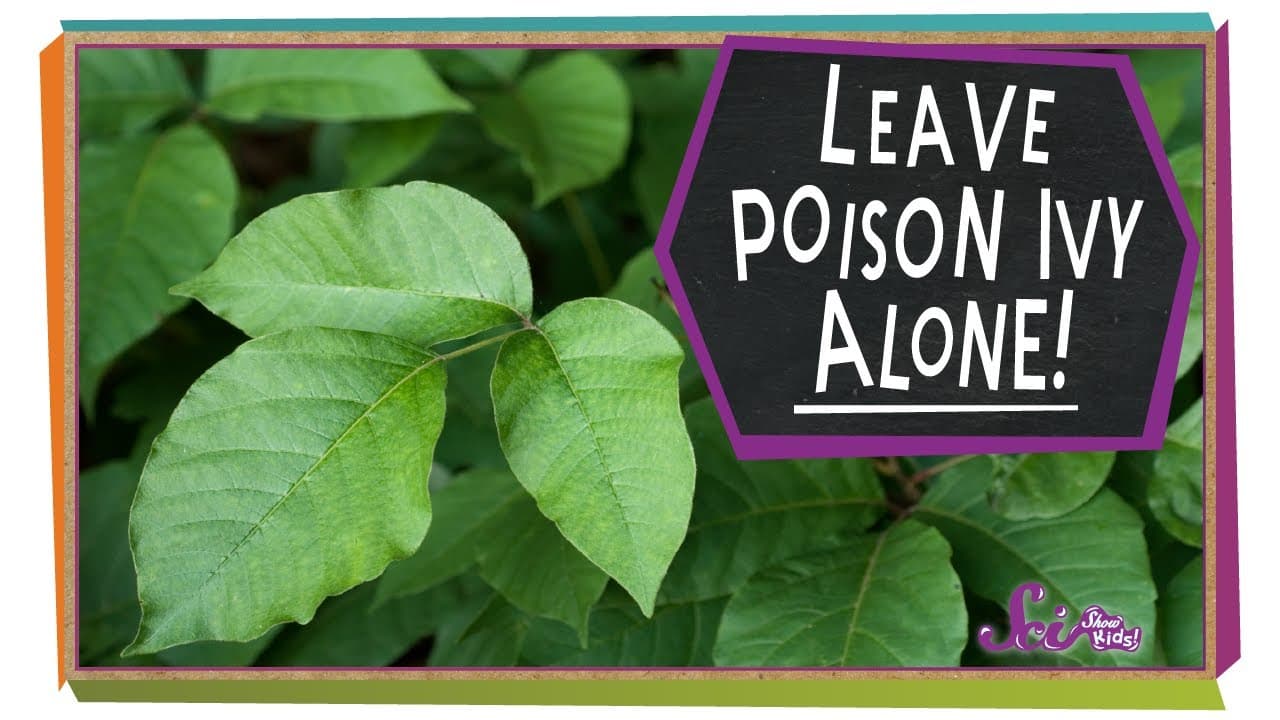
How to Identify Poison Ivy and Treat the Rash

How to Identify Poison Ivy and Treat the Rash

This educational video from SciShow Kids explores the science behind poison ivy, explaining why this common plant causes itchy rashes and how to identify it in the wild. Hosted by Jessi and her robot rat friend Squeaks, the video breaks down the biological reaction humans have to the plant's oil, clarifying the difference between a poison and an allergen. It uses simple analogies, like peanut allergies, to help young students understand how their immune system reacts to the plant. The video covers key topics including plant identification across seasons (green leaves in summer, red in fall, hairy vines in winter), the specific chemical cause of the reaction, and proper first aid treatment. It emphasizes safety through avoidance using the mnemonic "Leaves of three, let it be," while also explaining that the rash is a result of the body's confused defense system rather than a toxin. For educators, this resource is excellent for units on plant biology, human health, or outdoor safety. It demystifies a common fear for children by providing actionable knowledge on how to spot the plant and what to do if exposed. The clear visuals of the plant in different stages make it a practical tool for preparing students for nature walks, field trips, or summer break.

SciShow KidsSciShow Kids

3mins 36s

Video
What Happens During a Dental Checkup

What Happens During a Dental Checkup

In this engaging episode of SciShow Kids, host Jessi and her robot friend Squeaks explore exactly what happens during a visit to the dentist. After returning from her own appointment with a "goody bag" of dental supplies, Jessi breaks down the step-by-step process of a professional teeth cleaning. She introduces the role of the dental hygienist and explains the specific tools used to keep teeth healthy, demystifying the strange noises and sensations children experience in the dental chair. The video covers key oral health concepts including plaque buildup, the formation of cavities, and the purpose of X-rays. It provides detailed, age-appropriate explanations for various dental instruments like the metal scaler, the electric scaler (water sprayer), the suction tube, and the polisher. Through clear animations and friendly narration, the video explains why daily brushing isn't always enough and why professional checkups are necessary to remove hardened plaque and check for cavities. This resource is an excellent tool for health education and social-emotional learning, particularly for alleviating anxiety about dental visits. By familiarizing students with the sights, sounds, and vocabulary of a dental appointment, teachers can help transform a potentially scary experience into an understandable routine. It connects well to units on community helpers, body systems, personal hygiene, and healthy habits for early elementary students.

SciShow KidsSciShow Kids

4mins 12s

Video
Exploring How Our Eyes Work

Exploring How Our Eyes Work

This educational video provides a comprehensive and age-appropriate introduction to the human eye, explaining its function as a sense organ and its role in daily life. It covers the biological basics of how eyes gather information, the diversity of eye colors due to genetics, and the physiological function of tears. The narrative transitions seamlessly from biology to practical health advice, emphasizing the importance of hygiene, nutrition, and protection from the sun. A significant portion of the video is dedicated to vision health, normalizing the use of glasses and the role of optometrists. It explains why some people see differently and how glasses act as "special helpers," demystifying the experience of visiting an eye doctor. This helps reduce anxiety children might feel about eye exams or wearing corrective lenses. For educators, this resource is an excellent tool for units on the human body, the five senses, or personal health and hygiene. It offers clear visual examples of healthy habits and provides a springboard for discussions about genetics (eye color), diversity (physical differences), and when to seek help from an adult regarding health concerns.

Next Generation ScienceNext Generation Science

3mins 4s

Video
What Is a Splinter and How to Remove It Safely

What Is a Splinter and How to Remove It Safely

In this engaging episode of SciShow Kids, host Jessi explains the science behind a common childhood injury: the splinter. Using bright, geometric animations, the video breaks down exactly what a splinter is—defining it not just as wood, but potentially glass, metal, or plastic—and how these tiny objects get stuck in our skin. It explains why splinters hurt and details the body's biological response, including redness and swelling, which are signs that the body is fighting off potential germs. The video introduces key health concepts such as infection and hygiene in an age-appropriate way. It visually demonstrates how germs can hitch a ride on splinters like cactus thorns or rough wood, leading to infection if not treated. The narrative guides children through the importance of telling an adult when they get hurt and outlines the step-by-step process of safe removal: washing the area with soap and water, using tweezers, and applying a bandage. For educators, this video is an excellent resource for Health and Science lessons regarding personal safety, the human body, and first aid. It demystifies a painful experience that frightens many children, transforming it into a learning opportunity about biology and hygiene. It can be used to spark discussions about playground safety, the importance of wearing shoes, and why we wash cuts and scrapes to stay healthy.

SciShow KidsSciShow Kids

3mins 25s

Video
What to Expect at a Doctor's Checkup

What to Expect at a Doctor's Checkup

This reassuring and informative video from SciShow Kids tackles the common childhood anxiety surrounding doctor visits. Host Jessi and her robot rat friend Squeaks—who is nervous about his upcoming appointment—are joined by pediatrician Dr. Aaron Carroll. Together, they walk viewers through a step-by-step simulation of a typical checkup, demystifying the tools and procedures involved to help children feel more comfortable and prepared. The video covers the entire process of a medical appointment, starting from the waiting room and moving through the collection of vital signs like blood pressure, temperature, and oxygen levels. Dr. Carroll demonstrates real medical equipment, including a blood pressure cuff and stethoscope, on Squeaks, explaining how each tool works and what sensations a child might feel (like a "tight hug" on the arm). The segment details the physical exam from head to toe, explaining why doctors check eyes, ears, throats, hearts, lungs, and bellies. Ideally suited for early elementary students, this resource serves as an excellent tool for Health and Science curriculums or for social-emotional learning regarding anxiety. It provides clear, age-appropriate explanations for why medical procedures—including the dreaded shots—are necessary for staying healthy. Teachers can use this video to introduce units on the human body, community helpers, or healthy habits, fostering a positive attitude toward healthcare professionals.

SciShow KidsSciShow Kids

9mins 24s

Video
How Your Ears Work: Hearing, Balance, and Safety

How Your Ears Work: Hearing, Balance, and Safety

This educational video provides a child-friendly introduction to the human ear, explaining its dual functions as a sense organ for hearing and a critical tool for maintaining balance. Through clear narration and relatable visuals of children playing, listening to music, and visiting the doctor, the video breaks down how ears capture sound and communicate with the brain. It emphasizes that ears are always active, processing everything from the subtle chirping of birds to the loud excitement of fireworks. A significant portion of the video focuses on health and safety, offering practical advice on how to care for ears. It explicitly warns against inserting objects like cotton swabs into the ear canal, explains the importance of drying ears after swimming to prevent infection, and highlights the need for hearing protection in loud environments. The video draws a helpful analogy between how bright lights affect eyes and how loud sounds affect ears, making the concept of noise-induced damage accessible to young learners. For educators, this resource is an excellent tool for health and science curriculums centering on the five senses and personal hygiene. It provides a natural entry point for discussing body autonomy, recognizing symptoms of illness (like earaches or muffled hearing), and understanding when to seek help from a trusted adult or doctor. The content encourages students to take an active role in protecting their own health while fostering an appreciation for the complex job their ears perform every day.

Next Generation ScienceNext Generation Science

2mins 53s

Video
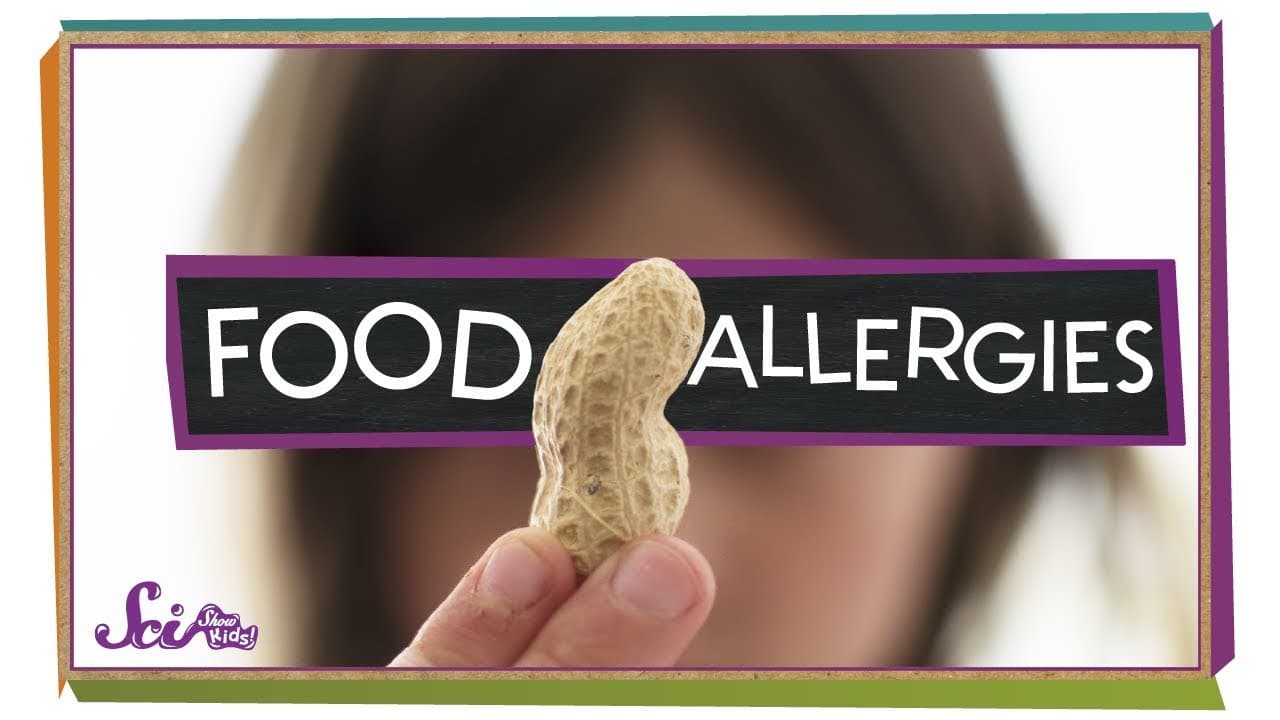
How Food Allergies and the Immune System Work

How Food Allergies and the Immune System Work

This educational video from SciShow Kids explores the science behind food allergies, using peanut allergies as a primary example to explain complex biological concepts in an age-appropriate way. Hosted by Jessi and her robot friend Squeaks, the video distinguishes between simply disliking a food and having a physical allergy to it. It introduces the concept of the immune system, explaining how this body system normally fights germs but sometimes makes a mistake by attacking safe foods like peanuts. The video breaks down the biological process of an allergic reaction, describing how the body releases chemicals to fight an imaginary attacker. It details common symptoms of allergic reactions, ranging from runny noses and itchy skin to more serious breathing difficulties. Crucially, it touches on the importance of medicine for severe reactions and emphasizes safety, teaching children why even a tiny amount of an allergen can be dangerous. For educators, this video is an excellent tool for teaching health, human biology, and social-emotional learning. It helps demystify why some students have strict dietary restrictions, fostering empathy and understanding in the classroom. It provides a clear, non-scary explanation of the immune system that serves as a foundation for understanding human biology, while also offering practical safety advice about respecting food allergies and recognizing when a friend might need help.

SciShow KidsSciShow Kids

3mins 25s

Video
Keeping Your Brain Healthy

Keeping Your Brain Healthy

This educational video outlines practical, everyday strategies for maintaining and improving mental wellness, framing brain health as an active process similar to physical fitness. It introduces viewers to actionable habits such as practicing mindfulness, minimizing screen time, spending time in nature, maintaining a balanced diet, and seeking professional support when needed. The narration emphasizes that mental health requires consistency and patience, just like exercising any other muscle in the body. Key themes explored include the mind-body connection, digital wellness, the therapeutic benefits of nature, and the destigmatization of seeking therapy. The video explicitly connects lifestyle choices—like nutrition and exercise—directly to cognitive function and emotional well-being. It also addresses the impact of substance use on brain health, providing a holistic view of what it means to stay mentally fit. For educators, this video serves as an excellent primer for Social Emotional Learning (SEL) units focused on self-care, stress management, and health education. It provides a non-threatening entry point for discussing mental health, normalizing the idea of "brain check-ups," and empowering students with tangible tools they can use immediately to manage stress and anxiety.

Brain Health BootcampBrain Health Bootcamp

1min 48s

Video
DJ And Danny Talk About Body Image [Full house]

DJ And Danny Talk About Body Image [Full house]

In this poignant clip from the sitcom "Full House," teenager DJ Tanner struggles with severe body image issues leading up to a pool party. Attempting to lose weight rapidly, she resorts to starving herself for three days, sparking concern among her family members. The situation escalates from a kitchen confrontation where her dangerous behavior is revealed, to an intimate heart-to-heart with her father, Danny, in her bedroom. The video explores critical themes of self-worth, the toxic influence of media standards on beauty, and the dangers of eating disorders. It highlights the disparity between how we view ourselves versus how others view us, and the importance of valuing internal character over external appearance. Danny Tanner's gentle parenting approach provides a model for discussing sensitive topics without judgment. For educators, this video serves as an excellent prompt for Social Emotional Learning (SEL) and Health classes. It provides a safe, fictional entry point to discuss real-world pressures regarding appearance, the unrealistic nature of magazine models, and the difference between "crash dieting" and healthy living. It allows students to critique societal beauty standards and practice positive self-talk.

KitanaaKitanaa

4mins 20s

Video
How to Take Care of Yourself When You Are Sick

How to Take Care of Yourself When You Are Sick

This educational video provides a clear, step-by-step guide for children on how to recognize when they are sick and what actions they should take to recover. It covers common symptoms like sore throats, colds, and the flu, emphasizing the importance of self-care to help the body fight off illness. The narration is gentle and reassuring, making it suitable for young viewers who might feel anxious about being unwell. The video outlines essential health behaviors including communicating with adults, getting adequate rest, hydration, nutrition, and hygiene practices like hand washing and mask-wearing. It explains the 'why' behind these actions—for instance, how sleep provides energy to fight germs and how fluids keep the body hydrated. It also addresses social responsibility by explaining how staying home and washing hands prevents spreading germs to others. For educators, this video serves as an excellent tool for Health and Science units focused on the human body, hygiene, and personal responsibility. It helps build functional health literacy by giving students a concrete checklist of actions to take when they feel unwell, empowering them to advocate for their own health needs and understand the role of doctors and rest in recovery.

Next Generation ScienceNext Generation Science

2mins 14s

Video
What Happens When You Get Stitches?

What Happens When You Get Stitches?

In this reassuring episode of SciShow Kids, Jessi and her robot friend Squeaks explain the medical process of getting stitches after Squeaks injures his hand while playing tag. The video demystifies a potentially scary experience for children by breaking down exactly what happens when a cut is too deep for a regular bandage, transforming a frightening medical procedure into an understandable step-by-step process. The content covers the biological reasons for stitches (holding skin together to heal, stopping bleeding, preventing infection) and walks viewers through the doctor's visit. It explains each tool the doctor uses—from cleaning the wound to the numbing shot and the needle and thread—using clear animations and simple analogies, like comparing stitches to a "non-sticky band-aid that goes inside the skin." This video is an excellent resource for health and biology lessons in early elementary classrooms. It serves a dual purpose: teaching students about the body's healing process and infection prevention while also providing social-emotional support by alleviating fears associated with injuries and doctors. Teachers can use it to discuss safety, first aid, the role of medical professionals, and how our bodies repair themselves.

SciShow KidsSciShow Kids

3mins 25s

Video
Why Our Skin Burns and How to Protect It

Why Our Skin Burns and How to Protect It

In this engaging episode of SciShow Kids, host Jessi and her robot friend Squeaks explore the science behind summer safety, specifically focusing on sunburns. The video explains why humans need to protect their skin from the sun's rays, contrasting human biology with Squeaks' robotic nature. Using clear animations and simple analogies, it breaks down the biological process of how skin gets damaged and how the body's healing response creates the redness and heat associated with sunburns. The content covers key topics such as the effects of UV rays (simplified as sun rays) on skin, the body's inflammatory response (increased blood flow), and risk factors like skin tone and time of day. It provides a comprehensive guide to prevention, including wearing protective clothing, seeking shade during peak hours (10 AM - 4 PM), and the proper application of sunscreen. The video clarifies how sunscreen works by acting like a sponge or a mirror to block harmful rays. For educators, this video is an excellent resource for health and science units. It translates the abstract concept of UV radiation into concrete, relatable terms for young students. It serves as a perfect launchpad for lessons on personal health, the human body's defense systems, and practical life skills regarding safety in the environment. The clear, actionable advice empowers children to take responsibility for their own sun safety habits.

SciShow KidsSciShow Kids

3mins 1s

Video
The Science of Head Lice: Myths, Biology, and Treatment

The Science of Head Lice: Myths, Biology, and Treatment

Hosted by Jessi and her robot rat friend Squeaks, this engaging video from SciShow Kids demystifies the common childhood experience of having head lice. The video breaks down the biology of the louse, explaining exactly what they are, how they survive by feeding on blood from the scalp, and their life cycle from nit (egg) to nymph to adult. Jessi uses friendly animations and clear analogies to make the microscopic world of these parasites understandable for young learners. The video addresses critical themes regarding health, hygiene, and social stigma. A major focus is placed on debunking the harmful myth that lice are a sign of being dirty; Jessi explains that lice actually prefer clean hair because it is easier to grip. The content covers practical prevention methods (like not sharing hats or brushes) and outlines standard treatment protocols, including special shampoos and combing techniques. For educators and parents, this video is an invaluable tool for destigmatizing a stressful event. It transforms a source of shame into a science lesson, encouraging students to report itching to adults without fear. It is applicable in health units, biology lessons on life cycles, and social-emotional learning discussions about empathy and common childhood challenges.

SciShow KidsSciShow Kids

4mins 23s

Video
What Happens During a Dental Checkup

What Happens During a Dental Checkup

In this engaging episode of SciShow Kids, host Jessi and her robot friend Squeaks explore exactly what happens during a visit to the dentist. After returning from her own appointment with a "goody bag" of dental supplies, Jessi breaks down the step-by-step process of a professional teeth cleaning. She introduces the role of the dental hygienist and explains the specific tools used to keep teeth healthy, demystifying the strange noises and sensations children experience in the dental chair. The video covers key oral health concepts including plaque buildup, the formation of cavities, and the purpose of X-rays. It provides detailed, age-appropriate explanations for various dental instruments like the metal scaler, the electric scaler (water sprayer), the suction tube, and the polisher. Through clear animations and friendly narration, the video explains why daily brushing isn't always enough and why professional checkups are necessary to remove hardened plaque and check for cavities. This resource is an excellent tool for health education and social-emotional learning, particularly for alleviating anxiety about dental visits. By familiarizing students with the sights, sounds, and vocabulary of a dental appointment, teachers can help transform a potentially scary experience into an understandable routine. It connects well to units on community helpers, body systems, personal hygiene, and healthy habits for early elementary students.

SciShow KidsSciShow Kids

4mins 12s

Video
Why Our Ears Make Wax and How It Protects Us

Why Our Ears Make Wax and How It Protects Us

This engaging episode of SciShow Kids explores the science behind earwax, scientifically known as cerumen. Host Jessi and her robot rat friend Squeaks explain what earwax is, where it comes from, and the vital role it plays in keeping our ears healthy. Through colorful animations and clear explanations, the video demystifies a bodily function that children often find "gross" but intriguing. The video breaks down the anatomy of the ear, specifically the ear canal, and uses accessible metaphors to explain how earwax acts as a self-cleaning mechanism. Key topics include the production of cerumen, how jaw movement helps move wax out of the ear, and the three main jobs of earwax: moisturizing the ear canal, removing dead skin cells, and trapping germs and dust to protect the eardrum. Ideally suited for early elementary science and health curriculums, this resource serves as excellent material for teaching body systems, hygiene, and personal safety. It directly addresses the common childhood habit of putting objects in ears, providing a scientific explanation for why ears are best left alone to clean themselves. Teachers can use this to spark discussions about how different parts of the body have specific protective functions.

SciShow KidsSciShow Kids

2mins 32s

Video
How the Flu Works and How Your Body Fights It

How the Flu Works and How Your Body Fights It

This engaging science video explains the biology behind the common cold and the flu, specifically tailored for young learners. Hosted by Jessi and her robot friend Squeaks, the video breaks down what causes sickness (viruses), how these microscopic invaders enter the body, and the specific mechanisms the body uses to fight back. It demystifies scary or unpleasant symptoms like runny noses, sneezing, and fevers by reframing them as heroic efforts by the body's defense system to expel germs.

SciShow KidsSciShow Kids

4mins 16s

Video
What Is a Splinter and How to Remove It Safely

What Is a Splinter and How to Remove It Safely

In this engaging episode of SciShow Kids, host Jessi explains the science behind a common childhood injury: the splinter. Using bright, geometric animations, the video breaks down exactly what a splinter is—defining it not just as wood, but potentially glass, metal, or plastic—and how these tiny objects get stuck in our skin. It explains why splinters hurt and details the body's biological response, including redness and swelling, which are signs that the body is fighting off potential germs. The video introduces key health concepts such as infection and hygiene in an age-appropriate way. It visually demonstrates how germs can hitch a ride on splinters like cactus thorns or rough wood, leading to infection if not treated. The narrative guides children through the importance of telling an adult when they get hurt and outlines the step-by-step process of safe removal: washing the area with soap and water, using tweezers, and applying a bandage. For educators, this video is an excellent resource for Health and Science lessons regarding personal safety, the human body, and first aid. It demystifies a painful experience that frightens many children, transforming it into a learning opportunity about biology and hygiene. It can be used to spark discussions about playground safety, the importance of wearing shoes, and why we wash cuts and scrapes to stay healthy.

SciShow KidsSciShow Kids

3mins 25s

Video
Why Sleep Is Important for Your Brain and Body

Why Sleep Is Important for Your Brain and Body

In this engaging episode of SciShow Kids, host Jessi and her robot mouse friend Squeaks explore the biological necessity of sleep. Starting with a relatable scenario where Jessi feels tired from a lack of rest, the video breaks down exactly what happens to the human body during slumber. It explains complex biological processes in age-appropriate terms, covering how the body conserves energy, heals itself, fights off germs, and physically grows during the night. The video places a special emphasis on the brain's role during sleep, using helpful metaphors like a "filing cabinet" to explain how the brain organizes memories and emotions. It addresses the consequences of sleep deprivation—such as lack of focus and irritability—and offers practical advice for better sleep hygiene. Key strategies introduced include establishing a consistent bedtime routine and avoiding electronic screens that can trick the body into thinking it is still daytime. For educators, this resource is an excellent tool for Health and Science units focused on the human body, self-care, and social-emotional learning. It provides a scientific basis for rules like bedtimes and screen limits, helping students understand the "why" behind healthy habits. The clear visual explanations of energy conservation and memory processing make abstract concepts concrete for young learners, facilitating discussions about self-regulation and physical well-being.

SciShow KidsSciShow Kids

3mins 33s

Video
Why We Brush Our Teeth: The Egg and Soda Experiment

Why We Brush Our Teeth: The Egg and Soda Experiment

This educational video from SciShow Kids uses a hands-on experiment to visually demonstrate why brushing teeth is essential. By comparing eggshells to human teeth, the host explains how acidic foods and drinks like soda can erode enamel and cause staining. The video guides viewers through setting up a simple experiment at home using hard-boiled eggs and soda to simulate tooth decay. The content covers key scientific concepts including the properties of acids, the role of calcium in strengthening both eggshells and teeth, and the scientific method of hypothesis and observation. It connects chemistry to daily health habits, making the abstract concept of microscopic tooth damage concrete and understandable for young learners. Teachers can use this video to launch units on dental health, personal hygiene, or basic chemistry. It effectively motivates students to brush their teeth by showing the tangible 'gross' effects of neglect, while also serving as an excellent introduction to conducting scientific experiments with controls, variables, and observations.

SciShow KidsSciShow Kids

4mins 1s

Video
Exploring How Our Eyes Work

Exploring How Our Eyes Work

This educational video provides a comprehensive and age-appropriate introduction to the human eye, explaining its function as a sense organ and its role in daily life. It covers the biological basics of how eyes gather information, the diversity of eye colors due to genetics, and the physiological function of tears. The narrative transitions seamlessly from biology to practical health advice, emphasizing the importance of hygiene, nutrition, and protection from the sun. A significant portion of the video is dedicated to vision health, normalizing the use of glasses and the role of optometrists. It explains why some people see differently and how glasses act as "special helpers," demystifying the experience of visiting an eye doctor. This helps reduce anxiety children might feel about eye exams or wearing corrective lenses. For educators, this resource is an excellent tool for units on the human body, the five senses, or personal health and hygiene. It offers clear visual examples of healthy habits and provides a springboard for discussions about genetics (eye color), diversity (physical differences), and when to seek help from an adult regarding health concerns.

Next Generation ScienceNext Generation Science

3mins 4s

Video
Why We Brush Our Teeth: The Science of Cavities

Why We Brush Our Teeth: The Science of Cavities

This educational video from SciShow Kids explores the science behind why brushing teeth is essential for health. Hosted by Jessi and her robot mouse friend Squeaks, the video moves beyond simple hygiene rules to explain the biological reasons for oral care. It breaks down the anatomy of a tooth, introduces the concept of oral bacteria, and explains the chemical process that leads to cavities. The video covers several key scientific themes suitable for young learners, including the structure of human teeth (enamel, dentin, and pulp), the microscopic world of bacteria, and the cause-and-effect relationship between food residue, bacterial acid, and tooth decay. It simplifies complex biological processes using colorful animations, such as depicting bacteria as colorful worms and acid as a glowing green substance. For educators, this resource provides a fantastic foundation for health and science lessons. It shifts the narrative of tooth brushing from a "chore" to a scientific necessity, empowering students with the "why" behind the habit. It can be used to launch units on the human body, personal hygiene, or microbiology, offering clear visual models for abstract concepts like bacterial growth and cellular damage.

SciShow KidsSciShow Kids

4mins 19s

Video
How Germs Spread and How to Stay Healthy

How Germs Spread and How to Stay Healthy

This educational video provides a comprehensive introduction to germs, scientifically known as pathogens, and their impact on human health. Hosted by Kaylee, the lesson breaks down the microscopic world of disease-causing organisms, distinguishing between viruses, bacteria, parasites, and fungi. It carefully explains that while some microorganisms cause sickness, others (like bacteria in yogurt or mushrooms on pizza) can be beneficial, helping students understand the complexity of the microbial world rather than viewing all "germs" as bad. The video details the four primary modes of pathogen transmission: food and water contamination, insect bites, direct contact between humans, and indirect contact through surfaces. It introduces essential scientific vocabulary such as "contagious," "infectious disease," and "transmitting" in an accessible way. Specific examples like Salmonella, malaria, the flu, and athlete's foot are used to illustrate how different pathogens operate and spread within the human body. For educators, this resource serves as an excellent foundation for health and science units focusing on hygiene and disease prevention. It offers practical, actionable advice for students, such as the proper technique for handwashing (20 seconds with warm soapy water) and the importance of not touching one's face. The video also touches on building a strong immune system through sleep, exercise, and nutrition, making it a holistic tool for teaching students how to take ownership of their personal health and safety.

Miacademy & MiaPrep Learning ChannelMiacademy & MiaPrep Learning Channel

5mins 39s

Video
How to Wash Your Hands Properly

How to Wash Your Hands Properly

This animated video provides a clear, step-by-step visual demonstration of proper handwashing techniques designed specifically for young children. Without relying on complex narration, the video follows a young girl transitioning from outdoor play to the bathroom sink, where she models the essential stages of hygiene: wetting hands, applying soap, scrubbing thoroughly, rinsing, and drying. The animation utilizes bright, friendly colors and clear visual cues to make the process easy to follow. The content focuses on the key themes of personal hygiene, daily routines, and germ prevention. A significant moment in the video visually represents germs being eliminated, helping young learners understand the abstract concept of why handwashing is necessary. The inclusion of musical notes while the character scrubs introduces the concept of timing—washing for an adequate amount of time rather than a quick rinse—which is a critical component of effective hygiene. For educators, this video is an excellent resource for establishing classroom routines, particularly in early childhood settings like Pre-K and Kindergarten. It can be used as a visual primer at the beginning of the school year, a reminder before snack times, or a reinforcement tool during flu season. Its non-verbal nature makes it universally accessible, including for students with language processing differences or English language learners, allowing the teacher to provide their own narration or facilitate a discussion based on the visual actions.

Next Generation ScienceNext Generation Science

1min 47s

Video
Four Fun Ways to Stay Healthy and Strong

Four Fun Ways to Stay Healthy and Strong

This engaging educational video introduces children to four fundamental pillars of a healthy lifestyle: exercise, nutrition, sleep, and hygiene. Through clear narration and relatable stock footage of diverse children, it breaks down complex health concepts into simple, actionable habits. The video explains not just *what* to do, but *why* these habits matter, connecting physical actions to benefits like brain function, body repair, and disease prevention. The content is structured around four distinct segments. First, it explores exercise, highlighting how movement benefits both the body and the brain by releasing happy chemicals. Second, it covers nutrition, emphasizing a balanced diet of fruits, vegetables, and proteins while dispelling the myth that healthy food is boring. Third, it discusses the restorative power of sleep and the importance of bedtime routines. Finally, it addresses personal hygiene practices like hand washing and teeth brushing to keep germs away. For educators, this video serves as an excellent anchor for a health and wellness unit. It provides a comprehensive overview that can be paused to dive deeper into each specific topic. The friendly tone and clear visual examples make it perfect for sparking classroom discussions about daily routines, encouraging students to reflect on their own habits, and inspiring them to make healthy choices both at school and at home.

Next Generation ScienceNext Generation Science

3mins 4s

Video
What to Expect at a Doctor's Checkup

What to Expect at a Doctor's Checkup

This reassuring and informative video from SciShow Kids tackles the common childhood anxiety surrounding doctor visits. Host Jessi and her robot rat friend Squeaks—who is nervous about his upcoming appointment—are joined by pediatrician Dr. Aaron Carroll. Together, they walk viewers through a step-by-step simulation of a typical checkup, demystifying the tools and procedures involved to help children feel more comfortable and prepared. The video covers the entire process of a medical appointment, starting from the waiting room and moving through the collection of vital signs like blood pressure, temperature, and oxygen levels. Dr. Carroll demonstrates real medical equipment, including a blood pressure cuff and stethoscope, on Squeaks, explaining how each tool works and what sensations a child might feel (like a "tight hug" on the arm). The segment details the physical exam from head to toe, explaining why doctors check eyes, ears, throats, hearts, lungs, and bellies. Ideally suited for early elementary students, this resource serves as an excellent tool for Health and Science curriculums or for social-emotional learning regarding anxiety. It provides clear, age-appropriate explanations for why medical procedures—including the dreaded shots—are necessary for staying healthy. Teachers can use this video to introduce units on the human body, community helpers, or healthy habits, fostering a positive attitude toward healthcare professionals.

SciShow KidsSciShow Kids

9mins 24s

Video
Understanding Your Teeth and How to Care for Them

Understanding Your Teeth and How to Care for Them

This educational video provides a comprehensive overview of dental health, tooth anatomy, and hygiene practices tailored for elementary students. Hosted by Kylie, the lesson begins with fascinating developmental facts, such as how teeth begin forming before birth, and explains the lifecycle of human teeth from the first set of baby teeth to the permanent set of 32 adult teeth. It breaks down the specific names and functions of different teeth—incisors for biting, canines for tearing, and molars for grinding—helping students understand the mechanics of eating.

Miacademy & MiaPrep Learning ChannelMiacademy & MiaPrep Learning Channel

4mins 38s

Video
What Are Tonsils and How Do They Fight Germs?

What Are Tonsils and How Do They Fight Germs?

This educational video from SciShow Kids explores the function and importance of tonsils in the human body. Host Jessi and her robot friend Squeaks explain why doctors ask patients to open wide and say "Ahhh" during checkups, demystifying a common medical procedure for children. The video breaks down complex biological concepts into simple terms, describing tonsils as the body's first line of defense against germs entering through the mouth and nose. The content covers several key health topics, including the anatomy of the throat, how tonsils trap and fight germs, and what happens when they get overwhelmed (tonsillitis). It uses clear, child-friendly animations to visualize germs getting stuck to the "sticky bumps" of the tonsils. The video also reassures children about sore throats, explains common treatments like rest and fluids, and gently addresses why some people have their tonsils removed. For educators, this video is an excellent resource for health and human body units. It helps alleviate anxiety about doctor visits and provides a concrete example of the immune system in action. The visual metaphors make abstract concepts tangible, allowing teachers to create hands-on lessons about hygiene, germs, and how our bodies protect us.

SciShow KidsSciShow Kids

3mins 22s

Video
How Food Allergies and the Immune System Work

How Food Allergies and the Immune System Work

This educational video from SciShow Kids explores the science behind food allergies, using peanut allergies as a primary example to explain complex biological concepts in an age-appropriate way. Hosted by Jessi and her robot friend Squeaks, the video distinguishes between simply disliking a food and having a physical allergy to it. It introduces the concept of the immune system, explaining how this body system normally fights germs but sometimes makes a mistake by attacking safe foods like peanuts. The video breaks down the biological process of an allergic reaction, describing how the body releases chemicals to fight an imaginary attacker. It details common symptoms of allergic reactions, ranging from runny noses and itchy skin to more serious breathing difficulties. Crucially, it touches on the importance of medicine for severe reactions and emphasizes safety, teaching children why even a tiny amount of an allergen can be dangerous. For educators, this video is an excellent tool for teaching health, human biology, and social-emotional learning. It helps demystify why some students have strict dietary restrictions, fostering empathy and understanding in the classroom. It provides a clear, non-scary explanation of the immune system that serves as a foundation for understanding human biology, while also offering practical safety advice about respecting food allergies and recognizing when a friend might need help.

SciShow KidsSciShow Kids

3mins 25s

Video
STI Prevention Beyond Condoms

STI Prevention Beyond Condoms

This animated educational video demystifies Sexually Transmitted Infections (STIs) through a student presentation scenario in a health class. The video begins by clearing up a humorous misunderstanding about what the acronym STI stands for, quickly pivoting to factual information about how these infections are transmitted through bodily fluids and sexual contact. It categorizes STIs into curable and treatable types, emphasizing that many are asymptomatic, which makes visual detection impossible. Key themes include the distinction between abstinence and safer sex practices. The video thoroughly explains that abstinence (defined here as not engaging in any sexual behavior with another person) is the only 100% effective method for prevention. It also introduces the concept of "safer sex" for those who are sexually active, which includes limiting partners, regular testing, open communication, and using barriers like external/internal condoms and dental dams. It broadens the definition of intimacy to include non-sexual affection like hugging and kissing. For educators, this resource is highly valuable because it models open communication about a sensitive topic without shame or stigma. It provides clear, actionable steps for students to protect their health, moving beyond just "wear a condom" to include comprehensive strategies like negotiation and consent. The friendly animation style helps lower student anxiety around the subject, making it an excellent primer for health units on sexual responsibility and disease prevention.

AMAZE OrgAMAZE Org

3mins 54s

Video
Taking Care of Your Body During Puberty

Taking Care of Your Body During Puberty

This animated health education video provides a humorous yet informative guide to the physical changes associated with puberty, specifically focusing on hygiene. Narrated by a relatable teen vlogger character named Jane, the video normalizes common experiences like body odor, acne, and hair growth. It explains the biological reasons behind these changes, such as increased hormone production and sweat gland activity, removing the stigma often associated with them. The content offers practical, actionable advice for maintaining hygiene during this developmental stage. It covers essential habits like daily showering with soap, using deodorant, wearing clean clothes, and establishing a skincare routine. The video also emphasizes that while these changes are universal, individual experiences may vary, reinforcing the importance of doing what feels right and comfortable for one's own body. Teachers and parents will find this video particularly useful as a conversation starter for sensitive topics. Its lighthearted tone and clear explanations make it an excellent resource for health classes, helping students transition from anxiety about body changes to understanding and self-care. It empowers students with the knowledge to manage their hygiene confidently and promotes a healthy lifestyle through sleep, exercise, and nutrition.

AMAZE OrgAMAZE Org

2mins 46s

Video
What Happens When You Get Stitches?

What Happens When You Get Stitches?

In this reassuring episode of SciShow Kids, Jessi and her robot friend Squeaks explain the medical process of getting stitches after Squeaks injures his hand while playing tag. The video demystifies a potentially scary experience for children by breaking down exactly what happens when a cut is too deep for a regular bandage, transforming a frightening medical procedure into an understandable step-by-step process. The content covers the biological reasons for stitches (holding skin together to heal, stopping bleeding, preventing infection) and walks viewers through the doctor's visit. It explains each tool the doctor uses—from cleaning the wound to the numbing shot and the needle and thread—using clear animations and simple analogies, like comparing stitches to a "non-sticky band-aid that goes inside the skin." This video is an excellent resource for health and biology lessons in early elementary classrooms. It serves a dual purpose: teaching students about the body's healing process and infection prevention while also providing social-emotional support by alleviating fears associated with injuries and doctors. Teachers can use it to discuss safety, first aid, the role of medical professionals, and how our bodies repair themselves.

SciShow KidsSciShow Kids

3mins 25s

Video
How to Take Care of Yourself When You Are Sick

How to Take Care of Yourself When You Are Sick

This educational video provides a clear, step-by-step guide for children on how to recognize when they are sick and what actions they should take to recover. It covers common symptoms like sore throats, colds, and the flu, emphasizing the importance of self-care to help the body fight off illness. The narration is gentle and reassuring, making it suitable for young viewers who might feel anxious about being unwell. The video outlines essential health behaviors including communicating with adults, getting adequate rest, hydration, nutrition, and hygiene practices like hand washing and mask-wearing. It explains the 'why' behind these actions—for instance, how sleep provides energy to fight germs and how fluids keep the body hydrated. It also addresses social responsibility by explaining how staying home and washing hands prevents spreading germs to others. For educators, this video serves as an excellent tool for Health and Science units focused on the human body, hygiene, and personal responsibility. It helps build functional health literacy by giving students a concrete checklist of actions to take when they feel unwell, empowering them to advocate for their own health needs and understand the role of doctors and rest in recovery.

Next Generation ScienceNext Generation Science

2mins 14s

Video
How to Identify Poison Ivy and Treat the Rash

How to Identify Poison Ivy and Treat the Rash

This educational video from SciShow Kids explores the science behind poison ivy, explaining why this common plant causes itchy rashes and how to identify it in the wild. Hosted by Jessi and her robot rat friend Squeaks, the video breaks down the biological reaction humans have to the plant's oil, clarifying the difference between a poison and an allergen. It uses simple analogies, like peanut allergies, to help young students understand how their immune system reacts to the plant. The video covers key topics including plant identification across seasons (green leaves in summer, red in fall, hairy vines in winter), the specific chemical cause of the reaction, and proper first aid treatment. It emphasizes safety through avoidance using the mnemonic "Leaves of three, let it be," while also explaining that the rash is a result of the body's confused defense system rather than a toxin. For educators, this resource is excellent for units on plant biology, human health, or outdoor safety. It demystifies a common fear for children by providing actionable knowledge on how to spot the plant and what to do if exposed. The clear visuals of the plant in different stages make it a practical tool for preparing students for nature walks, field trips, or summer break.

SciShow KidsSciShow Kids

3mins 36s

Video
Why Our Ears Make Wax and How It Protects Us

Why Our Ears Make Wax and How It Protects Us

This engaging episode of SciShow Kids explores the science behind earwax, scientifically known as cerumen. Host Jessi and her robot rat friend Squeaks explain what earwax is, where it comes from, and the vital role it plays in keeping our ears healthy. Through colorful animations and clear explanations, the video demystifies a bodily function that children often find "gross" but intriguing. The video breaks down the anatomy of the ear, specifically the ear canal, and uses accessible metaphors to explain how earwax acts as a self-cleaning mechanism. Key topics include the production of cerumen, how jaw movement helps move wax out of the ear, and the three main jobs of earwax: moisturizing the ear canal, removing dead skin cells, and trapping germs and dust to protect the eardrum. Ideally suited for early elementary science and health curriculums, this resource serves as excellent material for teaching body systems, hygiene, and personal safety. It directly addresses the common childhood habit of putting objects in ears, providing a scientific explanation for why ears are best left alone to clean themselves. Teachers can use this to spark discussions about how different parts of the body have specific protective functions.

SciShow KidsSciShow Kids

2mins 32s

Video
Exploring How Our Eyes Work

Exploring How Our Eyes Work

This educational video provides a comprehensive and age-appropriate introduction to the human eye, explaining its function as a sense organ and its role in daily life. It covers the biological basics of how eyes gather information, the diversity of eye colors due to genetics, and the physiological function of tears. The narrative transitions seamlessly from biology to practical health advice, emphasizing the importance of hygiene, nutrition, and protection from the sun. A significant portion of the video is dedicated to vision health, normalizing the use of glasses and the role of optometrists. It explains why some people see differently and how glasses act as "special helpers," demystifying the experience of visiting an eye doctor. This helps reduce anxiety children might feel about eye exams or wearing corrective lenses. For educators, this resource is an excellent tool for units on the human body, the five senses, or personal health and hygiene. It offers clear visual examples of healthy habits and provides a springboard for discussions about genetics (eye color), diversity (physical differences), and when to seek help from an adult regarding health concerns.

Next Generation ScienceNext Generation Science

3mins 4s

Video
Why Eating a Healthy Breakfast Matters

Why Eating a Healthy Breakfast Matters

This concise educational video explains the physiological and behavioral importance of eating a nutritious breakfast. It breaks down how the first meal of the day provides essential fuel for the body and brain, highlighting specific benefits such as improved concentration in school, a boosted metabolism, and better appetite control throughout the rest of the day. The narration is clear and accessible, making complex concepts like metabolism easy for younger students to understand. The video visually demonstrates a variety of healthy breakfast options, moving beyond sugary cereals to showcase balanced meals like oatmeal with fruit, whole grain avocado toast with eggs, and greek yogurt parfaits. It introduces the nutritional triad of carbohydrates, proteins, and healthy fats, explaining why this combination is crucial for sustained energy and satiety. Visuals alternate between students engaging in academic and physical activities and high-quality close-ups of appetizing, healthy food preparations. For educators, this resource serves as an excellent hook for units on nutrition, health, and human biology. It connects biological needs (nutrients) with practical daily choices, empowering students to take ownership of their morning routine. The video is particularly useful for initiating discussions about healthy habits, analyzing food groups, and planning balanced menus in Health or Science classes.

Next Generation ScienceNext Generation Science

1min 19s

Video
What Happens During a Dental Checkup

What Happens During a Dental Checkup

In this engaging episode of SciShow Kids, host Jessi and her robot friend Squeaks explore exactly what happens during a visit to the dentist. After returning from her own appointment with a "goody bag" of dental supplies, Jessi breaks down the step-by-step process of a professional teeth cleaning. She introduces the role of the dental hygienist and explains the specific tools used to keep teeth healthy, demystifying the strange noises and sensations children experience in the dental chair. The video covers key oral health concepts including plaque buildup, the formation of cavities, and the purpose of X-rays. It provides detailed, age-appropriate explanations for various dental instruments like the metal scaler, the electric scaler (water sprayer), the suction tube, and the polisher. Through clear animations and friendly narration, the video explains why daily brushing isn't always enough and why professional checkups are necessary to remove hardened plaque and check for cavities. This resource is an excellent tool for health education and social-emotional learning, particularly for alleviating anxiety about dental visits. By familiarizing students with the sights, sounds, and vocabulary of a dental appointment, teachers can help transform a potentially scary experience into an understandable routine. It connects well to units on community helpers, body systems, personal hygiene, and healthy habits for early elementary students.

SciShow KidsSciShow Kids

4mins 12s

Video
Why Sleep Is Important for Your Brain and Body

Why Sleep Is Important for Your Brain and Body

In this engaging episode of SciShow Kids, host Jessi and her robot mouse friend Squeaks explore the biological necessity of sleep. Starting with a relatable scenario where Jessi feels tired from a lack of rest, the video breaks down exactly what happens to the human body during slumber. It explains complex biological processes in age-appropriate terms, covering how the body conserves energy, heals itself, fights off germs, and physically grows during the night. The video places a special emphasis on the brain's role during sleep, using helpful metaphors like a "filing cabinet" to explain how the brain organizes memories and emotions. It addresses the consequences of sleep deprivation—such as lack of focus and irritability—and offers practical advice for better sleep hygiene. Key strategies introduced include establishing a consistent bedtime routine and avoiding electronic screens that can trick the body into thinking it is still daytime. For educators, this resource is an excellent tool for Health and Science units focused on the human body, self-care, and social-emotional learning. It provides a scientific basis for rules like bedtimes and screen limits, helping students understand the "why" behind healthy habits. The clear visual explanations of energy conservation and memory processing make abstract concepts concrete for young learners, facilitating discussions about self-regulation and physical well-being.

SciShow KidsSciShow Kids

3mins 33s

Video
Exploring the Five Food Groups and Healthy Eating

Exploring the Five Food Groups and Healthy Eating

This educational video from the Lighthouse Lab introduces young students to the five major food groups and the basics of nutrition. Through clear narration and vibrant visuals, the host explains how different foods provide specific benefits to the human body, such as energy from grains, vitamins from fruits and vegetables, muscle-building power from proteins, and bone-strengthening calcium from dairy. The video explores key themes of healthy eating, biological functions of nutrients, and food categorization. It breaks down complex nutritional concepts into digestible segments, explicitly categorizing common foods like apples, carrots, bread, chicken, and milk. It also addresses "sometimes foods" like candy and ice cream, explaining why they don't fit into the main nutritional groups due to high sugar, fat, or salt content. For educators, this video serves as an excellent foundational tool for health and science curriculums. It provides a structured framework for discussing diet and biology, offering clear visual examples that help students recognize and classify the foods they eat every day. The content naturally leads into activities about meal planning, identifying plant parts, and making healthy lifestyle choices.

Next Generation ScienceNext Generation Science

4mins 28s

Video
Why Nosebleeds Happen and How to Stop Them

Why Nosebleeds Happen and How to Stop Them

In this reassuring and educational episode of SciShow Kids, host Jessi and her robot rat friend Squeaks explore the science behind nosebleeds. Sparked by Jessi's recent experience with a nosebleed at the fort, the video demystifies this common but sometimes frightening occurrence. It explains the basic anatomy of the nose, specifically focusing on the delicate blood vessels located inside the nostrils, and investigates why they might break and bleed. The video covers several key themes regarding human biology and health. It details the causes of nosebleeds, ranging from environmental factors like dry, cold air to physical irritation from scratching or nose-picking. Crucially, it addresses the misconception that nosebleeds are dangerous, framing them as normal biological reactions similar to getting a small scrape on the skin. For educators and parents, this video is an excellent resource for teaching basic human anatomy and practical first aid skills. It provides clear, step-by-step instructions on how to stop a nosebleed correctly—emphasizing leaning forward rather than back—which is a vital life skill for elementary students. By explaining the 'why' and 'how' in a calm, friendly manner, the video helps reduce anxiety surrounding blood and bodily functions, empowering children to handle the situation confidently if it happens to them.

SciShow KidsSciShow Kids

4mins 21s

Video
Moving and Naming Parts of the Body

Moving and Naming Parts of the Body

This energetic, animated musical video introduces young learners to sixteen different body parts through song and movement. Three diverse animated characters on a beach guide viewers through a 'head-to-toe' sequence, explicitly naming and demonstrating movements for each specific body part. The catchy, rhythmic lyrics encourage active participation, prompting students to move their own bodies along with the characters on screen. The content covers a comprehensive list of body parts including facial features (eyes, nose, ears, mouth), upper body (neck, shoulders, arms, elbows, hands, fingers), and lower body (stomach, legs, knees, feet, toes). Visual aids include clear text labels for reading reinforcement and animations that highlight specific functions, such as smelling a flower or listening to a bird, which subtly introduces the five senses. Ideally suited for early childhood and physical education settings, this video serves as an excellent tool for vocabulary building, gross motor skill development, and body awareness. It is particularly effective for active recall sessions where students can stand up and perform the actions, making it a perfect brain break or warm-up activity. The repetitive nature of the song ensures that students can easily memorize the vocabulary and associated movements.

Have Fun TeachingHave Fun Teaching

3mins 16s

Video
How to Take Care of Your Amazing Body

How to Take Care of Your Amazing Body

This engaging educational video introduces young learners to the fundamental habits required to maintain a healthy body. Through vibrant footage of diverse children in action, the narrator explains that our bodies are amazing machines capable of incredible feats, but they require regular maintenance to function optimally. The video breaks down health into four accessible categories: personal hygiene, physical activity, nutrition, and rest, providing concrete examples for each that children can easily relate to their daily lives. Key themes explored include the importance of cleanliness (washing hands, brushing teeth), the joy of movement (dancing, sports, outdoor play), and the balance of nutrition (prioritizing fruits and vegetables while treating sweets as occasional snacks). It specifically addresses the concept of "sometimes foods" versus "always foods," helping children navigate dietary choices without shame. The video concludes by adding a critical fourth pillar often overlooked in children's health discussions: the necessity of a good night's sleep. For educators, this resource serves as an excellent anchor for a "Healthy Living" unit in early elementary classrooms. Its clear structure allows teachers to pause and focus on one specific health aspect at a time. The relatable visuals of children engaging in everyday activities help students see themselves in the content, fostering a personal connection to healthy habits. It is particularly useful for sparking discussions about daily routines, categorizing foods, and understanding the 'why' behind rules like bedtime and handwashing.

Next Generation ScienceNext Generation Science

1min 56s

Video
How Food Fuels Your Body and Why Nutrition Matters

How Food Fuels Your Body and Why Nutrition Matters

This comprehensive educational video guides students through the fundamentals of healthy eating, using relatable analogies to explain why nutrition is essential for the body. The host, Kylie, breaks down the complex topic of diet into manageable concepts, starting with the idea that food is fuel for the body just like gas is for a car. She emphasizes the importance of eating regular meals to maintain energy levels and introduces the concept of balanced nutrition through the five main food groups.

Miacademy & MiaPrep Learning ChannelMiacademy & MiaPrep Learning Channel

6mins 23s

Video
Why Our Skin Burns and How to Protect It

Why Our Skin Burns and How to Protect It

In this engaging episode of SciShow Kids, host Jessi and her robot friend Squeaks explore the science behind summer safety, specifically focusing on sunburns. The video explains why humans need to protect their skin from the sun's rays, contrasting human biology with Squeaks' robotic nature. Using clear animations and simple analogies, it breaks down the biological process of how skin gets damaged and how the body's healing response creates the redness and heat associated with sunburns. The content covers key topics such as the effects of UV rays (simplified as sun rays) on skin, the body's inflammatory response (increased blood flow), and risk factors like skin tone and time of day. It provides a comprehensive guide to prevention, including wearing protective clothing, seeking shade during peak hours (10 AM - 4 PM), and the proper application of sunscreen. The video clarifies how sunscreen works by acting like a sponge or a mirror to block harmful rays. For educators, this video is an excellent resource for health and science units. It translates the abstract concept of UV radiation into concrete, relatable terms for young students. It serves as a perfect launchpad for lessons on personal health, the human body's defense systems, and practical life skills regarding safety in the environment. The clear, actionable advice empowers children to take responsibility for their own sun safety habits.

SciShow KidsSciShow Kids

3mins 1s

Video
How to Build a Healthy Balanced Diet Plate

How to Build a Healthy Balanced Diet Plate

This educational video provides a clear and practical guide to understanding nutrition through the concept of the Balanced Diet Food Plate. It breaks down the abstract idea of a "balanced diet" into concrete visual representations, explaining that healthy eating means consuming the right types of food in the right amounts. The video uses a segmented plate diagram to visually demonstrate the proportions of different food groups—grains, vegetables and beans, fruits, proteins (meats/fish), and dairy—needed for optimal health. The content systematically explores each section of the food plate, offering specific examples of foods within each category (like whole wheat bread for grains or salmon for proteins) and their nutritional benefits (carbohydrates for energy, calcium for bones). It also provides tangible serving size guidelines, often using easy-to-understand comparisons like "the size of your palm" or specific measurements like "half a cup." Crucially, the video addresses hydration and the role of healthy oils, ensuring a holistic view of nutrition. For educators, this video serves as an excellent foundational tool for health and science units. It simplifies complex nutritional guidelines into an actionable model that students can apply to their daily lives. Teachers can use it to spark discussions about personal eating habits, menu planning, and the biological functions of different nutrients. Its visual approach makes it particularly effective for helping students visualize portion control and variety without needing complex calorie counting.

Next Generation ScienceNext Generation Science

4mins 3s

Video
Four Fun Ways to Stay Healthy and Strong

Four Fun Ways to Stay Healthy and Strong

This engaging educational video introduces children to four fundamental pillars of a healthy lifestyle: exercise, nutrition, sleep, and hygiene. Through clear narration and relatable stock footage of diverse children, it breaks down complex health concepts into simple, actionable habits. The video explains not just *what* to do, but *why* these habits matter, connecting physical actions to benefits like brain function, body repair, and disease prevention. The content is structured around four distinct segments. First, it explores exercise, highlighting how movement benefits both the body and the brain by releasing happy chemicals. Second, it covers nutrition, emphasizing a balanced diet of fruits, vegetables, and proteins while dispelling the myth that healthy food is boring. Third, it discusses the restorative power of sleep and the importance of bedtime routines. Finally, it addresses personal hygiene practices like hand washing and teeth brushing to keep germs away. For educators, this video serves as an excellent anchor for a health and wellness unit. It provides a comprehensive overview that can be paused to dive deeper into each specific topic. The friendly tone and clear visual examples make it perfect for sparking classroom discussions about daily routines, encouraging students to reflect on their own habits, and inspiring them to make healthy choices both at school and at home.

Next Generation ScienceNext Generation Science

3mins 4s

Video
Moving My Body Parts from Head to Toe

Moving My Body Parts from Head to Toe

This energetic music video introduces young learners to fundamental human anatomy through a catchy, repetitive song. Hosted by the animated character Roxy, the video guides viewers through a comprehensive list of body parts, starting from the head and working down to the toes. The song structure utilizes a call-and-response format with an electronic pop beat, encouraging children to move and point to their own body parts as they are named on screen. Key themes include body awareness, vocabulary acquisition, and gross motor skills. The video systematically categorizes body parts into upper body (head, eyes, nose, ears, mouth, neck, shoulders) and lower/extremities (arms, elbows, hands, fingers, legs, knees, feet, toes). The rhythmic repetition reinforces memory retention, while the 'movement' theme encourages physical activity alongside cognitive learning. For educators, this video serves as an excellent tool for Total Physical Response (TPR) lessons in early childhood or ESL classrooms. Since the video relies on on-screen text rather than animated demonstrations of the movements, it provides a perfect opportunity for teachers to model the actions while students follow along. The high-energy pacing makes it an ideal brain break, warm-up activity for physical education, or an engaging introduction to a health and science unit about the human body.
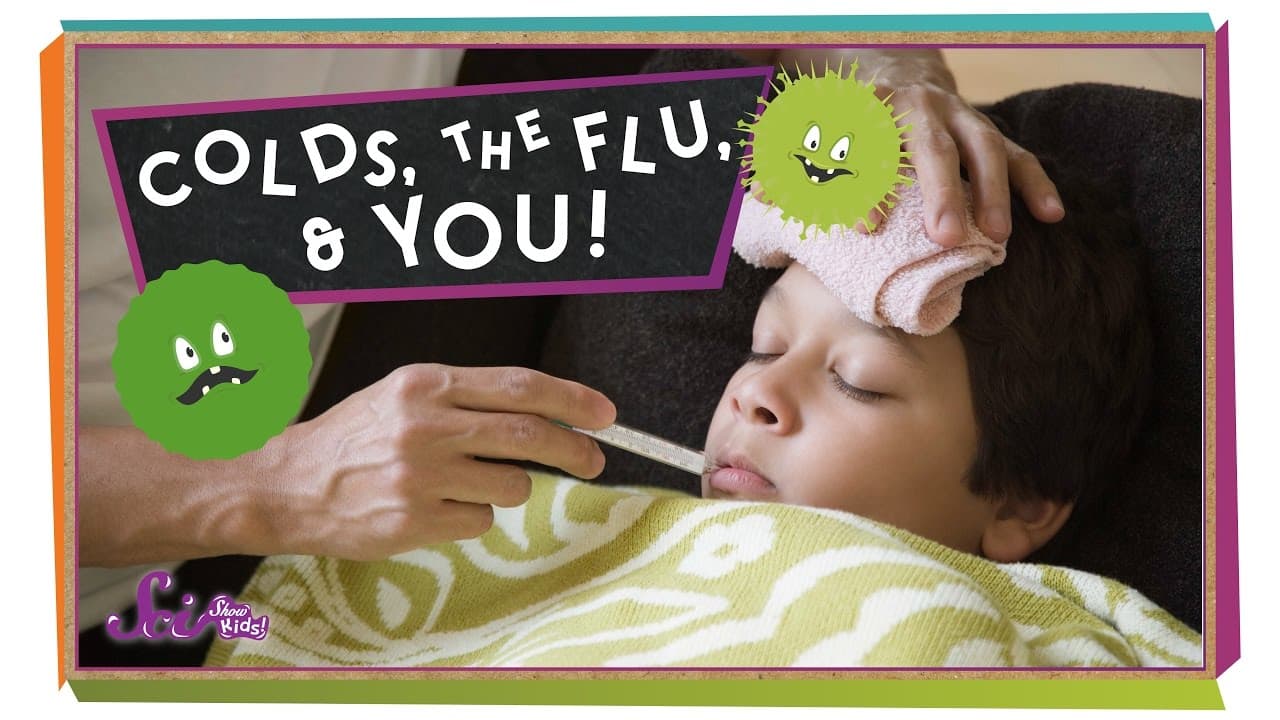
Have Fun TeachingHave Fun Teaching

3mins 10s

Video
5 Steps to a Healthy and Active Lifestyle

5 Steps to a Healthy and Active Lifestyle

This educational video provides a comprehensive guide to maintaining a healthy and active lifestyle, breaking down complex health concepts into five actionable steps suitable for young audiences. It explains the biological benefits of exercise—such as strengthening muscles, improving flexibility, and releasing mood-boosting hormones—while emphasizing that physical activity can be enjoyable rather than just a chore. The content covers a holistic view of health, exploring key themes beyond just movement. It integrates the importance of adequate sleep for cognitive function and muscle recovery, the necessity of limiting sedentary screen time, and the role of a balanced diet in fueling the body. A specific segment visualizes proper nutrition through a pie-chart breakdown of food groups, helping students understand portioning for optimal energy. For educators, this video serves as an excellent anchor for health and physical education units. It connects abstract health advice to concrete actions students can take immediately, like finding a sport they love or taking stretch breaks during gaming sessions. The clear structure allows teachers to focus on specific pillars of health—sleep, diet, or exercise—making it versatile for science lessons on the human body or guidance lessons on self-care and routine building.

Next Generation ScienceNext Generation Science

3mins 15s

Video
Keeping Your Brain Healthy

Keeping Your Brain Healthy

This educational video outlines practical, everyday strategies for maintaining and improving mental wellness, framing brain health as an active process similar to physical fitness. It introduces viewers to actionable habits such as practicing mindfulness, minimizing screen time, spending time in nature, maintaining a balanced diet, and seeking professional support when needed. The narration emphasizes that mental health requires consistency and patience, just like exercising any other muscle in the body. Key themes explored include the mind-body connection, digital wellness, the therapeutic benefits of nature, and the destigmatization of seeking therapy. The video explicitly connects lifestyle choices—like nutrition and exercise—directly to cognitive function and emotional well-being. It also addresses the impact of substance use on brain health, providing a holistic view of what it means to stay mentally fit. For educators, this video serves as an excellent primer for Social Emotional Learning (SEL) units focused on self-care, stress management, and health education. It provides a non-threatening entry point for discussing mental health, normalizing the idea of "brain check-ups," and empowering students with tangible tools they can use immediately to manage stress and anxiety.

Brain Health BootcampBrain Health Bootcamp

1min 48s

Video
Understanding Balanced Diets and Fast Food Nutrition

Understanding Balanced Diets and Fast Food Nutrition

This educational video provides a comprehensive overview of maintaining a healthy lifestyle, with a specific focus on the nutritional impact of fast food versus a balanced diet. The narrative begins by establishing the pillars of health: regular exercise, personal hygiene, adequate sleep, and nutrition. It transitions into a data-driven analysis of a typical fast food meal—a double bacon cheeseburger, large fries, and soda—breaking down exactly how these items contribute to daily nutritional limits.

Next Generation ScienceNext Generation Science

3mins 50s

Video
How Food Allergies and the Immune System Work

How Food Allergies and the Immune System Work

This educational video from SciShow Kids explores the science behind food allergies, using peanut allergies as a primary example to explain complex biological concepts in an age-appropriate way. Hosted by Jessi and her robot friend Squeaks, the video distinguishes between simply disliking a food and having a physical allergy to it. It introduces the concept of the immune system, explaining how this body system normally fights germs but sometimes makes a mistake by attacking safe foods like peanuts. The video breaks down the biological process of an allergic reaction, describing how the body releases chemicals to fight an imaginary attacker. It details common symptoms of allergic reactions, ranging from runny noses and itchy skin to more serious breathing difficulties. Crucially, it touches on the importance of medicine for severe reactions and emphasizes safety, teaching children why even a tiny amount of an allergen can be dangerous. For educators, this video is an excellent tool for teaching health, human biology, and social-emotional learning. It helps demystify why some students have strict dietary restrictions, fostering empathy and understanding in the classroom. It provides a clear, non-scary explanation of the immune system that serves as a foundation for understanding human biology, while also offering practical safety advice about respecting food allergies and recognizing when a friend might need help.

SciShow KidsSciShow Kids

3mins 25s

Video
Nutrition and brain health

Nutrition and brain health

This educational video explores the powerful physiological connection between dietary choices and cognitive function, specifically focusing on the relationship between the gastrointestinal tract and the brain. It introduces the concept of the "second brain"—the gut—and explains the biological mechanism by which gut bacteria influence the production of neurotransmitters like dopamine and serotonin. The video contrasts the effects of healthy foods versus junk food on this system, highlighting how inflammation can disrupt chemical signaling. Key themes include the gut-brain axis, the role of neurotransmitters in regulating mood, the impact of inflammation caused by poor diet, and specific nutritional recommendations for optimal brain health. The content breaks down complex biological processes into understandable concepts, emphasizing that food is not just energy for movement but critical fuel for mental and emotional stability. For educators, this resource provides a scientific basis for health education beyond simple calorie counting or weight management. It serves as an excellent tool for biology, health, or life skills classes to teach students why nutrition matters for their mental well-being. By linking food directly to mood and brain function, it offers a compelling, immediate motivation for students to make healthier dietary choices.

Brain Health BootcampBrain Health Bootcamp

1min 46s

Video
What Are Tonsils and How Do They Fight Germs?

What Are Tonsils and How Do They Fight Germs?

This educational video from SciShow Kids explores the function and importance of tonsils in the human body. Host Jessi and her robot friend Squeaks explain why doctors ask patients to open wide and say "Ahhh" during checkups, demystifying a common medical procedure for children. The video breaks down complex biological concepts into simple terms, describing tonsils as the body's first line of defense against germs entering through the mouth and nose. The content covers several key health topics, including the anatomy of the throat, how tonsils trap and fight germs, and what happens when they get overwhelmed (tonsillitis). It uses clear, child-friendly animations to visualize germs getting stuck to the "sticky bumps" of the tonsils. The video also reassures children about sore throats, explains common treatments like rest and fluids, and gently addresses why some people have their tonsils removed. For educators, this video is an excellent resource for health and human body units. It helps alleviate anxiety about doctor visits and provides a concrete example of the immune system in action. The visual metaphors make abstract concepts tangible, allowing teachers to create hands-on lessons about hygiene, germs, and how our bodies protect us.
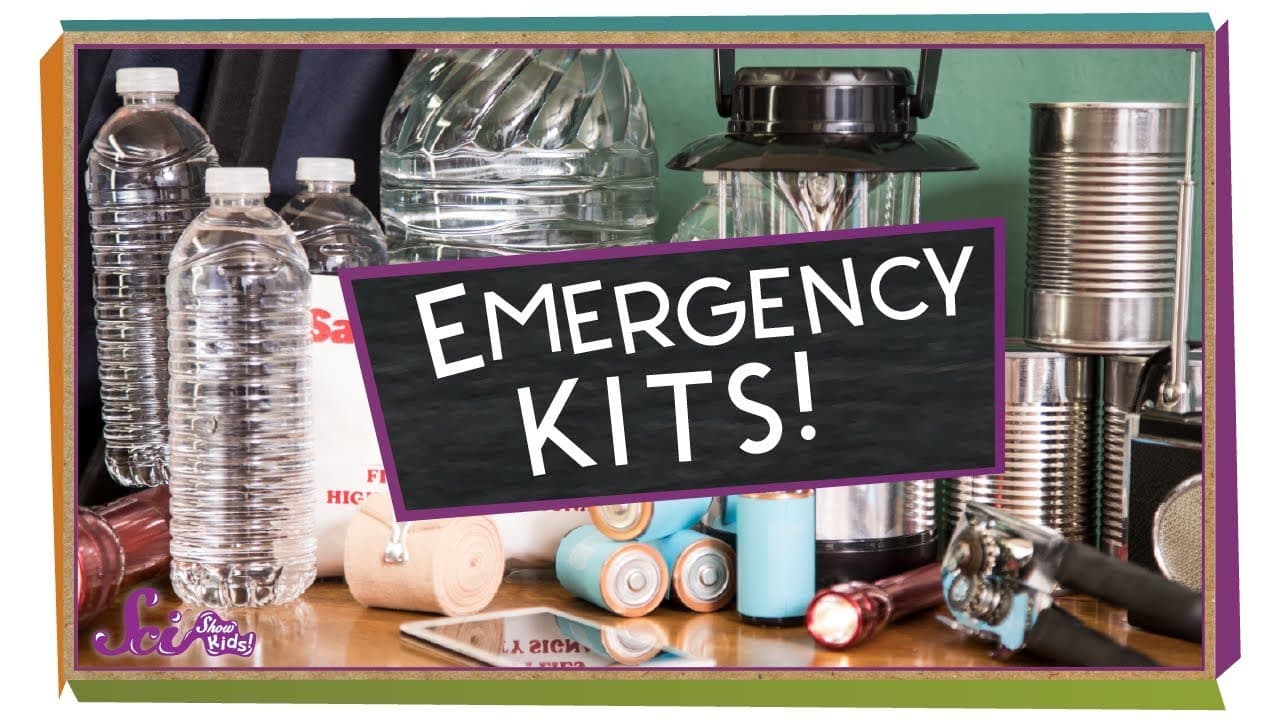
SciShow KidsSciShow Kids

3mins 22s

Video
Why Eating a Healthy Breakfast Matters

Why Eating a Healthy Breakfast Matters

This concise educational video explains the physiological and behavioral importance of eating a nutritious breakfast. It breaks down how the first meal of the day provides essential fuel for the body and brain, highlighting specific benefits such as improved concentration in school, a boosted metabolism, and better appetite control throughout the rest of the day. The narration is clear and accessible, making complex concepts like metabolism easy for younger students to understand. The video visually demonstrates a variety of healthy breakfast options, moving beyond sugary cereals to showcase balanced meals like oatmeal with fruit, whole grain avocado toast with eggs, and greek yogurt parfaits. It introduces the nutritional triad of carbohydrates, proteins, and healthy fats, explaining why this combination is crucial for sustained energy and satiety. Visuals alternate between students engaging in academic and physical activities and high-quality close-ups of appetizing, healthy food preparations. For educators, this resource serves as an excellent hook for units on nutrition, health, and human biology. It connects biological needs (nutrients) with practical daily choices, empowering students to take ownership of their morning routine. The video is particularly useful for initiating discussions about healthy habits, analyzing food groups, and planning balanced menus in Health or Science classes.

Next Generation ScienceNext Generation Science

1min 19s

Video
Why We Need Sleep and How to Rest Better

Why We Need Sleep and How to Rest Better

This educational video explains the vital role sleep plays in maintaining physical and mental health. It begins by establishing why sleep is necessary, describing it as a recharge period for the body and mind, and contrasts this with the negative effects of sleep deprivation, such as irritability and difficulty concentrating. The gentle narration is supported by clear visuals of people sleeping, waking up, and going about their daily lives. The video outlines practical, actionable strategies for improving sleep hygiene known as "tips." Key themes include the importance of maintaining a consistent sleep schedule, optimizing the bedroom environment (lighting and temperature), limiting daytime naps, engaging in regular physical activity, and making dietary choices that support rest. It specifically advises against consuming sugar or caffeine close to bedtime and encourages relaxing pre-sleep rituals like reading. For educators, this resource is an excellent tool for Health, PE, and Wellness curriculums. It provides a straightforward framework for discussing self-care and biological needs with younger students. Teachers can use the specific tips provided in the video to help students evaluate their own routines and create personal goals for better health, fostering early awareness of how lifestyle choices impact daily performance and mood.

Next Generation ScienceNext Generation Science

1min 38s

Video
Exploring the Five Food Groups and Healthy Eating

Exploring the Five Food Groups and Healthy Eating

This educational video from the Lighthouse Lab introduces young students to the five major food groups and the basics of nutrition. Through clear narration and vibrant visuals, the host explains how different foods provide specific benefits to the human body, such as energy from grains, vitamins from fruits and vegetables, muscle-building power from proteins, and bone-strengthening calcium from dairy. The video explores key themes of healthy eating, biological functions of nutrients, and food categorization. It breaks down complex nutritional concepts into digestible segments, explicitly categorizing common foods like apples, carrots, bread, chicken, and milk. It also addresses "sometimes foods" like candy and ice cream, explaining why they don't fit into the main nutritional groups due to high sugar, fat, or salt content. For educators, this video serves as an excellent foundational tool for health and science curriculums. It provides a structured framework for discussing diet and biology, offering clear visual examples that help students recognize and classify the foods they eat every day. The content naturally leads into activities about meal planning, identifying plant parts, and making healthy lifestyle choices.

Next Generation ScienceNext Generation Science

4mins 28s

Video
How to Take Care of Your Amazing Body

How to Take Care of Your Amazing Body

This engaging educational video introduces young learners to the fundamental habits required to maintain a healthy body. Through vibrant footage of diverse children in action, the narrator explains that our bodies are amazing machines capable of incredible feats, but they require regular maintenance to function optimally. The video breaks down health into four accessible categories: personal hygiene, physical activity, nutrition, and rest, providing concrete examples for each that children can easily relate to their daily lives. Key themes explored include the importance of cleanliness (washing hands, brushing teeth), the joy of movement (dancing, sports, outdoor play), and the balance of nutrition (prioritizing fruits and vegetables while treating sweets as occasional snacks). It specifically addresses the concept of "sometimes foods" versus "always foods," helping children navigate dietary choices without shame. The video concludes by adding a critical fourth pillar often overlooked in children's health discussions: the necessity of a good night's sleep. For educators, this resource serves as an excellent anchor for a "Healthy Living" unit in early elementary classrooms. Its clear structure allows teachers to pause and focus on one specific health aspect at a time. The relatable visuals of children engaging in everyday activities help students see themselves in the content, fostering a personal connection to healthy habits. It is particularly useful for sparking discussions about daily routines, categorizing foods, and understanding the 'why' behind rules like bedtime and handwashing.
Next Generation ScienceNext Generation Science

1min 56s

Video
What to Expect at a Doctor's Checkup

What to Expect at a Doctor's Checkup

This reassuring and informative video from SciShow Kids tackles the common childhood anxiety surrounding doctor visits. Host Jessi and her robot rat friend Squeaks—who is nervous about his upcoming appointment—are joined by pediatrician Dr. Aaron Carroll. Together, they walk viewers through a step-by-step simulation of a typical checkup, demystifying the tools and procedures involved to help children feel more comfortable and prepared. The video covers the entire process of a medical appointment, starting from the waiting room and moving through the collection of vital signs like blood pressure, temperature, and oxygen levels. Dr. Carroll demonstrates real medical equipment, including a blood pressure cuff and stethoscope, on Squeaks, explaining how each tool works and what sensations a child might feel (like a "tight hug" on the arm). The segment details the physical exam from head to toe, explaining why doctors check eyes, ears, throats, hearts, lungs, and bellies. Ideally suited for early elementary students, this resource serves as an excellent tool for Health and Science curriculums or for social-emotional learning regarding anxiety. It provides clear, age-appropriate explanations for why medical procedures—including the dreaded shots—are necessary for staying healthy. Teachers can use this video to introduce units on the human body, community helpers, or healthy habits, fostering a positive attitude toward healthcare professionals.

SciShow KidsSciShow Kids

9mins 24s

Video
How Food Fuels Your Body and Why Nutrition Matters

How Food Fuels Your Body and Why Nutrition Matters

This comprehensive educational video guides students through the fundamentals of healthy eating, using relatable analogies to explain why nutrition is essential for the body. The host, Kylie, breaks down the complex topic of diet into manageable concepts, starting with the idea that food is fuel for the body just like gas is for a car. She emphasizes the importance of eating regular meals to maintain energy levels and introduces the concept of balanced nutrition through the five main food groups.
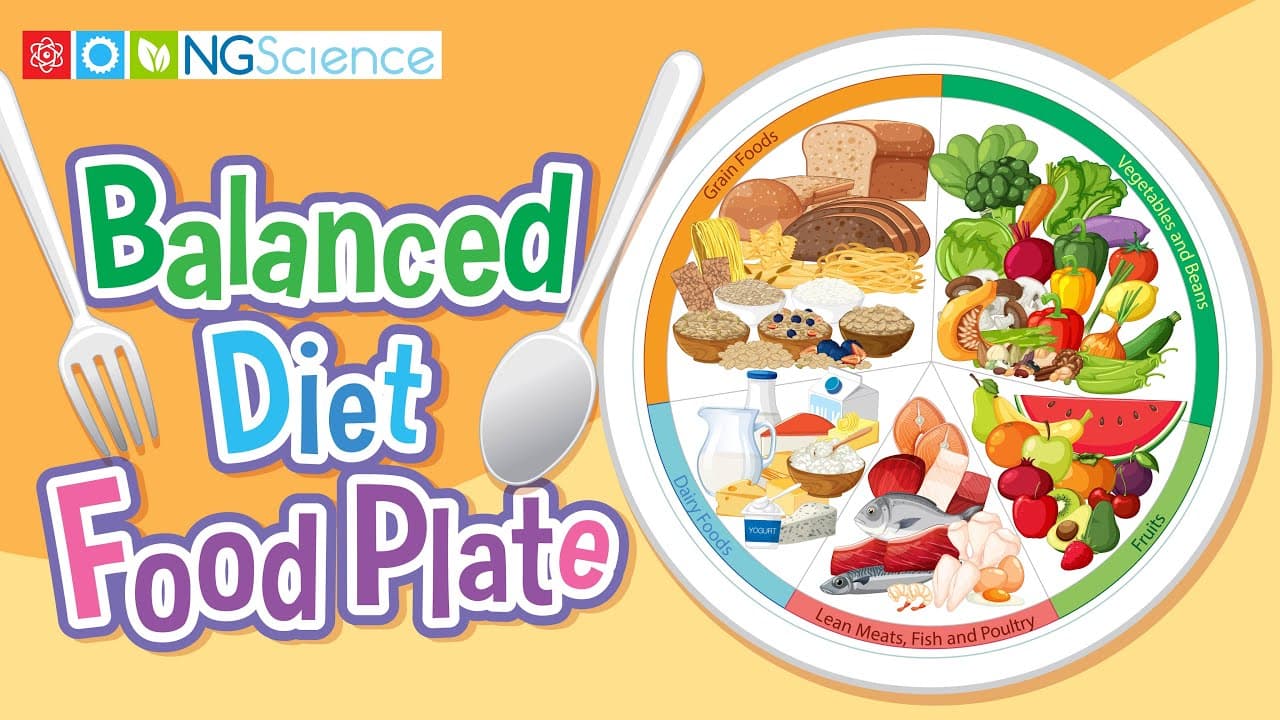
Miacademy & MiaPrep Learning ChannelMiacademy & MiaPrep Learning Channel

6mins 23s

Video
Building Your Own Emergency Kit

Building Your Own Emergency Kit

In this engaging episode of SciShow Kids, host Jessi and her robot friend Squeaks guide young viewers through the process of building an emergency kit. Using a gentle and reassuring tone, the video defines what an emergency is—comparing it to a spilled glass of juice that simply needs to be cleaned up—and explains why being prepared helps keep us safe. The narrative focuses on preparation for natural events like floods or storms that might require staying indoors for a few days, making the concept of emergency preparedness accessible and non-threatening for children. The video systematically breaks down the essential categories of items needed in a kit: medical supplies, water, hygiene, food, power/lighting, warmth, and entertainment. It covers practical details, such as the math behind how much water to store per person, the science of why canned food lasts longer, and the importance of having non-electric light sources like flashlights. Special attention is given to hygiene items like toothbrushes and soap, which are often overlooked in basic survival lists. For educators, this video is an excellent resource for Health, Safety, and Social Studies units. It provides a concrete way to discuss safety without causing anxiety, turning the abstract concept of "preparedness" into a hands-on activity. The content naturally integrates cross-curricular skills, including mathematics (calculating necessary water supplies) and science (understanding food preservation and weather-related safety), making it a versatile tool for early elementary classrooms.

SciShow KidsSciShow Kids

4mins 52s

Video
STI Prevention Beyond Condoms

STI Prevention Beyond Condoms

This animated educational video demystifies Sexually Transmitted Infections (STIs) through a student presentation scenario in a health class. The video begins by clearing up a humorous misunderstanding about what the acronym STI stands for, quickly pivoting to factual information about how these infections are transmitted through bodily fluids and sexual contact. It categorizes STIs into curable and treatable types, emphasizing that many are asymptomatic, which makes visual detection impossible. Key themes include the distinction between abstinence and safer sex practices. The video thoroughly explains that abstinence (defined here as not engaging in any sexual behavior with another person) is the only 100% effective method for prevention. It also introduces the concept of "safer sex" for those who are sexually active, which includes limiting partners, regular testing, open communication, and using barriers like external/internal condoms and dental dams. It broadens the definition of intimacy to include non-sexual affection like hugging and kissing. For educators, this resource is highly valuable because it models open communication about a sensitive topic without shame or stigma. It provides clear, actionable steps for students to protect their health, moving beyond just "wear a condom" to include comprehensive strategies like negotiation and consent. The friendly animation style helps lower student anxiety around the subject, making it an excellent primer for health units on sexual responsibility and disease prevention.

AMAZE OrgAMAZE Org

3mins 54s

Video
5 Steps to a Healthy and Active Lifestyle

5 Steps to a Healthy and Active Lifestyle

This educational video provides a comprehensive guide to maintaining a healthy and active lifestyle, breaking down complex health concepts into five actionable steps suitable for young audiences. It explains the biological benefits of exercise—such as strengthening muscles, improving flexibility, and releasing mood-boosting hormones—while emphasizing that physical activity can be enjoyable rather than just a chore. The content covers a holistic view of health, exploring key themes beyond just movement. It integrates the importance of adequate sleep for cognitive function and muscle recovery, the necessity of limiting sedentary screen time, and the role of a balanced diet in fueling the body. A specific segment visualizes proper nutrition through a pie-chart breakdown of food groups, helping students understand portioning for optimal energy. For educators, this video serves as an excellent anchor for health and physical education units. It connects abstract health advice to concrete actions students can take immediately, like finding a sport they love or taking stretch breaks during gaming sessions. The clear structure allows teachers to focus on specific pillars of health—sleep, diet, or exercise—making it versatile for science lessons on the human body or guidance lessons on self-care and routine building.
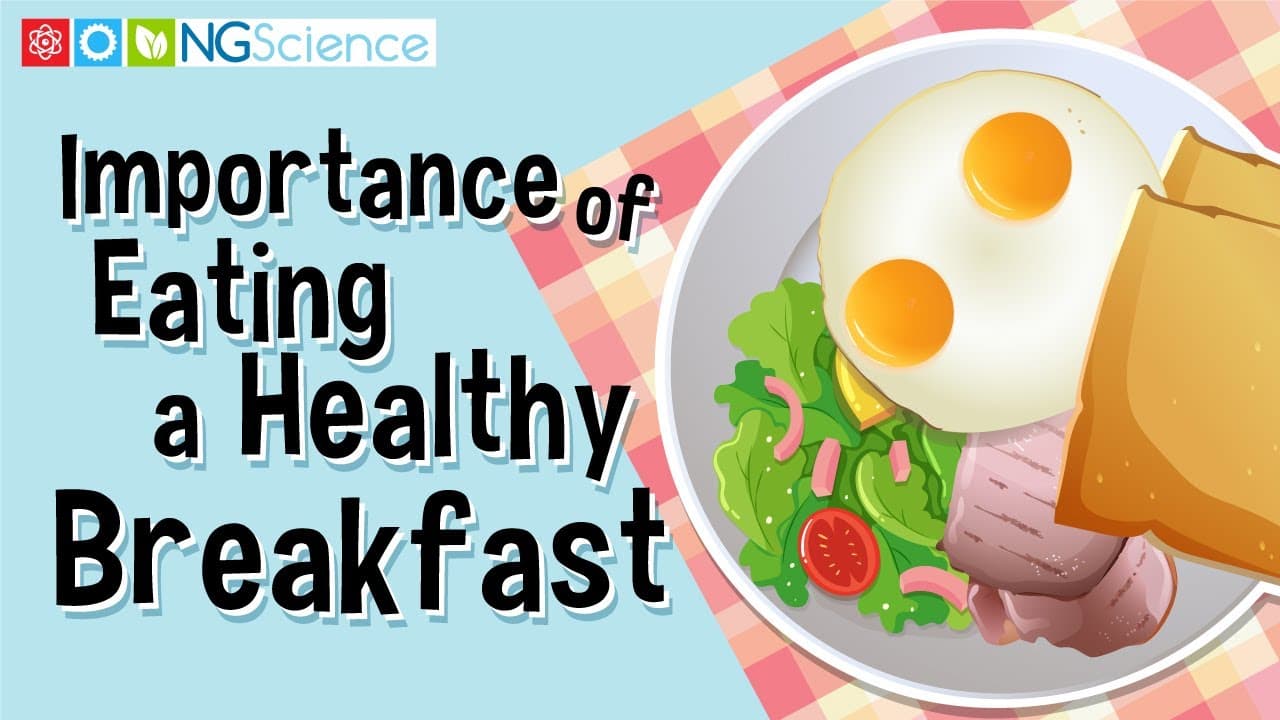
Next Generation ScienceNext Generation Science

3mins 15s

Video
Healthy Lifestyle

Healthy Lifestyle

This educational video explores the profound connection between physical habits and mental health. It clearly illustrates how lifestyle choices—such as physical activity, diet, and substance use—directly impact our psychological wellbeing. The narrative emphasizes that caring for the body is an essential strategy for caring for the mind, debunking the idea that physical and mental health are separate entities. The video covers key themes including the biochemical benefits of exercise (endorphins), the accessibility of physical activity without expensive gyms, the importance of a balanced diet, and the negative spiral caused by alcohol, drugs, and smoking. It offers practical, manageable advice for making small changes, such as brisk walking, gardening, or using free apps to track progress. For educators, this resource is a powerful tool to introduce holistic health concepts. It shifts the conversation from "exercise for weight loss" to "exercise for mood regulation," which is often more motivating for students. It can spark discussions in health, physical education, and psychology classes about self-care strategies, the science of stress, and building sustainable healthy habits.

Every Mind MattersEvery Mind Matters

3mins 12s

Video
Nutrition and brain health

Nutrition and brain health

This educational video explores the powerful physiological connection between dietary choices and cognitive function, specifically focusing on the relationship between the gastrointestinal tract and the brain. It introduces the concept of the "second brain"—the gut—and explains the biological mechanism by which gut bacteria influence the production of neurotransmitters like dopamine and serotonin. The video contrasts the effects of healthy foods versus junk food on this system, highlighting how inflammation can disrupt chemical signaling. Key themes include the gut-brain axis, the role of neurotransmitters in regulating mood, the impact of inflammation caused by poor diet, and specific nutritional recommendations for optimal brain health. The content breaks down complex biological processes into understandable concepts, emphasizing that food is not just energy for movement but critical fuel for mental and emotional stability. For educators, this resource provides a scientific basis for health education beyond simple calorie counting or weight management. It serves as an excellent tool for biology, health, or life skills classes to teach students why nutrition matters for their mental well-being. By linking food directly to mood and brain function, it offers a compelling, immediate motivation for students to make healthier dietary choices.

Brain Health BootcampBrain Health Bootcamp

1min 46s

Video
Understanding Balanced Diets and Fast Food Nutrition

Understanding Balanced Diets and Fast Food Nutrition

This educational video provides a comprehensive overview of maintaining a healthy lifestyle, with a specific focus on the nutritional impact of fast food versus a balanced diet. The narrative begins by establishing the pillars of health: regular exercise, personal hygiene, adequate sleep, and nutrition. It transitions into a data-driven analysis of a typical fast food meal—a double bacon cheeseburger, large fries, and soda—breaking down exactly how these items contribute to daily nutritional limits.

Next Generation ScienceNext Generation Science

3mins 50s

Video
DJ And Danny Talk About Body Image [Full house]

DJ And Danny Talk About Body Image [Full house]

In this poignant clip from the sitcom "Full House," teenager DJ Tanner struggles with severe body image issues leading up to a pool party. Attempting to lose weight rapidly, she resorts to starving herself for three days, sparking concern among her family members. The situation escalates from a kitchen confrontation where her dangerous behavior is revealed, to an intimate heart-to-heart with her father, Danny, in her bedroom. The video explores critical themes of self-worth, the toxic influence of media standards on beauty, and the dangers of eating disorders. It highlights the disparity between how we view ourselves versus how others view us, and the importance of valuing internal character over external appearance. Danny Tanner's gentle parenting approach provides a model for discussing sensitive topics without judgment. For educators, this video serves as an excellent prompt for Social Emotional Learning (SEL) and Health classes. It provides a safe, fictional entry point to discuss real-world pressures regarding appearance, the unrealistic nature of magazine models, and the difference between "crash dieting" and healthy living. It allows students to critique societal beauty standards and practice positive self-talk.

KitanaaKitanaa

4mins 20s

Video
Keeping Your Brain Healthy

Keeping Your Brain Healthy

This educational video outlines practical, everyday strategies for maintaining and improving mental wellness, framing brain health as an active process similar to physical fitness. It introduces viewers to actionable habits such as practicing mindfulness, minimizing screen time, spending time in nature, maintaining a balanced diet, and seeking professional support when needed. The narration emphasizes that mental health requires consistency and patience, just like exercising any other muscle in the body. Key themes explored include the mind-body connection, digital wellness, the therapeutic benefits of nature, and the destigmatization of seeking therapy. The video explicitly connects lifestyle choices—like nutrition and exercise—directly to cognitive function and emotional well-being. It also addresses the impact of substance use on brain health, providing a holistic view of what it means to stay mentally fit. For educators, this video serves as an excellent primer for Social Emotional Learning (SEL) units focused on self-care, stress management, and health education. It provides a non-threatening entry point for discussing mental health, normalizing the idea of "brain check-ups," and empowering students with tangible tools they can use immediately to manage stress and anxiety.
Brain Health BootcampBrain Health Bootcamp

1min 48s

Video
Why Our Skin Burns and How to Protect It

Why Our Skin Burns and How to Protect It

In this engaging episode of SciShow Kids, host Jessi and her robot friend Squeaks explore the science behind summer safety, specifically focusing on sunburns. The video explains why humans need to protect their skin from the sun's rays, contrasting human biology with Squeaks' robotic nature. Using clear animations and simple analogies, it breaks down the biological process of how skin gets damaged and how the body's healing response creates the redness and heat associated with sunburns. The content covers key topics such as the effects of UV rays (simplified as sun rays) on skin, the body's inflammatory response (increased blood flow), and risk factors like skin tone and time of day. It provides a comprehensive guide to prevention, including wearing protective clothing, seeking shade during peak hours (10 AM - 4 PM), and the proper application of sunscreen. The video clarifies how sunscreen works by acting like a sponge or a mirror to block harmful rays. For educators, this video is an excellent resource for health and science units. It translates the abstract concept of UV radiation into concrete, relatable terms for young students. It serves as a perfect launchpad for lessons on personal health, the human body's defense systems, and practical life skills regarding safety in the environment. The clear, actionable advice empowers children to take responsibility for their own sun safety habits.

SciShow KidsSciShow Kids

3mins 1s

Video
How to Build a Healthy Balanced Diet Plate

How to Build a Healthy Balanced Diet Plate

This educational video provides a clear and practical guide to understanding nutrition through the concept of the Balanced Diet Food Plate. It breaks down the abstract idea of a "balanced diet" into concrete visual representations, explaining that healthy eating means consuming the right types of food in the right amounts. The video uses a segmented plate diagram to visually demonstrate the proportions of different food groups—grains, vegetables and beans, fruits, proteins (meats/fish), and dairy—needed for optimal health. The content systematically explores each section of the food plate, offering specific examples of foods within each category (like whole wheat bread for grains or salmon for proteins) and their nutritional benefits (carbohydrates for energy, calcium for bones). It also provides tangible serving size guidelines, often using easy-to-understand comparisons like "the size of your palm" or specific measurements like "half a cup." Crucially, the video addresses hydration and the role of healthy oils, ensuring a holistic view of nutrition. For educators, this video serves as an excellent foundational tool for health and science units. It simplifies complex nutritional guidelines into an actionable model that students can apply to their daily lives. Teachers can use it to spark discussions about personal eating habits, menu planning, and the biological functions of different nutrients. Its visual approach makes it particularly effective for helping students visualize portion control and variety without needing complex calorie counting.

Next Generation ScienceNext Generation Science

4mins 3s

Video
How to spot a fad diet - Mia Nacamulli

How to spot a fad diet - Mia Nacamulli

This educational video investigates the complex and often misleading world of diet culture, specifically focusing on how to distinguish scientifically sound nutrition advice from marketing-driven "fad diets." The narrator explores the history of dieting, revealing that our obsession with quick fixes dates back centuries, from Victorian vinegar regimens to dangerous tapeworm consumption. It explains the biological mechanisms behind why these diets often yield temporary results (water weight loss, metabolic slowdown) but ultimately fail in the long term, leaving dieters caught in a harmful cycle of weight fluctuation. The content critically examines modern dietary trends like low-carb plans, juice cleanses, and the "superfood" craze. It breaks down the physiological responses the body has to severe calorie restriction, such as a lowered metabolic rate, which makes regaining weight almost inevitable once normal eating resumes. The video also highlights how marketing tactics exploit consumer desires for quick transformation by using exoticism and pseudo-science to sell products that offer little nutritional advantage over standard whole foods. For educators, this video serves as an excellent tool for media literacy, health education, and critical thinking. It empowers students to analyze health claims with skepticism, looking for red flags like demonizing entire food groups or promising miraculous results. By shifting the focus from aesthetic goals to long-term health and sustainable habits, teachers can use this resource to spark important discussions about body image, scientific literacy, and the importance of personalized nutrition advice over one-size-fits-all solutions.

TED-EdTED-Ed

4mins 34s