Lenny LearningLenny
Create
Explore
Workspace
LoginSign up
MathEnglish Language ArtsScience & EngineeringSocial StudiesGlobal LanguagesHealth & Physical EducationSpecial EducationCounseling & Life SkillsArts & CreativityESL
Lenny LearningLenny
Lenny Learning
About
Training
Pricing
Support
Contact
© 2026 Lenny Learning Inc.
Health & Physical EducationMovement Skills and ConceptsBody ControlLocomotor SkillsNon-Locomotor SkillsFine Motor SkillsManipulative SkillsBalance and CoordinationSpatial AwarenessMovement PatternsRhythmic Activities and DanceRhythm and TimingDance BasicsIndividual and Dual SportsGymnastics and TumblingTrack and FieldRacket SportsSelf-Defense and Martial ArtsTeam SportsCooperative GamesSportsmanshipTeam CommunicationBasketball SkillsSoccer SkillsVolleyball SkillsFootball SkillsGame StrategiesFitness and Physical ActivityCardio FitnessFlexibility and StretchingMuscular Strength and EnduranceSetting Fitness GoalsHealthy HabitsHygiene PracticesSleep and RestPhysical Activity HabitsHydrationInjury PreventionBody Awareness and Self-CareDisease PreventionHealth Decision-MakingHelp-Seeking and Self-AdvocacyMental HealthMental Health BasicsEmotional AwarenessStress ManagementCoping StrategiesMindfulness PracticesBreathing and Relaxation TechniquesMeditation BasicsResilience and PerseveranceHealthy RelationshipsSocial and Emotional SkillsHelp-Seeking and Support SystemsDigital WellbeingNutritionNutrition BasicsFood GroupsBalanced MealsHealthy Eating HabitsReading Food LabelsPersonal SafetyRecognizing Unsafe SituationsHuman and Child TraffickingStranger DangerPersonal BoundariesFire and Water SafetyEmergency ResponseConflict Resolution BasicsInternet and Social Media SafetySafe Personal RelationshipsSubstance AwarenessTobacco AwarenessAlcohol AwarenessCannabis AwarenessOpioid AwarenessStimulant AwarenessPrescription Drug AwarenessRefusing Peer PressureOutdoor and Adventure ActivitiesOutdoor Recreation SafetyHiking and OrienteeringTeam Building Activities

Mental Health

SequencesLessonsMaterialsVideos
  1. Health & Physical Education

Mental Health

SequencesLessonsMaterialsVideos

Fundamental concepts of emotional intelligence, stress reduction, and relaxation exercises. Develops skills for healthy relationships, digital balance, and resilience while establishing pathways for help-seeking and support systems.

Mental Health BasicsFundamental concepts of emotional well-being, the mind-body connection, and factors influencing mental health. Establishes a baseline understanding of self-care and reduces stigma through evidence-based terminology.
Emotional AwarenessIdentification of core emotions and physiological responses to stress. Builds emotional vocabulary while introducing strategies for self-regulation and recognizing triggers.
Stress ManagementPhysiological stress triggers, mindfulness techniques, and practical coping mechanisms for emotional resilience. Addresses time management and boundary setting to mitigate daily pressures.
Coping StrategiesPractical techniques for emotional regulation, stress management, and resilience building. Targets specific tools such as mindfulness, cognitive reframing, and healthy communication skills for navigating personal challenges.
Mindfulness PracticesGuided breathing exercises, sensory grounding, and body scan techniques for emotional regulation. Develops focus and provides practical tools for managing daily stress.
Breathing and Relaxation TechniquesGuided breathing patterns and progressive muscle relaxation exercises to lower physiological stress markers. Builds self-regulation skills for managing anxiety and improving focus in high-pressure situations.
Meditation BasicsFocused breathing techniques, mindfulness exercises, and body scan practices for stress reduction. Develops emotional regulation skills and improves mental clarity.
Resilience and PerseveranceProblem-solving strategies and emotional regulation techniques to navigate setbacks and adversity. Strengthens growth mindsets and builds capacity for long-term goal pursuit.
Healthy RelationshipsCommunication strategies, personal boundaries, and consent within interpersonal connections. Identifies indicators of healthy versus toxic dynamics and builds conflict resolution skills.
Social and Emotional SkillsSelf-awareness, emotional regulation, and interpersonal communication strategies for navigating social complexities. Strengthens empathy, conflict resolution, and responsible decision-making skills across various environments.
Help-Seeking and Support SystemsIdentification of internal and external barriers to seeking help alongside navigation of school and community support networks. Develops communication skills for disclosing mental health concerns to trusted adults and health professionals.
Digital WellbeingStrategies for managing screen time, social media's impact on self-esteem, and healthy online boundaries. Addresses cyberbullying prevention and techniques for balancing digital life with mental wellness.
Video
Why drugs & alcohol don't help you cope with stress

Why drugs & alcohol don't help you cope with stress

This educational video explains the biological relationship between stress and substance use, debunking the common myth that drugs and alcohol are effective coping mechanisms. It begins by defining the body's natural "stress response"—increased heart rate, faster breathing, and muscle tension—as a functional tool to face challenges. The video then systematically breaks down how different categories of substances (depressants like alcohol, stimulants like caffeine/cocaine, and opioids) actually disrupt this natural process and ultimately exacerbate stress levels, anxiety, and depression in the long term. The content highlights the physiological impact of these substances on the central nervous system. For instance, it explains how alcohol acts as a depressant that slows brain function and coordination, while stimulants increase heart rate and blood pressure, mimicking and worsening stress symptoms. The narrative emphasizes the "rebound effect" where users feel more tired, irritable, and stressed once the substances wear off, creating a cycle of dependency rather than relief. Designed for health education classrooms, this video provides a crucial pivot from problem identification to solution. It concludes by offering actionable, healthy alternatives for stress management, such as exercise to release endorphins, engaging in hobbies, talking to trusted individuals, and seeking professional help. It also provides specific resources like the 988 Suicide & Crisis Lifeline, making it a practical tool for teachers addressing mental health, substance abuse prevention, and emotional well-being.
Brain Health BootcampBrain Health Bootcamp

4mins 2s

Video
Why We Get Scared: The Fight or Flight Response

Why We Get Scared: The Fight or Flight Response

This educational video from SciShow Kids explores the biological and physiological reasons behind fear through the concept of the "fight or flight" response. Hosted by Jessi and her robot mouse friend Squeaks, the video uses a friendly skit involving a surprise scare to introduce how the brain and body react to perceived danger. It breaks down complex biological processes into child-friendly terms, explaining how the brain sends signals to organs like the heart and lungs to prepare the body for action. The video covers key themes such as instincts, the nervous system's automatic responses, and the connection between physical sensations and emotions. It distinguishes between the "fight" reaction (defending oneself) and the "flight" reaction (running away to safety), clarifying that these are automatic choices made by the brain, not conscious decisions. The video also details the physical symptoms of this response, such as increased heart rate, faster breathing, and sharper vision. For educators, this resource is excellent for both science and social-emotional learning (SEL) curricula. It helps students understand their own bodies by normalizing the physical sensations of fear, removing the stigma of being scared. The video concludes with a practical deep-breathing strategy to help manage these automatic responses, providing students with a tangible tool for emotional regulation in the classroom.

SciShow KidsSciShow Kids

3mins 59s

Video
Keeping Your Brain Healthy

Keeping Your Brain Healthy

This educational video outlines practical, everyday strategies for maintaining and improving mental wellness, framing brain health as an active process similar to physical fitness. It introduces viewers to actionable habits such as practicing mindfulness, minimizing screen time, spending time in nature, maintaining a balanced diet, and seeking professional support when needed. The narration emphasizes that mental health requires consistency and patience, just like exercising any other muscle in the body. Key themes explored include the mind-body connection, digital wellness, the therapeutic benefits of nature, and the destigmatization of seeking therapy. The video explicitly connects lifestyle choices—like nutrition and exercise—directly to cognitive function and emotional well-being. It also addresses the impact of substance use on brain health, providing a holistic view of what it means to stay mentally fit. For educators, this video serves as an excellent primer for Social Emotional Learning (SEL) units focused on self-care, stress management, and health education. It provides a non-threatening entry point for discussing mental health, normalizing the idea of "brain check-ups," and empowering students with tangible tools they can use immediately to manage stress and anxiety.

Brain Health BootcampBrain Health Bootcamp

1min 48s

Video
Keeping Your Brain Healthy

Keeping Your Brain Healthy

This educational video outlines practical, everyday strategies for maintaining and improving mental wellness, framing brain health as an active process similar to physical fitness. It introduces viewers to actionable habits such as practicing mindfulness, minimizing screen time, spending time in nature, maintaining a balanced diet, and seeking professional support when needed. The narration emphasizes that mental health requires consistency and patience, just like exercising any other muscle in the body. Key themes explored include the mind-body connection, digital wellness, the therapeutic benefits of nature, and the destigmatization of seeking therapy. The video explicitly connects lifestyle choices—like nutrition and exercise—directly to cognitive function and emotional well-being. It also addresses the impact of substance use on brain health, providing a holistic view of what it means to stay mentally fit. For educators, this video serves as an excellent primer for Social Emotional Learning (SEL) units focused on self-care, stress management, and health education. It provides a non-threatening entry point for discussing mental health, normalizing the idea of "brain check-ups," and empowering students with tangible tools they can use immediately to manage stress and anxiety.

Brain Health BootcampBrain Health Bootcamp

1min 48s

Video
Keeping Your Brain Healthy

Keeping Your Brain Healthy

This educational video outlines practical, everyday strategies for maintaining and improving mental wellness, framing brain health as an active process similar to physical fitness. It introduces viewers to actionable habits such as practicing mindfulness, minimizing screen time, spending time in nature, maintaining a balanced diet, and seeking professional support when needed. The narration emphasizes that mental health requires consistency and patience, just like exercising any other muscle in the body. Key themes explored include the mind-body connection, digital wellness, the therapeutic benefits of nature, and the destigmatization of seeking therapy. The video explicitly connects lifestyle choices—like nutrition and exercise—directly to cognitive function and emotional well-being. It also addresses the impact of substance use on brain health, providing a holistic view of what it means to stay mentally fit. For educators, this video serves as an excellent primer for Social Emotional Learning (SEL) units focused on self-care, stress management, and health education. It provides a non-threatening entry point for discussing mental health, normalizing the idea of "brain check-ups," and empowering students with tangible tools they can use immediately to manage stress and anxiety.

Brain Health BootcampBrain Health Bootcamp

1min 48s

Video
Why We Get Scared: The Fight or Flight Response

Why We Get Scared: The Fight or Flight Response

This educational video from SciShow Kids explores the biological and physiological reasons behind fear through the concept of the "fight or flight" response. Hosted by Jessi and her robot mouse friend Squeaks, the video uses a friendly skit involving a surprise scare to introduce how the brain and body react to perceived danger. It breaks down complex biological processes into child-friendly terms, explaining how the brain sends signals to organs like the heart and lungs to prepare the body for action. The video covers key themes such as instincts, the nervous system's automatic responses, and the connection between physical sensations and emotions. It distinguishes between the "fight" reaction (defending oneself) and the "flight" reaction (running away to safety), clarifying that these are automatic choices made by the brain, not conscious decisions. The video also details the physical symptoms of this response, such as increased heart rate, faster breathing, and sharper vision. For educators, this resource is excellent for both science and social-emotional learning (SEL) curricula. It helps students understand their own bodies by normalizing the physical sensations of fear, removing the stigma of being scared. The video concludes with a practical deep-breathing strategy to help manage these automatic responses, providing students with a tangible tool for emotional regulation in the classroom.

SciShow KidsSciShow Kids

3mins 59s

Video
What to Expect at a Doctor's Checkup

What to Expect at a Doctor's Checkup

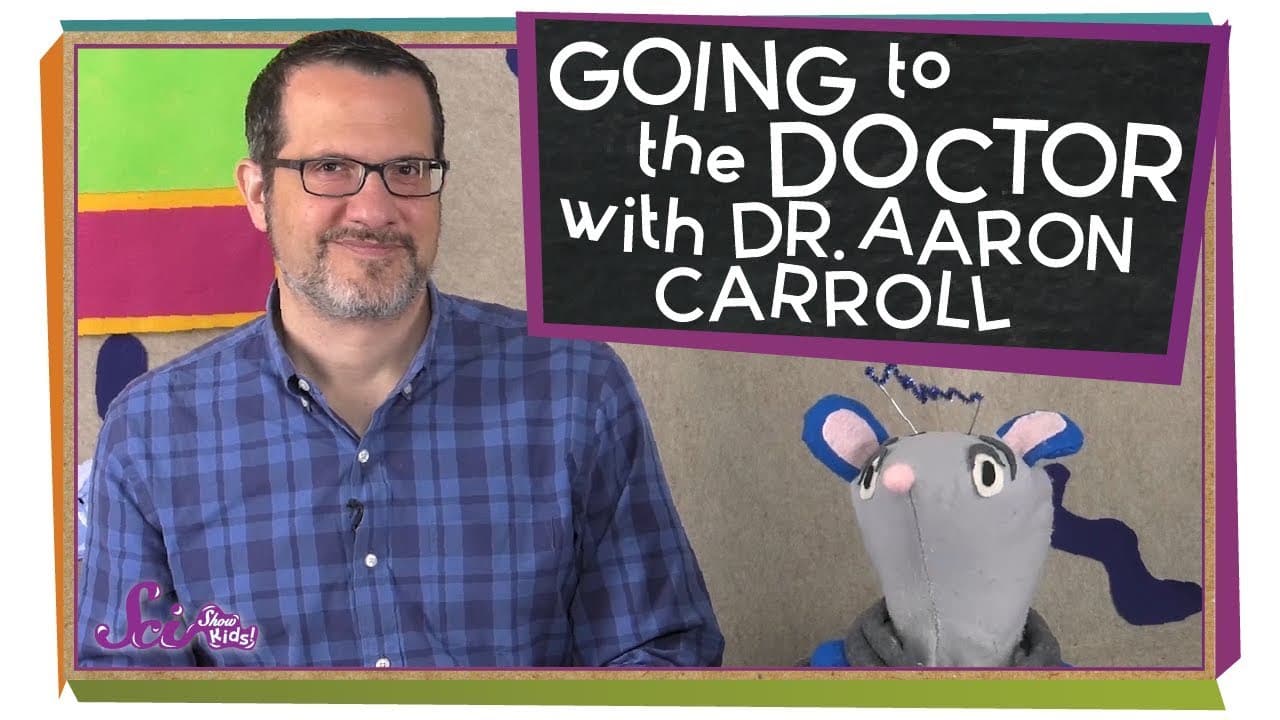
This reassuring and informative video from SciShow Kids tackles the common childhood anxiety surrounding doctor visits. Host Jessi and her robot rat friend Squeaks—who is nervous about his upcoming appointment—are joined by pediatrician Dr. Aaron Carroll. Together, they walk viewers through a step-by-step simulation of a typical checkup, demystifying the tools and procedures involved to help children feel more comfortable and prepared. The video covers the entire process of a medical appointment, starting from the waiting room and moving through the collection of vital signs like blood pressure, temperature, and oxygen levels. Dr. Carroll demonstrates real medical equipment, including a blood pressure cuff and stethoscope, on Squeaks, explaining how each tool works and what sensations a child might feel (like a "tight hug" on the arm). The segment details the physical exam from head to toe, explaining why doctors check eyes, ears, throats, hearts, lungs, and bellies. Ideally suited for early elementary students, this resource serves as an excellent tool for Health and Science curriculums or for social-emotional learning regarding anxiety. It provides clear, age-appropriate explanations for why medical procedures—including the dreaded shots—are necessary for staying healthy. Teachers can use this video to introduce units on the human body, community helpers, or healthy habits, fostering a positive attitude toward healthcare professionals.

SciShow KidsSciShow Kids

9mins 24s

Video
Keeping Your Brain Healthy

Keeping Your Brain Healthy

This educational video outlines practical, everyday strategies for maintaining and improving mental wellness, framing brain health as an active process similar to physical fitness. It introduces viewers to actionable habits such as practicing mindfulness, minimizing screen time, spending time in nature, maintaining a balanced diet, and seeking professional support when needed. The narration emphasizes that mental health requires consistency and patience, just like exercising any other muscle in the body. Key themes explored include the mind-body connection, digital wellness, the therapeutic benefits of nature, and the destigmatization of seeking therapy. The video explicitly connects lifestyle choices—like nutrition and exercise—directly to cognitive function and emotional well-being. It also addresses the impact of substance use on brain health, providing a holistic view of what it means to stay mentally fit. For educators, this video serves as an excellent primer for Social Emotional Learning (SEL) units focused on self-care, stress management, and health education. It provides a non-threatening entry point for discussing mental health, normalizing the idea of "brain check-ups," and empowering students with tangible tools they can use immediately to manage stress and anxiety.

Brain Health BootcampBrain Health Bootcamp

1min 48s

Video
Why drugs & alcohol don't help you cope with stress

Why drugs & alcohol don't help you cope with stress

This educational video explains the biological relationship between stress and substance use, debunking the common myth that drugs and alcohol are effective coping mechanisms. It begins by defining the body's natural "stress response"—increased heart rate, faster breathing, and muscle tension—as a functional tool to face challenges. The video then systematically breaks down how different categories of substances (depressants like alcohol, stimulants like caffeine/cocaine, and opioids) actually disrupt this natural process and ultimately exacerbate stress levels, anxiety, and depression in the long term. The content highlights the physiological impact of these substances on the central nervous system. For instance, it explains how alcohol acts as a depressant that slows brain function and coordination, while stimulants increase heart rate and blood pressure, mimicking and worsening stress symptoms. The narrative emphasizes the "rebound effect" where users feel more tired, irritable, and stressed once the substances wear off, creating a cycle of dependency rather than relief. Designed for health education classrooms, this video provides a crucial pivot from problem identification to solution. It concludes by offering actionable, healthy alternatives for stress management, such as exercise to release endorphins, engaging in hobbies, talking to trusted individuals, and seeking professional help. It also provides specific resources like the 988 Suicide & Crisis Lifeline, making it a practical tool for teachers addressing mental health, substance abuse prevention, and emotional well-being.
Brain Health BootcampBrain Health Bootcamp

4mins 2s

Video
Healthy Lifestyle

Healthy Lifestyle

This educational video explores the profound connection between physical habits and mental health. It clearly illustrates how lifestyle choices—such as physical activity, diet, and substance use—directly impact our psychological wellbeing. The narrative emphasizes that caring for the body is an essential strategy for caring for the mind, debunking the idea that physical and mental health are separate entities. The video covers key themes including the biochemical benefits of exercise (endorphins), the accessibility of physical activity without expensive gyms, the importance of a balanced diet, and the negative spiral caused by alcohol, drugs, and smoking. It offers practical, manageable advice for making small changes, such as brisk walking, gardening, or using free apps to track progress. For educators, this resource is a powerful tool to introduce holistic health concepts. It shifts the conversation from "exercise for weight loss" to "exercise for mood regulation," which is often more motivating for students. It can spark discussions in health, physical education, and psychology classes about self-care strategies, the science of stress, and building sustainable healthy habits.

Every Mind MattersEvery Mind Matters

3mins 12s

Video
Why We Get Scared: The Fight or Flight Response

Why We Get Scared: The Fight or Flight Response

This educational video from SciShow Kids explores the biological and physiological reasons behind fear through the concept of the "fight or flight" response. Hosted by Jessi and her robot mouse friend Squeaks, the video uses a friendly skit involving a surprise scare to introduce how the brain and body react to perceived danger. It breaks down complex biological processes into child-friendly terms, explaining how the brain sends signals to organs like the heart and lungs to prepare the body for action. The video covers key themes such as instincts, the nervous system's automatic responses, and the connection between physical sensations and emotions. It distinguishes between the "fight" reaction (defending oneself) and the "flight" reaction (running away to safety), clarifying that these are automatic choices made by the brain, not conscious decisions. The video also details the physical symptoms of this response, such as increased heart rate, faster breathing, and sharper vision. For educators, this resource is excellent for both science and social-emotional learning (SEL) curricula. It helps students understand their own bodies by normalizing the physical sensations of fear, removing the stigma of being scared. The video concludes with a practical deep-breathing strategy to help manage these automatic responses, providing students with a tangible tool for emotional regulation in the classroom.

SciShow KidsSciShow Kids

3mins 59s

Video
What to Expect at a Doctor's Checkup

What to Expect at a Doctor's Checkup

This reassuring and informative video from SciShow Kids tackles the common childhood anxiety surrounding doctor visits. Host Jessi and her robot rat friend Squeaks—who is nervous about his upcoming appointment—are joined by pediatrician Dr. Aaron Carroll. Together, they walk viewers through a step-by-step simulation of a typical checkup, demystifying the tools and procedures involved to help children feel more comfortable and prepared. The video covers the entire process of a medical appointment, starting from the waiting room and moving through the collection of vital signs like blood pressure, temperature, and oxygen levels. Dr. Carroll demonstrates real medical equipment, including a blood pressure cuff and stethoscope, on Squeaks, explaining how each tool works and what sensations a child might feel (like a "tight hug" on the arm). The segment details the physical exam from head to toe, explaining why doctors check eyes, ears, throats, hearts, lungs, and bellies. Ideally suited for early elementary students, this resource serves as an excellent tool for Health and Science curriculums or for social-emotional learning regarding anxiety. It provides clear, age-appropriate explanations for why medical procedures—including the dreaded shots—are necessary for staying healthy. Teachers can use this video to introduce units on the human body, community helpers, or healthy habits, fostering a positive attitude toward healthcare professionals.

SciShow KidsSciShow Kids

9mins 24s

Video
Why We Get Scared: The Fight or Flight Response

Why We Get Scared: The Fight or Flight Response

This educational video from SciShow Kids explores the biological and physiological reasons behind fear through the concept of the "fight or flight" response. Hosted by Jessi and her robot mouse friend Squeaks, the video uses a friendly skit involving a surprise scare to introduce how the brain and body react to perceived danger. It breaks down complex biological processes into child-friendly terms, explaining how the brain sends signals to organs like the heart and lungs to prepare the body for action. The video covers key themes such as instincts, the nervous system's automatic responses, and the connection between physical sensations and emotions. It distinguishes between the "fight" reaction (defending oneself) and the "flight" reaction (running away to safety), clarifying that these are automatic choices made by the brain, not conscious decisions. The video also details the physical symptoms of this response, such as increased heart rate, faster breathing, and sharper vision. For educators, this resource is excellent for both science and social-emotional learning (SEL) curricula. It helps students understand their own bodies by normalizing the physical sensations of fear, removing the stigma of being scared. The video concludes with a practical deep-breathing strategy to help manage these automatic responses, providing students with a tangible tool for emotional regulation in the classroom.

SciShow KidsSciShow Kids

3mins 59s

Video
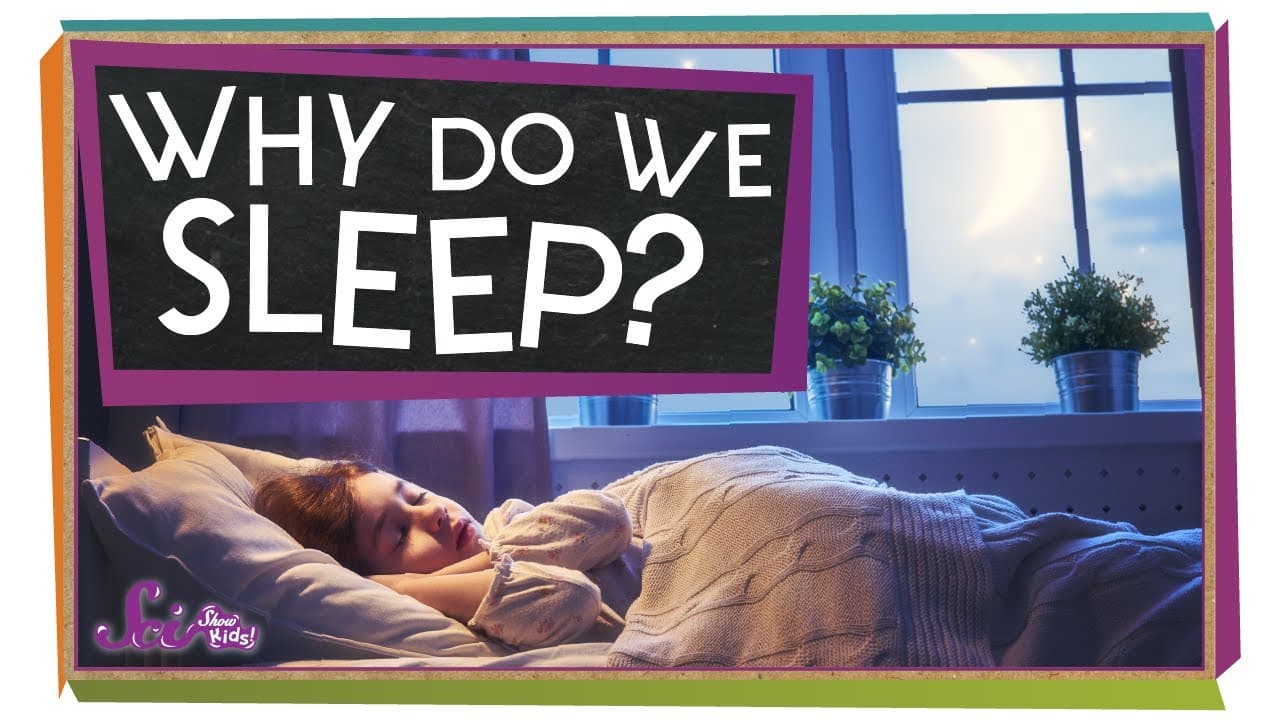
Why Sleep Is Important for Your Brain and Body

Why Sleep Is Important for Your Brain and Body

In this engaging episode of SciShow Kids, host Jessi and her robot mouse friend Squeaks explore the biological necessity of sleep. Starting with a relatable scenario where Jessi feels tired from a lack of rest, the video breaks down exactly what happens to the human body during slumber. It explains complex biological processes in age-appropriate terms, covering how the body conserves energy, heals itself, fights off germs, and physically grows during the night. The video places a special emphasis on the brain's role during sleep, using helpful metaphors like a "filing cabinet" to explain how the brain organizes memories and emotions. It addresses the consequences of sleep deprivation—such as lack of focus and irritability—and offers practical advice for better sleep hygiene. Key strategies introduced include establishing a consistent bedtime routine and avoiding electronic screens that can trick the body into thinking it is still daytime. For educators, this resource is an excellent tool for Health and Science units focused on the human body, self-care, and social-emotional learning. It provides a scientific basis for rules like bedtimes and screen limits, helping students understand the "why" behind healthy habits. The clear visual explanations of energy conservation and memory processing make abstract concepts concrete for young learners, facilitating discussions about self-regulation and physical well-being.

SciShow KidsSciShow Kids

3mins 33s

Video
What to Expect at a Doctor's Checkup

What to Expect at a Doctor's Checkup

This reassuring and informative video from SciShow Kids tackles the common childhood anxiety surrounding doctor visits. Host Jessi and her robot rat friend Squeaks—who is nervous about his upcoming appointment—are joined by pediatrician Dr. Aaron Carroll. Together, they walk viewers through a step-by-step simulation of a typical checkup, demystifying the tools and procedures involved to help children feel more comfortable and prepared. The video covers the entire process of a medical appointment, starting from the waiting room and moving through the collection of vital signs like blood pressure, temperature, and oxygen levels. Dr. Carroll demonstrates real medical equipment, including a blood pressure cuff and stethoscope, on Squeaks, explaining how each tool works and what sensations a child might feel (like a "tight hug" on the arm). The segment details the physical exam from head to toe, explaining why doctors check eyes, ears, throats, hearts, lungs, and bellies. Ideally suited for early elementary students, this resource serves as an excellent tool for Health and Science curriculums or for social-emotional learning regarding anxiety. It provides clear, age-appropriate explanations for why medical procedures—including the dreaded shots—are necessary for staying healthy. Teachers can use this video to introduce units on the human body, community helpers, or healthy habits, fostering a positive attitude toward healthcare professionals.

SciShow KidsSciShow Kids

9mins 24s

Video
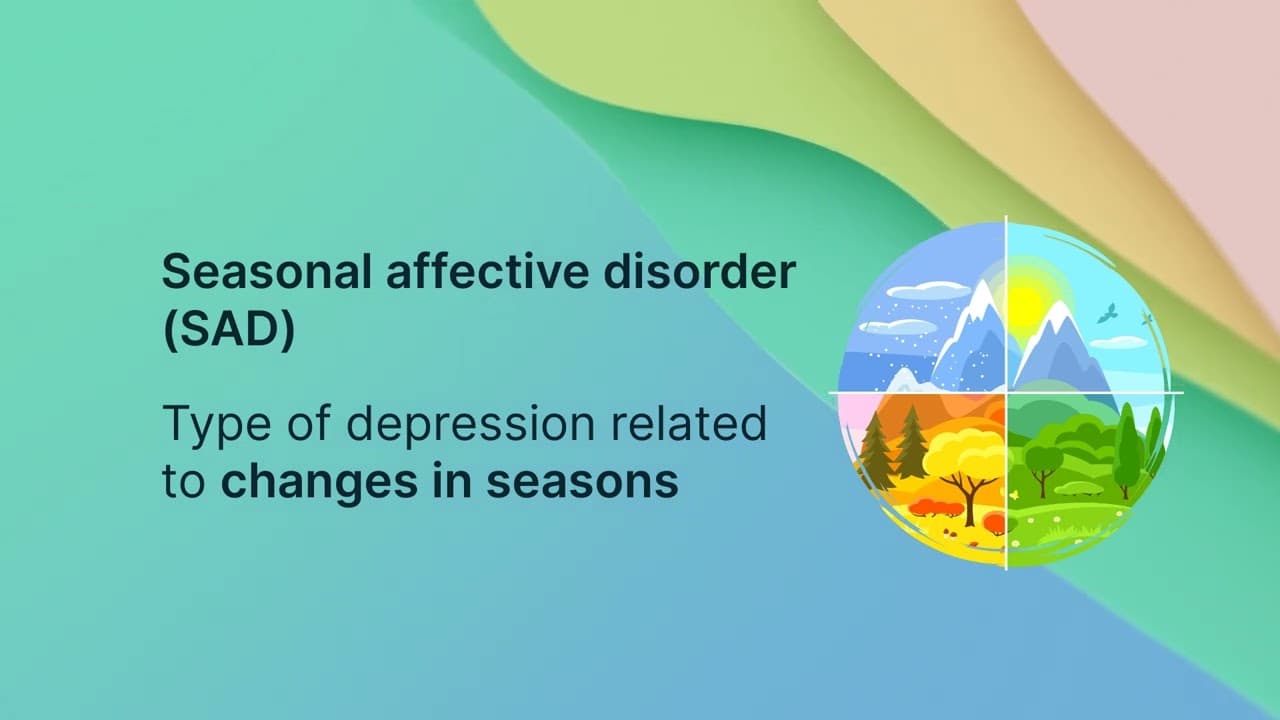
Intro to depressive disorders

Intro to depressive disorders

This educational video provides a concise and accessible introduction to depressive disorders, specifically focusing on Major Depressive Disorder (MDD) and Seasonal Affective Disorder (SAD). It distinguishes between normal feelings of sadness and clinical depression by highlighting the intensity, duration, and interference with daily life that characterizes a disorder. The content utilizes clear, animated visuals to explain symptoms and impacts on functioning. The video explores key themes such as the definition of mood disorders, the specific characteristics of MDD and SAD, and the distinction between a "rough patch" and a medical condition. It emphasizes that depression affects thoughts, feelings, and actions, and is not merely an emotional state but a serious health issue. The narrative concludes on a hopeful note, outlining that with early detection, diagnosis, and a treatment plan involving medication, therapy, and lifestyle changes, recovery is possible. For educators, this video is a valuable tool for health and psychology curriculums. It serves as a non-threatening entry point into mental health discussions, helping to destigmatize depression. It is particularly useful for teaching students how to recognize signs in themselves or others, understanding the medical nature of mental health, and realizing that professional help is available and effective.

Brain Health BootcampBrain Health Bootcamp

2mins 24s

Video
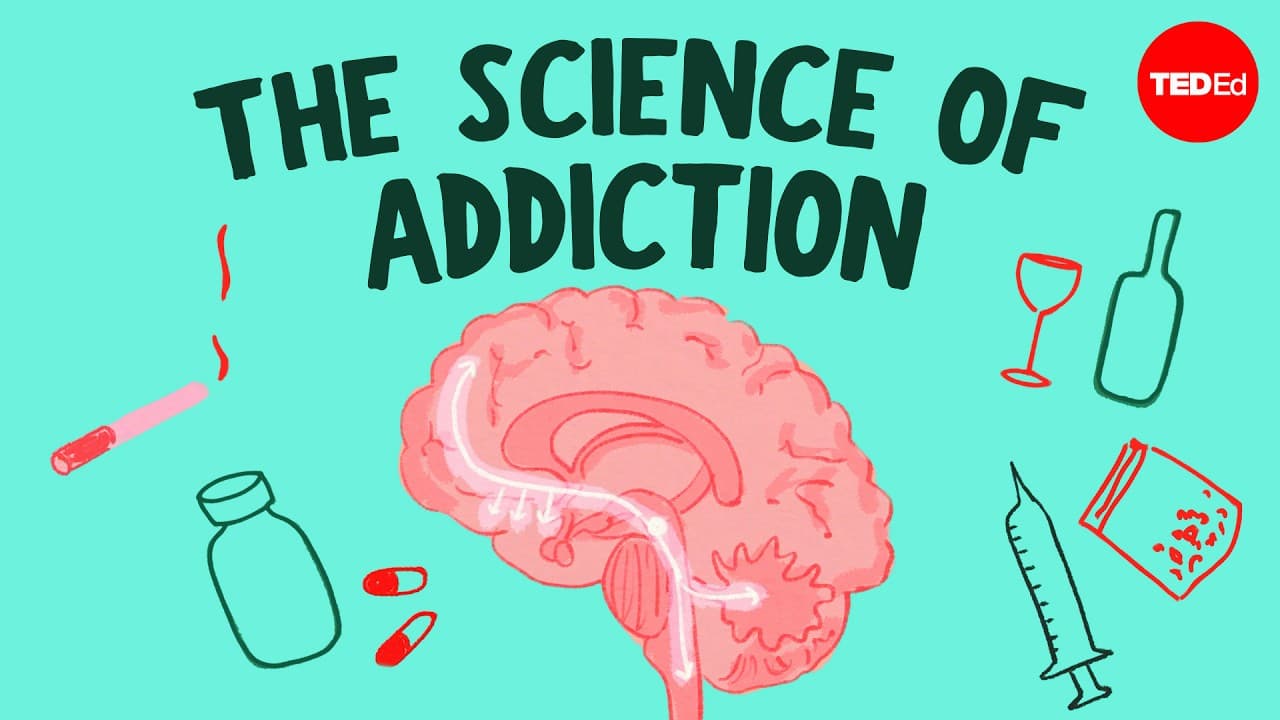
What causes addiction, and why is it so hard to treat? - Judy Grisel

What causes addiction, and why is it so hard to treat? - Judy Grisel

This animated educational video explores the biological and psychological mechanisms behind substance abuse disorder and addiction. It delves into neuroscience concepts such as tolerance, dependence, and the role of the brain's reward system, specifically how dopamine and the nucleus accumbens are hijacked by addictive substances. The video also explains the chemical differences between various drugs and why some methods of delivery (like smoking versus patches) are more addictive than others. Key themes include the brain's adaptability (neuroplasticity) in response to drugs, the distinction between the cortex (decision-making) and subcortex (impulse/habit), and the factors that influence susceptibility, including genetics, trauma, and age of first use. It emphasizes that addiction is not merely a choice but a complex physiological response where the brain recalibrates to function with the substance present. For educators, this video serves as a powerful tool for health and biology curriculums. It moves the conversation about drugs away from simple "just say no" rhetoric toward a scientific understanding of how chemical substances physically alter brain function and behavior. It provides a biological basis for empathy towards those struggling with addiction and offers a strong foundation for discussions about mental health, risk factors, and the science of recovery.

TED-EdTED-Ed

5mins 43s

Video
Why drugs & alcohol don't help you cope with stress

Why drugs & alcohol don't help you cope with stress

This educational video explains the biological relationship between stress and substance use, debunking the common myth that drugs and alcohol are effective coping mechanisms. It begins by defining the body's natural "stress response"—increased heart rate, faster breathing, and muscle tension—as a functional tool to face challenges. The video then systematically breaks down how different categories of substances (depressants like alcohol, stimulants like caffeine/cocaine, and opioids) actually disrupt this natural process and ultimately exacerbate stress levels, anxiety, and depression in the long term. The content highlights the physiological impact of these substances on the central nervous system. For instance, it explains how alcohol acts as a depressant that slows brain function and coordination, while stimulants increase heart rate and blood pressure, mimicking and worsening stress symptoms. The narrative emphasizes the "rebound effect" where users feel more tired, irritable, and stressed once the substances wear off, creating a cycle of dependency rather than relief. Designed for health education classrooms, this video provides a crucial pivot from problem identification to solution. It concludes by offering actionable, healthy alternatives for stress management, such as exercise to release endorphins, engaging in hobbies, talking to trusted individuals, and seeking professional help. It also provides specific resources like the 988 Suicide & Crisis Lifeline, making it a practical tool for teachers addressing mental health, substance abuse prevention, and emotional well-being.

Brain Health BootcampBrain Health Bootcamp

4mins 2s

Video
DJ And Danny Talk About Body Image [Full house]

DJ And Danny Talk About Body Image [Full house]

In this poignant clip from the sitcom "Full House," teenager DJ Tanner struggles with severe body image issues leading up to a pool party. Attempting to lose weight rapidly, she resorts to starving herself for three days, sparking concern among her family members. The situation escalates from a kitchen confrontation where her dangerous behavior is revealed, to an intimate heart-to-heart with her father, Danny, in her bedroom. The video explores critical themes of self-worth, the toxic influence of media standards on beauty, and the dangers of eating disorders. It highlights the disparity between how we view ourselves versus how others view us, and the importance of valuing internal character over external appearance. Danny Tanner's gentle parenting approach provides a model for discussing sensitive topics without judgment. For educators, this video serves as an excellent prompt for Social Emotional Learning (SEL) and Health classes. It provides a safe, fictional entry point to discuss real-world pressures regarding appearance, the unrealistic nature of magazine models, and the difference between "crash dieting" and healthy living. It allows students to critique societal beauty standards and practice positive self-talk.

KitanaaKitanaa

4mins 20s

Video
Keeping Your Brain Healthy

Keeping Your Brain Healthy

This educational video outlines practical, everyday strategies for maintaining and improving mental wellness, framing brain health as an active process similar to physical fitness. It introduces viewers to actionable habits such as practicing mindfulness, minimizing screen time, spending time in nature, maintaining a balanced diet, and seeking professional support when needed. The narration emphasizes that mental health requires consistency and patience, just like exercising any other muscle in the body. Key themes explored include the mind-body connection, digital wellness, the therapeutic benefits of nature, and the destigmatization of seeking therapy. The video explicitly connects lifestyle choices—like nutrition and exercise—directly to cognitive function and emotional well-being. It also addresses the impact of substance use on brain health, providing a holistic view of what it means to stay mentally fit. For educators, this video serves as an excellent primer for Social Emotional Learning (SEL) units focused on self-care, stress management, and health education. It provides a non-threatening entry point for discussing mental health, normalizing the idea of "brain check-ups," and empowering students with tangible tools they can use immediately to manage stress and anxiety.

Brain Health BootcampBrain Health Bootcamp

1min 48s

Video
What are the causes of mental illness

What are the causes of mental illness

This educational video explores the complex and multifaceted origins of mental illness, breaking down the primary contributing factors into understandable categories. It clarifies that mental health conditions are rarely the result of a single cause but rather an interplay between biology, personal choices, and external circumstances. The video emphasizes that while research is ongoing, understanding these root causes is essential for reducing stigma and encouraging individuals to seek help. The content is structured around five key areas: genetics (inherited traits), lifestyle (personal habits like sleep and exercise), environment (external surroundings and upbringing), brain injury (physical trauma), and past experiences (emotional trauma). Each section uses clear visual metaphors and real-world examples to explain how these distinct factors can increase the risk of developing conditions like anxiety or depression. For educators, this resource serves as an excellent foundational tool for health and psychology curriculums. It helps students move beyond simplistic explanations of mental health issues, fostering empathy and self-awareness. Teachers can use the video to spark discussions about the difference between things we can control (lifestyle) and things we cannot (genetics, past trauma), promoting a holistic view of well-being.

Brain Health BootcampBrain Health Bootcamp

4mins 34s

Video
Types of Eating Disorders

Types of Eating Disorders

This educational video provides a concise clinical overview of the three most common eating disorders: Anorexia Nervosa, Bulimia Nervosa, and Binge-Eating Disorder. Through clear narration and visual aids, it defines each condition by outlining their specific behavioral patterns, psychological symptoms, and diagnostic criteria. The content explores critical themes regarding mental health and body image, specifically highlighting the distinction between physical appearance and mental state. It covers the dangerous physical side effects of these disorders, such as organ failure and dental erosion, and addresses the 'cycle of guilt' often associated with binging behaviors. For health educators and psychology teachers, this video serves as an excellent foundational resource. It helps correct common misconceptions—such as the belief that all sufferers are underweight—and provides students with specific vocabulary to discuss mental health issues responsibly. The clear segmentation makes it easy to compare and contrast the different disorders during classroom instruction.

Brain Health BootcampBrain Health Bootcamp

3mins 16s

Video
Healthy Lifestyle

Healthy Lifestyle

This educational video explores the profound connection between physical habits and mental health. It clearly illustrates how lifestyle choices—such as physical activity, diet, and substance use—directly impact our psychological wellbeing. The narrative emphasizes that caring for the body is an essential strategy for caring for the mind, debunking the idea that physical and mental health are separate entities. The video covers key themes including the biochemical benefits of exercise (endorphins), the accessibility of physical activity without expensive gyms, the importance of a balanced diet, and the negative spiral caused by alcohol, drugs, and smoking. It offers practical, manageable advice for making small changes, such as brisk walking, gardening, or using free apps to track progress. For educators, this resource is a powerful tool to introduce holistic health concepts. It shifts the conversation from "exercise for weight loss" to "exercise for mood regulation," which is often more motivating for students. It can spark discussions in health, physical education, and psychology classes about self-care strategies, the science of stress, and building sustainable healthy habits.

Every Mind MattersEvery Mind Matters

3mins 12s

Video
The 5 Major Anxiety Disorders

The 5 Major Anxiety Disorders

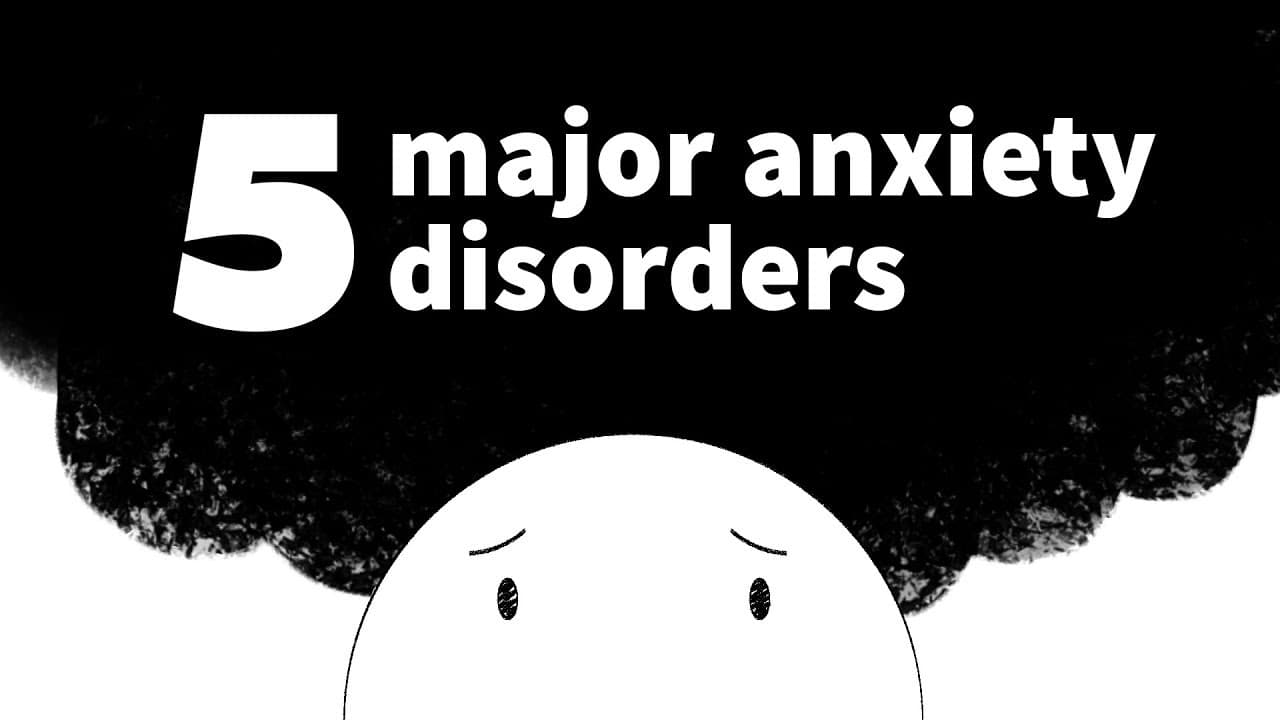
This educational video provides a concise yet comprehensive overview of five distinct types of anxiety disorders: Obsessive-Compulsive Disorder (OCD), Generalized Anxiety Disorder (GAD), Social Anxiety Disorder, Panic Disorder, and Post-Traumatic Stress Disorder (PTSD). Through minimalist animation and clear narration, the video breaks down the specific symptoms that characterize each condition, ensuring viewers understand that anxiety is not a "one size fits all" diagnosis. It also outlines the standard treatments for each, ranging from specific medications like SSRIs and beta-blockers to various forms of psychotherapy like CBT. The video explores key themes of mental health awareness, the importance of accurate diagnosis, and the destigmatization of mental illness. A significant portion of the content is dedicated to distinguishing between similar disorders (such as the difference between a panic attack as a symptom versus Panic Disorder as a condition) and debunking common myths, particularly regarding who can suffer from PTSD. The narrative emphasizes that treatment is highly personalized and often requires a combination of medication and therapy. For educators and mental health professionals, this video serves as an excellent introductory tool for high school Health or Psychology curriculums. It simplifies complex pharmacological and psychological terminology into accessible concepts. The video concludes with a strong message about empathy and social support, making it valuable for Social Emotional Learning (SEL) contexts to teach students how to support peers who may be struggling with these invisible conditions.

Psych2GoPsych2Go

6mins 33s

Video
Nutrition and brain health

Nutrition and brain health

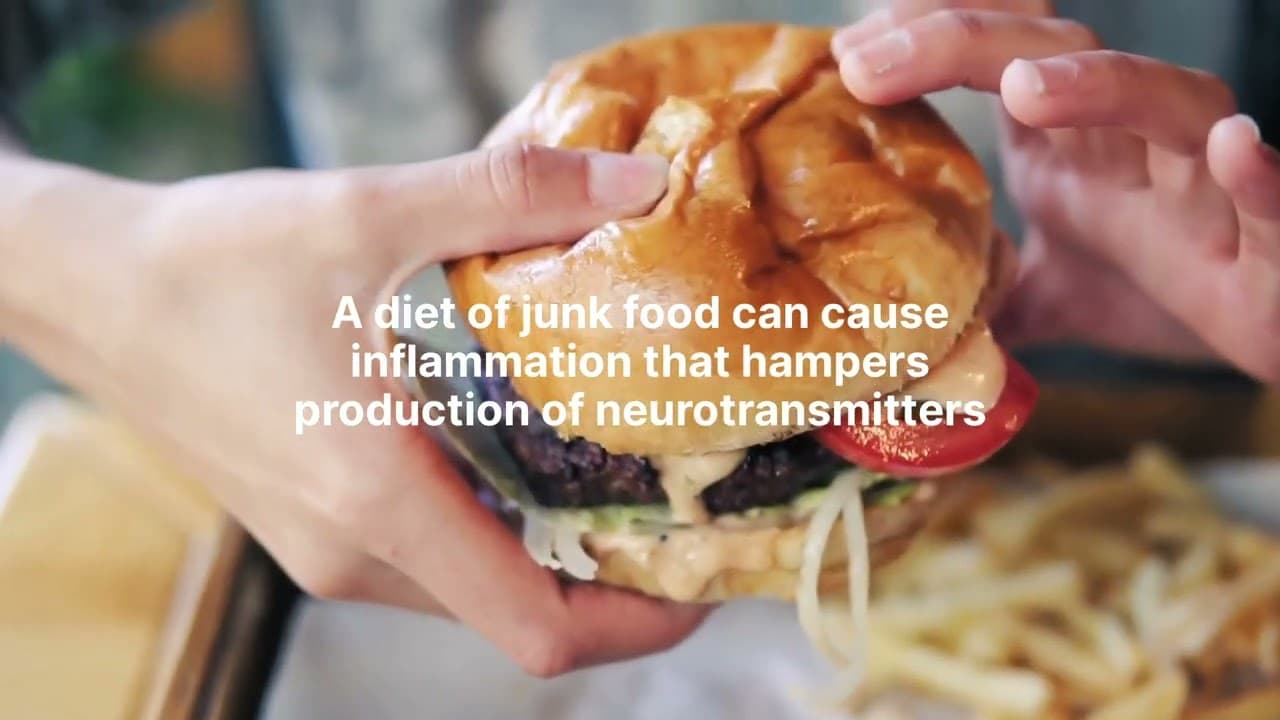
This educational video explores the powerful physiological connection between dietary choices and cognitive function, specifically focusing on the relationship between the gastrointestinal tract and the brain. It introduces the concept of the "second brain"—the gut—and explains the biological mechanism by which gut bacteria influence the production of neurotransmitters like dopamine and serotonin. The video contrasts the effects of healthy foods versus junk food on this system, highlighting how inflammation can disrupt chemical signaling. Key themes include the gut-brain axis, the role of neurotransmitters in regulating mood, the impact of inflammation caused by poor diet, and specific nutritional recommendations for optimal brain health. The content breaks down complex biological processes into understandable concepts, emphasizing that food is not just energy for movement but critical fuel for mental and emotional stability. For educators, this resource provides a scientific basis for health education beyond simple calorie counting or weight management. It serves as an excellent tool for biology, health, or life skills classes to teach students why nutrition matters for their mental well-being. By linking food directly to mood and brain function, it offers a compelling, immediate motivation for students to make healthier dietary choices.

Brain Health BootcampBrain Health Bootcamp

1min 46s

Video
What is depression? - Helen M. Farrell

What is depression? - Helen M. Farrell

This educational animation provides a clear, scientifically grounded explanation of clinical depression, distinguishing it from temporary feelings of sadness. It explores the biological and psychological mechanisms behind the disorder, illustrating how depression affects the brain's physical structure and chemical balance. The video uses accessible metaphors, such as a black dog, to visualize the burden of the illness. The video covers key themes including the distinction between sadness and clinical depression, the diagnostic criteria involving behavioral and physical symptoms, and the neuroscience behind the condition (including neurotransmitters and hormonal changes). It also addresses the critical topics of stigma, the delay in seeking treatment, and effective medical interventions like therapy and medication. For educators, this resource is an invaluable tool for mental health literacy. It helps destigmatize mental illness by framing it as a medical condition rather than a personality weakness. It offers practical advice on how to support someone struggling with depression and corrects dangerous misconceptions, making it highly applicable for health classes, psychology courses, and social-emotional learning curricula.

TED-EdTED-Ed

4mins 29s

No videos found
There are no videos available for this topic yet.
Video
DJ And Danny Talk About Body Image [Full house]

DJ And Danny Talk About Body Image [Full house]

In this poignant clip from the sitcom "Full House," teenager DJ Tanner struggles with severe body image issues leading up to a pool party. Attempting to lose weight rapidly, she resorts to starving herself for three days, sparking concern among her family members. The situation escalates from a kitchen confrontation where her dangerous behavior is revealed, to an intimate heart-to-heart with her father, Danny, in her bedroom. The video explores critical themes of self-worth, the toxic influence of media standards on beauty, and the dangers of eating disorders. It highlights the disparity between how we view ourselves versus how others view us, and the importance of valuing internal character over external appearance. Danny Tanner's gentle parenting approach provides a model for discussing sensitive topics without judgment. For educators, this video serves as an excellent prompt for Social Emotional Learning (SEL) and Health classes. It provides a safe, fictional entry point to discuss real-world pressures regarding appearance, the unrealistic nature of magazine models, and the difference between "crash dieting" and healthy living. It allows students to critique societal beauty standards and practice positive self-talk.

KitanaaKitanaa

4mins 20s

Video
Sunshine - Don't Confuse Love & Abuse - Day One

Sunshine - Don't Confuse Love & Abuse - Day One

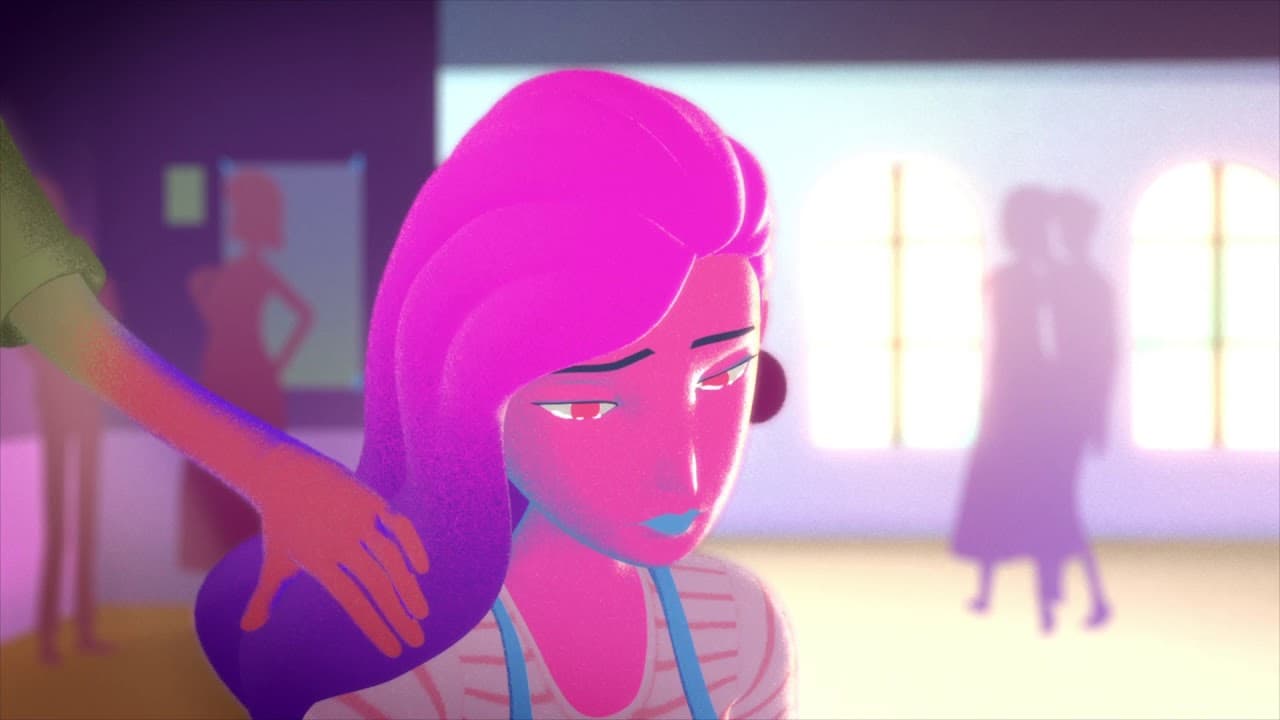
This powerful animated short film serves as a Public Service Announcement (PSA) regarding teen dating violence. By juxtaposing the upbeat, jubilant lyrics of Katrina and the Waves' "Walking on Sunshine" with a visual narrative of a progressively abusive relationship, the video creates a stark cognitive dissonance that mirrors the confusion victims often feel. Viewers watch a young couple's relationship evolve from seemingly romantic beginnings into a nightmare of control, isolation, and intimidation. The video explores critical themes of relationship health, specifically the "Cycle of Abuse." It visually demonstrates subtle red flags that escalate over time, such as controlling what a partner wears, isolating them from friends, public humiliation, reckless driving to induce fear, and the "honeymoon phase" where abusers apologize with gifts to restart the cycle. The animation style shifts from bright, pastel colors to dark, jagged, nightmarish imagery to represent the psychological toll on the victim. For educators, this is an invaluable tool for Health and Social Emotional Learning (SEL) curriculums. It allows students to identify warning signs of abuse in a format that is engaging but emotionally resonant. It provides a safe third-party scenario for students to analyze unhealthy behaviors without needing to disclose personal experiences immediately, serving as a perfect launchpad for discussions about consent, boundaries, and how to seek help.

DayOneNYDayOneNY

2mins 46s

Video
What to Expect at a Doctor's Checkup

What to Expect at a Doctor's Checkup

This reassuring and informative video from SciShow Kids tackles the common childhood anxiety surrounding doctor visits. Host Jessi and her robot rat friend Squeaks—who is nervous about his upcoming appointment—are joined by pediatrician Dr. Aaron Carroll. Together, they walk viewers through a step-by-step simulation of a typical checkup, demystifying the tools and procedures involved to help children feel more comfortable and prepared. The video covers the entire process of a medical appointment, starting from the waiting room and moving through the collection of vital signs like blood pressure, temperature, and oxygen levels. Dr. Carroll demonstrates real medical equipment, including a blood pressure cuff and stethoscope, on Squeaks, explaining how each tool works and what sensations a child might feel (like a "tight hug" on the arm). The segment details the physical exam from head to toe, explaining why doctors check eyes, ears, throats, hearts, lungs, and bellies. Ideally suited for early elementary students, this resource serves as an excellent tool for Health and Science curriculums or for social-emotional learning regarding anxiety. It provides clear, age-appropriate explanations for why medical procedures—including the dreaded shots—are necessary for staying healthy. Teachers can use this video to introduce units on the human body, community helpers, or healthy habits, fostering a positive attitude toward healthcare professionals.

SciShow KidsSciShow Kids

9mins 24s

Video
Sunshine - Don't Confuse Love & Abuse - Day One

Sunshine - Don't Confuse Love & Abuse - Day One

This powerful animated short film serves as a Public Service Announcement (PSA) regarding teen dating violence. By juxtaposing the upbeat, jubilant lyrics of Katrina and the Waves' "Walking on Sunshine" with a visual narrative of a progressively abusive relationship, the video creates a stark cognitive dissonance that mirrors the confusion victims often feel. Viewers watch a young couple's relationship evolve from seemingly romantic beginnings into a nightmare of control, isolation, and intimidation. The video explores critical themes of relationship health, specifically the "Cycle of Abuse." It visually demonstrates subtle red flags that escalate over time, such as controlling what a partner wears, isolating them from friends, public humiliation, reckless driving to induce fear, and the "honeymoon phase" where abusers apologize with gifts to restart the cycle. The animation style shifts from bright, pastel colors to dark, jagged, nightmarish imagery to represent the psychological toll on the victim. For educators, this is an invaluable tool for Health and Social Emotional Learning (SEL) curriculums. It allows students to identify warning signs of abuse in a format that is engaging but emotionally resonant. It provides a safe third-party scenario for students to analyze unhealthy behaviors without needing to disclose personal experiences immediately, serving as a perfect launchpad for discussions about consent, boundaries, and how to seek help.

DayOneNYDayOneNY

2mins 46s

Video
The 5 Major Anxiety Disorders

The 5 Major Anxiety Disorders

This educational video provides a concise yet comprehensive overview of five distinct types of anxiety disorders: Obsessive-Compulsive Disorder (OCD), Generalized Anxiety Disorder (GAD), Social Anxiety Disorder, Panic Disorder, and Post-Traumatic Stress Disorder (PTSD). Through minimalist animation and clear narration, the video breaks down the specific symptoms that characterize each condition, ensuring viewers understand that anxiety is not a "one size fits all" diagnosis. It also outlines the standard treatments for each, ranging from specific medications like SSRIs and beta-blockers to various forms of psychotherapy like CBT. The video explores key themes of mental health awareness, the importance of accurate diagnosis, and the destigmatization of mental illness. A significant portion of the content is dedicated to distinguishing between similar disorders (such as the difference between a panic attack as a symptom versus Panic Disorder as a condition) and debunking common myths, particularly regarding who can suffer from PTSD. The narrative emphasizes that treatment is highly personalized and often requires a combination of medication and therapy. For educators and mental health professionals, this video serves as an excellent introductory tool for high school Health or Psychology curriculums. It simplifies complex pharmacological and psychological terminology into accessible concepts. The video concludes with a strong message about empathy and social support, making it valuable for Social Emotional Learning (SEL) contexts to teach students how to support peers who may be struggling with these invisible conditions.

Psych2GoPsych2Go

6mins 33s

Video
DJ And Danny Talk About Body Image [Full house]

DJ And Danny Talk About Body Image [Full house]

In this poignant clip from the sitcom "Full House," teenager DJ Tanner struggles with severe body image issues leading up to a pool party. Attempting to lose weight rapidly, she resorts to starving herself for three days, sparking concern among her family members. The situation escalates from a kitchen confrontation where her dangerous behavior is revealed, to an intimate heart-to-heart with her father, Danny, in her bedroom. The video explores critical themes of self-worth, the toxic influence of media standards on beauty, and the dangers of eating disorders. It highlights the disparity between how we view ourselves versus how others view us, and the importance of valuing internal character over external appearance. Danny Tanner's gentle parenting approach provides a model for discussing sensitive topics without judgment. For educators, this video serves as an excellent prompt for Social Emotional Learning (SEL) and Health classes. It provides a safe, fictional entry point to discuss real-world pressures regarding appearance, the unrealistic nature of magazine models, and the difference between "crash dieting" and healthy living. It allows students to critique societal beauty standards and practice positive self-talk.

KitanaaKitanaa

4mins 20s

Video
Why Sleep Is Important for Your Brain and Body

Why Sleep Is Important for Your Brain and Body

In this engaging episode of SciShow Kids, host Jessi and her robot mouse friend Squeaks explore the biological necessity of sleep. Starting with a relatable scenario where Jessi feels tired from a lack of rest, the video breaks down exactly what happens to the human body during slumber. It explains complex biological processes in age-appropriate terms, covering how the body conserves energy, heals itself, fights off germs, and physically grows during the night. The video places a special emphasis on the brain's role during sleep, using helpful metaphors like a "filing cabinet" to explain how the brain organizes memories and emotions. It addresses the consequences of sleep deprivation—such as lack of focus and irritability—and offers practical advice for better sleep hygiene. Key strategies introduced include establishing a consistent bedtime routine and avoiding electronic screens that can trick the body into thinking it is still daytime. For educators, this resource is an excellent tool for Health and Science units focused on the human body, self-care, and social-emotional learning. It provides a scientific basis for rules like bedtimes and screen limits, helping students understand the "why" behind healthy habits. The clear visual explanations of energy conservation and memory processing make abstract concepts concrete for young learners, facilitating discussions about self-regulation and physical well-being.

SciShow KidsSciShow Kids

3mins 33s

Video
Keeping Your Brain Healthy

Keeping Your Brain Healthy

This educational video outlines practical, everyday strategies for maintaining and improving mental wellness, framing brain health as an active process similar to physical fitness. It introduces viewers to actionable habits such as practicing mindfulness, minimizing screen time, spending time in nature, maintaining a balanced diet, and seeking professional support when needed. The narration emphasizes that mental health requires consistency and patience, just like exercising any other muscle in the body. Key themes explored include the mind-body connection, digital wellness, the therapeutic benefits of nature, and the destigmatization of seeking therapy. The video explicitly connects lifestyle choices—like nutrition and exercise—directly to cognitive function and emotional well-being. It also addresses the impact of substance use on brain health, providing a holistic view of what it means to stay mentally fit. For educators, this video serves as an excellent primer for Social Emotional Learning (SEL) units focused on self-care, stress management, and health education. It provides a non-threatening entry point for discussing mental health, normalizing the idea of "brain check-ups," and empowering students with tangible tools they can use immediately to manage stress and anxiety.

Brain Health BootcampBrain Health Bootcamp

1min 48s

Video
What to Expect at a Doctor's Checkup

What to Expect at a Doctor's Checkup

This reassuring and informative video from SciShow Kids tackles the common childhood anxiety surrounding doctor visits. Host Jessi and her robot rat friend Squeaks—who is nervous about his upcoming appointment—are joined by pediatrician Dr. Aaron Carroll. Together, they walk viewers through a step-by-step simulation of a typical checkup, demystifying the tools and procedures involved to help children feel more comfortable and prepared. The video covers the entire process of a medical appointment, starting from the waiting room and moving through the collection of vital signs like blood pressure, temperature, and oxygen levels. Dr. Carroll demonstrates real medical equipment, including a blood pressure cuff and stethoscope, on Squeaks, explaining how each tool works and what sensations a child might feel (like a "tight hug" on the arm). The segment details the physical exam from head to toe, explaining why doctors check eyes, ears, throats, hearts, lungs, and bellies. Ideally suited for early elementary students, this resource serves as an excellent tool for Health and Science curriculums or for social-emotional learning regarding anxiety. It provides clear, age-appropriate explanations for why medical procedures—including the dreaded shots—are necessary for staying healthy. Teachers can use this video to introduce units on the human body, community helpers, or healthy habits, fostering a positive attitude toward healthcare professionals.

SciShow KidsSciShow Kids

9mins 24s

Video
What causes addiction, and why is it so hard to treat? - Judy Grisel

What causes addiction, and why is it so hard to treat? - Judy Grisel

This animated educational video explores the biological and psychological mechanisms behind substance abuse disorder and addiction. It delves into neuroscience concepts such as tolerance, dependence, and the role of the brain's reward system, specifically how dopamine and the nucleus accumbens are hijacked by addictive substances. The video also explains the chemical differences between various drugs and why some methods of delivery (like smoking versus patches) are more addictive than others. Key themes include the brain's adaptability (neuroplasticity) in response to drugs, the distinction between the cortex (decision-making) and subcortex (impulse/habit), and the factors that influence susceptibility, including genetics, trauma, and age of first use. It emphasizes that addiction is not merely a choice but a complex physiological response where the brain recalibrates to function with the substance present. For educators, this video serves as a powerful tool for health and biology curriculums. It moves the conversation about drugs away from simple "just say no" rhetoric toward a scientific understanding of how chemical substances physically alter brain function and behavior. It provides a biological basis for empathy towards those struggling with addiction and offers a strong foundation for discussions about mental health, risk factors, and the science of recovery.

TED-EdTED-Ed

5mins 43s

Video
Sunshine - Don't Confuse Love & Abuse - Day One

Sunshine - Don't Confuse Love & Abuse - Day One

This powerful animated short film serves as a Public Service Announcement (PSA) regarding teen dating violence. By juxtaposing the upbeat, jubilant lyrics of Katrina and the Waves' "Walking on Sunshine" with a visual narrative of a progressively abusive relationship, the video creates a stark cognitive dissonance that mirrors the confusion victims often feel. Viewers watch a young couple's relationship evolve from seemingly romantic beginnings into a nightmare of control, isolation, and intimidation. The video explores critical themes of relationship health, specifically the "Cycle of Abuse." It visually demonstrates subtle red flags that escalate over time, such as controlling what a partner wears, isolating them from friends, public humiliation, reckless driving to induce fear, and the "honeymoon phase" where abusers apologize with gifts to restart the cycle. The animation style shifts from bright, pastel colors to dark, jagged, nightmarish imagery to represent the psychological toll on the victim. For educators, this is an invaluable tool for Health and Social Emotional Learning (SEL) curriculums. It allows students to identify warning signs of abuse in a format that is engaging but emotionally resonant. It provides a safe third-party scenario for students to analyze unhealthy behaviors without needing to disclose personal experiences immediately, serving as a perfect launchpad for discussions about consent, boundaries, and how to seek help.

DayOneNYDayOneNY

2mins 46s

Video
Intro to depressive disorders

Intro to depressive disorders

This educational video provides a concise and accessible introduction to depressive disorders, specifically focusing on Major Depressive Disorder (MDD) and Seasonal Affective Disorder (SAD). It distinguishes between normal feelings of sadness and clinical depression by highlighting the intensity, duration, and interference with daily life that characterizes a disorder. The content utilizes clear, animated visuals to explain symptoms and impacts on functioning. The video explores key themes such as the definition of mood disorders, the specific characteristics of MDD and SAD, and the distinction between a "rough patch" and a medical condition. It emphasizes that depression affects thoughts, feelings, and actions, and is not merely an emotional state but a serious health issue. The narrative concludes on a hopeful note, outlining that with early detection, diagnosis, and a treatment plan involving medication, therapy, and lifestyle changes, recovery is possible. For educators, this video is a valuable tool for health and psychology curriculums. It serves as a non-threatening entry point into mental health discussions, helping to destigmatize depression. It is particularly useful for teaching students how to recognize signs in themselves or others, understanding the medical nature of mental health, and realizing that professional help is available and effective.

Brain Health BootcampBrain Health Bootcamp

2mins 24s

Video
DJ And Danny Talk About Body Image [Full house]

DJ And Danny Talk About Body Image [Full house]

In this poignant clip from the sitcom "Full House," teenager DJ Tanner struggles with severe body image issues leading up to a pool party. Attempting to lose weight rapidly, she resorts to starving herself for three days, sparking concern among her family members. The situation escalates from a kitchen confrontation where her dangerous behavior is revealed, to an intimate heart-to-heart with her father, Danny, in her bedroom. The video explores critical themes of self-worth, the toxic influence of media standards on beauty, and the dangers of eating disorders. It highlights the disparity between how we view ourselves versus how others view us, and the importance of valuing internal character over external appearance. Danny Tanner's gentle parenting approach provides a model for discussing sensitive topics without judgment. For educators, this video serves as an excellent prompt for Social Emotional Learning (SEL) and Health classes. It provides a safe, fictional entry point to discuss real-world pressures regarding appearance, the unrealistic nature of magazine models, and the difference between "crash dieting" and healthy living. It allows students to critique societal beauty standards and practice positive self-talk.

KitanaaKitanaa

4mins 20s

Video
The 5 Major Anxiety Disorders

The 5 Major Anxiety Disorders

This educational video provides a concise yet comprehensive overview of five distinct types of anxiety disorders: Obsessive-Compulsive Disorder (OCD), Generalized Anxiety Disorder (GAD), Social Anxiety Disorder, Panic Disorder, and Post-Traumatic Stress Disorder (PTSD). Through minimalist animation and clear narration, the video breaks down the specific symptoms that characterize each condition, ensuring viewers understand that anxiety is not a "one size fits all" diagnosis. It also outlines the standard treatments for each, ranging from specific medications like SSRIs and beta-blockers to various forms of psychotherapy like CBT. The video explores key themes of mental health awareness, the importance of accurate diagnosis, and the destigmatization of mental illness. A significant portion of the content is dedicated to distinguishing between similar disorders (such as the difference between a panic attack as a symptom versus Panic Disorder as a condition) and debunking common myths, particularly regarding who can suffer from PTSD. The narrative emphasizes that treatment is highly personalized and often requires a combination of medication and therapy. For educators and mental health professionals, this video serves as an excellent introductory tool for high school Health or Psychology curriculums. It simplifies complex pharmacological and psychological terminology into accessible concepts. The video concludes with a strong message about empathy and social support, making it valuable for Social Emotional Learning (SEL) contexts to teach students how to support peers who may be struggling with these invisible conditions.

Psych2GoPsych2Go

6mins 33s

Video
Keeping Your Brain Healthy

Keeping Your Brain Healthy

This educational video outlines practical, everyday strategies for maintaining and improving mental wellness, framing brain health as an active process similar to physical fitness. It introduces viewers to actionable habits such as practicing mindfulness, minimizing screen time, spending time in nature, maintaining a balanced diet, and seeking professional support when needed. The narration emphasizes that mental health requires consistency and patience, just like exercising any other muscle in the body. Key themes explored include the mind-body connection, digital wellness, the therapeutic benefits of nature, and the destigmatization of seeking therapy. The video explicitly connects lifestyle choices—like nutrition and exercise—directly to cognitive function and emotional well-being. It also addresses the impact of substance use on brain health, providing a holistic view of what it means to stay mentally fit. For educators, this video serves as an excellent primer for Social Emotional Learning (SEL) units focused on self-care, stress management, and health education. It provides a non-threatening entry point for discussing mental health, normalizing the idea of "brain check-ups," and empowering students with tangible tools they can use immediately to manage stress and anxiety.

Brain Health BootcampBrain Health Bootcamp

1min 48s

Video
What is depression? - Helen M. Farrell

What is depression? - Helen M. Farrell

This educational animation provides a clear, scientifically grounded explanation of clinical depression, distinguishing it from temporary feelings of sadness. It explores the biological and psychological mechanisms behind the disorder, illustrating how depression affects the brain's physical structure and chemical balance. The video uses accessible metaphors, such as a black dog, to visualize the burden of the illness. The video covers key themes including the distinction between sadness and clinical depression, the diagnostic criteria involving behavioral and physical symptoms, and the neuroscience behind the condition (including neurotransmitters and hormonal changes). It also addresses the critical topics of stigma, the delay in seeking treatment, and effective medical interventions like therapy and medication. For educators, this resource is an invaluable tool for mental health literacy. It helps destigmatize mental illness by framing it as a medical condition rather than a personality weakness. It offers practical advice on how to support someone struggling with depression and corrects dangerous misconceptions, making it highly applicable for health classes, psychology courses, and social-emotional learning curricula.

TED-EdTED-Ed

4mins 29s

Video
Why drugs & alcohol don't help you cope with stress

Why drugs & alcohol don't help you cope with stress

This educational video explains the biological relationship between stress and substance use, debunking the common myth that drugs and alcohol are effective coping mechanisms. It begins by defining the body's natural "stress response"—increased heart rate, faster breathing, and muscle tension—as a functional tool to face challenges. The video then systematically breaks down how different categories of substances (depressants like alcohol, stimulants like caffeine/cocaine, and opioids) actually disrupt this natural process and ultimately exacerbate stress levels, anxiety, and depression in the long term. The content highlights the physiological impact of these substances on the central nervous system. For instance, it explains how alcohol acts as a depressant that slows brain function and coordination, while stimulants increase heart rate and blood pressure, mimicking and worsening stress symptoms. The narrative emphasizes the "rebound effect" where users feel more tired, irritable, and stressed once the substances wear off, creating a cycle of dependency rather than relief. Designed for health education classrooms, this video provides a crucial pivot from problem identification to solution. It concludes by offering actionable, healthy alternatives for stress management, such as exercise to release endorphins, engaging in hobbies, talking to trusted individuals, and seeking professional help. It also provides specific resources like the 988 Suicide & Crisis Lifeline, making it a practical tool for teachers addressing mental health, substance abuse prevention, and emotional well-being.
Brain Health BootcampBrain Health Bootcamp

4mins 2s