Fundamental concepts of emotional intelligence, stress reduction, and relaxation exercises. Develops skills for healthy relationships, digital balance, and resilience while establishing pathways for help-seeking and support systems.
A masterclass slide deck for the Zen Chair Masterclass updated with two new practice videos and optimized font sizes (minimum 24px) for accessibility. Includes restorative and functional mobility components.
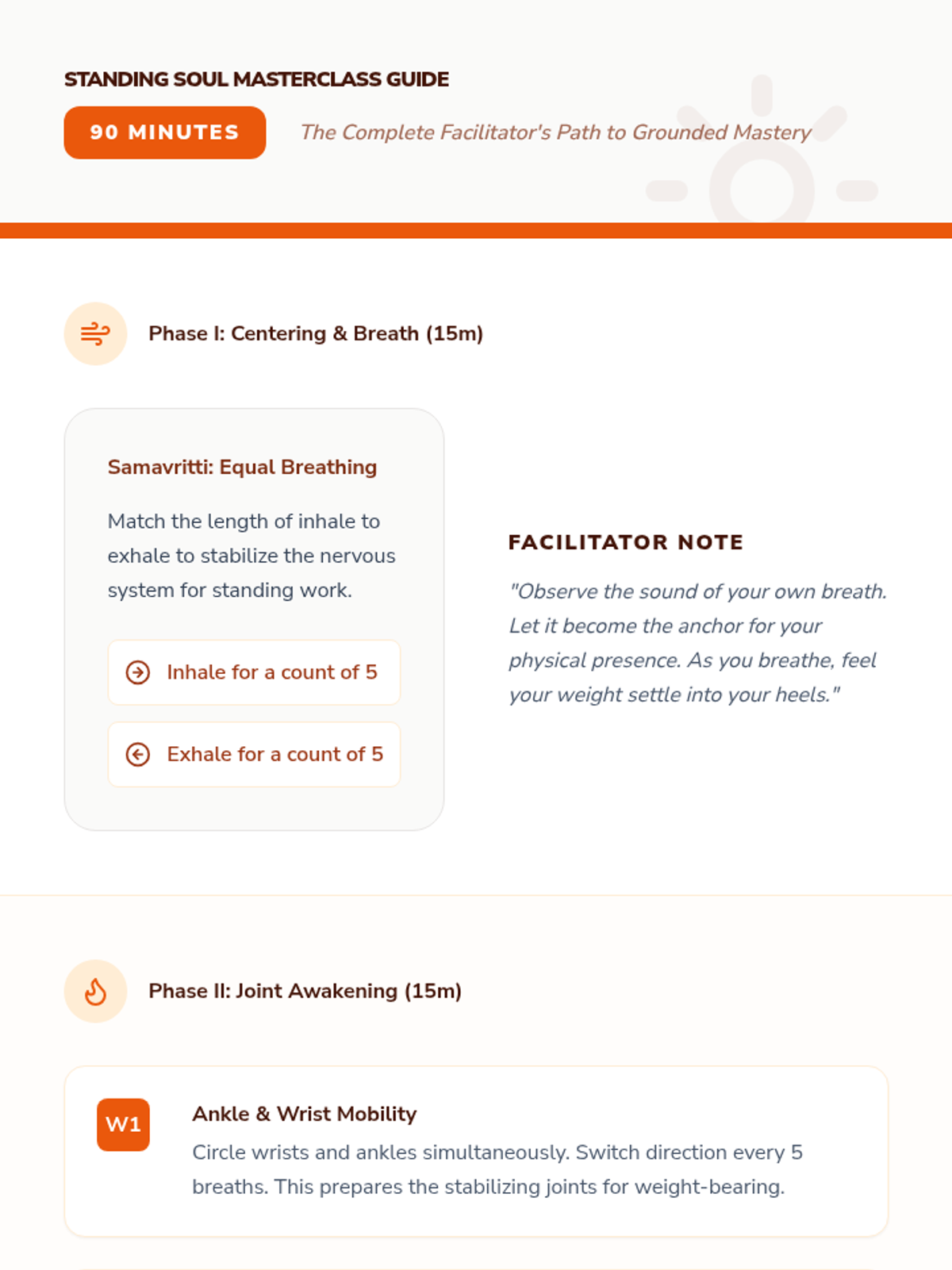
A comprehensive 90-minute facilitator's manual for the Standing Soul Masterclass. Includes pranayama, joint warm-ups, step-by-step postural alignment for key standing poses, and a restorative cool-down phase.
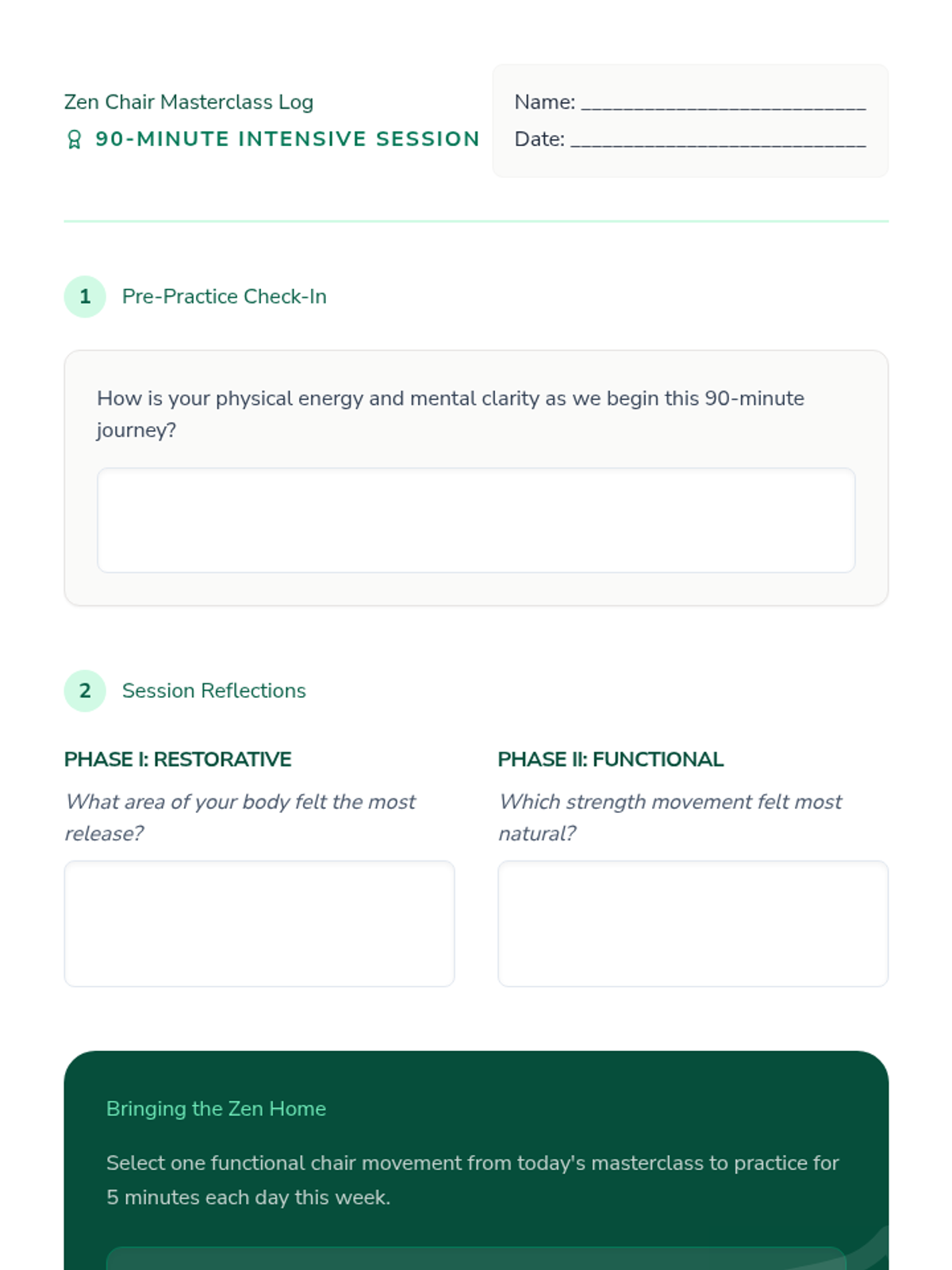
A student reflection log for the combined Zen Chair Masterclass session. Updated for the 90-minute intensive format with phase-specific reflection areas.
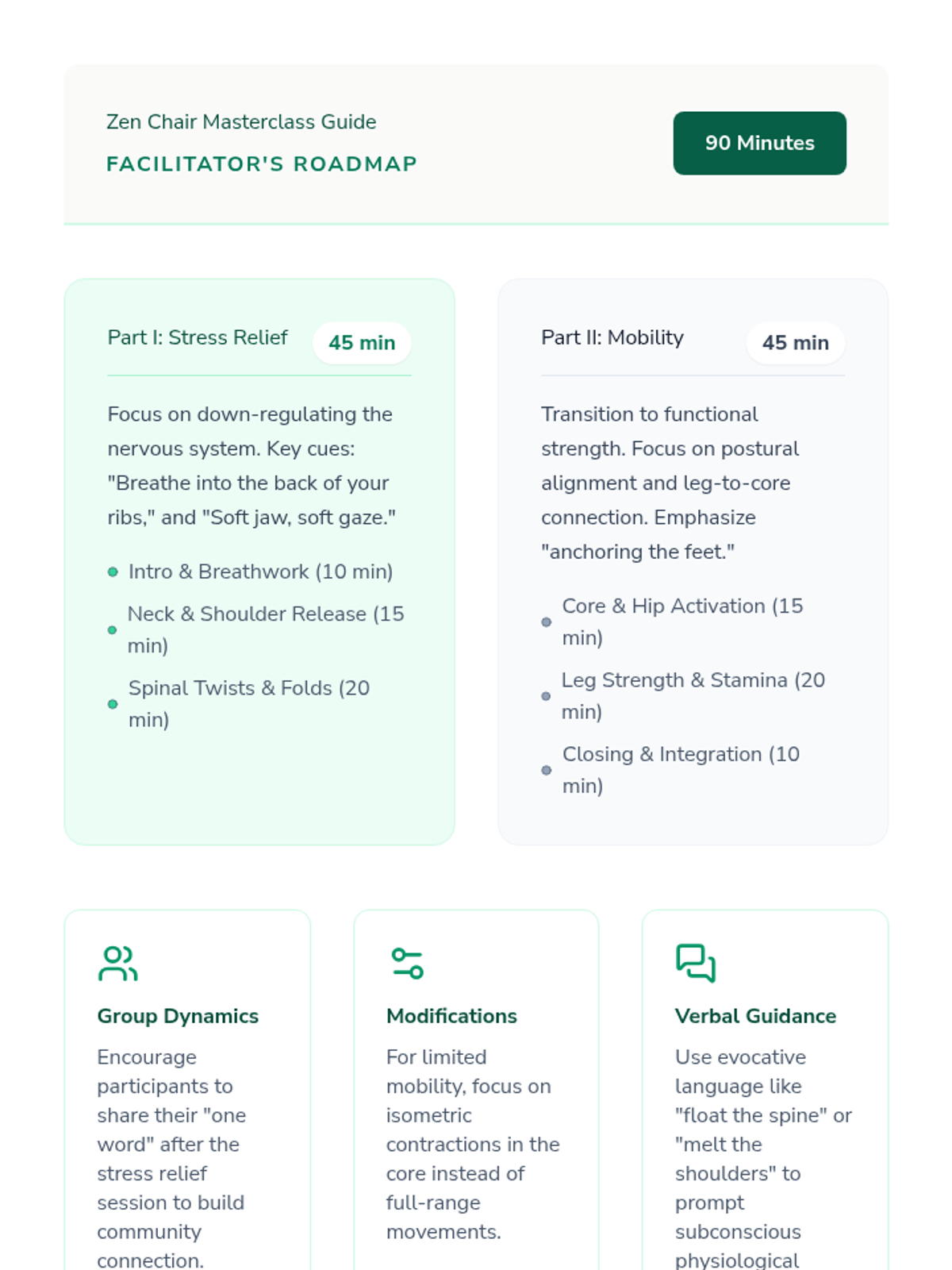
A 90-minute facilitator's guide for the Zen Chair Masterclass, featuring a split-session roadmap for stress relief and functional mobility with detailed pacing and instructional tips.
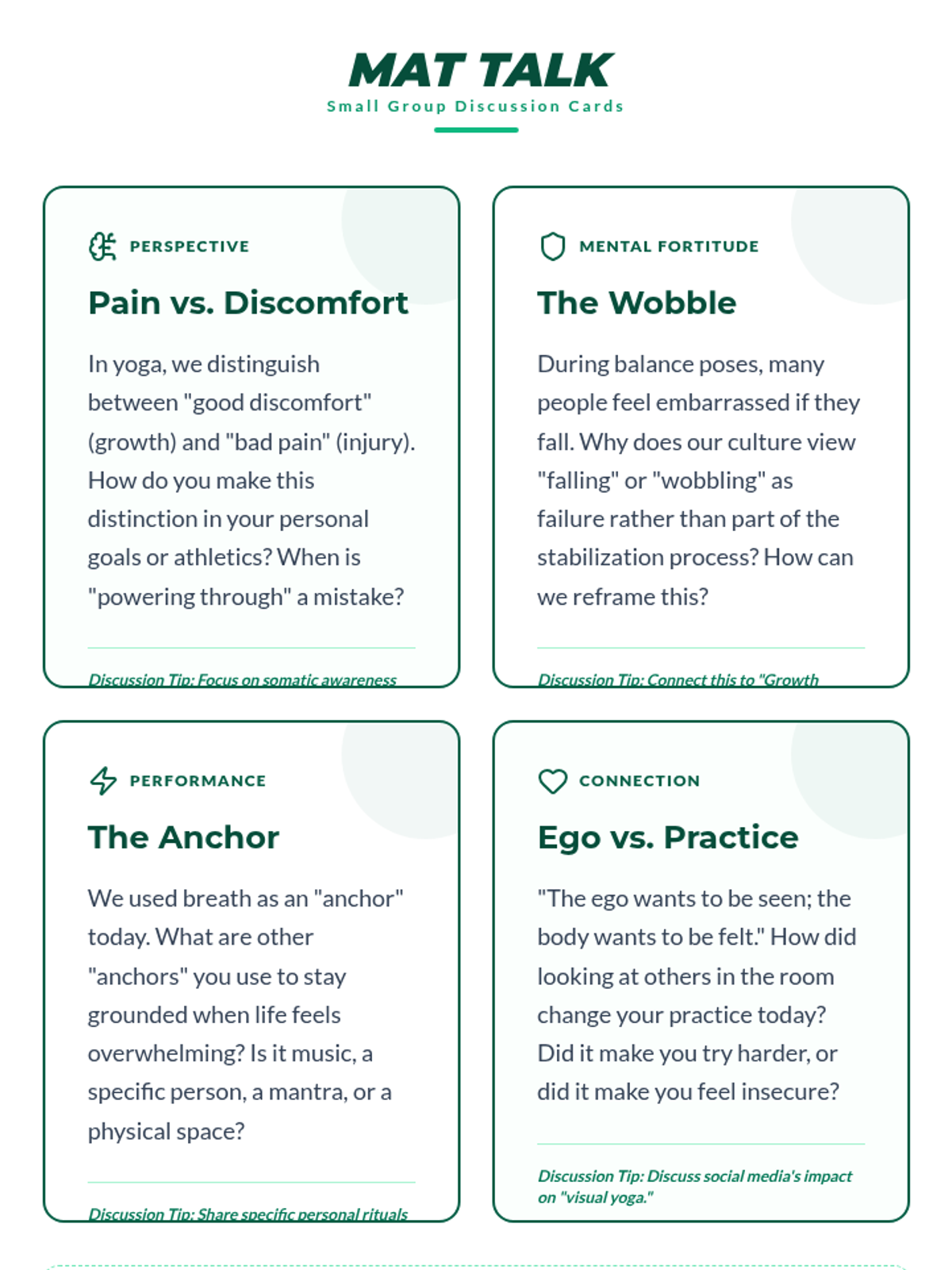
A set of four thought-provoking discussion cards designed for small group reflection, focusing on topics like physical discomfort vs. pain, the role of ego, and mental anchors.
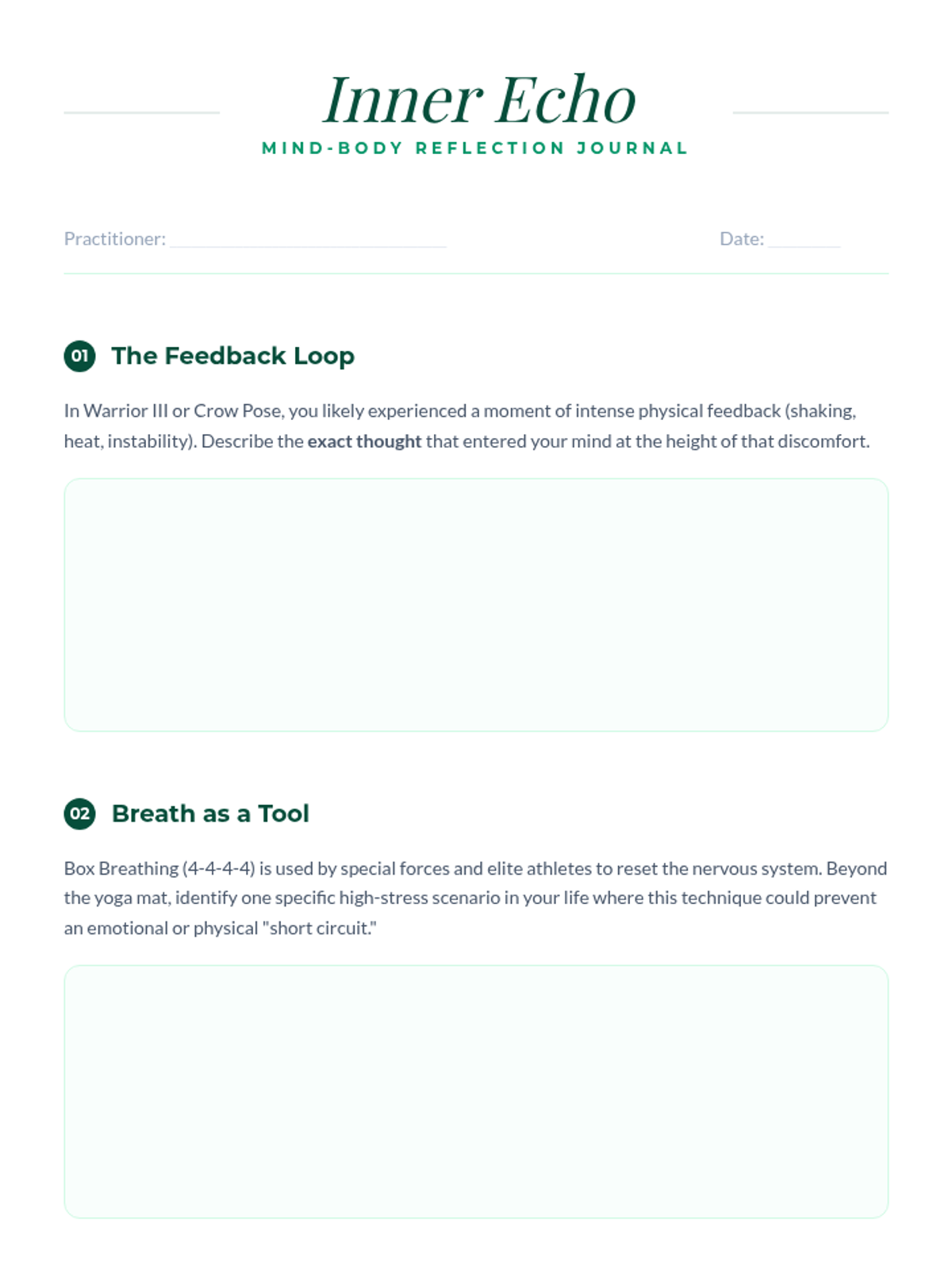
A beautifully designed reflection journal for students to process the mental and physical challenges of their yoga practice, featuring structured prompts on self-talk and stress management.
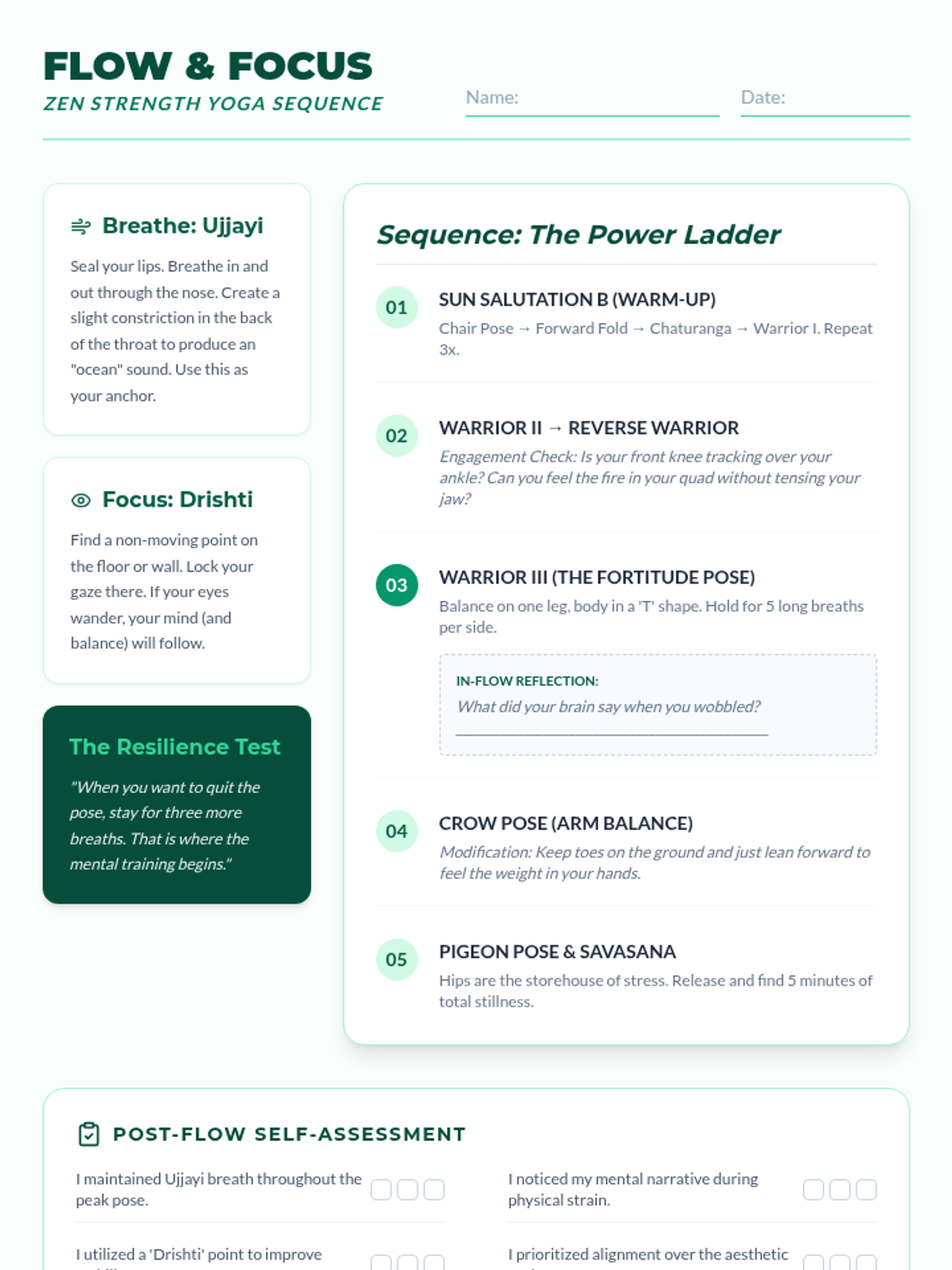
A detailed yoga sequence handout for students featuring a step-by-step 'Power Ladder' flow, breathwork instructions, and a post-flow self-assessment checklist.
A high-impact slide deck for 11th-grade students introducing the science of breathwork, mental fortitude in athletics, and specific yoga intentions.
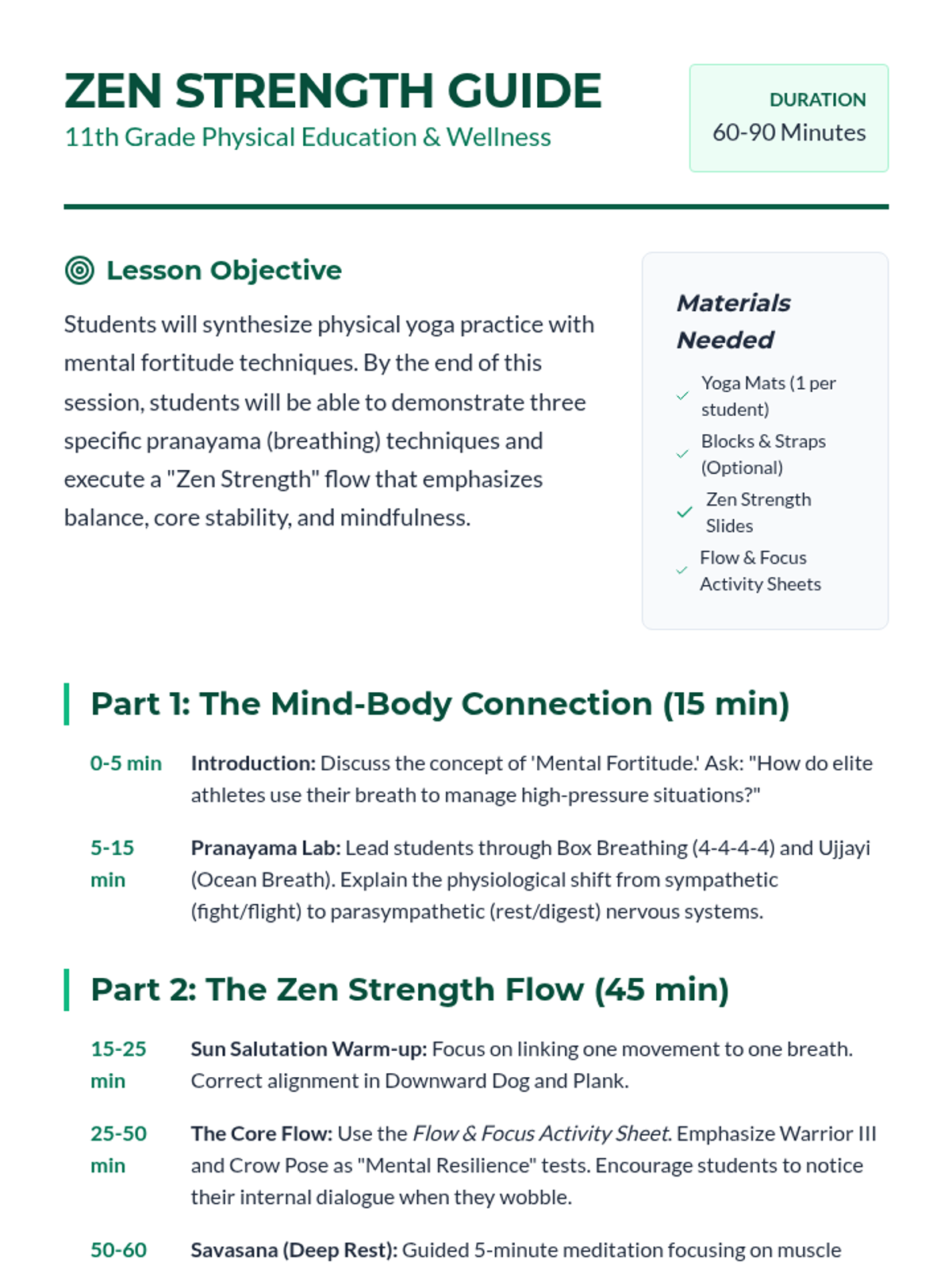
A comprehensive facilitation guide for teachers leading the Zen Strength yoga lesson, including detailed timing, instructional steps, and differentiation strategies.
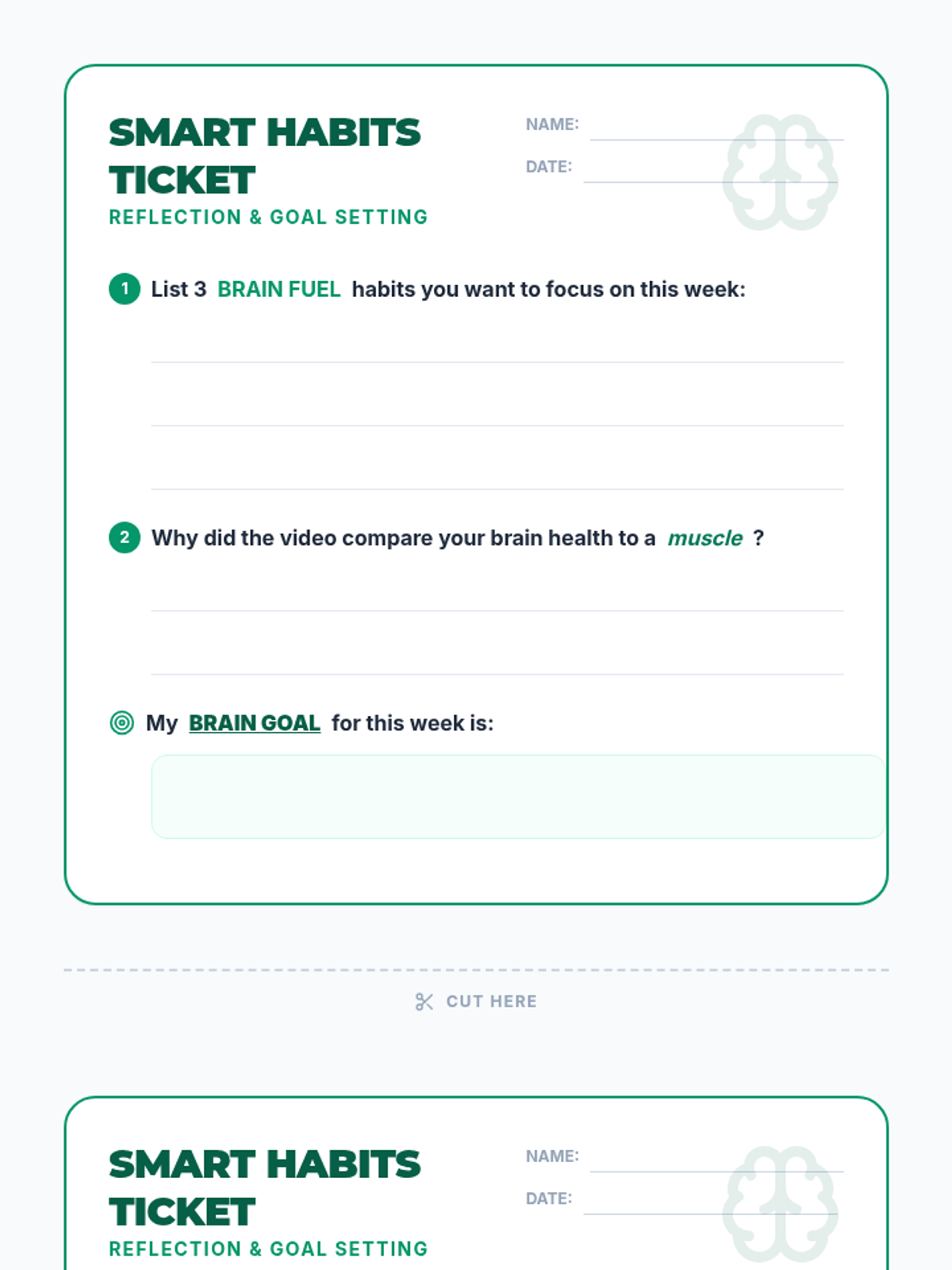
A printable double-sided exit ticket for students to reflect on brain health concepts and set a personal 'Brain Fuel' habit goal for the week.
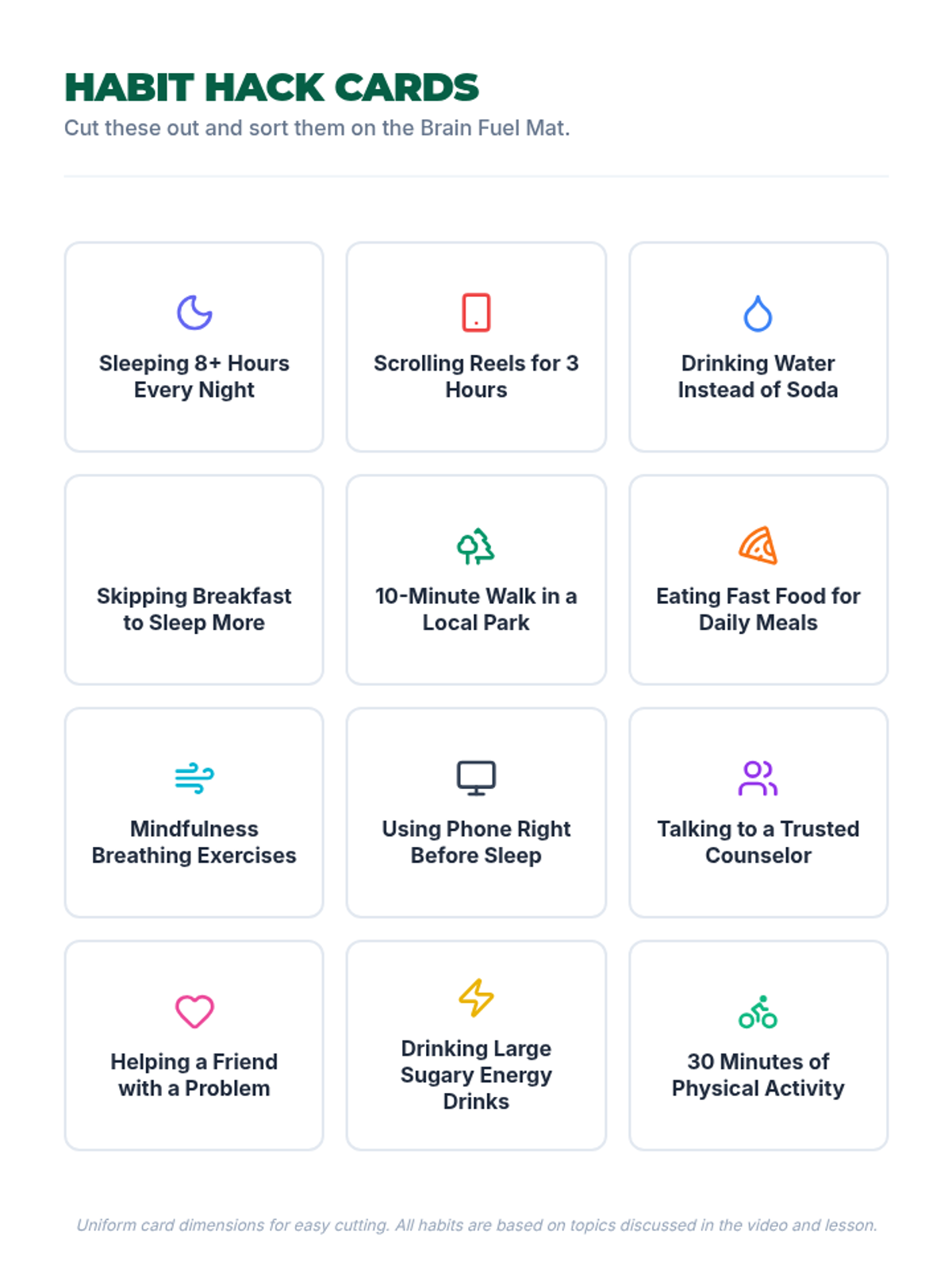
A set of 12 habit cards (e.g., 'Scrolling Reels,' 'Drinking Water,' 'Nature Walk') for students to cut and sort during the lesson activity.
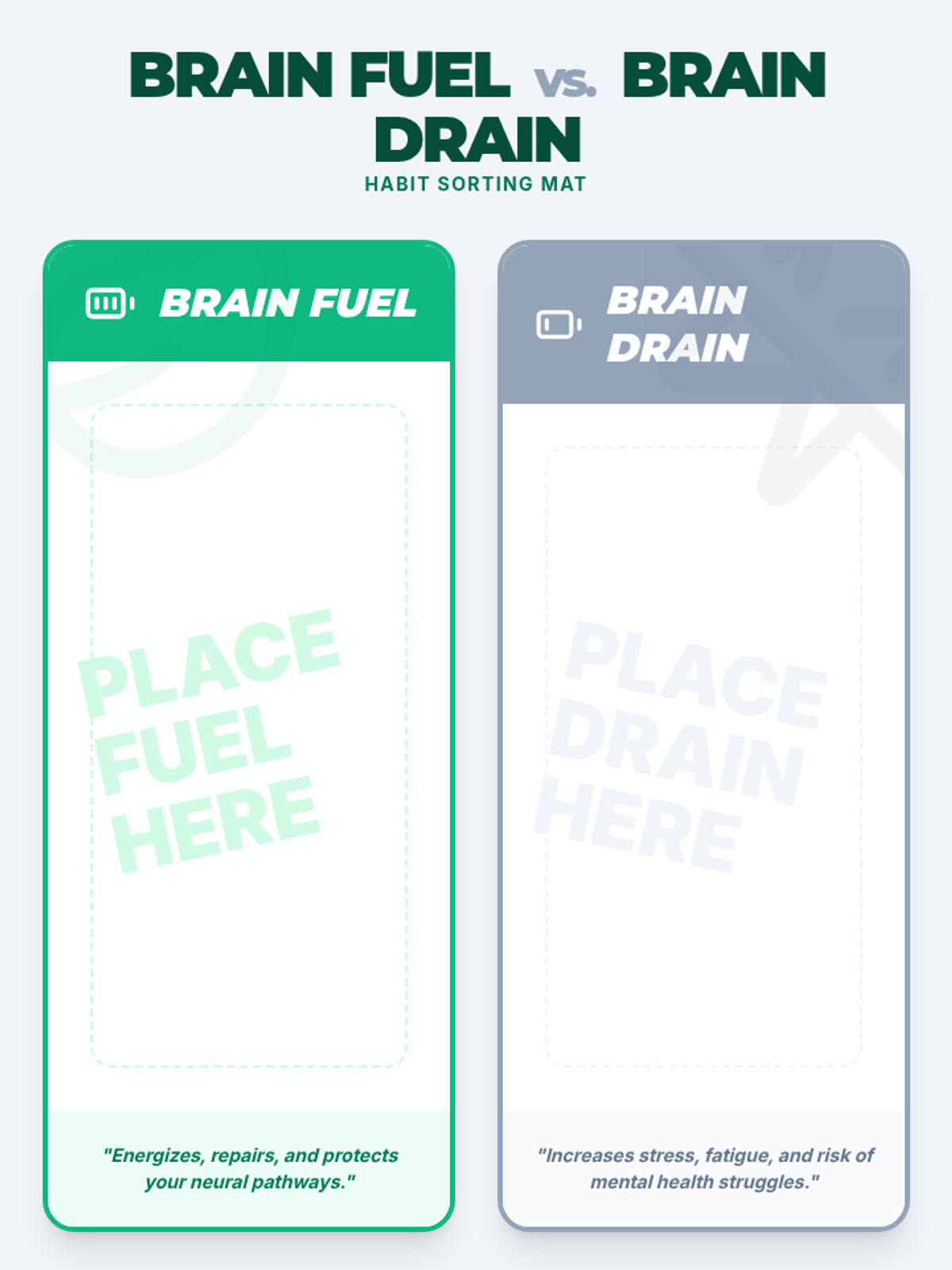
A large printable sorting mat with 'Brain Fuel' and 'Brain Drain' categories for students to categorize different daily habits.
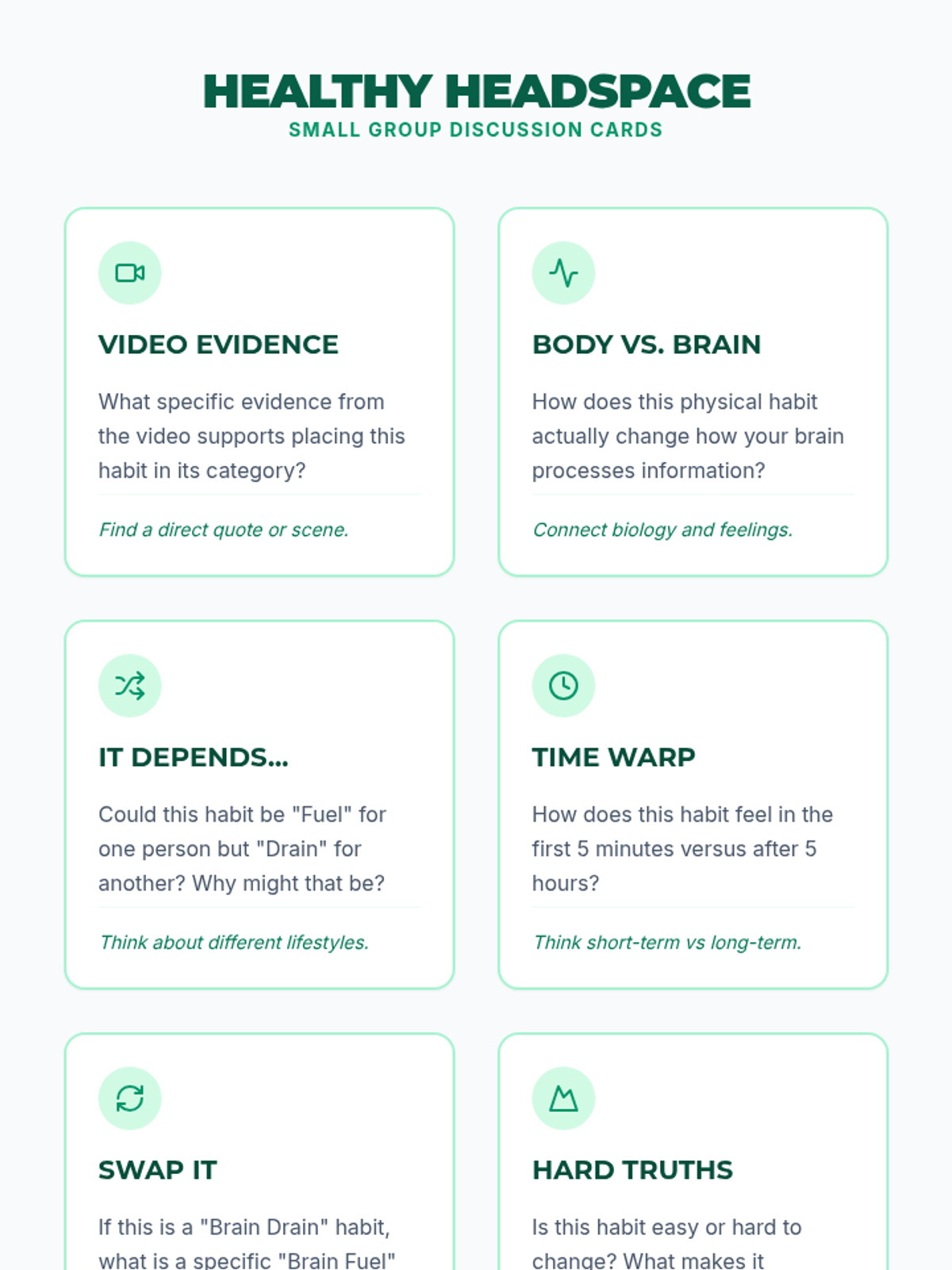
A set of six printable discussion prompt cards to guide student small-group conversations during the 'Brain Fuel vs. Brain Drain' sorting activity.
A visual presentation for the 'Neural Network Habits' lesson, including a video embed, interactive discussion prompts about screen time and nature, and activity instructions.
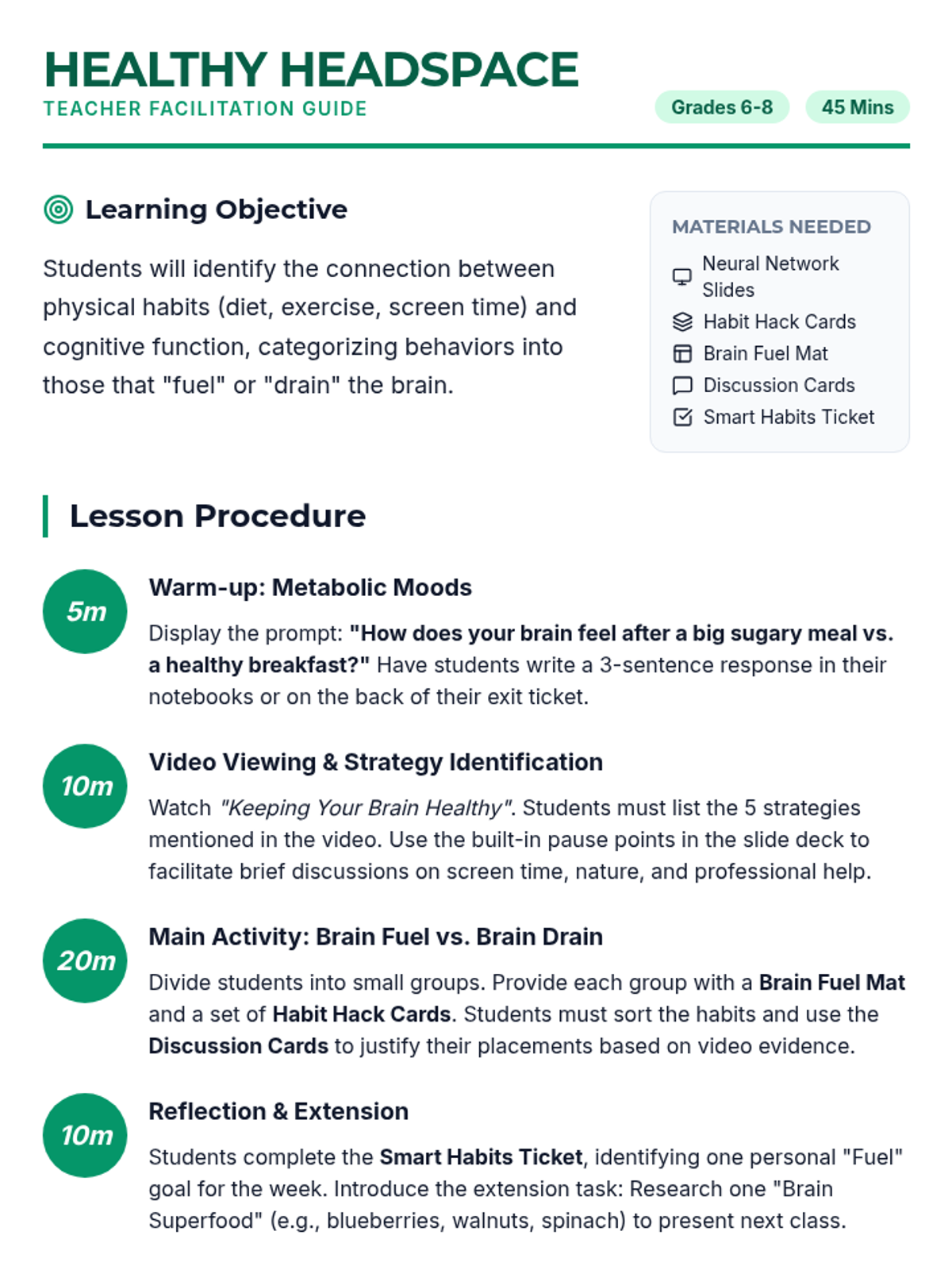
A comprehensive teacher facilitation guide for the 'Neural Network Habits' lesson, including a 45-minute lesson plan, materials list, vocabulary, and addressing common misconceptions.
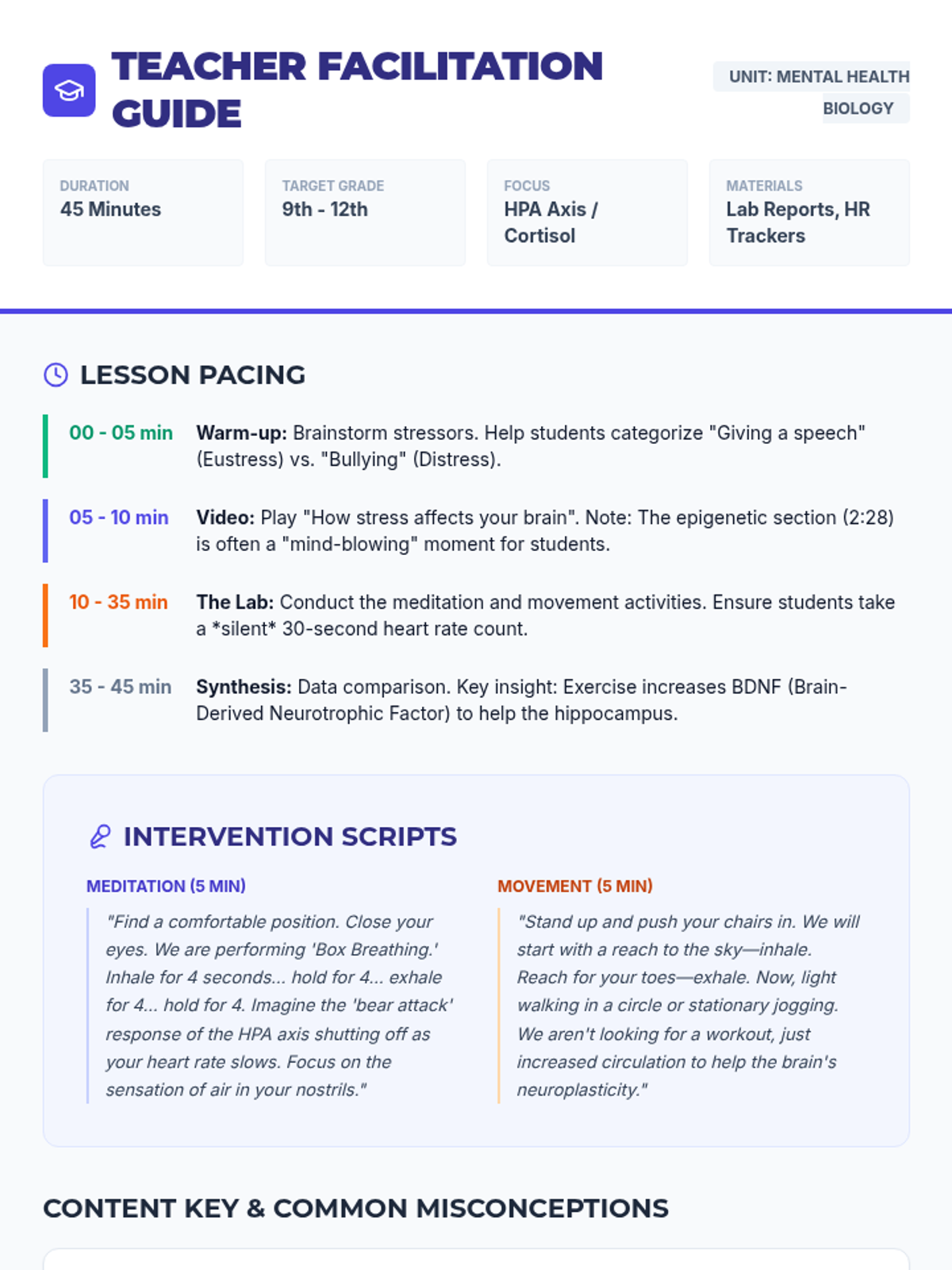
A comprehensive teacher's guide providing lesson pacing, meditation scripts, movement instructions, answer keys for video content, and strategies for addressing common student misconceptions about stress and exercise.
A modern, cinematic slide deck for instruction, including the YouTube video embed, lab procedures for meditation and movement, and data comparison prompts. Designed with high-contrast visuals to maintain student engagement.
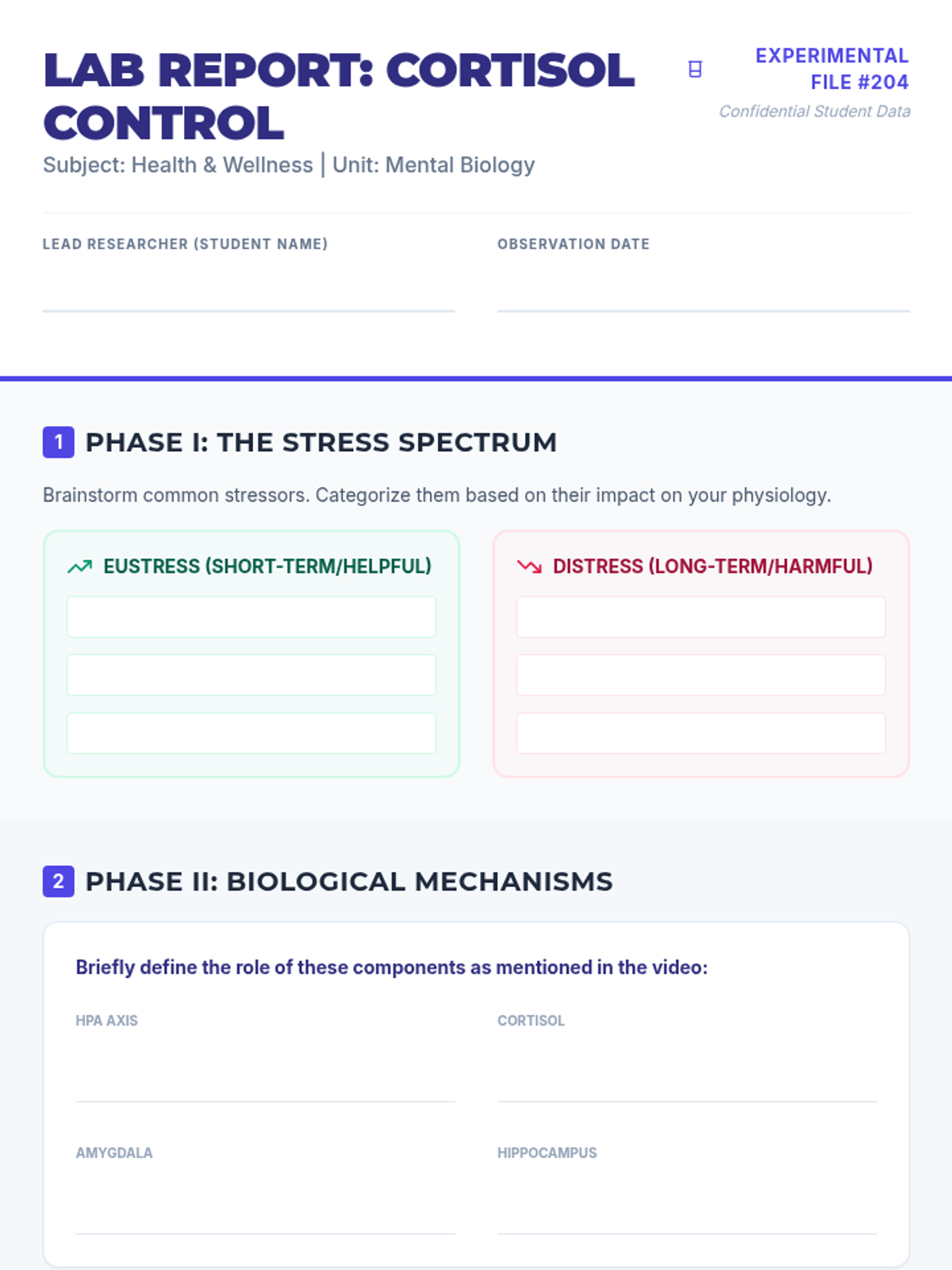
A professional lab-style worksheet for students to record stress data, categorize stressors, and analyze the biological effects of cortisol as discussed in class. Includes sections for heart rate tracking and subjective stress level measurement.
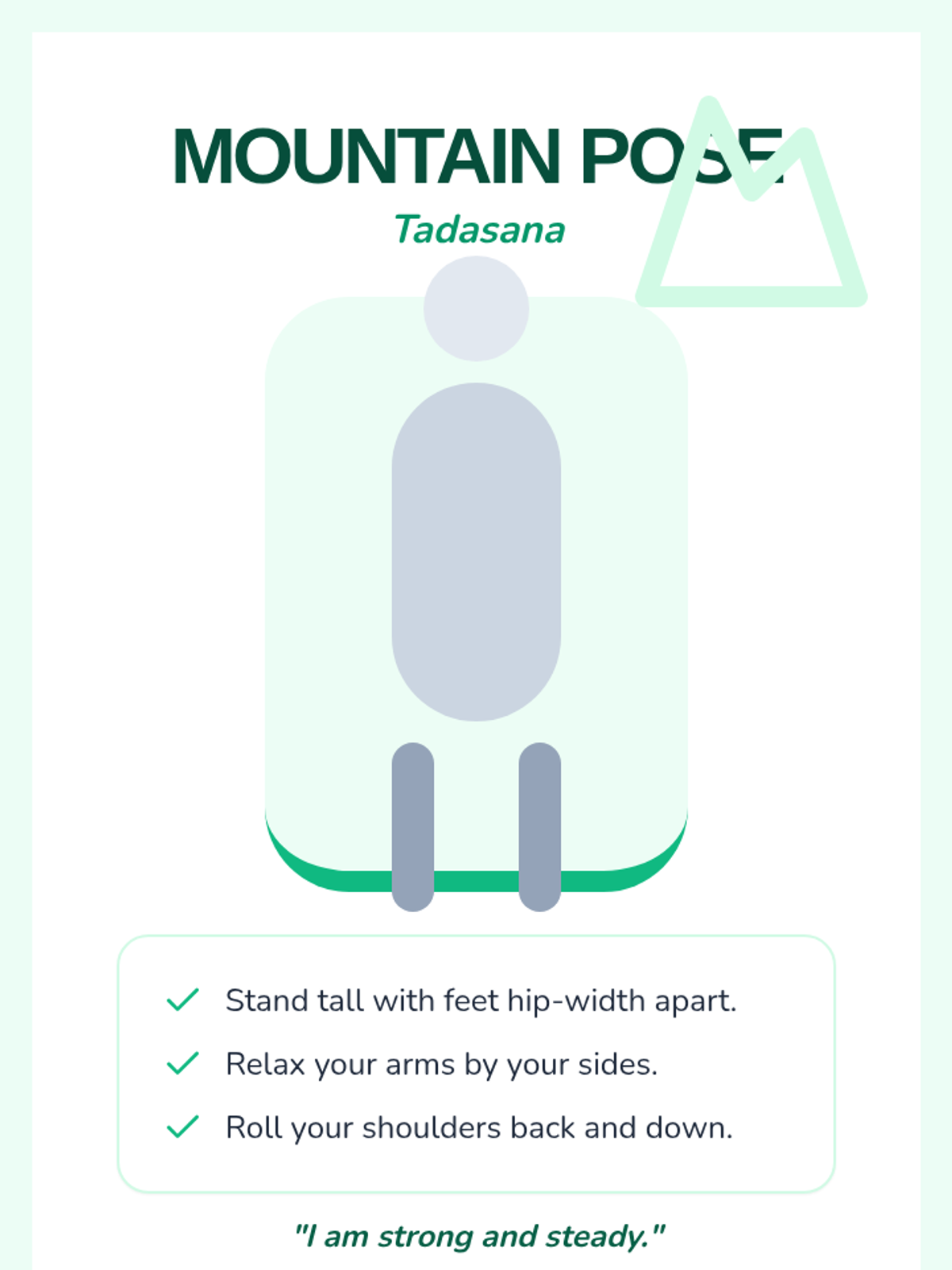
A set of large-format printable posters featuring key yoga poses with clear instructions and affirmations to be used as visual aids in the classroom.
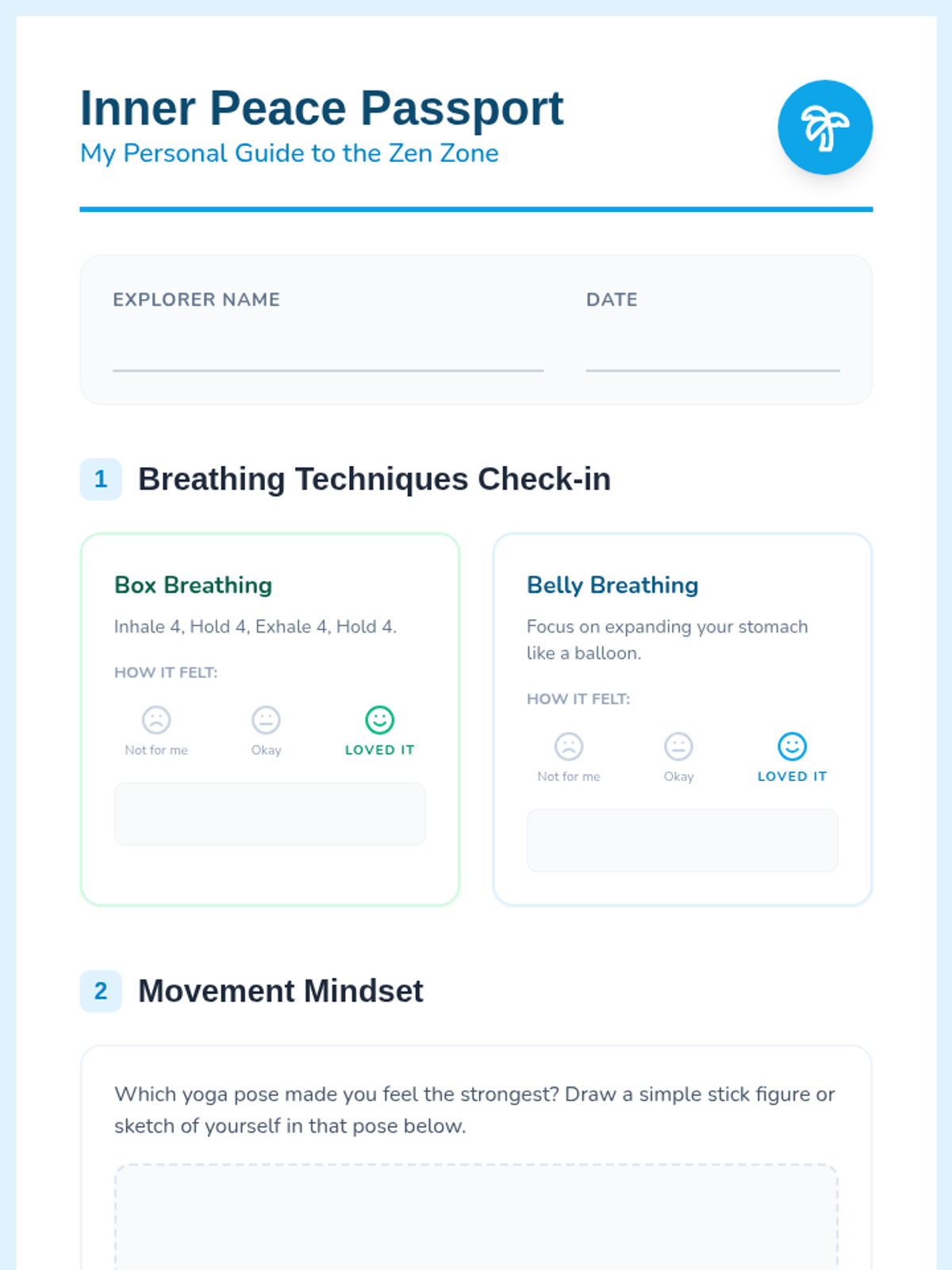
A student reflection booklet where they can track their experiences with breathing techniques, record their favorite yoga poses, and brainstorm real-world applications for mindfulness.
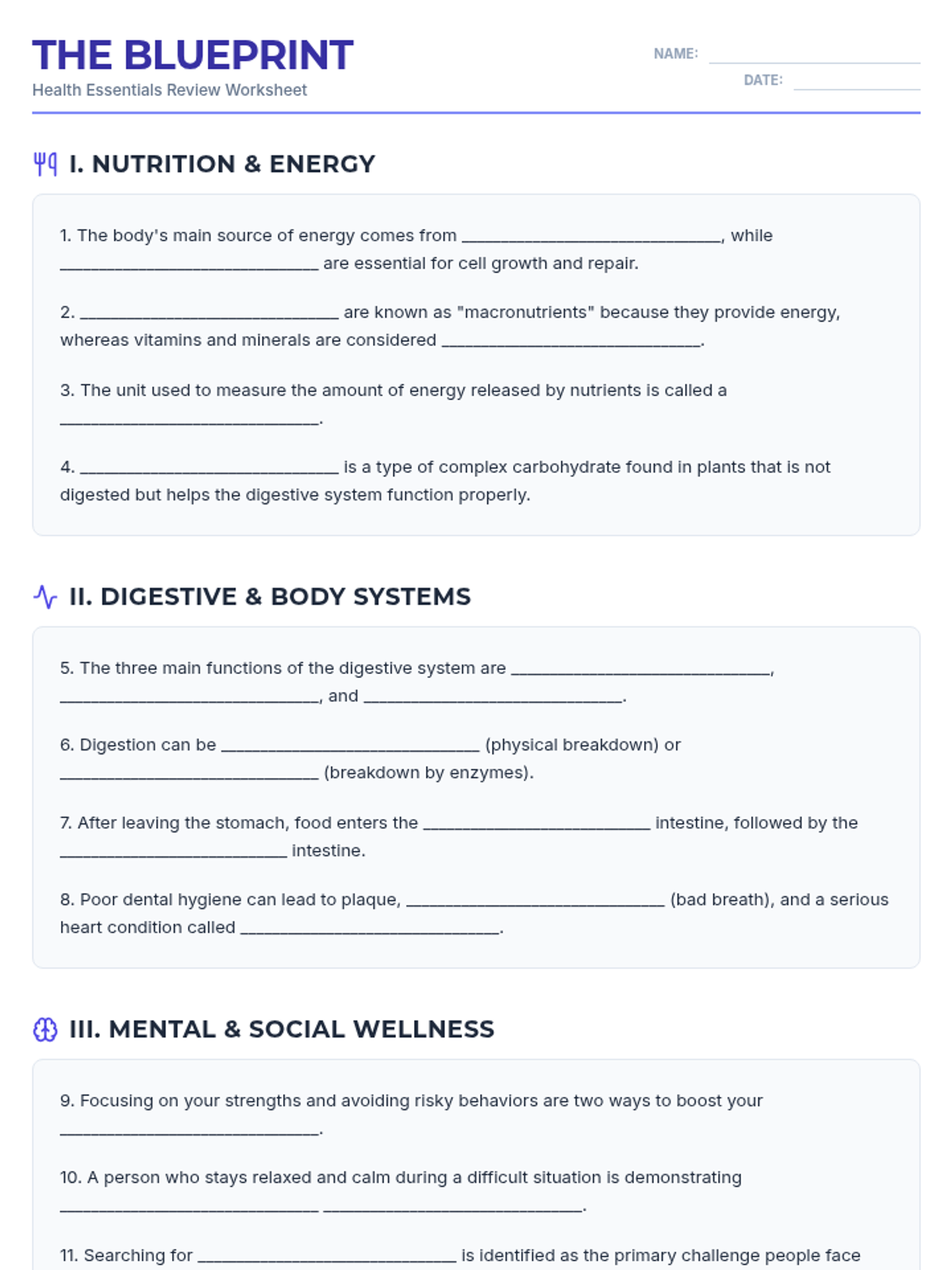
A fill-in-the-blanks worksheet based on the Health Essentials Summary Handout, covering nutrition, digestion, mental health, and disease prevention. Revised for strict page flow and header grouping.
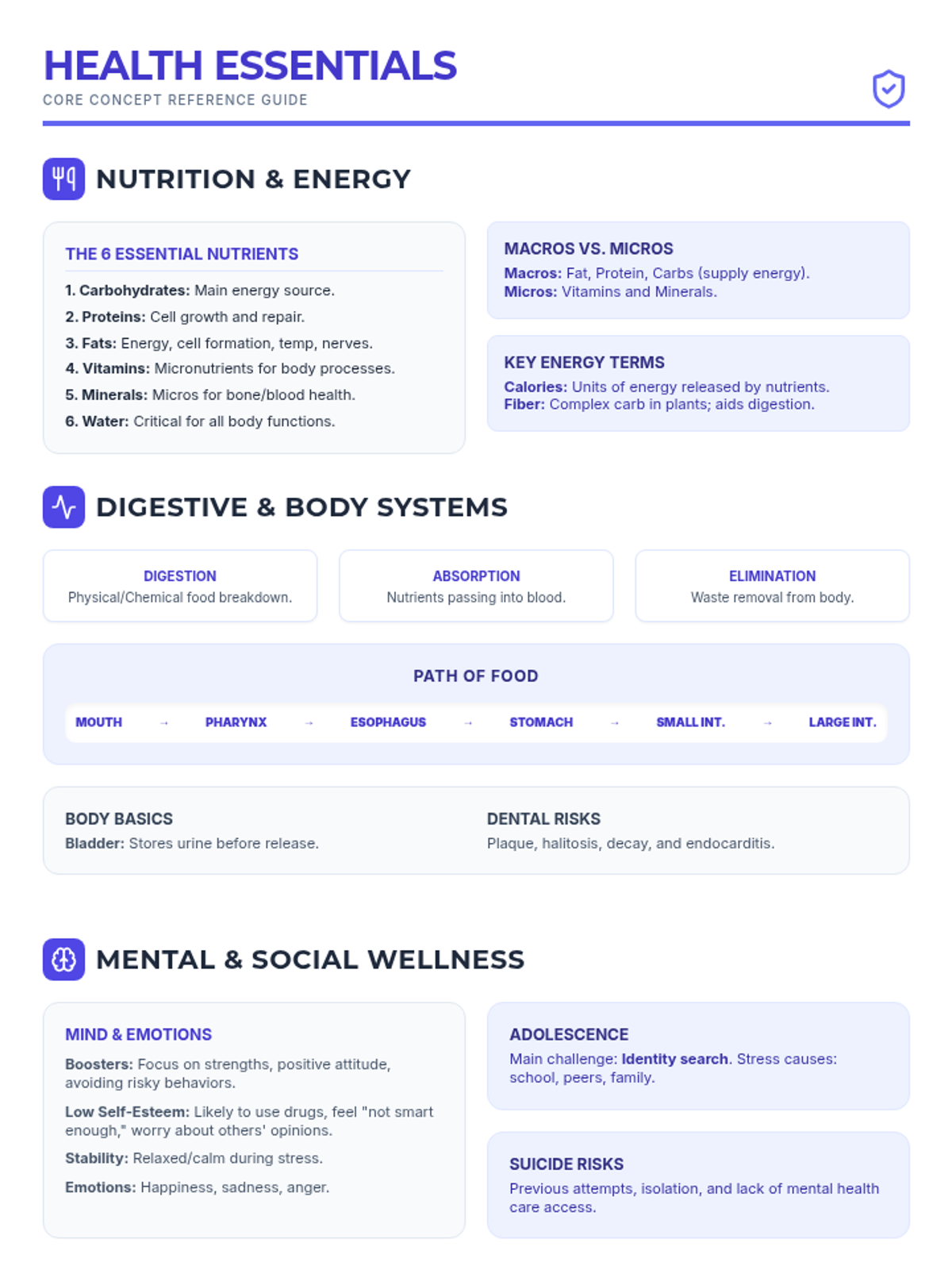
A concise 2-page summary guide condensing all information from the Health Final Exam into a high-density reference sheet for nutrition, body systems, mental health, and disease. Revised for strict 2-page length and improved formatting.
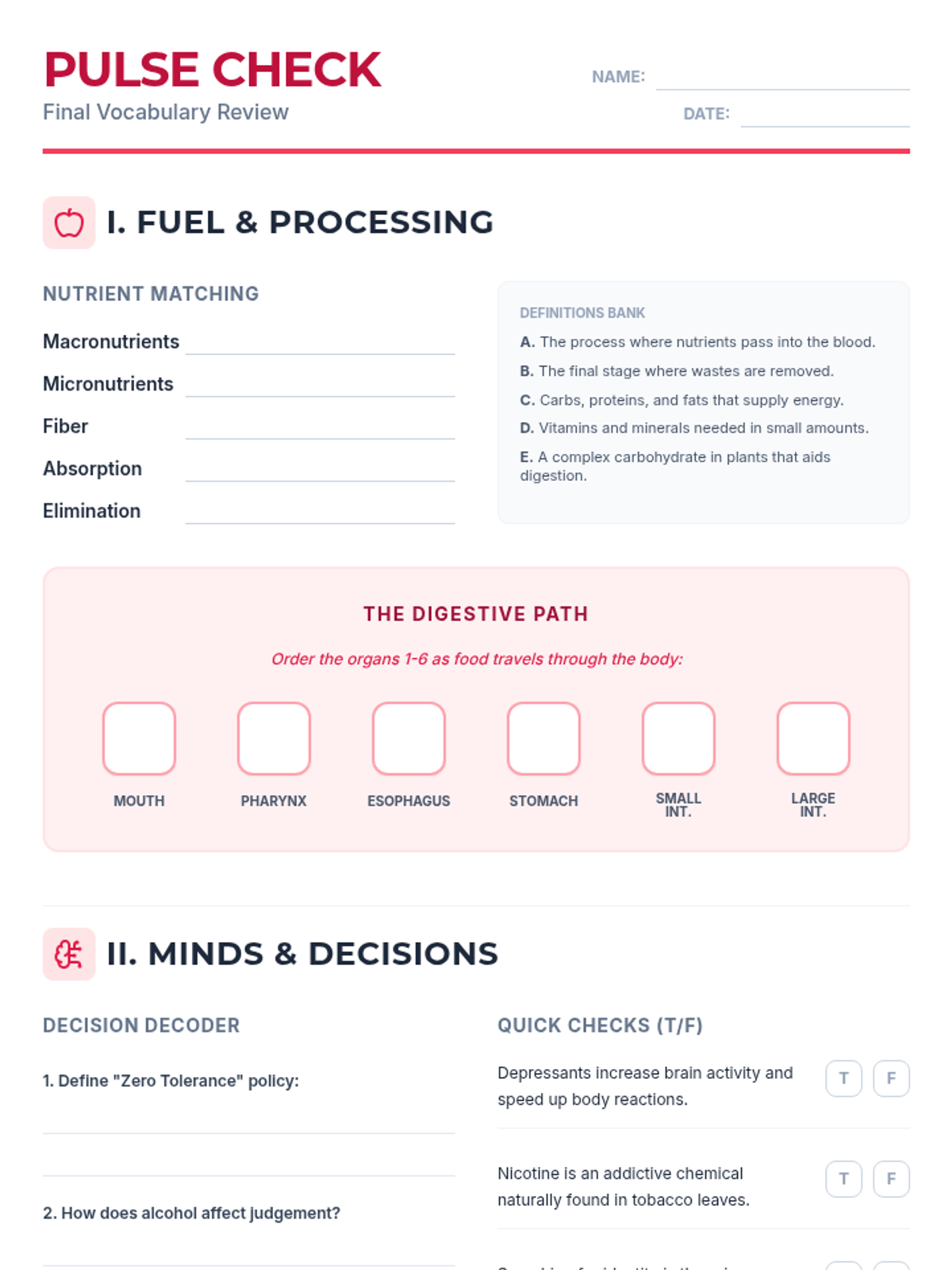
A comprehensive vocabulary review worksheet covering all key terms from the Health Final Exam. Revised to optimize page space, eliminate orphaned headers, and provide larger student work areas. Final polish pass for layout and student work space.
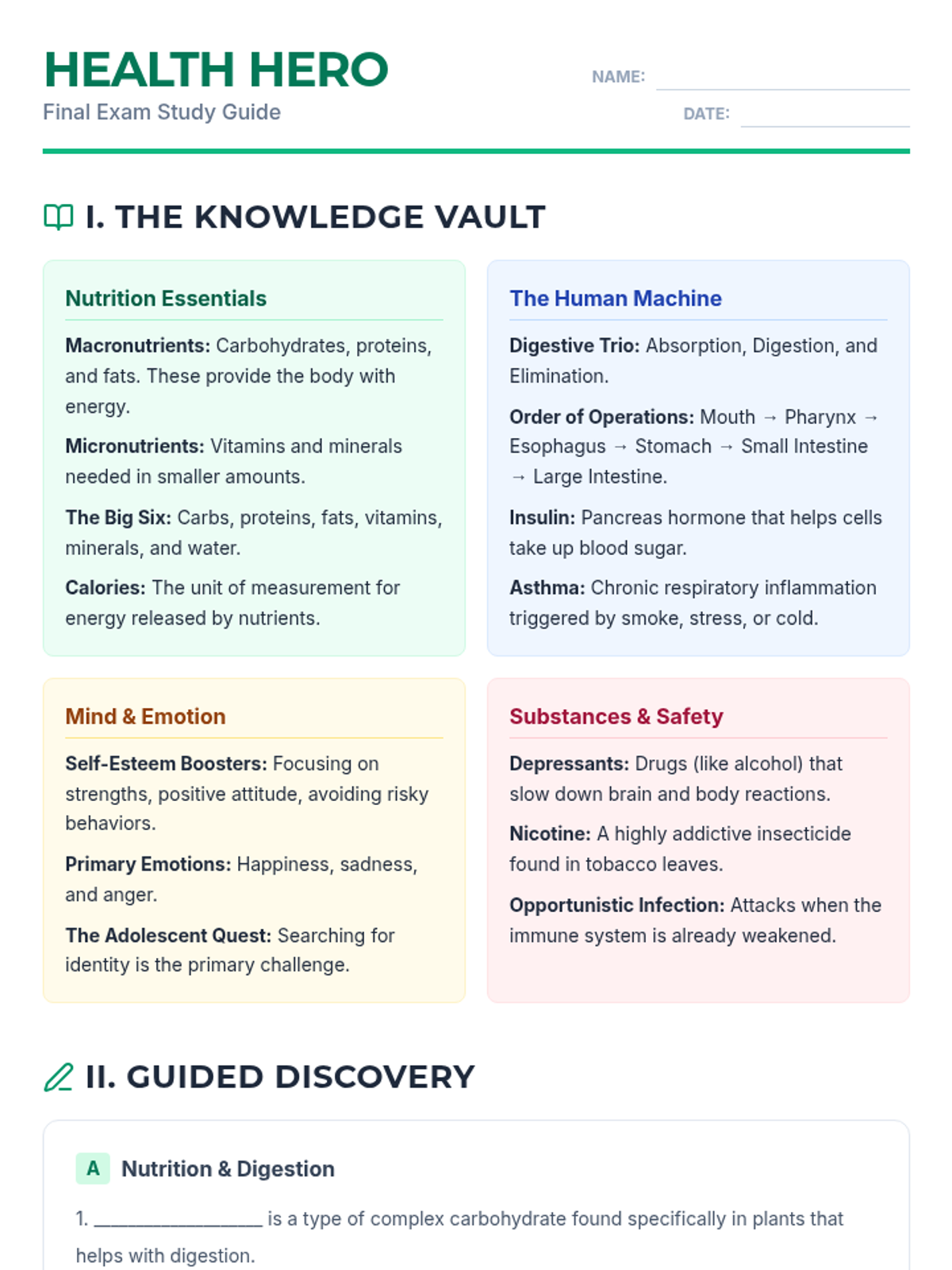
A comprehensive Health Final Exam study guide featuring key terms, guided notes with fill-in-the-blanks, and exam-style practice questions. Revised for better page flow and layout.
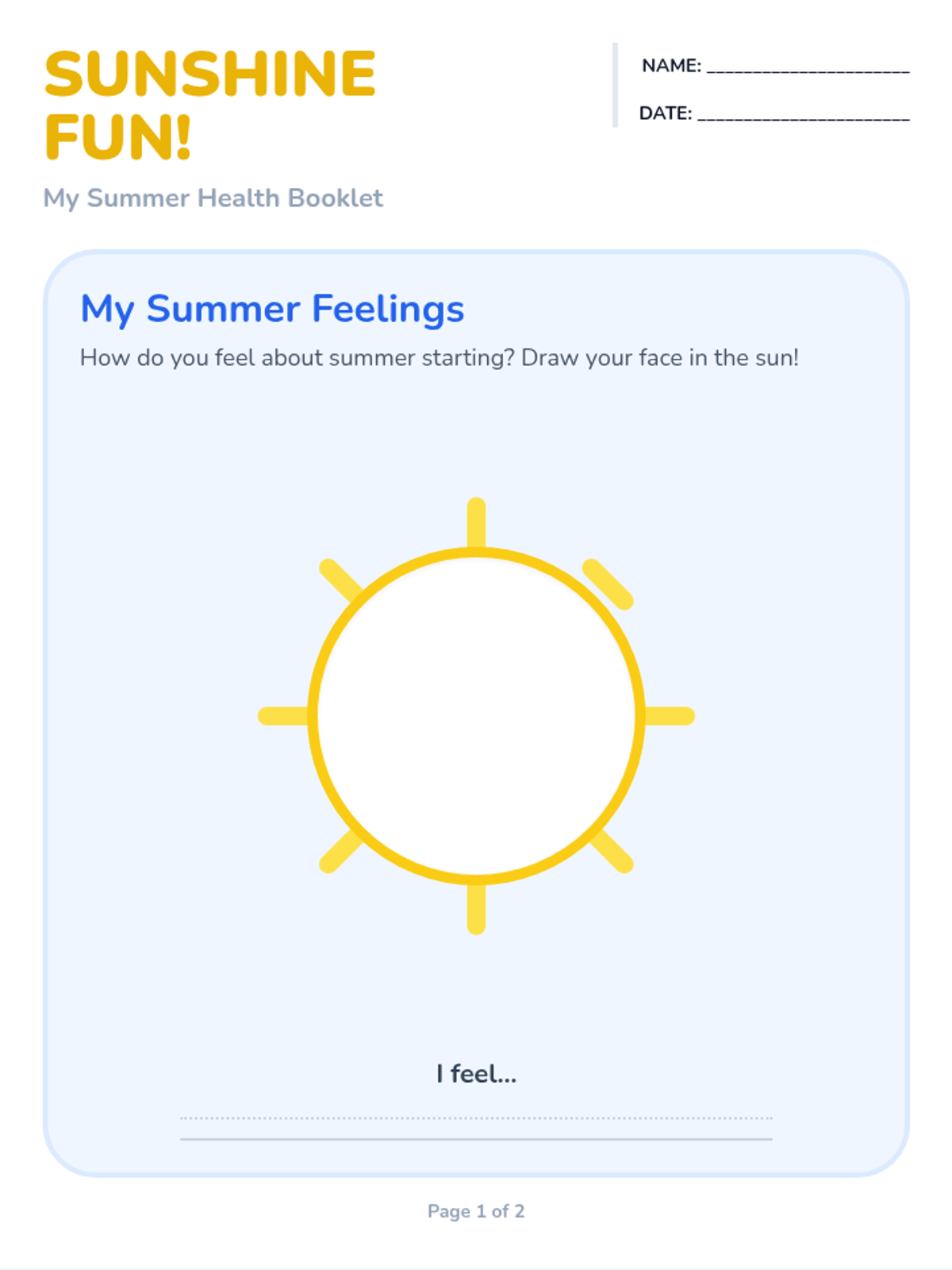
A 2-page student activity booklet featuring a feelings drawing prompt, a healthy habits checklist with star icons, and a visual breathing exercise tool.
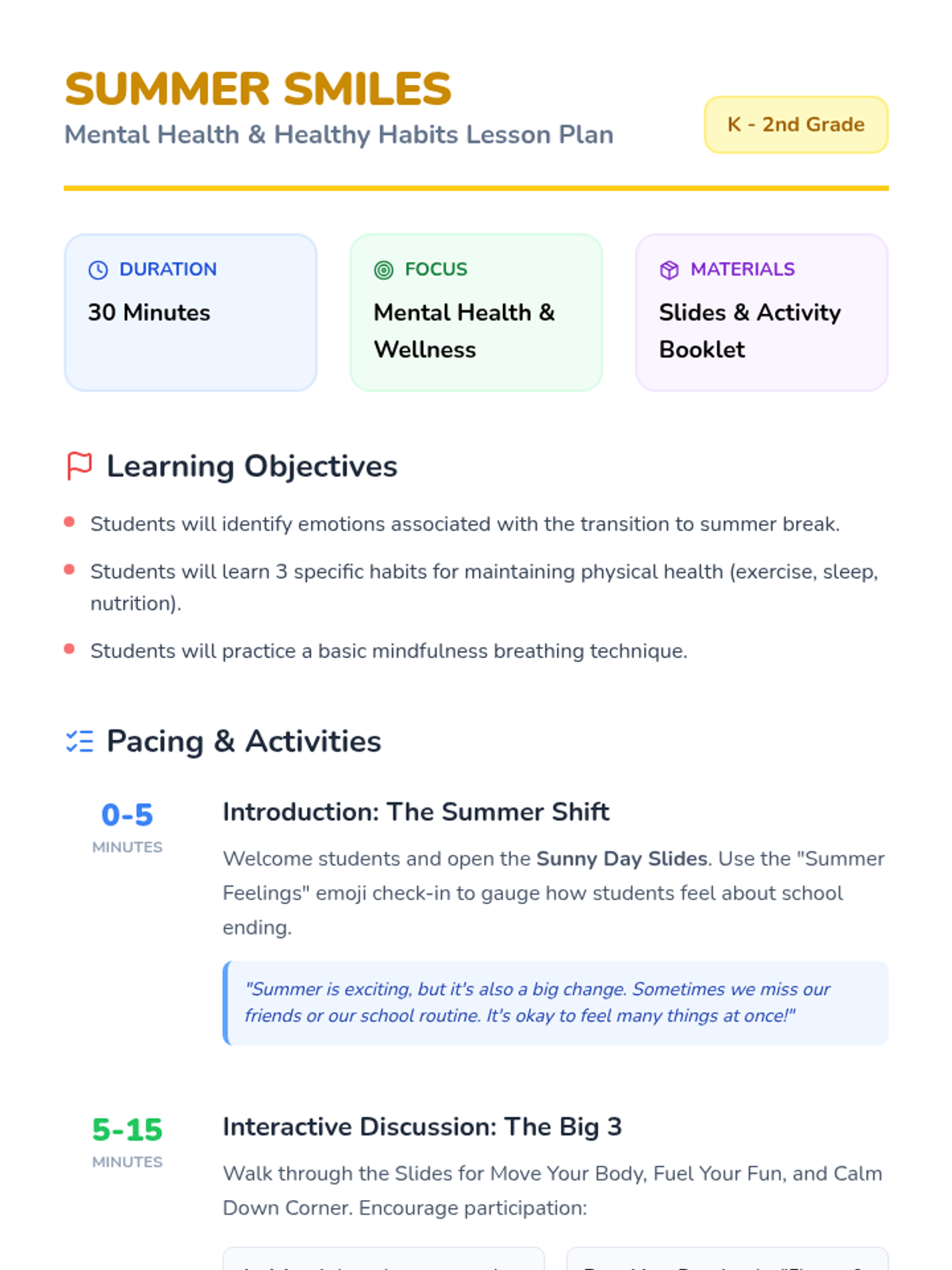
A comprehensive teacher guide for a 30-minute K-2 mental health lesson, including pacing, objectives, and teaching tips.
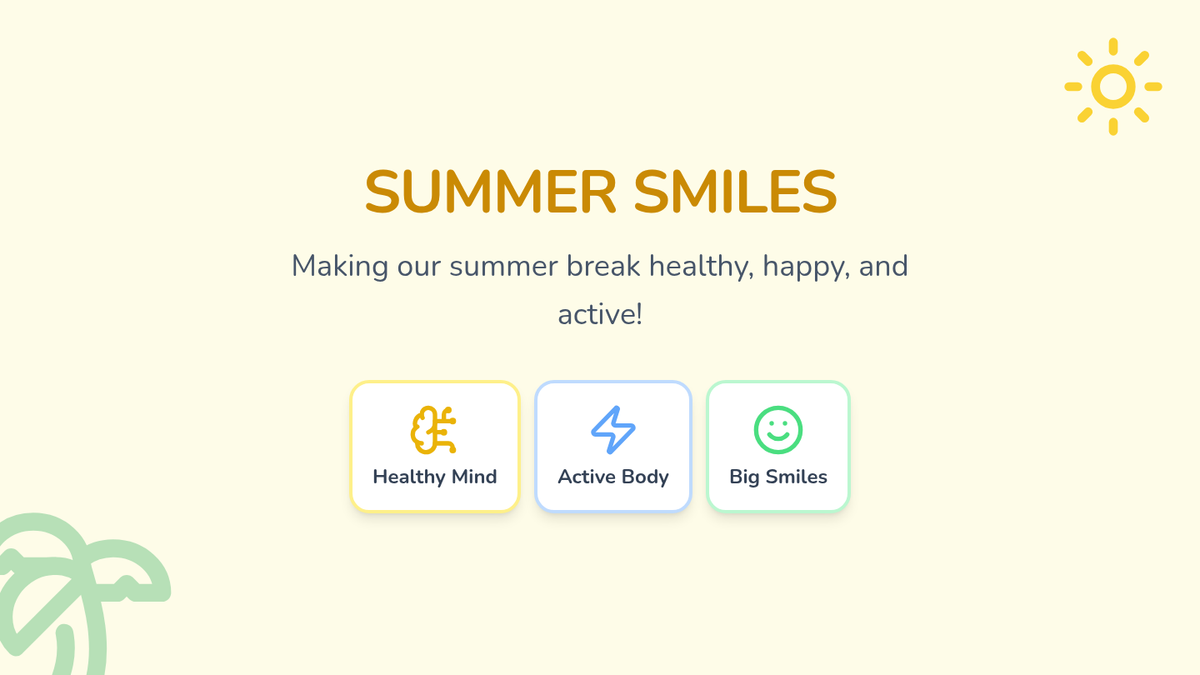
A vibrant and engaging interactive slide deck for K-2 students focused on summer mental health, physical activity, nutrition, and mindfulness.
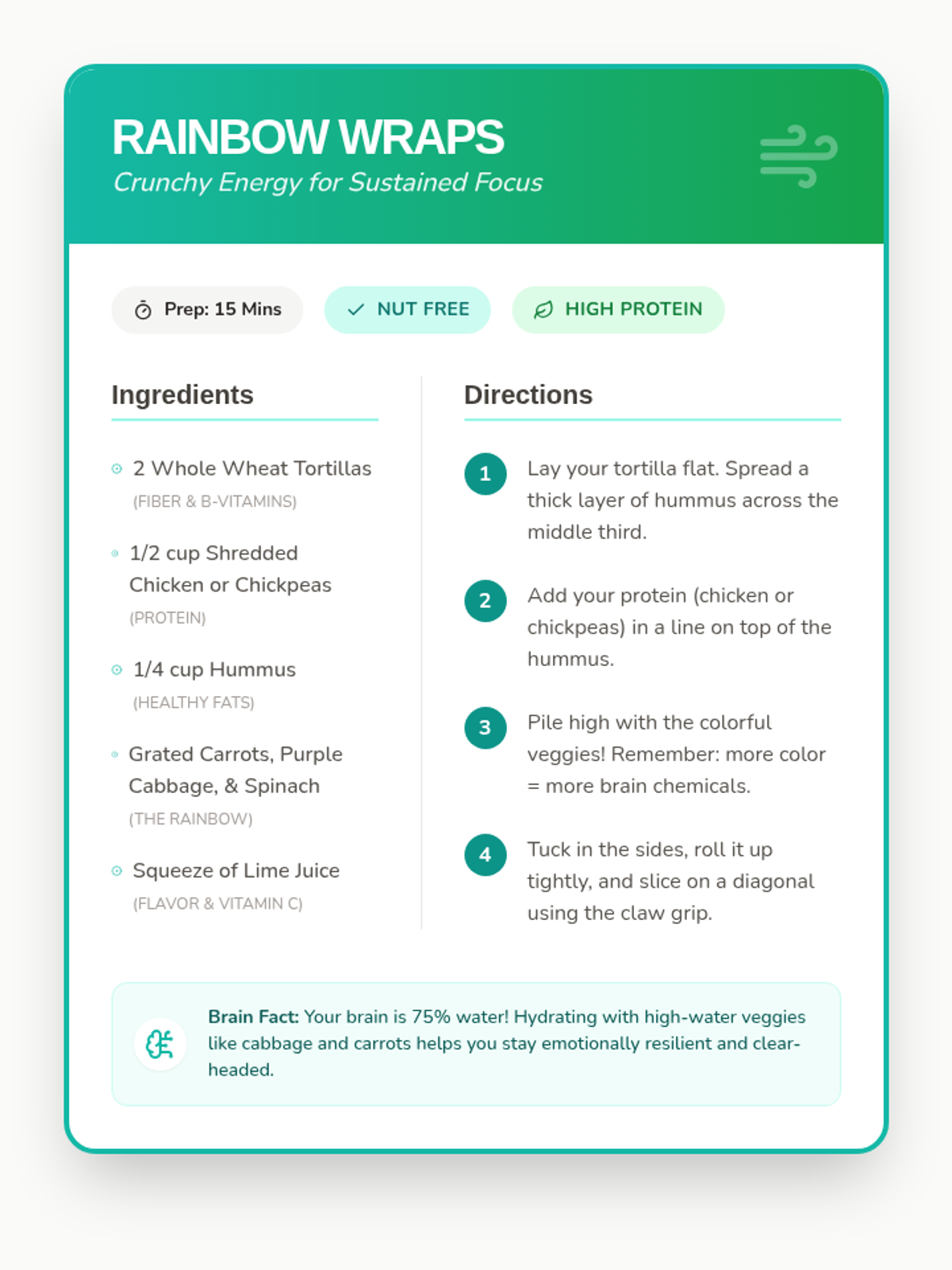
A visually striking recipe card for nut-free "Rainbow Wraps," including prep times, ingredient-to-brain mapping, and safe cooking techniques.
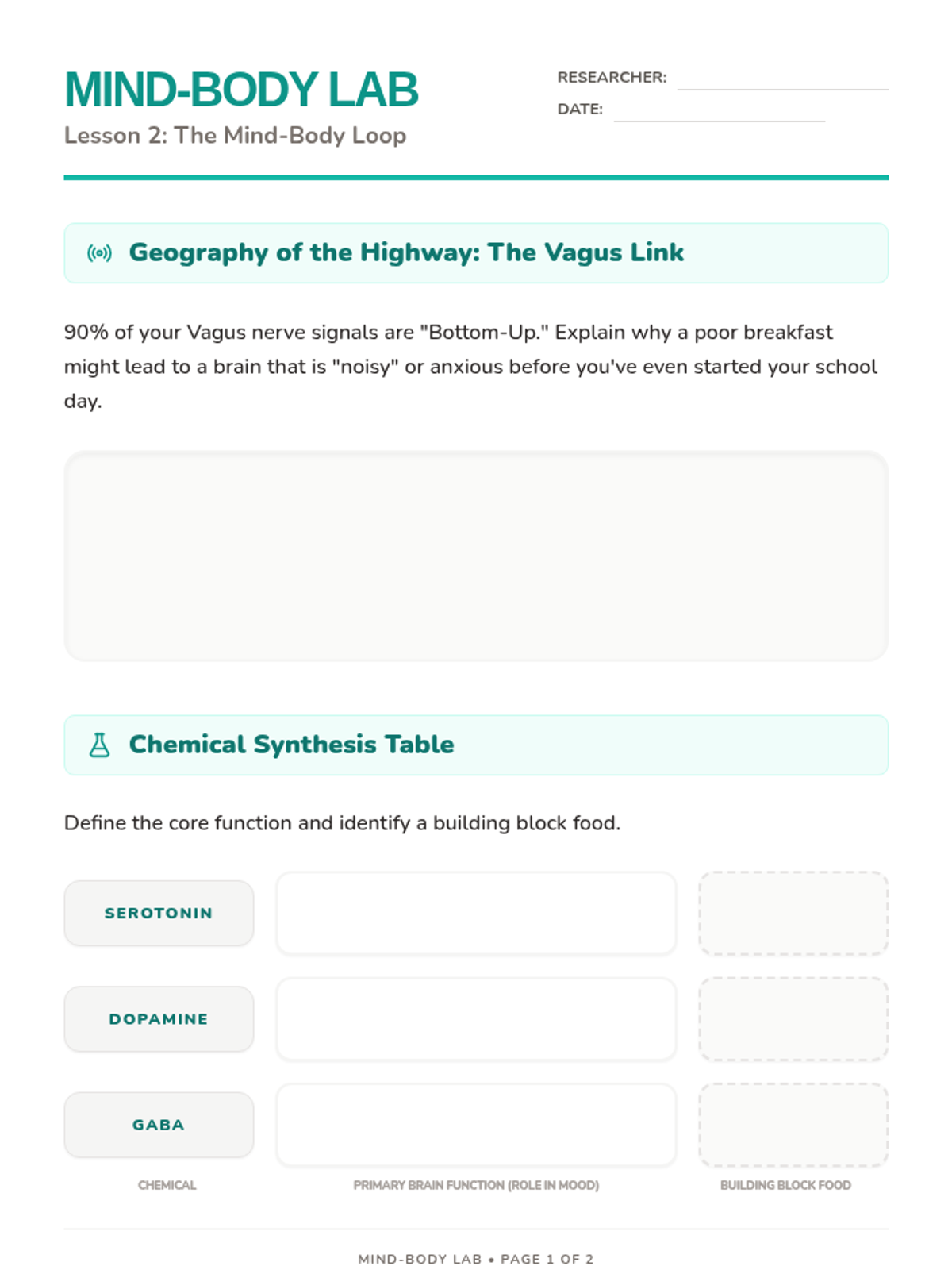
An in-depth 2-page student worksheet for Day 2 focusing on the Vagus highway, neurotransmitter synthesis, gut-produced serotonin, and nervous system recovery.
An intensive 5-slide presentation for Day 2 updated to include a Movement Lab slide introducing the 30-minute Vagus Relay game.
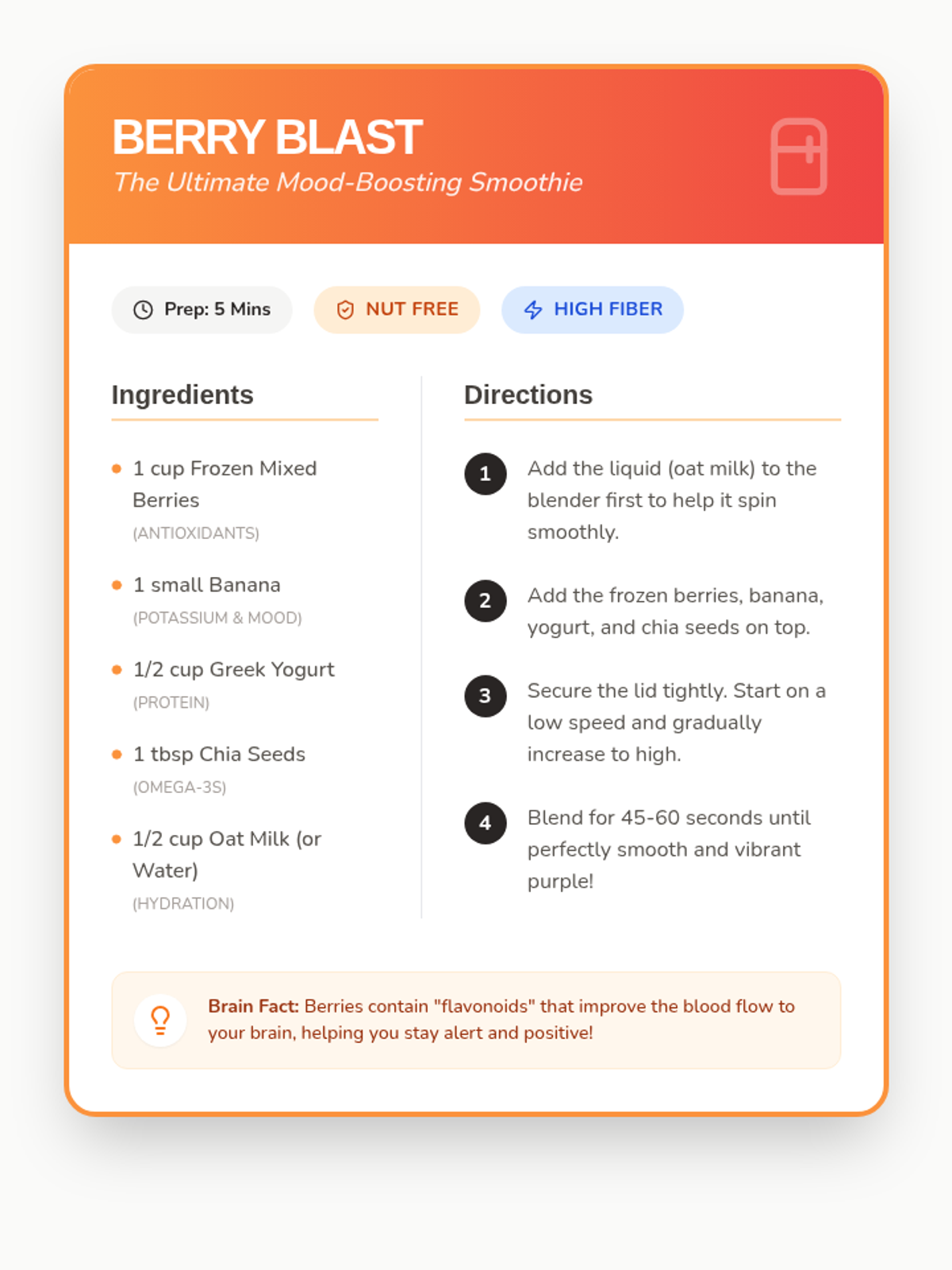
A visually appealing, nut-free recipe card for the "Berry Blast" smoothie, including ingredient biological roles and clear instructions.
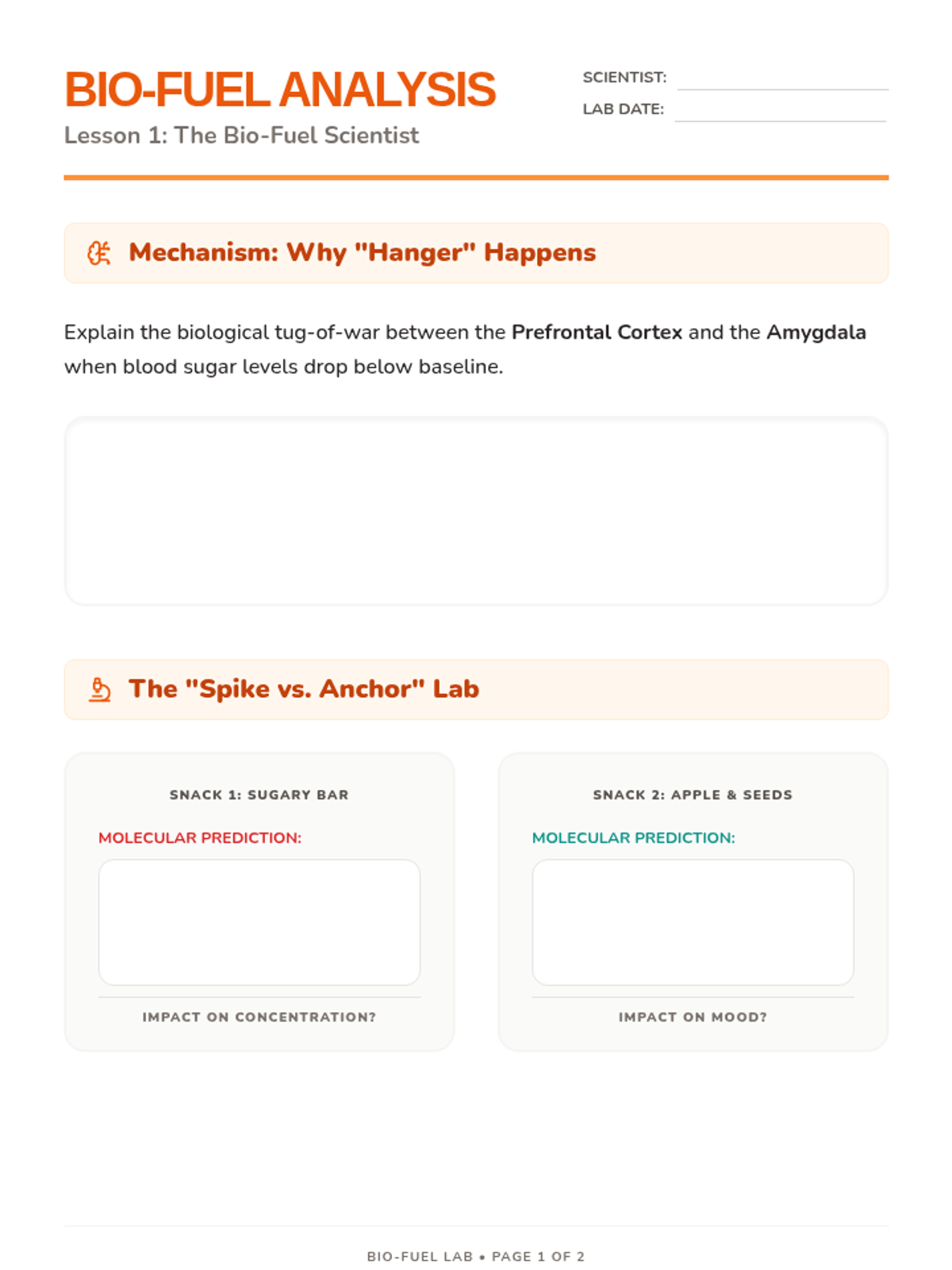
An in-depth 2-page student worksheet for Day 1 focusing on the prefrontal-amygdala tug-of-war, label-reading, and the structural function of Omega-3s.
An intensive 5-slide presentation for Day 1 covering the energy hierarchy of the brain, the glucose rollercoaster, and the structural role of Omega-3s.
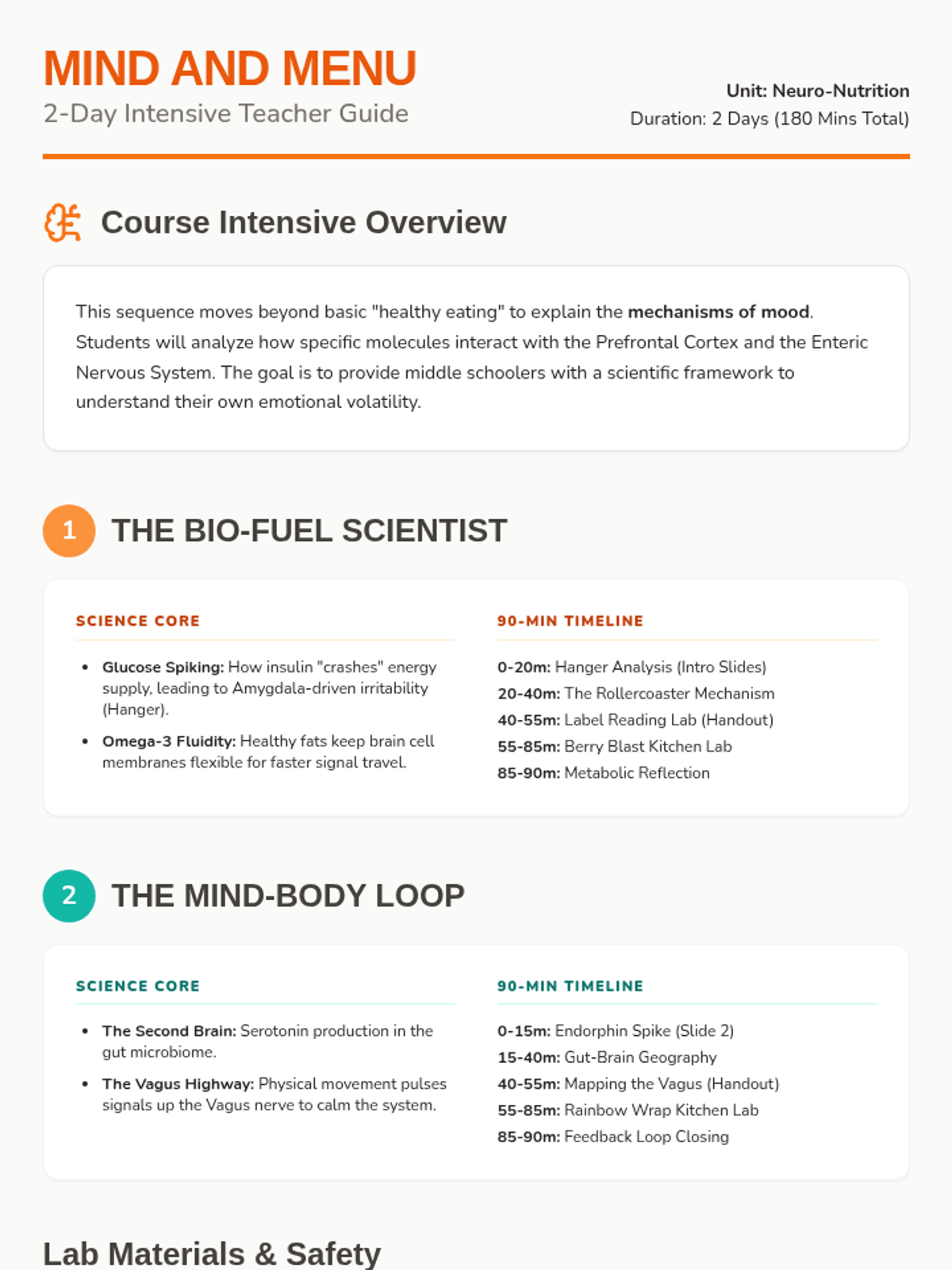
An updated 2-day intensive teacher guide including a revised pacing schedule that incorporates 30-minute physical activity games on both days.
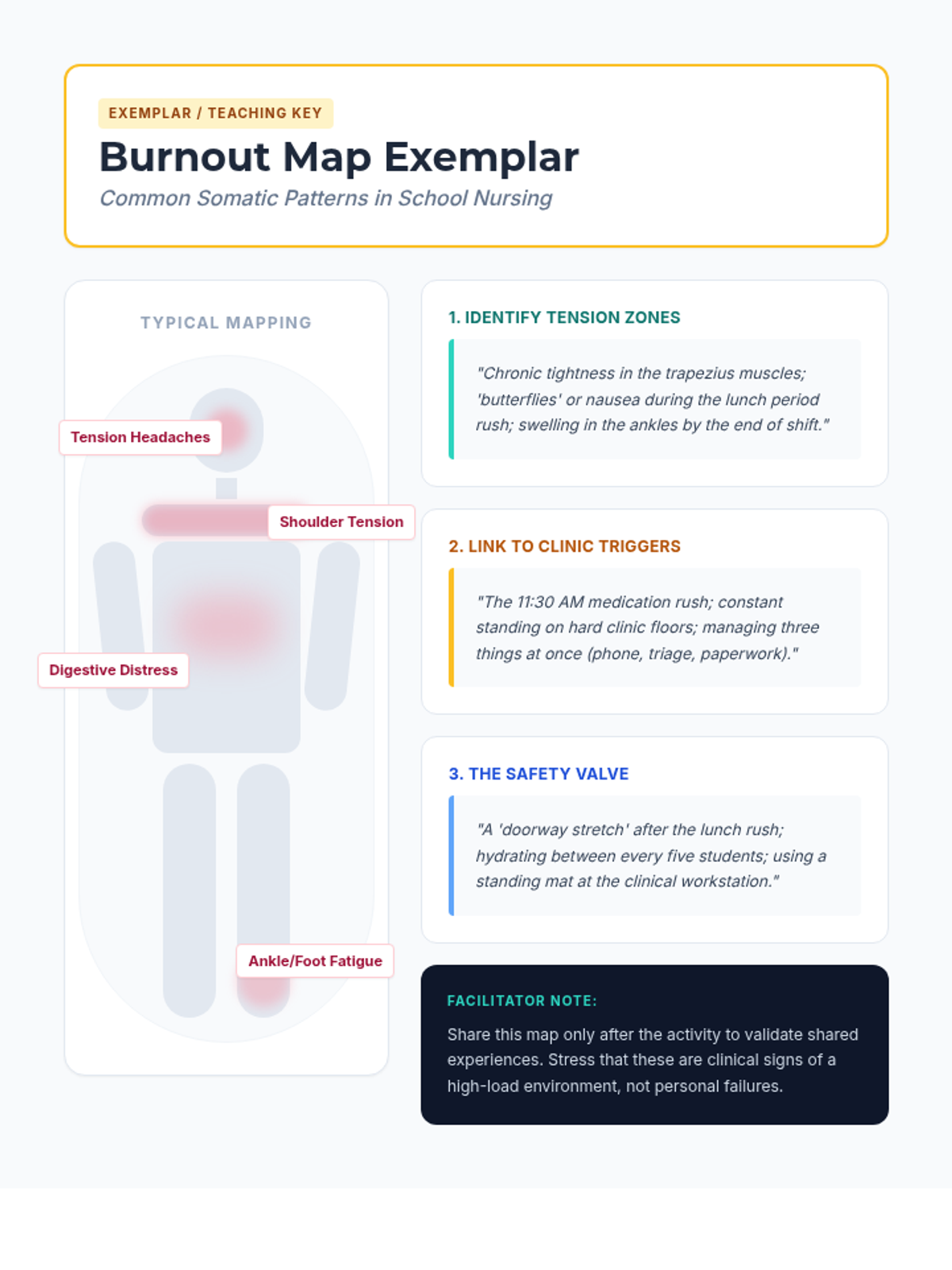
An exemplar version of the burnout map showing typical somatic symptoms for a school nurse, used for validation and teaching purposes.
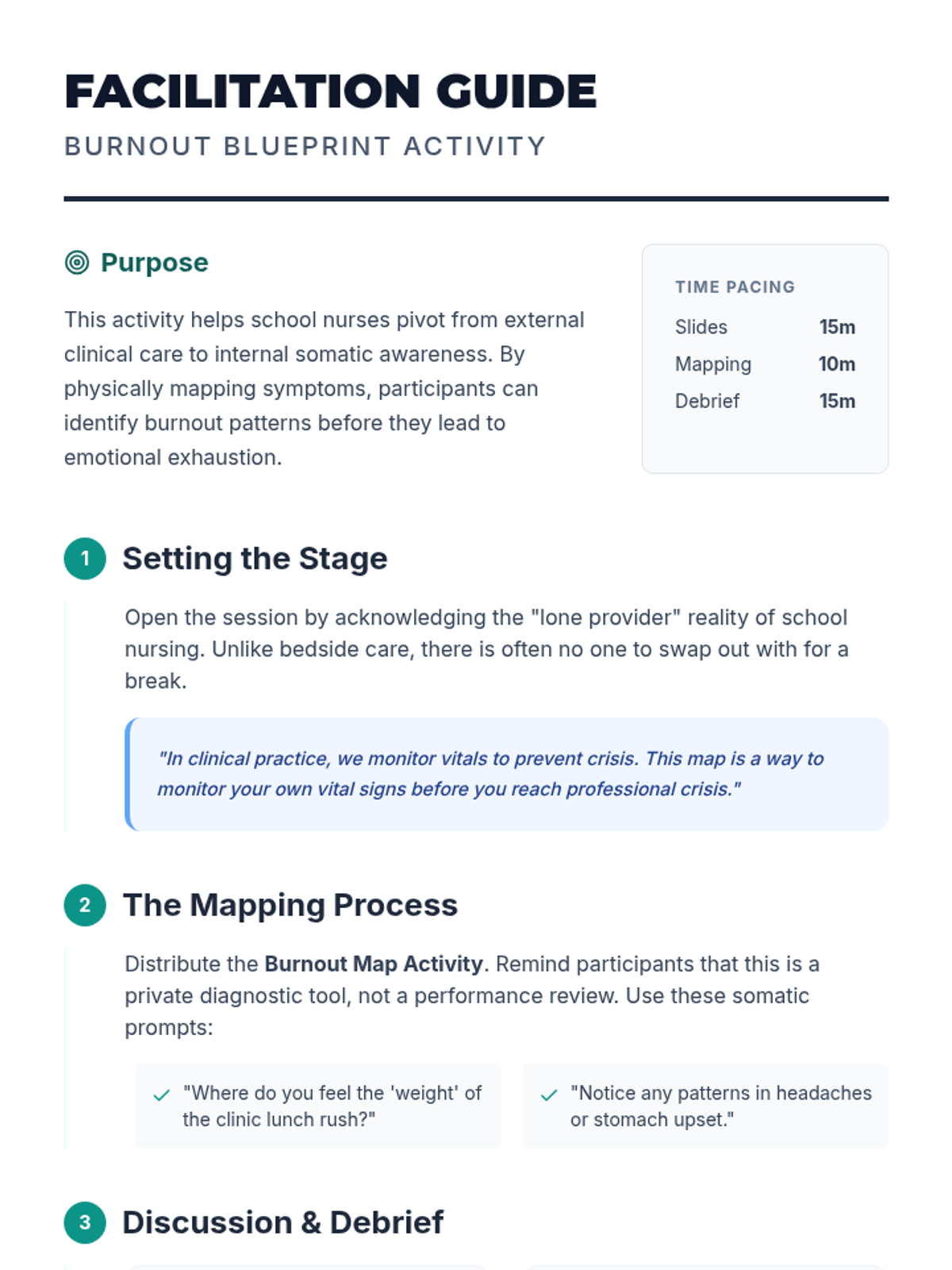
A teacher-facing facilitation guide for leading a stress mapping workshop with school nurses, including pacing, prompts, and debriefing questions.
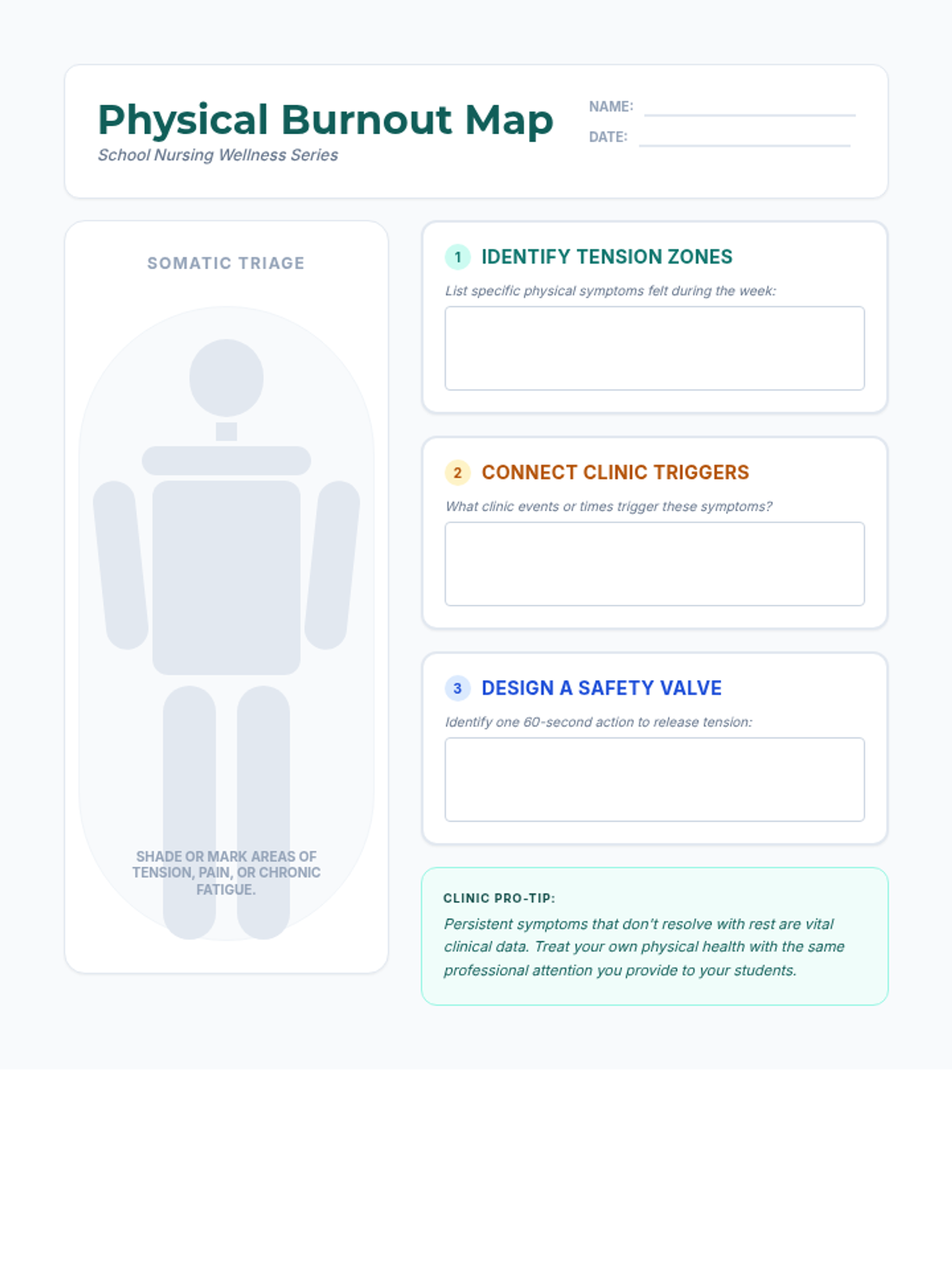
A printable stress mapping worksheet for school nurses to identify physical symptoms of burnout and connect them to specific clinical stressors.
Introductory slides for school nurses focusing on the physical signs of burnout and the unique stressors of the educational healthcare environment.
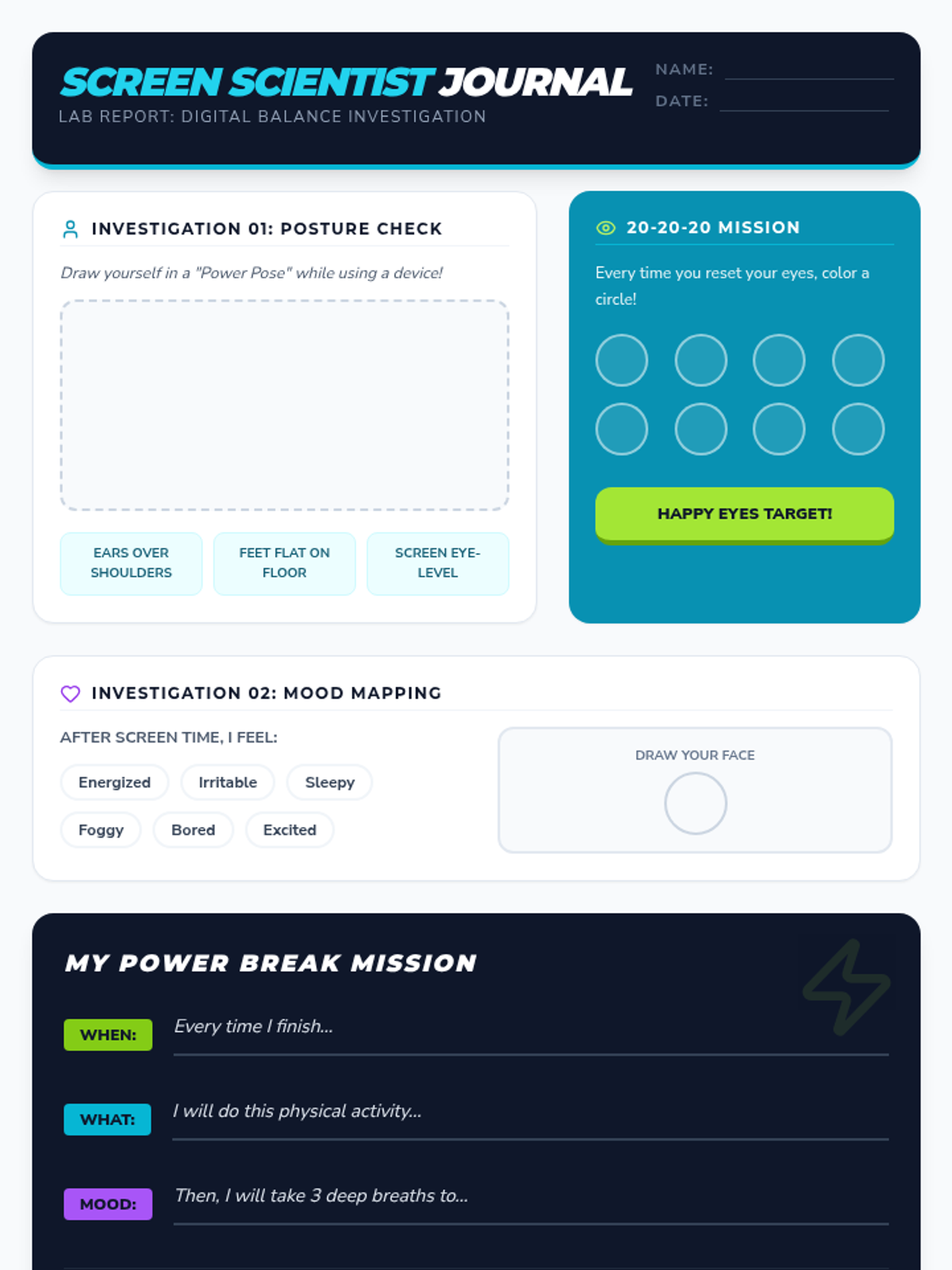
A student-facing worksheet for the Digital Balance Lab where students track their 20-20-20 rule compliance, map their moods, and plan their physical power breaks.
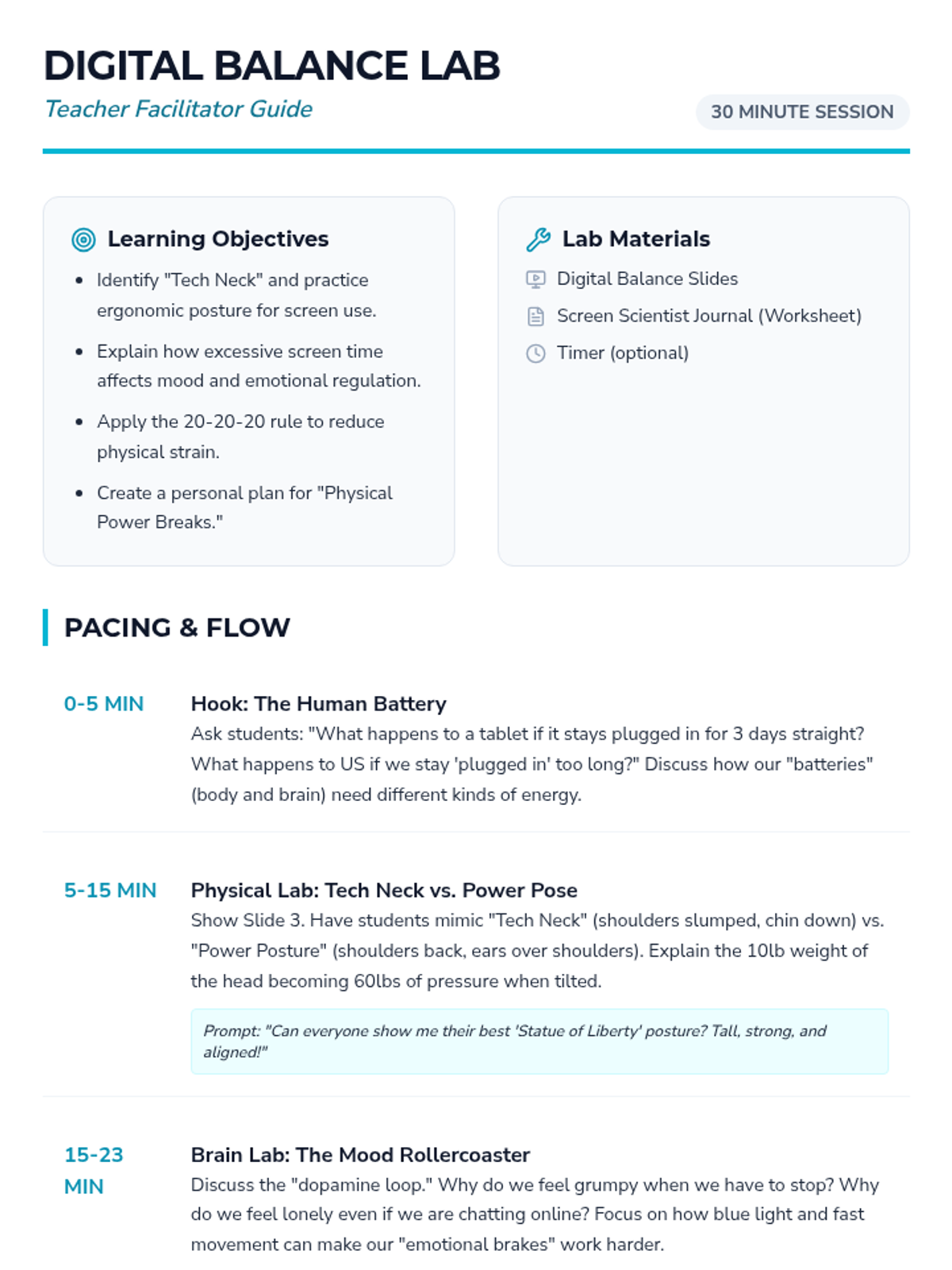
A dynamic 7-slide presentation for the Digital Balance Lab, covering tech neck, the 20-20-20 rule, emotional regulation, and physical power breaks.
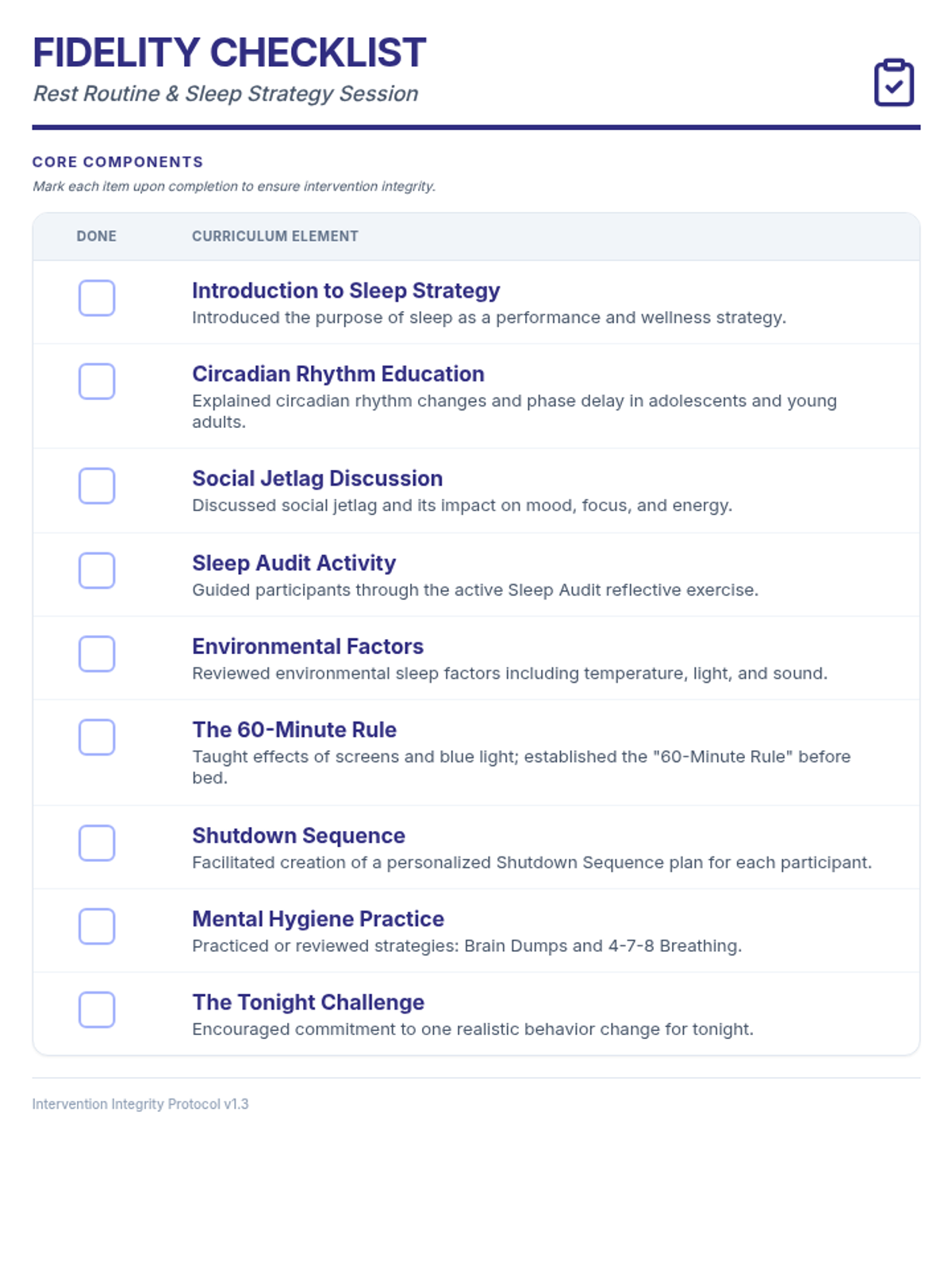
A final streamlined version of the fidelity checklist focusing solely on core components. Removed session metadata, observation sections, and the signature line for a clean, simple verification tool.
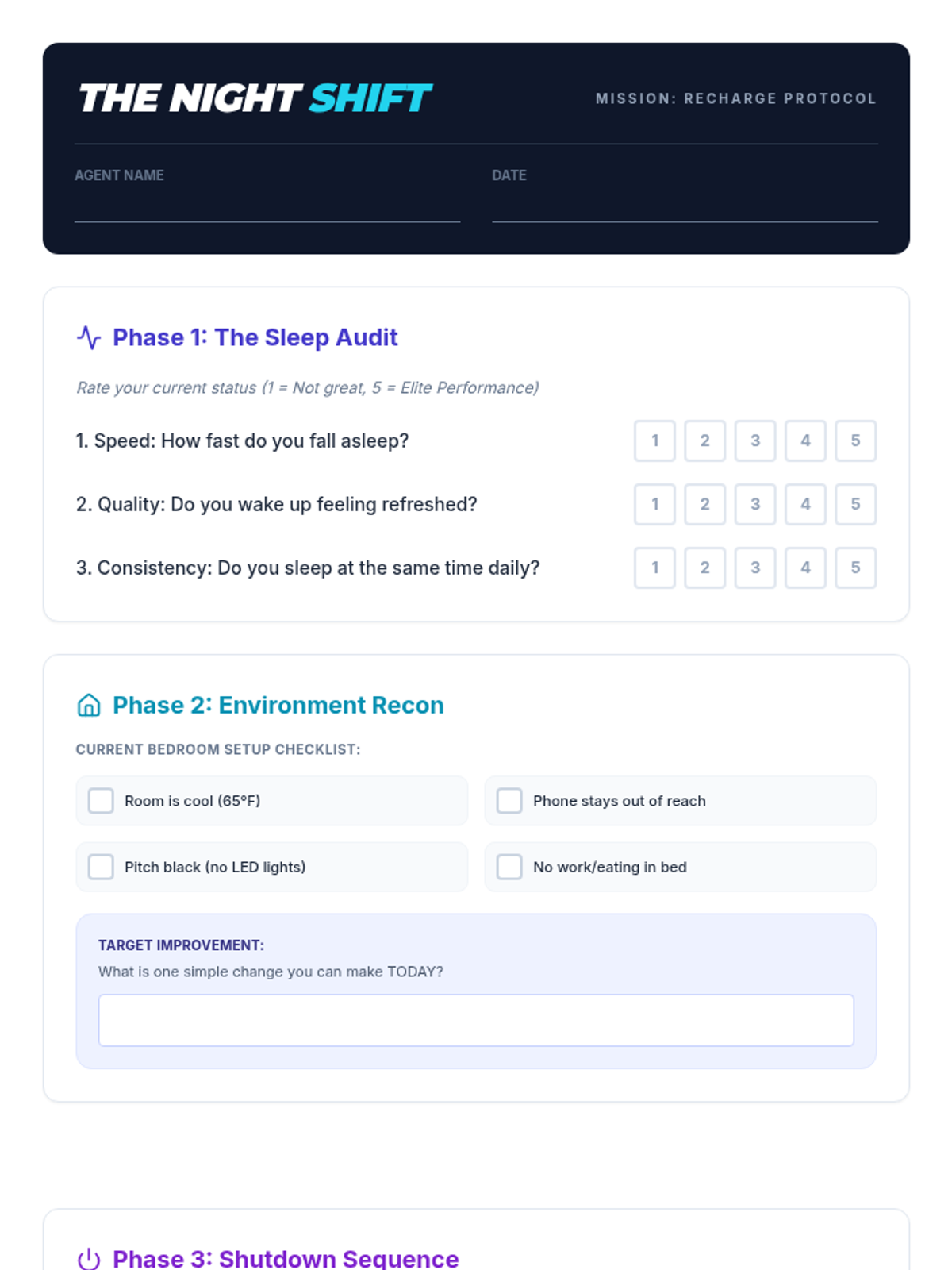
A 2-page participant worksheet for "The Night Shift" workshop, featuring a Sleep Audit, Environment Checklist, Shutdown Sequence planner, and Brain Dump area. Designed for clarity and student engagement.
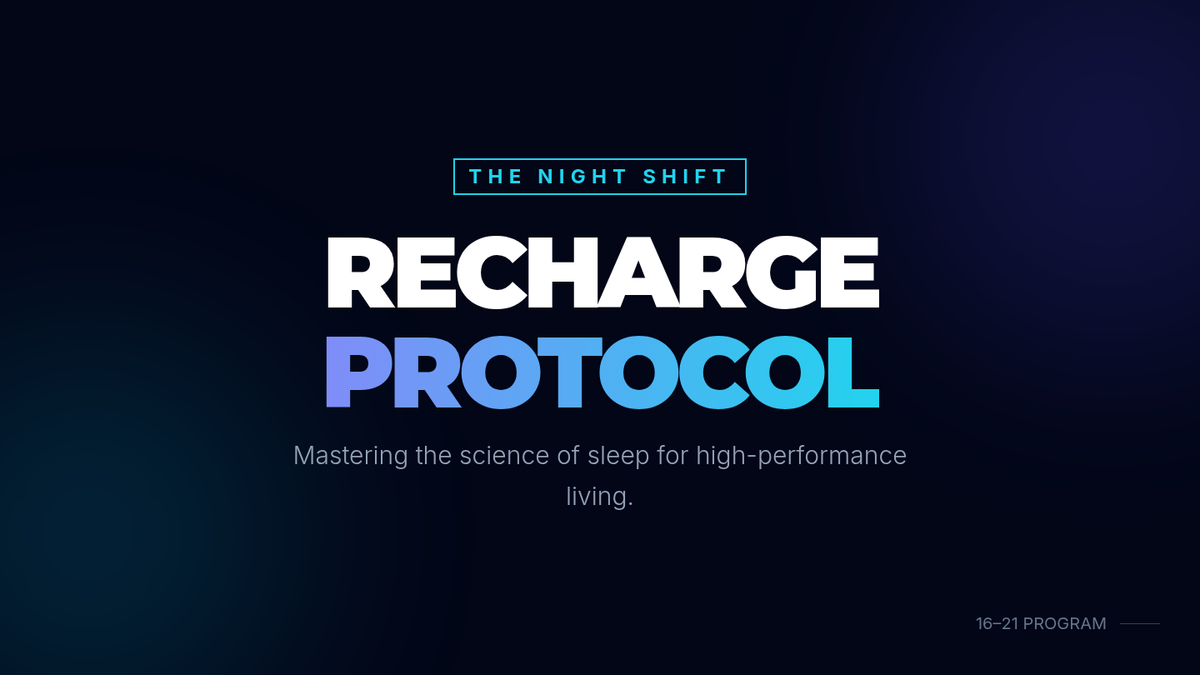
A high-impact, visual slide presentation for "The Night Shift" workshop, designed with a modern "dark mode" aesthetic for 16-21 year olds. Focuses on the "Recharge Protocol" and practical sleep hacks.
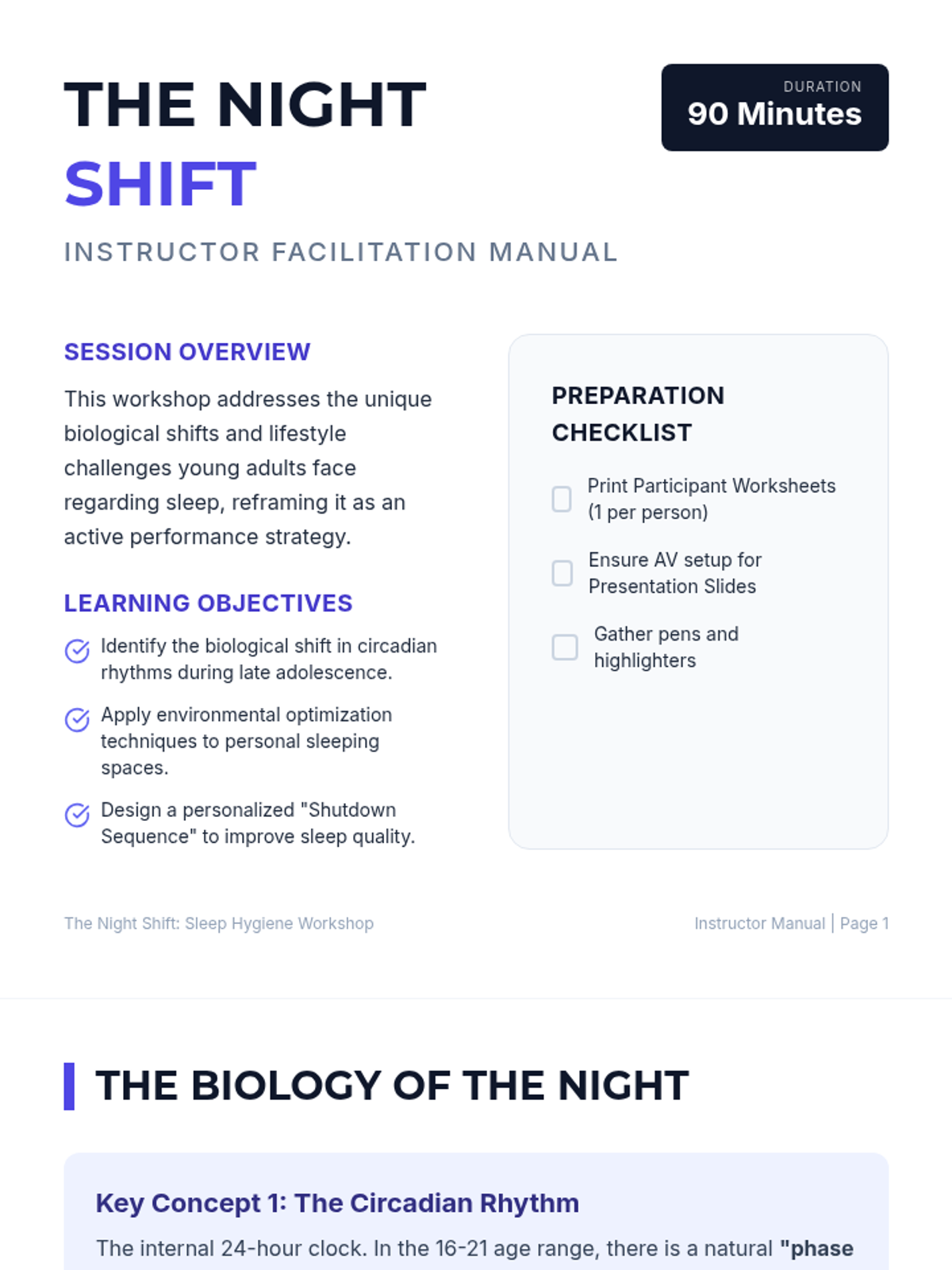
A detailed 8-page instructor facilitation guide for "The Night Shift" workshop, covering sleep biology, environmental optimization, behavioral routines, and mental hygiene strategies tailored for 16-21 year olds.
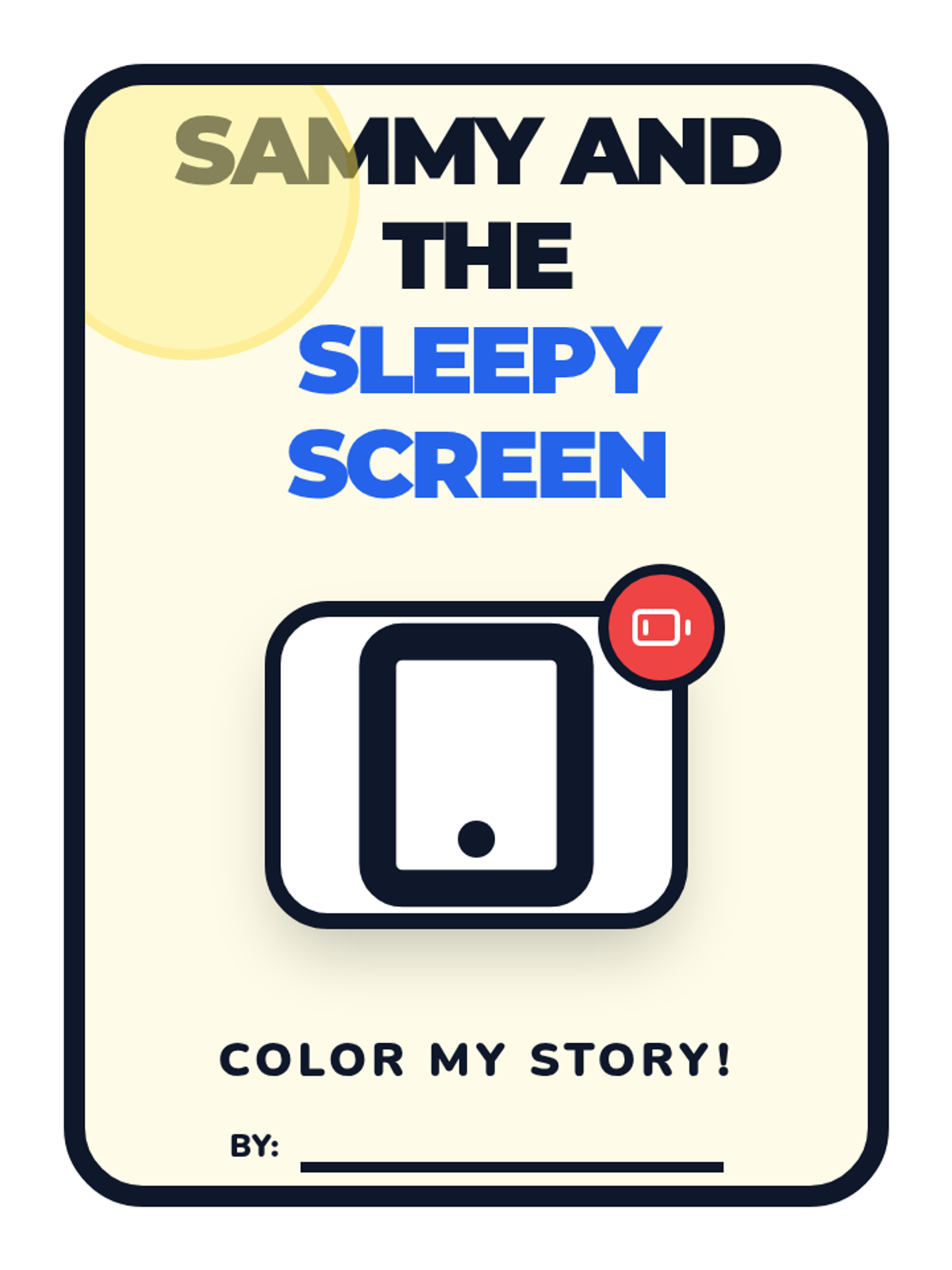
A narrative coloring book for K-1 students telling the story of Sammy, who learns to balance his screen time with outdoor play to go from feeling like a 'statue' to a 'superhero'.
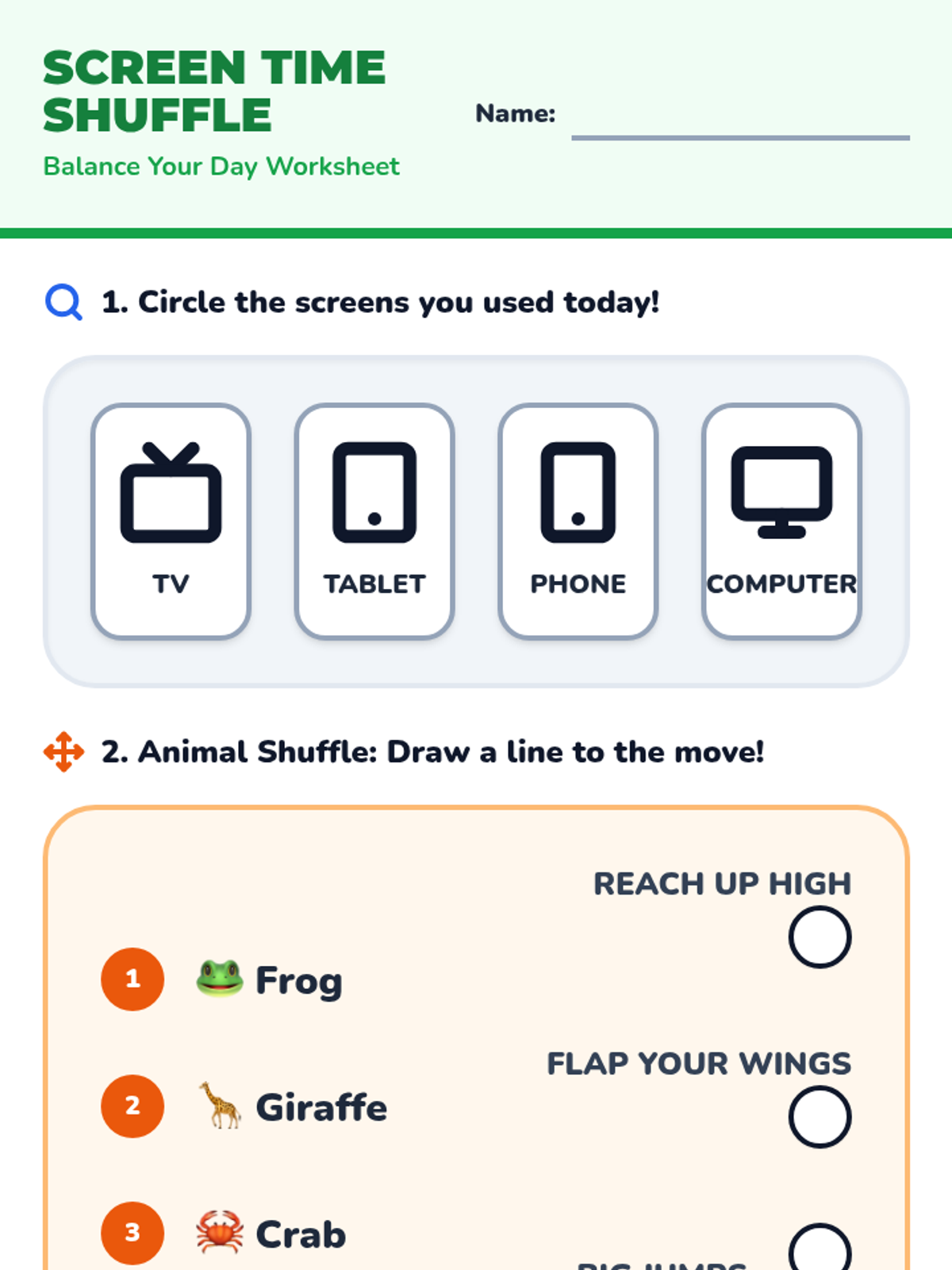
A student worksheet for K-1 featuring a screen identification task, a movement-matching animal activity, a drawing area for physical play, and a take-home scavenger hunt.
An engaging slide deck for K-1 students that uses vibrant visuals and movement prompts to explain the difference between screen time and physical activity, emphasizing the concept of balance.
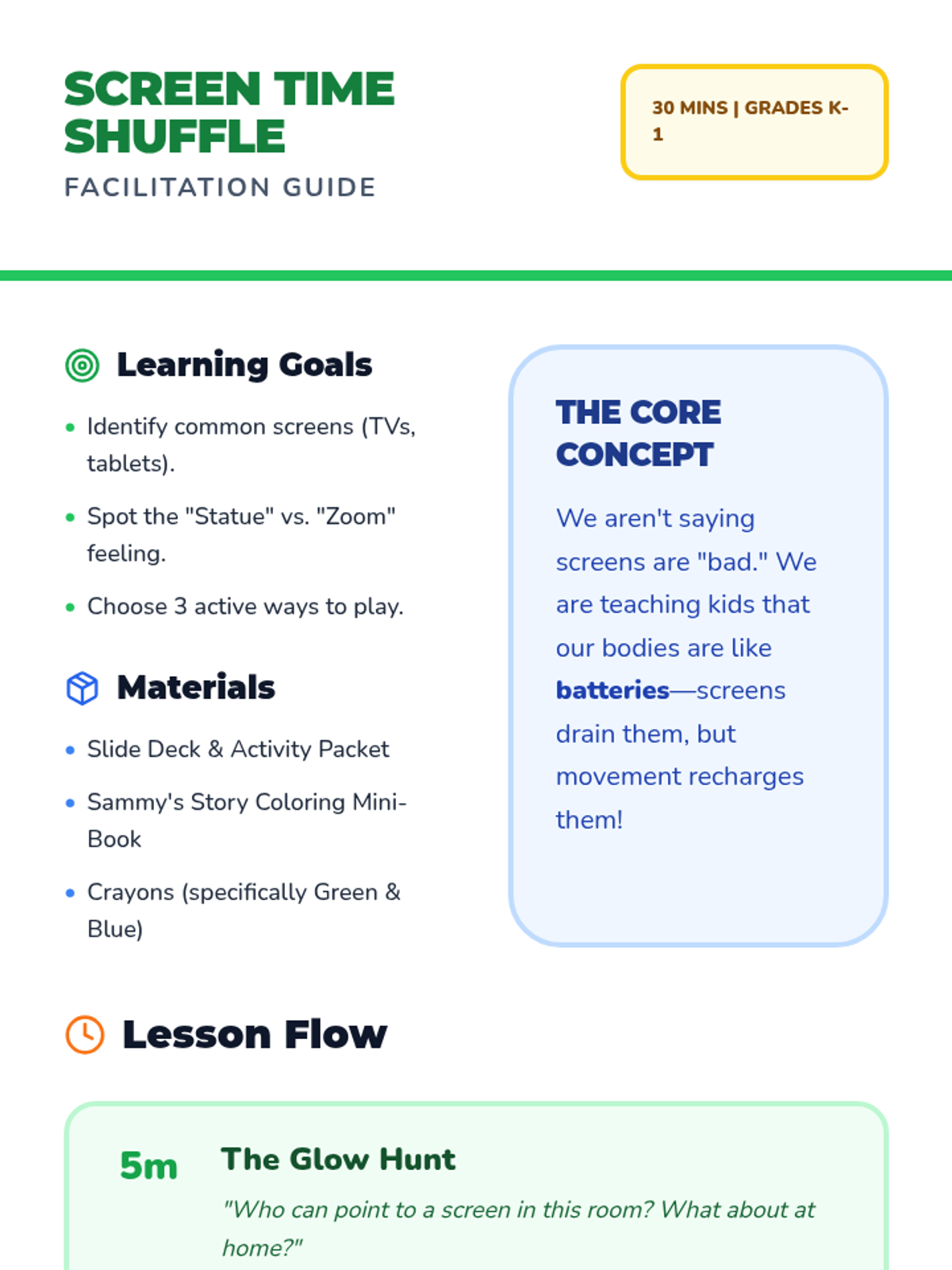
A comprehensive facilitation guide for teachers to lead a 30-minute lesson on balancing screen time with physical activity, including pacing, discussion prompts, and key learning goals.
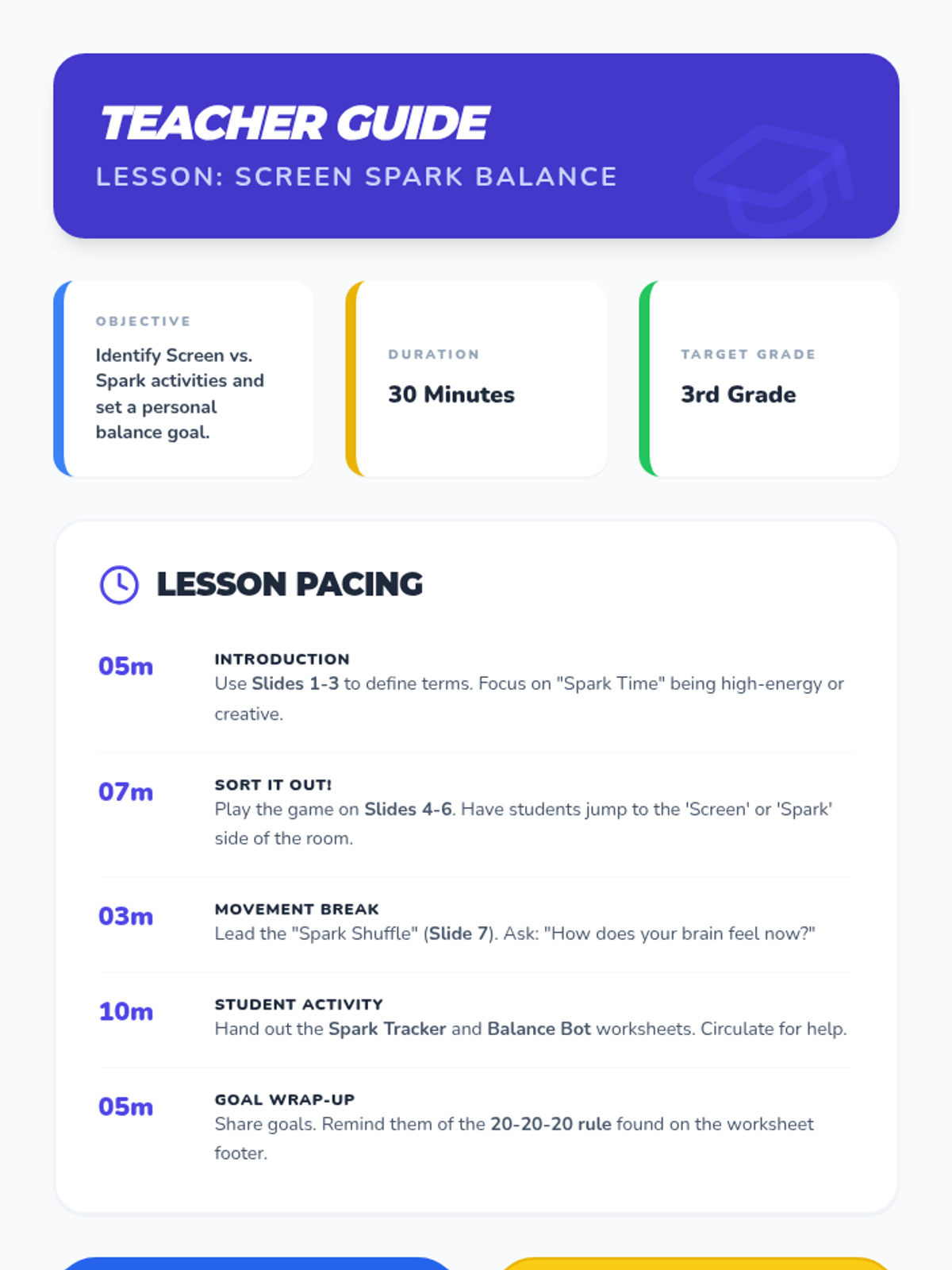
A comprehensive guide for teachers including lesson pacing, discussion prompts, and activity instructions for the 'Screen Spark' lesson. Re-designed for better contrast and readability.
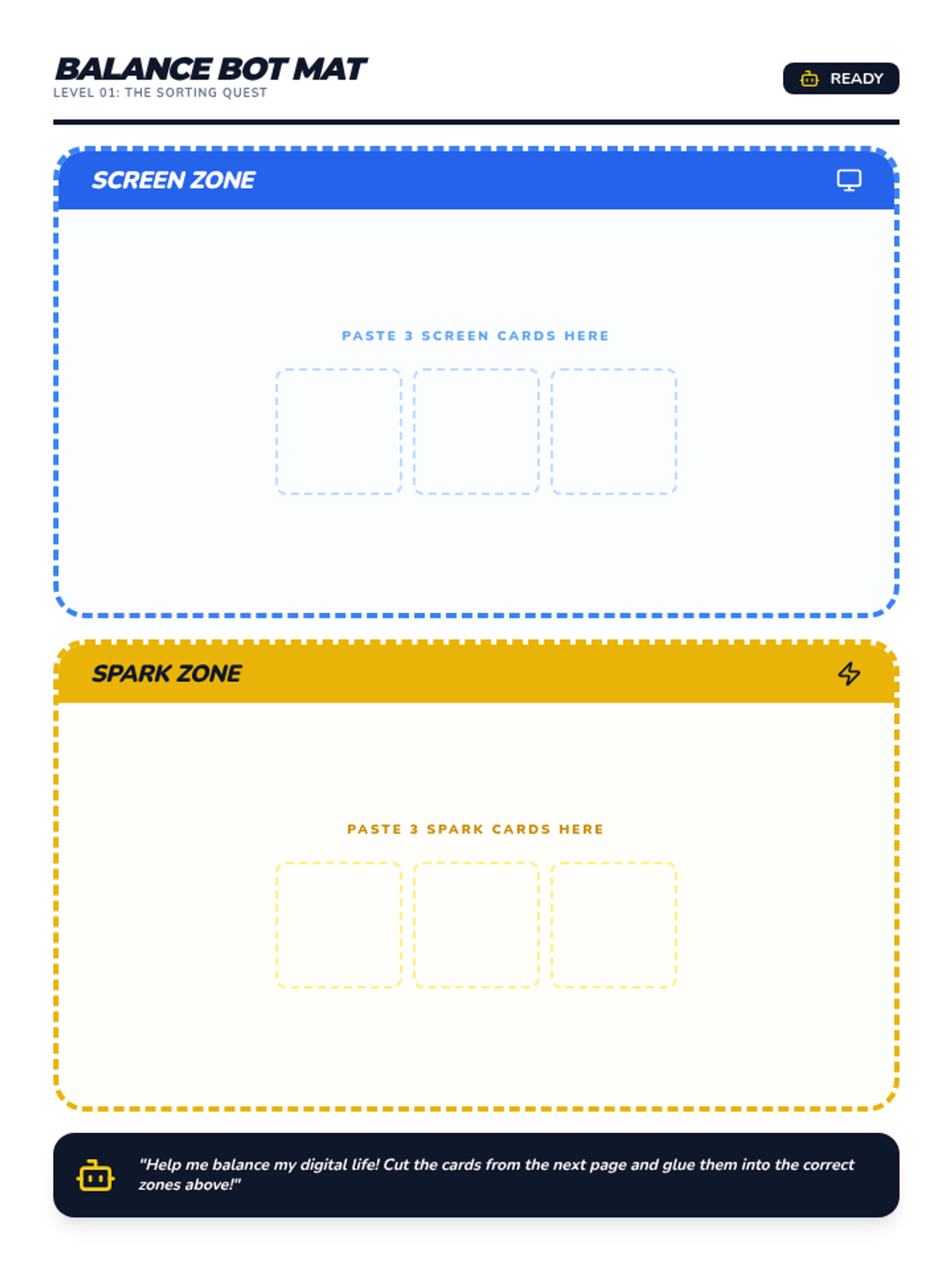
A cut-and-sort activity where students categorize different activities as either 'Screen' or 'Spark' to practice identifying ways to balance their day. Split across two pages for practical classroom use.
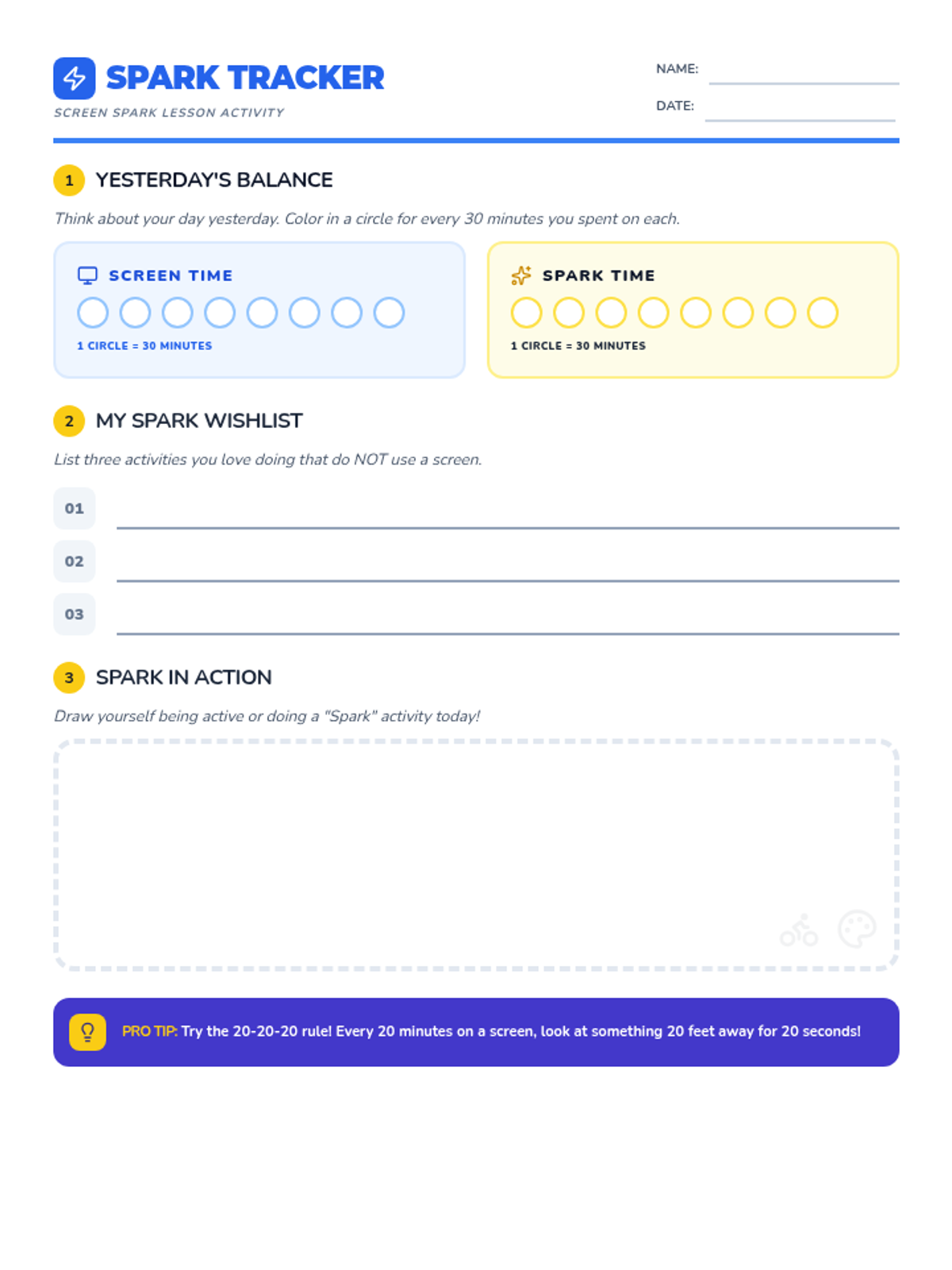
A screen time logging and activity planning worksheet where students track their balance and brainstorm screen-free 'Spark' activities. High contrast and single-page optimized.
An interactive slide deck introducing the concepts of screen time vs. activity (Spark Time), featuring a sorting game and a guided movement break for 3rd-grade students.
A comprehensive facilitator guide for a 30-minute lesson on digital balance, including pacing, vocabulary, and differentiation strategies for 3rd-5th grade teachers.
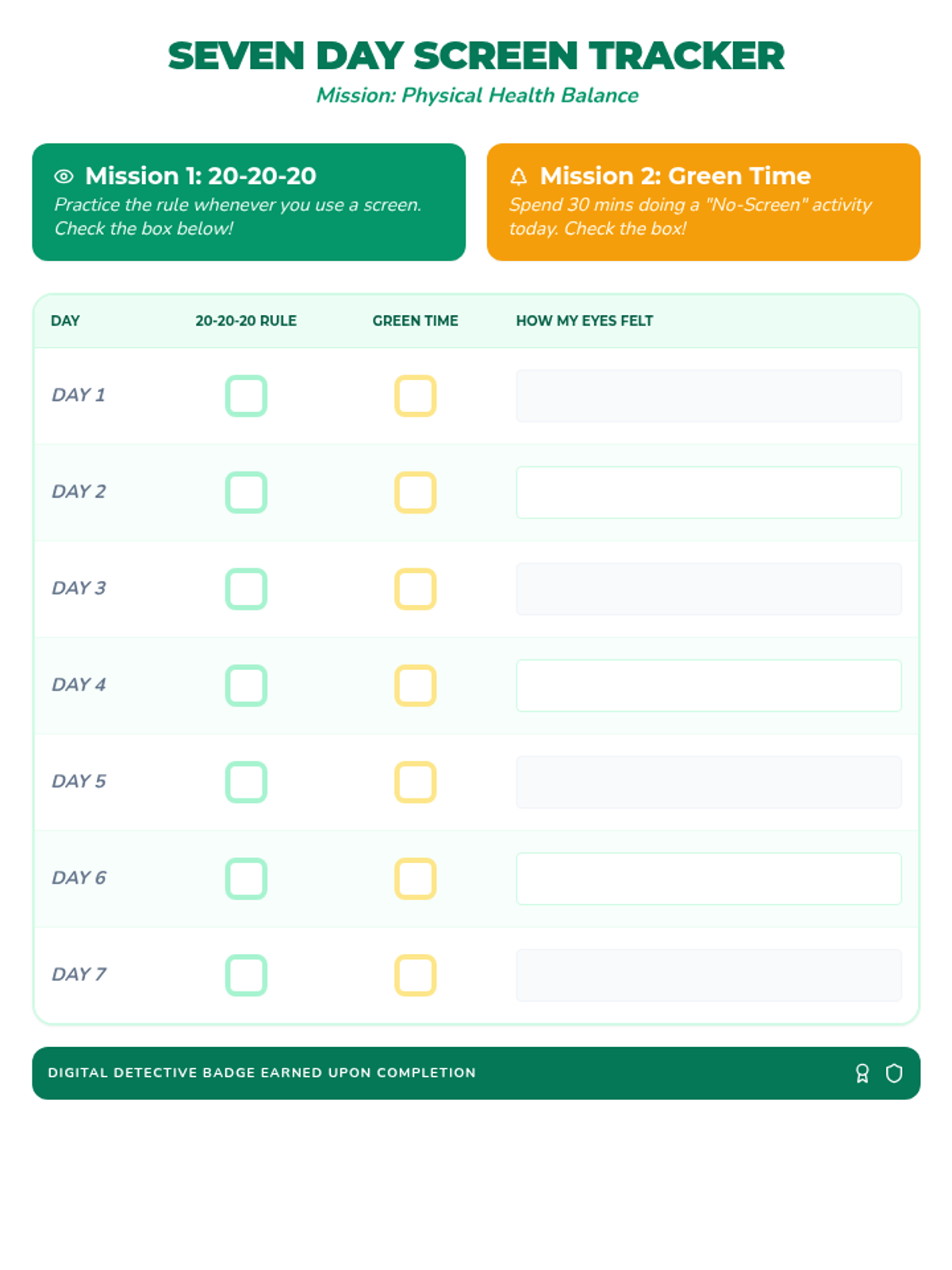
A weekly habit tracker for students to monitor their screen time balance. Optimized for single-page printing with increased work area space and better row visibility.
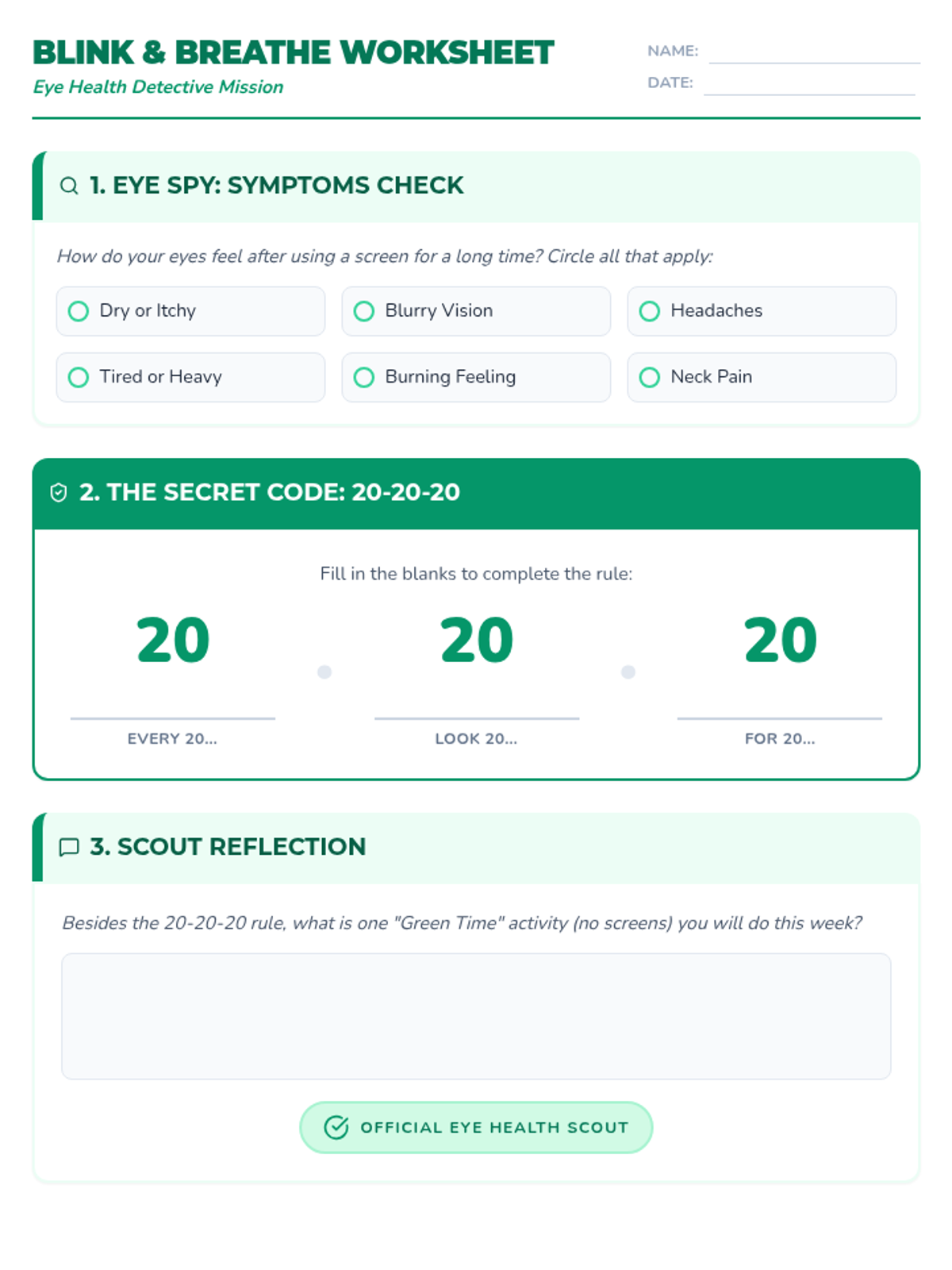
A student worksheet to help children identify physical symptoms of eye strain and recall the components of the 20-20-20 rule. Corrected terminology and optimized for single-page printing. Final polish to improve handwriting space and accessibility.
A visually engaging slide deck for 3rd-5th graders explaining the "Screen Stare," the science of blinking, the 20-20-20 rule, and their weekly tracking mission.
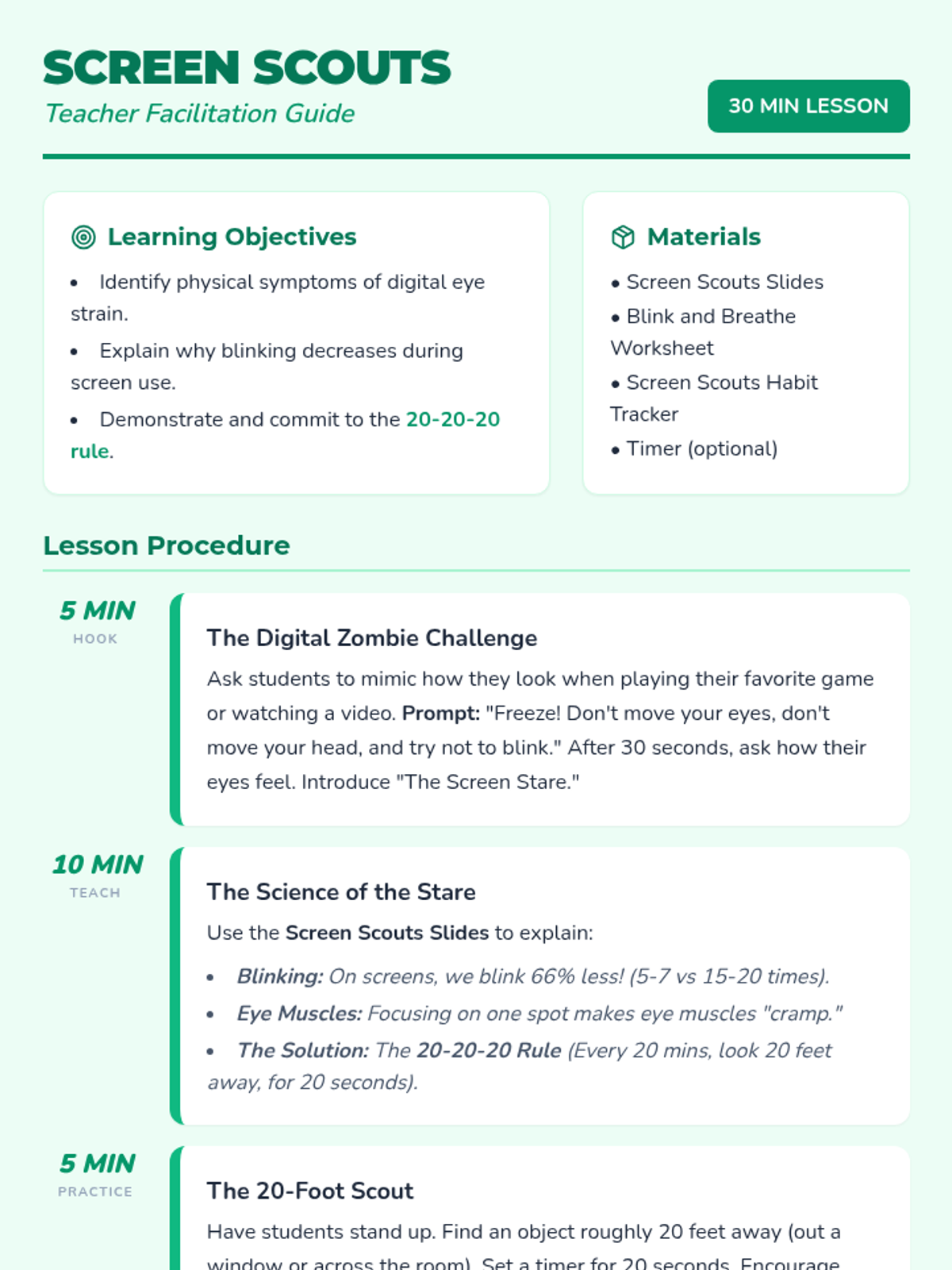
A comprehensive 30-minute lesson plan for teachers, outlining the hook, direct instruction, guided practice, and independent application for teaching screen time balance and eye health.
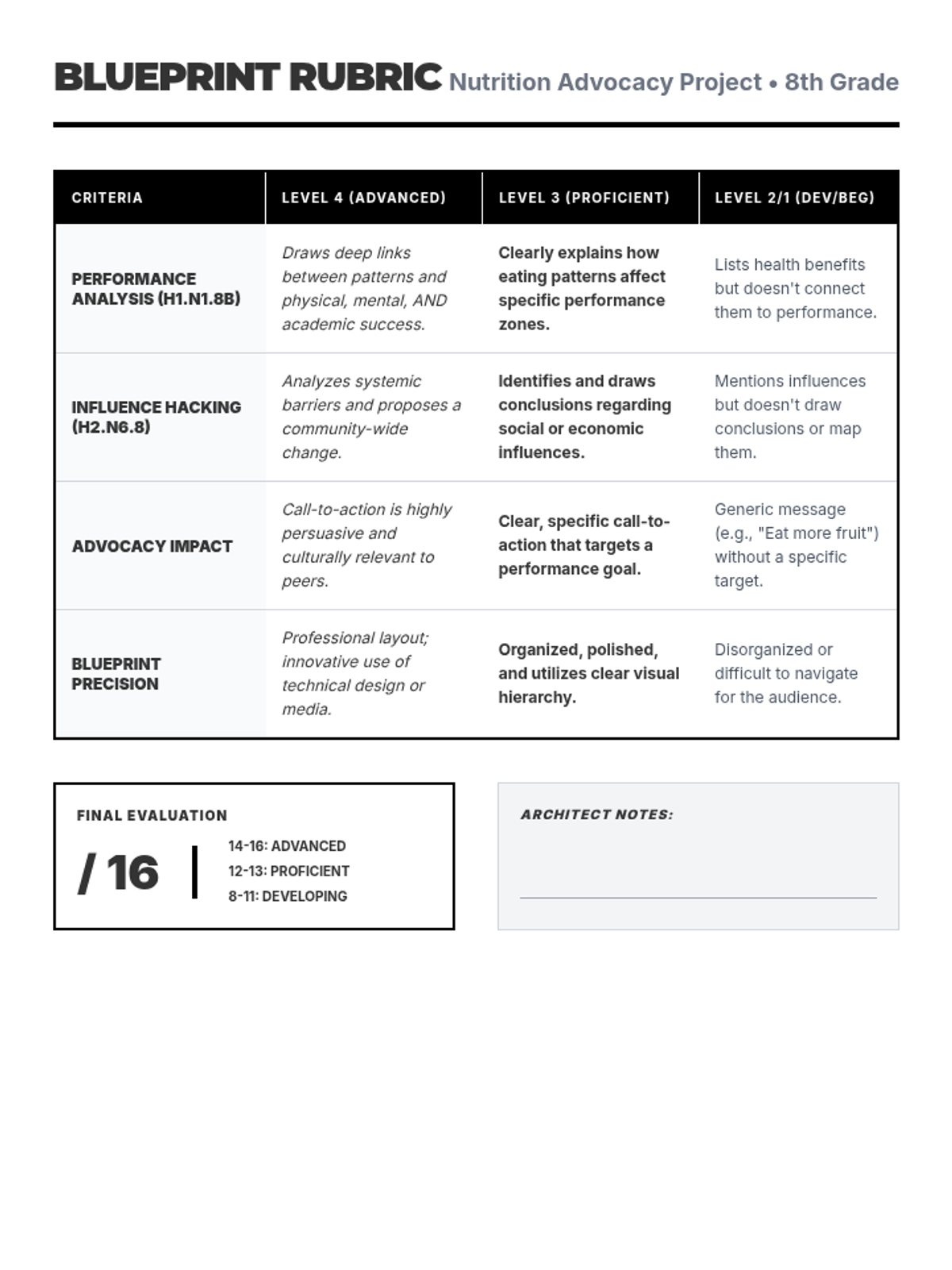
A grading rubric for the Nutrition Blueprint project, specifically aligned with performance analysis and influence hacking standards. Designed for grayscale printing.
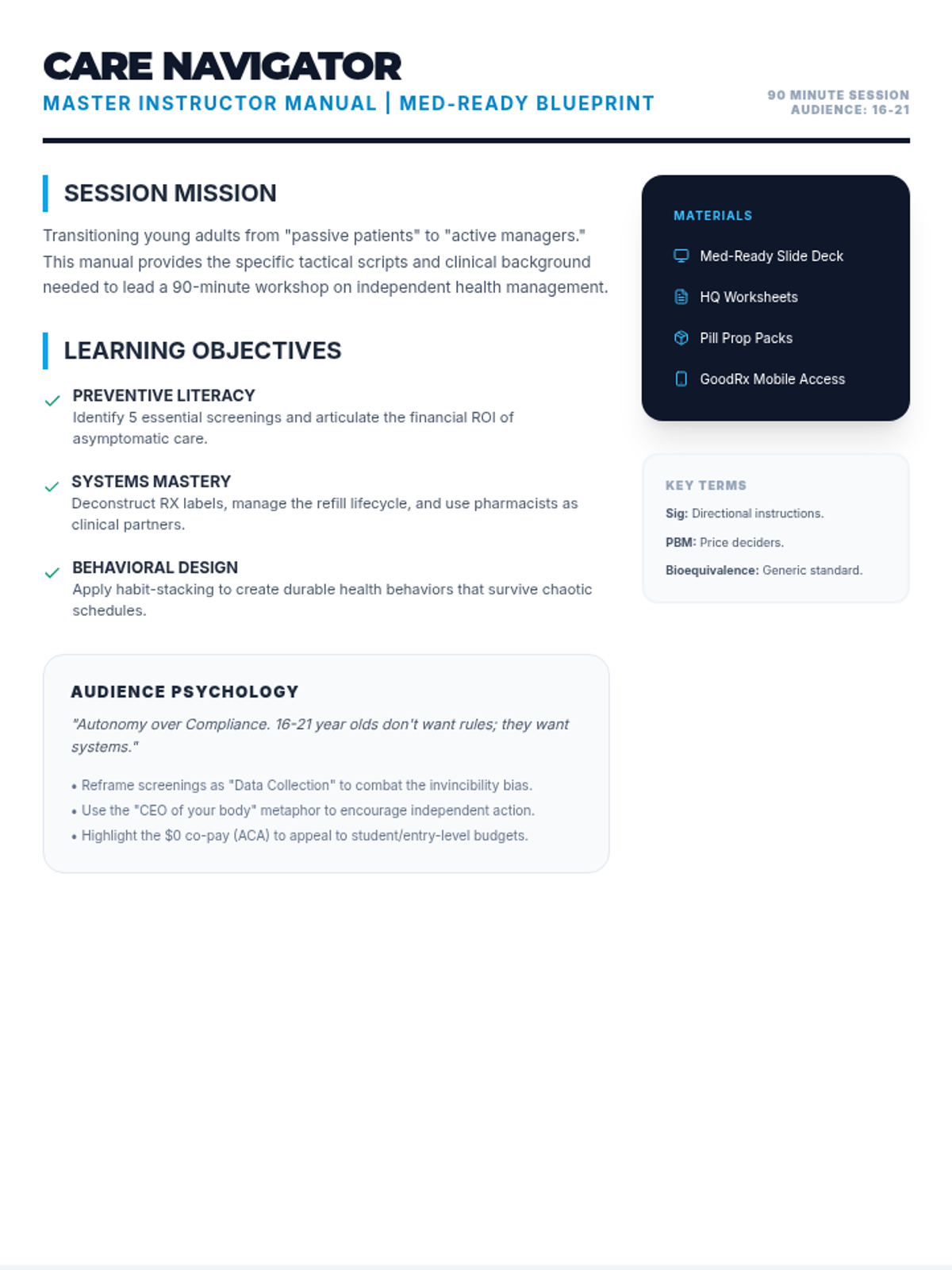
A comprehensive 8-page instructor guide for a 90-minute session on preventive care and medications, including pacing, scripts, and answer keys.
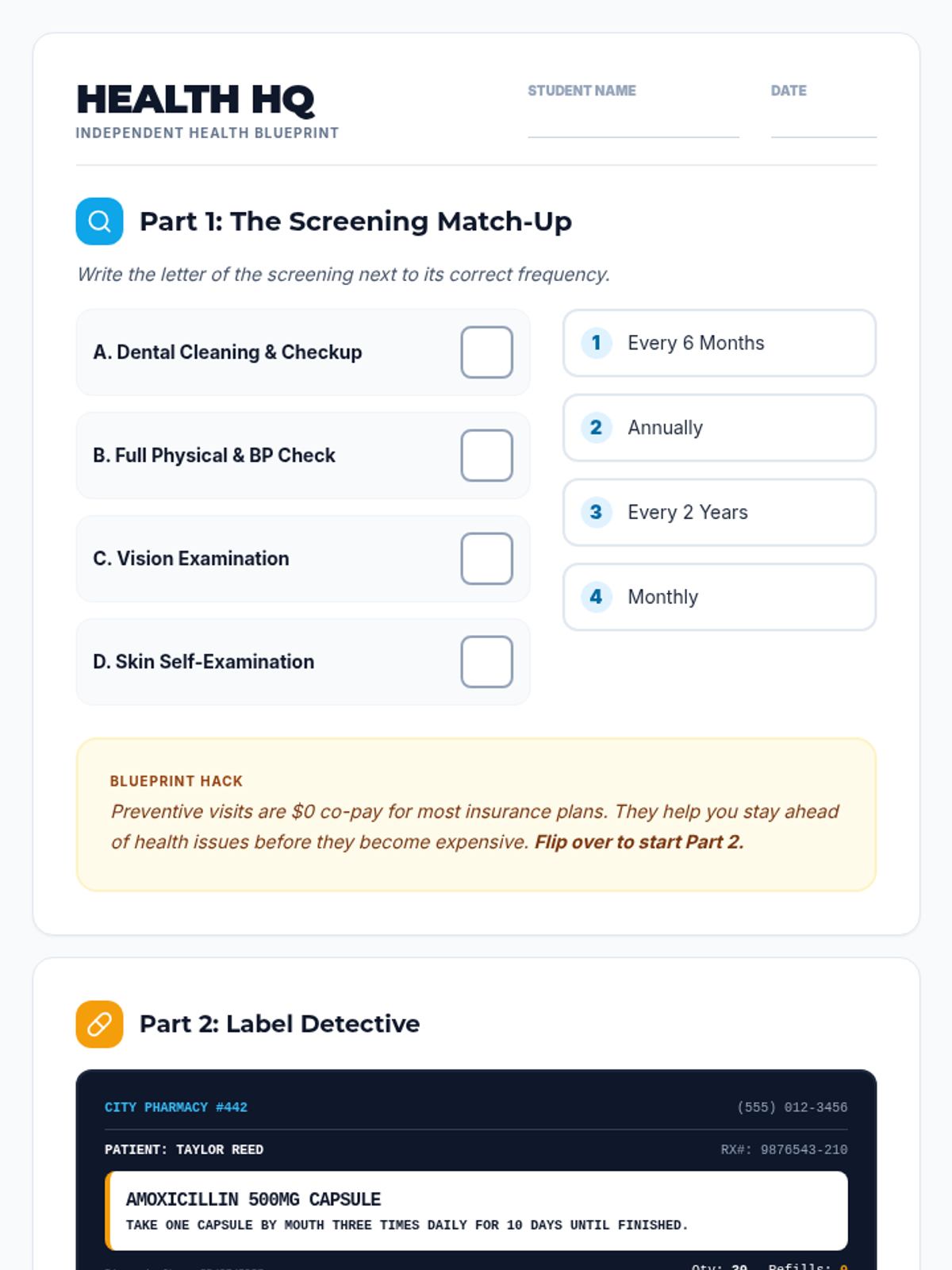
A two-page interactive worksheet for students to practice screening schedules, analyze pharmacy labels, and develop personal medication adherence strategies.
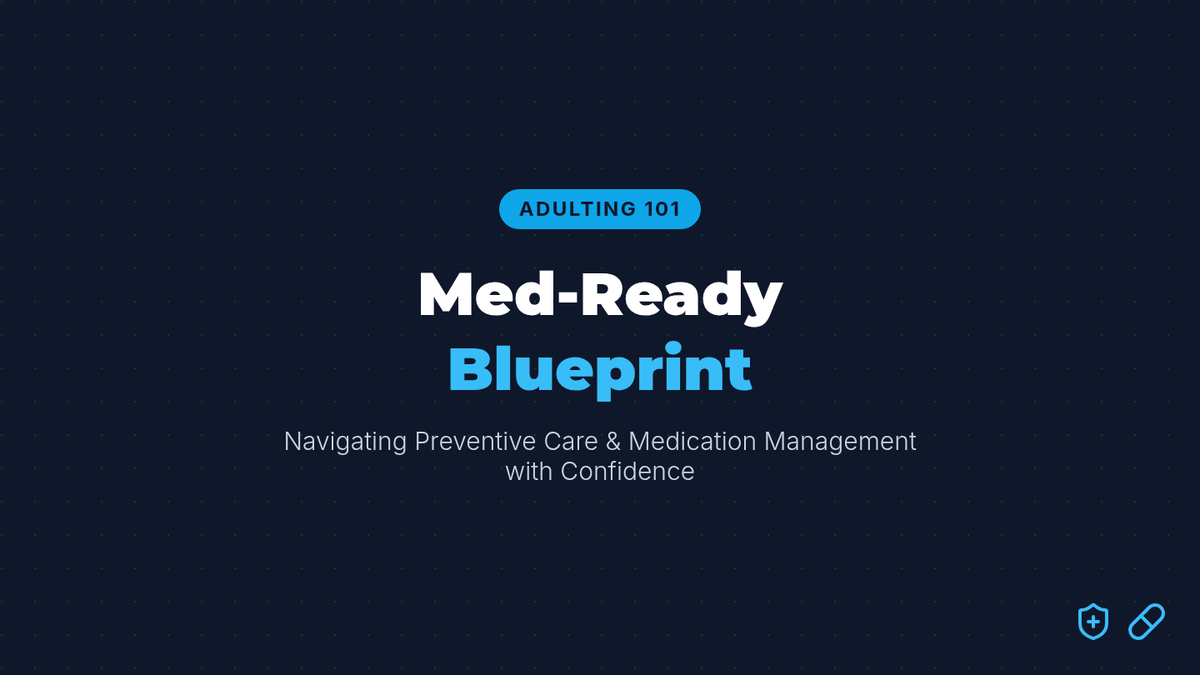
A 16:9 slide deck for young adults covering preventive care essentials, screening timelines, pharmacy basics, and medication adherence strategies.
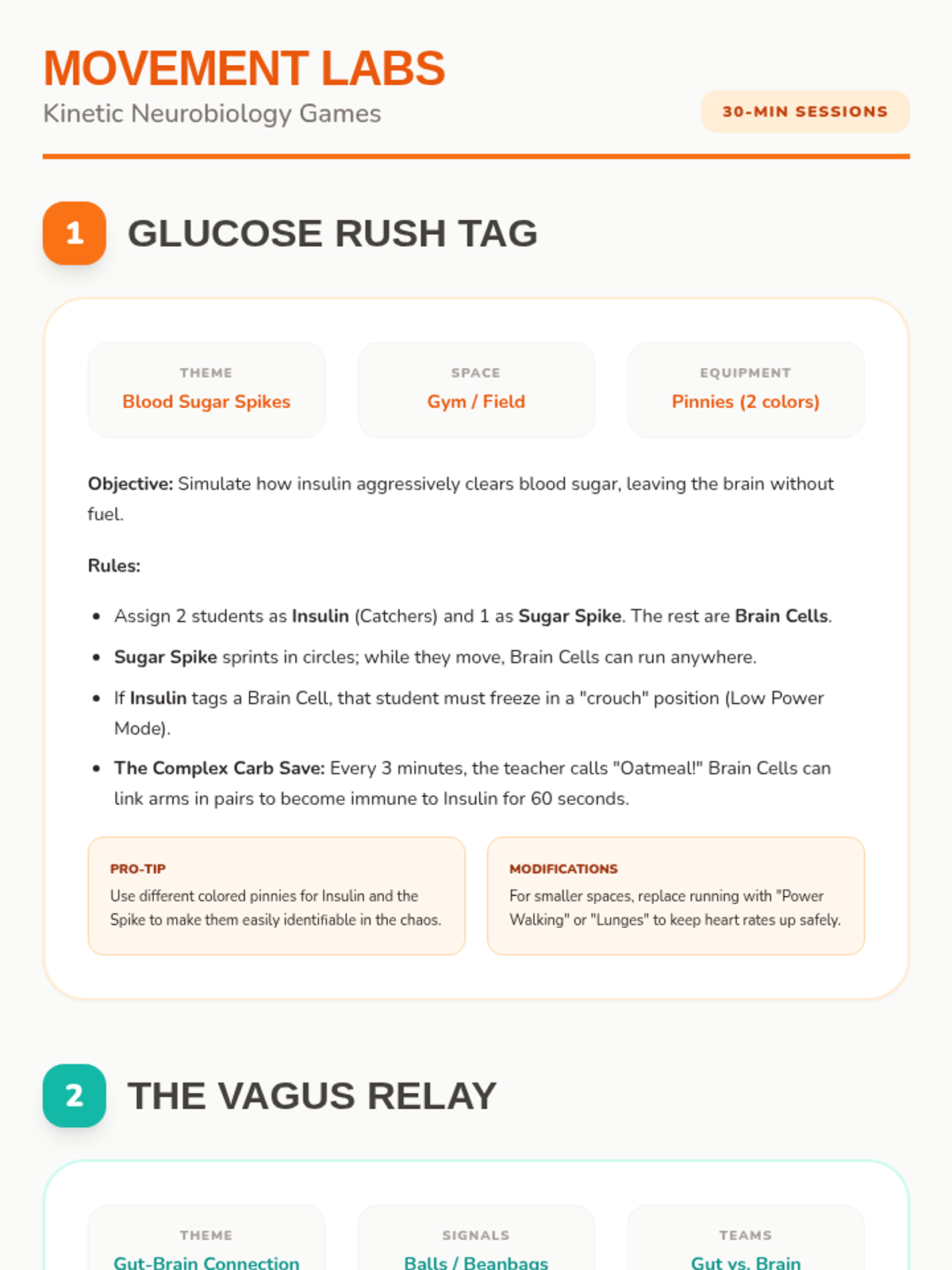
Detailed instructions for two 30-minute movement games (Glucose Rush Tag and The Vagus Relay) that reinforce the physiological concepts of the unit.
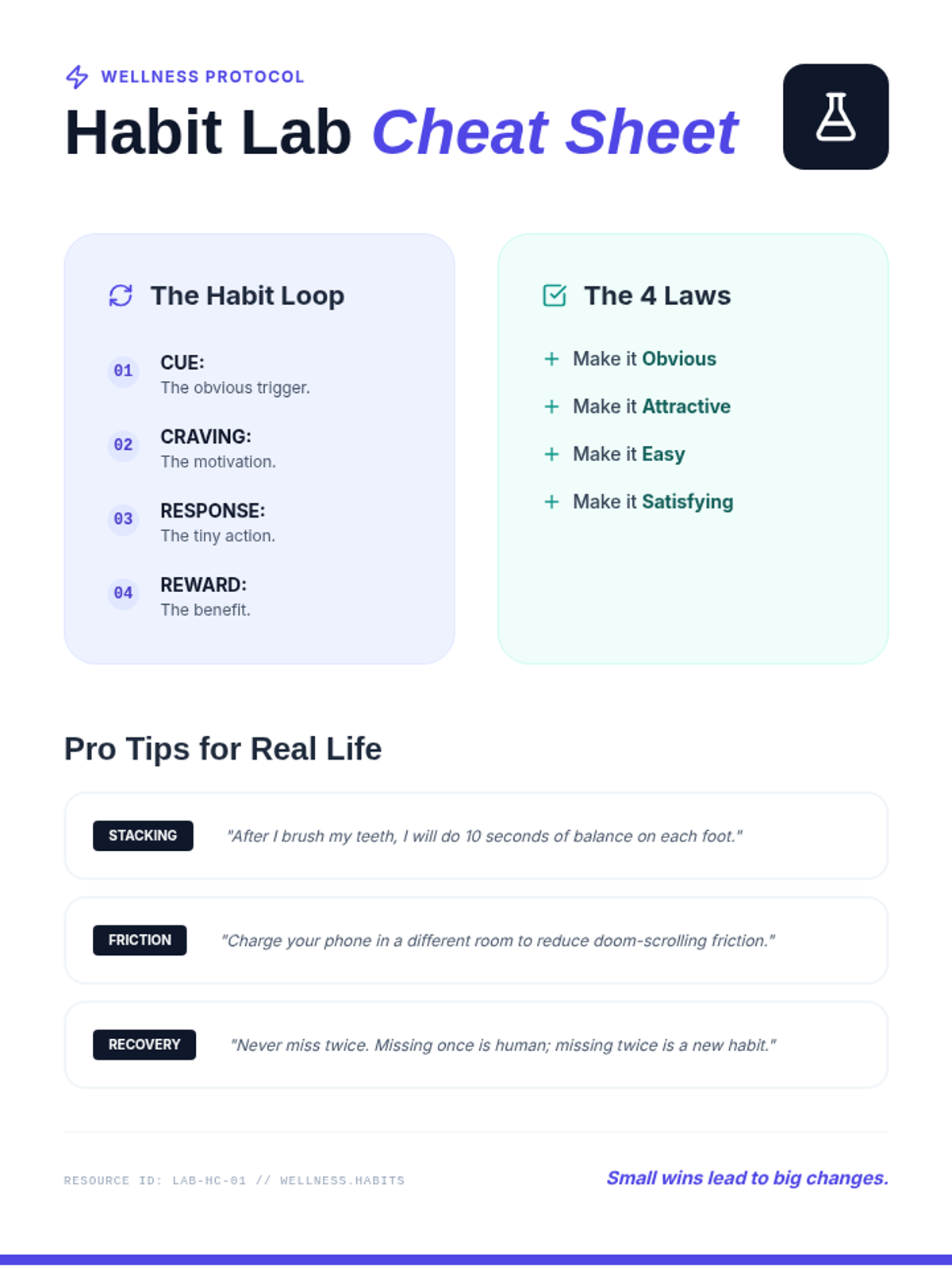
A concise one-page reference handout for participants, summarizing the habit loop, the four laws of behavior change, and practical strategies like habit stacking and environment design.
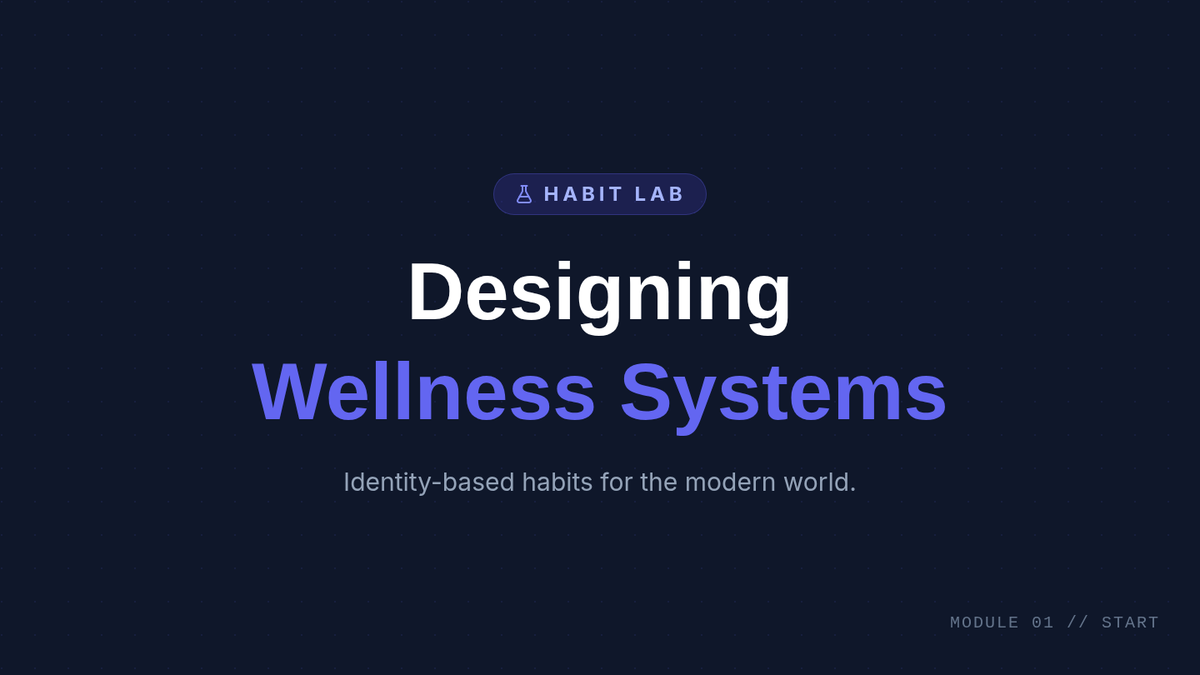
A high-impact visual presentation covering the core concepts of habit formation: the habit loop, identity-based habits, the 2-minute rule, temptation bundling, and habit stacking. Designed for 16-21 year olds.
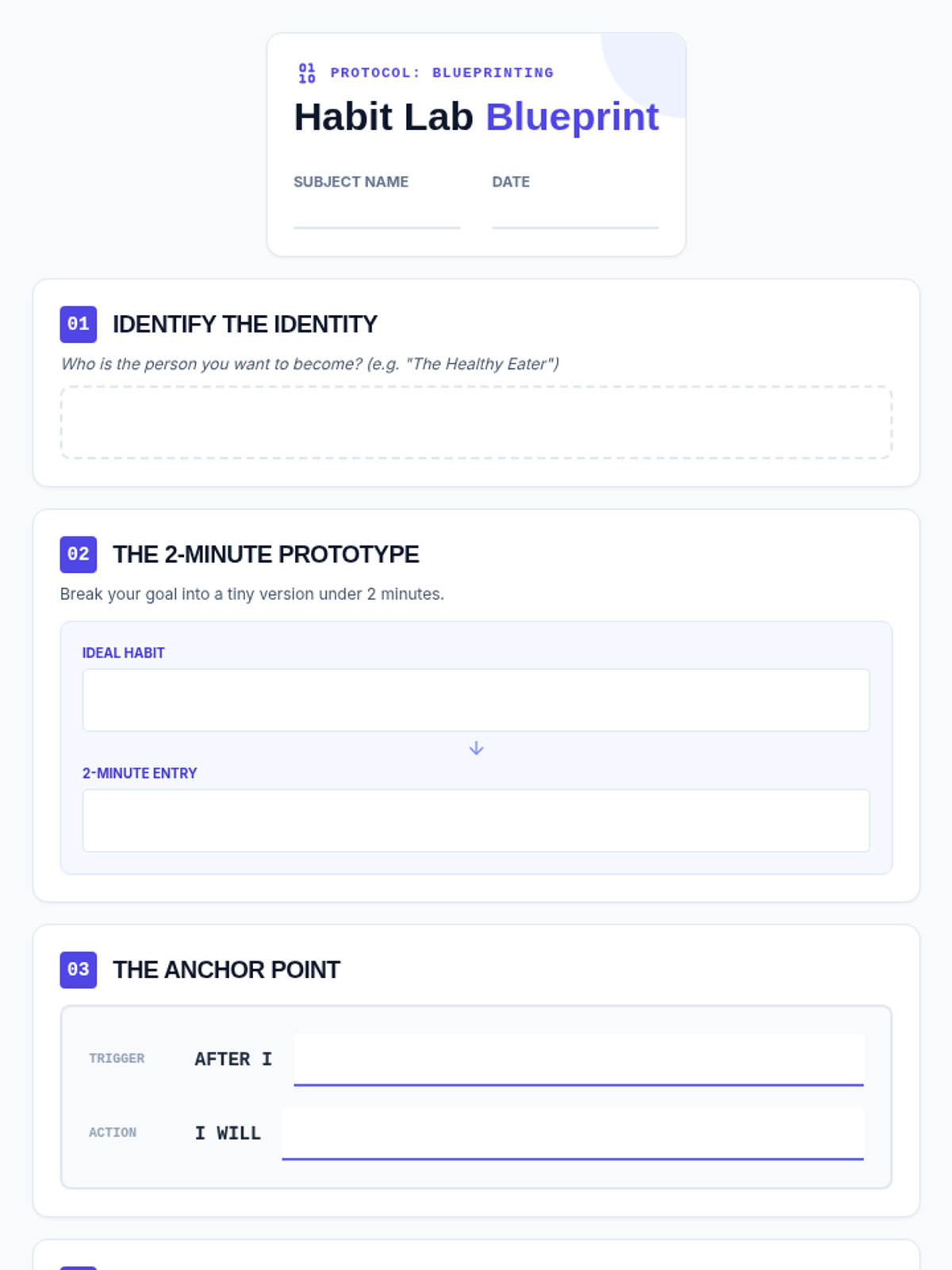
An expanded 5-page workshop workbook for habit formation. Includes identity mapping, habit loop analysis, 2-minute prototyping, habit stacking practice, environment audits, backup planning, reward menus, habit trackers, and long-term vision contracts. Designed for a 90-minute high-engagement session.
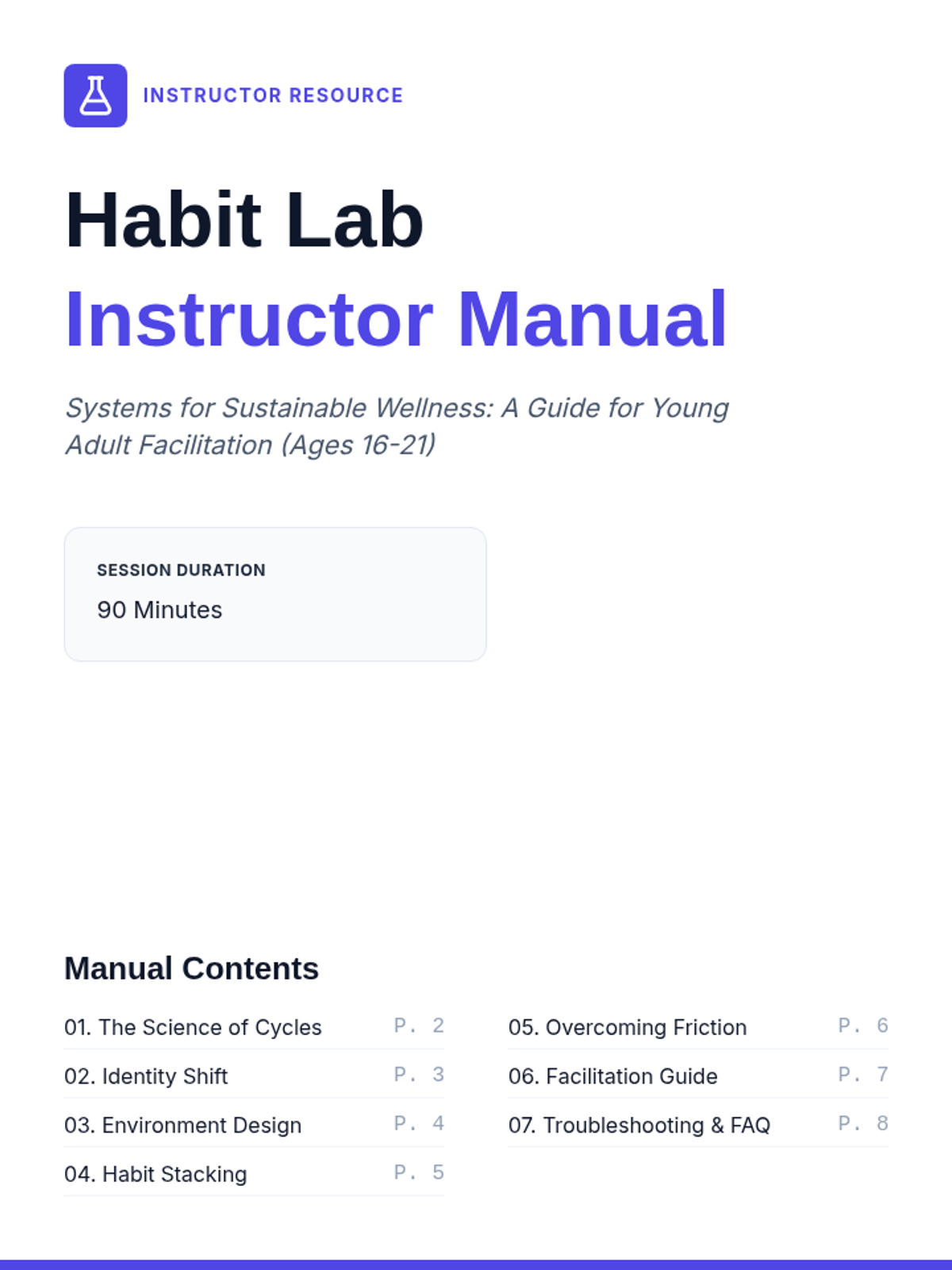
A comprehensive 8-page instructor manual updated with specific facilitation times for a 90-minute session. Includes guidance for new workbook activities such as Loop Mapping, Reward Menus, and the 2-Minute Prototype brainstorm.
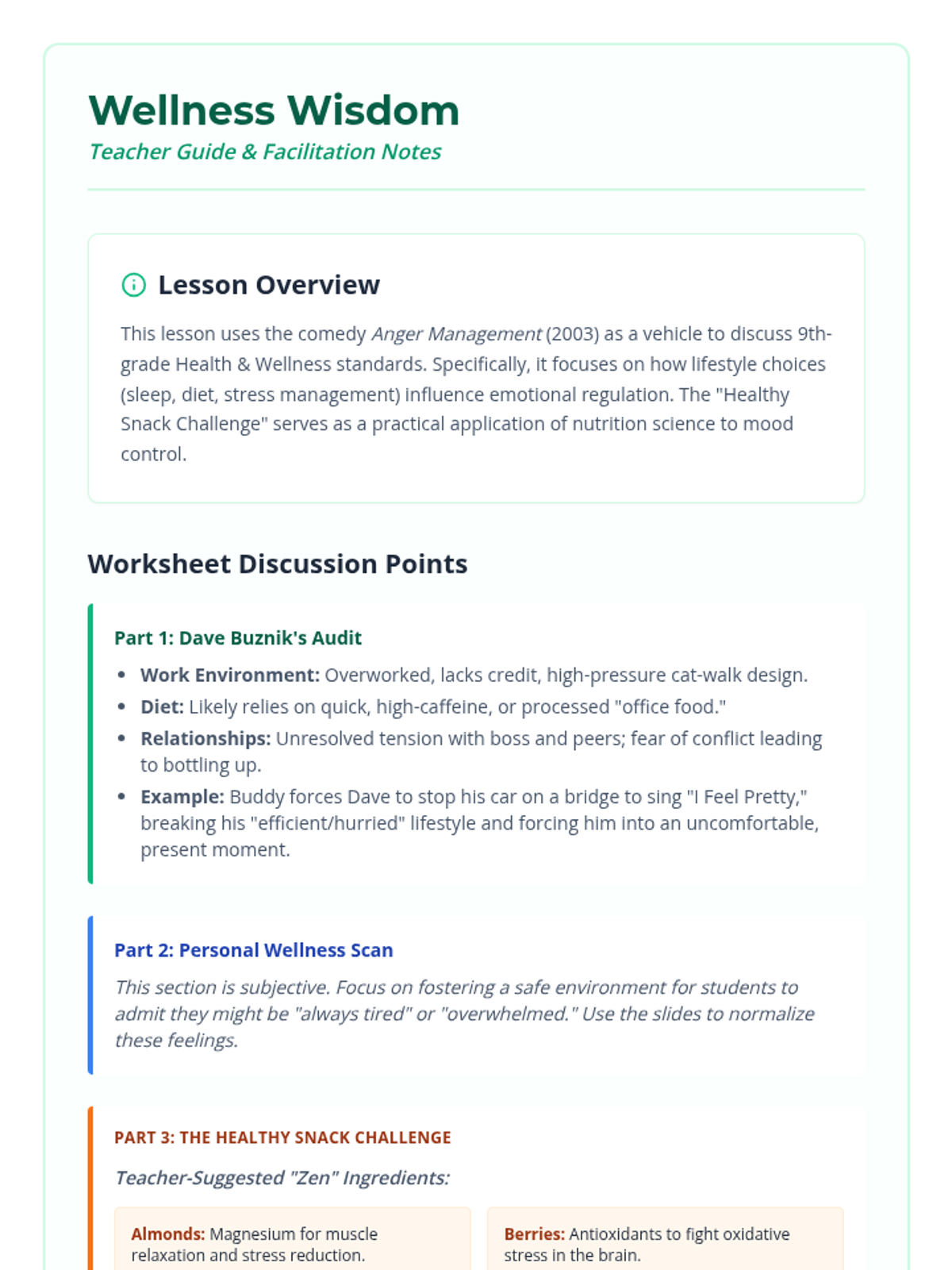
A comprehensive facilitator's guide containing answer keys, discussion prompts, and classroom pacing tips for the Zen Zone lesson. Updated with fixed spelling and improved layout.
Instructional slides that bridge the character analysis of 'Anger Management' with practical wellness education and nutritional science for mood regulation. Updated with improved quote context.
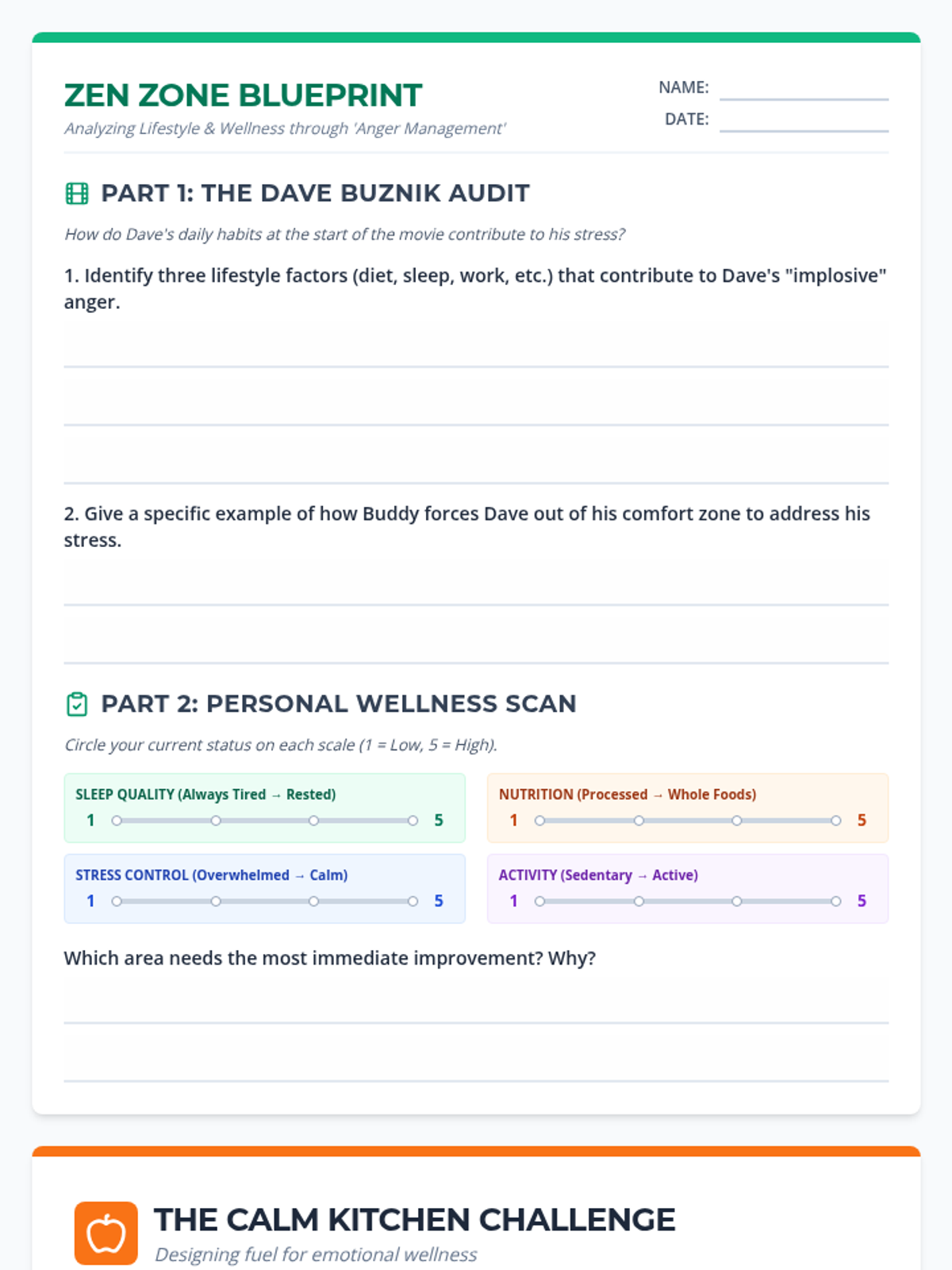
A two-page worksheet where students analyze lifestyle stressors from the movie 'Anger Management', conduct a personal wellness audit, and design a healthy snack to promote emotional balance. Revised for better page breaks and writing space.
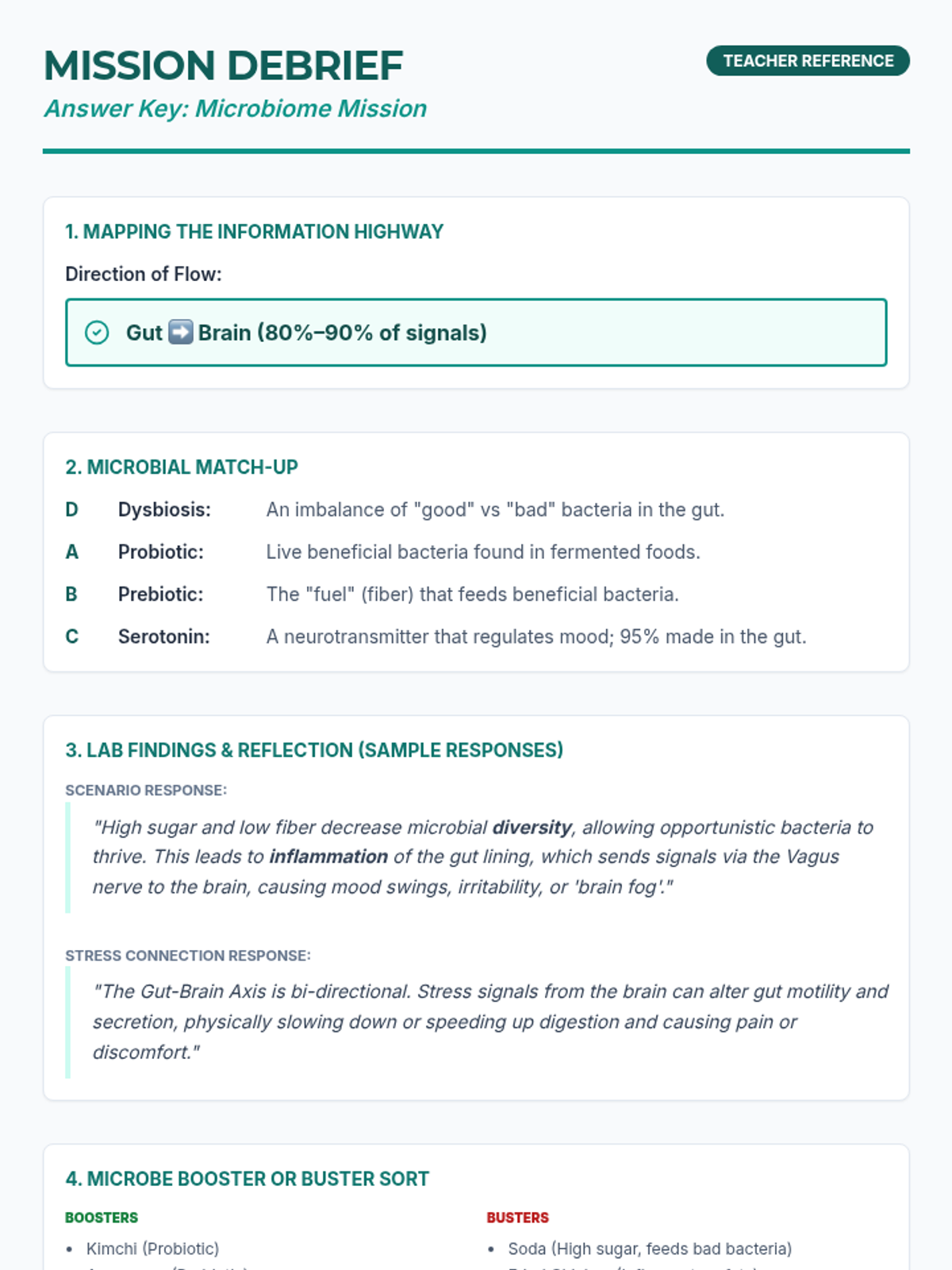
An answer key for the Microbiome Mission worksheet, providing correct answers and sample student responses.
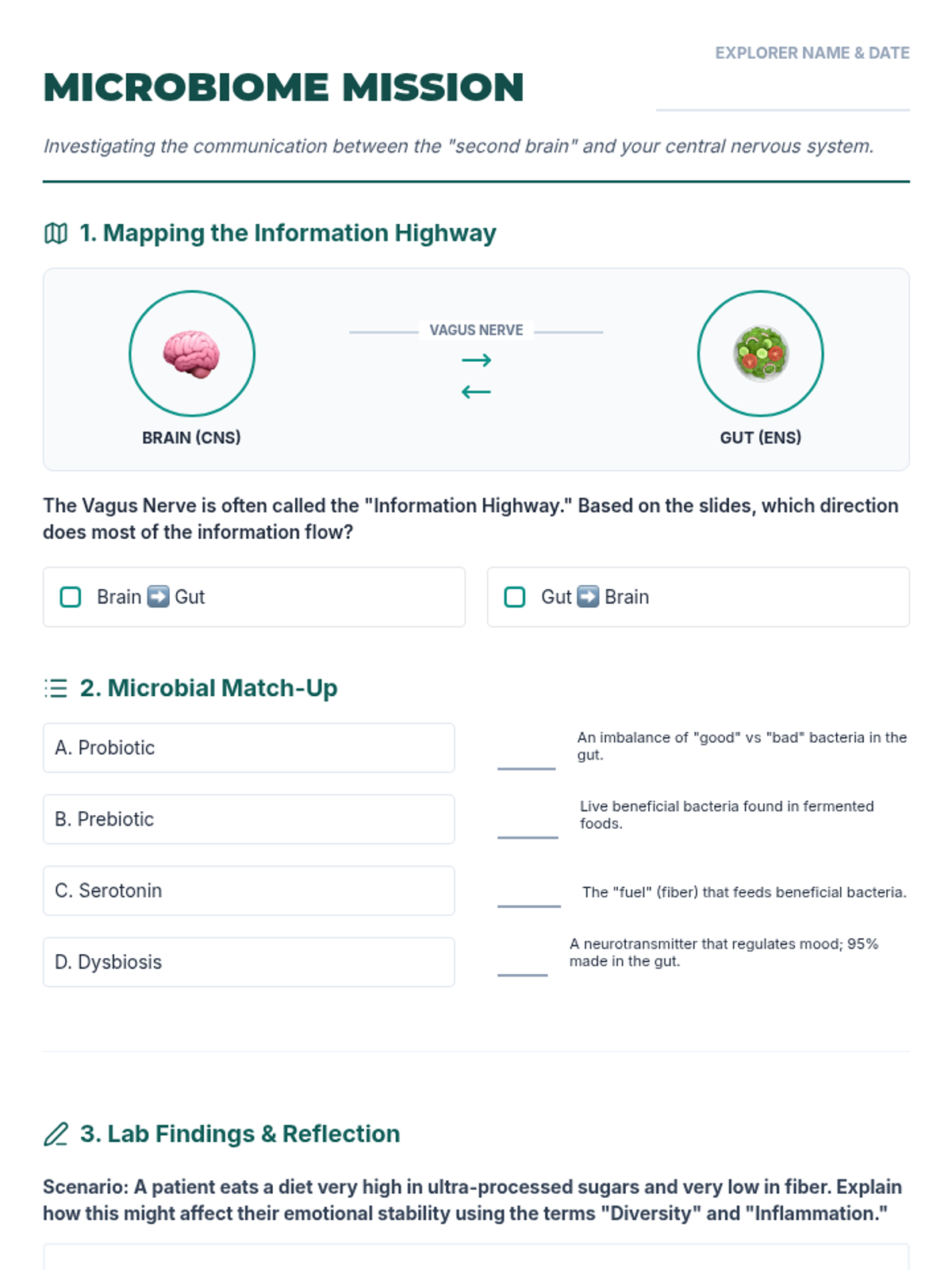
A student worksheet for the Mind Microbe Map lesson, including anatomical labeling, vocabulary matching, critical thinking prompts, and a food sorting activity.
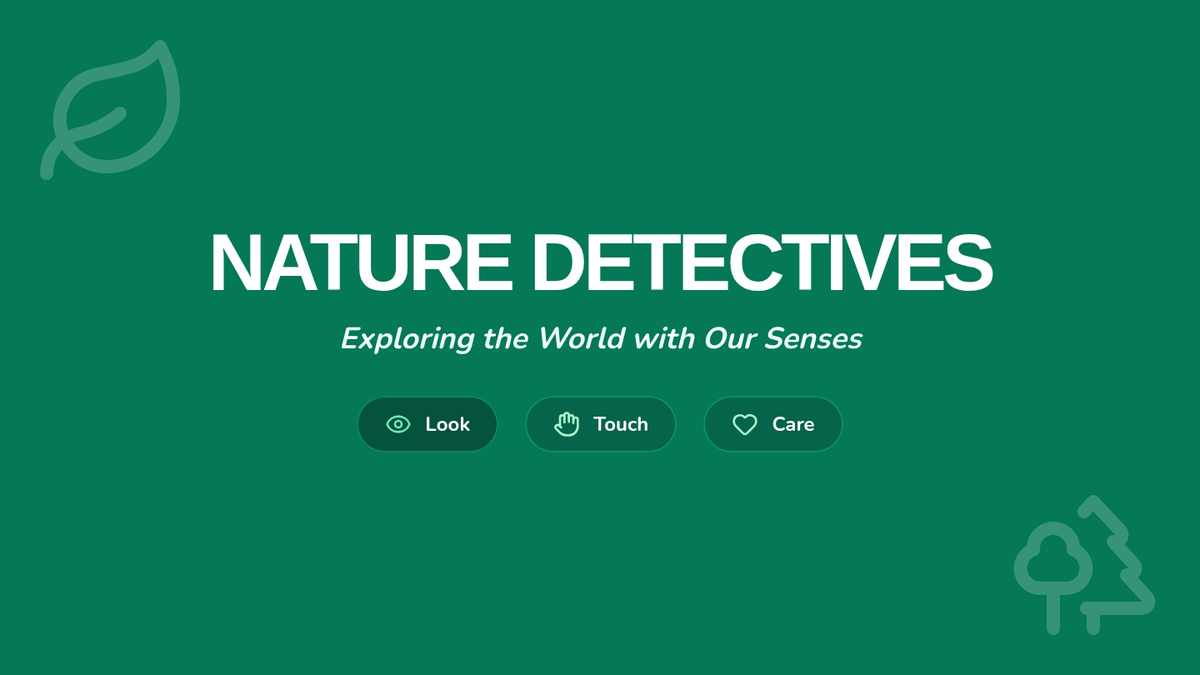
A visual slide presentation to introduce the Nature Detectives activity. Includes the mission overview, the "Green Rules", sensory exploration tips, a new "Mindful Appreciation" slide, and a debrief section for sharing findings. Improved text contrast and visual consistency.
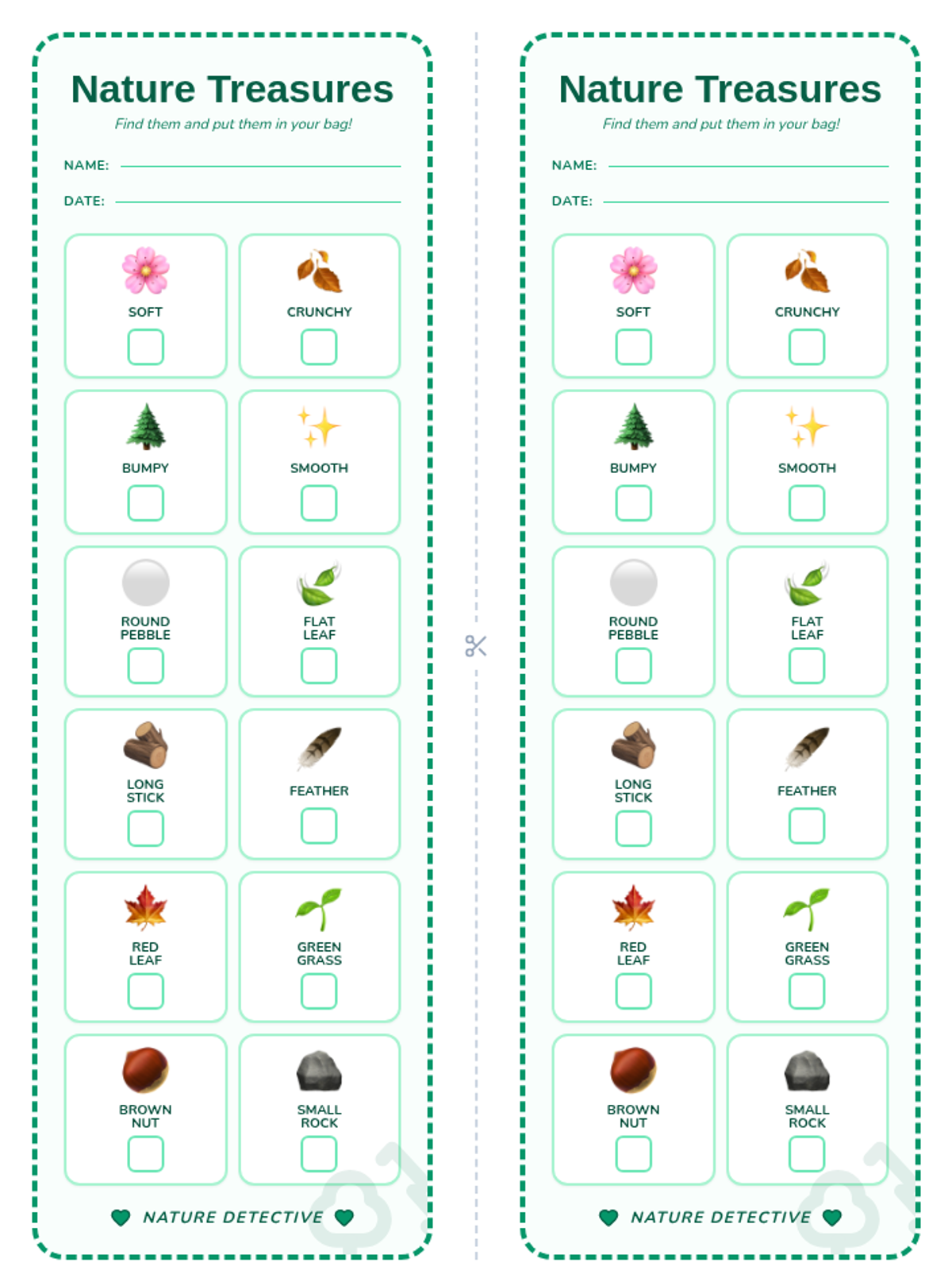
A visual scavenger hunt checklist featuring 12 items for students to collect in a brown paper bag. Includes sensory, shape, color, and standard nature items with emojis and clear labels, designed to print 2-up in a tall portrait layout to fit standard brown paper bags. Updated with larger checkboxes and improved layout for young students.
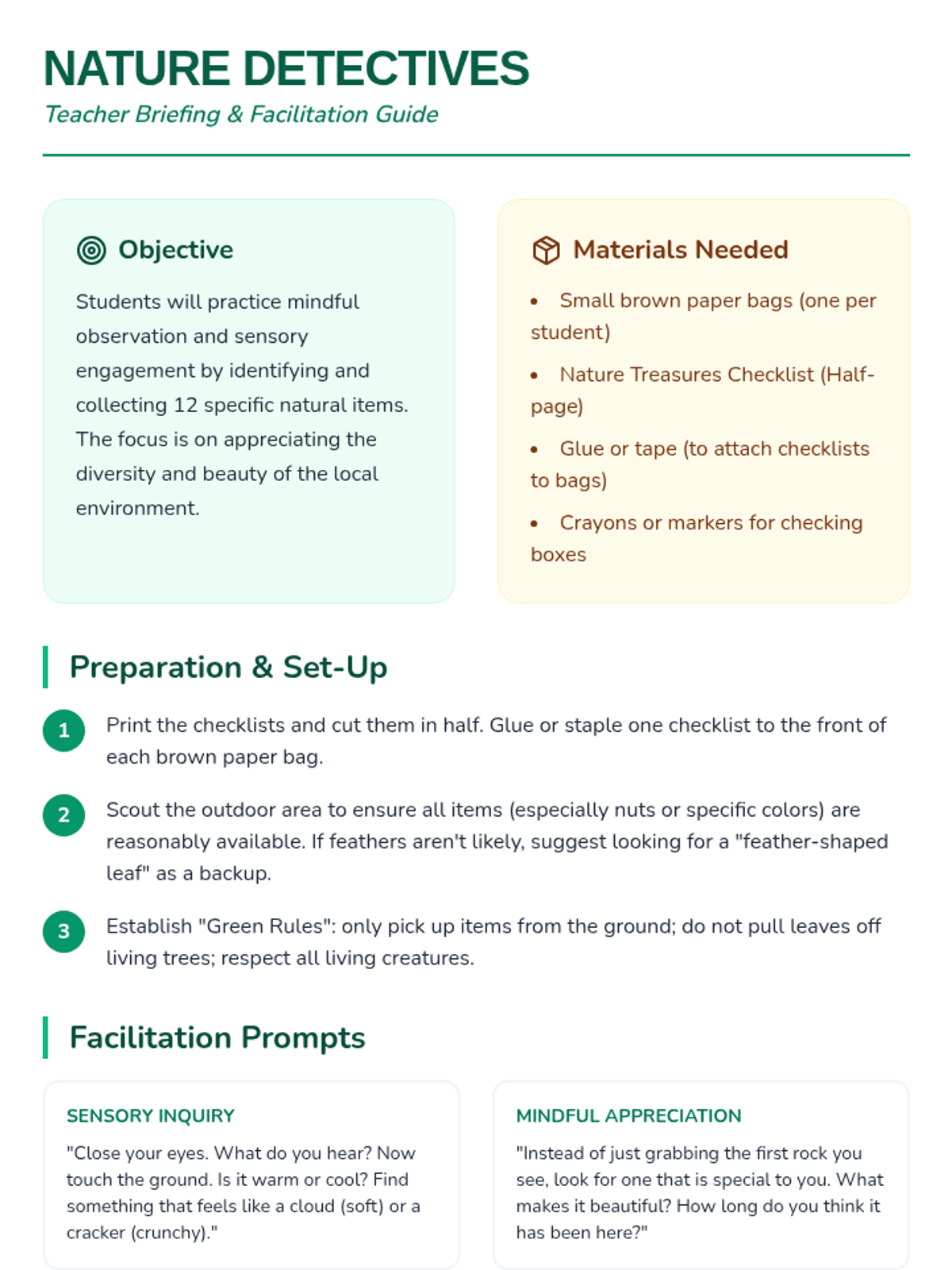
A comprehensive teacher's guide for the Nature Detectives lesson. Includes learning objectives, material lists, prep instructions, sensory inquiry prompts, and debrief questions to help facilitate a successful outdoor scavenger hunt.
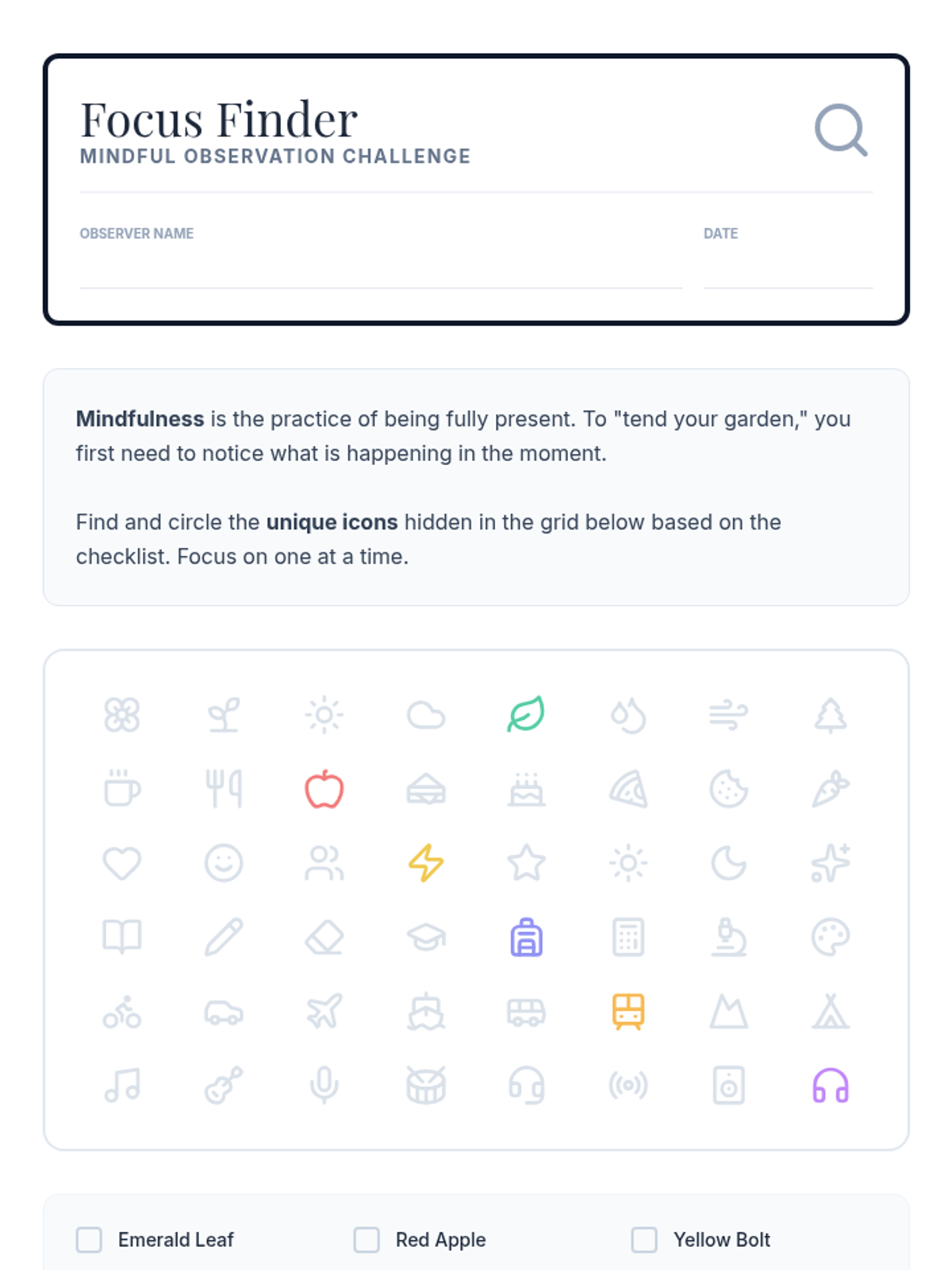
A mindful observation worksheet based on the "Hidden Objects" activity. It serves as a focus-building warmup for the mental health unit, encouraging students to practice present-moment awareness.
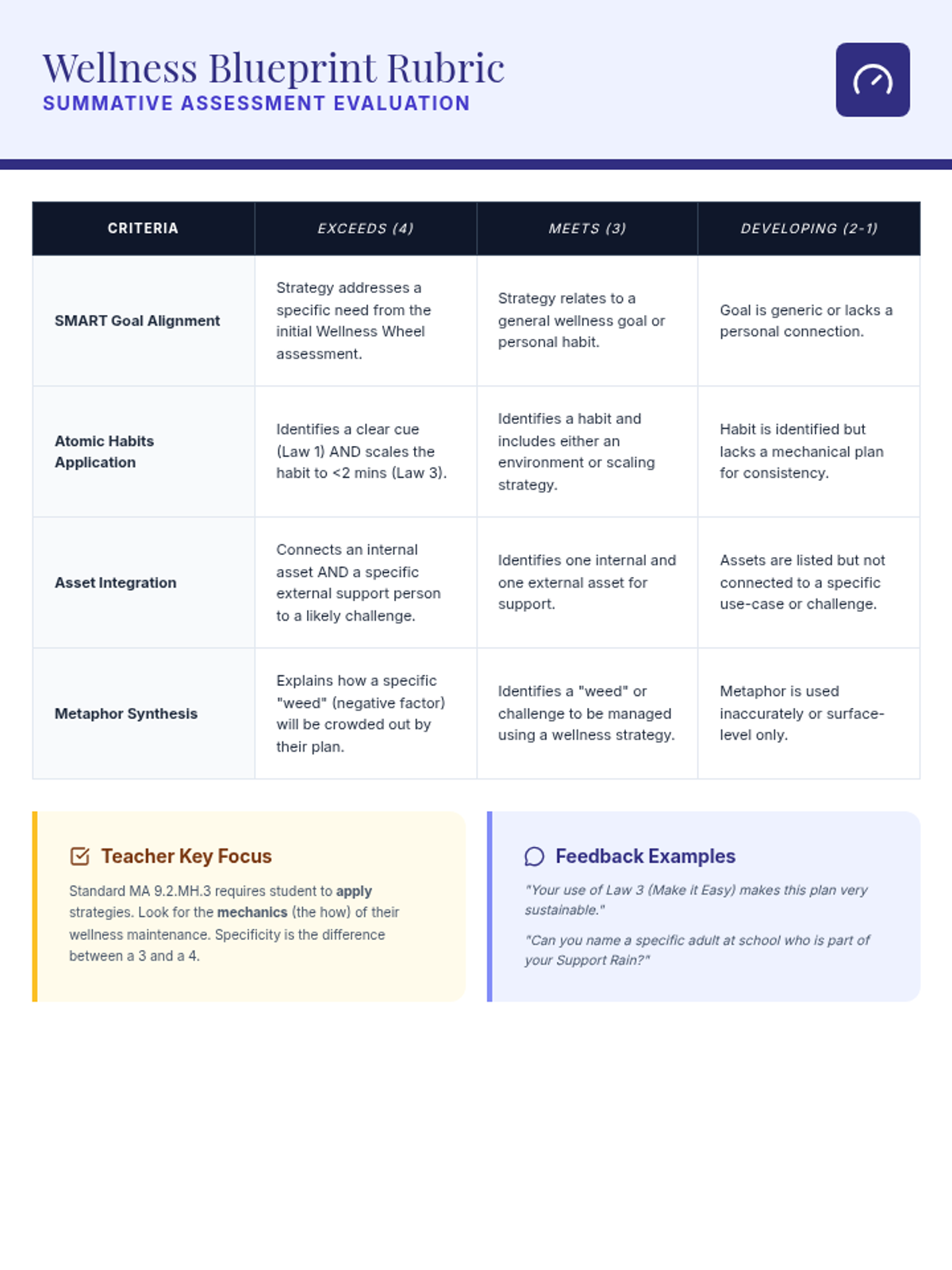
A teacher rubric for the Wellness Blueprint, now optimized for a single-page layout and updated with the "Metaphor Synthesis" and "Asset Integration" criteria from the mental wellness PDF.
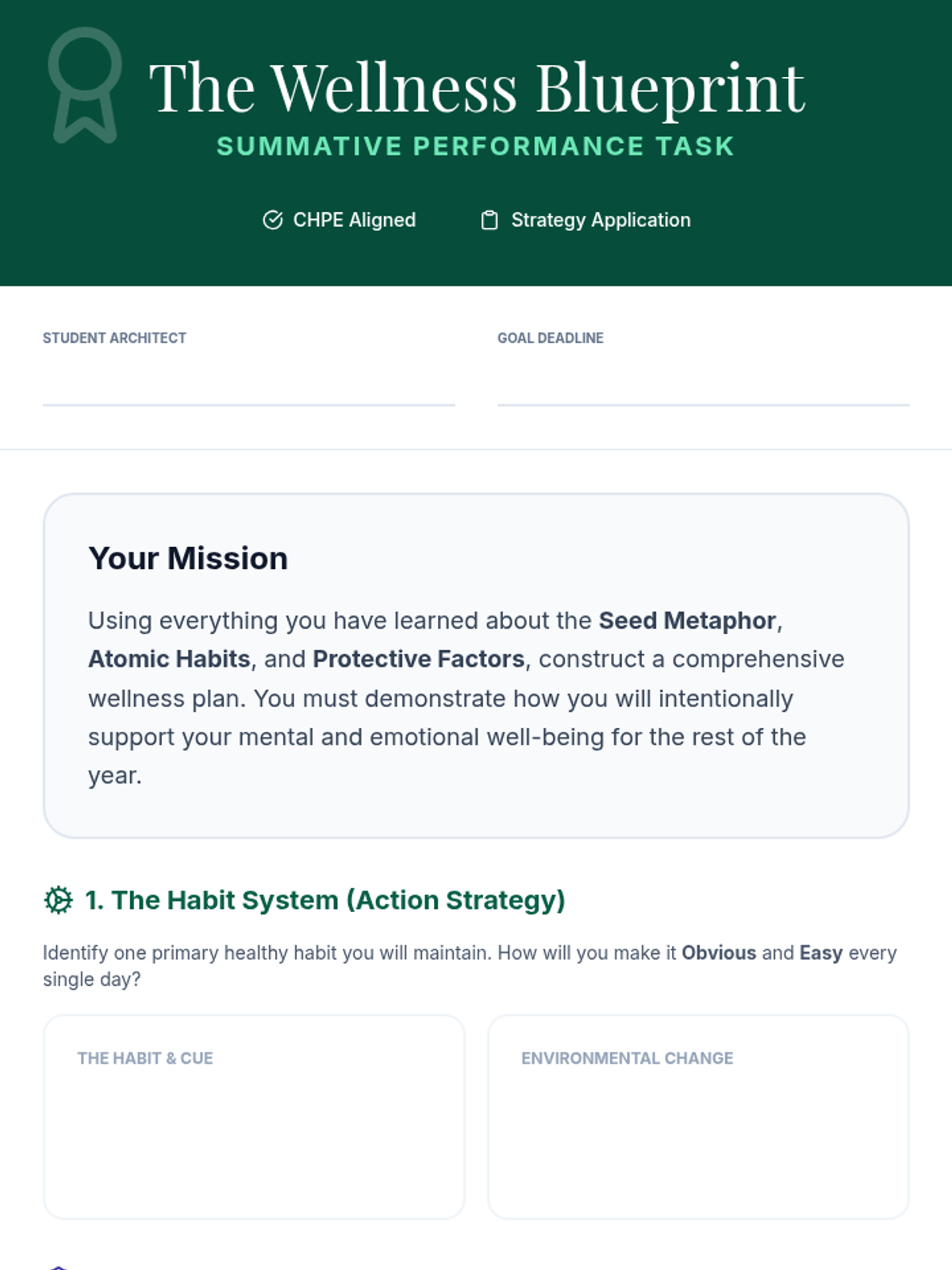
The summative assessment for the mental health unit. This blueprint requires students to synthesize the seed metaphor, habit change strategies, and protective factors into a personalized wellness plan. Aligned with CHPE standards.
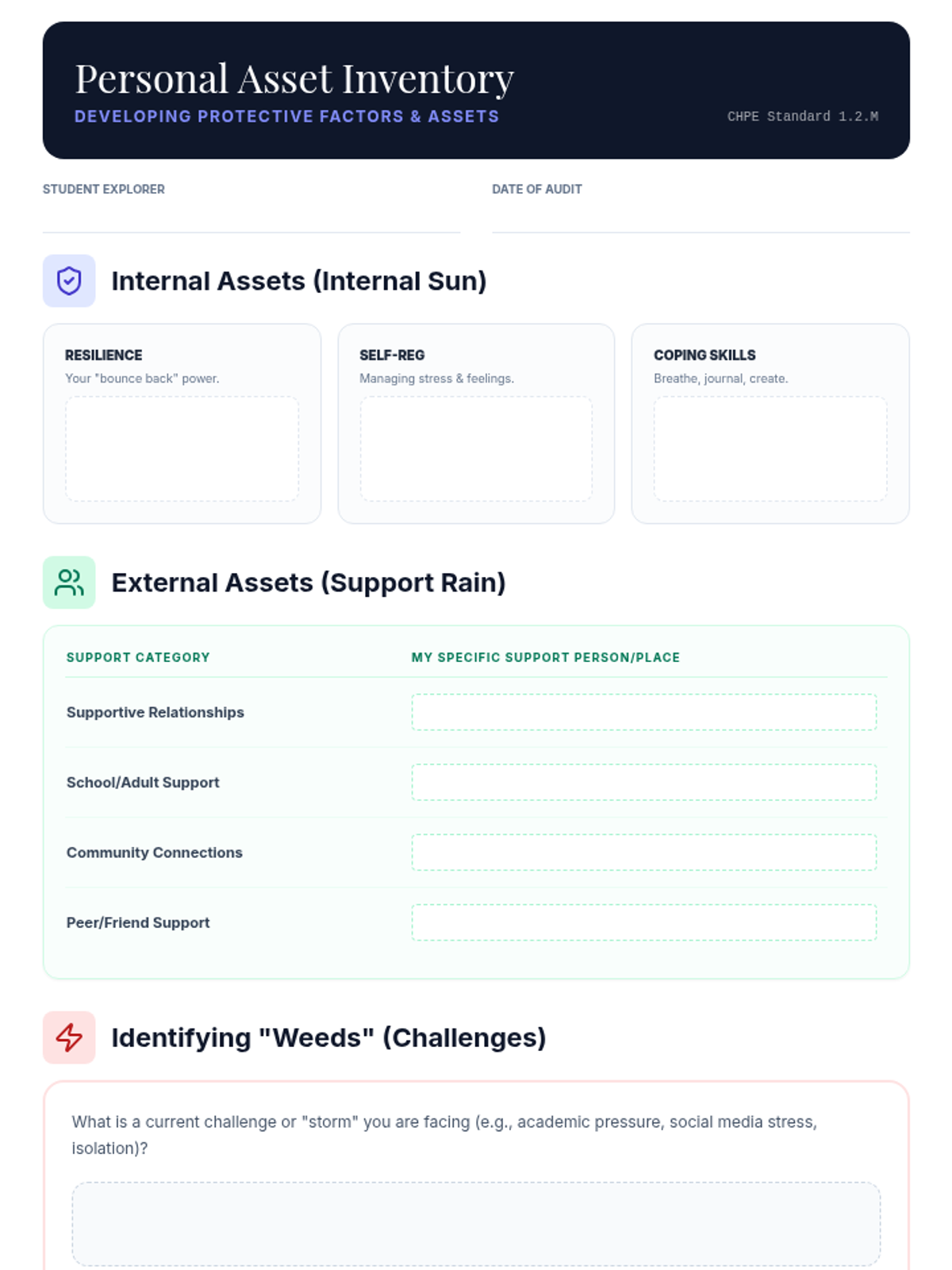
A structured student worksheet for identifying protective factors and internal assets. It now includes a dedicated section for identifying "Weeds" (challenges) based on the mental wellness PDF.
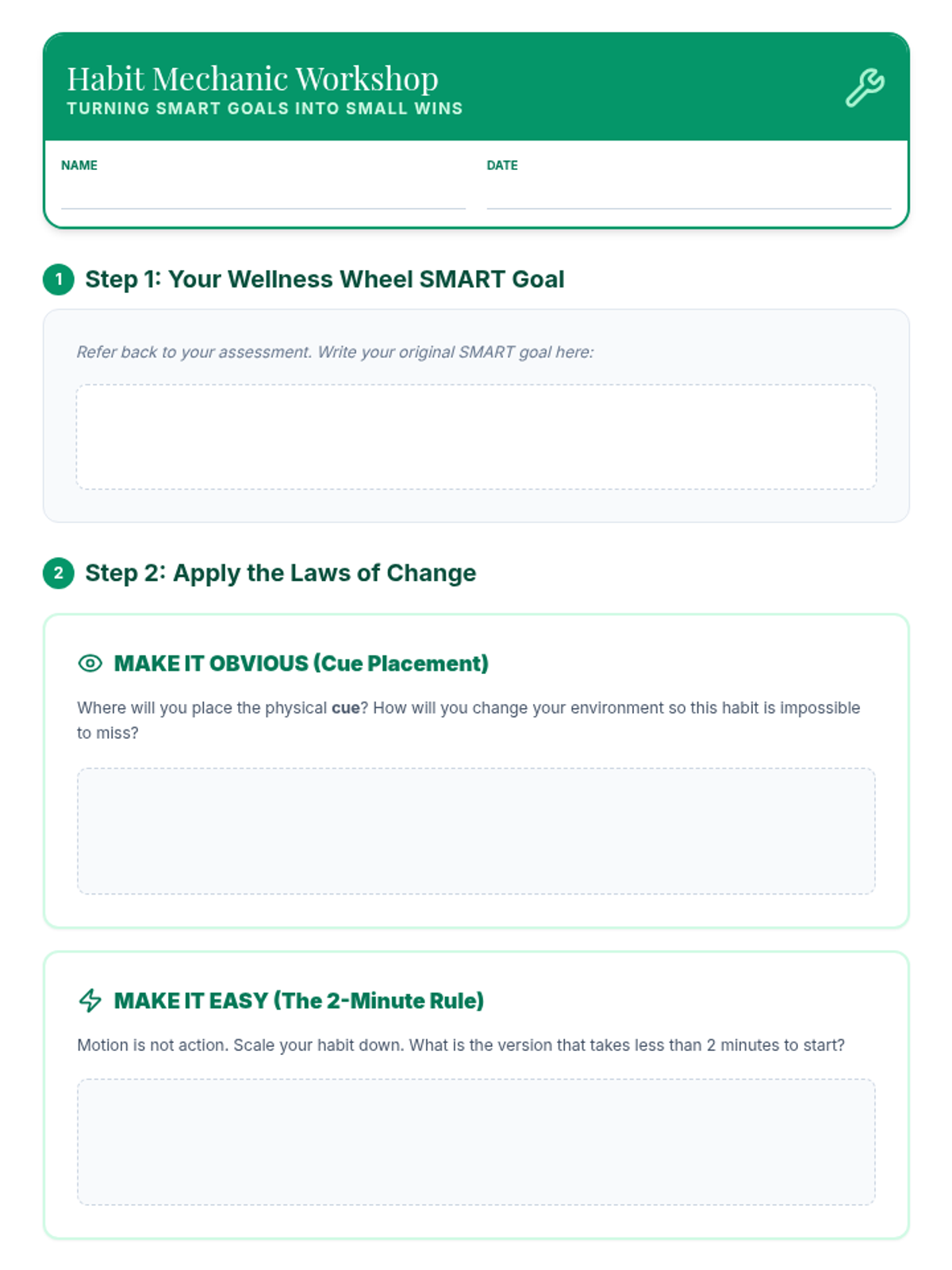
A hands-on workshop document that guides students in breaking down their Wellness Wheel SMART goals into actionable Atomic Habits. It includes sections for identifying environmental cues, applying the 2-minute rule, and planning how to "crowd out" negative habits.
A high-impact slide deck for teaching the Atomic Habits framework, now incorporating specific habit categories (Sleep, Social Media Management, Movement) from the Thriving Minds PDF and refined visual prompts.
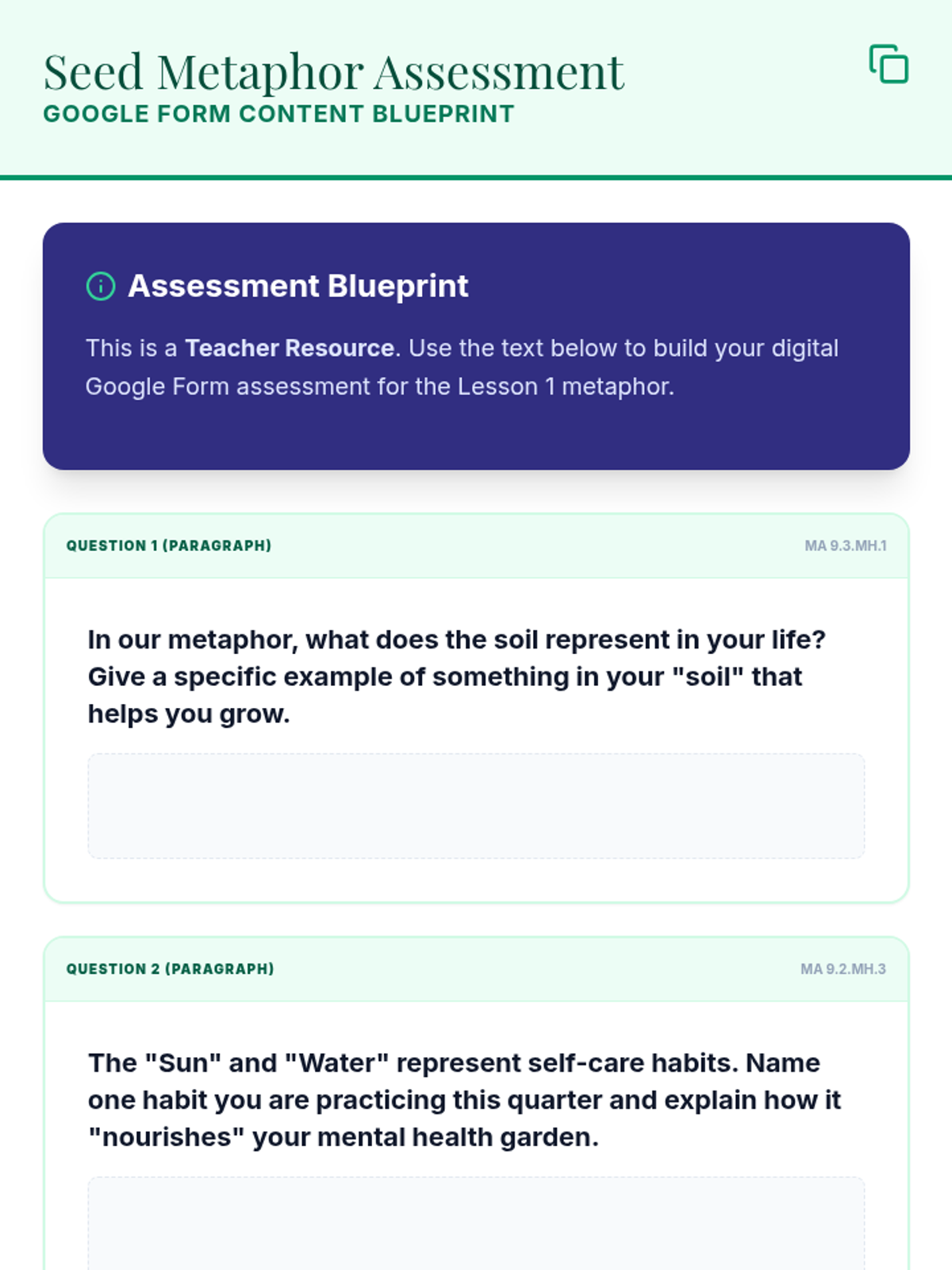
An updated teacher-facing Google Form blueprint incorporating "The Weeds" (stressors) and "The Gardener" concepts from the Thriving Minds PDF.
A visually calming slide deck introducing the expanded seed metaphor for mental health, incorporating "The Weeds" (stressors) and "The Gardener" (individual agency) from the mental health wellness PDF.
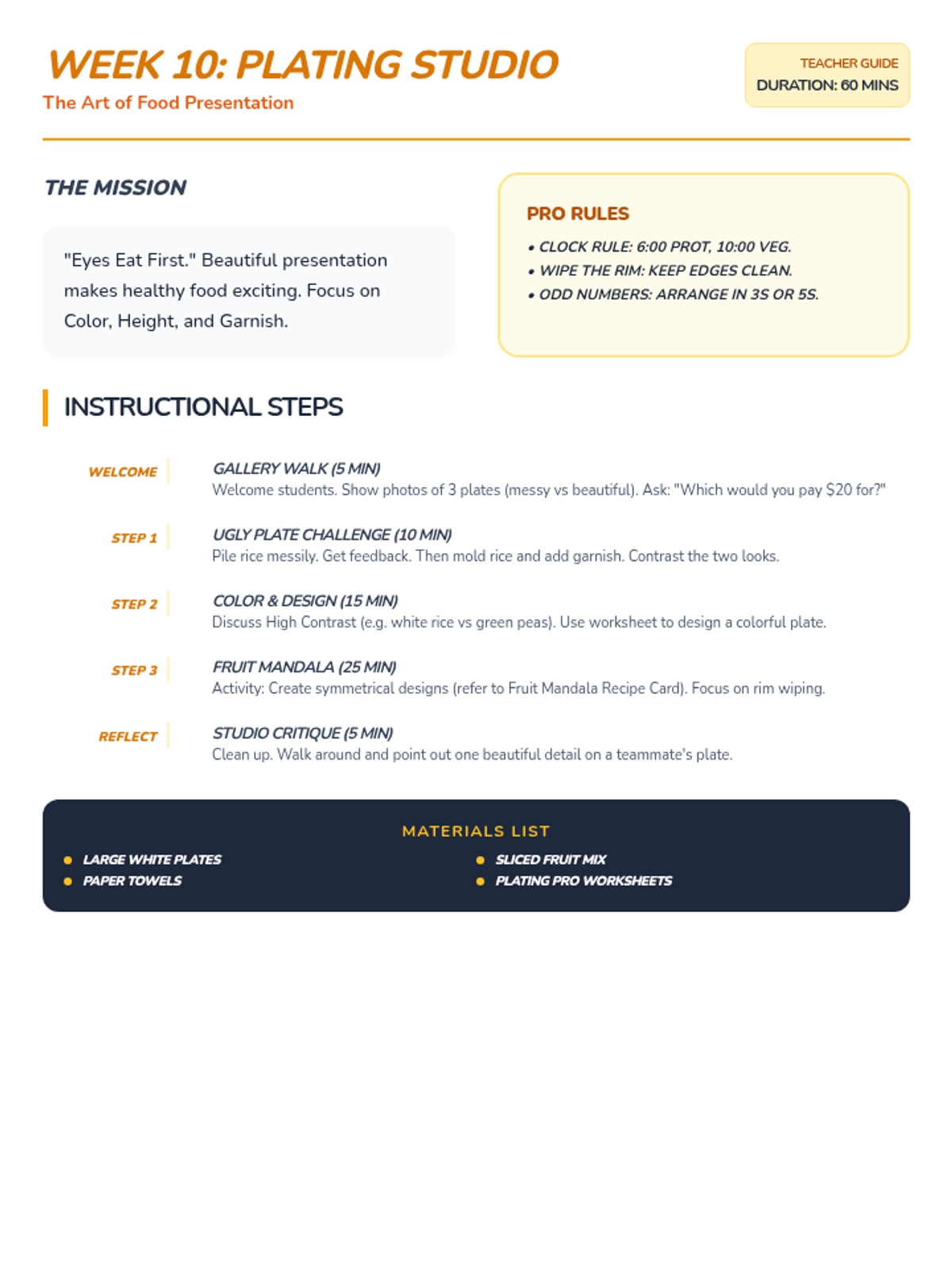
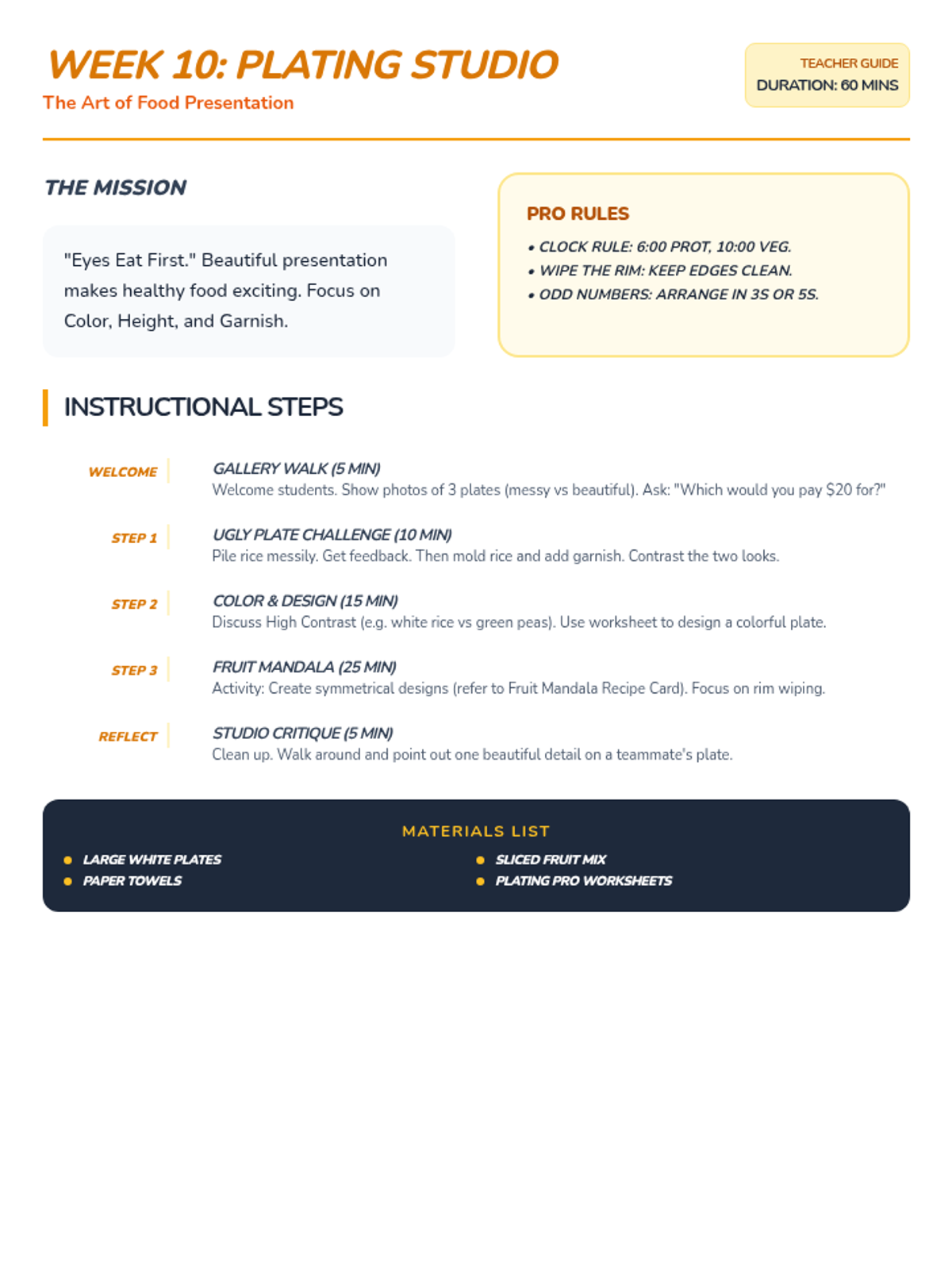
FINAL REVISION: Adds 'Gallery Walk' and 'Studio Critique' to the Week 10 guide. Fixes text overlaps and spacing errors. Ensures a clean, single-page reference sheet for the teacher.
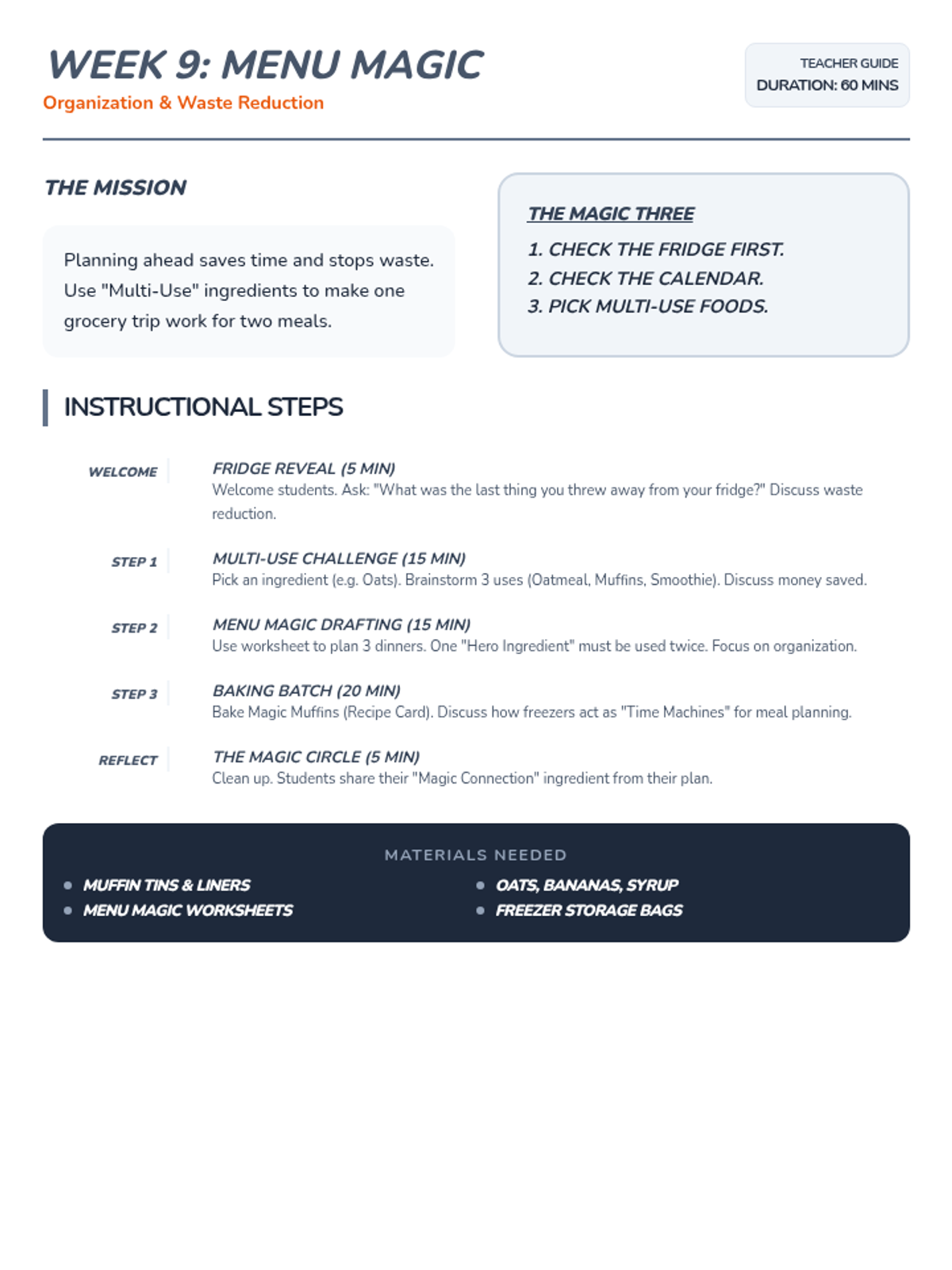
REVISED: Adds 'Fridge Reveal' welcome and 'The Magic Circle' to the Week 9 guide. Fixes text overlaps and orphans. Increases font sizes in key conceptual boxes for legibility.
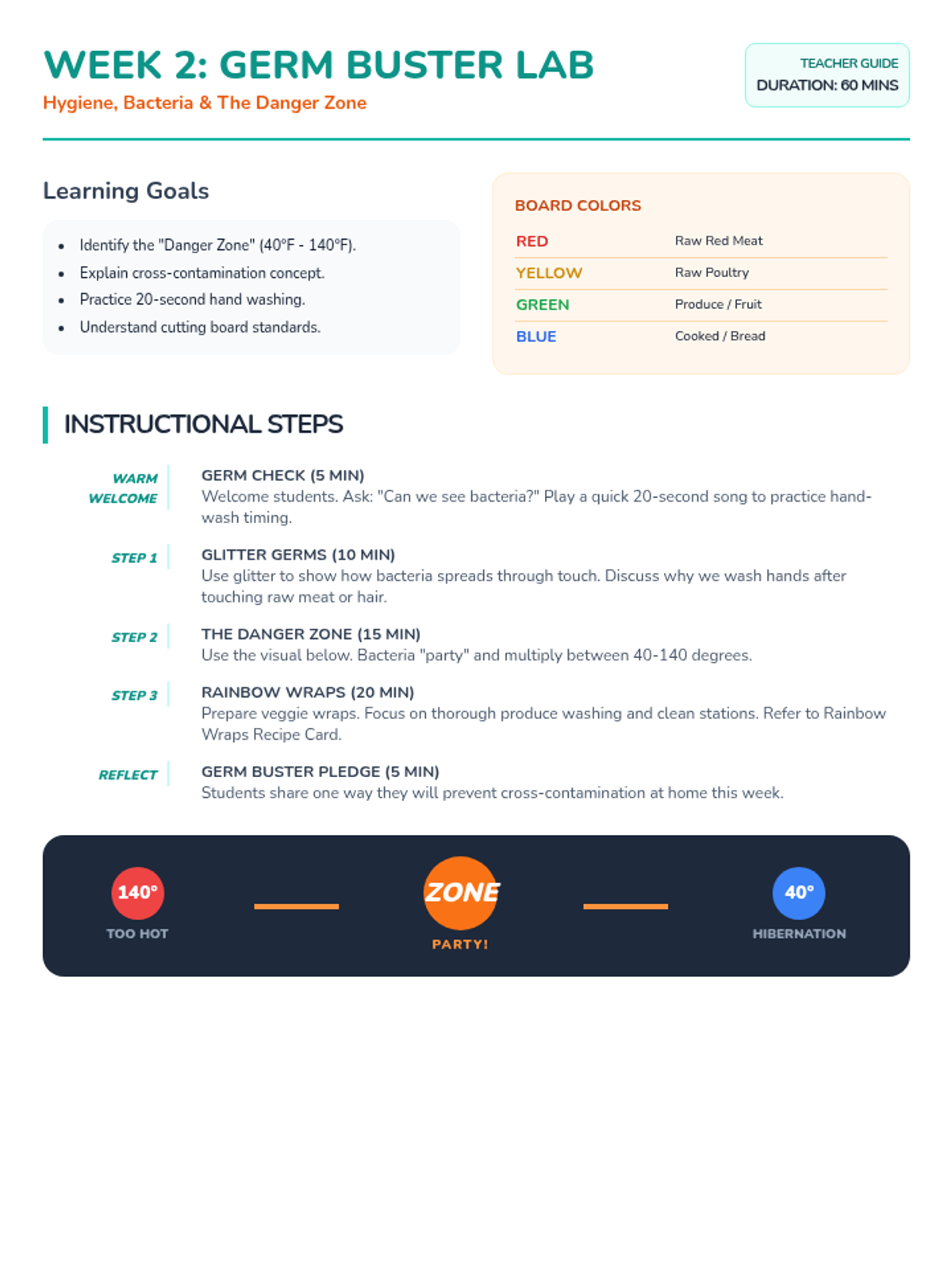
FINAL REVISION: Adds a 'Warm Welcome' and 'Reflection Time' to the Week 2 plan. Consolidates the guide into a single page with improved layout to prevent text overlap. Fixes small font sizes for standards and graphic labels.
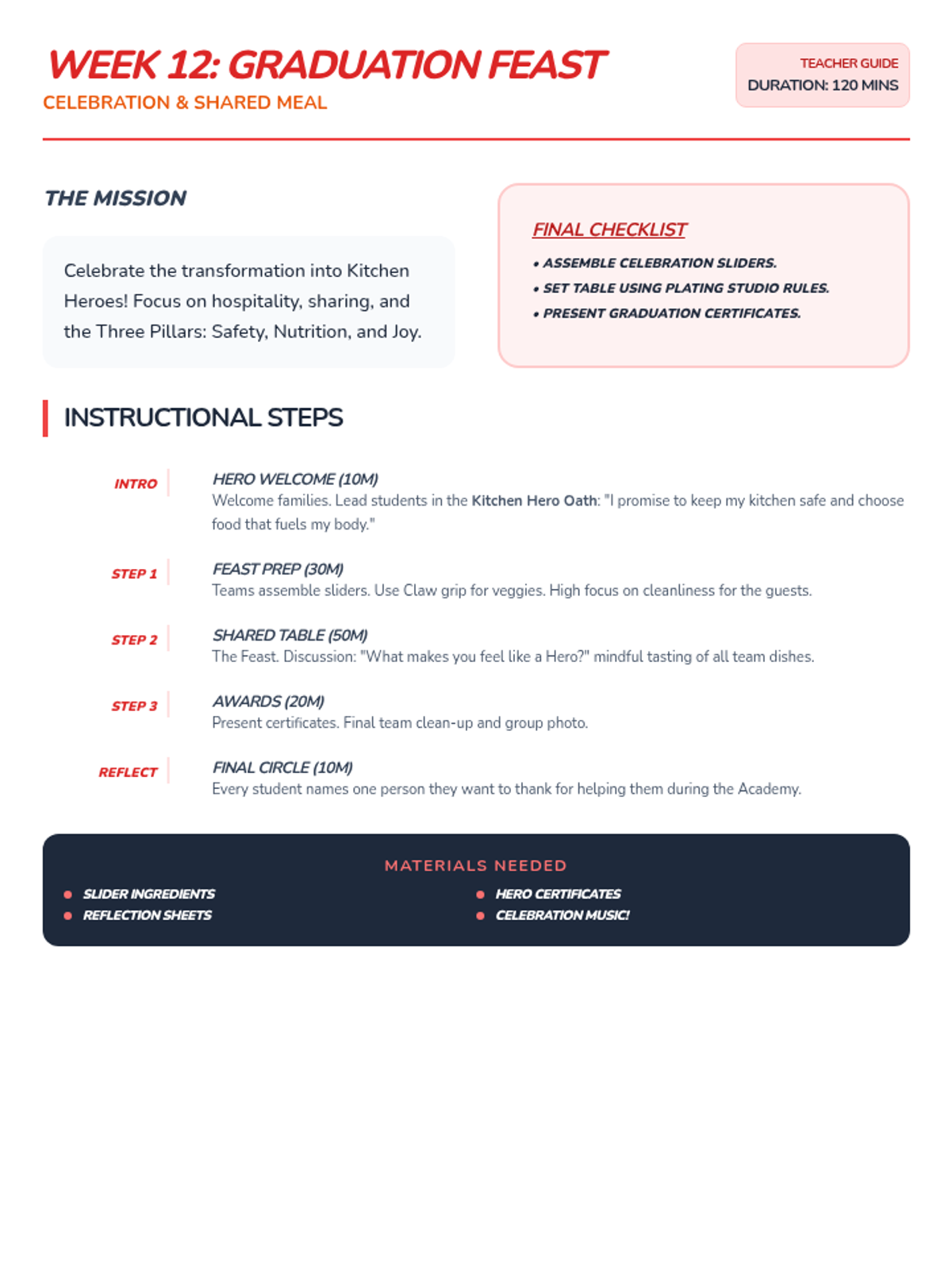
REVISED: Adds 'Hero Welcome' with oath and 'The Final Circle' reflection to the Week 12 guide. Fixes text overlaps and orphans. Includes oath text for teacher reference.
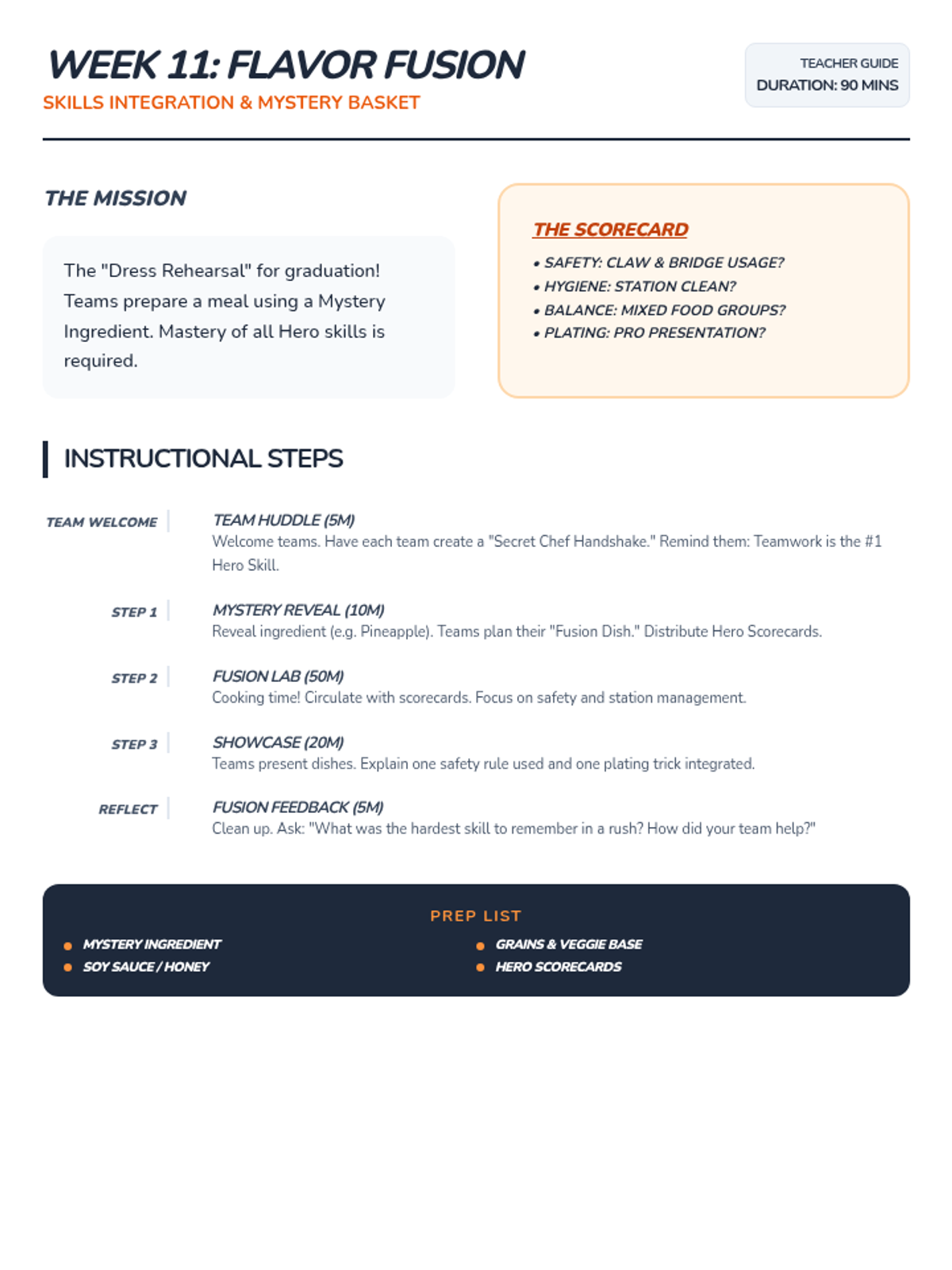
REVISED: Adds 'Team Huddle' and 'Fusion Feedback' to the Week 11 guide. Fixes layout collisions and ensuring the materials list stays on the first page for quick reference.
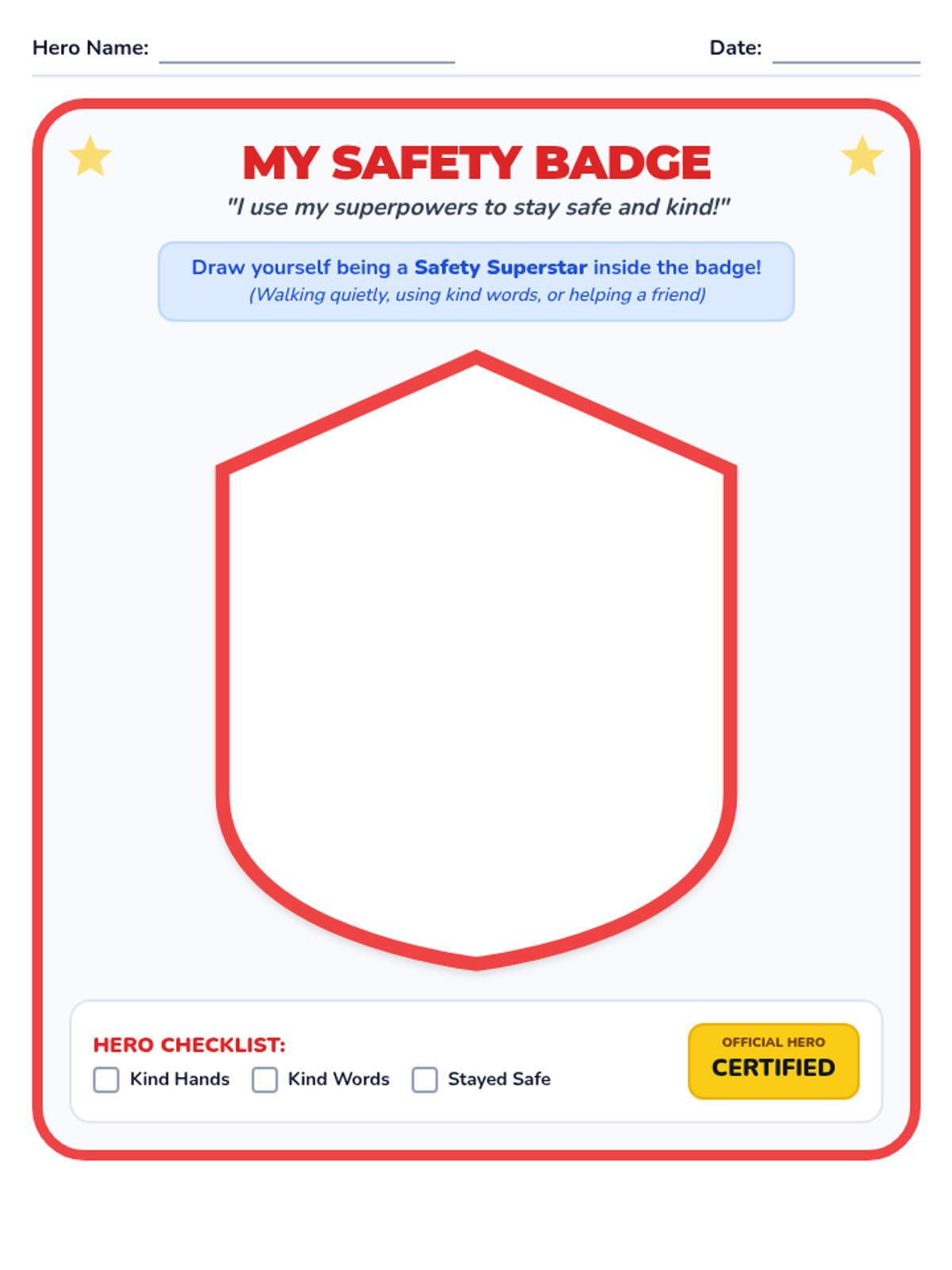
A creative student worksheet where kindergarteners color their own "Safety Badge" and draw a picture of themselves practicing safety or respect. Revised to fix page breaks and work area space.
A comprehensive teacher facilitation guide for the Safety Superstars lesson, including learning goals, materials, and a detailed 20-minute pacing guide.
A colorful and engaging slide deck for a 20-minute kindergarten lesson on respect and safety, featuring a "Stand Up / Sit Down" interactive game with revealed answers.
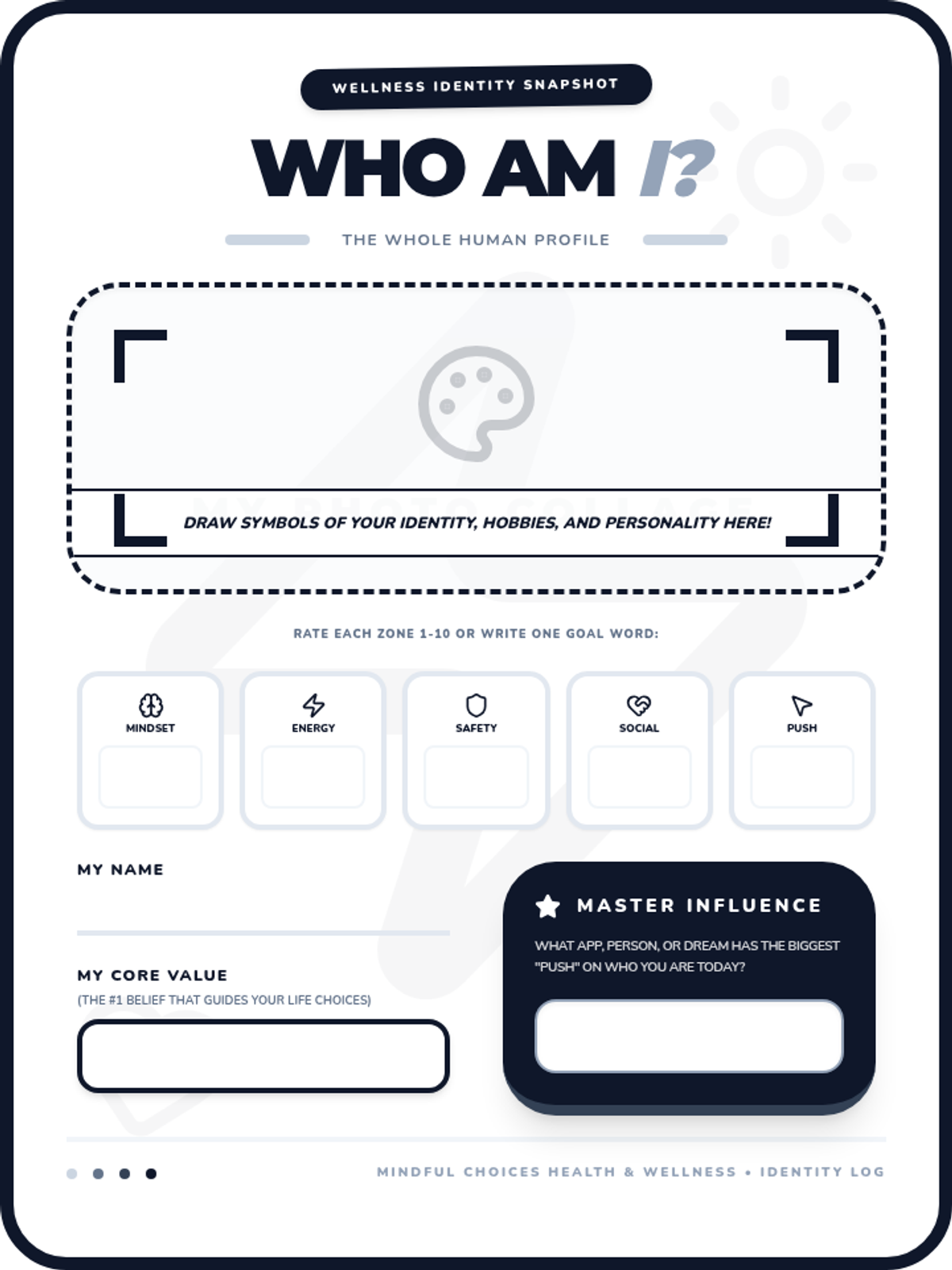
A fun, creative personal binder cover activity for students to introduce themselves and explore their identity across five key health zones. Designed for high-contrast grayscale printing.
A brief introductory slide deck for Day 0 to welcome students and explain the "Whole Health" identity blueprint activity with middle-school-friendly terminology.
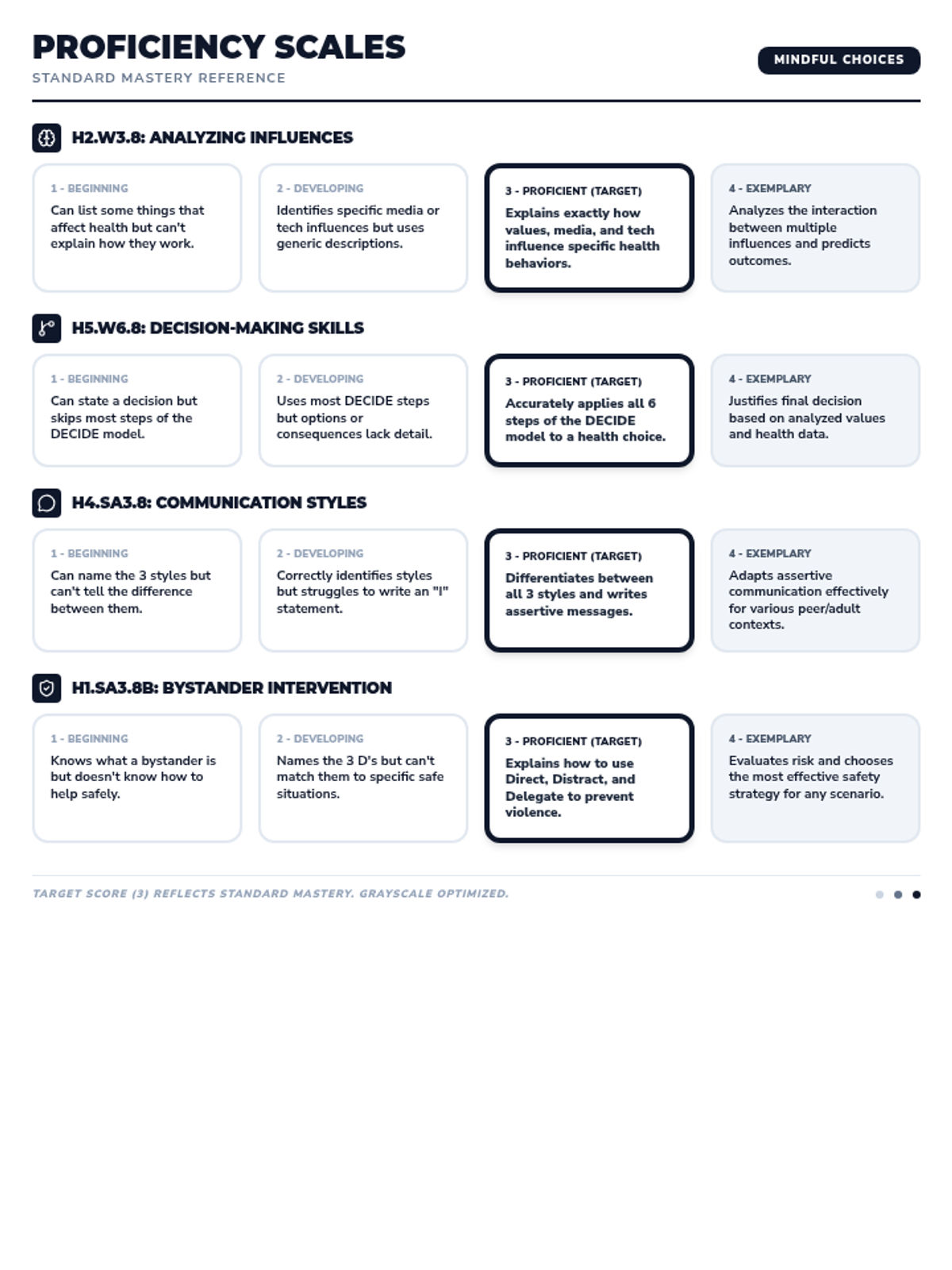
A comprehensive set of 4-point proficiency scales for the unit's core health and safety standards, defining criteria for mastery. This version is condensed to fit on a single page and designed for grayscale printing.
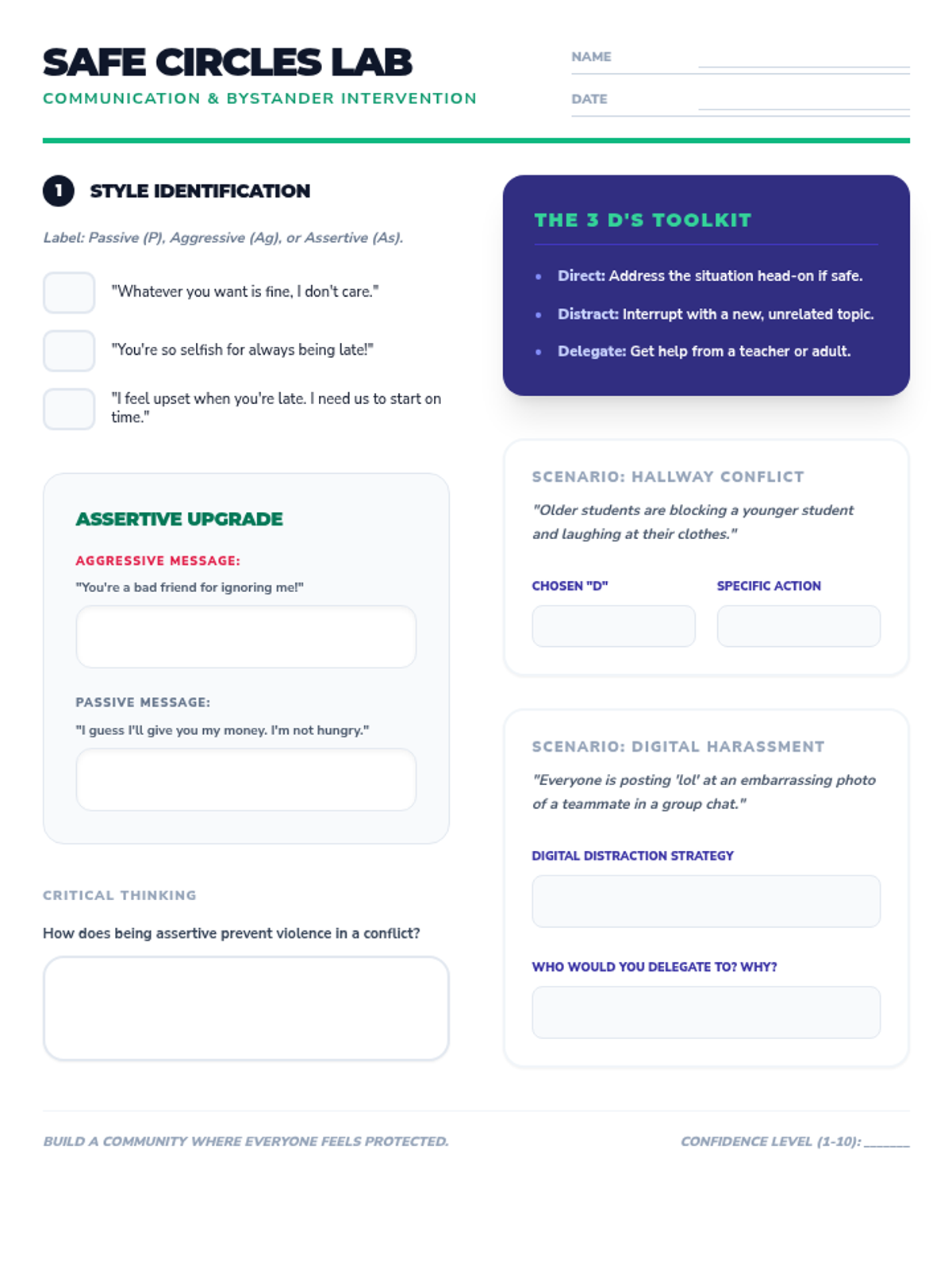
A combined worksheet for Day 6 covering communication styles and bystander intervention strategies on a single page. Designed for grayscale printing.
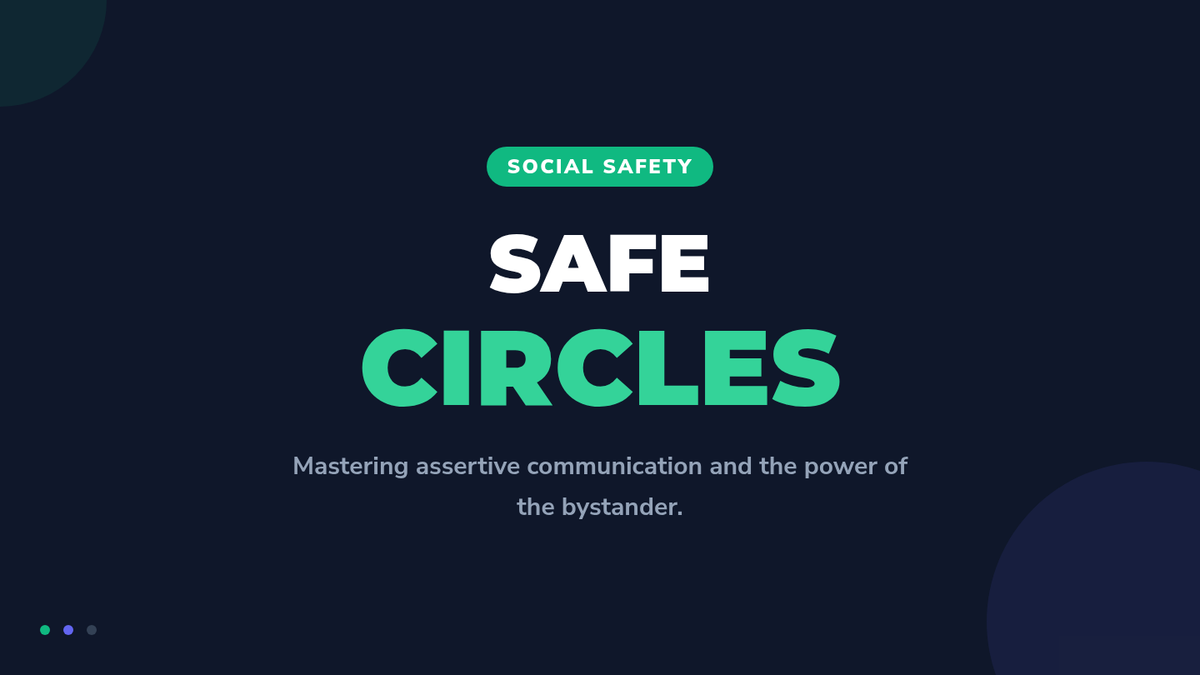
Presentation slides covering communication styles (passive, aggressive, assertive), "I" statements, the bystander effect, and intervention strategies (Direct, Distract, Delegate).
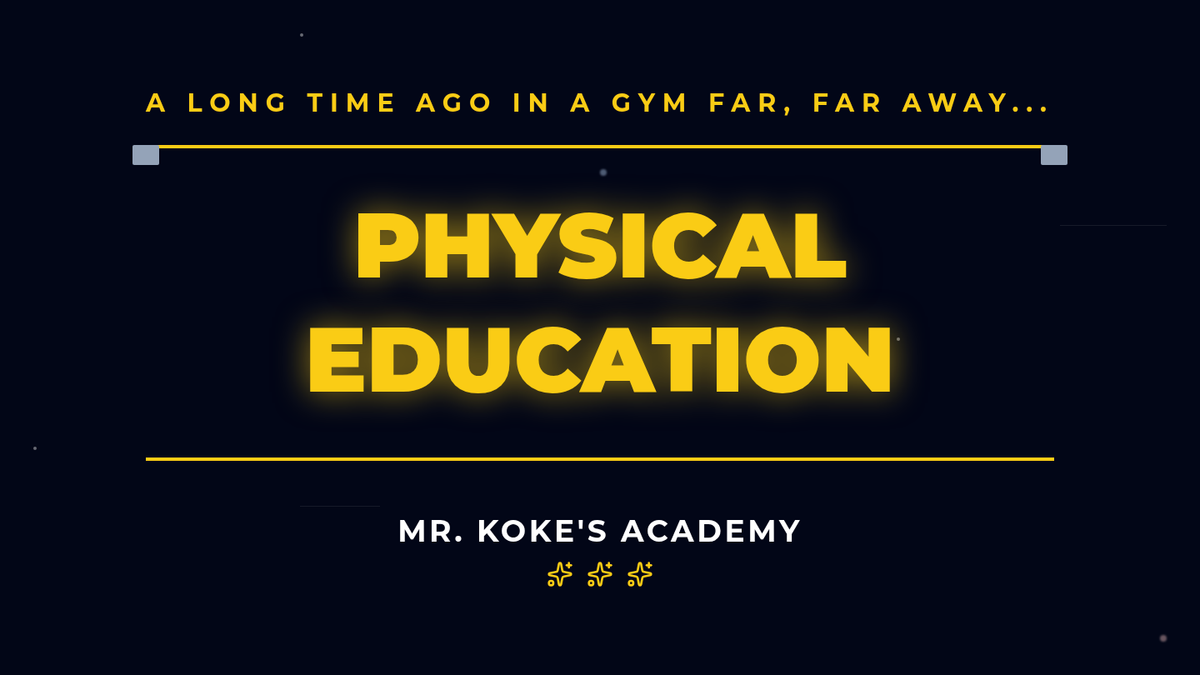
A comprehensive Star Wars themed Physical Education presentation deck including rules, training protocols, activities, and exit instructions. Revised with enhanced Star Wars visuals, corrected text sizing for fit, and improved contrast.
A comprehensive Star Wars themed Physical Education presentation deck including rules, training protocols, activities, and exit instructions. Revised for layout consistency.
A comprehensive Star Wars themed Physical Education presentation deck including rules, training protocols, activities, and exit instructions.
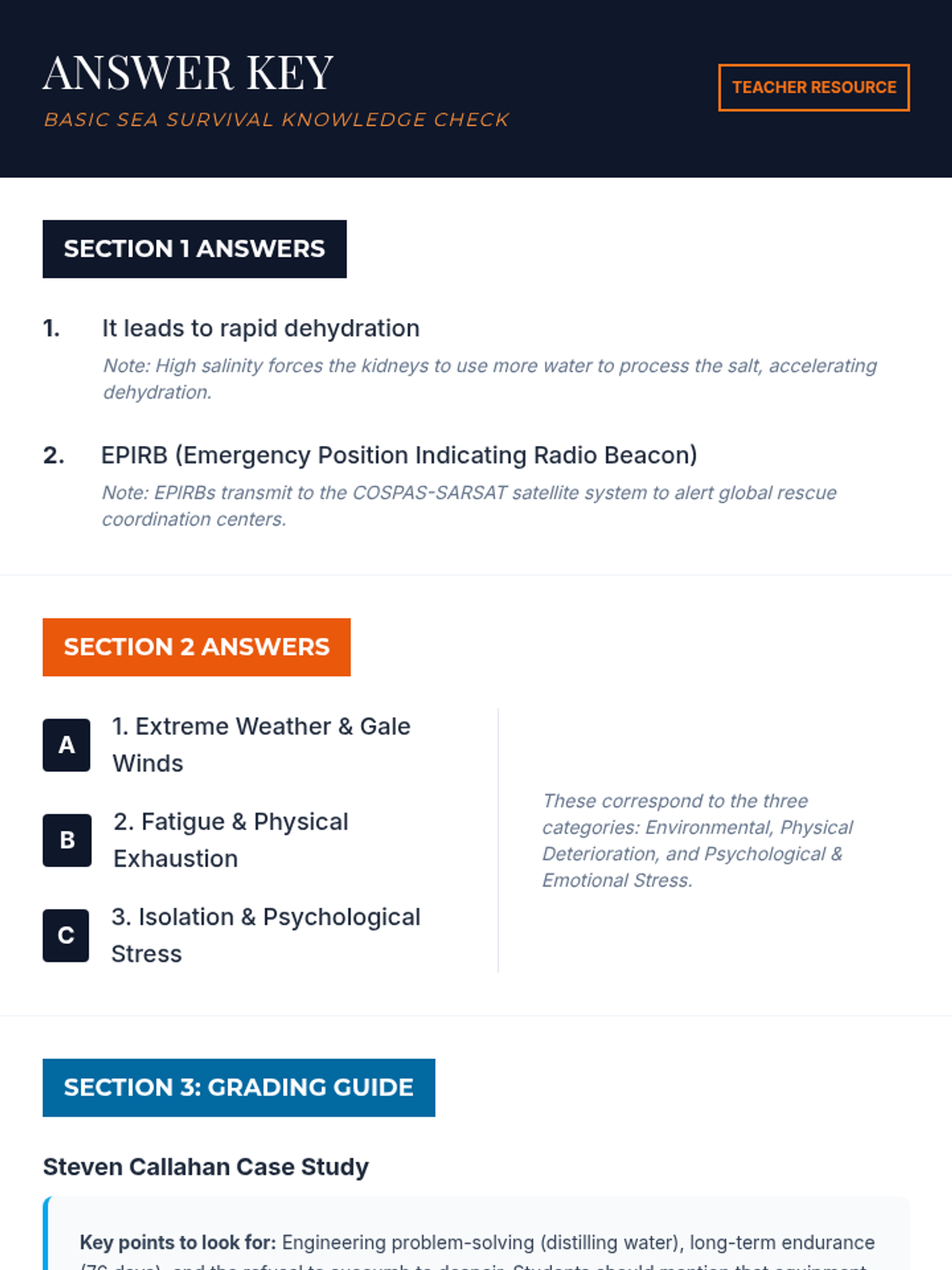
An educator-facing answer key and grading guide for the sea survival knowledge check worksheet, including technical notes on maritime survival equipment.
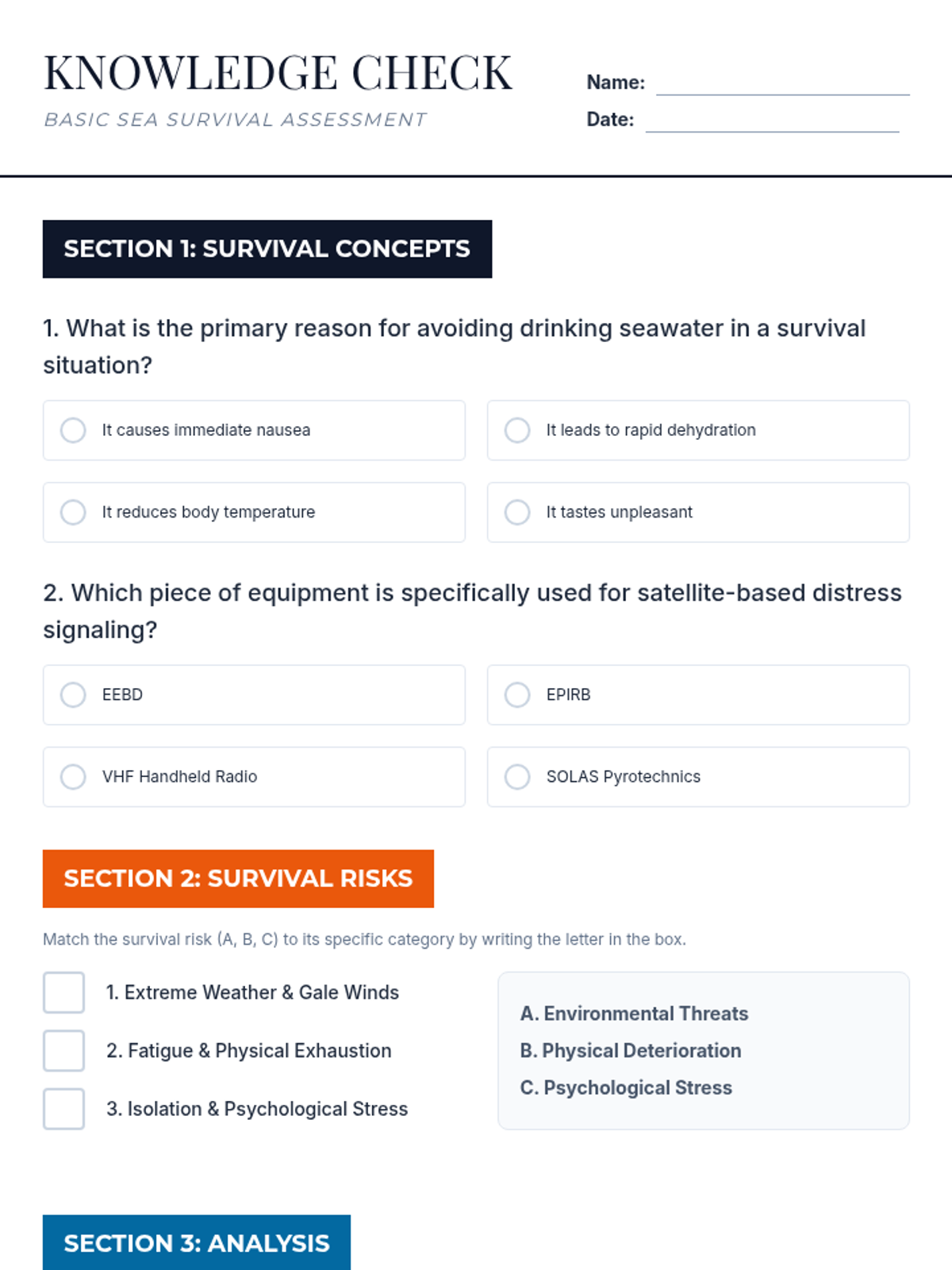
A comprehension worksheet featuring multiple-choice questions, categorization of survival risks, and short-answer analysis based on the sea survival presentation.
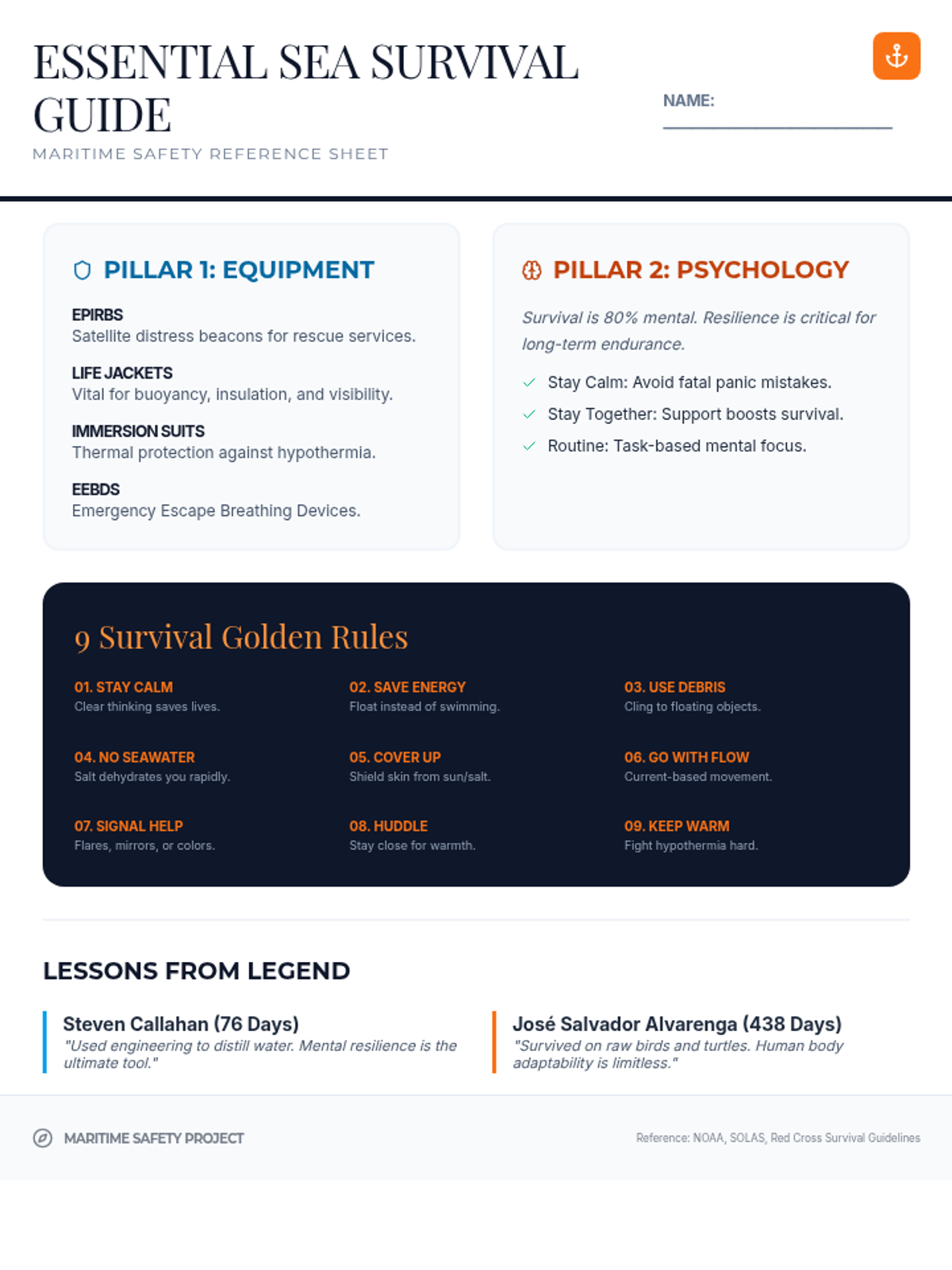
A condensed reference sheet summarizing the key pillars of sea survival, equipment categories, and the nine golden rules of survival at sea. Ideal for student study or quick reference.
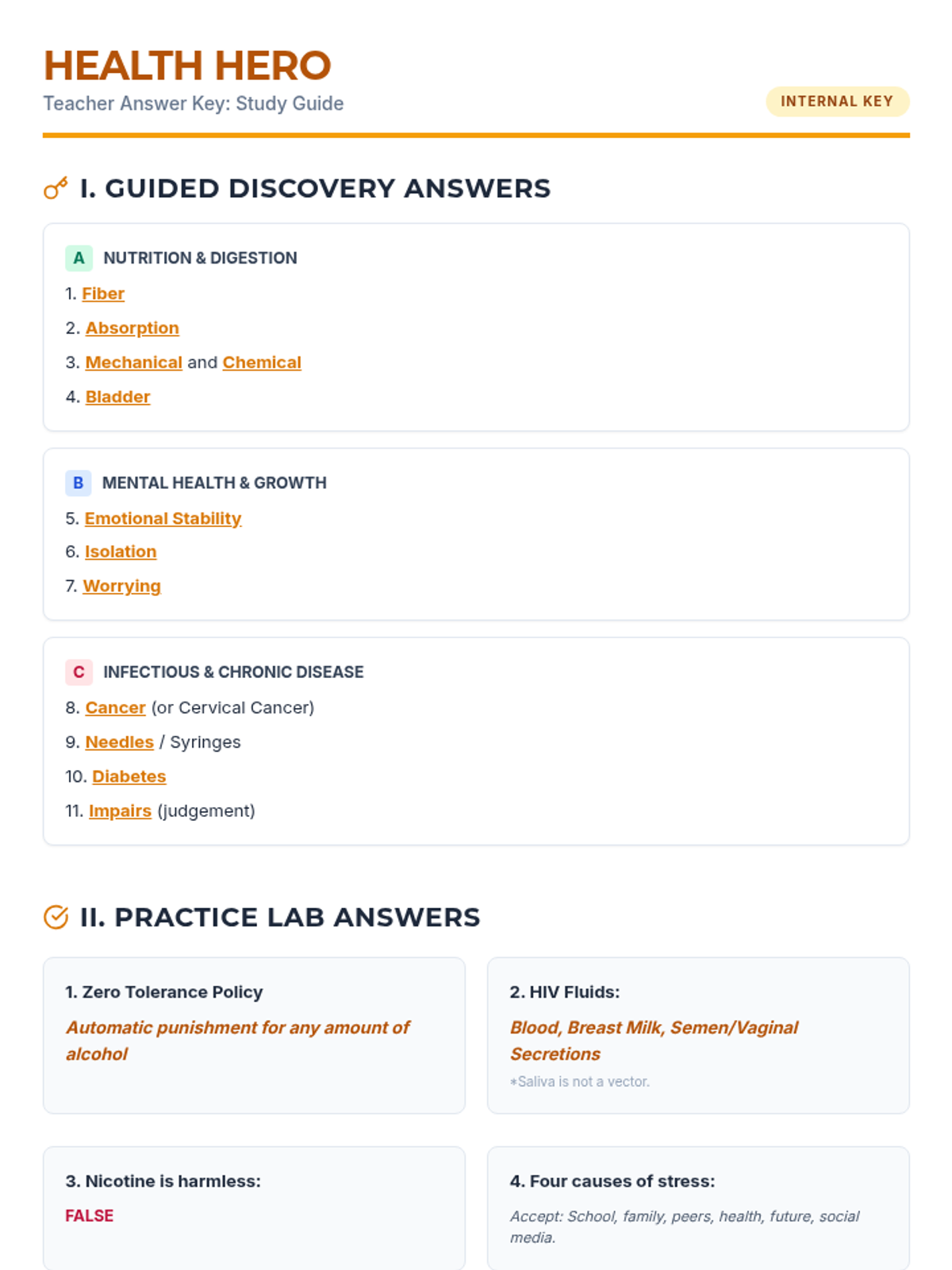
A teacher answer key for the Health Hero Study Guide, providing correct responses for the guided notes, practice lab questions, and short answer explanations. Condensed for efficiency.
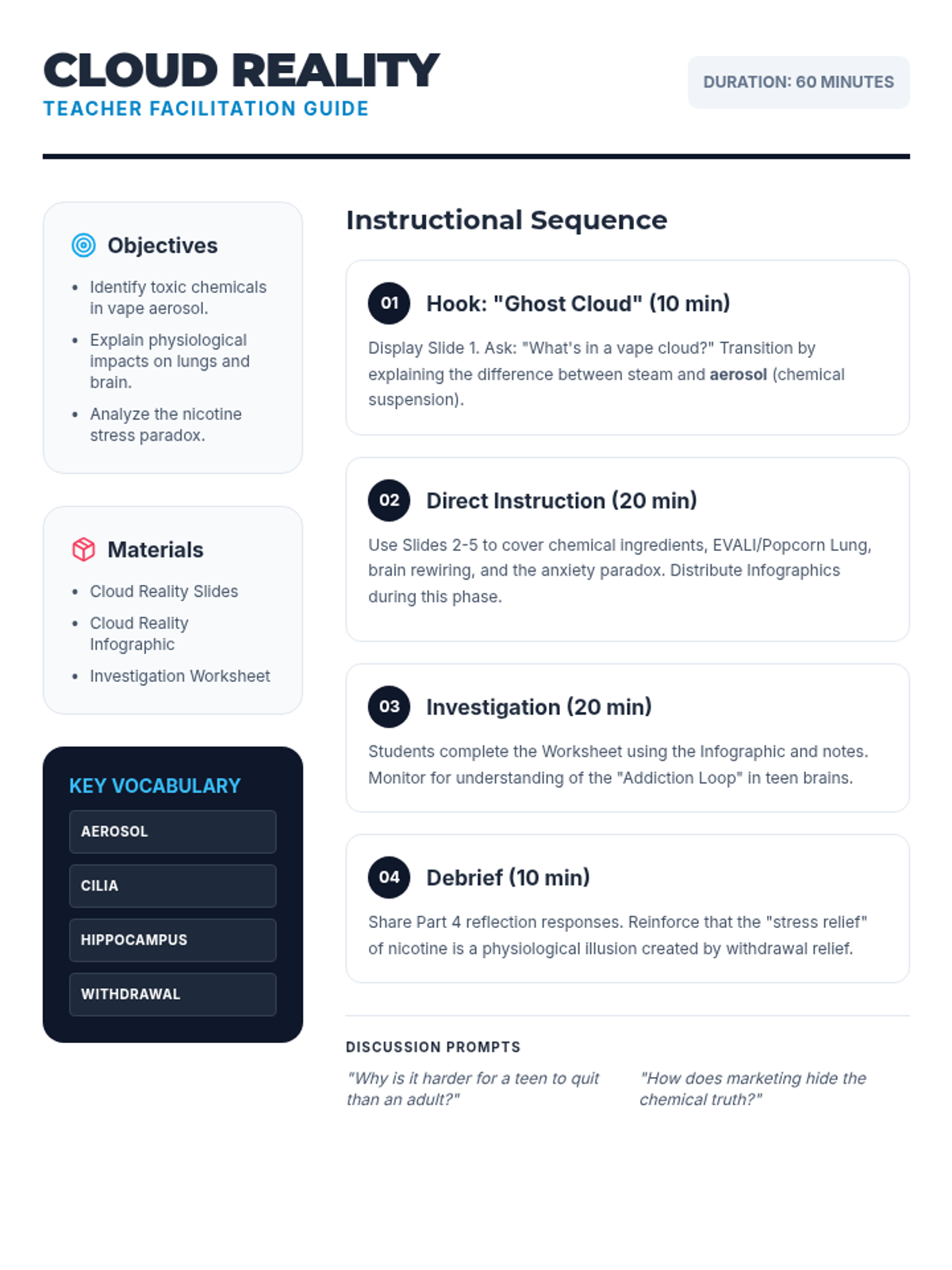
A comprehensive lesson plan for teachers, outlining the 60-minute instructional sequence, objectives, and key discussion prompts for the Cloud Reality lesson. Now consolidated to a single page for easier use.
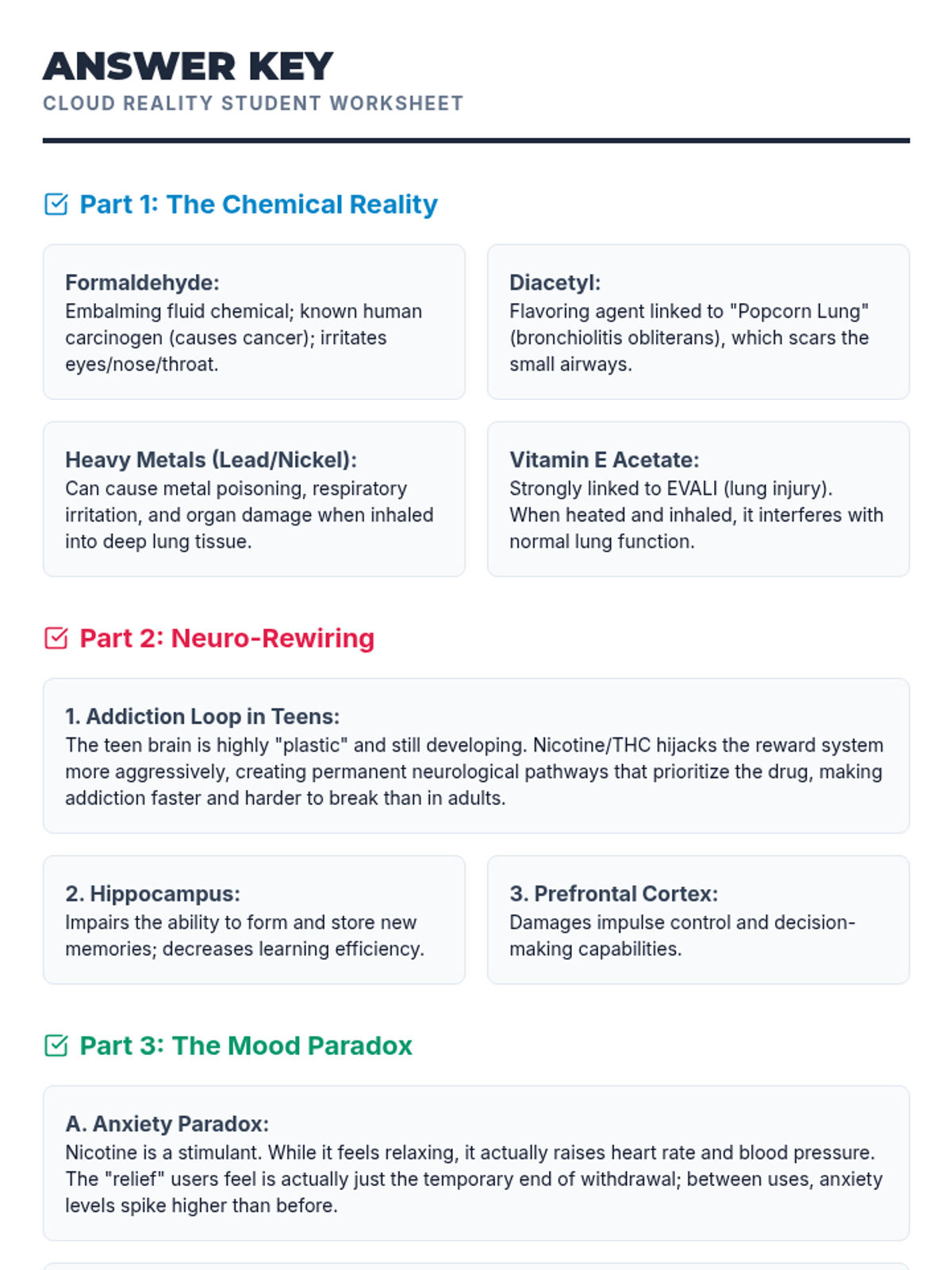
The answer key for the Cloud Reality Student Worksheet, providing comprehensive answers for chemical risks, brain development, and mental health paradoxes.
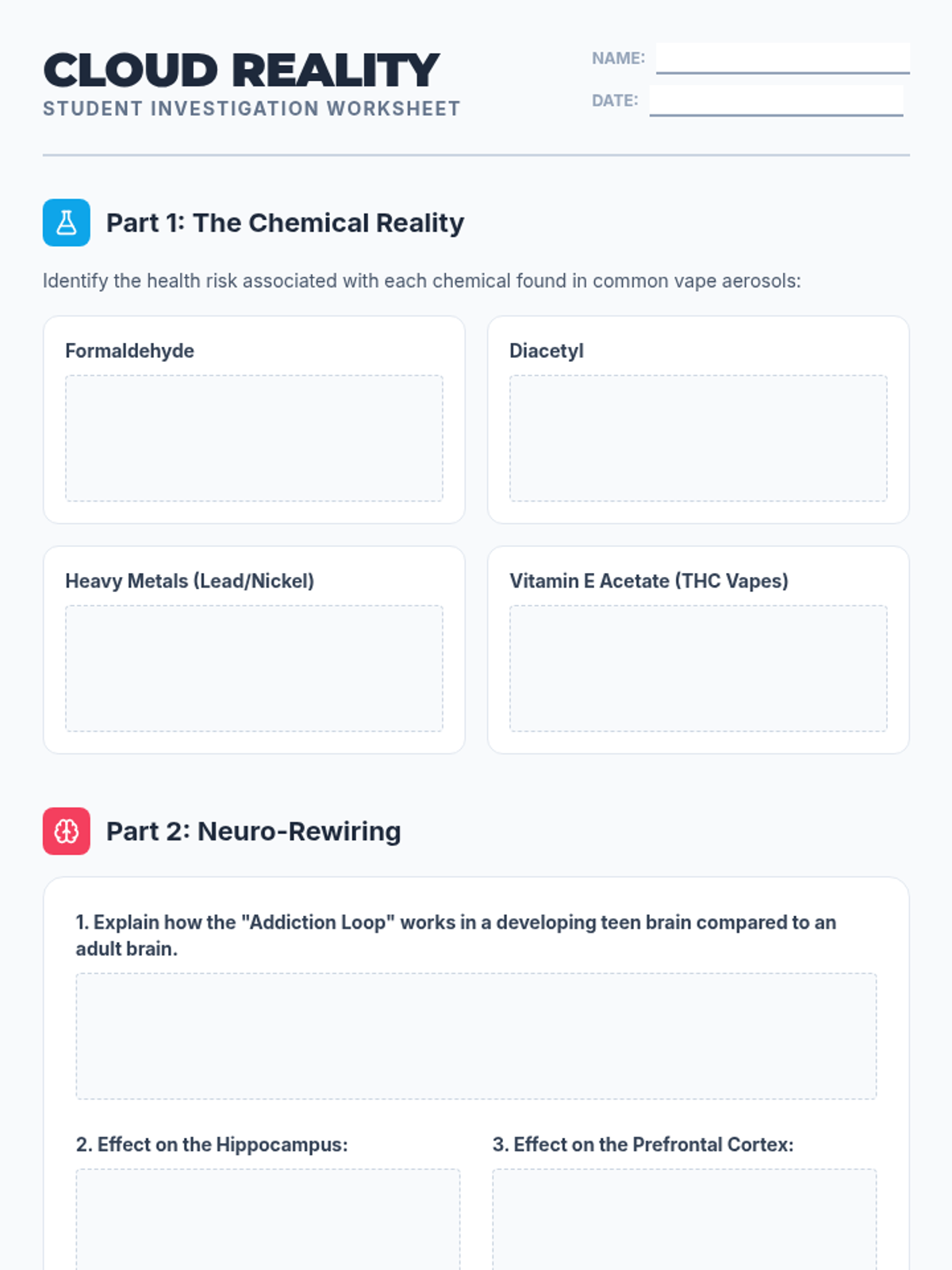
A student worksheet designed to accompany the Cloud Reality lesson. Includes sections on chemical analysis, brain development effects, the mood paradox of nicotine, and a critical thinking reflection prompt.
A 6-slide visual presentation for instruction on the physical and mental health risks of vaping. Features high-impact graphics and clear, large-text summaries of chemical risks, lung health, and brain development.
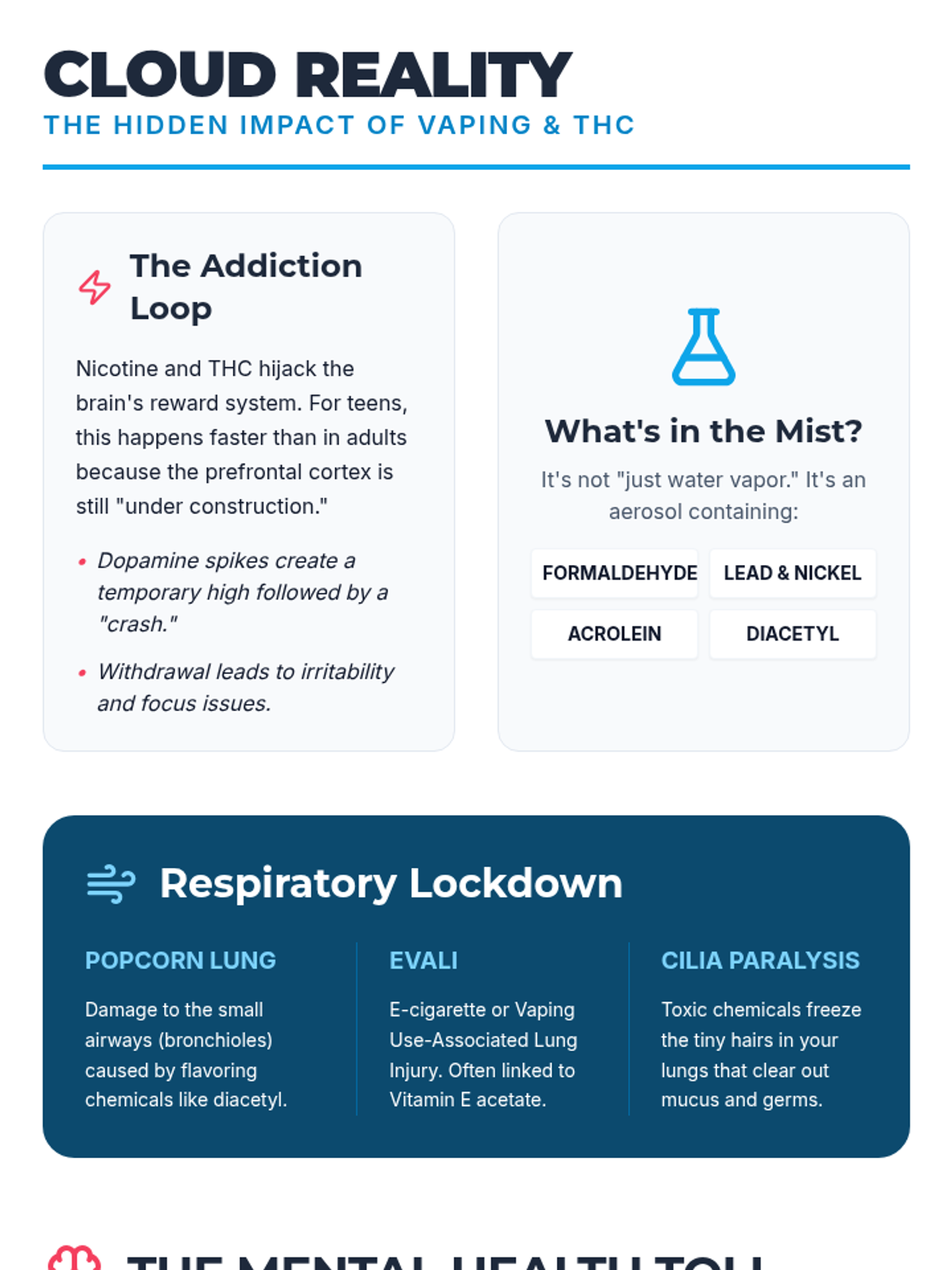
A high-impact 2-page infographic explaining the respiratory, neurological, and mental health risks of vaping and THC. Features bold visuals, chemical breakdowns, and an explanation of the addiction cycle.
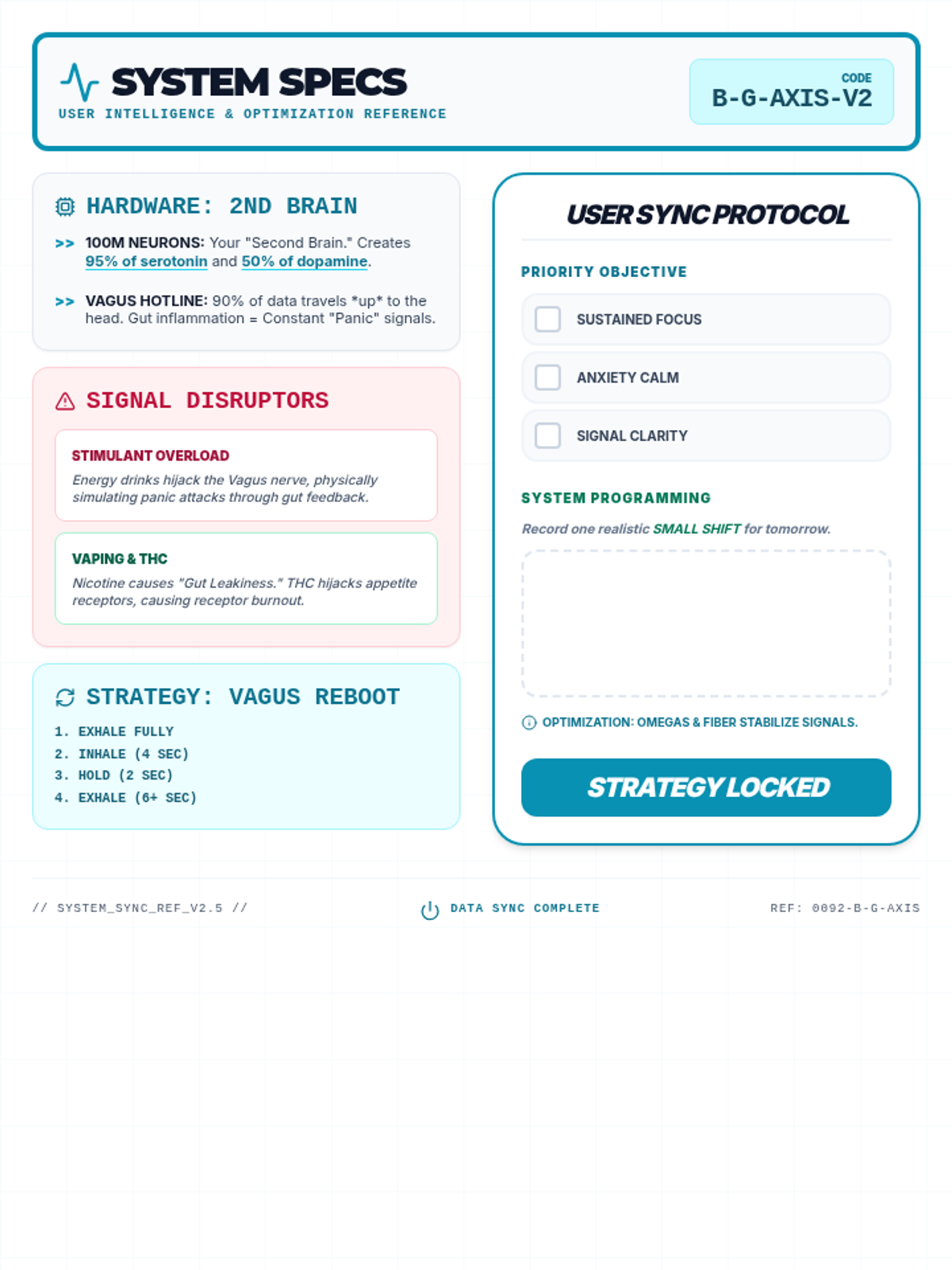
A 'System Specs' reference sheet for students that complements the 12-slide deck. Revised to be print-friendly with high contrast, white backgrounds for student work areas, and improved layout to fit on a single page. Includes the Vagus Reboot strategy and a personal 'User Sync Protocol' work area. Revised for 1-page fit and clarity.
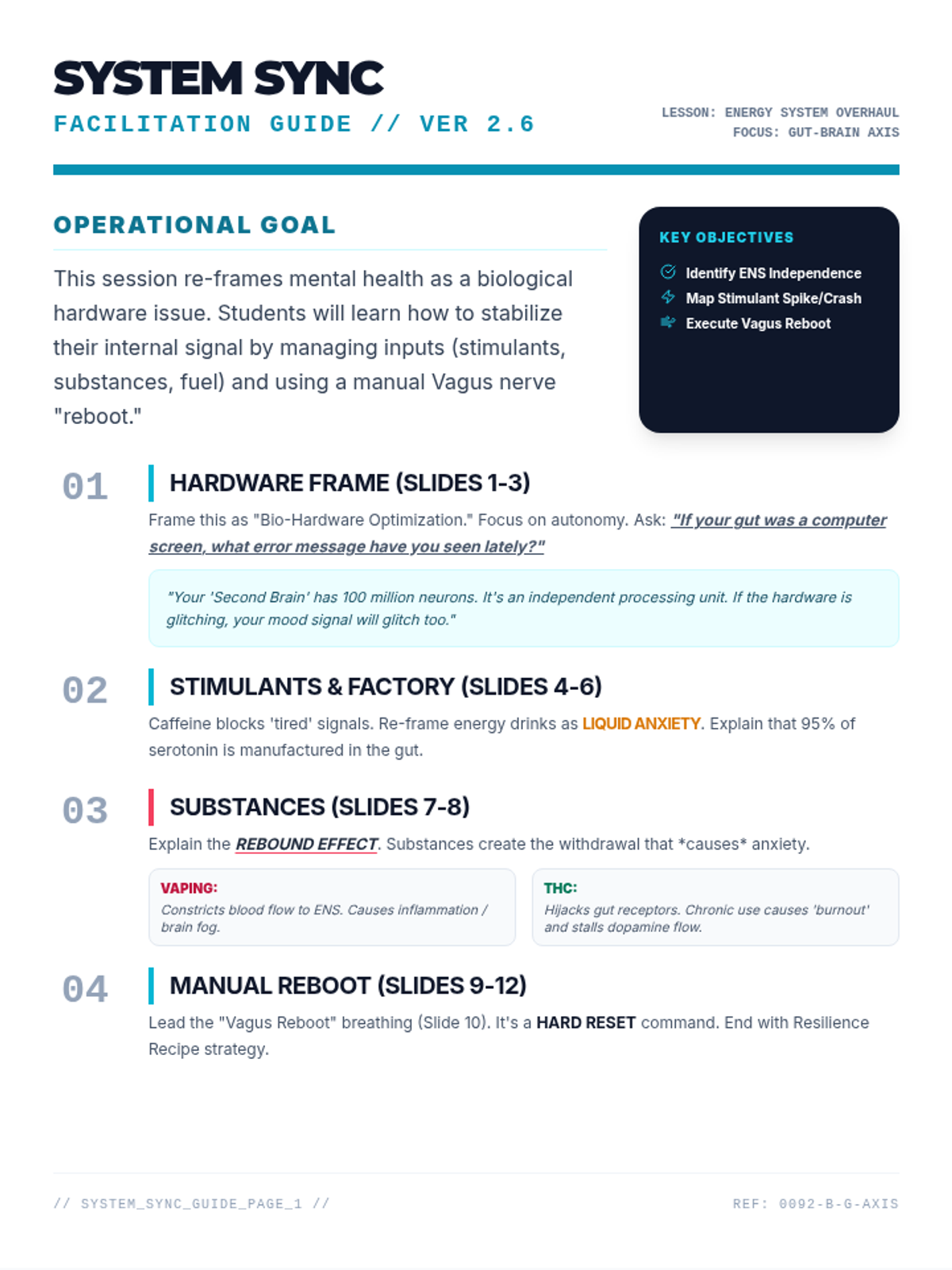
A facilitation guide for the 12-slide 'Energy System' lesson. Provides technical scripts for explaining the ENS, stimulant cycles, and the rebound effects of vaping and THC. Consolidated into a professional 2-page layout with expanded facilitation notes and clinical integration strategies. Revised for page-break efficiency and content density.
A high-energy, 12-slide presentation themed as a technical 'Energy System' overhaul. Covers the 2nd brain (ENS), chemical factory (serotonin/dopamine), stimulant impacts (energy drinks), and detailed biological effects of vaping/THC. Includes multiple interactive digital check-ins and a Vagus Nerve strategy slide. Revised for layout consistency and contrast.
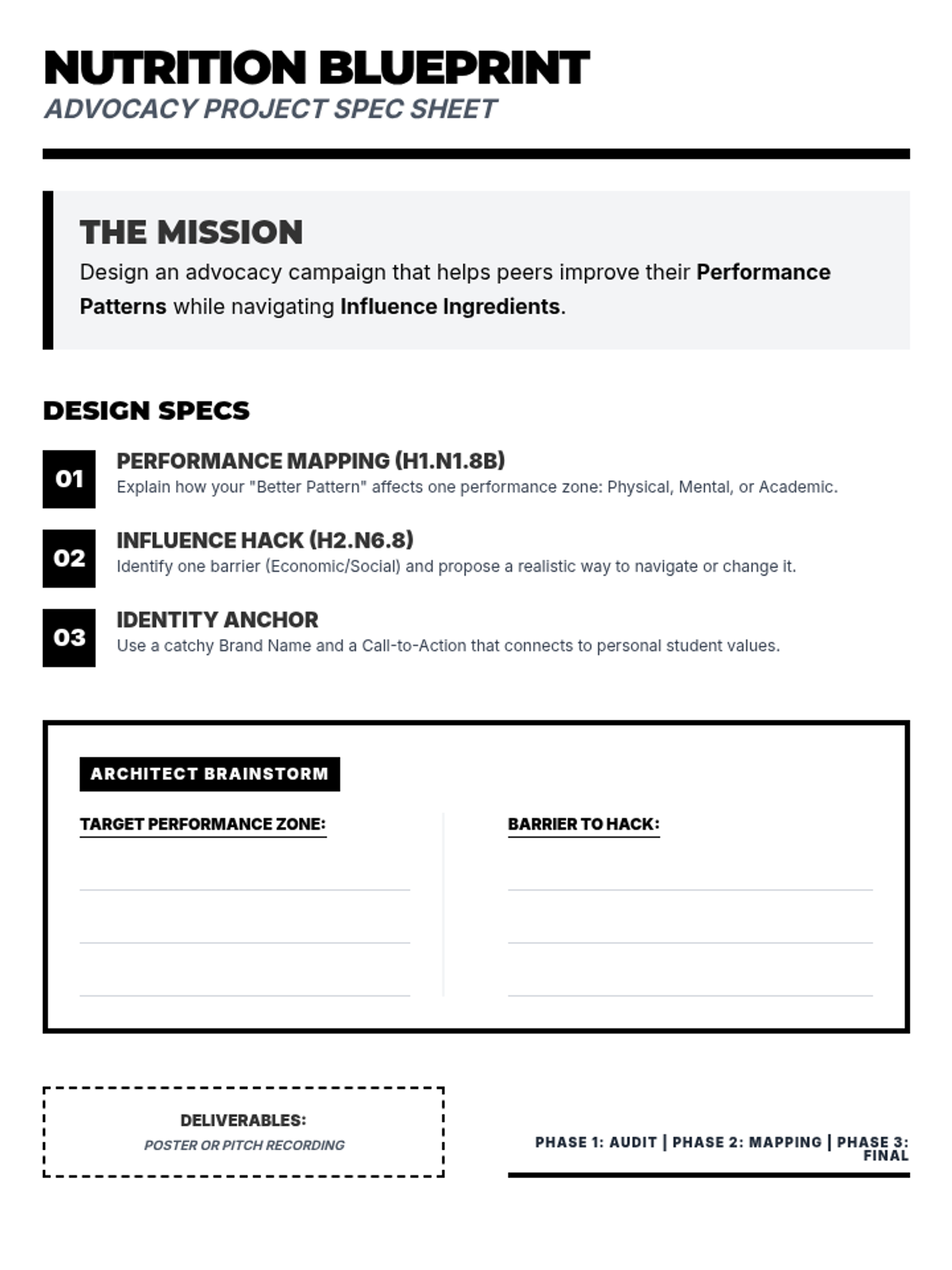
A detailed project guide for the culminating Nutrition Blueprint advocacy project. Outlines specs for performance mapping, influence hacking, and final deliverable options. Designed for grayscale printing.
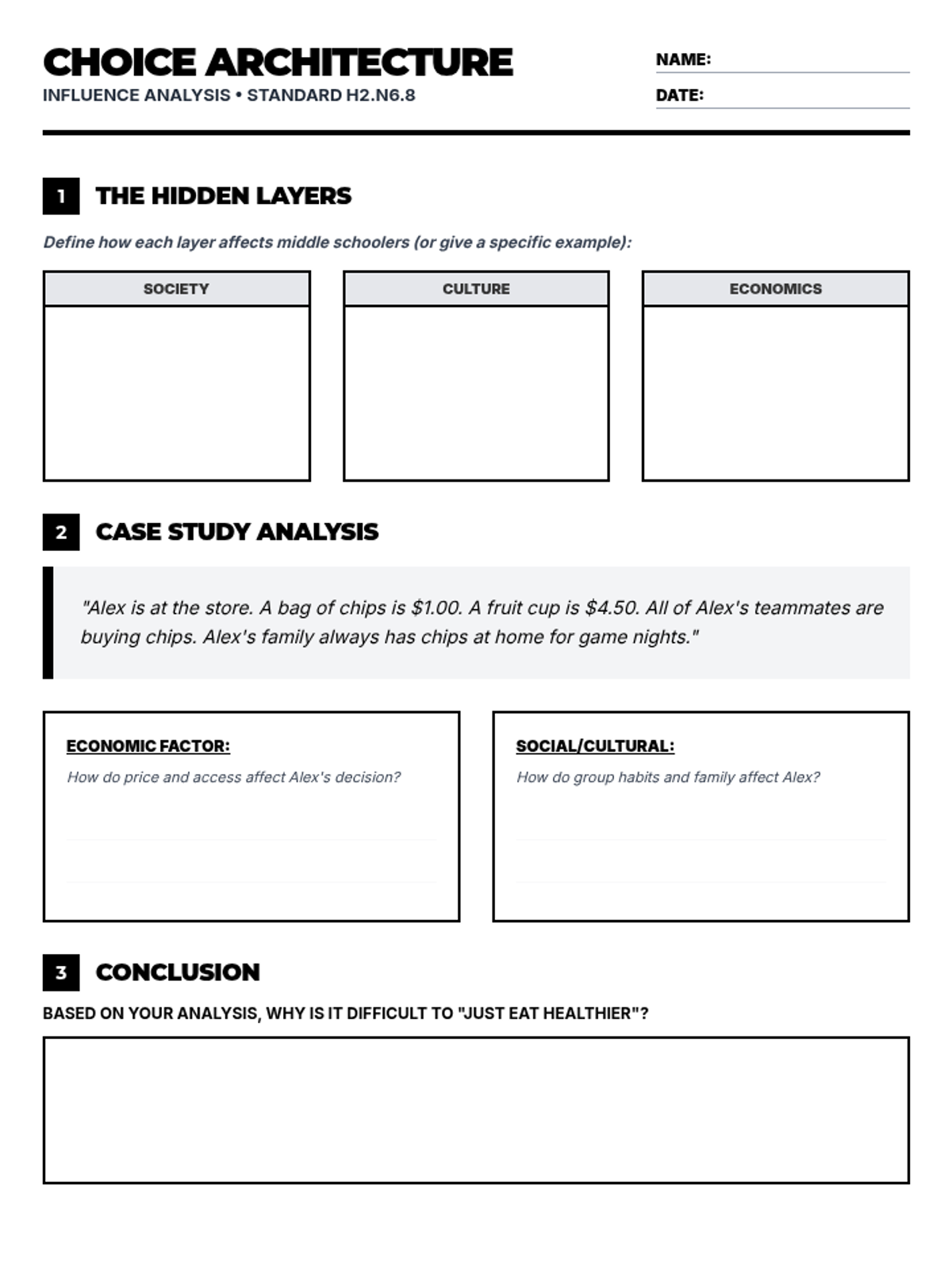
An analysis worksheet where students dissect the layers of influence (social, cultural, economic) on food choices through a specific case study. Designed for high-contrast grayscale printing.
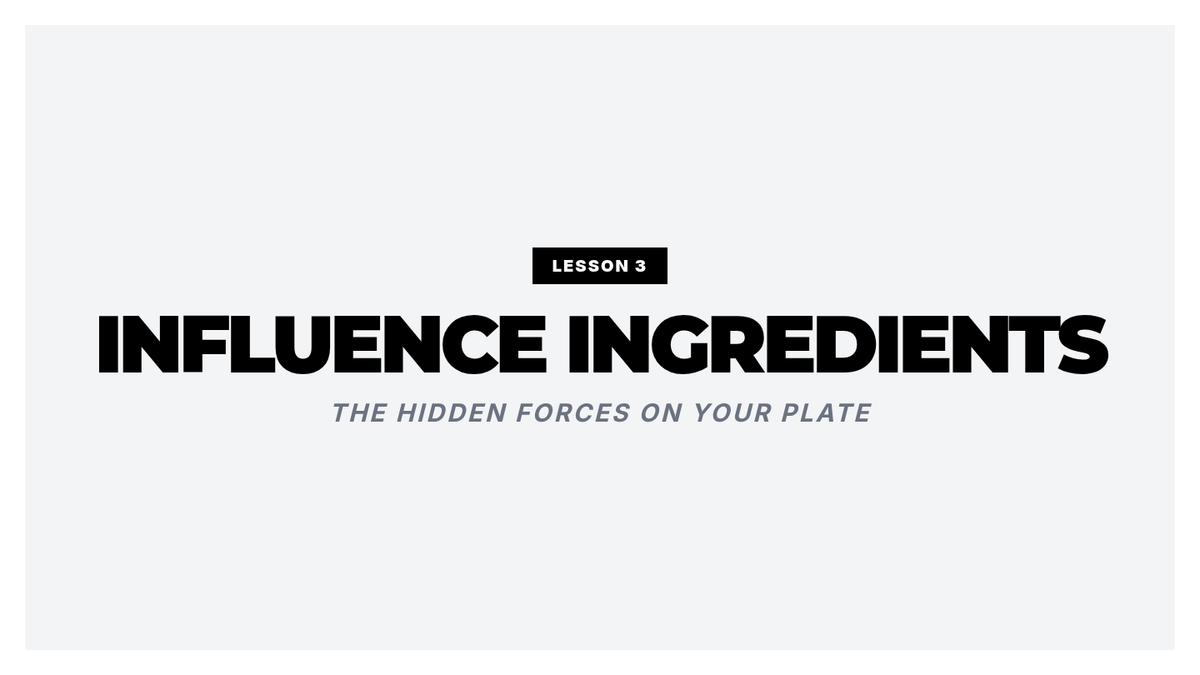
Presentation slides analyzing how society, culture, and economics influence nutritional choices and food environments. High-impact grayscale design with technical motifs.
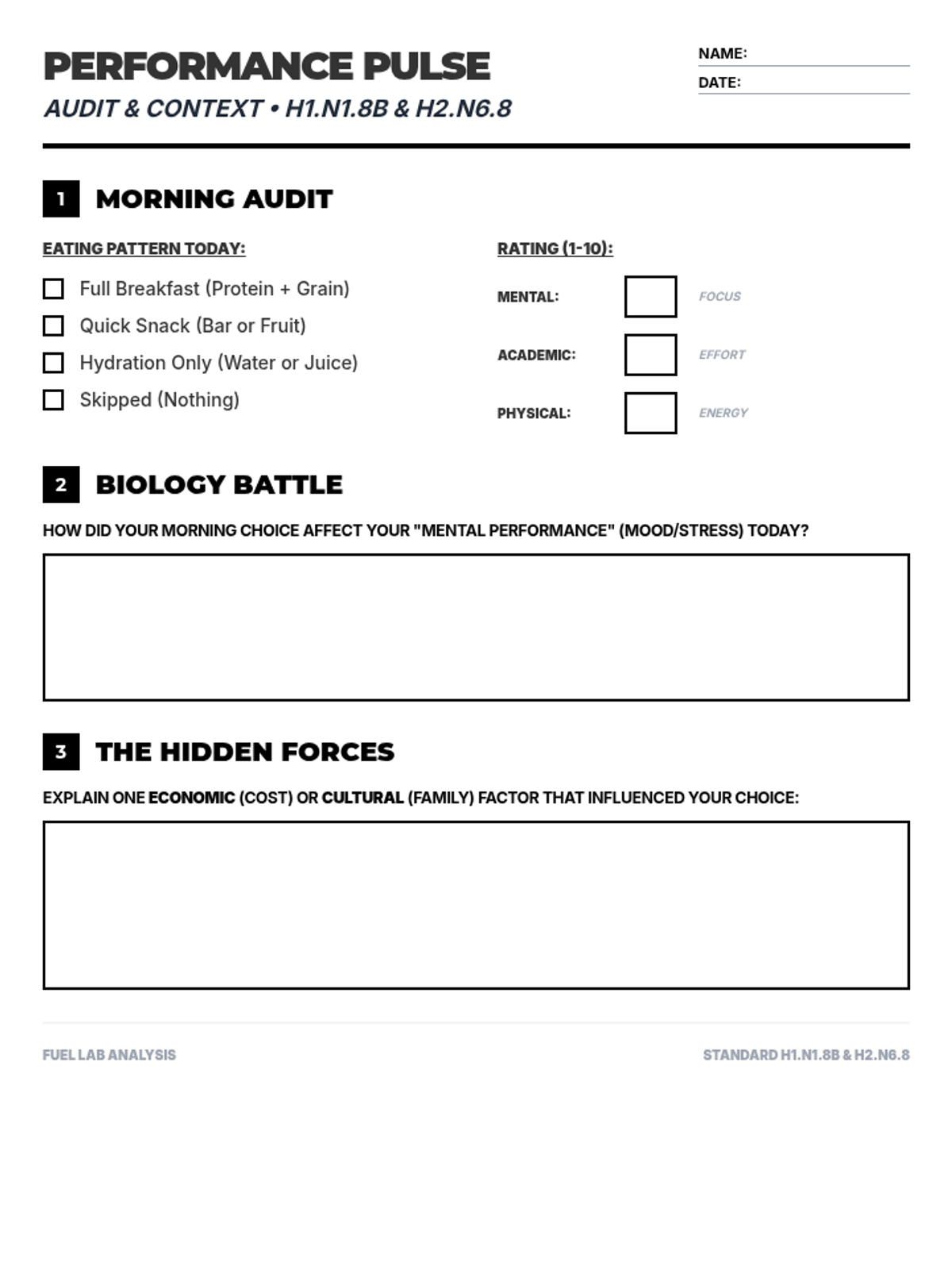
A reflective worksheet for students to audit their daily eating patterns and analyze the immediate impact on their mental, physical, and academic performance. Designed for grayscale printing.
Presentation slides exploring the links between nutrition patterns and physical, mental, and academic performance, as well as long-term growth and development. High-impact grayscale design.
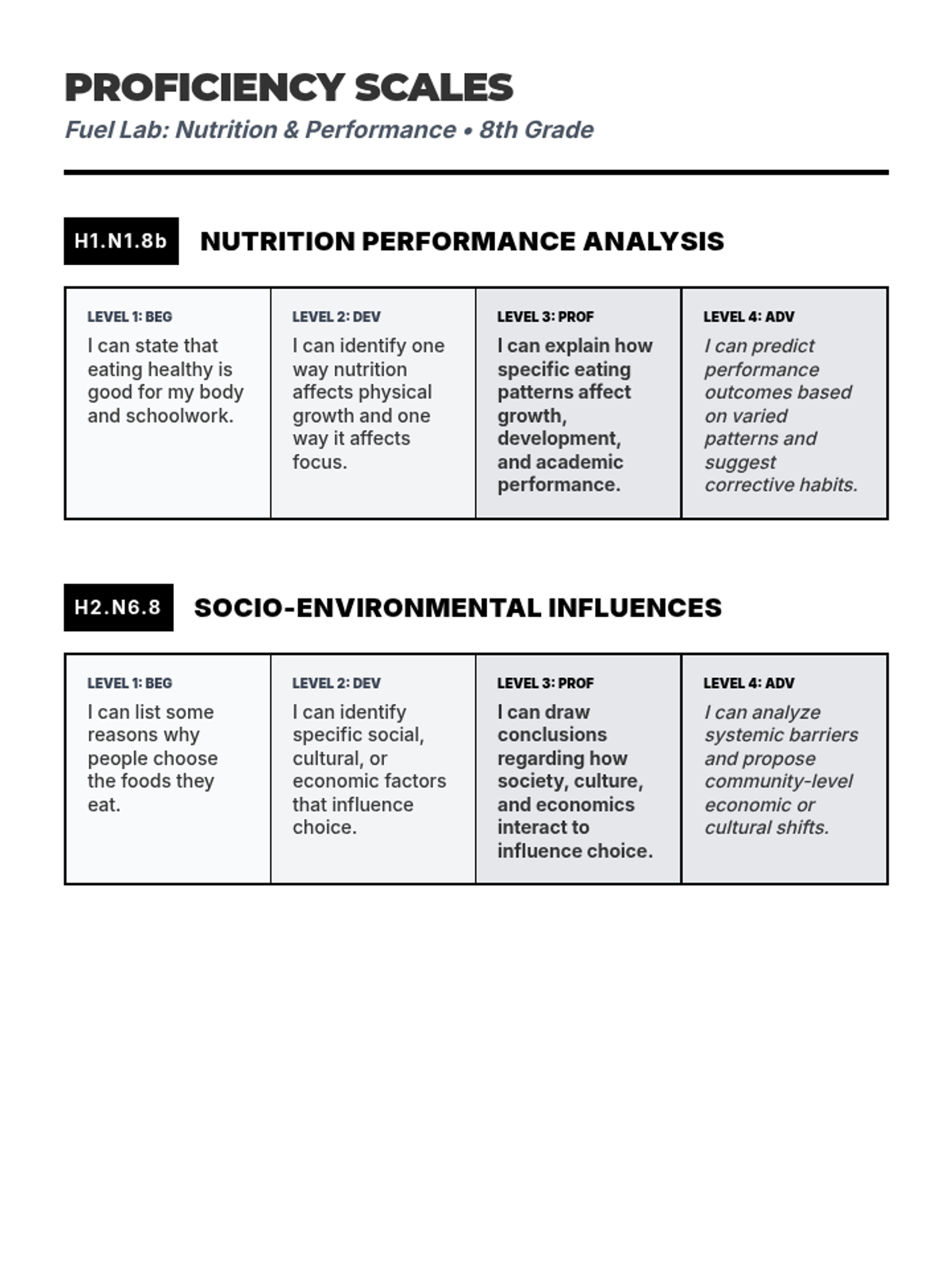
A clear set of 4-point proficiency scales for the Fuel Lab nutrition unit, aligning with middle school health standards for performance impacts and social/economic influences. Designed for grayscale printing.
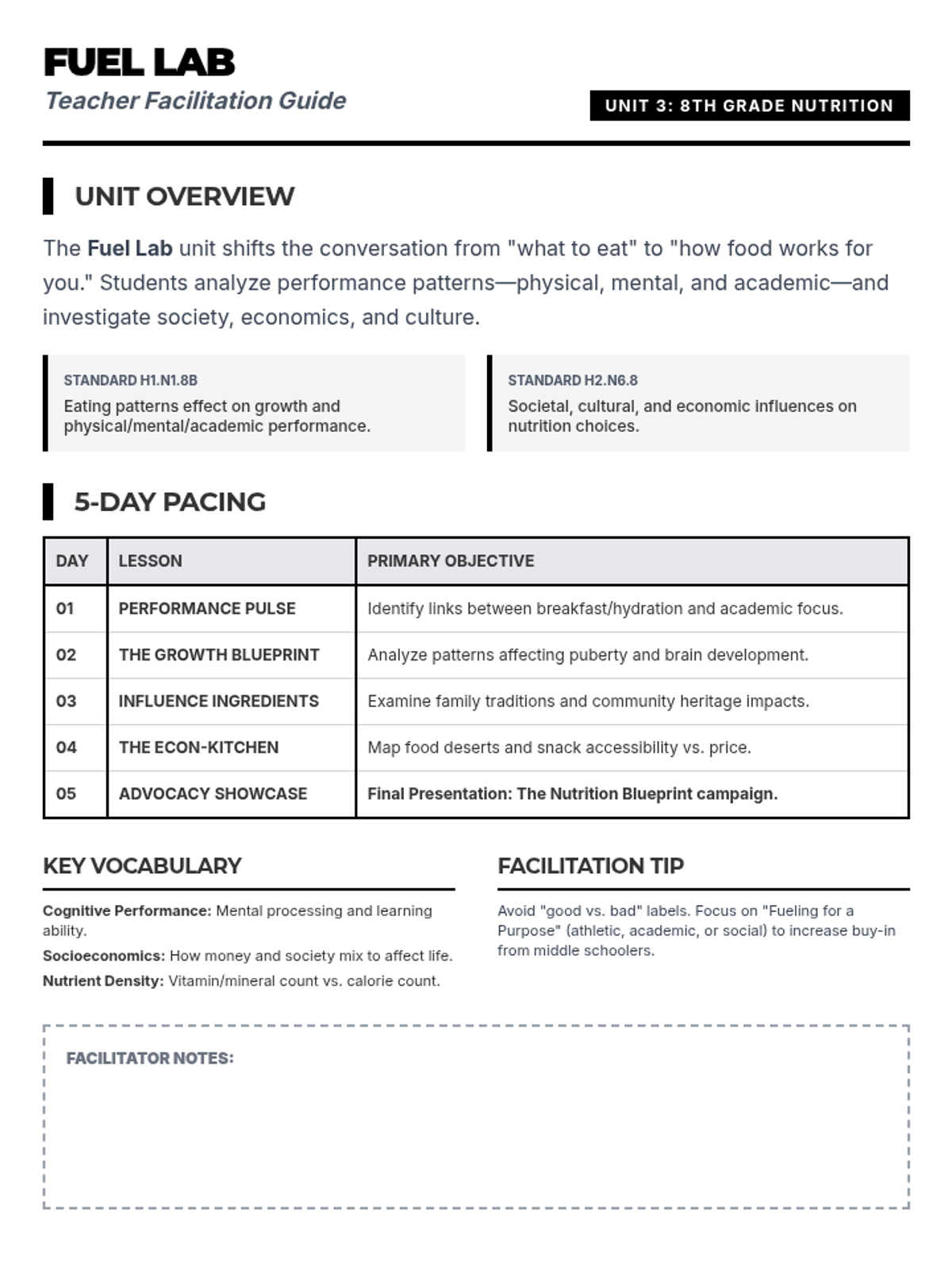
A comprehensive teacher facilitation guide for the Fuel Lab nutrition unit, featuring unit standards, a 5-day pacing calendar, essential questions, and key vocabulary. Designed for high-contrast grayscale printing.
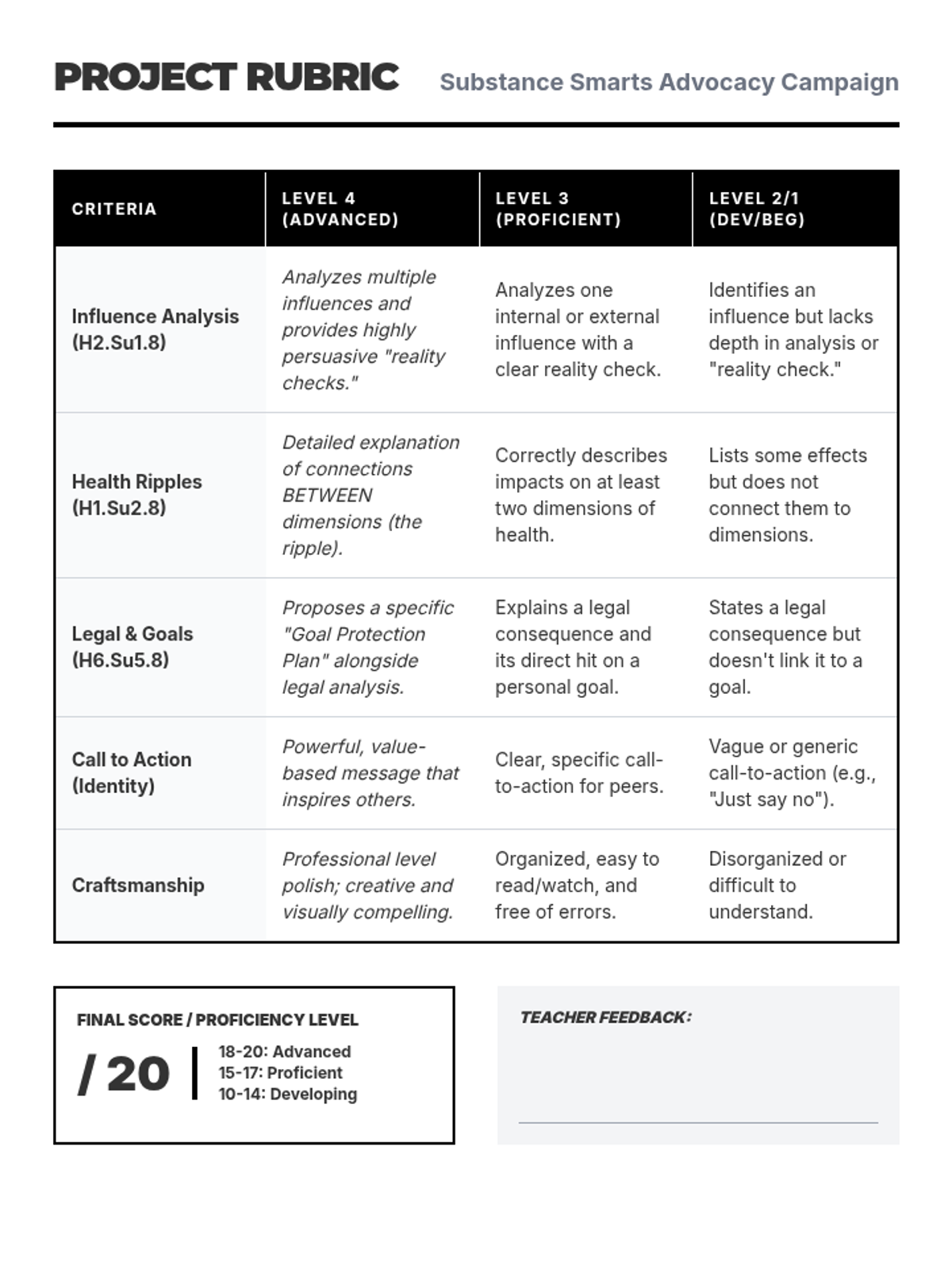
A grading rubric for the final advocacy project of the Substance Smarts unit, aligned with health standards for influences, dimensions of health, and legal impacts. Designed for grayscale printing.
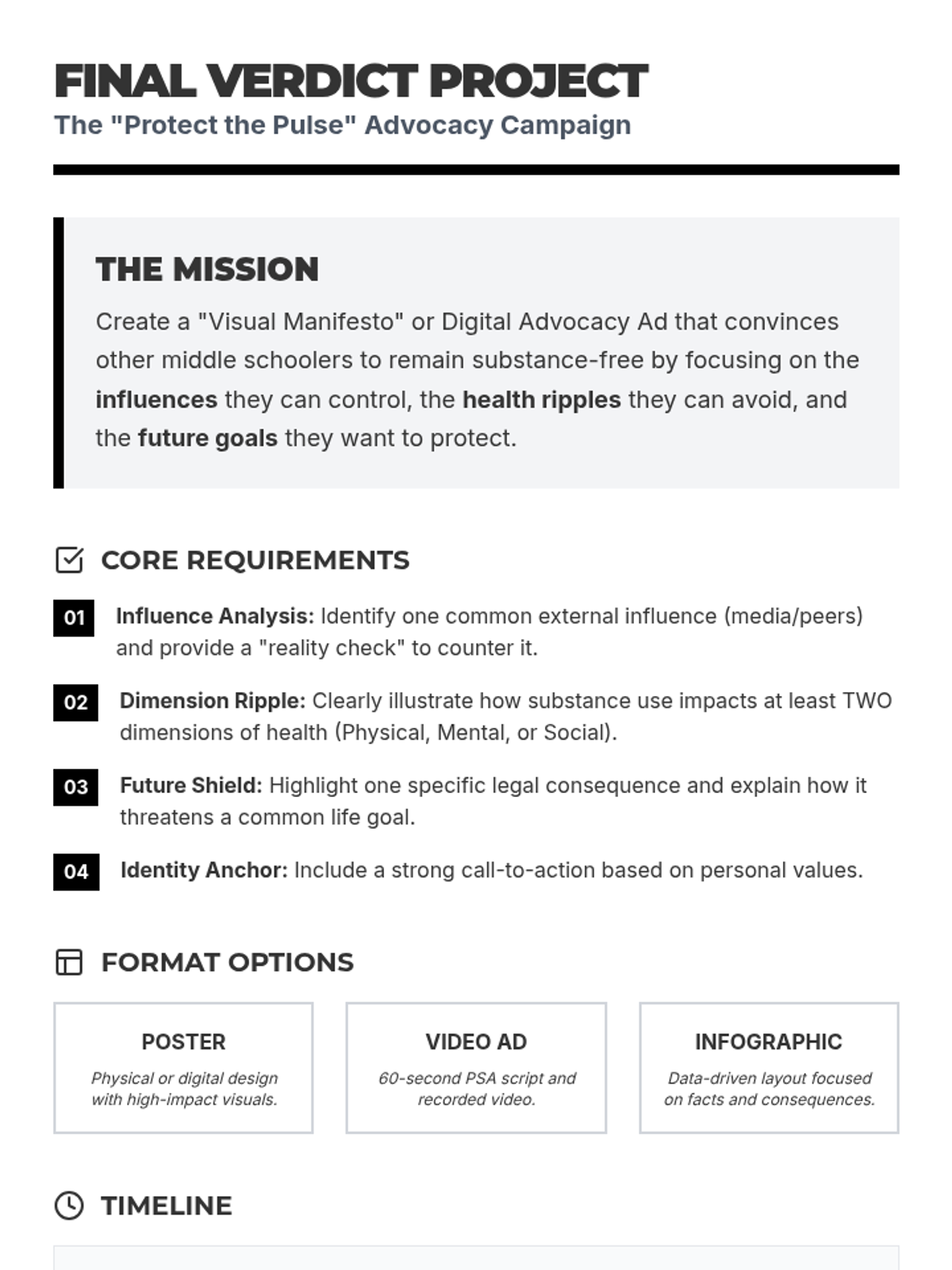
A detailed project guide for the final advocacy project of the Substance Smarts unit. Outlines requirements for influence analysis, health dimensions, and future goal protection. Designed for high-contrast grayscale printing.
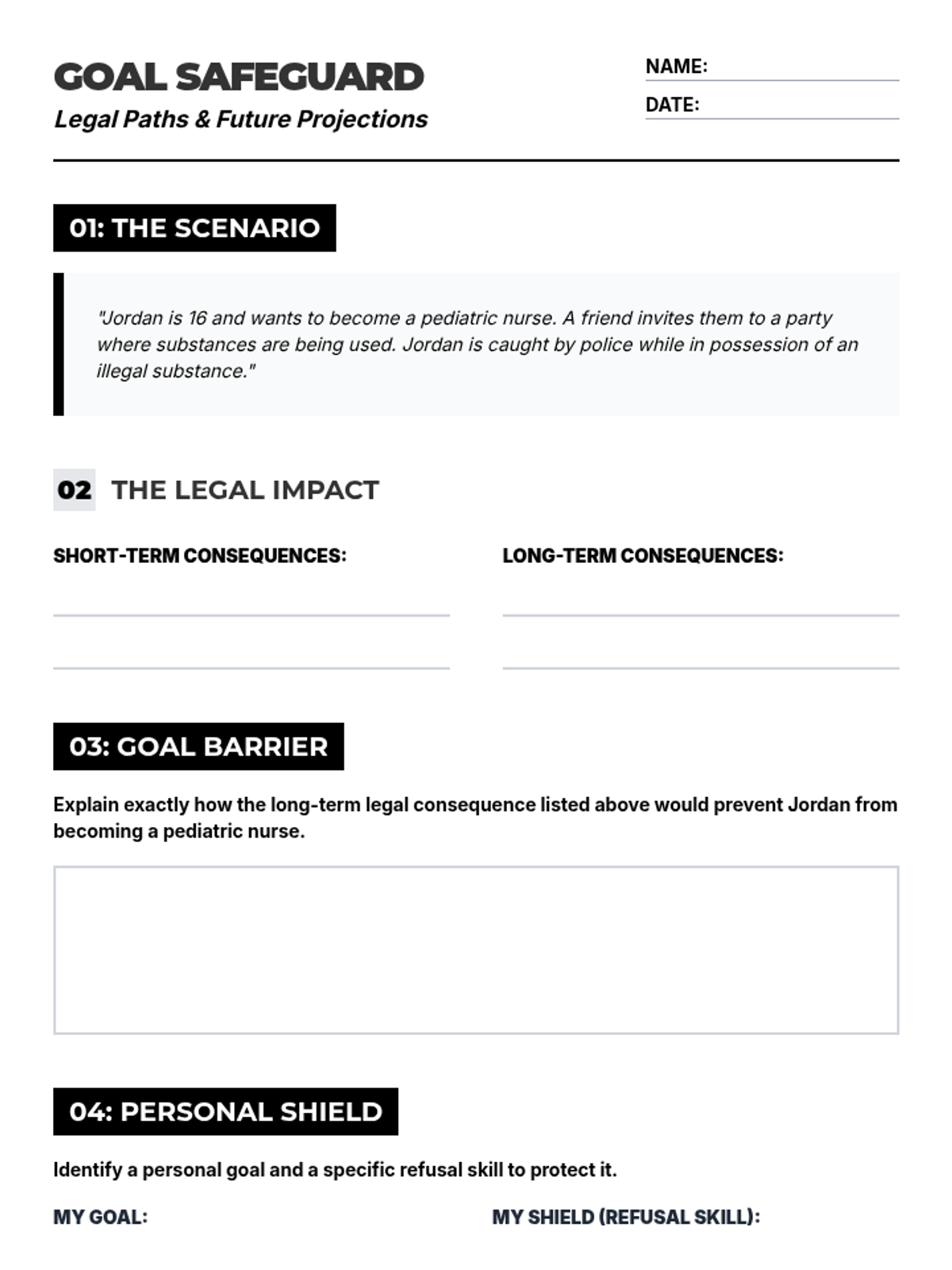
A worksheet for analyzing legal consequences and their impact on future goals. Students analyze a scenario, identify short- and long-term legal hits, and connect them to career barriers. Designed for grayscale printing.
Slides examining the legal consequences of substance use (DUI, possession) and their long-term impact on careers, college aid, and travel. Emphasizes goal protection. Modern, high-contrast style.
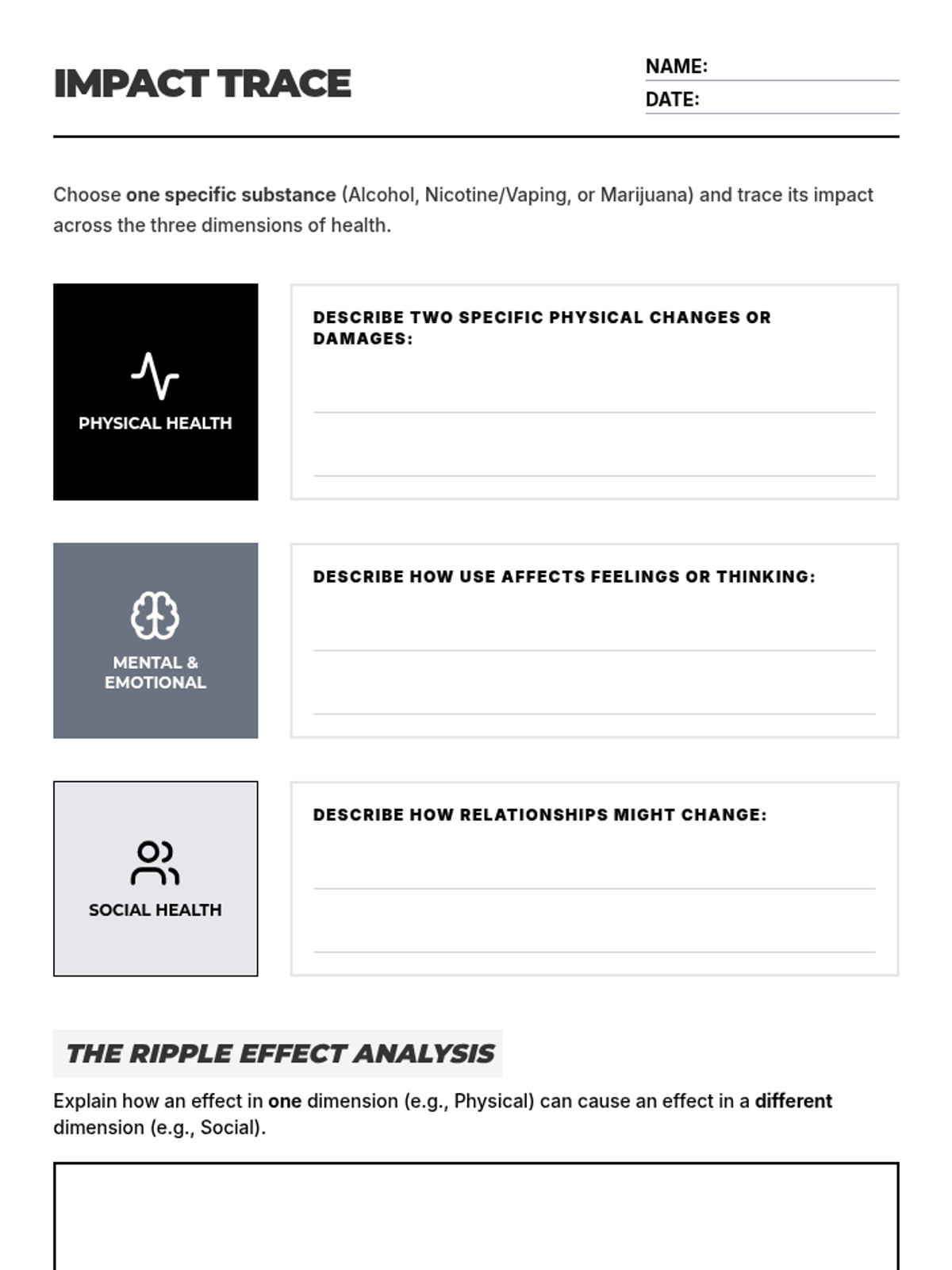
An "Impact Trace" worksheet where students analyze the specific physical, mental, and social effects of a chosen substance. Includes an analysis section for the inter-dimensional "ripple effect." Designed for grayscale.
Slides exploring the physical, mental/emotional, and social dimensions of health in relation to substance use. Emphasizes the "ripple effect" and critical brain development in middle school.
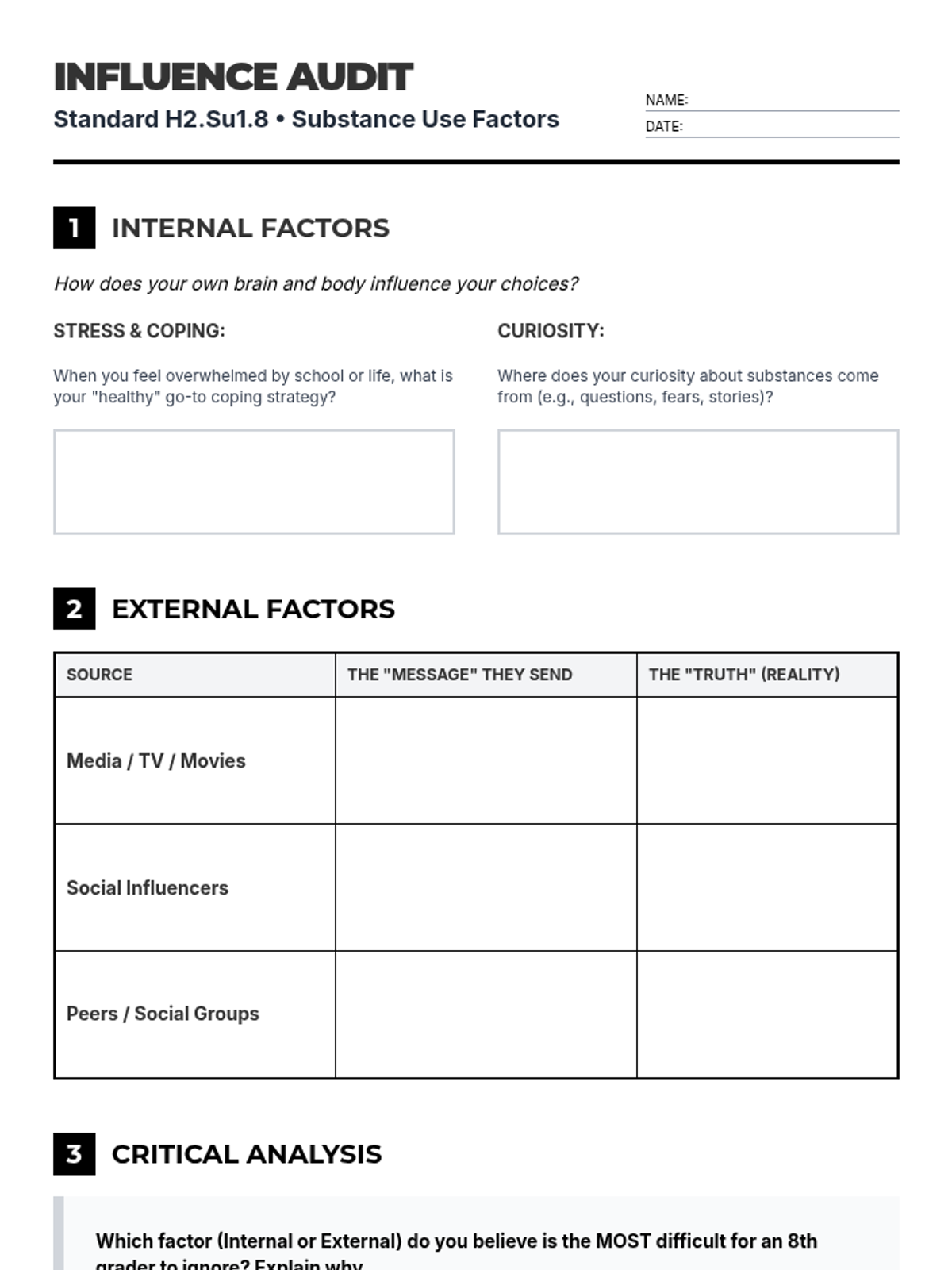
A worksheet for students to audit internal (stress, curiosity) and external (media, peers) factors influencing substance use. Includes a table for comparing media messages with reality. Optimized for grayscale.
A presentation for the Influence Pulse lesson, analyzing internal and external factors that lead to substance use. Focuses on media literacy and peer pressure scenarios. High-contrast, impactful design.
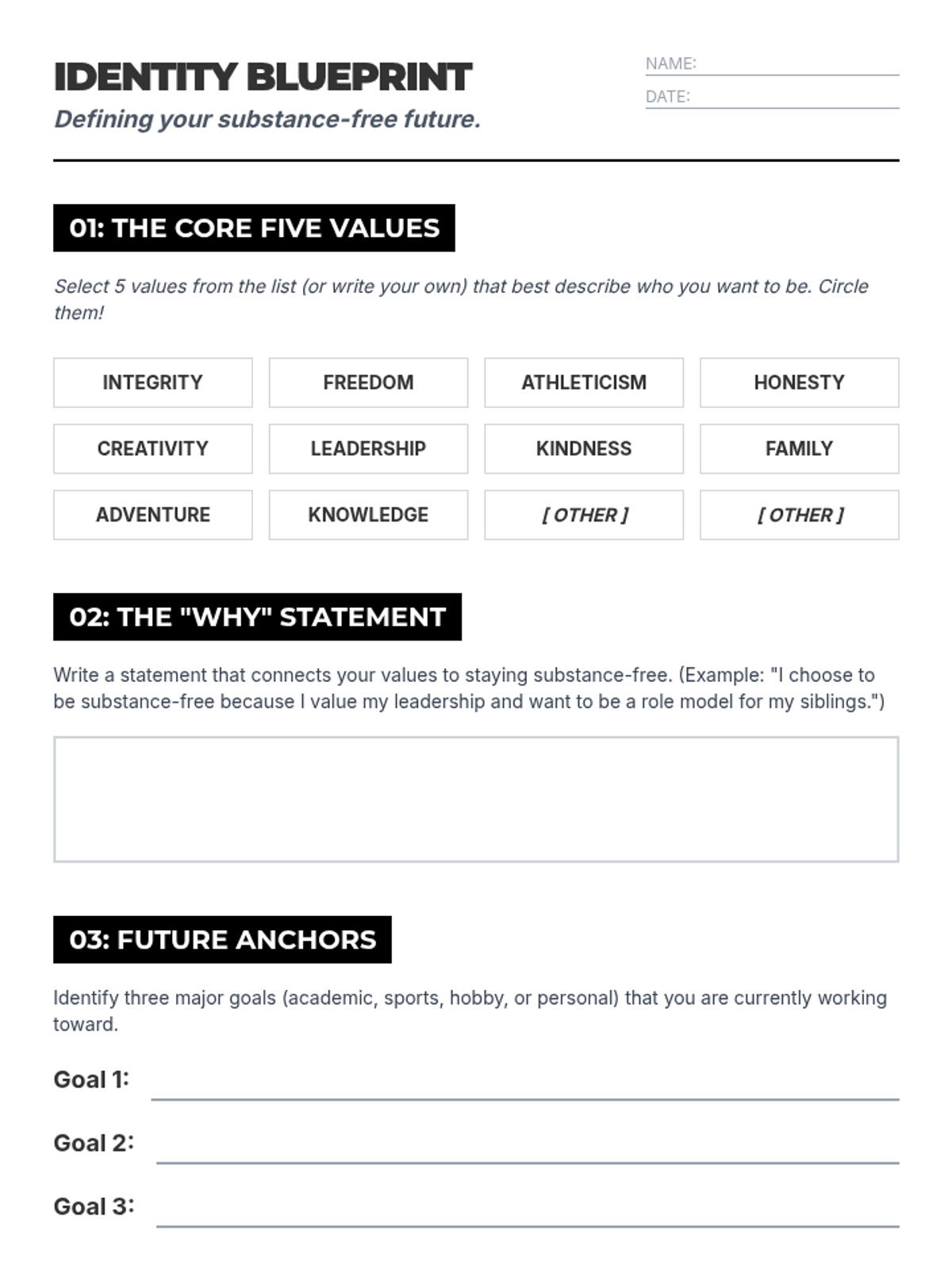
A personal values and goal-setting activity for the start of the Substance Smarts unit. Students identify core values and write a "Why" statement to anchor their health decisions. Designed for grayscale printing.