Lenny LearningLenny
Create
Explore
Workspace
LoginSign up
MathEnglish Language ArtsScience & EngineeringSocial StudiesGlobal LanguagesHealth & Physical EducationSpecial EducationCounseling & Life SkillsArts & CreativityESL
Lenny LearningLenny
Lenny Learning
About
Training
Pricing
Support
Contact
© 2026 Lenny Learning Inc.

Movement Skills and Concepts

SequencesLessonsMaterialsVideos
  1. Health & Physical Education

Movement Skills and Concepts

SequencesLessonsMaterialsVideos

Fundamental movement patterns including locomotor actions, non-locomotor stability, and spatial awareness. Develops body control through fine motor precision and manipulative skills such as throwing and catching.

Health & Physical EducationMovement Skills and ConceptsBody ControlLocomotor SkillsNon-Locomotor SkillsFine Motor SkillsManipulative SkillsBalance and CoordinationSpatial AwarenessMovement PatternsRhythmic Activities and DanceRhythm and TimingDance BasicsIndividual and Dual SportsGymnastics and TumblingTrack and FieldRacket SportsSelf-Defense and Martial ArtsTeam SportsCooperative GamesSportsmanshipTeam CommunicationBasketball SkillsSoccer SkillsVolleyball SkillsFootball SkillsGame StrategiesFitness and Physical ActivityCardio FitnessFlexibility and StretchingMuscular Strength and EnduranceSetting Fitness GoalsHealthy HabitsHygiene PracticesSleep and RestPhysical Activity HabitsHydrationInjury PreventionBody Awareness and Self-CareDisease PreventionHealth Decision-MakingHelp-Seeking and Self-AdvocacyMental HealthMental Health BasicsEmotional AwarenessStress ManagementCoping StrategiesMindfulness PracticesBreathing and Relaxation TechniquesMeditation BasicsResilience and PerseveranceHealthy RelationshipsSocial and Emotional SkillsHelp-Seeking and Support SystemsDigital WellbeingNutritionNutrition BasicsFood GroupsBalanced MealsHealthy Eating HabitsReading Food LabelsPersonal SafetyRecognizing Unsafe SituationsHuman and Child TraffickingStranger DangerPersonal BoundariesFire and Water SafetyEmergency ResponseConflict Resolution BasicsInternet and Social Media SafetySafe Personal RelationshipsSubstance AwarenessTobacco AwarenessAlcohol AwarenessCannabis AwarenessOpioid AwarenessStimulant AwarenessPrescription Drug AwarenessRefusing Peer PressureOutdoor and Adventure ActivitiesOutdoor Recreation SafetyHiking and OrienteeringTeam Building Activities
Body ControlStatic and dynamic balance, spatial awareness, and core stability through targeted physical exercises. Develops coordination and precision in gross motor movements across varied environments.
Locomotor SkillsFundamental movement patterns including walking, running, jumping, and skipping. Develops coordination, balance, and spatial awareness for navigating physical environments.
Non-Locomotor SkillsFoundational body movements performed in a stationary position, such as stretching, balancing, and twisting. Develops body control, flexibility, and spatial awareness without traveling through space.
Fine Motor SkillsHand-eye coordination, finger dexterity, and muscular control for precise tasks. Targets grasping techniques, scissor skills, and handwriting preparation through manipulative play.
Manipulative SkillsFundamental techniques for throwing, catching, kicking, and striking with various implements. Strengthens hand-eye coordination and body control through structured object manipulation activities.
Balance and CoordinationStatic and dynamic balance techniques paired with hand-eye coordination drills. Strengthens gross motor control and spatial awareness through targeted movement activities.
Spatial AwarenessFundamental navigation of personal and general space using levels, directions, and pathways. Develops safe movement patterns and body control in relation to others and the environment.
Movement PatternsLocomotor, non-locomotor, and manipulative skills developed through structured sequences and rhythmic activities. Strengthens body awareness, coordination, and spatial control across diverse physical environments.
No videos found
There are no videos available for this topic yet.
No videos found
There are no videos available for this topic yet.
No videos found
There are no videos available for this topic yet.
No videos found
There are no videos available for this topic yet.
No videos found
There are no videos available for this topic yet.
Video
The Alphabet Song Dance Party

The Alphabet Song Dance Party

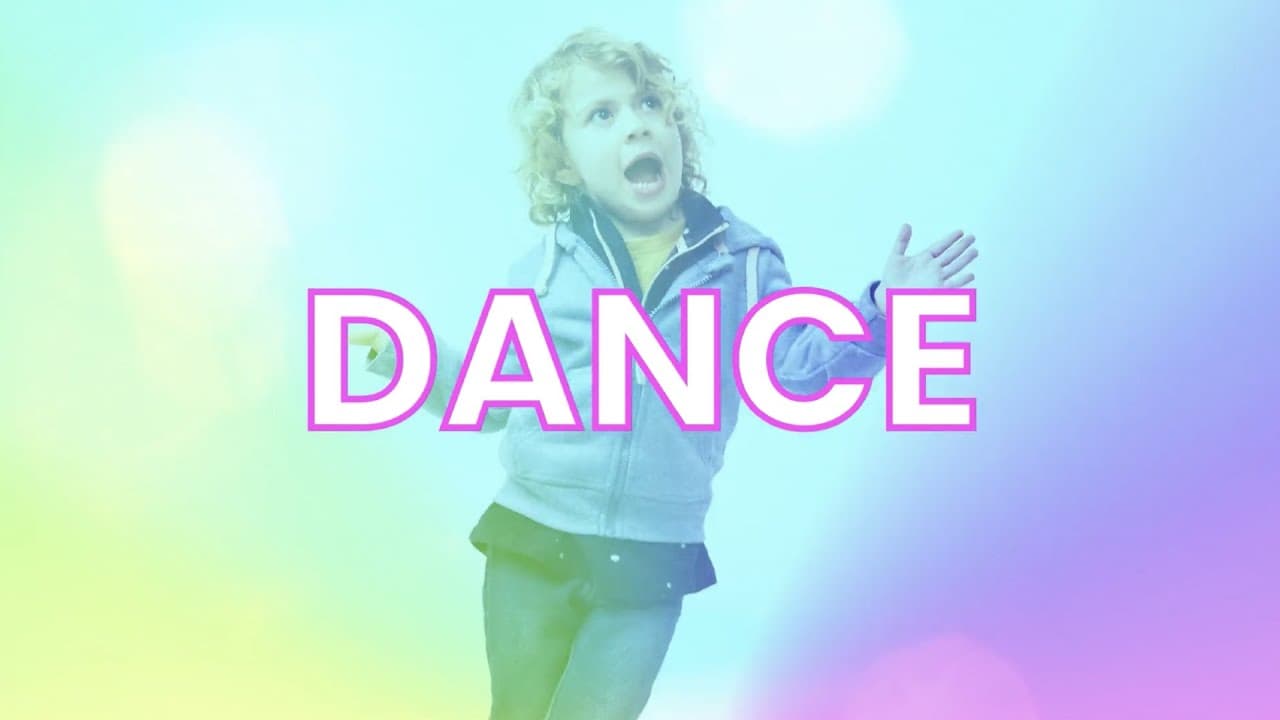
This energetic music video transforms the traditional alphabet song into a modern, upbeat dance party for early learners. The video alternates between scenes of a child performing dance moves against vibrant, neon-colored backgrounds and overhead shots of two friends spinning rapidly on a tire swing. The catchy electronic pop arrangement encourages movement and active participation rather than passive viewing. Key themes include letter sequencing, rhythm, gross motor movement, and creative expression. The video explicitly links the recitation of the alphabet with physical actions like spinning and dancing, helping to solidify memorization through kinesthetic learning. The visual style utilizes high-contrast colors and silhouette effects that appeal to young children's visual senses. For educators, this video serves as an excellent 'brain break' or energizer that reinforces literacy skills. It is particularly useful for transitioning between activities, waking up a tired class, or integrating physical education with early literacy. The repetitive nature of the song allows students to practice the alphabetical order multiple times within a short period while burning off energy.

Have Fun TeachingHave Fun Teaching

2mins 1s

Video
Moving and Naming Parts of the Body

Moving and Naming Parts of the Body

This energetic, animated musical video introduces young learners to sixteen different body parts through song and movement. Three diverse animated characters on a beach guide viewers through a 'head-to-toe' sequence, explicitly naming and demonstrating movements for each specific body part. The catchy, rhythmic lyrics encourage active participation, prompting students to move their own bodies along with the characters on screen. The content covers a comprehensive list of body parts including facial features (eyes, nose, ears, mouth), upper body (neck, shoulders, arms, elbows, hands, fingers), and lower body (stomach, legs, knees, feet, toes). Visual aids include clear text labels for reading reinforcement and animations that highlight specific functions, such as smelling a flower or listening to a bird, which subtly introduces the five senses. Ideally suited for early childhood and physical education settings, this video serves as an excellent tool for vocabulary building, gross motor skill development, and body awareness. It is particularly effective for active recall sessions where students can stand up and perform the actions, making it a perfect brain break or warm-up activity. The repetitive nature of the song ensures that students can easily memorize the vocabulary and associated movements.

Have Fun TeachingHave Fun Teaching

3mins 16s

Video
Moving My Body Parts from Head to Toe

Moving My Body Parts from Head to Toe

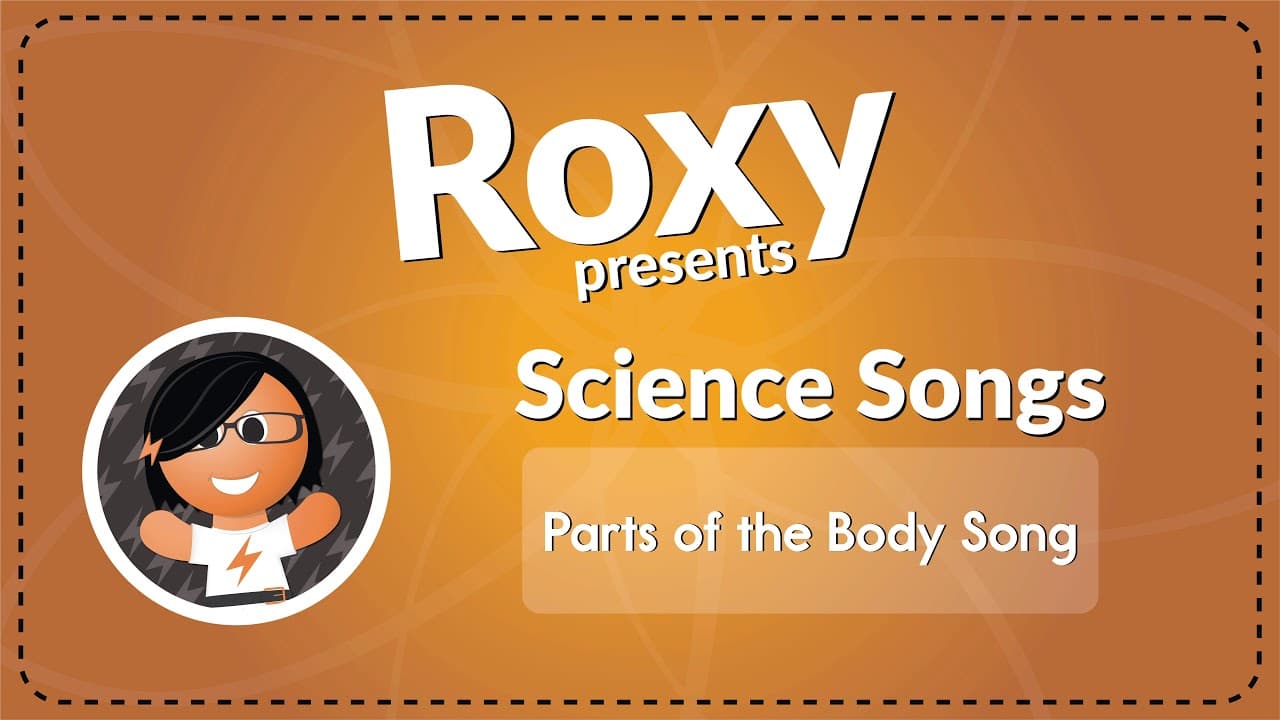
This energetic music video introduces young learners to fundamental human anatomy through a catchy, repetitive song. Hosted by the animated character Roxy, the video guides viewers through a comprehensive list of body parts, starting from the head and working down to the toes. The song structure utilizes a call-and-response format with an electronic pop beat, encouraging children to move and point to their own body parts as they are named on screen. Key themes include body awareness, vocabulary acquisition, and gross motor skills. The video systematically categorizes body parts into upper body (head, eyes, nose, ears, mouth, neck, shoulders) and lower/extremities (arms, elbows, hands, fingers, legs, knees, feet, toes). The rhythmic repetition reinforces memory retention, while the 'movement' theme encourages physical activity alongside cognitive learning. For educators, this video serves as an excellent tool for Total Physical Response (TPR) lessons in early childhood or ESL classrooms. Since the video relies on on-screen text rather than animated demonstrations of the movements, it provides a perfect opportunity for teachers to model the actions while students follow along. The high-energy pacing makes it an ideal brain break, warm-up activity for physical education, or an engaging introduction to a health and science unit about the human body.
Have Fun TeachingHave Fun Teaching

3mins 10s

Video
Moving and Naming Parts of the Body

Moving and Naming Parts of the Body

This energetic, animated musical video introduces young learners to sixteen different body parts through song and movement. Three diverse animated characters on a beach guide viewers through a 'head-to-toe' sequence, explicitly naming and demonstrating movements for each specific body part. The catchy, rhythmic lyrics encourage active participation, prompting students to move their own bodies along with the characters on screen. The content covers a comprehensive list of body parts including facial features (eyes, nose, ears, mouth), upper body (neck, shoulders, arms, elbows, hands, fingers), and lower body (stomach, legs, knees, feet, toes). Visual aids include clear text labels for reading reinforcement and animations that highlight specific functions, such as smelling a flower or listening to a bird, which subtly introduces the five senses. Ideally suited for early childhood and physical education settings, this video serves as an excellent tool for vocabulary building, gross motor skill development, and body awareness. It is particularly effective for active recall sessions where students can stand up and perform the actions, making it a perfect brain break or warm-up activity. The repetitive nature of the song ensures that students can easily memorize the vocabulary and associated movements.

Have Fun TeachingHave Fun Teaching

3mins 16s

Video
Moving My Body Parts from Head to Toe

Moving My Body Parts from Head to Toe

This energetic music video introduces young learners to fundamental human anatomy through a catchy, repetitive song. Hosted by the animated character Roxy, the video guides viewers through a comprehensive list of body parts, starting from the head and working down to the toes. The song structure utilizes a call-and-response format with an electronic pop beat, encouraging children to move and point to their own body parts as they are named on screen. Key themes include body awareness, vocabulary acquisition, and gross motor skills. The video systematically categorizes body parts into upper body (head, eyes, nose, ears, mouth, neck, shoulders) and lower/extremities (arms, elbows, hands, fingers, legs, knees, feet, toes). The rhythmic repetition reinforces memory retention, while the 'movement' theme encourages physical activity alongside cognitive learning. For educators, this video serves as an excellent tool for Total Physical Response (TPR) lessons in early childhood or ESL classrooms. Since the video relies on on-screen text rather than animated demonstrations of the movements, it provides a perfect opportunity for teachers to model the actions while students follow along. The high-energy pacing makes it an ideal brain break, warm-up activity for physical education, or an engaging introduction to a health and science unit about the human body.

Have Fun TeachingHave Fun Teaching

3mins 10s

Video
The Alphabet Song Dance Party

The Alphabet Song Dance Party

This energetic music video transforms the traditional alphabet song into a modern, upbeat dance party for early learners. The video alternates between scenes of a child performing dance moves against vibrant, neon-colored backgrounds and overhead shots of two friends spinning rapidly on a tire swing. The catchy electronic pop arrangement encourages movement and active participation rather than passive viewing. Key themes include letter sequencing, rhythm, gross motor movement, and creative expression. The video explicitly links the recitation of the alphabet with physical actions like spinning and dancing, helping to solidify memorization through kinesthetic learning. The visual style utilizes high-contrast colors and silhouette effects that appeal to young children's visual senses. For educators, this video serves as an excellent 'brain break' or energizer that reinforces literacy skills. It is particularly useful for transitioning between activities, waking up a tired class, or integrating physical education with early literacy. The repetitive nature of the song allows students to practice the alphabetical order multiple times within a short period while burning off energy.

Have Fun TeachingHave Fun Teaching

2mins 1s

Video
Moving and Naming Parts of the Body

Moving and Naming Parts of the Body

This energetic, animated musical video introduces young learners to sixteen different body parts through song and movement. Three diverse animated characters on a beach guide viewers through a 'head-to-toe' sequence, explicitly naming and demonstrating movements for each specific body part. The catchy, rhythmic lyrics encourage active participation, prompting students to move their own bodies along with the characters on screen. The content covers a comprehensive list of body parts including facial features (eyes, nose, ears, mouth), upper body (neck, shoulders, arms, elbows, hands, fingers), and lower body (stomach, legs, knees, feet, toes). Visual aids include clear text labels for reading reinforcement and animations that highlight specific functions, such as smelling a flower or listening to a bird, which subtly introduces the five senses. Ideally suited for early childhood and physical education settings, this video serves as an excellent tool for vocabulary building, gross motor skill development, and body awareness. It is particularly effective for active recall sessions where students can stand up and perform the actions, making it a perfect brain break or warm-up activity. The repetitive nature of the song ensures that students can easily memorize the vocabulary and associated movements.

Have Fun TeachingHave Fun Teaching

3mins 16s

Video
Moving My Body Parts from Head to Toe

Moving My Body Parts from Head to Toe

This energetic music video introduces young learners to fundamental human anatomy through a catchy, repetitive song. Hosted by the animated character Roxy, the video guides viewers through a comprehensive list of body parts, starting from the head and working down to the toes. The song structure utilizes a call-and-response format with an electronic pop beat, encouraging children to move and point to their own body parts as they are named on screen. Key themes include body awareness, vocabulary acquisition, and gross motor skills. The video systematically categorizes body parts into upper body (head, eyes, nose, ears, mouth, neck, shoulders) and lower/extremities (arms, elbows, hands, fingers, legs, knees, feet, toes). The rhythmic repetition reinforces memory retention, while the 'movement' theme encourages physical activity alongside cognitive learning. For educators, this video serves as an excellent tool for Total Physical Response (TPR) lessons in early childhood or ESL classrooms. Since the video relies on on-screen text rather than animated demonstrations of the movements, it provides a perfect opportunity for teachers to model the actions while students follow along. The high-energy pacing makes it an ideal brain break, warm-up activity for physical education, or an engaging introduction to a health and science unit about the human body.
Have Fun TeachingHave Fun Teaching

3mins 10s