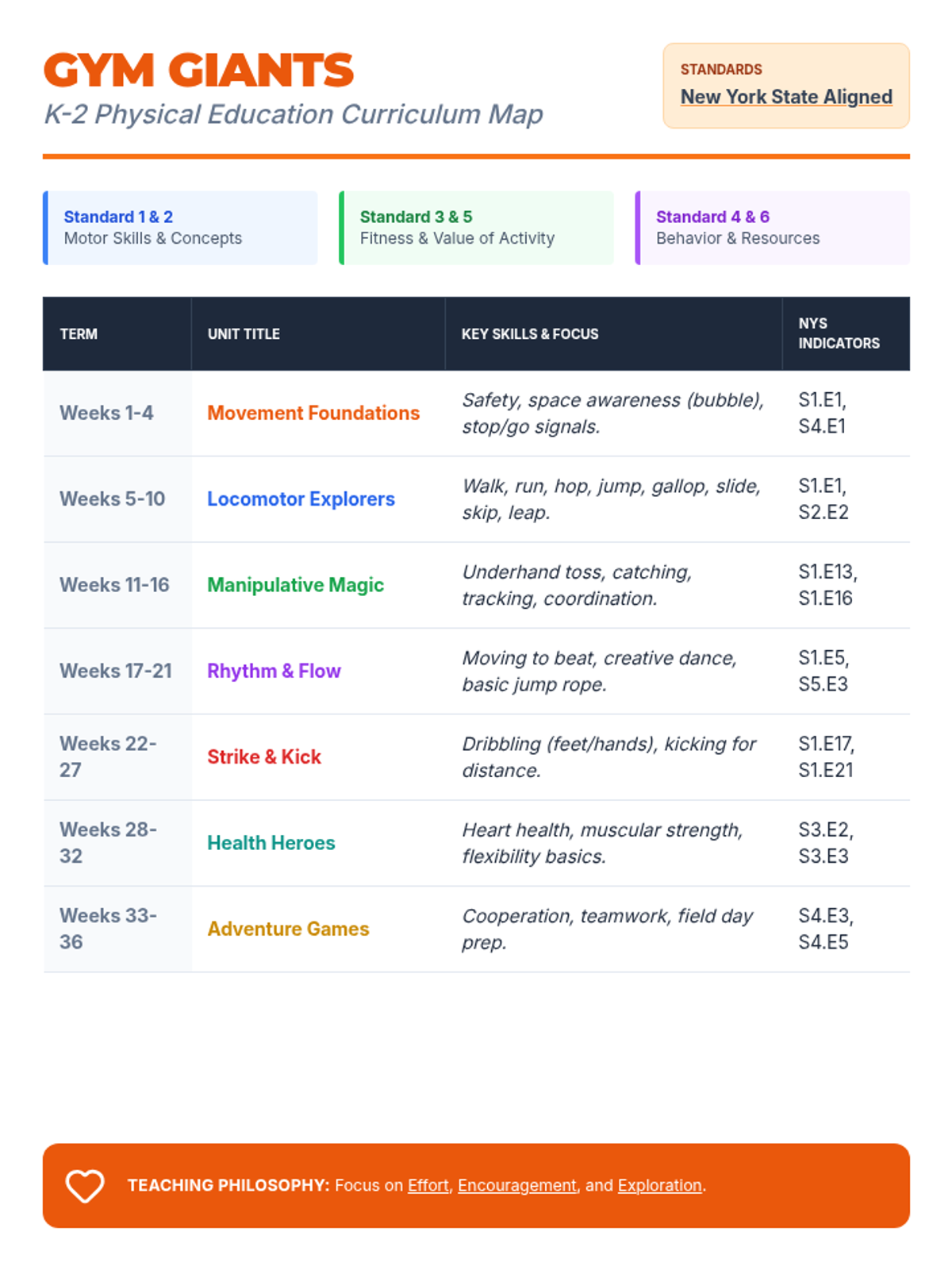
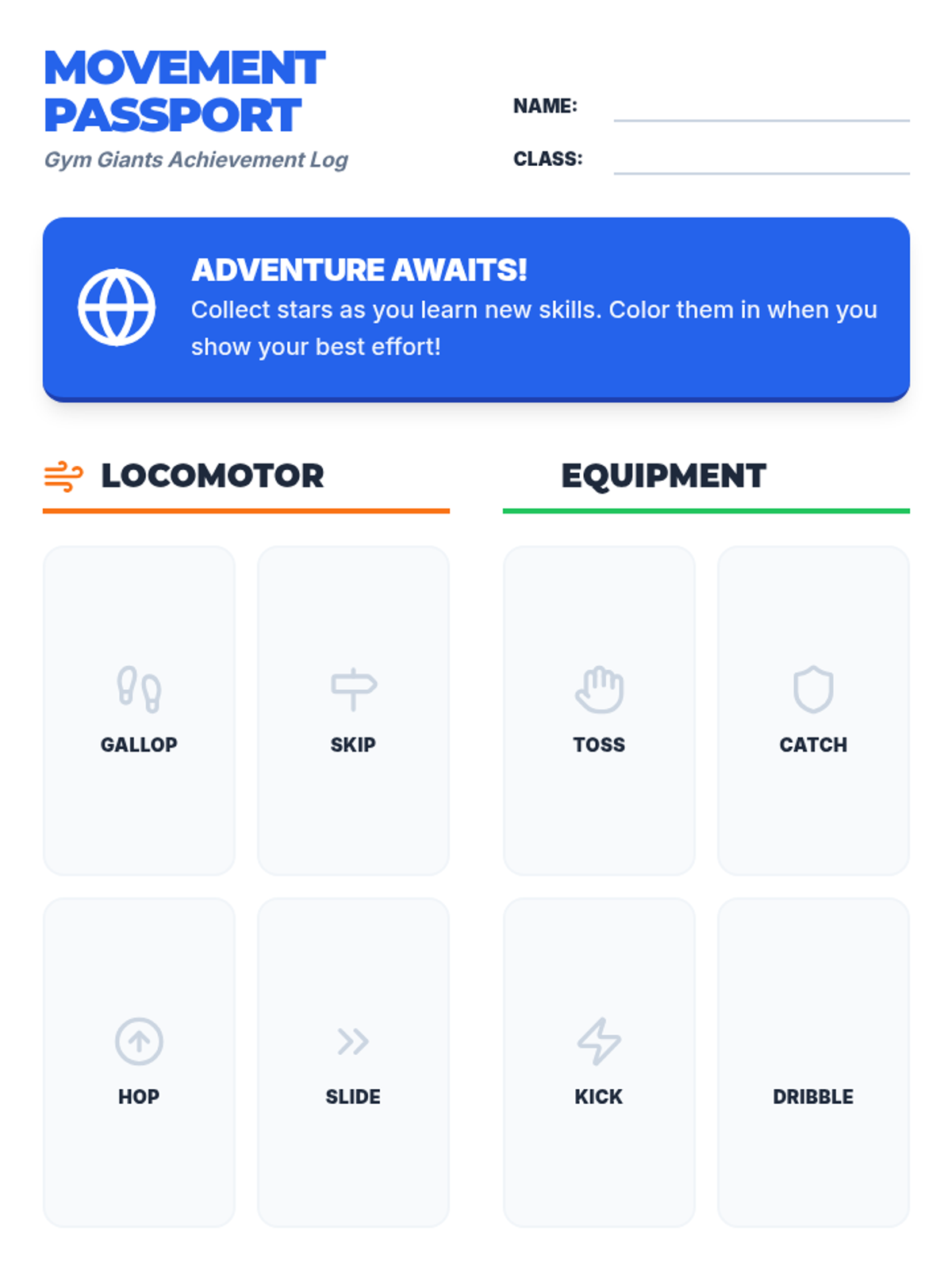
Fundamental movement patterns including locomotor actions, non-locomotor stability, and spatial awareness. Develops body control through fine motor precision and manipulative skills such as throwing and catching.
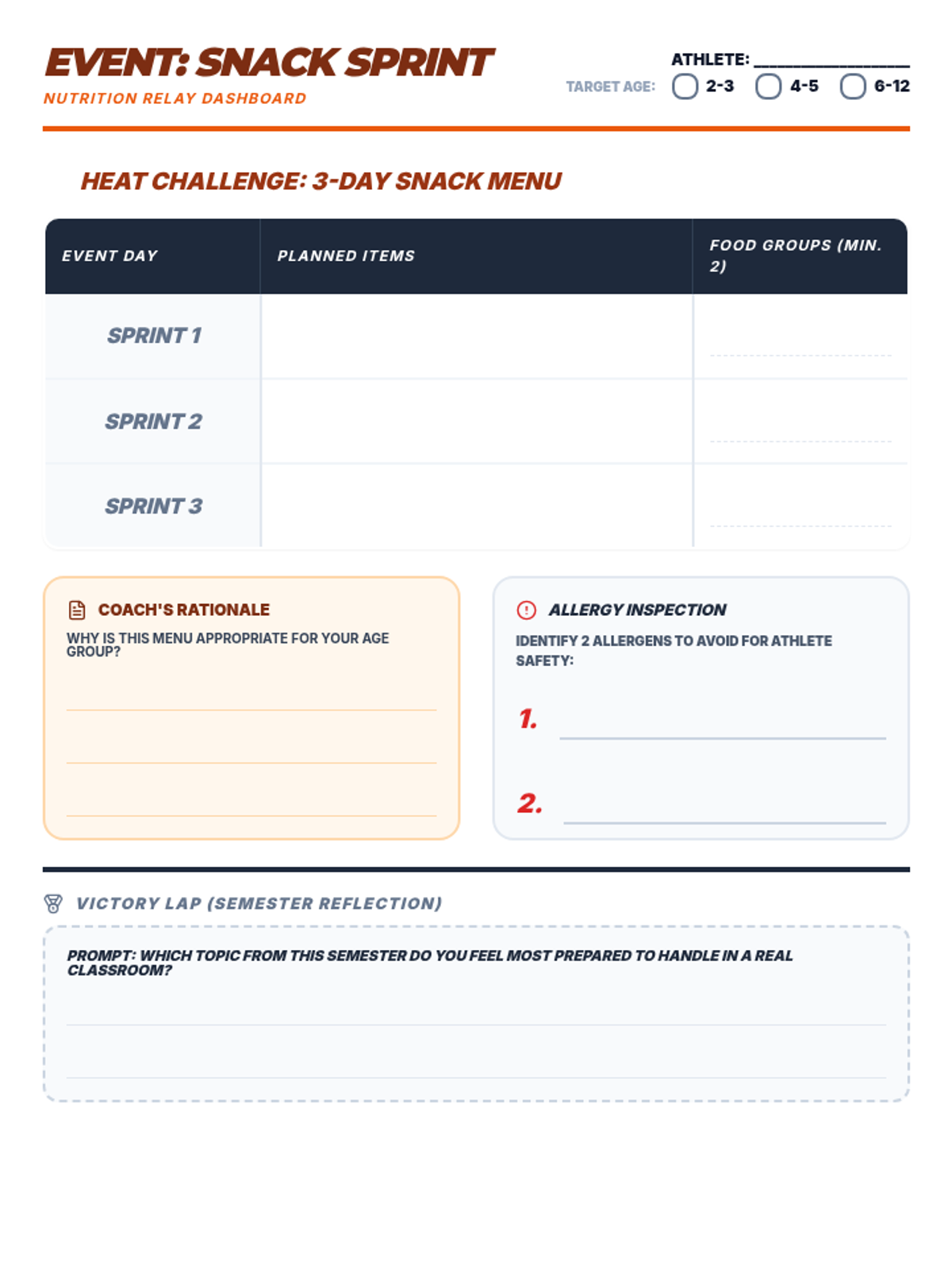
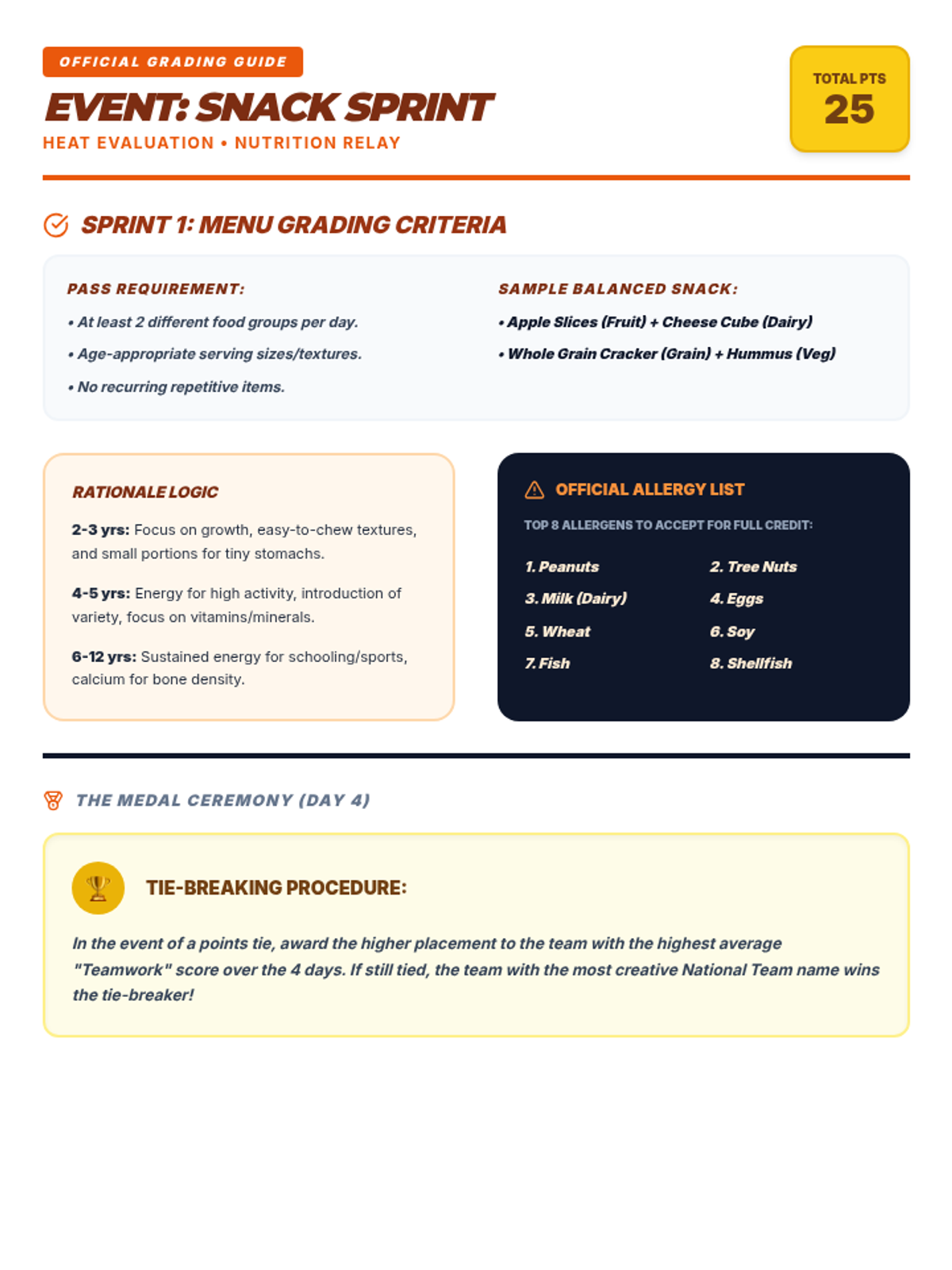
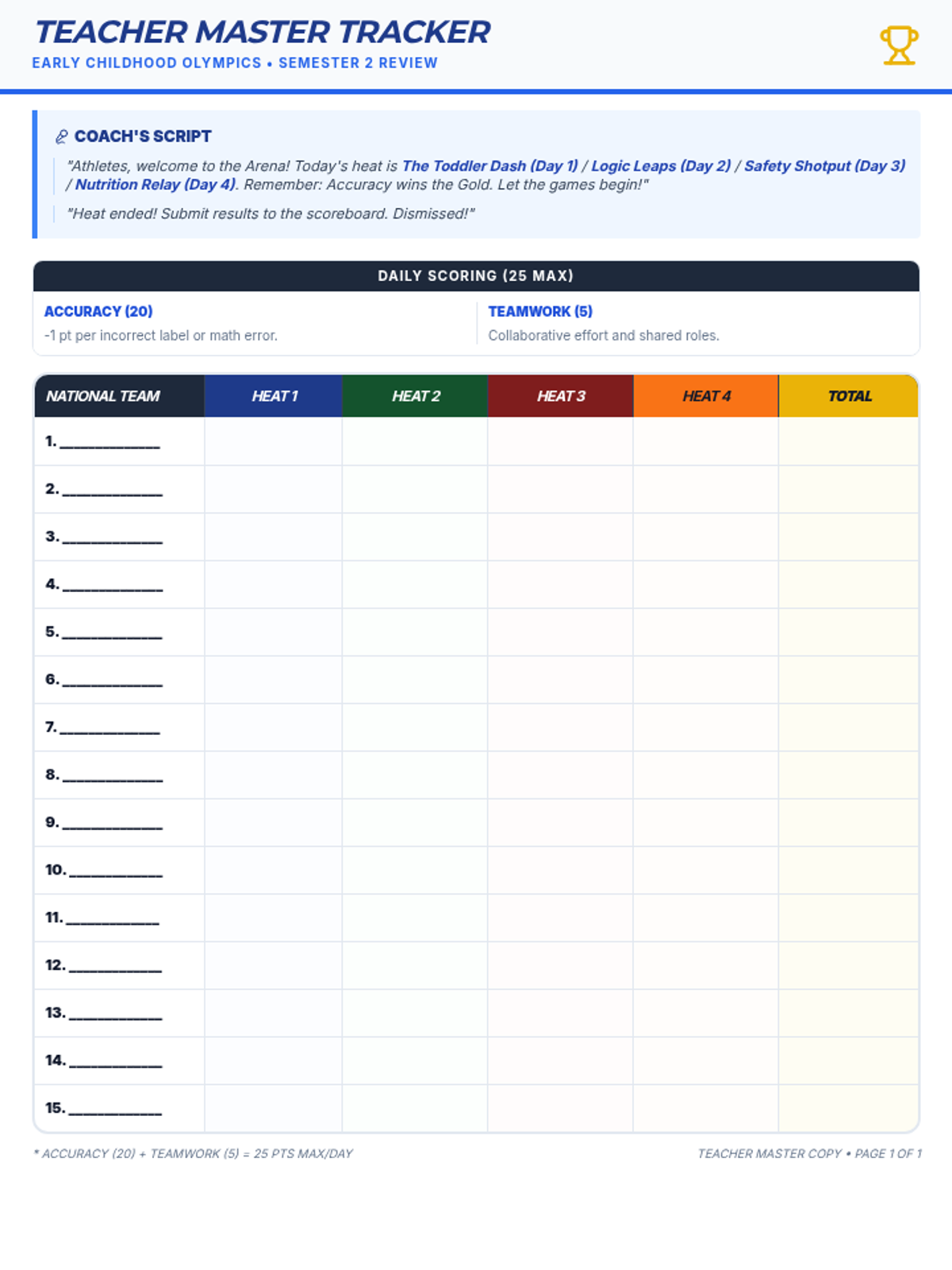
The final day covers nutrition and meal planning, followed by the grand tallying of points and the medal ceremony to conclude the semester.
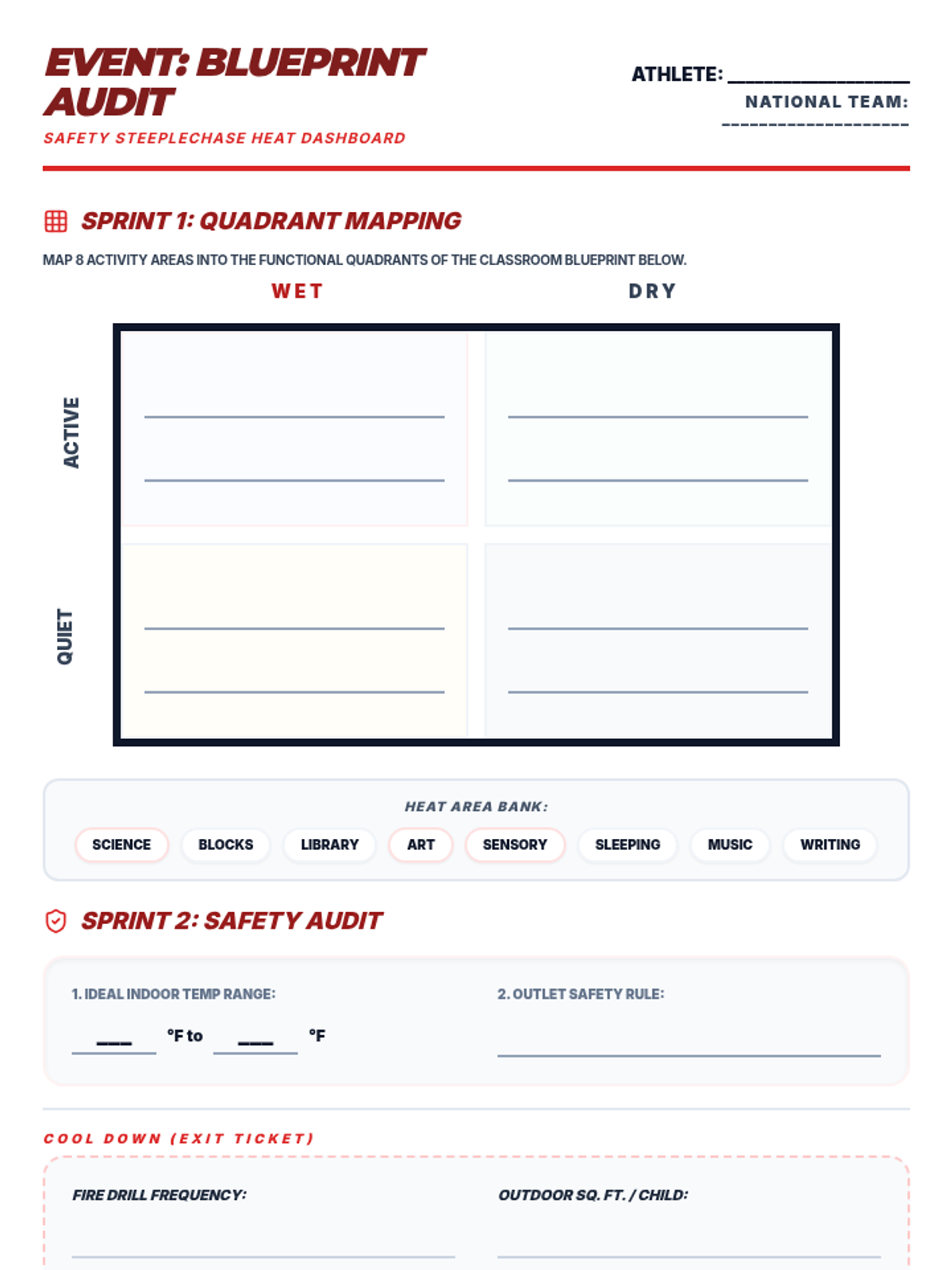
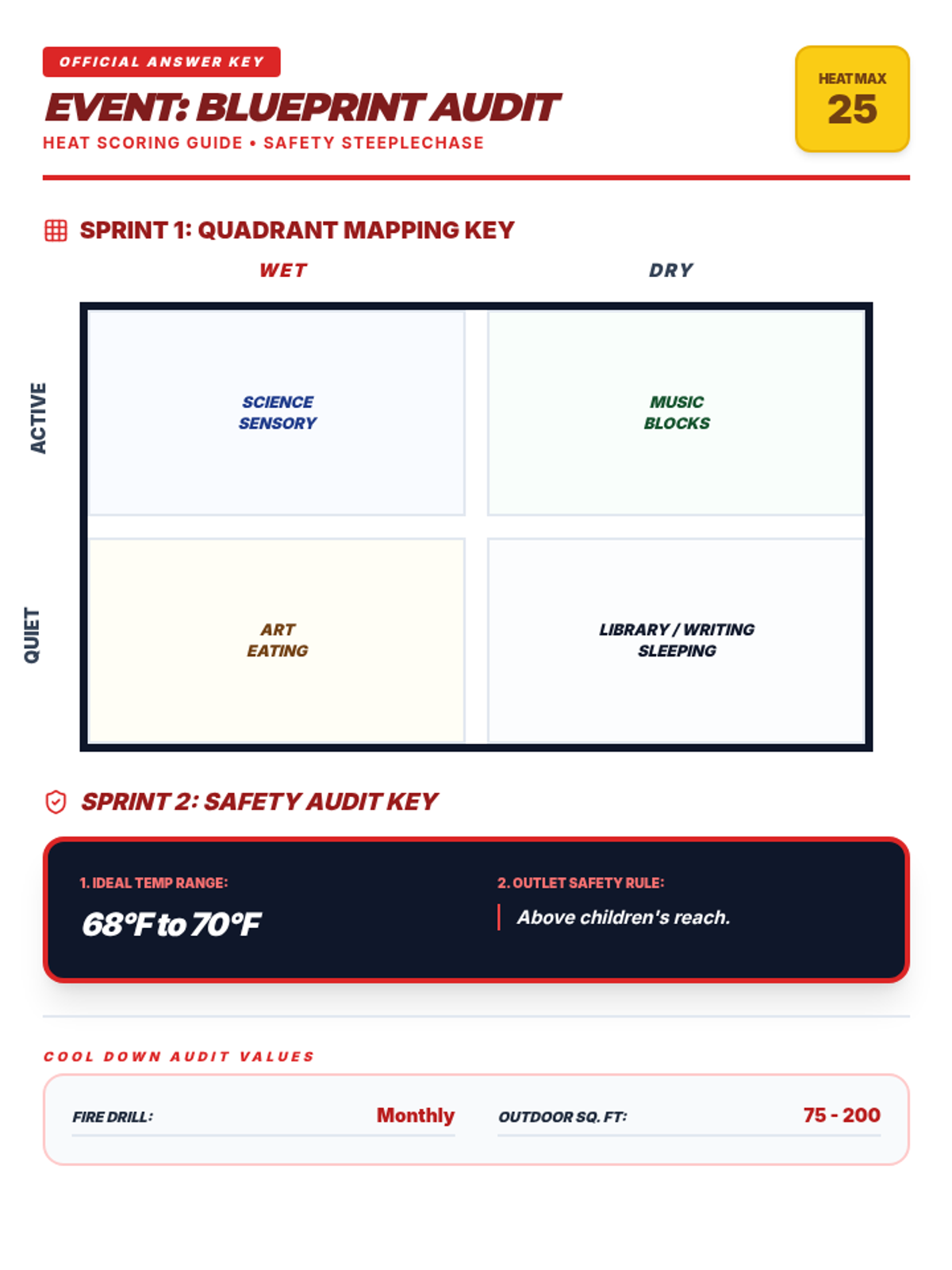
Day 3 focuses on environmental preparation and safety promotion, requiring students to apply knowledge of classroom layout and safety regulations to score points.
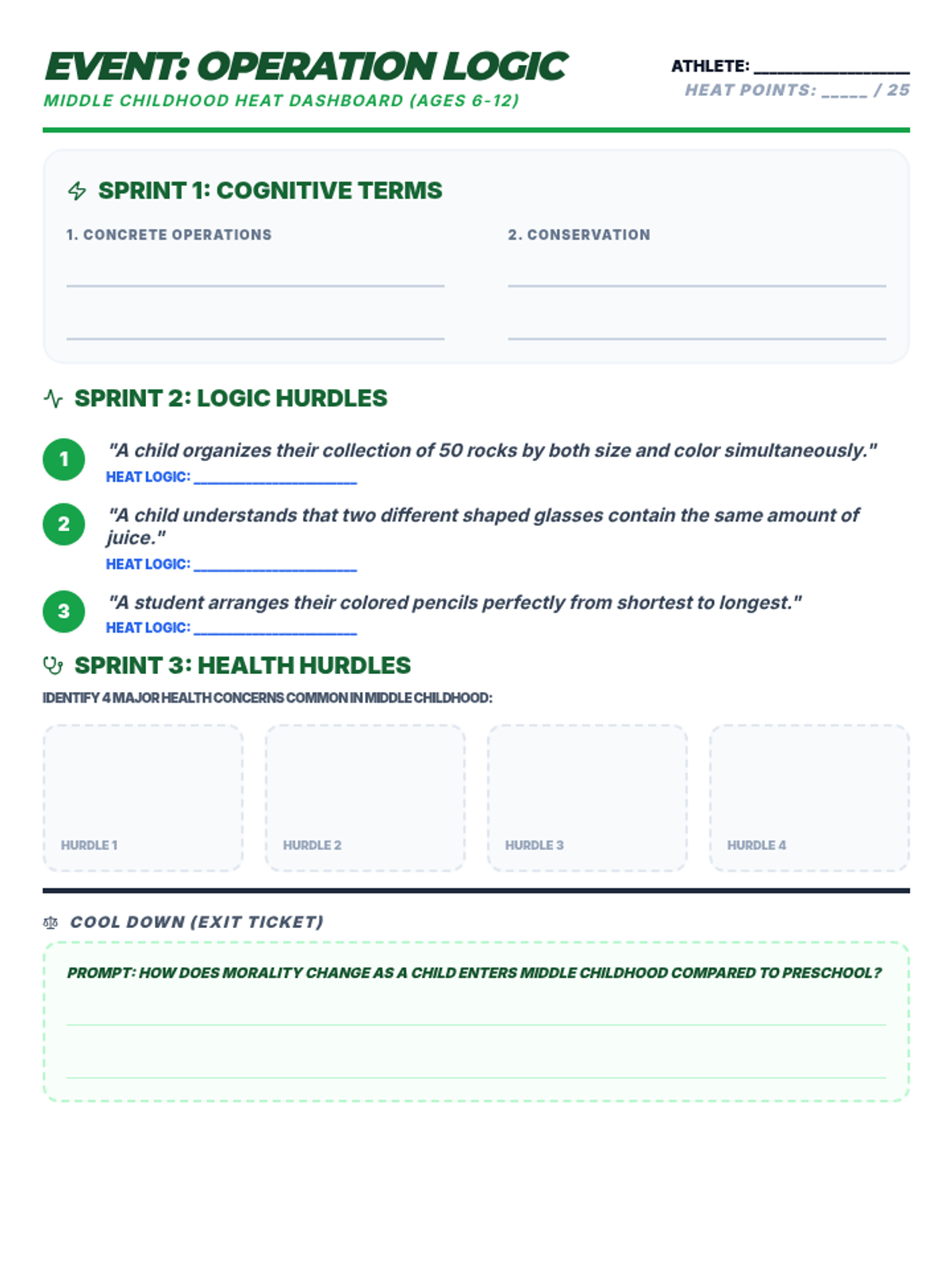
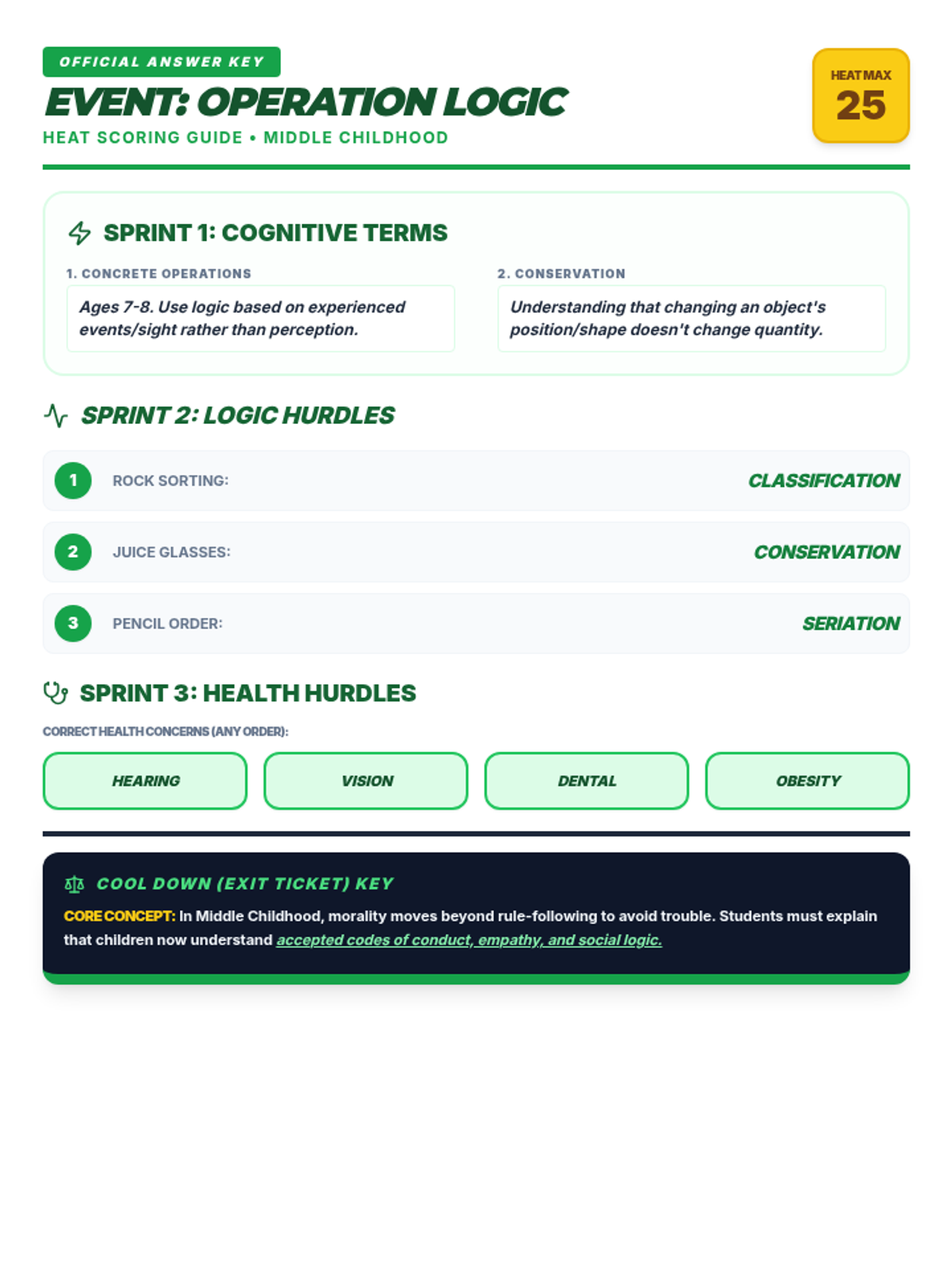
Day 2 explores middle childhood (ages 6-12), focusing on logical thinking, moral development, and the complexities of school-age social relationships.
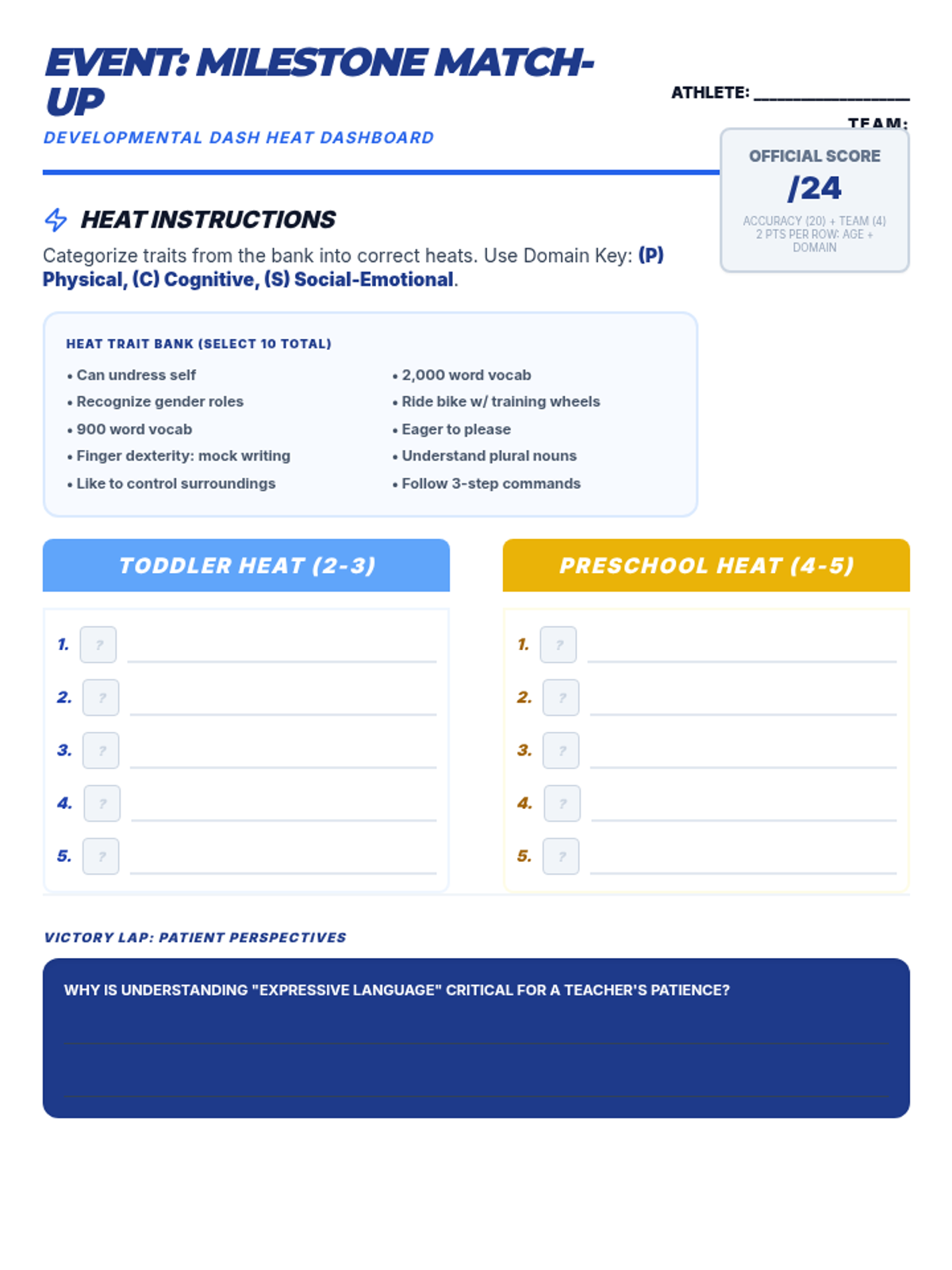
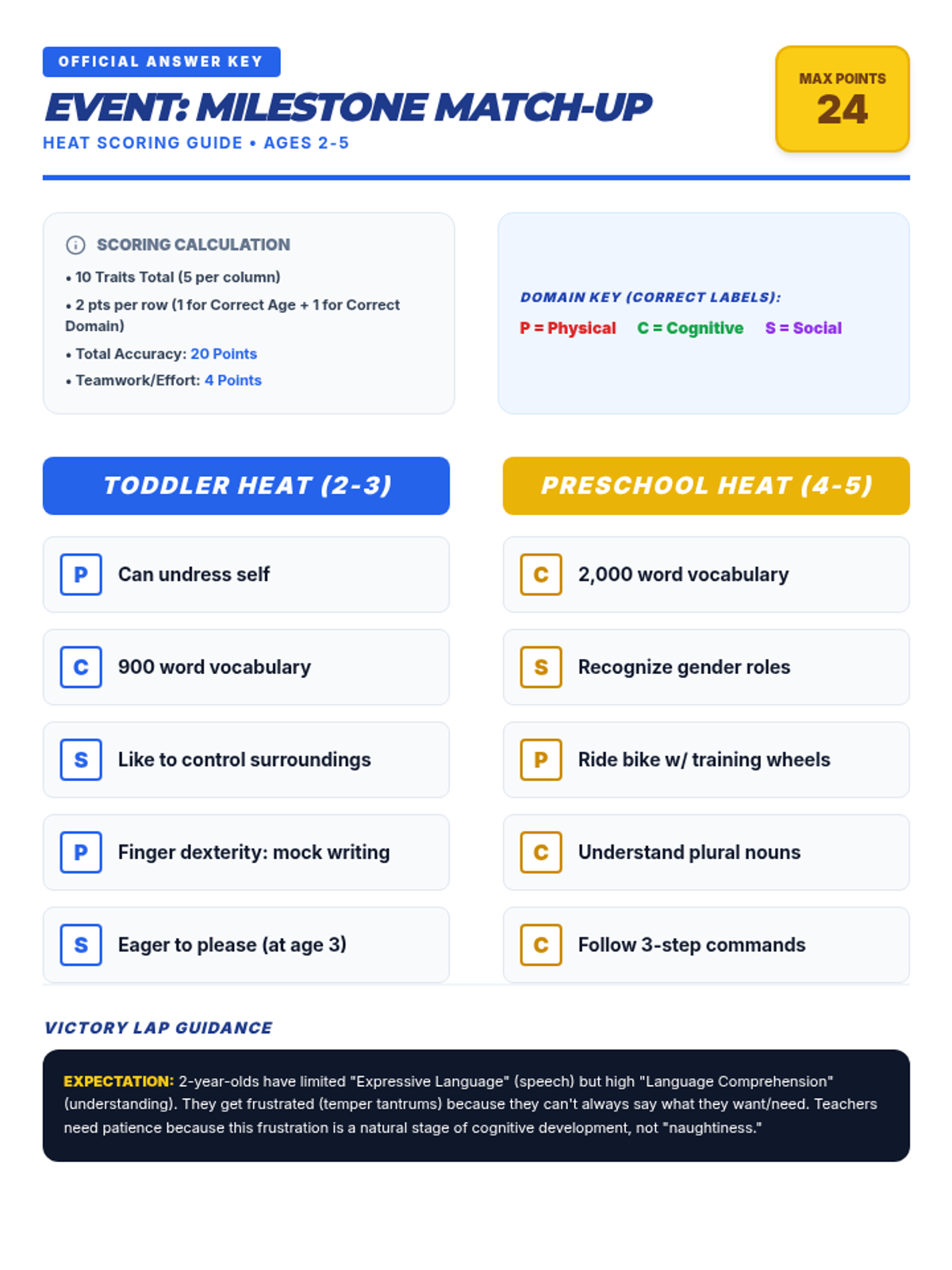
Day 1 of the Olympics focuses on the rapid development of children aged two through five, challenging students to accurately categorize physical, cognitive, and social milestones.
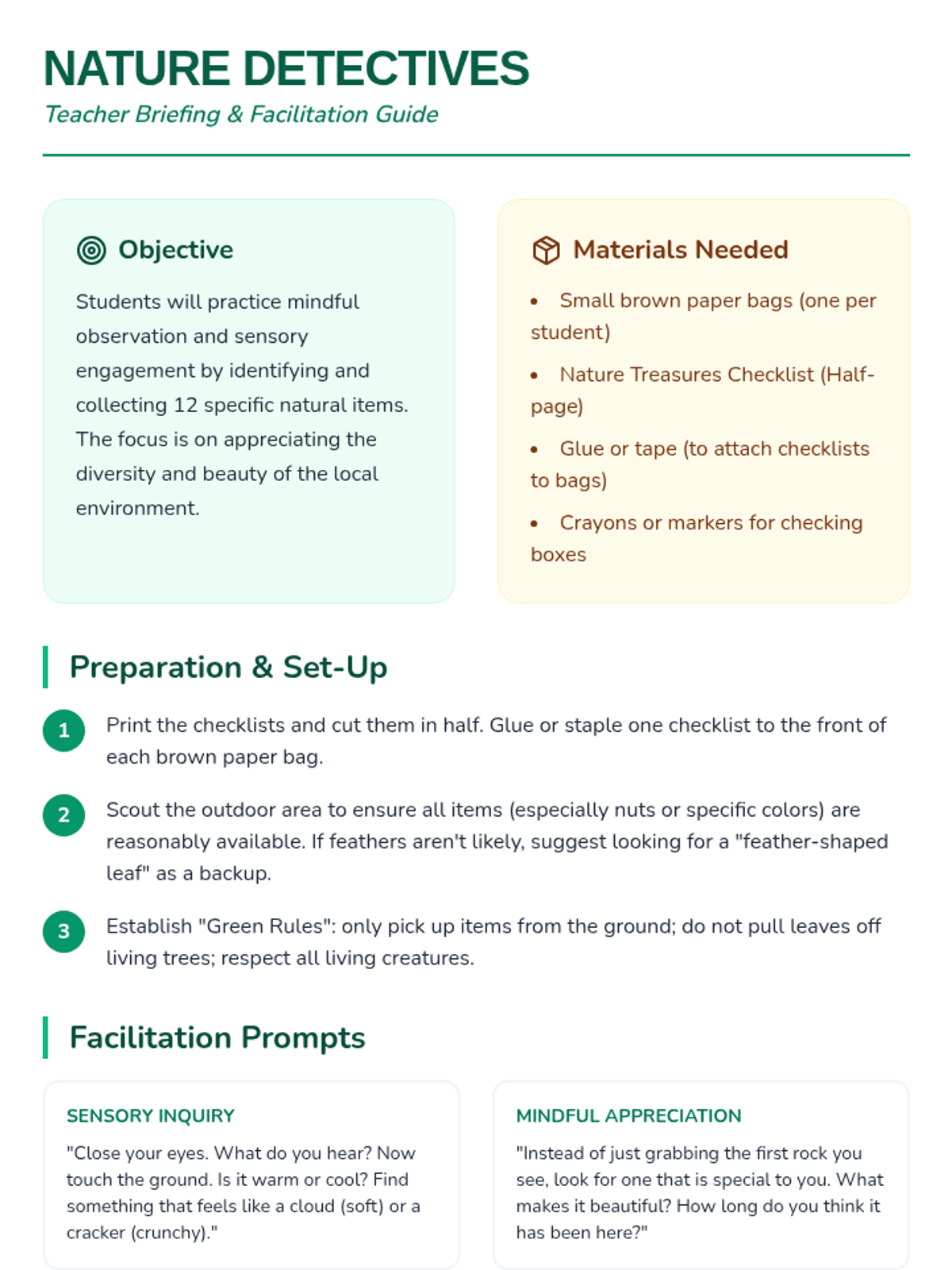
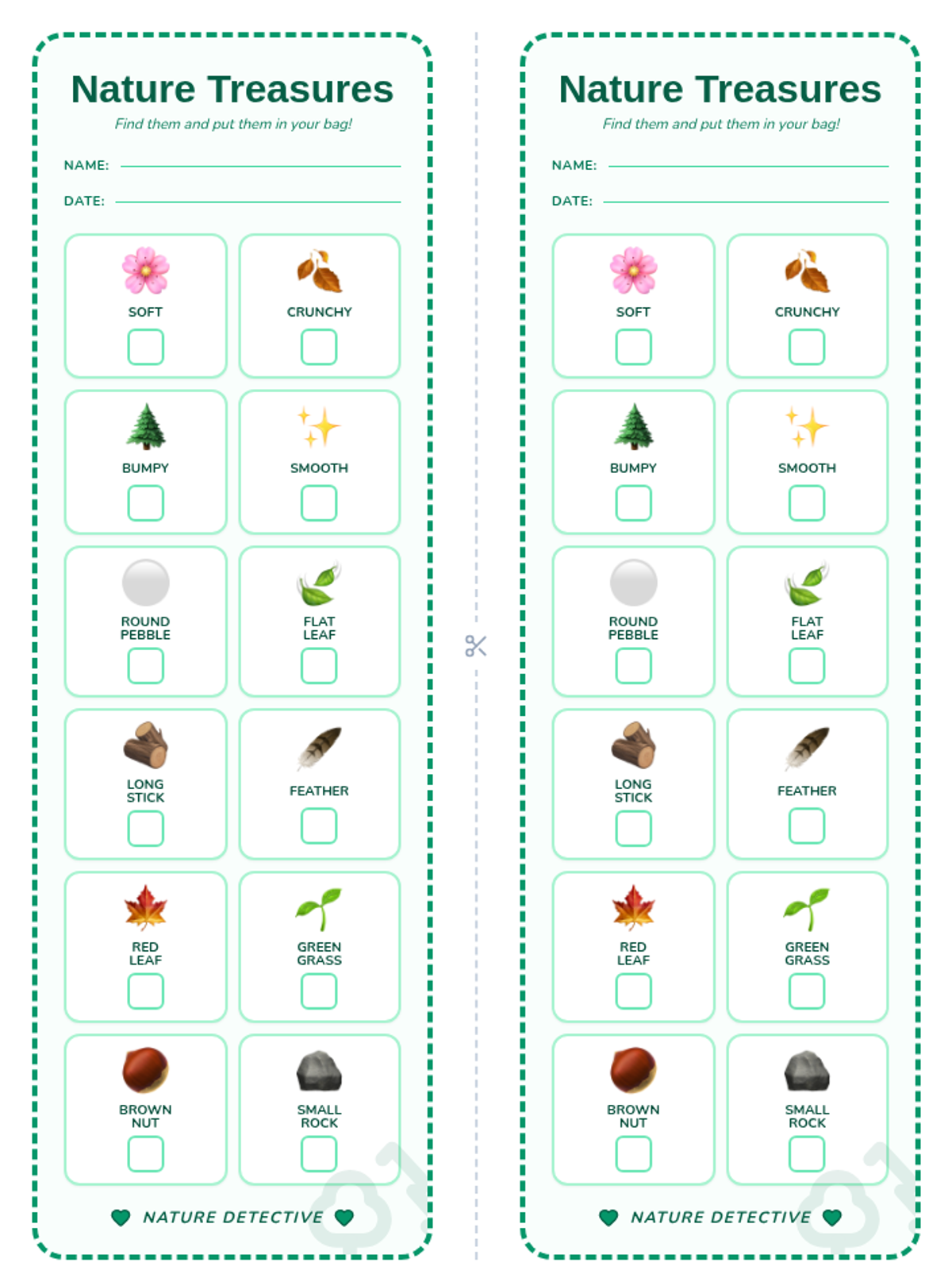
A sensory-focused outdoor activity where K-2 students practice mindfulness and observation by collecting natural treasures. Students explore textures, shapes, and colors while developing an appreciation for the environment.
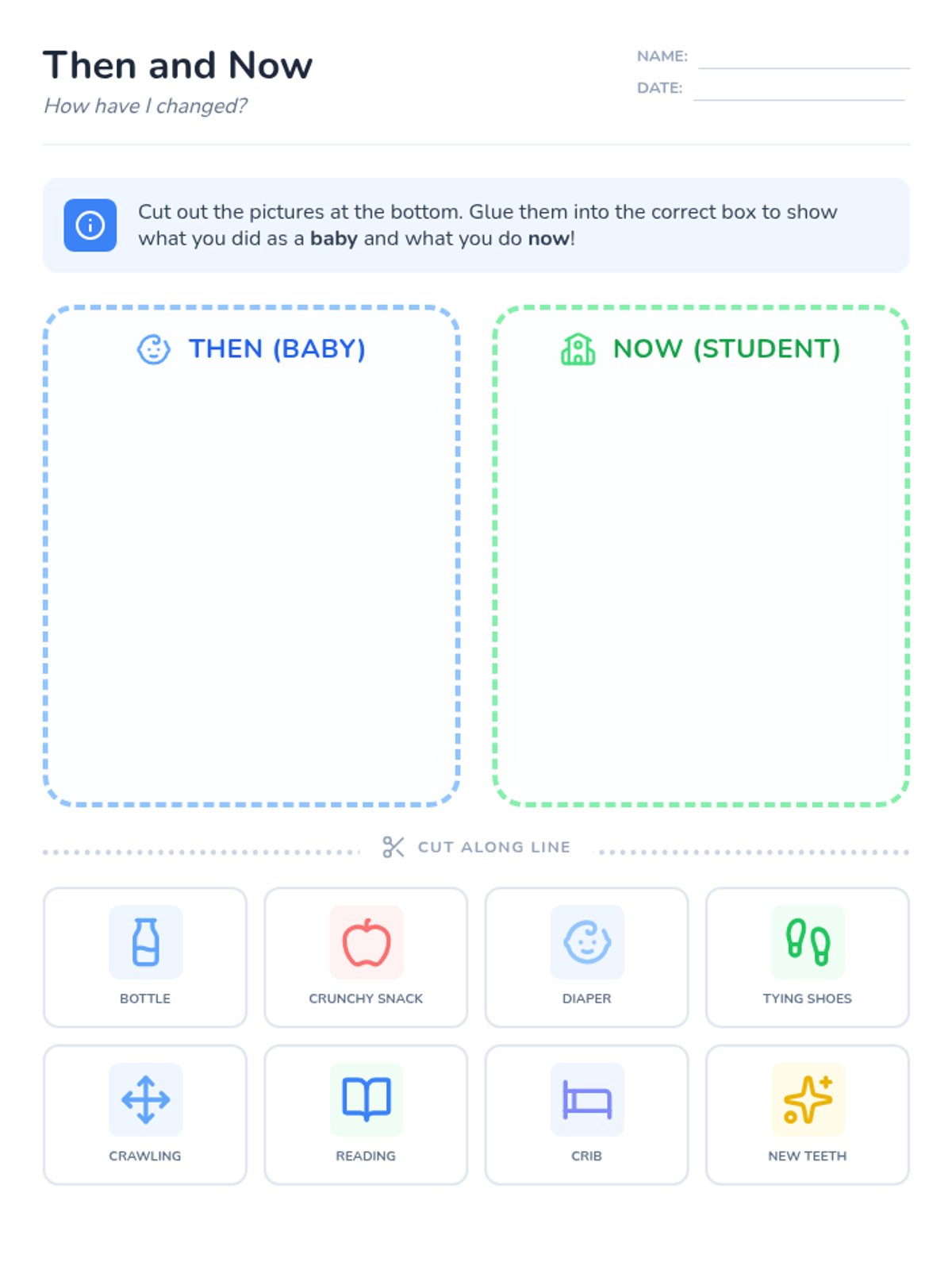
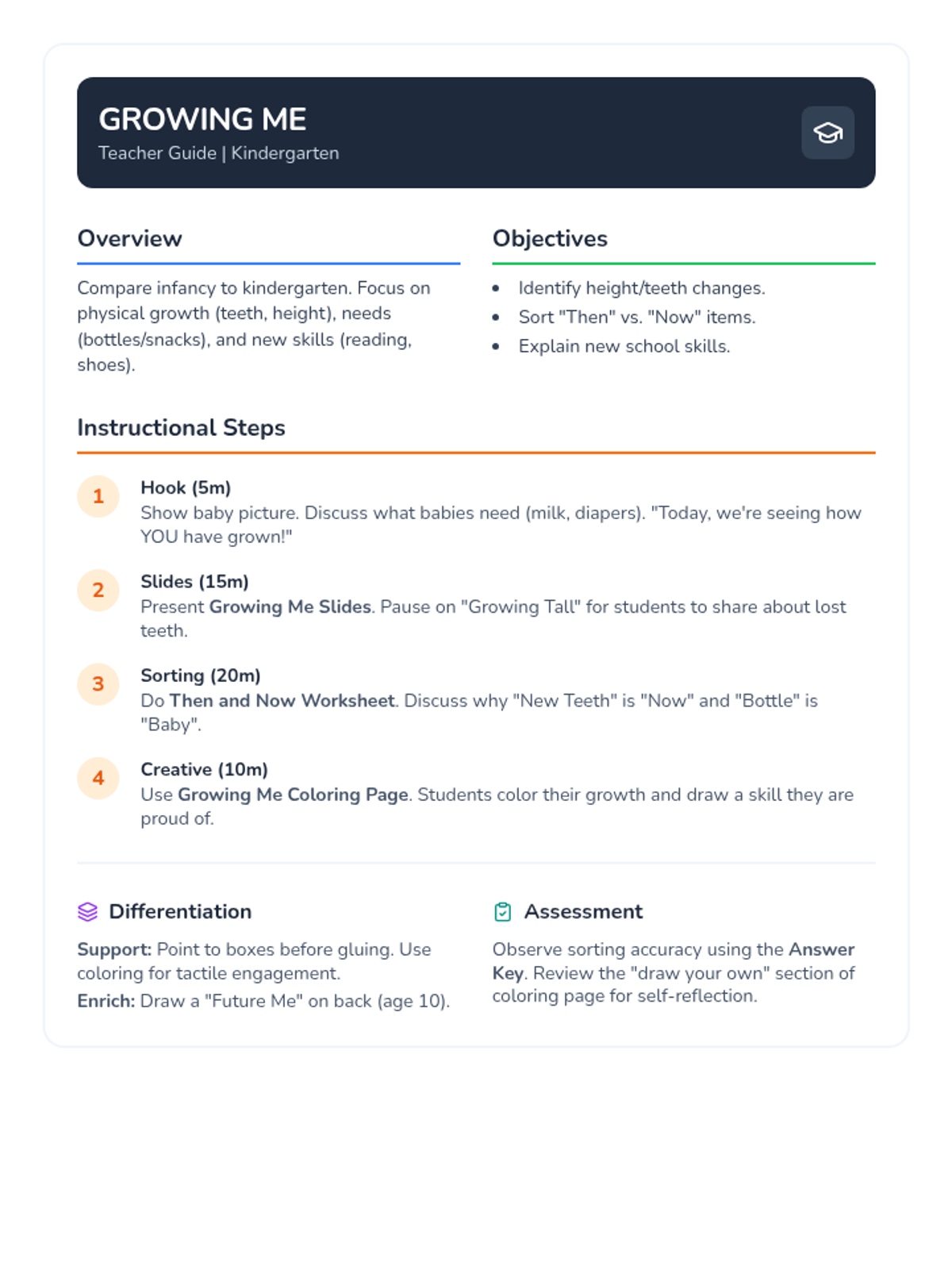
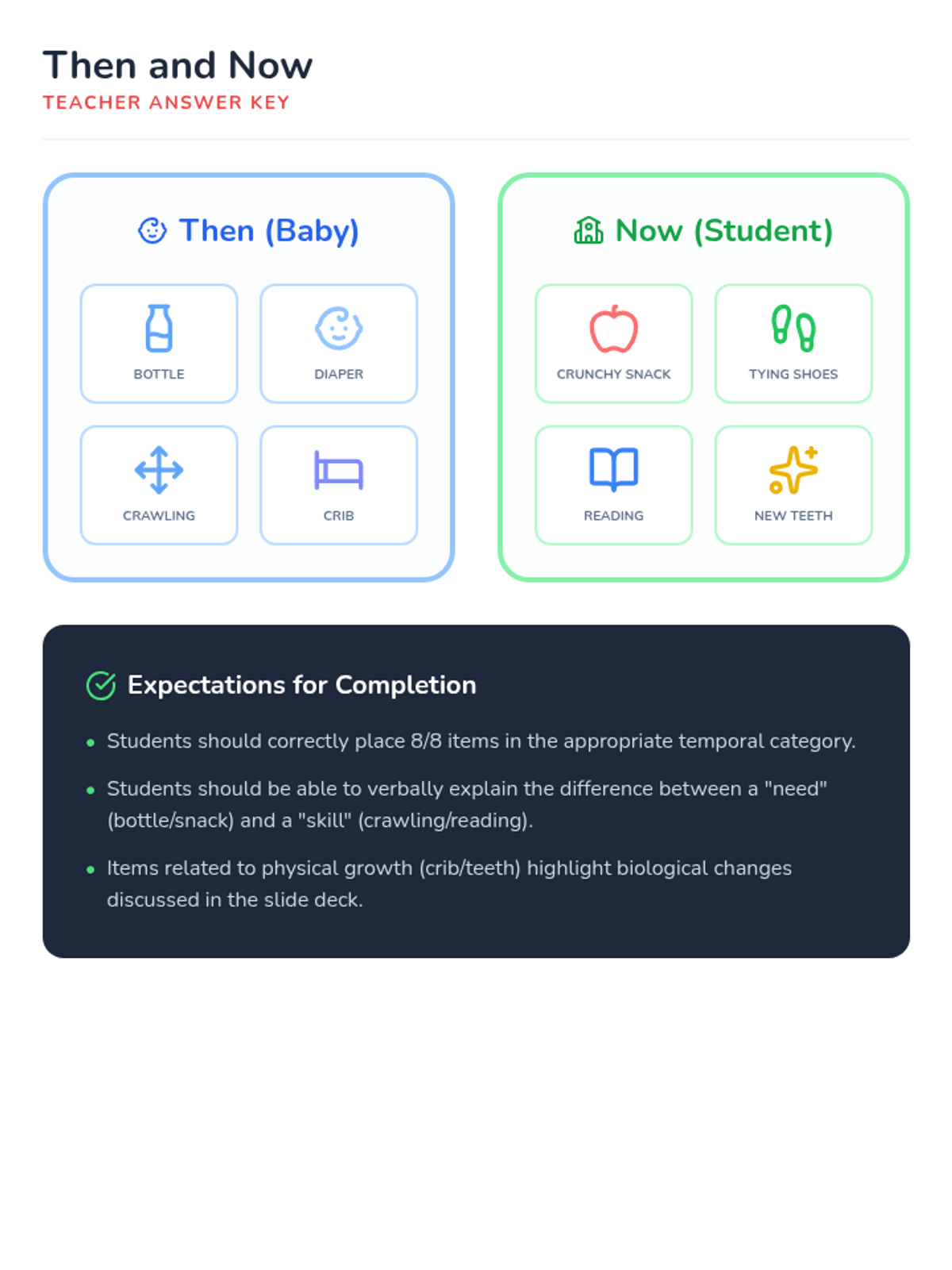
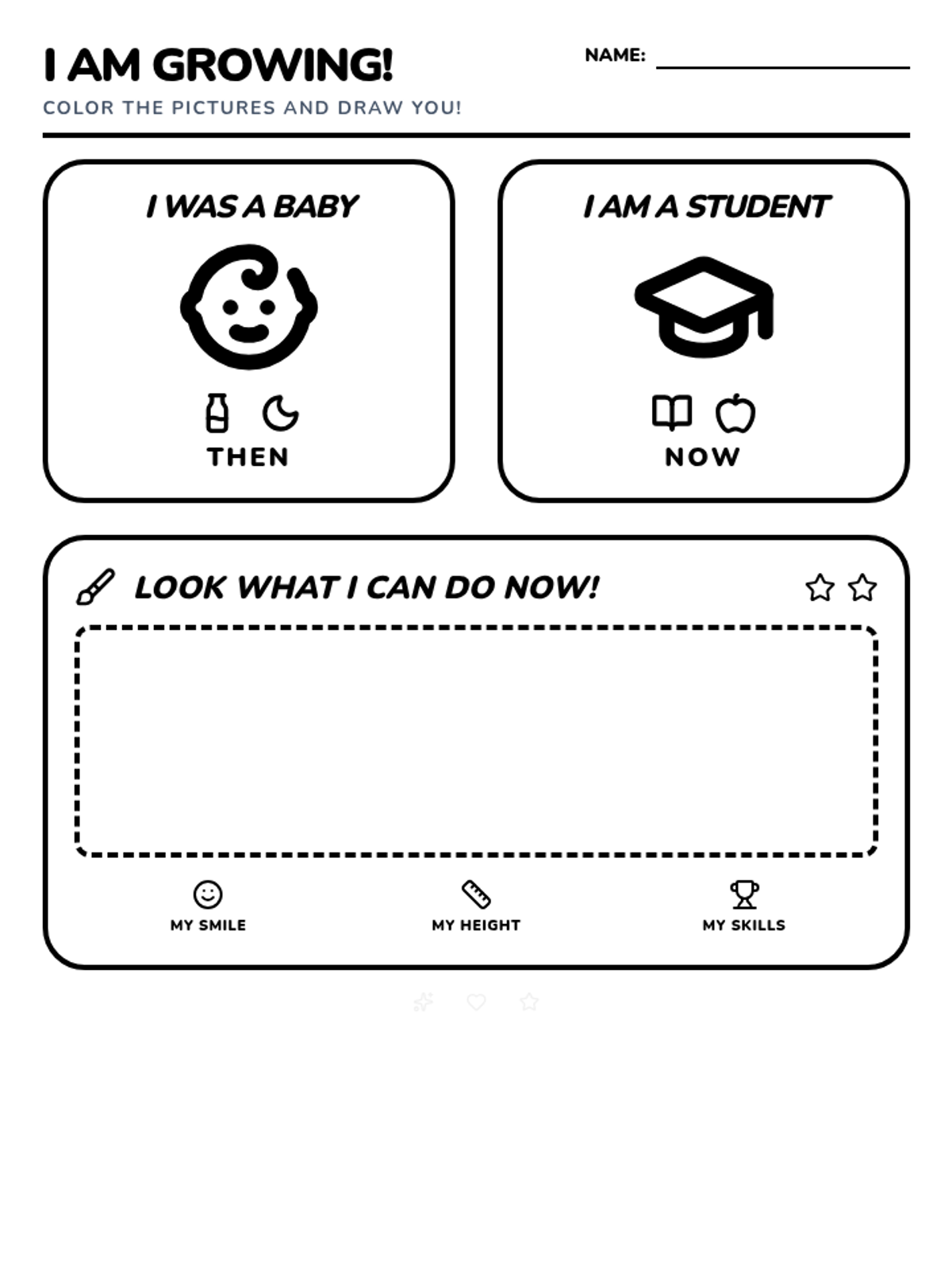
A lesson for kindergarteners to explore and identify how they have grown and changed from infancy to school age, focusing on needs, physical changes, and new skills.
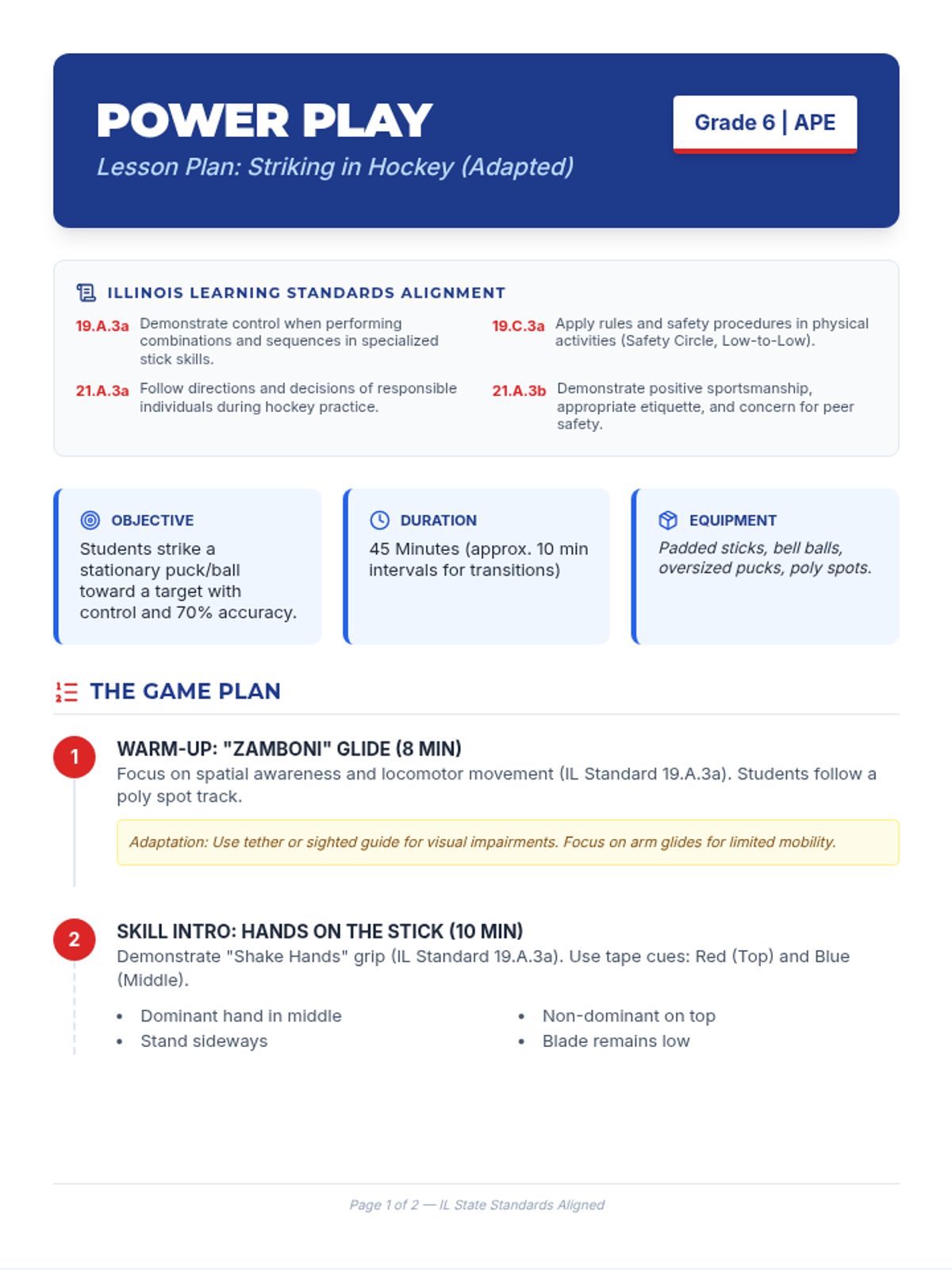
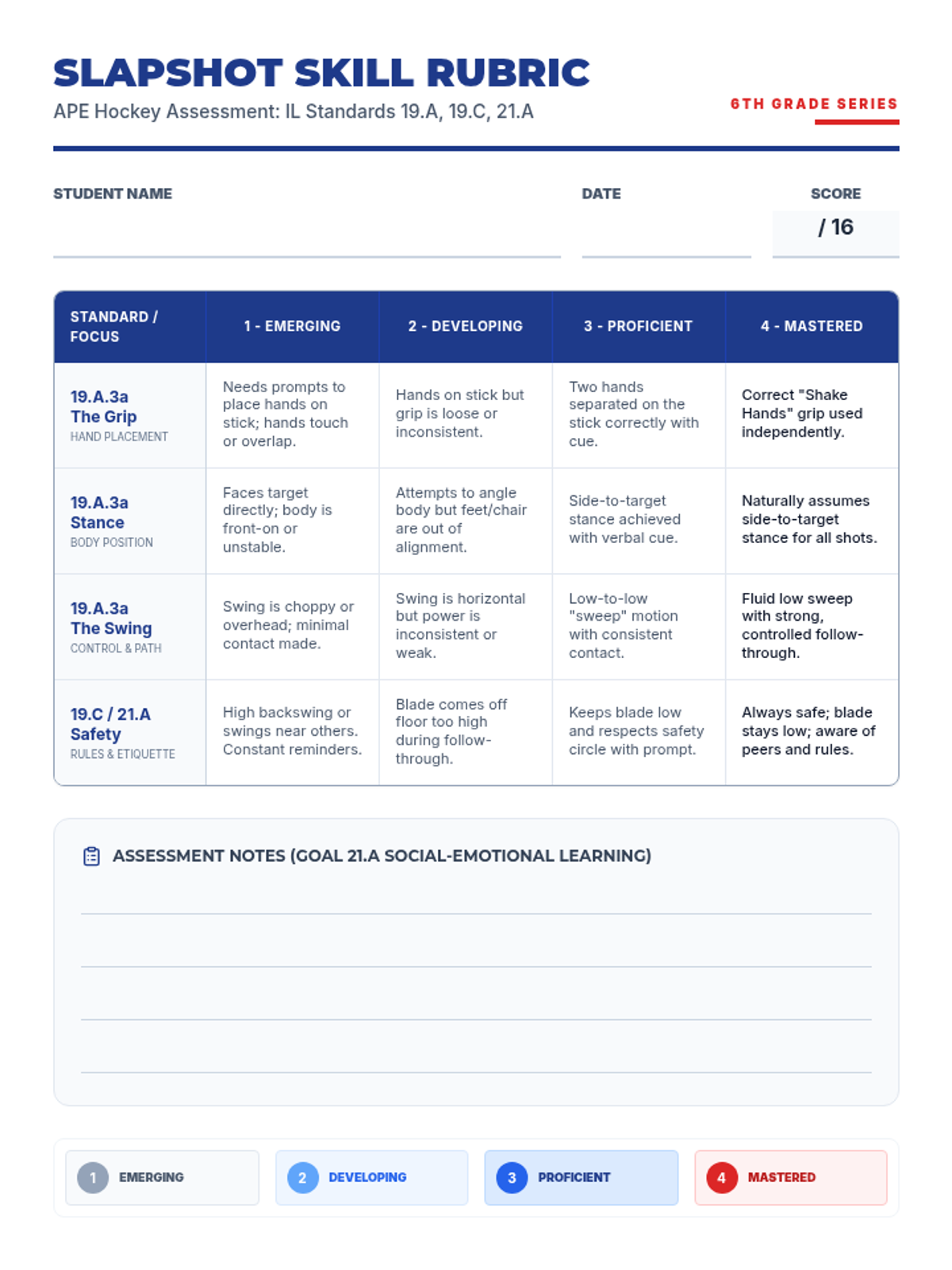
An adapted physical education lesson focused on the mechanics of striking a hockey puck or ball, featuring modifications for various mobility and sensory needs.
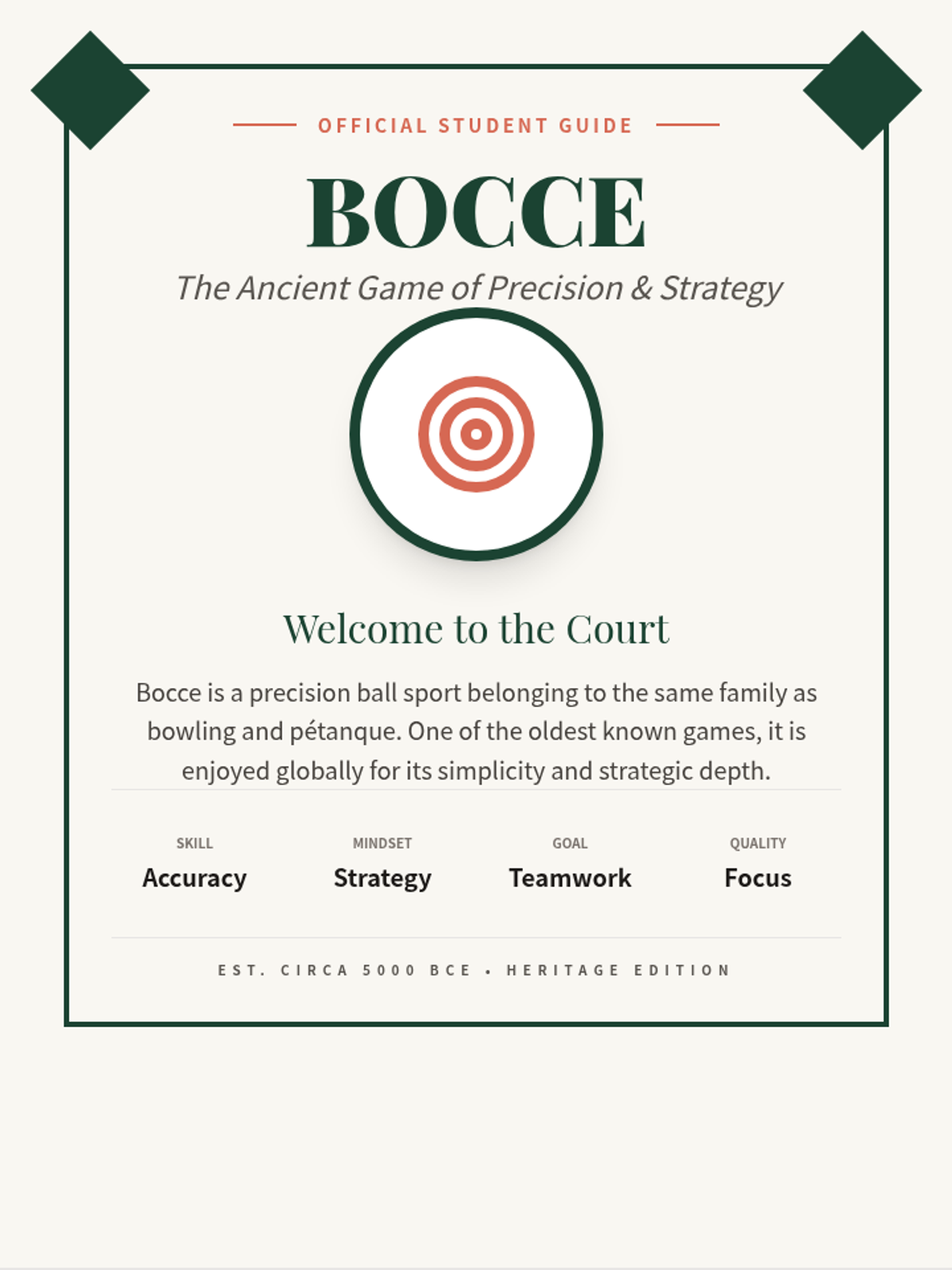
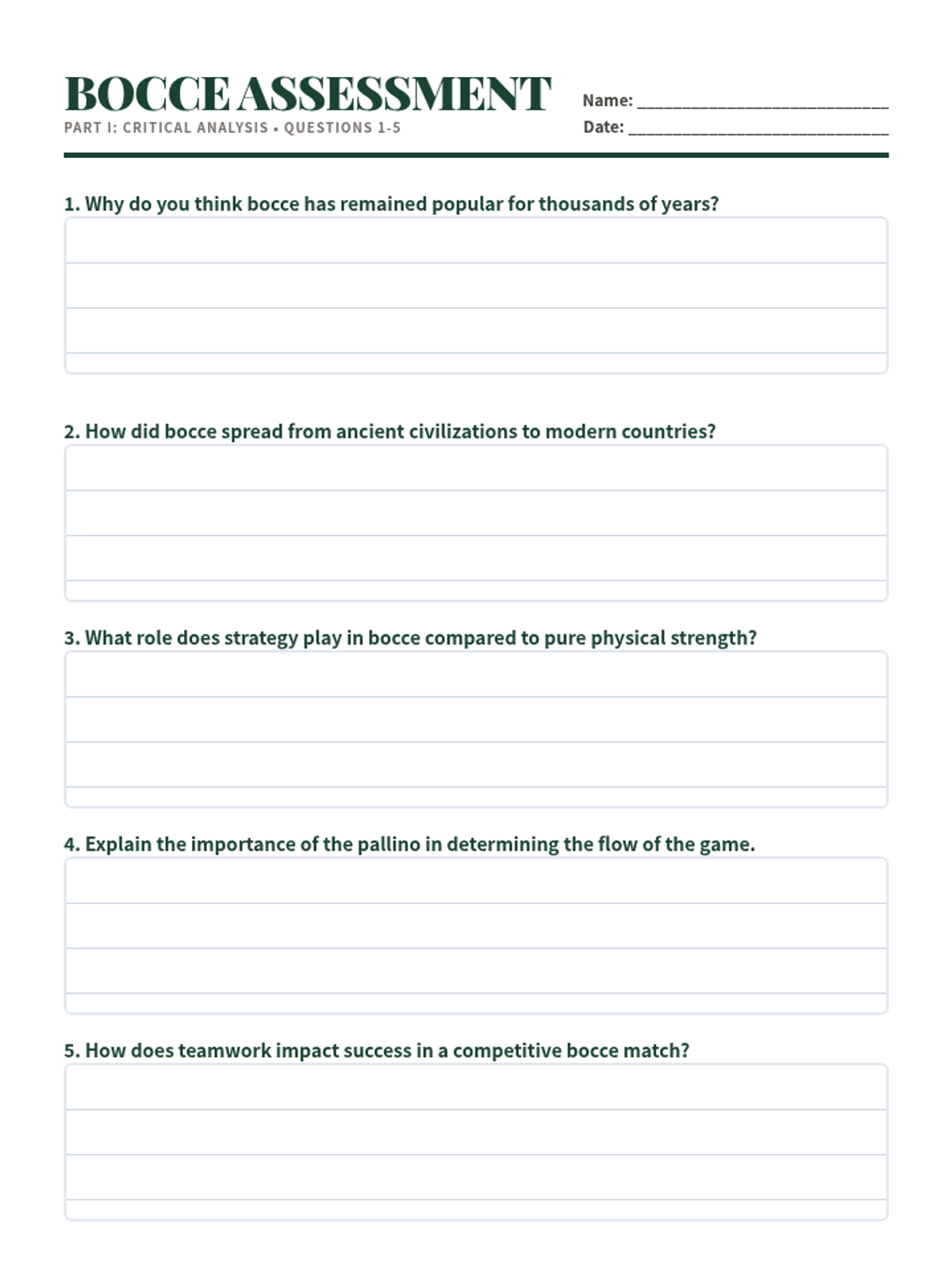
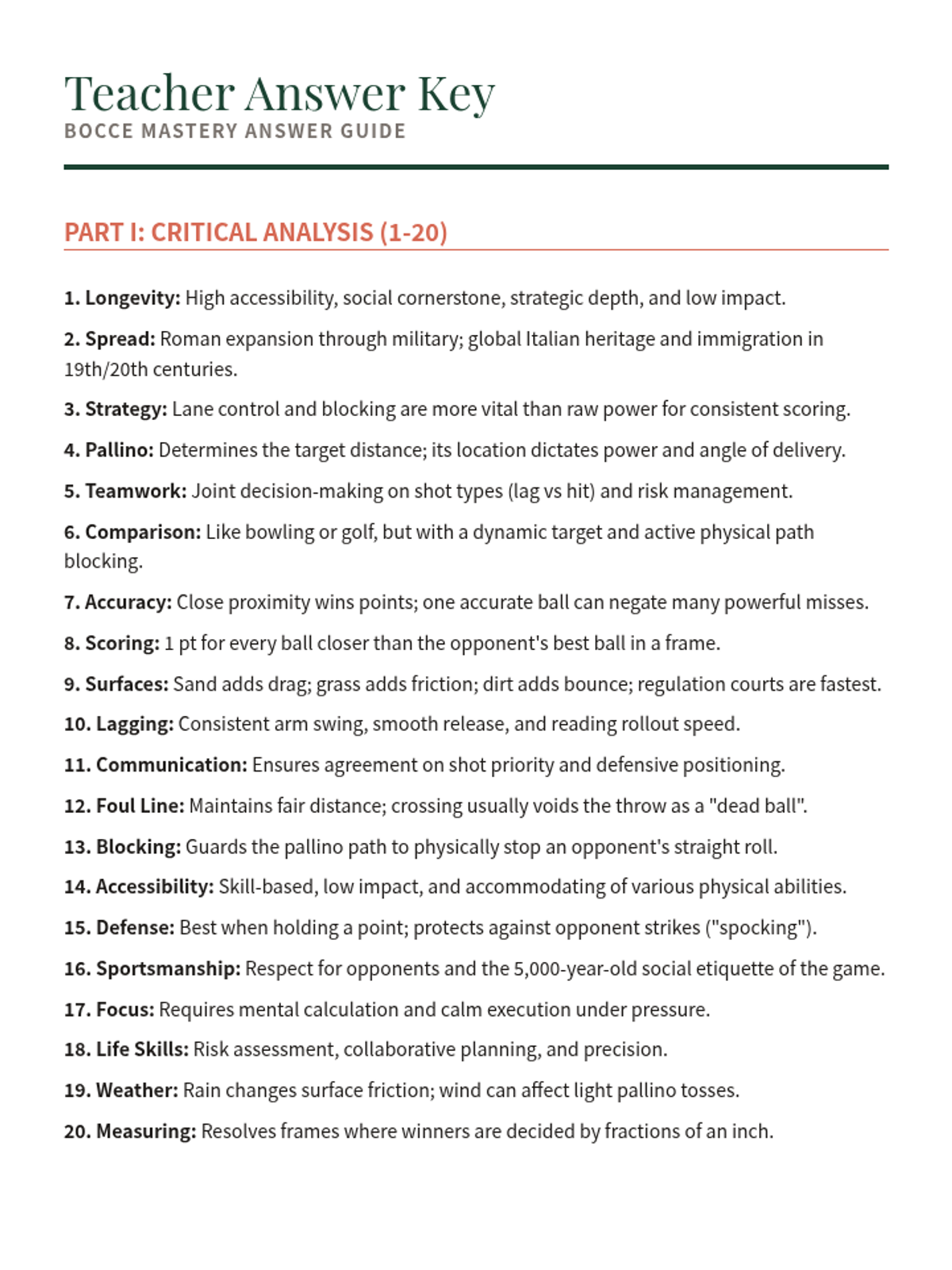
A comprehensive guide to the sport of bocce, covering its ancient origins, modern rules, and strategic nuances for high school students.
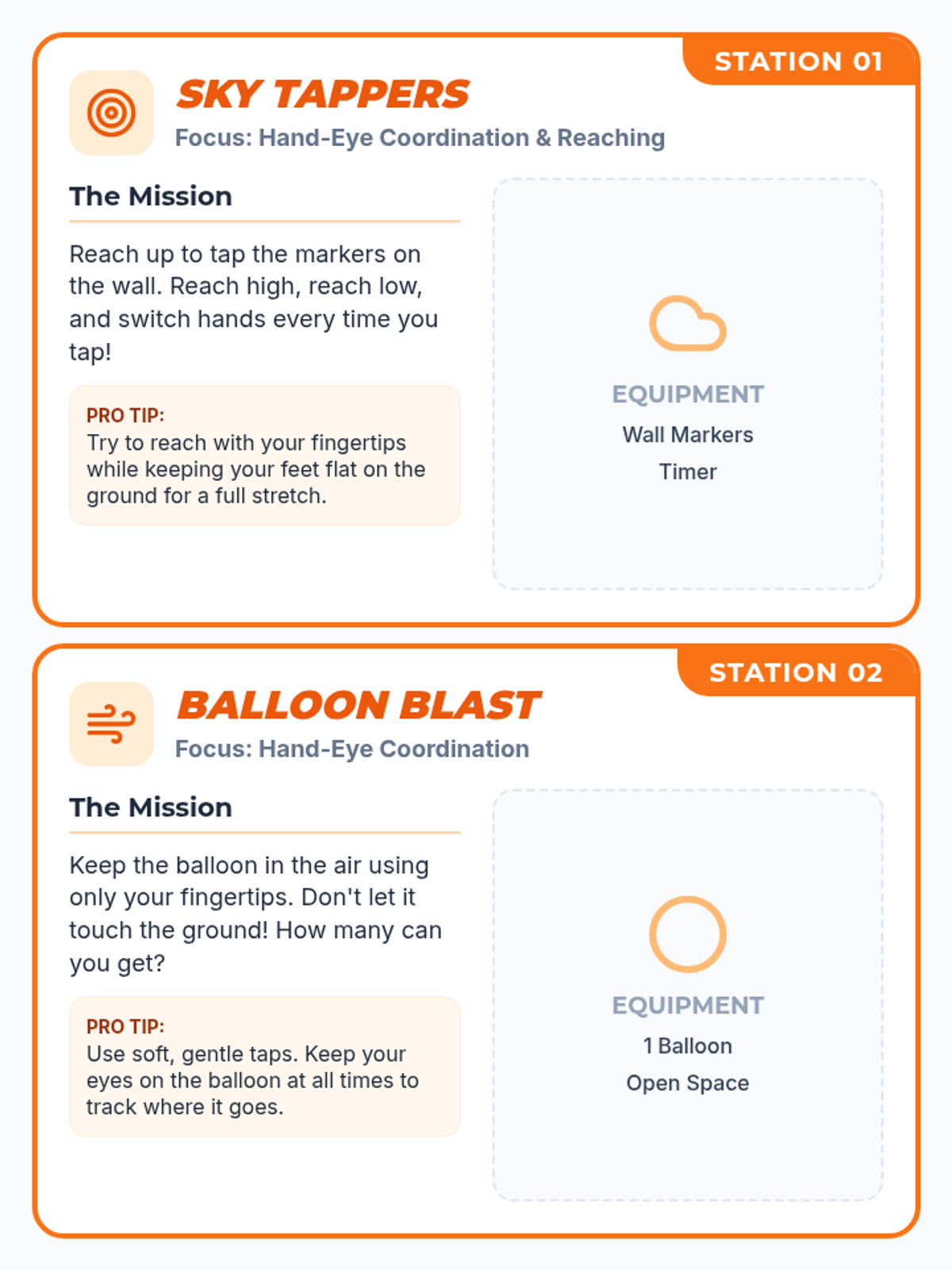
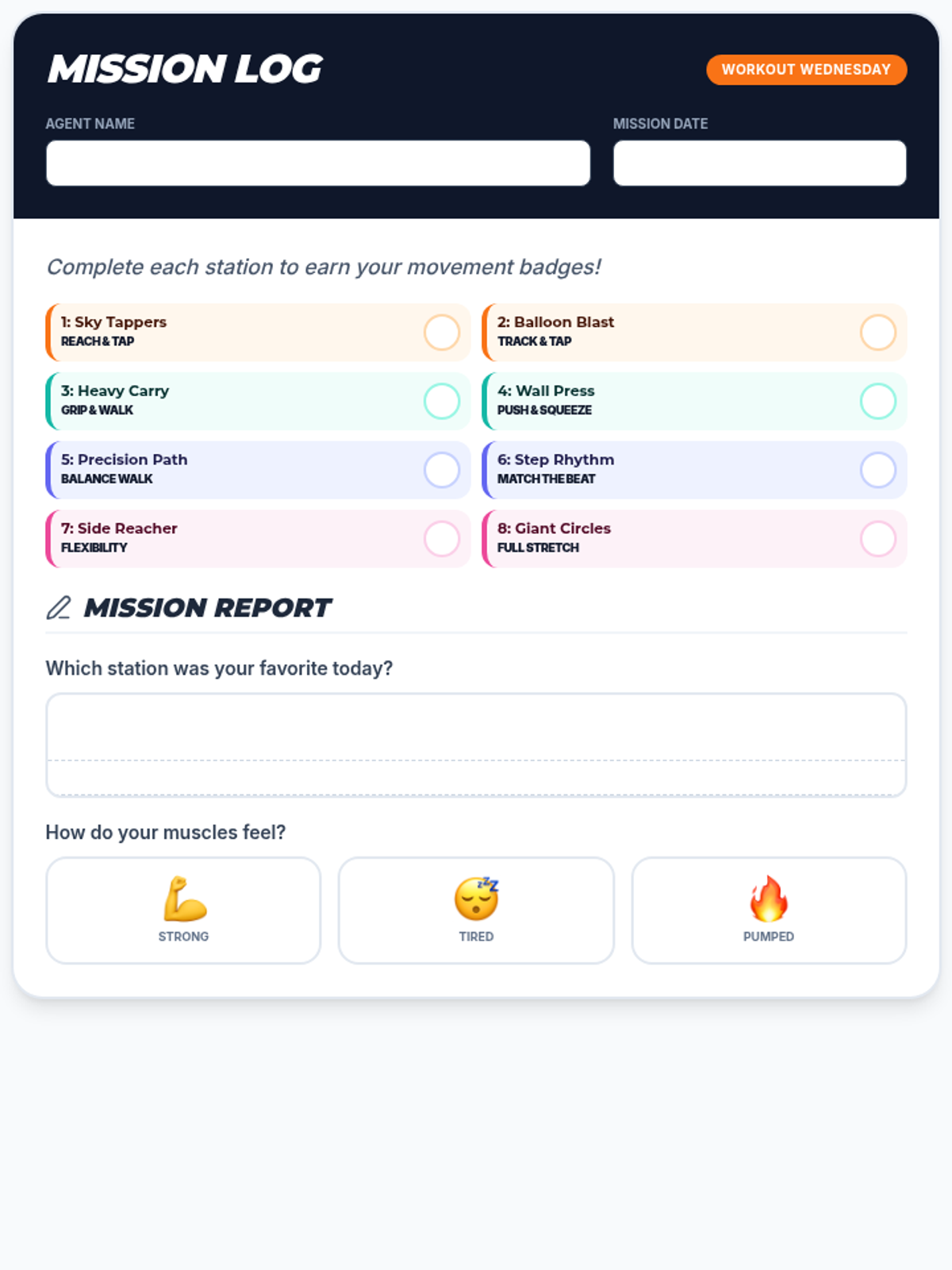
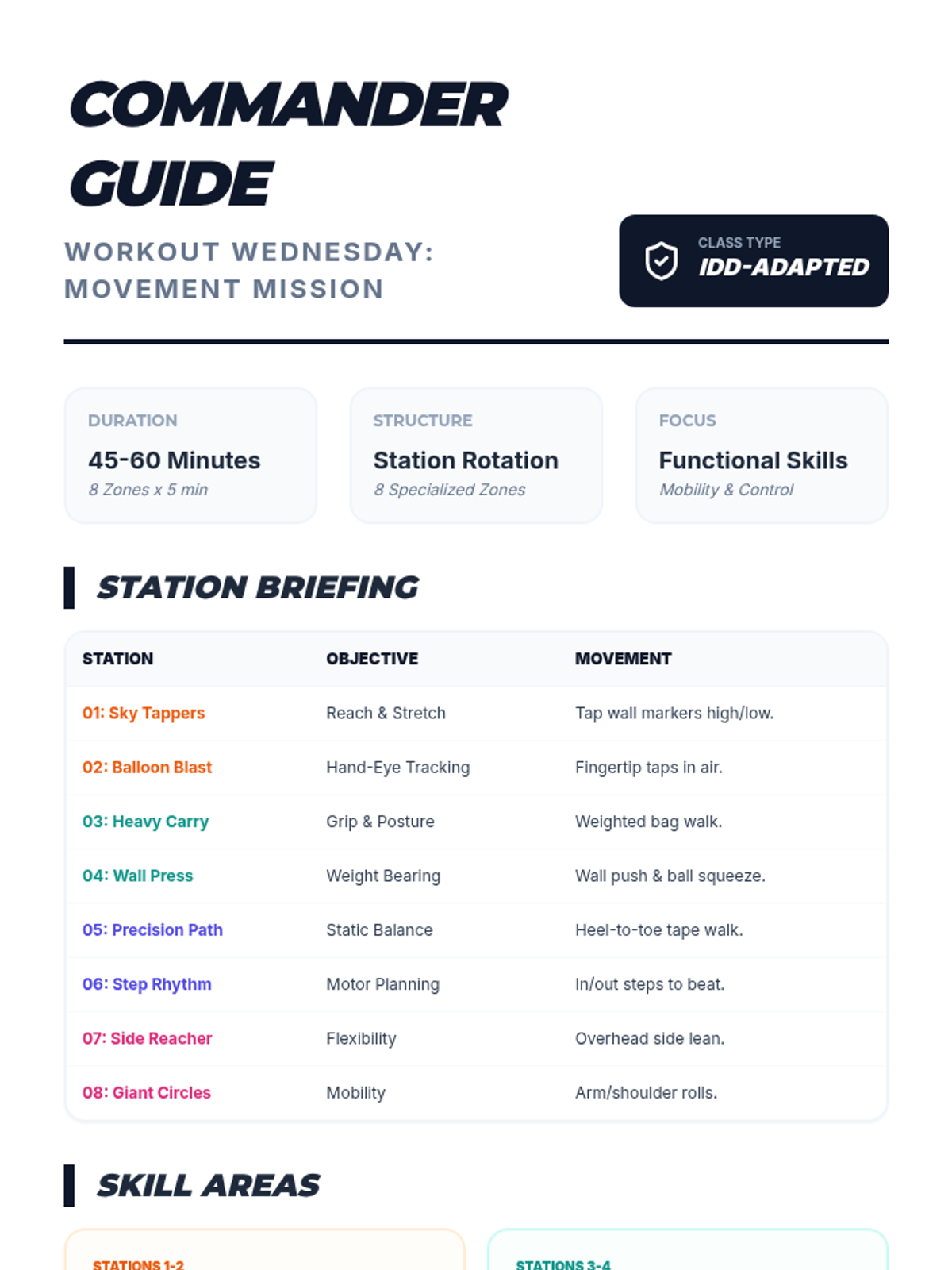
A high-energy station rotation lesson focused on developing hand-eye coordination, grip strength, and balance through a 'Movement Mission' theme. Students rotate through six specialized zones to build physical literacy and motor control.
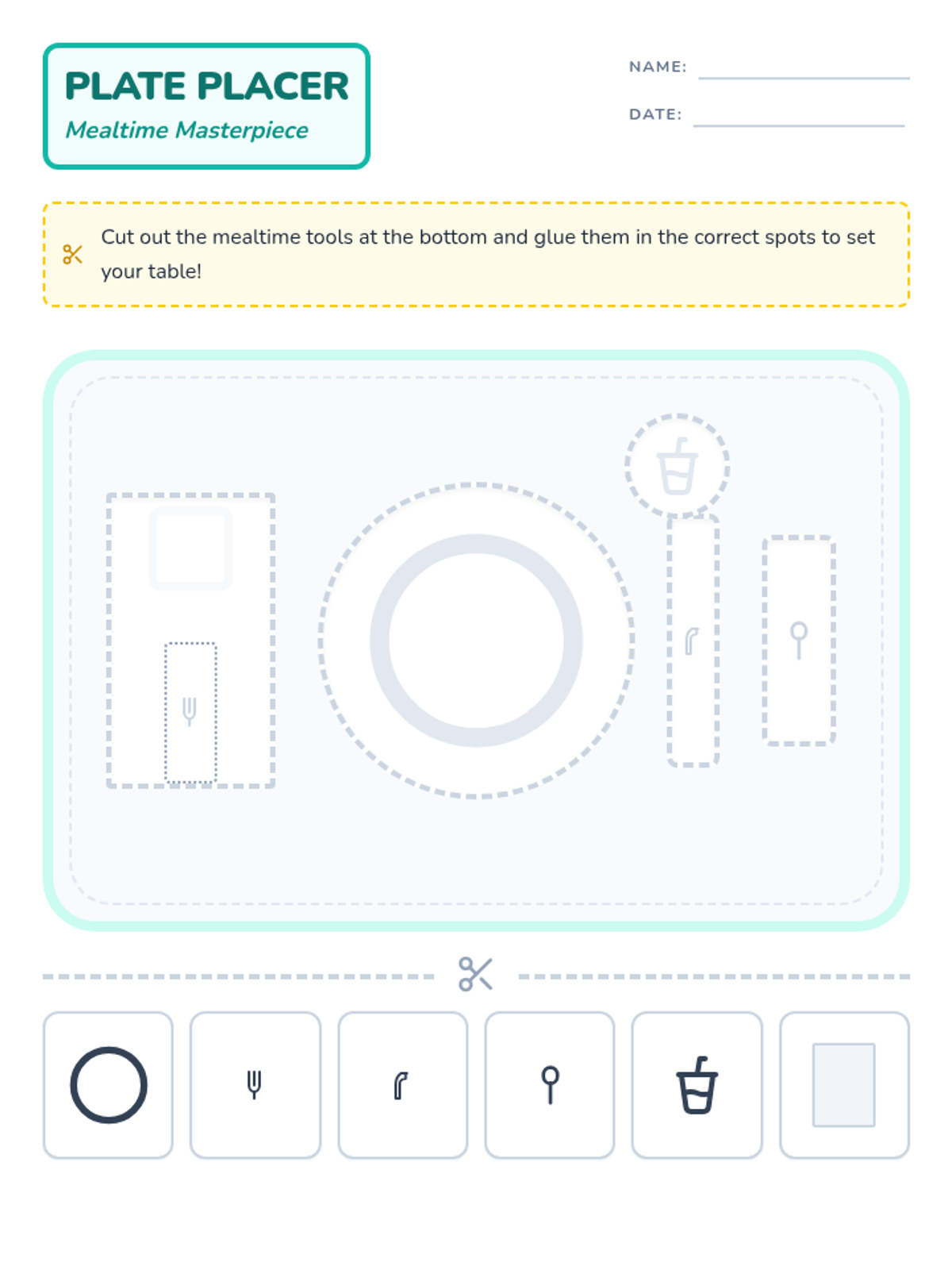
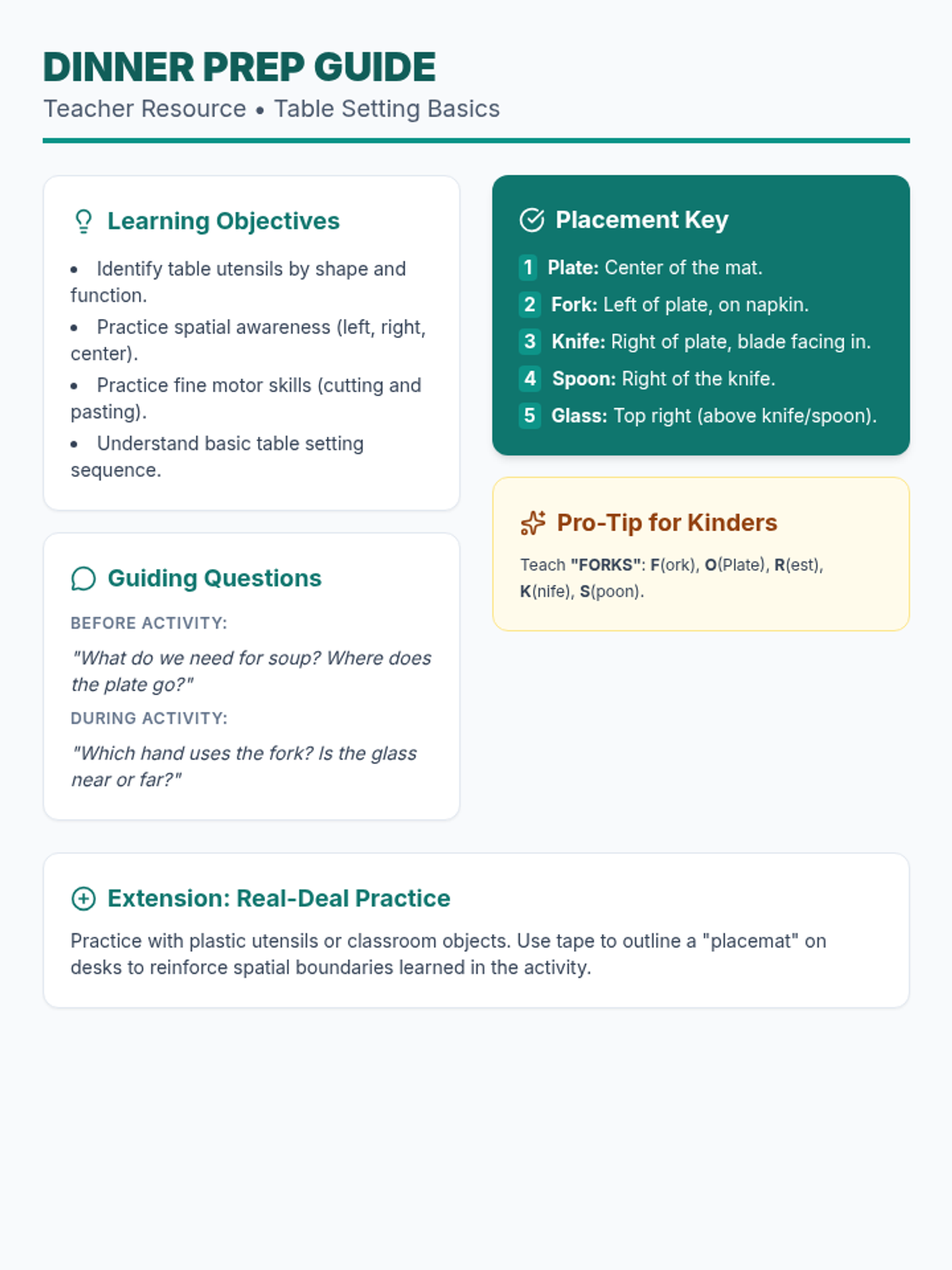
A hands-on introductory lesson for kindergarteners to learn the basics of table setting, focusing on spatial awareness and utensil identification through a cut-and-paste activity.
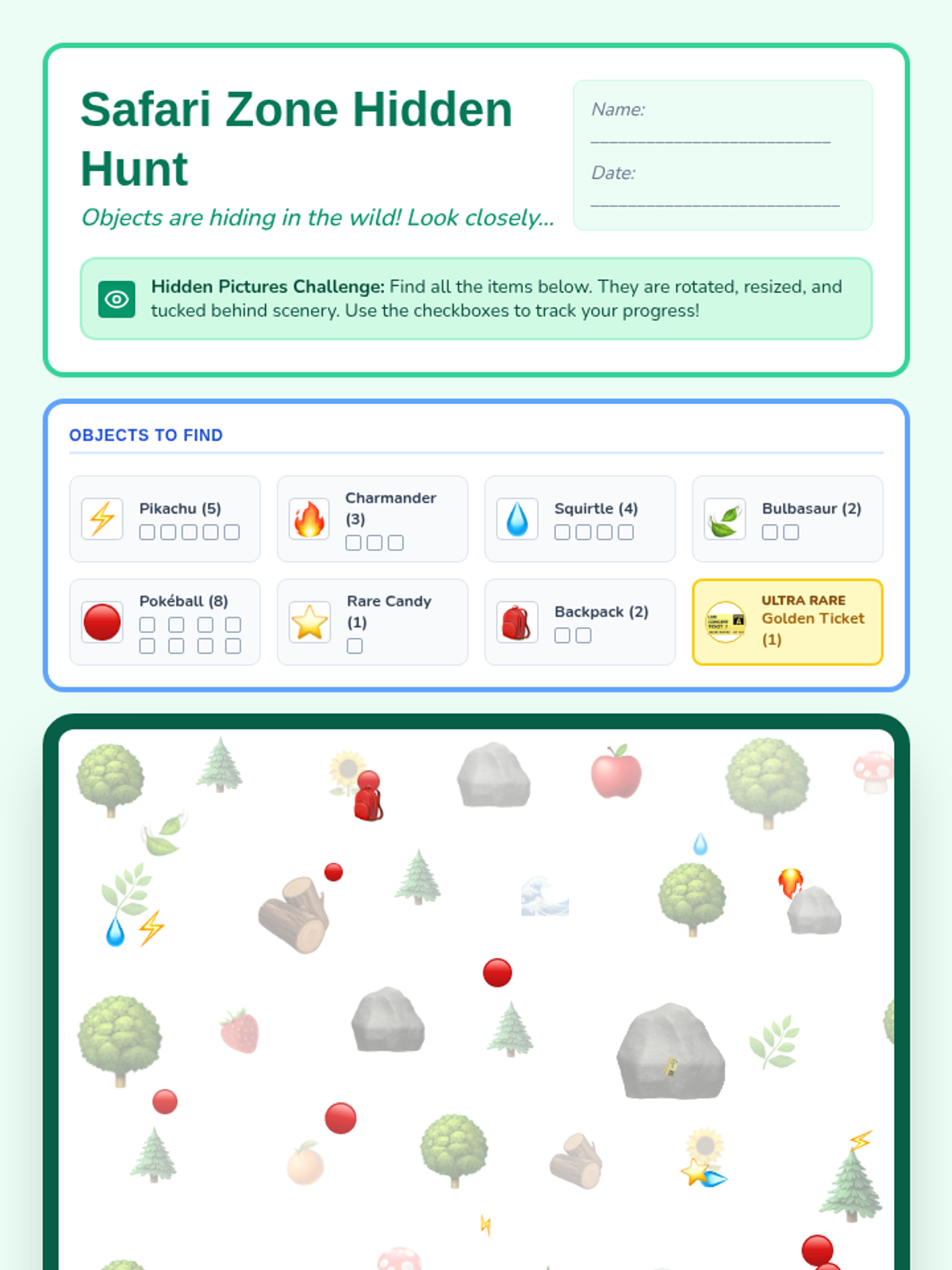
A fun, engaging search-and-find activity featuring popular pocket monsters in a dense, colorful safari environment. Perfect for a brain break or a reward activity for 4th-grade students.
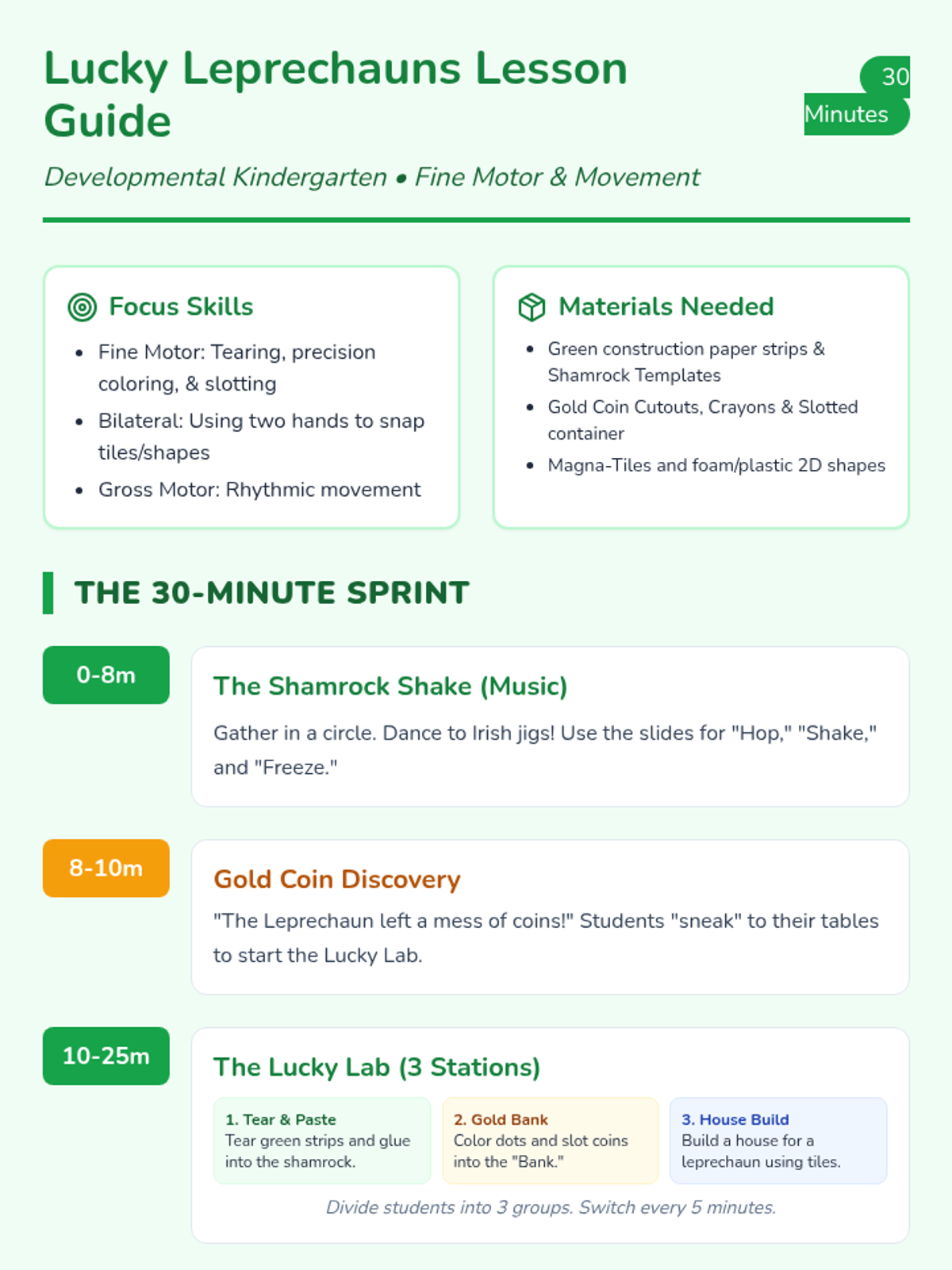
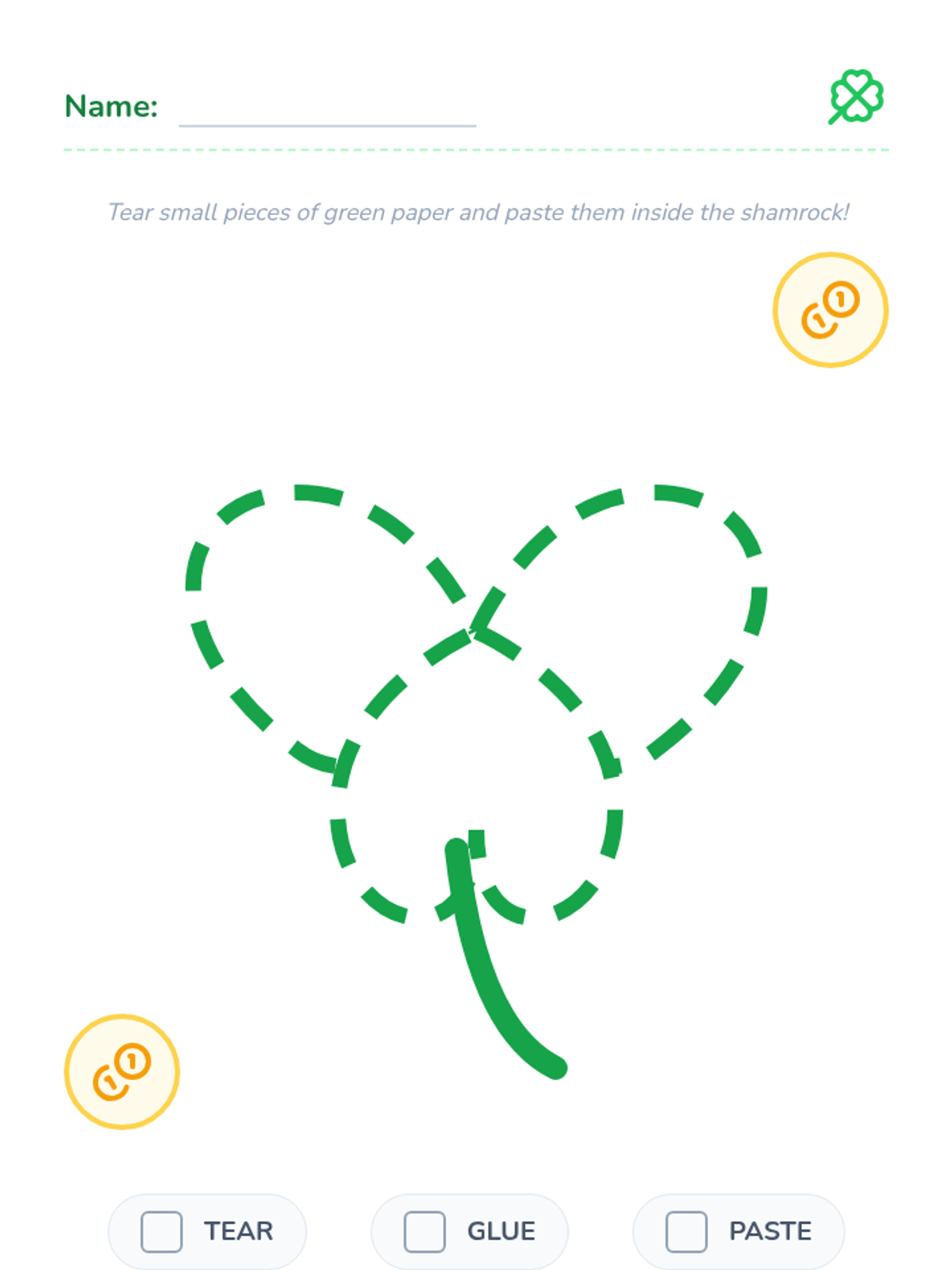
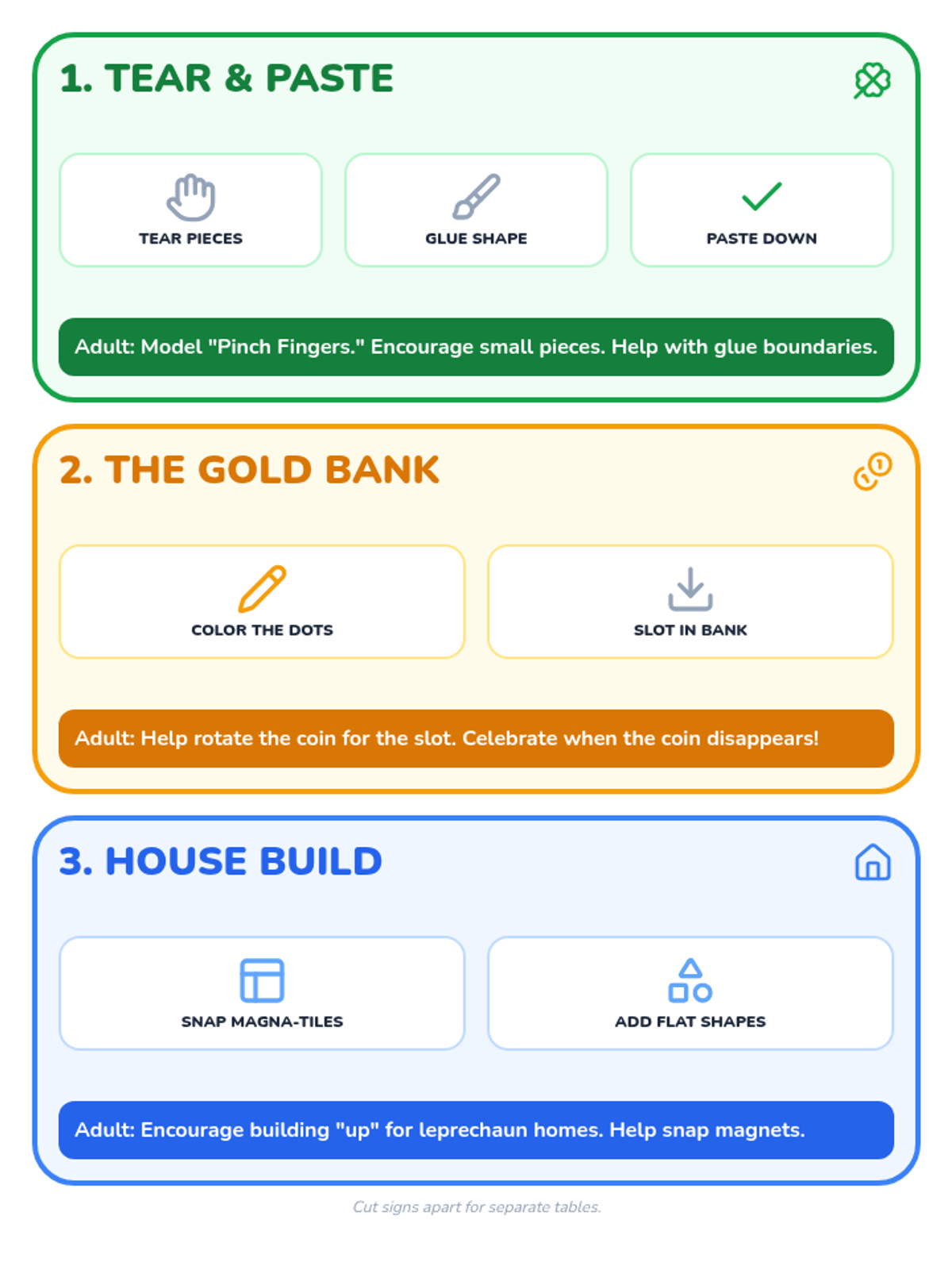
A high-energy, 30-minute St. Patrick's Day lesson focusing on fine motor skills through a 'Tear and Paste' shamrock craft and a 'Shamrock Shake' movement activity. Designed specifically for developmental kindergarteners with short attention spans.
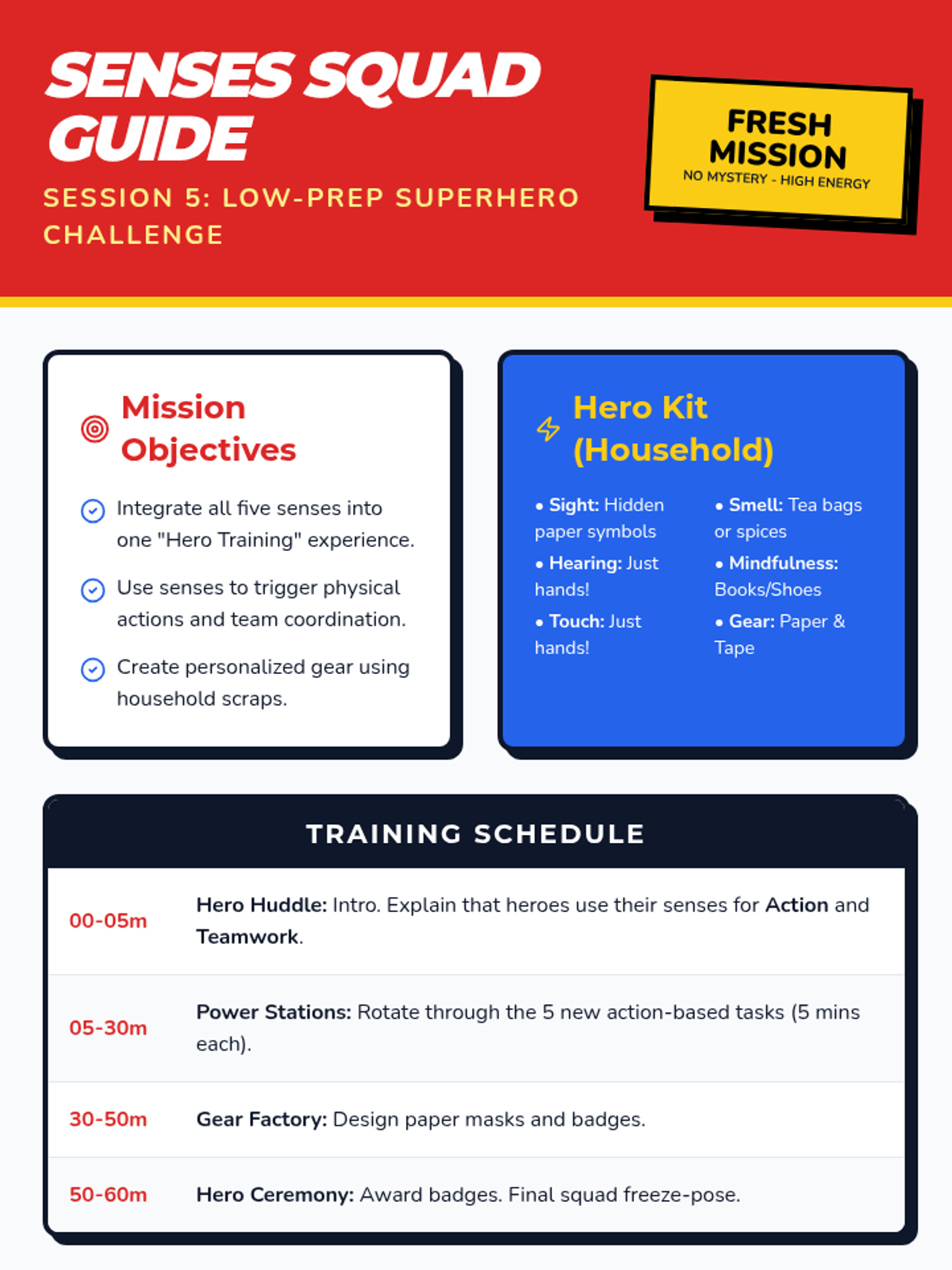
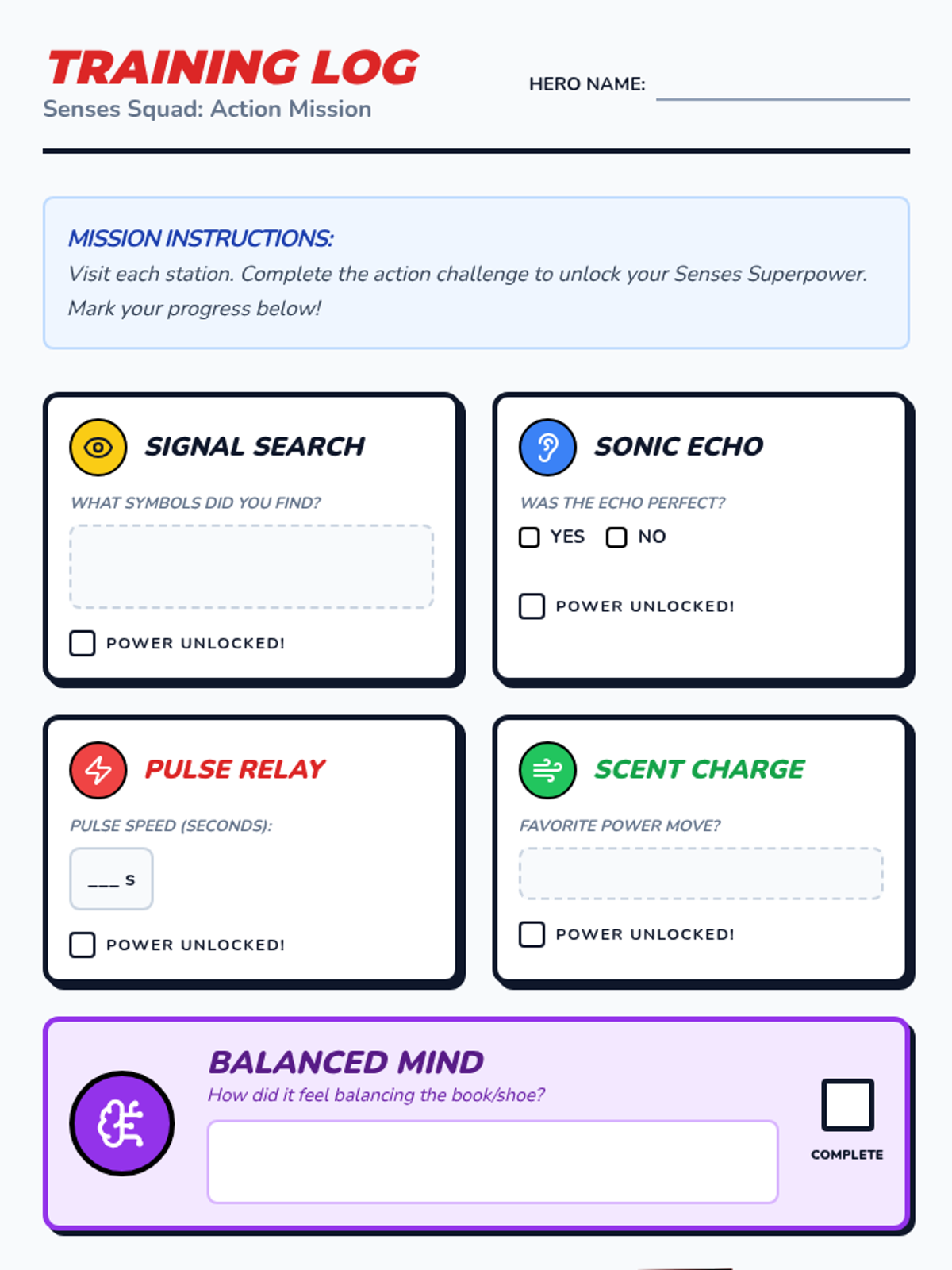
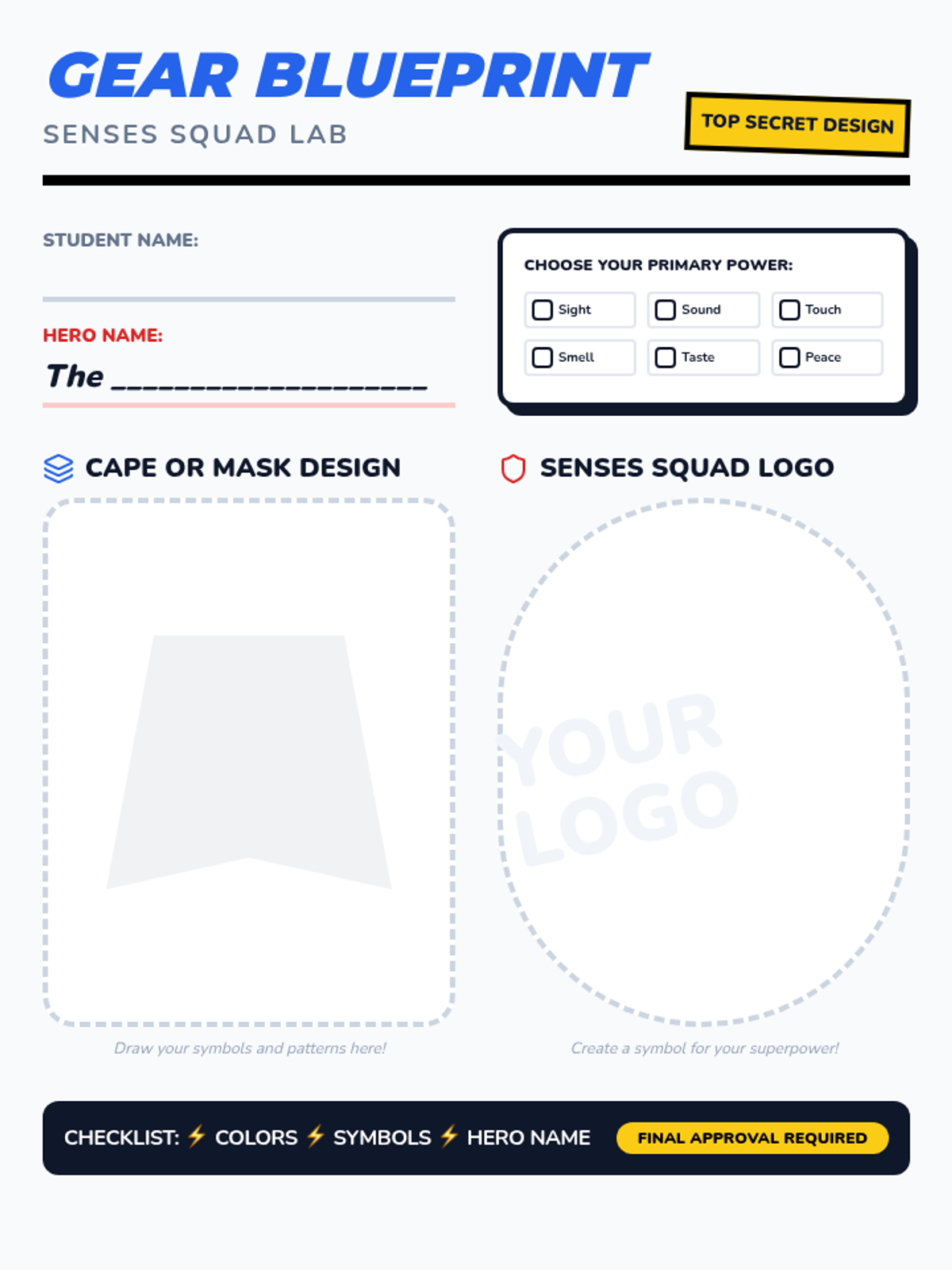
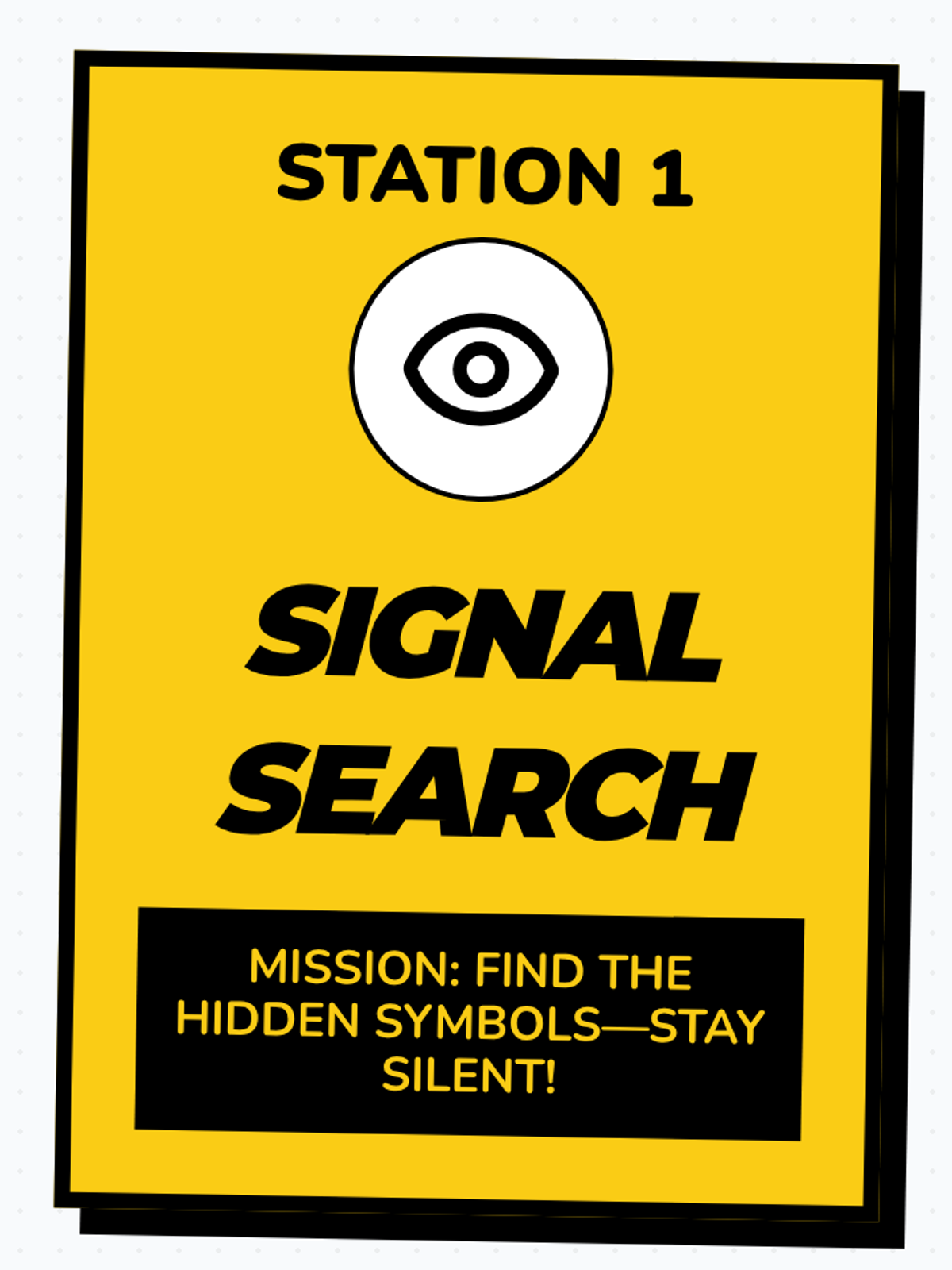
A high-energy wrap-up session for K-2 students to integrate their knowledge of the five senses and mindfulness through a superhero-themed training challenge. Students rotate through sensory stations and create their own superhero gear to represent their 'Senses Superpowers'.
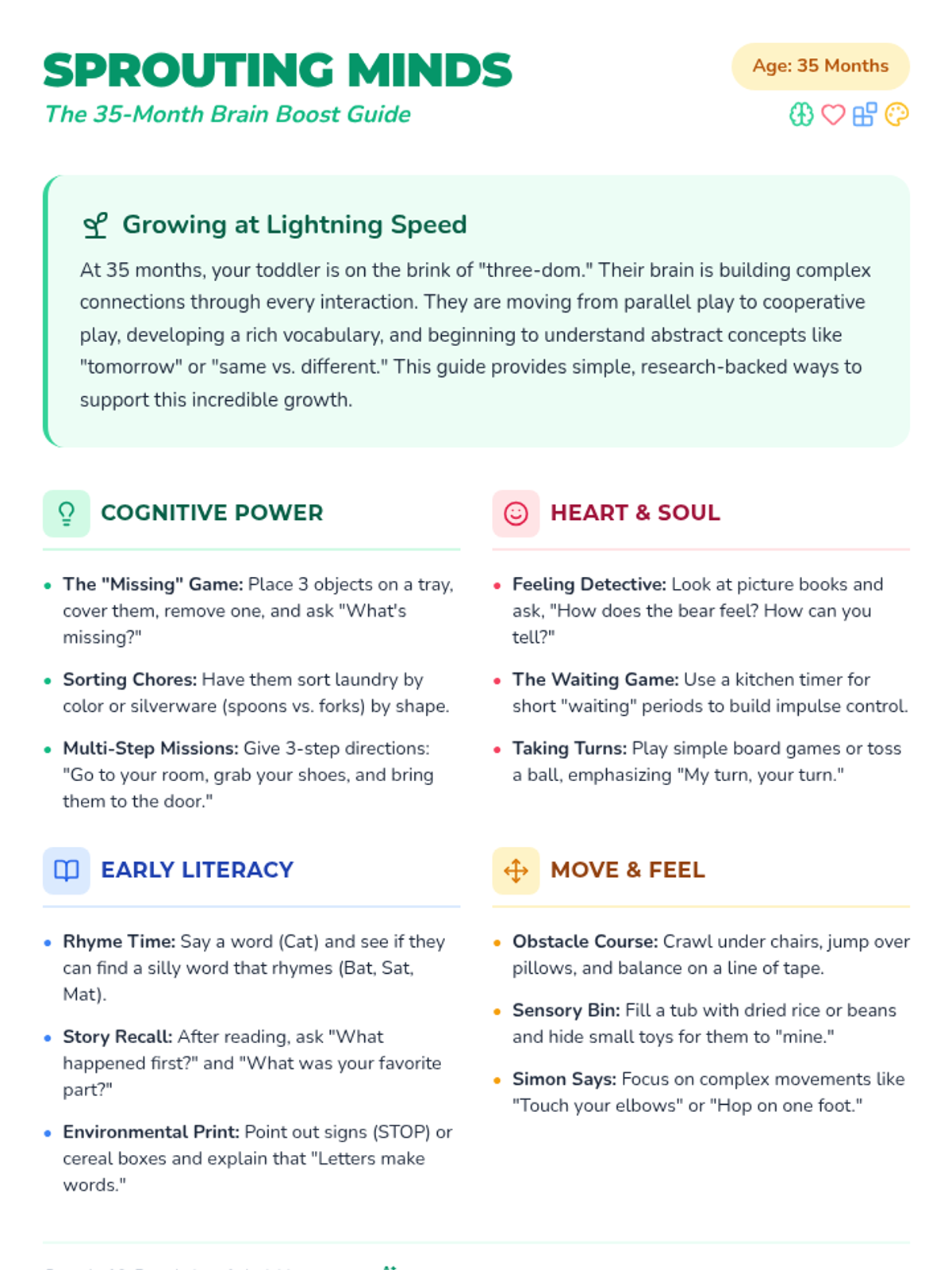
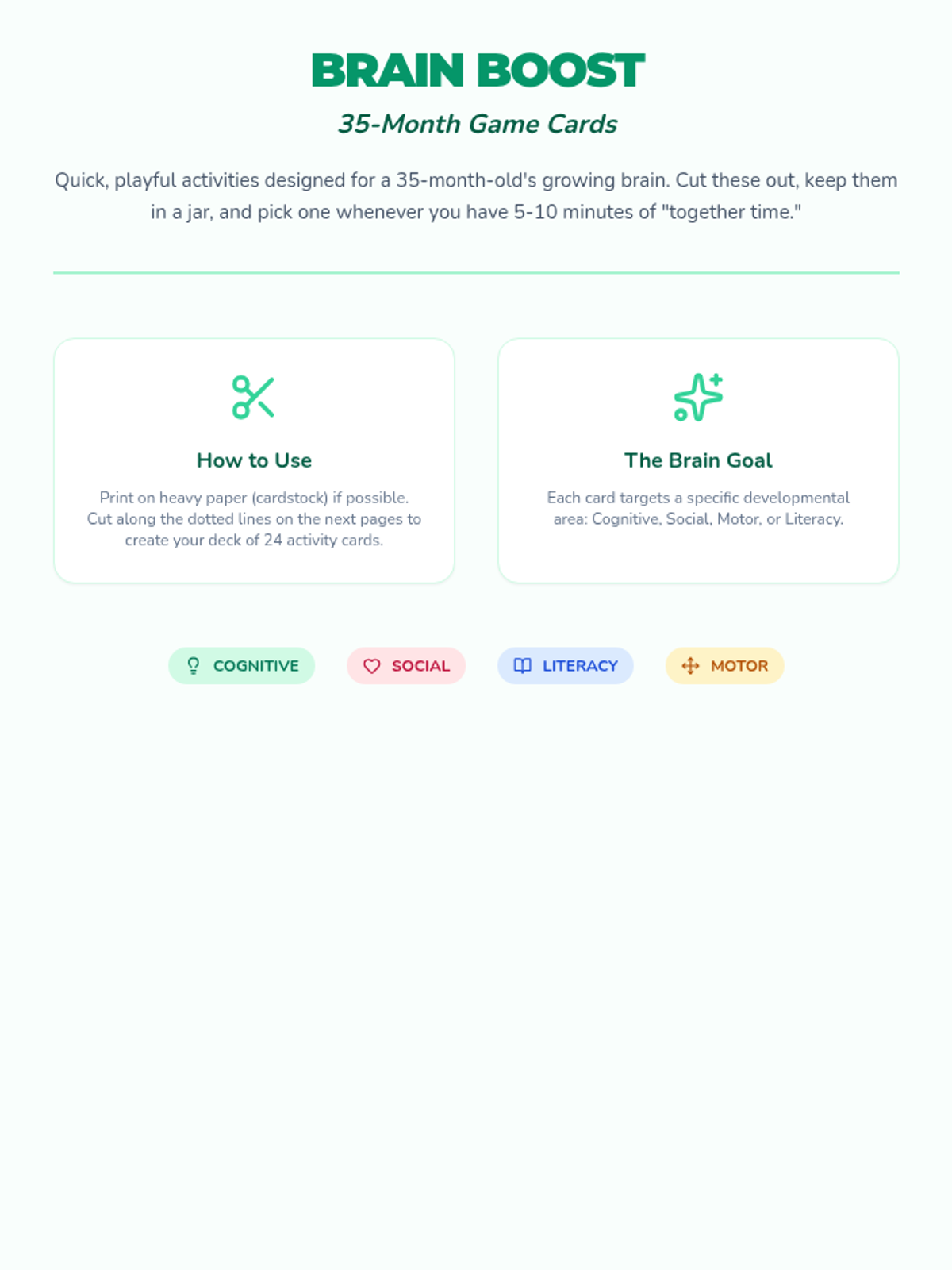
A comprehensive resource set for parents of 35-month-olds, focusing on cognitive, social-emotional, and physical milestones through play-based learning.
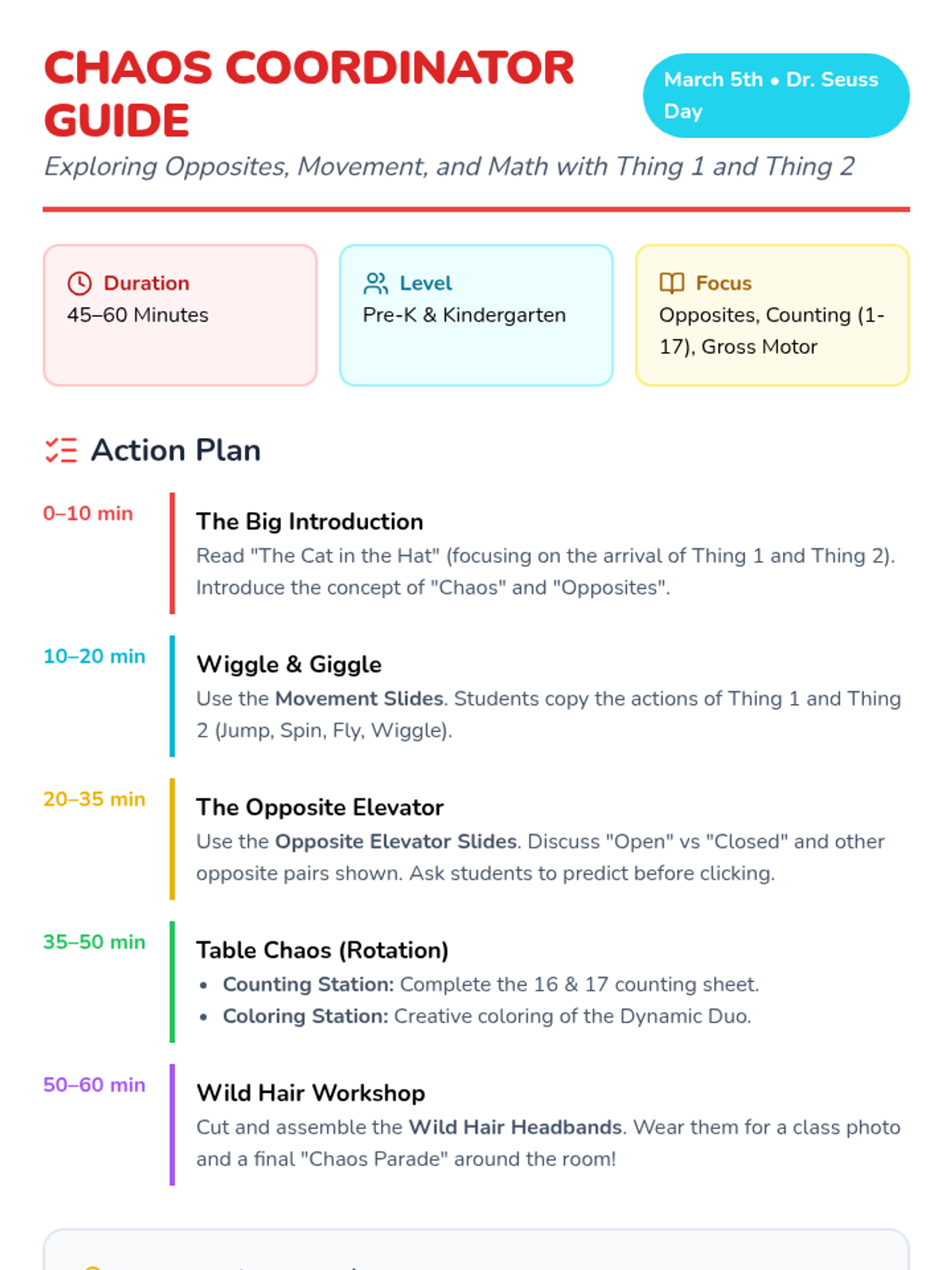
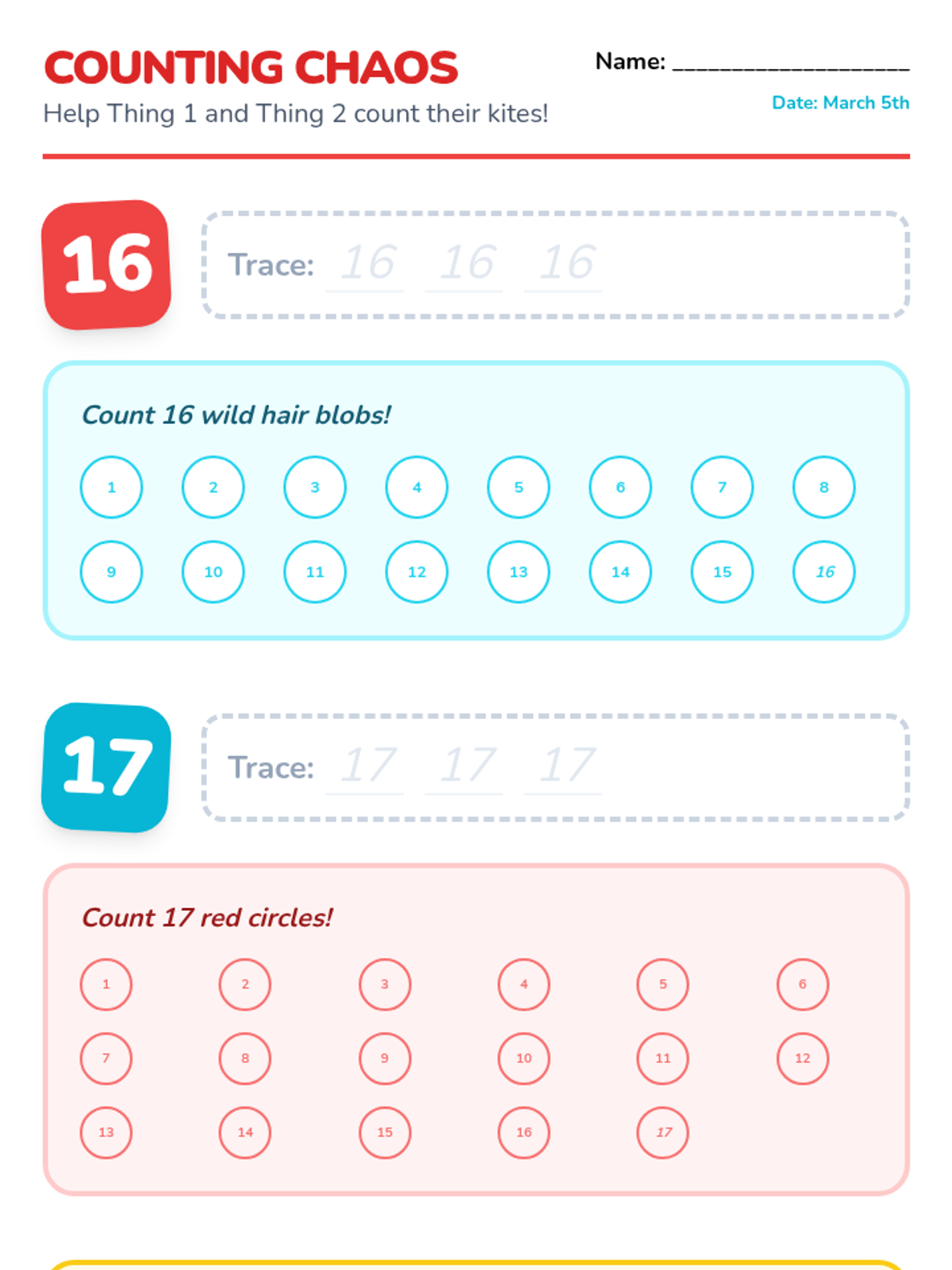
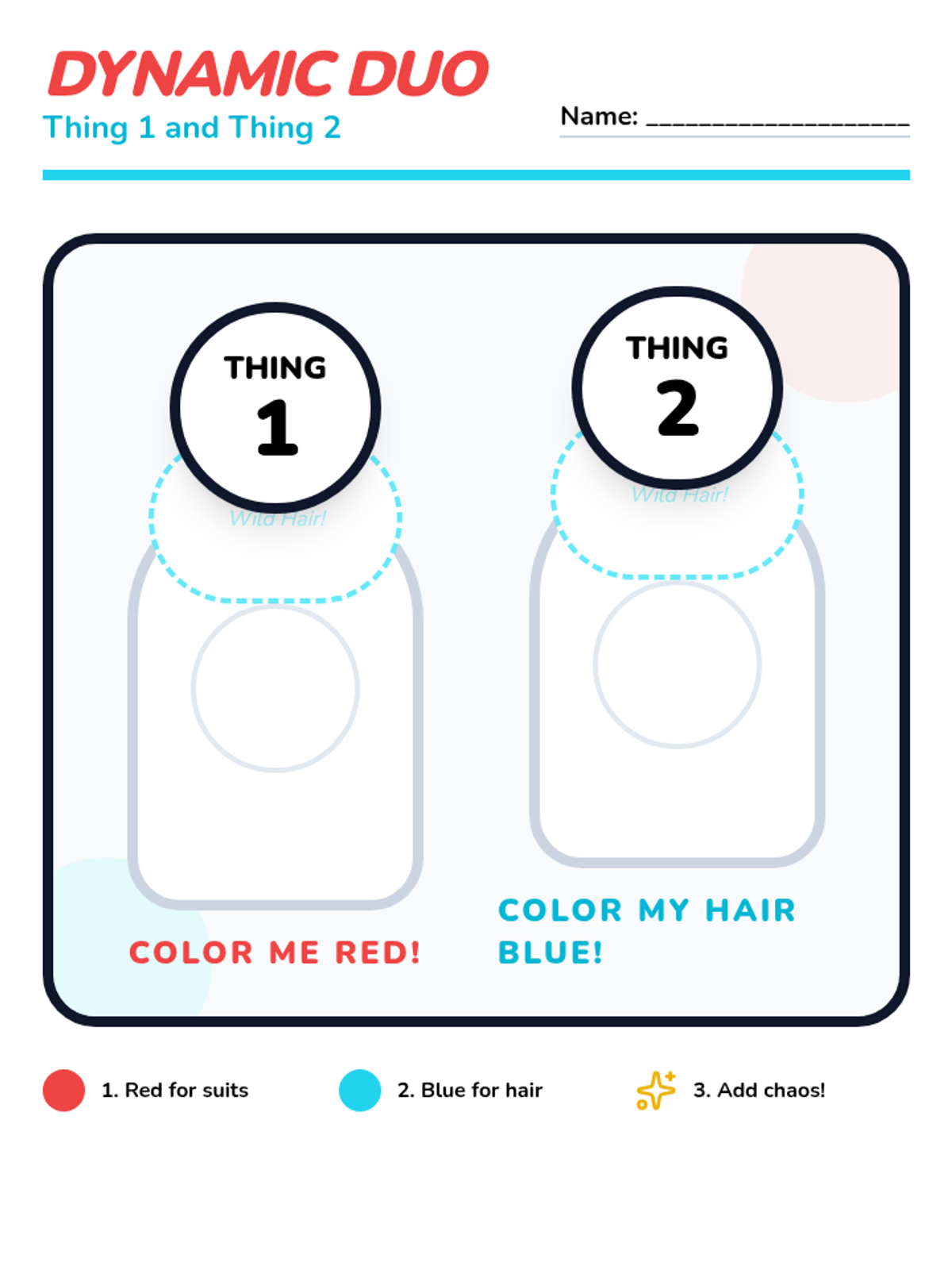
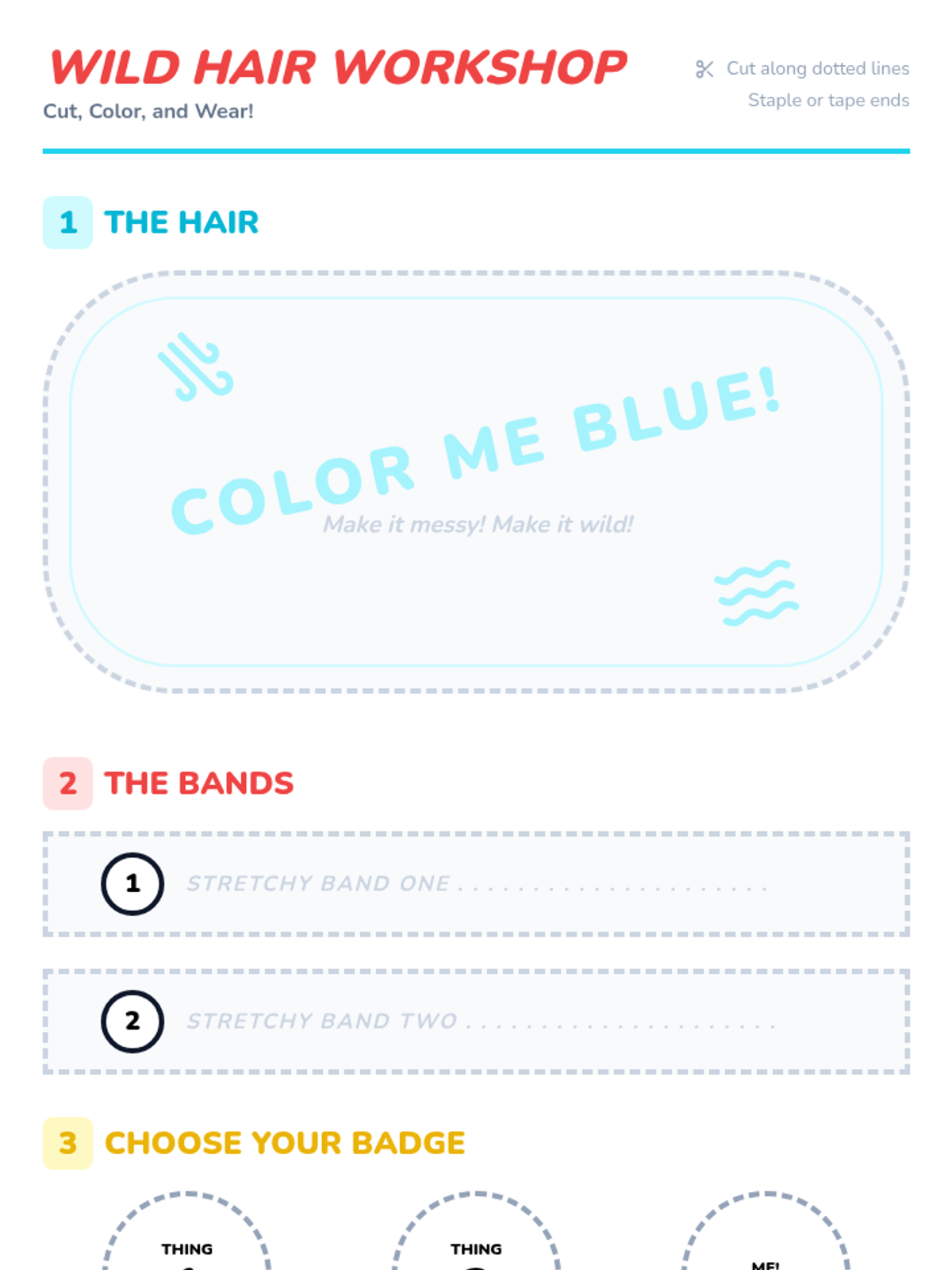
A whimsical Dr. Seuss-themed lesson for Pre-K and Kindergarten focusing on movement, opposites, counting to 17, and creative crafts inspired by Thing 1 and Thing 2.
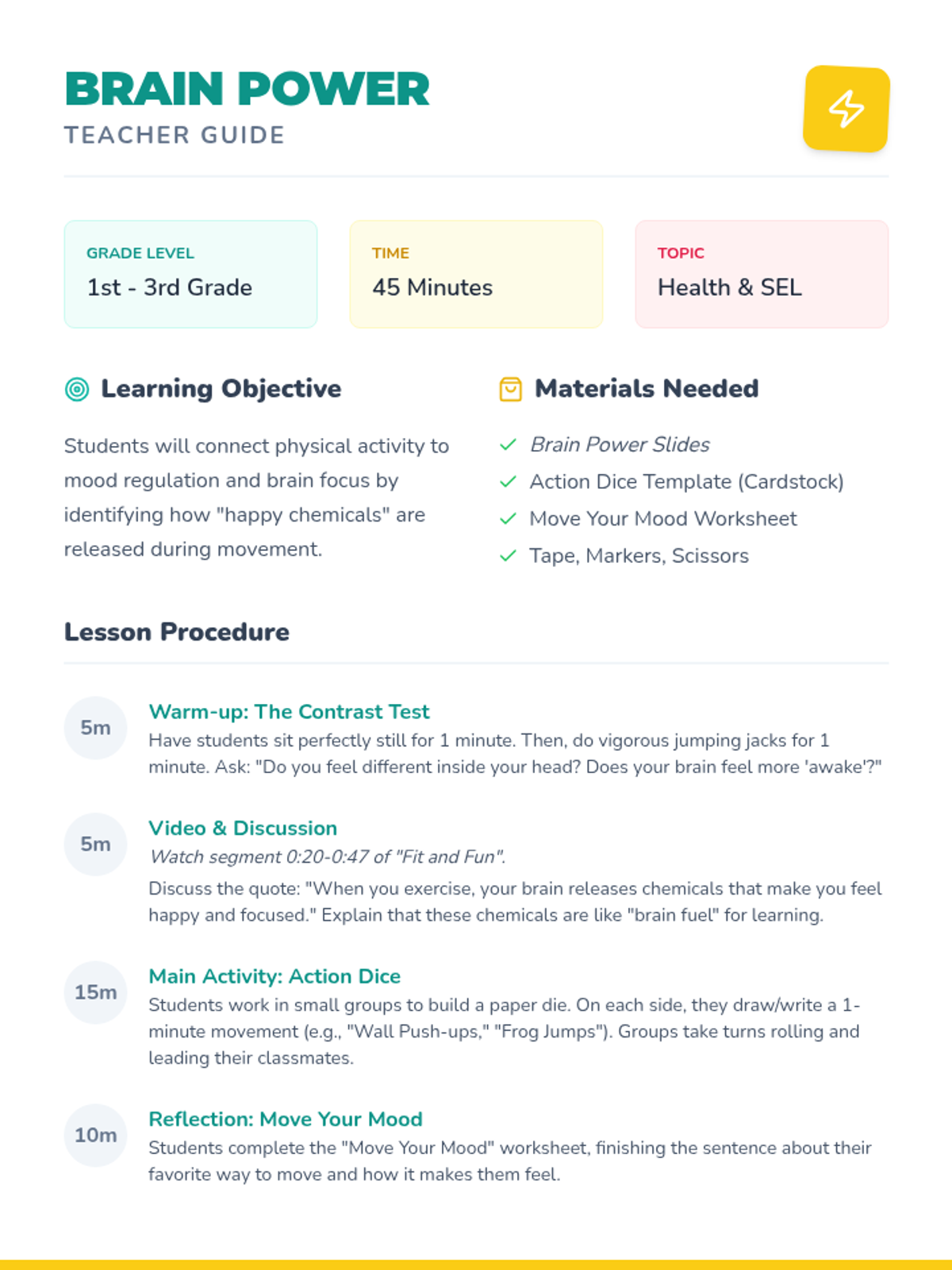
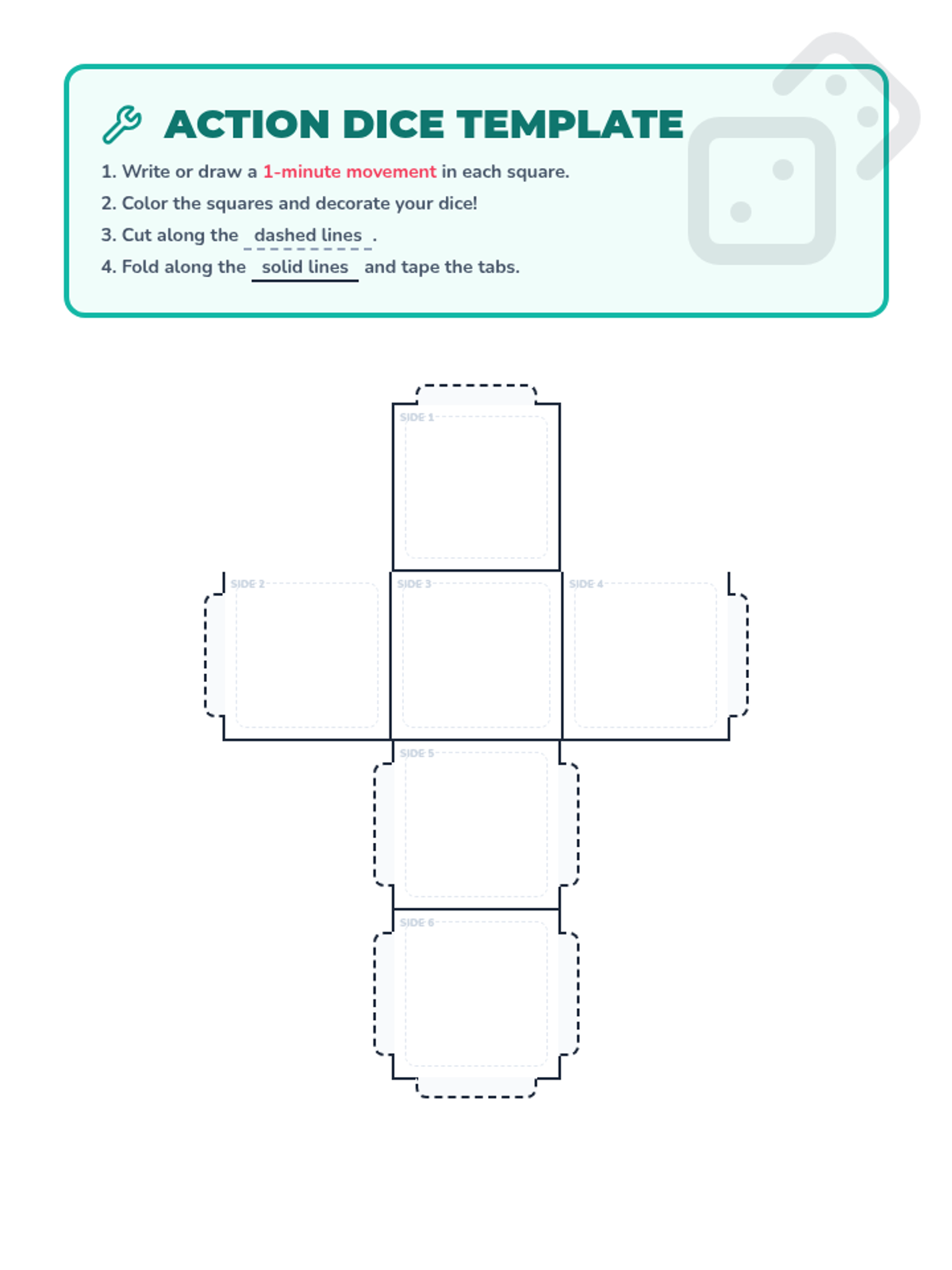
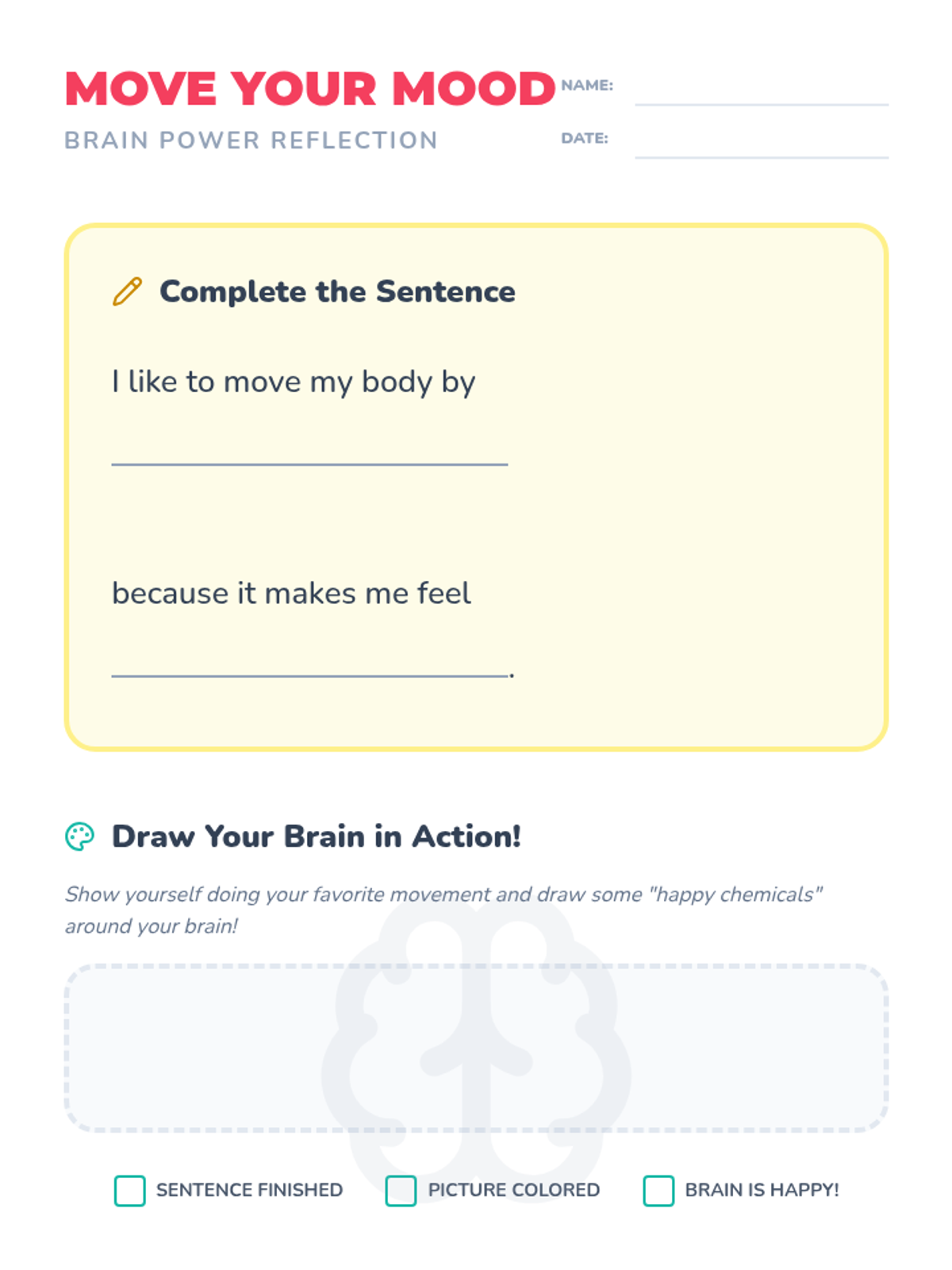
A high-energy lesson for 1st-3rd graders that explores the science of 'happy chemicals' released during exercise. Students create their own movement dice to lead brain breaks and reflect on how physical activity helps them stay focused.
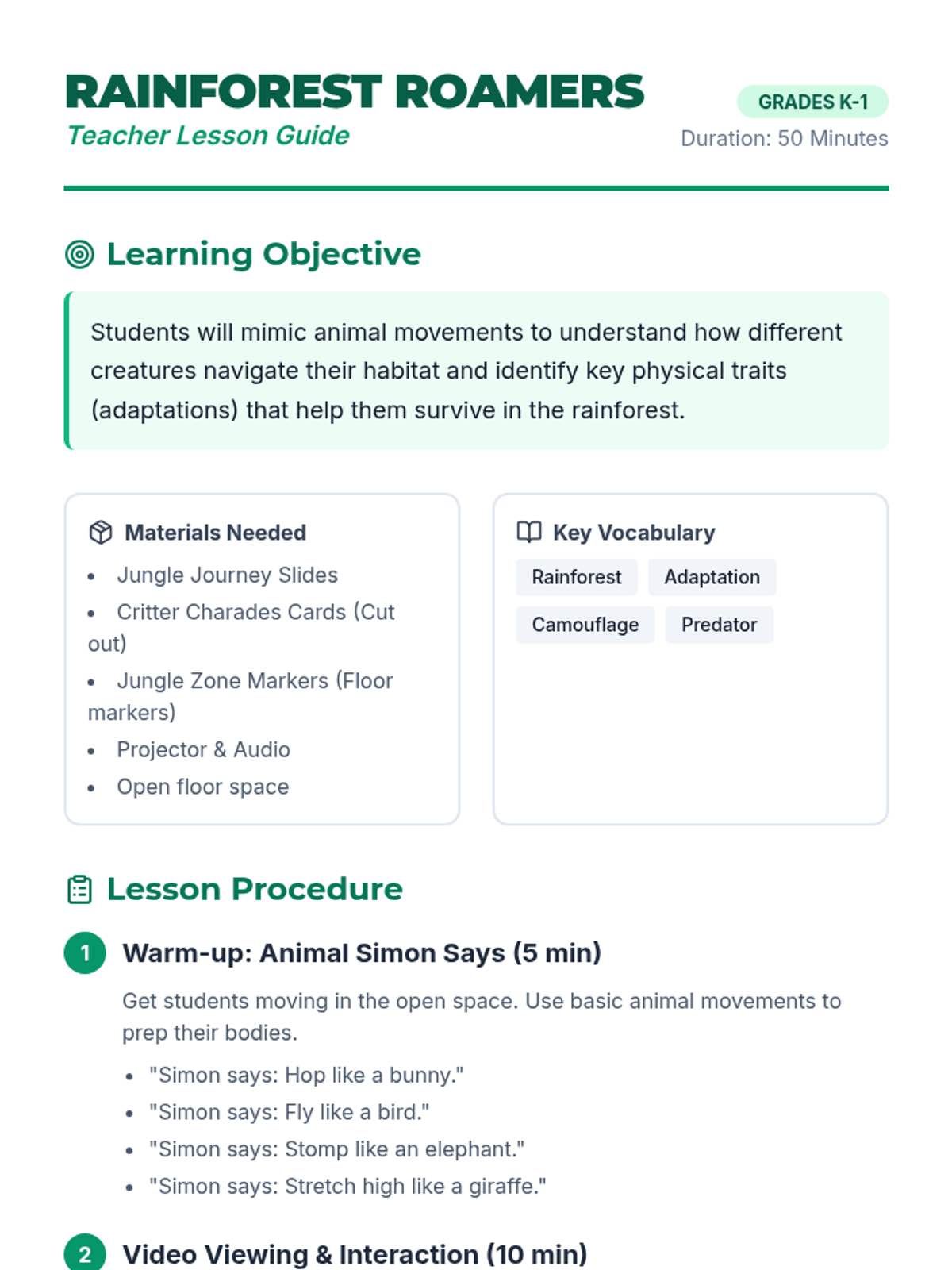
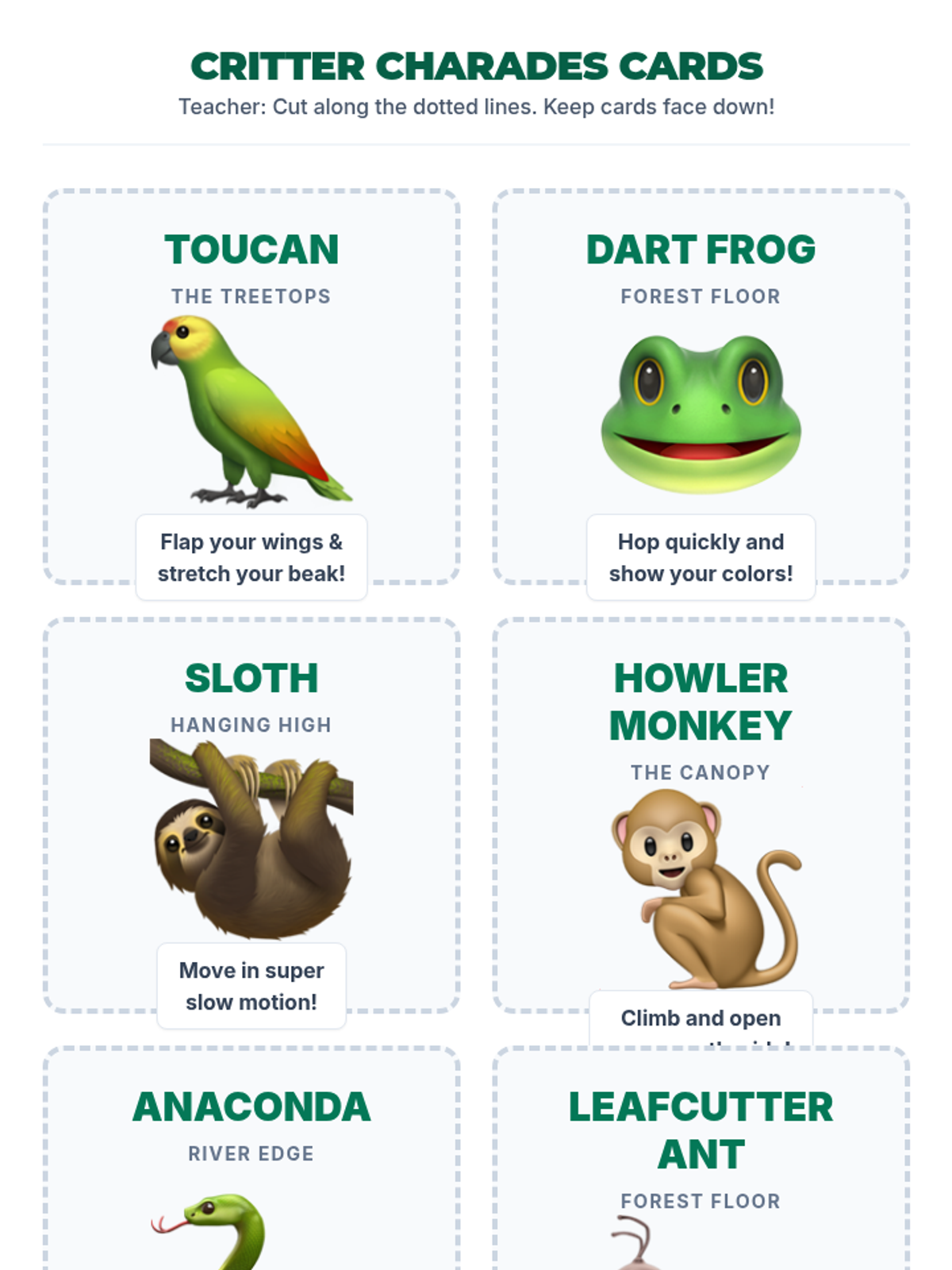
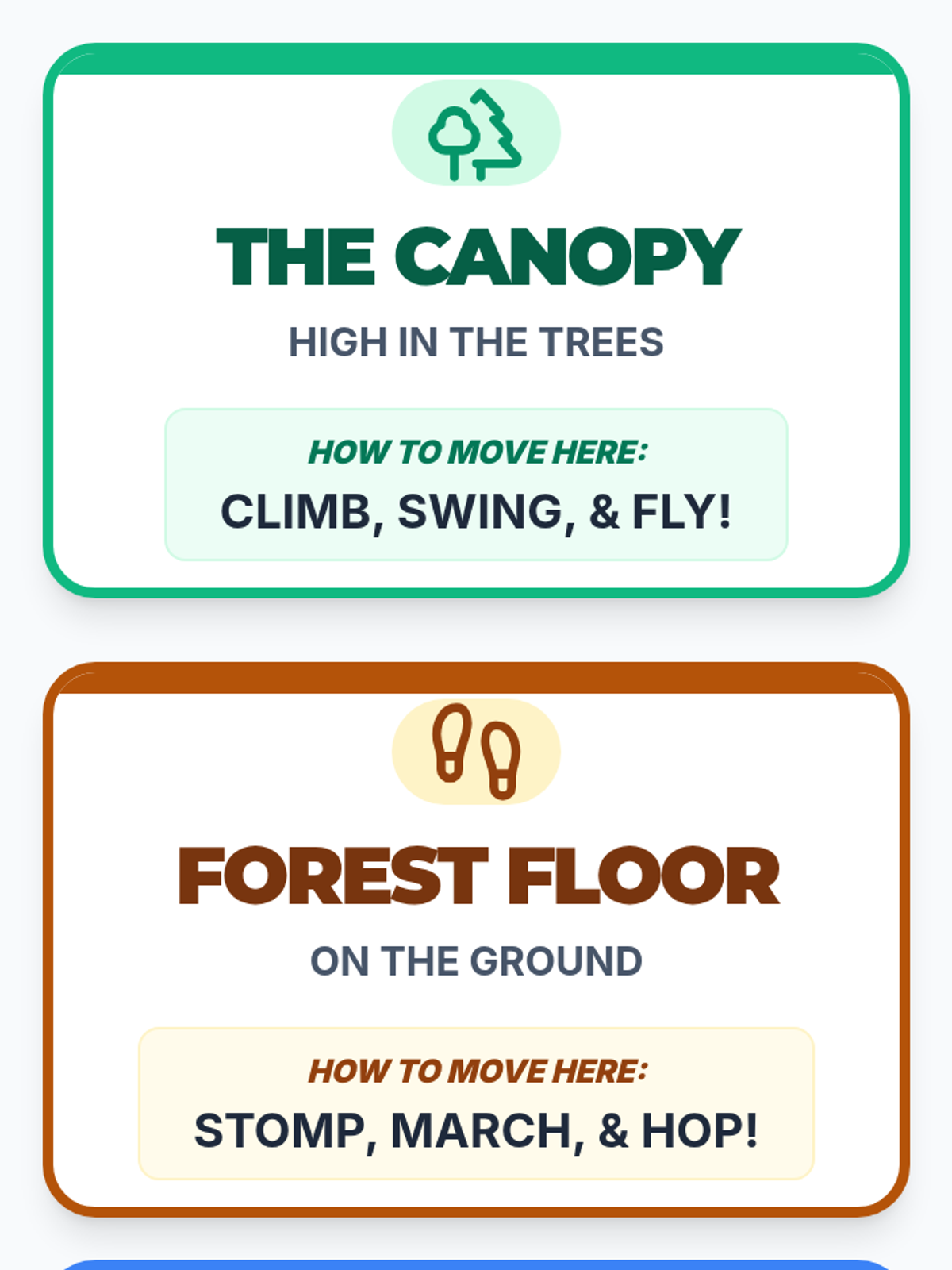
Students will explore how rainforest animals move through their habitat by mimicking their actions, watching an interactive video, and playing a movement-based game.
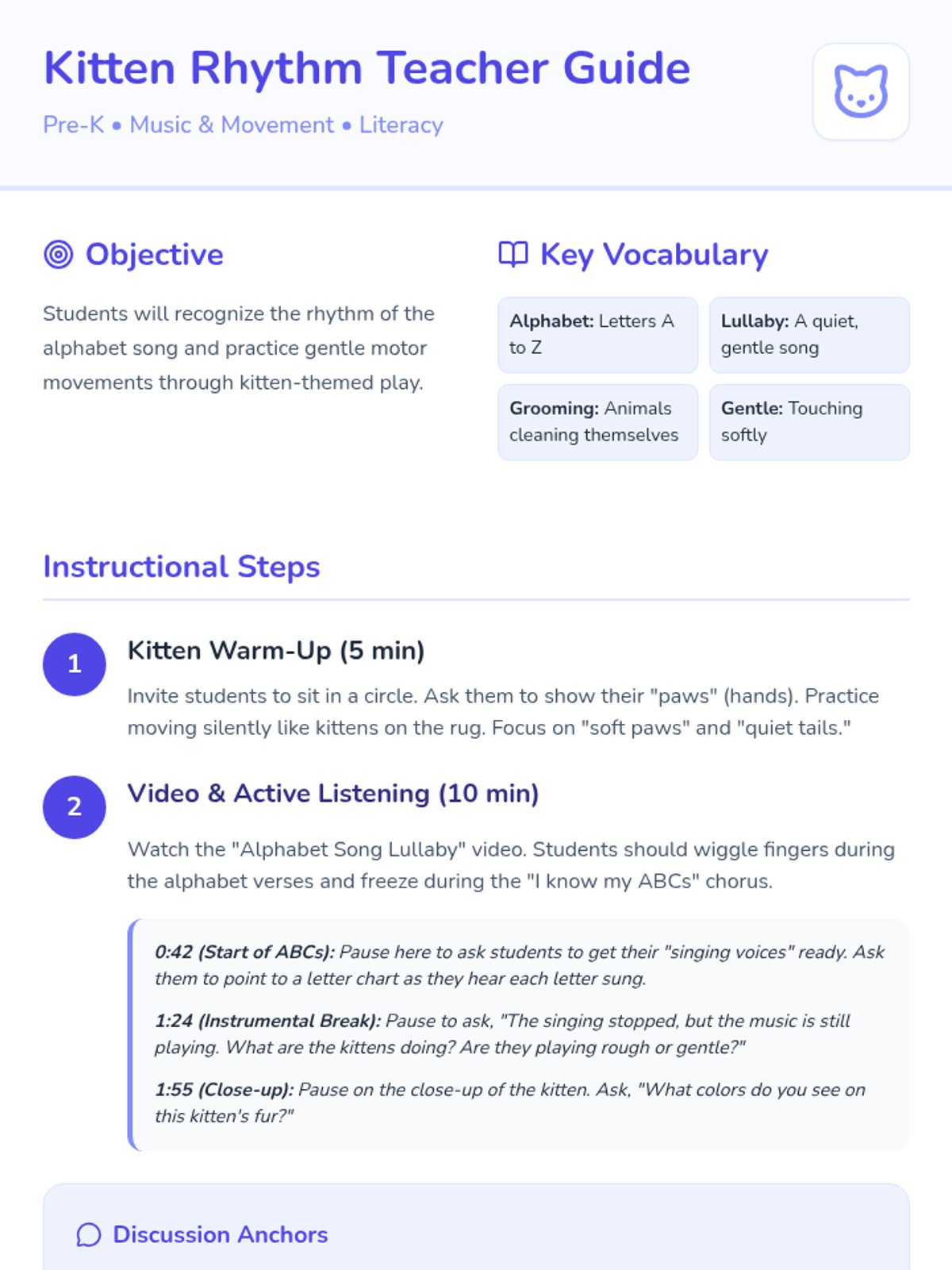
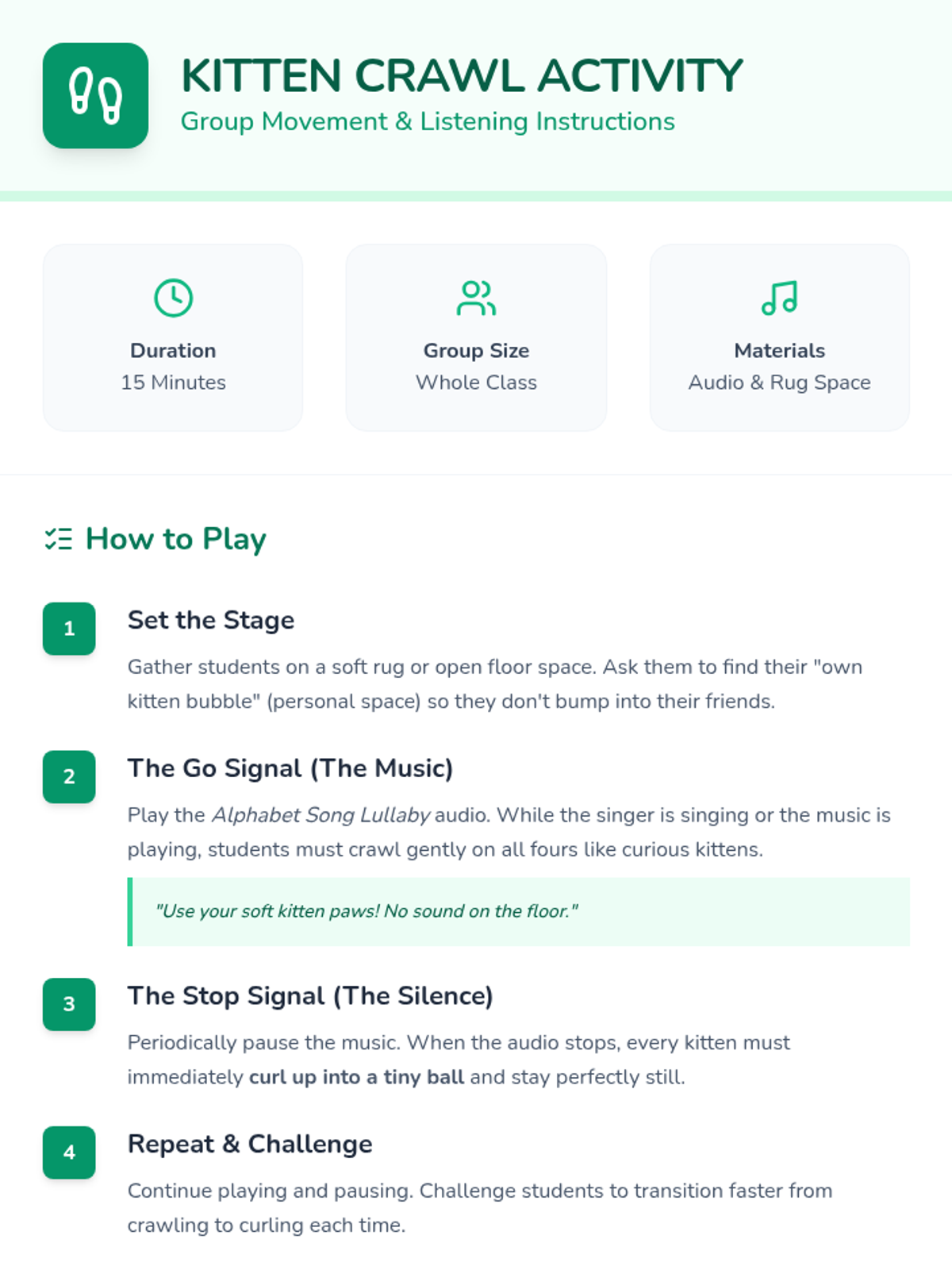
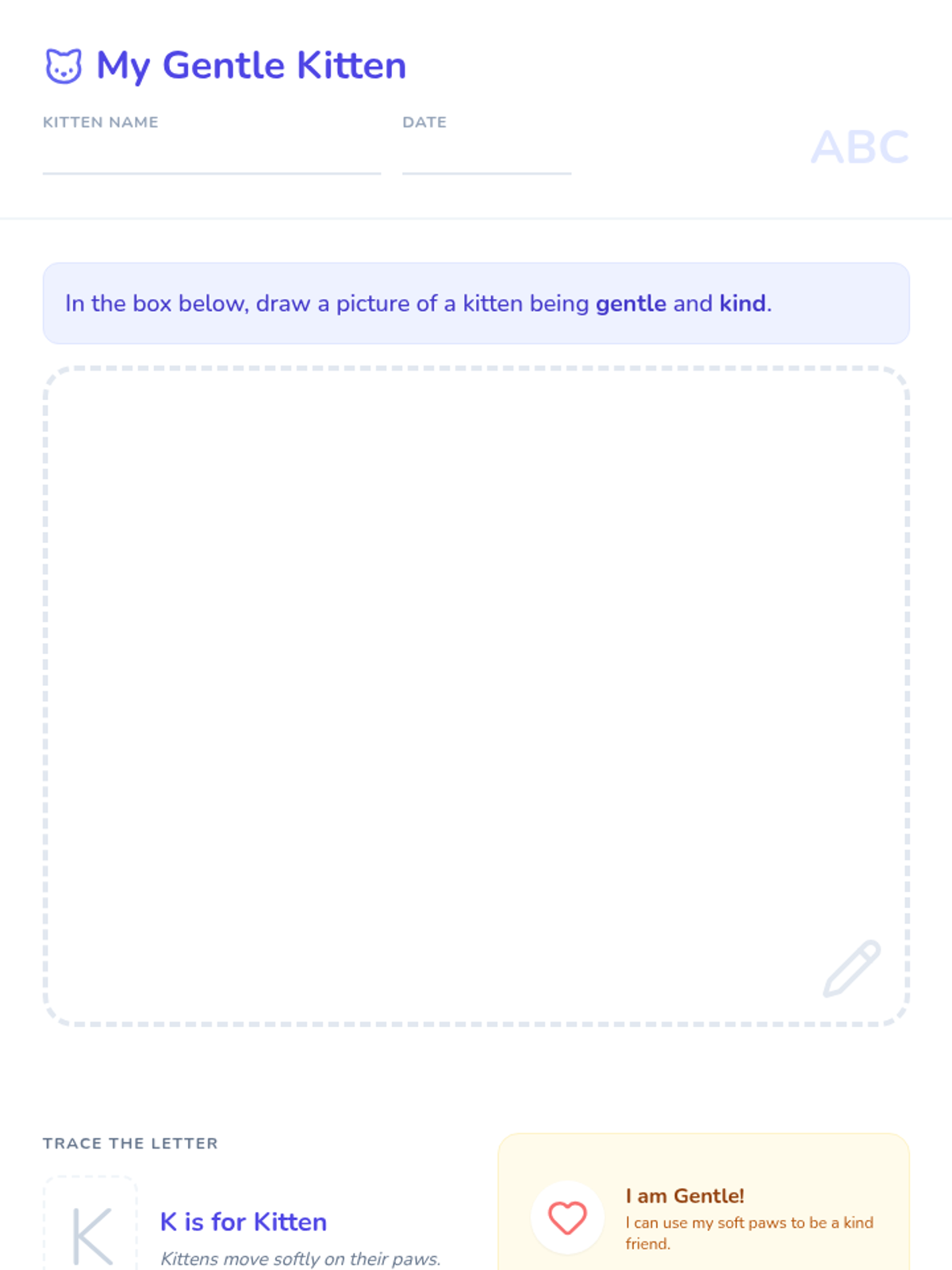
A gentle Pre-K lesson focusing on rhythm and movement through an alphabet lullaby featuring kittens. Students practice fine and gross motor skills while identifying the ABC song's structure.
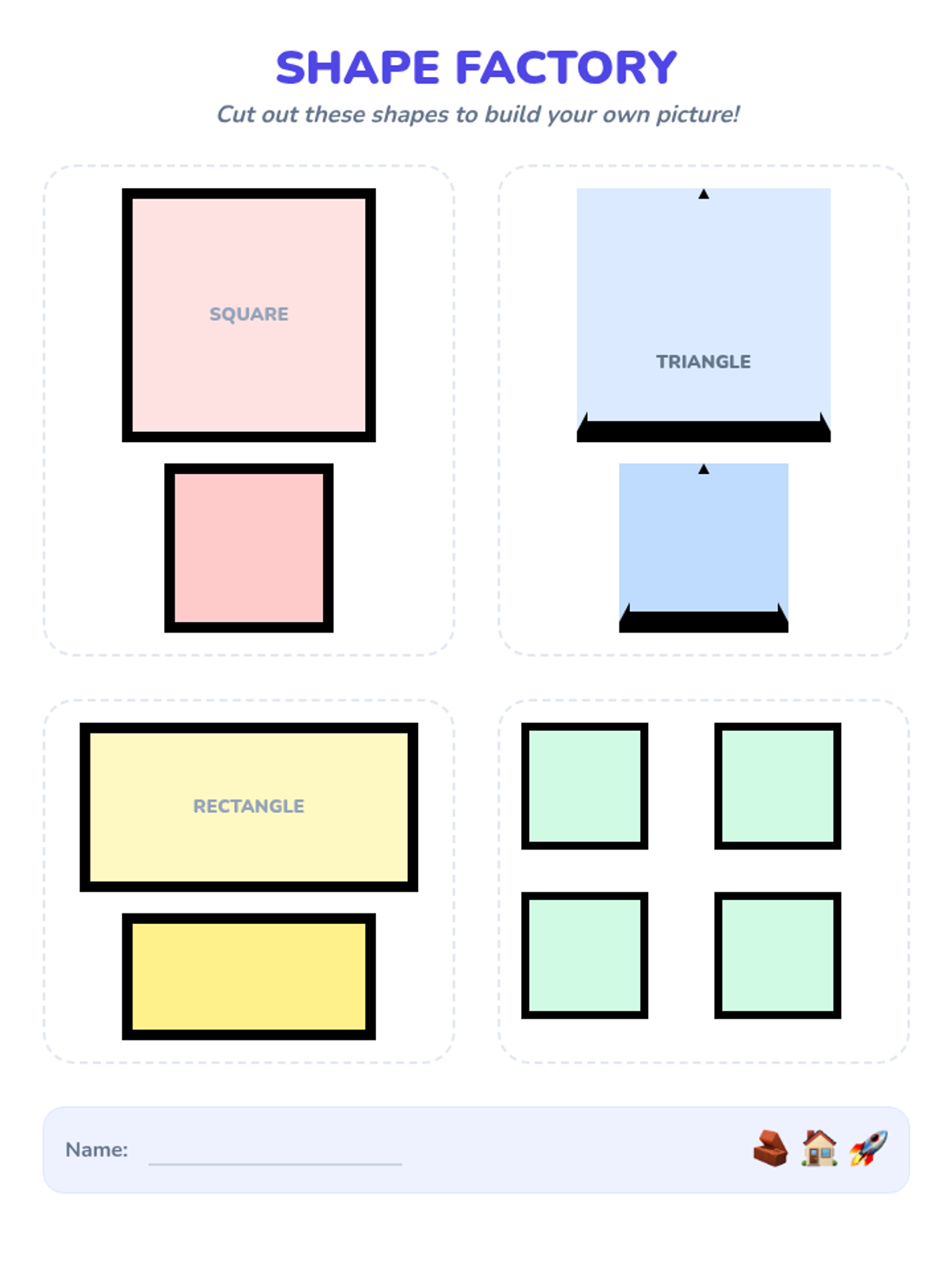
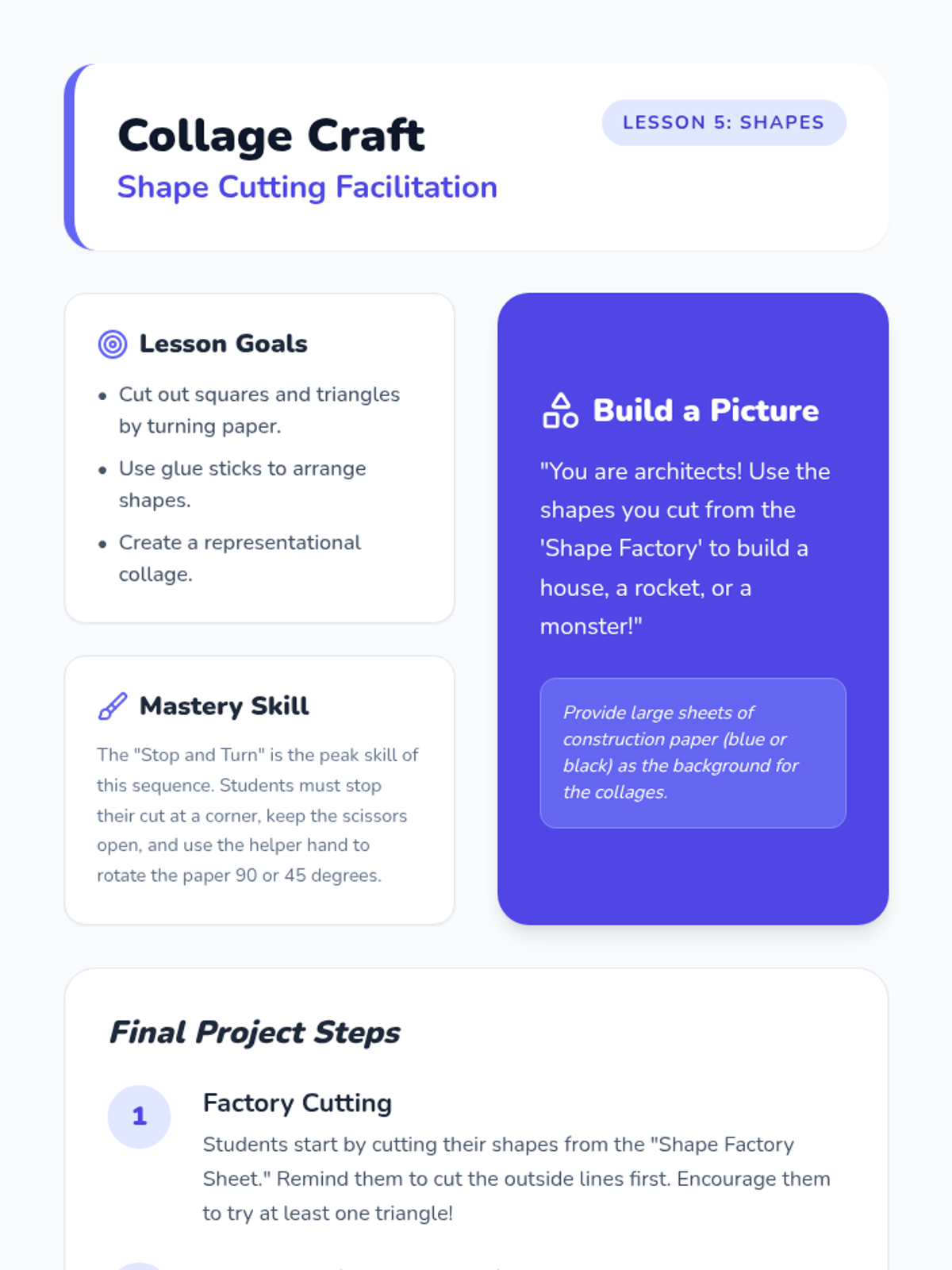
Students apply their cutting skills to cut out simple shapes (squares, triangles) from pre-marked paper. They arrange and paste these shapes to create a geometric art piece.
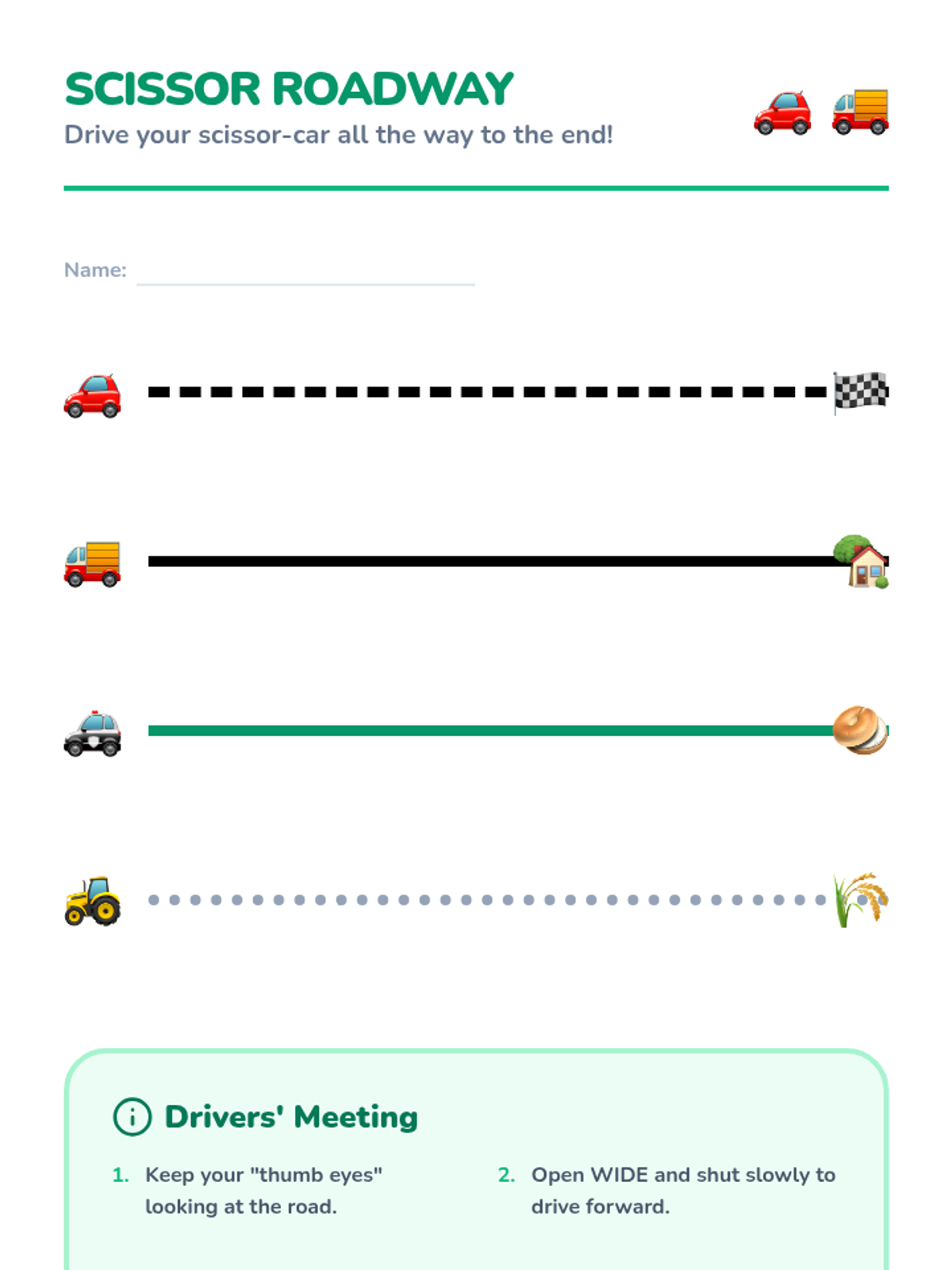
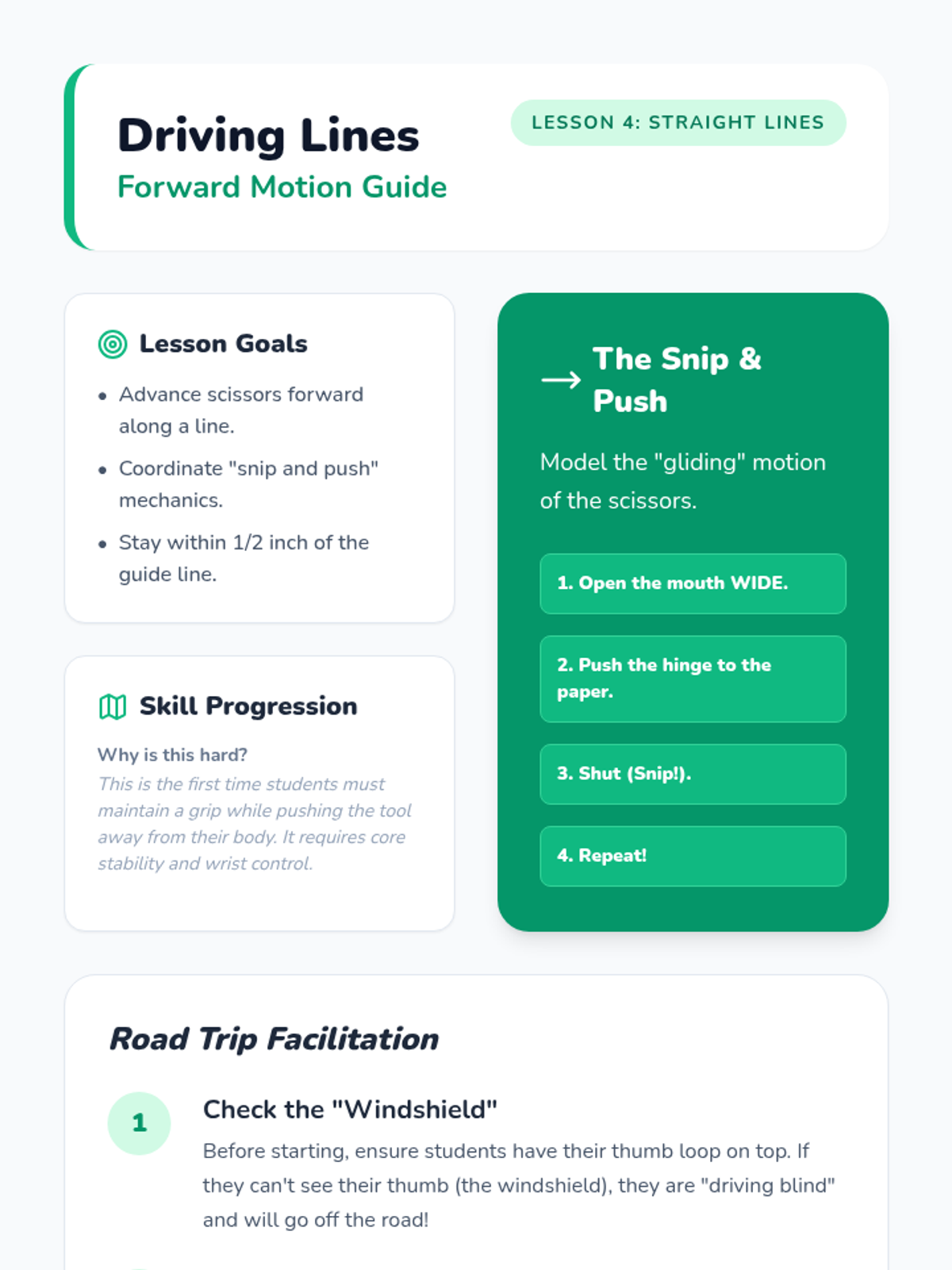
Students attempt to cut along bold, straight lines across a piece of paper. This lesson introduces the concept of advancing the scissors while the helper hand adjusts the paper.
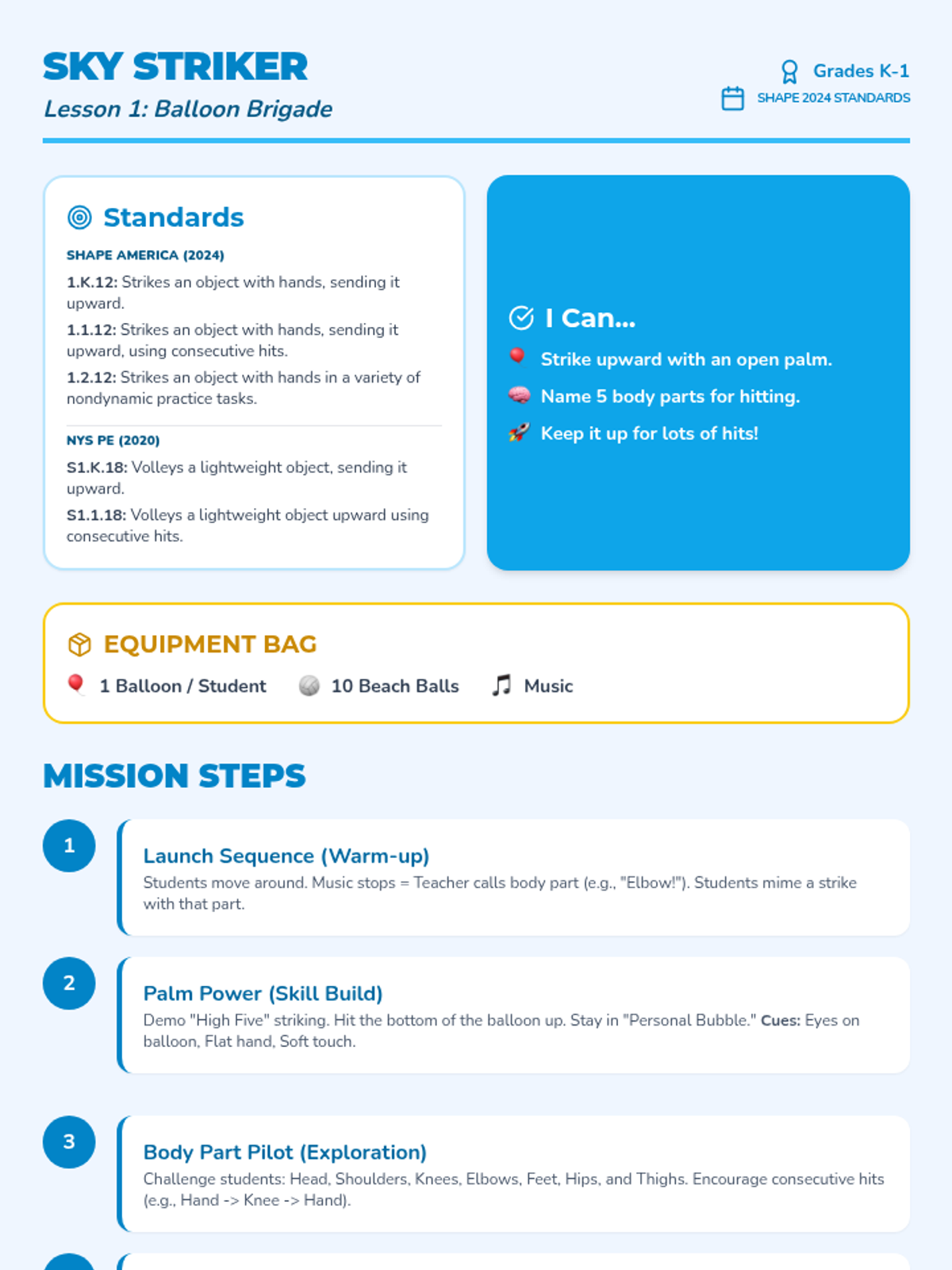
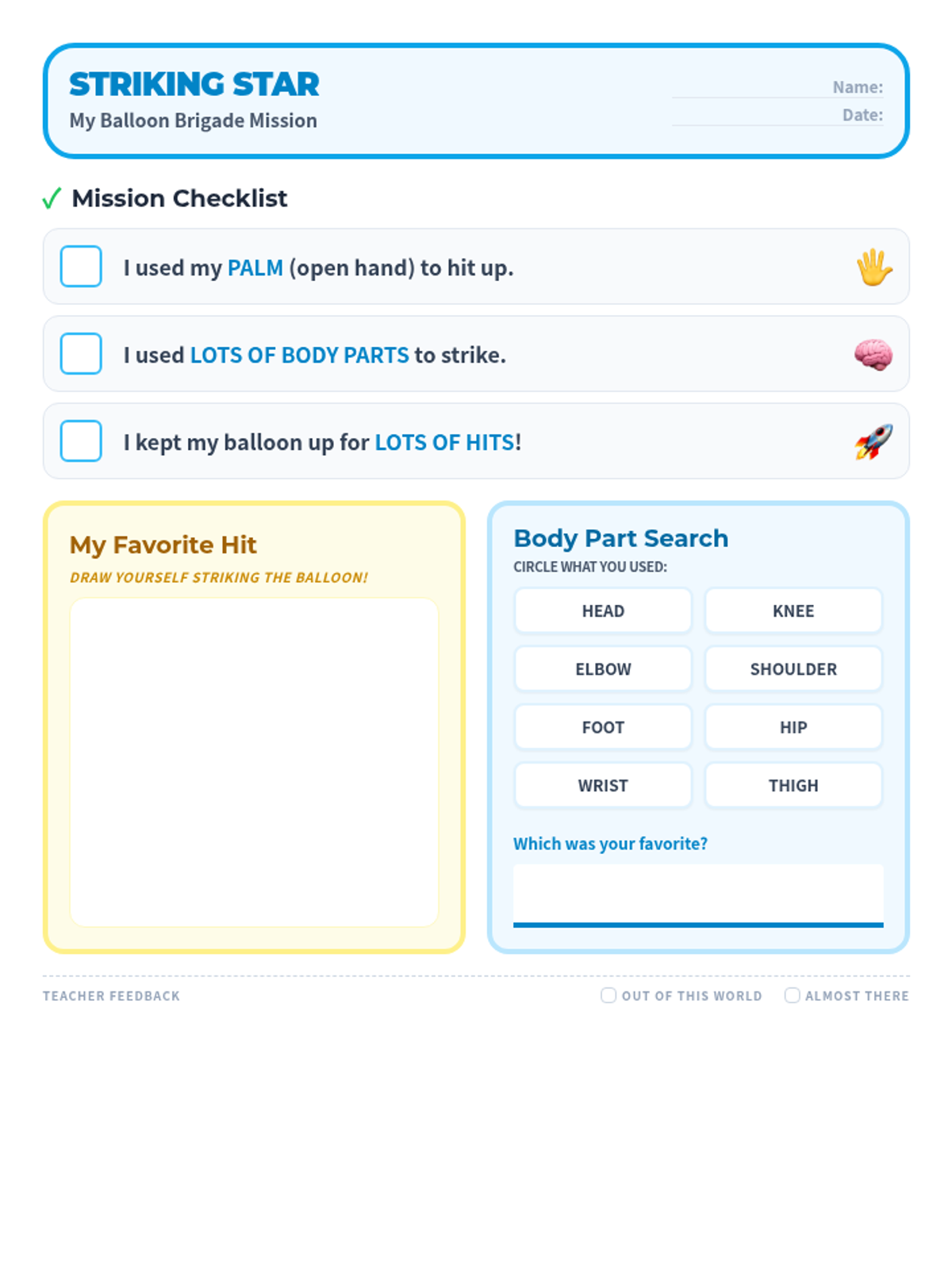
An introductory lesson where students explore striking balloons and beach balls with open palms and different body parts to develop hand-eye coordination and spatial awareness.
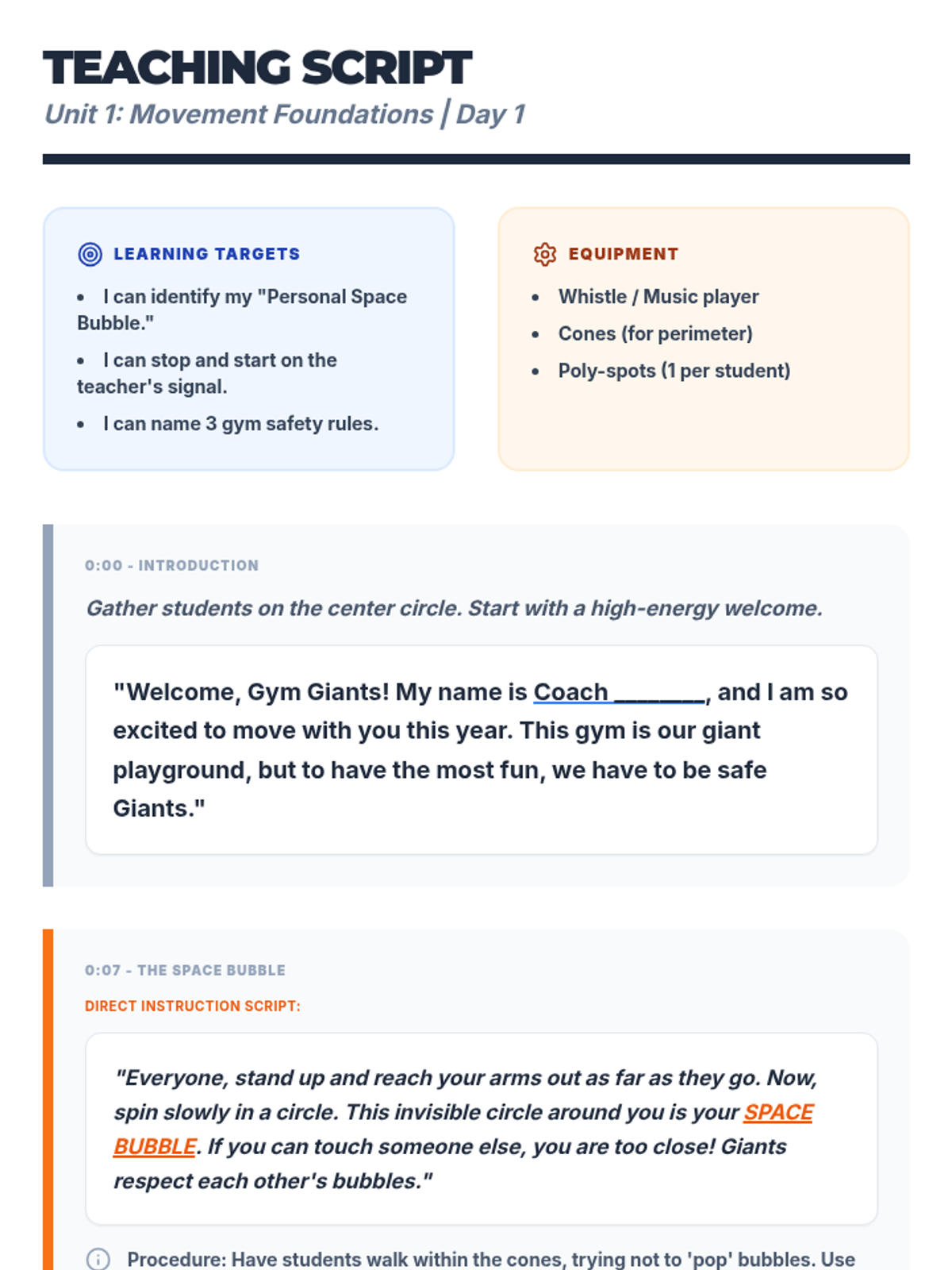
Focuses on establishing gym rules, safety procedures, personal vs. general space, and initial movement concepts to create a positive learning environment.
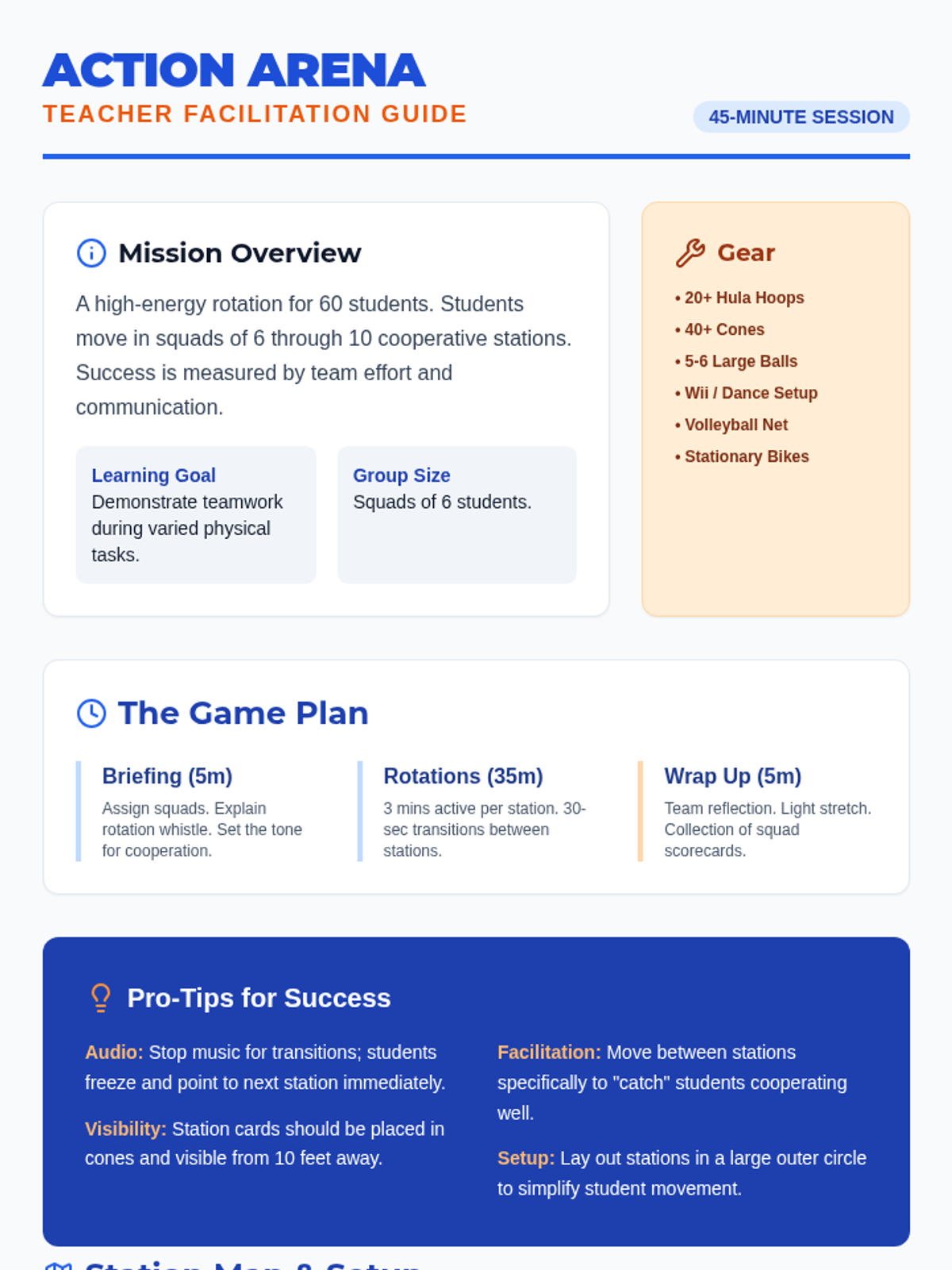
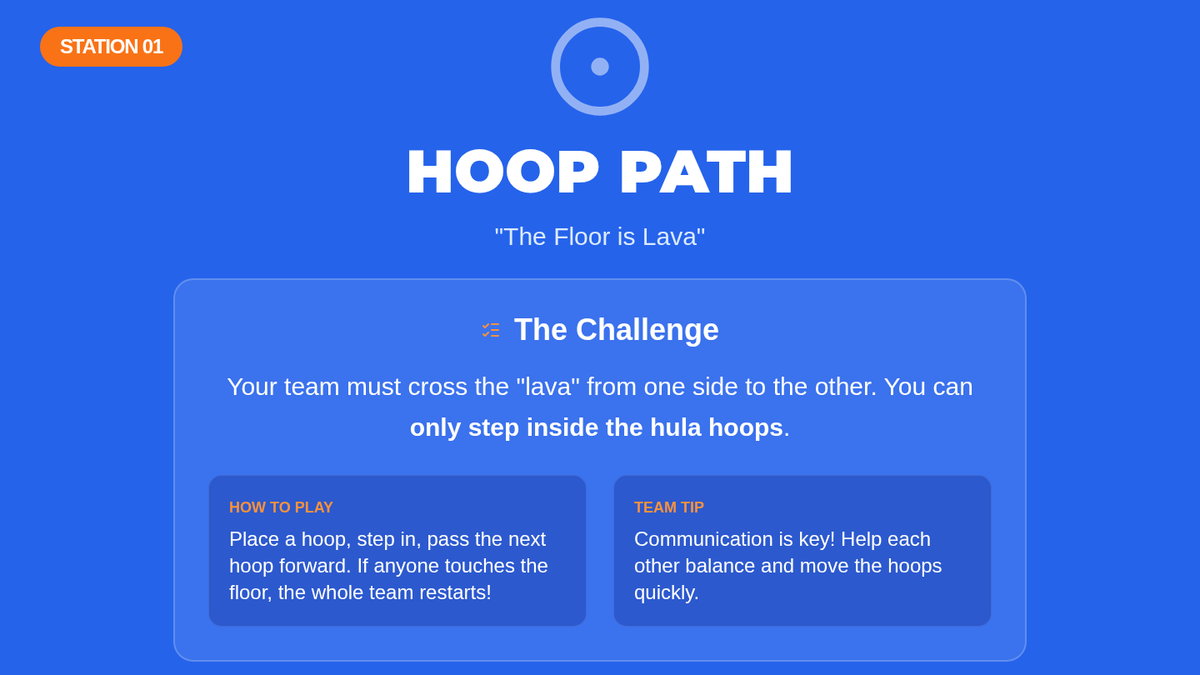
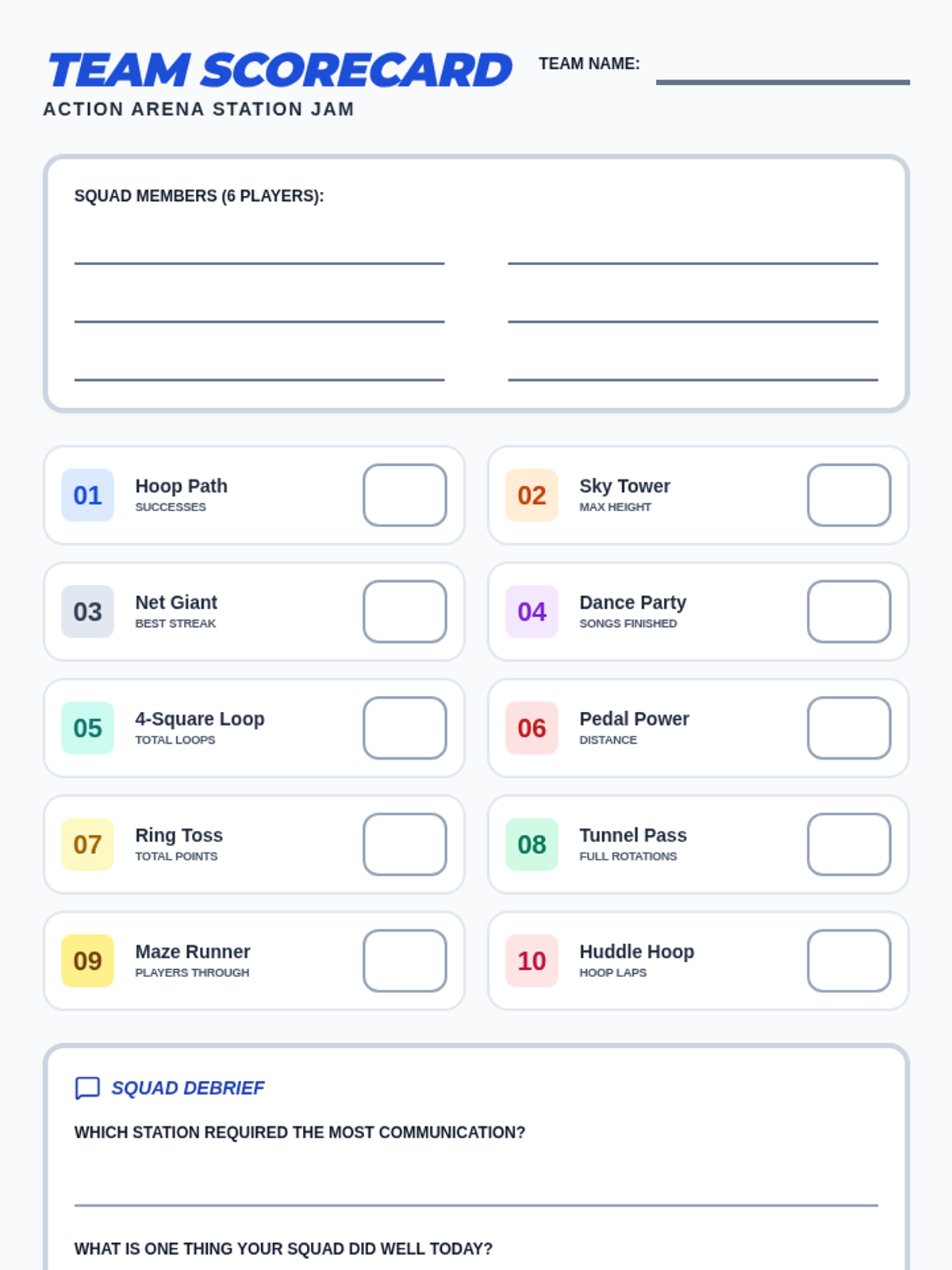
A high-energy, 45-minute PE lesson featuring 10 active stations designed for large groups. Students rotate through teamwork-based challenges using hoops, balls, cones, and technology to build cooperation and fitness.
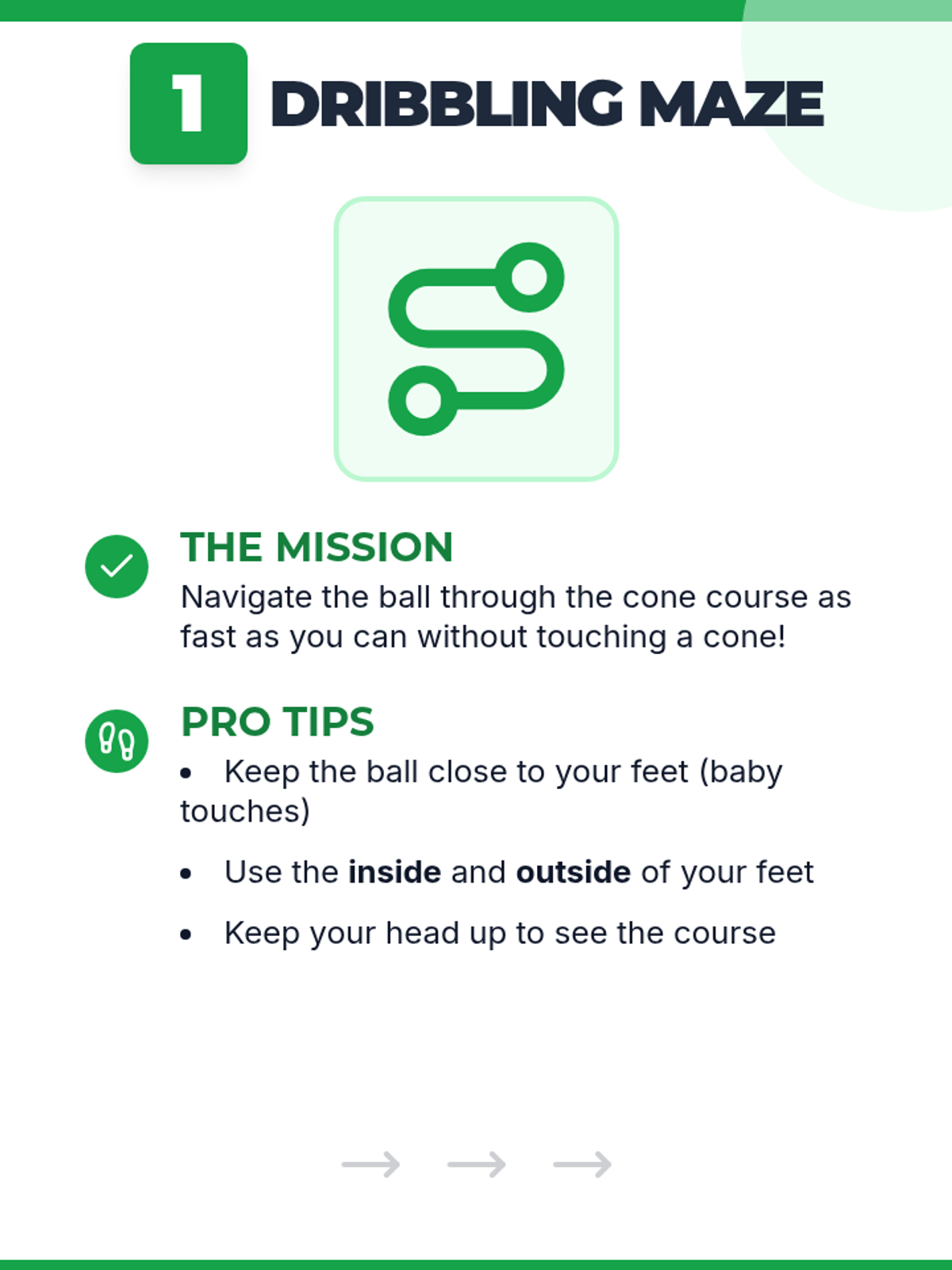
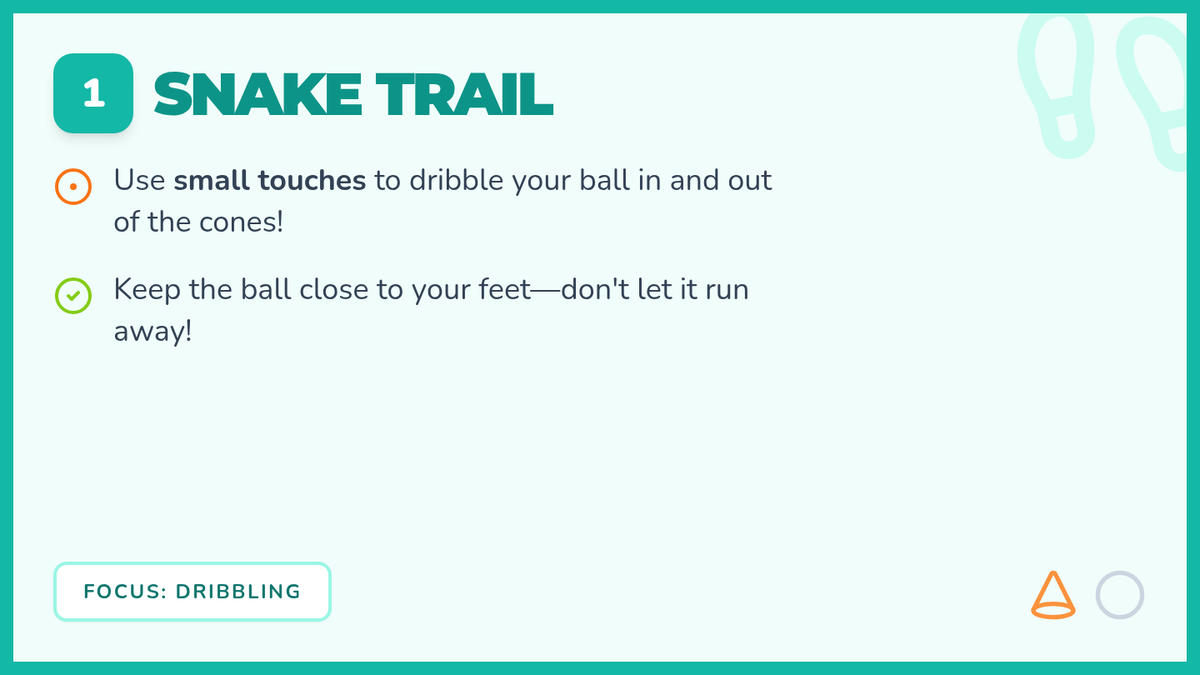
A set of high-energy station signs for a soccer skills circuit, focusing on dribbling, passing, accuracy, distance, and ball control.
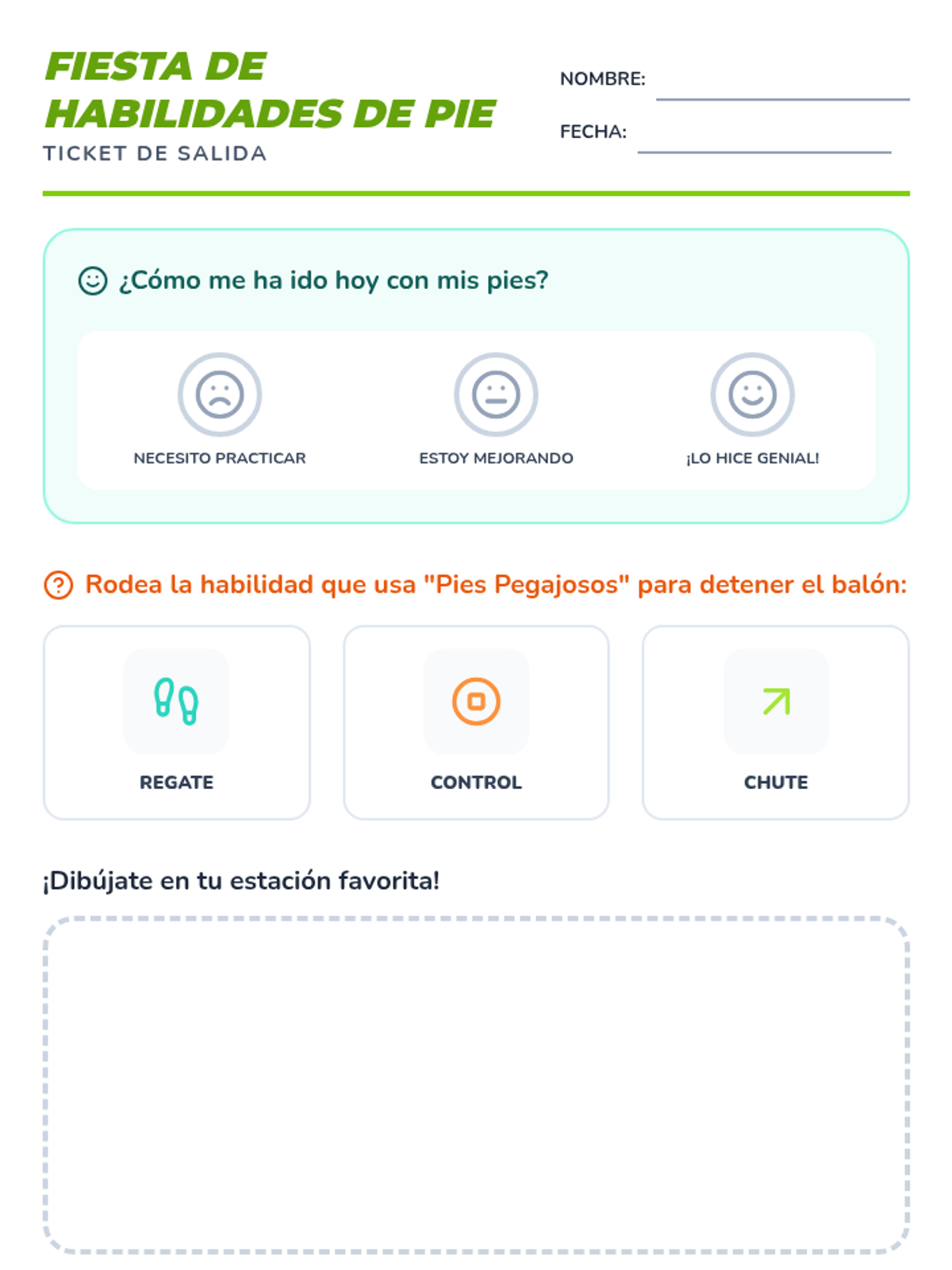
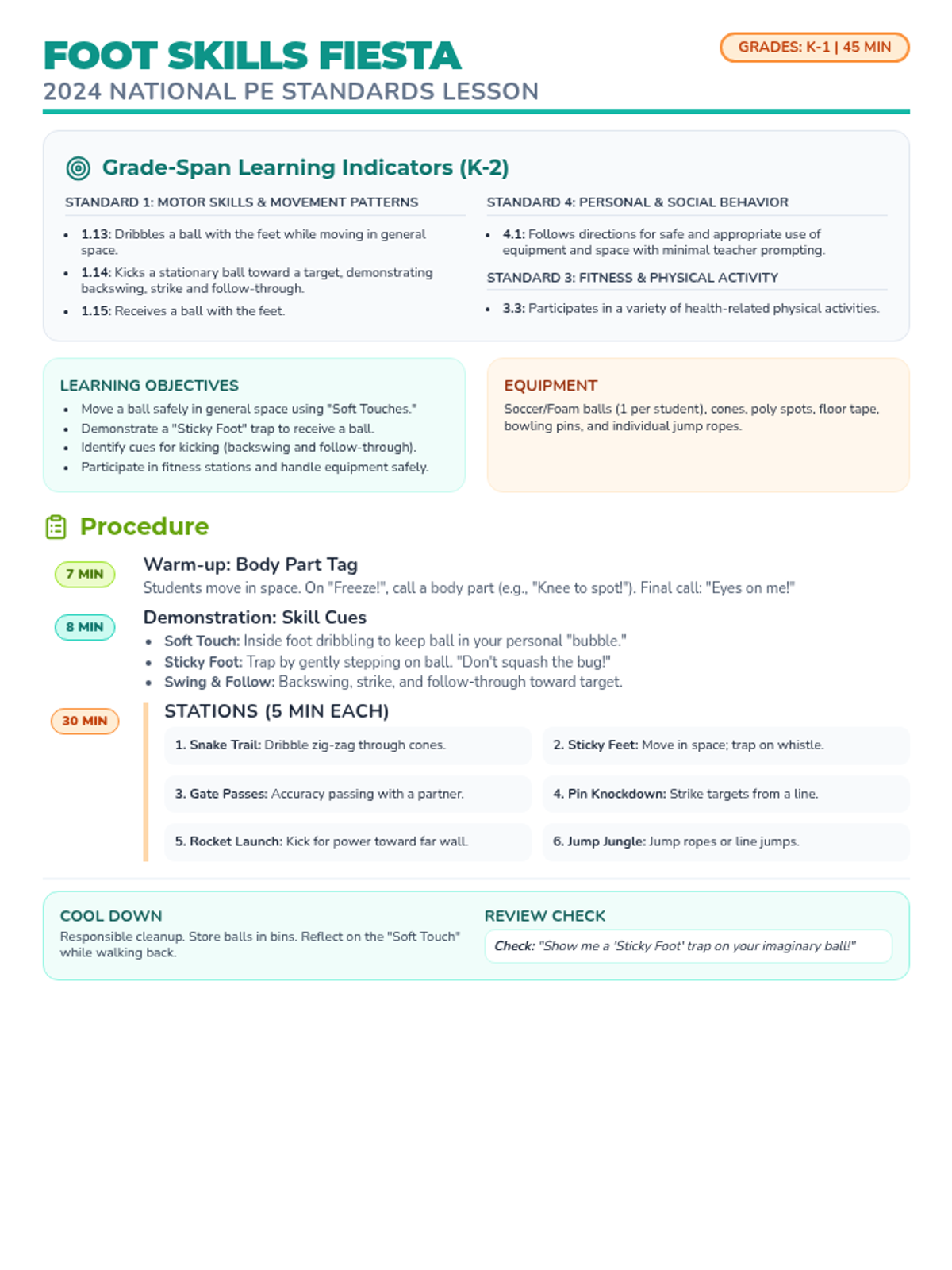
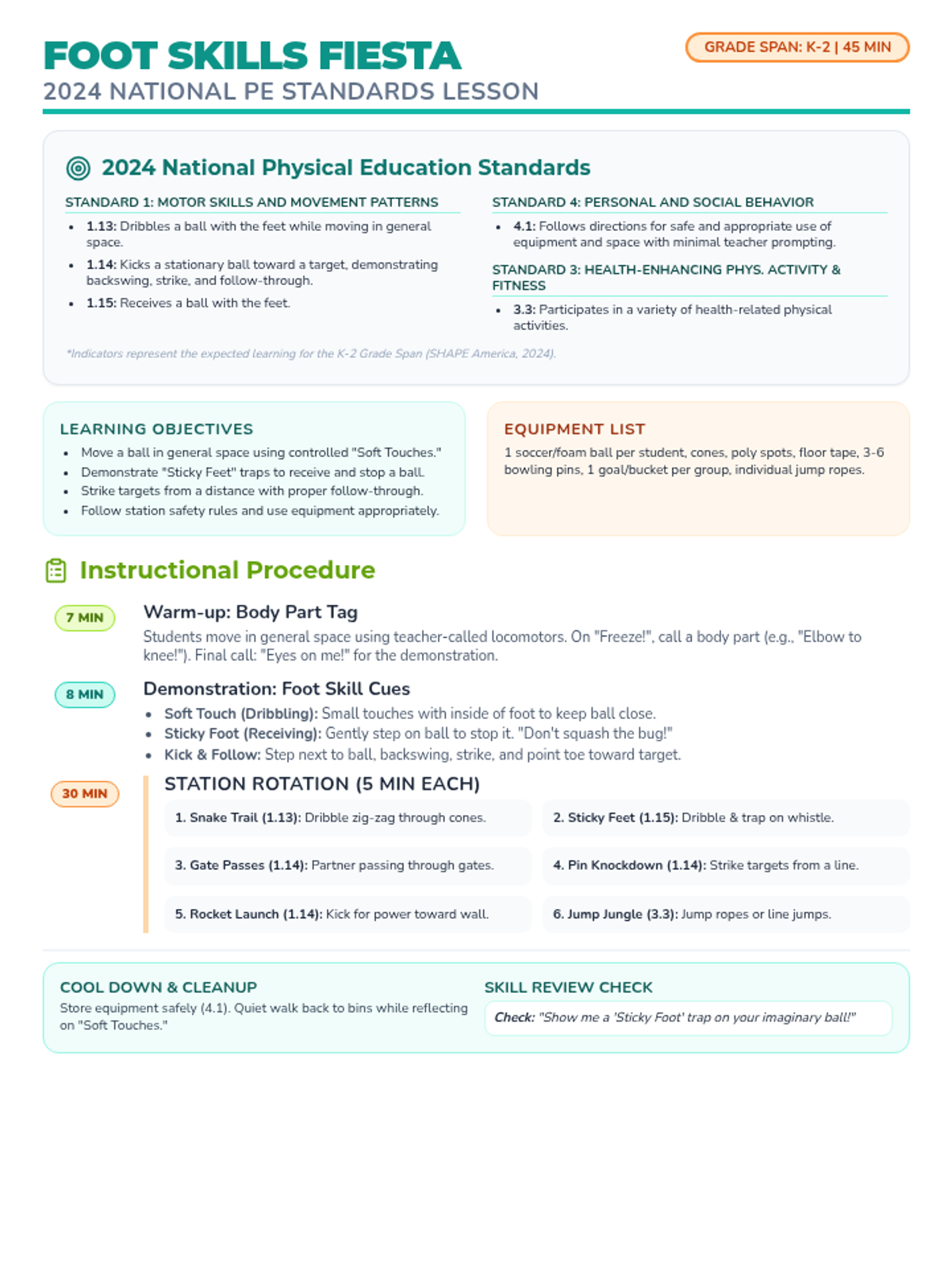
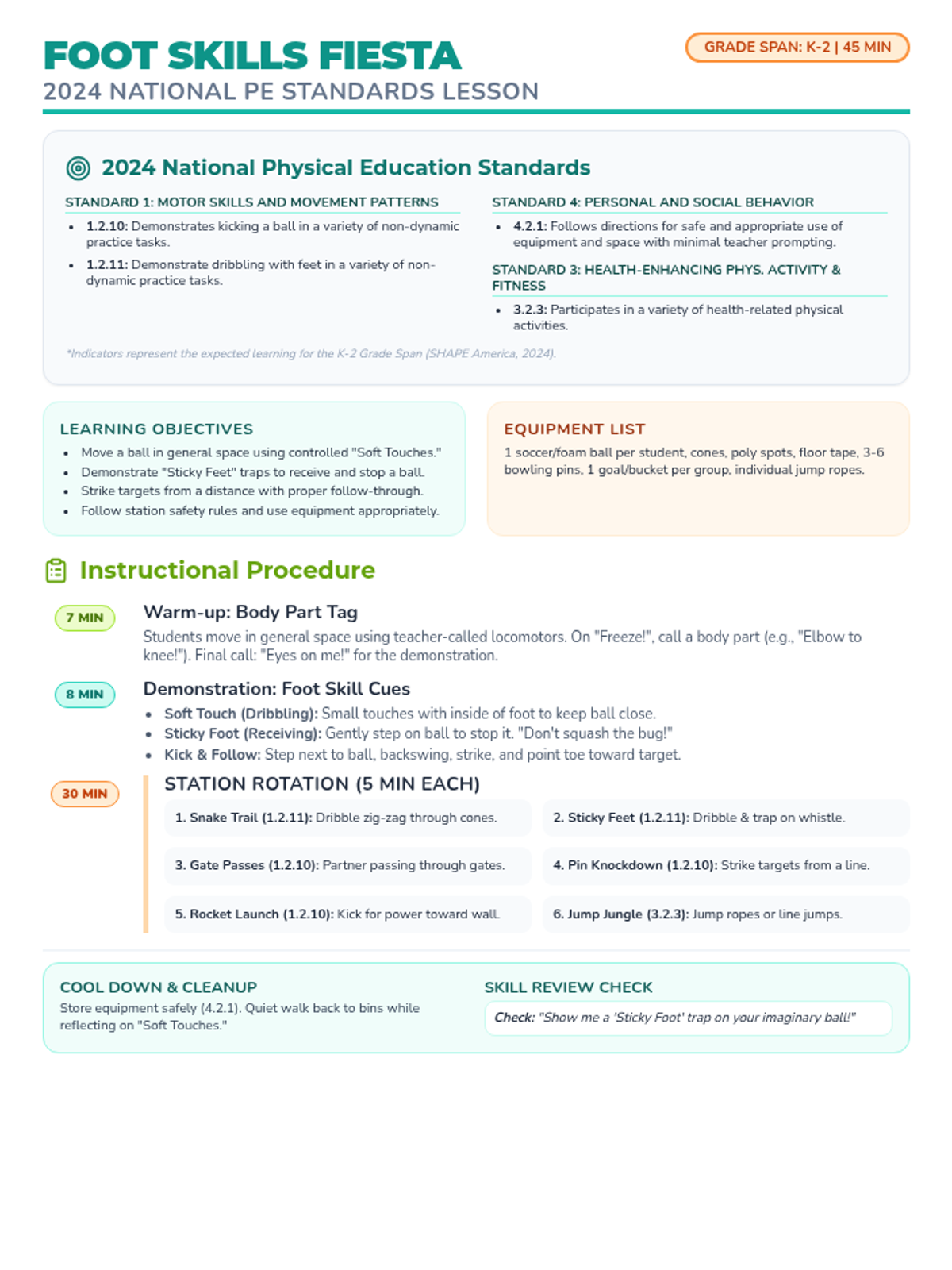
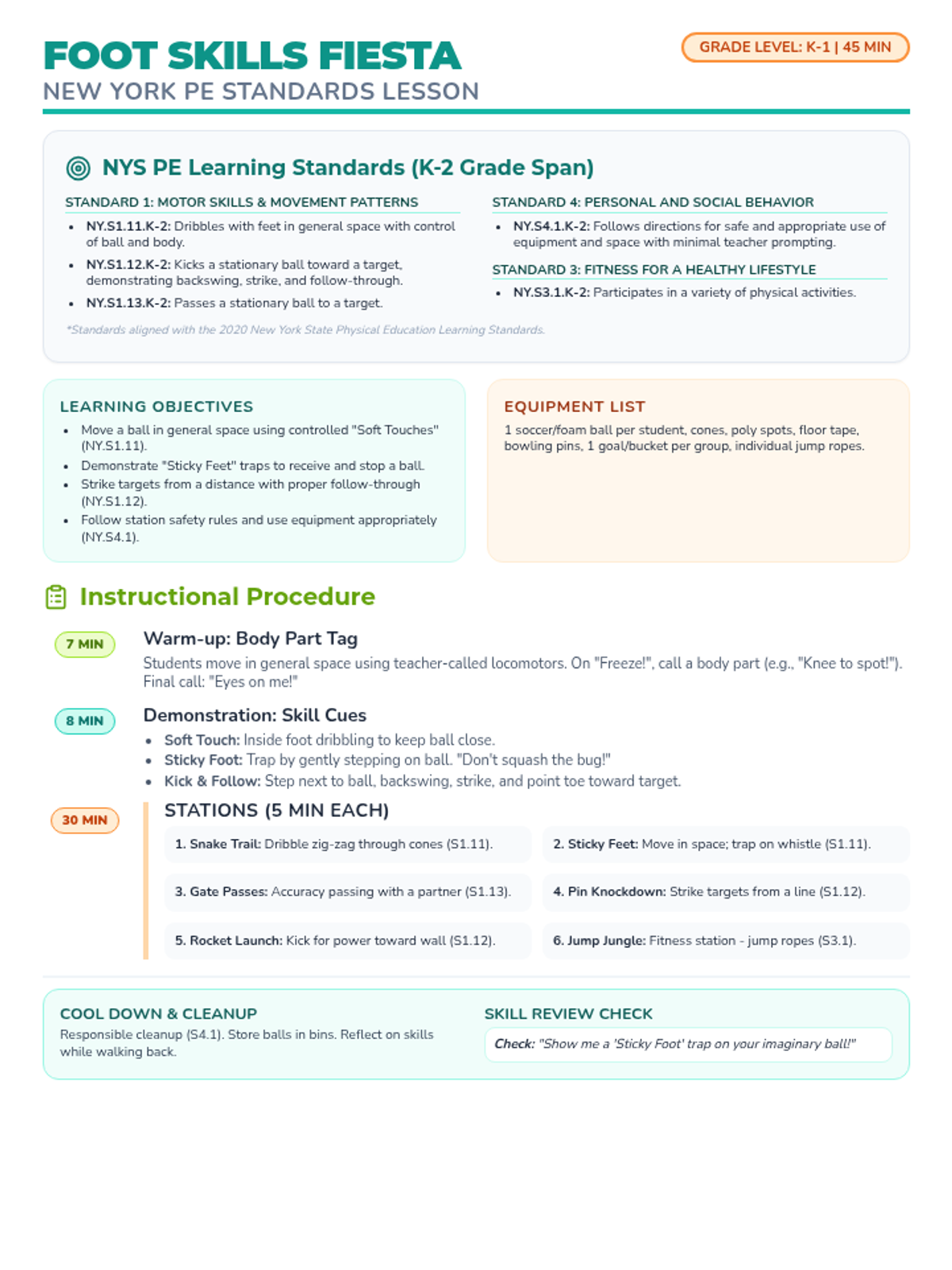
A comprehensive PE lesson focused on foundational foot skills for K-1 students, featuring six engaging stations including dribbling, kicking, and fitness.
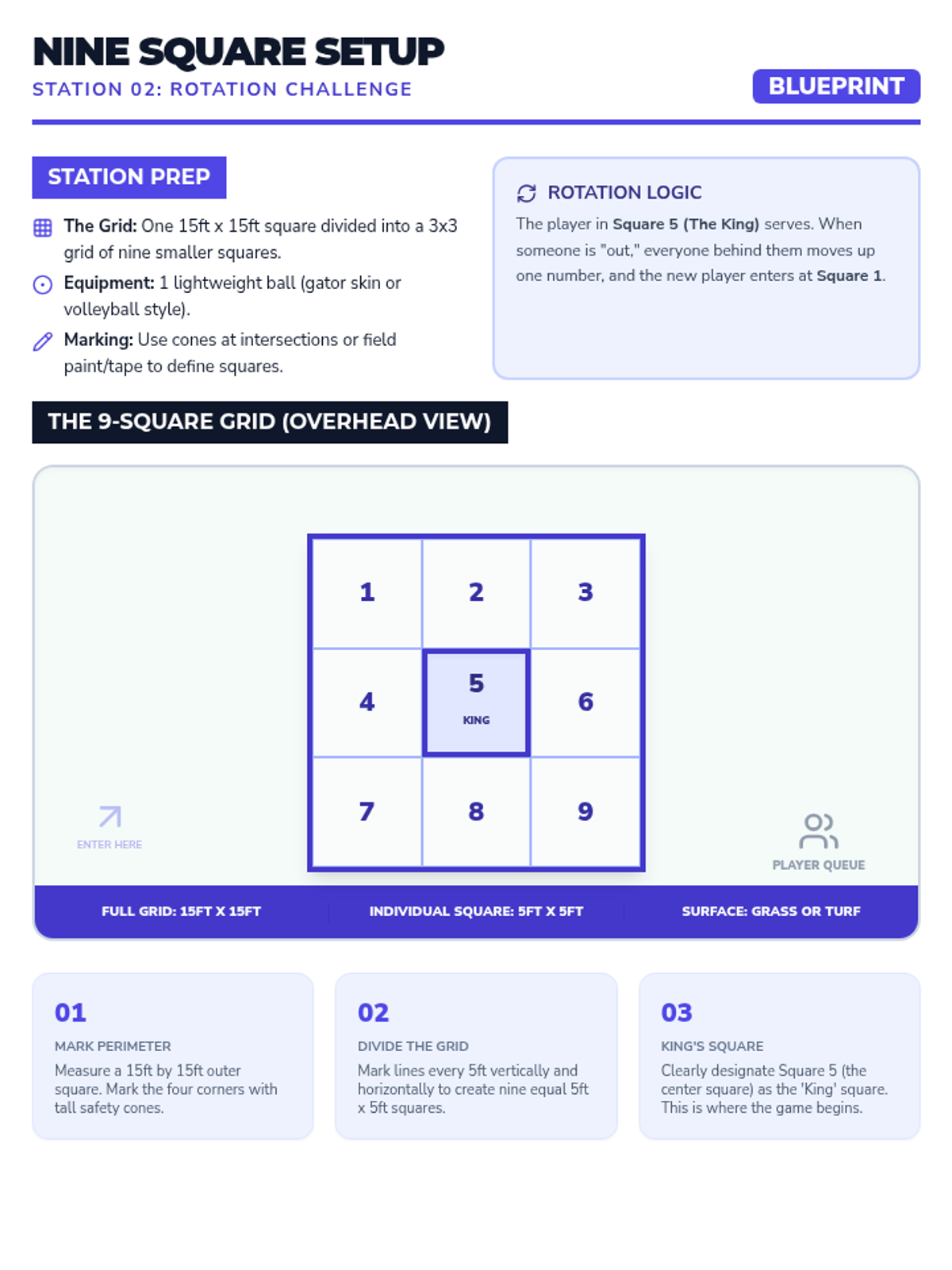
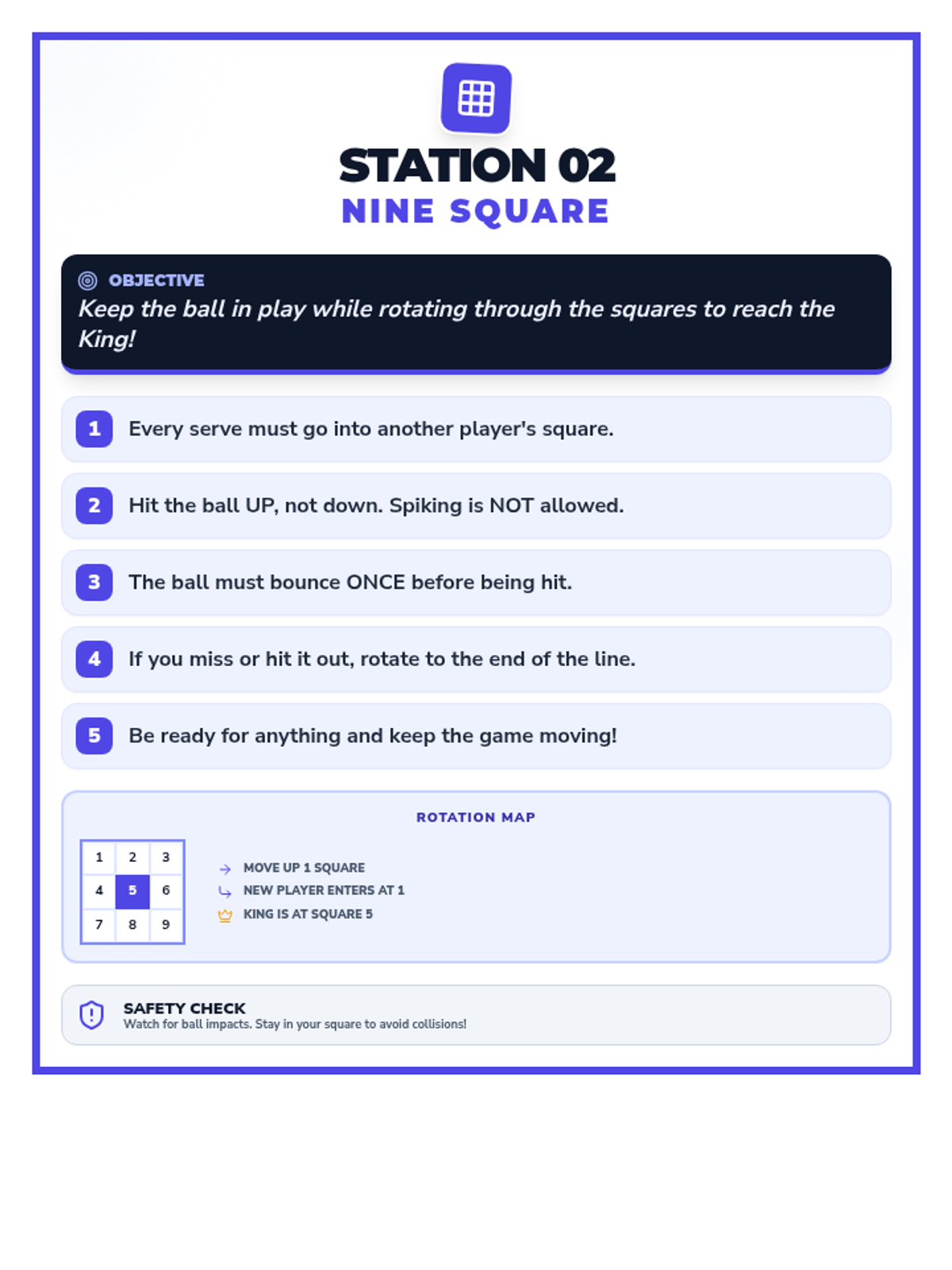
A fast-paced rotation game involving a 3x3 grid, focusing on hand-eye coordination and reaction time as players compete to reach the King square.
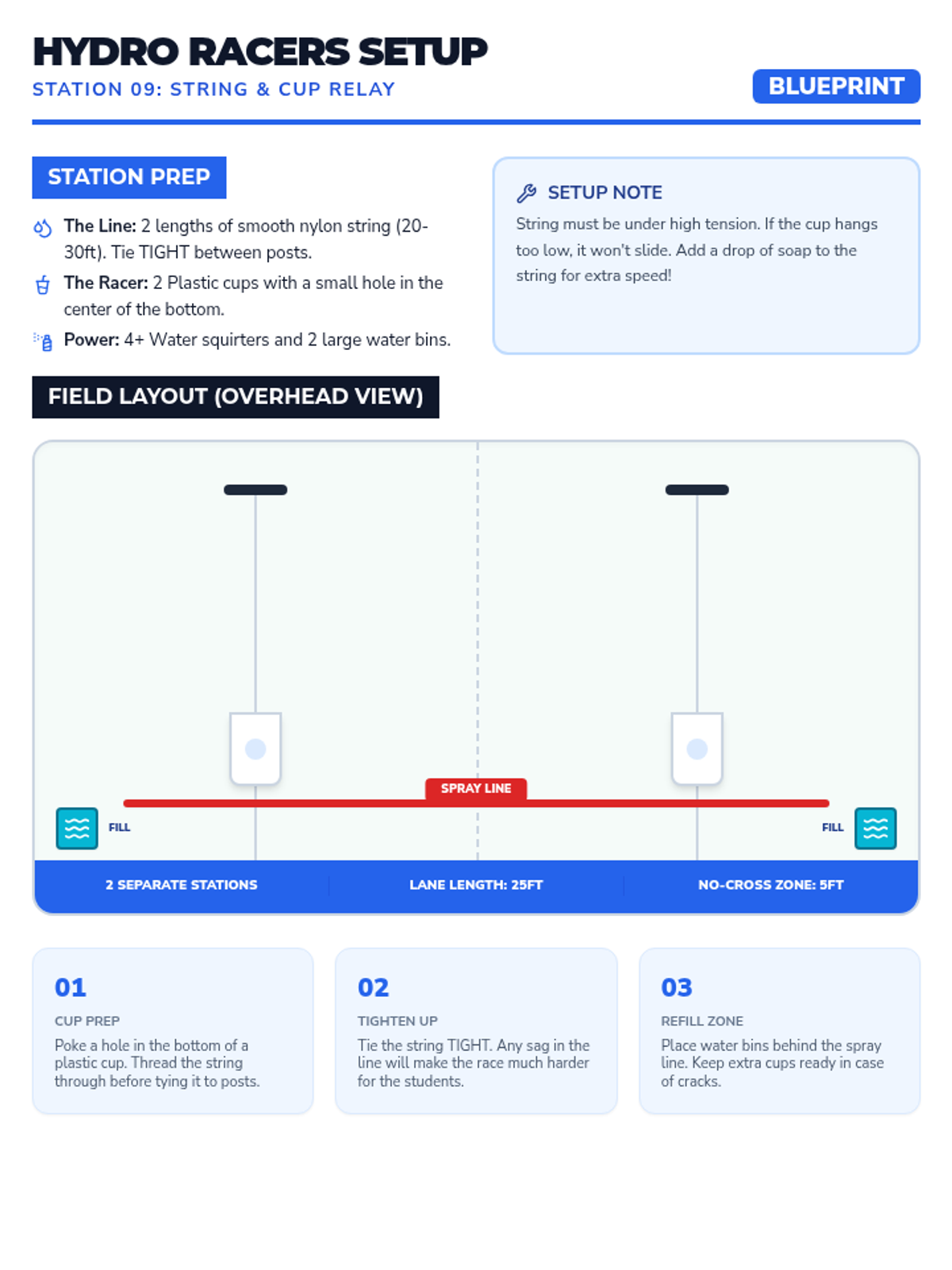
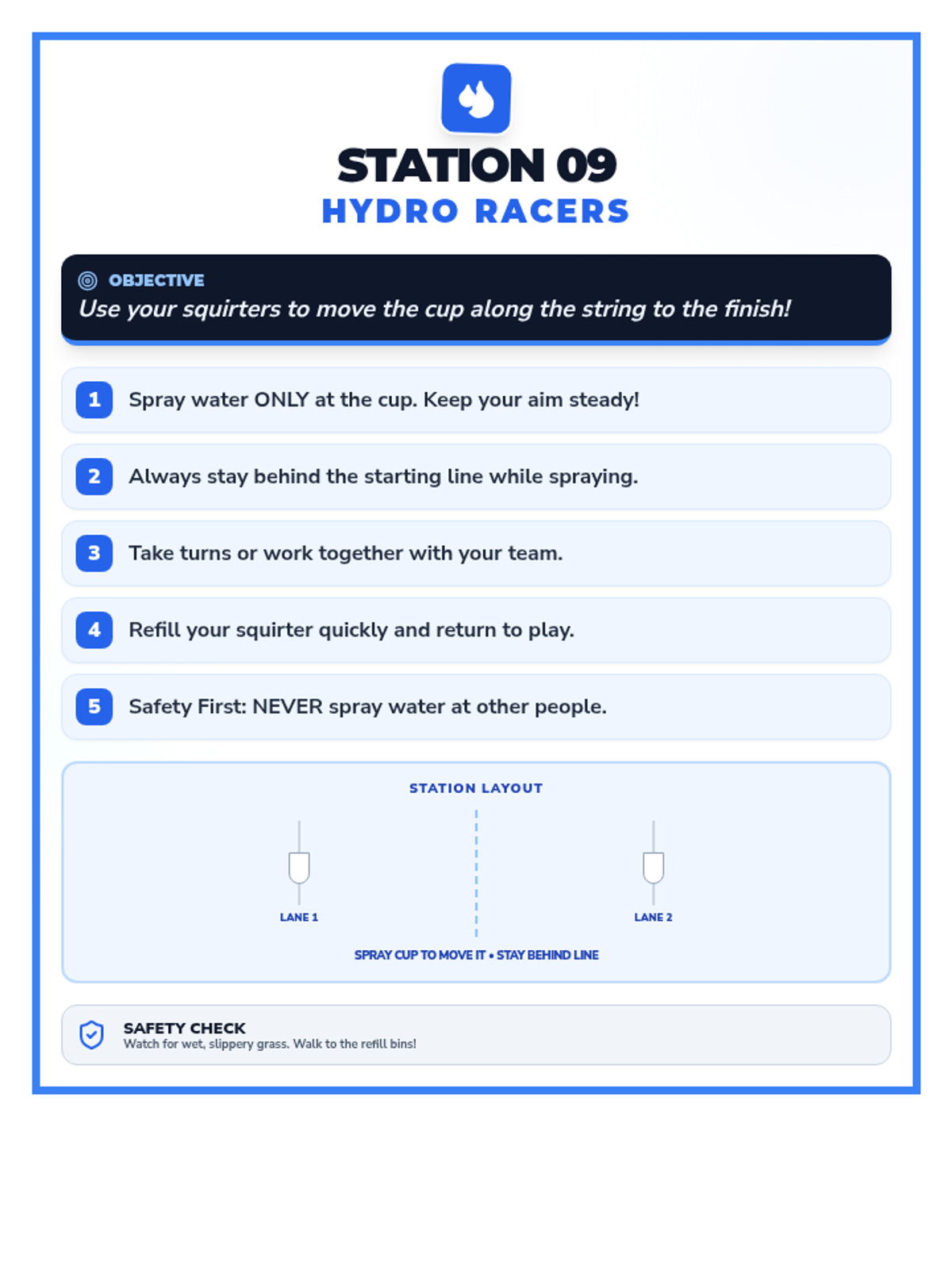
A high-energy water station guide for Hydro Racers, featuring string-and-cup relay setup, water gun mechanics, and safety protocols for aquatic racing.
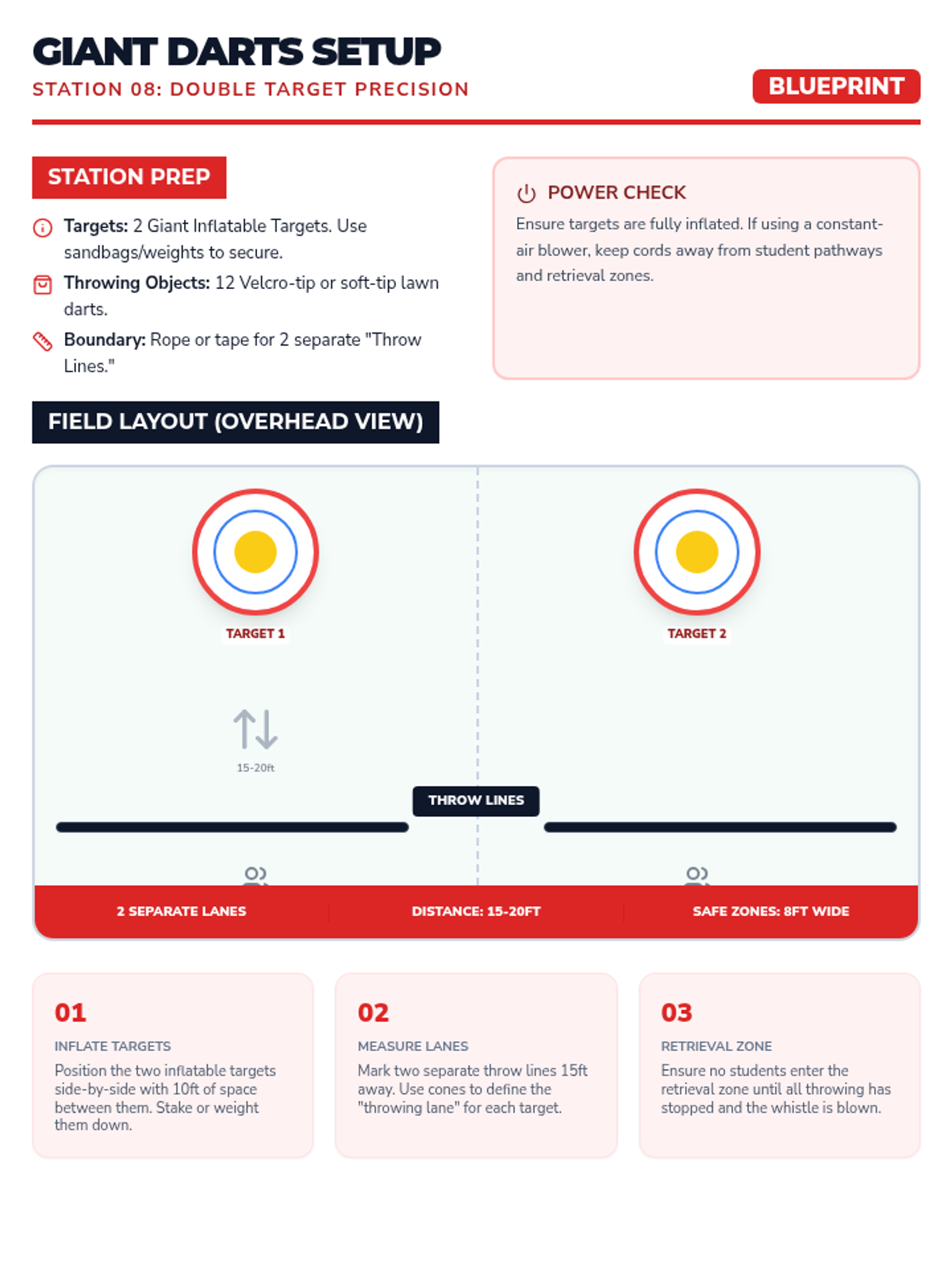
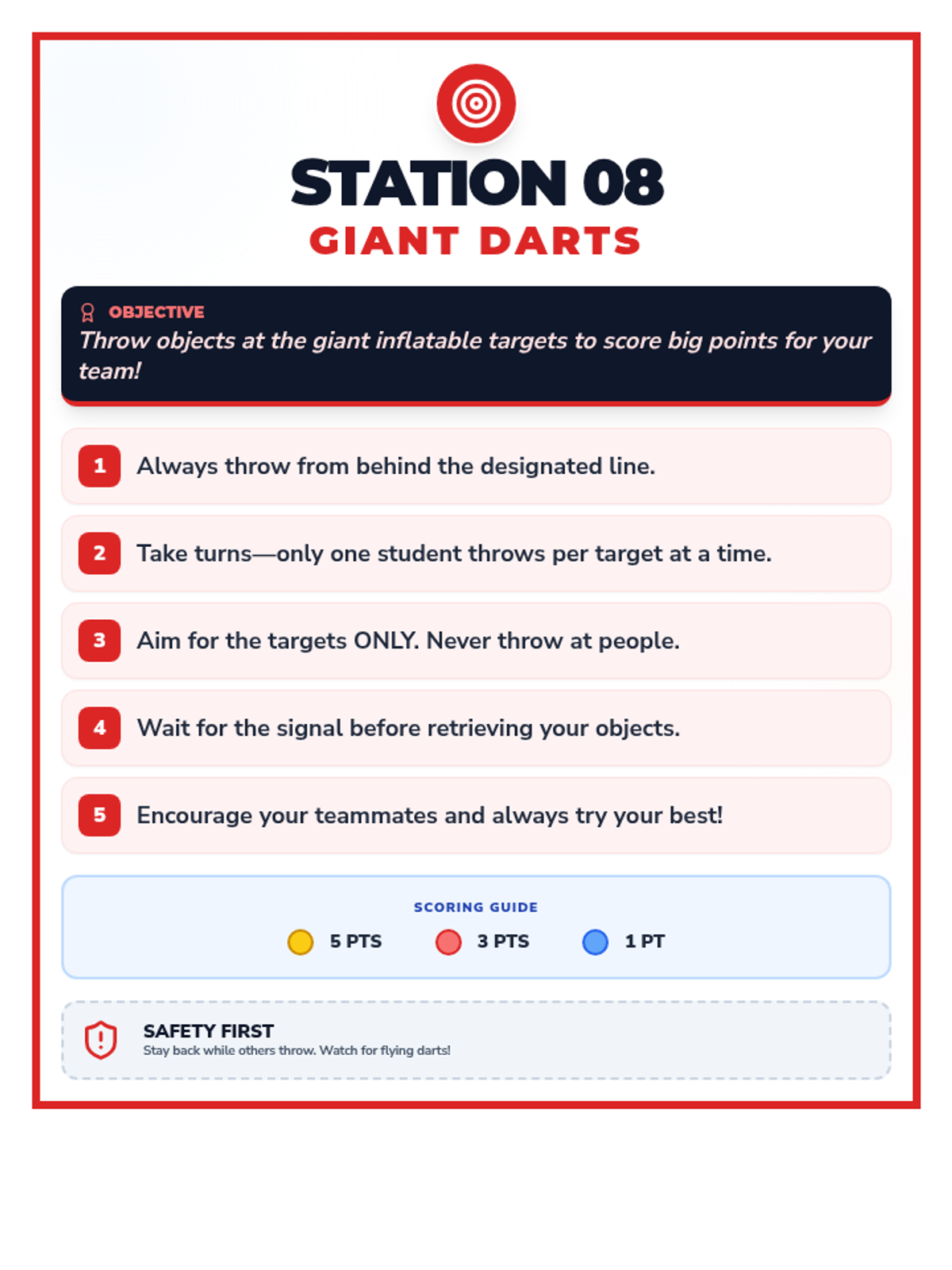
A target-based game guide for Giant Darts, featuring field setup for hula hoop targets, scoring systems, and safety protocols for throwing accuracy.
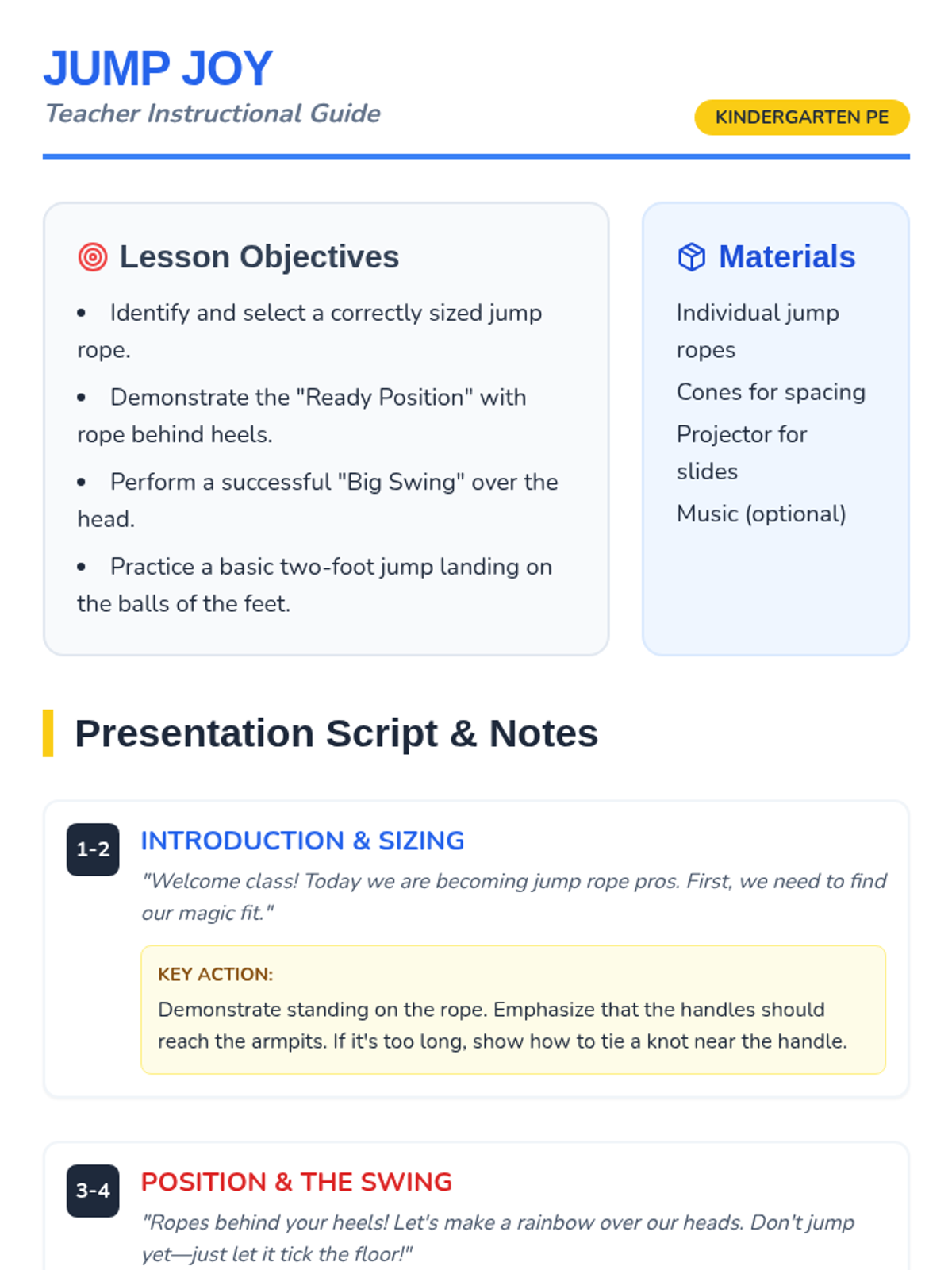
A vibrant introduction to jump rope basics for kindergarteners, focusing on rope sizing, the basic jump, and building confidence through fun progressions.
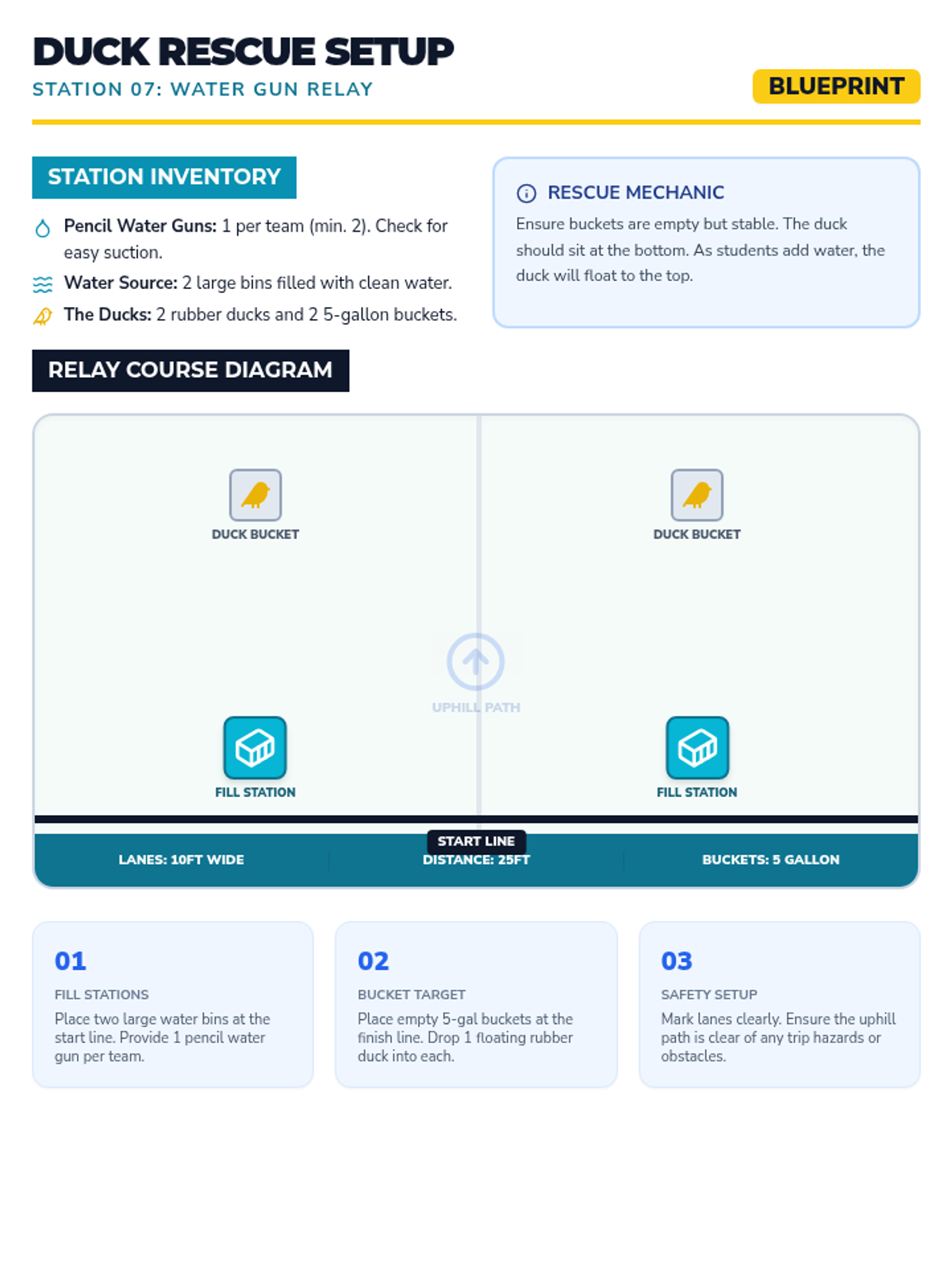
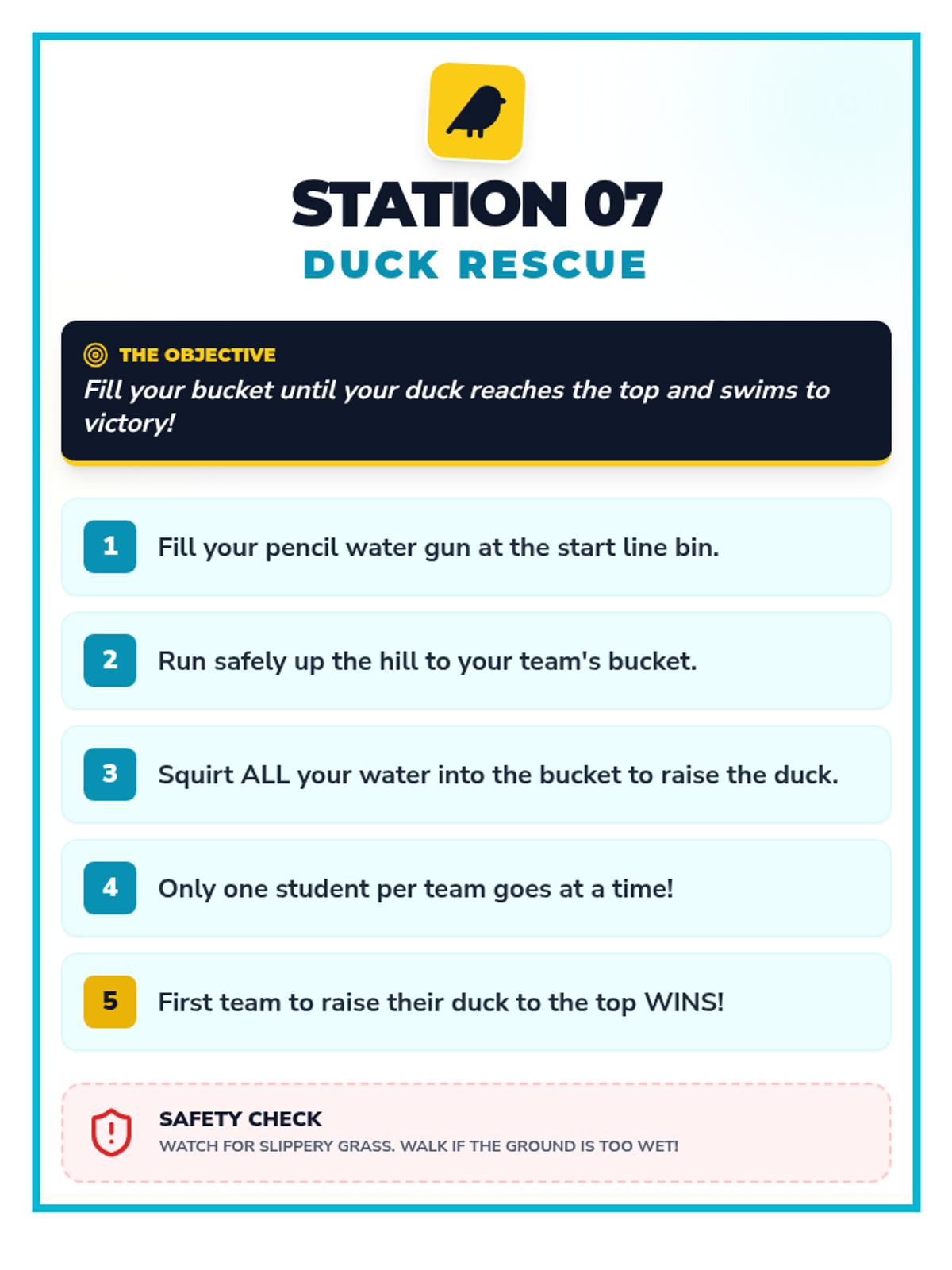
A high-energy water station guide for Duck Rescue, featuring field setup for water gun relays, duck-raising mechanics, and safety protocols for slippery fun.
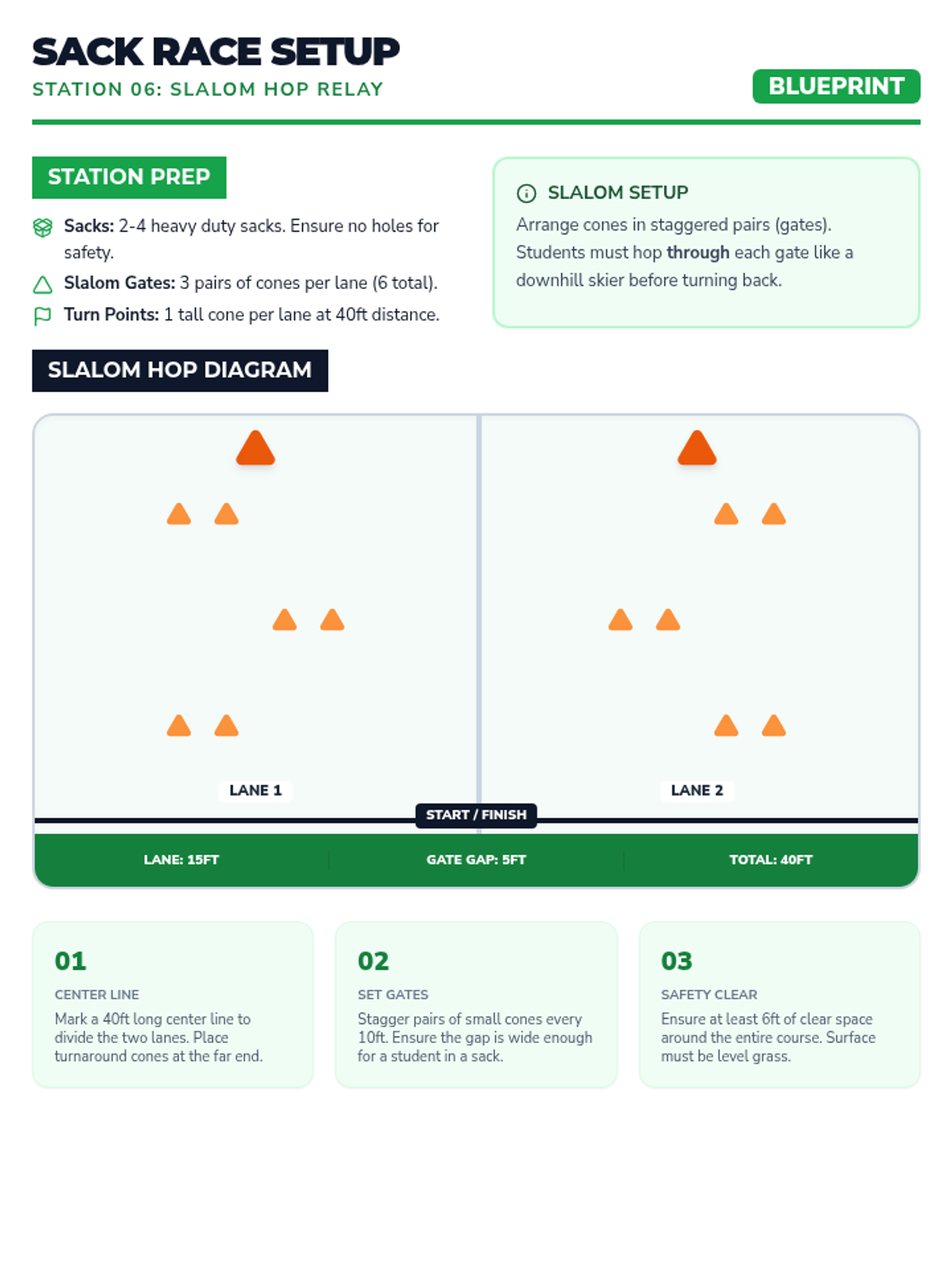
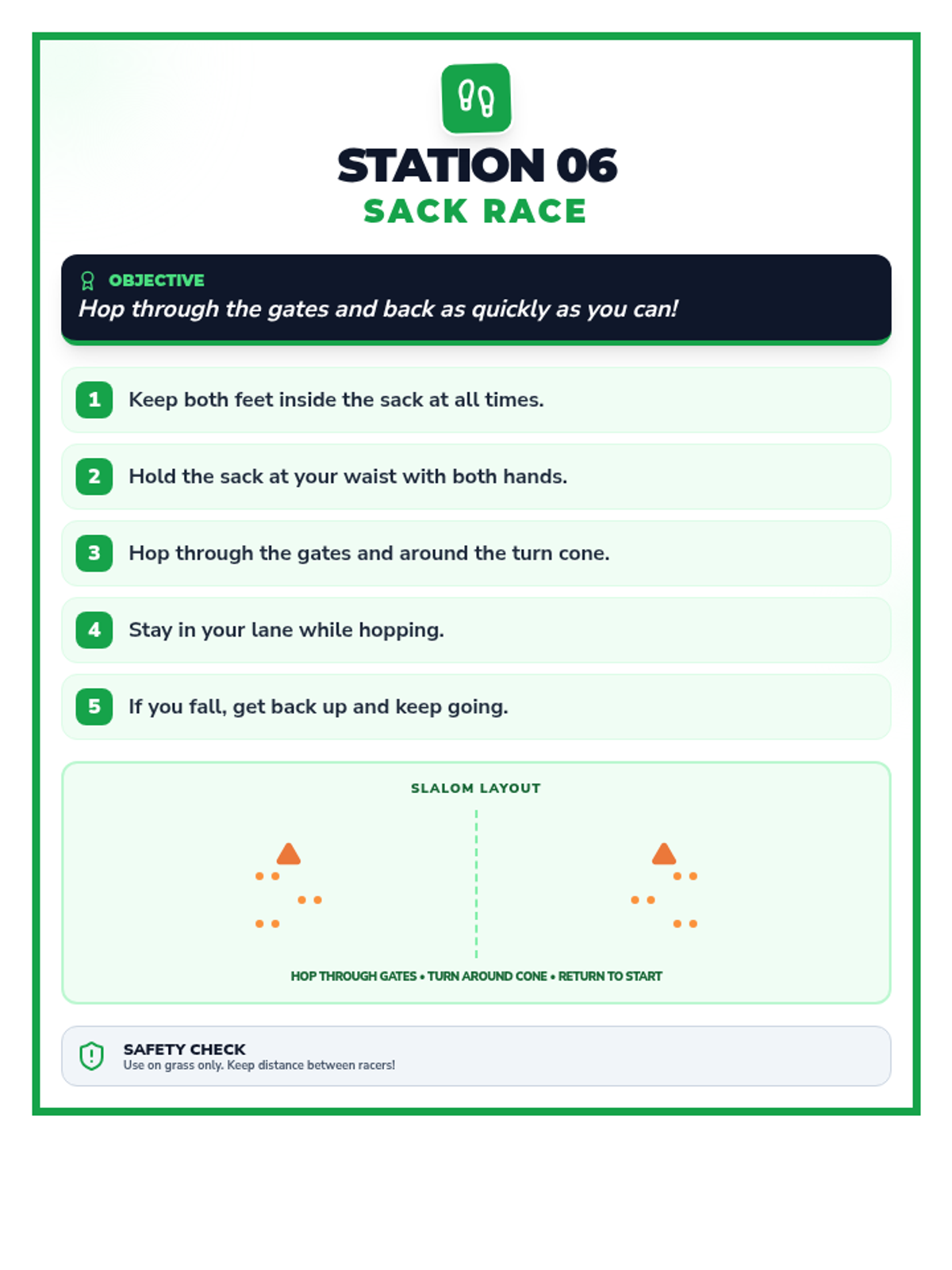
A high-energy station guide for the classic Sack Race, including lane setup diagrams, jumping technique tips, and safety protocols for a fun-filled race.
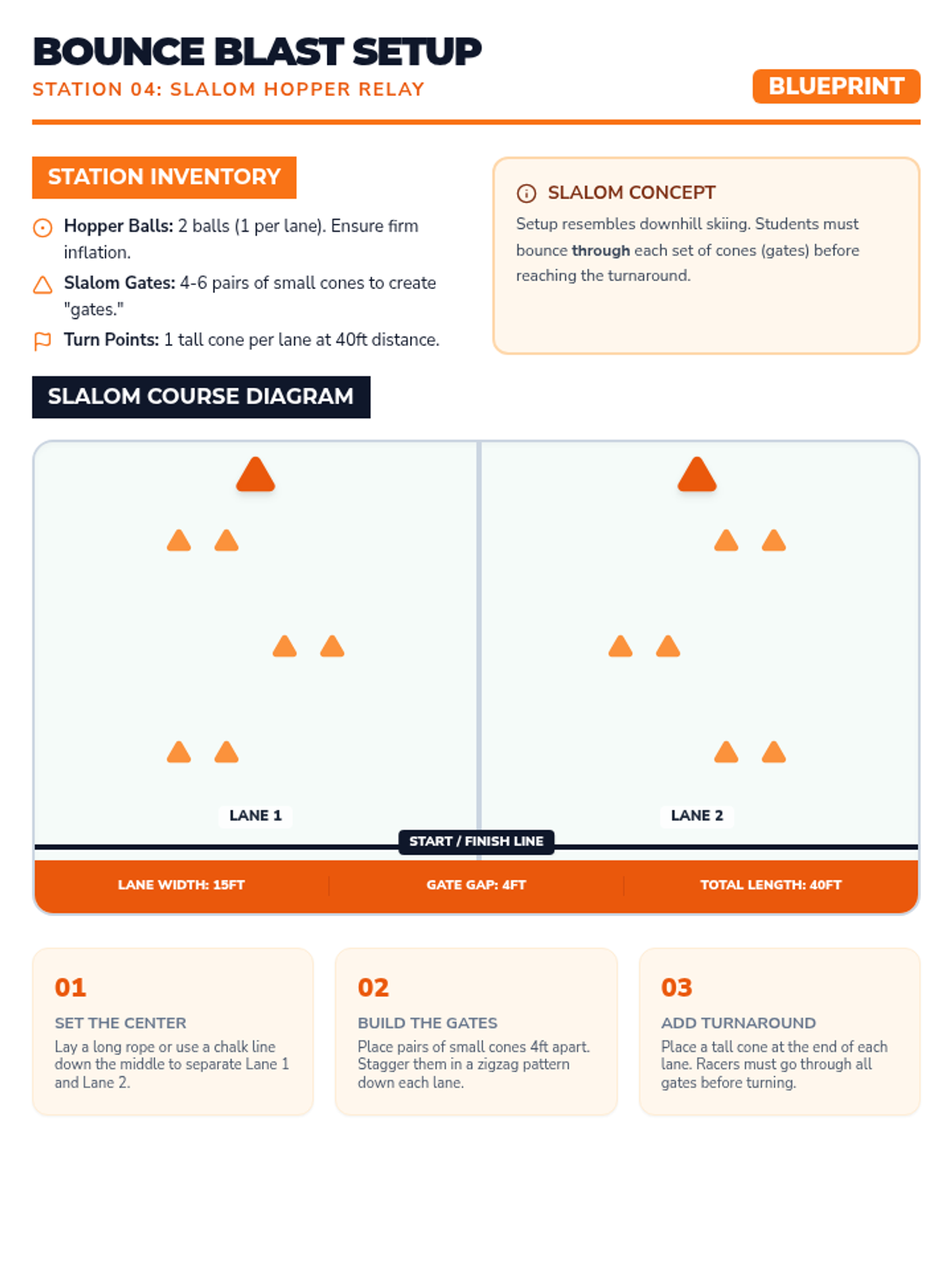
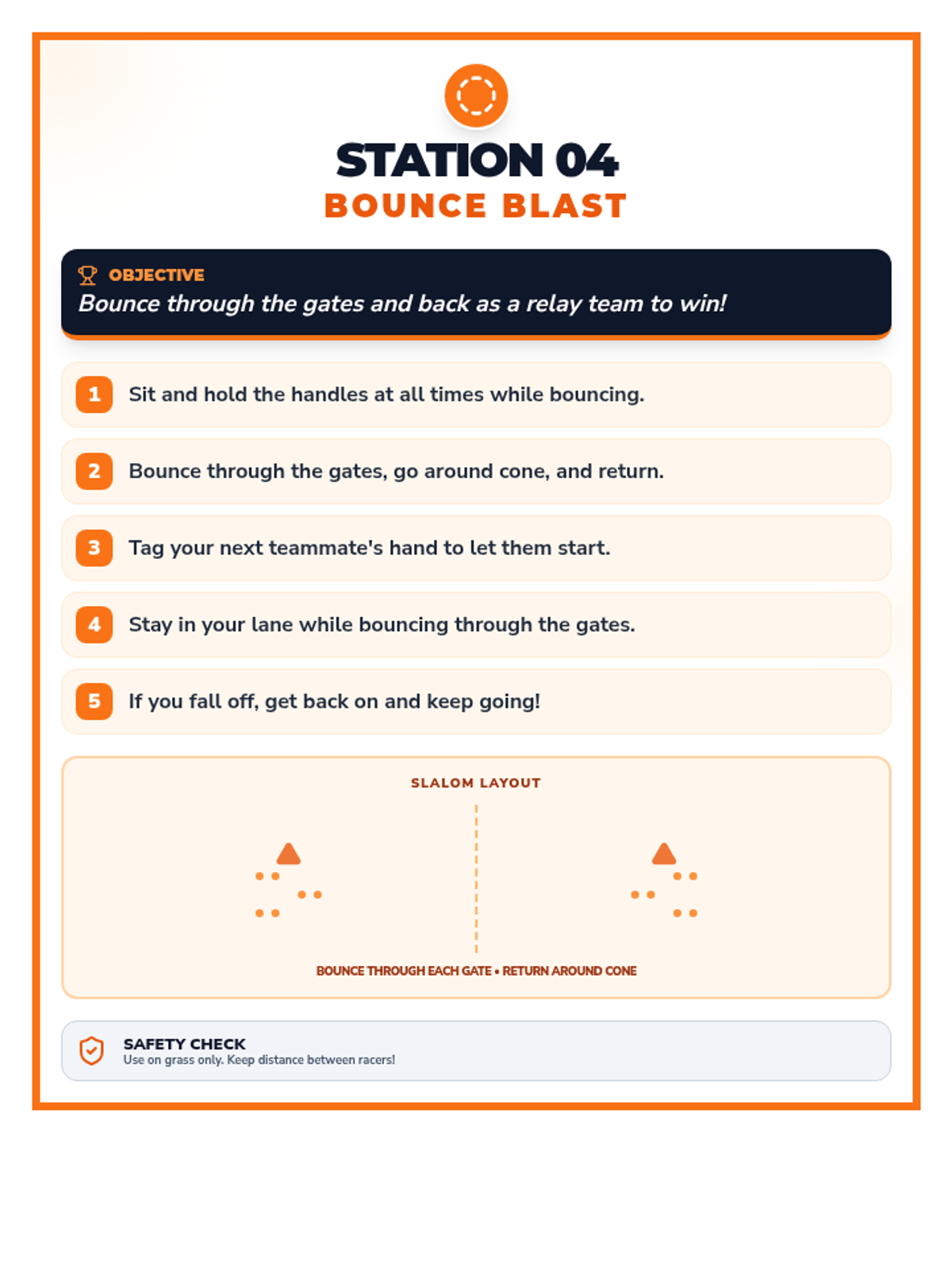
A high-energy relay station guide for the Bounce Blast hopper ball race, including lane setup diagrams, safety protocols, and relay hand-off instructions.
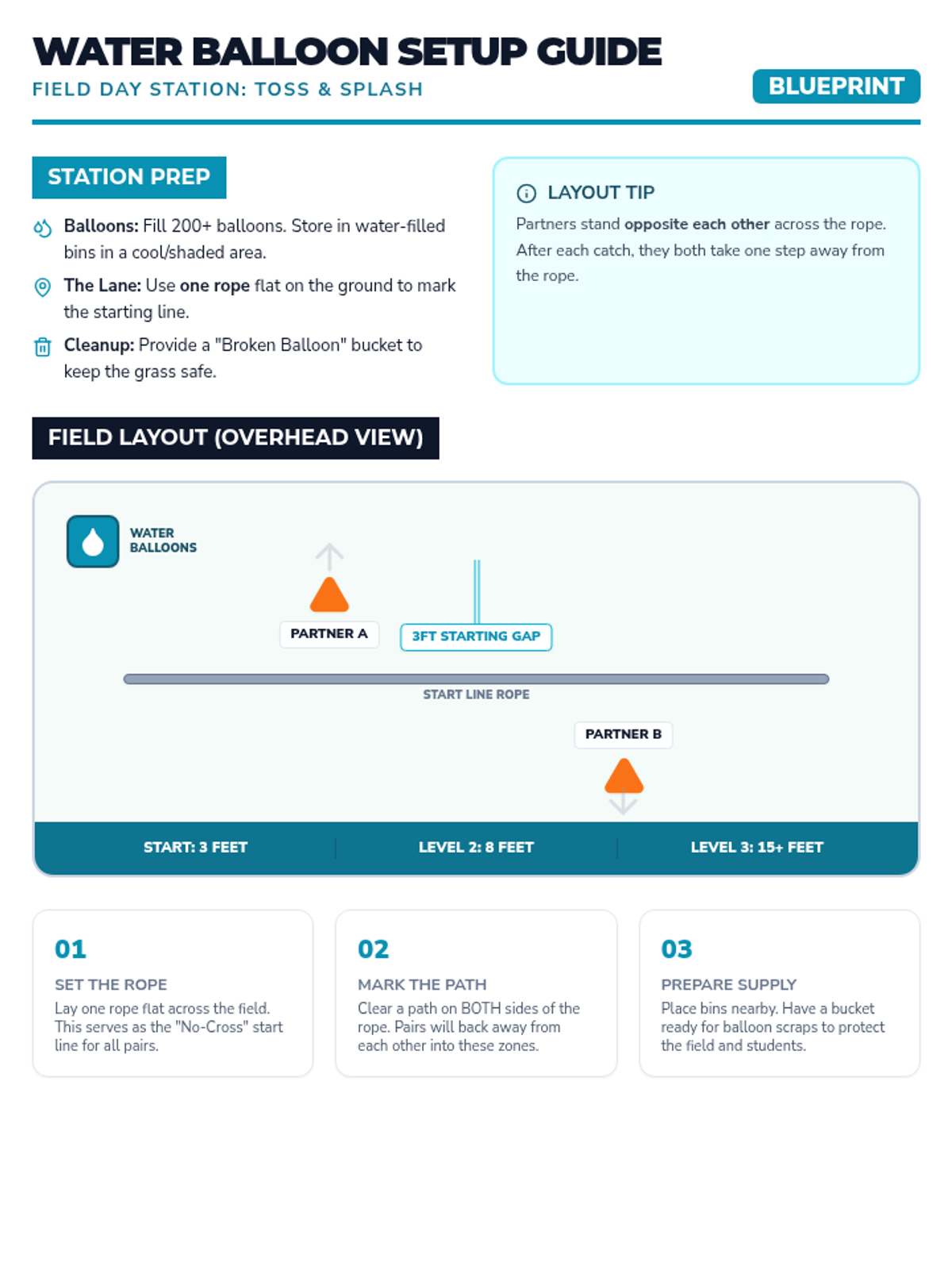
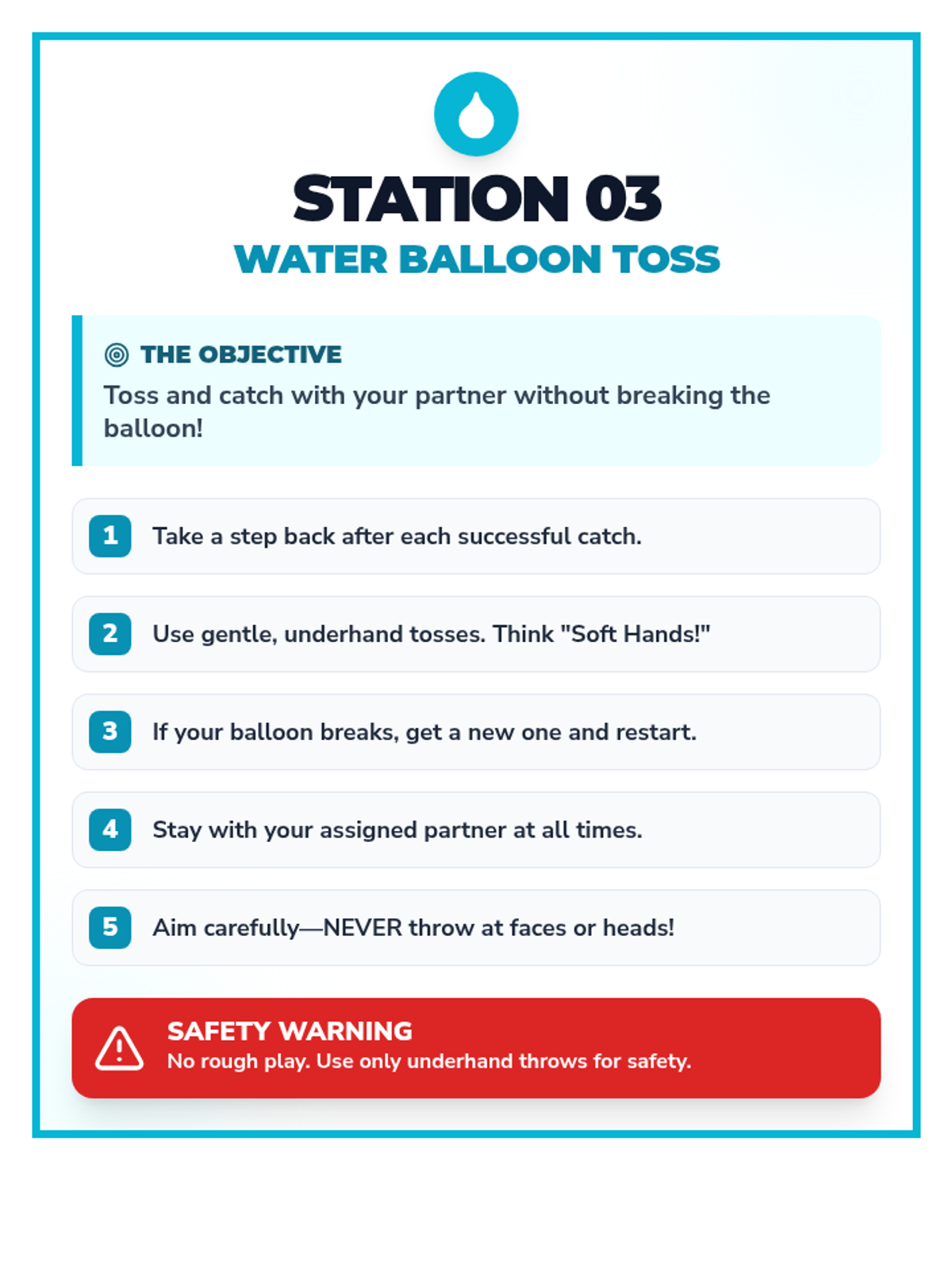
A comprehensive station guide for the Water Balloon Toss, including field setup diagrams, technique tips for catching, and safety protocols for aquatic fun.
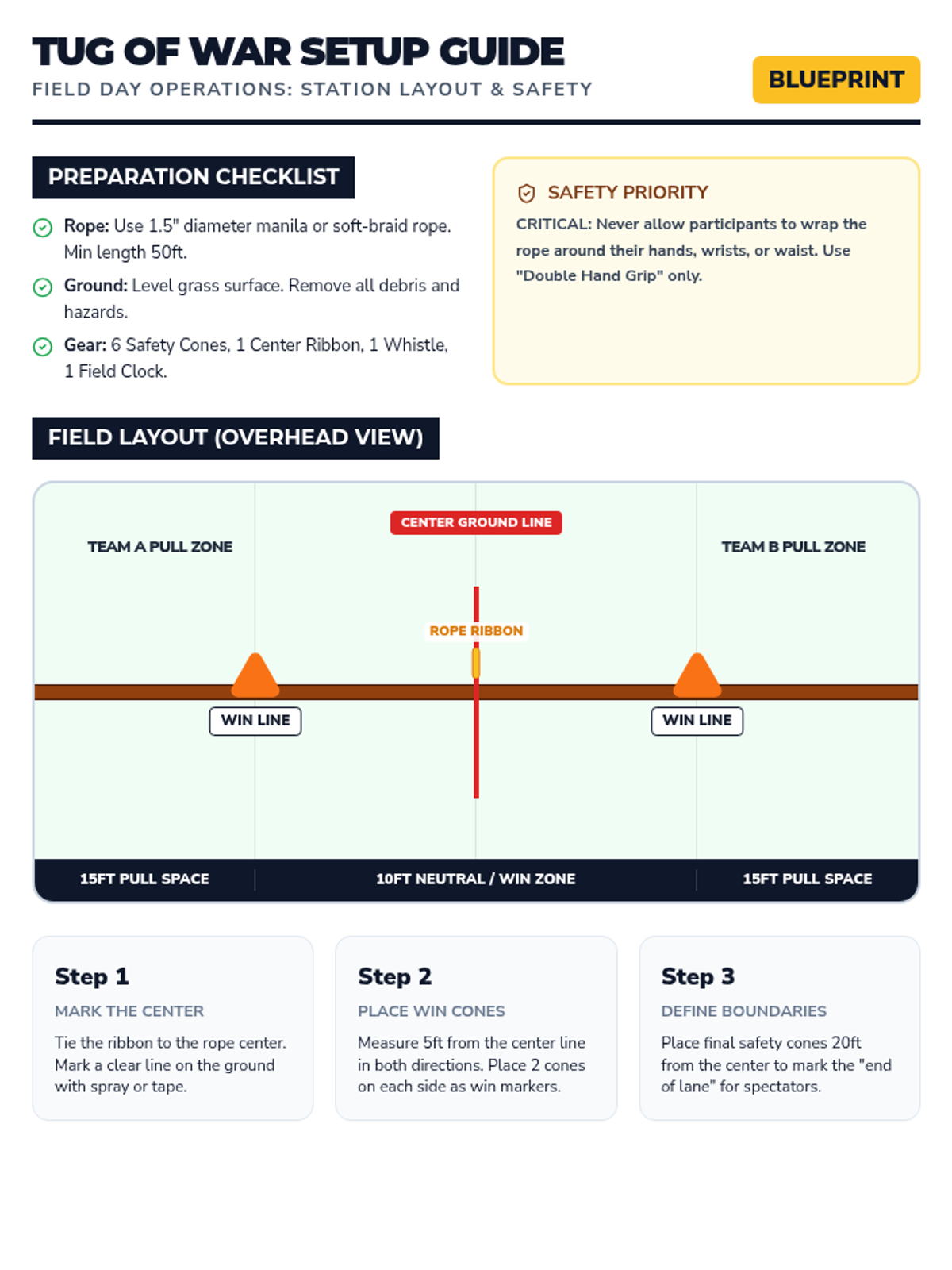
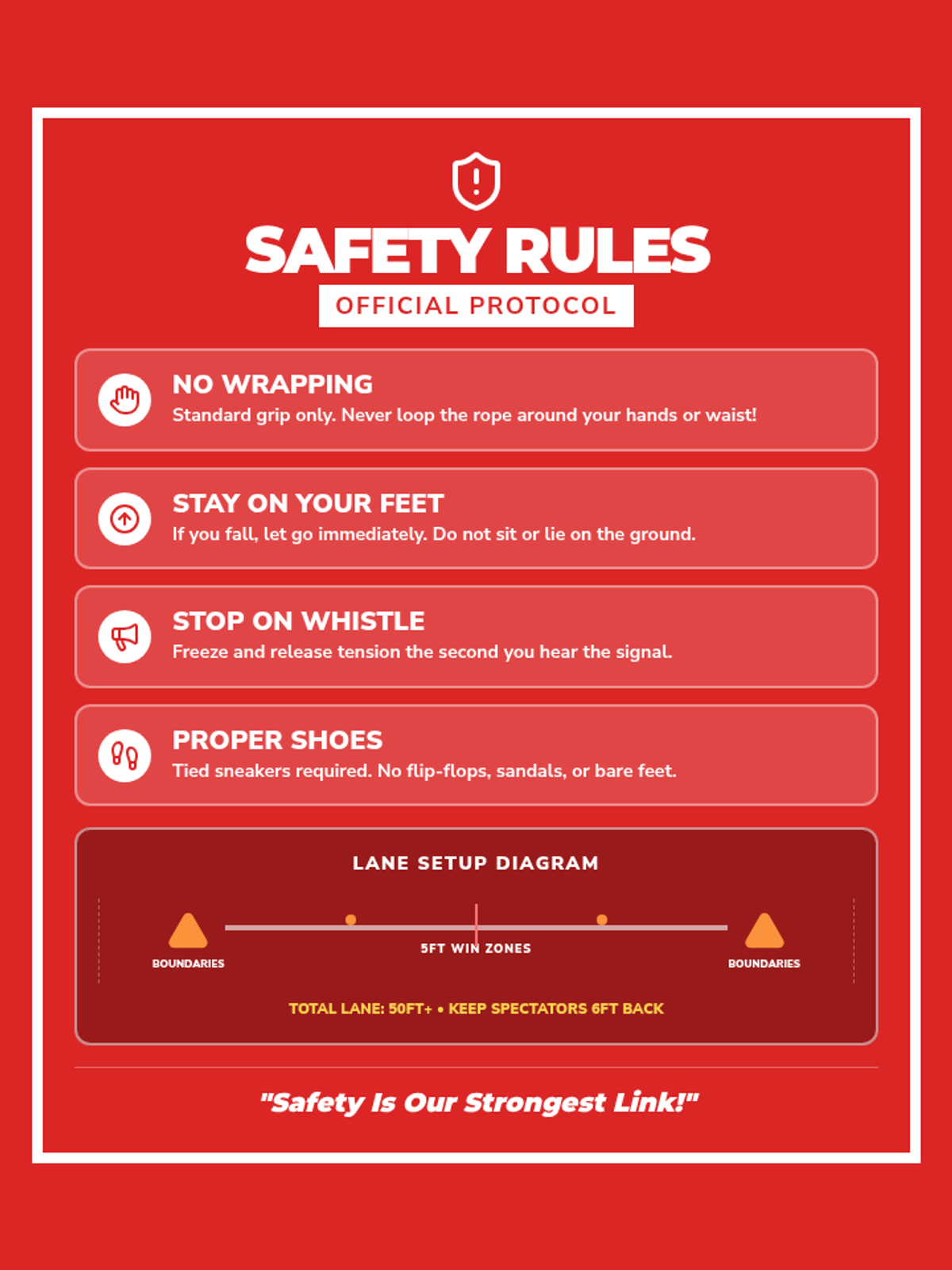
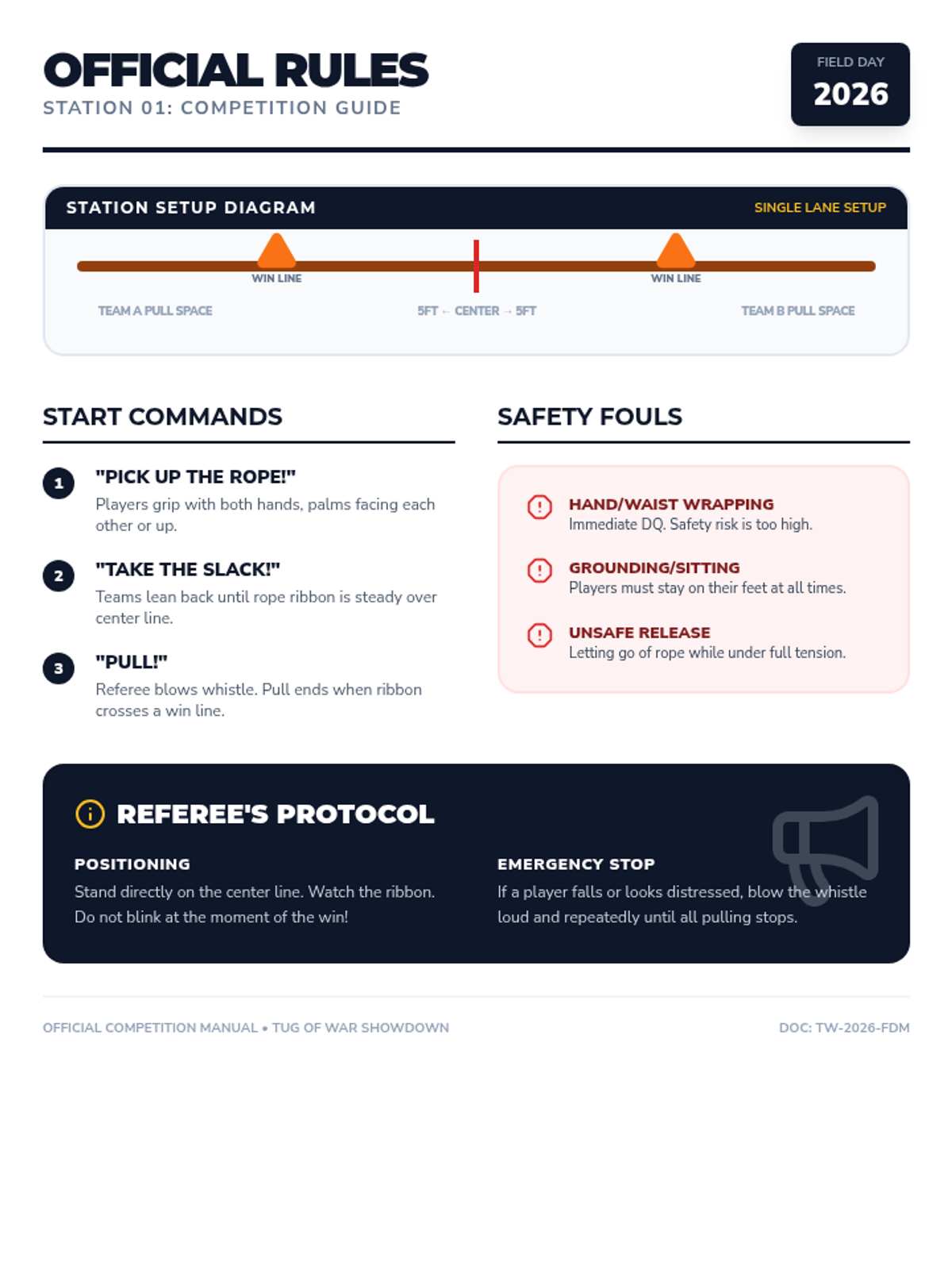
A complete guide for organizing a safe and fun tug of war event, including visual setup diagrams, safety protocols, and official competition rules.
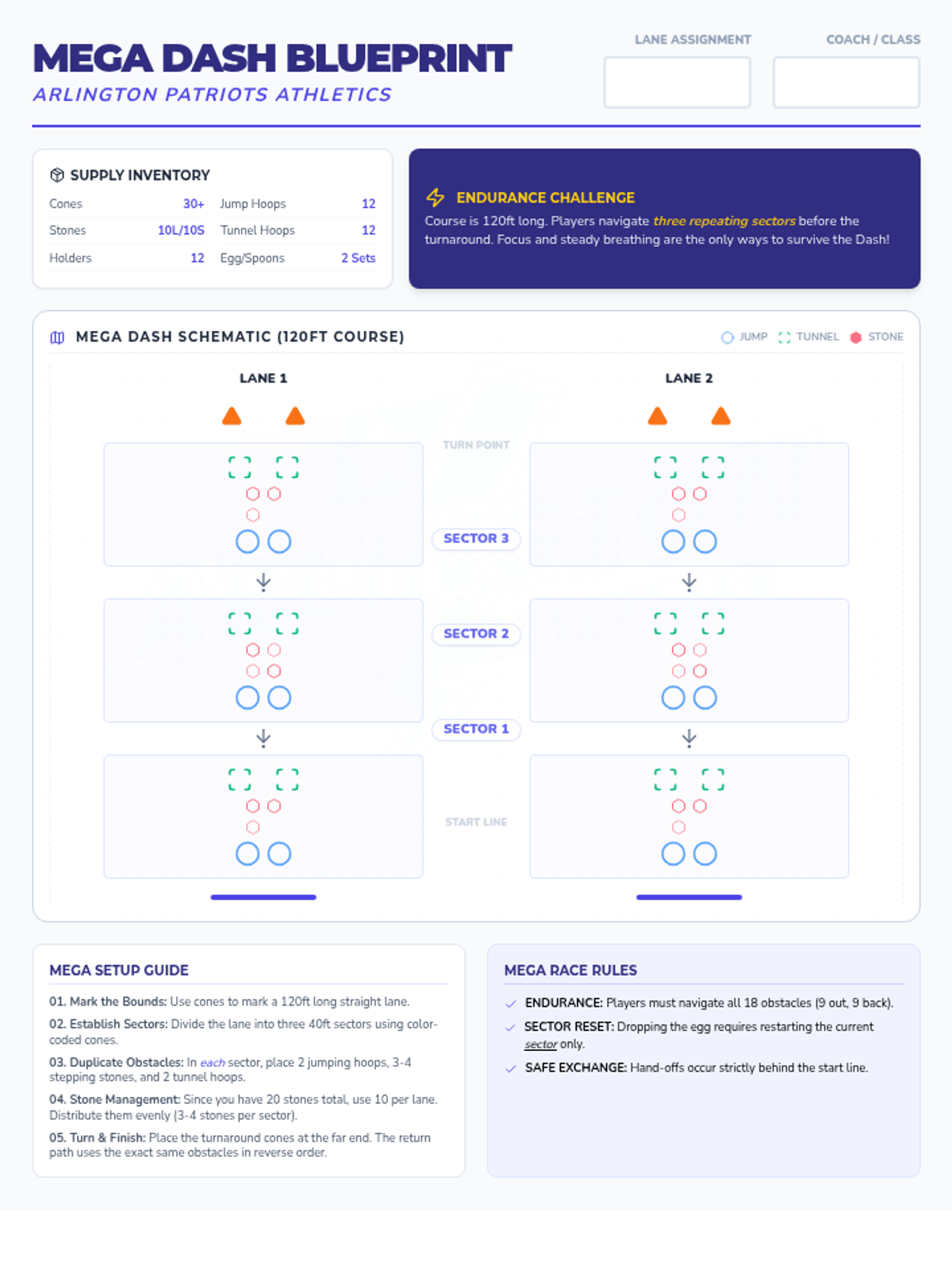
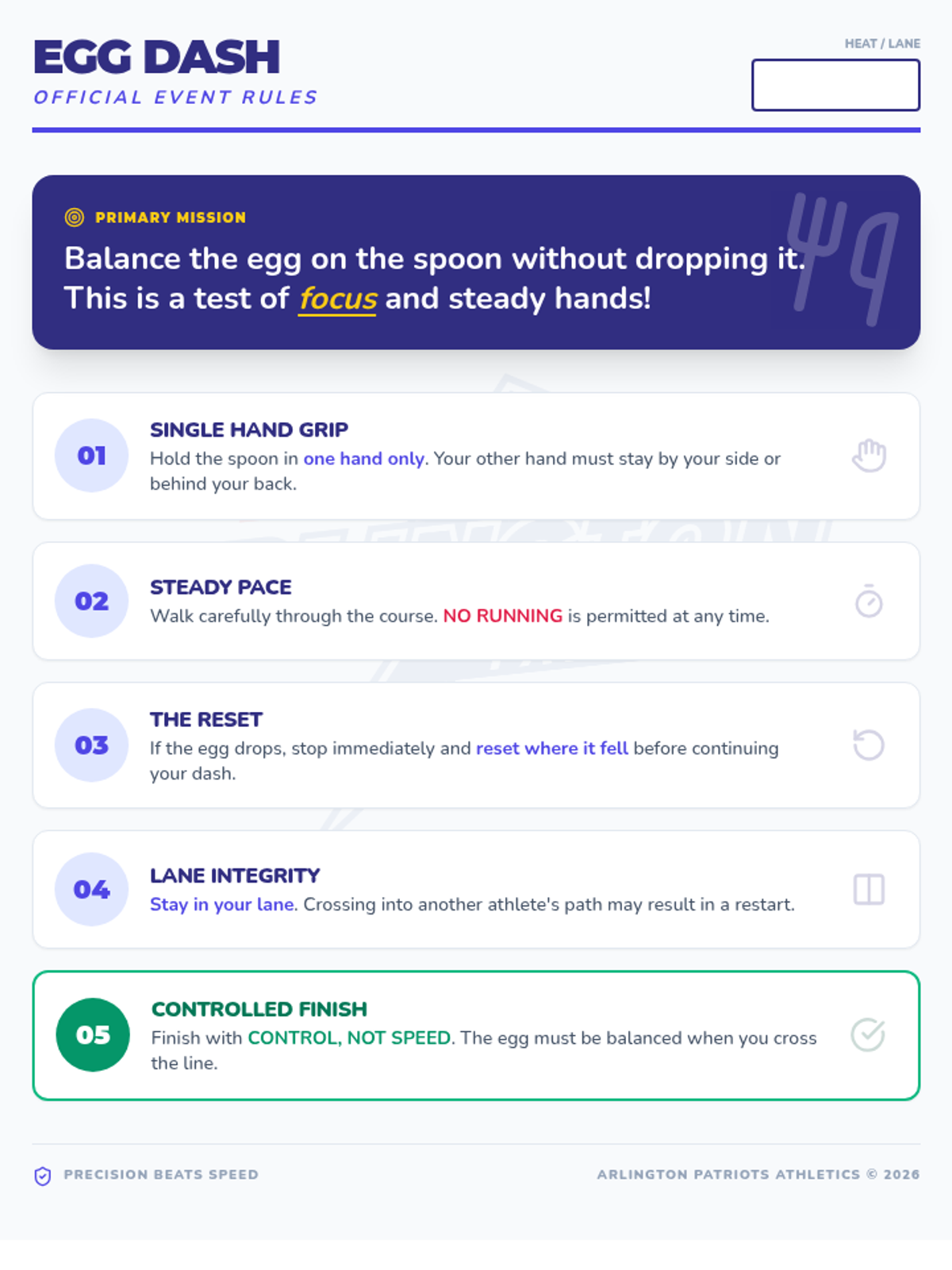
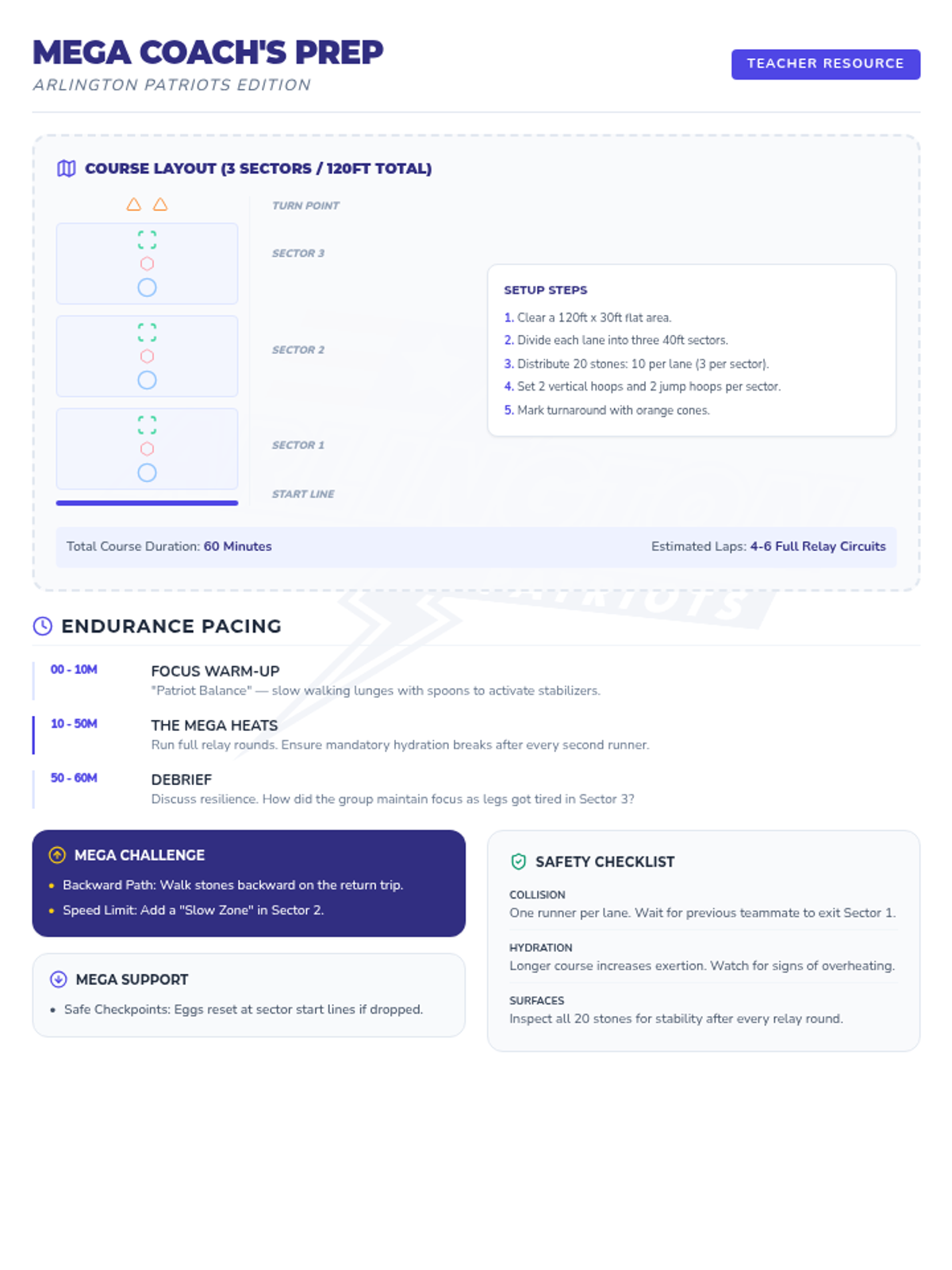
A high-energy relay race lesson where students navigate an expanded 120ft obstacle course while balancing a giant egg. Focuses on motor skills, endurance, and coordination for the Arlington Patriots.
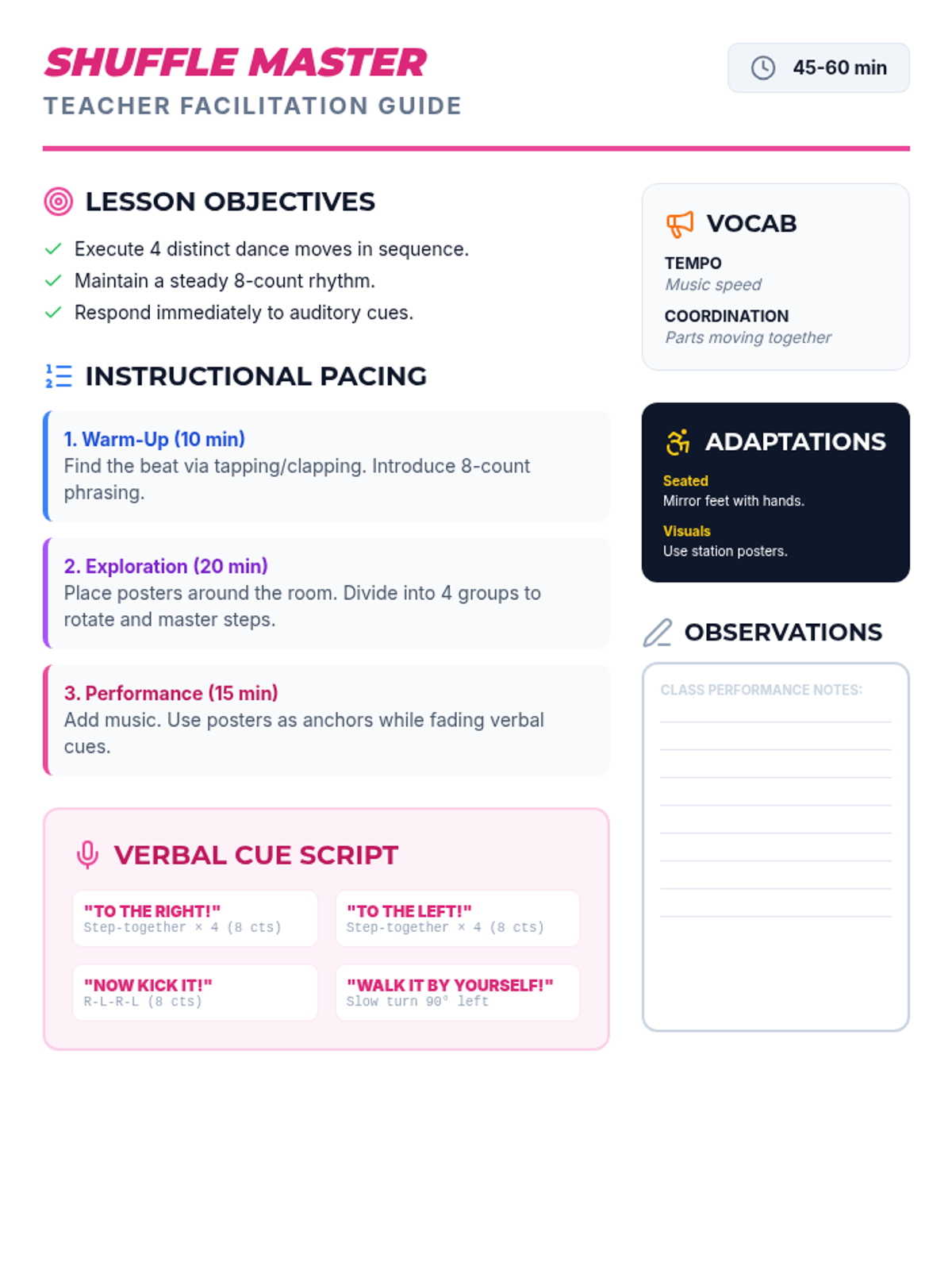
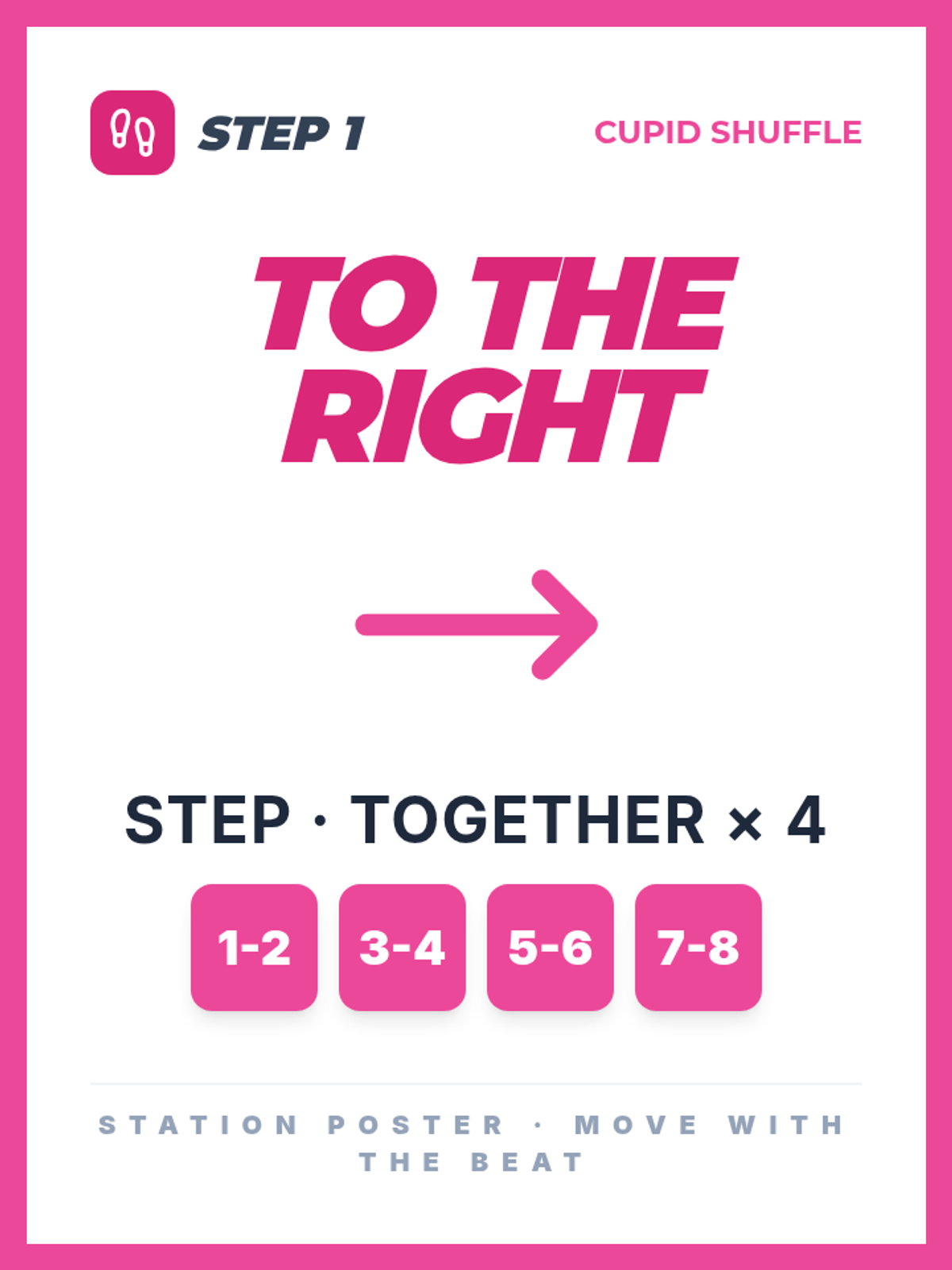
A high-energy lesson focused on mastering the Cupid Shuffle while developing rhythm recognition, coordination, and the ability to follow multi-step auditory instructions.
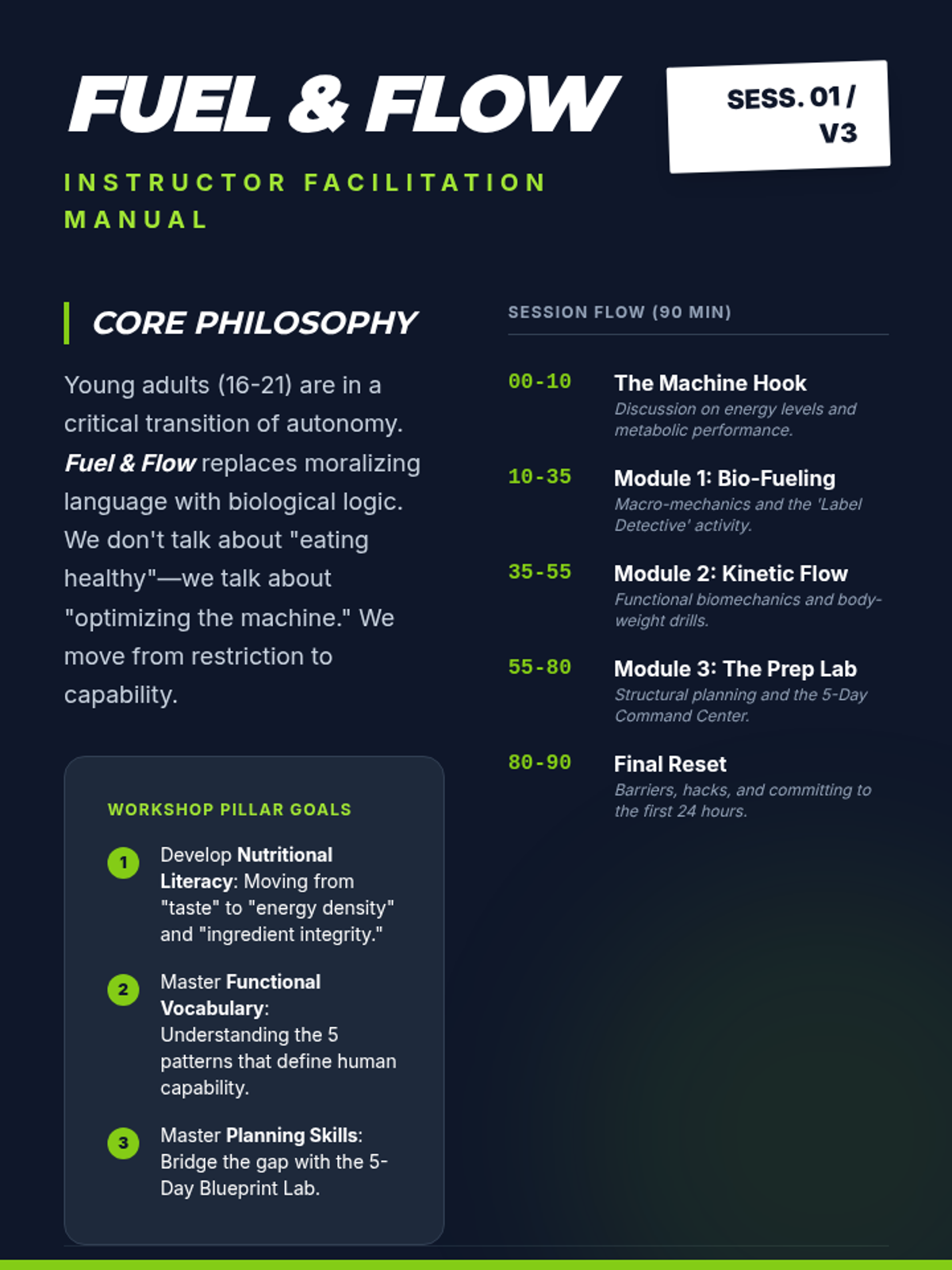
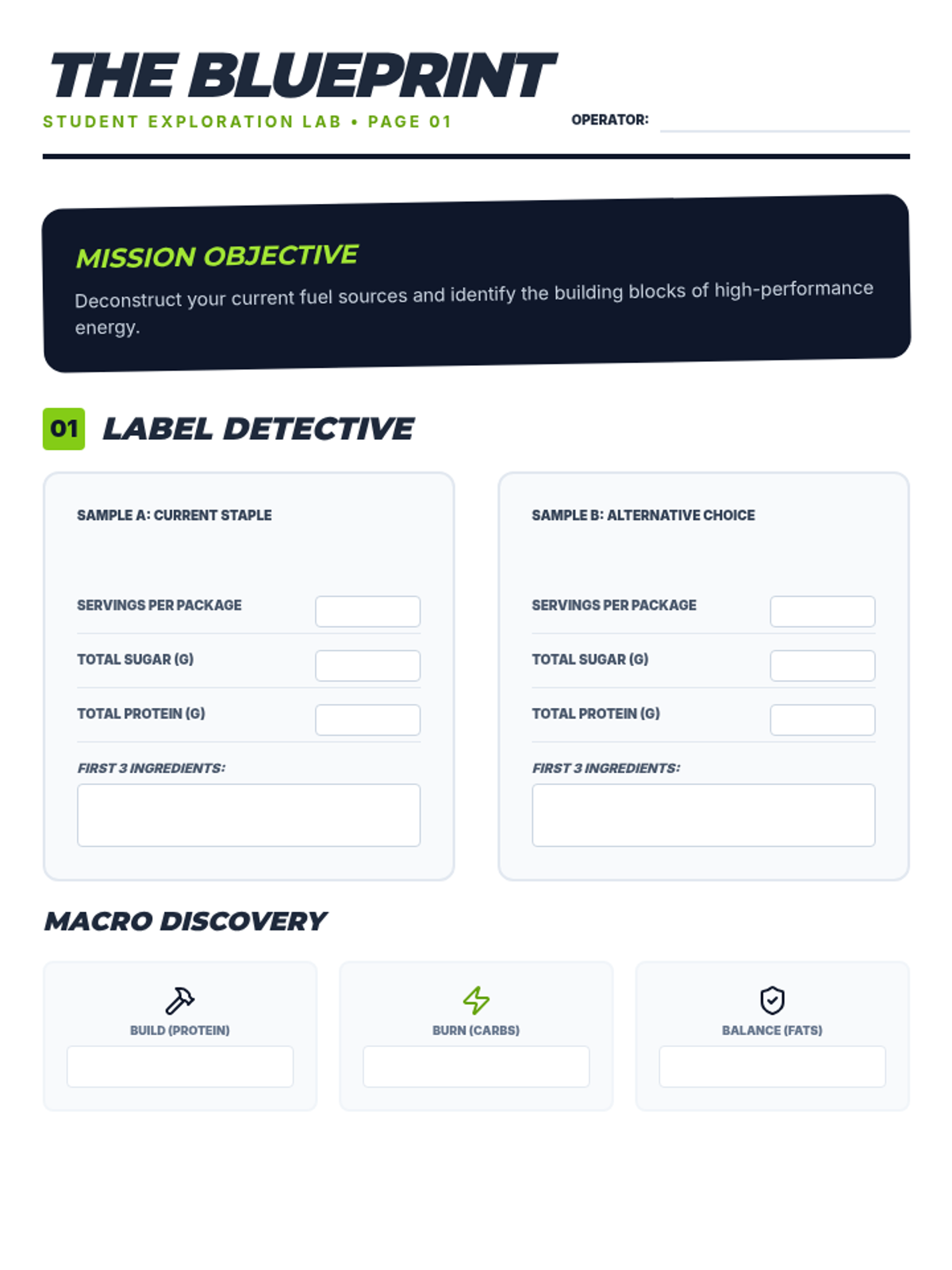
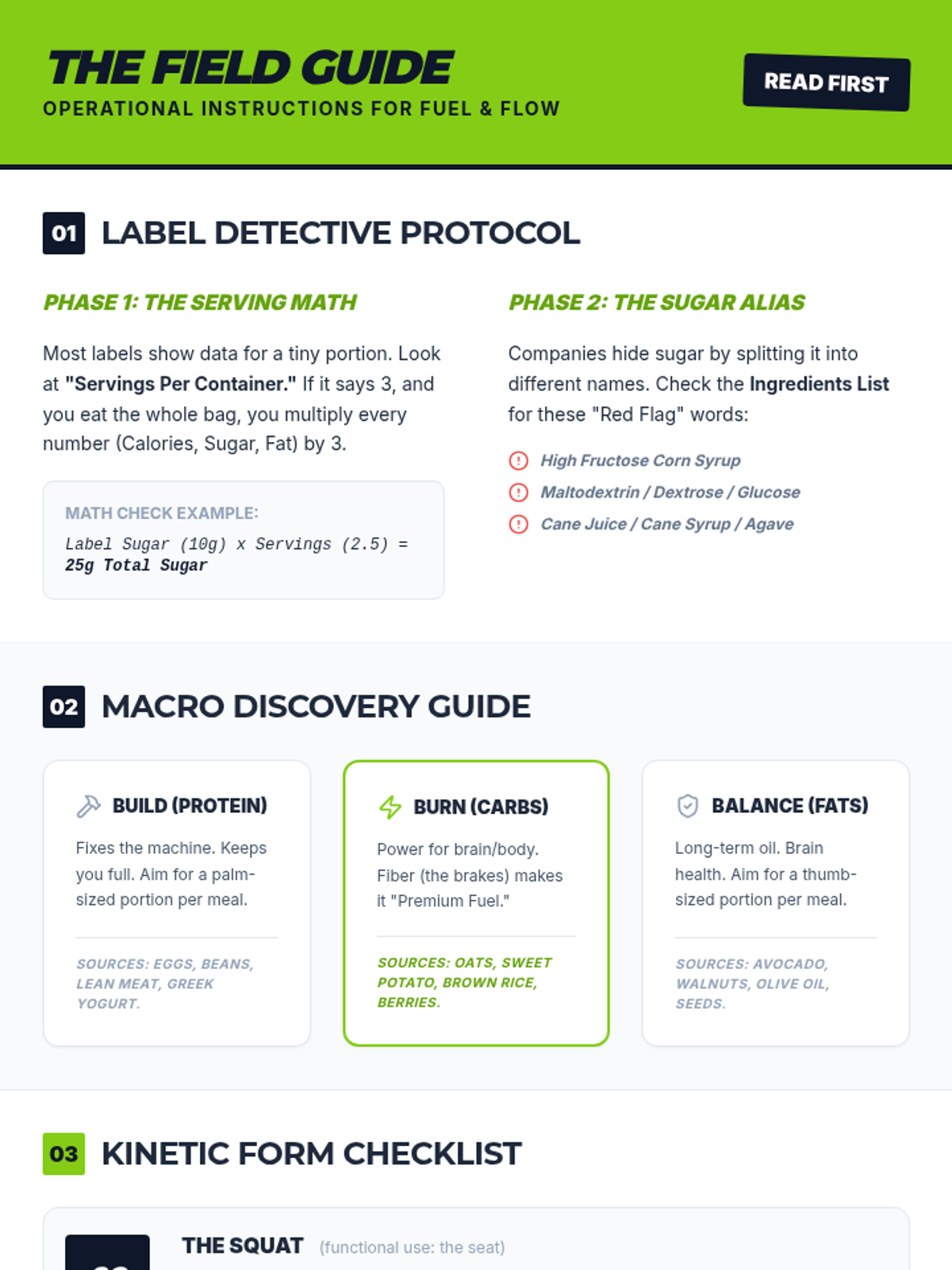
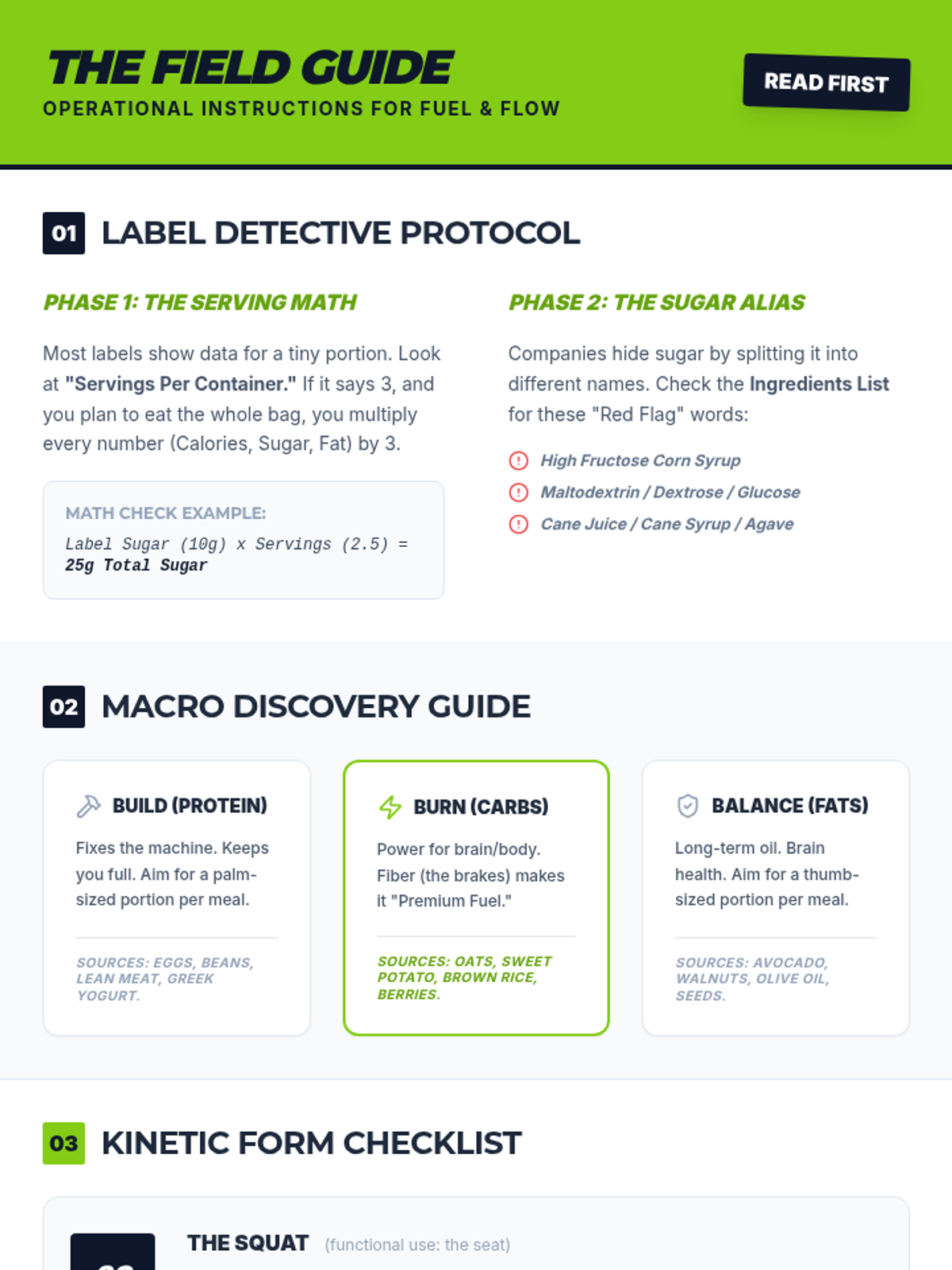
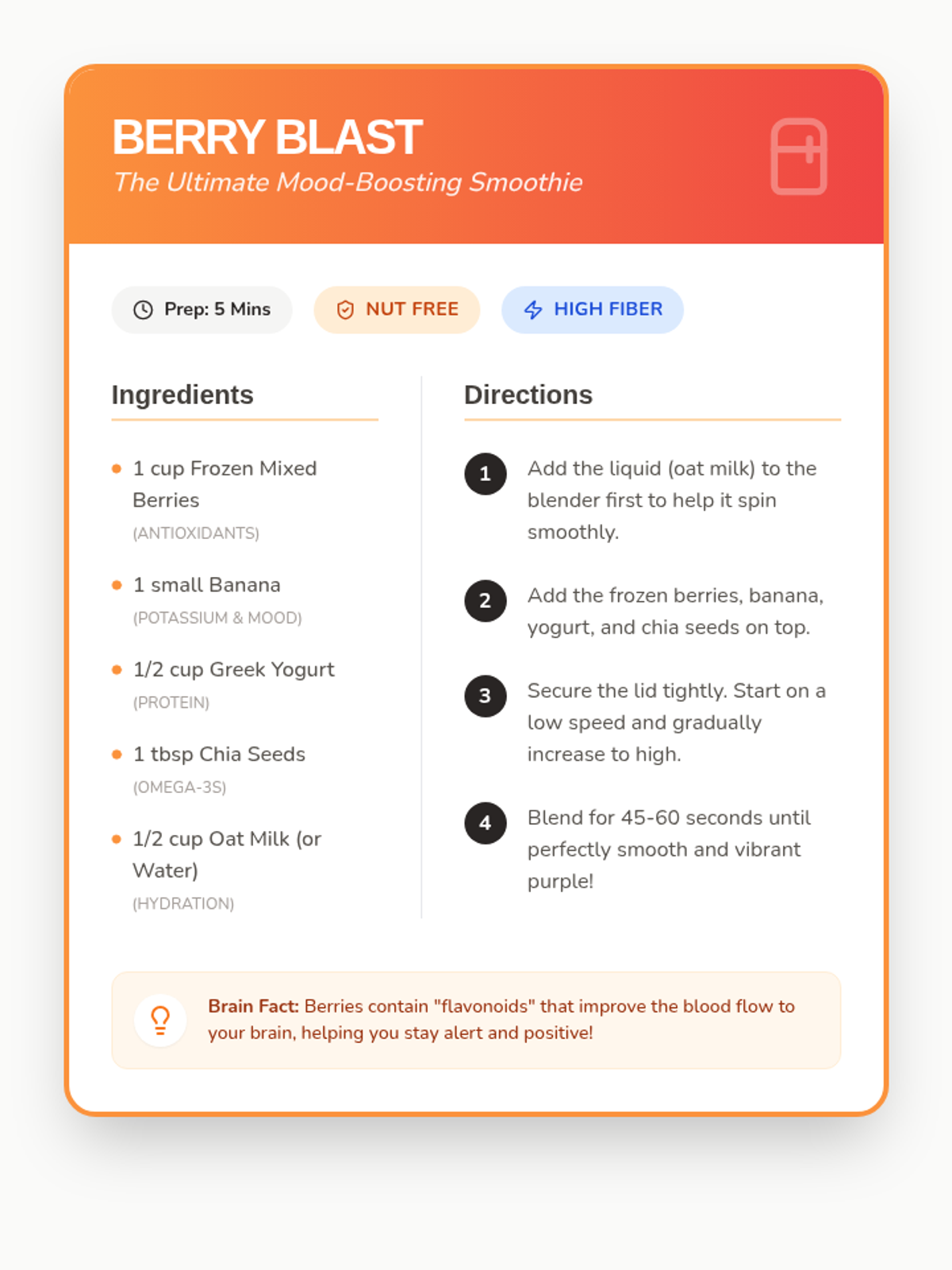
A 90-minute intensive session for young adults (16-21) focused on the intersection of nutrition and functional movement. Students learn to read labels, plan balanced meals, and understand the foundational movement patterns needed for a healthy, active life.
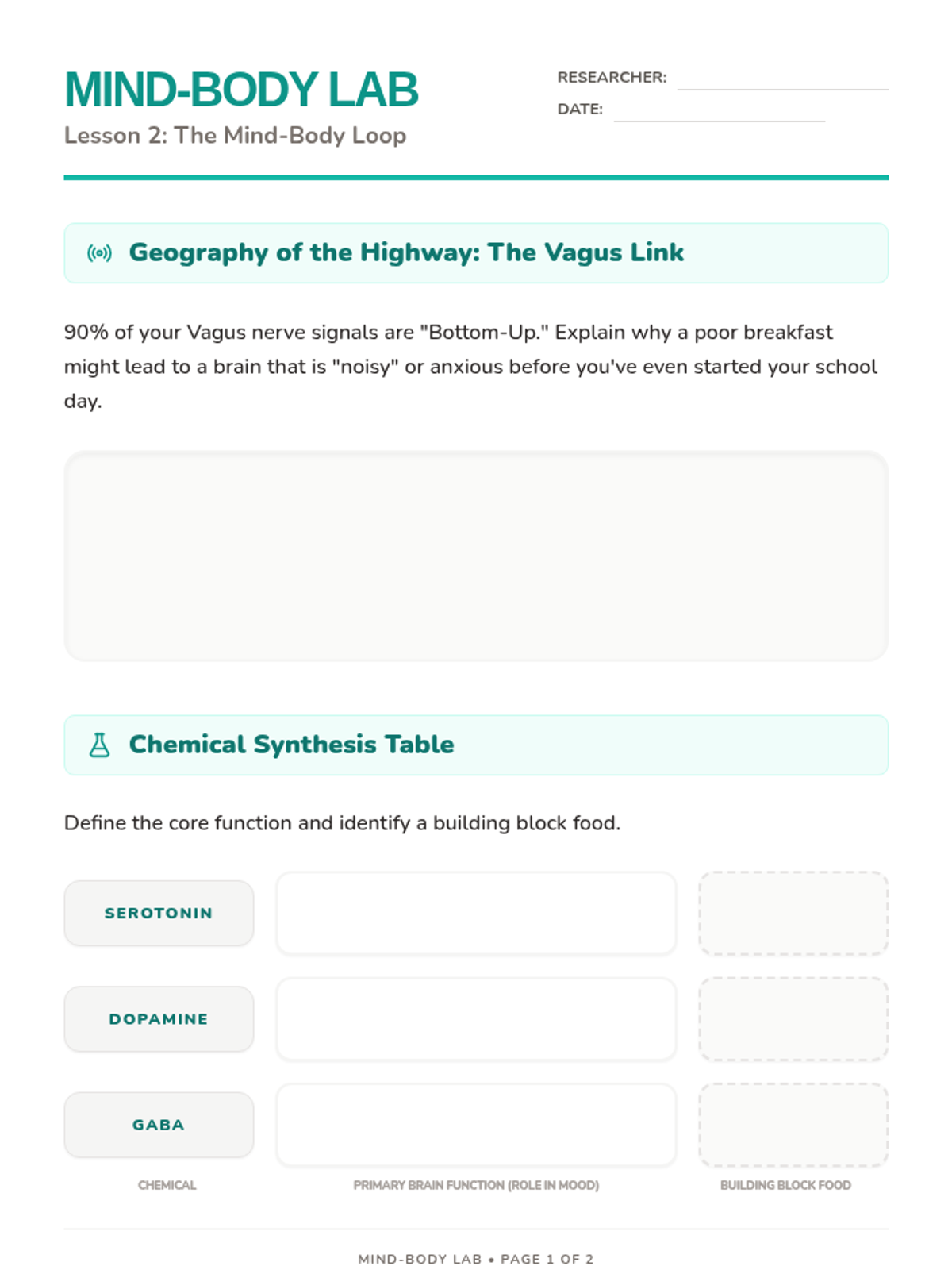
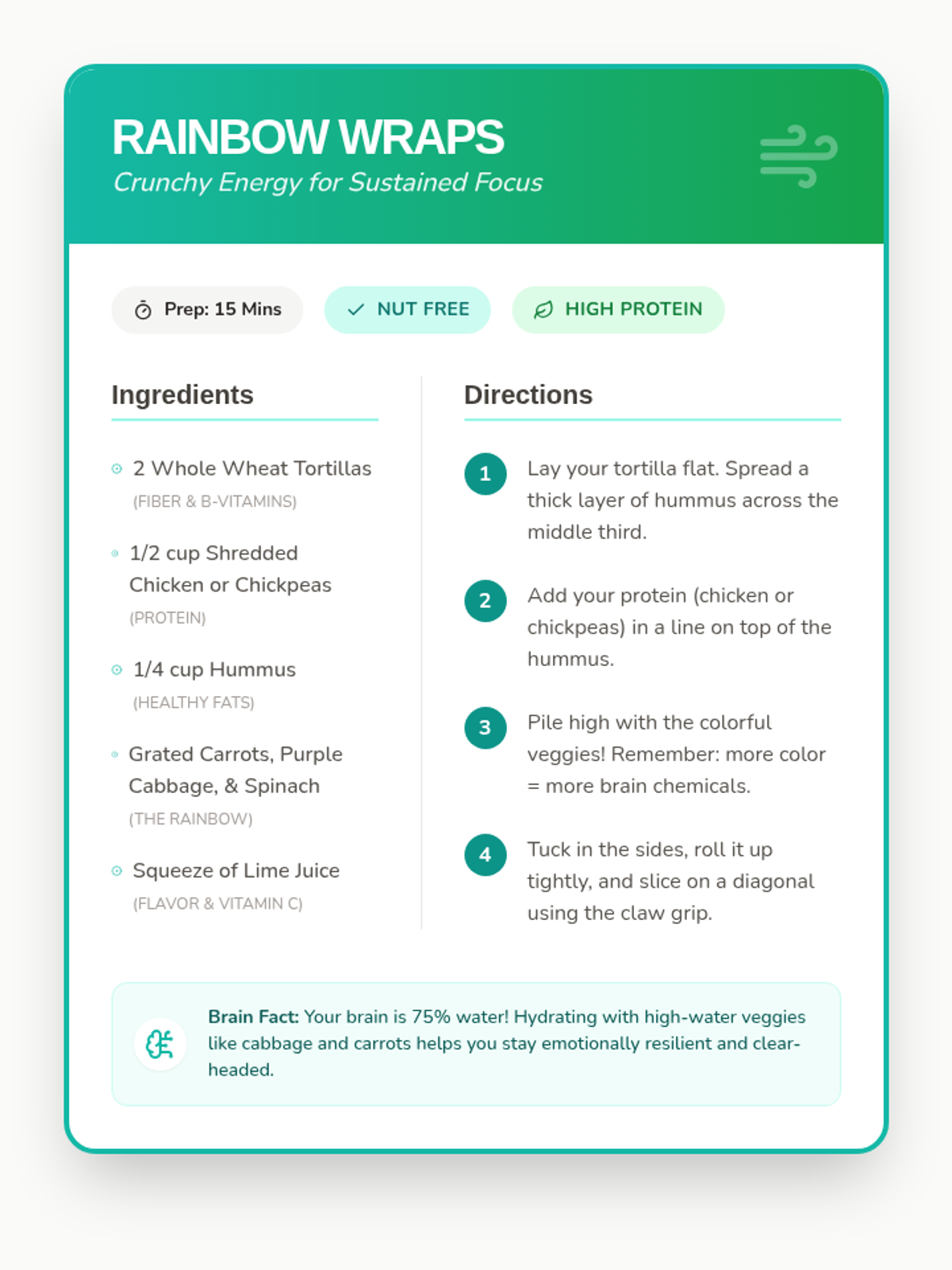
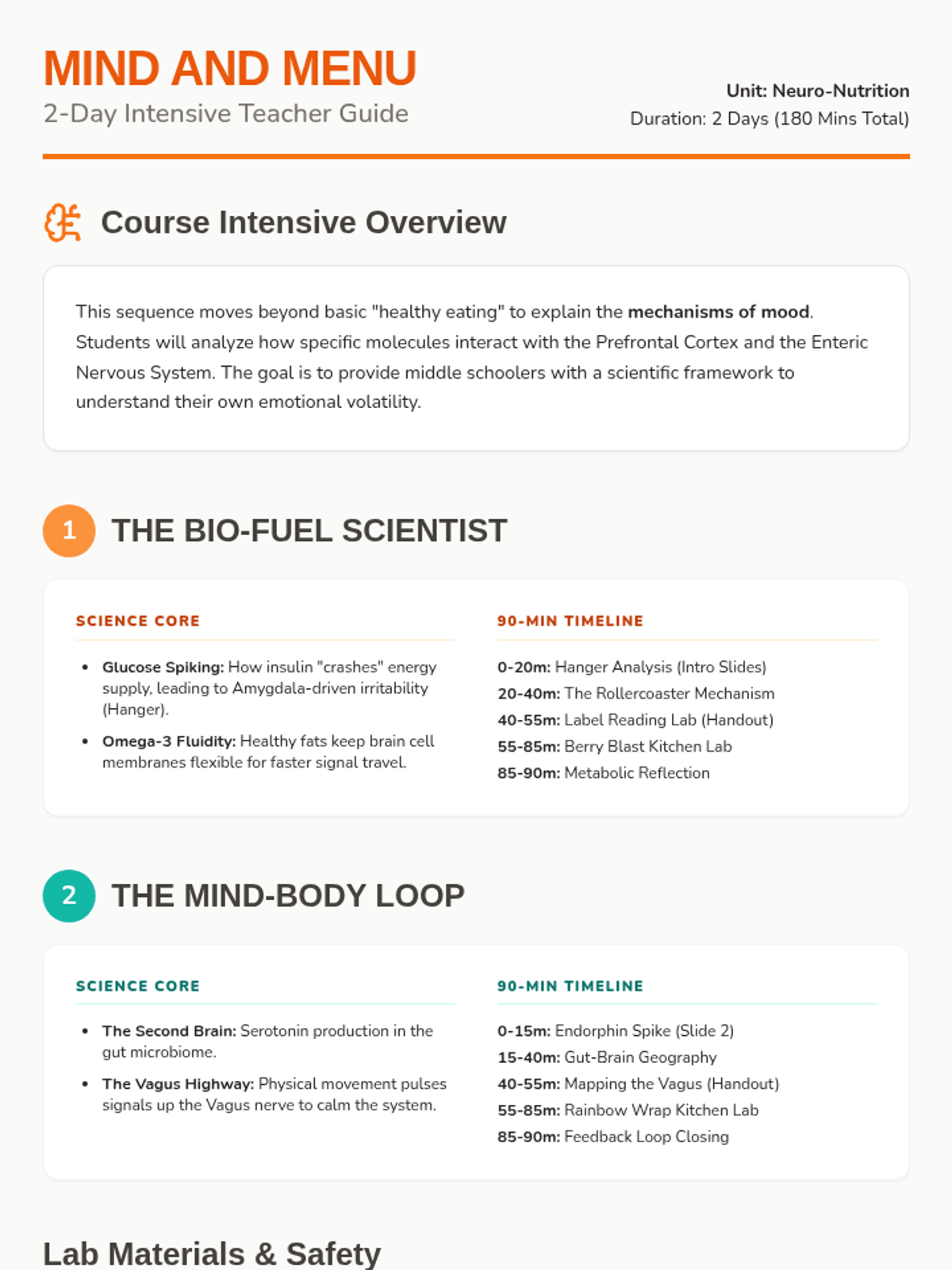
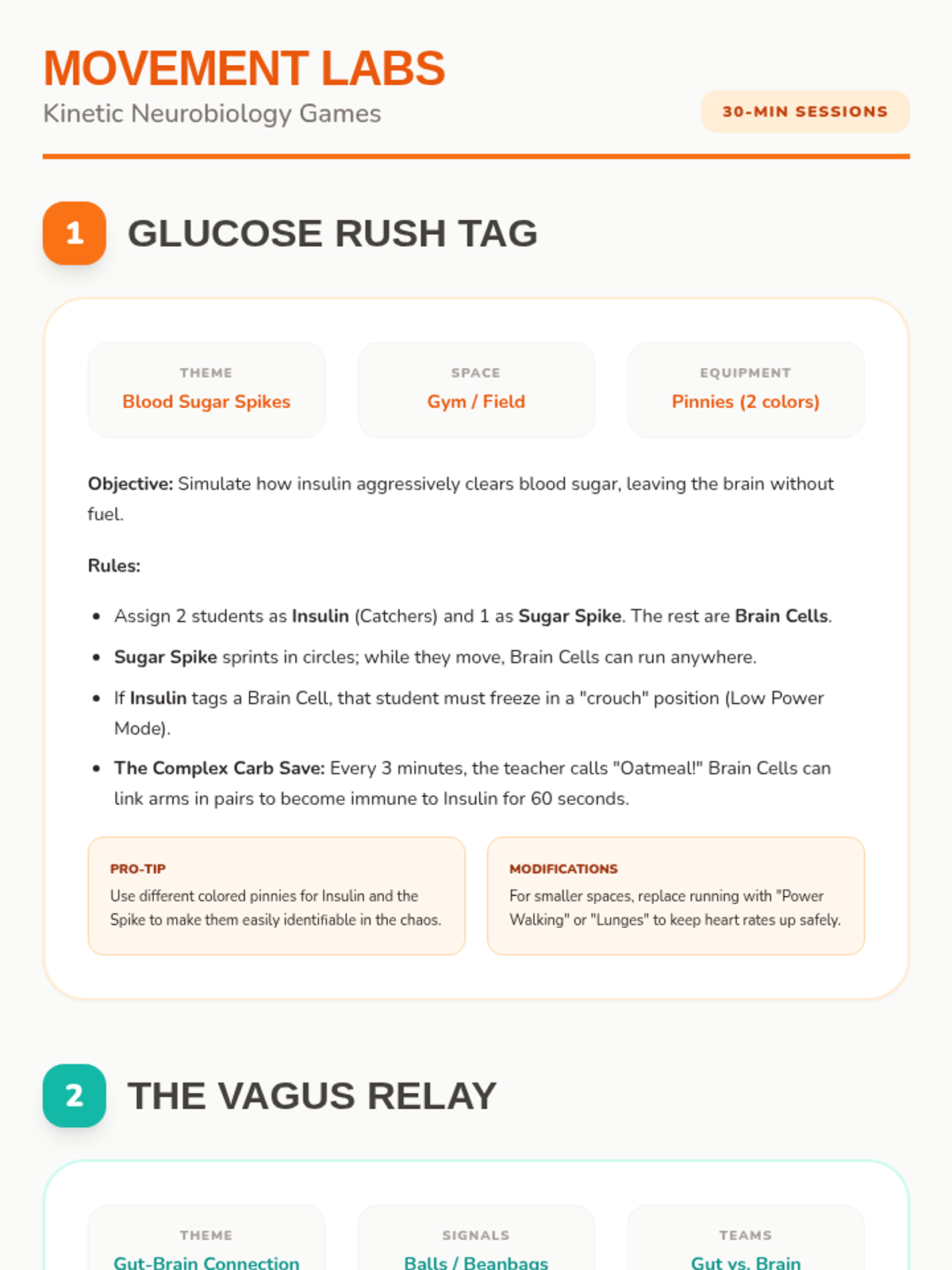
An intensive look at the 'Second Brain' in the gut, the role of the Vagus nerve, and how movement synthesizes neurotransmitters for emotional stability.
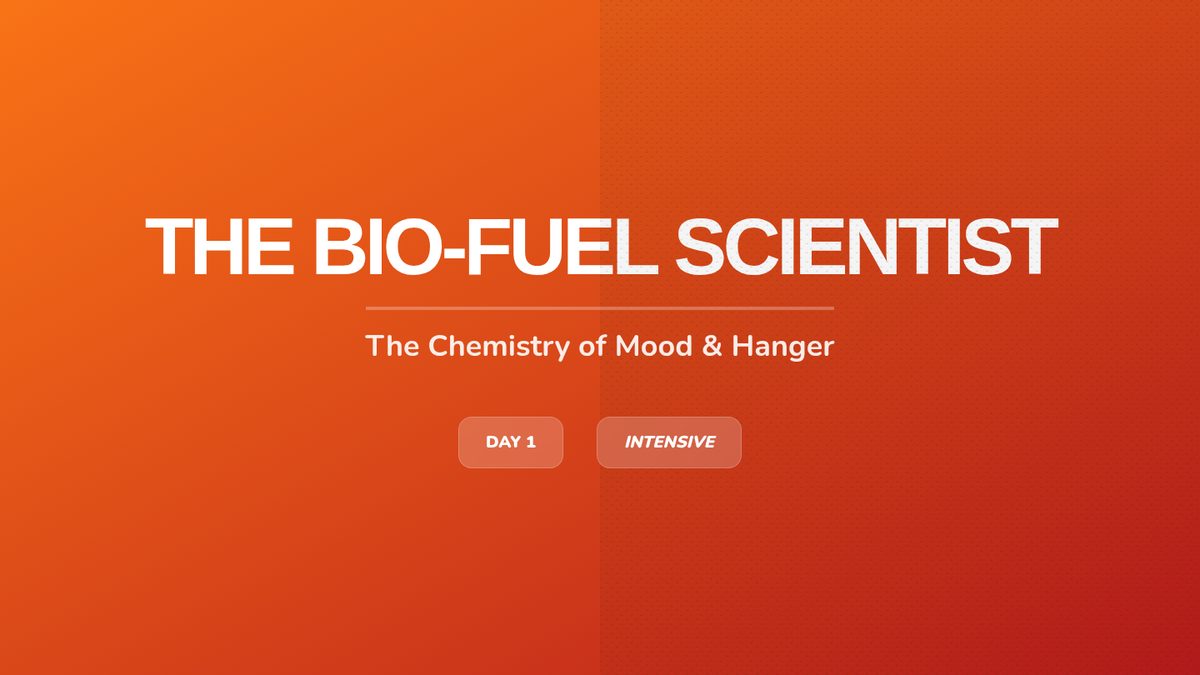
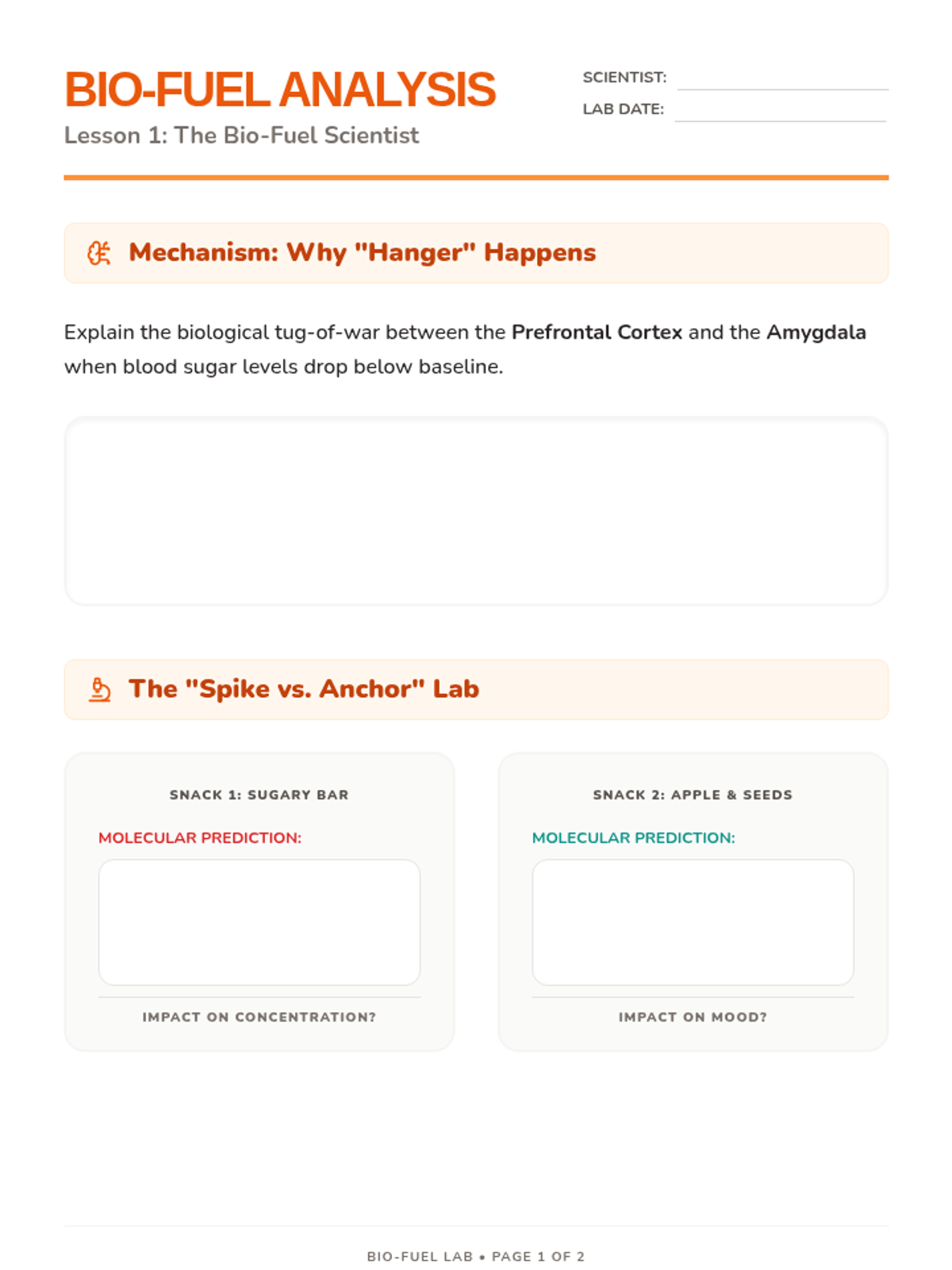
A deep dive into the glucose-insulin response, the chemistry of 'hanger,' and how micronutrients like Omega-3s build the physical architecture of the brain.
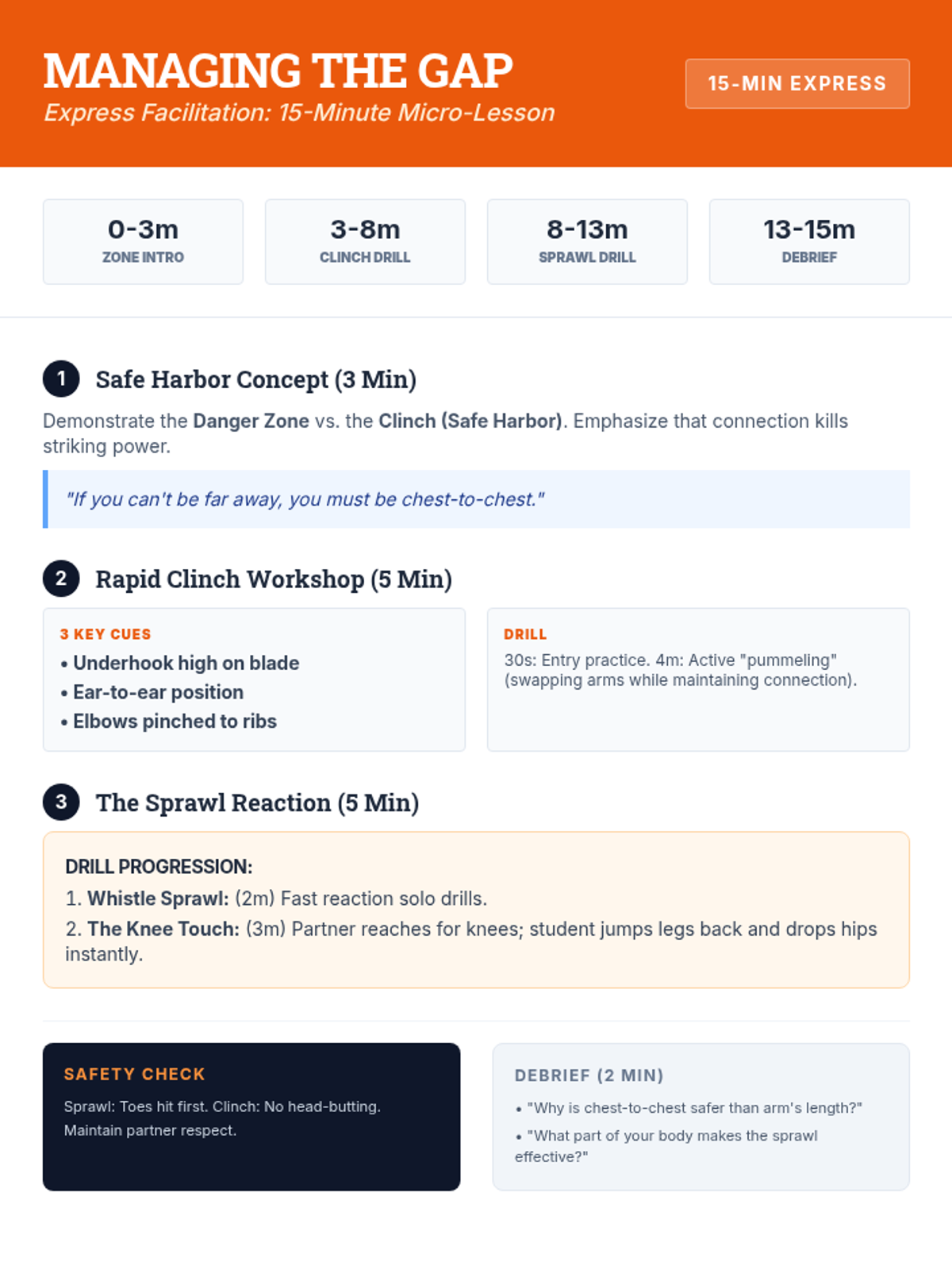
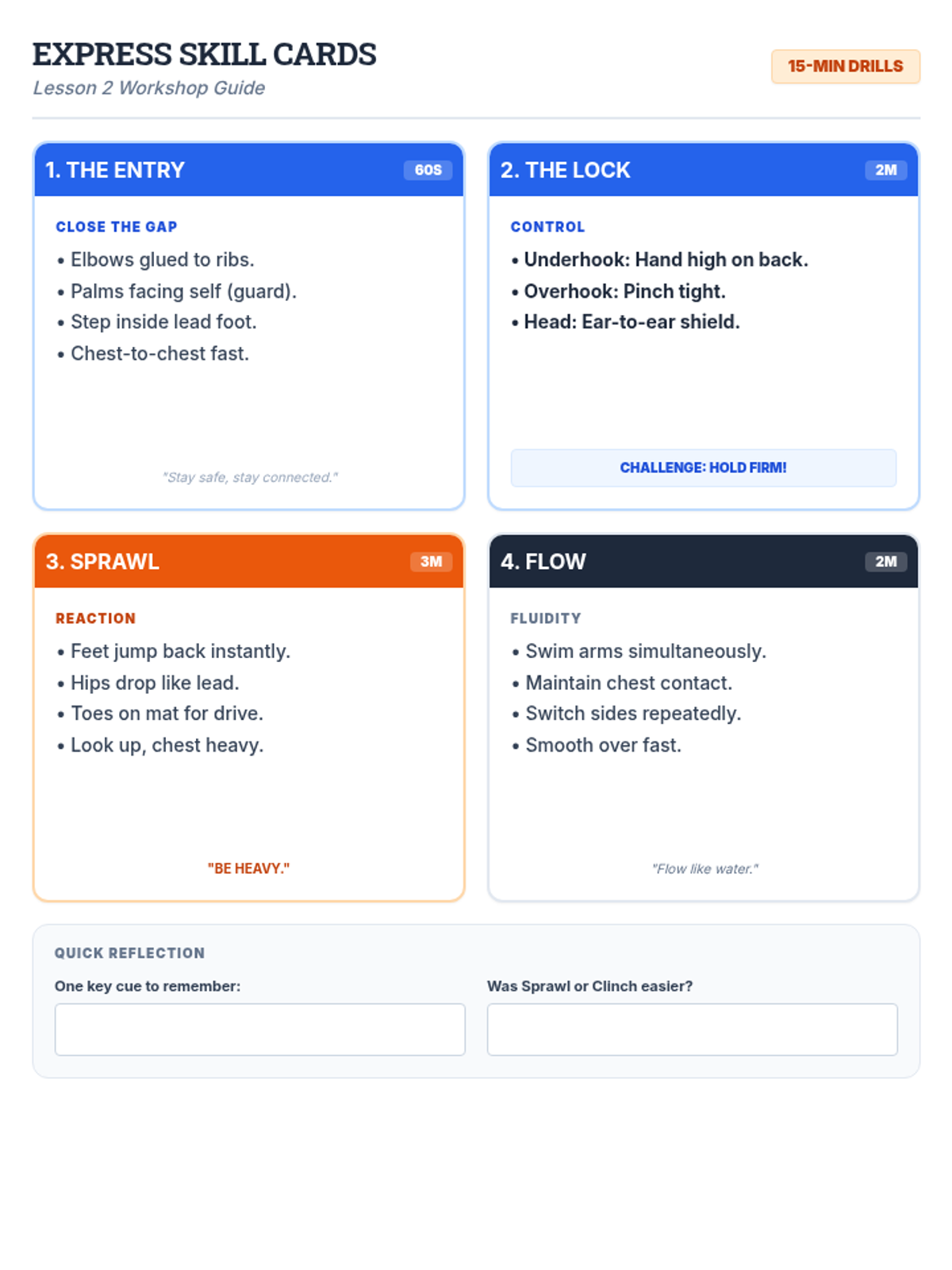
An intensive 15-minute 'Express' session focused on the core mechanics of the clinch and sprawl. Students learn to close the distance safely and defend against leg tackles with maximum efficiency.
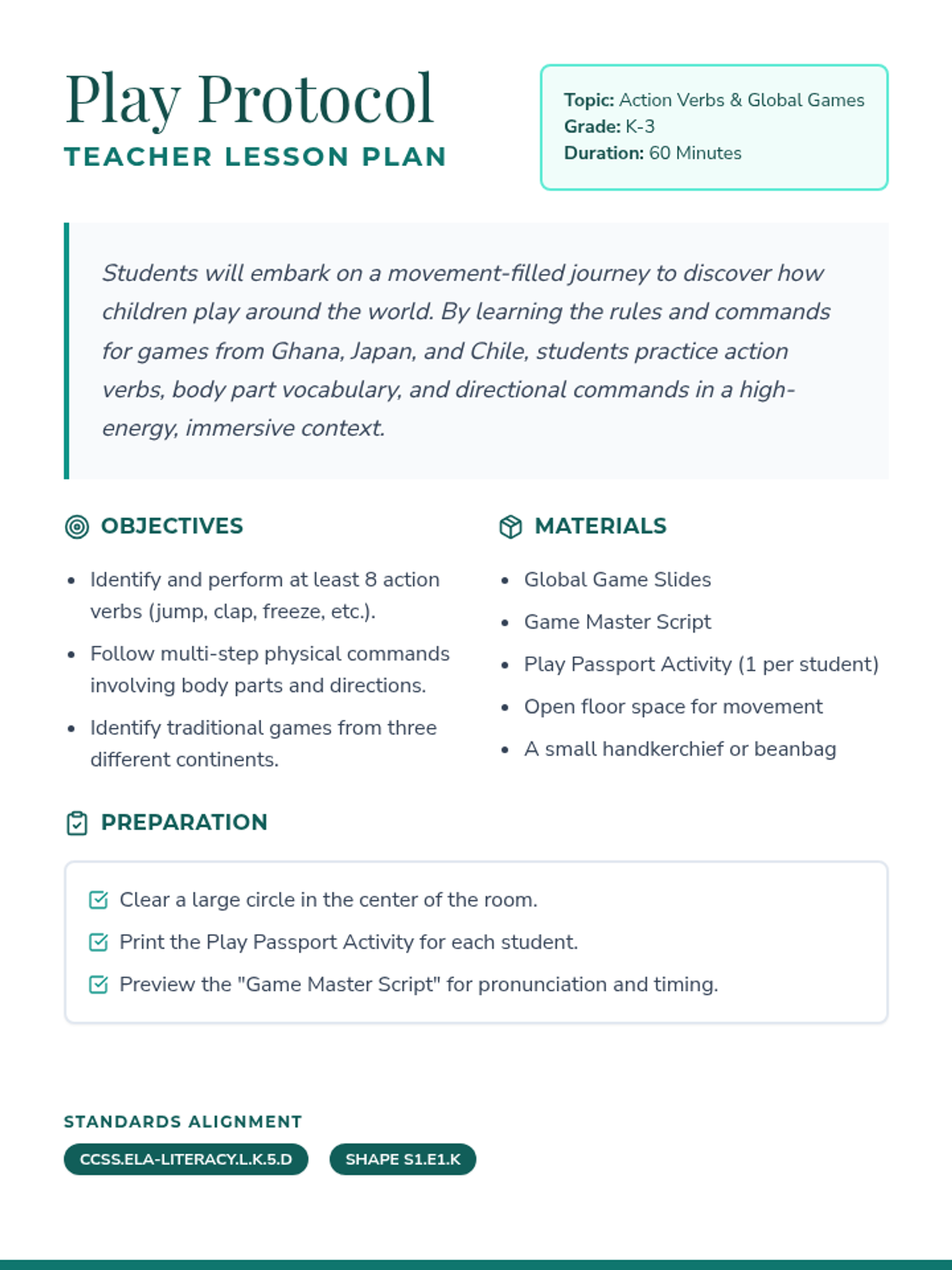
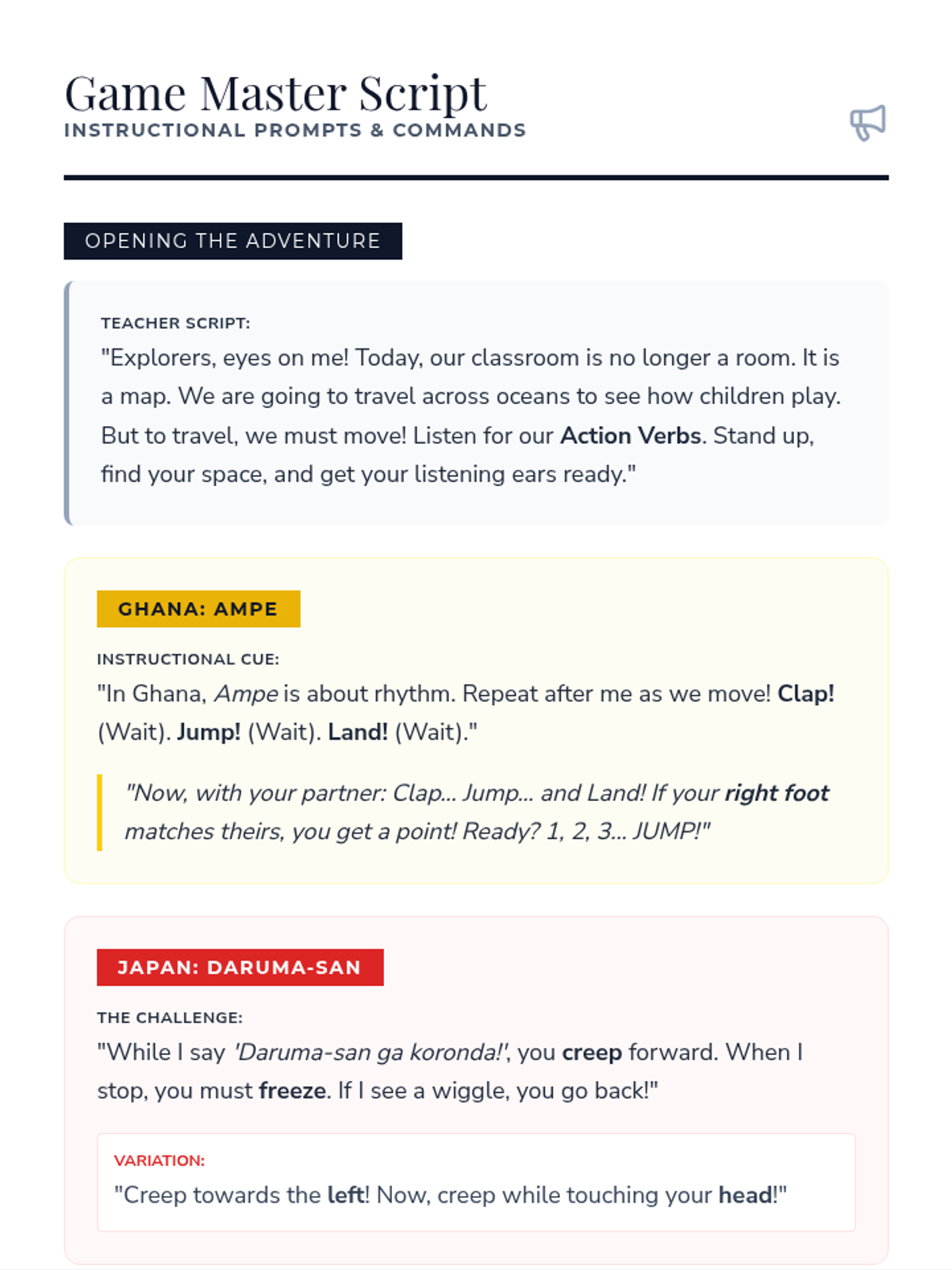
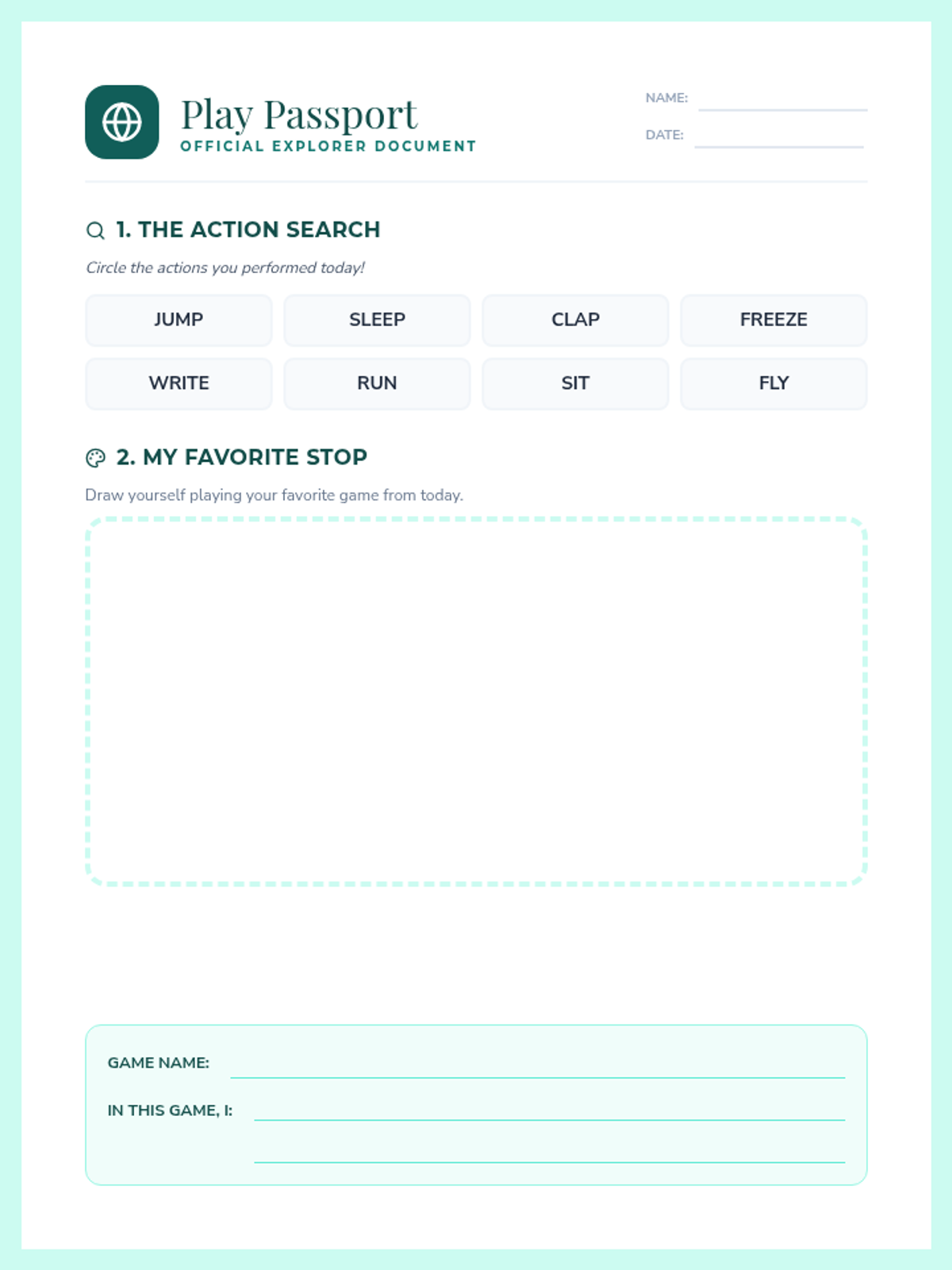
A movement-based language lesson where students learn action verbs and physical commands through traditional games from Ghana, Japan, and Chile. Learners develop vocabulary for body parts and directions while celebrating global cultural traditions.
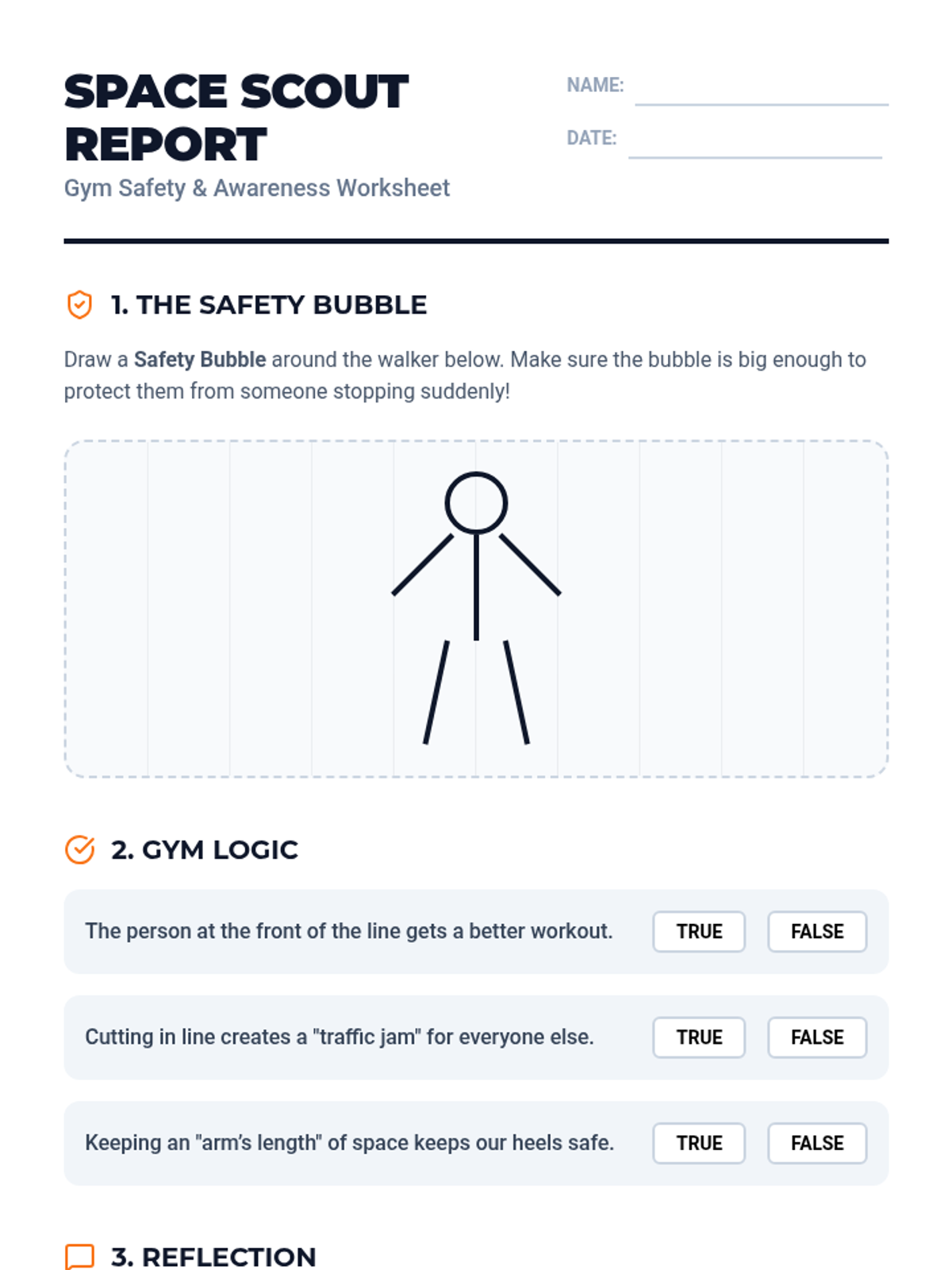
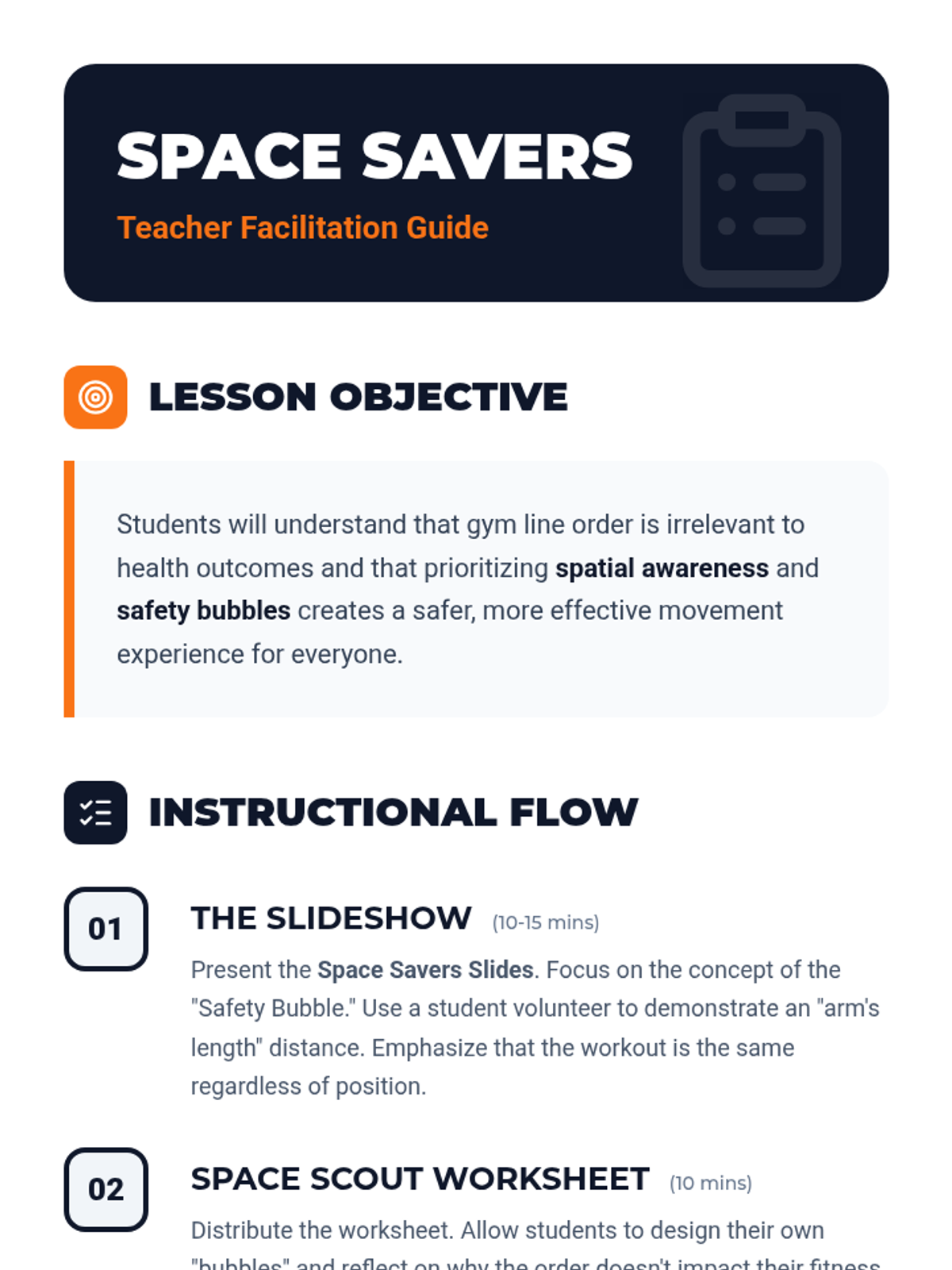
A lesson focused on gym safety and spatial awareness during daily walks, emphasizing that movement quality and safety bubbles are more important than line order.
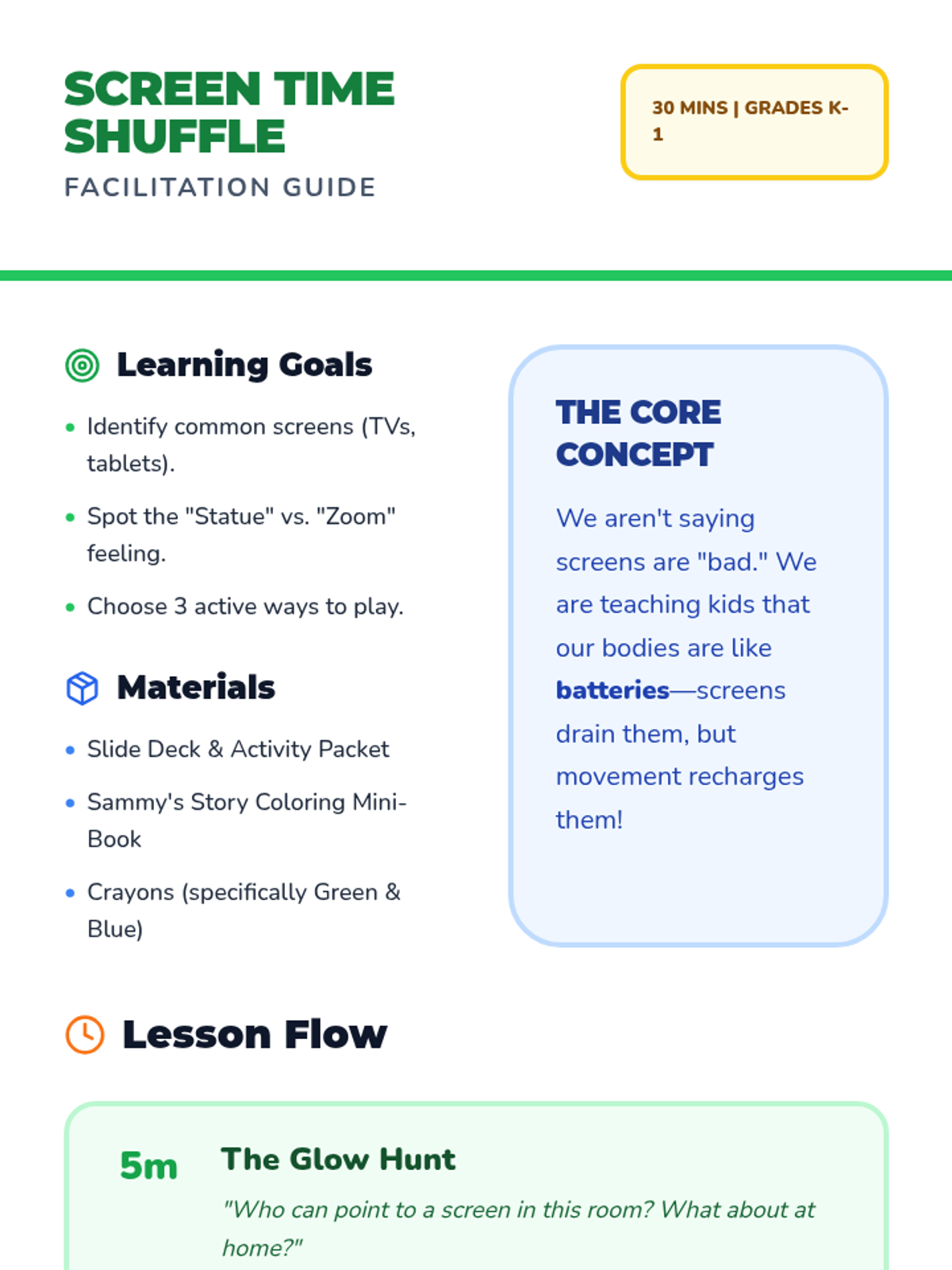
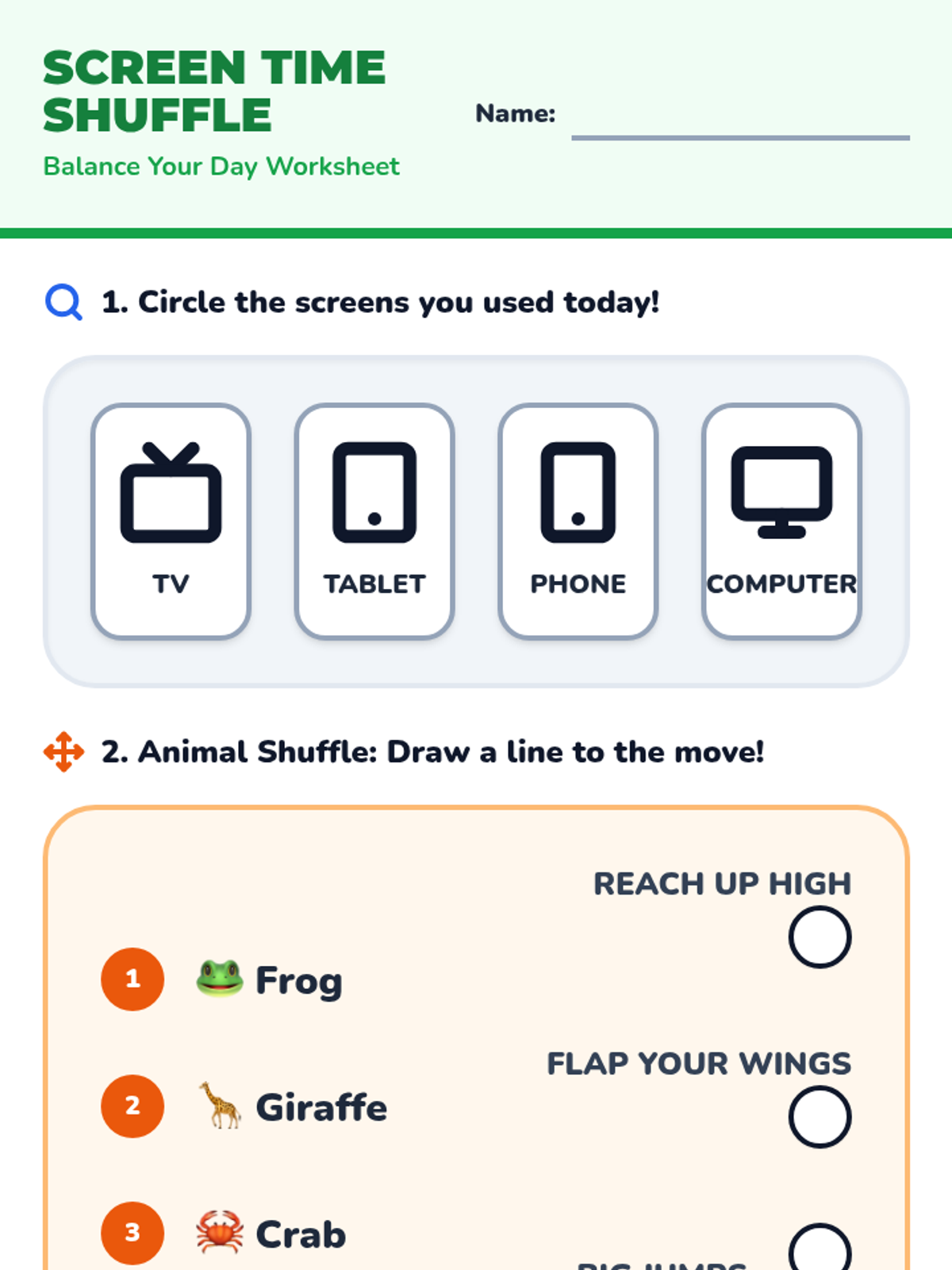
A high-energy lesson for K-1 students focusing on the balance between screen use and physical movement, featuring a narrative story and interactive movement breaks.
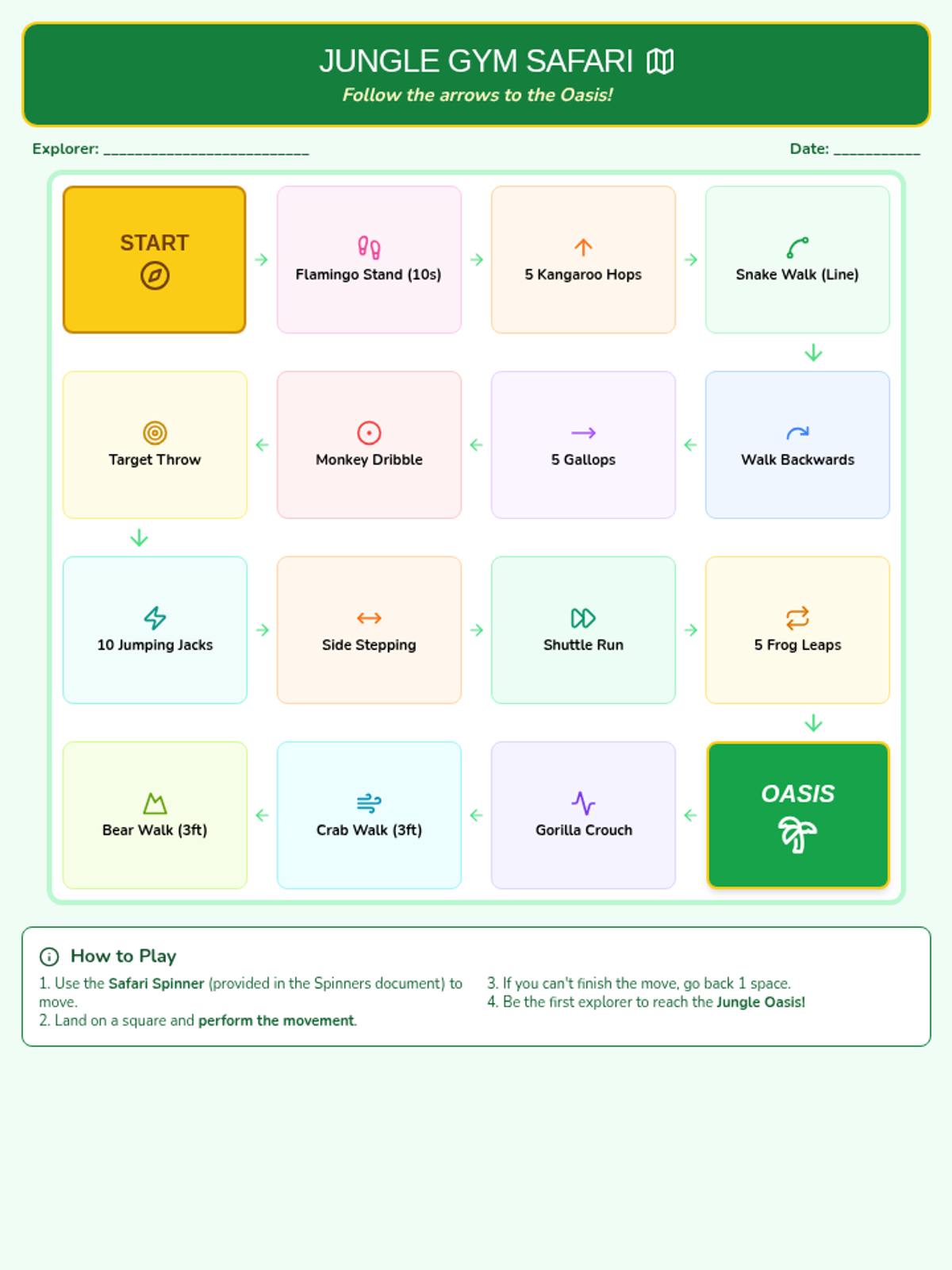
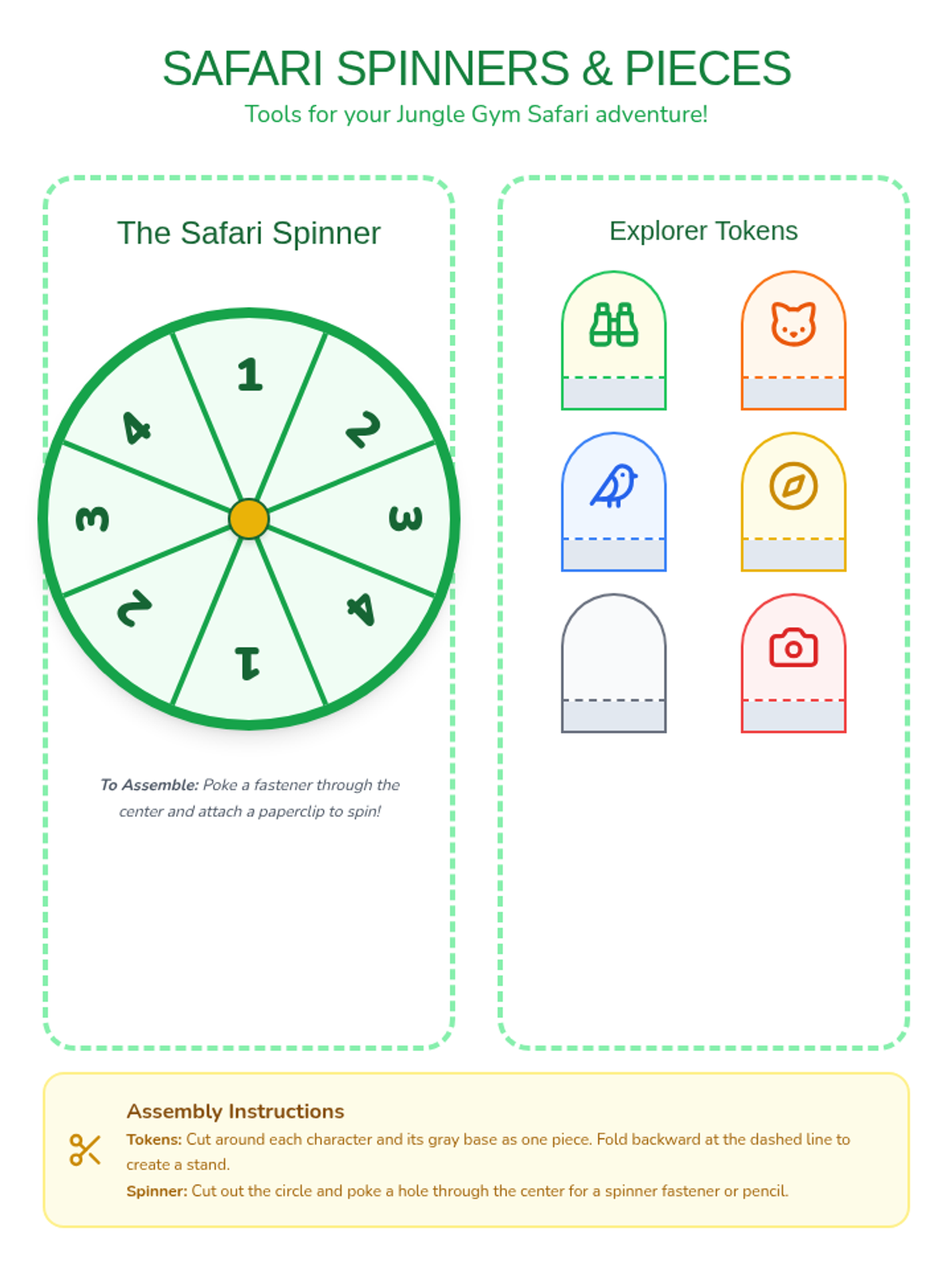
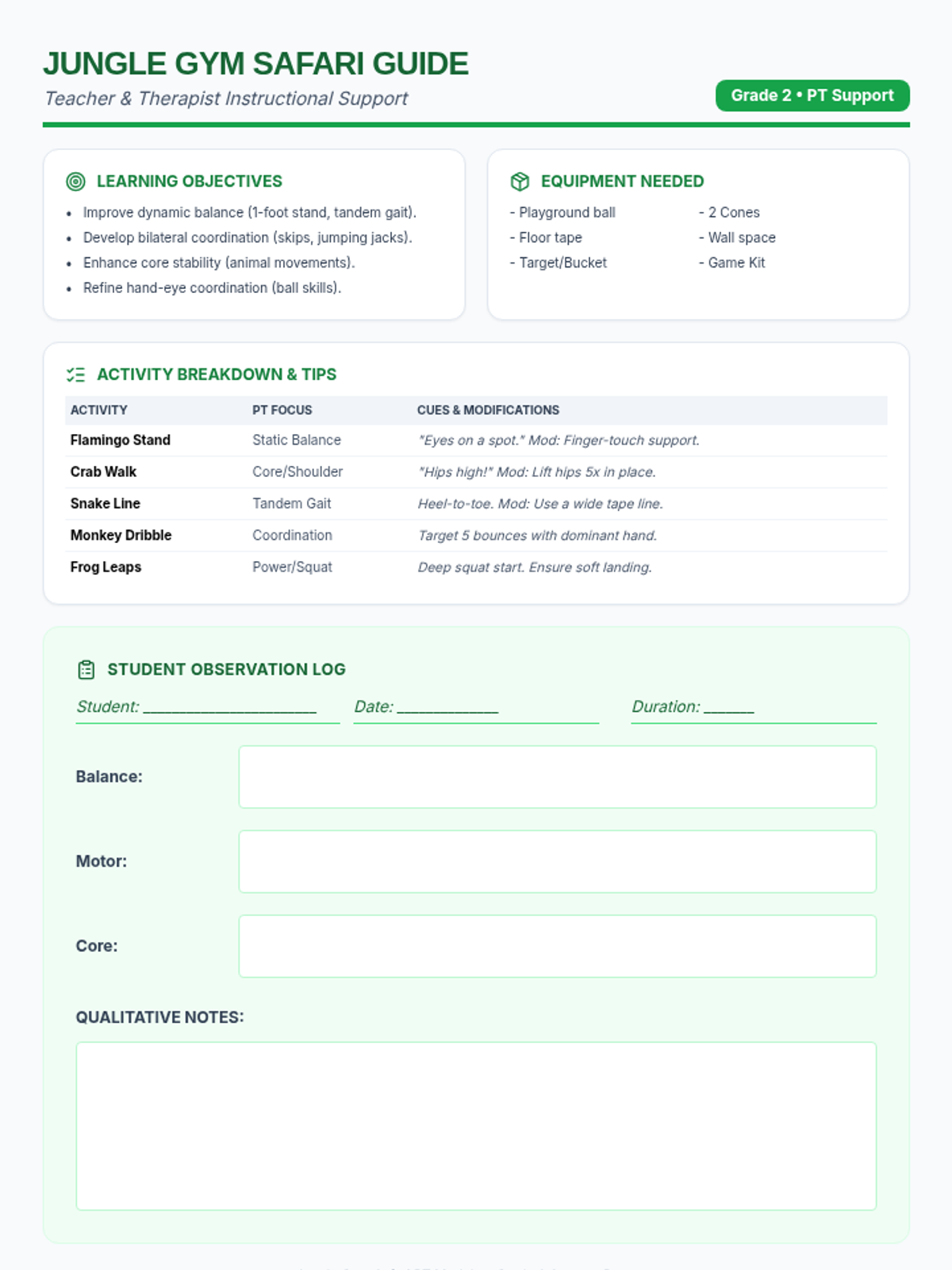
A physical therapy board game set for 2nd graders focusing on gross motor skills, balance, and core strength through a jungle-themed adventure.
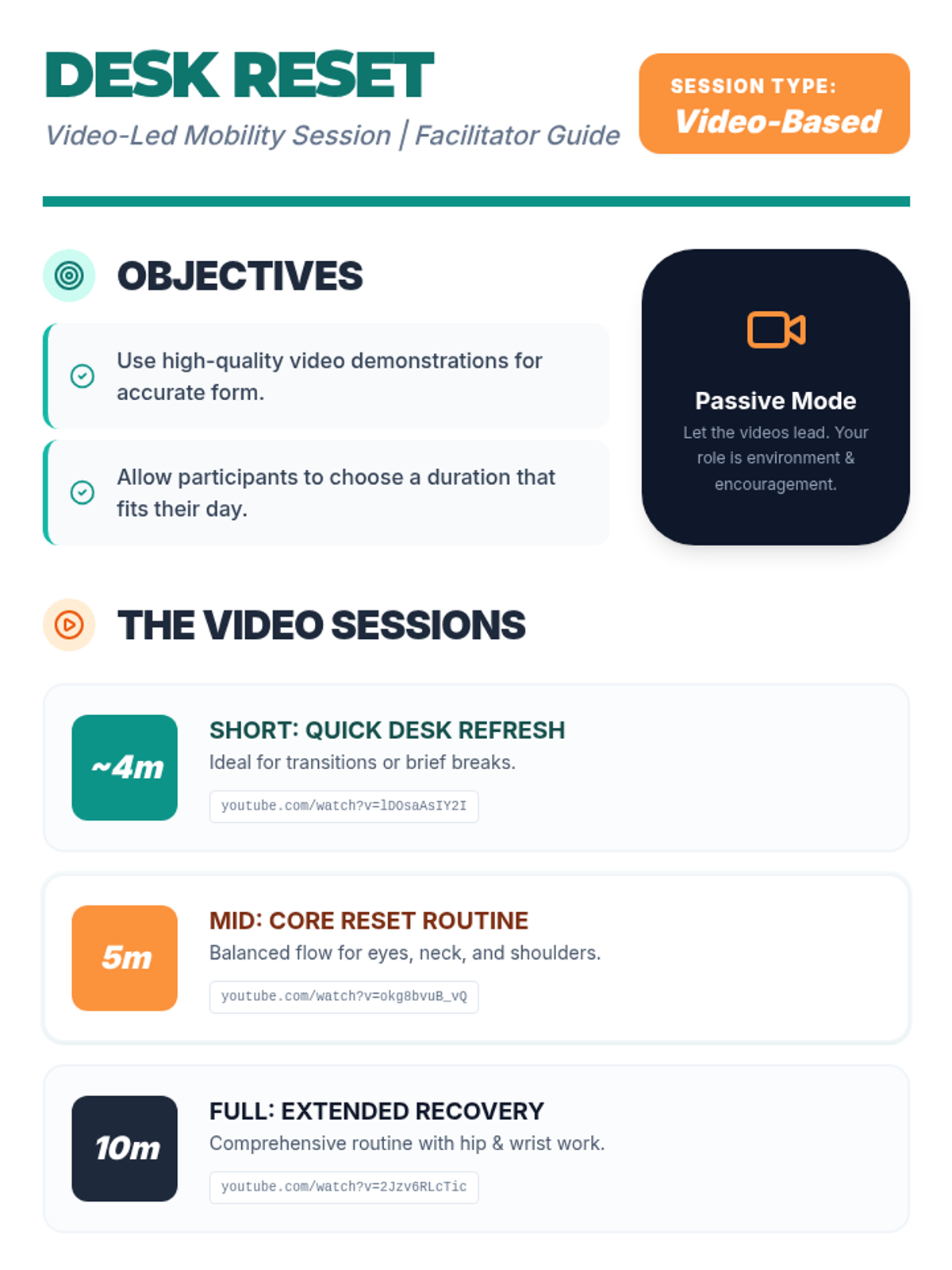
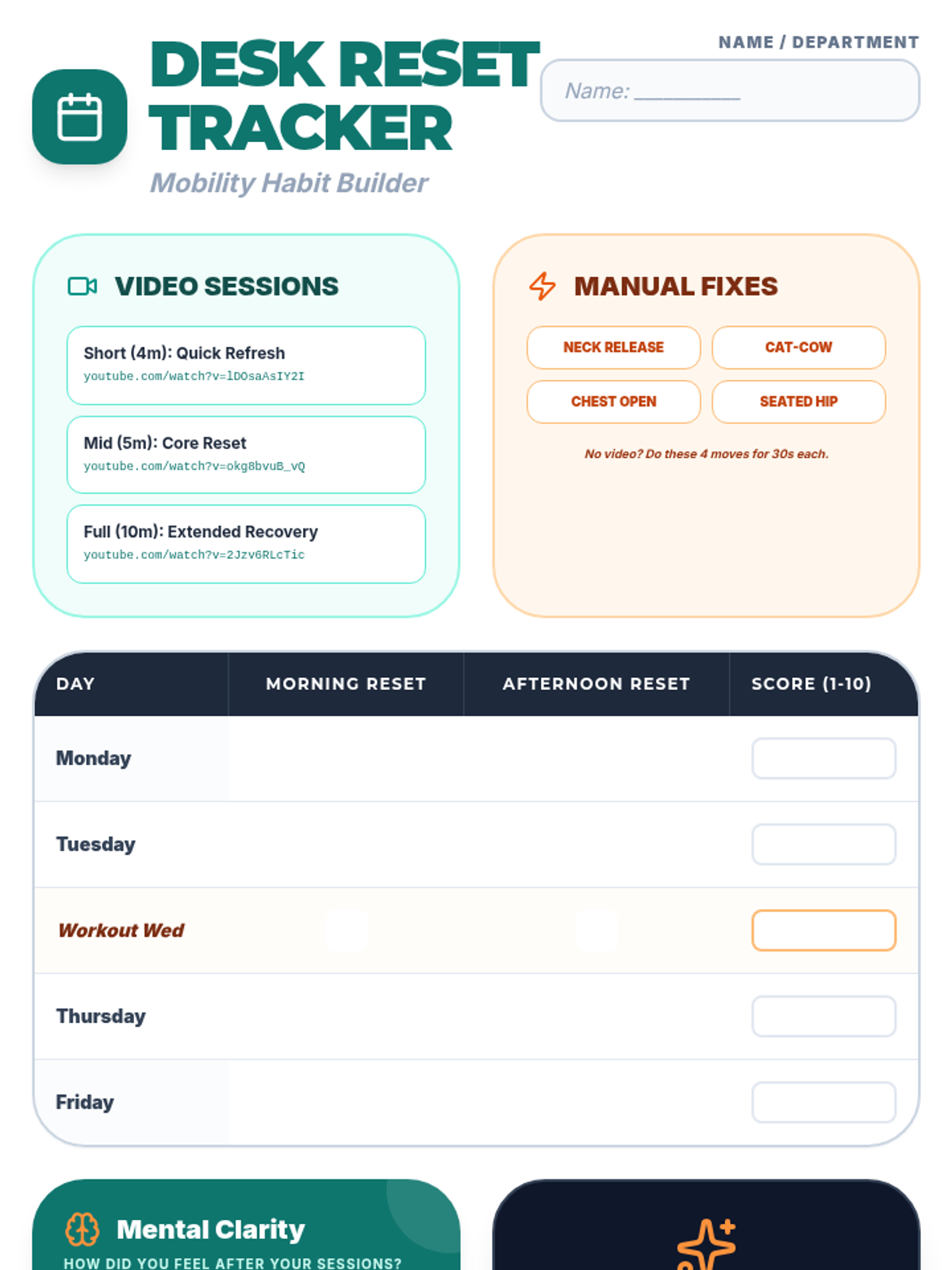
A quick, effective mobility session designed for office workers and students to alleviate desk-related tension. This lesson focuses on chair-based movements and upper body stretches that can be performed without any special equipment.
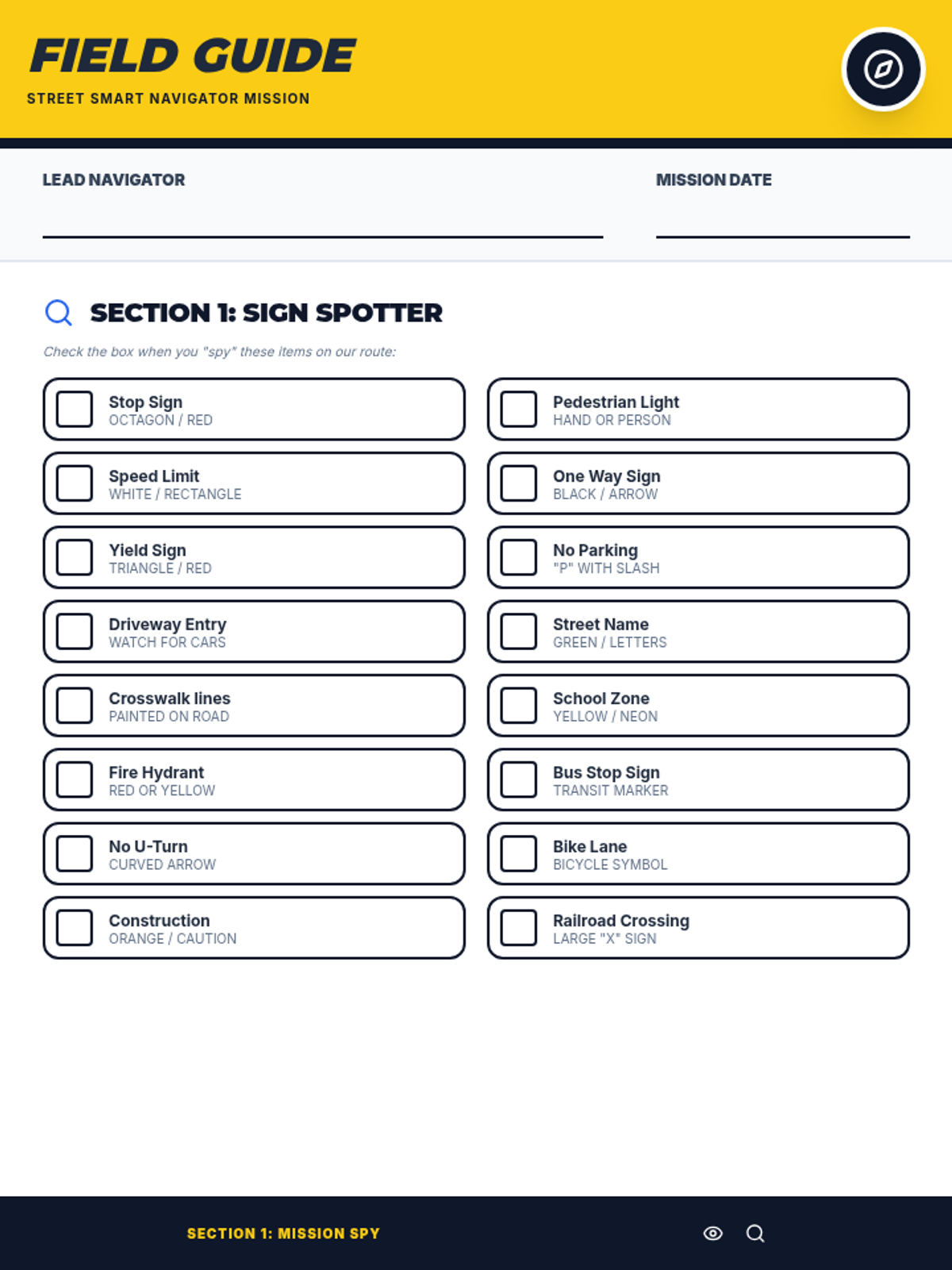
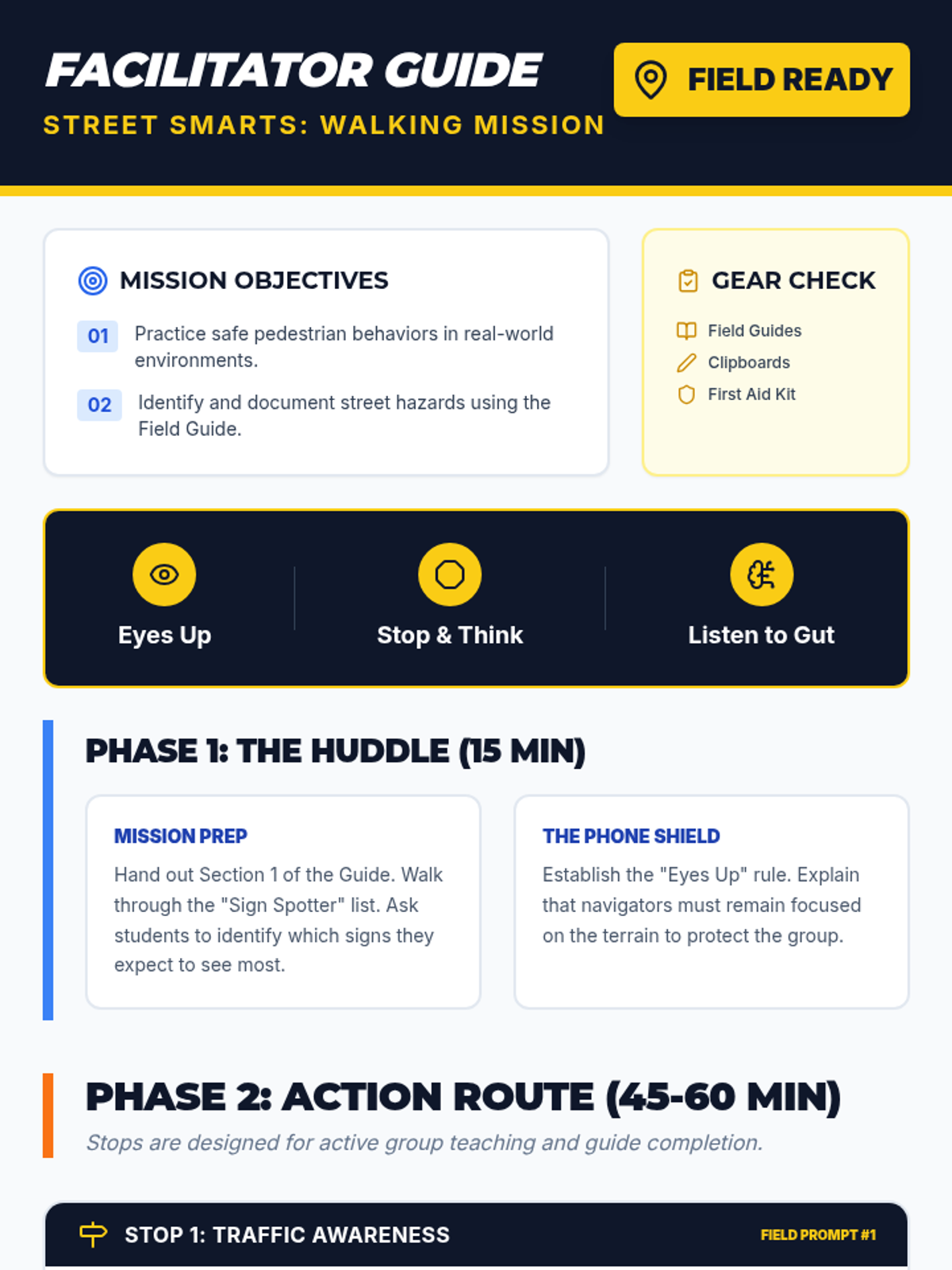
A comprehensive community-based instruction lesson focused on developing pedestrian safety, situational awareness, and real-world decision-making skills during a guided walking tour.
A Star Wars themed Physical Education lesson deck featuring training protocols, expectations, and galactic activities for May the 4th.