Principles of muscular strength, endurance, and cardiovascular conditioning. Develops skills for setting personal fitness goals while incorporating flexibility and stretching techniques for injury prevention.
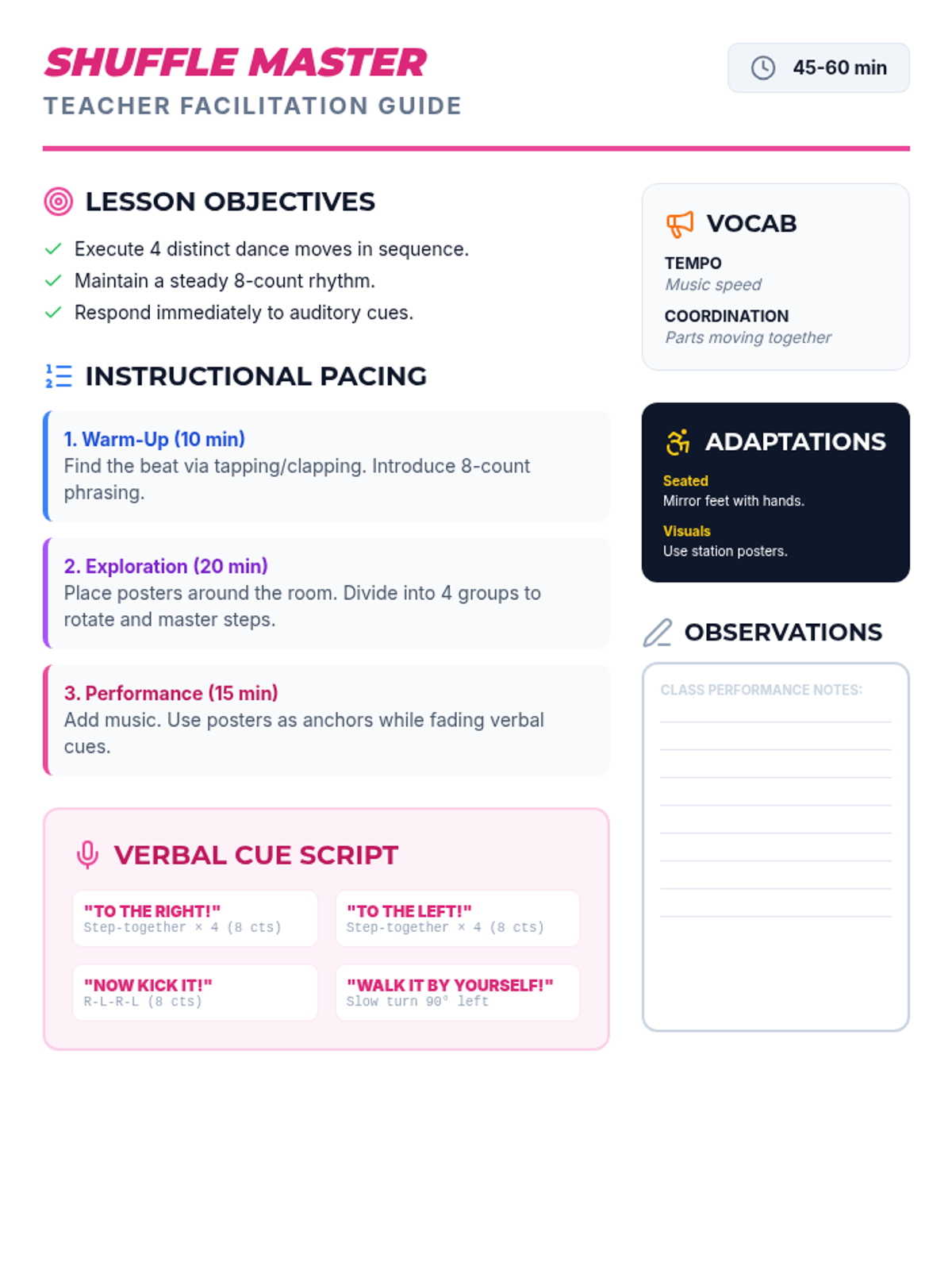
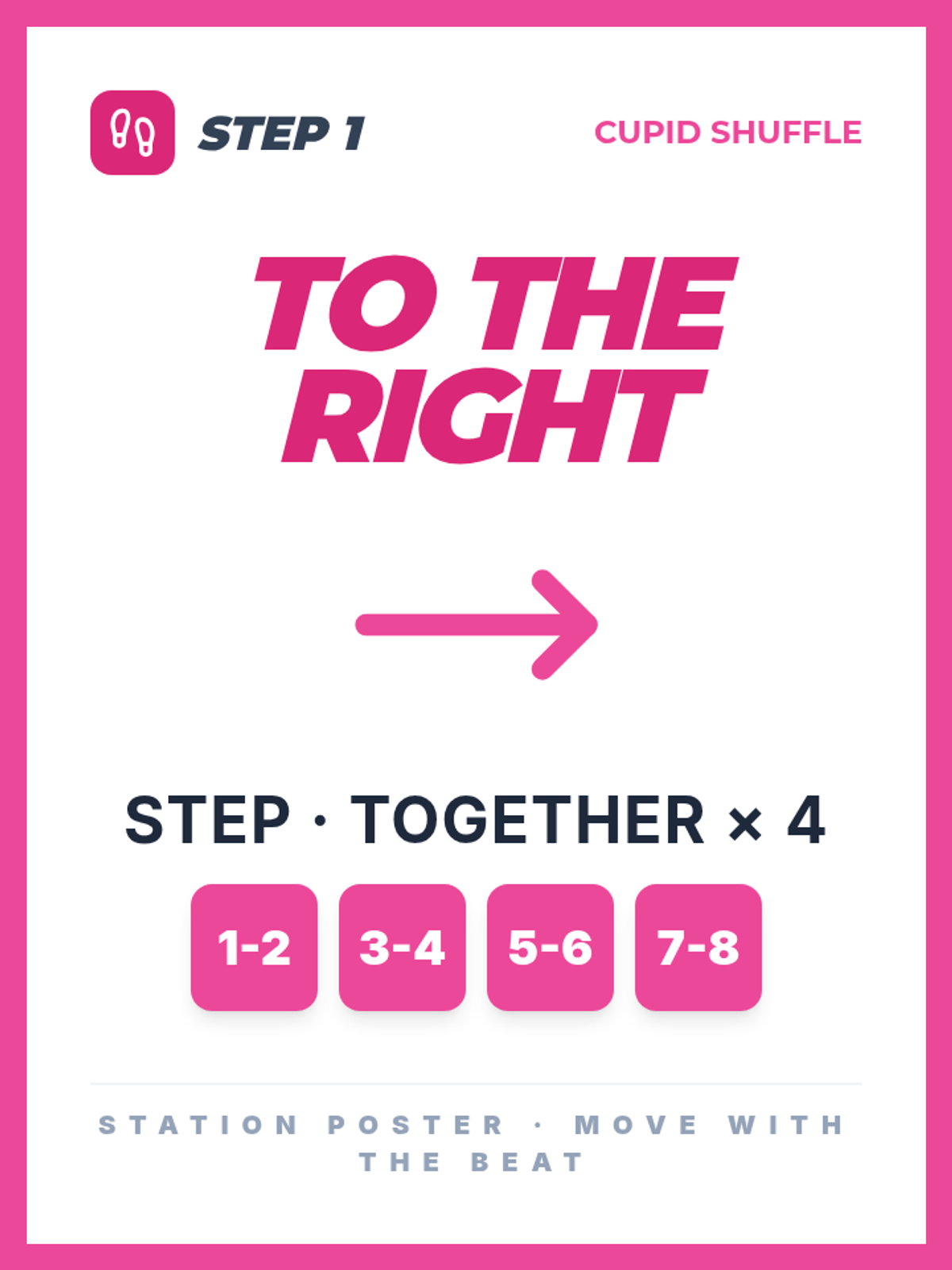
A high-energy lesson focused on mastering the Cupid Shuffle while developing rhythm recognition, coordination, and the ability to follow multi-step auditory instructions.
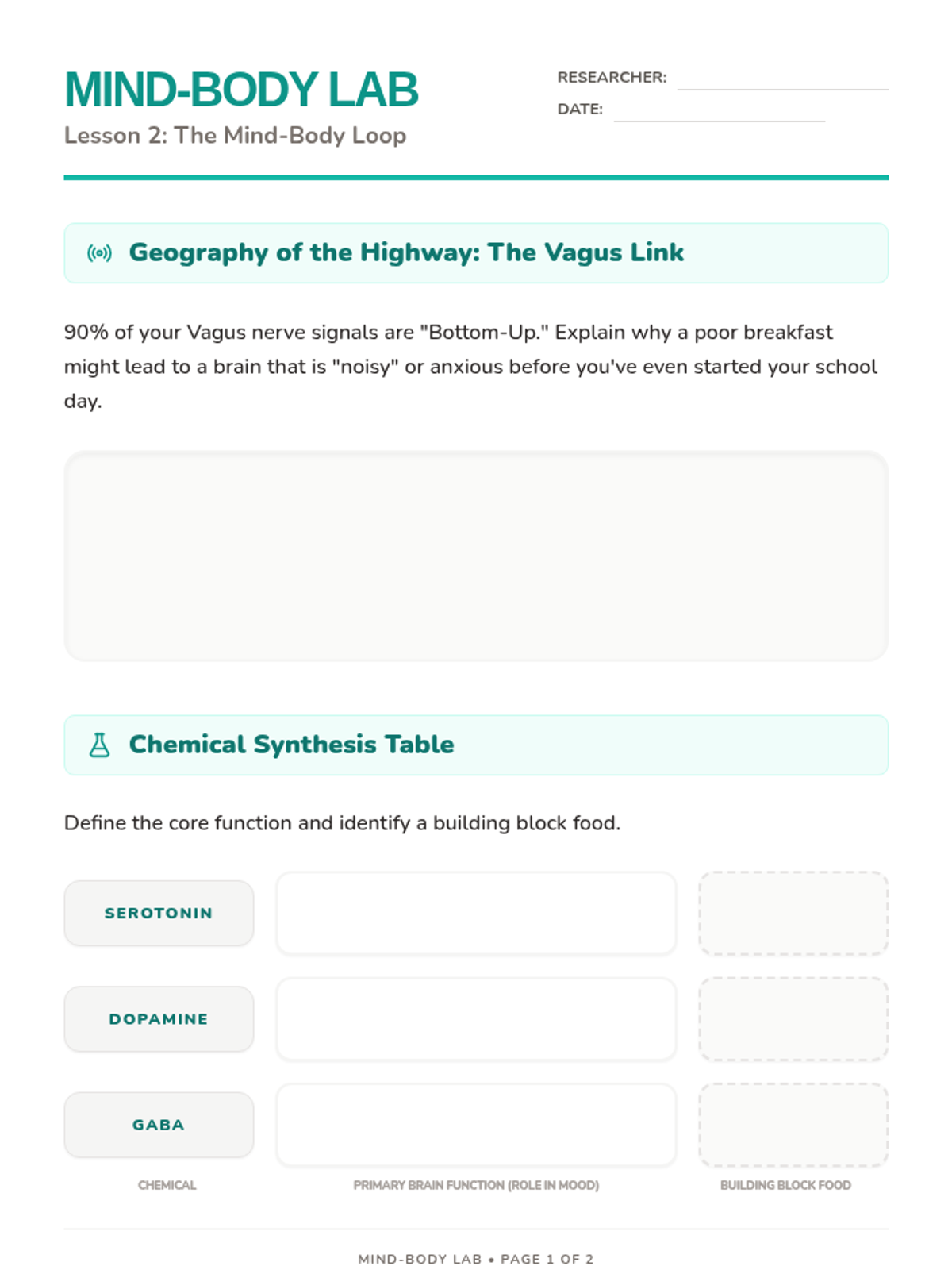
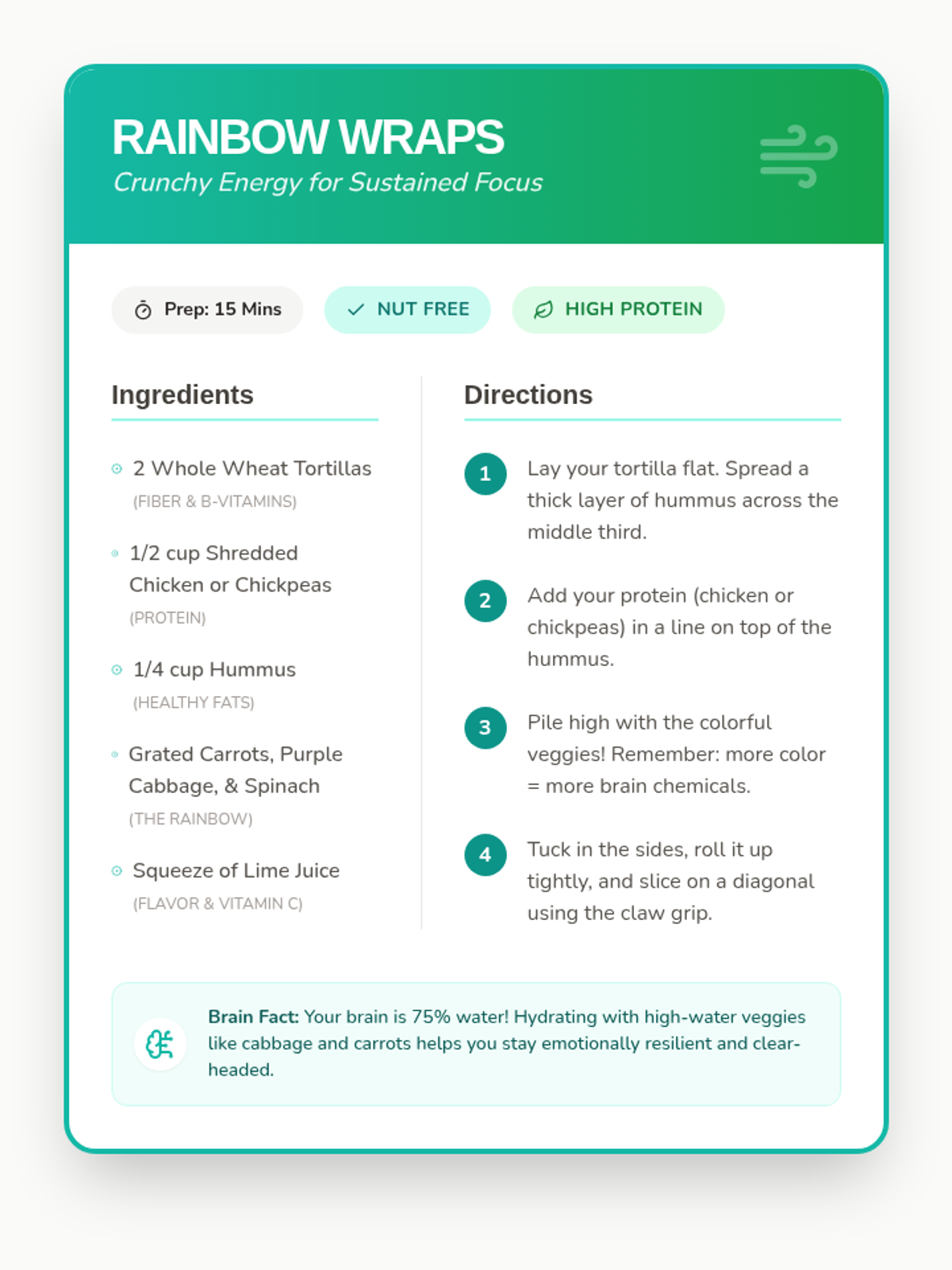
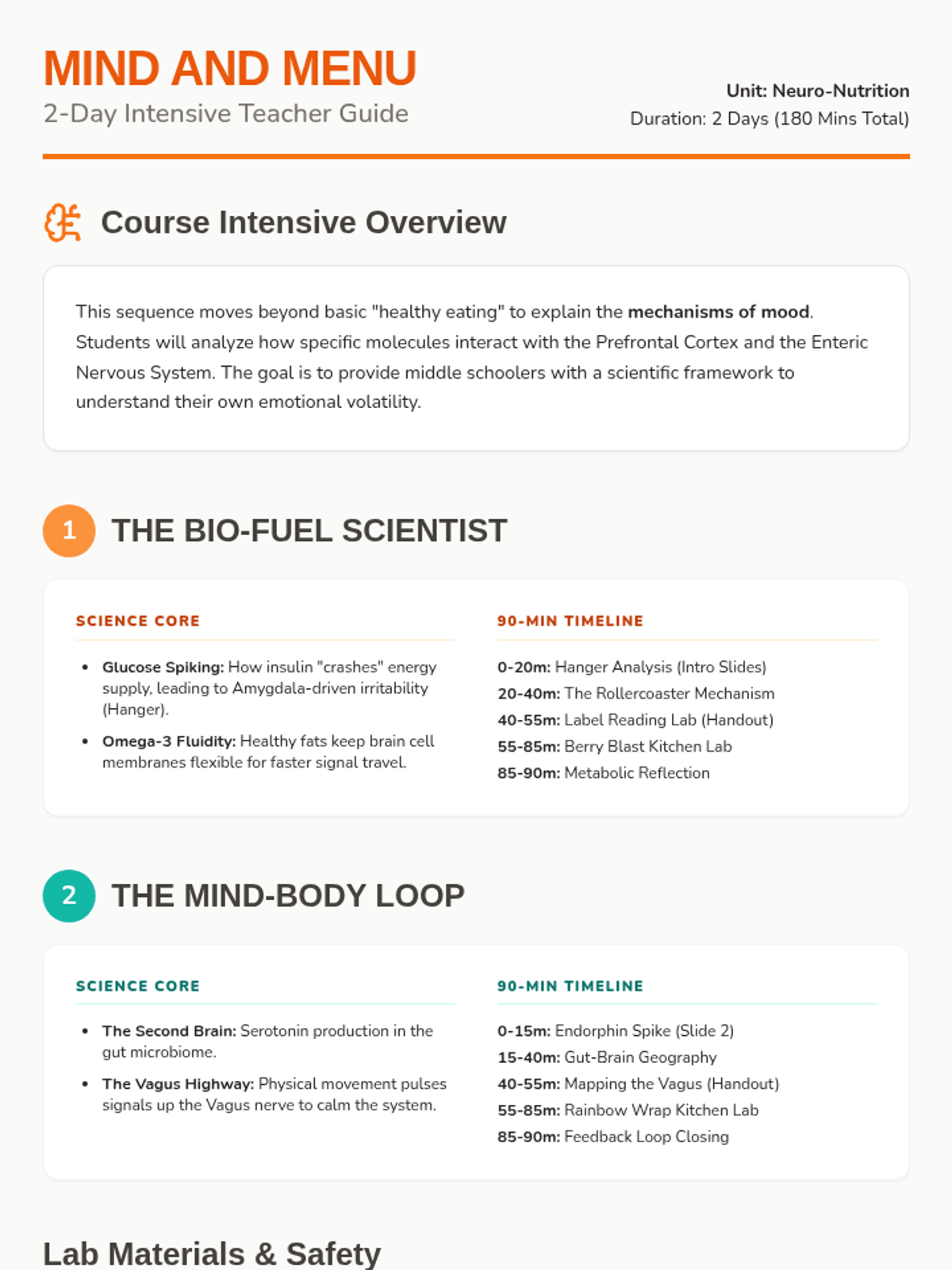
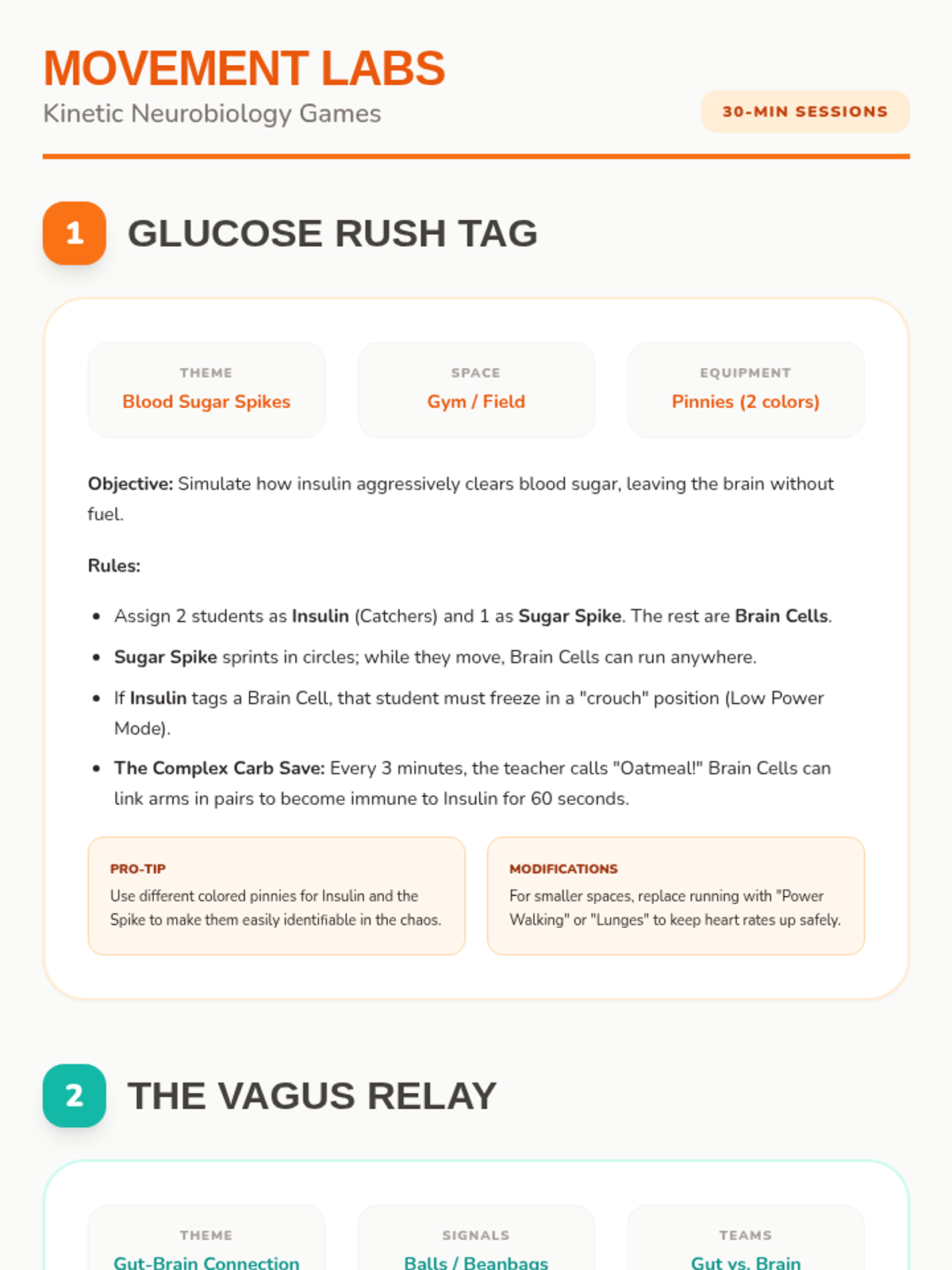
An intensive look at the 'Second Brain' in the gut, the role of the Vagus nerve, and how movement synthesizes neurotransmitters for emotional stability.
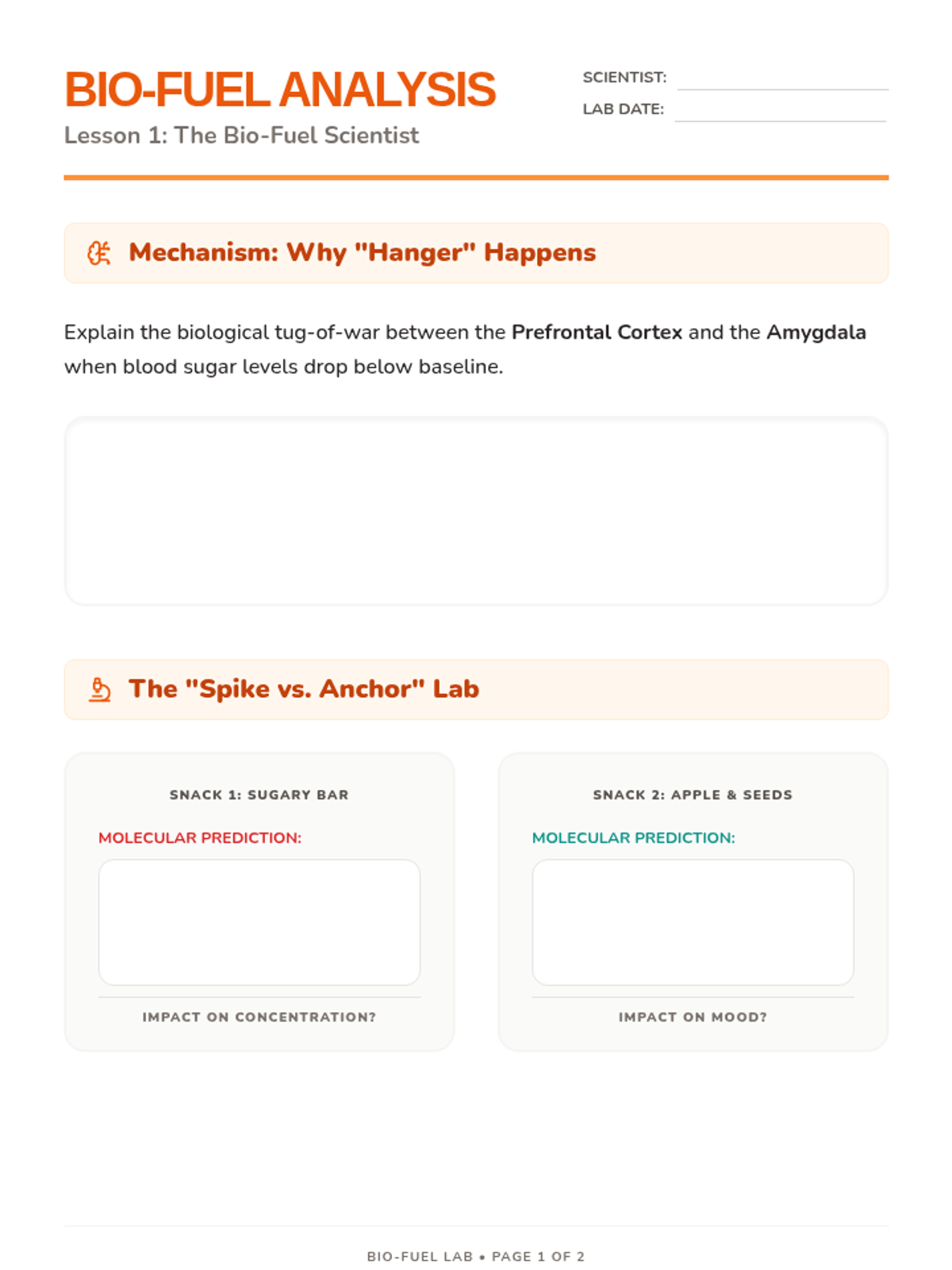
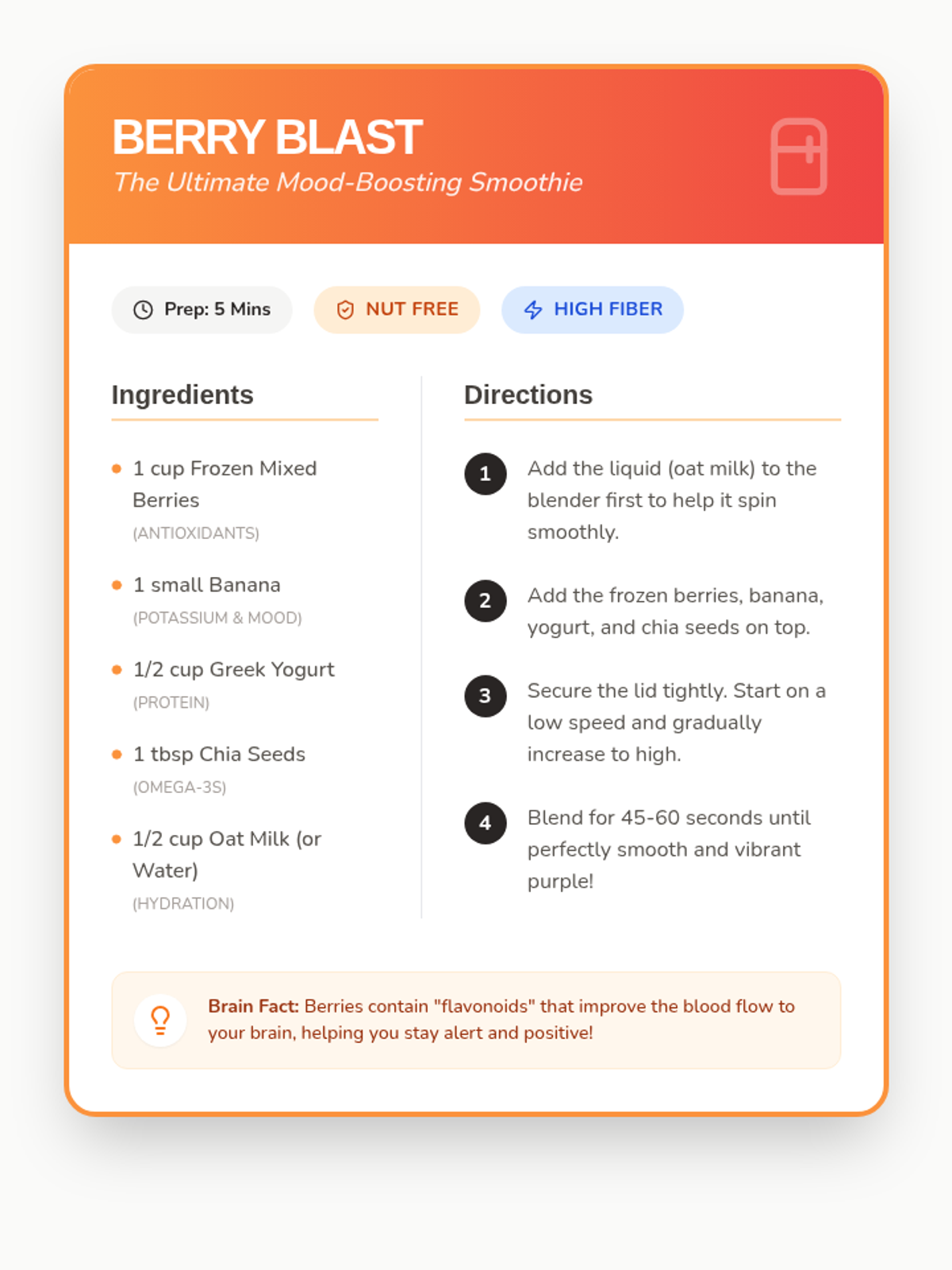
A deep dive into the glucose-insulin response, the chemistry of 'hanger,' and how micronutrients like Omega-3s build the physical architecture of the brain.
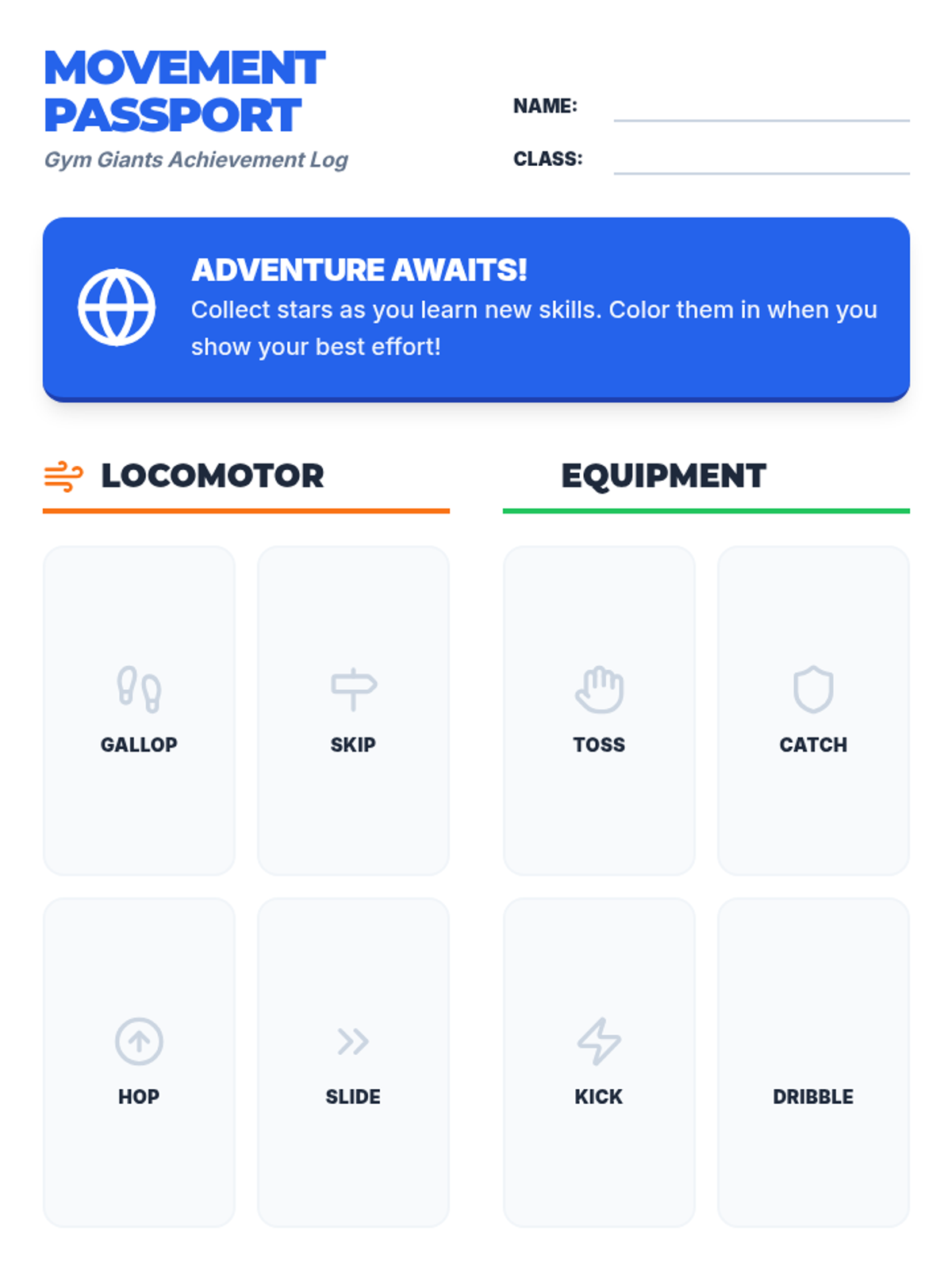
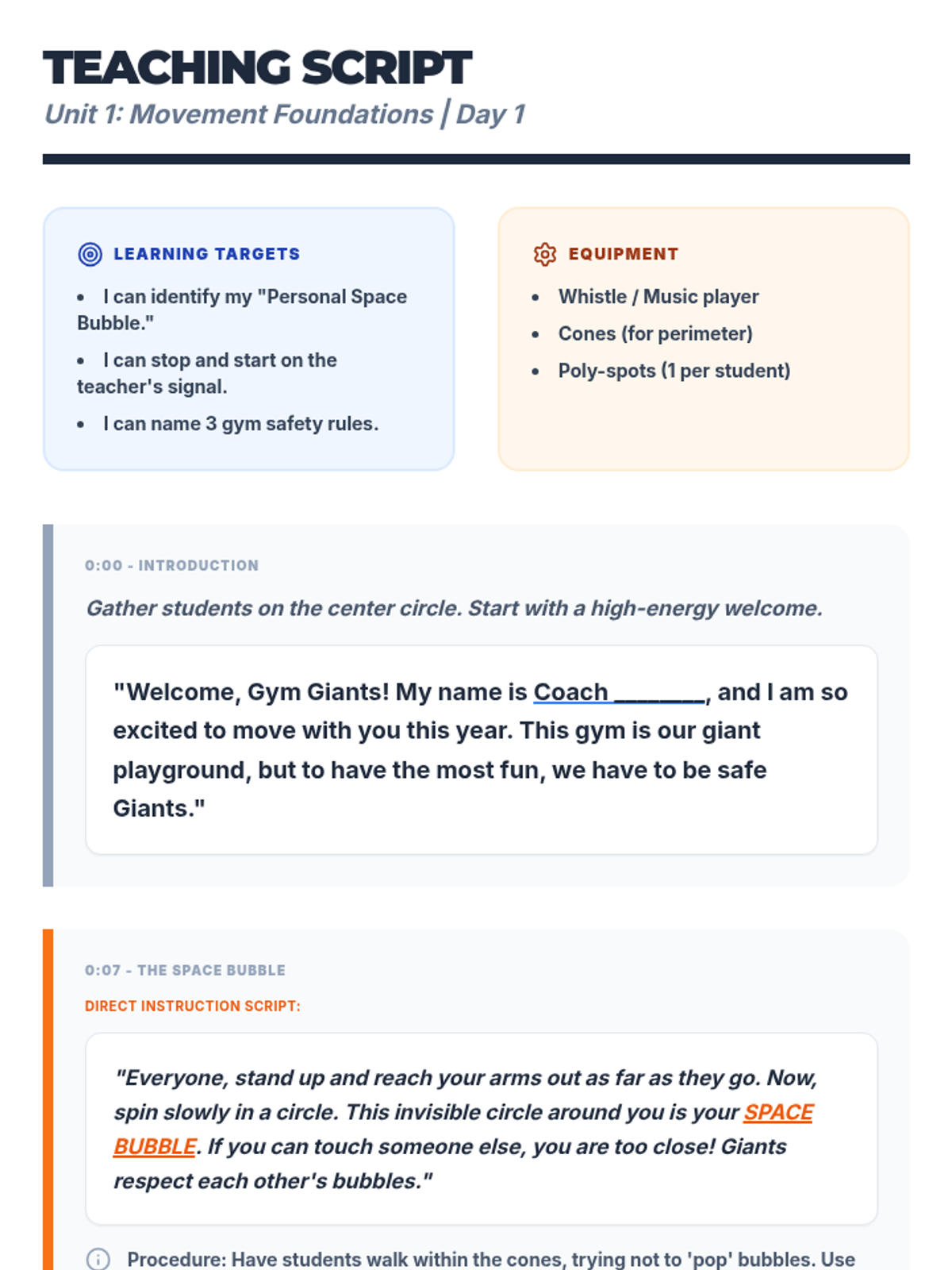
Focuses on establishing gym rules, safety procedures, personal vs. general space, and initial movement concepts to create a positive learning environment.
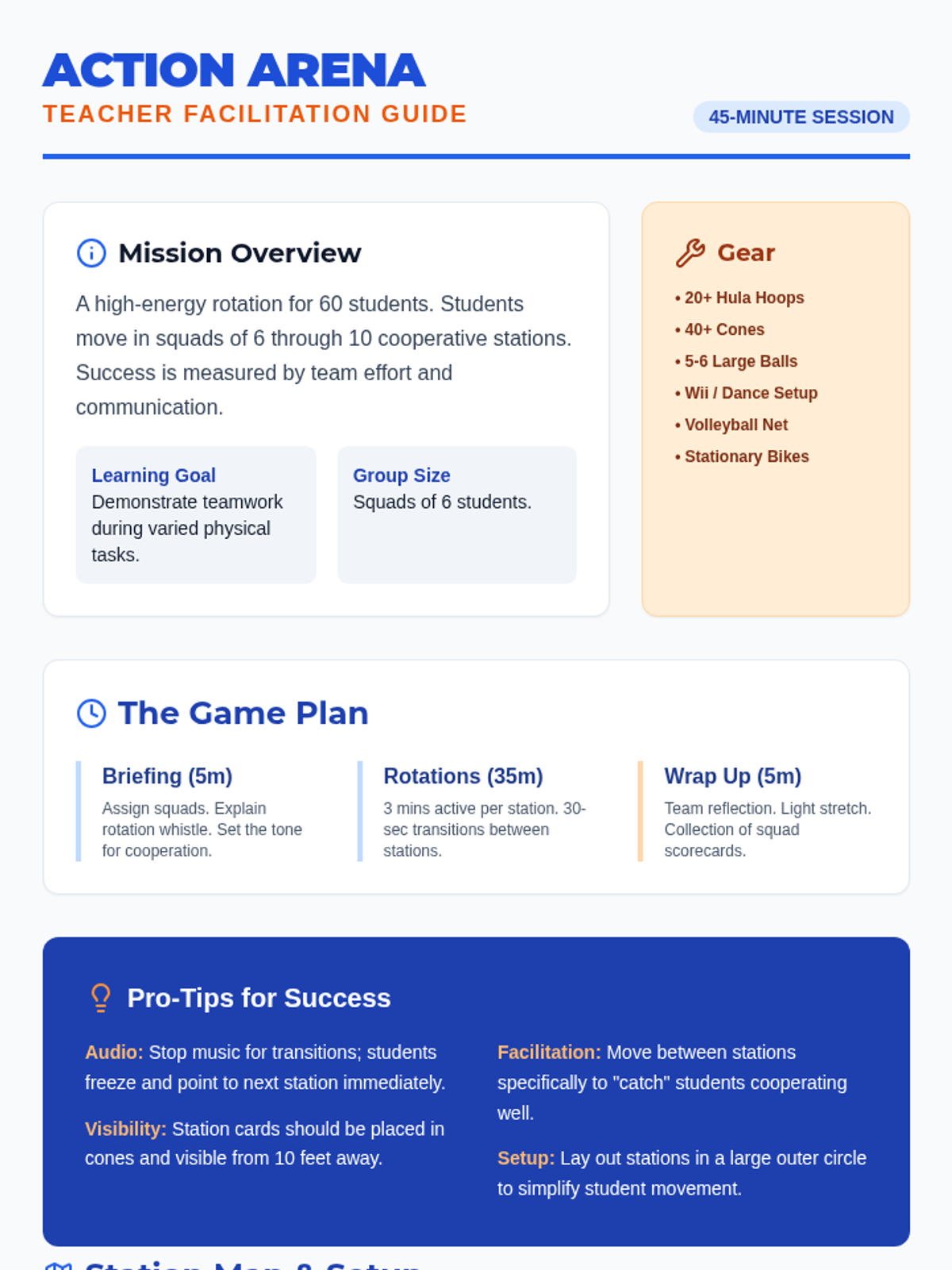
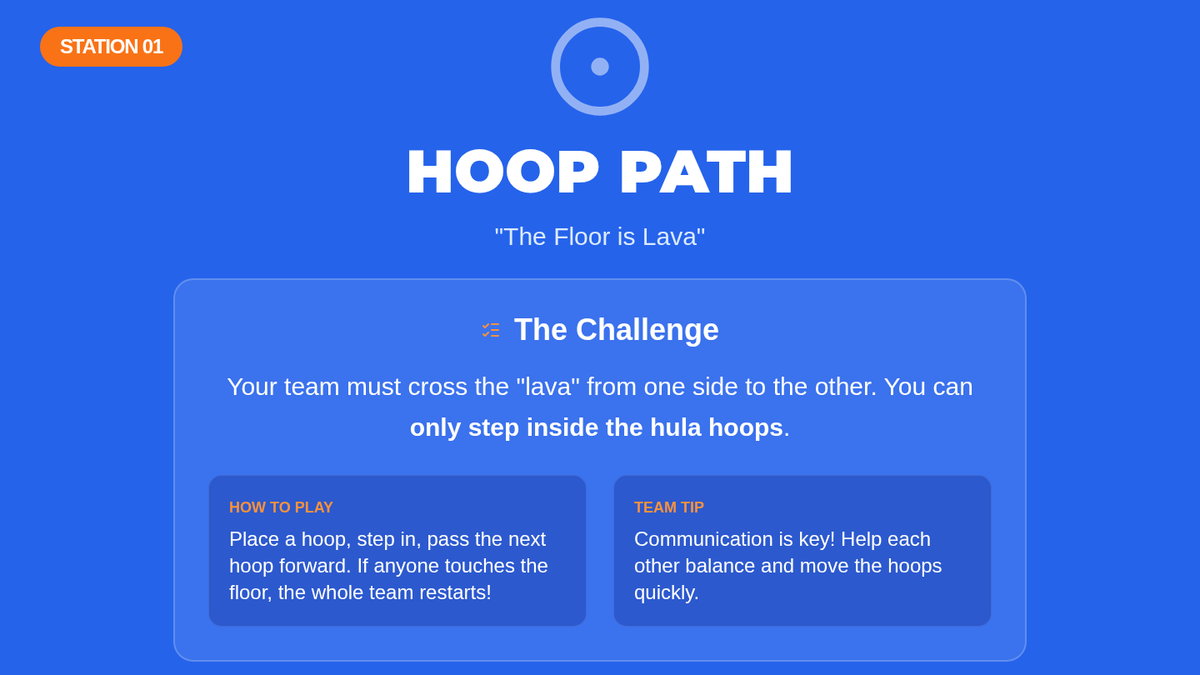
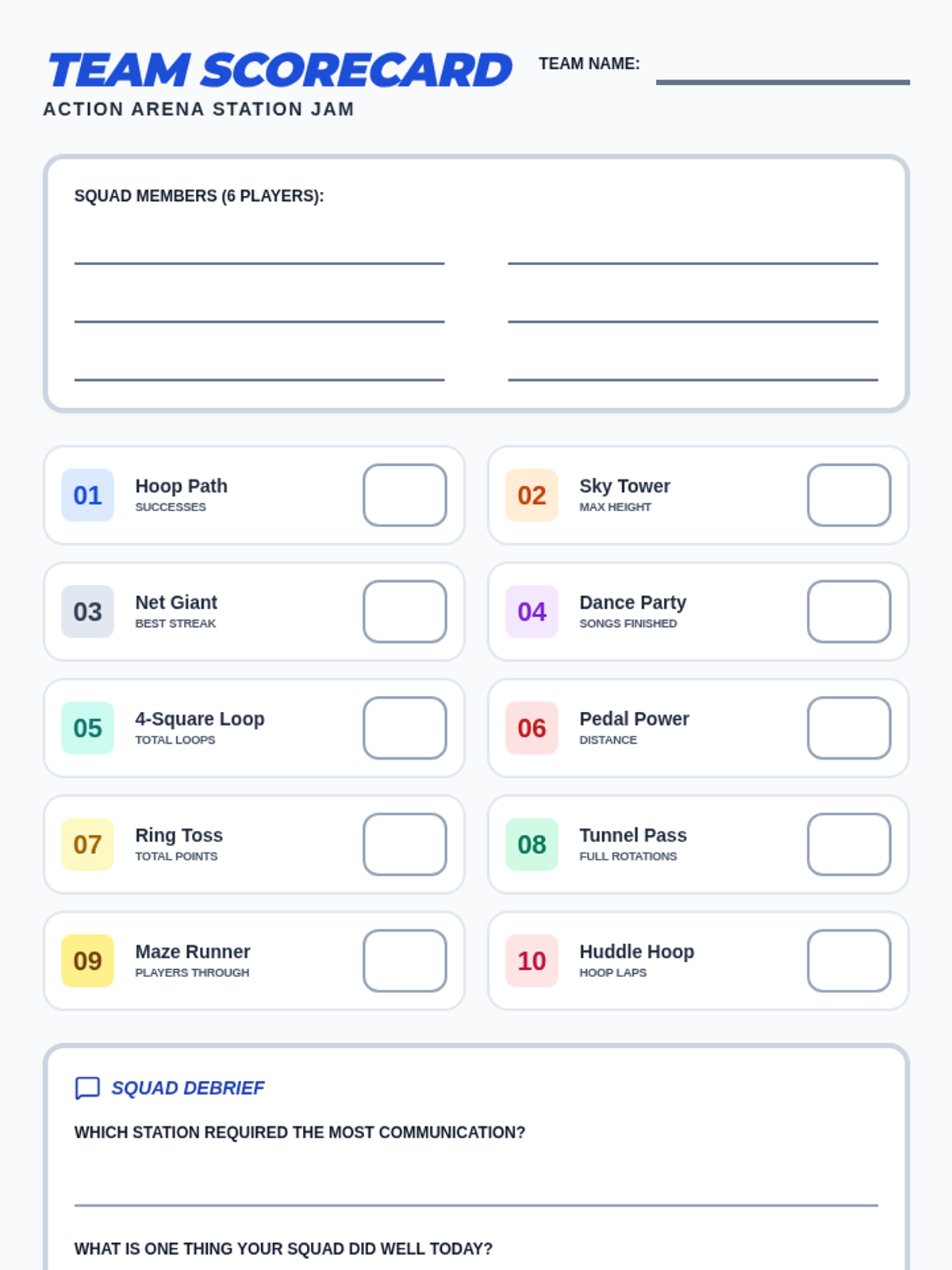
A high-energy, 45-minute PE lesson featuring 10 active stations designed for large groups. Students rotate through teamwork-based challenges using hoops, balls, cones, and technology to build cooperation and fitness.
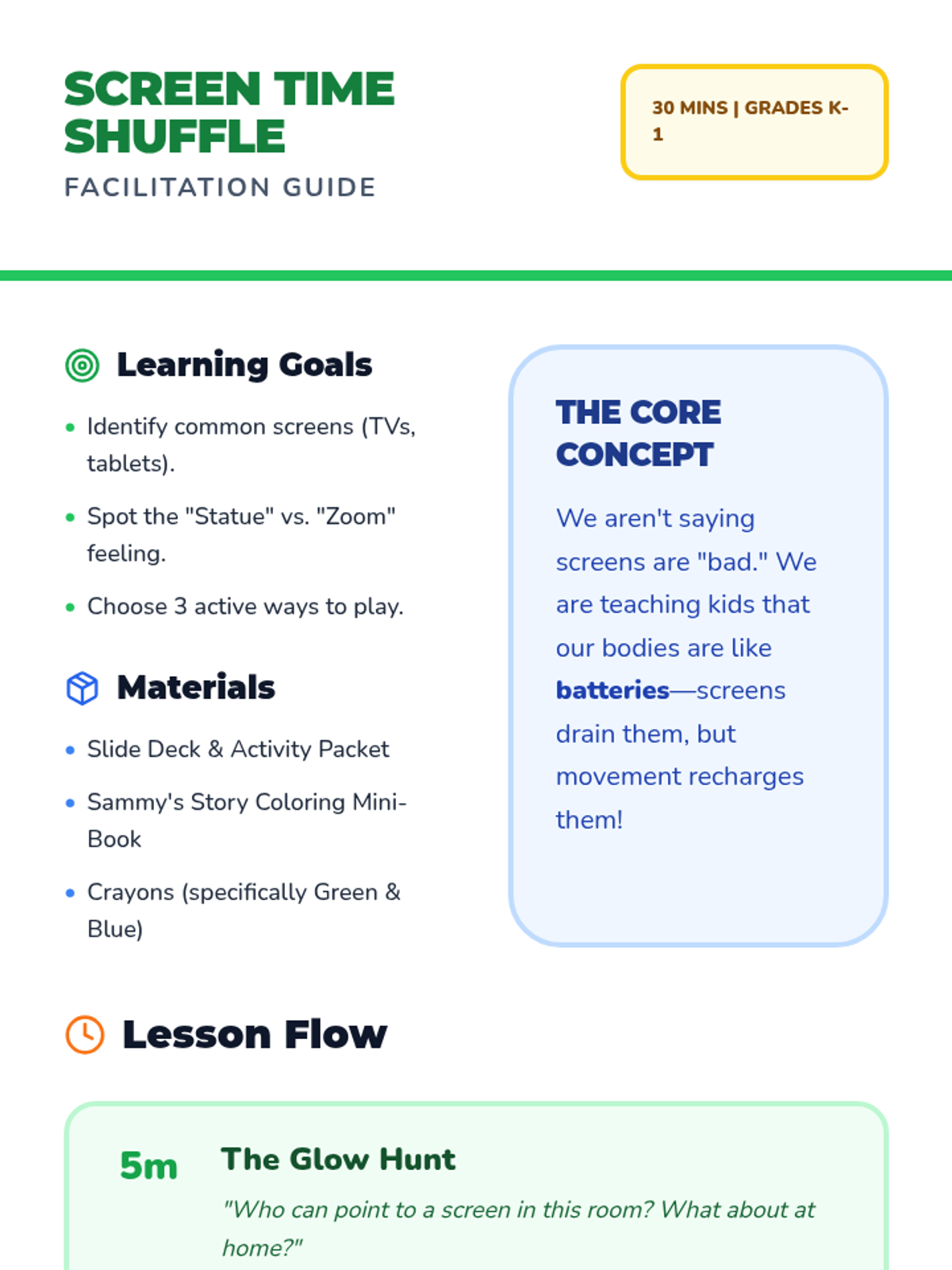
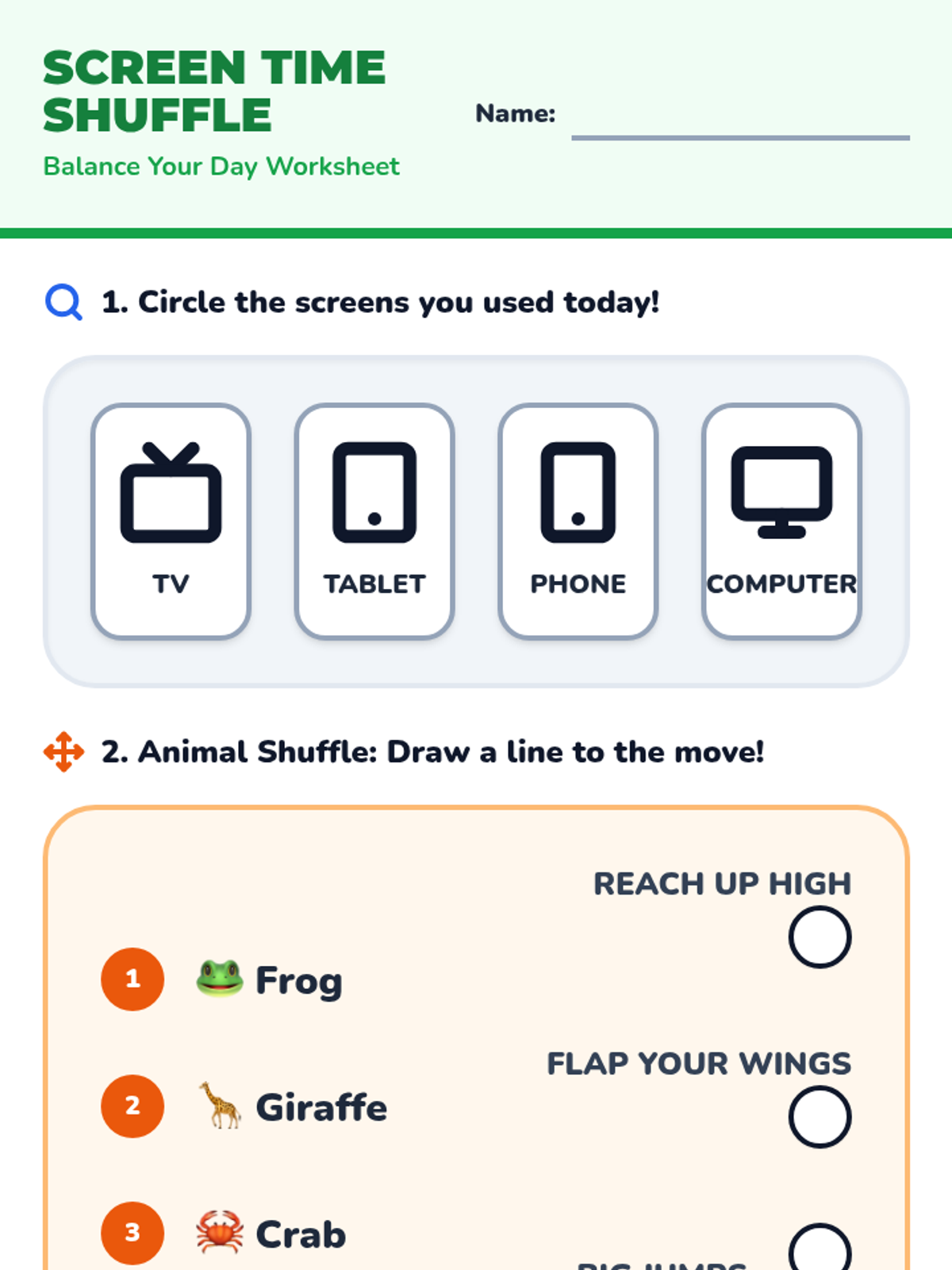
A high-energy lesson for K-1 students focusing on the balance between screen use and physical movement, featuring a narrative story and interactive movement breaks.
A Star Wars themed Physical Education lesson deck featuring training protocols, expectations, and galactic activities for May the 4th.
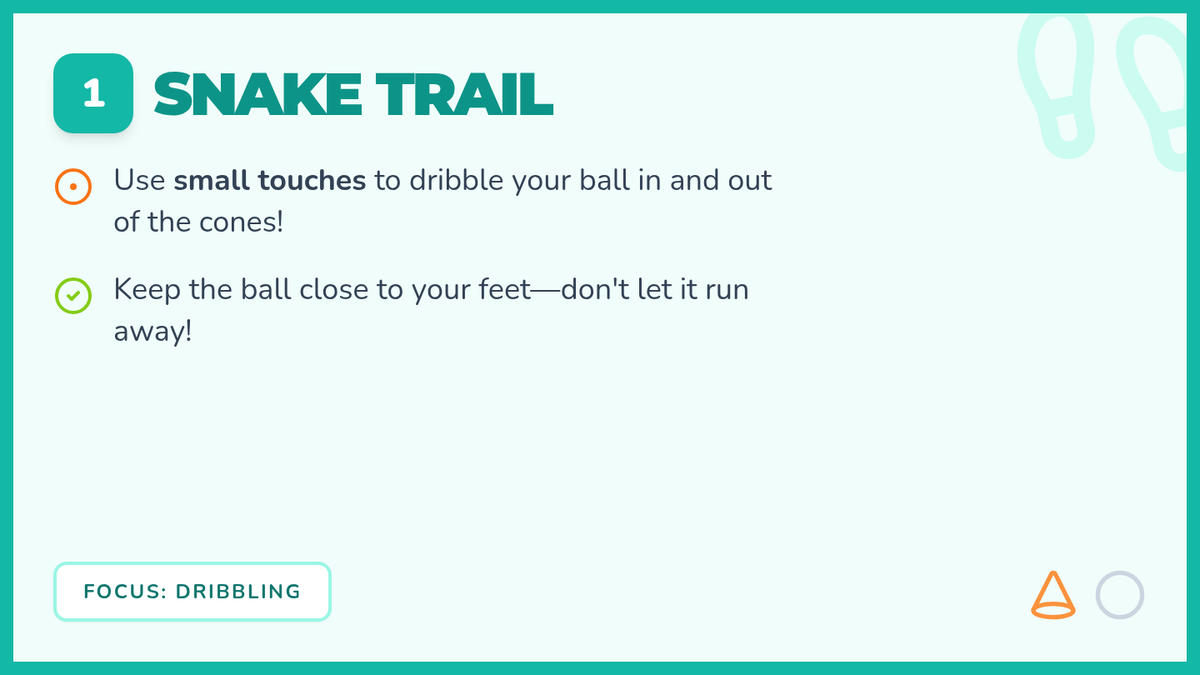
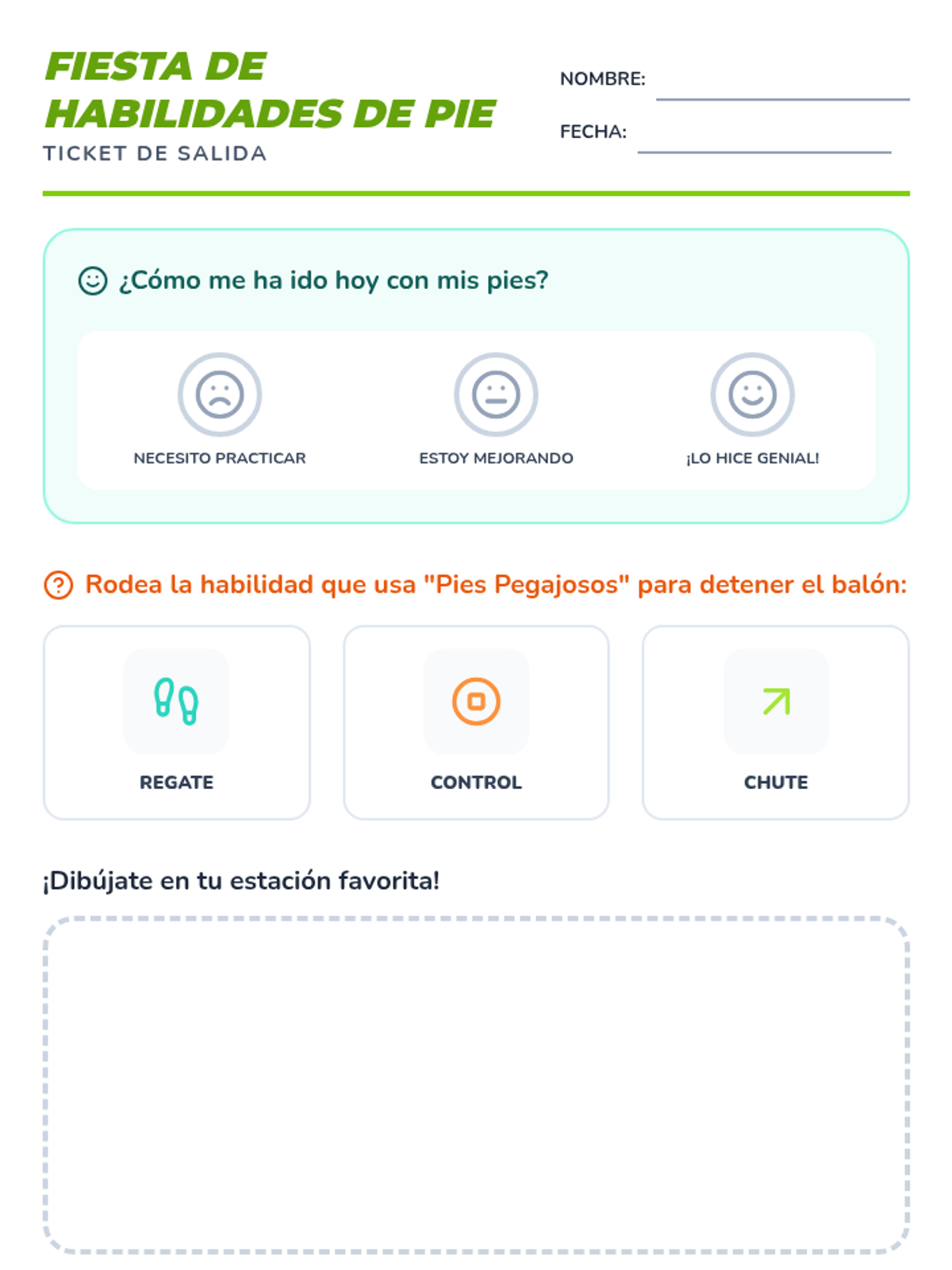
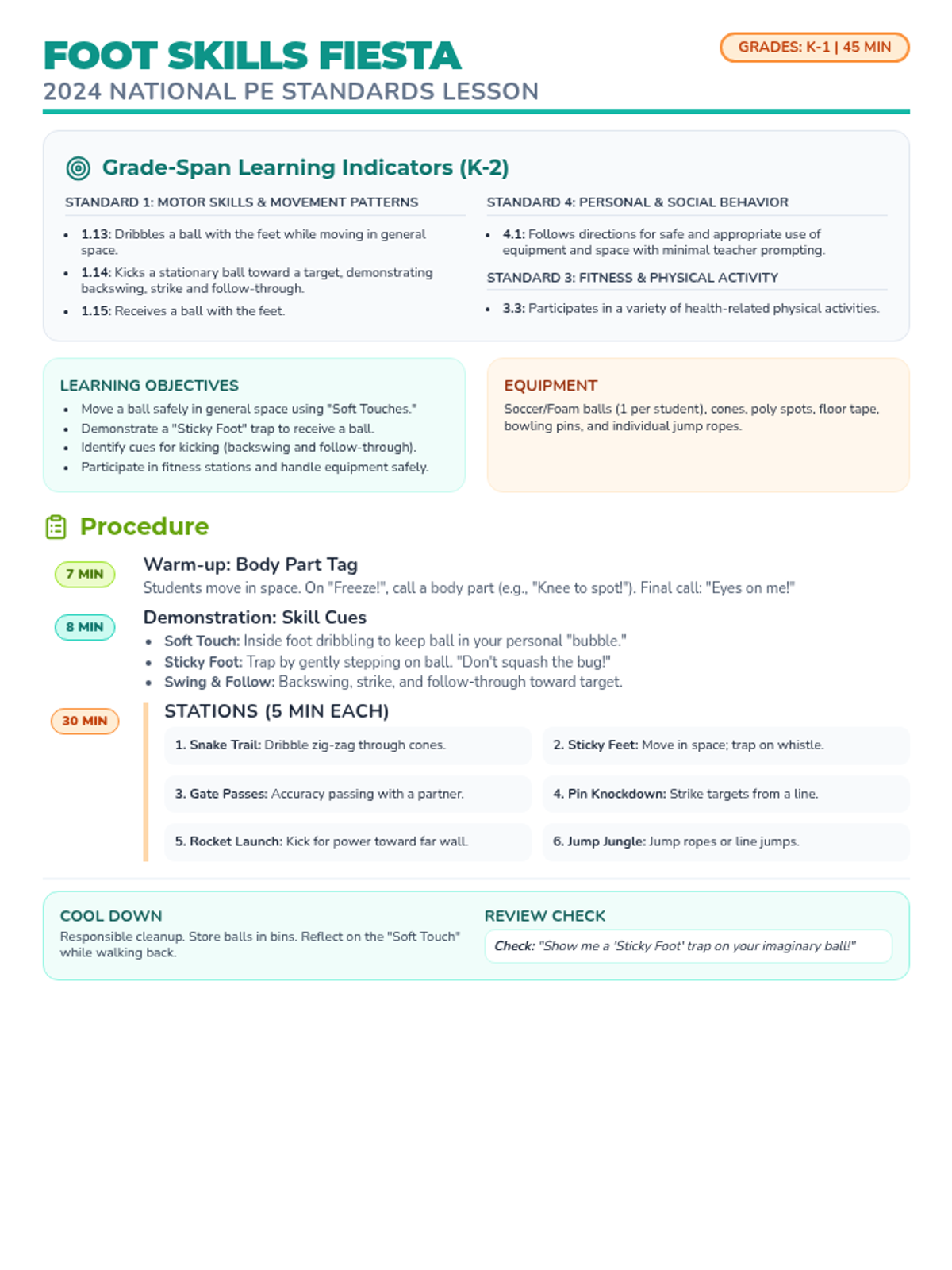
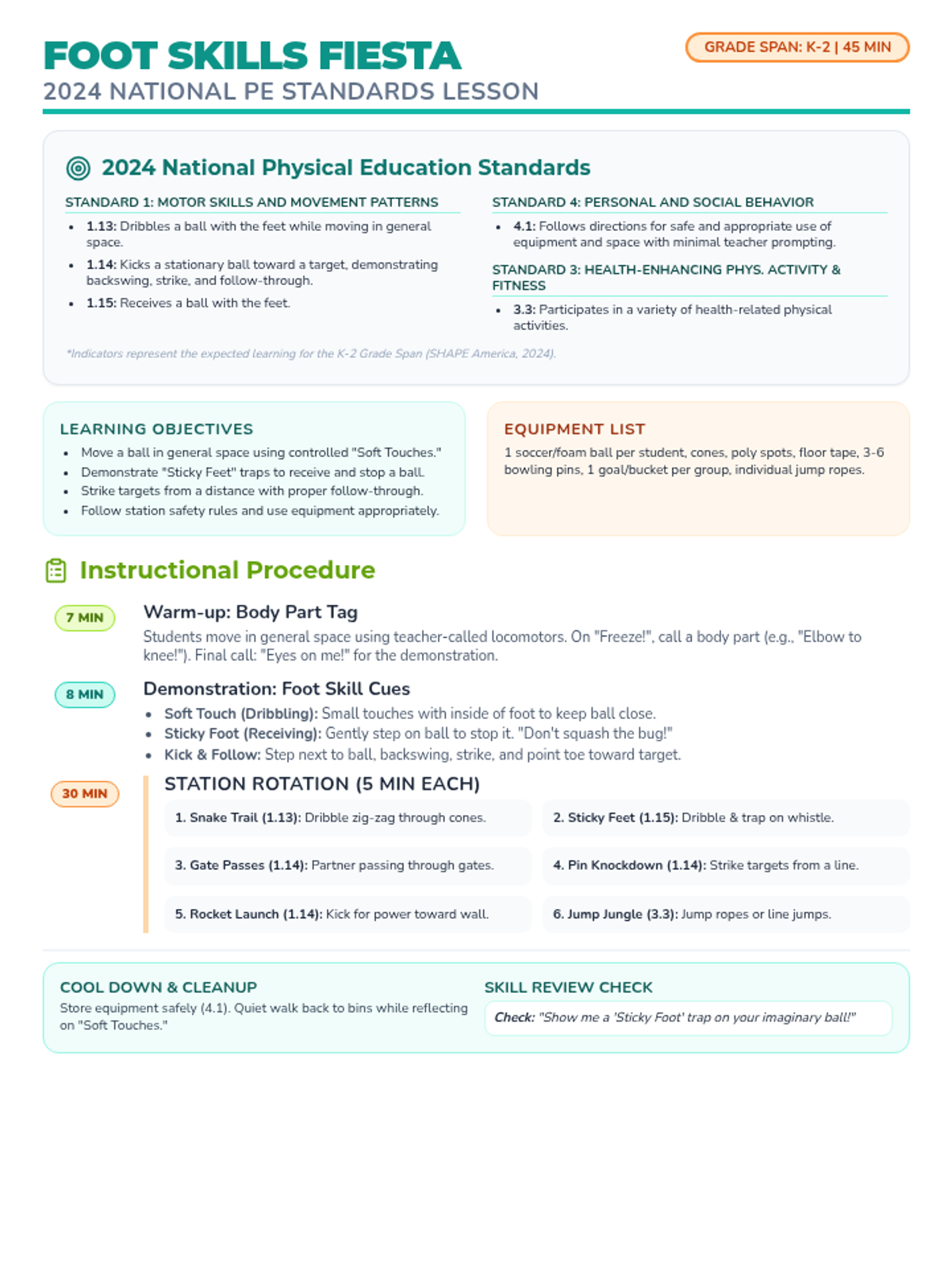
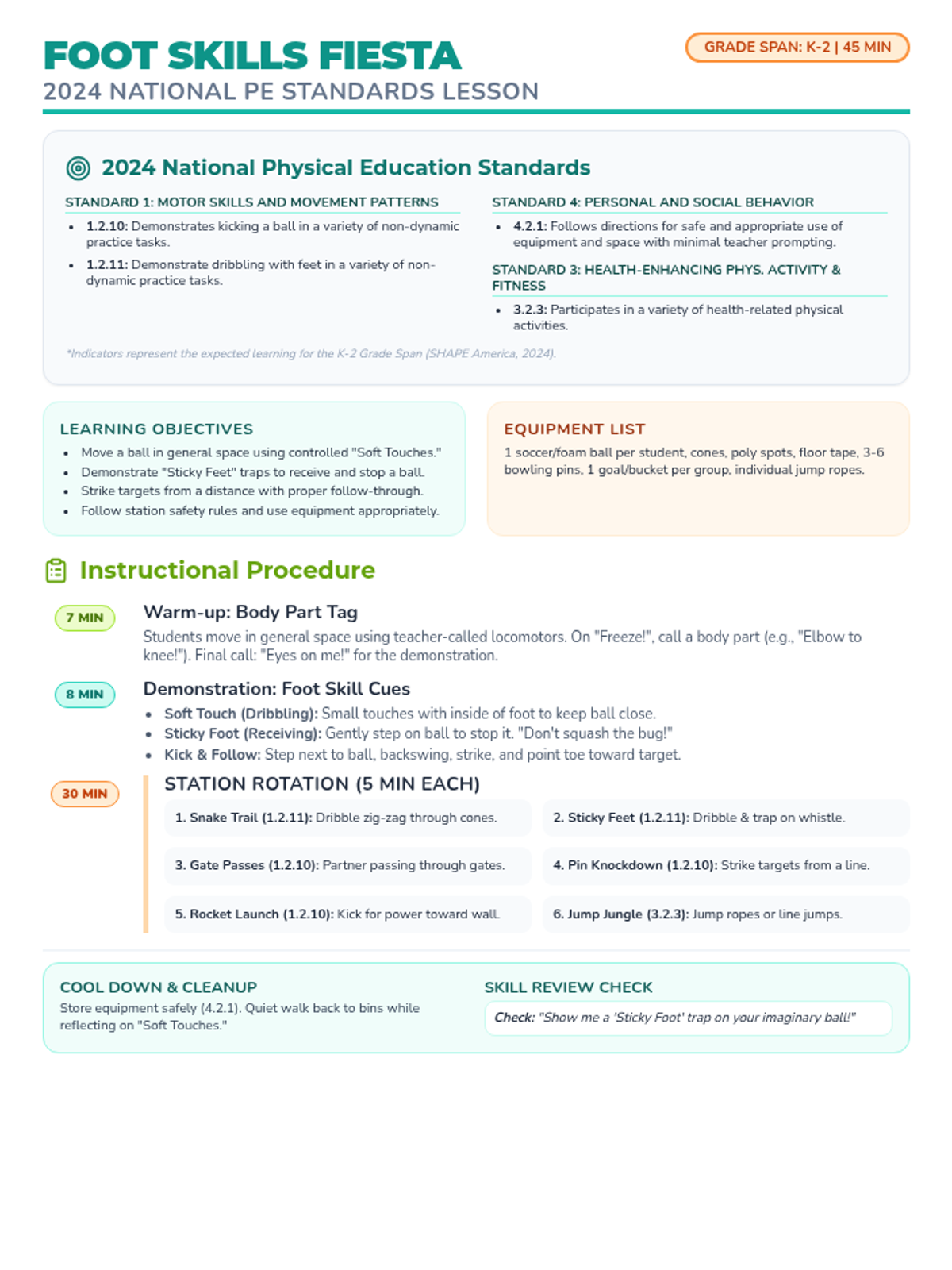
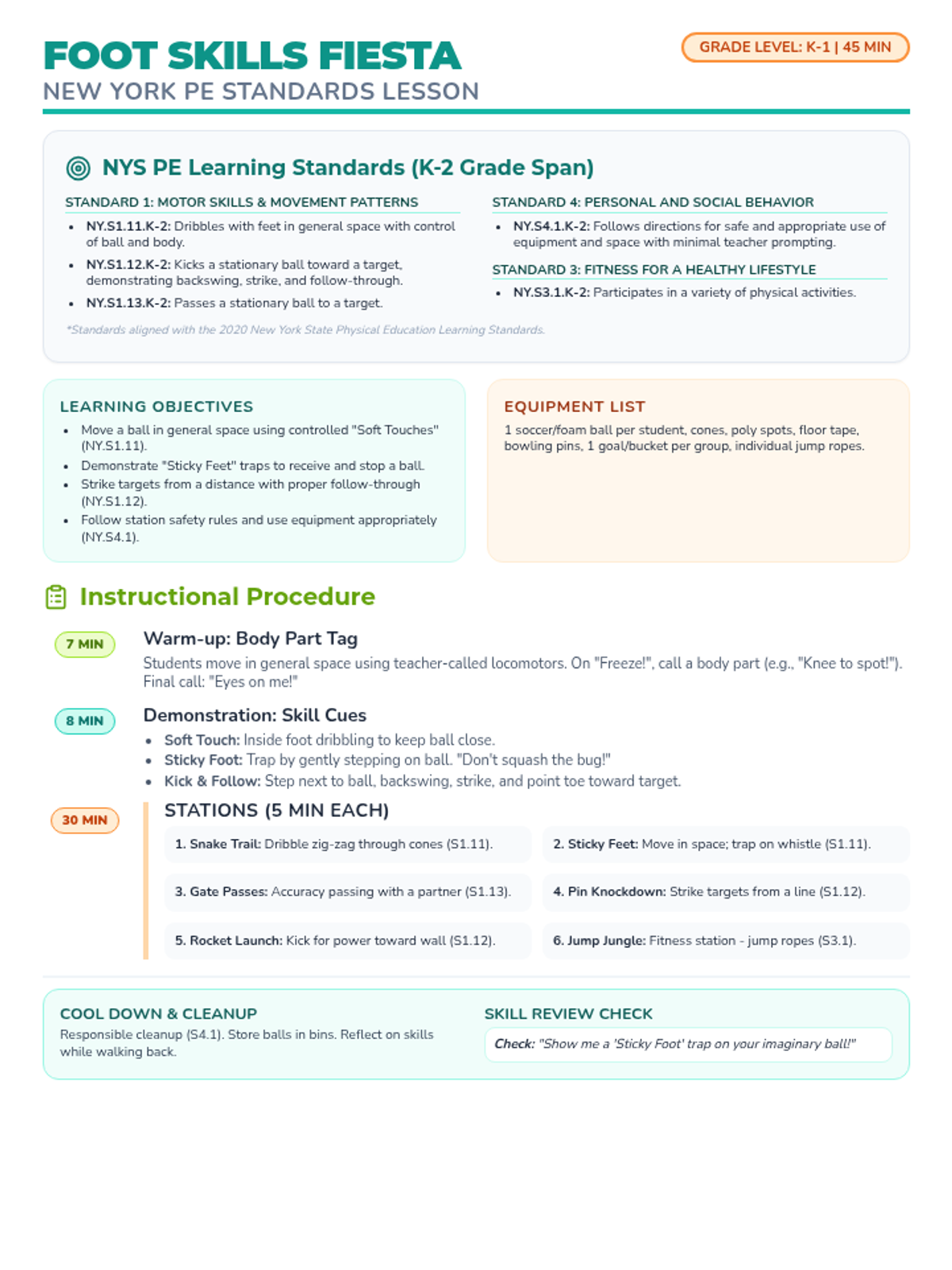
A comprehensive PE lesson focused on foundational foot skills for K-1 students, featuring six engaging stations including dribbling, kicking, and fitness.
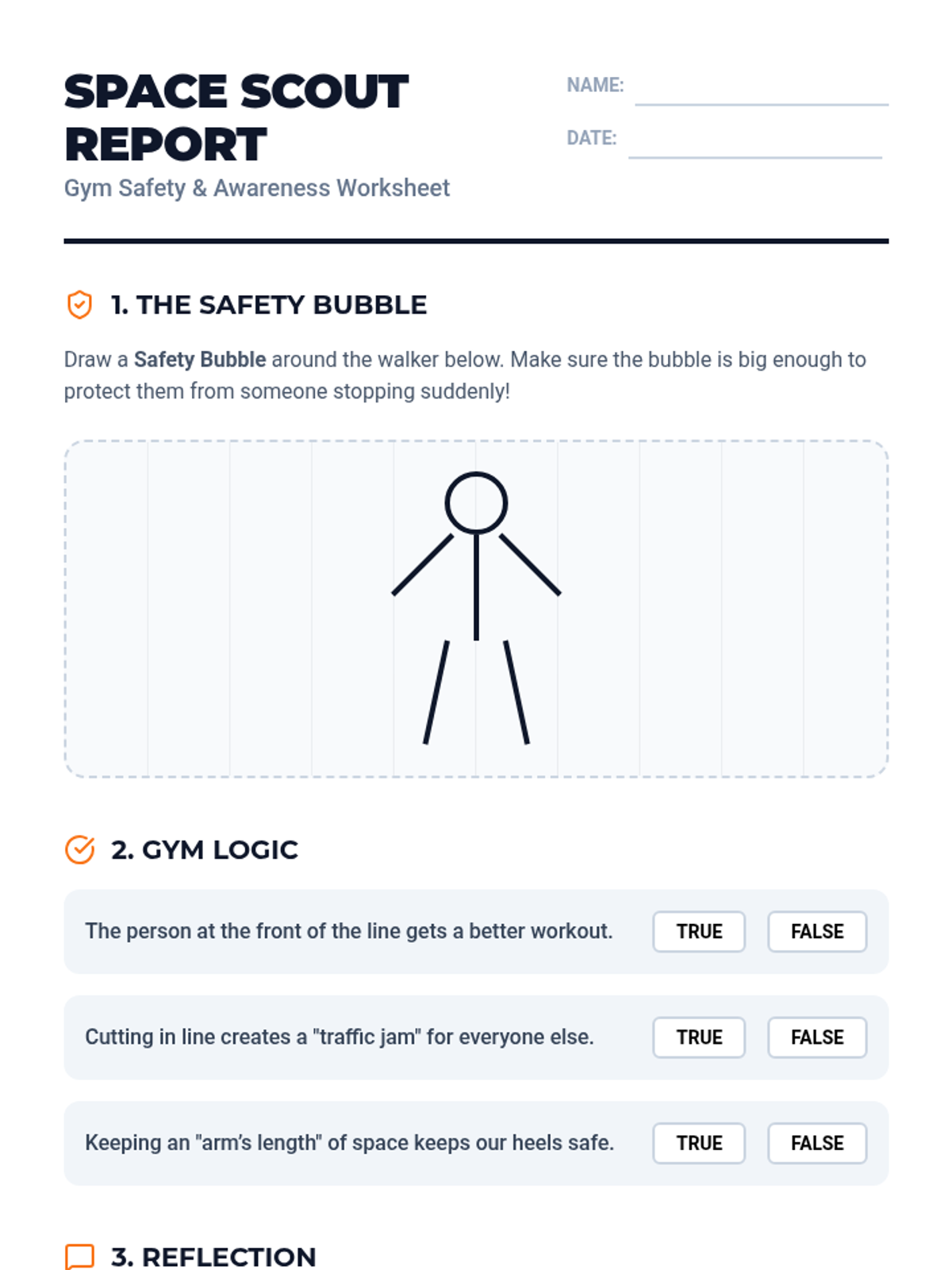
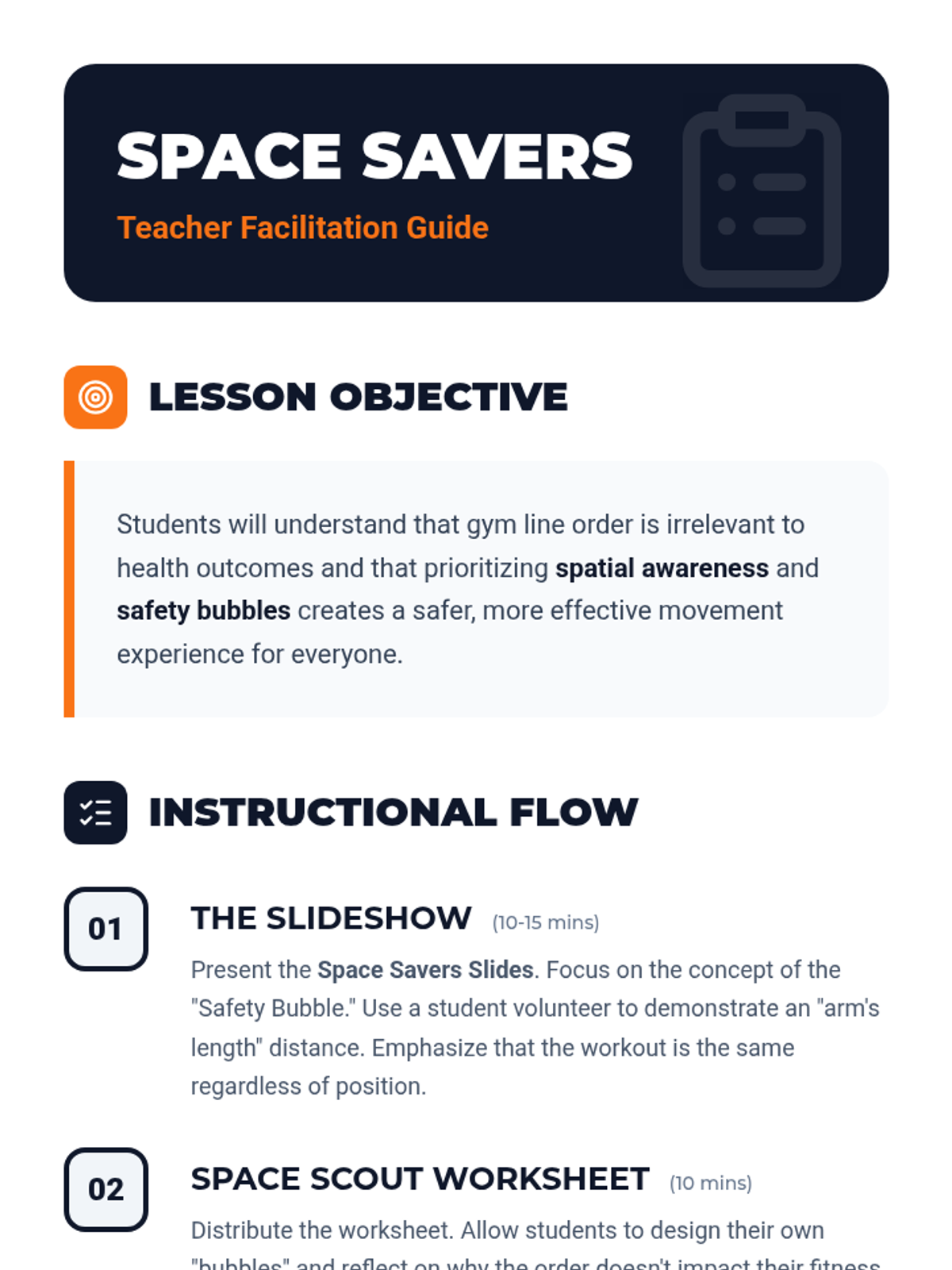
A lesson focused on gym safety and spatial awareness during daily walks, emphasizing that movement quality and safety bubbles are more important than line order.
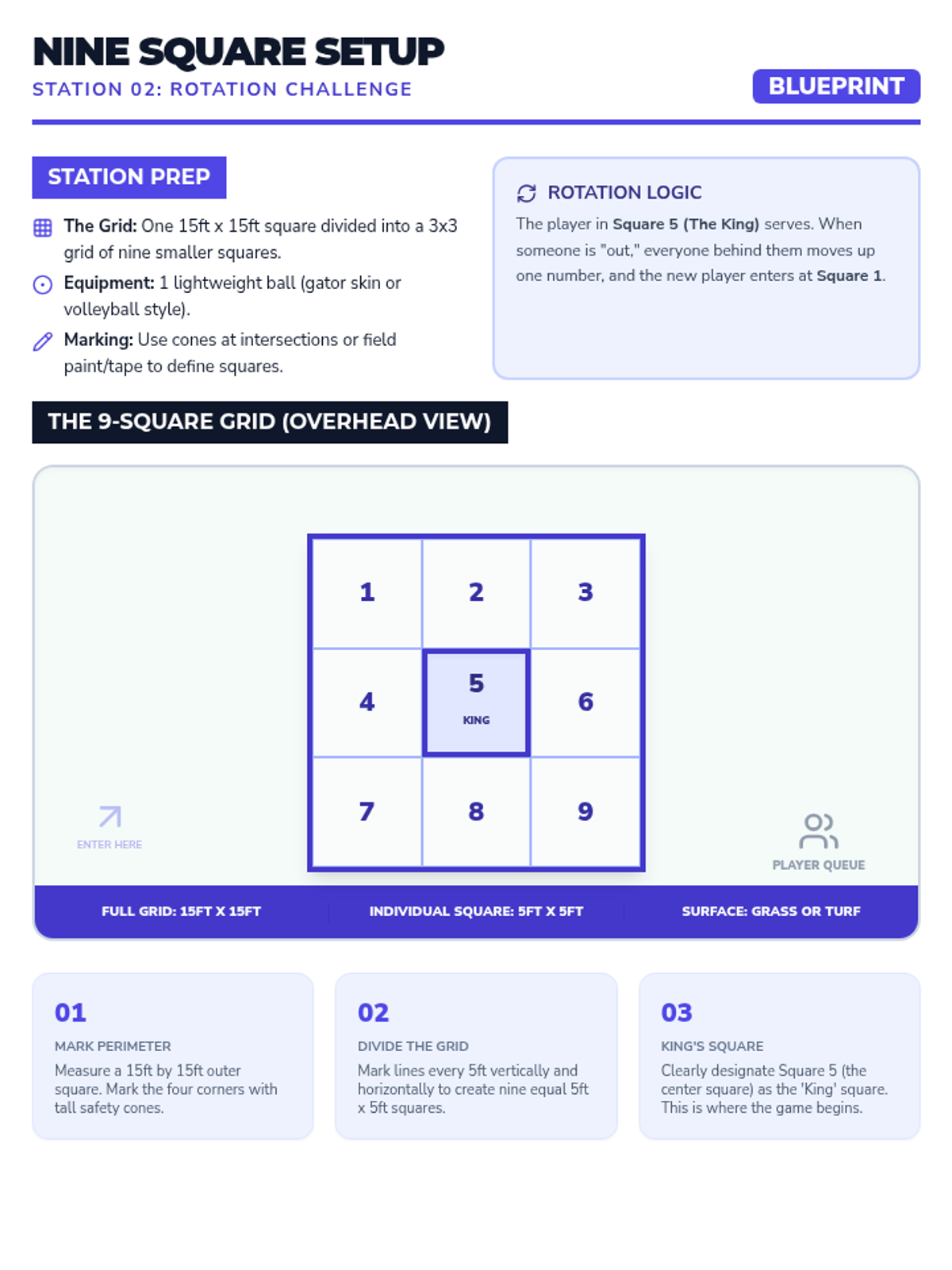
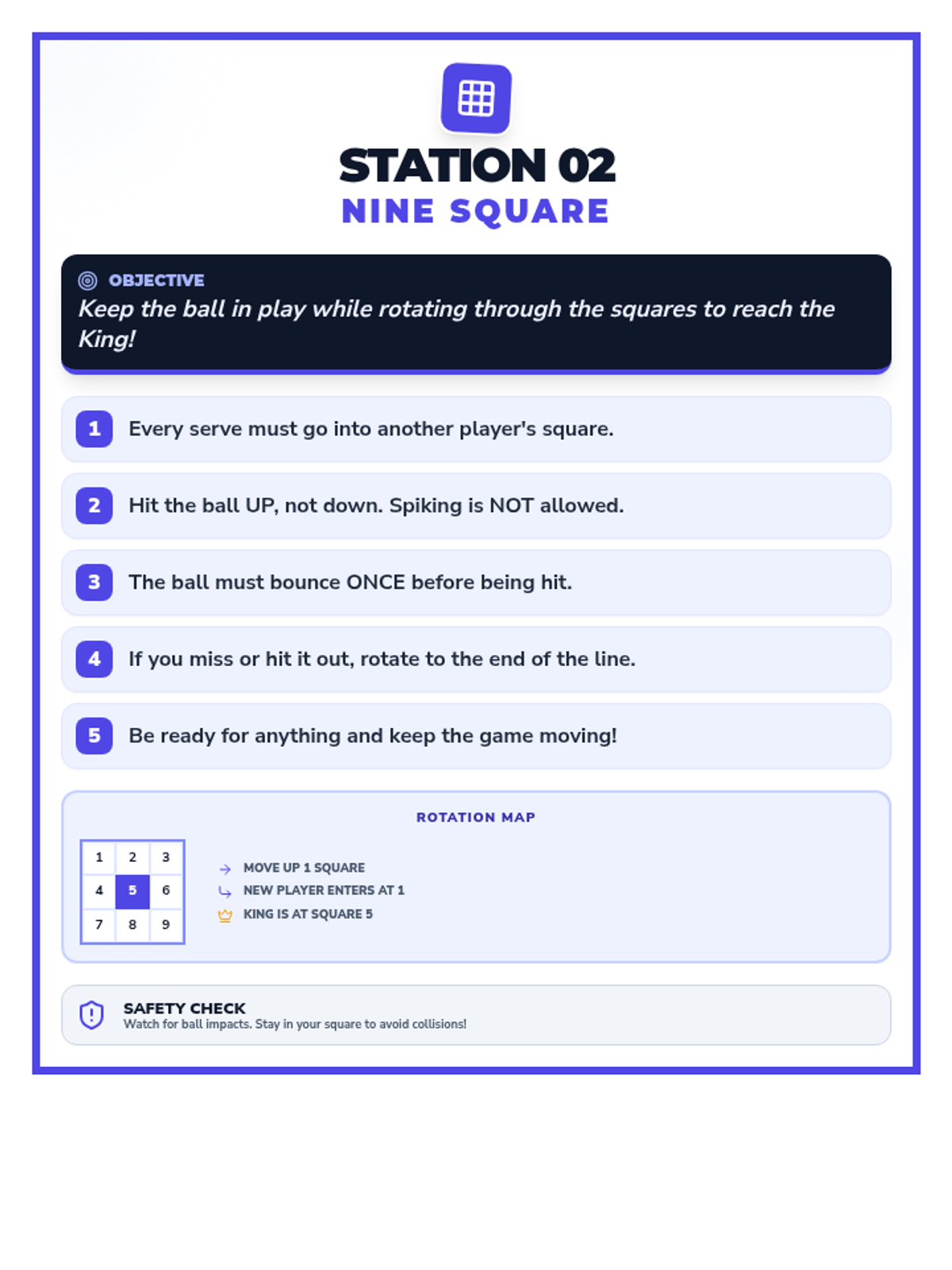
A fast-paced rotation game involving a 3x3 grid, focusing on hand-eye coordination and reaction time as players compete to reach the King square.
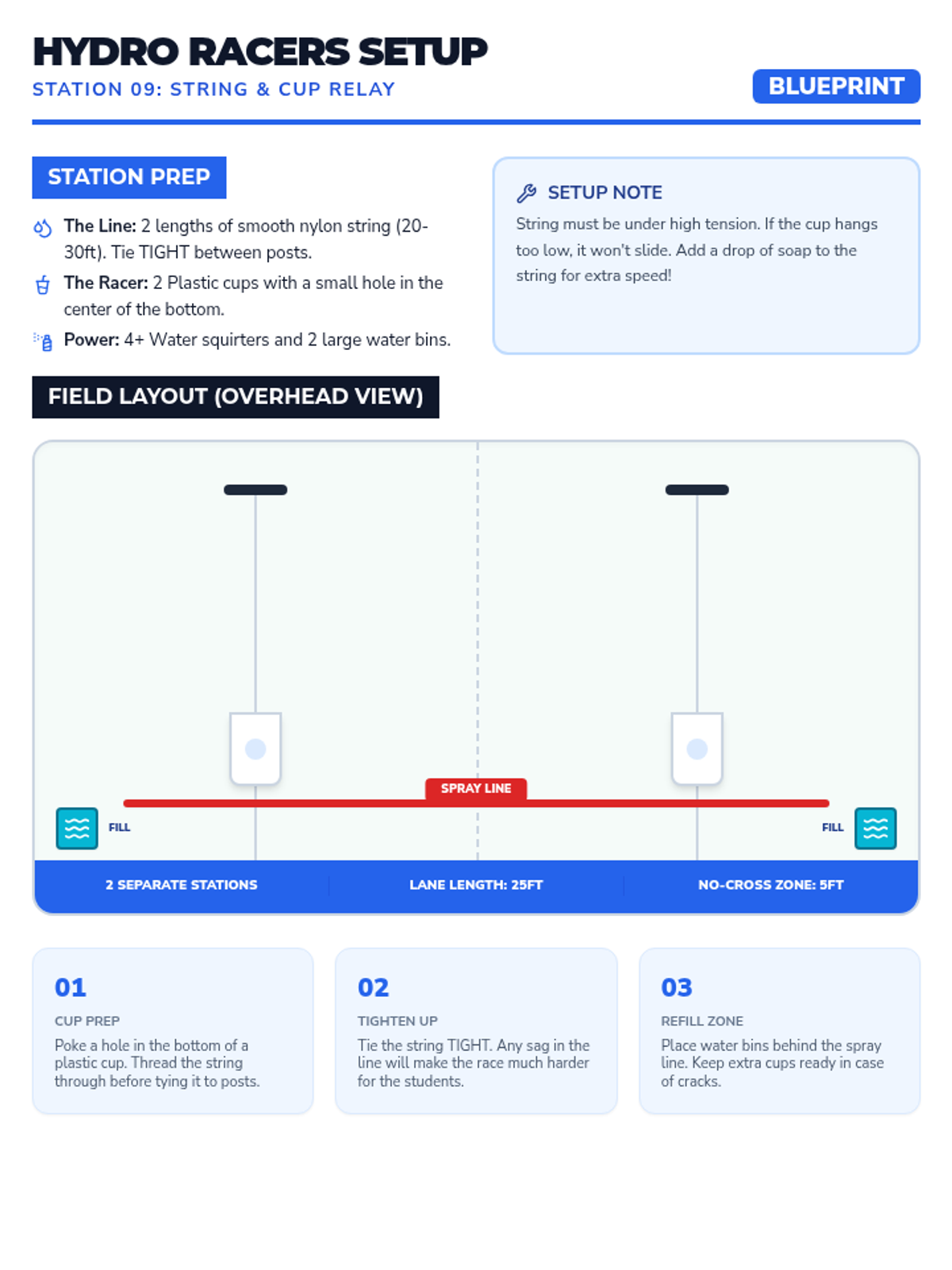
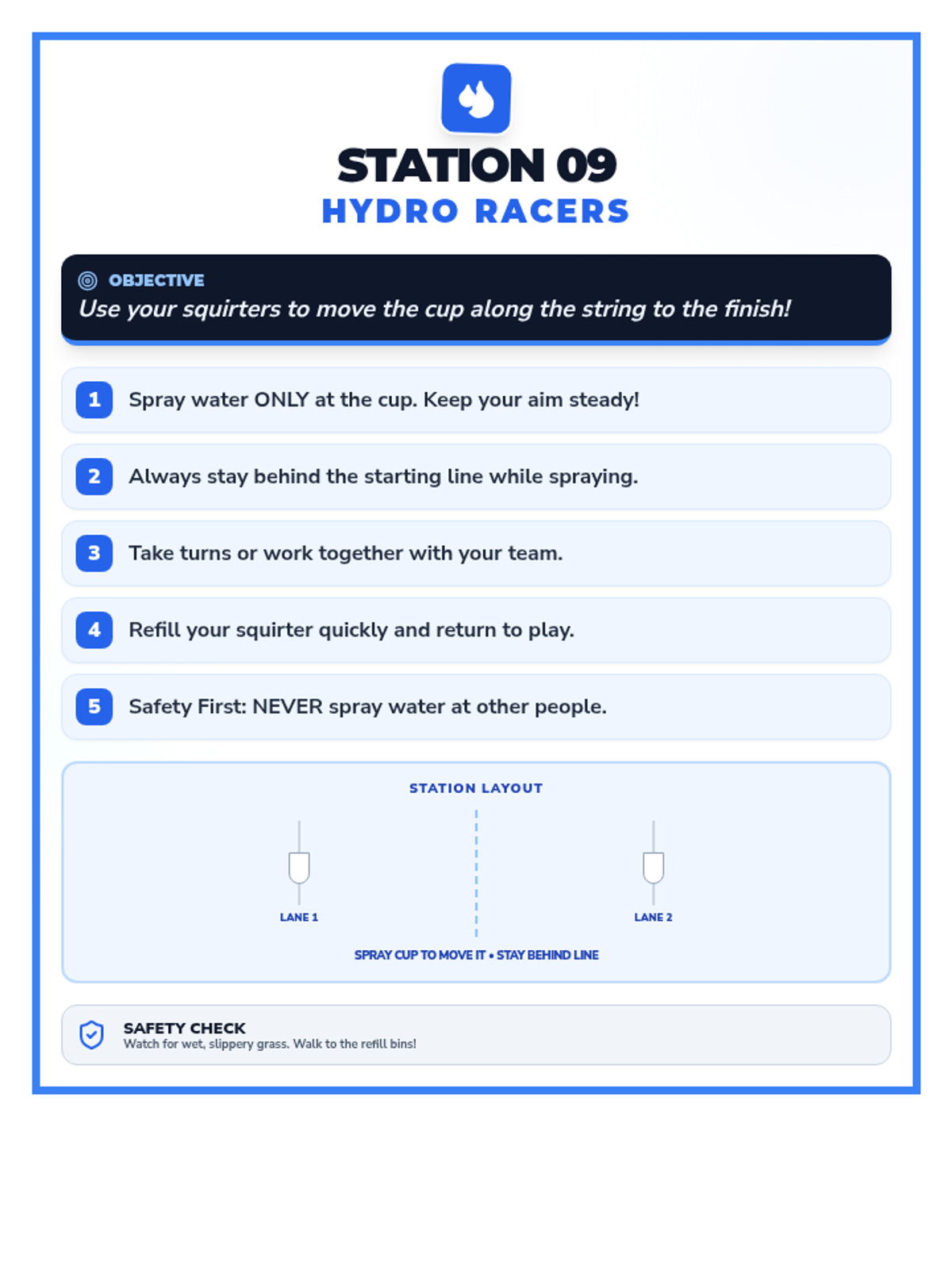
A high-energy water station guide for Hydro Racers, featuring string-and-cup relay setup, water gun mechanics, and safety protocols for aquatic racing.
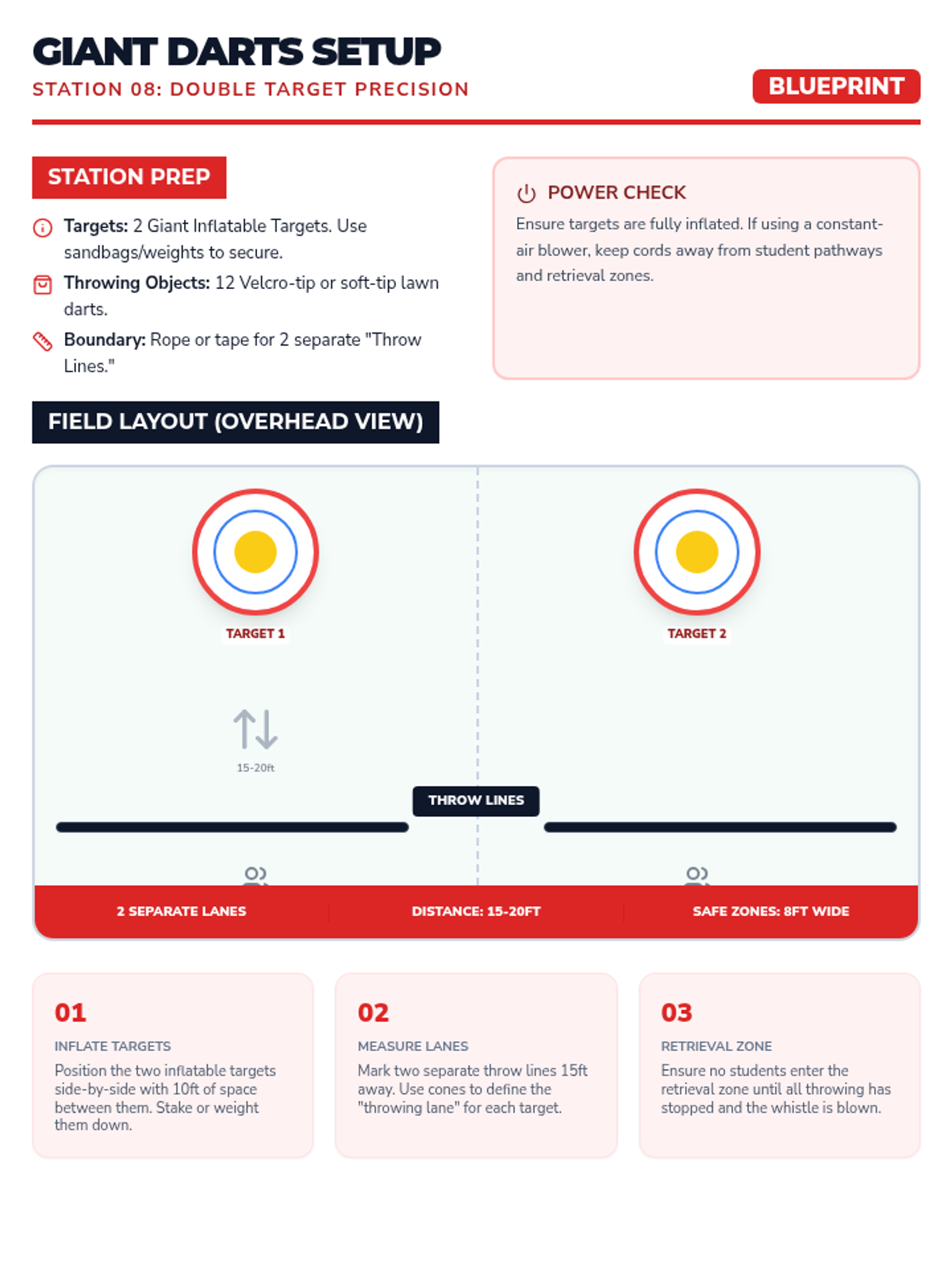
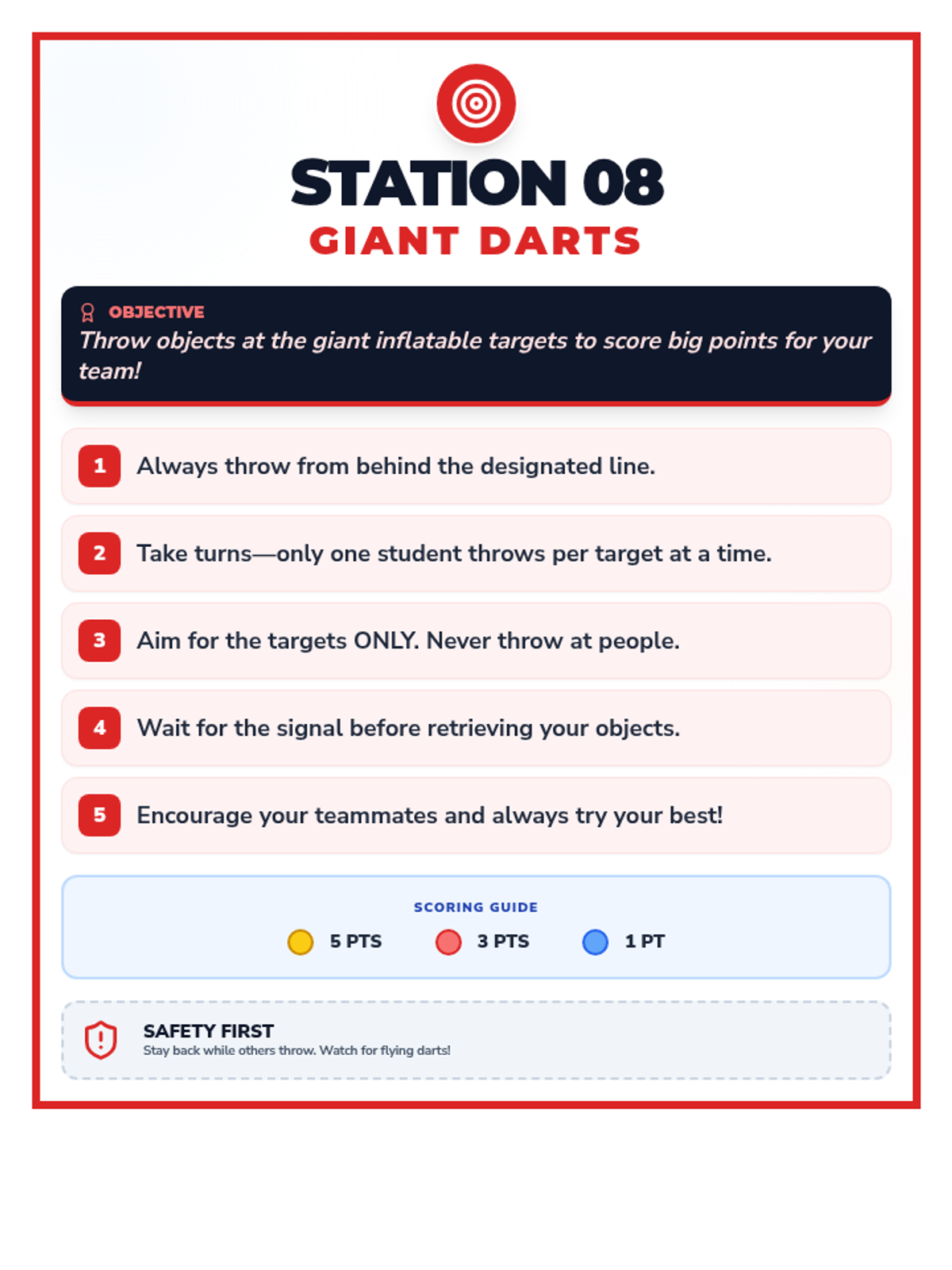
A target-based game guide for Giant Darts, featuring field setup for hula hoop targets, scoring systems, and safety protocols for throwing accuracy.
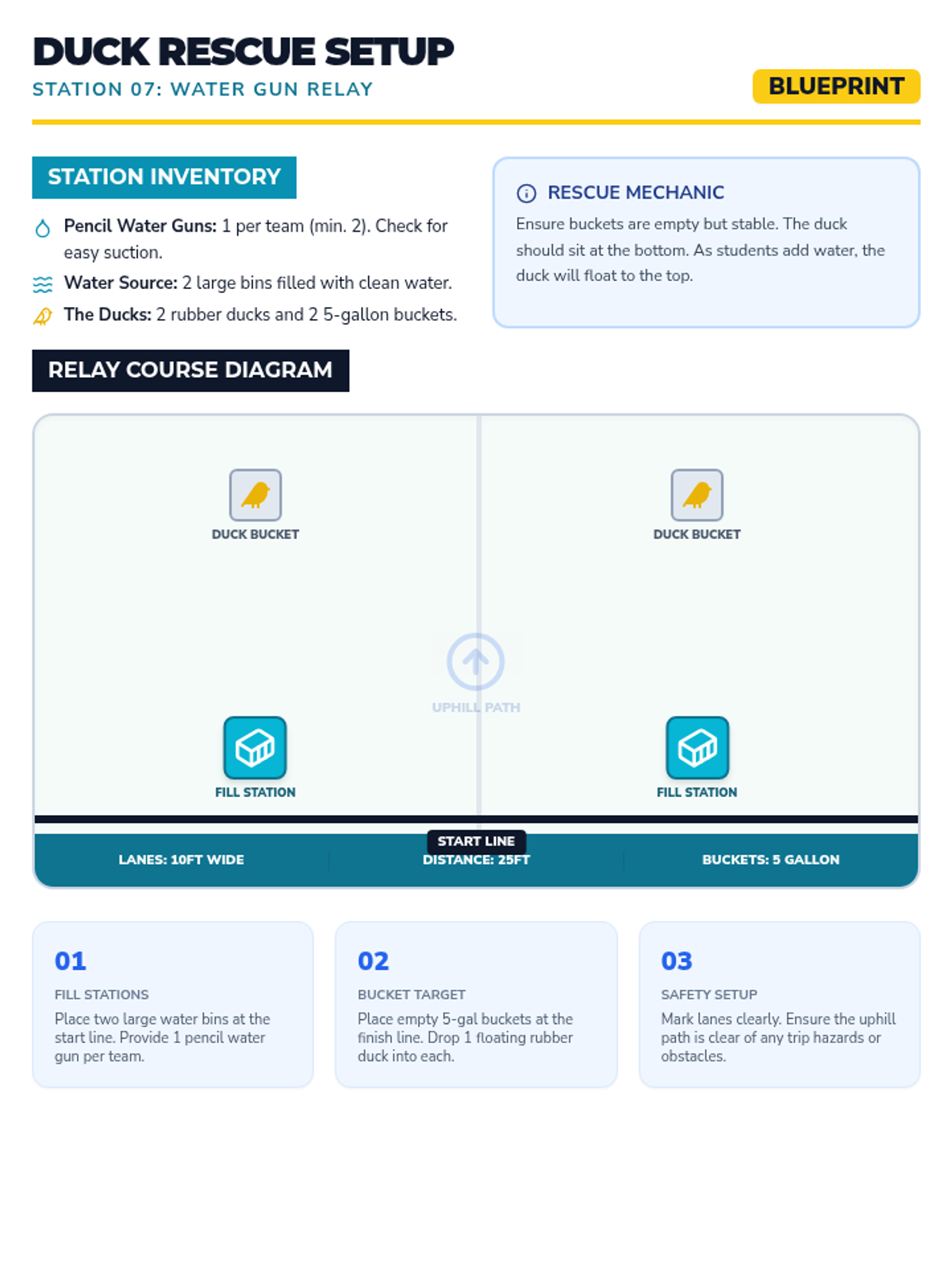
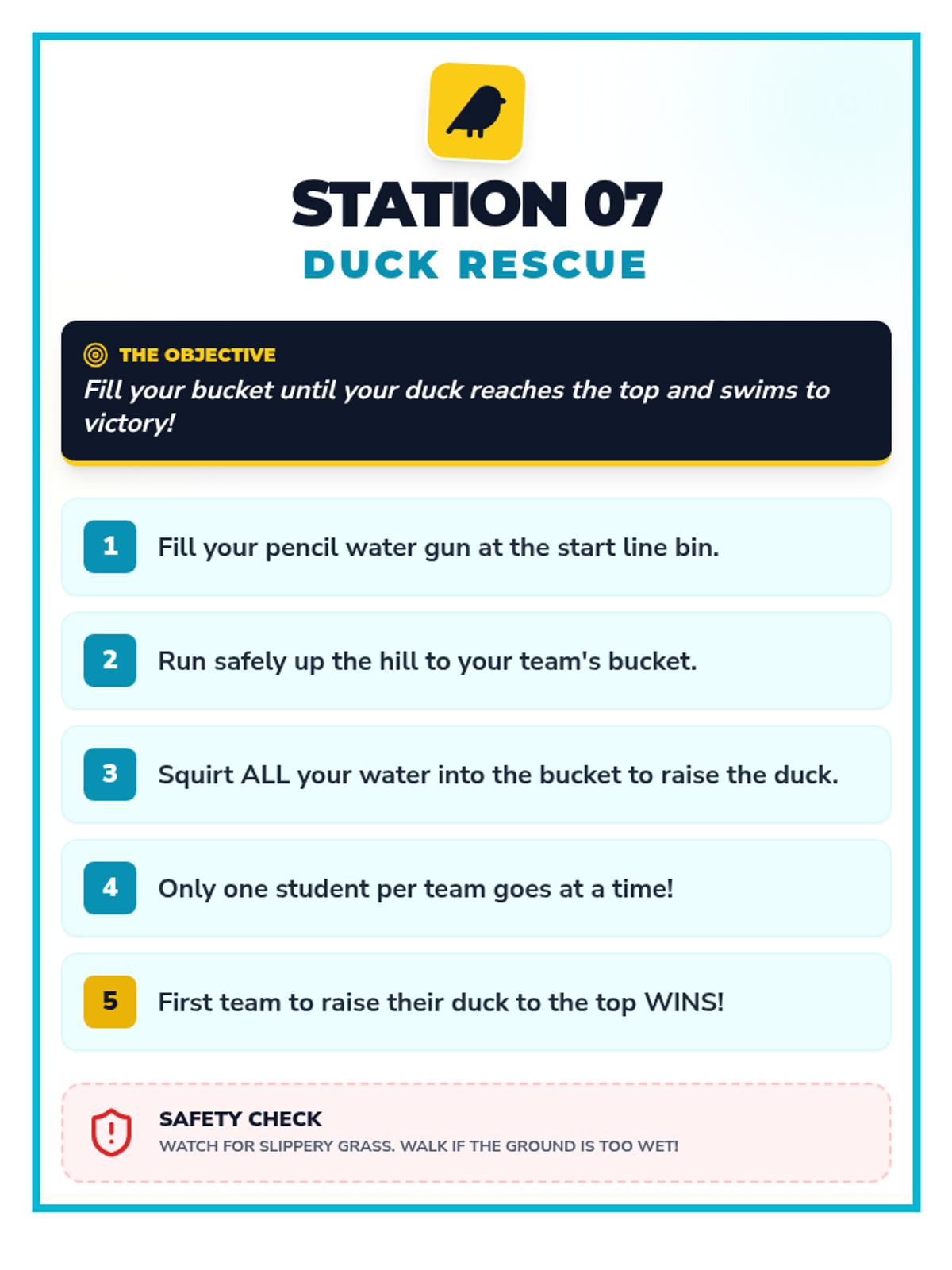
A high-energy water station guide for Duck Rescue, featuring field setup for water gun relays, duck-raising mechanics, and safety protocols for slippery fun.
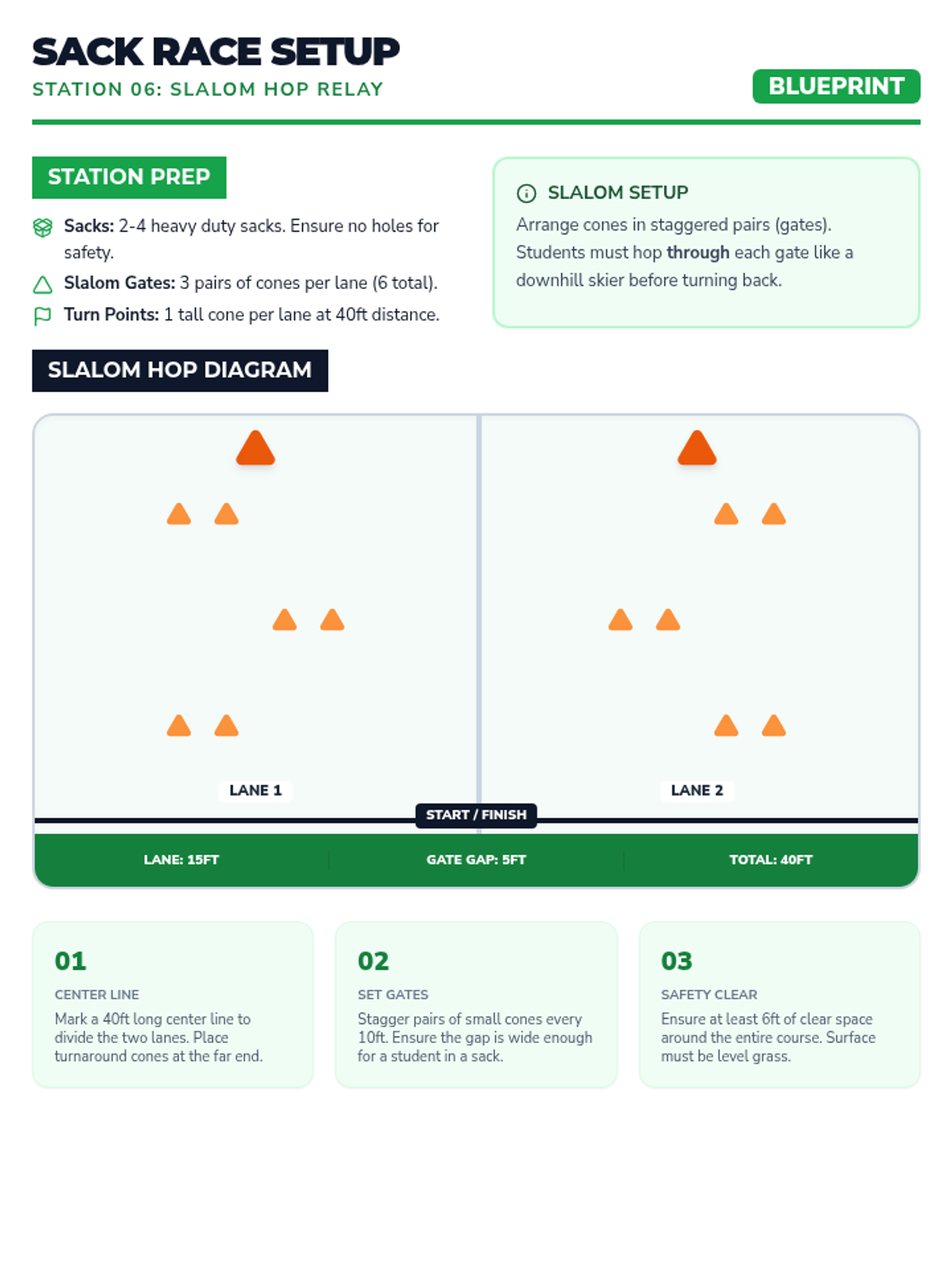
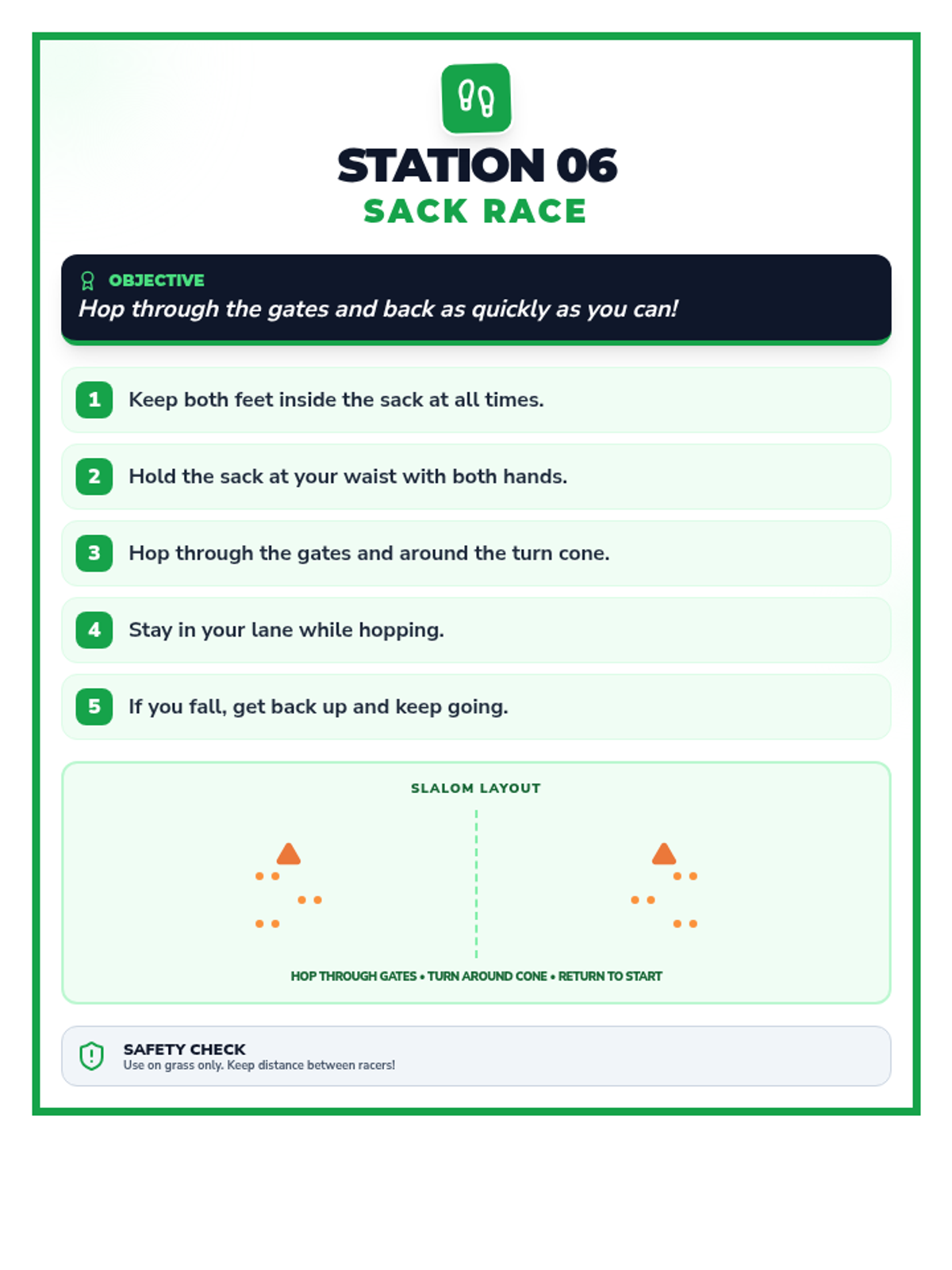
A high-energy station guide for the classic Sack Race, including lane setup diagrams, jumping technique tips, and safety protocols for a fun-filled race.
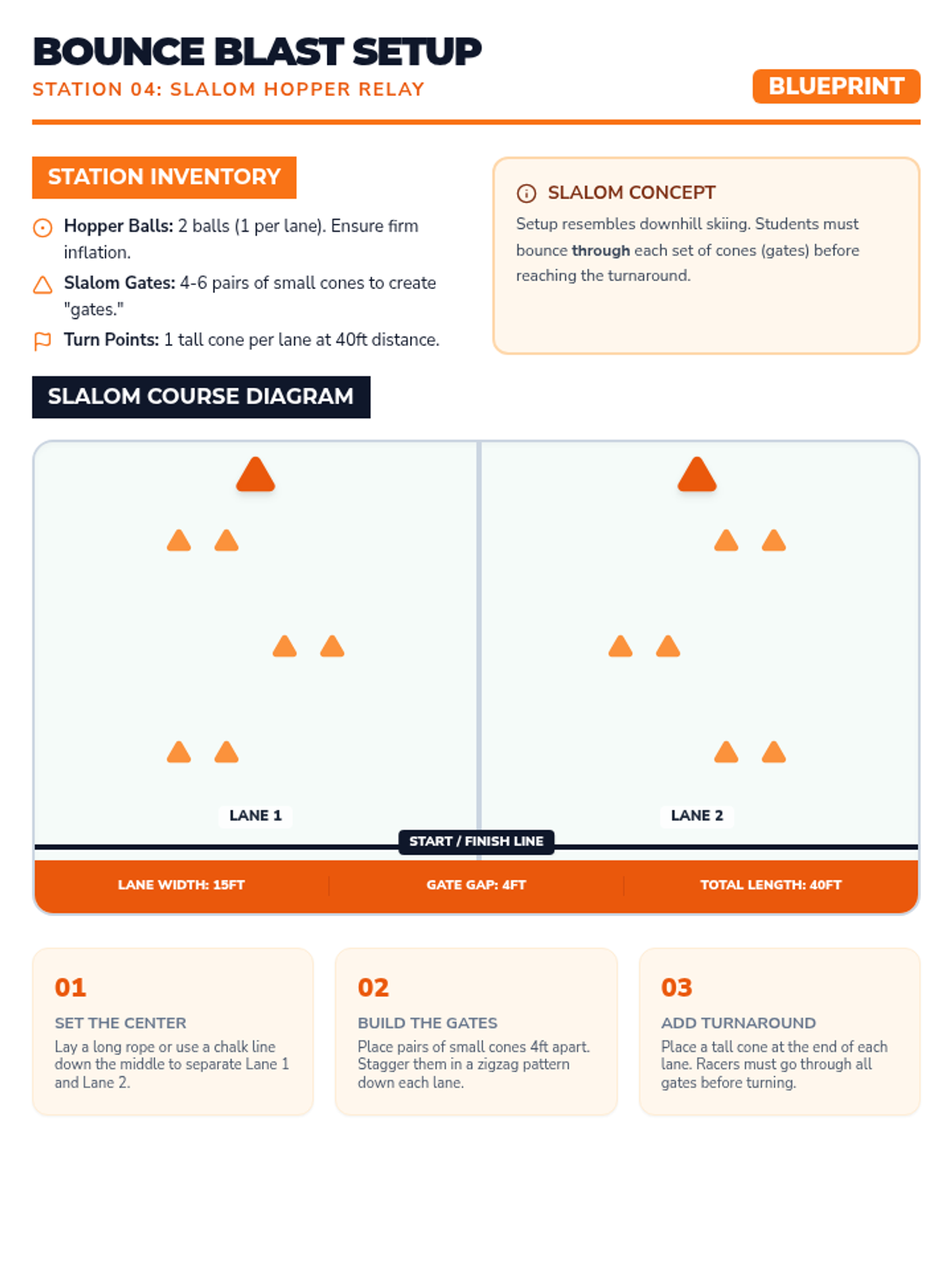
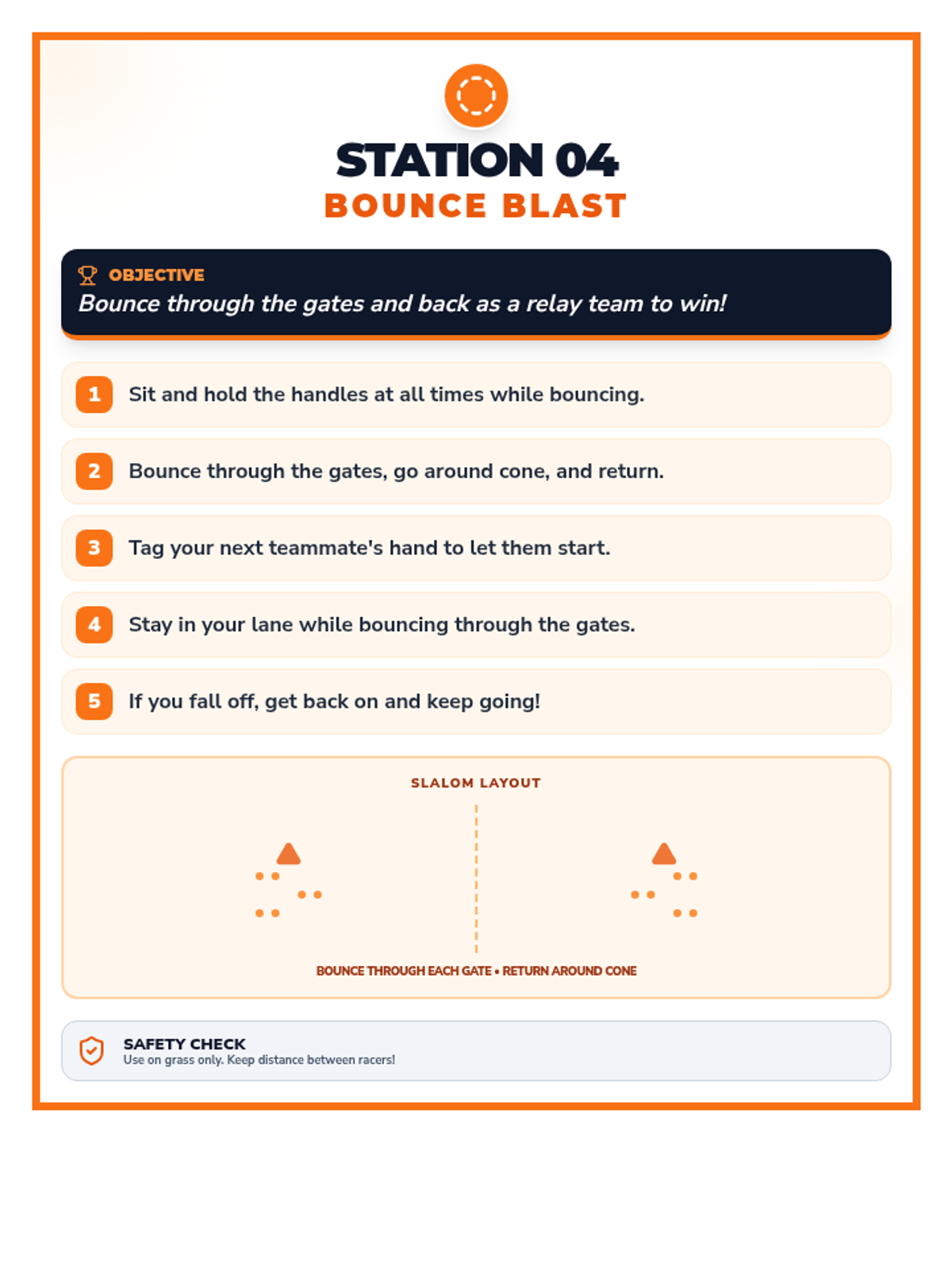
A high-energy relay station guide for the Bounce Blast hopper ball race, including lane setup diagrams, safety protocols, and relay hand-off instructions.
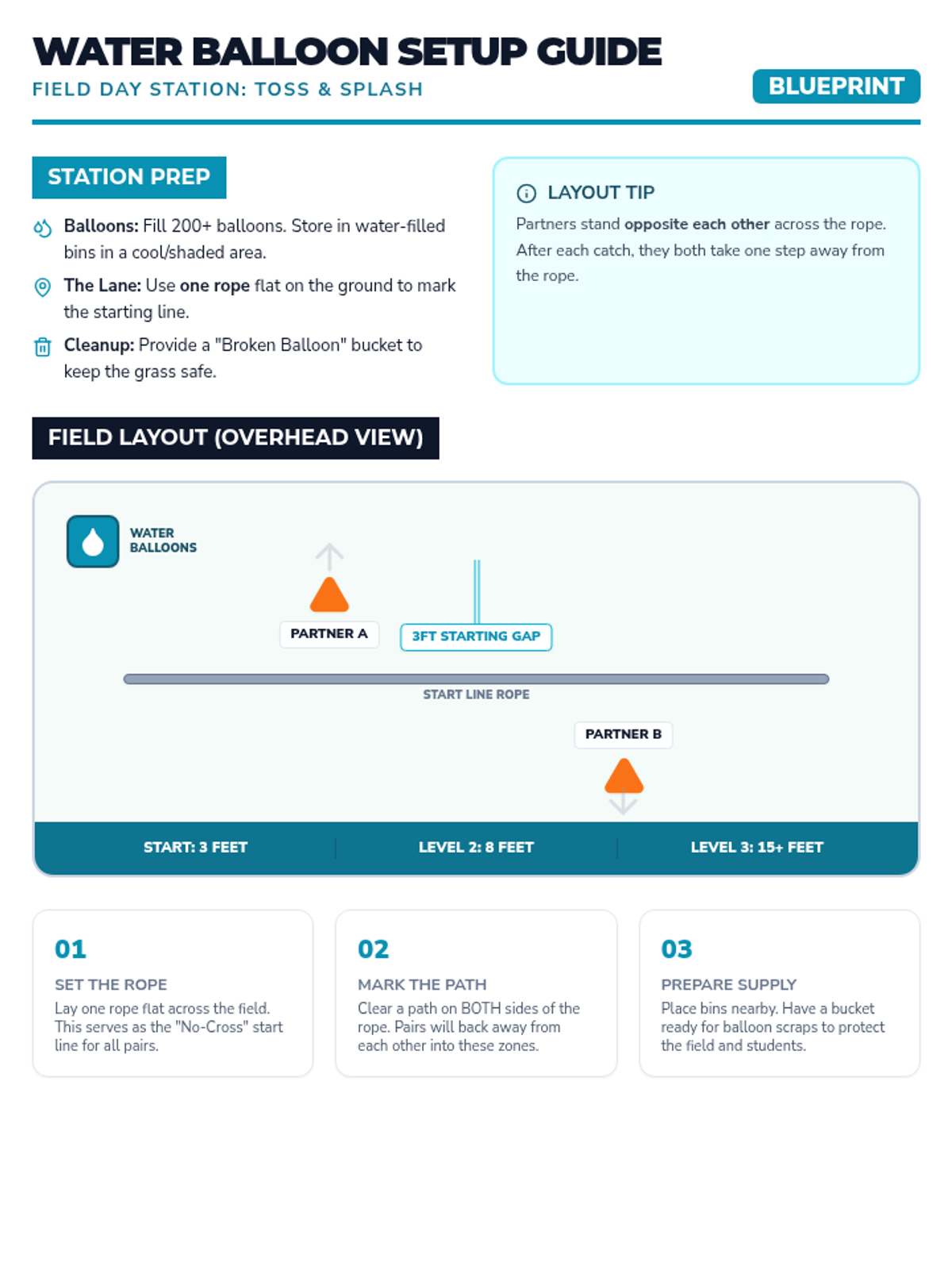
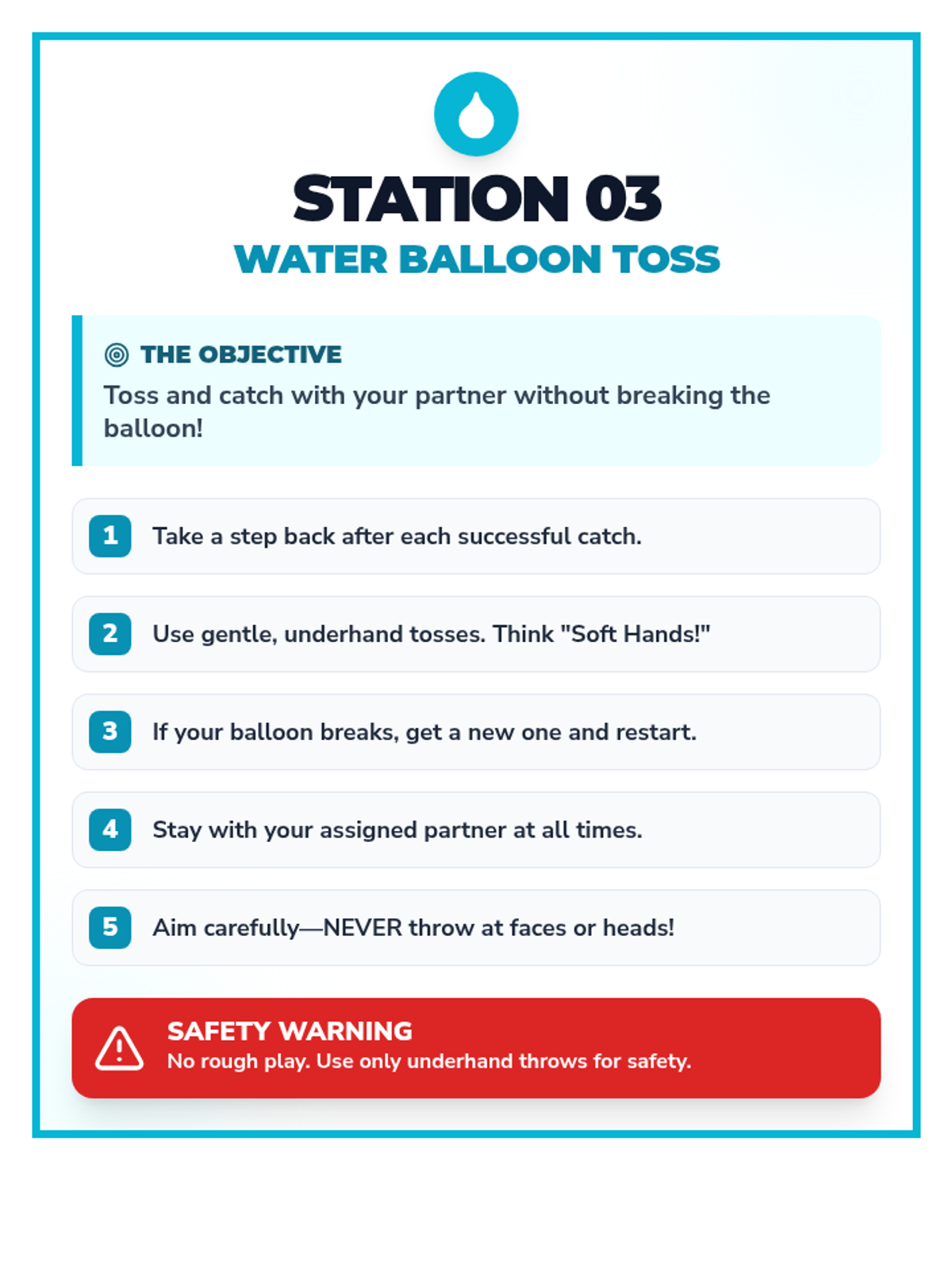
A comprehensive station guide for the Water Balloon Toss, including field setup diagrams, technique tips for catching, and safety protocols for aquatic fun.
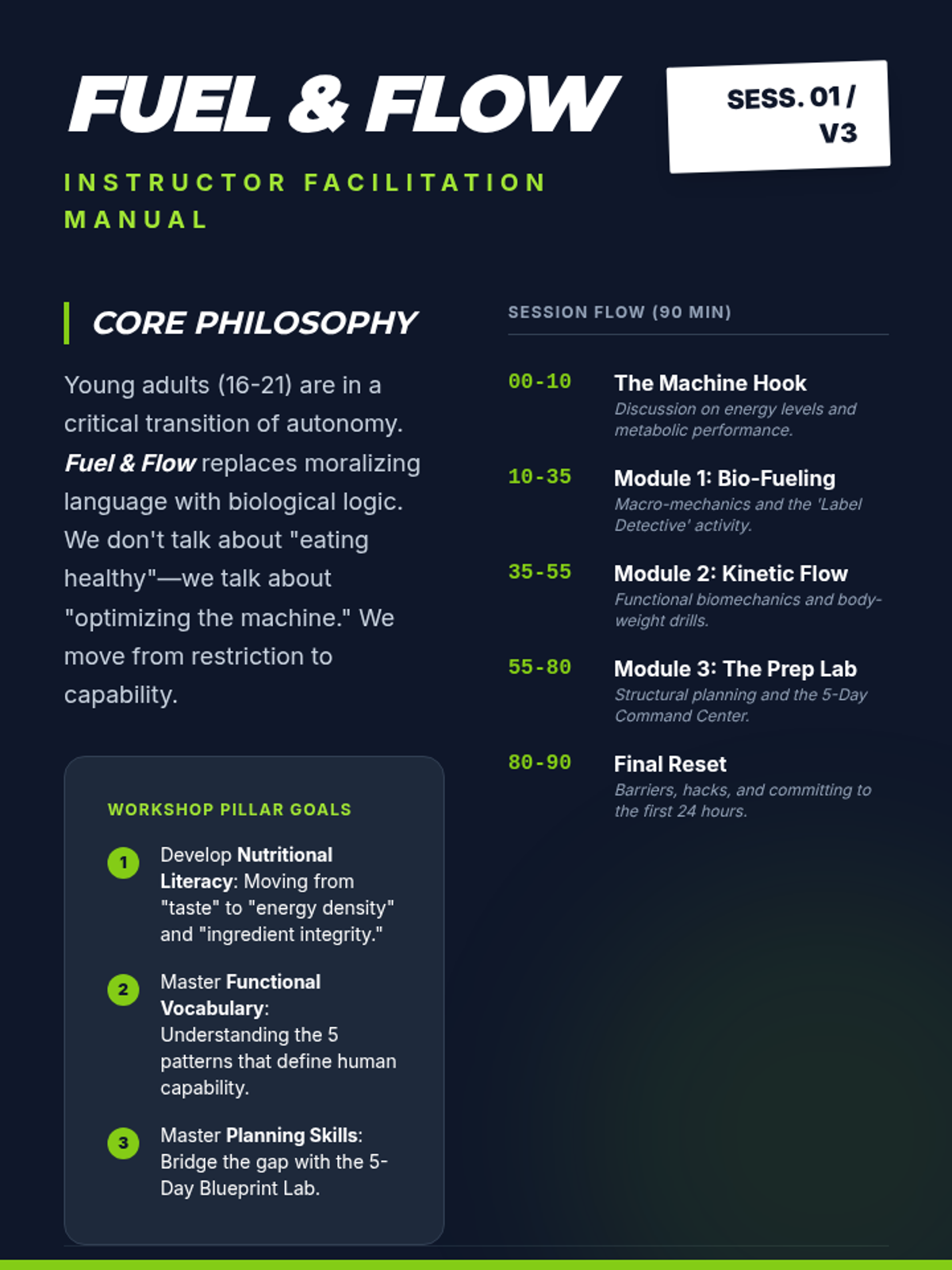
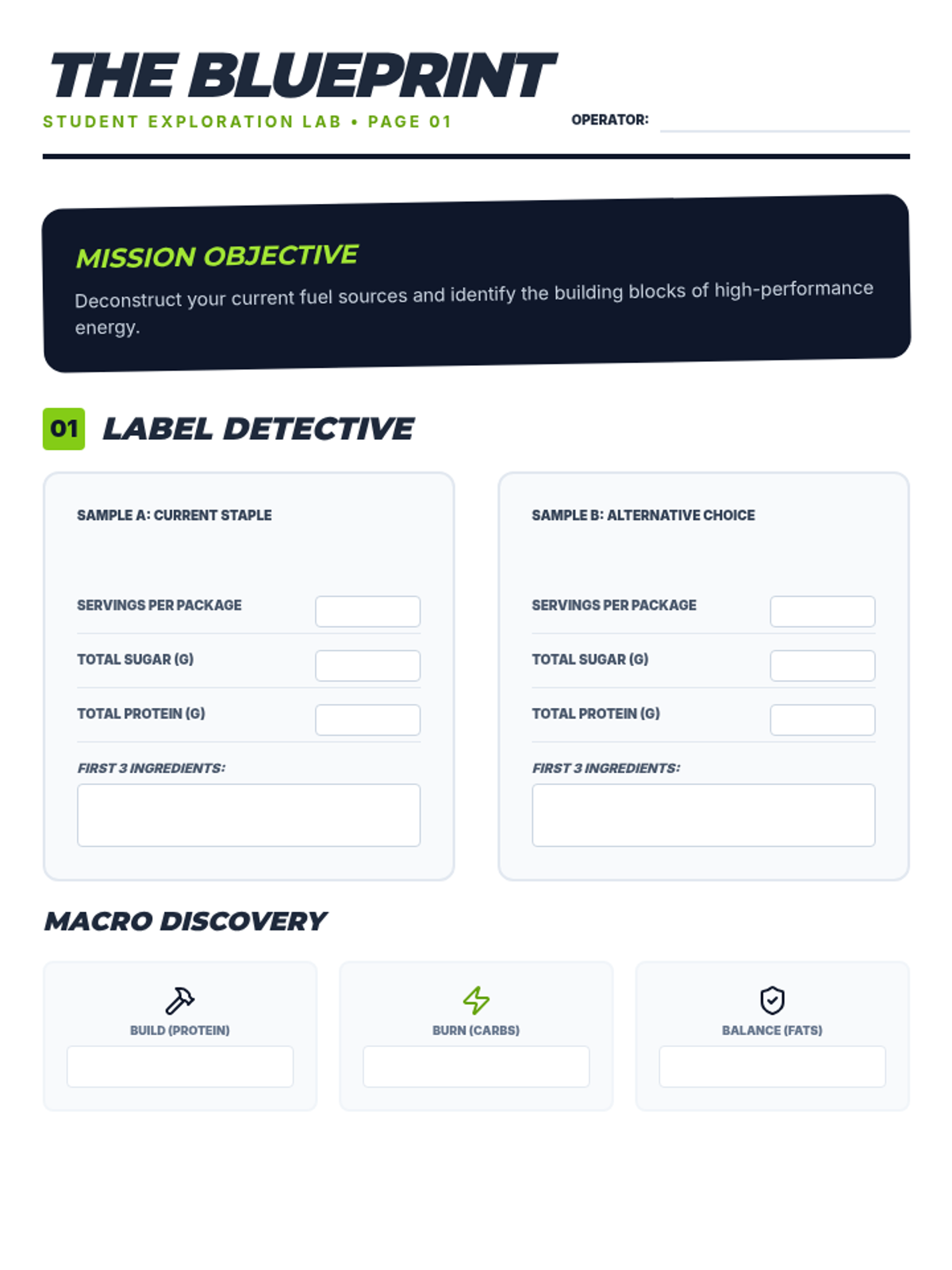
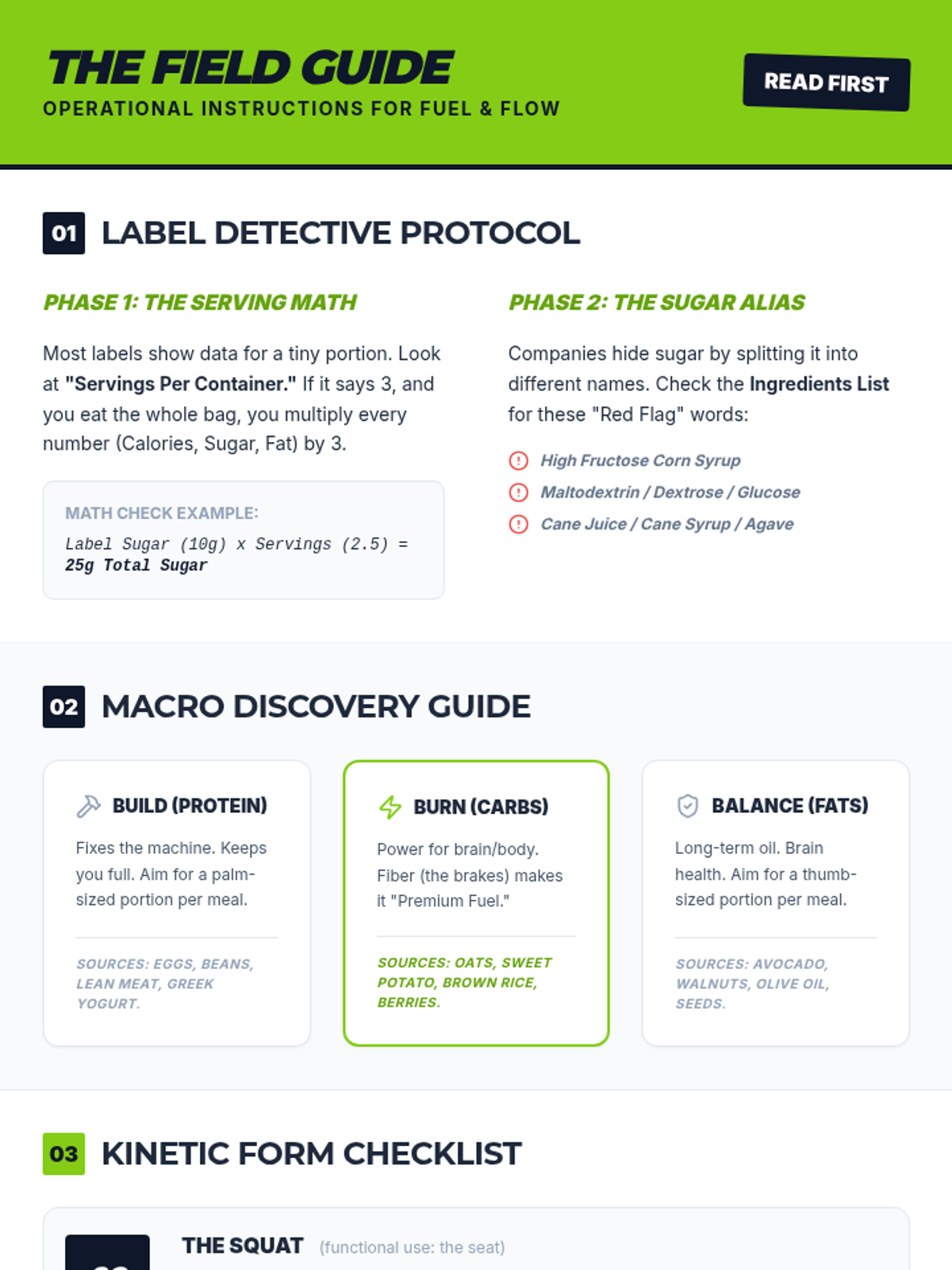
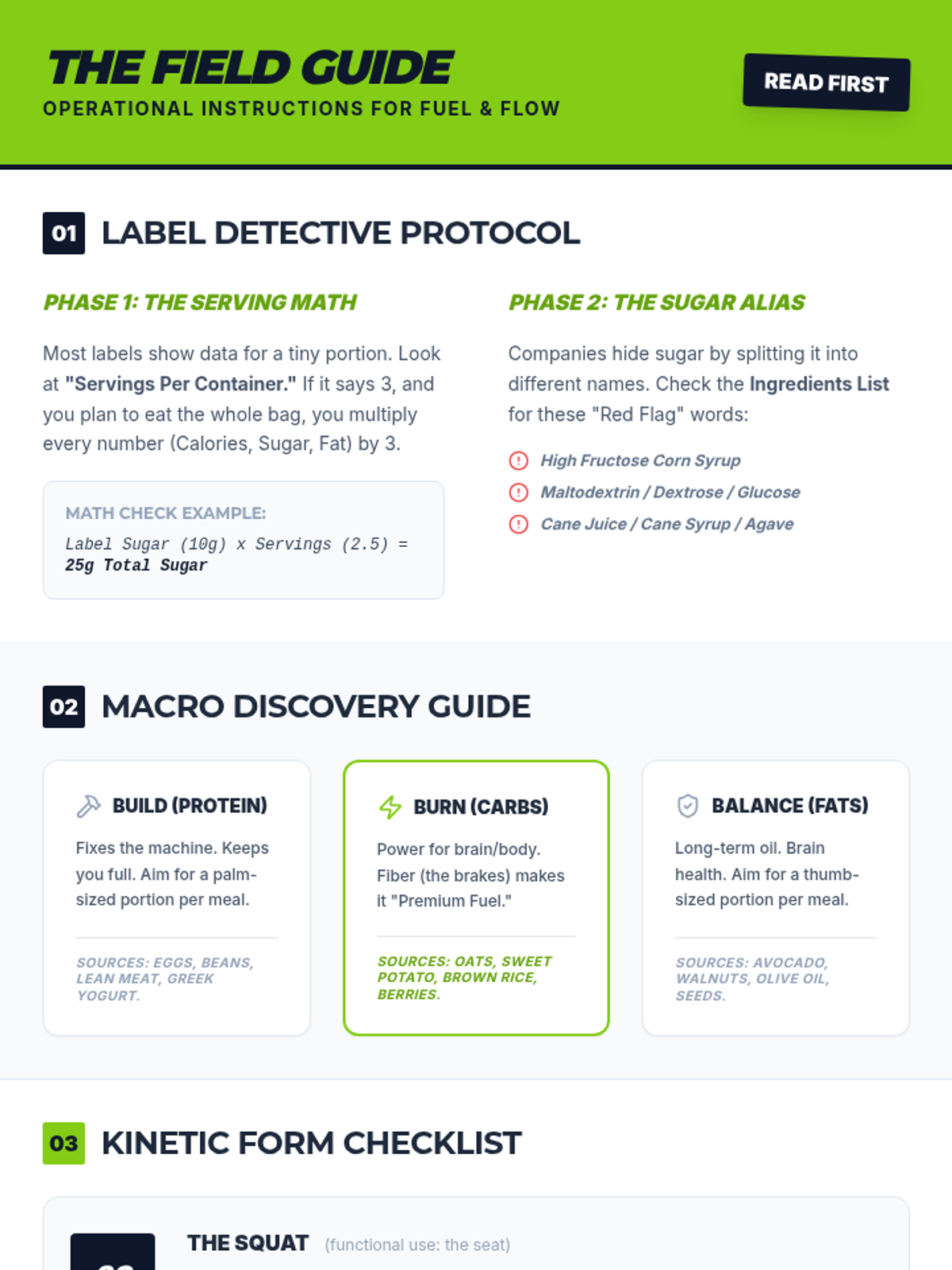
A 90-minute intensive session for young adults (16-21) focused on the intersection of nutrition and functional movement. Students learn to read labels, plan balanced meals, and understand the foundational movement patterns needed for a healthy, active life.
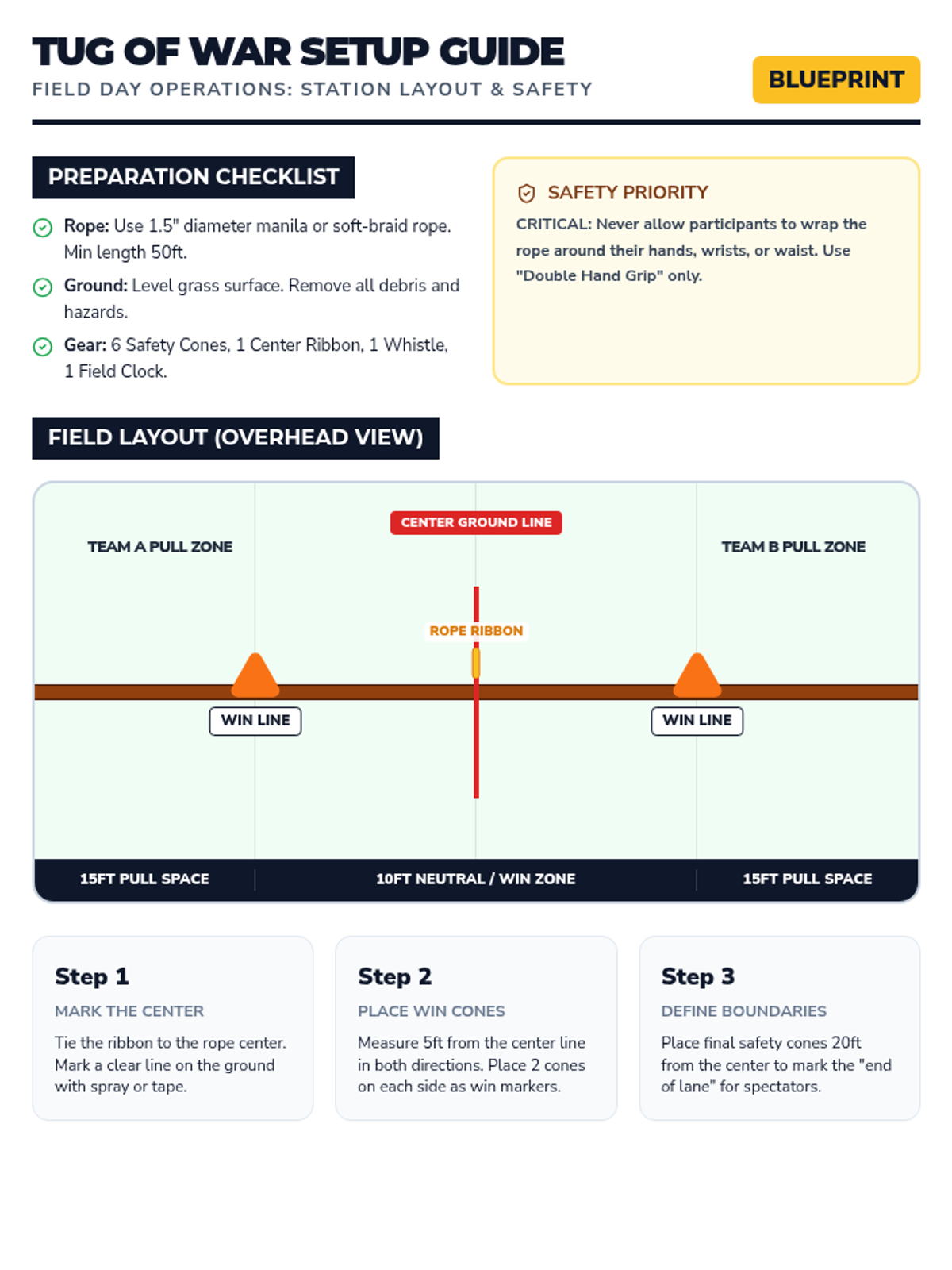
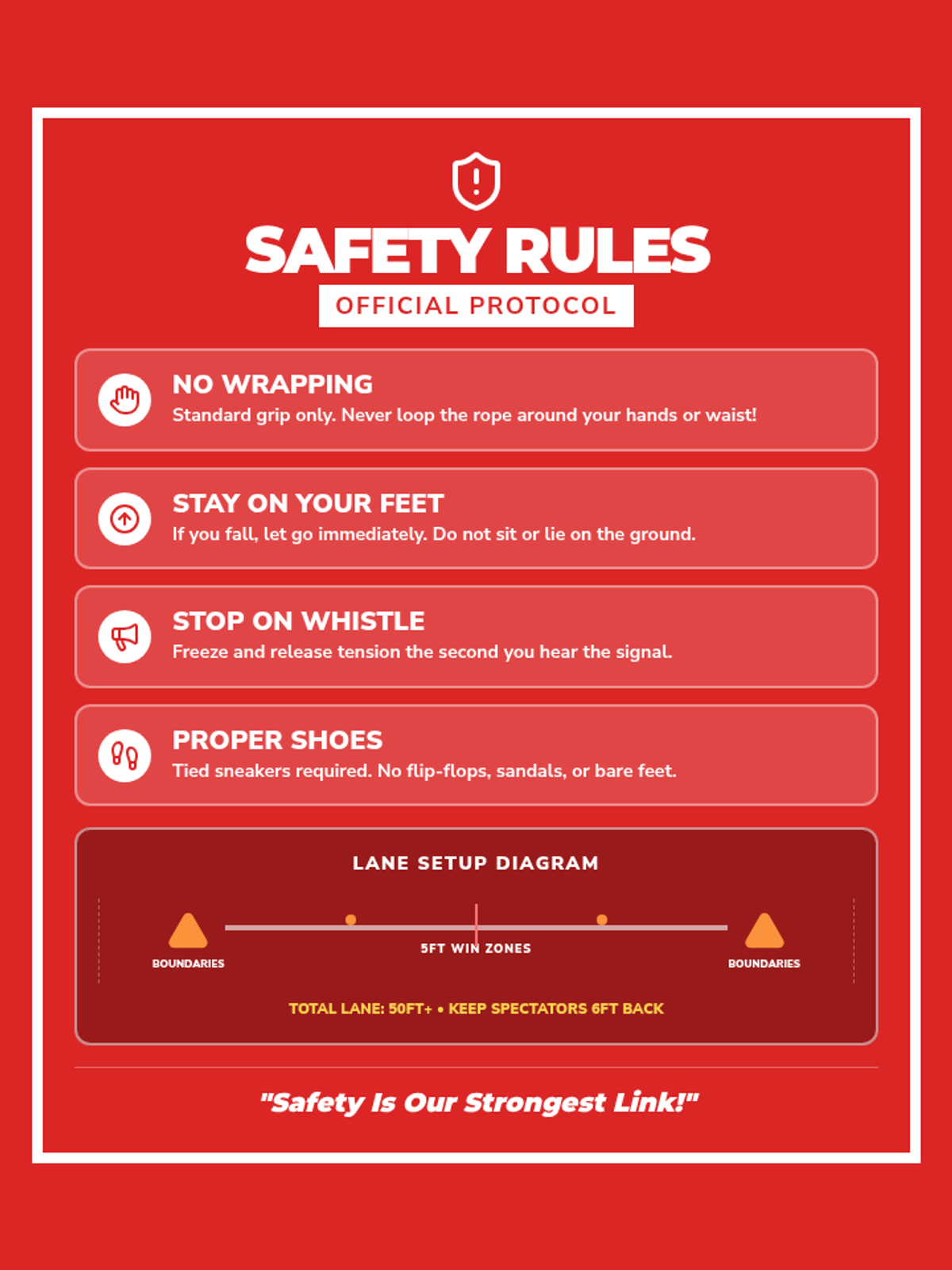
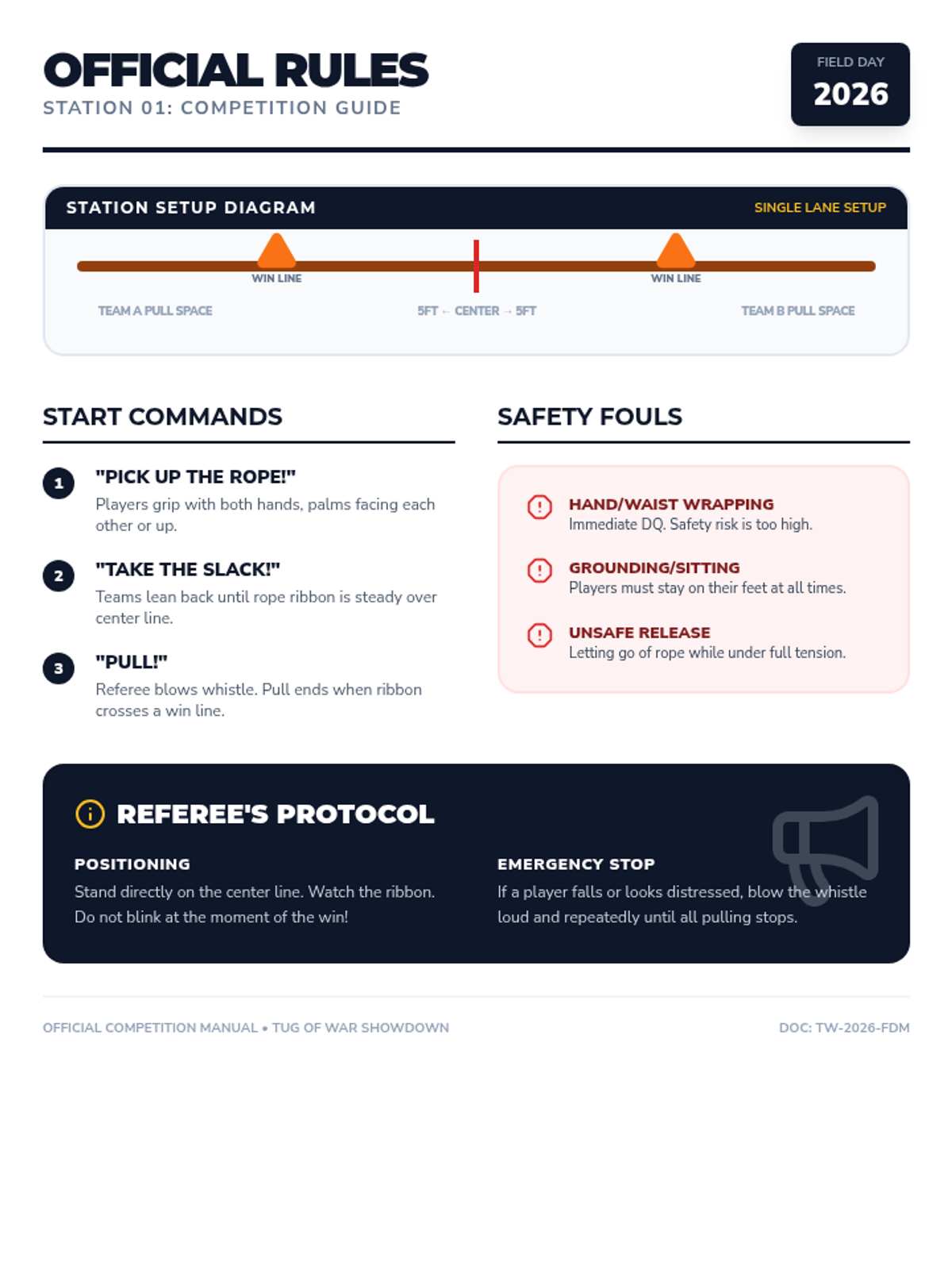
A complete guide for organizing a safe and fun tug of war event, including visual setup diagrams, safety protocols, and official competition rules.
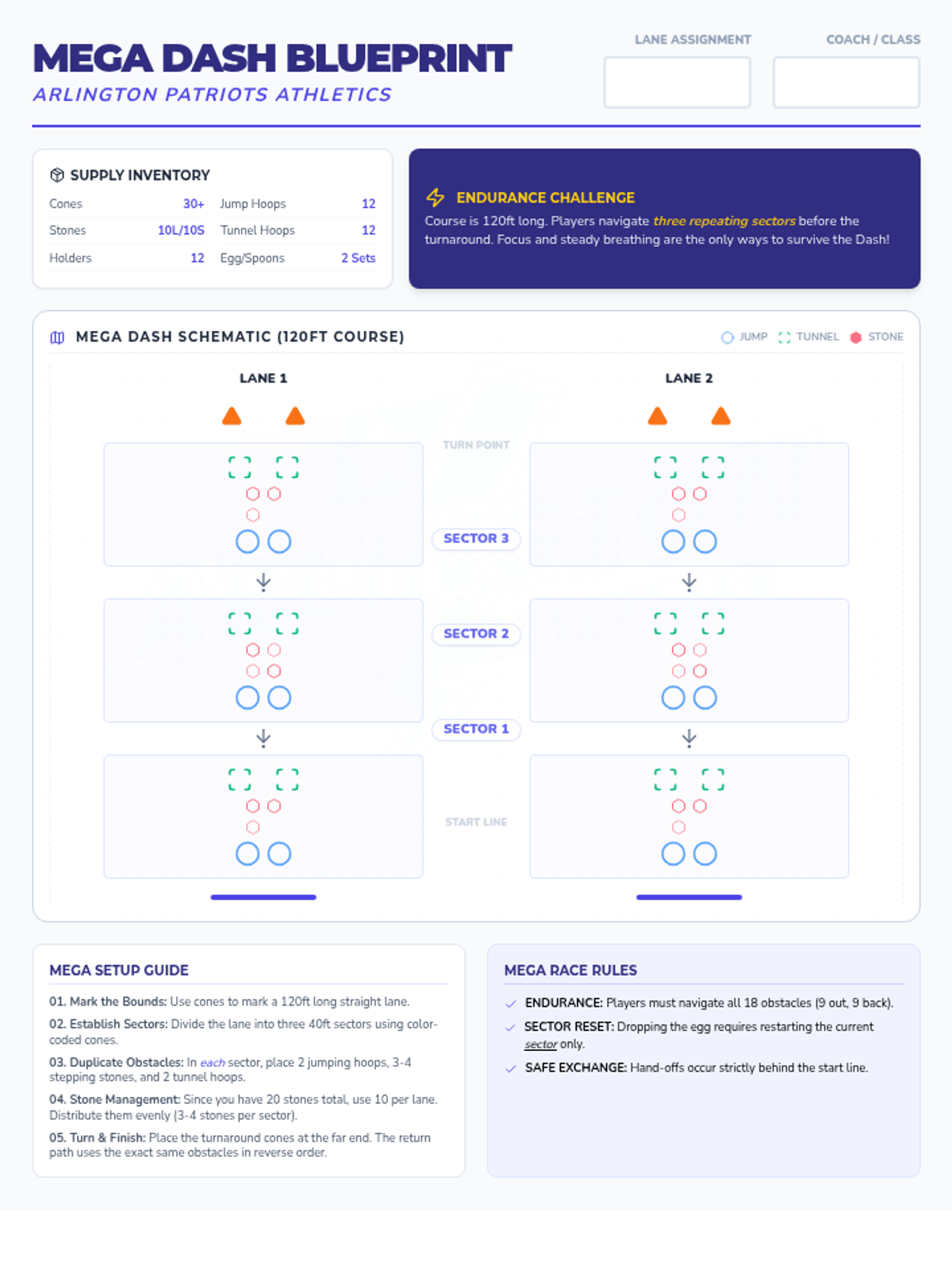
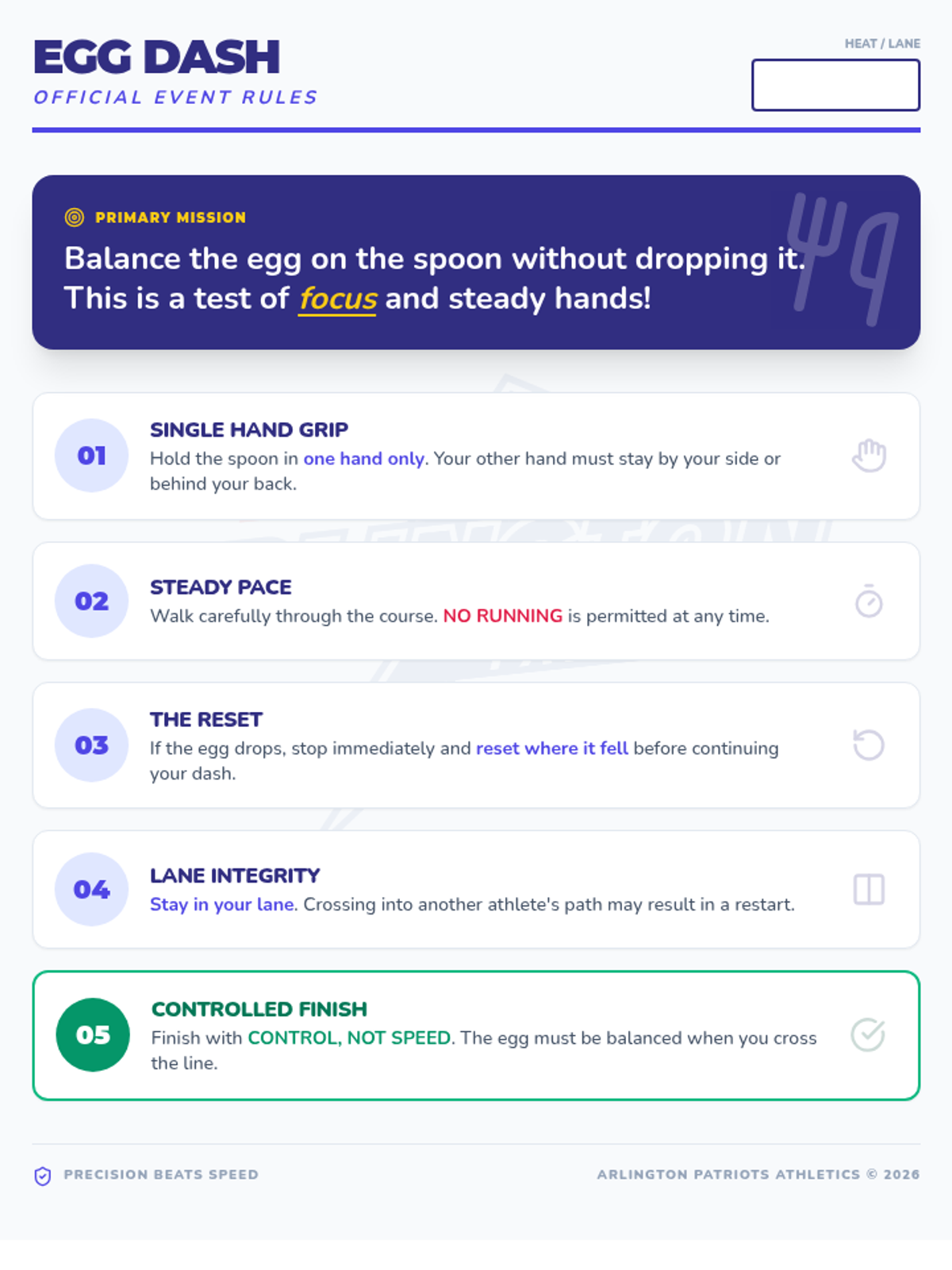
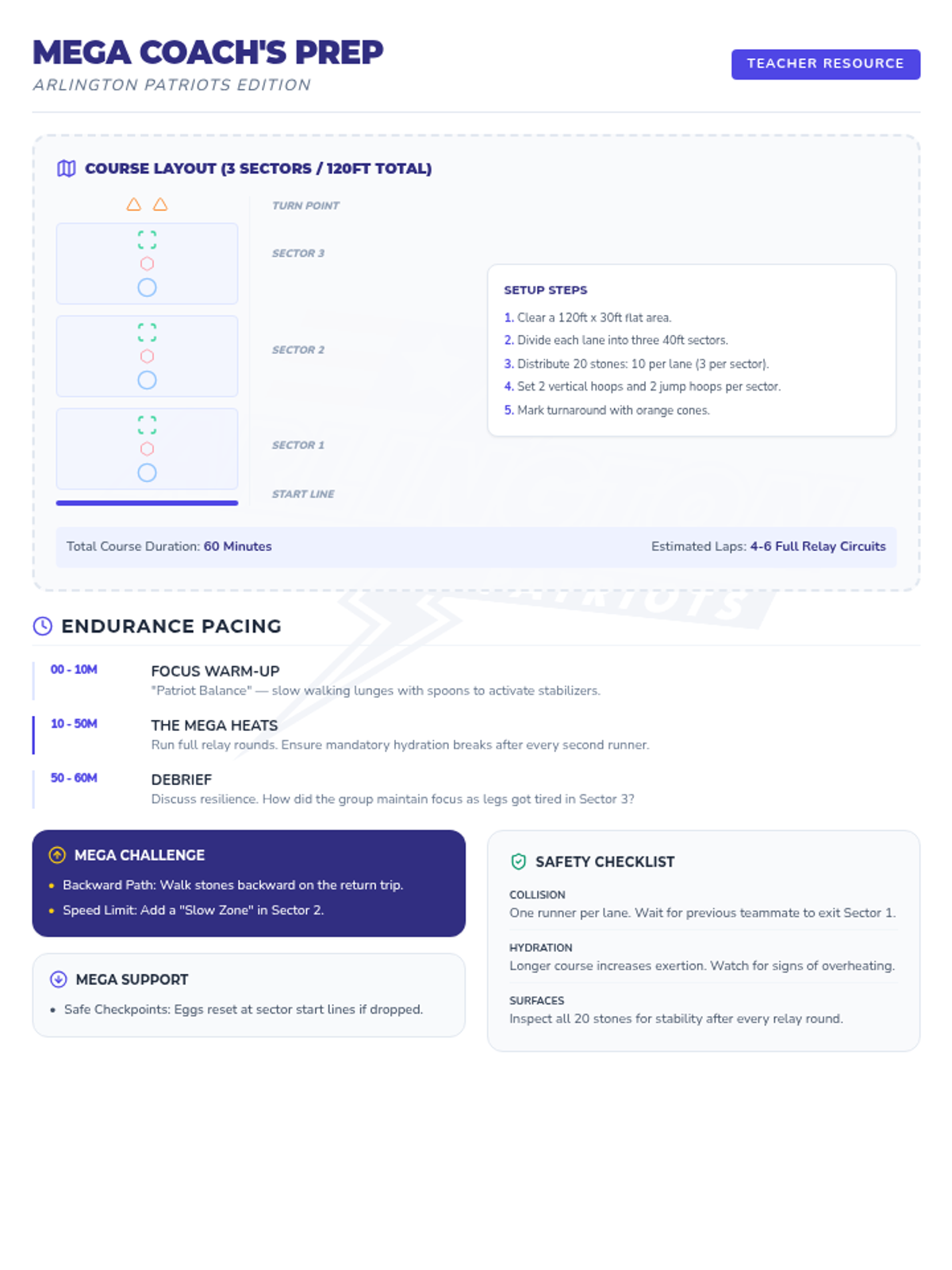
A high-energy relay race lesson where students navigate an expanded 120ft obstacle course while balancing a giant egg. Focuses on motor skills, endurance, and coordination for the Arlington Patriots.
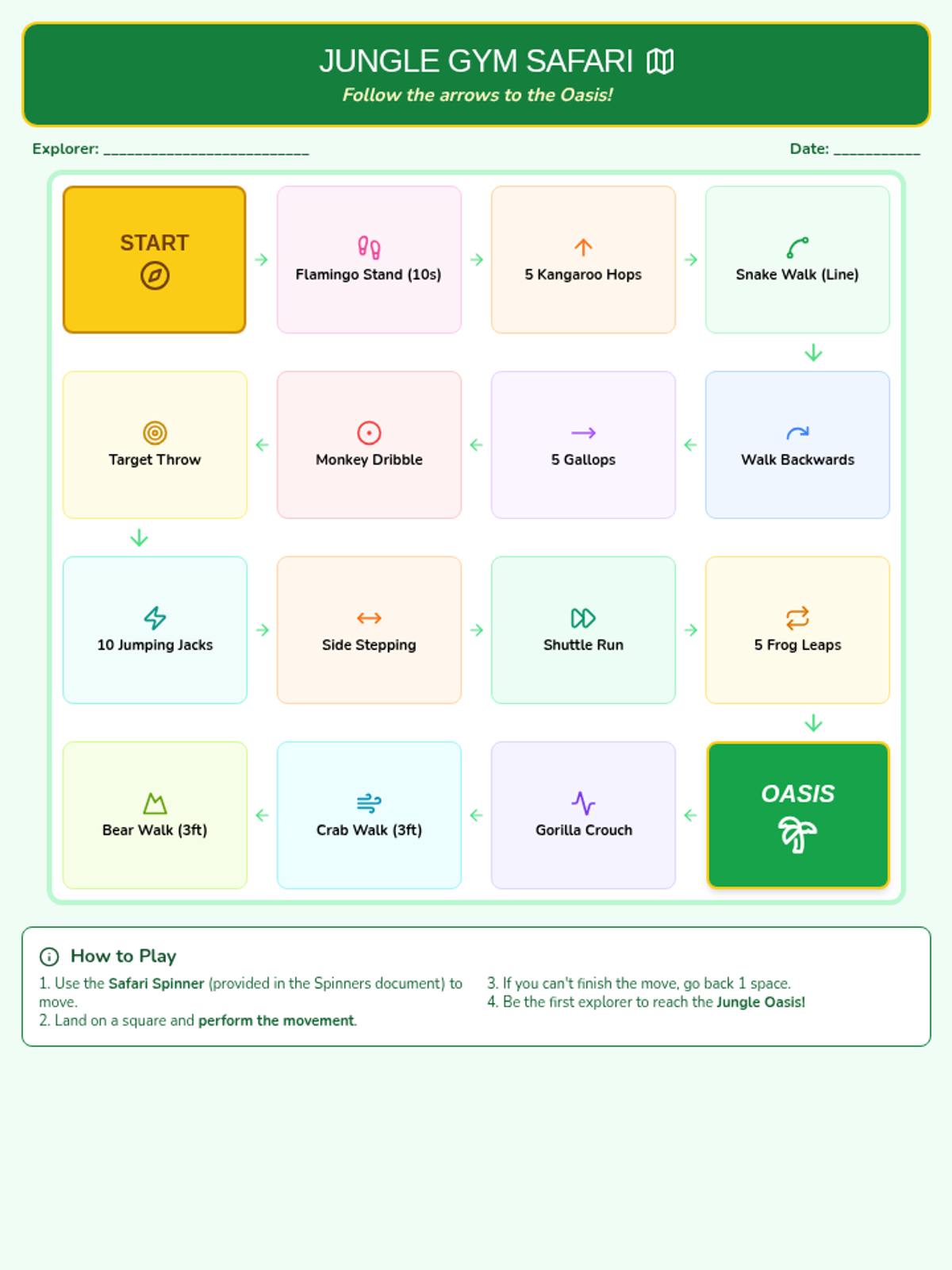
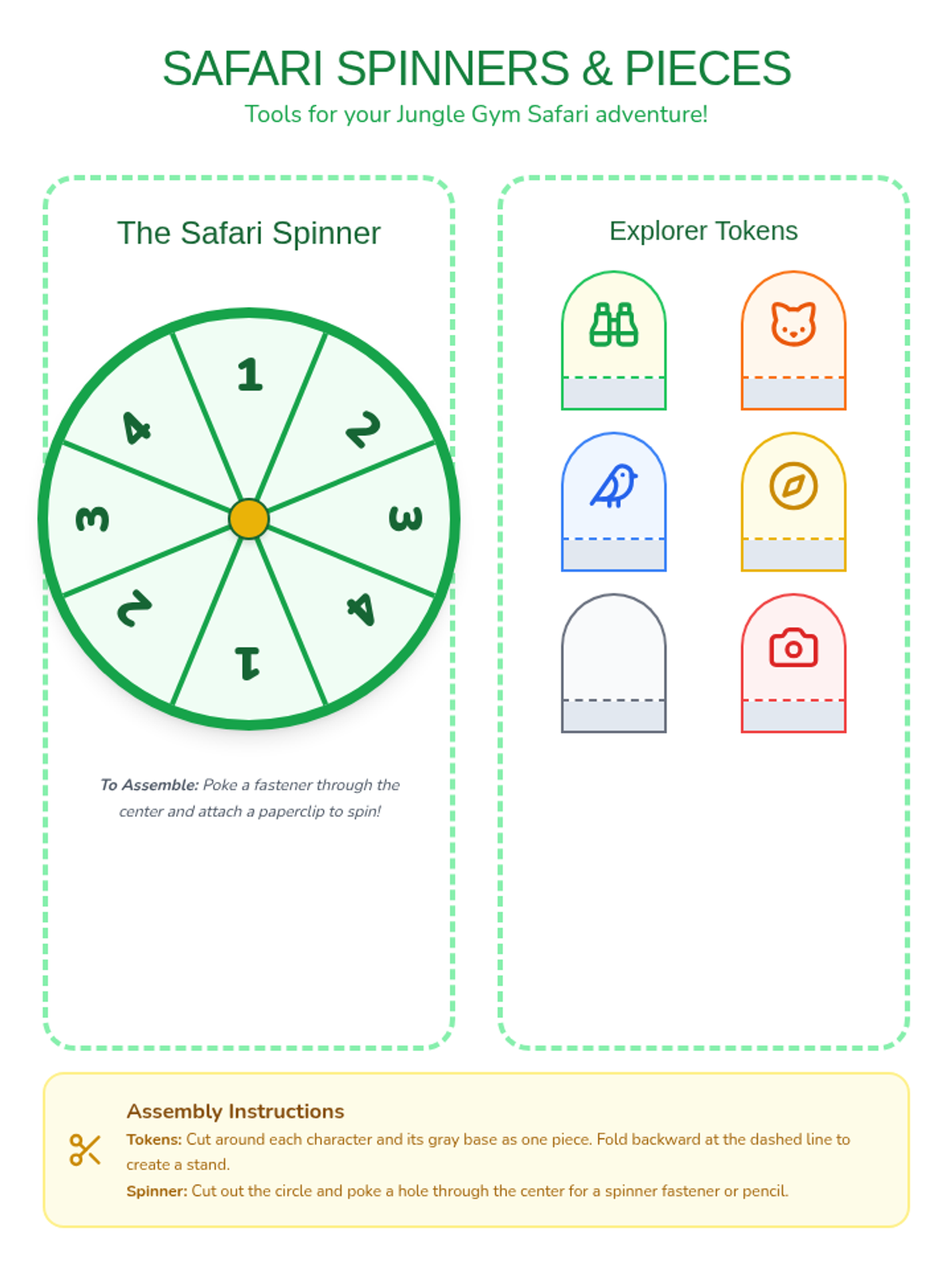
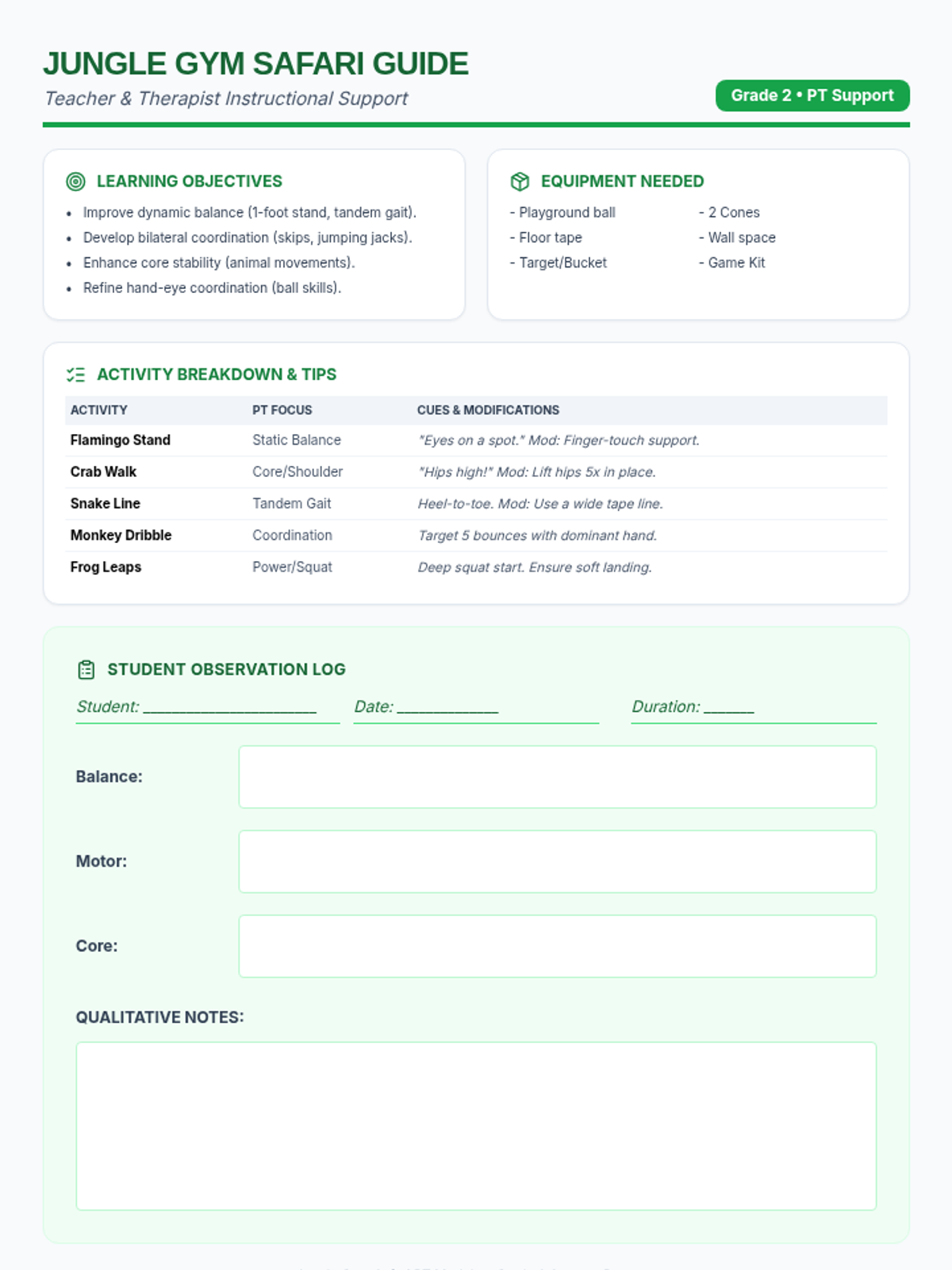
A physical therapy board game set for 2nd graders focusing on gross motor skills, balance, and core strength through a jungle-themed adventure.
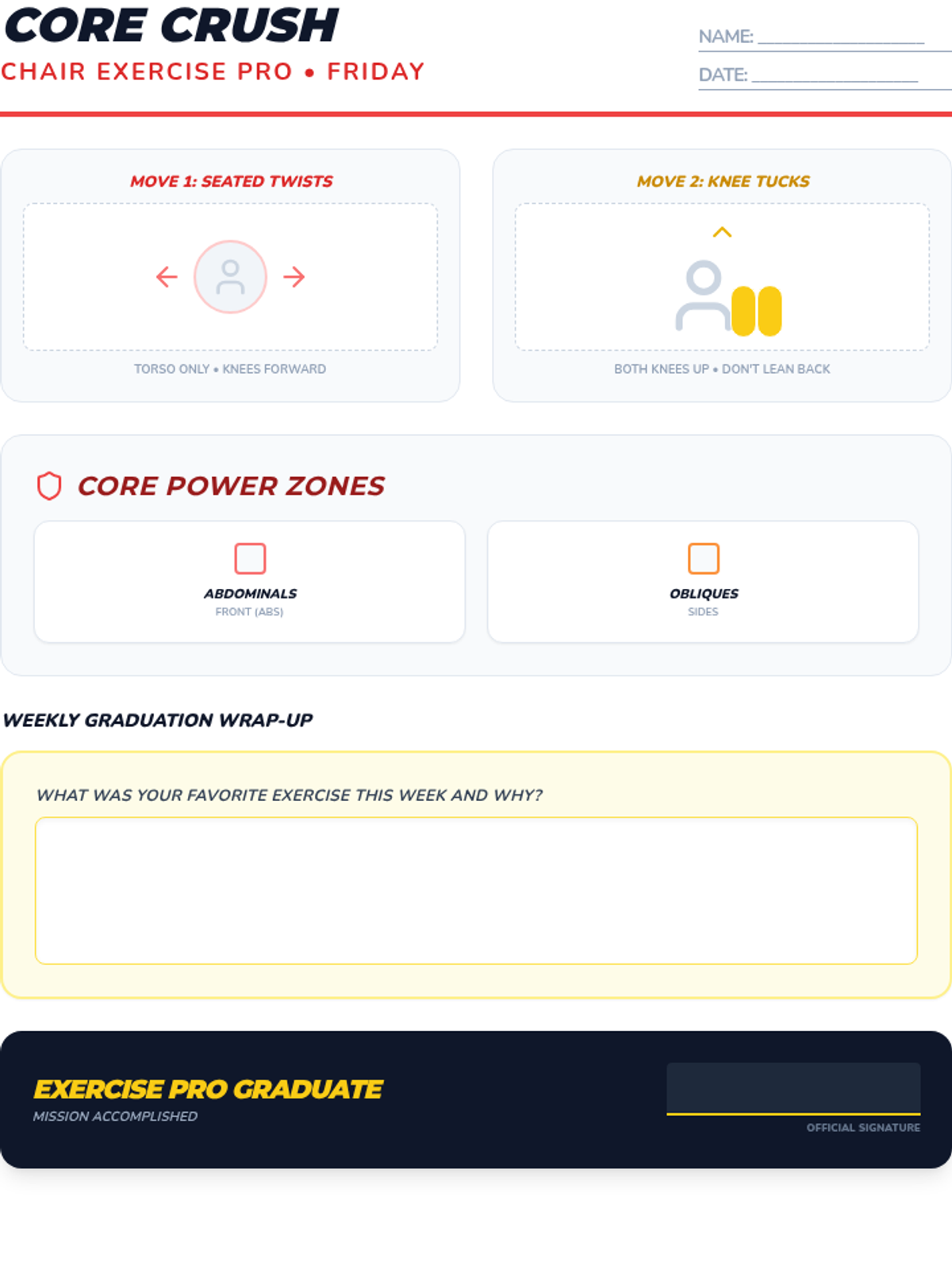
Core-strengthening chair exercises including seated twists and knee tucks to build abdominal strength.
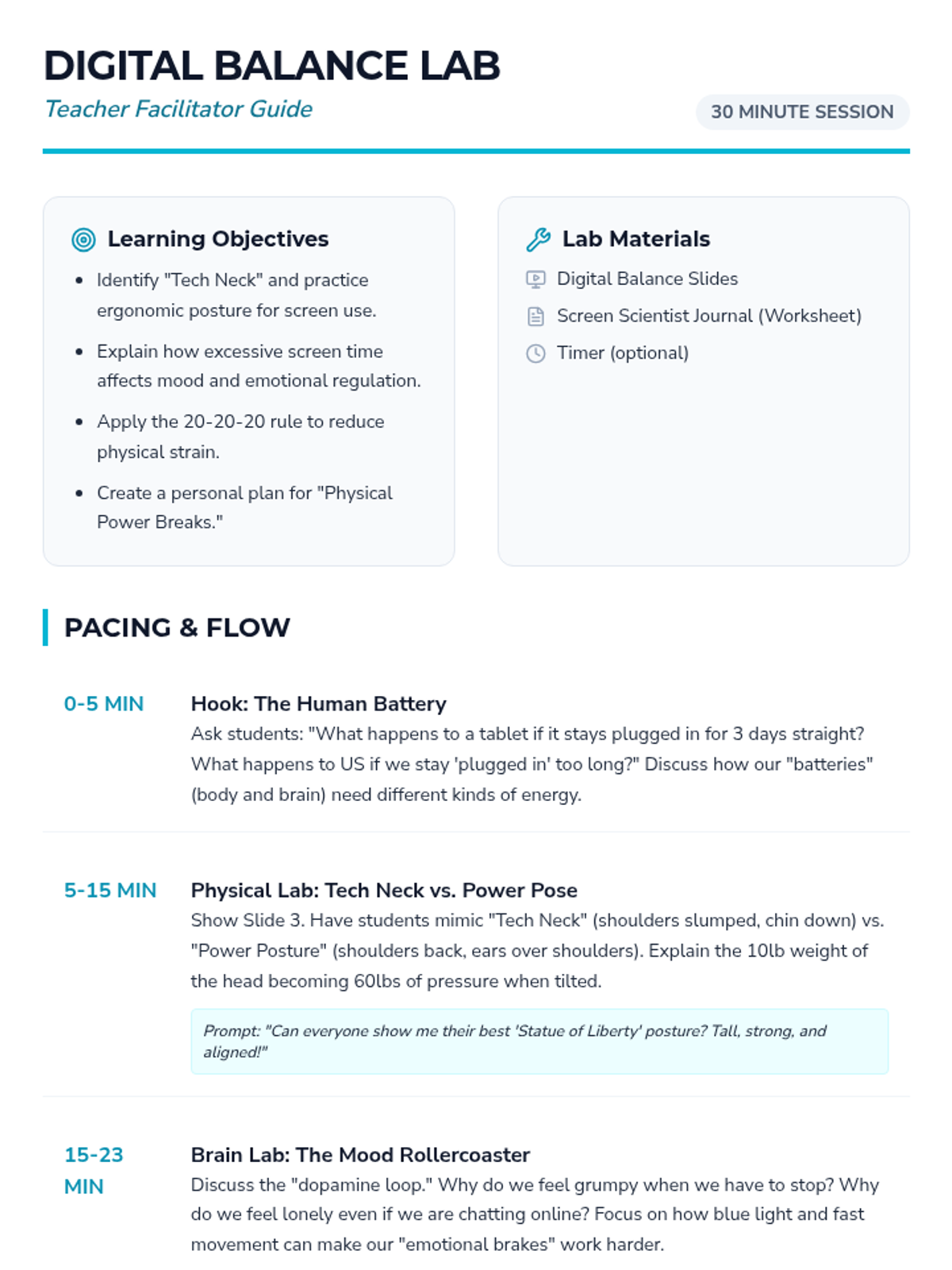
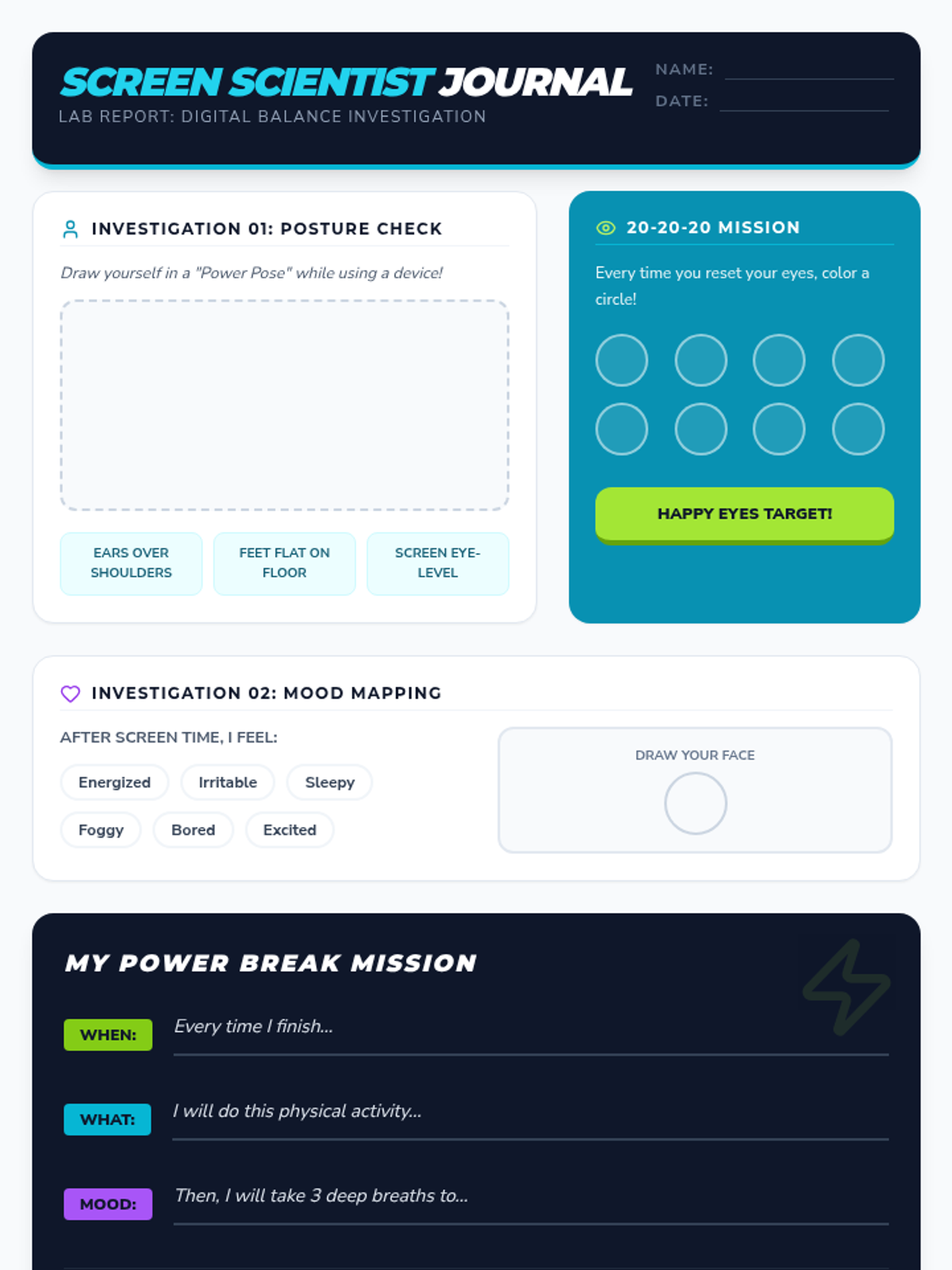
A 30-minute lesson for 3rd-5th graders focusing on the physical and emotional impacts of screen time, featuring posture tips and mood regulation strategies.
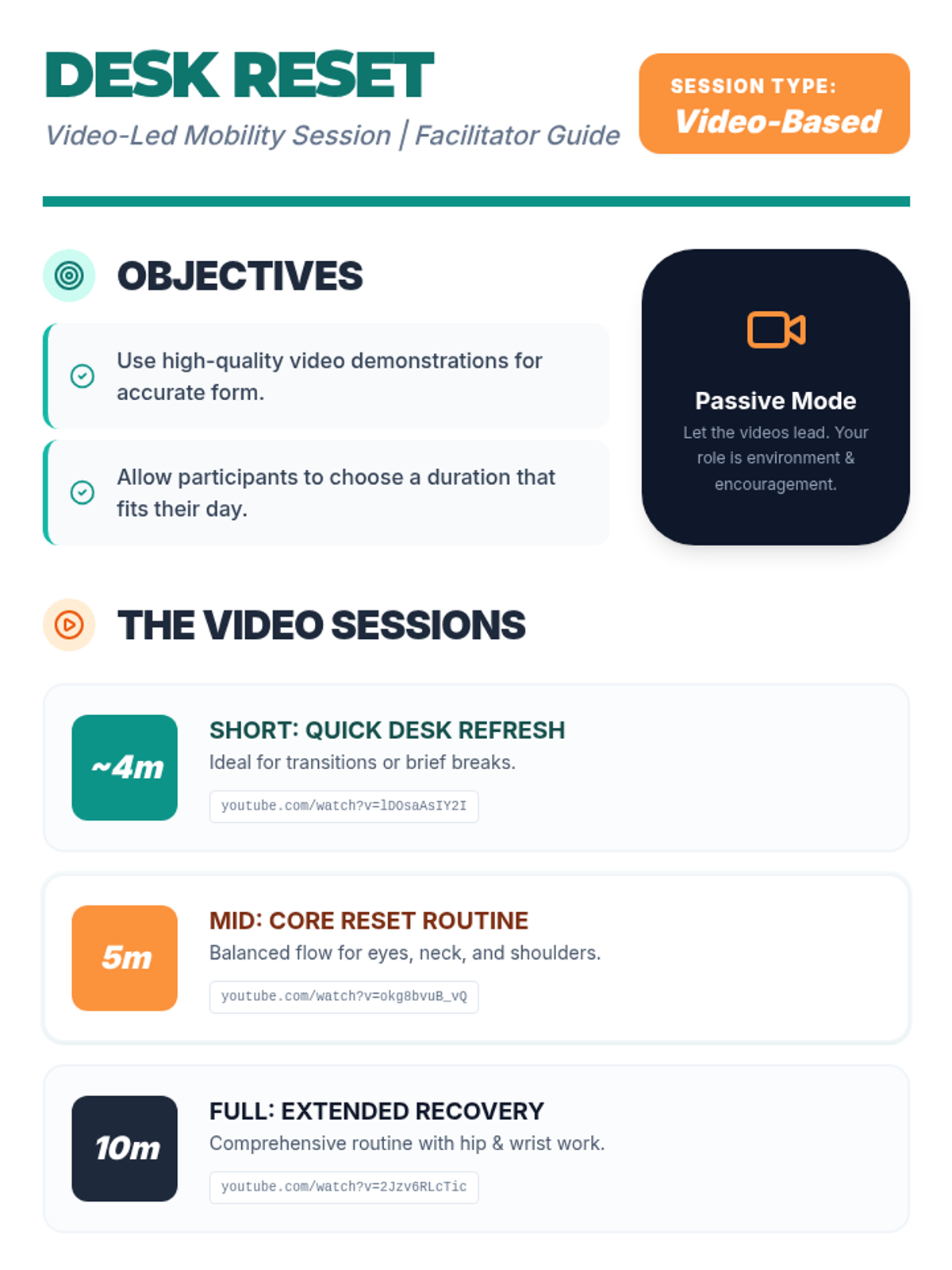
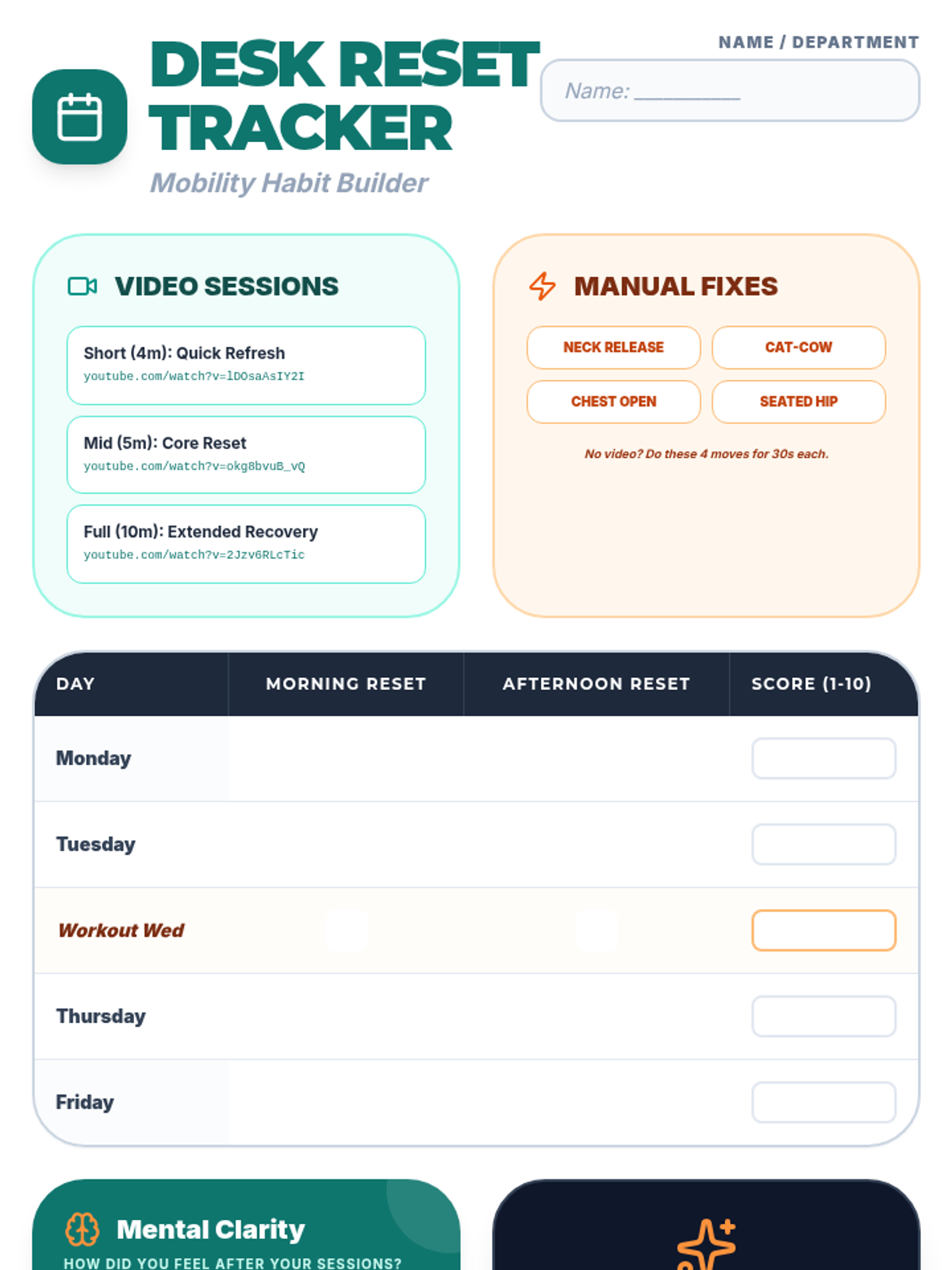
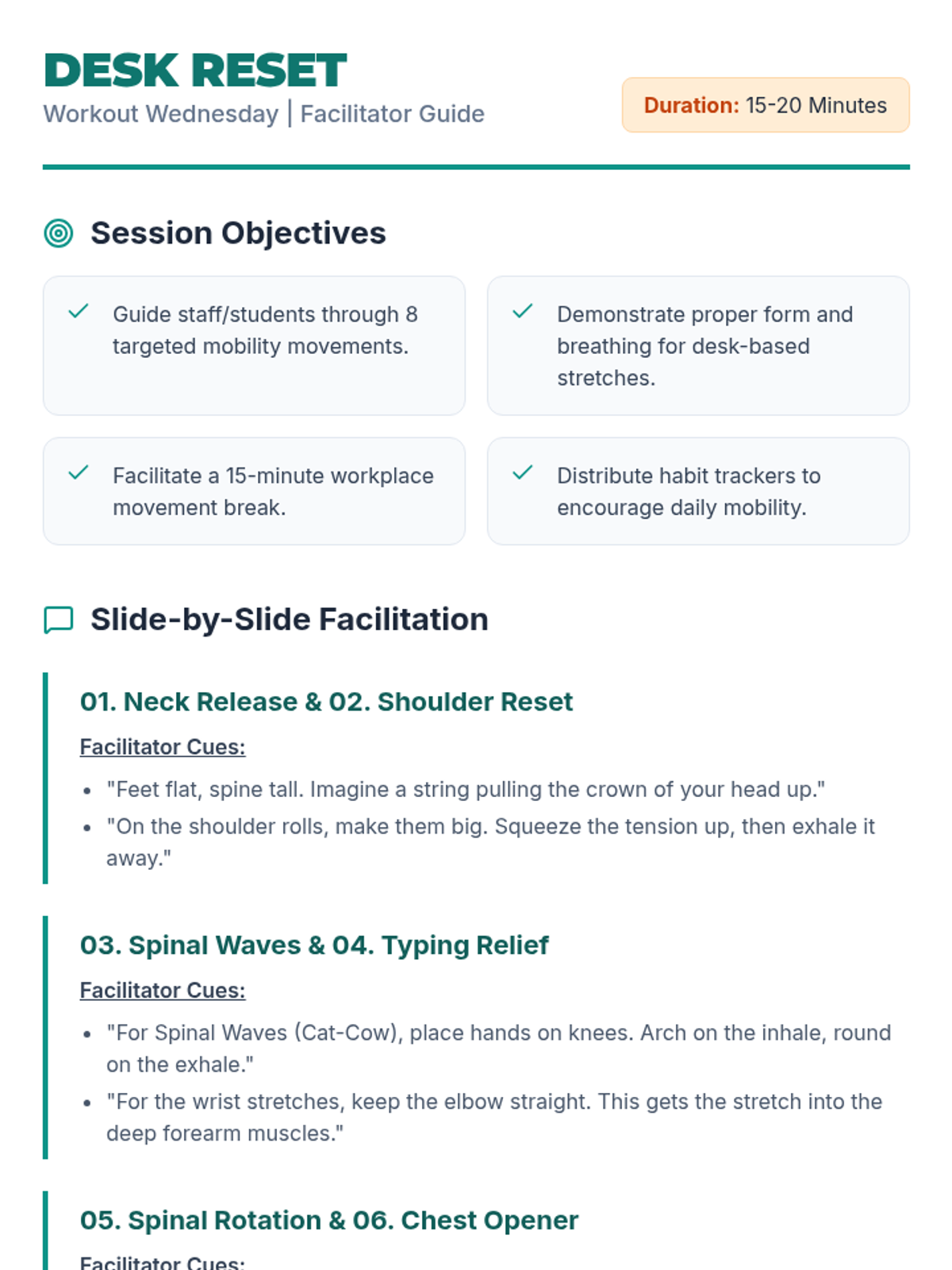
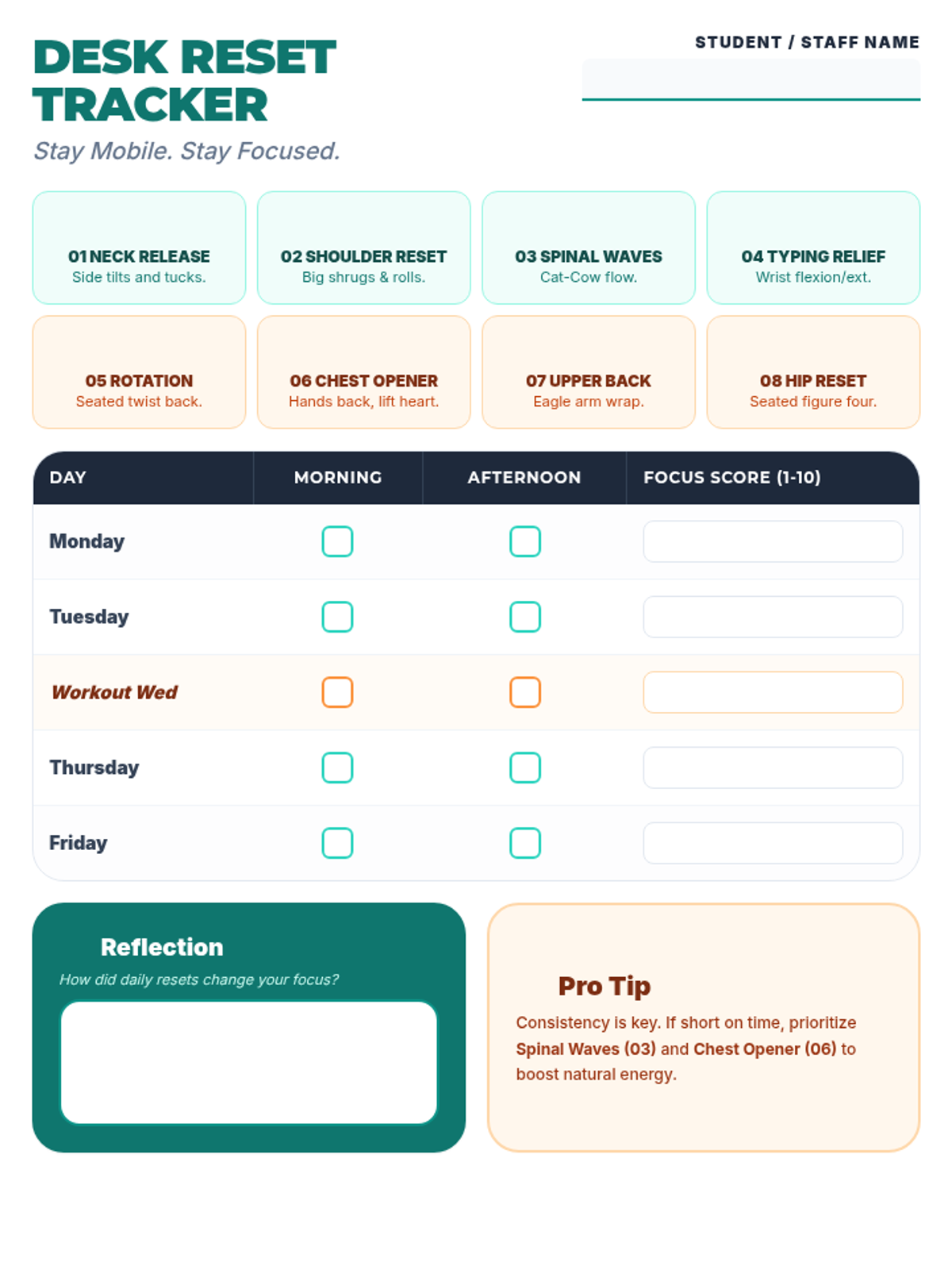
A quick, effective mobility session designed for office workers and students to alleviate desk-related tension. This lesson focuses on chair-based movements and upper body stretches that can be performed without any special equipment.
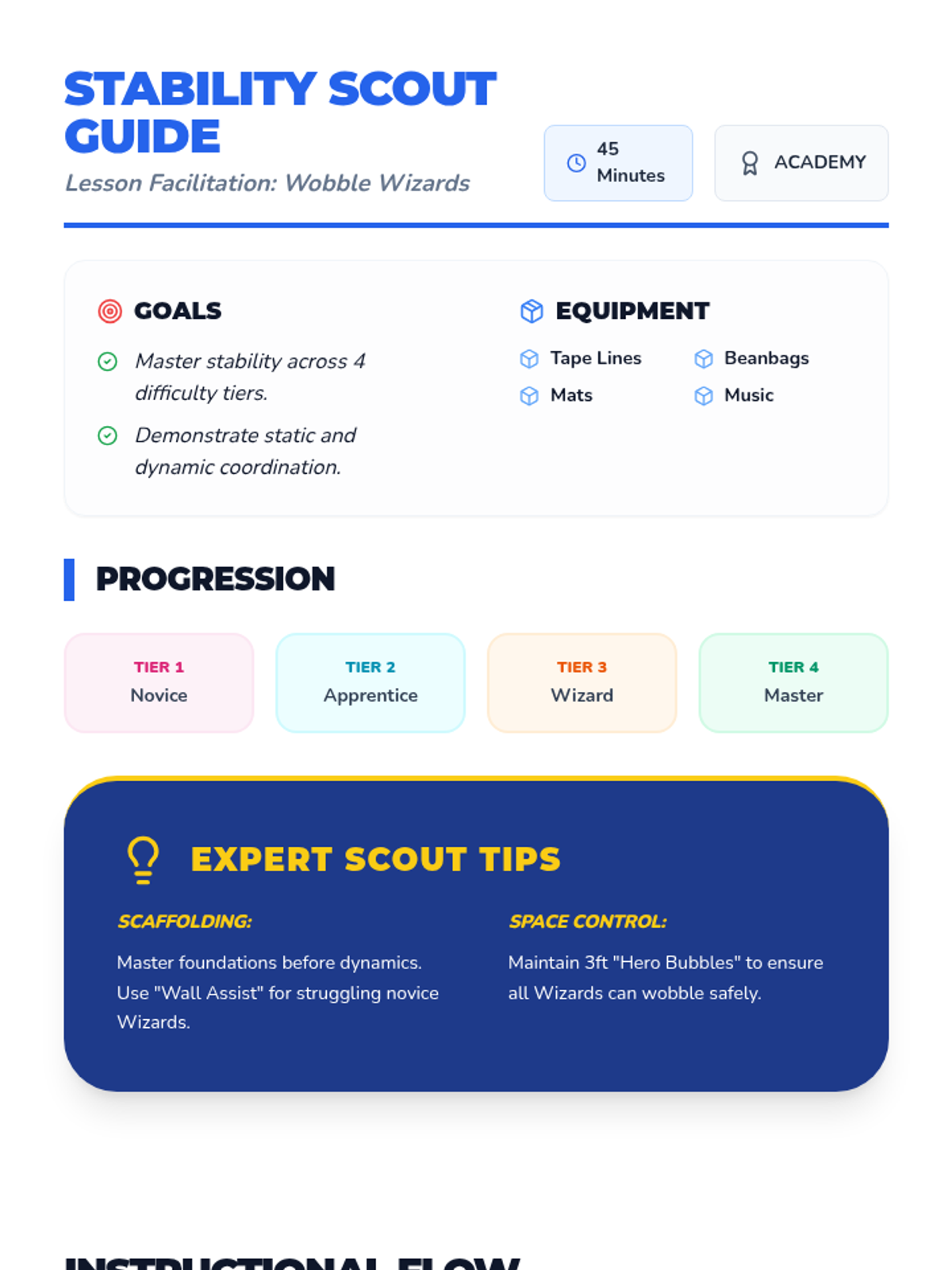
A high-energy physical education lesson focused on developing gross motor skills through engaging balance challenges. Students explore static and dynamic balance using playful imagery and structured task cards.
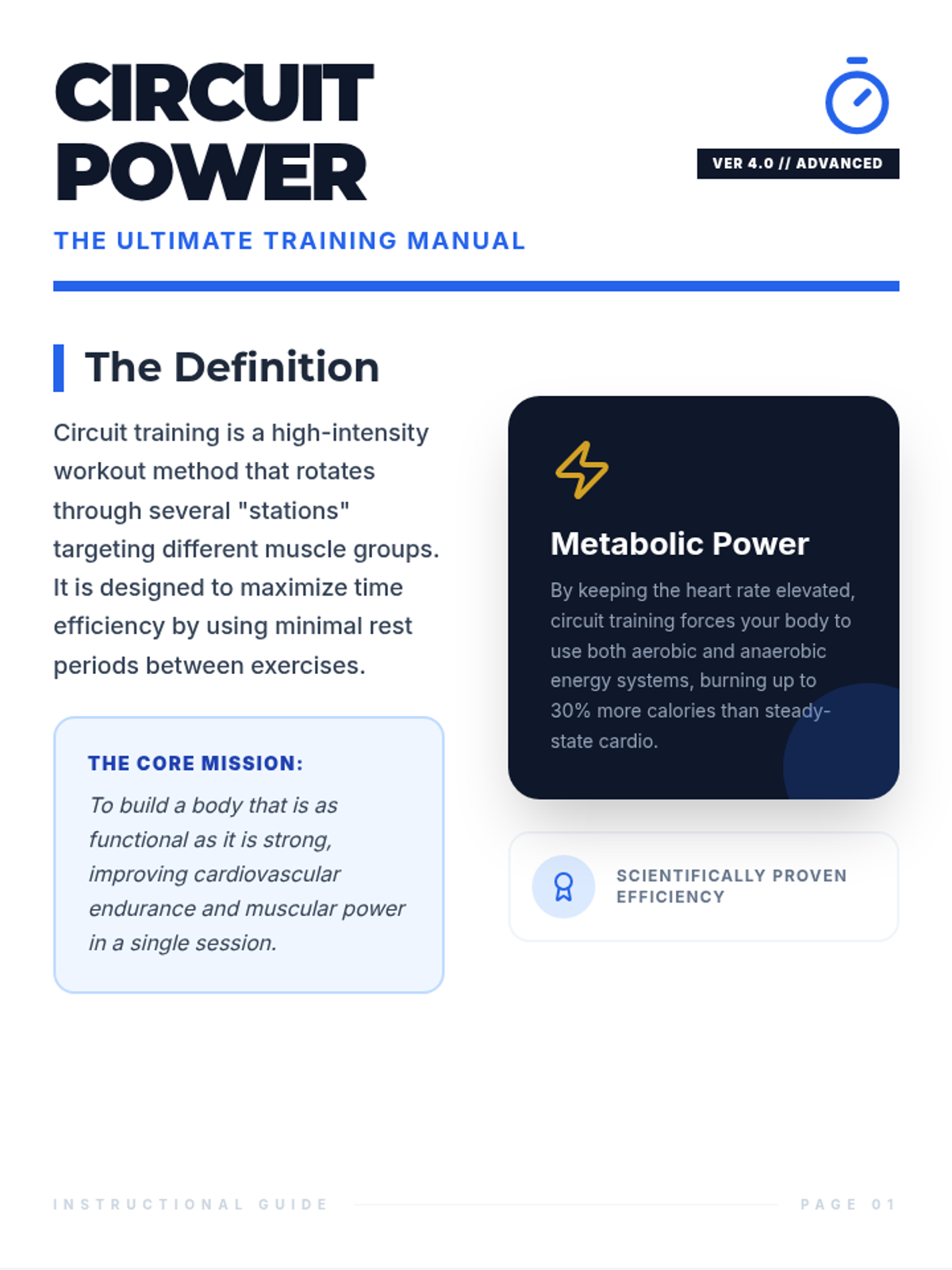
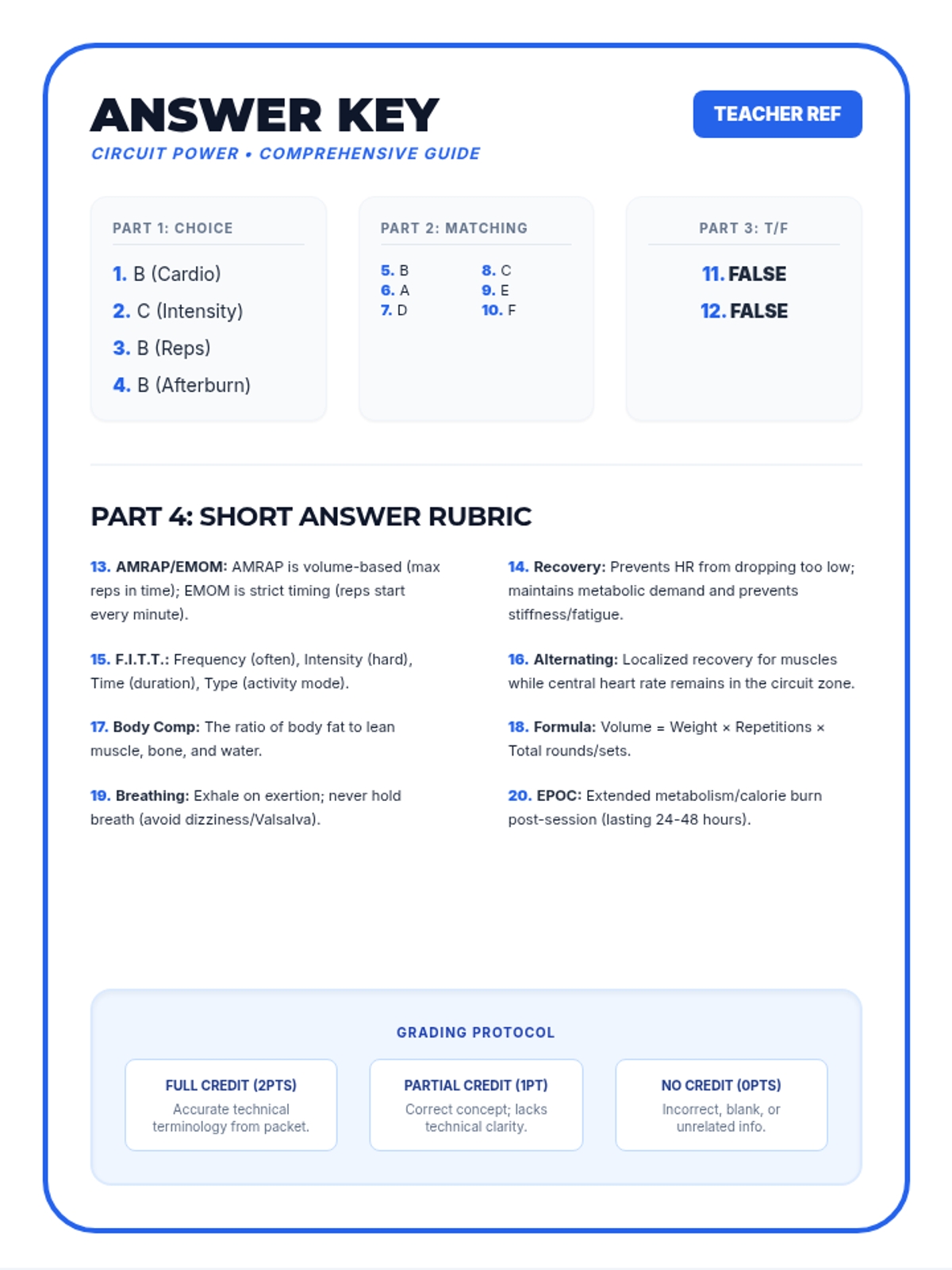
A comprehensive guide to circuit training, covering the five components of fitness, key terminology, and practical application. Includes an instructional handout, a comprehension worksheet, and an answer key.
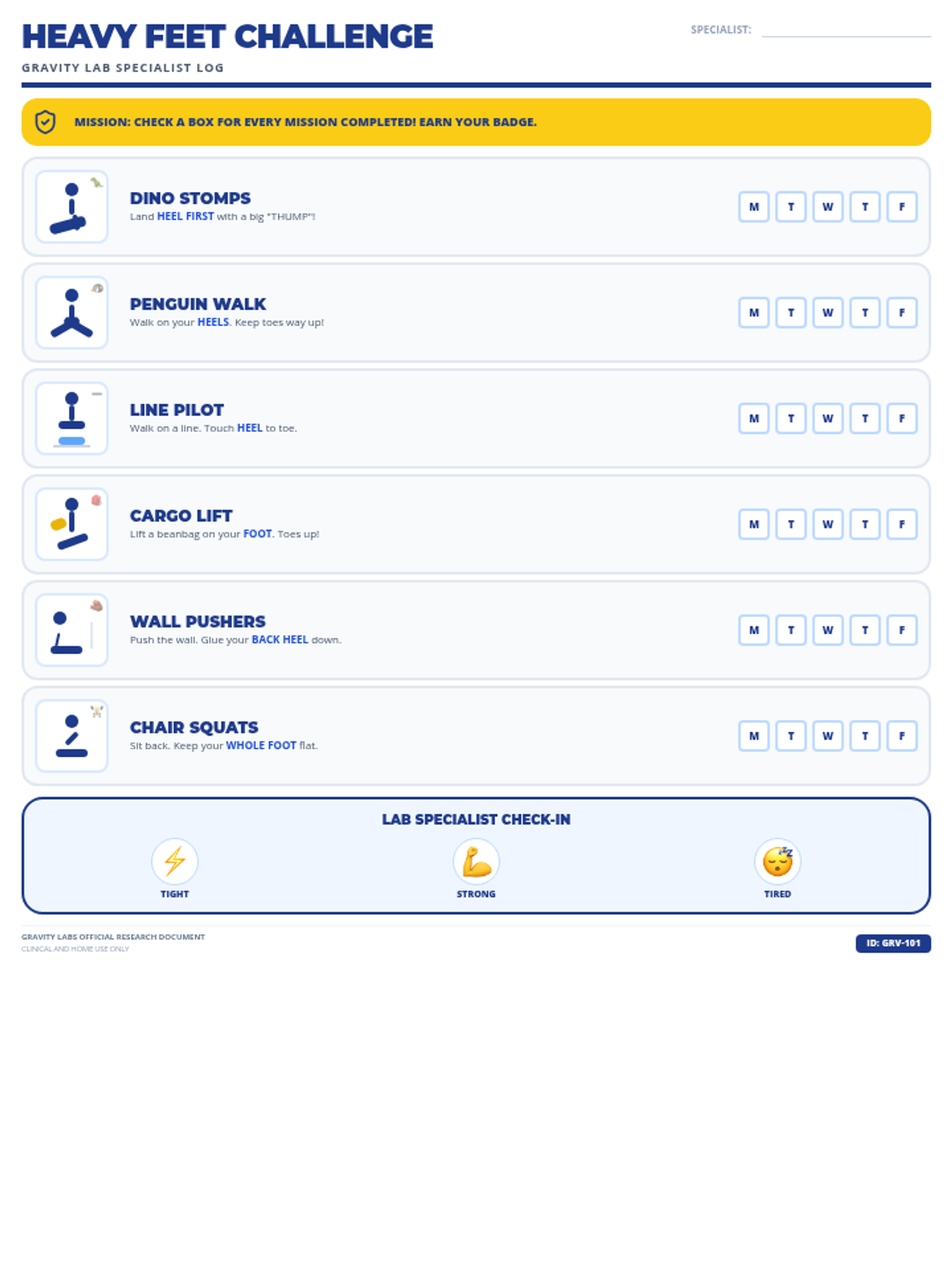
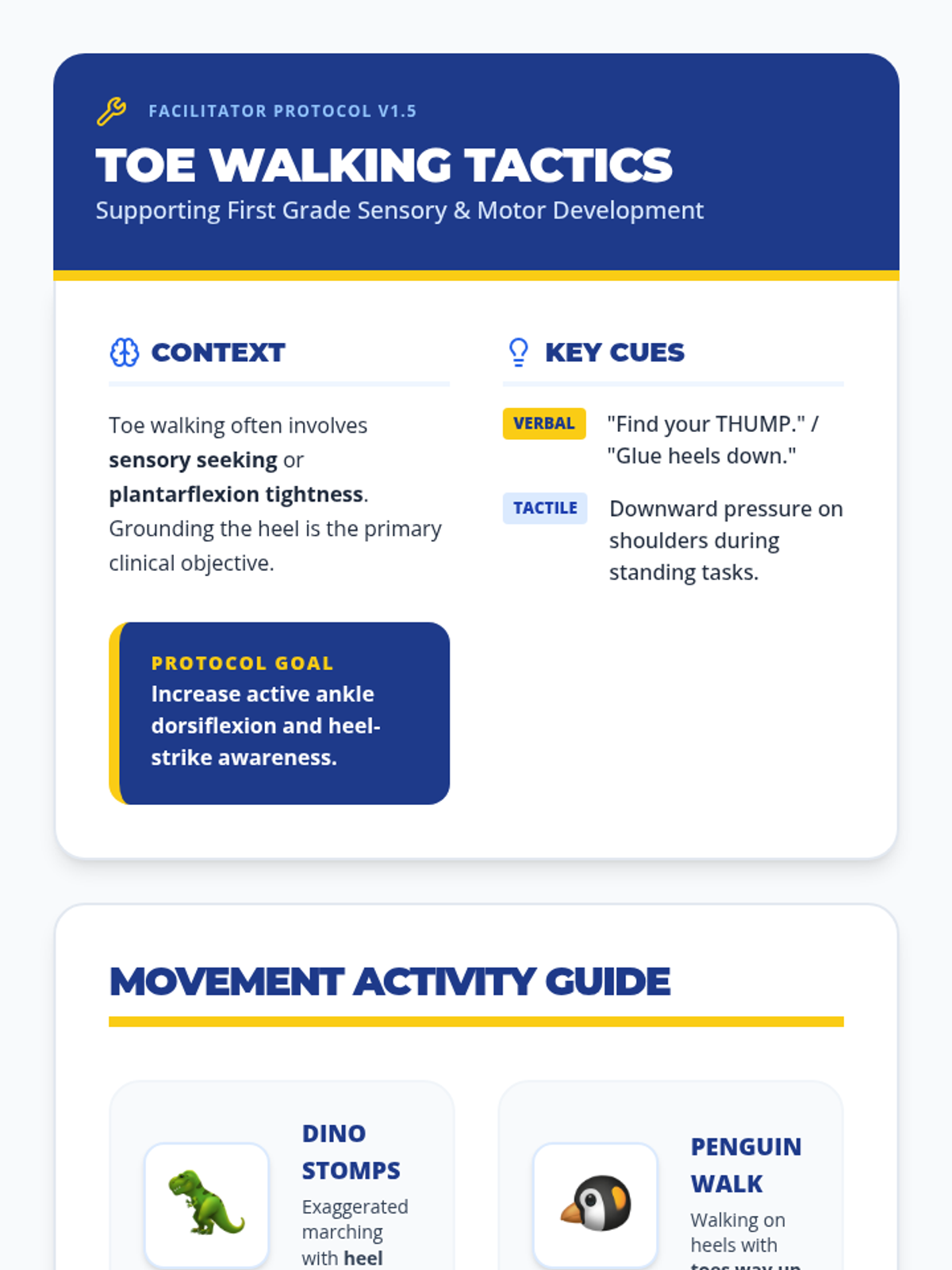
A specialized physical therapy lesson designed for first graders to address toe walking through engaging, gravity-themed exercises that improve ankle mobility and heel-strike awareness.
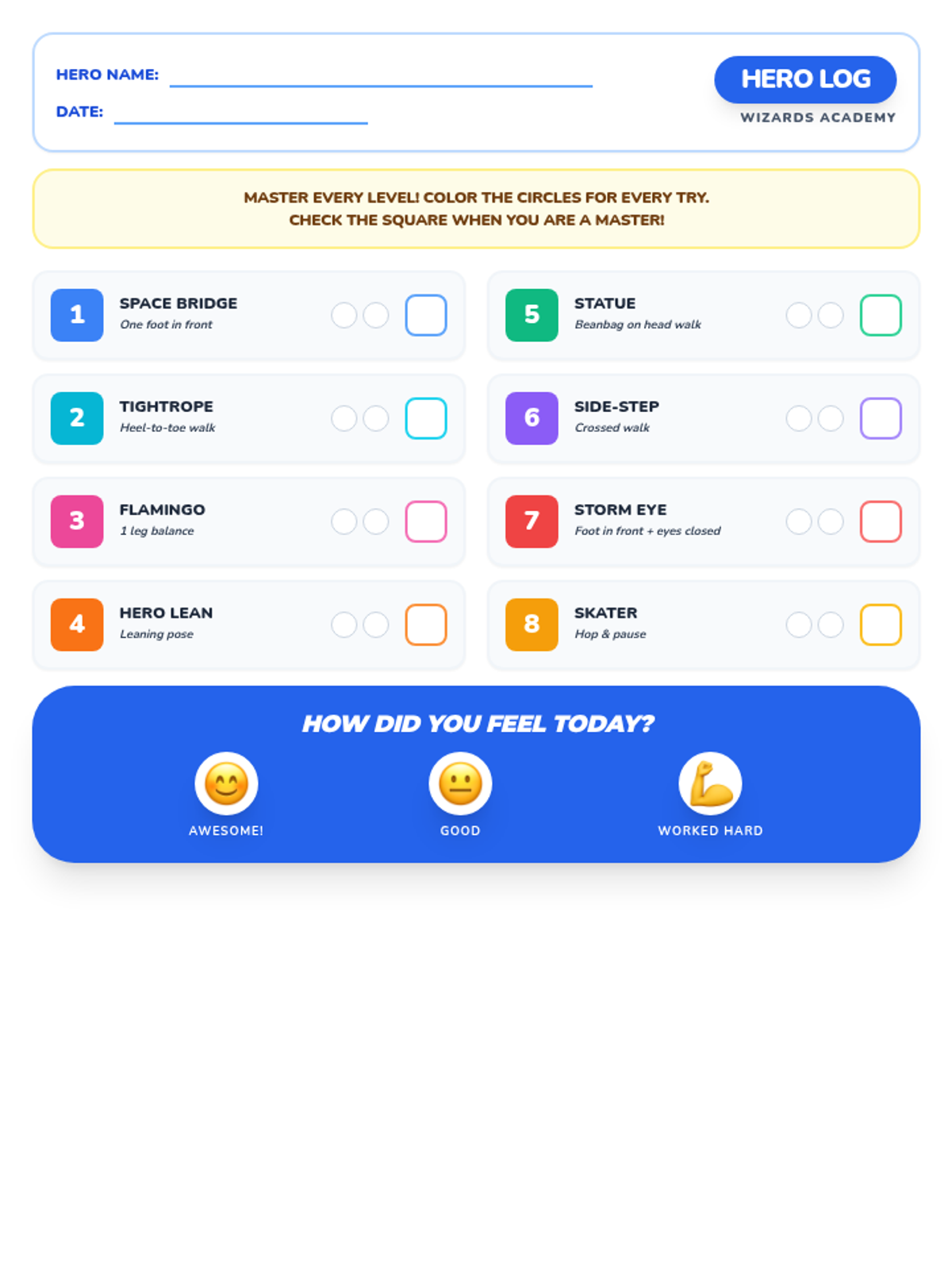
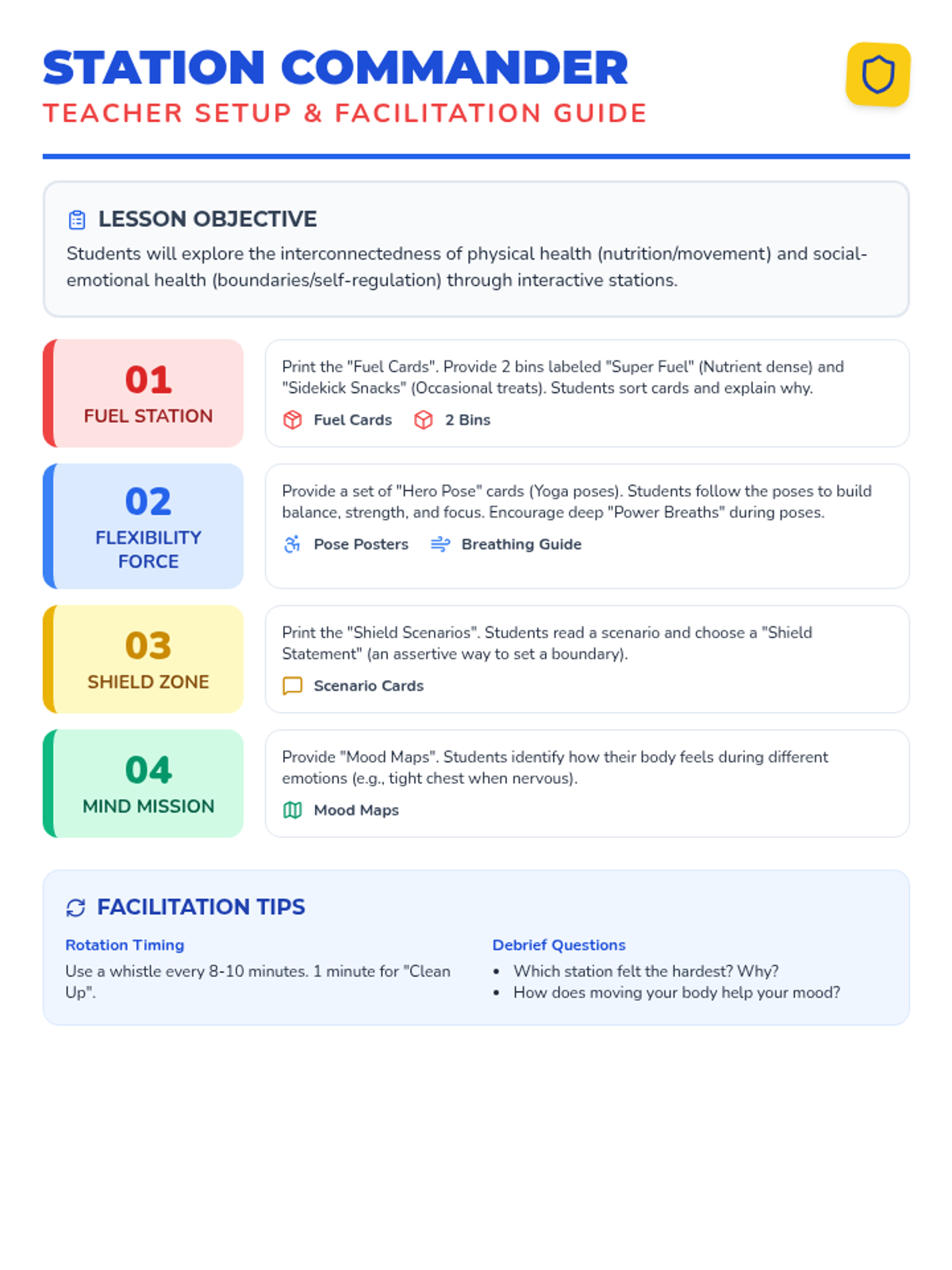
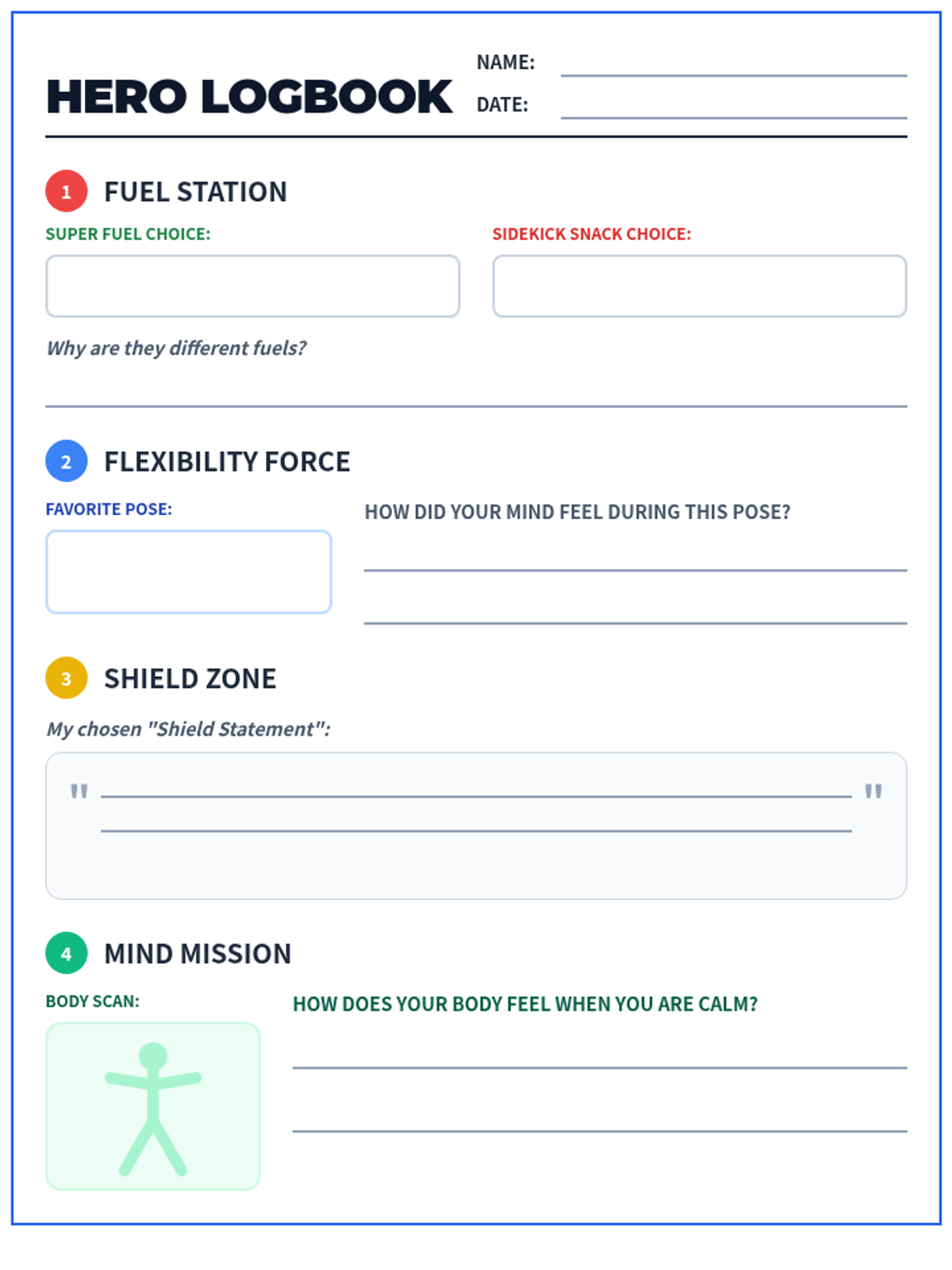
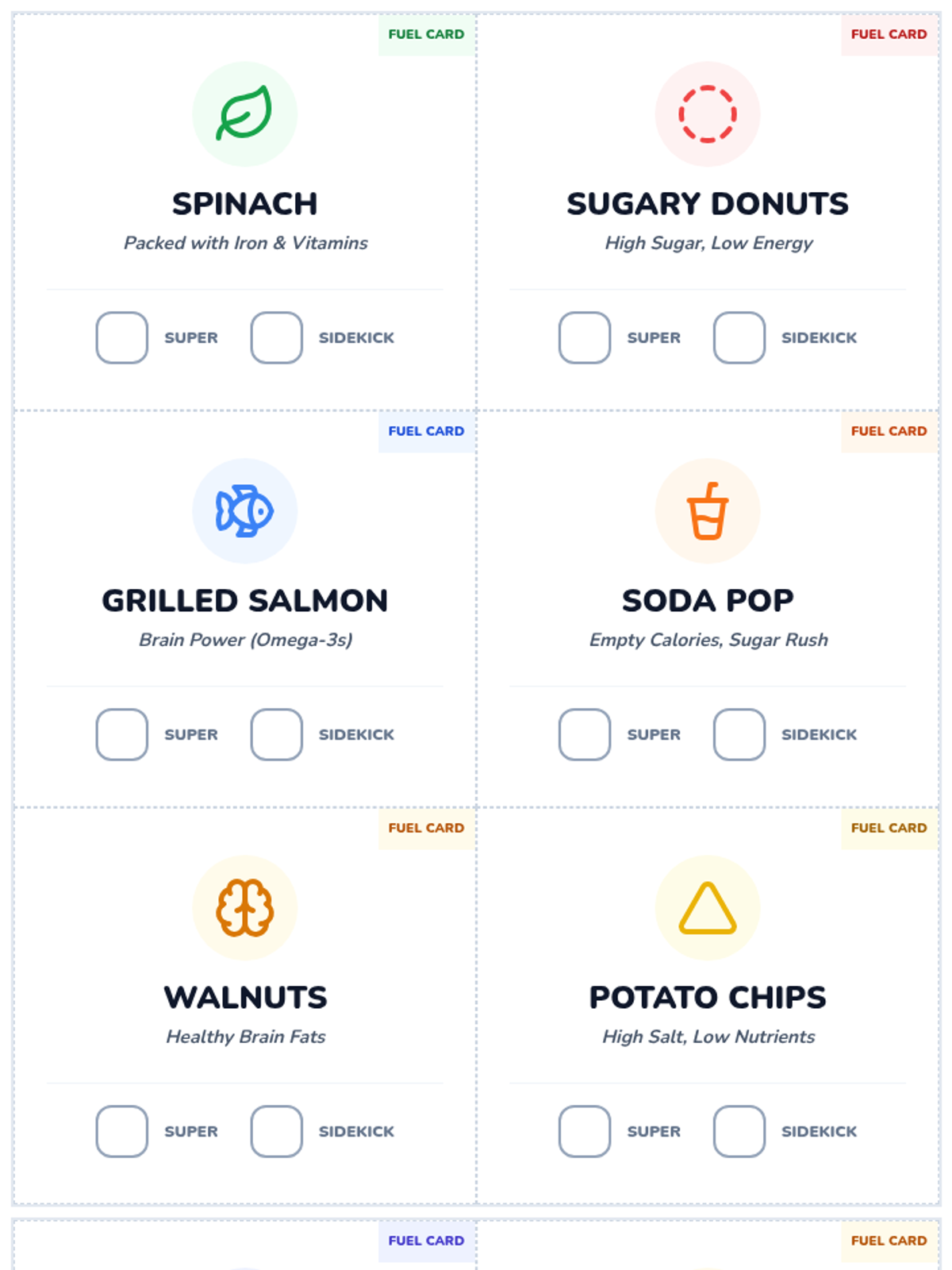
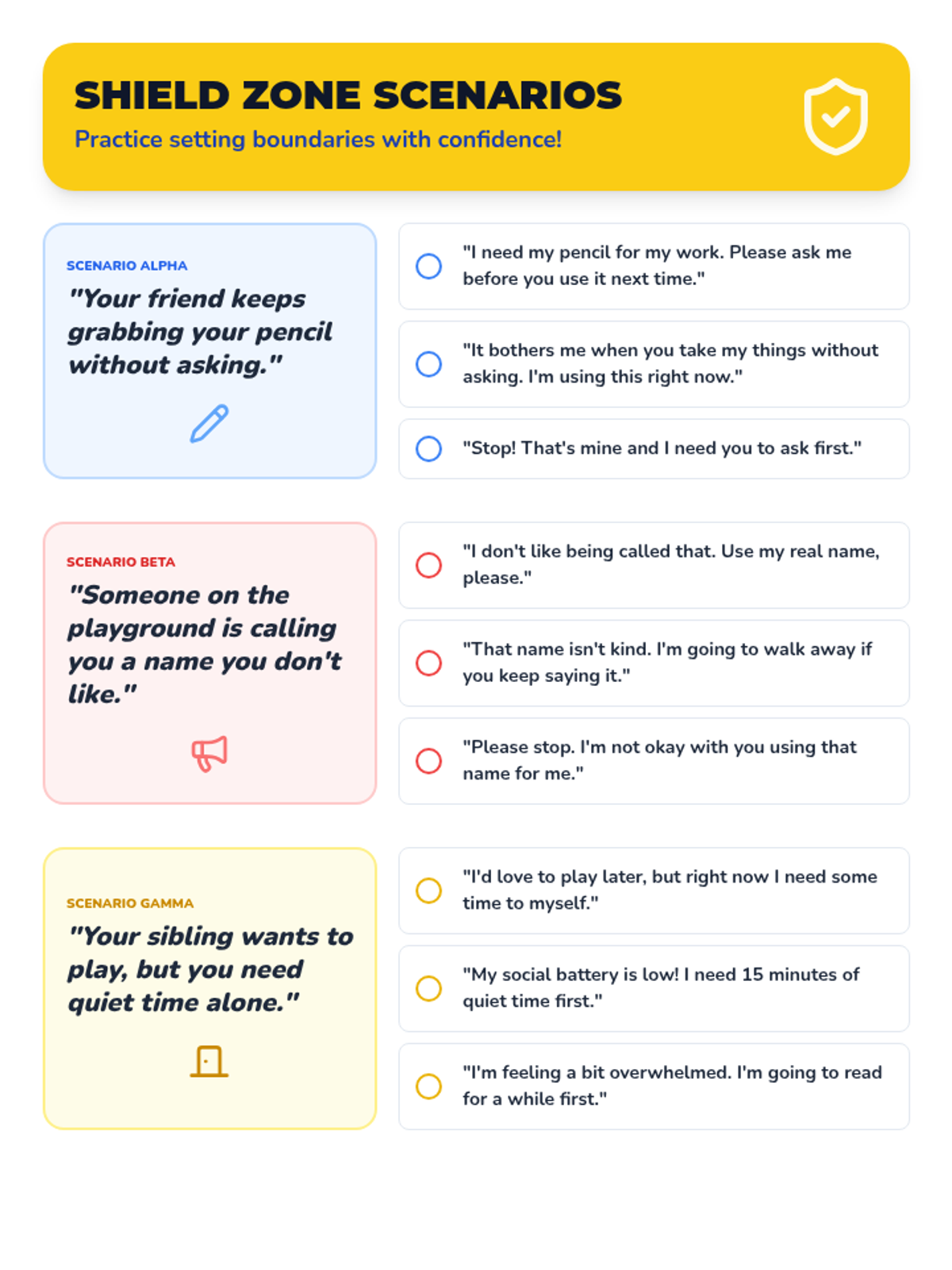
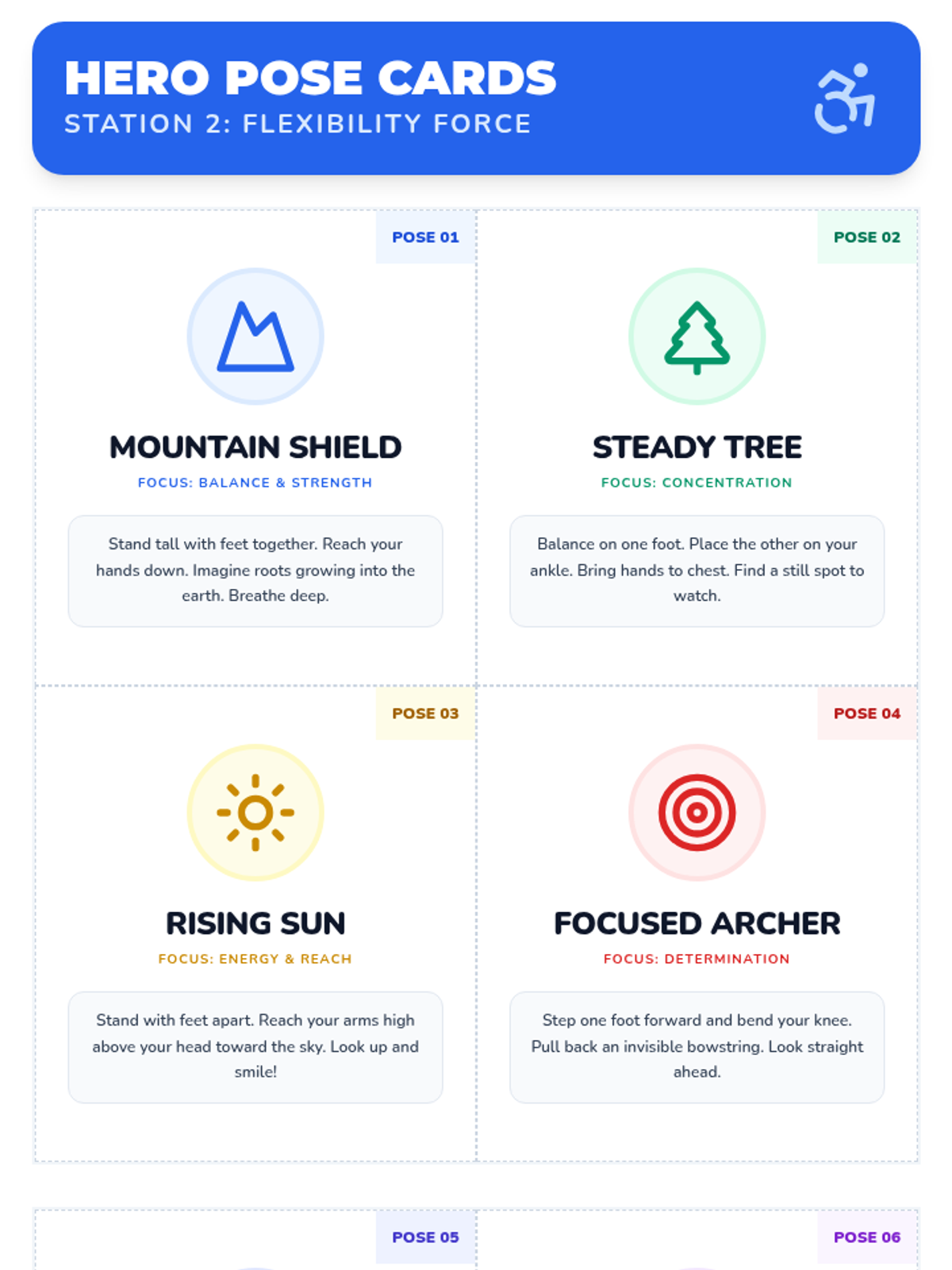
An interactive, station-based lesson that teaches 4th graders how to balance physical health (nutrition and exercise) with social-emotional well-being (boundaries). Students rotate through "Hero Training" stations to build their healthy habit toolkit.
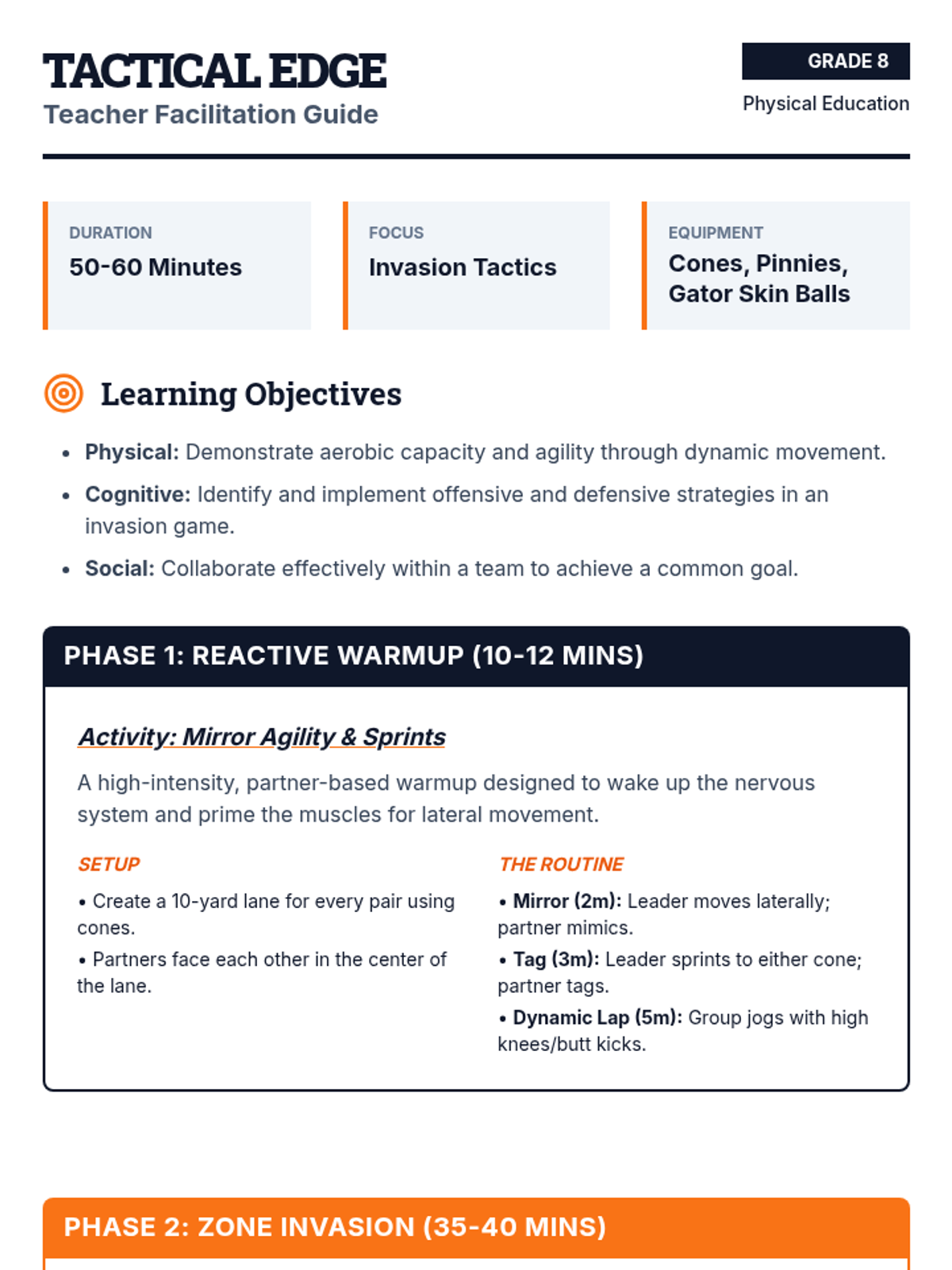
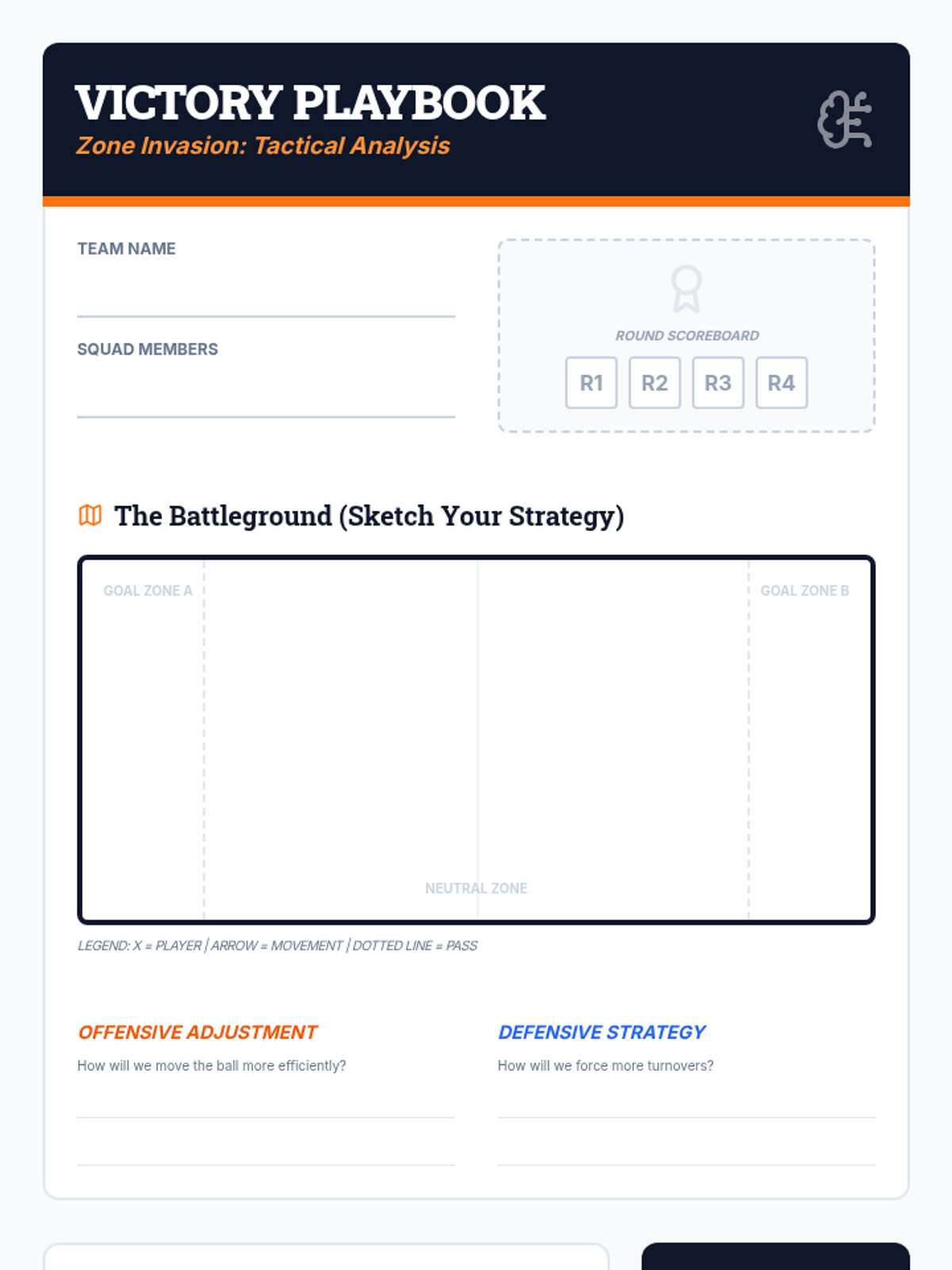
An energetic PE lesson focused on strategic invasion games, teamwork, and dynamic physical preparation. Students will engage in a high-intensity warmup followed by a complex tactical game called Zone Invasion.
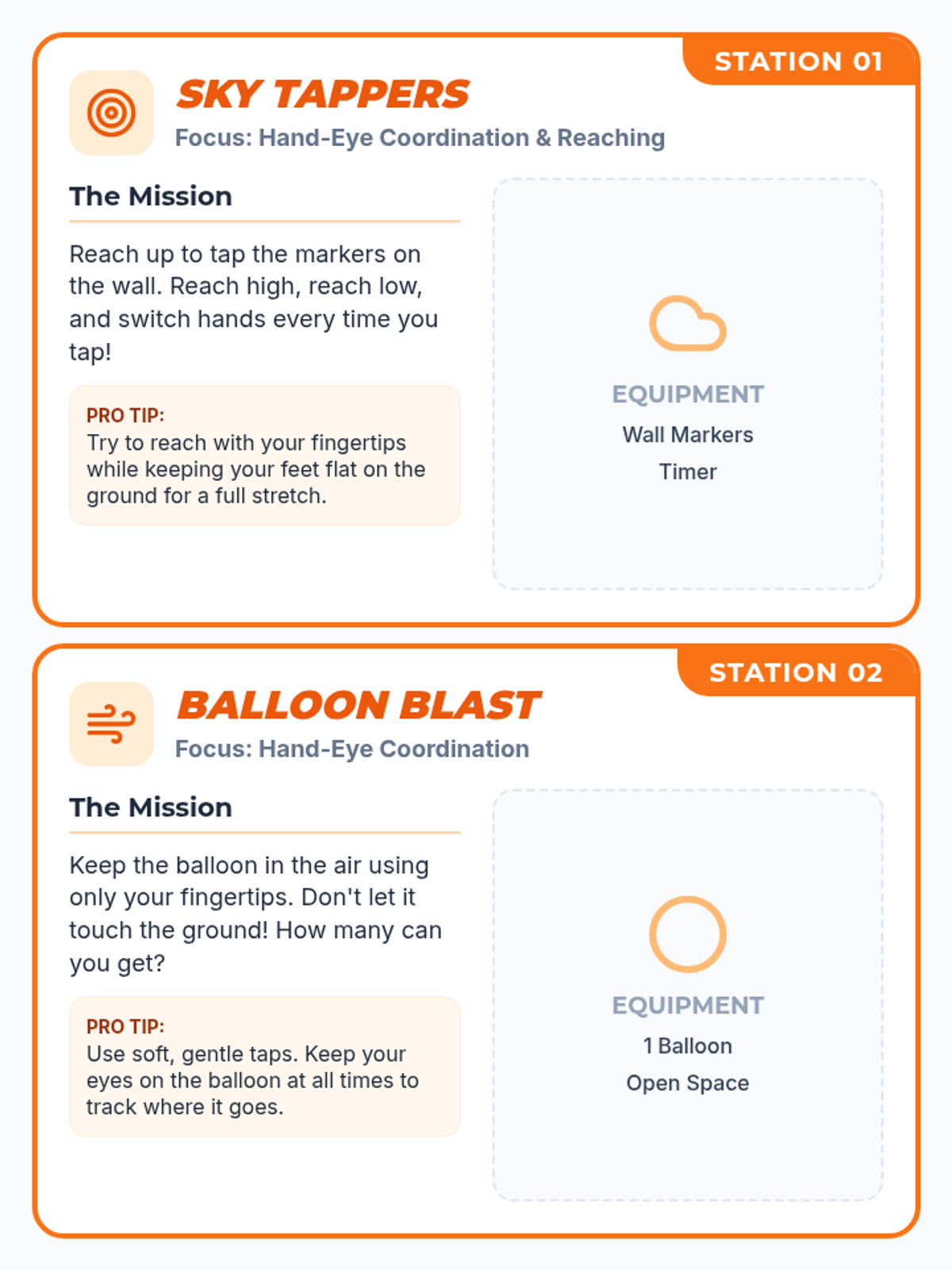
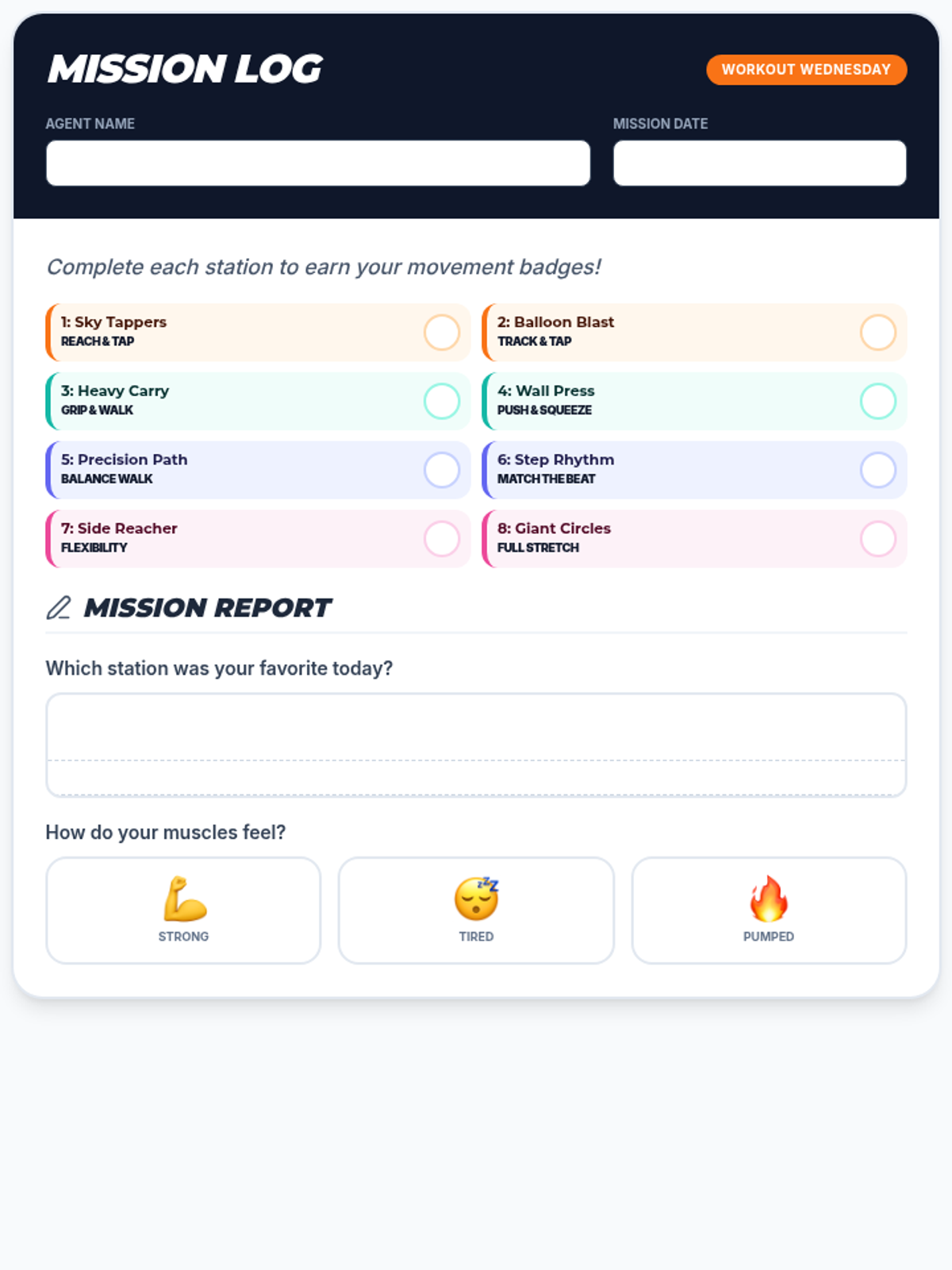
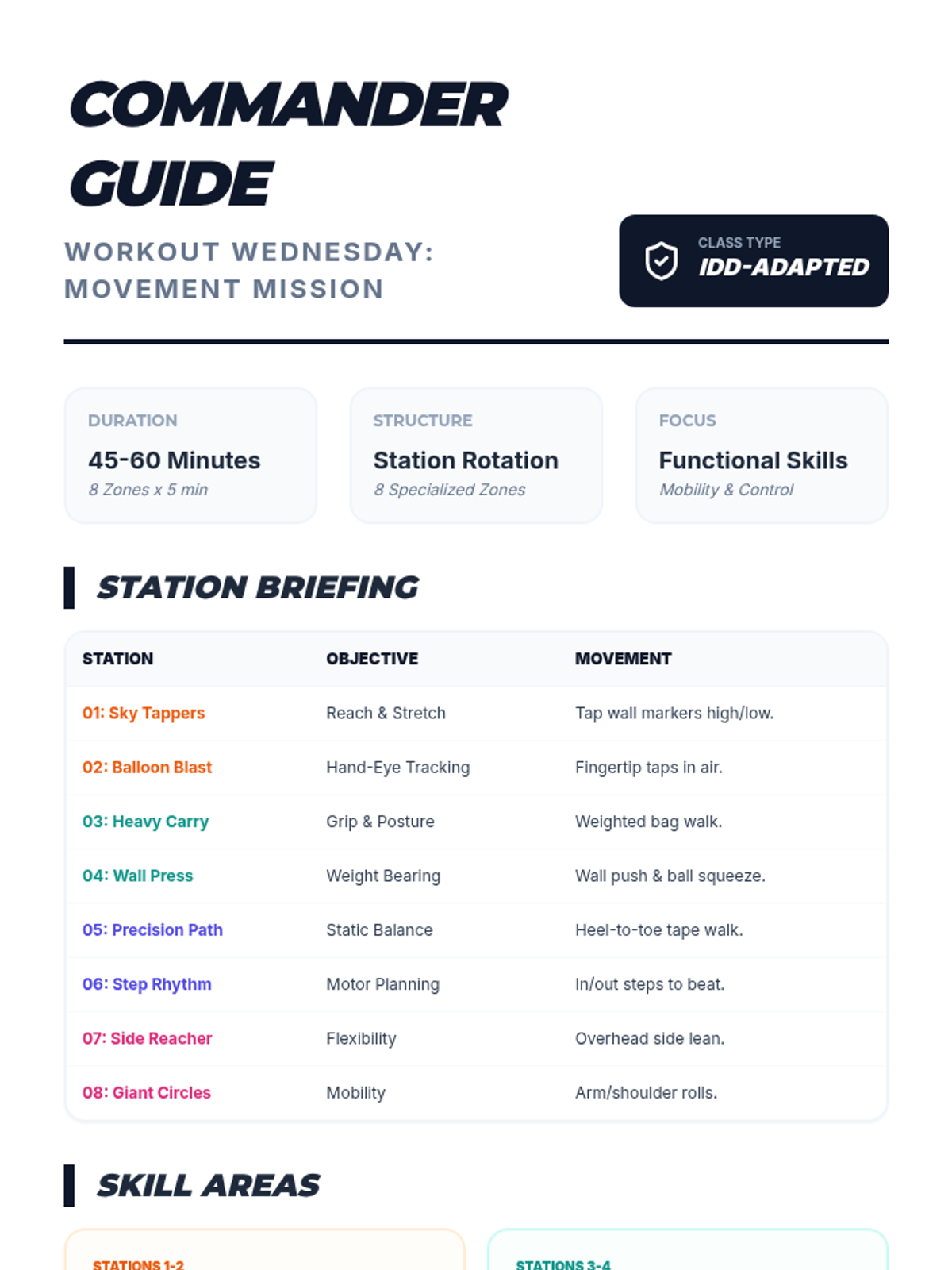
A high-energy station rotation lesson focused on developing hand-eye coordination, grip strength, and balance through a 'Movement Mission' theme. Students rotate through six specialized zones to build physical literacy and motor control.
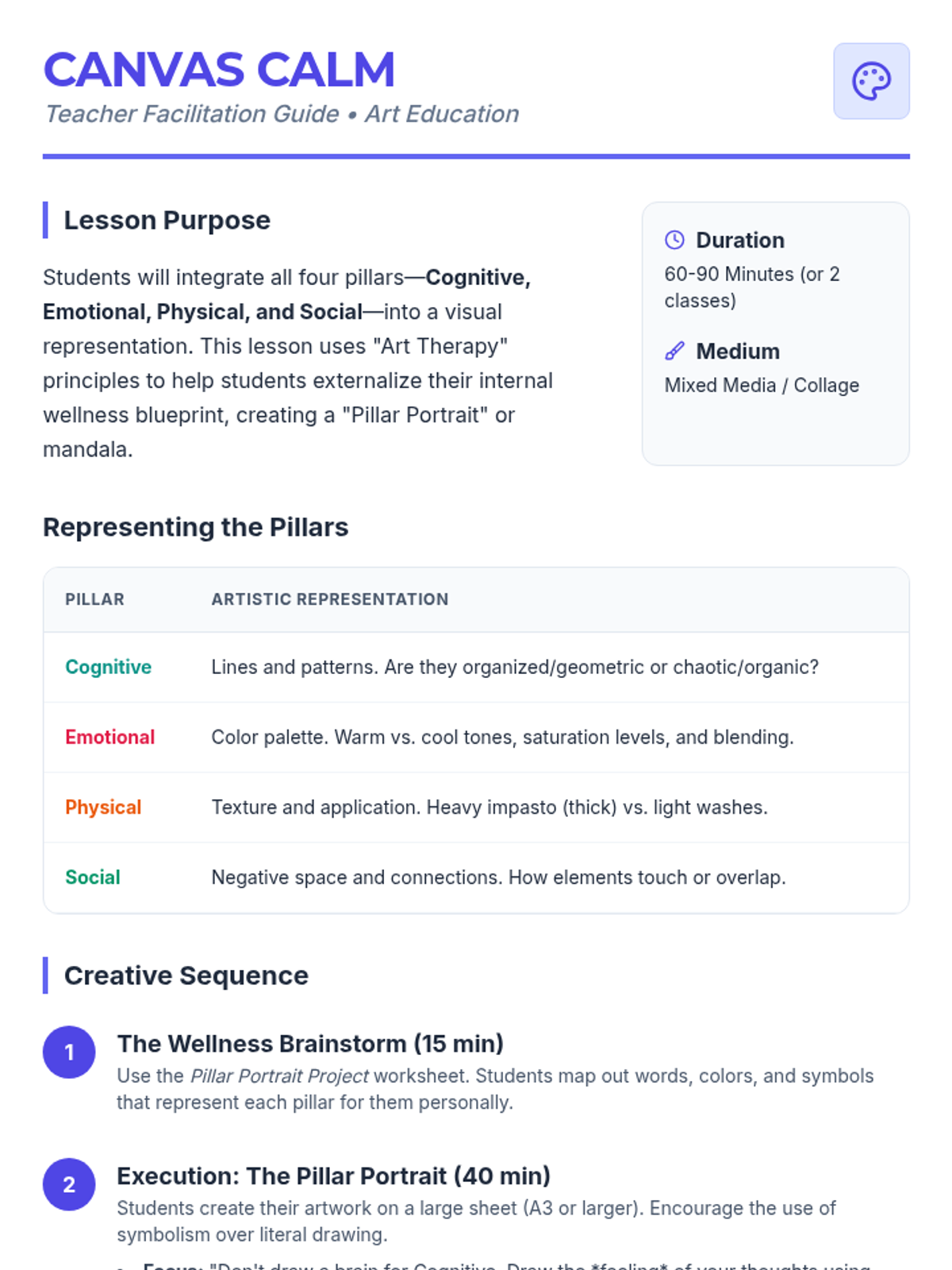
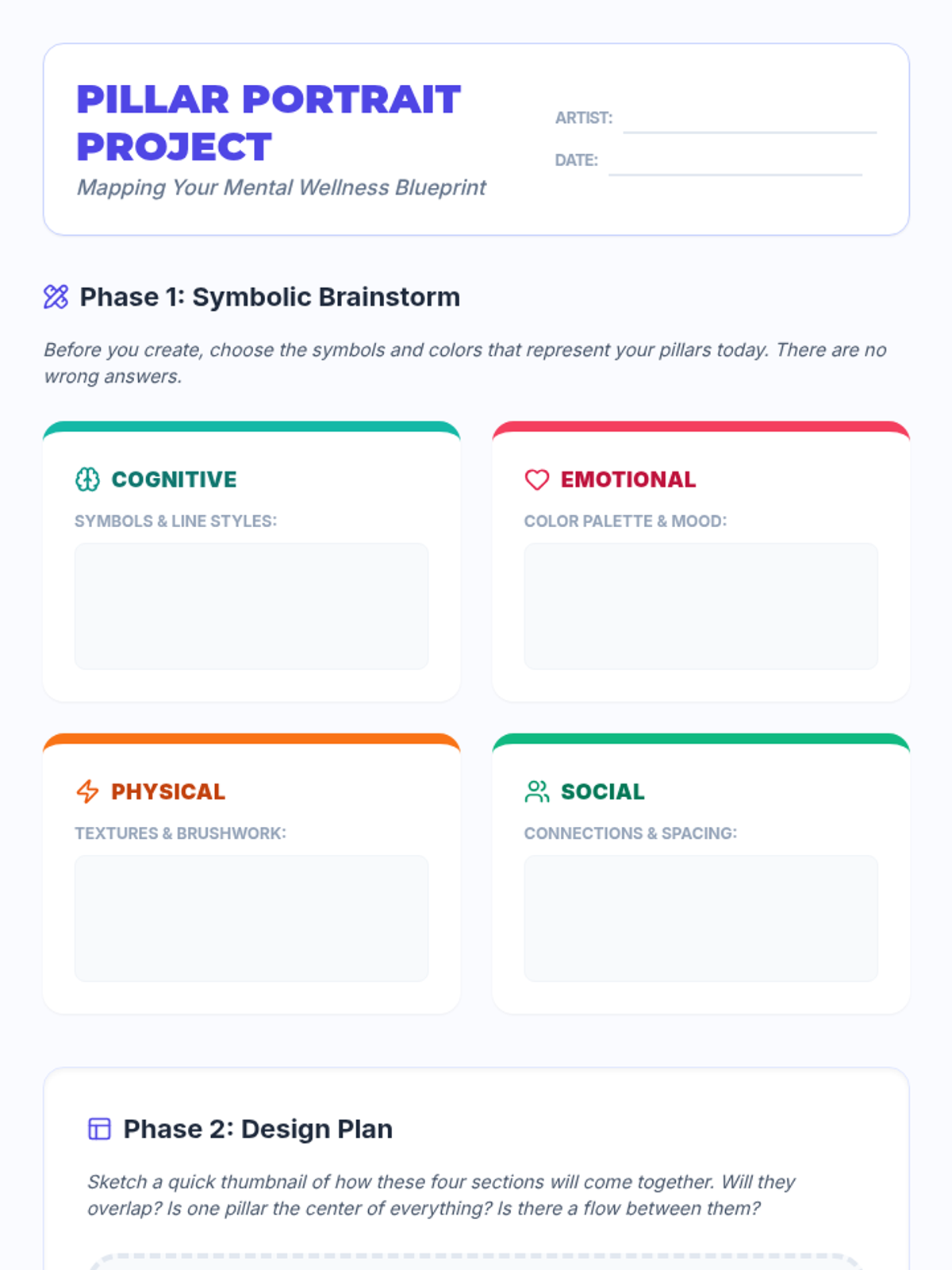
An Art lesson that integrates all four pillars of mental health into a creative project, allowing students to visualize their personal wellness.
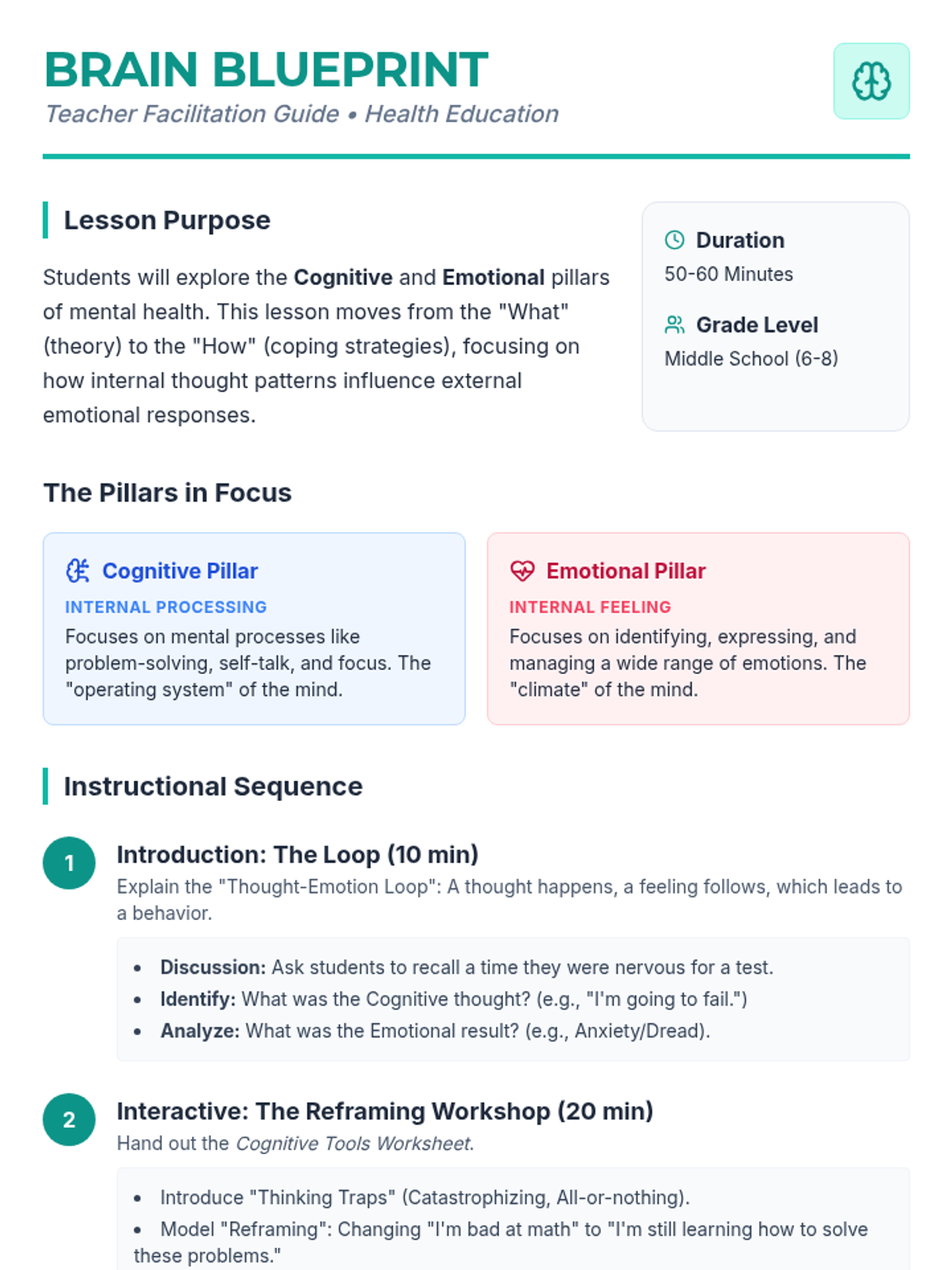
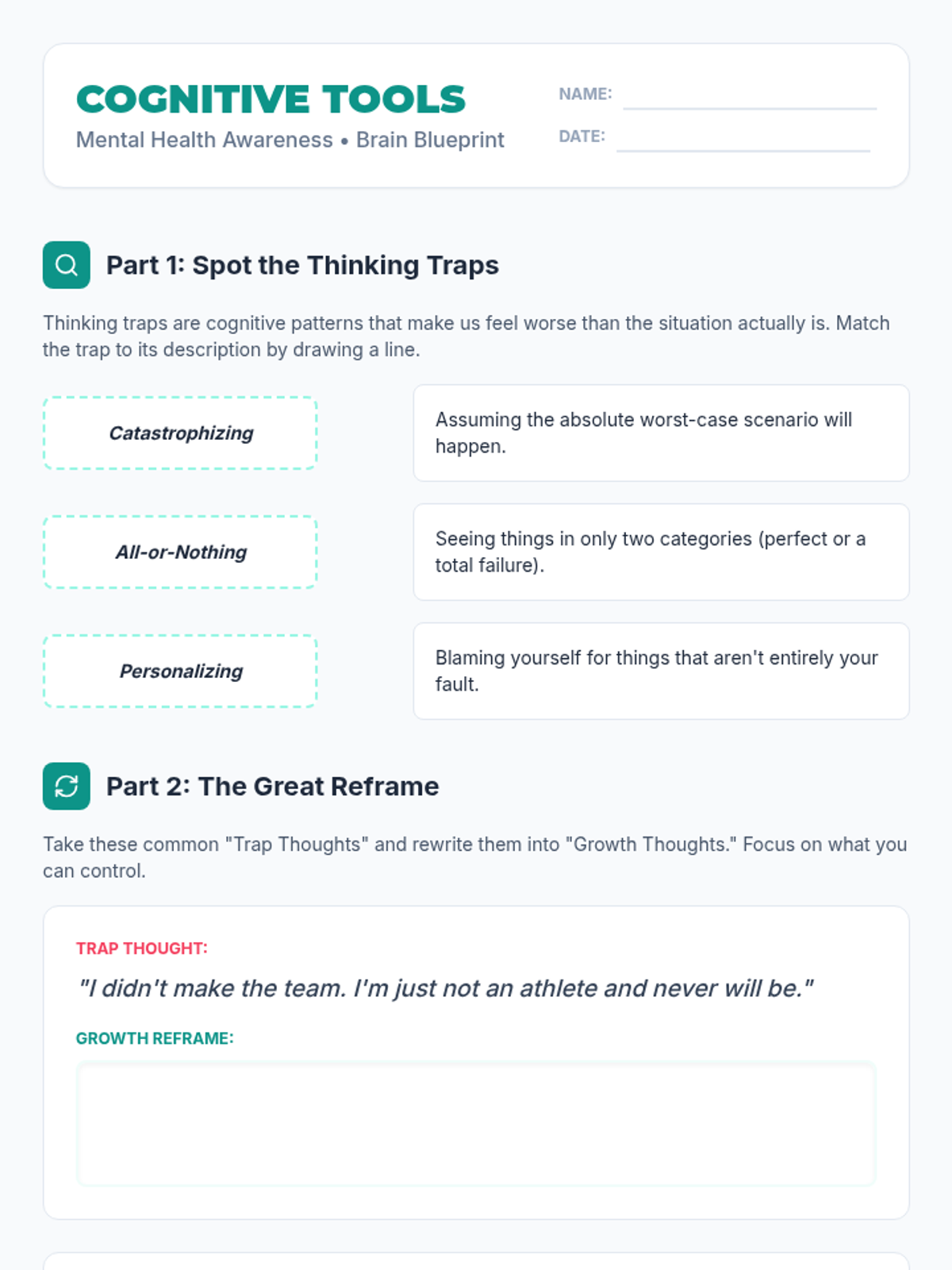
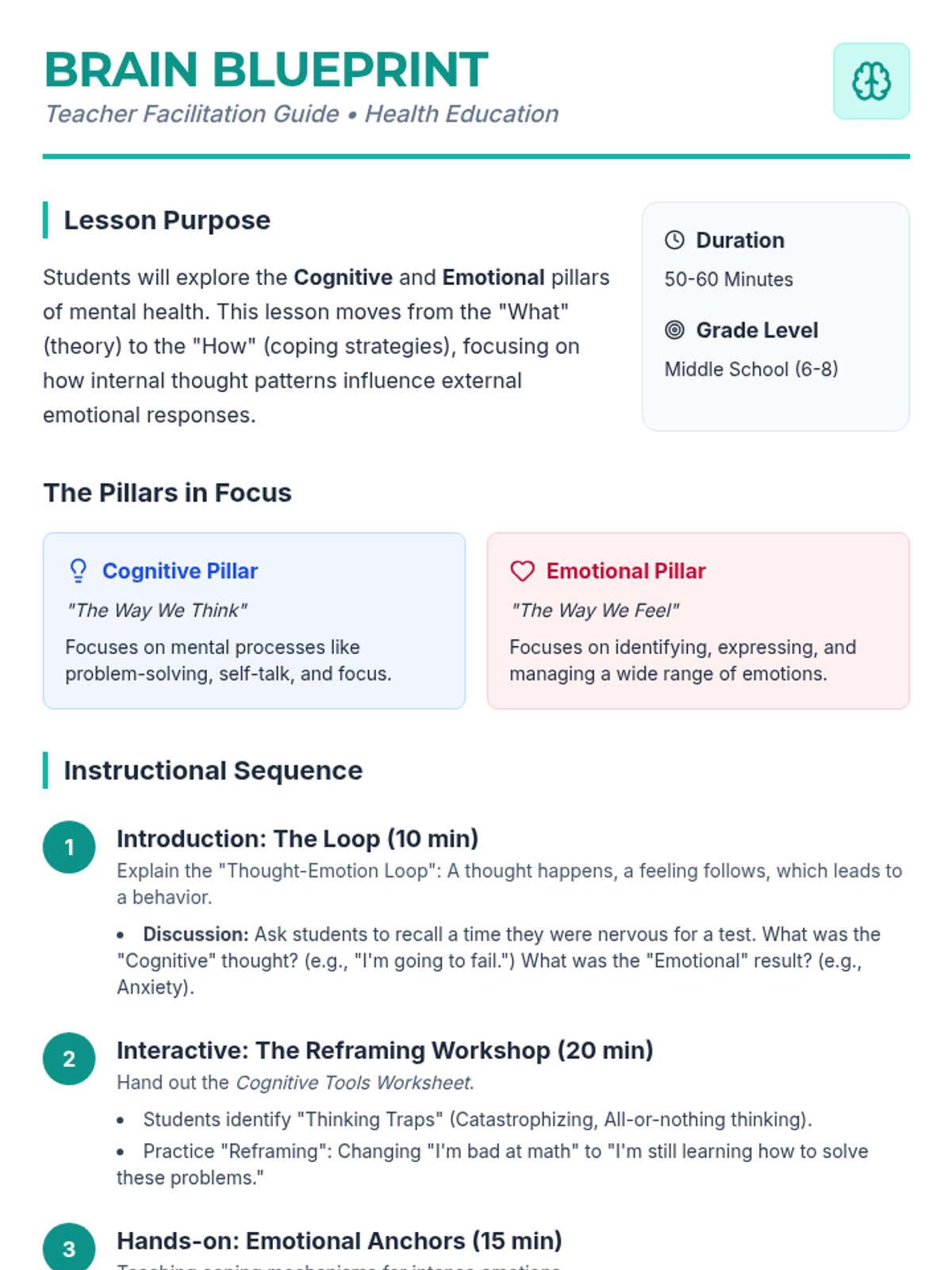
A health-focused exploration of the Cognitive and Emotional pillars, teaching students how to identify thought patterns and manage emotions.
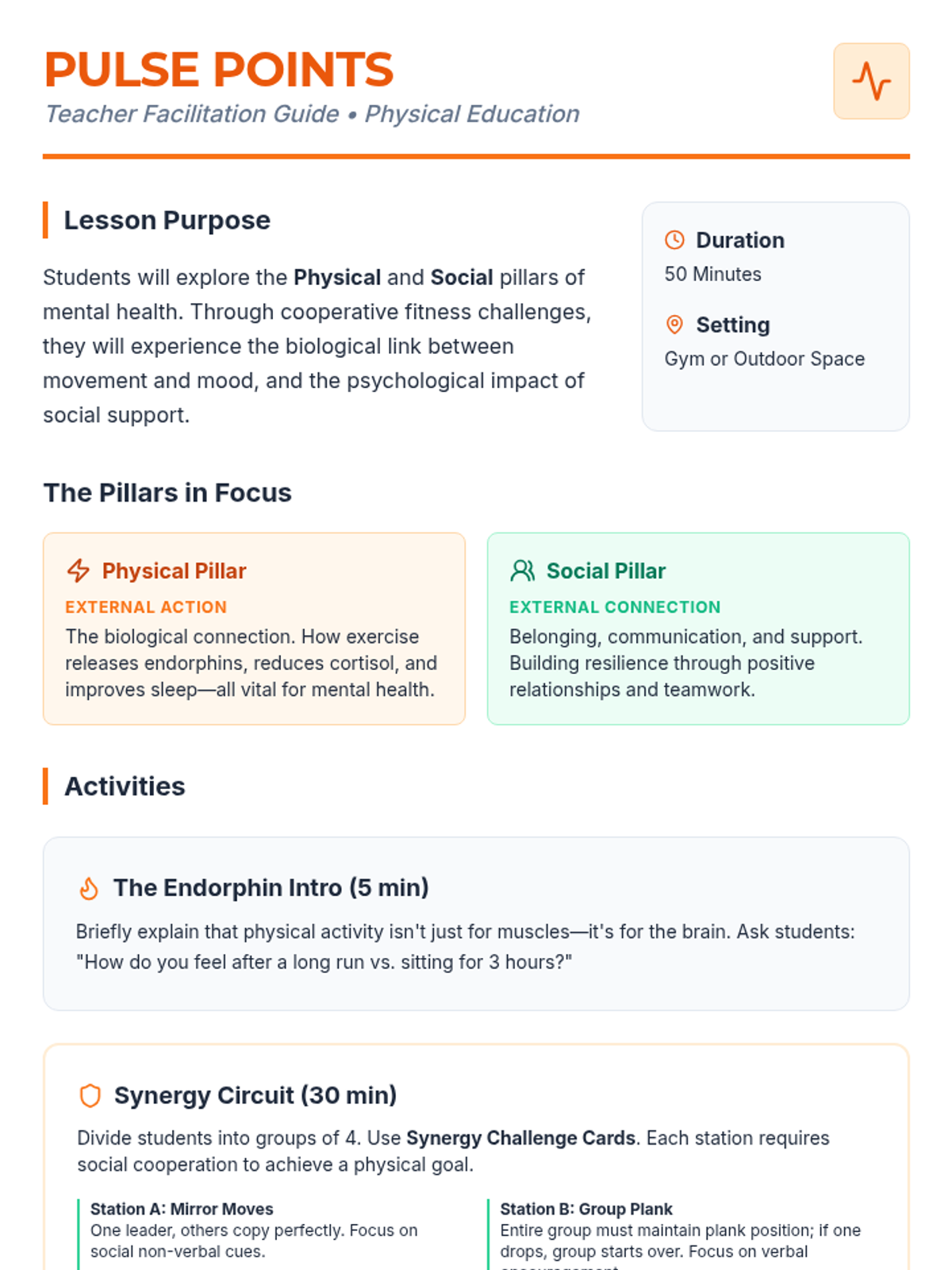
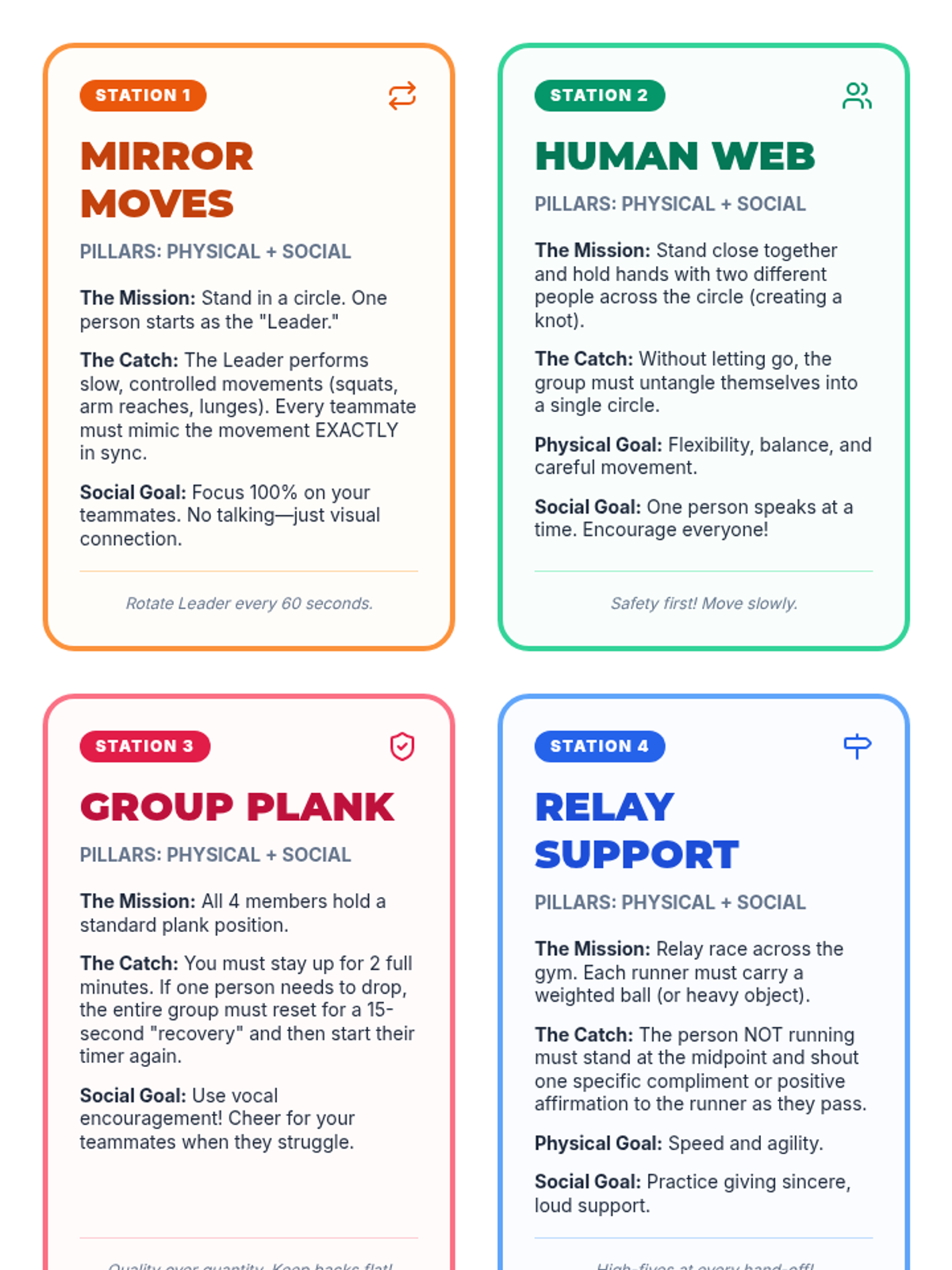
A high-energy PE lesson focusing on the Physical and Social pillars, emphasizing how movement and teamwork support mental well-being.
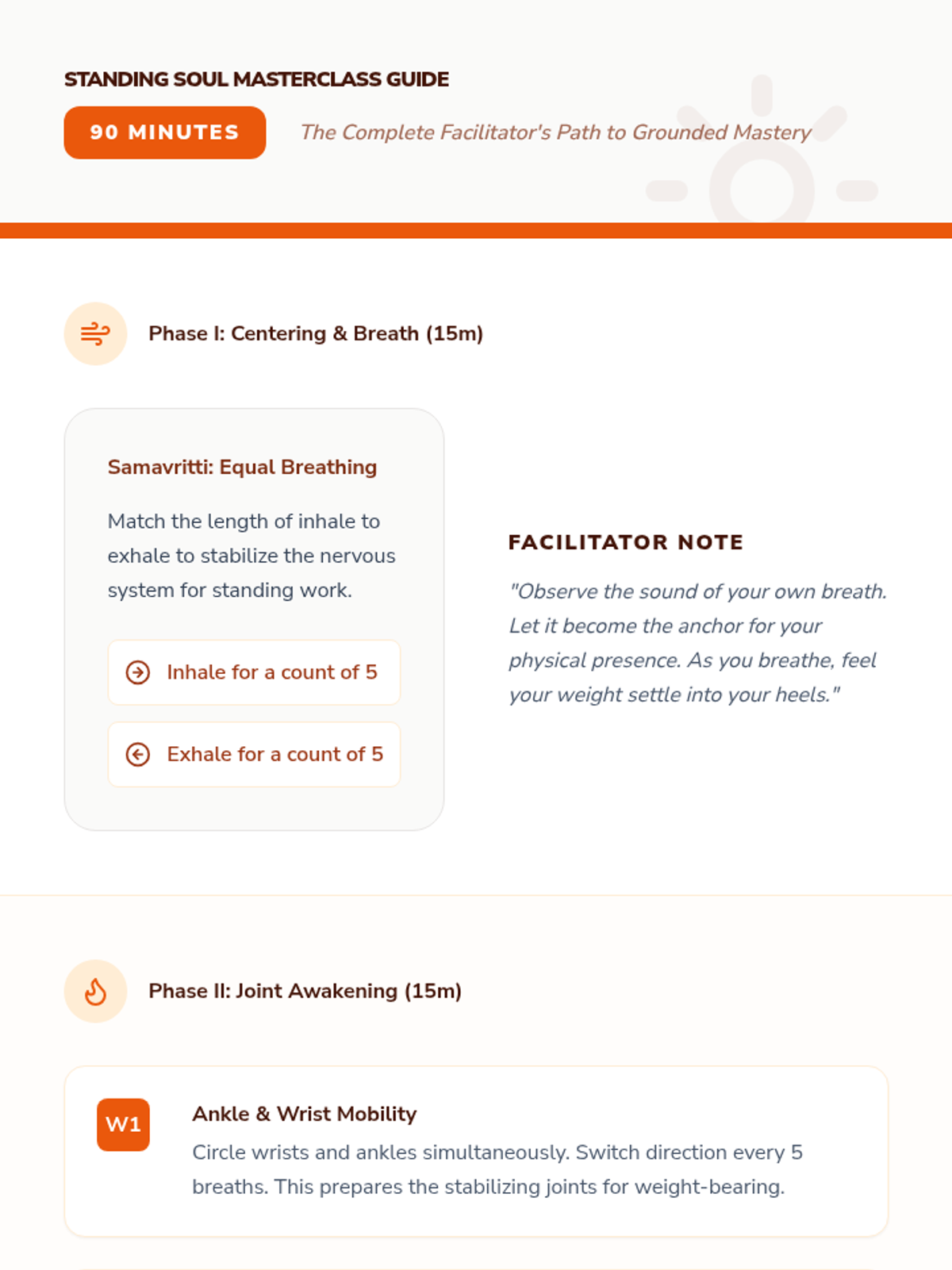
A beginner-friendly 90-minute standing yoga session focused on grounding, balance, and fundamental postures to transition from seated to standing practice.
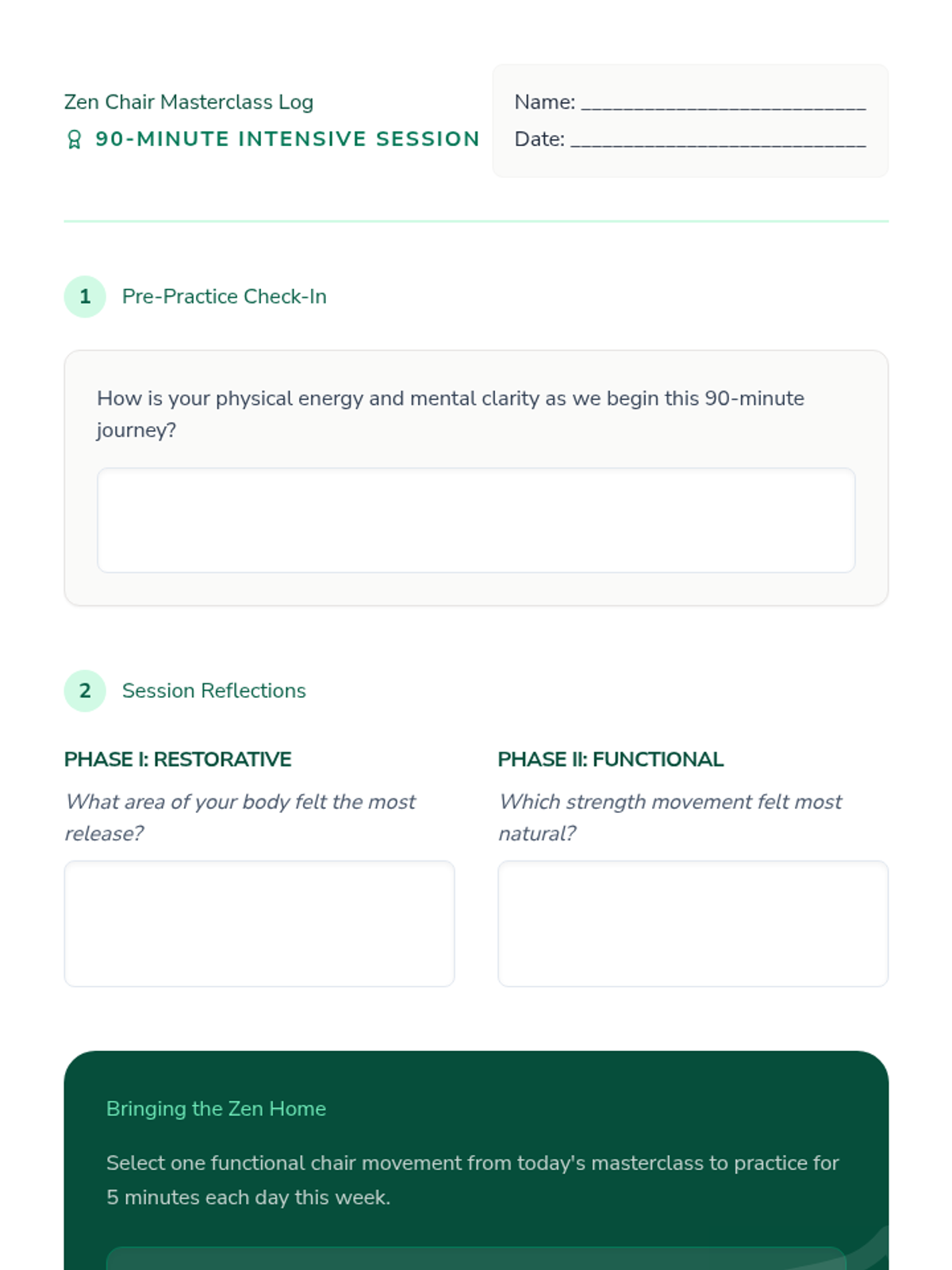
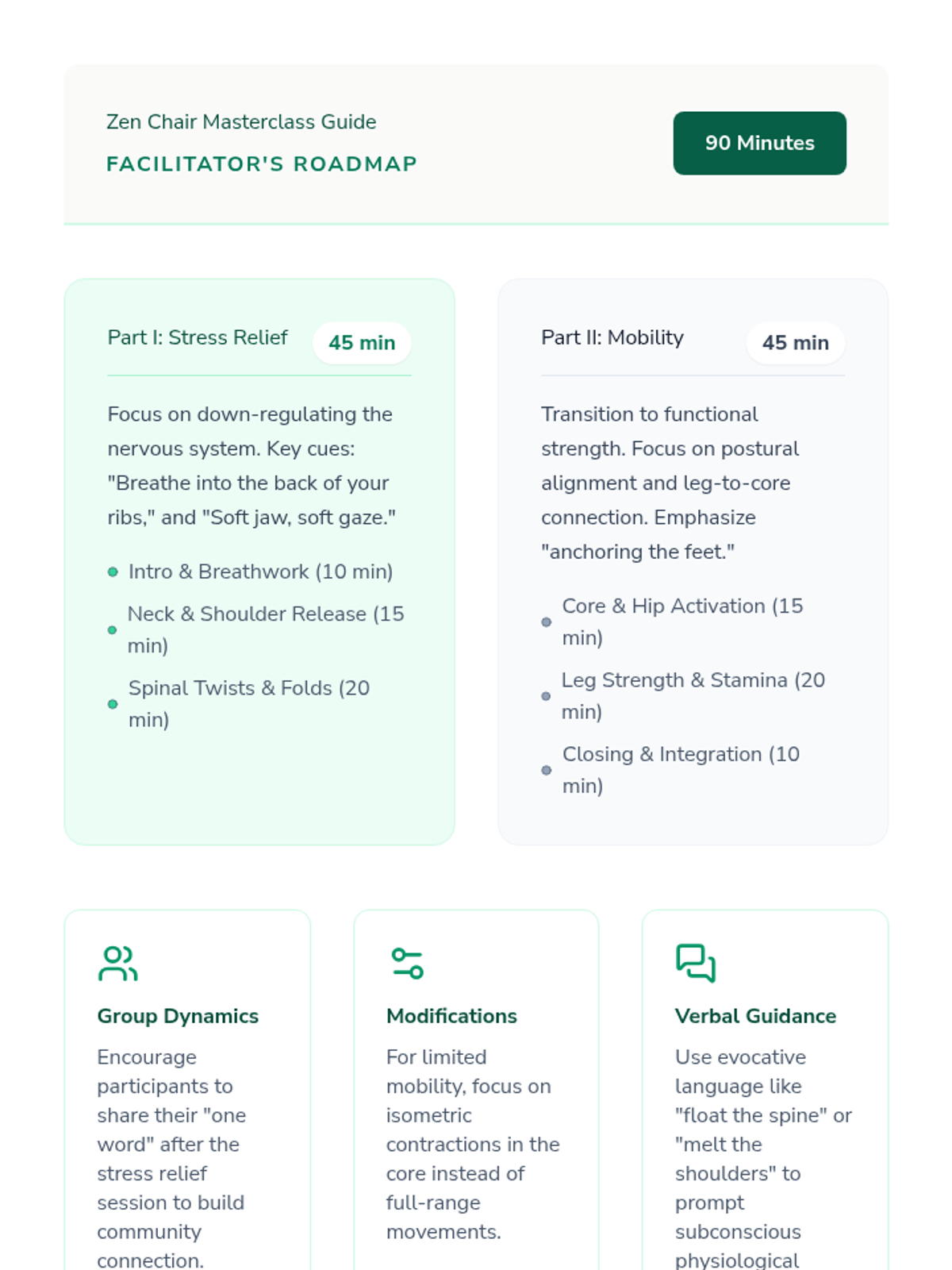
A deep-dive chair yoga experience combining stress relief and functional mobility, featuring two full-length guided practice videos. This 90-minute masterclass is designed to build both mental calm and physical strength.
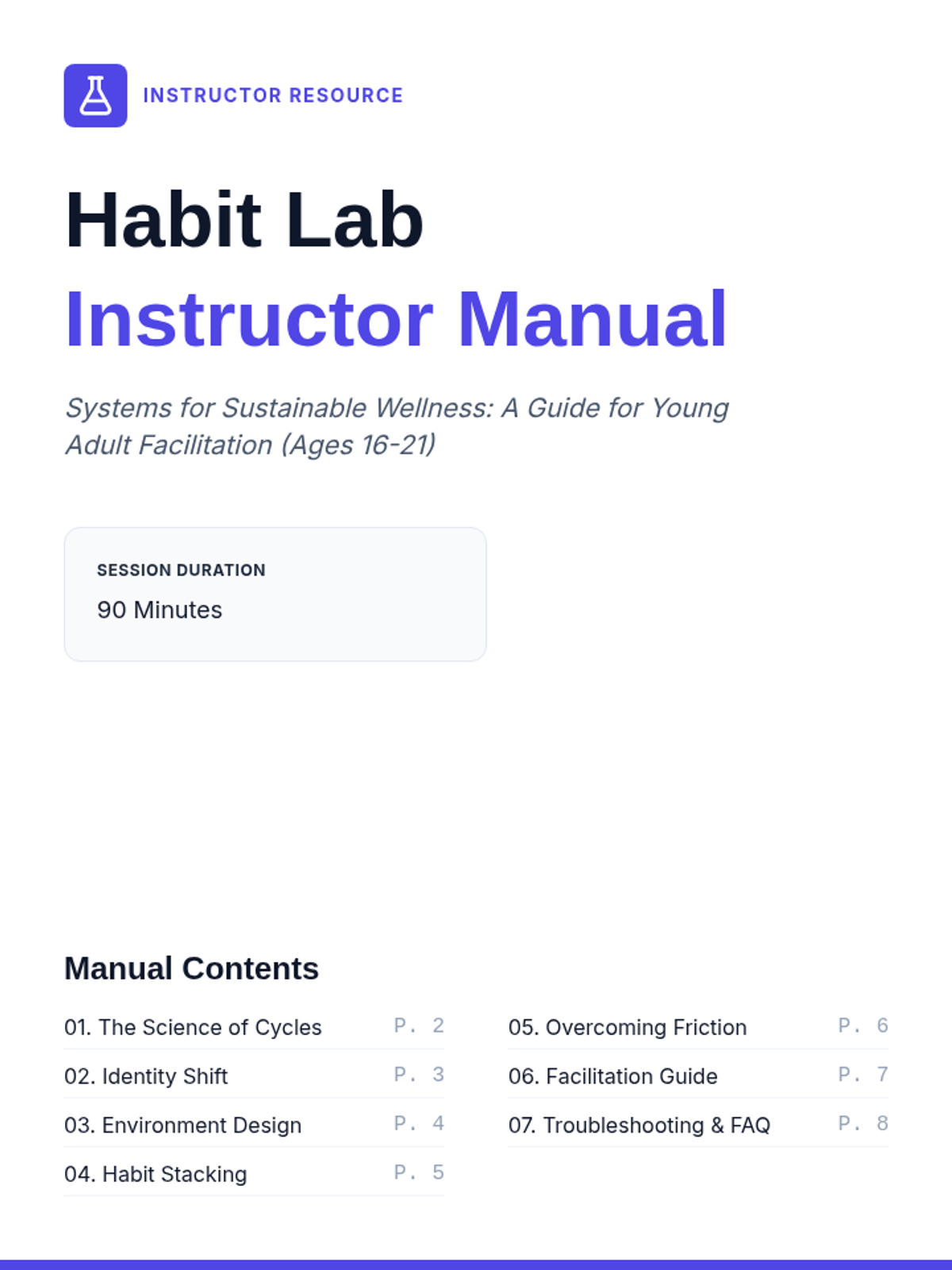
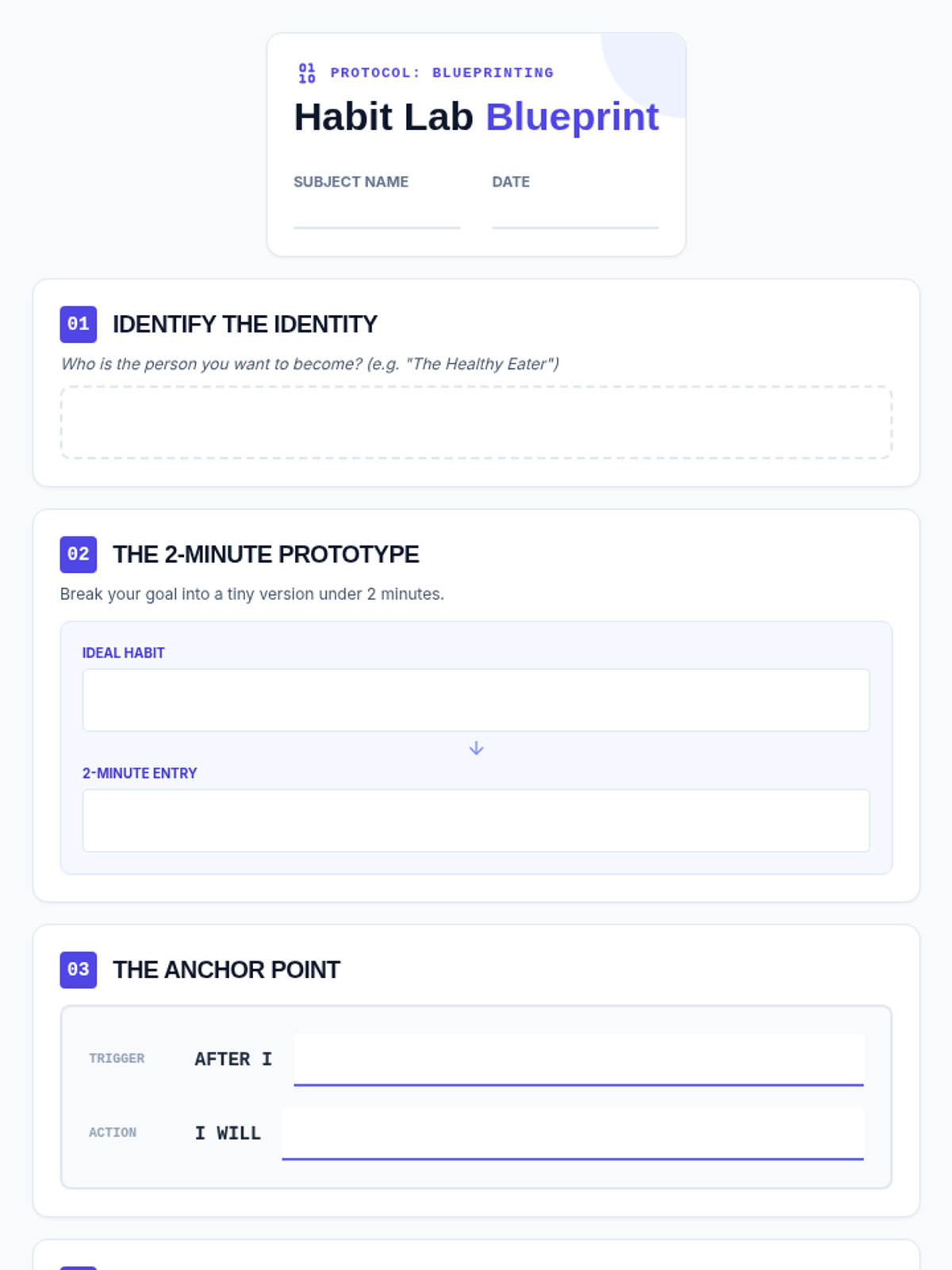
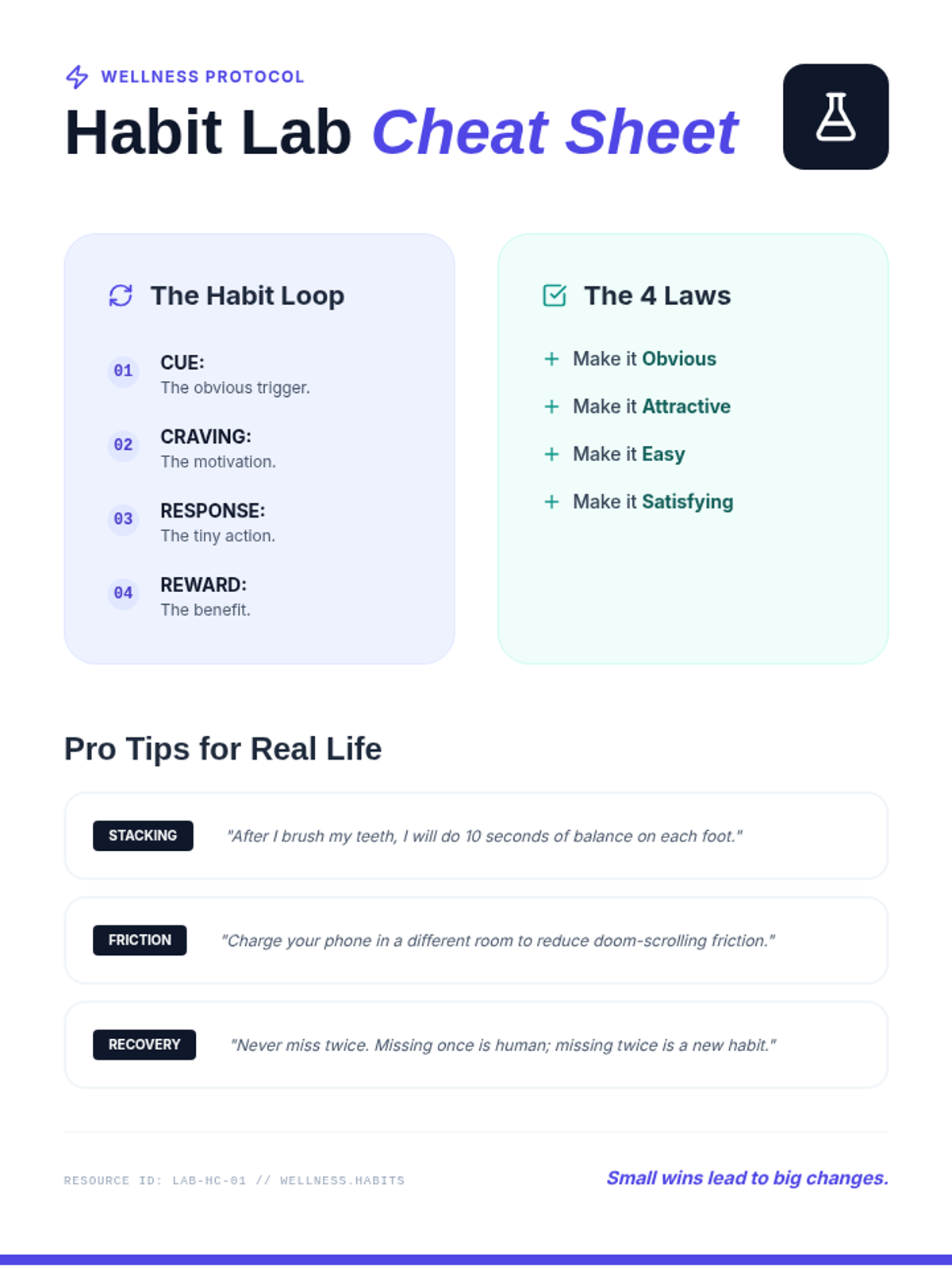
A comprehensive session for young adults on the science and practice of habit formation for long-term wellness. This lesson equips participants with practical tools to design systems that support their health, mental clarity, and productivity.
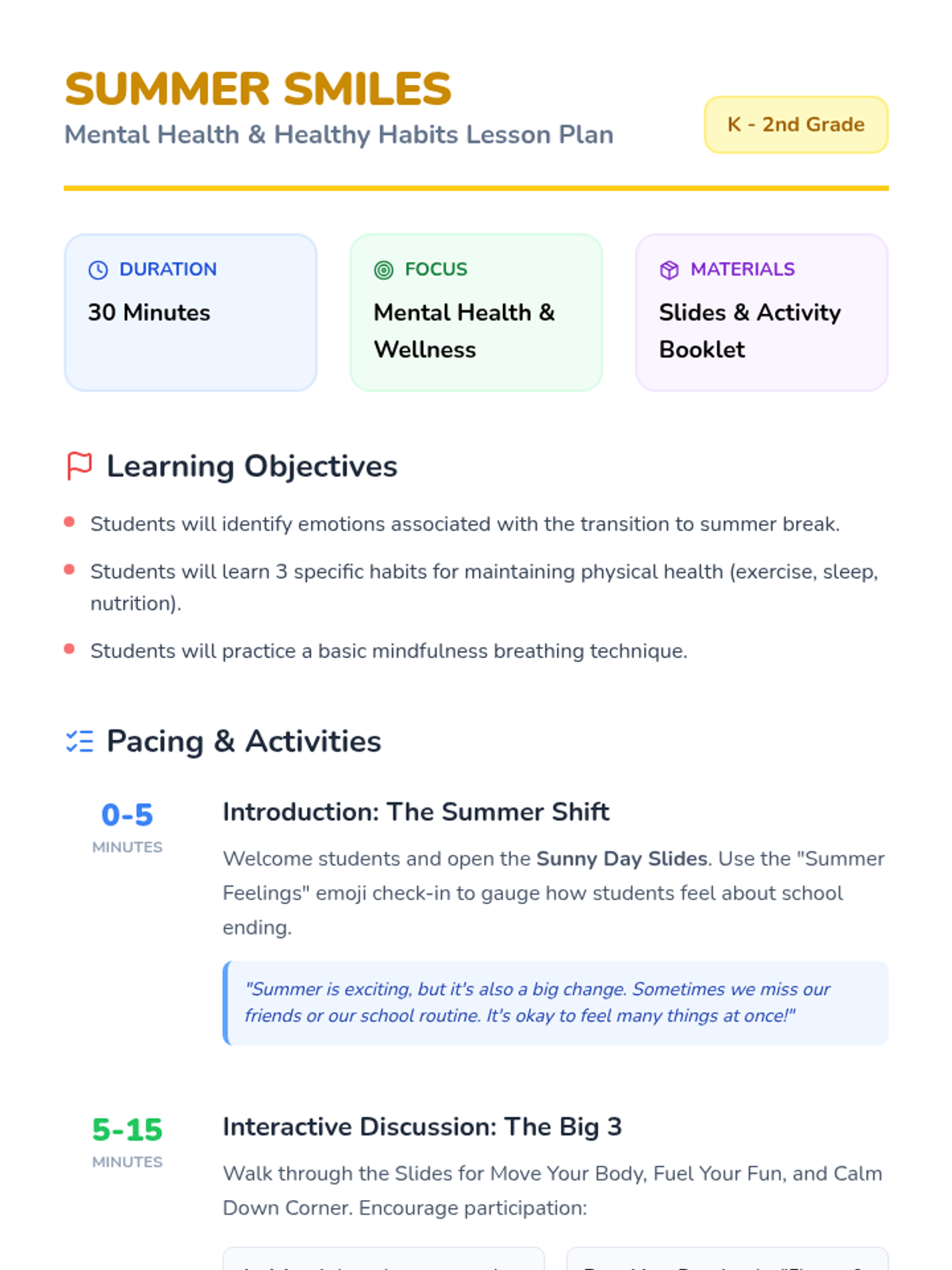
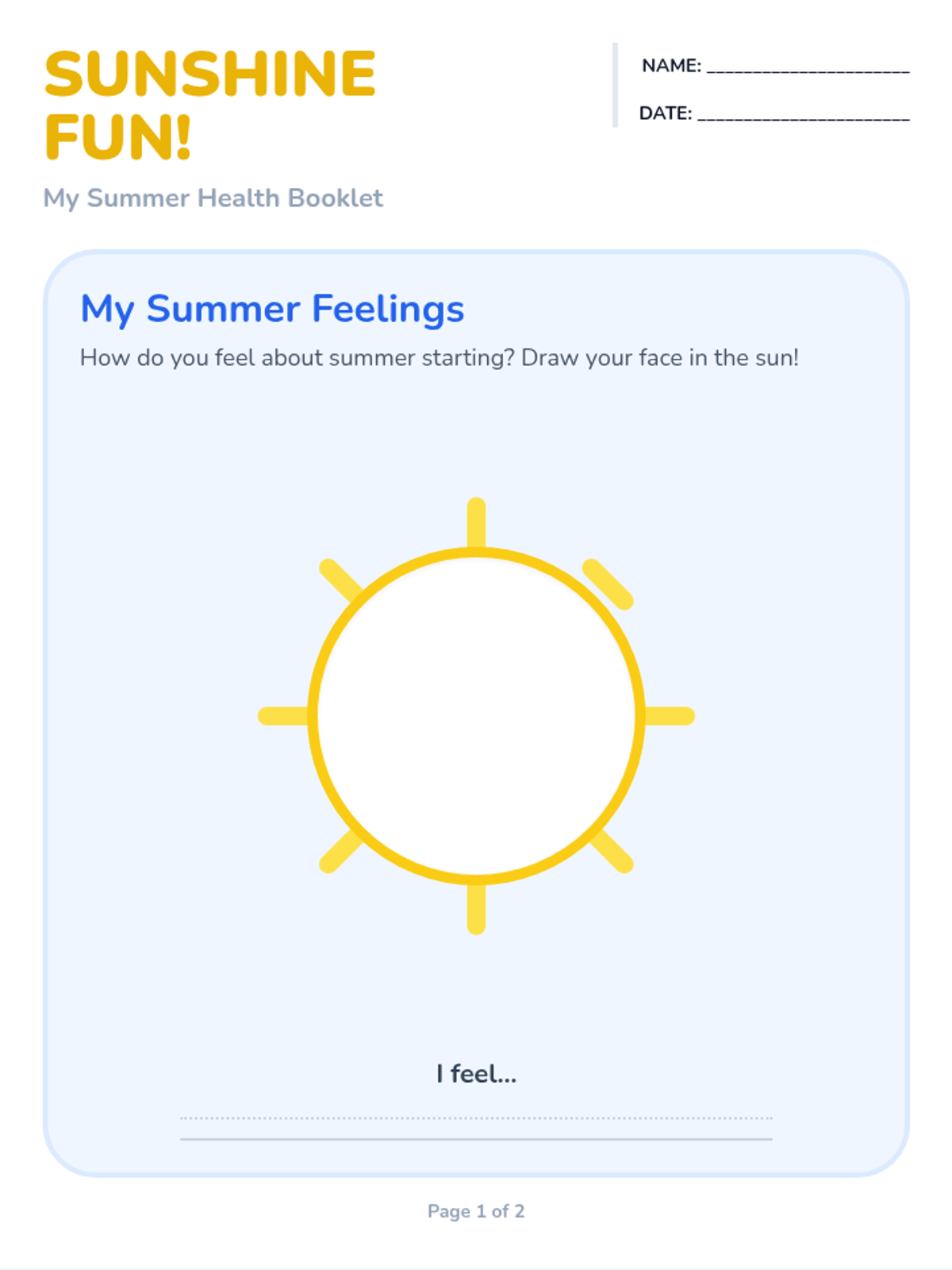
A vibrant lesson for K-2 students focused on maintaining mental and physical health during summer break through mindfulness, healthy habits, and emotional awareness.
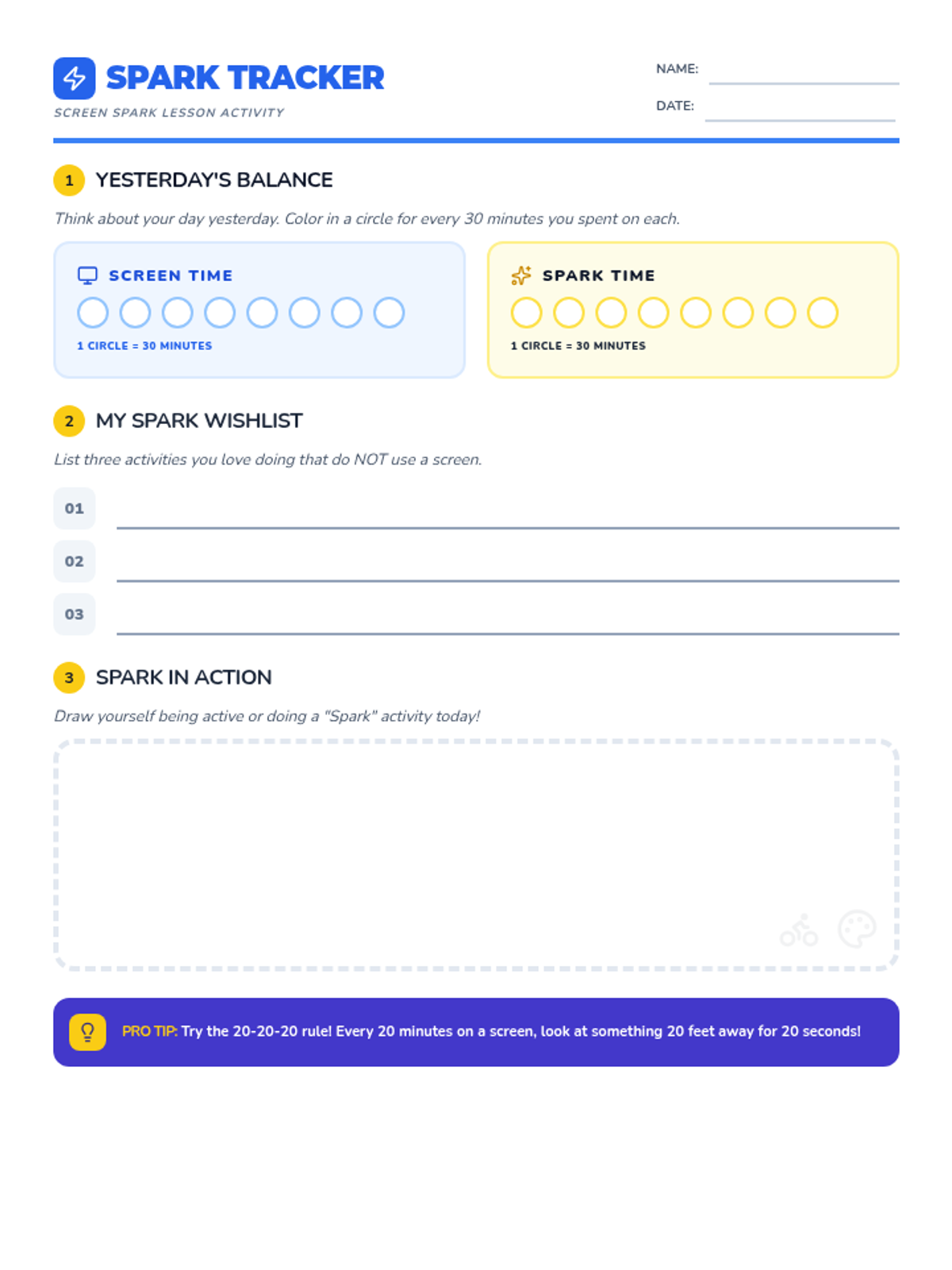
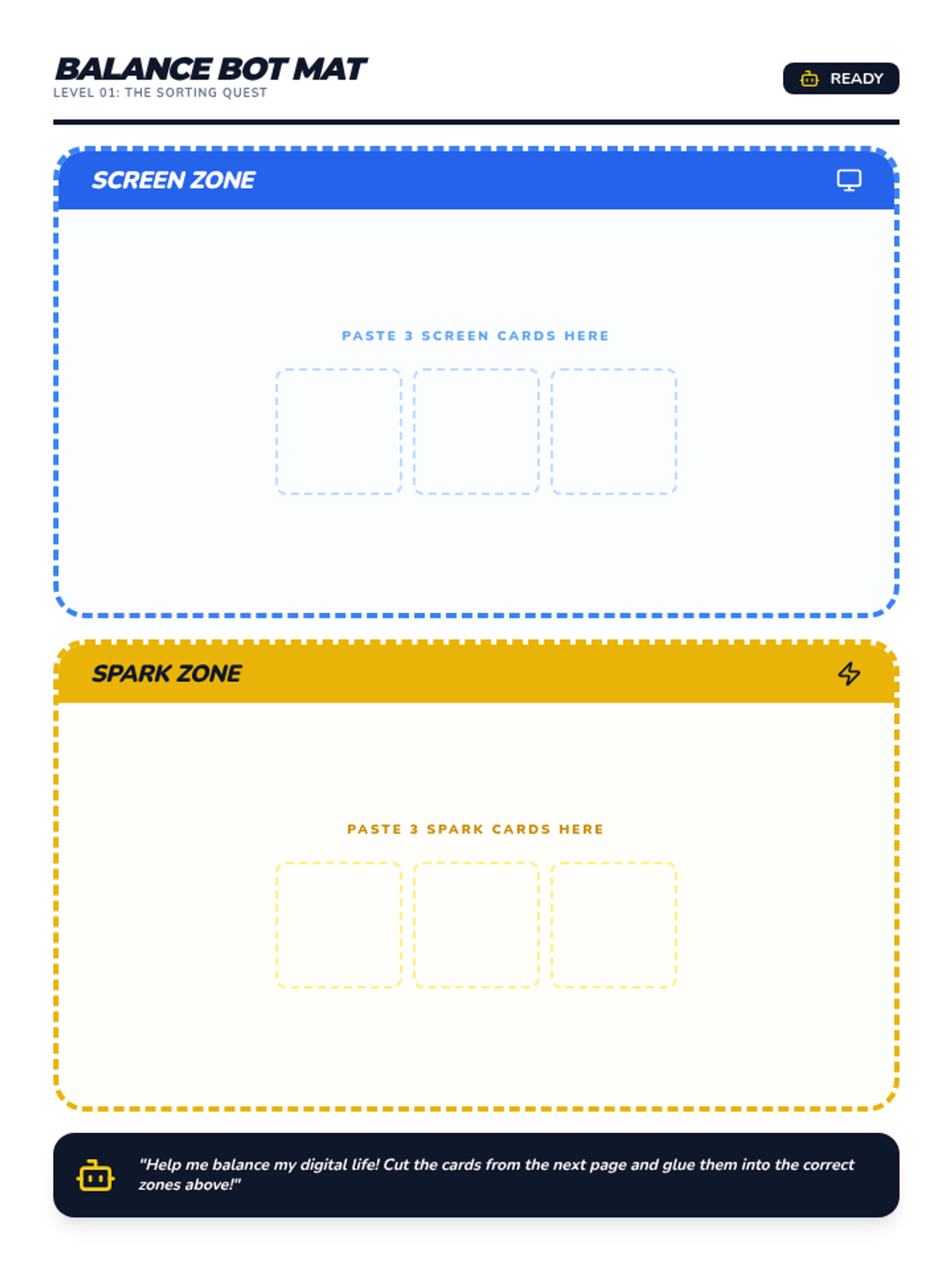
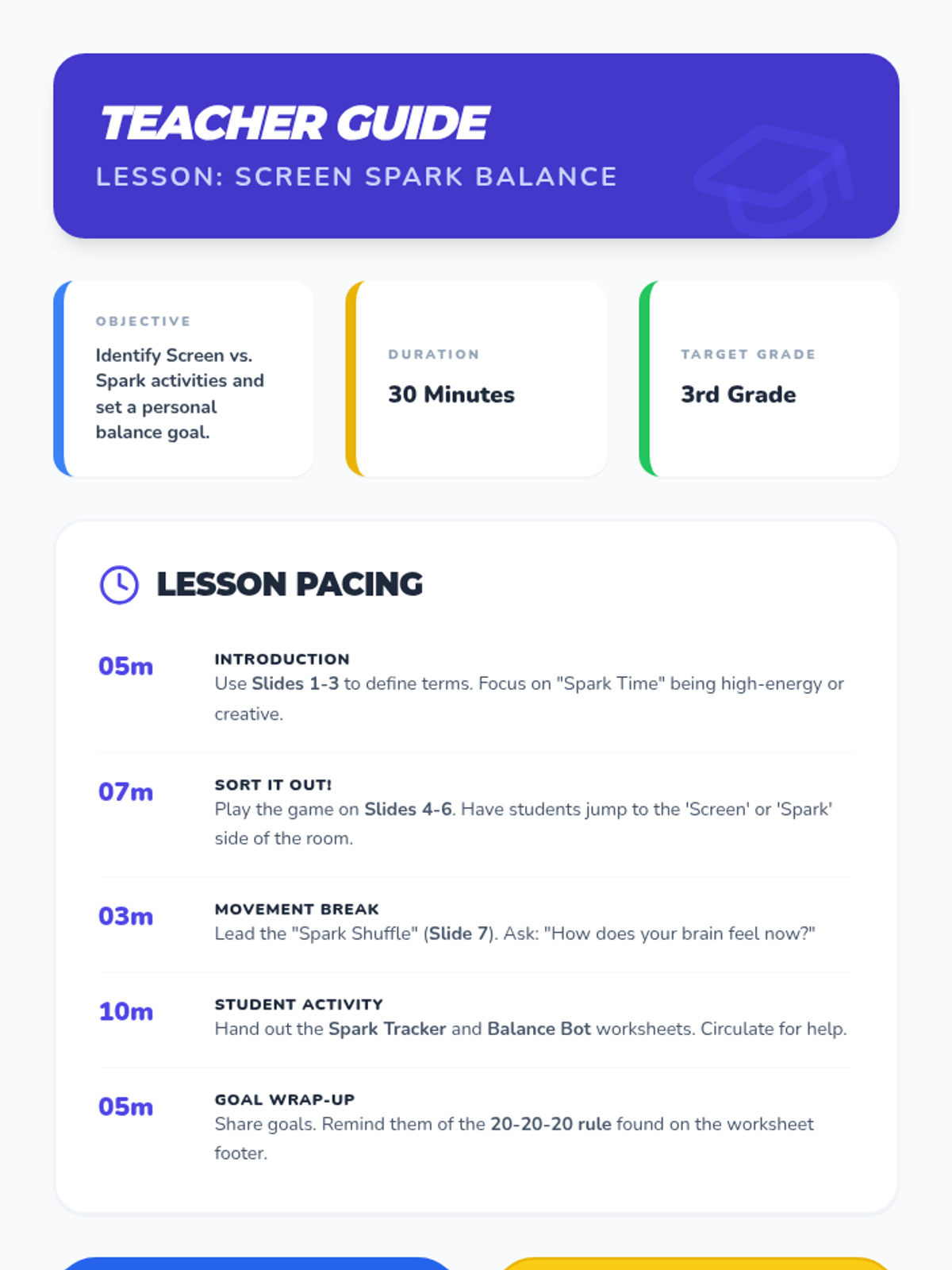
A 30-minute lesson for 3rd graders on balancing digital device use with physical activity, featuring a 'Screen Spark' theme to encourage healthy habits.
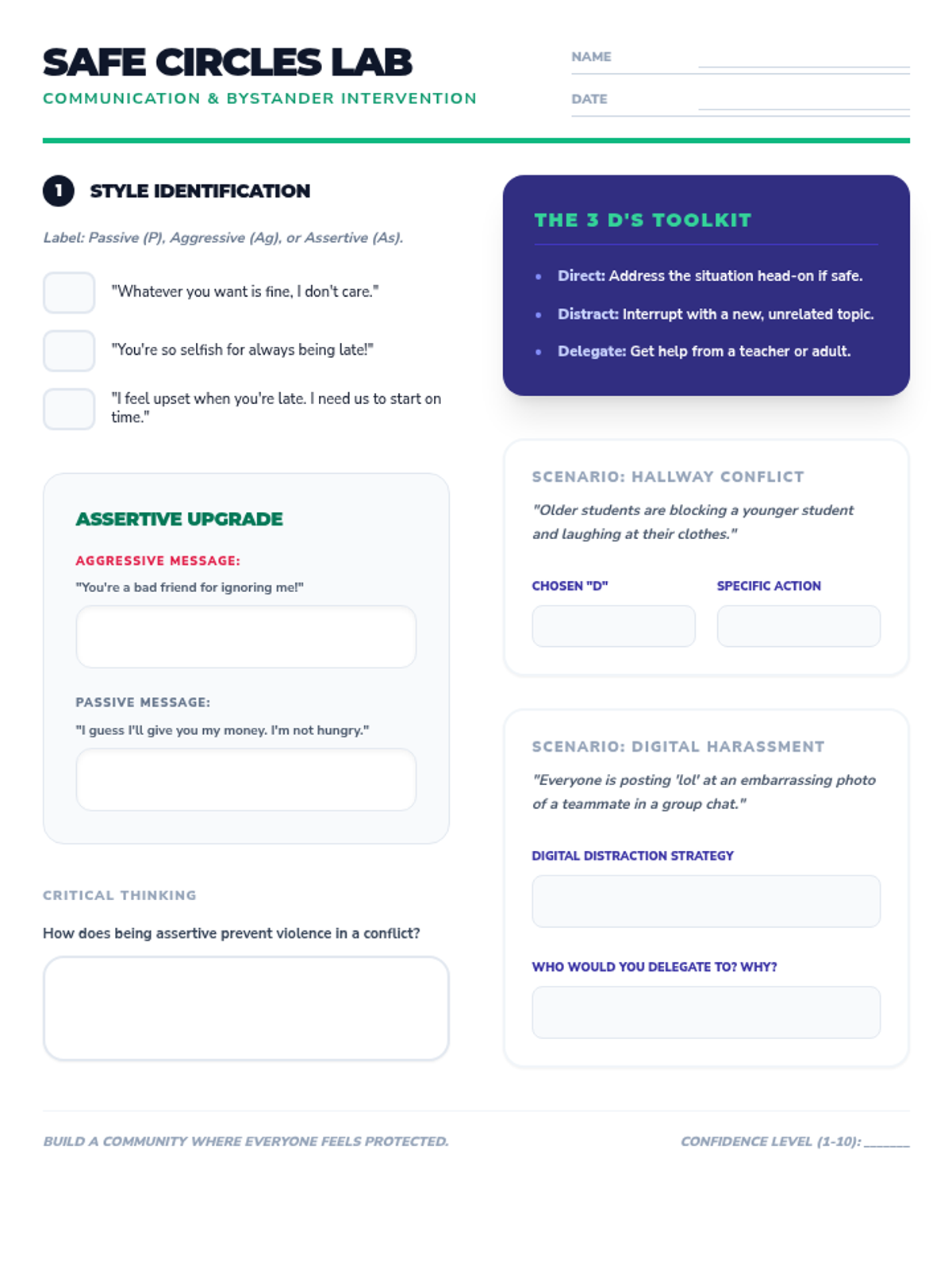
Developing assertive communication skills and understanding the role of bystanders in preventing violence and promoting safety.
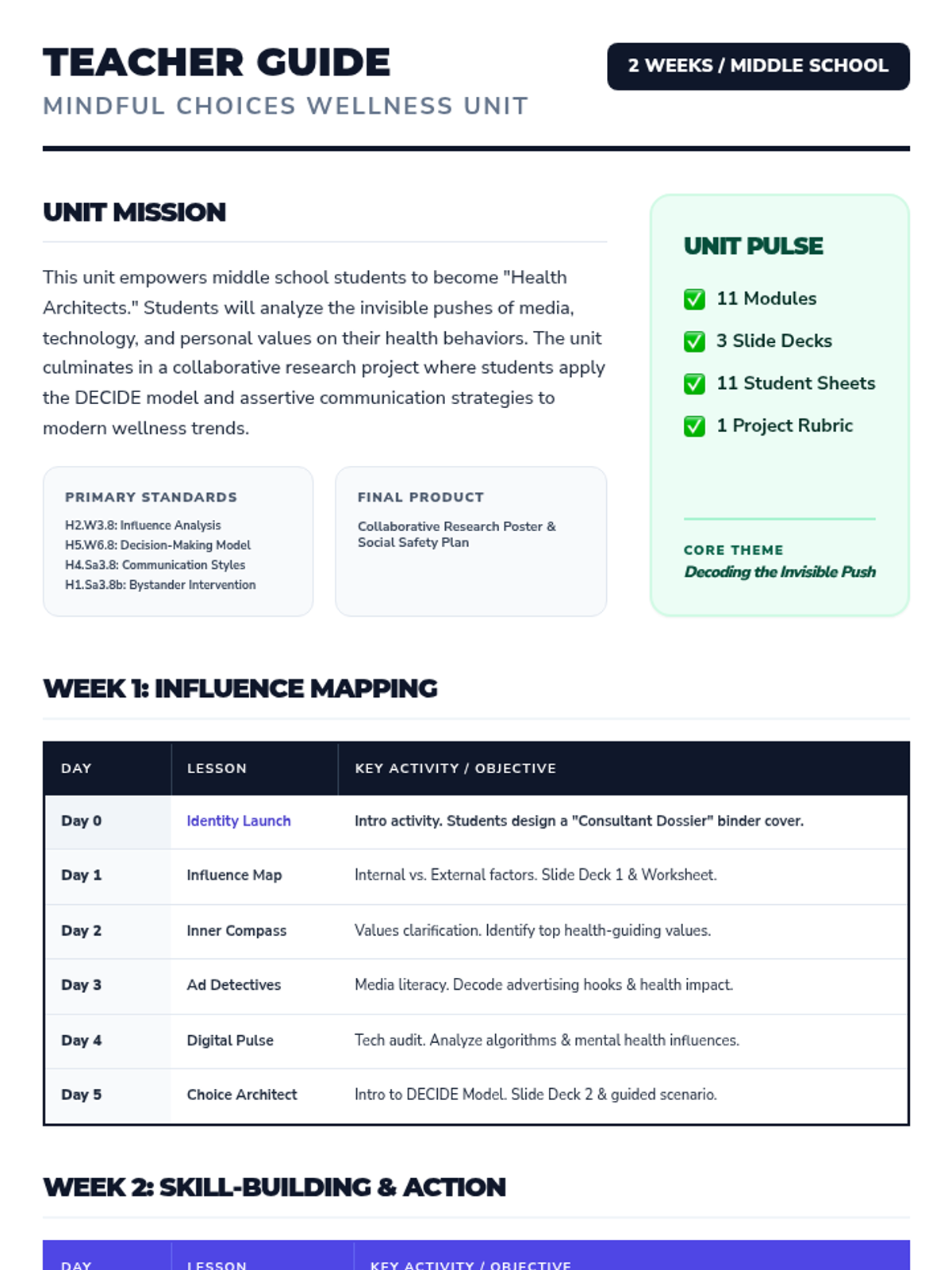
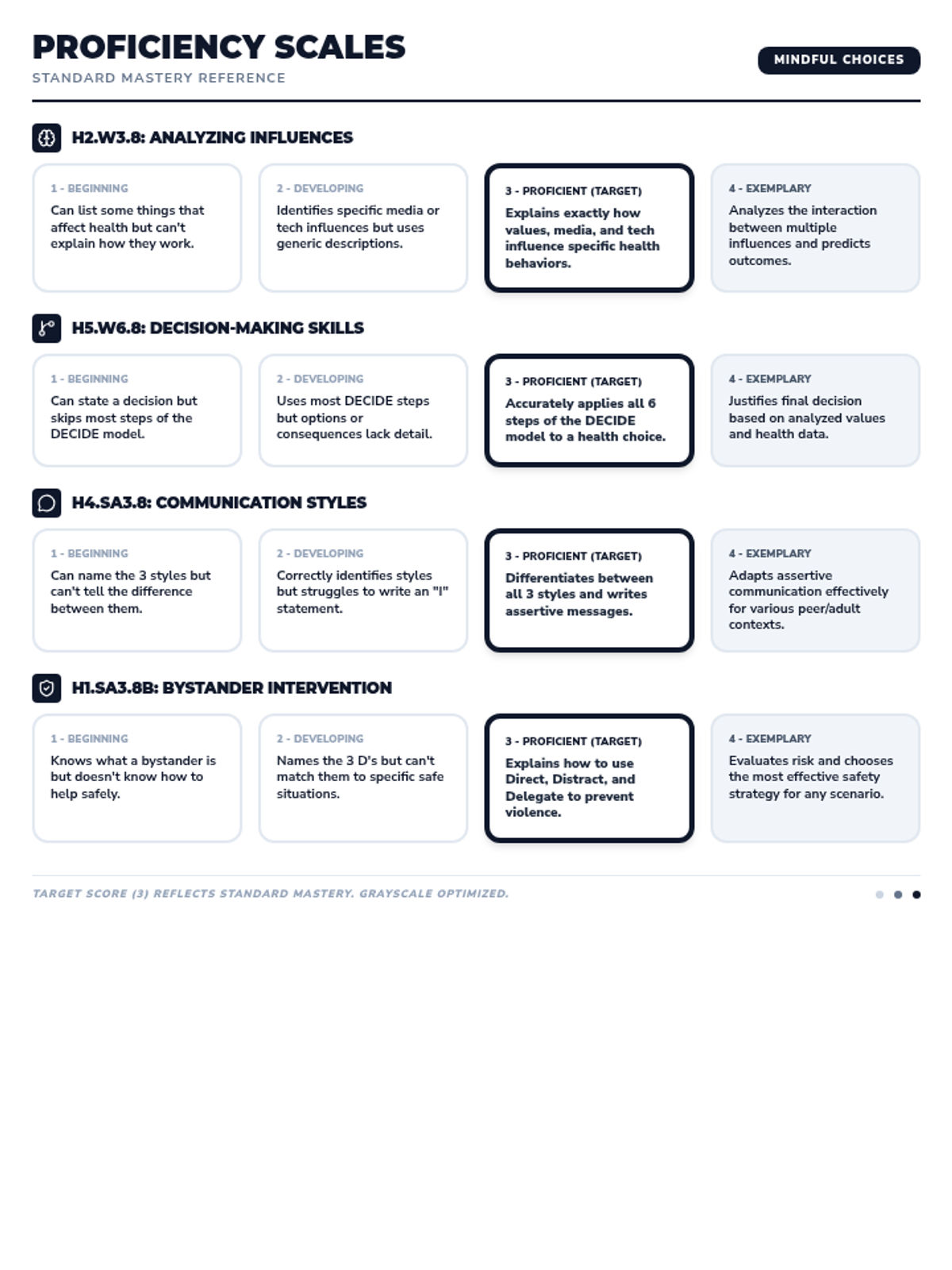
Administrative and planning resources for the Mindful Choices unit.
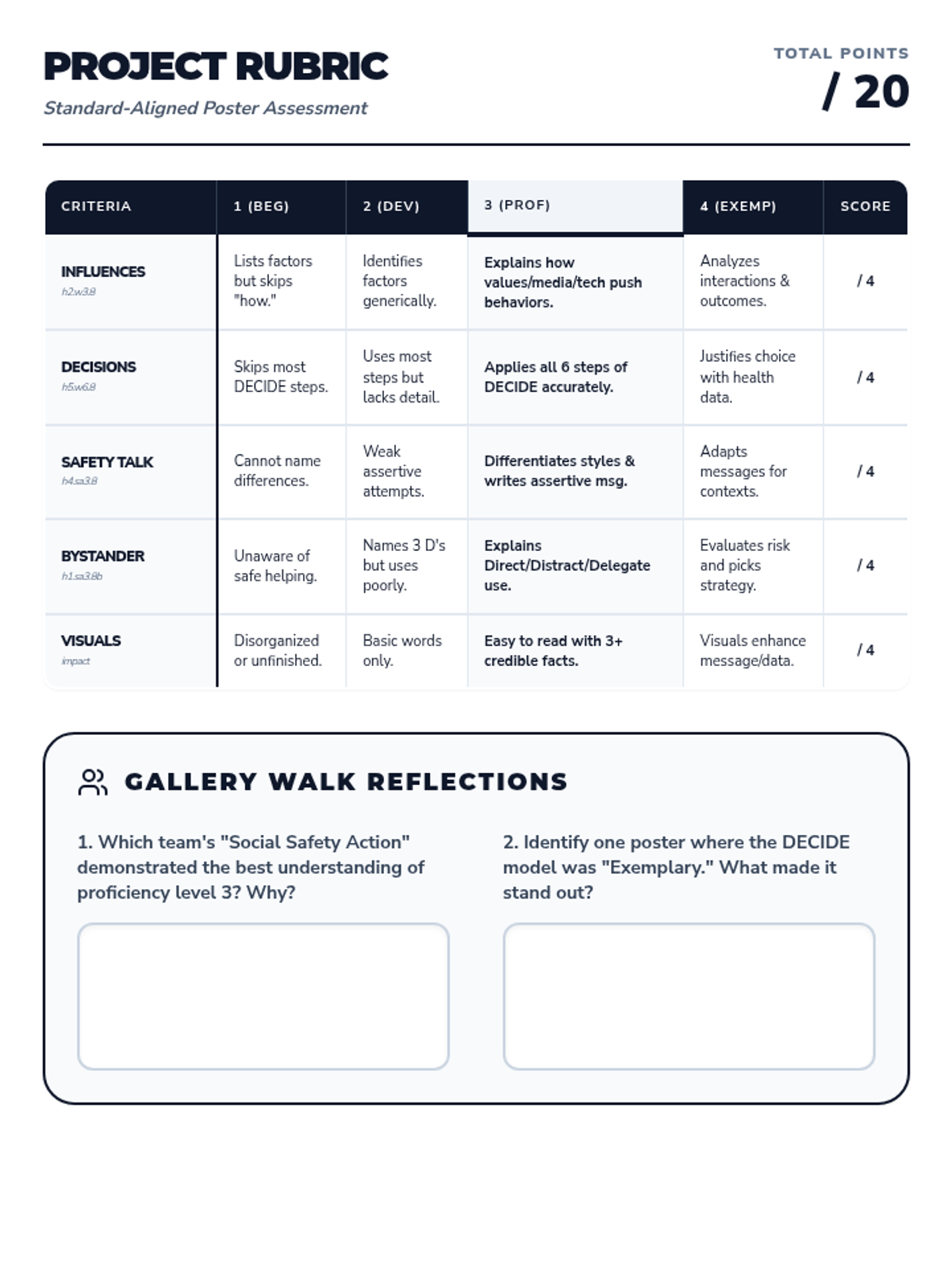
Final presentation of research posters and a peer-review gallery walk.
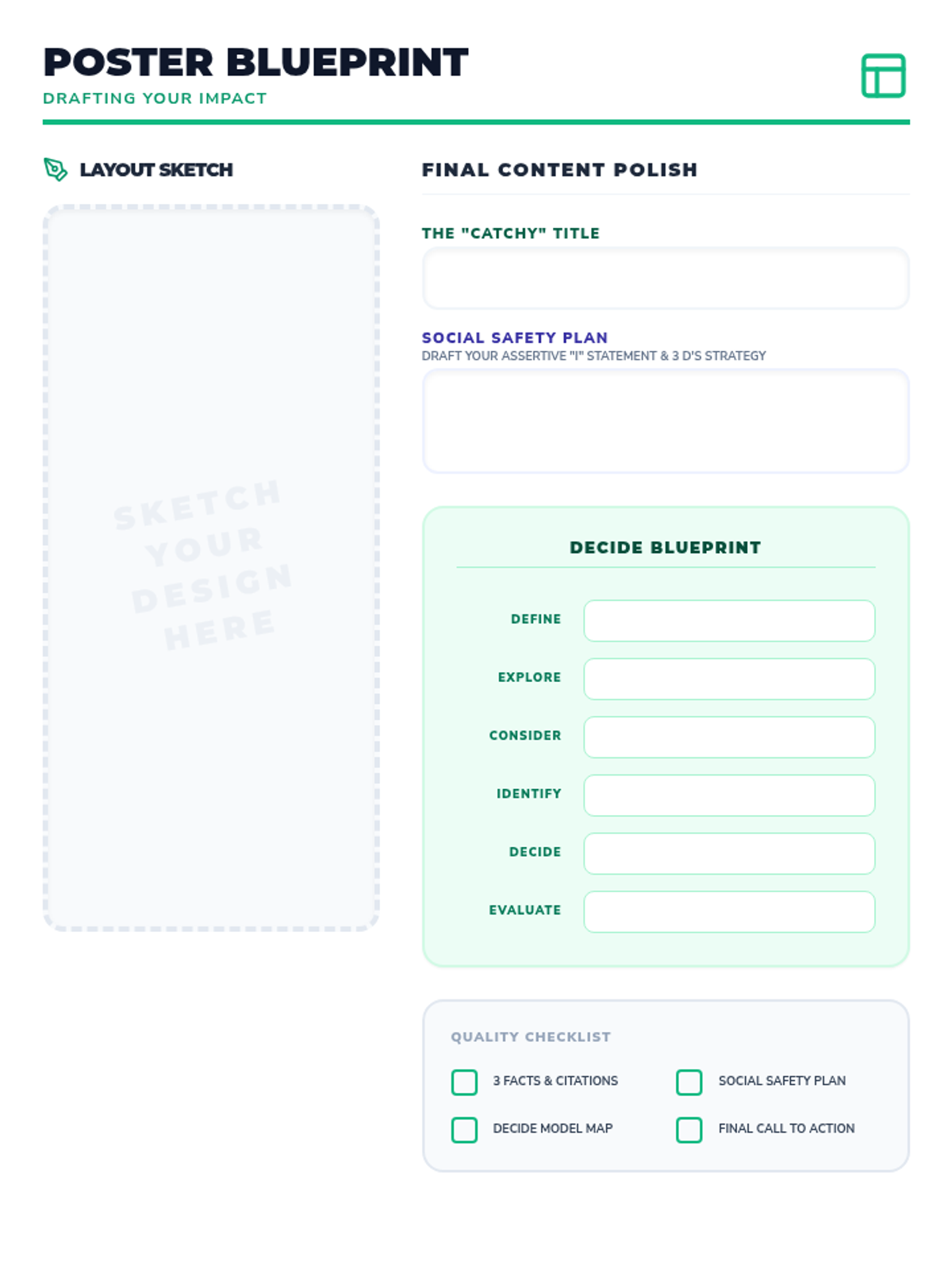
Synthesizing research into a visual poster format with a focus on clear communication and design.
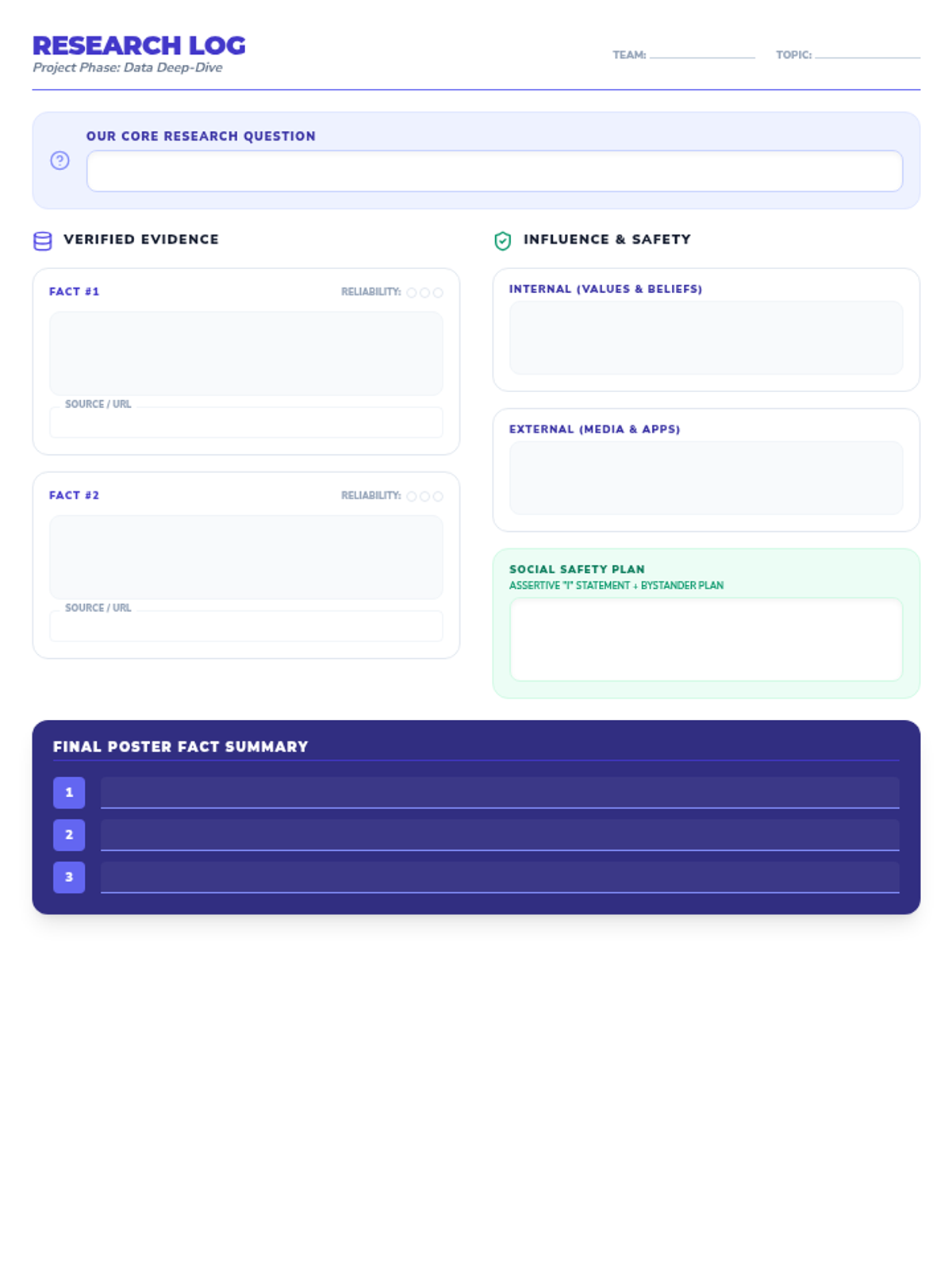
Collaborative research and data gathering for the health-focused poster project.
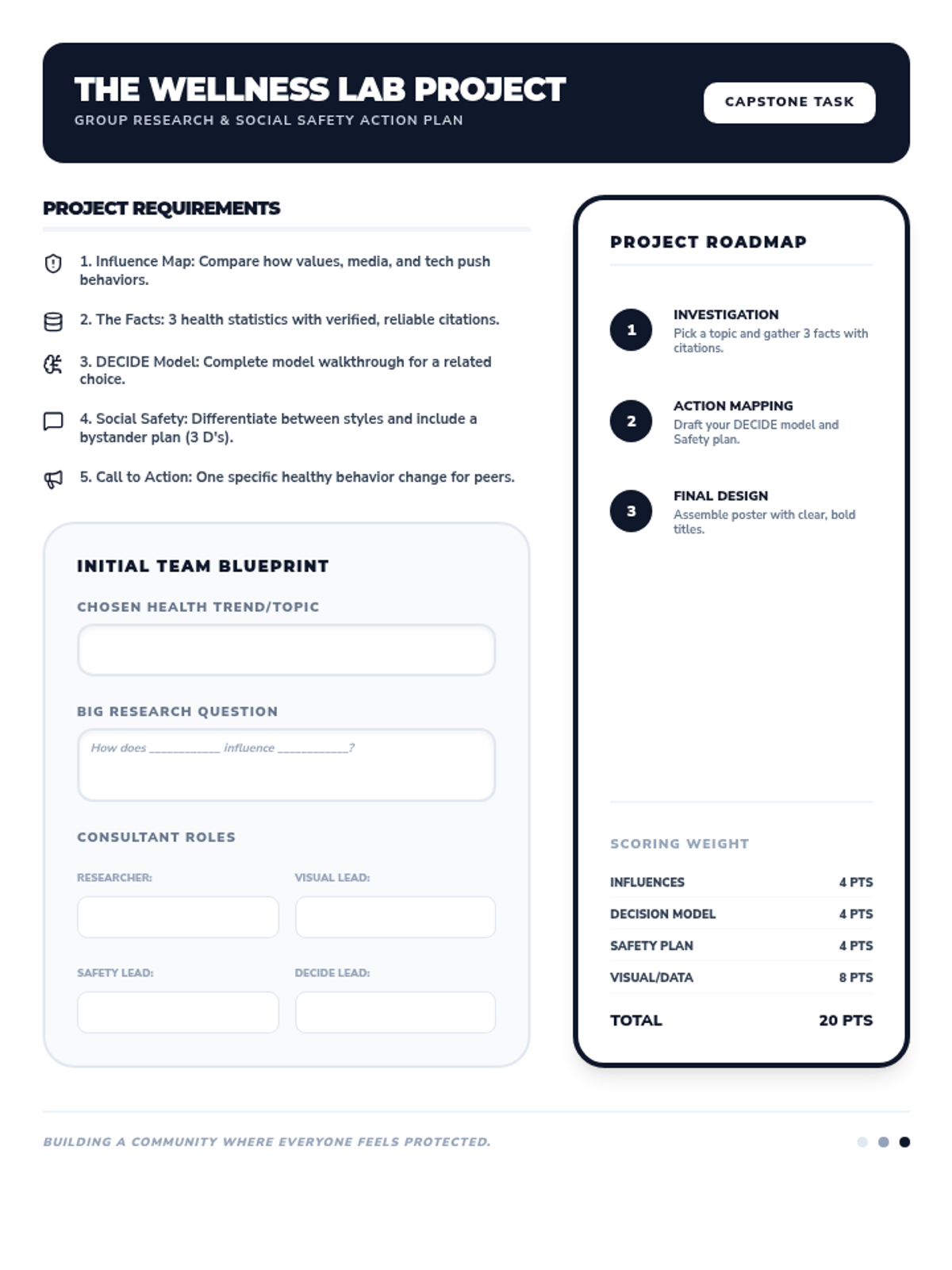
Introduction to the final group research poster project and initial topic brainstorming.
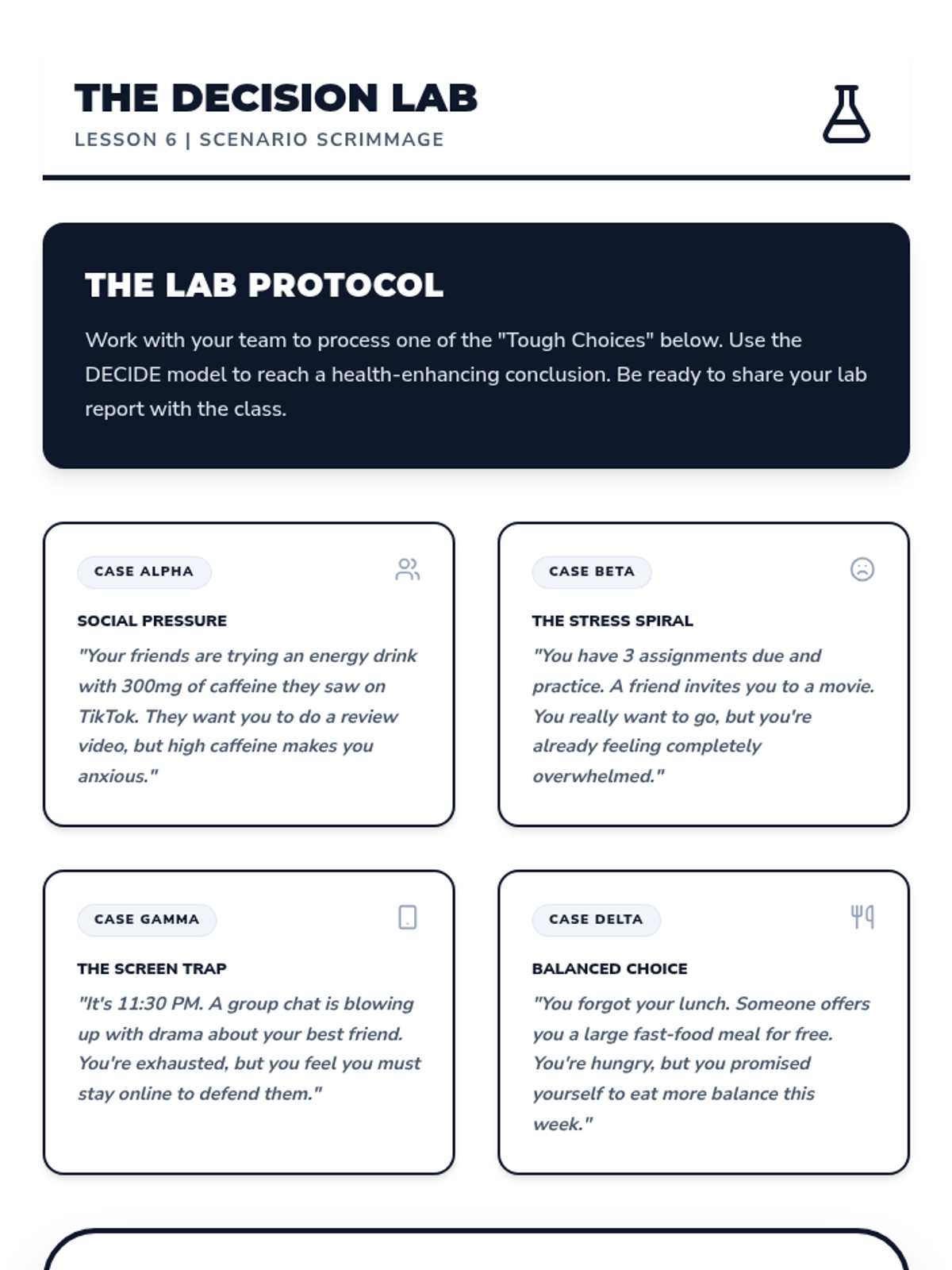
Guided practice applying the decision-making model to common adolescent health scenarios.
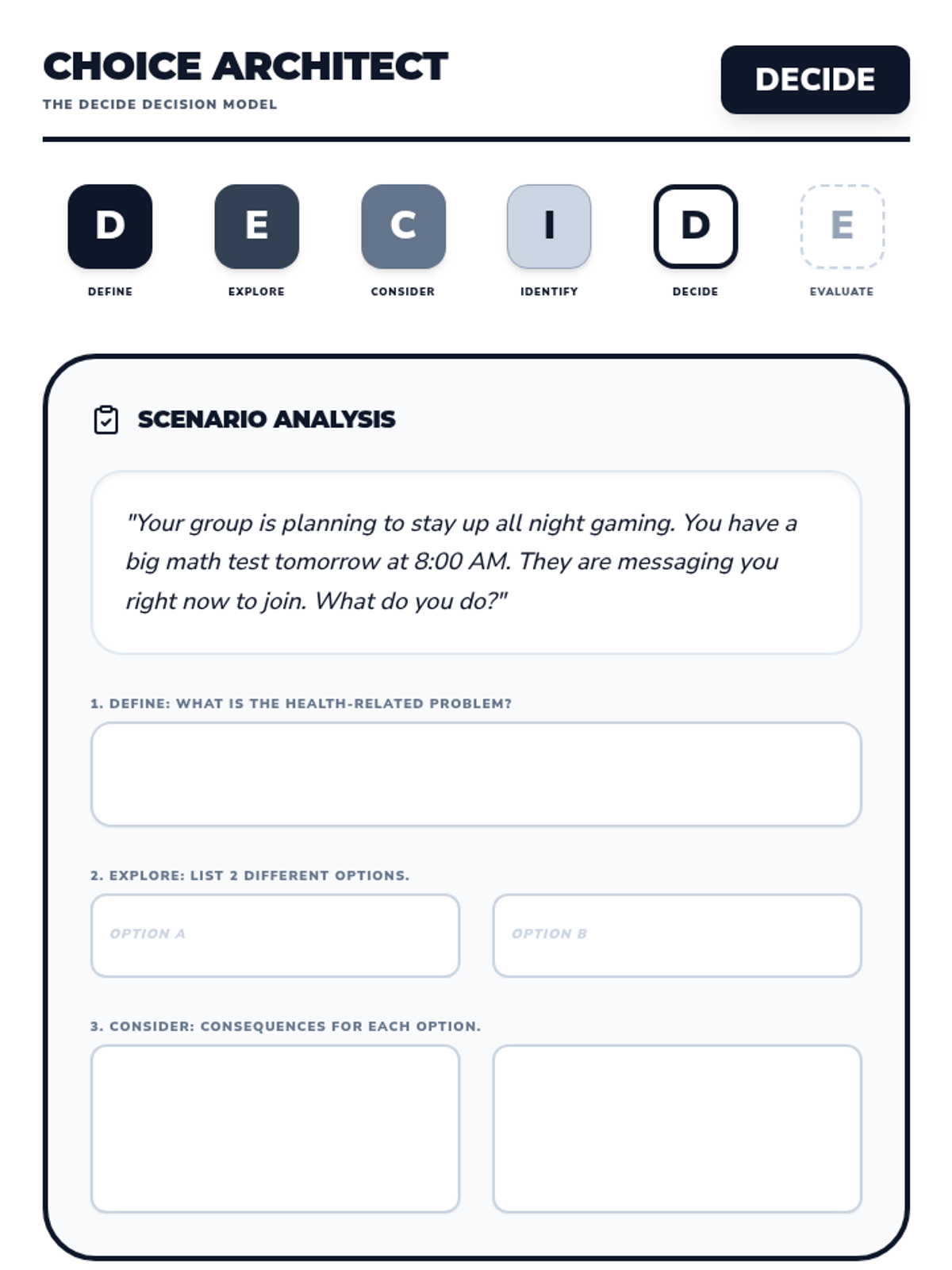
Introduction to the DECIDE model for making structured, health-enhancing personal choices.
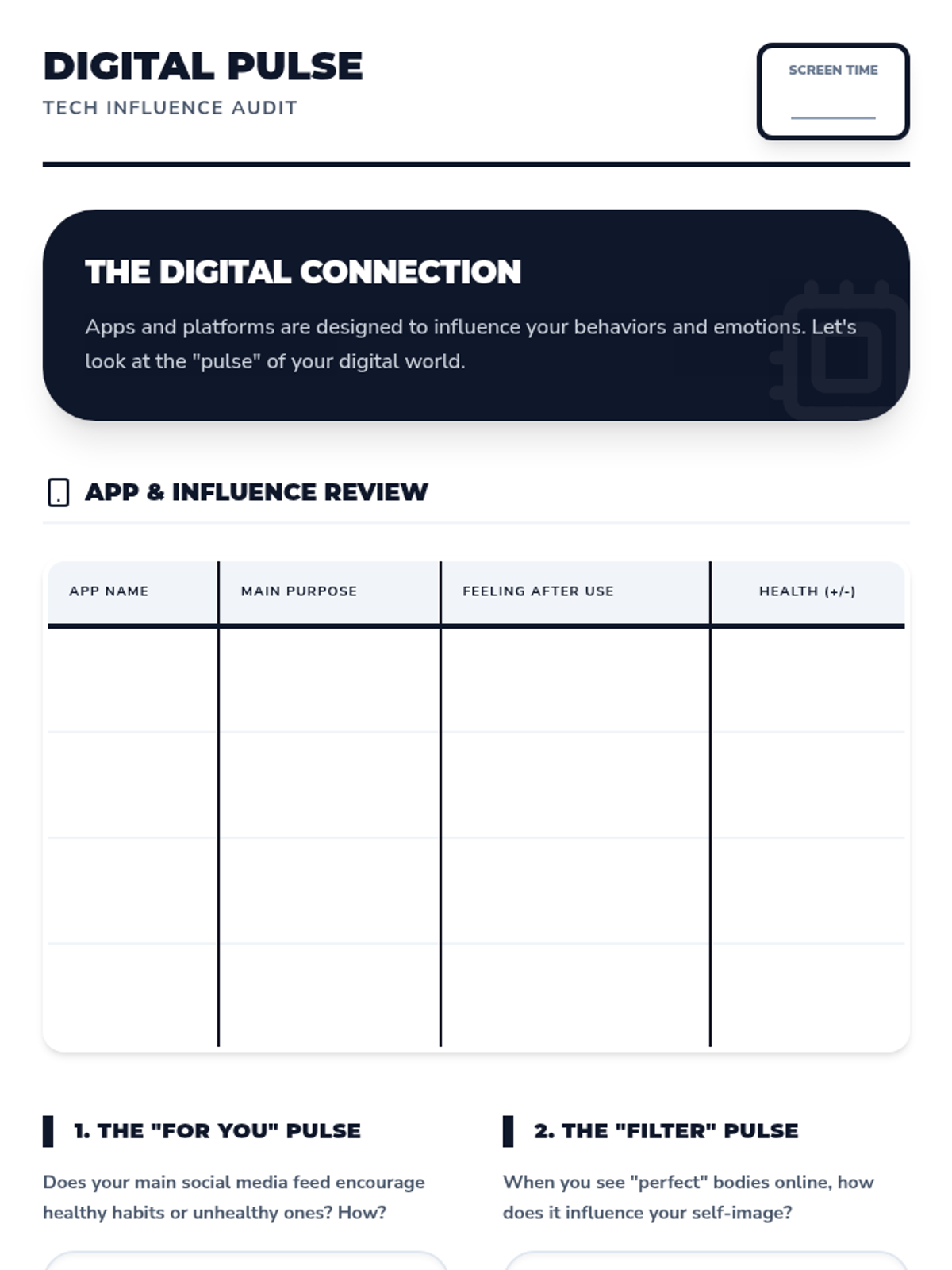
Investigating how technology and social media algorithms shape health perceptions and daily habits.
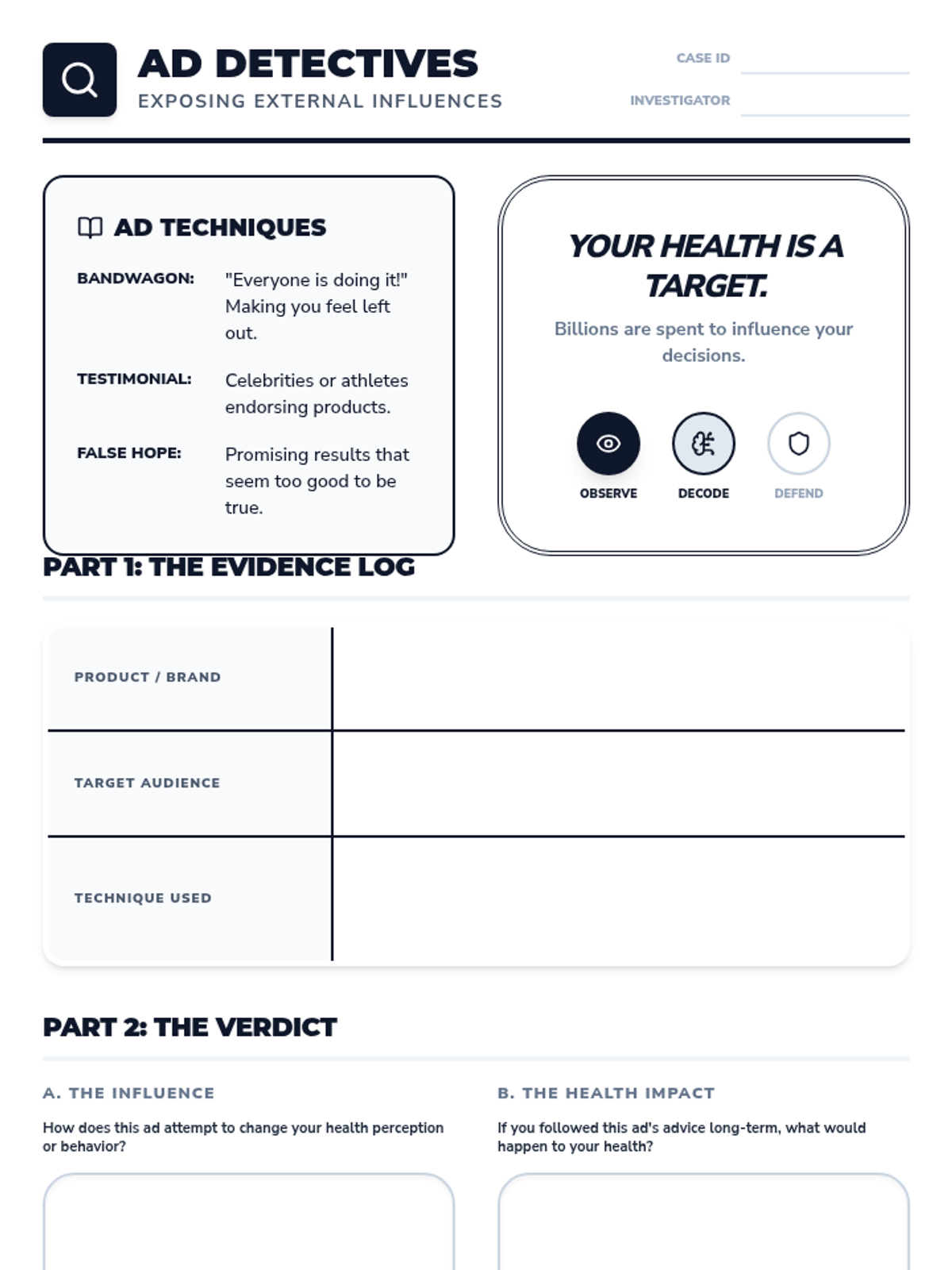
Analyzing media messages and advertising techniques to understand their impact on health behaviors.
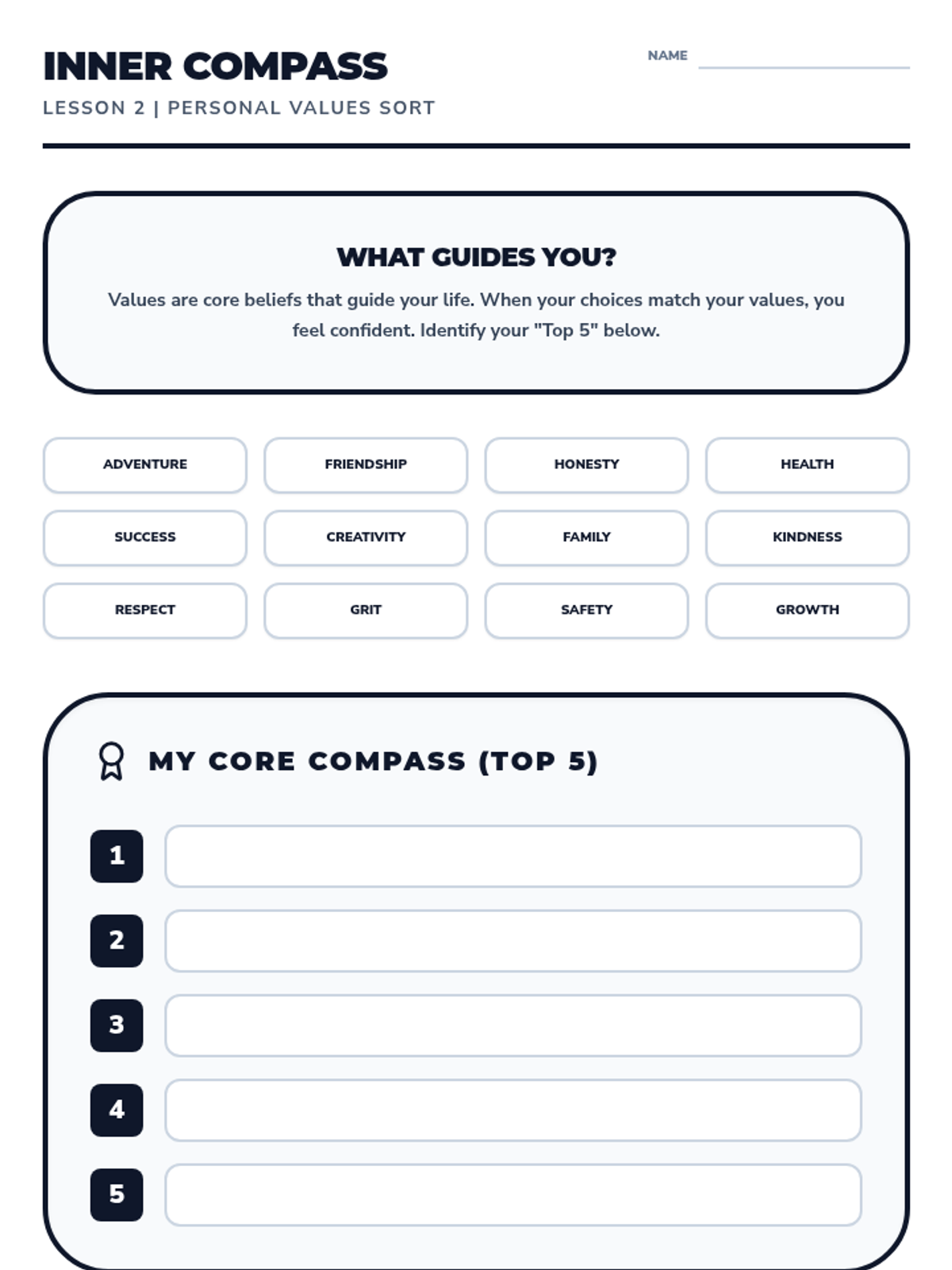
Exploration of personal values and how they serve as an internal compass for health-related choices.
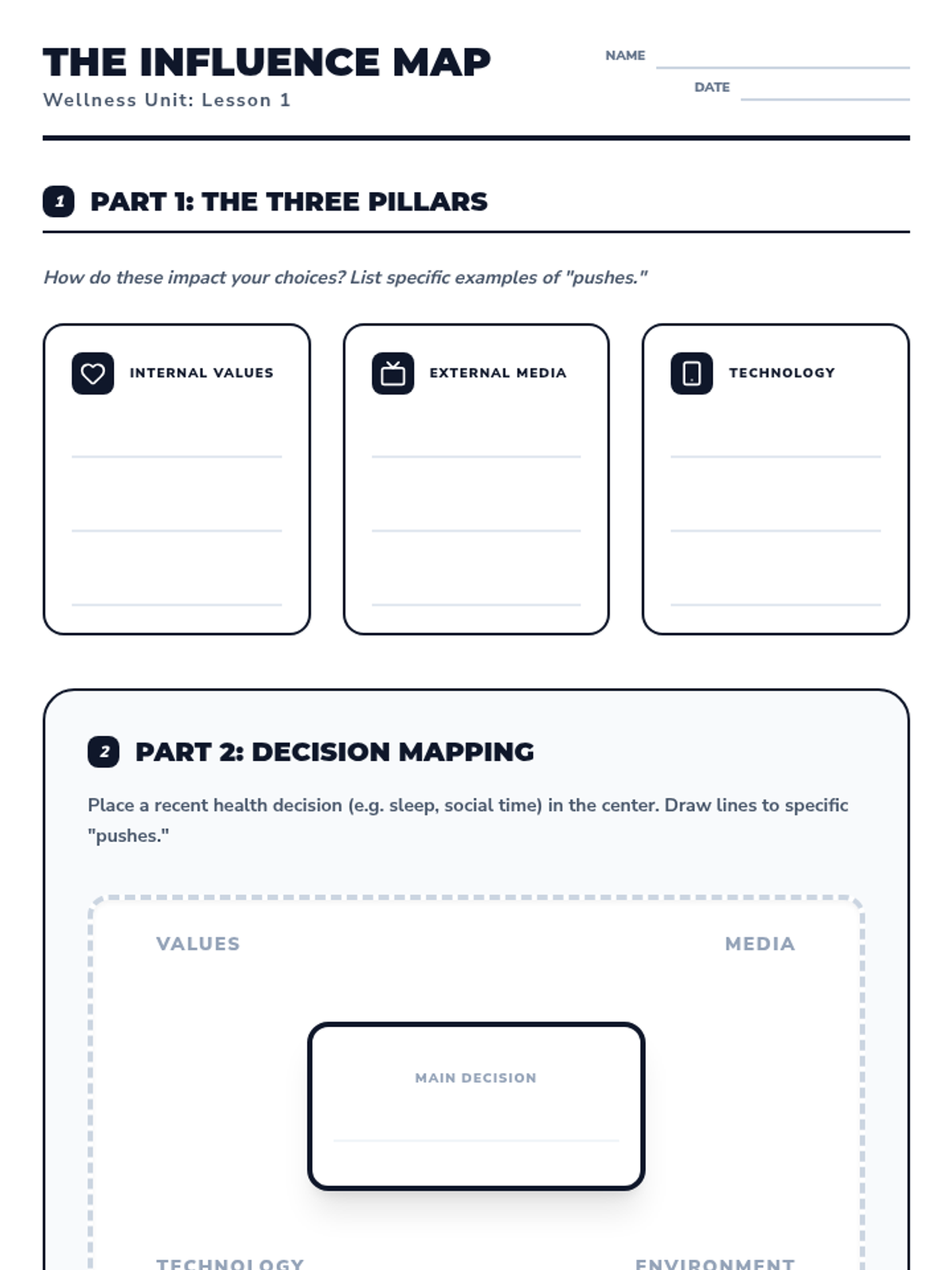
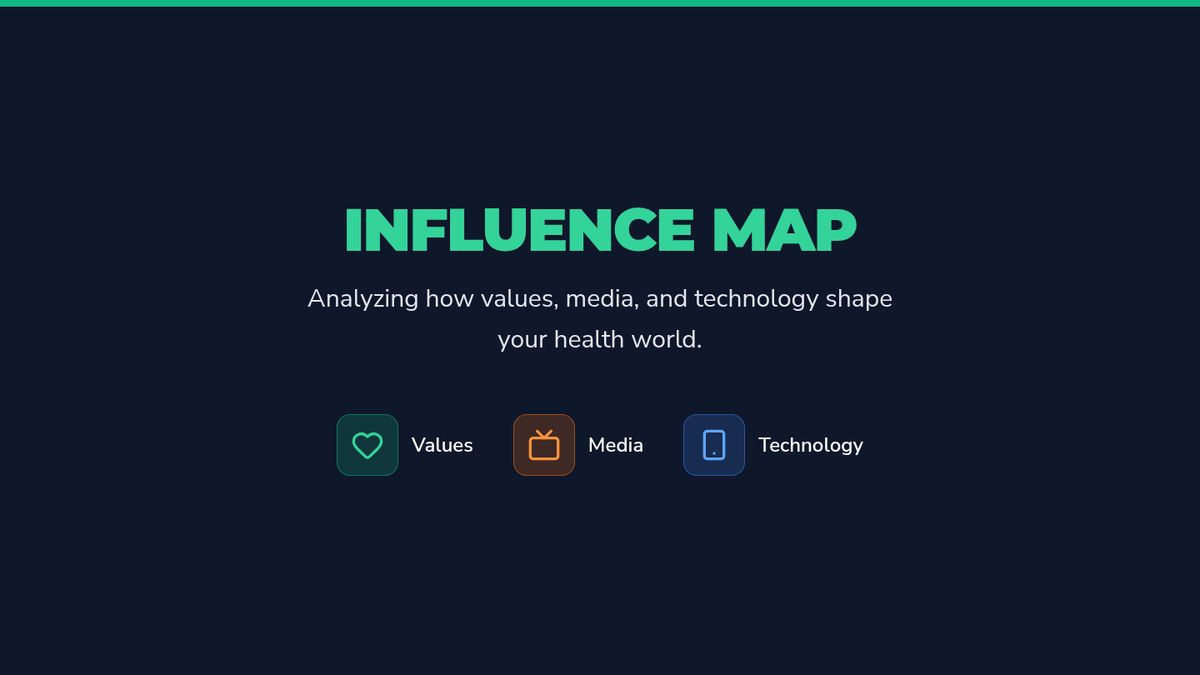
Students identify personal values and external factors (media, tech) that influence their health decisions.
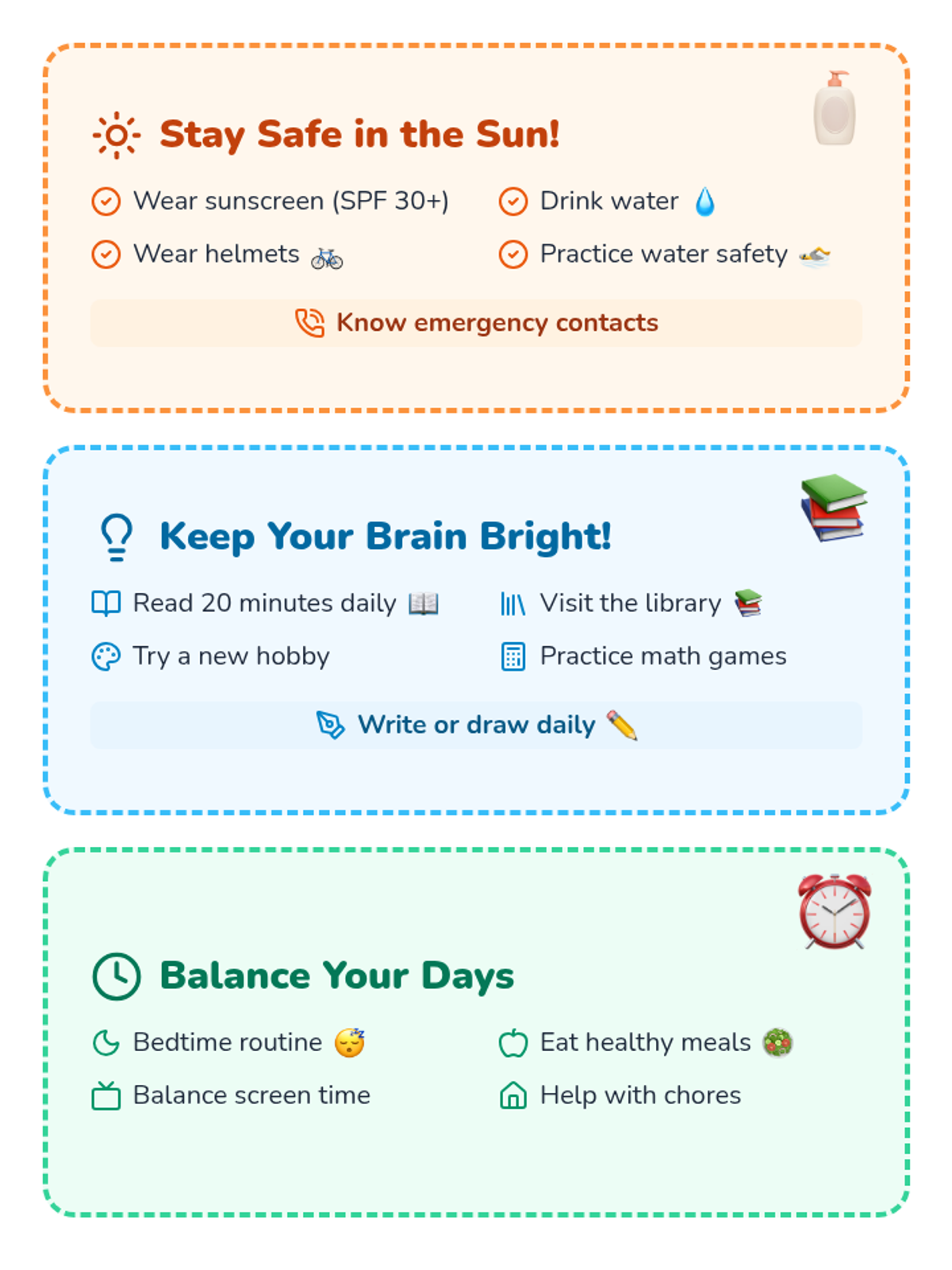
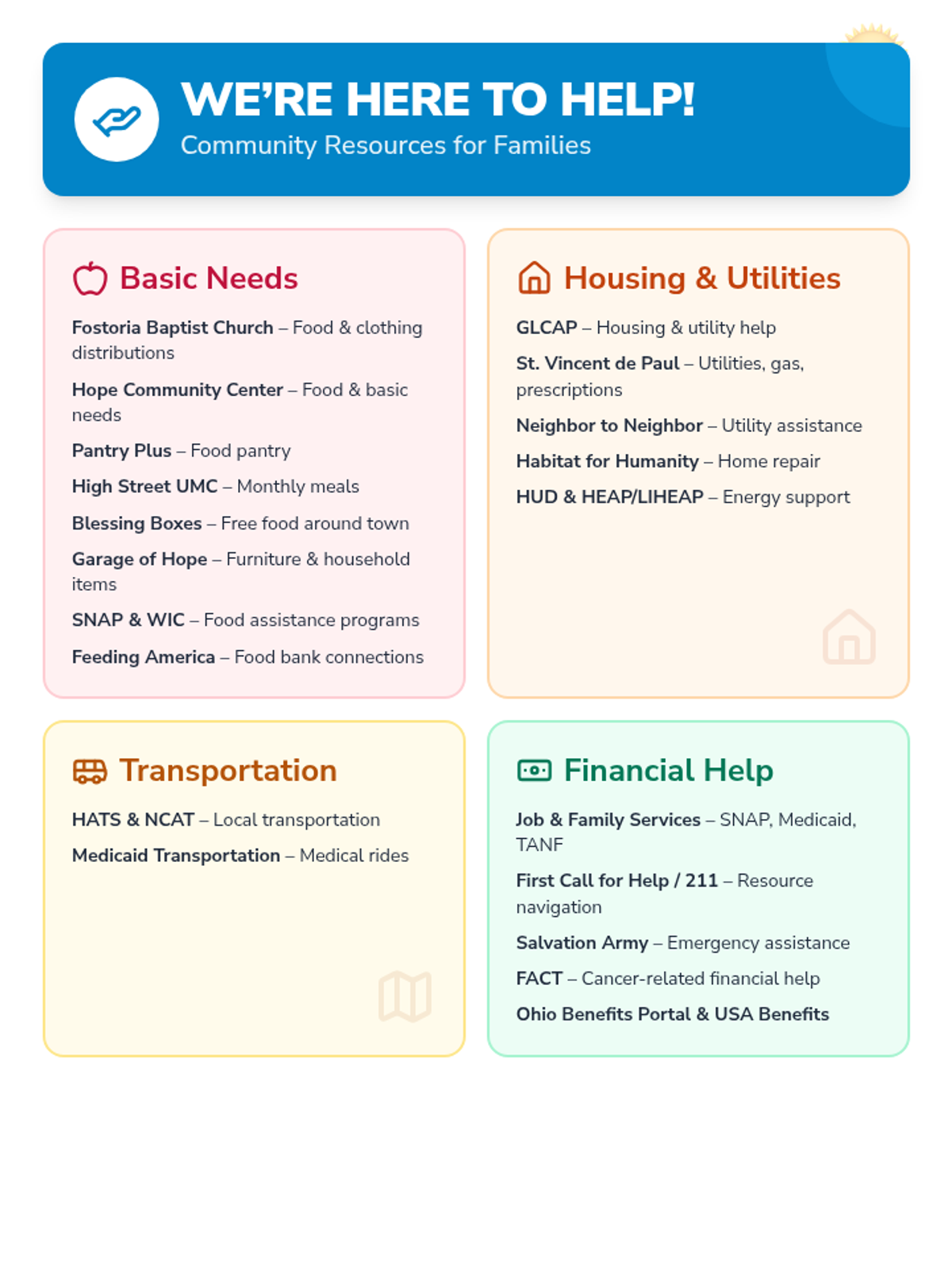
A comprehensive set of bulletin board materials for elementary school hallways, featuring summer safety tips, educational advice, and local community resources.
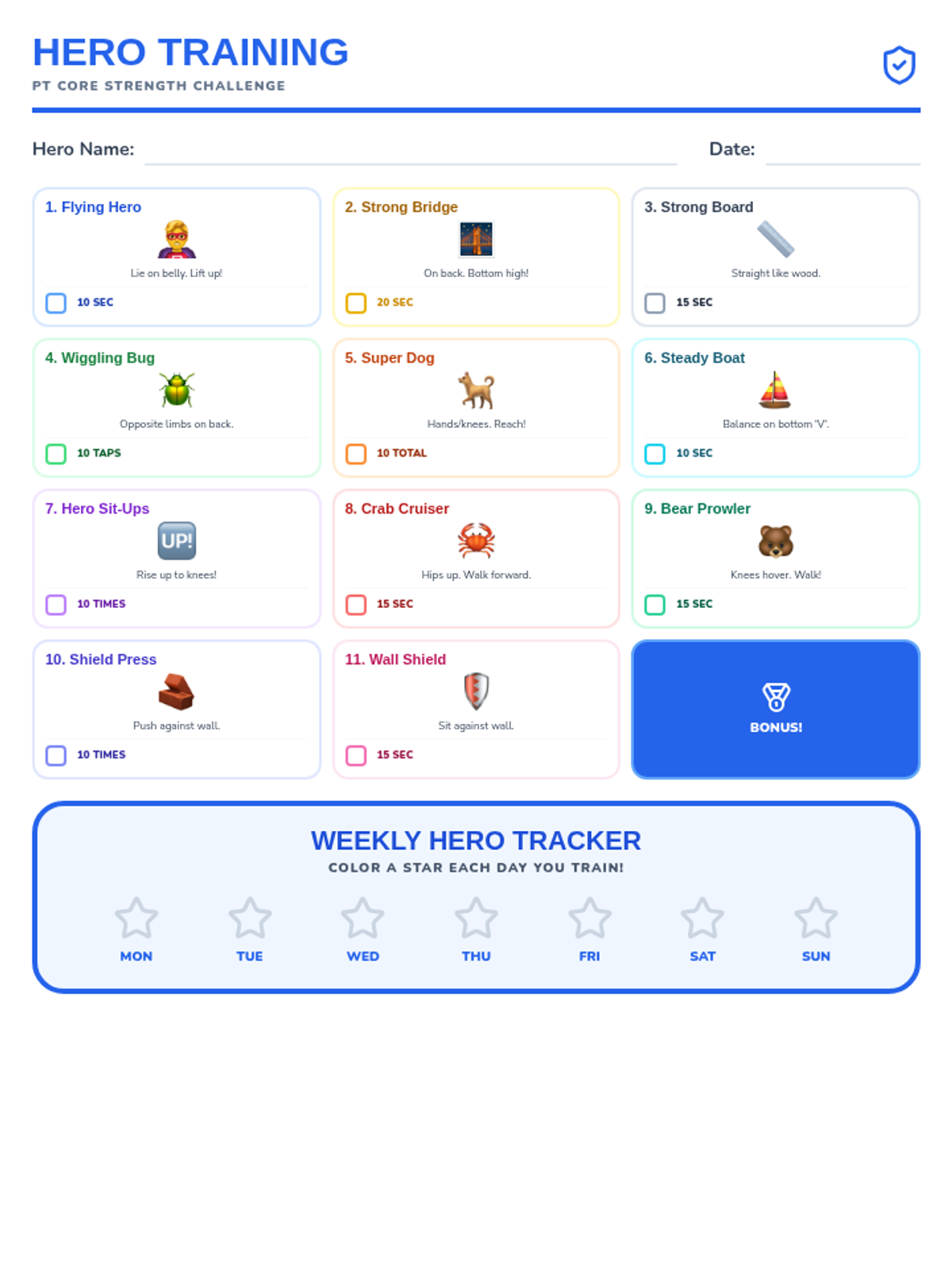
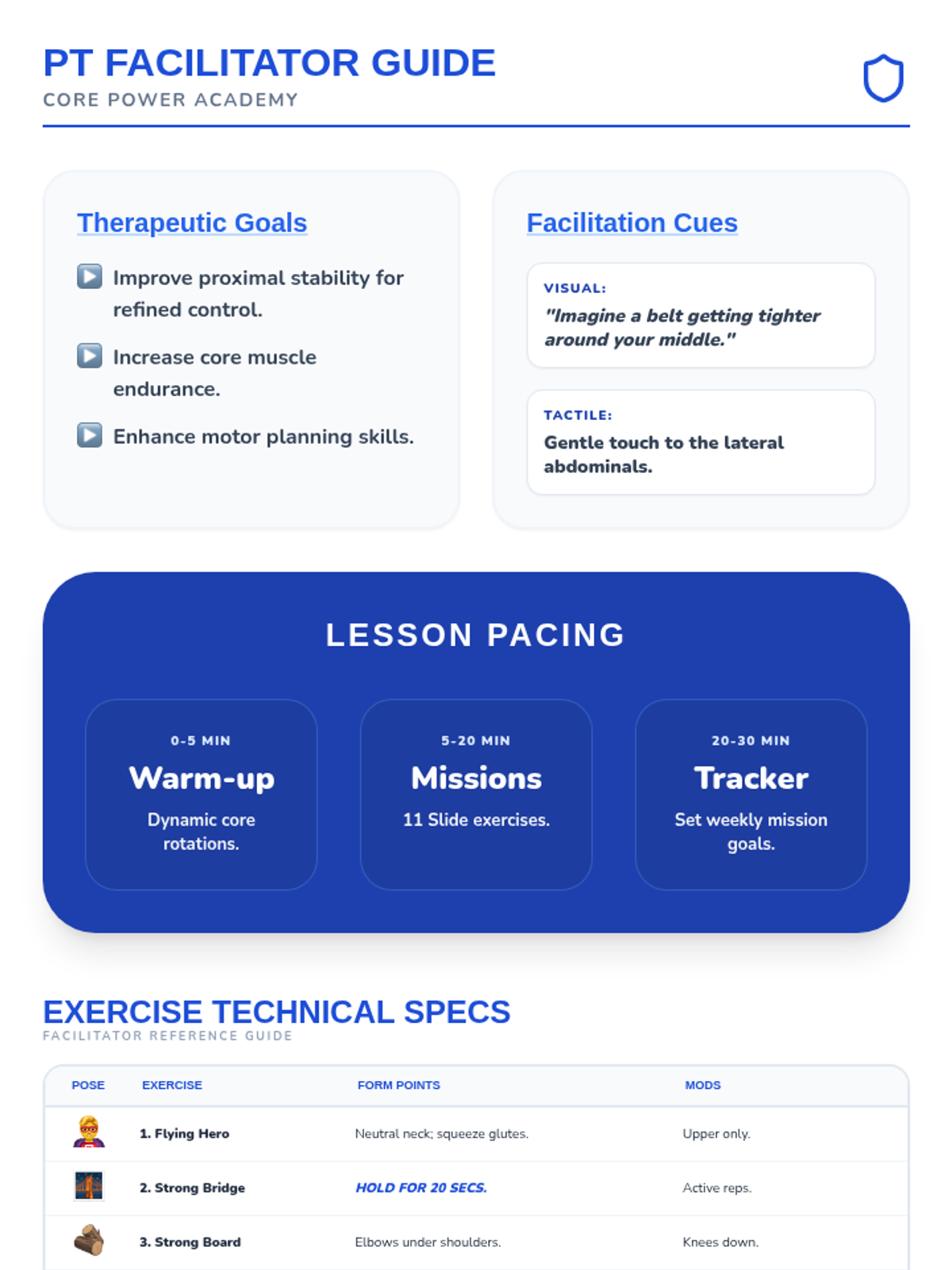
A physical therapy focused lesson for 1st graders to build core strength through 'Hero Training' exercises. Includes visual guides and a progress tracker for home or school use.