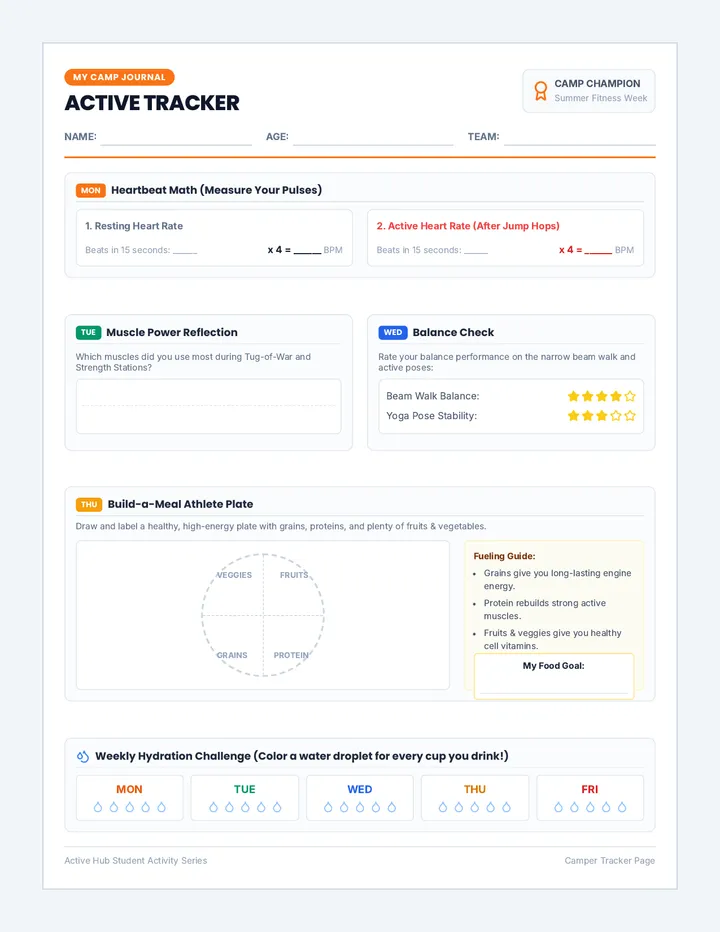
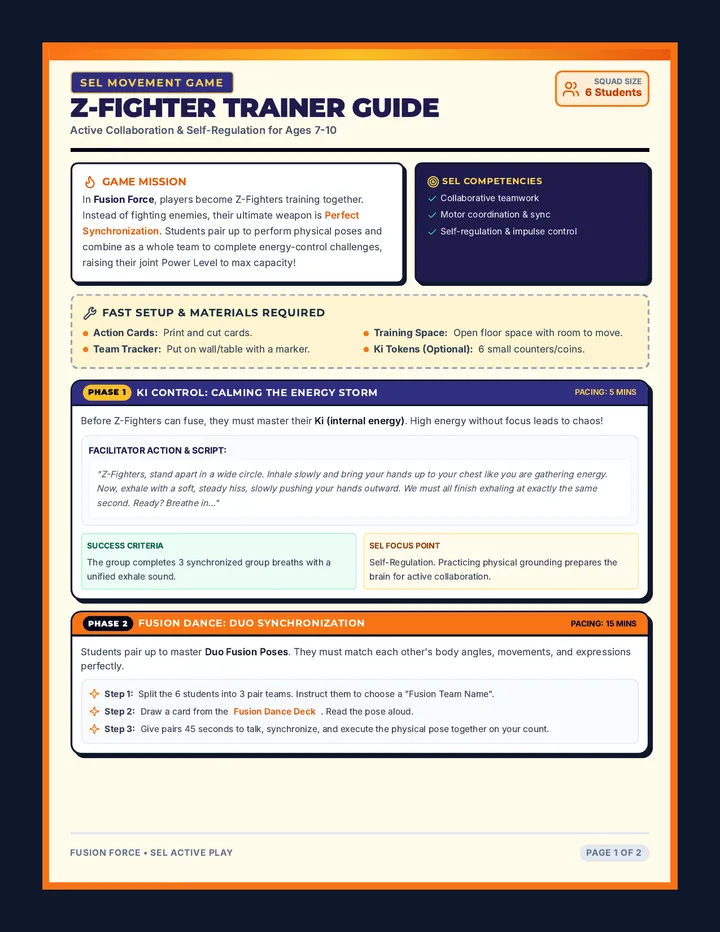
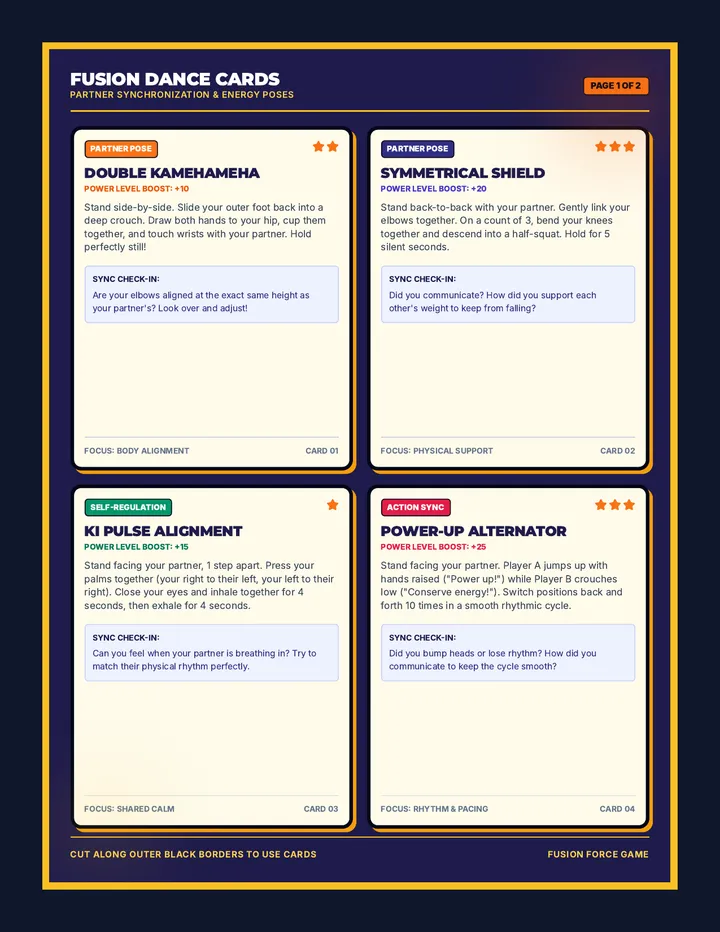
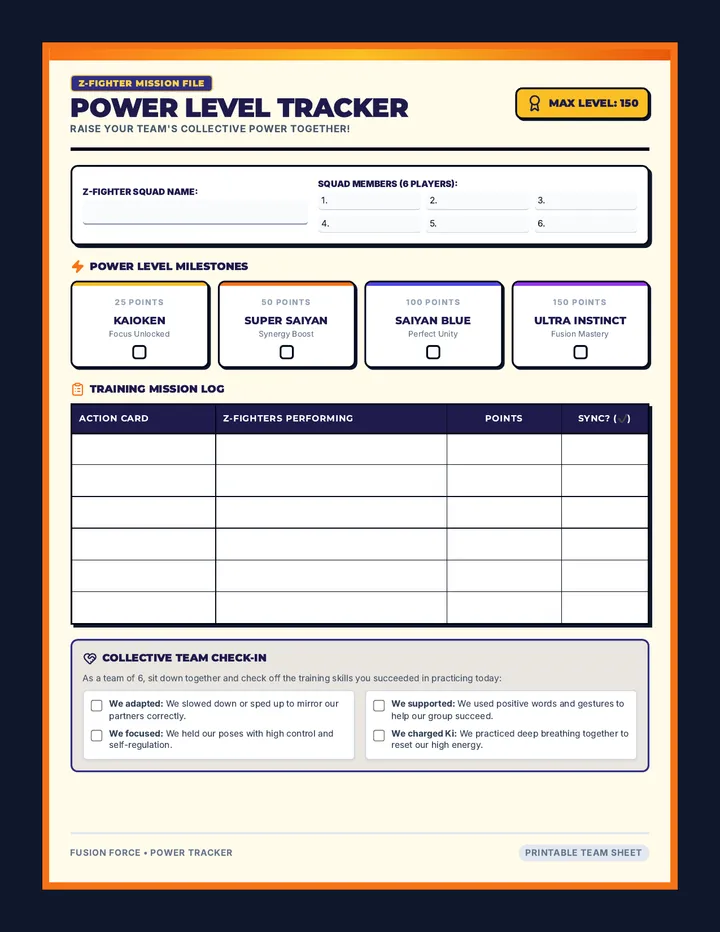
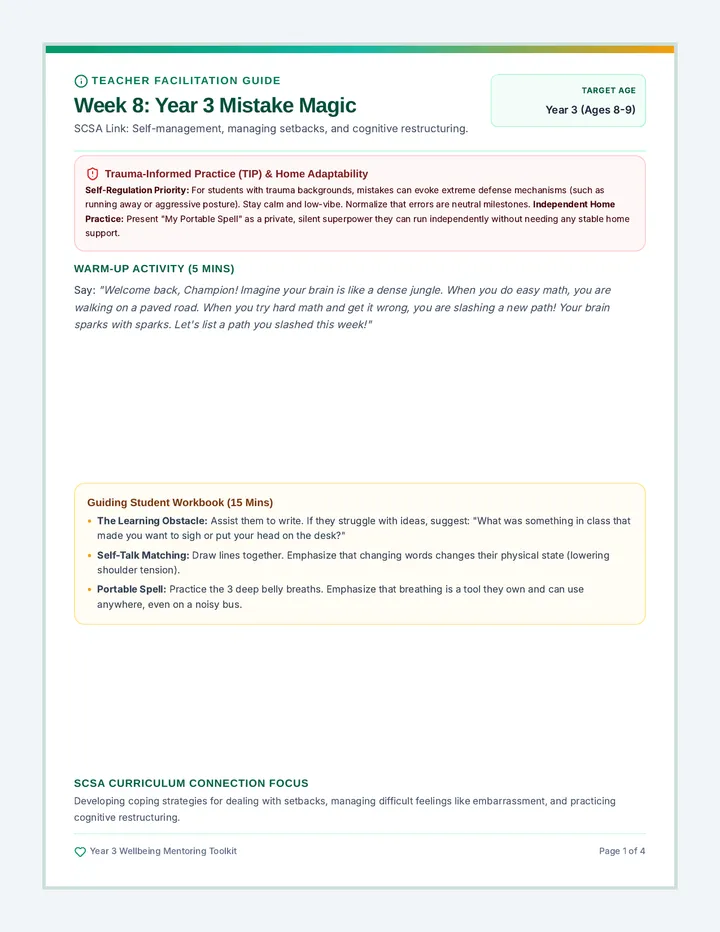
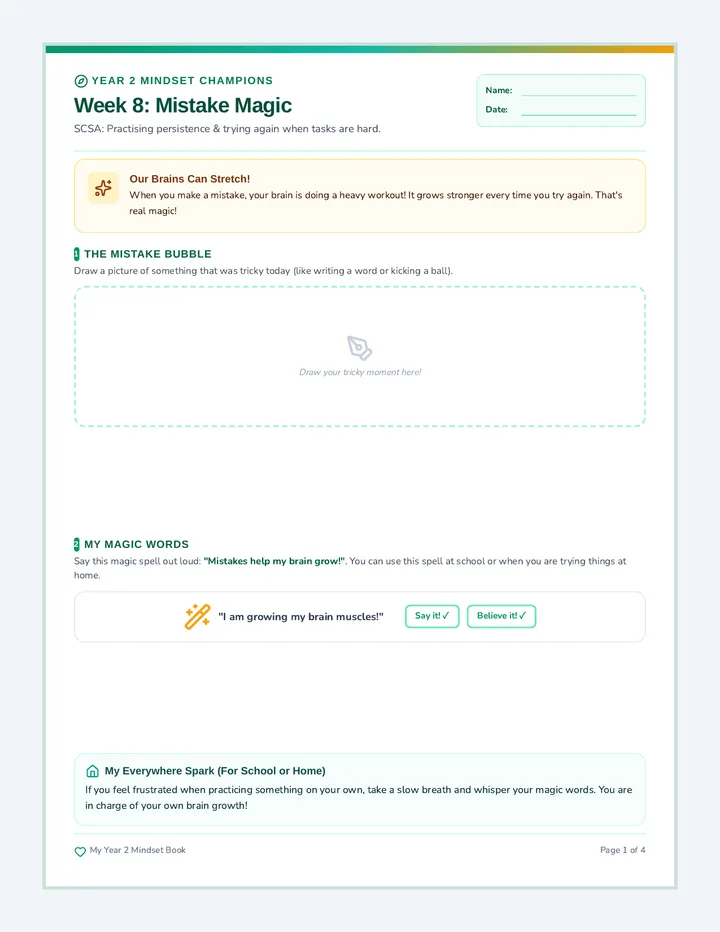
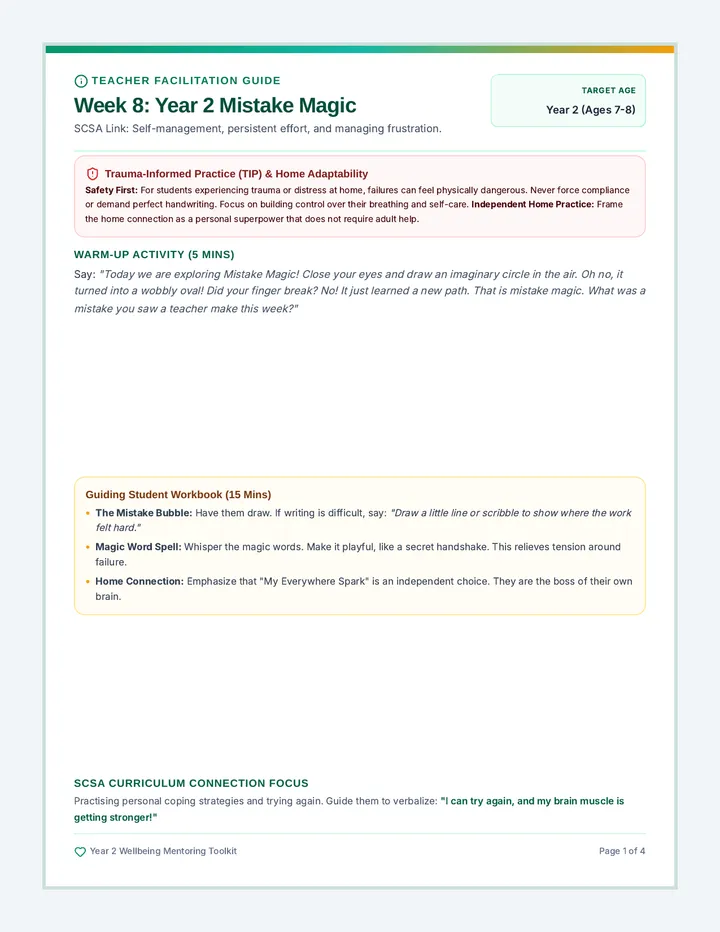
A fun, active challenge to get students moving through a cardio-focused bingo game. Students track their progress and earn rewards for staying active.
A lesson exploring the physiological mechanisms of stress and the long-term consequences of chronic stress on various body systems, featuring DOK-leveled assessments.
Students explore how germs travel through the air during a sneeze and learn the importance of hygiene through detailed visual exploration.
A fun, interactive lesson for kindergarteners to learn how to properly cover their coughs and sneezes using the 'Elbow Pocket' and tissues. Students will identify germ-stopping behaviors through a hands-on sorting activity.
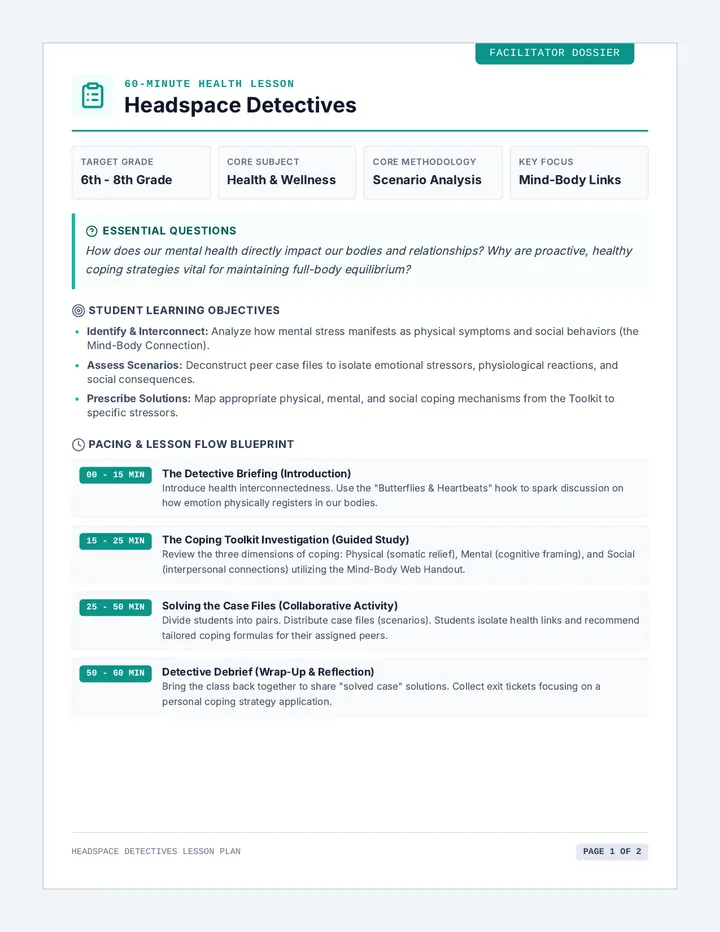
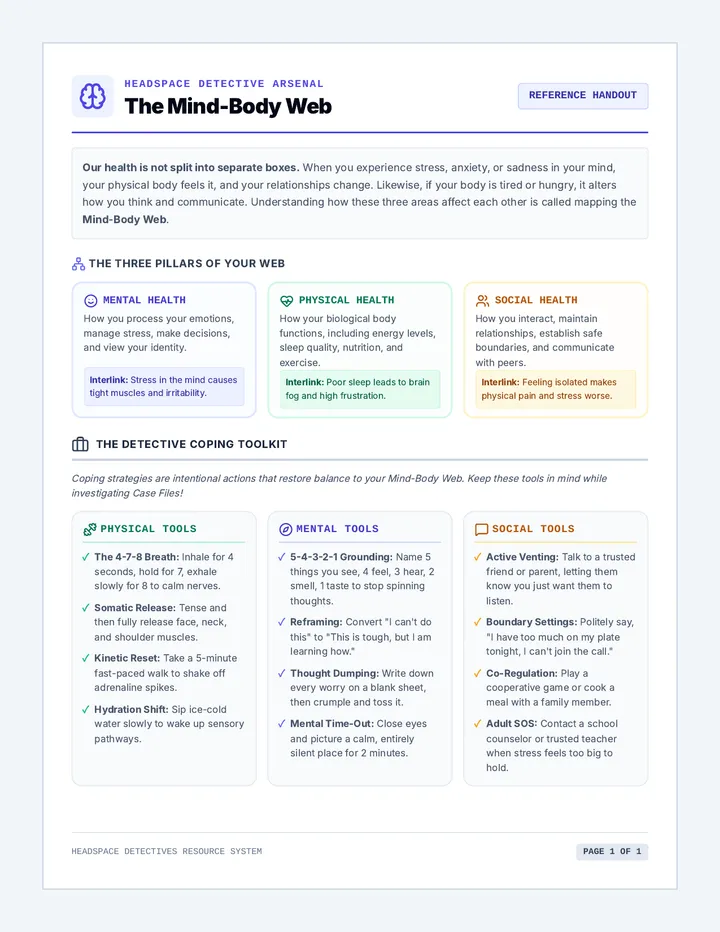
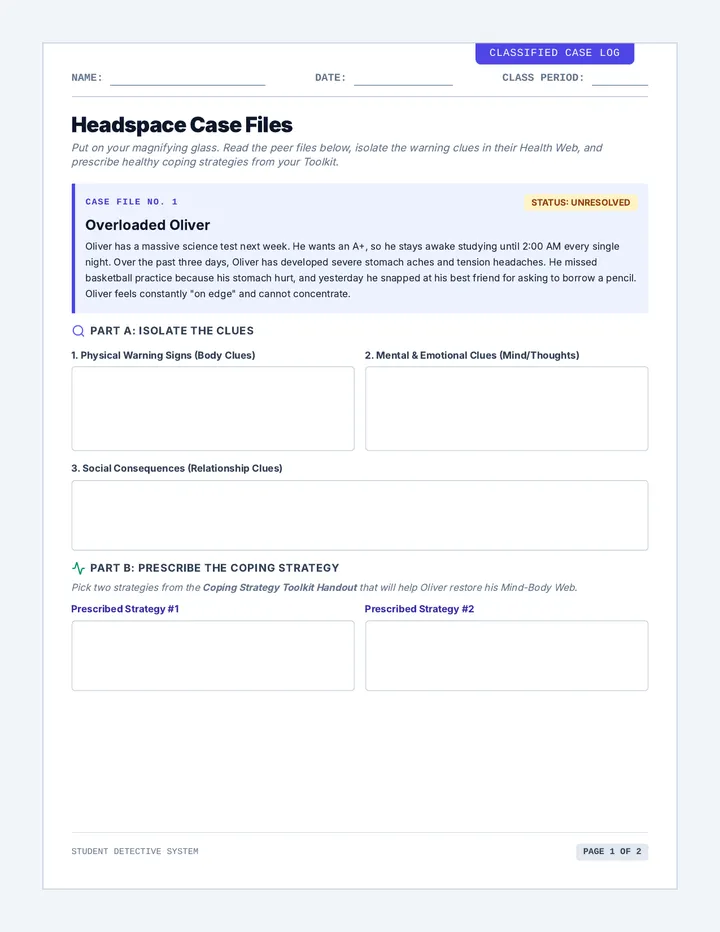
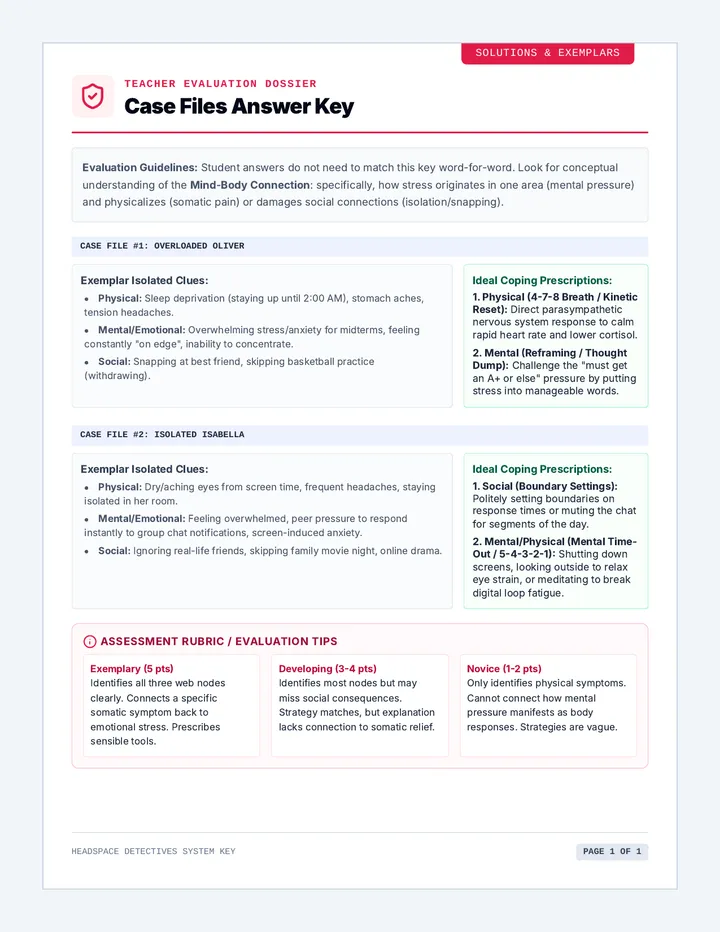
A quick and engaging lesson designed to help middle school students understand the importance of self-care and develop their own personalized routines for mental and physical well-being.
A lesson introducing 1st graders to Winter Olympic sports through identification, equipment matching, and creative expression.
A high-energy 60-minute tumbling lesson focused on intermediate to advanced floor skills including walkovers, handsprings, and aerials. Includes a comprehensive coach guide, visual drills, and a student progress tracker.
An intermediate jazzy pom dance routine set to 'Under the Sea', focusing on sharp motions, jazz technique, and high-energy performance.
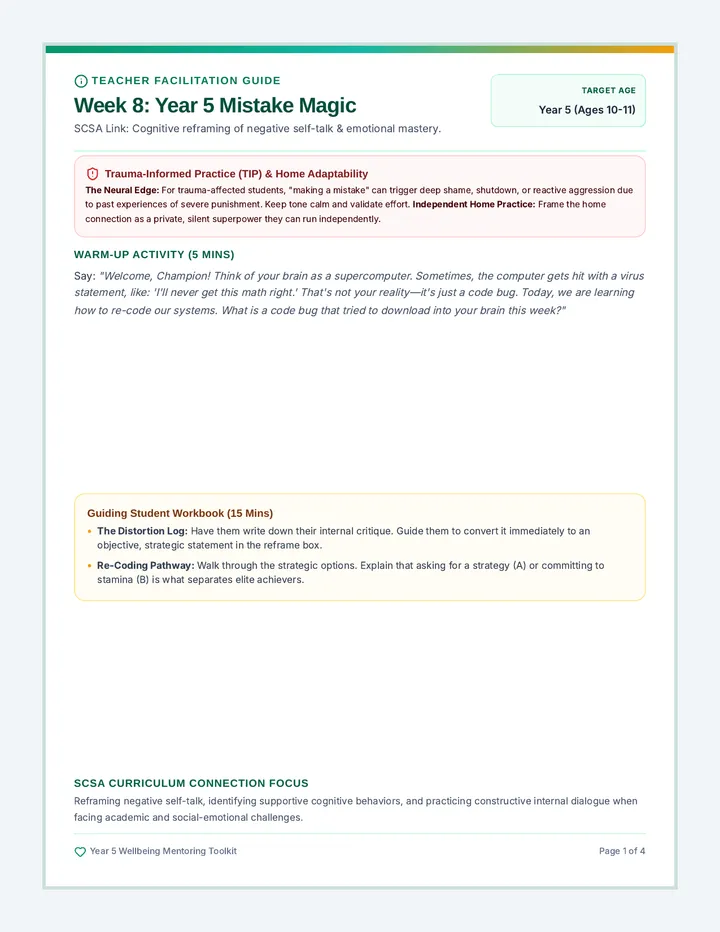
A 10-minute assembly for upper elementary students focusing on the impact of their choices on the school community and building a culture of respect.
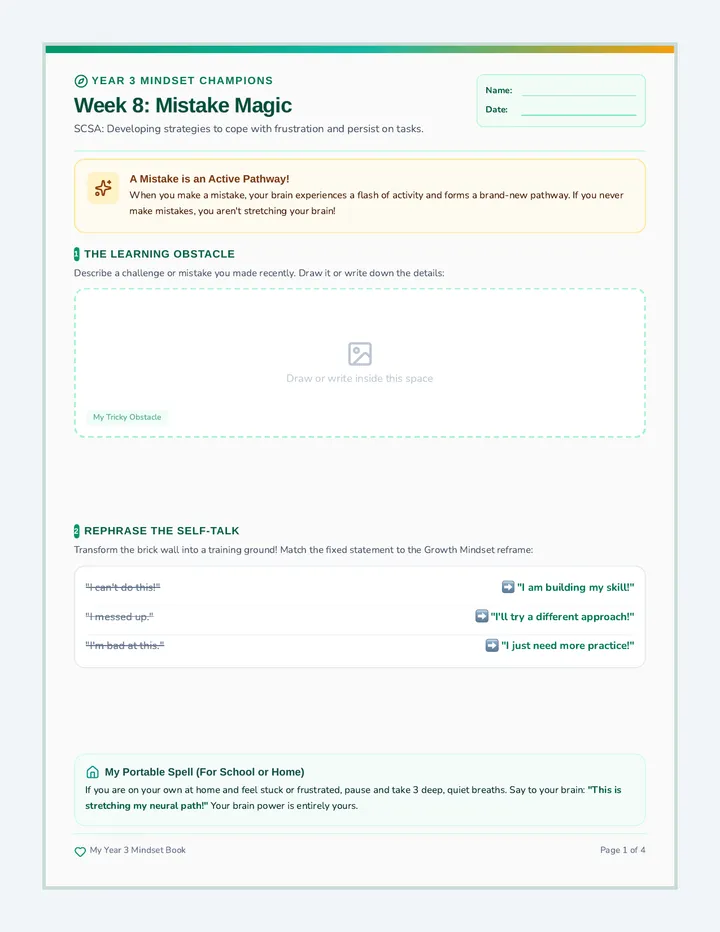
A high-energy, visual 10-minute assembly focused on basic rules, safe hands, and kind words for younger students.
A lesson focused on identifying stressors and building a personalized self-care menu using evidence-based strategies from a health and wellness video. Students learn that self-care is an accessible, vital practice for mental health.
A lesson exploring how suppressed emotions accumulate over time and the practical techniques for identifying and processing them to maintain mental health. Students will analyze scenarios of 'the accumulation effect' and apply daily check-in strategies.
A comprehensive lesson exploring the bidirectional communication between the gut and the brain, focusing on how diet influences neurotransmitter production and mood. Students will visualize the biological 'highway' and identify key food groups that optimize brain function.
A lesson exploring the biological mechanism of tolerance and how the brain adapts to maintain equilibrium (homeostasis) using the 'Seesaw Model'. Students will observe how substances disrupt brain chemistry and how the brain's attempt to restore balance leads to tolerance and withdrawal.
A Physical Education and Sports Medicine lesson exploring the psychological benefits of movement versus traditional exercise. Students analyze Jake Tyler's TEDx talk on depression and design a one-week movement plan focused on mental clarity and intention rather than physical metrics.
Students will identify and differentiate between public, self, and institutional stigma through a video analysis and a physical movement activity. The lesson focuses on understanding the impact of negative stereotypes and how to challenge them in a school environment.
A comprehensive lesson for 5th graders on puberty hygiene, focusing on the biological changes that cause body odor and acne, featuring a 'toiletry bag' design activity.
Students investigate common myths and facts about puberty, focusing on acne, body odor, and body hair. Through a video-guided discussion and a creative poster activity, they learn the biological realities of hygiene and the importance of personal choice in grooming.
This lesson focuses on personal hygiene, sleep, and nutrition during puberty. Students watch an informative video and then design a realistic 24-hour self-care routine, incorporating essential habits like skin care, exercise, and adequate rest.
An introductory lesson for 4th graders to normalize body changes during puberty, focusing on hygiene, acne, and personal choice through a humorous and supportive lens.
Students investigate how nutrition influences their mental state by analyzing food's impact on energy and emotions, culminating in the design of a personal mood-food tracking system.
Students explore how physical activity triggers the release of endorphins, acting as a natural mood booster, and create a 'menu' of accessible ways to get moving.
Students will debunk health myths related to cost and access while designing a 1-day itinerary using only free or low-cost resources. The lesson centers on a video about the body-mind connection and the accessibility of healthy habits.
A parent workshop focused on identifying digital tools and community resources to improve family physical and mental health. Participants will explore wellness apps and set concrete goals for their families.