Essential fire prevention tactics, emergency escape planning, and the 'stop, drop, and roll' technique. Outlines water safety protocols including supervision, life jacket usage, and pool rules to prevent accidents.
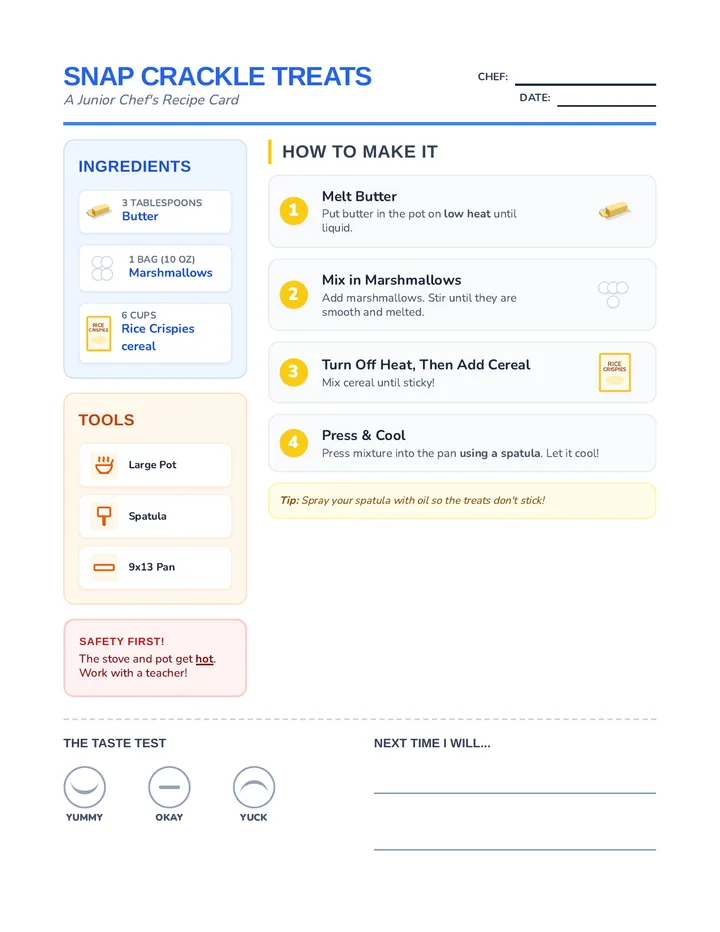
A simplified, single-page picture recipe for Rice Krispie treats. It features illustrations for the three core ingredients (including a labeled Rice Crispies box) and the three kitchen tools, with clear stovetop instructions and an expanded student reflection area. Safety instructions have been updated for a classroom setting. Step 3 heading explicitly includes turning off the heat. Cereal is labeled as "Rice Crispies cereal" in the ingredients list.
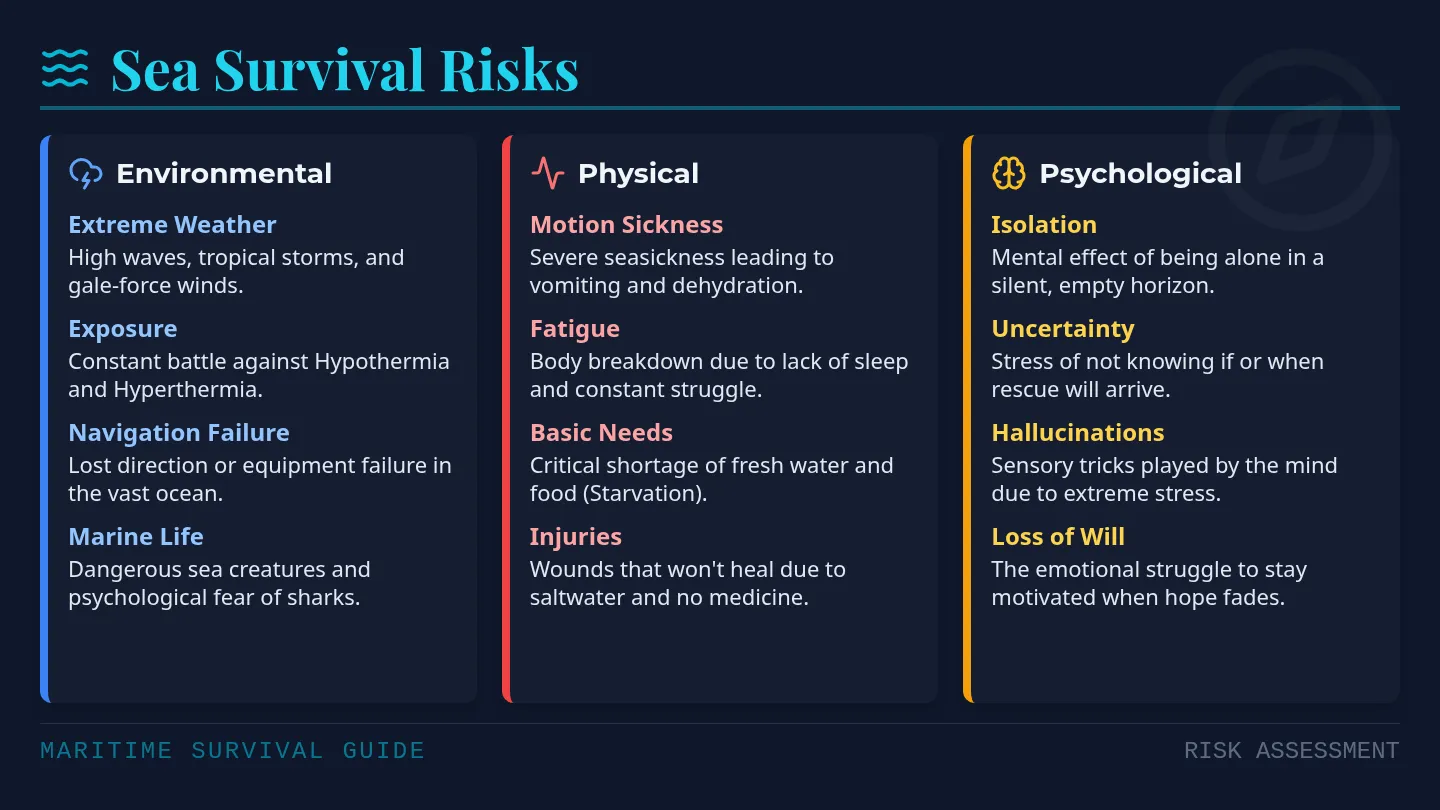
A professional and balanced slide summarizing the environmental, physical, and psychological risks of sea survival with standardized presentation font sizes and layout.
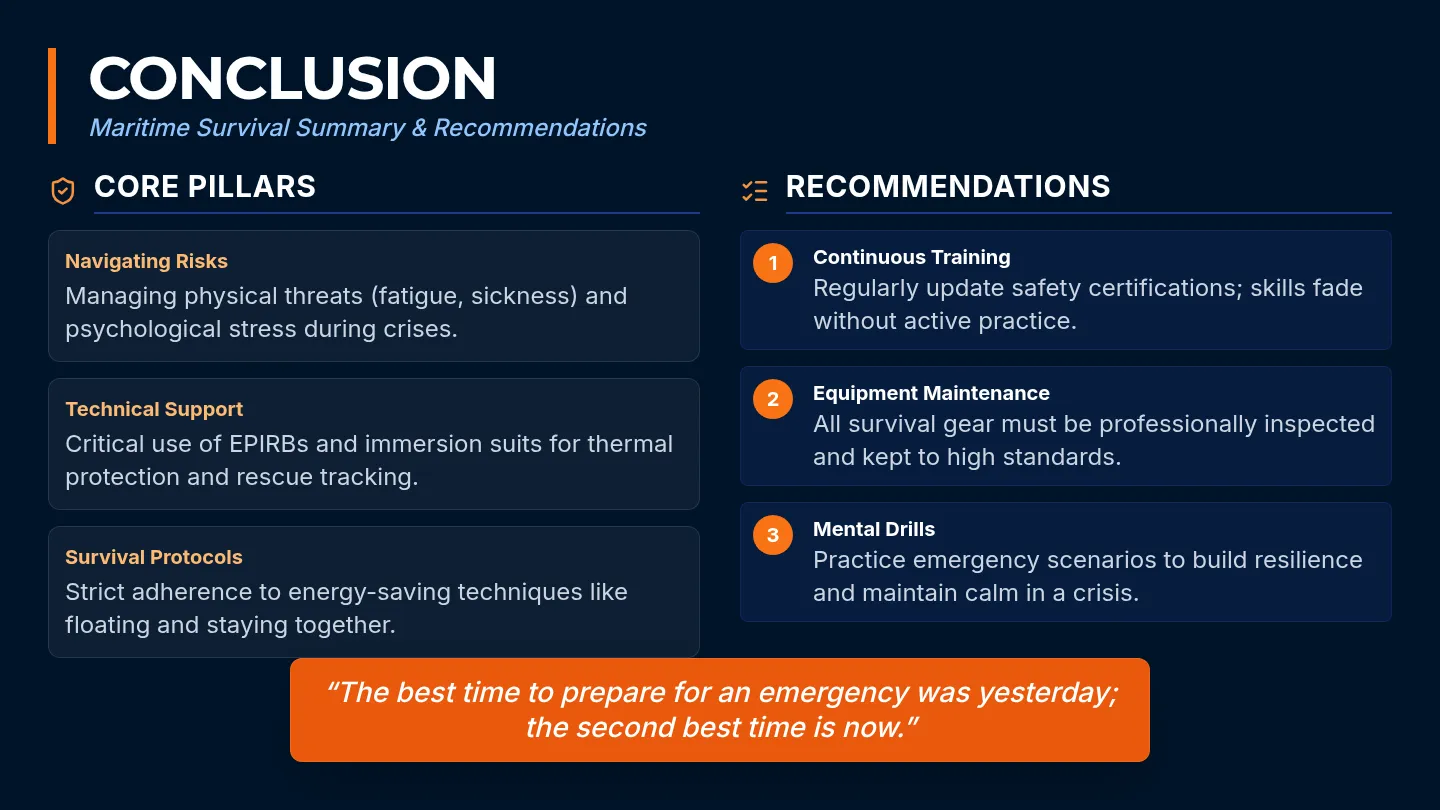
A high-impact conclusion and recommendations slide for a maritime survival presentation, featuring a solid Navy Blue (كحلي ساده) background and clear pillars of information. Background decorations have been removed for a cleaner look.
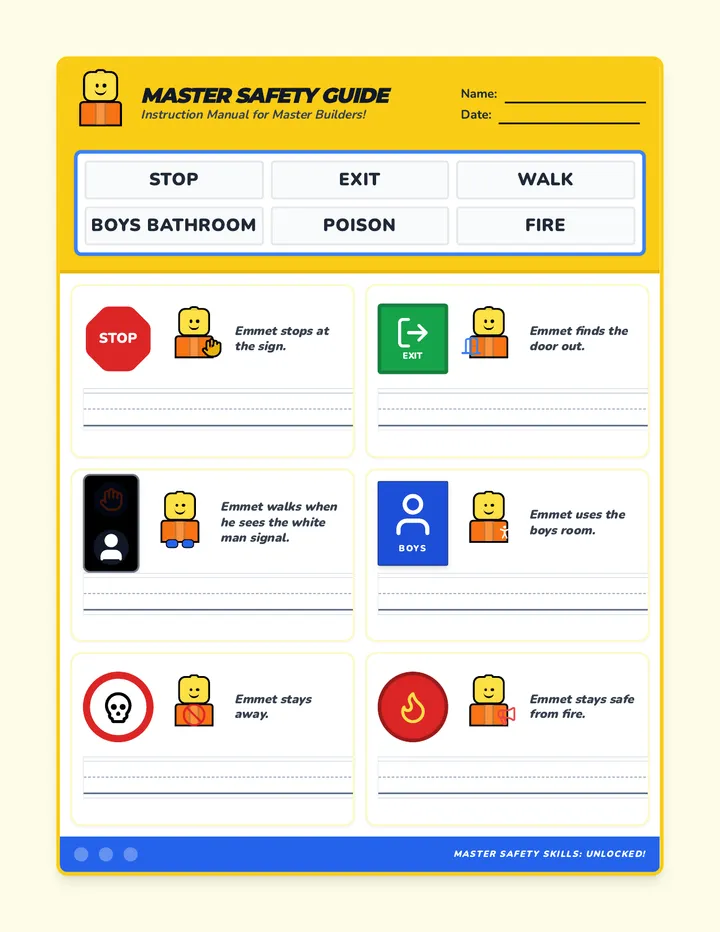
A safety sign worksheet featuring a Lego-inspired aesthetic and Emmet character icon. Students identify community signs (Stop, Exit, Walk, Boys Bathroom, Poison, Fire) and copy the corresponding words from a word bank onto primary handwriting lines. Updated signs for Walk and Bathroom now reflect standard community signage.
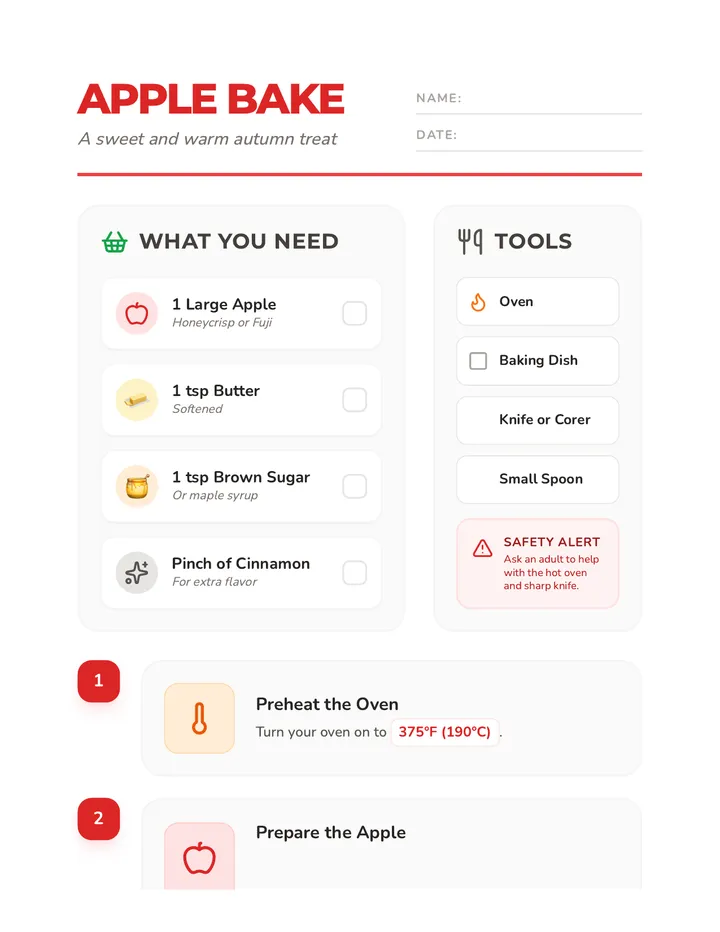
A visually supported two-page recipe for baked apples, featuring clear icons, a simple step-by-step layout, and a large reflection area for student feedback. Designed for young learners with bold text and safety reminders.
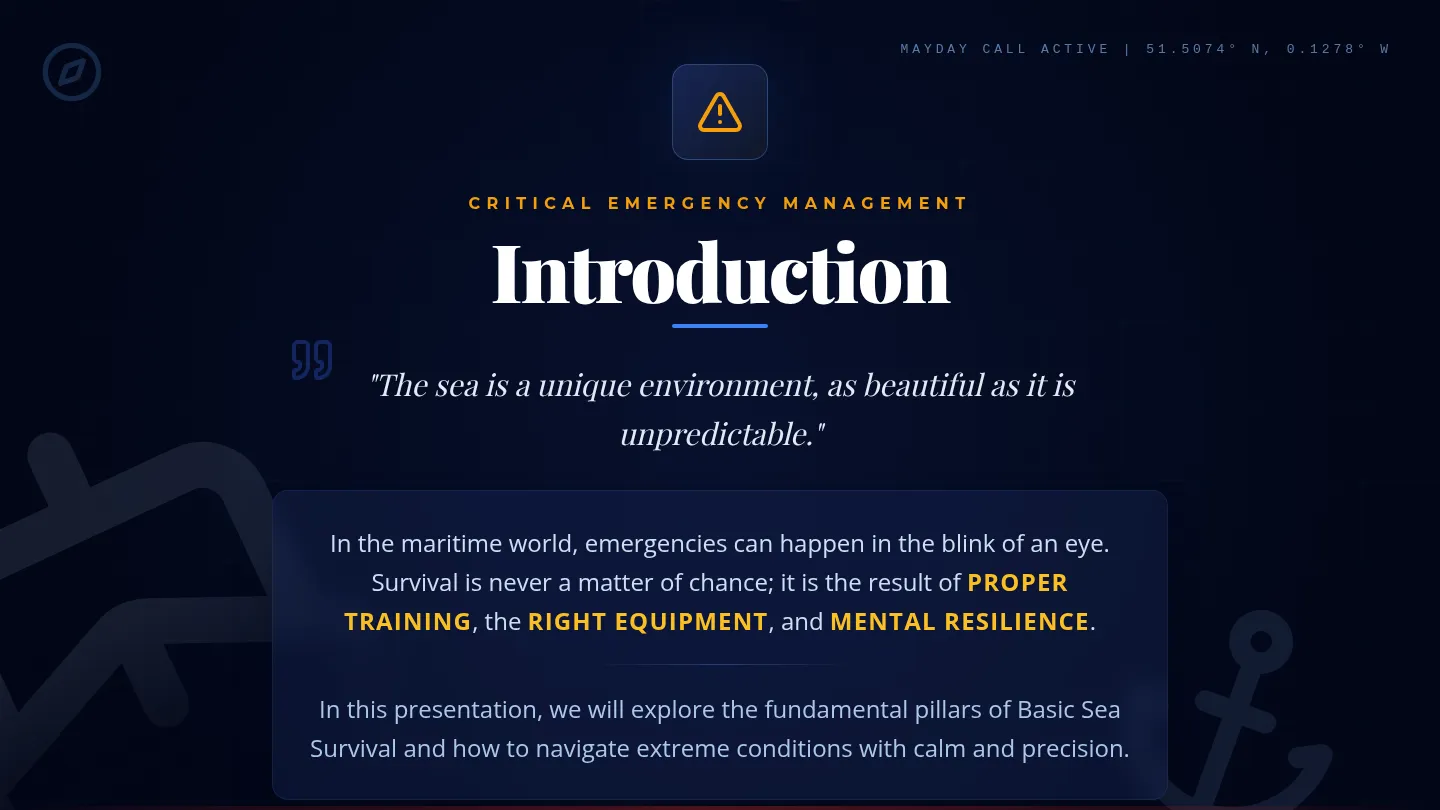
A premium dark navy introductory slide for Sea Survival, featuring a dramatic sinking ship silhouette visual created using icons and gradients, alongside the core lesson text. Revised for smoother visual transitions and better readability.
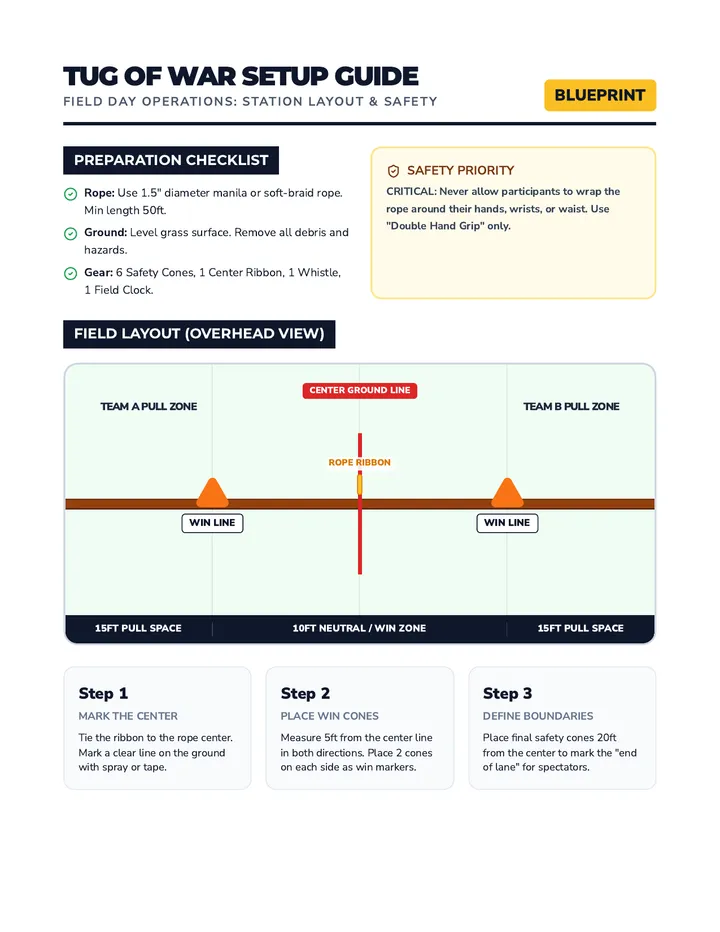
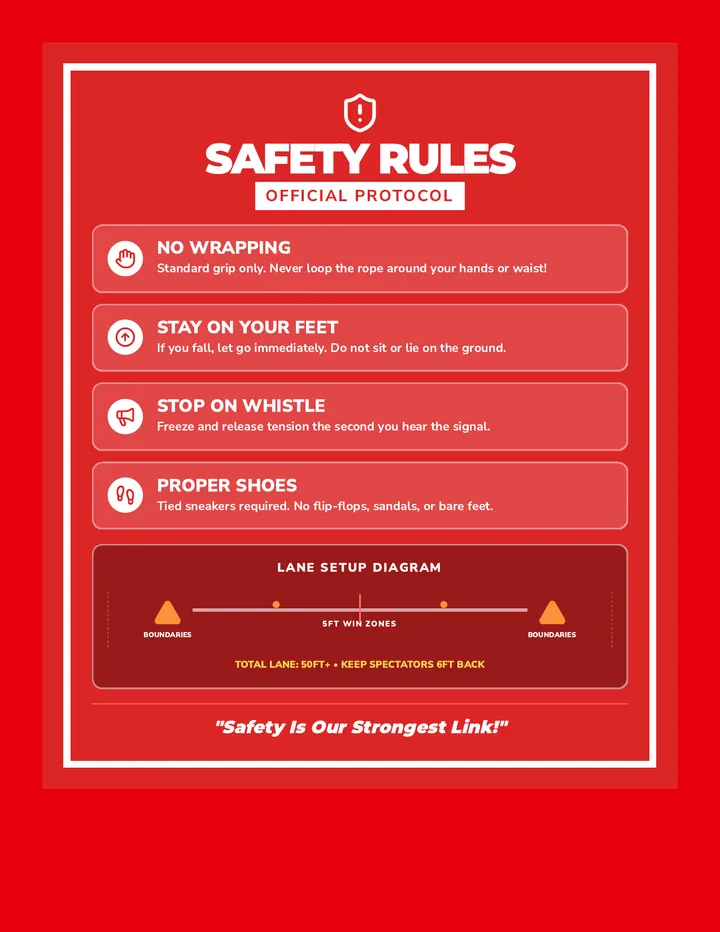
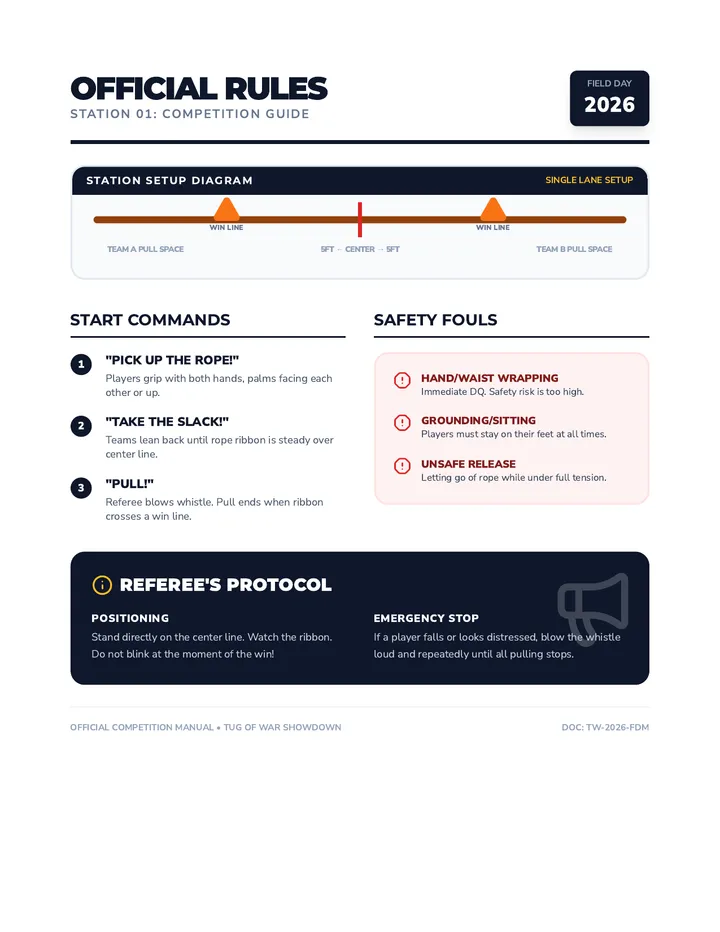
A comprehensive collection of field day game guides, setup diagrams, and safety protocols for popular outdoor activities.
A multi-grade social-emotional learning unit focused on 'Summer Safety Heroes'. Lessons are tailored for different developmental levels, from 1st-grade foundations to 3rd-grade scientific mastery and risk management.
A 4-day end-of-semester review event where students compete in 'Olympic heats' covering child development from toddlers to middle childhood, safety protocols, and nutrition. Each day features competitive activities that reward accuracy and teamwork as teams aim for the gold medal.
A unit focusing on injury prevention, safety equipment maintenance, and foundational emergency response principles for caregivers and students.
A comprehensive unit on childcare safety, injury prevention, and emergency preparedness. Students develop practical skills for babysitting and early childhood environments, culminating in a professional safety portfolio.
A comprehensive 7th-grade child development course focused on safety, basic caregiving, developmental milestones, and professional babysitting business skills. The curriculum is designed for 45-minute class periods and aligns with Urbandale CSD standards and proficiency scales.
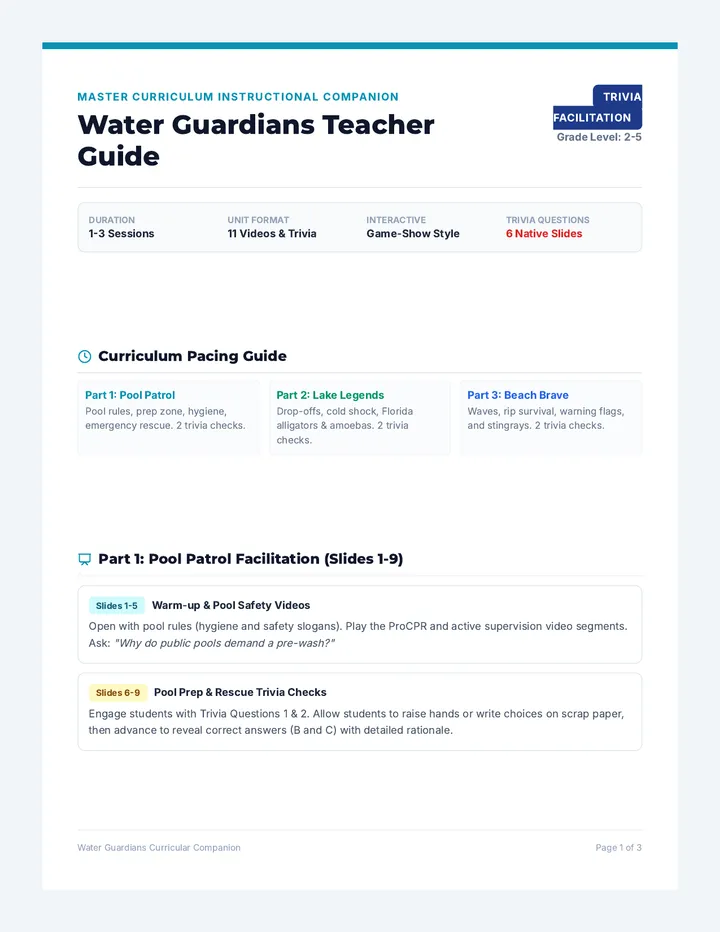
A comprehensive water safety curriculum spanning pool protocols, open water lake dangers, and ocean beach safety practices. Designed for elementary and middle school classrooms with visual presentations, student checklists, and instructor companion guides.
A sequence focusing on maritime safety and survival techniques, covering risks, essential equipment, and psychological resilience for nautical emergencies.
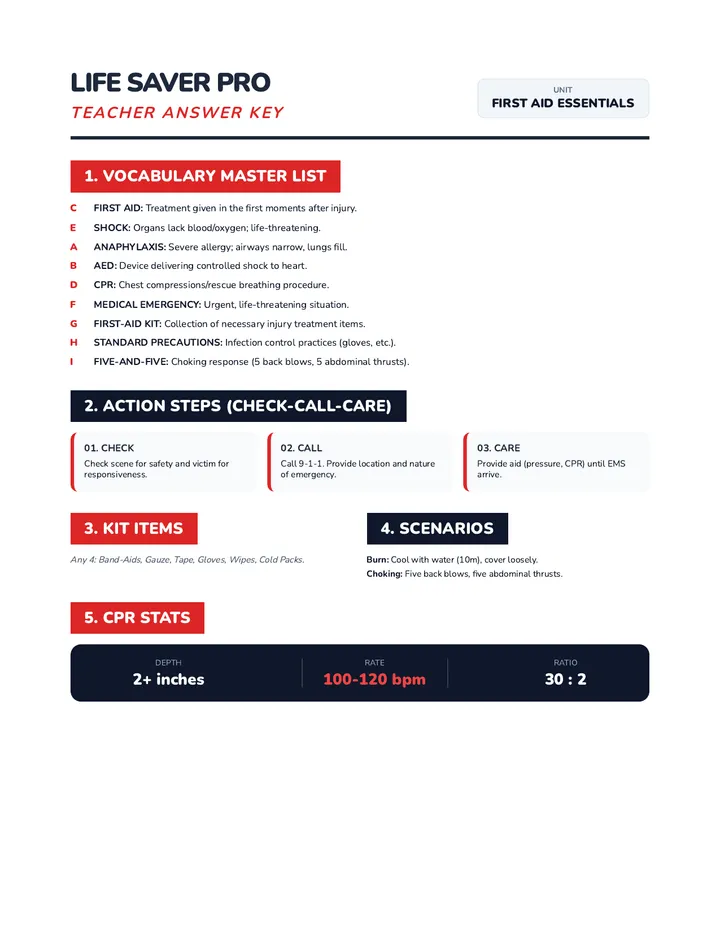
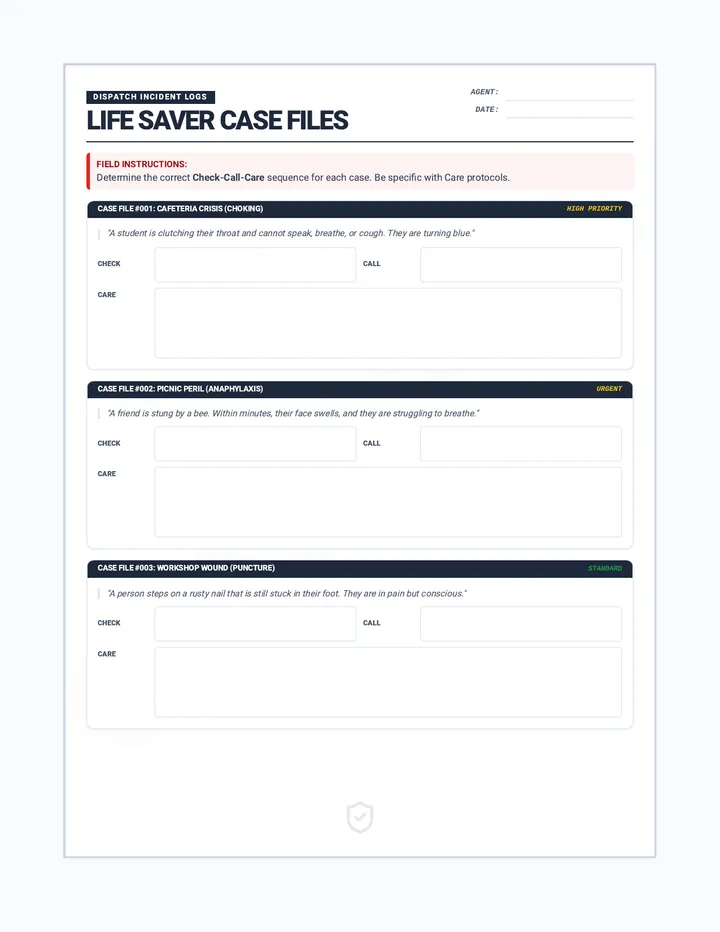
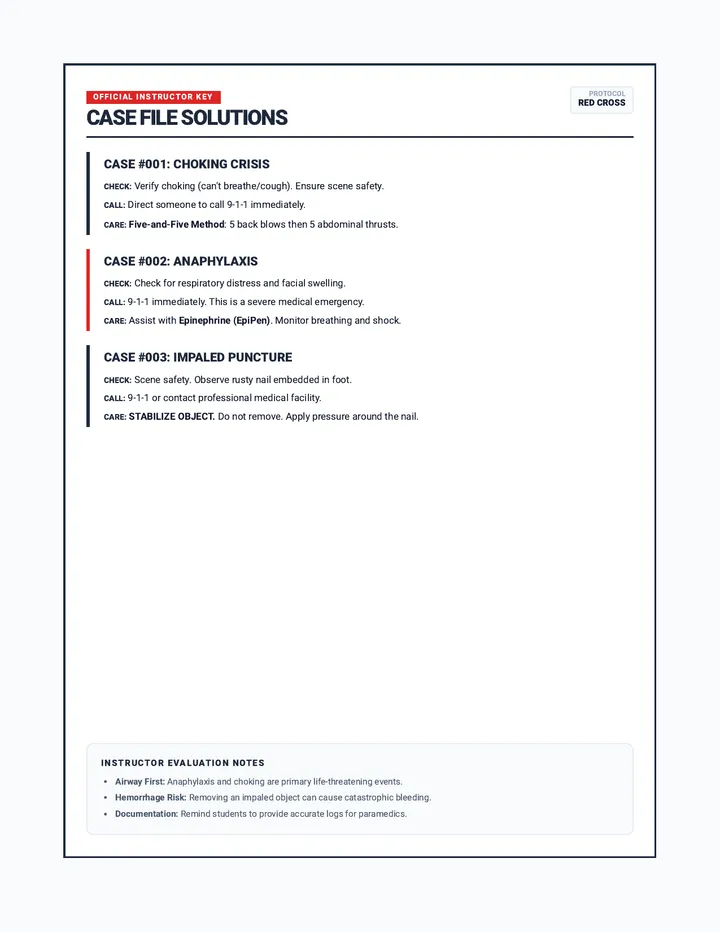
A comprehensive unit designed to equip middle schoolers with life-saving skills. Students move from scene assessment and communication protocols to hands-on first aid and fire safety, culminating in high-stakes emergency simulations.
A comprehensive sequence for 3rd grade students focusing on identifying emergencies, communicating with emergency services, and understanding community mental health resources. Students will develop situational awareness and learn the practical steps for seeking help in various crises.
A comprehensive 4th Grade outdoor education unit focused on the preparation, safety, and environmental stewardship required for hiking. Students learn about essential gear, trail navigation, Leave No Trace ethics, weather hazards, and collaborative trip planning.
A comprehensive water safety sequence for Pre-K students focusing on supervision, safety gear, behavior, and emergency response through the 'Splash Heroes' theme.
A comprehensive 2-hour lesson for 9th graders on identifying and responding to dangerous situations at home, school, and in the community, including emergency and disaster preparedness.
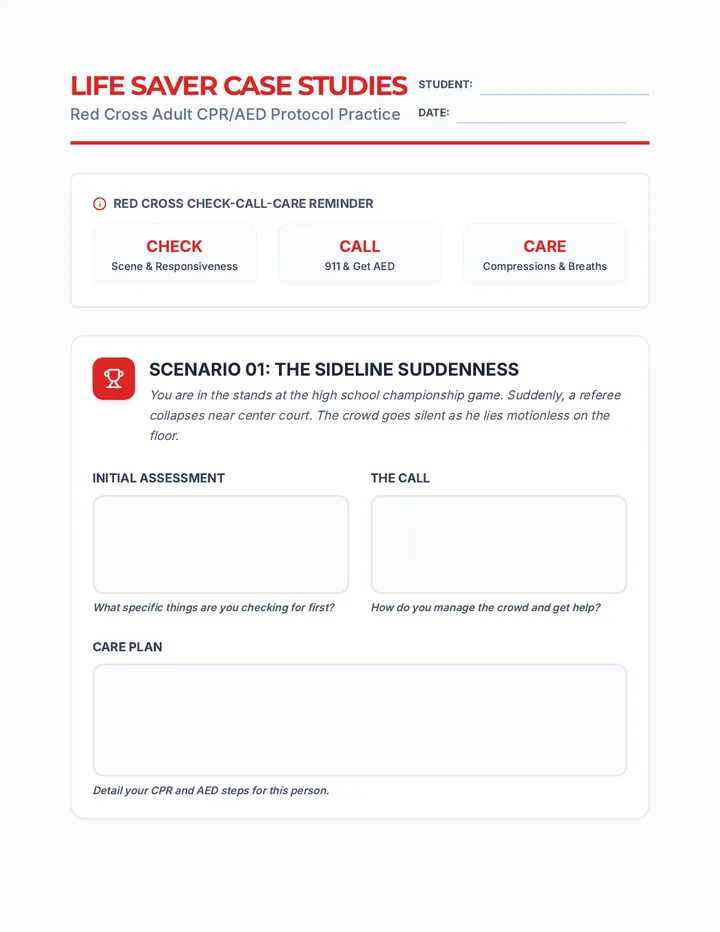
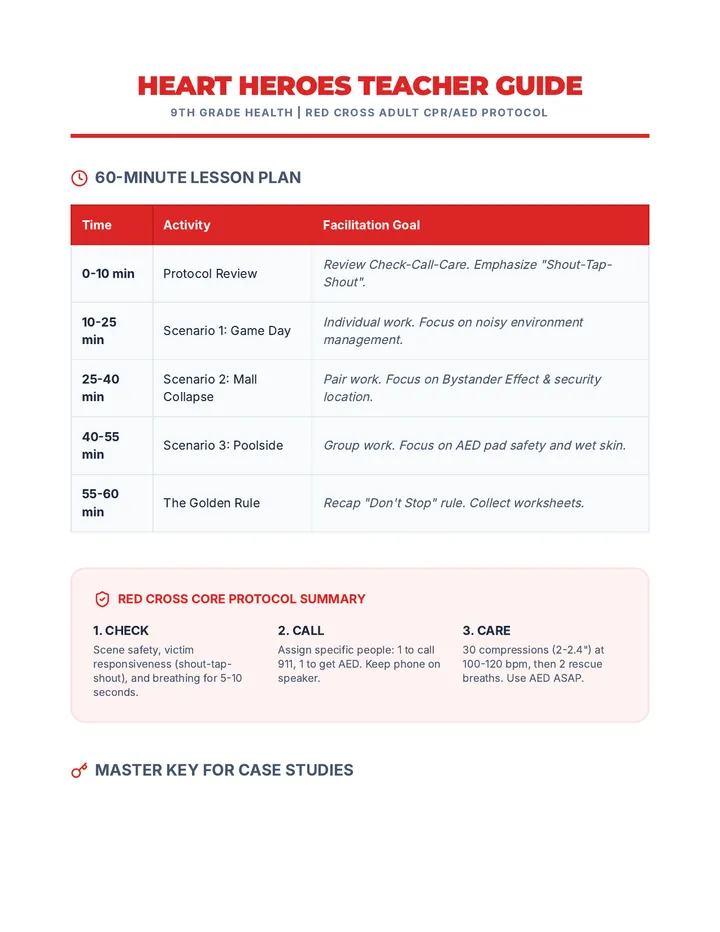
An interactive lesson for 9th graders focusing on real-world application of Red Cross Adult CPR/AED protocols through three distinct scenarios: a school basketball game, a shopping mall, and a community pool.
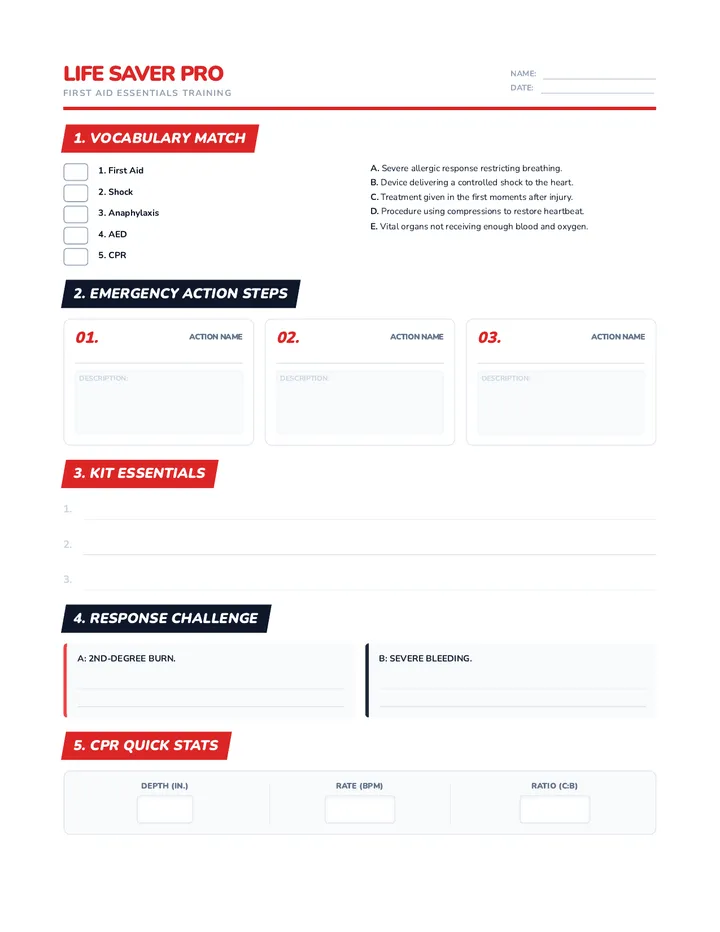
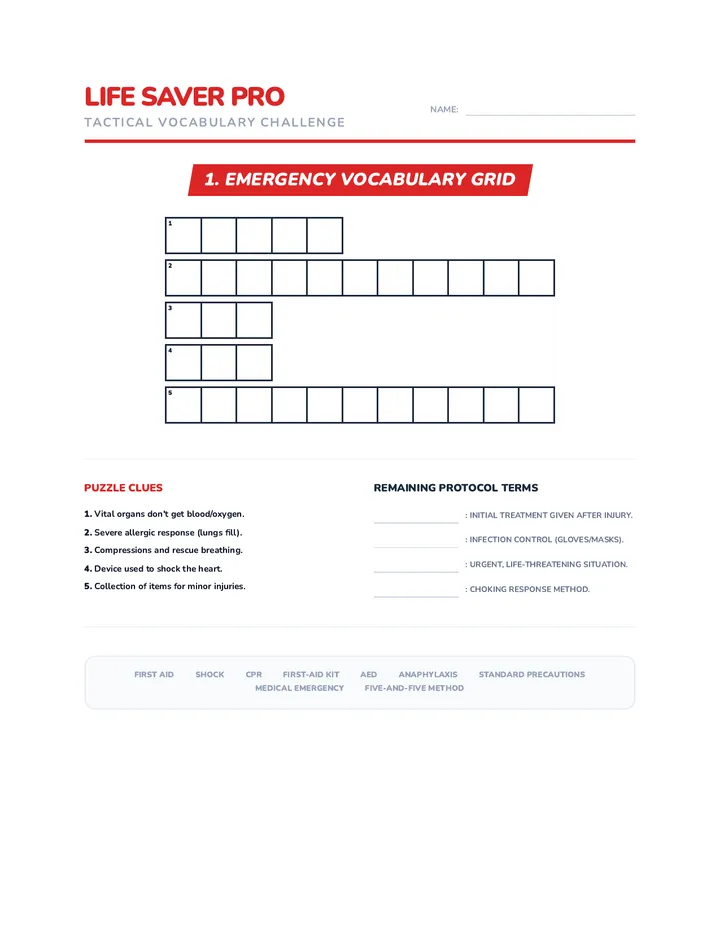
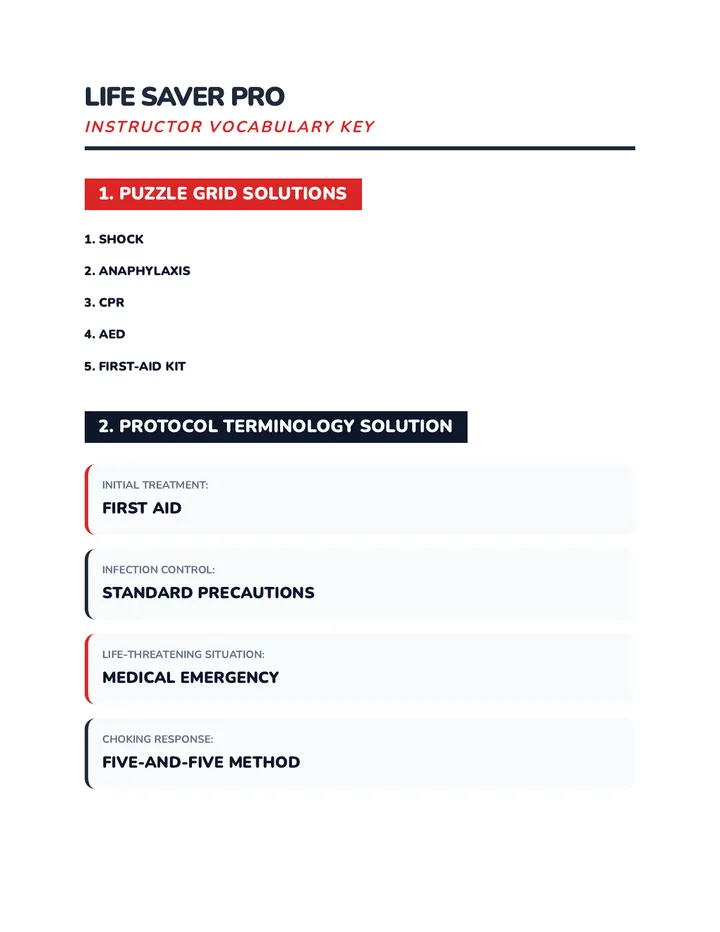
A comprehensive lesson on providing first aid based on American Red Cross protocols, covering emergency response, wound care, CPR, and AED use.
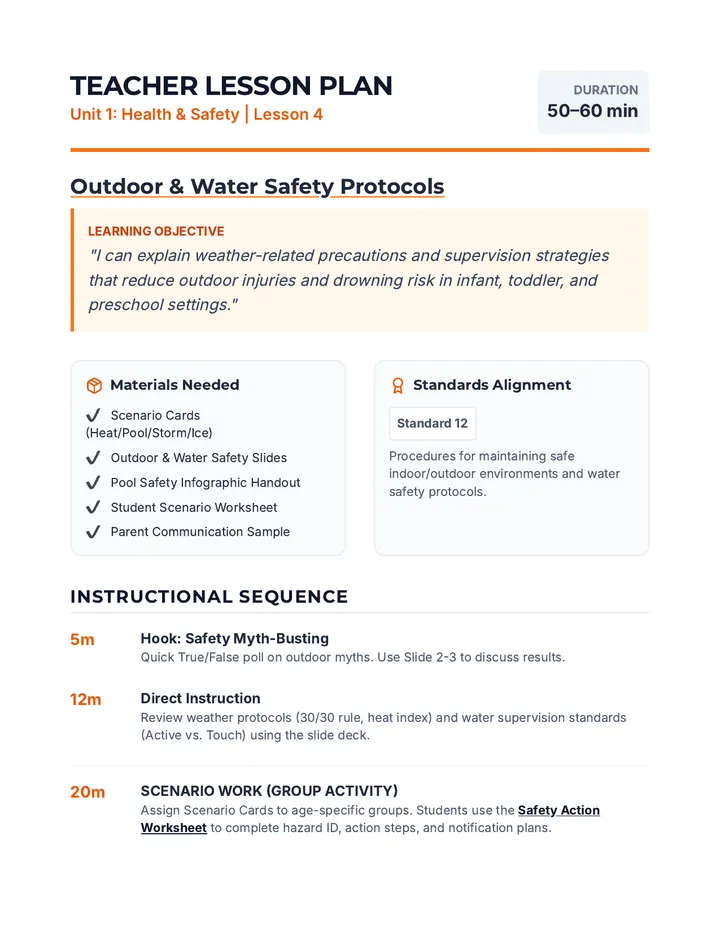
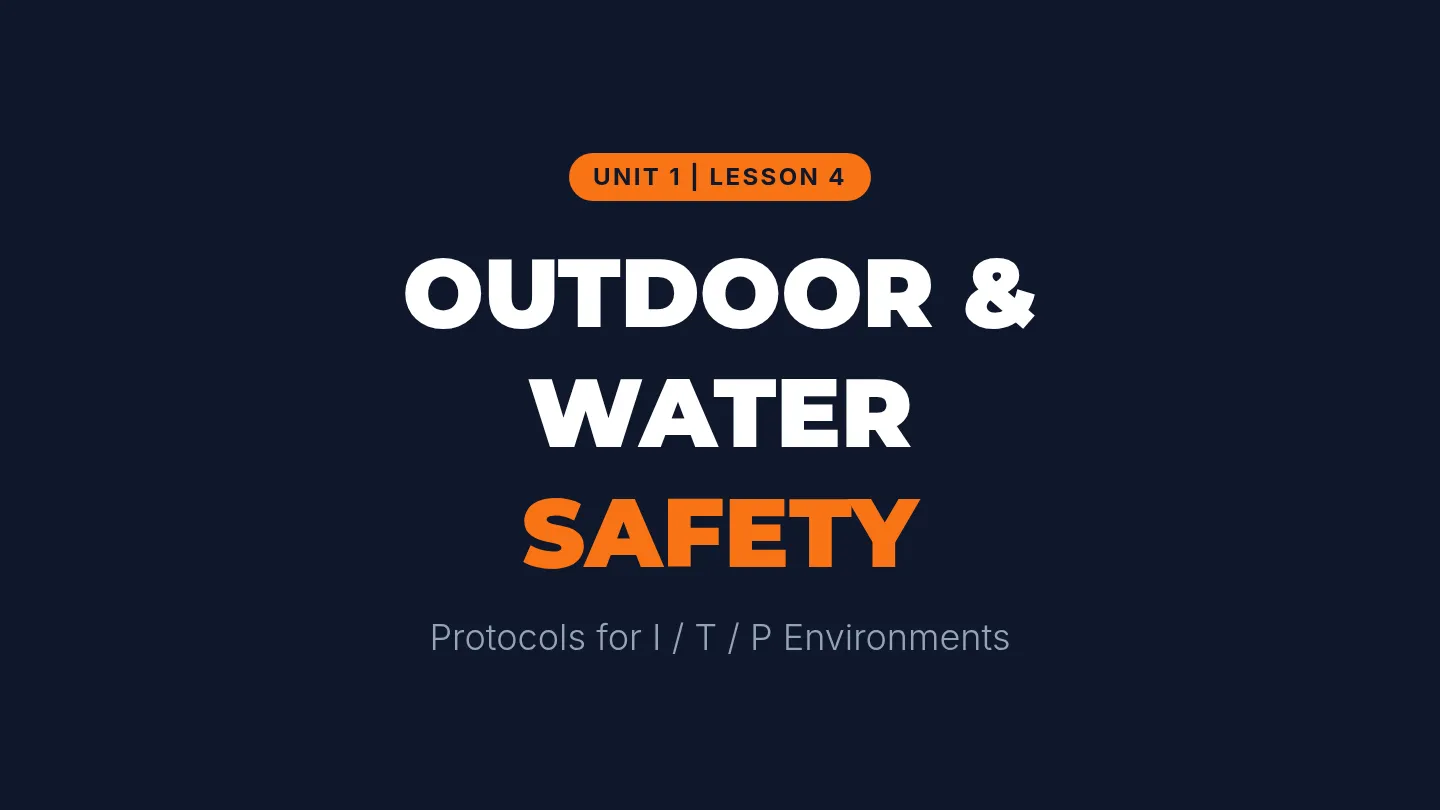
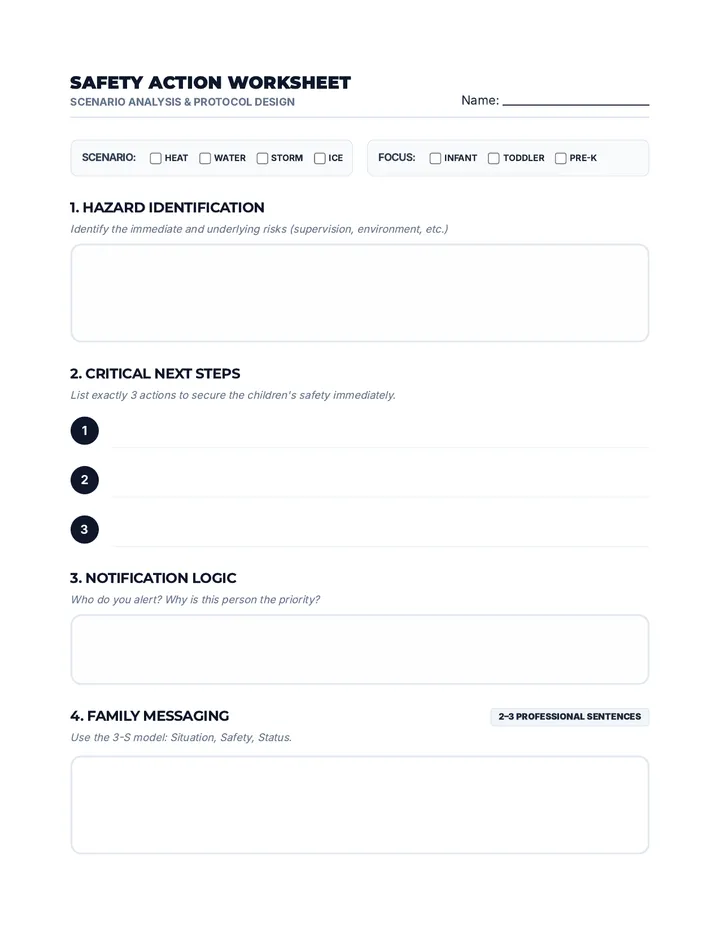
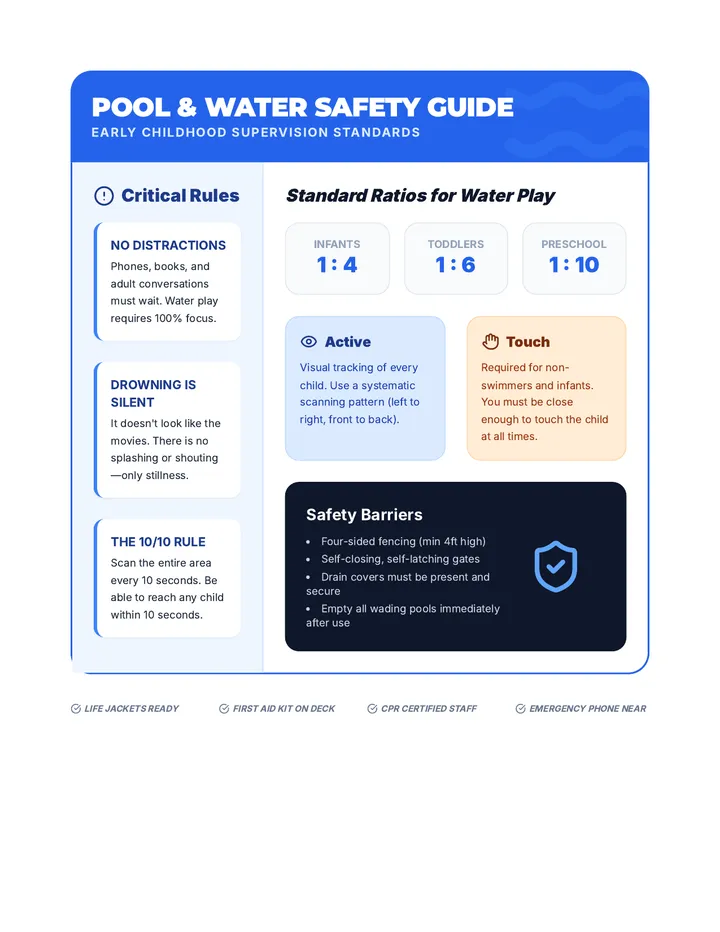
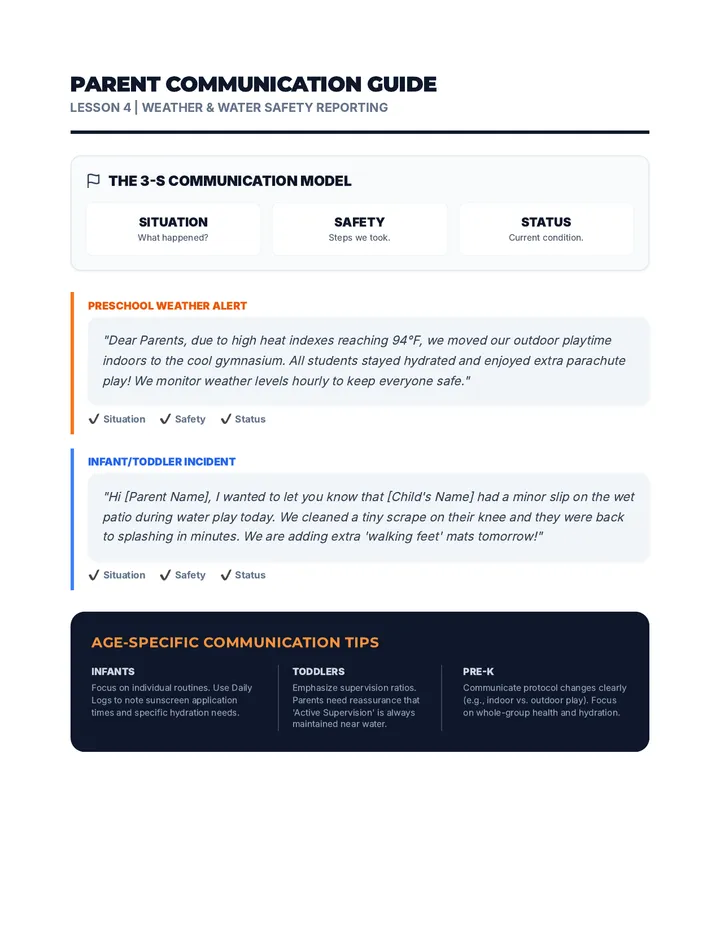
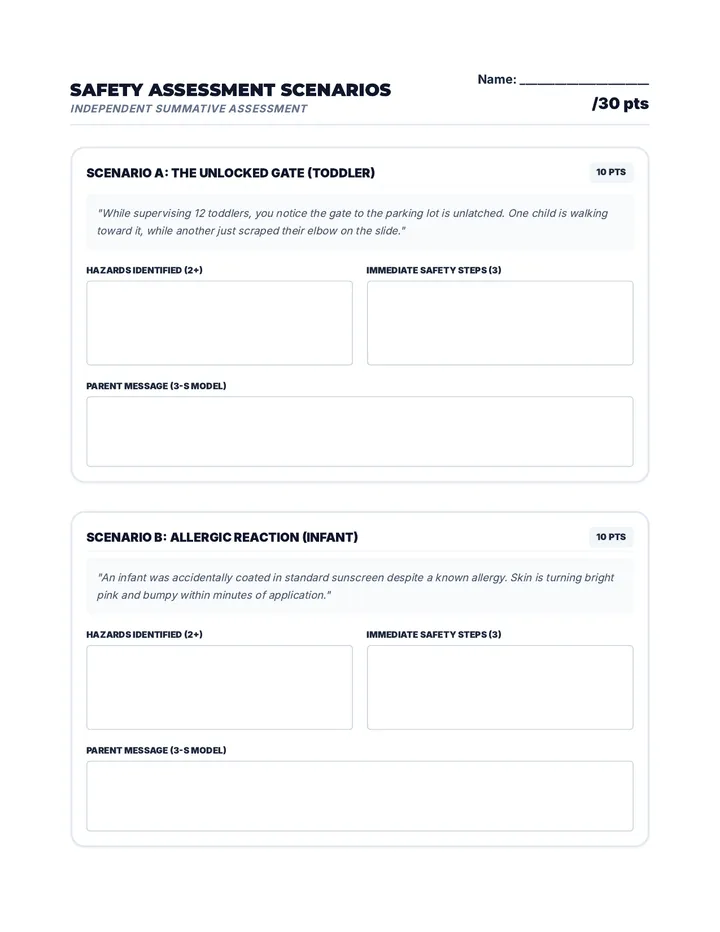
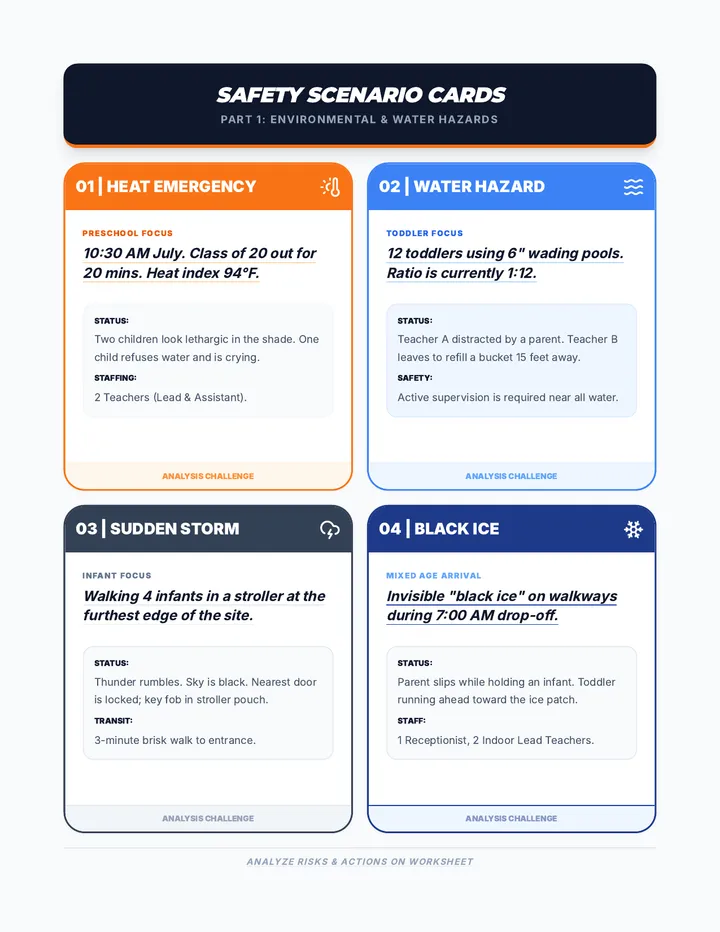
This lesson focuses on weather-related precautions and water safety strategies specifically for infant, toddler, and preschool environments, covering active supervision and emergency protocols.
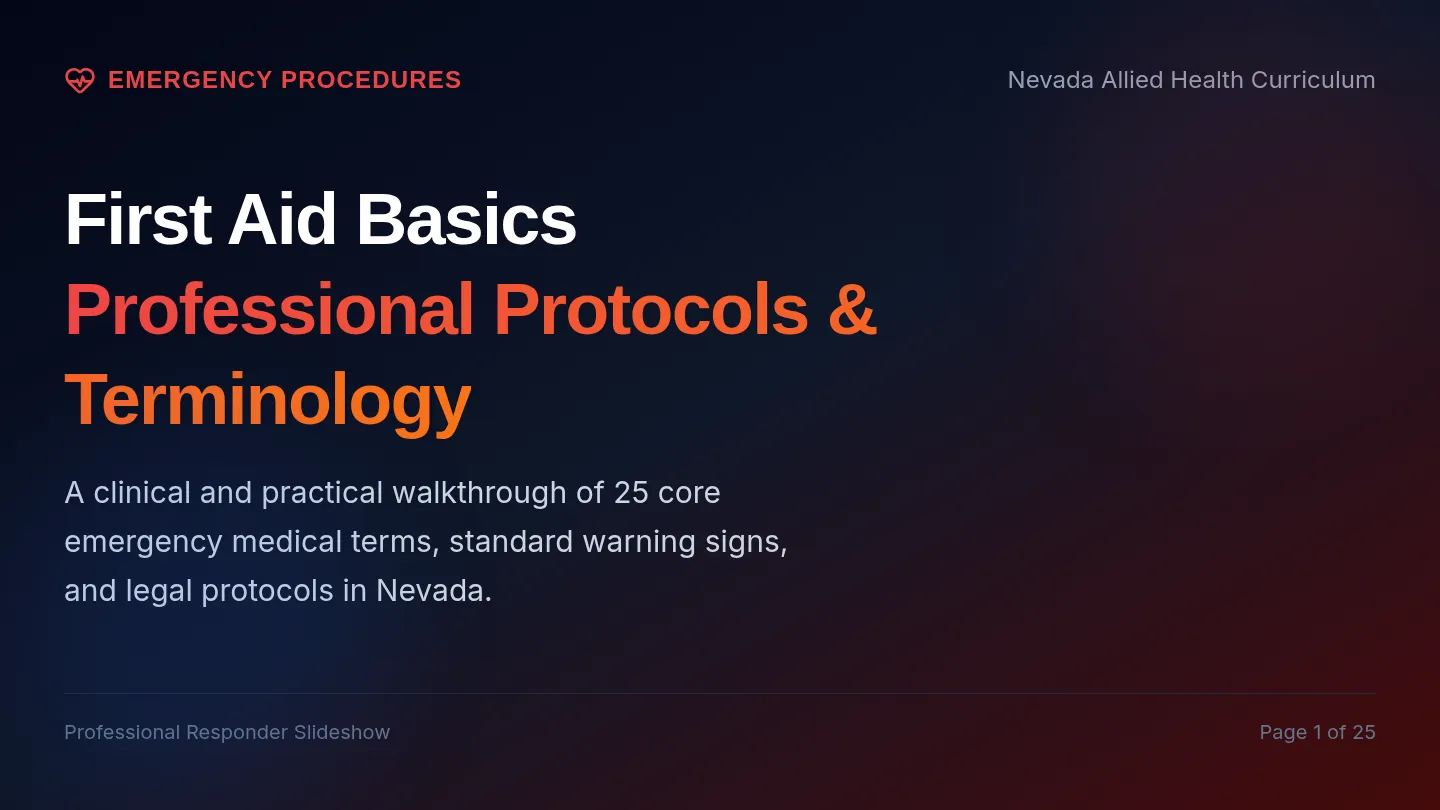
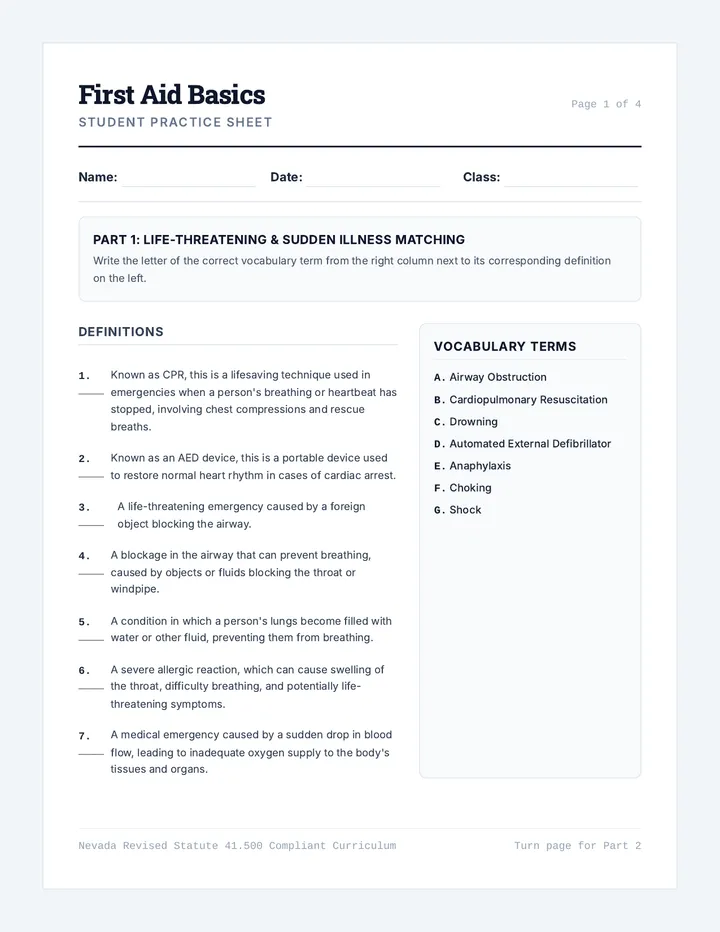
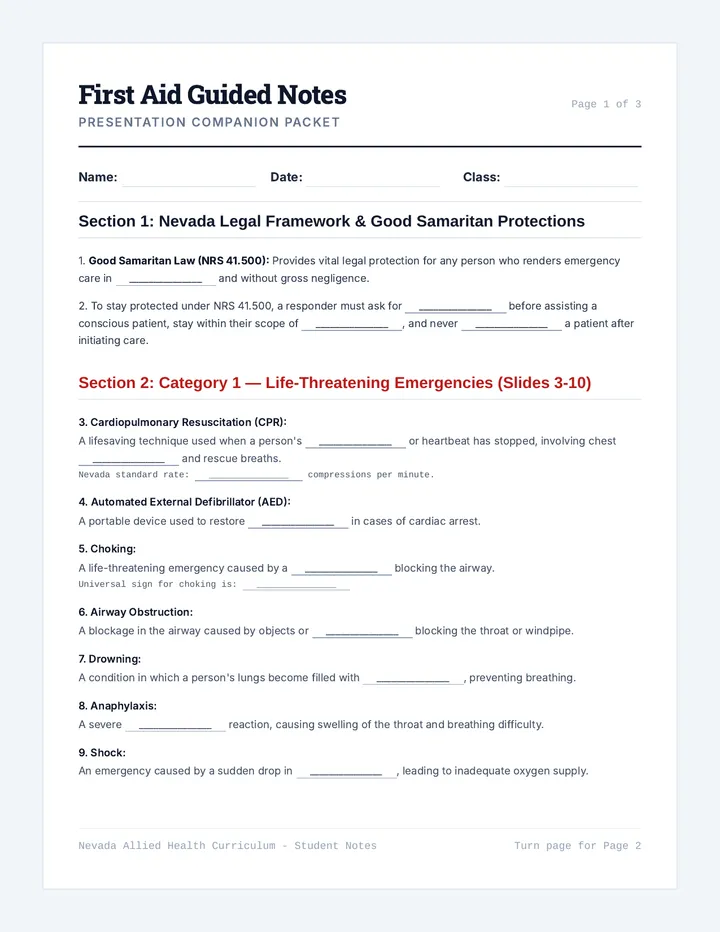
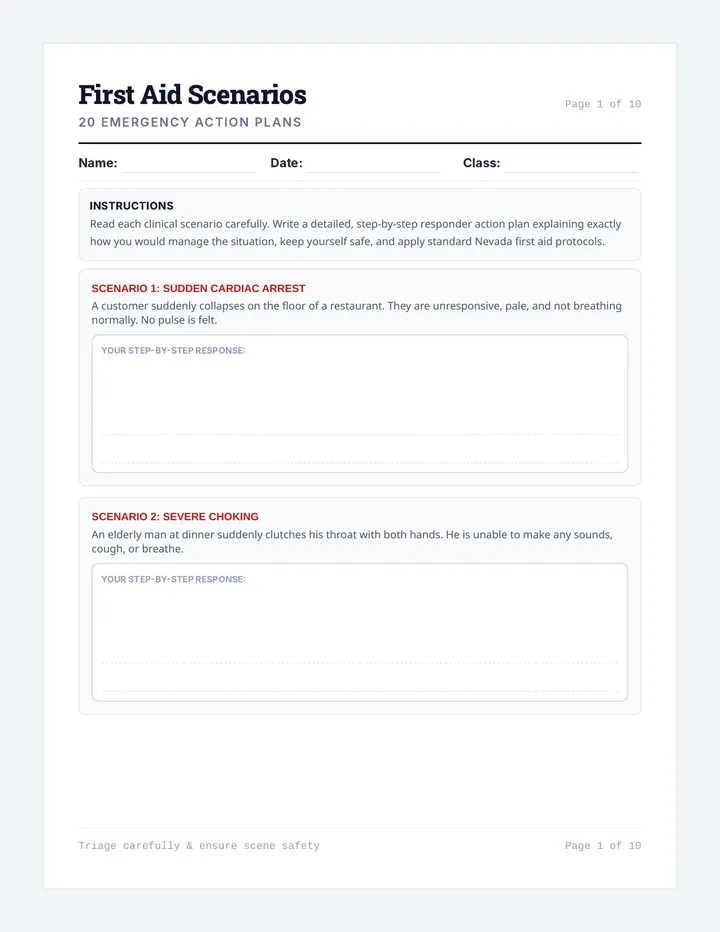
A comprehensive guide covering 25 essential first aid and emergency terms, organized by urgency and category. Students learn definitions, warning signs, and standard immediate actions.
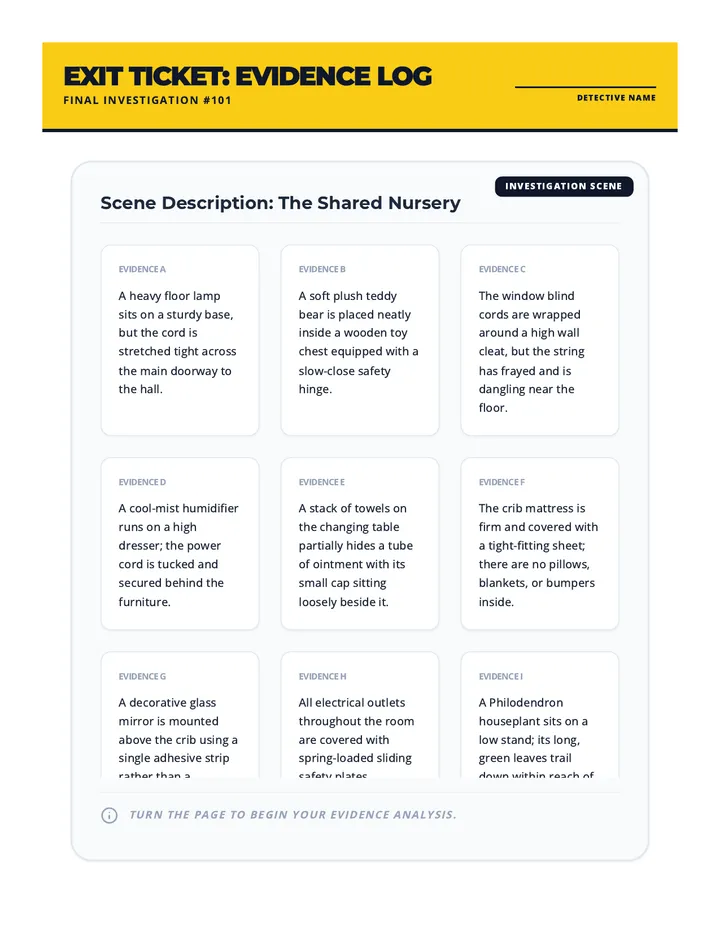
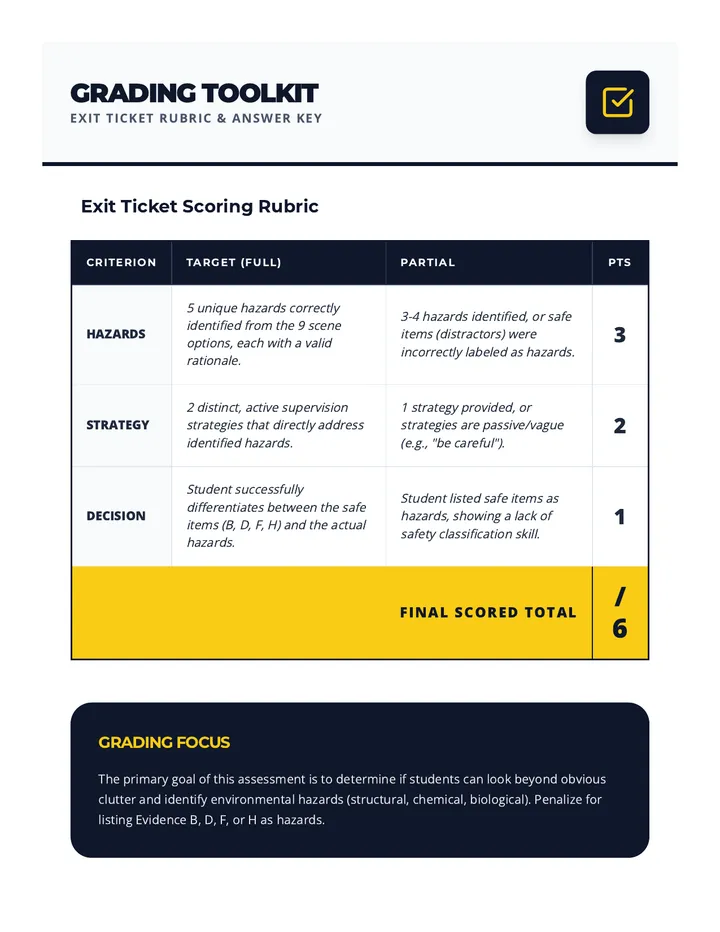
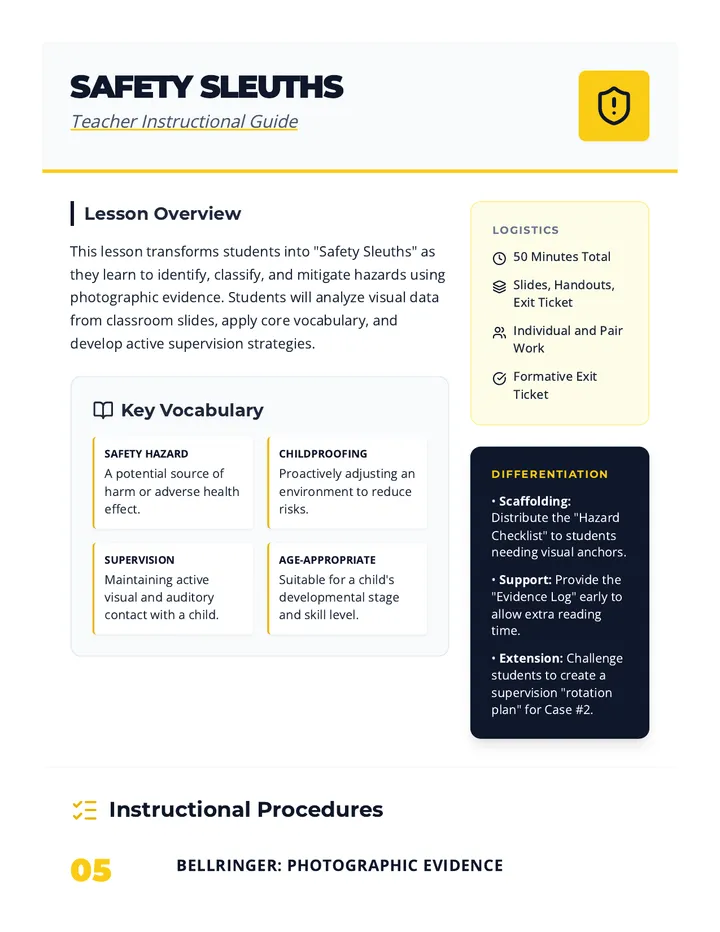
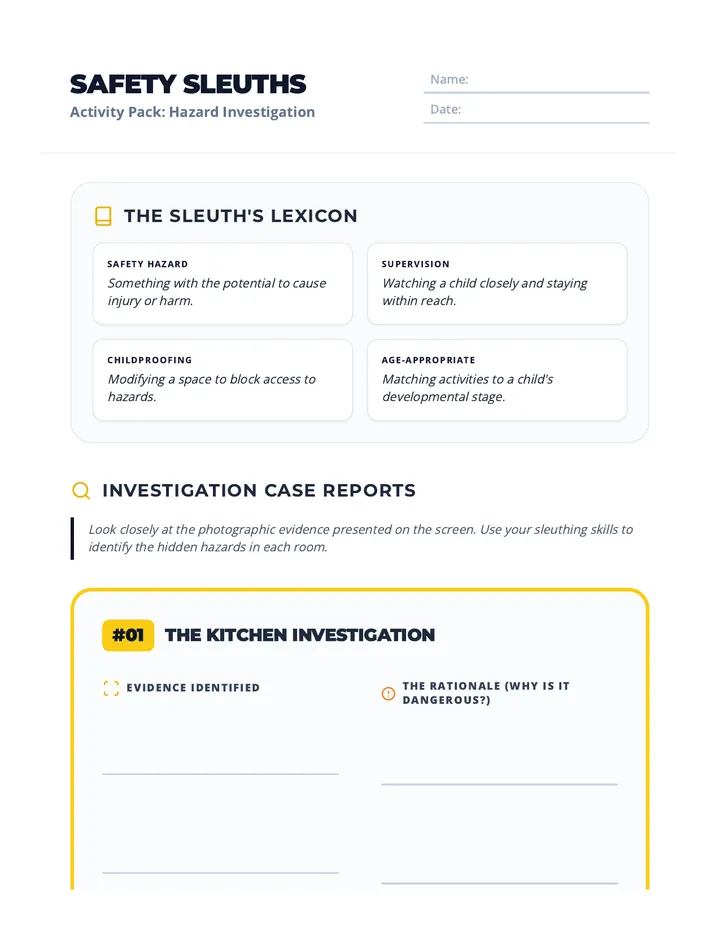
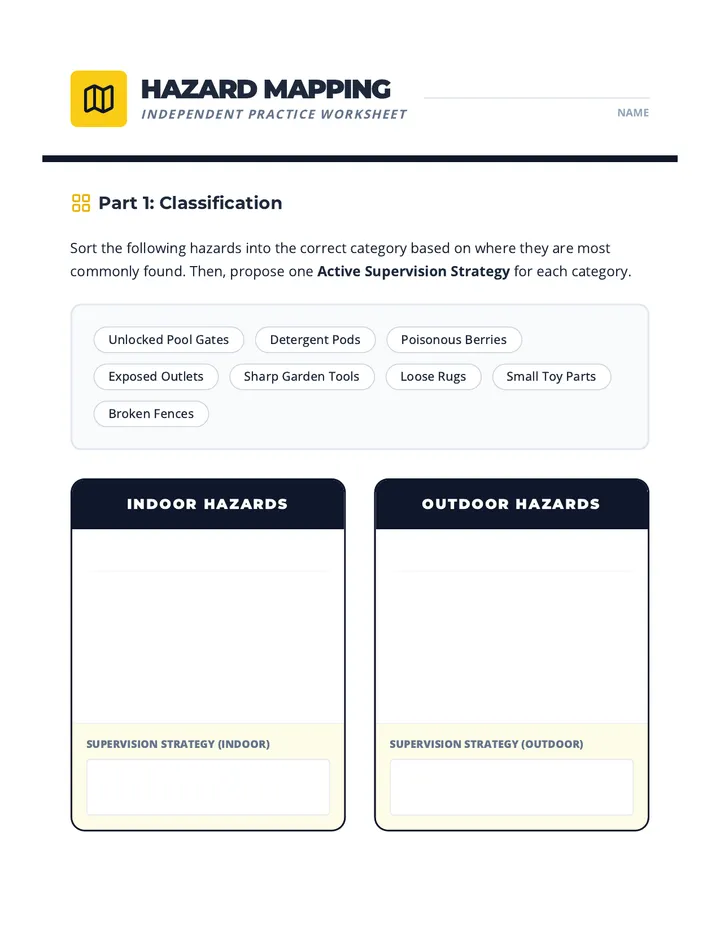
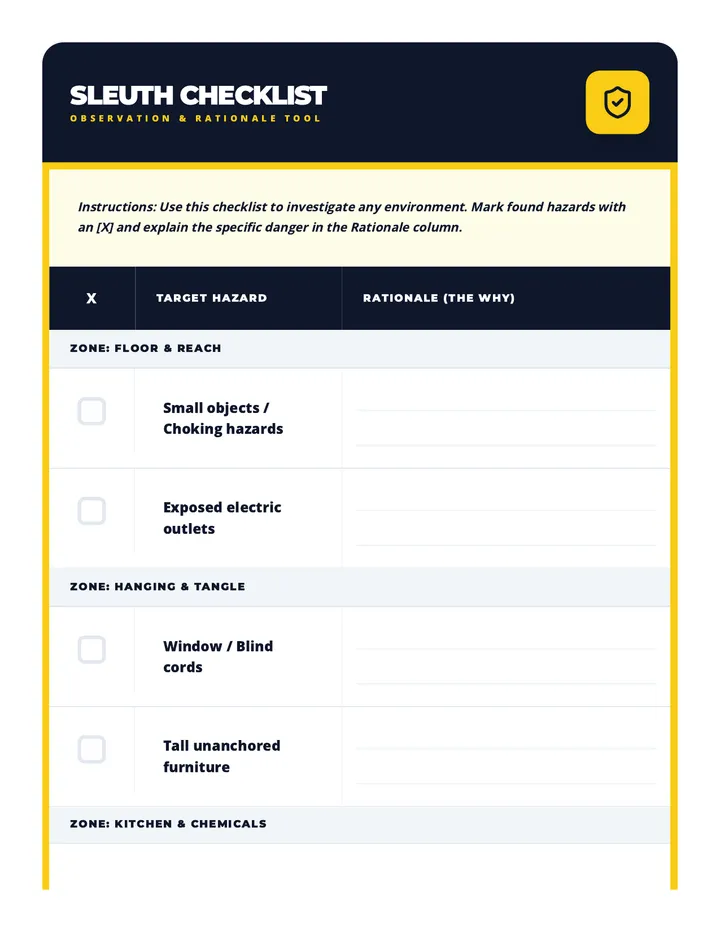
A comprehensive lesson on child safety hazards, teaching students how to identify risks, classify hazards, and implement supervision strategies to create safe environments for children.
A 50-minute introduction to fundamental cooking techniques, focusing on heat management and timing through the lens of a vegetable stir-fry.
An elevated, modern presentation for school district substitutes covering essential health protocols, emergency procedures, and safety compliance.
A comprehensive lesson to prepare students for fire drills, focusing on evacuation steps, identifying emergency signals, and maintaining calm. Includes visual slides, role-play activities, and assessment tools.
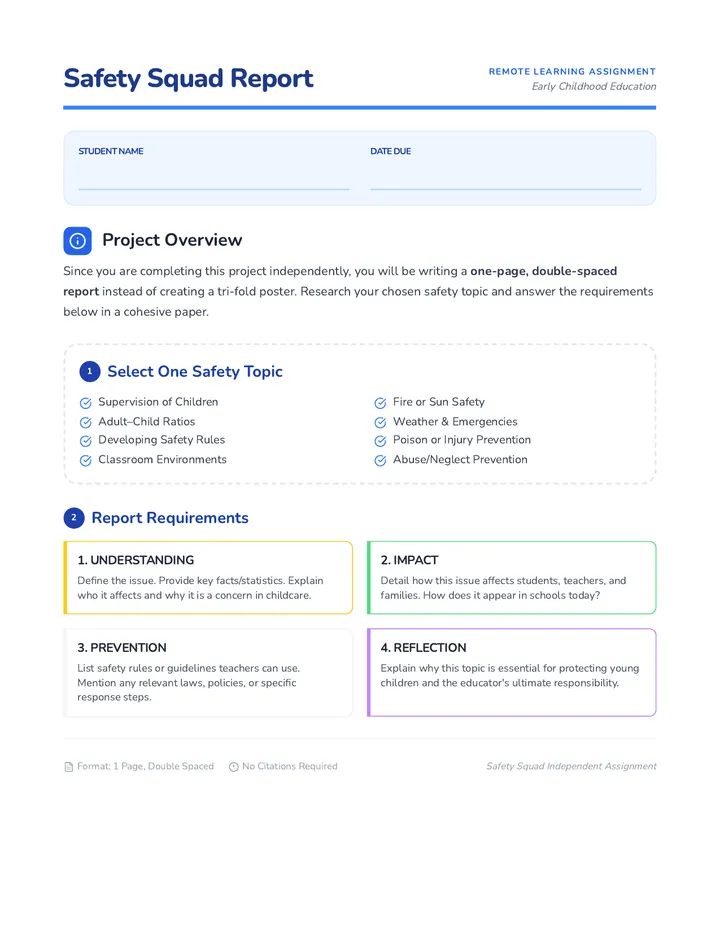
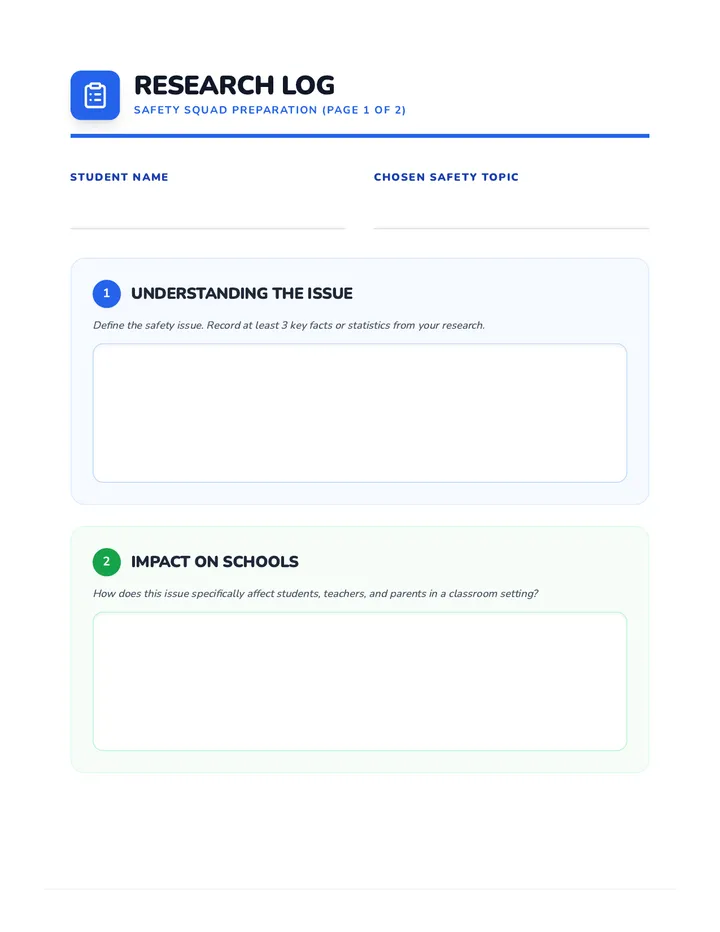
An adapted research project for students to complete independently, focusing on critical safety issues in early childhood education environments.
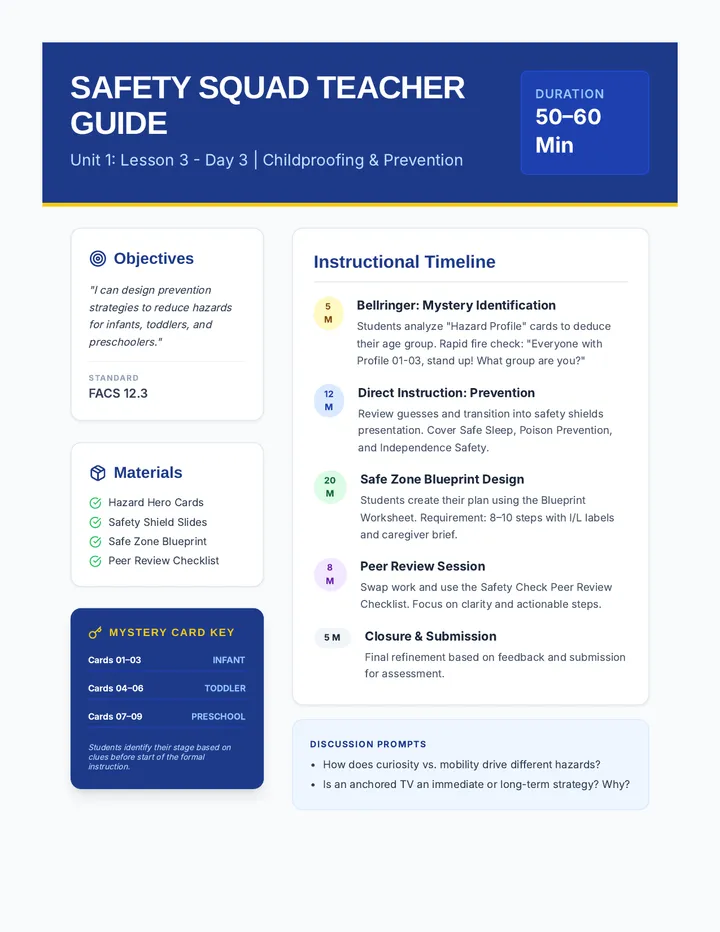
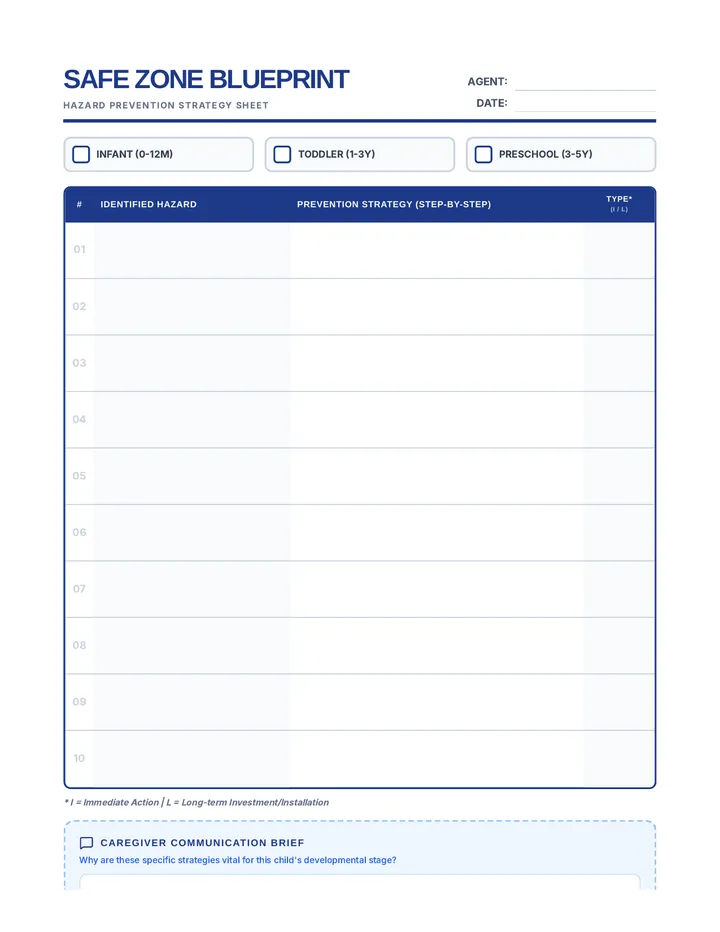
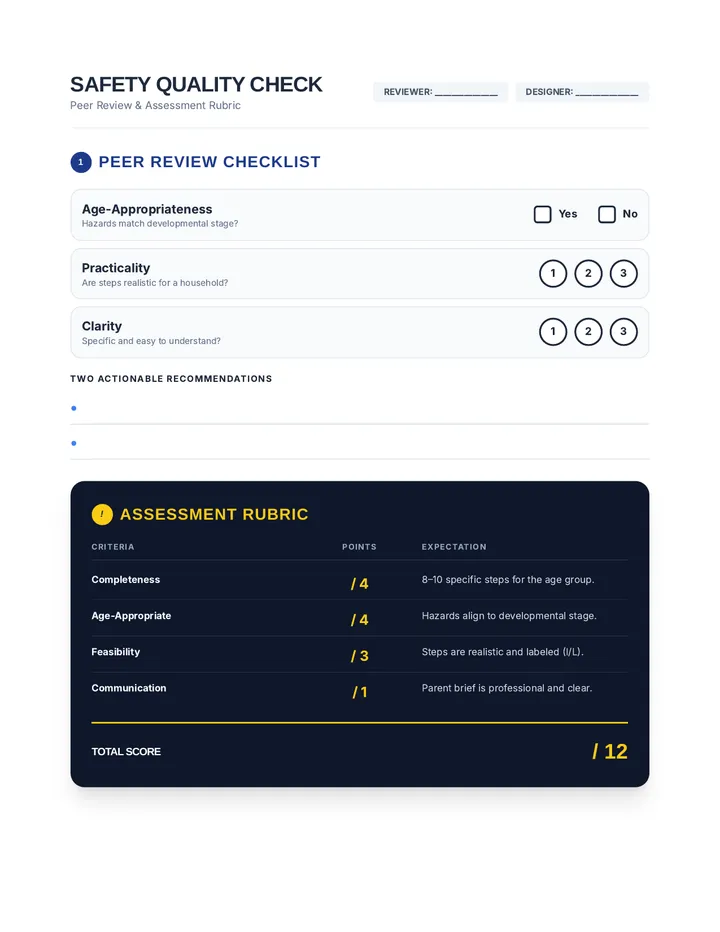
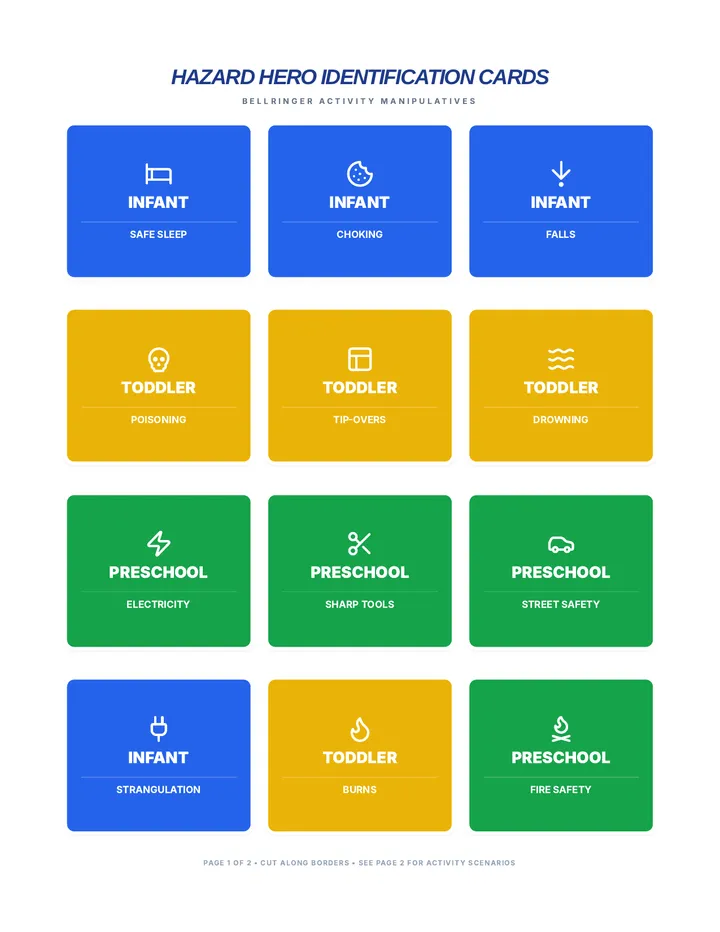
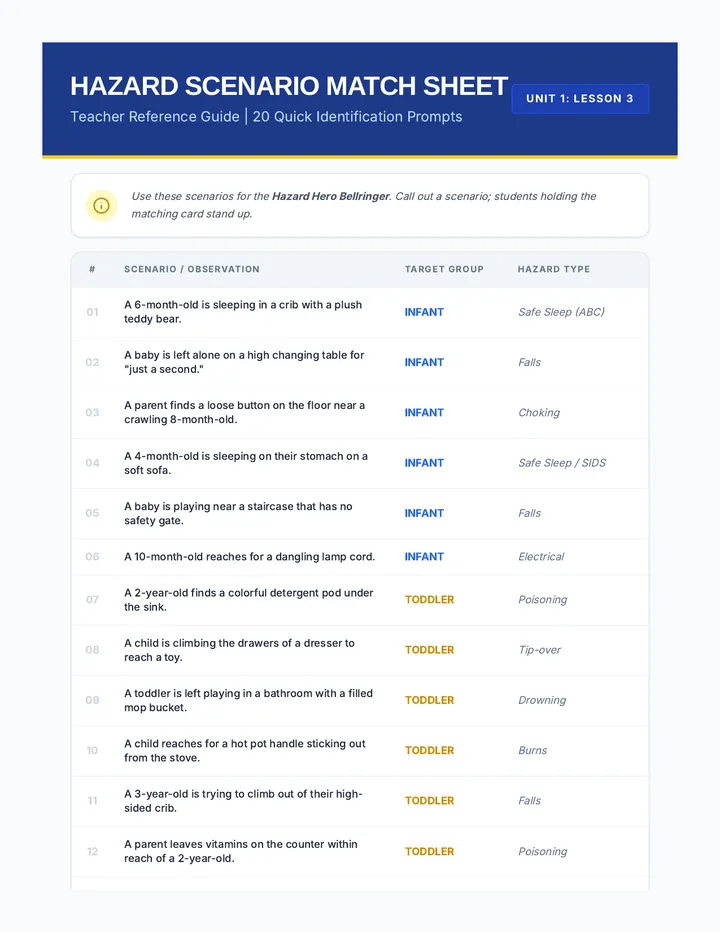
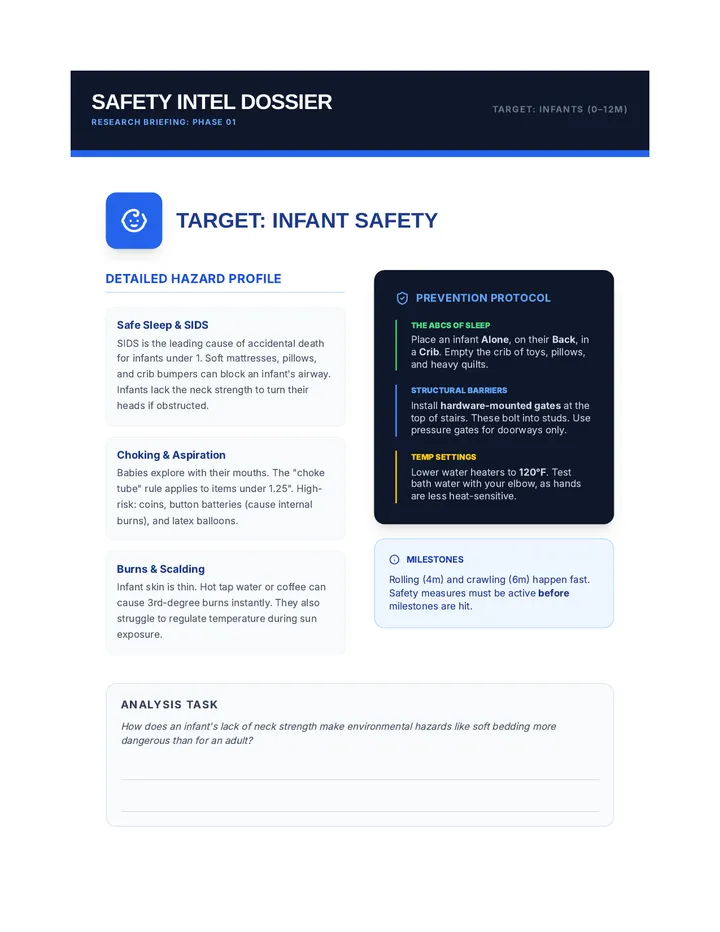
A lesson focused on identifying age-specific hazards and designing comprehensive prevention strategies for infants, toddlers, and preschoolers to ensure a safe environment for growth.
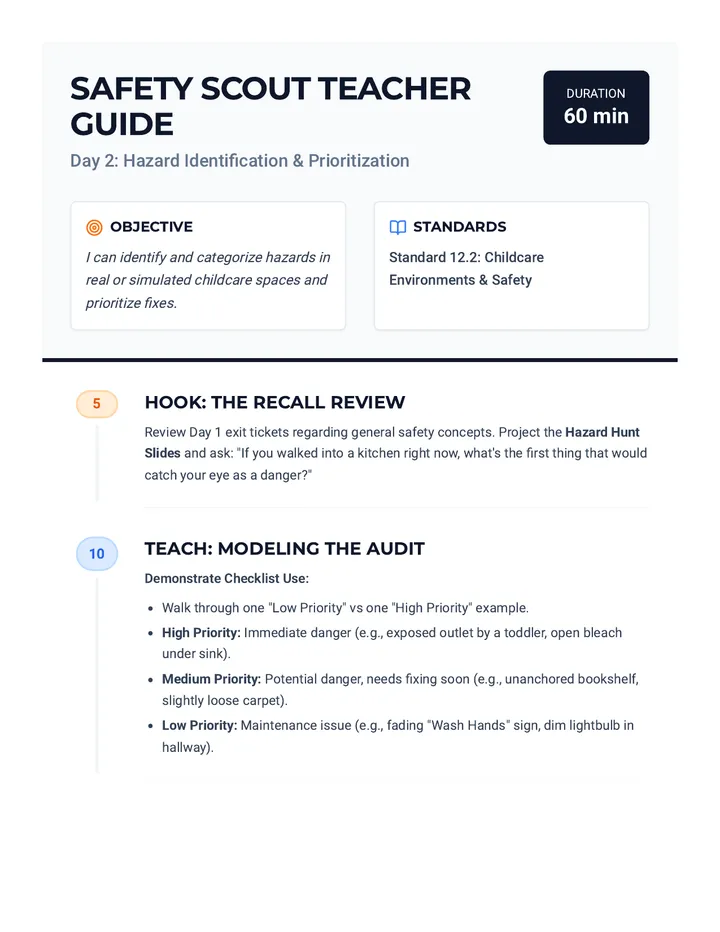
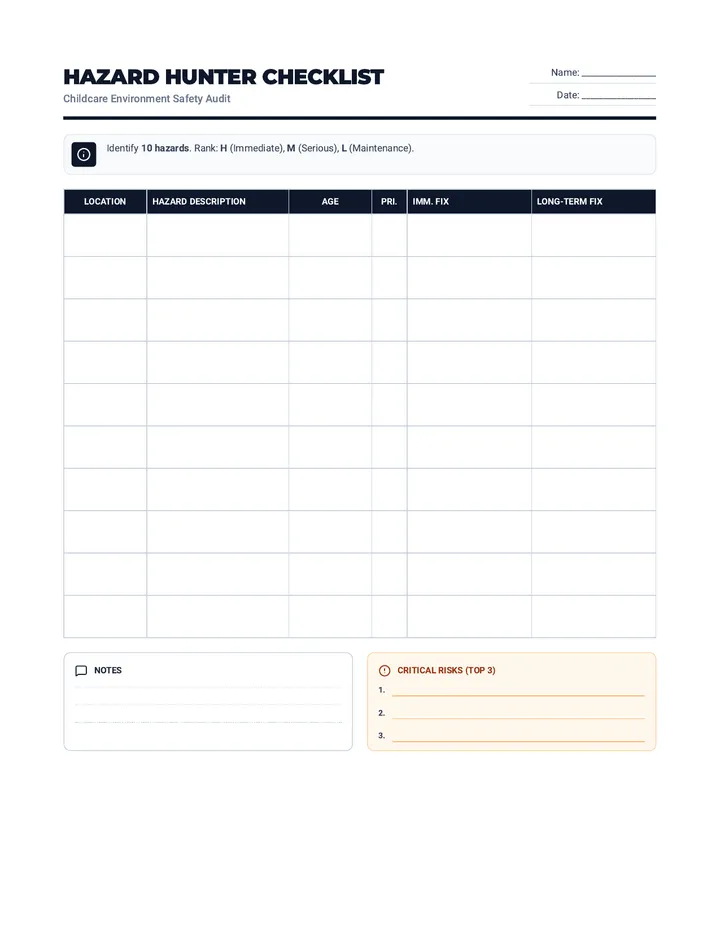
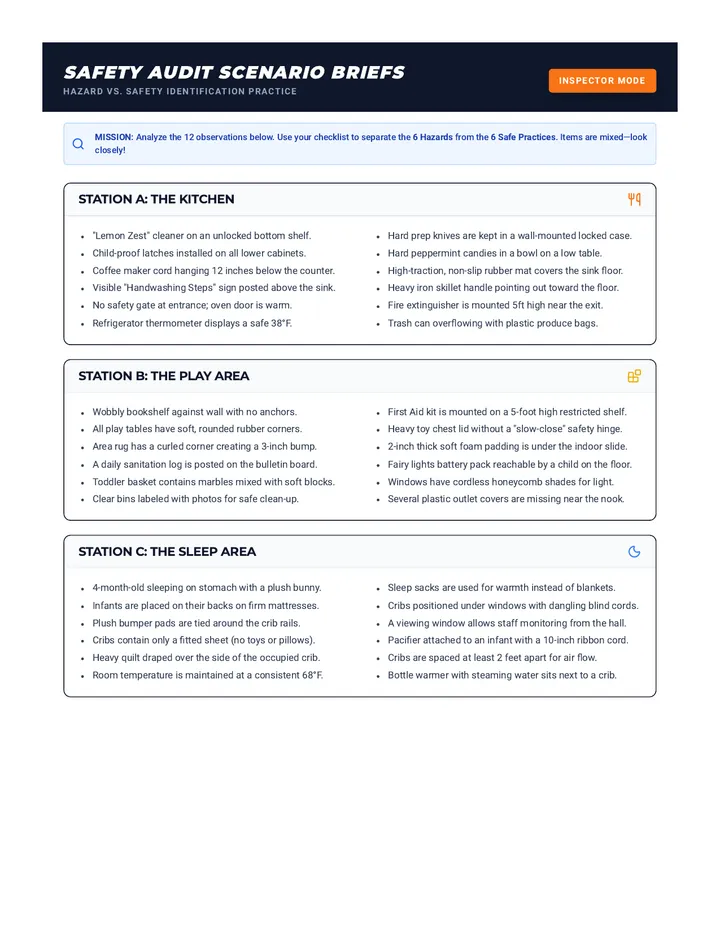
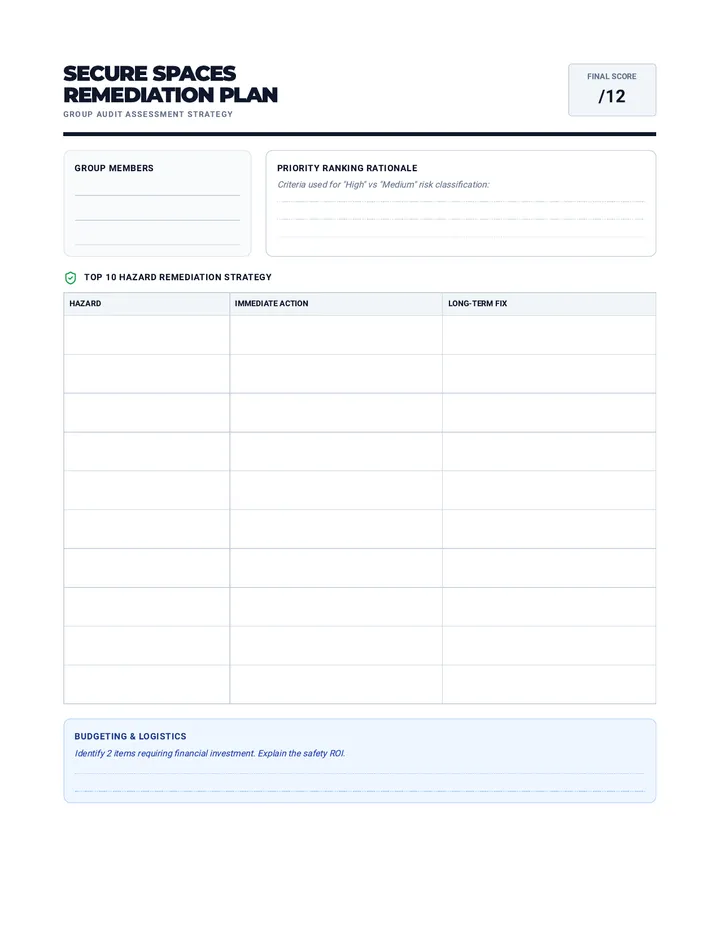
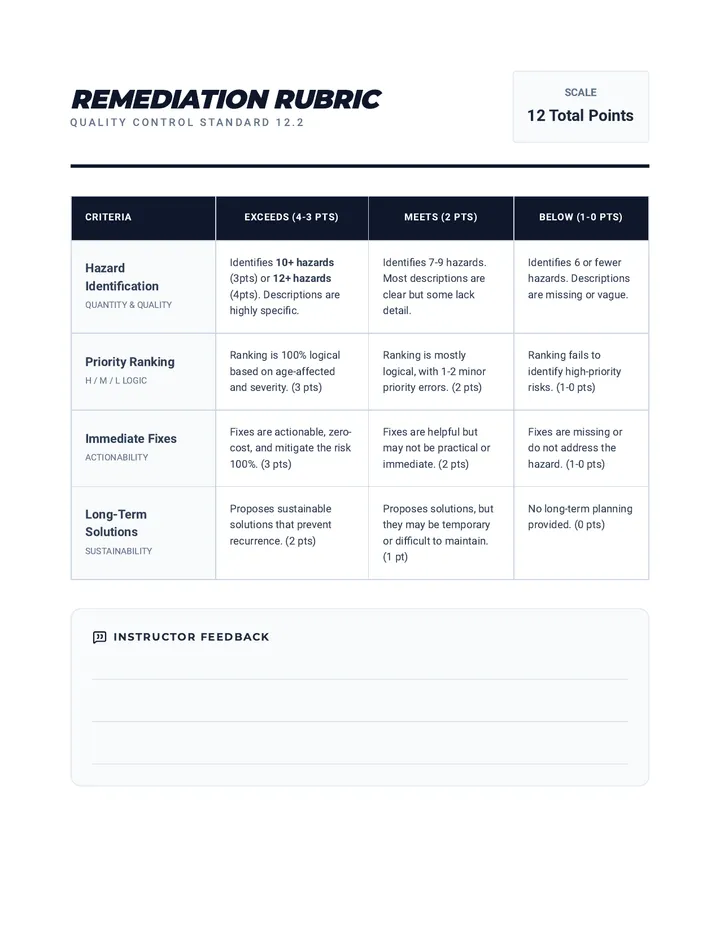
A hands-on lesson where students act as safety inspectors, identifying hazards in various childcare settings and developing prioritized remediation plans.