A comprehensive health lesson for 6th graders investigating the effects of added sugar on the body, how to identify hidden sugars in food labels, and making healthier dietary choices.
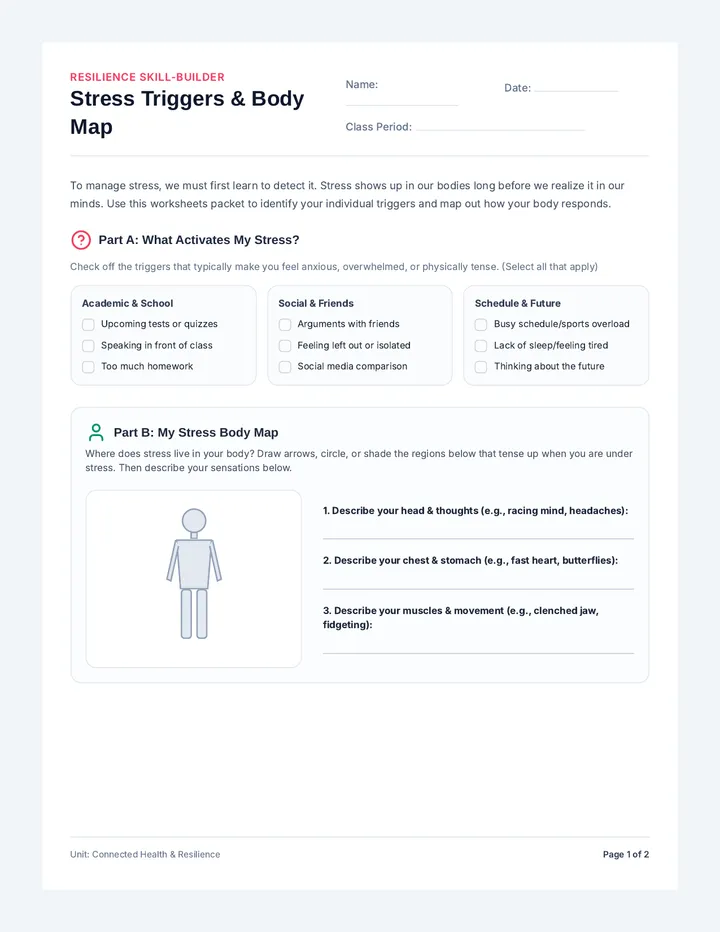
A lesson exploring the physiological mechanisms of stress and the long-term consequences of chronic stress on various body systems, featuring DOK-leveled assessments.
Students explore how germs travel through the air during a sneeze and learn the importance of hygiene through detailed visual exploration.
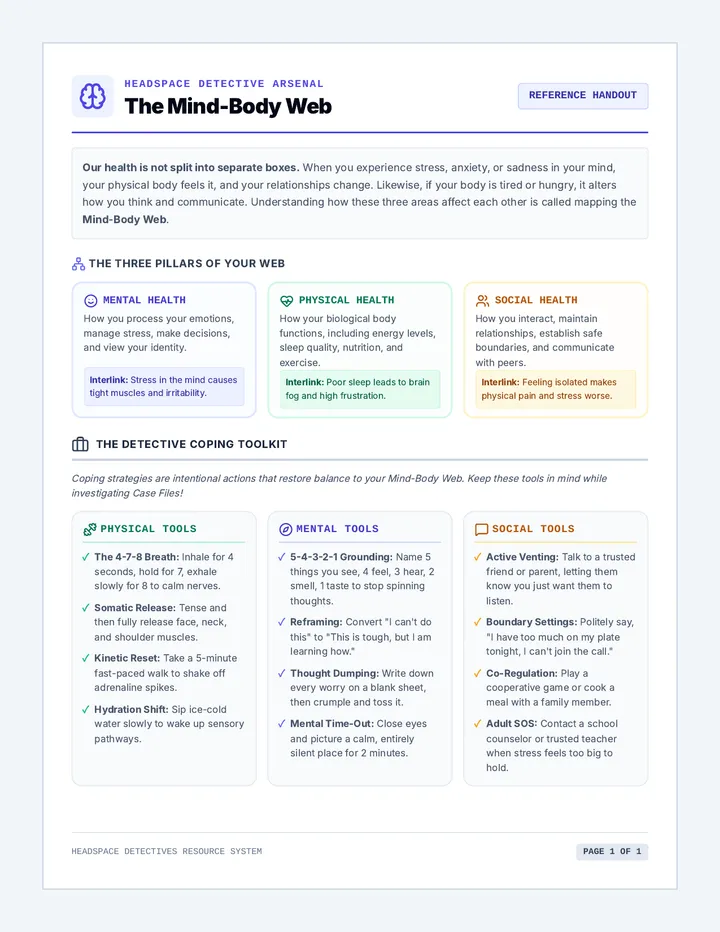
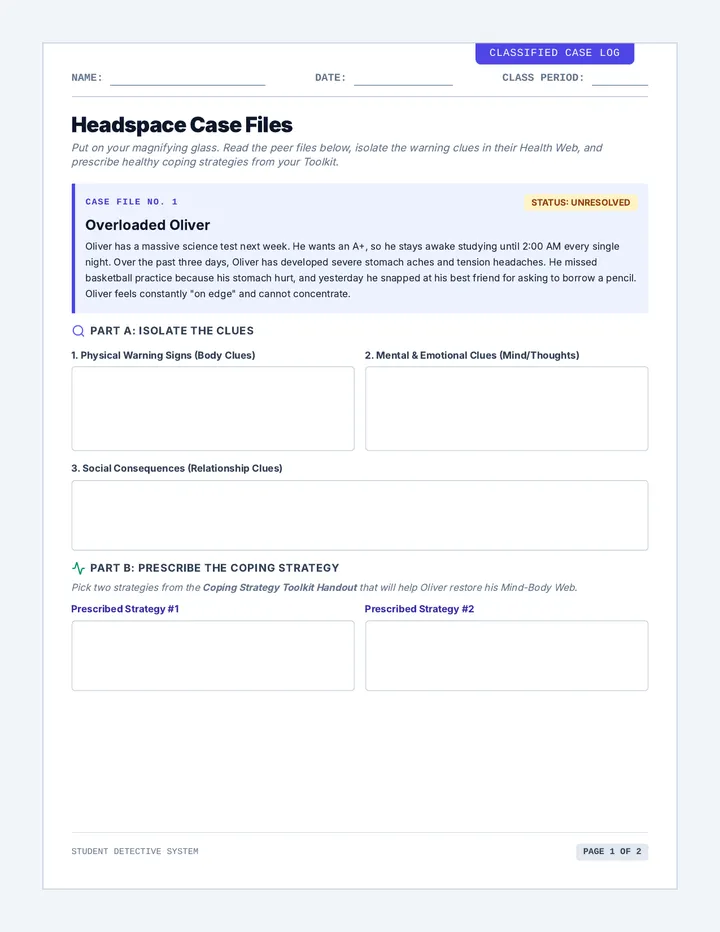
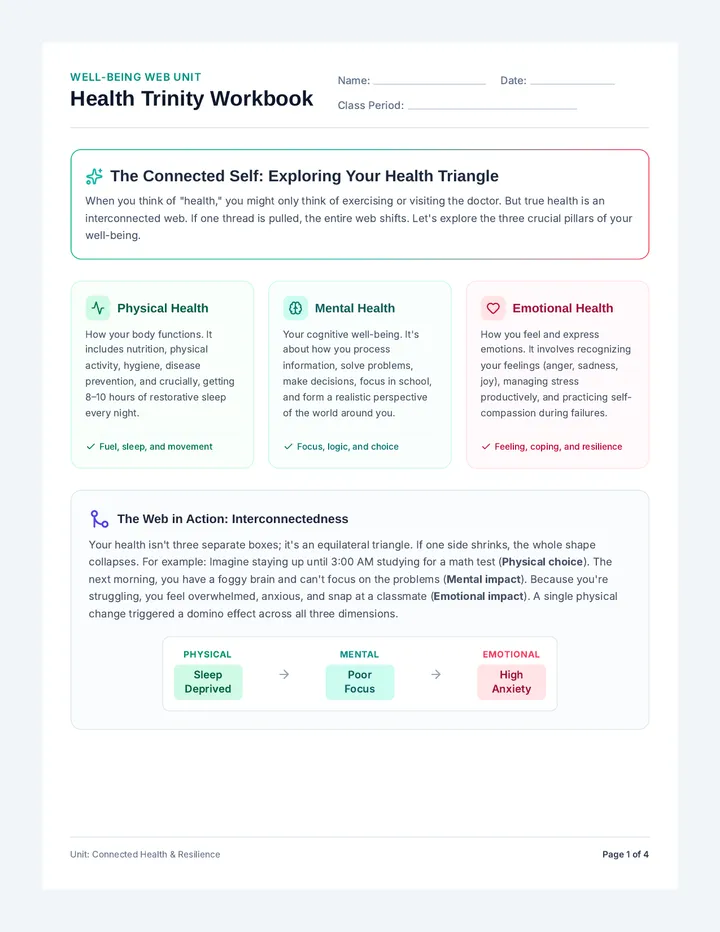
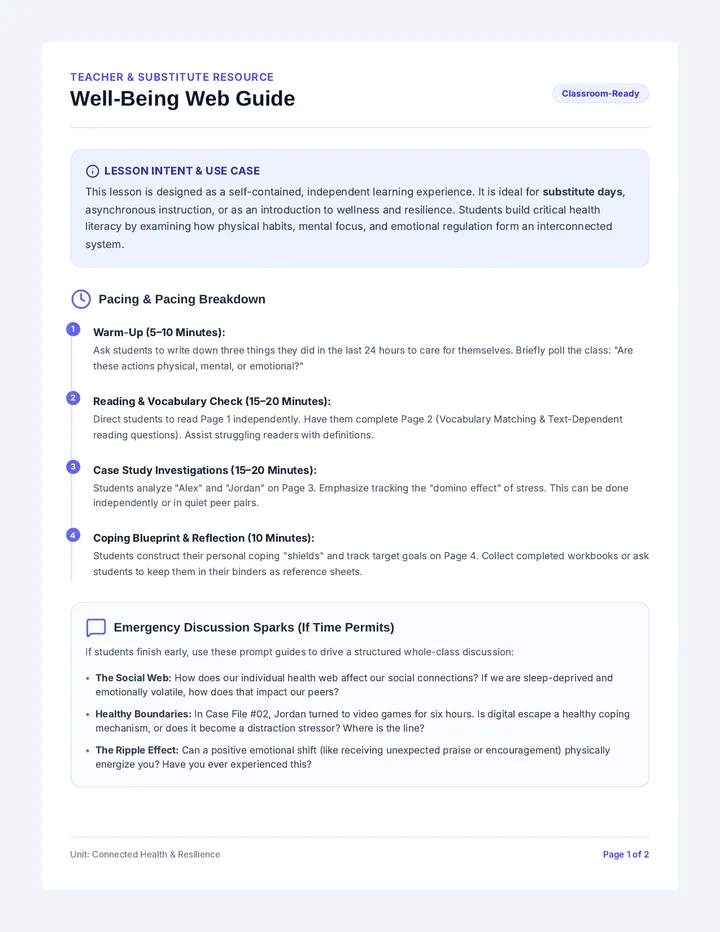
A quick and engaging lesson designed to help middle school students understand the importance of self-care and develop their own personalized routines for mental and physical well-being.
A high-energy 60-minute tumbling lesson focused on intermediate to advanced floor skills including walkovers, handsprings, and aerials. Includes a comprehensive coach guide, visual drills, and a student progress tracker.
An intermediate jazzy pom dance routine set to 'Under the Sea', focusing on sharp motions, jazz technique, and high-energy performance.
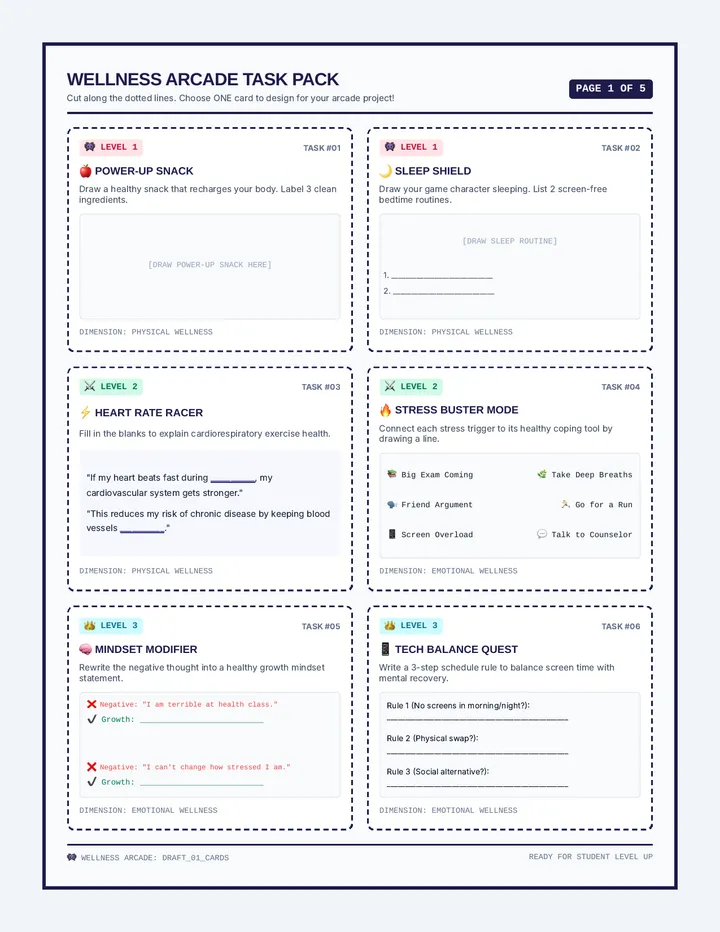
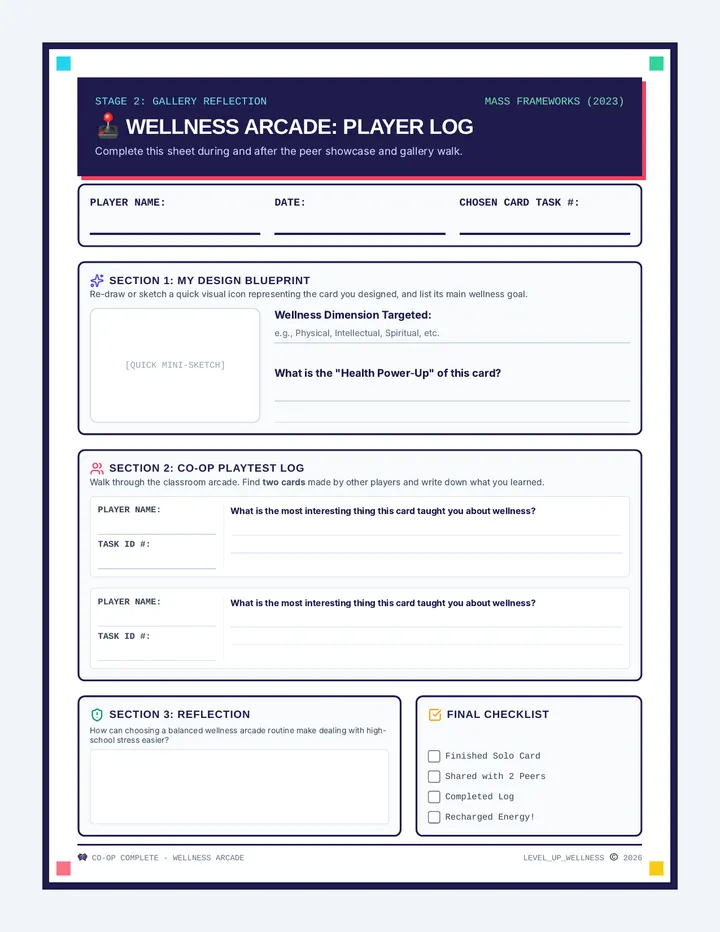
A lesson focused on identifying stressors and building a personalized self-care menu using evidence-based strategies from a health and wellness video. Students learn that self-care is an accessible, vital practice for mental health.
A comprehensive lesson exploring the bidirectional communication between the gut and the brain, focusing on how diet influences neurotransmitter production and mood. Students will visualize the biological 'highway' and identify key food groups that optimize brain function.
A Physical Education and Sports Medicine lesson exploring the psychological benefits of movement versus traditional exercise. Students analyze Jake Tyler's TEDx talk on depression and design a one-week movement plan focused on mental clarity and intention rather than physical metrics.
Students investigate common myths and facts about puberty, focusing on acne, body odor, and body hair. Through a video-guided discussion and a creative poster activity, they learn the biological realities of hygiene and the importance of personal choice in grooming.
Students explore how physical activity triggers the release of endorphins, acting as a natural mood booster, and create a 'menu' of accessible ways to get moving.
A parent workshop focused on identifying digital tools and community resources to improve family physical and mental health. Participants will explore wellness apps and set concrete goals for their families.
Students will distinguish between controllable and uncontrollable risk factors for mental illness through a video analysis and a 'Circle of Control' mapping activity.
Students explore the multifaceted causes of mental illness using the biopsychosocial model, mapping specific factors like genetics and environment to understand the complex interplay of human health.
Students will learn to distinguish between normal sadness and clinical depression by applying the 'Intensity, Duration, and Interference' criteria through video analysis and scenario sorting.
A comprehensive lesson for middle schoolers on identifying unhealthy relationship behaviors and practicing assertive communication using a 5-step breakup plan. Includes a slide presentation, teacher guide, and student worksheets.
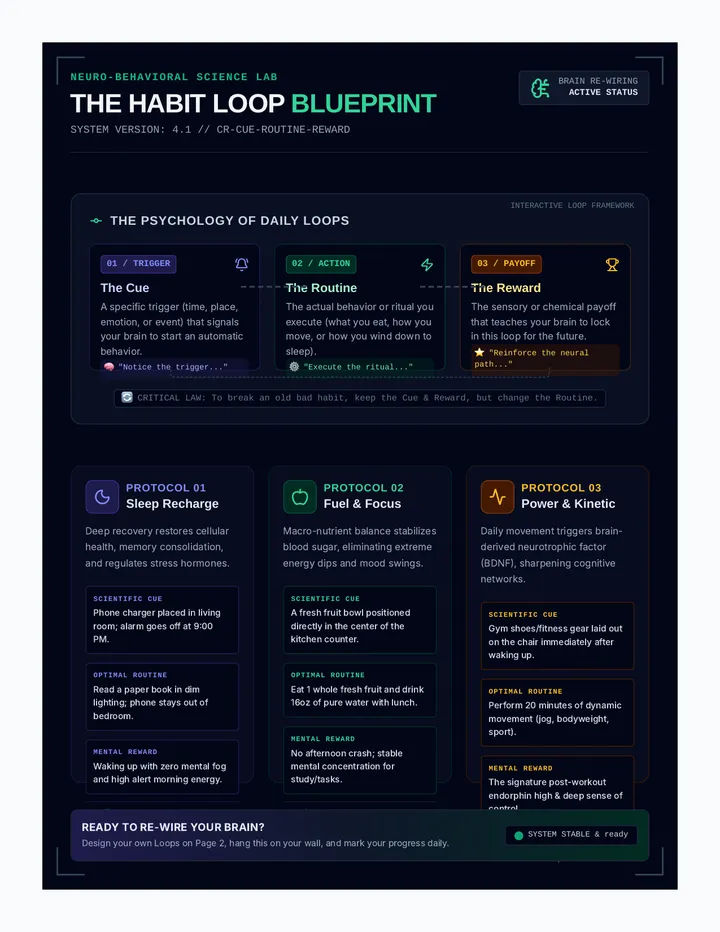
This lesson explores the biological and psychological links between daily habits—such as diet, exercise, and screen time—and brain function. Students will watch a video on brain health, categorize habits into 'Brain Fuel' or 'Brain Drain,' and set a personal goal for the week.
A comprehensive health lesson for middle school students exploring the biological and psychological dangers of crash dieting versus sustainable health, centered around a classic Full House video clip.
A High School Health lesson exploring how social media trends like 'Slim Thick' and 'Thigh Gap' influence body image, featuring an analysis of 'Finsta' culture and a media literacy audit.
Students investigate the variance of the autism spectrum through video analysis and fictional case studies, challenging stereotypes and functioning labels.
Students differentiate between eustress and distress, analyze the biological mechanism of the HPA axis through a video, and conduct a self-experiment ('Cortisol Control Lab') to test meditation and movement as stress-reduction strategies.
A comprehensive 2-hour training focused on identifying emerging trends in prevention science and integrating them into evidence-based strategies to maximize community impact.
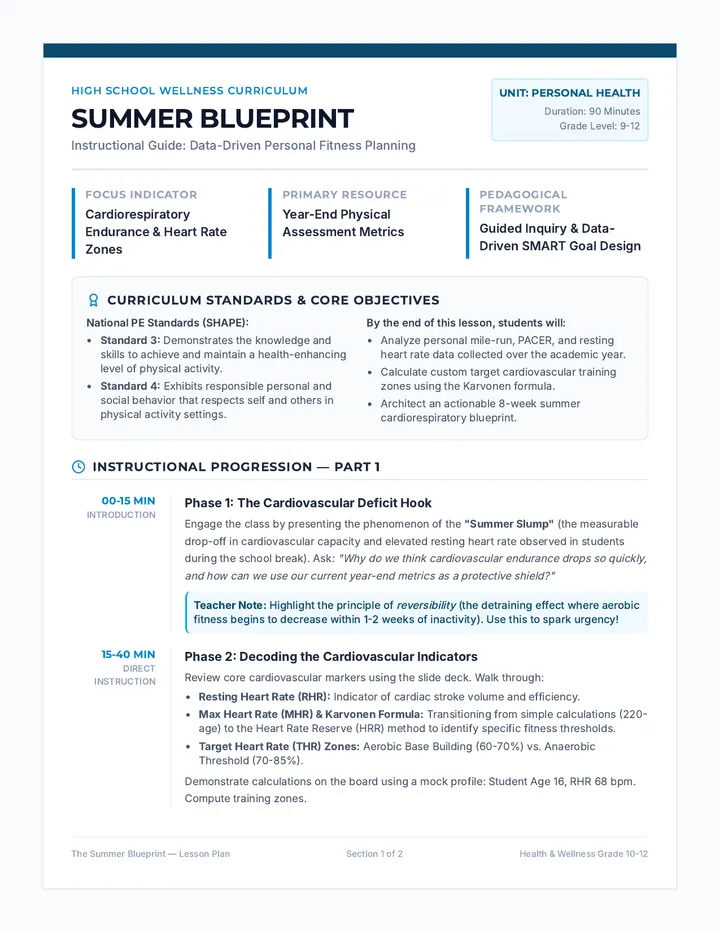
A movement-based physical health lesson where students investigate how different physical activities (aerobic, stretching, and breathing) impact their heart rate and perceived energy levels through 'Body Battery' stations.
A presentation and announcement deck detailing recent updates, programs, and upcoming initiatives within the Wellness department.
A 30-minute introduction to personal safety for Pre-K students, focusing on body boundaries (the 'Safety Bubble') and identifying safe adults.
A team-building culinary challenge inspired by the "Chopped" competition style, designed to foster cooperation, creativity, and kitchen safety skills.
Final synthesis project where students design, justify, and prepare to execute a personalized 4-week training cycle based on the curriculum principles.
Focuses on advanced periodization, specifically Daily Undulating Periodization (DUP), and the science of exercise selection to drive continued adaptation.
Technical mastery of the 'Big Three' (Squat, Bench, Deadlift) with emphasis on safety, setup, and heavy load mechanics.
Comprehensive review of Part 1 concepts and a practical skills audit to clear students for the advanced compound lifts of Part 2.
Transition from bodyweight to external resistance, focusing on barbell handling, safety rack setup, and maintaining primal mechanics under load.