A comprehensive 4th-grade unit exploring the biological necessity of water, how body systems utilize hydration, and how to identify and treat dehydration signals using scientific modeling and case studies.
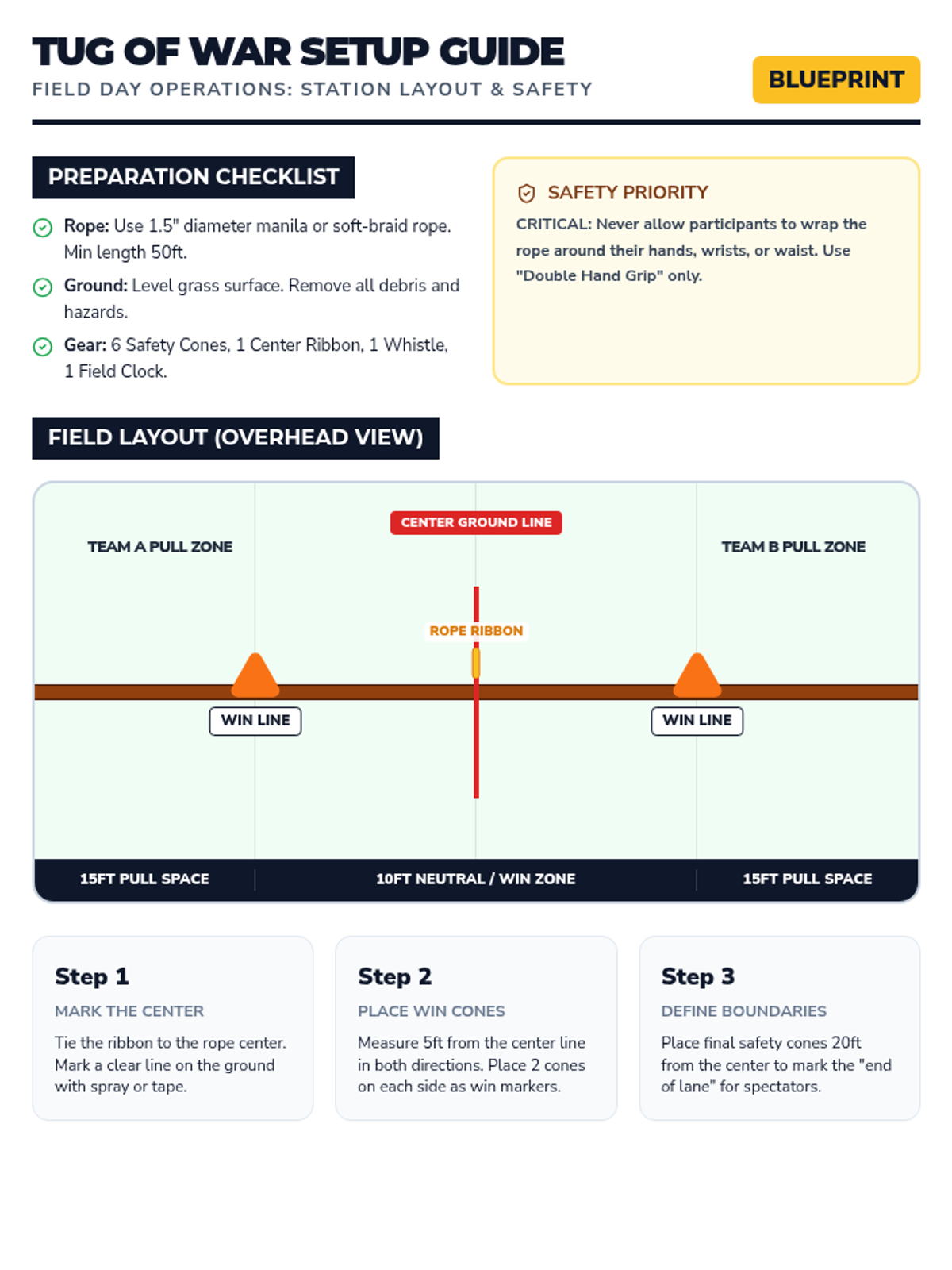
A pair of 10-minute assembly lessons focused on friendship, safety, and community respect for K-2 and 3-5 students, addressing physical and verbal behavior.
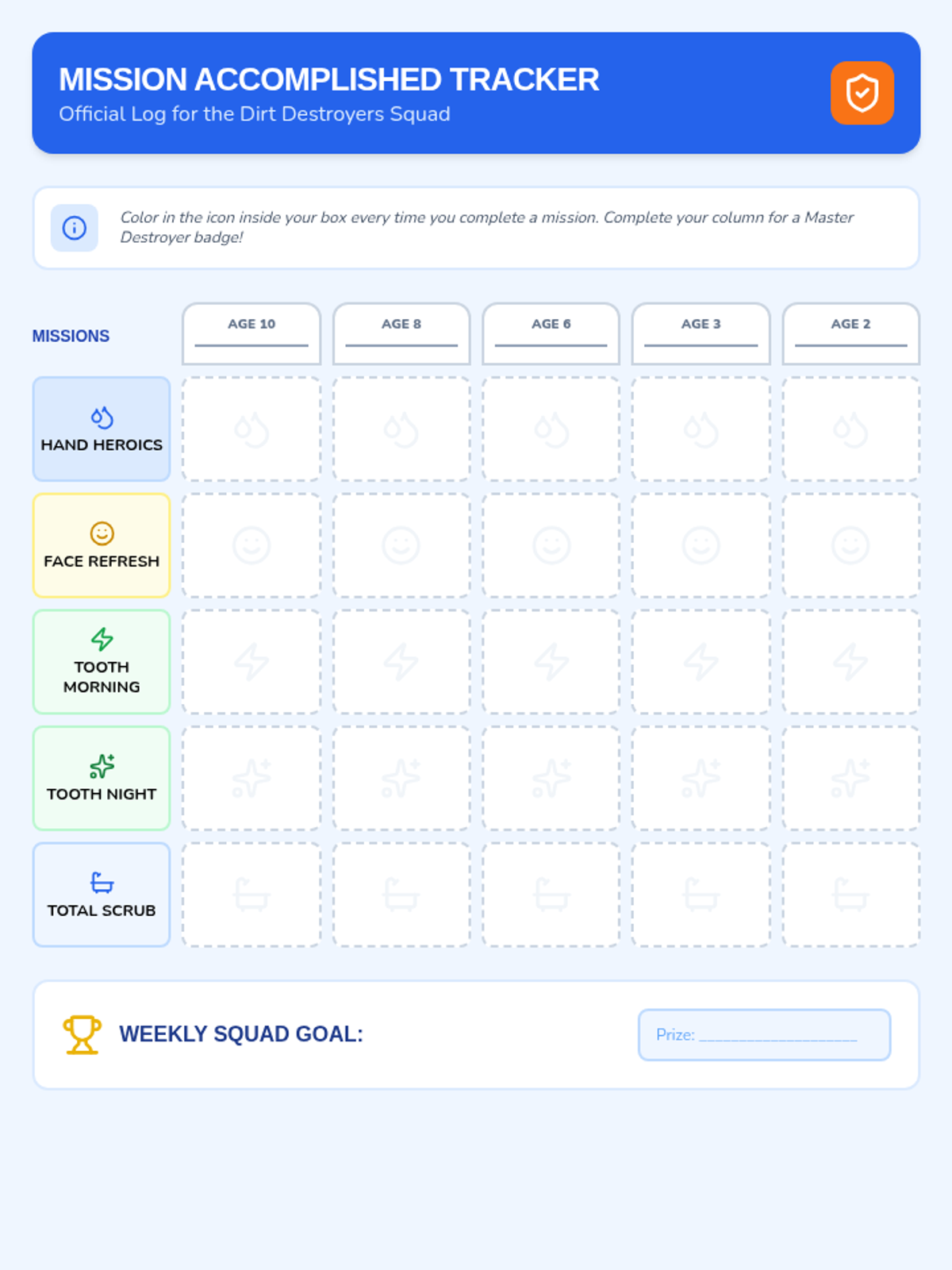
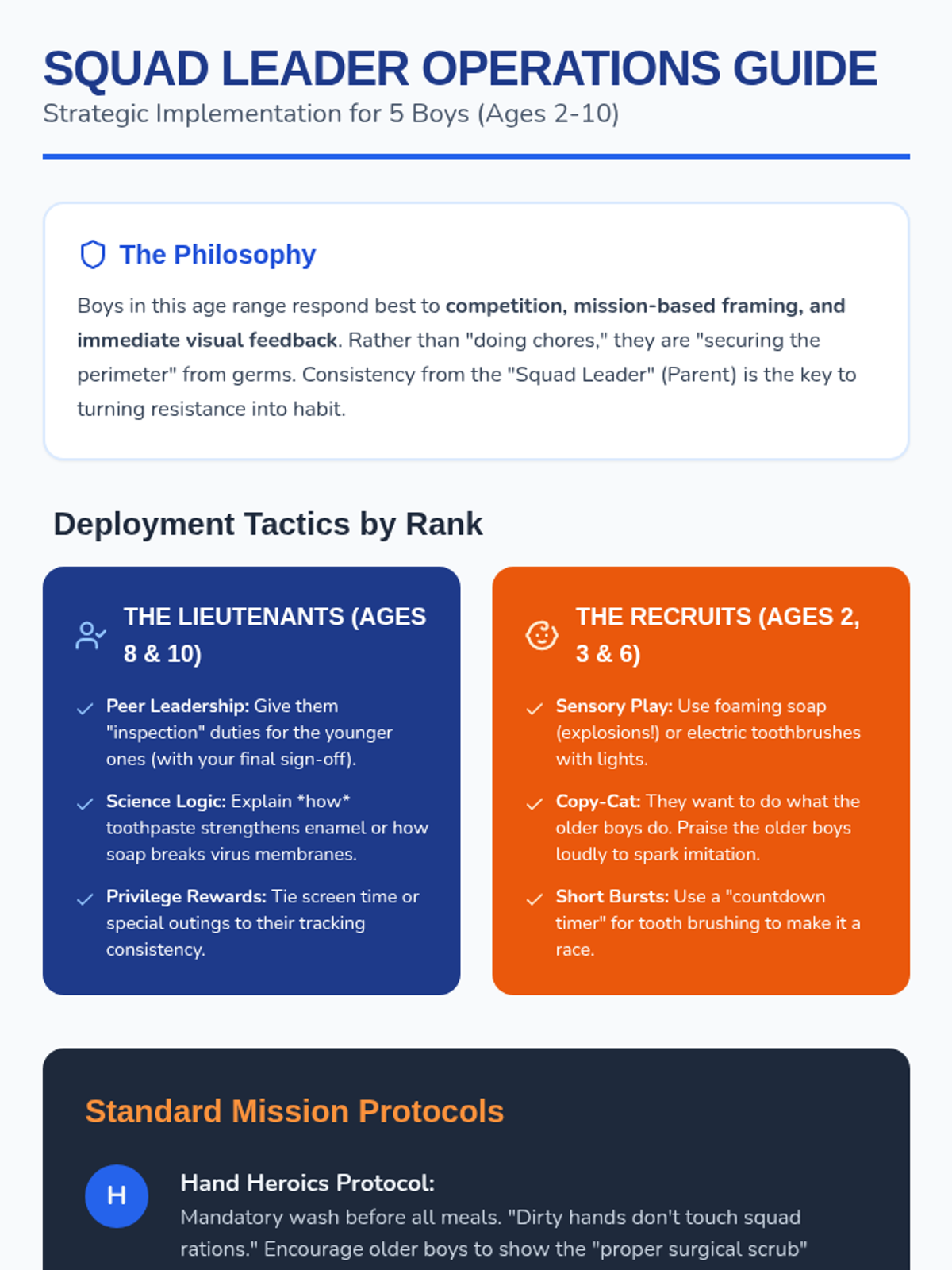
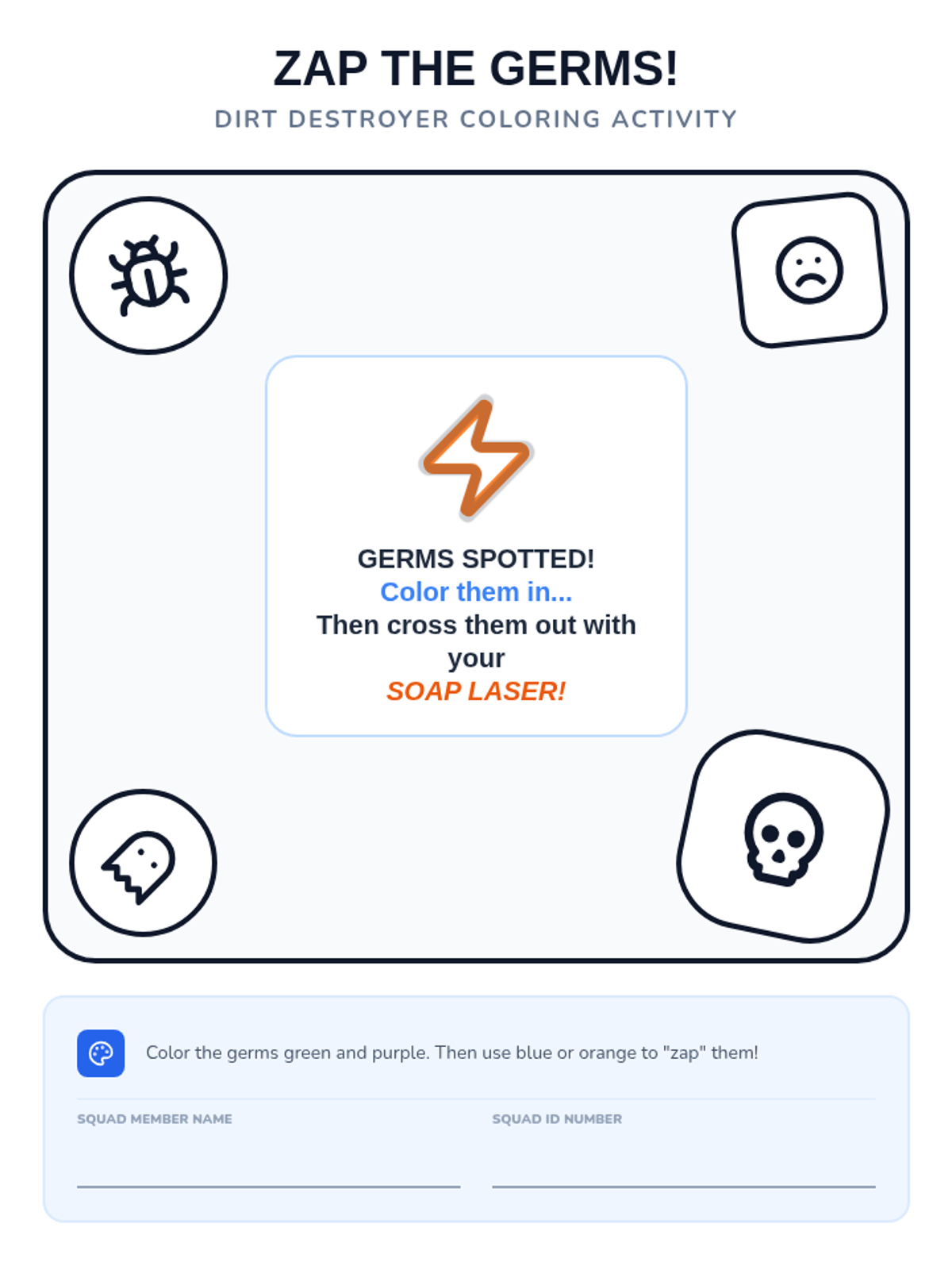
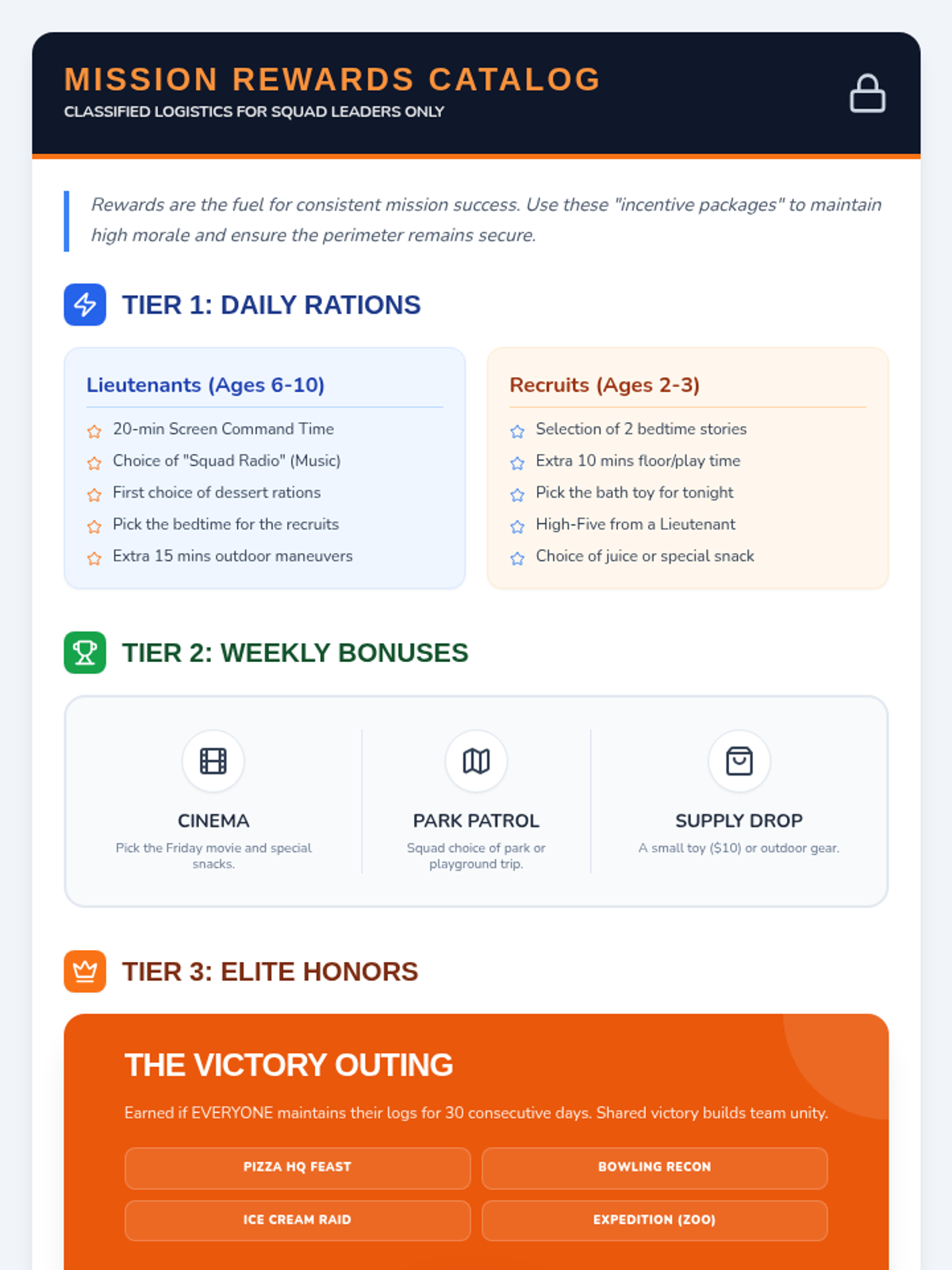
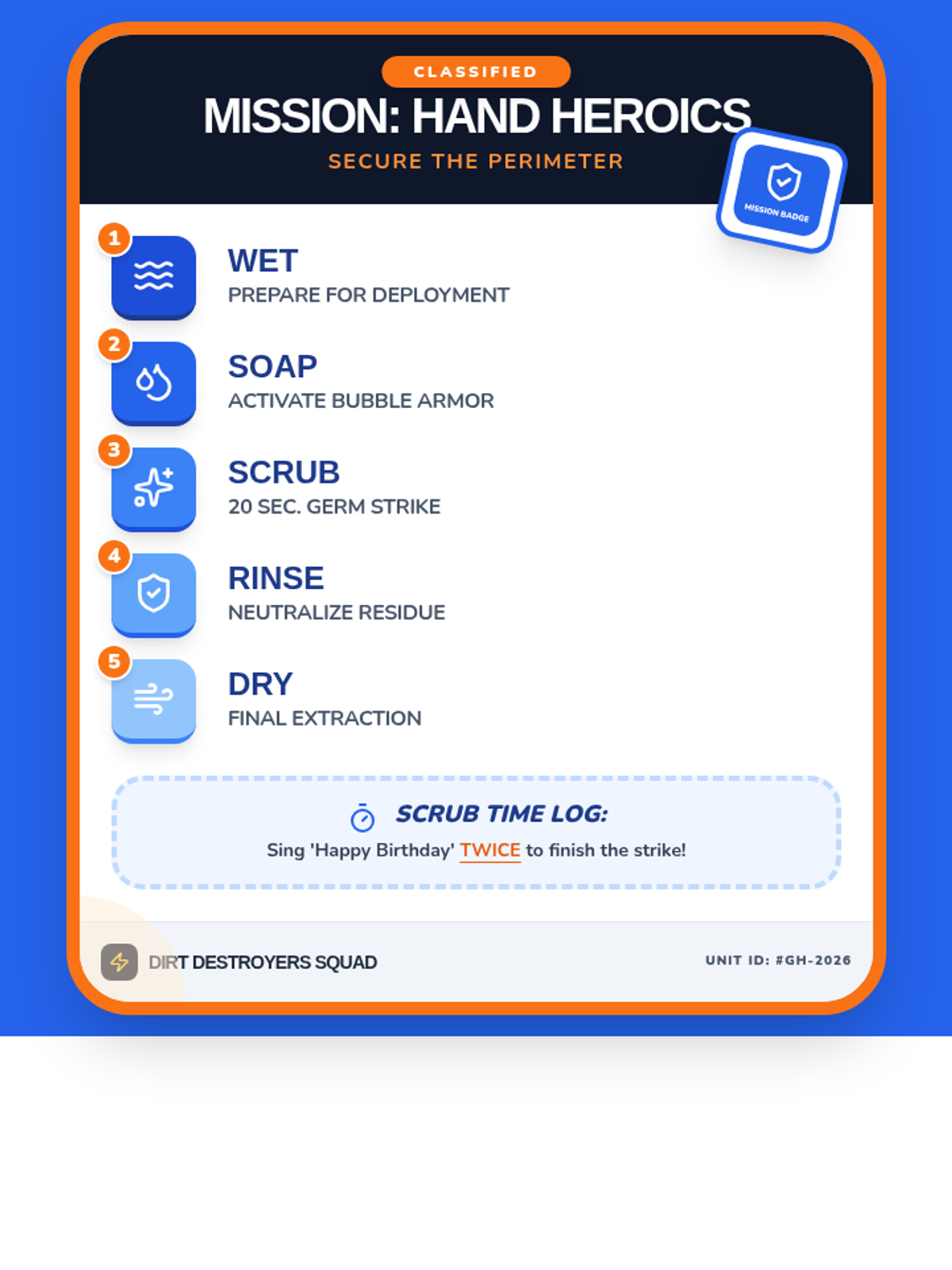
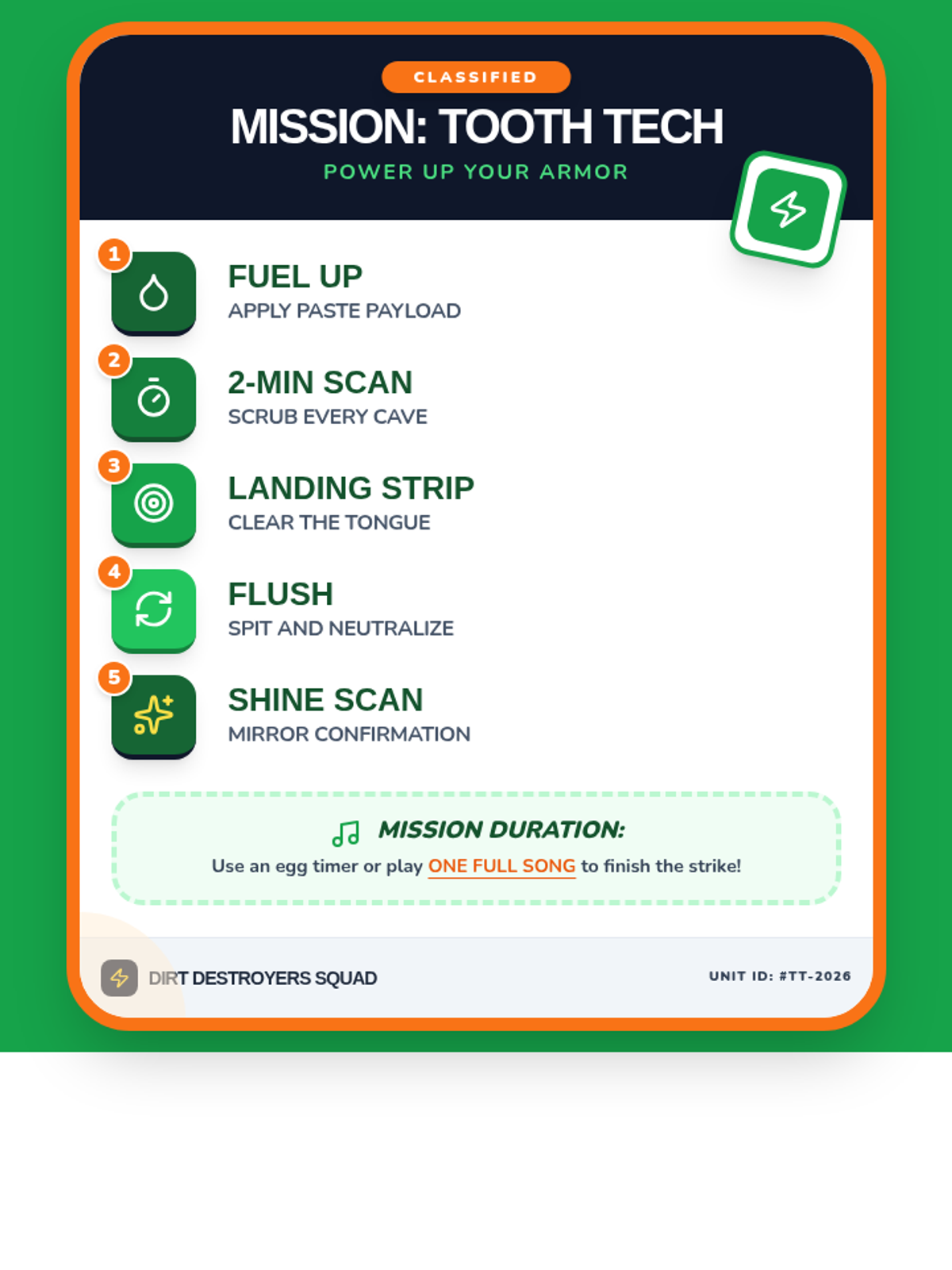
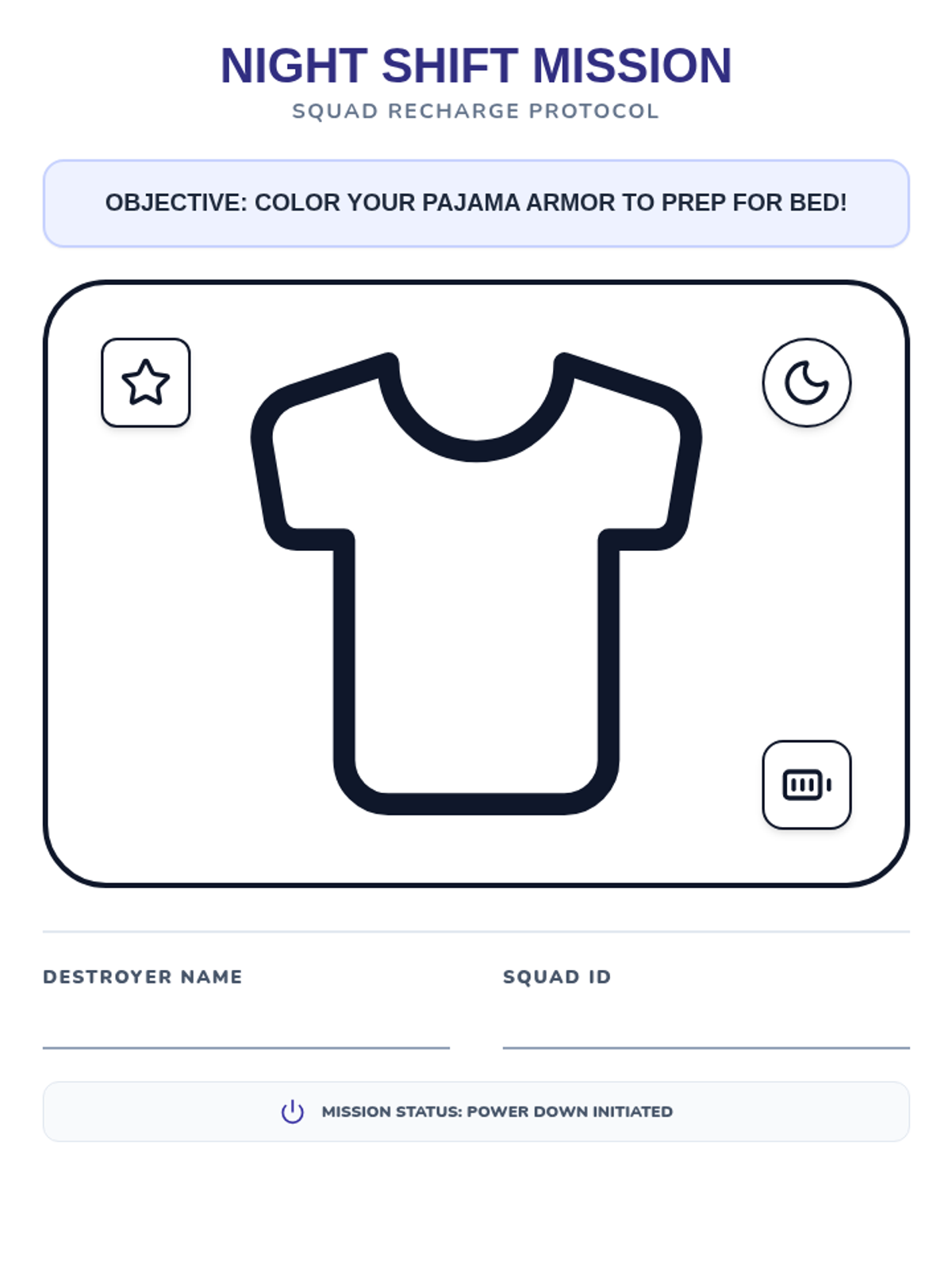
A three-week hygiene program designed for 3rd-grade boys with ADHD, using a 'Secret Agent' theme to encourage daily habits in dental care, showering, and grooming.
A comprehensive wellness unit designed to empower students with lifelong healthy habits. Students explore nutrition, exercise, sleep, and emotional regulation through the lens of 'hero training'.
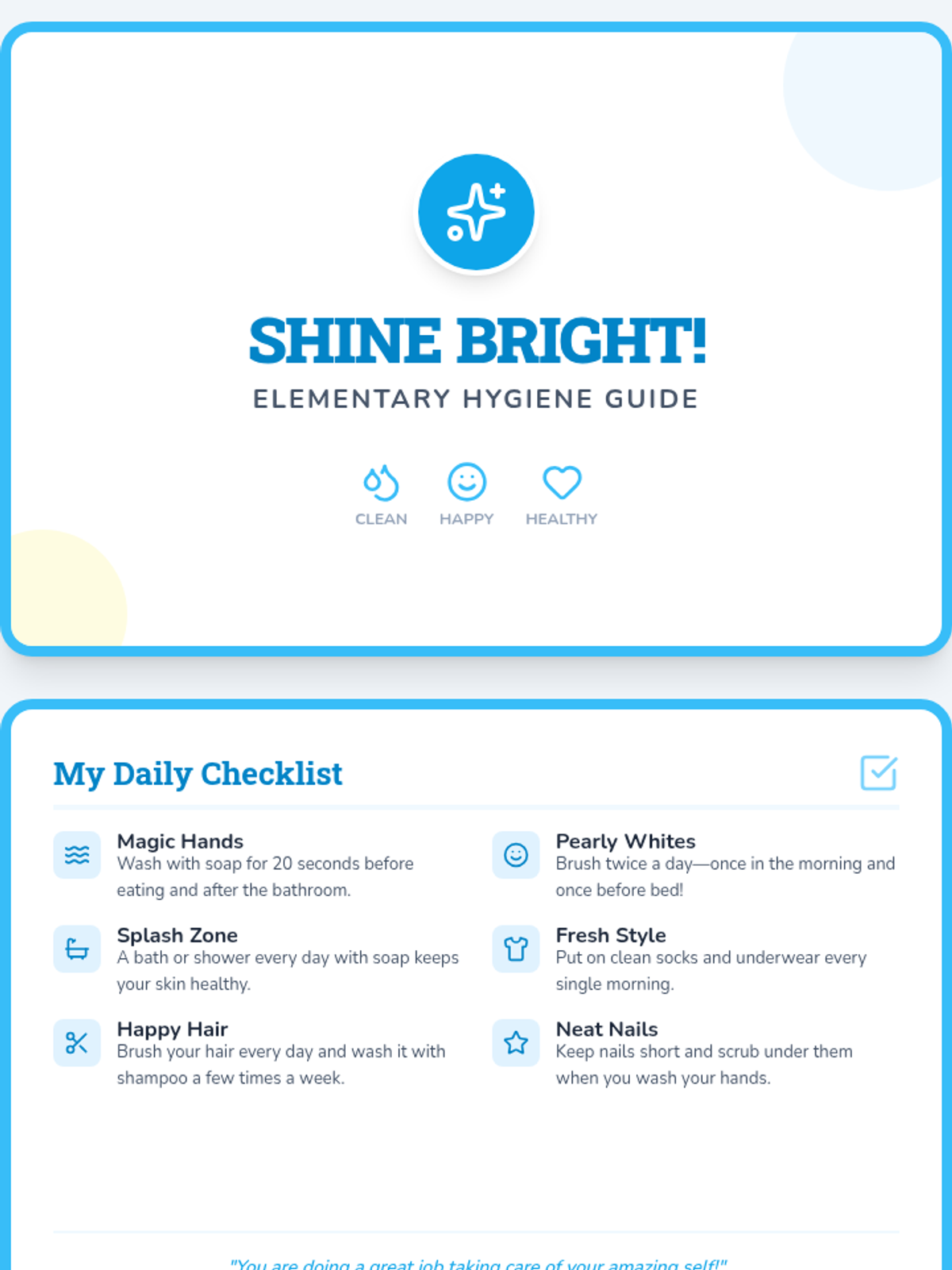
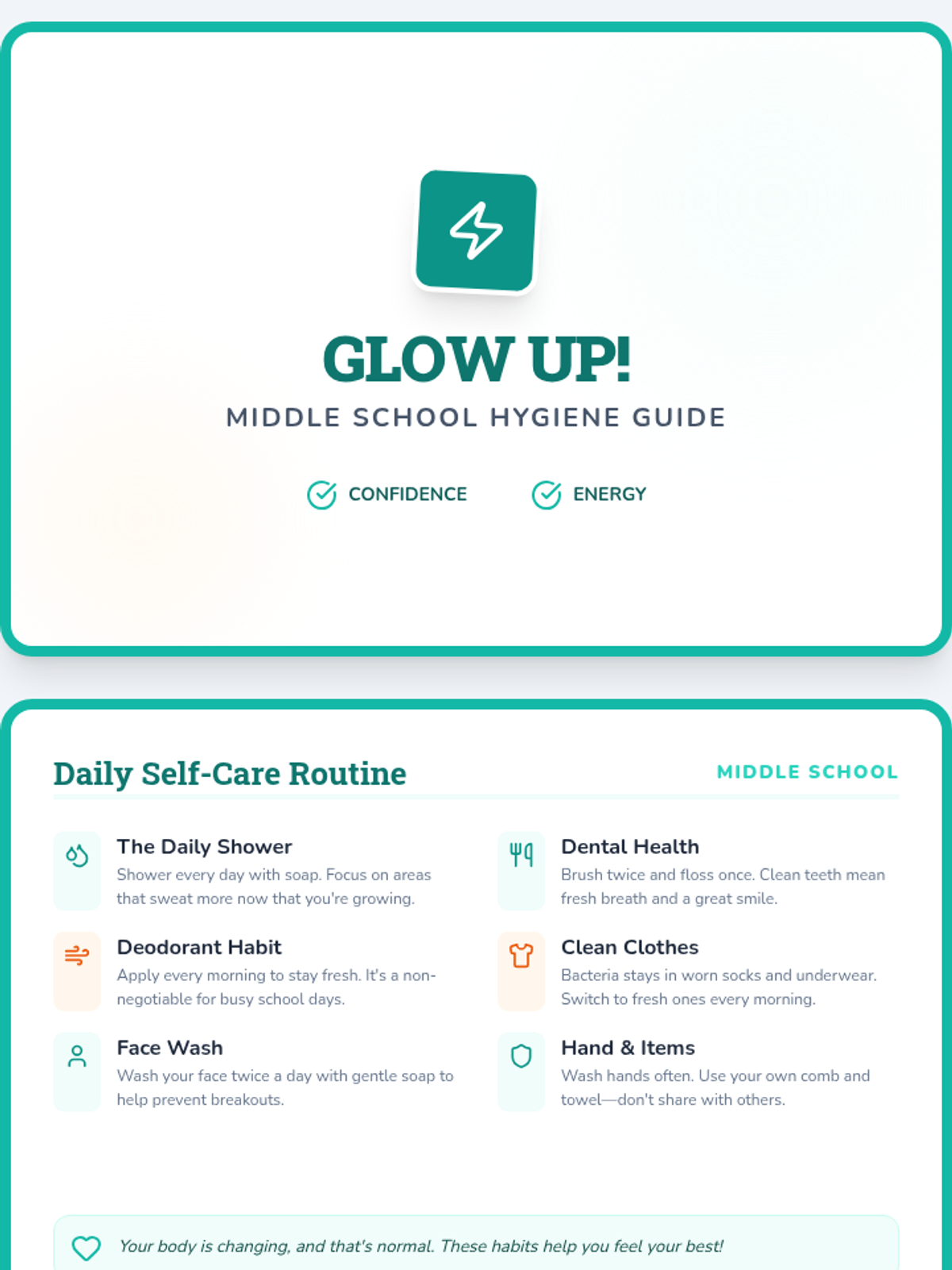
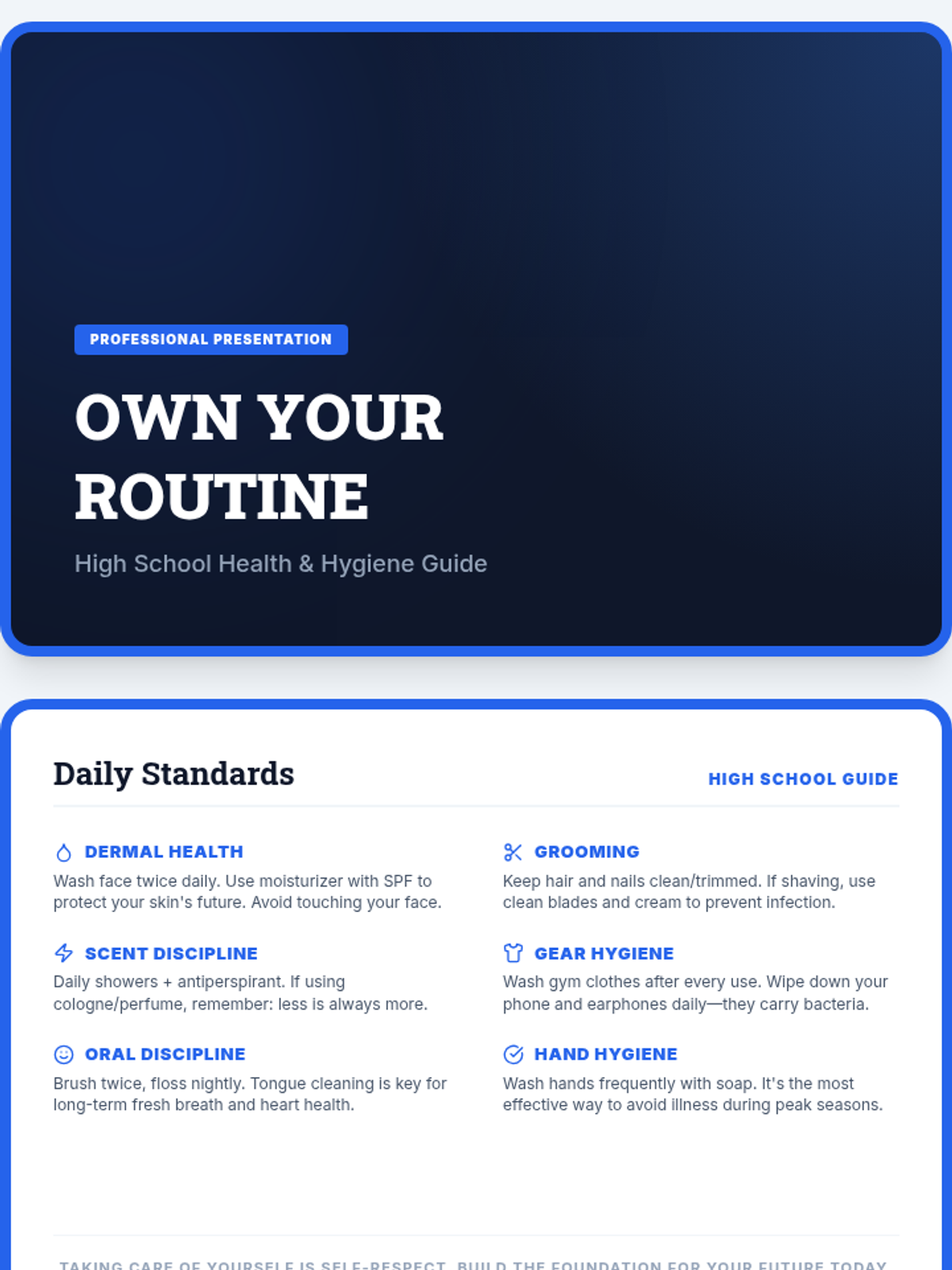
A comprehensive SEL-integrated hygiene curriculum for elementary scholars (K-4), focusing on self-awareness, social impact, and personal responsibility through the lens of a 'Glow Up'.
A comprehensive safety curriculum for 4th and 5th graders covering pedestrian, home, personal, and substance safety through interactive lessons and assessment.
A series of lessons focused on health, activity, and practical math applications for upper elementary students.
A series of workshops and resources for elementary school parents focusing on common school-related health concerns, starting with head lice management.
A 5-lesson unit for 4th graders focusing on the difference between anaerobic sprinting and aerobic endurance. Students learn to regulate energy through pacing, rhythm, and interval training, culminating in a goal-setting endurance run.
This sequence shifts focus from pure mechanics to the organizational structure, rules, and etiquette of a track meet. Students take on roles as both athletes and officials, learning how events are measured, judged, and scored. The unit emphasizes fair play, understanding disqualifications, and accurate measurement, culminating in a class-organized mini-meet.
Students explore the physics and techniques behind track and field events, focusing on long jump and throws. This 5-lesson sequence covers mechanics of force, angle, and body positioning through inquiry and skill-building activities.
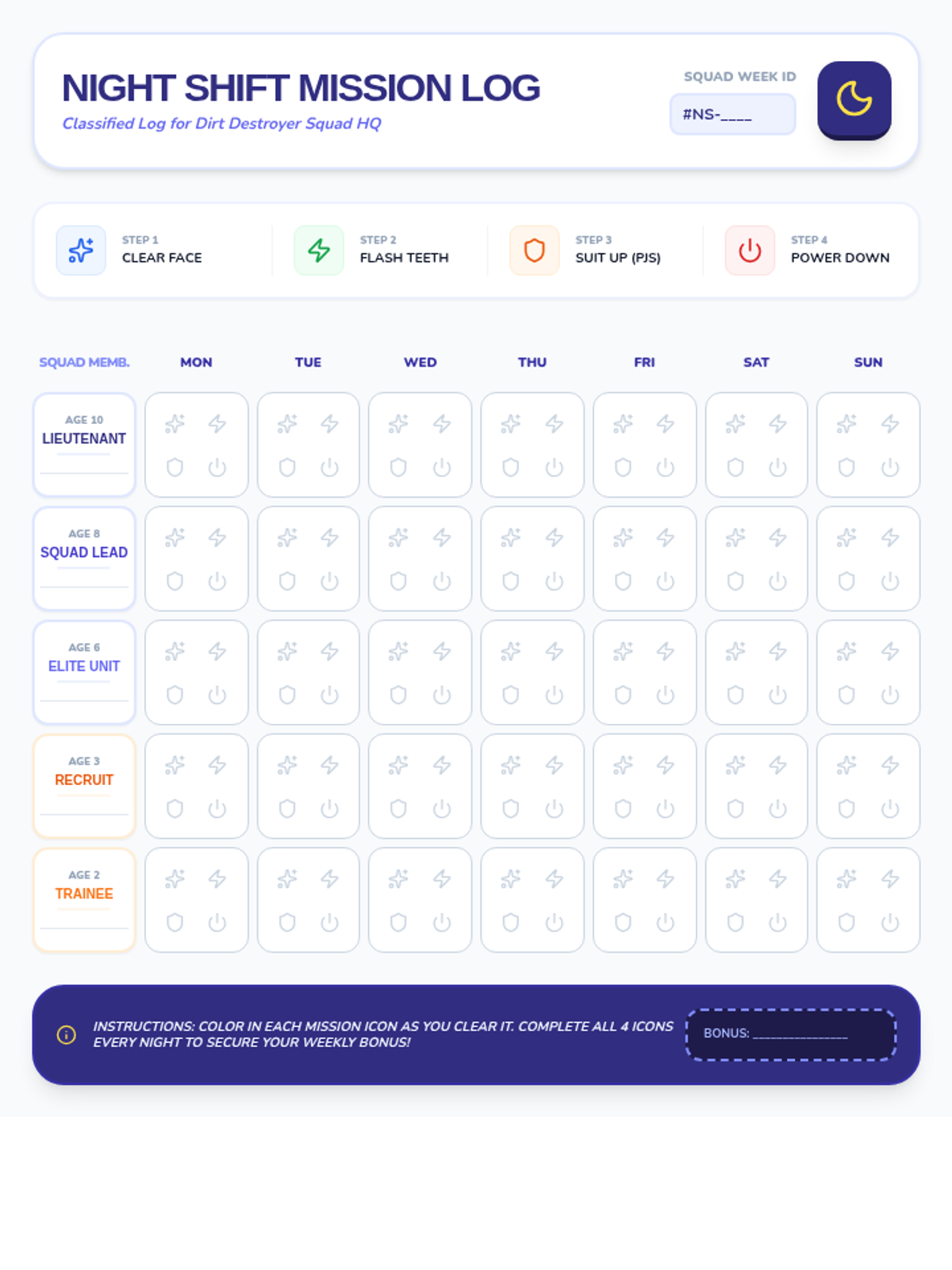
A comprehensive 4th-grade physical education unit focused on the biomechanics of sprinting and the technical skills of relay racing. Students progress from individual running form to collaborative baton exchanges and team strategy.
This culminating sequence focuses on linking individual skills into coherent routines. Students explore transitions, rhythm, and the aesthetic components of gymnastics. They will collaborate to sequence movements logically and perform a short routine, emphasizing the connection between physical skill and artistic expression.
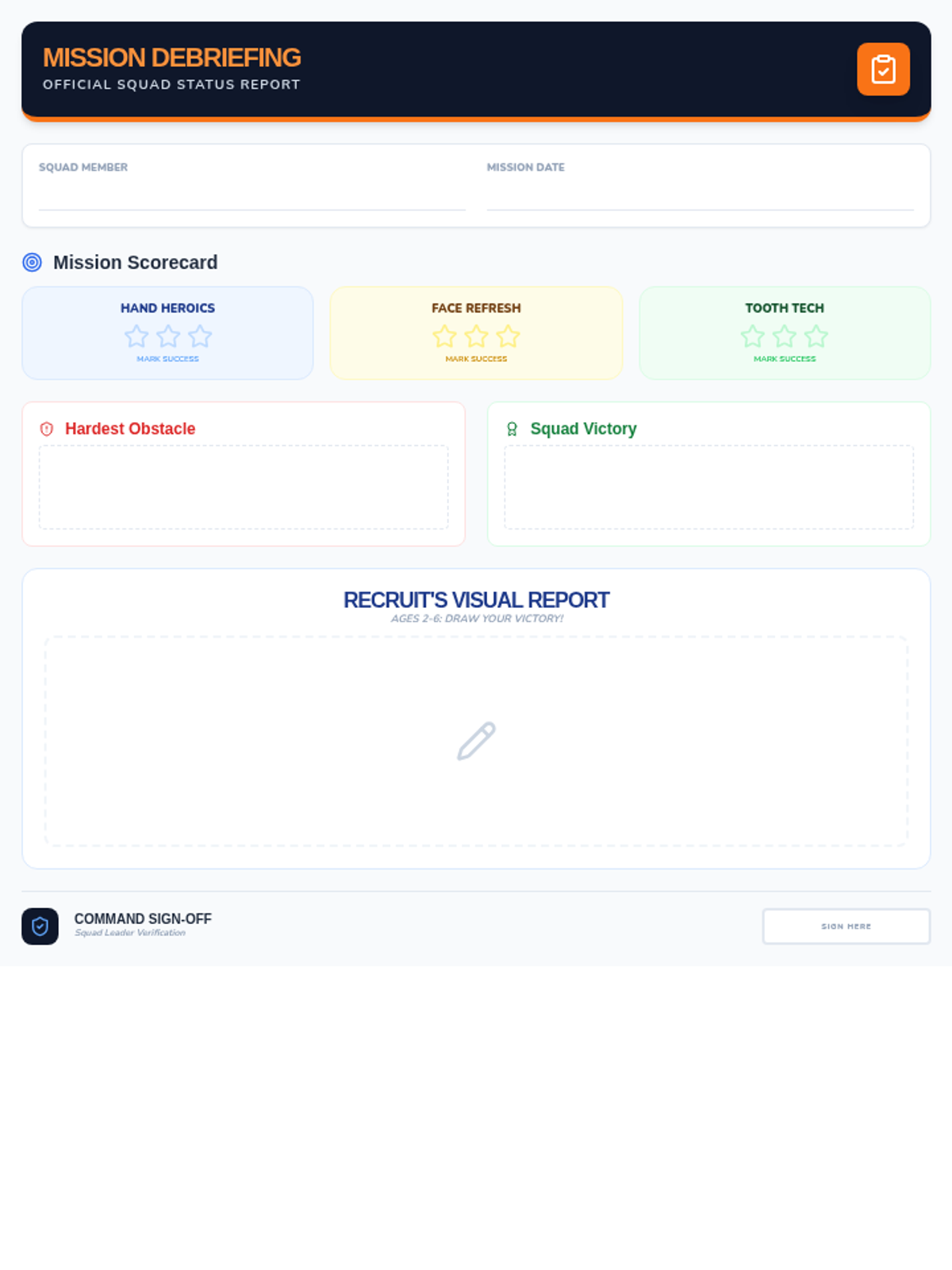
A game-based sequence designed for 4th-grade students to master proactive sensory regulation. Students learn to integrate brief, structured movement breaks into their daily routine to maintain alertness, focusing on bilateral coordination, heavy work transitions, and self-regulation techniques.
This 5-lesson sequence focuses on the artistic and rhythmic aspects of gymnastics, teaching 4th graders how to connect individual skills into a fluid routine. Students will master leaps, balances, and transitions, culminating in a choreographed floor performance.
A 5-lesson 4th Grade Gymnastics sequence focusing on low balance beam skills and introductory vaulting mechanics. Students develop dynamic balance, explosive power, and safe landing techniques through station-based learning.
A foundational gymnastics sequence for 4th graders focused on safe landings, rolling mechanics, and introductory inversions. Students develop core strength, spatial awareness, and confidence through progressive tumbling skills.
This sequence explores the critical principles of water safety, from environmental risk assessment and buoyancy science to identifying distress and performing non-entry rescues. Students move from understanding physical risks to becoming advocates for safe practices in their communities.
This sequence focuses on the critical cognitive and physical skills required for fire safety. Students move from understanding the science of fire to designing strategic escape plans and practicing survival maneuvers, empowering them to act as safety leaders in their homes and communities.
A comprehensive safety sequence for 4th graders covering fire prevention, escape planning, water hazard recognition, and non-contact rescue protocols. Students move from identifying household risks to practicing life-saving physical techniques and creating a family safety manual.
A 4th-grade sequence focused on media literacy and debunking myths surrounding prescription drug safety, encouraging critical thinking and healthy coping mechanisms.