Candy or Cure Slides Candy or Cure?
Safety Squad: Lesson 1
"Protecting ourselves by learning the difference between sweets and medicine."
Detective Quiz!
ROUND 1
Option A
Option B
One is a sweet gummy. One is medicine.
Can you tell which is which just by looking?
The Look-Alike Problem
Same Shape
Many pills are round or oval, just like candies.
Bright Colors
Medicines often use bright reds, blues, and oranges.
Coating
Sugar coatings make some medicine look shiny.
Important: Because they look so similar, we can NEVER assume something is candy just because of how it looks.
The Golden Rule
"If you didn't see it come from the bottle by a Trusted Adult, DON'T EAT IT."
Parents
School Nurse
Grandparents
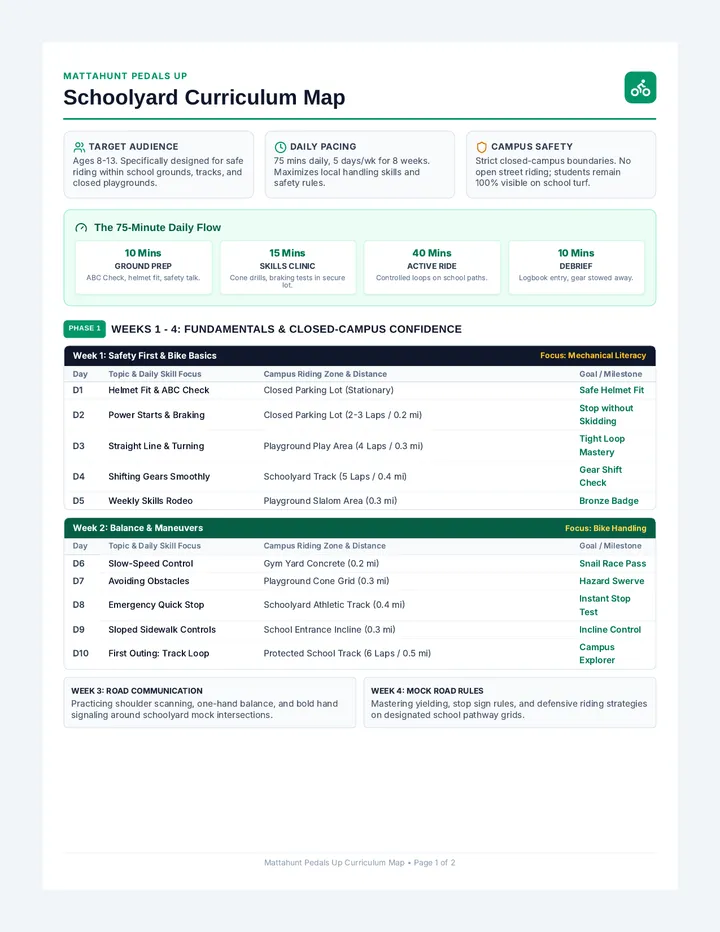
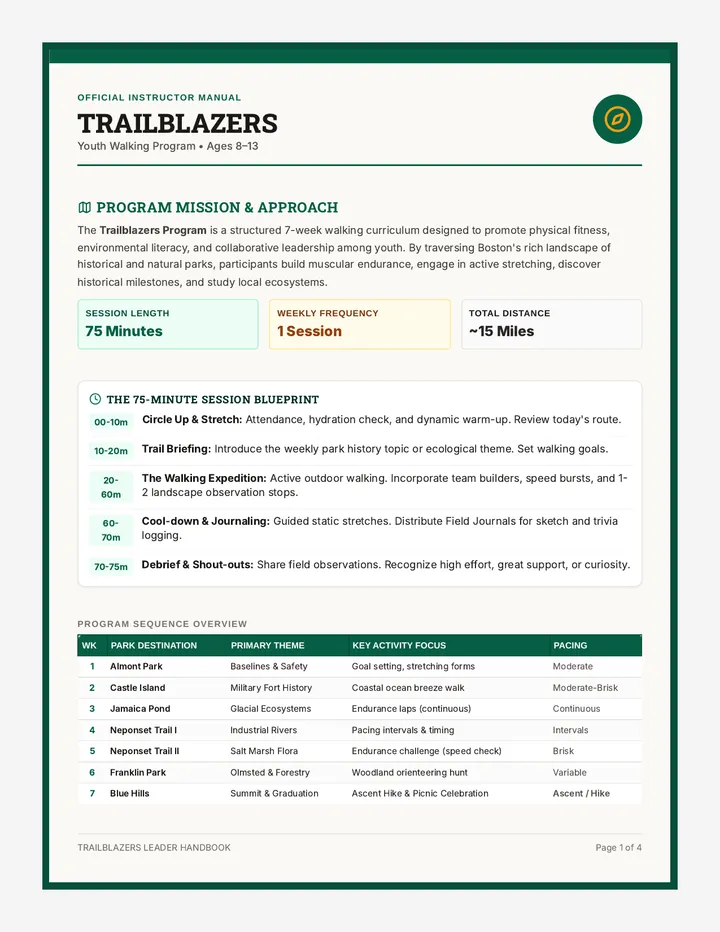
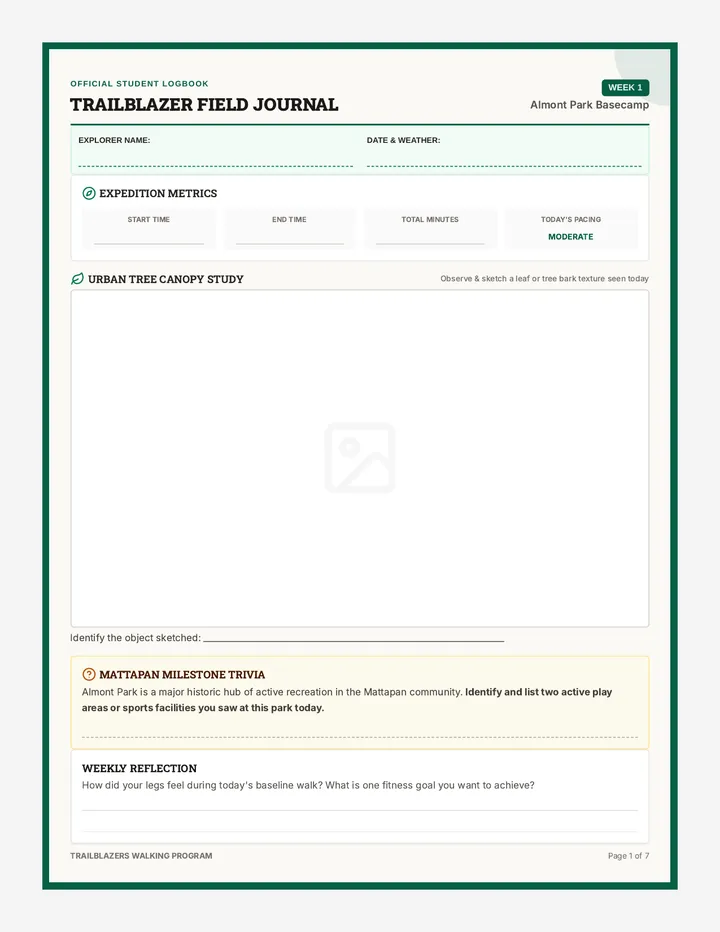
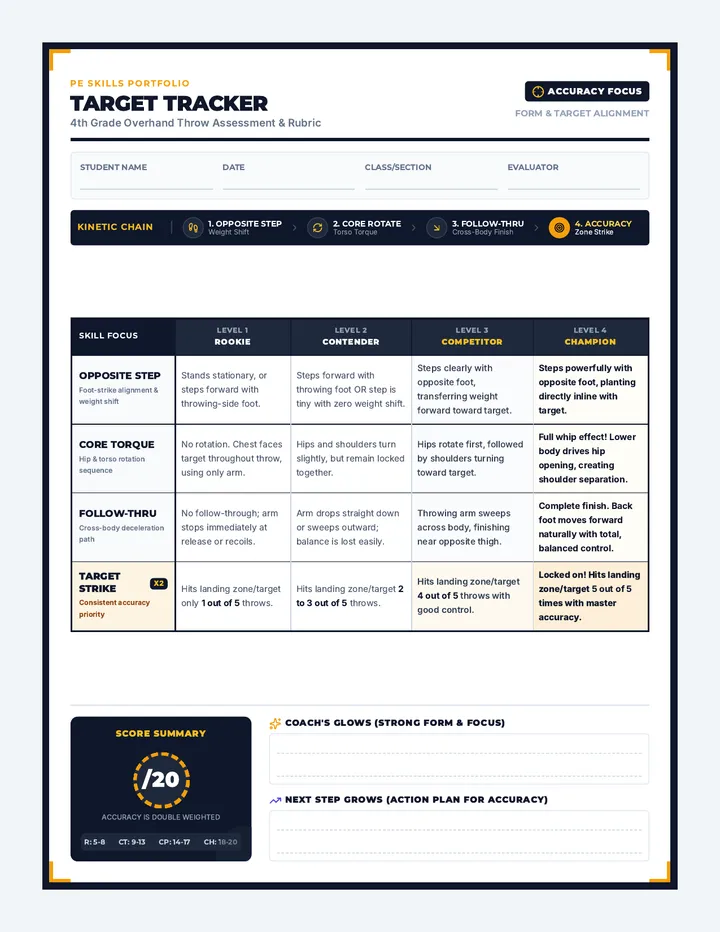
Action Steps
1
Stop & Look
If you find a "mystery" pill or candy on the floor or counter, do not touch it.
2
Find an Adult
Immediately tell a teacher, parent, or caregiver what you found.
3
Keep Others Away
Make sure younger siblings or pets don't get near it until the adult picks it up.
Detective Look Alikes Worksheet Detective's Challenge
Safety Squad: Lesson 1 Activity
Name:
Date:
Part 1: The Comparison Lab
In the boxes below, list three features that can make medicine look like candy. Then, explain why each feature is dangerous for kids who don't know the difference.
Feature (e.g., Bright Colors)
Why it is a "Trick"
The Golden Rule
Complete the Golden Rule from today's lesson:
"If you didn't see it come from the ____________________ by a
_____________________________________________, Don't Eat It."
Part 2: Safety Action
"You are playing in the kitchen and find a small, round, orange object on the floor. It looks exactly like an orange gummy candy your friend was eating yesterday."
What are the 3 steps you should take?
1
2
3
Helping the Safety Squad keep our homes and schools safe!
Candy or Cure Teacher Guide Teacher Resource
Candy or Cure Lesson Guide
Lesson 1: Visual Discrimination & The Golden Rule
Objectives
Identify visual similarities between medicine and candy.
State the Golden Rule of medication safety.
Demonstrate immediate safety steps when finding unknown items.
Time Estimate
45 Minutes
Instruction: 20m | Activity: 25m
Key Vocabulary
Look-Alike Trusted Adult Medication
Part 1: The Hook (10 Minutes)
Start by showing Slide 2. Do not give the answer immediately! Ask students to vote with their fingers (1 for A, 2 for B) on which they think is the candy.
Script: "Safety Squad, look closely at these two items. They look almost identical, right? One of these is a sweet treat, but the other could make you very sick if you aren't supposed to take it. Turn to a partner and tell them why it's so hard to choose."
Part 2: The Core Rule (15 Minutes)
Introduce the Golden Rule on Slide 4. Have the class repeat it together twice—once in a whisper and once in a "hero" voice.
Teacher Tip: Emphasize that "Trusted Adult" means someone you know well who has the authority to give you medicine (parent, nurse, etc.). A stranger is never a trusted adult for medicine.
Part 3: Practical Practice (20 Minutes)
Distribute the Detective Look Alikes Worksheet .
Worksheet Answer Key Hints:
Look-Alike Features: Shiny coating, bright colors, round/circular shape, fruit-like smell.
Action Steps: 1. Stop and Look (Don't touch). 2. Find a trusted adult. 3. Keep others (babies/pets) away.
Common Misconceptions to Address
Students often believe that if medicine is liquid or "gummy" style, it must be safe for them to try. Remind them that even vitamin gummies or cough syrup are medicines that only a trusted adult should provide in the correct dose.
Spot the Signs Slides Spot the Signs
Safety Squad: Lesson 2
"Learning to recognize when someone needs help right away."
Is it an Emergency?
Usual Life
• Playing and talking
• Breathing normally
• Awake and alert
• Skin looks normal color
Emergency
• Won't wake up
• Trouble breathing
• Vomiting / Very sick
• Confused or acting strange
Sign #1
Trouble Breathing
If someone is gasping for air, making wheezing sounds, or their chest is moving very fast, they need help immediately.
Sign #2
Won't Wake Up
If you try to talk to someone or gently nudge them and they don't respond, this is a major "Red Flag."
"Sleeping" looks peaceful. "Unconscious" looks like they can't wake up even if you make noise.
The "Red Flag" Rule
SEE
Identify the sign
STAY CALM
Take a deep breath
SHOUT
Call for an adult!
If you see a Red Flag, act fast!
Red Flag Scenarios Worksheet Red Flag Scenarios
Safety Squad: Lesson 2 Observation Lab
Agent Name:
Date:
Mission Instructions
Read each scenario below. Decide if it is a Red Flag (Emergency) or if it is Not an Emergency . Circle your answer and explain why you chose it.
Scenario #1
Red Flag
Not an Emergency
"You see your older brother lying on the couch. He is snoring loudly and his chest is moving up and down steadily. He had a long soccer practice today."
Why did you choose this?
Scenario #2
Red Flag
Not an Emergency
"Your little sister is sitting on the floor next to an open bottle of vitamins. She is gasping for air and making a wheezing sound when she tries to breathe."
Why did you choose this?
Scenario #3
Red Flag
Not an Emergency
"Grandpa is in his chair. You say 'Hi' but he doesn't look at you. His eyes are closed and when you gently shake his arm, he doesn't move or wake up."
Why did you choose this?
Red Flag Checklist
List three signs of distress we talked about in class today:
Spot the Signs Teacher Guide Teacher Resource
Spot the Signs Guide
Lesson 2: Recognizing Distress & Emergency Situations
Learning Goal
Students will distinguish between normal behavior and physical signs of emergency distress (breathing difficulty, unconsciousness) without needing a medical diagnosis.
Classroom Materials
Spot the Signs Slides
Red Flag Scenarios Worksheet
Optional: Physical red cards for students to hold up
1 The Red Flag Hook (5 Minutes)
Present a hypothetical situation: "You see someone sleeping. How do you know if they are just having a good nap or if they are in trouble?" Let students brainstorm markers of health (breathing steadily, reacts to noise).
2 Visual Signs (15 Minutes)
Use Slides 3 and 4 to explain "Trouble Breathing" and "Won't Wake Up." Use physical demonstrations (miming deep gasping vs. calm breathing) to help them visualize the difference.
Discussion Prompt: "What sound does a person make if they are having trouble breathing? What does their face look like if they are confused?"
3 Scenario Lab (20 Minutes)
Students complete the worksheet. After completion, go through each scenario as a class.
Scenario 1: Not an Emergency (Steady breathing, snoring is a sign of sleep).
Scenario 2: Red Flag (Wheezing/Gasping is a sign of blocked airway or reaction).
Scenario 3: Red Flag (Unresponsive to voice/touch is a major emergency sign).
Sensitivity Note
Talking about medical emergencies can be scary for some 4th graders. Keep the tone calm and empowering—stress that their role is simply to notice and tell , not to fix the problem themselves.
Help Line Hero Slides The Help Line
Safety Squad: Lesson 3
"Knowing who to call and when to call them."
Two Numbers to Know
911
Immediate Danger
Not breathing
Passed out
Very confused
Bleeding badly
1-800-222-1222
Poison Control
Found an open bottle
Ate something unknown
Not sure what to do
Feeling "weird" or sick
Who Answers?
When you call 1-800-222-1222, you talk to doctors, nurses, and pharmacists who are experts on medicine and safety.
Open 24/7 (Always!)
Free & Private
Expert Help
Memorize the Number
1 - 800
222 - 1222
1-800 Two-Two-Two Twelve-Twenty-Two
Let's practice the rhythm together!
Quick Decision Challenge
You find your toddler brother eating colorful pills from a bottle.
Call Poison Control
The person is not waking up and their face is turning blue.
Call 911
You accidentally took the wrong liquid medicine and feel okay.
Call Poison Control
When in doubt, if it looks scary, call 911. Otherwise, call Poison Control.
Number Navigator Practice Worksheet Number Navigator
Safety Squad Protocol
Part 1: The Memory Vault
Practice writing the national Poison Control number below. Try to do it without looking at the board!
1 -
-
-
Write it again here:
Part 2: Which One?
Read each situation. Write "911" if it's an immediate life-threatening emergency. Write "Poison" if you need expert advice on a substance.
1. A person is struggling to breathe and making wheezing sounds.
2. You find your little brother with pill powder all over his mouth.
3. You aren't sure if the liquid a friend drank was soda or cleaner.
4. A person won't wake up even when you shout their name.
Expert Tip
"If you call Poison Control and they realize it's a 911 emergency, they will tell you immediately and help you connect. You are never 'wrong' to call for help!"
Help Line Hero Teacher Guide Teacher Resource
Help Line Hero Guide
Lesson 3: 911 vs. Poison Control Protocols
Lesson Goal
Students will memorize 1-800-222-1222 and identify when to call Poison Control versus 911 based on the severity of the situation.
Number Rhythm
1-800
222 (clap clap clap)
1222 (clap clap clap clap)
Key Concept
"Advice vs. Action." Poison control gives advice. 911 takes action for life-threats.
1. The Comparison (15 Minutes)
Use Slide 2 to draw a clear line between the two services. Explain that calling the "wrong" one isn't a disaster, but calling the right one saves precious time.
Teacher Script: "Think of 911 as the 'Siren Squad'—they come with lights and sirens when someone is in big trouble. Think of Poison Control as the 'Expert Line'—they are the smartest people in the world about medicine, and they can tell you what to do over the phone."
2. The Rhythm Drill (10 Minutes)
Show Slide 4. Use a call-and-response method to memorize the number.
Teacher: "1-800!" Class: "1-800!"
Teacher: "Two-Two-Two!" Class: "Two-Two-Two!"
Teacher: "Twelve-Twenty-Two!" Class: "Twelve-Twenty-Two!"
Speed it up, slow it down, whisper it, shout it.
3. Worksheet & Scenarios (20 Minutes)
Distribute the Number Navigator Worksheet .
Part 2 Answer Key:
1. 911 (Breathing difficulty)
2. Poison (Found substance, alert)
3. Poison (Unknown substance, alert)
4. 911 (Unconscious)
Anticipated Student Question
"What if I'm home alone?" Remind students that they should still call for help immediately. Emergency dispatchers and Poison Control experts are trained to help children and will stay on the phone with them until help arrives.
Dispatch Drill Slides Dispatch Drill
Safety Squad: Lesson 4
"Mastering the skills to give the right information when every second counts."
The 3 W's of an Emergency Call
WHERE
Where are you? What is your address or location?
WHAT
What happened? Did someone eat something? Are they awake?
WHO
Who needs help? A baby? An adult? You?
Never Hang Up!
Stay on the line until the dispatcher or expert tells you it is okay to disconnect.
The dispatcher is your partner. They will talk you through exactly what to do next.
Composure Counts
It's okay to be scared, but try to speak slowly and clearly .
Take a deep breath before you speak.
Listen to the question before answering.
Keep the medicine bottle near you if possible.
Simulation Time
Caller
Stays calm, gives the 3 Ws, follows directions.
Dispatcher
Asks clear questions, provides instructions, keeps caller calm.
"Squad, let's practice saving lives!"
Safety Script Role Play Cards Safety Scripts
Lesson 4: Dispatch Role-Play Cards
Cut cards along the dashed lines
Scenario A: 911
The Situation:
"Grandpa fell down and won't wake up. His breathing is very slow."
CALLER SCRIPT:
"My Grandpa fell. He's at 123 Oak Street. He won't wake up."
DISPATCHER SCRIPT:
"Is he breathing? Stay on the line. Help is coming."
Scenario B: Poison Control
The Situation:
"Little sister ate 3 blue pills from an open bottle on the counter. She is awake."
CALLER SCRIPT:
"My sister ate blue pills. I have the bottle here. She is acting okay."
EXPERT SCRIPT:
"What is the name of the medicine on the bottle? How old is she?"
Scenario C: 911
The Situation:
"Friend took some medicine by mistake and now they are gasping for air."
CALLER SCRIPT:
"My friend is having trouble breathing. We are at the school park."
DISPATCHER SCRIPT:
"Don't hang up. Are they turning blue? An ambulance is on the way."
Scenario D: Poison Control
The Situation:
"You drank a cup of juice but it tasted like soap. You feel a little sick."
CALLER SCRIPT:
"I think I drank soap. My stomach hurts a little. I'm at my house."
EXPERT SCRIPT:
"Go wash your mouth with water. Do you have the bottle of soap?"
Practice Rules
Speak in a calm, clear voice.
Listen to the expert's questions.
Stay in character until the call ends.
Do NOT hang up first!
Home Action Plan Slides The Safety Plan
Safety Squad: Lesson 5
"Taking what we've learned home to protect our families."
Why Have a Plan?
In an emergency, our brains can get "fuzzy" because we are scared or nervous. A Safety Plan does the thinking for us!
"It's better to have a plan and not need it, than to need a plan and not have it."
Act Fast
Stay Calm
Safety First
Help Others
The Ultimate Safety Card
Our mission today is to create a card for your home that has:
Numbers
911 and 1-800-222-1222 clearly displayed.
Address
Your home address so you can tell the dispatcher.
Rule
The Golden Rule for the whole family.
Signs
A reminder of what "Red Flags" look like.
Mission Launch
Once your card is finished, where is the best place for it to live?
Refrigerator
Front Door
Near Home Phone
Congratulations!
You are officially part of the Safety Squad.
Keep Our World Safe
Ultimate Safety Contact Card Safety Squad Mission: Fill out this card completely, color the borders, and ask a parent or guardian to place it on your refrigerator or near your home phone!
Ultimate Safety Card
Immediate Danger
911
Poison Control
1-800-222-1222
Our Home Address
Tip: Dispatchers need this first!
The Golden Rule
"If you didn't see it come from the by a
, Don't Eat It."
Emergency Red Flags
Breathing
Unconscious
Strange Behavior
Safety Squad Unit Completion Signature: ________________________________