A project-based sequence for 6th graders to debunk mental health myths, improve language choices, and design peer-led awareness campaigns to foster a culture of help-seeking and safety.
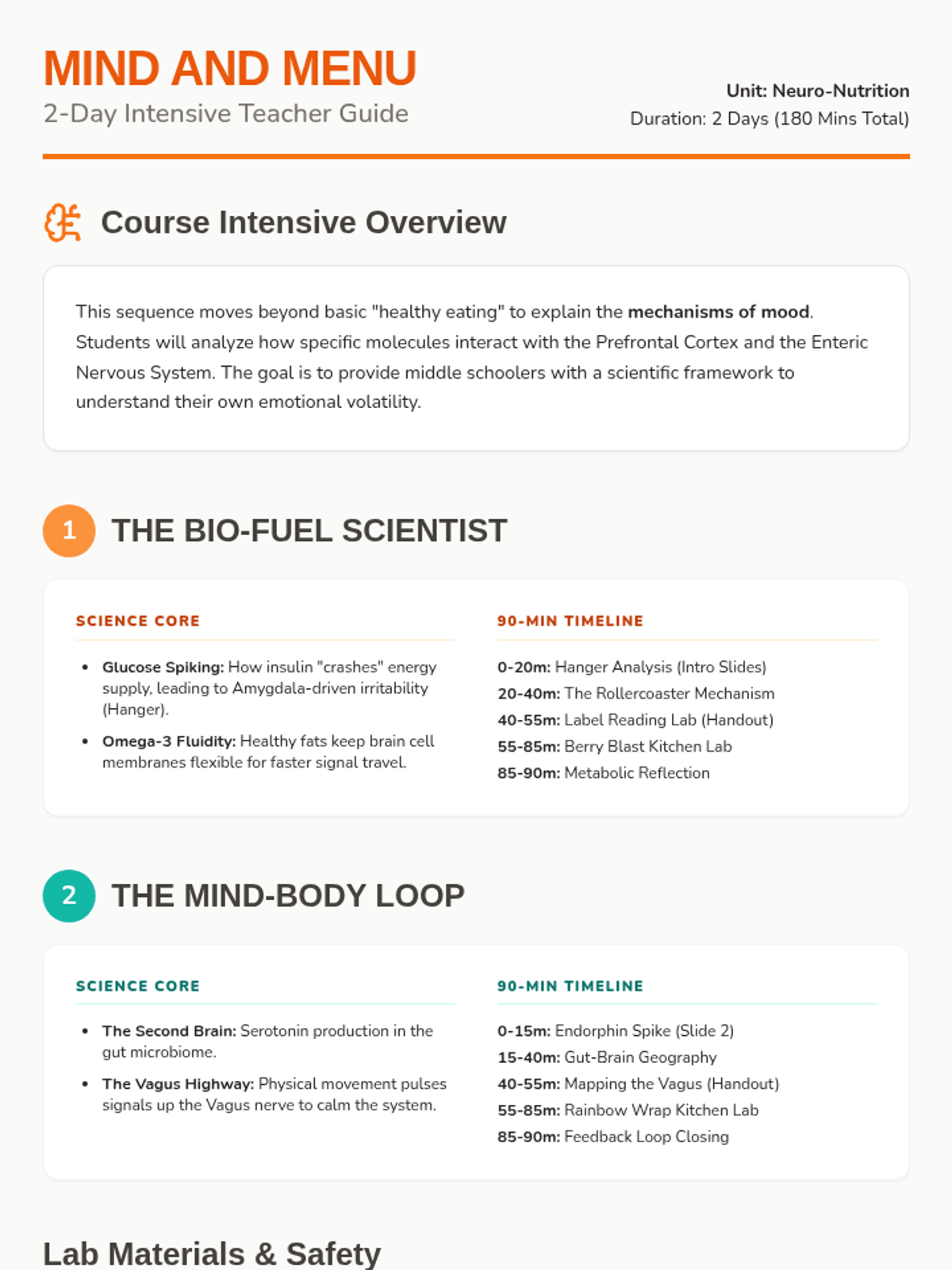
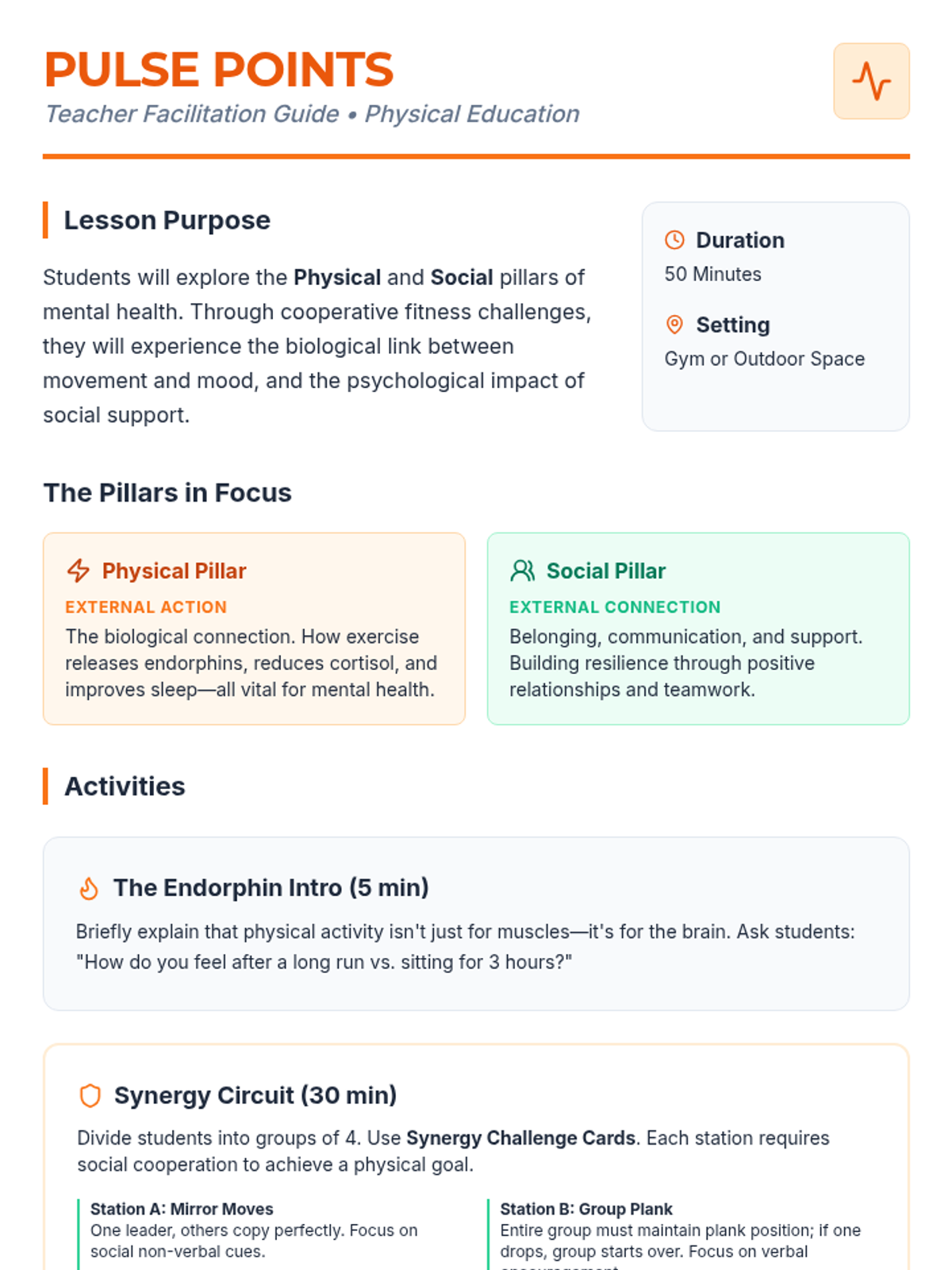
A short sequence of lessons exploring the intersection of physical health and mental wellbeing, focusing on the neurochemistry of exercise and healthy habits.
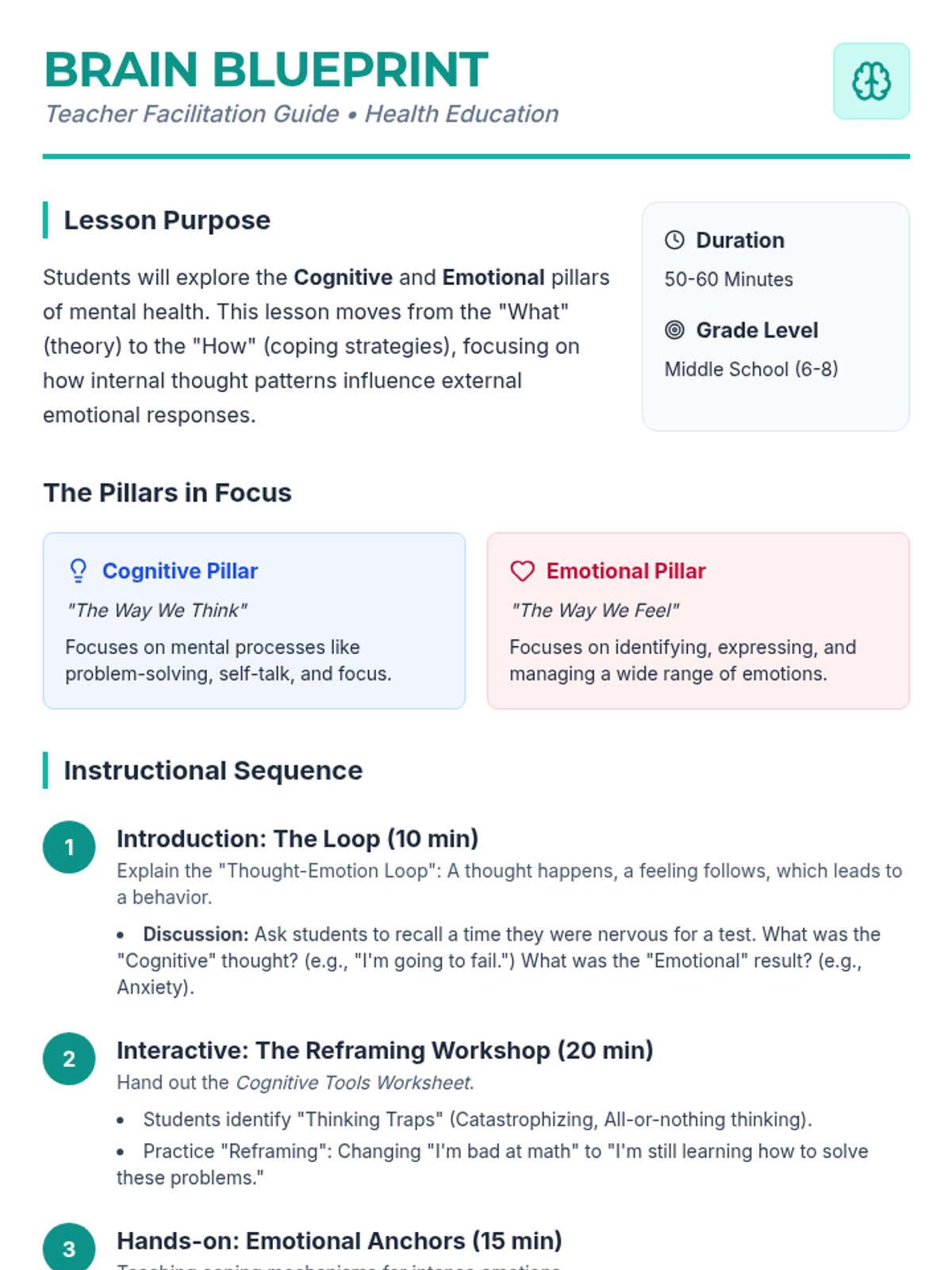
A comprehensive mental health lesson sequence focused on helping middle school students distinguish between normal emotional fluctuations and clinical depressive disorders using the Intensity, Duration, and Interference (IDI) criteria.
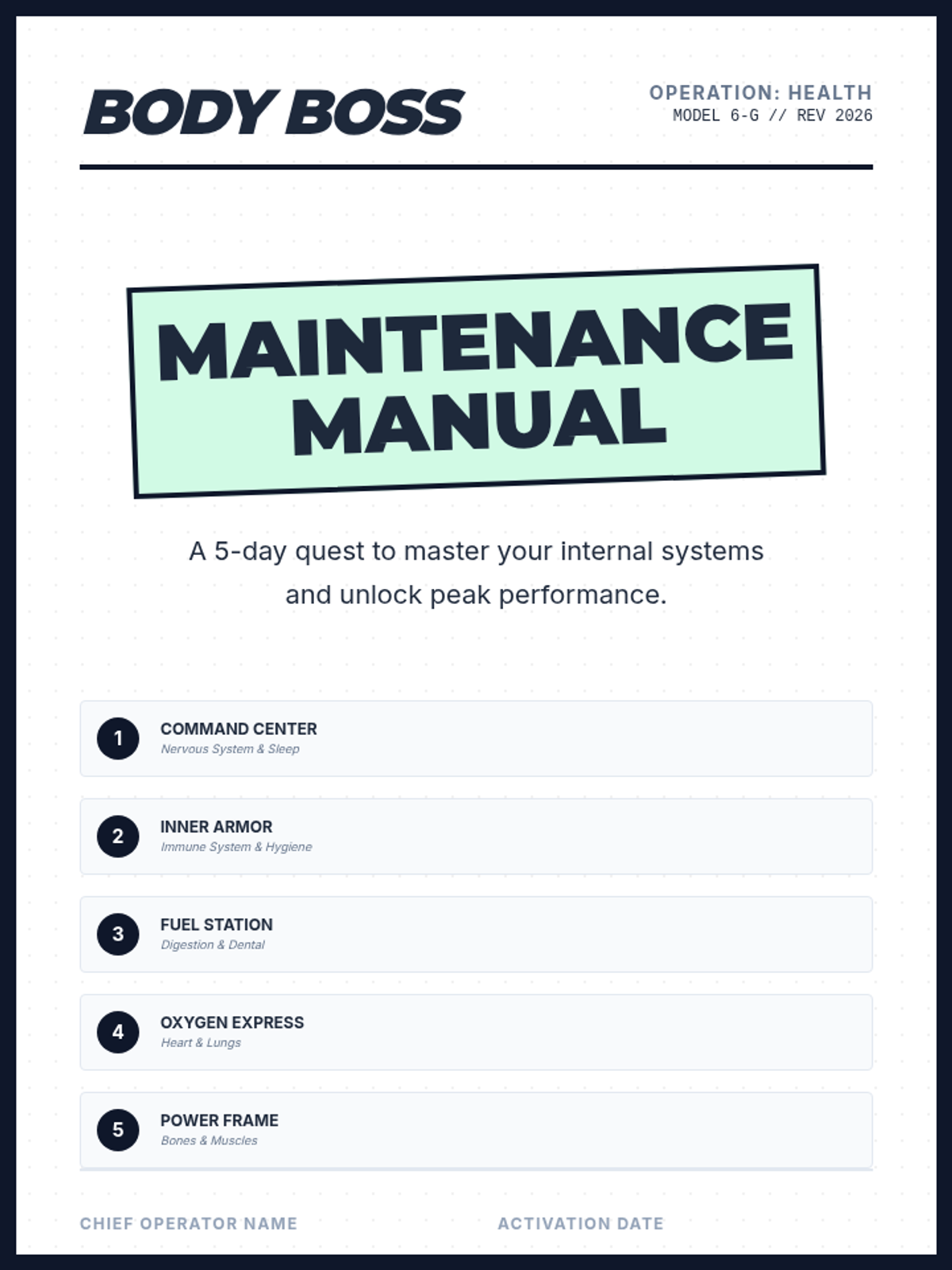
A comprehensive wellness unit designed to empower students with lifelong healthy habits. Students explore nutrition, exercise, sleep, and emotional regulation through the lens of 'hero training'.
A series of lessons focused on health, activity, and practical math applications for upper elementary students.
This sequence explores the social and emotional complexities of seeking help via crisis hotlines. Students analyze common barriers like stigma and fear, debunk myths about emergency services, and practice supportive communication to help peers access professional resources.
Students explore the physics and techniques behind track and field events, focusing on long jump and throws. This 5-lesson sequence covers mechanics of force, angle, and body positioning through inquiry and skill-building activities.
A comprehensive unit for 6th-grade PE focusing on the rules, officiating, and strategy of Track and Field. Students transition from athletes to officials, concluding with a student-led mini-meet.
A comprehensive 5-lesson unit for 6th-grade students focusing on the mechanics, physics, and execution of track and field jumping and throwing events. Students explore force, trajectory, and momentum through hands-on practice and technical analysis.
This 5-lesson sequence for 6th grade PE focuses on the biomechanics of sprinting, pacing strategies for middle distance, relay coordination, and hurdle rhythm. Students progress from individual form to collaborative teamwork, culminating in performance analysis and goal setting.
This sequence shifts focus from physical combat to the mental and verbal aspects of self-defense, prioritizing conflict avoidance. Students learn threat assessment, assertive communication, and environmental scanning through Cooper's Color Code and role-playing scenarios.
A comprehensive 6th-grade Physical Education unit exploring the history, ethics, and movement patterns of global martial arts, including Judo, Karate, Taekwondo, Tai Chi, and Capoeira. Students investigate how these disciplines balance physical skill with mental discipline and respect.
A comprehensive 6th-grade PE sequence focusing on non-aggressive self-defense, situational awareness, and escape maneuvers. Students progress from mental preparedness and verbal boundaries to physical blocks, grab escapes, and safe falling techniques.
This sequence introduces 6th grade students to the foundations of martial arts, focusing on balance through stances, power through upper and lower body strikes, and the importance of physical conditioning and flexibility for effective technique.
This sequence integrates physics concepts with fundamental floor skills to help students understand the mechanics of tumbling. Students explore center of mass, rotational mechanics, leverage, and force absorption through hands-on practice and video analysis.
This sequence focuses on the biomechanics and safety of gymnastics apparatus work, specifically the balance beam and vault. Students progress from foundational balance skills to complex vaulting mechanics, emphasizing center of gravity, explosive power, and peer spotting.
This sequence explores the physics of gymnastics, focusing on biomechanical principles like center of gravity, rotational inertia, and momentum transfer to improve tumbling performance. Students transition from static balance to dynamic rotation, culminating in a frame-by-frame video analysis of their own movement.
An inquiry-based sequence for 6th-grade students focusing on the mechanics of balance and vaulting. Students explore the physics of gymnastics through center of gravity investigations and explosive power drills.
A 5-lesson unit for 6th graders focused on the creative and technical aspects of gymnastics. Students learn to bridge isolated skills using transitions, levels, and rhythm, culminating in the performance of a self-choreographed floor routine.
A comprehensive 6th-grade gymnastics sequence focusing on the biomechanics, safety, and technical execution of foundational floor skills, including rolls, inversions, and cartwheels.
This sequence explores the critical principles of water safety, from environmental risk assessment and buoyancy science to identifying distress and performing non-entry rescues. Students move from understanding physical risks to becoming advocates for safe practices in their communities.
A comprehensive sequence for 6th-grade students focusing on debunking myths about human trafficking and identifying the psychological manipulation and vulnerabilities traffickers exploit. Students move from 'stranger danger' narratives to understanding emotional coercion and building personal resilience.