A highly structured Tier II math intervention lesson designed to build decimal place value and relative size concepts for middle school English Language Learners using visual grids, physical number lines, and explicit linguistic scaffolding.
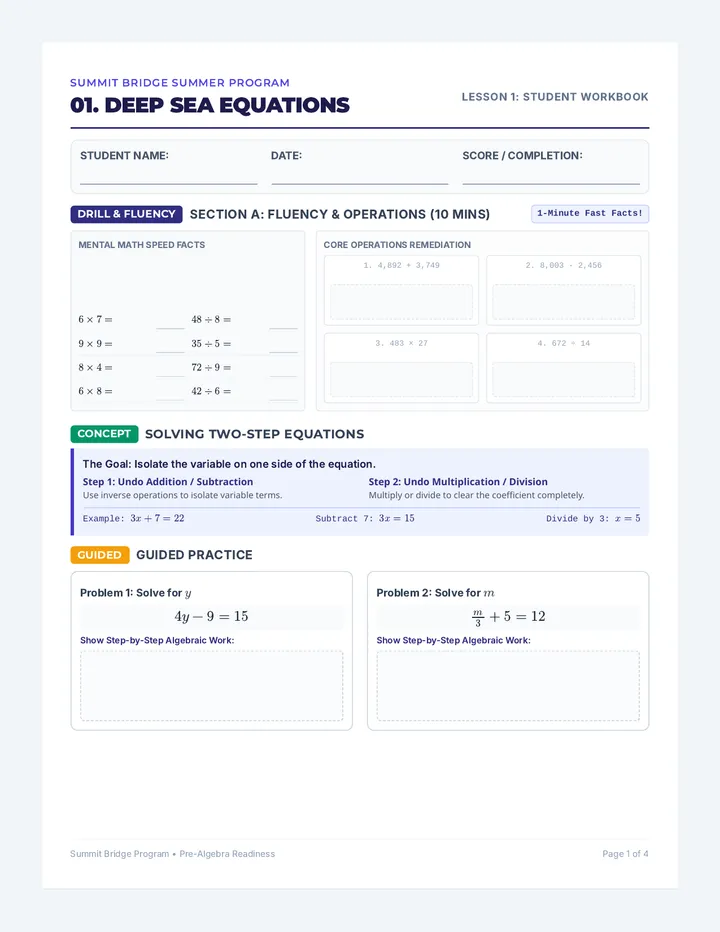
A summer-long math intervention bypassing rote memorization of multiplication to build intuitive pre-algebraic thinking using visual grids, helper facts, and balance puzzles.
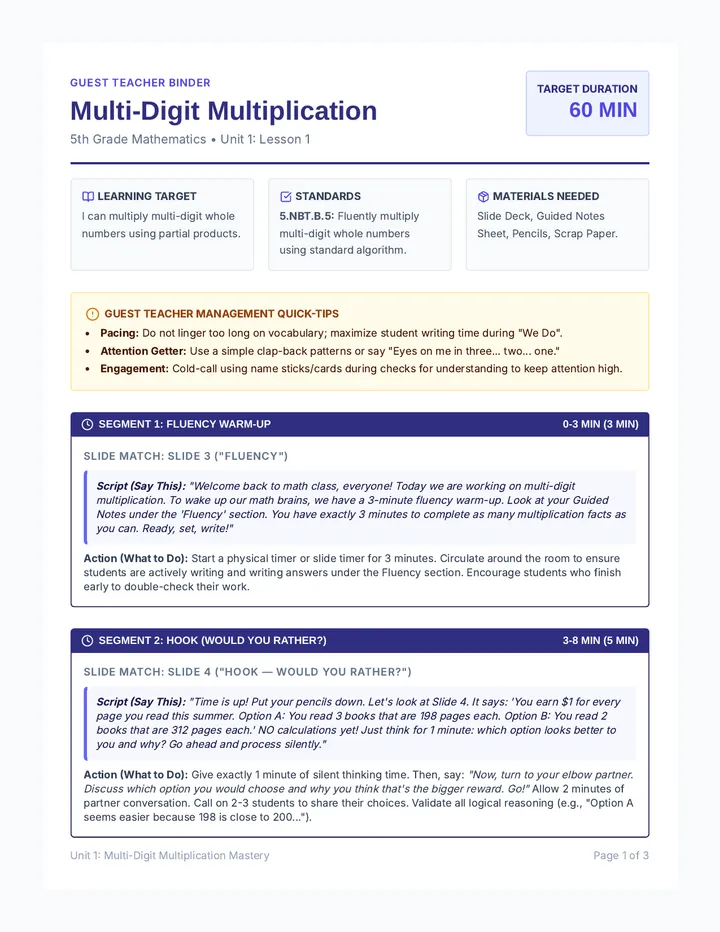
A comprehensive 5th-grade math lesson covering multi-digit multiplication using estimation, partial products, and algorithms. Includes detailed instructional slide decks, student practice guides, and structured substitute plans.
A highly detailed, page-by-page scripted lesson plan for a substitute teacher, outlining exact teacher talk, transition prompts, slide matches, and student pacing for 5th-grade multi-digit multiplication using partial products.
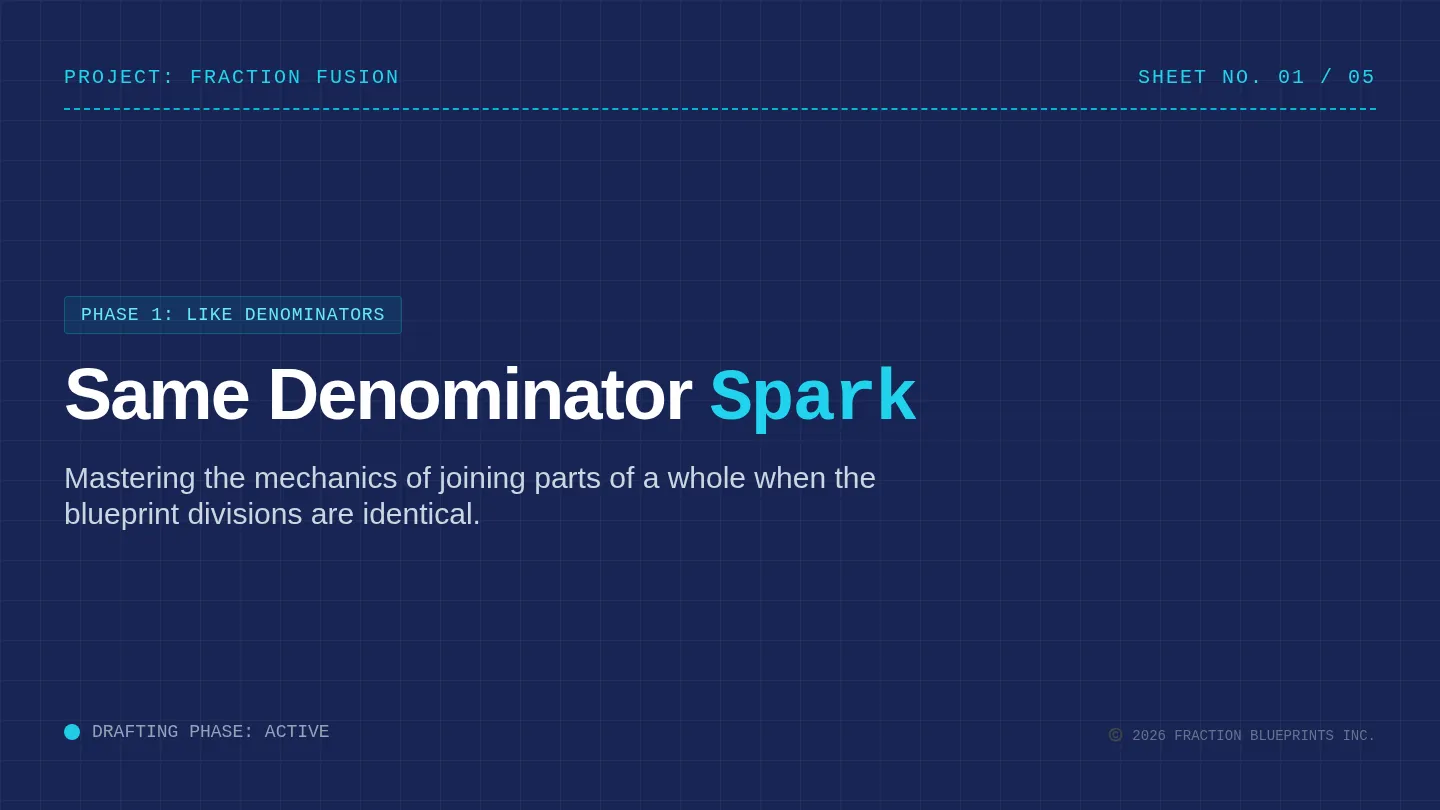
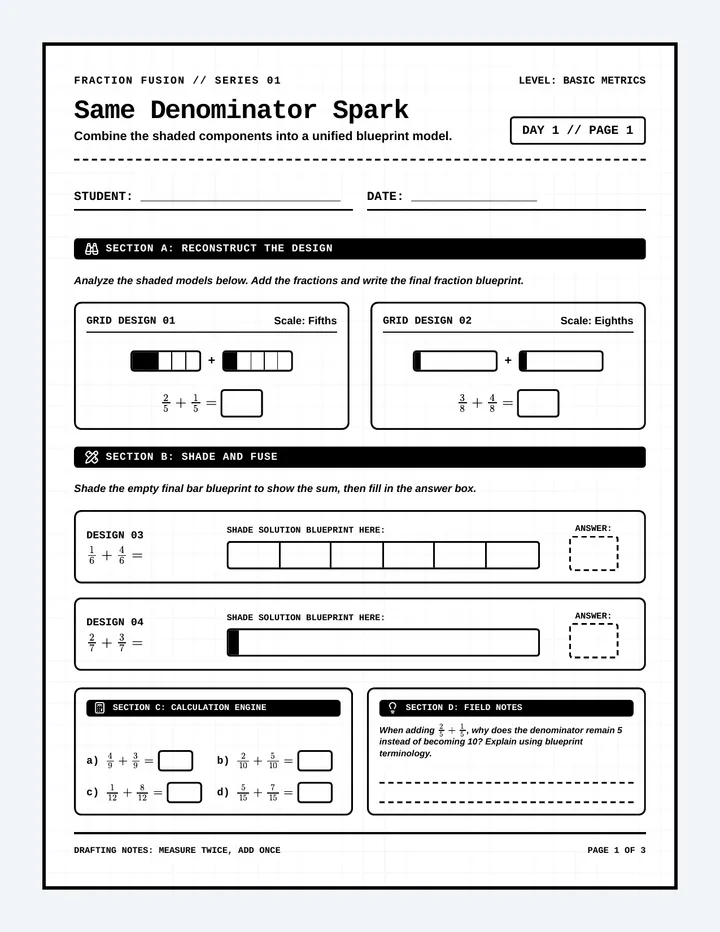
A 5-day instructional sequence designed to scaffold fraction addition. Students progress from combining fractions with like denominators to finding equivalent fractions, modeling unlike denominators, drawing their own fraction bars, and solving realistic math challenges.
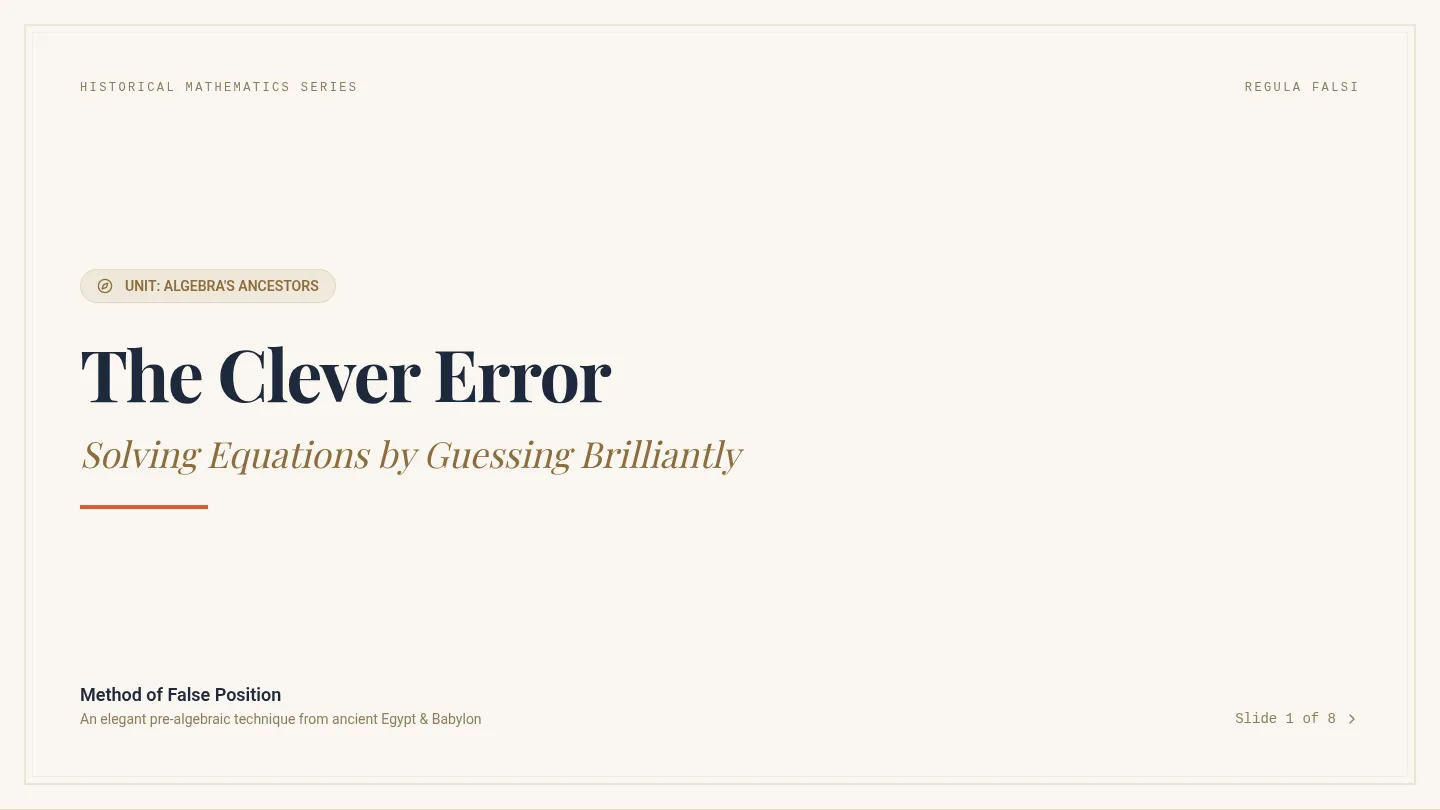
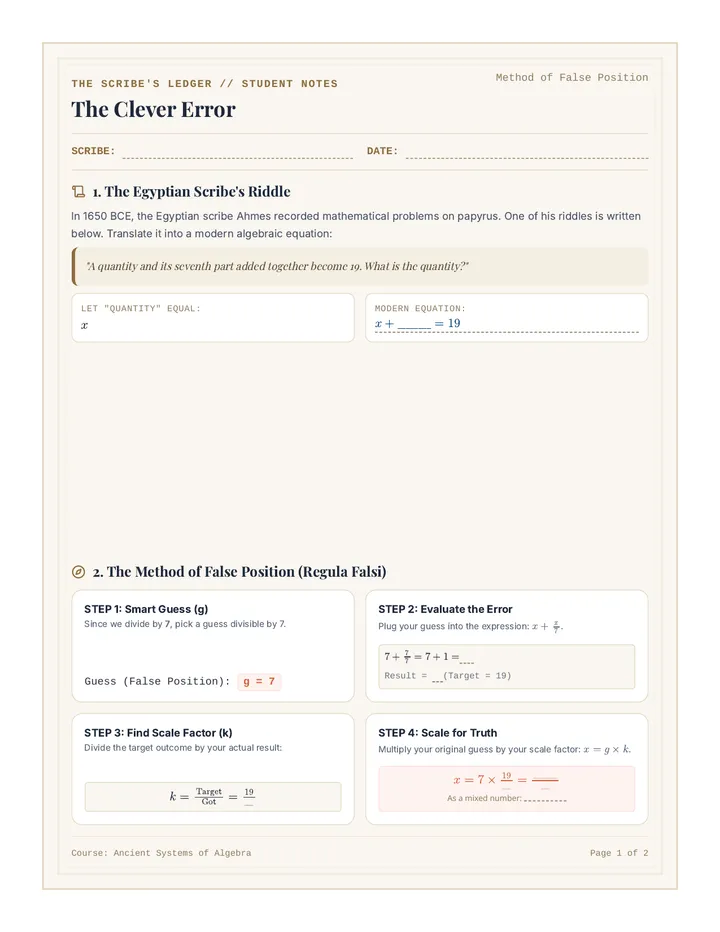
A historical and mathematical exploration of the Method of False Position (Regula Falsi). Students discover how ancient mathematicians solved linear equations before modern algebra by making deliberate "wrong" guesses and scaling the error.
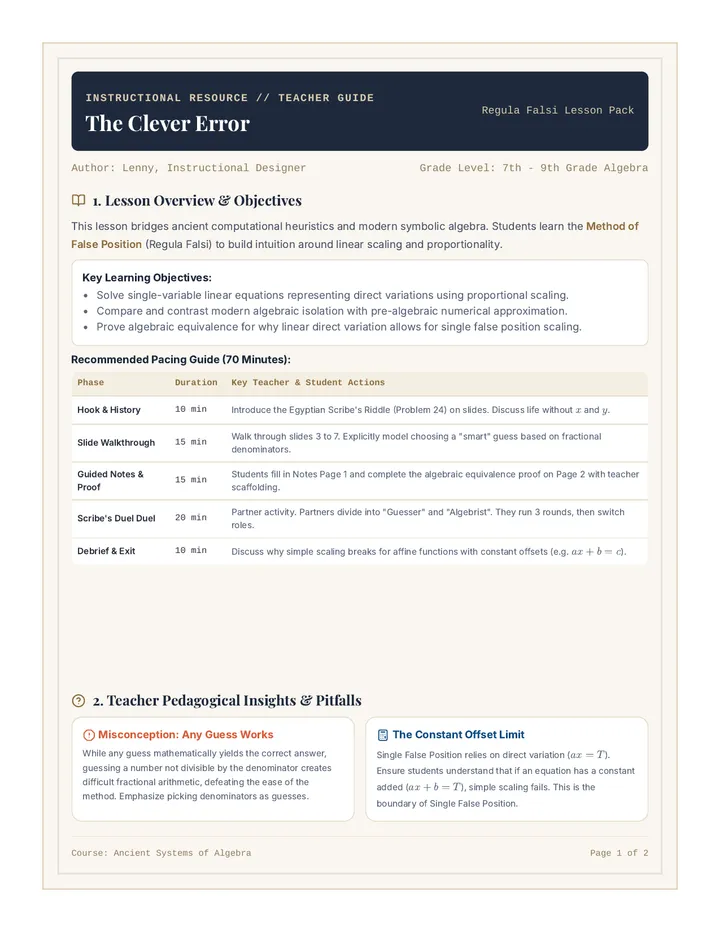
Complete teacher reference guide including instructional plans, lesson pacing, pedagogical background on linear proportionality, common student misconceptions, and fully worked-out solutions for both student activities.
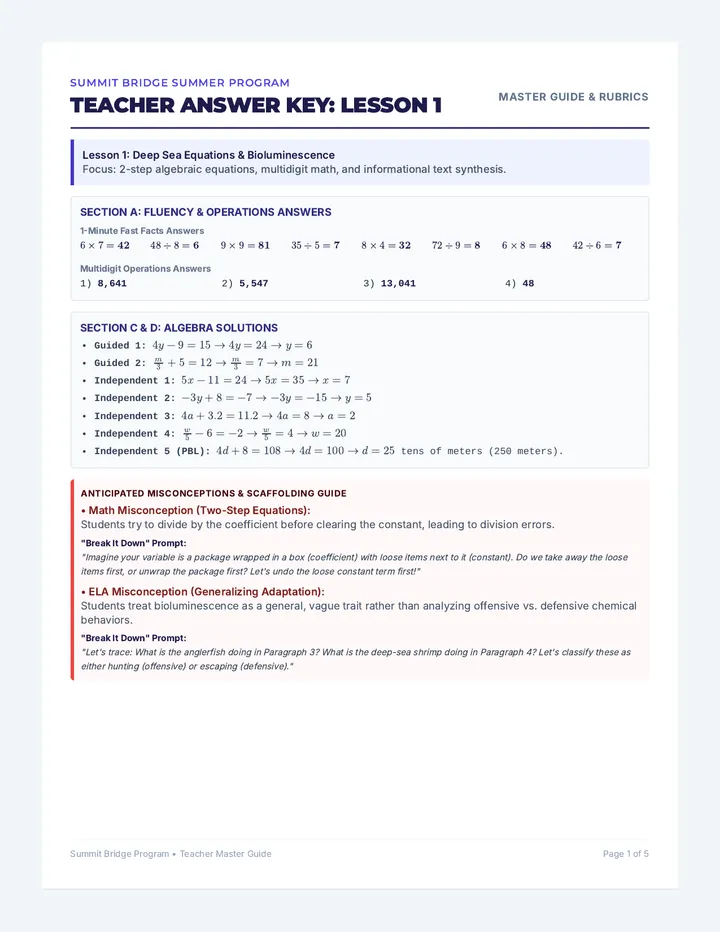
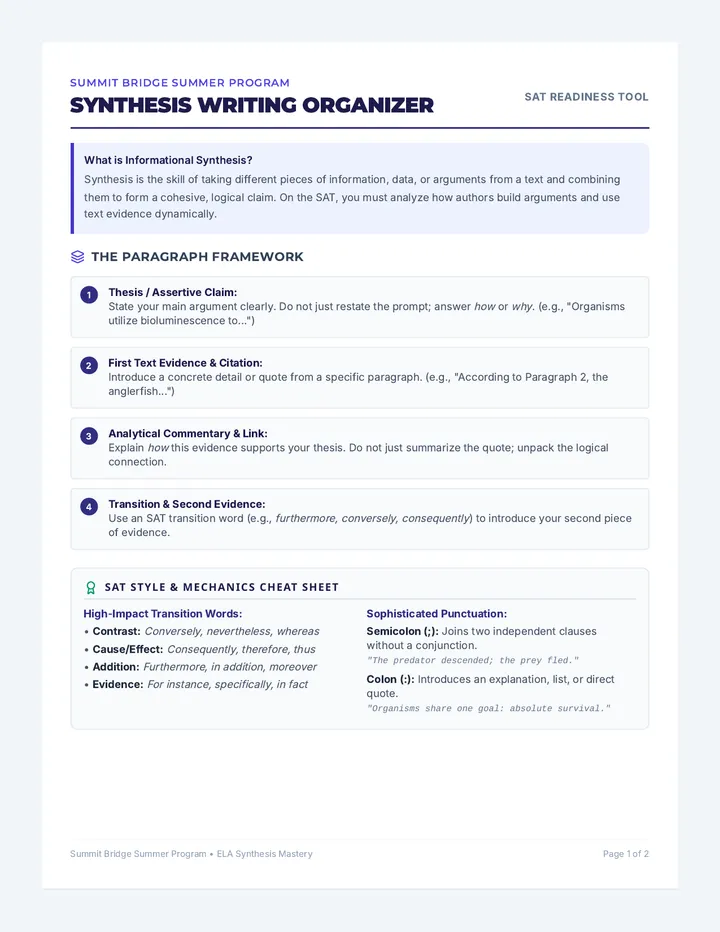
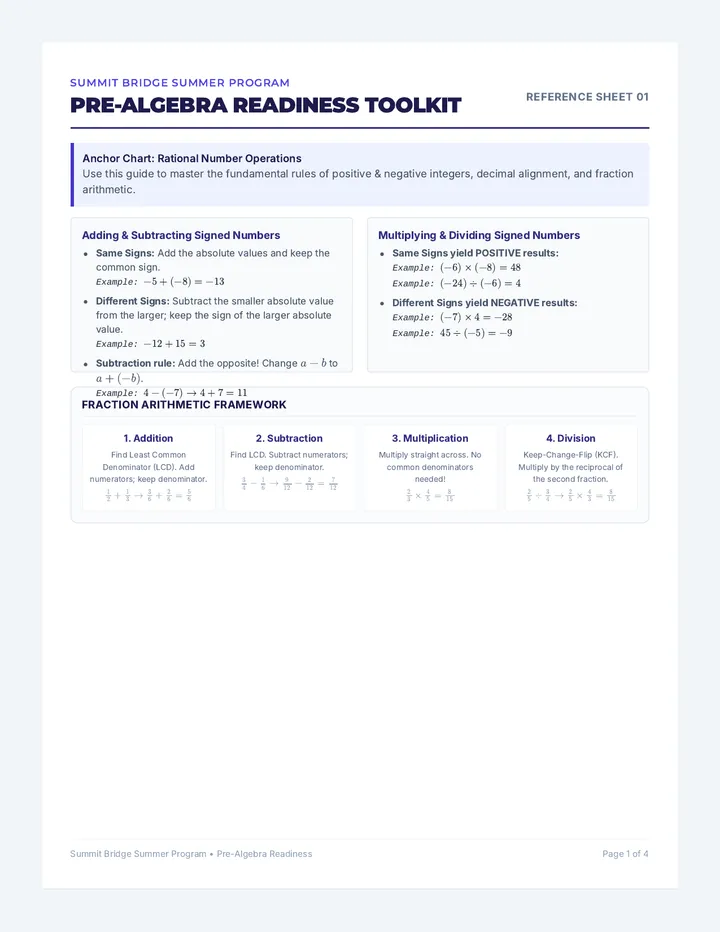
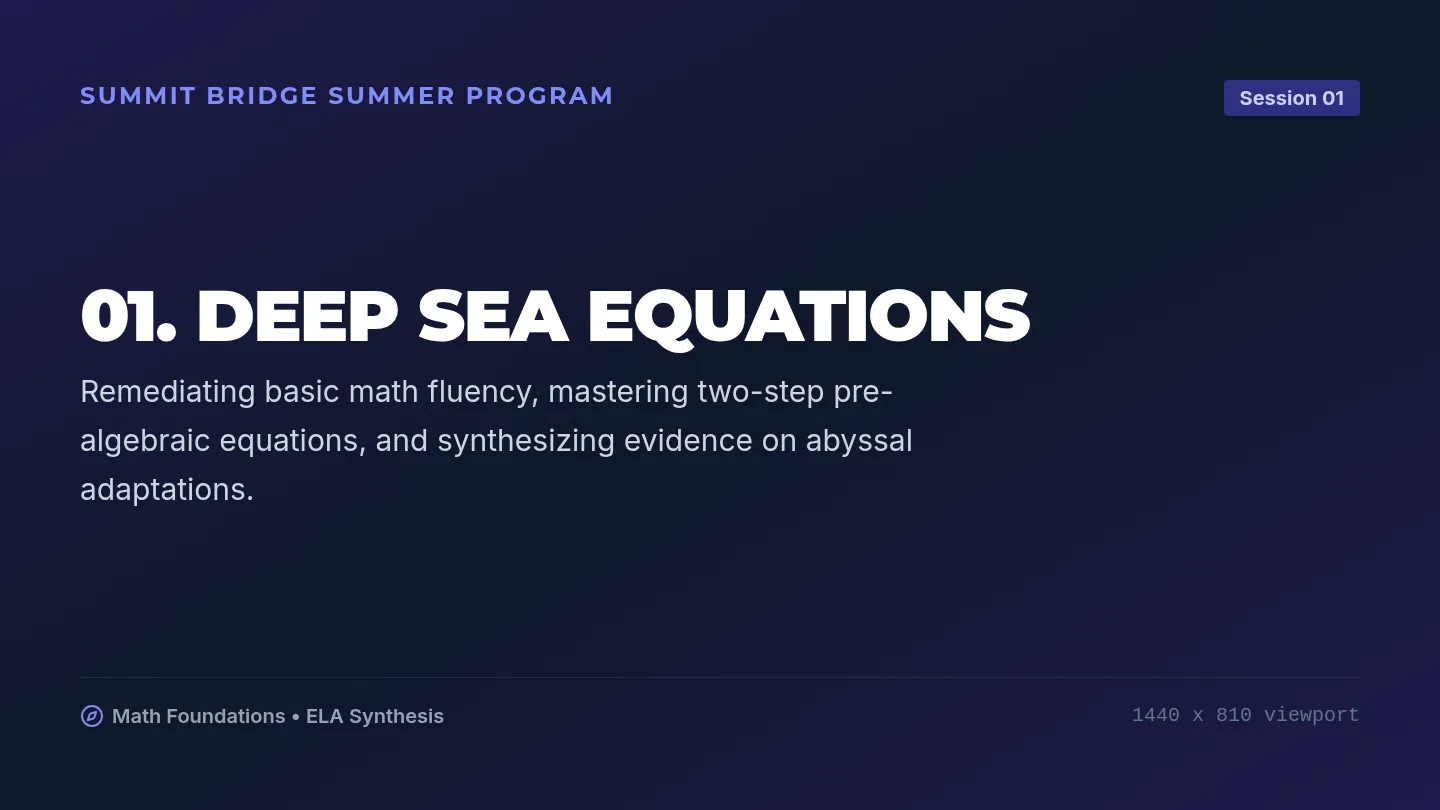
A high-rigor summer transition curriculum for rising 8th graders. The sequence combines math remediation, pre-algebra foundations, 7th-grade geometry and probability review, and SAT-style informational text synthesis and analytical writing.
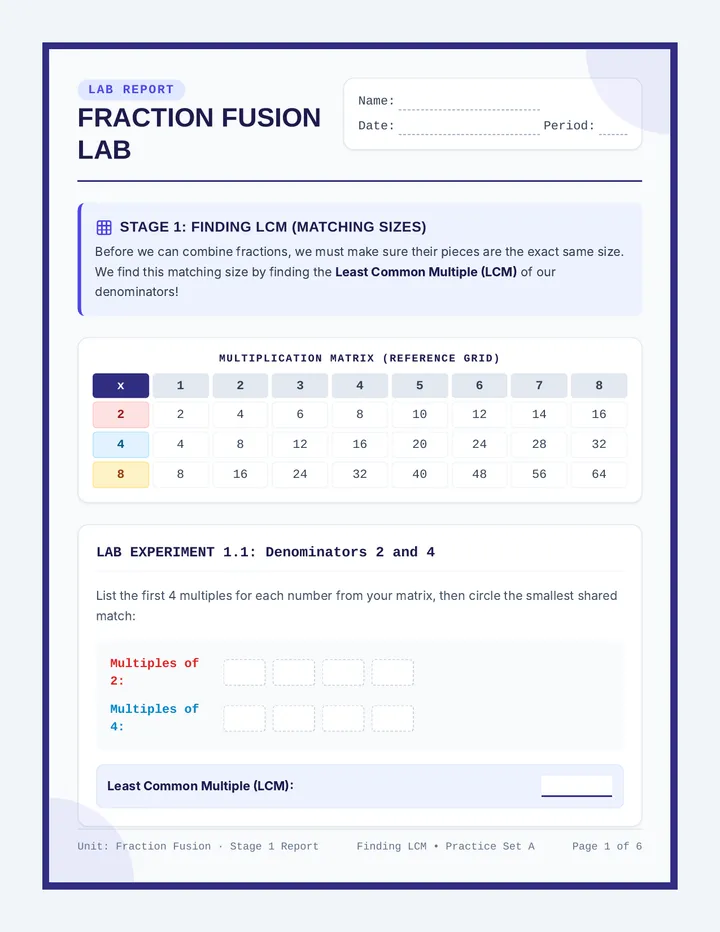
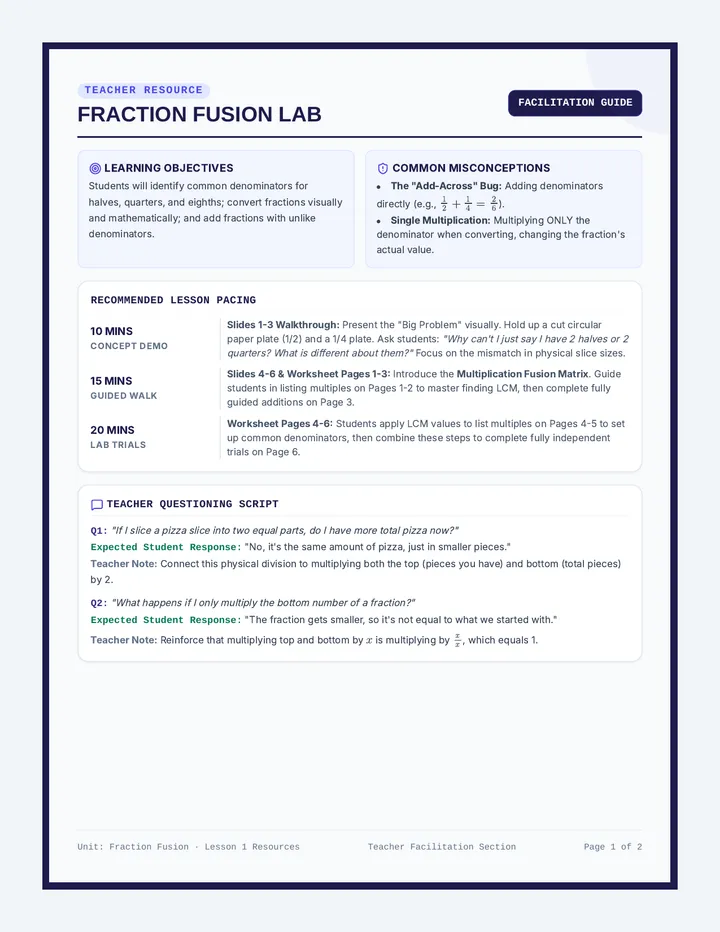
A highly visual, scaffolded lesson on adding fractions with unlike denominators (focusing on denominators of 2, 4, and 8). Utilizing interactive fraction tiles, circle models, and integrated multiplication charts, students learn to find common denominators and add fractions concretely before transitioning to abstract steps.
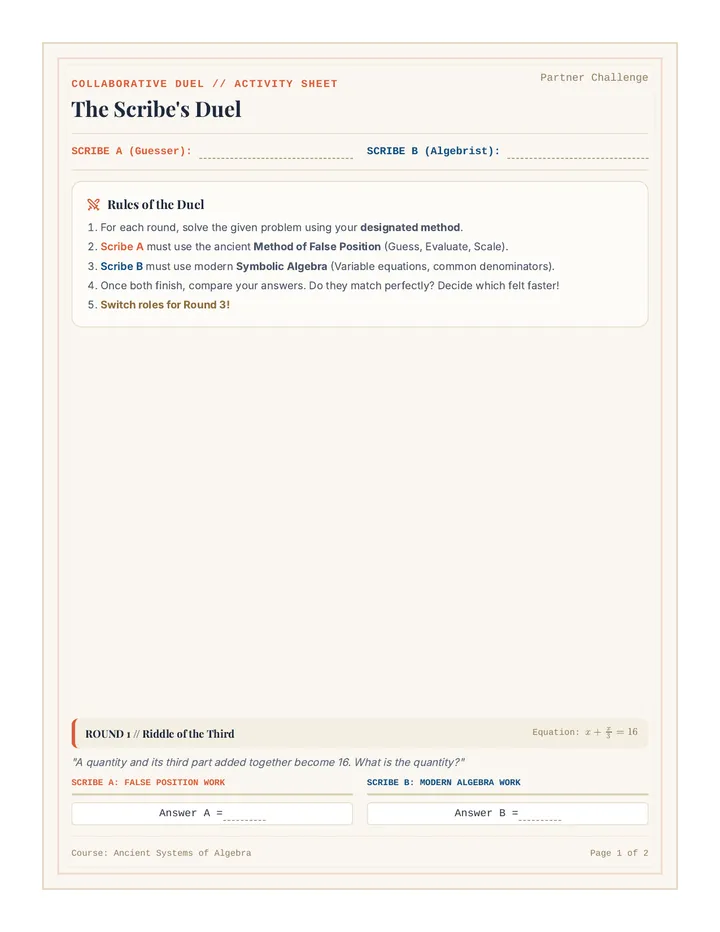
A collaborative partner task where students take on roles (Scribe vs. Algebrist) to race, compare, and analyze the speed and steps of False Position versus modern symbolic algebra across three historical challenges.
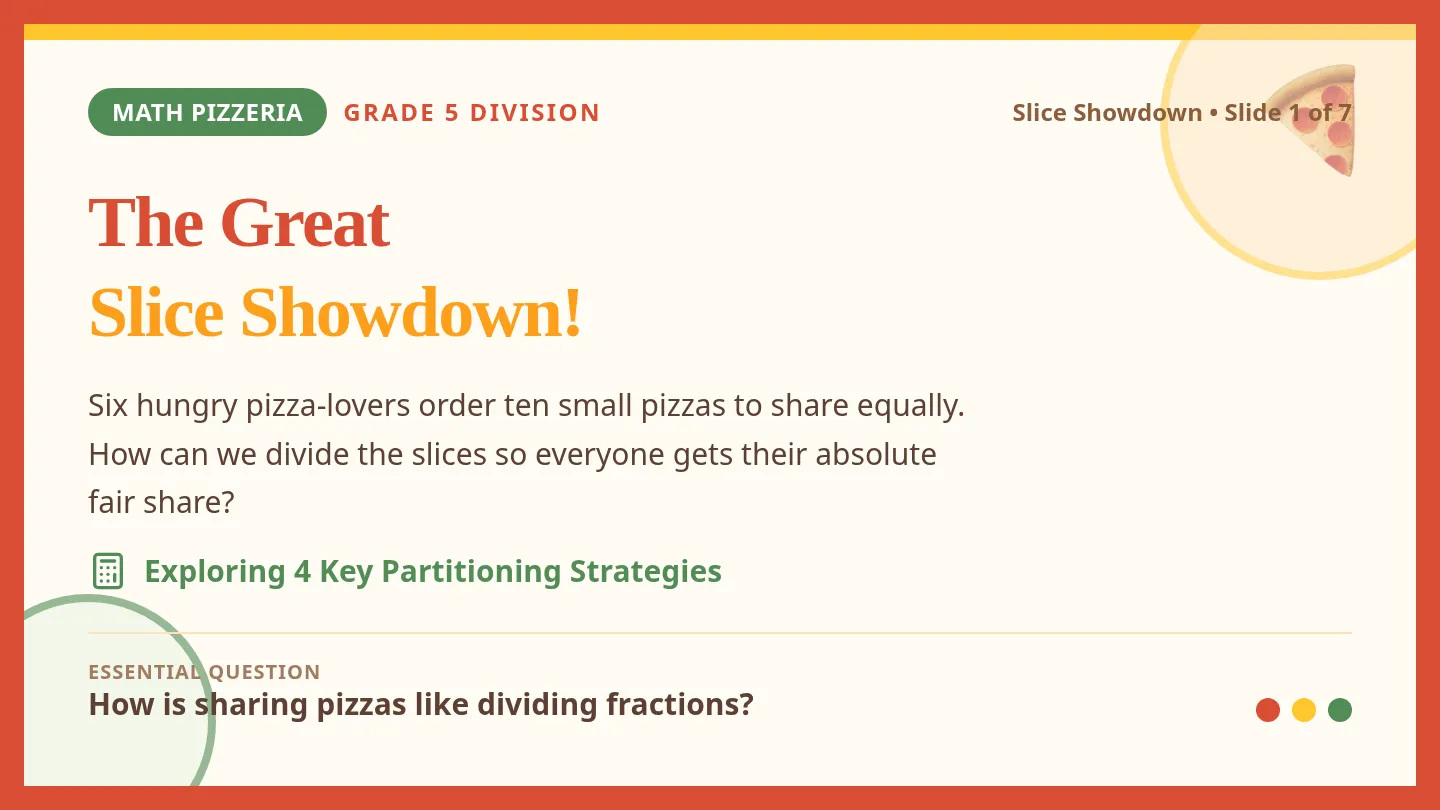
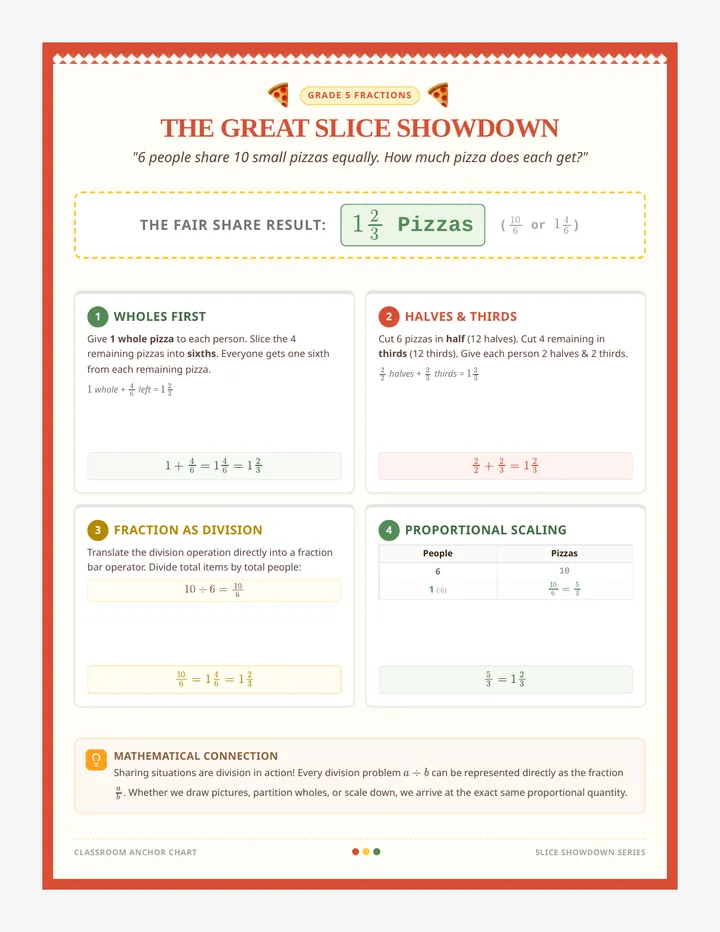
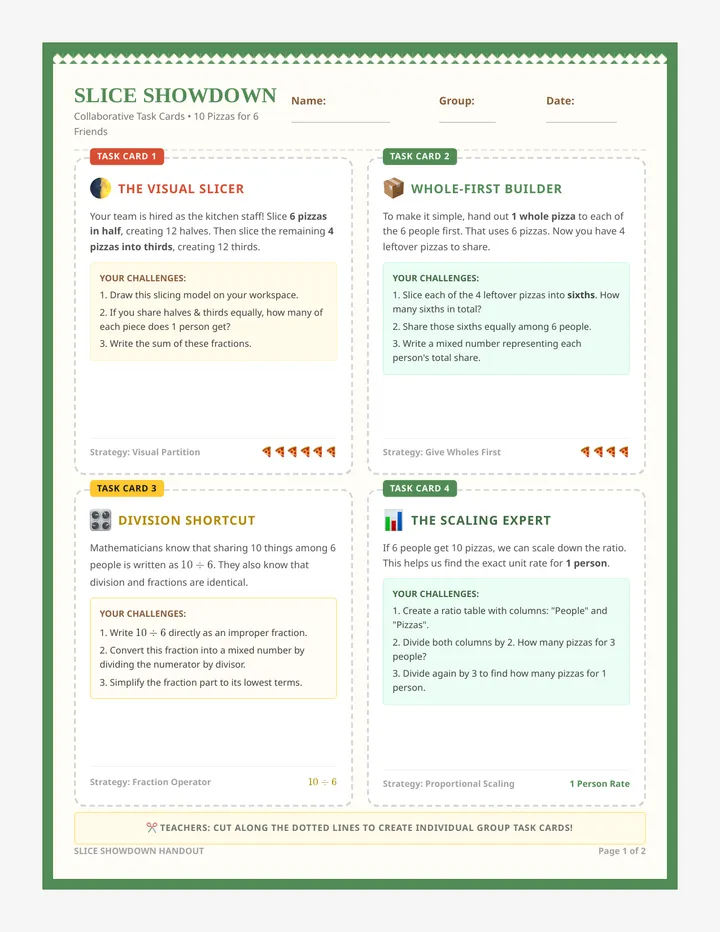
A math sequence focused on building deep conceptual understanding of division and fractions through real-world fair-share scenarios, visual representations, and scaling models.
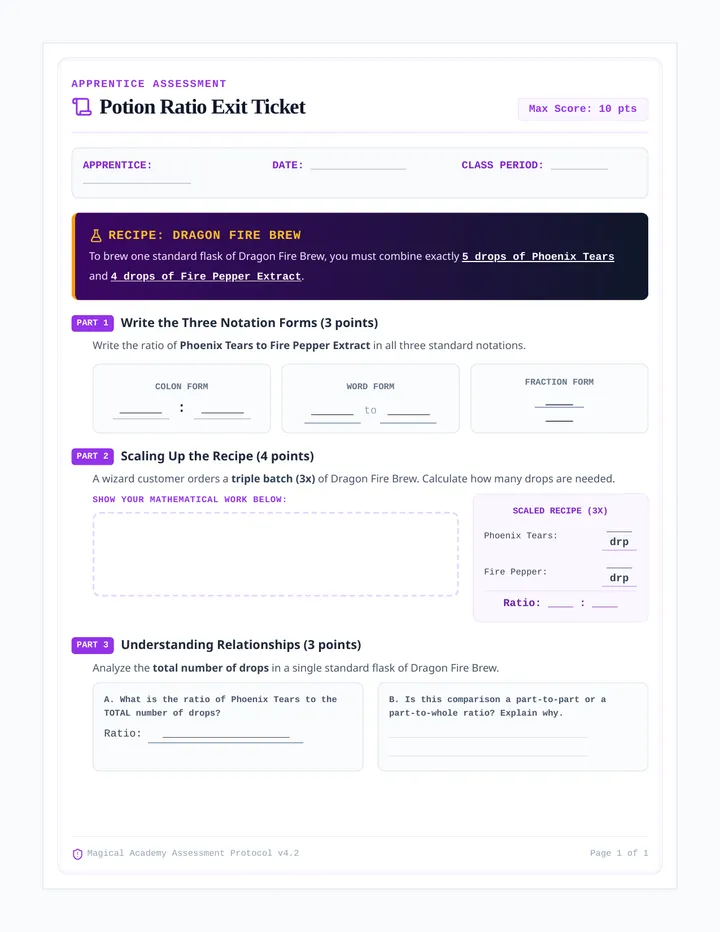
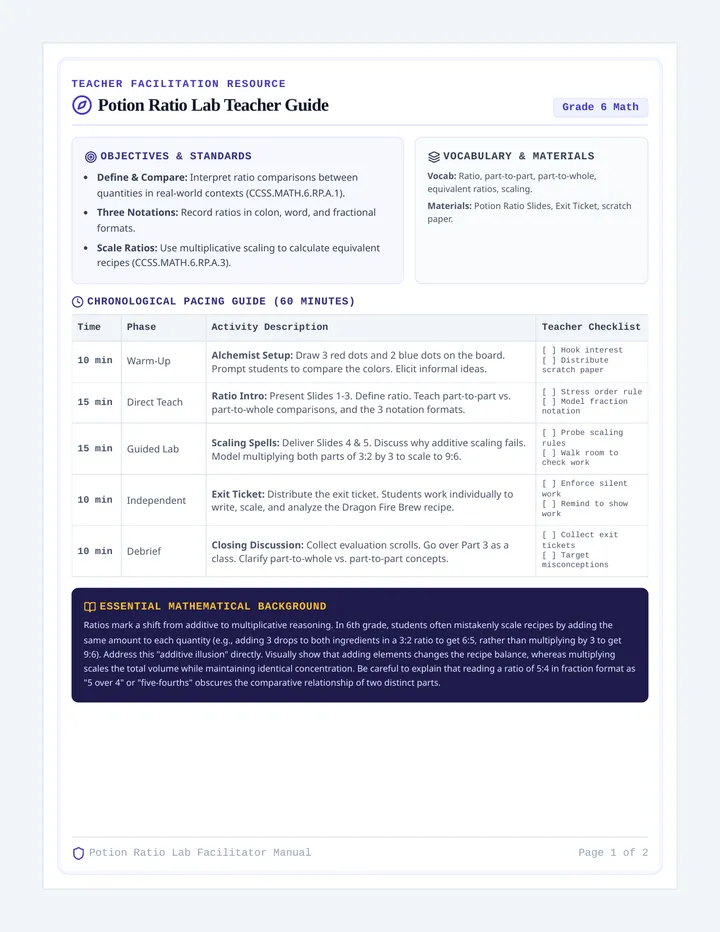
A 6th-grade mathematics lesson exploring the concept of ratios through an engaging potion-making theme. Students learn to define ratios, write them in three different formats, scale potions using equivalent ratios, and apply these concepts to solve magical mixture problems.
Printable guided notes for students to track the lesson. Includes historical background, a guided walk-through of Rhind Papyrus Problem 24, algebraic equivalence proofs, and a scaffolded practice problem.