Students will build a physical DIY abacus using pipe cleaners, playdough, and beads to model 3 and 4-digit numbers. This hands-on lesson focuses on the value of digits in different places, including the concept of zero as a placeholder.
A math place value unit focusing on identifying digit values through the thousands place with interactive detective-themed worksheets and puzzles.
Create a lesson for the clueless word fill-in crossword puzzle.
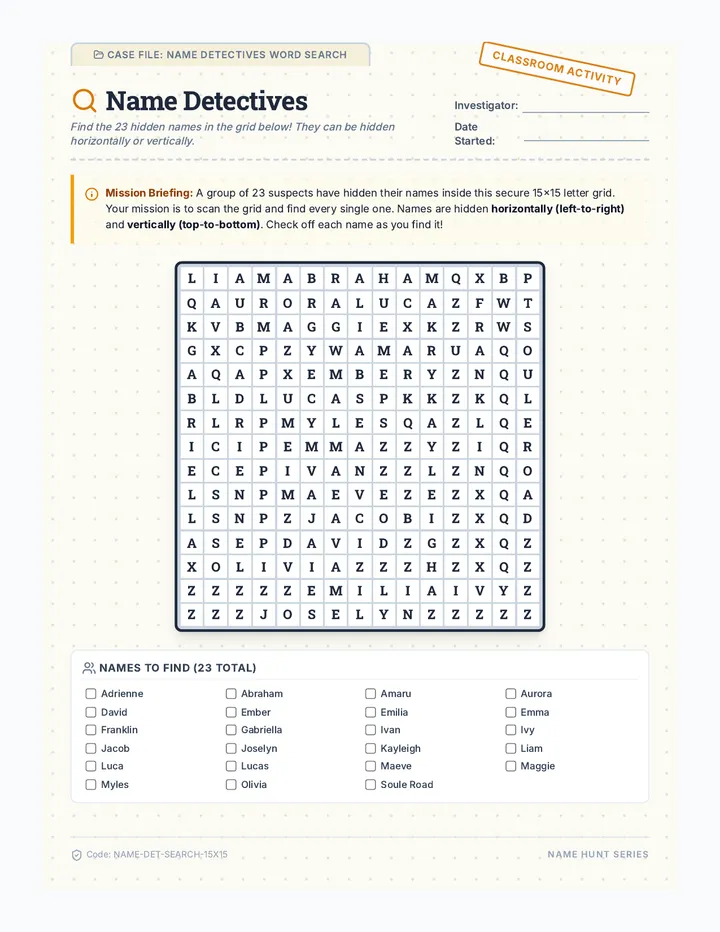
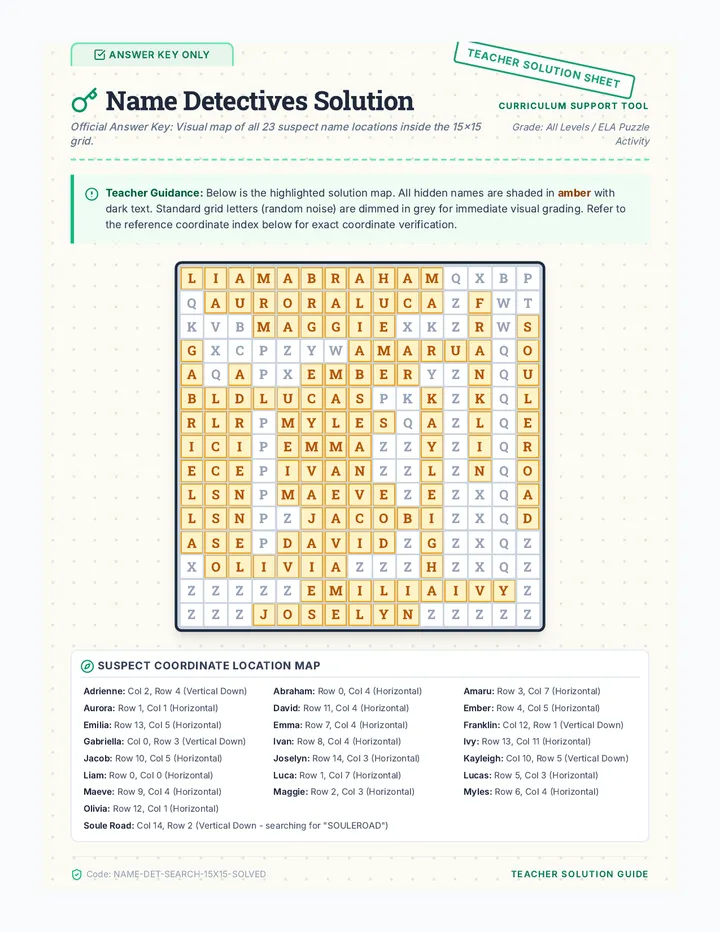
A detective-themed name word search puzzle where students find 23 names hidden in a 15x15 grid of letters. No clues are provided, offering an engaging brain-teaser challenge.
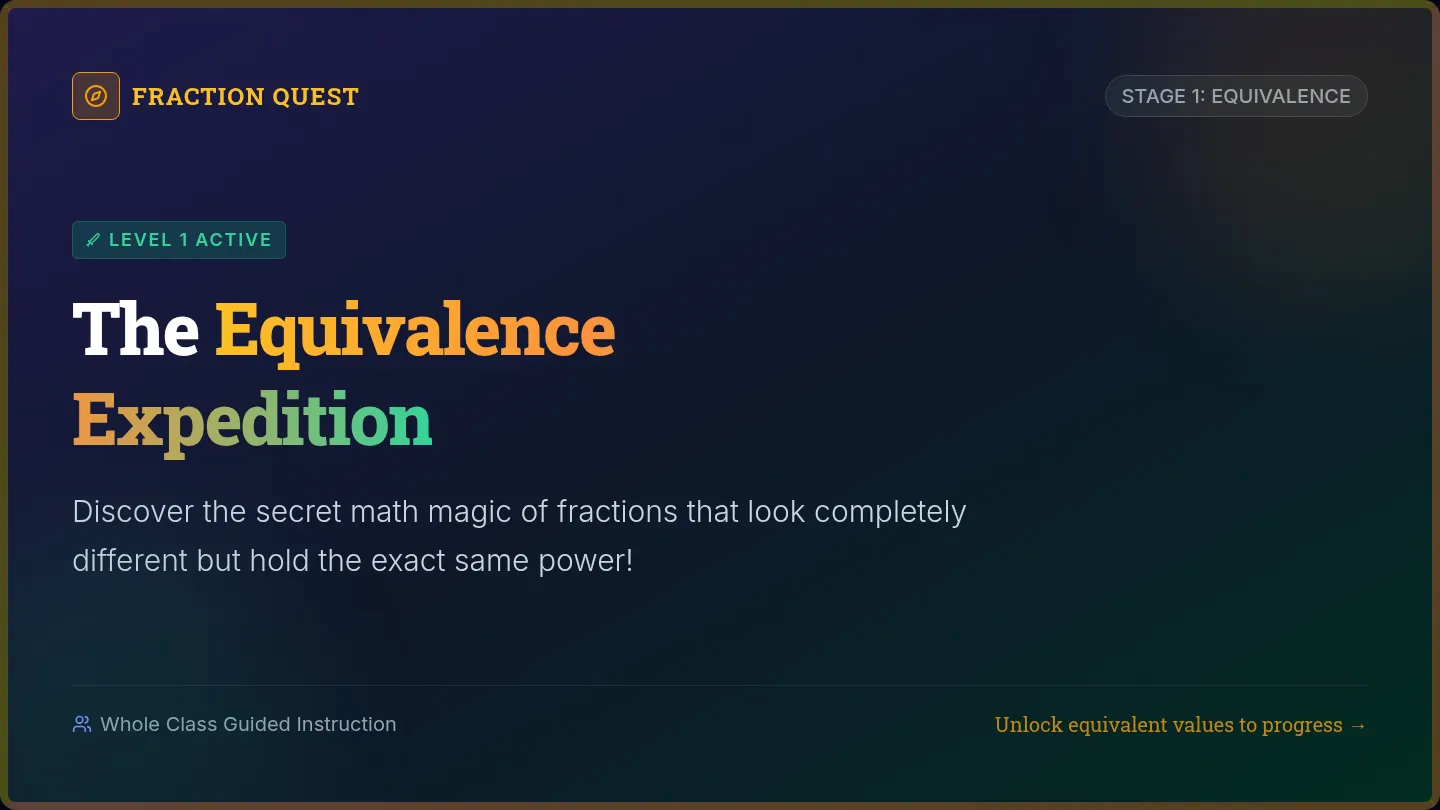
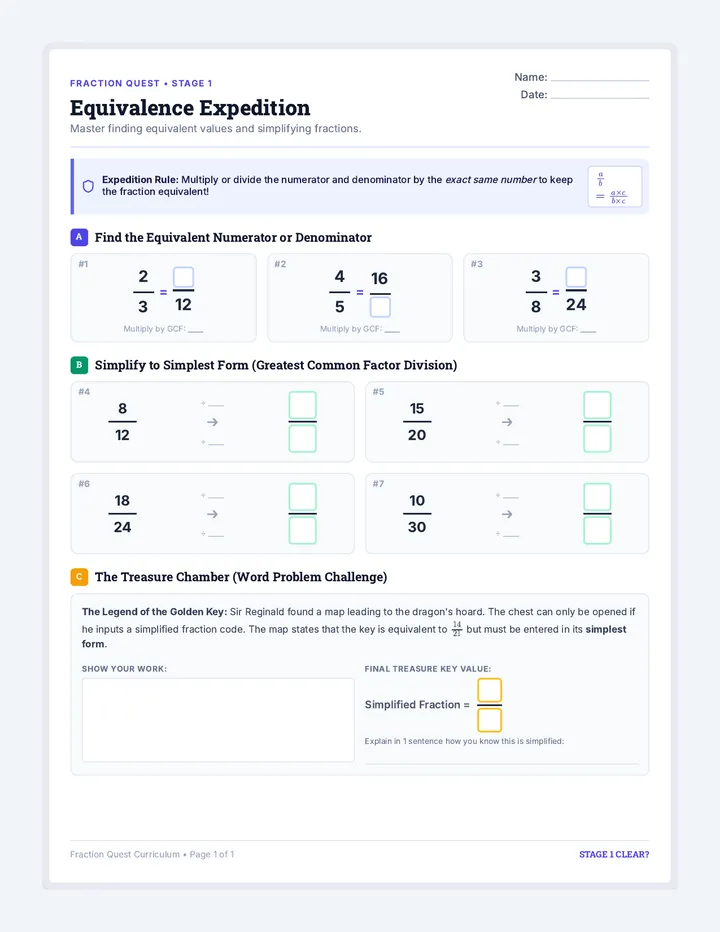
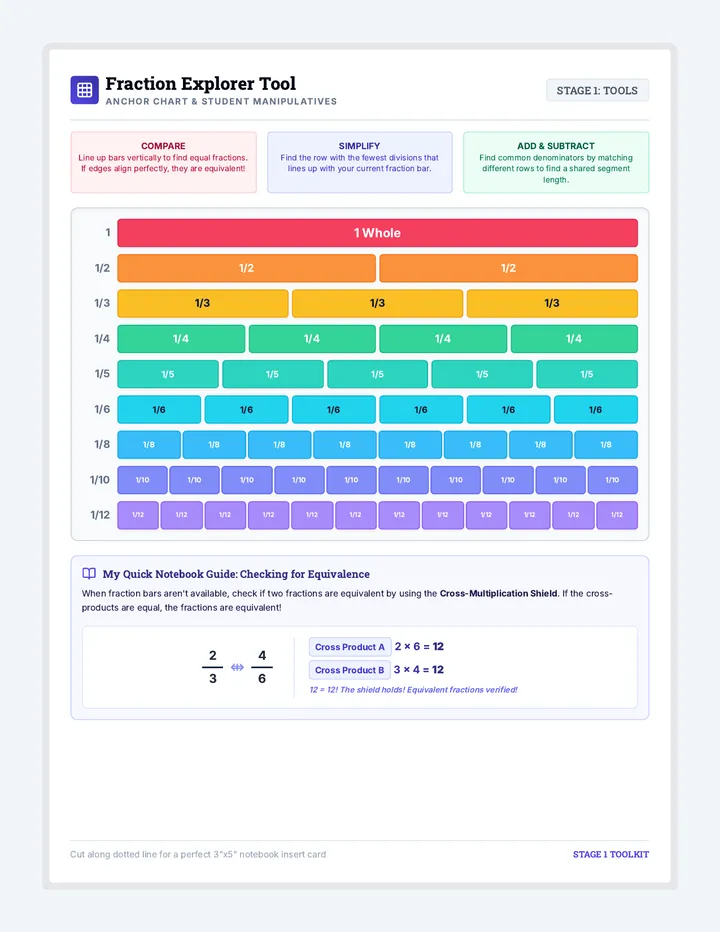
A comprehensive visual math curriculum sequence focusing on fraction equivalence, addition, subtraction, multiplication, division, and comprehensive multi-operation mastery. Includes visual lesson slides, independent practice worksheets, small-group centers, visual tools, and robust assessments.
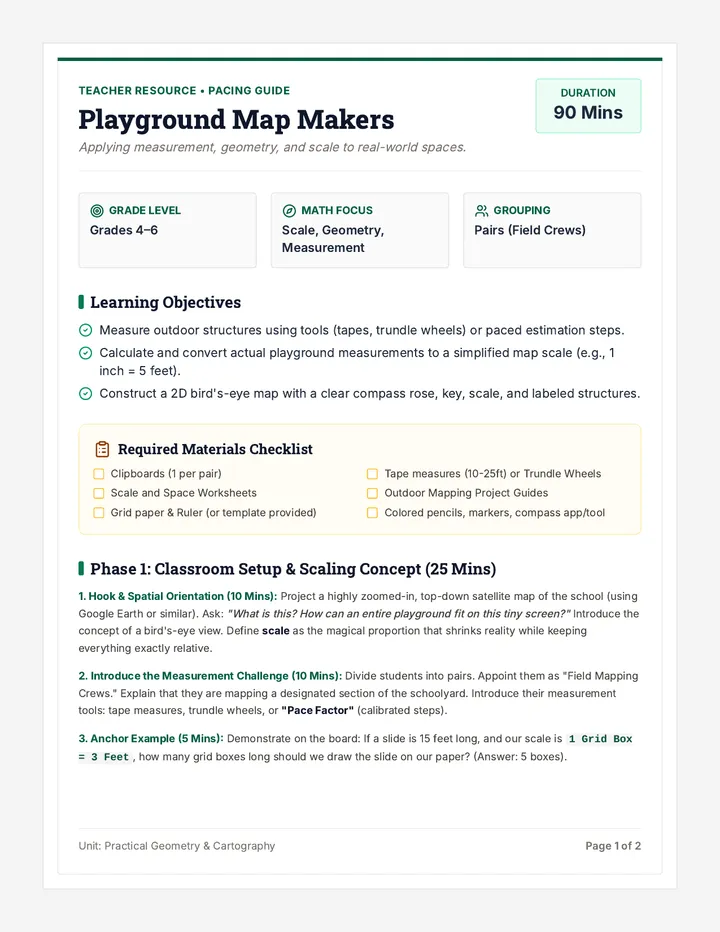
A hands-on, outdoor mathematics lesson where students apply measurement, geometry, and scale drawing to map their school playground in pairs, converting high energy into focused spatial reasoning.
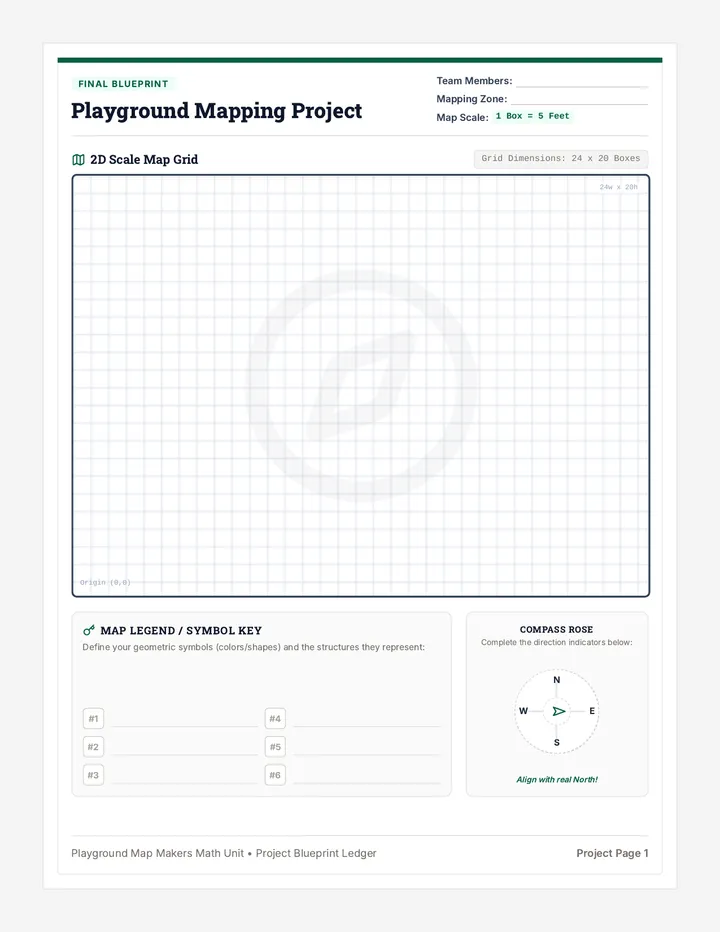
A 1-page student cartography guide and grid blueprint sheet for drawing the final playground map, complete with custom key and compass blocks.
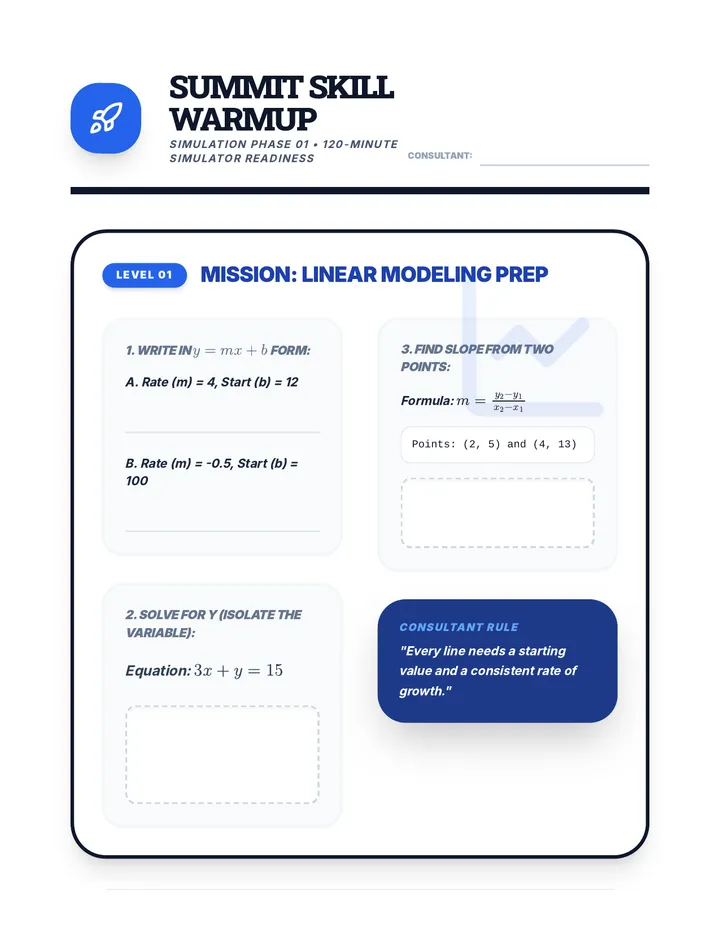
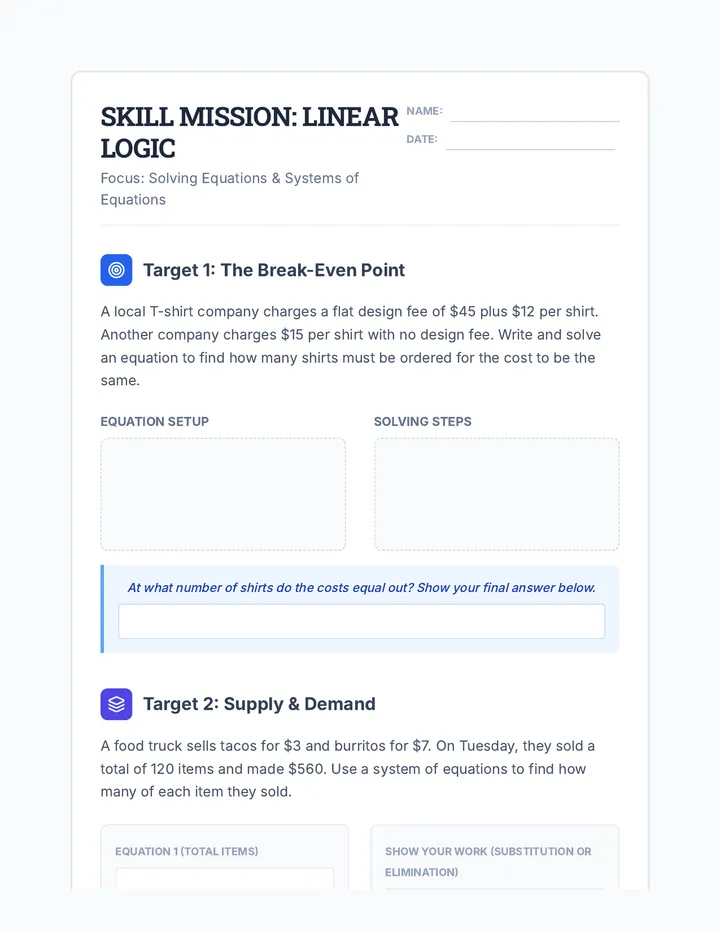
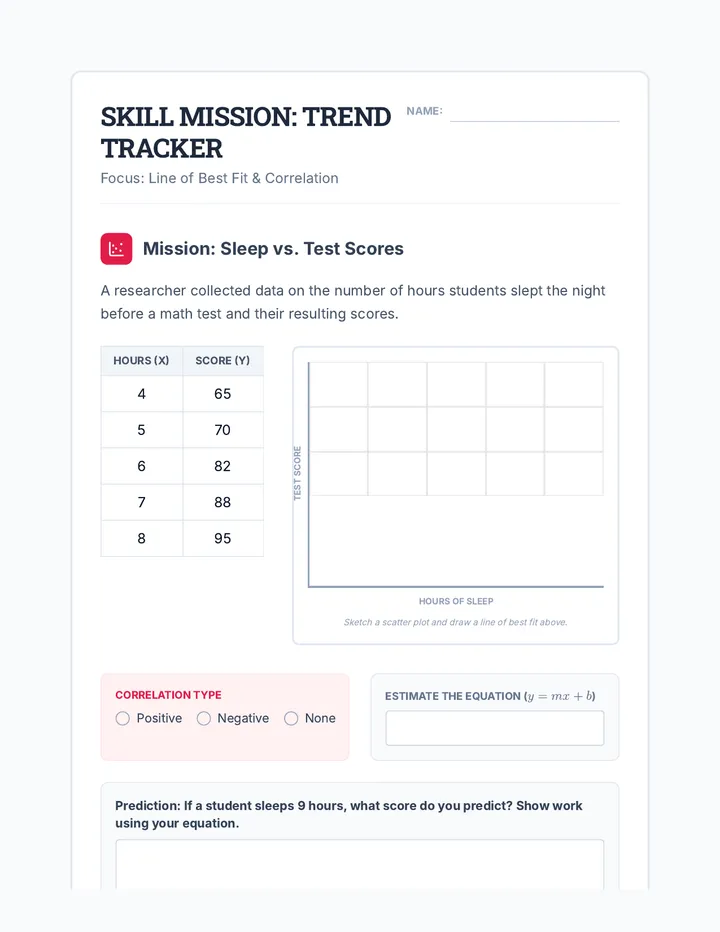
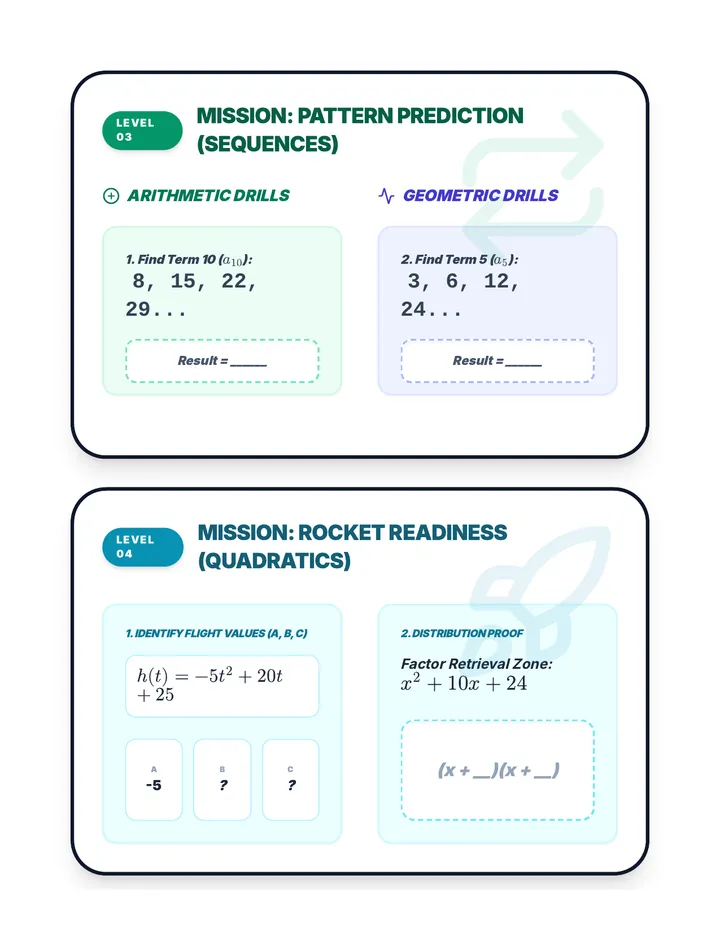
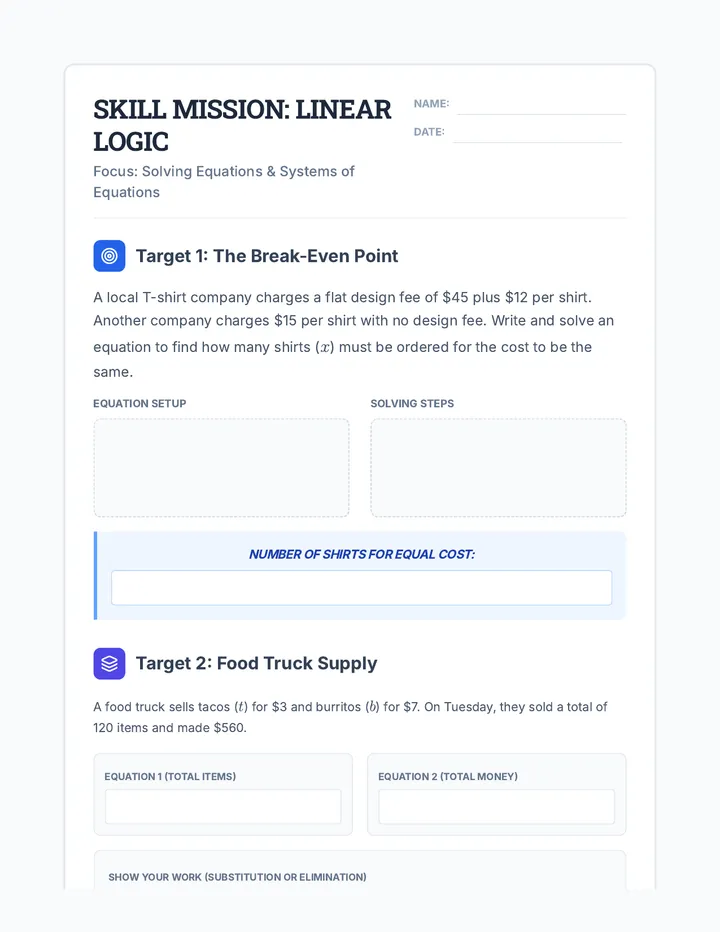
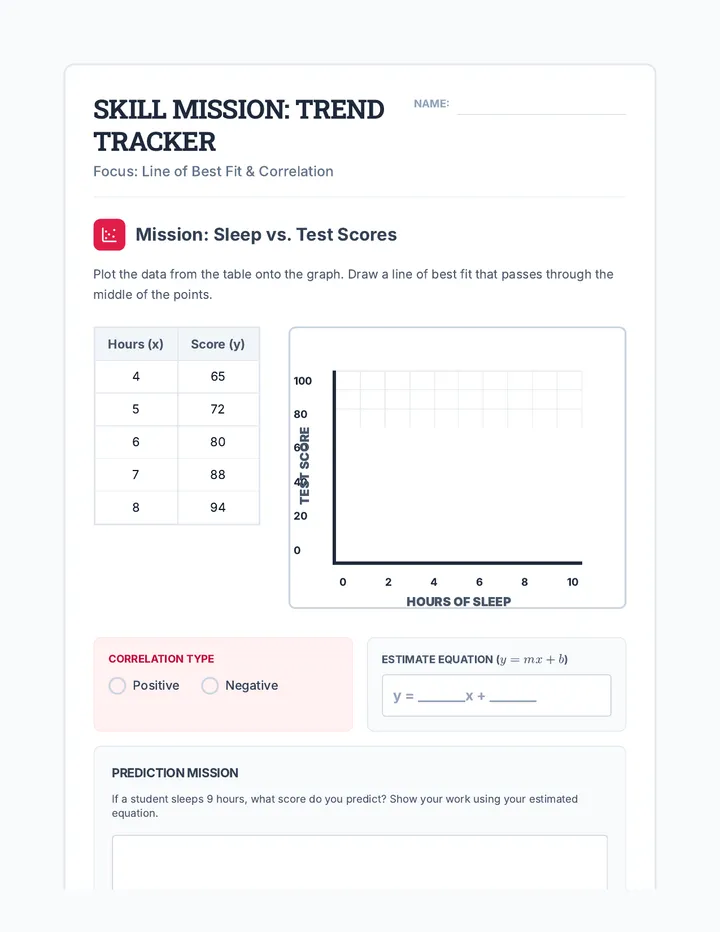
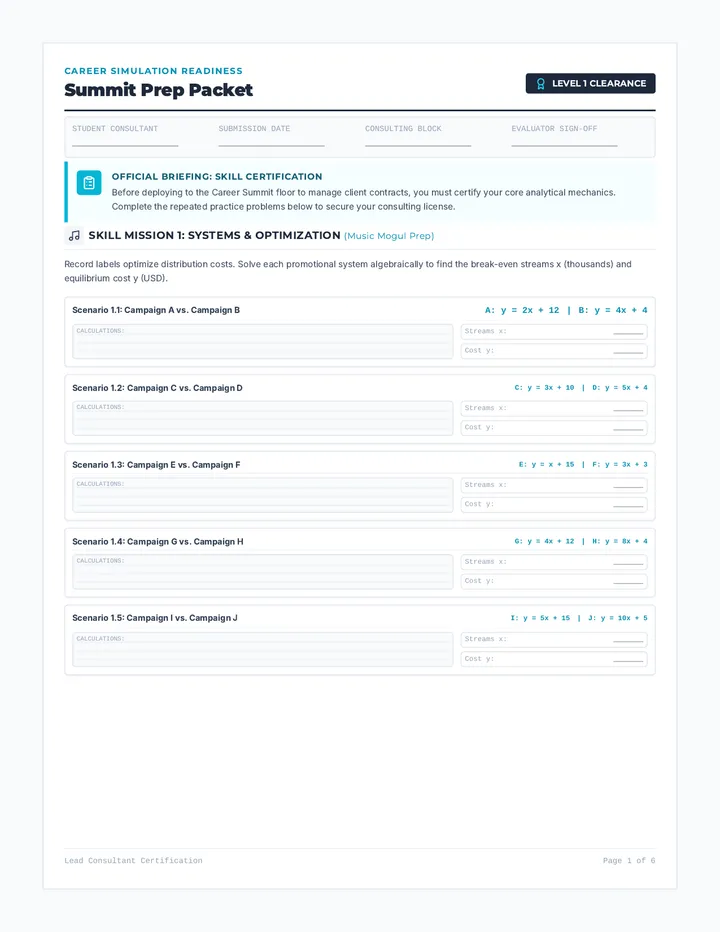
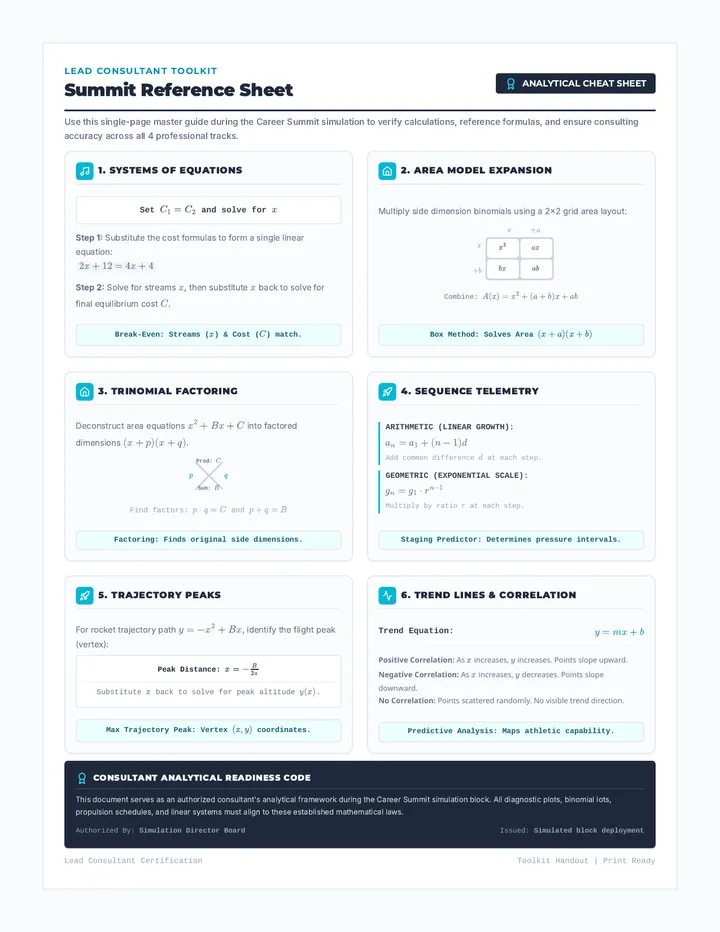
A high-intensity, 120-minute math simulation. Students act as lead consultants, completing a high-speed skill warmup before selecting a professional sector (Music, Urban Planning, Rocket Science, or Sports Analytics) to solve a series of complex work orders.
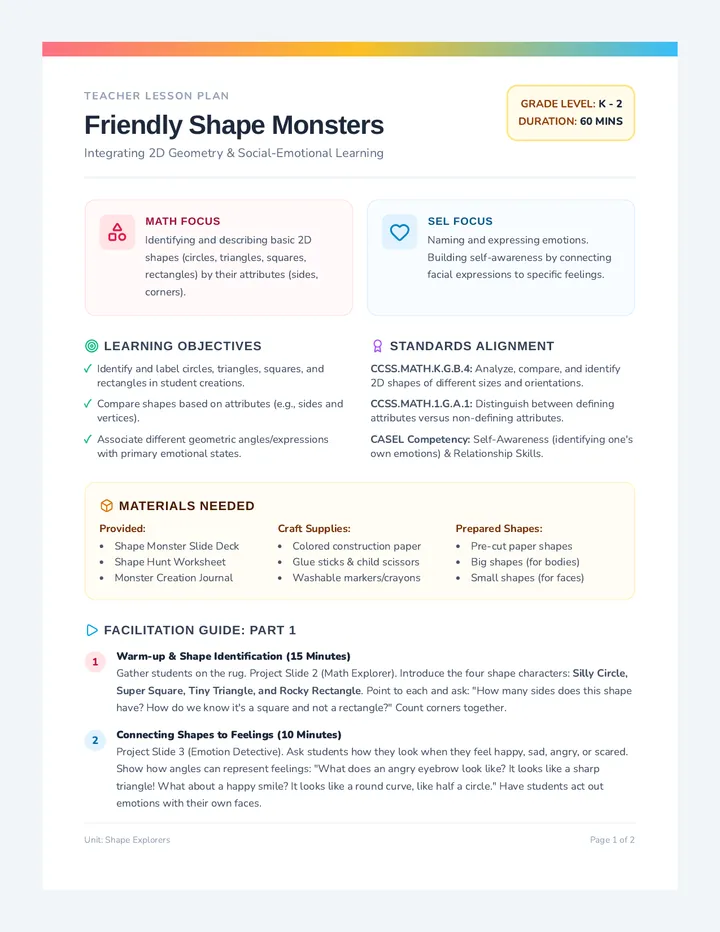
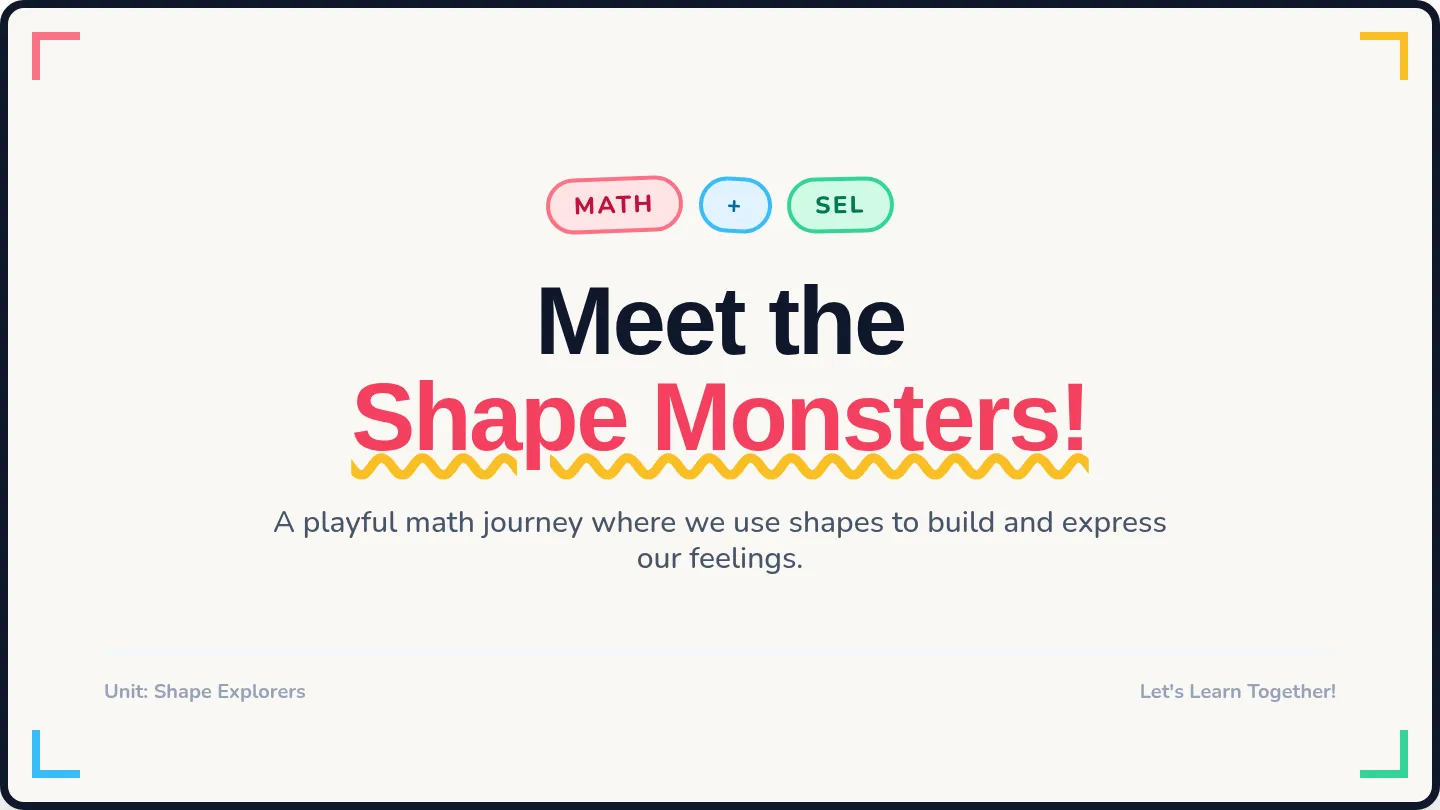
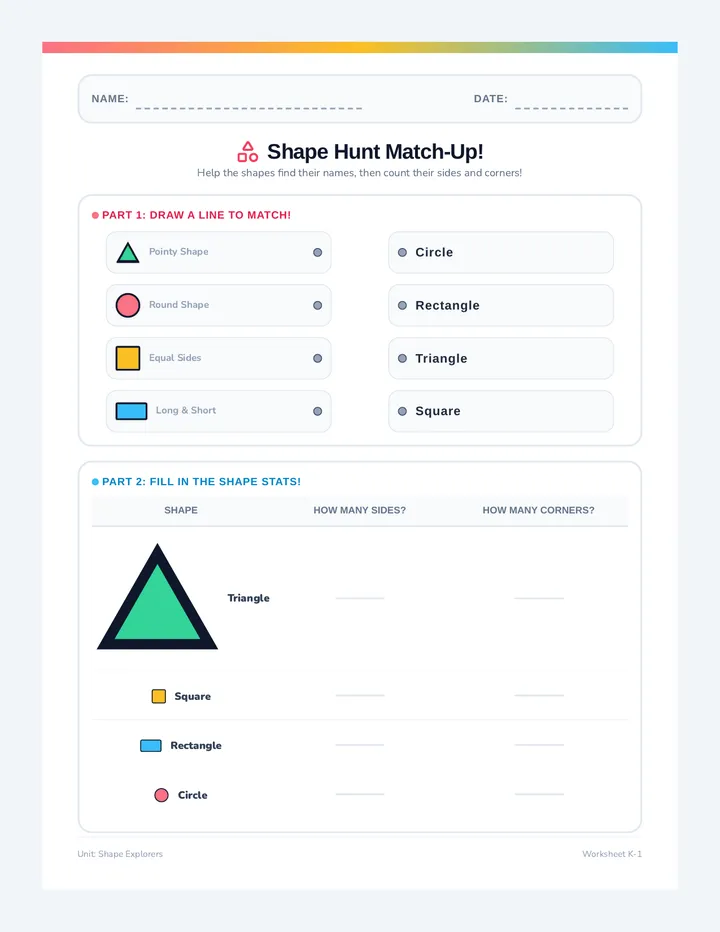
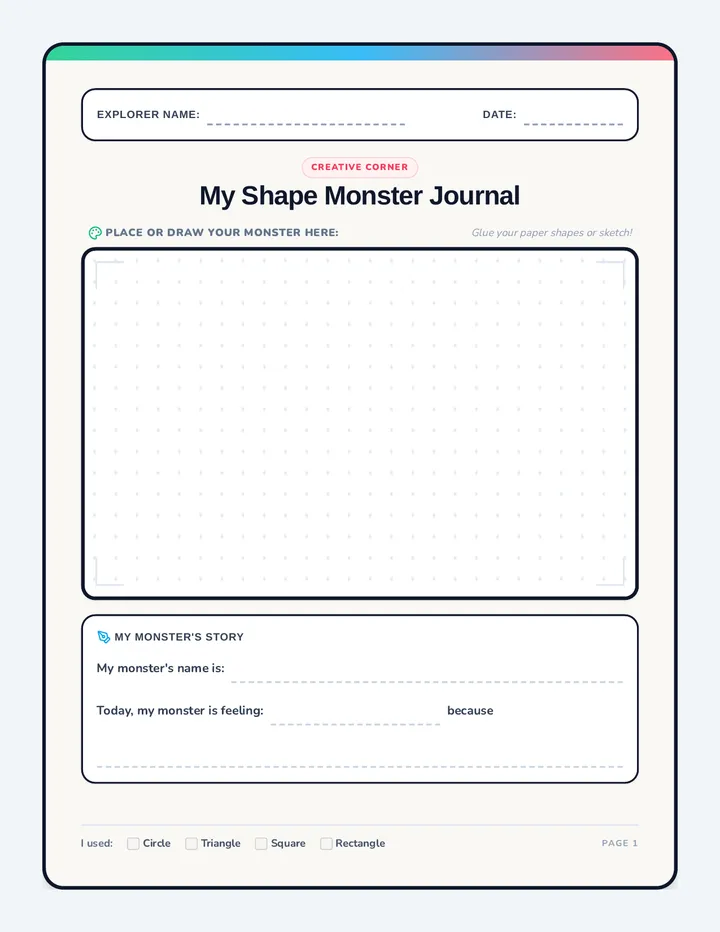
An integrative early elementary lesson combining basic 2D geometry with social-emotional learning, where students identify shapes and use them to construct expressive feeling monsters.
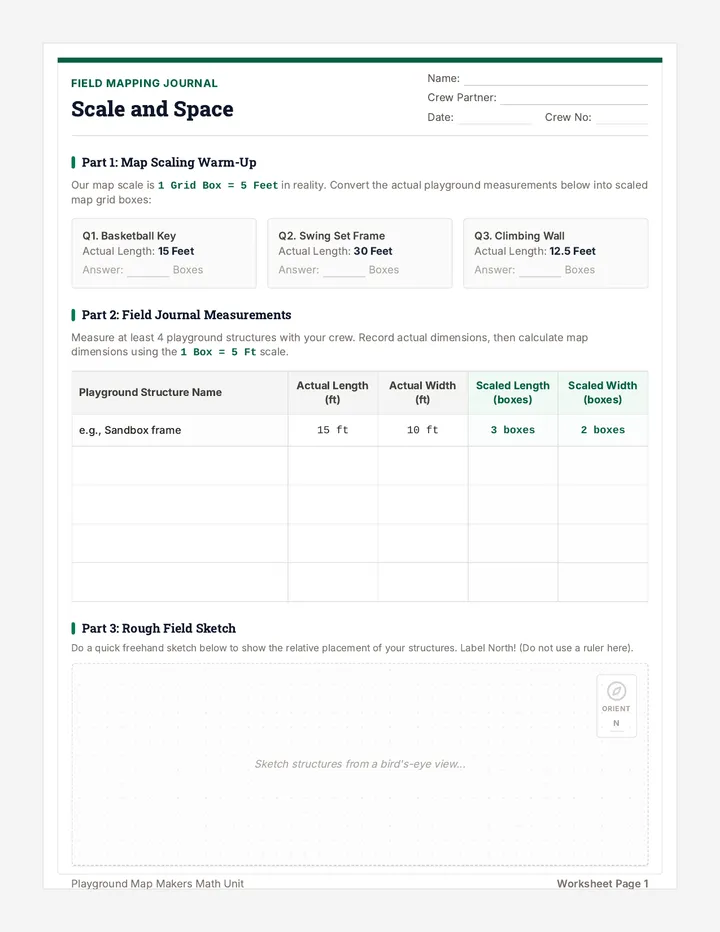
A 1-page student worksheet containing scale conversion warm-ups and a field journal table to record real and scaled dimensions of playground structures.
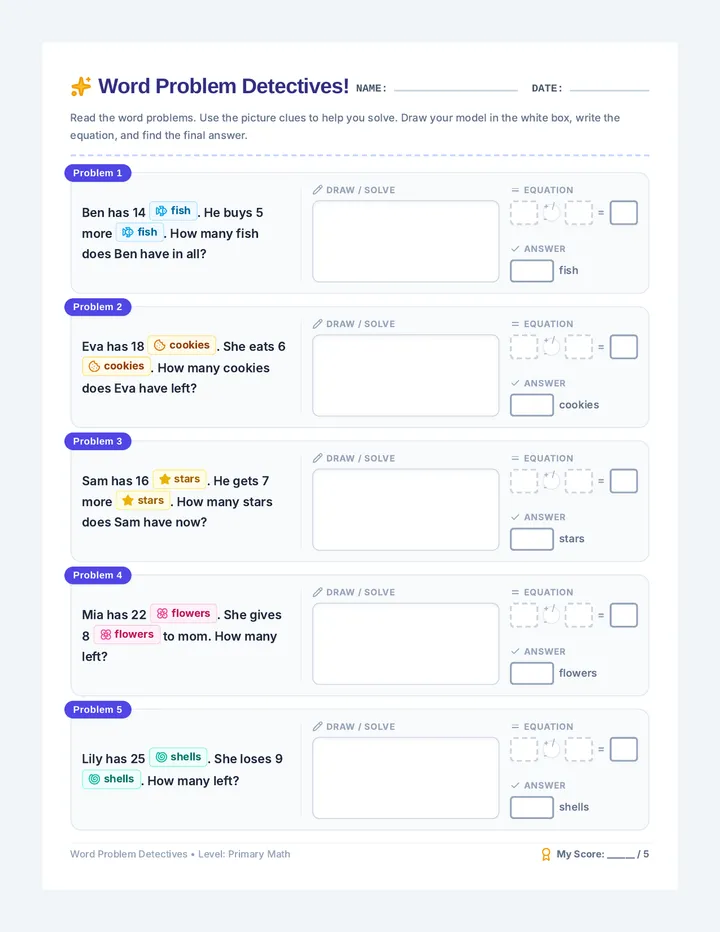
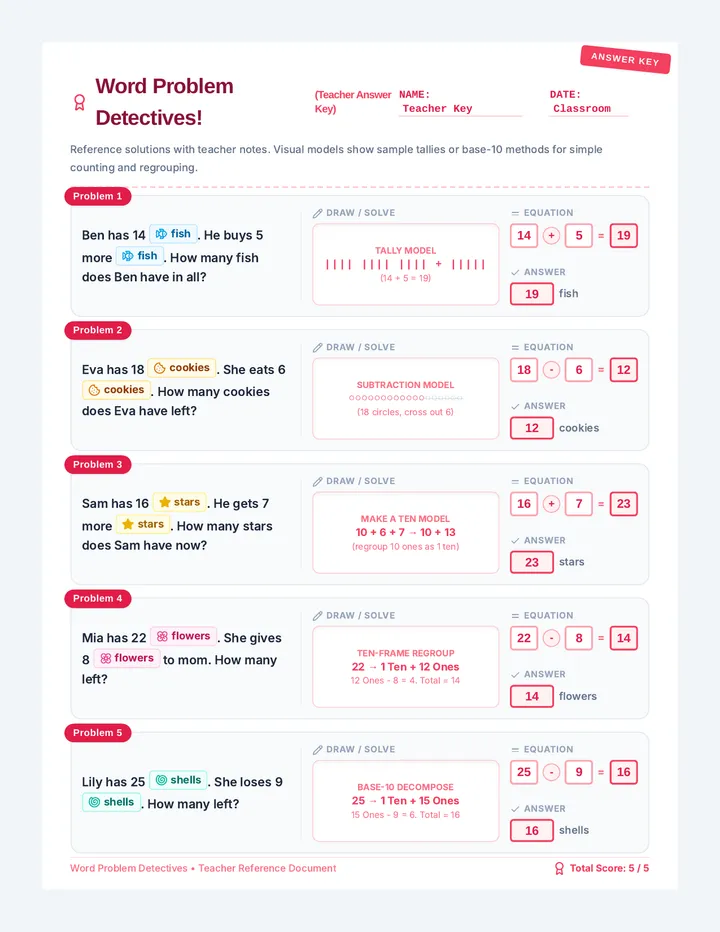
A primary math unit designed to build confidence in solving one-step addition and subtraction word problems. The sequence combines engaging visual cues, scaffolded modeling spaces, and explicit transition strategies between concrete and abstract math representation.
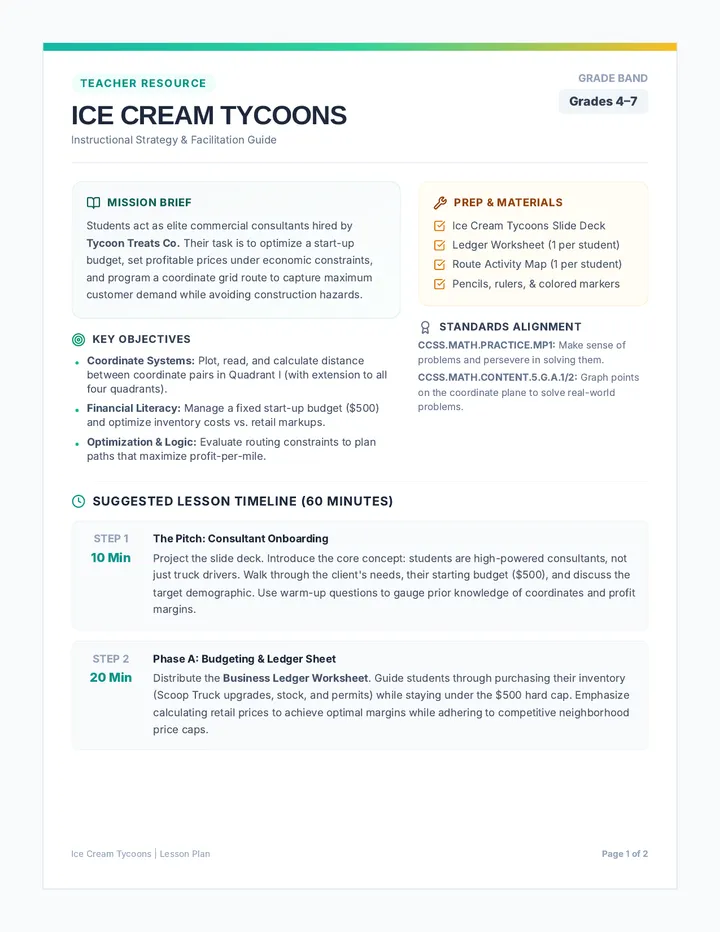
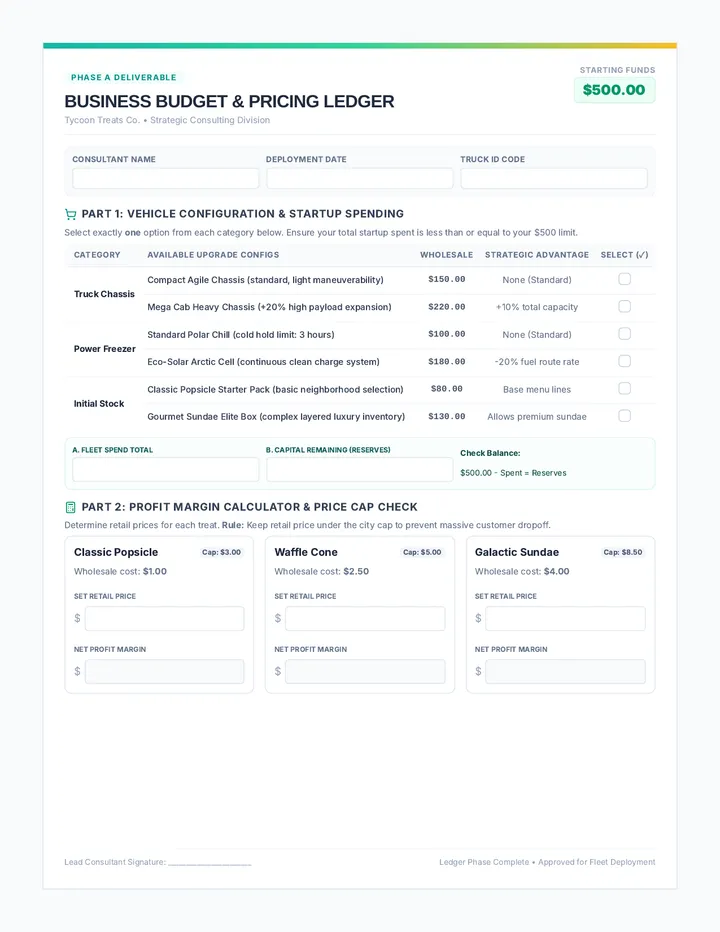
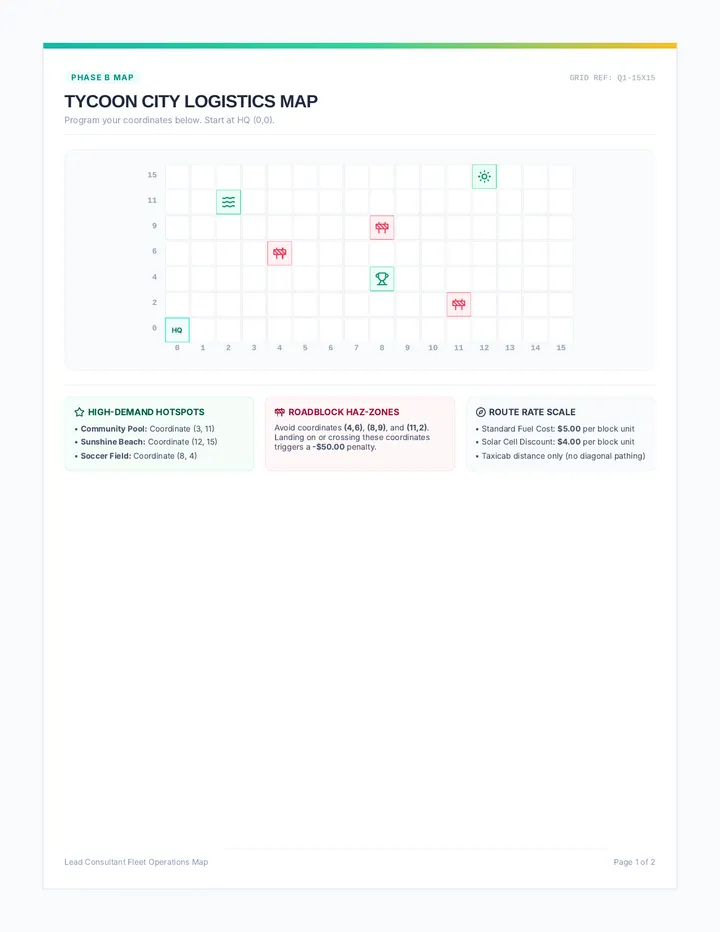
An immersive math and spatial reasoning challenge where students step into the shoes of ice cream truck consultants. They will manage a start-up budget, calculate profit margins, and program routes on a coordinate grid to maximize profits and beat the summer heat.
An engaging 4-slide presentation deck to introduce the concepts of bird's-eye mapping, scaling calculations, safety expectations, and the outdoor measurement task.