Techniques for brainstorming, collaborative project management, and individual artistic expression. Guides students through the iterative creative process from initial concept to final execution.
Unit 2 of the 7th Grade Animation & Digital Production curriculum, focusing on podcasting, audio editing, legal/ethical rules, and multi-track mixing.
Unit 1: Stop-Motion Animation & Foundational Research. Students explore persistence of vision, digital research credibility, storyboarding, animation physics, and production.
A comprehensive sequence for Grades 11-12 on building modern, high-performing social media content. Lesson 1 focuses on copywriting (captions, hooks, CTAs, mechanics), while Lesson 2 addresses graphic design principles (visual hierarchy, typography, and formatting for social feeds).
A unit of humorous, educational lessons where students perform modern comedic plays about ancient pantheons. Students explore the domains, symbols, and myths of Greek and Egyptian deities while practicing reading fluency, character design, and critical analysis.
A collection of reading fluency and comprehension lessons based on popular anime stories, adapted for a 3rd-grade reading level. Each lesson follows a standardized format including decoding practice, fluency passages, comprehension checks, and a creative mission.
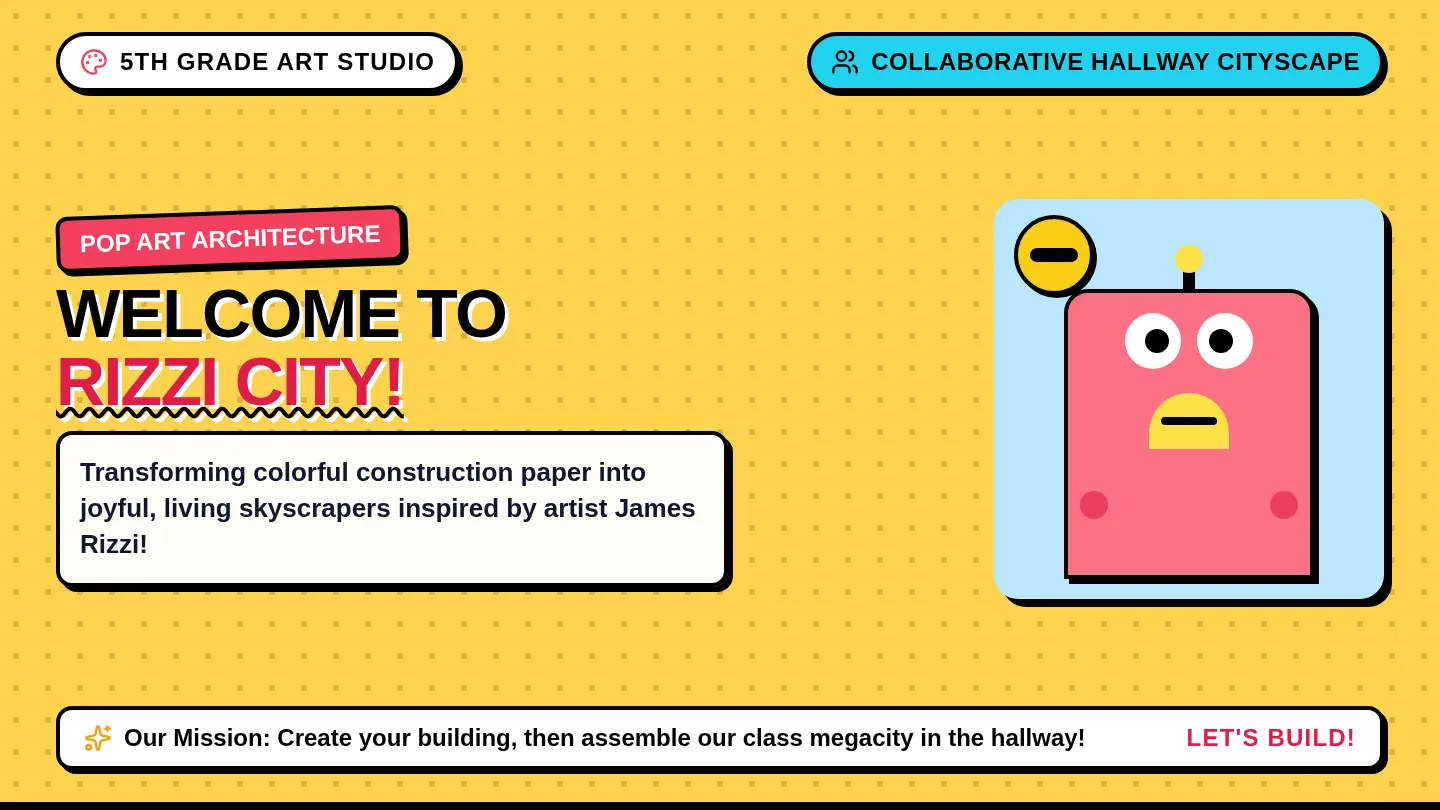
A collaborative art sequence where students create a large-scale mosaic mural to honor a retiring teacher, focusing on themes of growth, beauty, and legacy.
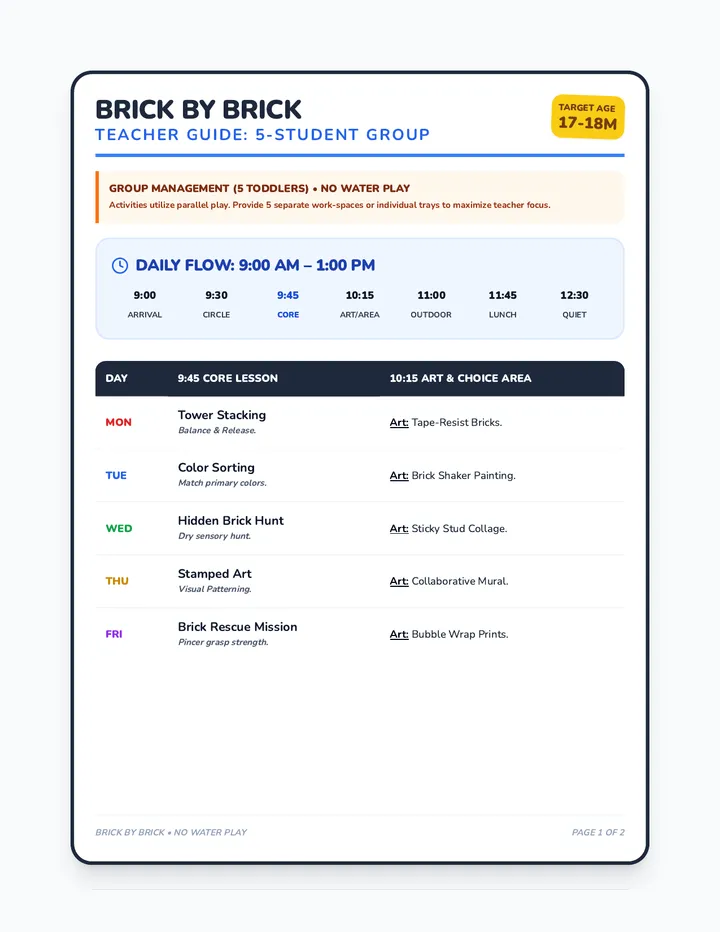
A collection of comprehensive week-long curricula for toddlers aged 17-18 months. Each themed week focuses on developmental play, sensory exploration, and fine motor skills for a group of 5 students with zero water play.
A sequence exploring the daily lives and creative processes of renowned artists, starting with John Byrne. Students observe artistic routines and apply those methods to their own creative practice.
A hands-on, creative storytelling lesson where second-grade students write simple scripts, design paper finger puppets, and practice expressive reading and oral storytelling. Helps boost reading fluency, collaboration, and character development in an engaging classroom theater format.
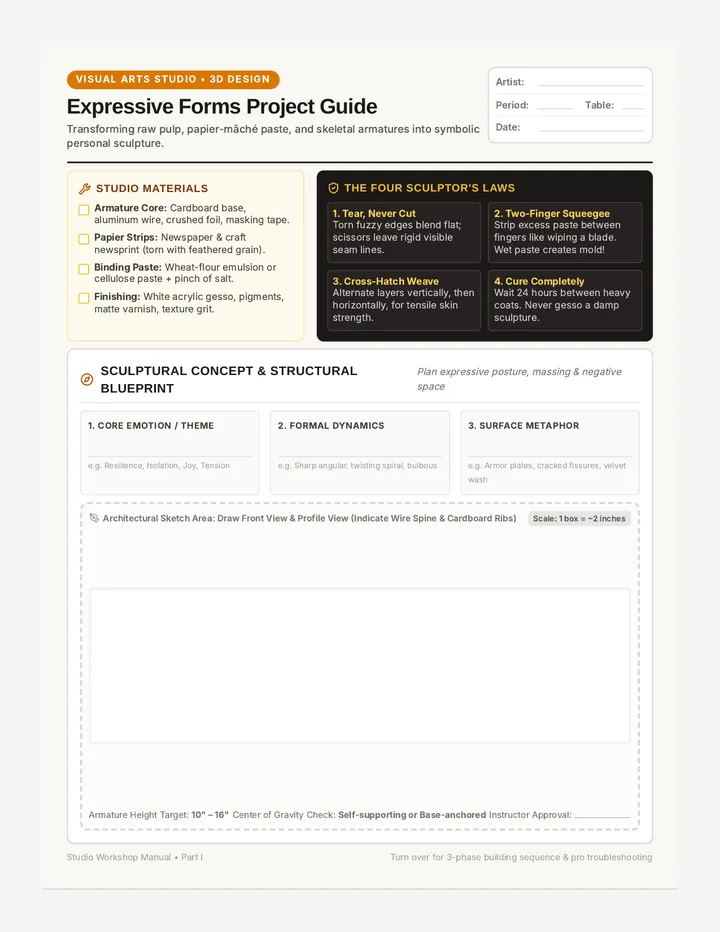
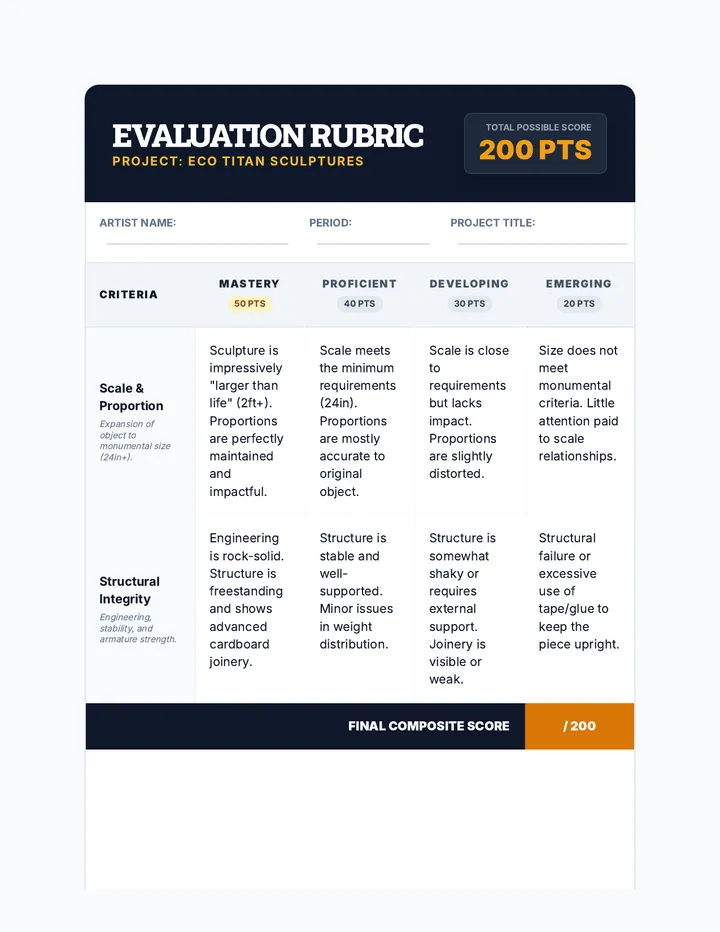
An end-of-year collaborative sculpture project for grades 8-12. Students dig through studio scraps, catalog their findings, and curate temporary artistic assemblages, turning cleanup into creative archaeology.
A collaborative art and reflection project where students design individual symbolic quilt squares representing their growth and memories, combining them into a grand classroom legacy mural.
Students transition from planning to production. They explore recording etiquette, monitor input decibels to avoid 'The Red Zone' clipping, and conduct interviews and narration recordings following Figure 4.2 Steps 5 and 6.
Students script their podcast host introductions (Intros) and closing thoughts (Outros) using Figure 4.7 (Intro/Outro Organizer). Teachers model vocal modulation and review Figure 4.1 Rubric standards.
Students define the narrative structure of their podcast using Figure 4.4 (Podcast Treatment), organizing their show into a three-act structure. Teachers introduce WeVideo/Google Vids workspace setup and establish asset organization expectations.
Introduce students to copyright, public domain, the four factors of fair use, generative AI complications, and interview release ethics.
Learn the ethical and technical aspects of scripting for audio, focusing on writing for the ear, citing audio sources, and research fact-finding using the Five Fascinating Facts Form.
Introduce students to podcasting and the concept of 'Theater of the Mind.' Students explore how sound paints pictures, select topics, form groups, and complete Figure 4.3 (Topic Selection).
A comprehensive poetry and music production unit for adult HSED students. It integrates poetry analysis, hip-hop lyricism, emotional self-expression (SEL), and digital audio production concepts into a cohesive, print-ready student workbook and teacher guide.
A comprehensive lesson that breaks down the structural, rhythmic, and poetic elements of hip-hop and rap lyrics. Students learn complex rhyming, flow cadence, figurative imagery, and wordplay, then plan and write a complete 16-bar verse using highly visual scaffolding.
A foundational art exploration framework designed for an 8th-grade semester rotation. Includes a printable student-facing 'Art Explorer Passport' with rubrics and stamp slots, and a comprehensive 5-week curriculum pacing guide across 2D, 3D, Photography, and Video specialties.
A creative art and reflection lesson for 2nd and 3rd graders. Students reflect on their favorite school year memories, write about them, and create a gorgeous wax-resist watercolor painting as a keepsake of their personal growth and artistic progress.
A 3-page teacher facilitation and pedagogical guide with adult HSED instruction strategies, free DAW setup tutorials, SEL writing safety tips, and complete answer keys/student exemplars.
A 5-page printable workbook for adult HSED students combining poetry, hip-hop lyricism, SEL, and digital music production. Features reading passages, analysis, graphic organizers, and structured drafting sheets.
A 1-page teacher reference guide for the Feverish Quill lesson. It includes historical and cultural context on the mid-2000s emo/baroque-pop scene, an answer key/discussion guide for the student worksheet, a songwriting rubric, and pedagogical extension activities.
A 2-page print-ready lyric analysis and songwriting worksheet for students. It explores Ryan Ross's two distinct songwriting eras—the theatrical baroque-pop of 'A Fever You Can't Sweat Out' (2005) and the retro psychedelic folk-pop of 'Pretty. Odd.' (2008). Includes context, two comparative lyric studies, analytical questions, and a songwriting template.
A minimalist, professional 3-page student reflection packet designed for high school or advanced studio art classes. Features deep, narrative artist-statement-style prompts across Painting, Ceramics, and general Studio Citizenship, structured with clean lines and sophisticated typography.
A 10-page expanded student workbook featuring visual graphic organizers, fill-in-the-blank rhythm charts, slant-rhyme matching activities, punchline generators, and a step-by-step drafting layout for a 16-bar rap verse.
A 2-page student self-evaluation packet containing structured short-answer response blocks, progress scales, and active reflection on technical skills, creative evolution, studio persistence, and growth in studio citizenship.
A 3-page printable comic book planning and layout resource for students. It contains scaffolded 3-panel and 5-panel layout grids, instructional tips on comic storytelling (pacing, angles), and a cut-out page of speech bubbles and onomatopoeia sound effects.
A student-facing 1-page discussion cards resource. Features a grid of 6 beautifully designed, cut-out-ready prompt cards with vintage dashed borders to guide student partners in character development, vocal warmups, and collaborative oral play.
A student-facing 2-page activity packet. Page 1 provides an guided, lined template for writing a three-step dialogue script with a scene-selection grid. Page 2 includes 4 retro-themed finger puppet cutouts ready for students to color, cut, and loop around their fingers.
An elegant 5-slide presentation designed for Grade 2 instruction. Guides students through understanding character voice, writing a 3-step script, building puppets, and demonstrating good audience manners. Uses larger, easy-to-read text of 24px and up.
A comprehensive 2-page teacher's guide and lesson plan for running a classroom puppet theater lesson. Includes detailed pacing, materials checklist, step-by-step facilitation prompts, oral reflection questions, and a kid-friendly grading rubric.