Media Mastery Guide Media Mastery Guide
Teacher Facilitation & Pacing
GRADES 7-8
Essential Question
How do media messages shape our understanding of health, and how can we see past the "filter"?
Learning Objectives
Identify 3+ persuasive techniques used in health-related media.
Analyze how social media algorithms create "health bubbles."
Differentiate between credible health info and marketing bias.
Preparation & Materials
Screen Truths Slides
Media Scrutiny Worksheets
Filter Talk Discussion Cards
Instructional Flow
10m
The "Hook": The Perfect Day
Ask students to imagine a "perfectly healthy" person they see on social media. What do they eat? Wear? Look like? How does it make them feel about their own routine?
Teacher Tip: Watch for mentions of specific influencers or "aesthetic" trends like "That Girl" or fitness challenges.
15m
Unmasking Persuasion
Use the Screen Truths Slides to introduce persuasive techniques: Bandwagon, Appeal to Authority, Scarcity, and the "Halo Effect" (making a product look healthy because of one ingredient).
Discuss the Algorithm Loop : How seeing one fitness video can lead to an endless stream of similar (and sometimes extreme) content.
20m
Media Scrutiny Challenge
Students work in pairs using the Media Scrutiny Worksheet . They analyze a provided "Health Ad" or find one on their phone to deconstruct using the Detective Framework (Source, Intent, Omission).
15m
Filter Talk Circles
Groups use Filter Talk Cards to dive deeper into body image, stereotypes, and lifestyle comparisons. Wrap up by creating a "Digital Health Manifesto" as a class.
Support & Extension
Scaffolding
Provide a "Persuasion Cheat Sheet" with definitions and emoji examples for students who need more visual support during the scrutiny challenge.
Extension
Have students "Remix" a misleading ad to show the realistic version of the product or lifestyle being sold.
Screen Truths Slides Screen Truths
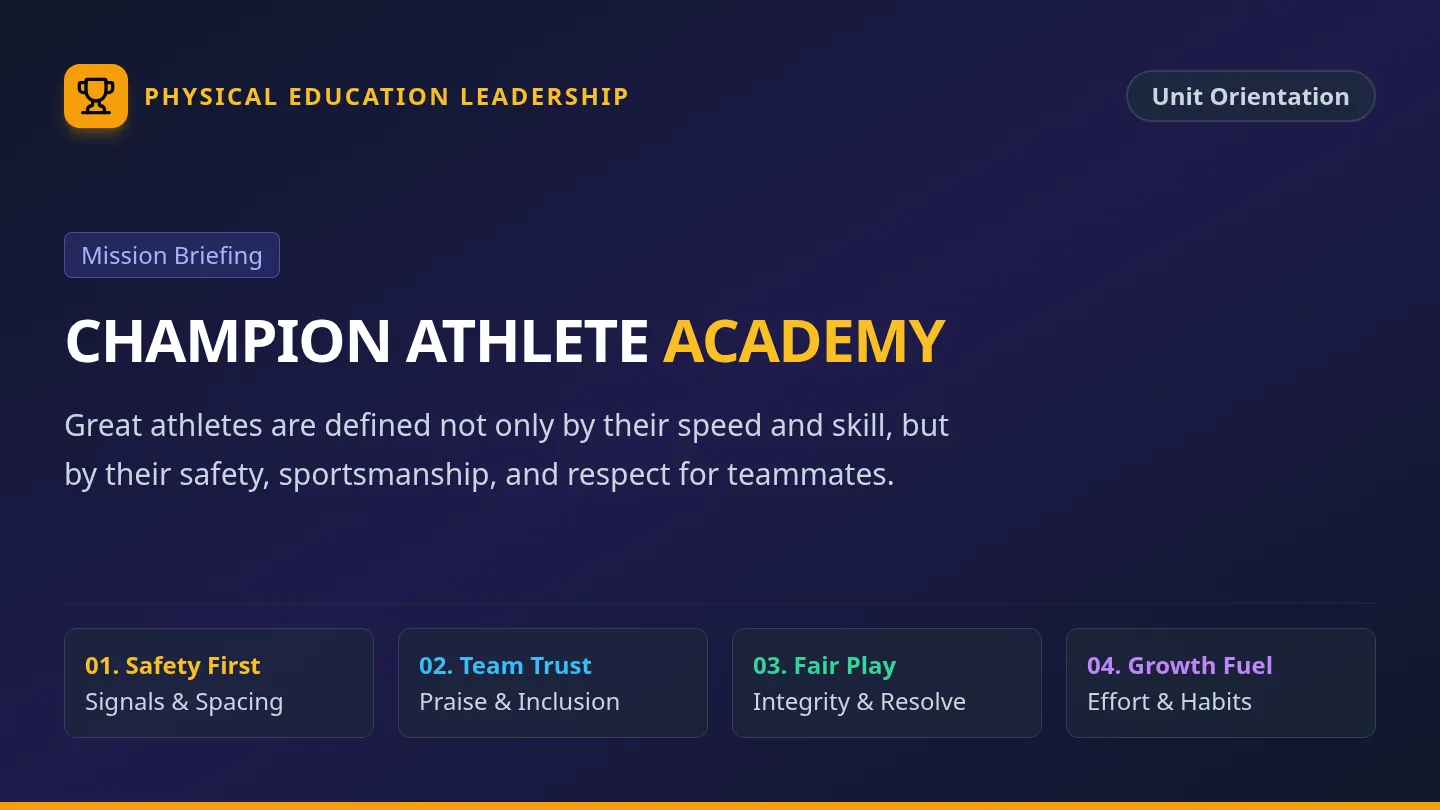
Behind the Media Lens
MEDIA MESSAGE MASTERY
The Mission
Identify
Spot the hidden tricks used to sell health and lifestyle ideas.
Analyze
Understand how algorithms shape what you believe is "normal."
"We don't see things as they are, we see them as they are presented."
Everything is a Filter.
From the literal filters on photos to the figurative filters of advertising, media is rarely a "window." It's a curated story.
Visuals
Lighting, editing, angles.
Vibe
Music and emotional cues.
Claims
What they say (and hide).
Technique #1
The Bandwagon
"Everyone is doing it."
Uses your desire to belong to convince you that a health trend or product is essential because "everyone else" has it.
Example: "Join the millions who have unlocked their potential with [Supplement X]!"
Technique #2
Appeal to Authority
Trusted Expert
"Trust the White Coat."
Uses doctors, scientists, or high-status influencers to give a product instant credibility—even if they aren't experts in that specific field.
Watch for: Actors playing doctors, or athletes endorsing sugary drinks as "fuel."
Technique #3
The Halo Effect
"Healthy by Association."
Using one positive trait (like "organic" or "natural") to make the entire product seem healthy, even if it's full of sugar or processed chemicals.
Look for: Bright green packaging, images of fresh fruit, or buzzwords like "Gluten-Free" on things that never had gluten anyway.
The Algorithm Loop
You "Like" a fitness post
AI shows you 100 more
You believe this is "Normal"
"Your 'For You' page isn't the world. It's a mirror of your curiosity, turned into a habit."
Detective Mode
Three questions to ask every post:
01
WHO is paying?
Is this a sponsored ad, or does the person get a commission?
02
WHAT is missing?
Are they showing the hard work, the cost, or the side effects?
03
HOW am I feeling?
Does this make me feel inspired, or insecure?
Challenge Time
Grab your Media Scrutiny Worksheet . We're going to tear apart a real health advertisement.
Work in Pairs
15 Minutes
The Mastery Key
You are more than an audience.
Control the feed, don't let the feed control you.
Media Scrutiny Challenge Media Scrutiny Case File
Operation: Truth Behind the Screen
Status: Classified
LEVEL: DETECTIVE
Agent Name(s)
Date of Investigation
1
Subject Identification
Media Source (App, Website, TV):
Product or Lifestyle being sold:
Visual Evidence (Describe the colors, lighting, and people shown):
2
Persuasion Breakdown
Check all techniques used in this media piece:
Bandwagon (Everyone has it)
Halo Effect (Buzzwords/Green)
Appeal to Authority (Expert/Influencer)
Scarcity (Limited time/Only a few)
Explain the "Hook": How does this ad try to grab your attention or emotions?
3
The Omission Lab
Detecting what they DIDN'T show:
Cost & Consequences:
What is the actual price (money/time)? Are there side effects or risks?
Stereotypes & Bias:
Does this suggest only certain people can be "healthy" or "happy"?
4
Final Verdict
"Is this source credible for my health decisions?"
CREDIBLE
SKEPTICAL
UNRELIABLE
Explain your rating based on your evidence:
Filter Talk Cards Filter Talk Cards
Discussion prompts for critical media analysis. Cut along the dotted lines.
Social Media
If a photo has been filtered or edited, should it have to be labeled? Why or why not?
Topic: Transparency
Body Image
How do "body trends" (like a certain muscle type or shape) change over time? Who decides what's "in"?
Topic: Trends
Algorithms
Does seeing the same type of "perfect" lifestyle every day change how you feel about your own room, food, or body?
Topic: Comparison
Marketing
Why do companies use "fear" or "insecurity" to sell health products? Give an example.
Topic: Psychology
Influencers
Is an influencer responsible for the health of their followers? Should they have to disclose sponsorships?
Topic: Responsibility
Self-Care
What is "Digital Wellness"? How can you curate your feed to make yourself feel better instead of worse?
Topic: Empowerment
Stereotypes
How are people with different bodies usually portrayed in movies or ads? Is it realistic?
Topic: Representation
Critical Thinking
If a health claim sounds "too good to be true," it usually is. Why are we so tempted to believe them anyway?
Topic: Skepticism
Lifestyle
Media often links health to wealth (fancy gyms, expensive food). Can you be healthy without spending a lot of money?
Topic: Accessibility
Future Tech
How might AI-generated influencers (people who don't exist) change our ideas of health and beauty?
Topic: AI
Screen Truths Slides Screen Truths
Behind the Media Lens
MEDIA MESSAGE MASTERY
The Mission
Identify
Spot the hidden tricks used to sell health and lifestyle ideas.
Analyze
Understand how algorithms shape what you believe is "normal."
"We don't see things as they are, we see them as they are presented."
Everything is a Filter.
From the literal filters on photos to the figurative filters of advertising, media is rarely a "window." It's a curated story.
Visuals
Lighting, editing, angles.
Vibe
Music and emotional cues.
Claims
What they say (and hide).
01
The Bandwagon
"Everyone is doing it."
Uses your desire to belong to convince you that a trend or product is essential because "everyone else" has it.
"Join the millions who have unlocked their potential with our super-greens!"
02
Appeal to Authority
Trusted Expert
"Trust the White Coat."
Uses doctors, scientists, or high-status influencers to give a product instant credibility—even if they aren't experts in that field.
Watch for: Actors playing doctors or "wellness coaches" with no medical training.
03
The Halo Effect
"Healthy by Association."
Using one positive trait (like "natural") to make the whole product seem healthy, even if it's full of sugar.
Look for: Green packaging, fruit images, or buzzwords like "Gluten-Free" on candy.
The Algorithm Loop
You "Like" a post
AI shows you 100 more
You believe this is "Normal"
"Your 'For You' page isn't the world. It's a mirror of your curiosity, turned into a habit."
Detective Mode
Three questions to ask every post:
01
WHO is paying?
Is this a sponsored ad, or does the person get a commission?
02
WHAT is missing?
Are they showing the hard work, the cost, or the side effects?
03
HOW am I feeling?
Does this make me feel inspired, or insecure?
Challenge Time
Grab your Media Scrutiny Worksheet . We're going to tear apart a real health advertisement.
Media Scrutiny Key Media Scrutiny Key
Teacher Reference & Exemplars
Answers
The Scrutiny Framework
Section 1: Identifying the Subject
Encourage students to look beyond the logo. If it's a "lifestyle" being sold (like 'That Girl' aesthetic), help them identify the hidden products: specific water bottles, journals, or supplements.
Section 2: Persuasion Techniques
Bandwagon: "Join the thousands", "Going viral", "Every teen is doing this."Halo Effect: Using green colors, mountain scenery, or words like "Clean," "Pure," or "Authentic."Authority: Lab coats, "Science-backed" (without links), or athletes in athletic gear.
Case Study Exemplar
Mock Analysis
Subject: "Vibe-Hydrate" Energy Drink Ad
Visual Evidence: Neon blue lighting, fast-paced music, attractive teens dancing, "0 Calories" in giant font, blurry mountain background.
The Omission Lab (What's Missing?):
Cost: Subscription model is $60/month (hidden in small text).Side Effects: High caffeine content leading to jitteriness or sleep issues for teens.Stereotypes: Only "high-energy, athletic, white-toothed" teens are shown.
Final Verdict:
"SKEPTICAL. While it claims to be 'pure energy,' it uses the Halo Effect (mountain background) to hide artificial sweeteners and extreme caffeine levels that aren't healthy for 13-year-olds."
Facilitation Tips
Common Misconceptions
Students often think "Organic" or "Natural" means a product is healthy. Remind them that sugar, poison ivy, and mud are all "natural" but not necessarily good for your diet or skin.
Pushing Critical Thinking
When students say "I just like the ad," ask them: "What emotion are they trying to sell you so that you'll like the product?"
Filter Check Exit Ticket Filter Check
Exit Ticket
Agent Name
Date
1. Name one persuasive technique we discussed today and how it works.
2. What is one way you can "scrutinize" a health claim on your social media feed?
"How confident do you feel seeing past the 'filters' now?"
Need more practice
Getting there
Expert Scrutinizer
Mastery Level: Critical Thinker
Screen Truths Slides Screen Truths
Behind the Media Lens
MEDIA MESSAGE MASTERY
The Mission
Identify
Spot the hidden tricks used to sell health and lifestyle ideas.
Analyze
Understand how algorithms shape what you believe is "normal."
"We don't see things as they are, we see them as they are presented."
Everything is a Filter.
From literal photo filters to the filters of advertising, media is rarely a "window." It's a curated story.
Visuals
Lighting, editing, angles.
Vibe
Music and emotional cues.
Claims
What they say (and hide).
01
The Bandwagon
"Everyone is doing it."
Uses your desire to belong to convince you that a trend or product is essential because "everyone else" has it.
"Join the millions who have unlocked their potential with our super-greens!"
02
Appeal to Authority
Trusted Expert
"Trust the White Coat."
Uses doctors, scientists, or high-status influencers to give a product instant credibility—even if they aren't experts in that field.
Watch for: Actors playing doctors or "wellness coaches" with no medical training.
03
The Halo Effect
"Healthy by Association."
Using one positive trait (like "natural") to make the whole product seem healthy, even if it's full of sugar.
Look for: Green packaging, fruit images, or buzzwords like "Gluten-Free" on candy.
The Algorithm Loop
You "Like" a post
AI shows you 100 more
You believe this is "Normal"
"Your 'For You' page isn't the world. It's a mirror of your curiosity, turned into a habit."
Detective Mode
Three questions to ask every post:
01
WHO is paying?
Is this a sponsored ad, or does the person get a commission?
02
WHAT is missing?
Are they showing the hard work, the cost, or the side effects?
03
HOW am I feeling?
Does this make me feel inspired, or insecure?
Challenge Time
Grab your Media Scrutiny Worksheet . We're going to tear apart a real health advertisement.
Work in Pairs