Circadian Reset Lesson Plan Wellness & Health Science Grades 8–12 • 50–60 Minutes
Circadian Reset Lesson Plan
Teacher Facilitation Guide
Core Focus Screen Hygiene & Sleep Cycles
Target Sleep 8.5 – 9.5 Hours / Night
Pacing 4 Core Instructional Blocks
Output Personal Wind-Down Protocol
Essential Questions
Why does the adolescent brain experience a natural 2-hour biological sleep phase delay?
How does high-frequency blue light (450–480nm) biochemically trick the suprachiasmatic nucleus?
What realistic barrier-busting habits protect restorative slow-wave and REM sleep?
Learning Objectives
Identify the 4 sleep stages and distinguish deep restorative sleep from REM dreaming.Analyze personal evening screen habits and calculate their sleep debt impact.Construct an evidence-based 60-minute pre-bed wind-down routine eliminating sleep inertia.
Educator Science Primer: The Adolescent Chronobiology Paradox
During puberty, circadian rhythms undergo a developmental phase shift: melatonin secretion starts approximately two hours later in the evening compared to adults. When teens expose intrinsically photosensitive retinal ganglion cells (ipRGCs) to artificial blue-wavelength display light (460nm) late at night, melatonin release is suppressed by up to 50%, delaying sleep onset further into early morning hours and cutting Deep Sleep (N3) short before morning alarm clocks.
Lesson Sequence: Part 1
1
Hook & The "Zombie Alarm" Diagnostic
10 Mins
Ask students: "On a scale of 1–10, how alert are you in first period?" Have students anonymously tally how many alarms they set and the last device they touched before sleeping. Introduce the concept of sleep inertia (cognitive grogginess lasting 15–90 minutes).
Facilitator Note: Normalize adolescent tiredness without glorifying burnout. Frame sleep as peak cognitive performance rather than a chore.
2
Direct Instruction: The Photonic Hijack & Sleep Architecture
15 Mins
Walk through presentation slides: (1) SCN Master Clock & Pineal Gland, (2) 90-minute sleep cycles (N1, N2, N3 Slow-Wave restorative sleep, and REM memory consolidation), (3) How algorithmic dopamine micro-rewards + blue photons trigger hyperarousal.
Key Misconception: "Night mode / warm screen filters solve the problem." While warmer tones slightly reduce blue spikes, interactive scrolling and psychological stimulation trigger cognitive alertness regardless of tint.
Circadian Reset • Teacher Instructional Blueprint Page 1 of 2
Implementation & Pedagogy
Guided Execution & Classroom Management
Session Delivery
Lesson Sequence: Part 2
3
Guided Workshop: The Evening Screen & Sleep Audit
15 Mins
Distribute the Circadian Reset Worksheet . Students calculate their personal Sleep Onset Latency and identify their primary evening digital vulnerabilities (e.g., autoplay loops, group chats, late study screen time). In pairs, students draft their personal 60-minute "Digital Sunset" Protocol .
Facilitator Prompt: "What is one physical obstacle you will create between your pillow and your phone tonight? Out of reach beats willpower every time."
4
Socratic Fishbowl & Morning Stamina Debrief
10 Mins
Conduct a rapid discussion using the Circadian Reset Discussion Guide scenario cards. Address social friction: "How do you handle friends expecting immediate replies after 10 PM without feeling left out?"
Closing Commitment: Each student records one micro-action for tonight on their worksheet tear-away ticket to display on their desk or locker.
Differentiation & Adaptive Scaffolding
Support / ELL
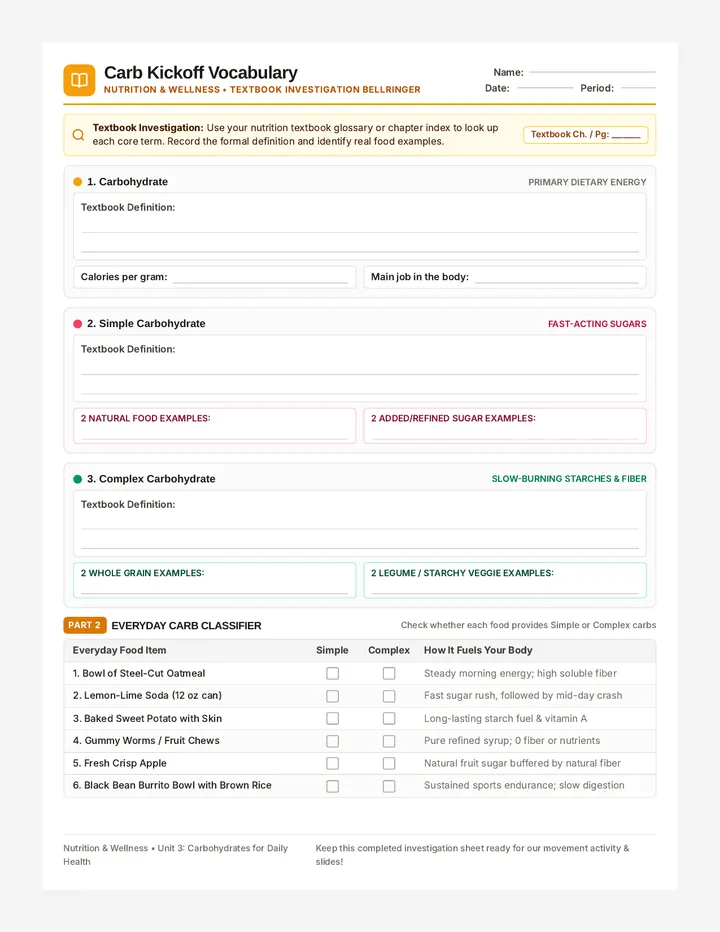
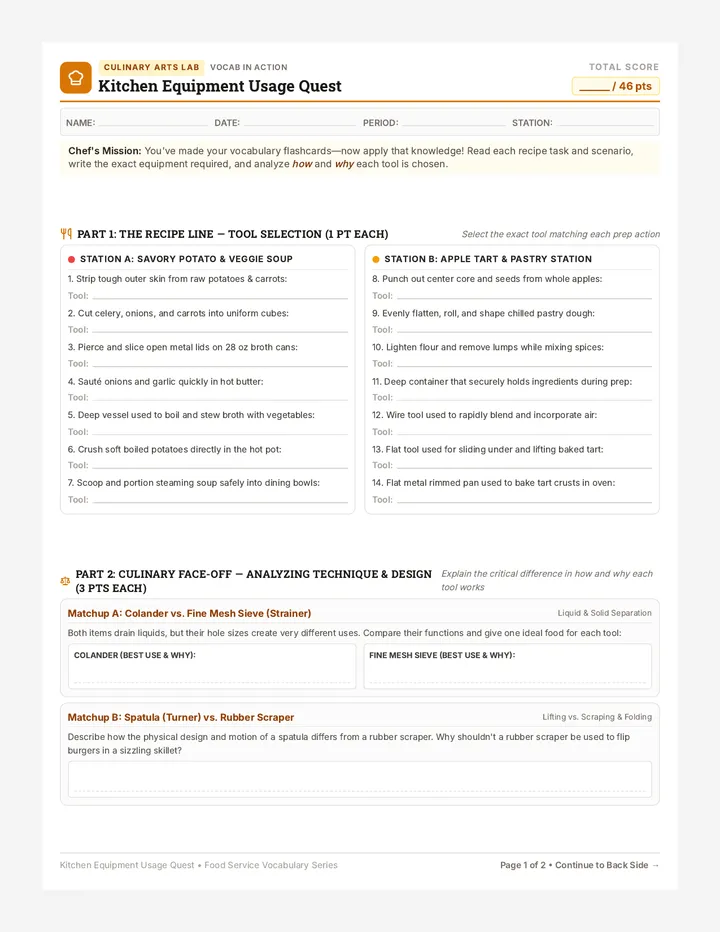
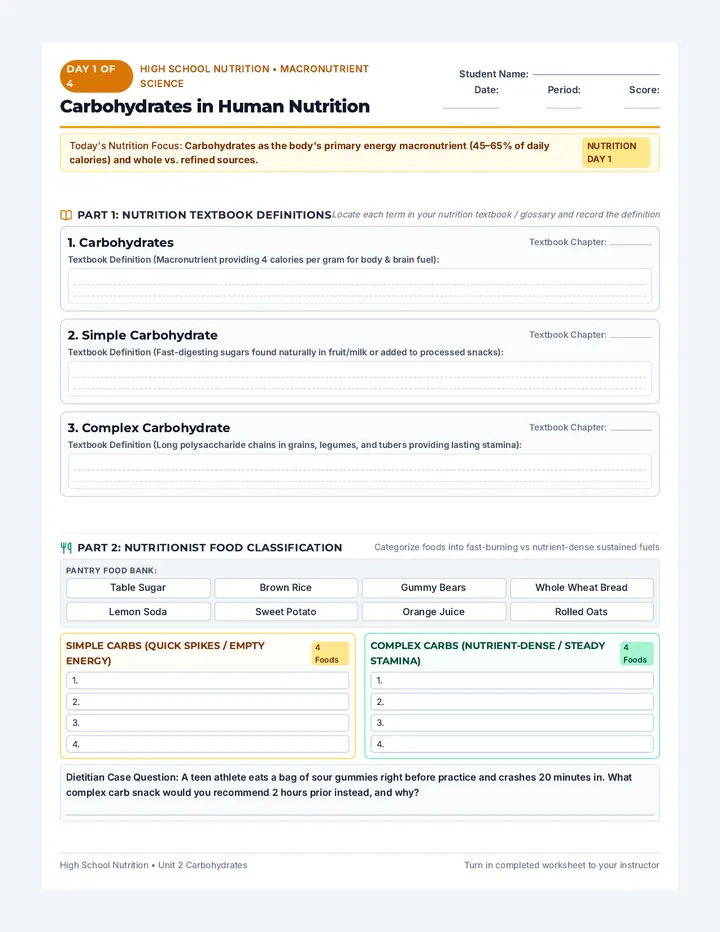
Provide visual circadian timeline cards with icon cues; allow verbal sharing or check-box habit selections instead of open-ended written paragraphs.
High Engagement
Have students examine clinical research abstracts on athletic reaction times and GPA correlations following chronic adolescent sleep deprivation.
Home Dynamics
Acknowledge shared bedroom spaces and crowded home routines; offer zero-cost non-disruptive tactics like eye covers or ambient brown noise.
Supplies & Resource Checklist
Circadian Reset Presentation Slide Deck (Class display)
Printed double-sided Student Audit & Protocol Worksheets
Scenario Discussion Cards (1 deck per 4 students)
Digital timer for strict pacing during guided audit
Formative Assessment Checks
Audit Accuracy: Student computes sleep lag correctly.Protocol Viability: Wind-down routine includes at least 2 non-screen biological priming habits.Verbal Reflection: Participation in group dilemma check.
Circadian Reset • Teacher Instructional Blueprint Page 2 of 2
Circadian Reset Slides Adolescent Wellness & Chronobiology
Session Module
Reclaim Your Focus & Wake Up Charged
The Circadian Reset
Investigating how evening screens disrupt adolescent sleep cycles—and engineering realistic routines for peak morning stamina.
Target: 8.5–9.5 Hours Rest • Science-Backed Protocols
Circadian Reset Series
Biological Timing
01 / Sleep Phase Shift
It’s Not Just Laziness: The 2-Hour Shift
During puberty, your brain’s master clock automatically recalibrates. Melatonin releases nearly two hours later than in adults.
Child / Adult Rhythm
Melatonin rises around 9:00 PM . Deep slow-wave cycles initiate before midnight, aligning with natural early waking.
Teen Biologic Window
Melatonin surge delays until 11:00 PM or later . Early school alarms forcefully sever the final, essential REM cycles.
Biological delay + early alarms create an unavoidable sleep gap if screens add extra delay.
Neurochemistry
02 / Blue Light & The SCN
The Photonic Hijack: 460nm Wavelengths
Screens emit high-intensity blue light that mimics direct midday sunlight to specialized cells in your eyes.
Step 1
Retinal Sensors
ipRGC cells in your eyes detect 460nm blue photons from glass displays.
Photons Absorbed
Step 2
Master Clock Signal
Your Suprachiasmatic Nucleus interprets signals as bright midday daylight.
Daytime Mode Kept
Step 3
Melatonin Suppressed
Pineal gland halts sleep hormones by up to 50%, delaying onset by 90 minutes.
Sleepiness Blocked
Night Mode helps tint color, but rapid dopamine scrolling keeps brain arousal peak high.
Brain Architecture
03 / The 90-Minute Cycles
What You Lose When You Cut Rest Short
Every night requires 4 to 6 complete 90-minute architectural cycles. Early awakenings clip crucial stages.
Deep Sleep (N3)
Early Night Heavy
Releases Human Growth Hormone
Repairs muscle & immune cells
Glymphatic brain waste clearance
REM Sleep
Late Night Heavy
Consolidates memory & study facts
Processes emotional stress & mood
Powers creativity & complex thinking
Circadian Reset Worksheet Personal Health Lab
Circadian Reset Worksheet
Part I: Diagnostic & Architecture Audit
Name:
Date:
Period:
Part 1: Typical School Night Sleep & Screen Diagnostic
Estimate your typical routine from this past school week. Calculate your estimated sleep debt relative to the biological adolescent target of 9.0 hours .
Metric
Your Estimated Time
Screen Variable
Biological Impact
Screen Off Time
Device in bed? [ ] Y [ ] N Melatonin suppression
Lights Out / Sleep Attempt
Minutes to fall asleep: ____ Sleep onset latency
Morning Alarm Time
Alarms set: _____ times Forced awakening
Calculated Total Sleep
Weekly Sleep Debt:
Part 2: Sleep Architecture & Chronobiology Analysis
1. Why does looking at short-wavelength blue light (460nm) from a phone in bed convince your Suprachiasmatic Nucleus (SCN) that it is still midday?
2. Rapid Eye Movement (REM) sleep dominates the second half of the night (between 4:00 AM – 7:30 AM). If an early alarm cuts your sleep by 2 hours, what cognitive skills (memory, emotion, test performance) suffer most?
3. "Sleep Inertia" refers to the grogginess and slow brain reaction times experienced immediately after waking. What specific evening habit in your audit contributes most directly to morning sleep inertia?
Circadian Reset • Adolescent Screen Hygiene Lab Page 1 of 2
Action Engineering
Personal Wind-Down Protocol & Friction Plan
Part II: Habit Design
Part 3: The 60-Minute Pre-Bed Routine Architect
Willpower fails at night when dopamine reserves are depleted. Build replacement rituals for each 20-minute window before your target sleep time:
A T - 60 Min: Lighting & Physical Transition (Target Time: ________) Melatonin Trigger
What bright overhead lights will you turn off, and what warm low light or lamp will you switch to?
B T - 30 Min: Digital Boundary & Device Docking (Target Time: ________) Dopamine Cut-Off
Where will you physically charge your phone tonight so it is at least 10 feet from your pillow?
C T - 10 Min: Cognitive Offloading / Parasympathetic Calming Heart Rate Deceleration
What analog replacement activity will you do (journaling, non-school reading, stretching)?
Part 4: Real-World Friction Strategies
Dilemma 1: "My friends text late and expect answers."
Write your exact auto-reply or status boundary message:
Circadian Reset Discussion Guide Socratic Seminar & Case Study Collaborative Inquiry
Circadian Reset Discussion Guide
Teacher & Student Protocol
Collaborative Norms & Evidence-Based Discourse Protocol: 15–20 Mins
1. Challenge Habits, Not People Focus on systemic design, biological wiring, and algorithm incentives rather than blame.
2. Anchor in Biology Reference SCN signals, melatonin suppression, or sleep stages to justify claims.
3. Propose Real Solutions Reject pure willpower. Discuss friction, environmental design, and shared peer norms.
Scenario Analysis Cards: Set 1
CASE A
The Midnight Crammer: Studying vs. Sleep Consolidation
Academic Trade-Offs
Jordan has a major AP Biology test tomorrow morning. At 11:30 PM, Jordan is only half-prepared and considers staying up until 2:30 AM reading slides under laptop glare.
Discussion Prompts for Jordan's Group:
How does cutting out REM sleep during the second half of the night impair Jordan’s ability to recall facts studied between 11:30 PM and 2:30 AM?
At what hour does extra studying produce diminishing or negative returns due to cognitive sleep debt?
What specific wind-down compromise would you advise Jordan to make tonight?
CASE B
The FOMO Trap: The 11:00 PM Group Chat Explosion
Peer Social Pressure
Maya plugs her phone in on her bedside table at 10:45 PM. Ten minutes later, her group chat begins buzzing with drama from a weekend party. Leaving the chat unopened makes her feel anxious about rumors and being left out.
Discussion Prompts for Maya's Group:
Why is interactive social media far more biologically disruptive to sleep onset than reading a paper book or listening to an audio track?
How can friendship groups establish collective "digital quiet hours" without individual members fearing social exclusion?
What friction technique could Maya test to break the urge to check incoming notification pings?
Circadian Reset • Discussion Protocol & Seminar Framework Page 1 of 2
Case Inquiry & Debrief
Advanced Scenarios & Consensus Matrix
Discussion Set 2
Scenario Analysis Cards: Set 2
CASE C
Social Jetlag: The Sunday Night Insomnia Crash
Circadian Phase Shift
Alex sleeps at 10:30 PM on weeknights, but on Friday and Saturday stays awake gaming until 2:30 AM and sleeps in until 11:30 AM. On Sunday night, Alex lies awake in bed until 2:00 AM unable to fall asleep, feeling exhausted for Monday school.