Anatomy of a Breath Slides Anatomy of a Breath
Breath Guardians: Lesson 1
How do our lungs actually work?
The Balloon Challenge
Can you blow up a balloon with a single breath?
Think about it:
Where does all that air come from?
How does it get into your lungs?
How does it get back out?
The Breath Team
1. The Airways
The nose, mouth, and trachea (windpipe) that act like tunnels for air.
2. The Lungs
Two sponge-like organs filled with millions of tiny air sacs called alveoli.
3. The Diaphragm
A strong, dome-shaped muscle at the bottom of your chest that powers every breath.
4. The Heart
The pump that takes the oxygen from your lungs and sends it to your whole body!
The Physics of Breathing
Inhale
Diaphragm moves DOWN.
Chest gets bigger.
Air rushes IN.
Exhale
Diaphragm moves UP.
Chest gets smaller.
Air rushes OUT.
Why do we breathe?
Your body needs Oxygen (O2) to turn food into energy. Every single cell in your brain, muscles, and heart is "breathing" right now!
"Oxygen is the fuel that keeps your internal engine running. Without it, the lights go out."
Next Up: Building our own lung models!
Lung Model Lab Sheet Lung Model Lab
Breath Guardians: Investigation 1.1
Researcher:
Date:
Lab Supplies
Clear Plastic Bottle
2 Balloons
1 Drinking Straw
Modeling Clay
Rubber Band
The Challenge
Your goal is to build a mechanical model that demonstrates how the diaphragm muscle causes the lungs to fill with air. Once built, use the observations section to record your findings.
Think: How does the air "know" to go inside the balloon when you pull the bottom? There is no one blowing into the straw!
Observation Log
1. Pull DOWN on the bottom balloon (The Diaphragm).
What happens to the lung balloon?
Why does this happen?
2. Push UP on the bottom balloon.
What happens to the lung balloon?
Why does this happen?
Scientific Conclusion
Based on your model, finish these sentences:
When the diaphragm muscle contracts (moves down), the space inside the chest gets , which forces air to the lungs.
In a healthy body, this process happens roughly times per minute while resting.
Breathing Basics Reference Sheet Healthy Lungs Reference
Breath Guardians • Field Guide 01
The Respiratory Map
Use this space to sketch your lung model or label the parts: Trachea, Bronchi, Alveoli, Diaphragm.
TRACHEA
BRONCHI
ALVEOLI
Fast Facts
Your lungs are not empty balloons; they are more like pink, squishy sponges.
If you spread out all your air sacs (alveoli), they would cover an entire tennis court!
Your left lung is slightly smaller than your right to make room for your heart.
The Oxygen Exchange
Inside the Alveoli, magic happens. Oxygen jumps from the air into your blood, and carbon dioxide (a waste gas) jumps from your blood back into your lungs to be exhaled.
Inhale O2
Exhale CO2
The Guardian Rule
"Healthy lungs are clean lungs. They thrive on fresh air and regular exercise to keep their elasticity and surface area at their peak."
Cilia Defense Slides The Cilia Defense System
Breath Guardians: Lesson 2
How your body cleans its own air (and what stops it).
A Sticky Situation
Imagine your lungs have millions of tiny Escalators inside them.
The Big Question:
How does dust, smoke, and germs get OUT once you breathe them IN?
What happens if the escalators STOP?
The Tiny Cleaners: Cilia
Who are they?
Microscopic, hair-like structures that line your airways.
What they do?
They wave back and forth (like a "fan wave" at a game) to move mucus up.
Why mucus?
Mucus is like "Fly Paper"—it catches dirt and germs so they don't reach your lungs!
The Tar Attack
Tobacco smoke and vaping aerosols contain Sticky Tar and chemicals.
The Effect: Tar coats the cilia, paralyzing them. They stop waving. The "escalators" break down.
Cilia Paralyzed!
Cleaning Halted
What happens next?
The Chronic Cough
Because the cilia can't move the "gunk" out naturally, the body has to use FORCE. That's why people who smoke cough all the time—they are trying to do the cilia's job manually!
Congestion
Infections
Less Oxygen
Sticky Situation Experiment Sheet Sticky Situation
Simulation 2.1: The Cilia vs. Tar Experiment
RESEARCHER: _________________________
DATE: _________________________
Setup & Symbols
<table class="w-full text-sm"><tbody><tr class="border-b border-slate-100"><td class="py-2 font-bold text-slate-600 uppercase">Item</td><td class="py-2 font-bold text-slate-600 uppercase">Represents...</td></tr><tr class="border-b border-slate-100"><td class="py-2">Clean Sticky Tape</td><td class="py-2">Healthy Cilia</td></tr><tr class="border-b border-slate-100"><td class="py-2">Glitter / Pepper</td><td class="py-2">Dust, Germs, Pollution</td></tr><tr class="border-b border-slate-100"><td class="py-2">Petroleum Jelly (Oil)</td><td class="py-2">Tobacco Tar</td></tr></tbody></table>
Experiment Steps
1 Tap the clean tape onto the "debris" (glitter). Observe how much it picks up.
2 Now, smear a thin layer of jelly (tar) onto a new piece of tape.
3 Try to pick up the "debris" again with the coated tape.
Observation Data
Test 1: Healthy Cilia (Clean Tape)
Describe what happened when you touched the debris:
Test 2: Tar-Damaged Cilia (Oily Tape)
Describe what happened when you touched the debris:
Critical Analysis
If your lungs are the tape, what happens to the germs and dust that don't get picked up by the "tarred" cilia?
The Smoker's Hack
When cilia stop working, mucus pools in the lungs. Gravity pulls it down, and it stays there along with all the germs and tar. Why do people who smoke usually cough hardest in the morning? (Hint: Think about what happens to the mucus while they are lying flat asleep!)
My Theory:
Tar Trouble Fact Sheet Tar Trouble Fact Sheet
Chemical Warfare on Your Lungs
What is Tar?
Tar isn't just one thing. It's the sticky, brown substance left behind when tobacco is burned. It's made of thousands of chemicals, including many that cause cancer.
Common Chemicals in Tar:
Arsenic (Rat Poison)
Formaldehyde (Embalming fluid)
Cadmium (Battery acid)
Ammonia (Floor cleaner)
The Cilia Freeze
Just ONE cigarette can paralyze cilia for several hours. During this "freeze," your lungs are completely defenseless against bacteria and pollutants.
Total Accumulation
If a person smokes one pack a day for a year, they inhale roughly one full cup of tar into their lungs.
The Tar Cycle
1. Tar paralyzes cilia.
2. Cilia can't move mucus.
3. Germs multiply in trapped mucus.
4. Result: Bronchitis & Pneumonia.
Compare the Surface
Healthy Airway
Waving cilia, clean surface, easy oxygen flow.
Tarred Airway
Matted cilia, sticky buildup, narrow tunnel.
Guardian Reflection
"If you were a cilia 'worker,' how would you feel trying to wave through a pool of sticky honey?"
Restricted Airflow Slides Restricted Airflow
Breath Guardians: Lesson 3
The high cost of struggling for breath.
The Straw Run
Today, we aren't just talking about lung capacity. We are FEELING it.
The Simulation:
Try doing jumping jacks while breathing only through a tiny straw.
No nose breathing! No mouth breathing outside the straw!
READY?
The Narrow Road
Healthy Airway
Like a 4-Lane Highway. Air flows fast and easy. Your muscles get all the oxygen they need to perform.
Damaged Airway
Like a Single-Lane Alley. Smoking/Vaping causes inflammation (swelling) and mucus buildup. Air gets stuck.
The Heart's Revenge
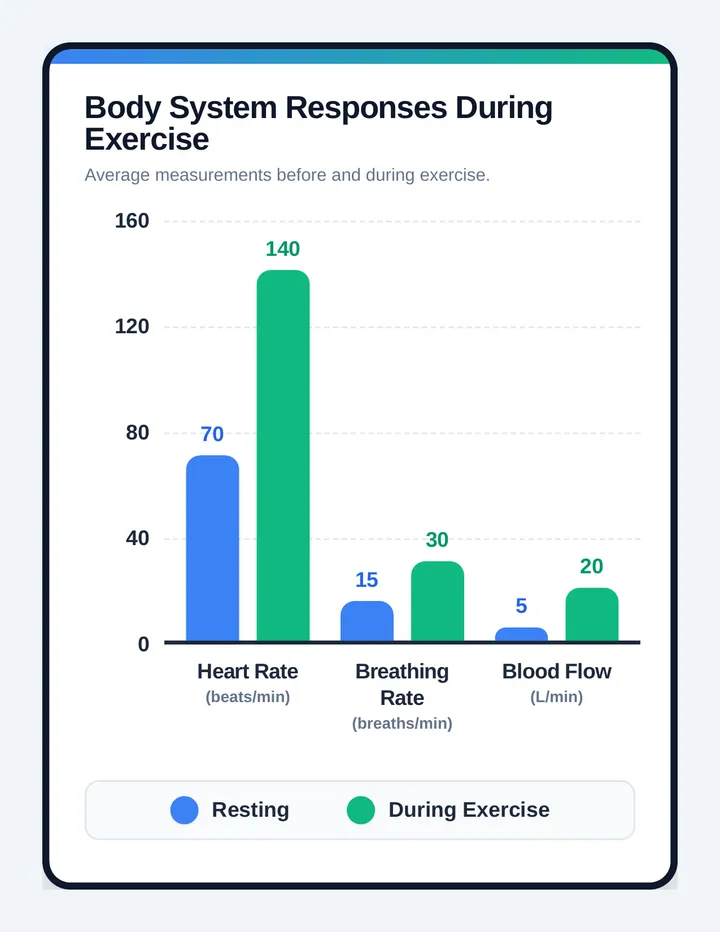
When your lungs can't get enough oxygen, your heart has to work 10x harder to pump the little bit of oxygen you do have.
Higher Pulse
Faster Fatigue
Shortness of Breath
"Tobacco doesn't just hurt your lungs; it steals your stamina."
Lab Protocols
01
Baseline
Measure resting heart rate (15 seconds x 4).
02
The Effort
1 minute of jumping jacks through the straw.
03
Analysis
Measure post-effort pulse and "Exertion Score".
Straw Run Challenge Data Sheet The Straw Run Challenge
BREATH GUARDIANS • PHYSIOLOGY LAB 3.1
Subject:
Age:
Date:
"Today you will experience what it feels like to have narrowed airways. By breathing through a straw during exercise, you simulate the effects of inflammation and mucus buildup caused by smoking or vaping."
Vital Signs Log
Test Phase Beats (15s) BPM (x4) 1. Resting (Baseline)
|
| 2. After 1 Min Exercise
(Normal Breath) |
|
|
| 3. After 1 Min Exercise
(Straw Breath) |
|
|
Perceived Exertion Scale (1-10)
1 = Very Easy, 10 = Exhausting
Trial 2 (Normal): Trial 3 (Straw):
Heart Rate Comparison
Shade the bars below to compare Trial 2 vs Trial 3.
Normal Straw
Biological Connect
Why did your heart beat faster during the straw trial even though the exercise was the same?
Post-Lab Reflection
During the straw exercise, how did your body feel besides just tired? Think about your chest, your throat, and your brain's focus.
Restricted Airflow Teacher Guide Facilitation Guide
Lesson 3: Restricted Airflow Simulation
Teacher Resource
Safety First
• Asthma Check: Identify students with asthma or respiratory conditions. They should NOT perform the straw breathing exercise. They can act as "Data Collectors" or "Timers."
• Immediate Stop: Instruct students to stop and breathe normally if they feel dizzy, lightheaded, or faint.
• Hygiene: Ensure every student has a clean, unused straw.
Equipment
- Slim stirring straws (harder) or standard straws (easier)
- Stopwatches (or classroom timer)
- Straw Run Data Sheets
- Space for jumping jacks
Simulation Workflow
1
Establish Baseline (Resting HR)
Teach students to find their pulse on the wrist or neck. Count for 15 seconds and multiply by 4. Record on Data Sheet.
2
Trial 1: Normal Breathing
One minute of jumping jacks or marching in place. Immediately measure HR for 15s and record exertion (1-10).
3
The "Straw" Trial
Wait for HR to return to baseline (approx 2-3 mins).
Students pinch nose and breathe ONLY through the straw. Perform 1 minute of same exercise. Measure HR and exertion.
Discussion Prompts
"How did your brain react when you couldn't get air easily? Did you feel panicked or frustrated? Imagine if that feeling never went away—that's what chronic lung disease feels like every day."
Concept A
Inflammation
Tobacco smoke causes airways to swell (narrow), just like the small straw diameter.
Concept B
Cardiac Compensation
The heart beats faster to try and circulate the lower amount of oxygen available.
Concept C
Athletic Impact
Performance drops because muscles 'starve' for oxygen fuel faster.
Vaping Truth Slides Vaping and Popcorn Lungs
Breath Guardians: Lesson 4
Unmasking the chemicals behind the cloud.
Flexibility Matters
Healthy lungs are like a Fresh Sponge—squishy, wet, and easy to squeeze.
The Warning:
What happens if a sponge gets hard and scarred?
Can it still hold water? Can it still expand?
Pliable & Healthy
Scarred & Rigid
Myth vs. Science
The Myth
"It's just harmless water vapor, like steam from a kettle!"
The Reality
It's an AEROSOL—a chemical soup of nicotine, heavy metals (lead/nickel), and ultra-fine particles that sink deep into the lungs.
Popcorn Lung
(Real name: Bronchiolitis Obliterans)
Caused by a chemical called Diacetyl (used to make buttery flavors). It scars the tiny air sacs in the lungs.
The Result:
Irreversible scarring. The airways get so narrow it feels like you're trying to breathe through a needle.
The Brain Trap
Why is it hard to stop?
NICOTINE is a powerful drug that rewires the young brain. It tricks you into thinking you NEED the aerosol to feel normal.
Brain Hijack
Addiction
Vaping Myths vs Facts Sort Vaping: Fact vs. Myth
BREATH GUARDIANS • INTELLIGENCE BRIEF 4.1
AGENT NAME
The Mission
Companies use flavors and cool-looking clouds to make vaping seem harmless. Your job is to separate the Chemical Reality from the Marketing Myth. Sort the statements below by writing "FACT" or "MYTH" in the box.
"Vaping is just flavored water steam and is totally safe for your lungs."
STMT #001
ANS
"One vape pod can contain as much nicotine as a whole pack of cigarettes."
STMT #002
ANS
"The chemicals used to make 'buttery' flavors can cause permanent lung scarring."
STMT #003
ANS
"Vaping isn't addictive because there's no real tobacco leaf in the device."
STMT #004
ANS
The "Aerosol" Investigation
Aerosol is a fancy word for a fine mist of chemicals and metals. When you breathe in a vape, your lungs absorb these tiny particles. Based on what you've learned, why is a chemical aerosol MORE dangerous than just plain steam?
Guardian Warning
"Once your lungs are scarred, there is no medicine that can make them soft again. Protection is the only cure."
Scarred Lungs Case Study Lung Damage: A Case Study
Breath Guardians • Investigation 4.2
Healthy Tissue
Smooth & Elastic
Alveoli are thin-walled sacs that stretch easily. They provide maximum surface area for oxygen to enter the blood.
Scarred Tissue
Hard & Restricted
Chemical aerosols cause inflammation. When the body tries to heal, it leaves behind scar tissue that is thick and cannot stretch.
Analysis Report
1. The "Popcorn Lung" Effect
Why is lung scarring permanent? Unlike a cut on your skin that might fade, scar tissue in the air sacs (bronchioles) actually blocks the airway permanently.
Describe how this would feel during a soccer game:
2. Chemical Infiltration
Vaping devices heat liquids to high temperatures. This creates new chemicals like formaldehyde. How do these chemicals reach the deepest parts of the lungs?
Final Diagnosis
If a 15-year-old develops lung scarring, they may have the respiratory function of an 80-year-old. How does this impact their life-long "Health Savings Account"?
Road to Recovery Slides The Road to Recovery
Breath Guardians: Lesson 5
The incredible resilience of the human body.
Built to Repair
Your body is a Survival Machine. The moment you stop introducing poisons, it starts cleaning up the mess.
The Big Reveal:
How long do you think it takes for your heart to improve after the last cigarette?
Hours? Days? Weeks?
Immediate Rewards
20 Minutes
Blood pressure and heart rate drop to normal levels. Your circulation improves instantly.
12 Hours
The toxic carbon monoxide level in your blood drops to normal, letting oxygen take over.
2-3 Days
Your sense of smell and taste begin to return as nerve endings heal.
1-9 Months
Cilia REGROW! Coughing and shortness of breath decrease significantly.
The 10-Year Goal
"After 10 years of being tobacco-free, your risk of dying from lung cancer is HALVED."
Safe Heart
Clean Lungs
Long Life
Your Turn to Lead
Being a Breath Guardian means protecting the only set of lungs you'll ever have.
Next Mission:
"Create your healing timeline and sign the Health Hero Pledge!"
Healing Timeline Chart The Healing Timeline
Breath Guardians • Final Investigation 5.1
Guardian ID:
Instruction: Below is a timeline of how the body recovers after someone quits smoking or vaping. Use the clues from the "Road to Recovery" slides to fill in the missing Health Milestones.
20 Mins
Impact:
Blood pressure and heart rate...
12 Hours
Impact:
Carbon Monoxide levels...
1-9 Months
Impact:
Cilia regrowth and...
10 Years
The Ultimate Reward:
Risk of lung cancer is...
Why start today?
If you decide to NEVER start smoking or vaping, you never have to wait for this timeline to begin. You keep your "Peak Health" forever. How does that help you reach your future goals (sports, music, career)?
Health Hero Pledge Health Hero
Official Pledge
"I understand that my lungs are the engine of my body. I promise to protect my breath, my health, and my future by choosing to remain..."
Tobacco Free
Signature of Breath Guardian
Signed on this day of January 2026
Pure Air
Strong Heart
Full Energy
"A single choice to protect your respiratory system is a choice to protect every dream you have. Breath Guardians lead by example."