Hanzi Code Slides 汉
字
密
码
汉
字
密
码
汉
字
密
码
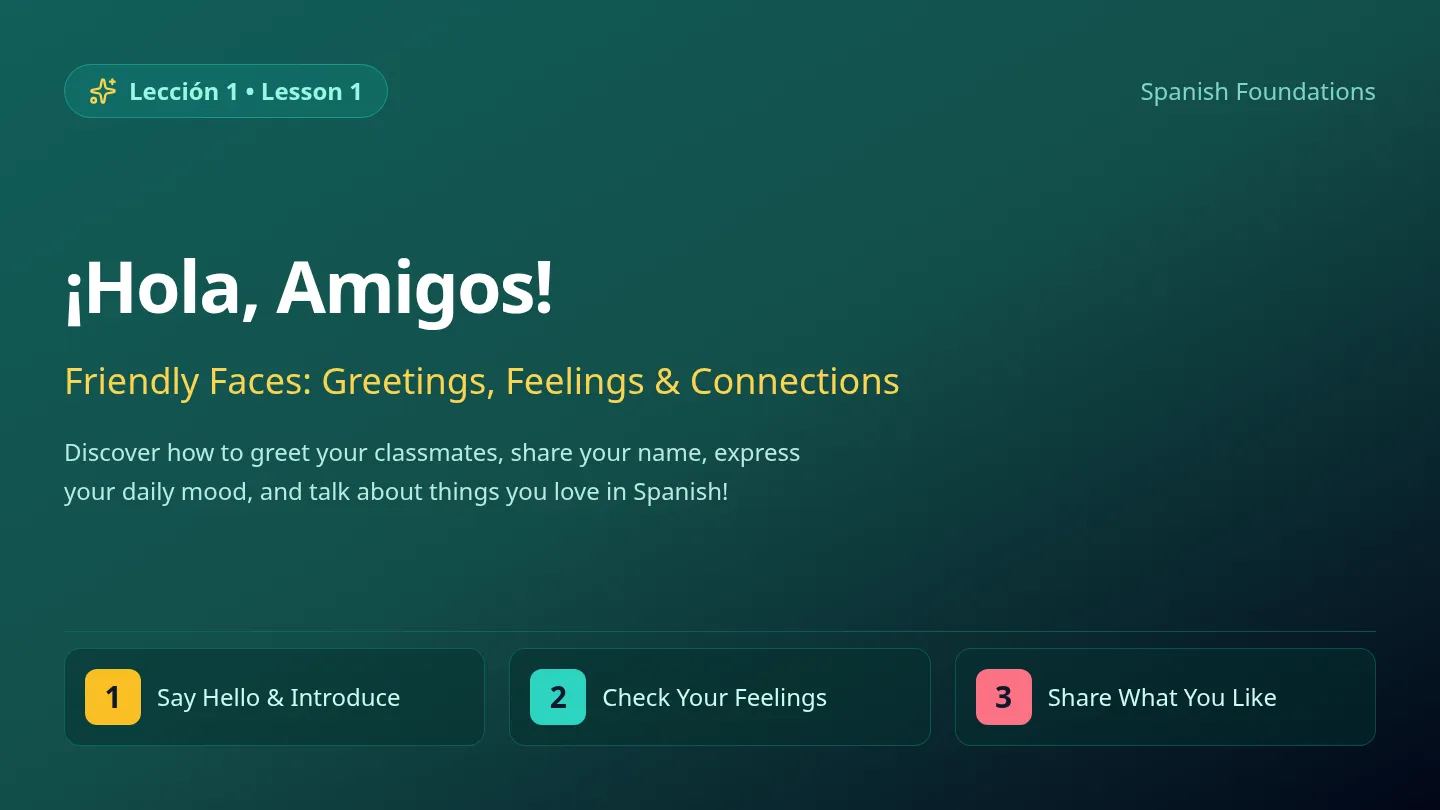
The Hanzi Code
Cracking Semantic-Phonetic Characters
Level: Intermediate
Can You Read This?
猜
"Look at this character. You may have never seen it before. Take a guess at how to pronounce it."
Hint: There is a secret code hidden inside.
The Secret Revealed
90% of Chinese characters follow a specific logic.
犭
The Radical
The Semantic component tells you the Category or Meaning .
"Related to animals"
青
The Phonetic
The Phonetic component hints at the Sound .
"Sounds like 'qīng'"
猜 = cāi (To Guess)
Code Anatomy
河
hé (River)
Radical: 氵 (Water)
妈
mā (Mother)
Radical: 女 (Woman)
打
dǎ (To Hit)
Radical: 扌 (Hand)
Why are we doing this?
Efficiency
Stop memorizing individual strokes. Start memorizing two chunks.
Predictions
You can guess the meaning and sound of characters you've never studied.
HSK Mastery
This logic is essential for moving into HSK 3 and 4 vocabulary.
Ready to Crack the Code?
Grab your Decomposition Lab worksheet. We are going to perform "surgery" on complex characters.
Mission Start
Decomposition Lab Worksheet Decomposition Lab
Character Surgery & Genetic Analysis
Agent Name:
Date:
Laboratory Protocol
In this lab, we will perform "surgery" on semantic-phonetic characters. Your mission is to isolate the Semantic Radical (the part that provides the meaning) and the Phonetic Component (the part that provides the sound).
1 Guided Dissection
Case File 01
妈
mā
Mother
Semantic (Meaning): 女
Phonetic (Sound): 马
Lab Task
湖
hú
Lake
Semantic Radical
Phonetic Component
2 Independent Surgery
Character Pinyin/Meaning Radical (Mean) Phonetic (Sound) 饱 bǎo / Full (eaten) 渴 kě / Thirsty 情 qíng / Emotion 把 bǎ / To Grasp
3 The Unknown Variable
Look at the character below. Use the "Hanzi Code" to predict its meaning category and sound.
棋
Meaning Prediction (Based on Radical):
Sound Prediction (Based on Phonetic):
Character is: qí (Chess). Did you crack it?
Sound Cousins Slides 音
族
音
族
音
族
音
族
音
族
音
族
Sound Cousins
The Power of Phonetic Families
What is a Sound Cousin?
Characters that share the same Phonetic Component are like cousins. They might look different at first glance (different radicals), but they usually sound very similar!
"If you know the sound of one family member, you can guess the sound of the rest."
妈
骂
码
蚂
The "mǎ" Family
Meet the 青 (qīng) Family
请
qǐng
Please
清
qīng
Clear
晴
qíng
Sunny
睛
jīng
Eye
情
qíng
Emotion
Wait... are they all exactly the same sound?
Exact or Close Enough?
Exact Match
Same sound, same initials/finals, often same tone.
方 (fāng) → 放 (fàng)
Close Enough
Same finals (rhyme), but maybe a different initial or tone.
巴 (bā) → 吧 (ba) / 爸 (bà)
Rhyme Time Challenge
Mission:
Group the characters on your activity sheet into their correct "Sound Families."
1
Identify the Phonetic Core
2
Find the Sound Cousins
3
Note any "Imperfect" matches
4
Prepare to present your family tree
Rhyme Time Sorting Cards Rhyme Time Sorting Cards
Sound Cousin Search Mission
Instructions: Cut out the character cards below. Group them into four phonetic families . Once grouped, identify which component is the "Phonetic Core" that all family members share. Note any "imperfect" cousins (where the tone or initial changes slightly).
方 fāng / square
房 fáng / house
访 fǎng / visit
放 fàng / to put
巴 bā / palm
吧 ba / (particle)
把 bǎ / to grasp
爸 bà / dad
召 zhào / call
招 zhāo / beckon
超 chāo / exceed
照 zhào / shine
门 mén / door
们 men / plural
问 wèn / ask
闻 wén / smell
Family Tree Records
1 Phonetic Core: ________
List family members here...
2 Phonetic Core: ________
List family members here...
3 Phonetic Core: ________
List family members here...
4 Phonetic Core: ________
List family members here...
Critical Analysis
Which character was the most "imperfect" cousin? Explain why (change in initial, final, or tone).
Heart of Hanzi Slides 心 忄 心 忄
The Heart of Hanzi
From Physical Parts to Abstract Thoughts
The Puzzle of 忙 (máng)
In Chinese, the character for "Busy" is 忙.
"Wait... why is the Heart (忄) radical inside the word for being busy?"
忙
Metaphorical Logic
心
Physical Origin
A human organ.
Metaphor
The center of emotion and thought.
思
Abstract Concept
To think, feel, or worry.
Not Just Grabbing...
打
dǎ (Hit)
Physical use of the hand.
提
tí (Suggest)
Metaphorical: "lifting" an idea.
抱
bào (Hug/Apologize)
Metaphorical: "holding" a feeling.
The "Thinking" Exercise
"If ancient scribes were designing a character for LOYALTY or FORGETFULNESS today, what physical radical would they choose and why?"
忠 (zhōng) = Loyalty
忘 (wàng) = Forget
Metaphor Map Worksheet Metaphor Map
From Physical Roots to Abstract Thoughts
1 Evolution of the Heart (心 / 忄)
Connect the physical organ to the abstract feeling. Explain why you think the ancient scribes used the "Heart" radical for these intermediate characters.
忙
máng (Busy)
Why the heart? (Think about heart rate when stressed/busy...)
怕
pà (Afraid)
Connection to the physical heart?
忘
wàng (Forget)
Is the heart the place where memories are stored?
2 Beyond the Physical Hand (扌)
The Hand (扌) radical is used for physical actions (push, pull, hit). But in intermediate Chinese, it also appears in abstract communication and mental actions .
提
tí To Carry / To Mention
How is "mentioning an idea" like "carrying a bucket"?
接
jiē To Receive / To Connect
How is "connecting a phone call" like "catching an object"?
3 Scribe's Studio
If you had to design a character for "DREAM" , which physical radical would you use (Eyes? Mouth? Heart? Hand?) and what would be the phonetic sound part?
[ Draw Your Hanzi ]
Semantic Radical Choice:
Logic Behind Choice:
Decoding Mission Packet Top Secret // Eyes Only
MISSION: DECODING
Target: Unknown HSK 4 Characters
TEAM CODE: ________
TIMESTAMP: 2026-01-17
Field Manual: Intelligence Gathering
Step 01
Isolate the Radical
What is the "DNA" of the meaning? (e.g., Water? Person? Emotion?)
Step 02
Detect the Phonetic
Find a component you recognize to guess the sound/rhyme.
Step 03
Analyze Context
Read the surrounding words. Does your guess make sense in the sentence?
Intercept A: The Laboratory
他在实验室里做了一次试验。虽然过程很困难,但他非常有耐心。
Decoding: 试 (shì)
Radical?
Sound?
Final Inference
Decoding: 耐 (nài)
Radical?
Sound?
Final Inference
Intercept B: The Encounter
在晚会上,他偶尔会想起以前的朋友。大家都说他的性格很开朗。
Decoding: 偶 (ǒu)
Radical?
Sound?
Final Inference
Decoding: 格 (gé)
Radical?
Sound?
Final Inference
"Once inferences are complete, consult the Oracle (Dictionary) to verify accuracy."
Mastery Project Guide Rubric Level: Master Codebreaker
Final Synthesis Project & Logic Breakdown
Mastery Level
The Mission: "Laoshi" Status
To achieve "Master Codebreaker" status, you must prove you no longer need a dictionary to understand character structure. You will select one complex HSK 4-5 character and create a visual "Logic Breakdown" to teach your peers.
Phase 1: Target Selection
Choose a character that contains at least one semantic and one phonetic component.
[ Write Character Here ]
Pinyin:
Meaning:
Phase 2: The Logic Breakdown
Prepare your explanation using the following components:
A. Semantic DNA
Why was this radical chosen? Is the meaning direct or metaphorical?
B. Phonetic Link
What is the "Sound Cousin"? Is it a perfect or approximate match?
C. Structural Flow
How does the placement of parts affect the reading flow?
Presentation Rubric
Criteria Mastery (5 pts) Proficient (3 pts) Decomposition Correctly identifies all sub-components. Identifies some but misses nuances. Logic Explanation Clear etymological reasoning provided. Basic meaning provided without depth. Teaching Skill Peers can accurately guess sound/meaning. Explanation is understood but complex.