Chronological examination of global art movements, significant artists, and stylistic developments. Builds visual literacy skills through formal analysis and historical contextualization of diverse creative works.
This 4th-grade sequence explores how traditional arts and crafts function as vessels for cultural heritage. Students learn to 'read' artifacts like narrative quilts and pottery as historical texts, ultimately creating their own heritage artifacts to preserve personal or family stories.
A 5-lesson unit exploring kinetic sculpture through the lens of Alexander Calder's mobiles. Students merge art history with physics principles like balance and center of gravity to create their own hanging sculptures.
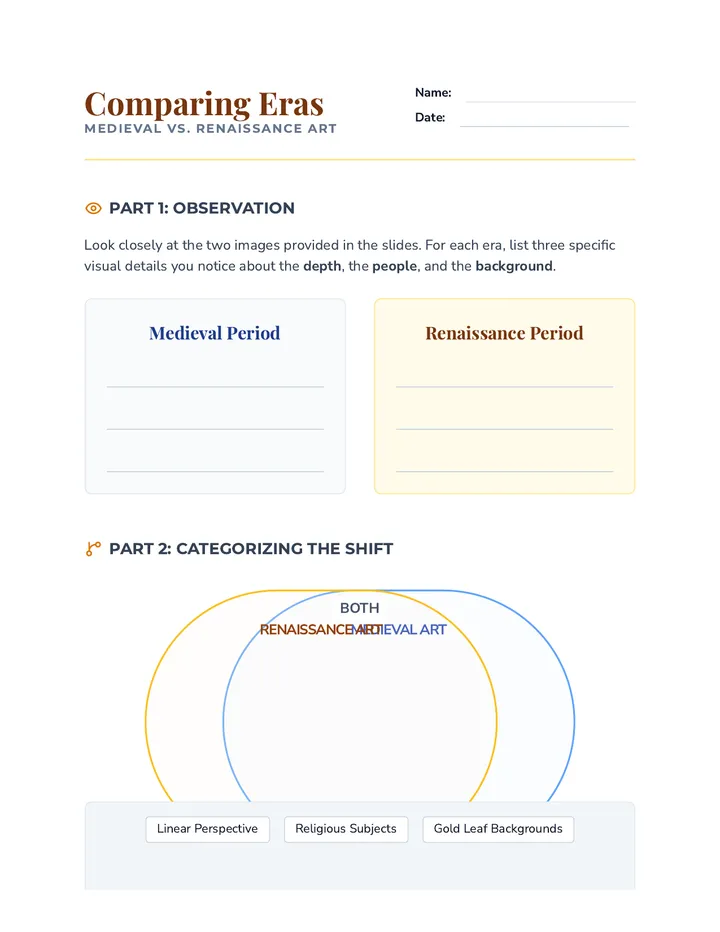
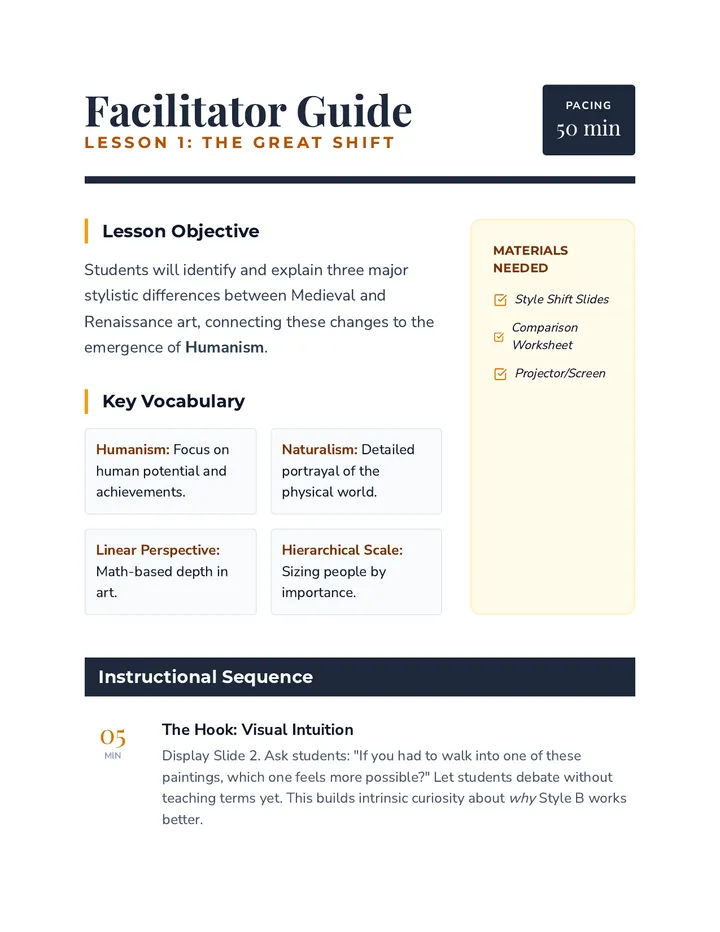
This sequence explores the transition from Medieval to Renaissance art, focusing on the development of linear perspective, human anatomy in art, and the cultural shift toward Humanism. Students will analyze masterpieces like 'The School of Athens' and apply mathematical principles to create their own realistic artworks.
This sequence explores the artistic revolution of the Renaissance, focusing on the shift from Medieval symbolism to Renaissance realism through the lens of mathematics and anatomy. Students will analyze historical works and apply technical skills like linear perspective to understand how art reflects cultural values.
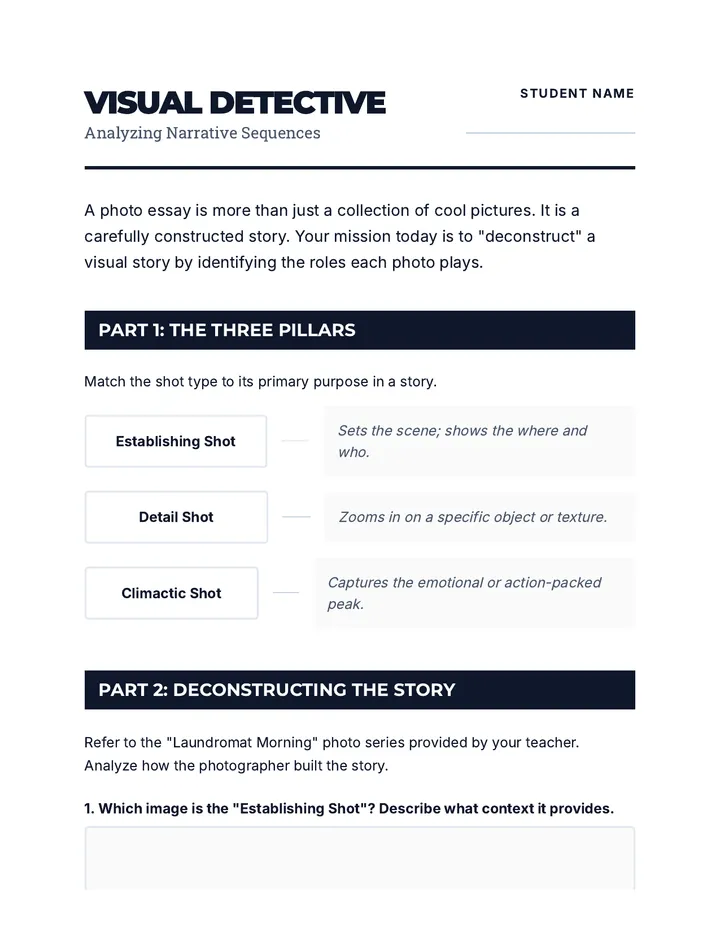
A comprehensive unit for 7th-grade students to master the art of visual storytelling through photography. Students move from analyzing professional photojournalism to planning, shooting, and curating their own narrative photo essays using the 'Five Shot Method' and techniques for capturing candid moments.
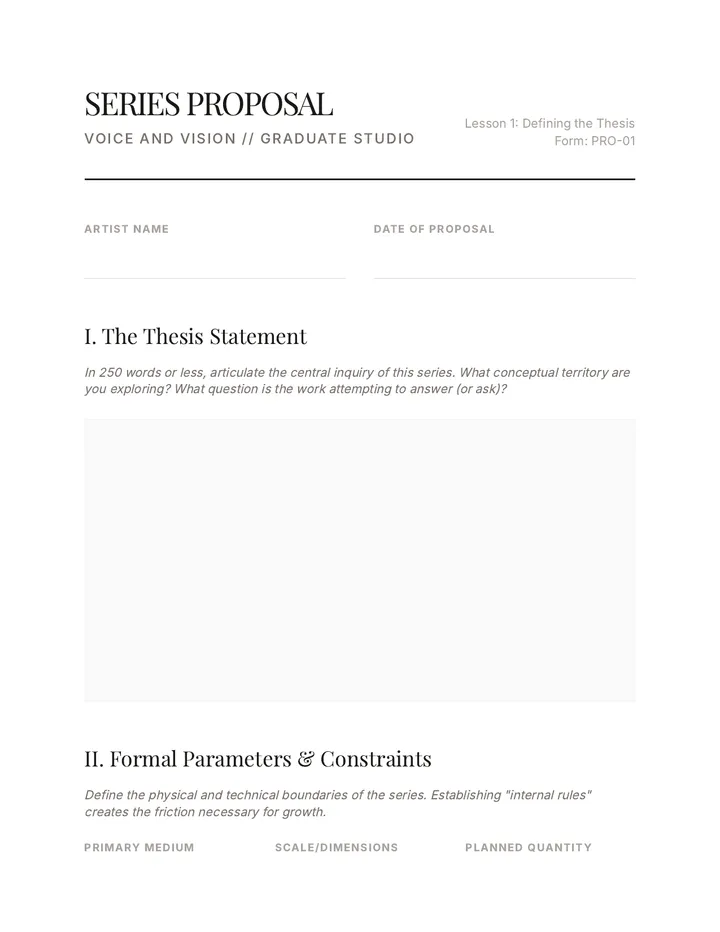
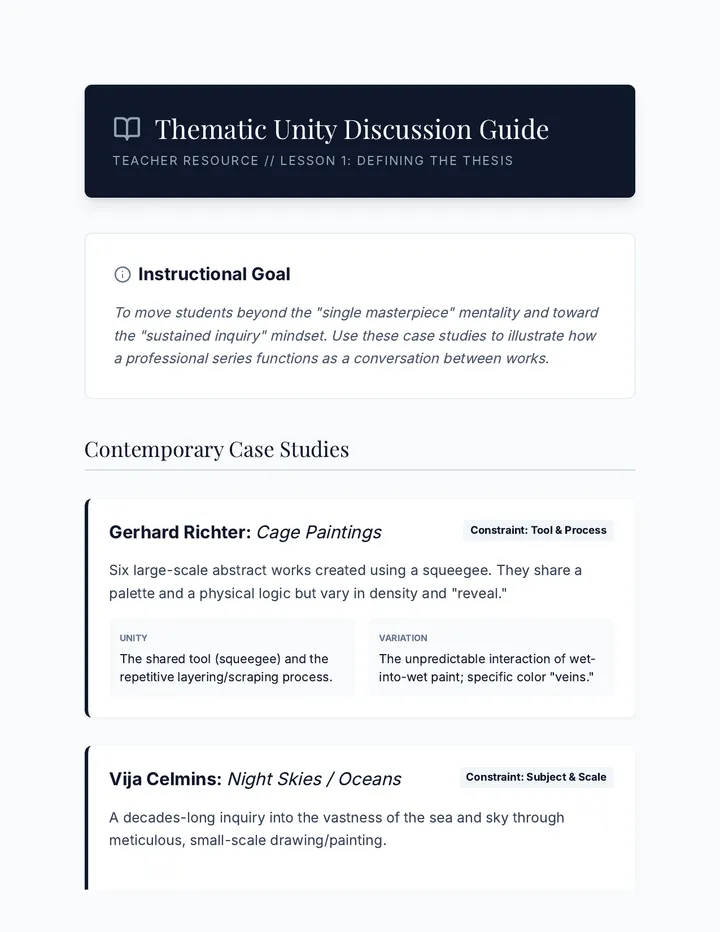
A graduate-level studio sequence focused on the transition from technical exercises to a cohesive, professional body of work. Students develop a thematic series, tackle the challenges of large-scale execution, engage in rigorous formal critiques, and curate a final presentation.
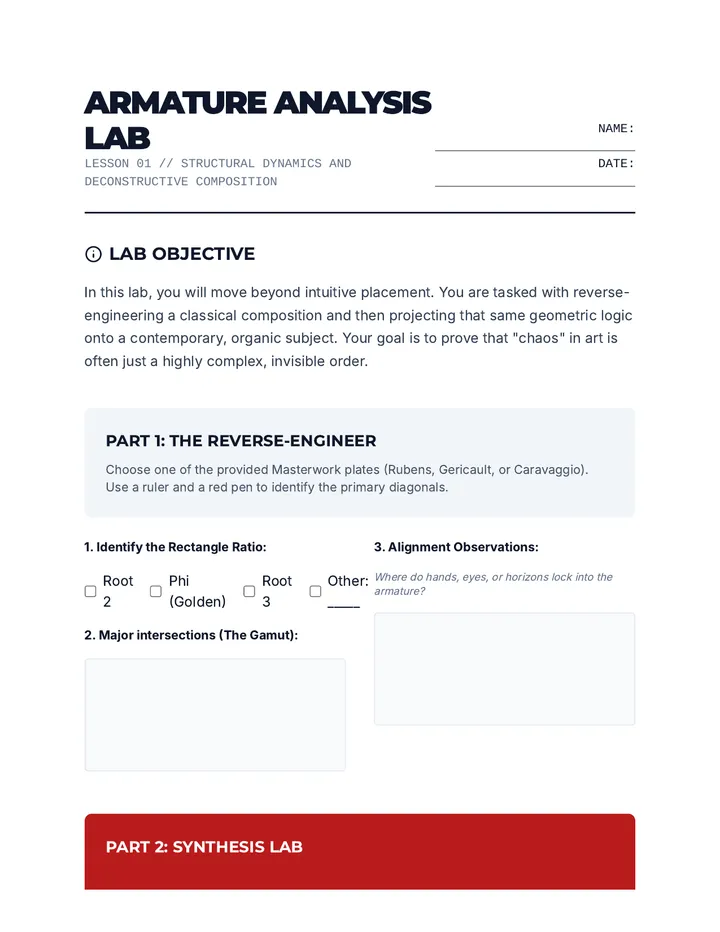
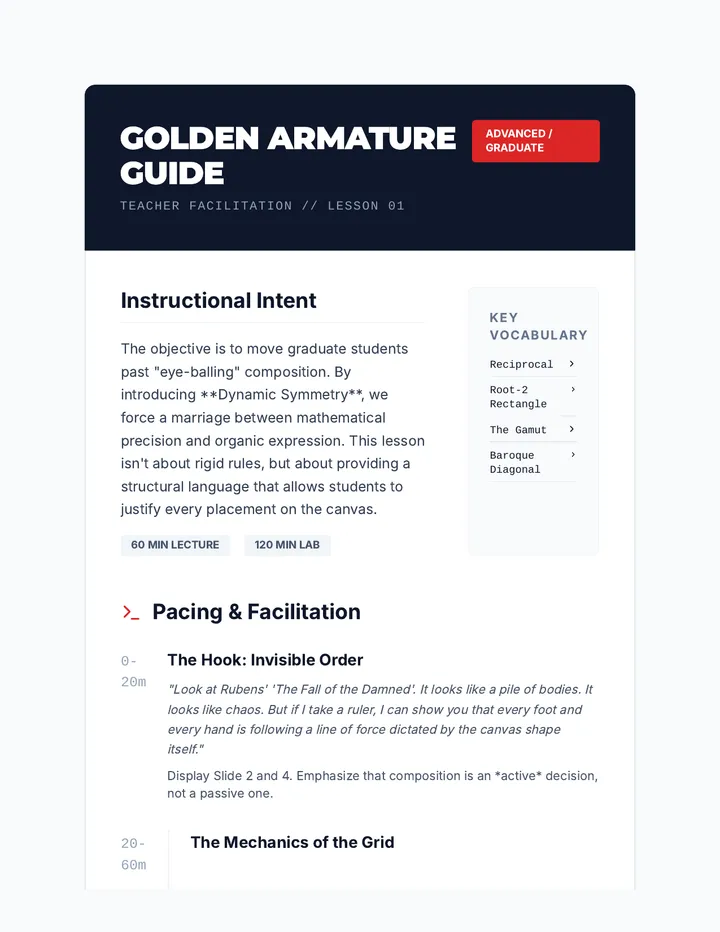
This advanced sequence for graduate students explores the deconstruction of classical composition through dynamic symmetry, edge tension, non-Euclidean perspective, and visual hierarchy. Students will move from rigid geometric analysis to 'anti-compositional' strategies to create contemporary, tension-filled imagery.
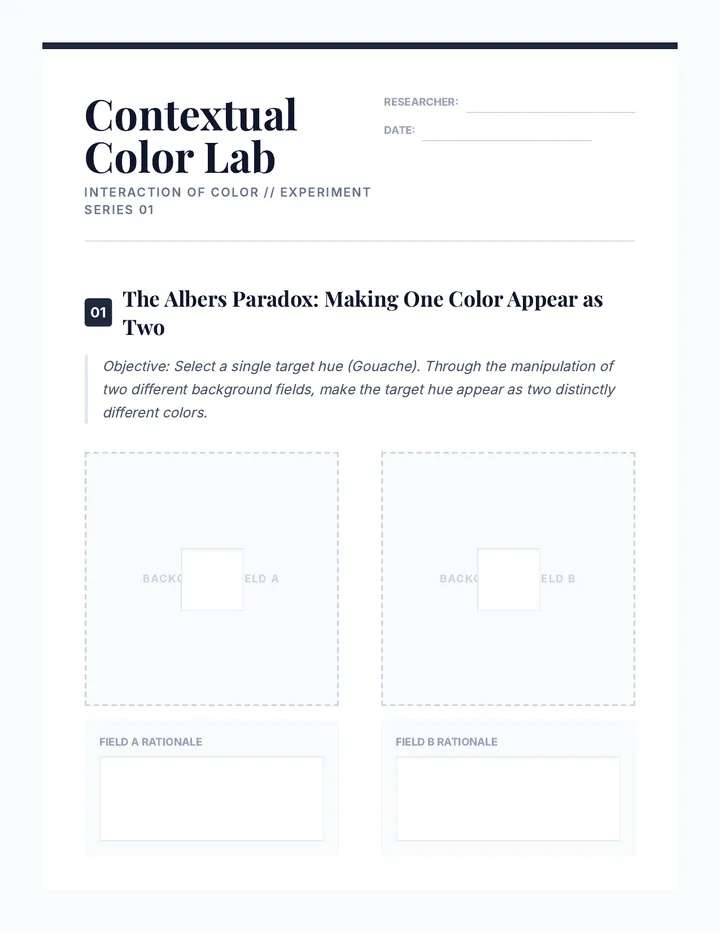
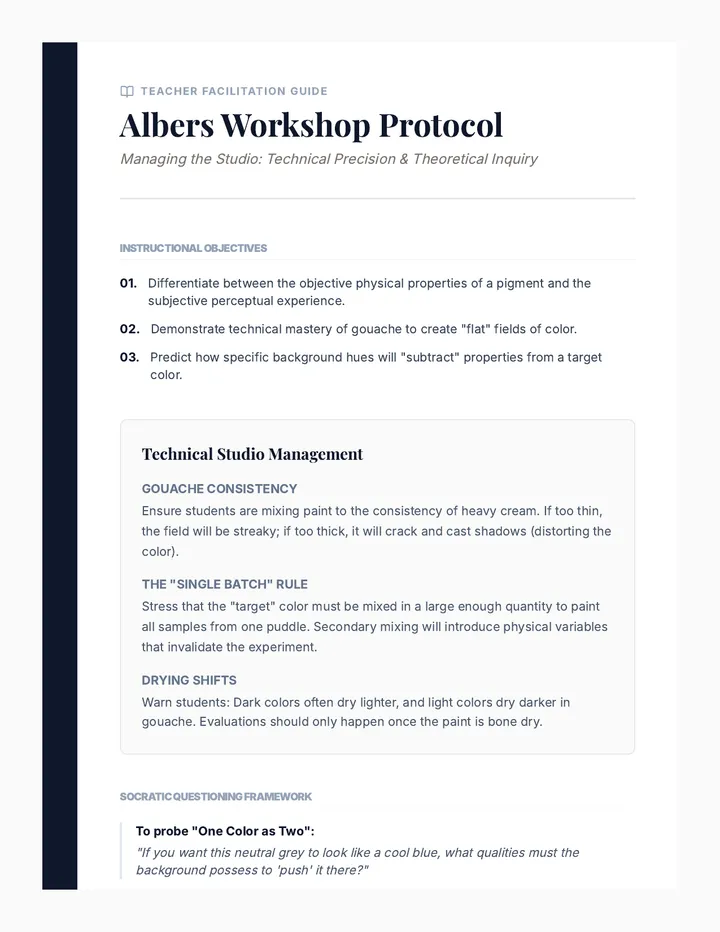
An intensive graduate-level investigation into the physics, psychology, and application of color in fine art, focusing on relativity, semiotics, and narrative.
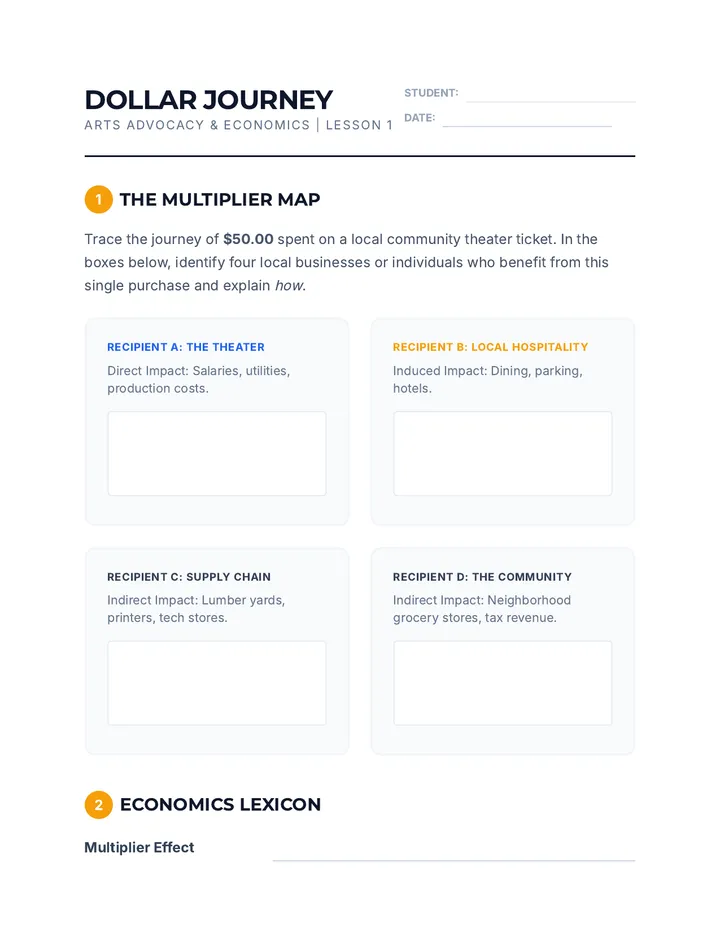
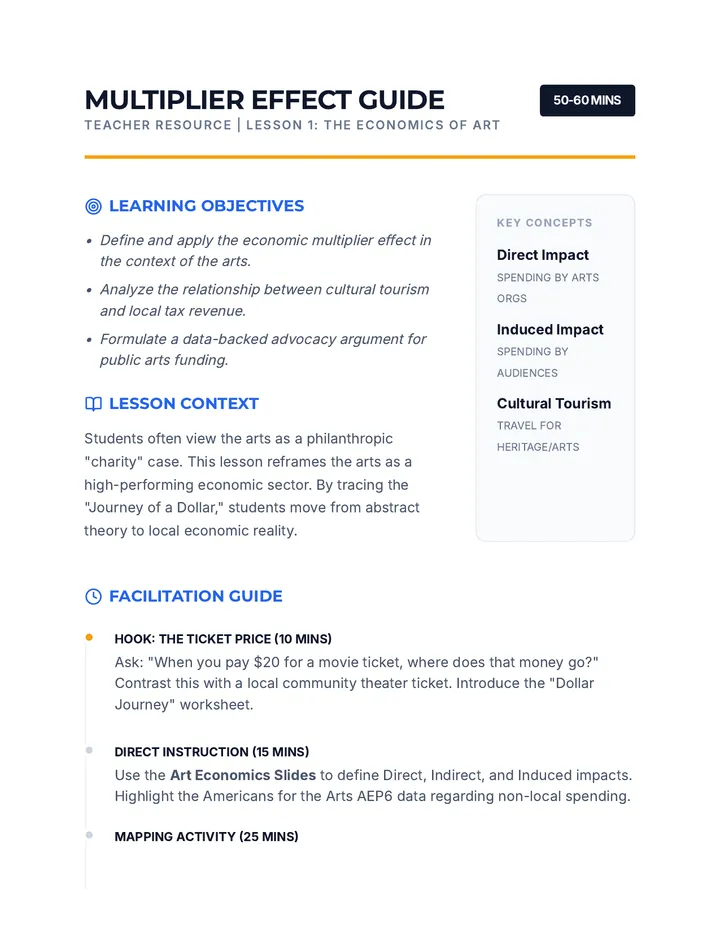
A 10th-grade sequence exploring the economic systems that support the arts. Students analyze funding models, the multiplier effect, gentrification, and grant allocation, culminating in the creation of a professional economic impact statement.
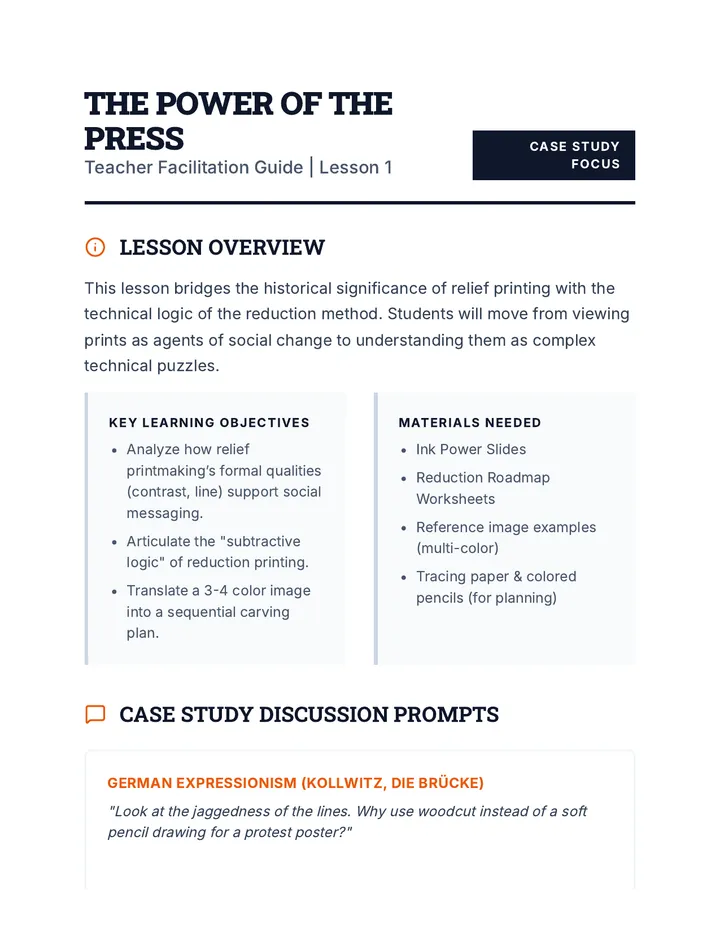
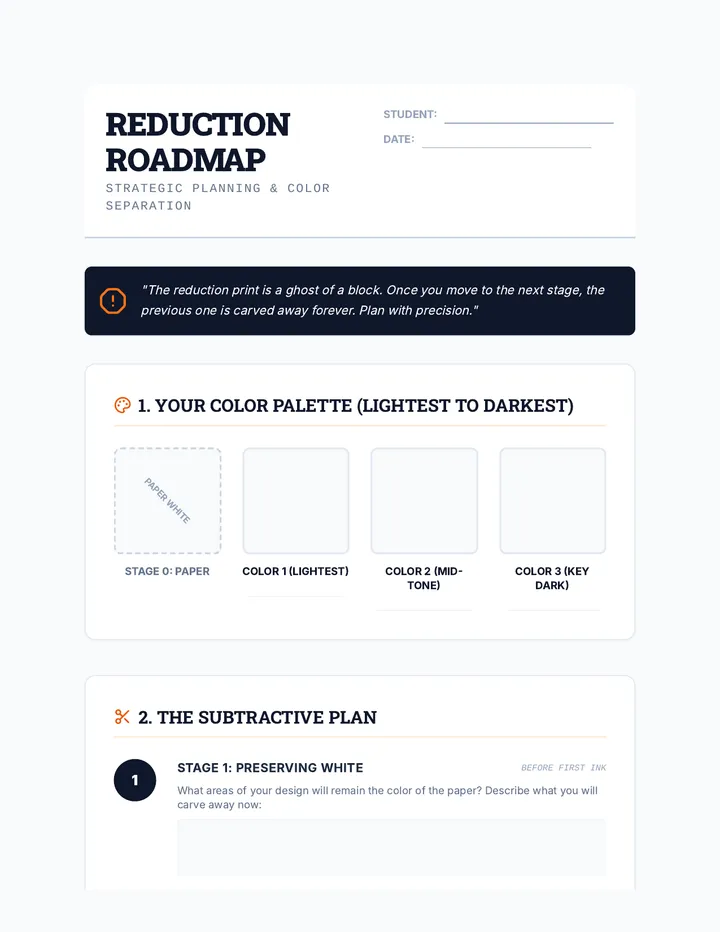
An advanced printmaking sequence focusing on the reduction lino-cut method. Students explore historical context, strategic planning, technical carving, and the precise mechanics of registration and editioning to create multi-colored prints from a single, evolving block.
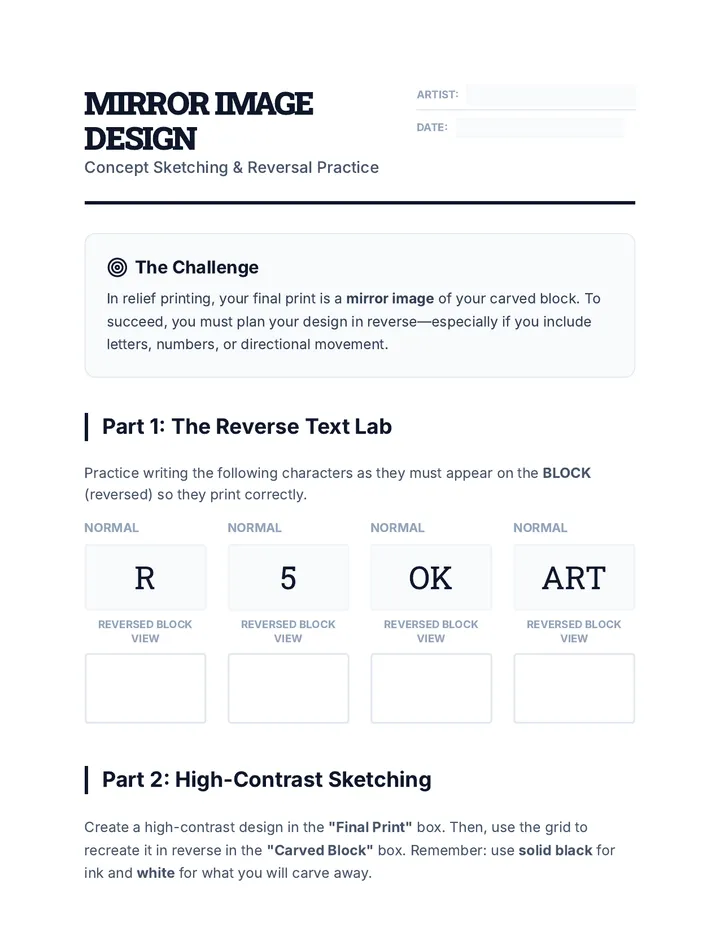
A comprehensive 8th-grade sequence on relief printmaking, covering design reversal, carving safety, ink application, and the reduction printing process. Students move from basic concepts to producing a professional multi-color edition.
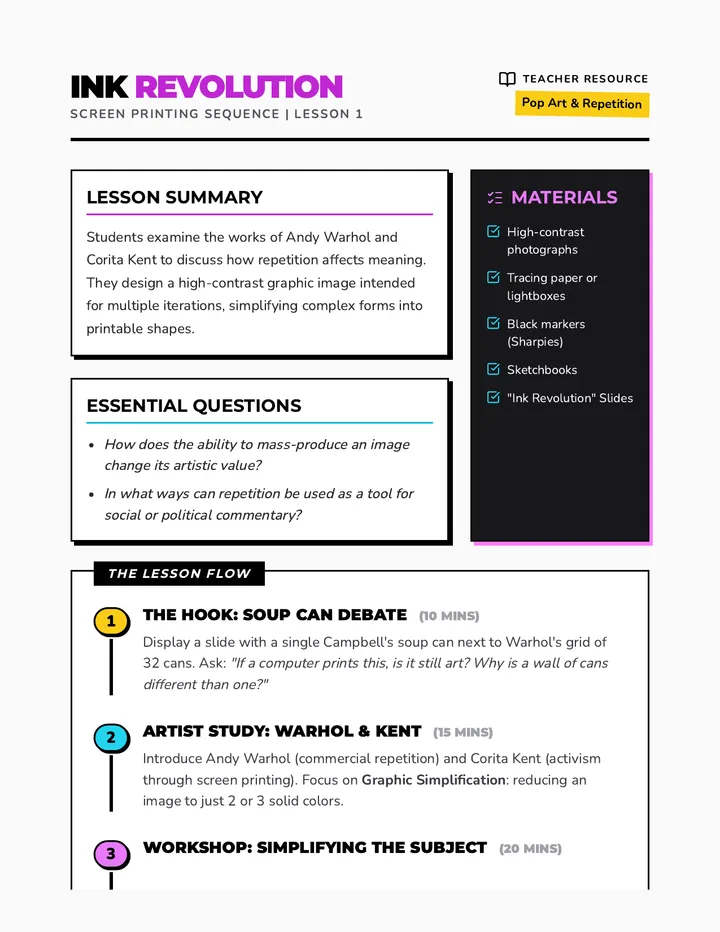
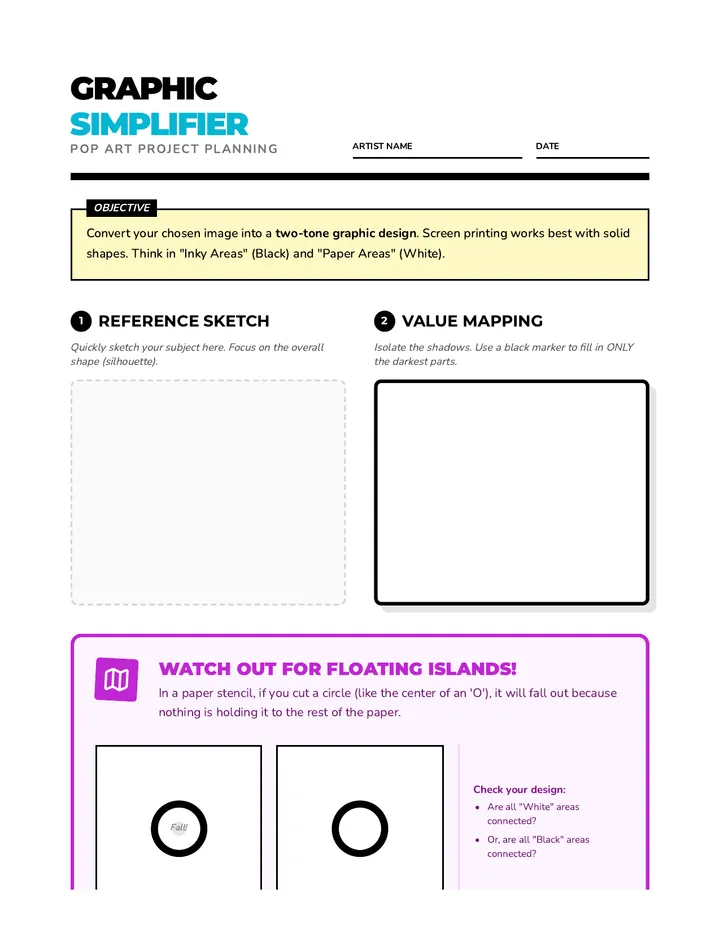
An 8th-grade unit exploring the intersection of Pop Art and screen printing. Students learn technical printmaking skills while investigating the social impact of mass-produced imagery.
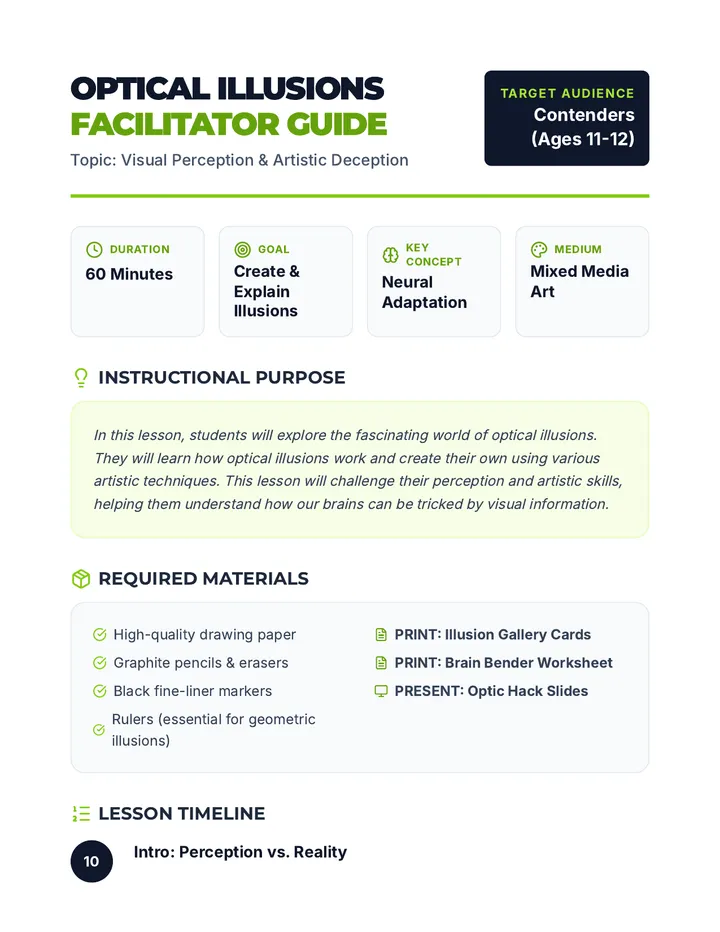
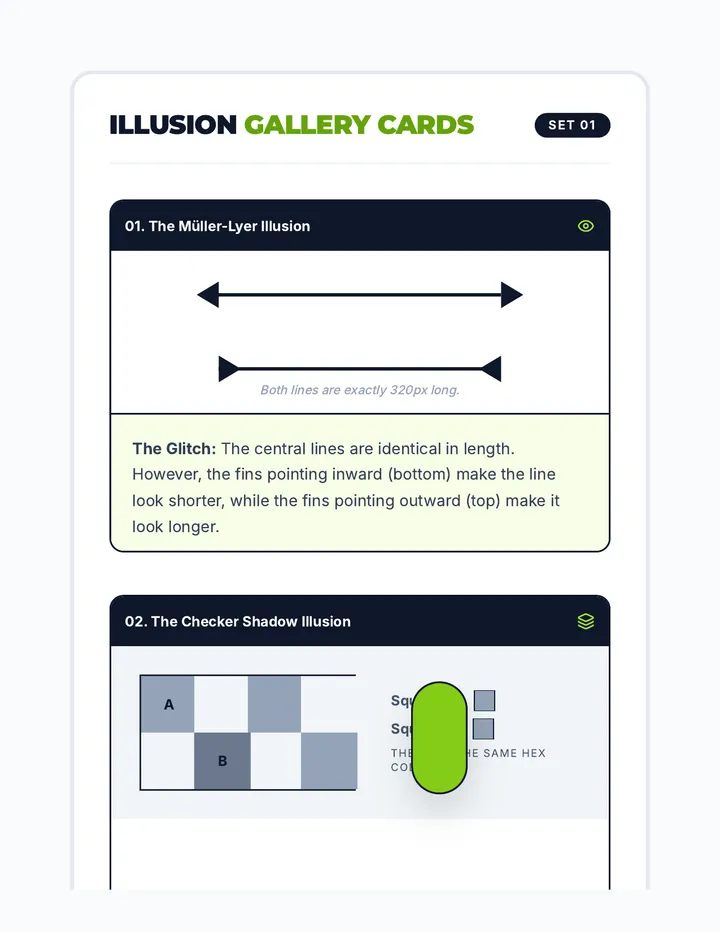
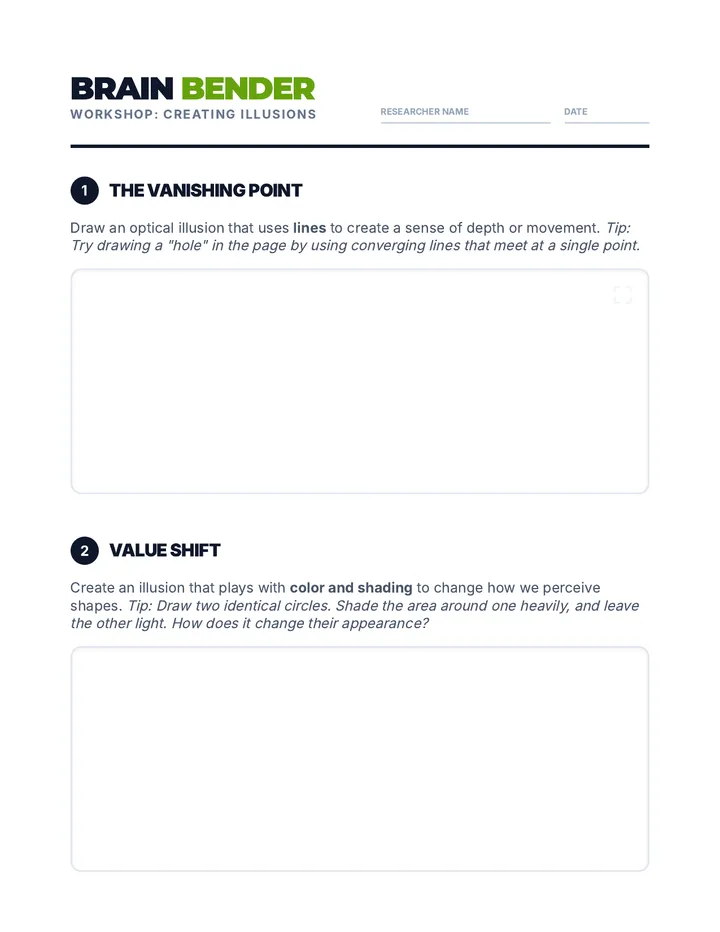
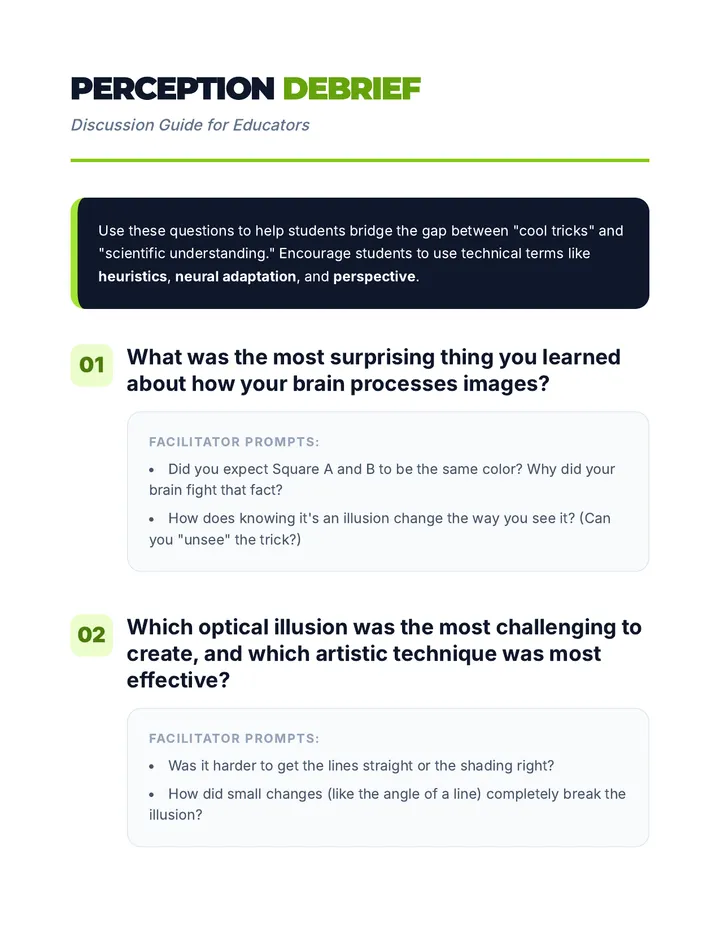
A hands-on exploration of how visual information can trick the brain, culminating in students creating their own mind-bending optical illusions.
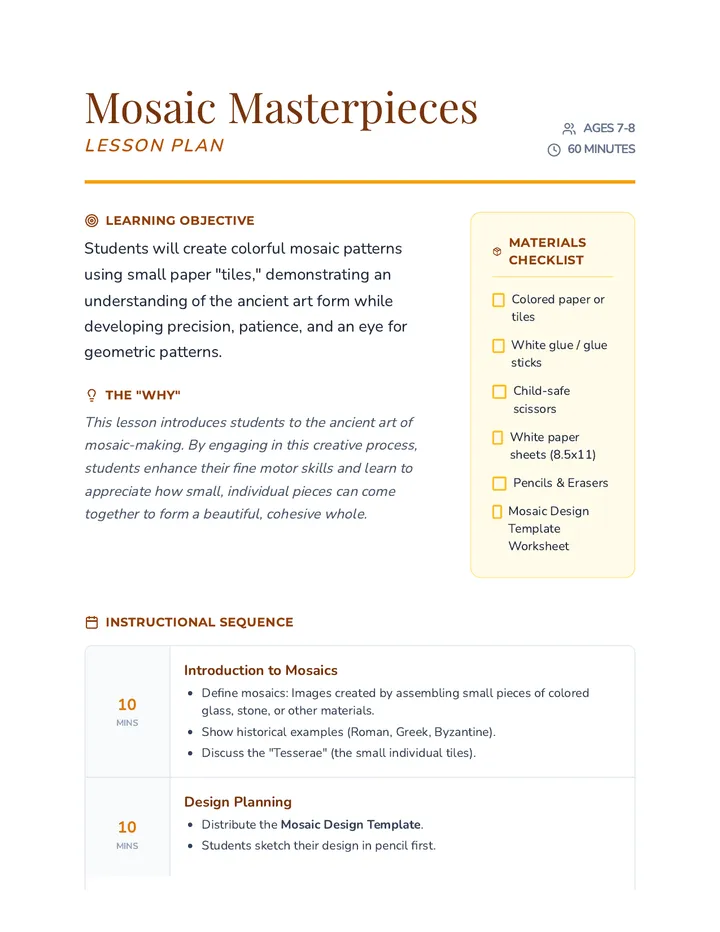
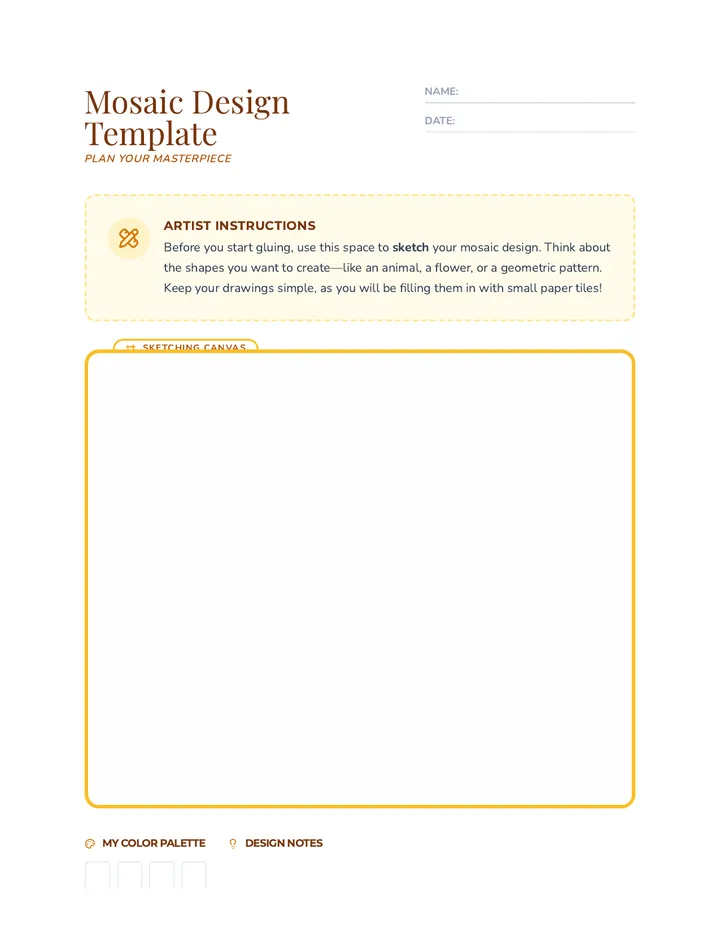
A creative art lesson where students explore the ancient art of mosaic-making. They will learn about the history of mosaics and create their own vibrant designs using paper 'tiles' to develop fine motor skills, patience, and an eye for patterns.
A creative exploration of visual storytelling where students analyze and design movie posters to understand the power of marketing art.
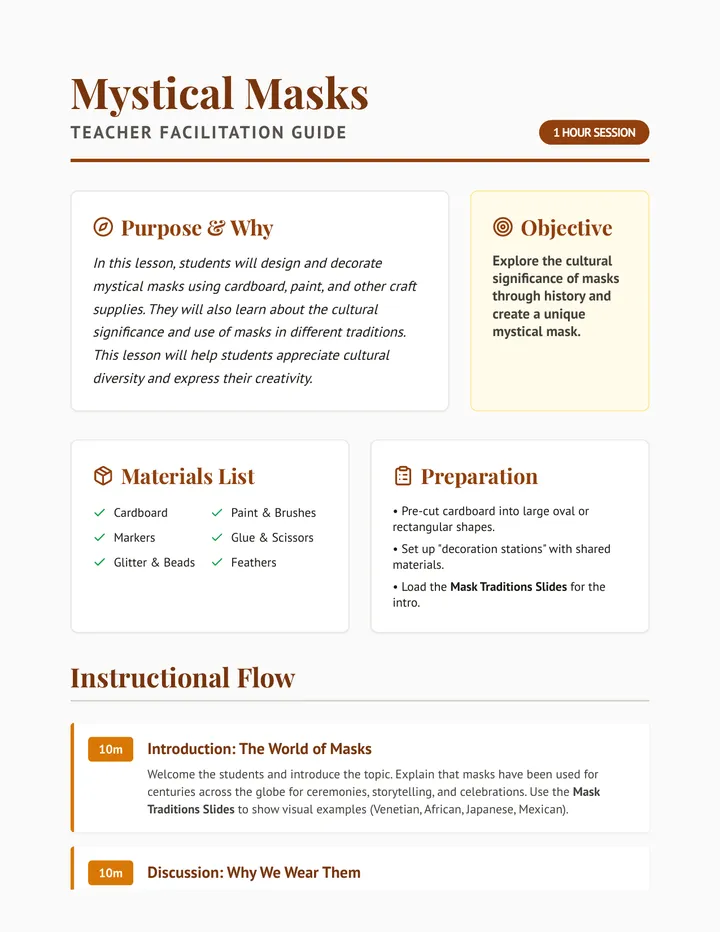
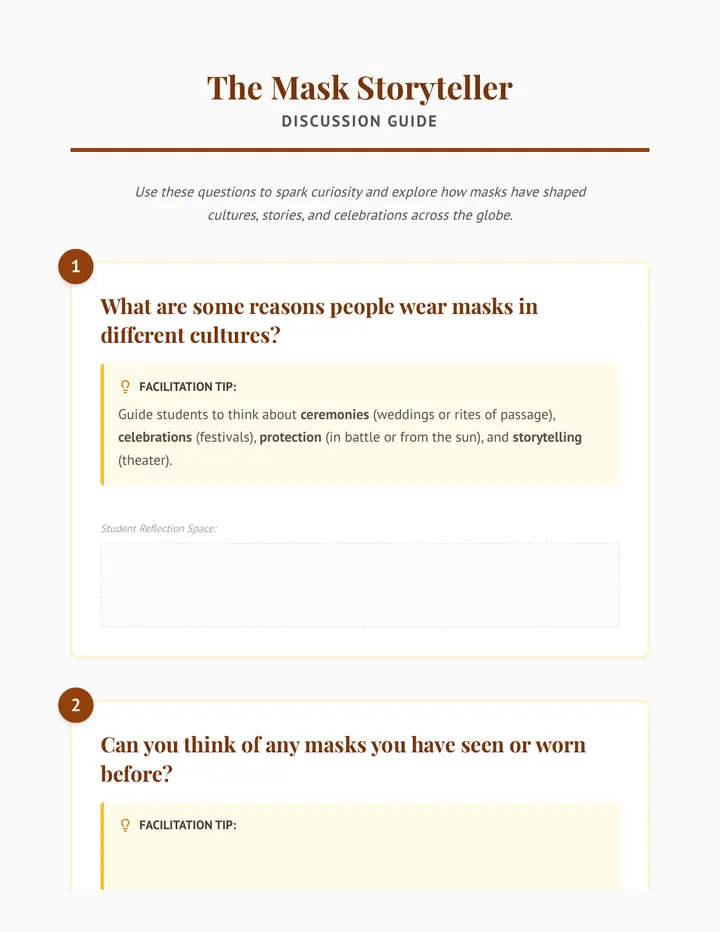
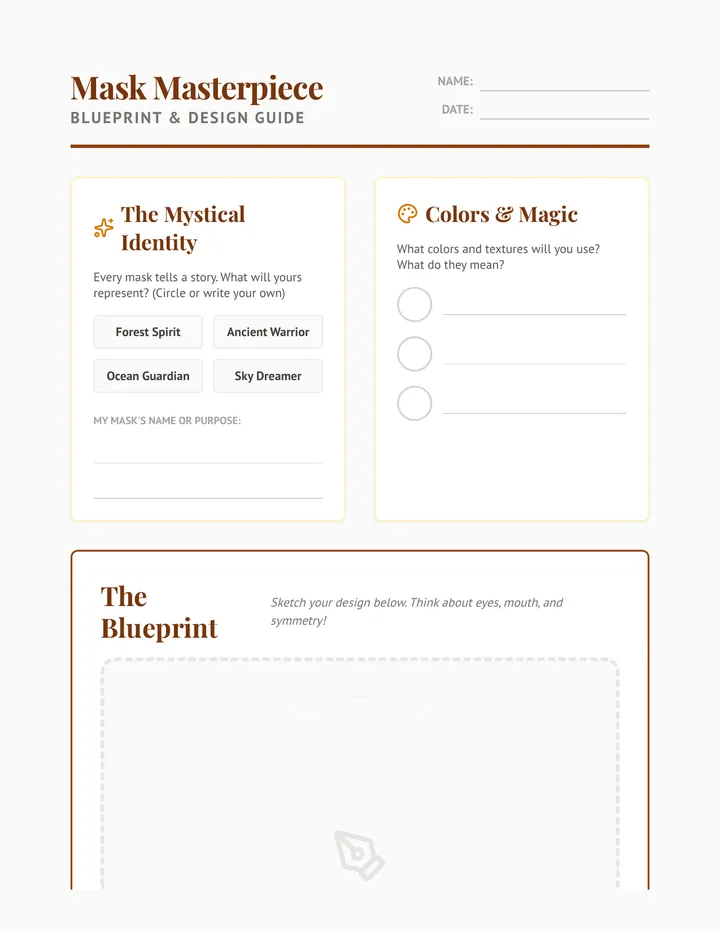
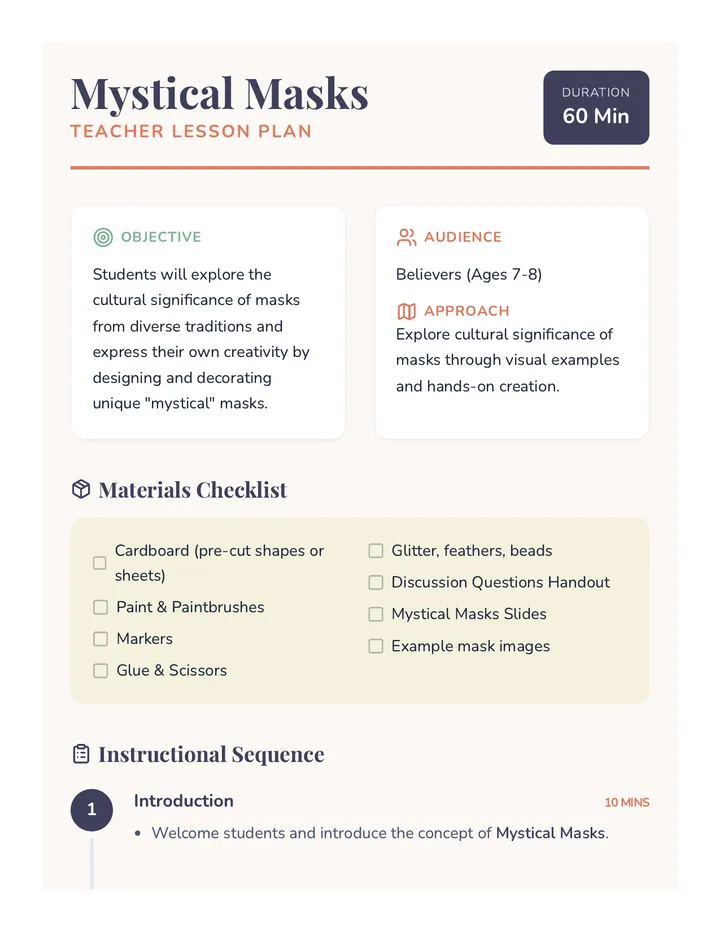
Students explore the cultural significance of masks from around the world and design their own mystical masks using cardboard and craft supplies.
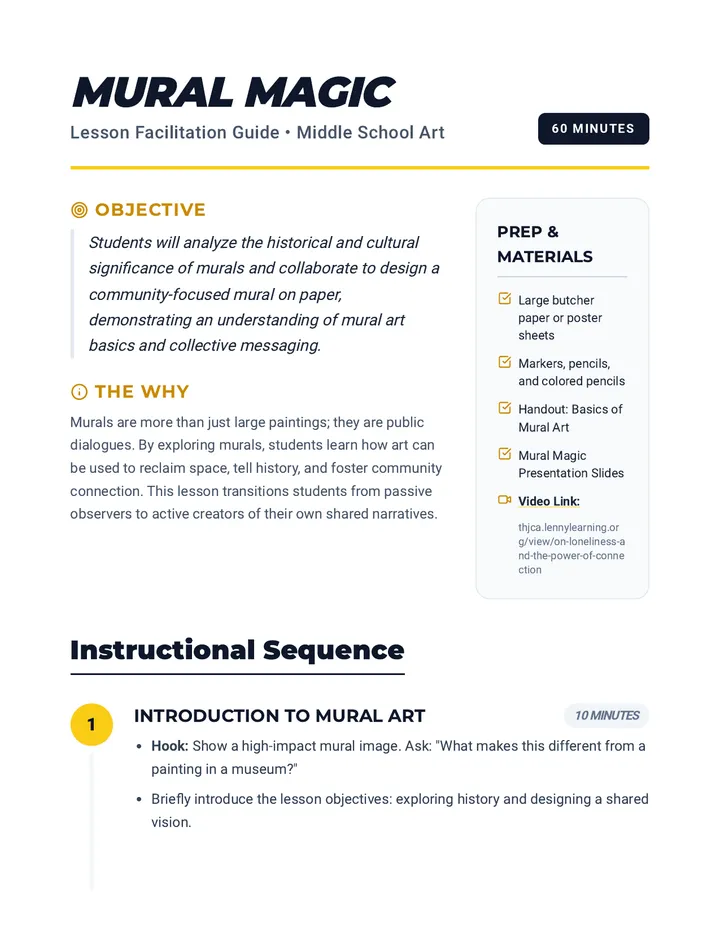
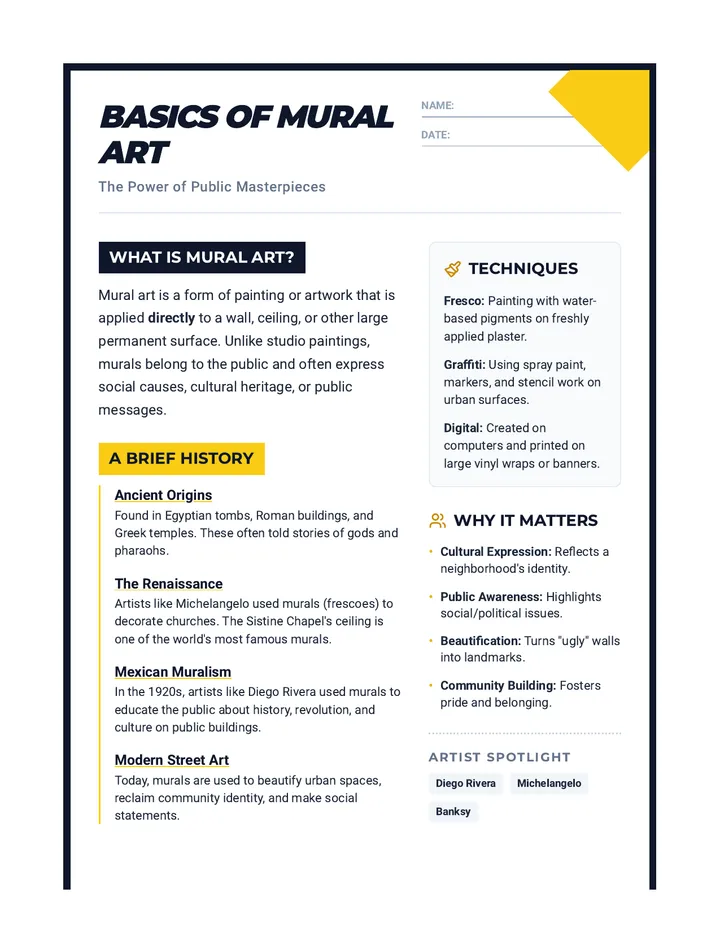
Students explore the history and cultural significance of mural art before collaborating to design their own community-themed mural.
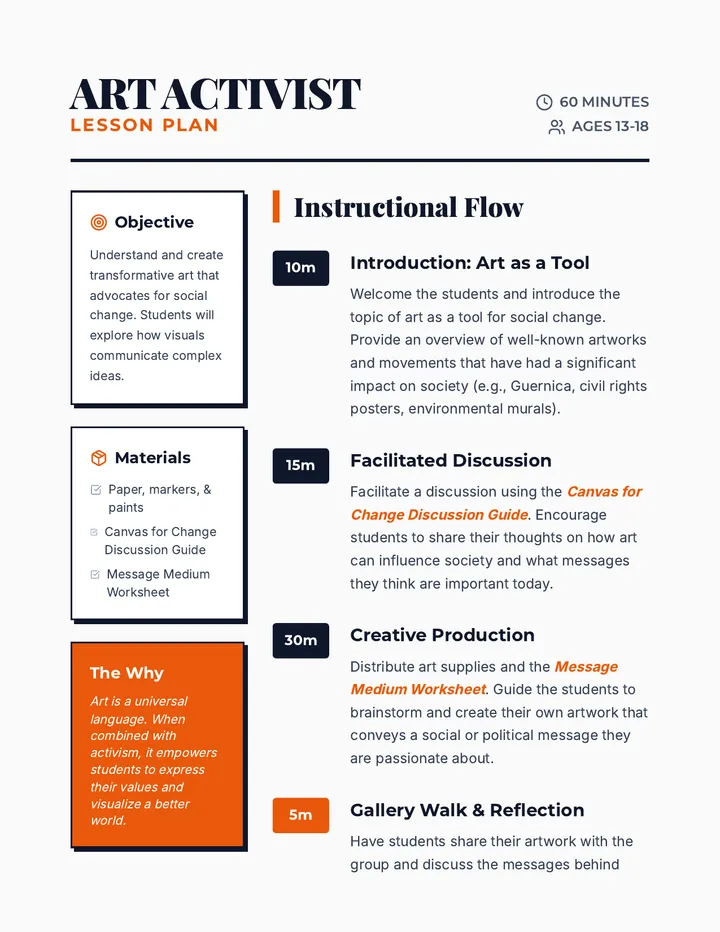
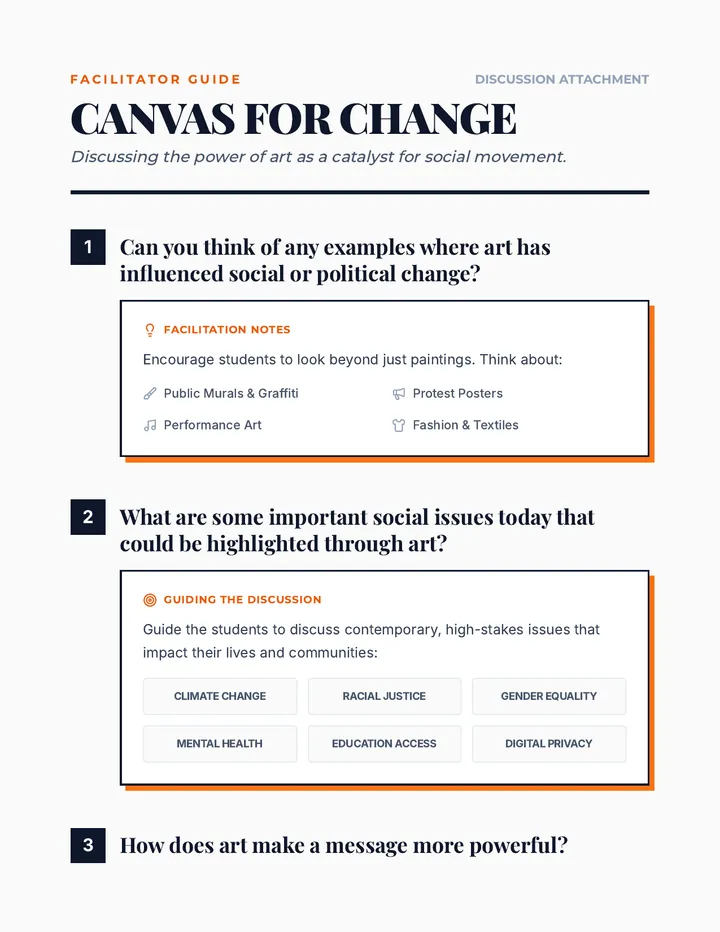
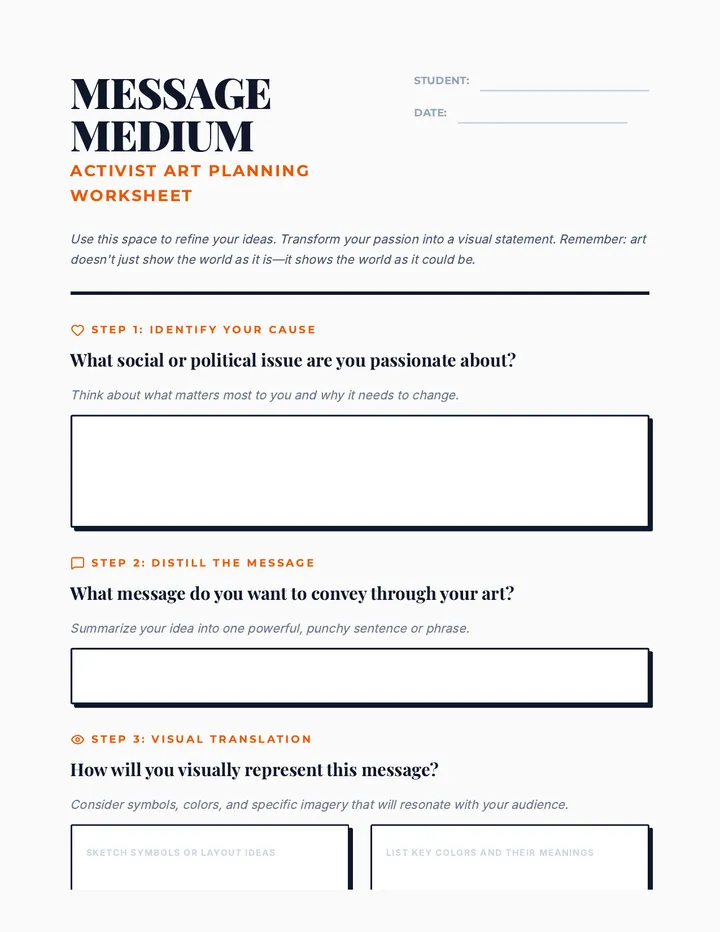
Students explore the history and impact of art in social movements, then brainstorm and plan their own activist artwork focused on contemporary issues.
Students explore the cultural significance of masks from around the world and design their own mystical masks using cardboard and craft supplies. This lesson encourages creative expression and appreciation for global traditions.
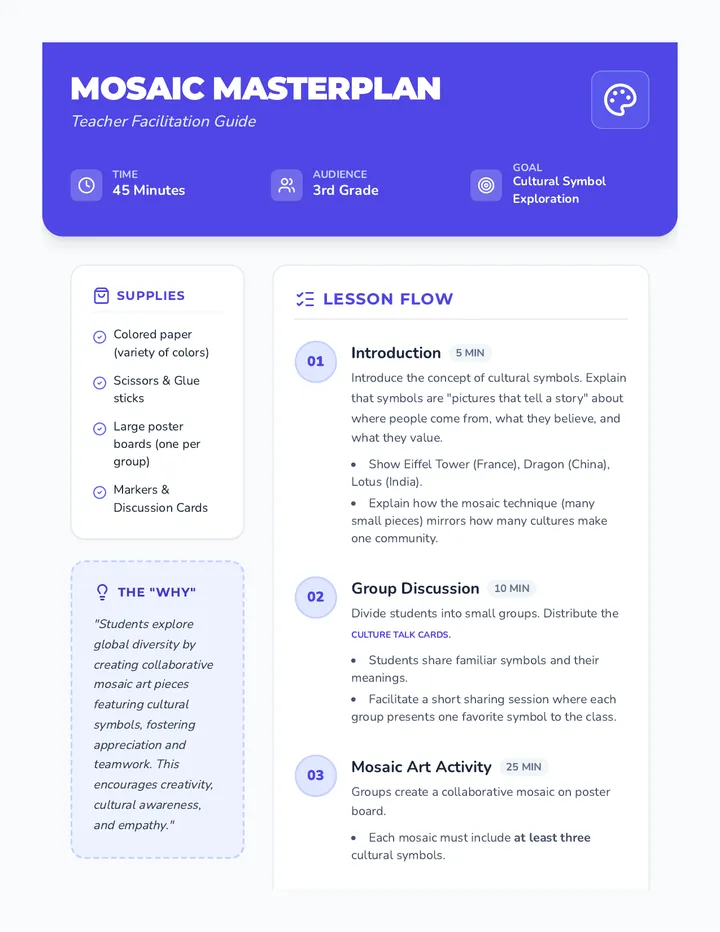
Students explore global diversity by creating collaborative mosaic art pieces featuring cultural symbols, fostering appreciation and teamwork.
A lesson designed for 4th graders to explore different creative processes and discover their unique artistic methods through hands-on activities and reflection.
A 3rd-grade lesson exploring various art careers, helping students connect their creativity to real-world possibilities through discussion, visual examples, and hands-on activities.
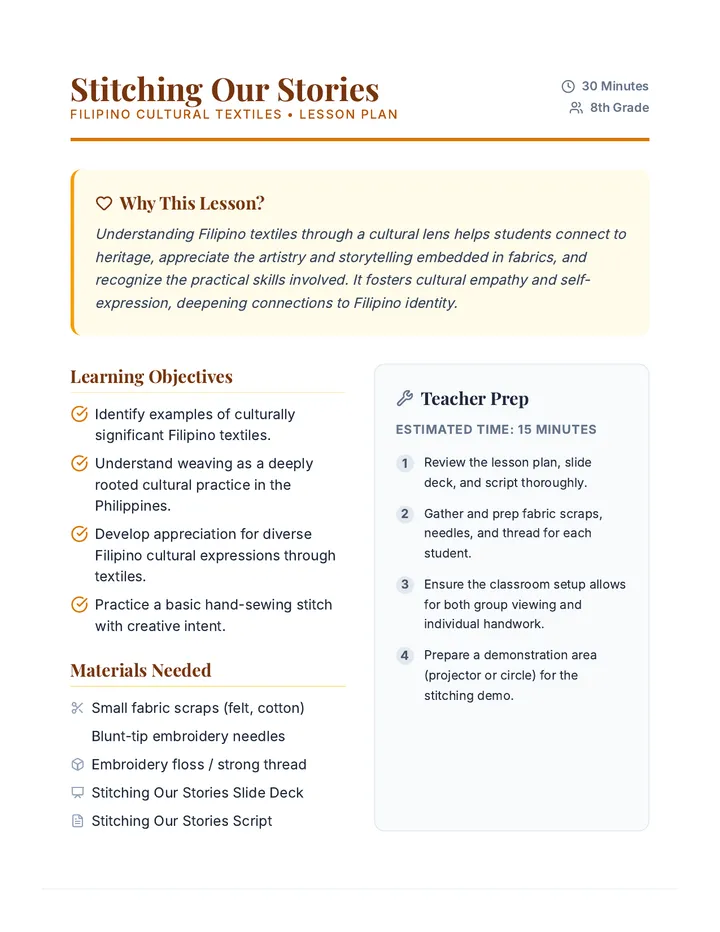
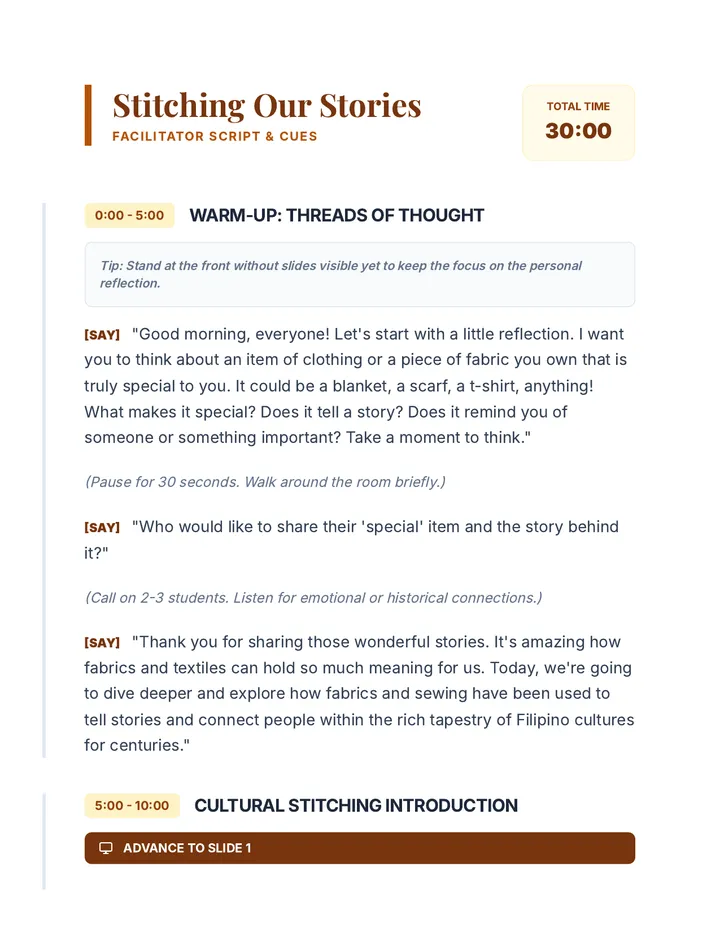
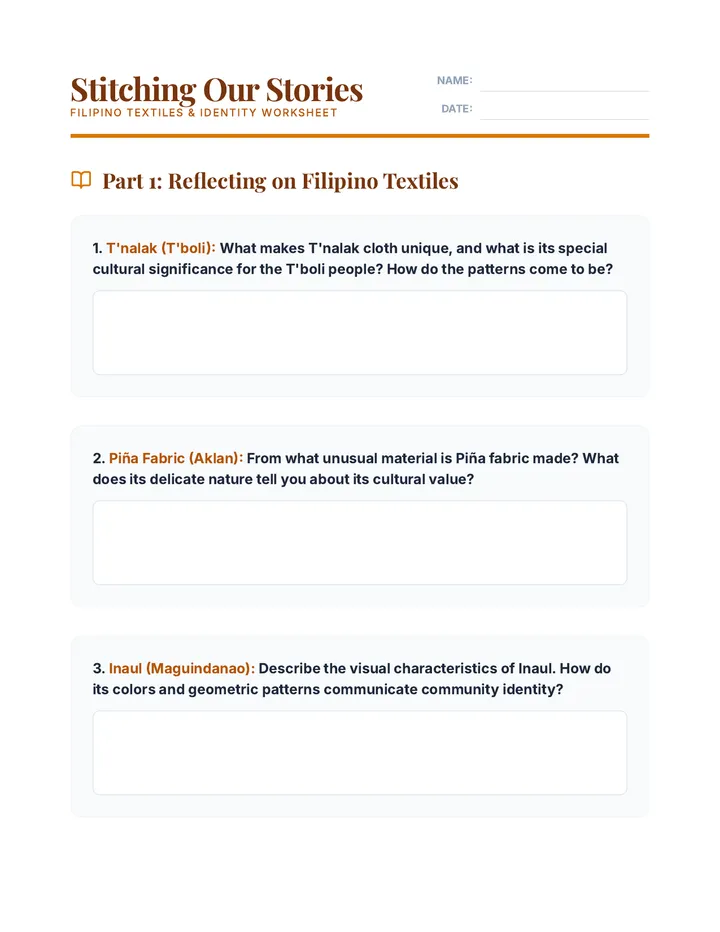
This culturally responsive lesson explores the rich history and cultural significance of various Filipino textiles, connecting diverse weaving traditions to personal identity through a hands-on stitching activity.
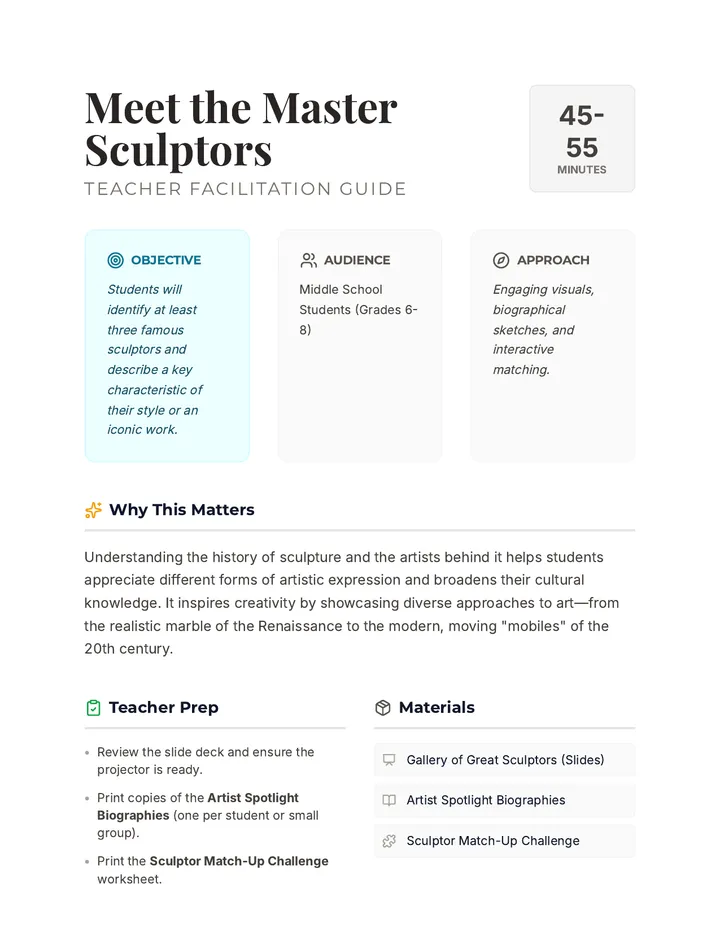
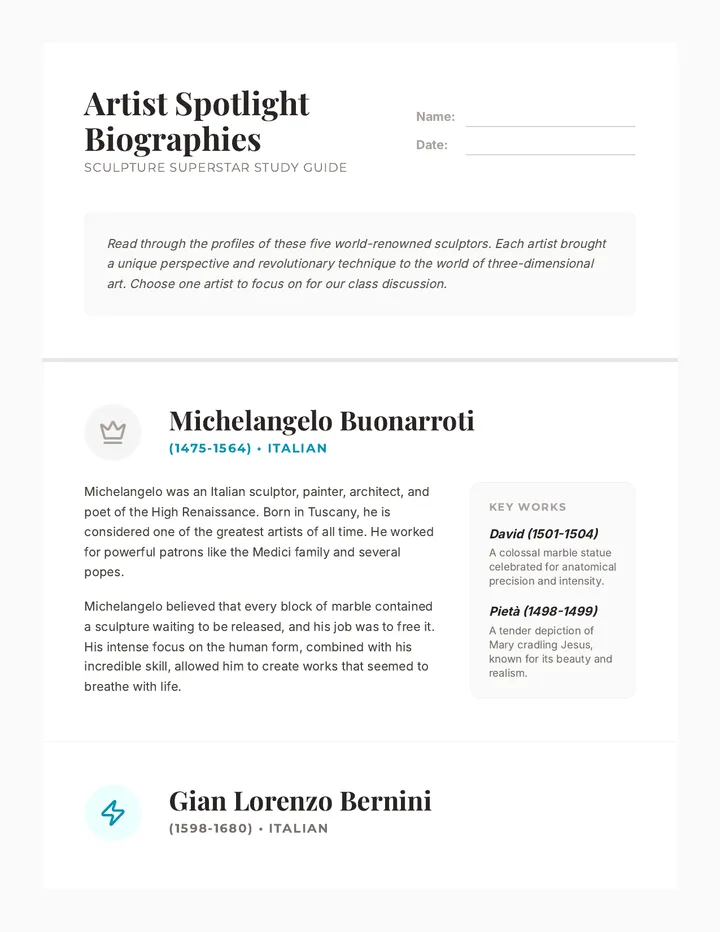
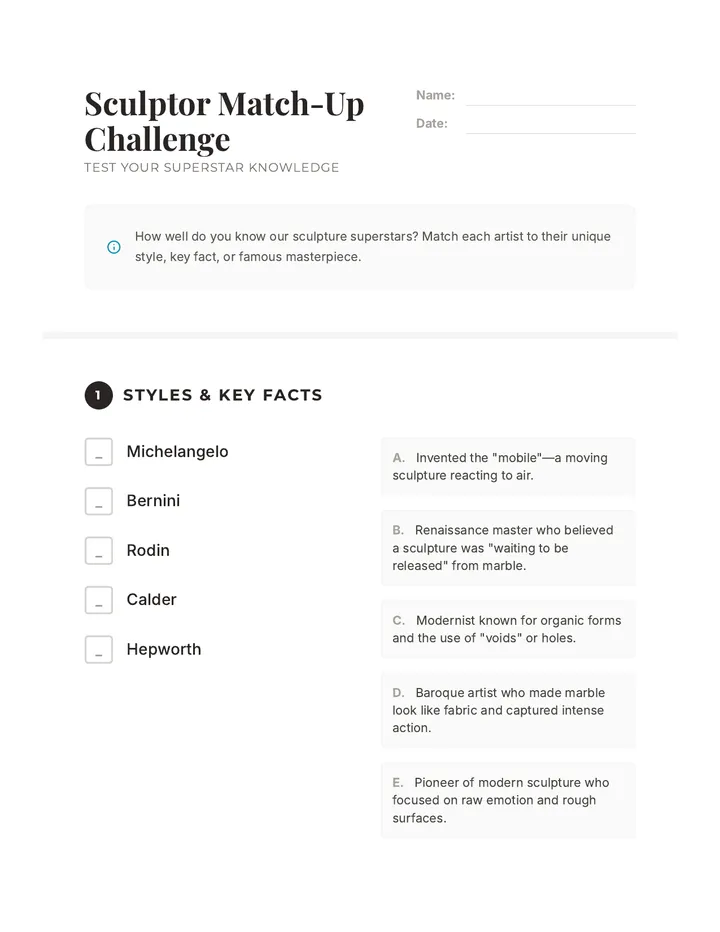
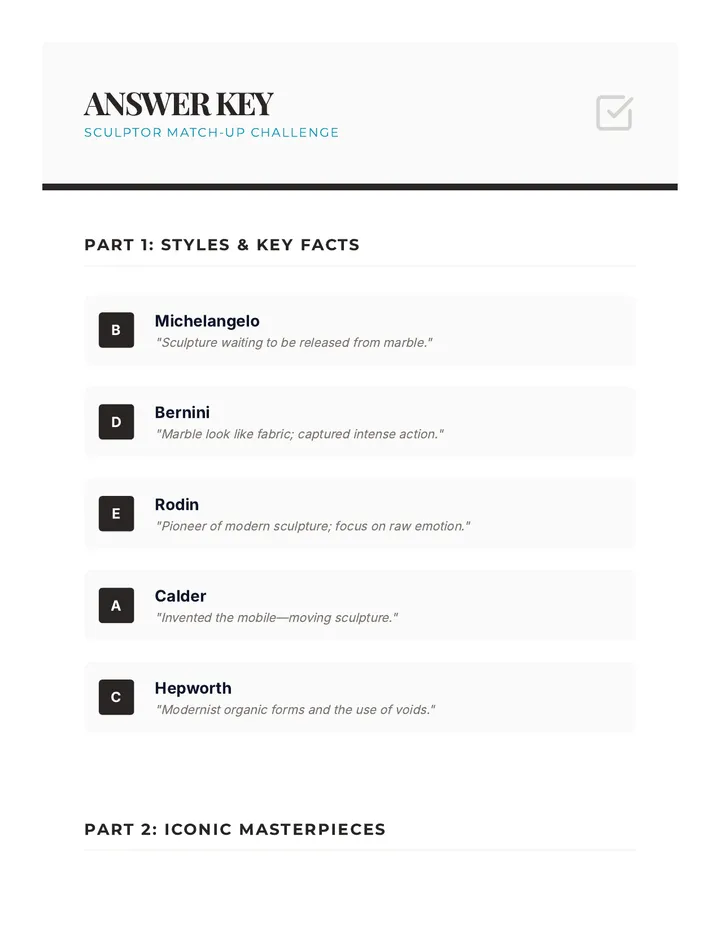
A middle school art history lesson introducing students to iconic sculptors like Michelangelo, Bernini, Rodin, Calder, and Hepworth through visual presentations and biographical studies.