A high-energy exploration of cardiovascular health, focusing on heart rate, the effects of exercise, and how to maintain a healthy pump.
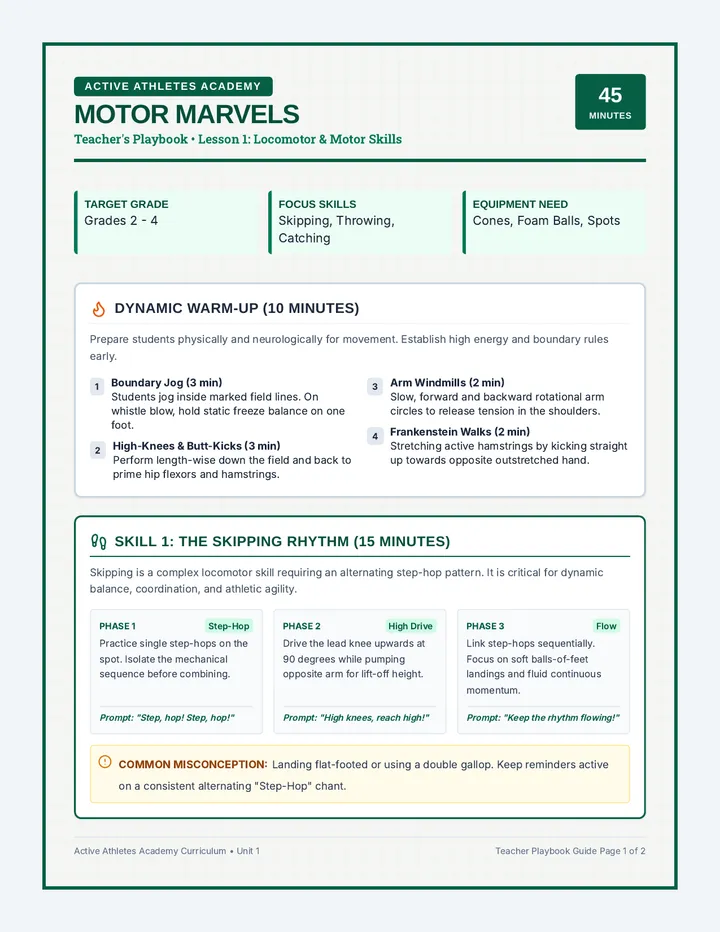
A physical education curriculum unit targeting fundamental motor skills and team sports dynamics. It bridges basic mechanics like skipping, throwing, and catching with tactical play, positions, and teamwork principles in soccer and basketball.
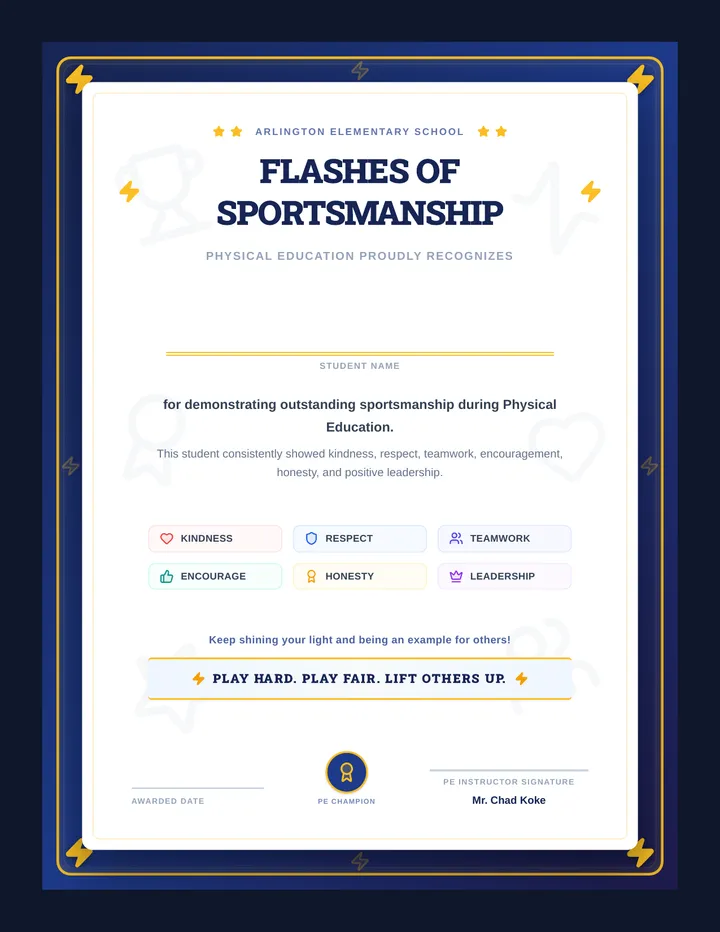
A reward and tracking system for physical education that celebrates outstanding student sportsmanship with lightning-themed certificates and tracking charts.
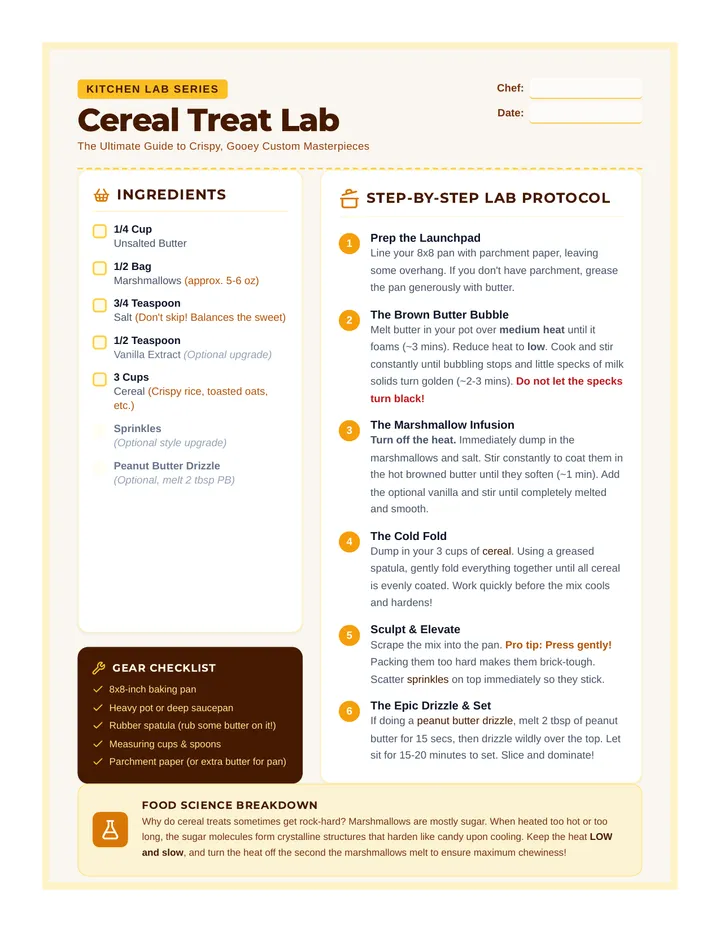
An engaging, teen-focused recipe card featuring a sophisticated brown-butter technique for making custom cereal treats, complete with a science-backed explanation.
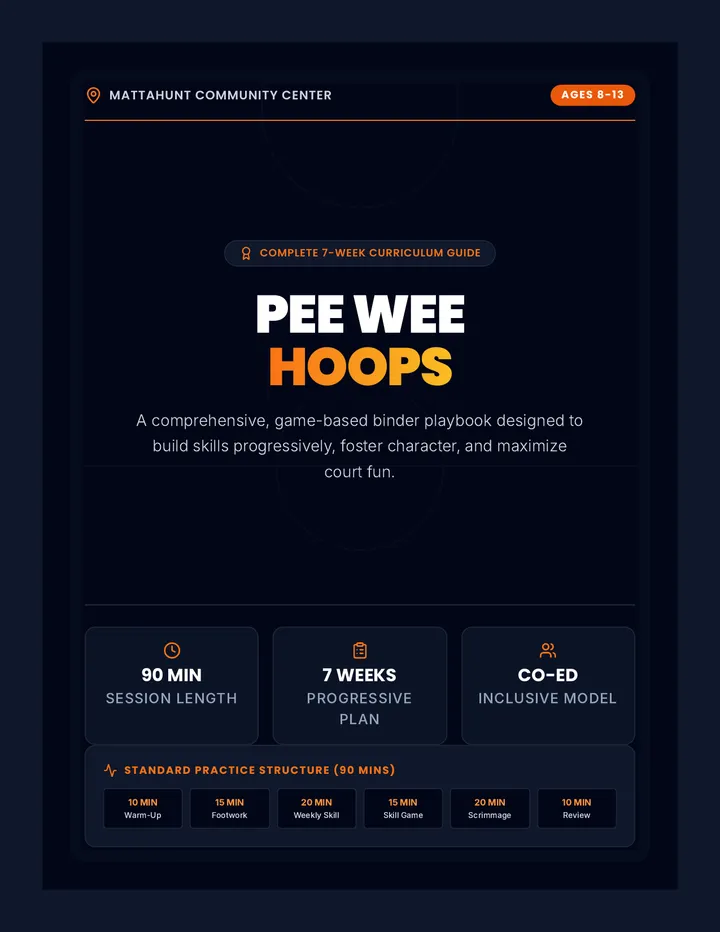
A comprehensive 7-week progressive basketball curriculum for youth ages 8-13 at Mattahunt Community Center. The sequence focuses on progressive skill-building, game-based learning, and character development.
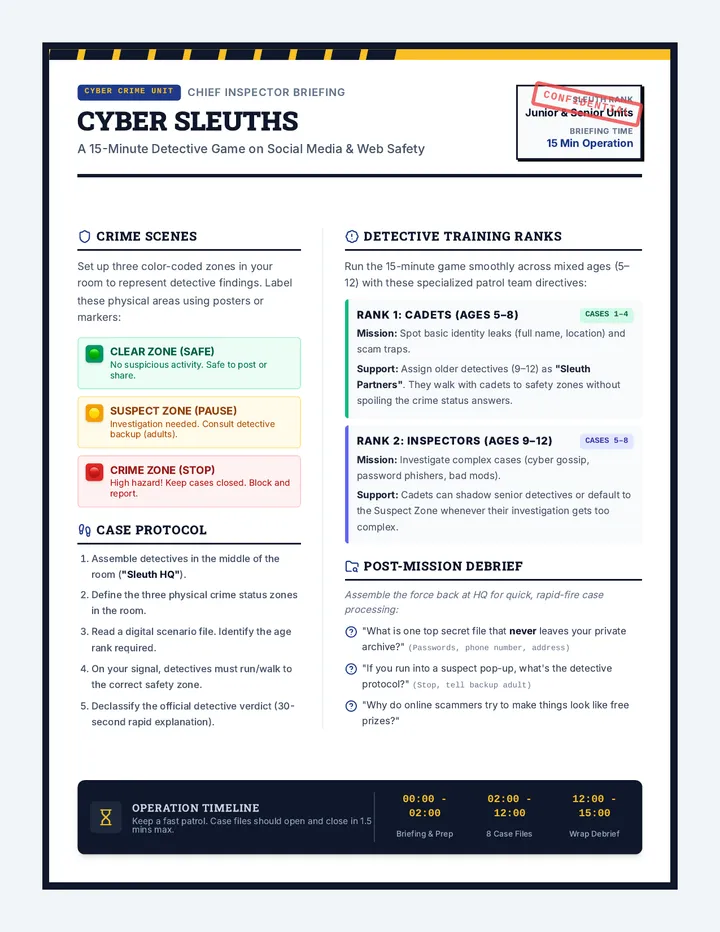
A high-energy, 15-minute movement game designed to teach kids ages 5-12 how to make smart, safe decisions online. Through rapid-fire scenario cards, students act as Cyber Sleuths to solve digital cases and investigate cyber threats.
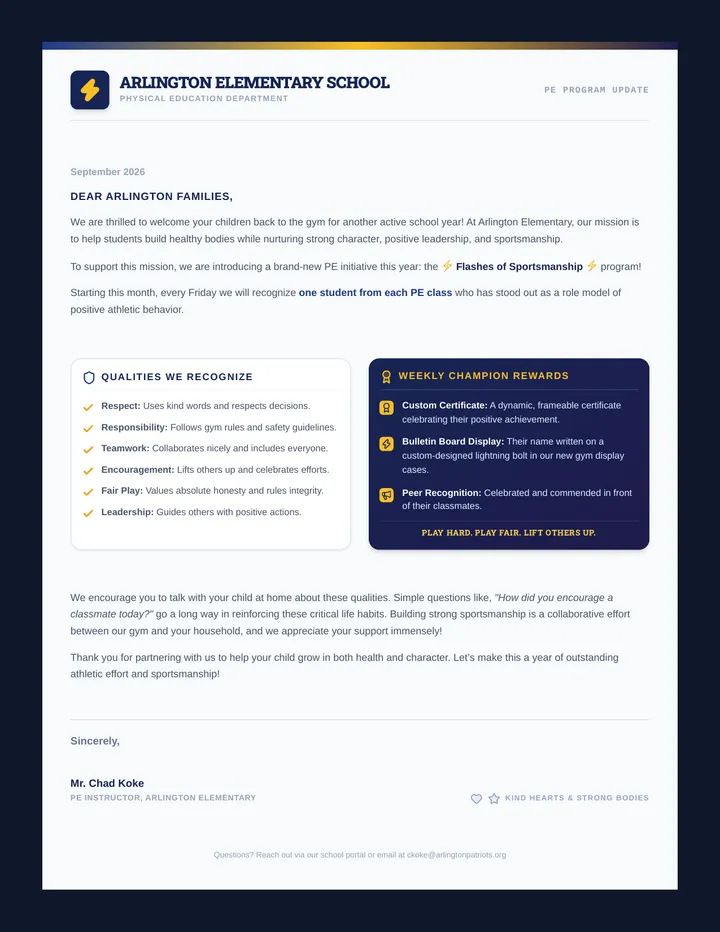
A warm and professional 1-page parent letter introducing Arlington Elementary's new 'Flashes of Sportsmanship' PE recognition program. Explains the core values, weekly rewards, and how parents can support positive character at home.
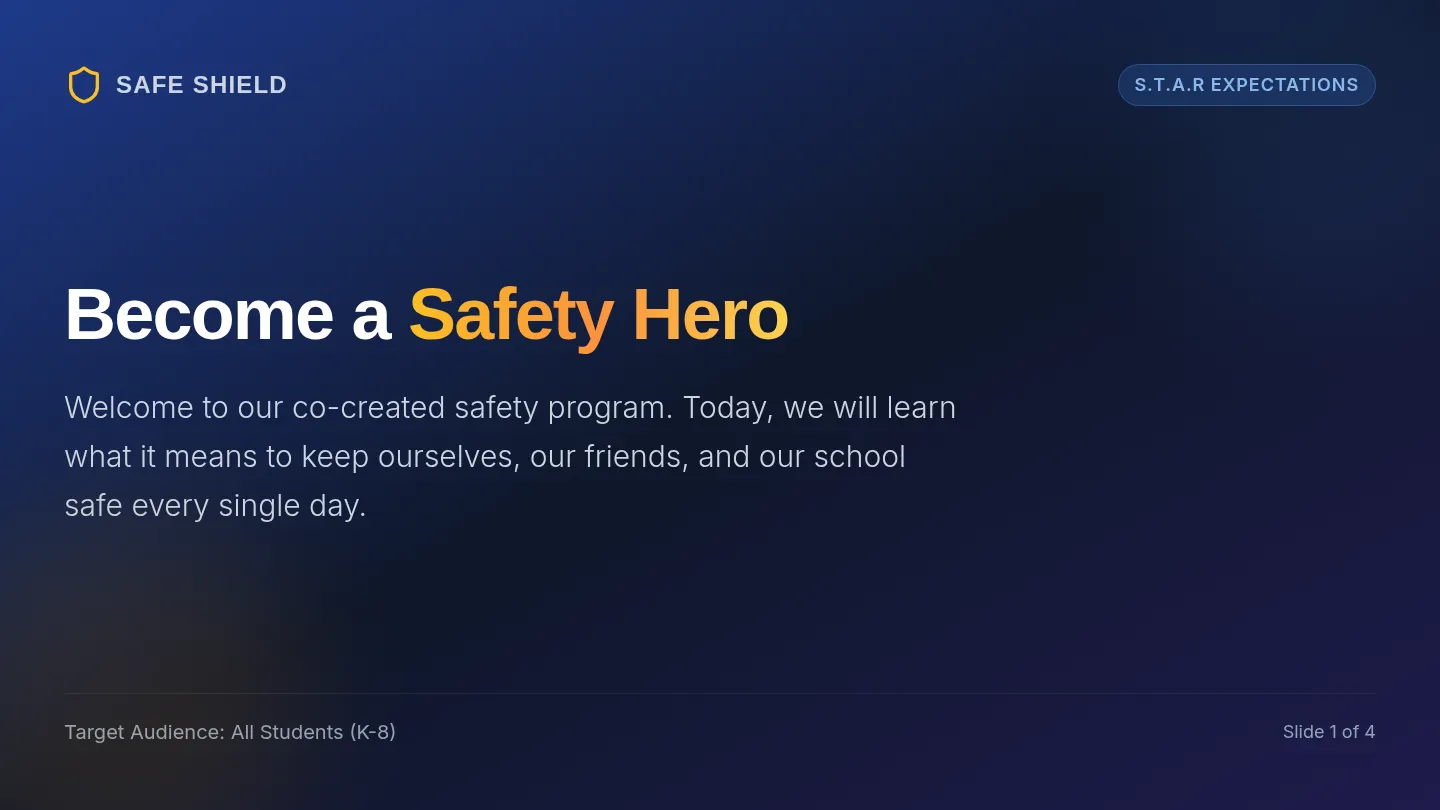
A comprehensive, 5-day school-wide behavior program designed to teach and reinforce safe campus behaviors. Includes developmental modifications for K-2, 3-5, and 6-8 students with scripted teacher guides, visual slide decks, and printable anchor charts.
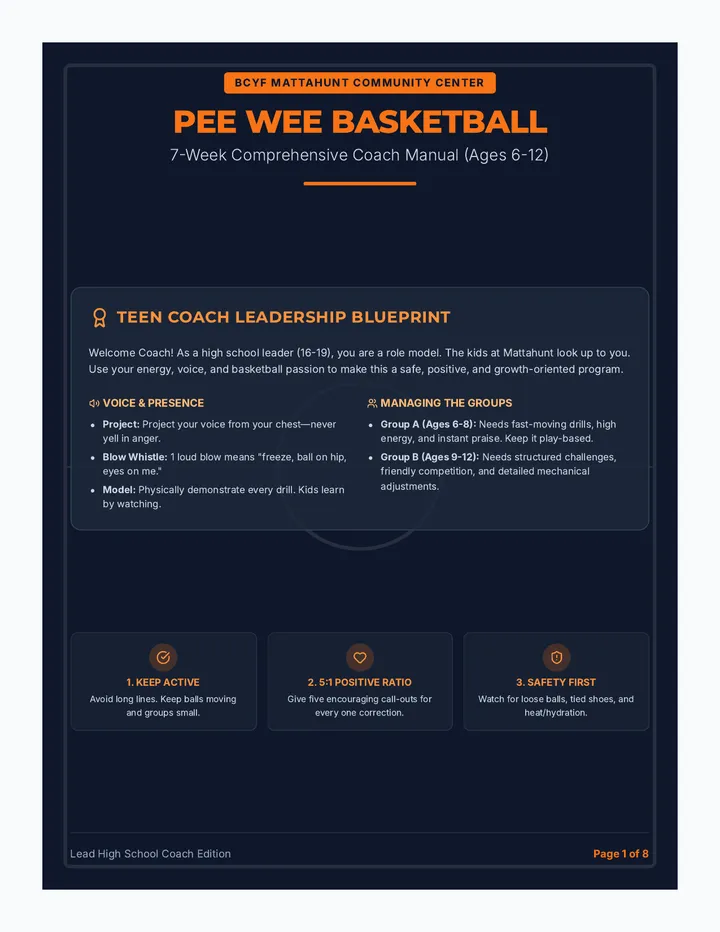
A comprehensive 7-week youth basketball program designed for 6-12 year olds, led by high school student coaches. Focuses on progressive skill building, team dynamics, and positive leadership at the BCYF Mattahunt Community Center.
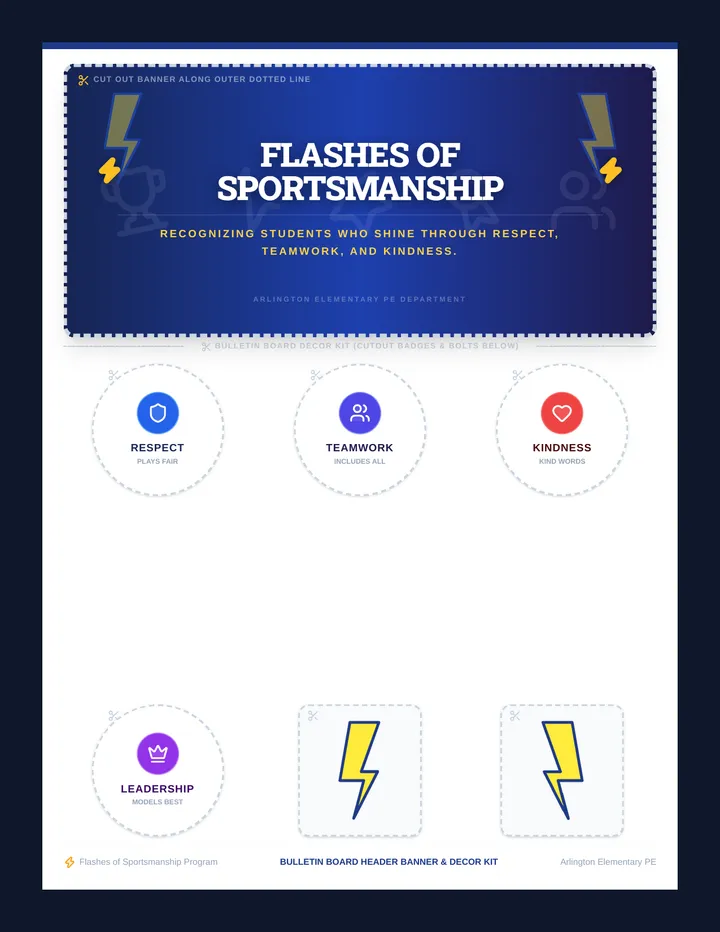
A printable athletic bulletin board banner kit. Features a large header banner styled in electric blue, bright yellow lightning, and white lettering, plus 6 varsity-style value badges and 2 logo-style lightning bolts for decoration.
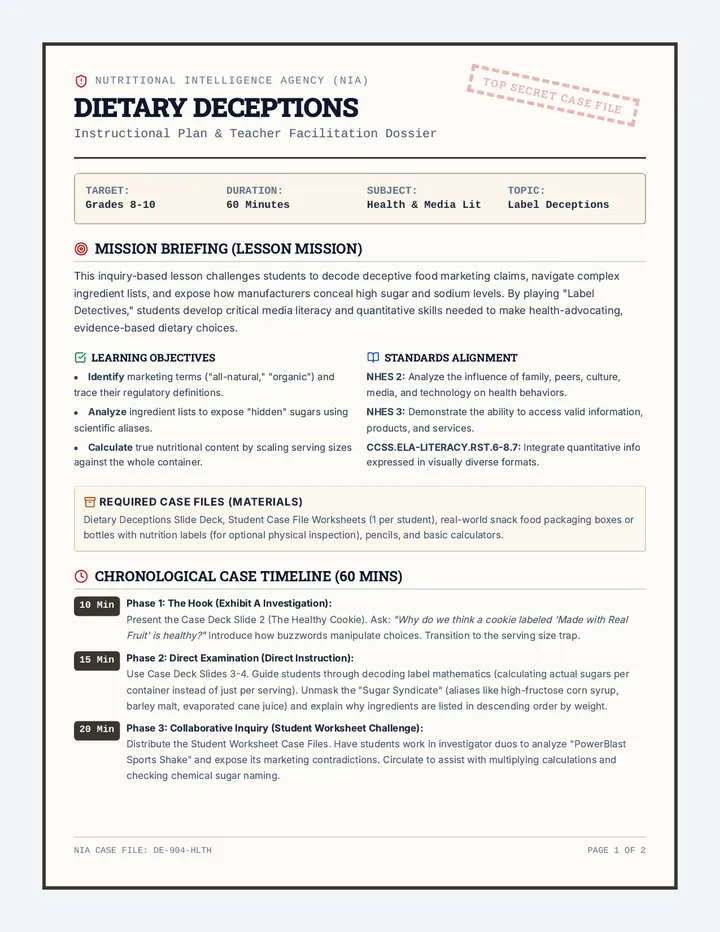
An inquiry-based health and media literacy unit focused on decoding food marketing, understanding nutritional claims, and analyzing nutrition labels. Students learn to think critically about dietary choices and food industry marketing tactics.
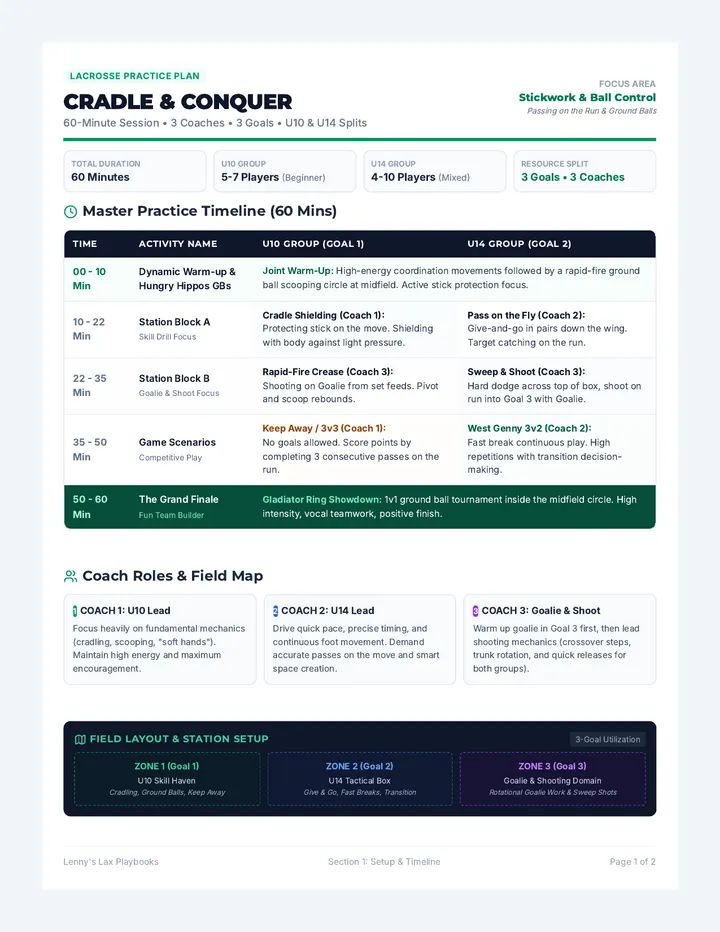
A comprehensive, high-energy lacrosse practice plan designed for mixed-ability youth groups (U10 and U14). Includes a master coach's schedule, drill instruction cards, and a gamified player challenge card to maximize stick time and fun across 3 goals with 3 coaches.
A 2-page printable lightning bolt bulletin board template for physical education, featuring a custom-designed lightning bolt matching the Arlington Patriots logo geometry. Includes 4 blank writeable bolts per sheet in full-color and black-and-white.