Fundamental vocabulary, common phrases, and basic conversational structures presented through slow-paced recordings. Develops auditory comprehension and phonetic recognition for entry-level learners.
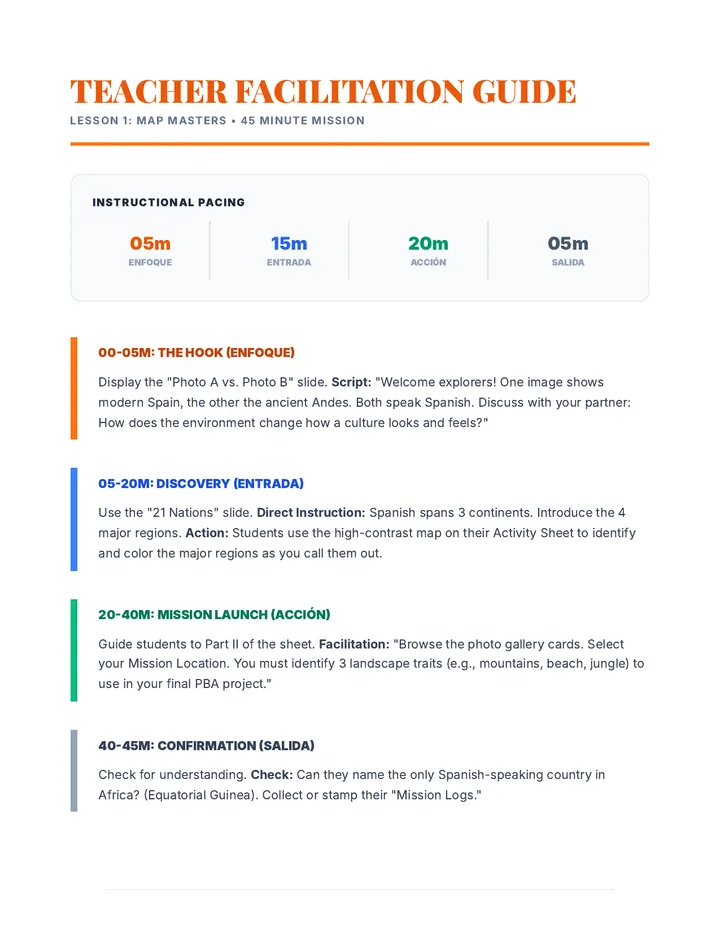
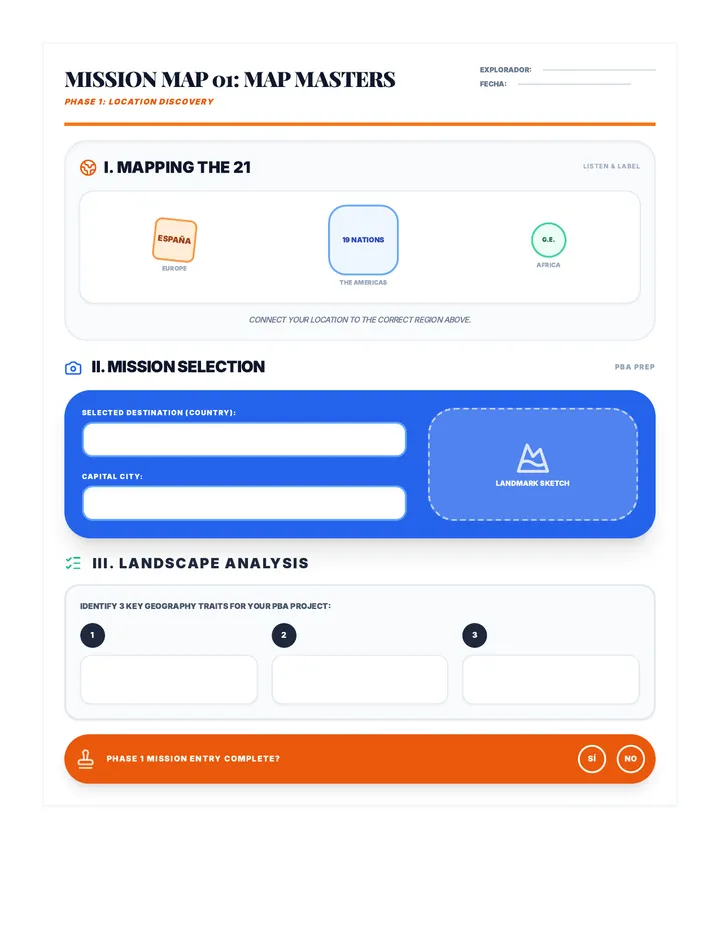
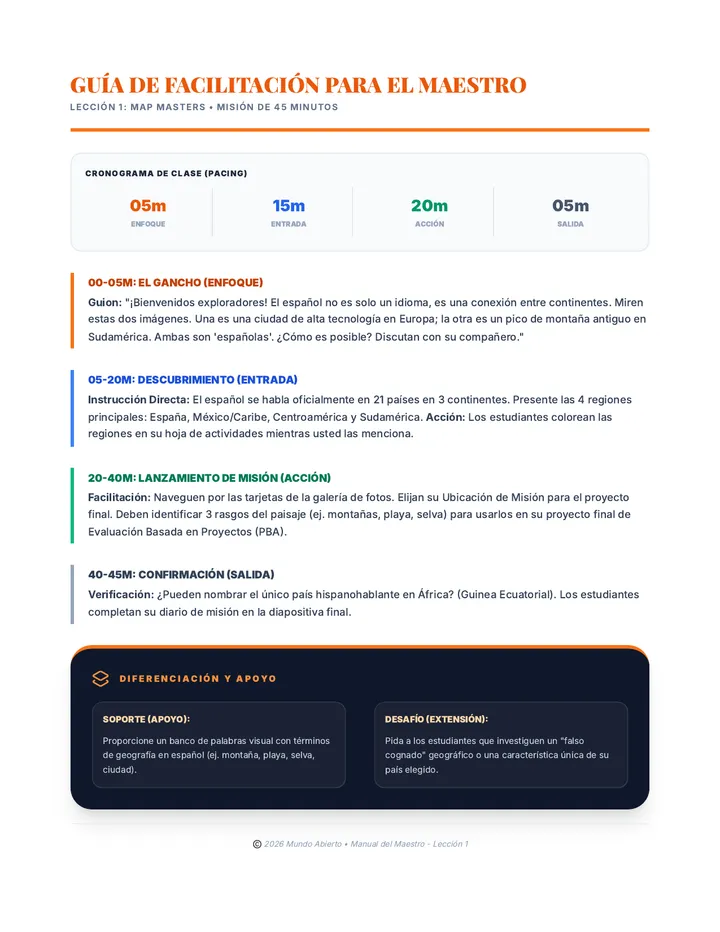
A comprehensive introductory unit for 8th-grade Spanish, focusing on global geography, essential communication, and rich cultural traditions through a 'Cultural Passport' lens.
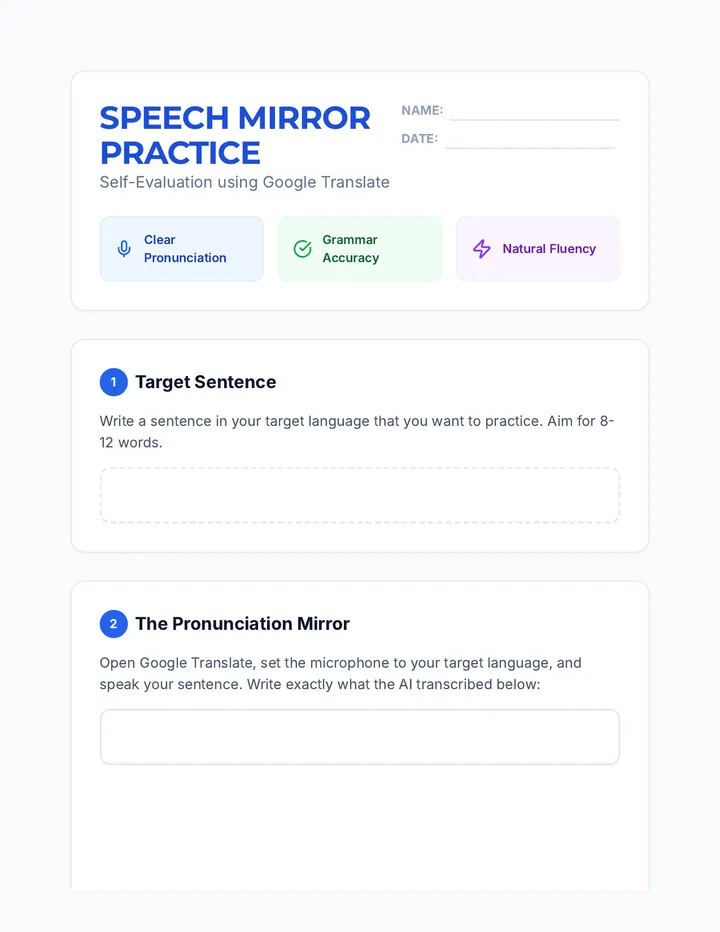
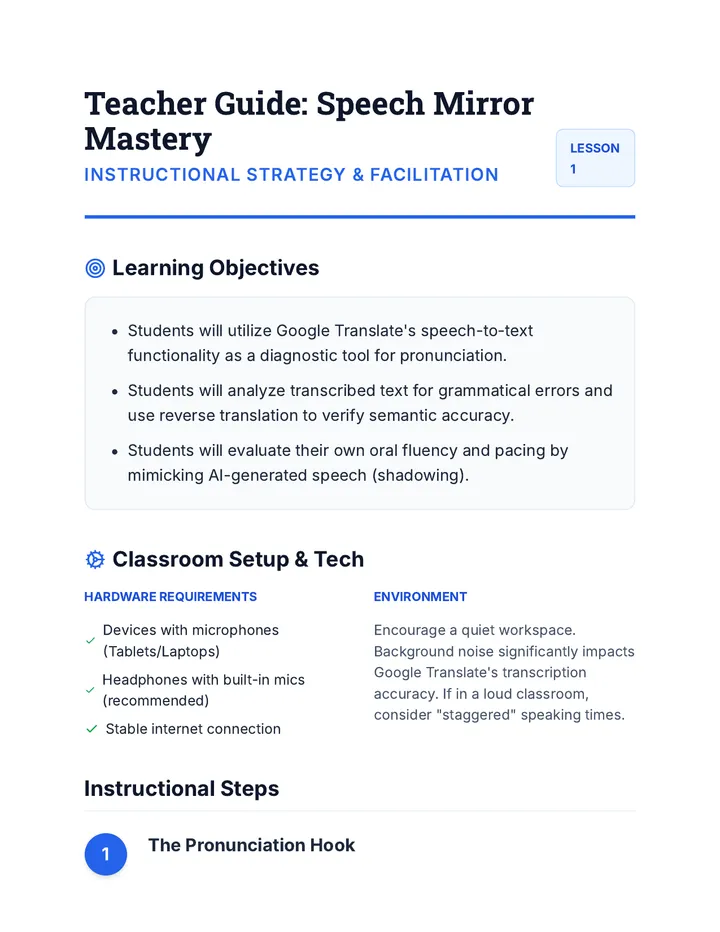
A sequence focused on leveraging digital translation tools for language self-assessment and speech improvement. Students learn to use Google Translate not just for translation, but as a 'mirror' for their own pronunciation, grammar, and fluency.
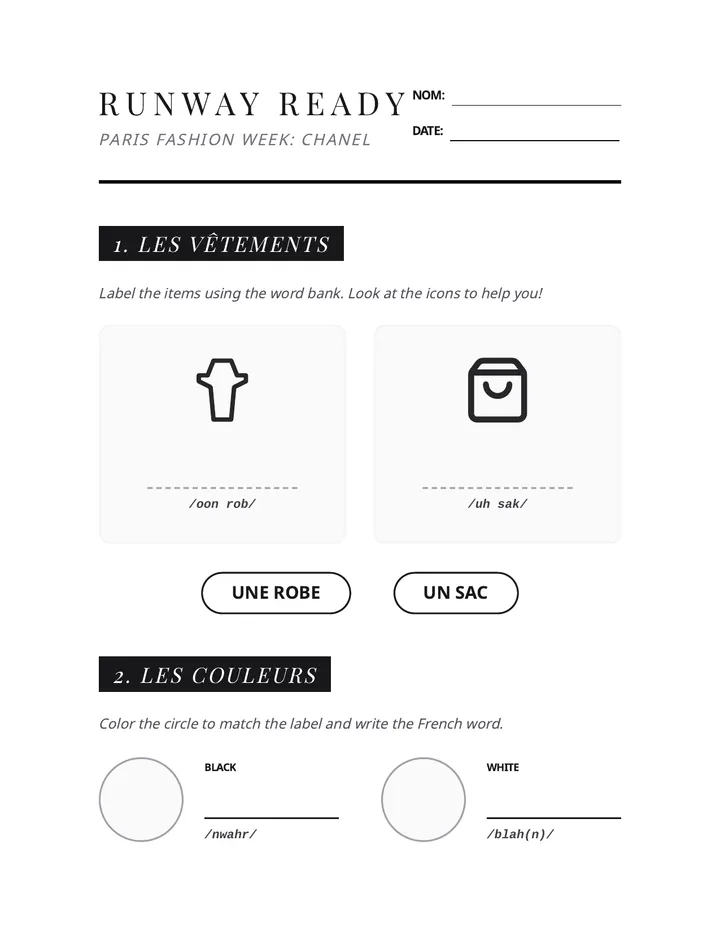
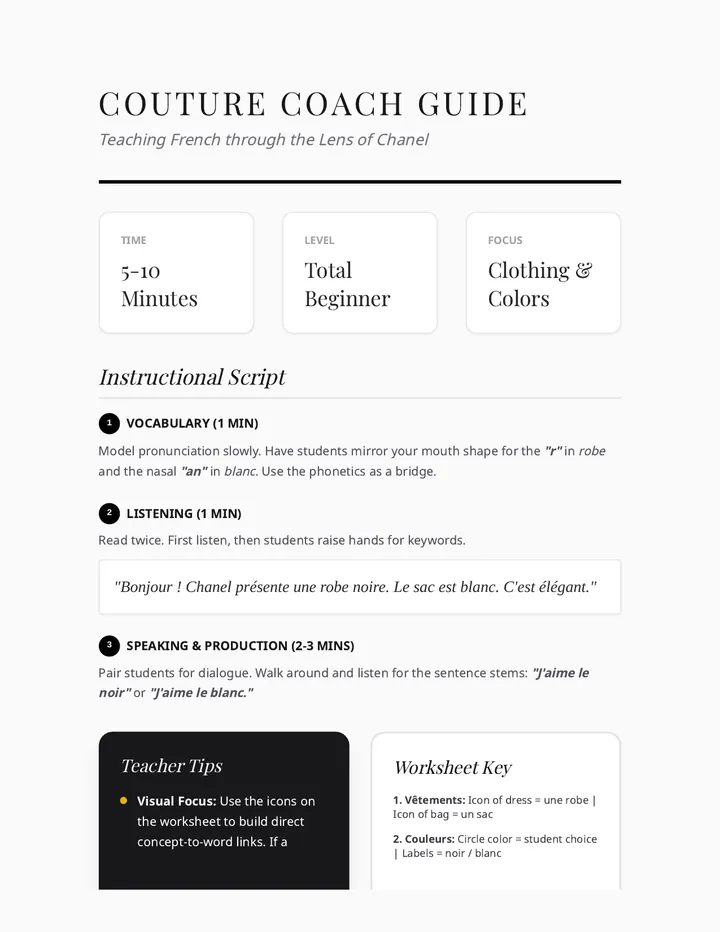
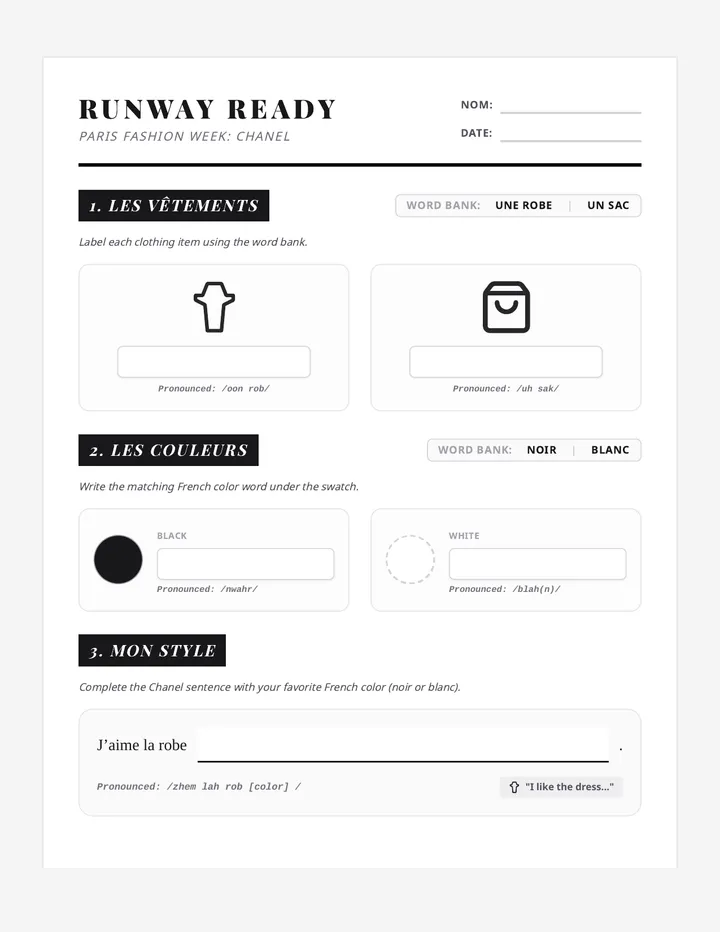
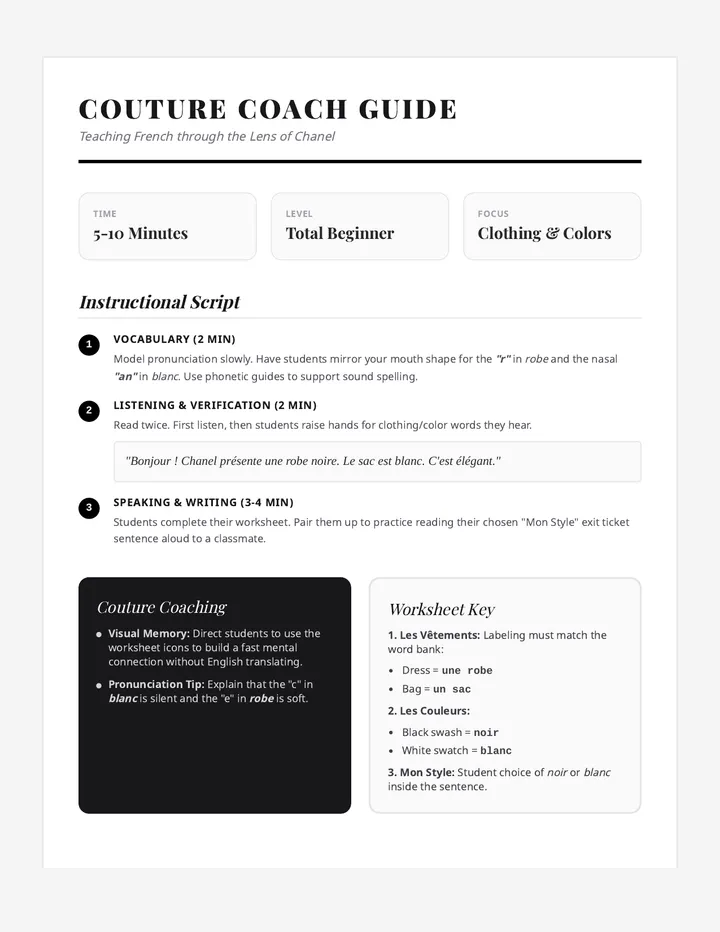
A beginner-level French sequence focusing on basic vocabulary related to fashion and colors through the lens of Paris Fashion Week and Chanel. Students learn to describe clothing and express preferences in a high-interest cultural context.
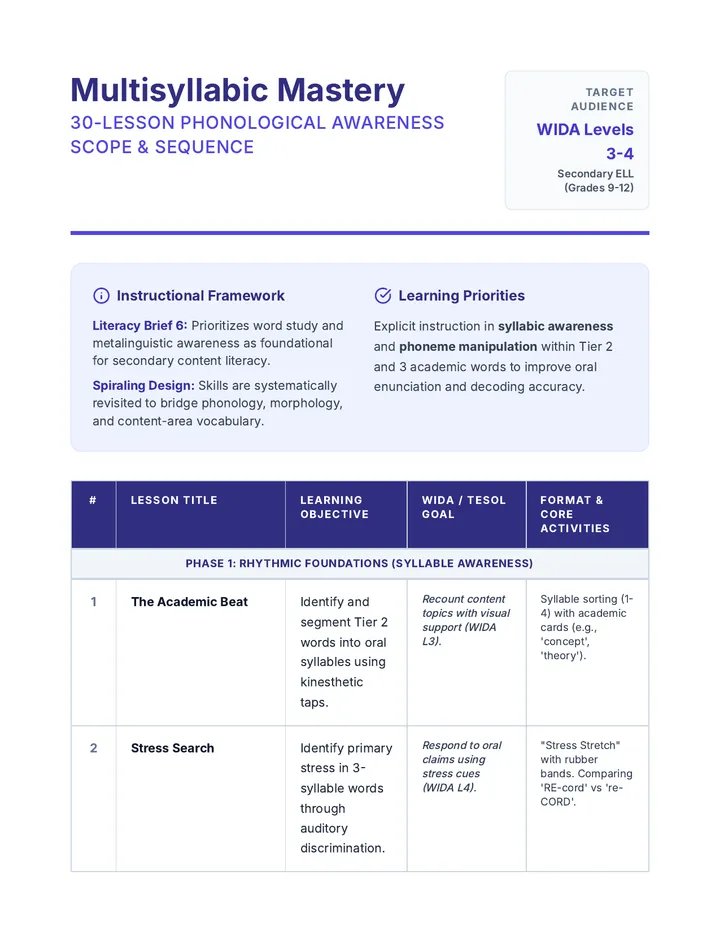
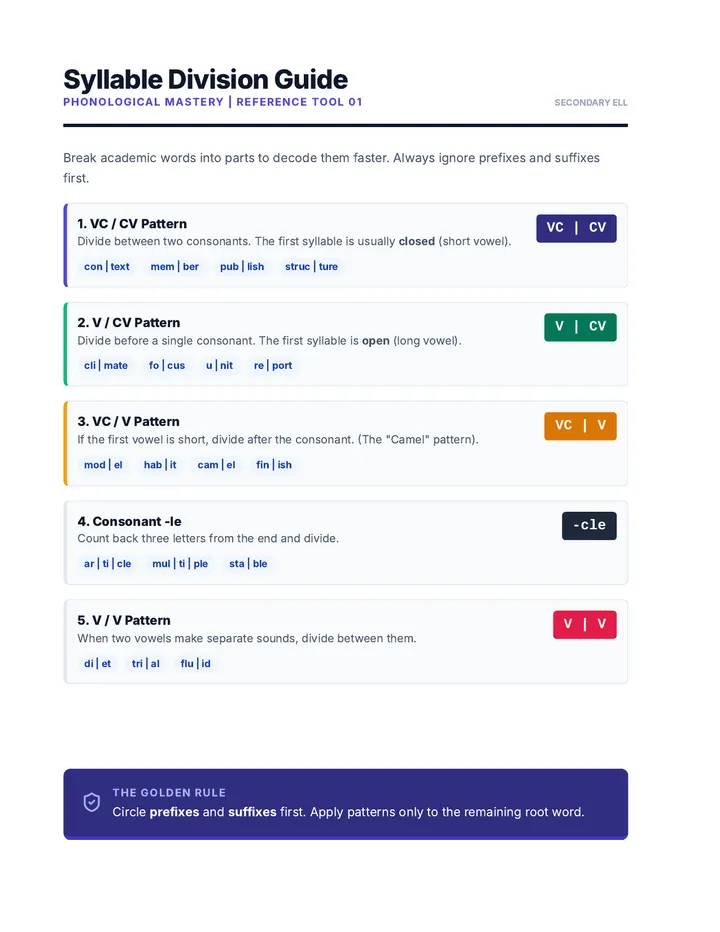
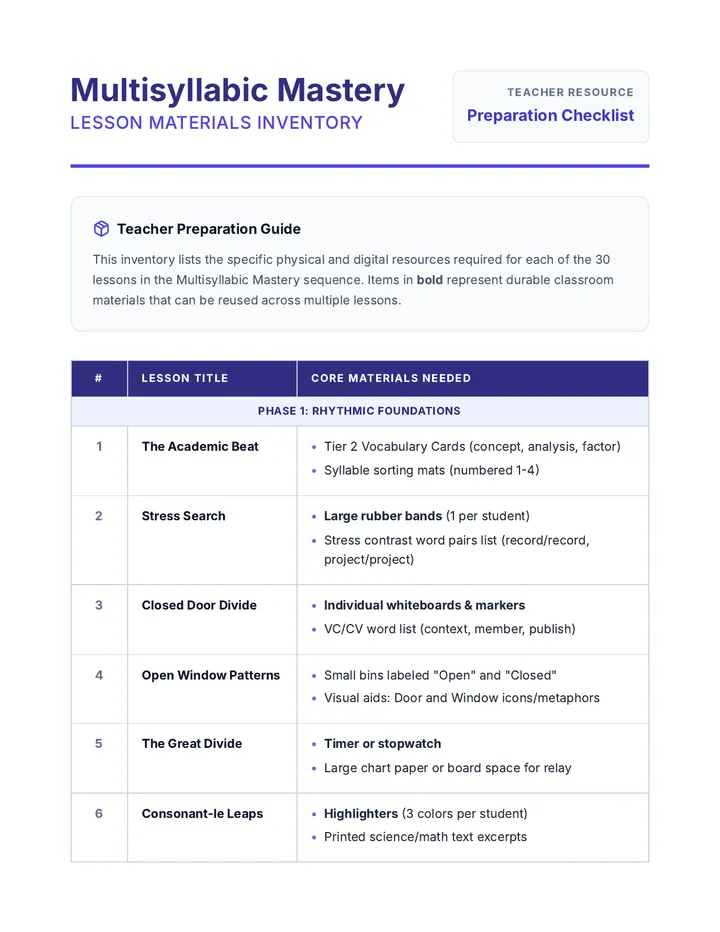
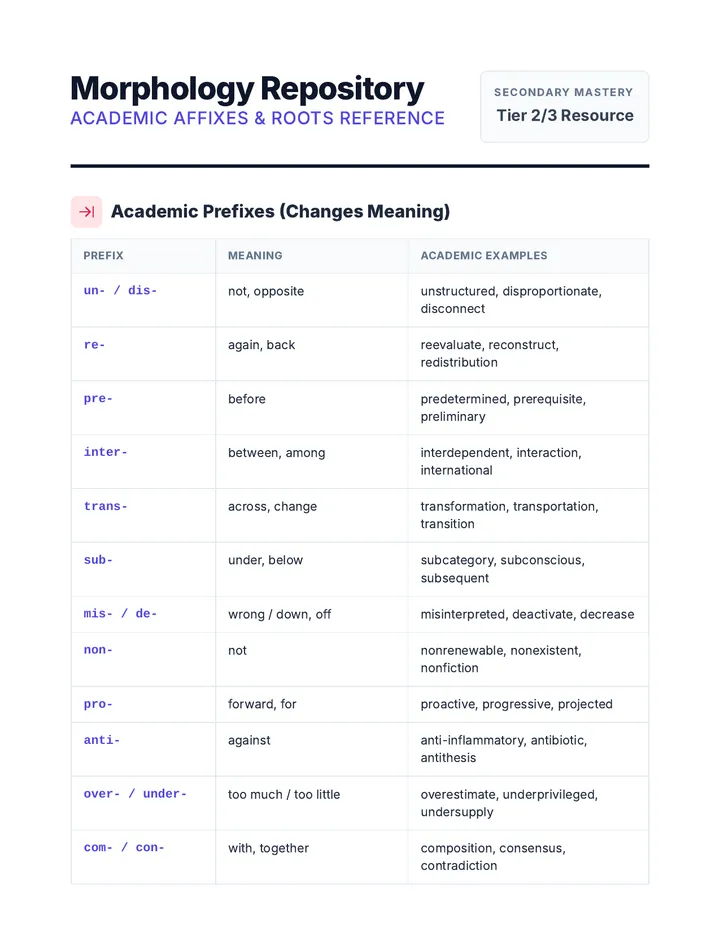
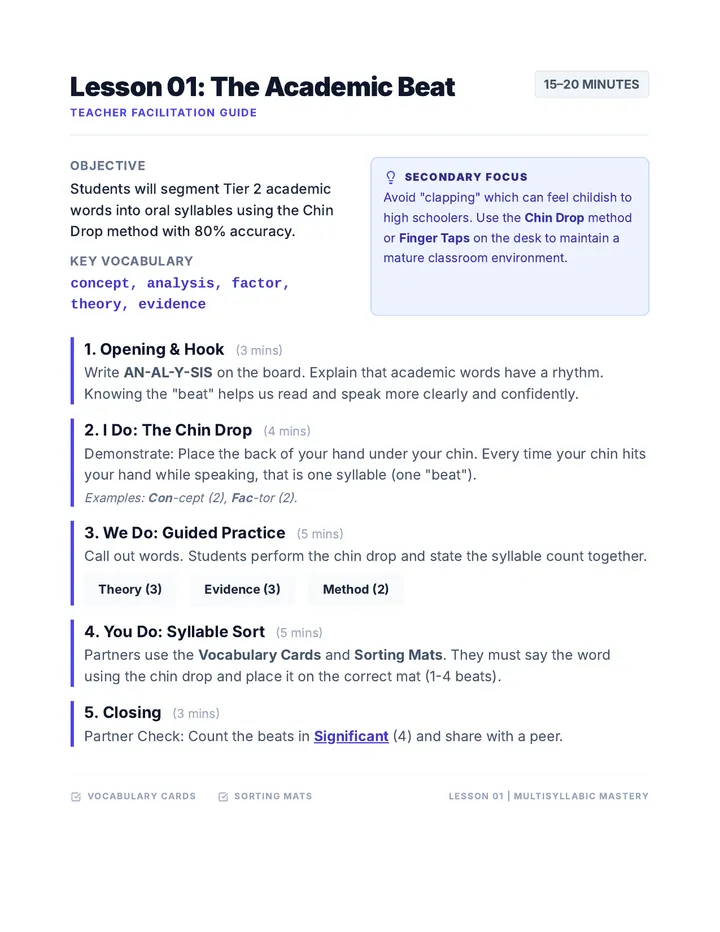
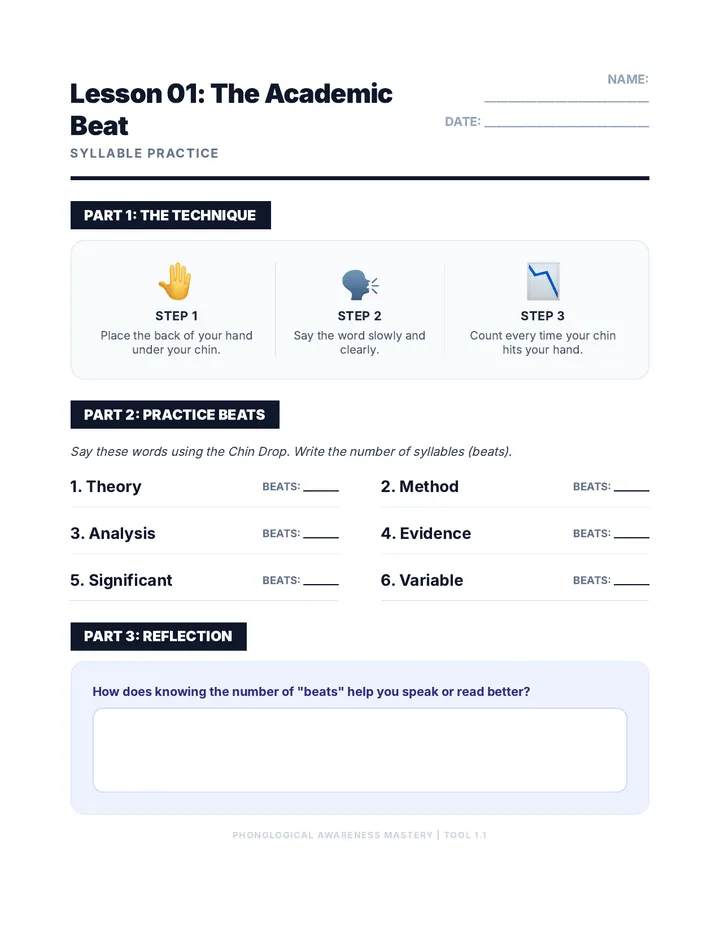
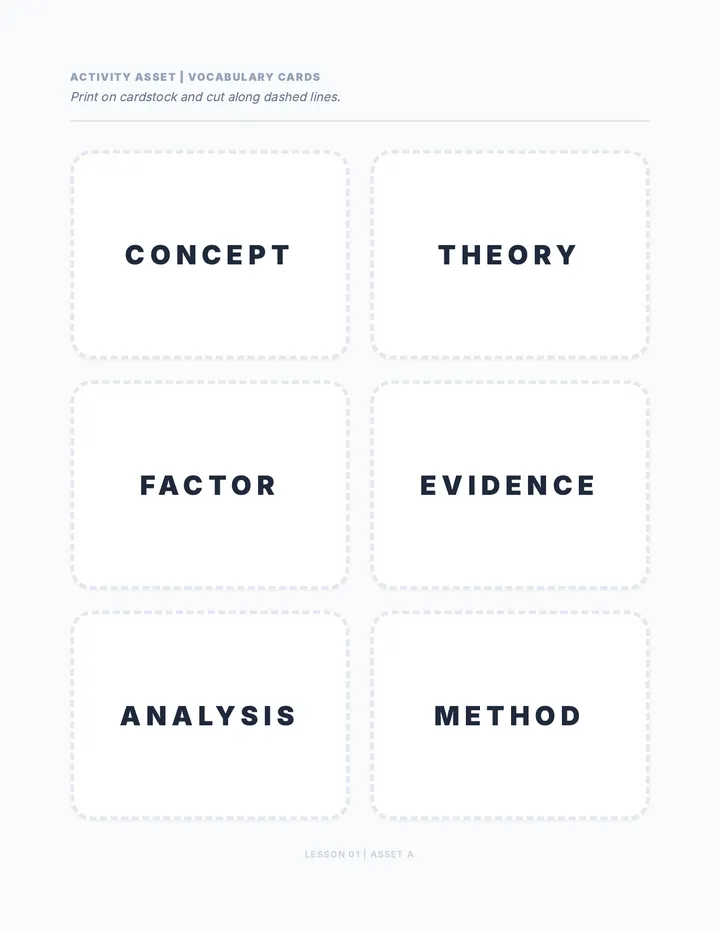
A comprehensive program for teaching phonological awareness to secondary ELLs, focusing on multisyllabic academic vocabulary and phoneme manipulation.
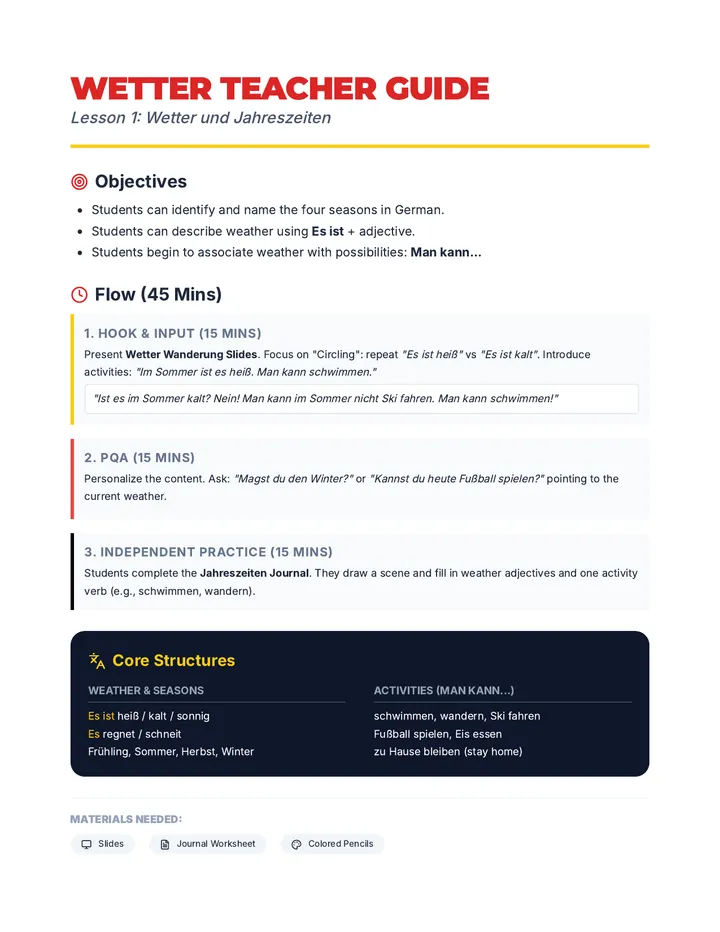
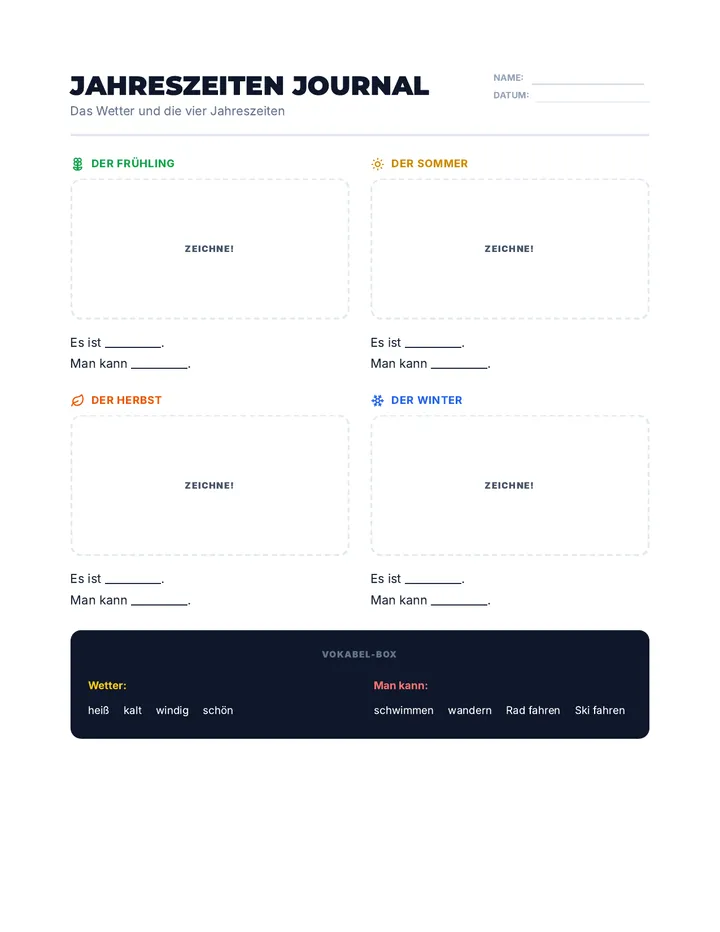
A two-lesson German introductory unit focusing on weather, seasons, and outdoor activities in Germany using Comprehensible Input (CI) methods. Students will learn to describe weather using 'Es ist' and activities using 'Man kann' through visual-heavy instruction and repetition.
An introductory Japanese language and culture unit for 8th grade that follows the 'TABI' (Journey) framework. Students explore geography, etiquette, writing systems, daily life, and traditional arts through immersive daily 45-minute lessons.
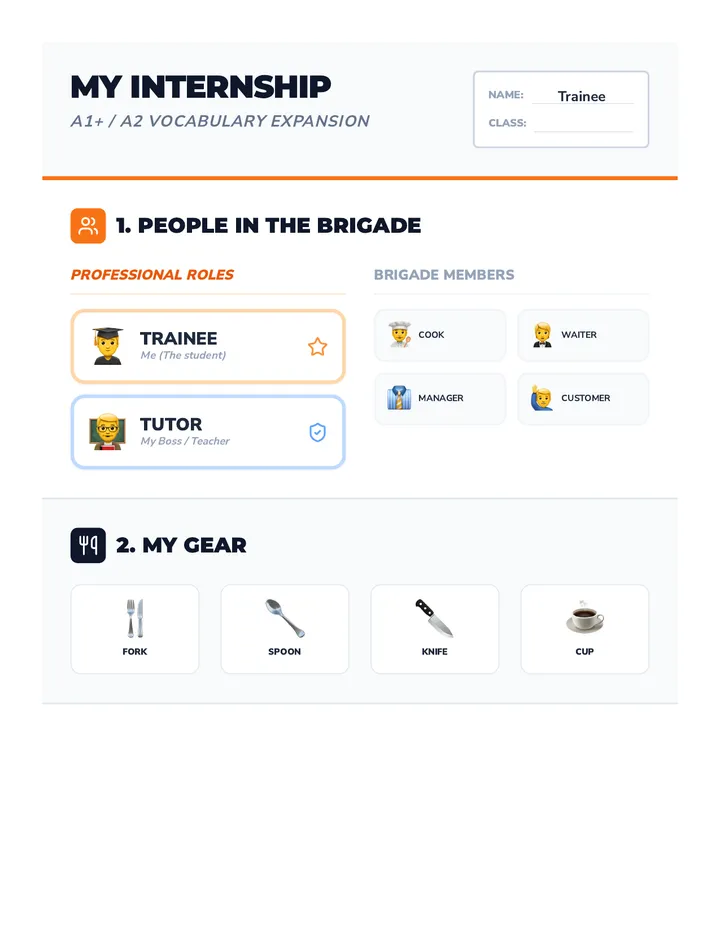
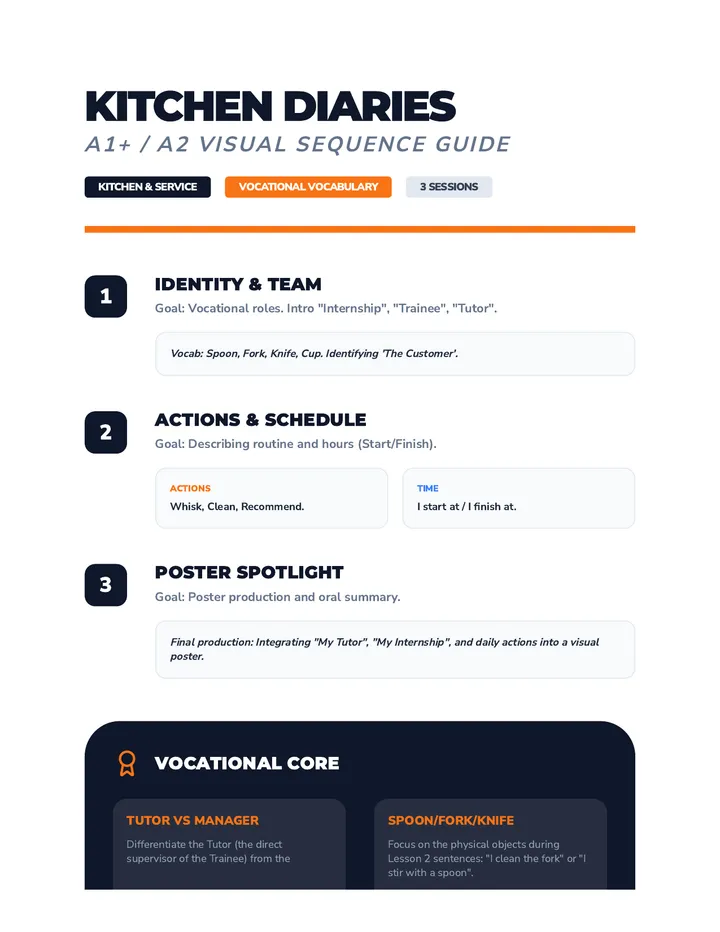
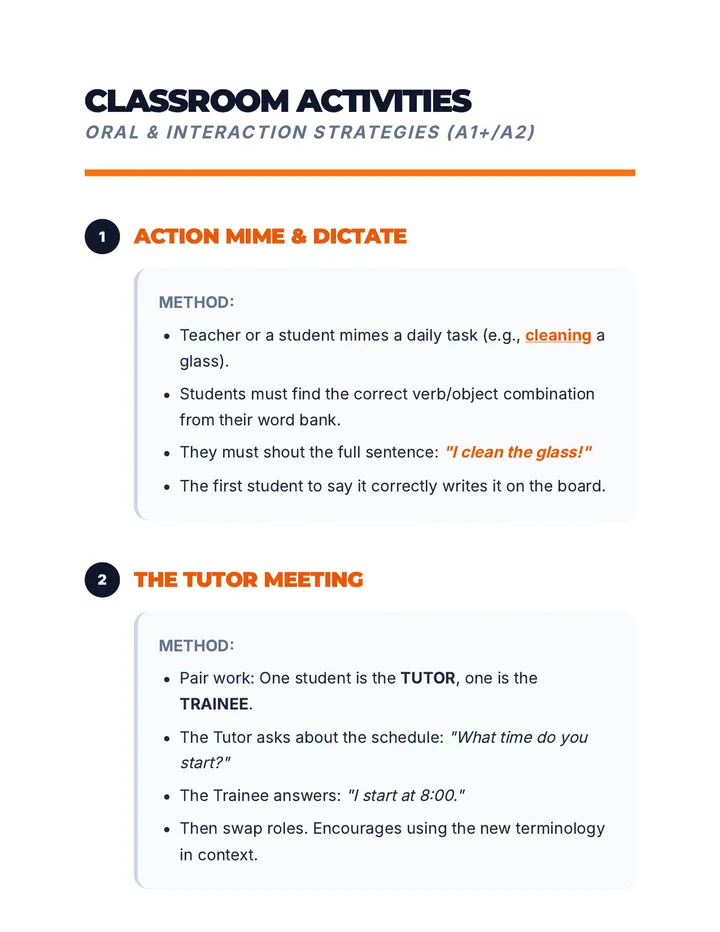
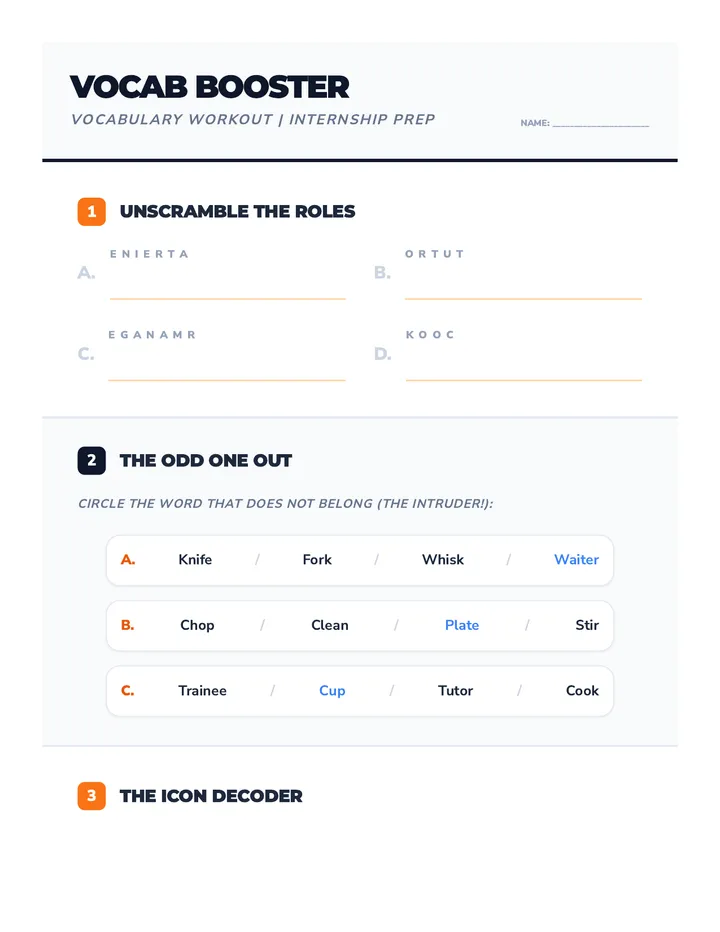
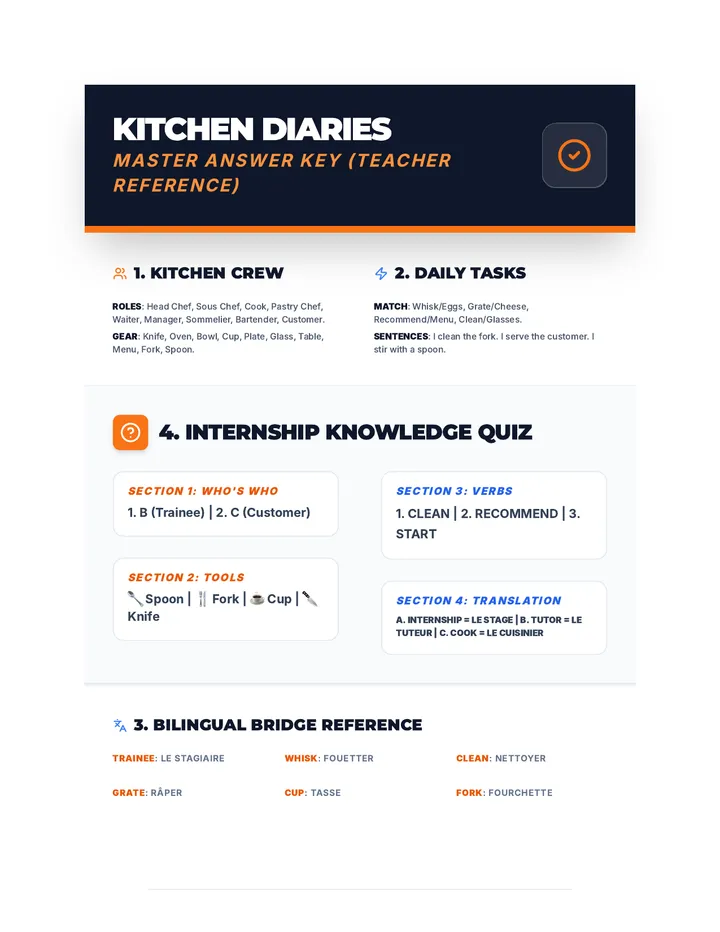
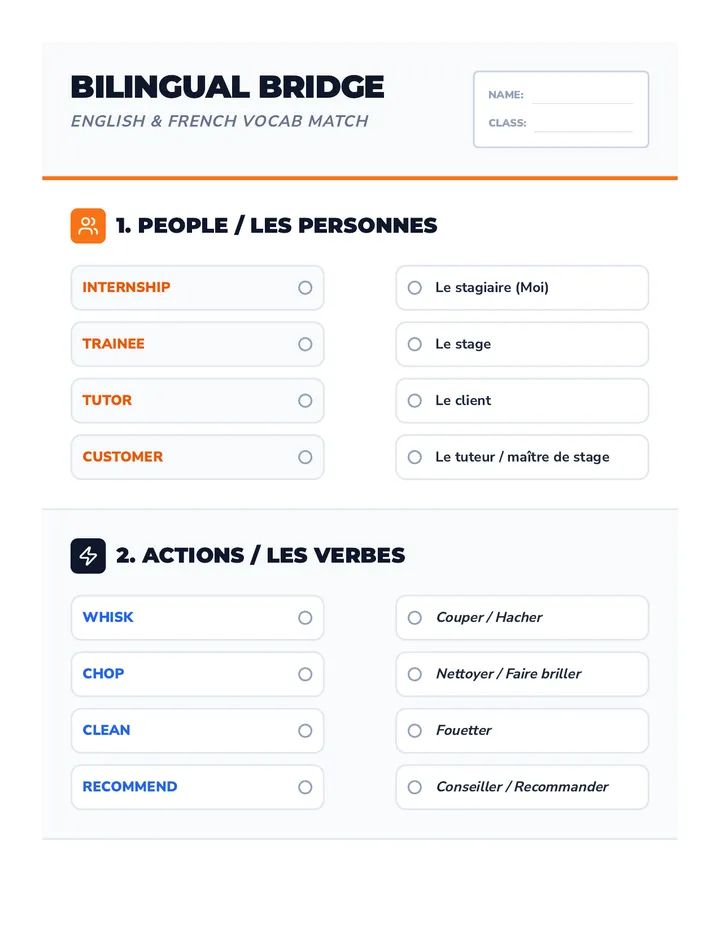
A 3-session English sequence for CAP Cuisine/Restaurant students returning from their internship, focusing on describing roles and daily tasks in a professional kitchen or dining room.
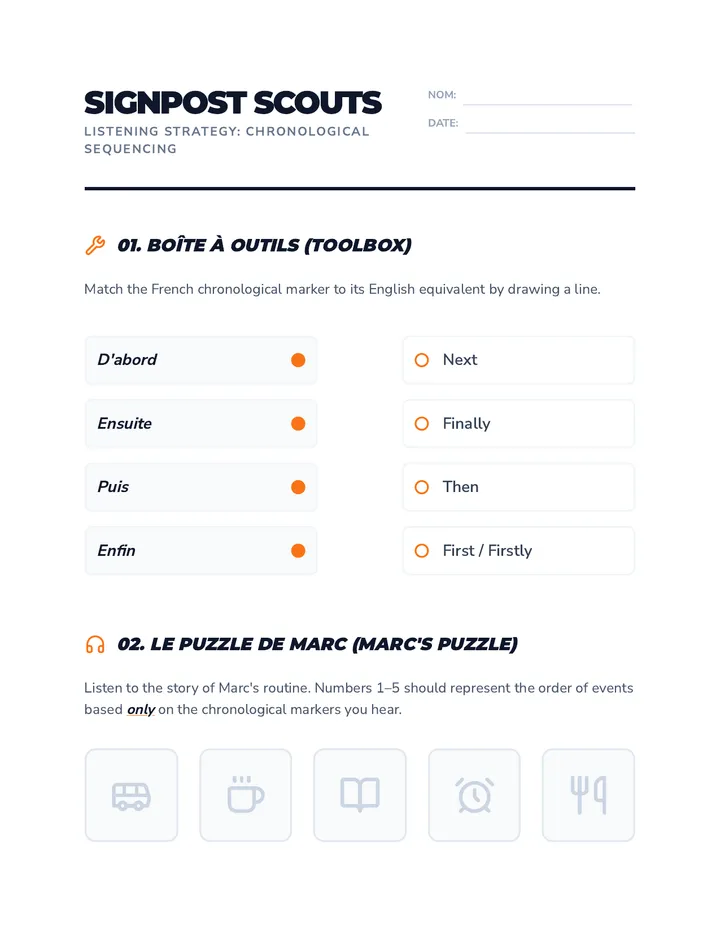
A project-based sequence for beginner French students focused on decoding media through narrative structures, logical connectors, and 'gist' listening strategies. Students move from identifying chronological signposts to analyzing news segments, street interviews, and cultural advertisements, culminating in a media analysis project.
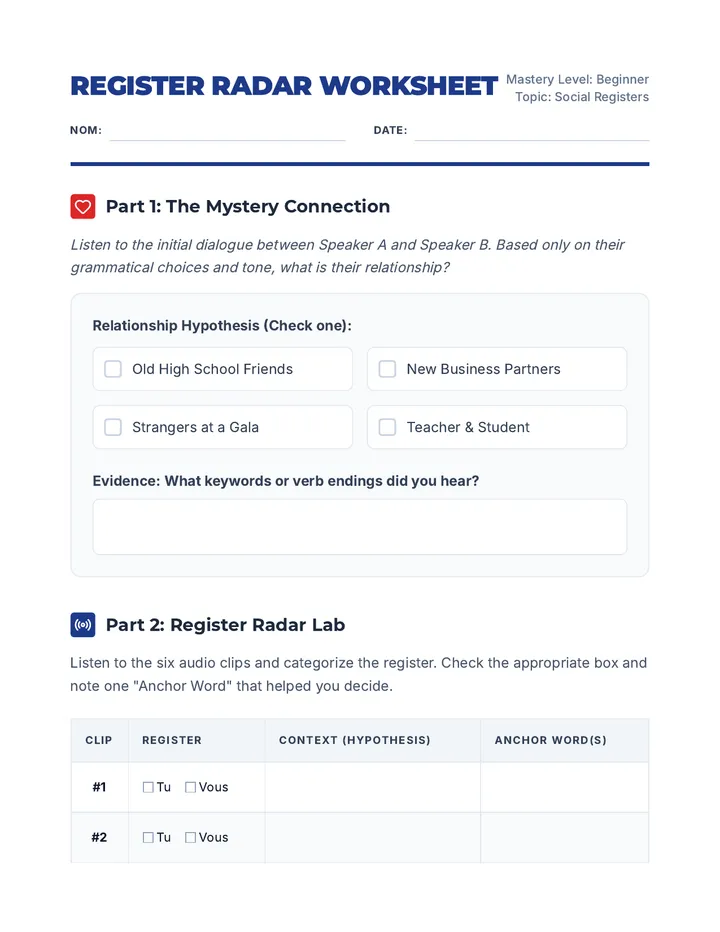
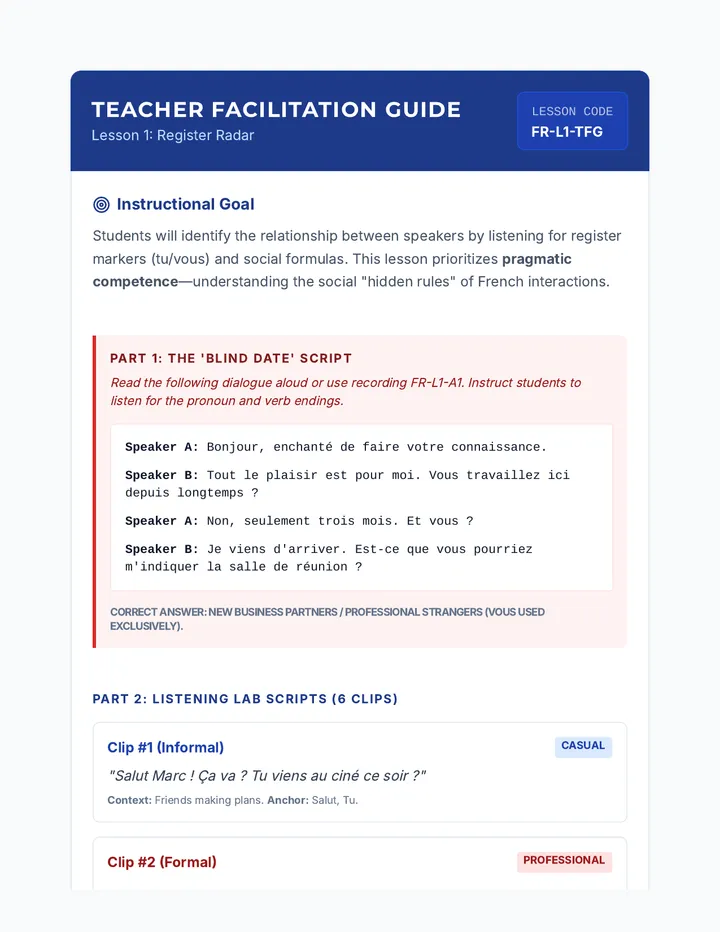
A sequence for undergraduate students focusing on building pragmatic listening skills in French social contexts, from basic greetings to complex scheduling and narrative comprehension.
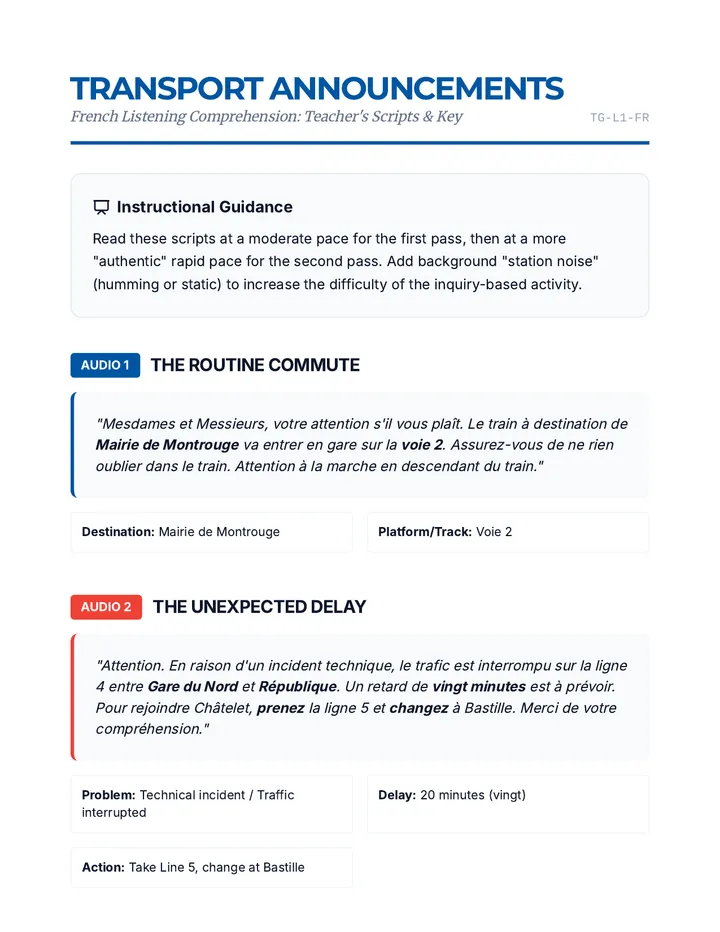
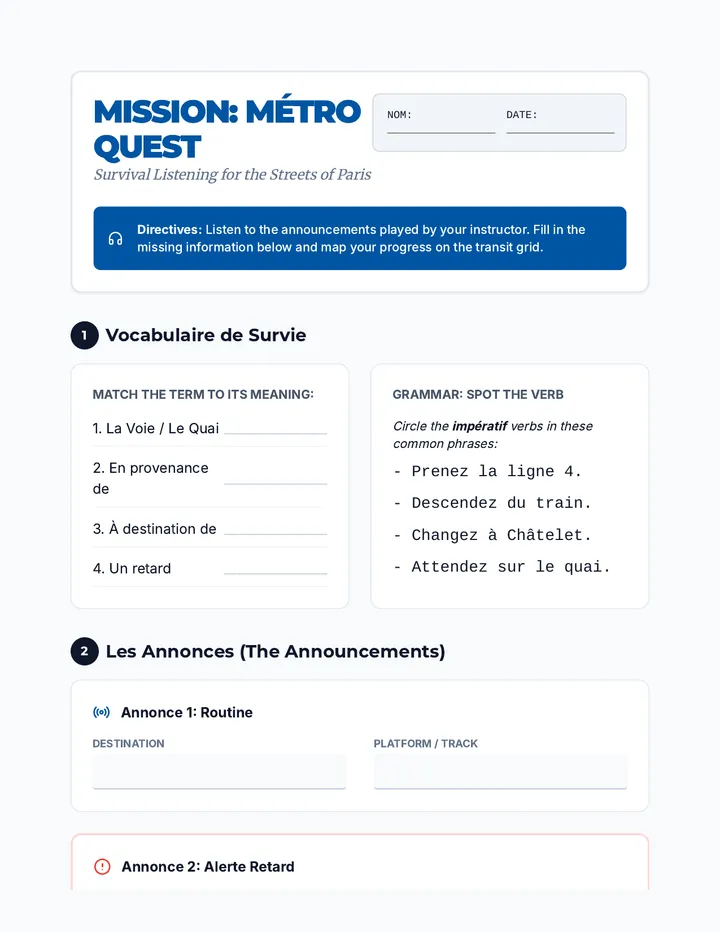
An inquiry-based French listening sequence for beginners focusing on functional navigation of public spaces in Francophone cities. Students learn to filter essential information from ambient noise in transport, weather, street directions, retail, and emergency contexts.
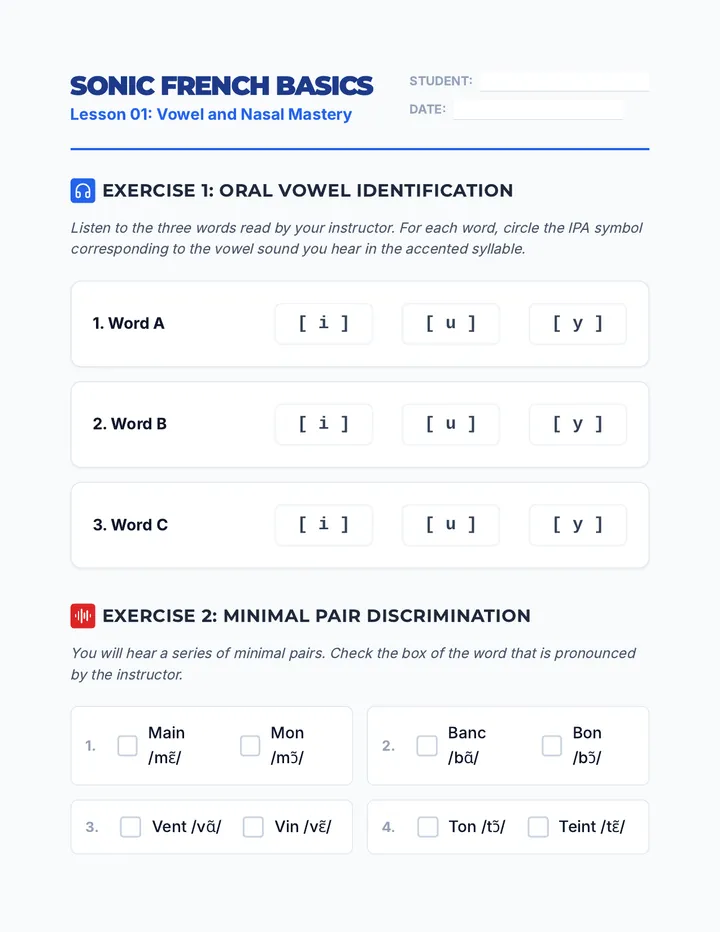
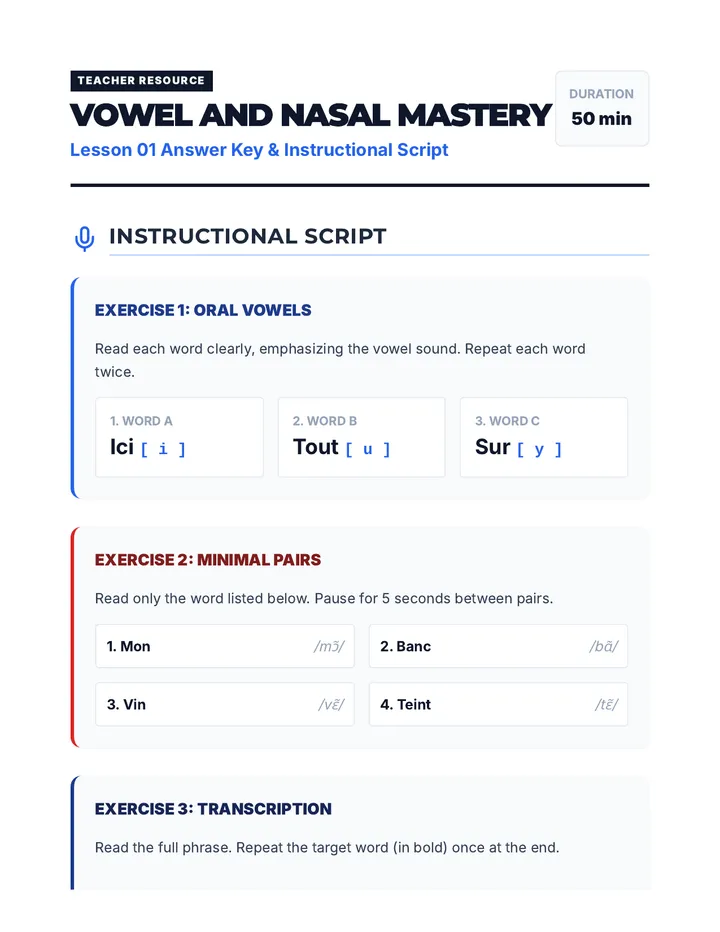
A comprehensive introduction to French auditory comprehension for undergraduate beginners, focusing on vowel discrimination, nasal sounds, connected speech (liaisons), consonant nuances, and intonation patterns. Students progress from sound isolation to full-sentence transcription.
An interactive role-playing lesson where students practice food vocabulary and social skills by simulating a grocery shopping experience. Students take on roles as shopkeepers and customers to use target language in a functional context.
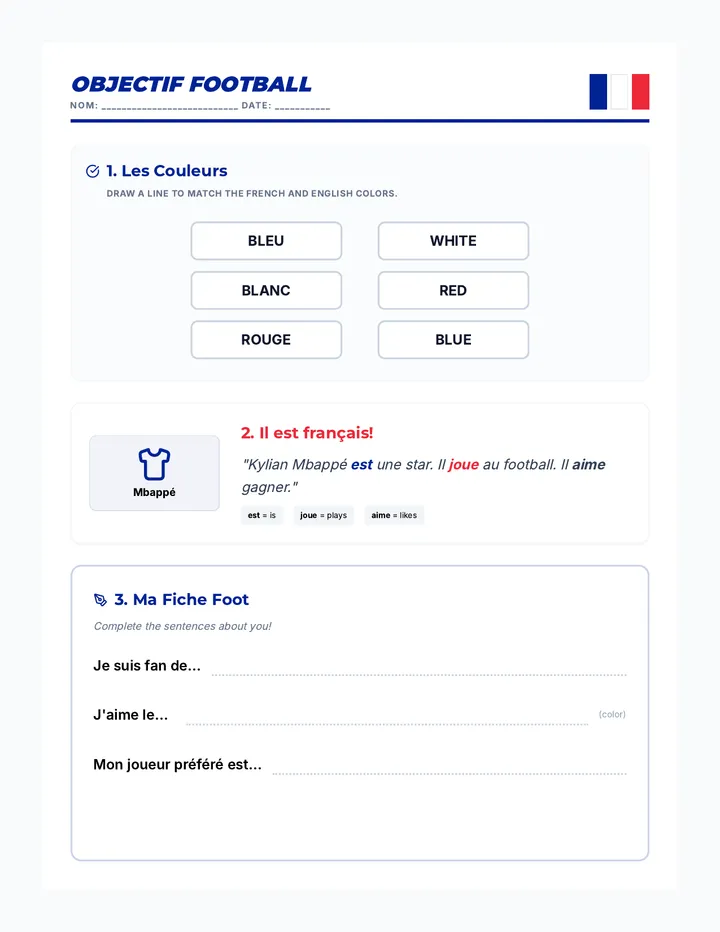
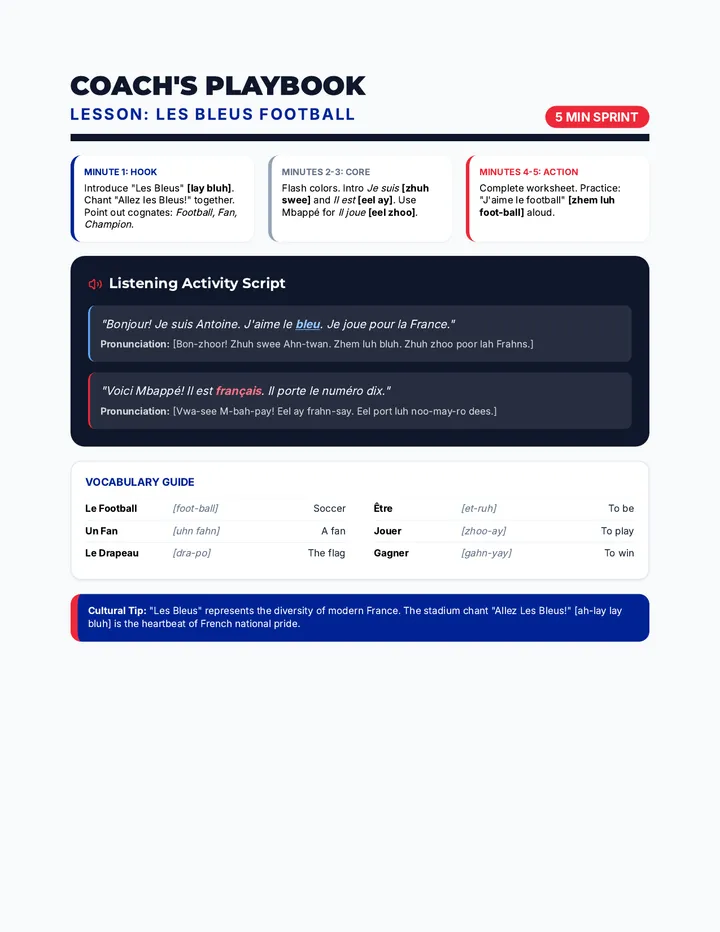
A high-energy, 5-minute introduction to French through the lens of football (soccer). Students learn basic verbs, colors, and national pride while exploring famous French players like Kylian Mbappé.
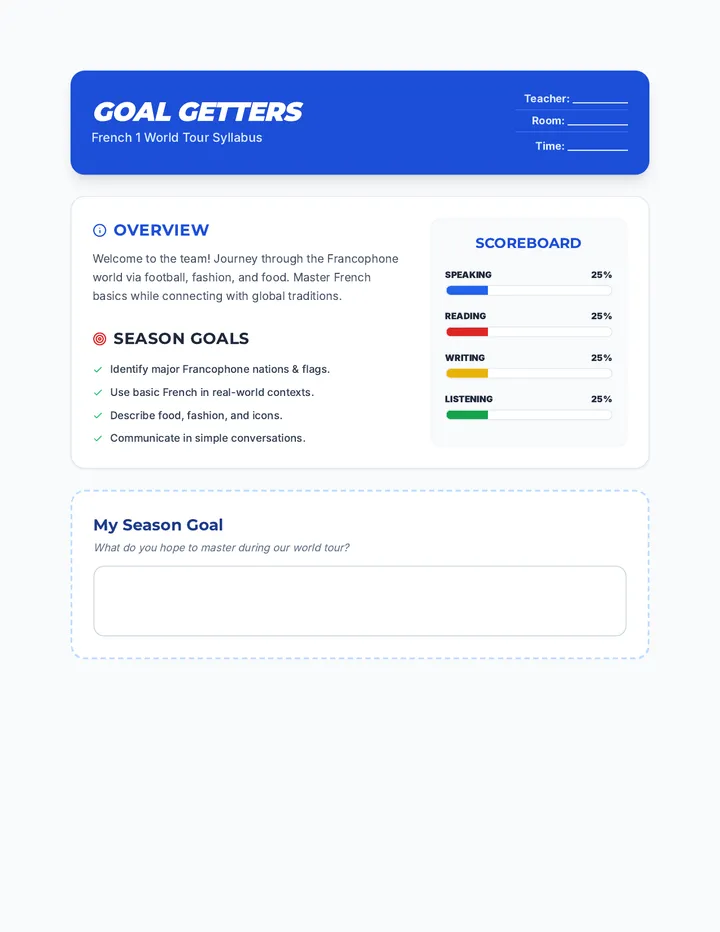
A 6-week introductory French course exploring the Francophone world through the lens of football, culture, fashion, and food.
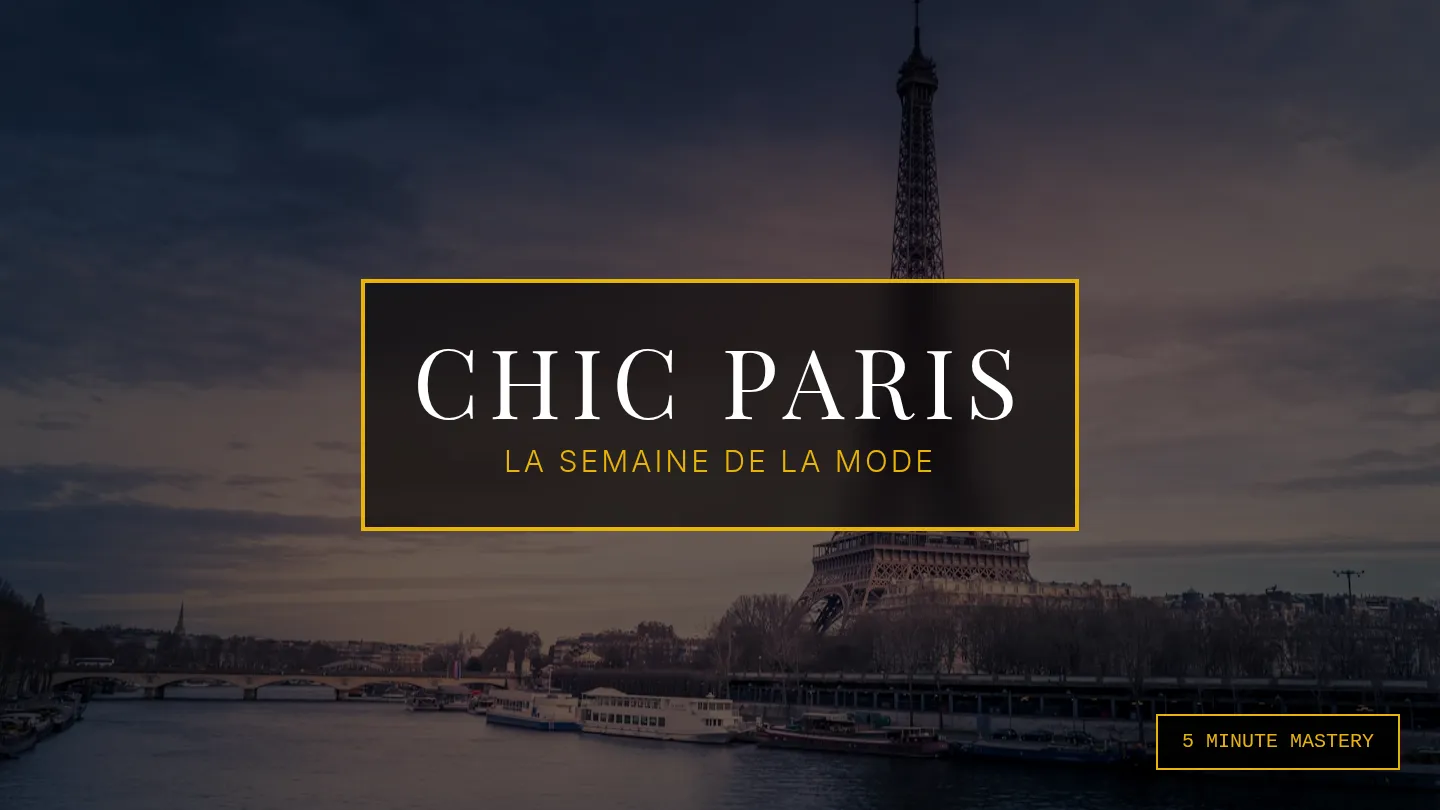
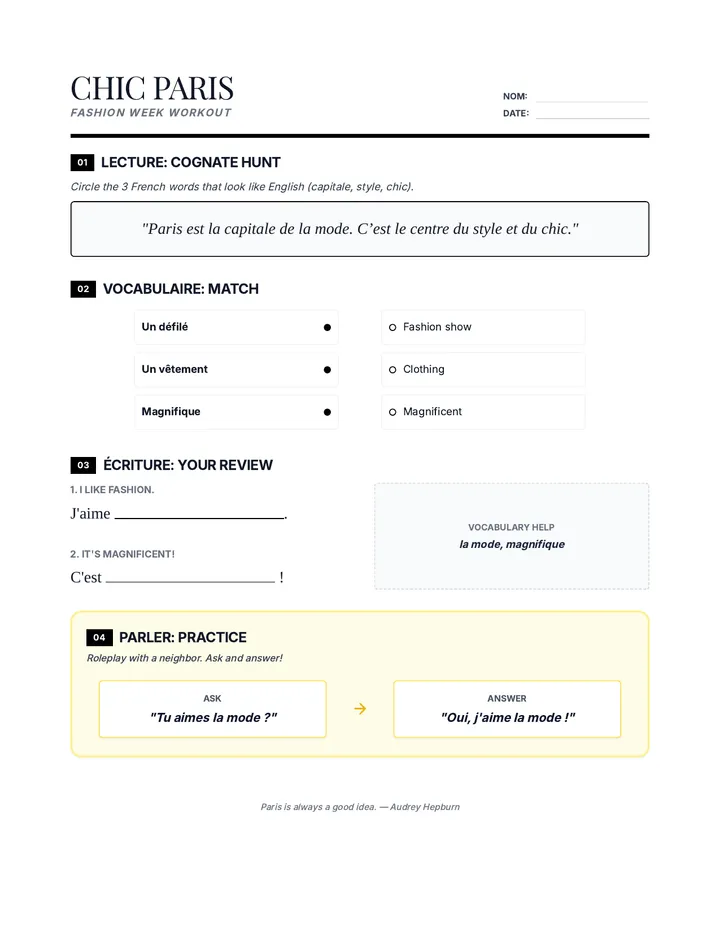
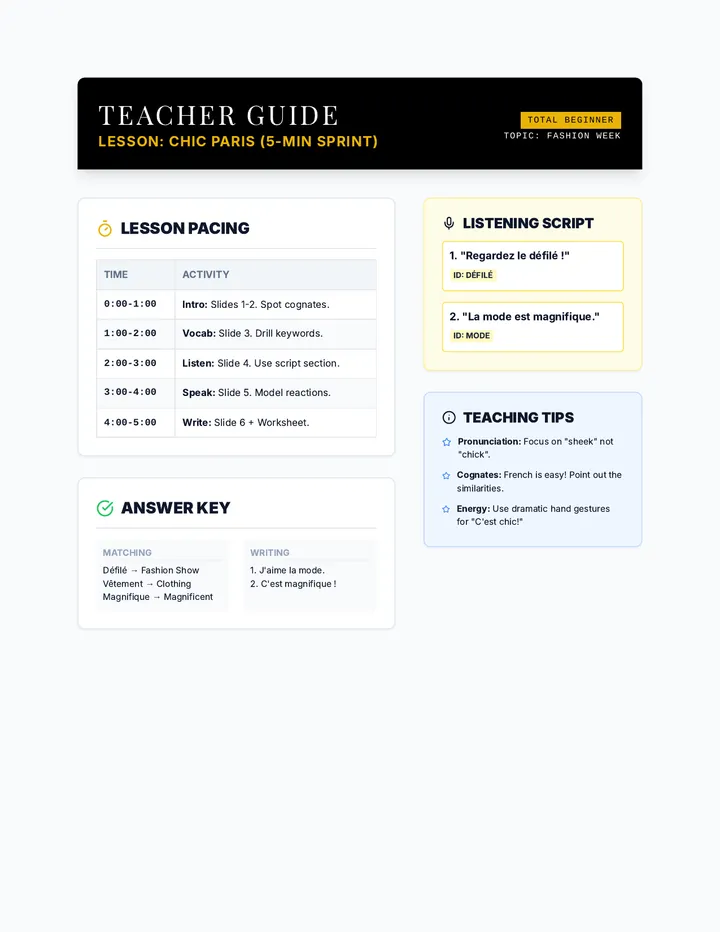
A high-energy, 5-minute introduction to Paris Fashion Week for total beginners, focusing on essential vocabulary, cultural context, and basic French expressions.
A high-energy lesson focused on mastering the four most important irregular French verbs (avoir, être, faire, aller) through a competitive Metro-themed Bingo game. Students review conjugations and apply them in a fast-paced listening activity.
A high-energy 30-minute lesson where 1st graders learn French color vocabulary through an interactive "catch" game and visual matching activities.
A 30-minute introductory lesson for 2nd-grade students to learn basic French family vocabulary through interactive slides, a drawing activity, and a bingo game.
Une leçon courte pour évaluer la capacité des élèves de Grande Section à identifier le son d'attaque d'un mot, se concentrant sur les voyelles de base et les consonnes occlusives.