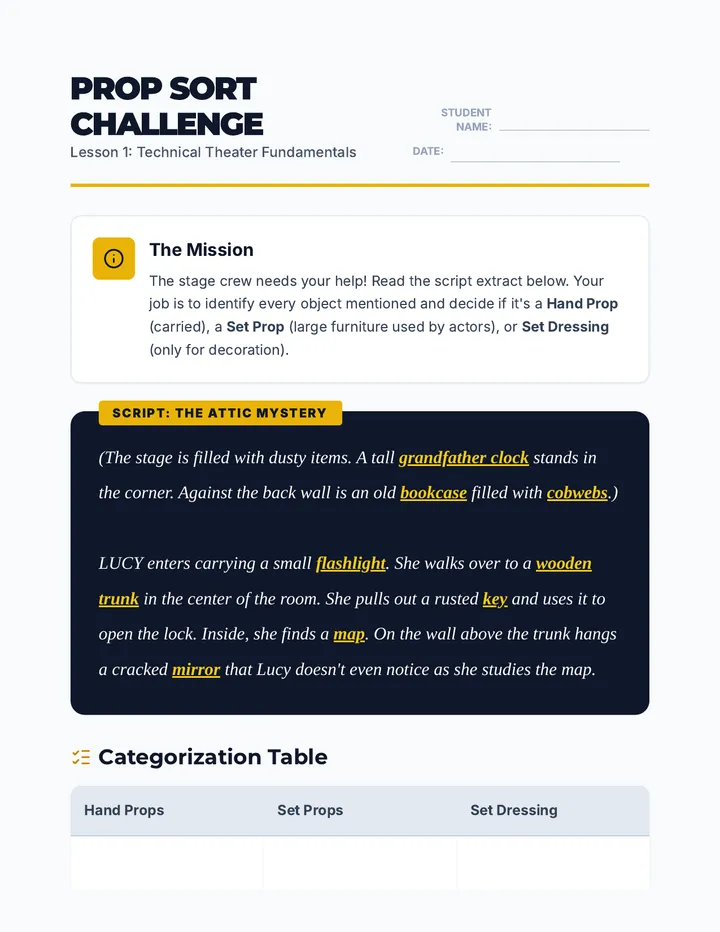
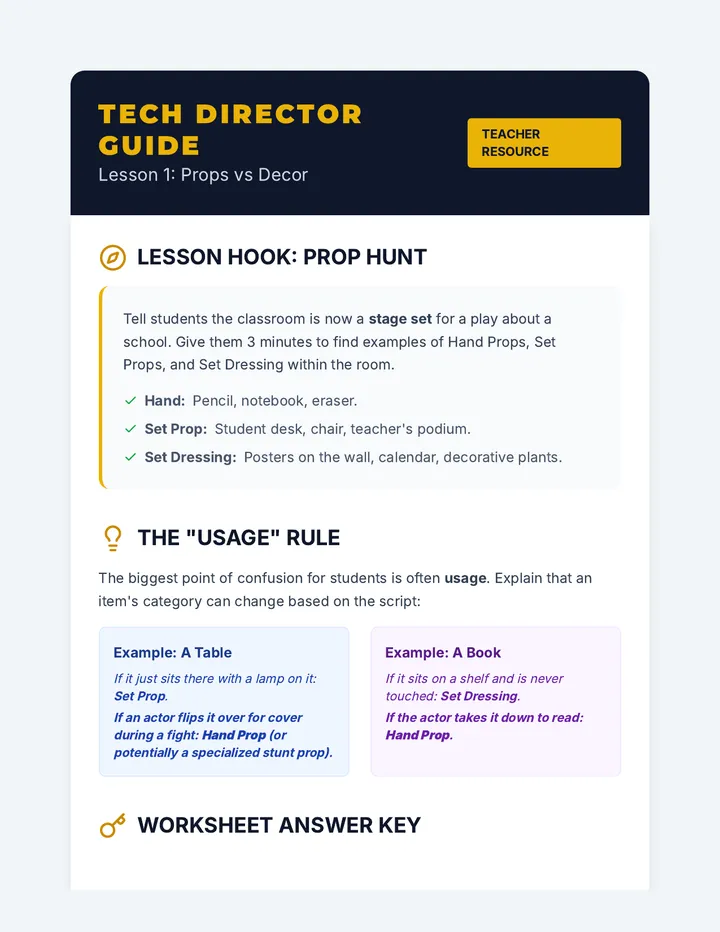
Stagecraft fundamentals, lighting design, and sound engineering for live performance. Develops skills in set construction, prop making, and costume design while addressing safety and stage management routines.
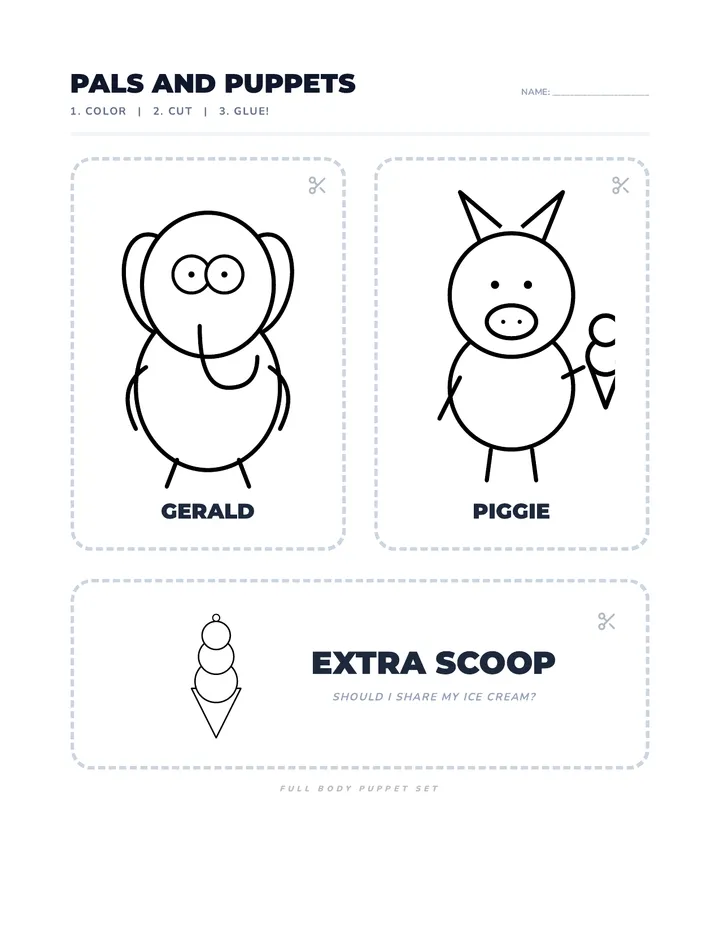
An updated coloring and cutout activity sheet featuring full-body versions of Gerald and Piggie, with Piggie holding an ice cream cone, plus an extra ice cream for sharing.
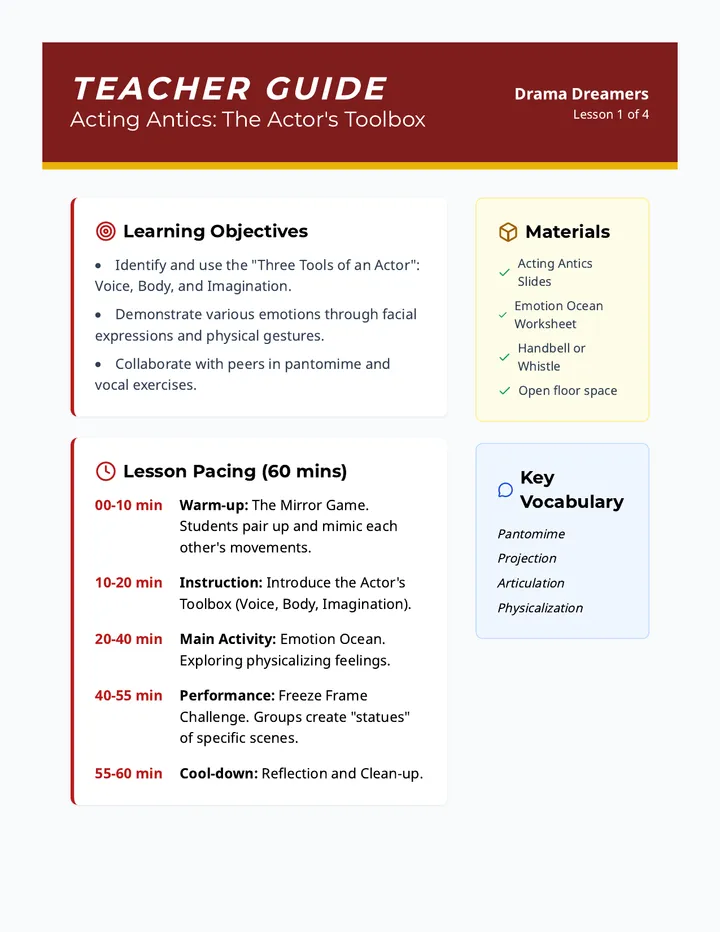
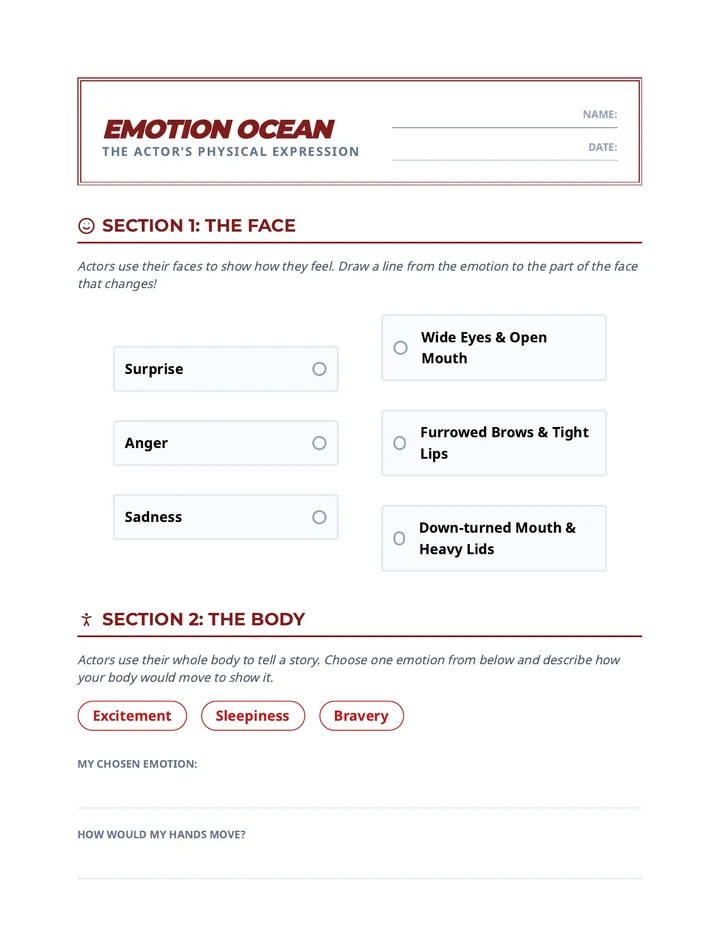
A comprehensive introduction to theater for elementary students, covering acting techniques, playwriting, stage types, theater history, and technical "behind the scenes" magic. Students move from basic expression to designing and performing with confidence.
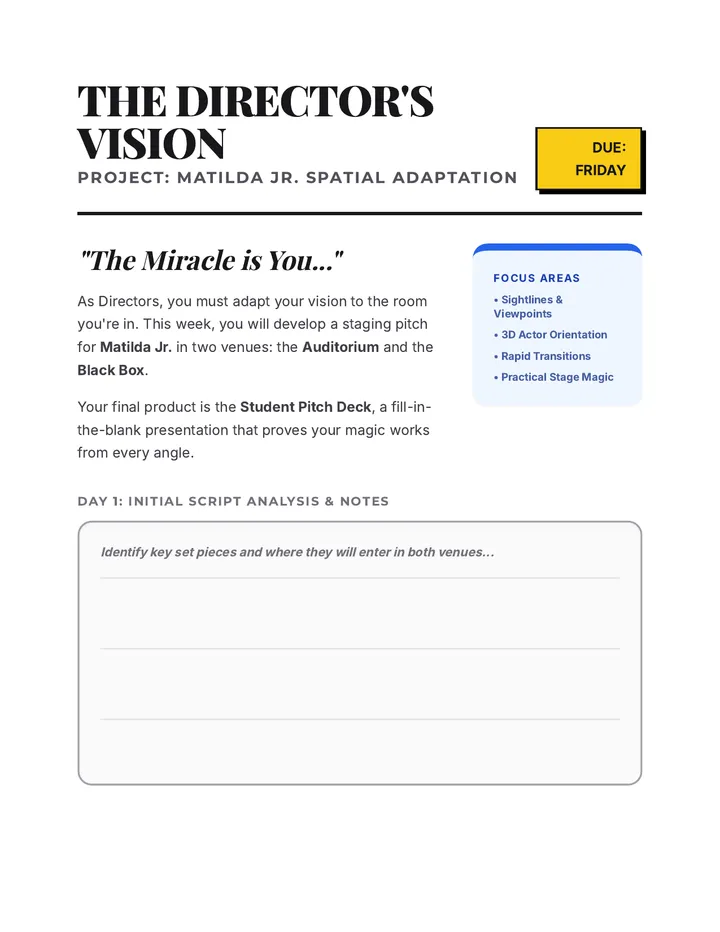
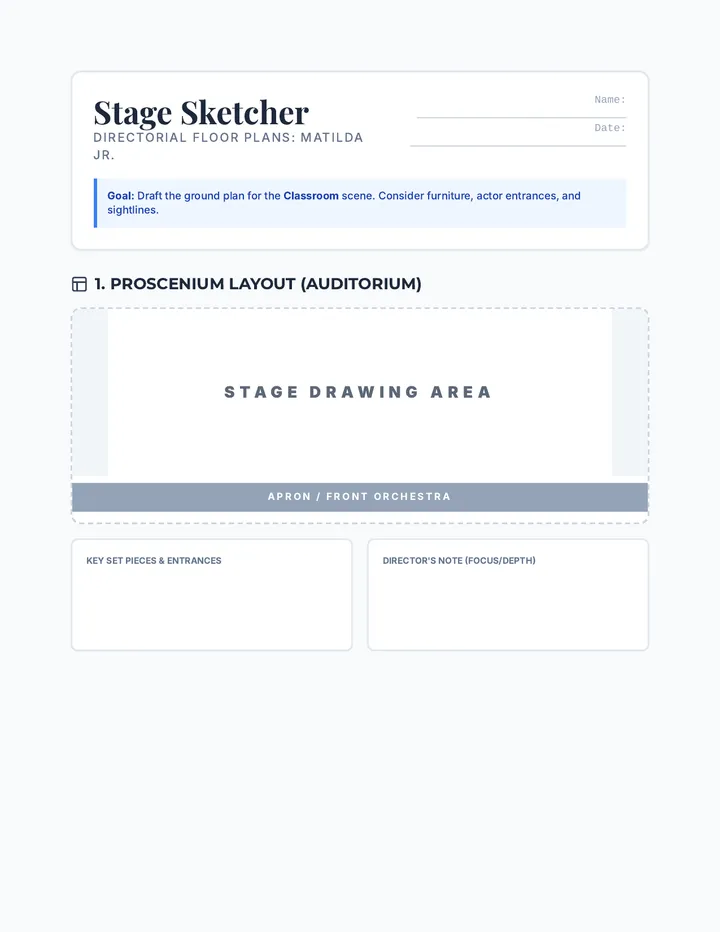
A project-based learning sequence for theatre students focused on the directorial challenges of staging Matilda Jr. in two vastly different performance spaces: a traditional proscenium auditorium and a modern thrust-stage black box.
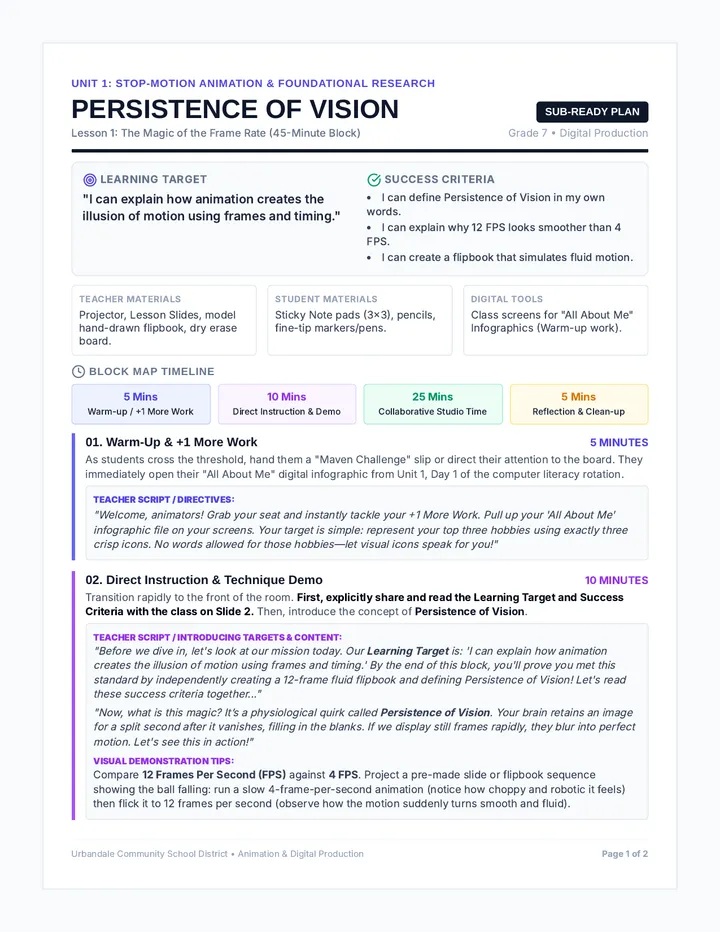
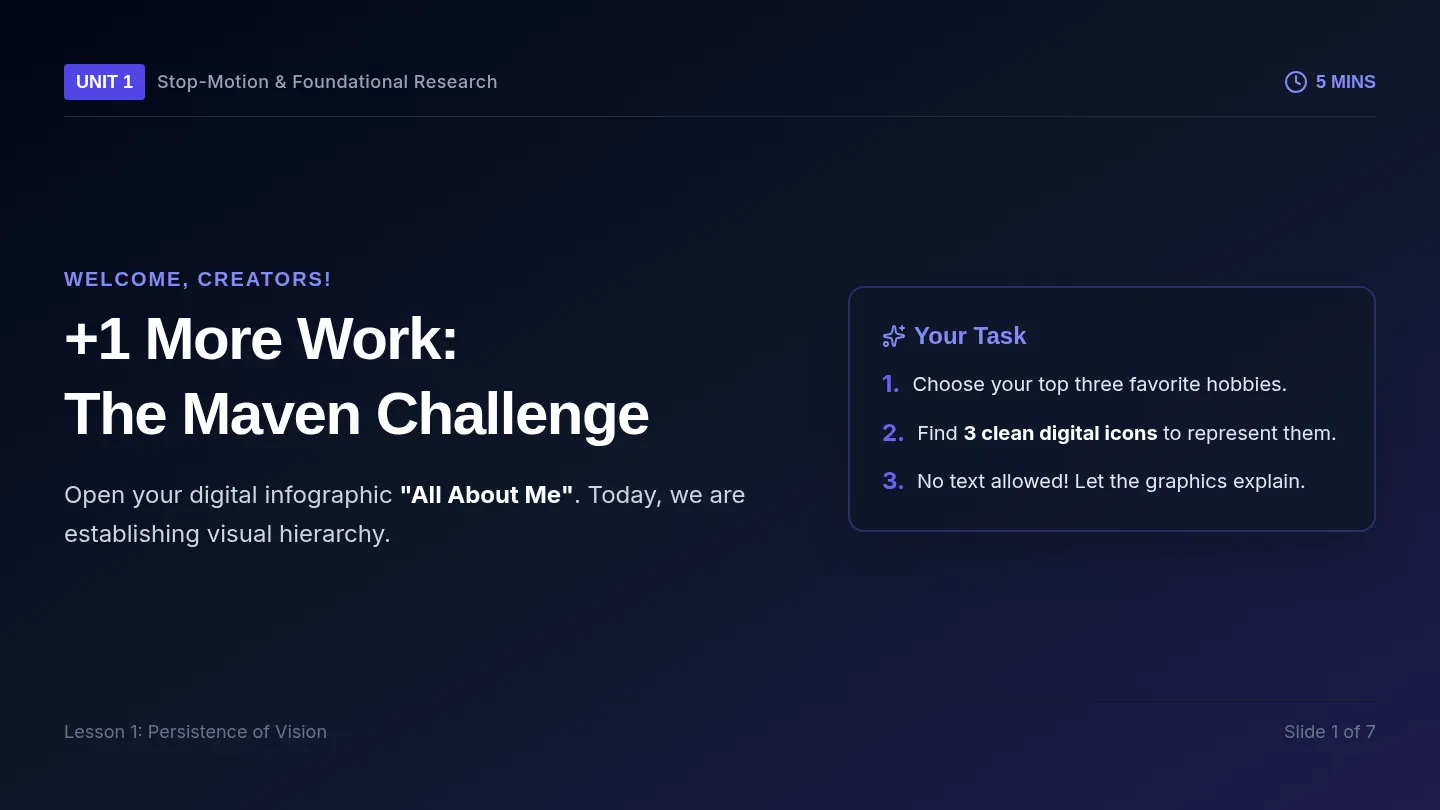
Unit 1: Stop-Motion Animation & Foundational Research. Students explore persistence of vision, digital research credibility, storyboarding, animation physics, and production.
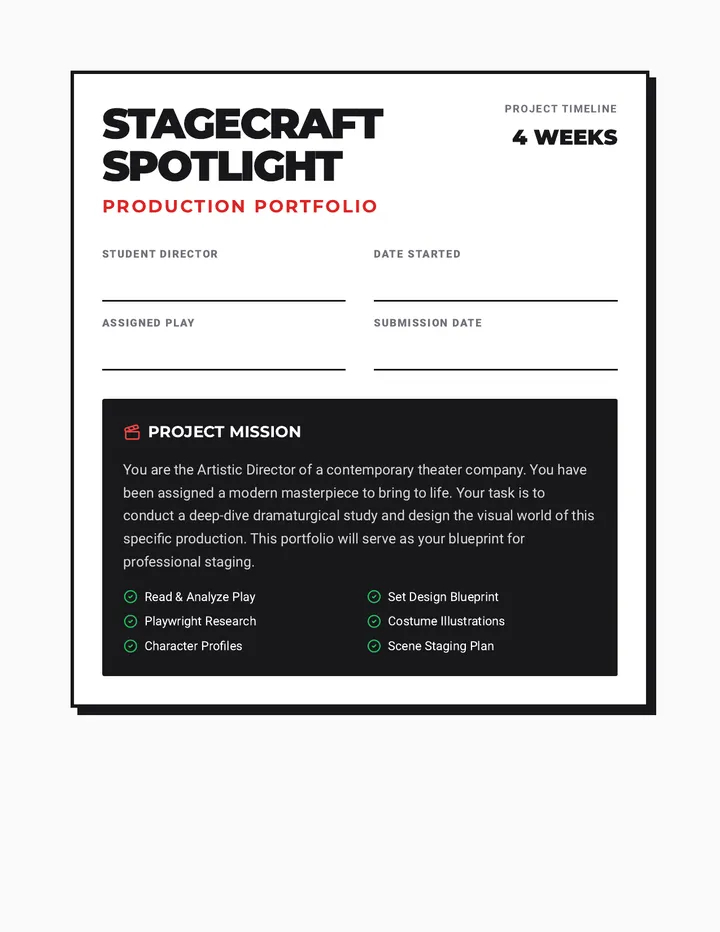
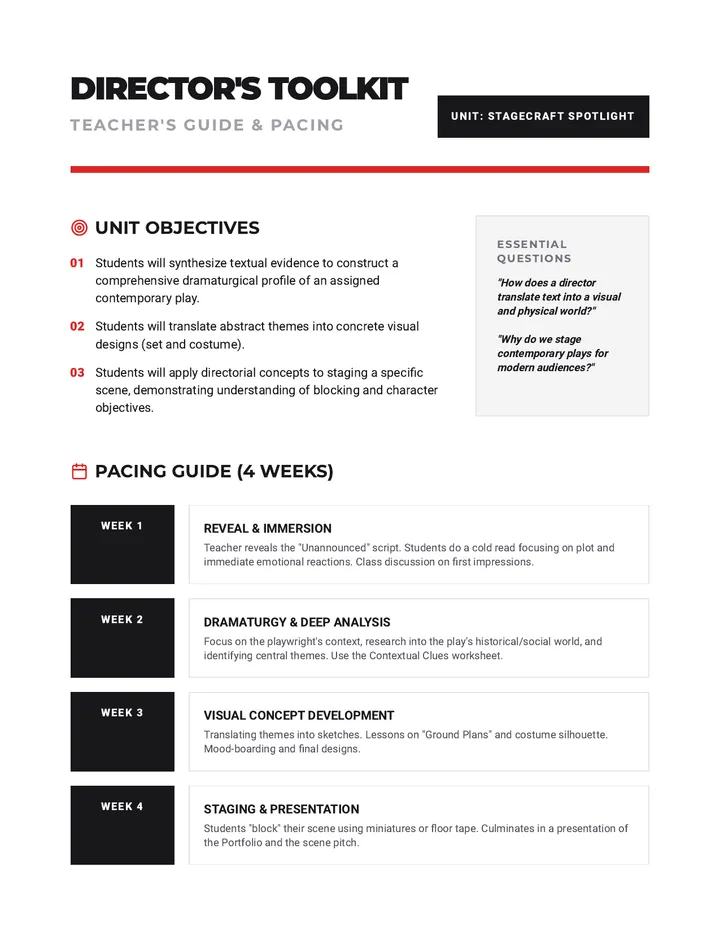
A comprehensive four-week unit and independent study guide for contemporary drama. Students analyze scripts, research playwrights, design technical elements, and stage scenes for a final production portfolio.
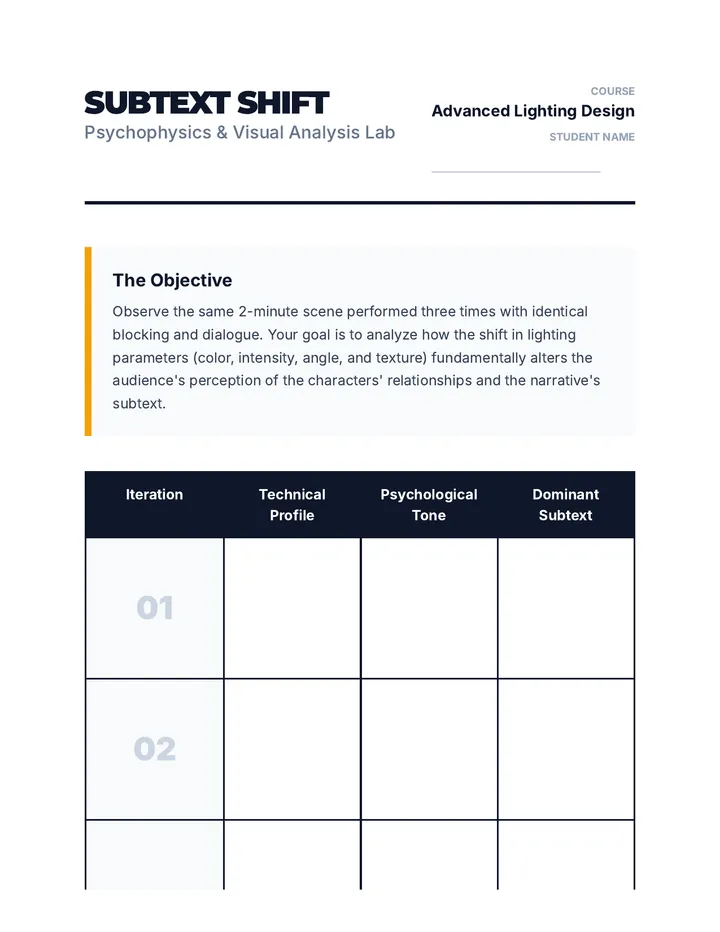
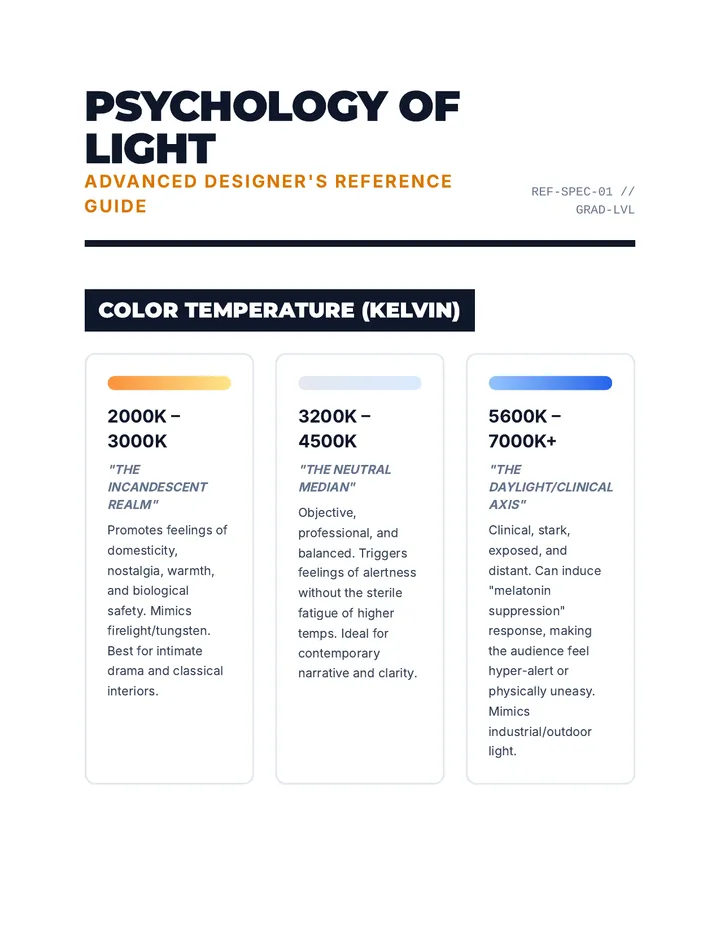
An advanced technical theater sequence for graduate students exploring the intersection of light physics, human perception, and visual storytelling. Students move from the biological mechanics of the eye to high-level system integration and dramaturgy.
This sequence introduces 5th-grade students to the world of technical theater through the lens of scenic design. Students progress from learning stage geography to analyzing scripts, drafting floor plans, and ultimately building a 3D scale model (maquette) of their own set design.
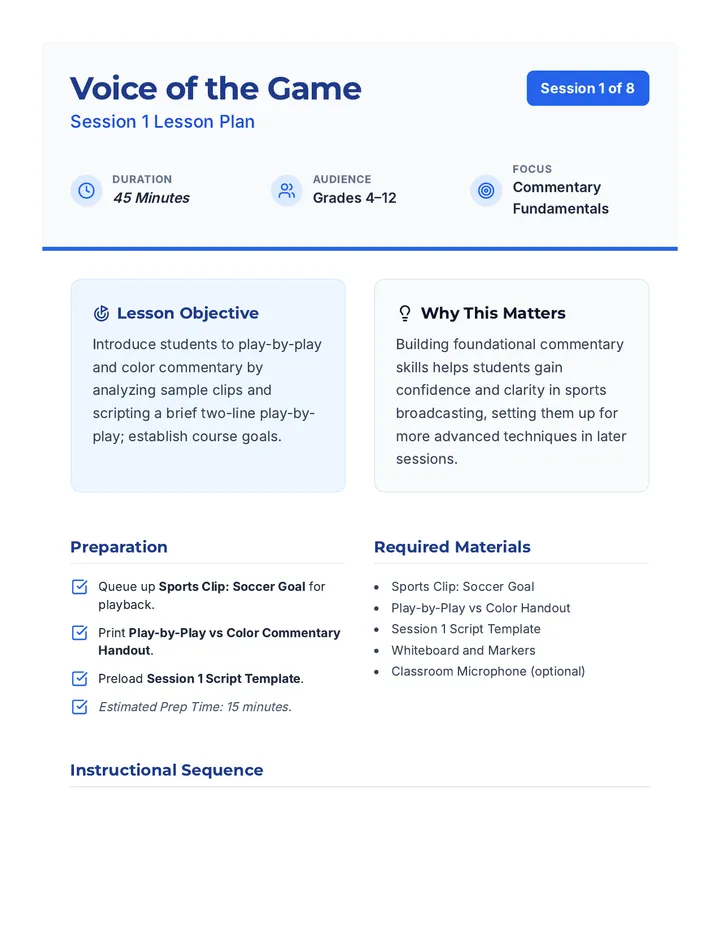
An 8-session sports broadcasting course for grades 4–12, covering play-by-play, color commentary, interviewing, camera work, audio mixing, and live production directing. Students progress from foundational vocal skills to a complete capstone broadcast project.
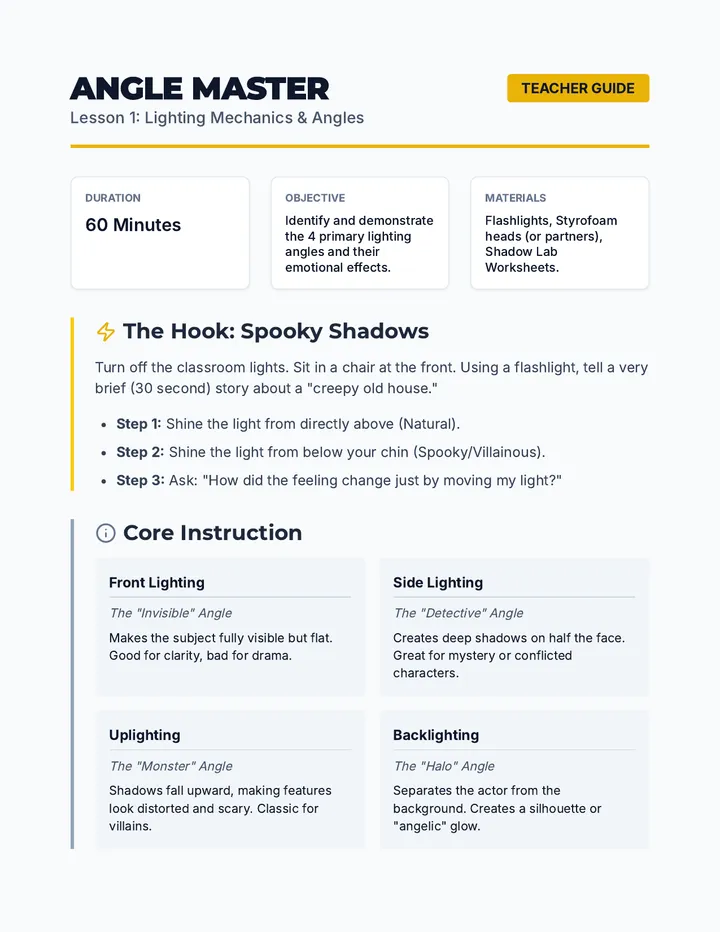
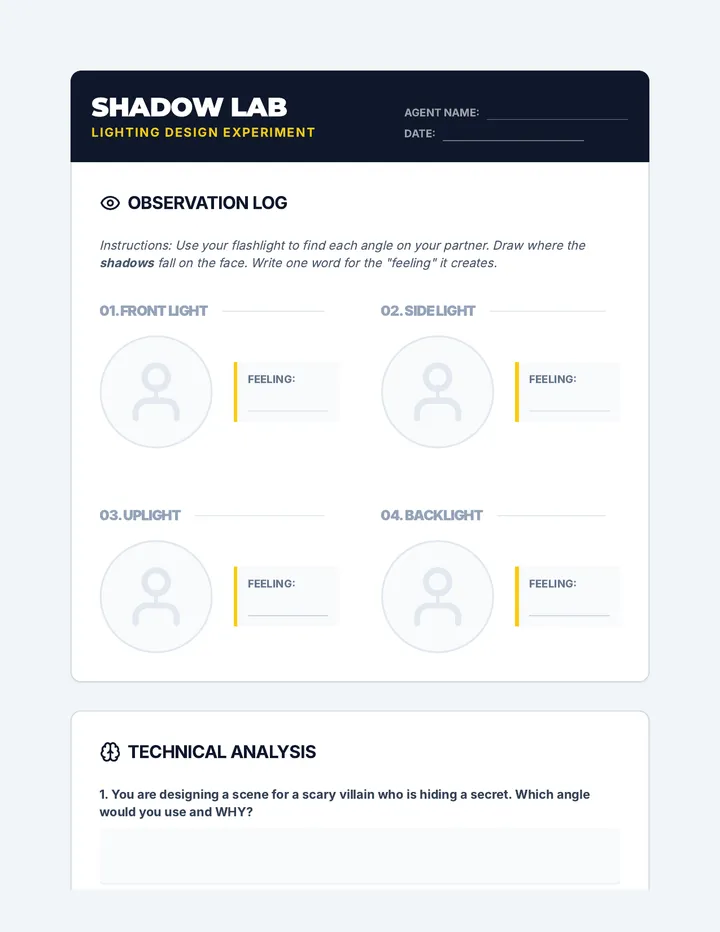
This sequence introduces 4th-grade students to the technical side of theater, focusing on lighting and sound. Students learn how lighting angles and colors create mood, and how sound effects and soundscapes build immersive worlds.
Students step into the role of the technical crew, learning stage management, costume organization, and backstage safety. This sequence culminates in students mastering the organizational and communication skills required to run a professional theater production.
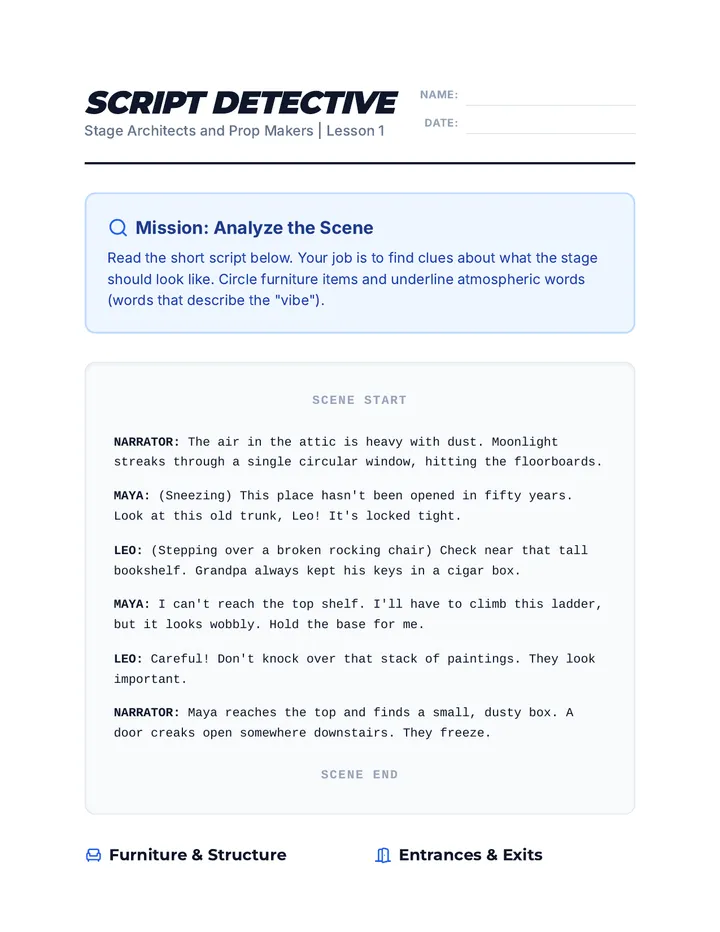
This hands-on sequence introduces 4th graders to the visual and engineering side of theater. Students analyze scripts to design environments, draft scale floor plans, build 3D scenic models, and fabricate props, emphasizing spatial reasoning and storytelling through physical space.
Students investigate how costumes and properties (props) function as tools for character development and storytelling. The sequence guides students through the process of distinguishing between prop types, exploring costume psychology, fabricating safe props, and mastering backstage organization.
An undergraduate-level introduction to the technical systems of theater, focusing on the physics, hardware, and creative implementation of lighting and sound design. Students progress from fundamental science to professional drafting and real-time cue execution.
A lesson exploring the evolution of English theater during the reign of King James I, focusing on stagecraft, darker themes, and the transition to indoor performance spaces.
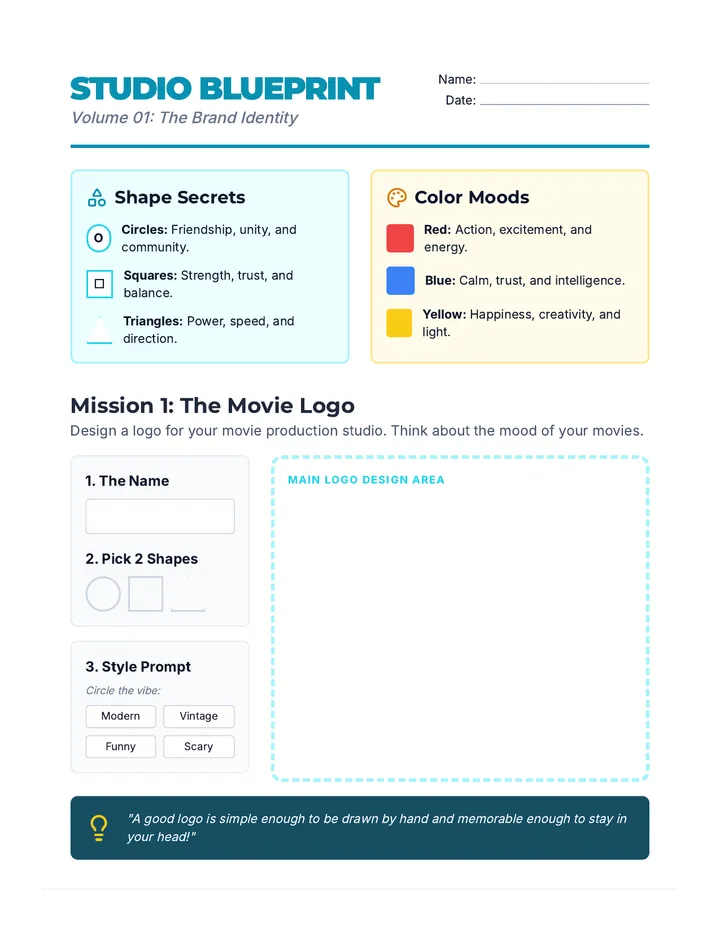
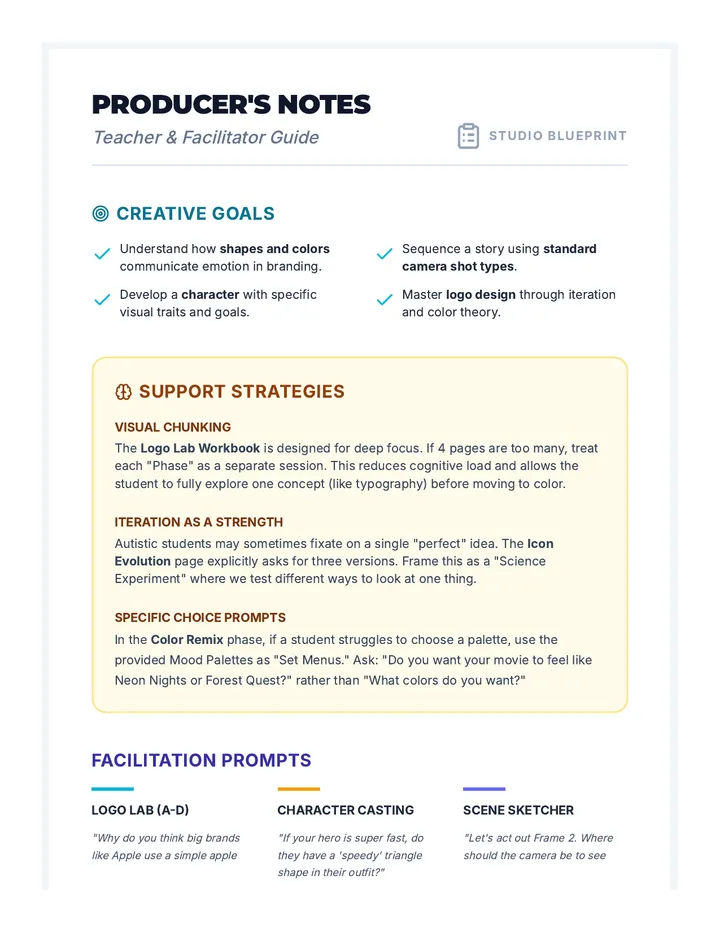
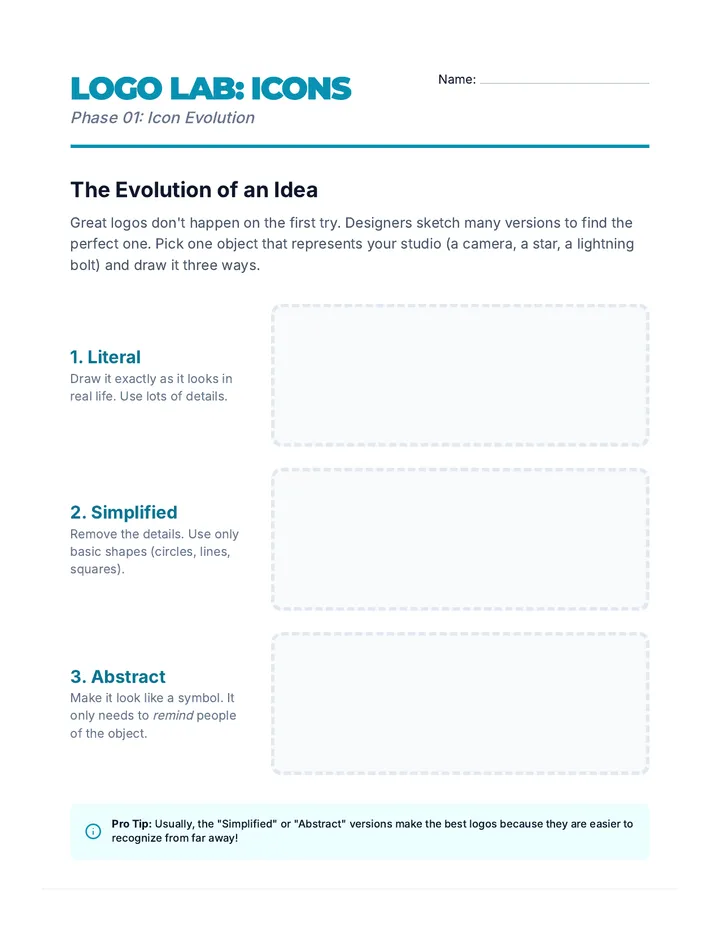
A creative, structured guide for students to explore the intersection of graphic design and filmmaking, focusing on branding, character design, and visual storytelling.
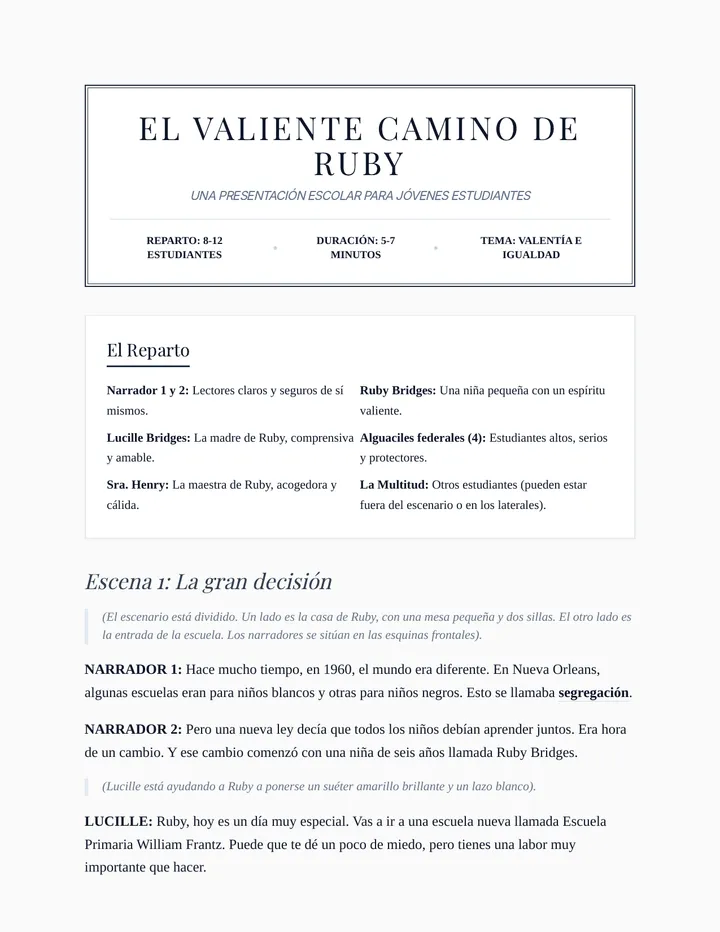
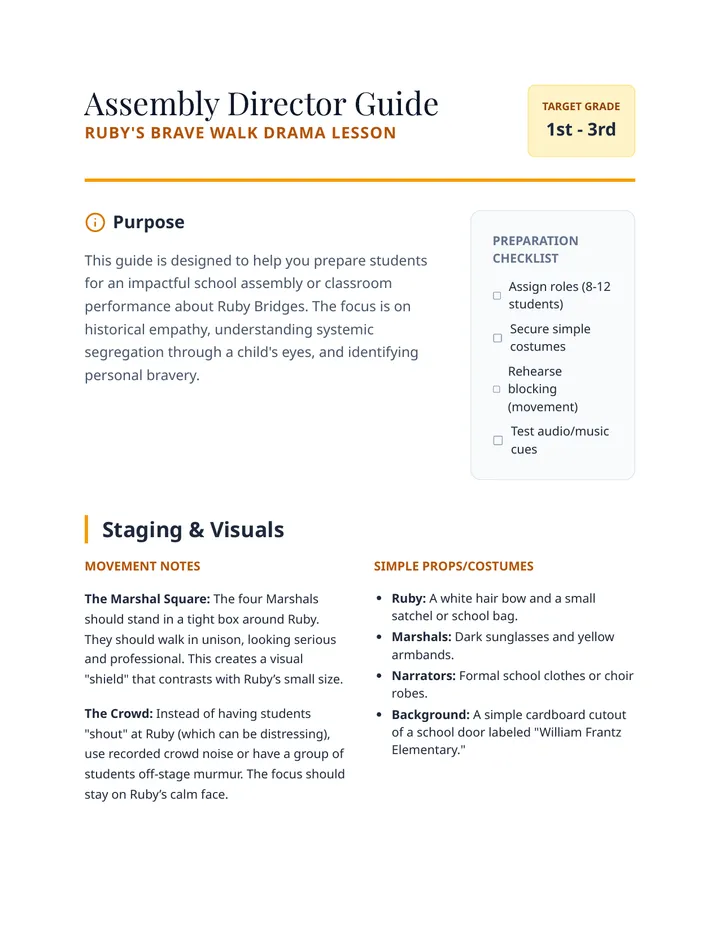
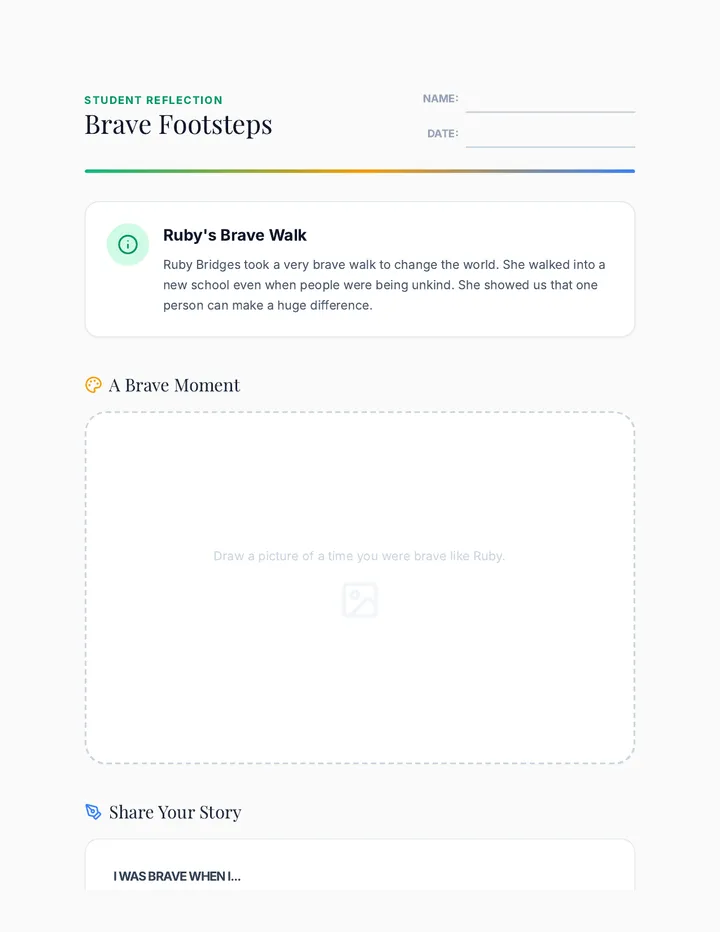
A short, impactful drama lesson centered around a school assembly script about Ruby Bridges. Students explore themes of bravery and segregation through performance, visual storytelling, and personal reflection.
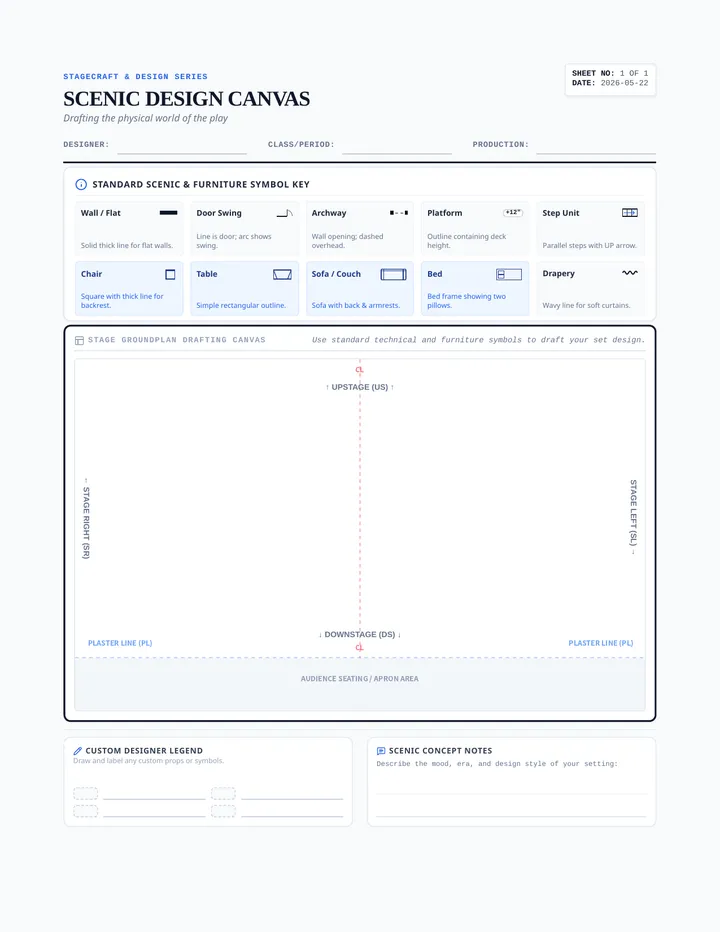
An introductory lesson on the fundamentals of scenic design, guiding students to create their own stage groundplans using industry-standard drafting symbols.
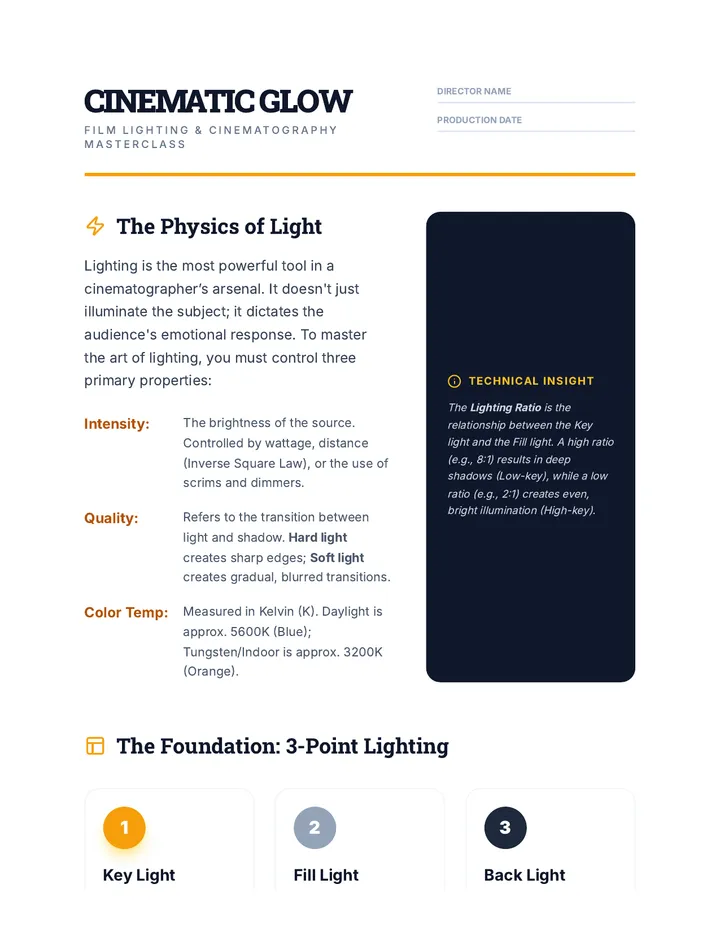
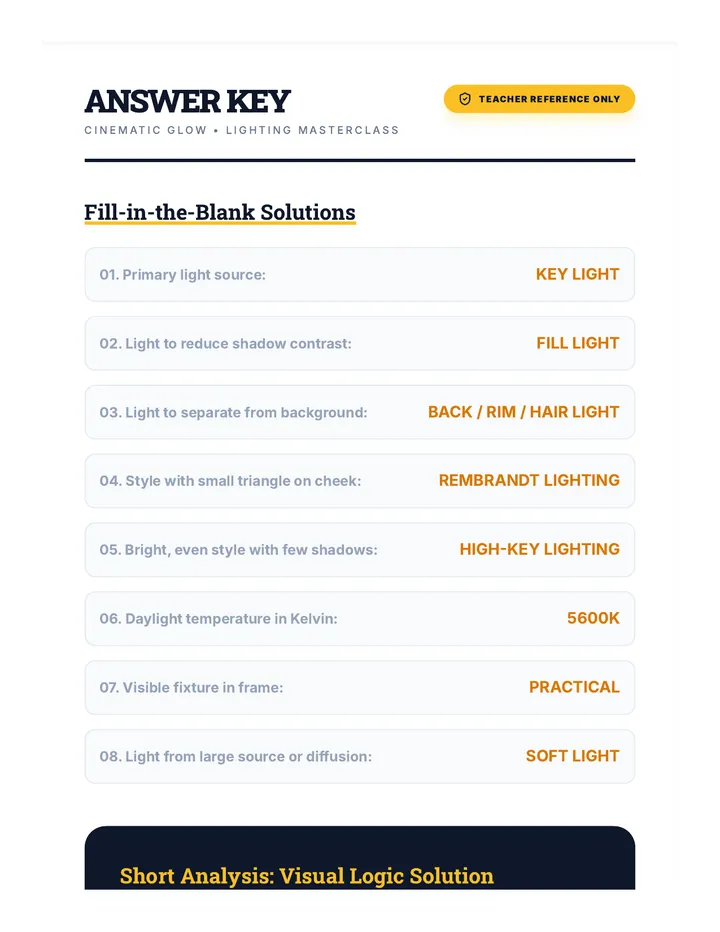
A deep dive into cinematic lighting, from the physics of light and 3-point setups to professional styles like Rembrandt and Butterfly lighting, including a hands-on assessment.
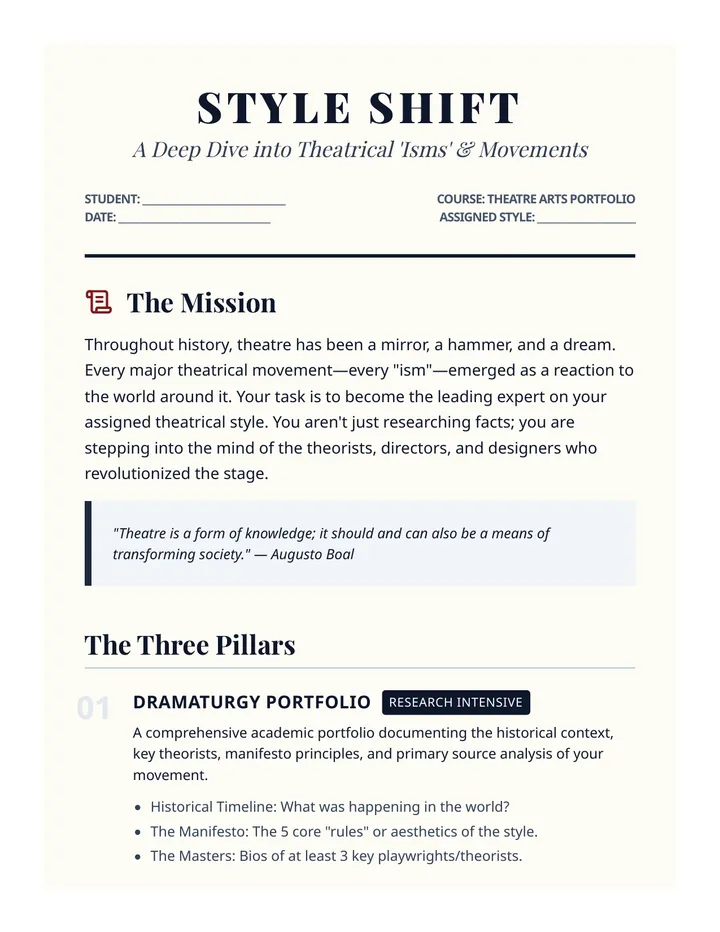
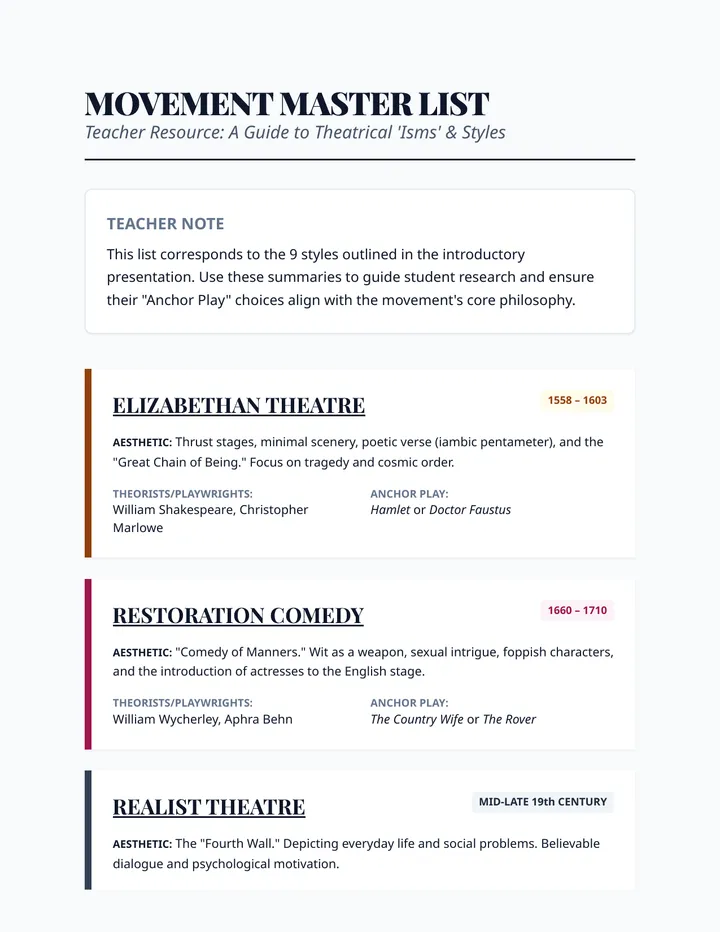
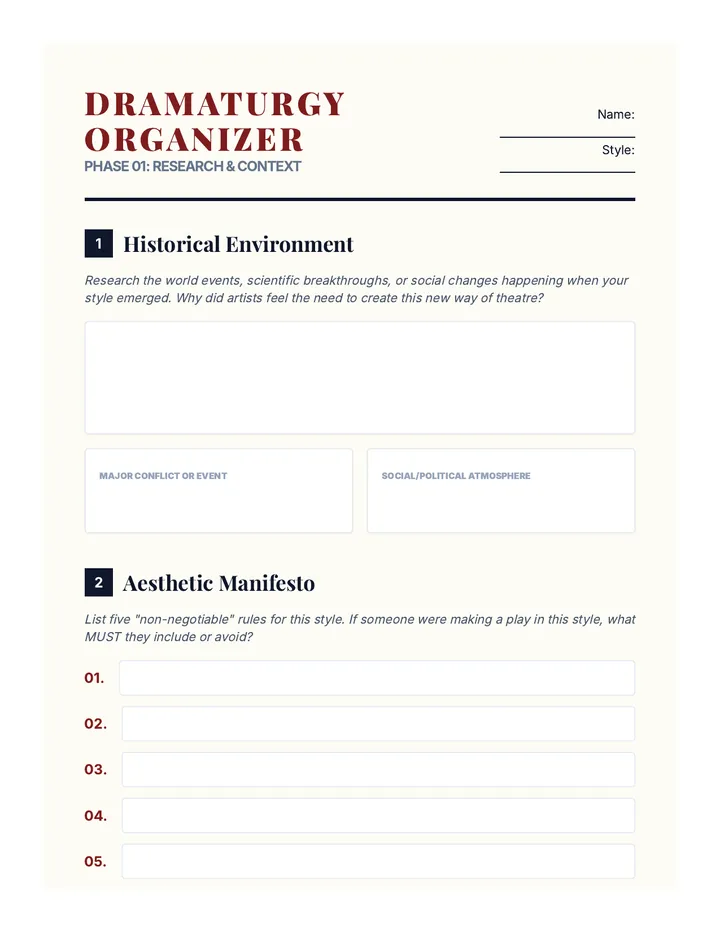
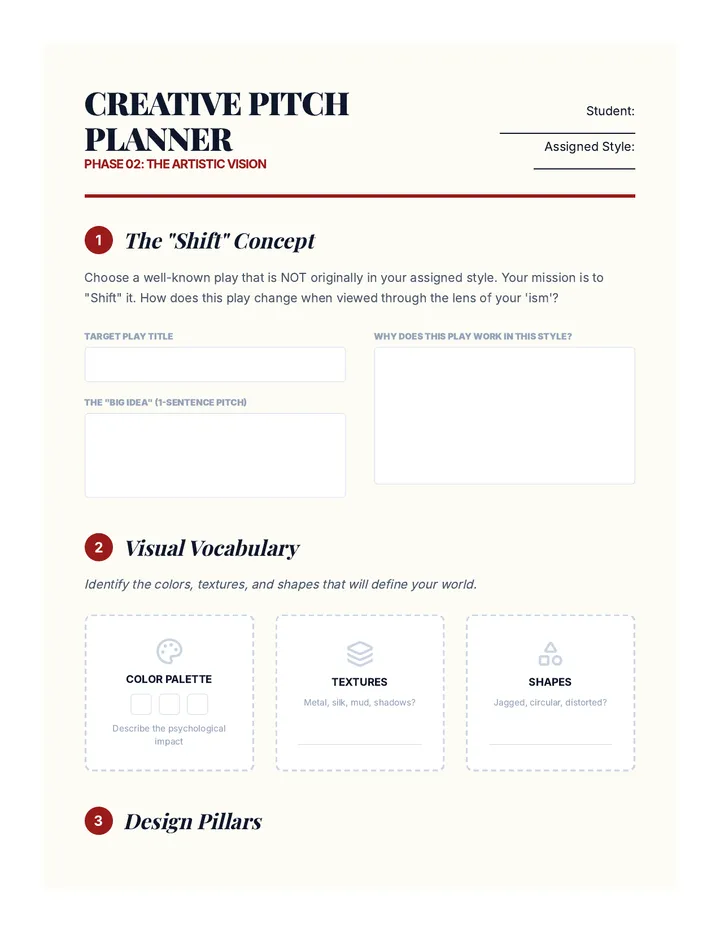
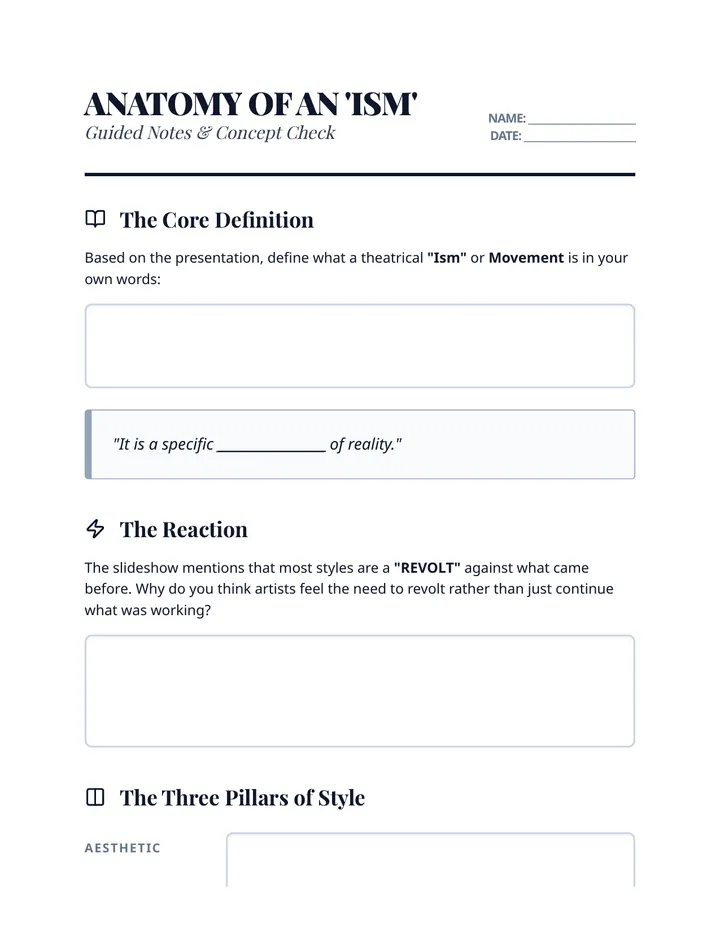
A comprehensive culminating research project where students explore a specific theatre style or 'ism'. Students produce a research-heavy Dramaturgy Portfolio, a Creative Design Pitch Deck, and a final Presentation with a visual aid.
A creative hands-on activity where students create their own Elephant and Piggie puppets to act out stories. This lesson focuses on fine motor skills through coloring and cutting, followed by imaginative play.
A creative lesson focused on oral storytelling and character analysis through the classic tale of Hansel and Gretel using DIY finger puppets.
A comprehensive 10-day unit focused on conceptualizing and creating 3D clay miniatures using Model Magic. Students explore career paths like set design and pottery while developing studio habits and problem-solving skills through iterative sculpting and self-analysis.
Students design and build their own paper finger puppets and a tabletop stage using markers and paper. This project combines visual arts with storytelling and performance.
Students explore how written text is translated into visual media by analyzing the relationship between a script and its illustration, culminating in a creative drawing activity based on descriptive prompts.
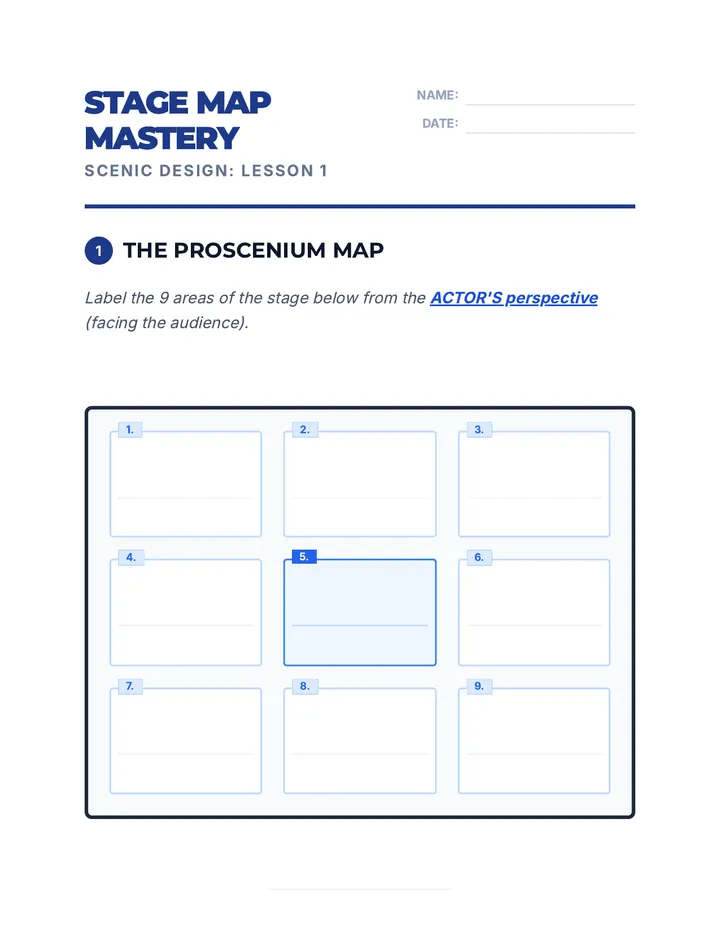
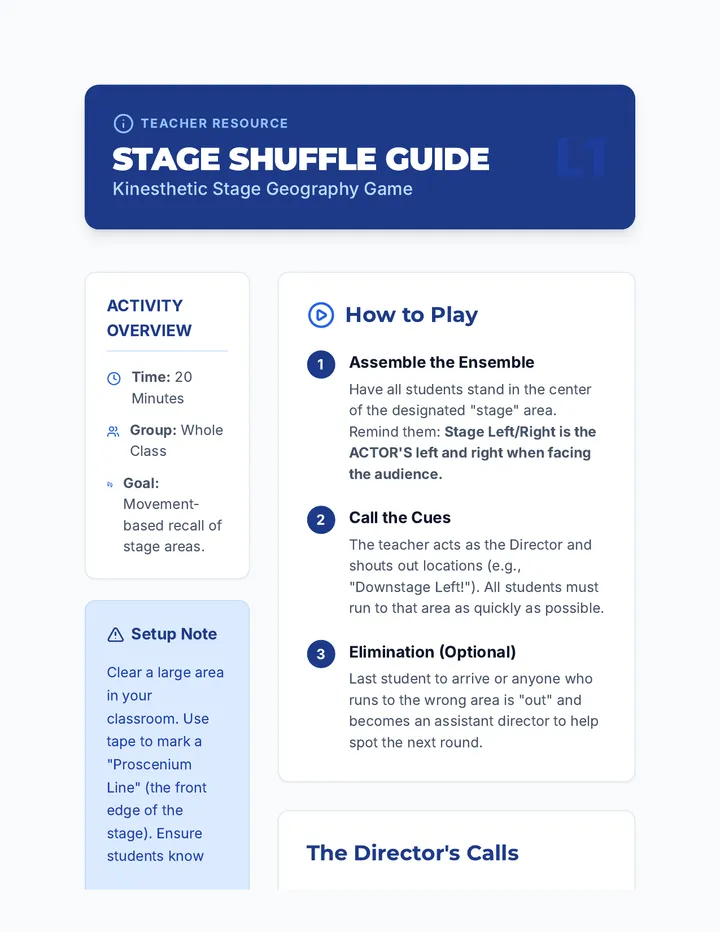
An introductory lesson into the world of stagecraft, covering the 'Big Five' areas of technical theater, stage directions, and the roles of the tech crew. Students will learn how magic is made behind the scenes through visual slides and a hands-on set design challenge.