Spot the Pressure Points Lesson Plan Spot the Pressure Points
Lesson Facilitation Guide
11th GRADE • TIER 1
Why This Matters
Helps 11th graders recognize subtle substance-offer tactics and confidently use refusal skills to protect their health and well-being in social environments that become increasingly complex as they approach adulthood.
Learning Objective
Students will analyze real-life peer pressure vignettes to identify hidden risks and practice effective refusal strategies through interactive discussion and individual reflection.
Time
30 Minutes
Approach
Interactive Scenarios & Guided Discussion
Materials
• Scene Setters Slides
• Scenario Sleuths Worksheet
• Risk Radar Discussion Prompts
Prepare Materials
10m
• Print one copy of Scenario Sleuths Worksheet per student.
• Queue the Scene Setters slide deck for projection.
Review the Risk Radar discussion questions to ensure you can pivot the conversation toward subtle pressure points like "social reward" and "implied exclusion."
Instructional Sequence
1
Warm-Up: Introduce Peer Pressure
5 MIN
• Project the first vignette from Scene Setters: Real-World Vignettes .
• Ask: “What kinds of pressure are present here? Is it someone telling them what to do, or is it more of a feeling?”
• Highlight examples of subtle (non-verbal, social vibes) vs. direct (dares, explicit asks) peer pressure.
2
Main Activity: Scenario Sleuths
15 MIN
• Distribute the Scenario Sleuths Worksheet .
• Students work alone or in pairs to identify hidden risks and pressure tactics in each scenario.
• Circulate and prompt deeper analysis: “What is unsaid here? If Alex says no, what is the group's 'silent' reaction likely to be?”
3
Think-Pair-Share: Risk Radar
7 MIN
• Think (1 min): Students note refusal strategies individually on their handouts.
• Pair (2 mins): Students share with a partner, comparing which strategies feel most authentic.
• Share (4 mins): Select pairs to report back. Focus on diversity of strategies (humor, redirection, direct no).
4
Wrap-Up: Refusal Skill Reflection
3 MIN
• Ask each student to name one refusal technique they’ll use in real situations (mental "go-to").
• Summarize key strategies and reinforce that saying no confidently actually earns social respect in the long run.
Scene Setters Slides Case Investigation
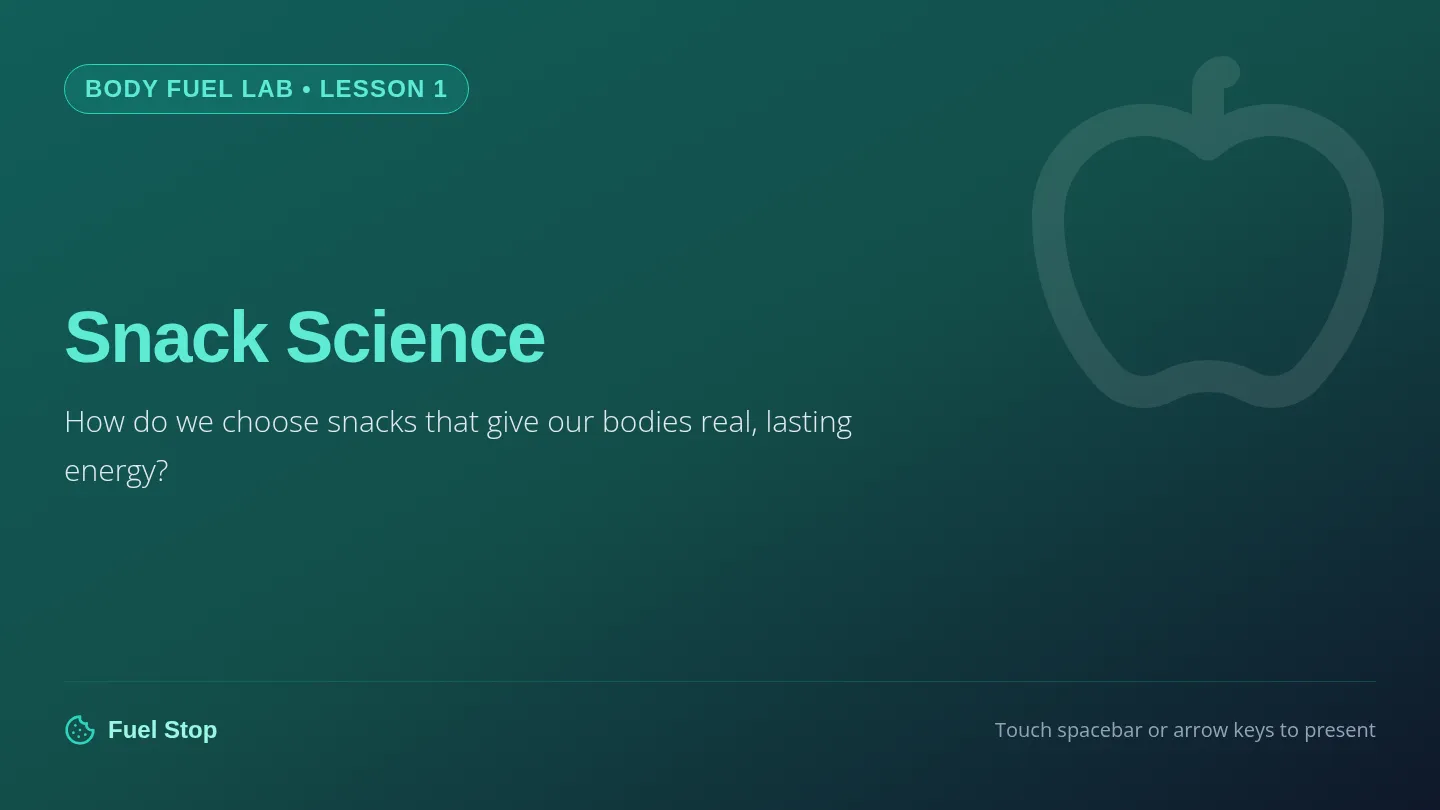
SCENE SETTERS
Real-World Vignettes
An interactive look at peer pressure and substance offers.hidden tactics in everyday situations.
11th Grade • Substance Awareness
What Is Peer Pressure?
The influence peers exert to change someone’s attitudes or behaviors.
Direct
Explicit requests, dares, or commands.
Subtle
Hints, social exclusion, or body language.
Pressure isn't always a "shout."
Case File #01
The Party Favor
Alex arrives at a party. A group offers them a drink “to loosen up” and hints the host made it “extra strong.”
Alex feels awkward refusing as everyone’s watching.
Analysis Question
What is unsaid here?
Hidden Risk
Strength of the host's "mix"
Case File #02
The Compliment Trap
Jamie’s friend says, “You’re always so serious—I got you something to help you chill,” handing over a vape pen.
They say it makes Jamie “look cool.”
The Trap
Using praise to push behavior
Hidden Risk
Chemical dependency / nicotine
Case File #03
The Silent Signal
In the hallway, Pat glances at a small bottle in their pocket and nods toward Dylan.
No words are spoken, but Dylan knows exactly what is being offered.
The Tactic
Non-verbal social expectation
Social Risk
Feeling "out of the loop"
Warm-Up Question
Which kinds of peer pressure—direct or subtle—do you see in these vignettes?
Prepare to share your observations with the class.
Think About
Eye contact • Compliments • Group watching
Scenario Sleuths Worksheet Case Investigation: Substance Awareness
Scenario Sleuths
Name:
Date:
INSTRUCTIONS: Analyze each scenario below. Identify the hidden pressure tactics being used and the potential risks involved. Finally, brainstorm a refusal strategy that feels natural and effective.
01
Scenario: The Party Favor
"Alex arrives at a friend’s party. A group offers them a drink ‘to loosen up’ and hints the host made it ‘extra strong.’ Alex feels awkward refusing as everyone’s watching."
1. Peer-pressure tactic(s) used:
2. Hidden risk in this situation:
3. Refusal strategy you could use:
4. Reflection: How might Alex feel? What would you notice about the group’s reaction?
02
Scenario: The Compliment Trap
"Jamie’s friend says, ‘You’re always so serious—I got you something to help you chill,’ handing over a vape pen. They say it makes Jamie ‘look cool.’"
1. Peer-pressure tactic(s) used:
2. Hidden risk in this situation:
3. Refusal strategy you could use:
Scenario 2 Continued: Reflection
03
Scenario: The Silent Signal
"In the hallway, Pat glances at a small bottle in their pocket and nods toward Dylan. No words are spoken, but Dylan knows what’s coming."
1. Peer-pressure tactic(s) used:
2. Hidden risk in this situation:
3. Refusal strategy you could use:
4. Reflection: How might Dylan’s nonverbal cues affect their choice?
"The best investigation is the one that keeps you safe."
Risk Radar Discussion Guide Risk Radar
Refusal Skills • Collaboration Protocol
Objective
Reinforce refusal skills by reflecting on scenarios, sharing ideas, and learning from classmates’ strategies to stay safe in real-world substance situations.
Step 1: Think (1 Minute)
Choose one scenario from the worksheet that you found most challenging.
Individually, note **two** refusal strategies you could use.
Note any hidden risks you hadn't noticed before.
My Reflections
Step 2: Pair (2 Minutes)
Share your strategies and hidden-risk observations with a partner.
Discuss: "Which strategy feels most natural? How do our approaches differ?"
Decision: Agree on a single "strongest" strategy to share with the class.
Our Chosen Strategy & Why
Step 3: Share (4 Minutes)
Be prepared to report back to the class:
Your Choice
Present your chosen refusal strategy and explain why it stood out to both of you.
Risk Discovery
Share one hidden risk you discovered or overlooked during your initial analysis.
Teacher Follow-Up & Tips
Consider Nonverbals
“What tone of voice or body language strengthens your refusal? How can eye contact or posture help you stand your ground?”
Personalization
“Imagine saying this in your own words—how would you adjust it to feel authentic to who you are?”
Link to Vignettes
“Remember the subtle tactics in Scene Setters (like 'to loosen up' or the silent nod)? How does awareness of those tactics inform your response?”
"CONFIDENCE is the best refusal skill. Practice makes it muscle memory."
Scenario Sleuths Answer Key Sleuths Answer Key
Teacher Reference • Scenario Analysis
Teacher Use Only
01
The Party Favor
Peer-Pressure Tactic(s)
• Subtle/Social: "Everyone's watching" creates a feeling of exclusion if refusing.
Hidden Risks
• Potency: "Extra strong" implies unknown concentrations (danger of overdose/alcohol poisoning).
Refusal Strategies
"No thanks, I'm the designated driver tonight."
"I'm good, I actually have a game/test tomorrow morning."
"I'll stick with water for now, but thanks."
"That's okay, I don't really like the taste of that."
Reflection Guidance
Alex likely feels self-conscious and exposed. If they refuse, the group might move on quickly, but in Alex's head, the spotlight feels permanent.
02
The Compliment Trap
Peer-Pressure Tactic(s)
• Flattery: Associating the substance with being "cool."
Hidden Risks
• Health: Vaping lung injury (EVALI), nicotine addiction, unknown chemical additives.
Refusal Strategies
"Nah, I'm trying to stay serious so I can get into [College/Job]." (Using the label as a positive).
"I don't vape, but I'll chill with you guys anyway."
"I like being serious, it gets things done. But thanks."
"Vaping isn't really my thing."
Reflection Guidance
Jamie might feel misunderstood or invalidated. The pressure here is identity-based ("You are X, but you should be Y").
03
The Silent Signal
Peer-Pressure Tactic(s)
• Non-Verbal Expectation: The nod implies a shared secret or bond that Dylan must fulfill.
Hidden Risks
• Legal/School: Substances in school hallways (high risk of suspension/arrest).
Refusal Strategies
Just keep walking/ignore the signal (the "I didn't see it" play).
Shake head "no" and keep walking.
Change the subject immediately: "Hey, did you see the email about the assembly?"