A comprehensive health education lesson focused on body boundaries, personal safety, and the 'No-Go-Tell' rule, specifically designed for students with developmental disabilities ages 10-16.
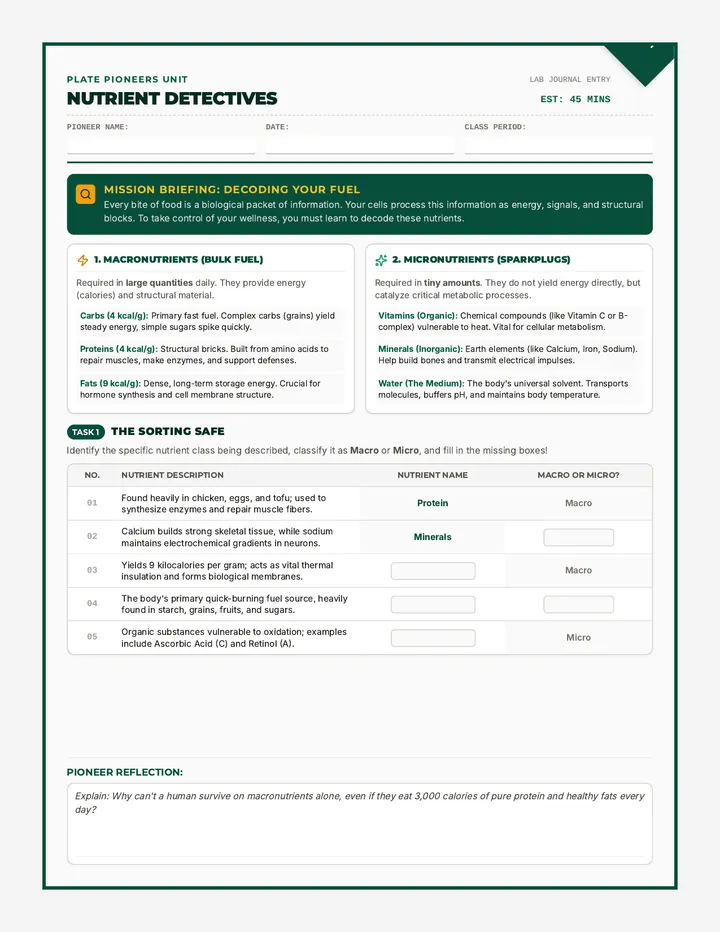
A 50-minute health lesson for 6th graders exploring the six essential nutrients, their specific functions in the body, and why a balanced 'fuel mix' is vital for health. Includes direct instruction, a collaborative 'Nutrient Ninja' activity, and an exit ticket.
This lesson helps 6th grade students understand ADHD medication management, specifically focusing on how Methylphenidate (stimulants) and Guanfacine (non-stimulants) work individually and together to support focus, emotional regulation, and school success.
A practical, data-driven lesson for grades 3-8 exploring how sleep, nutrition, physical activity, and screen time directly impact brain function and academic success. Students analyze real-world performance metrics and create their own 'Brain Fuel Blueprint' for personal wellness.
A middle school health lesson focused on identifying stress triggers and practicing evidence-based mindfulness techniques like deep breathing and progressive muscle relaxation. Students create a personalized wellness plan to manage daily stressors.
A comprehensive lesson exploring the essential roles of vitamins, minerals, and antioxidants in human health, featuring a guided research activity.
A beginner-friendly cooking lesson focused on following sequential instructions and identifying fresh ingredients while making a simple salsa.
This lesson empowers middle school students to become 'Health Heroes' by mastering nutrition, activity, sleep, and stress management through interactive missions and self-reflection.
A mini-lesson designed for high school health or child development classes, covering the biological causes, physical warning signs, and prevention strategies for Shaken Baby Syndrome (SBS). Students will explore the physics of infant brain injury and learn practical coping mechanisms for caregiver stress.
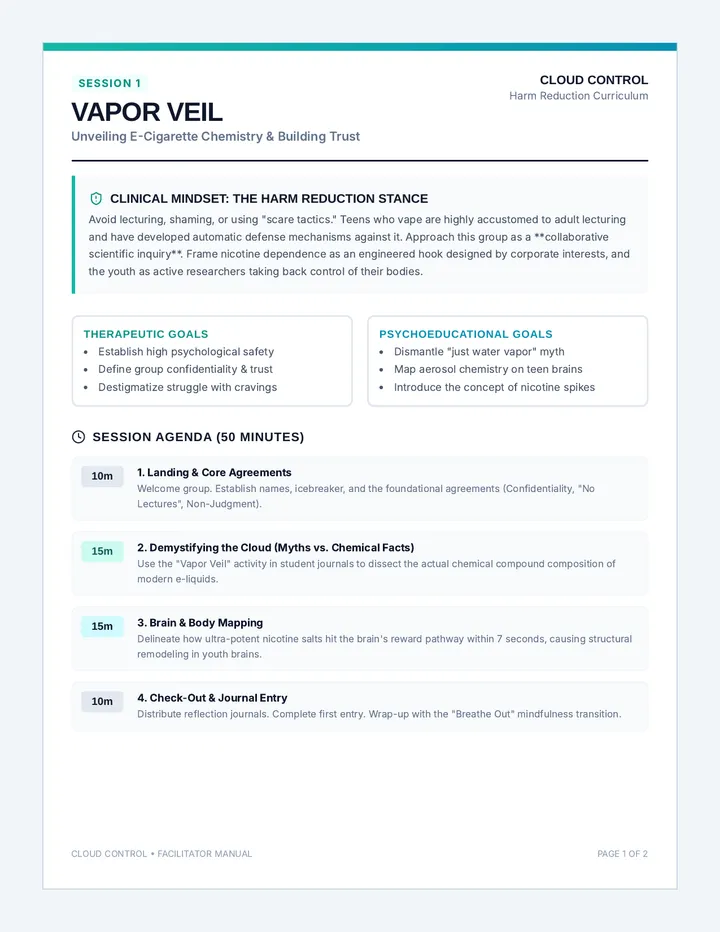
A comprehensive SEL lesson for high school students focusing on substance abuse prevention through an honest, non-judgmental, and culturally responsive lens, emphasizing decision-making and real-world refusal skills.
A high school health lesson focusing on understanding anxiety, practicing grounding techniques, and applying cognitive restructuring to manage stress effectively. Aligned with Massachusetts Mental Health standards.
A comprehensive high school lesson focused on developing the skills needed for healthy interpersonal relationships, including boundary setting, assertive communication, and identifying relationship warning signs. Aligned with Massachusetts Health Education standards for interpersonal communication and relationship health.
A comprehensive anti-bullying and upstander skills lesson designed for K-12 students. It focuses on identifying bullying, developing empathy, and providing concrete reporting strategies aligned with Massachusetts state frameworks.
A comprehensive lesson for middle schoolers to identify stressors, understand the physical response to stress, and build a personalized toolkit of healthy coping strategies through interactive sorting and mindfulness practice.
A comprehensive 120-minute safety training session focused on identifying wildlife risks, recognizing safe behaviors, and responding correctly to animal encounters. This lesson equips participants with practical skills to protect both themselves and local wildlife.
A 10-minute micro-lesson exploring how adolescent brain development affects decision-making, personal responsibility, and peer relationships through relatable school scenarios.
A high-energy breakfast planning resource for 7th graders, featuring fast, protein-packed recipes and a weekly hydration and meal tracking system.
A comprehensive lesson on leadership styles, effective teamwork, and collaborative project planning designed for middle school students, aligned with Utah Health Education standards.
A comprehensive lesson for high school students on substance abuse awareness, focusing on the science of addiction, common substances like vaping and prescription drugs, and practical refusal skills.
A comprehensive lesson for high schoolers on mental health awareness, focusing on identifying signs of anxiety and depression, breaking the stigma, and navigating support systems.
A comprehensive toolkit for tracking and managing Type 1 Diabetes daily routines, designed for students, parents, and school health staff.
A comprehensive lesson for grades 6-8 on identifying stress triggers and developing a personalized 'coping toolkit' through mindfulness and breathing techniques. Aligned to Alabama health standards for mental and emotional health.
A high school mental health lesson focusing on identifying stressors and practicing mindfulness techniques, aligned with Utah Health Education Standards. Students will conduct a stress audit and learn specific breathing strategies.
A comprehensive mental health awareness lesson for high schoolers, focusing on stigma reduction, identifying warning signs, and mapping out support resources. Aligned with Massachusetts Health Education Frameworks for Grades 9-12.
A fun and engaging assessment focused on how physical activity strengthens the body, improves mental health, and supports heart and bone health.
A comprehensive lesson on using heart rate monitors to optimize cardiovascular training. Students learn to calculate target zones and track real-time data across different cardio stations.
An engaging lesson that breaks down why sleep is a performance-enhancing 'hack' for students and provides practical tools for building a better bedtime routine.
A 30-minute workshop designed for upper high school students to evaluate their digital habits and construct a personalized plan for reducing screen time in favor of real-world engagement.
This lesson explores the science of sleep hygiene tailored for high school students, focusing on the biological impact of technology and practical strategies for optimizing rest.
A comprehensive lesson for 7th and 8th graders to critically analyze media's impact on health, body image, and lifestyle choices through investigative activities and discussion.