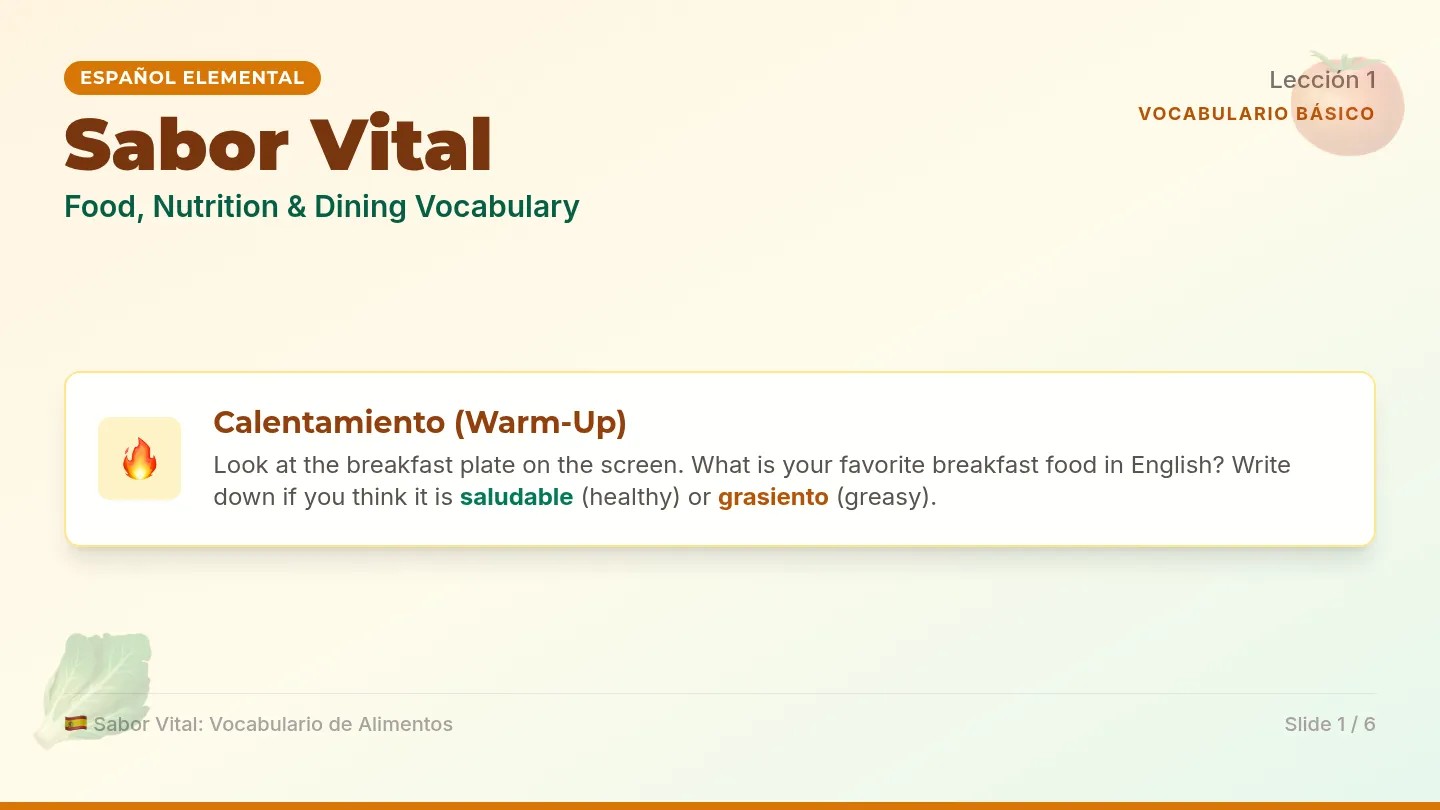
Register Roulette Slides Register Roulette
Navigating the Spectrum of French Sociolinguistics
The Big Question
"Comment la variation grammaticale signale-t-elle le contexte social, l'intimité, et l'autorité en français ?"
Contexte Social
Where are we? Who is around us?
Intimité
Friends, family, or strangers?
Autorité
Power dynamics and professional distance.
Les Trois Registres
01. SOUTENU
Formal / Literary
• Inversion du sujet
• "Ne" obligatoire
• Vocabulary: "Cela", "Demeurer"
• Context: Literature, Law, Ceremony
02. STANDARD
Neutral / General
• "Est-ce que" common
• "Ne" mostly present
• Vocabulary: "Ça", "Habiter"
• Context: News, Work, Class
03. FAMILIER
Informal / Slang
• Deletion of "Ne"
• Phonetic reduction (t'as, chuis)
• "On" replaces "Nous"
• Context: Friends, Family, Rap
"Je ne sais pas"
SOUTENU
"Je ne saurais point vous répondre."
STANDARD
"Je ne sais pas."
FAMILIER
"J'sais pas." (Pronounced "Shaypa")
Deviens le Caméléon
Throughout this unit, you will master the "grammaire du camouflage". You will learn not just what to say, but how to say it to belong in any circle.
Prêts pour l'immersion ?
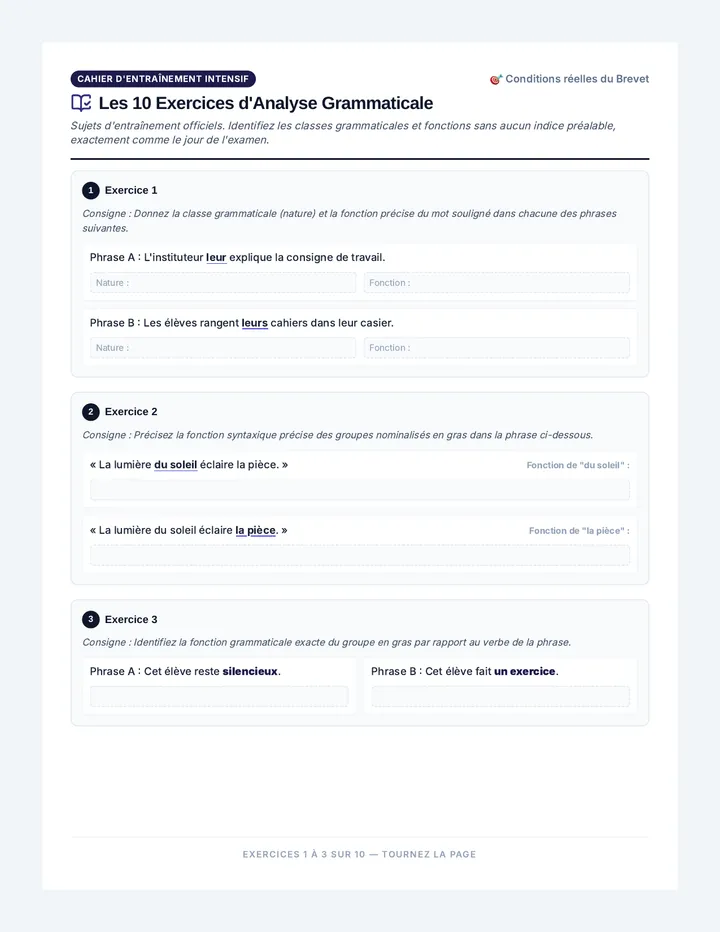
Context Clash Worksheet Context Clash Worksheet
Analyzing the Sociolinguistic Spectrum
Advanced French Grammar
Nom: __________________________
Instructions
Read the three versions of the same encounter below. Your task is to identify the grammatical markers that distinguish the registers and answer the analytical questions that follow.
TEXTE A "Wesh, ça dit quoi ?"
"T'as vu l'heure ? On va être à la bourre, j'te jure. Vas-y, grouille-toi un peu, j'ai pas envie d'rater l'début."
TEXTE B "Bonjour, vous allez bien ?"
"Tu as vu l'heure ? Nous allons être en retard. Dépêche-toi, je n'ai pas envie de manquer le début de la séance."
TEXTE C "Puis-je vous solliciter ?"
"Auriez-vous pris note de l'heure tardive ? Nous risquons fort de ne point arriver à temps. Je vous prie d'accélérer le pas, car je ne saurais souffrir de manquer l'ouverture de la cérémonie."
1. Identification des Registres
Associez chaque texte à son registre respectif : Soutenu, Standard, Familier. Justifiez votre choix avec un exemple grammatical précis.
Texte A :
Texte B :
Texte C :
2. La Négation "Double" vs "Simple"
Trouvez les trois formes de négation utilisées pour exprimer "I don't have the desire/envy". Notez les différences ci-dessous.
Texte A
Texte B
Texte C
3. Analyse du Pronom
Comment le concept de "we" change-t-il entre le texte A et le texte B ? Pourquoi est-ce significatif sociolinguistiquement ?
4. Synthèse : Le Caméléon
Imaginez que vous deviez annoncer à votre patron (Standard/Soutenu) et à votre meilleur ami (Familier) que vous ne pouvez pas venir travailler demain. Écrivez les deux versions.
PATRON (Standard/Soutenu)
AMI (Familier)
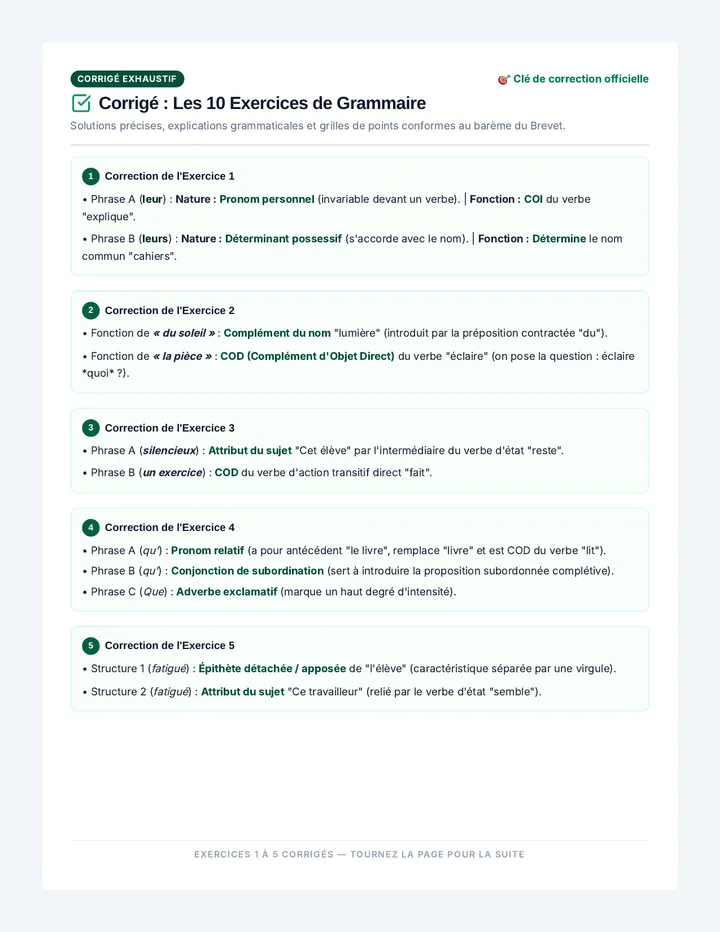
Register Compass Teacher Guide Register Compass
Teacher Guide • Lesson 1
FR-ADV-01
Learning Objective
Students will be able to distinguish between 'familier', 'standard', and 'soutenu' registers by identifying specific grammatical markers (ne-deletion, pronoun choice, inversion) and lexical choices.
Pacing
• Hook (Rap vs Speech): 10 min
• Slide Presentation: 15 min
• Worksheet Analysis: 20 min
• Role-play Wrap-up: 10 min
The Hook: Auditory Dissonance
"Play 30 seconds of a song by PNL (e.g., 'Au DD') followed by 30 seconds of an Emmanuel Macron speech. Ask students: Both are French, but what 'rules' are being broken or followed in each? Focus on the sound of the 'ne' (or lack thereof)."
Key Discussion Prompts
Q1
Why does a language 'split' like this? Is the familier register 'wrong' or just 'different'?
Q2
In English, we have 'gonna' vs 'going to'. Is the French ne deletion equivalent, or is it more socially charged?
Q3
If you use langue soutenue at a bar with friends, how would you be perceived? (Pretentious, joking, ironic?)
Worksheet Answer Key (Quick Ref)
Text Register Markers A Familier "T'as", "On" for We, No "ne", "Bourre", "Wesh" B Standard "Tu as", "Nous", Full "ne... pas", "Séance" C Soutenu Inversion ("Auriez-vous"), "Ne point", "Souffrir", "Cérémonie"
Scaffolding & Extension
Support
Provide a 'Cheat Sheet' of common slang vs standard vocabulary (e.g., bouffer vs manger, bagnole vs voiture).
Challenge
Ask students to find a fourth 'sub-register': Argot/Verlan. How does 'verlan' function as a socio-cryptic code?
Question Quest Slides Question Quest
The Geometry of Interrogation
?
?
?
The Power of the Question
1. Intonation
"Tu viens ?"
FAMILIER / INTIMATE
Rising voice at the end. Casual and direct.
2. Est-ce que
"Est-ce que tu viens ?"
STANDARD / NEUTRAL
The universal clear structure. Safe for all contexts.
3. Inversion
"Viens-tu ?" / "Venez-vous ?"
SOUTENU / FORMAL
Elegant and authoritative. Required in professional writing.
The "Soutenu" Peak
When the subject is a noun , we don't just flip it. We duplicate it with a pronoun.
Structure:
[Noun] + [Verb]-[Pronoun] ... ?
Standard
Est-ce que Pierre est là ?
Complex Inversion
Pierre est-il là ?
Choose Your Weapon
Scenario Target Register Appropriate Structure Asking a friend for a pen Familier "T'as un stylo ?" Ordering in a restaurant Standard "Est-ce que je peux avoir la carte ?" Job Interview Soutenu "Quelles sont vos attentes ?"
Simulation Time!
You are meeting the President of France. You want to ask:
"Why is the price of bread rising?"
Option A: Pourquoi le pain monte ?
Option B: Pourquoi le prix du pain monte-t-il ?
Which one gets you an answer? Which one gets you kicked out?
Politeness Protocol Cards Politeness Protocol
ROLEPLAY SCENARIO CARDS
Lesson 2: Interrogative Mastery
Instructions pour l'activité :
In pairs, select a card. One student takes the "Initiator" role, and the other the "Respondent". You must ask the specific questions required using the grammatically appropriate register for the social context described. Failure to use the correct register results in a "Social Faux Pas".
CONTEXT 01: L'Entretien
Register: SOUTENU
You are interviewing for a CEO position at a luxury fashion house in Paris.
Task: Ask about...
The company's vision for the next year.
What kind of qualities they are seeking.
CONTEXT 02: La Boîte
Register: FAMILIER
The music is loud, you're with a close friend, and you want to leave.
Task: Ask about...
If they're ready to go yet.
Where the after-party is happening.
CONTEXT 03: Le Touriste
Register: STANDARD
You are lost in Lyon and need to ask a shopkeeper for directions to the train station.
Task: Ask about...
If they know where the station is.
How much time it takes to walk there.
CONTEXT 04: Le Rendez-vous
Register: STANDARD → FAMILIER
A first date at a café. You start polite but get more comfortable.
Task: Ask about...
What they like to do on weekends.
(Later) If they want to see you again.
Observation Log
Write down one "perfect" question you heard during the roleplay and explain why it fit the context.
What was the hardest register to maintain consistently? Why?
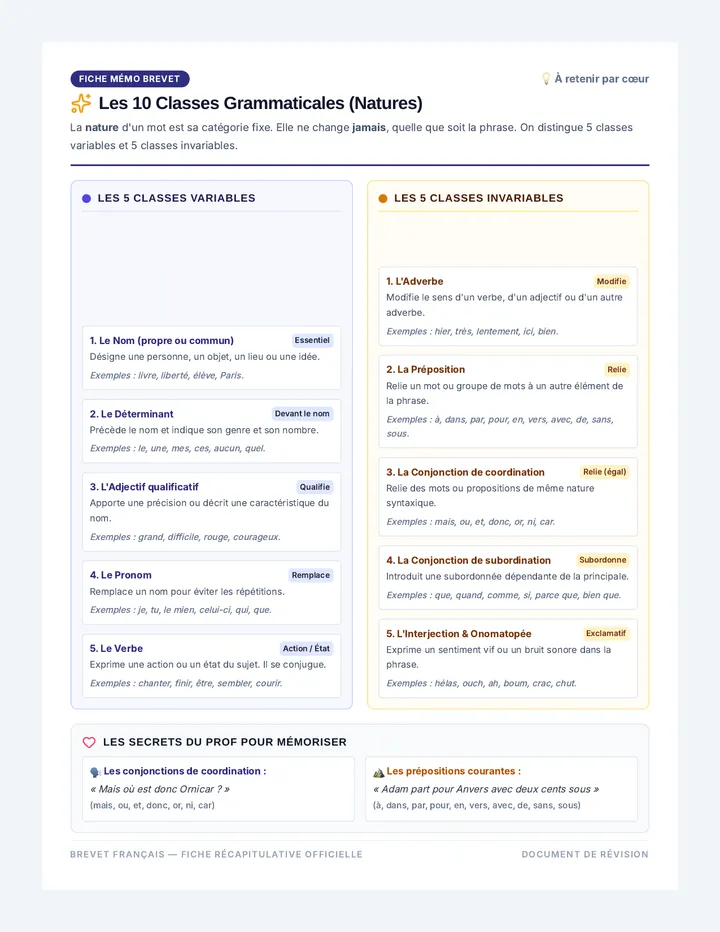
Inversion Index Reference Sheet Inversion Index
Advanced Interrogative Reference Sheet
1. L'Inversion Simple (Pronoms)
The pronoun and verb swap places and are joined by a hyphen. Common in literature and high-stakes formal speech.
[Verb]-[Pronoun] ... ?
Voulez-vous danser ?
Puis-je vous aider ? (Irregular: peux -> puis)
Aime-t-elle le vin ? (Added 't' for sound)
2. L'Inversion Complexe (Noms)
When the subject is a noun (e.g., *La France*, *Les étudiants*), you must state the noun first, then perform inversion with a matching pronoun.
SUBJECT NOUN
Le gouvernement
VERB-PRONOUN
peut-il
... ?
"Le gouvernement peut-il changer la loi ?"
3. Register Comparison Matrix
Structure Register Example Question Intonation Familier "On y va ?" Est-ce que Standard "Est-ce qu'on y va ?" Inversion (Simple) Soutenu "Y allons-nous ?" Inversion (Complex) Soutenu "M. le Maire y va-t-il ?"
Le Piège de l'Inversion
Never use inversion in a casual text or with friends unless you are being intentionally ironic or pompous. It signals a "chilling" of the relationship and increases social distance immediately.
Street Speak Slides Street Speak Mechanics
"Le français comme on le cause"
chuis y a j'sais pas
The Speed of Sound
Spoken French is characterized by elision and the dropping of the mute 'e' .
Key Reductions:
• Je suis → Chuis
• Je sais → Chais / Shay
• Tu as → T'as
• Il y a → Y a
Example "Y a pas d'souci, chuis là !"
The Death of "Nous"
In spoken French, "On" has almost entirely replaced "Nous" as a subject pronoun.
Textbook: Nous allons au ciné.
Reality: On va au ciné.
The Agreement Trick
Even though "On" takes a 3rd person singular verb (like il/elle ), its past participles and adjectives usually agree with the plural meaning.
"On est arrivés !"
Slang Syntax Patterns
C'est + Adverb/Adj
Common intensifiers that replace standard structures.
• C'est trop bon ! (Very good)
• C'est grave bien ! (Seriously good)
• C'est ouf ! (Verlan: Fou)
Double Subject
Emphasis through repetition (Common in speech).
• Ma mère, elle arrive.
• Lui, il sait rien.
• C'est pas vrai, ça !
R.I.P. "Ne"
"In 90% of casual spoken conversations, the 'ne' is omitted entirely. If you use it, you sound like a textbook or a diplomat."
Don't Say
Je ne l'ai pas vu.
Say
Je l'ai pas vu. / J'l'ai pas vu.
Sonic Scrambler Transcription Worksheet Sonic Scrambler
From Audio to Orthography: Decoding Casual French
Advanced Listening & Transcription
Nom: __________________________
Challenge
Spoken French often sounds like a single long word. Below are "Sonic Phonetic" versions of sentences as they might be heard in a fast-paced conversation. Your job is to:
1. **Transcribe** them into correct informal orthography (how it's written in a text message).
2. **Translate** them into "Standard French" (as if written in a textbook).
1 "Shaypa s'ki s'pass"
Transcription (Informal)
Standard French Version
2 "Yapa d'souci, on s'voit t'à l'heure"
Transcription (Informal)
Standard French Version
3 "Chuis crevé, j'va m'coucher"
Transcription (Informal)
Standard French Version
4 "T'as vu l'keum là-bas ?"
Transcription (Informal)
Standard French Version
Rule Reflection
Based on the examples above, what happens to the vowel 'e' in the words *je*, *me*, *le* and *ne* when spoken quickly? Explain the rule of l'élision populaire .
Decoding Key Teacher Resource Decoding Key
Teacher Guide • Lesson 3
Street Speak Keys
Learning Objective
Students will bridge the gap between French phonology and orthography by identifying the grammatical logic behind common phonetic reductions in spoken registers.
Sonic Scrambler: Key Answers
Phonetic Hook Informal Orthography Standard French "Shaypa s'ki s'pass" J'sais pas c'qui s'passe. Je ne sais pas ce qui se passe. "Yapa d'souci..." Y a pas d'souci, on s'voit t'à l'heure. Il n'y a pas de souci, nous nous voyons tout à l'heure. "Chuis crevé..." Chuis crevé, j'vais m'coucher. Je suis épuisé, je vais me coucher. "T'as vu l'keum..." T'as vu l'keum là-bas ? As-tu vu l'homme (le mec) là-bas ? (Keum = Verlan of Mec)
Pedagogical Insights
The "Mute E" Logic
Explain that French is a "syllable-timed" language, but in casual speech, it moves toward "stress-timing". By dropping the 'e', speakers create new consonant clusters (e.g., /ʃ/ /s/ in *j'sais*). This is why listening for word boundaries is so hard for students.
Slang vs. Register
Remind students that *register* is about grammar/structure, while *slang* (Argot) is about vocabulary. You can speak 'langue populaire' without using slang, but it's hard to use slang in 'langue soutenue' without being ironic.
Classroom Activity: The Whisper Chain
Split the class into two teams. Give the first person a sentence in Standard French. They must whisper it to the next person as "Street Speak" (dropping the 'ne', using 'on', reductions). The last person must translate it back to Standard French on the board.
High Style Slides High Style
Mastering the Art of "La Langue Soutenue"
The Purpose of Pomp
Formal grammar is not just about rules; it is about distance and respect .
Usage Contexts:
• Administration & Government
• Literary & Academic Writing
• High-stakes Business
• Diplomatic Protocol
"La grammaire est une chanson douce... mais parfois très complexe."
Key Marker: The presence of inversion and the preservation of all negative particles.
Negation Beyond "Pas"
Ne ... point
A stronger, more literary version of "pas".
"Je ne saurais point l'accepter."
Ne ... que
Restricting to "only", used for elegance.
"Cela n'est qu'une illusion."
Ne ... guère
Meaning "hardly" or "scarcely".
"Il ne subsiste guère de doute."
The "Noble" Inversion
In formal declarative sentences, we often move the subject to the end after certain conjunctions like ainsi, peut-être, or encore .
Standard:
Peut-être qu'il est venu.
Soutenu:
Peut-être est-il venu.
"Ainsi s'achève notre discussion." (Thus ends our discussion)
Lexical Upgrades
Standard C'est Soutenu Cela est / Il est
Standard Utiliser Soutenu Avoir recours à
Standard Demander Soutenu Solliciter
Elegance Upgrade Workshop Elegance Upgrade
The Formal Writing Workshop
Formal Writing Practicum
Nom: __________________________
The Scenario
You recently stayed at a prestigious hotel in Paris, but the service was mediocre. You initially wrote a quick, angry email to a friend about it. Now, you must transform that email into a Lettre de Réclamation (Formal Letter of Complaint) addressed to the Director of the hotel.
Original Draft (Casual/Informal)
"Salut mec, j'te jure, l'hôtel était nul. La clim marchait pas, j'ai pas pu dormir de la nuit. En plus, le mec à l'accueil était super impoli, il m'a même pas regardé quand j'suis arrivé. Bref, j'veux qu'ils me rendent mon argent parce que c'est pas possible. Dis-moi ce que t'en penses."
Register Requirements:
• Use "Nous" or formal "Je" (never omit "ne")
• Replace "pas" with "point" or "guère" once
• Use at least one complex inversion (question)
• Use "Cela" instead of "Ça" or "C'est"
Lexical Swaps:
• *Nul* → Médiocre / Déplorable
• *Le mec* → Le réceptionniste / L'agent
• *J'veux mon argent* → Je sollicite un remboursement
Your Formal Response (Soutenu)
"La courtoisie est la plus belle fleur de l'humanité." — Proverbe français
Formal Flair Checklist Formal Flair
THE Soutenu CHECKLIST
Use this rubric to verify if your writing has reached the heights of "langue soutenue". Mark off each element present in your text.
L'Intégrité de la Négation
Every single "ne" is present. No elisions like "j'ai pas".
Example: "Je n'ai point pu..."
L'Inversion de Noblesse
Use of inversion for questions OR after adverbs like "Peut-être" or "Ainsi".
Example: "Auriez-vous l'amabilité..."
Le Bannissement du "Ça"
The pronoun "ça" is completely replaced by "cela" or neutral "il".
Example: "Cela m'est insupportable."
Le Lexique de Prestige
Avoidance of 'basic' verbs. Use of *solliciter, demeurer, s'avérer, octroyer*.
Example: "Je sollicite votre attention."
La Formule de Politesse
Ending with a standard, complex high-register closing phrase.
Example: "Je vous prie d'agréer..."
Mastering the Chameleon
Register Remix Project Instructions Register Remix
Culminating Project Guidelines
The Mission
You will select a classic or modern cultural text in French and perform a Linguistic Transposition . You must rewrite the scene into its polar opposite register while maintaining the core narrative meaning.
Option A: The Upgrade
Take a scene from a "banlieue" film (e.g., *La Haine*) or a rap song and rewrite it in 17th-century Versailles 'langue soutenue'.
Option B: The Downgrade
Take a classic play by Molière, Racine, or a Presidential speech and rewrite it into modern street slang (Argot/Verlan).
The Script
A side-by-side comparison (200-300 words per version) highlighting 5 key grammatical shifts.
The Performance
A live performance or recorded reading focusing on register-appropriate prosody and phonetics.
The Rationale
A short reflection on how the change in grammar shifts the power dynamics of the scene.
Source Text Suggestions
Cyrano de Bergerac (The Balcony Scene)
Dialogue from 'Intouchables'
Lyrics by Stromae or MC Solaar
Discours de Charles de Gaulle (18 juin)
Advanced French Grammar • Final Project • Register Remix
Script Swap Rubric Script Swap Rubric
Assessment for Register Mastery & Adaptation
Project Grading
Criteria Excellent (20-25) Proficient (15-19) Developing (< 15) Grammatical Accuracy (Register) Flawless execution of register-specific rules (e.g., complex inversion vs. 'ne' deletion). No register bleed. Register-specific markers are present and mostly correct. Minor inconsistencies in 'ne' usage or pronoun choice. Frequent "register bleed" (mixing informal slang with formal inversions) or major grammatical errors. Lexical Transformation Vocabulary is perfectly adapted to the target social context (Verlan/Argot or High-style academic). Good attempt at word substitution. Some words feel slightly out of place for the specific chosen persona. Relies on basic vocabulary without adapting to the nuances of the target social group. Oral Prosody & Phonetics Pronunciation perfectly matches the register (phonetic reductions for familier vs. clear elocution for soutenu). Clear and intelligible. Some mismatch between the speed/style of delivery and the written script. Delivery is monotone or doesn't reflect the sociolinguistic character being portrayed. Sociolinguistic Rationale Deep analysis of how grammar shifts power, authority, or intimacy in the scene. Expert use of theory. Clear explanation of the changes made. Identifies major shifts but could be deeper in analysis. Rationale is superficial; doesn't connect grammatical choices to social meaning.
Points of Excellence
Growth Opportunities
Total Score _____ / 100
Source Text Vault Source Text Vault
Material for Register Transposition
Select one of the excerpts below as the foundation for your "Register Remix" project. You may also propose an alternative text to your instructor.
TEXTE 01 : CLASSIC SOUTENU
Jean Racine, Phèdre (Act I, Scene 3)
"Mon mal vient de plus loin. À peine au fils d'Égée
Sous les lois de l'hymen je m'étais engagée,
Mon repos, mon bonheur semblait être affermi,
Athènes me montra mon superbe ennemi."
Register: Soutenu (Vers de théâtre) Target for Remix: Familier/Street
TEXTE 02 : FAMILIER MODERNE
Extrait du film La Haine (Dialogue de rue)
"Regarde celui-là, il se prend pour un cow-boy ou quoi ? Tu crois qu'il va faire quoi ? Il a même pas le cran de nous regarder en face. Laisse tomber, on s'casse avant que les keufs arrivent, j'ai pas envie d'finir au poste pour rien."
Register: Familier (Argot/Street) Target for Remix: Soutenu/Diplomatic
TEXTE 03 : DISCOURS POLITIQUE
Discours de l'Appel du 18 juin (De Gaulle)
"Moi, Général de Gaulle, actuellement à Londres, j'invite les officiers et les soldats français qui se trouvent en territoire britannique ou qui viendraient à s'y trouver, avec leurs armes ou sans leurs armes, à se mettre en rapport avec moi."
Register: Standard / Soutenu Target for Remix: Familier (Social Media Style)
The Golden Rule of Remixing
Don't just swap words. Swap intent . A formal request in *soutenu* becomes a demand in *familier*. A poetic metaphor in Racine becomes a direct punchline in Argot. Change the syntax to change the soul.