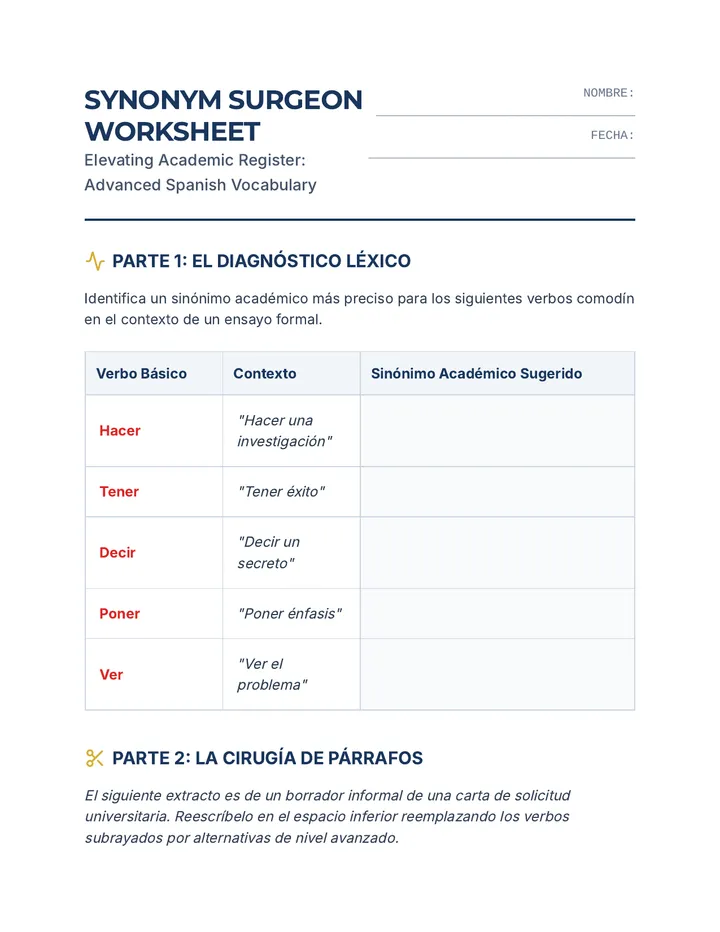
Complex grammatical structures, idiomatic expressions, and nuanced cultural registers. Strengthens oral fluency and written precision across professional, academic, and social contexts.
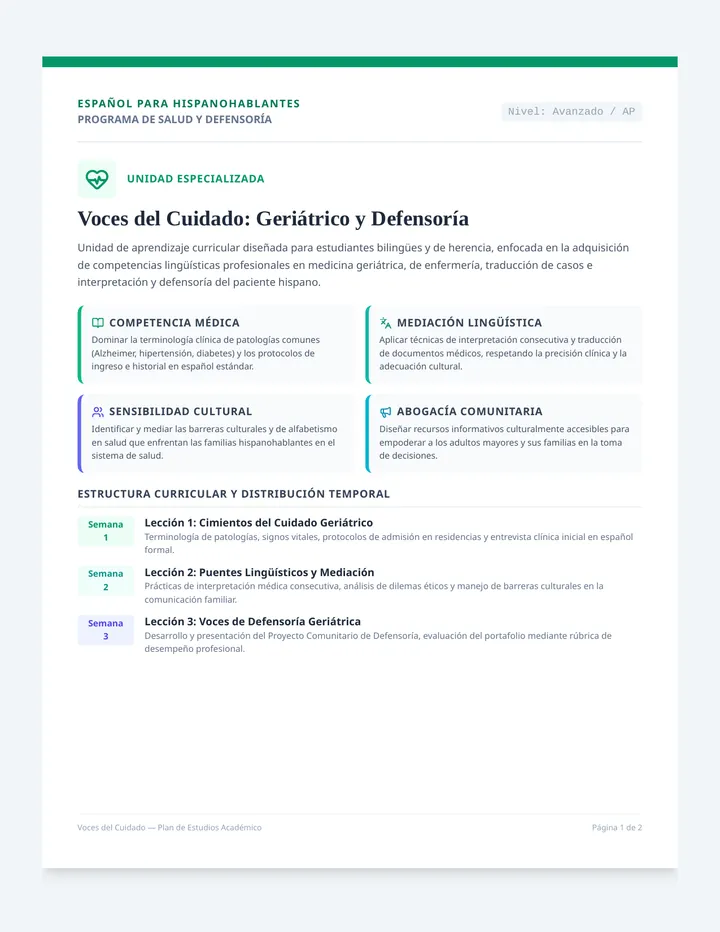
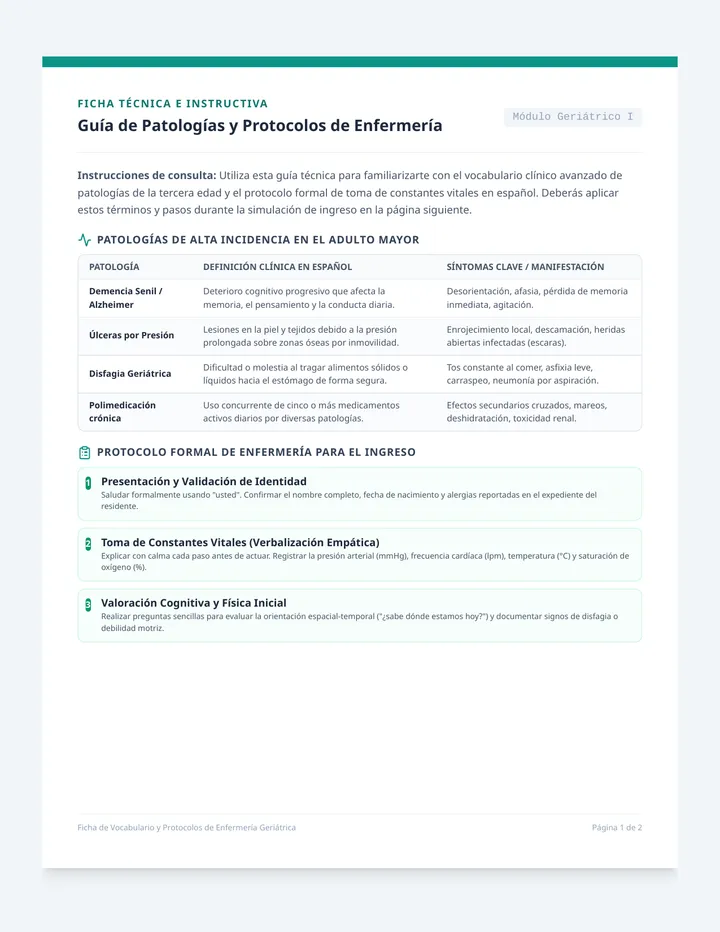
Unidad de aprendizaje especializada de español médico y defensoría para estudiantes hispanohablantes nativos y de herencia. Se centra en el cuidado geriátrico, protocolos de enfermería, traducción médica, y mediación cultural en hogares de ancianos, culminando en un proyecto de abogacía comunitaria.
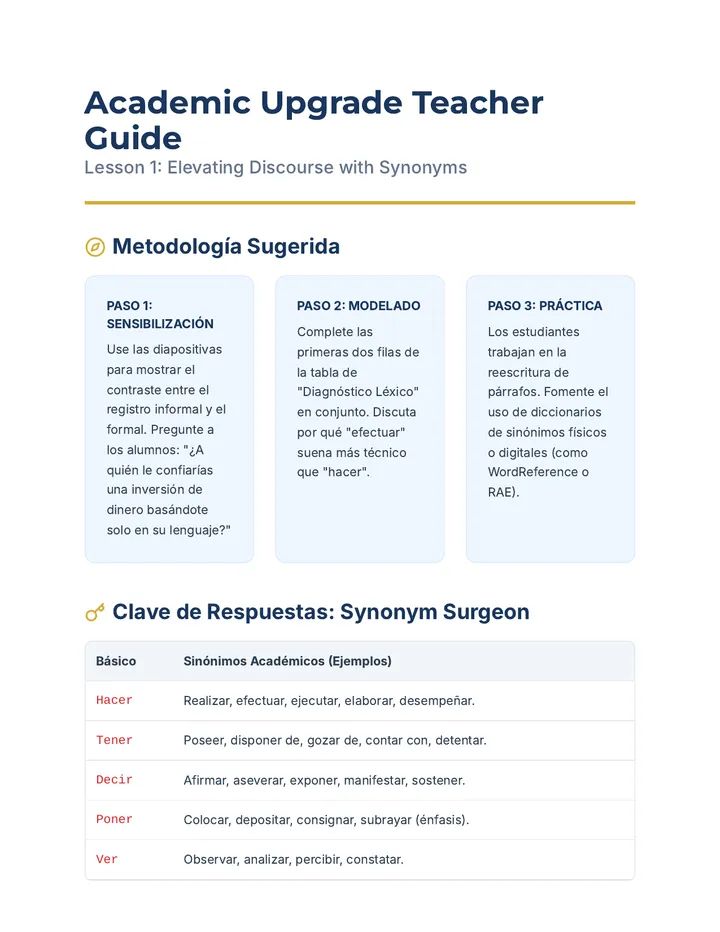
This advanced Spanish sequence transitions 9th-grade students from intermediate proficiency to professional linguistic precision. It focuses on academic register, workplace vocabulary, logical connectors, and sociolinguistic etiquette through authentic simulations and analysis.
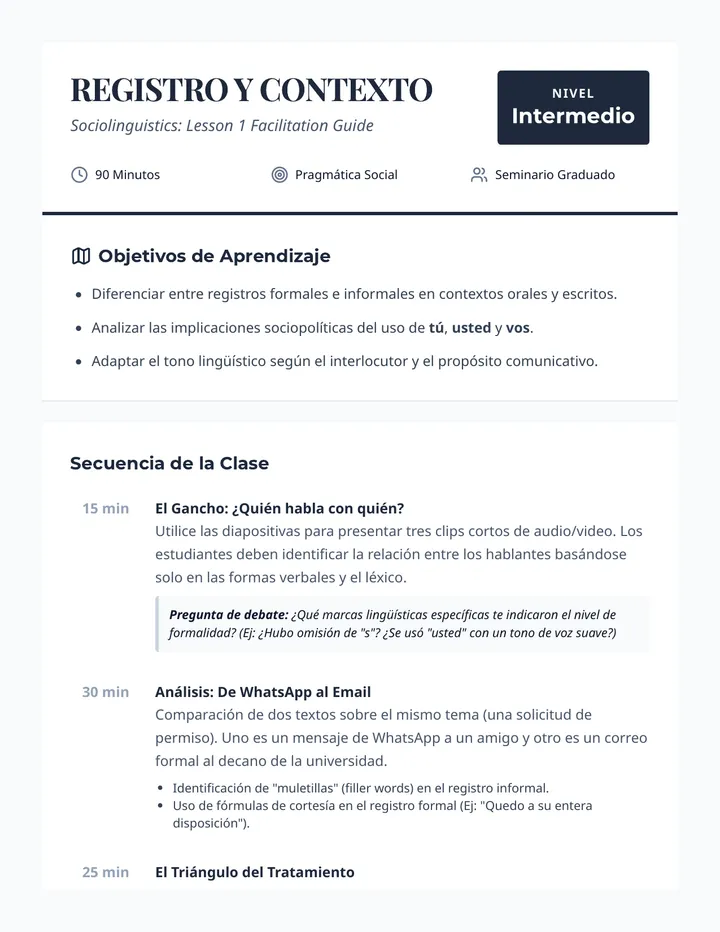
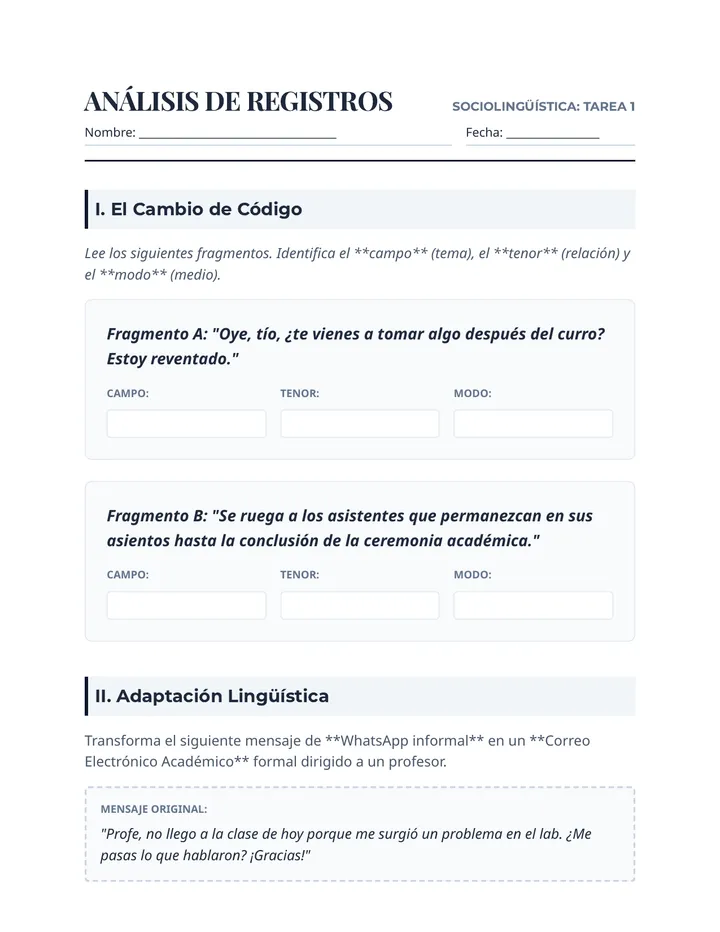
This sequence explores the diversity of the Spanish language through a sociolinguistic lens, focusing on how culture, geography, and class influence communication for intermediate learners at the graduate level. Students analyze registers, regional slang, humor, and digital communication to understand the link between identity and language.
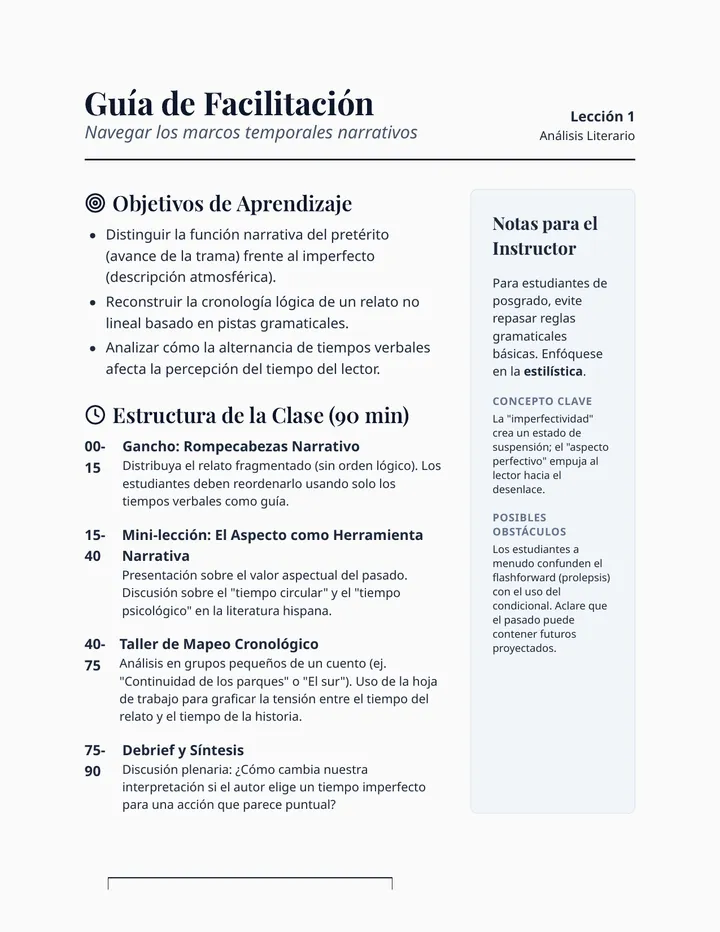
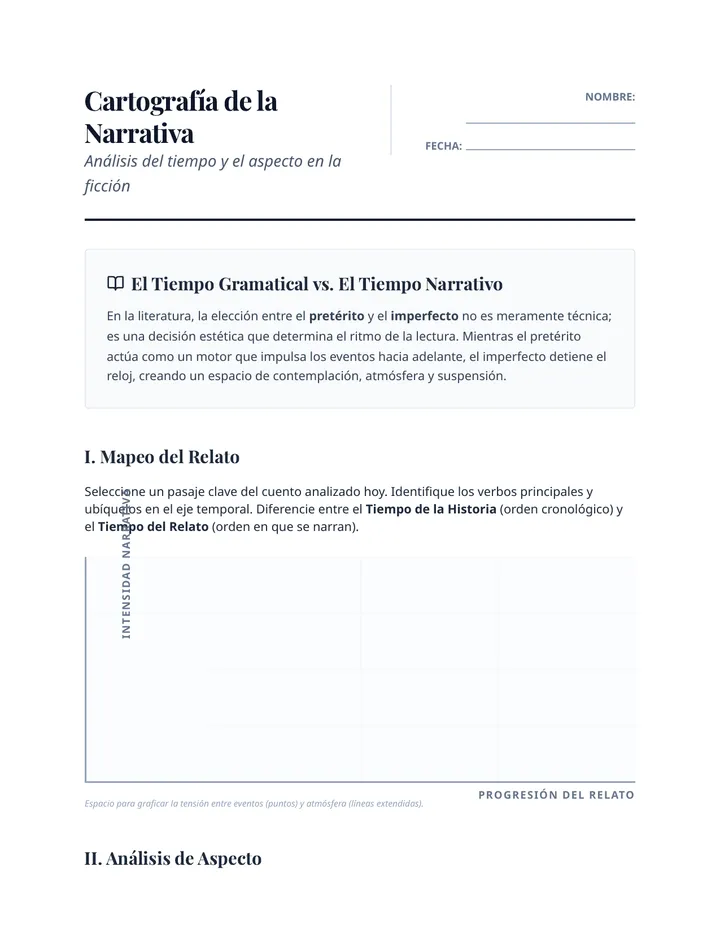
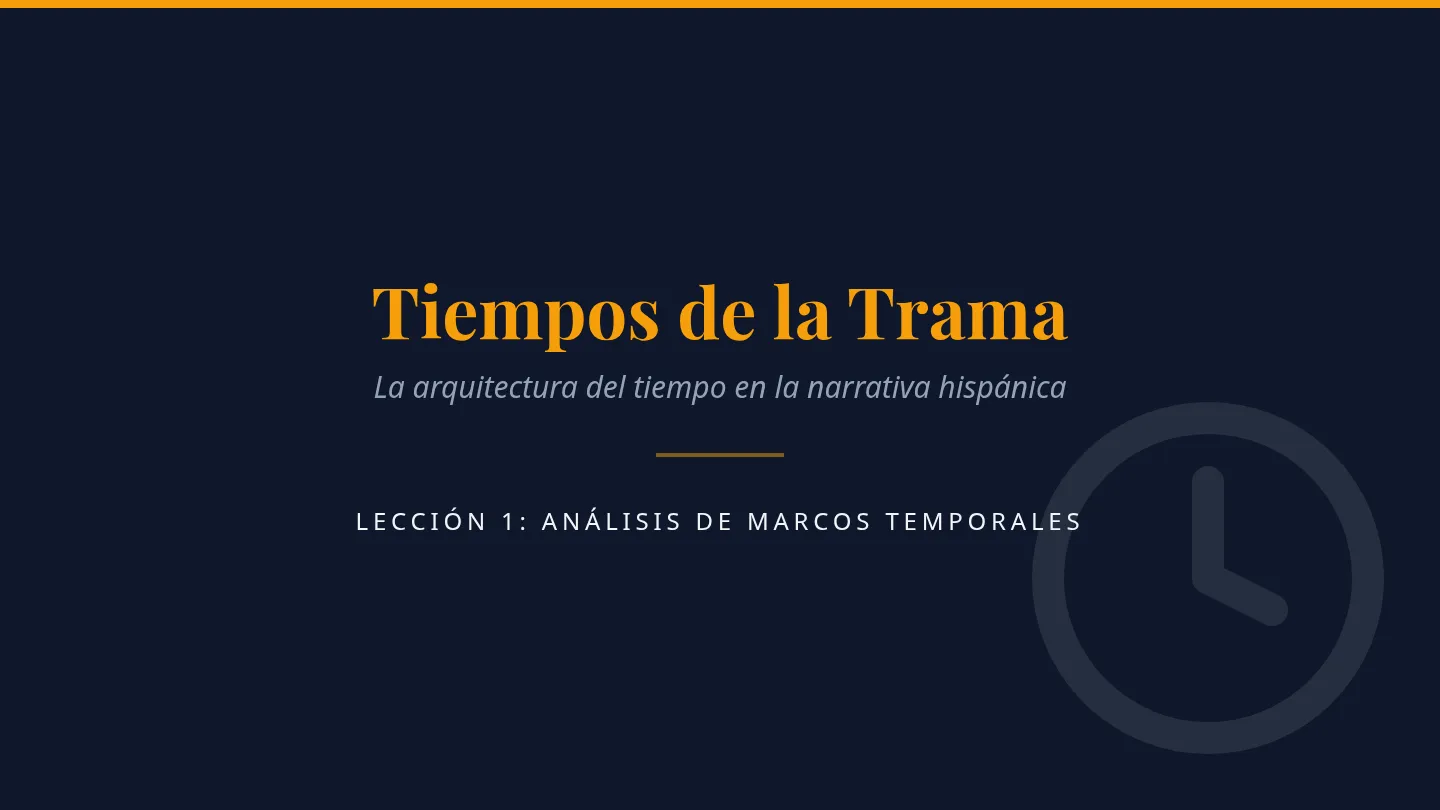
A comprehensive graduate-level sequence exploring the intersection of Spanish grammar and literary analysis. Students analyze the works of Boom and Post-Boom authors to master narrative timeframes, descriptive imagery, the subjunctive of uncertainty, and character voice, culminating in a formal literary critique.
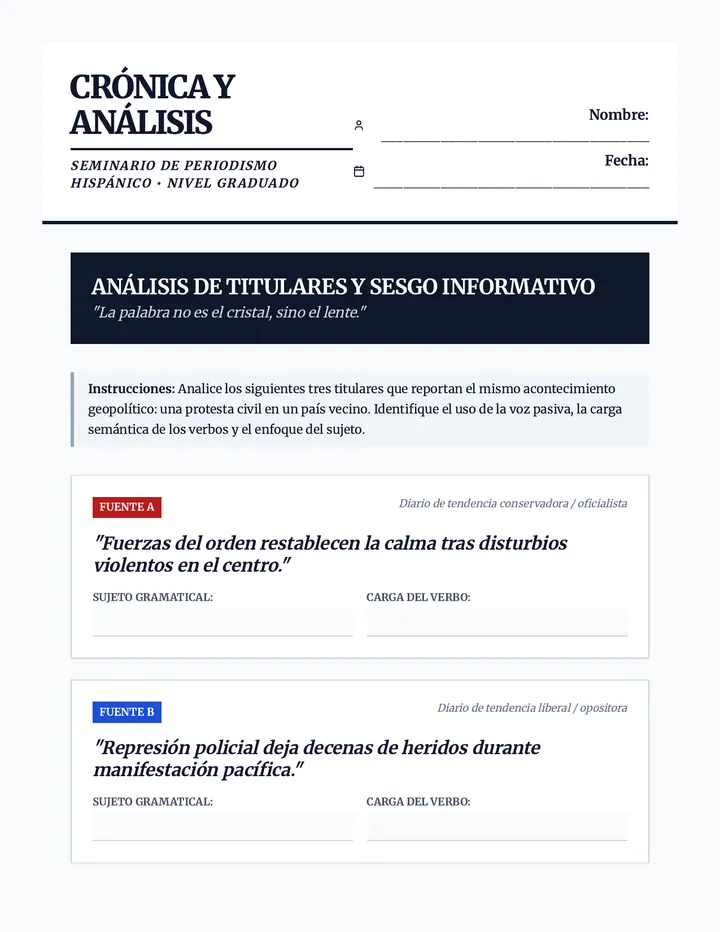
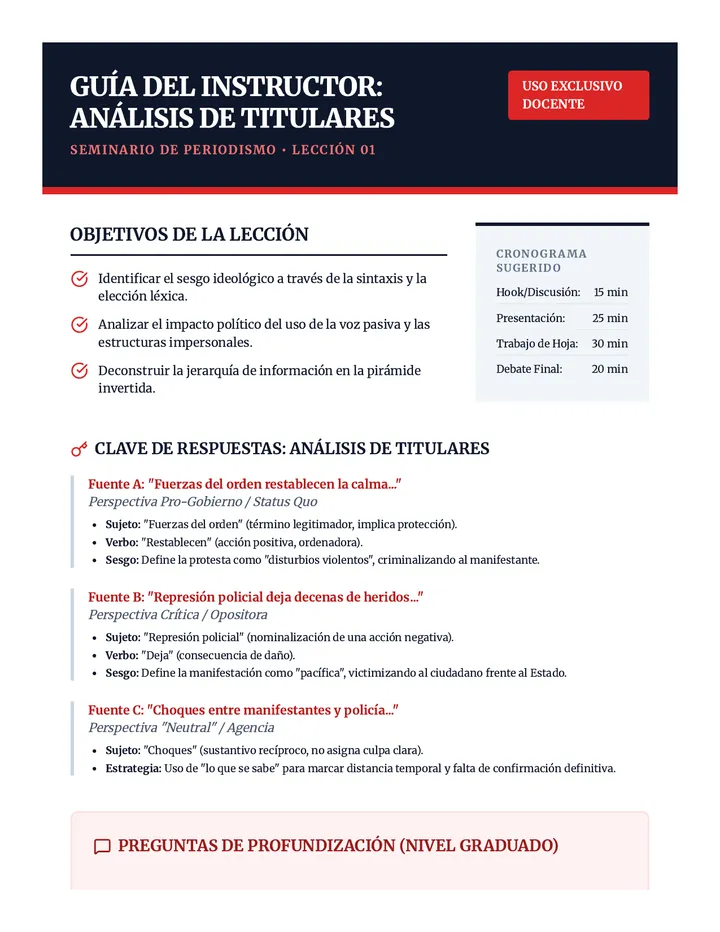
This graduate-level sequence examines how linguistic choices, syntax, and grammatical structures like the subjunctive mood shape political narratives in Spanish-language journalism. Students analyze authentic texts from various Hispanic regions to deconstruct bias, recognize regionalisms, and synthesize conflicting perspectives.
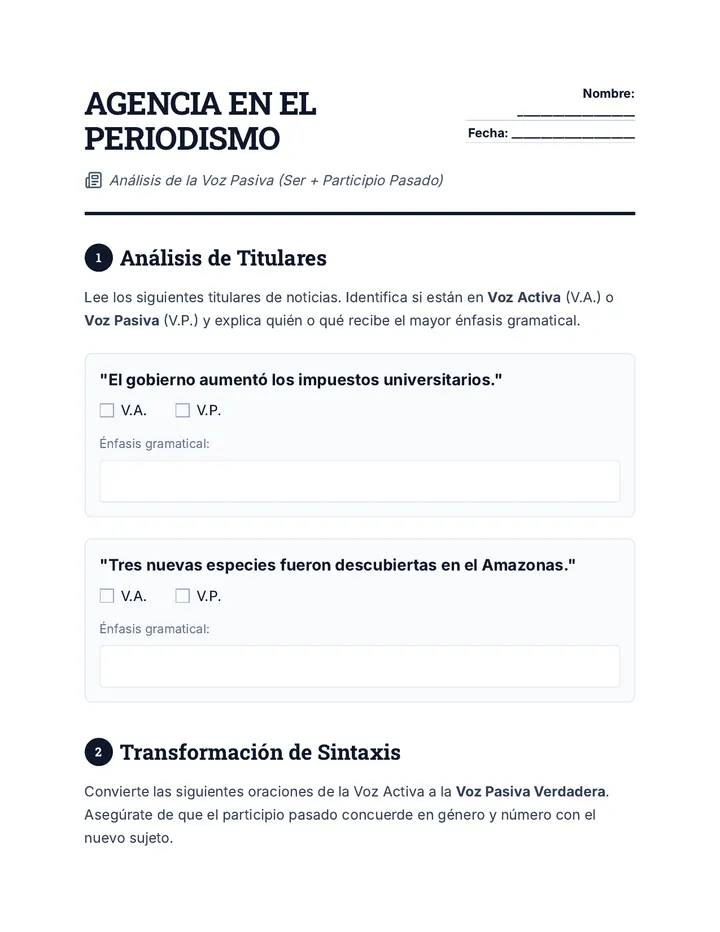
A 9th-grade advanced Spanish sequence focused on the nuances of agency and voice. Students explore the True Passive, Passive Se, and Accidental Se to understand how syntax influences tone and objectivity in formal writing and journalism.
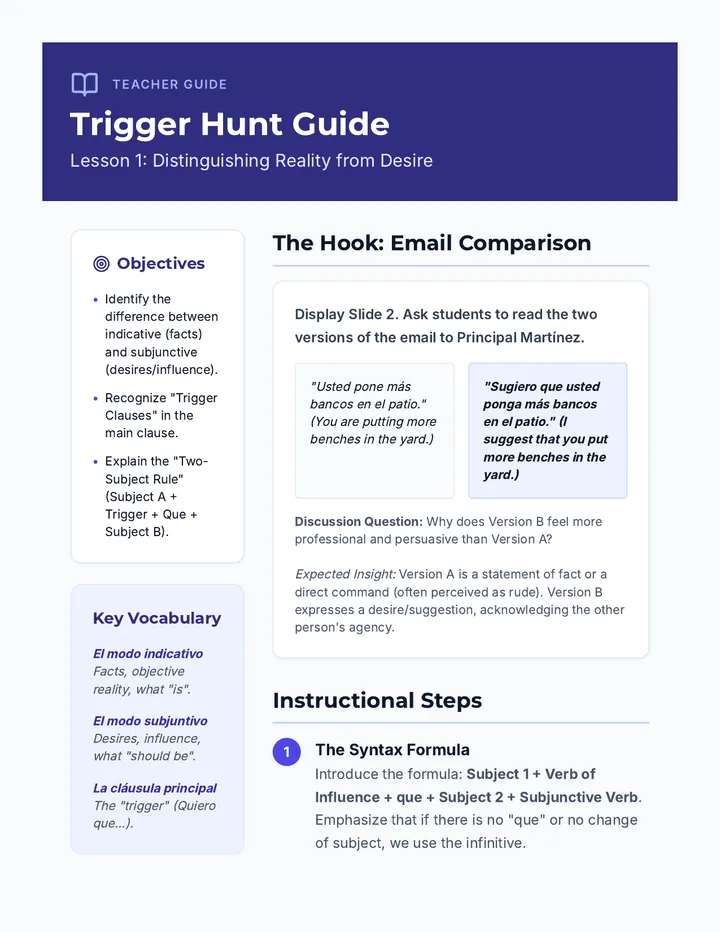
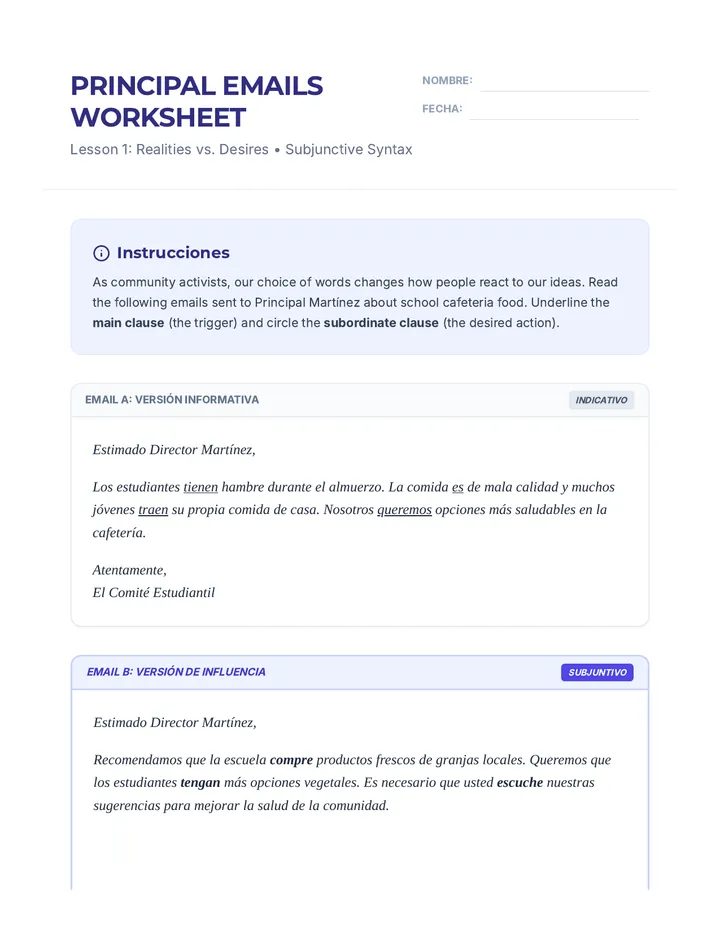
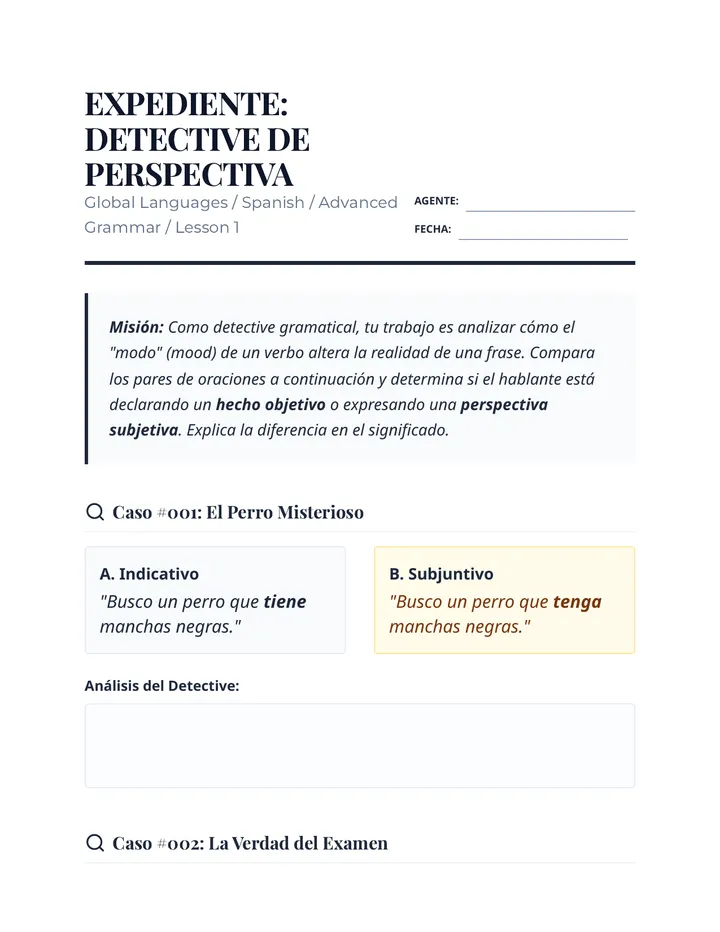
A simulation-based sequence where 9th-grade students act as community leaders to master the subjunctive mood in Spanish. Students move from identifying reality versus desire to persuading and debating in a mock town hall, focusing on influence, doubt, and emotion.
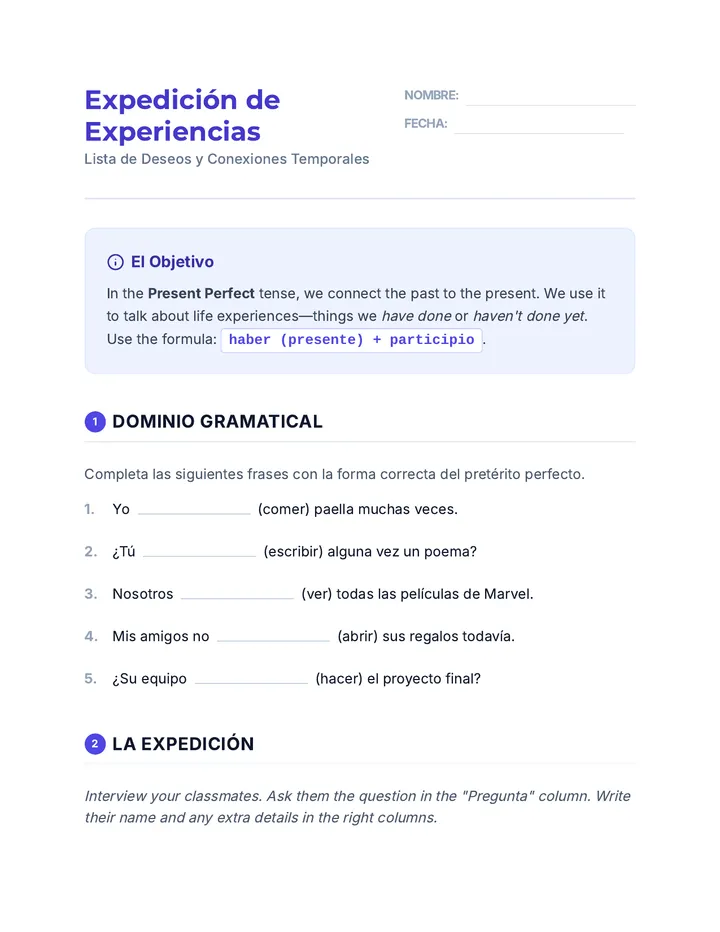
This project-based workshop guides advanced Spanish students through compound tenses by constructing a multi-layered narrative. Students master the present perfect, pluperfect, conditional perfect, and future perfect to articulate complex temporal relationships.
A comprehensive 10th-grade Spanish unit that moves students from basic subjunctive mechanics to advanced semantic nuances. Through simulation-based learning—including an advice column and a town hall debate—students explore how the subjunctive mood expresses influence, doubt, emotion, and uncertainty in high-stakes communication.
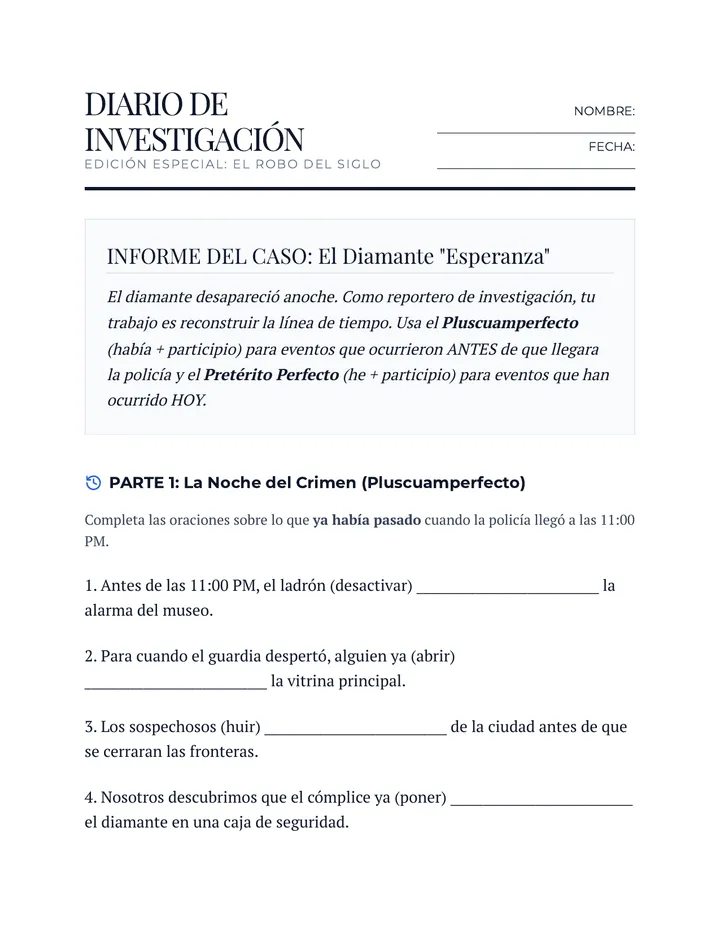
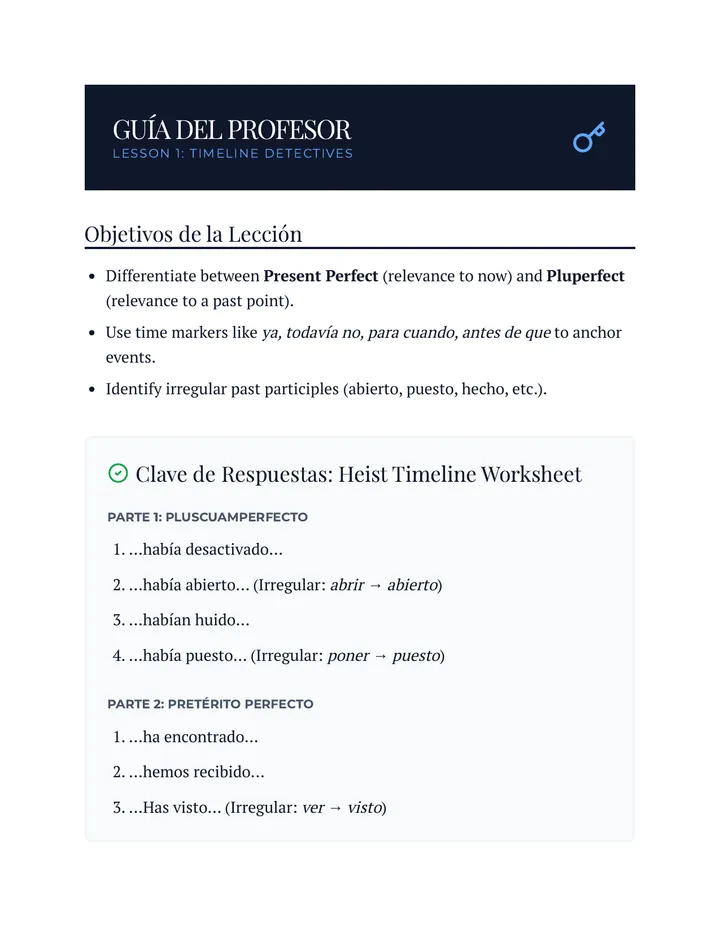
This advanced Spanish grammar unit empowers 10th-grade students to master compound tenses and the passive voice through a journalistic lens. Students assume the role of investigative reporters, learning to sequence complex events and shift narrative focus to achieve objectivity and precision in formal writing.
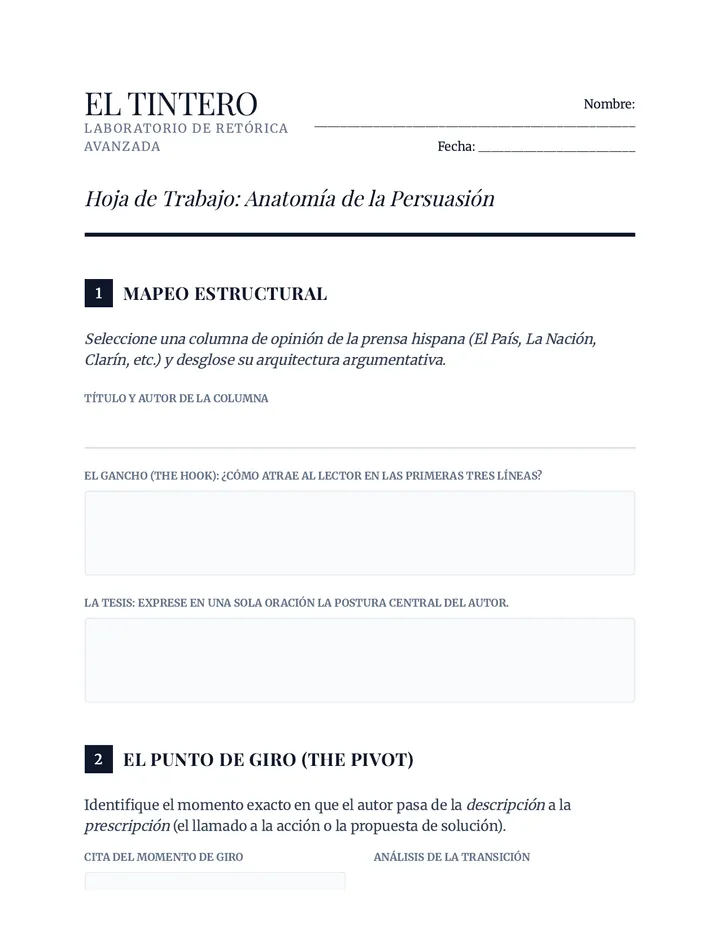
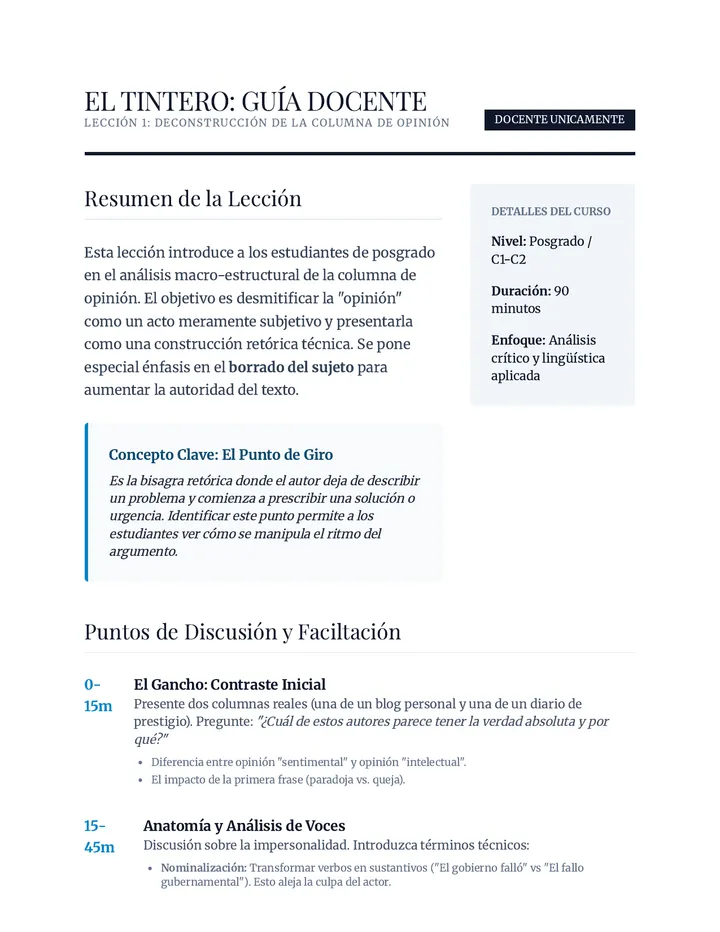
Focuses on analyzing and producing public discourse in Spanish, covering op-eds, manifestos, speeches, and digital rhetoric with an emphasis on rhetorical strategies and ethics.
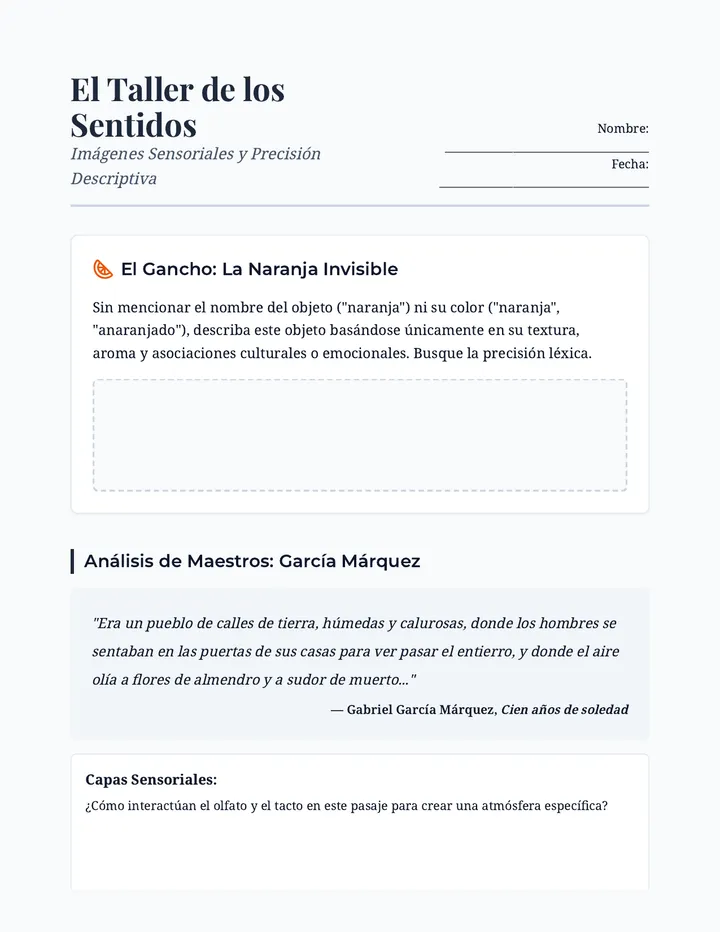
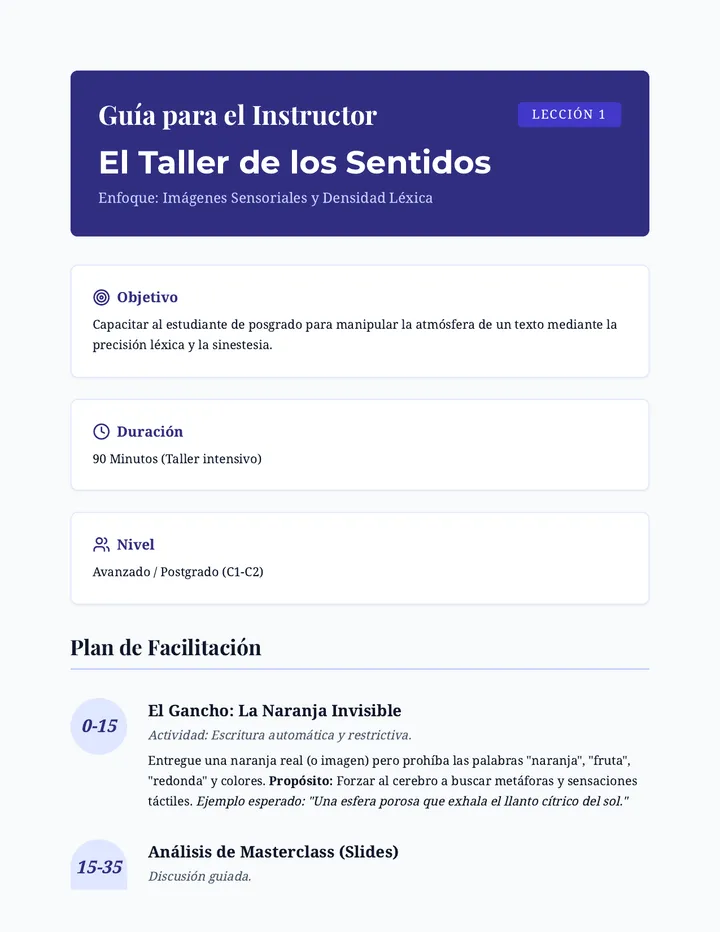
An advanced writing sequence for graduate students focusing on stylistics, narrative voice, and creative non-fiction in Spanish. Students analyze master works from Hispanic authors to develop a sophisticated personal voice and technical mastery of prose rhythm, irony, and sensory detail.
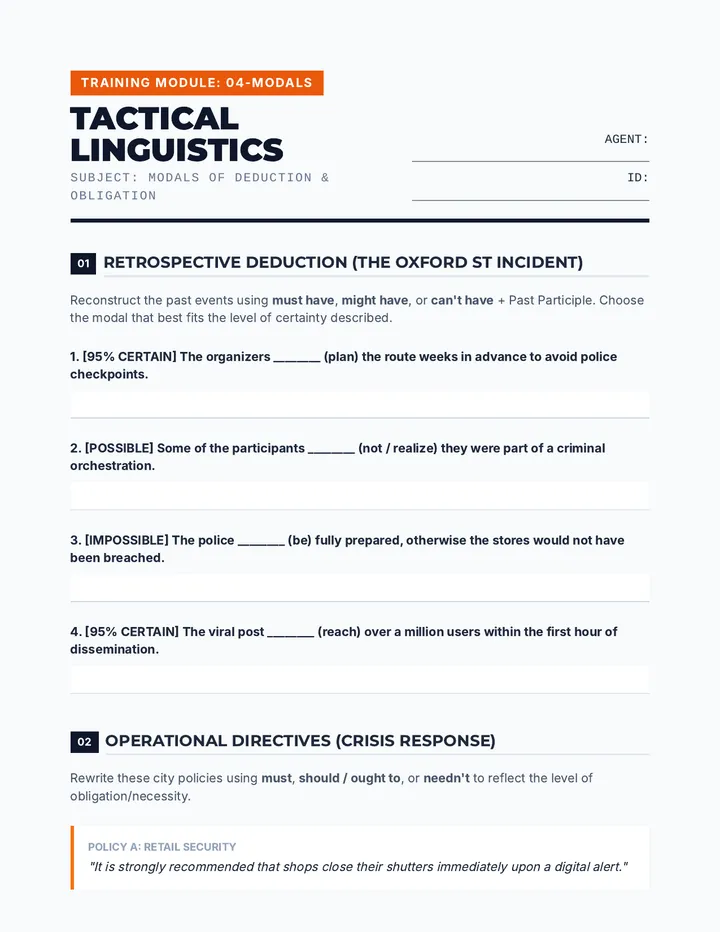
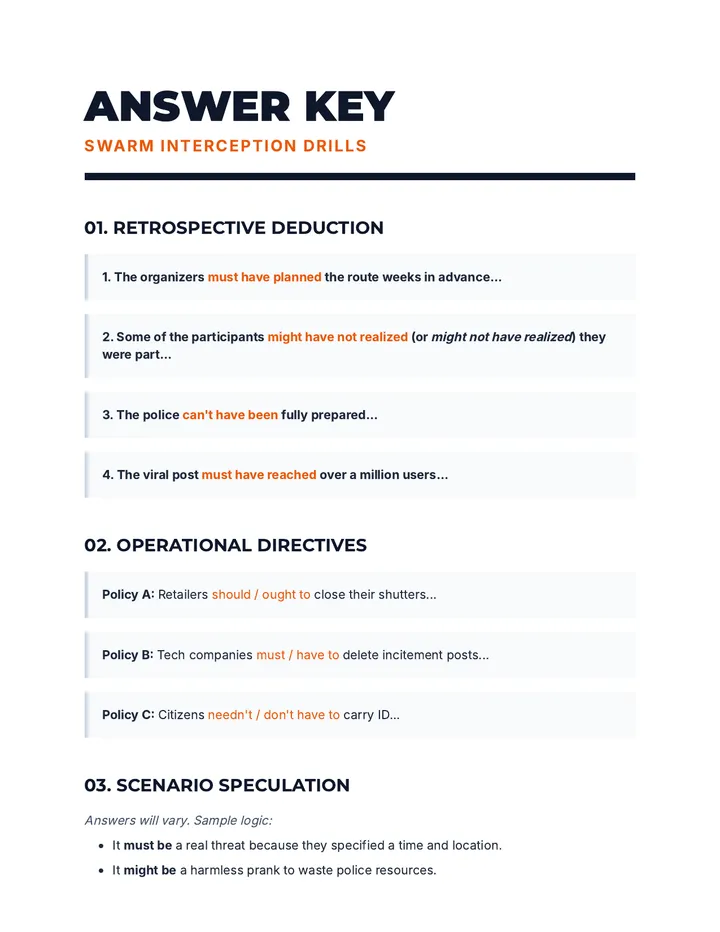
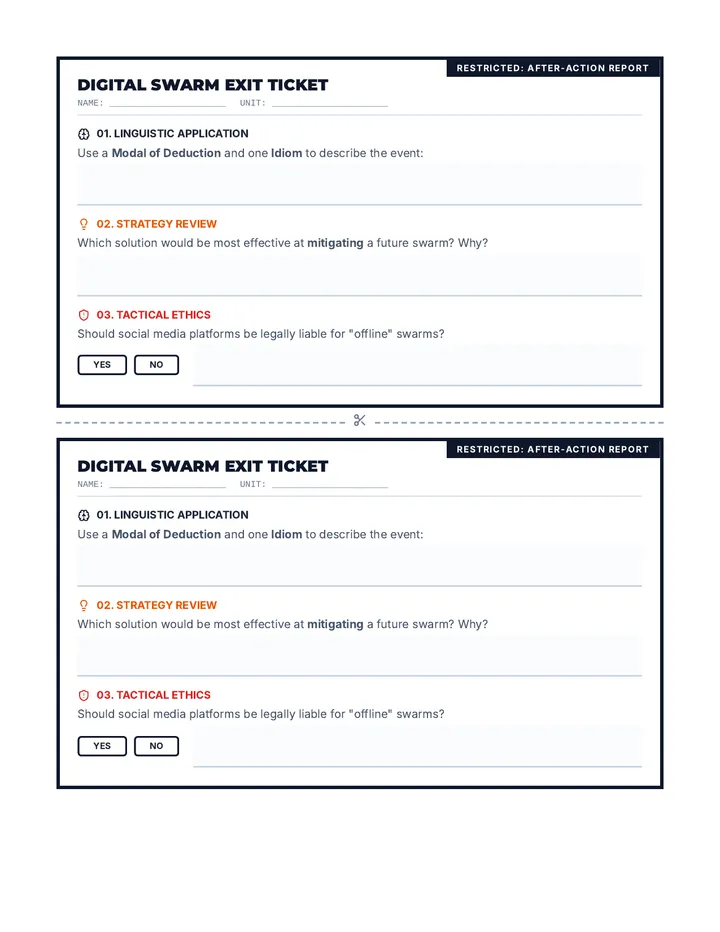
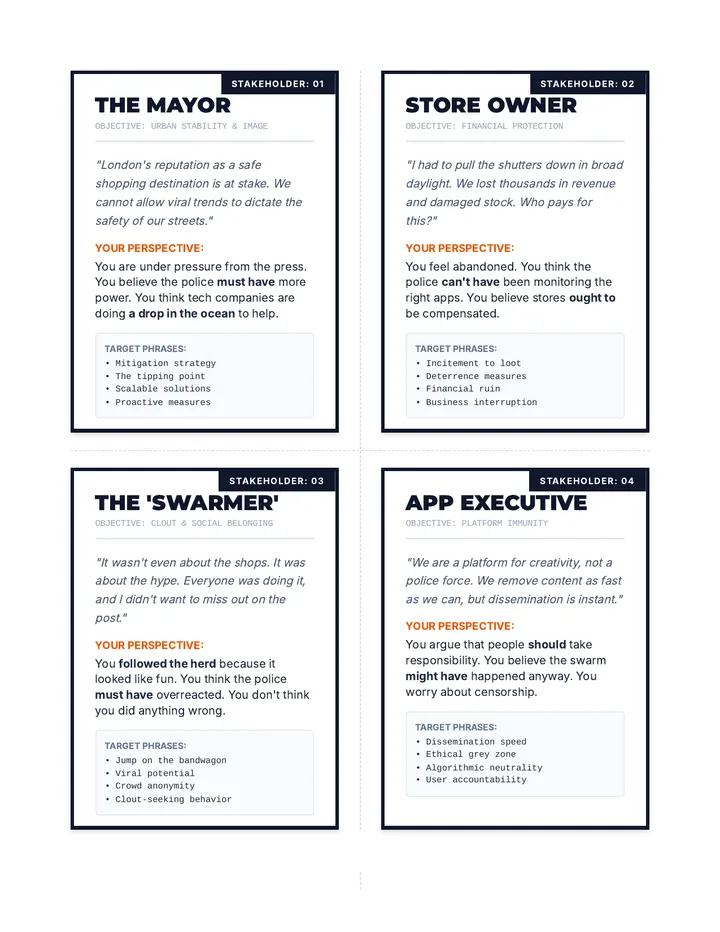
A problem-solving workshop for B2+ students based on social media flash mobs. Students act as a city's 'Digital Response Team' to design innovative solutions for urban chaos triggered by viral trends.
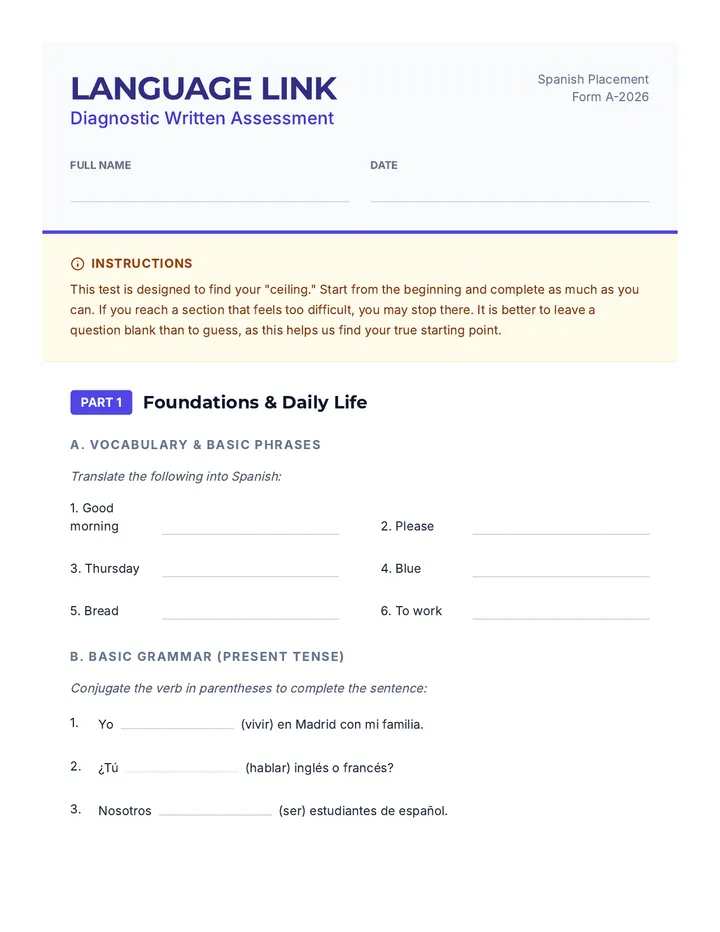
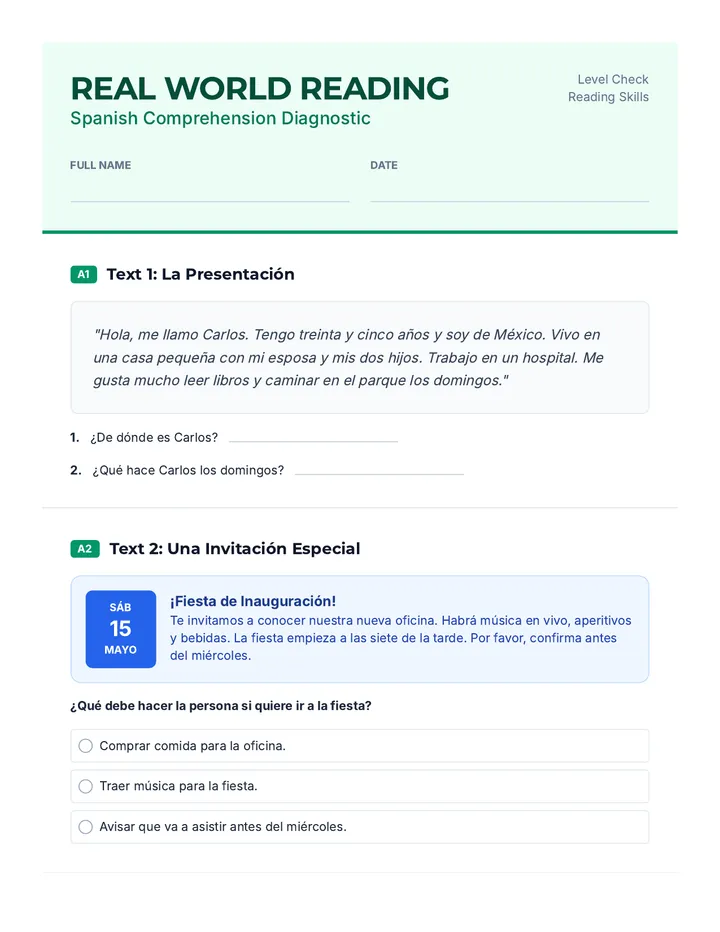
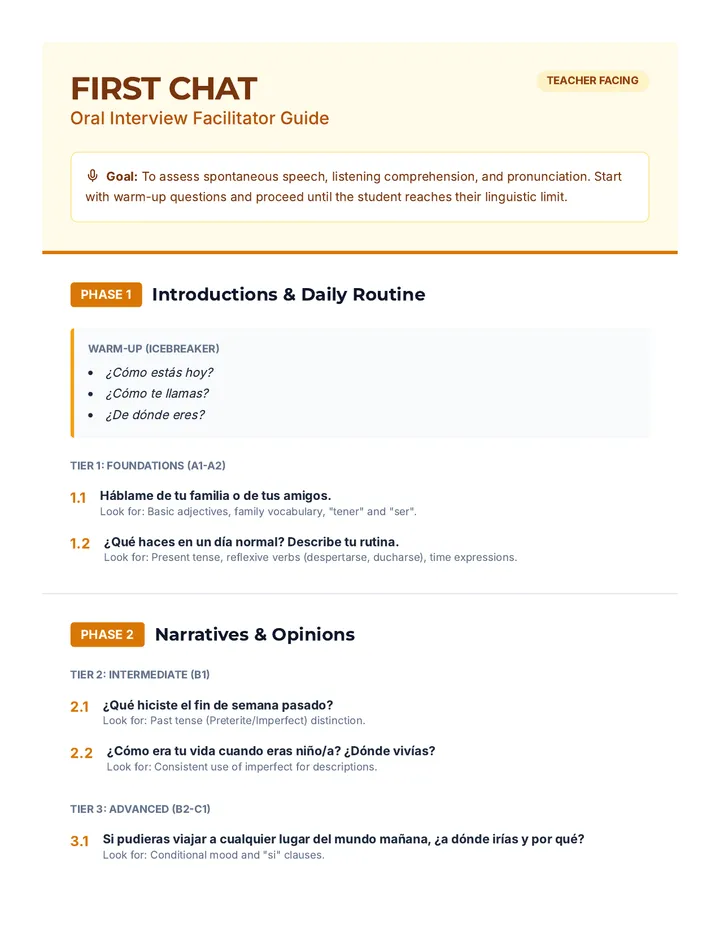
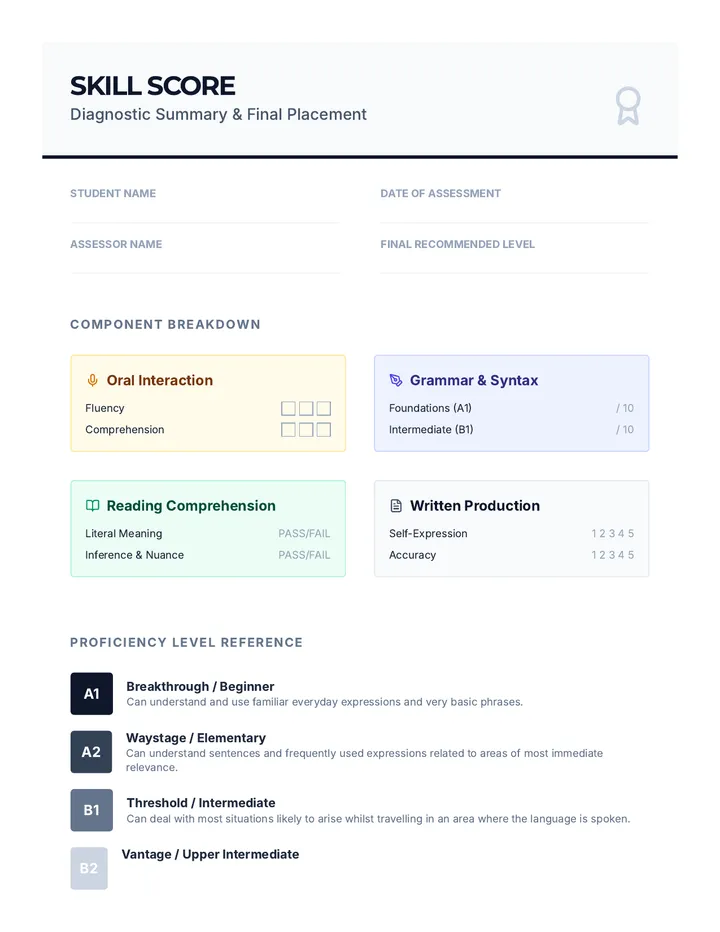
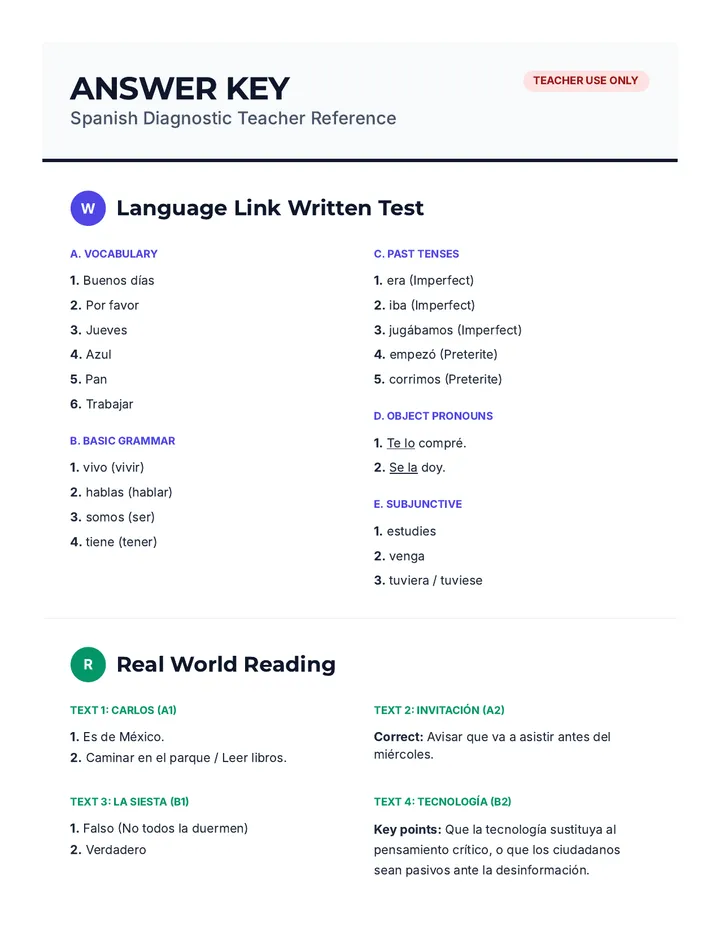
A comprehensive diagnostic assessment suite designed for adult learners to determine their current Spanish proficiency level across reading, writing, listening, and speaking. The materials move from foundational basics to advanced structures to provide a clear placement for the learner.
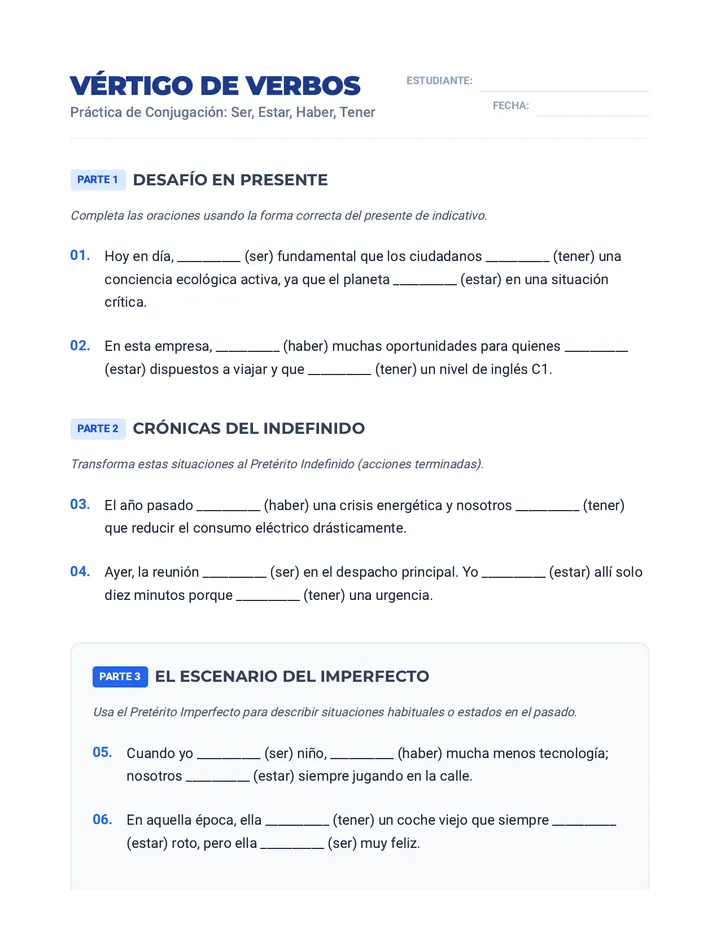
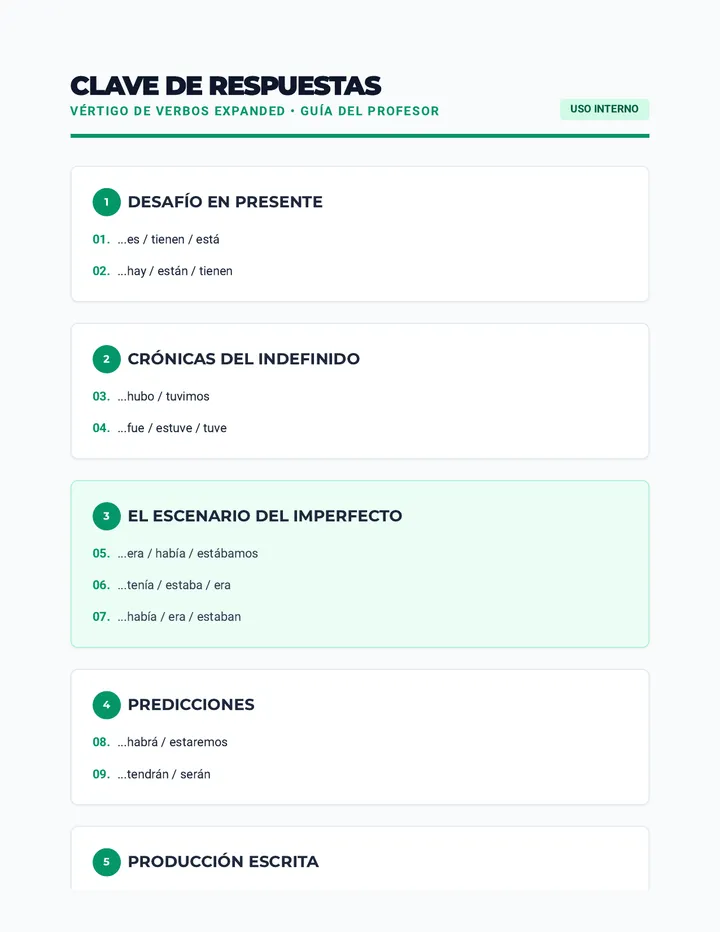
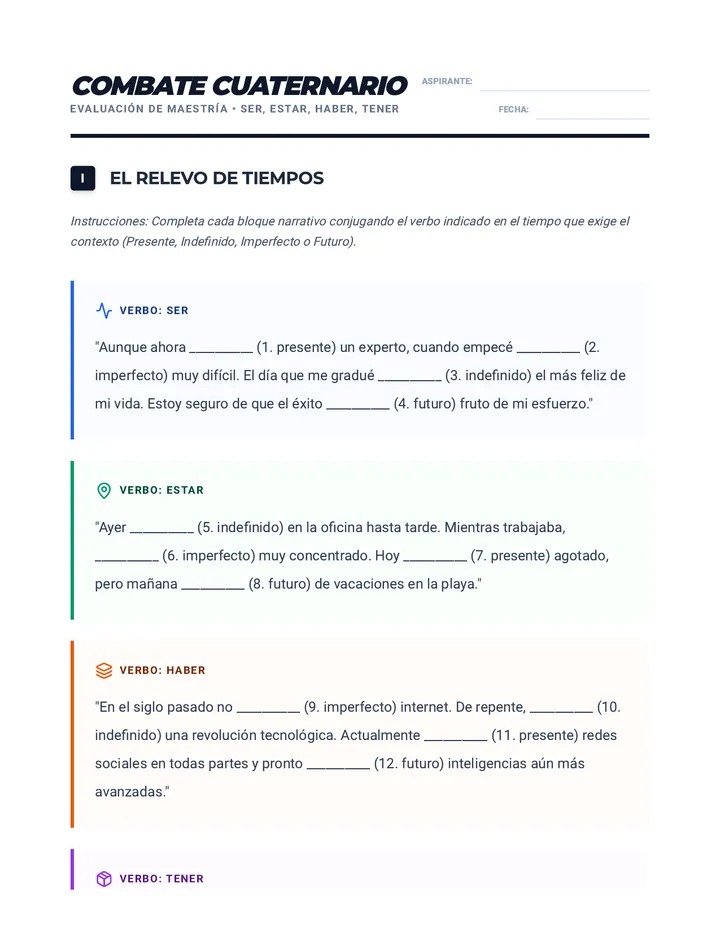
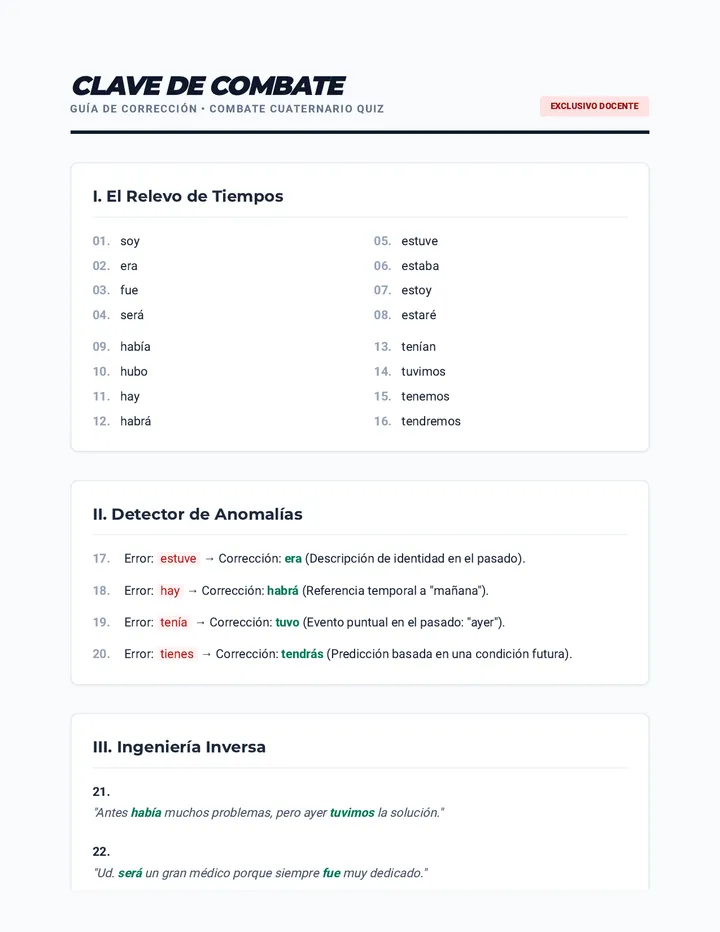
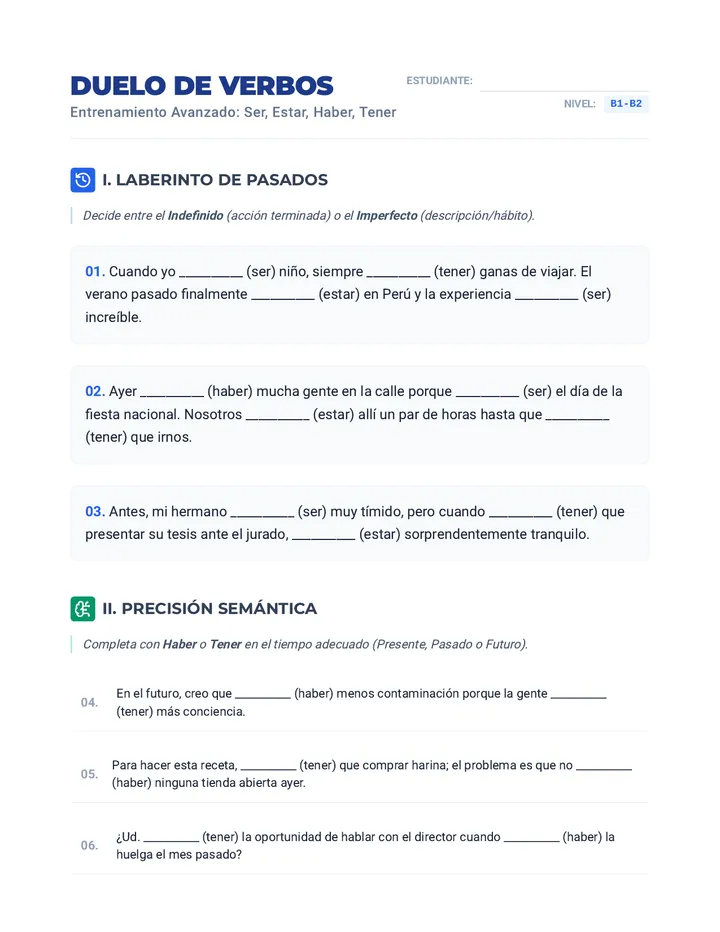
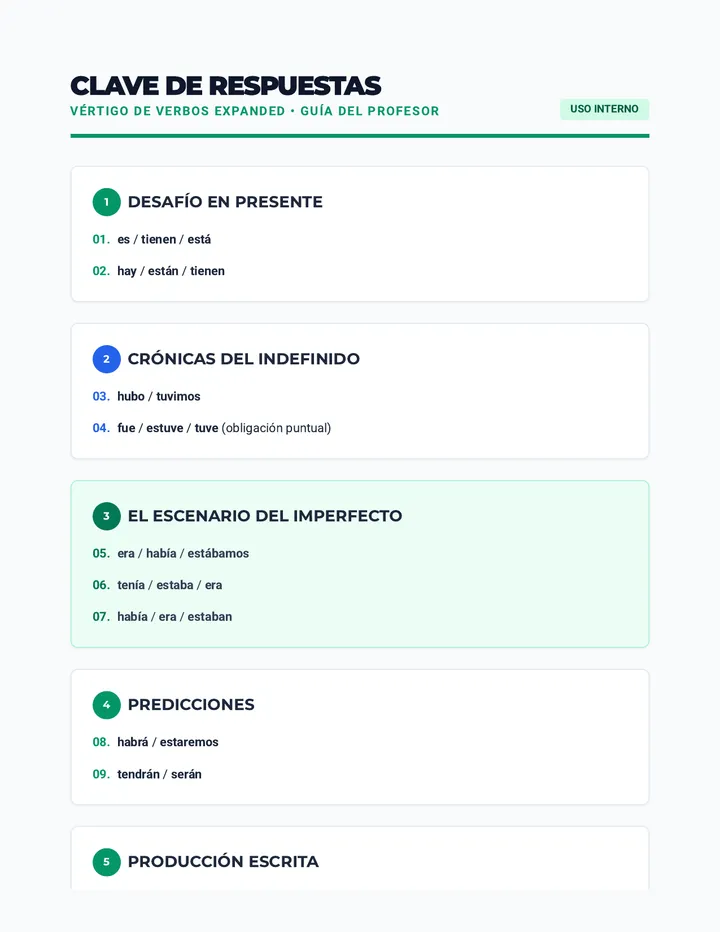
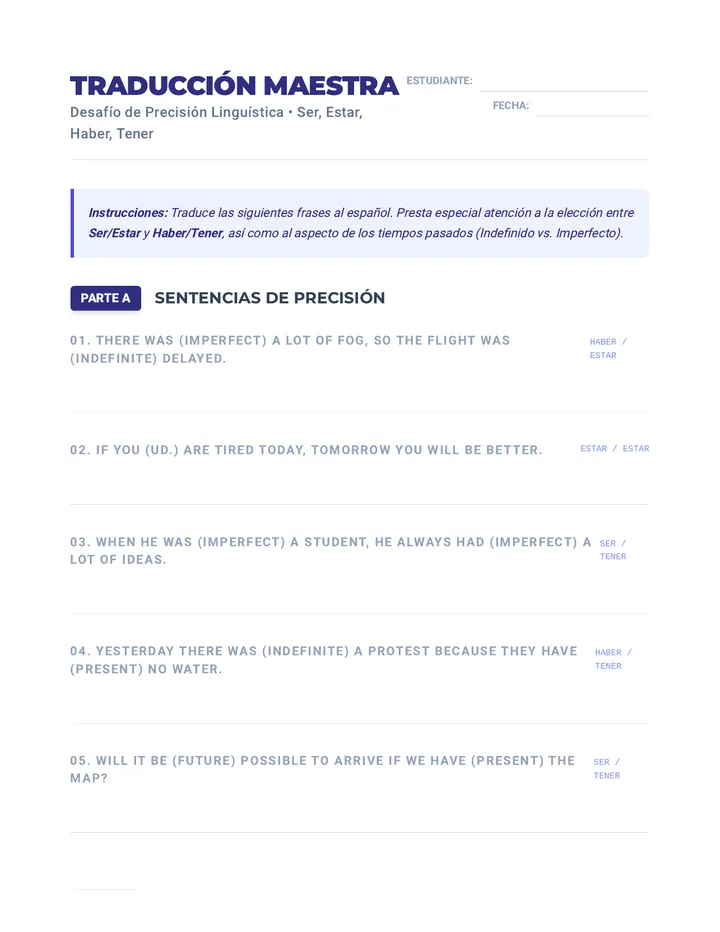
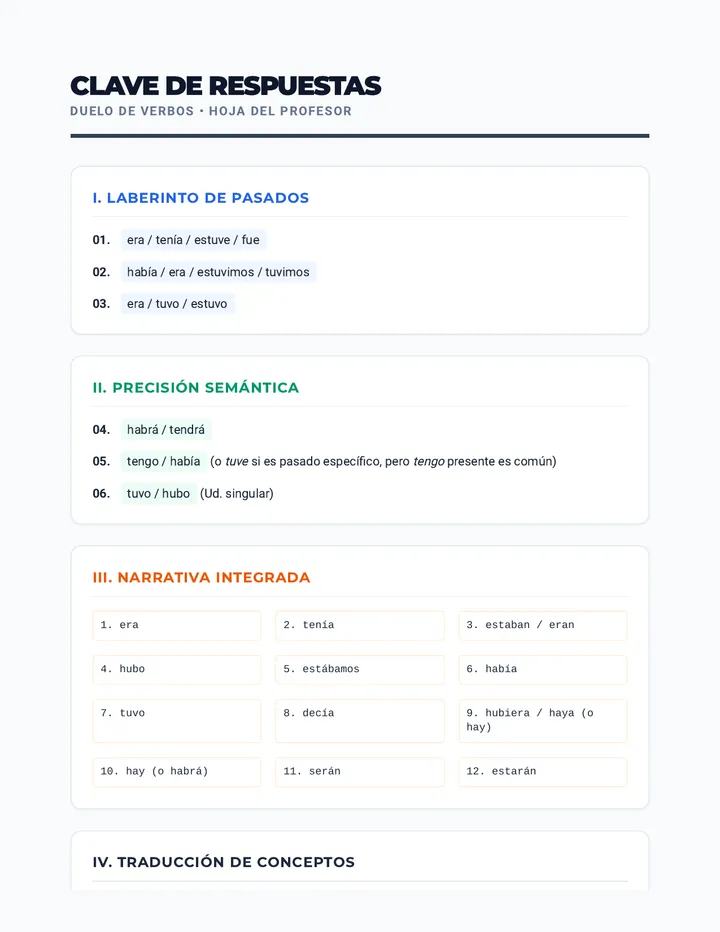
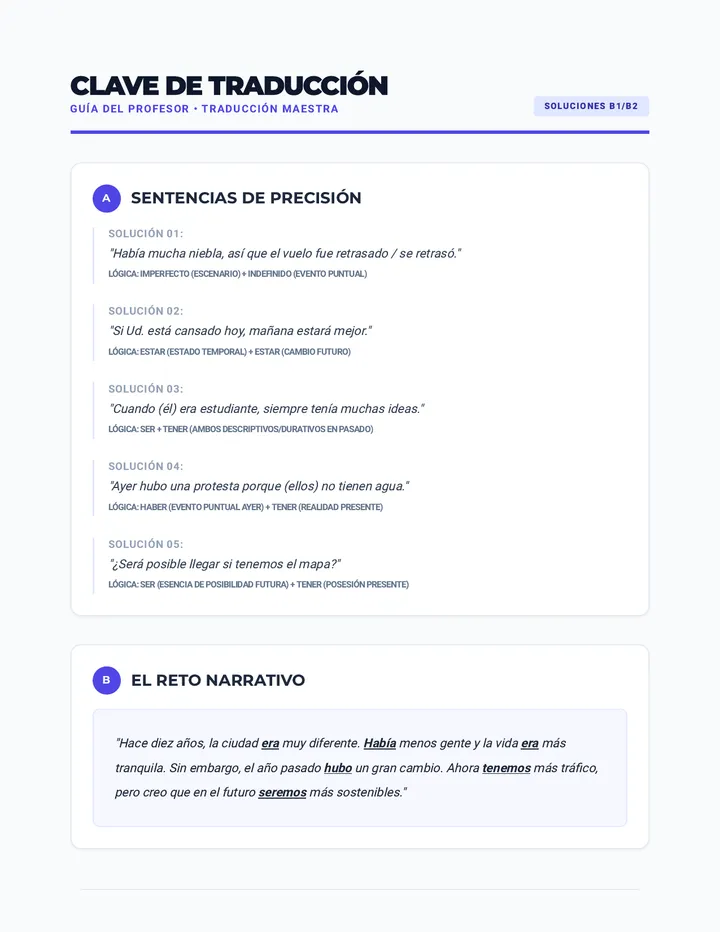
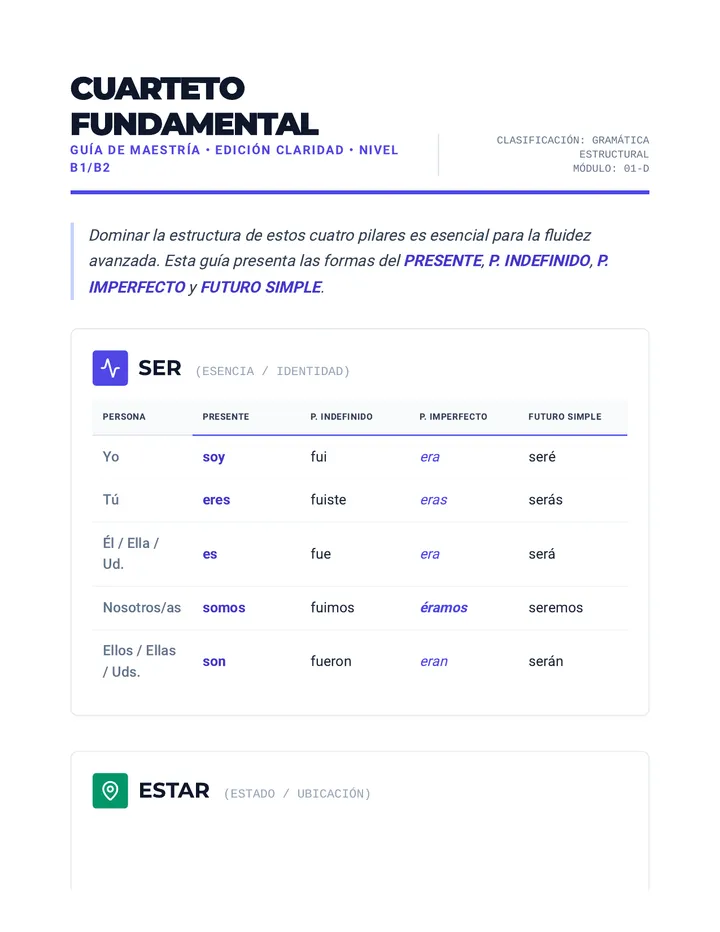
A comprehensive guide and practice set for mastering the four most essential Spanish verbs: ser, estar, haber, and tener across present, past, and future tenses.
An introductory lesson for B2 adult students on Black History Month, focusing on counterfactual history using 2nd, 3rd, and mixed conditionals, alongside idioms for change and justice.
Una unidad de debate crítico en español para hispanohablantes de herencia que analiza de manera interdisciplinaria la intersección entre los estándares de belleza, las redes sociales, la responsabilidad médica y la influencia familiar.
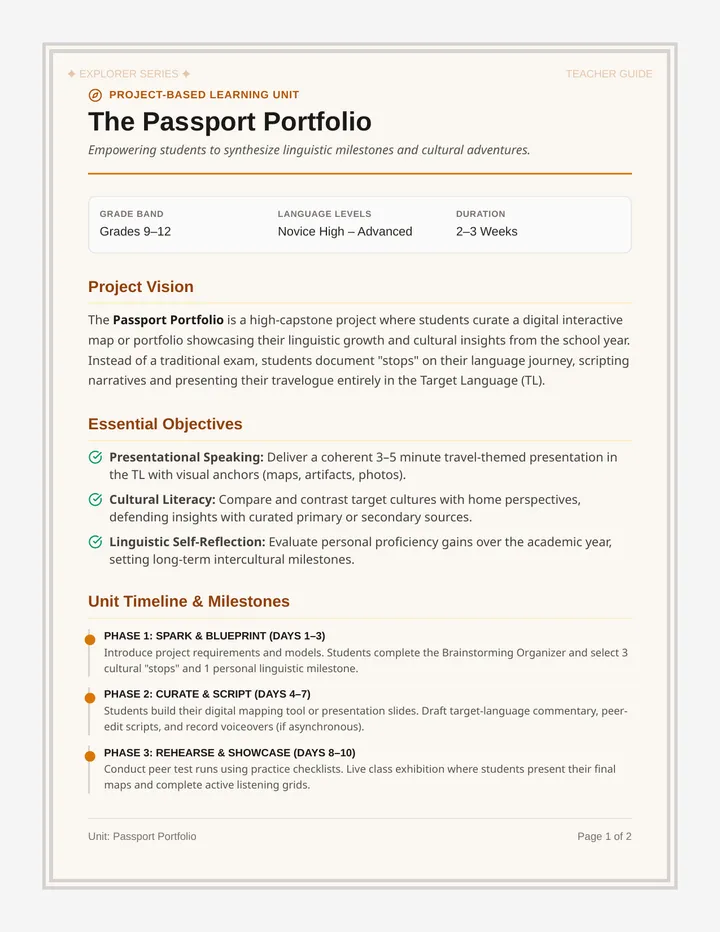
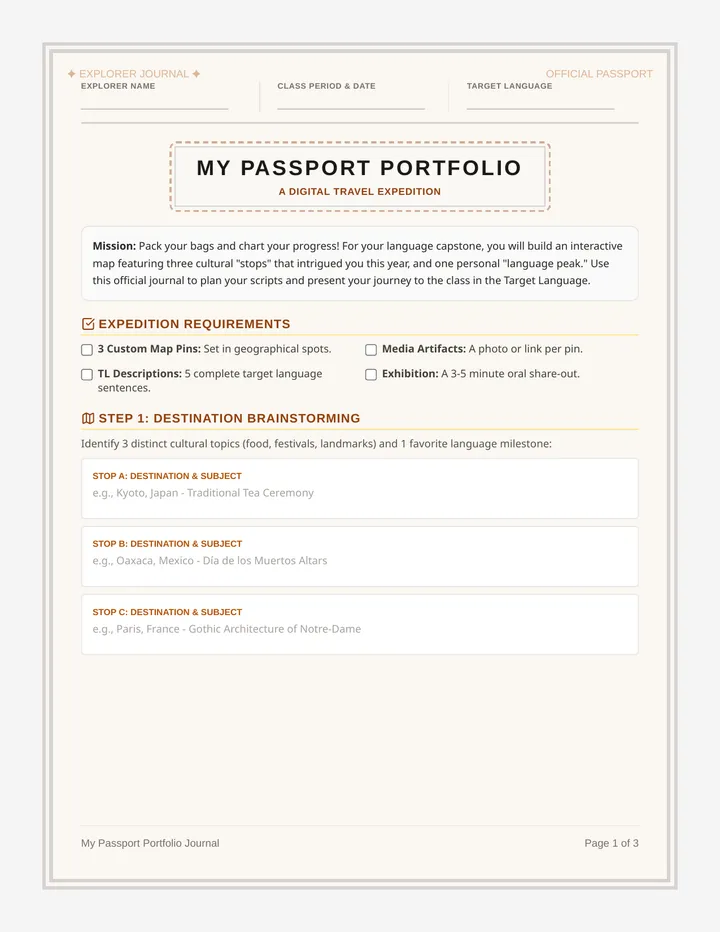
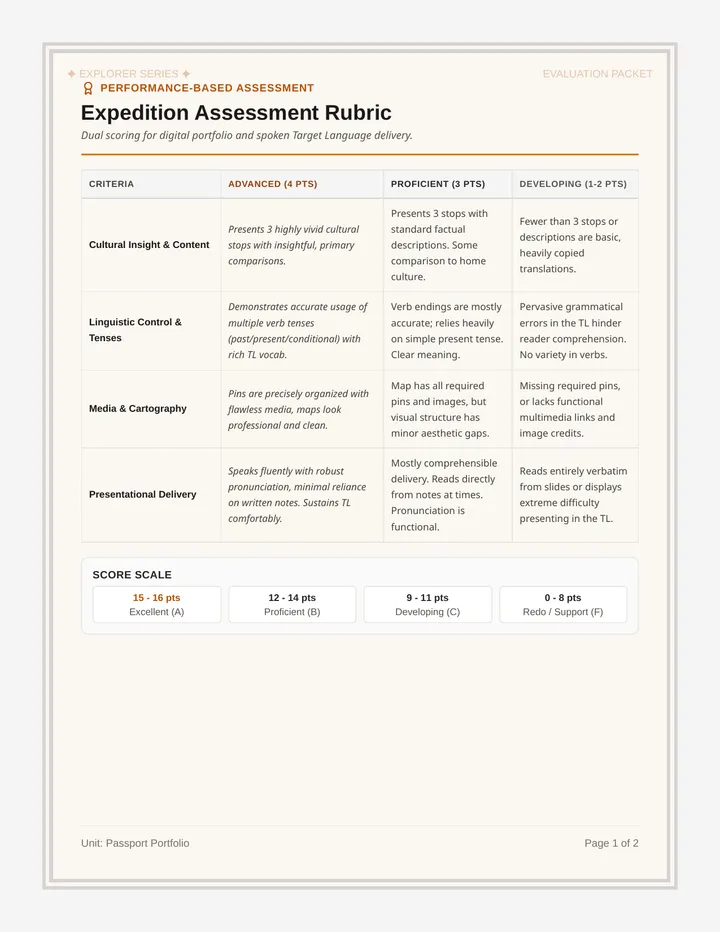
A project-based lesson where high school students design a digital travel map or portfolio of their cultural and linguistic discoveries, presenting their work in the target language.
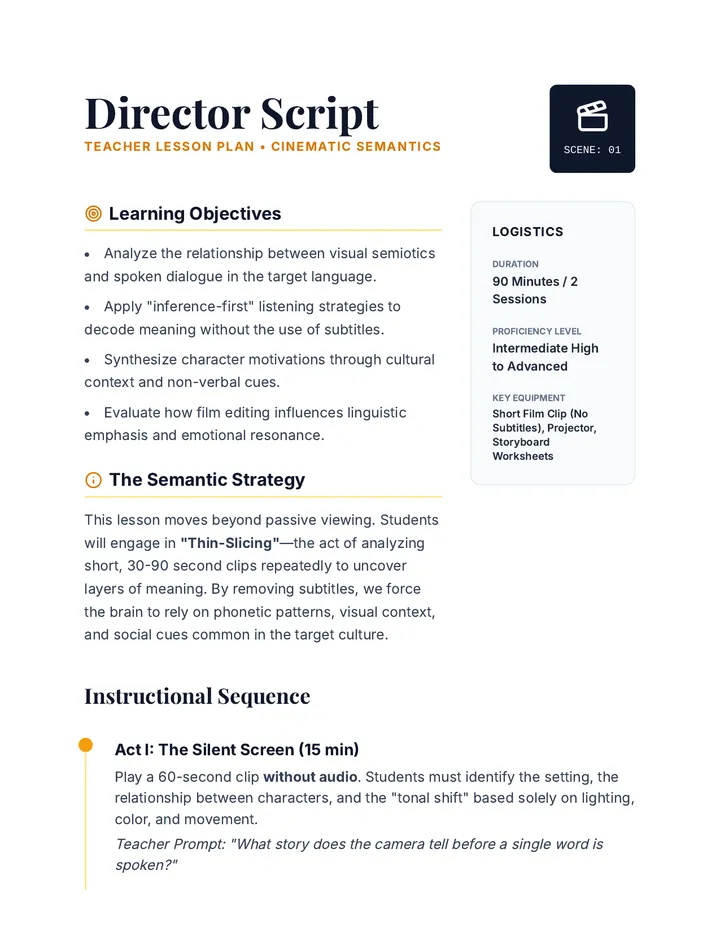
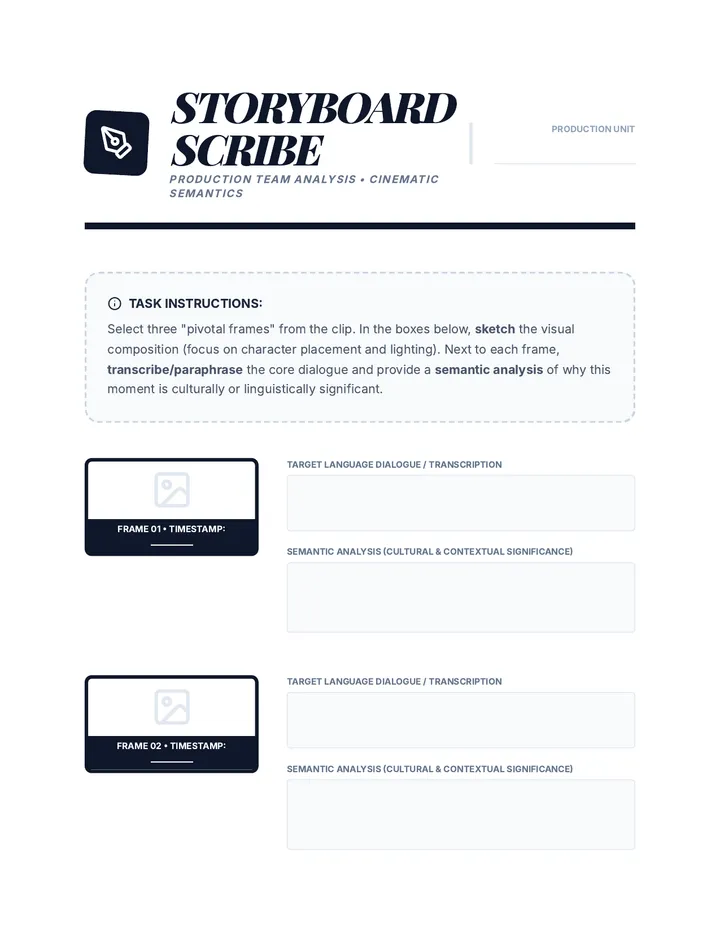
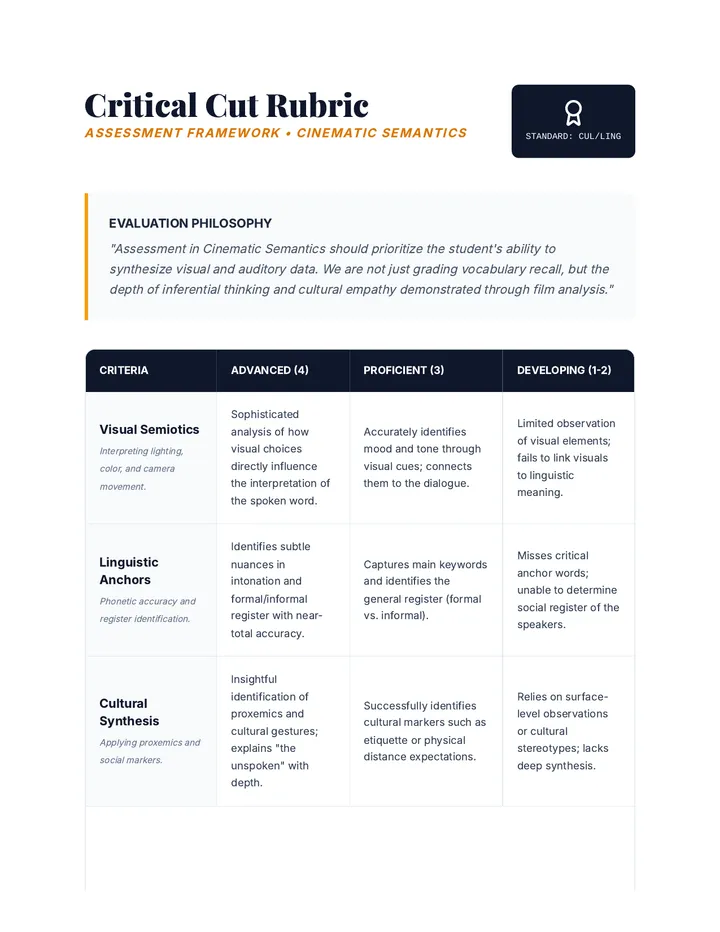
A comprehensive framework for foreign language educators to guide students through deep linguistic and cultural analysis of film, focusing on visual storytelling and advanced listening strategies.
A comprehensive 80-minute lesson exploring the seven primary uses of 'se' in Spanish, featuring contextual analysis and hands-on practice.
A comprehensive toolkit for foreign language teachers to bridge the gap between rote memorization and spontaneous oral communication through interactive activities and low-stakes scaffolding.
A festive reading comprehension lesson for 12th-grade Spanish students focusing on cultural aspects of Christmas and winter in Spanish-speaking countries. This lesson enhances vocabulary and cultural understanding through a detailed text and interactive discussion.
A 45-minute lesson for 11th-grade Spanish and Portuguese speakers that explores code-switching as a tool for empathy and cross-cultural communication. Students engage in role-play, discussion, and reflective writing to master the fluid transition between languages.