Basic auditory recognition of the four Mandarin tones, Pinyin phonetics, and high-frequency vocabulary. Targets comprehension of common greetings, numbers, and simple daily interactions.
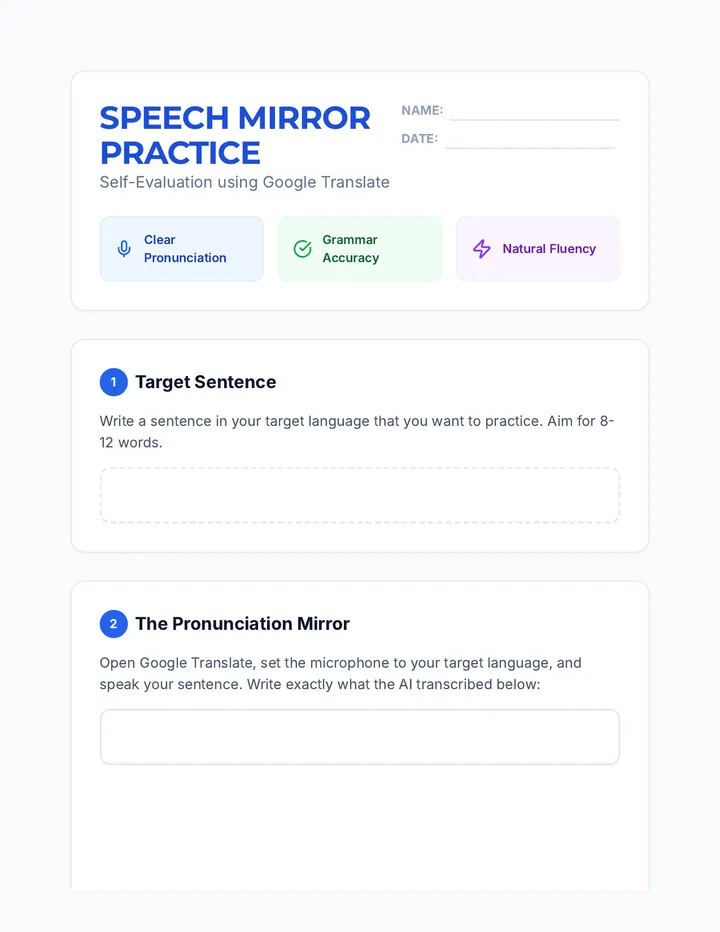
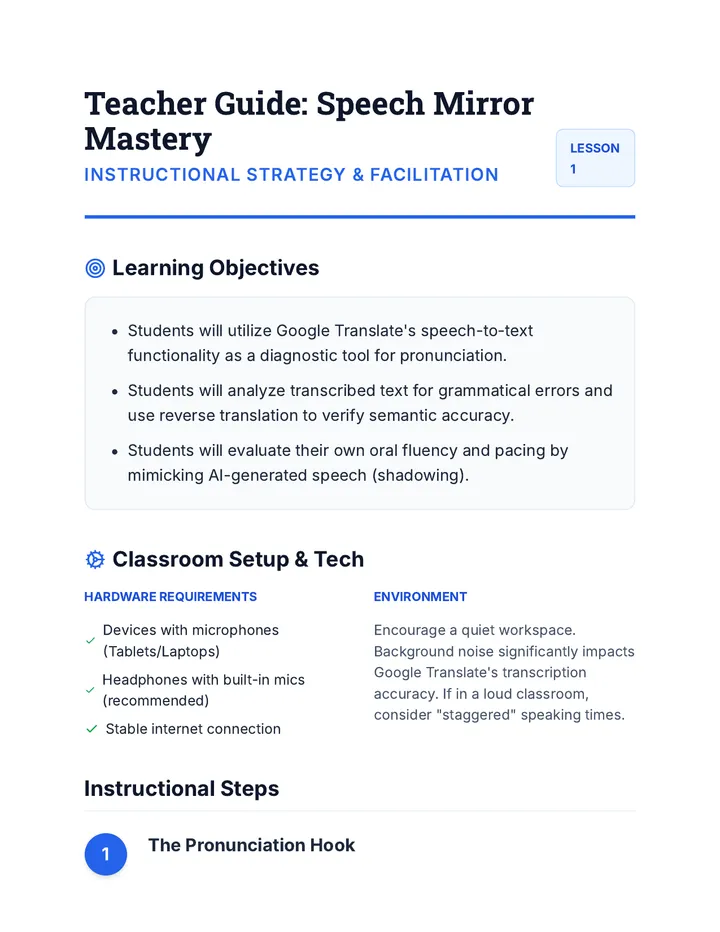
A sequence focused on leveraging digital translation tools for language self-assessment and speech improvement. Students learn to use Google Translate not just for translation, but as a 'mirror' for their own pronunciation, grammar, and fluency.
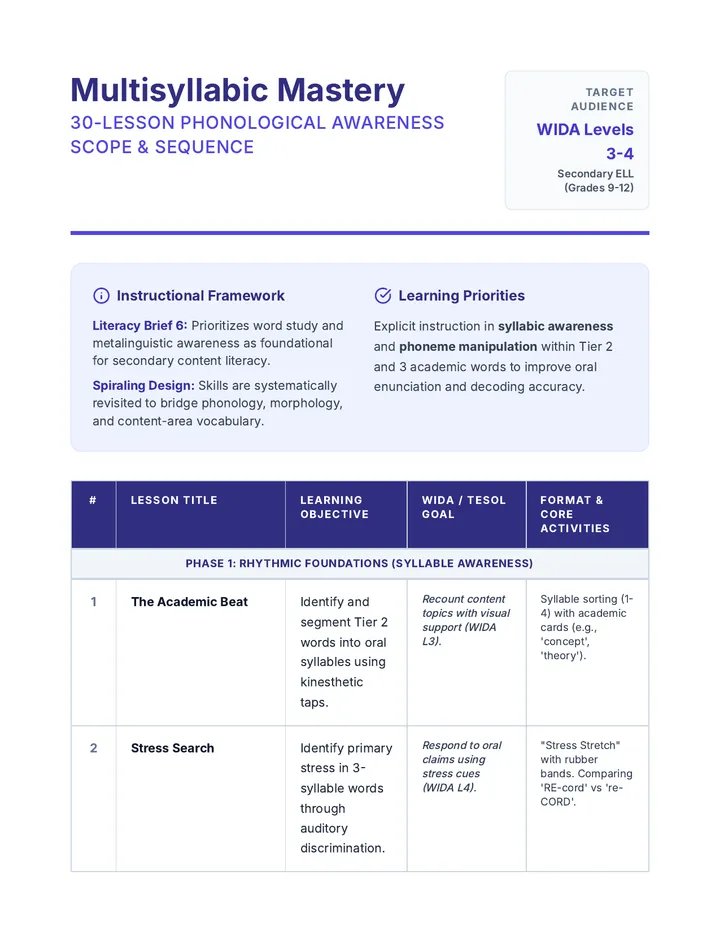
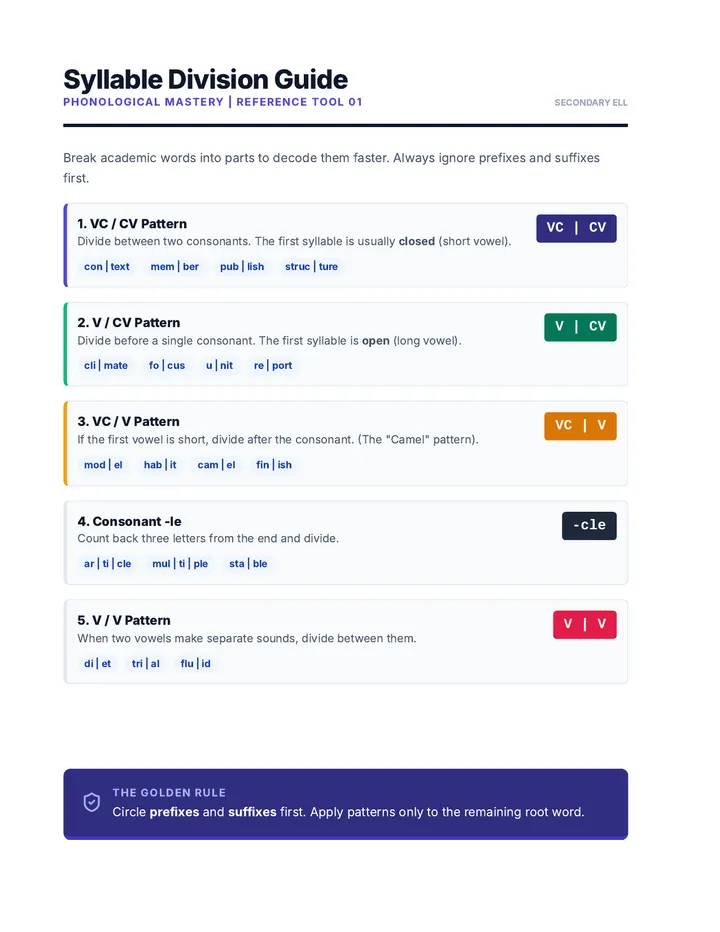
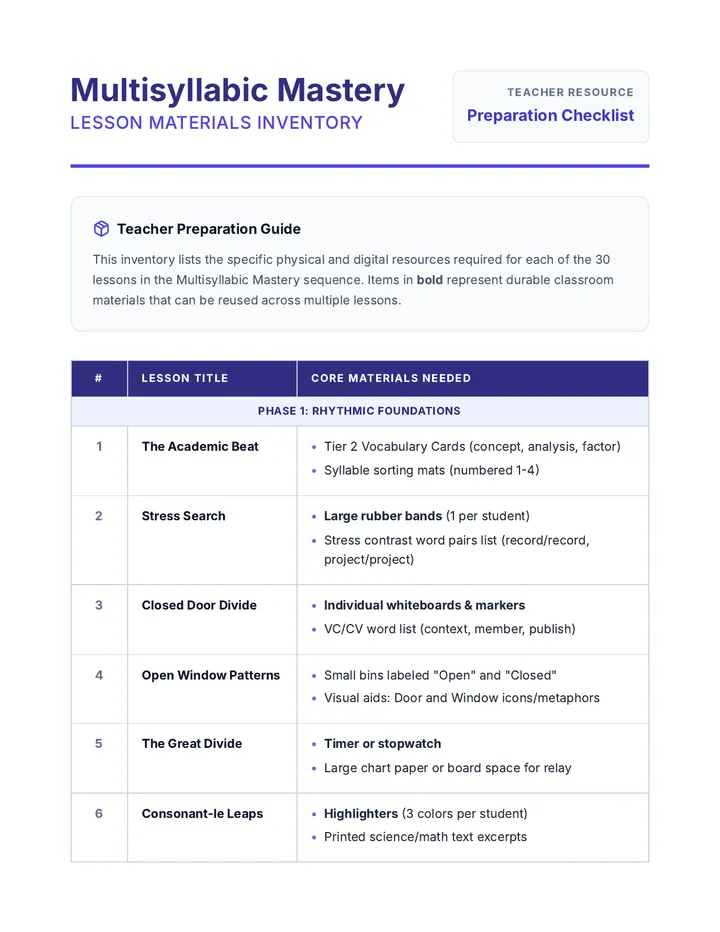
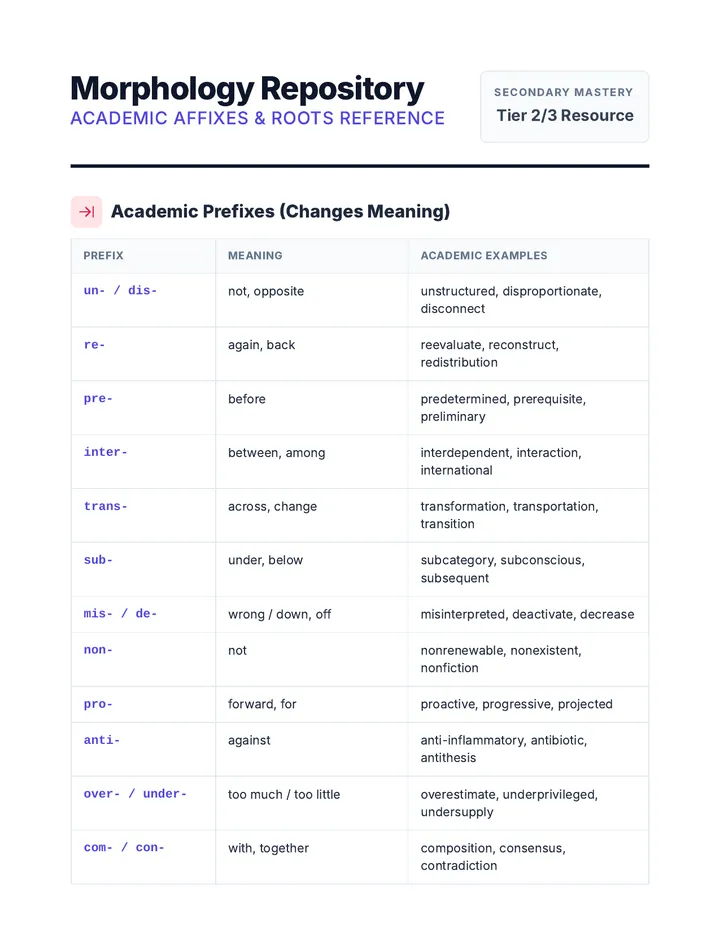
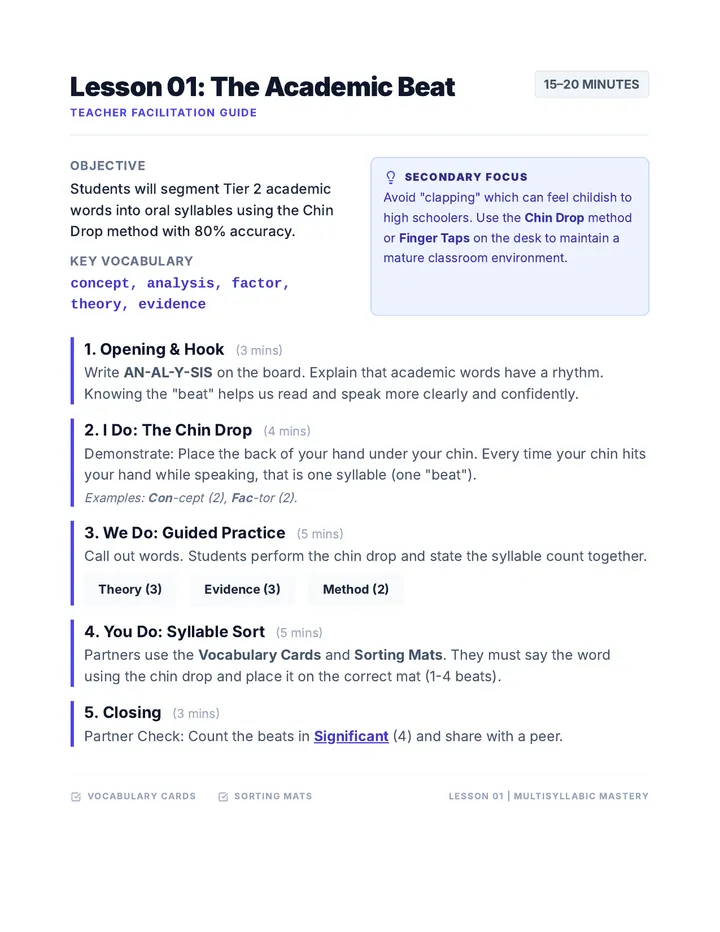
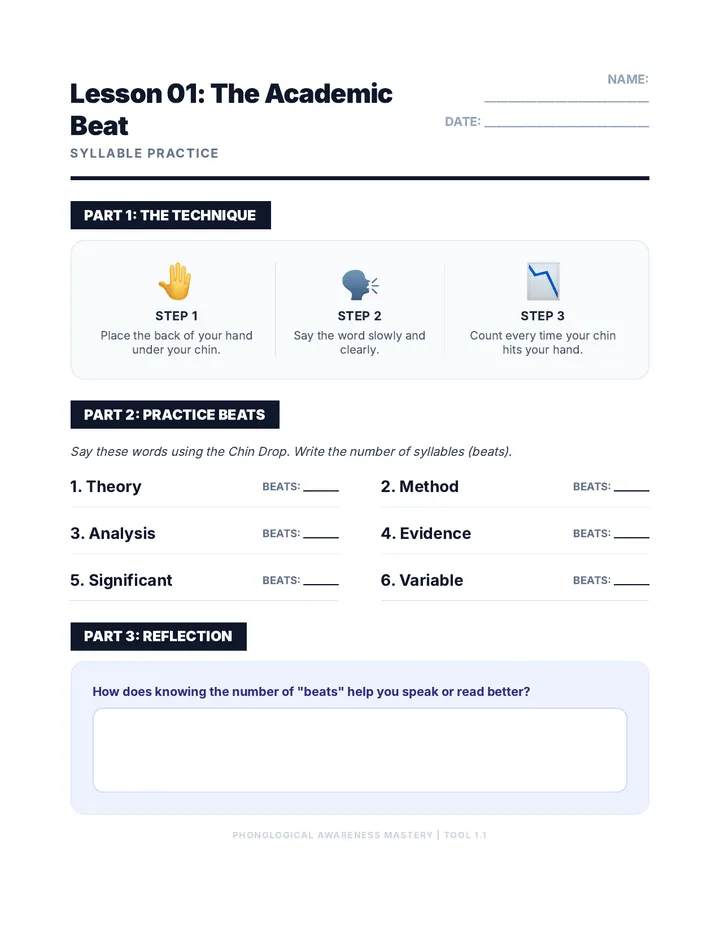
A comprehensive program for teaching phonological awareness to secondary ELLs, focusing on multisyllabic academic vocabulary and phoneme manipulation.
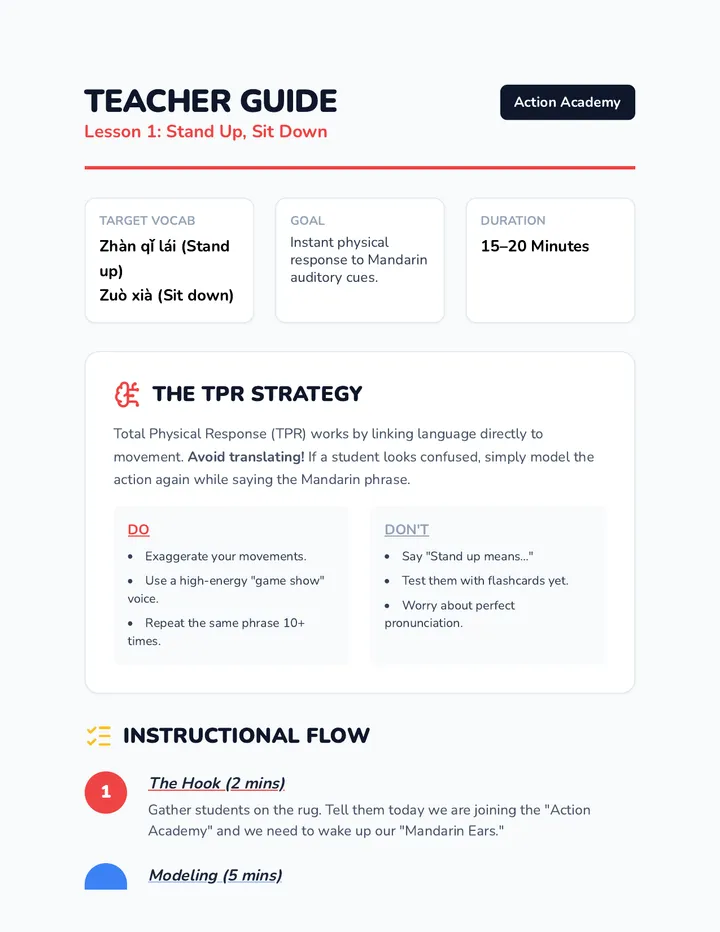
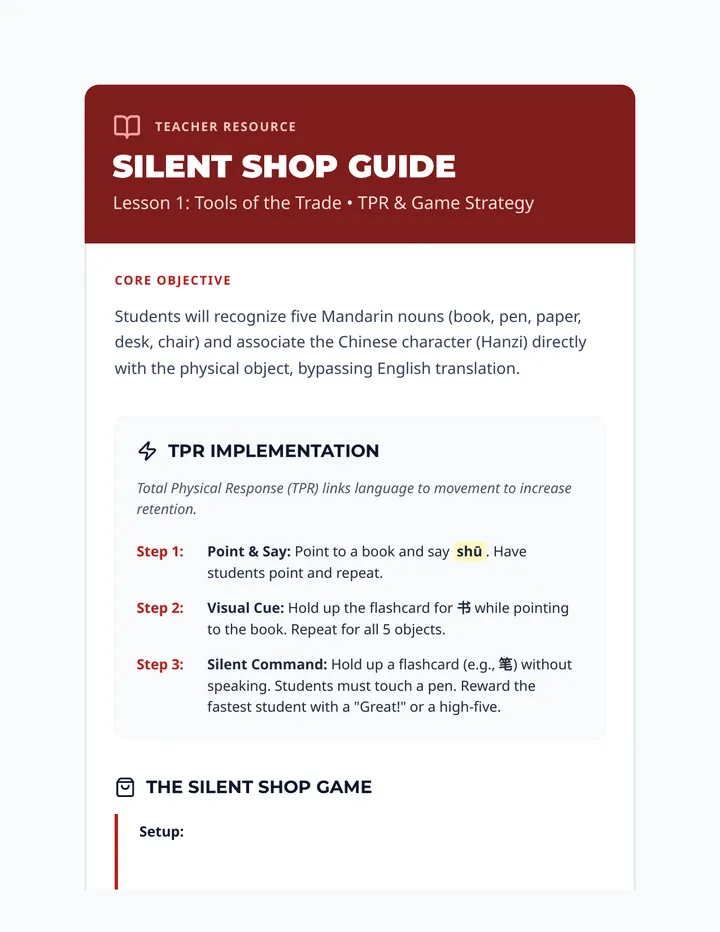
A high-energy Mandarin Chinese sequence for Pre-K students using the Total Physical Response (TPR) method. Students learn to respond to physical commands and action verbs through games and movement, building direct meaning without translation.
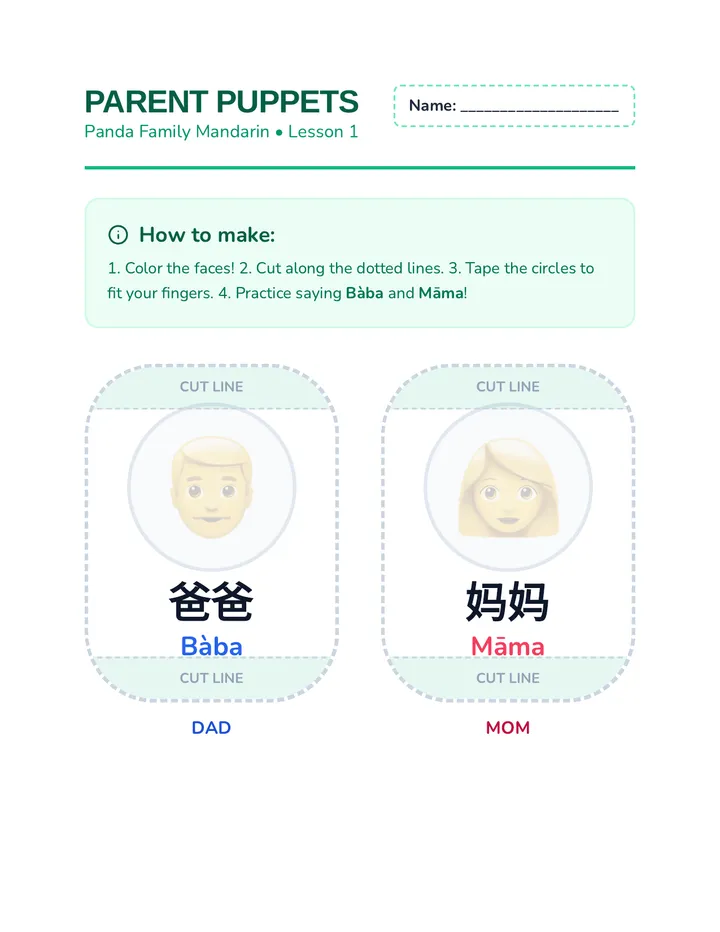
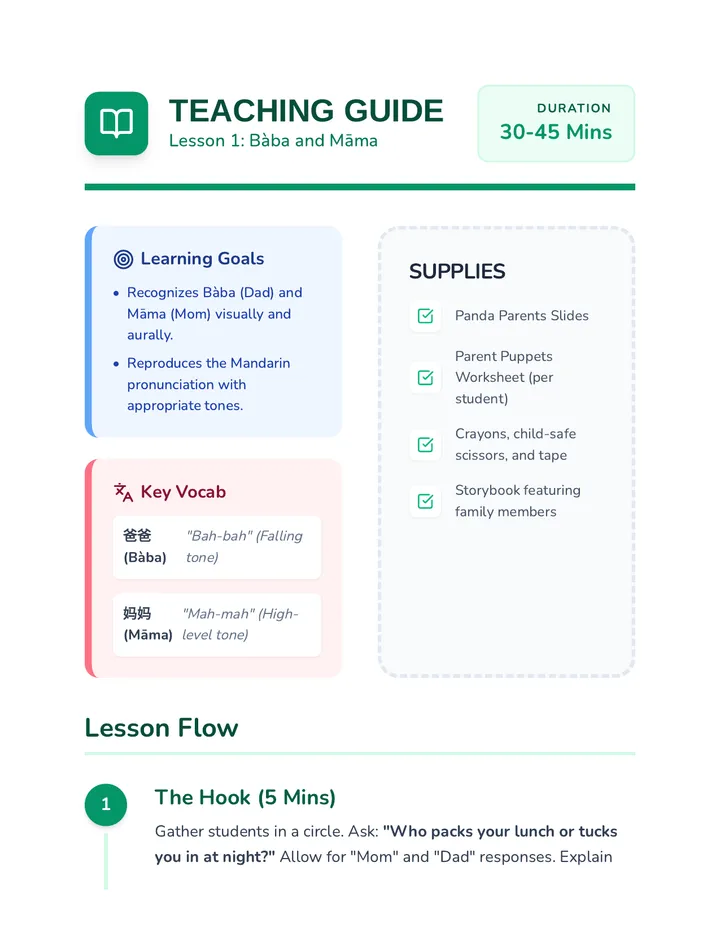
A foundational Mandarin Chinese sequence for Pre-K students focused on identifying family members. Students learn vocabulary for parents, siblings, and grandparents through interactive games, songs, and visual inquiry.
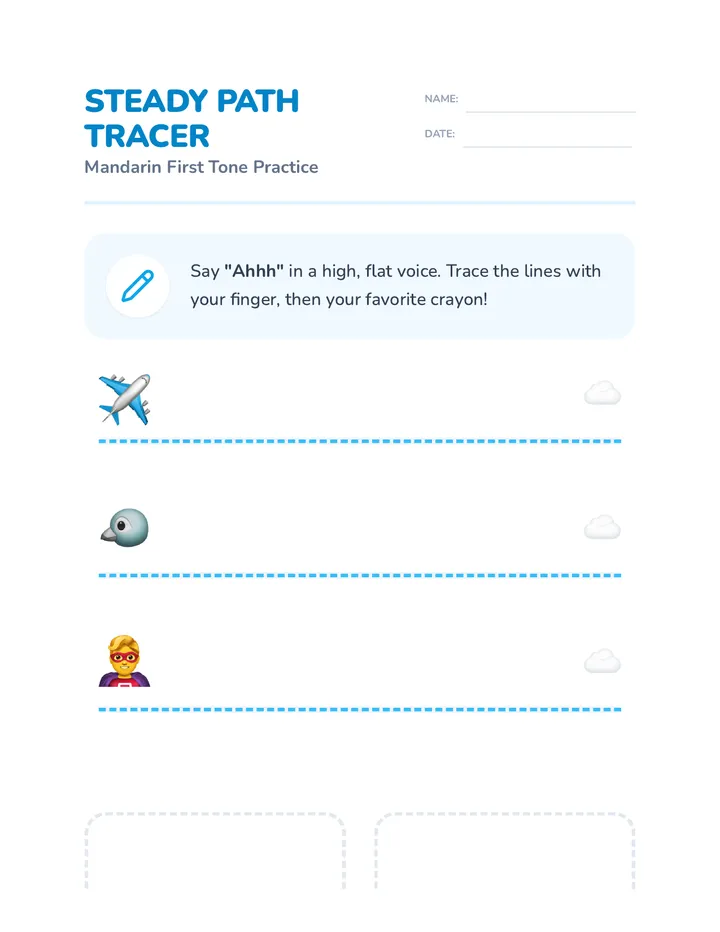
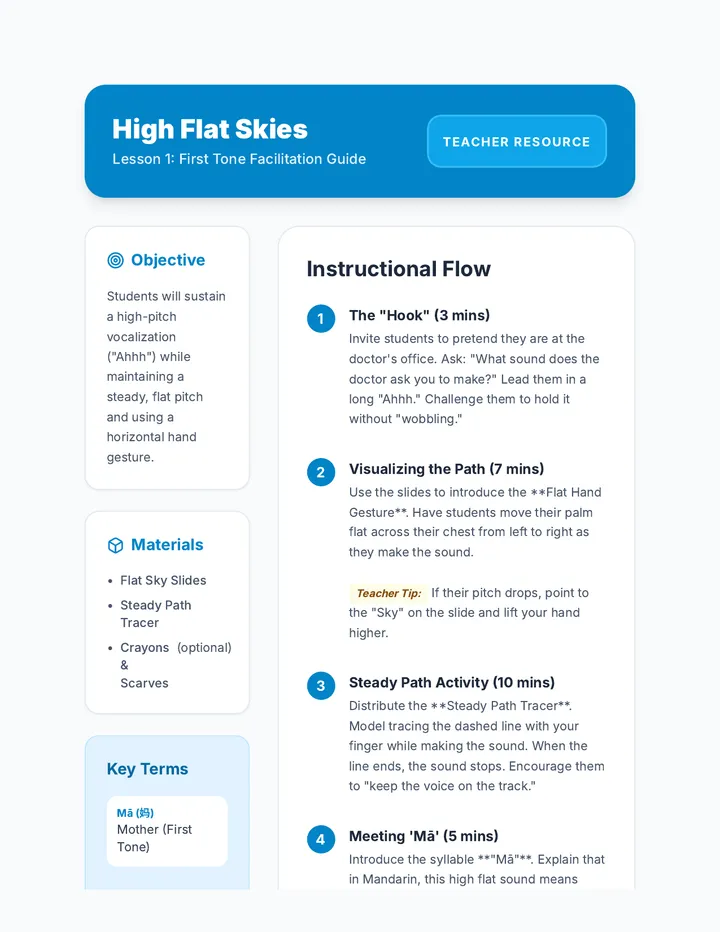
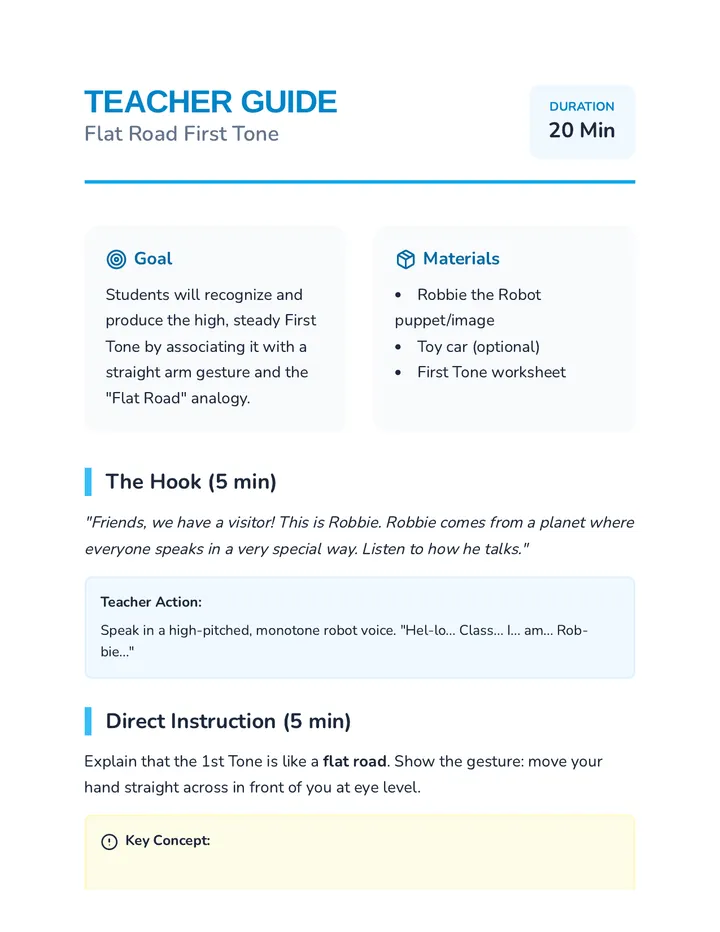
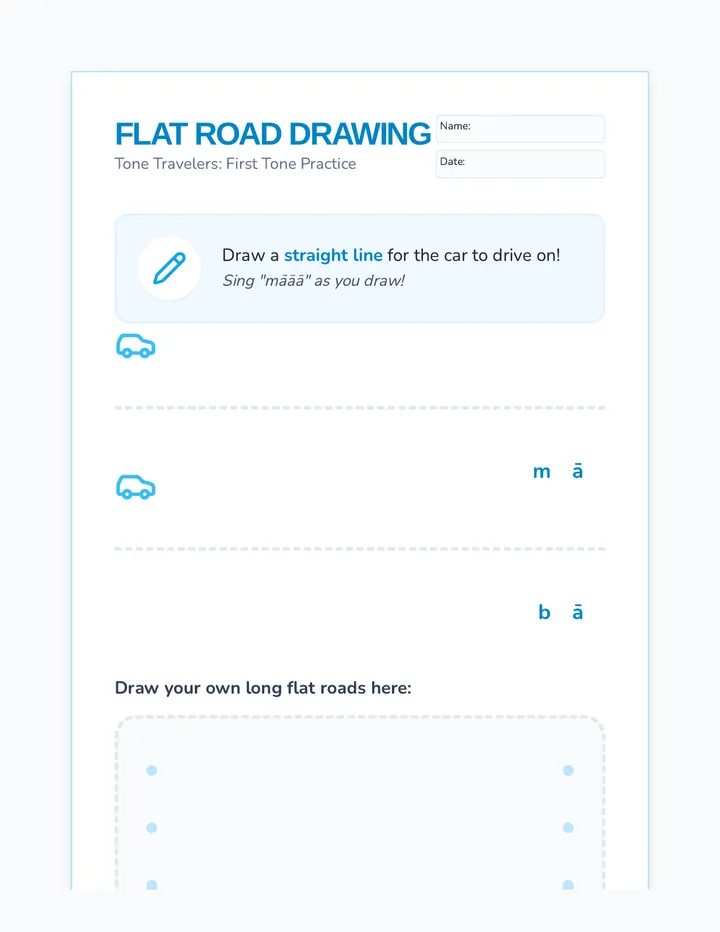
A foundational sequence for Pre-K learners to explore the four tones of Mandarin Chinese through auditory play, physical movement, and vocal exploration. Students learn to associate pitch changes with meaning using relatable sounds like questioning 'Huh?' or firm 'No!' gestures.
A physical and auditory introduction to the four Mandarin tones for Pre-K learners, using movement, animal analogies, and games to make pitch concrete.
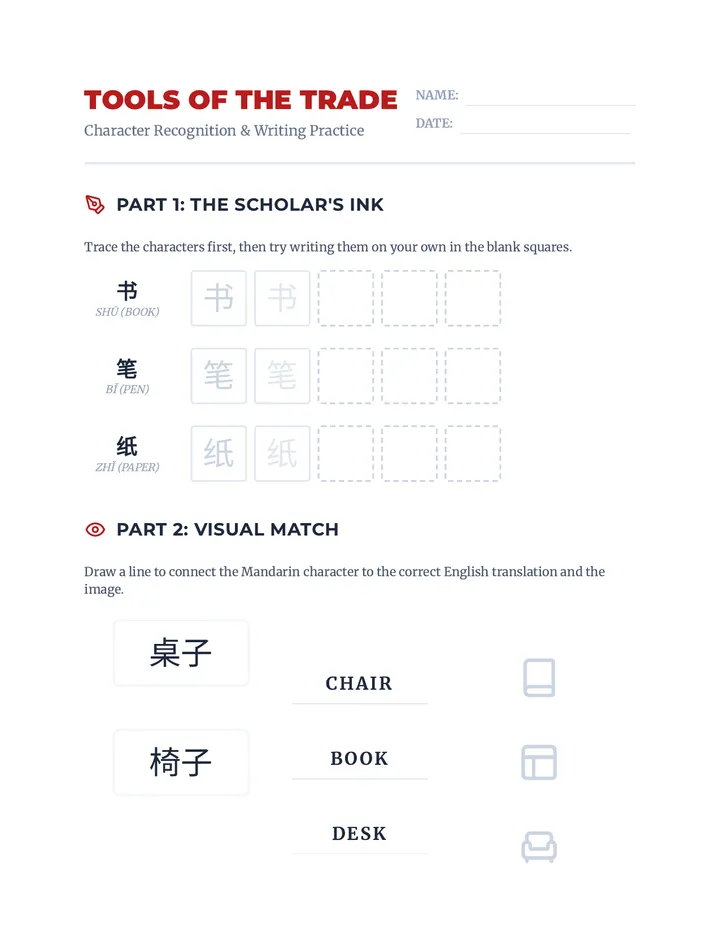
A project-based sequence for 7th graders to master basic Mandarin characters through their school environment. Students progress from naming individual objects to designing and labeling a complete classroom layout.
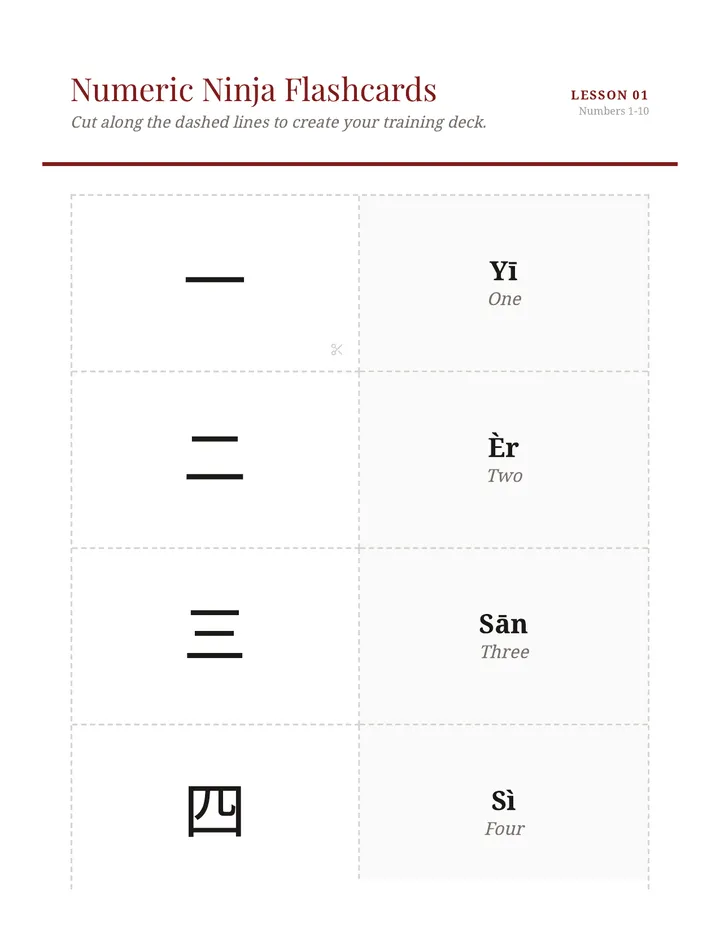
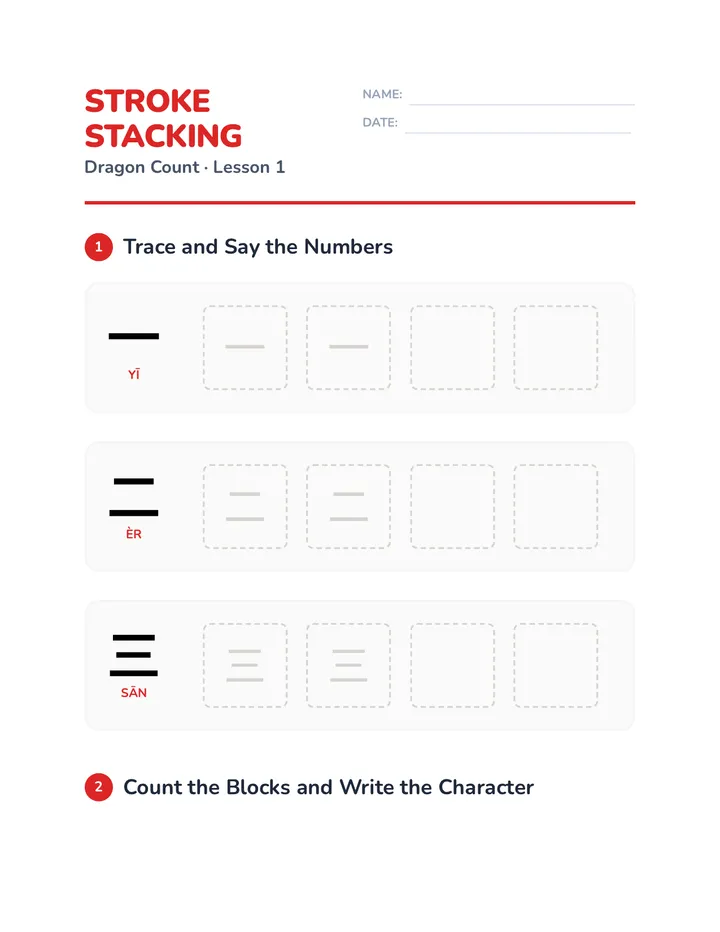
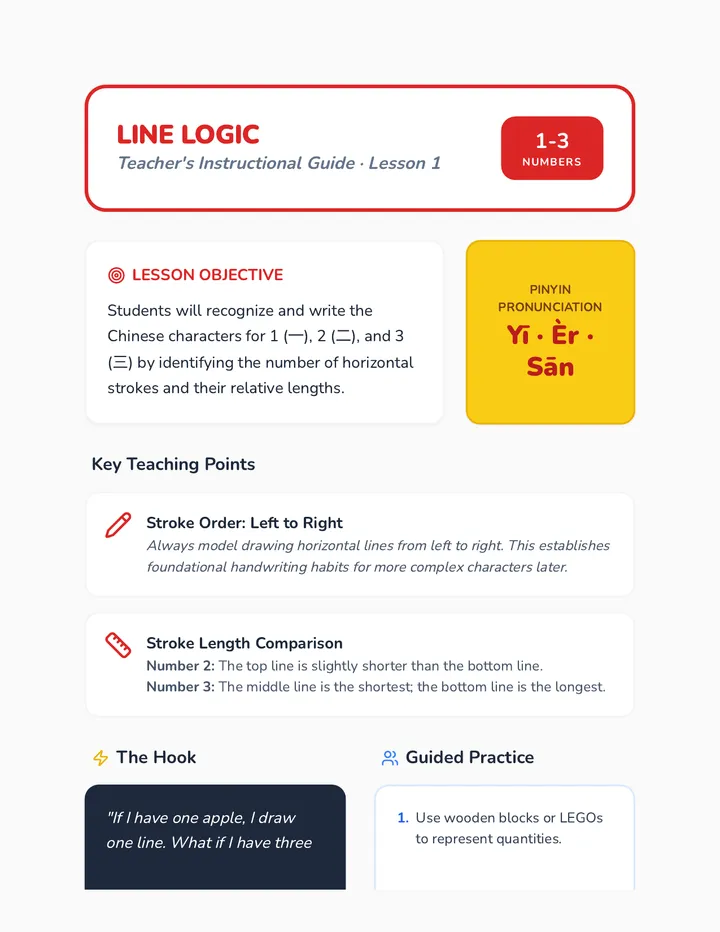
A 5-lesson sequence for 5th-grade students focused on mastering Mandarin Chinese characters for numbers 1-10 and immediate family members through game-based learning and logical puzzles.
This sequence introduces Kindergarten students to Mandarin Chinese characters for numbers 1-10 through visual mnemonics, hand gestures, and playful simulations. Students progress from simple horizontal lines to complex symbols, culminating in a classroom shop and Bingo game to reinforce character recognition.
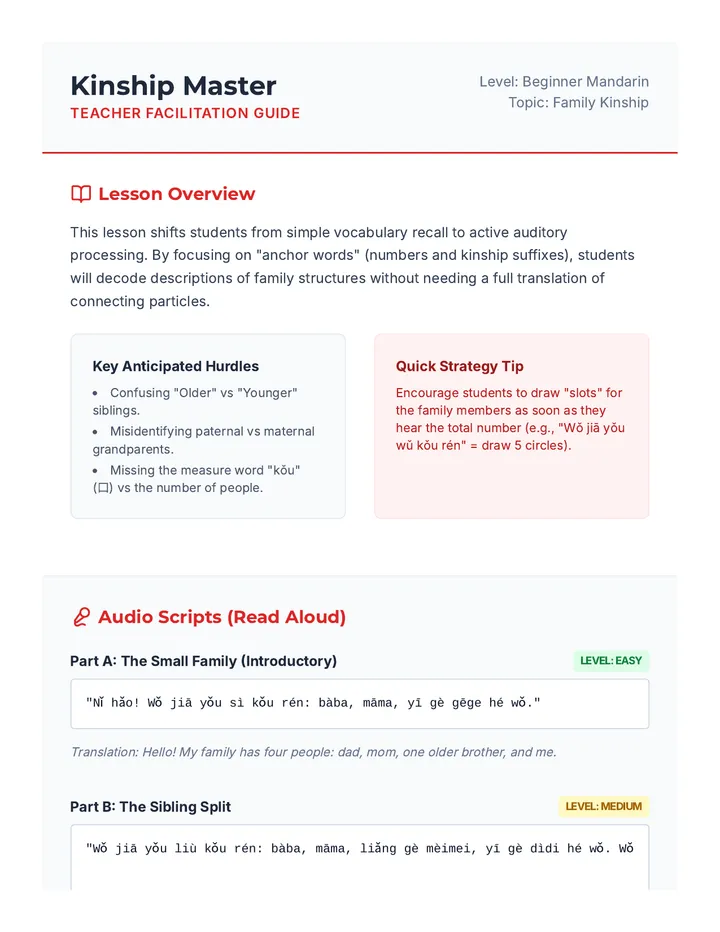
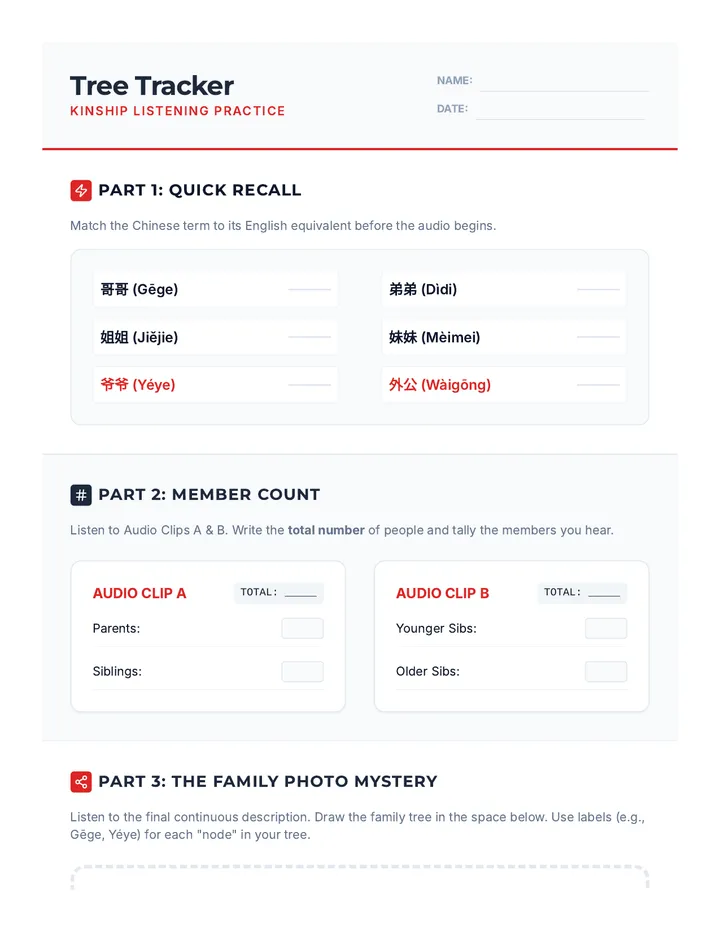
A beginner Mandarin Chinese listening sequence for 12th-grade students focused on decoding kinship terms, physical descriptions, spatial locations, and personal preferences through context clues and keyword spotting.
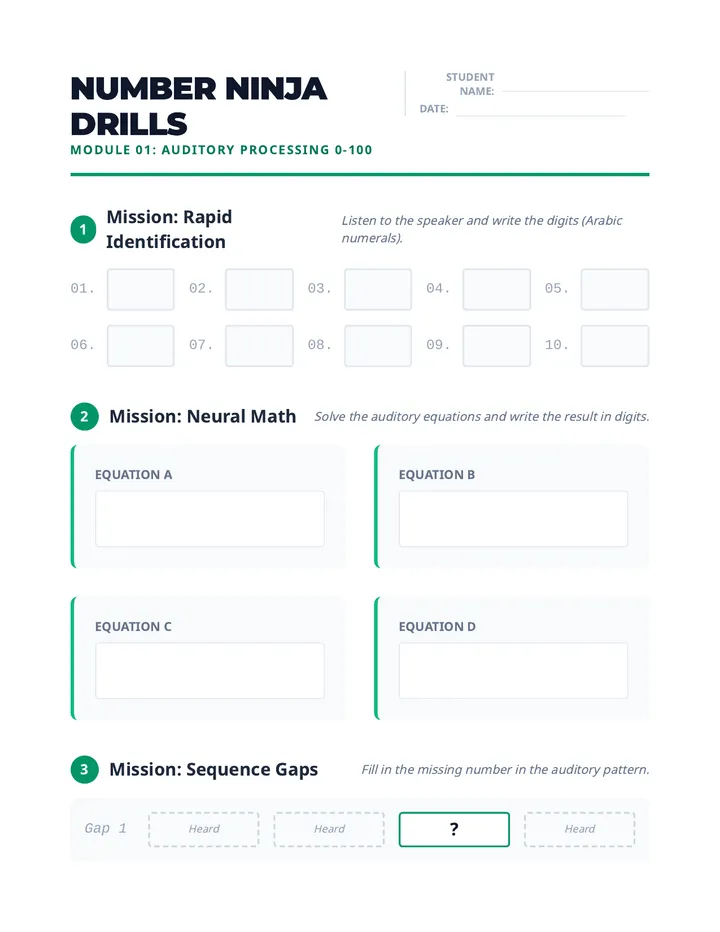
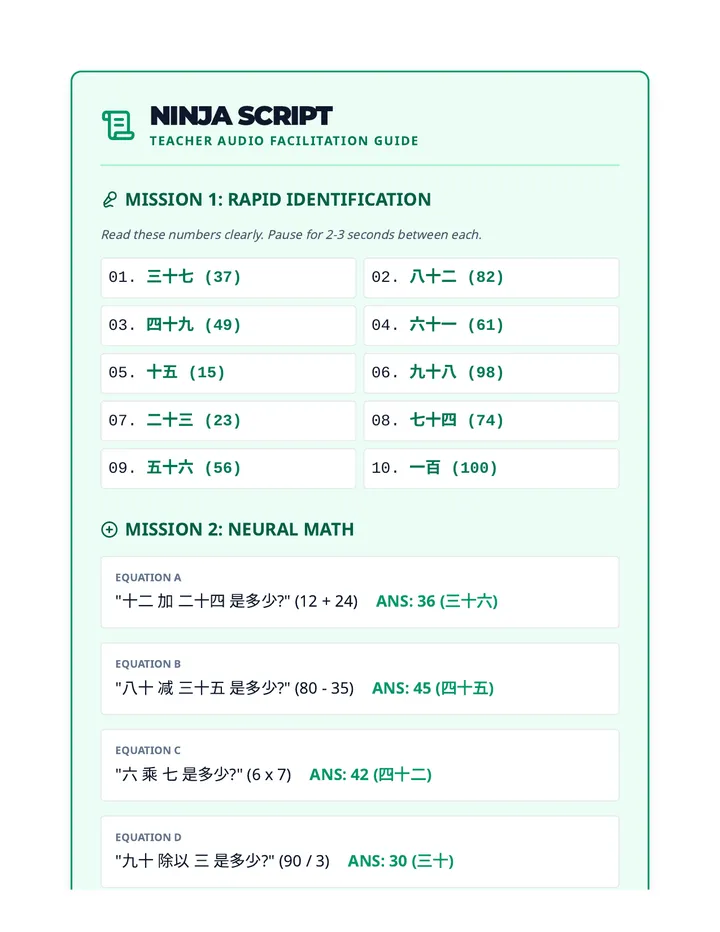
This sequence focuses on the cognitive processing of numerical data in Mandarin Chinese, moving from basic digits to complex phone numbers, calendar dates, clock times, and marketplace currency. Students will develop rapid auditory recognition through gamified scenarios like emergency dispatch, time travel, and transit scheduling.
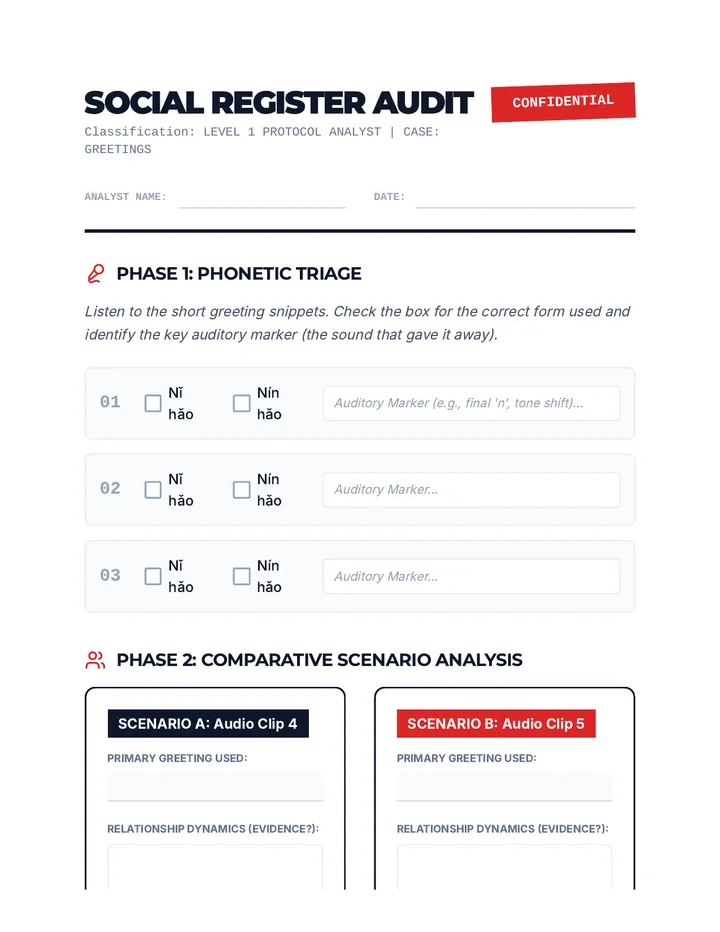
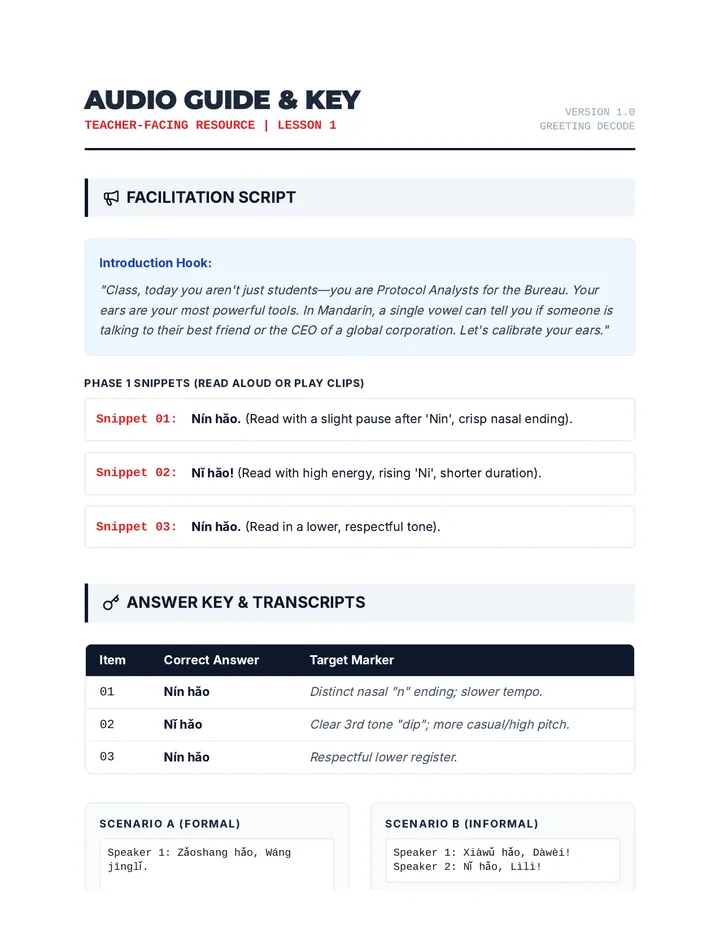
A high-stakes immersive sequence where 12th-grade students act as 'Protocol Analysts' to master Mandarin greetings and introductions. Students progress from basic register recognition to complex social deduction through simulated audio audits and role-play analysis.