Intersections between visual arts and core subjects like STEM, history, and the social sciences. Examines how creative processes inform scientific inquiry, historical analysis, and mathematical patterns.
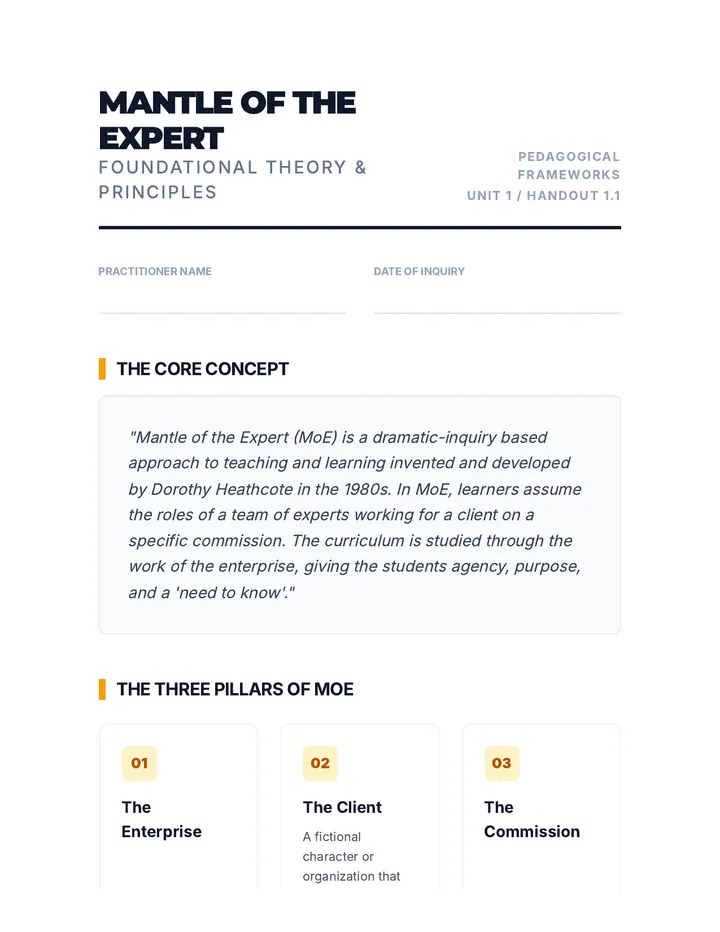
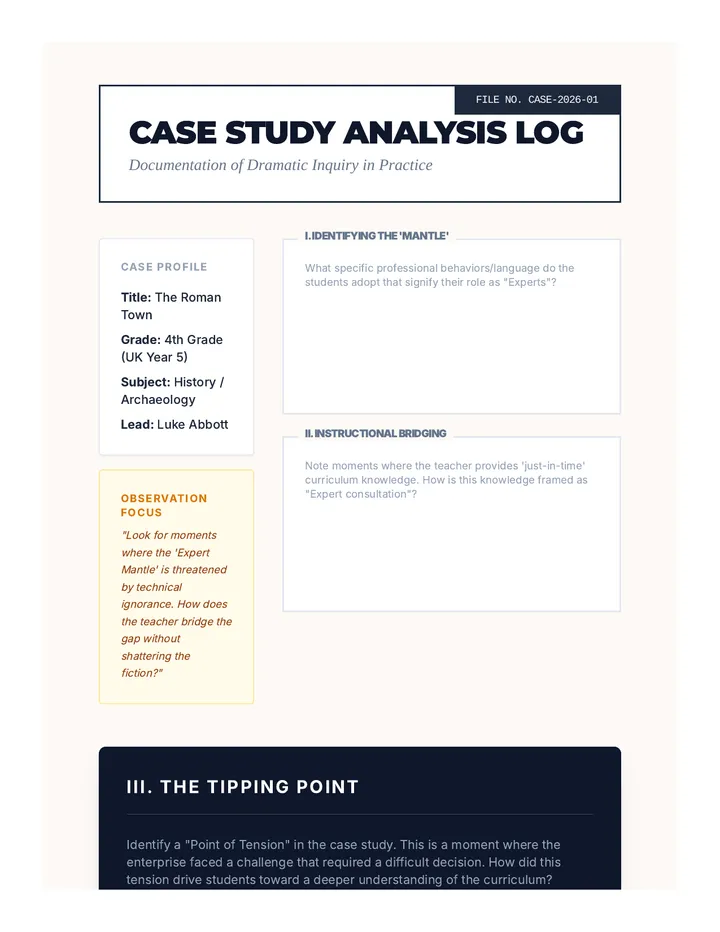
A comprehensive graduate-level course exploring the pedagogy of dramatic inquiry, focusing on Dorothy Heathcote’s Mantle of the Expert and its application in cross-curricular K-12 education. Students will master instructional design, teacher-in-role techniques, and the assessment of creative processes.
This unit explores the history of physical comedy, from the masked archetypes of Italian Commedia dell'Arte to modern slapstick and sitcoms. Students develop physical characterization skills, understand status dynamics, and learn to identify recurring comic archetypes across theater history.
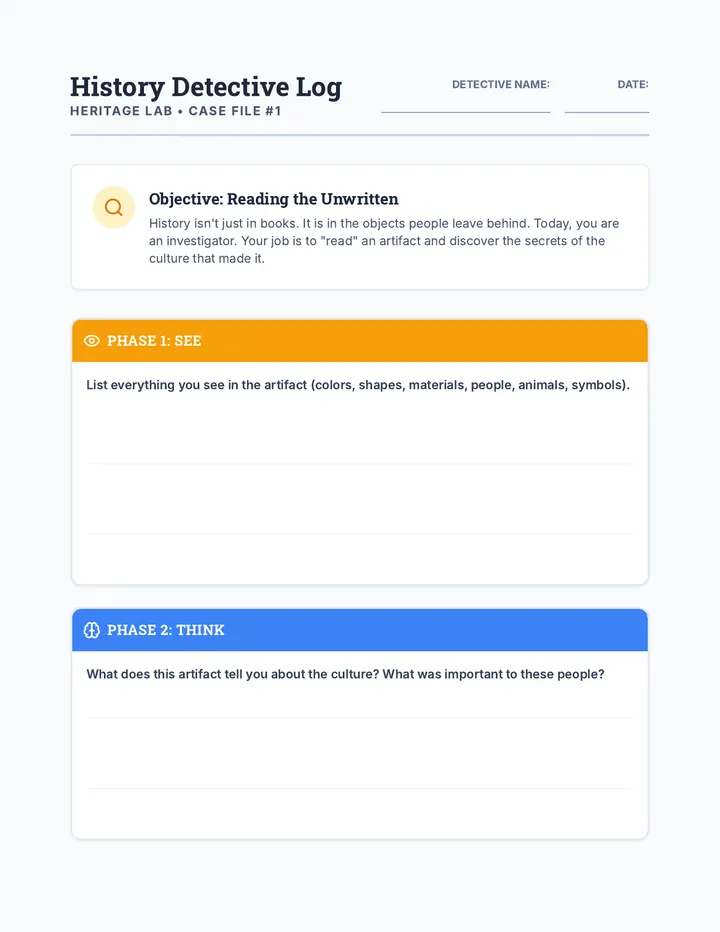
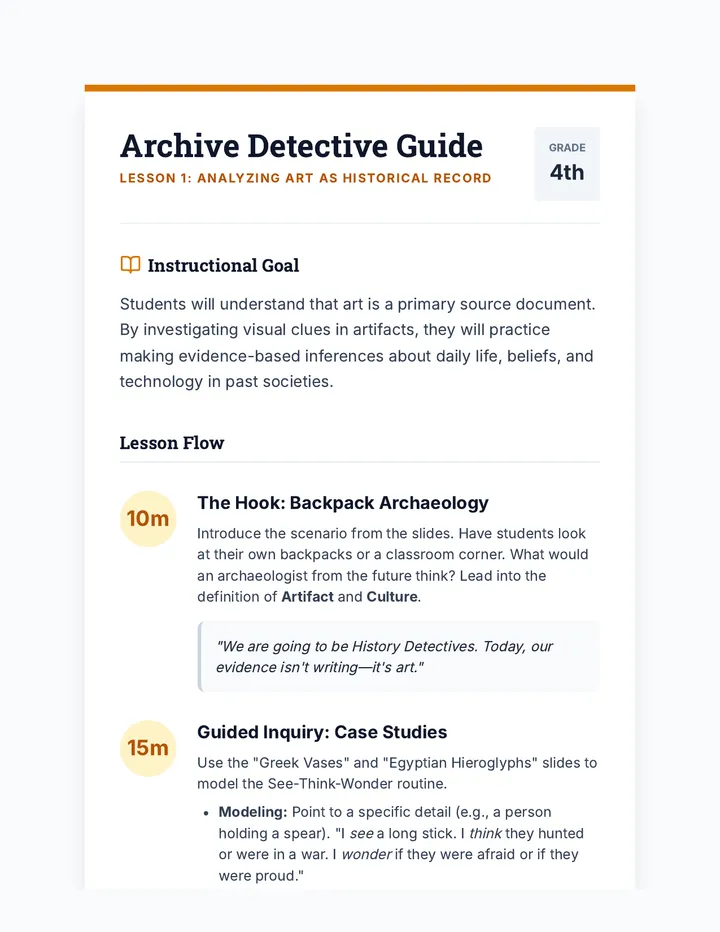
This 4th-grade sequence explores how traditional arts and crafts function as vessels for cultural heritage. Students learn to 'read' artifacts like narrative quilts and pottery as historical texts, ultimately creating their own heritage artifacts to preserve personal or family stories.
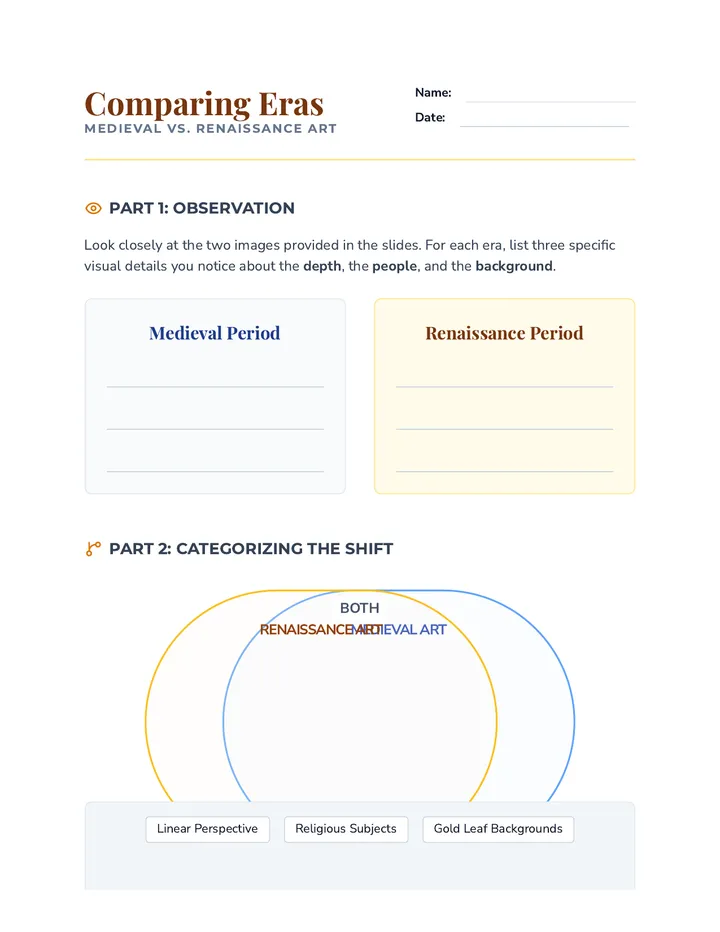
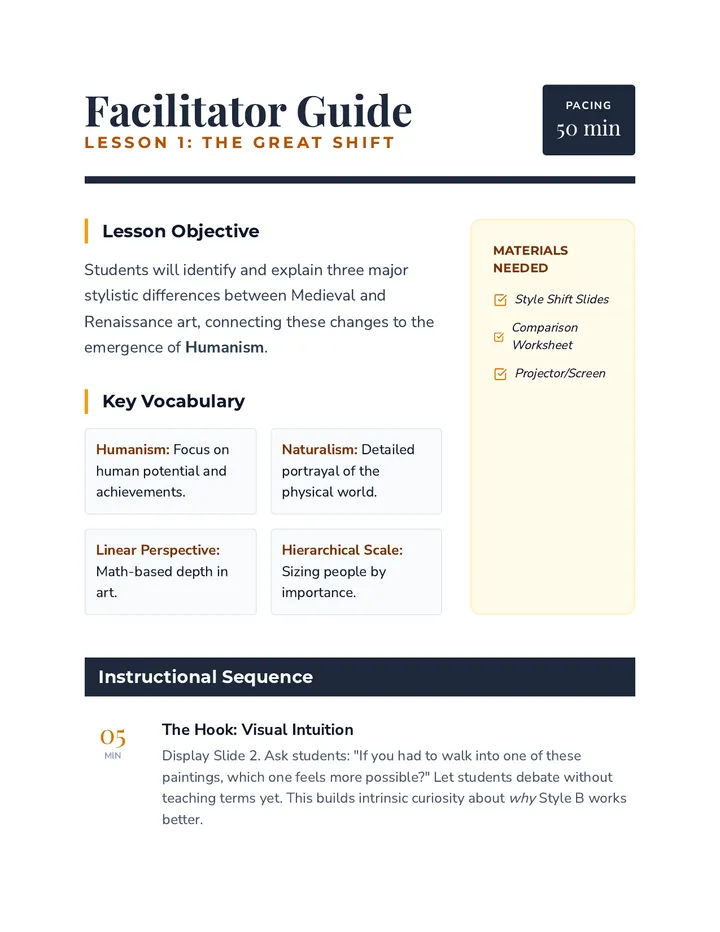
This sequence explores the transition from Medieval to Renaissance art, focusing on the development of linear perspective, human anatomy in art, and the cultural shift toward Humanism. Students will analyze masterpieces like 'The School of Athens' and apply mathematical principles to create their own realistic artworks.
This sequence explores the artistic revolution of the Renaissance, focusing on the shift from Medieval symbolism to Renaissance realism through the lens of mathematics and anatomy. Students will analyze historical works and apply technical skills like linear perspective to understand how art reflects cultural values.
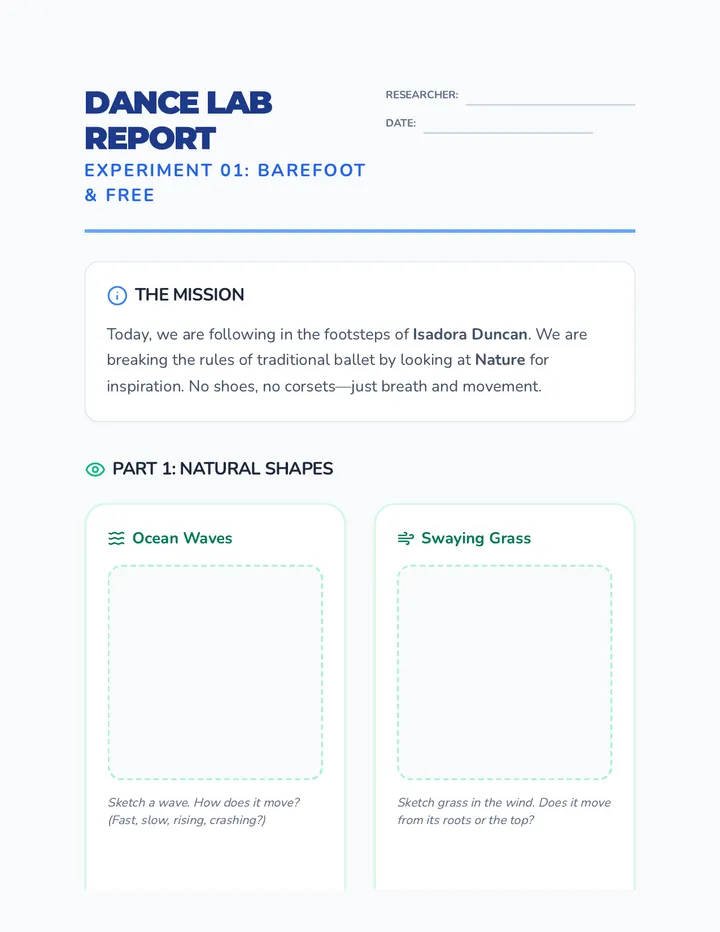
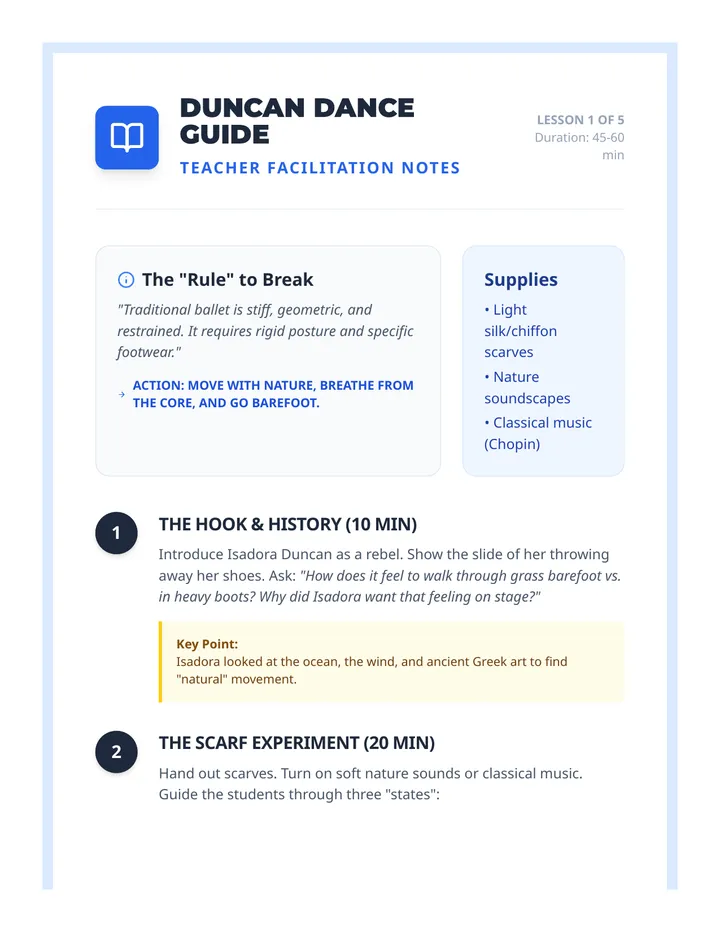
A 5-lesson unit for 3rd graders exploring the history of modern dance pioneers and using their 'rule-breaking' concepts to create original choreography. Students move from the naturalism of Duncan to the emotional core of Graham, the chance methods of Cunningham, and the soulful storytelling of Ailey.
A global musical expedition for 2nd graders to discover how geography and culture shape instruments and traditions across four continents. Students explore materials, physics of sound, and the cultural roles of music through inquiry and hands-on activities.
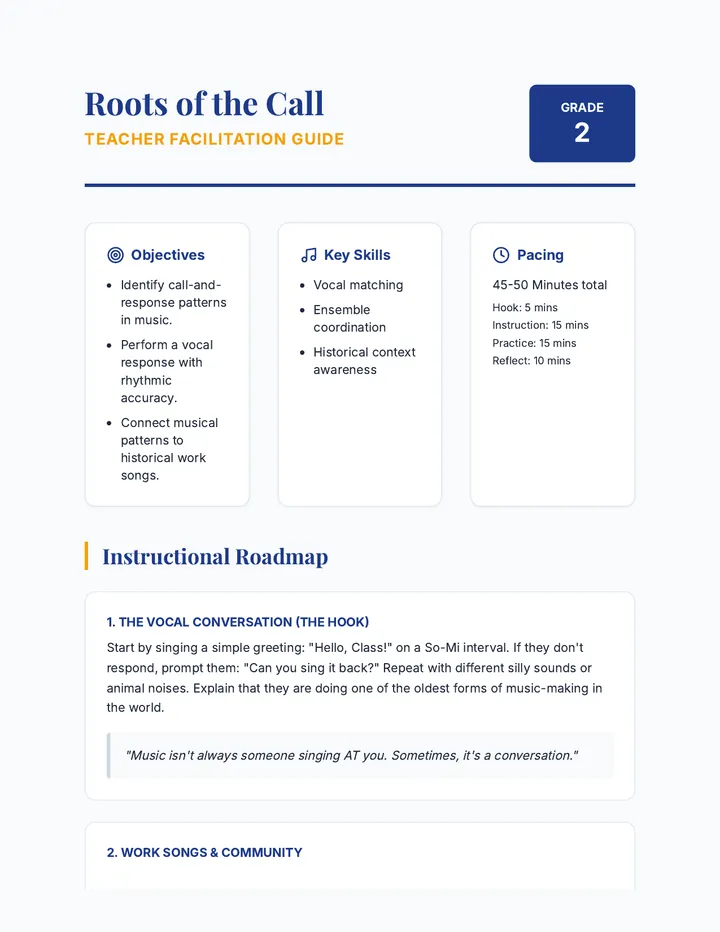
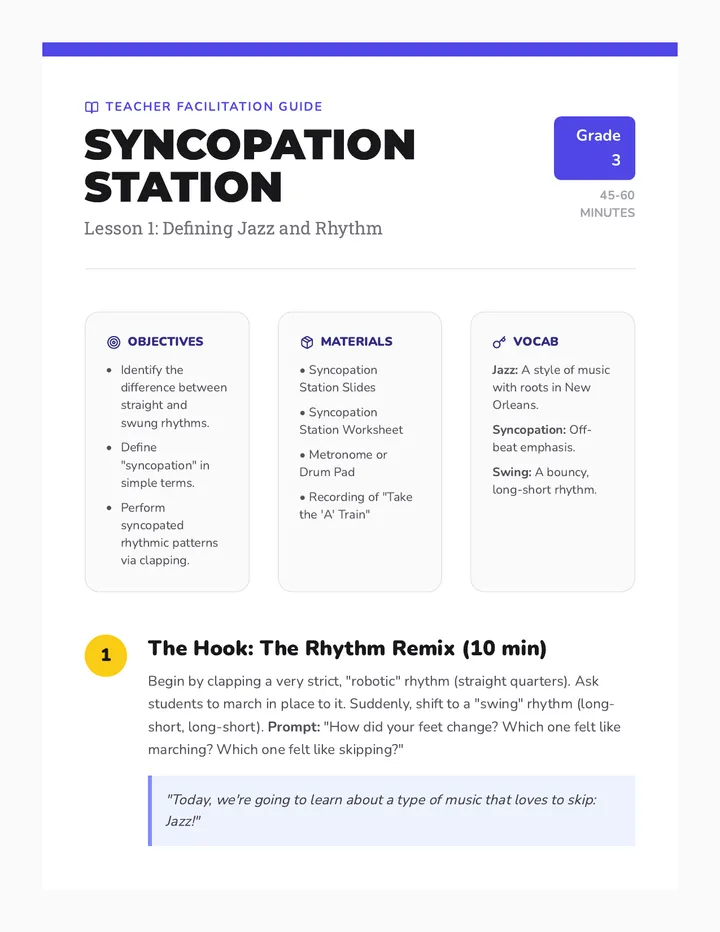
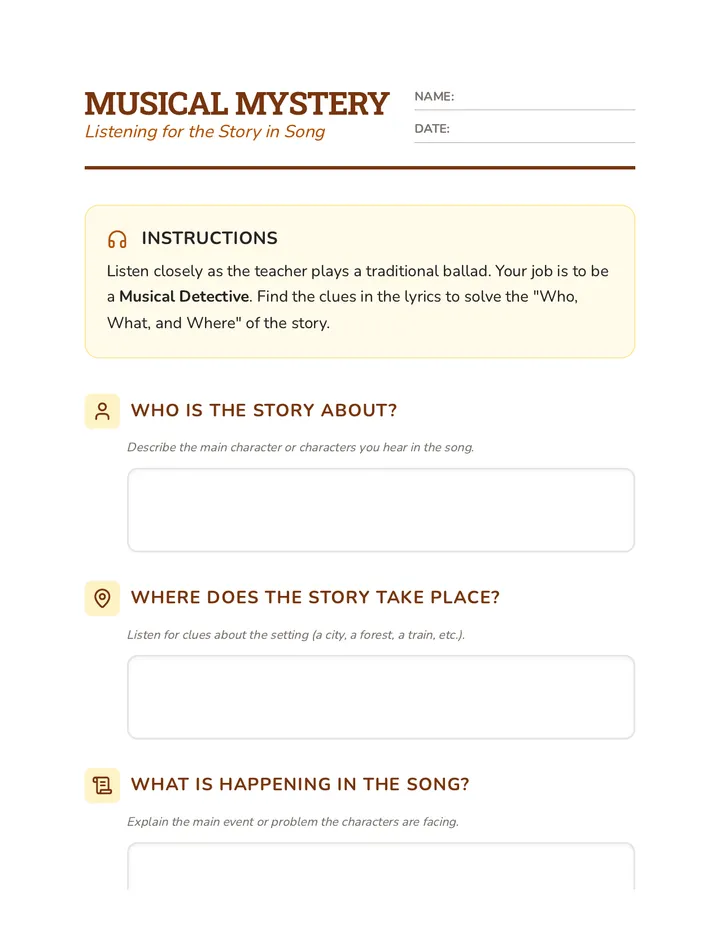
An immersive workshop-style sequence for 2nd graders exploring the roots of Jazz, Blues, and Folk music through call-and-response, syncopation, and improvisation. Students trace American musical history from work songs to the Swing era through active music-making.
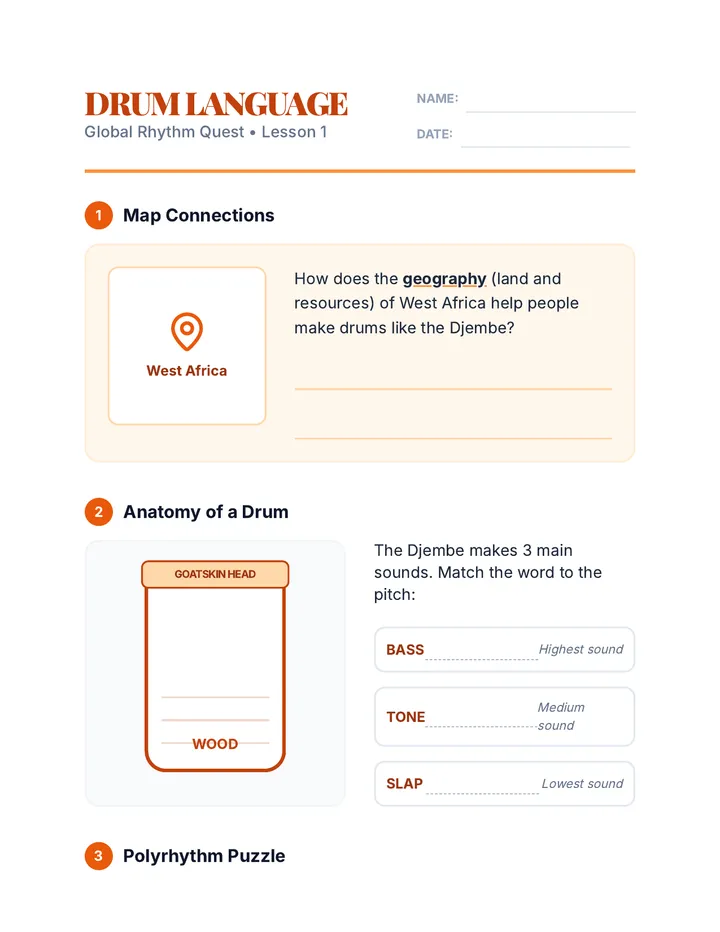
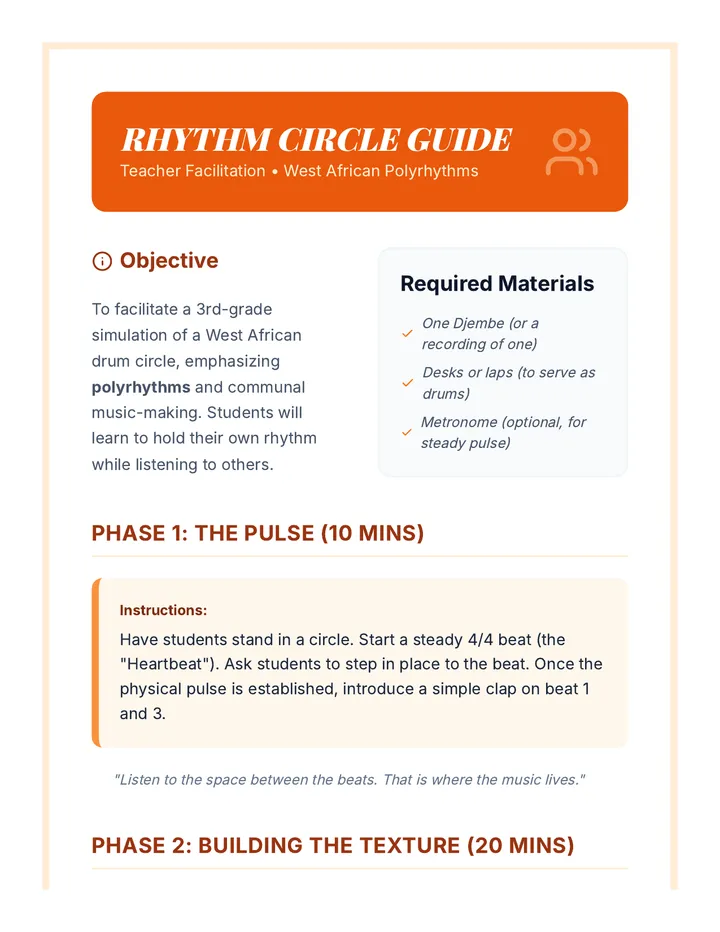
A 5-lesson sequence for 3rd graders exploring the music and instruments of West Africa, Asia, the Andes, and North America, focusing on how geography and culture shape sound.
This sequence explores how technology—from the electric guitar to digital software—transformed music from the mid-20th century to today, focusing on genre evolution, song structure, and production.
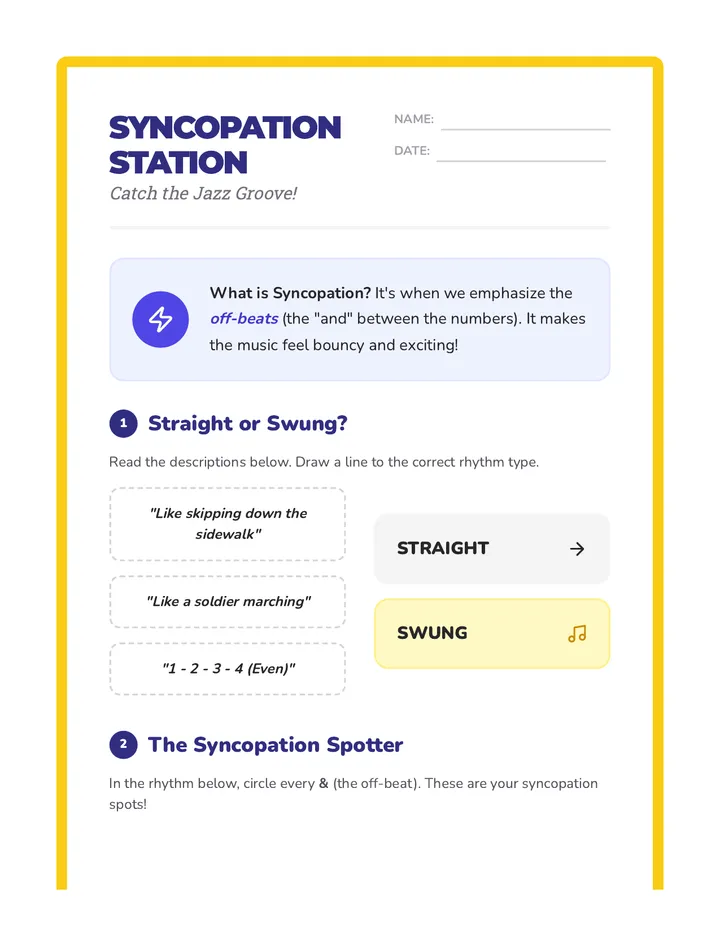
Students explore the world of Jazz through rhythm, syncopation, and improvisation. They'll meet legends like Louis Armstrong and Ella Fitzgerald while learning to find their own musical voice through 'swing' and scat singing.
A 3rd-grade music history and appreciation unit exploring the roots of American folk and blues music, focusing on oral traditions, storytelling, and musical structures like call-and-response and the AAB blues form.
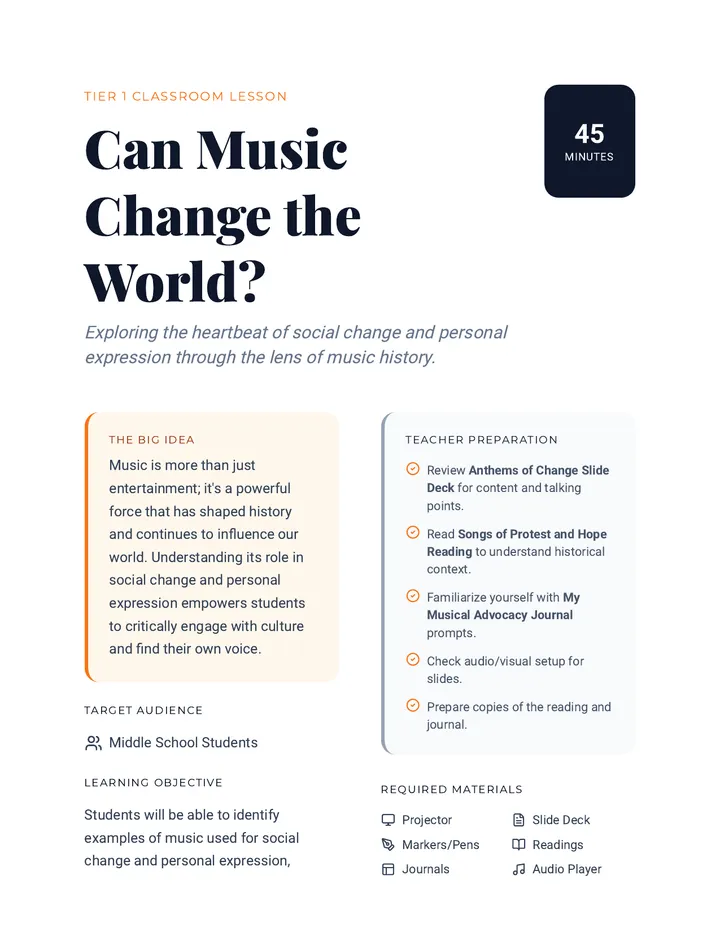
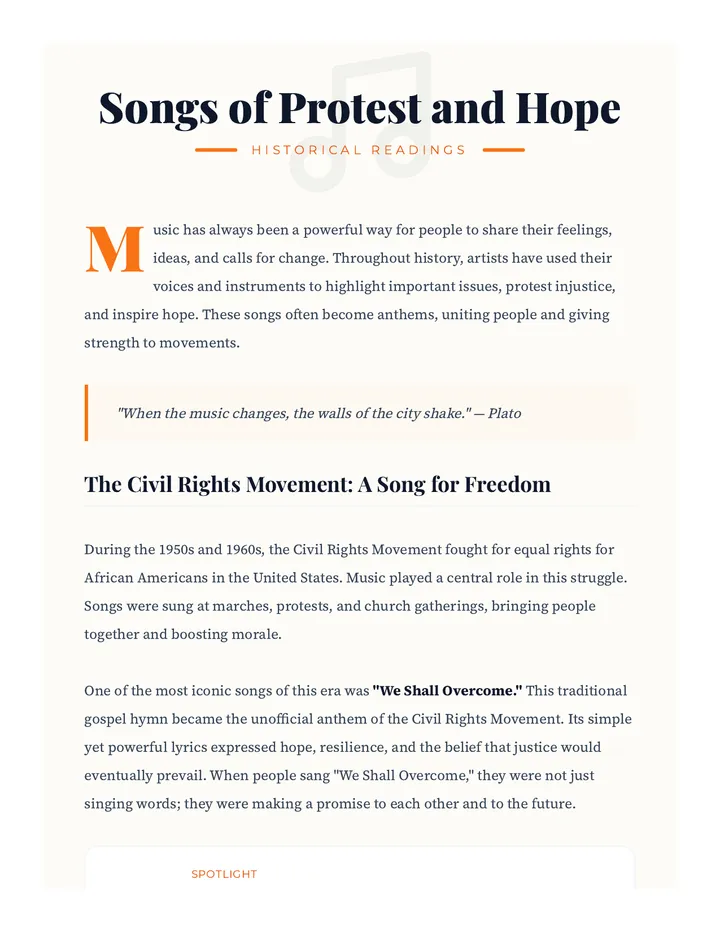
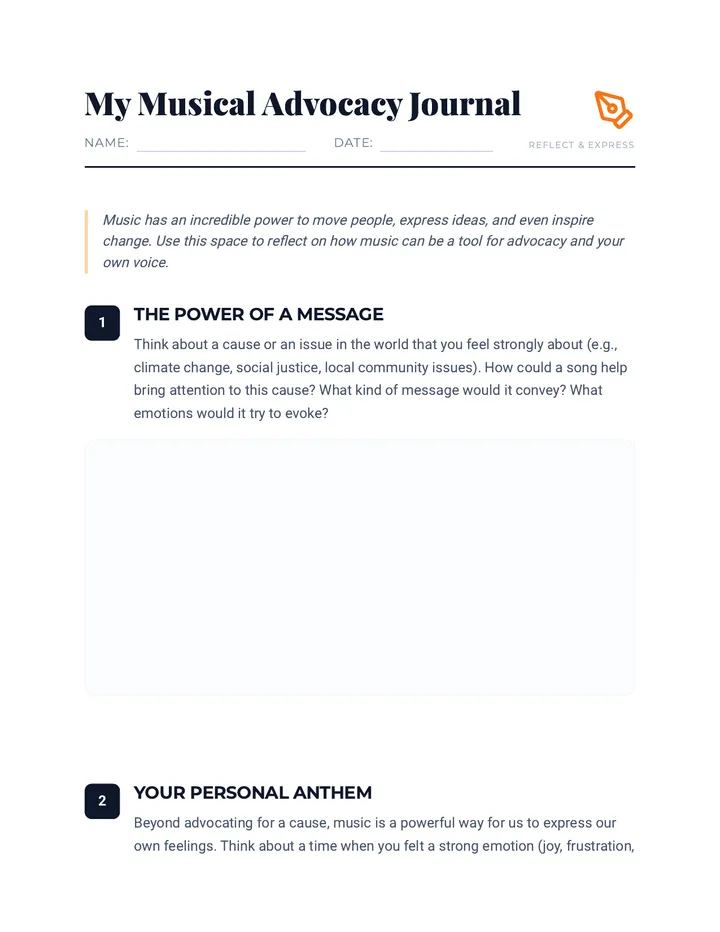
Explore the powerful impact of music as a tool for social change and personal expression throughout history. This lesson encourages middle school students to think critically about music's role beyond entertainment and inspires them to find their own voice through a guided journal activity.
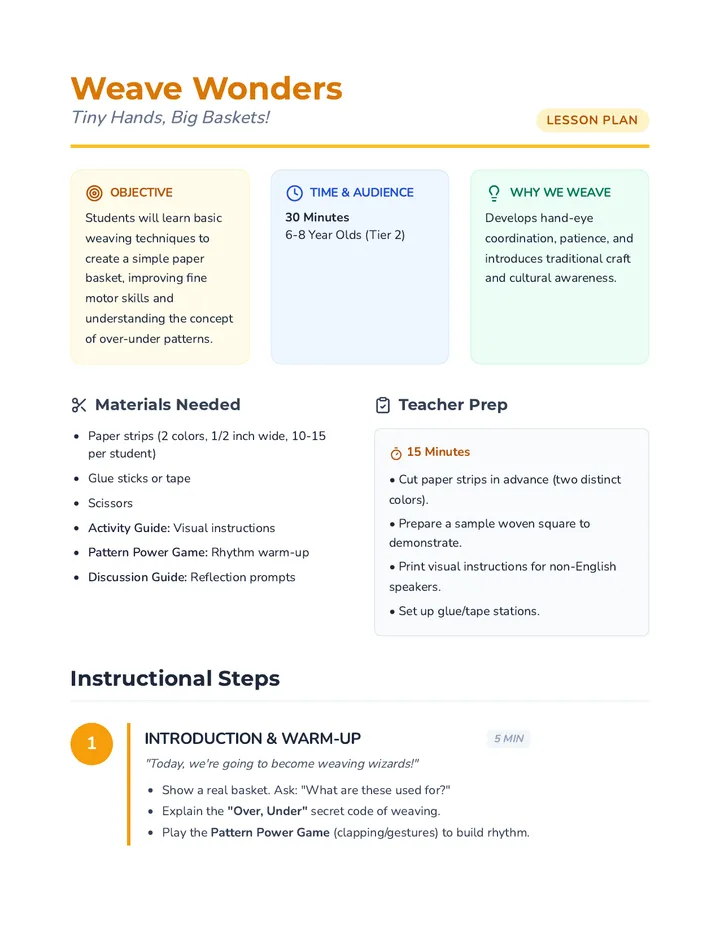
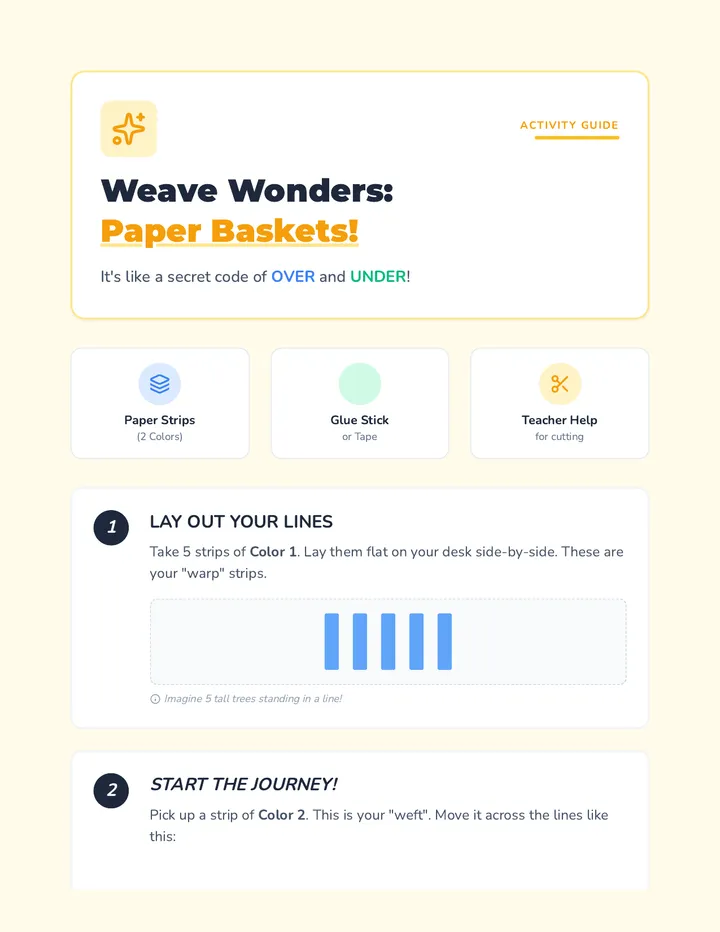
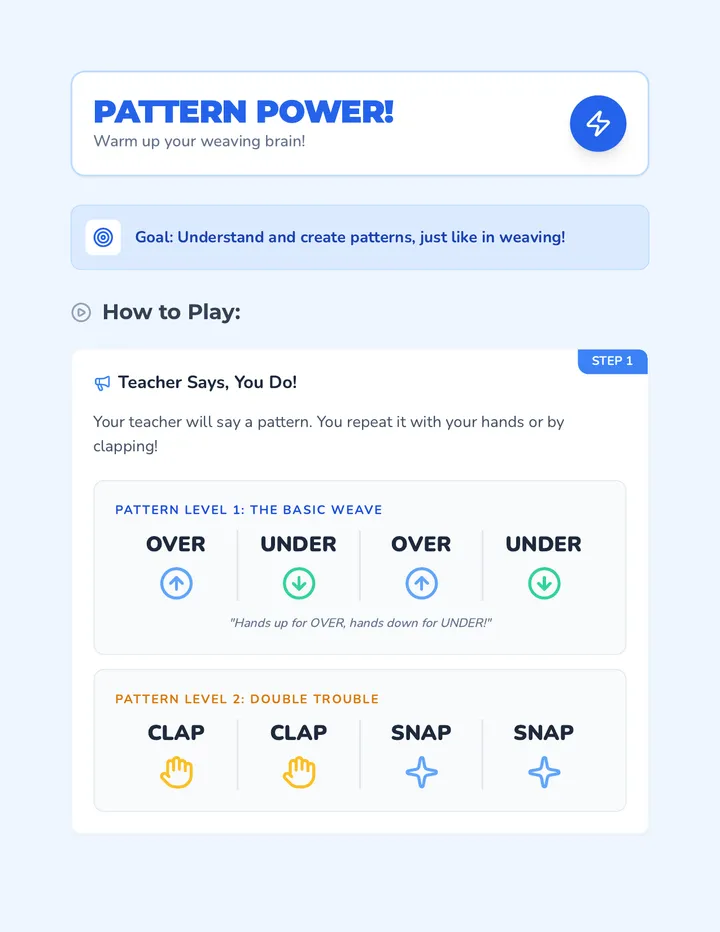
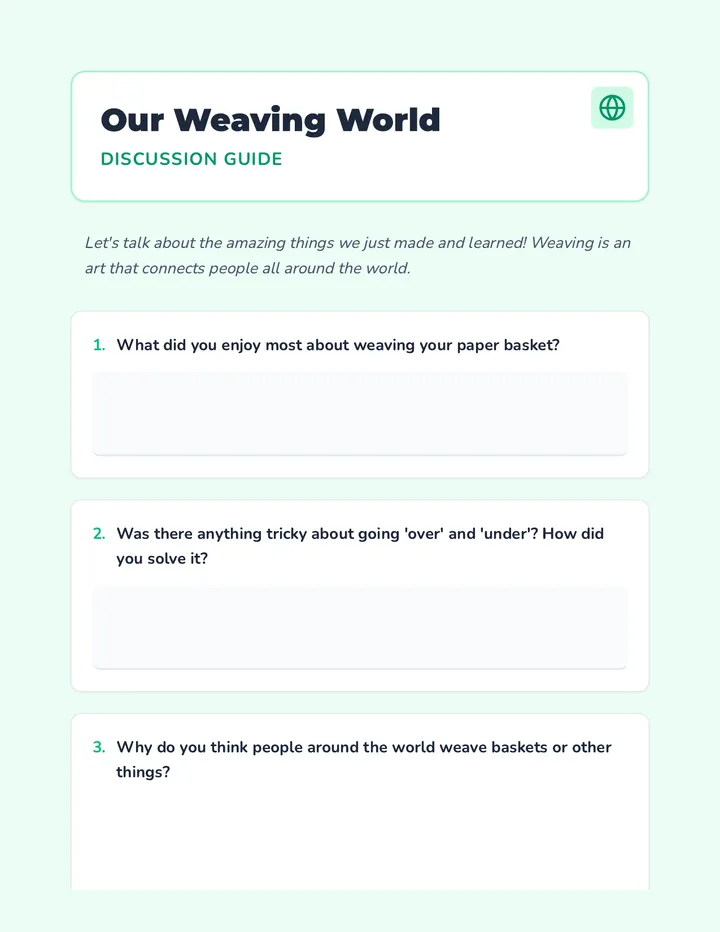
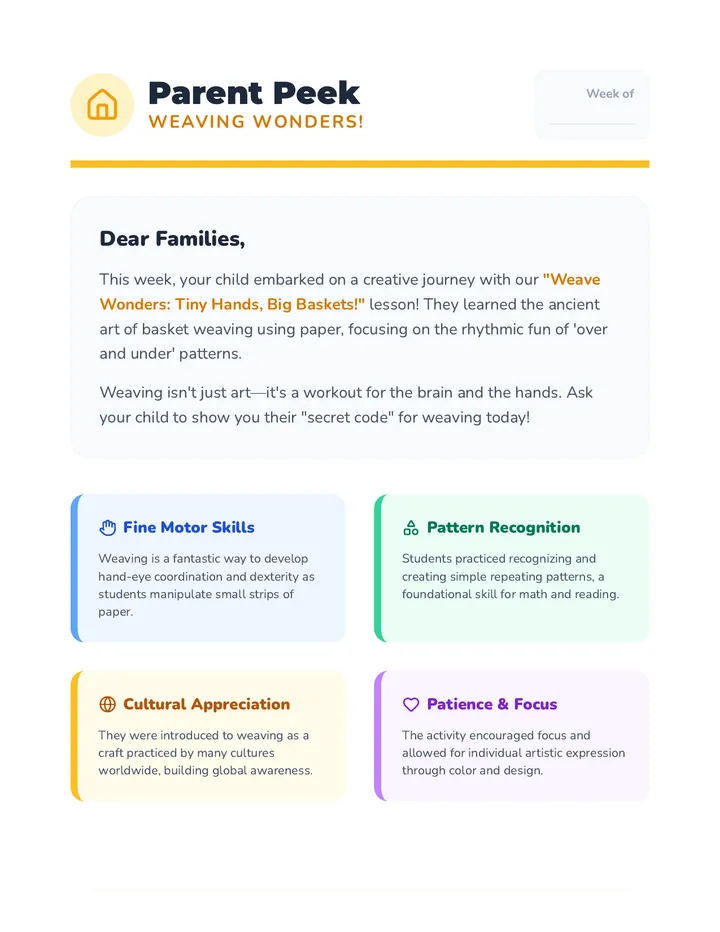
A 30-minute Tier 2 lesson for 6-8 year olds that introduces basic basket weaving through hands-on practice, focusing on fine motor skills, pattern recognition, and cultural appreciation.
A festive Kindergarten lesson where students explore holiday traditions, identify shapes and colors in decorations, and create their own paper holiday trees to develop fine motor skills.
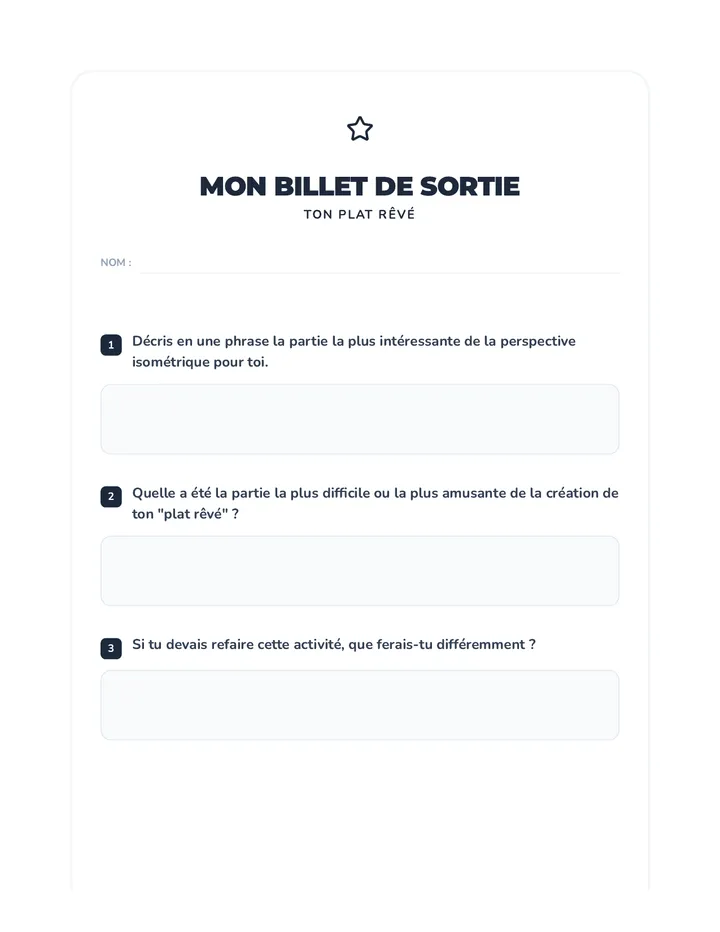
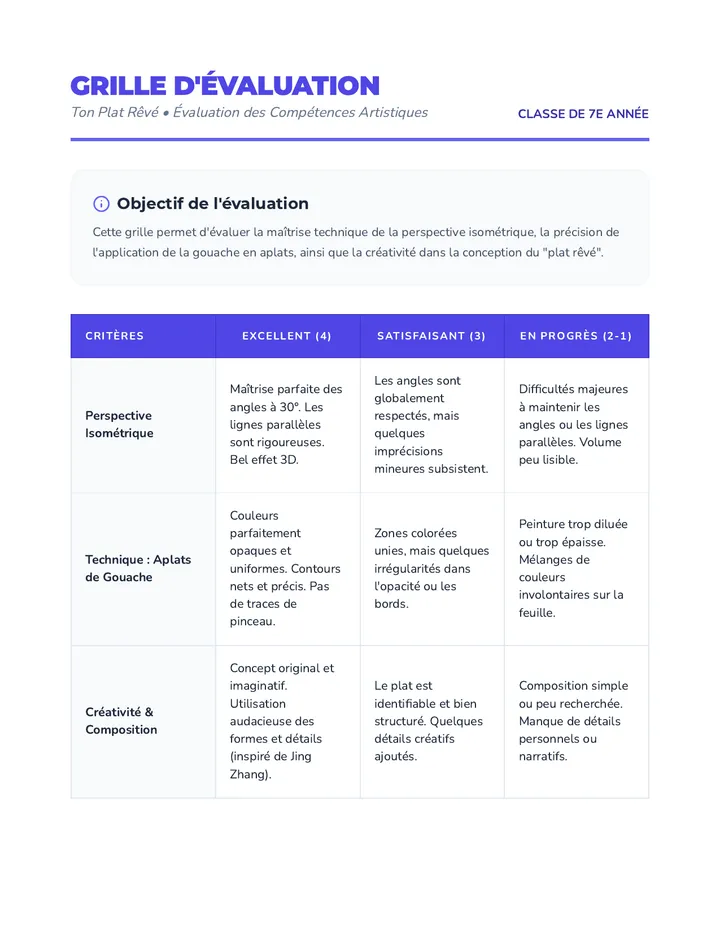
Ce cours de 30 minutes invite les élèves de 7e année à explorer la perspective isométrique et la technique des aplats de gouache en créant une œuvre d'art inspirée de leur 'nourriture rêvée', en lien avec l'exposition 'À Table'.
A vibrant 3rd-grade lesson that introduces students to diverse art careers through discussion, visual exploration, and a creative 'imagine yourself' activity.
This lesson introduces 5th-grade students to influential Hispanic artists and their contributions to culture, fostering an appreciation for 'Collective Heritage: Honoring the Past, Inspiring the Future.' Students explore different Hispanic cultures through art and begin a creative project.
This 30-minute lesson introduces 5th-grade students to influential Hispanic artists and icons, exploring how their work reflects a collective heritage and connects the past to the future. Students will explore artists like Frida Kahlo and Fernando Botero before beginning a creative project plan.
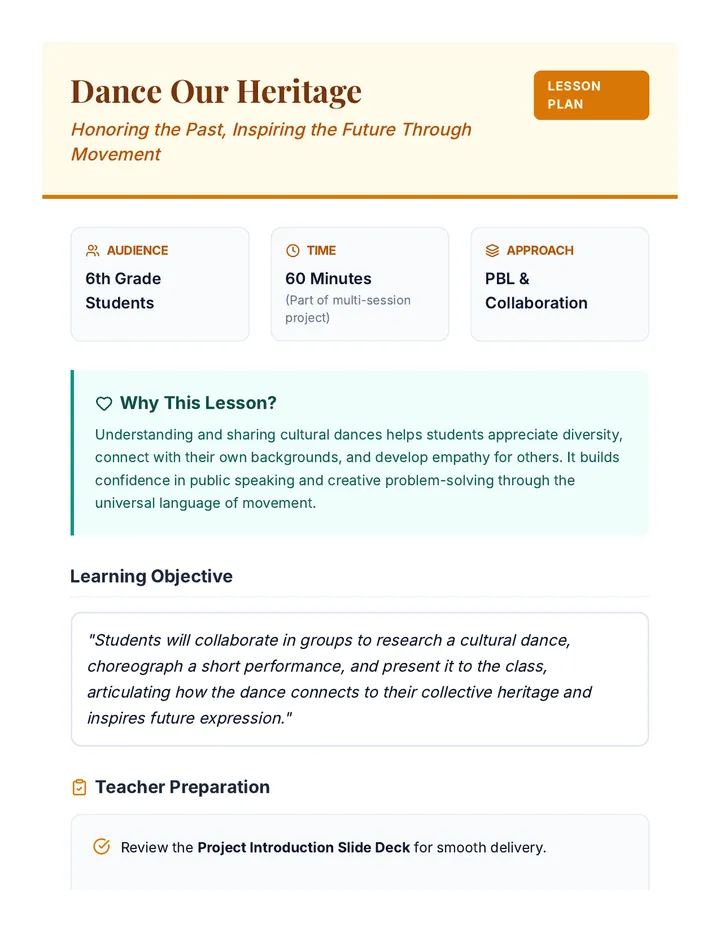
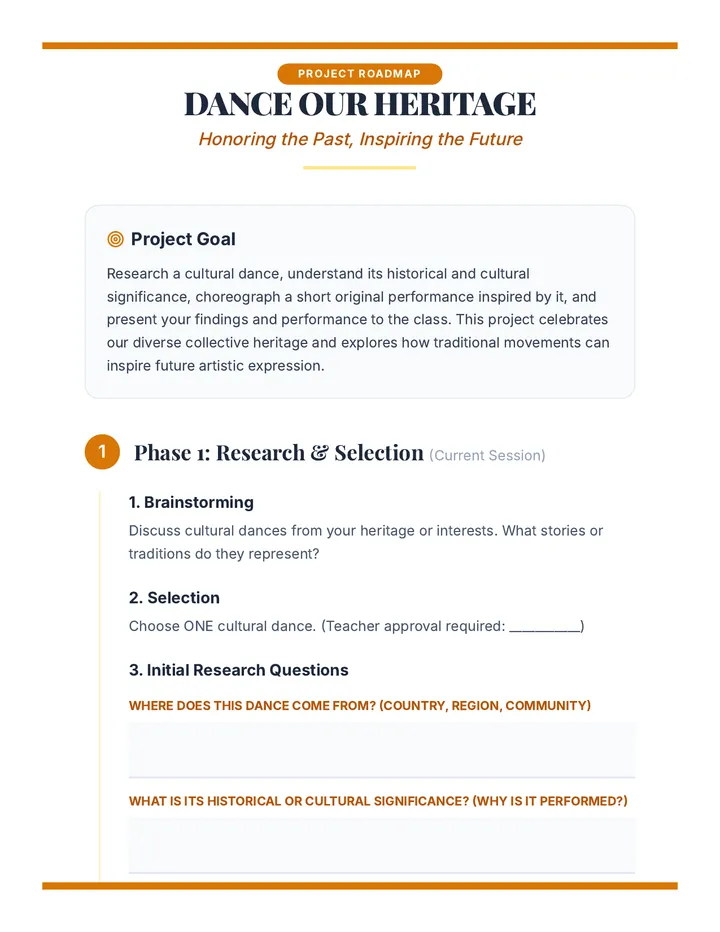
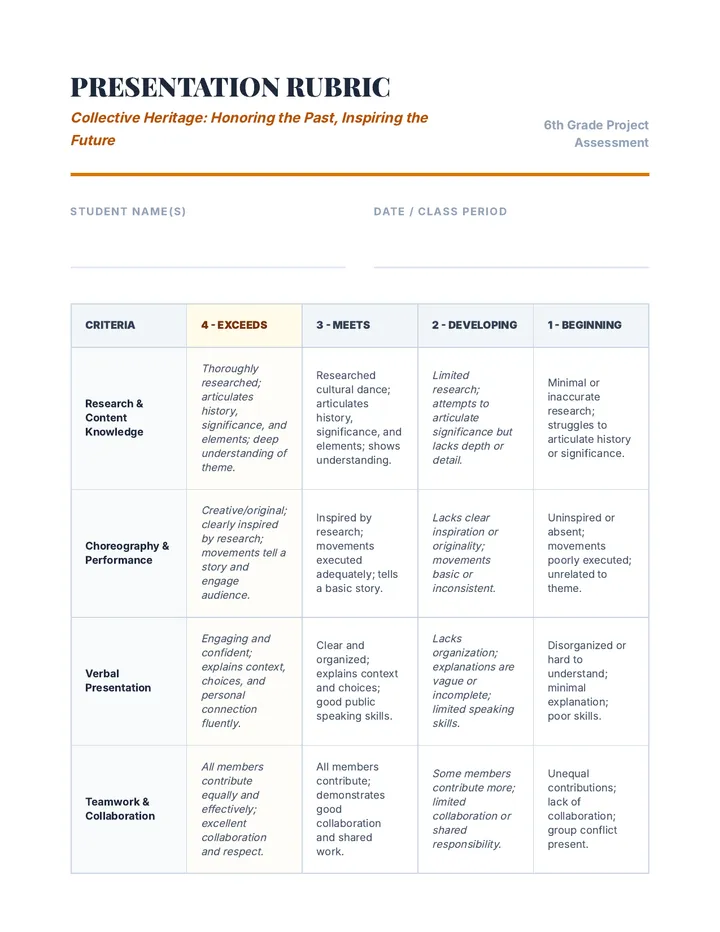
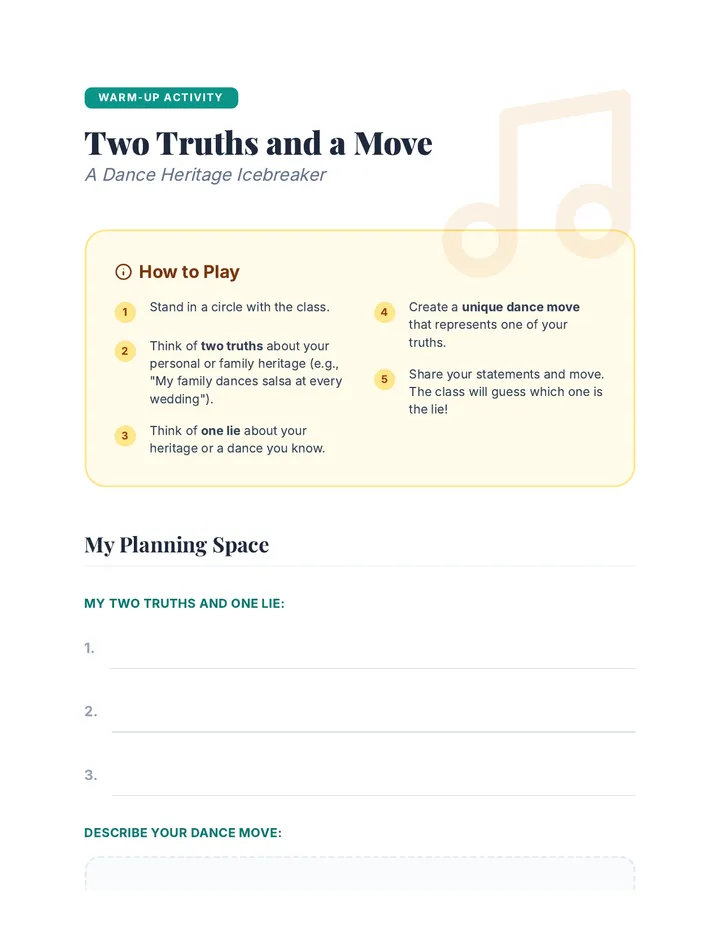
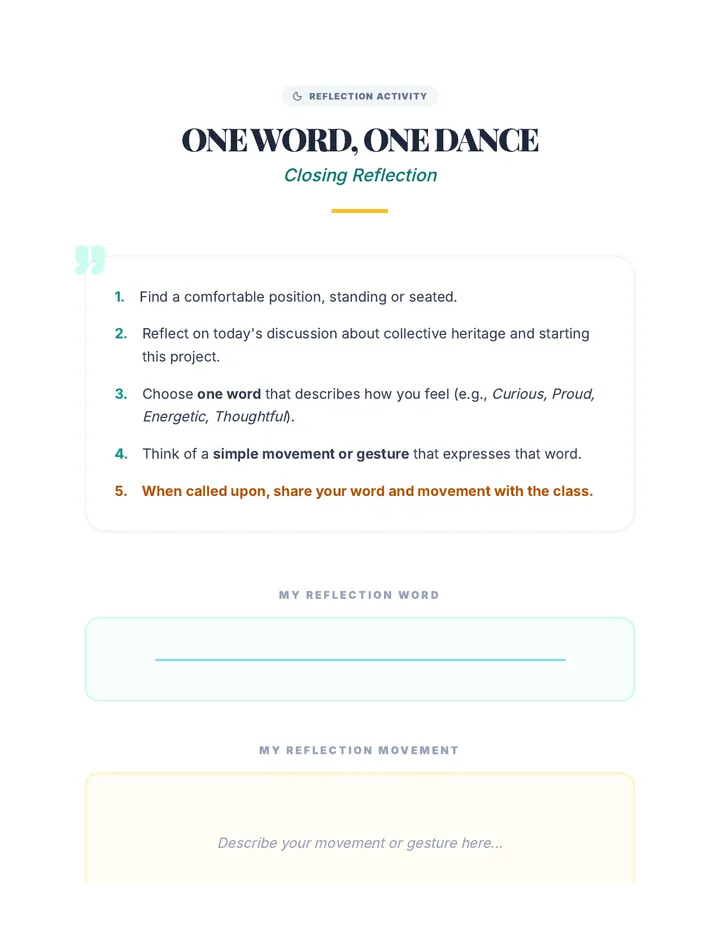
Students will work in groups to research a cultural dance, choreograph a performance, and present it to the class, connecting with their roots and envisioning a future inspired by tradition. This 60-minute lesson launches a multi-session project focused on teamwork, research, and creative expression.
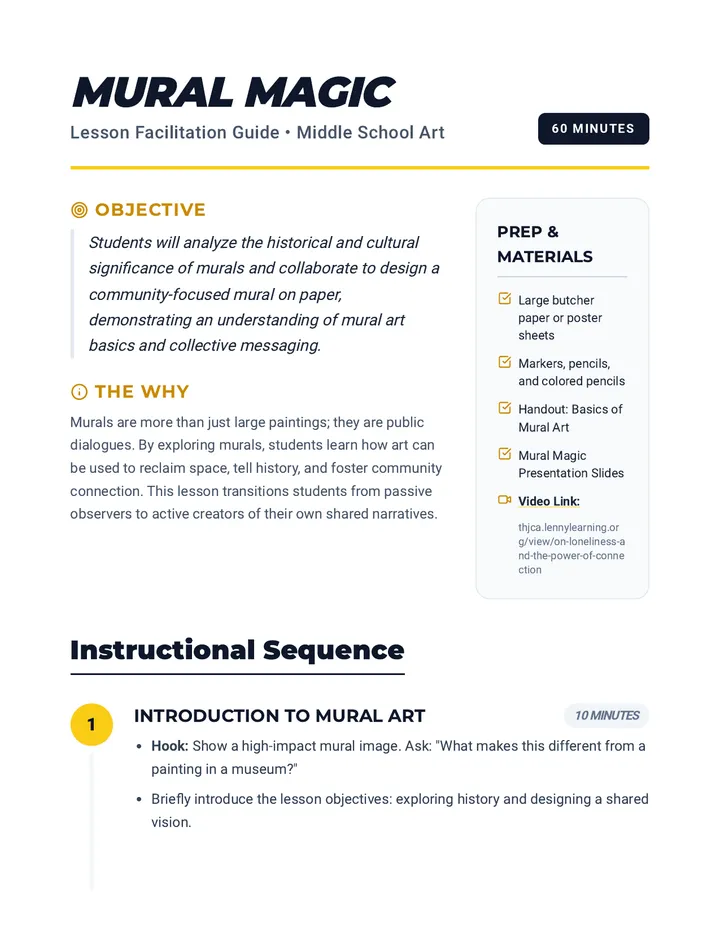
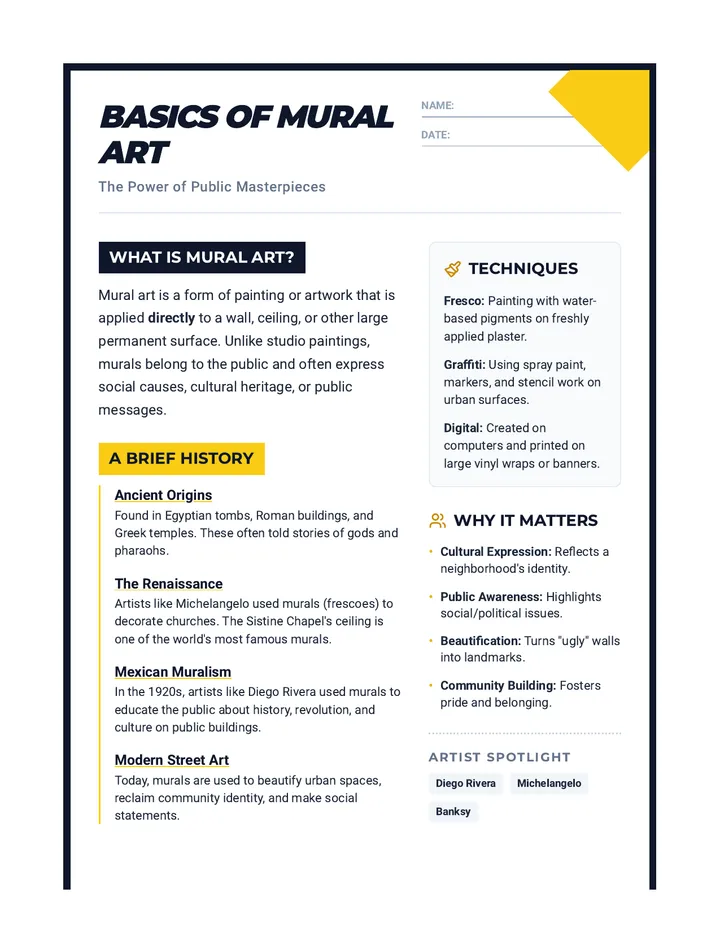
Students explore the history and cultural significance of mural art before collaborating to design their own community-themed mural.
A hands-on lesson where students learn the art of papermaking using recycled materials, combining environmental science with creative crafting.
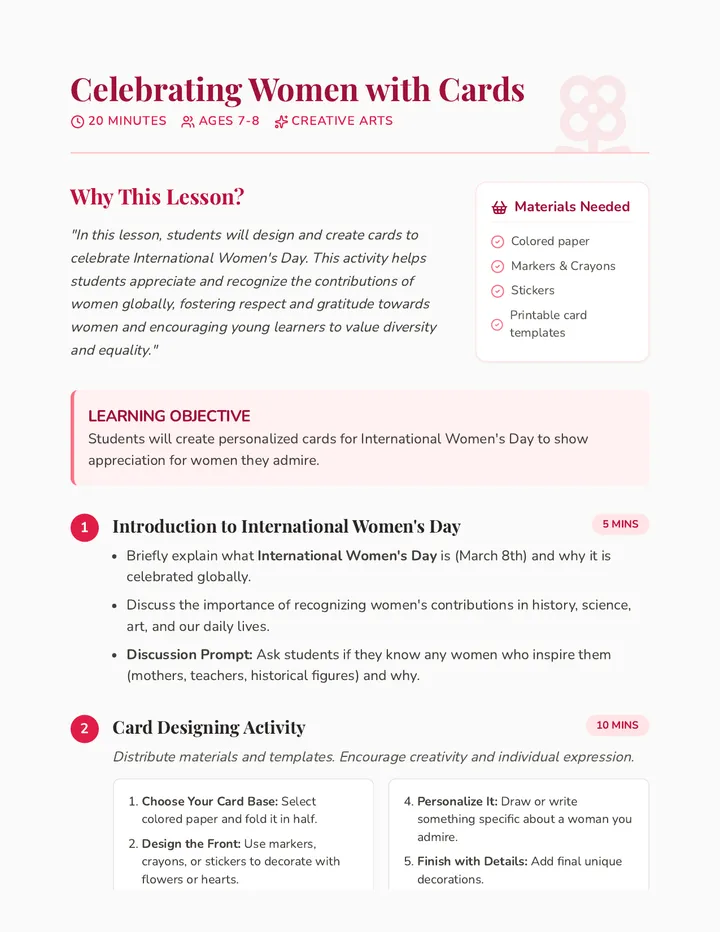
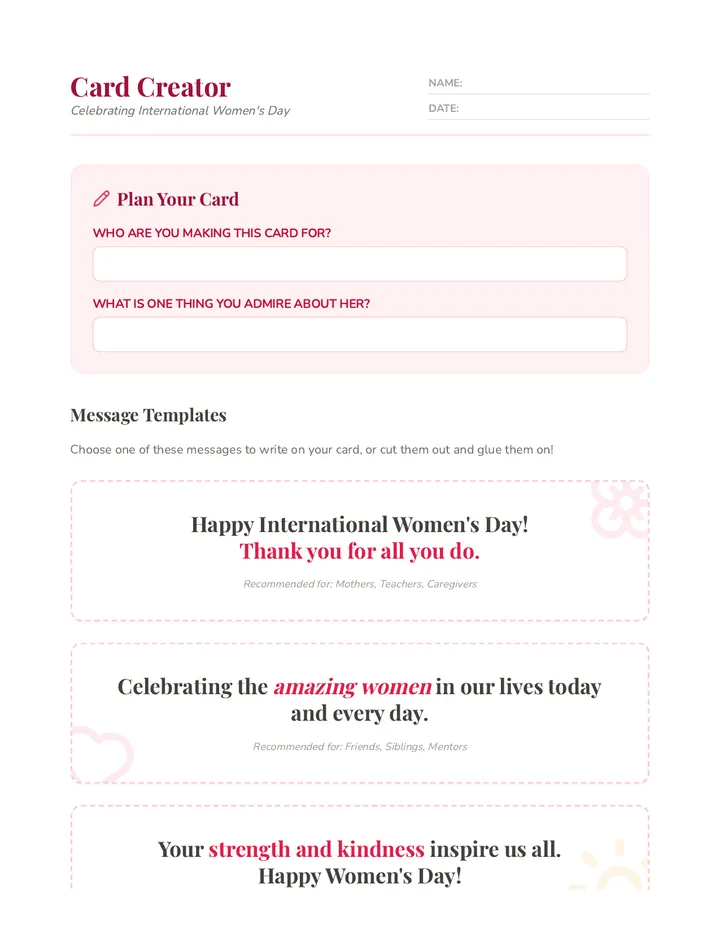
A lesson where students design and create cards to celebrate International Women's Day, fostering respect and gratitude towards women's contributions globally.
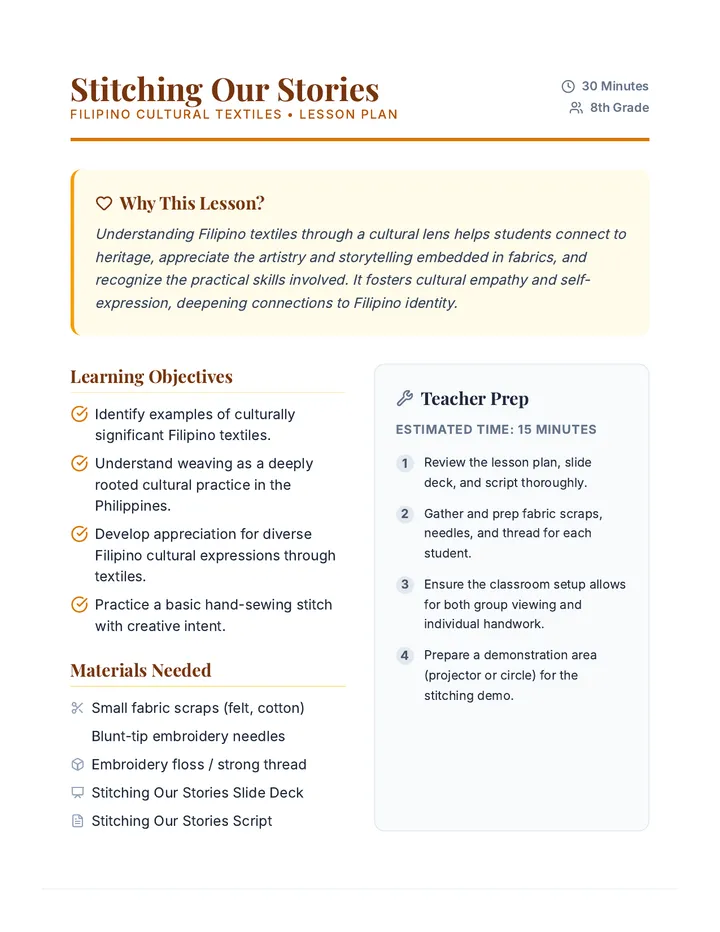
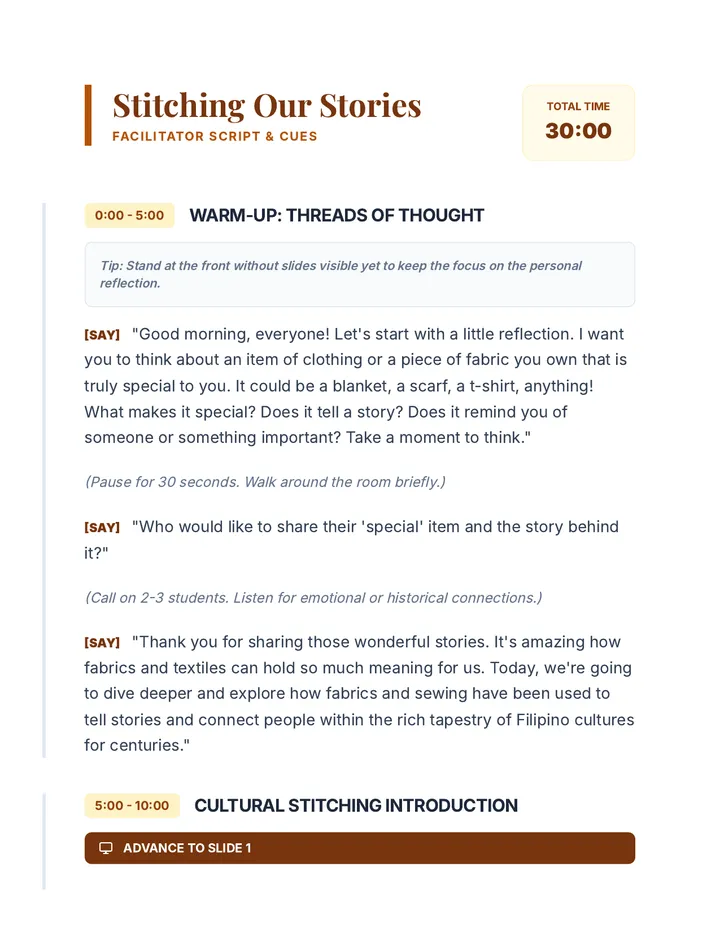
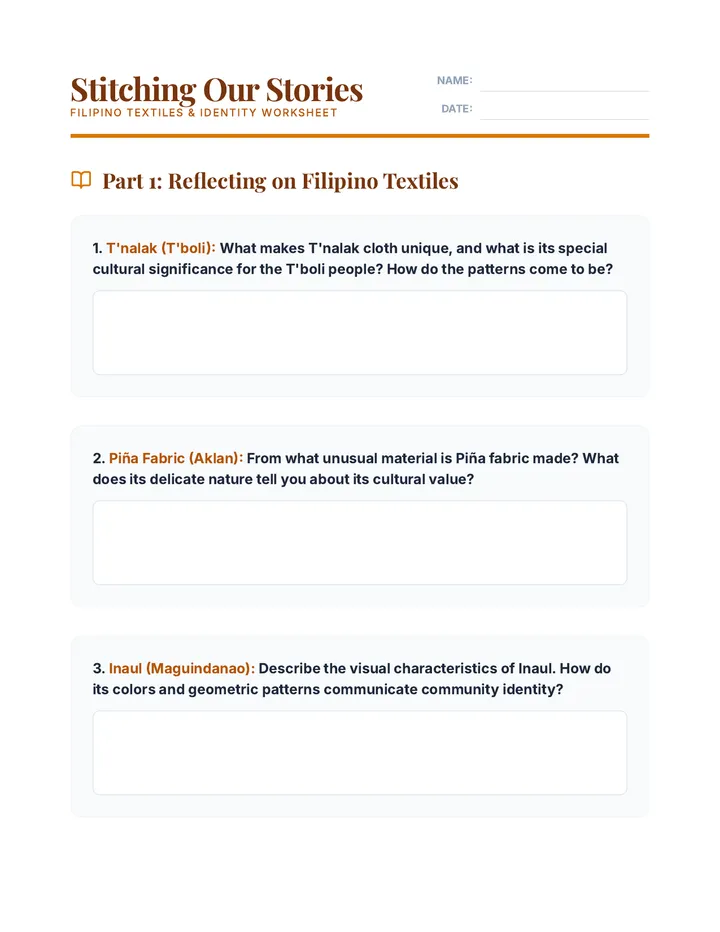
This culturally responsive lesson explores the rich history and cultural significance of various Filipino textiles, connecting diverse weaving traditions to personal identity through a hands-on stitching activity.