This sequence explores how technology—from the electric guitar to digital software—transformed music from the mid-20th century to today, focusing on genre evolution, song structure, and production.
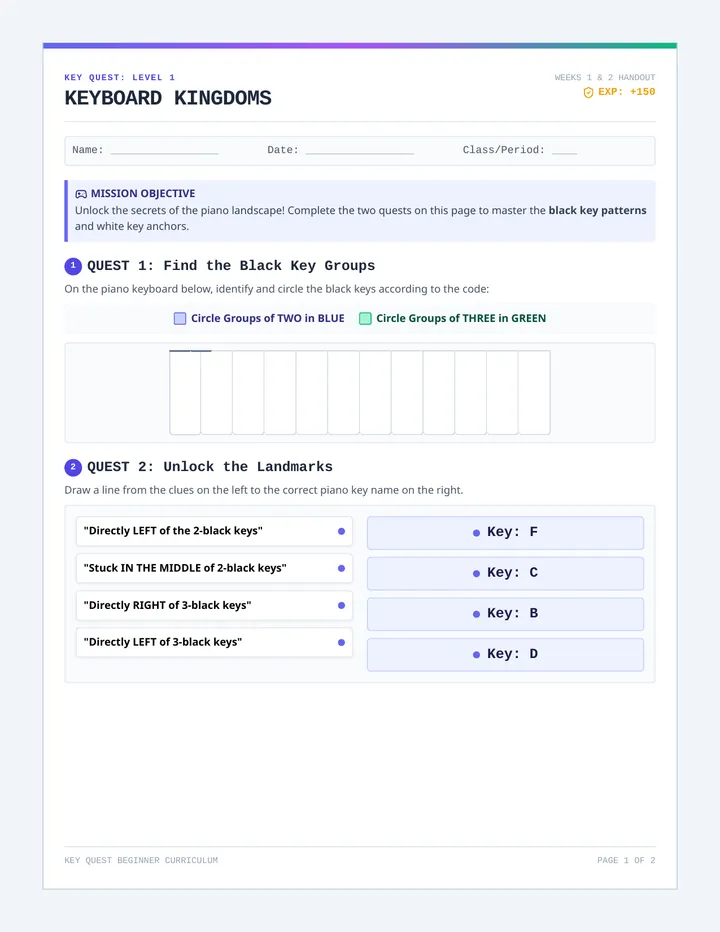
An immersive 8-week introduction to the piano for absolute beginner middle schoolers. Students master keyboard geography, notation, rhythms, and basic performance skills through gamified lessons and hands-on practice.
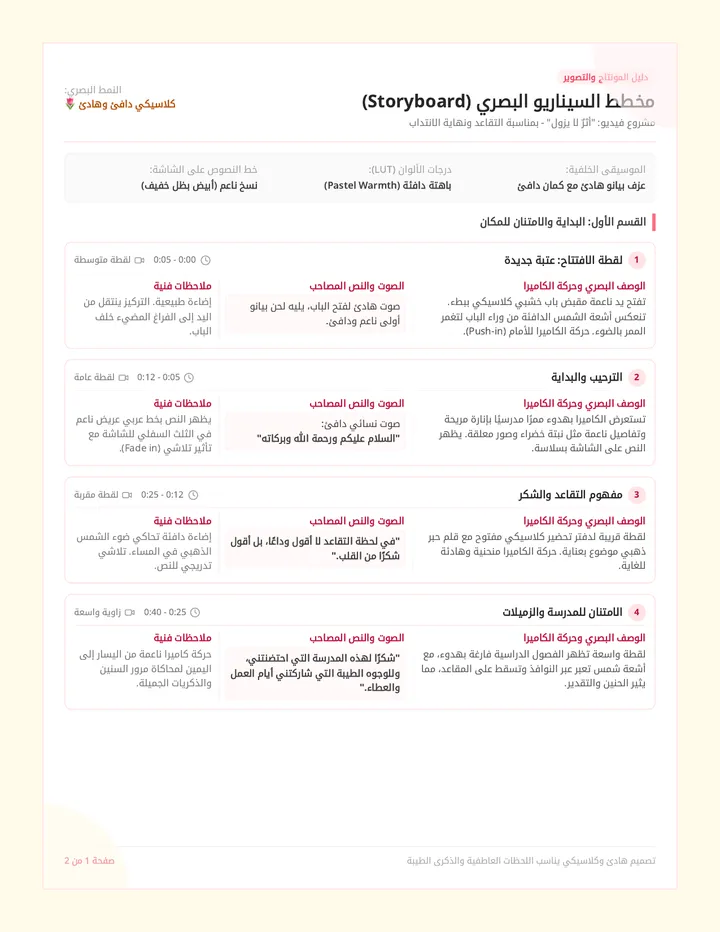
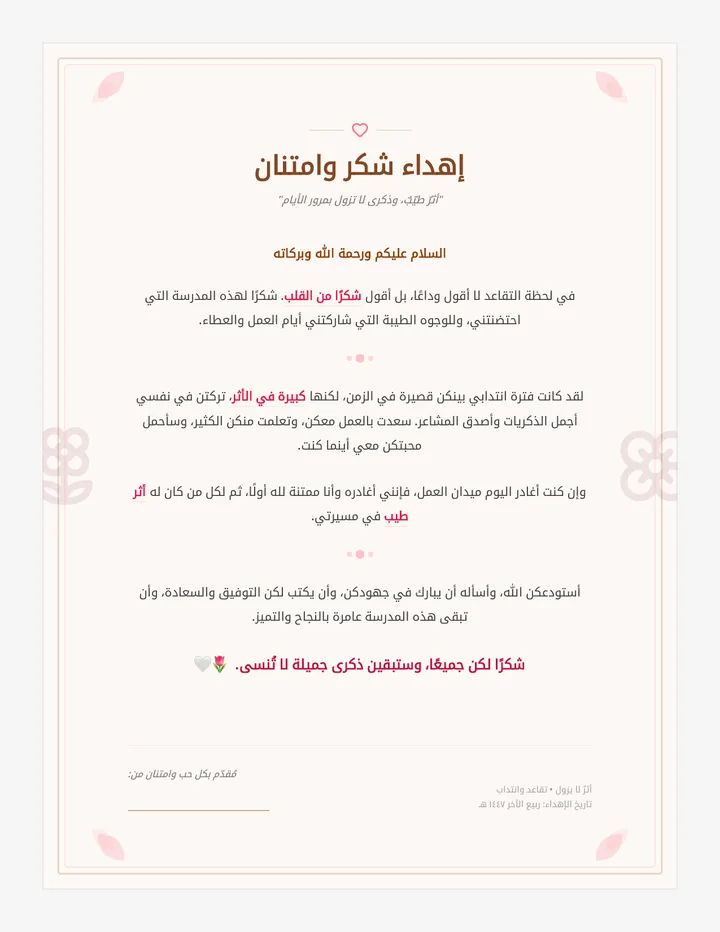
مجموعة مواد تذكارية وتخطيطية لمناسبة التقاعد والانتداب، تشمل مخطط سيناريو بصري لإنتاج فيديو وداع وبطاقة إهداء رقمية دافئة تحتوي على كلمات شكر معبرة.
بطاقة إهداء رقمية كلاسيكية ناعمة ممتدة تحتوي على النص الكامل لرسالة شكر وتقدير بمناسبة التقاعد ونهاية الانتداب، مصممة بألوان هادئة ونقوش رقيقة من الورود للتعبير الصادق عن الامتنان.
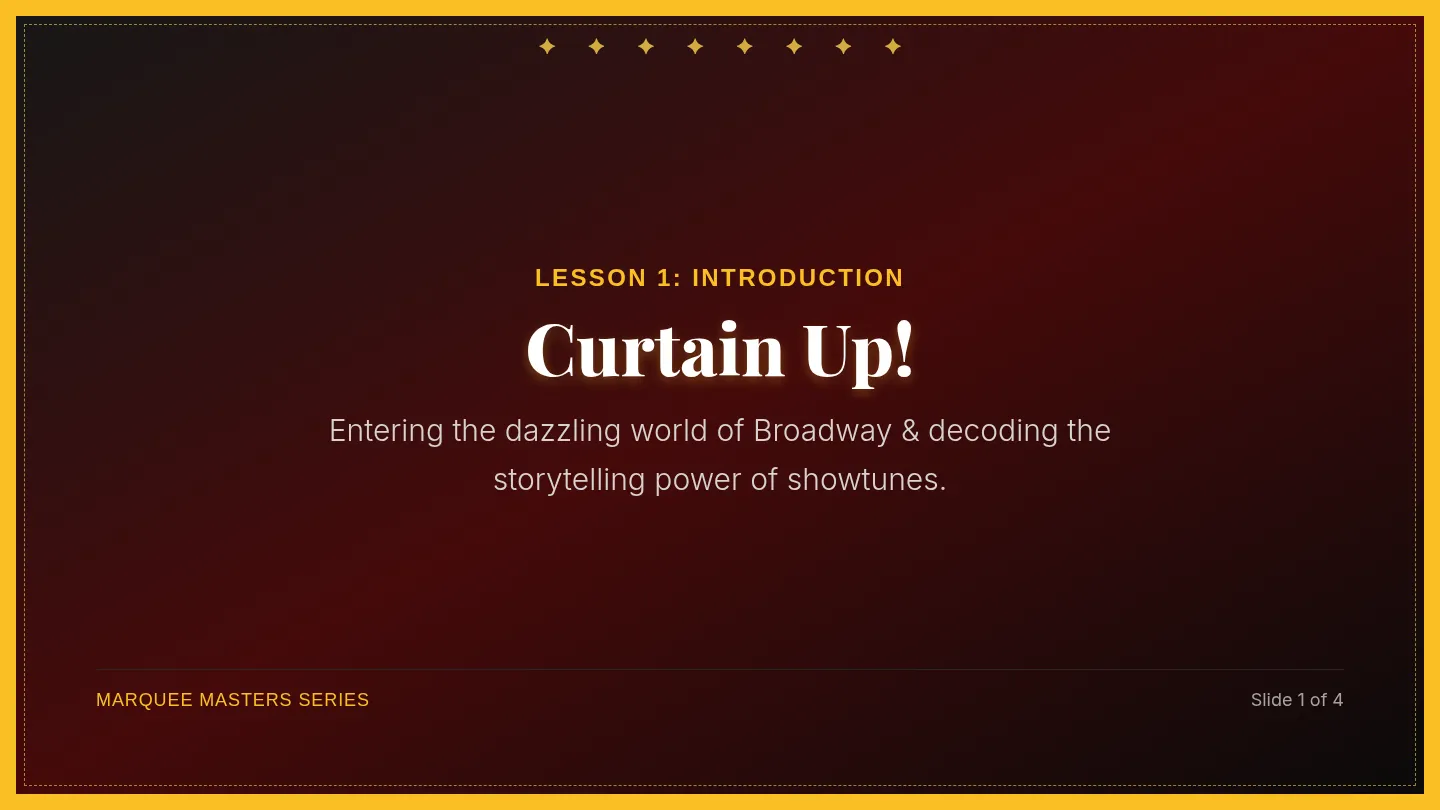
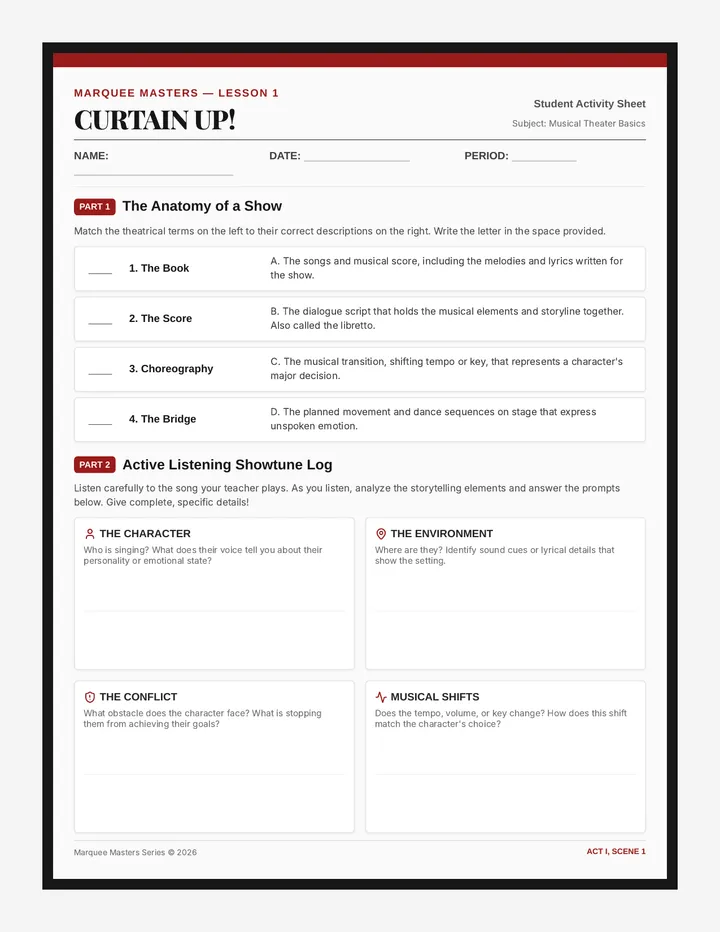
An immersive 8-lesson musical theater sequence for middle school students exploring the history, character motivations, and performance techniques of Broadway showtunes. Students analyze historical eras, dissect character lyrics, and develop basic stage performance skills.
A creative and inclusive card-making lesson that allows students to design personalized cards for Father's Day or any special adult in their lives, promoting emotional expression and writing skills.
مخطط سيناريو بصري (Storyboard) مفصل باللغة العربية لتخطيط وإنتاج فيديو التقاعد والانتداب. يحتوي على تفاصيل حركة الكاميرا، واللقطات البصرية، والنصوص المصاحبة بطريقة فنية دافئة تسهل عملية المونتاج.
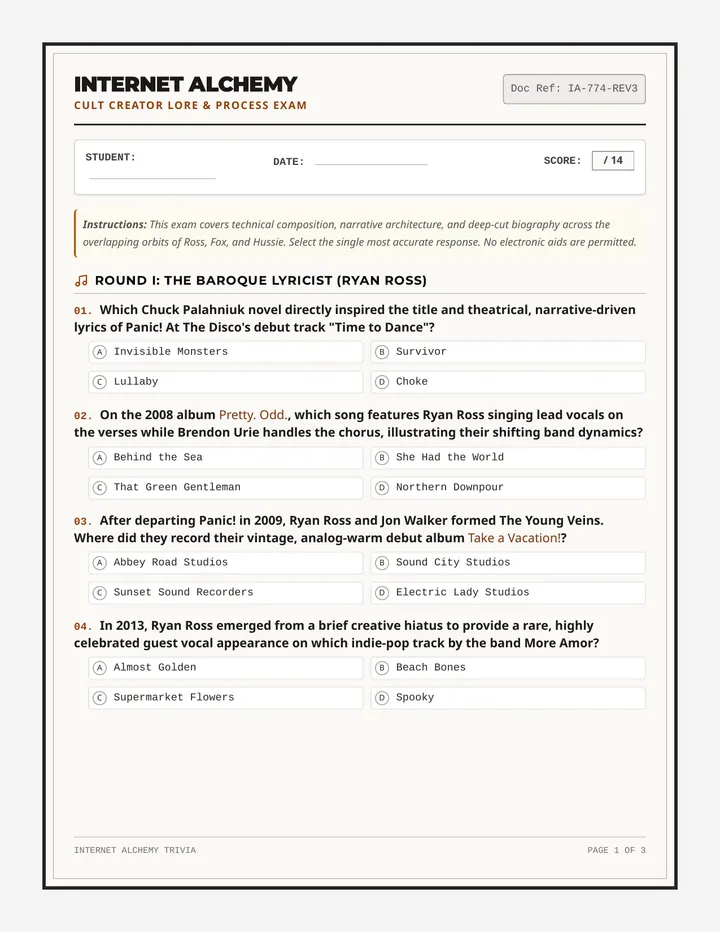
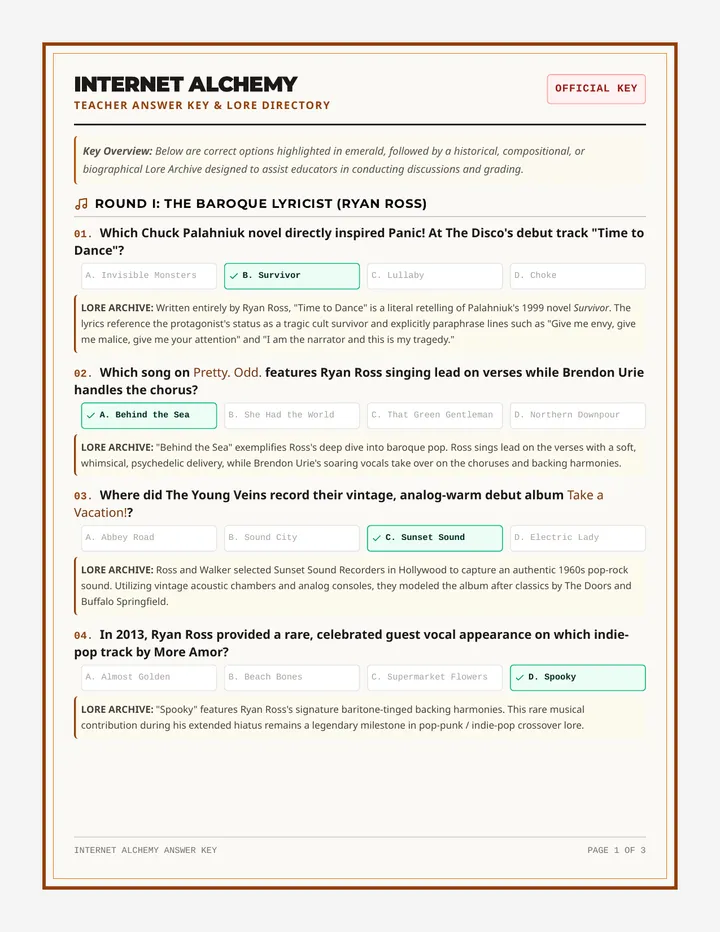
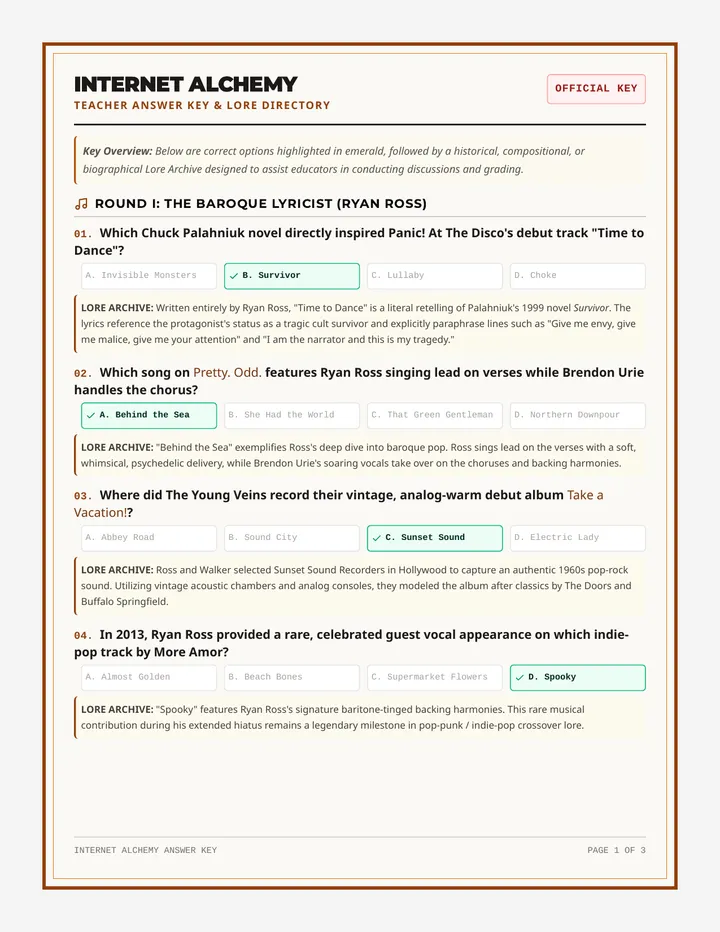
An elite curriculum analyzing cult internet masterpieces, media cross-pollination, and experimental digital narratives from the 2000s and 2010s.
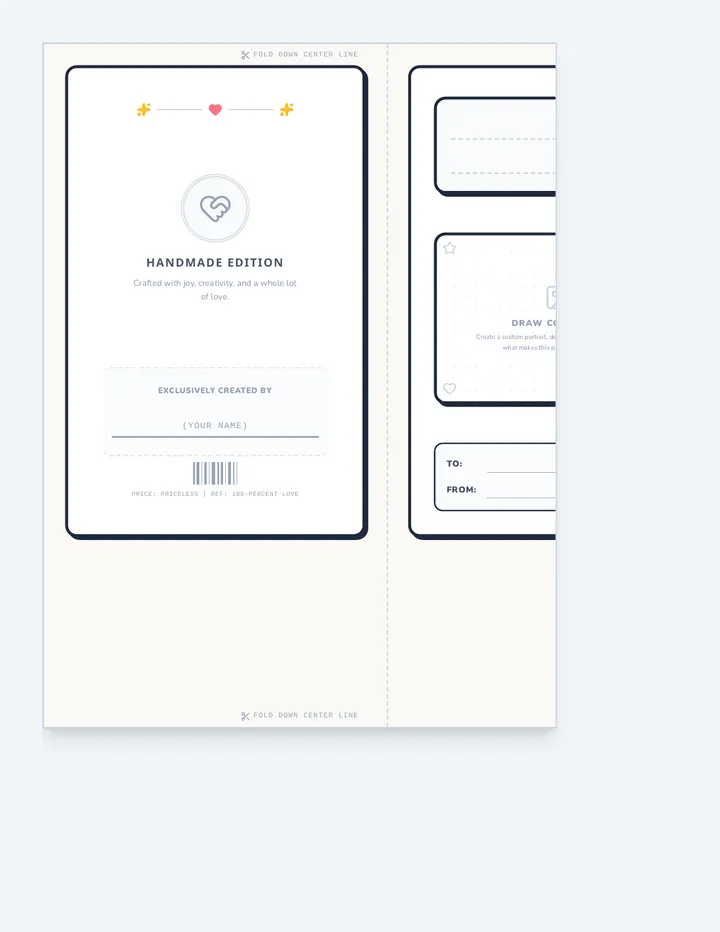
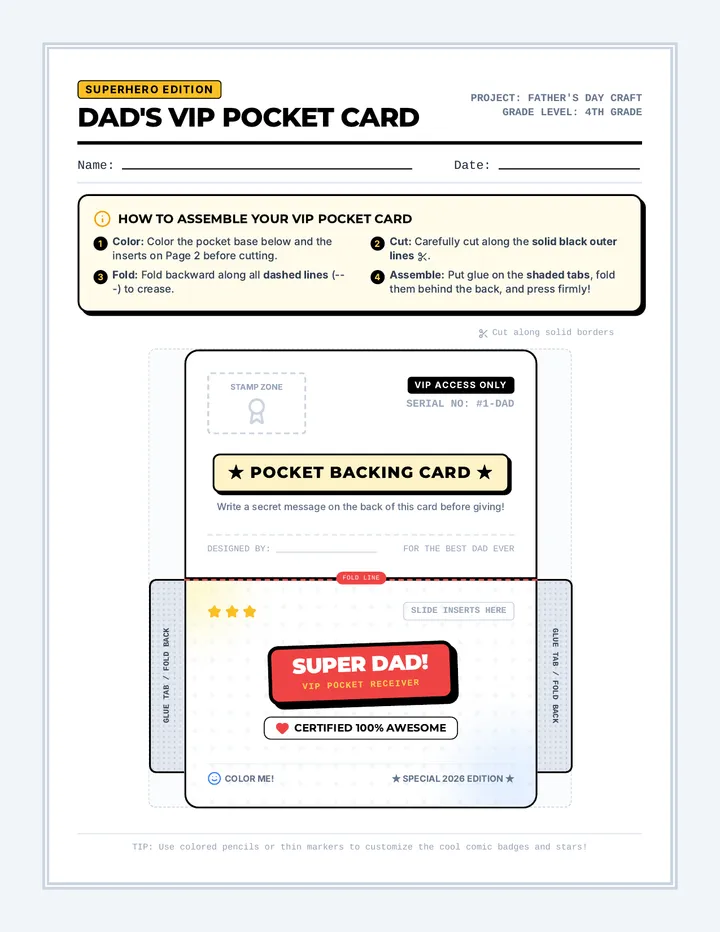
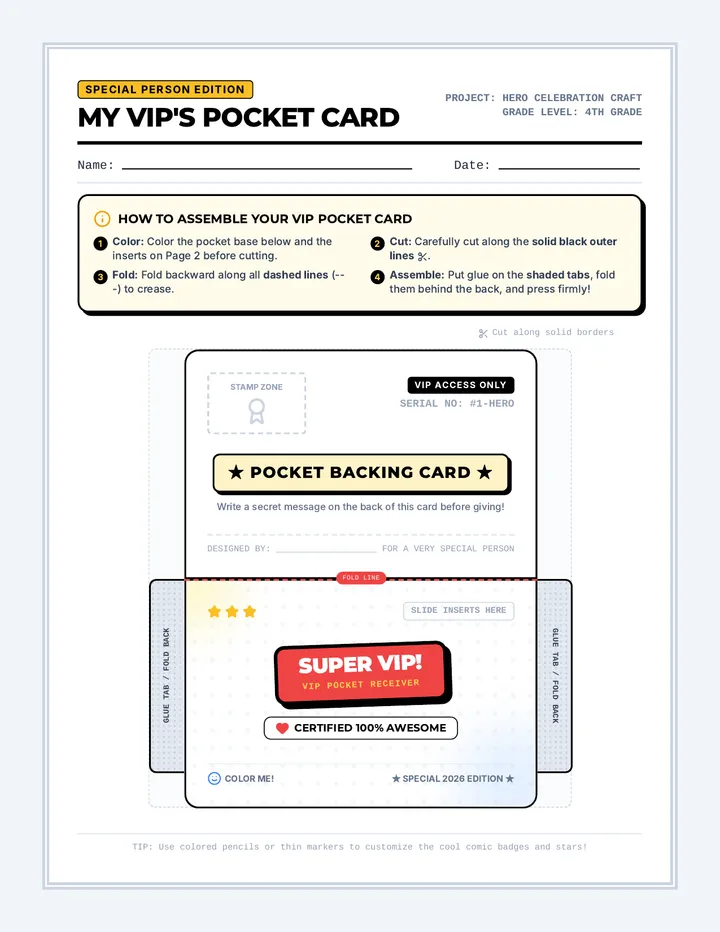
An interactive, foldable pocket card craft for fourth graders to celebrate Father's Day or honor a special person in their lives. Includes custom-designed templates for pockets, interactive insert cards, and custom coupons.
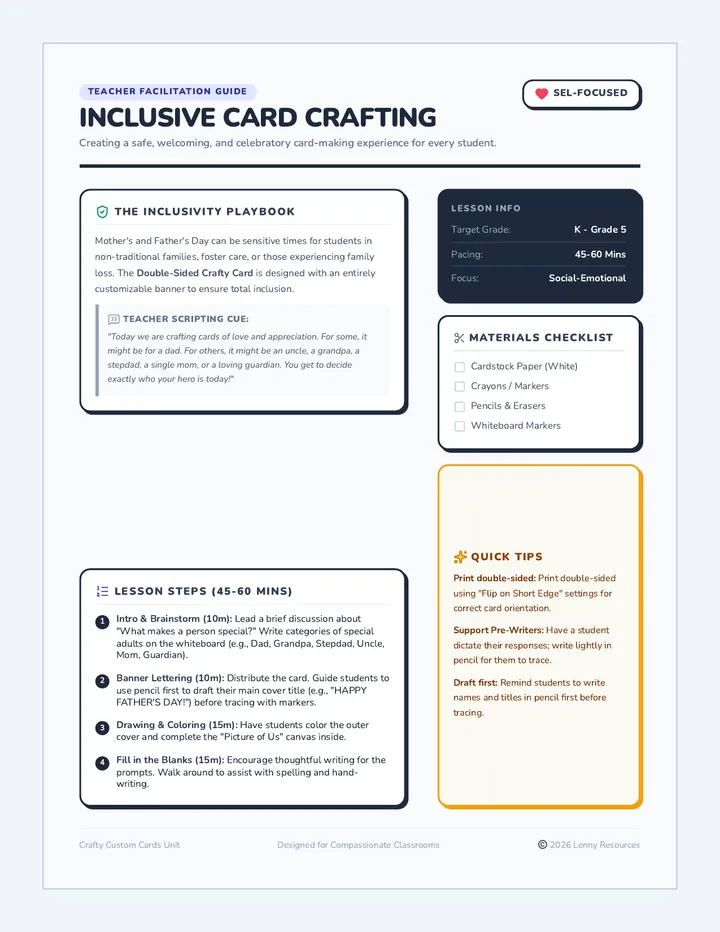
A comprehensive facilitator guide for educators to deliver an inclusive Father's Day or appreciation card crafting lesson, featuring language scripts, step-by-step instructions, and social-emotional learning notes.
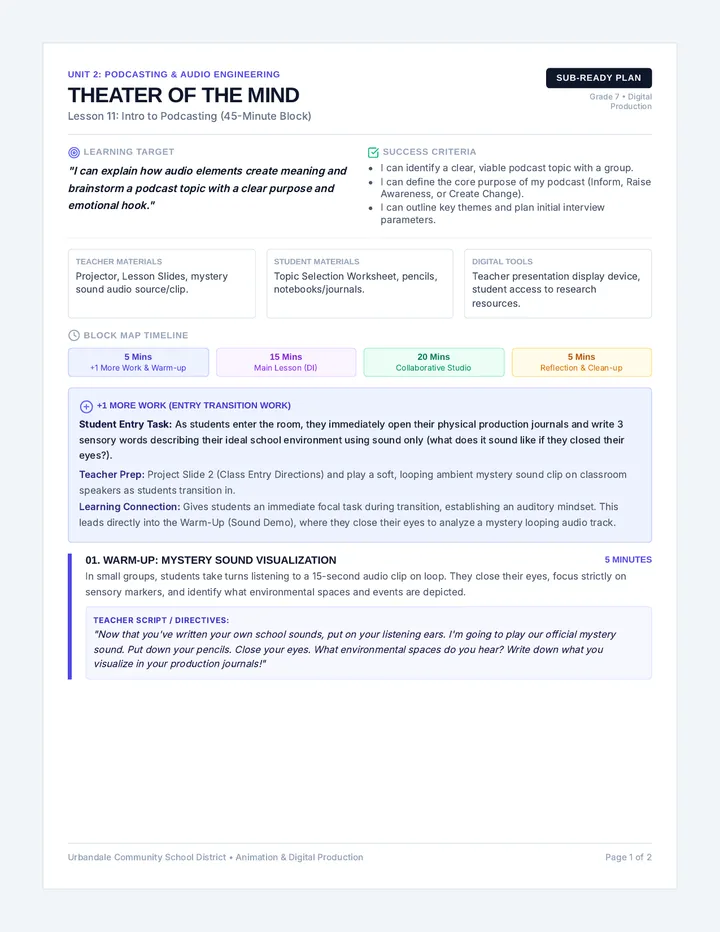
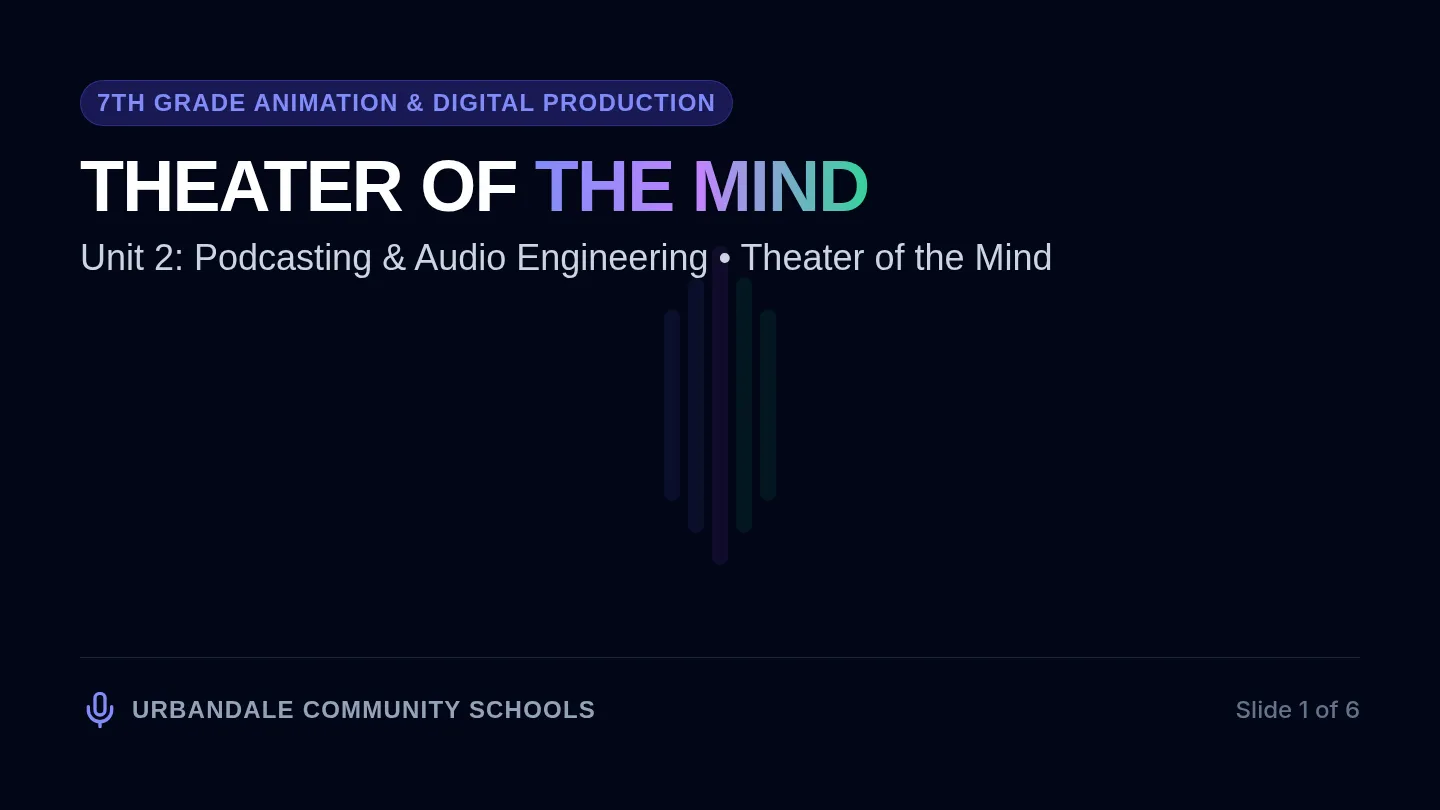
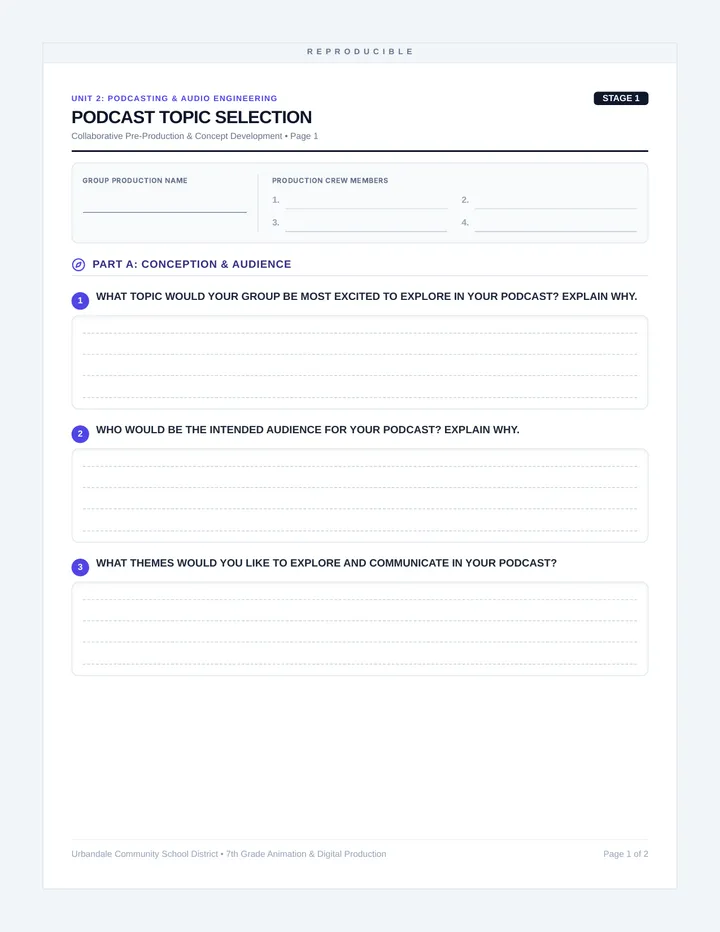
Unit 2 of the 7th Grade Animation & Digital Production curriculum, focusing on podcasting, audio editing, legal/ethical rules, and multi-track mixing.
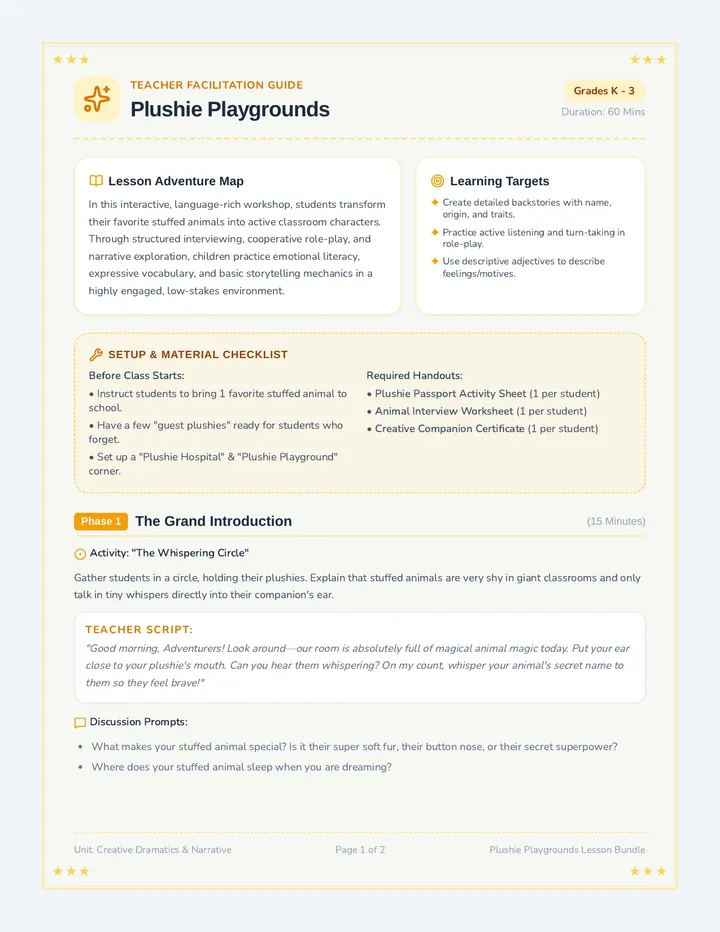
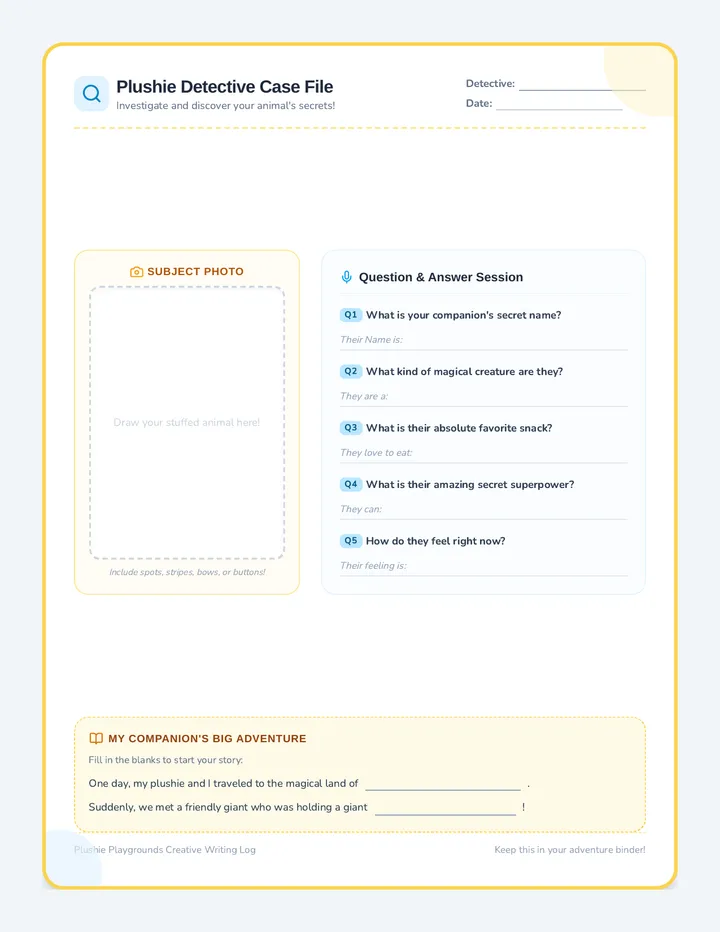
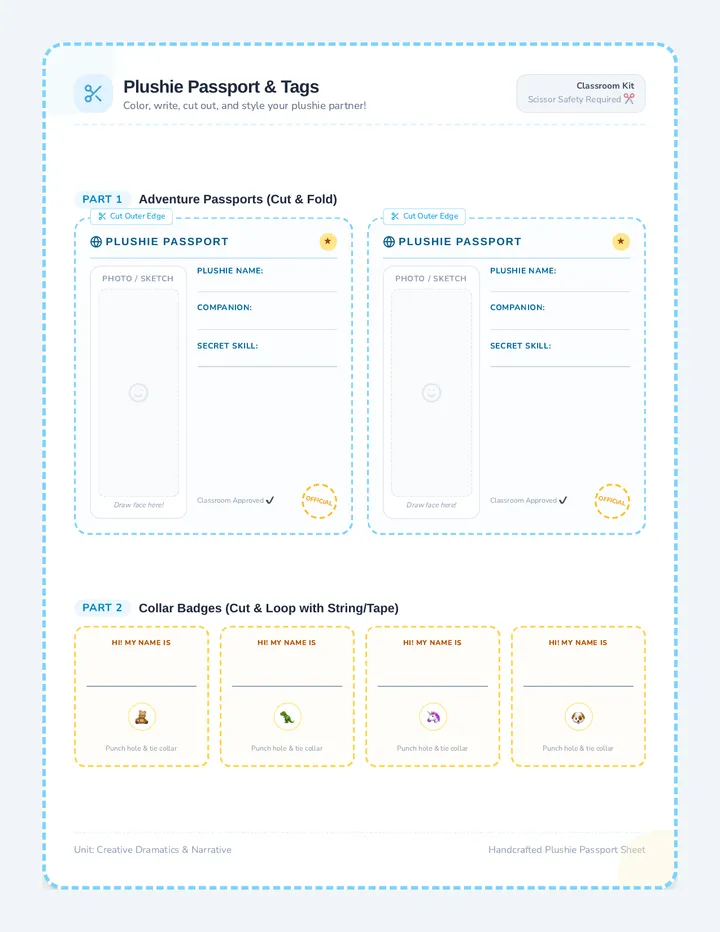
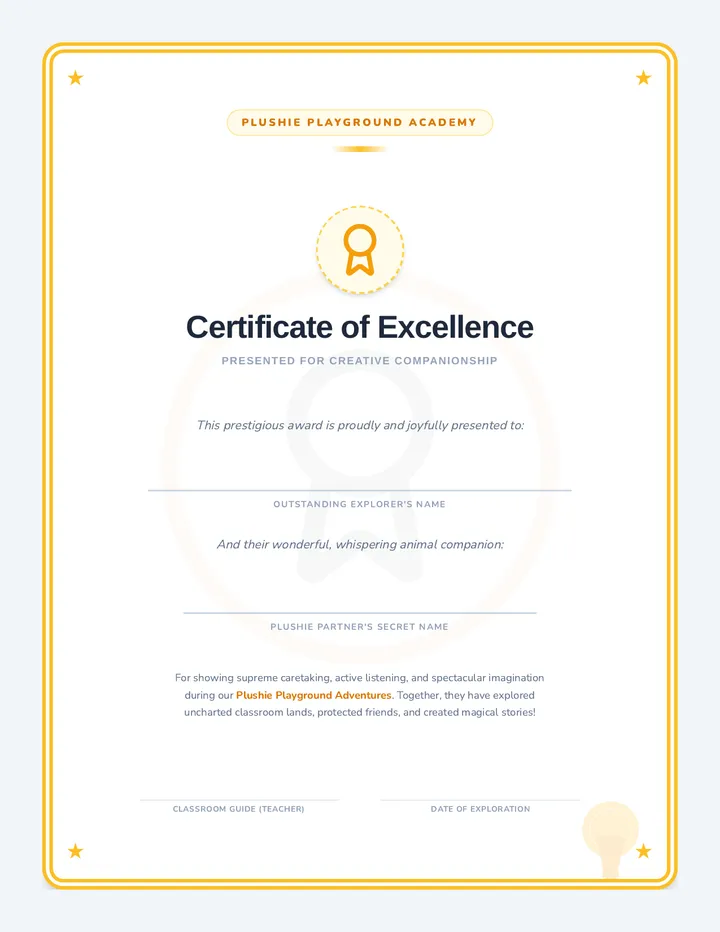
A detailed creative play and language lesson where students bring their stuffed animals to life through structured storytelling, interviewing, and role-play. Includes step-by-step teacher facilitation, printable name tags, an interactive interview worksheet, and companion certificates.
A customizable double-sided foldable card template that is fully inclusive and landscape-oriented, featuring open-ended blank drawing and writing canvases on the inside for custom messages.