A fun, engaging search-and-find activity featuring popular pocket monsters in a dense, colorful safari environment. Perfect for a brain break or a reward activity for 4th-grade students.
A lesson focused on teaching students the appropriate boundaries for using staff phones and understanding the correct procedures for emergency calls. Students learn why staff phones are off-limits and how to seek help effectively during emergencies.
Using the 'Fix-It' button to reboot thoughts and graduating as Master Fixers.
Checking if a thought is a FACT or just a FEELING.
Fixing the glitch where we think everyone is mad at us (Personalization).
Learning how to stop small worries from becoming giant snowballs (Catastrophizing).
Finding the 'Bad-News-Only' glitch (Mental Filtering) and the 'Always/Never' glitch.
Learning that our thoughts are like game code—if the code is glitchy, the game feels bad.
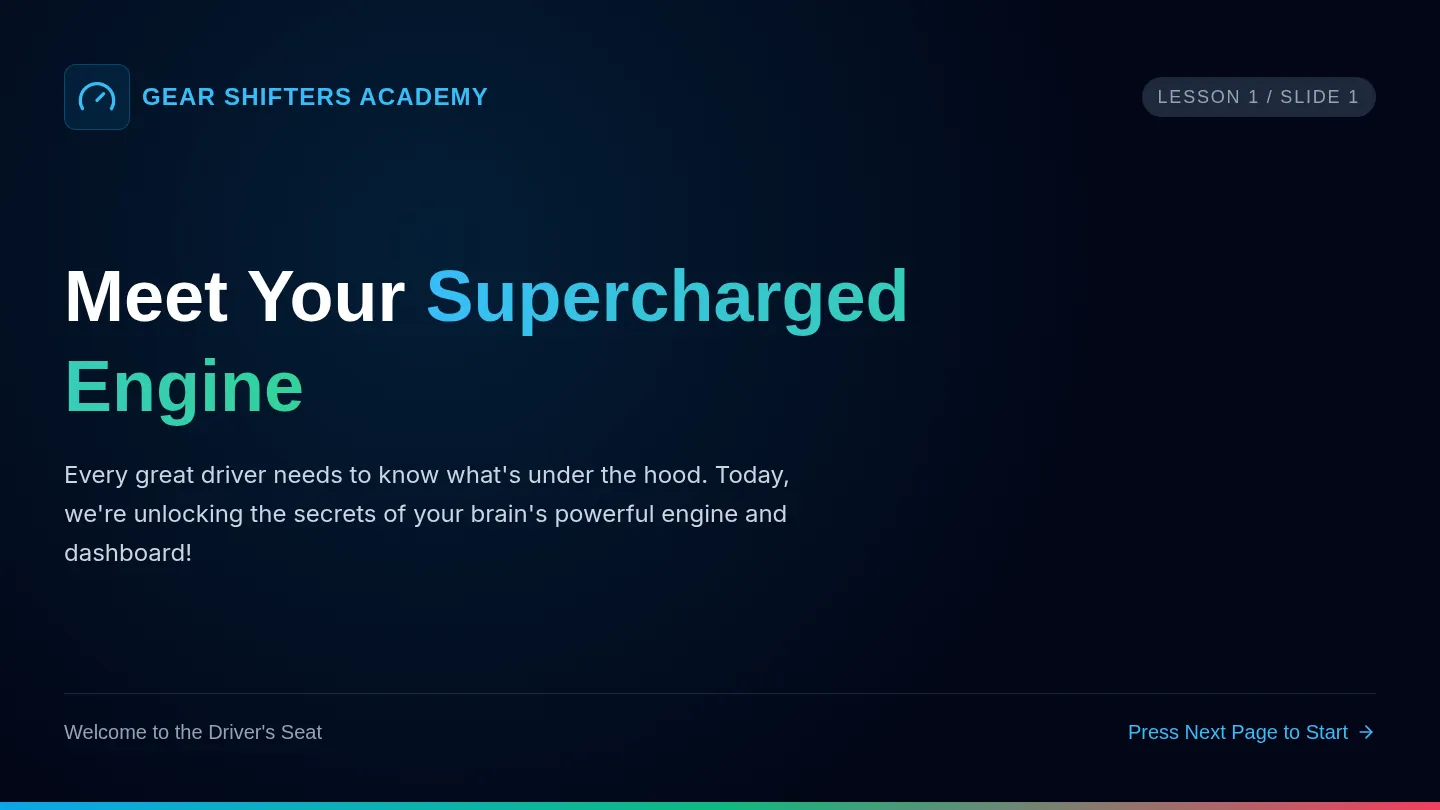
The ultimate system reboot—learning to reframe thoughts and graduate as Master Glitch Fixers.
Activating the 'Logic Protocol' to separate feeling-based errors from system facts.
Fixing the 'Snowball Error' (Catastrophizing) and the 'Me-Spotlight Glitch' (Personalization).
Battling the 'Binary Boss'—learning about Black and White thinking and extreme generalizations.
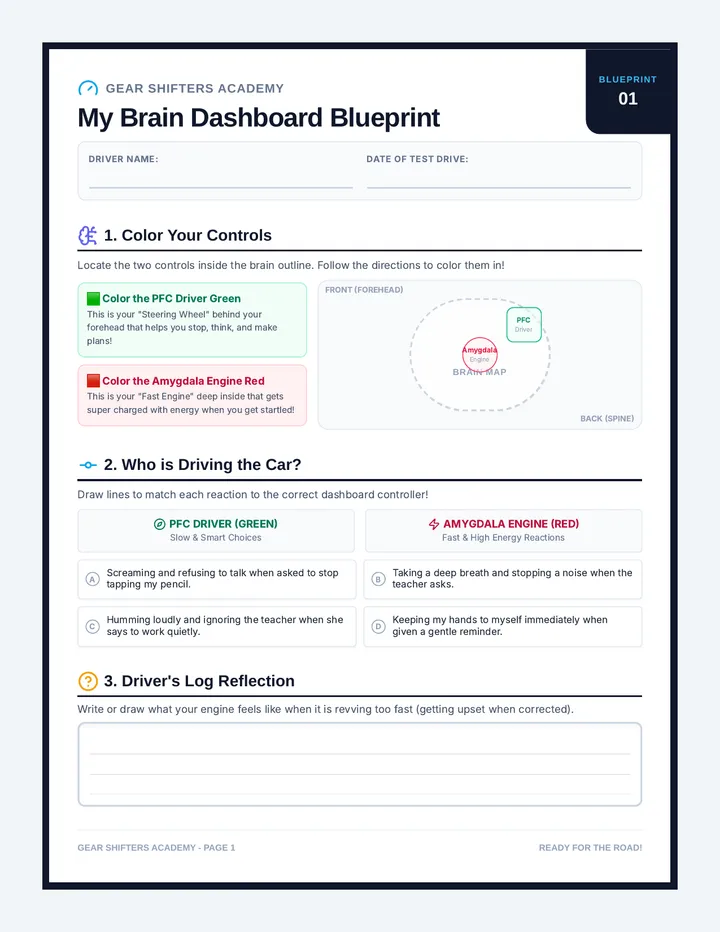
Learning to scan the system and identify specific 'Mind Glitches' that cause errors in thinking.
Initial system check to understand the connection between thoughts, feelings, and actions (The CBT Triangle).
A 6-week social-emotional learning group focused on developing impulse control and self-regulation skills through a 'superhero' lens.
A comprehensive lesson on pattern recognition across visual, vocational, and social domains, teaching students to identify, predict, and generalize sequences in everyday life.
A comprehensive lesson for mixed-age elementary students to identify the 'size' of different problems using a weather-themed 5-point scale and learn to match their reactions accordingly.
A series of resources designed for individual counseling with students who have low affect or a mellow mood. This lesson focuses on identifying personal joy, tracking energy levels, and building emotional vocabulary to boost positive affect.
A social-emotional learning lesson focused on identifying physical cues of big emotions and developing a personalized 'calm down' toolkit. Students use a weather metaphor to understand and manage their internal states.
This lesson equips students with strategies to tackle non-preferred tasks, understand the purpose of their assignments, and manage the frustration that comes with challenging content. It uses a 'Mission Control' theme to frame task completion as a critical operation requiring focus and endurance.
A sensitive but clear lesson on understanding social boundaries and appropriate language in a school setting. It introduces the 'Social Filter' metaphor to help students distinguish between private thoughts, home talk, and school/public language.
A lesson focused on developing impulse control through a collaborative board game. Students learn to recognize impulsive urges and apply 'pause' strategies to make thoughtful choices.
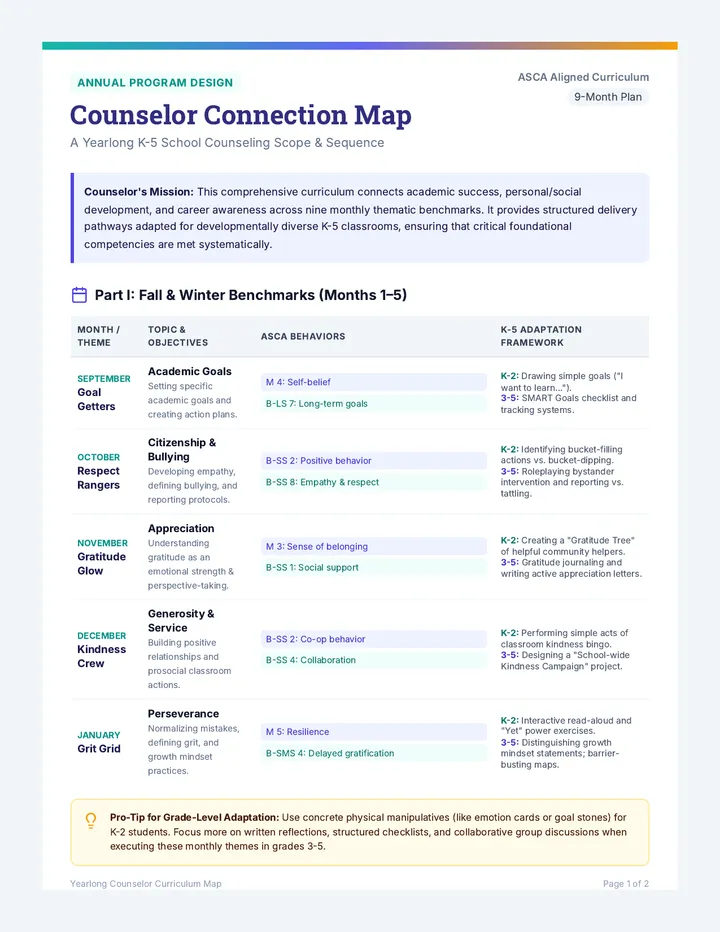
A 20-minute SEL lesson focused on empathy, kindness, and inclusion to help new students feel at home in the classroom. Students will explore scenarios and create a 'Welcome Kit' to practice welcoming others.
A vocational literacy lesson where students identify and locate common office supplies in professional and lab settings using visual and text-based clues.
This lesson teaches students to identify and interpret non-verbal social cues—such as body language, facial expressions, and tone of voice—to improve their social interactions and empathy. Students will practice decoding these 'silent signals' through role-play and guided scripts.
A lesson focused on teaching whole-body listening and recognizing social cues through a 'Listening Detective' theme. Students learn to use their entire bodies to listen and decode social signals during interactions.
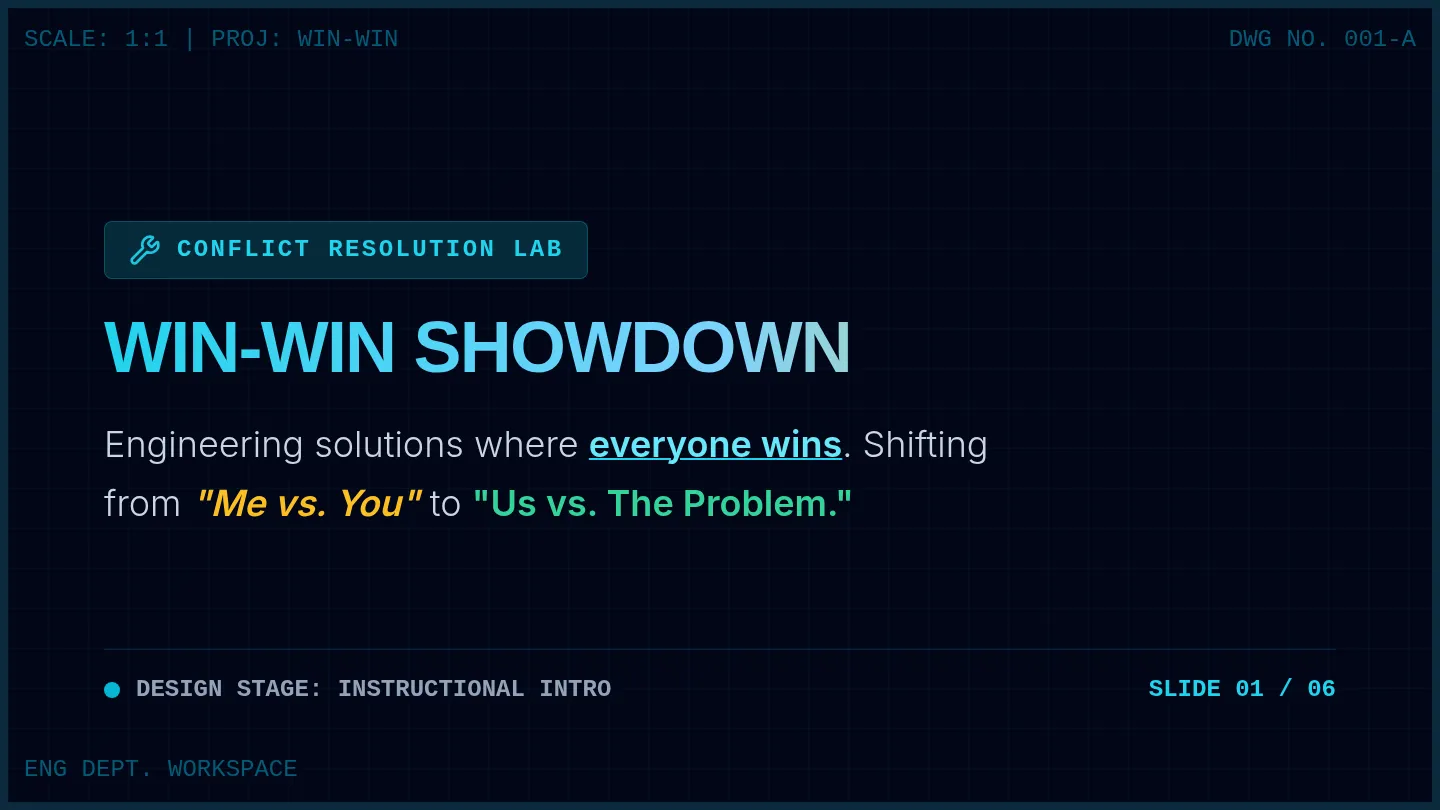
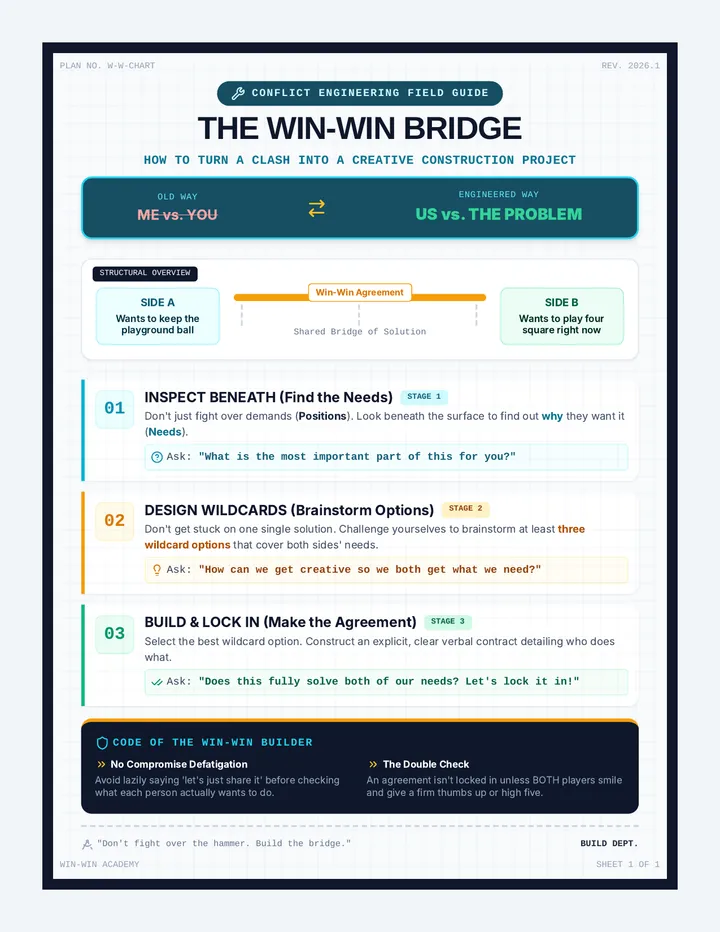
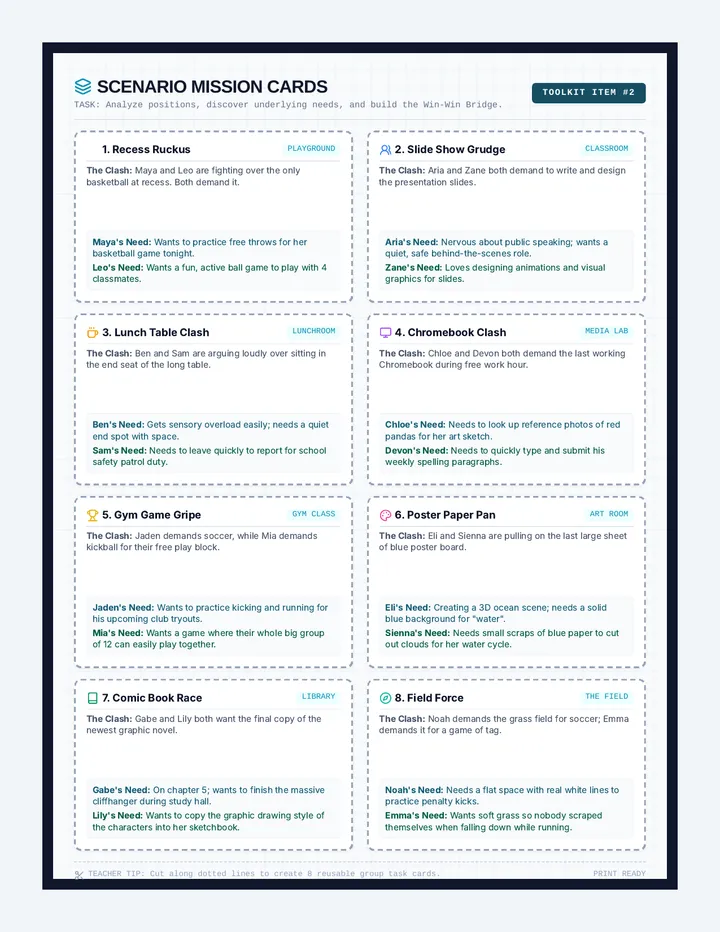
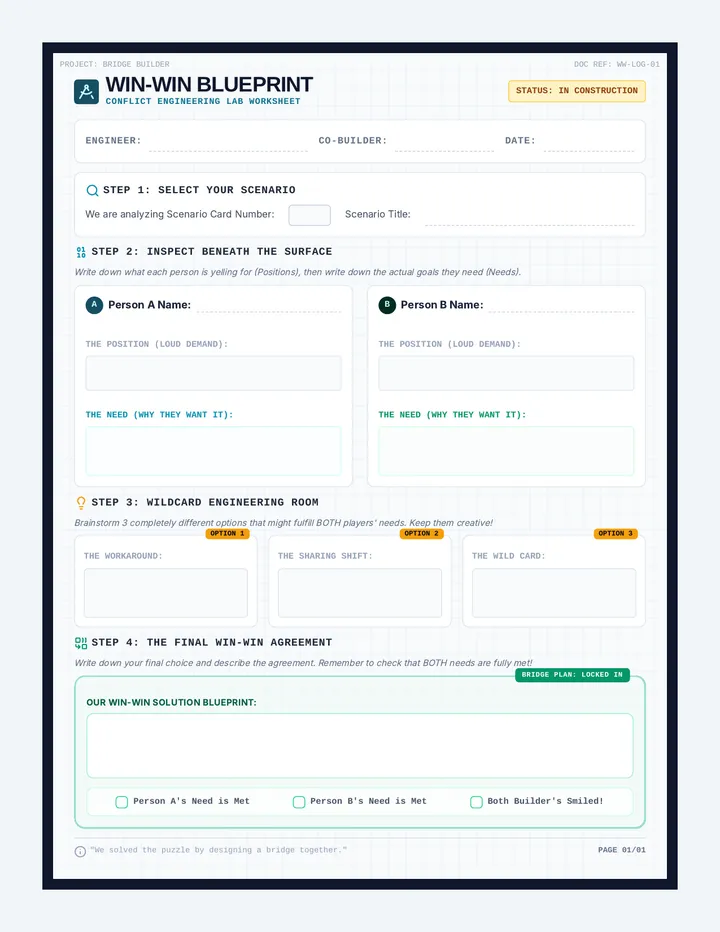
A lesson focused on teaching students the 4-step 'Bridge to Peace' conflict resolution model, featuring 'I' statements and active listening techniques through interactive scenarios.
A comprehensive 4th-grade social work lesson focused on identifying early signs of frustration and selecting independent coping strategies using an escalation ladder model.
An intervention lesson focused on personal space, waiting in line, and choosing appropriate words when feeling frustrated or overwhelmed.
A targeted mediation session designed to help two students navigate interpersonal conflict by exploring their differences, finding commonalities, and building mutual respect through guided dialogue.
A summery, boardwalk-themed set of resources to help students in grades 2-5 master time management, organization, and focus through the lens of a Jersey Shore adventure.
A dynamic lesson on self-management and relationship skills focusing on the concept of 'owning it'—taking accountability for one's actions to build trust and personal growth.
A reflective final session designed for a small group of three students and one staff member to process their time together, celebrate achievements, and transition forward.
A 30-minute counseling session focused on replacing profanity with 'I' statements and clean replacement words during moments of frustration. Students learn to identify triggers and practice self-regulation through structured communication.
A comprehensive library of behavior reflection sheets for grades 2-6, differentiated with on-grade level and below-grade level reading supports. Each sheet focuses on disrespectful behavior and off-task choices using a restorative approach.
A 45-minute lesson focused on maintaining high behavioral standards and integrity when a substitute teacher is in the classroom. Students explore the concept of integrity through scenario-based discussions and personal reflection.
A 30-minute social-emotional learning lesson for 4th graders focused on the 'ripple effect' of words and actions, emphasizing empathy and classroom community.
A 45-minute social-emotional learning lesson for 4th graders focusing on the impact of hurtful words and the power of kind speech, using the school's jaguar mascot as a guide for character.
This lesson helps students understand the impact of verbal threats when feeling frustrated at school and provides concrete replacement phrases and self-regulation strategies.
A set of tools and stories designed to help 4th-grade students master impulse control and navigate academic frustration using 'Brain Boss' strategies.
A set of interactive worksheets and tools designed for 4th-grade students to master impulse control and sustained attention through the metaphor of a 'Brain Command Center'. Students learn to 'filter' distractions and 'pause' their internal circuits before acting.
Application of positive self-talk strategies in challenging situations. Students practice 're-tuning' their internal radio to build resilience and confidence.
Introduction to the concept of internal dialogue. Students learn to distinguish between 'static' (negative self-talk) and 'clear signals' (positive self-talk).
Focus on expressing internal feelings effectively to others. Students practice using I-statements and identifying appropriate times and ways to share their 'internal weather'.
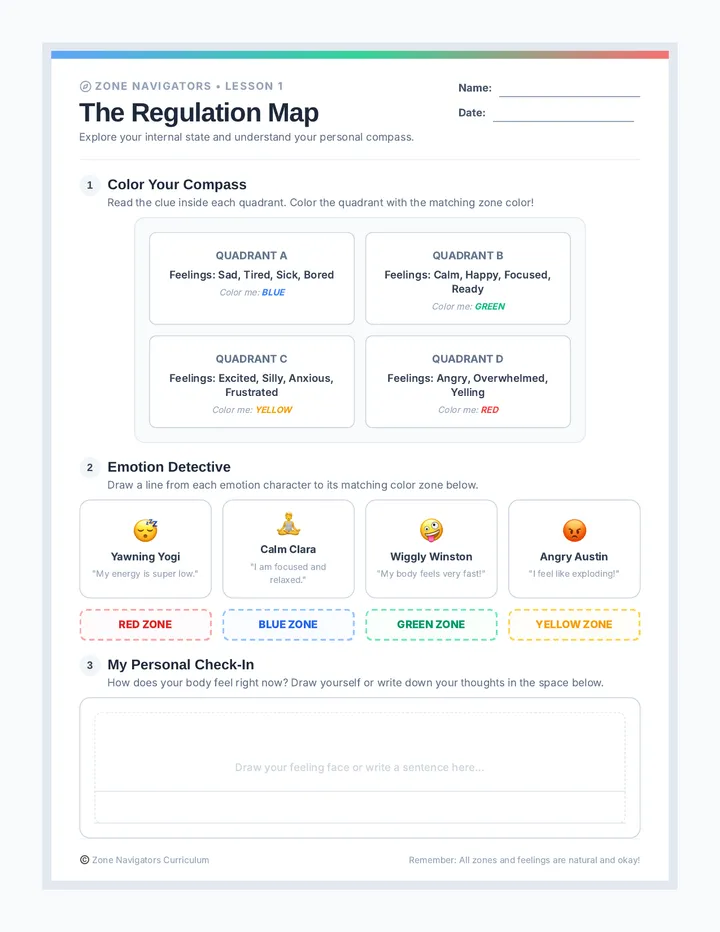
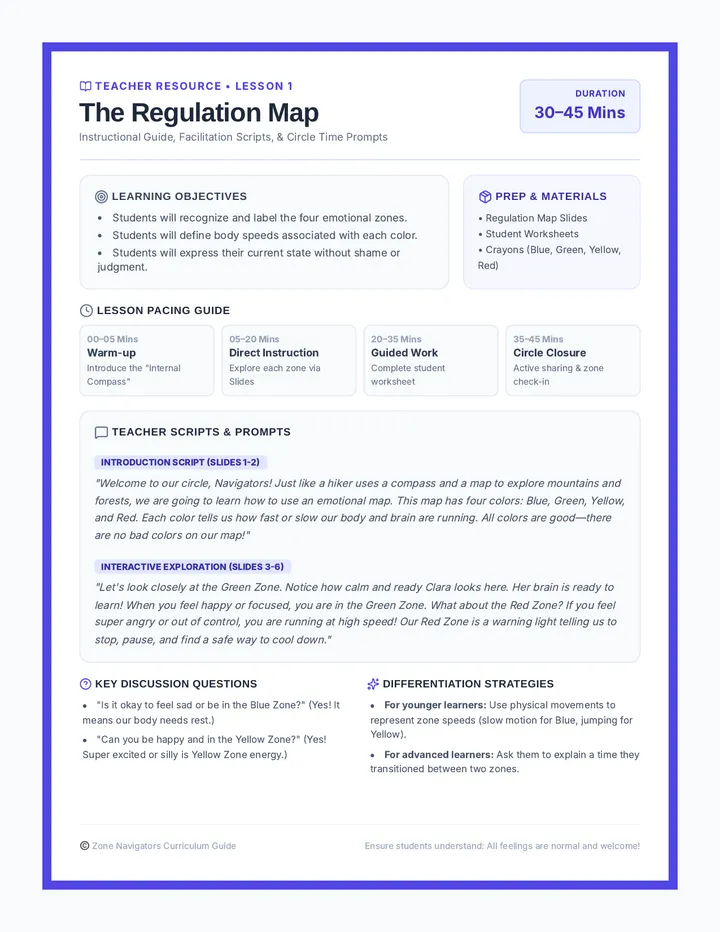
Introduction to identifying internal feelings using weather metaphors. Students explore the spectrum of emotions and how they manifest physically and mentally.
A 20-minute targeted intervention focused on taking responsibility through role-play. Students use 'I' statements and feeling identification to practice 'owning up' to their specific part in a shared incident.
A lesson for grades 3-5 to teach the DEAR MAN skill for effective communication, called 'Clear Requests,' helping students learn how to ask for things or say no while maintaining relationships.
A lesson for grades 3-5 on the 'ABC' and 'PLEASE' skills, called 'Healthy Habits,' focusing on building a life that reduces emotional vulnerability through accumulation of positive events and physical health.
A lesson for grades 3-5 focused on Problem Solving, using the 'Solution Lab' metaphor to teach a step-by-step approach to resolving situations that can be changed.
A lesson for grades 3-5 focused on the concept of Radical Acceptance, called the 'Acceptance Lab,' where students learn to accept reality as it is to reduce suffering and move toward problem-solving.
A lesson for grades 3-5 to teach the 'Check the Facts' skill. Students learn to use a 'Facts Filter' to determine if their emotional reaction matches the reality of a situation.