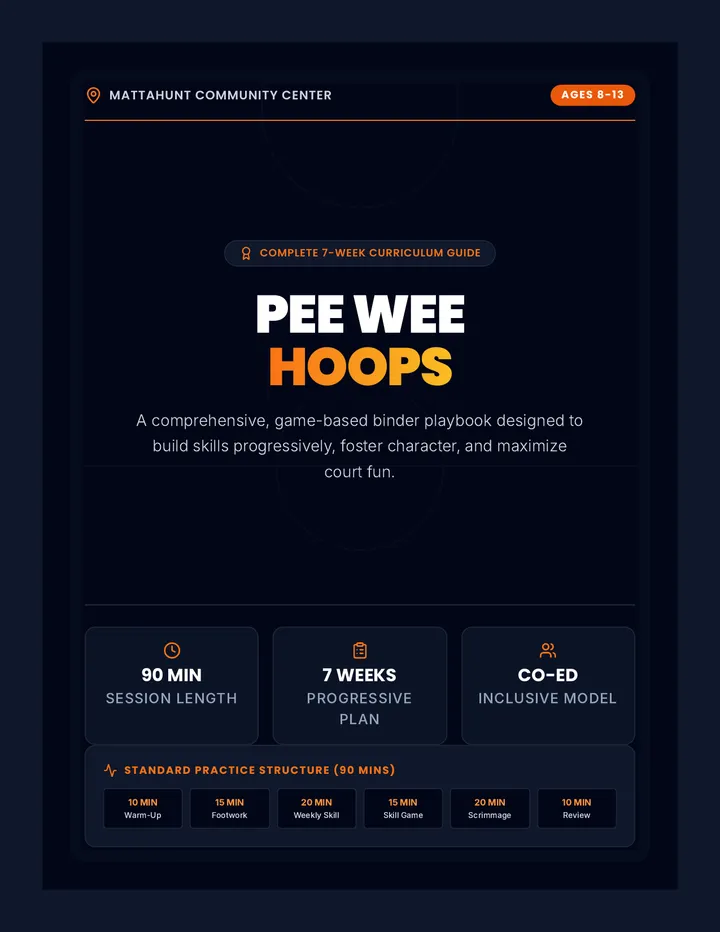
Health Claims Lesson Plan Official Case File: 007-HL
Health Claims: Fact or Fiction?
Teacher Facilitation Guide & Lesson Plan
Time: 90 Minutes
Audience: 7th Grade (Tier 1)
Rationale
In today's world, students are constantly exposed to health information, both accurate and misleading. This lesson empowers them to become critical consumers of health information, make informed decisions, and advocate for their own well-being through independent study.
Learning Objective
Students will be able to define health literacy, differentiate between science and pseudoscience, identify common advertising techniques, understand consumer rights and the FDA's role, and recognize strategies for health promotion by completing structured activities independently.
Teacher Prep
Review all generated materials including slide deck and worksheets.
Ensure projector/smartboard is functional for independent slide viewing.
Make copies of all worksheets and answer keys (for reference or self-check).
Estimated Prep Time: 15 minutes.
Materials List
Slide Deck
Warm-Up: Fact or Myth?
Worksheet: Decoding Health Claims
Worksheet: Ad Analysis
Worksheet: Your Health Rights
Cool-Down: Literacy Check
Answer Keys for all activities
Crossword & Word Search (Extensions)
Instructional Sequence
1
Warm-Up: Health Fact or Myth?
10 Min
Students individually complete the Fact or Myth sheet. Use the answer key for immediate self-check or class review to build engagement.
2
Intro to Health Literacy (Self-Guided)
15 Min
Students review the initial slides independently. Focus on defining health literacy and the science vs. pseudoscience distinction.
3
Activity 1: Decoding Health Claims
20 Min
Students analyze specific claims and categorize them as science or pseudoscience with supporting reasons.
4
Ad Analysis & Rights (Self-Guided)
15 Min
Students continue slide review focusing on FDA regulation and specific advertising tricks/techniques.
5
Activity 2 & 3: Application
30 Min
Students complete the Advertisement Analysis (20 min) followed by the Your Health Rights worksheet (10 min).
6
Cool-Down: Exit Ticket
5 Min
Final reflection on health literacy skills. Collect as an assessment of learning.
Early Finisher Activities
Students who finish ahead of schedule may work on the Health Literacy Crossword Puzzle or the Word Search . Both are designed to reinforce vocabulary and key concepts in a low-stakes, engaging format.
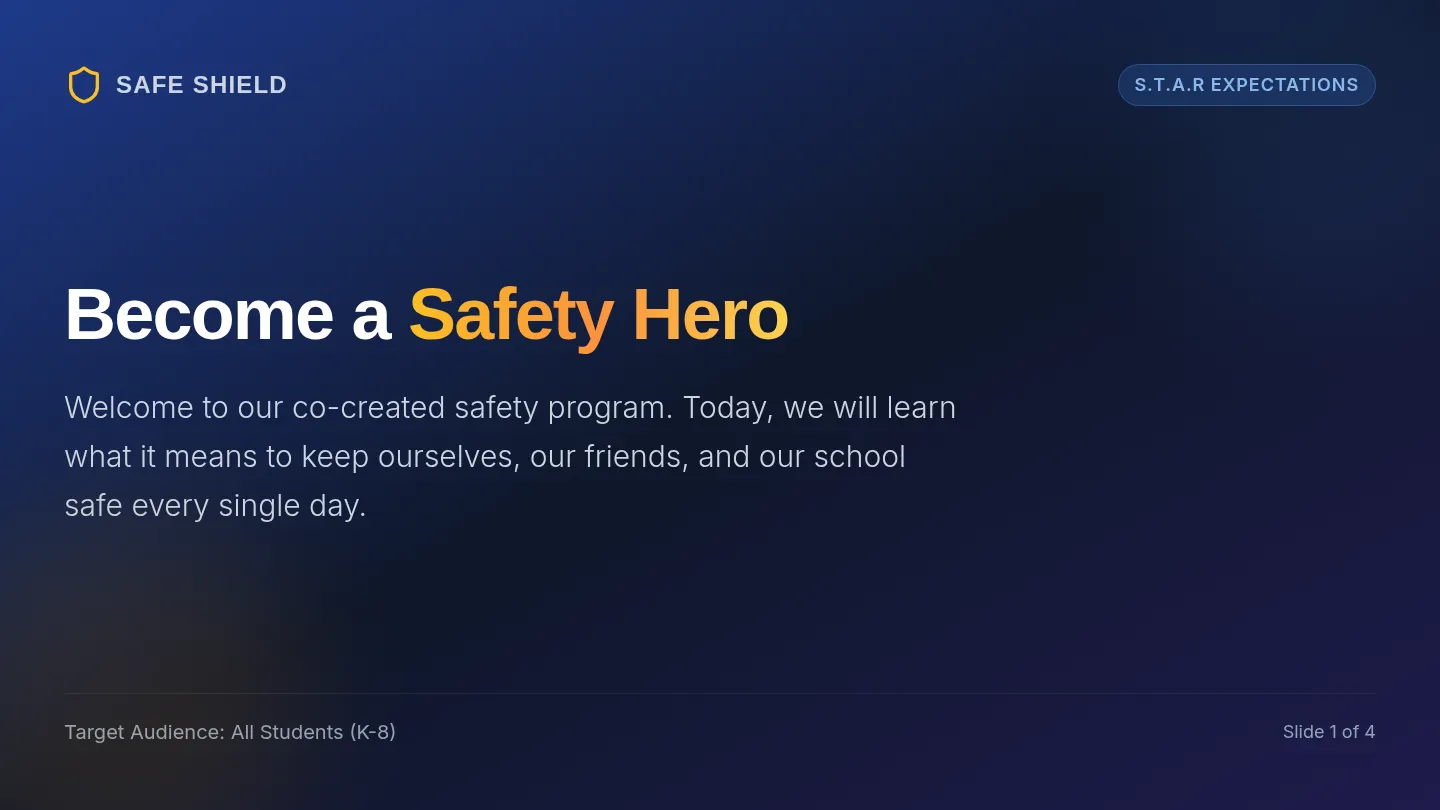
Health Claims Slide Deck Case File: Truth Seeker
Health Literacy Unit 1.2
Health Claims:
Fact or Fiction?
How do you know what health information to trust?
What is Health Literacy?
Health literacy means having the ability to:
Find health information
Understand health information
Use health information to make good decisions
Why is this important for YOU?
Debunking Health Claims
There's a lot of health information out there.
Some of it is true, and some... not so much!
Definition: Debunking
To show that a claim or belief is false, exaggerated, or unsupported by evidence.
Fact Check!
Science vs. Pseudoscience
Science
Based on evidence and research
Tested and reviewed by experts
Aims to understand how things work
Pseudoscience
Looks like science but isn't
Uses vague or unproven claims
Often sold for a quick profit
Your Rights as a Health Consumer
Right to Safety
Products shouldn't harm you.
Right to Be Informed
You should get accurate information.
Right to Choose
You should have options.
Right to Be Heard
You can complain if something is wrong.
Right to Education
Learn how to make good health choices.
Who Protects Us?
FDA
Food and Drug Administration
What do they do?
1
Ensure food is safe and properly labeled.
2
Approve new drugs and medical devices.
3
Regulate tobacco products.
Decoding Health Advertisements
Advertisements want you to buy things. They use special techniques to convince you.
Let's learn their tricks so you can be a smarter shopper!
"Everyone's doing it!"
Technique 01
Bandwagon
Suggests that because everyone else is using a product, you should too. Appeals to your desire to fit in.
Ad Example:
"Join millions who have boosted their energy with Sparkle Drink!"
Warm Up Health Fact or Myth Warm-Up: Health Fact or Myth?
Investigation Phase 1
Name:
Date:
Instructions: Read each statement below. Circle "Fact" if you believe it is a true statement based on science, or "Myth" if you believe it is false or unproven. Explain your reasoning briefly.
1. Drinking eight glasses of water a day is essential for good health.
Fact Myth
Reasoning:
2. Eating carrots will significantly improve your eyesight and allow you to see in the dark.
Fact Myth
Reasoning:
3. You can "detox" your body with special juice cleanses.
Fact Myth
Reasoning:
4. Taking a daily vitamin C supplement prevents you from catching a cold.
Fact Myth
Reasoning:
5. Sugar makes children hyperactive.
Fact Myth
Reasoning:
Answer Key Warm Up Fact or Myth Answer Key
Warm-Up: Health Fact or Myth?
Teacher Resource
Note: While student explanations may vary, they should show an understanding of the difference between scientific consensus and popular belief.
1. Drinking eight glasses of water a day is essential for good health.
MYTH
Reasoning: While staying hydrated is important, the exact amount of water needed varies by individual (activity level, climate, etc.). There isn't a strict scientific consensus that exactly eight glasses is essential for everyone.
2. Eating carrots will significantly improve your eyesight and allow you to see in the dark.
MYTH
Reasoning: Carrots are good for eye health due to Vitamin A, but they won't give you superhuman night vision. This is a common exaggeration that originated during WWII propaganda.
3. You can "detox" your body with special juice cleanses.
MYTH
Reasoning: Your body has its own highly efficient detoxification systems (liver, kidneys, etc.). There is no scientific evidence that special juice cleanses are necessary or effective for detoxifying the body.
4. Taking a daily vitamin C supplement prevents you from catching a cold.
MYTH
Reasoning: Studies show that taking daily supplements generally does not prevent colds. It might slightly reduce duration or severity if taken before getting sick, but it's not a preventative "cure."
5. Sugar makes children hyperactive.
MYTH
Reasoning: Numerous scientific studies have found no consistent link between sugar and hyperactivity. Excitement from parties or parental expectations are more likely factors.
Decoding Health Claims Worksheet Worksheet: Decoding Health Claims
Investigation Phase 2: Analyzing Evidence
Name:
Date:
Instructions: For each health claim below, decide if it is Science (based on evidence and research) or Pseudoscience (looks like science but lacks real evidence). Then, explain why you made that choice using the criteria from the slides.
"Our new brain-boosting supplement contains rare herbs that will unlock your true intellectual potential. Thousands have experienced amazing results!"
Category:
Science Pseudoscience
Why?
"Studies show that regular physical activity, like walking 30 minutes a day, can reduce the risk of heart disease and improve mood."
Category:
Science Pseudoscience
Why?
"Eating a spoonful of apple cider vinegar every morning will instantly melt away belly fat and cure all your allergies. Celebrities swear by it!"
Category:
Science Pseudoscience
Why?
"Scientists have developed a new vaccine that has undergone rigorous testing and has been proven to protect against a specific virus, as approved by health organizations."
Category:
Science Pseudoscience
Why?
"Magnetic therapy bracelets align your body's energy fields to relieve pain and improve circulation. Many users report feeling better almost immediately!"
Category:
Science Pseudoscience
Why?
Decoding Health Claims Answer Key Answer Key
Worksheet: Decoding Health Claims
Teacher Resource
1. Brain-boosting supplement with "rare herbs."
Pseudoscience
Why? The claim uses vague language like "unlock your true intellectual potential" and mentions "rare herbs" without scientific explanation. "Thousands have experienced amazing results!" sounds like testimonials, which are not scientific evidence. There's no mention of peer-reviewed studies.
2. Walking 30 mins a day reduces heart disease risk.
Science
Why? This claim refers to "studies" and states specific, measurable benefits (reduce risk of heart disease, improve mood) that are widely supported by scientific research. Regular physical activity is a well-established health recommendation.
3. Apple cider vinegar "instantly" melts belly fat.
Pseudoscience
Why? This claim promises instant, dramatic results ("instantly melt away belly fat," "cure all your allergies") which are highly unrealistic and not supported by scientific evidence. Relying on "celebrities swear by it" is an appeal to authority/testimonial, not scientific proof.
4. Vaccine developed through rigorous testing.
Science
Why? This claim mentions "rigorous testing," being "proven to protect," and "approved by health organizations," all indicators of scientific process and validation. Vaccines are developed through extensive scientific research and trials.
5. Magnetic therapy bracelets align "energy fields."
Pseudoscience
Why? The concept of "aligning your body's energy fields" is not a scientifically recognized mechanism. While users might *report* feeling better (testimonial), there is no scientific evidence to support the claims. This is based on belief rather than empirical data.
Advertisement Analysis Worksheet Worksheet: Advertisement Analysis
Investigation Phase 3: Unmasking Marketing
Name:
Date:
Instructions: Read each advertisement example below. Identify the main advertising technique being used (Bandwagon, Appeal to Authority, Scare Tactic, Unproved/Unproveable Claim, or Testimonial ). Then, explain why you think that technique is being used.
"Don't be the only one left out! Over 5 million smart students are using our 'Focus Fuel' energy drink to ace their exams. Get yours today and join the winning team!"
Advertising Technique:
Why?
"Leading pediatricians recommend 'SuperKids' multivitamins for optimal growth and development. Give your child the best start!"
Advertising Technique:
Why?
"If you don't start using 'Germ-X' hand sanitizer daily, you're putting yourself and your family at risk for dangerous illnesses. Protect them now!"
Advertising Technique:
Why?
"After just one week of using 'Radiant Glow' skin cream, my acne cleared up completely, and my skin has never looked better! I'm so much more confident now!" — Sarah P.
Advertising Technique:
Why?
"Our ancient herbal remedy naturally balances your body's chi, enhancing your vital life force and promoting holistic wellness from within."
Advertising Technique:
Why?
Advertisement Analysis Answer Key Answer Key
Worksheet: Advertisement Analysis
Teacher Resource
1. "Don't be the only one left out! Over 5 million smart students..."
Technique: Bandwagon
Why? Uses the idea that "everyone" or "millions" are using the product to convince you to join in, appealing to the desire to fit in or be part of a popular group.
2. "Leading pediatricians recommend 'SuperKids' multivitamins..."
Technique: Appeal to Authority
Why? Uses the endorsement of "leading pediatricians" (authority figures in children's health) to suggest the product is effective and trustworthy.
3. "If you don't start using 'Germ-X'... you're putting your family at risk..."
Technique: Scare Tactic
Why? Tries to frighten the consumer by suggesting negative consequences (dangerous illnesses) if they don't buy the product.
4. "After just one week... my acne cleared up completely!" — Sarah P.
Technique: Testimonial
Why? Uses a personal story from an individual claiming success to persuade others based on their singular experience.
5. "...naturally balances your body's chi, enhancing your vital life force..."
Technique: Unproved or Unproveable Claim
Why? Uses vague terms like "balancing chi" or "vital life force" which are impossible to scientifically test or prove. No concrete mechanism is described.
Your Health Rights Worksheet Worksheet: Your Health Rights
Investigation Phase 4: Empowerment
Name:
Date:
Instructions: Answer the following questions based on what you learned about consumer rights, the FDA, and health promotion.
1. Imagine you bought a health product that claimed "Guaranteed to make you taller!" but it didn't work. Which consumer right might have been violated? Explain why.
Consumer Right Violated:
Explanation:
2. What does the FDA stand for, and what is one important job they do to protect consumers?
FDA Stands For:
One Important Job:
3. Describe a health advertisement you've seen recently. Which technique did it use and why?
Ad Description:
Technique Used:
Why?
4. In your own words, what does it mean to be "health literate"?
5. Name two specific things you can do to promote your own health using what you learned today.
1
2
Your Health Rights Answer Key Answer Key
Worksheet: Your Health Rights
Teacher Resource
1. "Guaranteed to make you taller!" violation?
Consumer Right: Right to Be Informed
Explanation: The company made a false or misleading claim. Since the product didn't work as advertised, the consumer was not accurately informed about its capabilities. Potential violation of Right to Safety if the product had side effects.
2. FDA Meaning & Job
FDA Stands For: Food and Drug Administration
Job: Ensures food safety and proper labeling; approves new drugs/medical devices; regulates tobacco products; monitors safety post-market.
3. Ad Analysis (Open Response)
Answers will vary. Students should correctly link a specific ad's content to one of the 5 techniques (e.g., using a celebrity = Appeal to Authority).
4. Definition of Health Literacy
Should include: Ability to find, understand, and use health information to make informed decisions for well-being.
5. Two Health Promotion Strategies
Critically evaluate health claims before believing them.
Check for FDA approval on health products.
Seek information from scientific, peer-reviewed sources.
Understand and exercise consumer rights.
Cool Down Health Literacy Check Cool-Down: Health Literacy Check
Closing Investigation
Name:
Final Task: Reflect on today's lesson. This is your chance to show how your "Truth Seeker" skills have grown. Answer briefly and honestly.
1. What is one new thing you learned about health literacy today?
2. Describe in your own words the difference between science and pseudoscience when it comes to health claims.
3. Which advertising technique (Bandwagon, Appeal to Authority, Scare Tactic, Unproved, or Testimonial) will you be most careful about in the future, and why?
4. What is one way you can use your new health literacy skills to promote your own health?
"A health literate consumer is a powerful consumer."
Health Literacy Crossword Puzzle Extension Activity
Health Literacy Crossword
Name:
Across
3. Government agency ensuring food/drug safety.
4. Ad technique: "Everyone is doing it!"
6. Taking steps to improve well-being.
8. To support or recommend a policy/cause.
10. Knowledge based on evidence & research.
11. Claims that look scientific but aren't.
12. Claims that can't be tested/proven.
14. Ability to find/use health info.
15. Deceitful health claims or practices.
Write Across Answers Here:
Down
1. Ad technique using personal stories.
2. A person who buys products/services.
5. Ad technique that frightens you.
7. Pursuit of knowledge for life.
9. Statements about health benefits.
13. Ad technique using experts/celebs.
Write Down Answers Here:
"Use your vocabulary list and slide notes to crack the code!"
Answer Key Health Literacy Crossword Puzzle Answer Key
Crossword: Health Literacy
Teacher Resource
Across
3. FDA
4. BANDWAGON
6. HEALTH PROMOTION
8. ADVOCATE
10. SCIENCE
11. PSEUDOSCIENCE
12. UNPROVED OR UNPROVEABLE
14. HEALTH LITERACY
15. HEALTH FRAUD
Down
1. TESTIMONIAL
2. CONSUMER
5. SCARE TACTIC
7. LIFELONG LEARNING
9. HEALTH CLAIMS
13. APPEAL TO AUTHORITY
Health Literacy Word Search Puzzle Extension Activity
Health Literacy Word Search
Name:
P S E U D O S C I E N C E Z
O A S K A R E T A C T I C S
I C S E C N E I C S T O M W
S O L I F E L O N G X T O A
U N T E S T I M O N I A L R
I S I S S C O N S U M E R N
C U C I A V D O C A T E O F
E M Y C N I D L C E H T U D
N E F D A W O N G D N A B I
C R I N G P I D F R A U D N
E A H E A L T H L I T E R Y
H E A L T H P R O M O T I O N
L I T C A T H T L A E H L P
C L A I M S H T L A E H T S
Word List
BANDWAGON
TESTIMONIAL
SCARE TACTIC
APPEAL TO AUTHORITY
UNPROVED OR UNPROVEABLE
FDA
HEALTH PROMOTION
ADVOCATE
HEALTH FRAUD
LIFELONG LEARNING
CONSUMER
SCIENCE
PSEUDOSCIENCE
HEALTH CLAIMS
HEALTH LITERACY
"Words can be found horizontally, vertically, or diagonally!"
Answer Key Health Literacy Word Search Puzzle Answer Key
Word Search: Health Literacy
Teacher Resource
Key Word Locations:
PSEUDOSCIENCE: Row 1, Left to Right
SCARE TACTIC: Row 2, Left to Right
SCIENCE: Row 3, Right to Left (Columns 4-10)
LIFELONG LEARNING: Row 4, Columns 3-12
TESTIMONIAL: Row 5, Left to Right
CONSUMER: Row 6, Columns 6-13
ADVOCATE: Row 7, Columns 6-13
FDA: Row 9, Columns 3-5
BANDWAGON: Row 9, Right to Left (Columns 11-19)
HEALTH FRAUD: Row 10, Right to Left (Columns 8-18)
HEALTH LITERACY: Row 11, Columns 3-15
HEALTH PROMOTION: Row 12, Columns 1-15
HEALTH CLAIMS: Row 14, Columns 1-13
APPEAL TO AUTHORITY: Diagonal (A in R2, C1 to Y in R14, C19)
UNPROVED OR UNPROVEABLE: Vertical (U in R5, C1 downwards)
Note: Some word directions overlap. Consult the coordinate list for exact placement.