Overdose Prevention-Naloxone Training
Overdose Prevention-Naloxone Training
The cellular science of opioid overdose and the rapid molecular mechanics of Naloxone.
Overdose Prevention Biological Pathways
Slide 1 of 9
What Are Opioids?
Part 1: The Molecules
Opioids are a class of drugs naturally found in the opium poppy plant, as well as synthetic copies made in scientific labs.
Primary Clinical Use: Analgesics
Doctors prescribe medical-grade opioids to block severe pain signals traveling through neurons to the brain.
Natural Opiates
Derived directly from poppy plants.
Examples: Morphine, Codeine.
Semi-Synthetic
Synthesized from natural materials.
Examples: Heroin, Oxycodone, Vicodin.
Fully Synthetic
Entirely man-made in laboratories.
Examples: Fentanyl, Methadone.
Target Audience: Students & First Responders Slide 2 of 9
The Receptor Lock
Part 2: The Brain
Microscopic Receptor Model
Y-LOCK
Brain Cell
OPIOID
LOCK
Active
Opioids physically attach to specific Mu-Receptors on target brain cells.
How Opioids Alter the Body:
-
1
Dopamine Flood: Binds to receptors, blocking pain signals and causing a surge of chemical pleasure (euphoria).
-
2
Respiratory Suppression: Suppresses the brainstem's built-in alert system that detects carbon dioxide levels.
-
3
The Danger: Over time, the automatic command to take a breath is completely turned off.
Biological Mechanism: Receptor Lock & Key Slide 3 of 9
The Overdose Crisis
The Lethal Reality
Daily Loss of Life
300+
Americans die every single day from accidental opioid overdoses. That is 1 person every 4 minutes and 47 seconds.
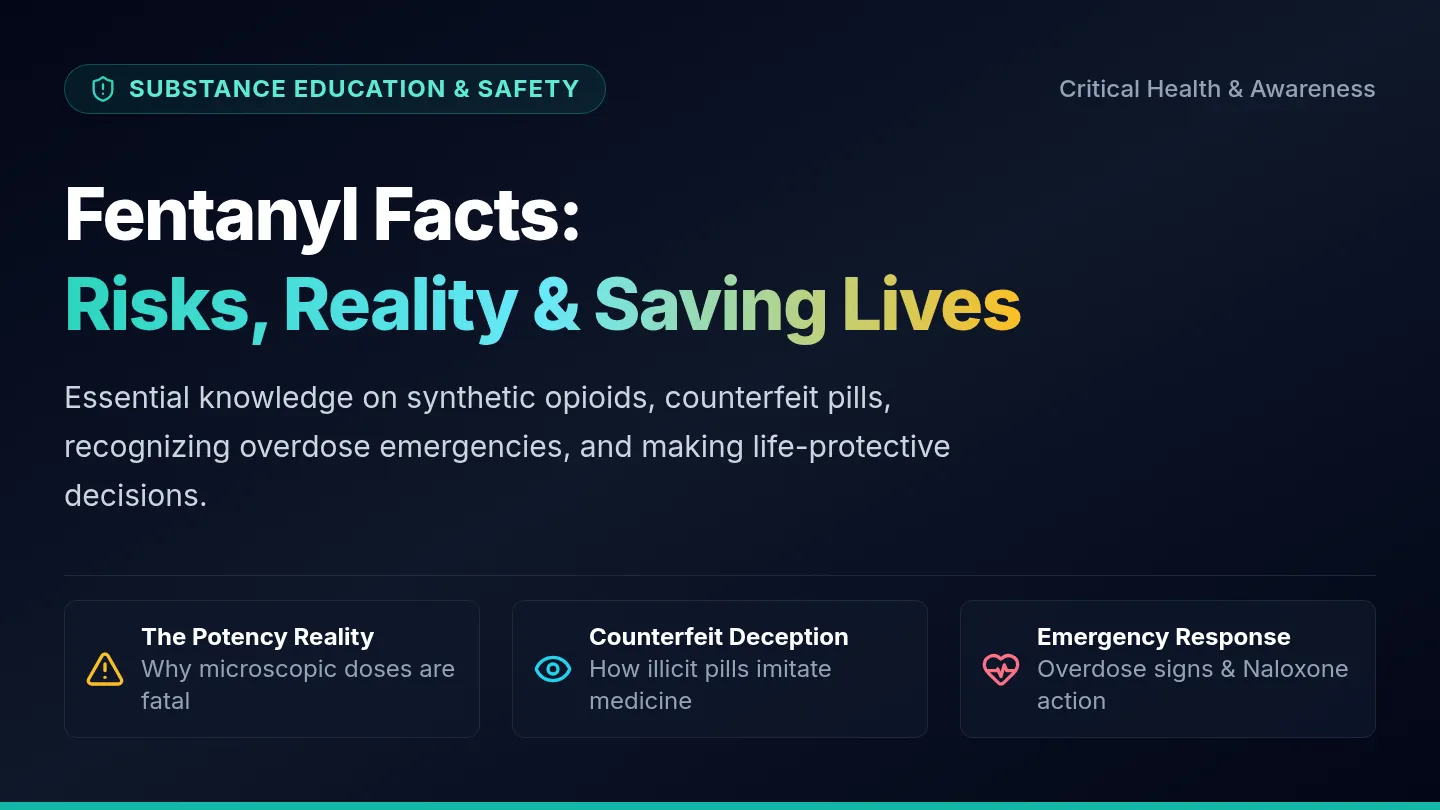
Note on Fentanyl: A synthetic opioid up to 100 times stronger than morphine. A lethal dose is only 2 milligrams—the size of a couple of grains of salt!
Leading Cause of Death
Ages 18 to 45
Fentanyl has overtaken motor vehicle accidents and cardiac disease as the primary driver of mortality in young adults.
Systemic Impact
US Life Expectancy Dropped
Overdose mortality was a key factor in dropping overall US life expectancy by 1.5 years—the largest decline since WWII.
Data Source: CDC National Center for Health Statistics Slide 4 of 9
The Antidote: Naloxone
Part 3: The Reversal
Molecular Displacement Model
NALOXONE
BLOCKED
Respiration Restored
🦸♂️
KAPOW!
Super Naloxone
EJECTED!
OPIOID
Naloxone has a stronger cellular connection (affinity) to the brain receptors than opioid drugs. It physically knocks them off!
How Narcan Saves Lives:
High Affinity
Locks onto brain receptors and acts as a biological shield.
Breathes Life Back
Respiratory control turns back on. Breathing resumes in 2-3 minutes.
 Narcan Spray (4mg)
Naloxone is non-addictive and harmless if given to someone not on opioids. Slide 5 of 9
Overdose Emergency Steps (NARCAN Protocol)
Rescue Protocol
01 IDENTIFY
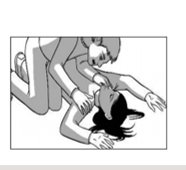
Ask & Shout: Shout name and ask if they are okay.
Sternal Rub: Shake shoulders and rub middle of chest.
Check Symptoms:
- No wake-up response.
- Breathing slow/stopped.
- Pinpoint pupils.
02 GIVE NARCAN
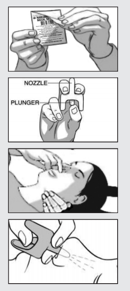
Peel Box: Remove device and peel back open tab.
Hold Spray: Place thumb on plunger and two fingers on nozzle.
Insert: Gently put nozzle tip into either nostril.
Press Plunger: Press plunger firmly to deliver complete dose.
03 SUPPORT
Call 911: Get professional medical assistance immediately.
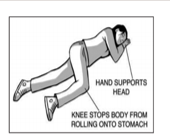
Recovery Pose: Move person onto their side.
Watch & Repeat: If no response in 2-3 mins, give another dose.
Use other nostril for 2nd dose.
Official Medical Instructions: Administered and cross-checked against clinical guidelines. Slide 6 of 9
Video Demonstration
Clinical Training Video
Live Training
Watch this standard public health demonstration showing the correct alignment, breathing support, and administration of Narcan nasal spray.
Key Concept
Note the physical head tilt and finger pressure applied to deliver the full dose to the nasal lining.
Embedded media
YouTube Educational Reference. If needed, re-read slides to review physical procedures. Slide 7 of 9
Everyday Safety Tools
Part 5: Harm Reduction
Naloxone is not "enabling" drug use. It is a vital tool of harm reduction—keeping people alive so they have the chance to recover.
The Fire Extinguisher Analogy
We put fire extinguishers in buildings not because we encourage people to play with matches, but because we know accidents happen and lives must be protected.
Common Safety Measures:
Biking Helmet
Driving Seatbelt / Airbags
Boating Life Jacket
Beaches Sunscreen
Harm reduction preserves human dignity and keeps the door open to hope. Slide 8 of 9
Thank you
Donna Sherfield-Nelson, BS
Prevention Specialist
Phoenix House TX
dnelson@phoenixhousetx.org
Phoenix House Texas Slide 9 of 9
Brain Blockers Guided Notes
Emergency Biology Series
Brain Blockers
STUDENT WORK SHEET
Name:
Date:
Class Period:
Part 1: What Are Opioids?
As you watch the slides, fill in the correct scientific vocabulary in the blank spaces below:
1. Opioids are chemical substances that block traveling to the brain.
2. Medical experts classify opioids derived directly from plants as natural (e.g., morphine), while entirely man-made copies are known as fully (e.g., fentanyl).
3. A deadly synthetic opioid that is up to 100 times stronger than morphine is . It takes only to be lethal.
Part 2: The Lock & Key Biology
Review the diagram on Slide 3. Complete the paragraphs describing what happens to brain cells:
The Binding Process
When opioids enter the body, they look for specific receptors. Once they lock onto these Mu-receptors, they trigger a heavy release of a pleasure chemical called .
This completely shuts down the cells' ability to pass along normal pain signals.
Respiratory Shutdown
Additionally, these receptors exist in the brainstem, which controls automatic .
During an overdose, these brainstem receptors are so flooded that they fail to detect carbon dioxide levels, causing breathing to completely .
Clinical Concept Check:
Explain in your own words why someone who has taken an overdose of opioids stops breathing:
Unit: Substance Harm Reduction Protocols Page 1 of 2
Emergency Biology Series
Brain Blockers
STUDENT WORK SHEET
Part 3: The Naloxone Defense
Fill in the details explaining the chemical battle taking place during active resuscitation:
1. Naloxone acts as an . This means it physically blocks other opioid molecules from touching the receptor site.
2. Naloxone has a much higher (connection strength) than drugs like morphine or heroin.
3. Because of this affinity, Naloxone physically the attached opioids and takes their place for a temporary period.
Part 4: Spotting an Overdose
Match the physical sign to its physiological meaning by writing the correct letter in the parentheses:
1 Blue lips/fingernails ( )
2 Unresponsive to shouting ( )
3 Gurgling / "Death Rattle" ( )
A. The brain is completely deprived of oxygen, leading to clinical unconsciousness.
B. Respiratory failure is causing the airway to block.