Lenny.com
Explore
Create
ActivitiesNewMathEnglish Language ArtsScience & EngineeringSocial StudiesGlobal LanguagesHealth & Physical EducationSpecial EducationCounseling & Life SkillsArts & CreativityESL
Lenny.com
Lenny.com
Explore
Create
ActivitiesNewMathEnglish Language ArtsScience & EngineeringSocial StudiesGlobal LanguagesHealth & Physical EducationSpecial EducationCounseling & Life SkillsArts & CreativityESL
Lenny.com
Lenny.com

Solutions

Lenny for EducatorsLenny for SchoolsLenny for Districts

Product

ExploreSign inCreateSupportAbout

Resources

Getting startedMTSS Acceleration Program

© 2026 Lenny Learning Inc.

TermsPrivacyAccessibility
LinkedInInstagramX
Lenny

Emergency Response

Recognition of emergency scenarios and protocols for contacting emergency services. Develops foundational skills in first aid, fire safety, and immediate response strategies.

Health & Physical EducationMovement Skills and ConceptsBody ControlLocomotor SkillsNon-Locomotor SkillsFine Motor SkillsManipulative SkillsBalance and CoordinationSpatial AwarenessMovement PatternsRhythmic Activities and DanceRhythm and TimingDance BasicsIndividual and Dual SportsGymnastics and TumblingTrack and FieldRacket SportsSelf-Defense and Martial ArtsTeam SportsCooperative GamesSportsmanshipTeam CommunicationBasketball SkillsSoccer SkillsVolleyball SkillsFootball SkillsGame StrategiesFitness and Physical ActivityCardio FitnessFlexibility and StretchingMuscular Strength and EnduranceSetting Fitness GoalsHealthy HabitsHygiene PracticesSleep and RestPhysical Activity HabitsHydrationInjury PreventionBody Awareness and Self-CareDisease PreventionHealth Decision-MakingHelp-Seeking and Self-AdvocacyMental HealthMental Health BasicsEmotional AwarenessStress ManagementCoping StrategiesMindfulness PracticesBreathing and Relaxation TechniquesMeditation BasicsResilience and PerseveranceHealthy RelationshipsSocial and Emotional SkillsHelp-Seeking and Support SystemsDigital WellbeingNutritionNutrition BasicsFood GroupsBalanced MealsHealthy Eating HabitsReading Food LabelsPersonal SafetyRecognizing Unsafe SituationsHuman and Child TraffickingStranger DangerPersonal BoundariesFire and Water SafetyEmergency ResponseConflict Resolution BasicsInternet and Social Media SafetySafe Personal RelationshipsSubstance AwarenessTobacco AwarenessAlcohol AwarenessCannabis AwarenessOpioid AwarenessStimulant AwarenessPrescription Drug AwarenessRefusing Peer PressureOutdoor and Adventure ActivitiesOutdoor Recreation SafetyHiking and OrienteeringTeam Building Activities

Videos

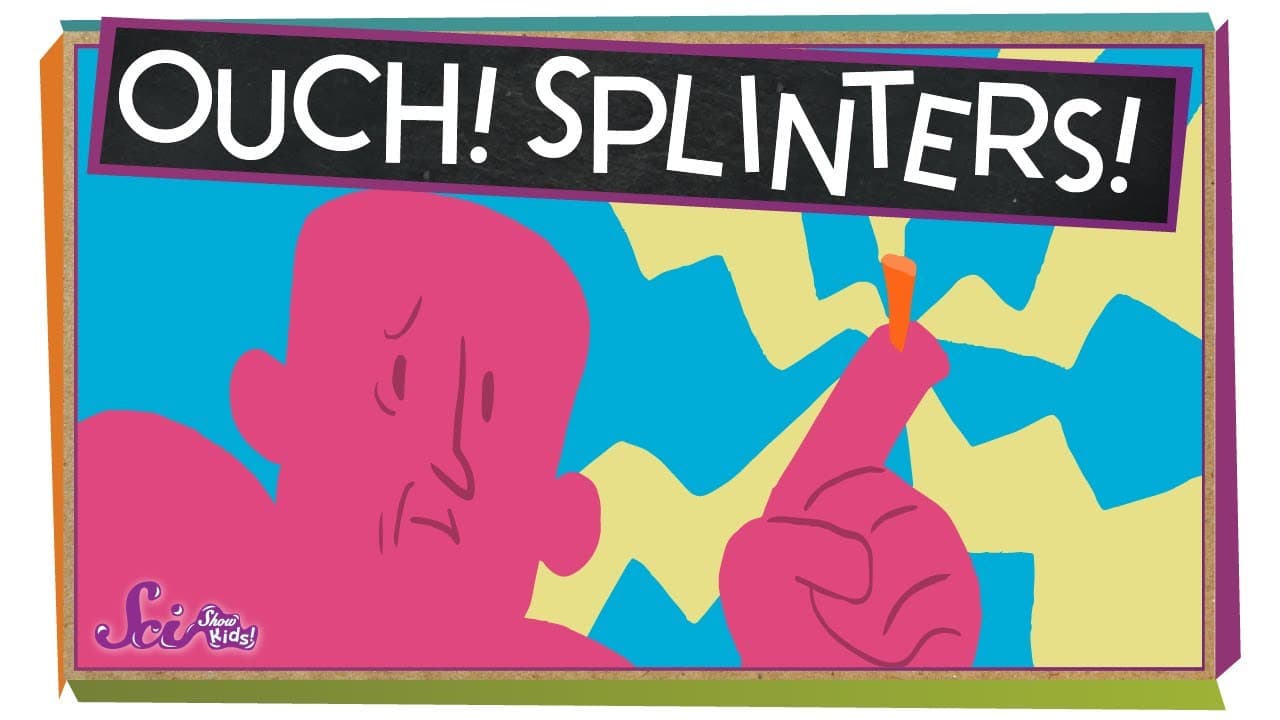
What Is a Splinter and How to Remove It Safely

What Is a Splinter and How to Remove It Safely

In this engaging episode of SciShow Kids, host Jessi explains the science behind a common childhood injury: the splinter. Using bright, geometric animations, the video breaks down exactly what a splinter is—defining it not just as wood, but potentially glass, metal, or plastic—and how these tiny objects get stuck in our skin. It explains why splinters hurt and details the body's biological response, including redness and swelling, which are signs that the body is fighting off potential germs. The video introduces key health concepts such as infection and hygiene in an age-appropriate way. It visually demonstrates how germs can hitch a ride on splinters like cactus thorns or rough wood, leading to infection if not treated. The narrative guides children through the importance of telling an adult when they get hurt and outlines the step-by-step process of safe removal: washing the area with soap and water, using tweezers, and applying a bandage. For educators, this video is an excellent resource for Health and Science lessons regarding personal safety, the human body, and first aid. It demystifies a painful experience that frightens many children, transforming it into a learning opportunity about biology and hygiene. It can be used to spark discussions about playground safety, the importance of wearing shoes, and why we wash cuts and scrapes to stay healthy.

SciShow KidsSciShow Kids

3mins 25s

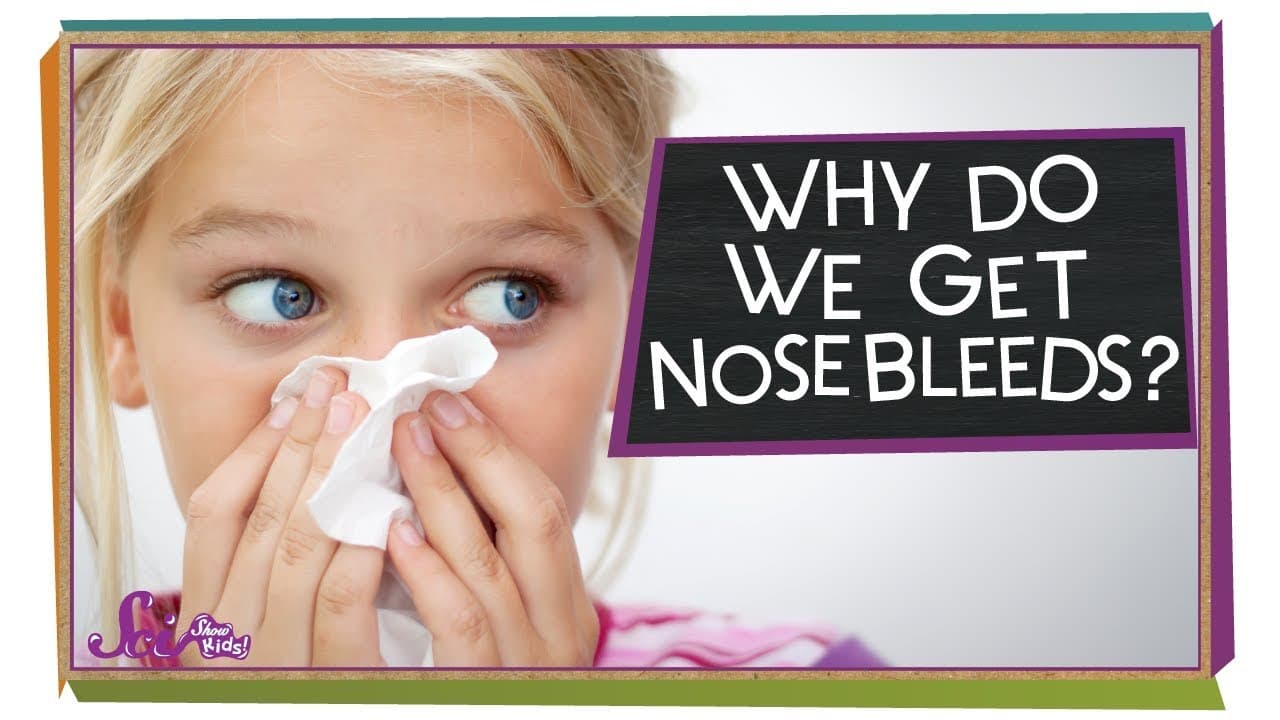
Why Nosebleeds Happen and How to Stop Them

Why Nosebleeds Happen and How to Stop Them

In this reassuring and educational episode of SciShow Kids, host Jessi and her robot rat friend Squeaks explore the science behind nosebleeds. Sparked by Jessi's recent experience with a nosebleed at the fort, the video demystifies this common but sometimes frightening occurrence. It explains the basic anatomy of the nose, specifically focusing on the delicate blood vessels located inside the nostrils, and investigates why they might break and bleed. The video covers several key themes regarding human biology and health. It details the causes of nosebleeds, ranging from environmental factors like dry, cold air to physical irritation from scratching or nose-picking. Crucially, it addresses the misconception that nosebleeds are dangerous, framing them as normal biological reactions similar to getting a small scrape on the skin. For educators and parents, this video is an excellent resource for teaching basic human anatomy and practical first aid skills. It provides clear, step-by-step instructions on how to stop a nosebleed correctly—emphasizing leaning forward rather than back—which is a vital life skill for elementary students. By explaining the 'why' and 'how' in a calm, friendly manner, the video helps reduce anxiety surrounding blood and bodily functions, empowering children to handle the situation confidently if it happens to them.

SciShow KidsSciShow Kids

4mins 21s

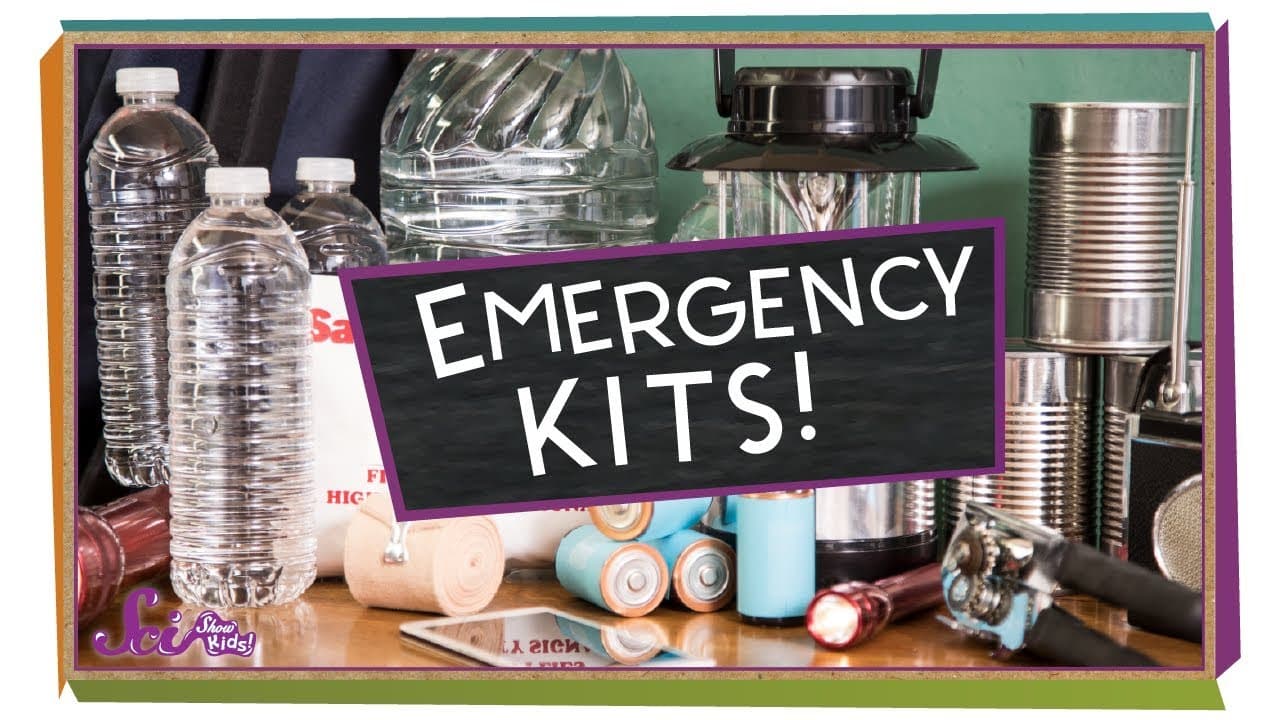
Building Your Own Emergency Kit

Building Your Own Emergency Kit

In this engaging episode of SciShow Kids, host Jessi and her robot friend Squeaks guide young viewers through the process of building an emergency kit. Using a gentle and reassuring tone, the video defines what an emergency is—comparing it to a spilled glass of juice that simply needs to be cleaned up—and explains why being prepared helps keep us safe. The narrative focuses on preparation for natural events like floods or storms that might require staying indoors for a few days, making the concept of emergency preparedness accessible and non-threatening for children. The video systematically breaks down the essential categories of items needed in a kit: medical supplies, water, hygiene, food, power/lighting, warmth, and entertainment. It covers practical details, such as the math behind how much water to store per person, the science of why canned food lasts longer, and the importance of having non-electric light sources like flashlights. Special attention is given to hygiene items like toothbrushes and soap, which are often overlooked in basic survival lists. For educators, this video is an excellent resource for Health, Safety, and Social Studies units. It provides a concrete way to discuss safety without causing anxiety, turning the abstract concept of "preparedness" into a hands-on activity. The content naturally integrates cross-curricular skills, including mathematics (calculating necessary water supplies) and science (understanding food preservation and weather-related safety), making it a versatile tool for early elementary classrooms.
SciShow KidsSciShow Kids

4mins 52s

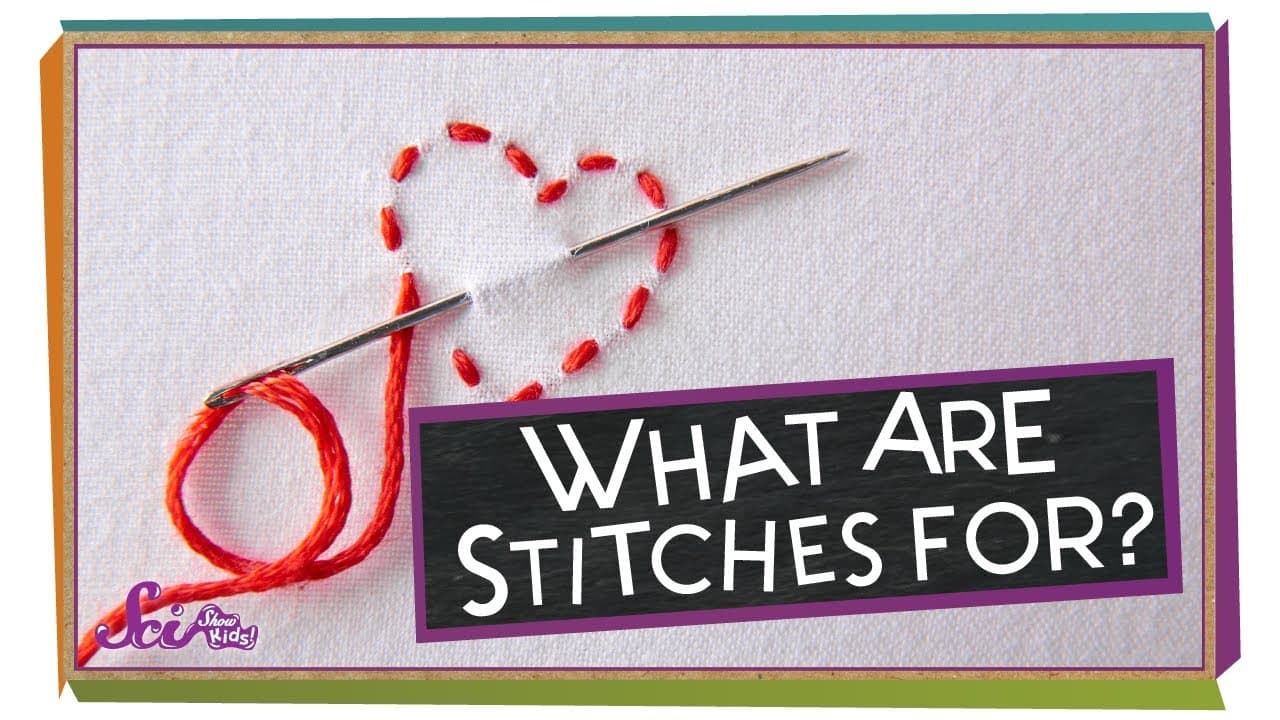
What Happens When You Get Stitches?

What Happens When You Get Stitches?

In this reassuring episode of SciShow Kids, Jessi and her robot friend Squeaks explain the medical process of getting stitches after Squeaks injures his hand while playing tag. The video demystifies a potentially scary experience for children by breaking down exactly what happens when a cut is too deep for a regular bandage, transforming a frightening medical procedure into an understandable step-by-step process. The content covers the biological reasons for stitches (holding skin together to heal, stopping bleeding, preventing infection) and walks viewers through the doctor's visit. It explains each tool the doctor uses—from cleaning the wound to the numbing shot and the needle and thread—using clear animations and simple analogies, like comparing stitches to a "non-sticky band-aid that goes inside the skin." This video is an excellent resource for health and biology lessons in early elementary classrooms. It serves a dual purpose: teaching students about the body's healing process and infection prevention while also providing social-emotional support by alleviating fears associated with injuries and doctors. Teachers can use it to discuss safety, first aid, the role of medical professionals, and how our bodies repair themselves.
SciShow KidsSciShow Kids

3mins 25s

Materials

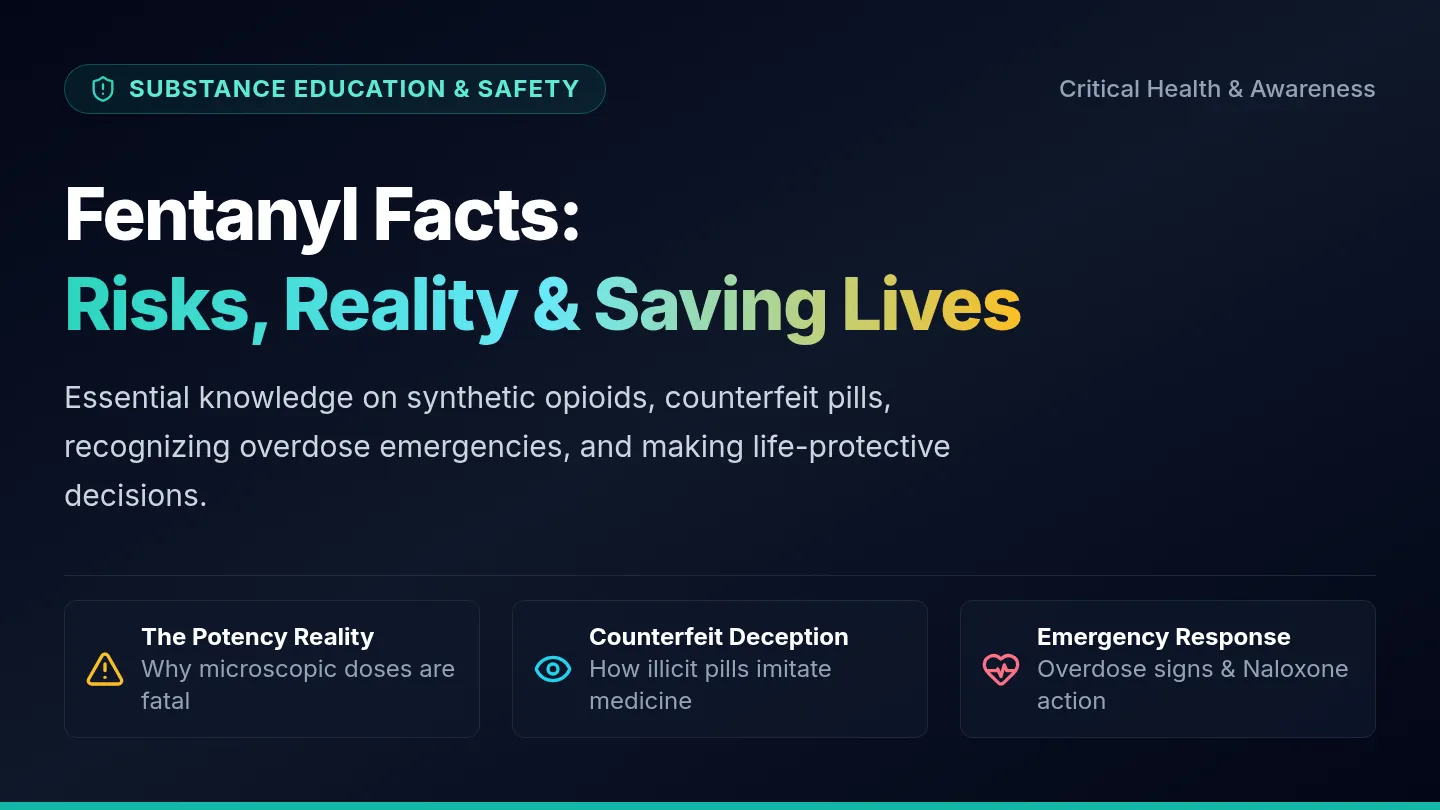
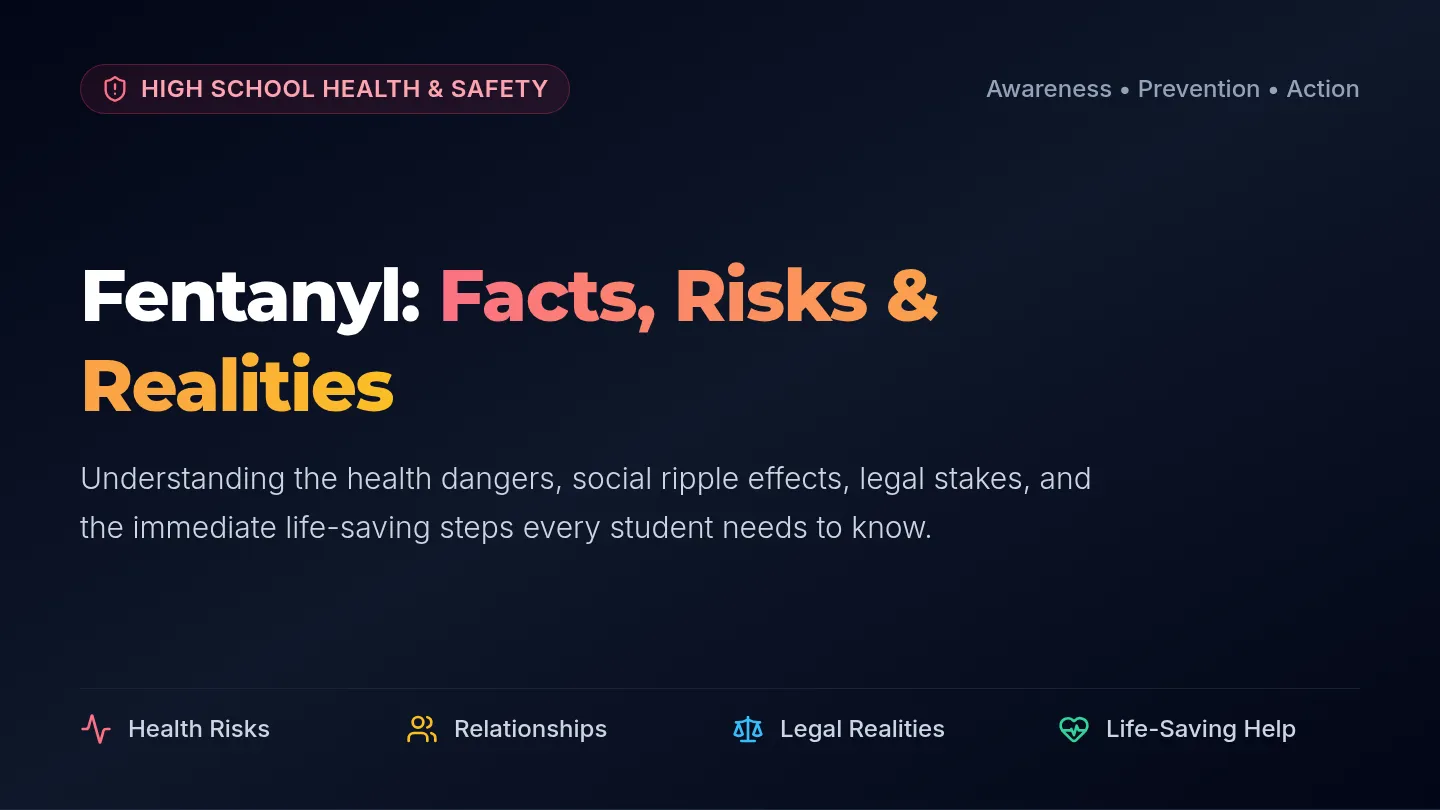
Fentanyl Facts Slides

Fentanyl Facts Slides

A comprehensive, high-impact educational slide deck on fentanyl awareness, counterfeit pills, overdose signs, Naloxone (Narcan) administration, and youth decision-making.

KP

Kerri Parker

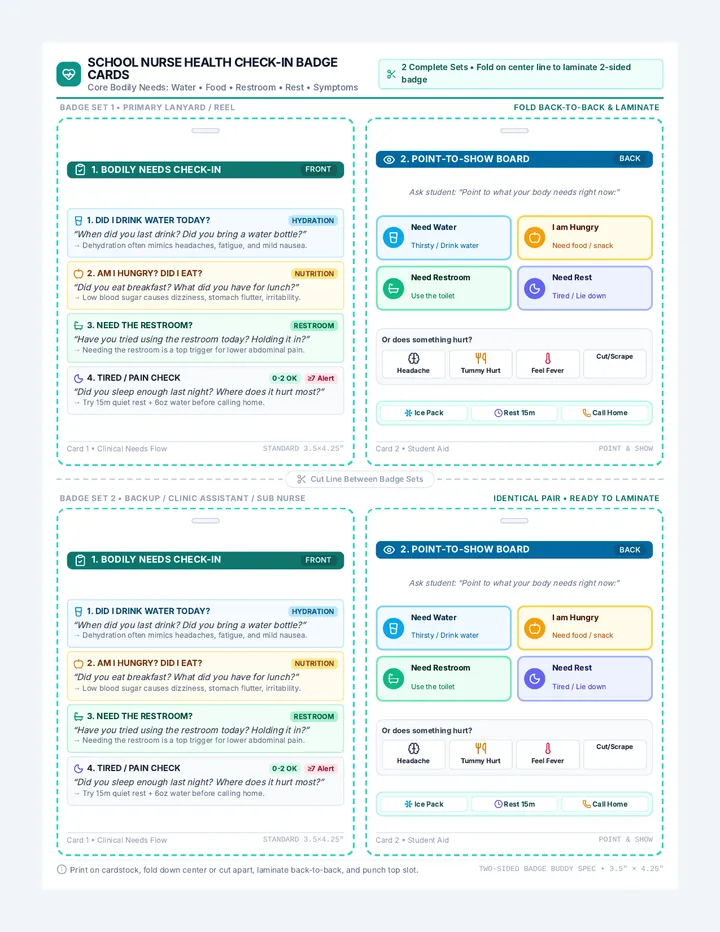
Health Check-In Badge Checklist

Health Check-In Badge Checklist

A print-and-laminate school nurse badge checklist focused on core bodily check-in prompts: drinking water, hunger and food intake, restroom needs, rest, and symptom identification.

CS

Courtney Scherer

Safety Reflection and Action Plan Sheet

Safety Reflection and Action Plan Sheet

A text-focused reflection sheet for 3rd graders to process safety drill behavior, featuring procedural reflection questions and an action plan for future drills.

A

acrisafulli

Fentanyl Truths Slides

Fentanyl Truths Slides

An engaging and informative 8-slide presentation for high school students covering fentanyl facts, health and legal consequences, relationship impacts, and life-saving prevention resources.

A

allison.medrano

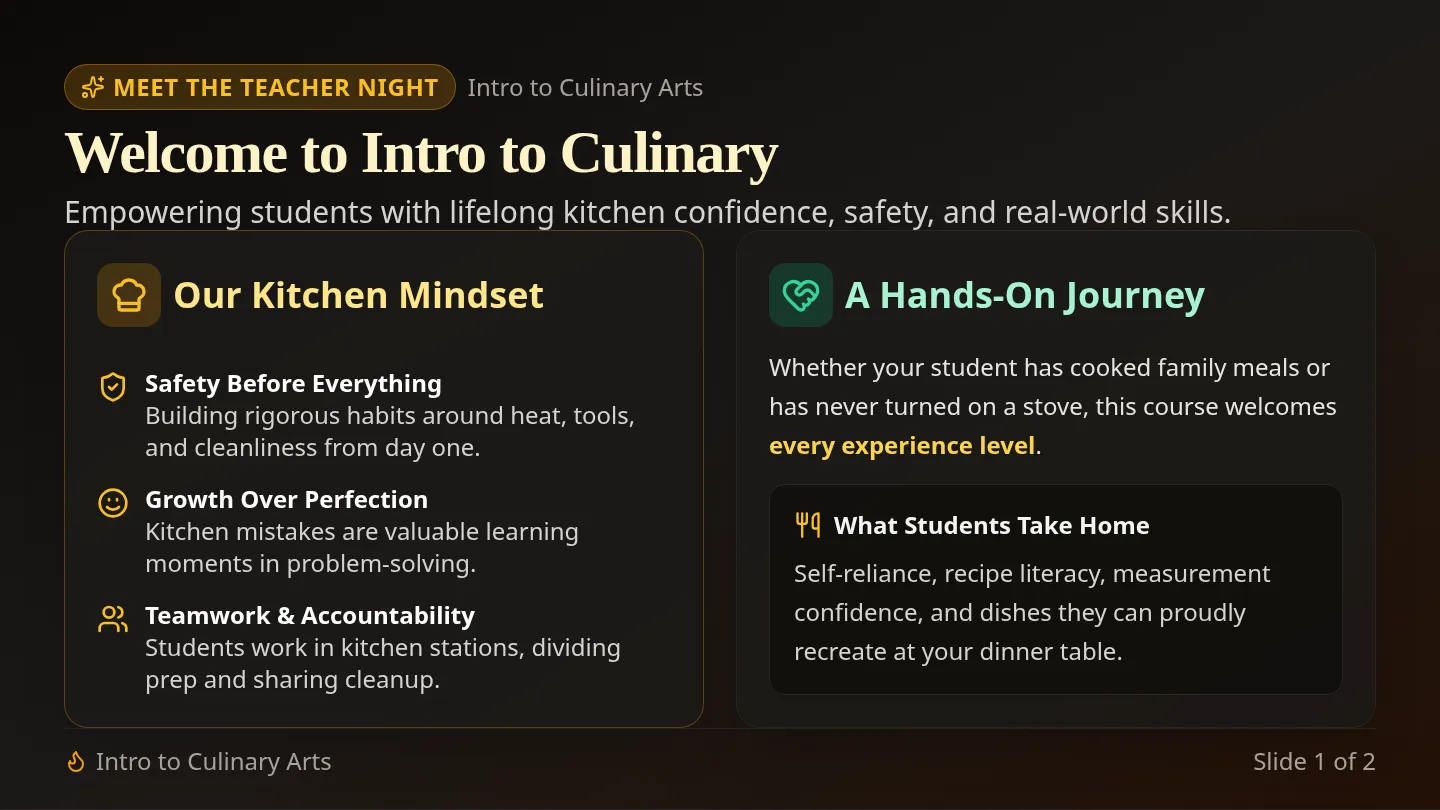
Kitchen Kickoff Slides

Kitchen Kickoff Slides

A welcoming 2-slide presentation for Meet the Teacher Night detailing the four core units: Safe Kitchen, Knife Skills, Food Safety, and Cuisine and Culture, alongside course philosophy and family partnership.

KK

Kevin Kurka

Safe Shift Slides

Safe Shift Slides

A 21-slide middle-school accessible workplace safety presentation featuring embedded OSHA instructional videos, core safety rights, and a two-step 'Safe or Not Safe?' photo voting game where students discuss and vote on scrambled incident photos before the official OSHA verdict and breakdown are revealed on the following slide.

KB

Kelly Brown

Sequences

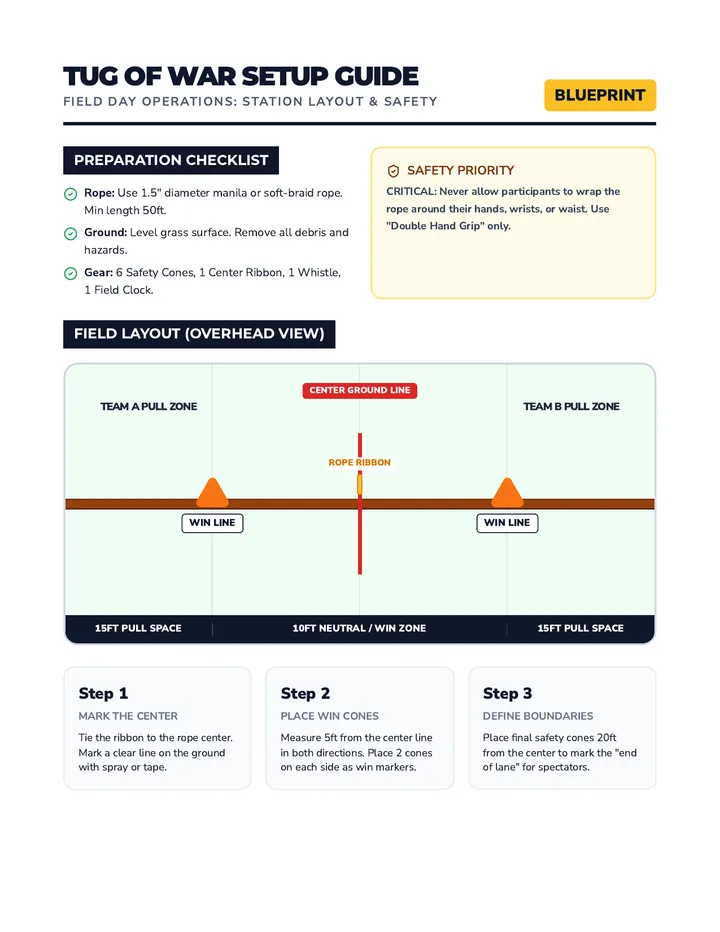
Tug of War Setup Guide

Field Day Favorites Pack

A comprehensive collection of field day game guides, setup diagrams, and safety protocols for popular outdoor activities.

C

Chad.Koke

17
Methuen Wellness Curriculum Reference Sheet

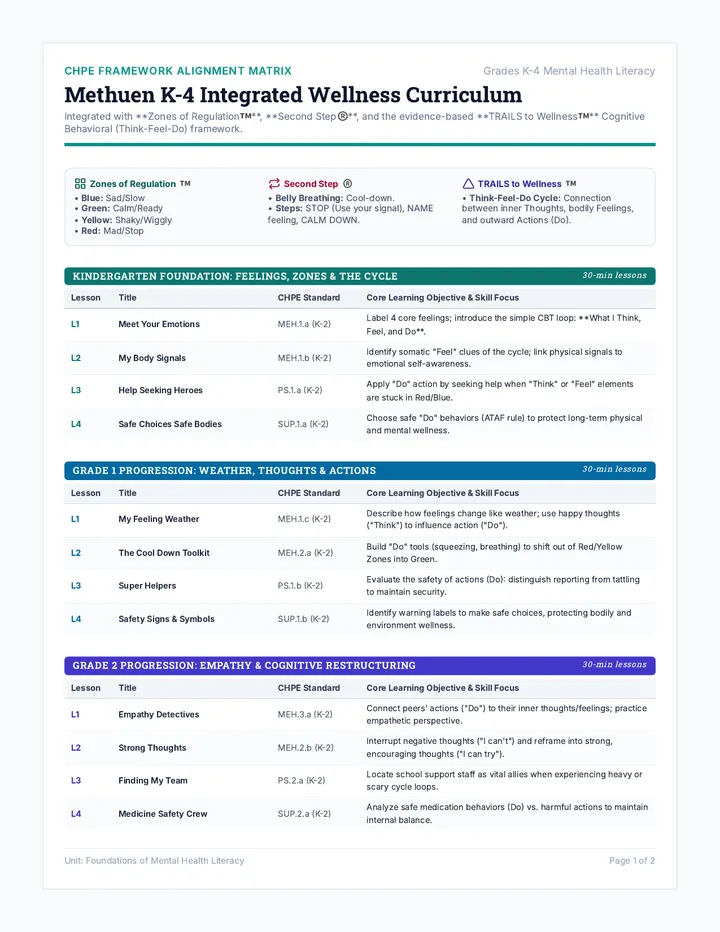
Methuen K-4 Integrated Wellness Curriculum

A comprehensive, developmentally appropriate mental health literacy curriculum for elementary students (Grades K-4) aligned with the CHPE Framework. This curriculum delivers structured lessons across multiple grades covering emotion identification, physical body signals, trusted helpers, and safe choices, integrated with Zones of Regulation, Second Step, and TRAILS to Wellness.

JC

John Crocker

61
Summer Safety Hero Slides

Summer Safety Academy

A multi-grade social-emotional learning unit focused on 'Summer Safety Heroes'. Lessons are tailored for different developmental levels, from 1st-grade foundations to 3rd-grade scientific mastery and risk management.

HM

Heidi Moore

26
Safety Squad Teacher Guide

Kitchen Heroes Academy

A 12-week introductory cooking curriculum for elementary students focusing on safety, nutrition, and the emotional connection to food.

CC

Chara C.

74
Bubble Slides

Boundary Bosses

A two-lesson sequence for 8th graders focusing on personal boundaries, digital privacy, consent, and safe touch using a 'Blueprint' aesthetic.

C

cgregory

6
Olympic Medal Tracker Handout

Childhood Olympics Review Week

A 4-day end-of-semester review event where students compete in 'Olympic heats' covering child development from toddlers to middle childhood, safety protocols, and nutrition. Each day features competitive activities that reward accuracy and teamwork as teams aim for the gold medal.

AL

Alex Levy

14