Lenny.com
Explore
Create
ActivitiesNewMathEnglish Language ArtsScience & EngineeringSocial StudiesGlobal LanguagesHealth & Physical EducationSpecial EducationCounseling & Life SkillsArts & CreativityESL
Lenny.com
Lenny.com
Explore
Create
ActivitiesNewMathEnglish Language ArtsScience & EngineeringSocial StudiesGlobal LanguagesHealth & Physical EducationSpecial EducationCounseling & Life SkillsArts & CreativityESL
Lenny.com
Health & Physical EducationMovement Skills and ConceptsBody ControlLocomotor SkillsNon-Locomotor SkillsFine Motor SkillsManipulative SkillsBalance and CoordinationSpatial AwarenessMovement PatternsRhythmic Activities and DanceRhythm and TimingDance BasicsIndividual and Dual SportsGymnastics and TumblingTrack and FieldRacket SportsSelf-Defense and Martial ArtsTeam SportsCooperative GamesSportsmanshipTeam CommunicationBasketball SkillsSoccer SkillsVolleyball SkillsFootball SkillsGame StrategiesFitness and Physical ActivityCardio FitnessFlexibility and StretchingMuscular Strength and EnduranceSetting Fitness GoalsHealthy HabitsHygiene PracticesSleep and RestPhysical Activity HabitsHydrationInjury PreventionBody Awareness and Self-CareDisease PreventionHealth Decision-MakingHelp-Seeking and Self-AdvocacyMental HealthMental Health BasicsEmotional AwarenessStress ManagementCoping StrategiesMindfulness PracticesBreathing and Relaxation TechniquesMeditation BasicsResilience and PerseveranceHealthy RelationshipsSocial and Emotional SkillsHelp-Seeking and Support SystemsDigital WellbeingNutritionNutrition BasicsFood GroupsBalanced MealsHealthy Eating HabitsReading Food LabelsPersonal SafetyRecognizing Unsafe SituationsHuman and Child TraffickingStranger DangerPersonal BoundariesFire and Water SafetyEmergency ResponseConflict Resolution BasicsInternet and Social Media SafetySafe Personal RelationshipsSubstance AwarenessTobacco AwarenessAlcohol AwarenessCannabis AwarenessOpioid AwarenessStimulant AwarenessPrescription Drug AwarenessRefusing Peer PressureOutdoor and Adventure ActivitiesOutdoor Recreation SafetyHiking and OrienteeringTeam Building Activities

Physical Activity Habits

Daily movement patterns, fitness goal-setting, and the physiological benefits of regular exercise. Equips students with strategies to integrate physical activity into sustainable lifestyle routines.

Lenny.com

Solutions

Lenny for EducatorsLenny for SchoolsLenny for Districts

Product

ExploreSign inCreateSupportAbout

Resources

Getting startedMTSS Acceleration Program

© 2026 Lenny Learning Inc.

TermsPrivacyAccessibility
LinkedInInstagramX
Lenny

Videos

How to Take Care of Your Amazing Body

How to Take Care of Your Amazing Body

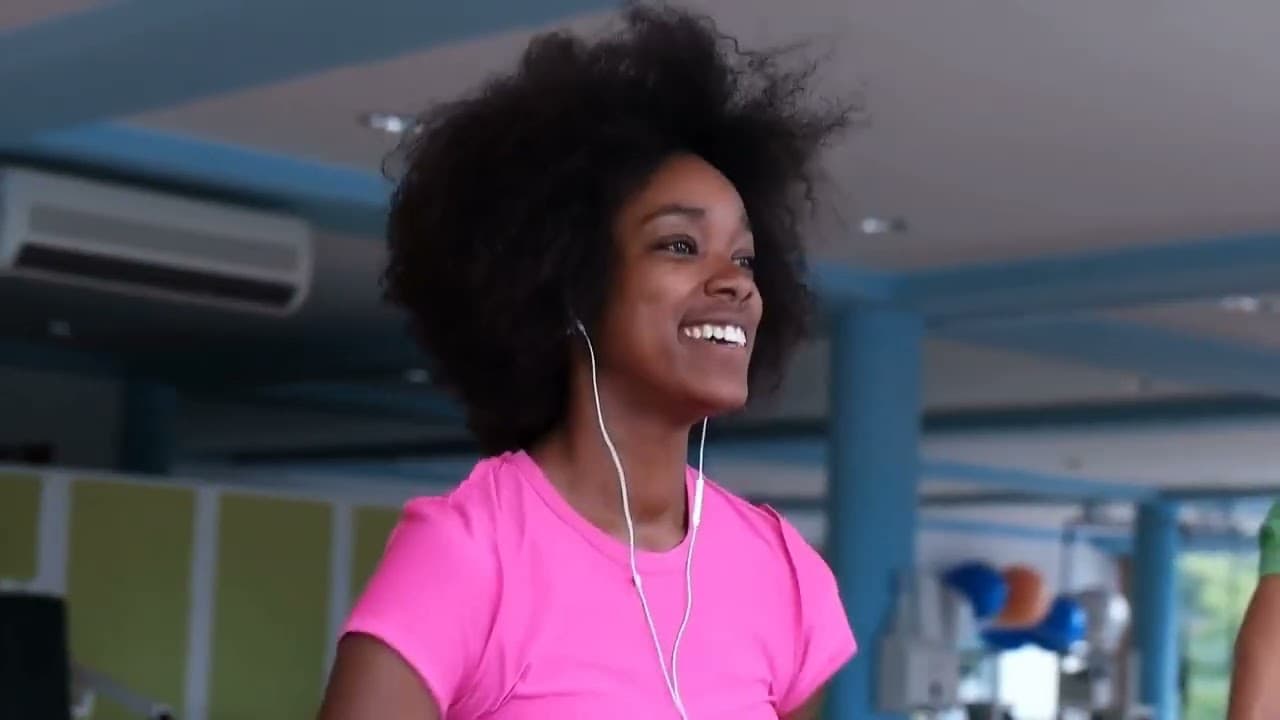
This engaging educational video introduces young learners to the fundamental habits required to maintain a healthy body. Through vibrant footage of diverse children in action, the narrator explains that our bodies are amazing machines capable of incredible feats, but they require regular maintenance to function optimally. The video breaks down health into four accessible categories: personal hygiene, physical activity, nutrition, and rest, providing concrete examples for each that children can easily relate to their daily lives. Key themes explored include the importance of cleanliness (washing hands, brushing teeth), the joy of movement (dancing, sports, outdoor play), and the balance of nutrition (prioritizing fruits and vegetables while treating sweets as occasional snacks). It specifically addresses the concept of "sometimes foods" versus "always foods," helping children navigate dietary choices without shame. The video concludes by adding a critical fourth pillar often overlooked in children's health discussions: the necessity of a good night's sleep. For educators, this resource serves as an excellent anchor for a "Healthy Living" unit in early elementary classrooms. Its clear structure allows teachers to pause and focus on one specific health aspect at a time. The relatable visuals of children engaging in everyday activities help students see themselves in the content, fostering a personal connection to healthy habits. It is particularly useful for sparking discussions about daily routines, categorizing foods, and understanding the 'why' behind rules like bedtime and handwashing.

Next Generation ScienceNext Generation Science

1min 56s

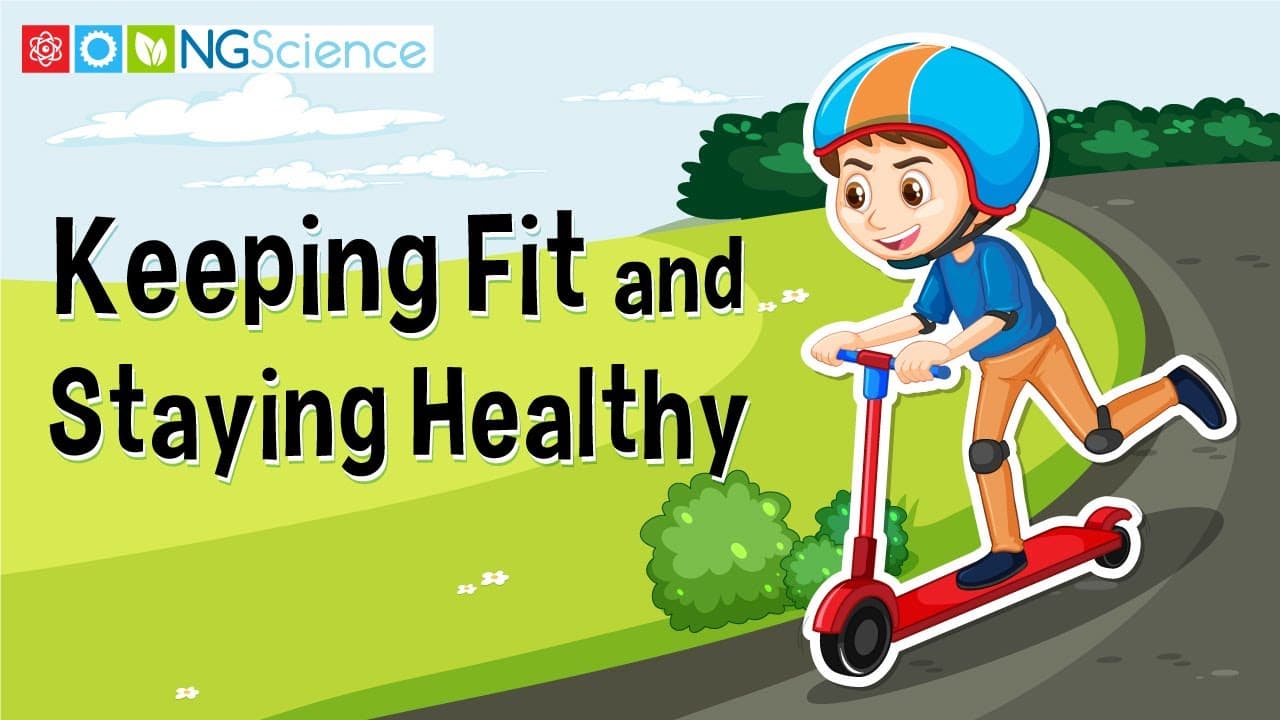
Four Fun Ways to Stay Healthy and Strong

Four Fun Ways to Stay Healthy and Strong

This engaging educational video introduces children to four fundamental pillars of a healthy lifestyle: exercise, nutrition, sleep, and hygiene. Through clear narration and relatable stock footage of diverse children, it breaks down complex health concepts into simple, actionable habits. The video explains not just *what* to do, but *why* these habits matter, connecting physical actions to benefits like brain function, body repair, and disease prevention. The content is structured around four distinct segments. First, it explores exercise, highlighting how movement benefits both the body and the brain by releasing happy chemicals. Second, it covers nutrition, emphasizing a balanced diet of fruits, vegetables, and proteins while dispelling the myth that healthy food is boring. Third, it discusses the restorative power of sleep and the importance of bedtime routines. Finally, it addresses personal hygiene practices like hand washing and teeth brushing to keep germs away. For educators, this video serves as an excellent anchor for a health and wellness unit. It provides a comprehensive overview that can be paused to dive deeper into each specific topic. The friendly tone and clear visual examples make it perfect for sparking classroom discussions about daily routines, encouraging students to reflect on their own habits, and inspiring them to make healthy choices both at school and at home.
Next Generation ScienceNext Generation Science

3mins 4s

5 Steps to a Healthy and Active Lifestyle

5 Steps to a Healthy and Active Lifestyle

This educational video provides a comprehensive guide to maintaining a healthy and active lifestyle, breaking down complex health concepts into five actionable steps suitable for young audiences. It explains the biological benefits of exercise—such as strengthening muscles, improving flexibility, and releasing mood-boosting hormones—while emphasizing that physical activity can be enjoyable rather than just a chore. The content covers a holistic view of health, exploring key themes beyond just movement. It integrates the importance of adequate sleep for cognitive function and muscle recovery, the necessity of limiting sedentary screen time, and the role of a balanced diet in fueling the body. A specific segment visualizes proper nutrition through a pie-chart breakdown of food groups, helping students understand portioning for optimal energy. For educators, this video serves as an excellent anchor for health and physical education units. It connects abstract health advice to concrete actions students can take immediately, like finding a sport they love or taking stretch breaks during gaming sessions. The clear structure allows teachers to focus on specific pillars of health—sleep, diet, or exercise—making it versatile for science lessons on the human body or guidance lessons on self-care and routine building.

Next Generation ScienceNext Generation Science

3mins 15s

Healthy Lifestyle

Healthy Lifestyle

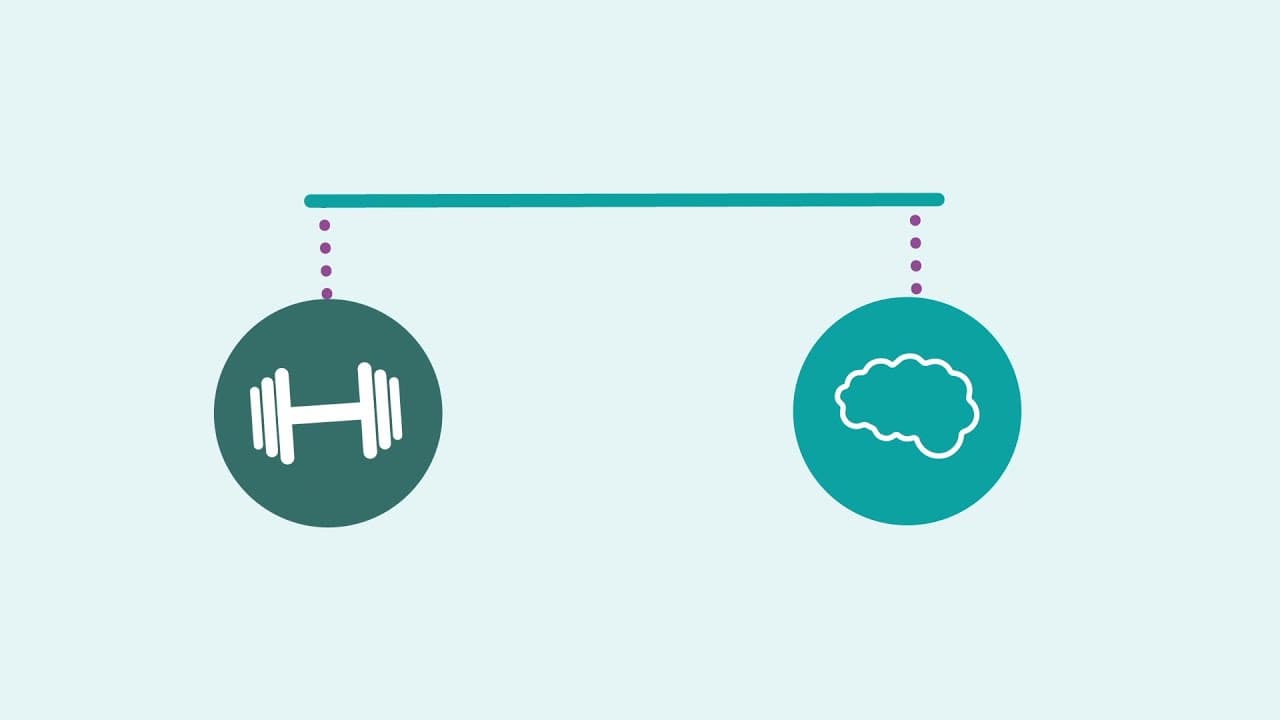
This educational video explores the profound connection between physical habits and mental health. It clearly illustrates how lifestyle choices—such as physical activity, diet, and substance use—directly impact our psychological wellbeing. The narrative emphasizes that caring for the body is an essential strategy for caring for the mind, debunking the idea that physical and mental health are separate entities. The video covers key themes including the biochemical benefits of exercise (endorphins), the accessibility of physical activity without expensive gyms, the importance of a balanced diet, and the negative spiral caused by alcohol, drugs, and smoking. It offers practical, manageable advice for making small changes, such as brisk walking, gardening, or using free apps to track progress. For educators, this resource is a powerful tool to introduce holistic health concepts. It shifts the conversation from "exercise for weight loss" to "exercise for mood regulation," which is often more motivating for students. It can spark discussions in health, physical education, and psychology classes about self-care strategies, the science of stress, and building sustainable healthy habits.

Every Mind MattersEvery Mind Matters

3mins 12s

Taking Care of Your Body During Puberty

Taking Care of Your Body During Puberty

This animated health education video provides a humorous yet informative guide to the physical changes associated with puberty, specifically focusing on hygiene. Narrated by a relatable teen vlogger character named Jane, the video normalizes common experiences like body odor, acne, and hair growth. It explains the biological reasons behind these changes, such as increased hormone production and sweat gland activity, removing the stigma often associated with them. The content offers practical, actionable advice for maintaining hygiene during this developmental stage. It covers essential habits like daily showering with soap, using deodorant, wearing clean clothes, and establishing a skincare routine. The video also emphasizes that while these changes are universal, individual experiences may vary, reinforcing the importance of doing what feels right and comfortable for one's own body. Teachers and parents will find this video particularly useful as a conversation starter for sensitive topics. Its lighthearted tone and clear explanations make it an excellent resource for health classes, helping students transition from anxiety about body changes to understanding and self-care. It empowers students with the knowledge to manage their hygiene confidently and promotes a healthy lifestyle through sleep, exercise, and nutrition.

AMAZE OrgAMAZE Org

2mins 46s

Keeping Your Brain Healthy

Keeping Your Brain Healthy

This educational video outlines practical, everyday strategies for maintaining and improving mental wellness, framing brain health as an active process similar to physical fitness. It introduces viewers to actionable habits such as practicing mindfulness, minimizing screen time, spending time in nature, maintaining a balanced diet, and seeking professional support when needed. The narration emphasizes that mental health requires consistency and patience, just like exercising any other muscle in the body. Key themes explored include the mind-body connection, digital wellness, the therapeutic benefits of nature, and the destigmatization of seeking therapy. The video explicitly connects lifestyle choices—like nutrition and exercise—directly to cognitive function and emotional well-being. It also addresses the impact of substance use on brain health, providing a holistic view of what it means to stay mentally fit. For educators, this video serves as an excellent primer for Social Emotional Learning (SEL) units focused on self-care, stress management, and health education. It provides a non-threatening entry point for discussing mental health, normalizing the idea of "brain check-ups," and empowering students with tangible tools they can use immediately to manage stress and anxiety.

Brain Health BootcampBrain Health Bootcamp

1min 48s

Materials

Adulting Celebration Chart 2 Player Final Fix 2

Adulting Celebration Chart 2 Player Final Fix 2

The ultimate compact version of the Adulting Celebration Chart with ultra-reduced line spacing and minimal vertical gaps. It utilizes tiny icons, condensed font sizes, and tight leading to provide a high-density workplace tracking experience that fits multiple players and comprehensive metrics in a single printable view. It moves metric descriptions inline to save vertical space.

SM

Shelley Morgan

Gym Ready Syllabus Slides

Gym Ready Syllabus Slides

A vibrant, visually engaging slide presentation tailored for Kindergarten and 1st Grade Health and Fitness classes, featuring simplified language, clear pictorial cues, Ms. Byndon's gym entry and exit routines, whistle signals, and positive behavior rewards.

N

nbyndon

Healthy Choices Slides

Healthy Choices Slides

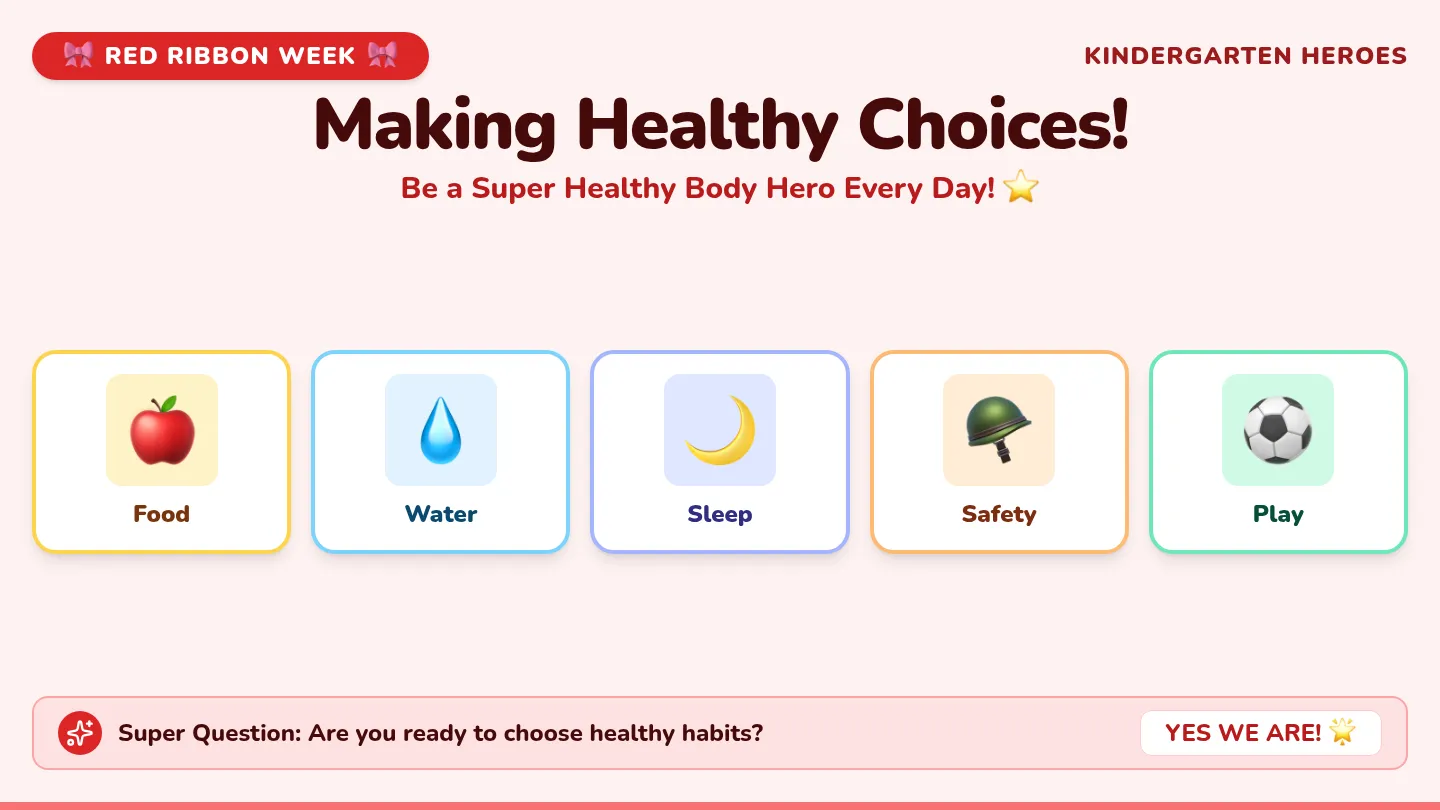
A 6-slide kindergarten presentation for Red Ribbon Week on making healthy choices, featuring a celebratory title slide followed by giant visual slides for food (with blueberries), water, sleep, transportation safety gear, and active play.

IN

I needRosa Vazquez

PE Rules and Routines Check

PE Rules and Routines Check

A 1-page 10-question multiple-choice and true/false assessment covering physical education class routines, behavior expectations, progressive discipline consequences, grading criteria, and equipment rules. Features high-visibility numbered badges and designated student info fields.

KA

Kashif Anthony

Healthy Choices Scenario Cards

Healthy Choices Scenario Cards

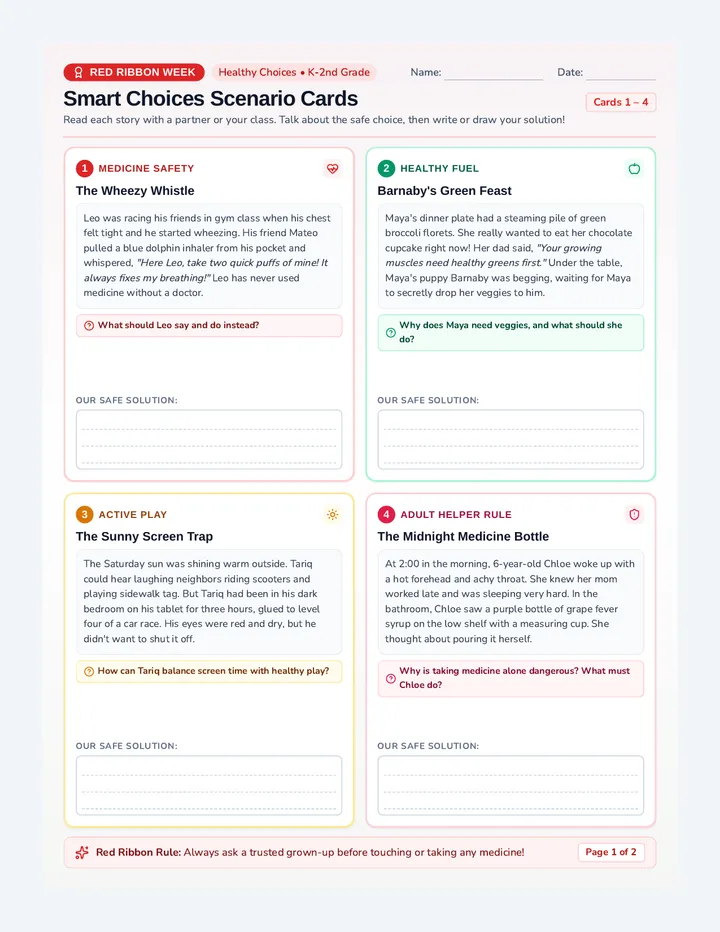
Eight engaging, realistic Red Ribbon Week scenarios for K-2 students focused on healthy decision-making, medicine safety, nutrition, active play, household safety, and emotional self-regulation. Each card features an illustrated dilemma paragraph and dedicated response lines for student problem-solving.

KT

Kristin Tines

Body Power Lab Worksheet

Body Power Lab Worksheet

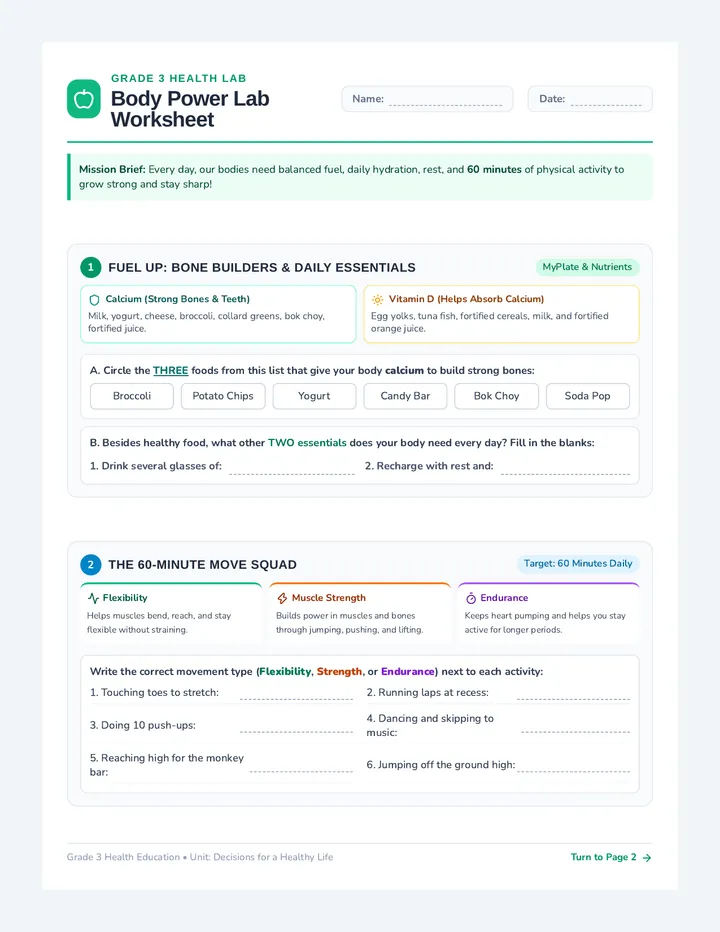
A two-page printable 3rd-grade health worksheet covering decision-making steps, trusted adult helpers, MyPlate food groups, calcium and vitamin D bone-builders, 60 minutes of physical activity types, media advertising literacy, and a healthy snack design challenge.

S

SD

Sequences

Freshness Slides (3) v2

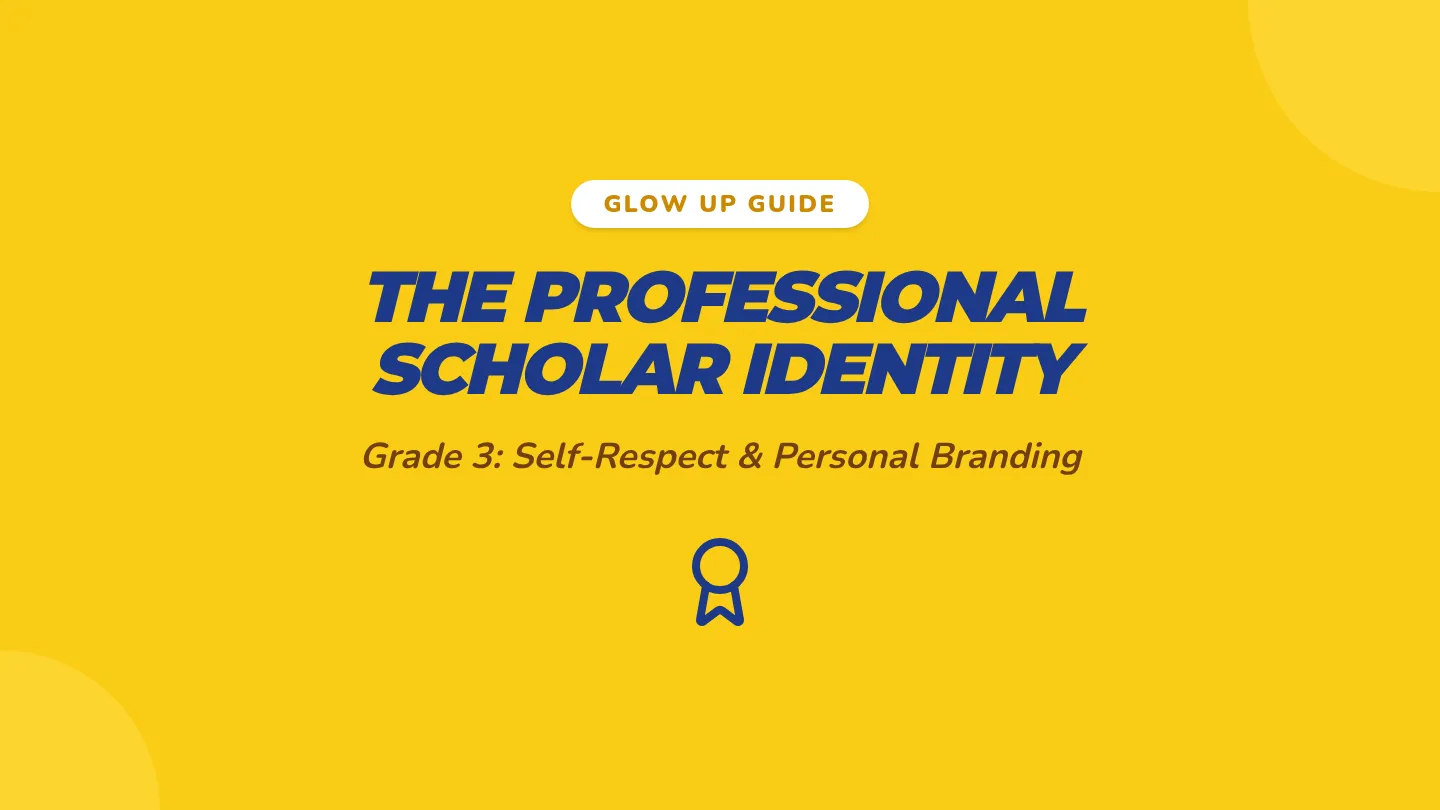
Glow Up Guide (K-4)

A comprehensive SEL-integrated hygiene curriculum for elementary scholars (K-4), focusing on self-awareness, social impact, and personal responsibility through the lens of a 'Glow Up'.

T

tkeya.void

86
Safe Circles Slides

Mindful Choices

A two-week wellness unit for middle schoolers focused on analyzing influences (media, tech, values) and mastering health-enhancing decision-making models. Students culminate their learning by creating a collaborative research poster on a chosen wellness topic.

CH

Collin Harney

39
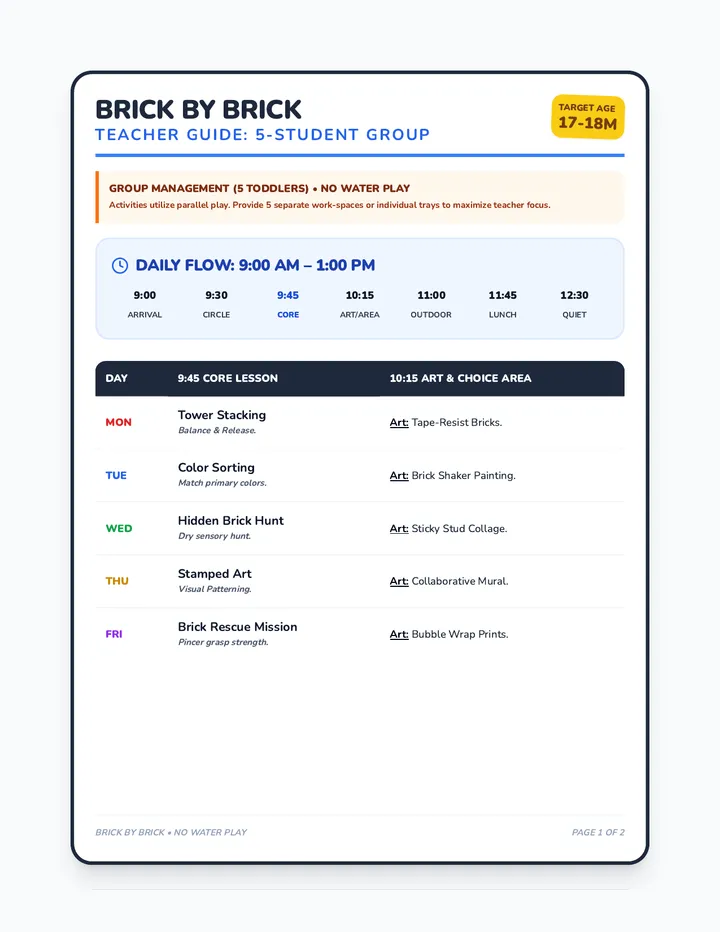
Weekly Curriculum Overview Teacher Guide

Toddler Theme Weeks

A collection of comprehensive week-long curricula for toddlers aged 17-18 months. Each themed week focuses on developmental play, sensory exploration, and fine motor skills for a group of 5 students with zero water play.

SN

Susan Nowlin

69
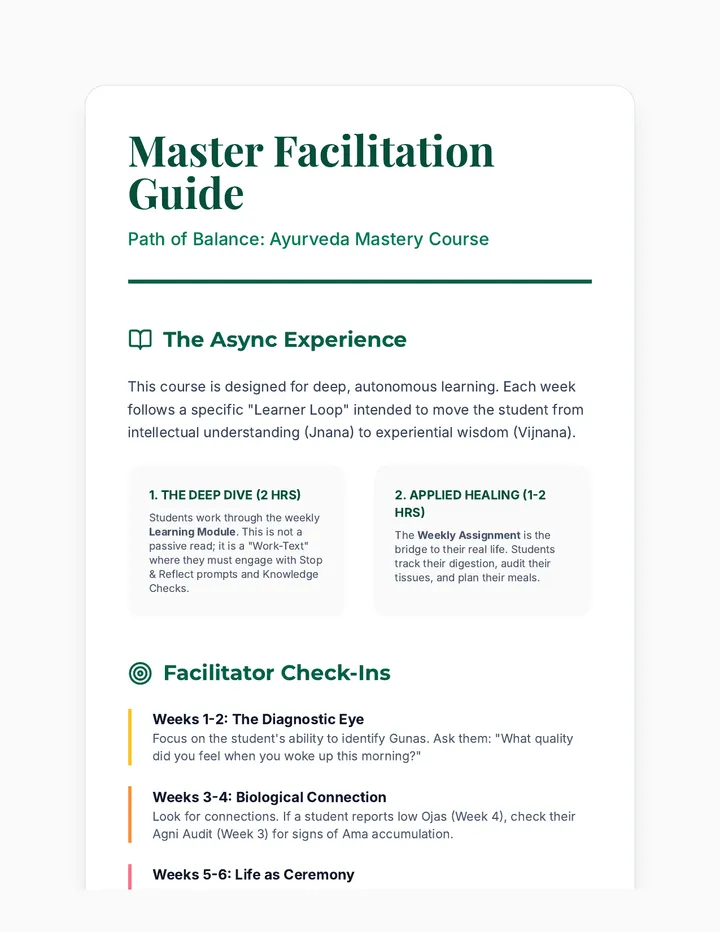
Master Facilitation Guide

Path of Balance Mastery

A professional 6-week certification-style journey into Ayurveda. Each week features a comprehensive 2-hour 'Deep Dive Module' combining academic reading, interactive reflections, and knowledge checks, supported by practical 'Applied Healing' assignments (1-2 hours) for real-world integration.

AJ

Ann John

13
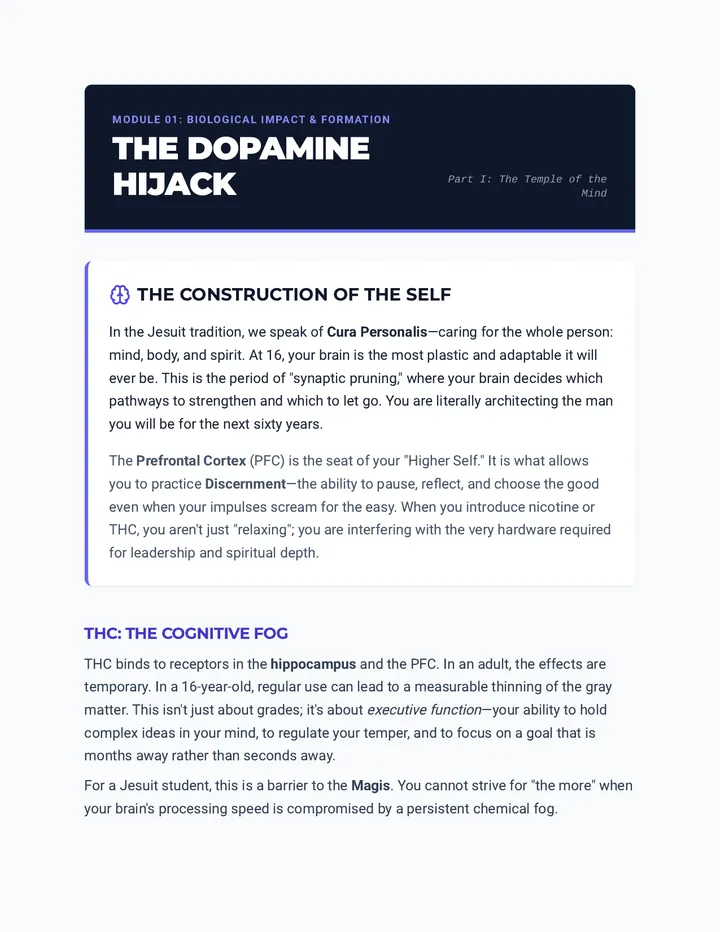
Body Blueprint Article

The Reset Project

A restorative learning program designed for high school students to reflect on the impact of substance use and prepare for a positive return to their school community. The program balances scientific facts with deep personal reflection.

EL

Elijah Langston

4
Vaping Illusion Slides

Clear Air Quest

A comprehensive 5-day unit designed to educate students on the physiological effects of vaping and provide actionable, healthy coping mechanisms like deep breathing and mindfulness.

DH

Destiny Hancock

10