Lenny.com
Explore
Create
ActivitiesNewMathEnglish Language ArtsScience & EngineeringSocial StudiesGlobal LanguagesHealth & Physical EducationSpecial EducationCounseling & Life SkillsArts & CreativityESL
Lenny.com
Lenny.com
Explore
Create
ActivitiesNewMathEnglish Language ArtsScience & EngineeringSocial StudiesGlobal LanguagesHealth & Physical EducationSpecial EducationCounseling & Life SkillsArts & CreativityESL
Lenny.com
Lenny.com

Solutions

Lenny for EducatorsLenny for SchoolsLenny for Districts

Product

ExploreSign inCreateSupportAbout

Resources

Getting startedMTSS Acceleration Program

© 2026 Lenny Learning Inc.

TermsPrivacyAccessibility
LinkedInInstagramX
Lenny

Disease Prevention

Essential hygiene routines, immune system function, and strategies for stopping the spread of infectious germs. Connects healthy daily habits to the long-term prevention of chronic illnesses.

Health & Physical EducationMovement Skills and ConceptsBody ControlLocomotor SkillsNon-Locomotor SkillsFine Motor SkillsManipulative SkillsBalance and CoordinationSpatial AwarenessMovement PatternsRhythmic Activities and DanceRhythm and TimingDance BasicsIndividual and Dual SportsGymnastics and TumblingTrack and FieldRacket SportsSelf-Defense and Martial ArtsTeam SportsCooperative GamesSportsmanshipTeam CommunicationBasketball SkillsSoccer SkillsVolleyball SkillsFootball SkillsGame StrategiesFitness and Physical ActivityCardio FitnessFlexibility and StretchingMuscular Strength and EnduranceSetting Fitness GoalsHealthy HabitsHygiene PracticesSleep and RestPhysical Activity HabitsHydrationInjury PreventionBody Awareness and Self-CareDisease PreventionHealth Decision-MakingHelp-Seeking and Self-AdvocacyMental HealthMental Health BasicsEmotional AwarenessStress ManagementCoping StrategiesMindfulness PracticesBreathing and Relaxation TechniquesMeditation BasicsResilience and PerseveranceHealthy RelationshipsSocial and Emotional SkillsHelp-Seeking and Support SystemsDigital WellbeingNutritionNutrition BasicsFood GroupsBalanced MealsHealthy Eating HabitsReading Food LabelsPersonal SafetyRecognizing Unsafe SituationsHuman and Child TraffickingStranger DangerPersonal BoundariesFire and Water SafetyEmergency ResponseConflict Resolution BasicsInternet and Social Media SafetySafe Personal RelationshipsSubstance AwarenessTobacco AwarenessAlcohol AwarenessCannabis AwarenessOpioid AwarenessStimulant AwarenessPrescription Drug AwarenessRefusing Peer PressureOutdoor and Adventure ActivitiesOutdoor Recreation SafetyHiking and OrienteeringTeam Building Activities

Videos

What Happens During a Dental Checkup

What Happens During a Dental Checkup

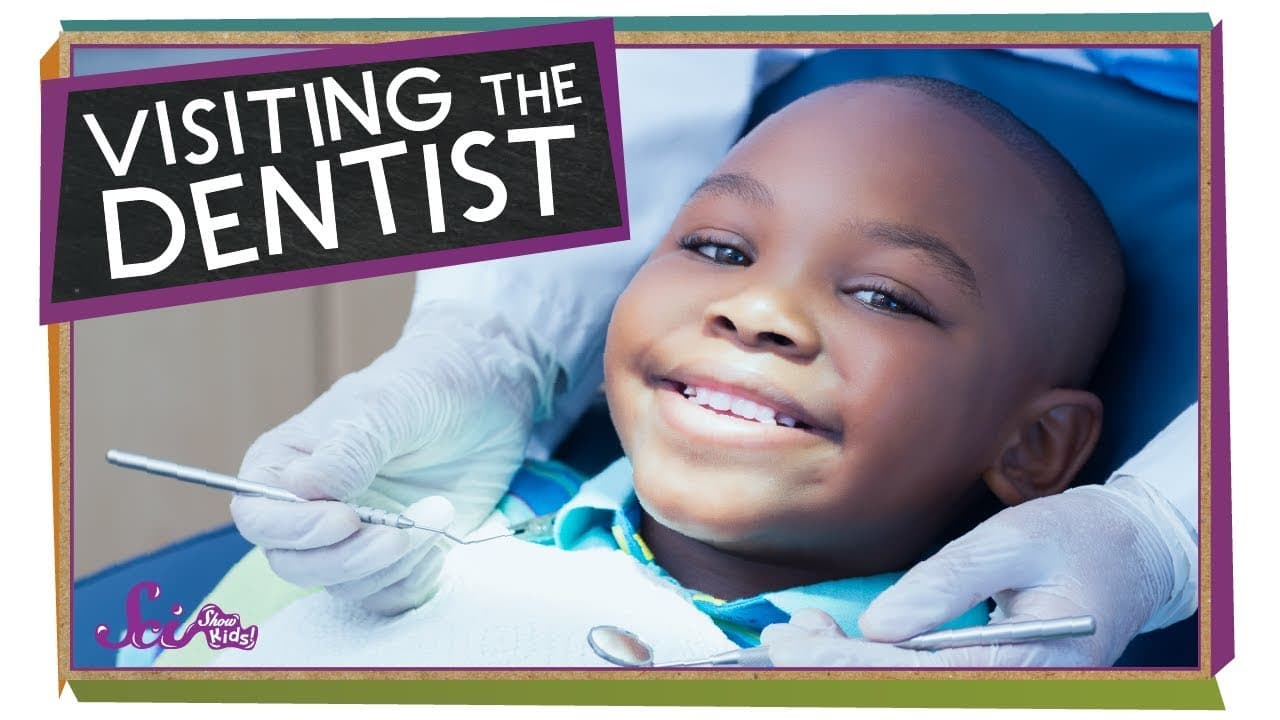
In this engaging episode of SciShow Kids, host Jessi and her robot friend Squeaks explore exactly what happens during a visit to the dentist. After returning from her own appointment with a "goody bag" of dental supplies, Jessi breaks down the step-by-step process of a professional teeth cleaning. She introduces the role of the dental hygienist and explains the specific tools used to keep teeth healthy, demystifying the strange noises and sensations children experience in the dental chair. The video covers key oral health concepts including plaque buildup, the formation of cavities, and the purpose of X-rays. It provides detailed, age-appropriate explanations for various dental instruments like the metal scaler, the electric scaler (water sprayer), the suction tube, and the polisher. Through clear animations and friendly narration, the video explains why daily brushing isn't always enough and why professional checkups are necessary to remove hardened plaque and check for cavities. This resource is an excellent tool for health education and social-emotional learning, particularly for alleviating anxiety about dental visits. By familiarizing students with the sights, sounds, and vocabulary of a dental appointment, teachers can help transform a potentially scary experience into an understandable routine. It connects well to units on community helpers, body systems, personal hygiene, and healthy habits for early elementary students.

SciShow KidsSciShow Kids

4mins 12s

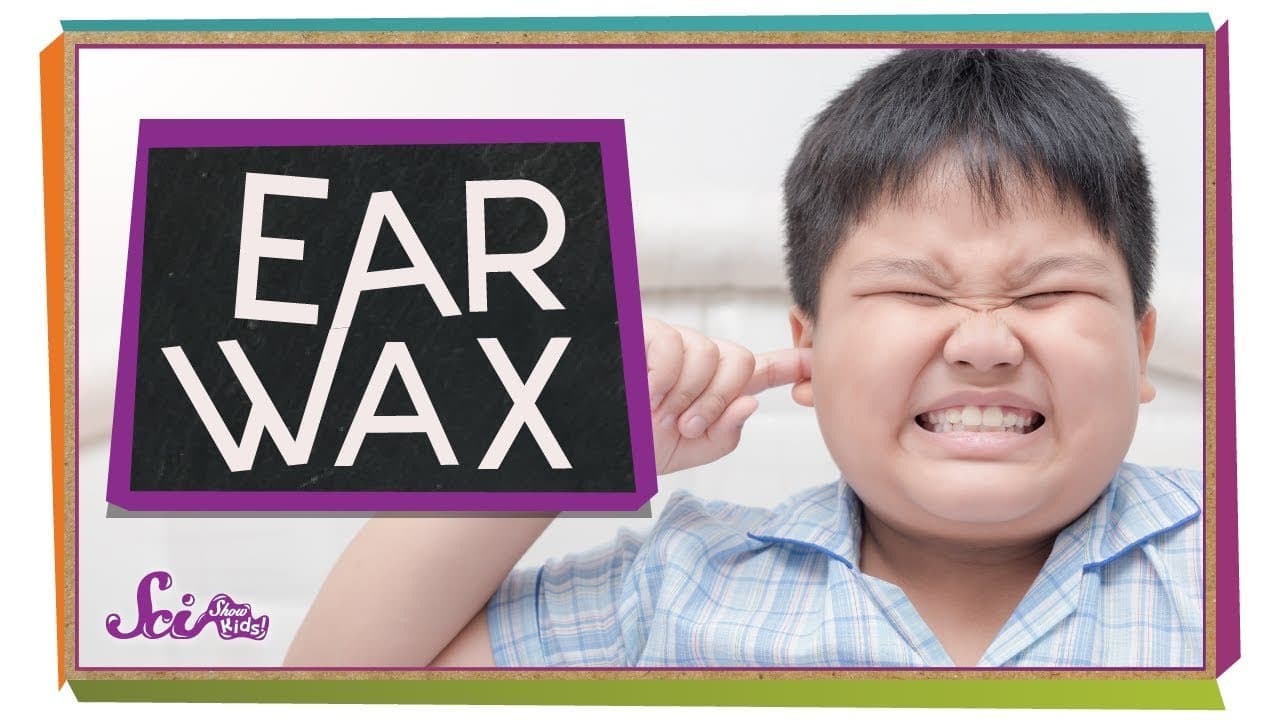
Why Our Ears Make Wax and How It Protects Us

Why Our Ears Make Wax and How It Protects Us

This engaging episode of SciShow Kids explores the science behind earwax, scientifically known as cerumen. Host Jessi and her robot rat friend Squeaks explain what earwax is, where it comes from, and the vital role it plays in keeping our ears healthy. Through colorful animations and clear explanations, the video demystifies a bodily function that children often find "gross" but intriguing. The video breaks down the anatomy of the ear, specifically the ear canal, and uses accessible metaphors to explain how earwax acts as a self-cleaning mechanism. Key topics include the production of cerumen, how jaw movement helps move wax out of the ear, and the three main jobs of earwax: moisturizing the ear canal, removing dead skin cells, and trapping germs and dust to protect the eardrum. Ideally suited for early elementary science and health curriculums, this resource serves as excellent material for teaching body systems, hygiene, and personal safety. It directly addresses the common childhood habit of putting objects in ears, providing a scientific explanation for why ears are best left alone to clean themselves. Teachers can use this to spark discussions about how different parts of the body have specific protective functions.

SciShow KidsSciShow Kids

2mins 32s

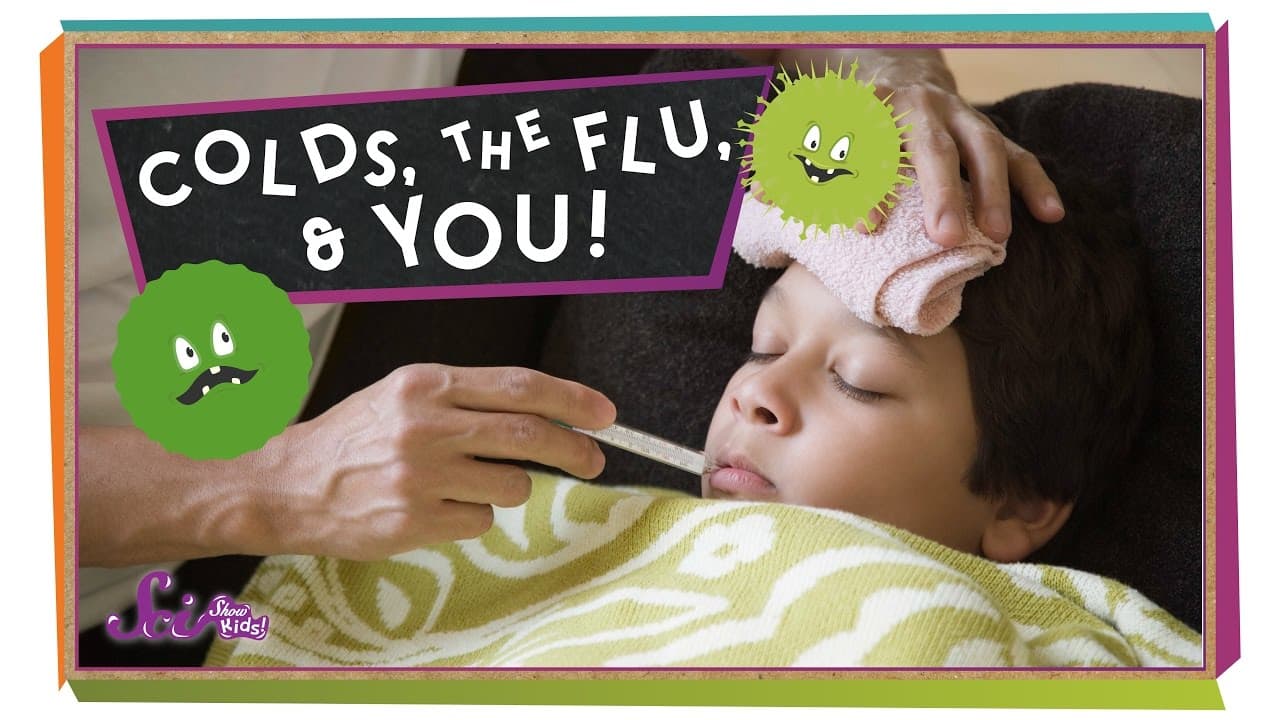
How the Flu Works and How Your Body Fights It

How the Flu Works and How Your Body Fights It

This engaging science video explains the biology behind the common cold and the flu, specifically tailored for young learners. Hosted by Jessi and her robot friend Squeaks, the video breaks down what causes sickness (viruses), how these microscopic invaders enter the body, and the specific mechanisms the body uses to fight back. It demystifies scary or unpleasant symptoms like runny noses, sneezing, and fevers by reframing them as heroic efforts by the body's defense system to expel germs.

SciShow KidsSciShow Kids

4mins 16s

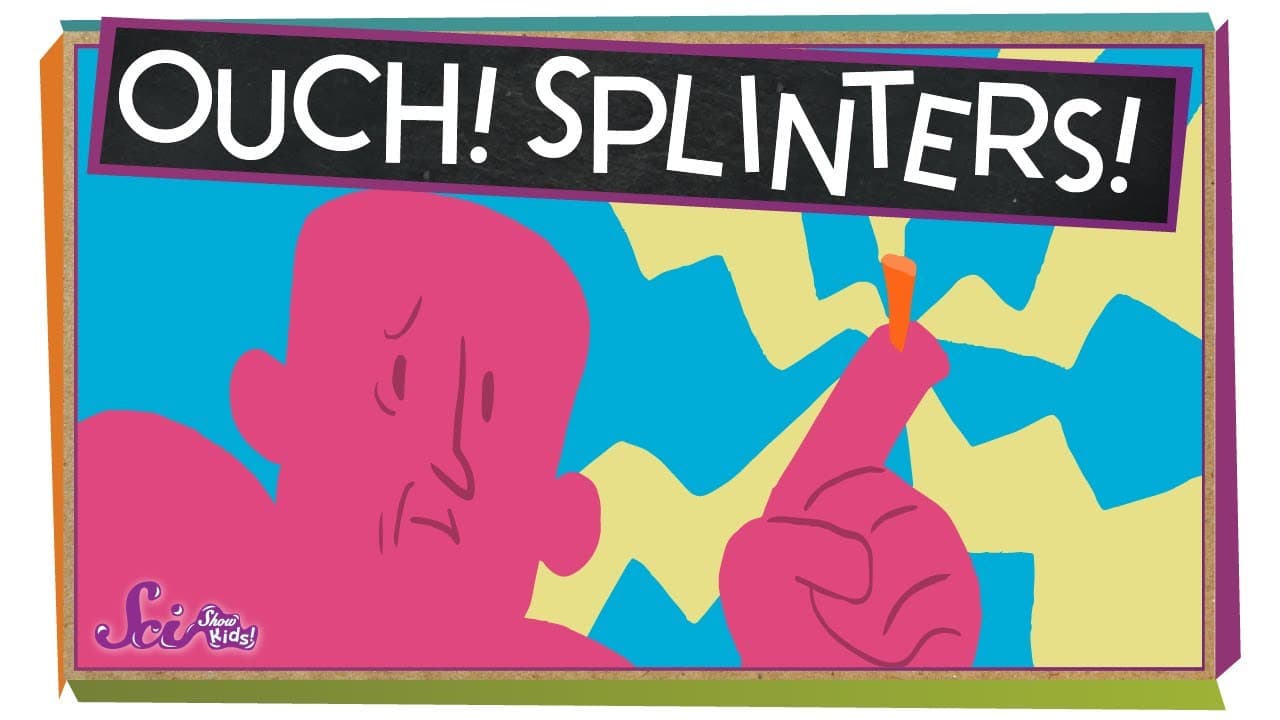
What Is a Splinter and How to Remove It Safely

What Is a Splinter and How to Remove It Safely

In this engaging episode of SciShow Kids, host Jessi explains the science behind a common childhood injury: the splinter. Using bright, geometric animations, the video breaks down exactly what a splinter is—defining it not just as wood, but potentially glass, metal, or plastic—and how these tiny objects get stuck in our skin. It explains why splinters hurt and details the body's biological response, including redness and swelling, which are signs that the body is fighting off potential germs. The video introduces key health concepts such as infection and hygiene in an age-appropriate way. It visually demonstrates how germs can hitch a ride on splinters like cactus thorns or rough wood, leading to infection if not treated. The narrative guides children through the importance of telling an adult when they get hurt and outlines the step-by-step process of safe removal: washing the area with soap and water, using tweezers, and applying a bandage. For educators, this video is an excellent resource for Health and Science lessons regarding personal safety, the human body, and first aid. It demystifies a painful experience that frightens many children, transforming it into a learning opportunity about biology and hygiene. It can be used to spark discussions about playground safety, the importance of wearing shoes, and why we wash cuts and scrapes to stay healthy.
SciShow KidsSciShow Kids

3mins 25s

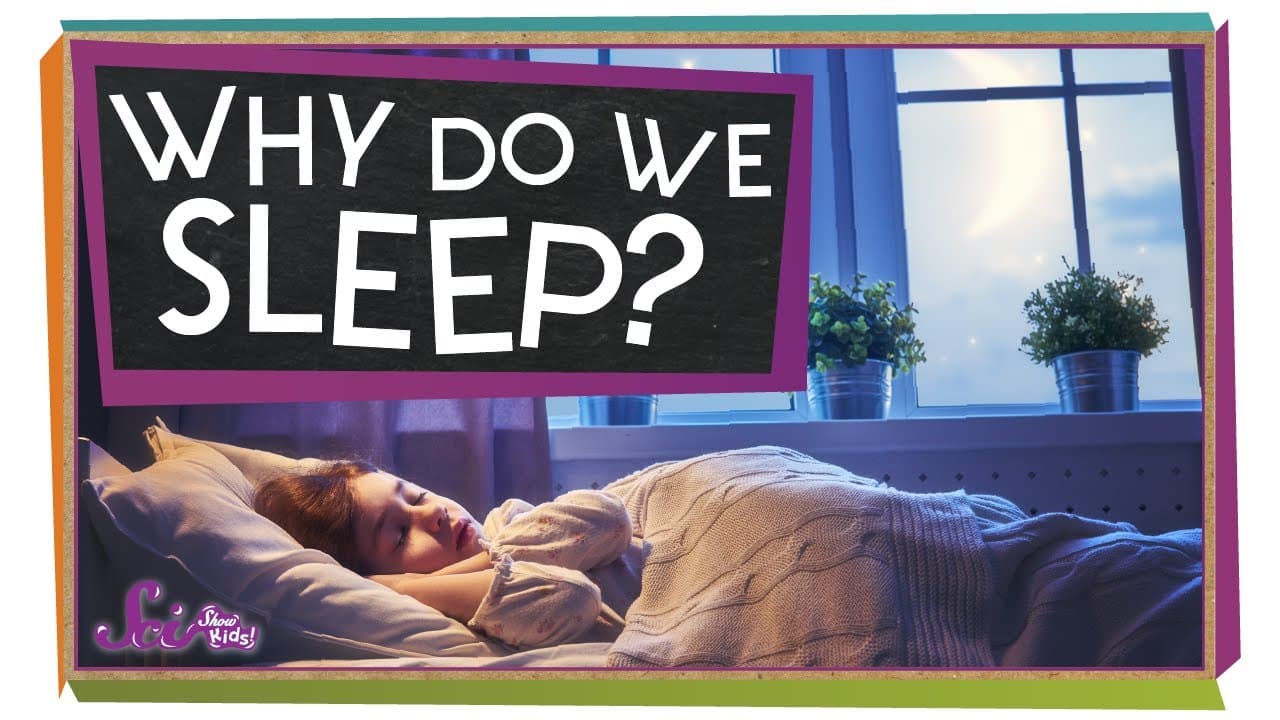
Why Sleep Is Important for Your Brain and Body

Why Sleep Is Important for Your Brain and Body

In this engaging episode of SciShow Kids, host Jessi and her robot mouse friend Squeaks explore the biological necessity of sleep. Starting with a relatable scenario where Jessi feels tired from a lack of rest, the video breaks down exactly what happens to the human body during slumber. It explains complex biological processes in age-appropriate terms, covering how the body conserves energy, heals itself, fights off germs, and physically grows during the night. The video places a special emphasis on the brain's role during sleep, using helpful metaphors like a "filing cabinet" to explain how the brain organizes memories and emotions. It addresses the consequences of sleep deprivation—such as lack of focus and irritability—and offers practical advice for better sleep hygiene. Key strategies introduced include establishing a consistent bedtime routine and avoiding electronic screens that can trick the body into thinking it is still daytime. For educators, this resource is an excellent tool for Health and Science units focused on the human body, self-care, and social-emotional learning. It provides a scientific basis for rules like bedtimes and screen limits, helping students understand the "why" behind healthy habits. The clear visual explanations of energy conservation and memory processing make abstract concepts concrete for young learners, facilitating discussions about self-regulation and physical well-being.

SciShow KidsSciShow Kids

3mins 33s

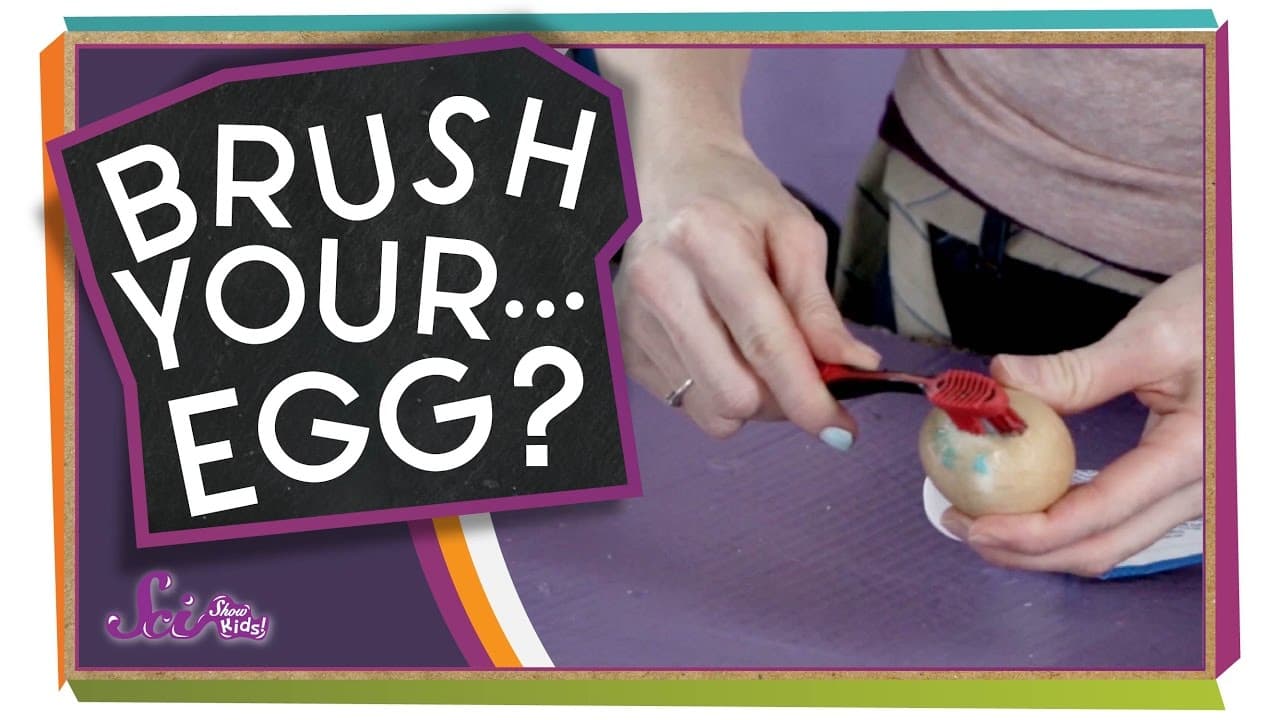
Why We Brush Our Teeth: The Egg and Soda Experiment

Why We Brush Our Teeth: The Egg and Soda Experiment

This educational video from SciShow Kids uses a hands-on experiment to visually demonstrate why brushing teeth is essential. By comparing eggshells to human teeth, the host explains how acidic foods and drinks like soda can erode enamel and cause staining. The video guides viewers through setting up a simple experiment at home using hard-boiled eggs and soda to simulate tooth decay. The content covers key scientific concepts including the properties of acids, the role of calcium in strengthening both eggshells and teeth, and the scientific method of hypothesis and observation. It connects chemistry to daily health habits, making the abstract concept of microscopic tooth damage concrete and understandable for young learners. Teachers can use this video to launch units on dental health, personal hygiene, or basic chemistry. It effectively motivates students to brush their teeth by showing the tangible 'gross' effects of neglect, while also serving as an excellent introduction to conducting scientific experiments with controls, variables, and observations.

SciShow KidsSciShow Kids

4mins 1s

Materials

Food Safety Mastery Worksheet

Food Safety Mastery Worksheet

A comprehensive 2-page print-ready student review worksheet accompanying the Food Safety Foundation Training slideshow. Covers foodborne illness criteria, TCS foods, contamination hazards, time-temperature controls, walk-in cooler storage hierarchy, personal hygiene protocols, and 3-compartment sink warewashing procedures.

B

Bonnie.Gomez

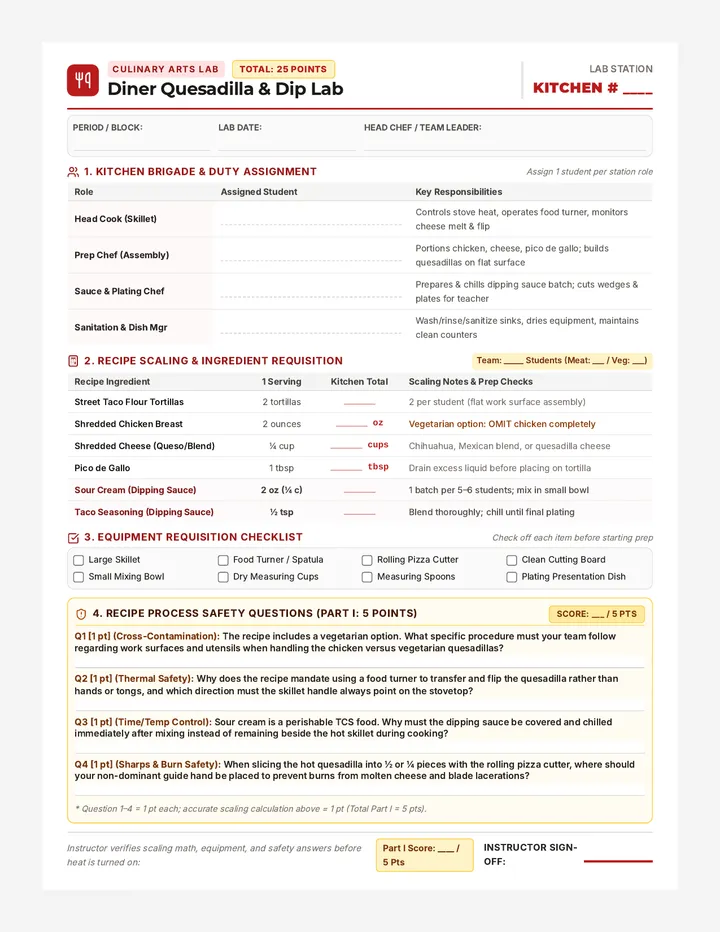
Diner Quesadilla Lab Sheet

Diner Quesadilla Lab Sheet

A comprehensive 2-page culinary arts lab planning sheet for American Diner Style Chicken and Cheese Quesadillas and Chilled Dipping Sauce, explicitly structured for a 25-point total grade across pre-lab safety questions, culinary technique, sauce quality, plating, and sanitation.

B

Bonnie.Gomez

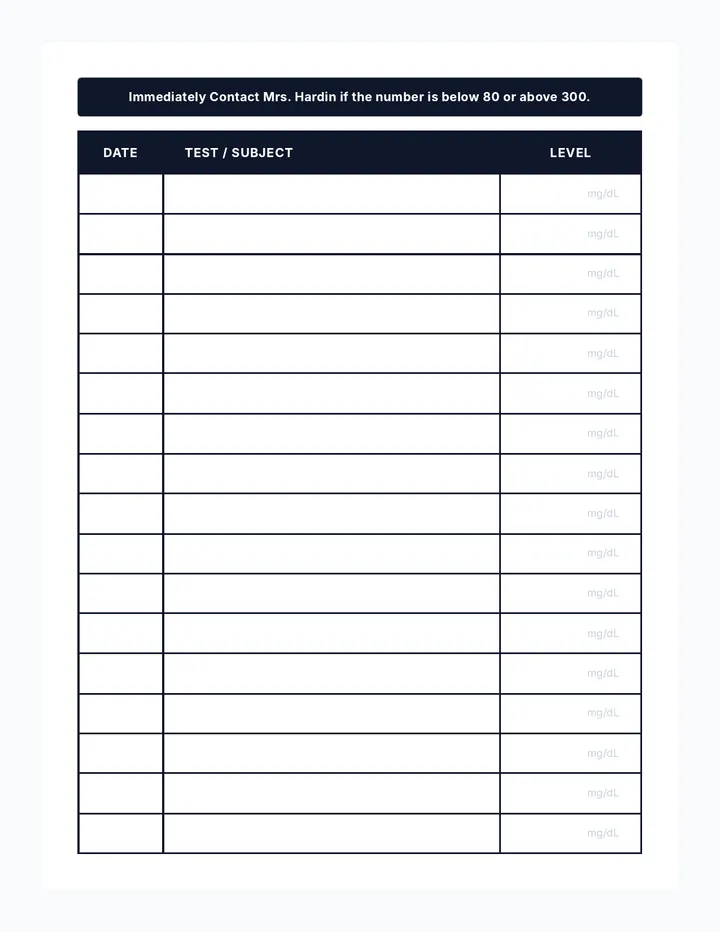
Blood Sugar Test Log

Blood Sugar Test Log

An ultra-simplified, high-contrast 3-column log sheet for students to track their levels and dates before taking tests. Designed for maximum focus and legibility with zero visual distractions.

KS

Kaila Strubhart

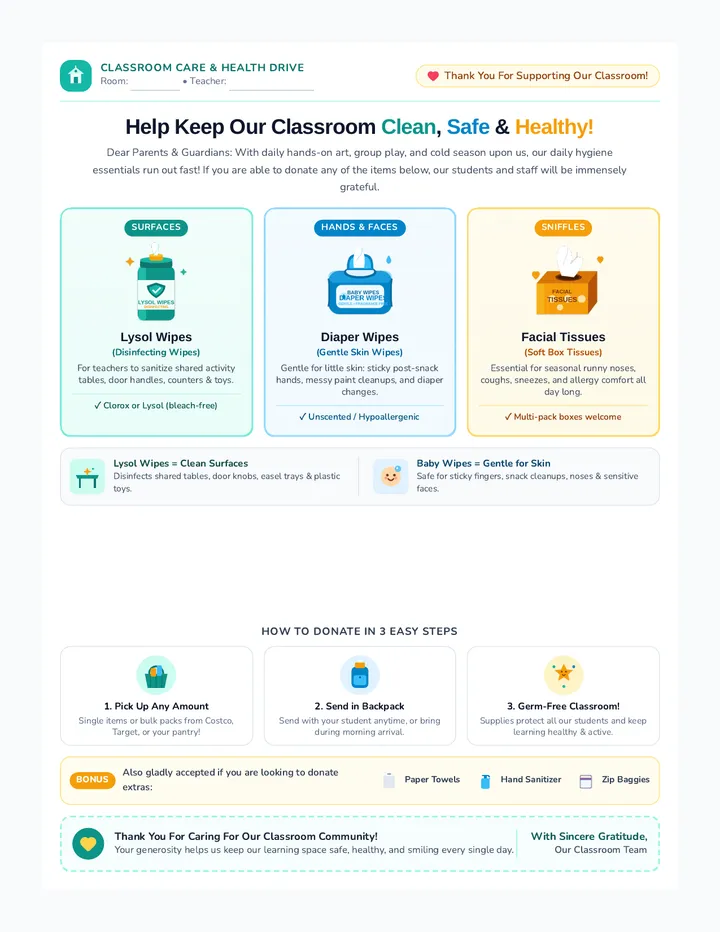
Clean Classroom Care Notice

Clean Classroom Care Notice

An illustrated classroom donation notice requesting Lysol wipes, diaper wipes, and tissues, featuring custom vector artwork across all sections, clear drop-off steps, bonus item icons, and a warm classroom thank-you note.

E

emwilson

HACCP Food Safety Protocol Worksheet

HACCP Food Safety Protocol Worksheet

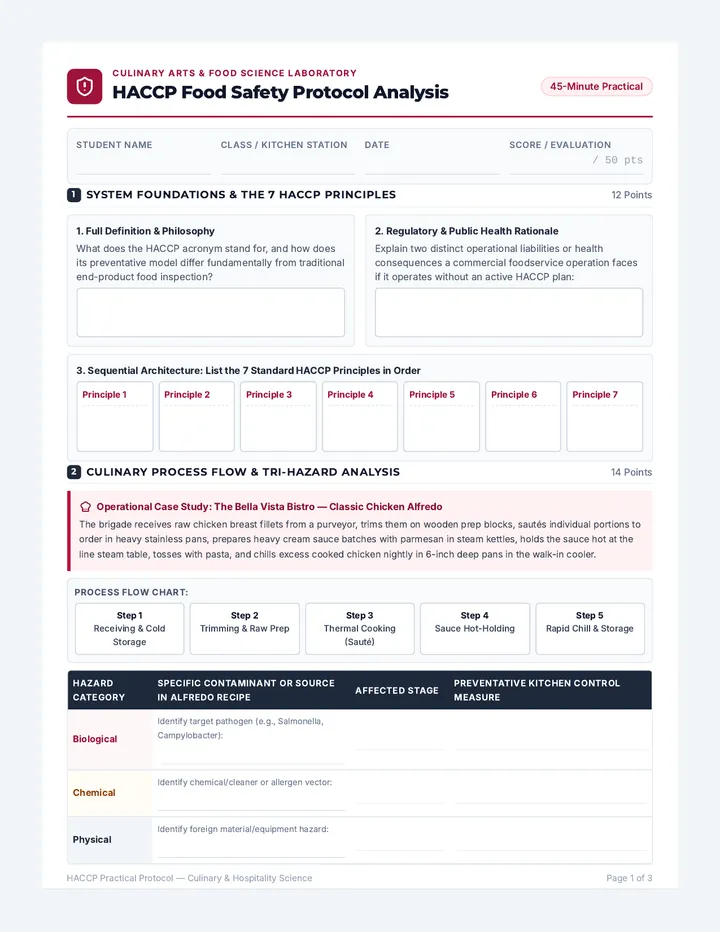
A comprehensive 3-page food safety and culinary arts worksheet on HACCP principles. Students analyze kitchen process flows, identify biological, chemical, and physical hazards, evaluate Critical Control Points using decision logic, establish science-based critical limits, and formulate corrective action protocols.

BF

Brandi Flanigan

Cleaning Crew Challenge Worksheet

Cleaning Crew Challenge Worksheet

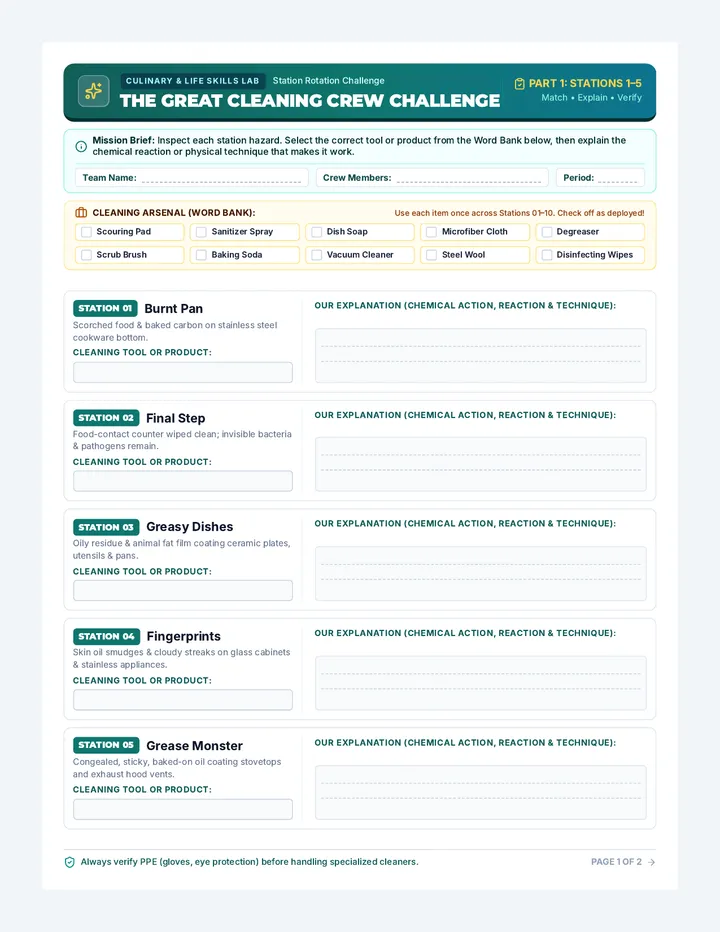
A 2-page print-ready station rotation challenge worksheet for students to identify tools, chemical agents, and scientific explanations across 10 cleaning stations, featuring an interactive-style word bank checklist with all 10 cleaning tools and products.

B

Bonnie.Gomez

Sequences

Freshness Slides (3) v2

Glow Up Guide (K-4)

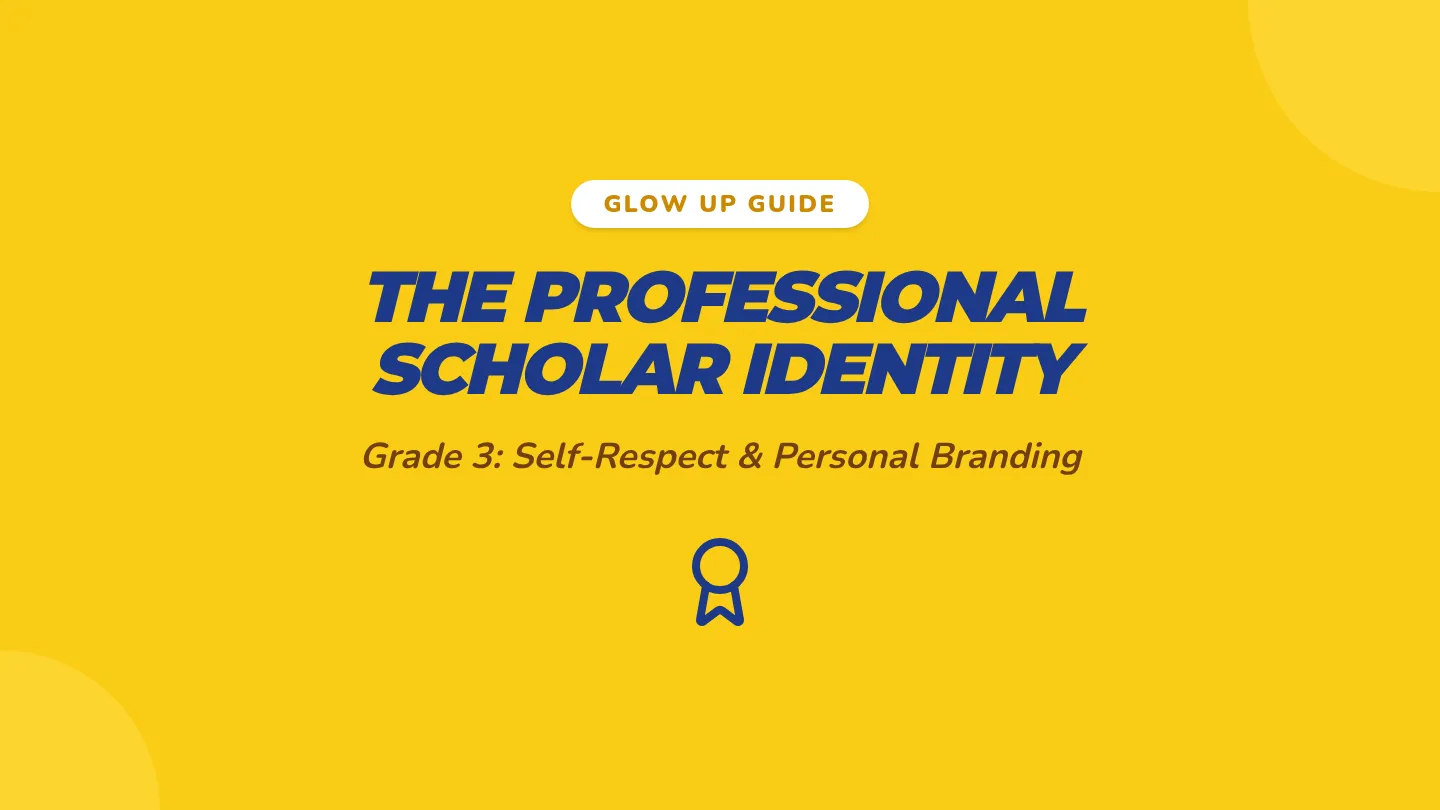
A comprehensive SEL-integrated hygiene curriculum for elementary scholars (K-4), focusing on self-awareness, social impact, and personal responsibility through the lens of a 'Glow Up'.

T

tkeya.void

86
Safe Circles Slides

Mindful Choices

A two-week wellness unit for middle schoolers focused on analyzing influences (media, tech, values) and mastering health-enhancing decision-making models. Students culminate their learning by creating a collaborative research poster on a chosen wellness topic.

CH

Collin Harney

39
Brain Hack Slides

The Vape Void

A comprehensive tobacco and vaping cessation program focused on the science of addiction, long-term health impacts, and practical refusal and quitting strategies for students.

GG

Gina Guerrero

8
Safety Squad Teacher Guide

Kitchen Heroes Academy

A 12-week introductory cooking curriculum for elementary students focusing on safety, nutrition, and the emotional connection to food.

CC

Chara C.

74
Vape Vault Anchor Chart

Breath Better

A comprehensive vaping prevention unit that covers health risks, the science of nicotine addiction, and social refusal strategies for middle and high school students.

CH

Christopher Hudon

10
Body Blueprint Article

The Reset Project

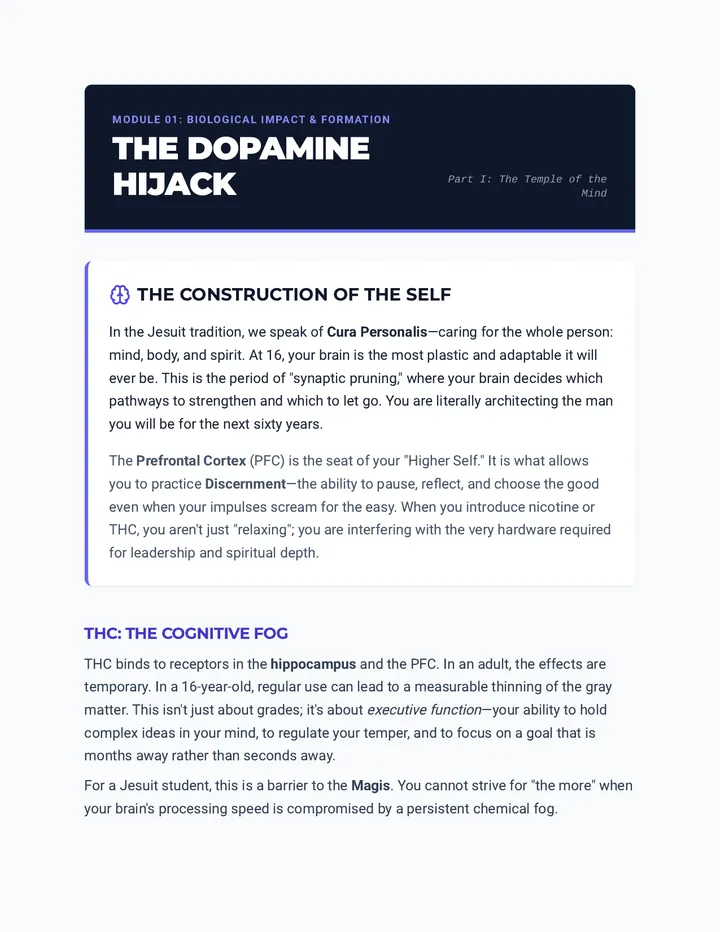
A restorative learning program designed for high school students to reflect on the impact of substance use and prepare for a positive return to their school community. The program balances scientific facts with deep personal reflection.

EL

Elijah Langston

4