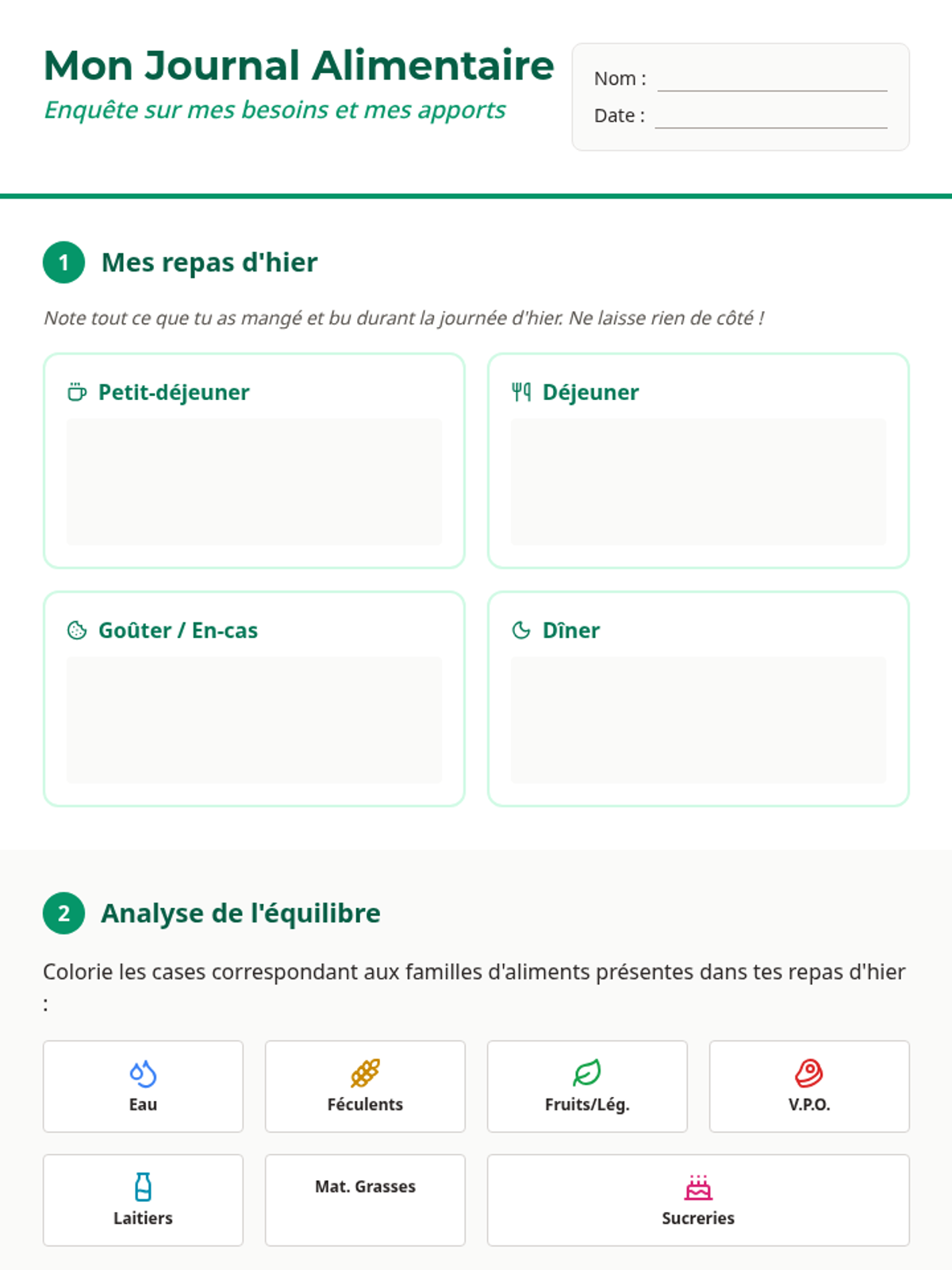
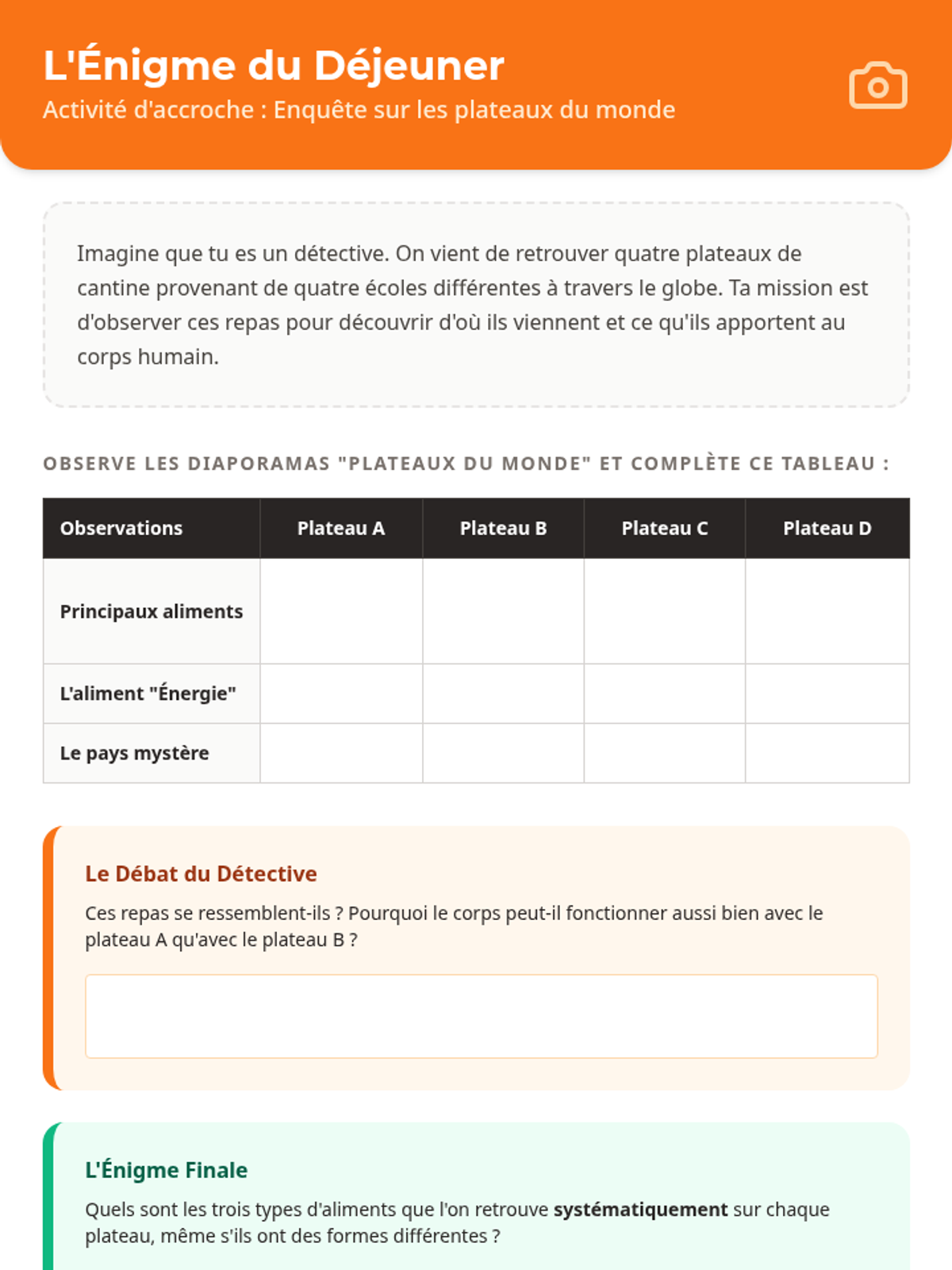
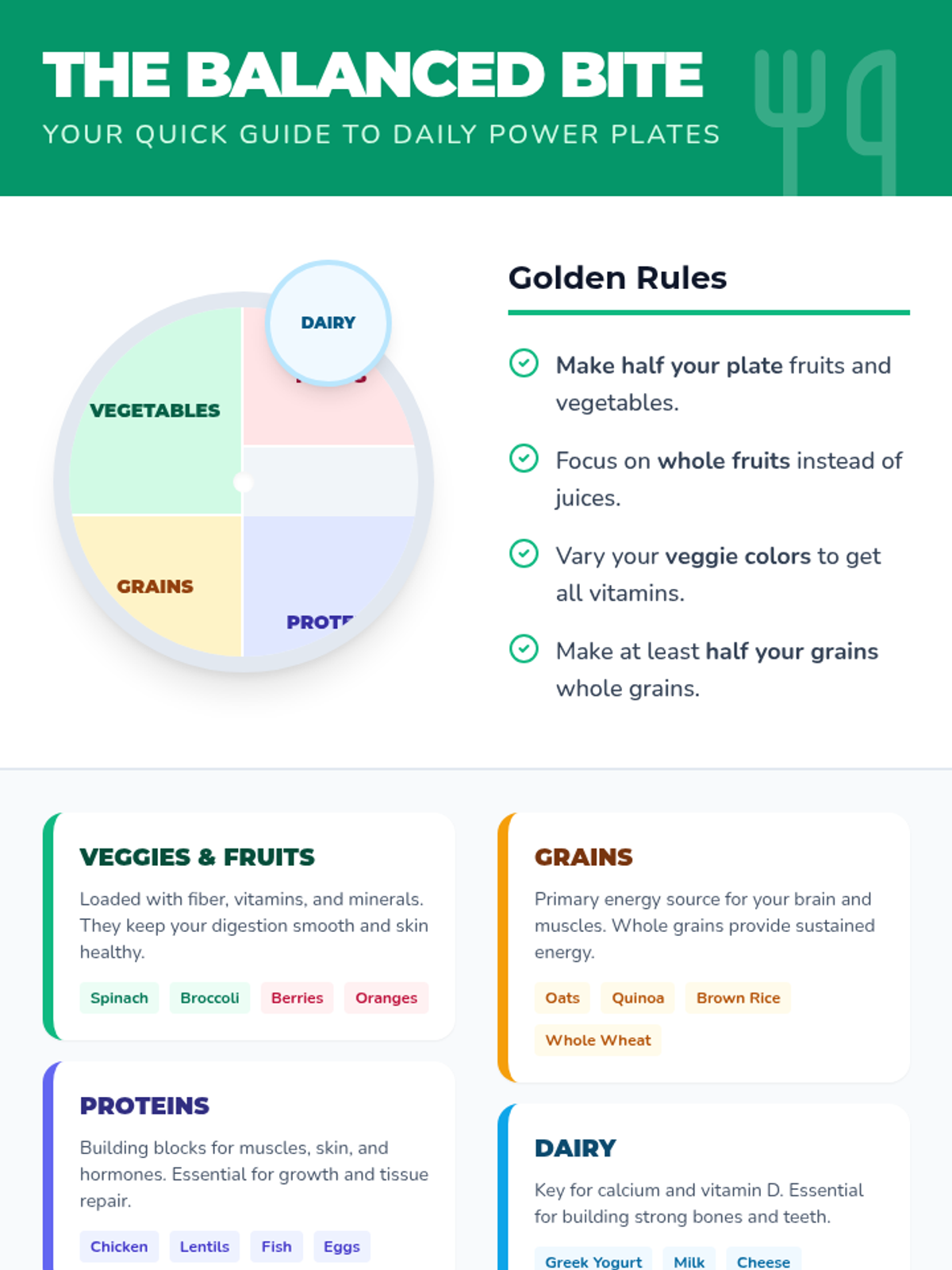
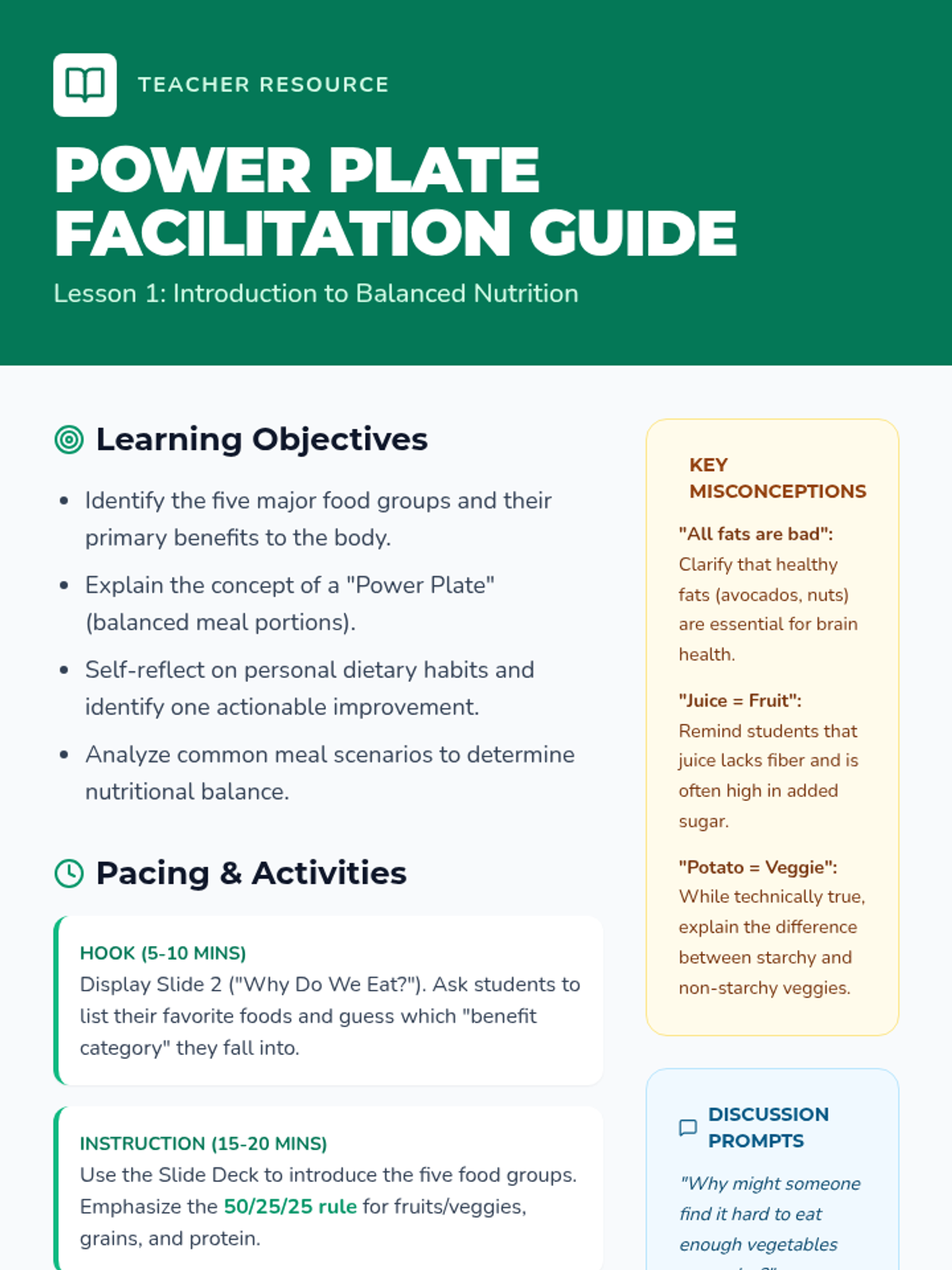
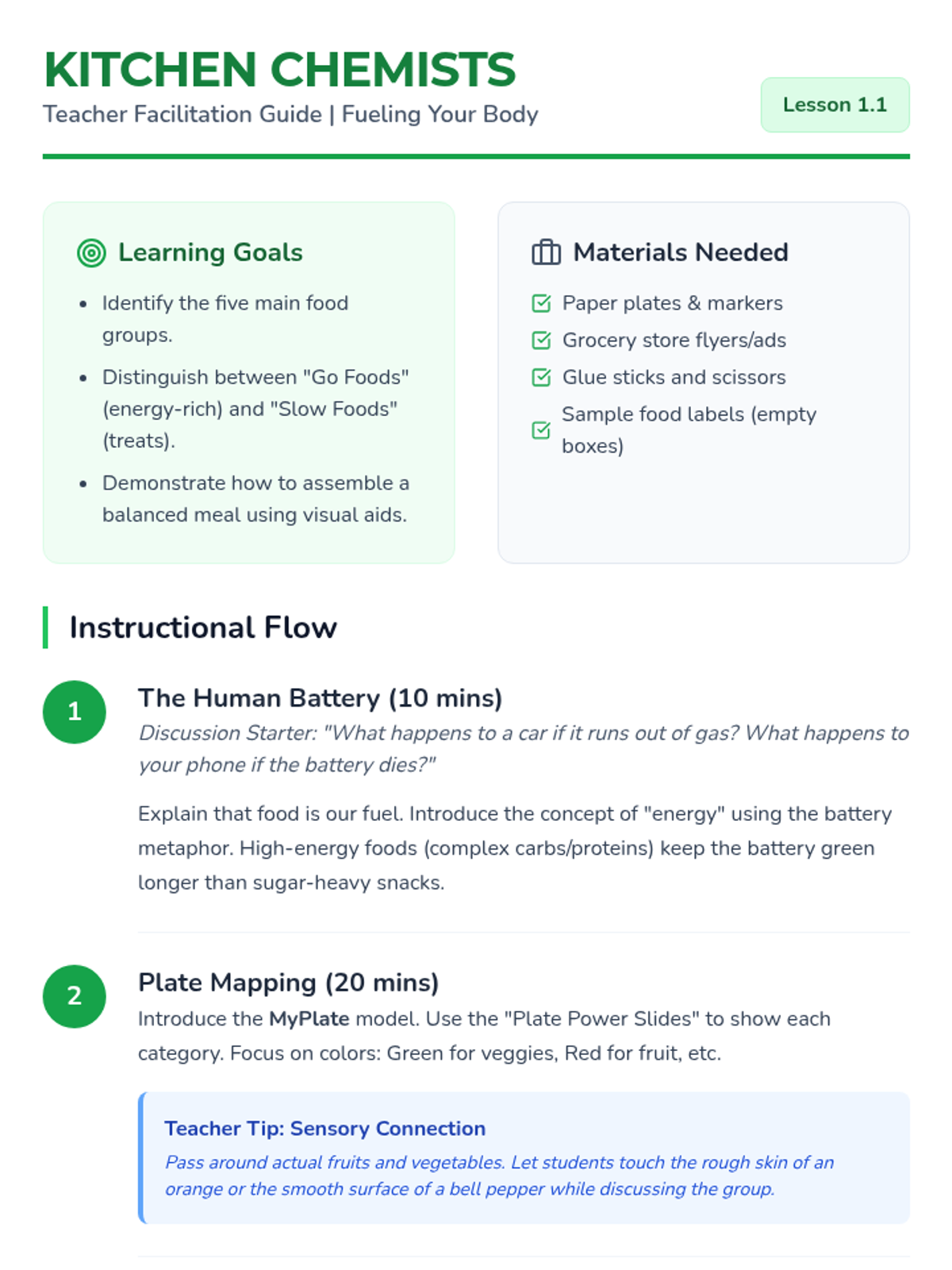
A three-session series for 5th graders to master balanced nutrition through the MyPlate framework. Students explore food groups, analyze meal balance, and design their own healthy plates to build lifelong wellness habits.
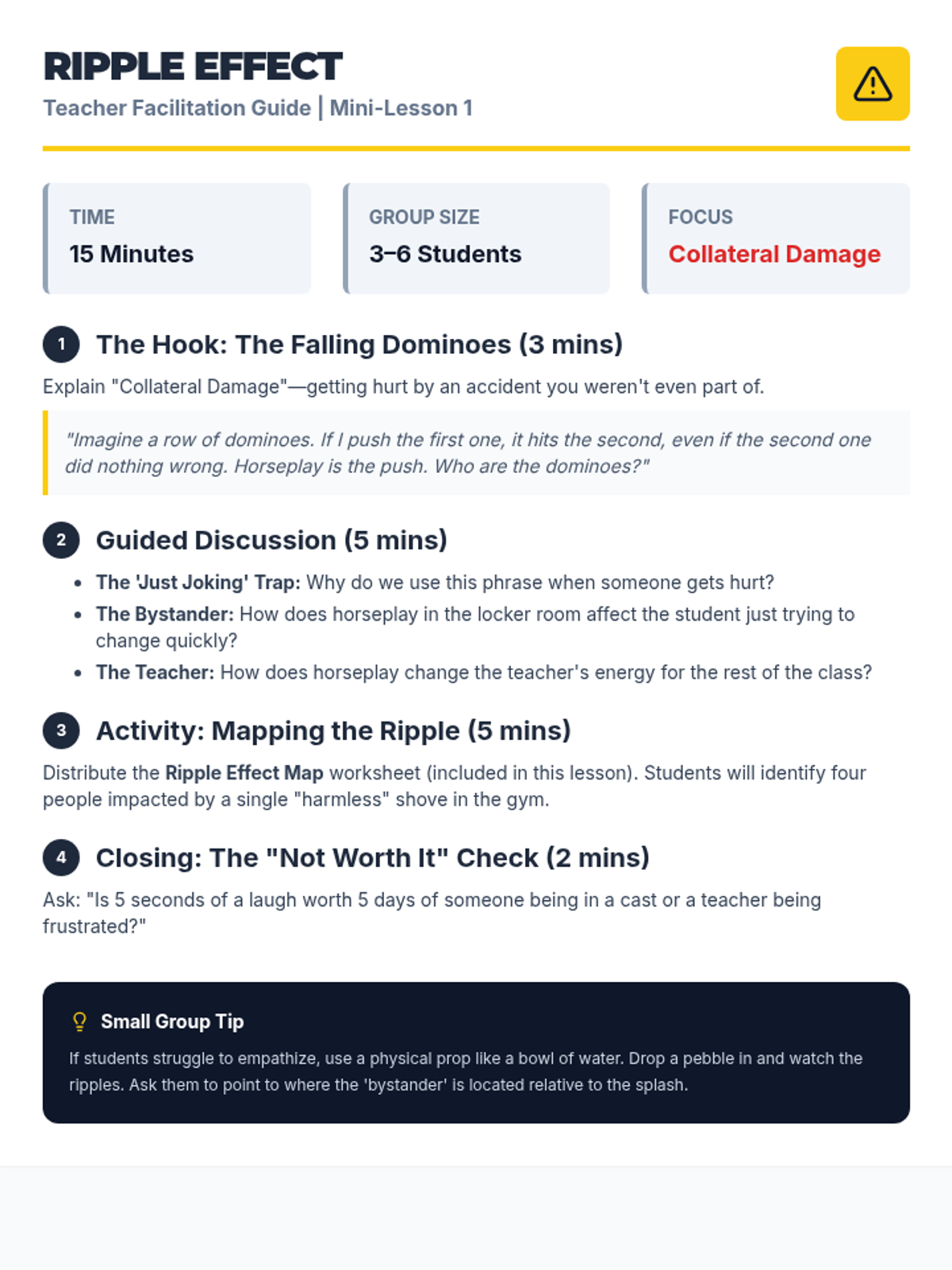
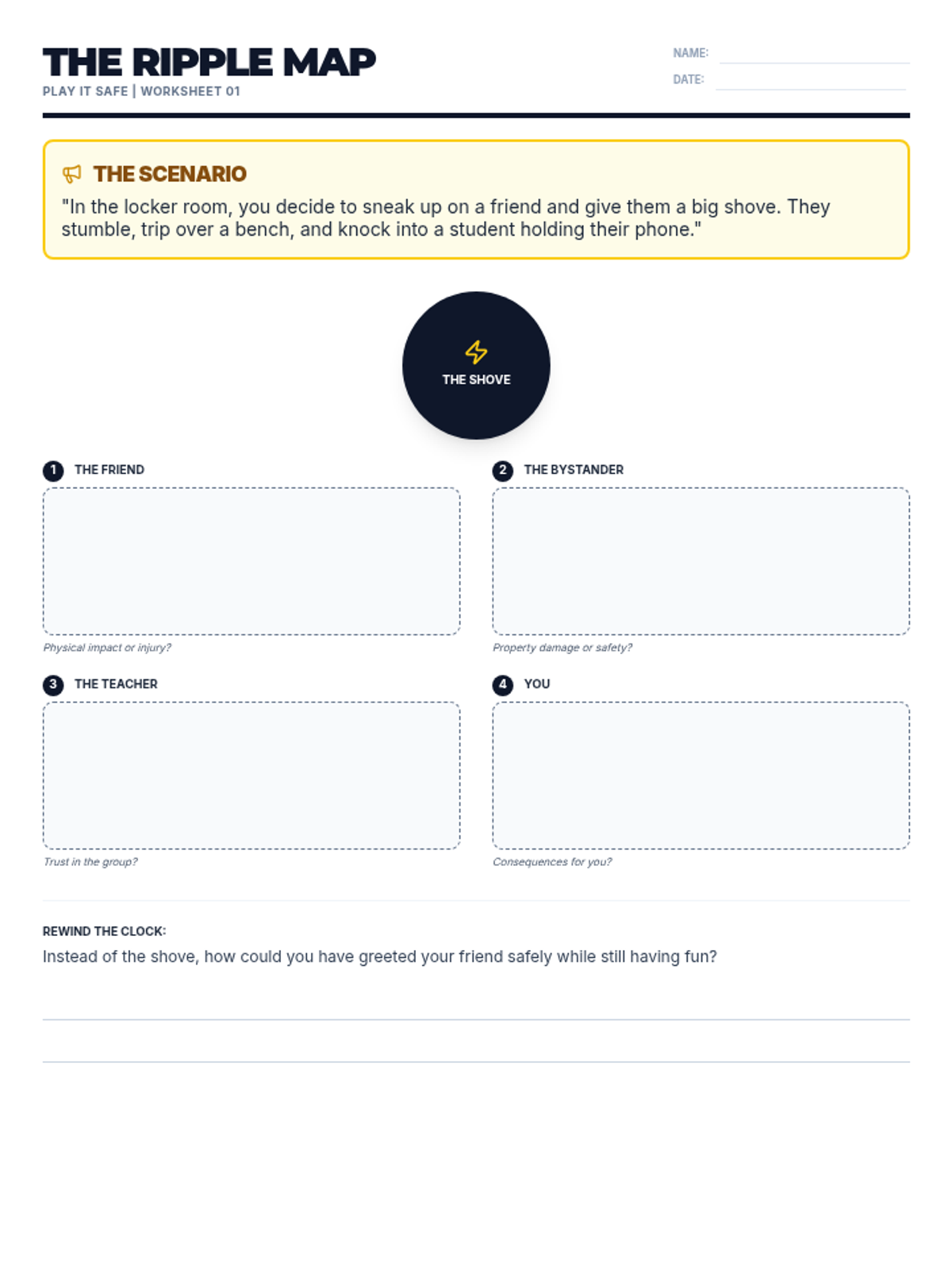
A pair of 10-minute assembly lessons focused on friendship, safety, and community respect for K-2 and 3-5 students, addressing physical and verbal behavior.
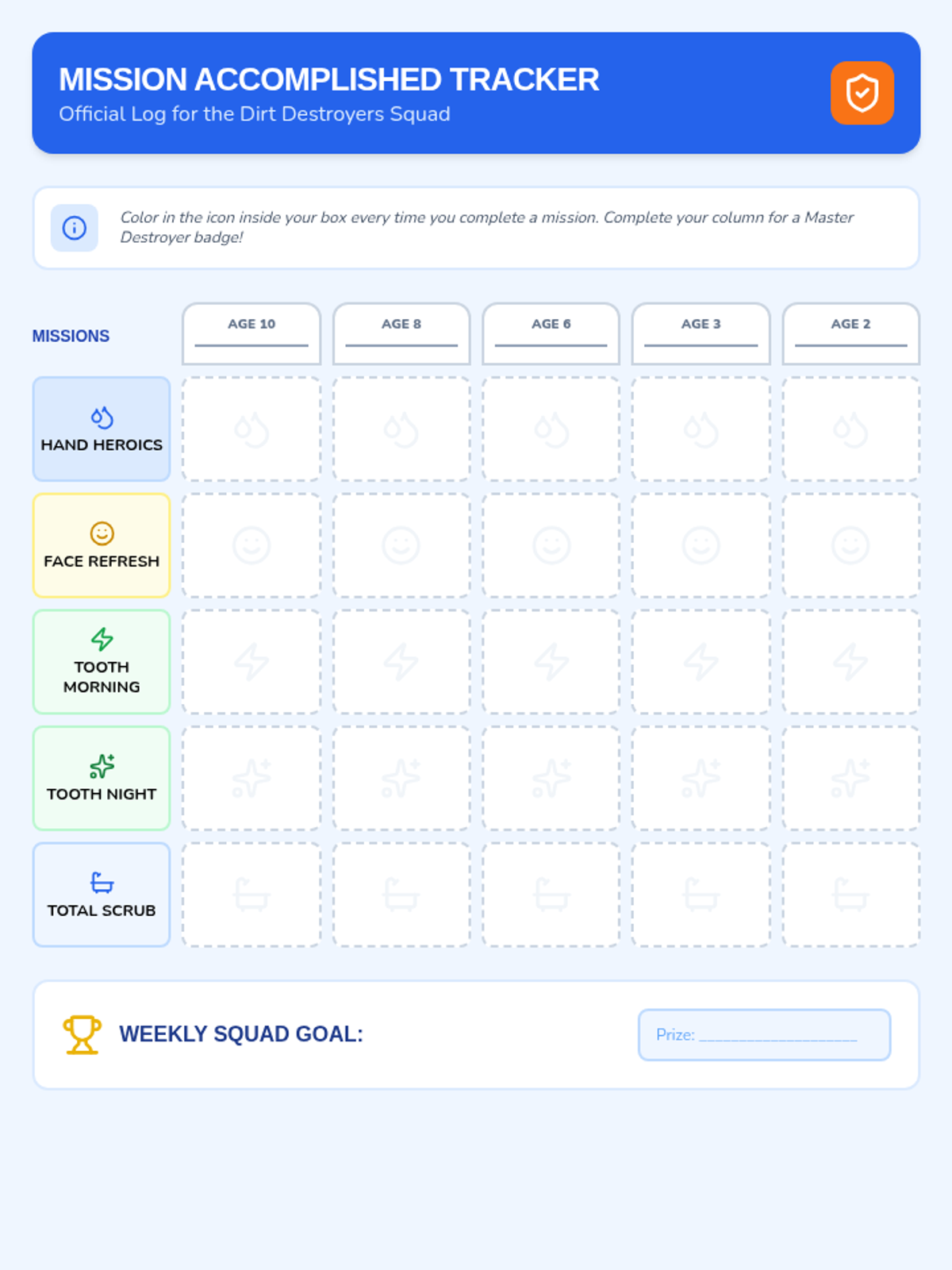
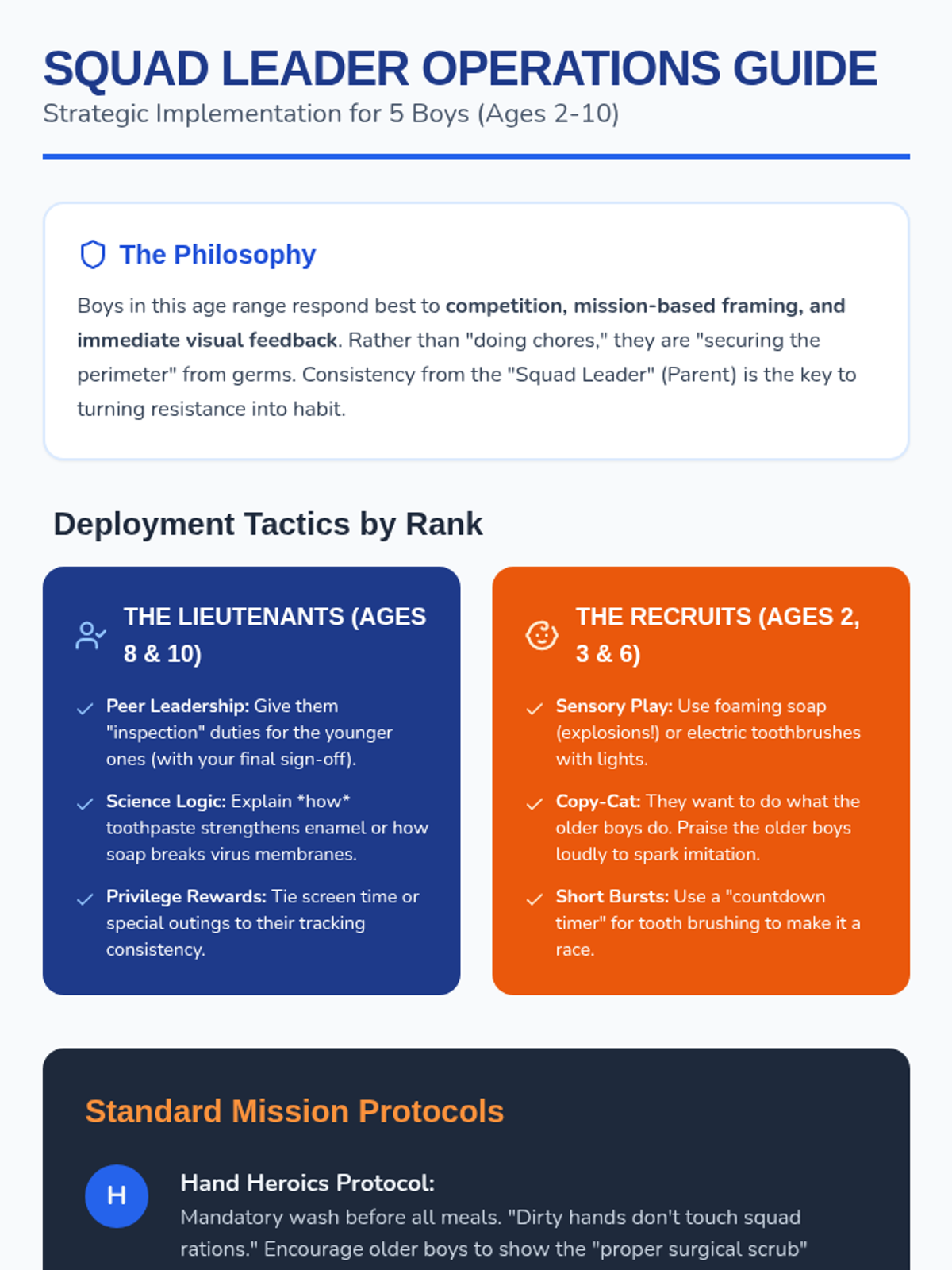
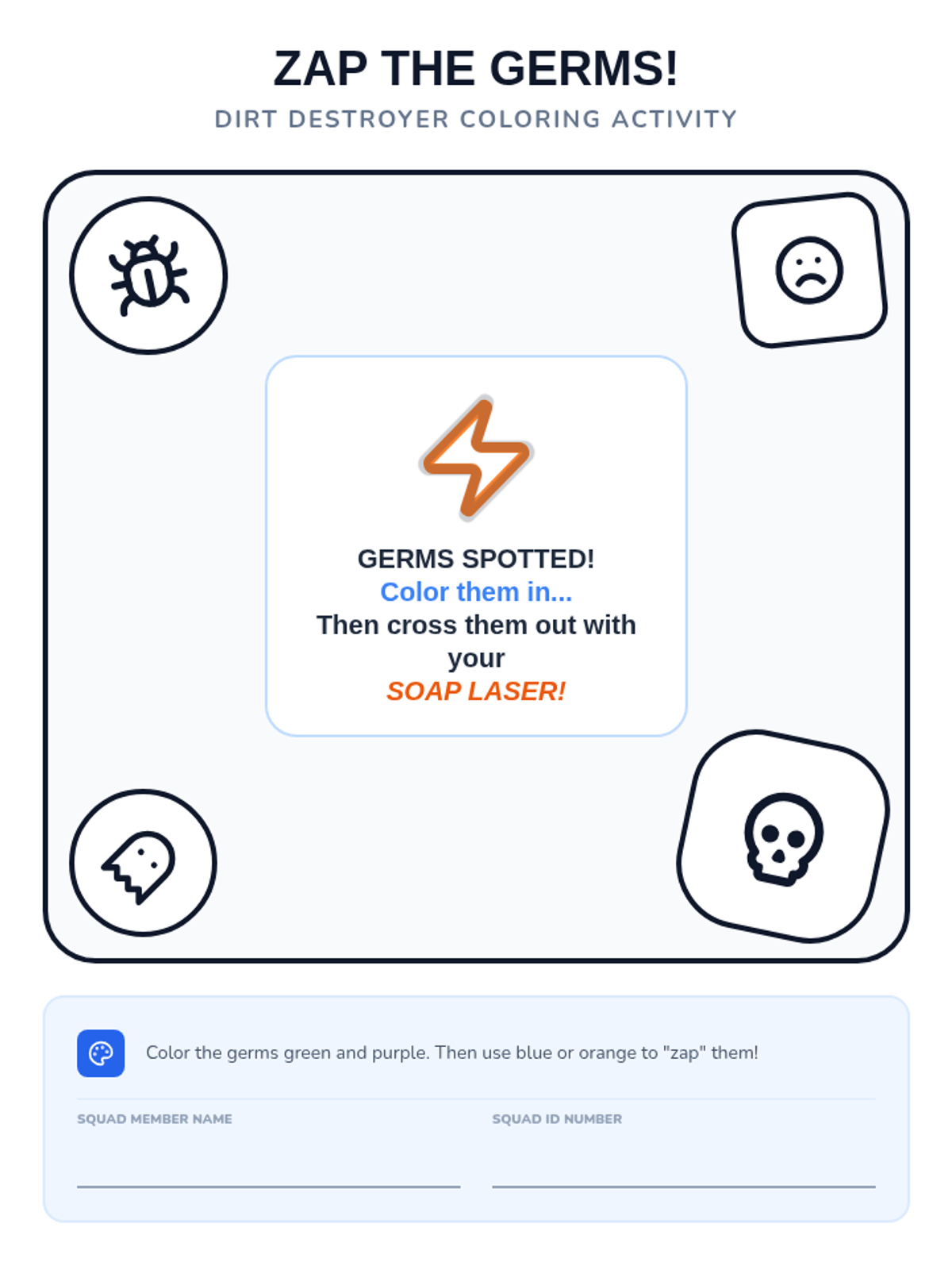
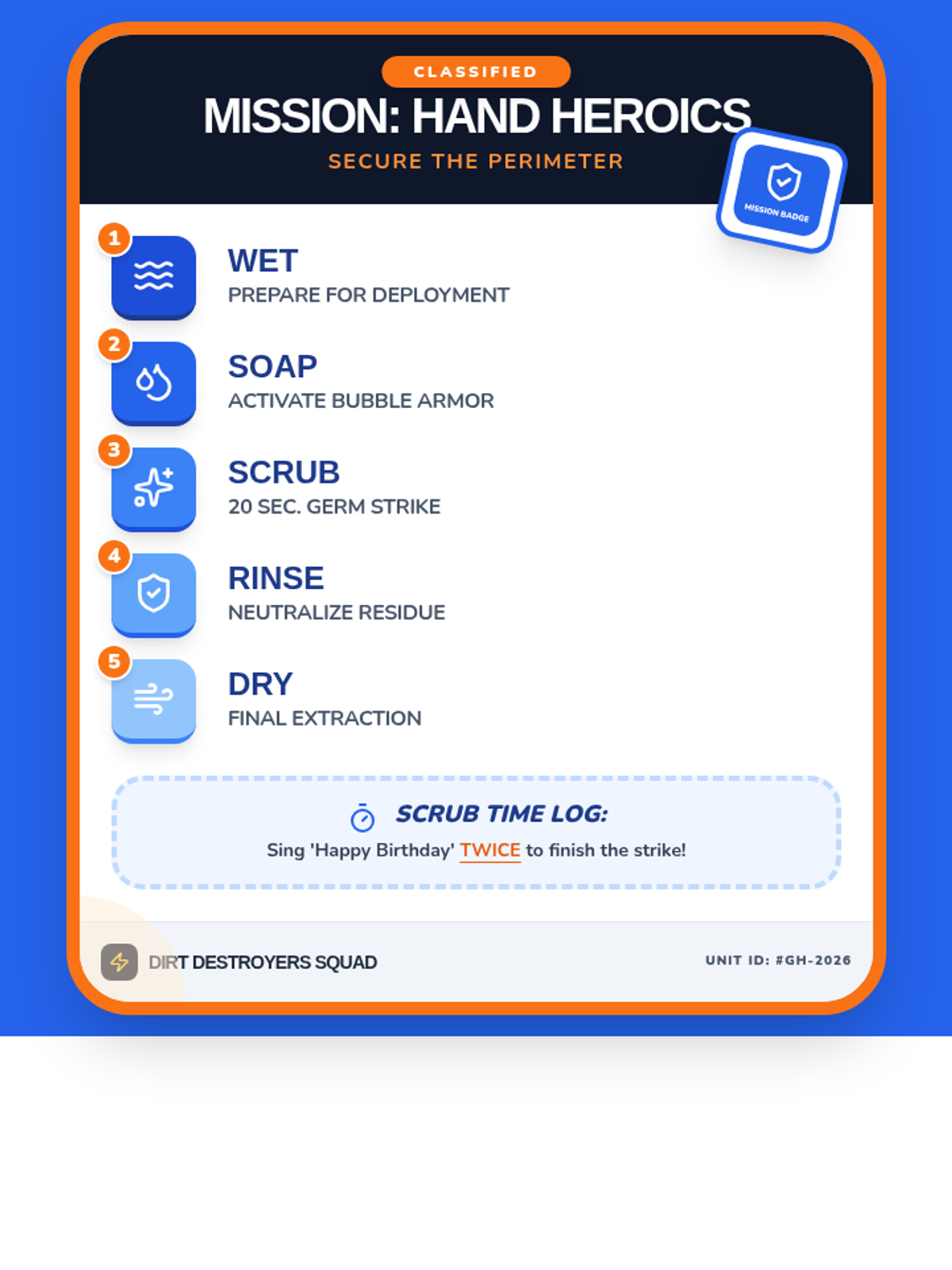
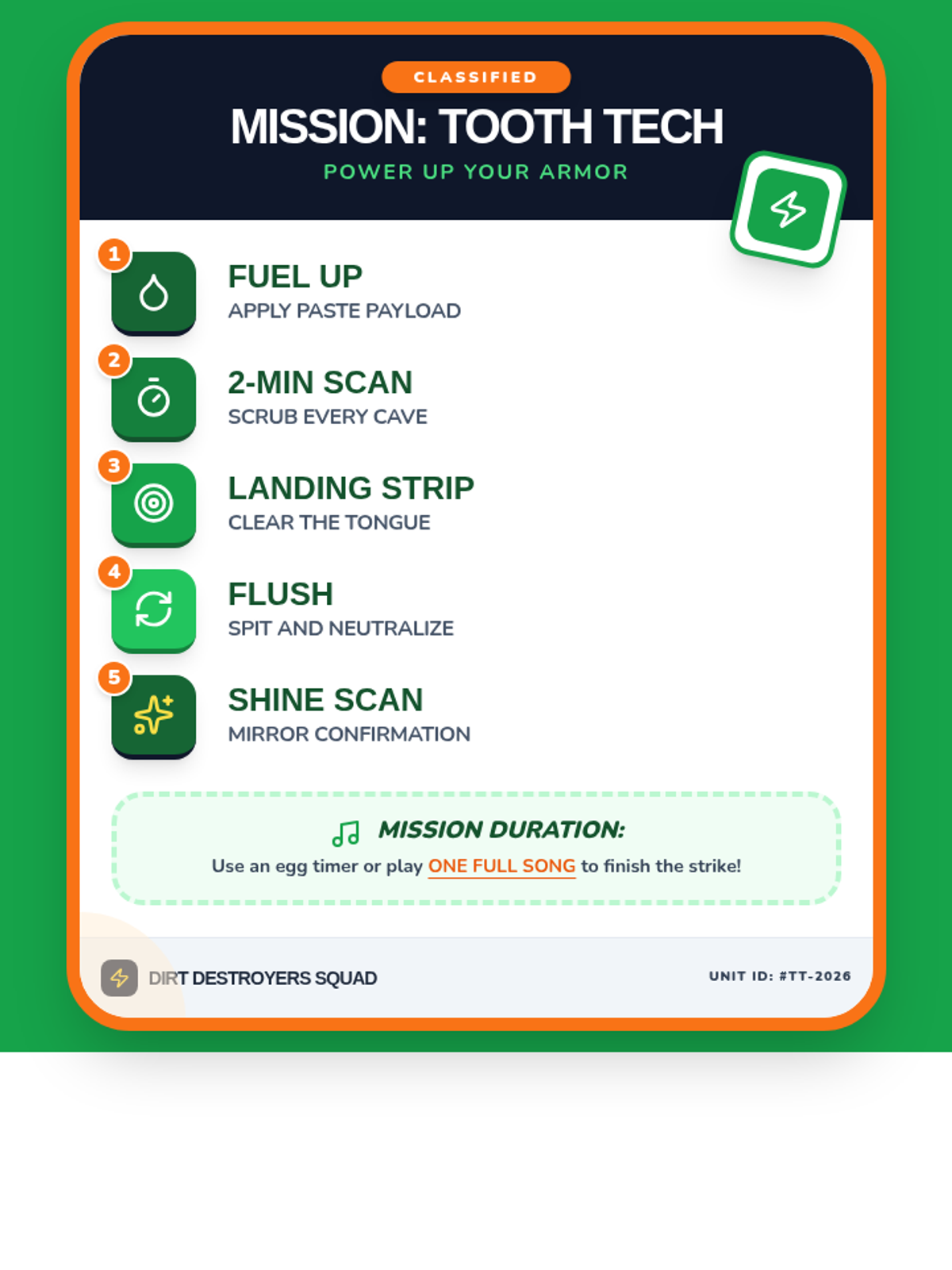
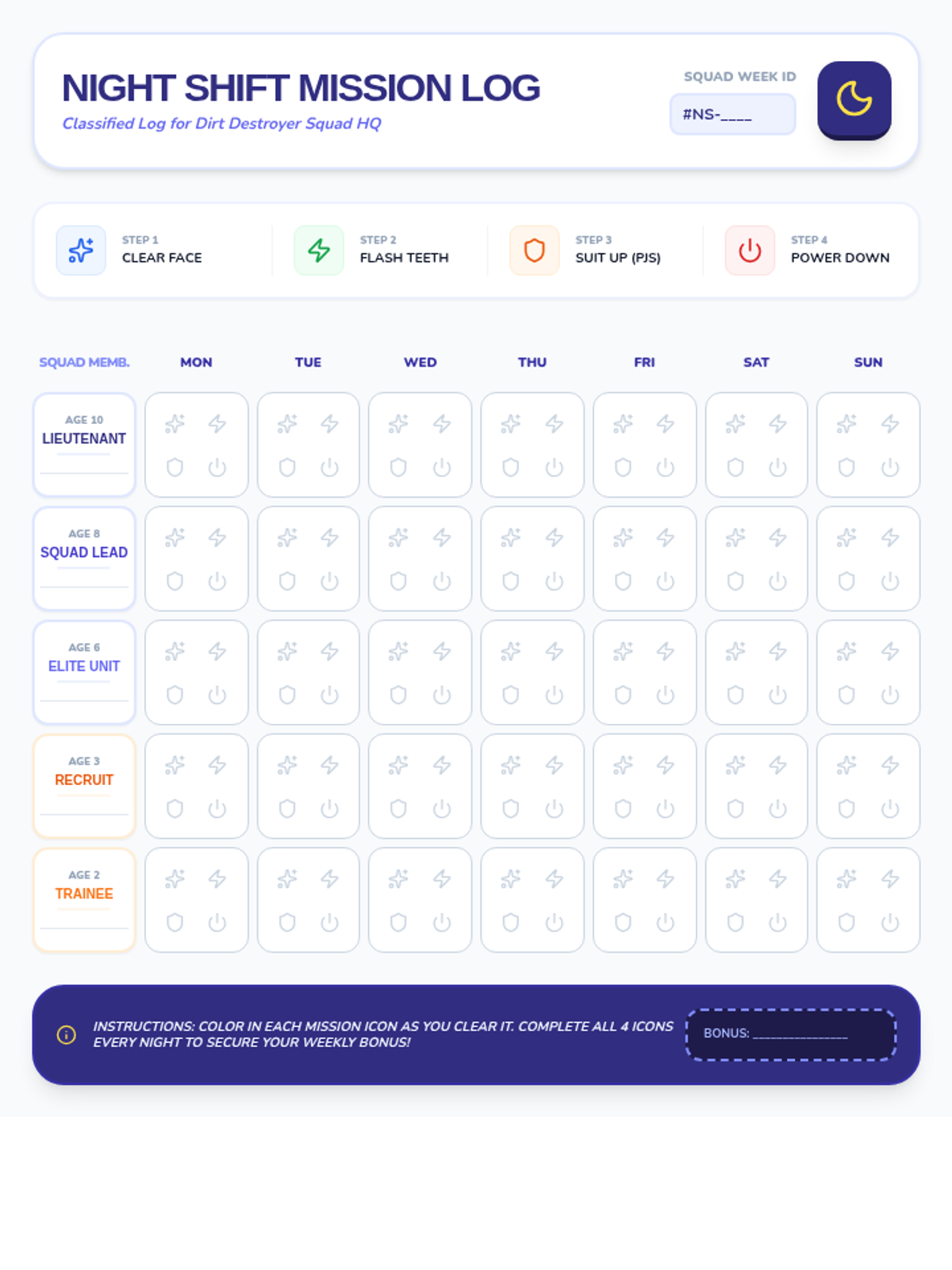
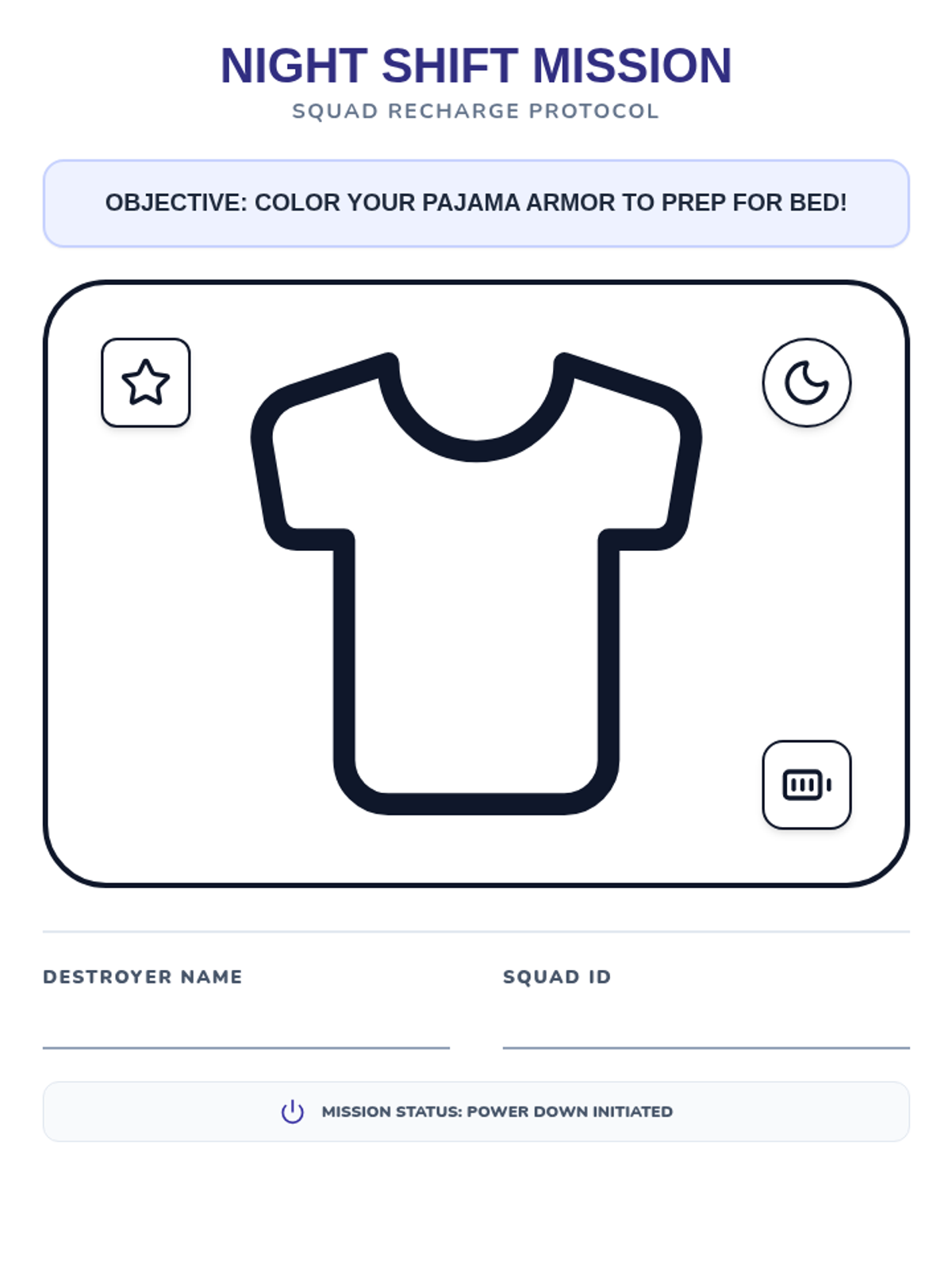
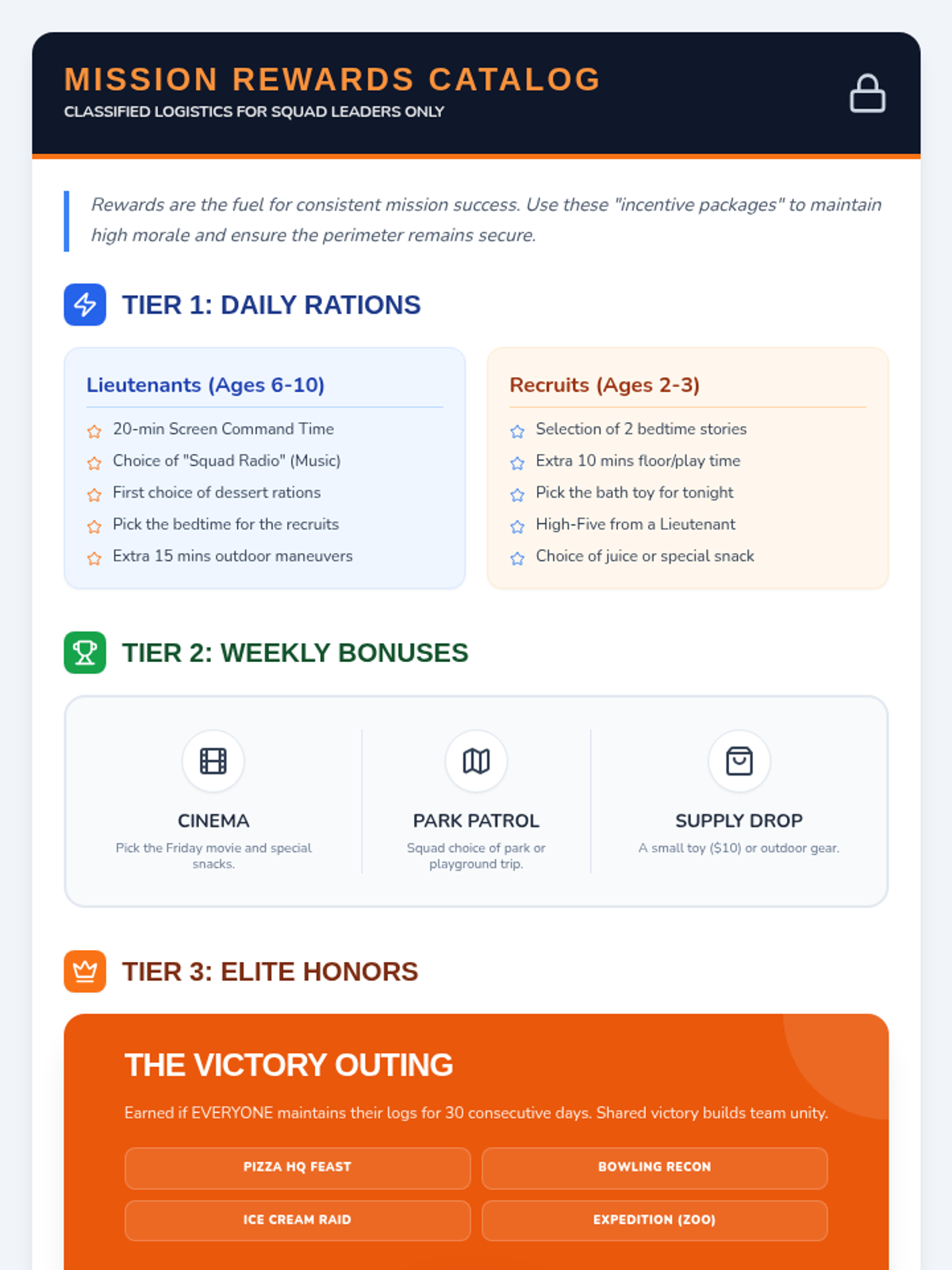
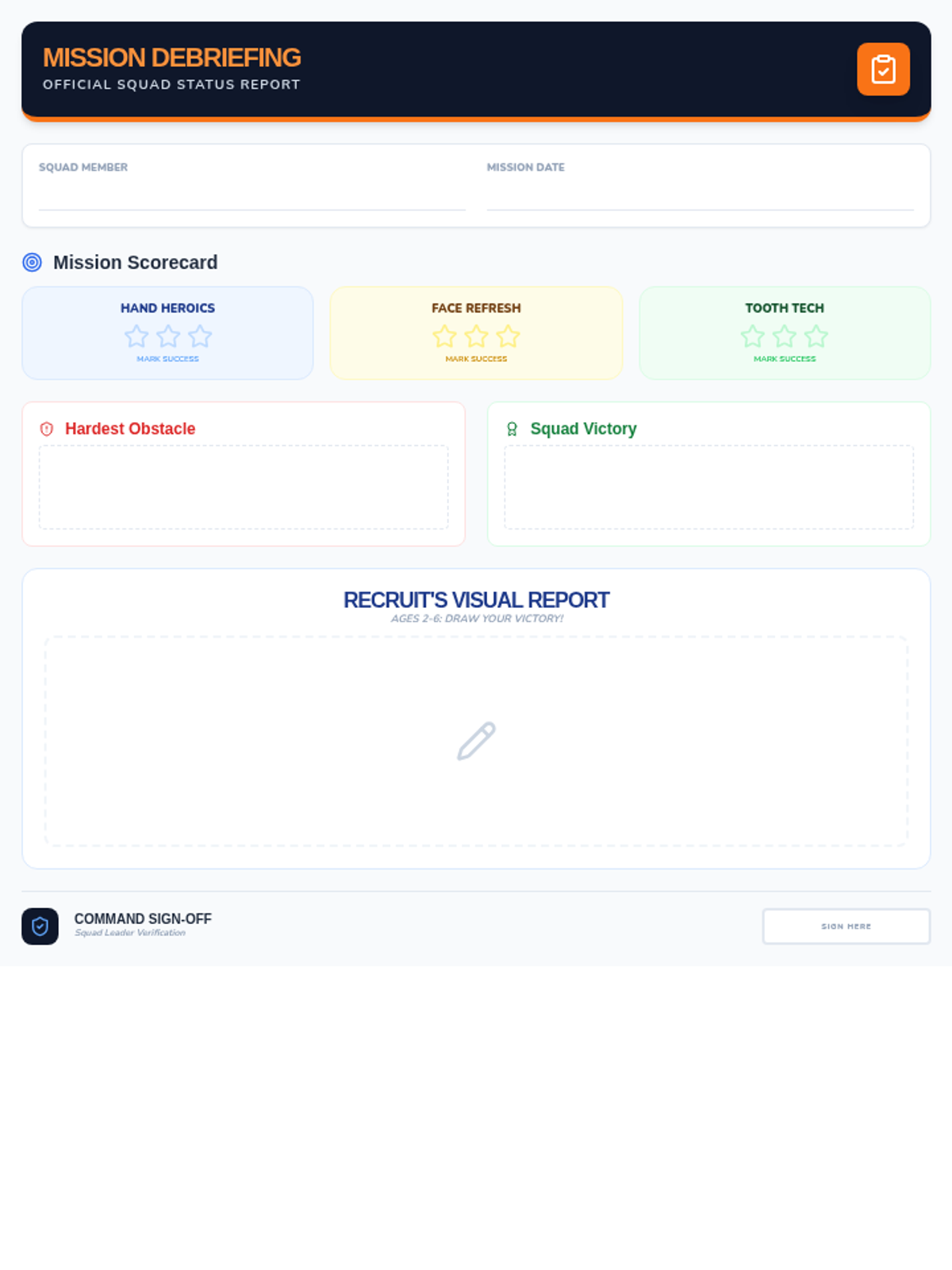
A three-week hygiene program designed for 3rd-grade boys with ADHD, using a 'Secret Agent' theme to encourage daily habits in dental care, showering, and grooming.
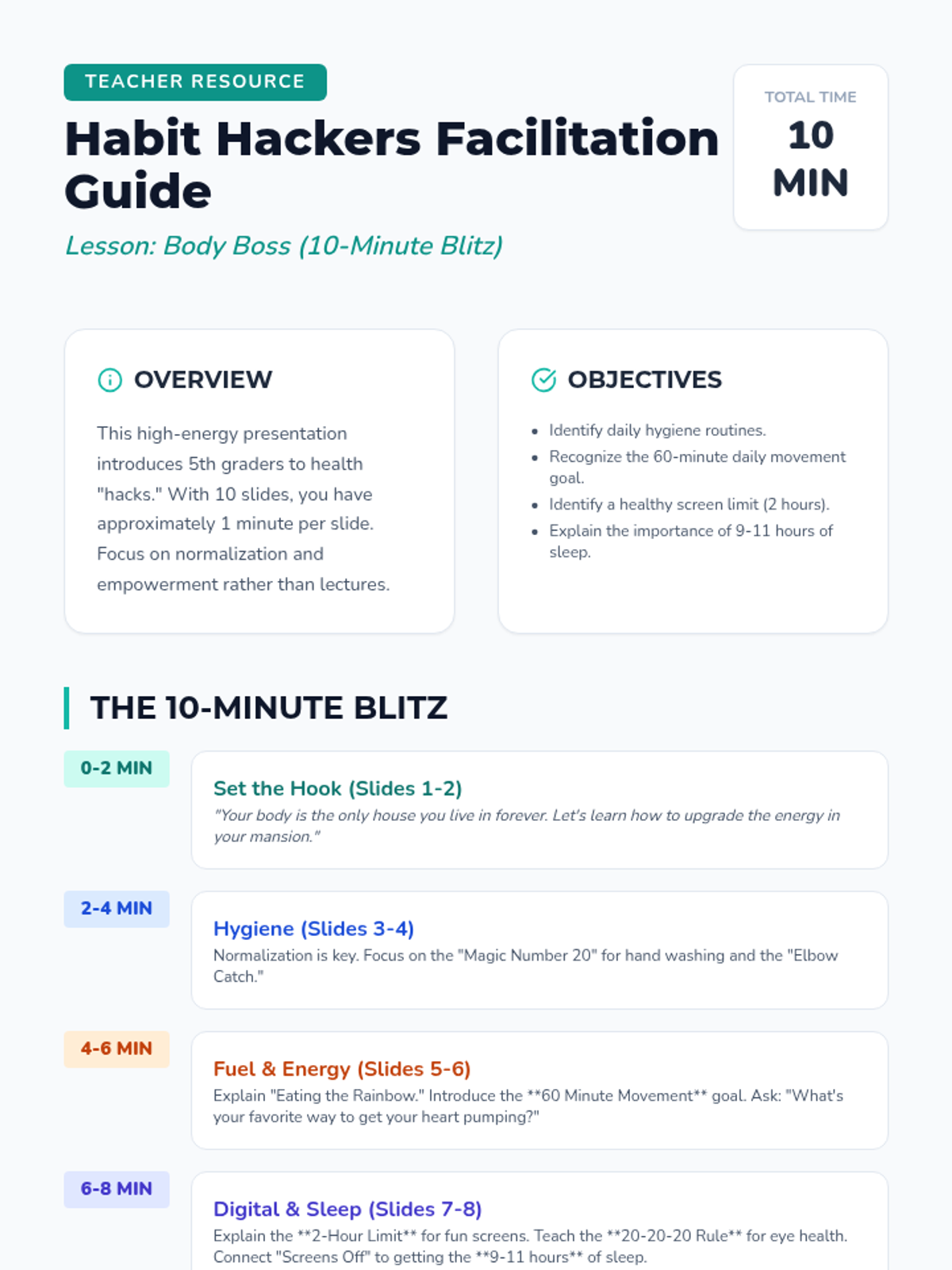
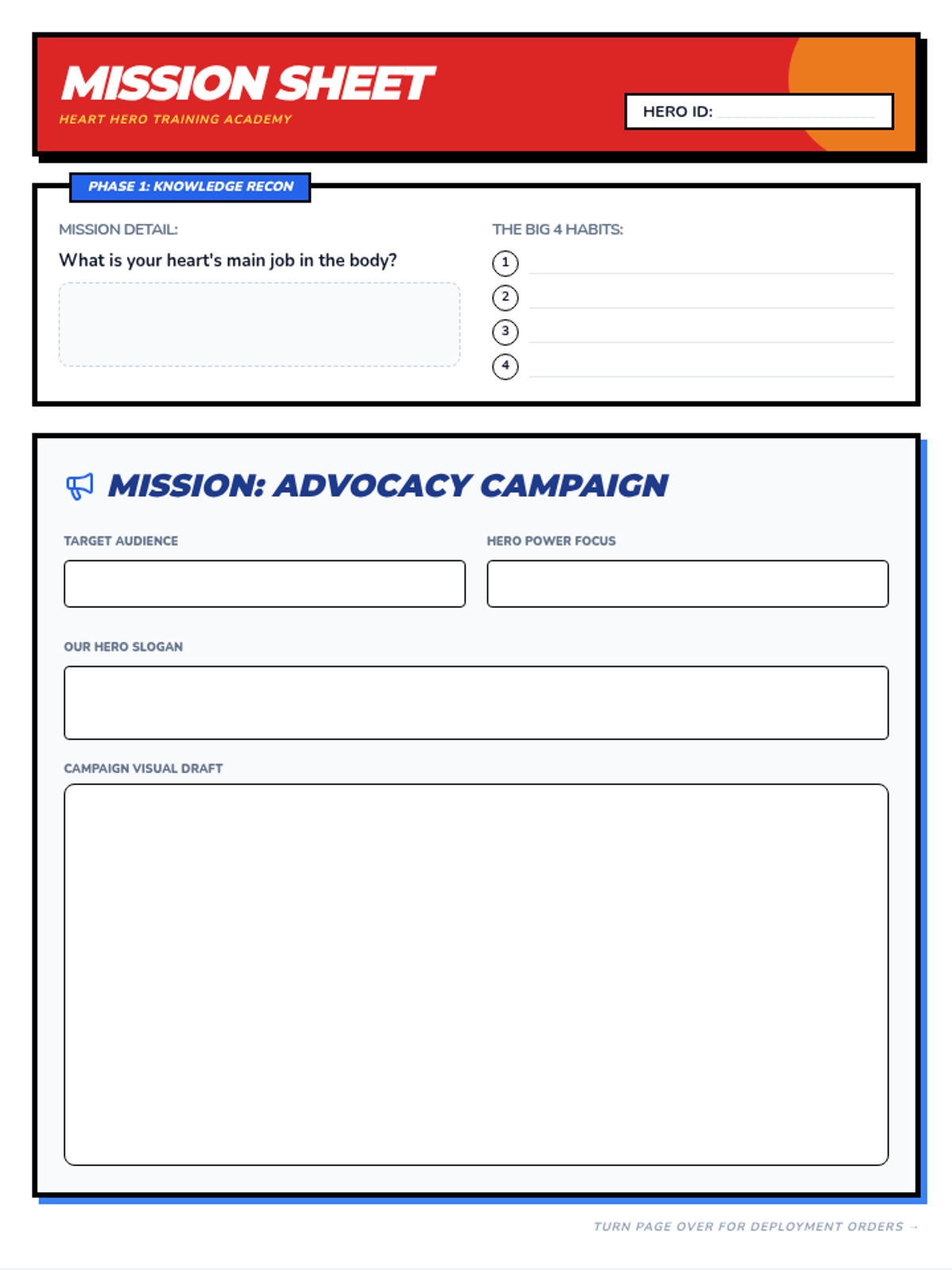
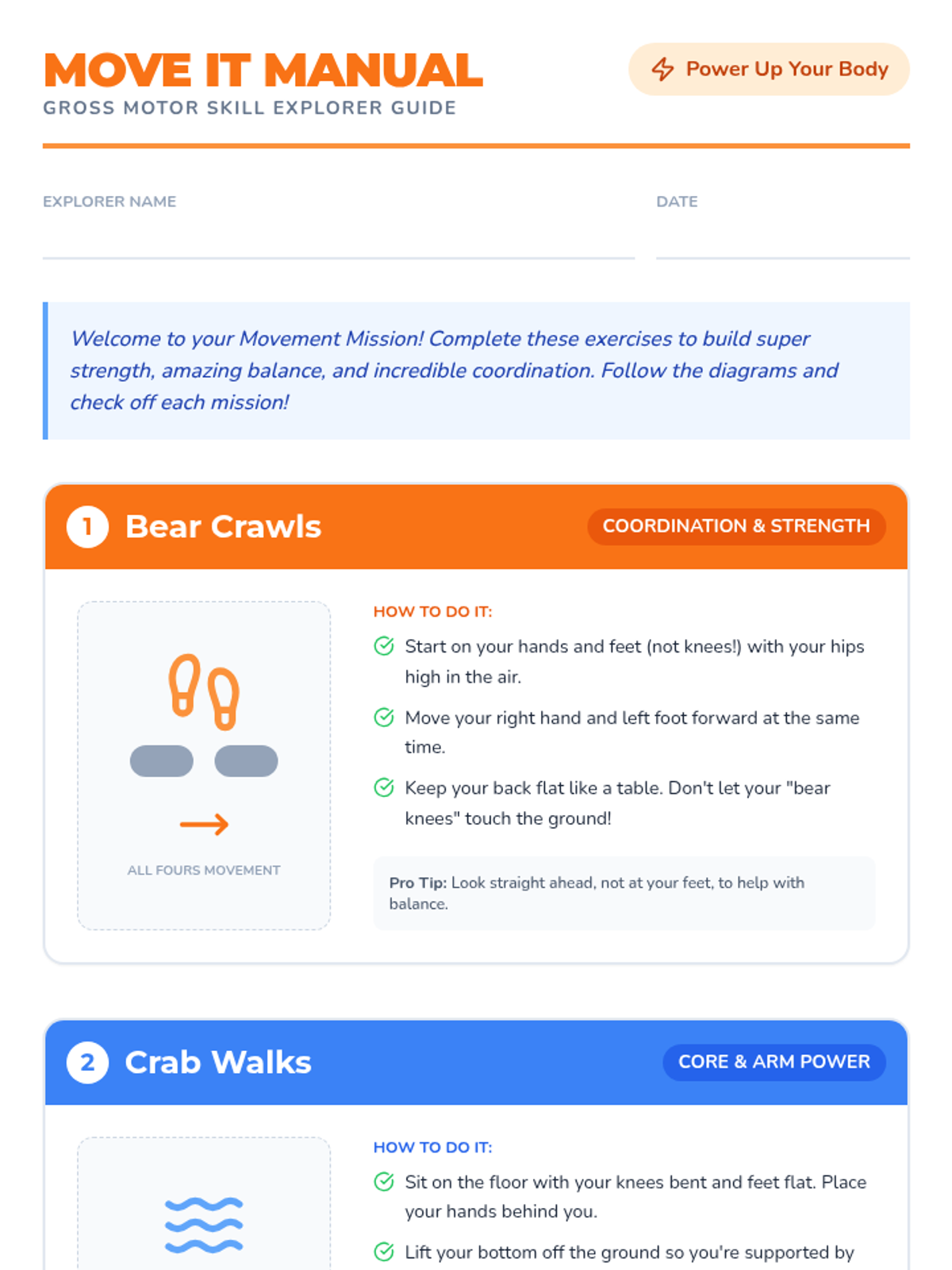
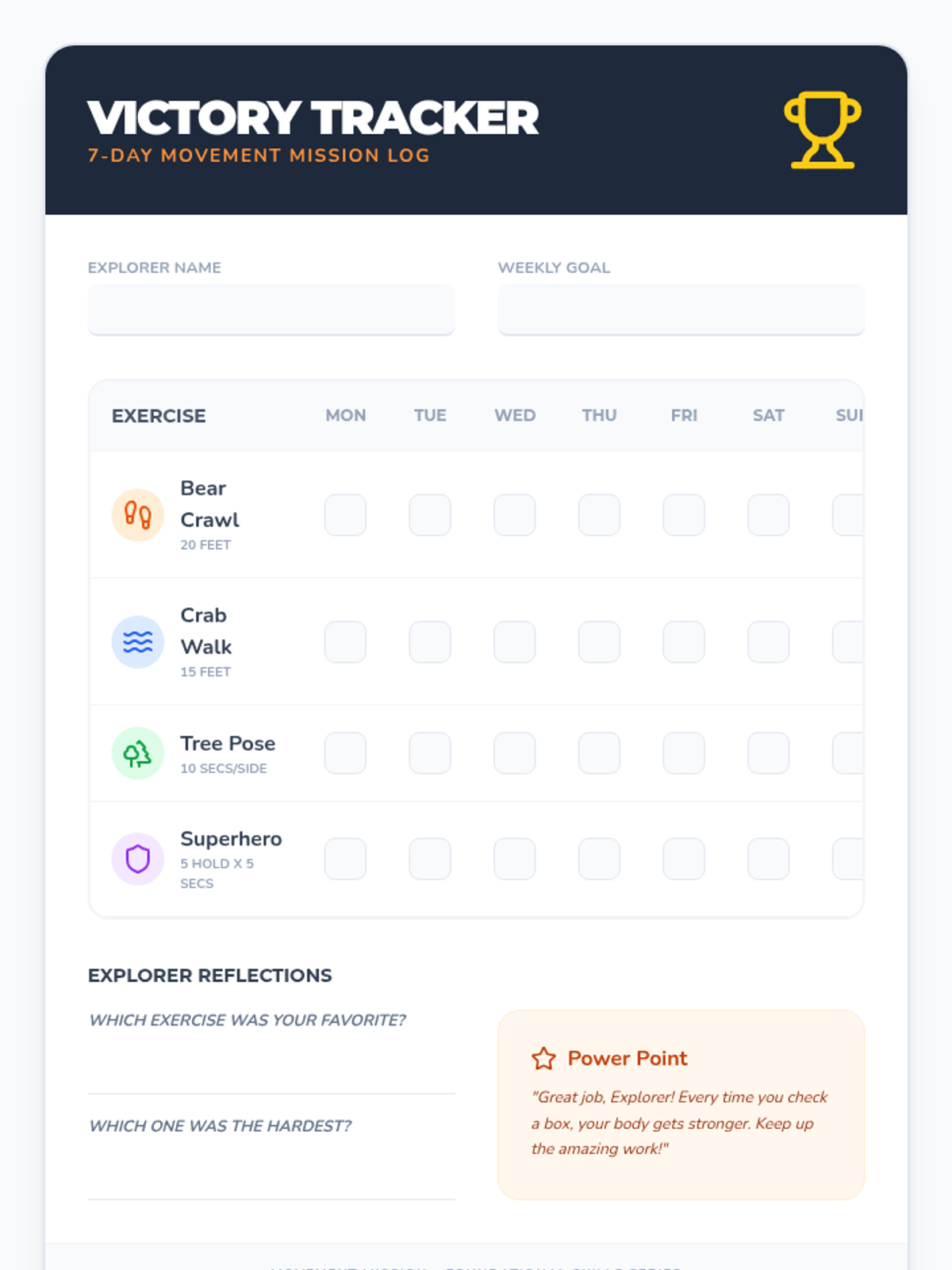
A comprehensive wellness unit designed to empower students with lifelong healthy habits. Students explore nutrition, exercise, sleep, and emotional regulation through the lens of 'hero training'.
A comprehensive maturation unit for 5th-grade girls covering physical, emotional, and social changes during puberty. Includes a detailed teacher guide, interactive slides, a student workbook, and discussion cards to foster a supportive and informative environment.
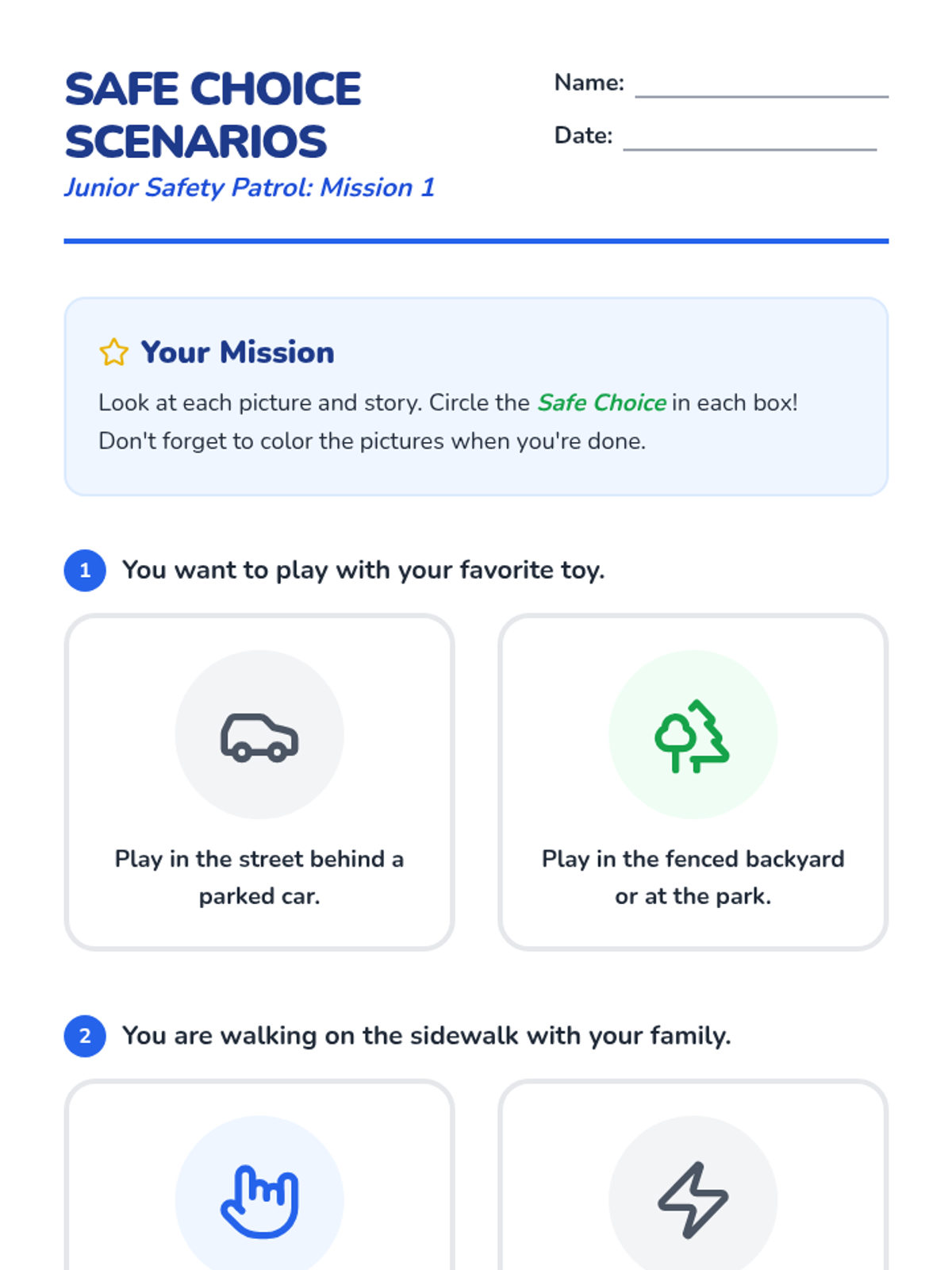
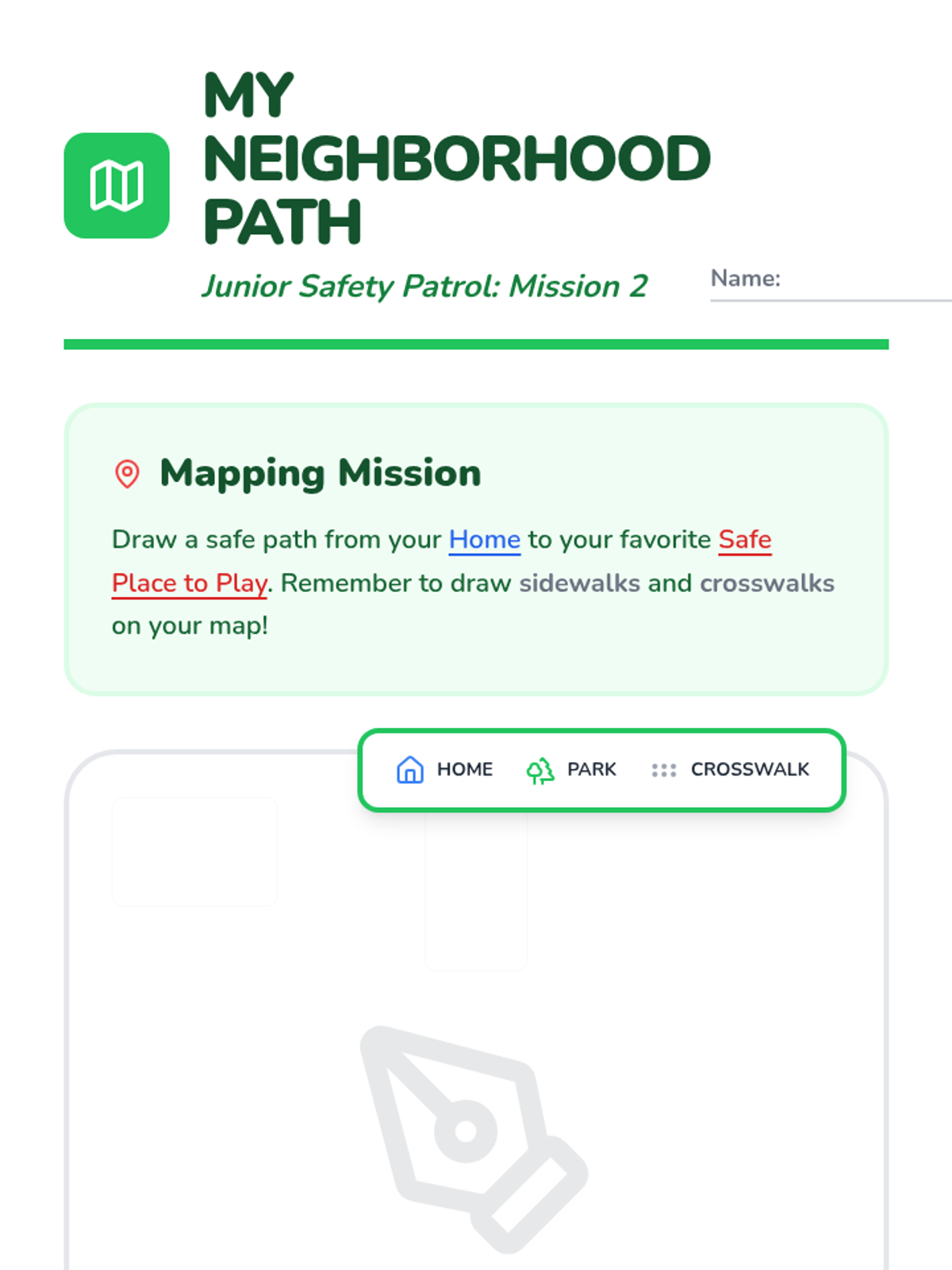
A comprehensive safety curriculum for 4th and 5th graders covering pedestrian, home, personal, and substance safety through interactive lessons and assessment.
A unit focused on building a positive classroom environment through respectful boundaries and individual well-being. Students learn how to navigate physical spaces and personal health for a successful school year.
A series of lessons focused on health, activity, and practical math applications for upper elementary students.
A series of workshops and resources for elementary school parents focusing on common school-related health concerns, starting with head lice management.
This sequence explores cardiovascular endurance and track meet operations for 5th-grade students. It covers pacing strategies, interval training through games, the mathematical geometry of track lanes, and culminates in a student-led class track meet where they apply both athletic and officiating skills.
A comprehensive 5th Grade physical education unit focused on the mechanics, safety, and competition of horizontal jumping events. Students progress from safe landing techniques to the complex coordination of the long jump and triple jump, concluding with a student-led competition.
This sequence introduces 5th-grade students to the mechanics of shot put, discus, and javelin throwing. Students explore the physics of power generation through leg drive, rotation, and momentum while prioritizing safety in the throwing sector.
A comprehensive 5-lesson sequence for 5th-grade students focused on the biomechanics of sprinting and the technical coordination of relay racing. Students progress from individual form analysis to complex team-based baton exchanges in a simulated competitive environment.
This sequence shifts focus from pure mechanics to the organizational structure, rules, and etiquette of a track meet. Students take on roles as both athletes and officials, learning how events are measured, judged, and scored. The unit emphasizes fair play, understanding disqualifications, and accurate measurement, culminating in a class-organized mini-meet.
Students explore the physics and techniques behind track and field events, focusing on long jump and throws. This 5-lesson sequence covers mechanics of force, angle, and body positioning through inquiry and skill-building activities.
This culminating sequence focuses on linking individual skills into coherent routines. Students explore transitions, rhythm, and the aesthetic components of gymnastics. They will collaborate to sequence movements logically and perform a short routine, emphasizing the connection between physical skill and artistic expression.
A 5th-grade gymnastics unit focused on synthesizing individual skills into fluid floor routines. Students progress from lateral rotation and linear balance to choreography, culminating in a formal performance with peer feedback.
A 5th-grade gymnastics unit focusing on weight transfer, inverted balances, and vaulting mechanics. Students progress from animal walks to handstands and explosive vaulting take-offs.
This sequence introduces 5th-grade students to gymnastics fundamentals, prioritizing safety, core tension, and rotational mechanics. Students progress from landing techniques to forward and backward rolls, concluding with movement sequences that link rolls to balances.
A 5-lesson 4th Grade Gymnastics sequence focusing on low balance beam skills and introductory vaulting mechanics. Students develop dynamic balance, explosive power, and safe landing techniques through station-based learning.
This sequence explores the critical principles of water safety, from environmental risk assessment and buoyancy science to identifying distress and performing non-entry rescues. Students move from understanding physical risks to becoming advocates for safe practices in their communities.
This sequence focuses on the critical cognitive and physical skills required for fire safety. Students move from understanding the science of fire to designing strategic escape plans and practicing survival maneuvers, empowering them to act as safety leaders in their homes and communities.
A 5-lesson sequence for 5th-grade students focused on identifying manipulative behaviors and recruitment tactics. Students learn to look past appearances, recognize the grooming cycle, understand the difference between gifts and bribes, and practice setting boundaries and exiting unsafe situations.
A 5th-grade sequence focused on personal safety, focusing on proactive planning, recognizing grooming behaviors in peers, and developing clear reporting skills. Students create personal safety plans and community awareness materials to reinforce their understanding of human and child trafficking prevention.
This sequence equips 5th-grade students with foundational safety skills, including defining personal boundaries, recognizing physiological 'Uh-Oh' feelings, distinguishing between secrets and surprises, and developing assertive refusal techniques. By identifying a network of trusted adults, students build the confidence to advocate for their own physical and emotional well-being.
This sequence empowers 5th-grade students to become 'safety agents' in their homes and communities. Through a series of 5 lessons, students learn safe medication storage, identify physical signs of drug emergencies, master emergency communication with 911, build a network of trusted adults, and advocate for community health through a PSA project.
A 5th-grade health sequence exploring the biological impact of prescription drug misuse on the human body. Students investigate how stimulants, depressants, and opioids disrupt the nervous system, heart, and lungs through simulations and inquiry-based activities.
A comprehensive 5th-grade health sequence focused on empowering students with the verbal and non-verbal skills needed to refuse prescription drug misuse and navigate peer pressure. through role-play, social-emotional learning, and creative projects, students build a toolkit of strategies for maintaining boundaries while preserving friendships.
This sequence introduces 5th-grade students to the differences between OTC and Prescription medications, the role of doctors in prescribing, and the categorization of drugs into stimulants, depressants, and opioids. It emphasizes health literacy, safety, and the risks of misuse.
A comprehensive 5th-grade PE sequence focusing on football (soccer) defensive tactics, moving from individual stance and jockeying to team-based pressure, cover, and zonal organization. Students develop spatial awareness and tactical communication to control the game without the ball.
A 5th-grade physical education sequence focusing on football (soccer) skills, positional roles, rules like offside, and the importance of sportsmanship and team strategy. students rotate through player and official roles to develop a holistic understanding of the game.
This unit focuses on the attacking phase of football, specifically shooting mechanics and scoring strategies. Students explore the physics of striking the ball for power versus placement and learn when to use each technique through a series of skill-building drills and game-like scenarios.
This sequence focuses on the technical foundations of football (soccer), including dribbling, passing, receiving, and tactical movement. Students progress from individual ball mastery to dynamic team-based possession drills.
This project-based sequence integrates all skills into a simulated tournament structure where students take ownership of team management. Teams draft lineups, design playbooks, and officiate matches, gaining a holistic understanding of the sport. The sequence focuses on applying technical skills and tactical knowledge in a competitive environment, with designated reflection periods to adjust strategies. Students learn that successful outcomes rely on preparation, adaptation, and fair play as much as athletic ability.
This sequence focuses on the individual technical foundations of football (soccer), progressing from dribbling and passing to receiving, shielding, and dynamic possession. Students develop individual ball mastery to understand how it contributes to team success.
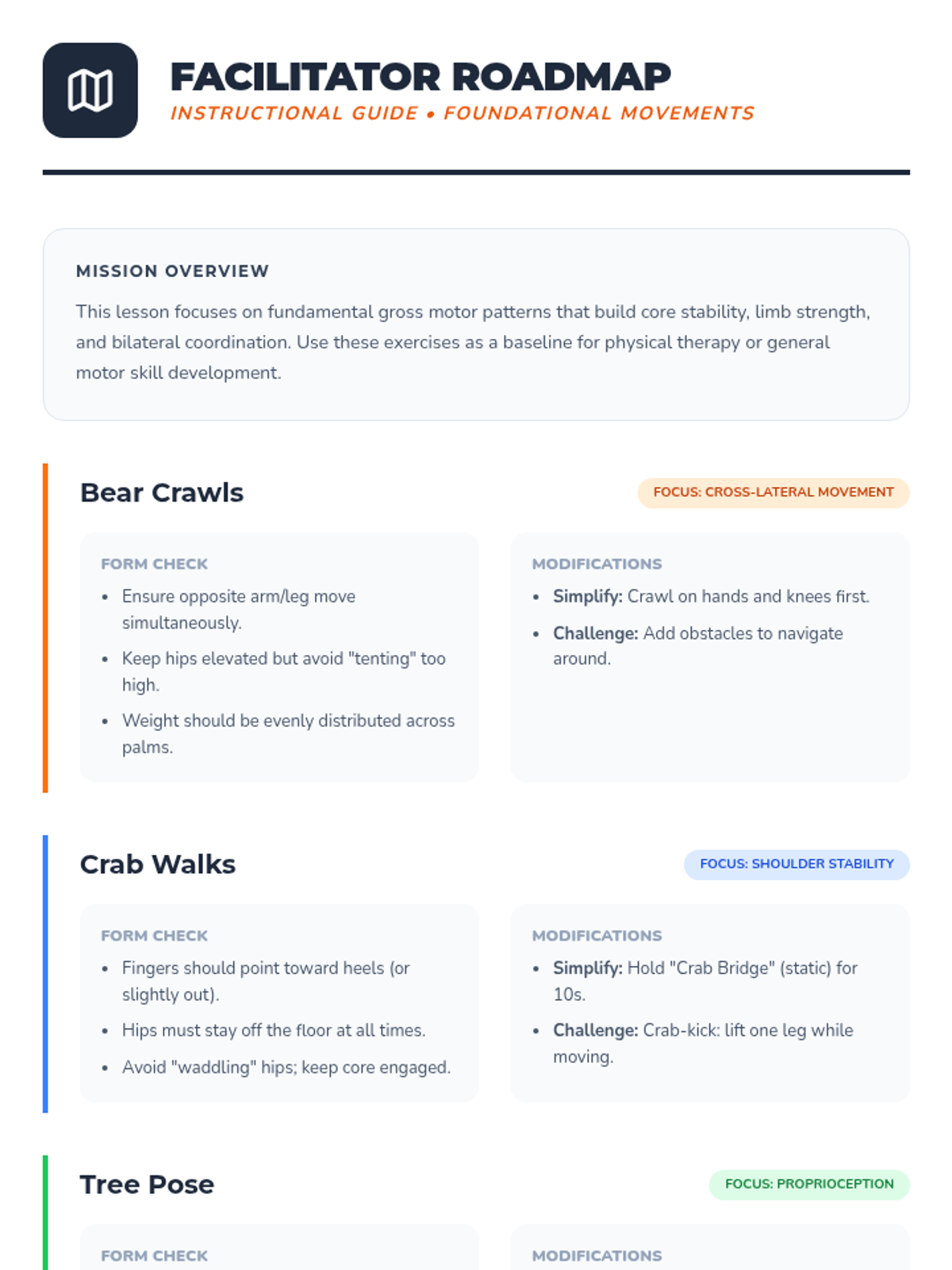
A comprehensive 5-lesson sequence for 5th-grade students covering the essentials of map reading, compass use, distance estimation, and wilderness safety. Students progress from classroom-based map analysis to active outdoor navigation challenges.
A comprehensive 5th-grade unit on identifying healthy relationship dynamics, setting physical and emotional boundaries, understanding consent, practicing assertive communication, and building a support network of trusted adults.
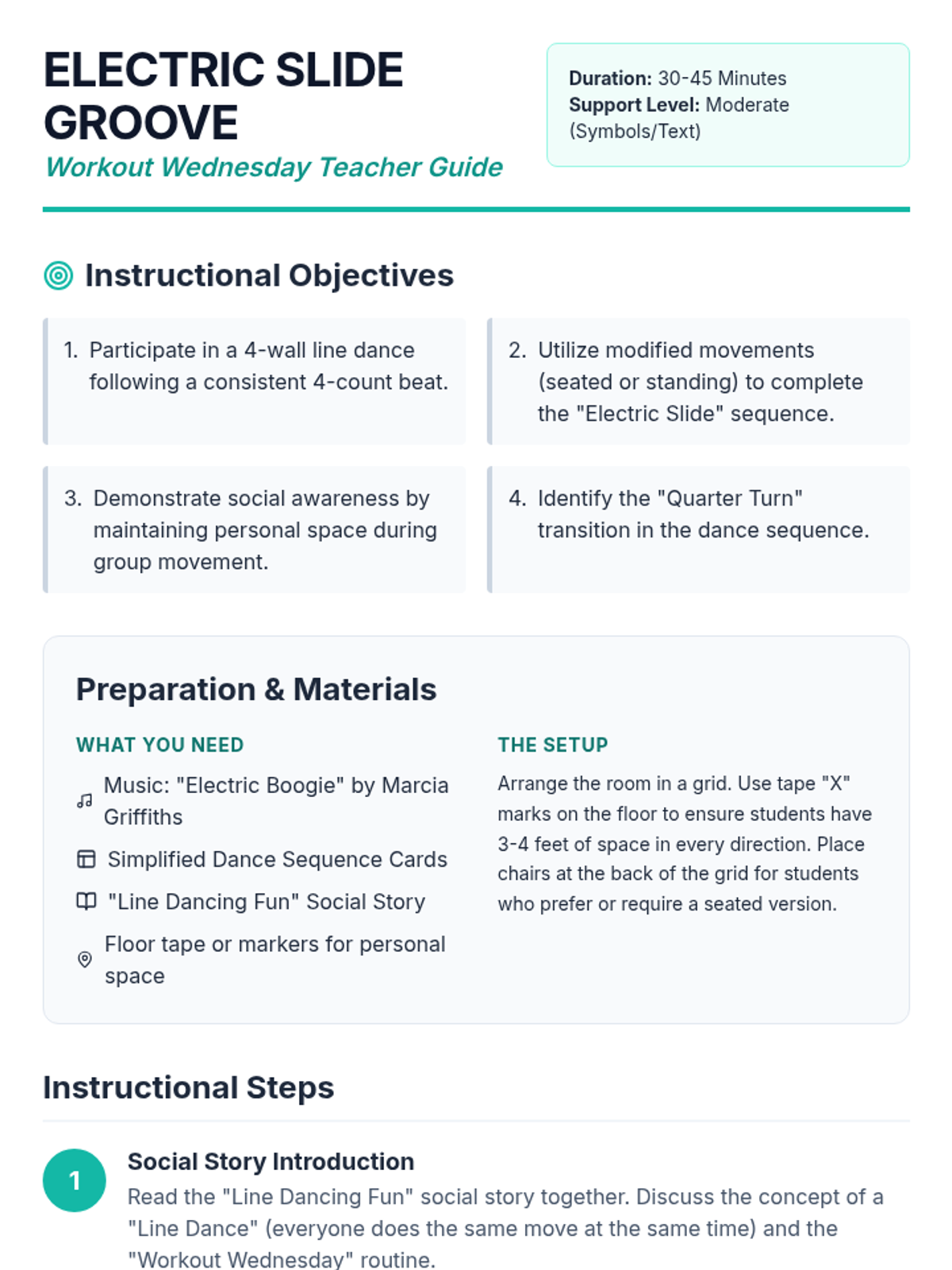
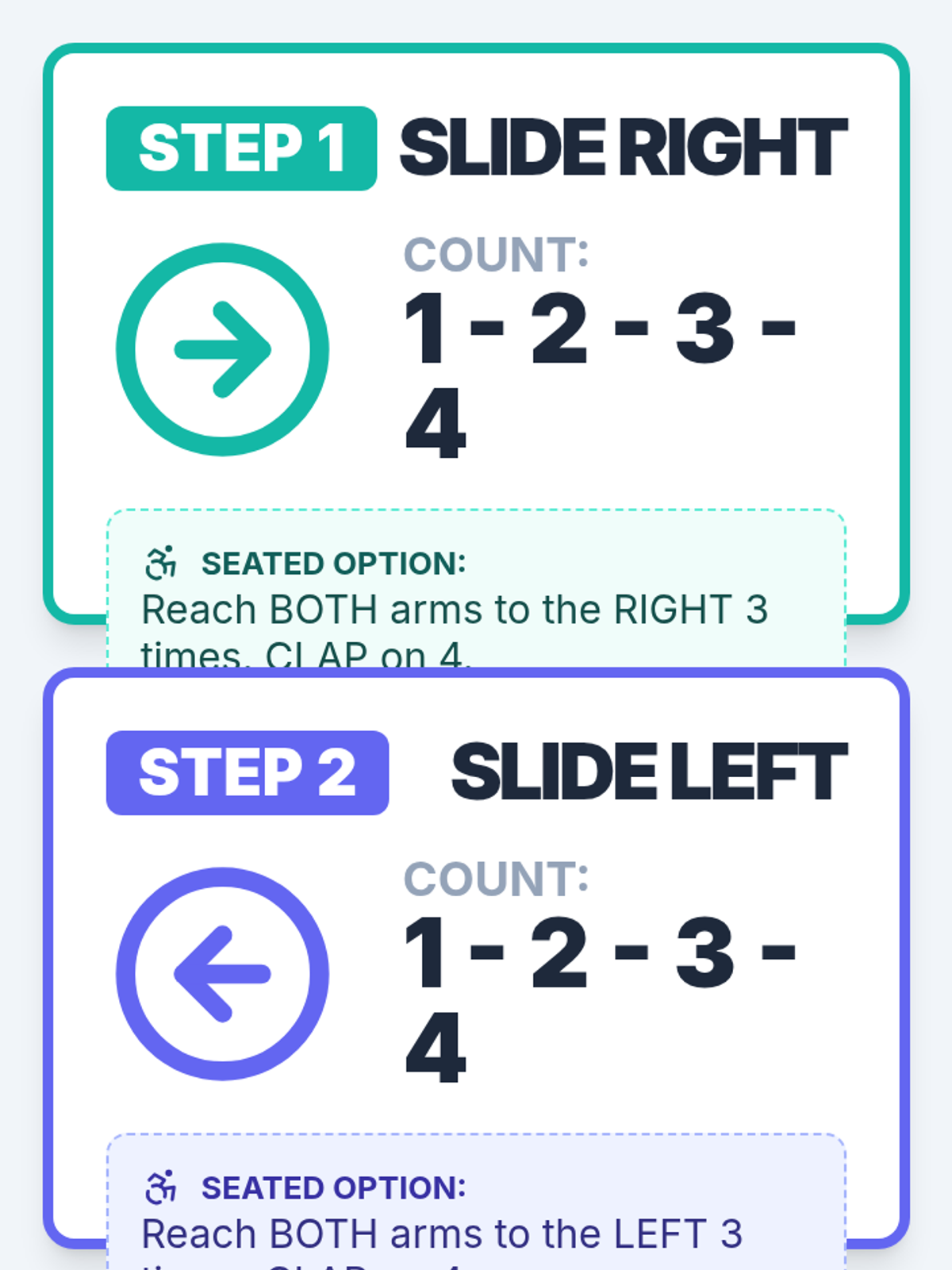
A 5-lesson physical education sequence for 5th graders focusing on auditory beat identification, 8-count movement phrasing, dynamic timing, and collaborative synchronization. Students progress from internalizing a steady beat to choreographing a synchronized group movement 'machine.'
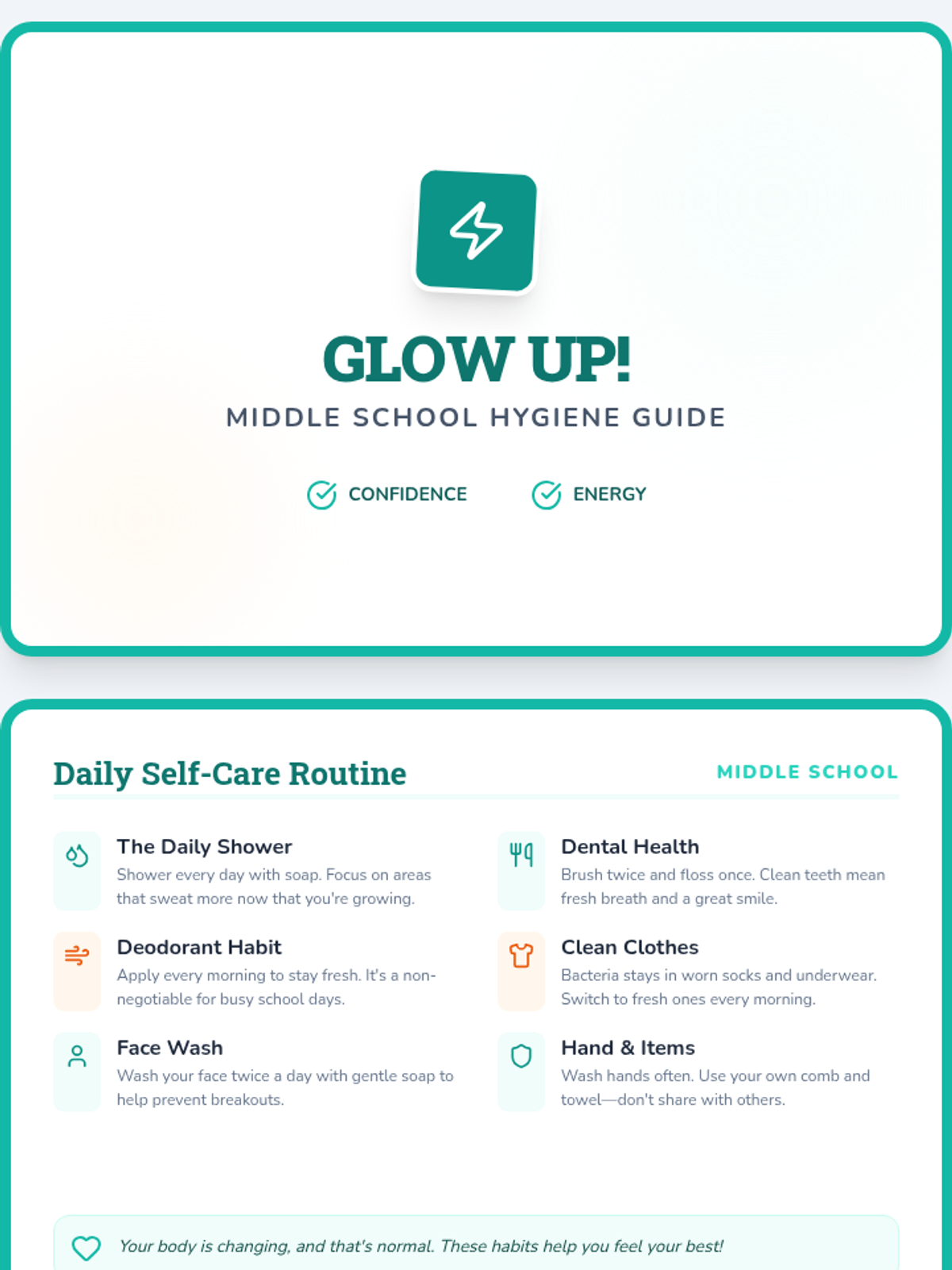
A 6th-grade inquiry-based sequence where students investigate the science of microorganisms to develop evidence-based personal hygiene protocols. The sequence covers microbial transmission, hand hygiene efficacy, oral health, body odor biology, and personal wellness planning.
This sequence explores the relationship between muscle tension, rest, and sleep hygiene. Students investigate why 'shutting off' at night can be difficult and how PMR serves as a bridge to sleep, progressing from the science of rest to personal experimentation and routine design.
A 5th-grade mastery-based sequence focused on positive health alternatives to stimulants. Students explore sleep, nutrition, hydration, and exercise as natural energy sources, culminating in a personalized 'Natural High' plan.
A 5-lesson sequence for 5th-grade students focused on recognizing peer pressure, developing refusal strategies for stimulants like vaping and caffeine, and building positive peer support networks. Students move from theoretical understanding to practical simulations and exit strategies.