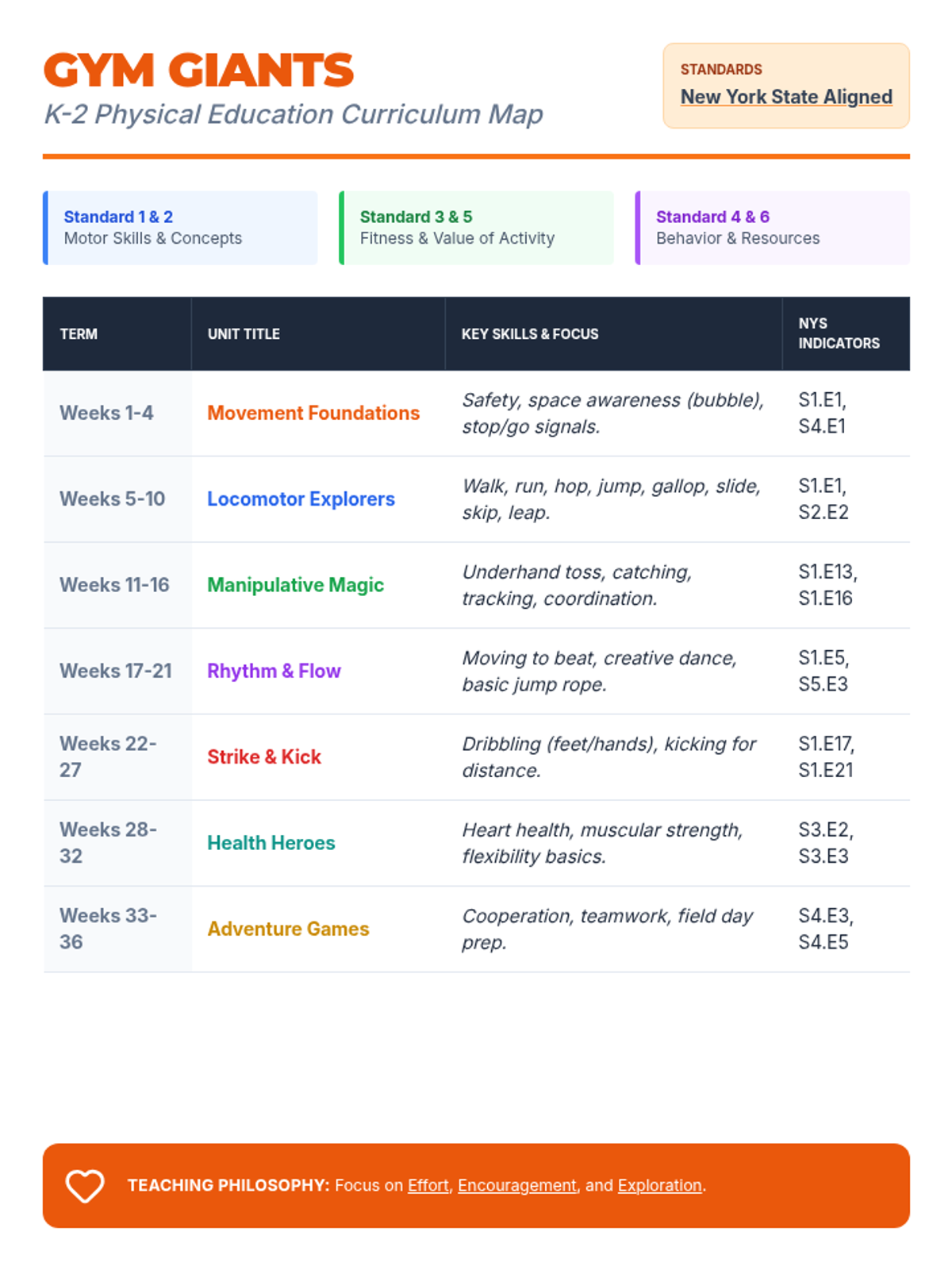
This sequence focuses on the technical foundations of football (soccer), including dribbling, passing, receiving, and tactical movement. Students progress from individual ball mastery to dynamic team-based possession drills.
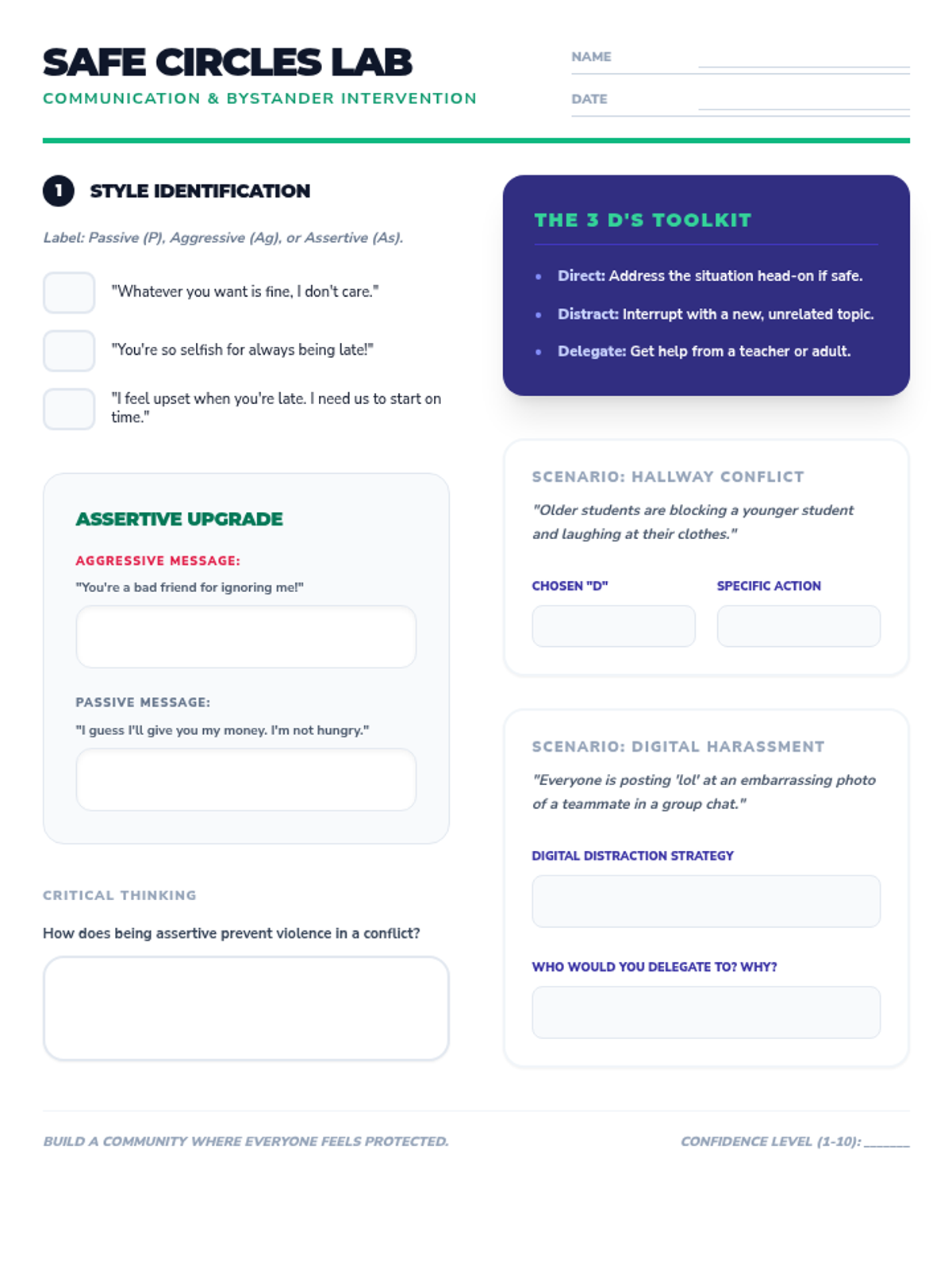
A pair of 10-minute assembly lessons focused on friendship, safety, and community respect for K-2 and 3-5 students, addressing physical and verbal behavior.
A series of health and wellness lessons for high school students focused on developing psychological resilience, critical media literacy, and a functional approach to self-perception.
A comprehensive unit focused on debunking mental health myths and establishing a scientific understanding of mental illness through the Bio-Psycho-Social model.
A comprehensive health education unit focused on understanding mental health stigma, its impacts, and strategies to reduce it through communication and social media advocacy.
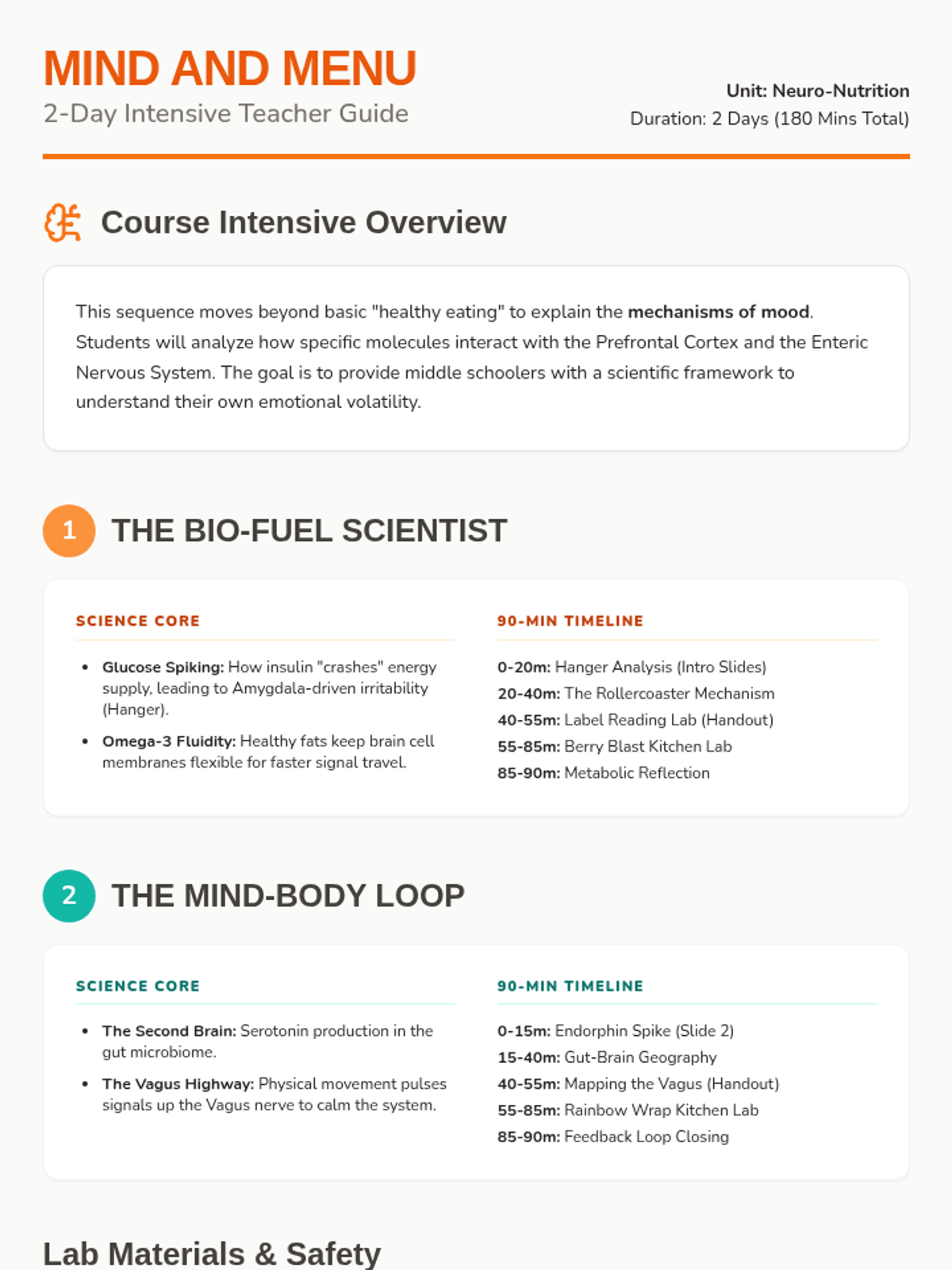
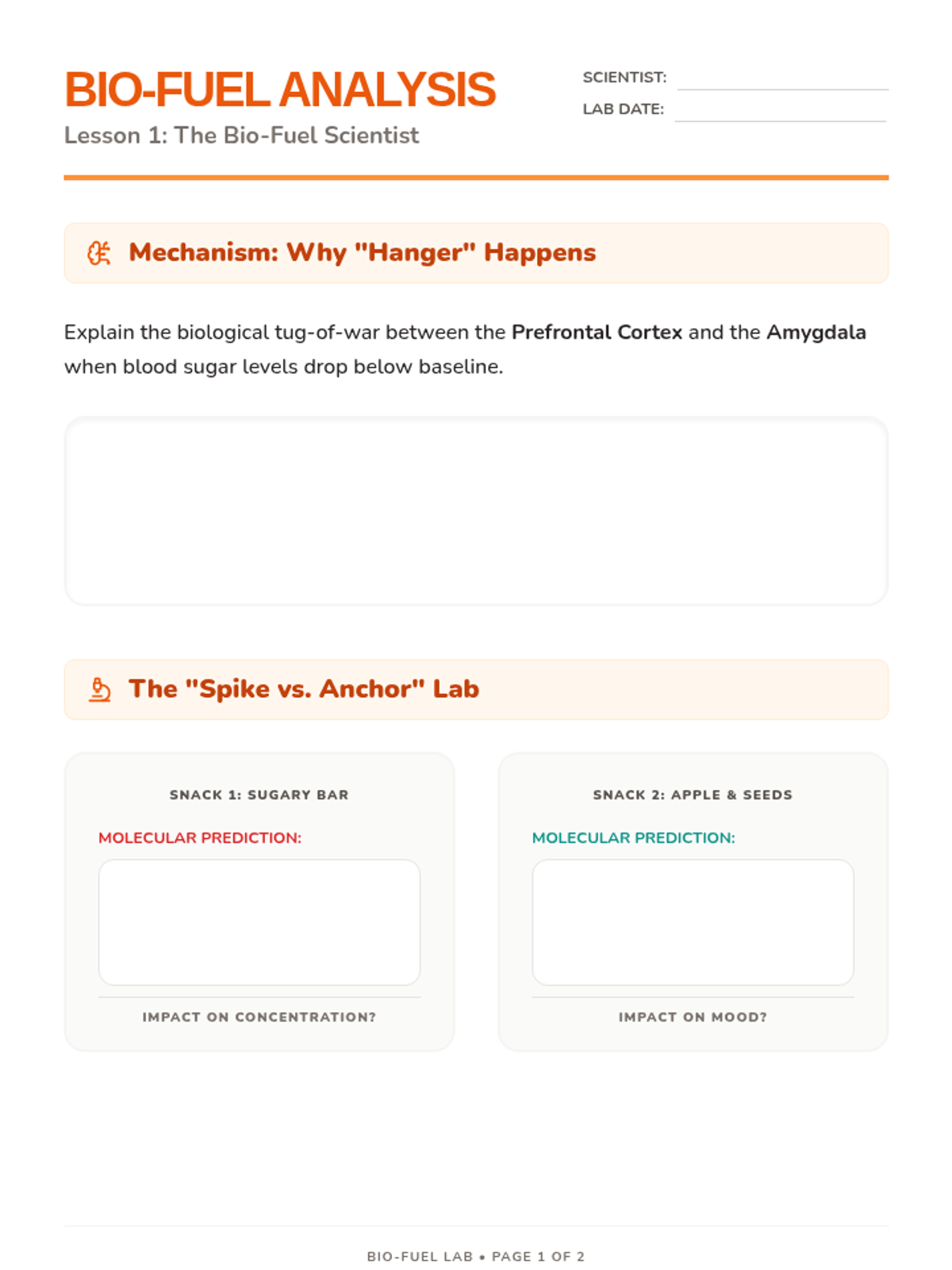
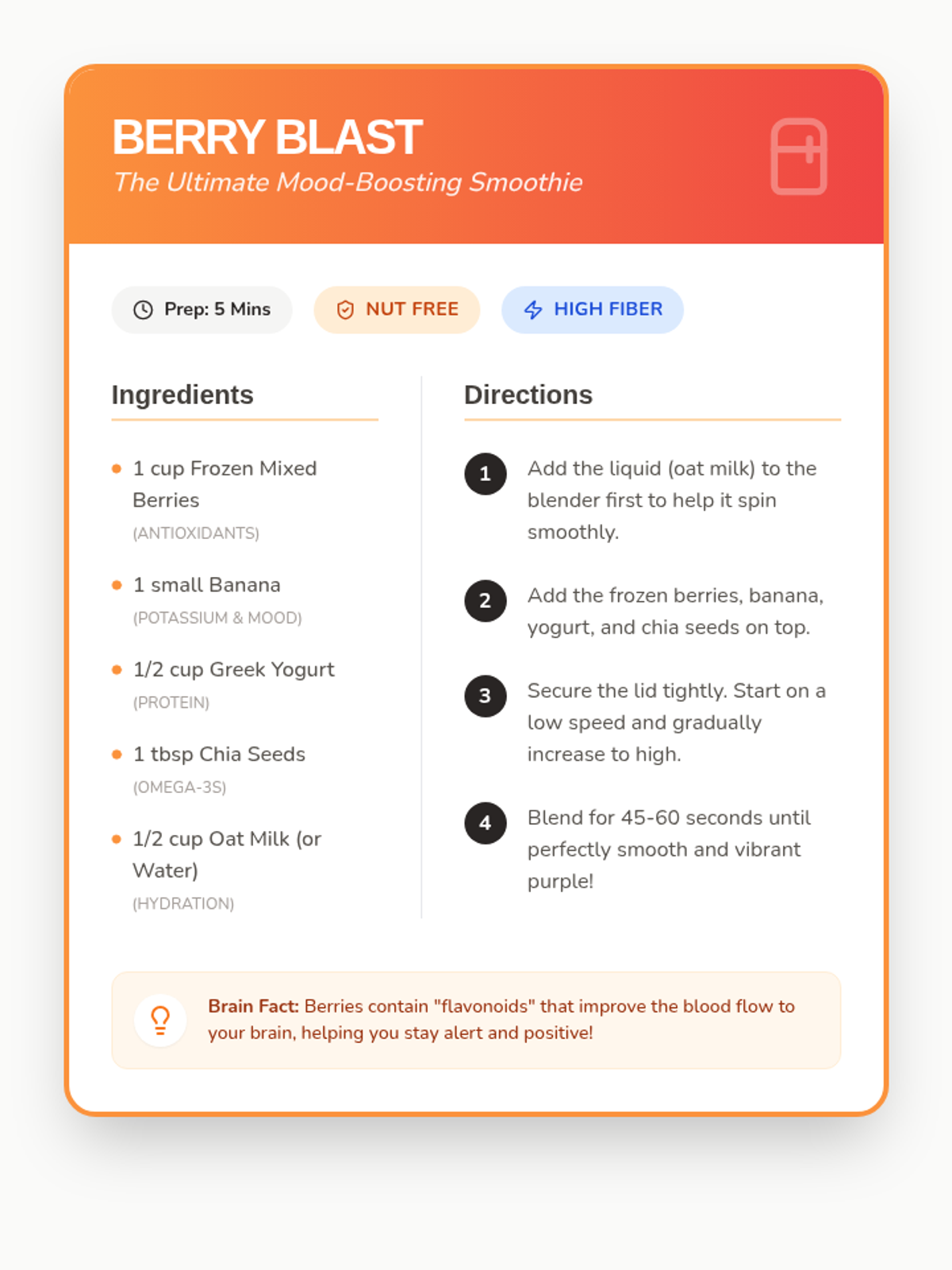
A lesson sequence exploring the biological and psychological links between diet and mental wellbeing, focusing on how different foods impact mood, energy levels, and long-term mental clarity.
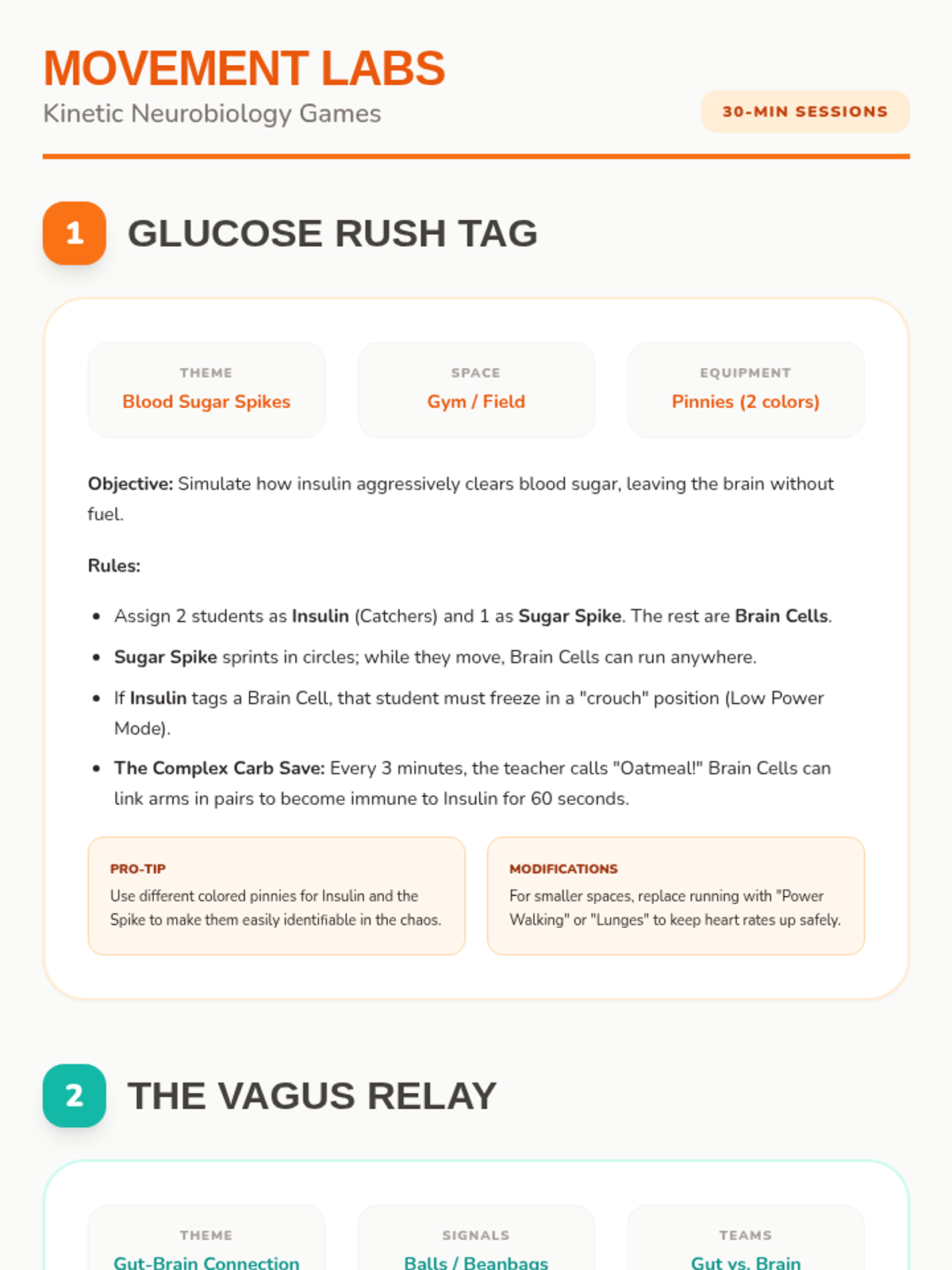
A short sequence of lessons exploring the intersection of physical health and mental wellbeing, focusing on the neurochemistry of exercise and healthy habits.
A comprehensive unit focused on the interplay between physical health and mental wellbeing, exploring how lifestyle choices, exercise, nutrition, and coping mechanisms influence emotional resilience.
A comprehensive high school health sequence focused on understanding the complex interplay of biological and environmental factors that contribute to mental health and illness.
A comprehensive mental health lesson sequence focused on helping middle school students distinguish between normal emotional fluctuations and clinical depressive disorders using the Intensity, Duration, and Interference (IDI) criteria.
A high school health lesson analyzing the physiological effects of stimulants and depressants on the nervous system and the 'rebound effect' of using substances to cope with stress.
This lesson sequence explores the physiological impact of stress and substance use on the central nervous system, focusing on how exogenous chemicals disrupt homeostasis. Students analyze a medical case study to apply their understanding of stimulants and biological feedback loops.
A lesson focused on identifying and overcoming common barriers to STI prevention, featuring a collaborative poster project and interactive video analysis.
A high school health and psychology unit exploring neurodiversity, focusing on the diagnostic criteria, support needs, and lived experiences of individuals on the autism spectrum.
A high school health lesson focused on debunking common myths about psychosis, understanding its clinical definition and symptoms, and exploring the impact of social stigma on recovery.
A high school health lesson focused on the physiological effects of stress, specifically cortisol's impact on the brain, and practical laboratory testing of stress-reduction techniques. Students explore eustress versus distress and measure their own heart rate and stress levels during guided interventions.
A comprehensive 16-week weight training curriculum divided into two parts: 'Part 1: The Human Engine' (Weeks 1-8) focusing on movement patterns, bodyweight mastery, and anatomy; and 'Part 2: The Iron Forge' (Weeks 9-16) focusing on advanced compound lifts, training science, and independent program design. Includes nutrition for performance and comprehensive classroom activities.
A comprehensive lesson sequence for High School Health/Psychology focused on understanding clinical depression, the biological basis of mental health, and strategies to overcome societal stigma.
A restorative learning program designed for high school students to reflect on the impact of substance use and prepare for a positive return to their school community. The program balances scientific facts with deep personal reflection.
A three-week hygiene program designed for 3rd-grade boys with ADHD, using a 'Secret Agent' theme to encourage daily habits in dental care, showering, and grooming.
A comprehensive wellness unit designed to empower students with lifelong healthy habits. Students explore nutrition, exercise, sleep, and emotional regulation through the lens of 'hero training'.
A comprehensive health sequence for 11th-grade students focused on developing personalized fitness plans, understanding the science of physical activity, and debunking common fitness myths.
A comprehensive maturation unit for 5th-grade girls covering physical, emotional, and social changes during puberty. Includes a detailed teacher guide, interactive slides, a student workbook, and discussion cards to foster a supportive and informative environment.
A comprehensive SEL-integrated hygiene curriculum for elementary scholars (K-4), focusing on self-awareness, social impact, and personal responsibility through the lens of a 'Glow Up'.
A comprehensive safety curriculum for 4th and 5th graders covering pedestrian, home, personal, and substance safety through interactive lessons and assessment.
A series of lessons focused on personal safety, body autonomy, and social-emotional development for young children.
A unit focused on building a positive classroom environment through respectful boundaries and individual well-being. Students learn how to navigate physical spaces and personal health for a successful school year.
A comprehensive 9th-grade mental health curriculum focused on building resilience, understanding mental health challenges, managing stress, and navigating the digital world. Students will engage in self-reflection and practical skill-building to support their emotional well-being.
A series of lessons focused on health, activity, and practical math applications for upper elementary students.
A series of workshops and resources for elementary school parents focusing on common school-related health concerns, starting with head lice management.
A 5-lesson health and counseling sequence for 11th graders focusing on the 'A' (Avoid Mood-Altering Substances) and 'E' (Exercise) components of the PLEASE skills. Students explore the neurobiology of substance use versus physical activity to build emotional resilience.
A comprehensive sequence for 3rd grade students focusing on identifying emergencies, communicating with emergency services, and understanding community mental health resources. Students will develop situational awareness and learn the practical steps for seeking help in various crises.
A project-based sequence for 6th graders to debunk mental health myths, improve language choices, and design peer-led awareness campaigns to foster a culture of help-seeking and safety.
This sequence uses a case study approach to teach 7th-grade students how to recognize suicide warning signs, navigate digital cries for help, map out support networks, and take ethical action as supportive bystanders. Students move from identifying clues to committing to a personal safety protocol.
A comprehensive 5-lesson sequence for 7th-grade students focused on recognizing mental health warning signs and practicing the ACT (Acknowledge, Care, Tell) framework. Students transition from understanding mental health as a spectrum to identifying specific red flags and overcoming barriers to reporting concerns to trusted adults.
A research-focused sequence for 9th-grade students to map, evaluate, and access specialized crisis resources. Students learn to distinguish between general and specialized support, evaluate the credibility of services, and develop a personalized safety resource plan.
This sequence equips 10th-grade students with the skills to identify and access specialized crisis resources. Students will learn to distinguish between emergency services (911), mental health lifelines (988), and specialized support for domestic violence and substance use, culminating in the creation of a personalized crisis resource plan.
This sequence explores the social and emotional complexities of seeking help via crisis hotlines. Students analyze common barriers like stigma and fear, debunk myths about emergency services, and practice supportive communication to help peers access professional resources.
This sequence demystifies the process of accessing crisis support by breaking down the mechanics of hotlines and text lines. Students learn to distinguish between emergency services (911) and crisis hotlines (988), understand the experience of reaching out, and create personal resource tools for future use.
An adventure-themed physical education sequence for 1st graders focused on group problem-solving. Students roleplay as explorers navigating environmental hazards like shrinking islands and lava rivers to build collaboration and strategic thinking skills.