A foundational ESL sequence focused on animal names, movement verbs, and the sentence structure 'The animal can verb'. Designed for young learners with visual support and interactive activities.
A comprehensive 30-day literacy program designed for Spanish-speaking English Learners, focusing on vowels, CVC blending, rhyming, and multisyllabic word decoding. The curriculum uses a 'construction' theme to build reading skills from the ground up, with specific support for ESL phonetic challenges.
A comprehensive phonics sequence that takes students from basic CVC words to complex consonant blends and digraphs through interactive workshop-themed activities and games.
Une séquence d'alphabétisation complète en Bamanankan pour débutants, intégrant l'apprentissage des voyelles, des consonnes et des salutations de base à travers un livret imprimable et des supports visuels.
A complete phonics journey covering letter-name alphabetic spelling stages, featuring randomized word sort practice through interactive sentence completion.
An introductory Japanese language and culture unit for 8th grade that follows the 'TABI' (Journey) framework. Students explore geography, etiquette, writing systems, daily life, and traditional arts through immersive daily 45-minute lessons.
A series of Spanish word sorting lessons designed to reinforce high-frequency words and common orthographic patterns like the silent H and G/J syllables.
A comprehensive sequence on language mechanics, from phonetic marking of complex vowel sounds to the morphological analysis of Latin roots and affixes. Students develop deep decoding and encoding skills by investigating the building blocks of words.
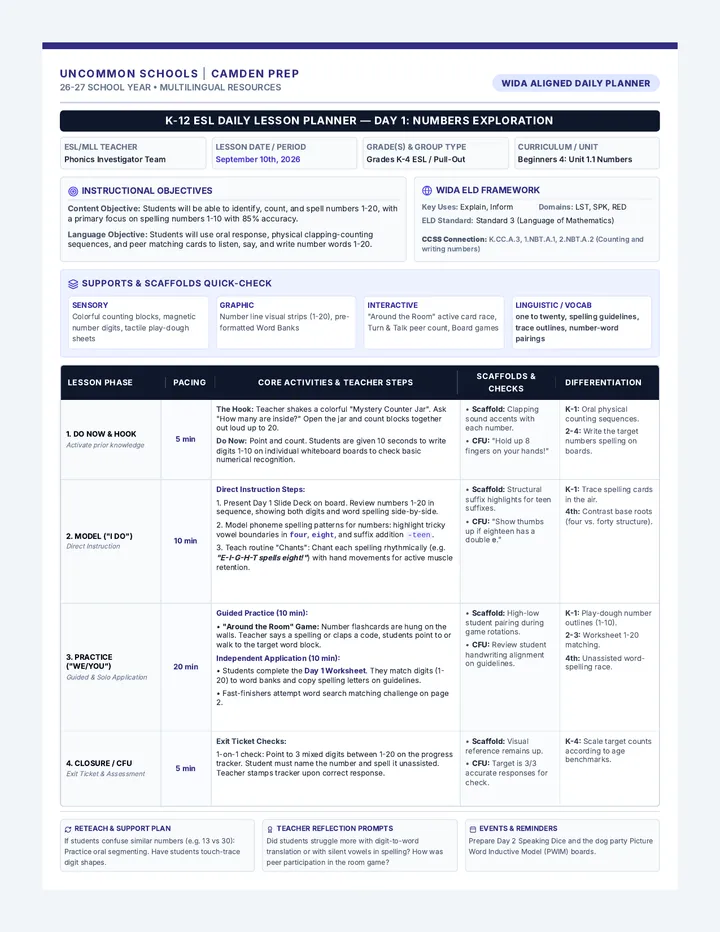
A comprehensive curriculum framework for primary English Language Learners, aligning theme-based social studies and science units with WIDA's four Key Language Uses: Narrate, Inform, Explain, and Argue. This sequence provides instructional scaffolding for students at proficiency levels 1-3.
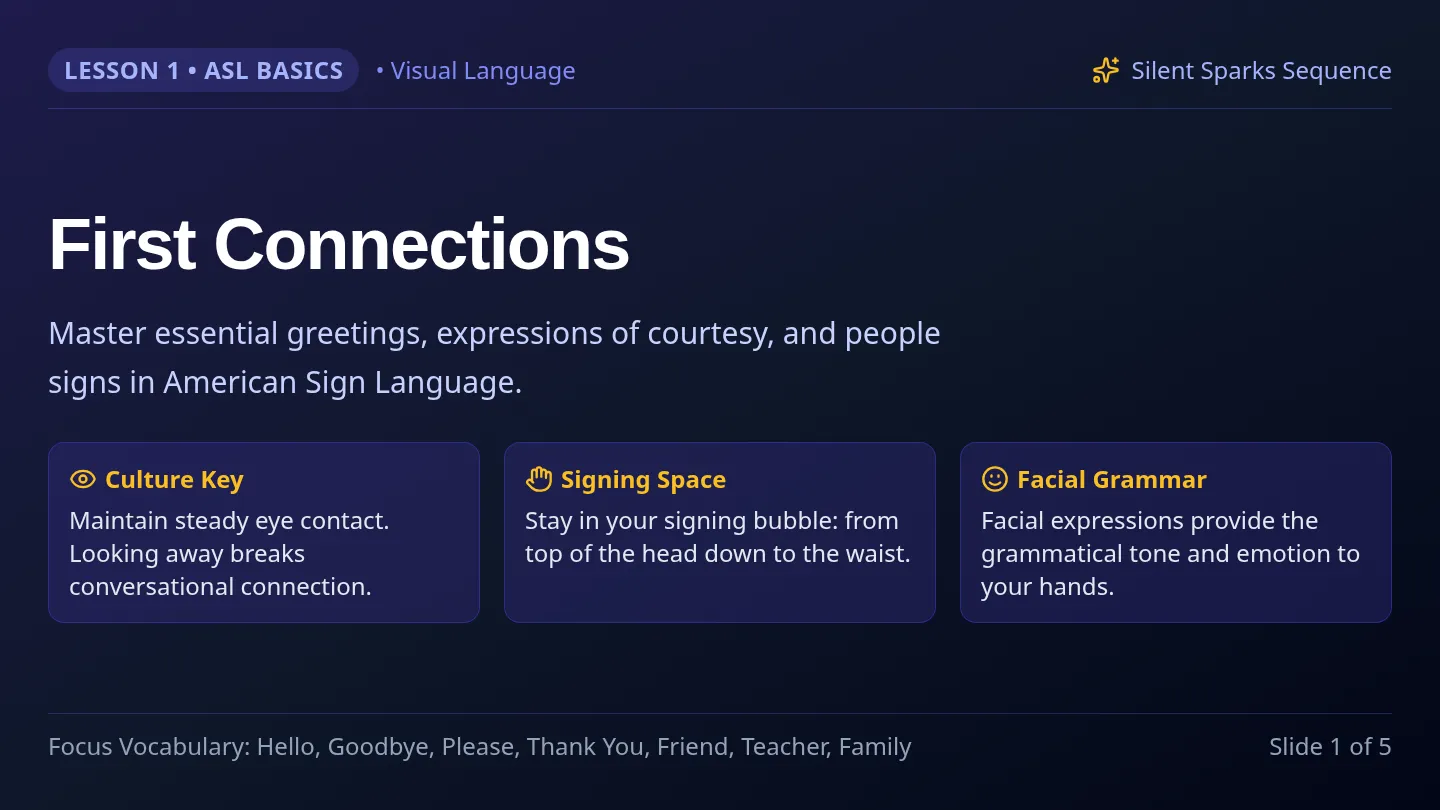
A high-energy, bite-sized introduction to American Sign Language designed for beginners with short attention spans. This unit uses gamified activities and visual aids to teach the alphabet, common people, classroom items, and expressions.
A bilingual (Spanish-English) sequence for Pre-K 4 students to learn transportation vocabulary through stories, visual aids, and hands-on activities.
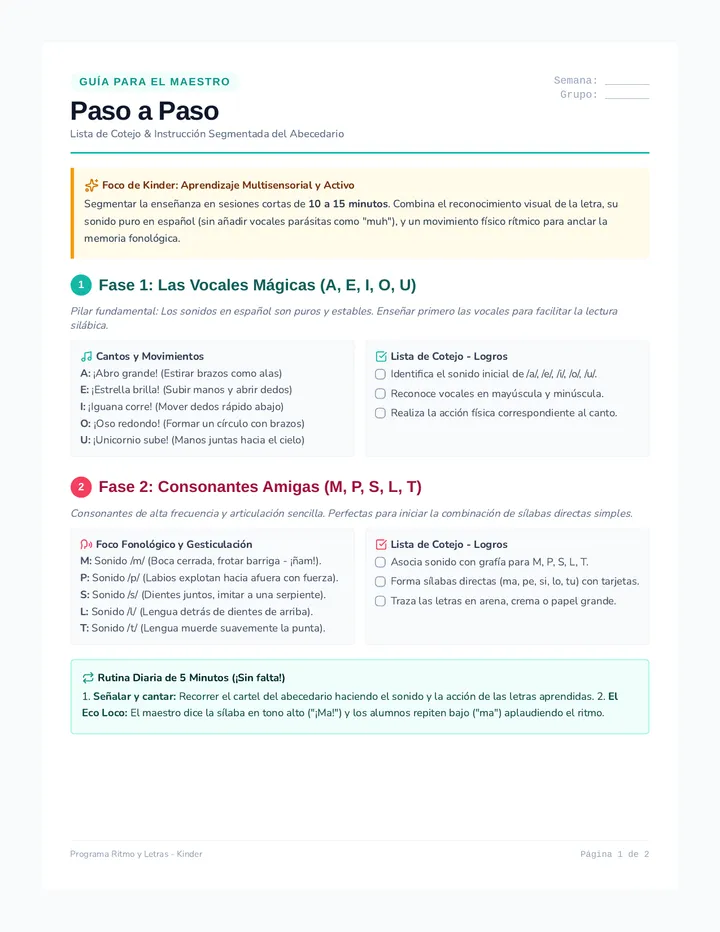
A series of fast-paced 10-minute Spanish phonics mini-lessons for kindergarteners, focusing on letter sounds, blending, and initial syllables through engaging jungle and animal themes.
A sequence of lessons introducing young learners to American Sign Language for daily communication and social-emotional expression.
An immersive listening sequence designed for elementary-age beginner ESL students. This unit helps young learners navigate the routines, spaces, and social expectations of a primary school classroom, moving from basic imperative commands to understanding daily schedules and peer introductions.
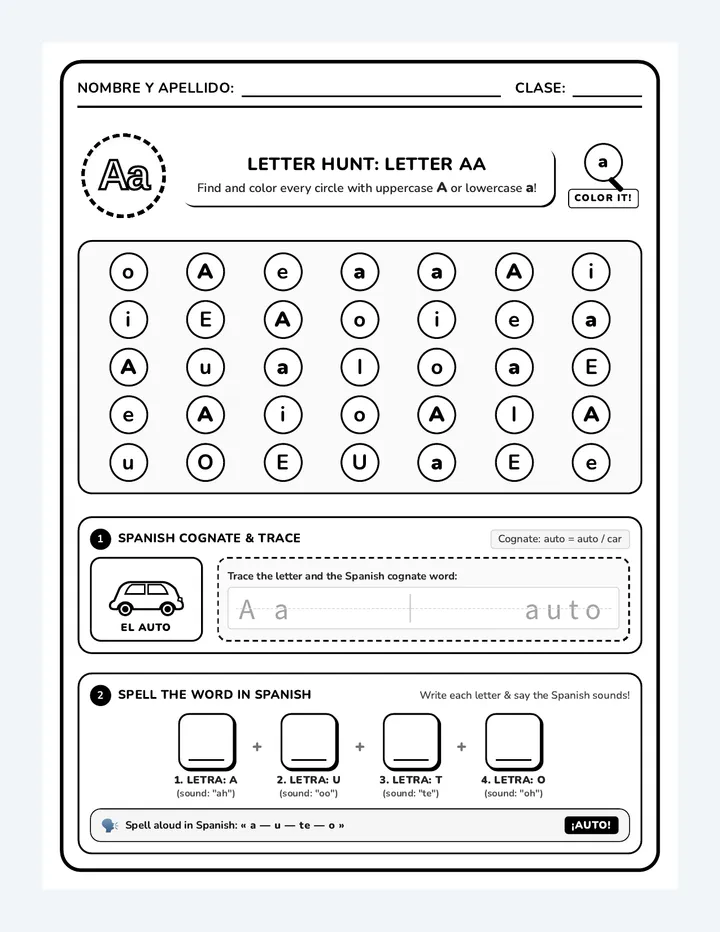
A comprehensive one-week Spanish homework packet designed to improve student letter formation through tracing exercises. The sequence focuses on individual letters, words, and full sentences with common sight words, featuring engaging illustrations of animals and school supplies.
A phonics sequence for 2nd graders to master open and closed syllables, moving from single-syllable recognition to decoding multi-syllabic words and improving reading fluency.
A collection of resources for Multilingual Learners, featuring a reading comprehension unit on phobias for 5th grade and a beginner-level guessing game for 2nd grade.
A foundational grammar sequence for English Language Learners focusing on the use of definite and indefinite articles through visual storytelling and interactive games.
A high-energy Mandarin Chinese sequence for Pre-K students using the Total Physical Response (TPR) method. Students learn to respond to physical commands and action verbs through games and movement, building direct meaning without translation.
A foundational Mandarin Chinese sequence for Pre-K students focused on identifying family members. Students learn vocabulary for parents, siblings, and grandparents through interactive games, songs, and visual inquiry.
A Pre-K sequence focused on teaching basic Mandarin greetings and social etiquette through play, puppets, and a final tea party synthesis. Students learn phrases for hello, goodbye, thank you, and sorry in a culturally immersive environment.
A 5-lesson sequence for Pre-K students to learn basic self-introduction in Mandarin Chinese, covering name, gender, age, and personal preferences using simple sentence patterns.
A foundational sequence for Pre-K learners to explore the four tones of Mandarin Chinese through auditory play, physical movement, and vocal exploration. Students learn to associate pitch changes with meaning using relatable sounds like questioning 'Huh?' or firm 'No!' gestures.
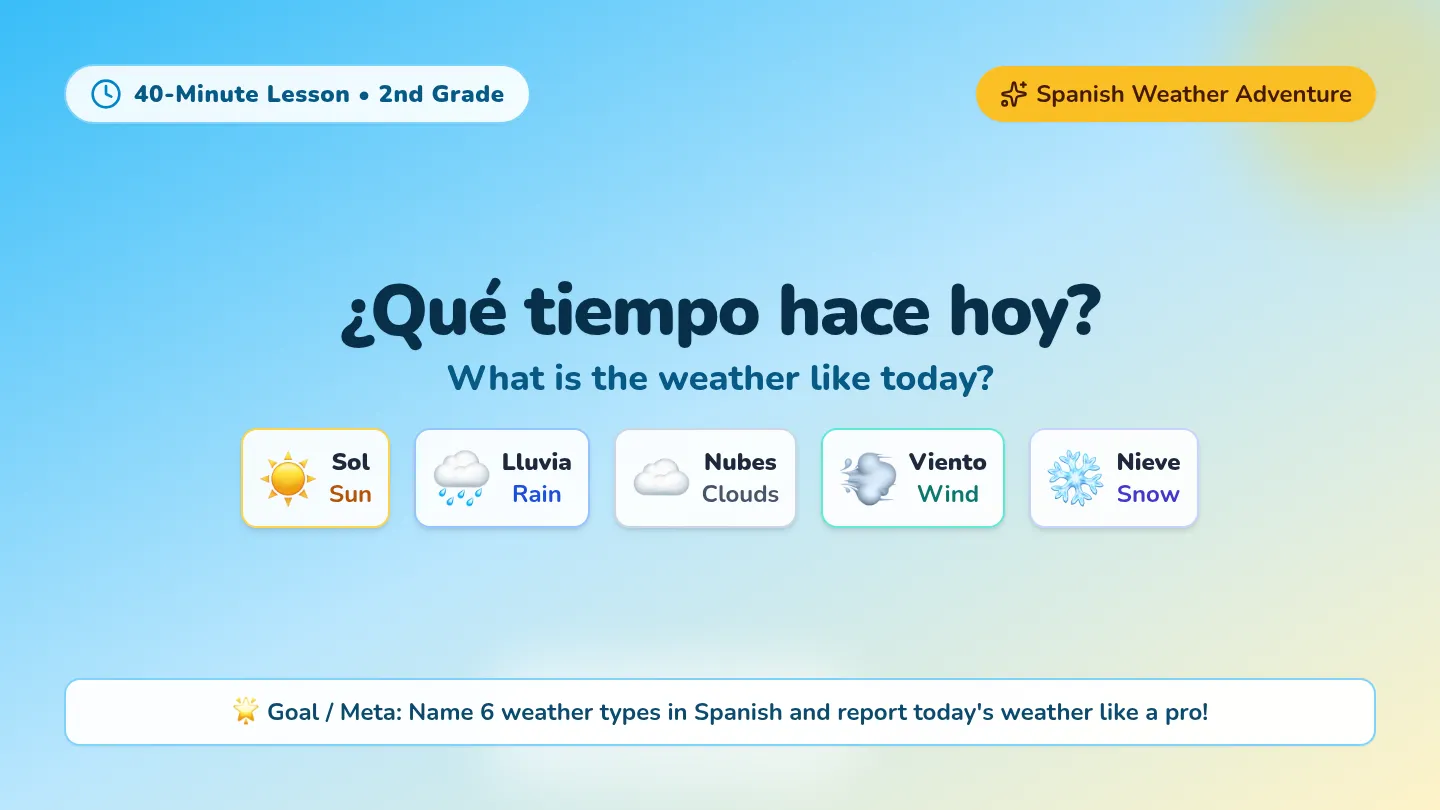
A vibrant, Pre-K focused sequence exploring Spanish and Latin American holidays and traditions. Through hands-on crafts like piñatas, masks, and crowns, students learn about cultural celebrations while developing fine motor skills and emotional expression.
A Pre-K sequence exploring the diverse animals and landscapes of Latin America through sensory play, movement, and creative arts. Students 'travel' to the Andes, Amazon, and Caribbean to learn about unique habitats and the creatures that call them home.
A sensory-rich exploration of Spanish and Latin American culinary traditions designed for Pre-K learners. Students discover tropical fruits, the corn-to-tortilla process, the vibrant colors of paella, market spices, and the social importance of family meals.
A vibrant Pre-K sequence introducing Spanish-speaking cultures through music, rhythm, and movement. Students explore Flamenco, Salsa, and Mariachi through kinesthetic activities and simple percussion.
A sensory-rich sequence for Kindergarten students exploring staple foods from Latin America and Spain, focusing on origins, Spanish vocabulary, and the cultural significance of family dining. Students identify ingredients like corn, cacao, and tropical fruits through workshop-style activities and simulations.
A vibrant project-based sequence where Kindergarten students explore Spanish-speaking cultures through the lens of traditional celebrations. Students learn about the values of family, memory, and community while creating hands-on artifacts like paper flowers, sugar skulls, and star piñatas.
Students explore the vibrant world of celebrations in Spanish-speaking cultures, from piñatas to the Day of the Dead. Through comparative analysis, they discover how traditions foster community and honor history across Spain and Latin America.
A 5-lesson sequence exploring the culinary heritage of the Spanish-speaking world, focusing on key ingredients like corn and cacao, mealtime customs, and tropical fruits. Students conclude by creating a class cookbook.
A fun, interactive Spanish vocabulary sequence for Pre-K students focusing on family members and pets. Through songs, games, and creative projects, children learn to name the most important people and animals in their lives.
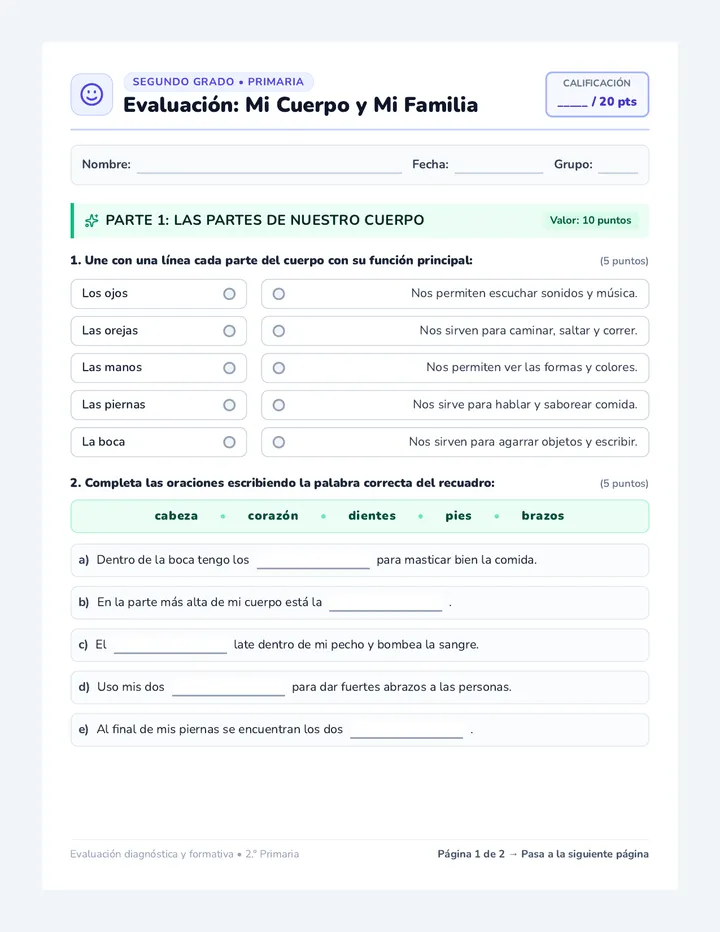
A physical and interactive Spanish vocabulary sequence for Pre-K students focusing on body parts and movement through Total Physical Response (TPR). Students learn through songs, games, and creative activities, culminating in a 'Simón Dice' challenge.
This Pre-K sequence introduces Spanish numbers 1-10 through multisensory activities, movement, and play. Students will learn to recognize, say, and count quantities using 'uno' through 'diez'.