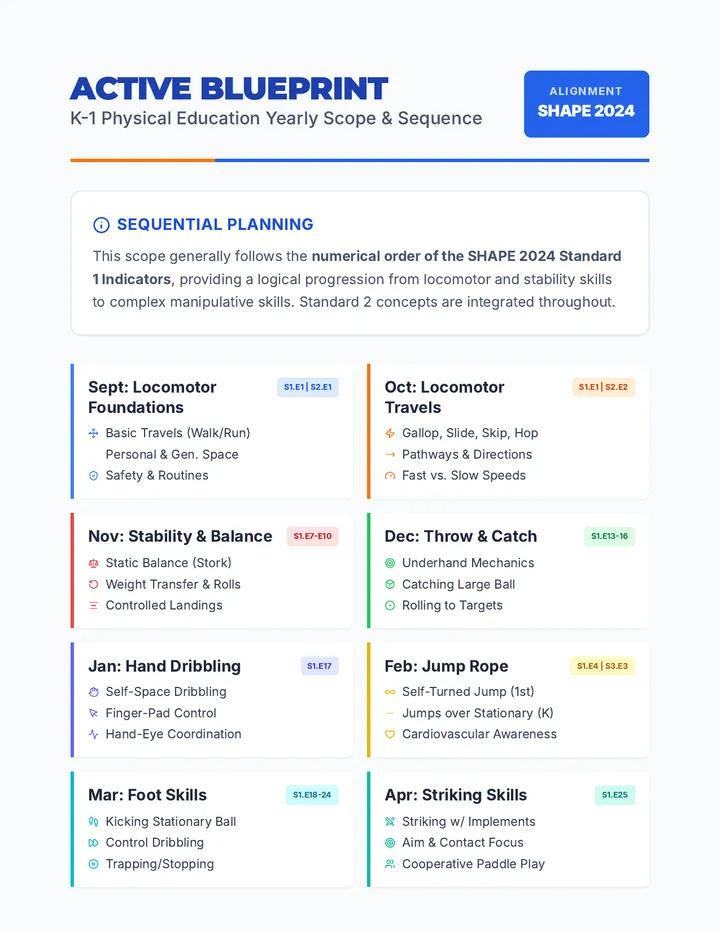
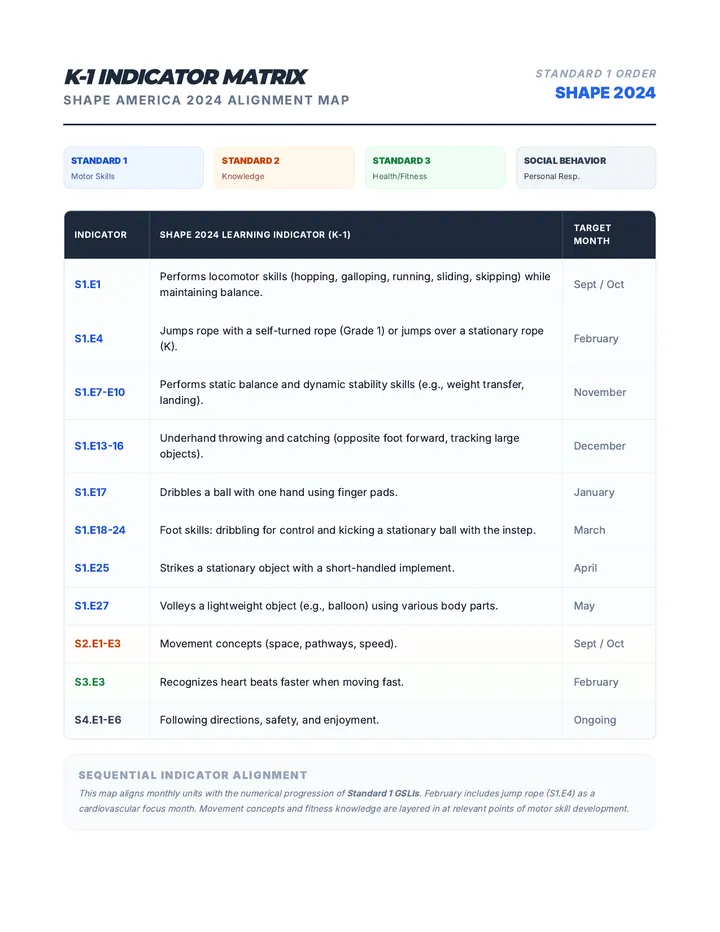
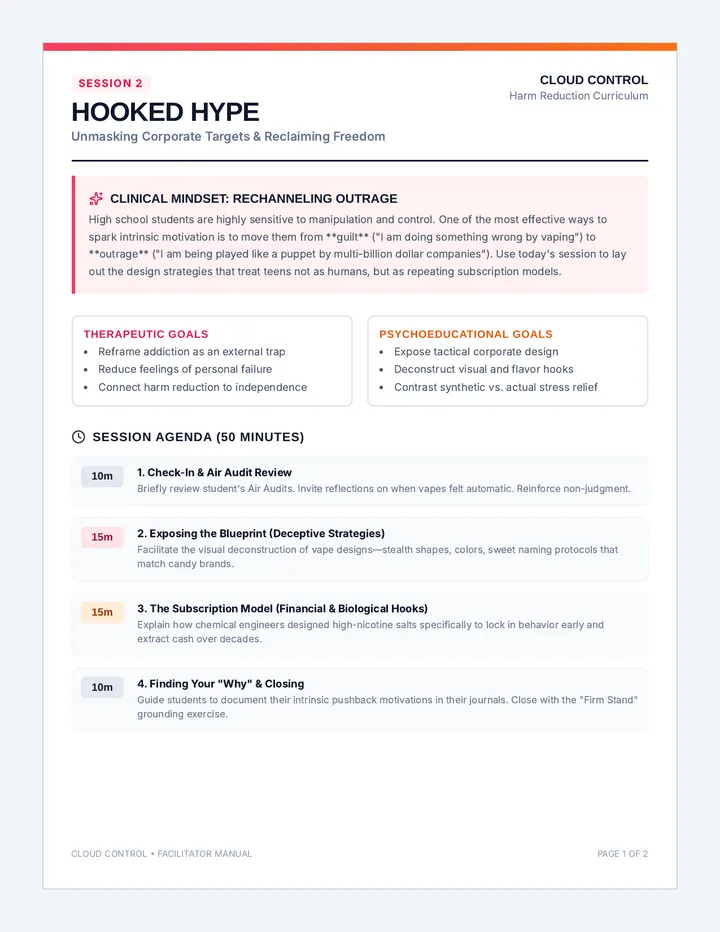
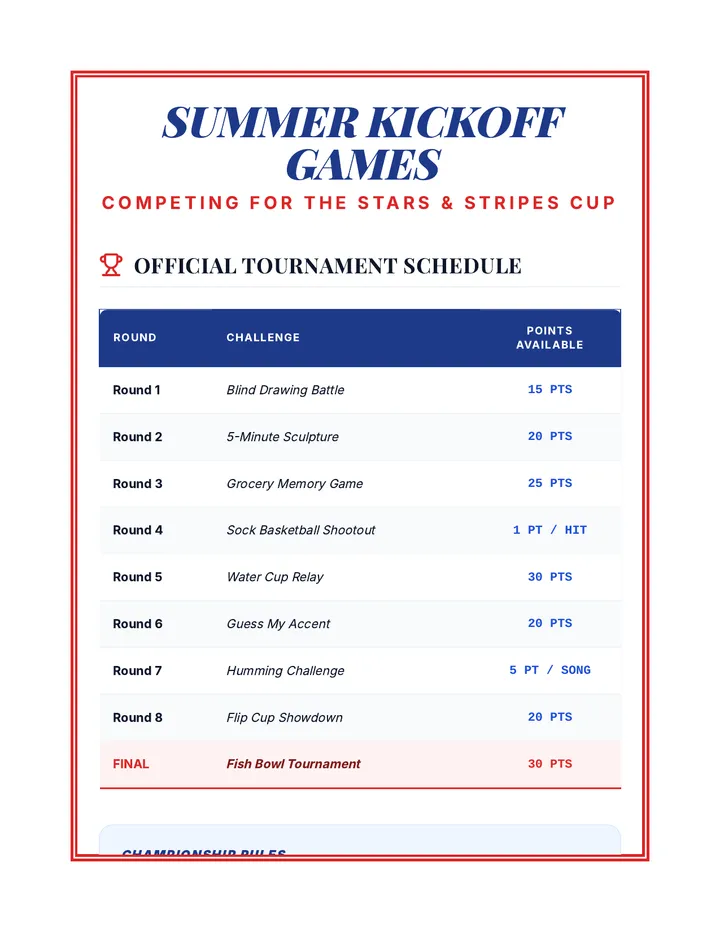
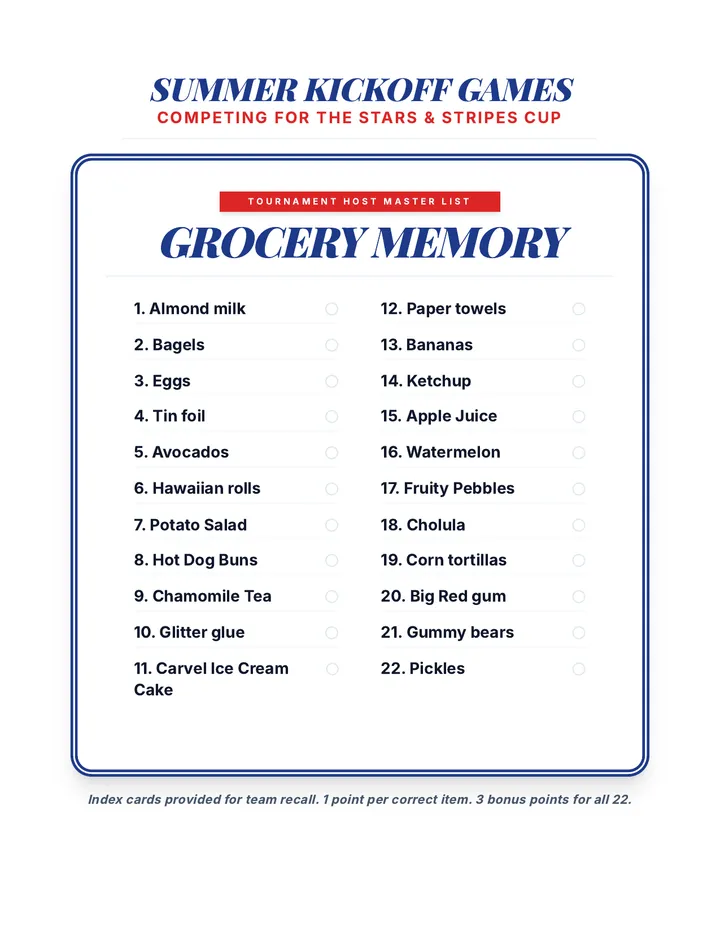
A collaborative sorting activity where students categorize nutrition claims as Fact, Fiction, or It's Complicated. Includes printable cards for small group discussion and a teacher verification key with physiological explanations.
The finalized professional 5-slide presentation on Basic Sea Survival, featuring expanded technical details for six essential ship equipment items, hazardous conditions, and survival strategies.
A professional 5-slide presentation on Basic Sea Survival, covering hazards, equipment, strategies, and a final summary. Features a clean horizontal split layout with high-impact visuals.
A condensed, one-page equipment checklist with a horizontal layout for maritime survival gear, featuring clear emoji "pictures" and standardized work areas.
Revised 5-slide presentation focusing on essential ship survival equipment with an introduction and conclusion, using a consistent horizontal split layout with emojis.
A horizontally-oriented equipment checklist with larger text, darker borders, and clear emoji "pictures" for maritime survival gear.
A visually enhanced 5-slide presentation focusing on essential ship survival equipment, using a consistent horizontal split layout with large emojis as "pictures".
A horizontally-oriented (landscape layout) equipment checklist with large emojis as "pictures" and a row-based categorization system for maritime survival gear.
A professional inspection checklist for essential maritime survival equipment, including personal protection, signaling electronics, and group survival gear.
A visually enhanced 5-slide presentation using a consistent horizontal split layout with large emojis as "pictures" to illustrate key sea survival concepts.
Large decorative tip bubbles and graphic cutouts (suns, ice cream, bikes) to fill space and add visual interest to the bulletin board.
Organized, easy-to-read cards for local Fostoria community resources including food support, housing, utilities, and health services.
Full-page posters for each summer category: Brain Sharp, Summer Routine, Take Care of Feelings, Healthy Habits, and Stay Active. Design is bold, bright, and easy to read from a distance.
Large, high-impact header letters and graphics for the bulletin board title, designed in two sections for maximum size.
A project rubric for assessing the Teen Support Navigator & Advocacy Project, focusing on resource accuracy, advocacy tone, and personal reflection.
An answer key and grading guide for the cumulative unit assessment on cannabis health risks.
A cumulative unit assessment quiz for 10th-grade health, covering respiratory health, mental health correlations, and DSM-5 criteria for Cannabis Use Disorder.
A teacher resource guide for Lesson 2, providing discussion frameworks and facilitation prompts for the link between cannabis and mental health.
A teacher resource guide for Lesson 3, providing clinical frameworks, diagnostic scoring, and facilitation strategies for CUD.
A teacher resource guide for Lesson 1, providing instructional strategies, discussion prompts, and technical background on EVALI and respiratory health.
A student worksheet for Lesson 1 that covers key terminology, a comparison of smoking vs vaping mechanisms, and short response questions on lung health risks.
A slide deck comparing the respiratory effects of smoking versus vaping cannabis, with a focus on EVALI and chemical additives like Vitamin E acetate.
A student scenario analysis workshop for Lesson 3, where students apply DSM-5 criteria to identify signs of Cannabis Use Disorder.
A student case study organizer for Lesson 2 that helps students analyze the links between cannabis use and mental health conditions like psychosis.
A student advocacy project for Lesson 4 where students research digital and local resources and practice health advocacy through message scripting.
A teacher resource guide for Lesson 4, providing instructional strategies and preparation notes for the resource mapping project.
Teacher's answer key for both the Quick Pulse Quiz and the Life Saver Exam.
A performance-based checklist for instructors to use while evaluating students' hands-on CPR and AED skills.
A 15-question final assessment for the CPR and AED lesson, covering key protocols, techniques, and safety procedures.
A 5-question multiple choice review quiz to check student understanding of basic CPR and AED concepts.
A step-by-step presentation for teens on CPR and AED procedures, designed with bold visuals and clear instructions following American Red Cross standards.