Complex character recognition, radical analysis, and historical etymology for high-level literacy. Strengthens reading fluency through academic vocabulary and formal literary contexts.
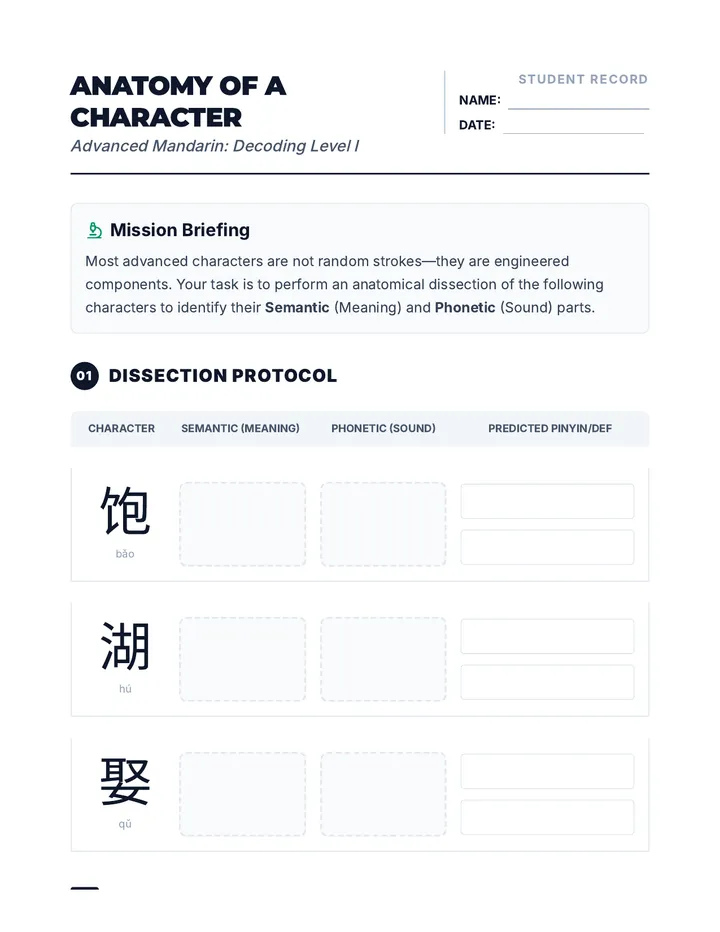
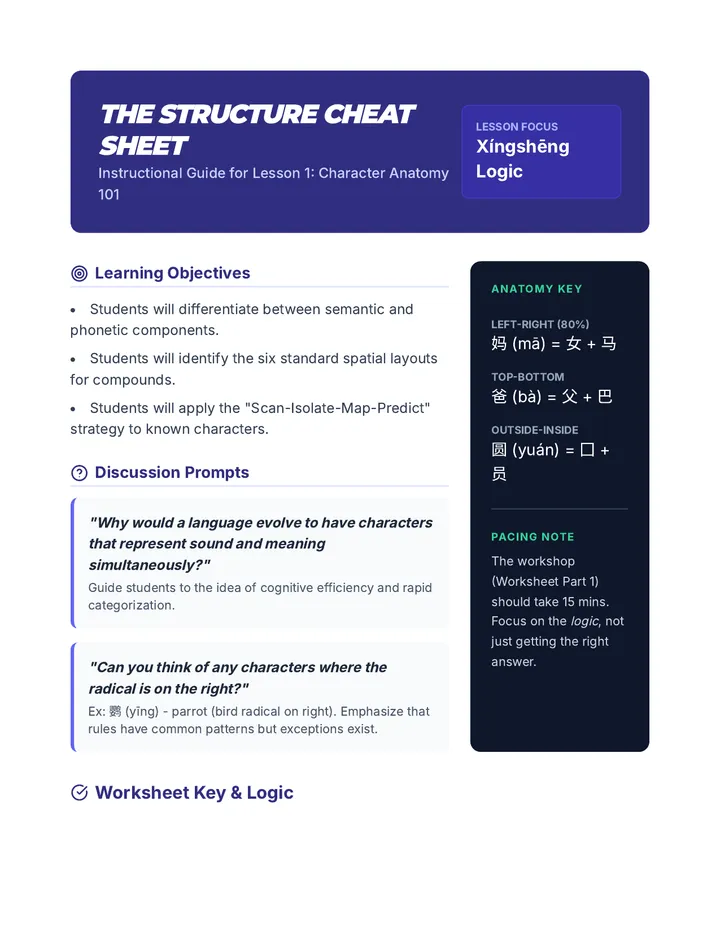
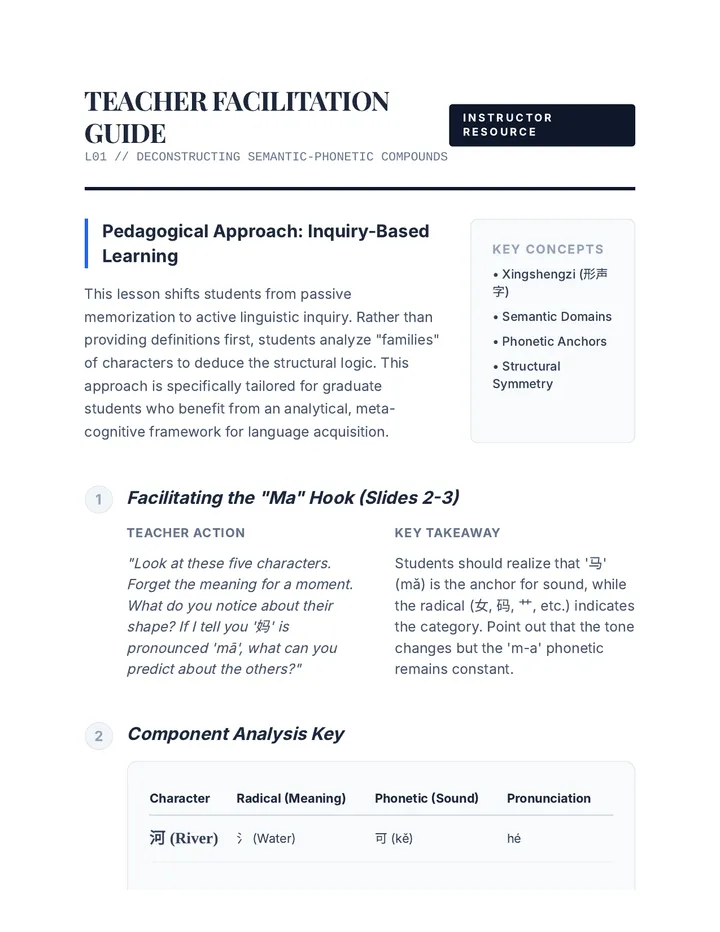
A comprehensive 9th-grade sequence focused on the structural analysis of Phonetic-Semantic (xíngshēng) Mandarin characters. Students develop advanced decoding strategies by identifying meaning-based radicals and sound-based components to predict pronunciation and meaning in unfamiliar texts.
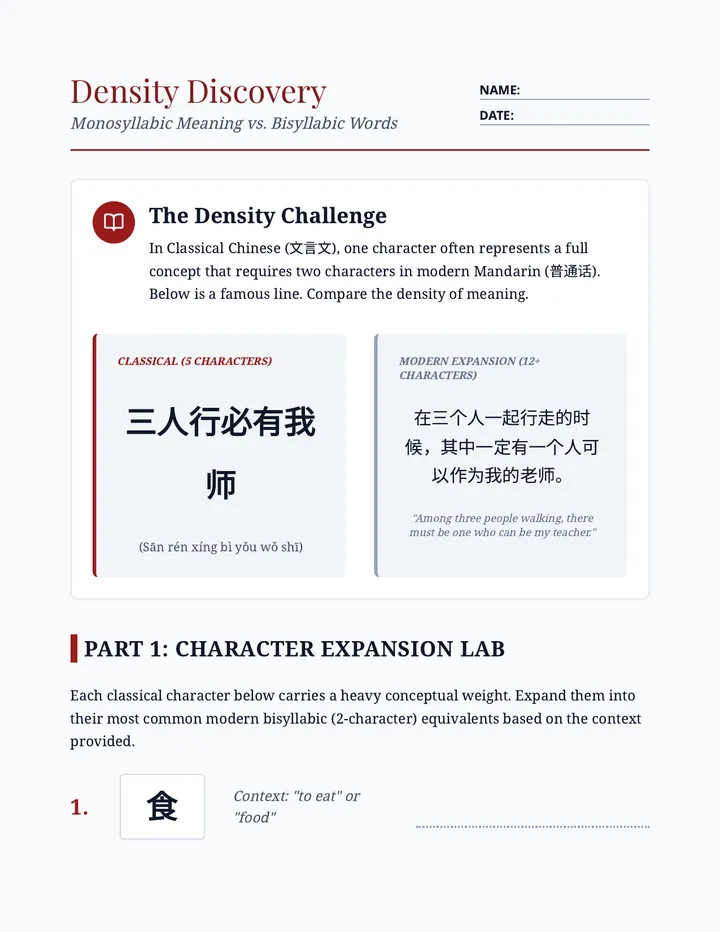
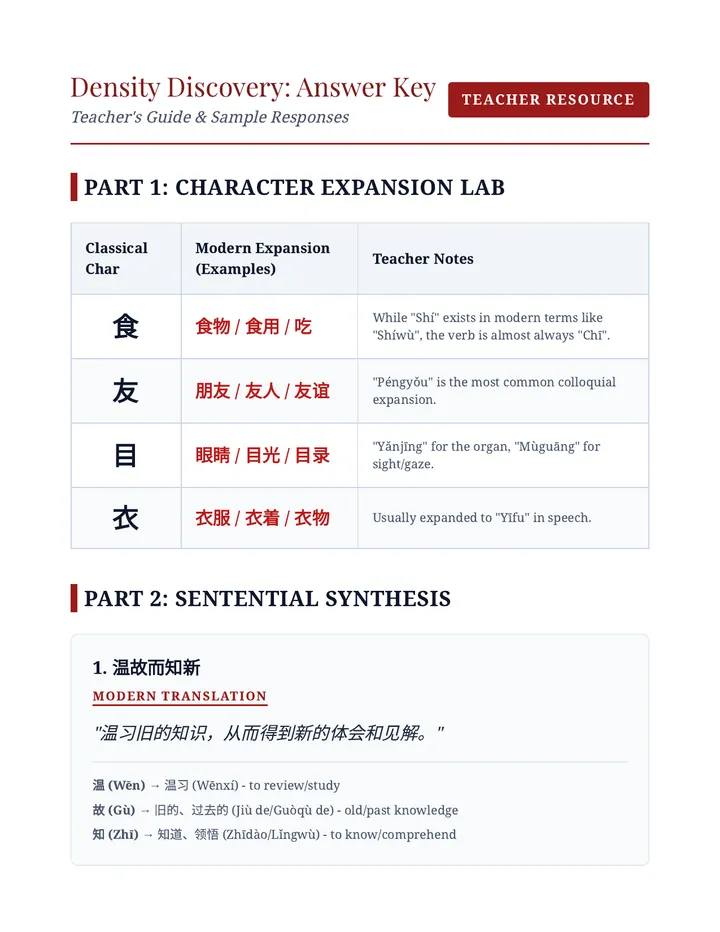
A deep dive into the transition from Classical Chinese (Wenyanwen) to modern Mandarin, exploring character density, classical particles, philosophical aphorisms, and poetic imagery to enhance advanced language proficiency.
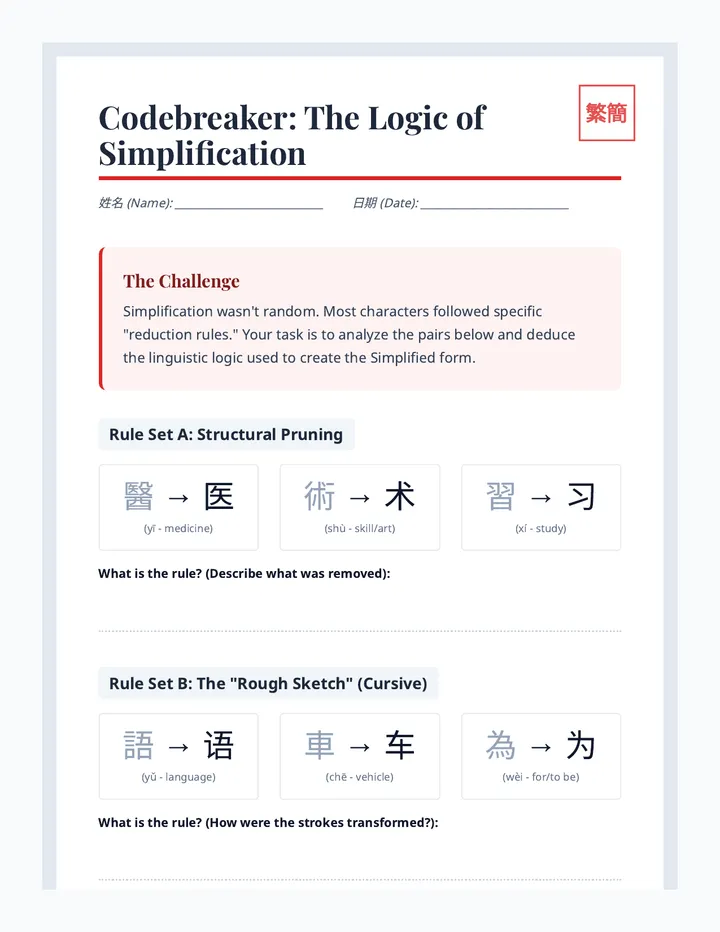
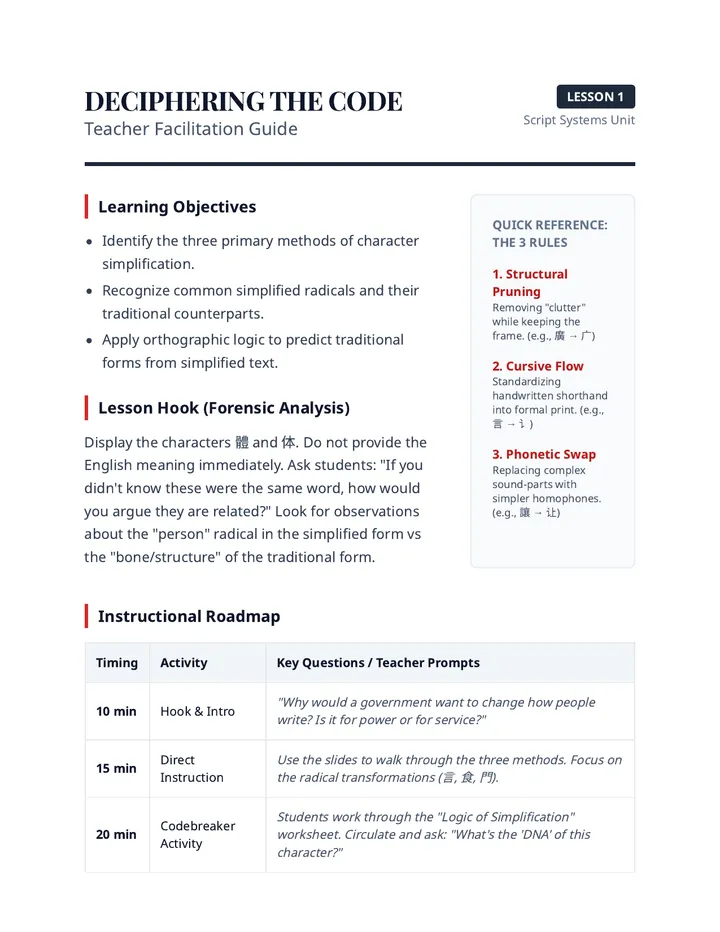
A comprehensive 12th Grade Mandarin Chinese unit exploring the linguistic logic, cultural history, and practical application of Simplified and Traditional character systems to develop global Sinophone literacy.
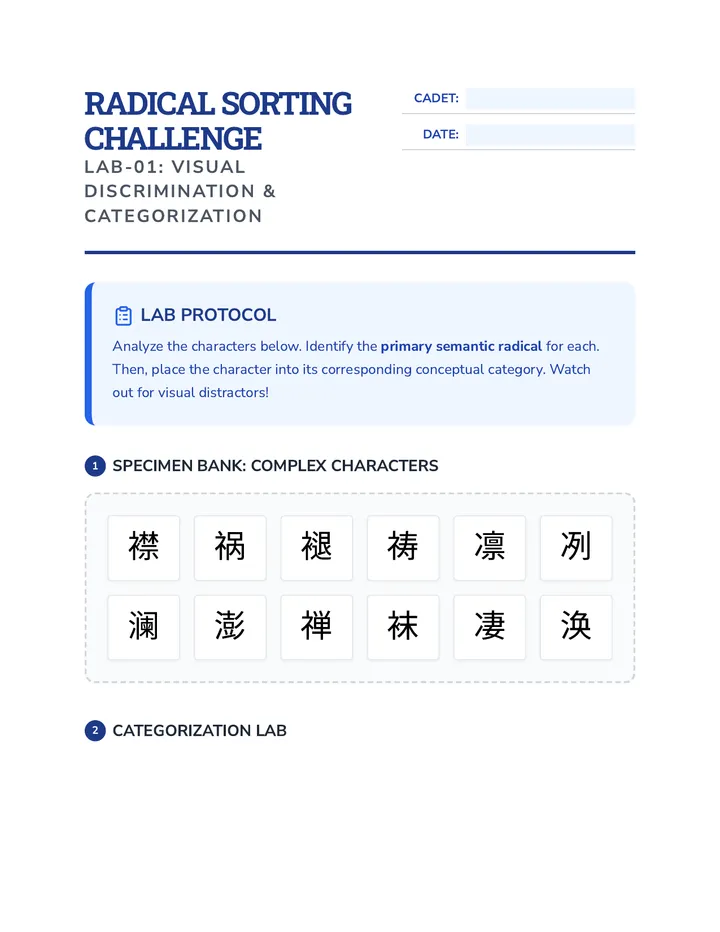
A comprehensive unit for advanced Mandarin students focused on the structural logic of Chinese characters, emphasizing radical analysis, semantic categorization, and lookup strategies for independent reading.
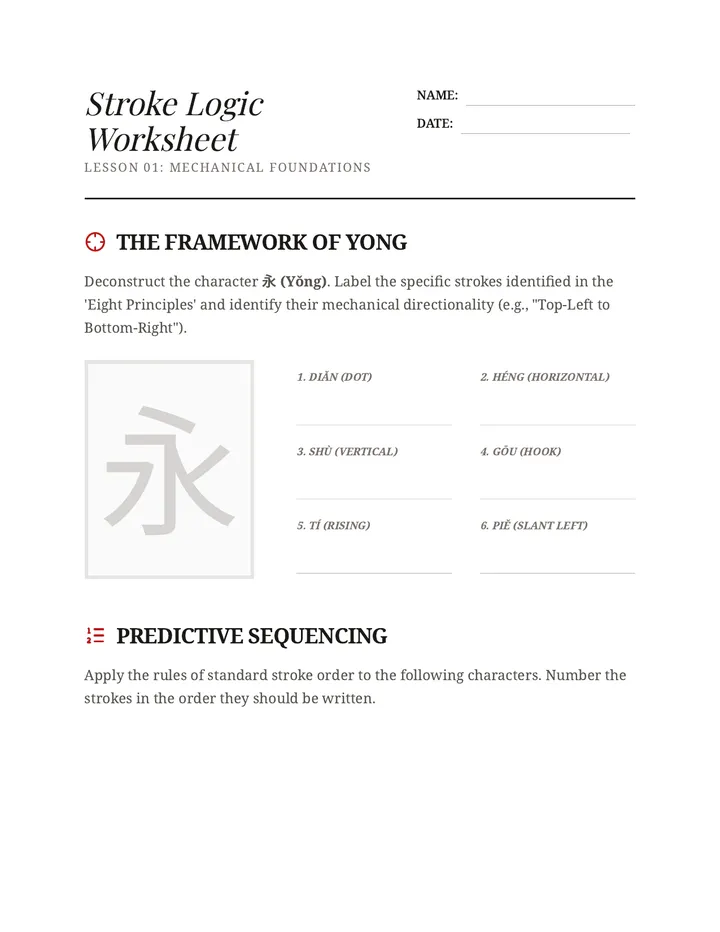
A deep analytical dive into the etymology and structural logic of the Chinese writing system for graduate-level adult learners. The sequence moves from basic mechanics and stroke order to complex phono-semantic decoding and aesthetic synthesis through calligraphy.
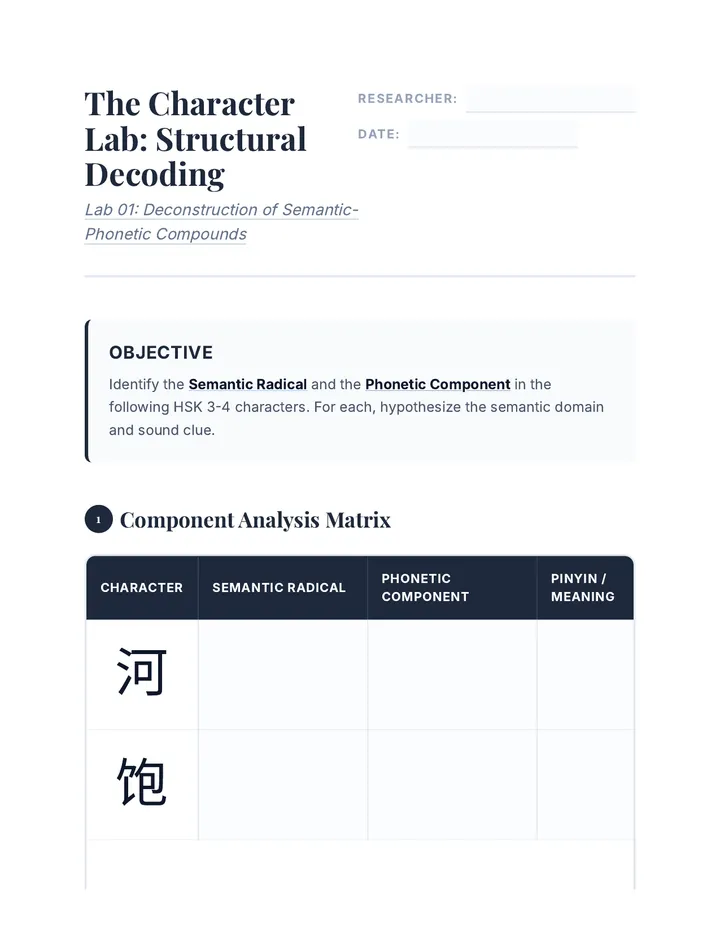
An advanced exploration of Mandarin character structure for graduate students, focusing on the semantic and phonetic logic of HSK 3-4 vocabulary to facilitate rapid lexicon expansion and academic reading skills.
A graduate-level sequence focused on the mechanics of Mandarin character production, bridging the gap between traditional handwriting discipline and modern digital input efficiency. Students refine stroke order, spatial balance, and digital literacy through workshops and professional projects.
A 7th-grade sequence exploring the 3,000-year evolution of Chinese characters, from ancient Oracle Bone pictographs to modern Simplified Hanzi, integrating history, art, and linguistics.
This sequence explores the etymological evolution of Mandarin Chinese characters from ancient Oracle Bone Script to modern digital input. Students analyze pictographs, ideographs, and phono-semantic compounds to understand the logic of the written language and apply this knowledge to real-world environmental print.
A hands-on exploration of Chinese calligraphy, tracing the history of characters from ancient Oracle Bone script to modern brush arts. Students learn the tools, techniques, and philosophy of traditional writing while creating their own calligraphic masterpieces.
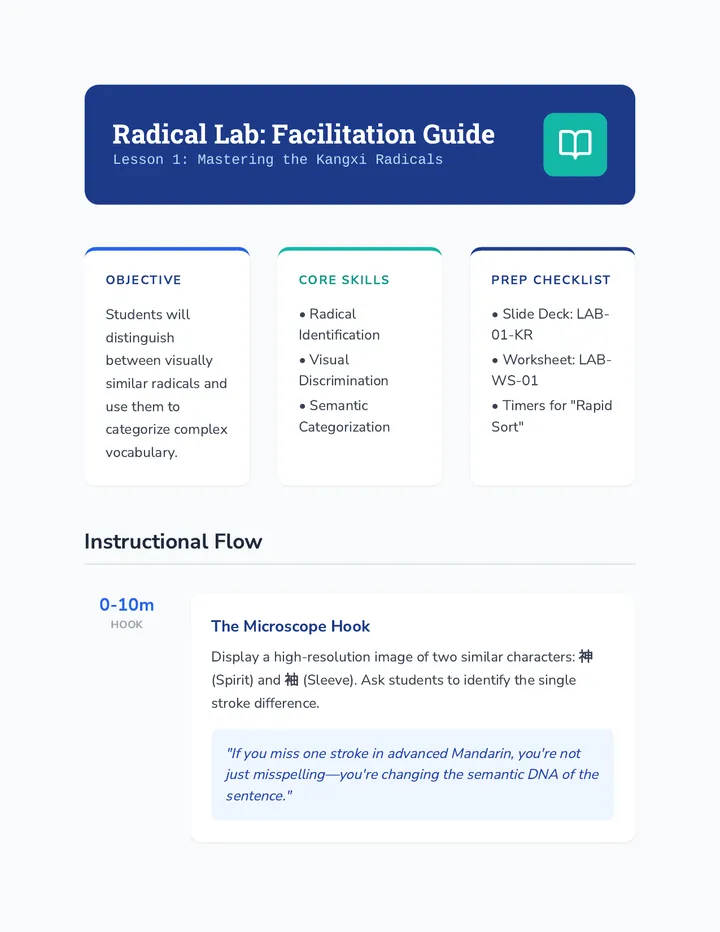
This intermediate Mandarin Chinese sequence focuses on the 214 Kangxi radicals, specifically the 50 most common ones. Using a flipped classroom model, students learn to categorize vocabulary by their semantic 'roots,' building mental frameworks for better character retention and structural analysis.
This workshop-style sequence focuses on the mechanics and aesthetics of writing intermediate Mandarin characters. Students refine their handwriting by mastering stroke order for complex characters and exploring structural balance using Tian Zi Ge grids, ultimately creating a calligraphic portfolio.